1/7
Ecovillage Design: Models for Regenerative Urban Neighborhoods
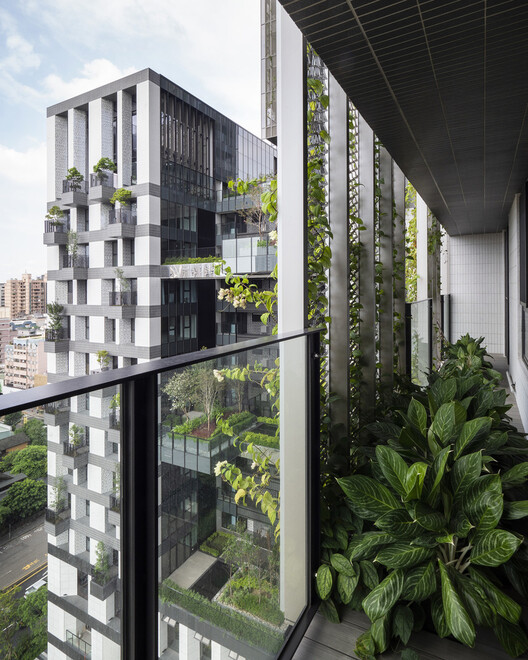
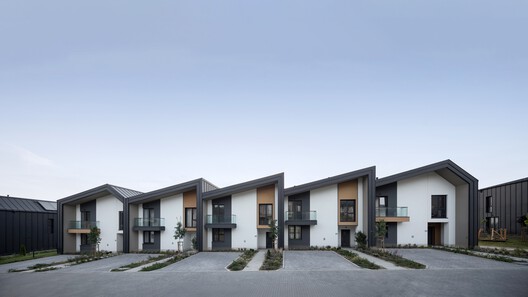
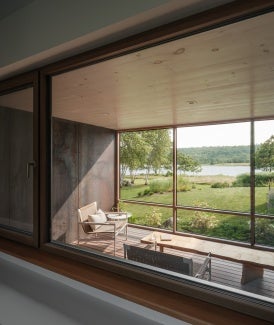
Ecovillages represent a compelling response to the pervasive issues of social fragmentation and environmental degradation prevalent in contemporary urban landscapes. These communities serve as functional prototypes for sustainable living, integrating social cohesion, economic viability, and ecological stewardship to foster regenerative urban development. The conventional model of urban and suburban expansion has often resulted in significant urban sprawl, fostering social isolation and exerting considerable negative impacts on both community bonds and natural ecosystems. Cities, in this context, are frequently characterized by anonymity, prohibitive housing costs, persistent traffic congestion, and widespread pollution. The limited access to natural environments further exacerbates these problems, leading to a disconnection among urban inhabitants from essential elements that contribute to well-being and a sense of belonging.
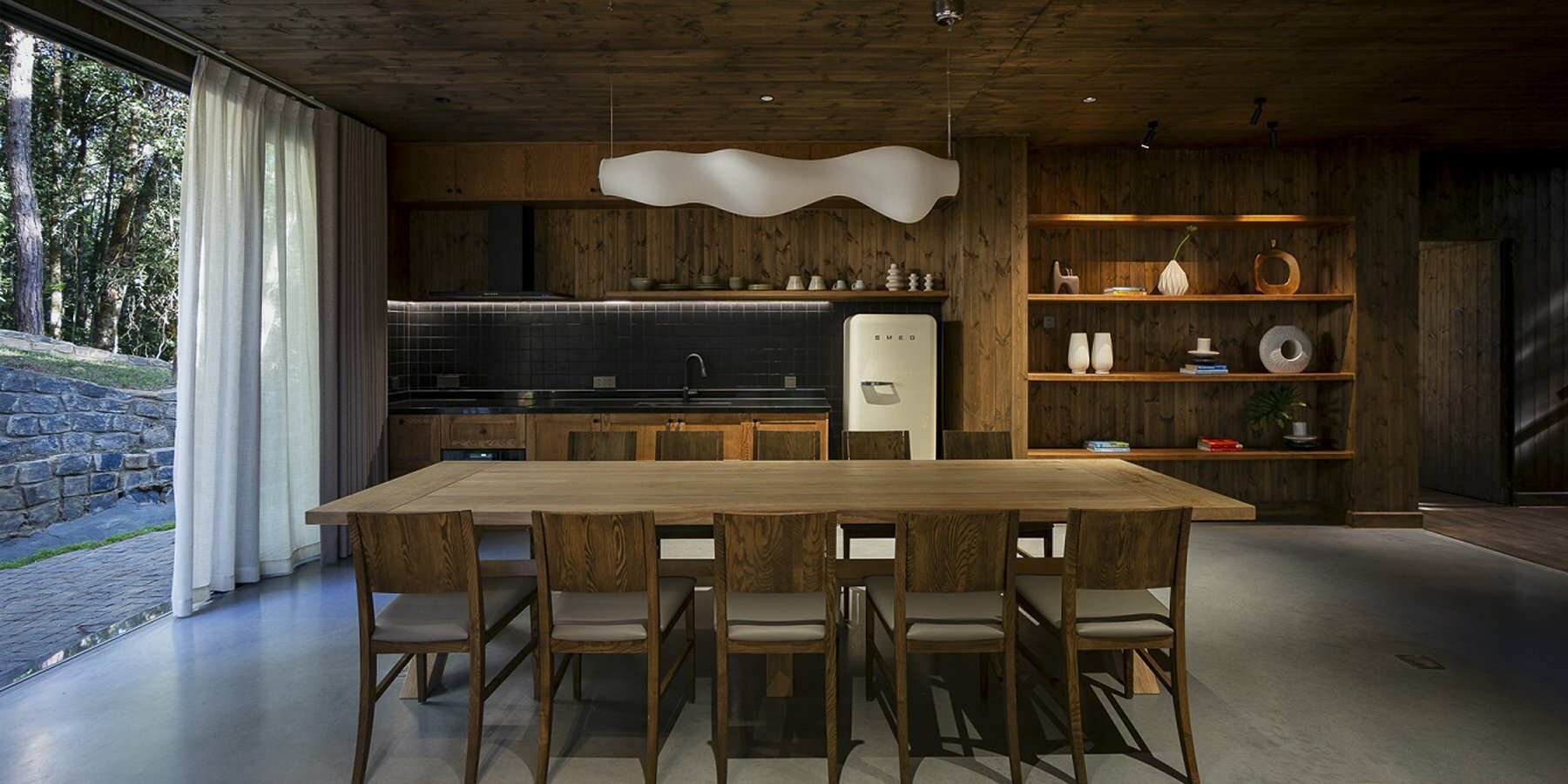
Ecovillages offer a distinct alternative by prioritizing intentional design and community-centric approaches. They are typically conceived as settlements that aim to minimize environmental impact through integrated systems for water, energy, waste, and food production. The design principles often include reliance on renewable energy sources, sustainable building materials, permaculture practices for food cultivation, and robust waste management systems that embrace circular economy principles. Beyond their ecological considerations, ecovillages place a strong emphasis on fostering social capital, encouraging participatory governance, shared resources, and collaborative activities among residents. This communal aspect is crucial in counteracting the isolation often experienced in conventional urban settings, promoting a sense of mutual support and shared responsibility.
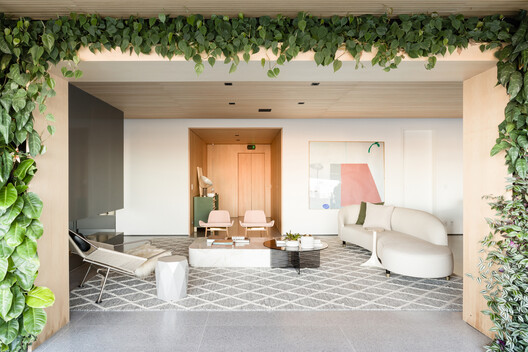
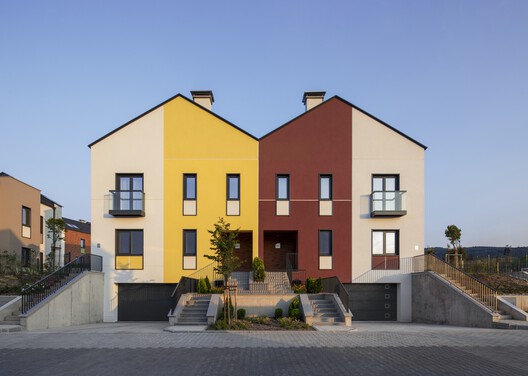
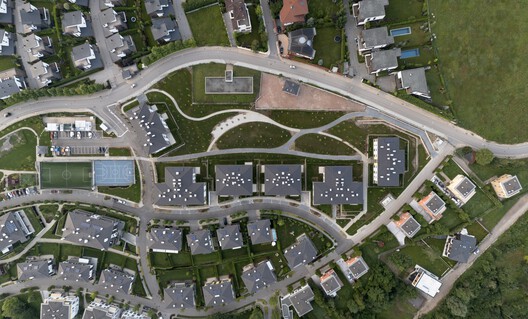
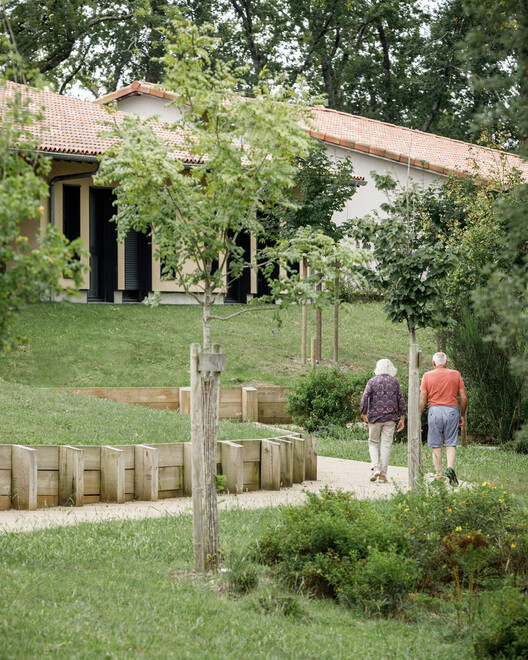
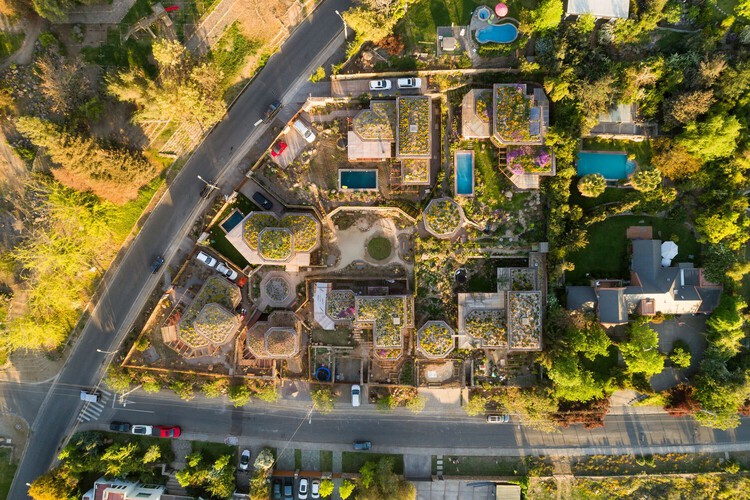
The economic models within ecovillages frequently explore local economies, cooperative ventures, and resource sharing to build resilience and reduce dependence on external markets. This can manifest through community-supported agriculture, local craft industries, and shared infrastructure, which not only provide economic benefits but also reinforce community ties. The architectural and planning strategies employed in ecovillages are diverse but consistently aim for harmony with the natural surroundings. This includes site-specific designs that consider local climate, topography, and biodiversity, often incorporating green spaces, communal gardens, and pedestrian-friendly layouts. These design choices contribute to a higher quality of life for residents, promoting physical activity, mental well-being, and a closer connection to nature.
The lessons learned from established ecovillages, such as the Findhorn Ecovillage in Scotland, demonstrate the feasibility and benefits of these regenerative models. Findhorn, for instance, showcases significant reductions in ecological footprint per resident, coupled with high levels of community satisfaction and vibrant social structures. Such examples provide valuable insights for urban planners, architects, and policymakers seeking to integrate regenerative principles into larger urban contexts. The success of ecovillages suggests that by intentionally designing for ecological sustainability and social well-being, it is possible to create urban neighborhoods that are not only environmentally responsible but also foster strong, resilient communities capable of addressing contemporary societal challenges.
#EcovillageDesign #RegenerativeUrbanism #SustainableLiving #CommunityDesign #UrbanPlanning #EcologicalArchitecture #CircularEconomy #Permaculture #SocialCohesion #EcovillageDesign #RegenerativeUrbanism #SustainableLiving #CommunityDesign #UrbanPlanning #EcologicalArchitecture #CircularEconomy #Permaculture #SocialCohesion
0 comment in total
 No comments yet
You may also like
From Prototype to Progress: How Small-Scale Sustainable Housing Models Are Shaping Our Future

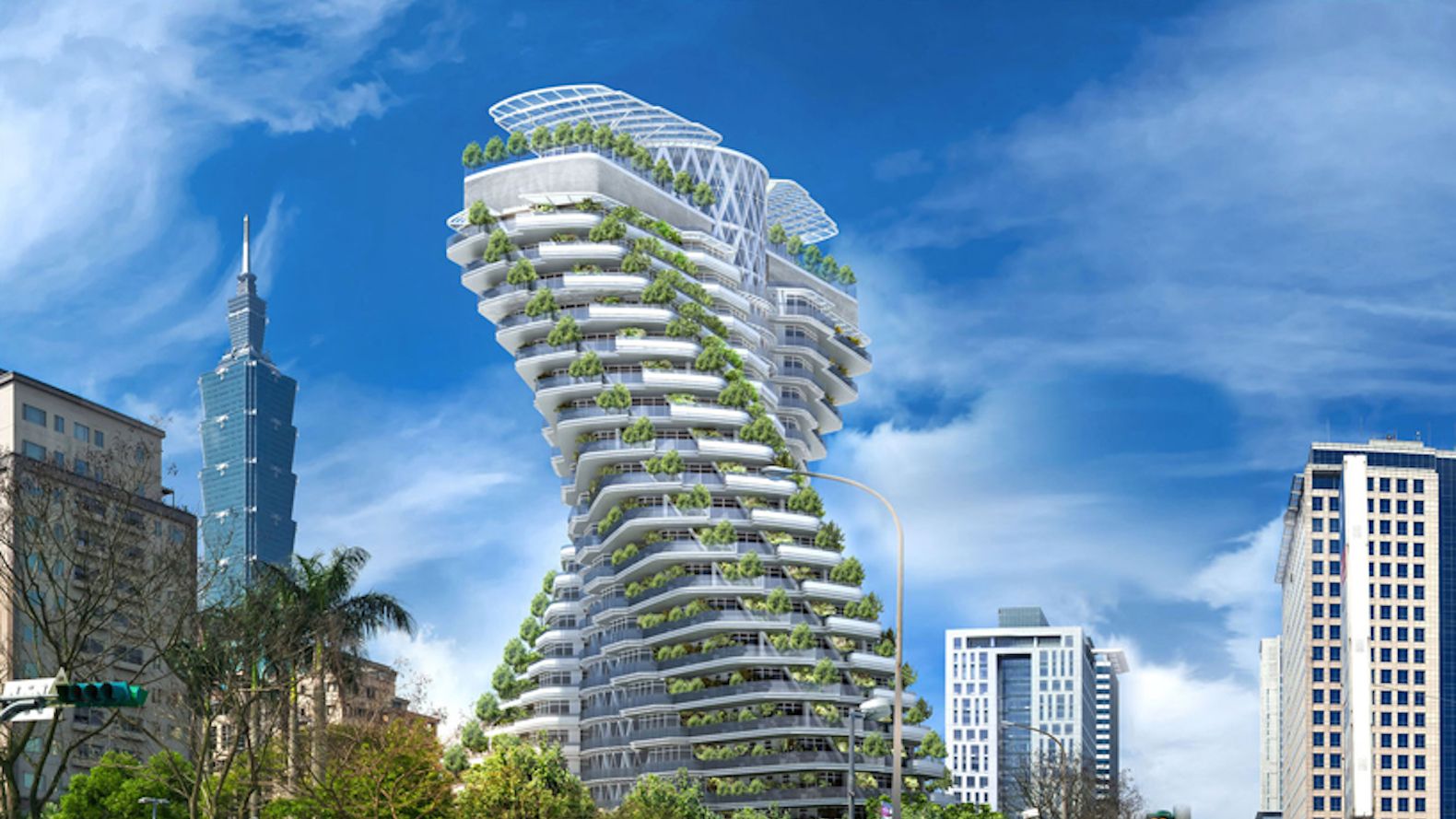
8 Remarkable Buildings That Use Trees as a Design Element

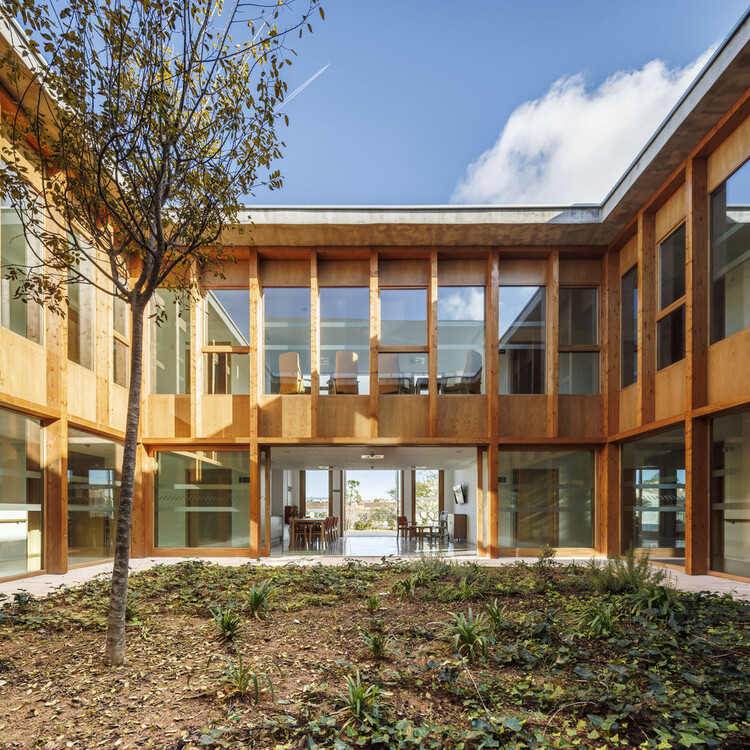
Courtyards, Gardens, and Terraces for Seniors: Residences that Integrate Community Life into the Natural Environment

Gallery of SINICA Eco Pavilion / Emerge Architects - 30
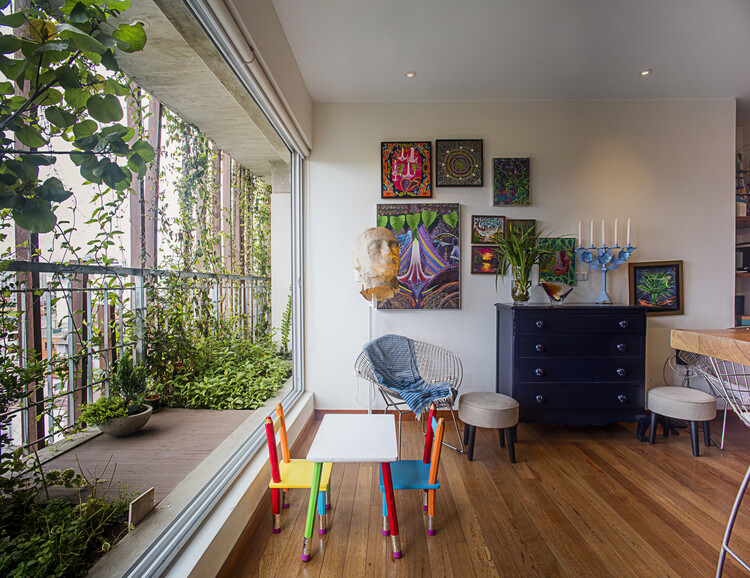
Cultivating Green Apartments: A Guide to Integrating Nature in Small Urban Spaces
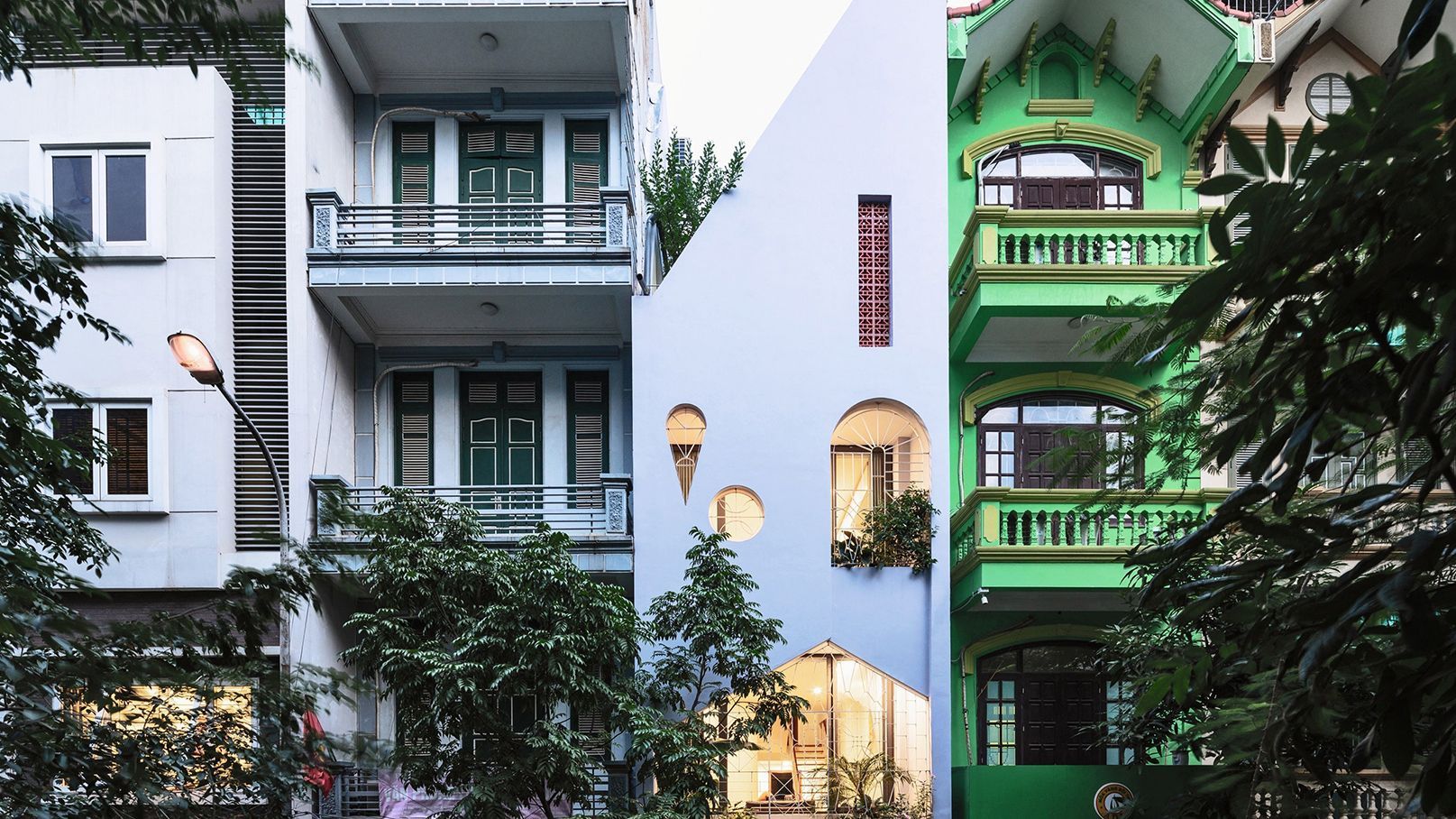
7 breathtaking sustainable homes around the world

Living green walls are having a moment but face a steep challenge

15 Simple and Beautiful Village House Design Ideas 2024
Case Studies in Community-Centered Living: Innovative Residential Design
GG-loop clads biophilic housing proposal in amsterdam with parametric timber facade
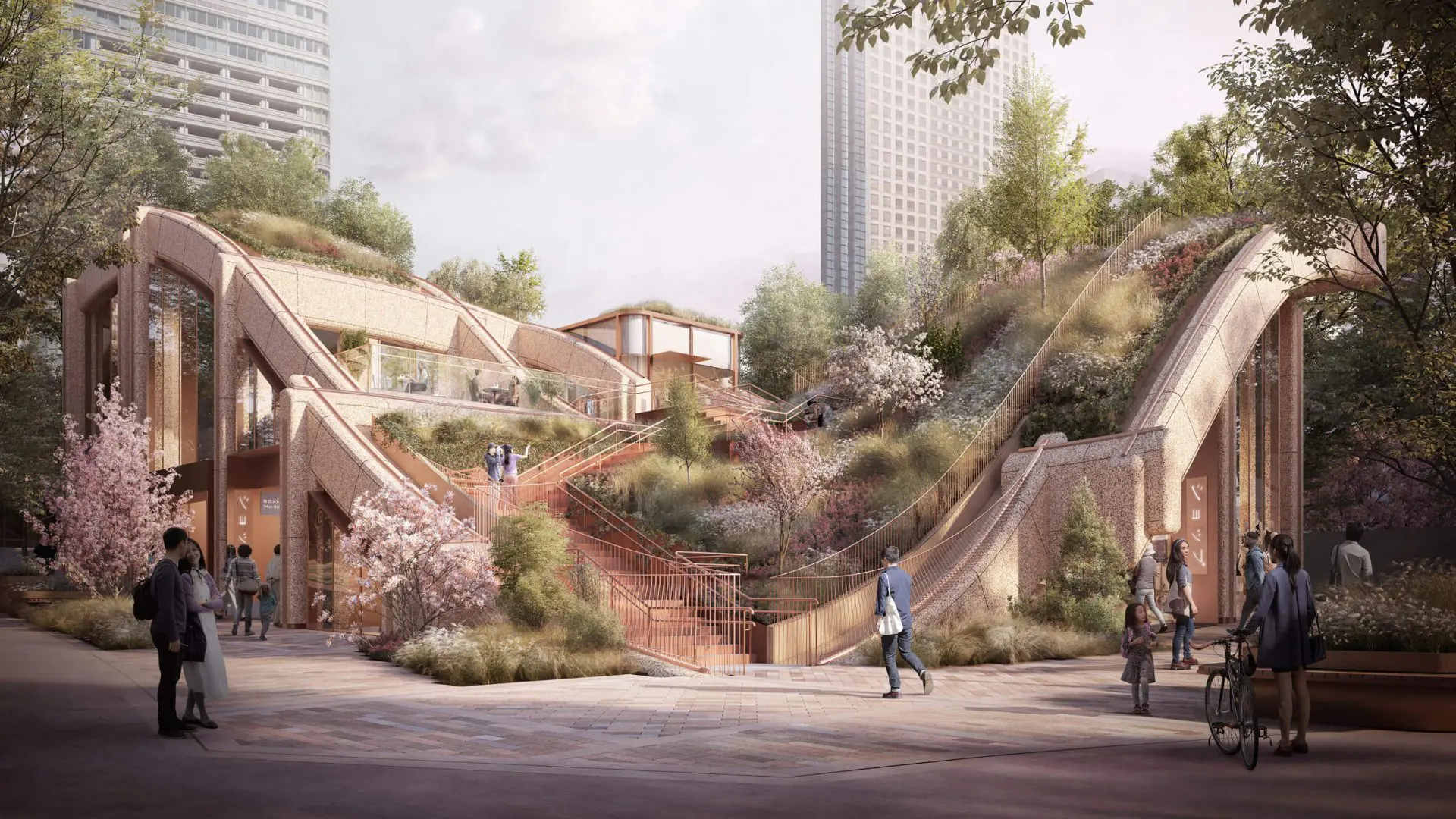
Biophilic architecture: 11 projects where nature meets concrete

Building Change: World Green Infrastructure Congress 2024
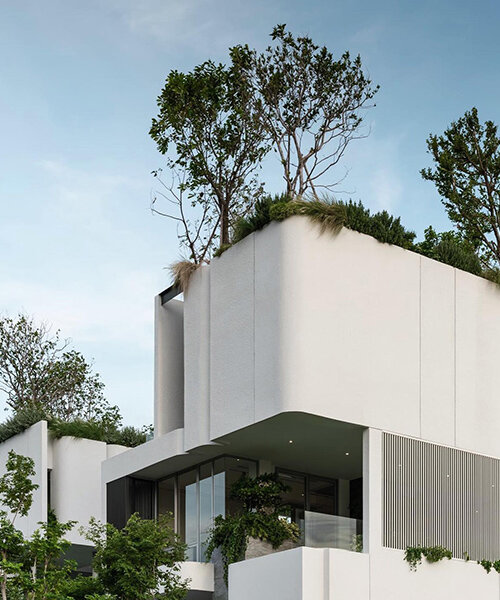
IDIN architects infuses pops of nature within urban living in bangkok
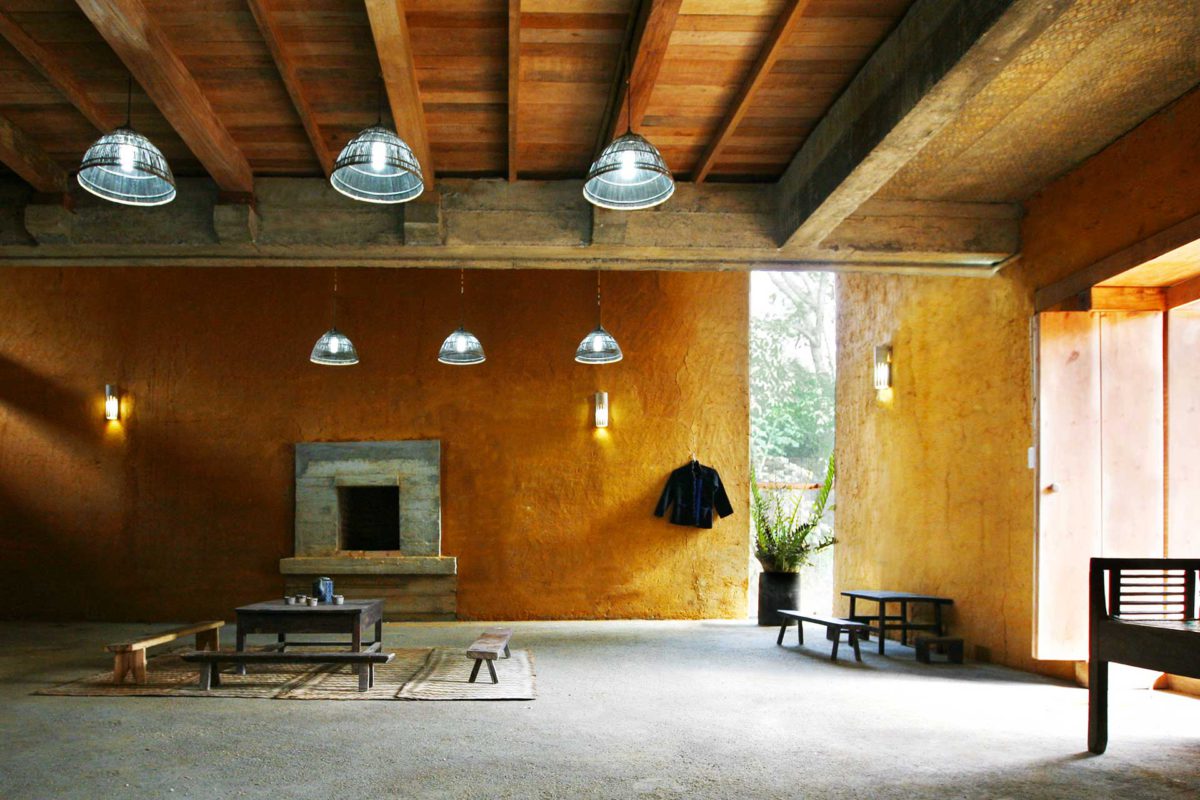
Hearth Village designed by 1+1>2 in Vietnam: an example of how to rethink the rural

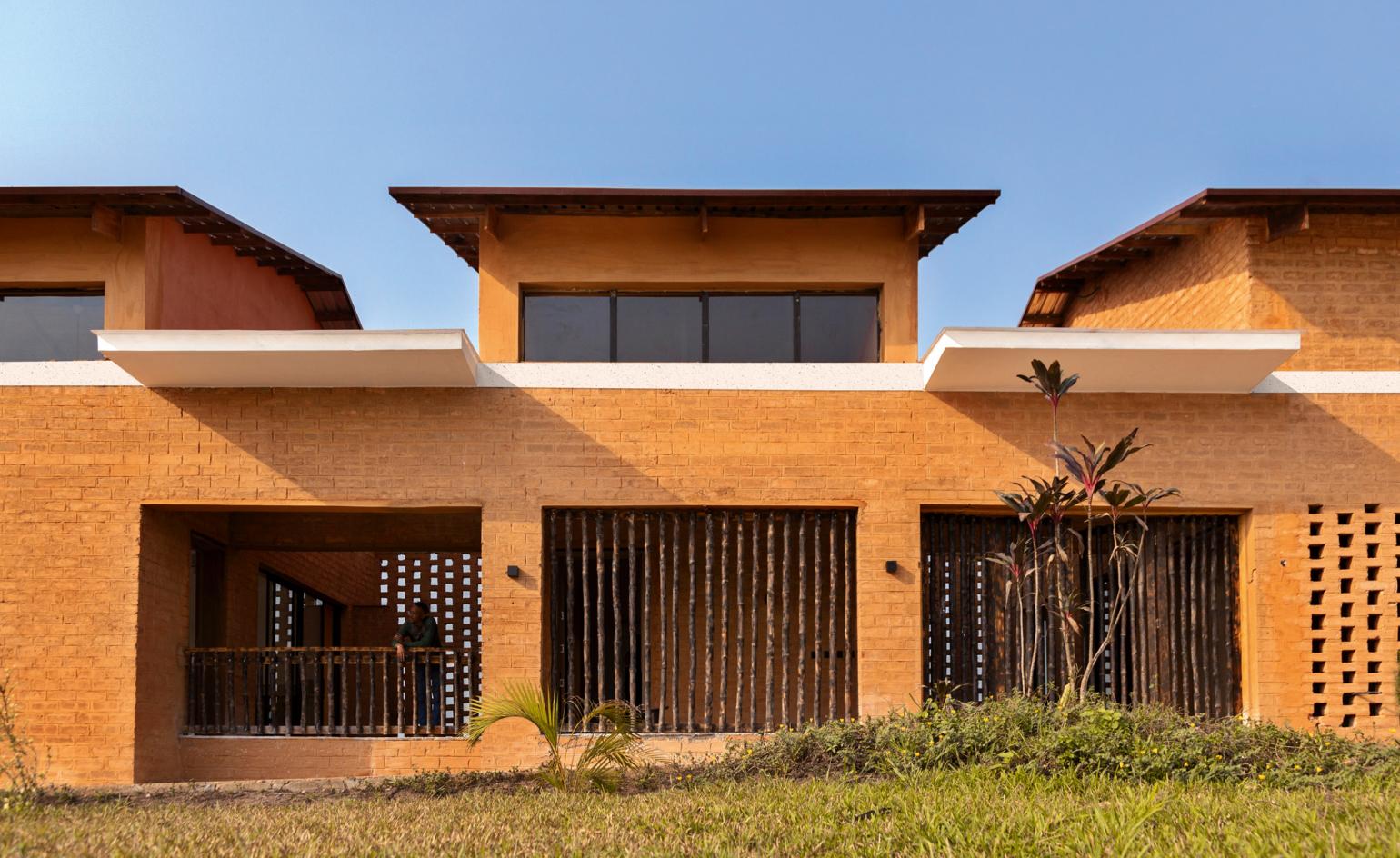
Sustainable architecture: 46 innovative and inspiring building designs

How residential design offers opportunities for sustainability
An Eco-Friendly Community Outside of Atlanta Celebrates Nature and Sustainability

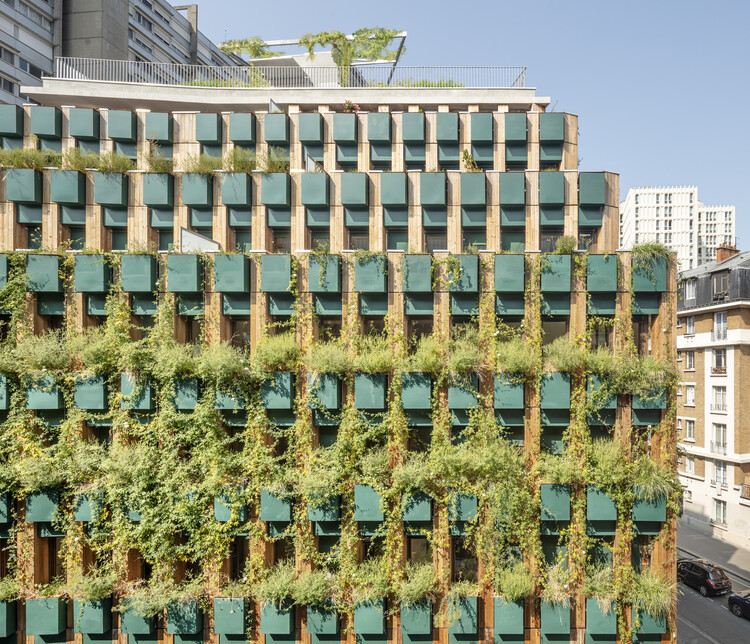
Architecture Inspired by Permaculture: How to Integrate Its Design Principles Across Diverse Contexts
Floating Small Home Offers Flexible Living While Preserving Trees & Maximizing Space
APS concept studio nestles wooden villa into vietnamese countryside