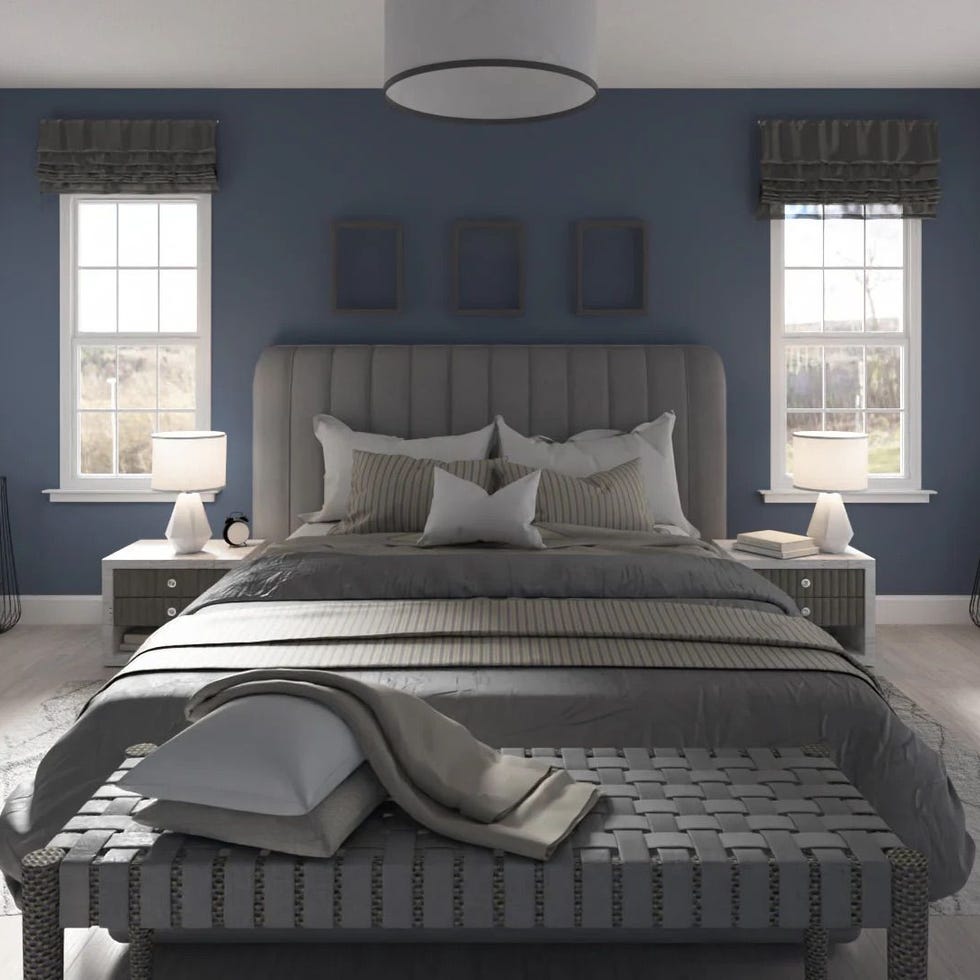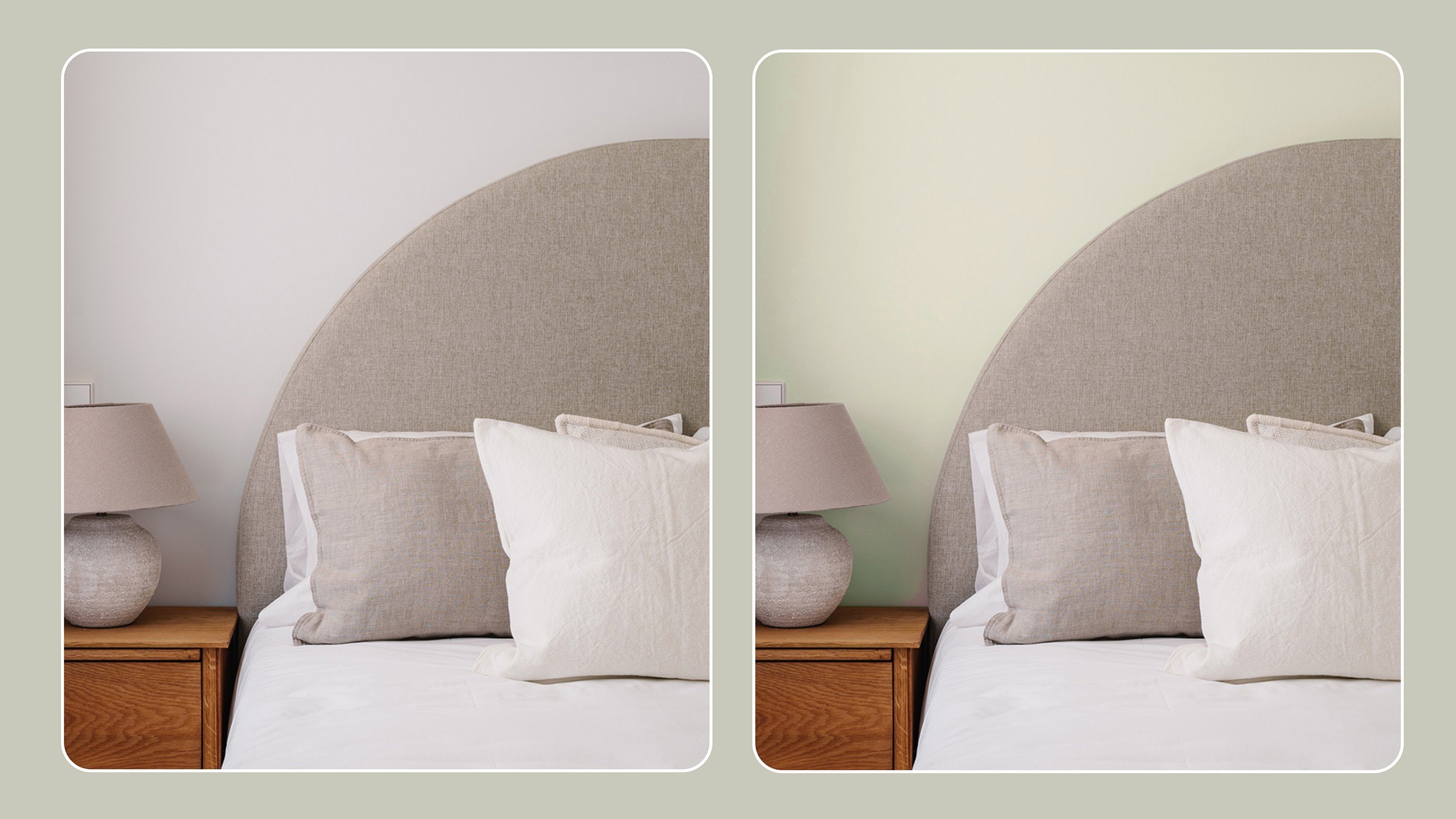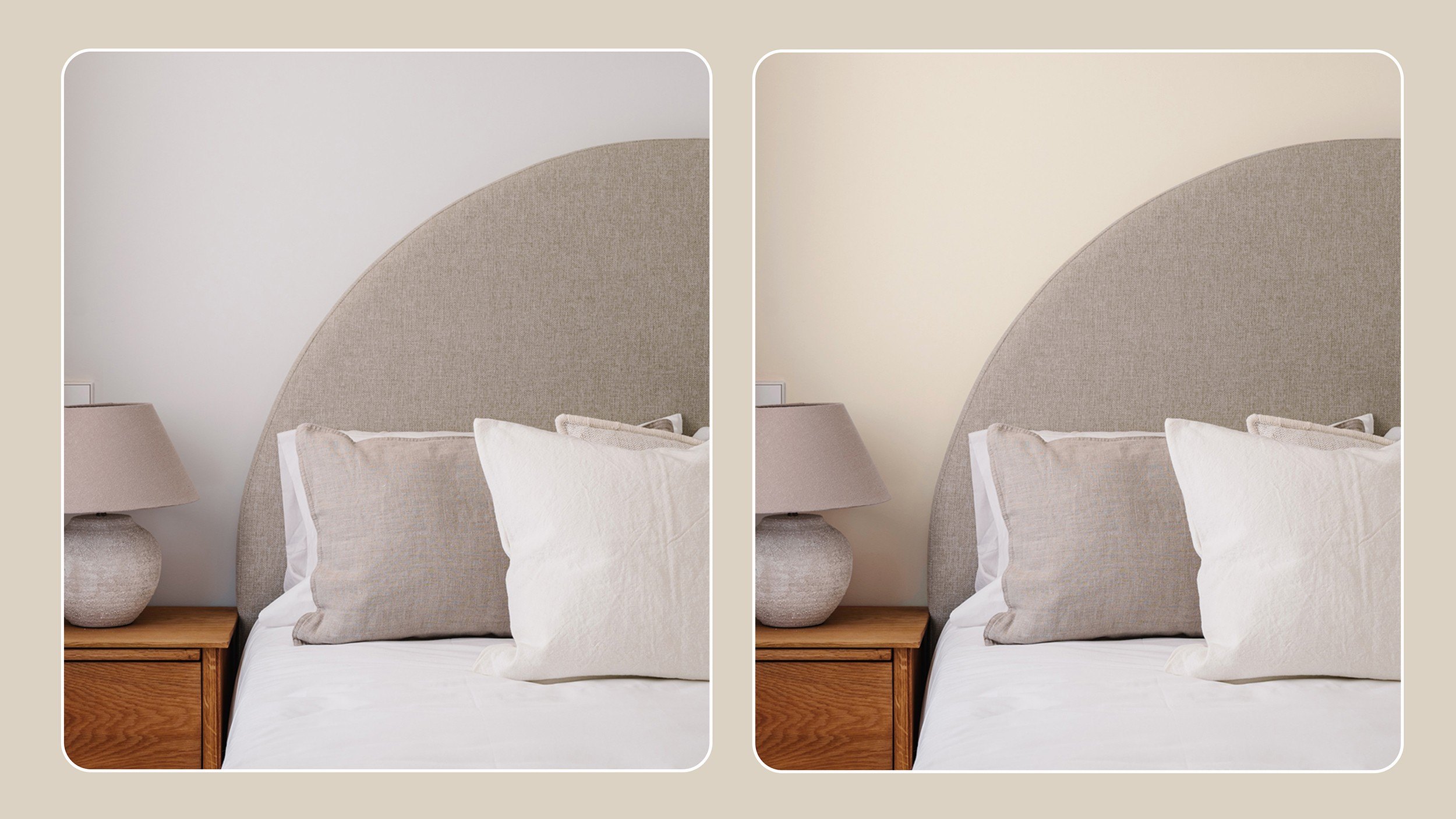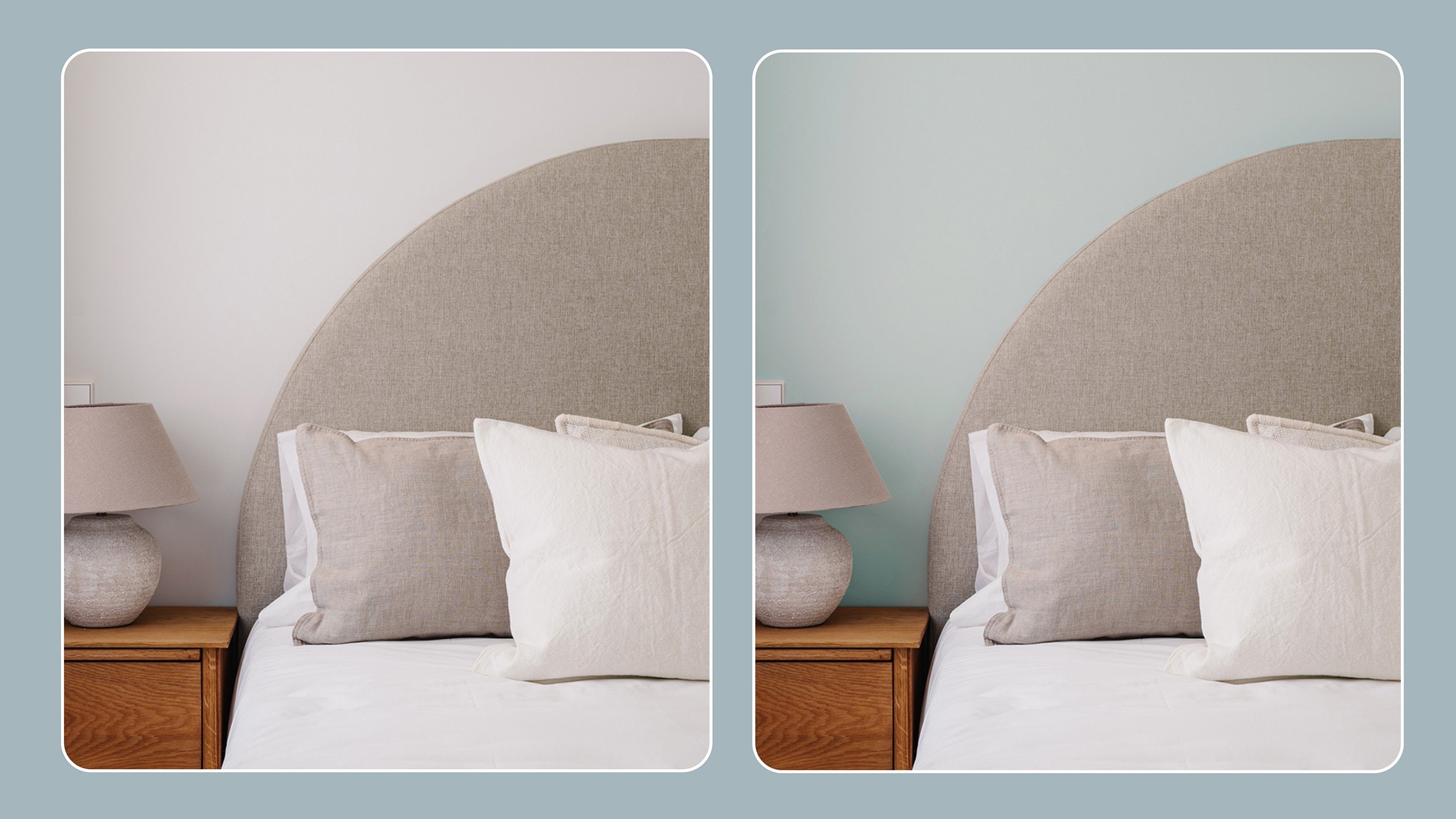
Interior Paint Colors & Palettes
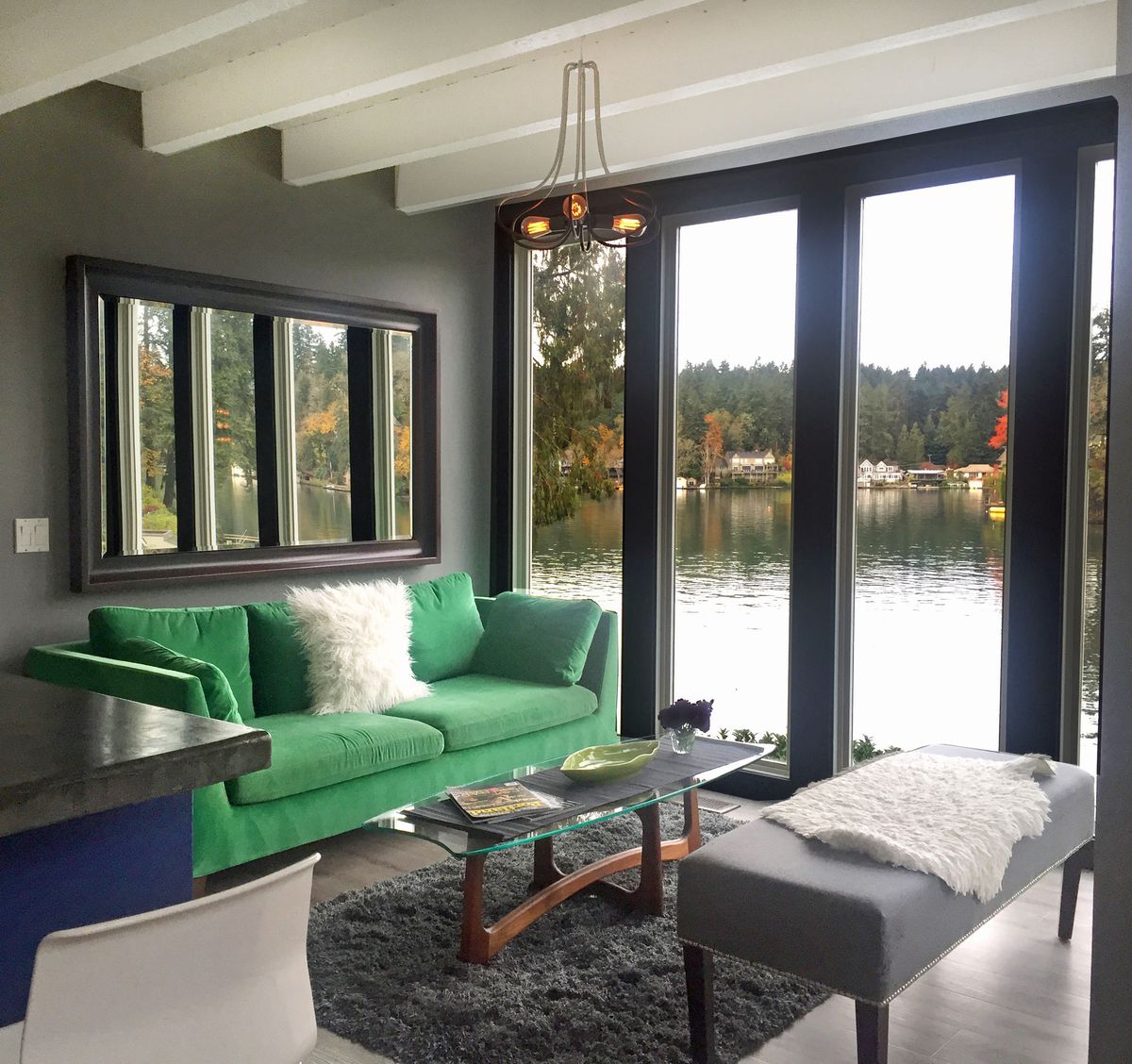
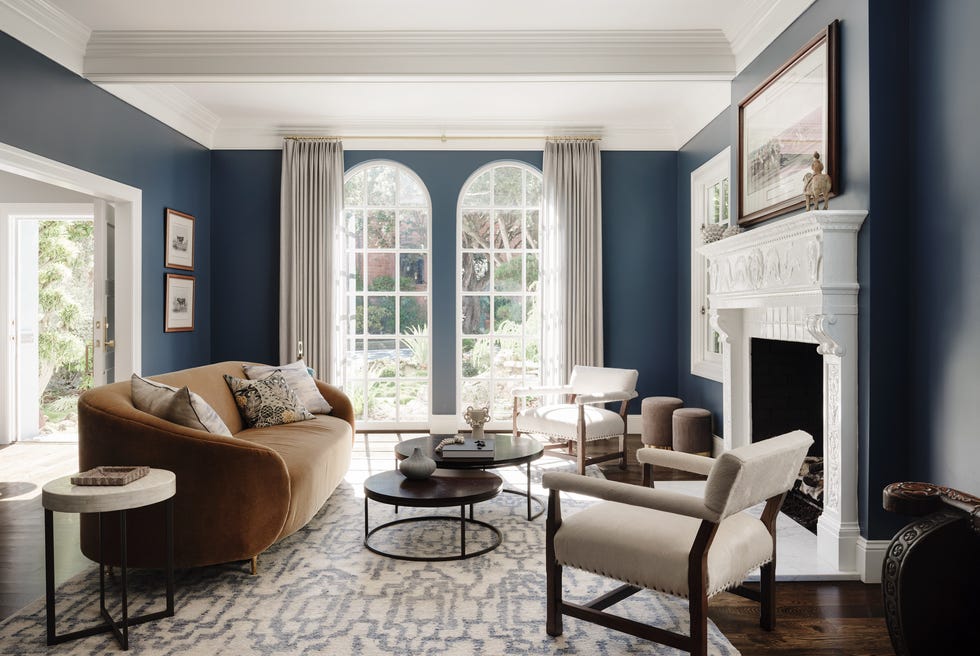
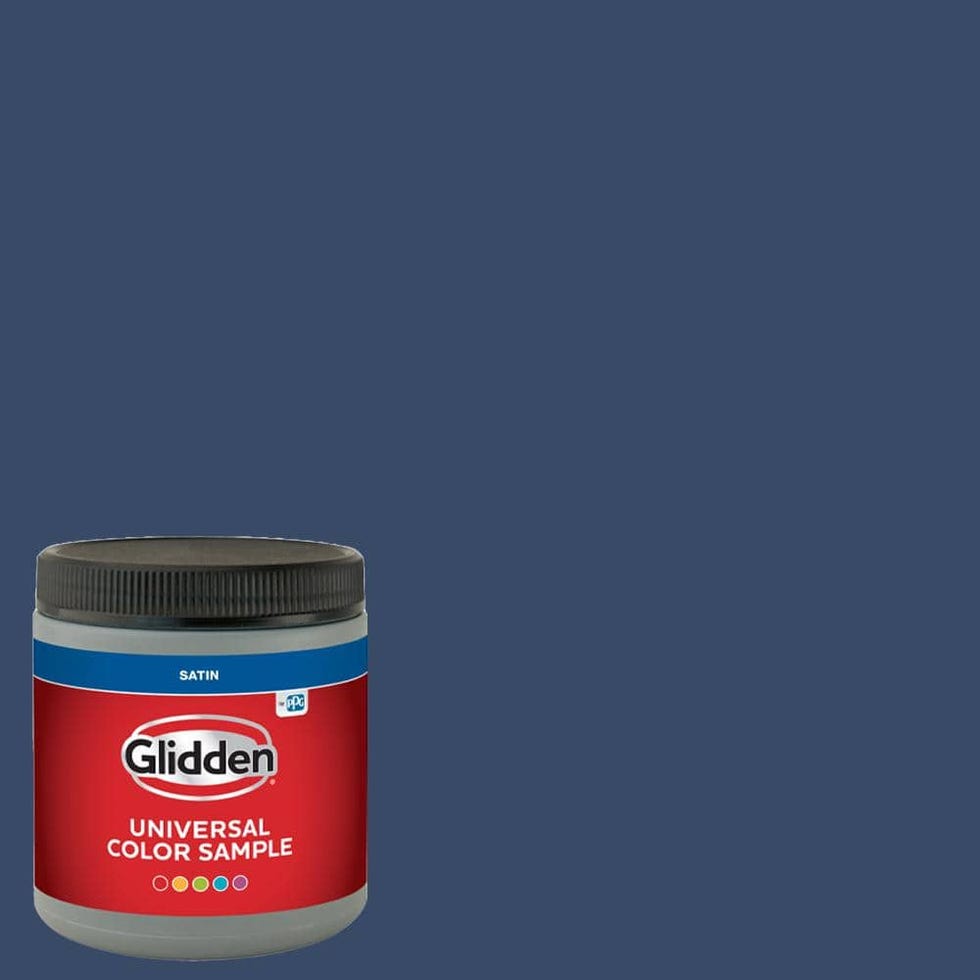
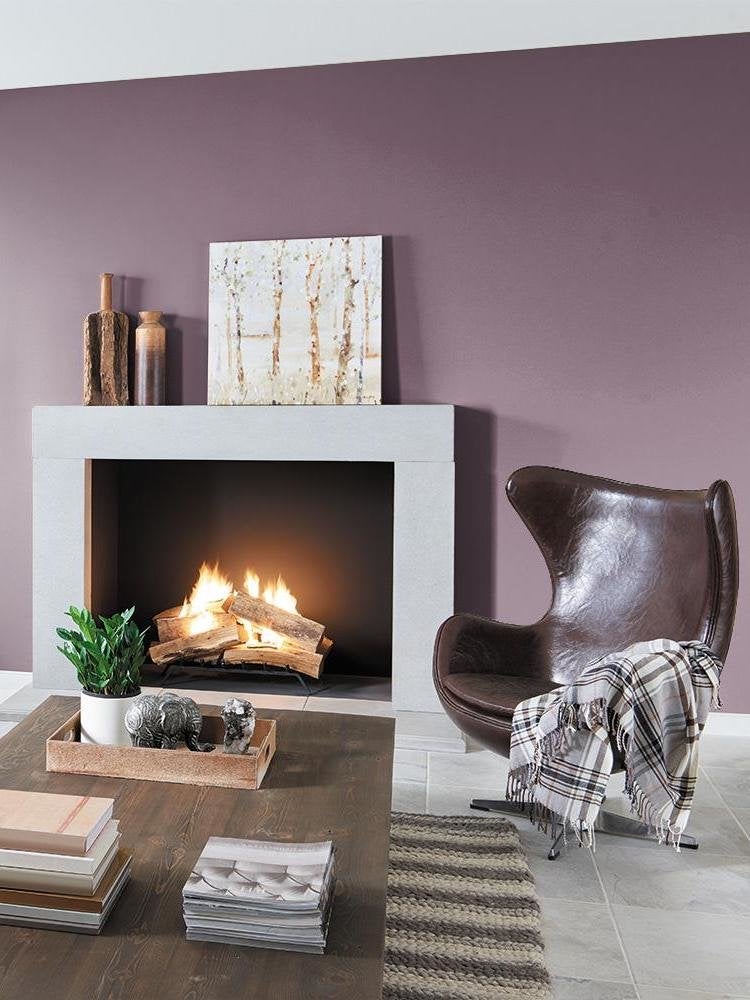
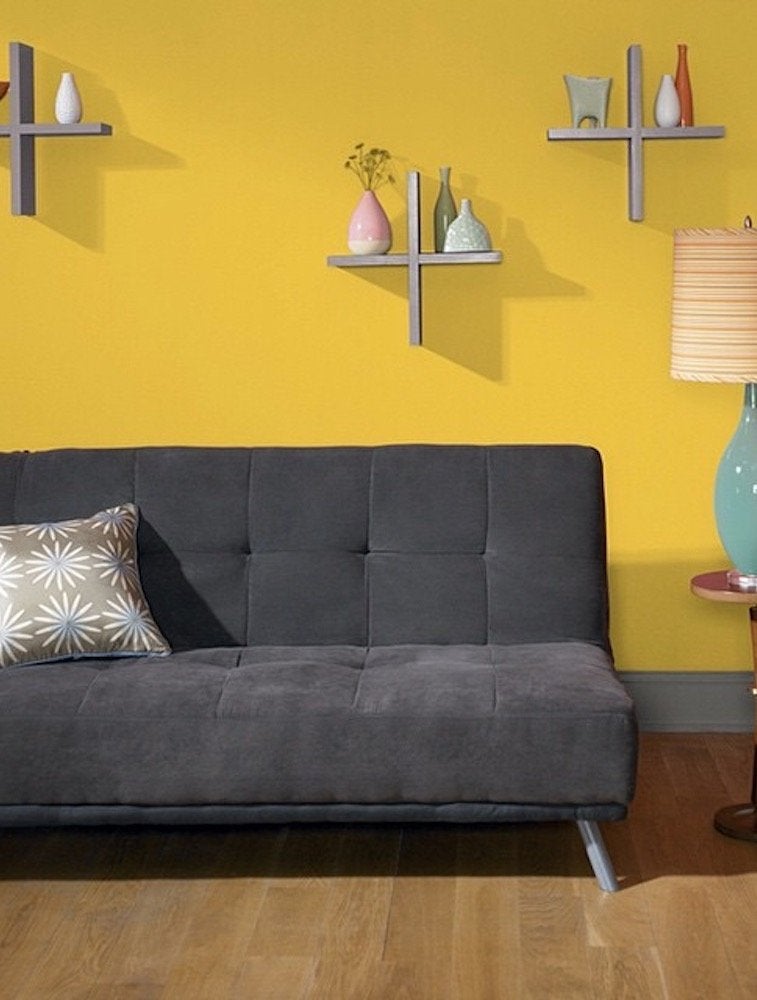
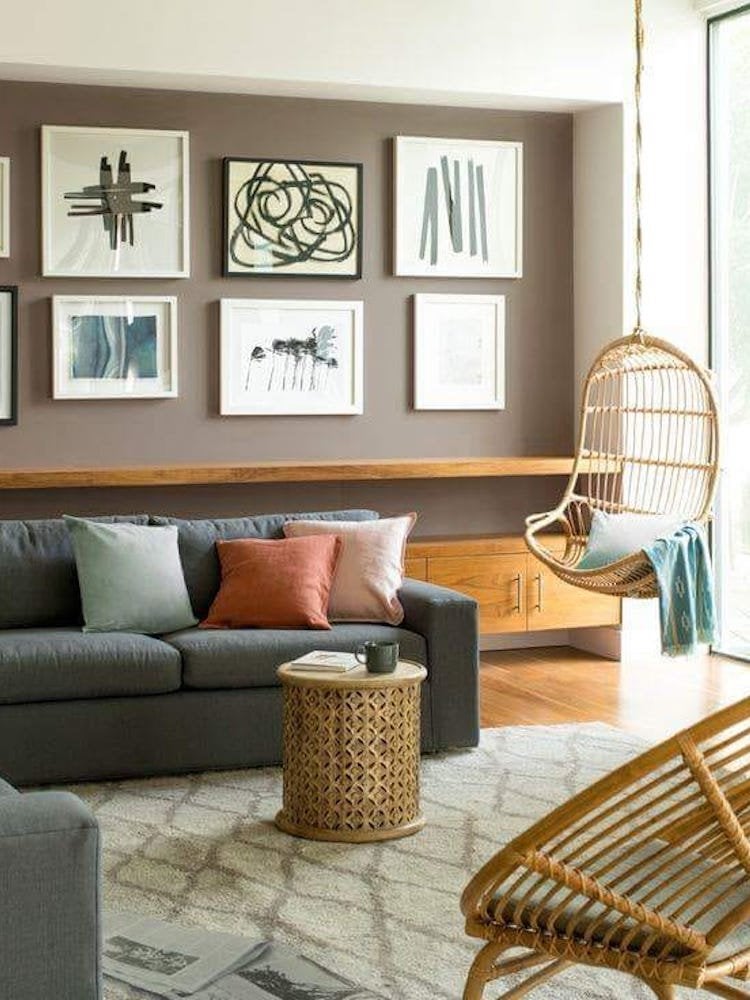
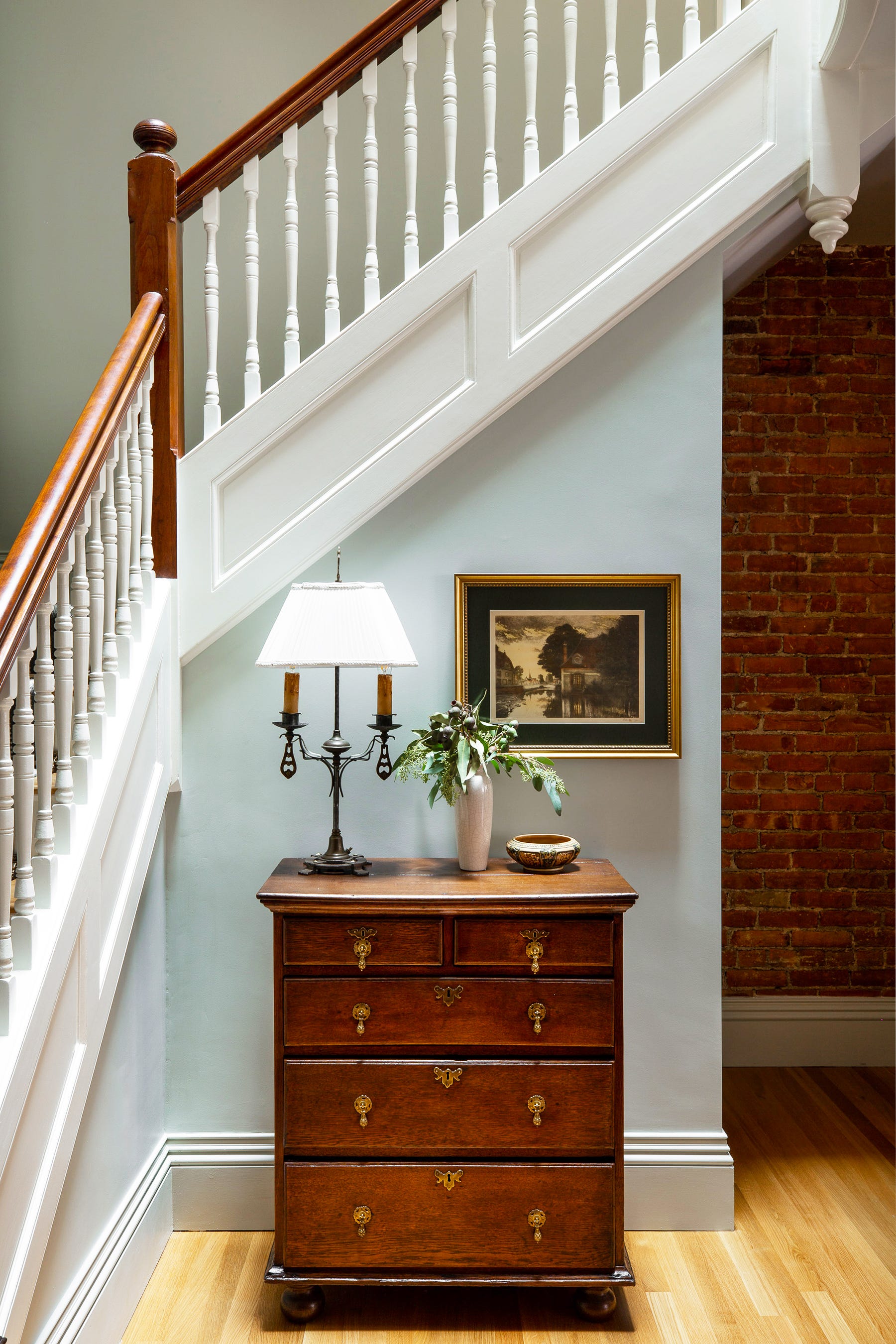
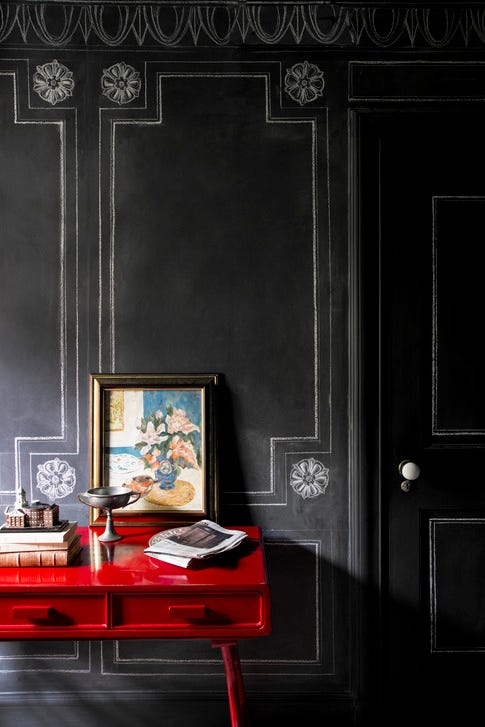
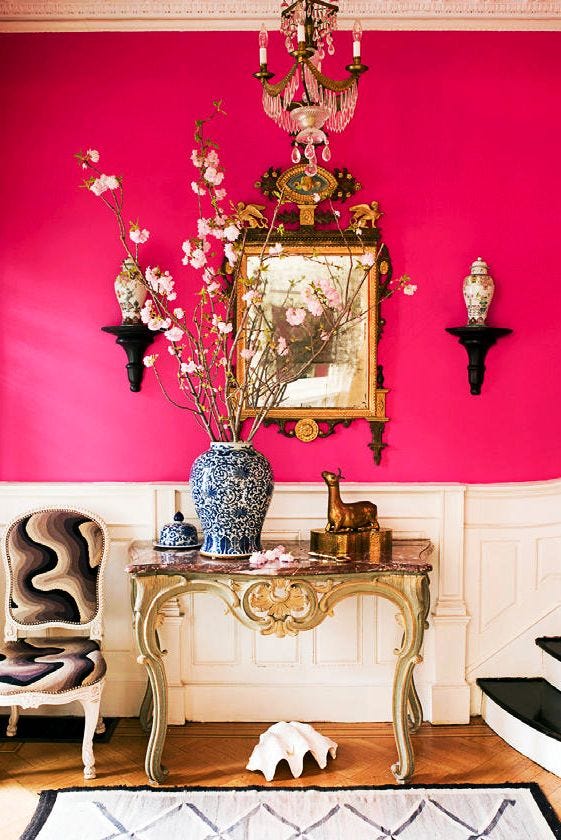
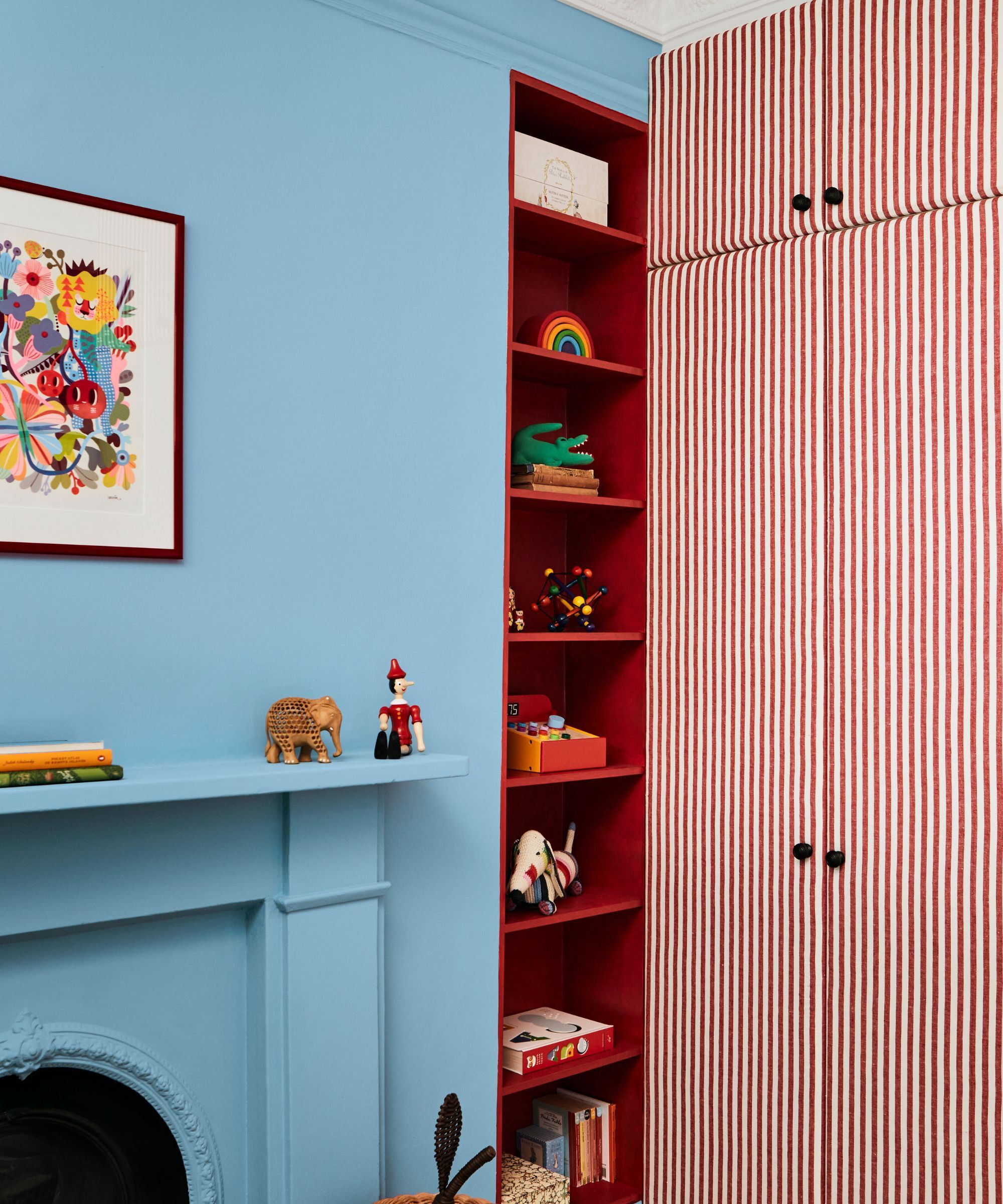
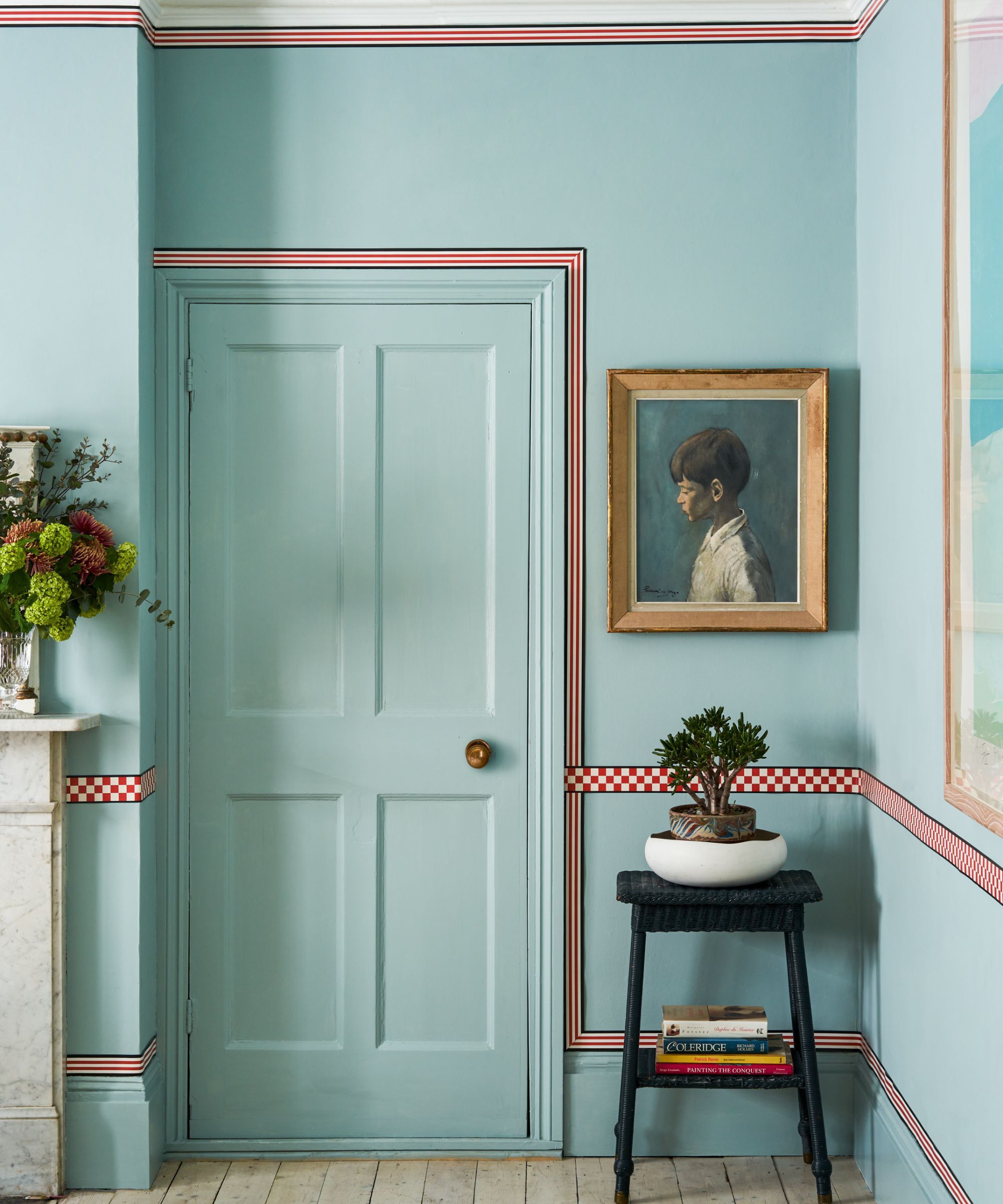
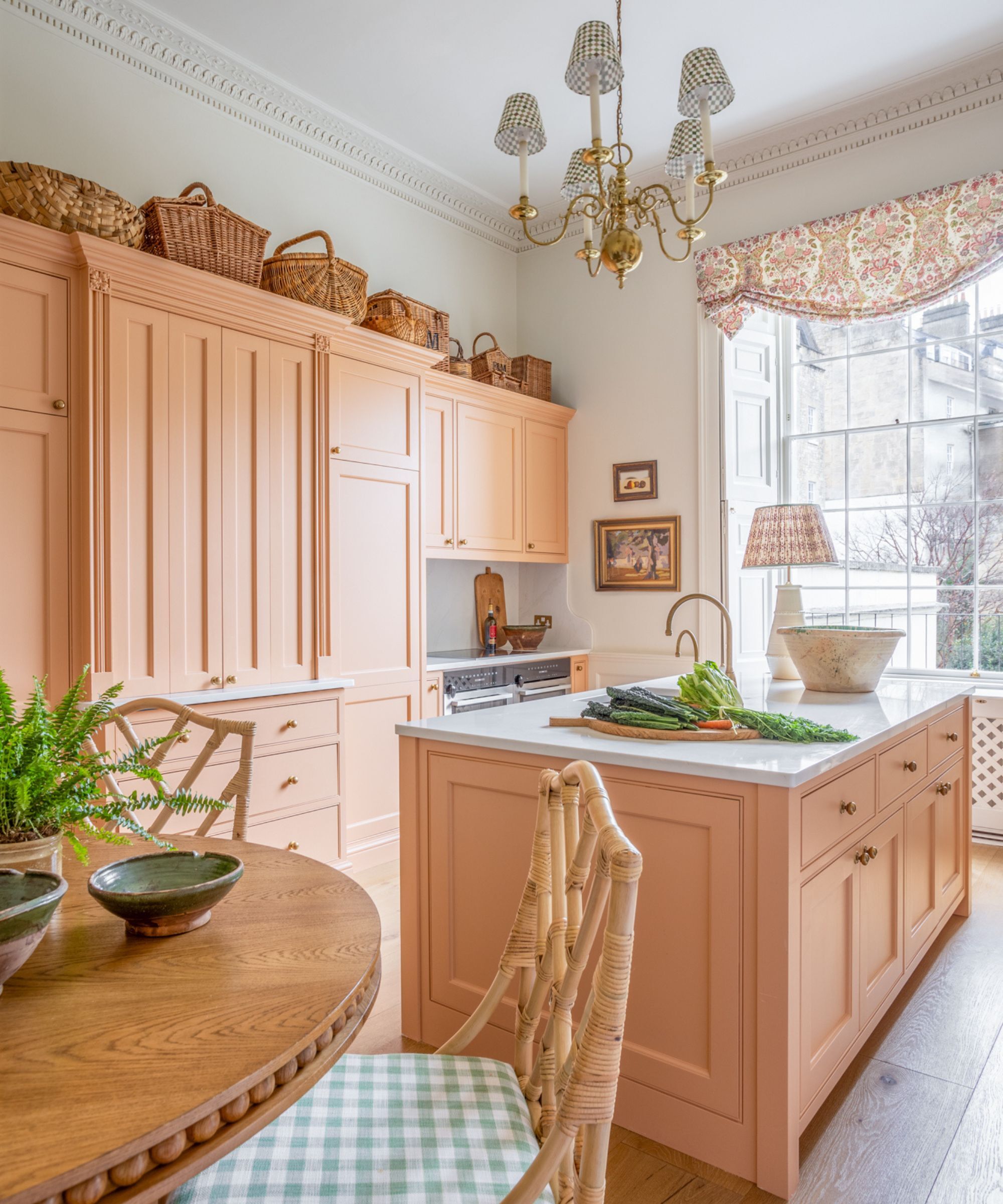
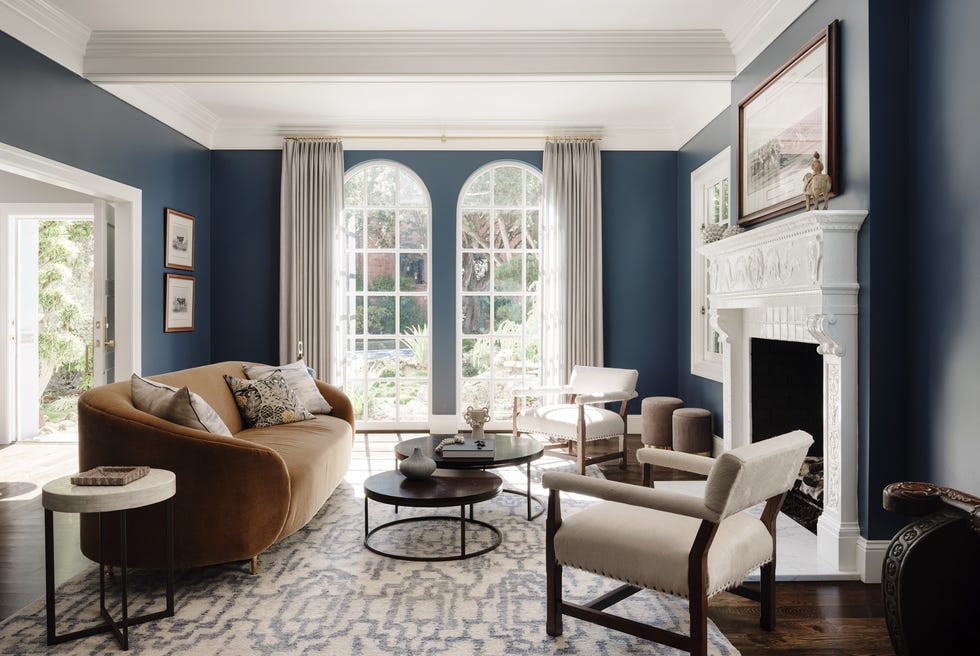
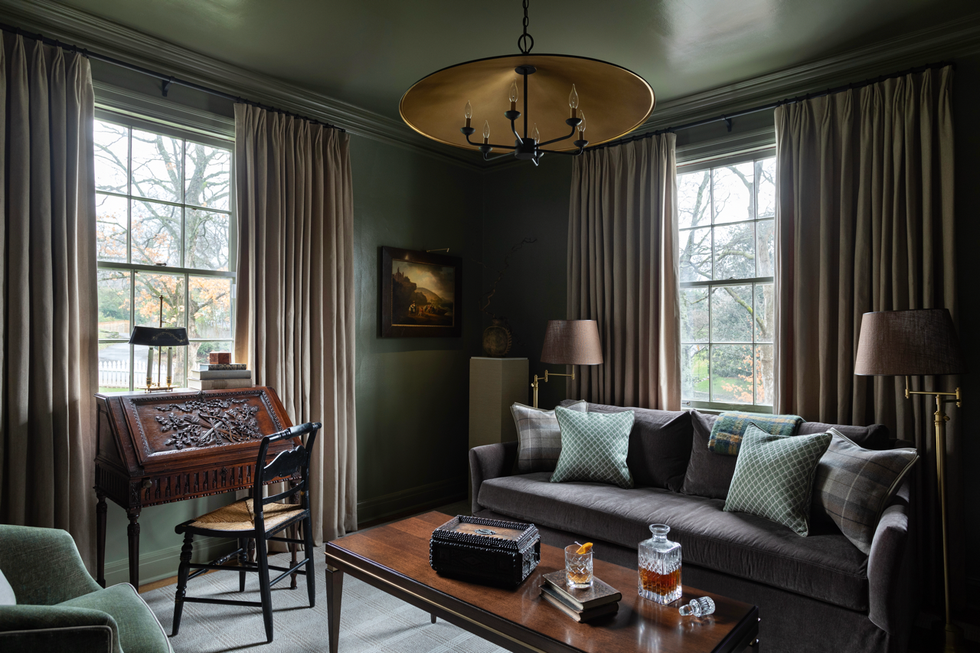
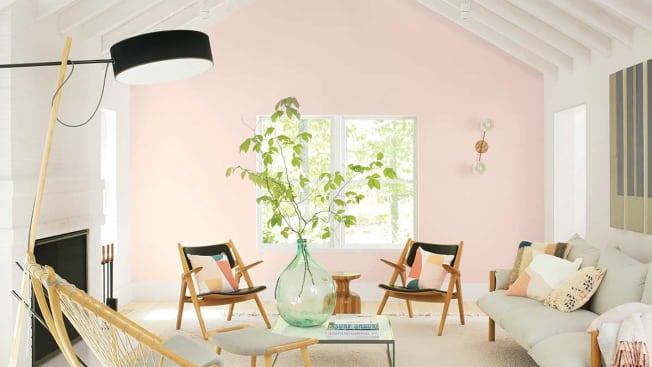
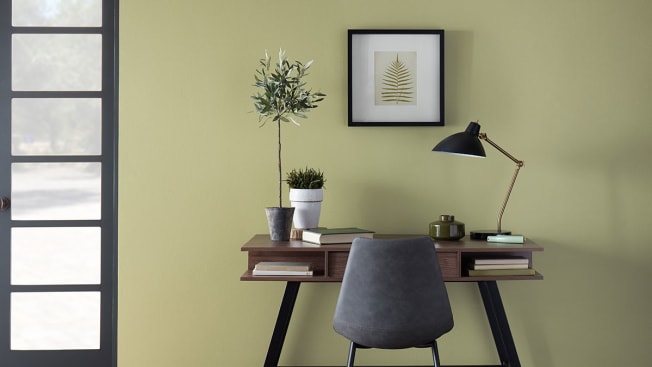
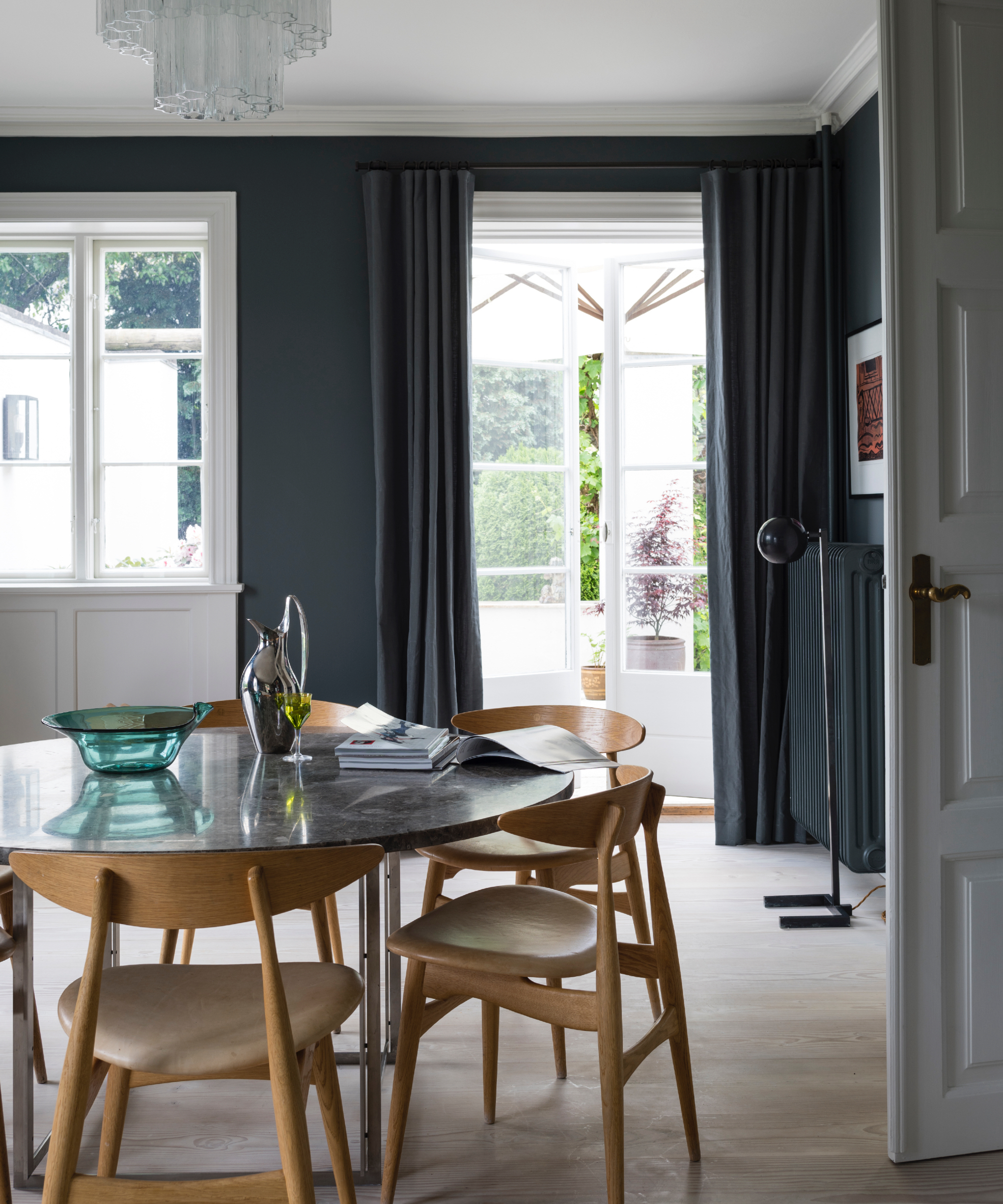
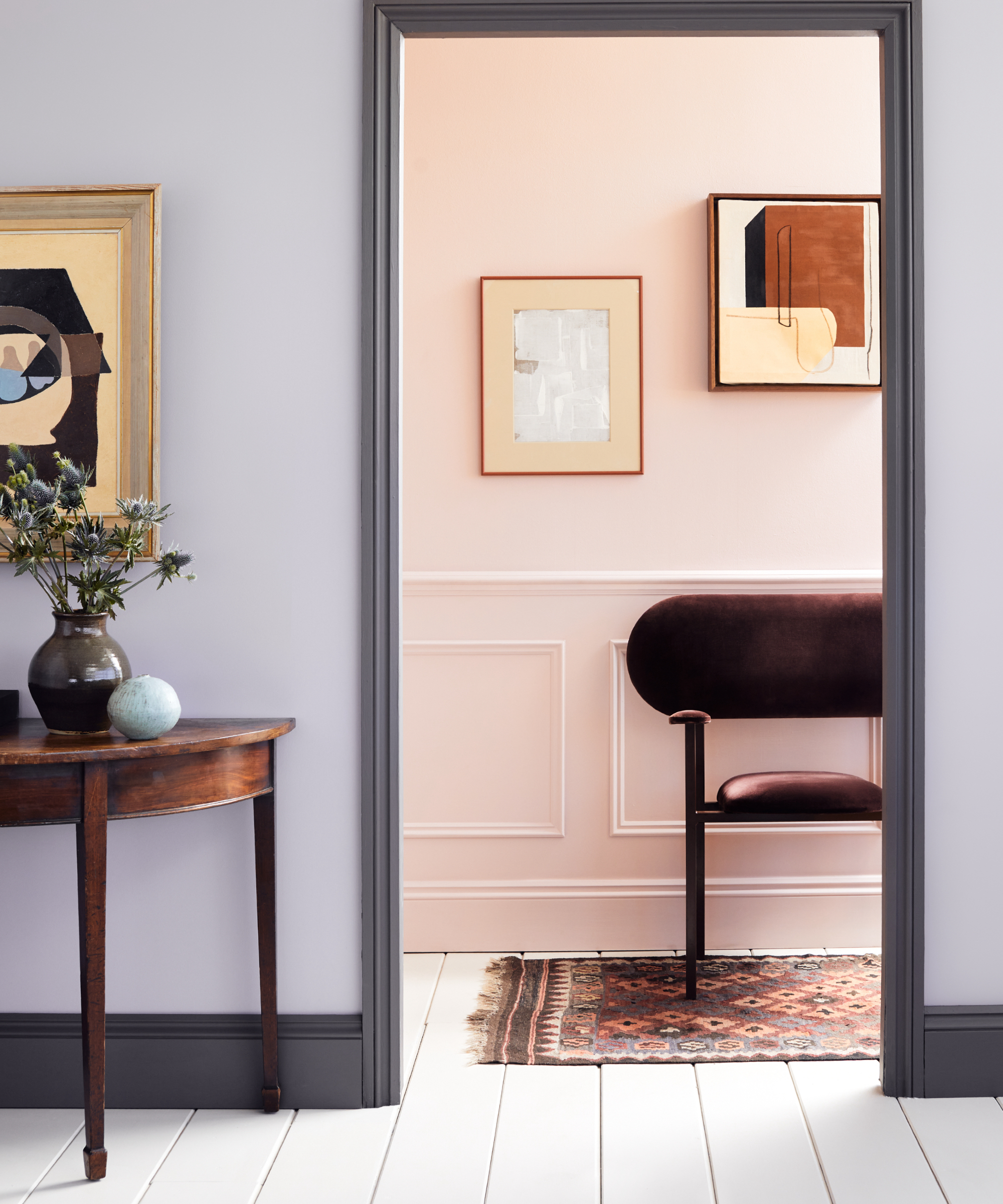
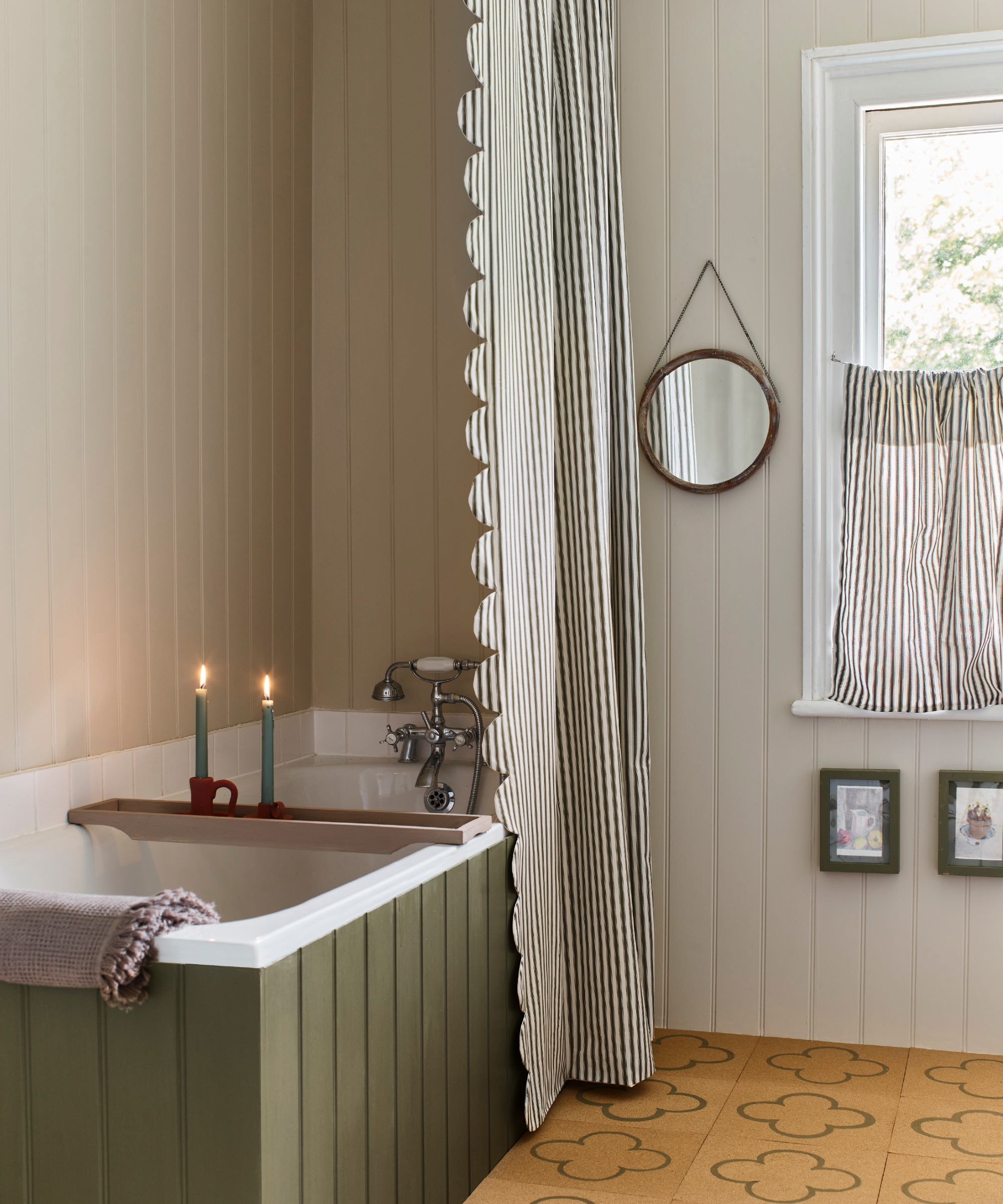
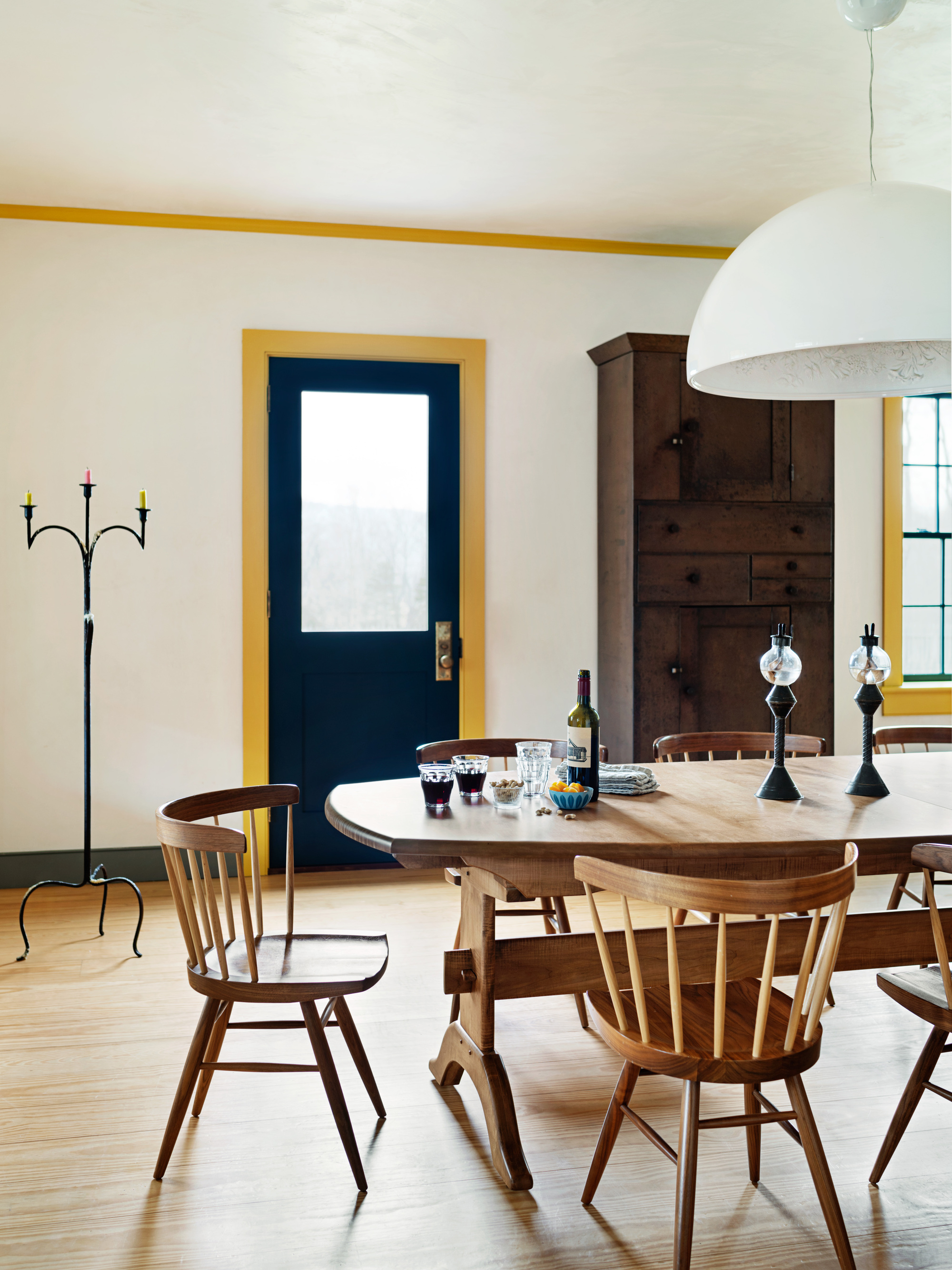
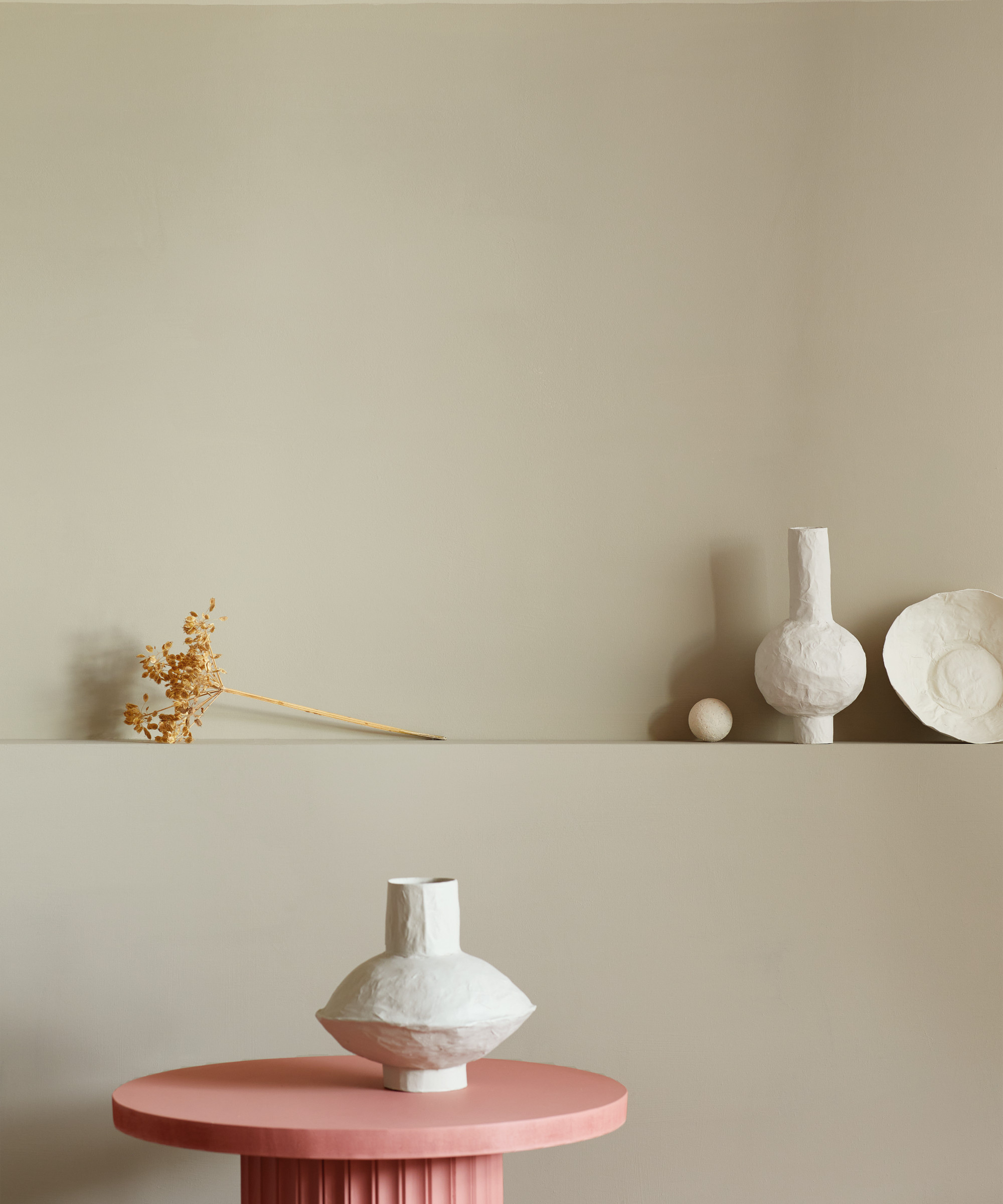
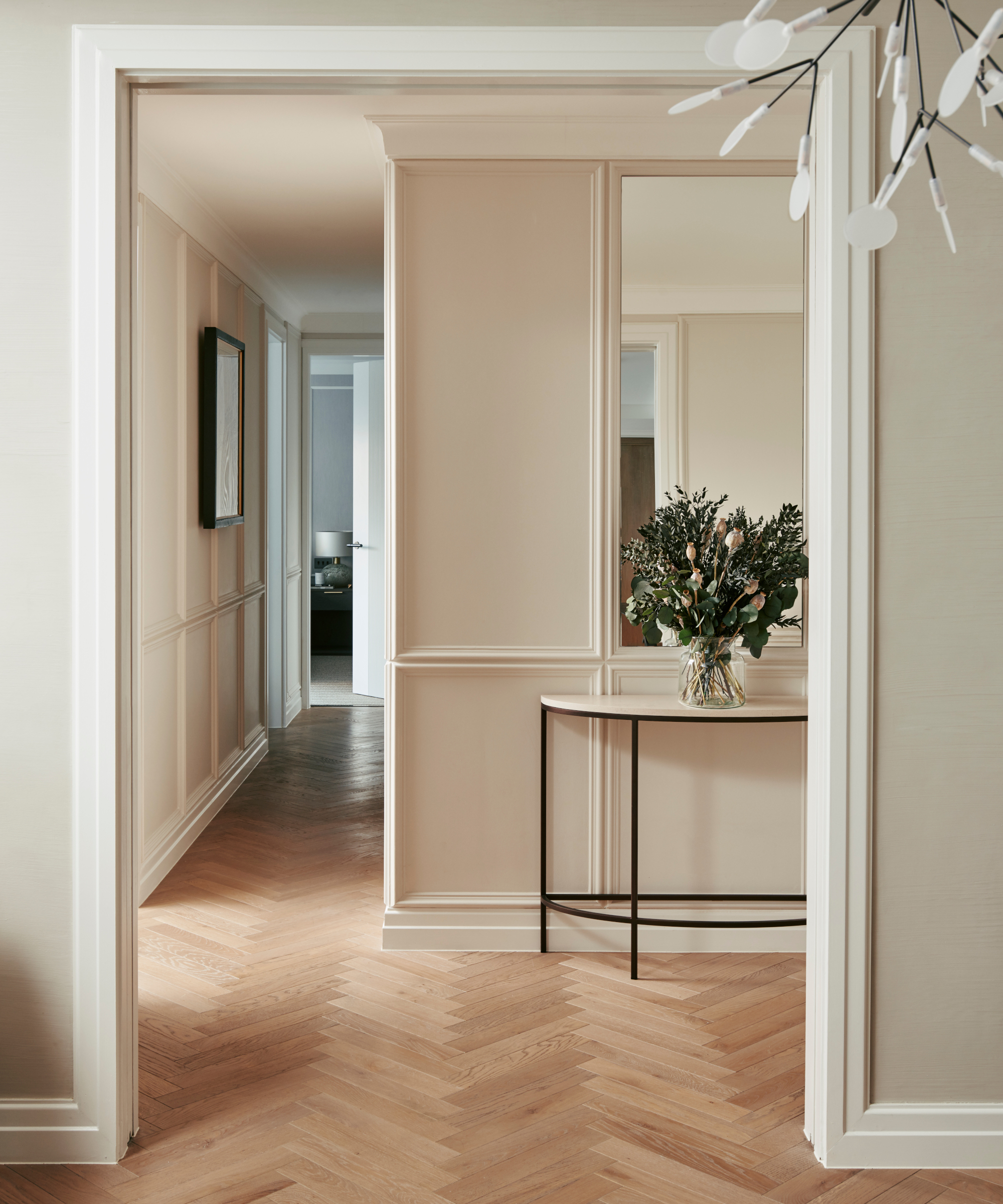
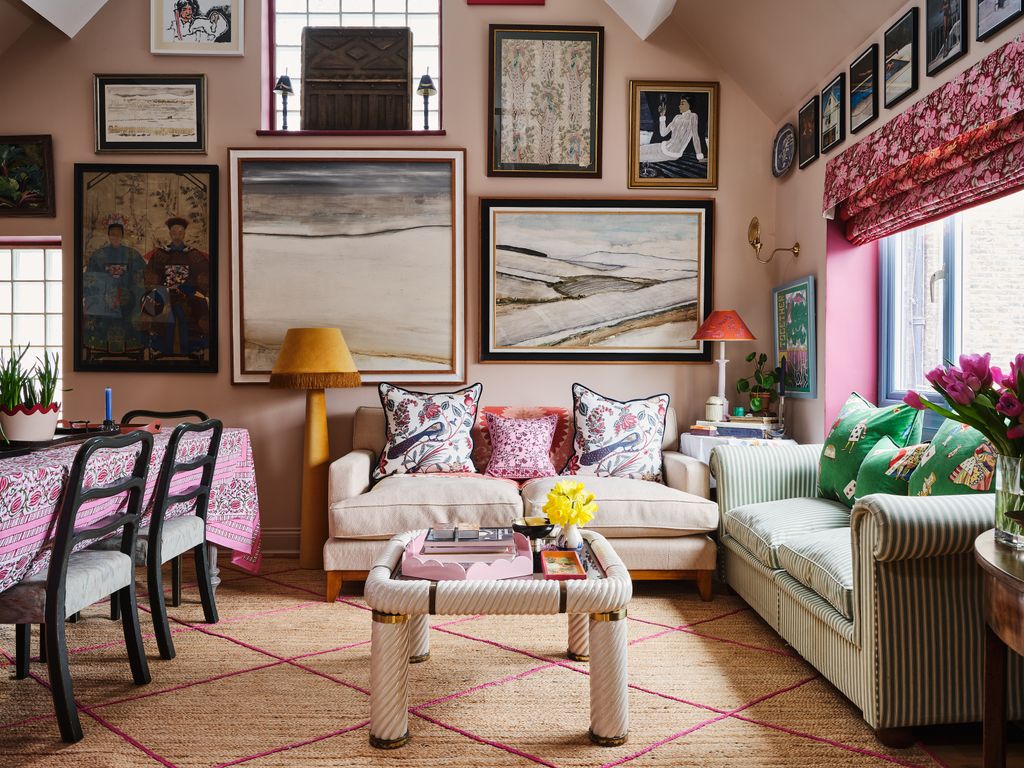
Choosing interior paint colors requires careful consideration, as the right palette can significantly influence the mood and perception of a room. It's advisable to take time with this decision, allowing the space itself to inform the color choice. Factors such as natural light, the size of existing furniture, and the overall aesthetic one wishes to achieve should guide the selection process. For instance, a room that receives limited natural light might benefit from lighter, brighter paint colors to enhance its perceived openness and cheerfulness. Conversely, a large, well-lit room might accommodate deeper, richer hues without feeling constrained.
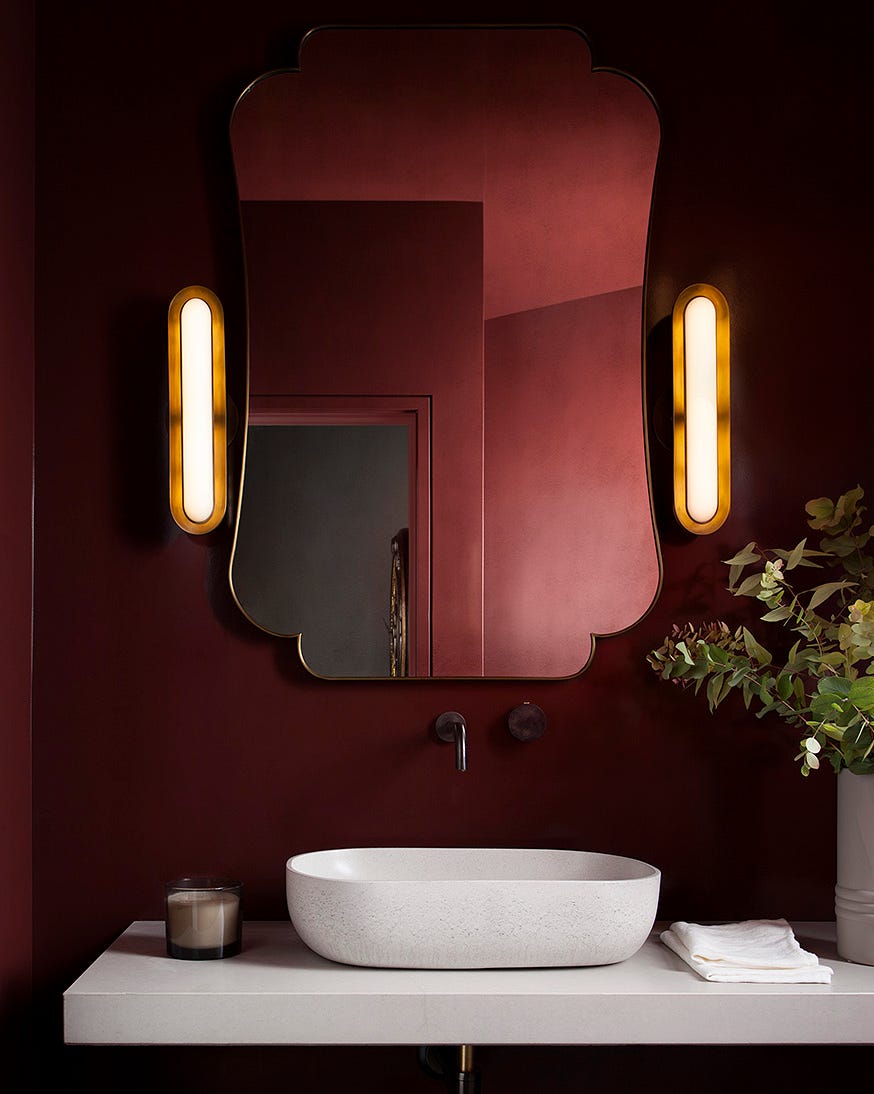
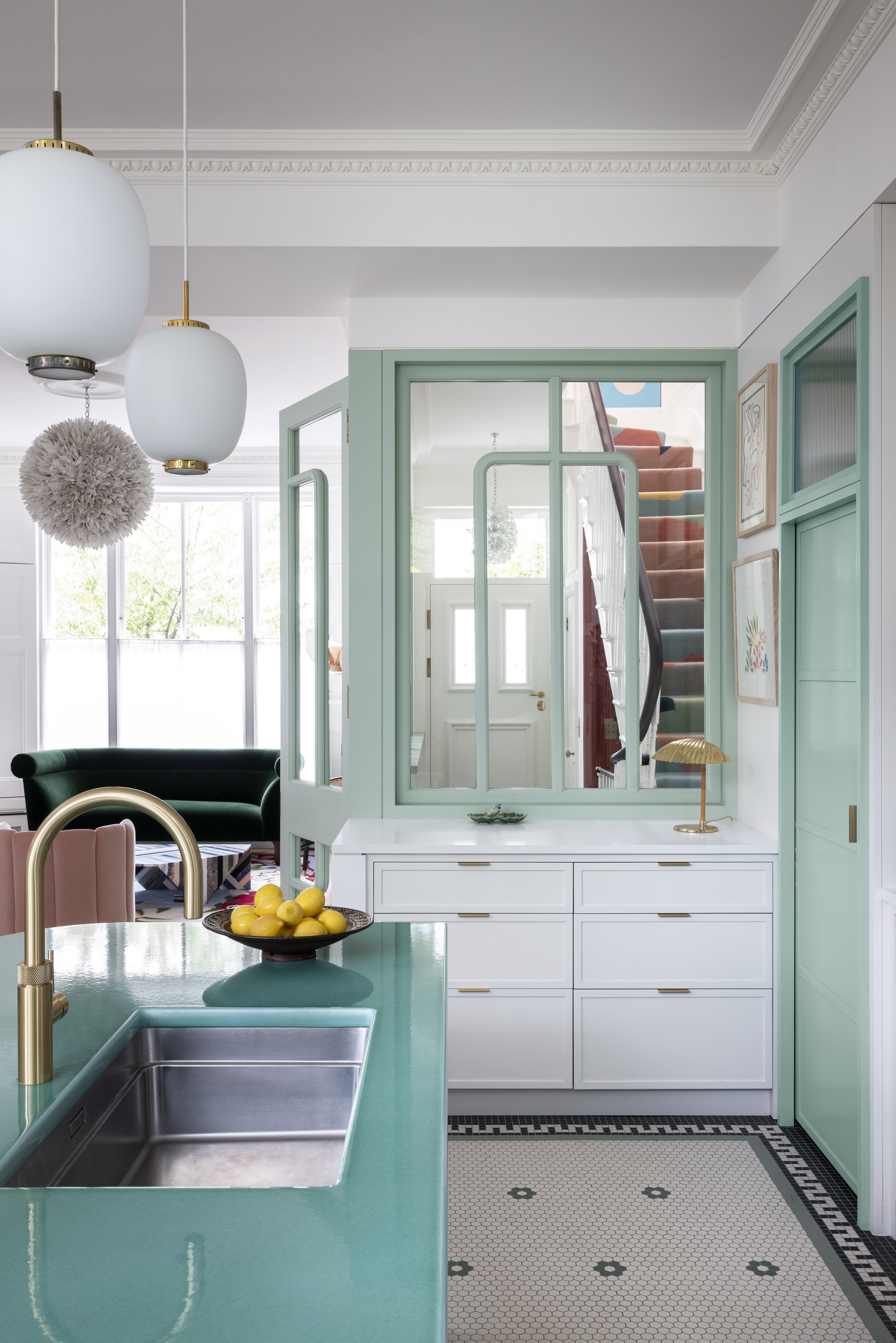
Several popular color trends and expert recommendations emerge when considering paint choices for different areas of the home. Some designers suggest avoiding certain kitchen cabinet colors that can make a home appear dated, advocating instead for contemporary and timeless options. Similarly, specific paint colors are known to brighten dark rooms, creating a more inviting atmosphere, while others are advised against for guest rooms as they can feel uninviting. The strategic use of color can also impact the perceived size of a space; certain shades are known to make small rooms feel larger, while others can inadvertently make them feel more cramped. This principle extends to various rooms, from living spaces to bedrooms and even bathrooms, where specific color palettes can evoke different sensations.
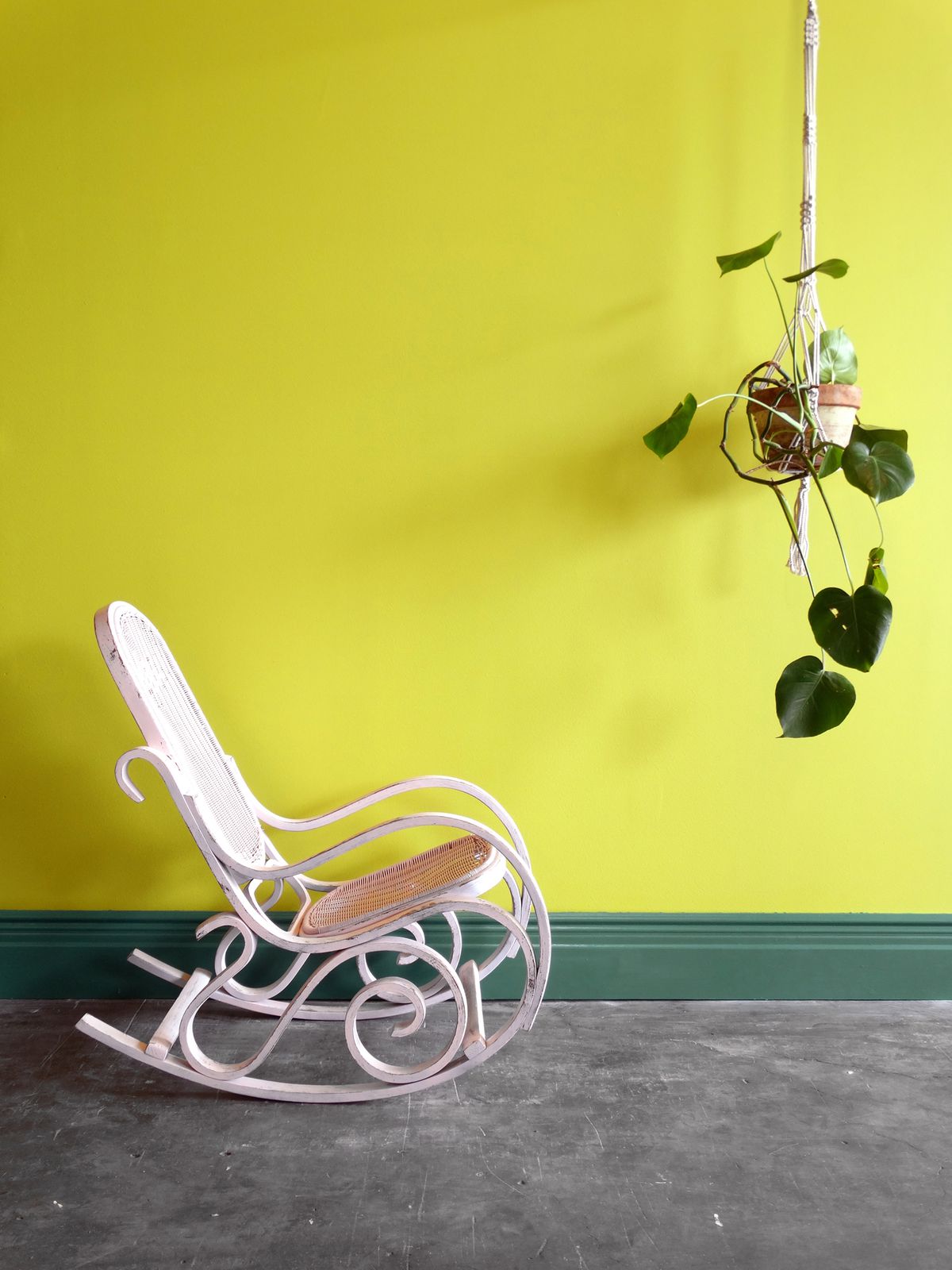
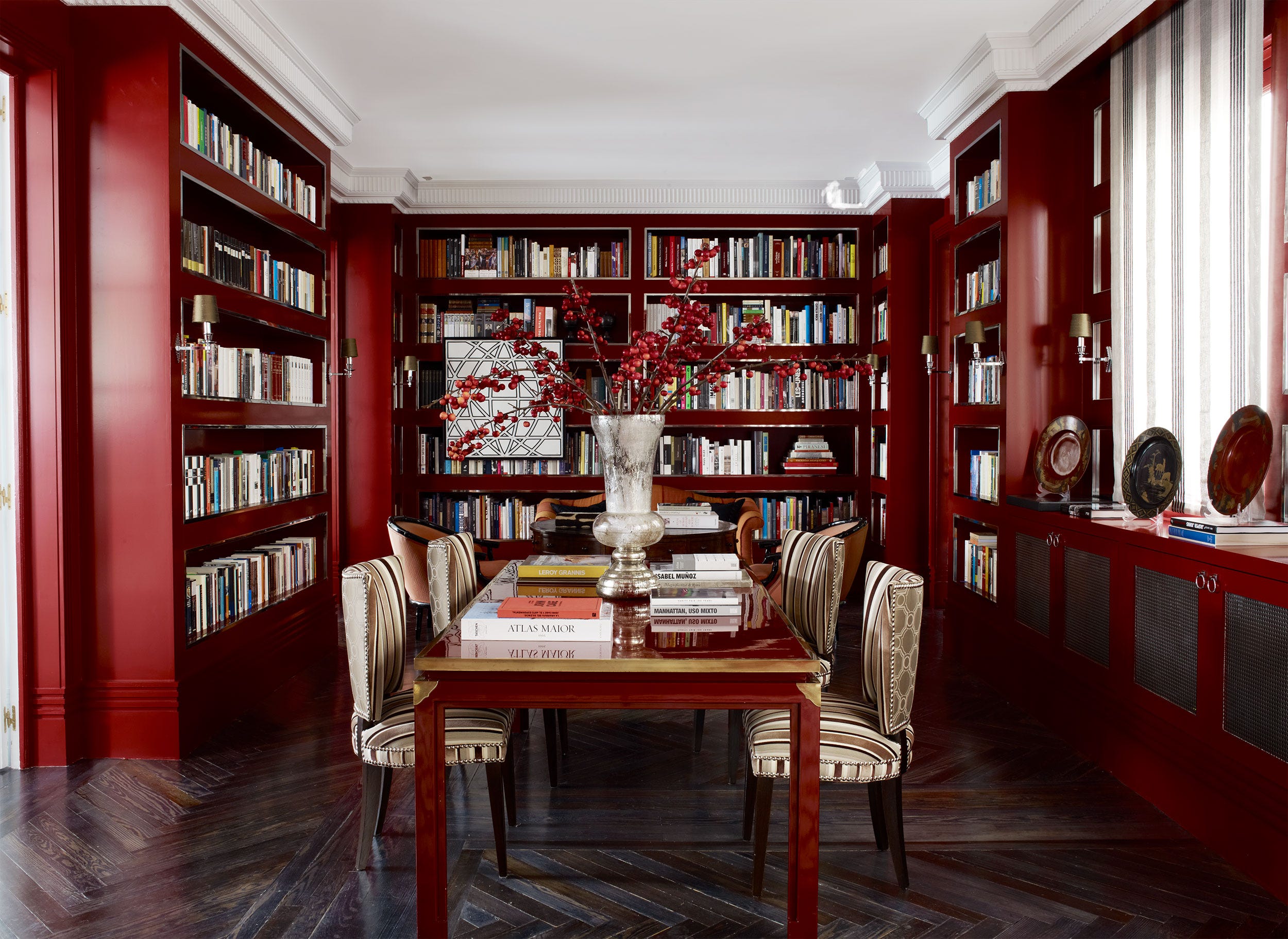
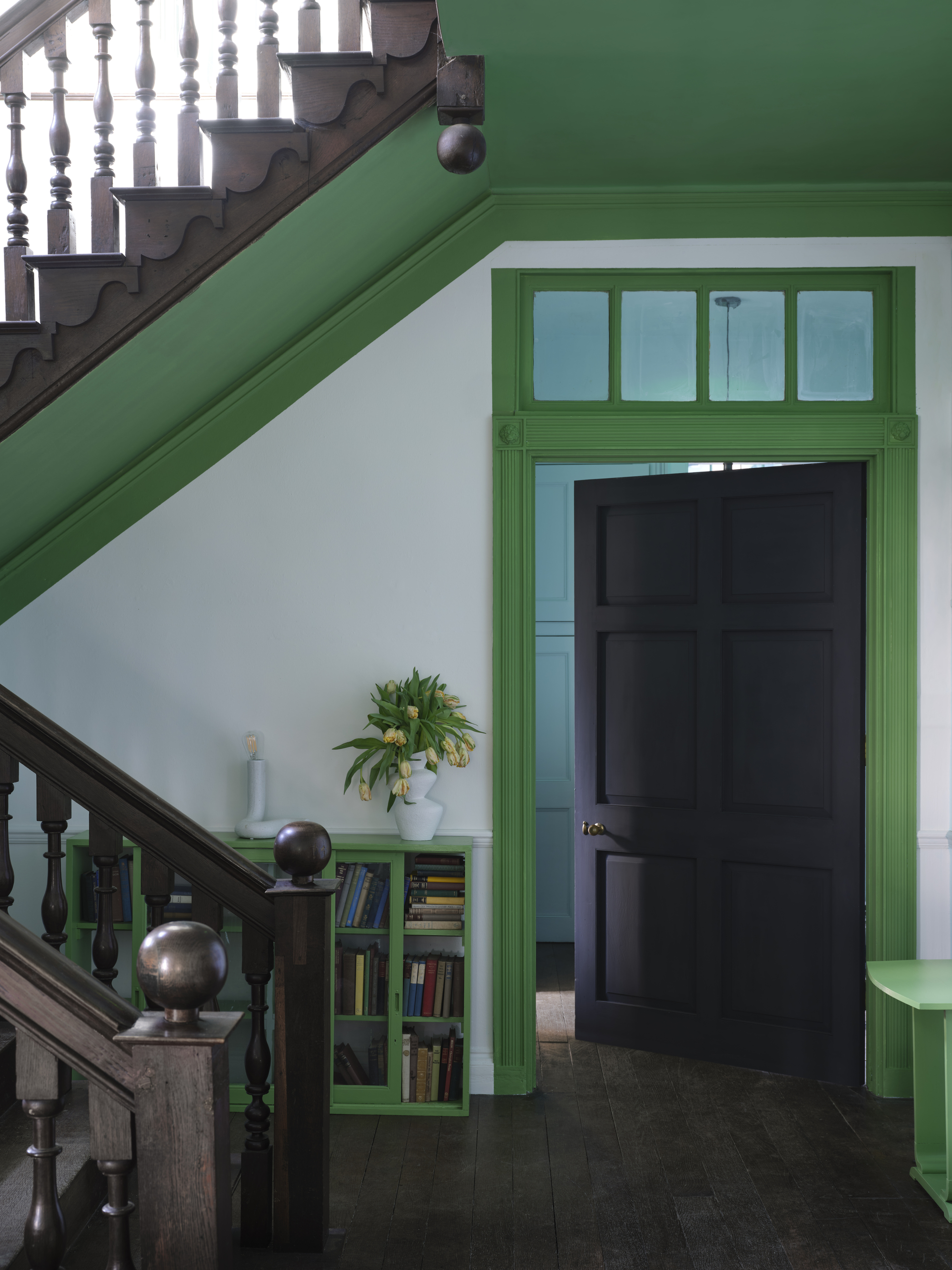
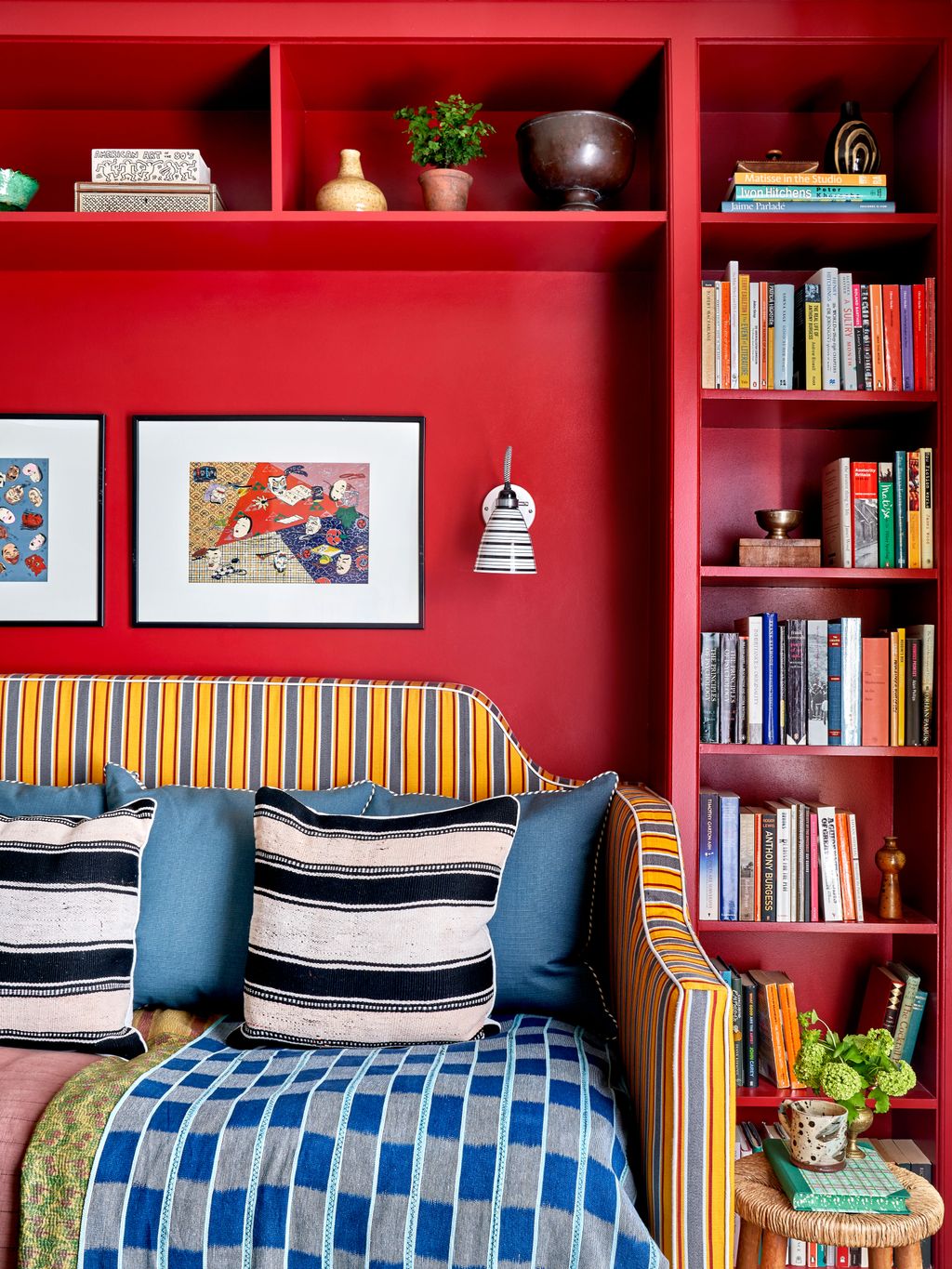
Techniques like "color drenching," which involves painting walls, trim, and sometimes even ceilings in a single color or closely related shades, are gaining traction. This method can create a cohesive and immersive environment, but it requires careful selection of the hue to ensure the desired effect. The durability and appearance of paint are also influenced by the type of finish chosen, with options ranging from matte to high-gloss, each suited for different surfaces and functional needs. Understanding these finishes and where to apply them is crucial for a lasting and aesthetically pleasing result. Beyond walls, paint can transform laminate cabinets and other surprising areas, offering cost-effective ways to update a home's look.
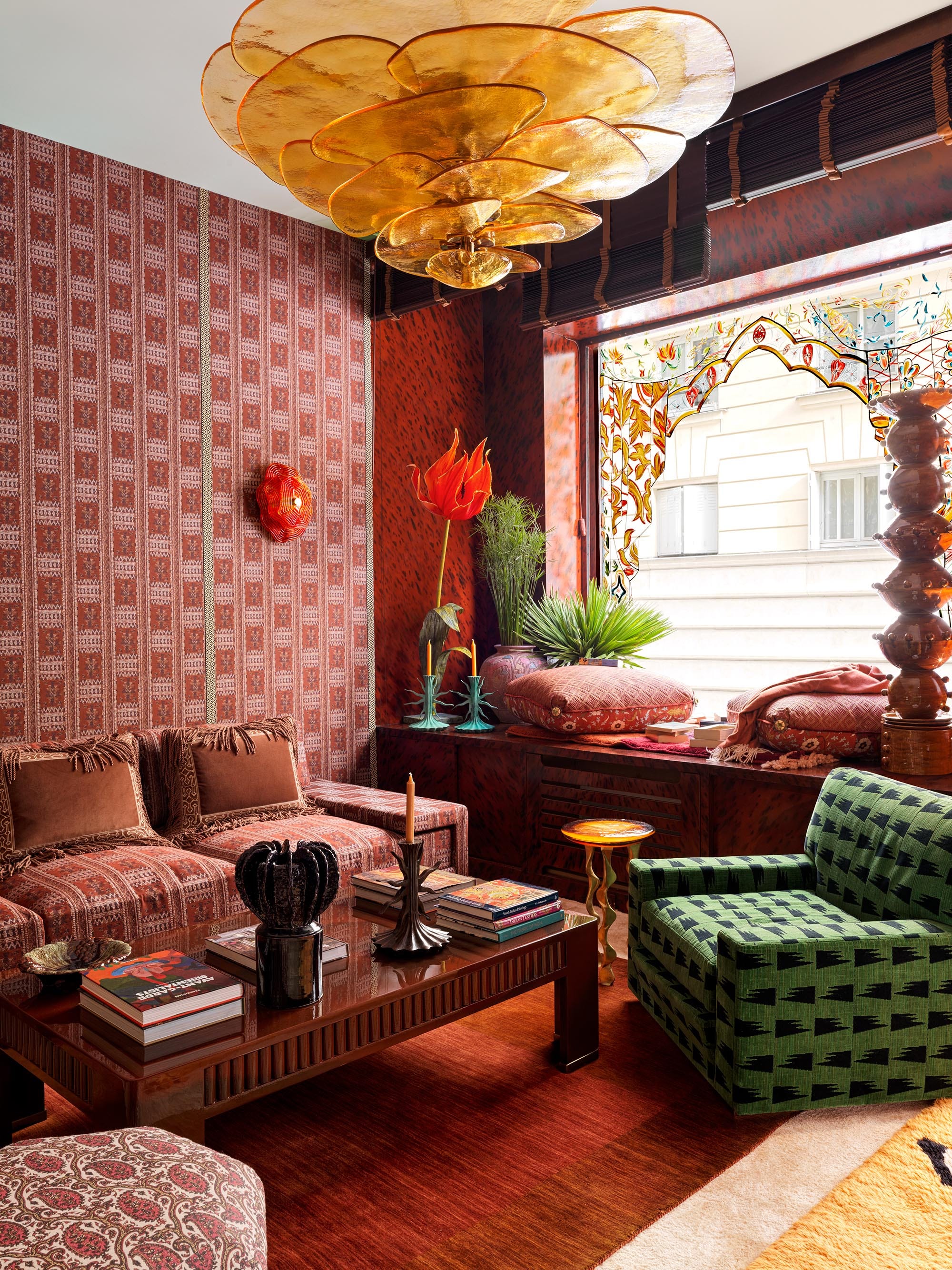
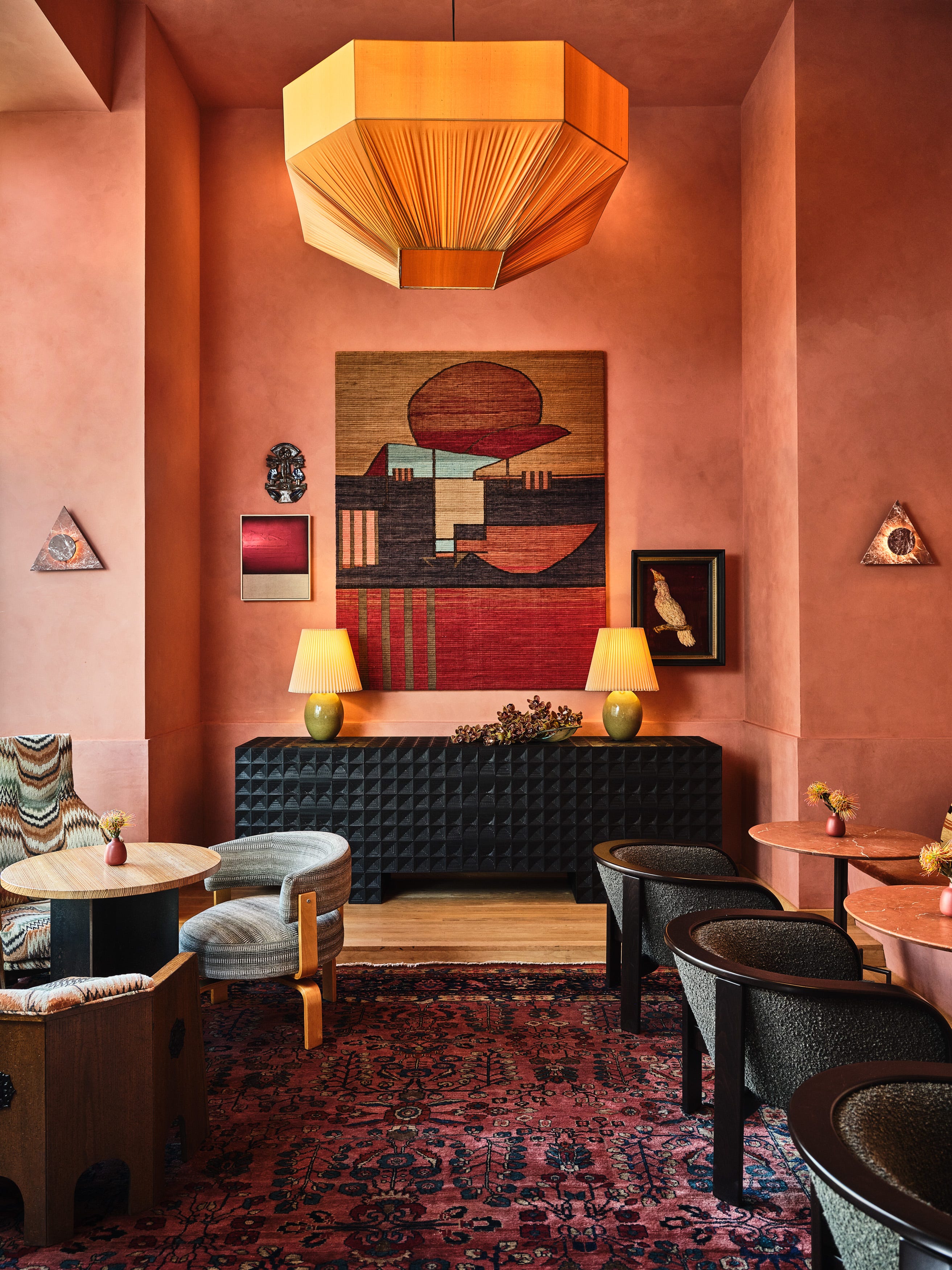
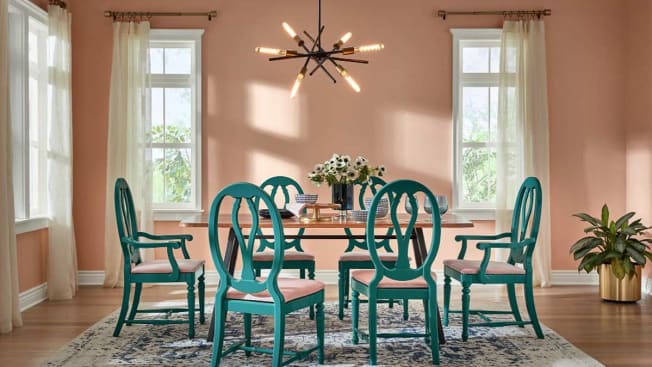
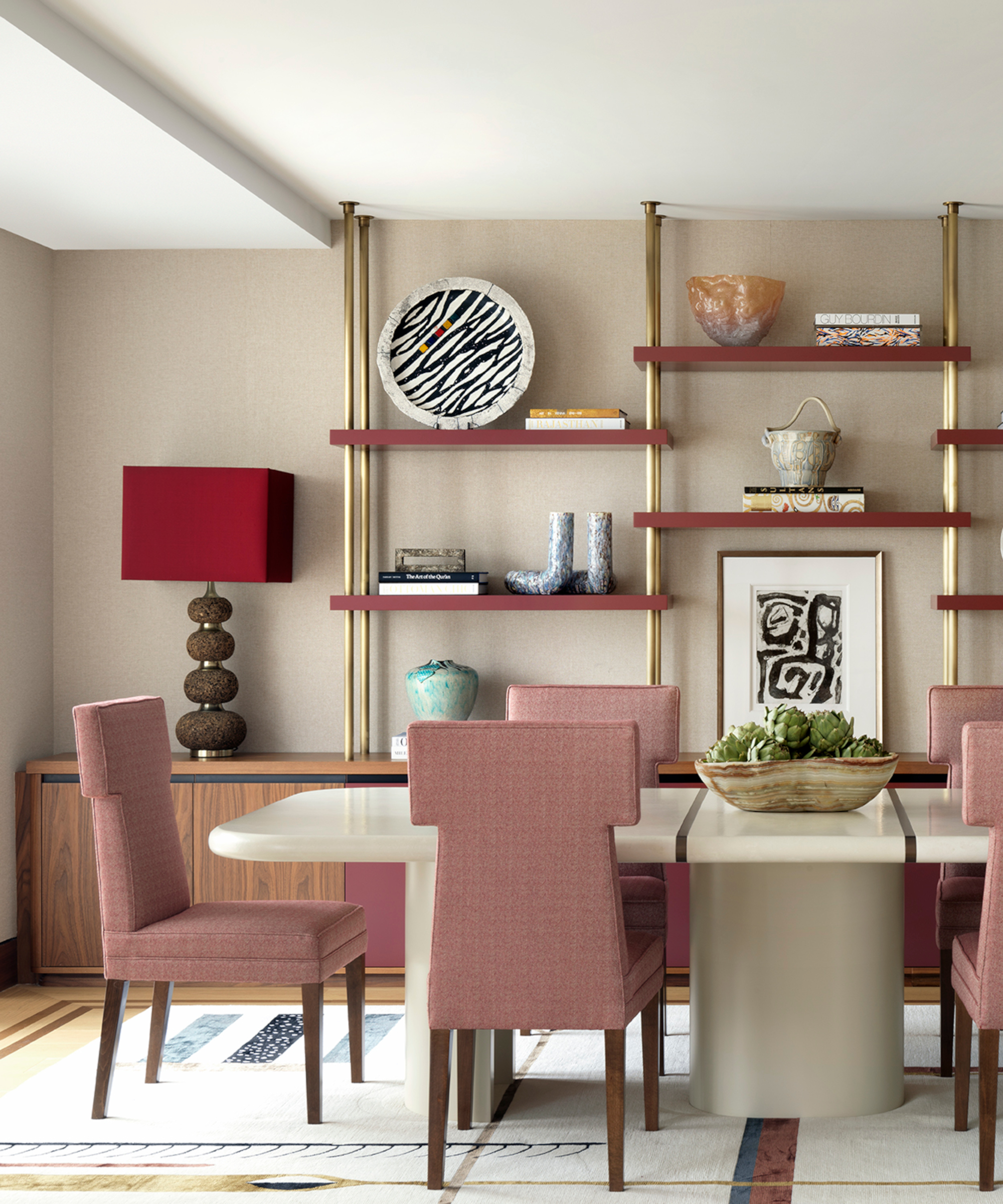
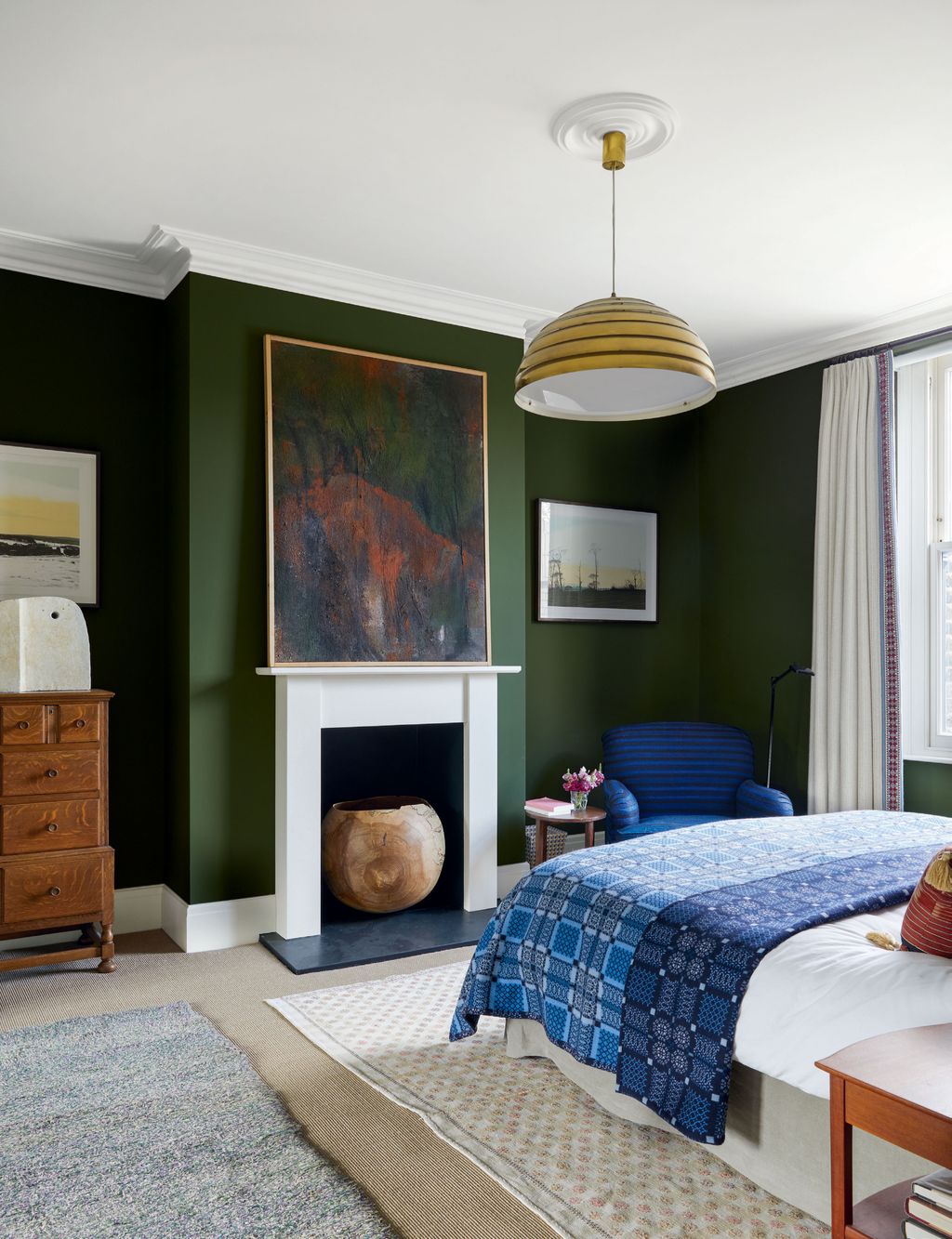
Industry insights reveal evolving trends, with some paint colors being predicted to become outdated by certain years, while others are identified as emerging trends for upcoming seasons. For example, specific shades of green, brown, and jewel tones are frequently highlighted by interior designers as being particularly stylish and versatile for various rooms. Color forecasting by paint companies often introduces a "Color of the Year," influencing consumer choices and design directions. These colors, such as warm, inviting shades for 2025, provide inspiration for homeowners looking to refresh their interiors.
Furthermore, practical aspects like addressing paint issues are important. Understanding why wall paint might be bubbling or peeling and knowing how to fix these problems ensures a flawless and professional finish. The choice of paint extends to exterior surfaces, where specific colors can significantly enhance curb appeal. Ultimately, the process of selecting interior paint colors is a blend of personal preference, current trends, and practical considerations, all aimed at creating a harmonious and personalized living environment.
#InteriorDesign #PaintColors #HomeDecor #DesignTrends #ColorPalettes #RoomDesign #HomeRenovation #DIYHome #InteriorStyling #InteriorDesign #PaintColors #HomeDecor #DesignTrends #ColorPalettes #RoomDesign #HomeRenovation #DIYHome #InteriorStyling
0 comment in total
 No comments yet
You may also like
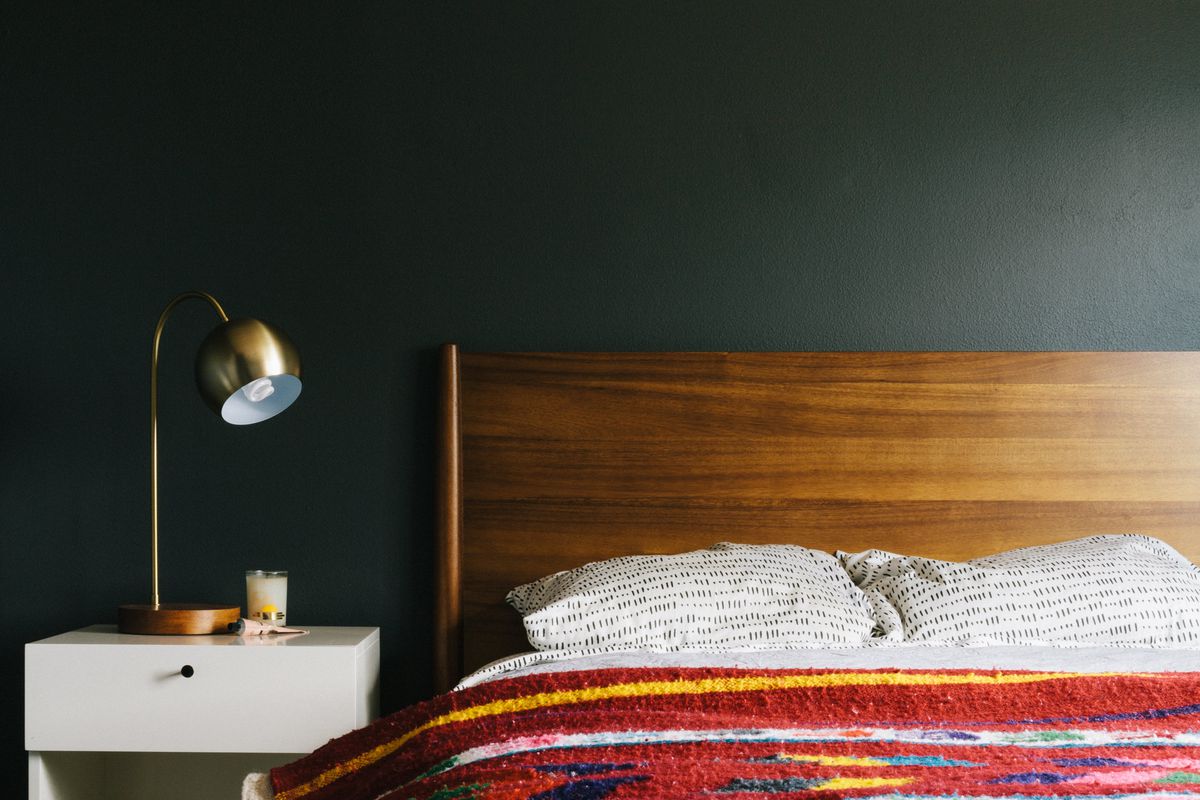
How to choose the best paint color for any room in your house
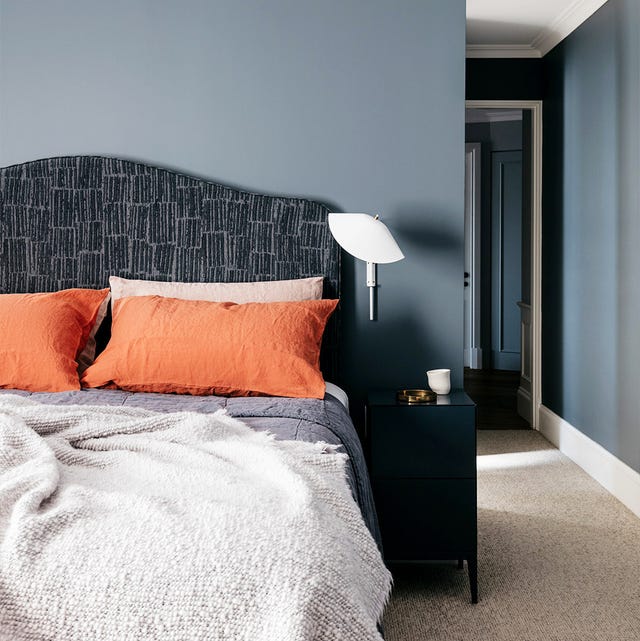
35 Paint Colors to Consider for Every Room in Your House

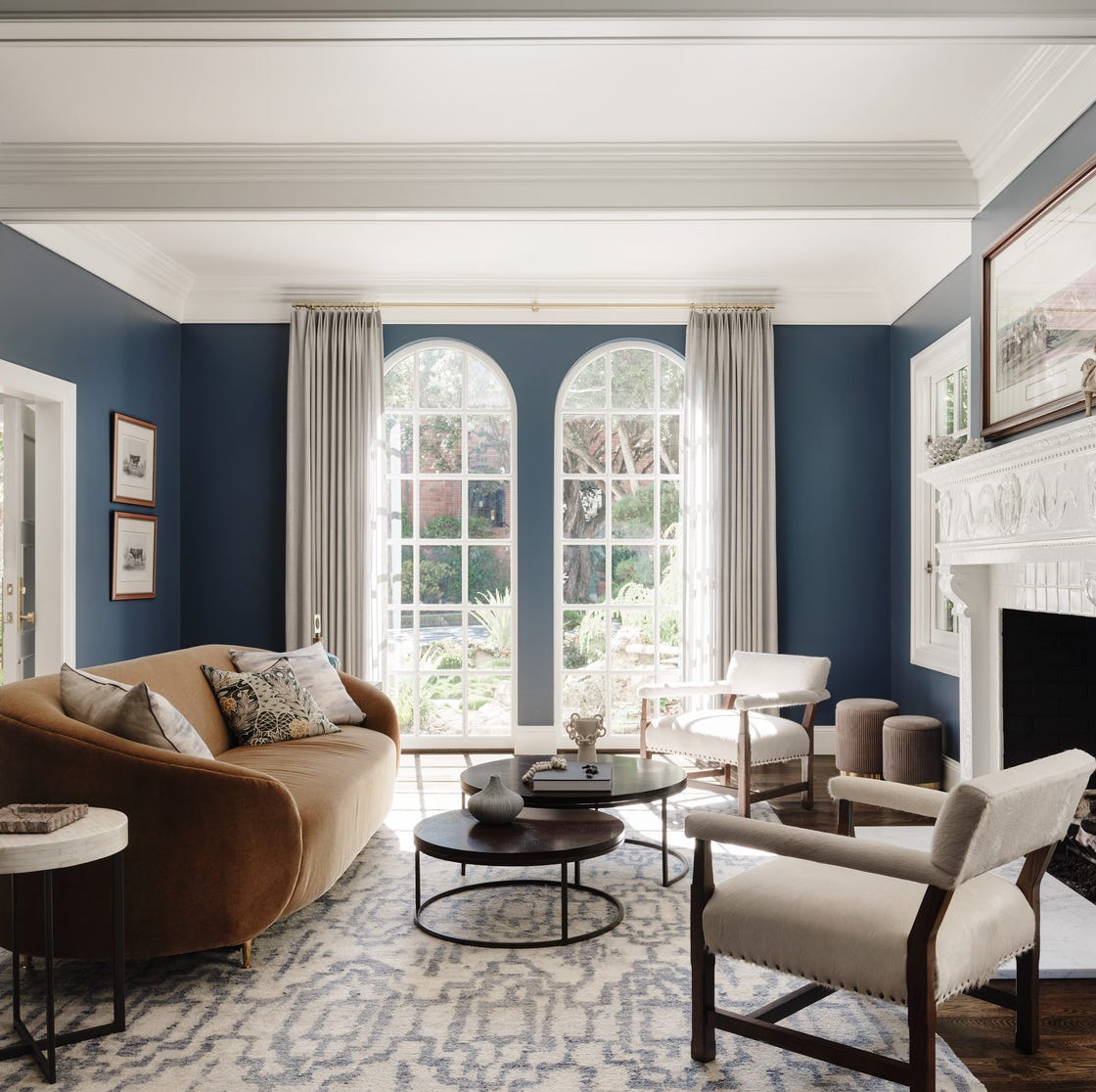
11 Paint Colors That INSTANTLY Make Your Home Look "Expensive," According to Designers

How To Choose The Right Paint Color For Your Home, According To An Interior Design Expert

Lick Paint Will Transform the Mood in Your Home Through Color Psychology
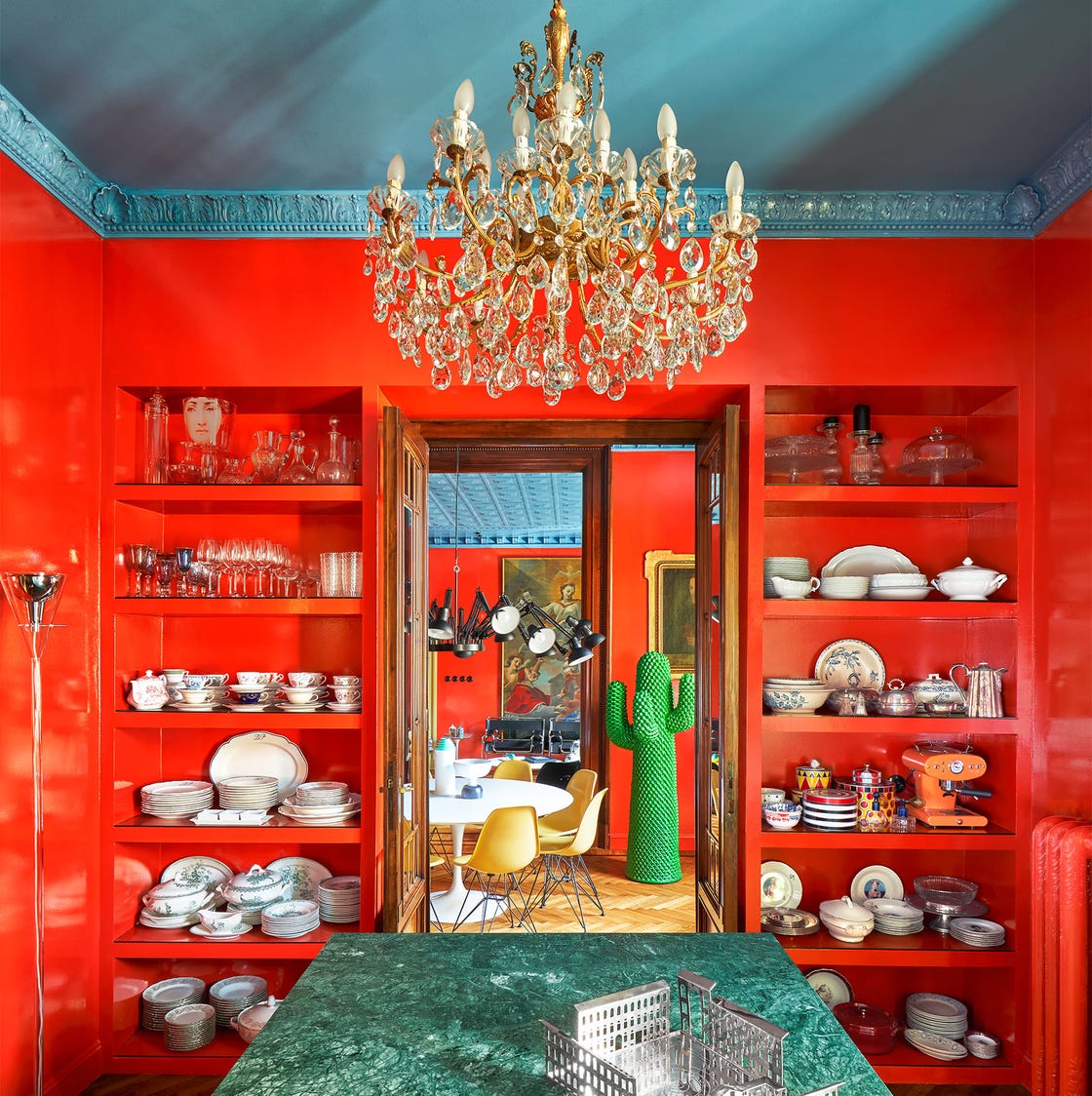
These 20 Rooms Use a Red Color Palette in All the Right Ways

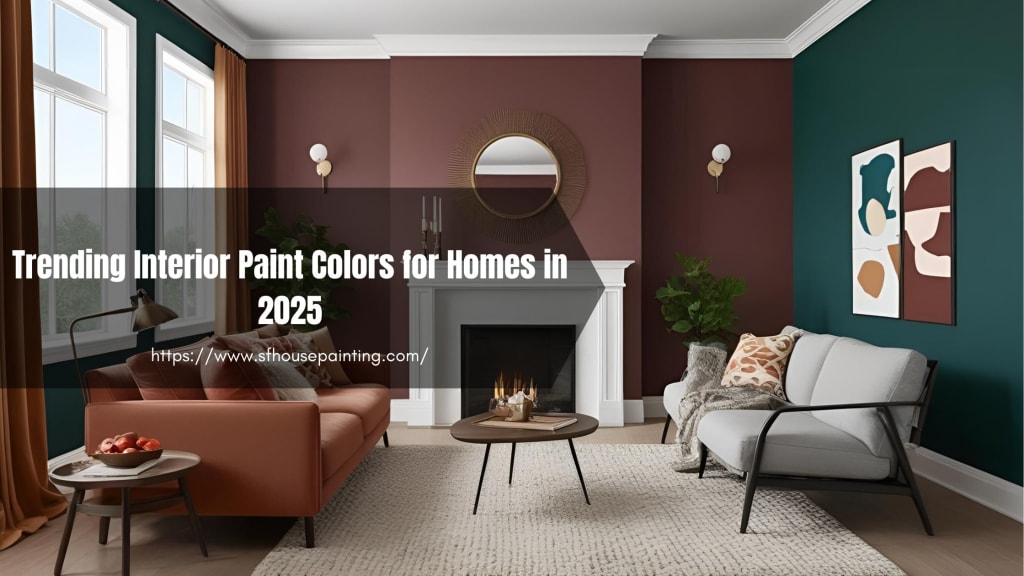
Trending Interior Paint Colors for Homes in 2025

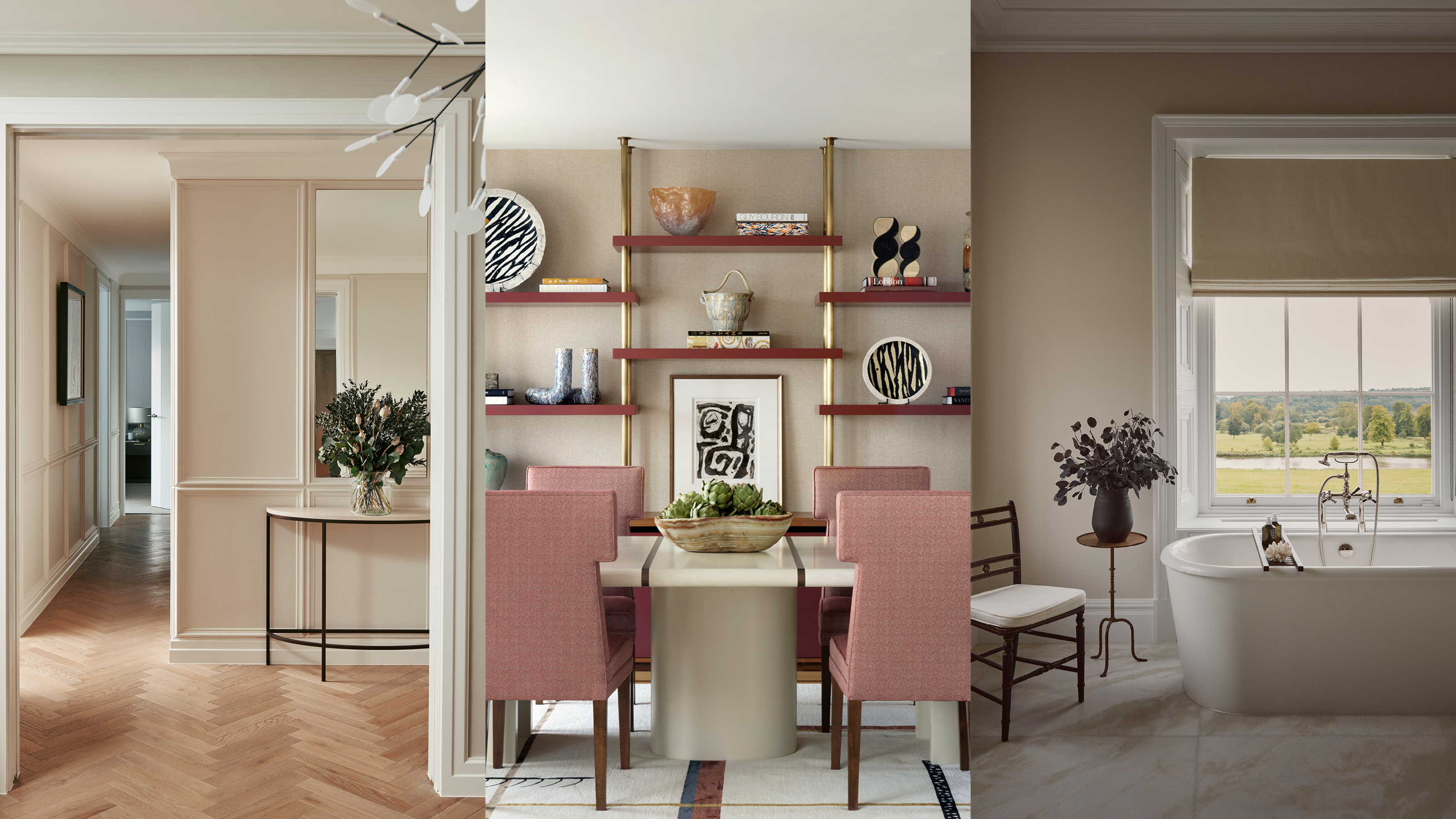
Beige-grey – the timeless paint color perfect for a barely-there backdrop

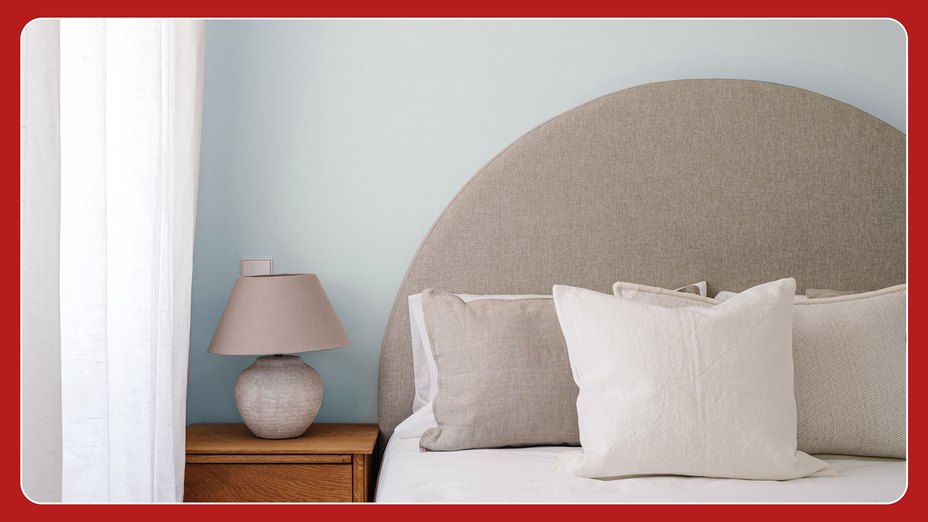
Millennial Gray Is So Over—Here Are 5 Paint Colors to Try Right Now
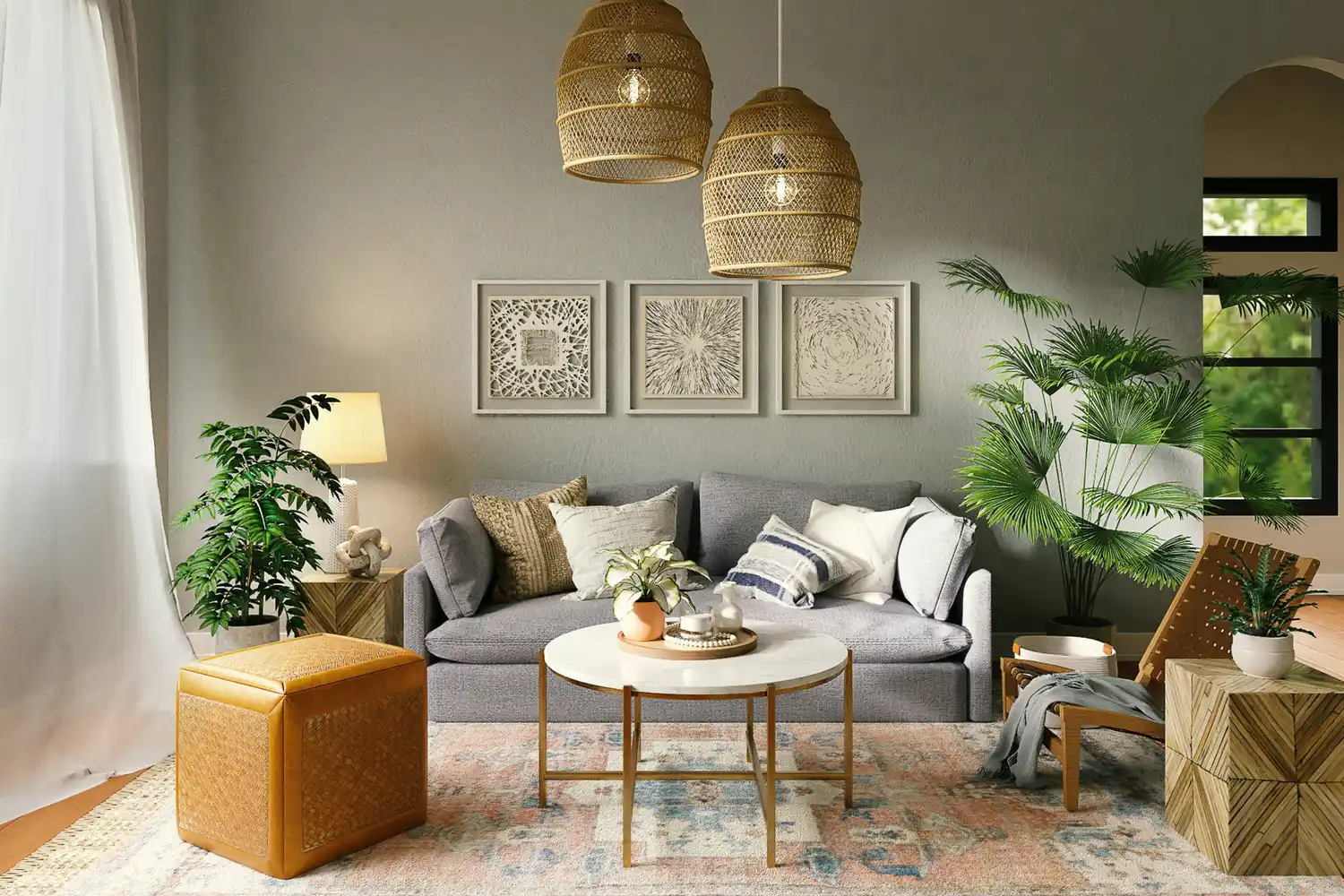
The 5 Most Overused Paint Colors and What to Try Instead, According to Designers

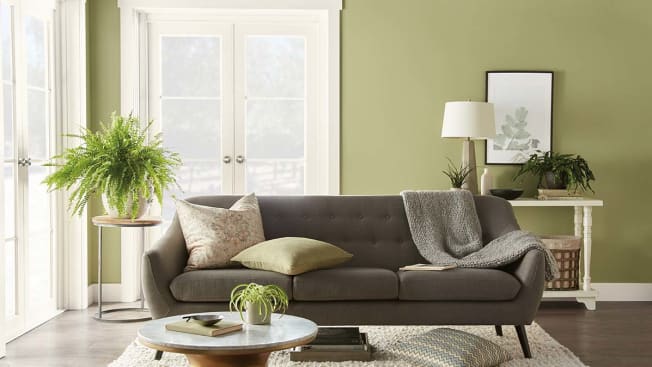
Hottest Interior Paint Colors of 2020

Interior Paint

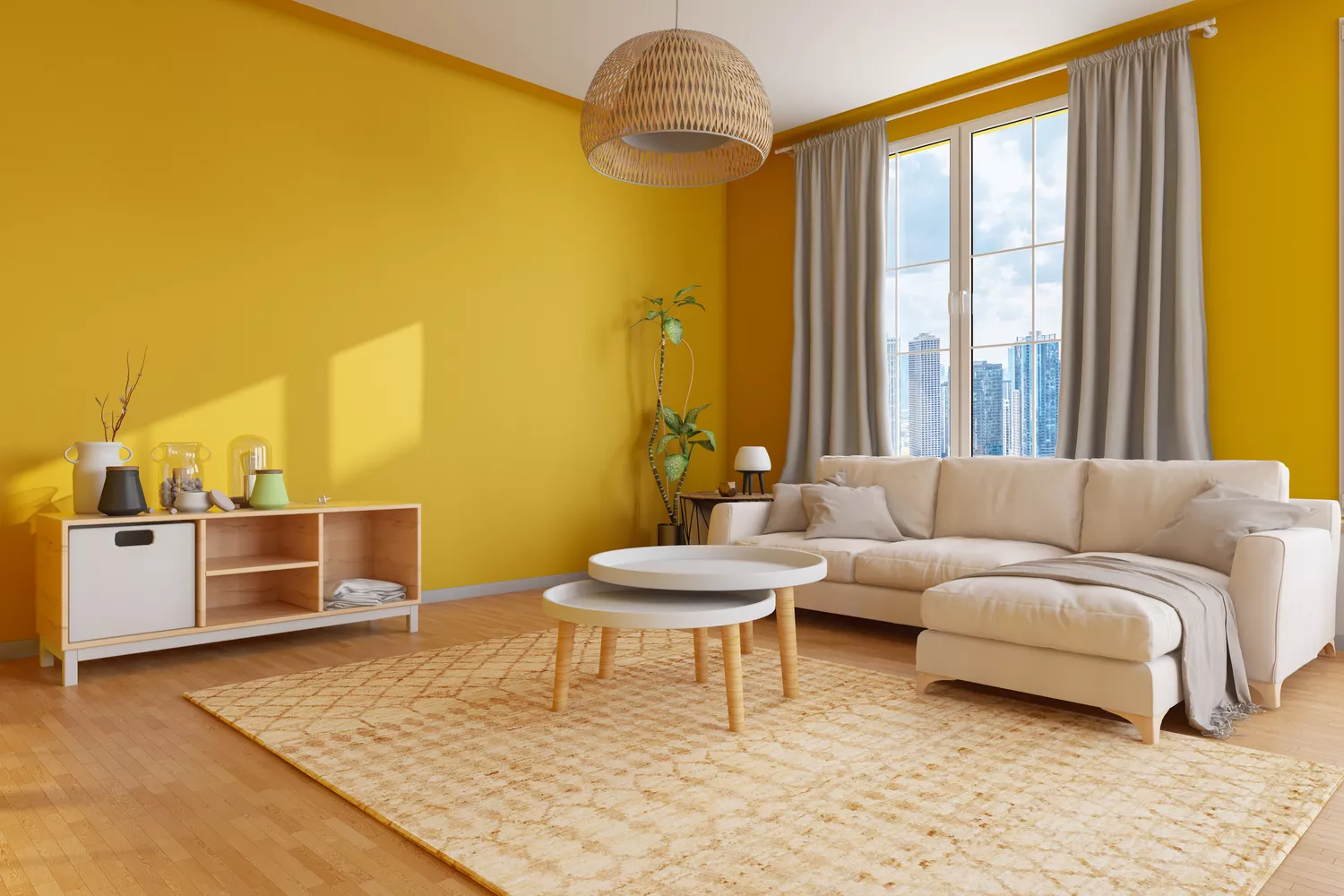
5 Paint Colors to Never Use in Your Living Room, According to Interior Designers
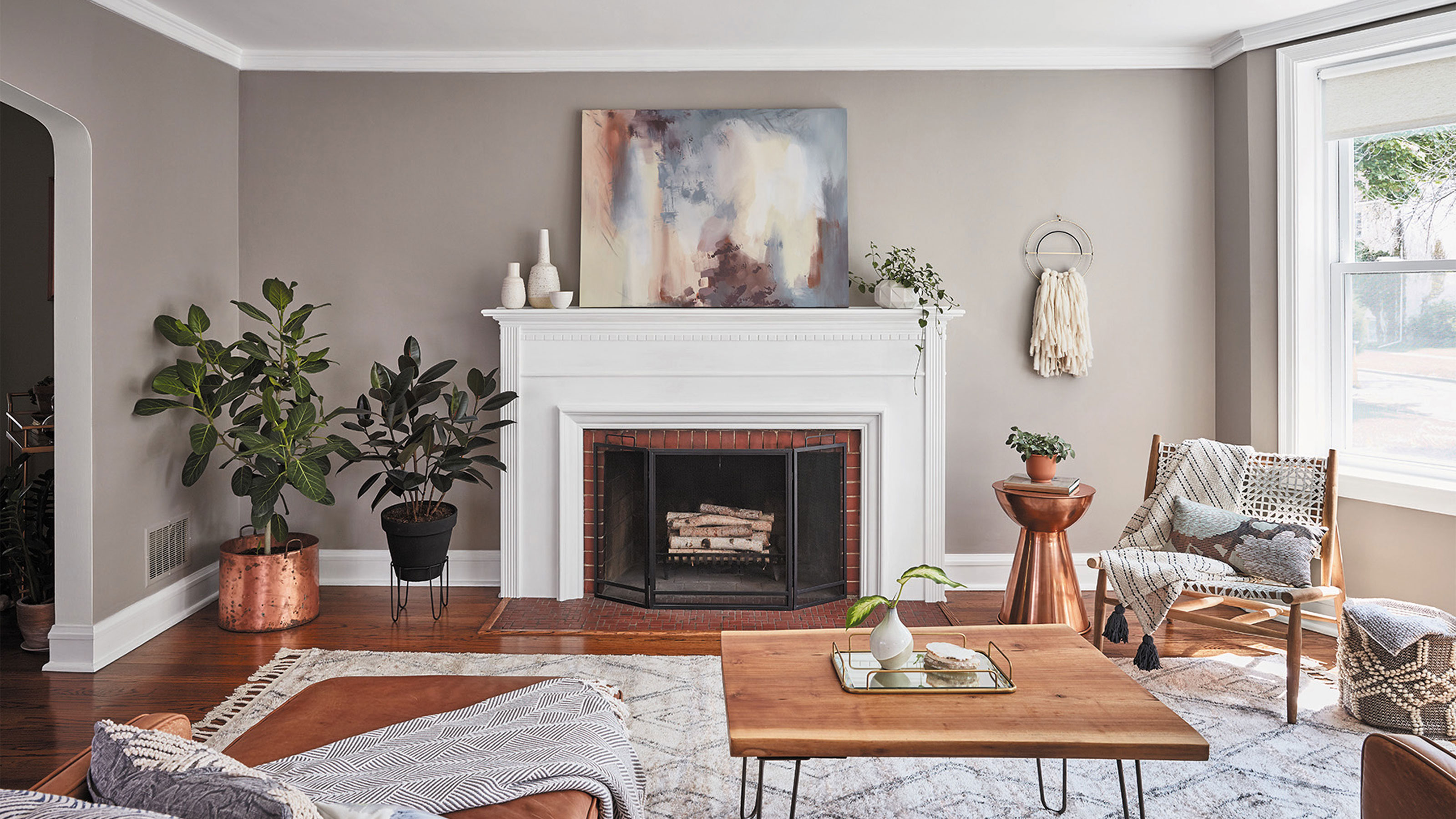
Should woodwork be lighter or darker than walls? The rules colour experts use to choose the perfect colour
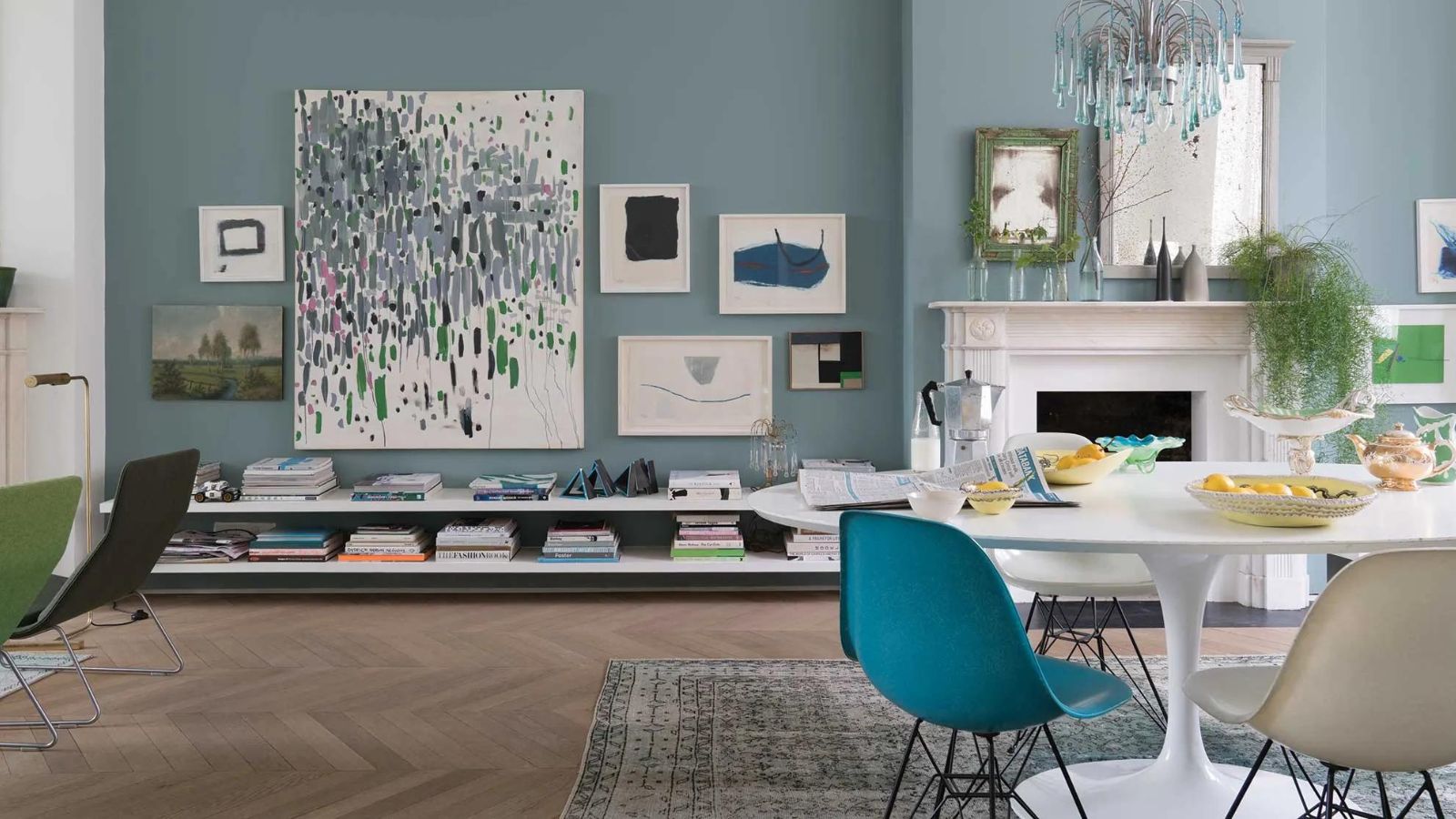
7 of the most versatile and easy to use paint colors according to designers
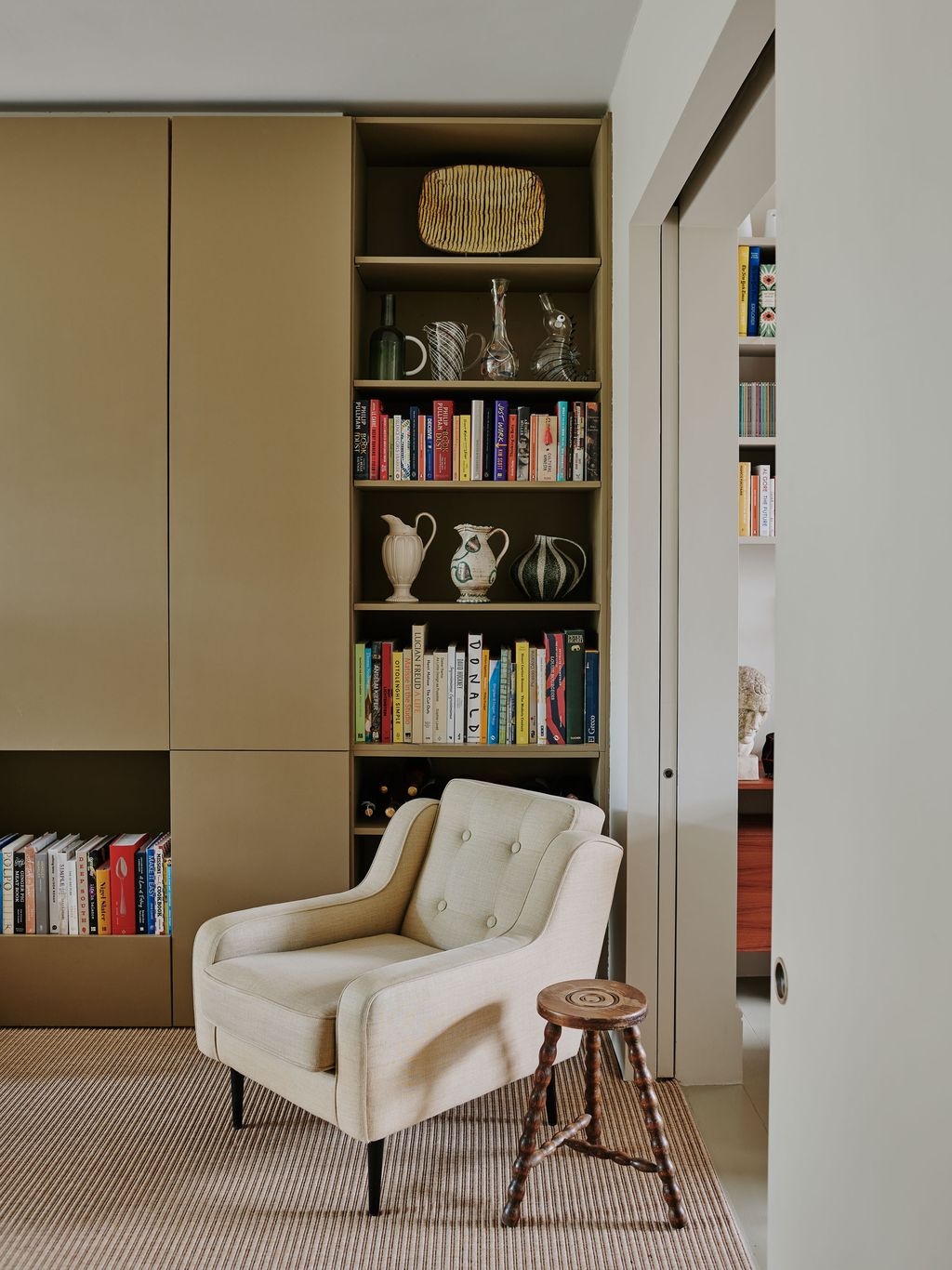
How to choose the best wall colour for your art
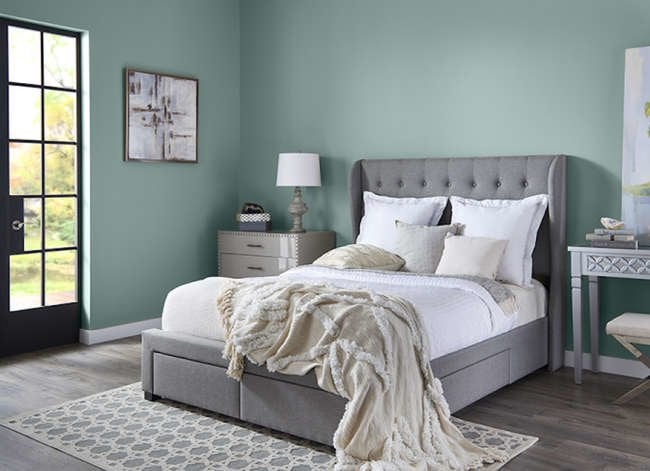
14 Paint Colors That Can Make a Room Feel Instantly Cozy
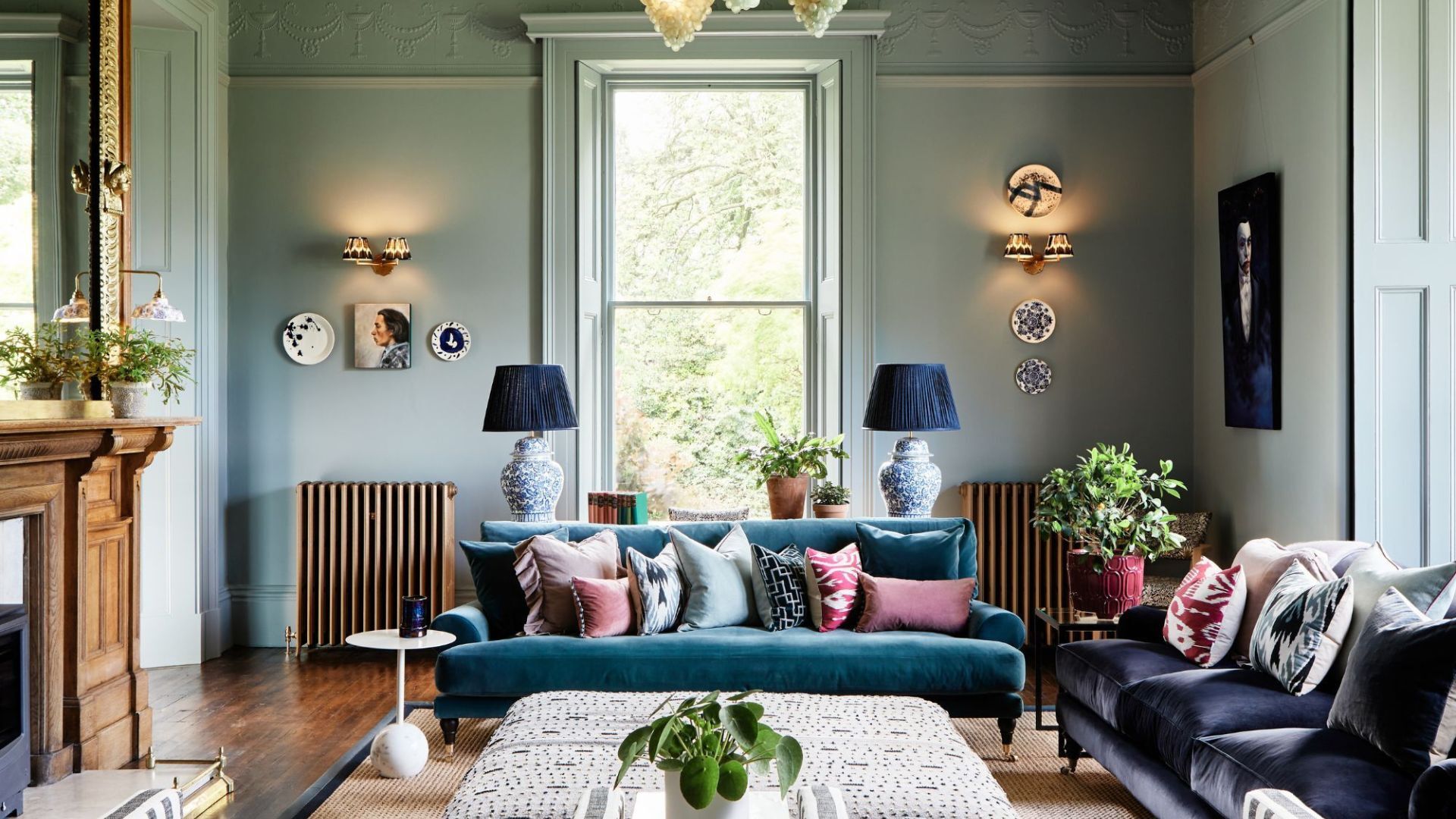
6 key colors to decorate with in May 2025, according to interior design and color experts in the know
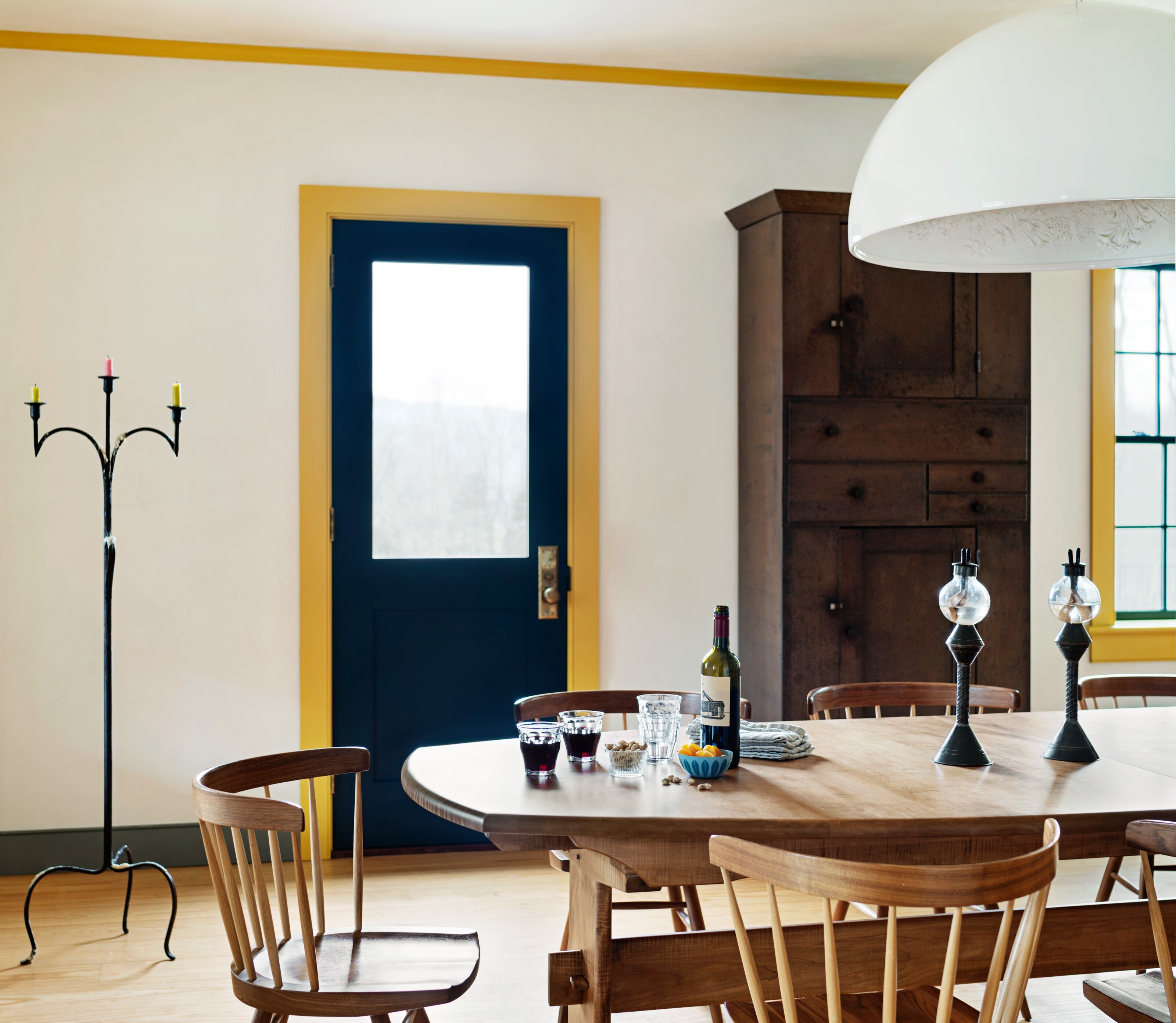
'It's the best way to make a home joyful' - this paint trend is the perfect idea to introduce color thoughtfully

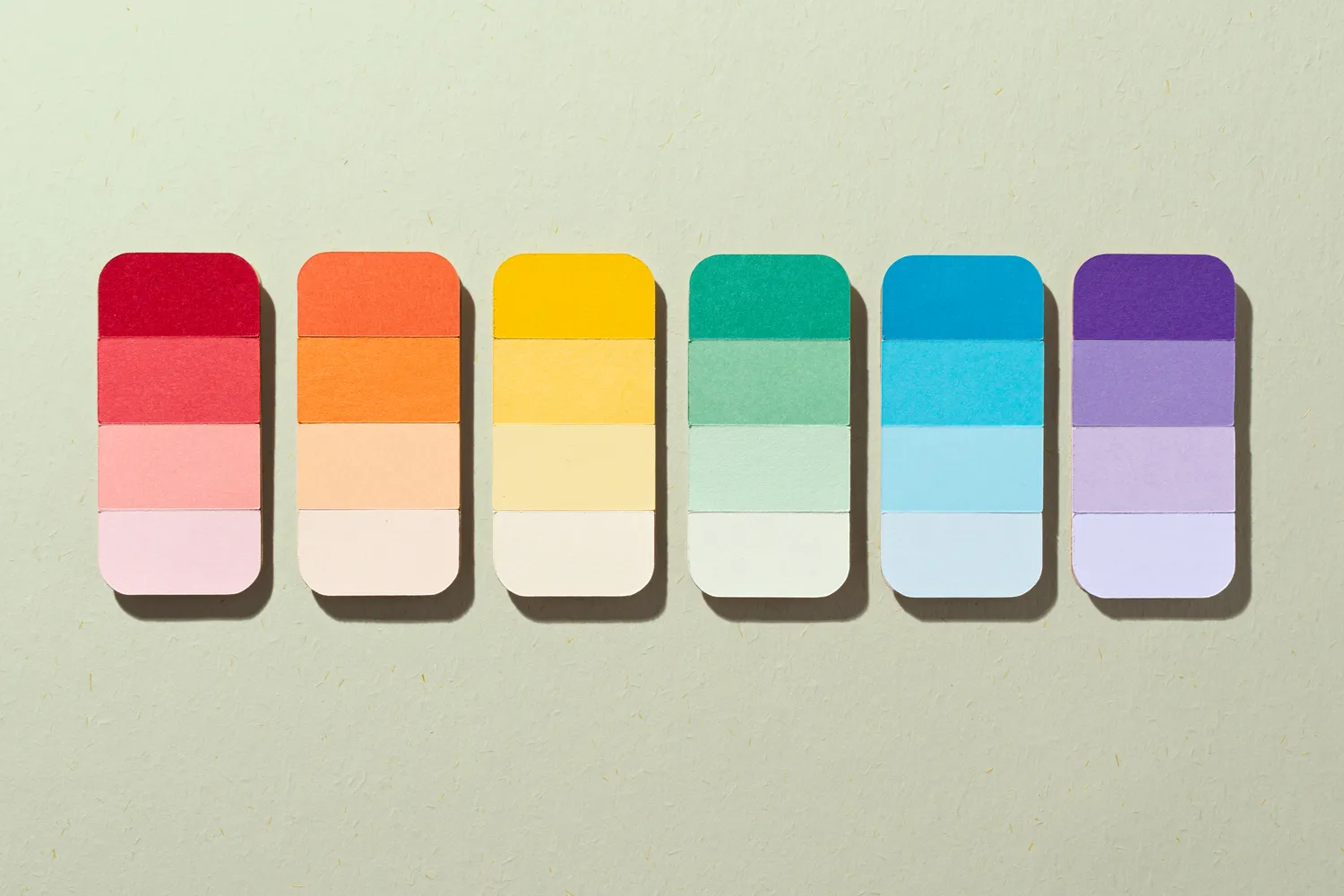
Real Simple Home Designers Share Their Secrets for Picking the Perfect Wall Color