1/11
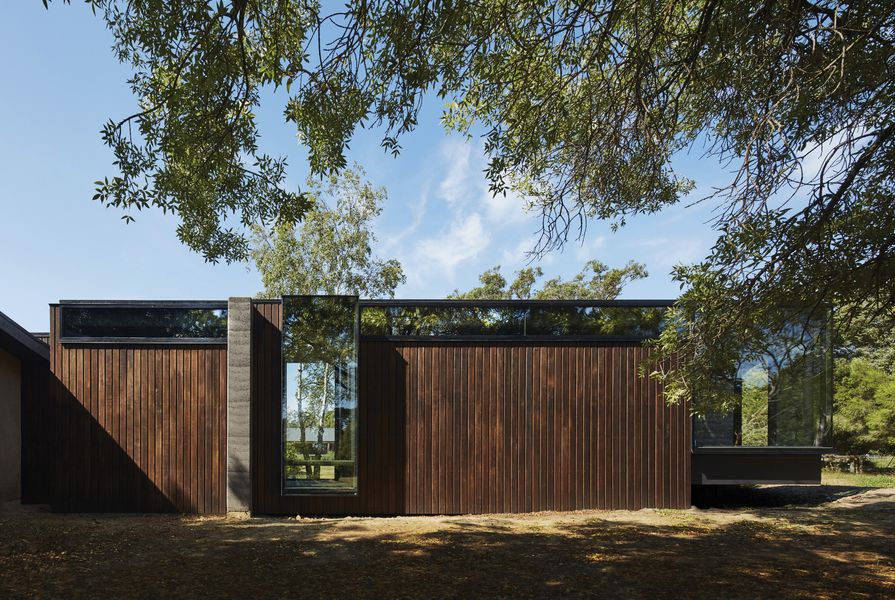
Tranquil and textural: A Pavilion Between Trees
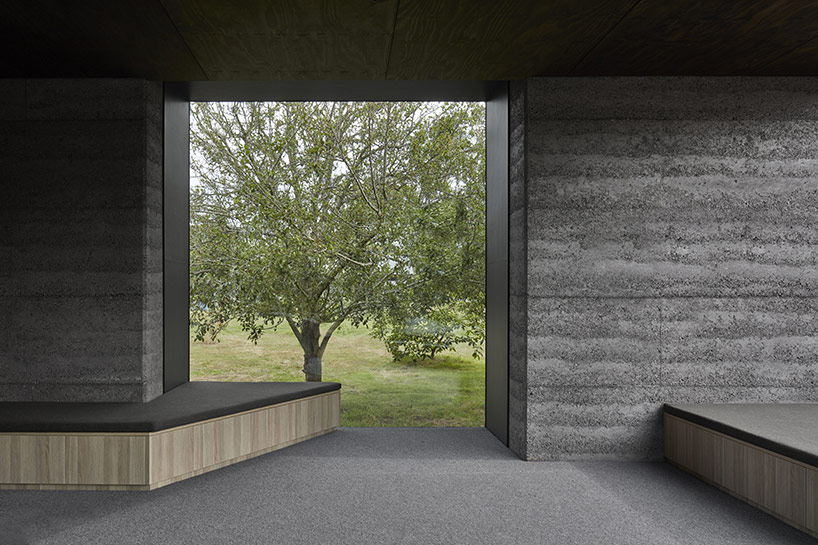
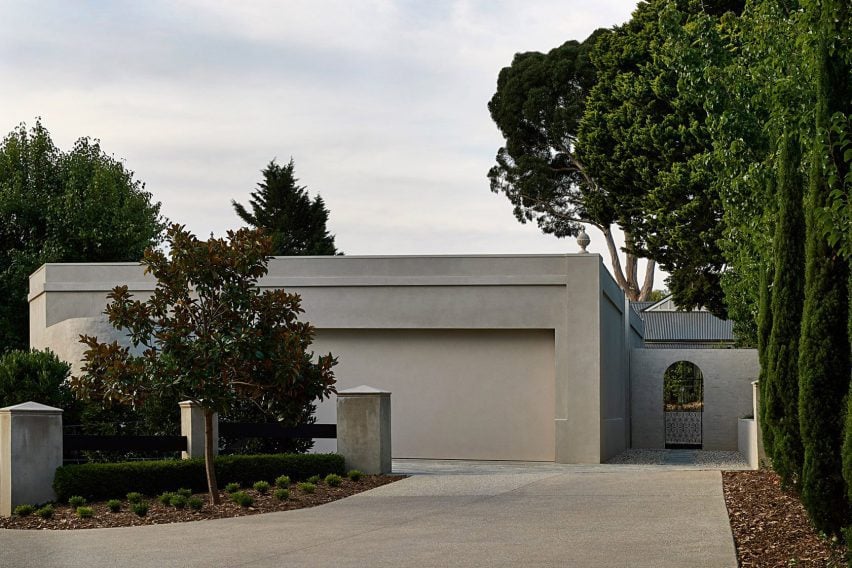
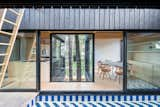
The "Pavilion Between Trees" by Branch Studio Architects is a modernist-inspired rural retreat that integrates seamlessly with its natural surroundings. The design for this semi-detached pavilion on a four-hectare property was largely dictated by the presence of three specific trees—a silver birch, a desert ash, and an heirloom pear—which influenced its precise location and continue to contribute to the structure's texture, tranquility, and shade. The architects aimed to foster a deeper connection between the building and the landscape by allowing the structure to interact with and yield to the trees.
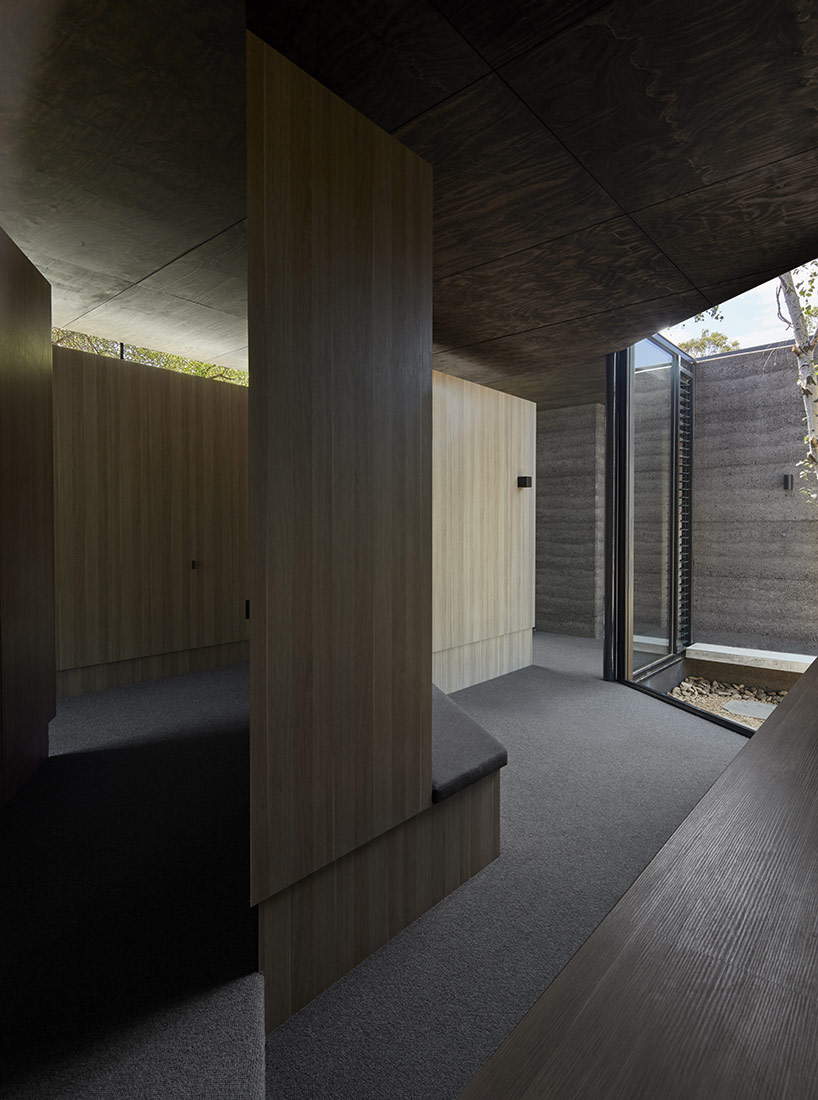
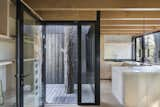
The pavilion was conceived as a rectangular form, encompassing a generous ensuite, dressing area, and bedroom spaces. A small, intentional indentation was created partway along its length to form a miniature courtyard, specifically framing the silver birch and delineating the bathing area from other programmatic spaces. Windows were strategically placed on the north and south sides to frame the stretching ash and the old-fashioned pear trees, respectively. To enhance the occupants' relationship with the landscape, a series of platforms gradually raises the floor level by a meter, creating varied perspectives and experiences within each section of the pavilion. For instance, the courtyard offers a view of a grey mottled tree trunk, while the western glazing is densely fringed with leaves.
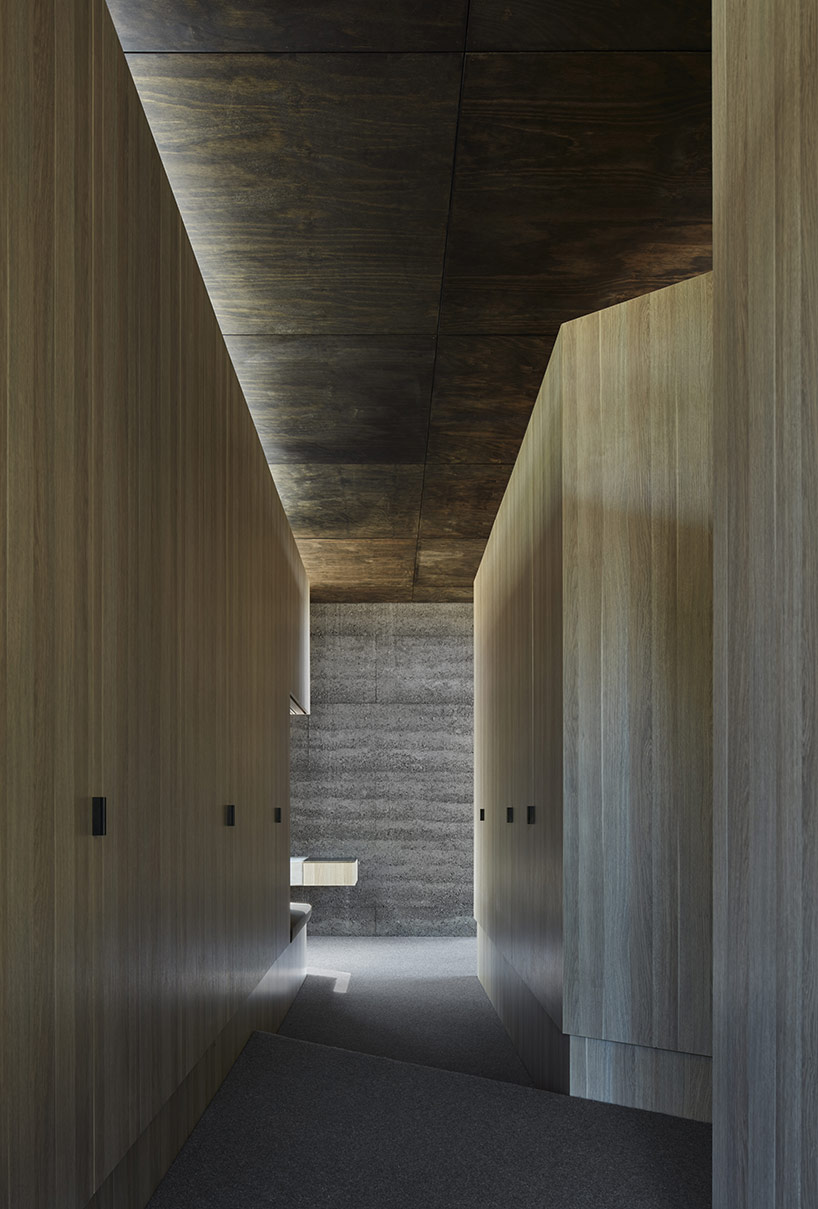
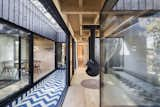
Inspiration for the pavilion's circulation and transparency was drawn from Ludwig Mies van der Rohe’s Farnsworth House. The central corridor was narrowed and then split into distinct "his" and "her" paths, which border the dressing and bedroom perimeters and a bank of three-quarter-height joinery. This design allows air and light to circulate freely above the joinery, creating a purposeful flow. The strategic placement of circulation to the edges leaves the central joinery to subtly divide the main sections, effectively obscuring views into private spaces from the central corridor, strengthening the connection to the exterior, and establishing a transparent pathway to the courtyard.
The design incorporates personalized elements such as "thinking windows" and clusters of robes tailored to the clients' individual characters and interests. One window offers views of the stable, garden, and chickens, while another looks out onto a sturdy ash tree, surrounded by joinery reminiscent of a locker room. The ensuite is cleverly divided into two parts to avoid the traditional architectural taboo of accessing the bedroom through a bathroom. Basins and a toilet alcove are located on one side of the corridor, while an indoor shower, an outdoor shower, and an elegant bath are situated on the other. The bath, positioned at the interior-exterior threshold, can become open-air when folding glass doors are fully opened, with rammed-earth walls and a rusted steel grate intertwined with star jasmine and white mandevilla flowers providing privacy and protection.
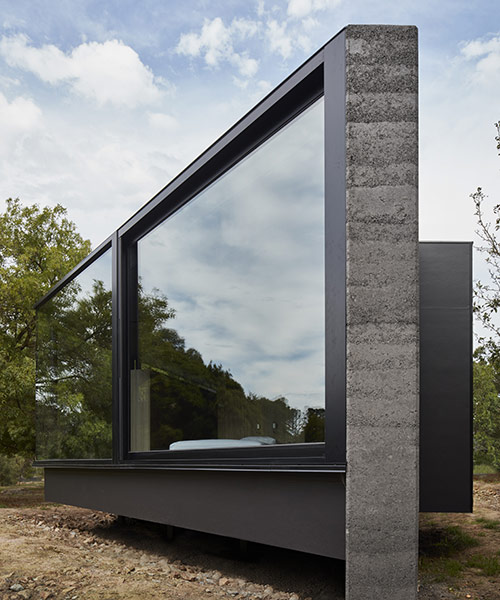
Along the southern side of the bedroom, informal seating is designed to be multifunctional, transforming from a sideboard to a dresser, then to a day bed and a window seat. Angled joinery screens the bedroom from the main house and seamlessly transitions into a low bedhead, emphasizing the importance of multifunctionality in design to avoid one-dimensional spaces. The main bedroom features full westerly glazing, angled to capture the setting sun and frame a stand of native trees. These full-height windows are particularly effective during the cooler parts of the day when the pavilion is primarily occupied. Dark sheer curtains and blockout blinds are also available for privacy and light control. To foster a sense of refuge, natural or indirect lighting is utilized, and a palette of organic and raw materials, including plywood, rammed earth, honed bluestone, and mock-oak veneer, were chosen for their integrity and non-synthetic qualities. Spare brass detailing serves as design punctuation, enhancing the sophistication of Branch Studio Architects' work. The interplay of circulation and glazing allows the textured surfaces to dynamically change with the weather, light, and surrounding trees, creating a constantly evolving aesthetic within the pavilion.
#ModernistArchitecture #RuralRetreat #SustainableDesign #BranchStudioArchitects #FarnsworthHouseInfluence #IntegratedLandscape #MultifunctionalSpaces #NaturalMaterials #ArchitecturalDesign #ModernistArchitecture #RuralRetreat #SustainableDesign #BranchStudioArchitects #FarnsworthHouseInfluence #IntegratedLandscape #MultifunctionalSpaces #NaturalMaterials #ArchitecturalDesign
0 comment in total
 No comments yet
You may also like
branch studio architects extends family home with a pavilion between trees
Expansive Redwood Timber Pergola Creates Verdant Courtyard Canopy
Live + Relax With the Architectural BEAM Outdoor Furniture Collection


A landscaper's advice for making your backyard more peaceful — and the science behind it
6 ways to create a calm living space, according to the experts

Home & Design | Calm and Collected

This Outdoor Space Is the Ultimate Winter Wellness Escape—Meditation Cushions Included

This outdoor living space is a lesson in simplistic design


Giants Of Design Retreat Invites Reflection In Joshua Tree

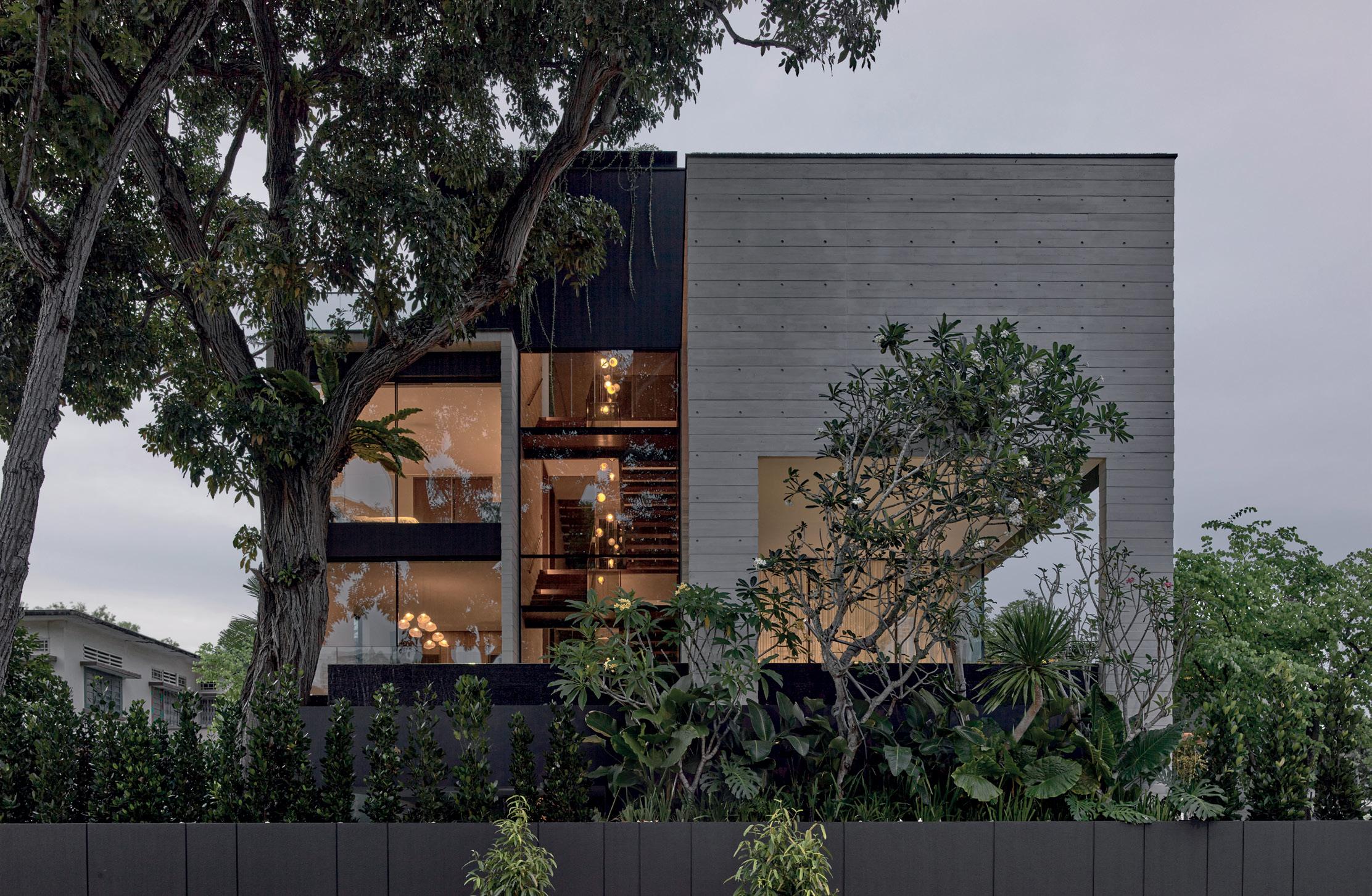
tale of a tree | d+a - architecture
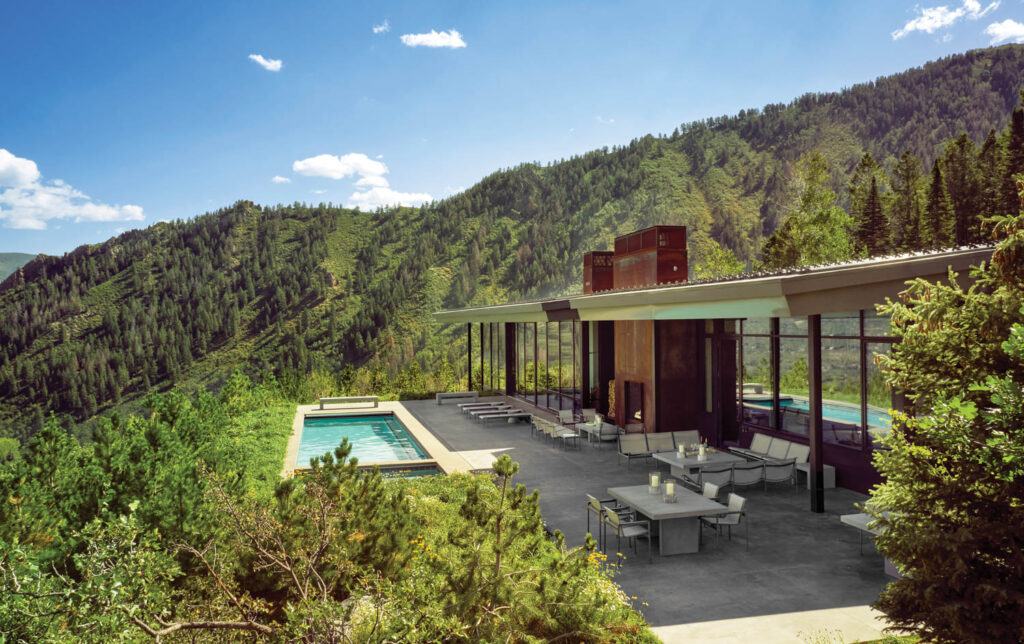
Art and Nature Take Center Stage in This Aspen Residence
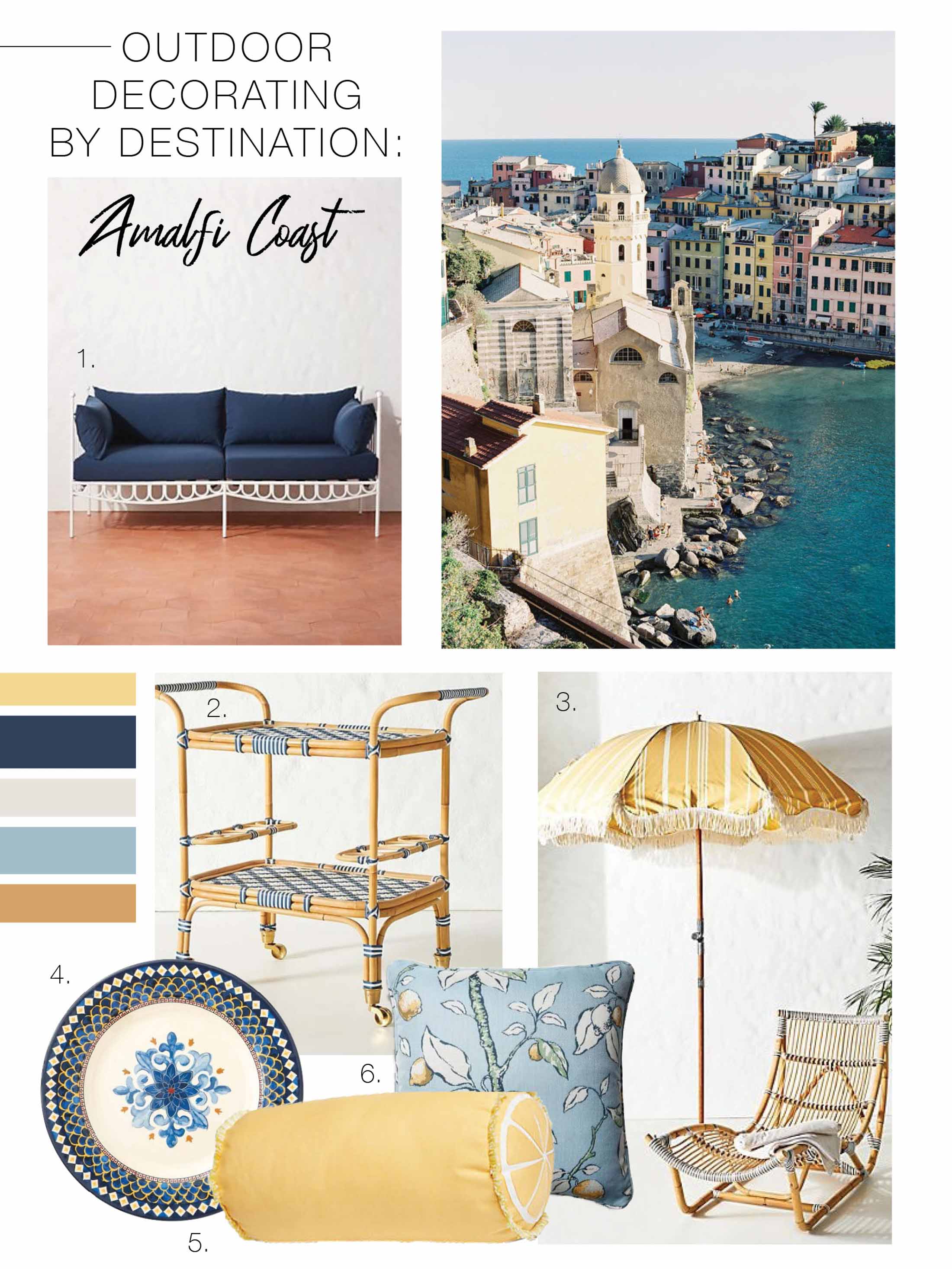
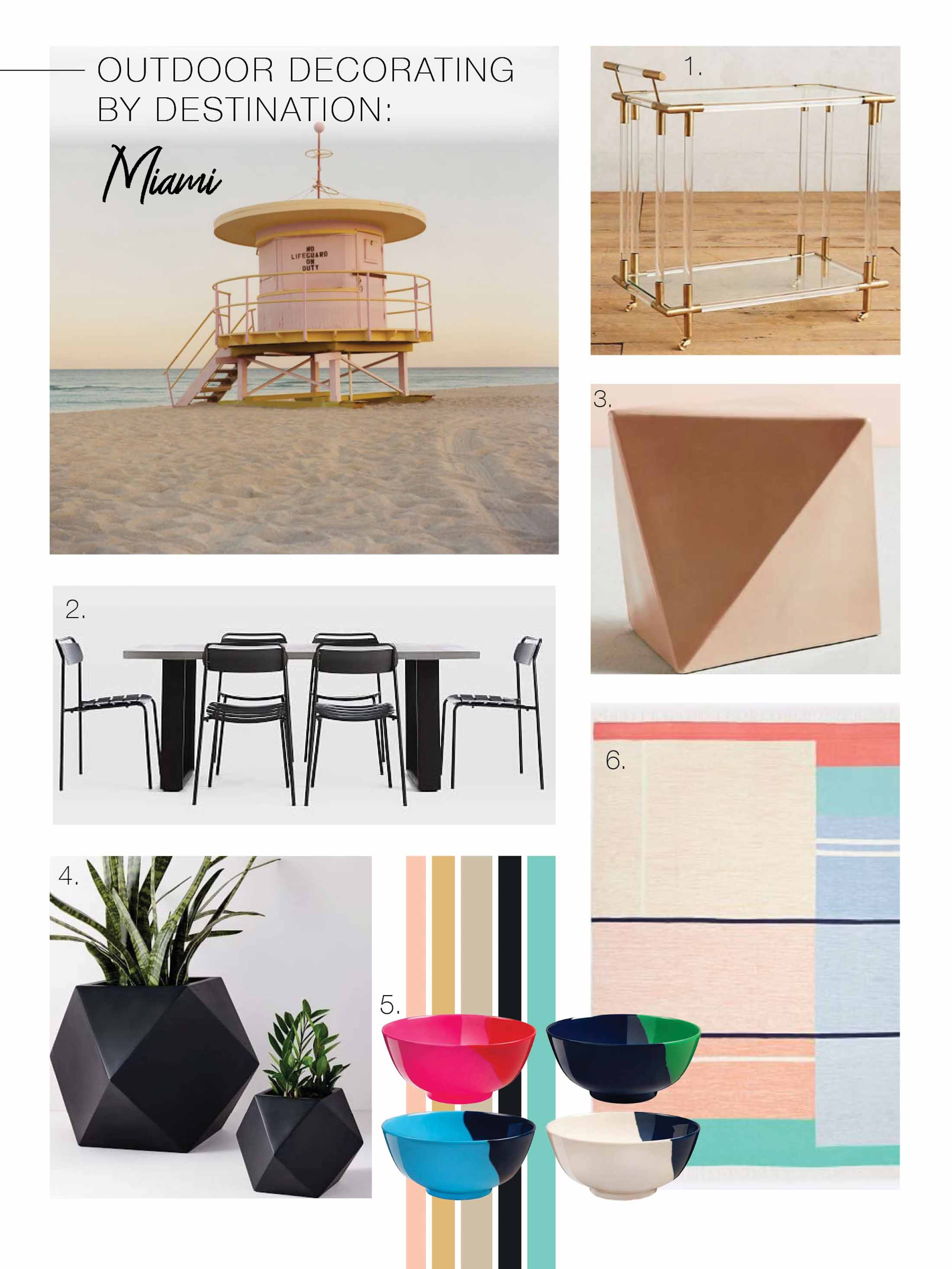
Outdoor Decorating by Destination


Four great home interior ideas to get more Zen in your life
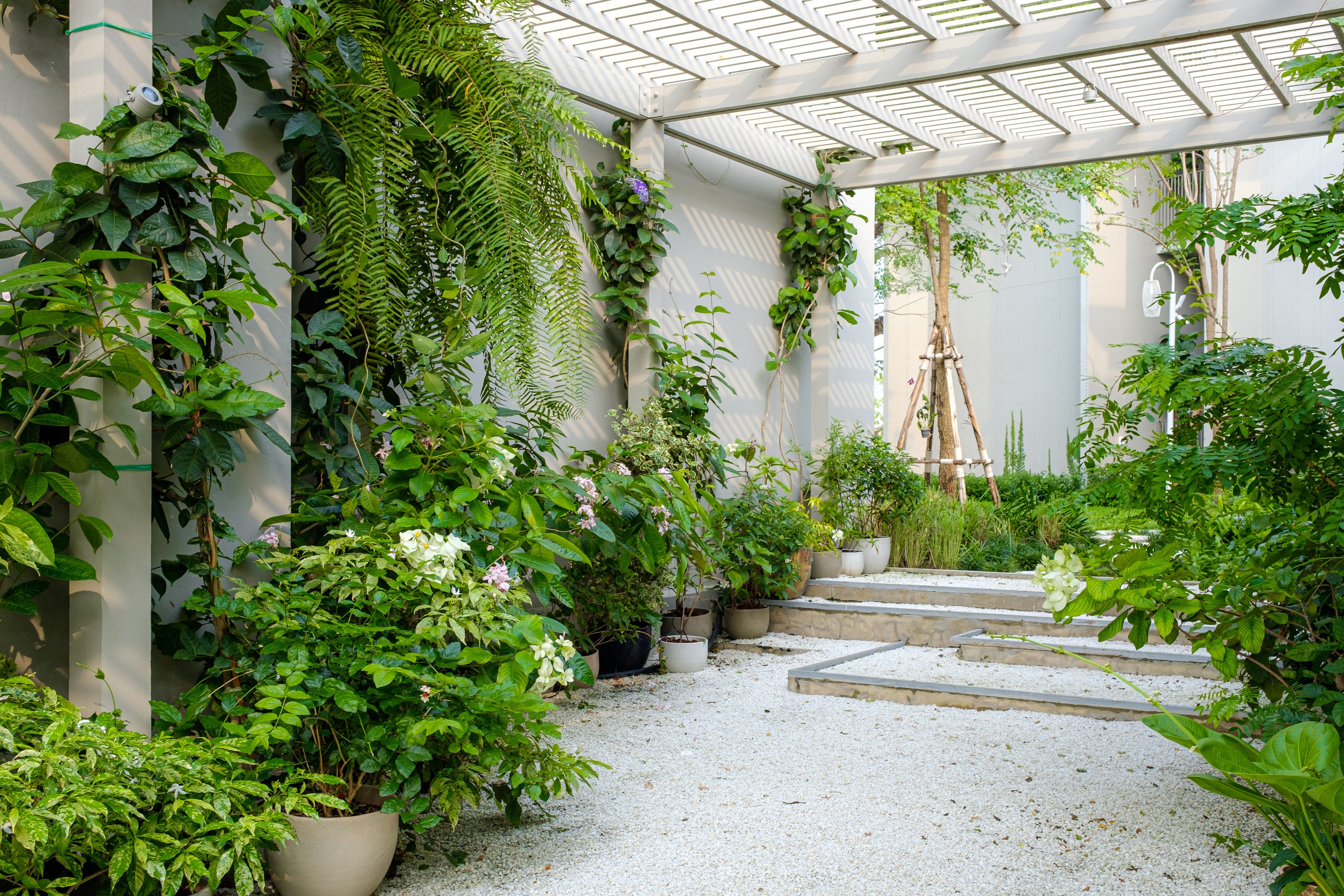
What type of privacy trees can I grow in pots? 5 container gardening picks that can help screen your backyard

Home Design: Strata Barn Serenity

Rustic living room ideas – 15 ways to give your space a cozy revamp

Windowless facade conceals "quiet grandeur" of Woodend bungalow

A Modern Tree House in France Preserves the Surrounding Pines

Charred Wood and Concrete Unite to Form a Chalet–Inspired Home
Creating a nursery with an enchanted forest look