1/2
A landscaper's advice for making your backyard more peaceful — and the science behind it
This article explores how transforming an outdoor space into a tranquil retreat can significantly enhance mental well-being, drawing on scientific evidence and expert advice from landscape architecture. A 2017 study from Brighton and Sussex Medical School in England highlighted the restorative power of nature sounds, showing they can diminish the sympathetic nervous system's 'fight or flight' response and activate the parasympathetic nervous system, responsible for rest and relaxation. This scientific backing provides a compelling reason to invest in optimizing outdoor environments for peace.
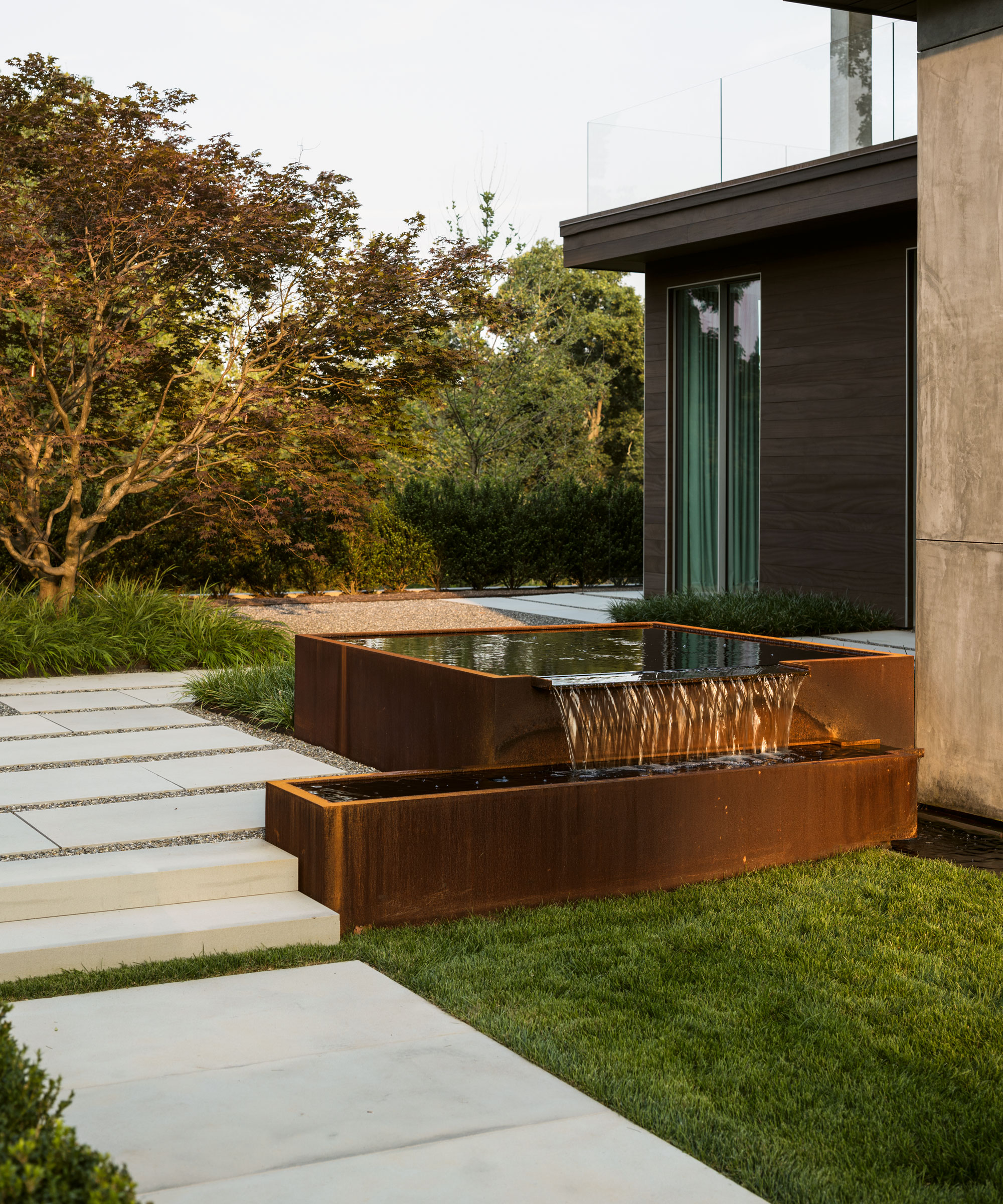
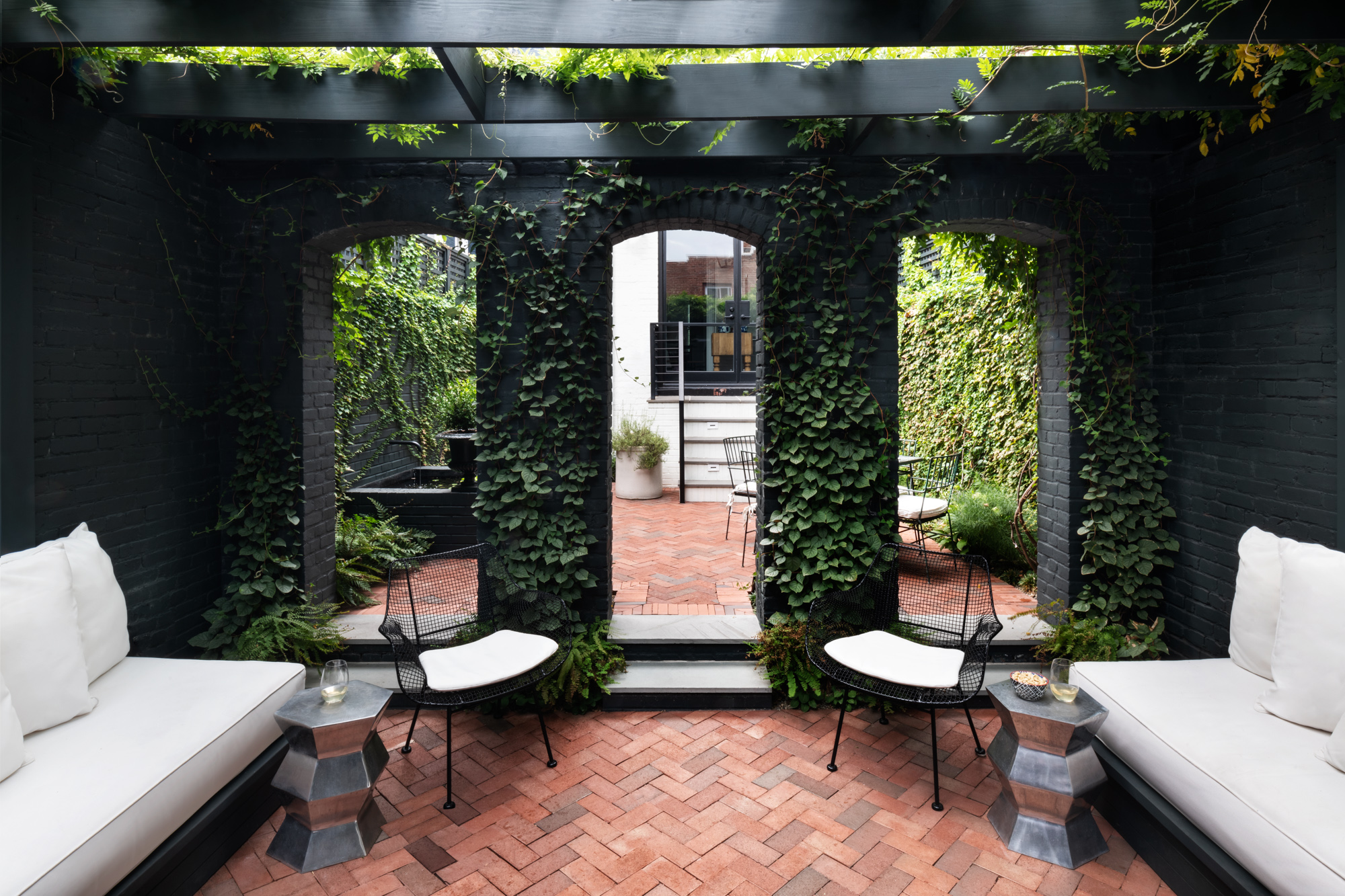
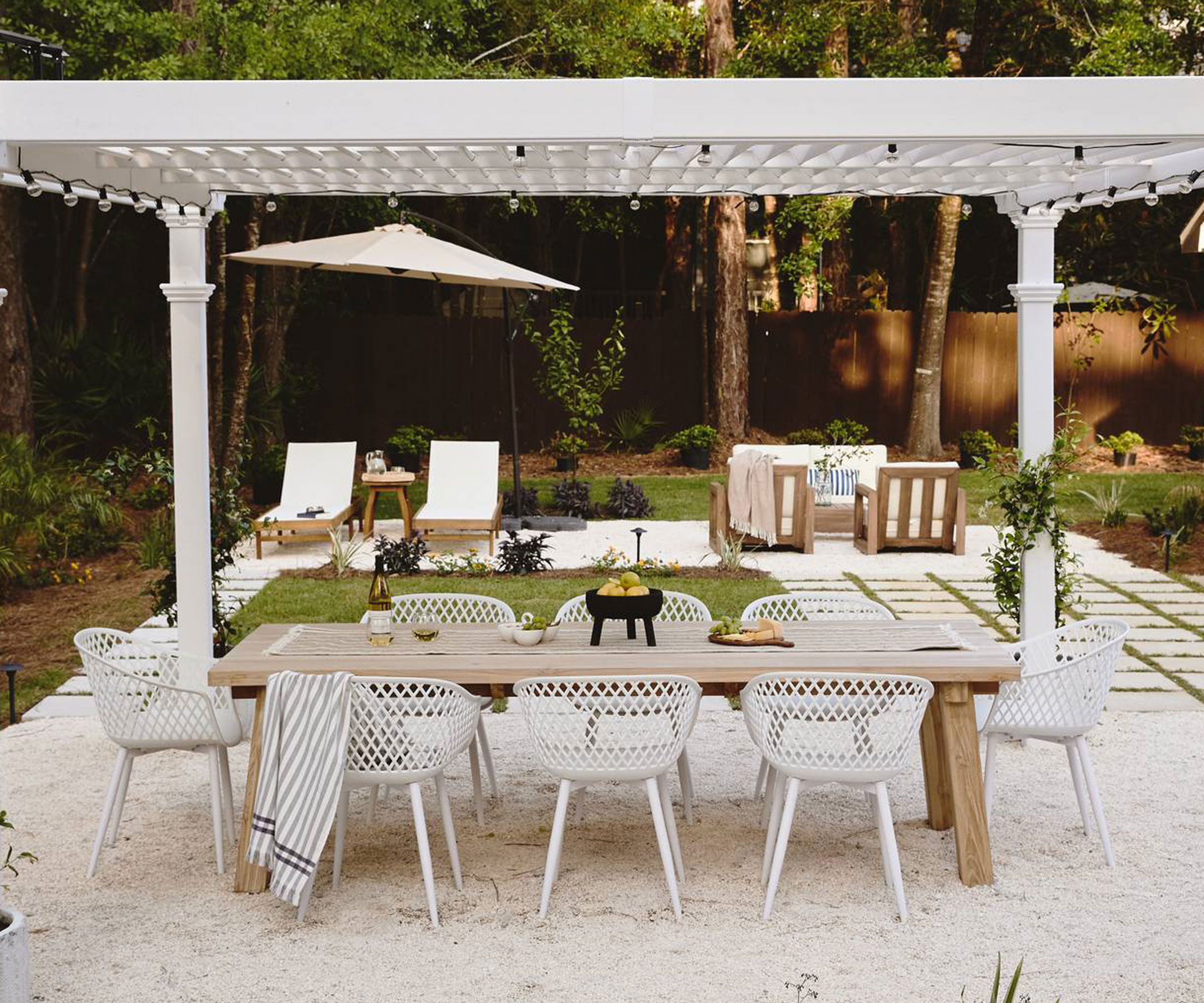
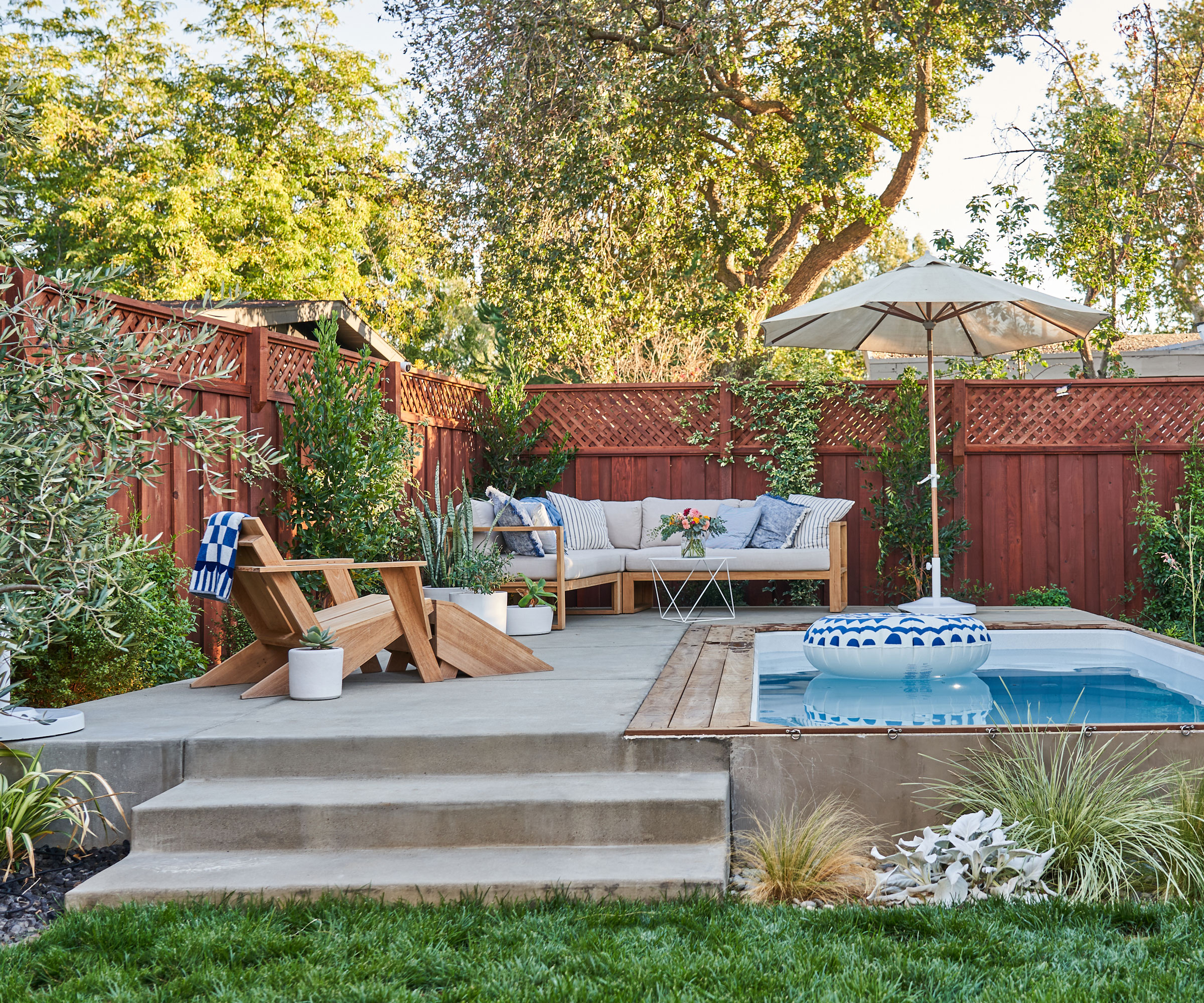
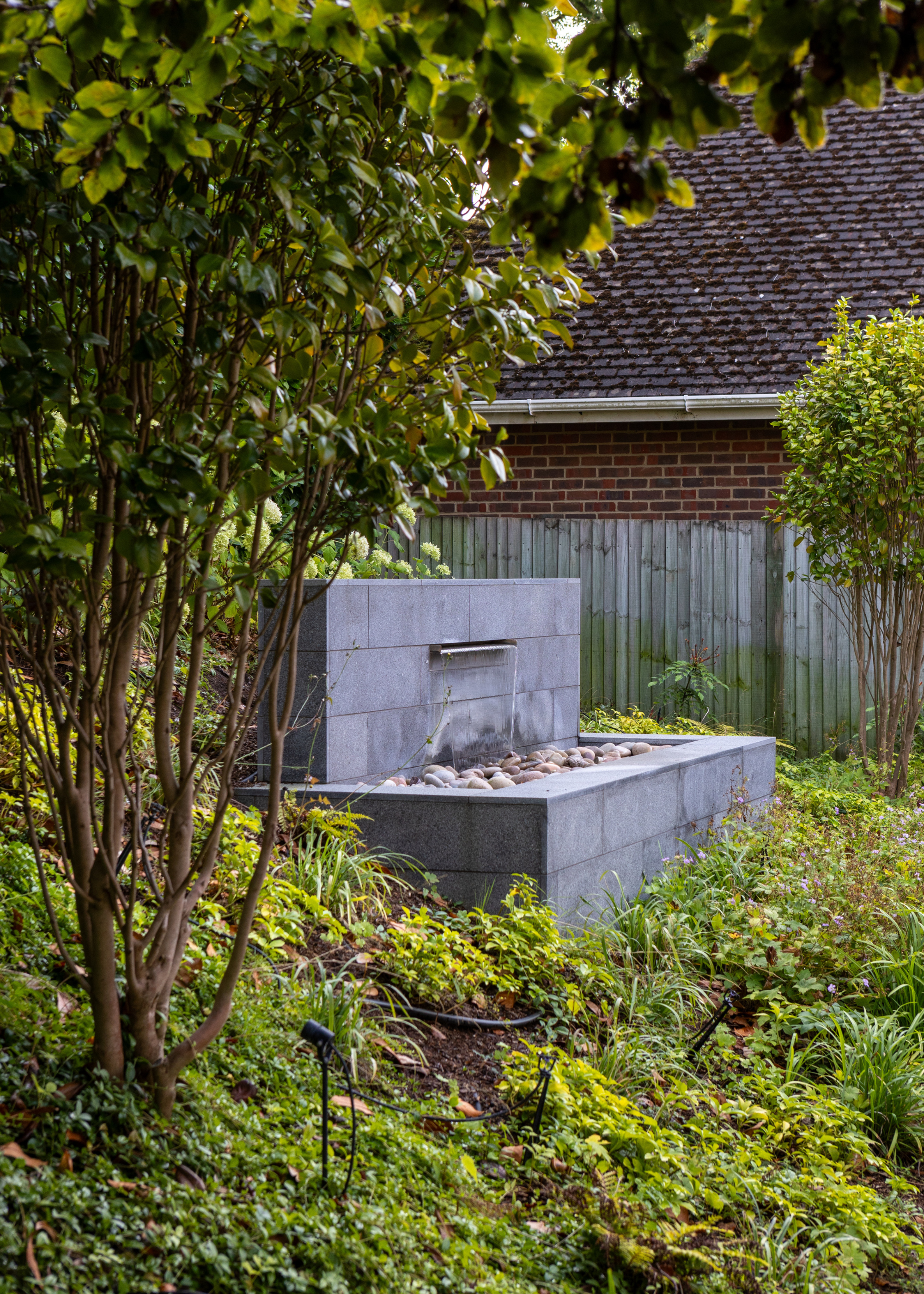
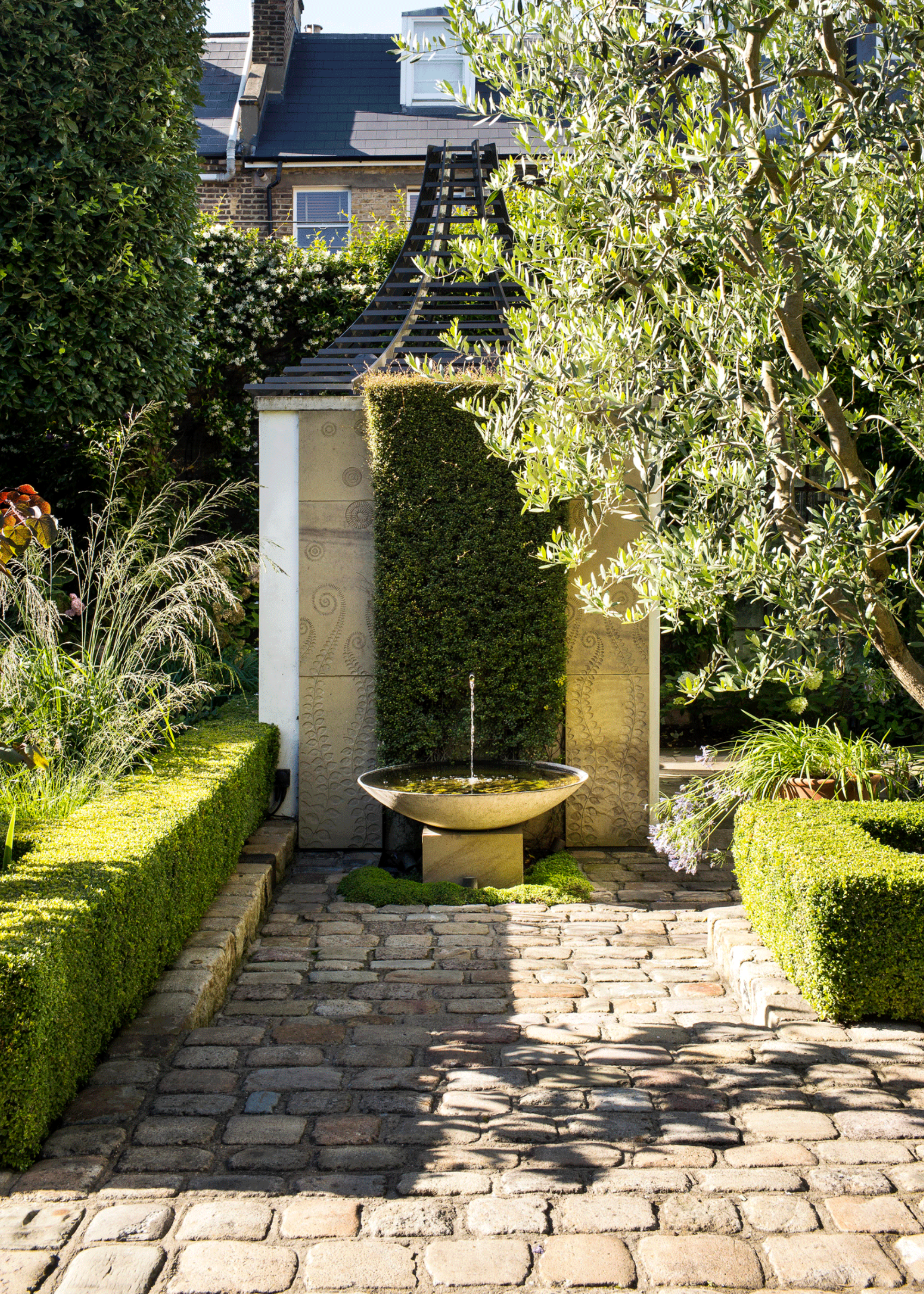
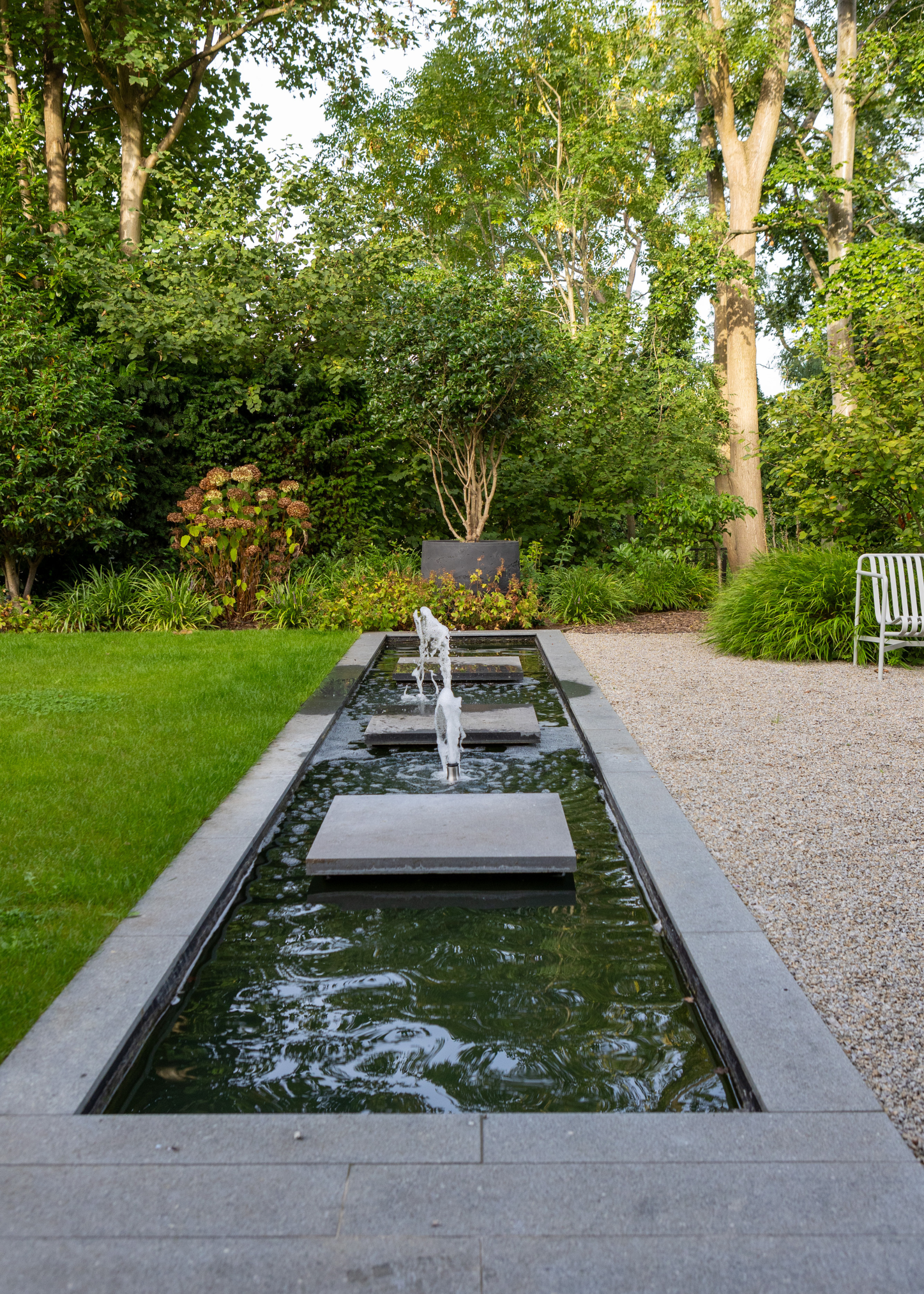
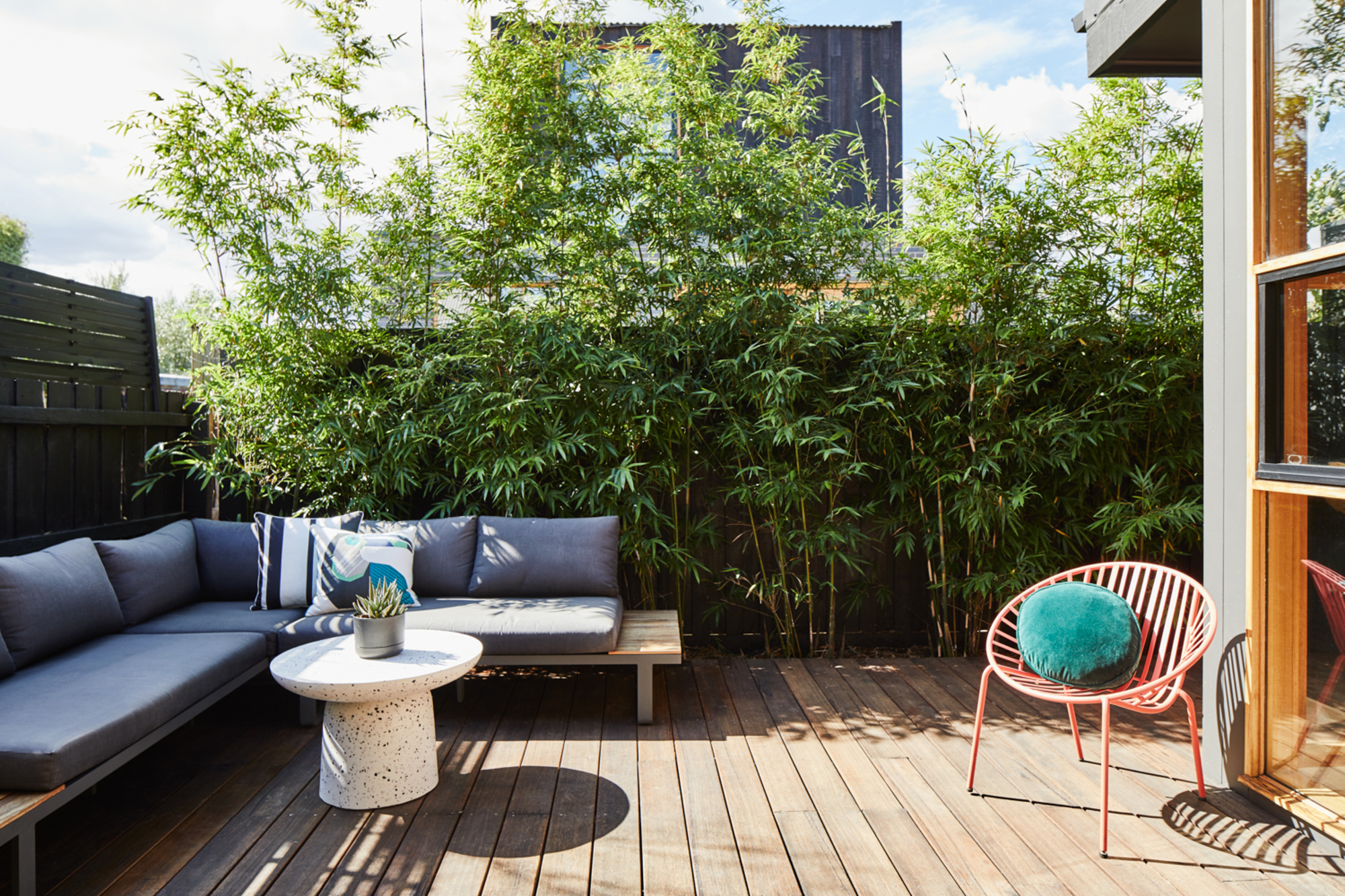
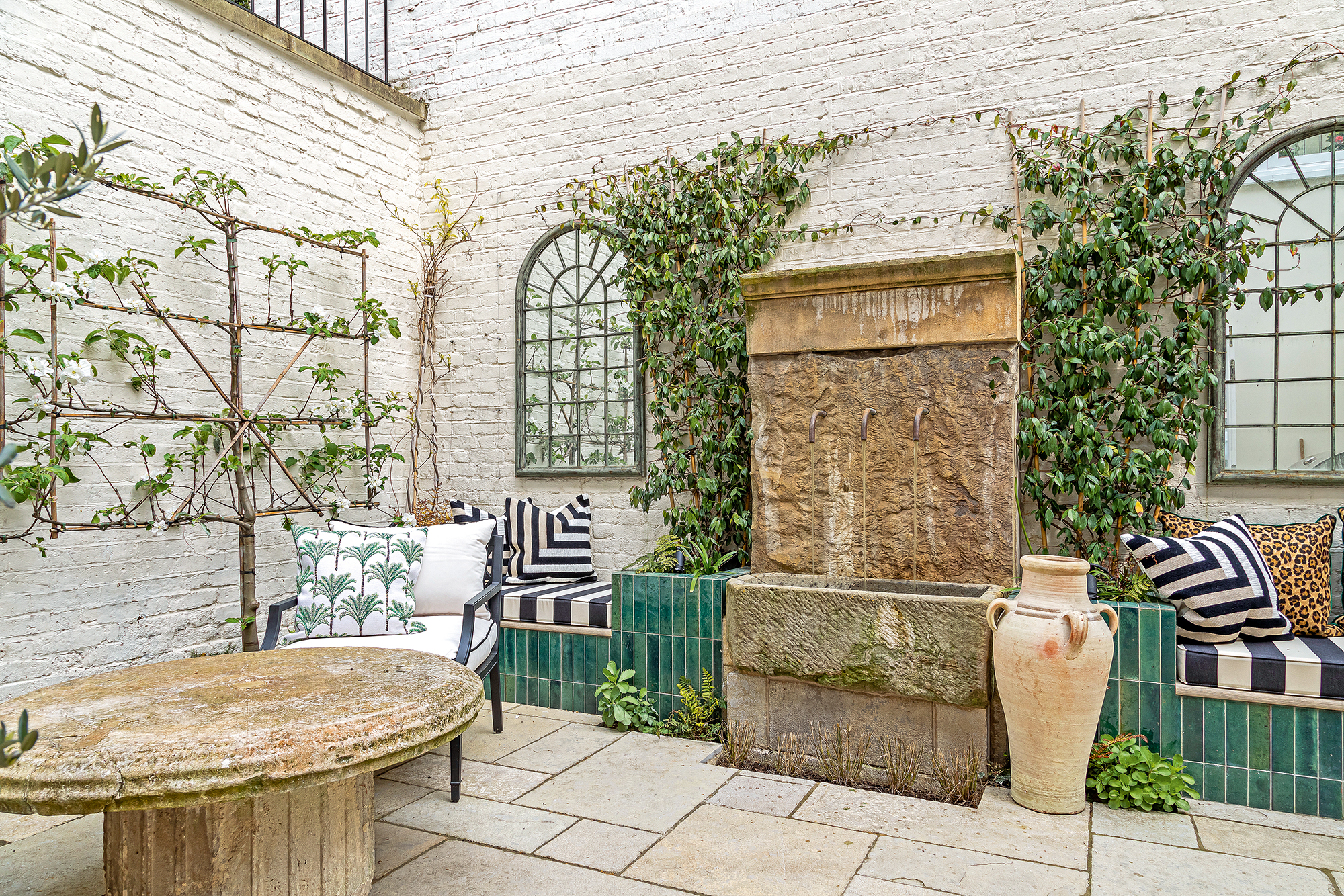
Ryan Trudell, Vice President of Landscape Architecture at Creative Environments, suggests several strategies to cultivate serenity in a backyard. A primary recommendation is the integration of water elements, such as waterfalls or bubbling fountains. These features offer both soothing auditory and visual experiences, with some research indicating that the sound of water can induce a meditative state. Creating shaded areas is another cost-effective method to foster intimacy and calmness. Trudell advises utilizing natural tree canopies for placement of hammocks or daybeds, promoting relaxation.
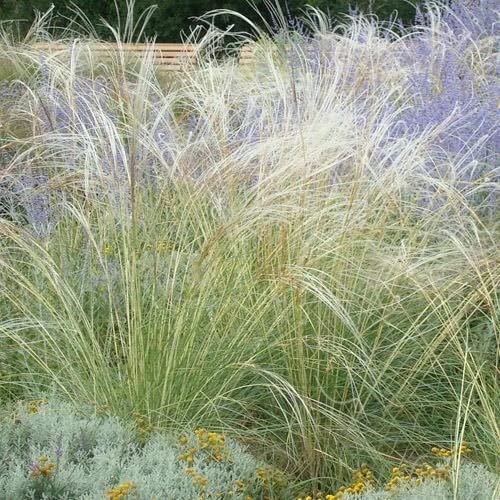
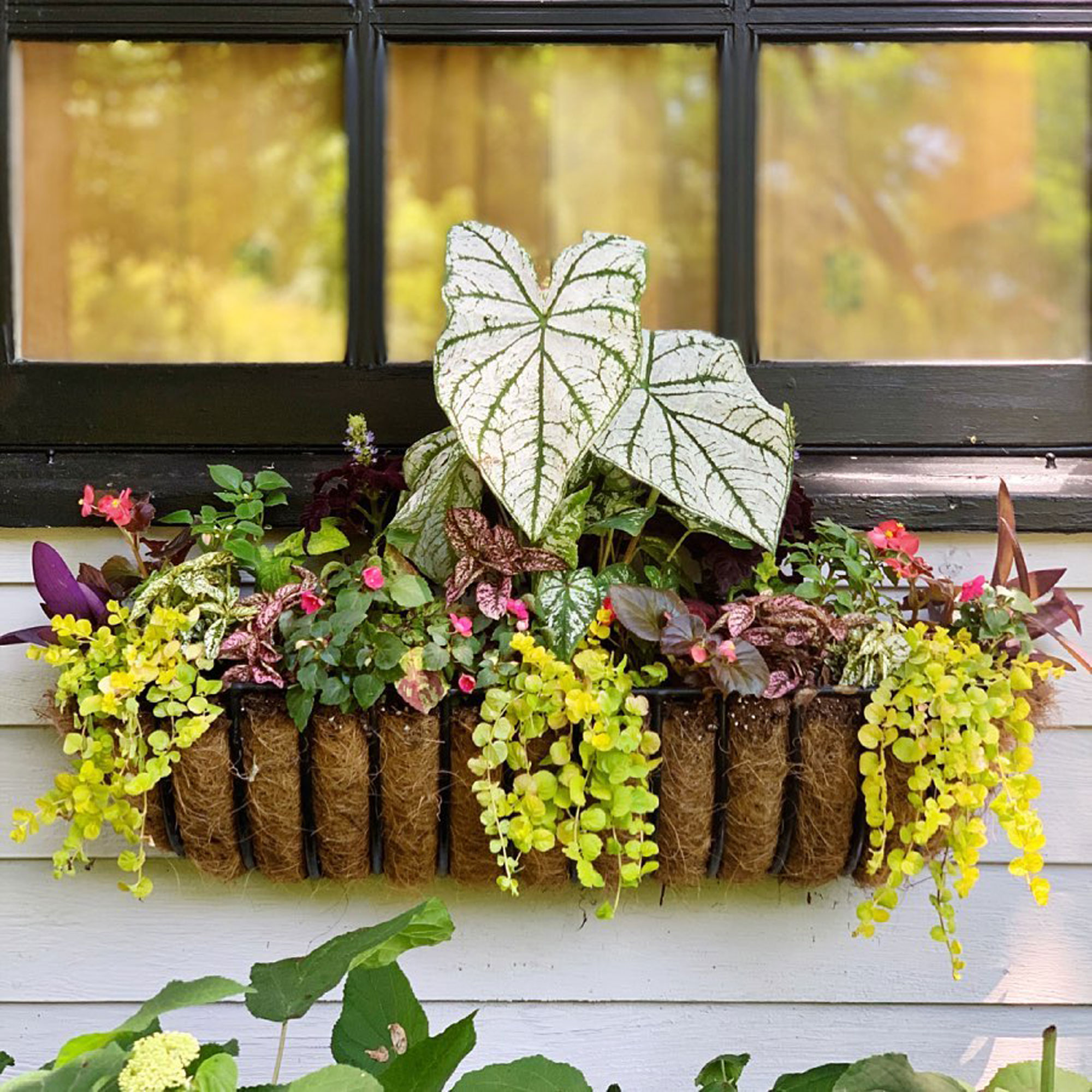
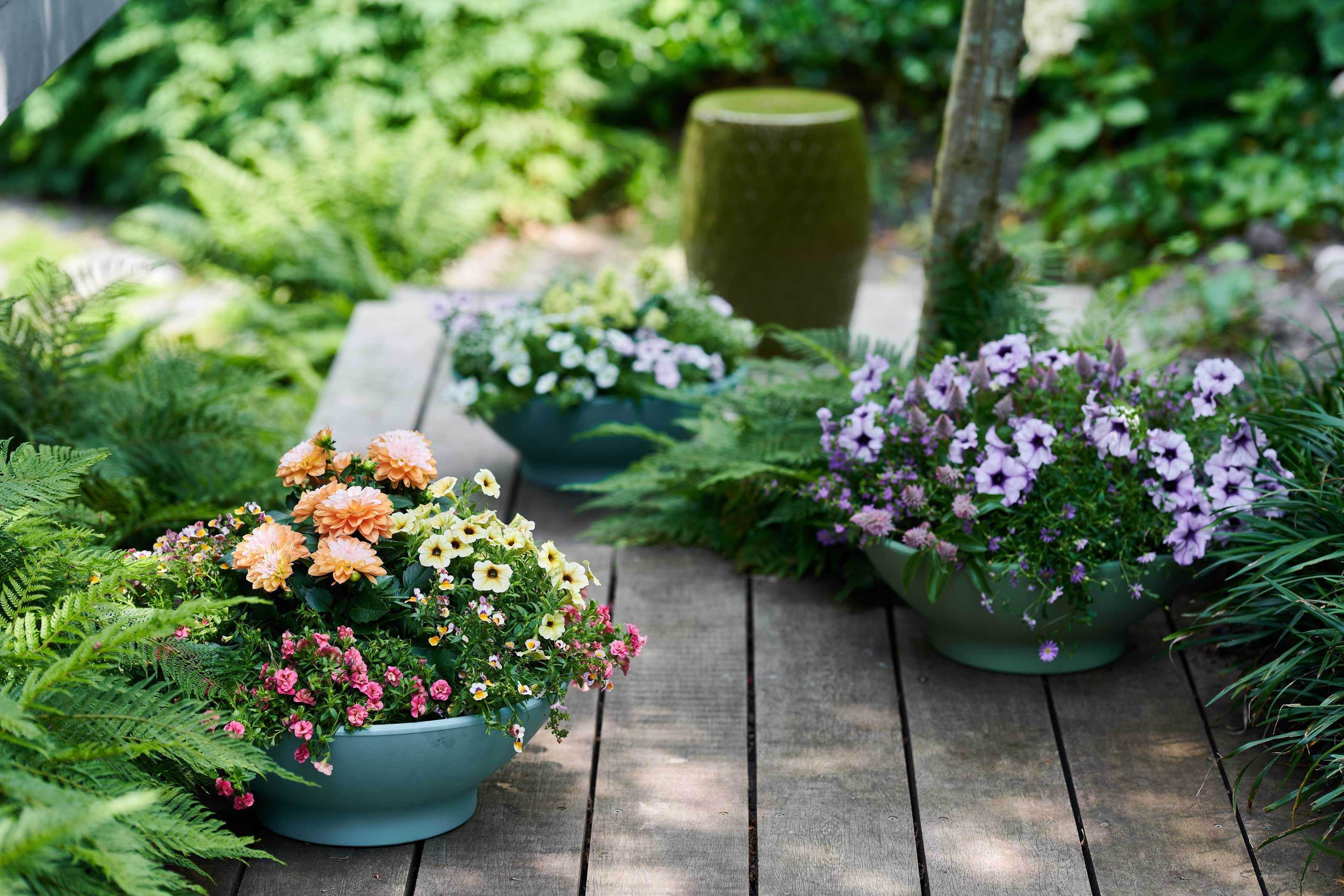
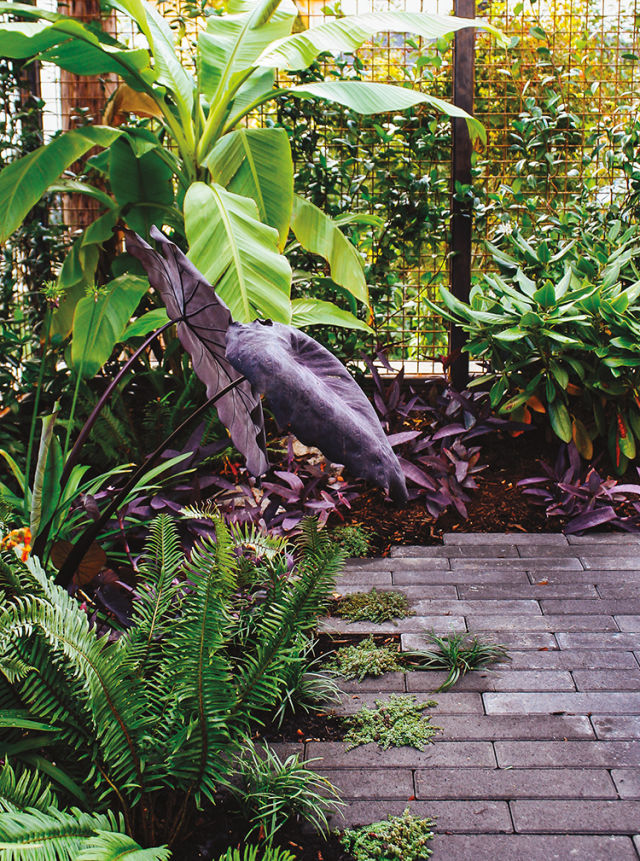
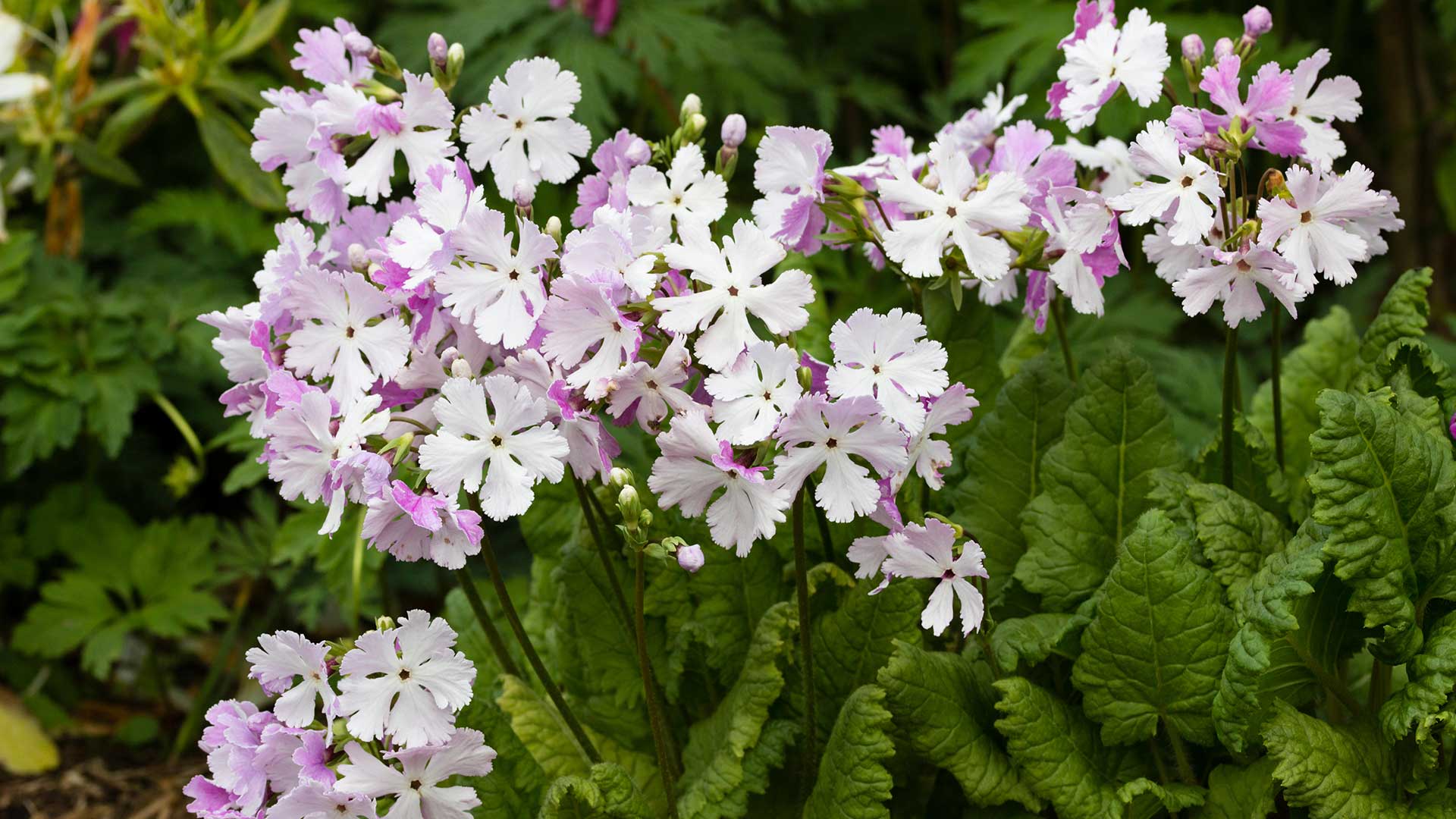
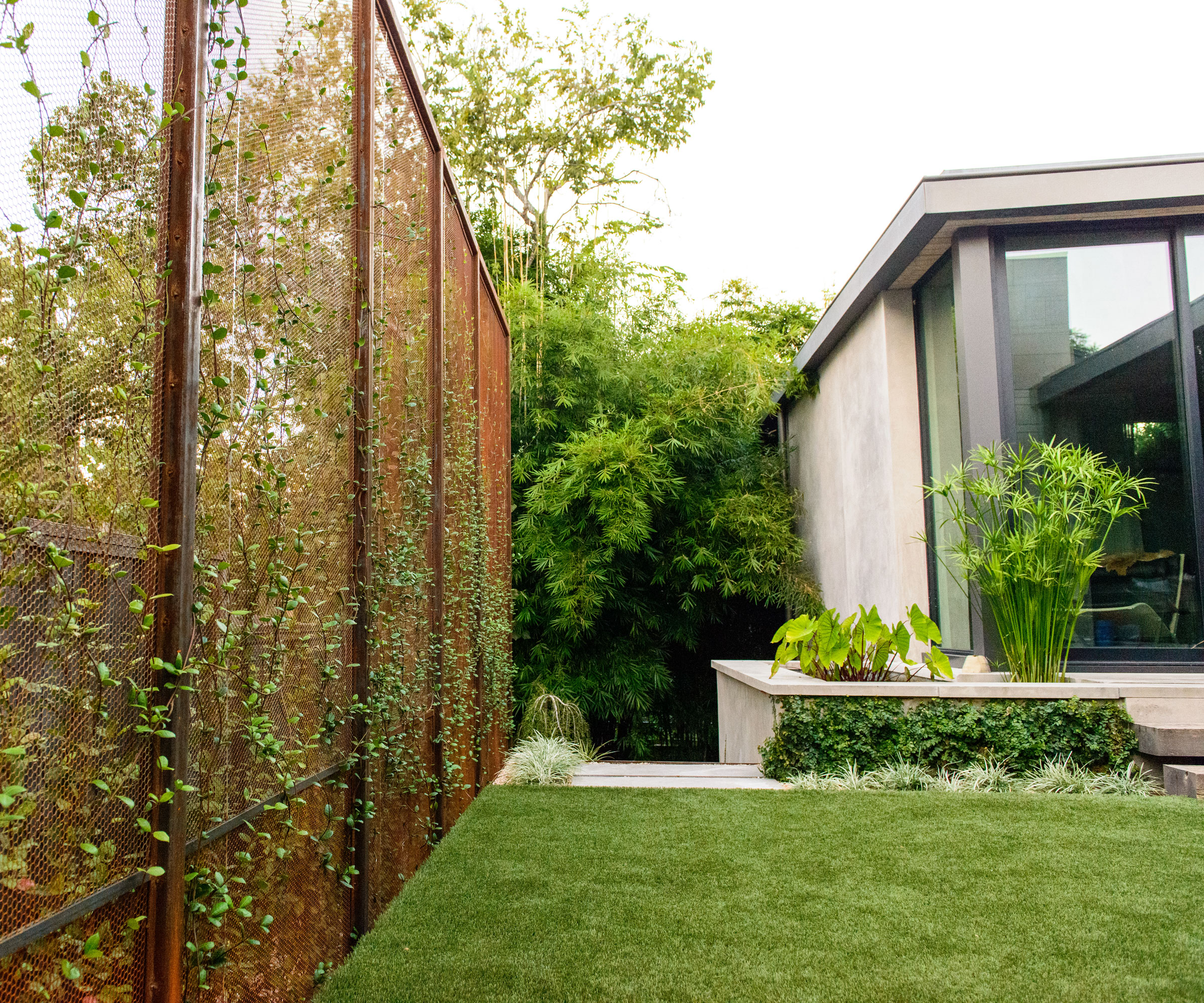
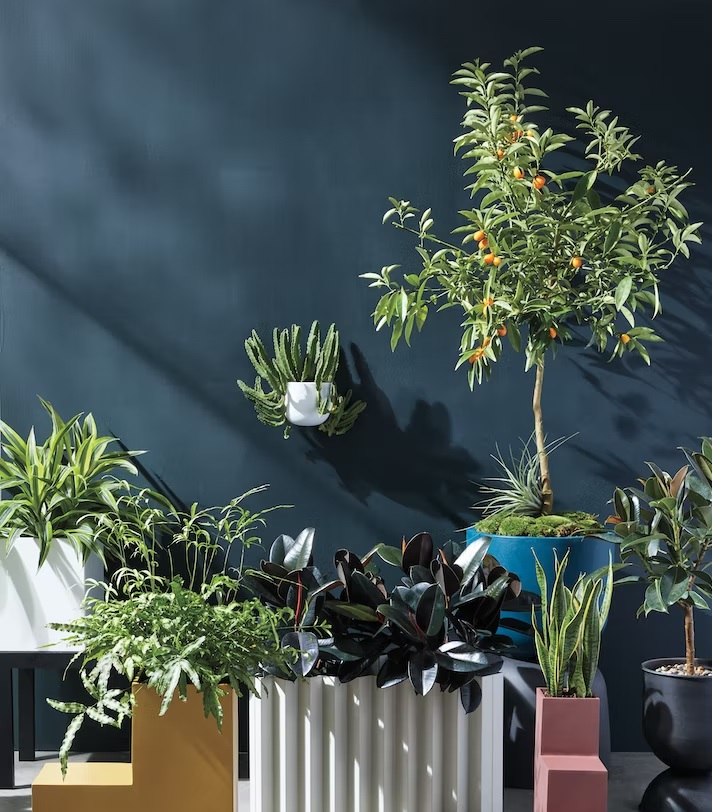
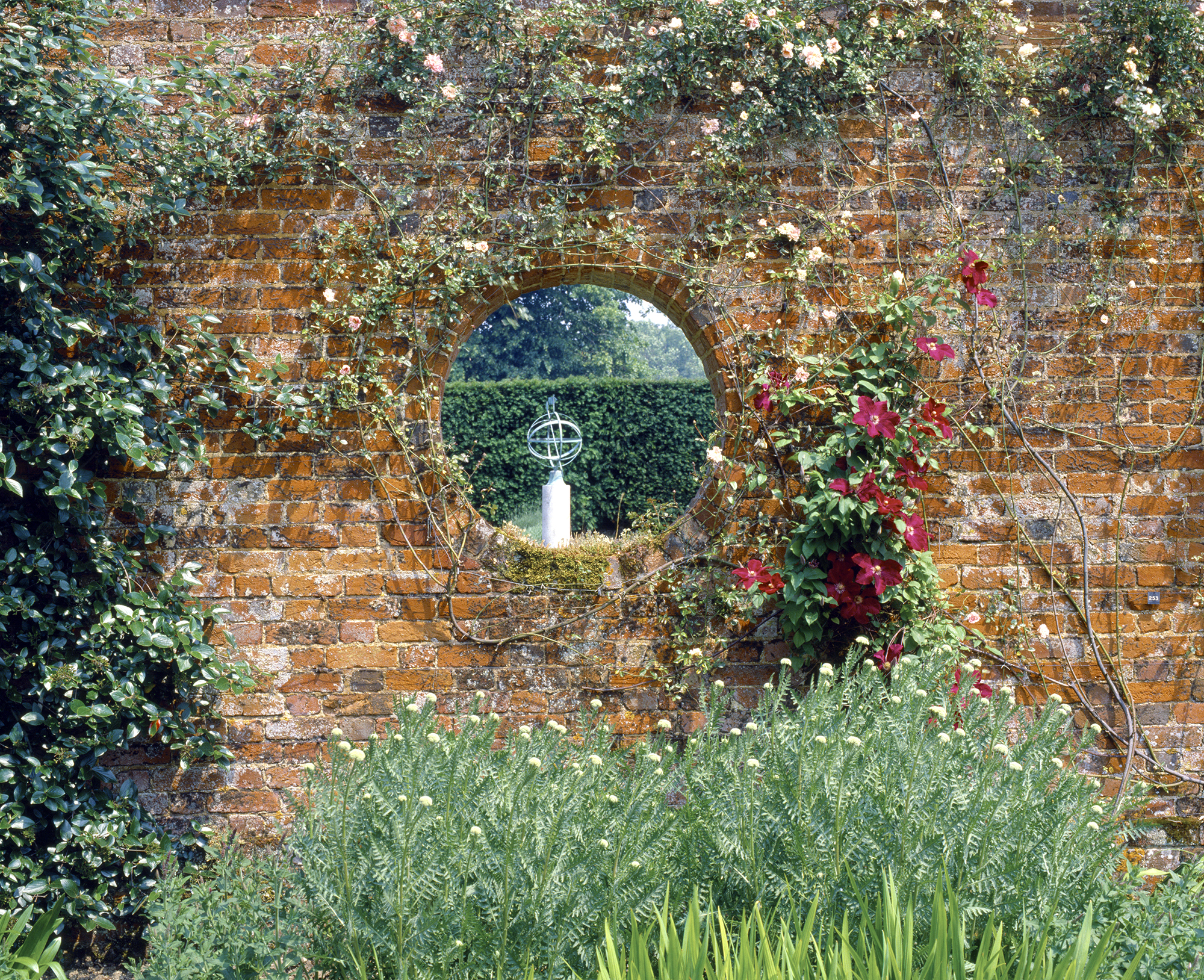
Sensory gardens are presented as an excellent means to engage multiple senses and reduce stress. These gardens can be designed to include aromatic plants and those that produce calming sounds when wind passes through them, stimulating senses like smell and hearing. The article emphasizes that a connection to nature, particularly through sensory engagement, is a leading method for stress reduction. Additionally, incorporating more vegetation can attract local wildlife, such as butterflies and hummingbirds, enriching the natural experience and fostering a deeper connection to the environment. Suggestions include planting butterfly gardens or tubular flowers to draw in these creatures.
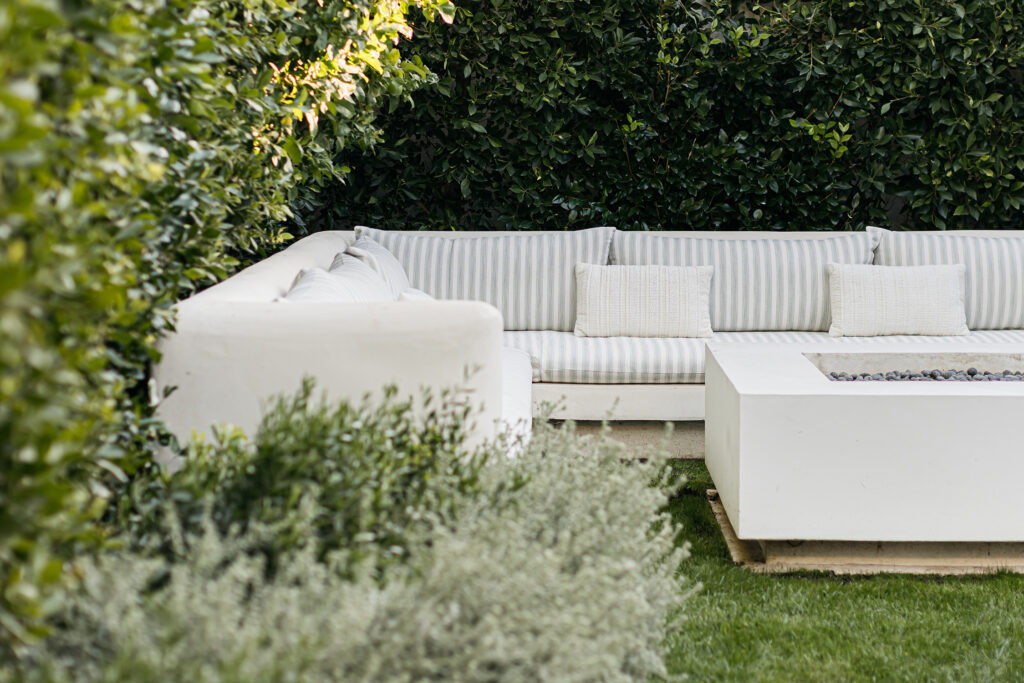
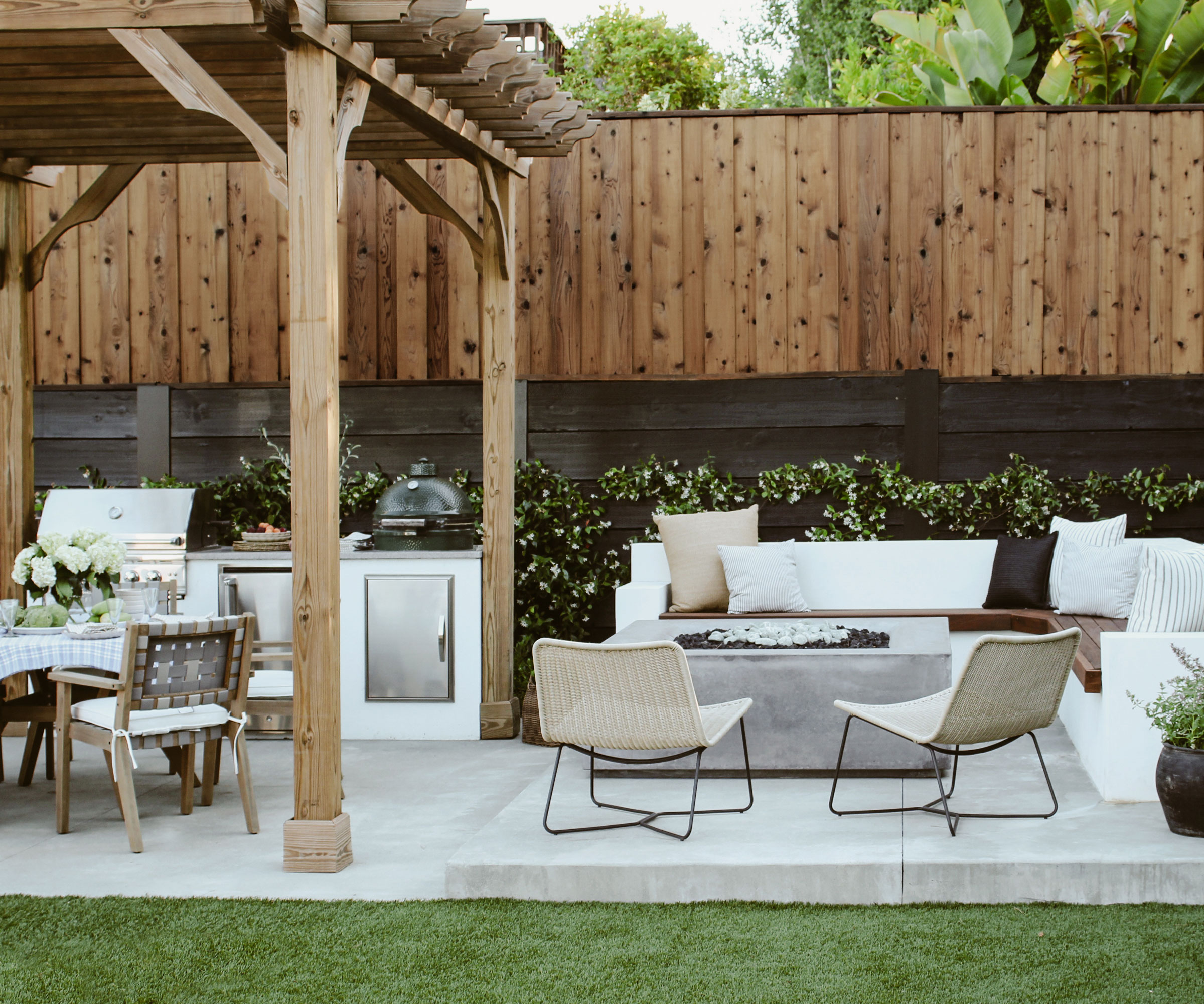
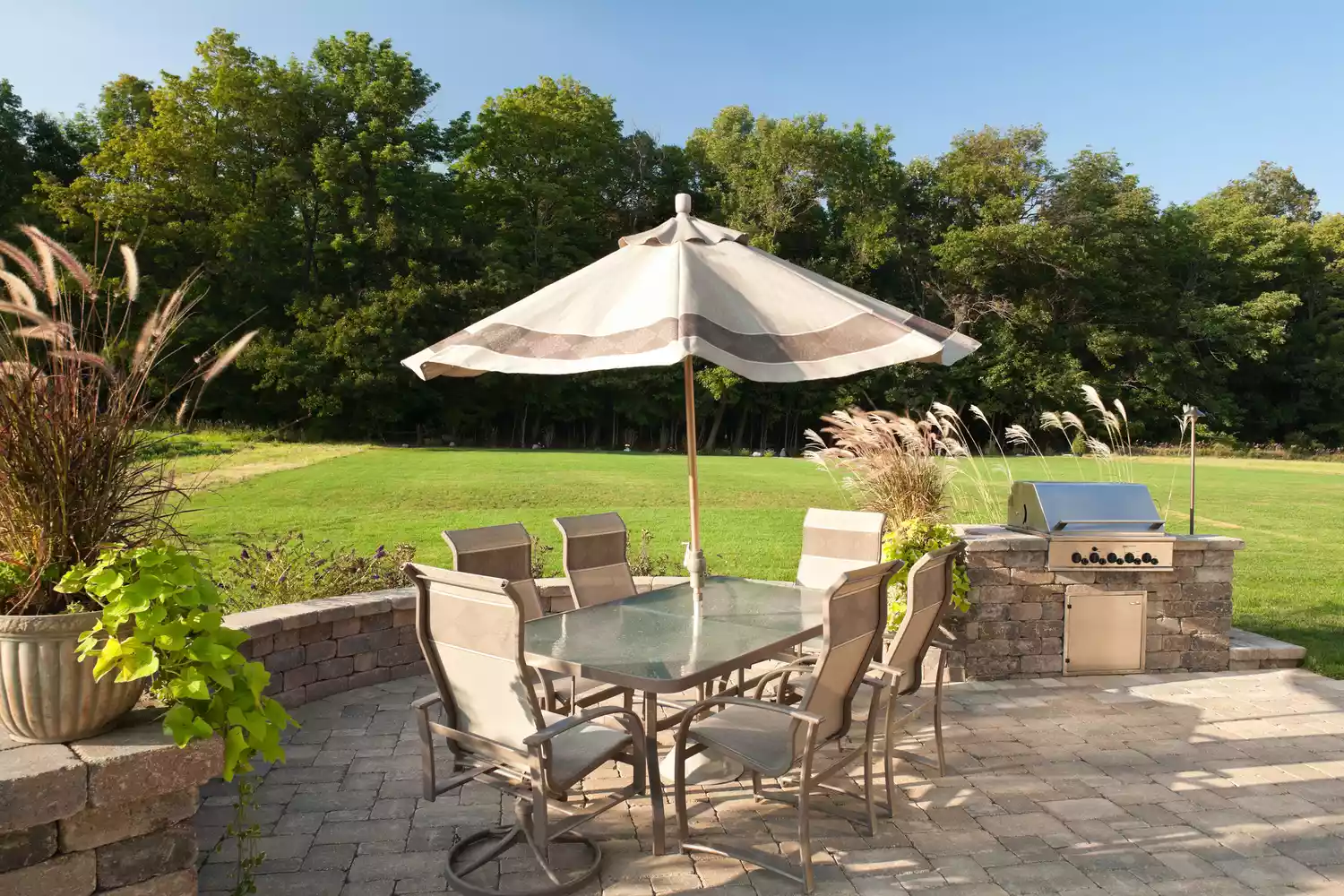
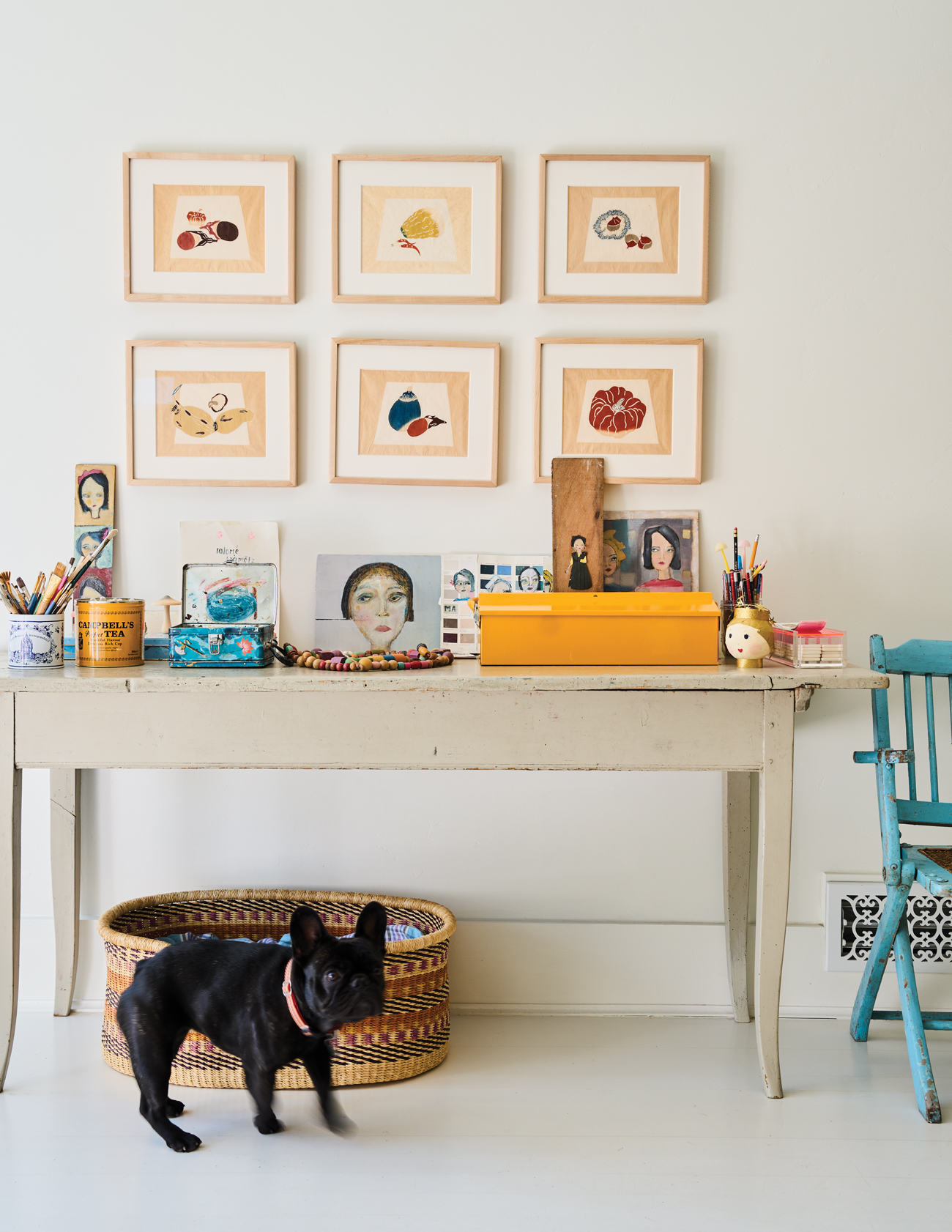
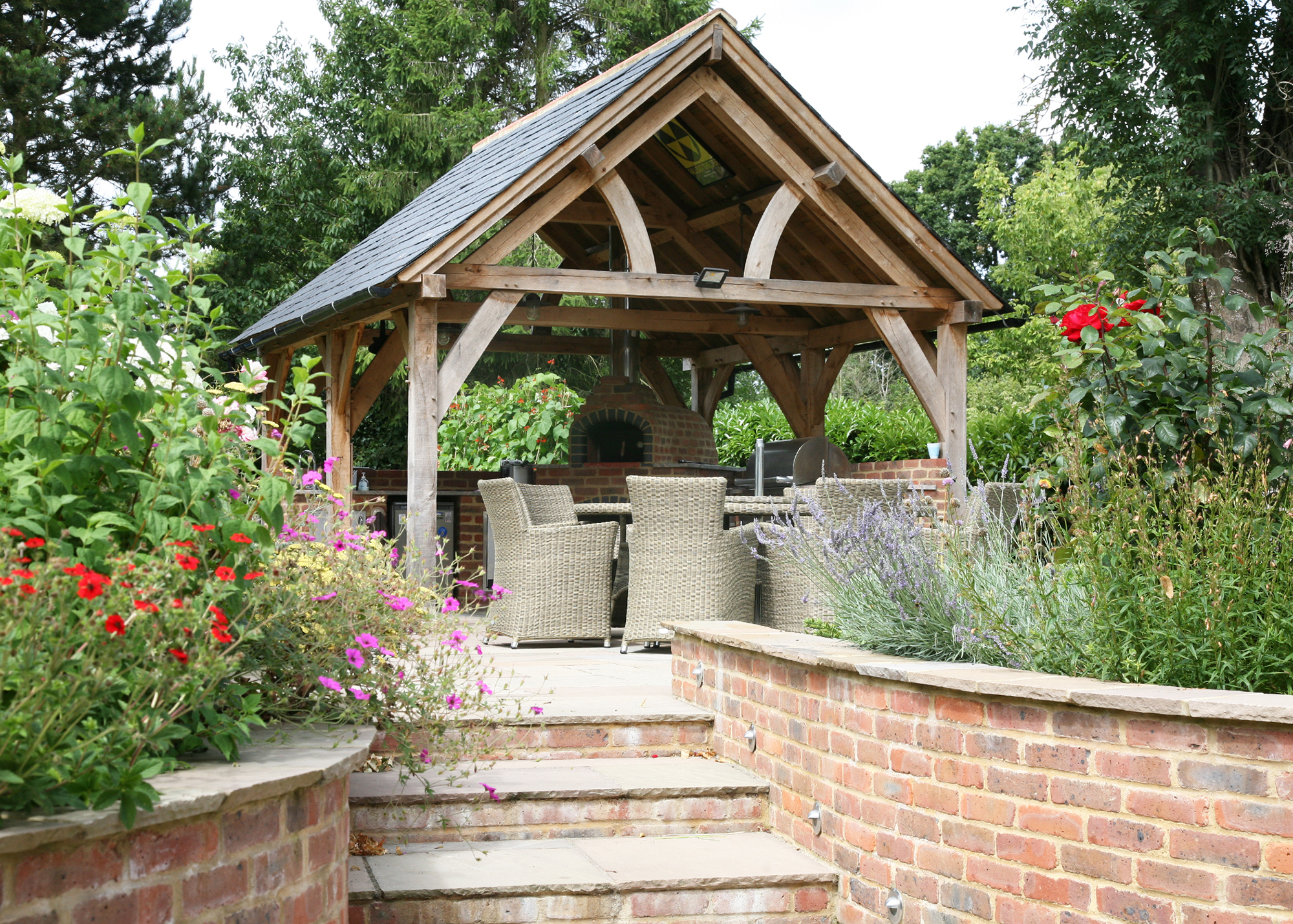
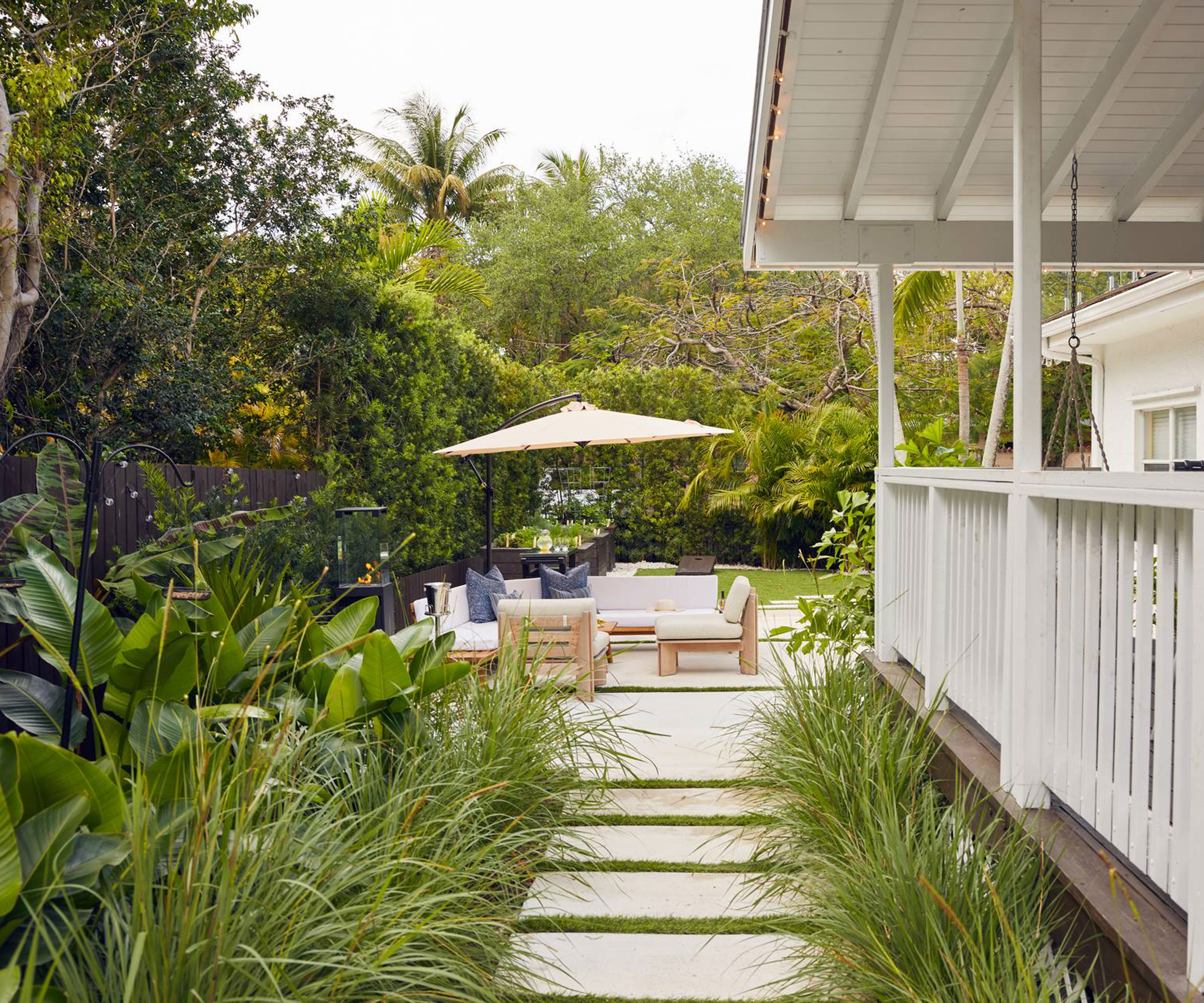
Beyond natural elements, the article stresses the importance of furnishing outdoor areas with comfortable pieces to make them more inviting and conducive to collective well-being. Comfortable seating arrangements are crucial for enjoying life outdoors, and research from the University of York suggests that experiencing nature in groups can yield greater mental health benefits than solitary engagement. Trudell also recommends creating designated intimate spaces or 'nooks' within the yard, such as charming sheds, potting benches, reading gardens, or art arrangements, to strengthen one's connection to nature. For tranquil gardens, whimsical or abstract art pieces are particularly suitable, though individuals should choose items that personally evoke a sense of equanimity.
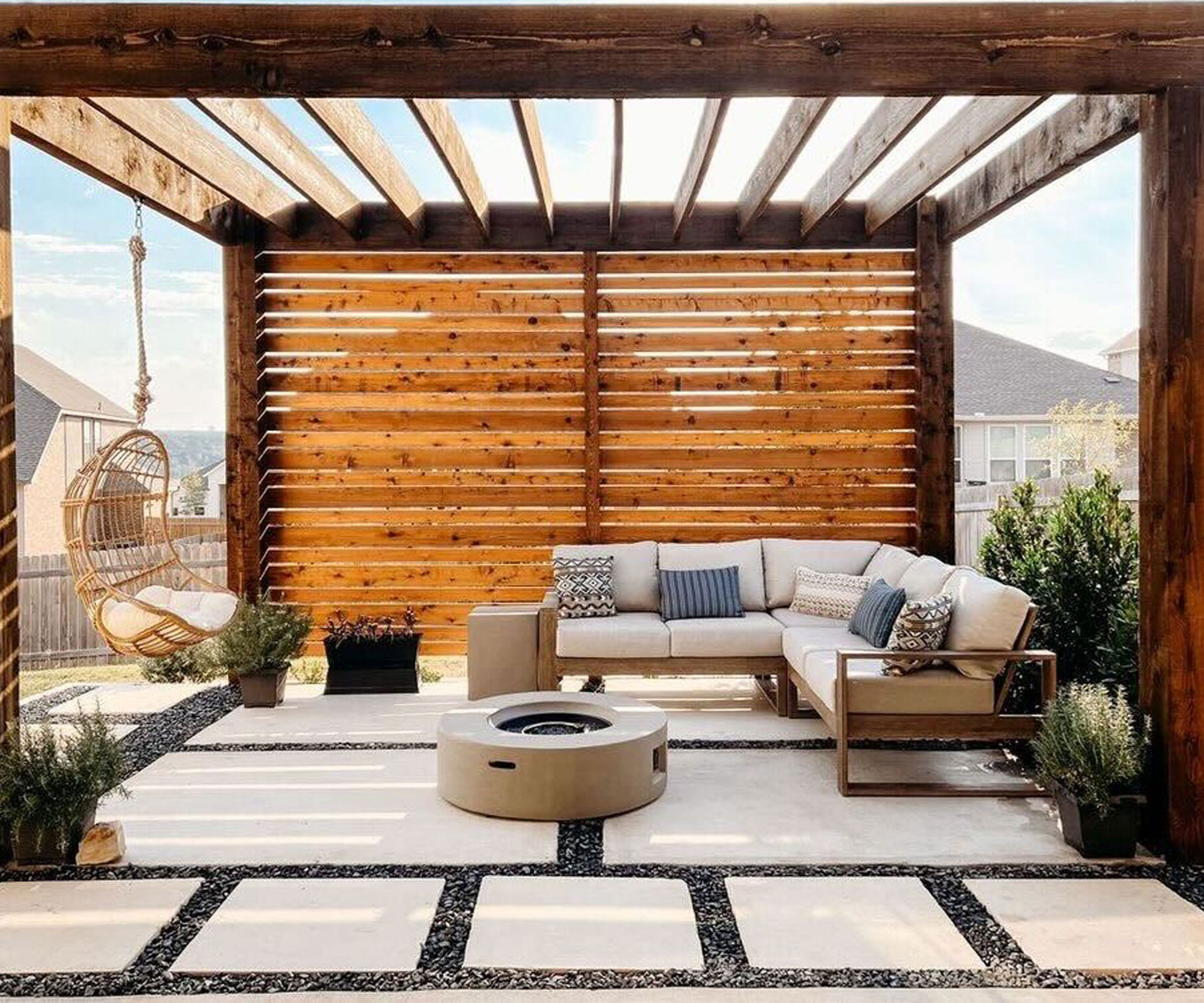
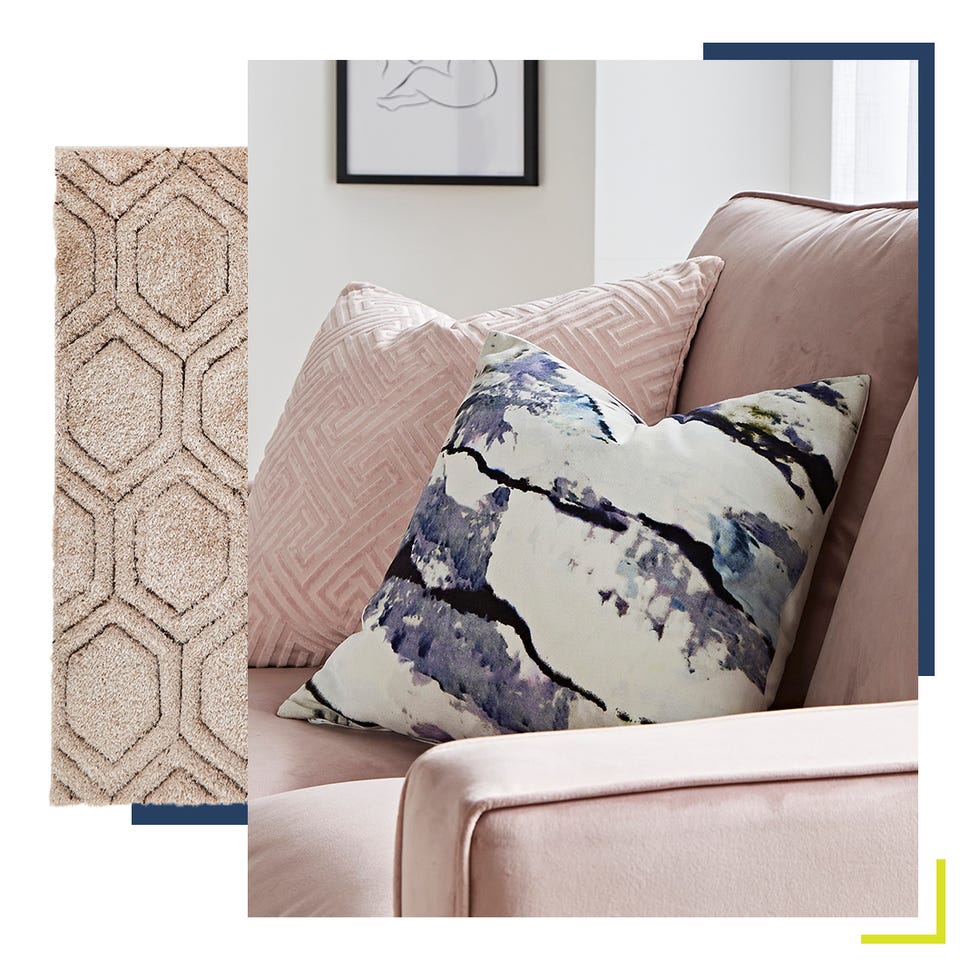
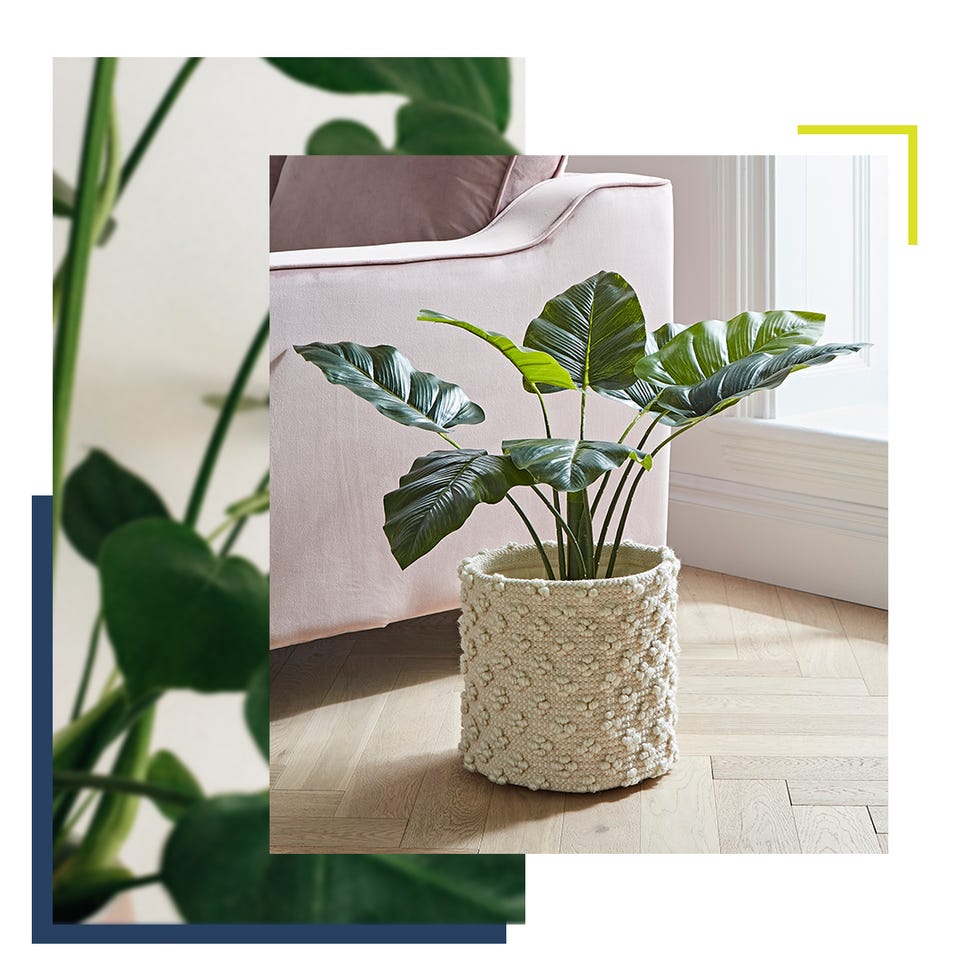
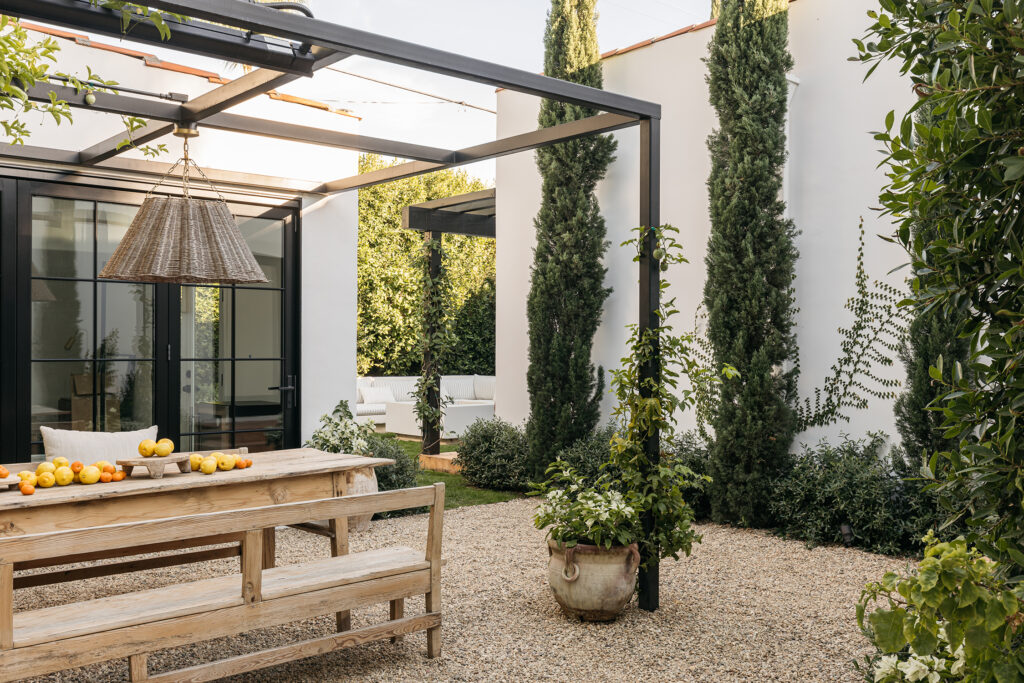
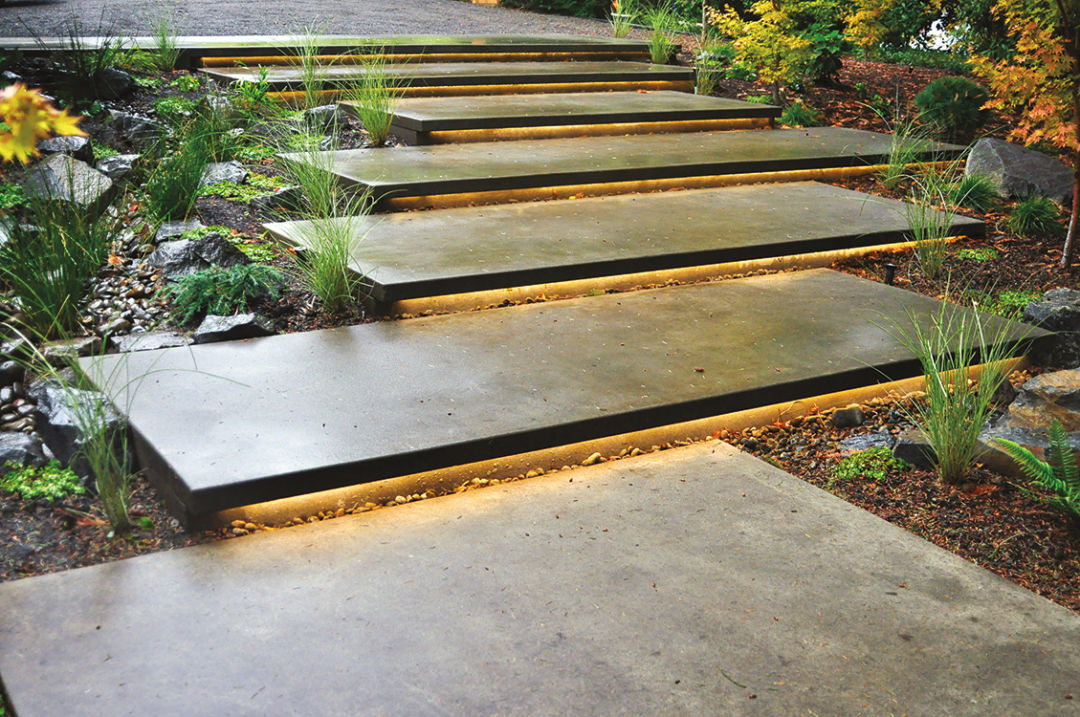
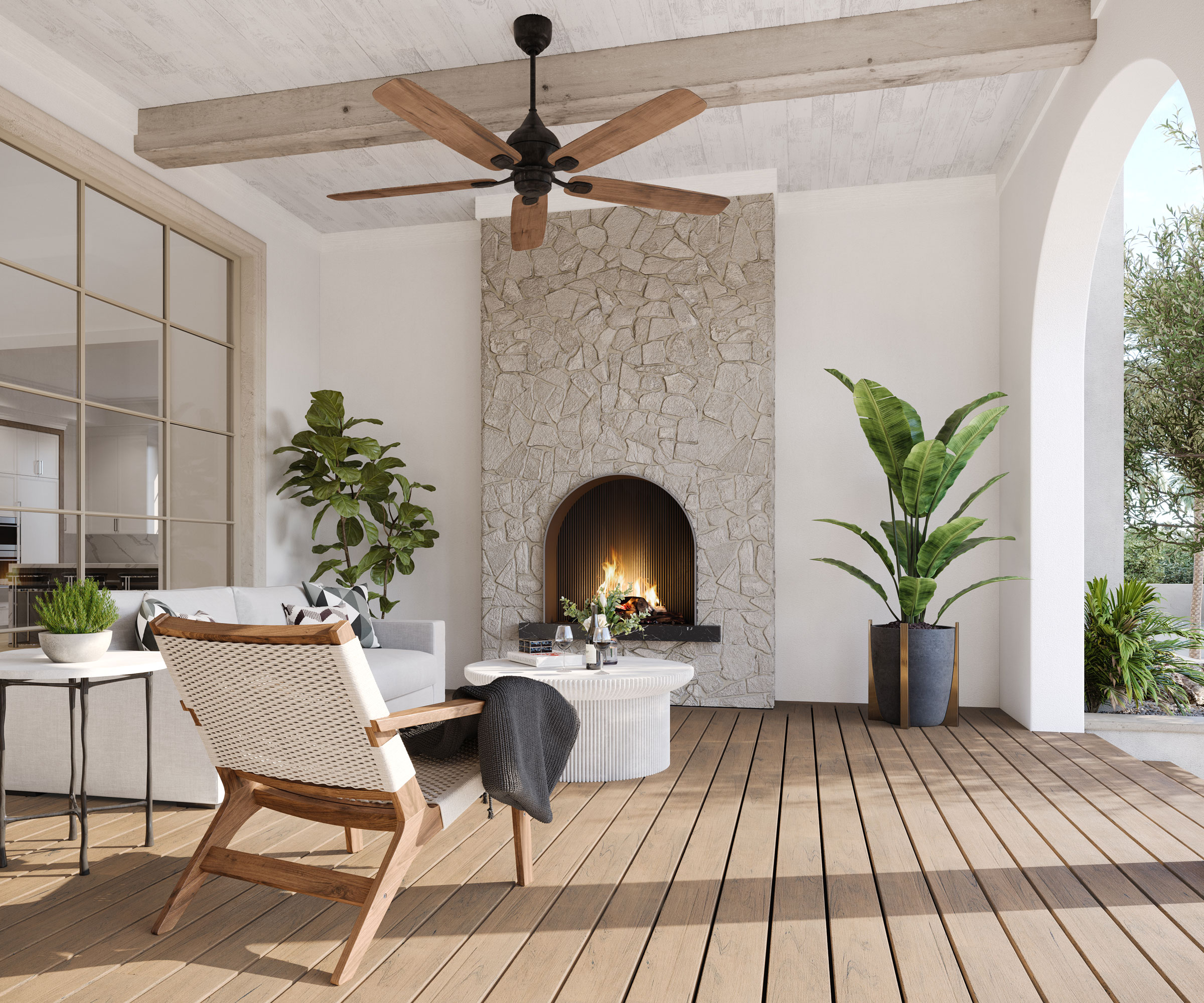
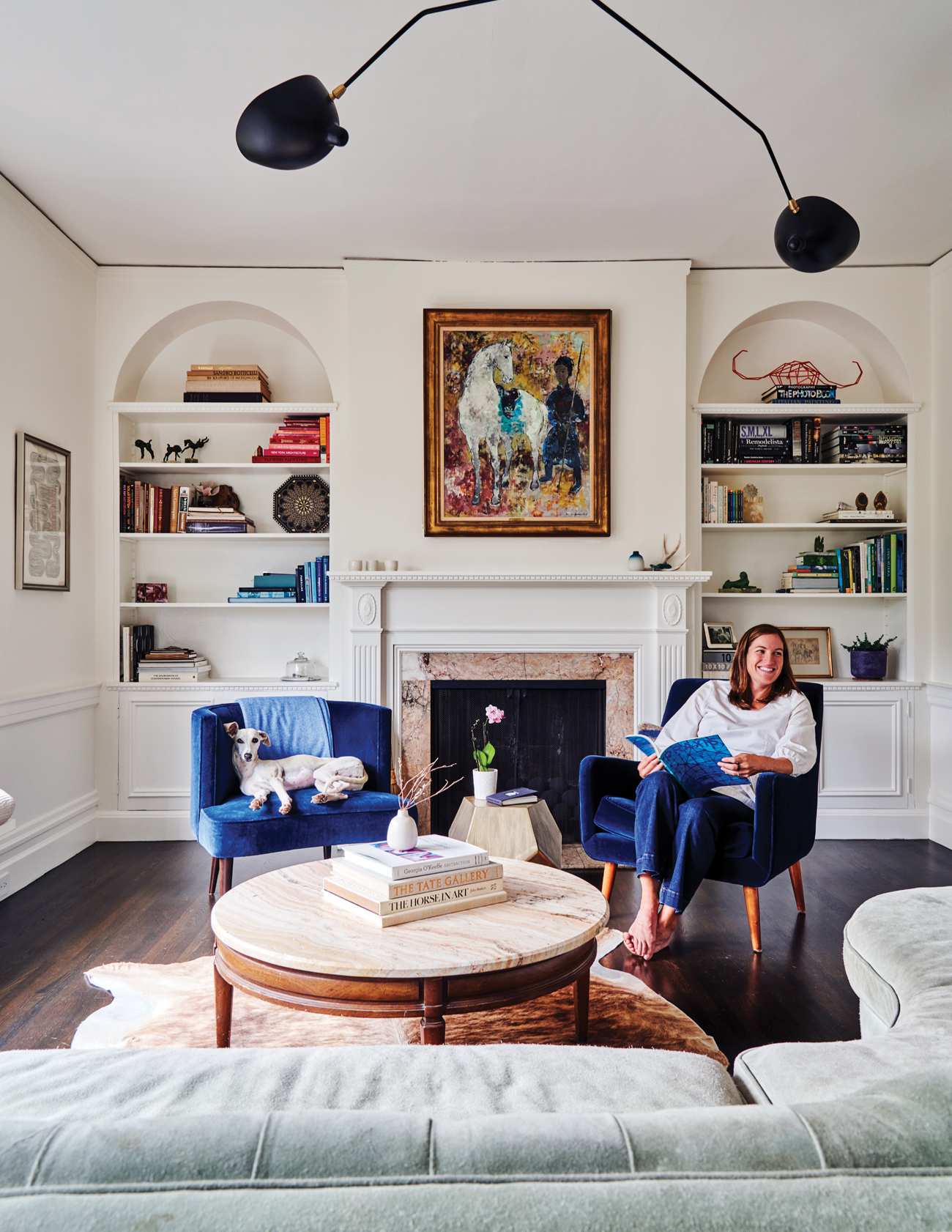
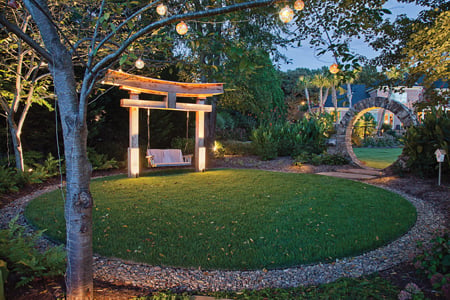
Finally, the article advocates for creating indoor-outdoor cohesion through decor. By mirroring patterns, materials, and colors from inside the home in the outdoor space, a harmonious and unified design is achieved. This synergy contributes to a peaceful atmosphere where everything feels cohesive. Motion-driven outdoor equipment, like hanging furniture or swings, is also recommended, as the gentle swaying motion can promote a composed and relaxed state. To extend the enjoyment of outdoor spaces into the evening, installing dim lighting, such as string bistro lights, or incorporating a fireplace or fire pit can create a warm, intimate, and solacing ambiance, further enhancing the overall sense of tranquility.
#LandscapeDesign #OutdoorLiving #MentalWellbeing #SensoryGarden #NatureConnection #BackyardIdeas #HomeDecor #WellnessDesign #TranquilSpaces #LandscapeDesign #OutdoorLiving #MentalWellbeing #SensoryGarden #NatureConnection #BackyardIdeas #HomeDecor #WellnessDesign #TranquilSpaces
0 comment in total
 No comments yet
You may also like
This biophilic designer's secret to a more relaxing backyard will change how you think about your landscaping for good

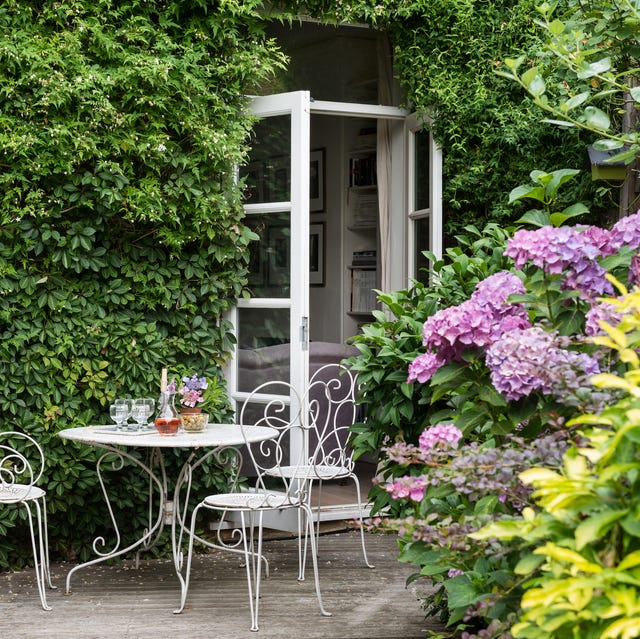
How To Soundproof Your Garden

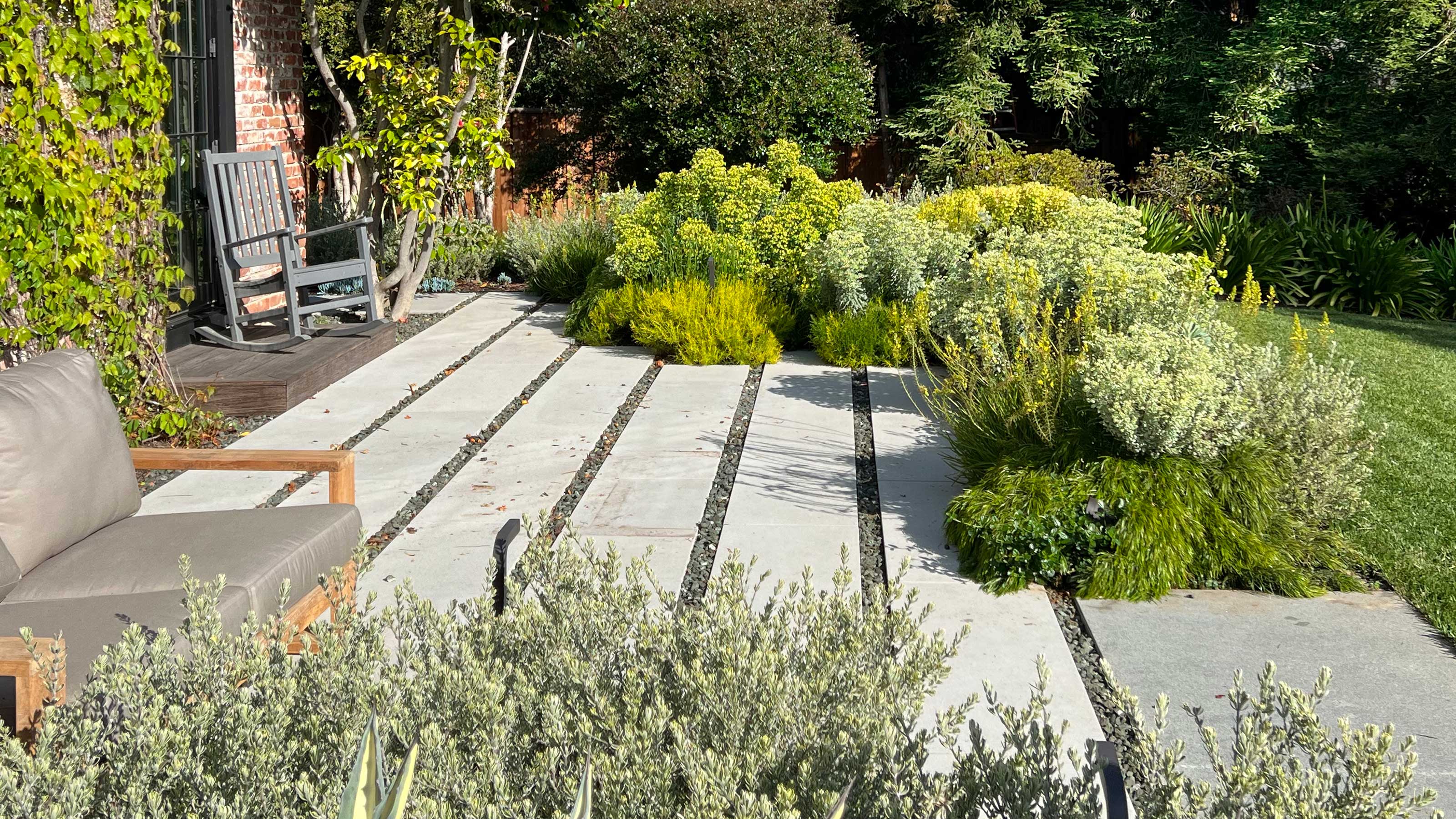
'It mimics nature's randomness' - this simple gardening trick is how landscape designers make a backyard look more put together
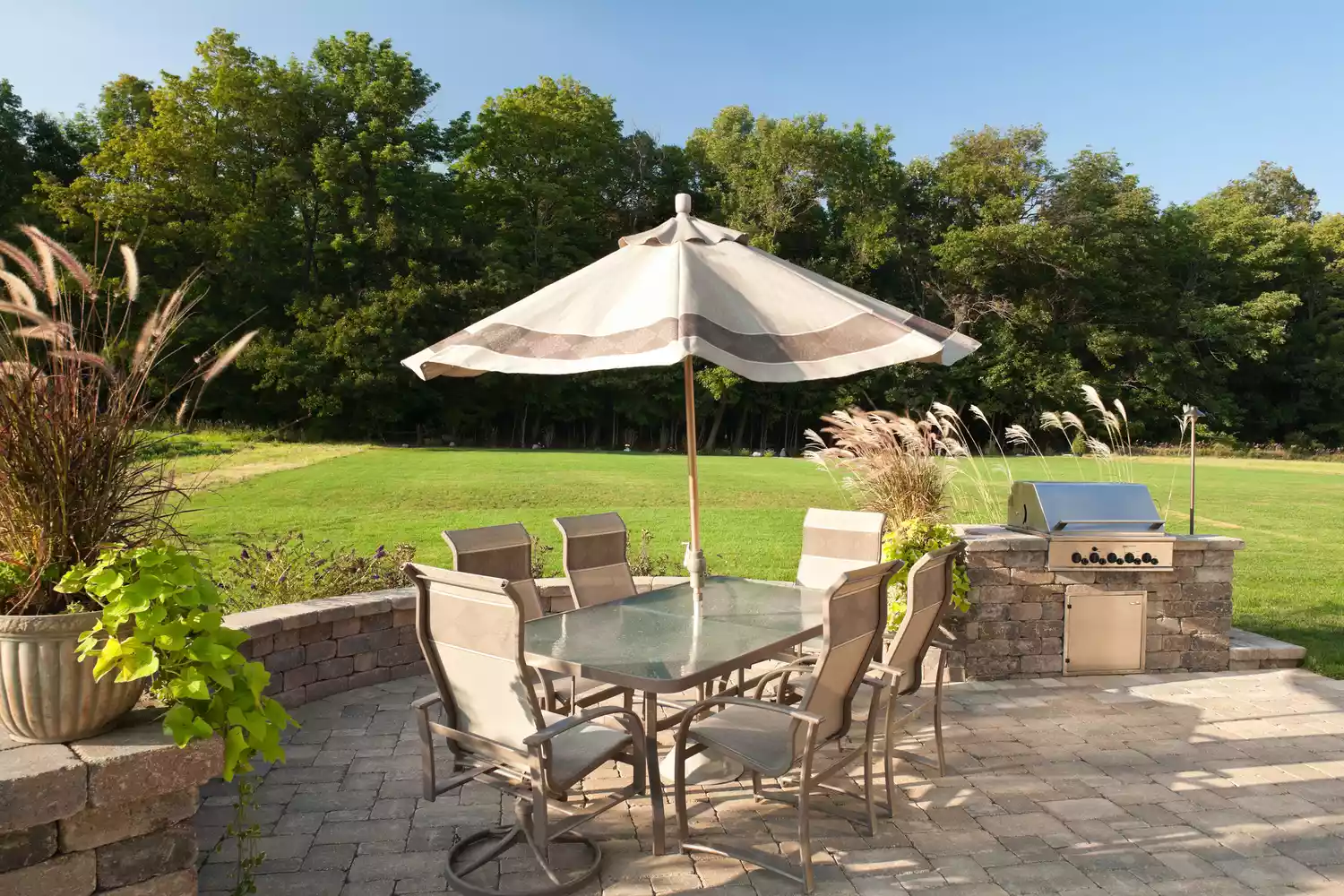
5 Things That Immediately Make Your Backyard Look Bad, According to Designers

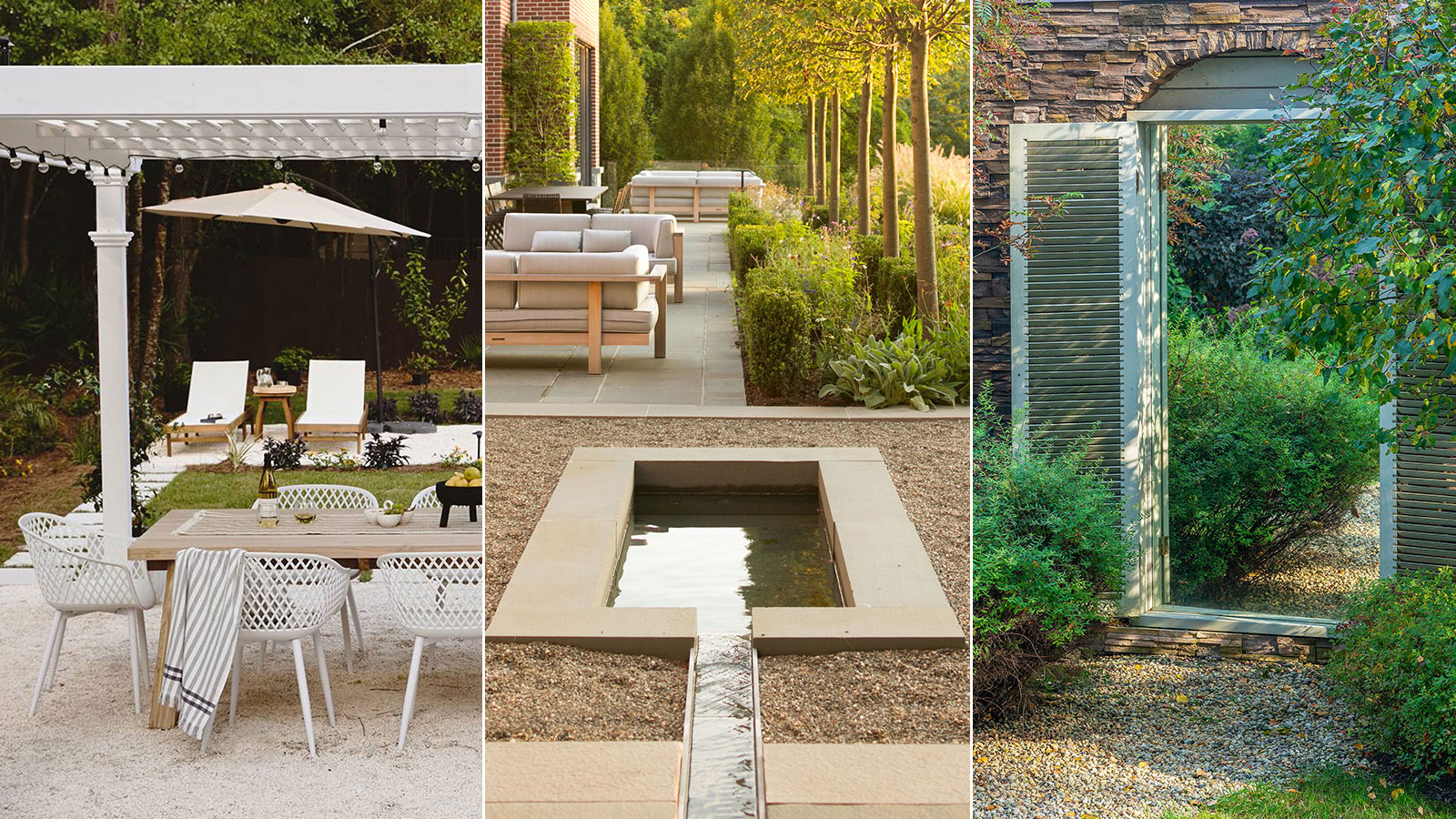
How to make a backyard look bigger – 8 space-enhancing tricks that work every time


10 Ways to Create a Wellness Yard

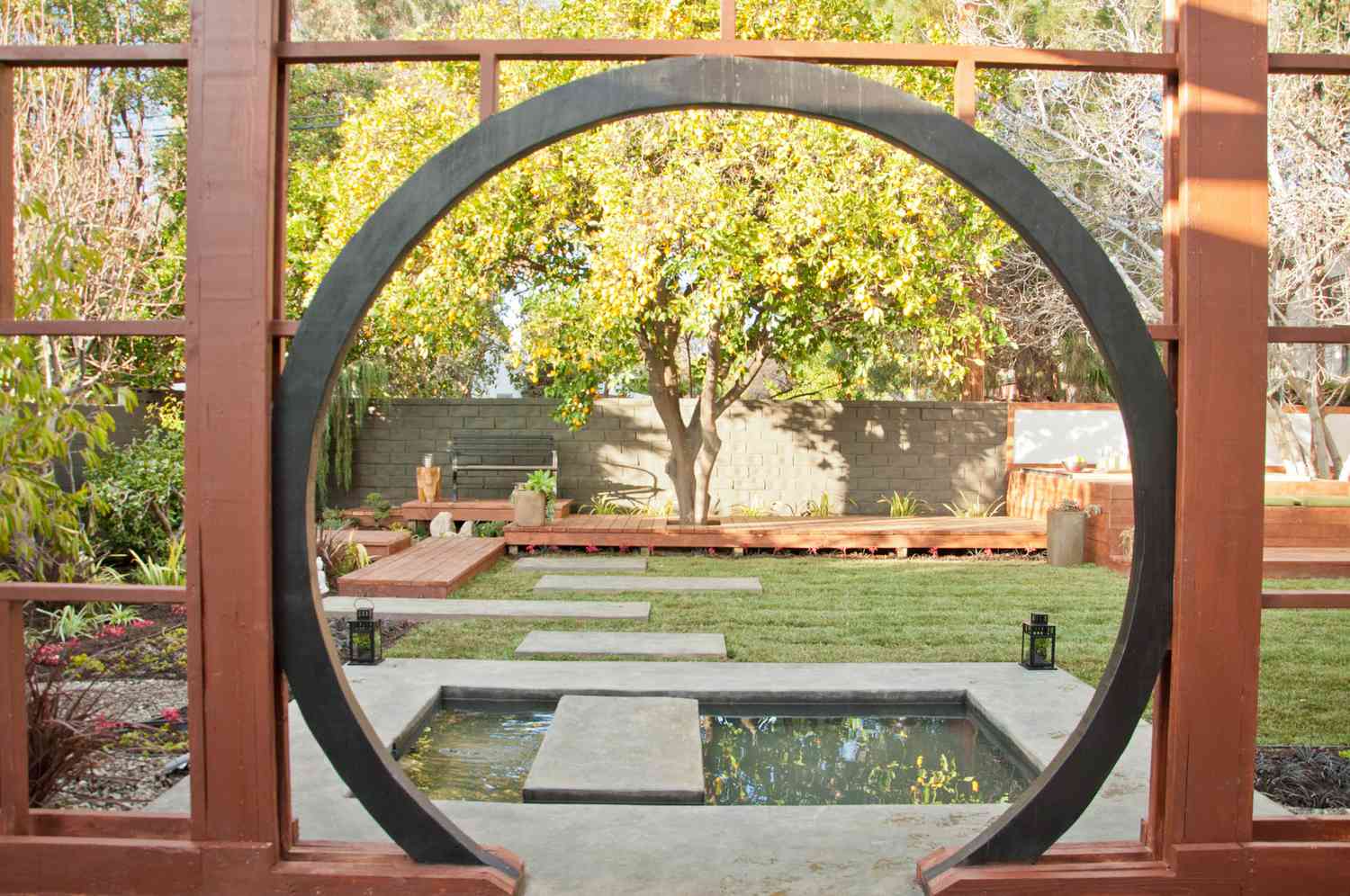
20 Zen Garden Ideas to Transform Your Backyard Into a Peaceful Oasis
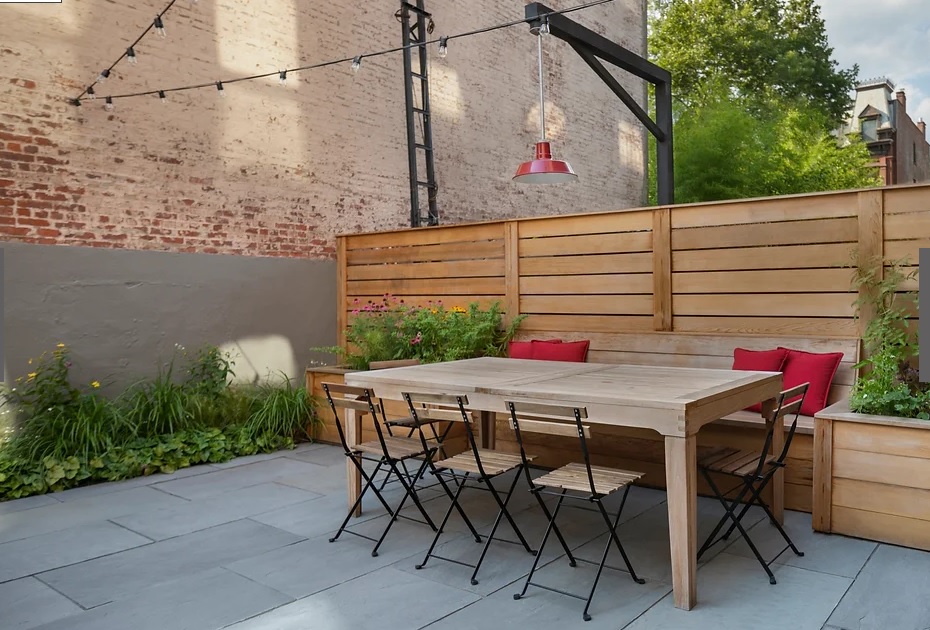
'My neighbor's built an unsightly wall, how can I hide it?' 5 ideas that will turn an eyesore into your backyard's best feature
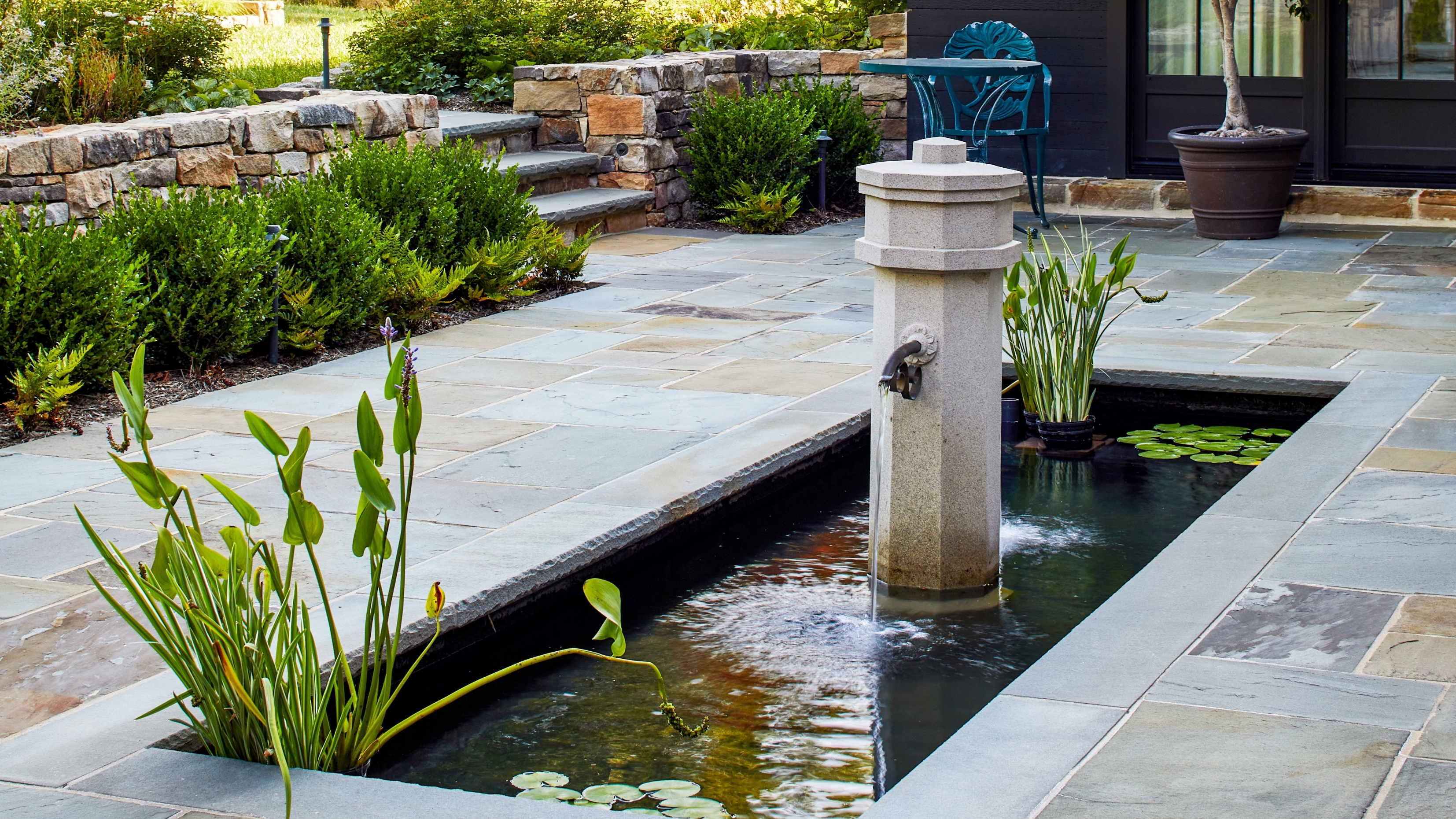
3 Ways to Use Water Features That Can Make Your Garden Feel More Private
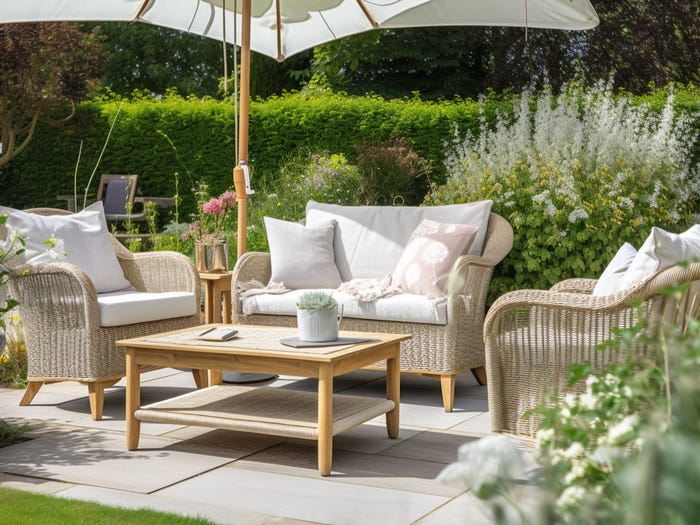
10 things to get rid of in your outdoor space, according to designers and gardeners
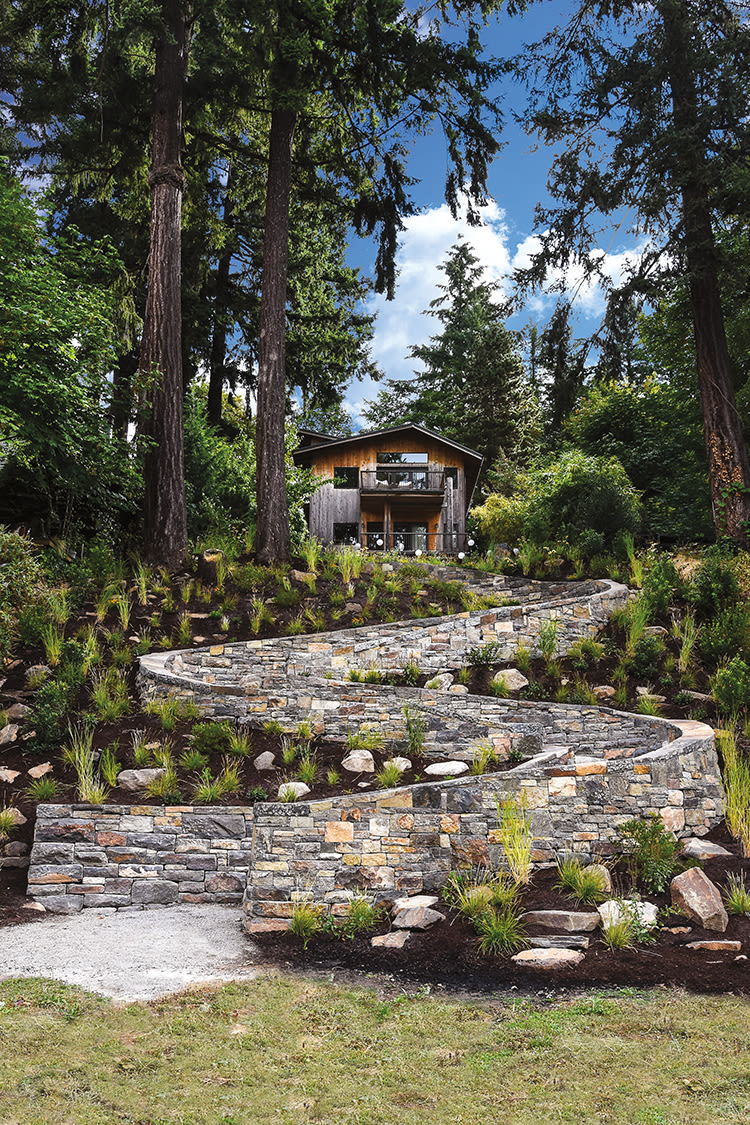
Build Your Perfect Backyard Patio in 5 Easy Steps

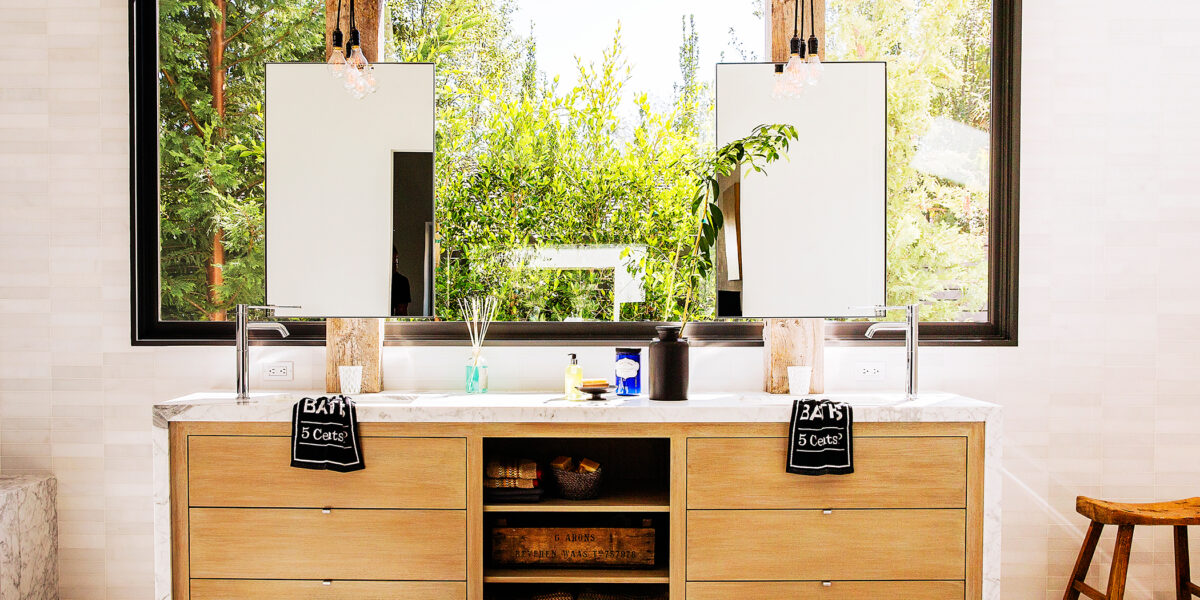
This Design Technique Is the Key to a Calm and Relaxing Home
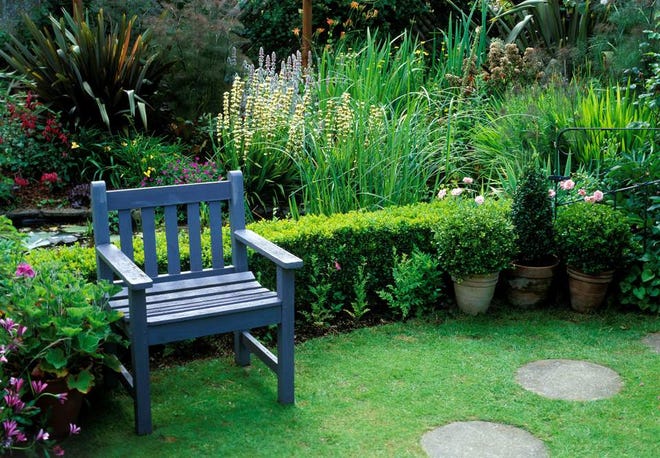
Over the Garden Gate: Zen gardens are therapeutic
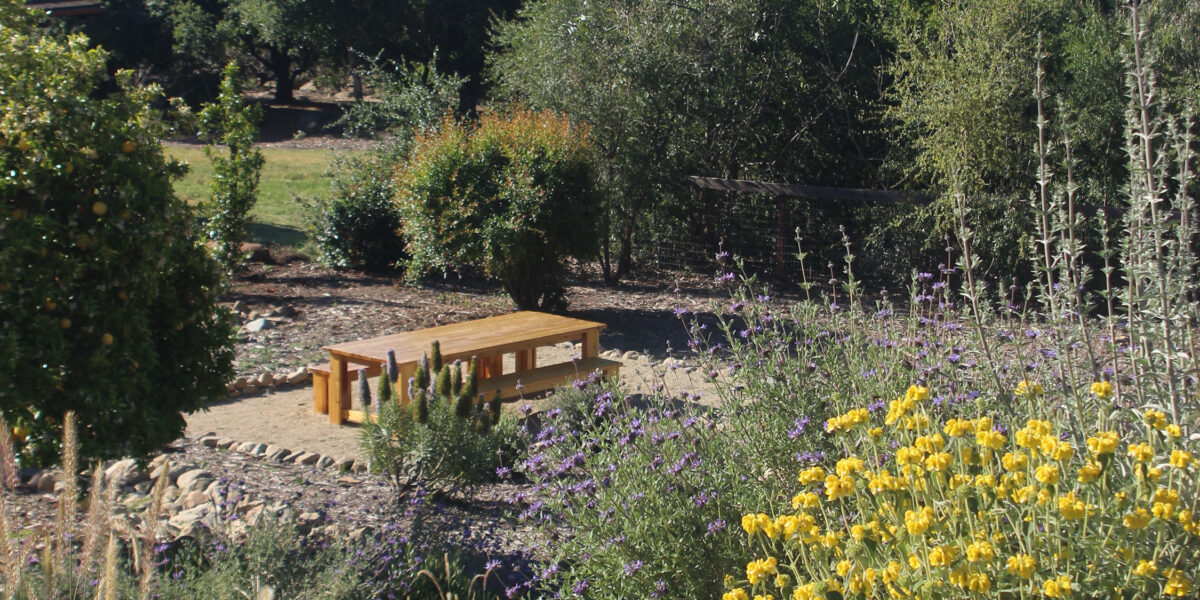
How to Design a Backyard That Feels 10 Degrees Cooler
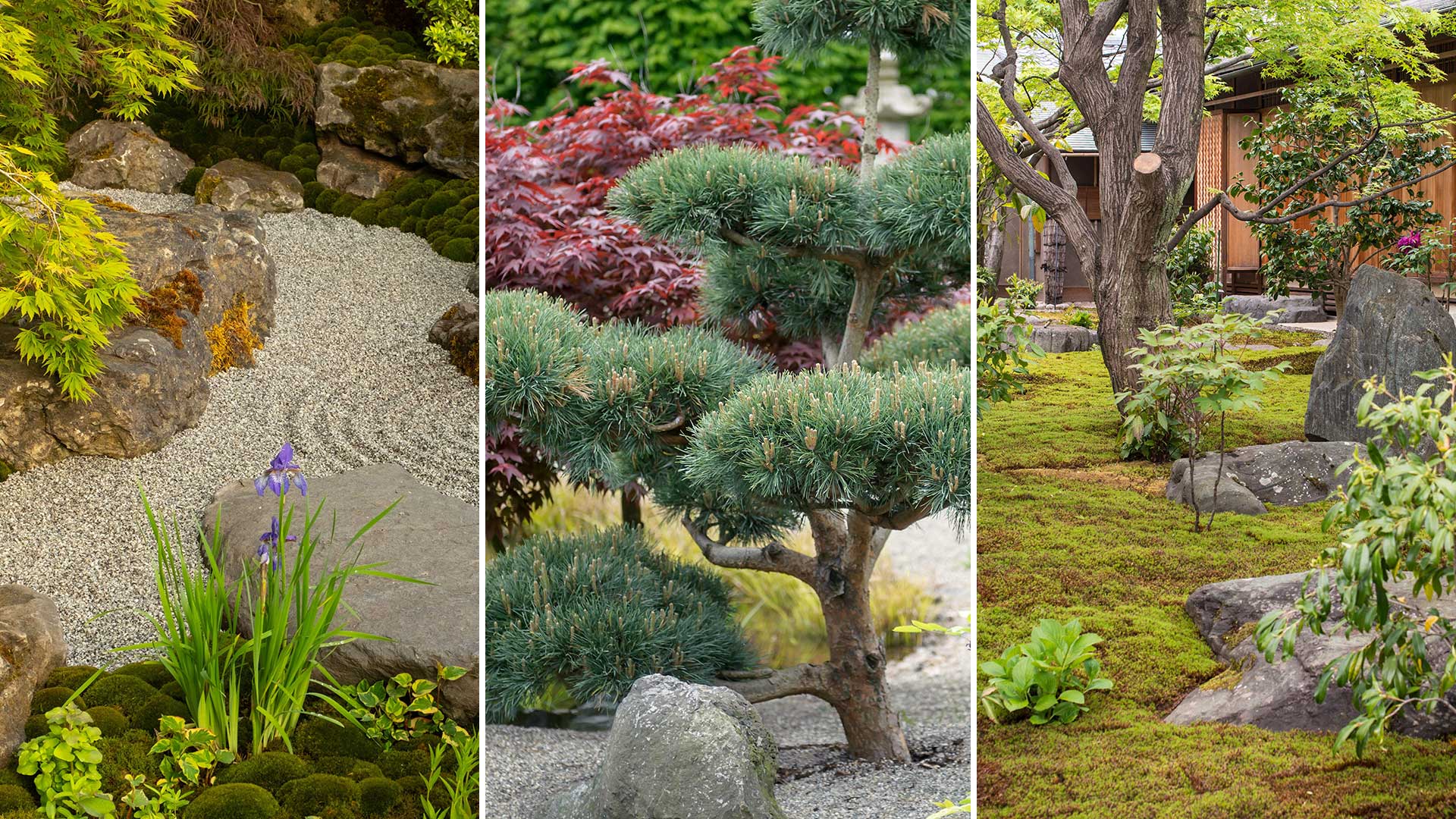
Japanese garden ideas – 10 ways to create a soothing space, with advice from the experts

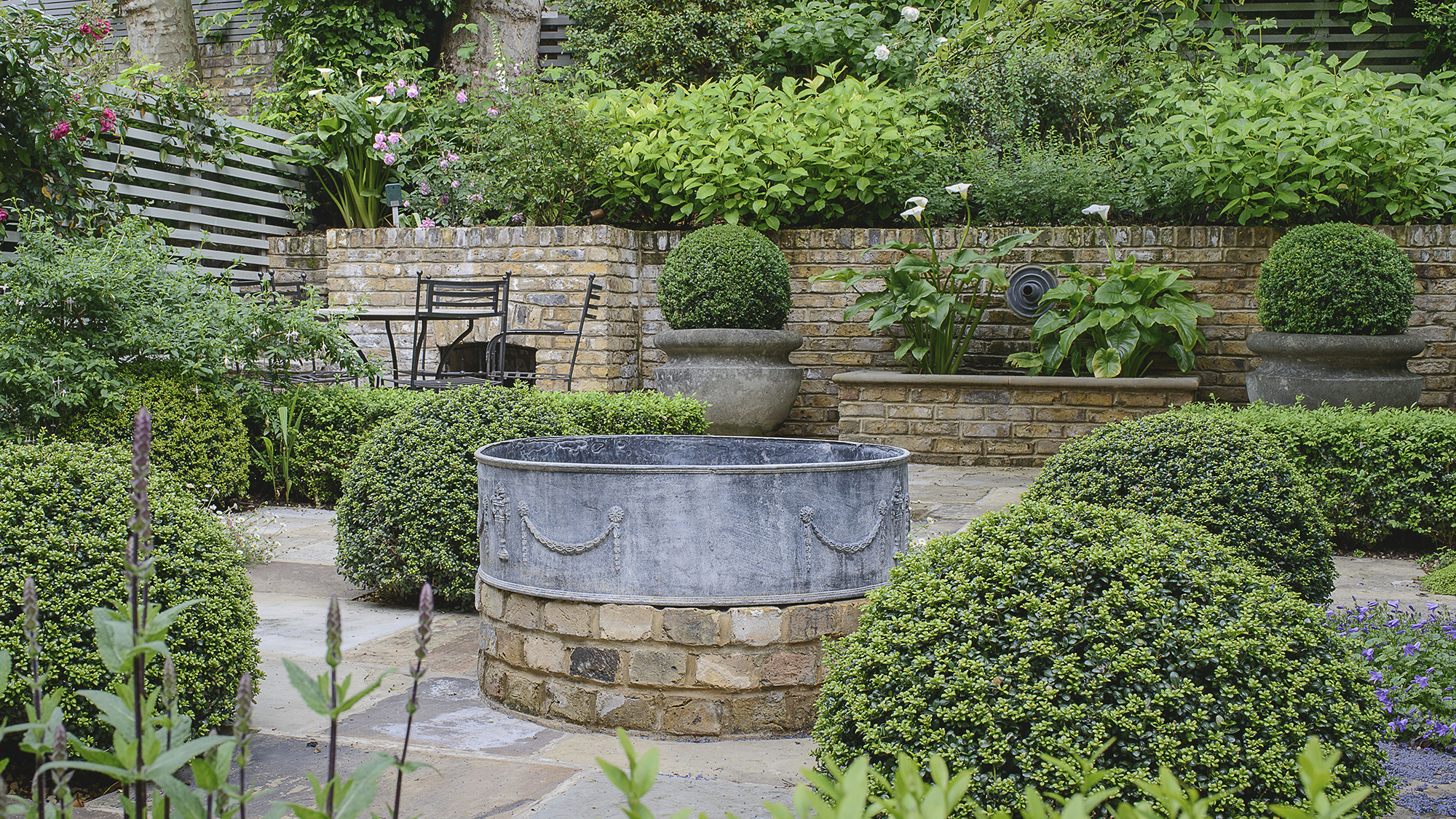
Garden wall ideas – 16 inspiring ways to define your boundaries
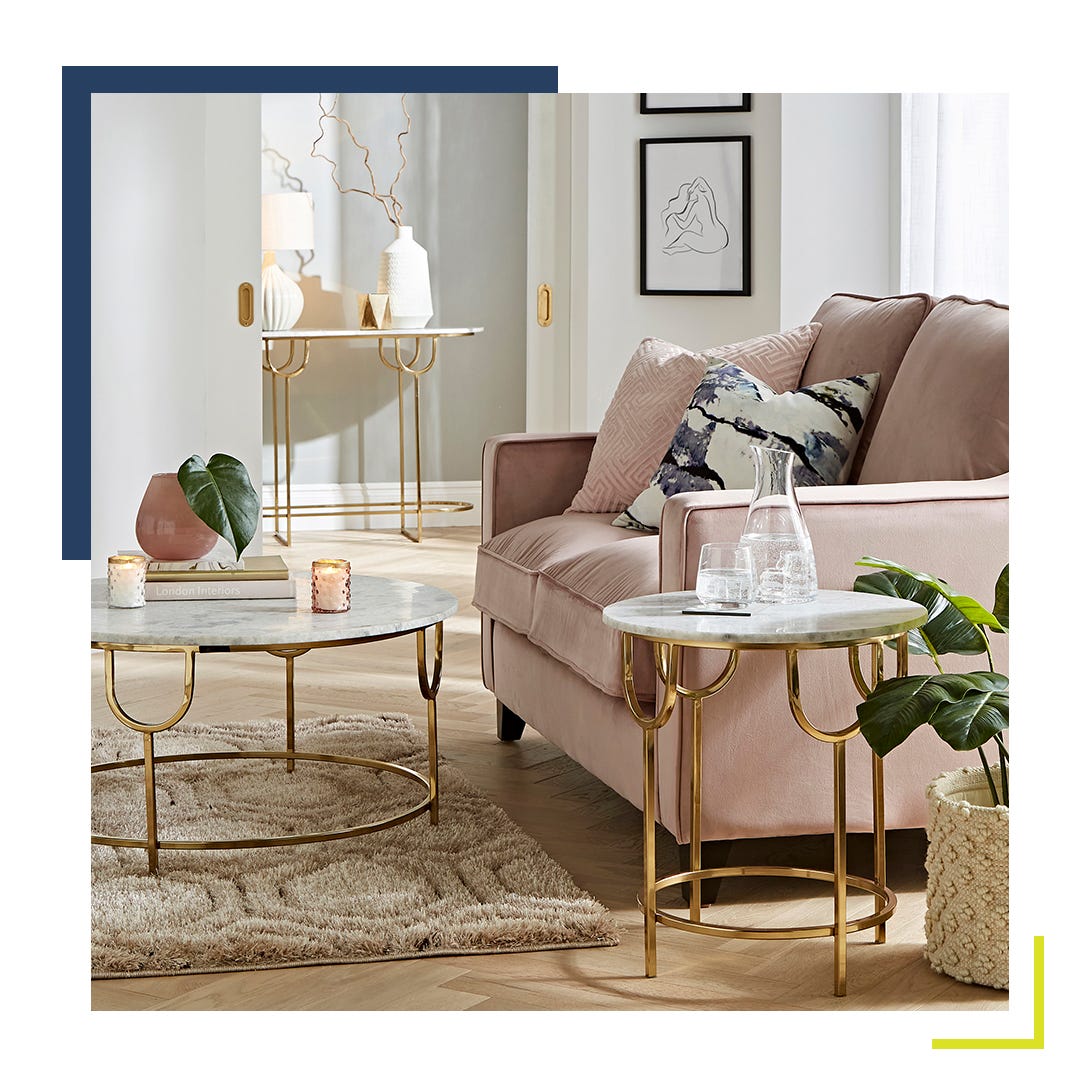
6 ways to create a calm living space, according to the experts
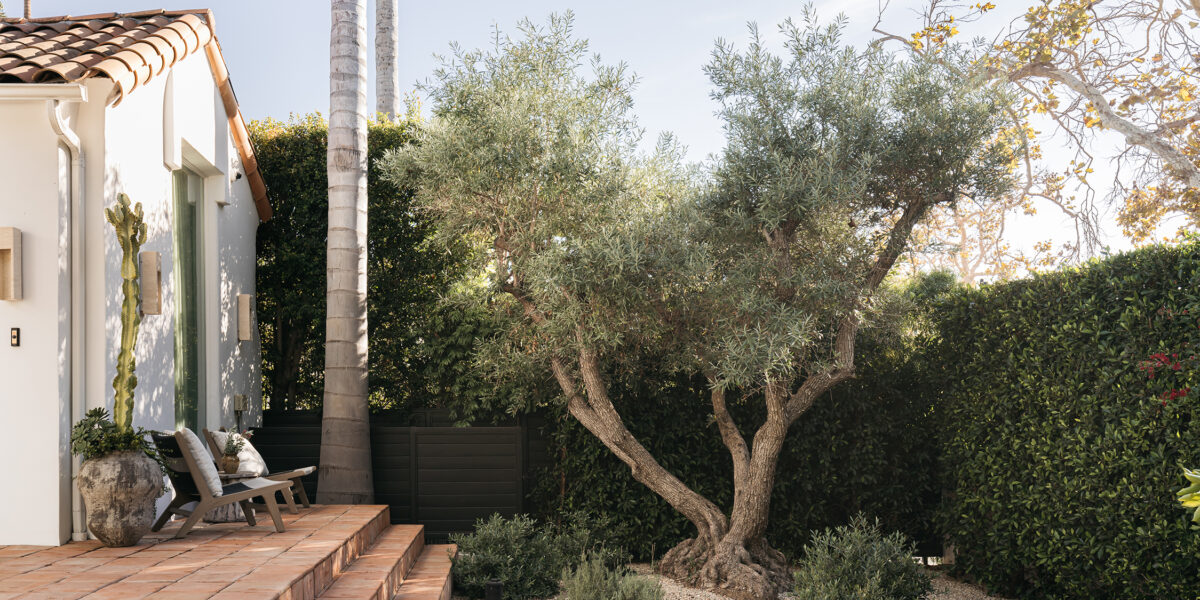
This Is Your Sign to Rip out Your Concrete Backyard and Turn It into a Lush Retreat
Townhouse backyard ideas – 10 designer-approved schemes to max out your space
Backyard Zen