1/3
Higher Performing Heated Floors
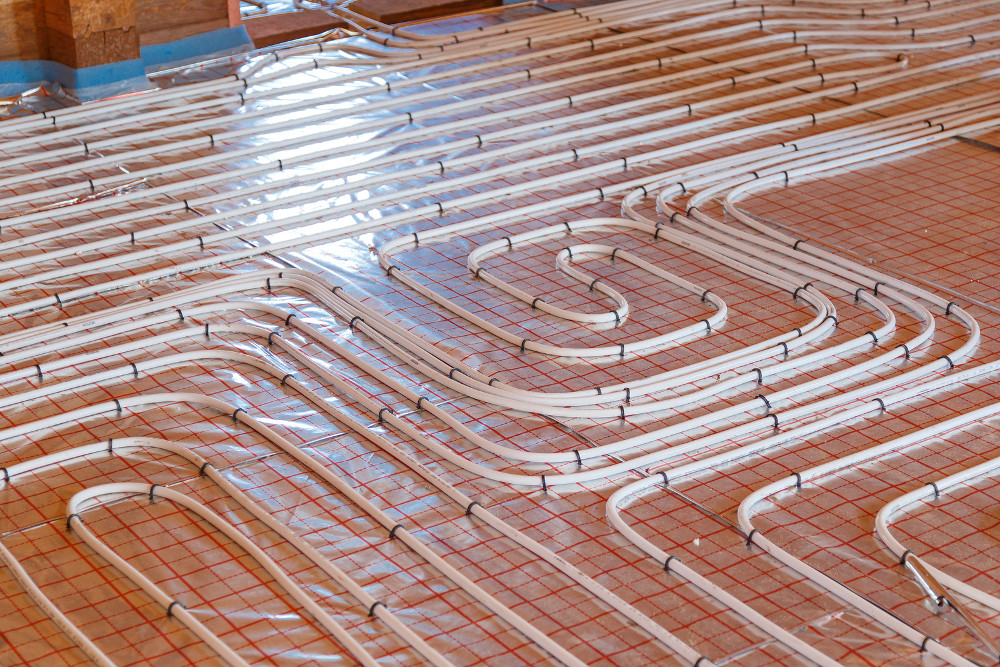
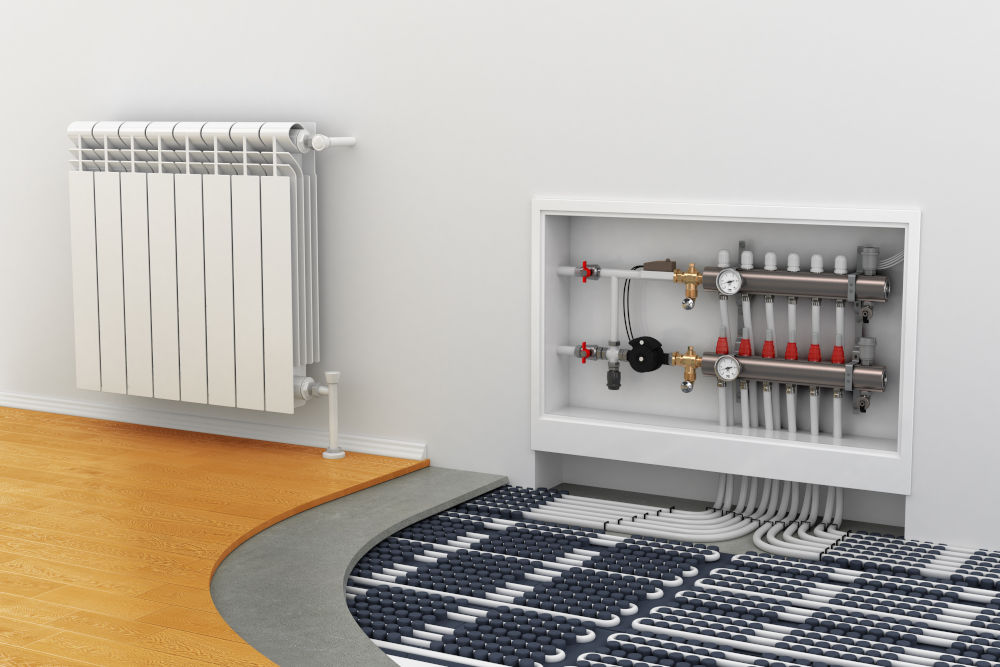
This blog post, based on a session from HPAC Magazine's '30 Mechanical Minutes' webinar series, features hydronics industry expert John Siegenthaler discussing best practices for 'staple-up' radiant floor heating systems. The primary focus is on the performance benefits of heat transfer plates in these systems. Siegenthaler explains that a staple-up system typically involves tubing and aluminum plates stapled to the underside of a subfloor. He strongly advocates for the use of tube-and-plate floor heating systems over plateless alternatives, emphasizing that plates significantly improve heat transfer efficiency.
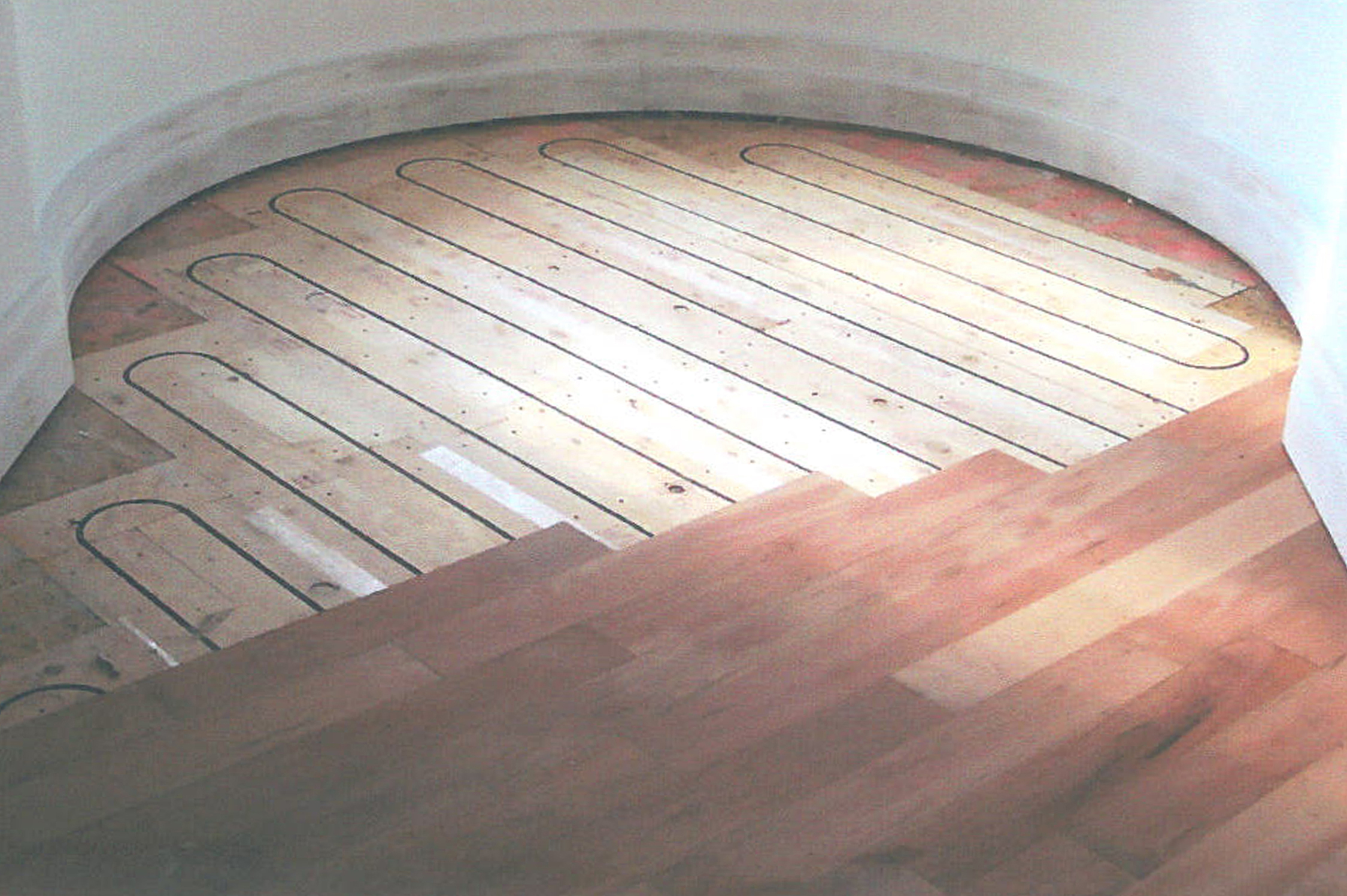
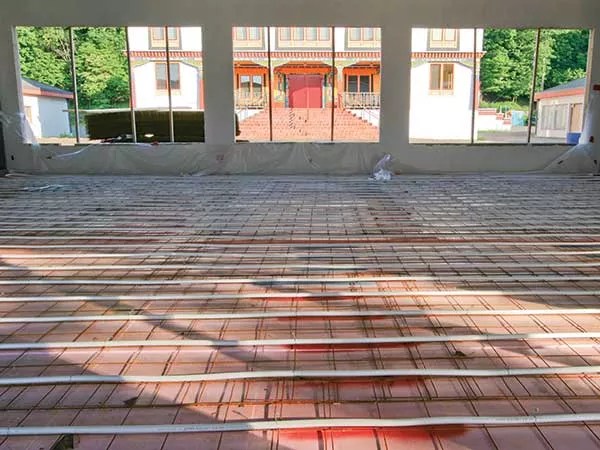
In a tube-and-plate system, the tubing is securely placed into grooves within the plates, which are then fixed to the subfloor. For above-floor applications, plywood strips or 'sleepers' are used in conjunction with the plates. Various floor coverings, including ceramic tile, engineered hardwood, or low-pile carpet, can be installed over these systems. Siegenthaler recommends using PEX-AL-PEX tubing due to its aluminum core, which has an expansion coefficient similar to the plates, minimizing differential movement and potential noise. While standard PEX can be used, its greater expansion and contraction can lead to issues and ticking sounds.
Regarding installation best practices, Siegenthaler advises that plates should be precisely manufactured to fit the tubing and secured tightly to the subfloor. For underfloor applications, six inches of fiberglass insulation should be installed snugly against the plate system, with the entire setup wrapped to prevent insulation from falling. The finished flooring above the plywood should not exceed an R1 resistance, considering the plywood itself contributes nearly R1.
The expert highlights the pitfalls of plateless staple-ups, often chosen by contractors to cut initial costs. He describes such systems as 'thermally constipated' because they struggle to transfer heat efficiently. Without plates, the water temperature in the tubing would need to be significantly increased, leading to higher fuel consumption, increased operating costs, and potential damage to the finished floor. Siegenthaler also showcased examples of poor installations, such as crudely hammered non-manufactured plates or systems without plates, which severely compromise performance.
Conversely, he suggests threading the tubing through the floor to the farthest joist bay and working back, ensuring no tight bends that could cause blockages. Aluminum plates should be placed eight inches on center, and return bends should avoid proximity to band joists to prevent freezing. Siegenthaler presented a thermal image comparing a plated and plateless system, demonstrating that the heat output of a plated system is three times higher. Plateless systems can cause 'temperature striping' on the finished floor surface due to inefficient heat distribution. The plates' purpose is to extract heat from the tube and disseminate it evenly across the floor.
He also conducted an experiment on plate formation, finding that a thinner, yet equally massive, plate performed about 20% better than a wider, thicker one, indicating that the design and shape of the metal plates contribute to their effectiveness. The entire discussion, including a Q&A session, is available online.
#RadiantFloorHeating #HVACSystems #HeatTransferPlates #Hydronics #PEXALEX #Insulation #ConstructionBestPractices #EnergyEfficiency #HomeHeating #RadiantFloorHeating #HVACSystems #HeatTransferPlates #Hydronics #PEXALEX #Insulation #ConstructionBestPractices #EnergyEfficiency #HomeHeating
0 comment in total
 No comments yet
You may also like
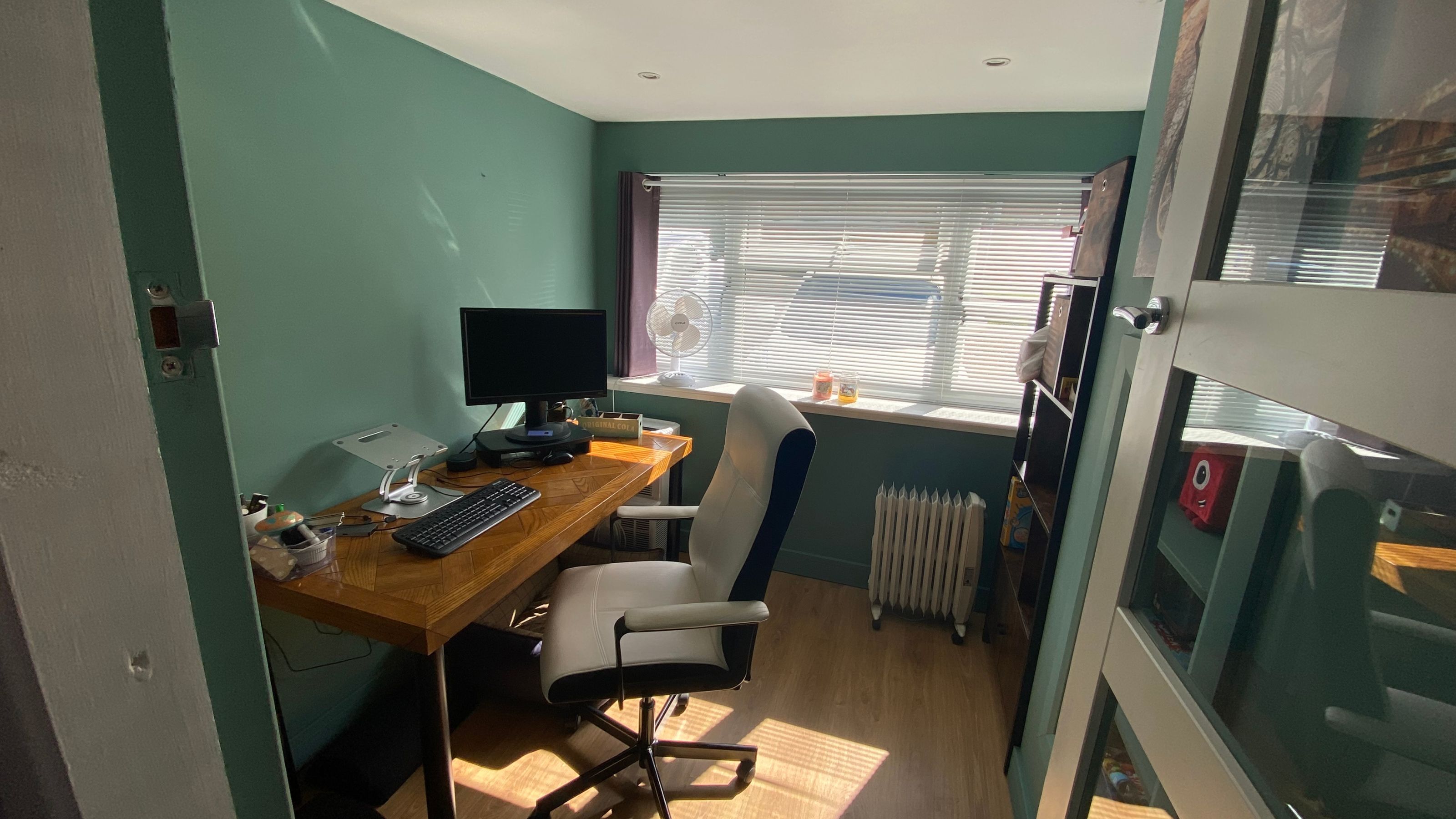
3 reasons I regret not putting underfloor heating in my home office – it’s definitely moving up my priority list

6 Flooring Upgrades That Are Worth The Extra Cost (And 3 To Skip)
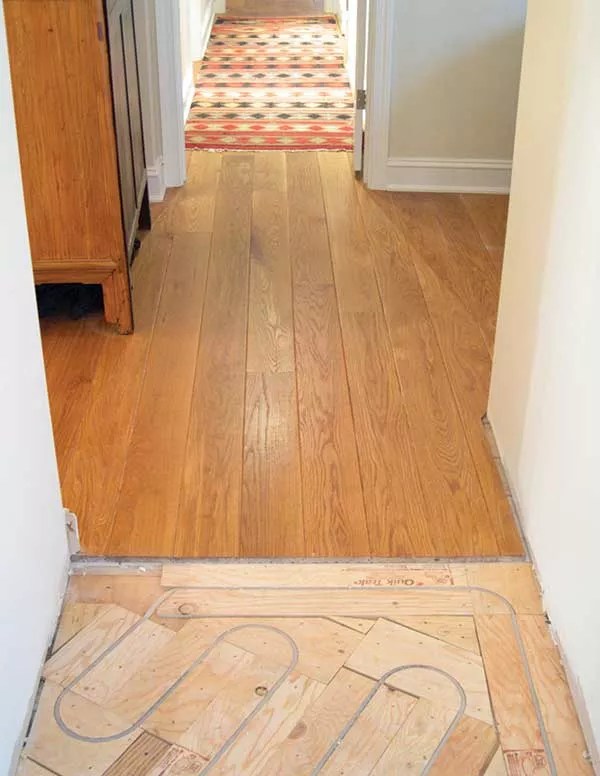
Radiant Heating

What’s radiant floor heating? How to heat your home from your feet up

Why electric underfloor heating is gaining popularity in high-end interiors in 2025

The best floor insulation options for your home, explained
Radiant Floors and Ceilings Make Geothermal Even Better
Walk on by: flooring focus
10 tips for using underfloor heating in a bathroom
Underfloor Heating

Best Flooring From Consumer Reports' Tests
5 Best Types of Flooring for Your Basement in 2022

Are Heated Floors Worth It? 2 Real Estate Pros Weigh In
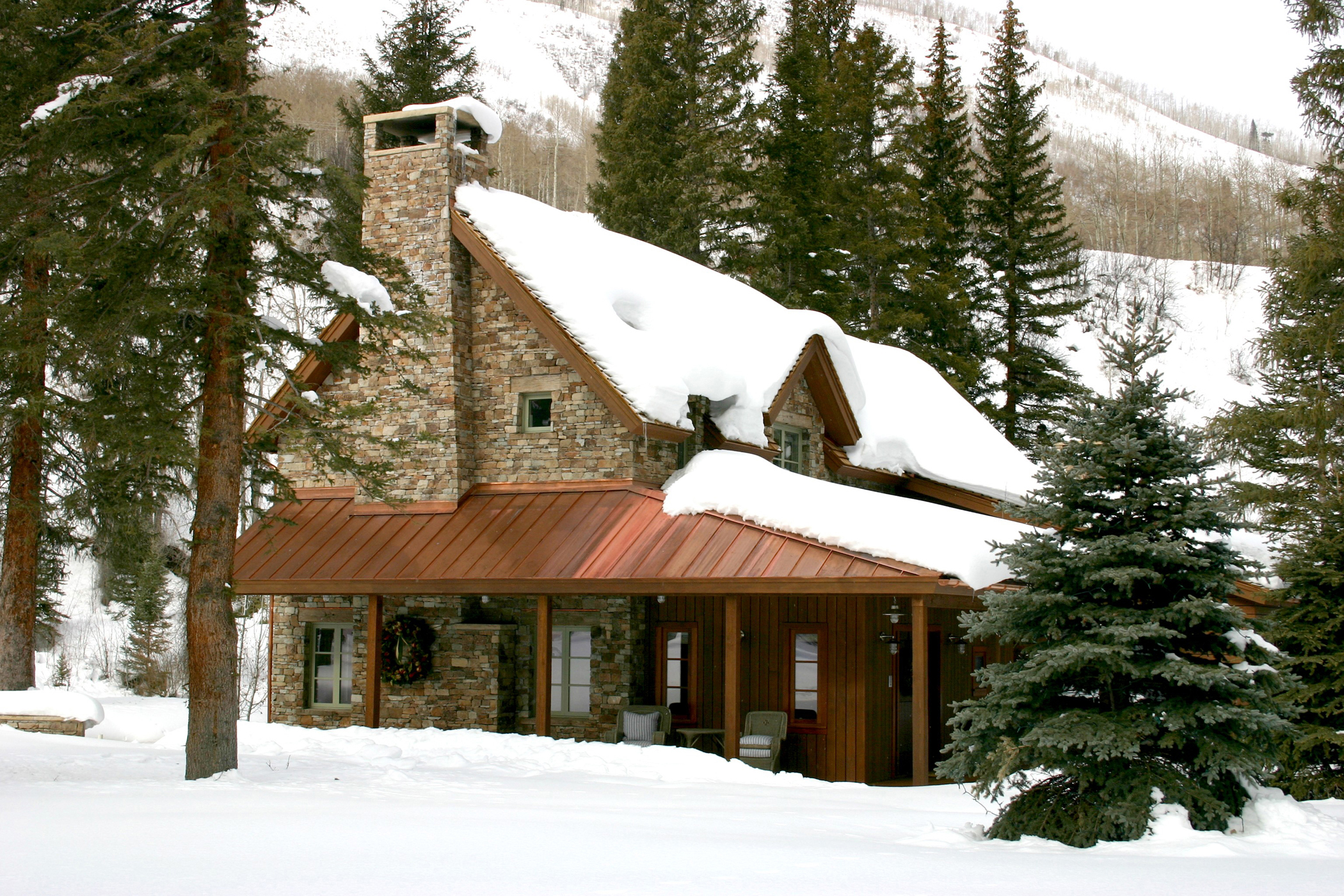
Radiant heat can be used indoors or outside
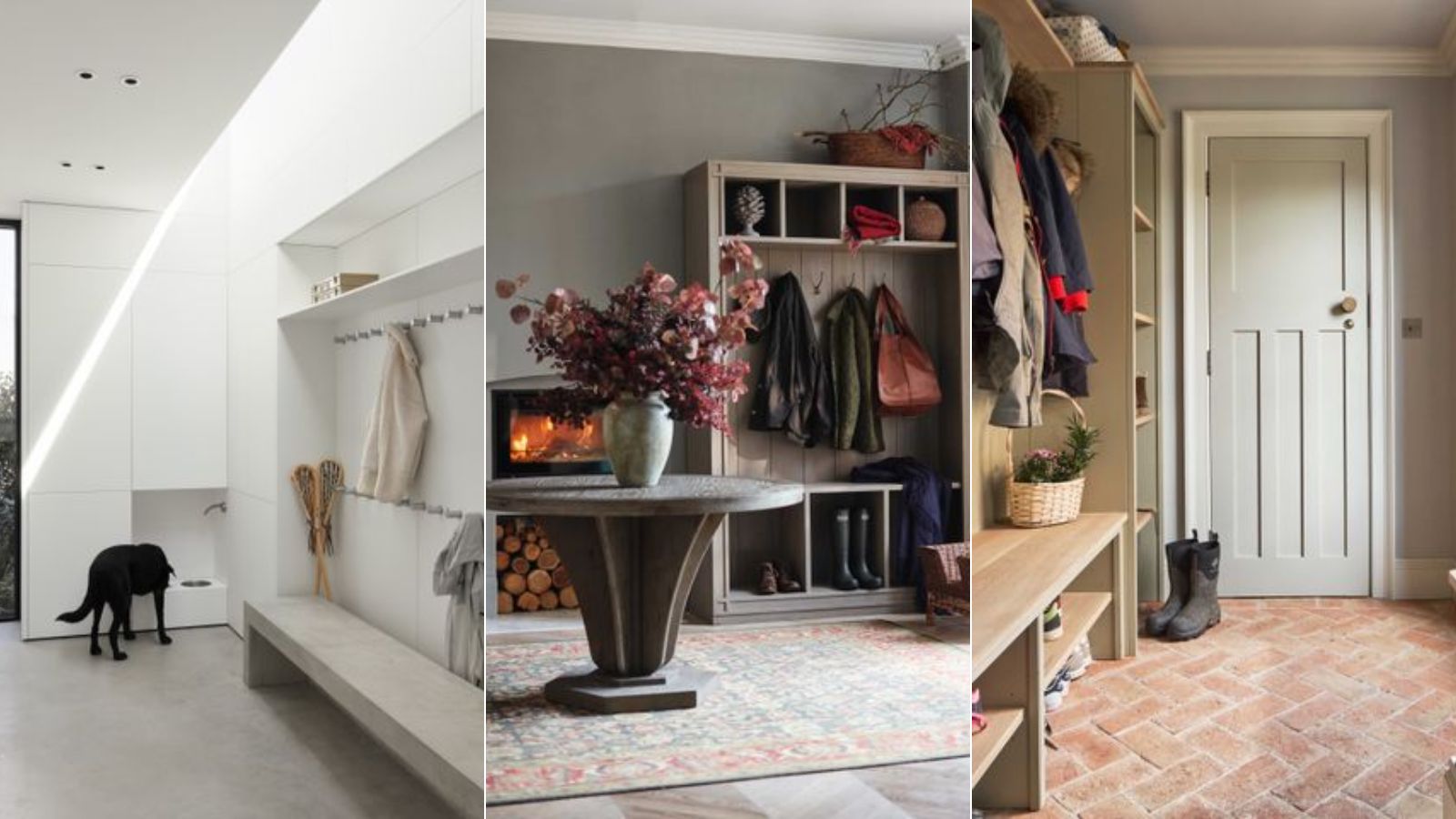
How to keep your mudroom warm – 5 expert-recommended tips

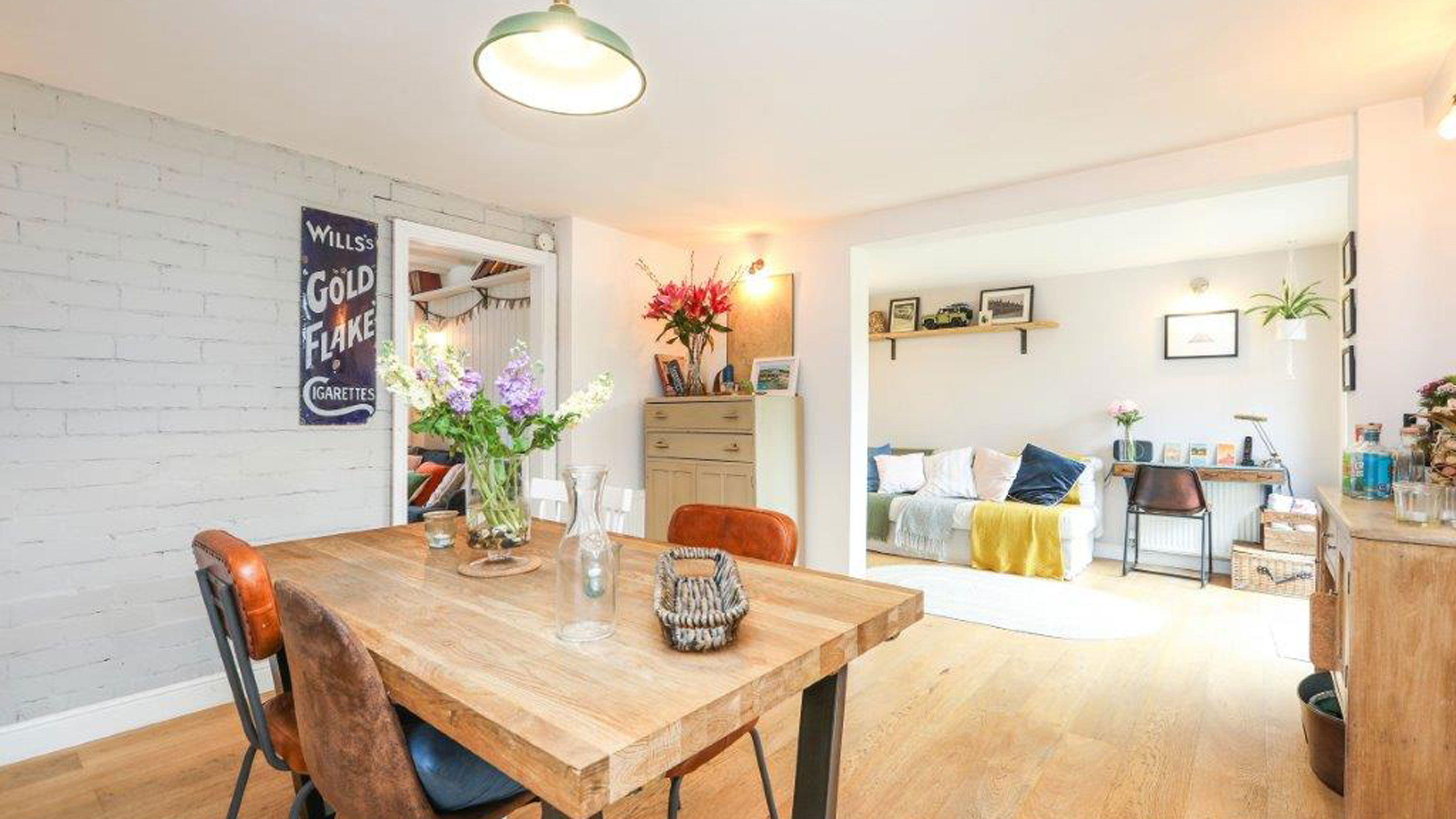
I used to struggle to keep my open plan layout warm in winter — but these 4 methods now keep it cosy all day long
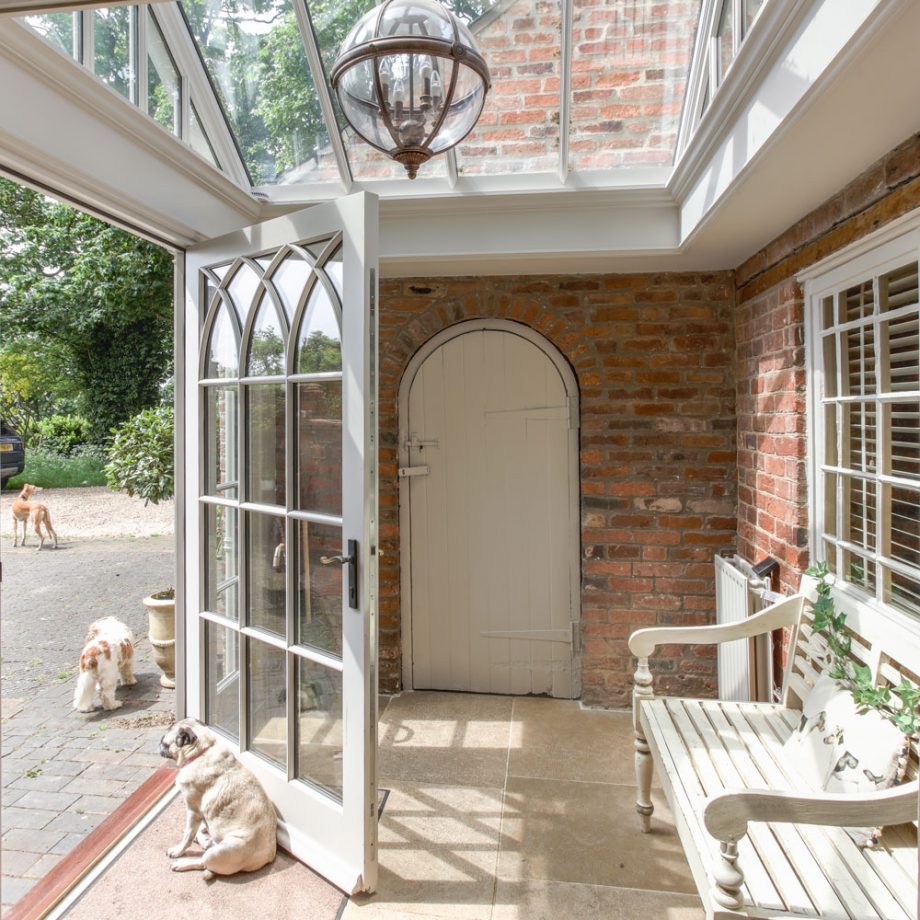
How to make a conservatory warmer - ways to heat and insulate for all-year round use
Flooring
Concrete Floors: The Hot And Cold Of Them

How to retrofit underfloor heating – a complete guide