If You Love a Warm, Earthy Space, You Have to Try Wood Drenching
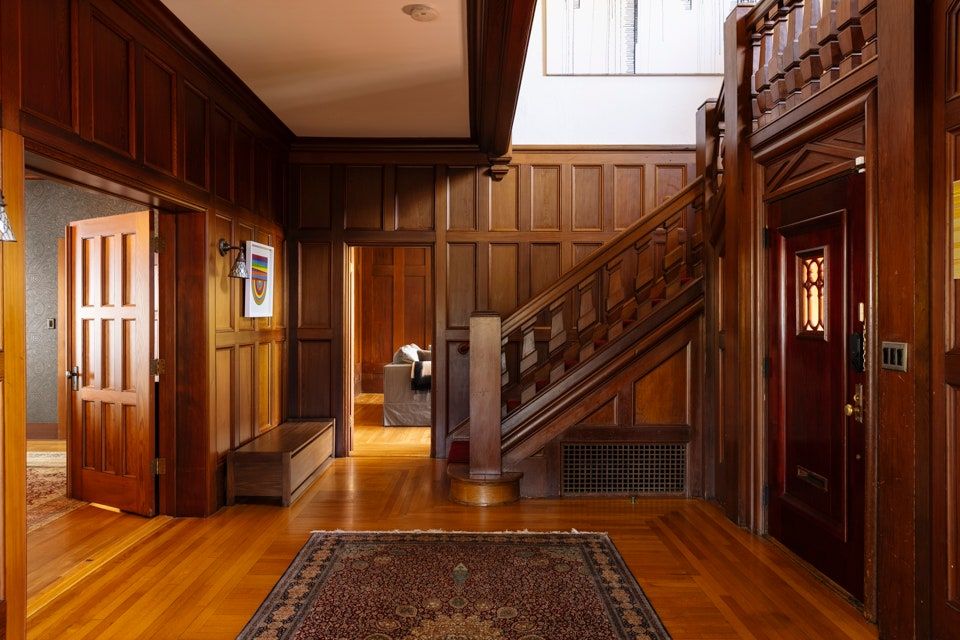
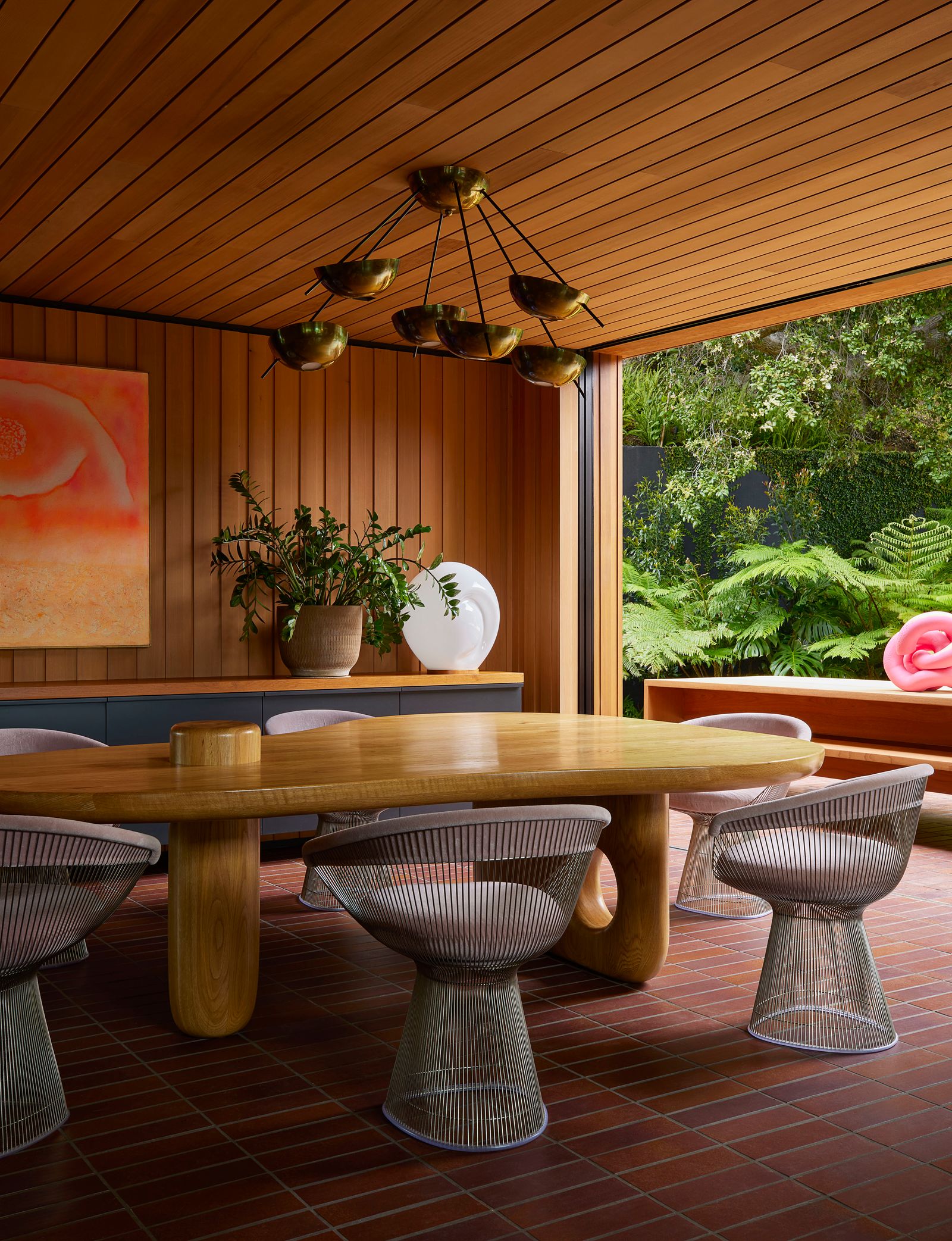
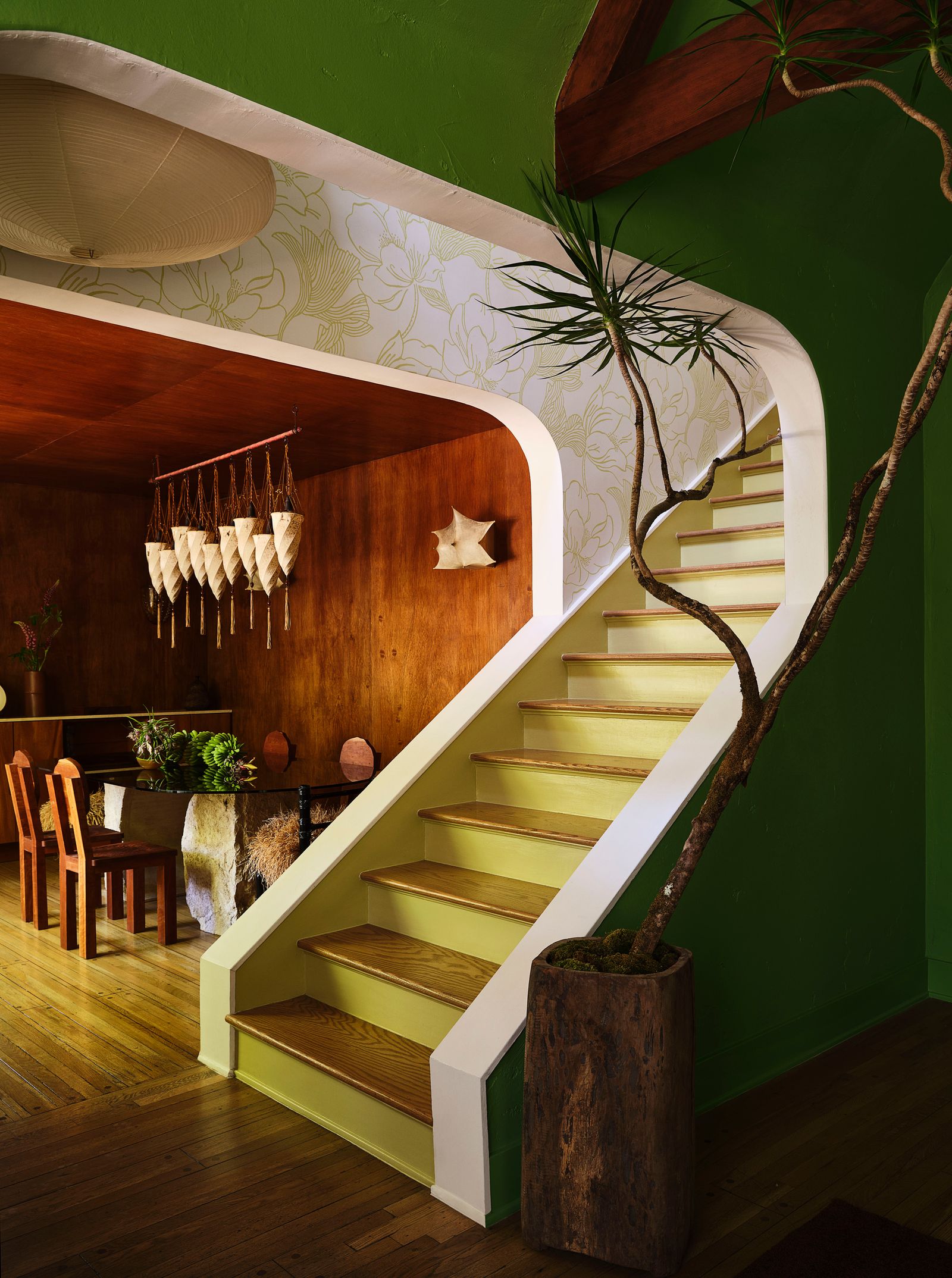
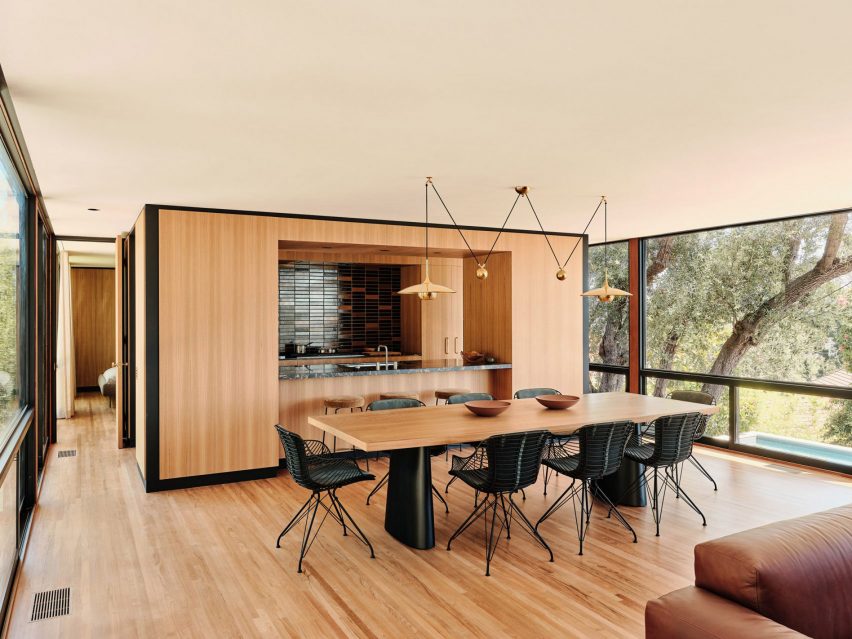
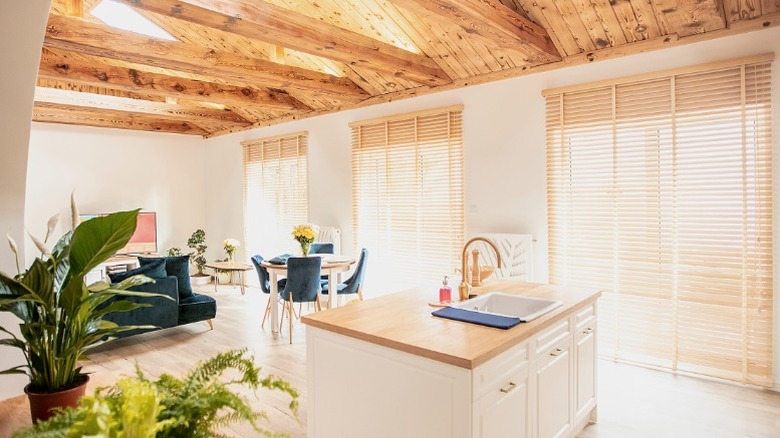
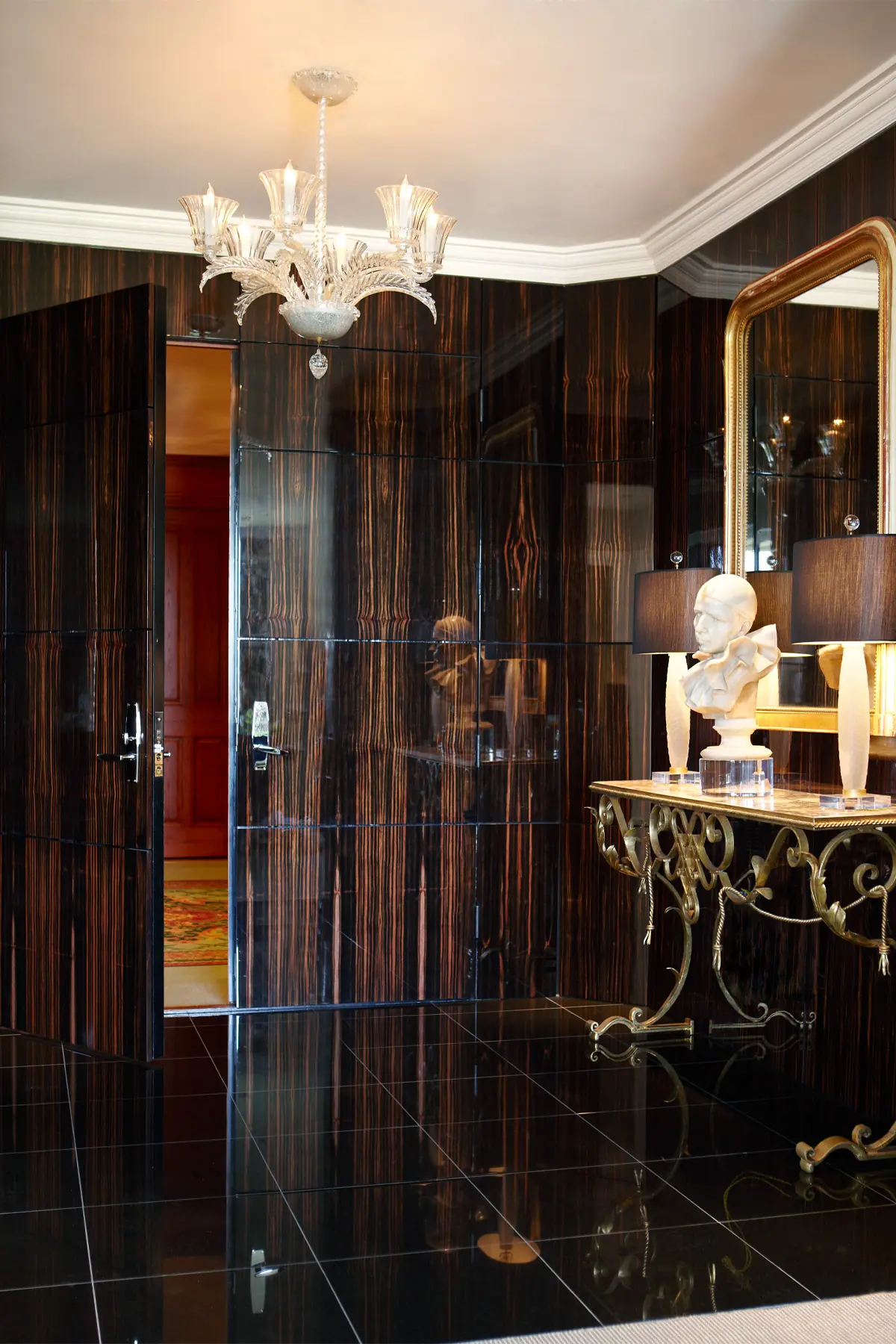
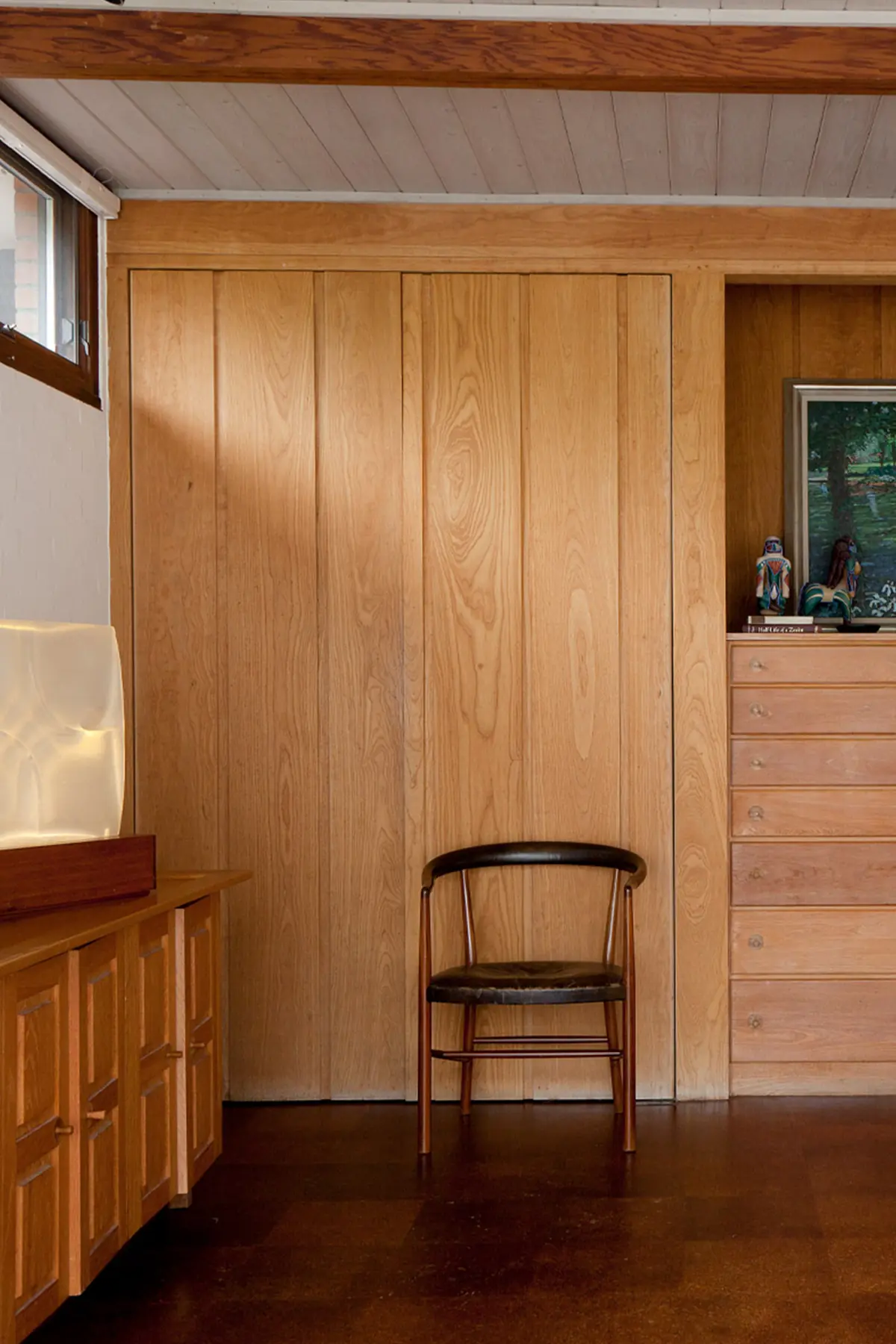
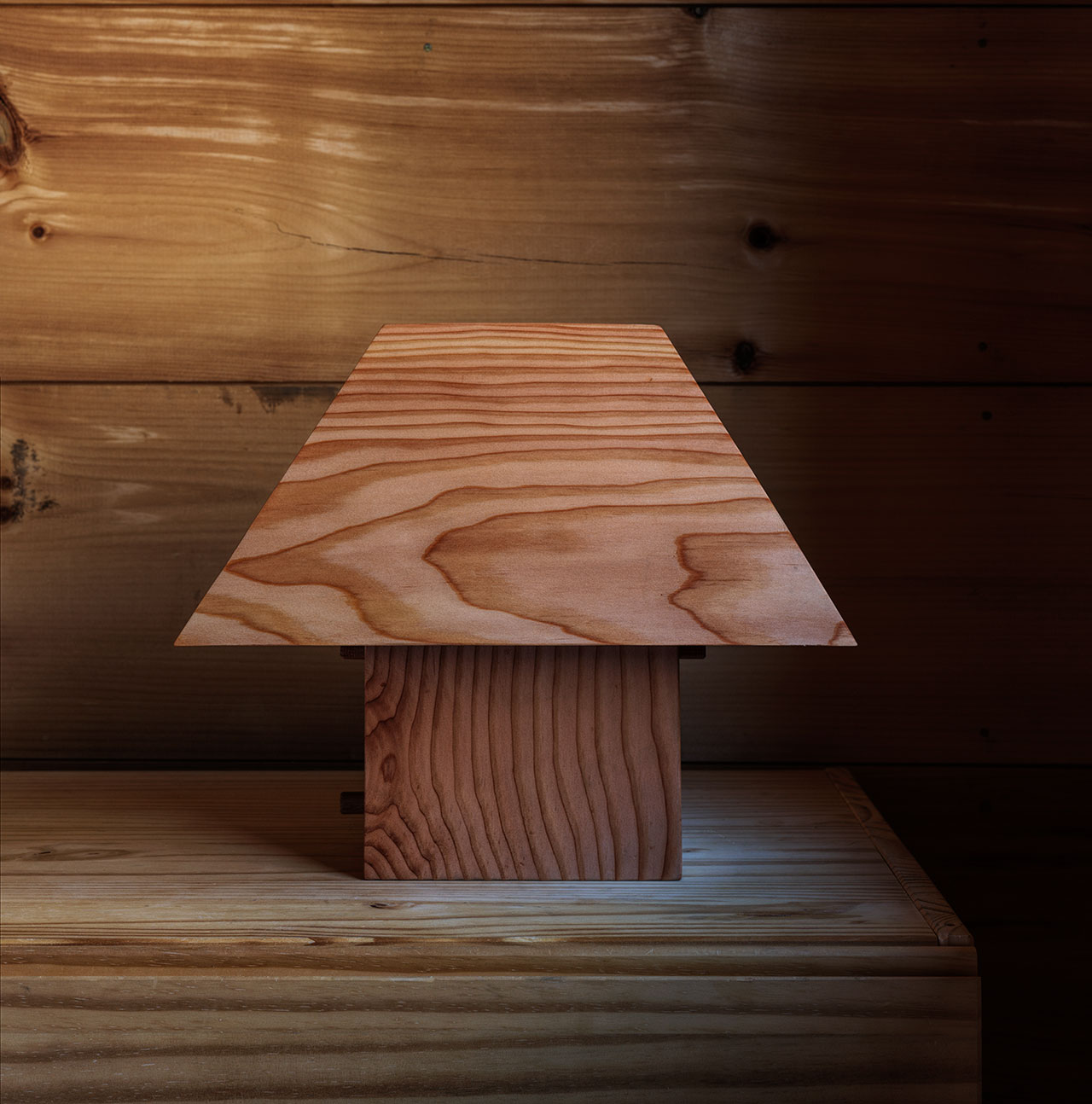
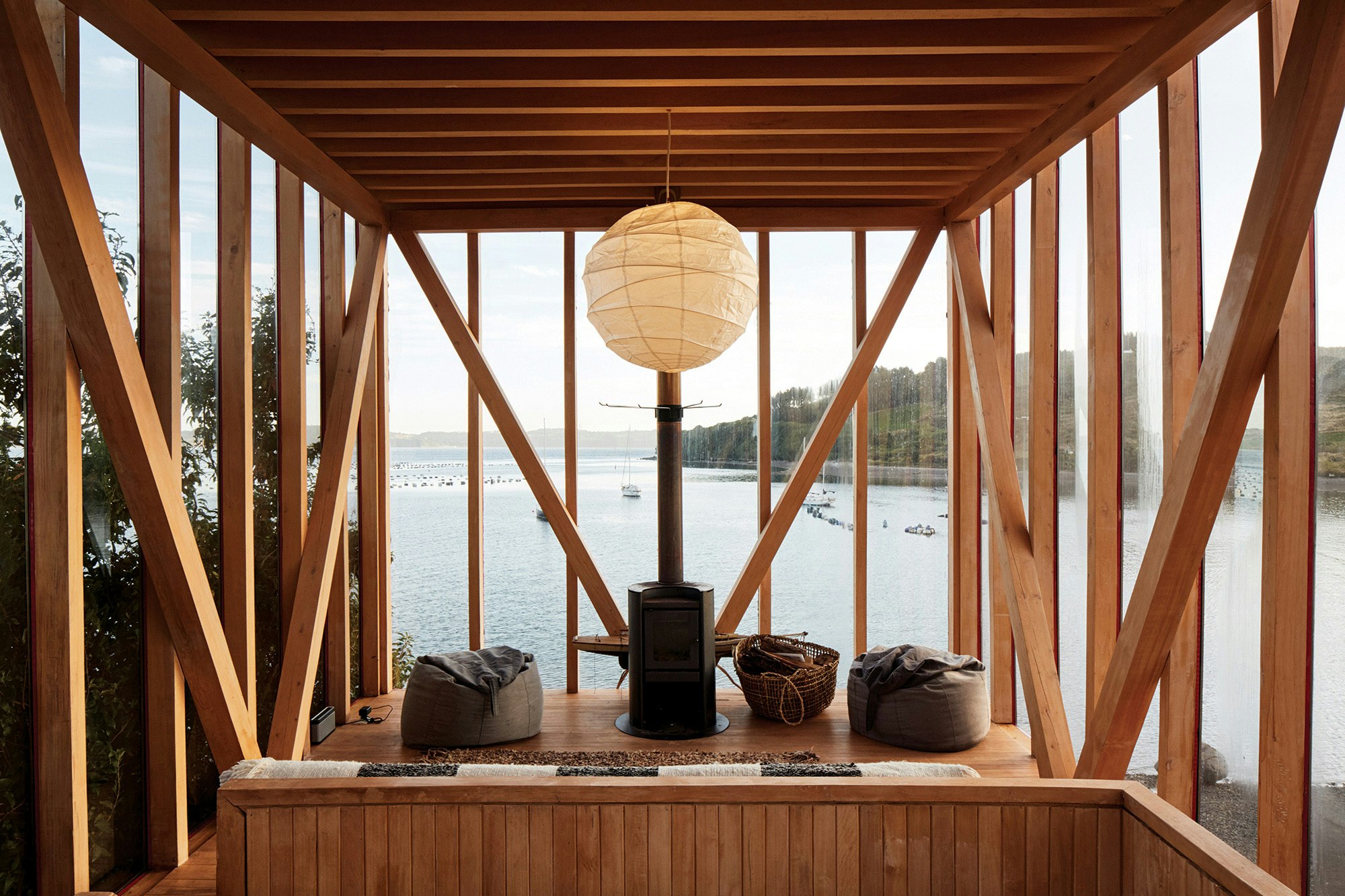
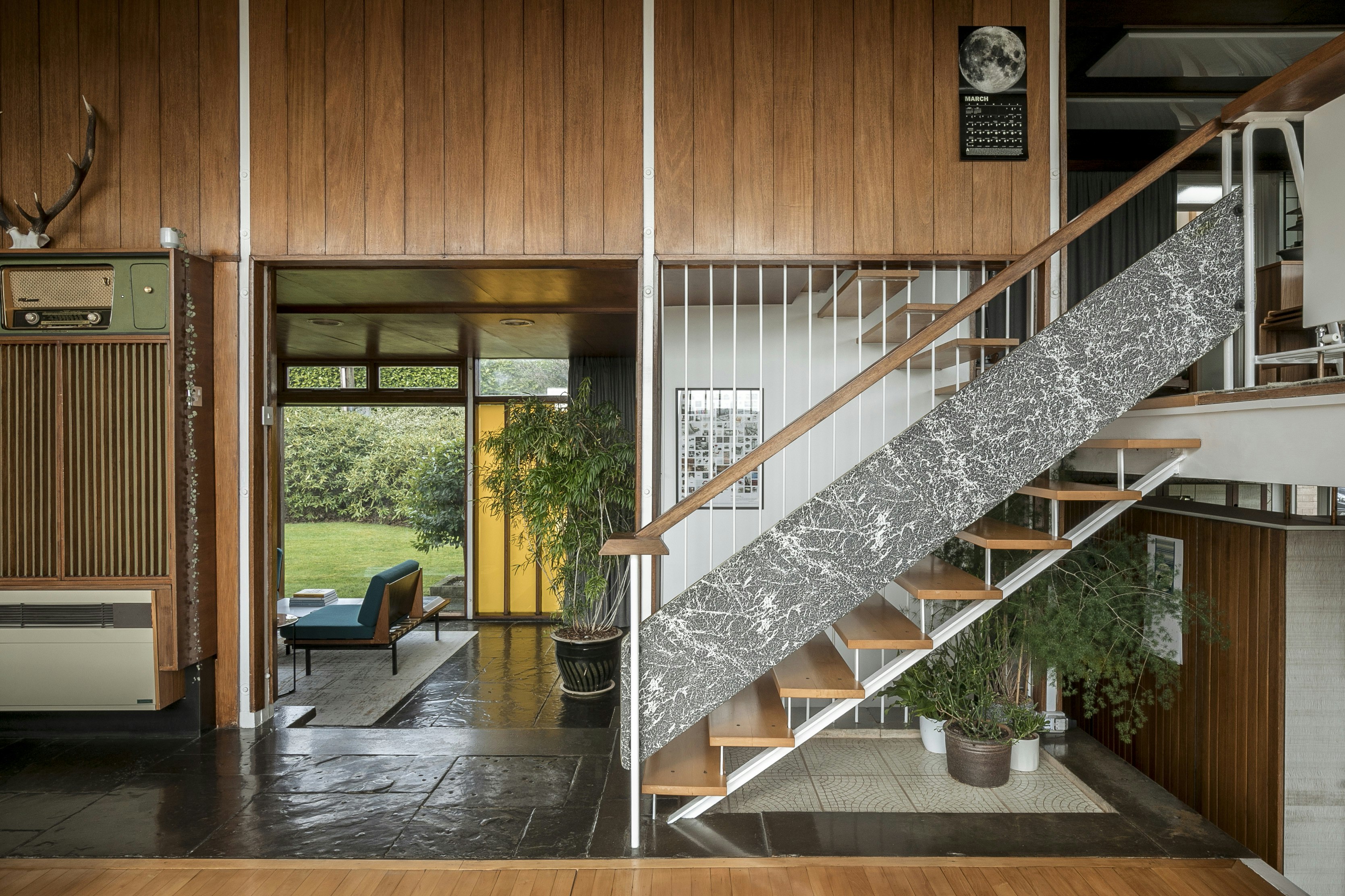
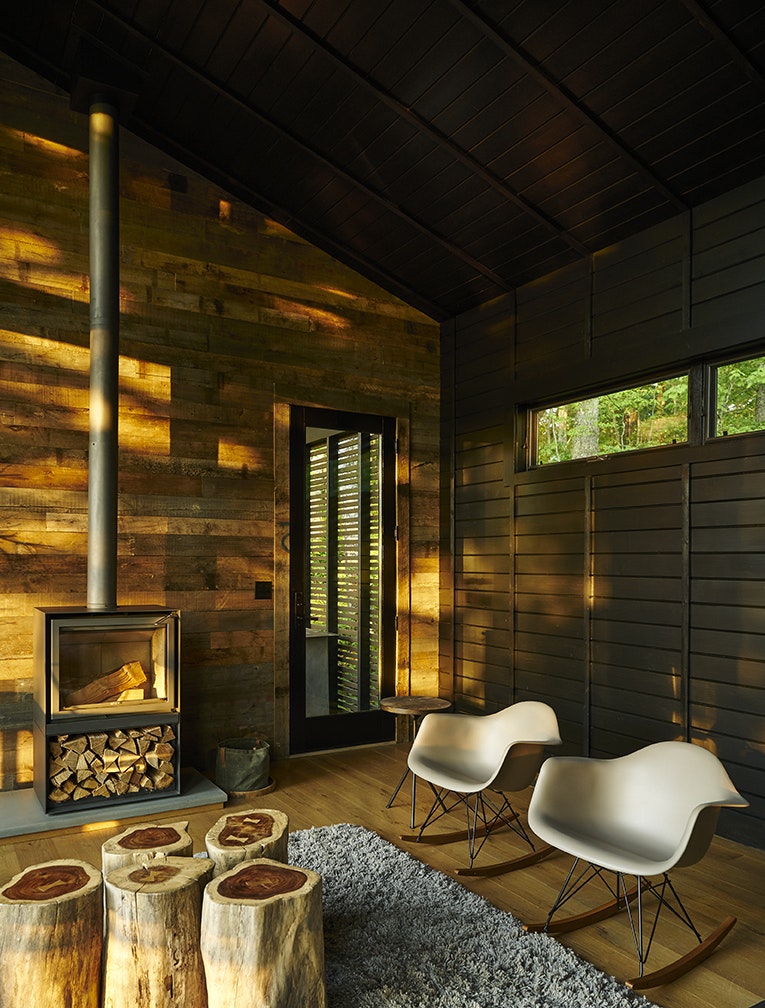
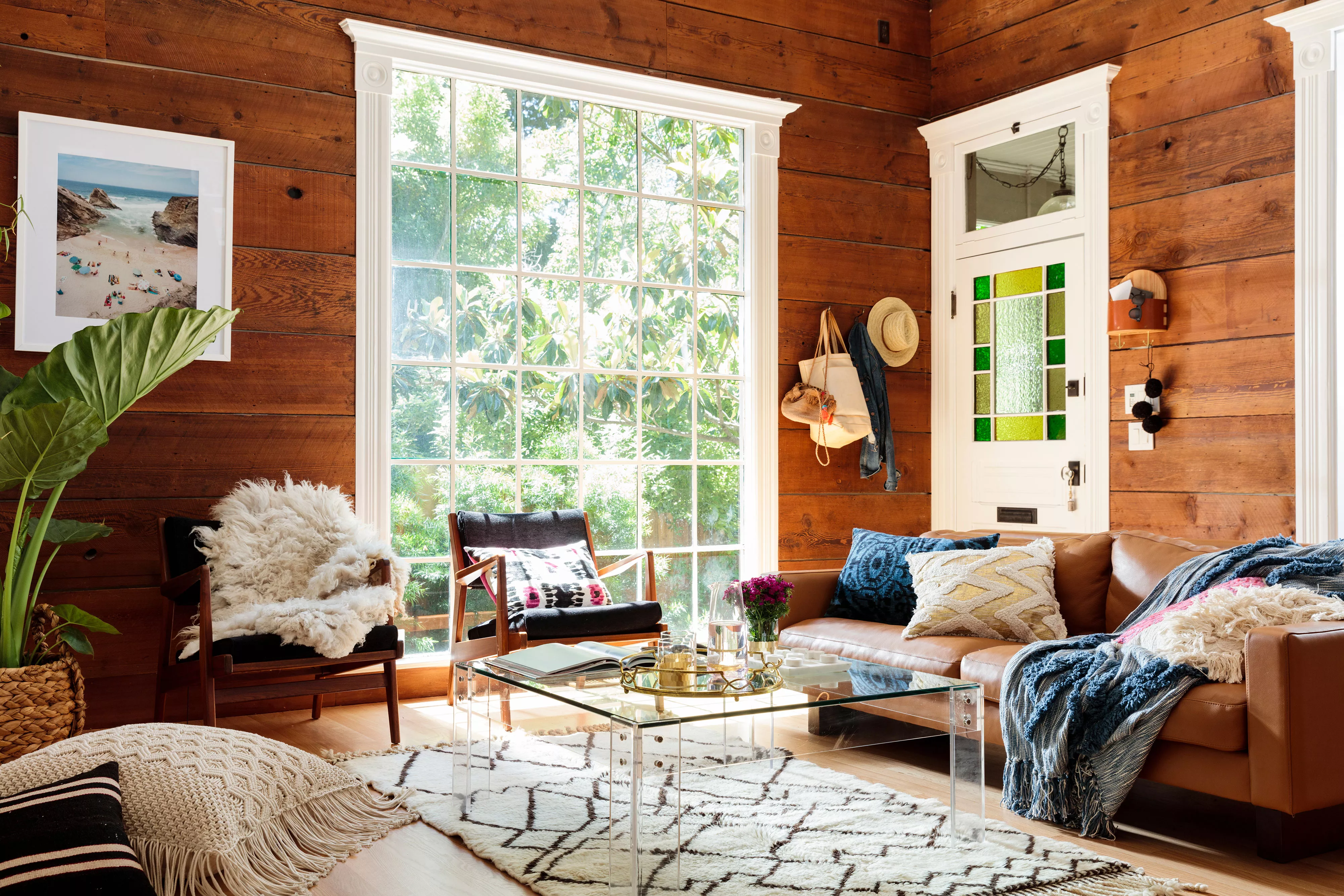
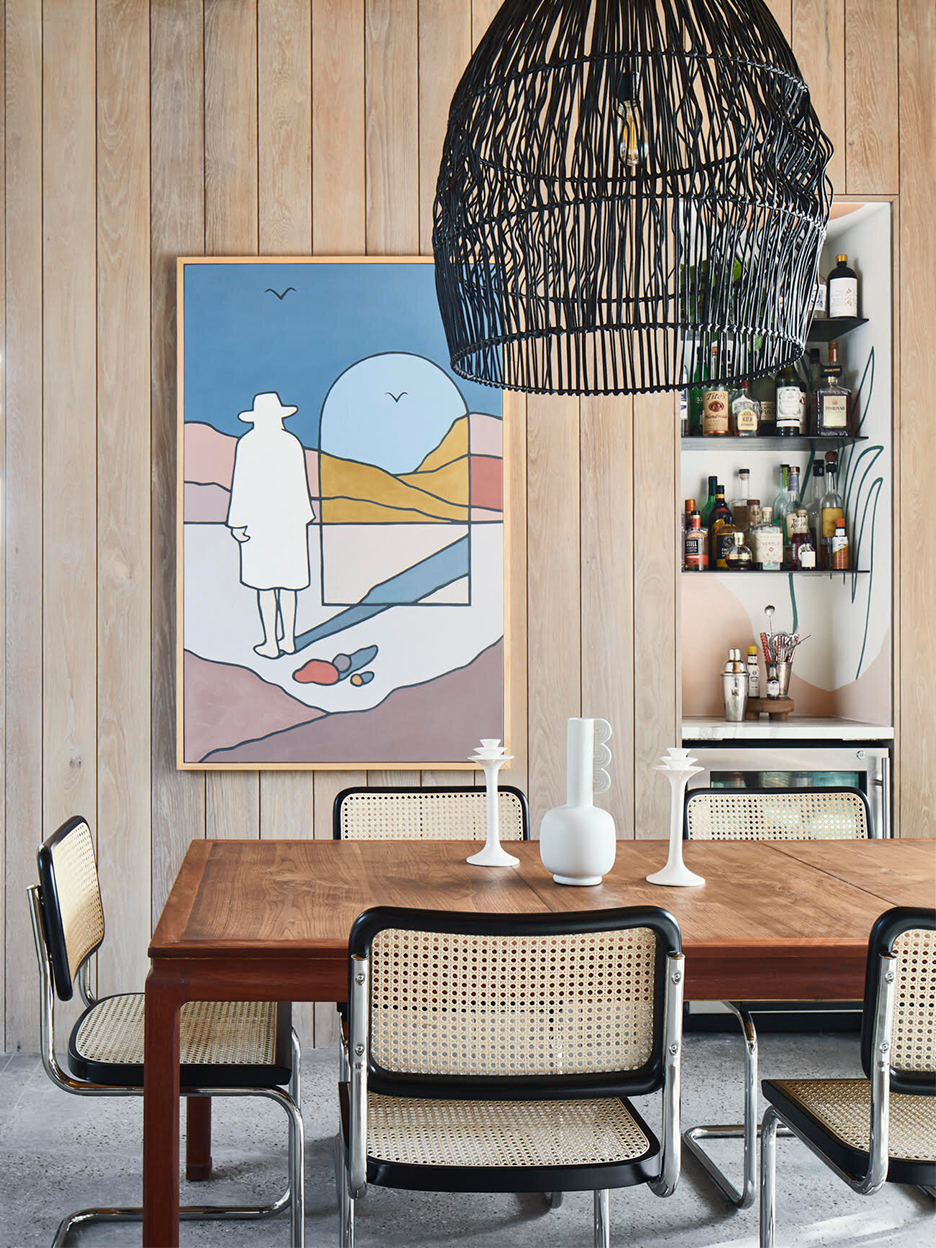
After a period dominated by minimalist aesthetics and cool color palettes, a shift towards warmer, cozier, and more personalized home interiors has emerged. This evolution has led to the rise of "wood drenching," a design technique that embraces natural textures and warm hues of wood to create enveloping and comfortable living spaces. This trend, identified as a significant one for 2025, involves integrating wood tones extensively throughout a room, often through paneled walls or ceilings, to foster a sense of warmth and connection to nature.
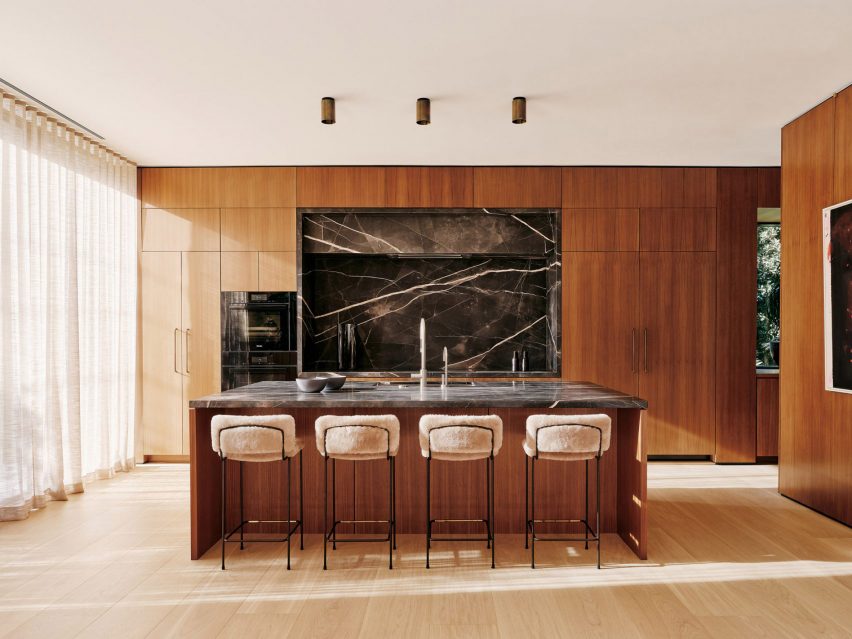
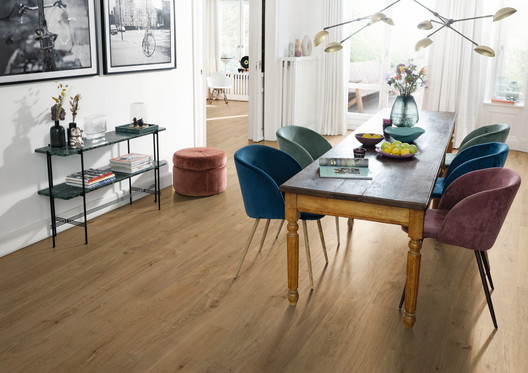
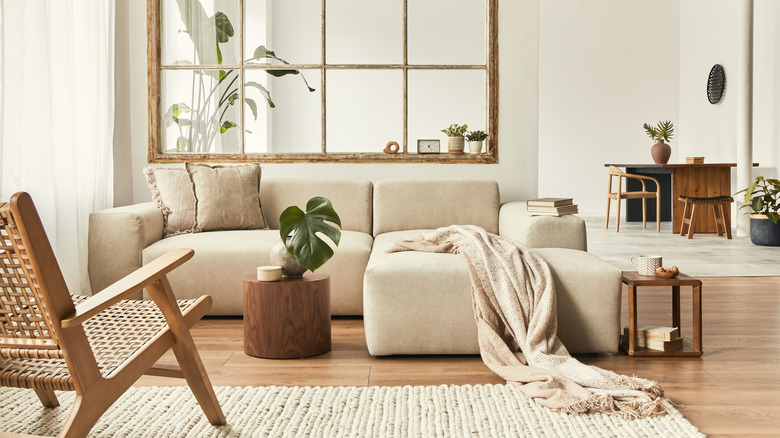
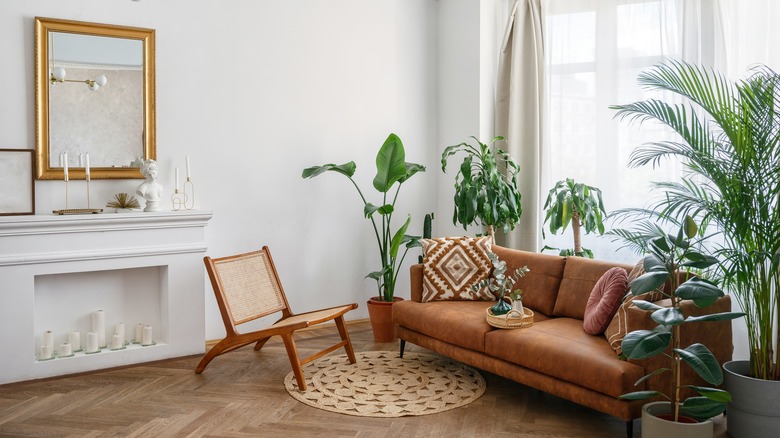
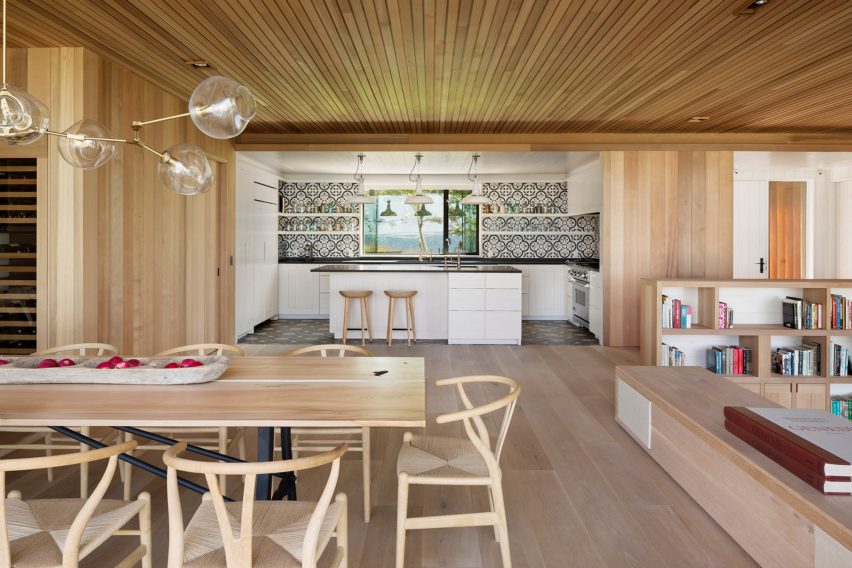
Wood drenching is characterized by the comprehensive use of wood, which can include hardwood floors, wood paneling on walls or ceilings, and the incorporation of warm, rich wood furnishings. The primary goal is to create a wood-infused environment that highlights natural beauty and coziness. While not every element needs to be wood, the overarching concept is to establish a bold, statement-making design anchor, similar to color drenching, but with wood as the central theme. This approach allows for a deeply immersive and natural aesthetic.
Several factors contribute to wood drenching's growing popularity. Following years of cool neutrals, there is a clear pendulum swing towards warmer, more inviting tones, evidenced by trends like Pantone's 2025 Color of the Year, Mocha Mousse. Additionally, a heightened public awareness of environmental concerns is driving a desire for natural materials and sustainable design choices. Using reclaimed or responsibly sourced wood aligns with eco-friendly practices, allowing individuals to bring the outdoors inside and connect with nature through their interior spaces.
Wood drenching is adaptable to various design styles, making it a versatile option for many homeowners. However, implementing extensive wood elements such as walls, floors, or beamed ceilings represents a significant and often permanent renovation. This makes it less suitable for renters, those with strict budgets, or individuals who frequently update their home decor. For those seeking less commitment, alternatives include using peel-and-stick wallpaper to mimic a paneled look or incorporating wooden furniture and decorative accents, such as large wooden bowls, to achieve a similar warming effect without the substantial investment.
Modernizing wood paneling to avoid a dated 1970s aesthetic is crucial for this trend. Experts suggest several techniques to keep wood contemporary. For existing dark paneling, painting it lighter, white-washing, or bleaching can refresh the look. When installing new paneling, options like waxing, white-washing, or bleaching can create a light and fresh feel. The placement and style of wood also play a significant role; experimenting with panel width, orientation (vertical or horizontal), or applying wood to ceilings or as wainscoting can dramatically alter the room's perception. Mixing different wood tones, while potentially challenging, can create a harmonious and layered look if a consistent undertone (warm or cool) is maintained and balanced between lighter and darker woods to prevent a monotonous appearance.
#WoodDrenching #InteriorDesignTrends #HomeDecor #NaturalMaterials #CozyInteriors #WoodPaneling #SustainableDesign #HomeRenovation #WarmTones #WoodDrenching #InteriorDesignTrends #HomeDecor #NaturalMaterials #CozyInteriors #WoodPaneling #SustainableDesign #HomeRenovation #WarmTones
0 comment in total
 No comments yet
You may also like
These Are the Best Wood Stove Brands and Manufacturers Today

Prioritizing Comfort in Interiors: Nature-inspired Floors Made of Wood and Cork

5 ways to treat exterior wood

How Long Should You Dry Firewood?

Allover Wood Interiors Are Having a Moment

Wood Treatments
Sustainable Carpentry

11 Wood-Wrapped Interiors That Radiate Warmth

How to Use Thermowood in Interiors from Lunawood
Wood Drenching Is a Fresh Take on '70s Paneling—Here's Why Designers Love It

How They Pulled It Off: A Hot Tub Built Into a Boulder
Take the Chill Off with an Electric Fireplace
How Much Firewood Will I Need This Winter?

Wood Dyes & Waxes | Wax for Unfinished Wood
Wood as a Home Design Trend: Through the Archives to Today
Rammed Earth House

Ten projects that seamlessly integrate wood into the design
Why We're Embracing Earthy Decor In 2023, According To An Expert
Architectural Lighting That Celebrates Wood as a Material
Designers Already Have White Oak Fatigue—Here’s Which Finish Comes Next