1/2
How Long Should You Dry Firewood?
Drying firewood, commonly known as seasoning, is crucial for efficient burning and typically takes between six to 18 months. This timeframe is influenced by several factors, and understanding these can help in preparing firewood for optimal use in fireplaces, fire pits, or campfires.
One significant factor is the water content of the wood. Green wood, freshly cut with high moisture, requires more seasoning time compared to wood that has been dead for a while or kiln-dried. Kiln-dried firewood is often preferable due to its low moisture content, although it might come at a higher cost. If using green wood, preparing a proper drying area is essential to facilitate rapid seasoning. Wood from trees that have been dead for an extended period can be a good option, provided it hasn't begun to decay, which would reduce its heat output.
Environmental conditions, such as humidity and temperature, play a vital role in the drying process. Firewood seasons most effectively during spring and summer, characterized by high temperatures and low humidity. For quicker drying, especially when purchasing green firewood, creating a homemade firewood kiln can significantly accelerate the process, reducing drying time from months to days.
Another important consideration is the wood species. Denser woods, although not necessarily having higher initial water content, generally take longer to season. However, the extended waiting period is often justified by their higher heat output. For instance, white oak, a dense wood, produces almost double the heat content of lighter woods like quaking aspen, making it a more efficient fuel source once properly seasoned.
Proper stacking techniques also contribute significantly to effective drying. Splitting wood into smaller pieces (two to four sections from a round) allows for better air circulation. Stacking these split pieces loosely and off the ground further enhances airflow, accelerating the drying process. Covering the woodpile during rain and throughout winter months protects it from re-wetting, maintaining the dryness achieved.
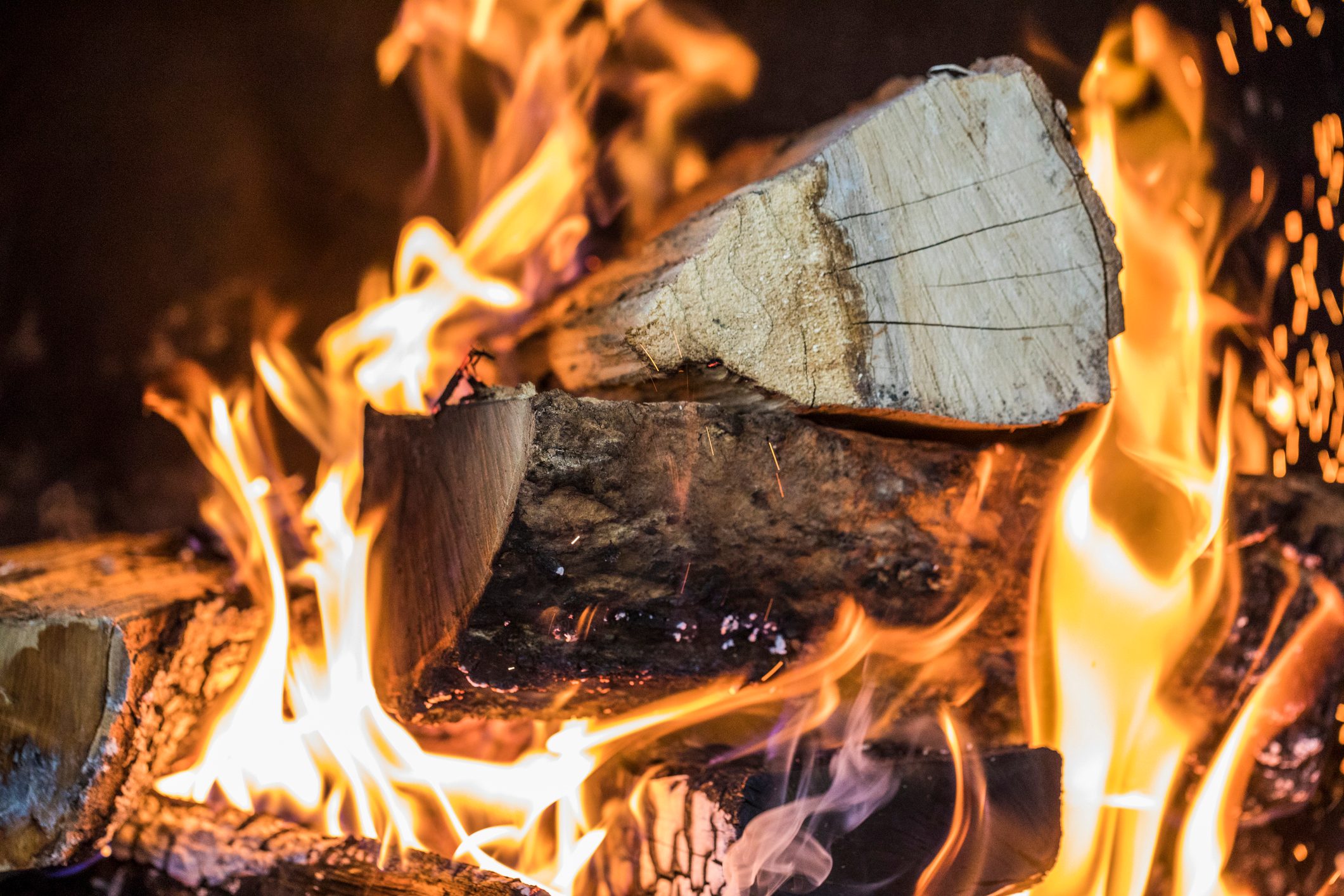
Determining if firewood is adequately seasoned involves several tests. A visual inspection can reveal cracks in the end grain, which widen as the wood dries. Seasoned wood also appears dull and gray, unlike the bright color of green wood. An audio test involves tapping or dropping wood; seasoned wood produces a hollow sound, while green wood makes a dull thud. The weight of the wood also indicates its dryness, as less water content makes it significantly lighter. For precise measurements, an electronic moisture meter can be used, with seasoned wood typically having a moisture content below 20 percent.
Given the various factors, a definitive drying time is hard to pinpoint. However, by following best practices—cutting wood into smaller pieces, stacking loosely off the ground, covering it from precipitation, and drying it in warm, low-humidity conditions—firewood can be ready in six to nine months. Seasoning wood for longer, even two to four years (before decay sets in), further reduces moisture levels, leading to more efficient burning and greater heat production.
#firewoodDrying #woodSeasoning #firewoodPreparation #woodMoistureContent #firewoodStorage #homeHeating #DIYFirewood #woodSpecies #moistureMeter #firewoodDrying #woodSeasoning #firewoodPreparation #woodMoistureContent #firewoodStorage #homeHeating #DIYFirewood #woodSpecies #moistureMeter
 No comments yet
How Long Does Primer Take to Dry? Experts Share Their Best Advice
How Long Paint Takes to Dry and Cure