1/5
What Comes After Rattan? We Asked 4 Designers to Predict the Next Big Material
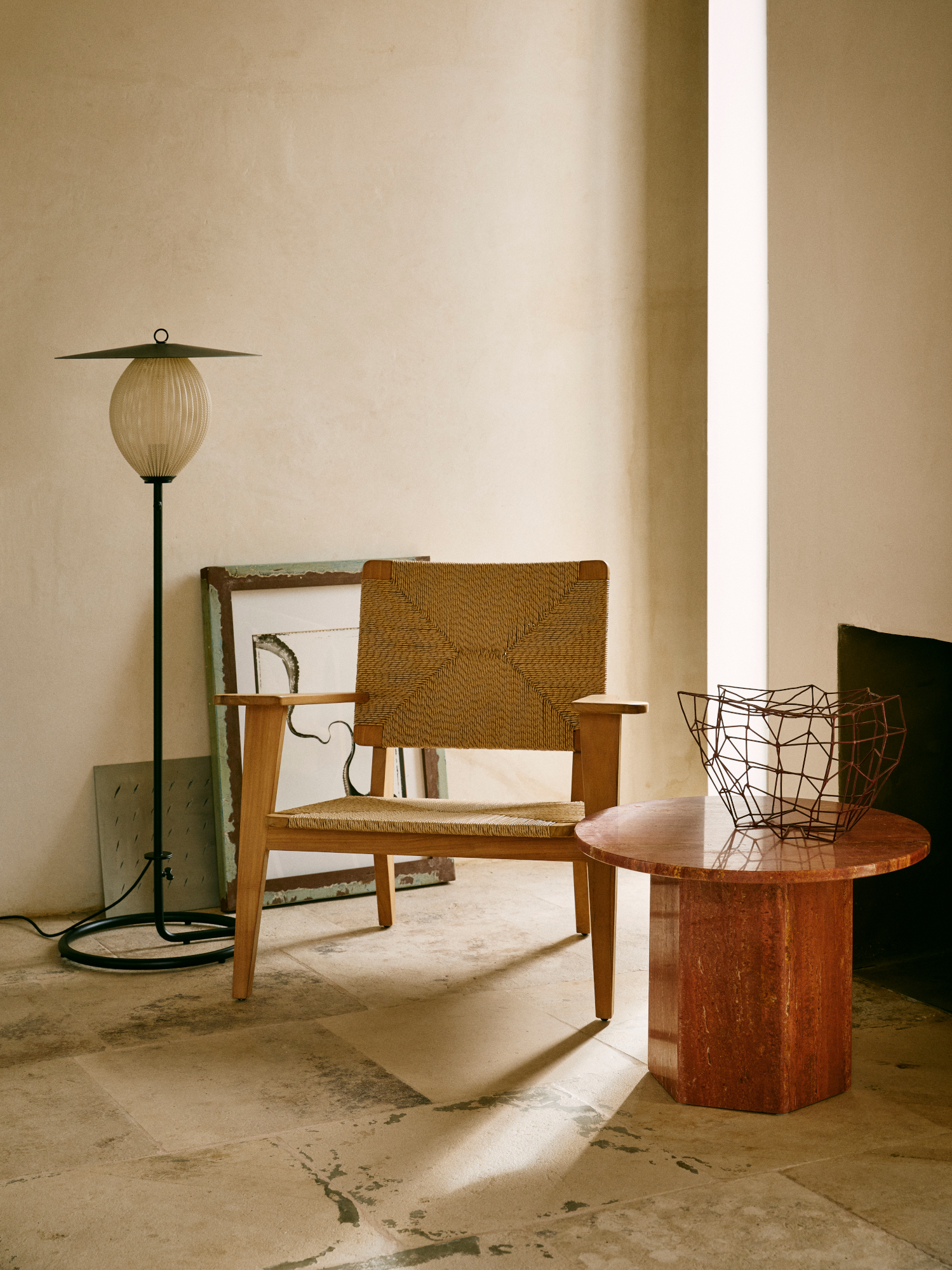
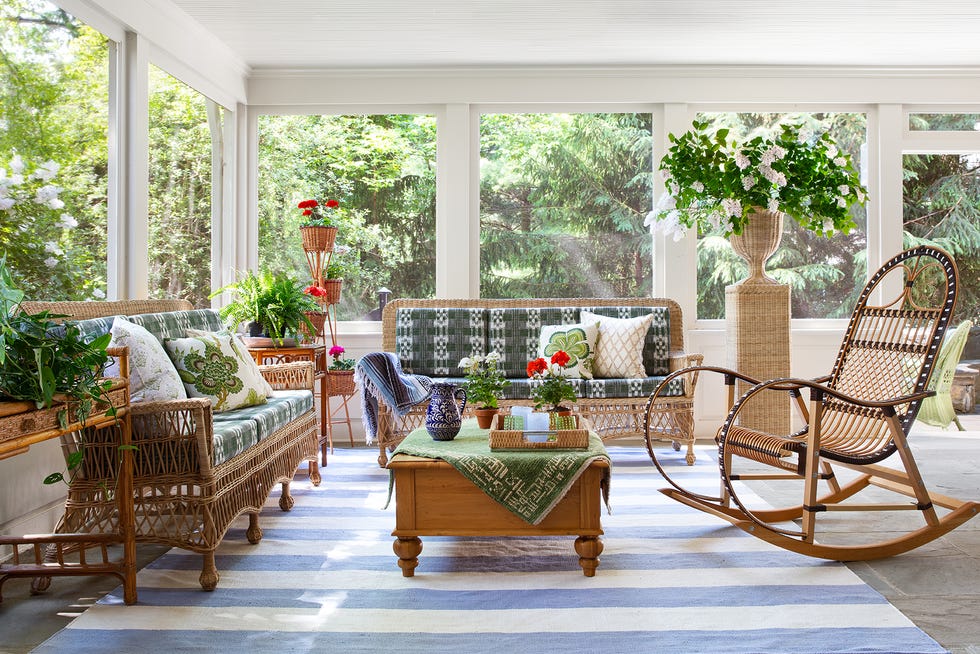
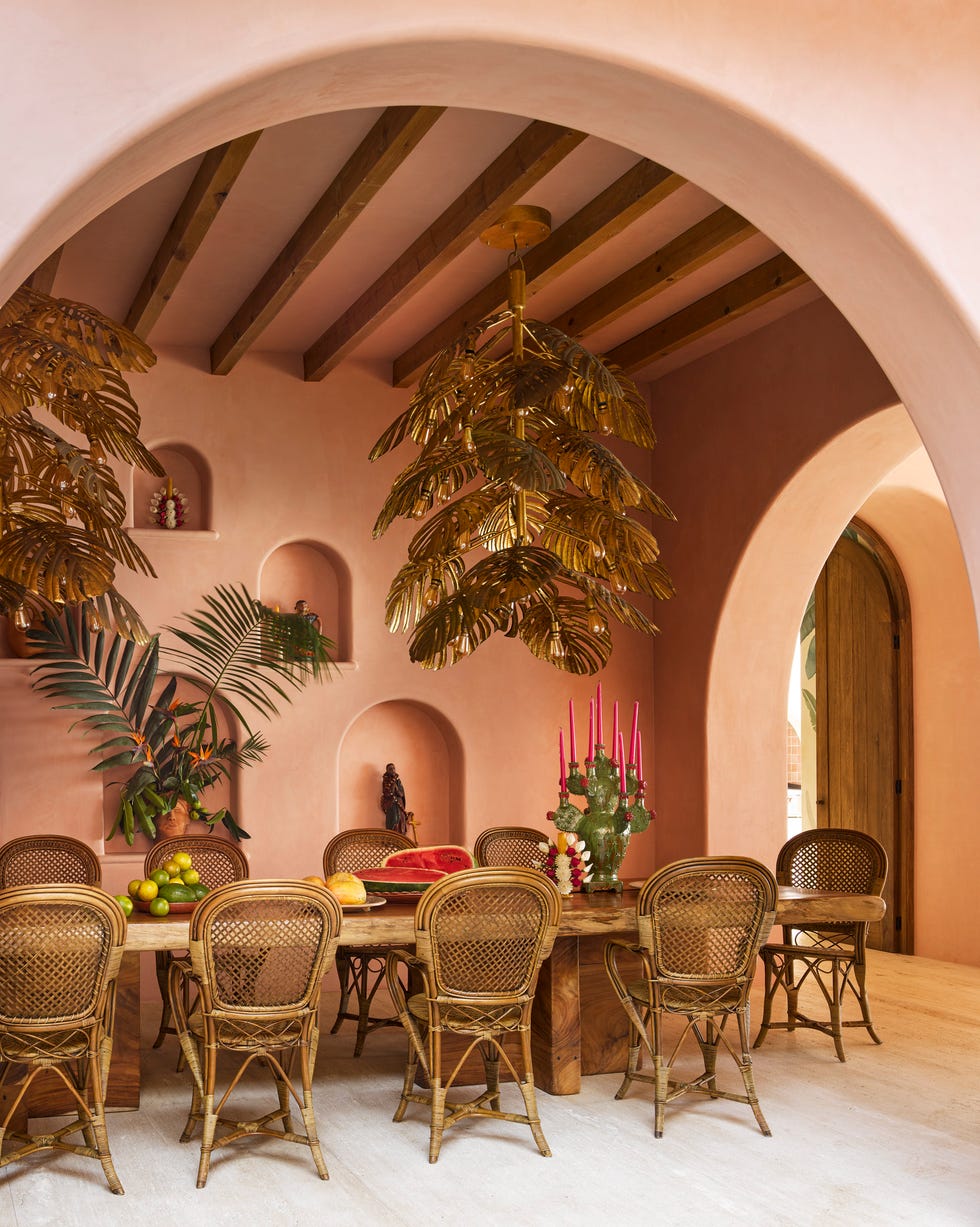
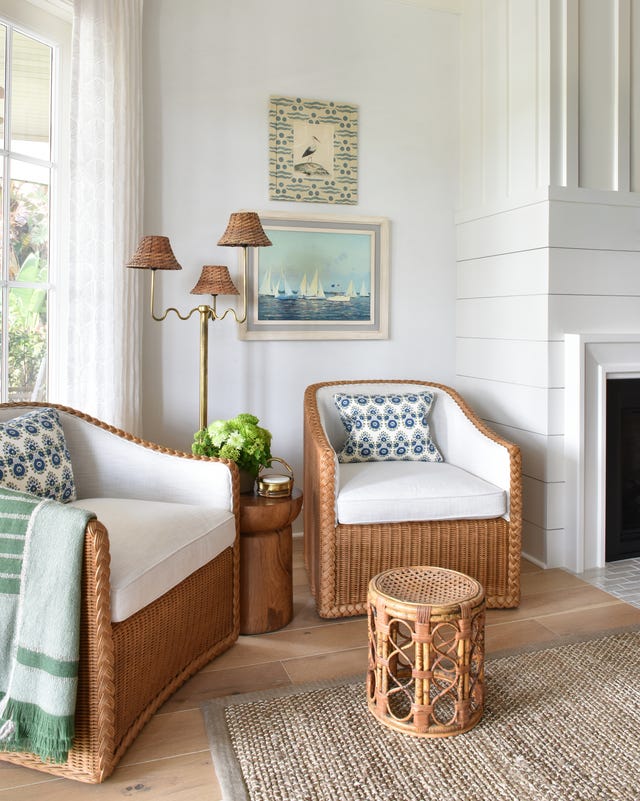
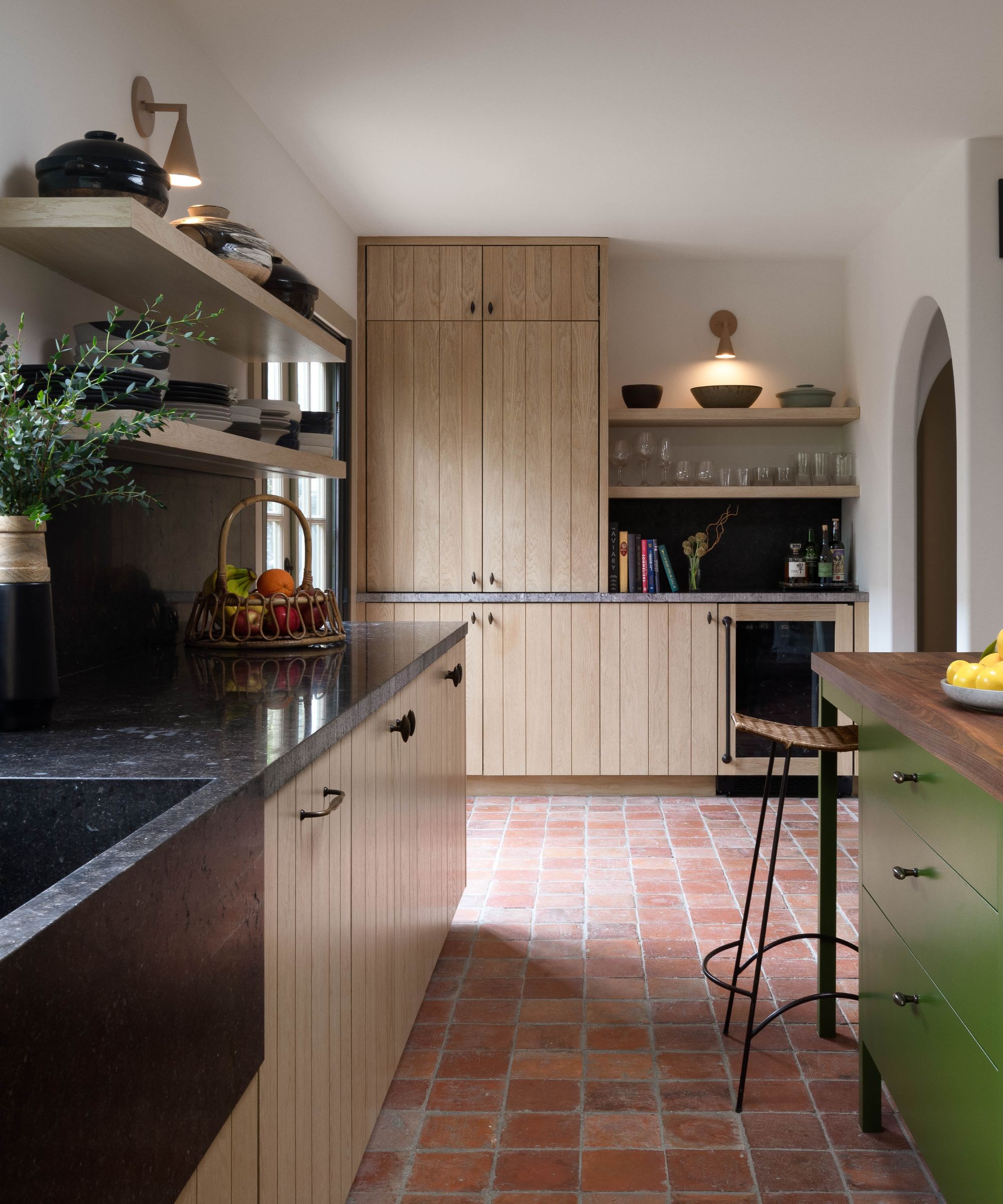
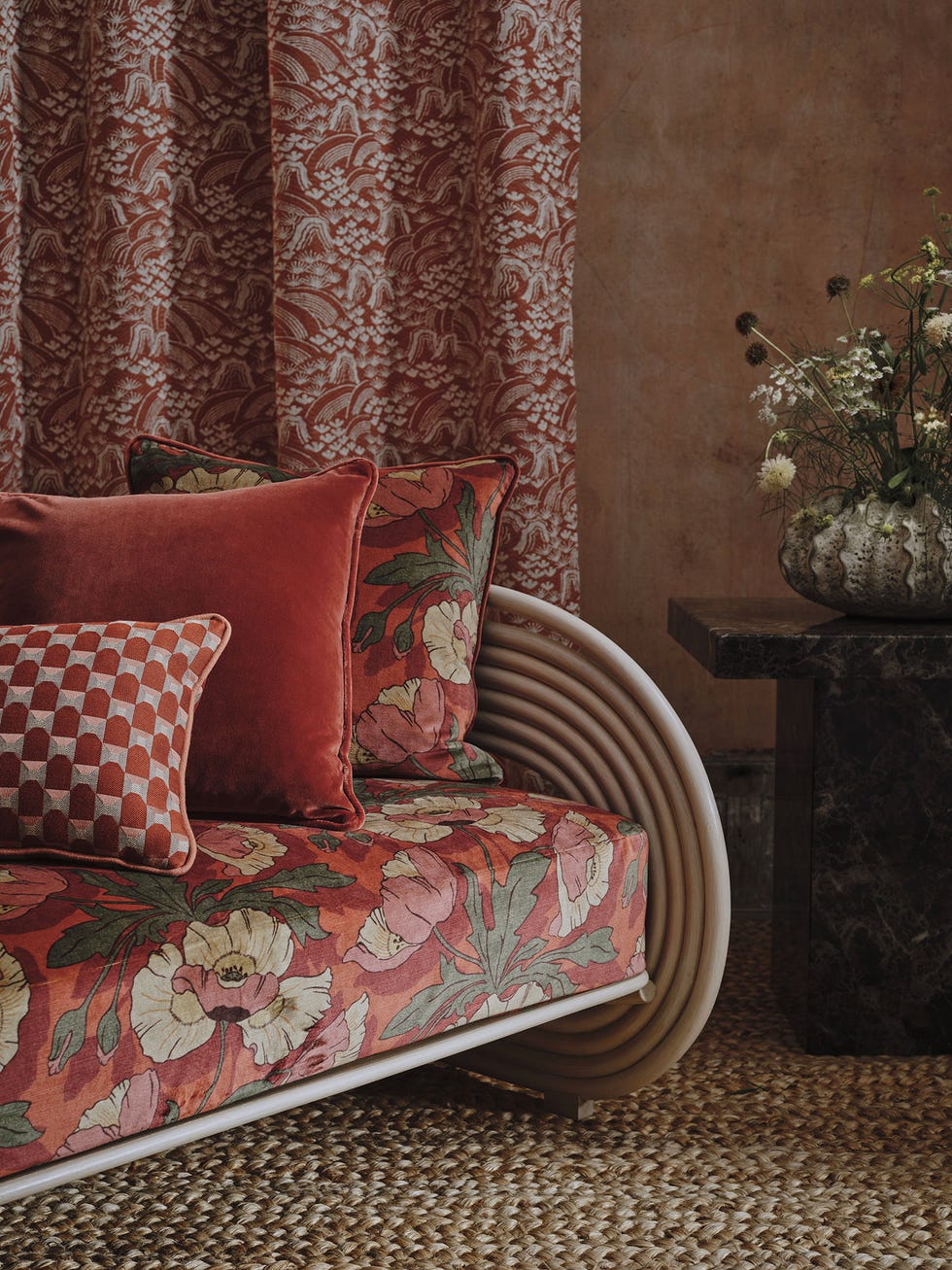
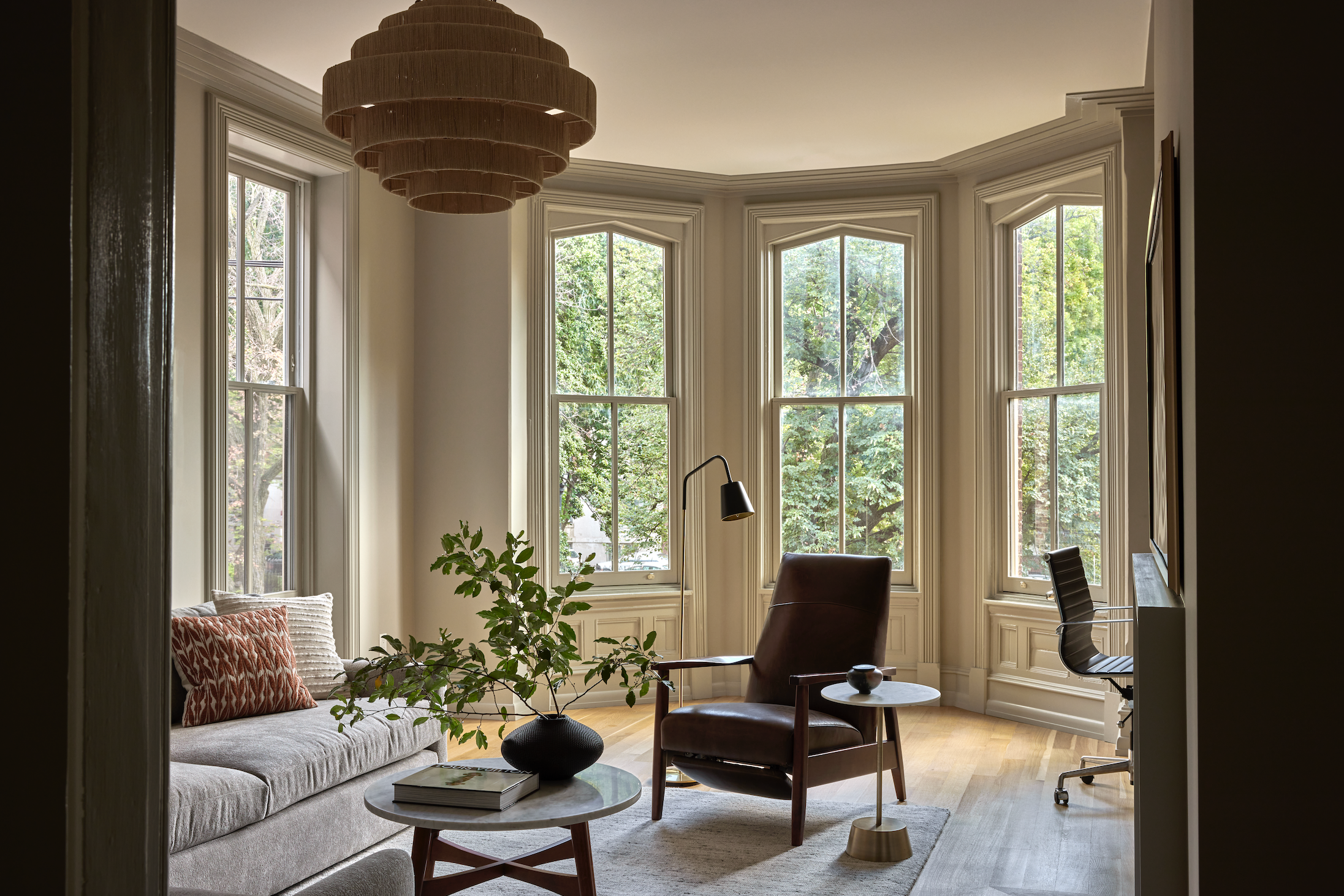
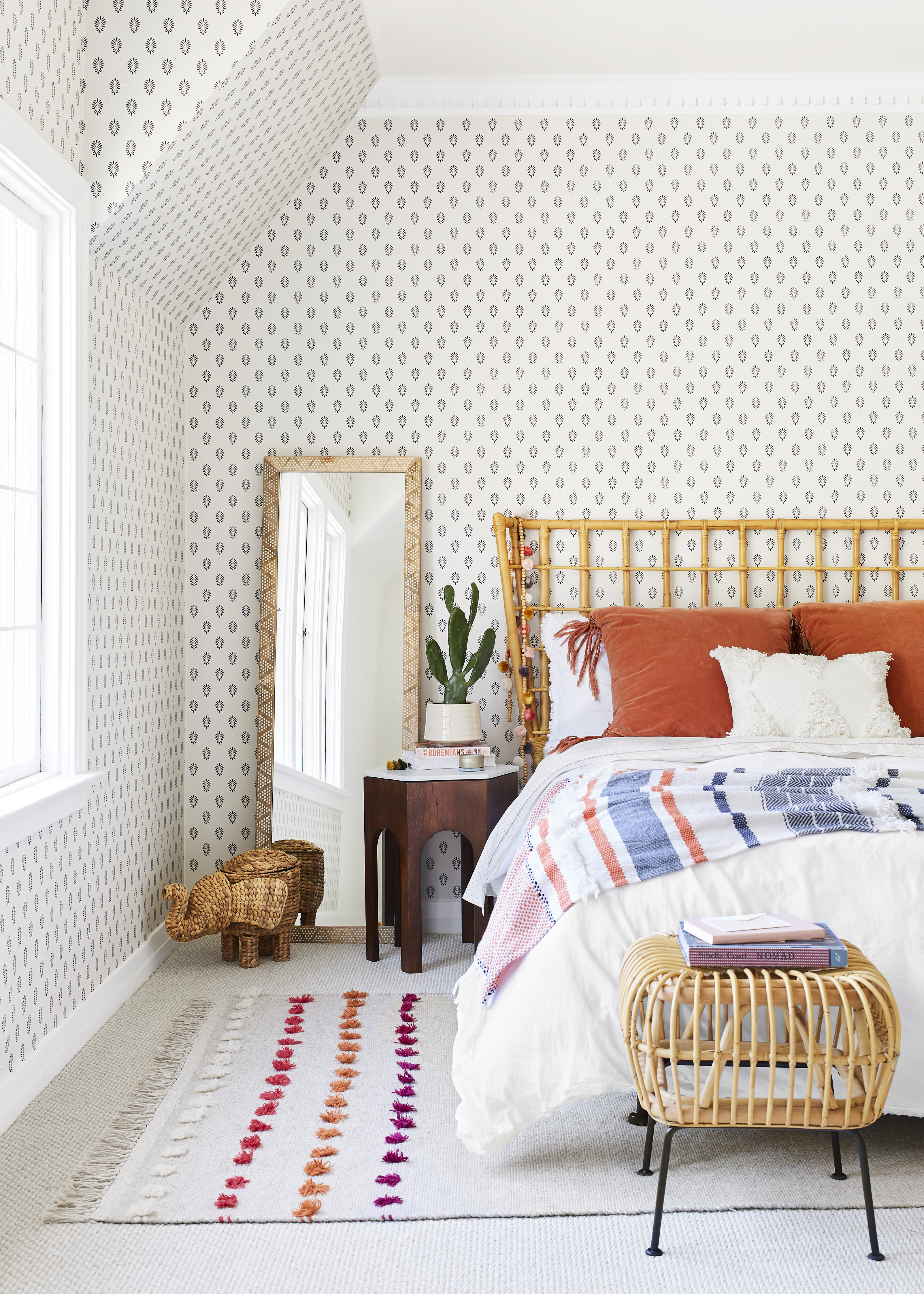
Rattan, once largely confined to vacation homes and screened-in porches, has experienced a significant resurgence, becoming a versatile material for achieving an airy aesthetic and introducing natural texture into various interior spaces. From swing chairs and pendant lights to area rugs and ottomans, its widespread adoption has prompted a discussion among interior designers about what material might follow in its footsteps as the next dominant trend in home decor.
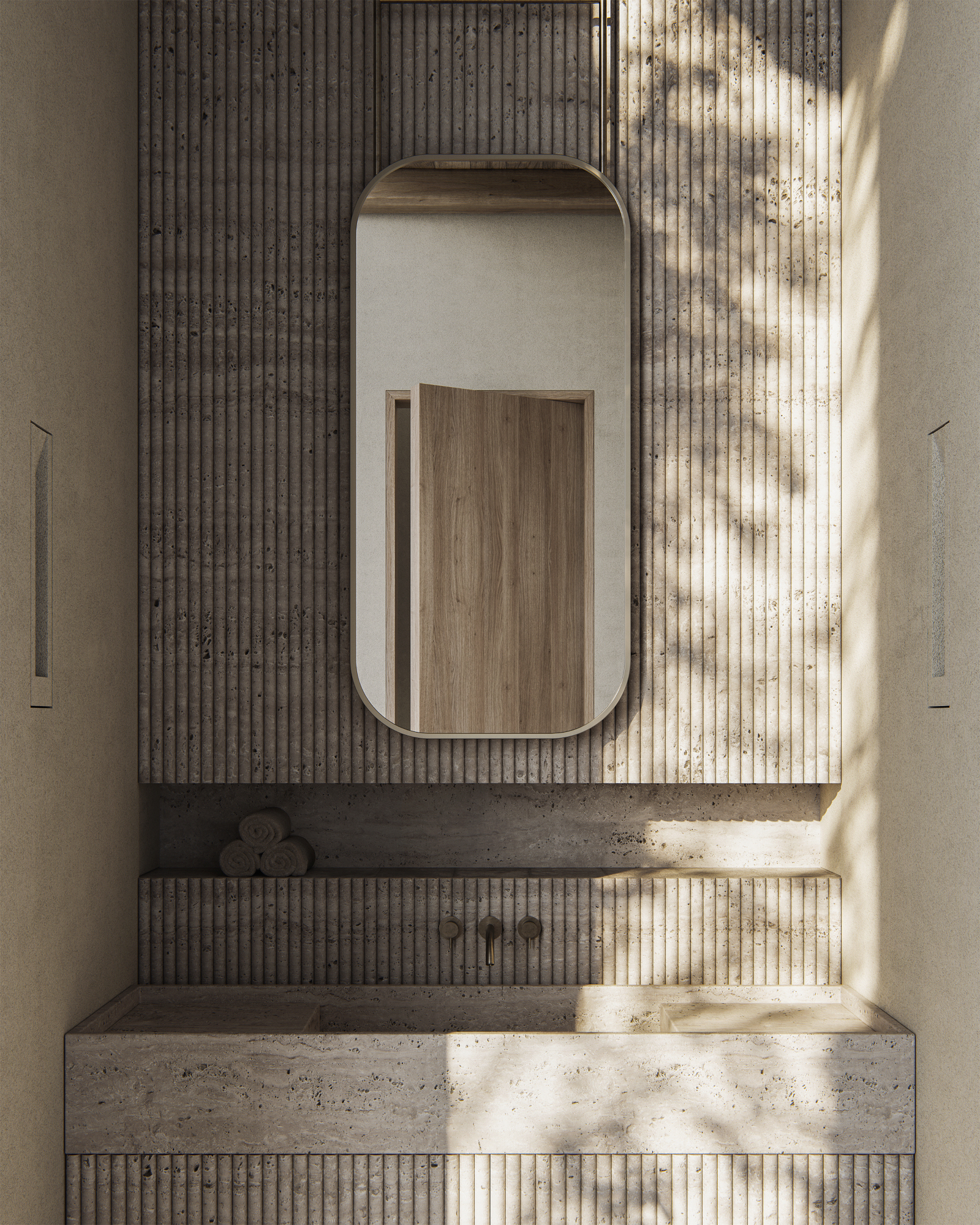
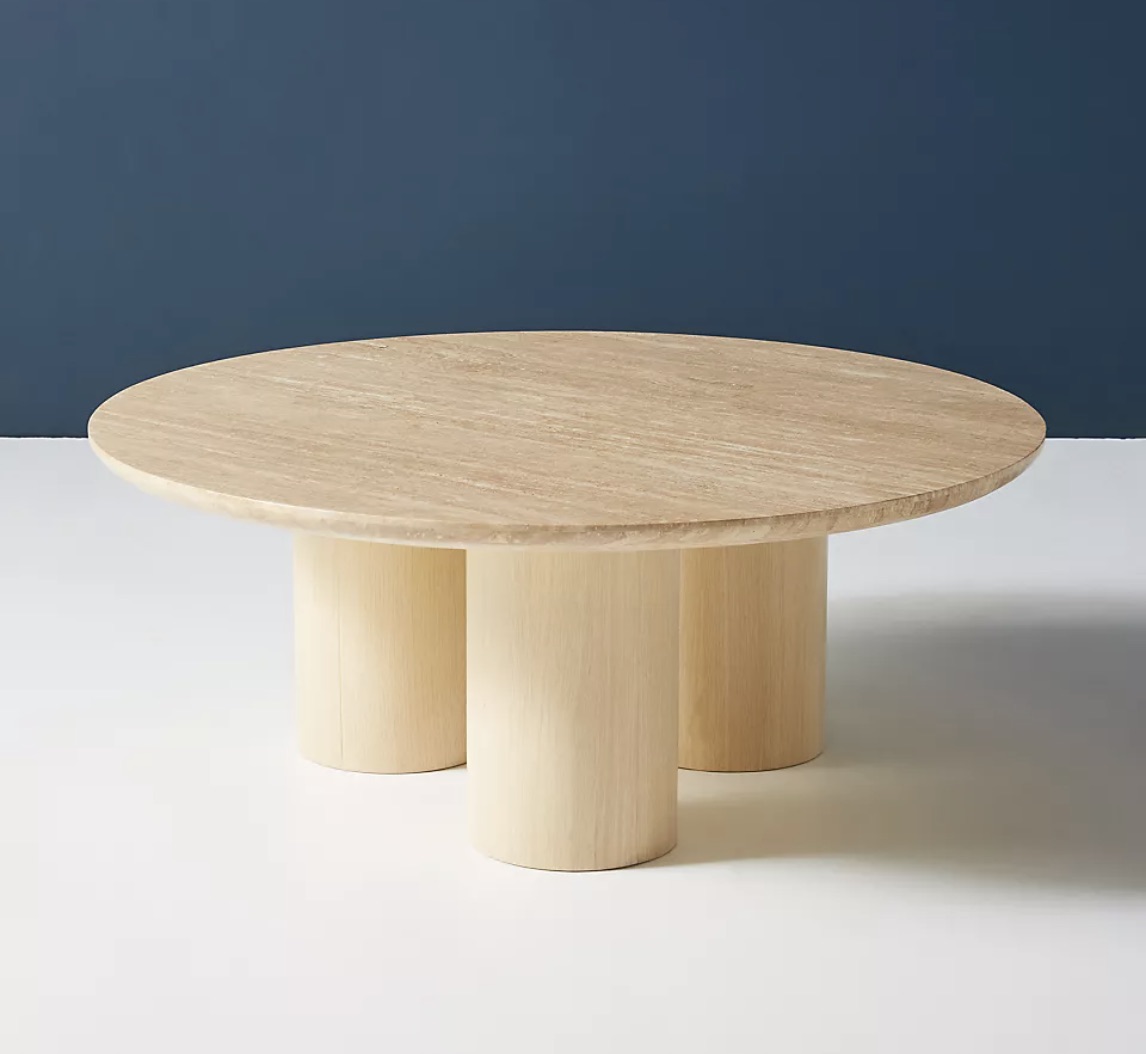
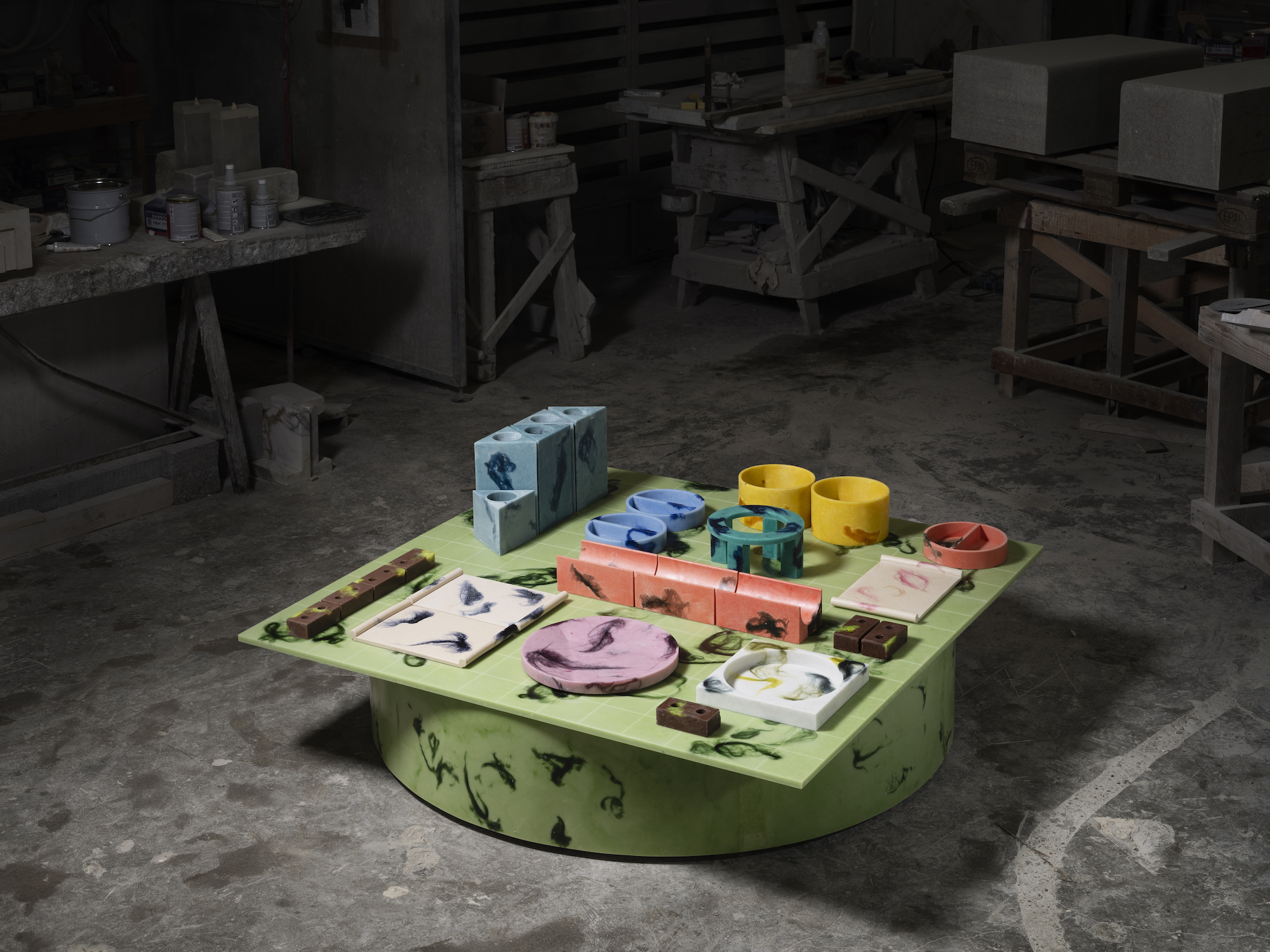
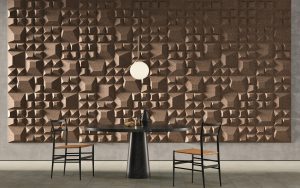
Kele Dobrinski, from Colossus Mfg, suggests that tambour is poised for a comeback. This ribbed material, popular from the 1950s through the 1980s, was commonly used as a decorative detail on curved surfaces like credenza doors and bread boxes. Tambour's distinctive texture gives pieces a unique, artisanal feel, as exemplified by Anya Sebton and Eva Lilja Löwenhielm’s Palais Royal table with its tambour drum base. Dobrinski notes that its natural element allows it to complement vibrant colors without quickly becoming dated.
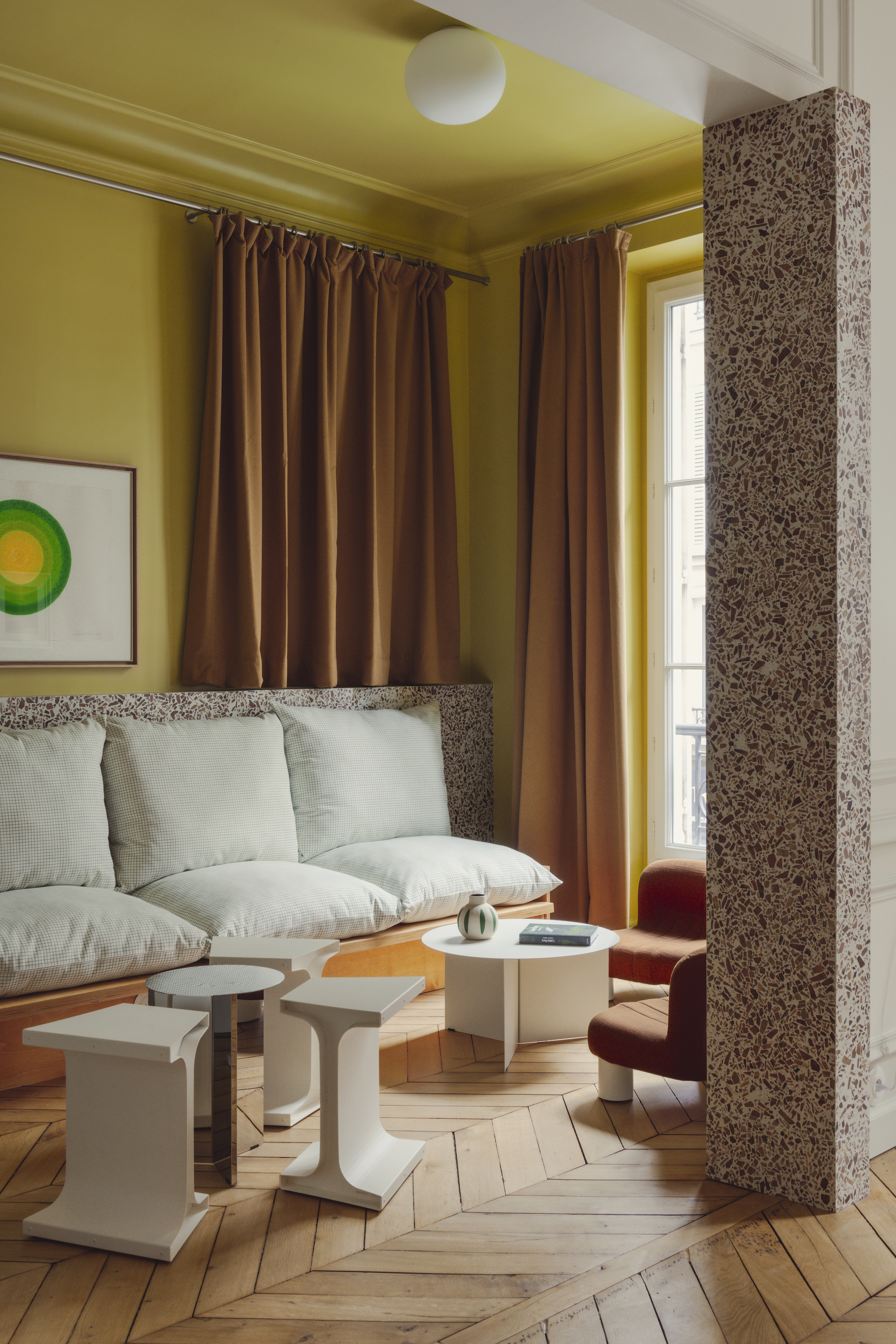
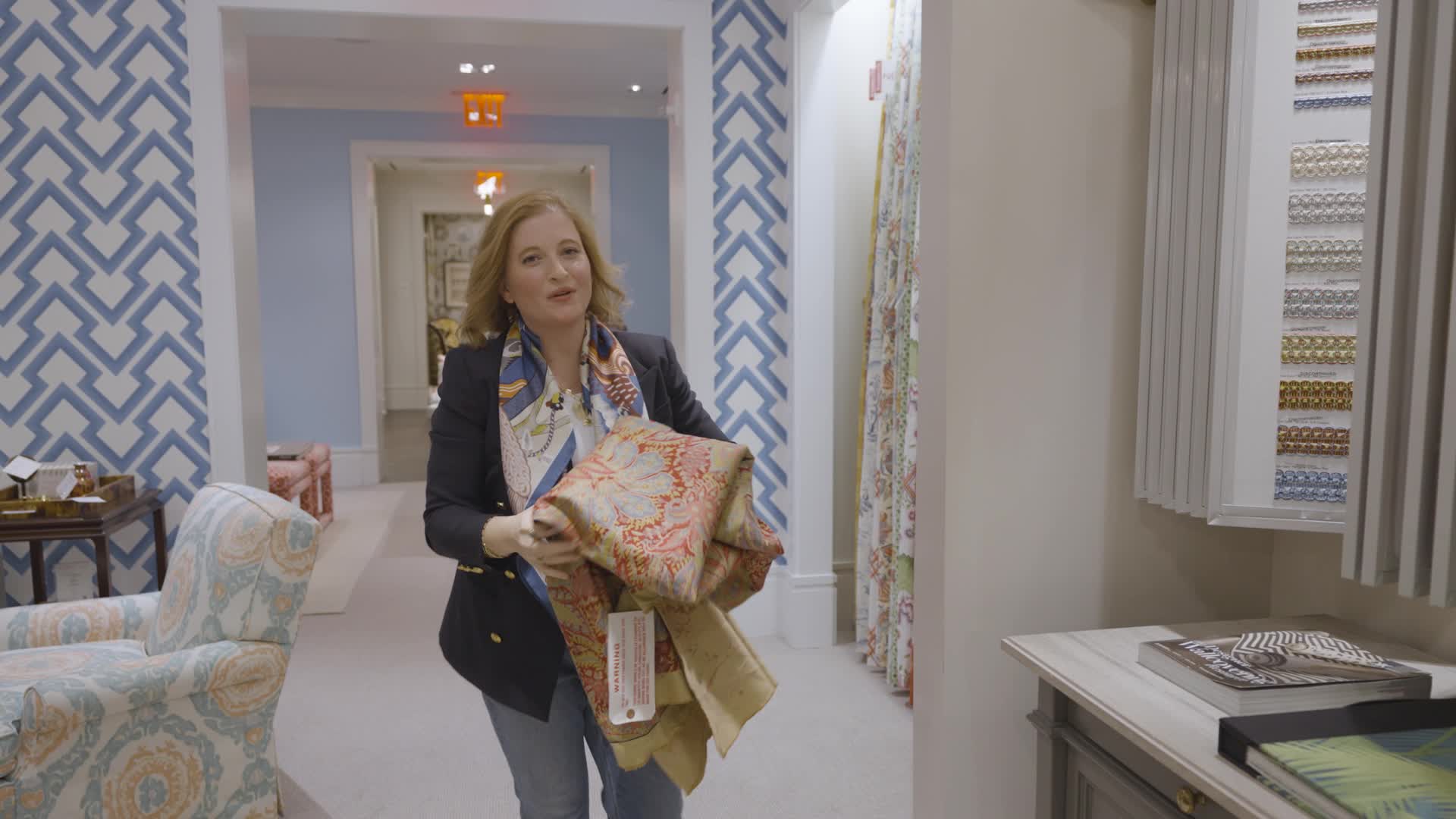
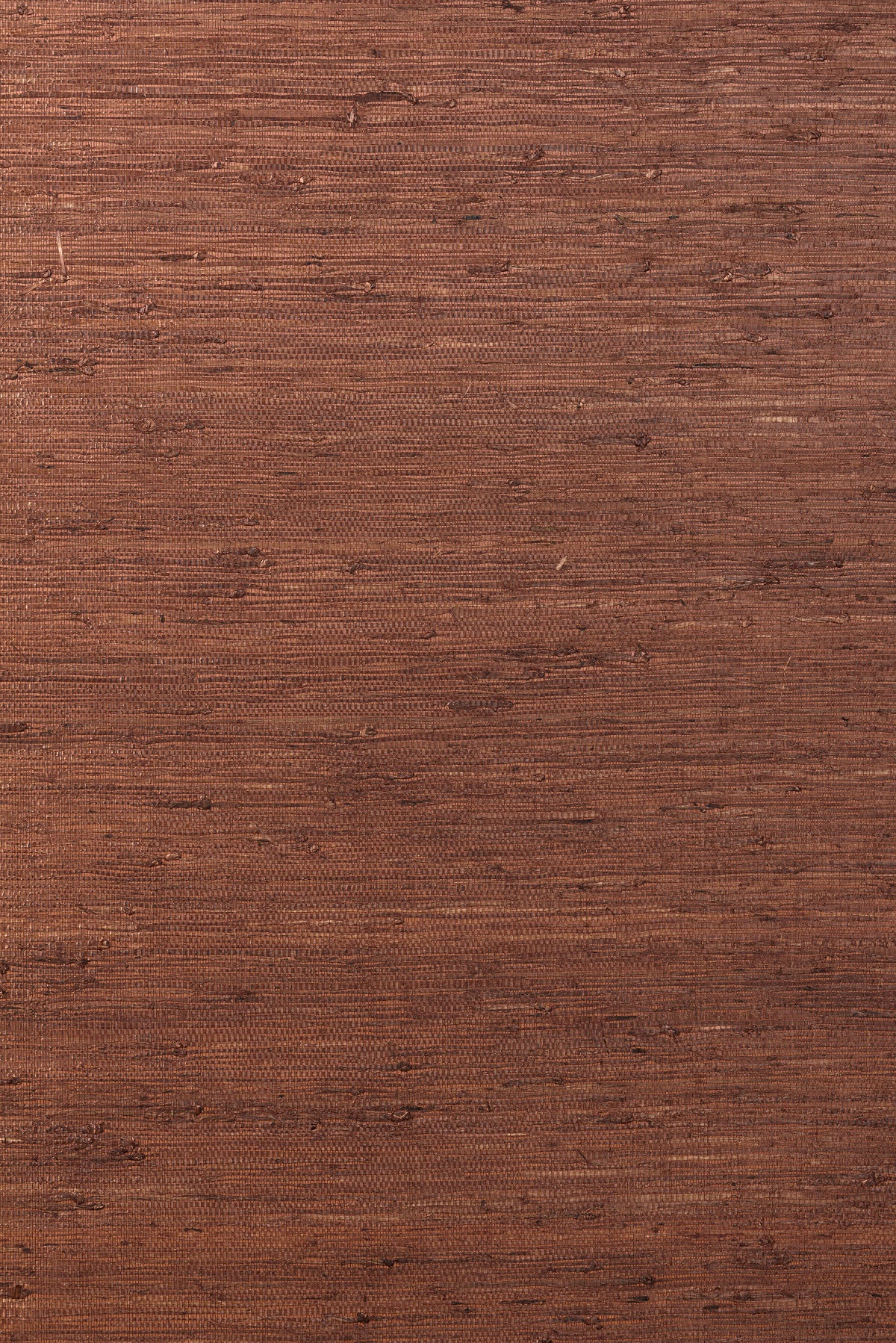
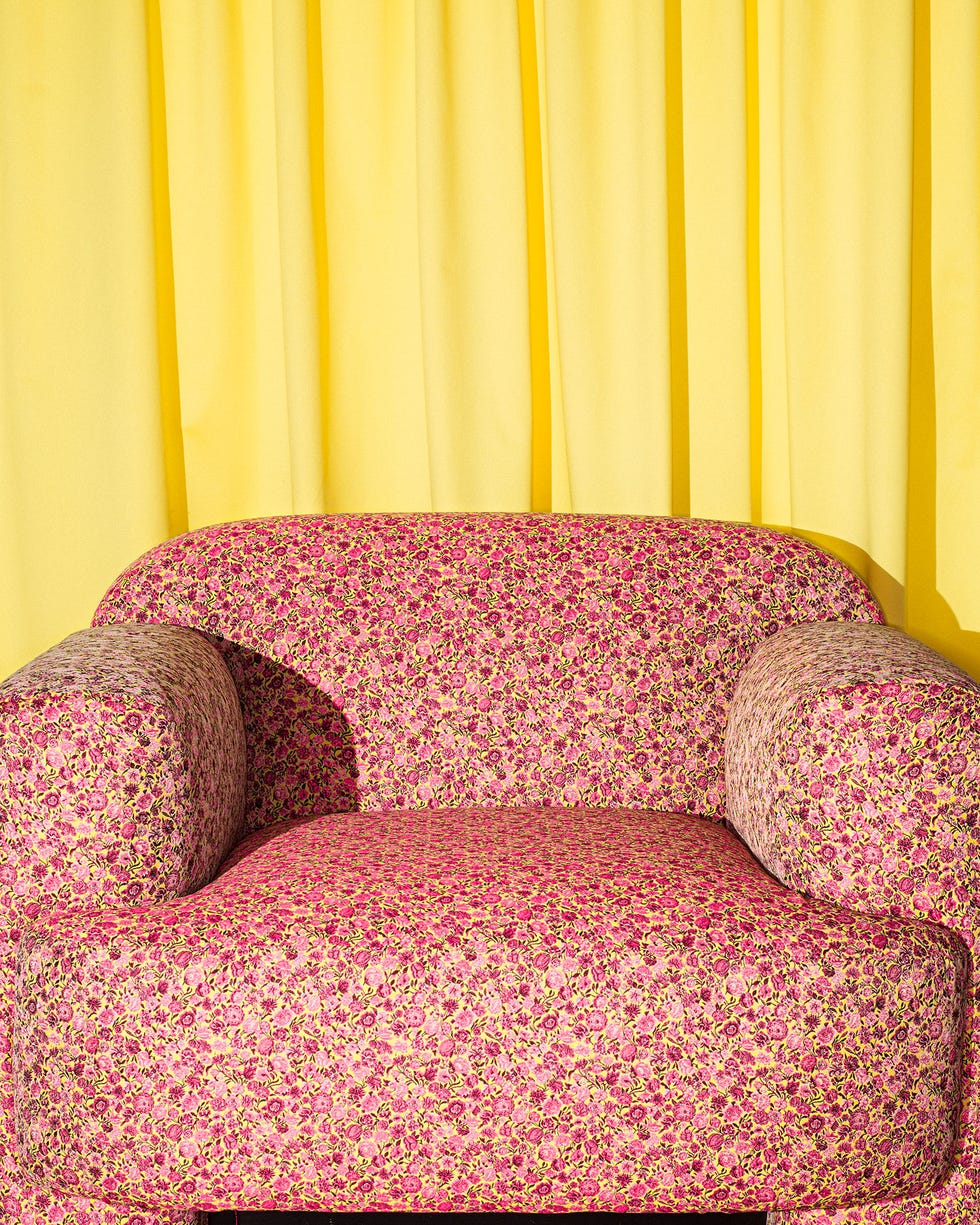
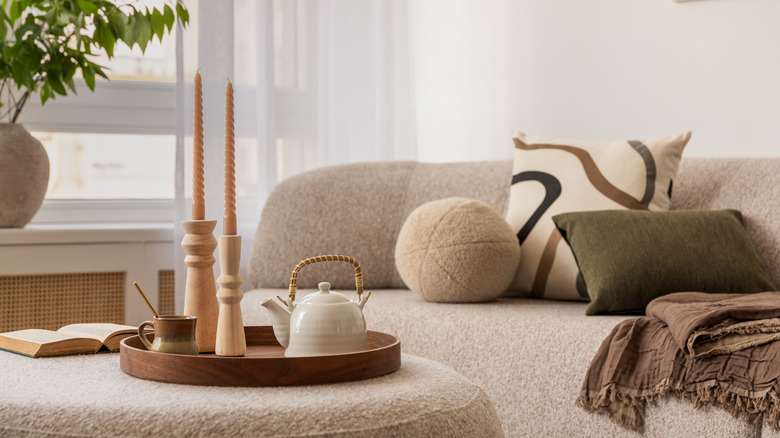
Susana Simonpietri, owner and creative director of Chango and Co., is shifting away from rattan's casualness by embracing unglazed ceramics. While rattan brings a laid-back, low-maintenance vibe to spaces, Simonpietri is pairing unglazed ceramics with short-pile cotton velvets to create a sophisticated yet flowing aesthetic. She envisions rattan’s warm yellow and orange tones being reinterpreted in ceramic vases and fabric swatches, offering a fresh take on comfort and style.
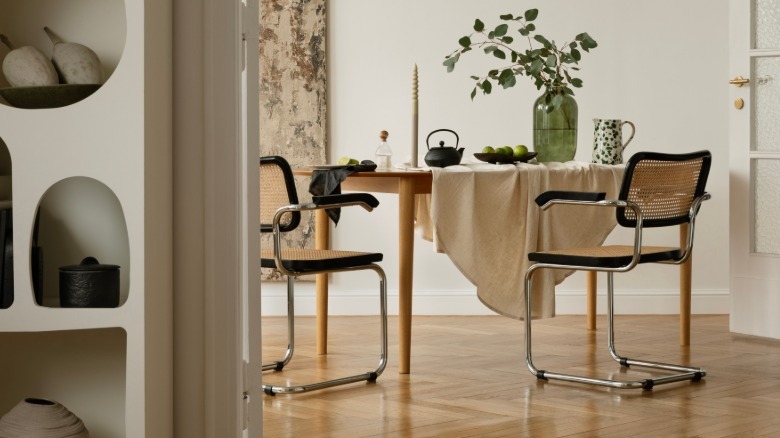
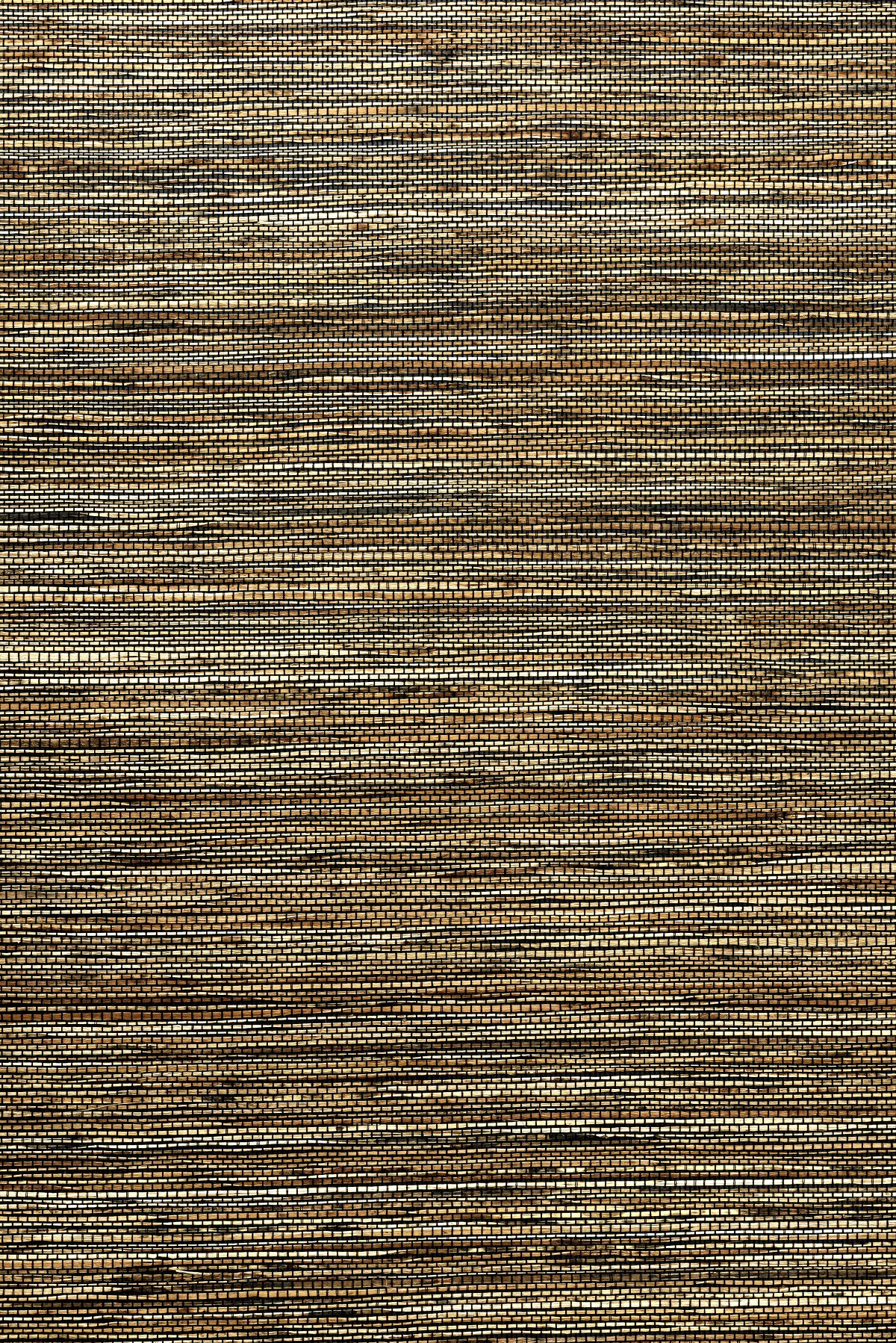
Heidi Lachapelle, a Portland, Maine-based designer, anticipates that woven paper cord will emerge as a softer alternative to rattan. While acknowledging the timeless appeal of rush-weave dining chairs, Lachapelle highlights unexpected applications of paper cord, which invites tactile interaction. She describes paper cord pieces as sophisticated, casual, and cool, particularly favoring seating designs such as Norm Architects’s braid sofa, Gestalt’s Saga low chair, and Arthur Umanoff’s settee bench, all of which showcase the material’s unique qualities.
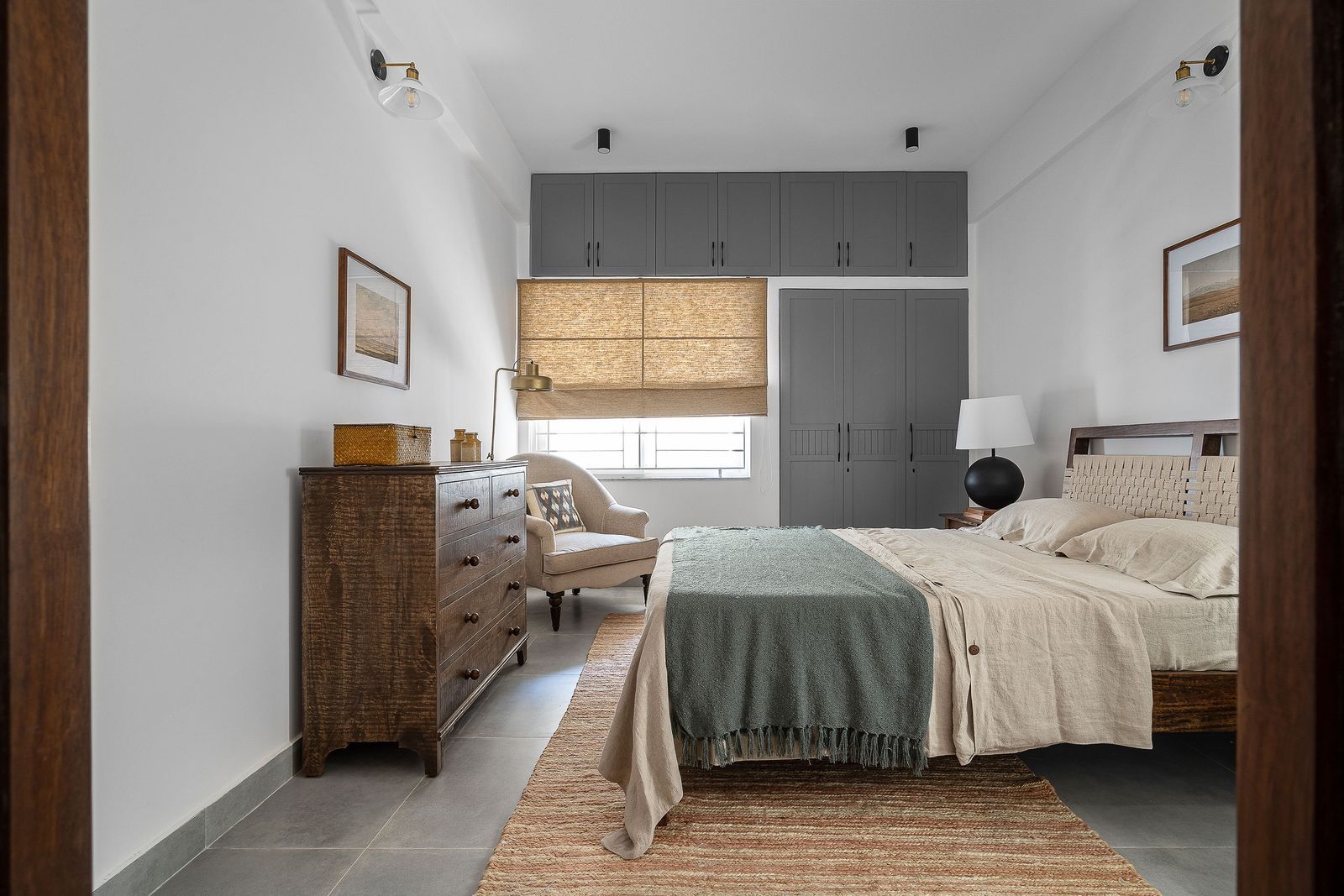
Finally, SoCal designer Raili Clasen is exploring the potential of webbing in furniture design. While she still regards rattan as a classic, Clasen is drawn to a new generation of webbed furniture, experimenting with nylon, leather, and jute webbing for sofas, chair bases, and stretched benches. She sources pieces from Los Angeles-based makers like Croft House and Stephen Kenn, appreciating the casual personality and inherent comfort that webbing brings to furniture. These predictions collectively indicate a move towards materials that offer distinct textures, a blend of natural elements with sophisticated applications, and an emphasis on tactile experiences in contemporary home design.
#homeDesign #interiorDesignTrends #rattanAlternative #tambour #unglazedCeramics #wovenPaperCord #webbingFurniture #materialTrends #designPredictions #homeDesign #interiorDesignTrends #rattanAlternative #tambour #unglazedCeramics #wovenPaperCord #webbingFurniture #materialTrends #designPredictions
0 comment in total
 No comments yet
You may also like
A next-generation material for sustainable padding applications

Meet the designers using revolutionary eco materials

4 Design Pros Predict What Comes After the Matte Black Hardware Craze

Say Goodbye To Exaggerated Furniture Shapes: The 2026 Trend Coming To Replace It
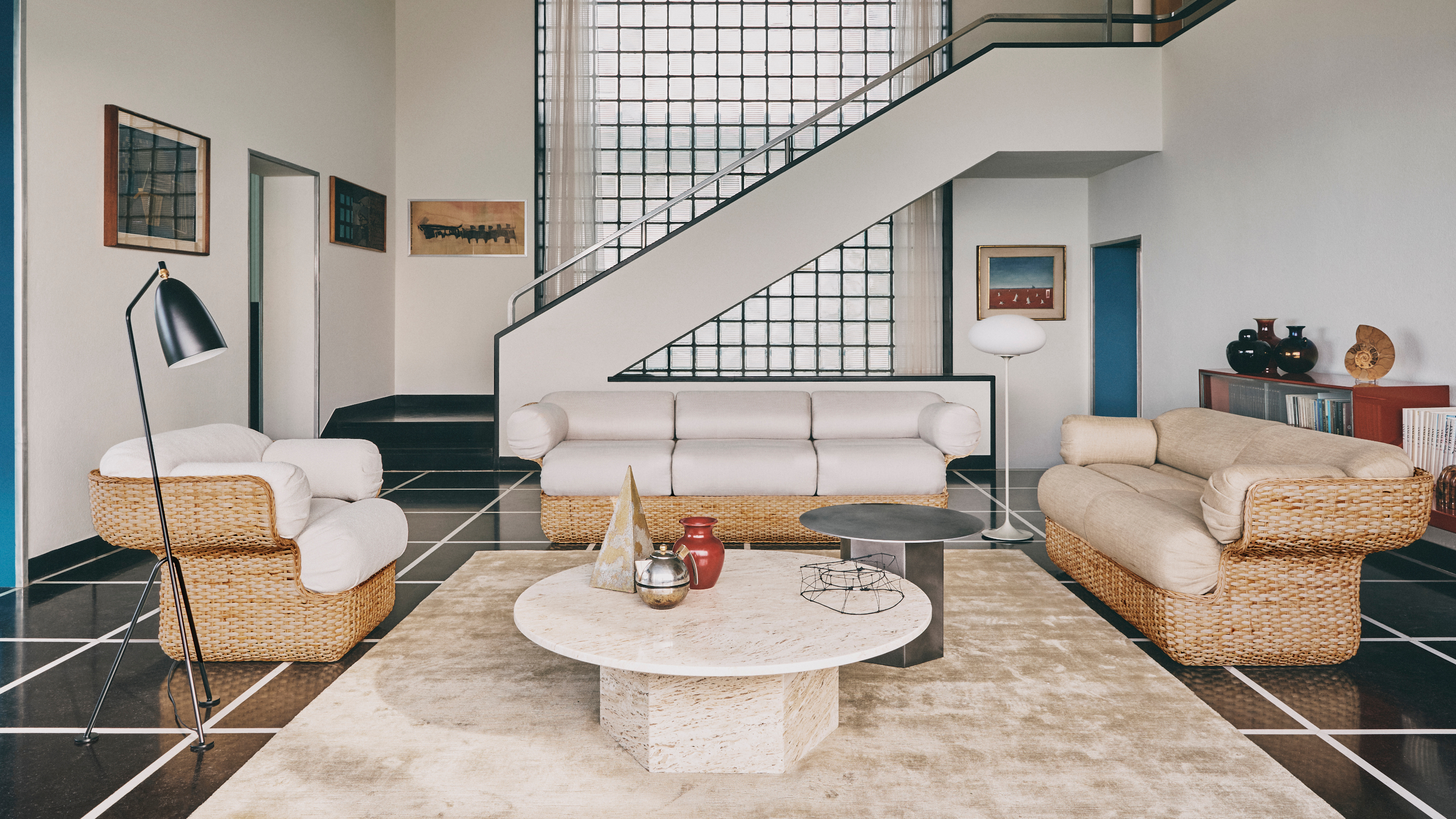
What's replacing marble? Designers agree on the next big design trend we'll all be using instead

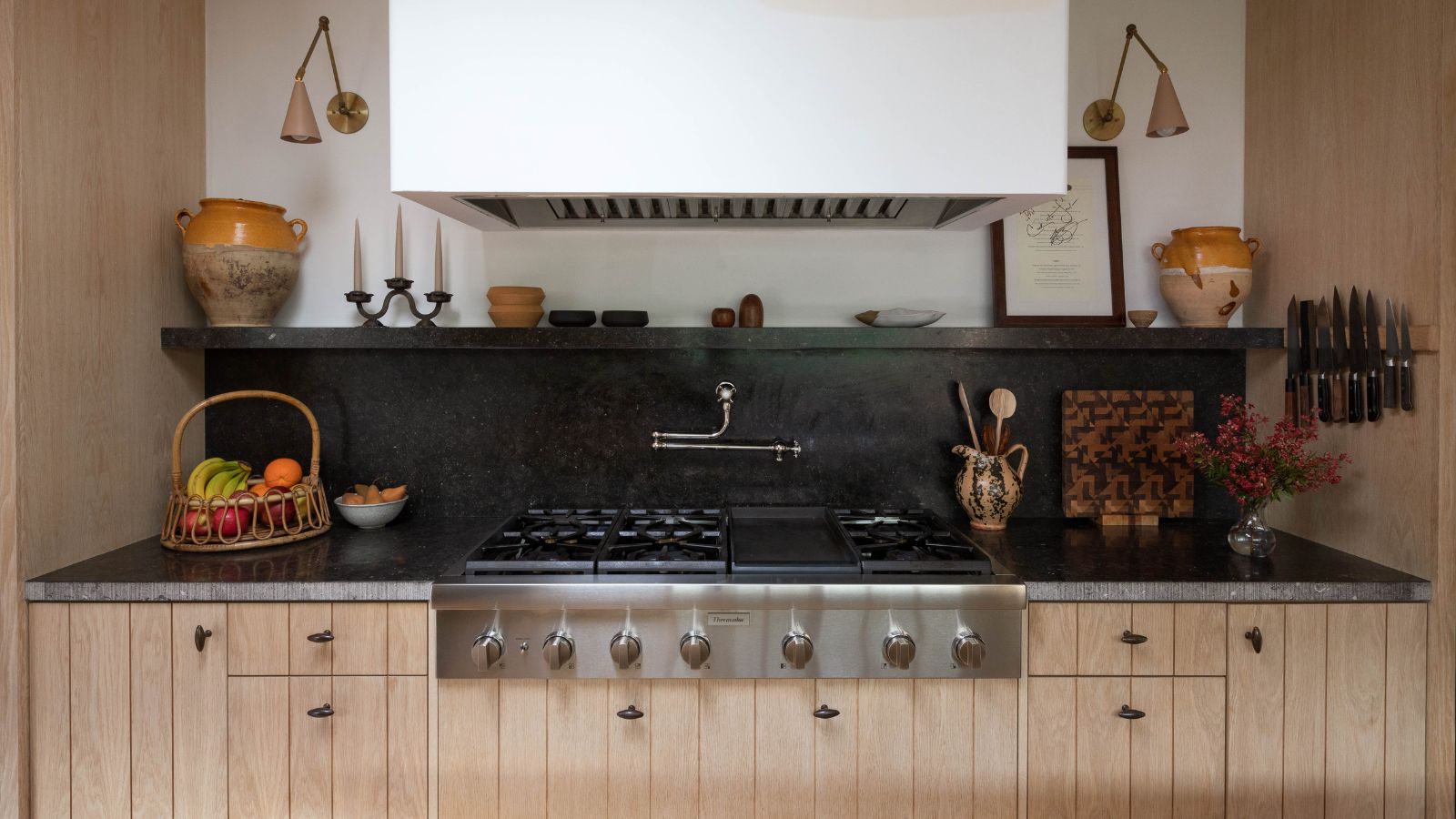
This is the One Material Designers Are Choosing Over Marble in 2026

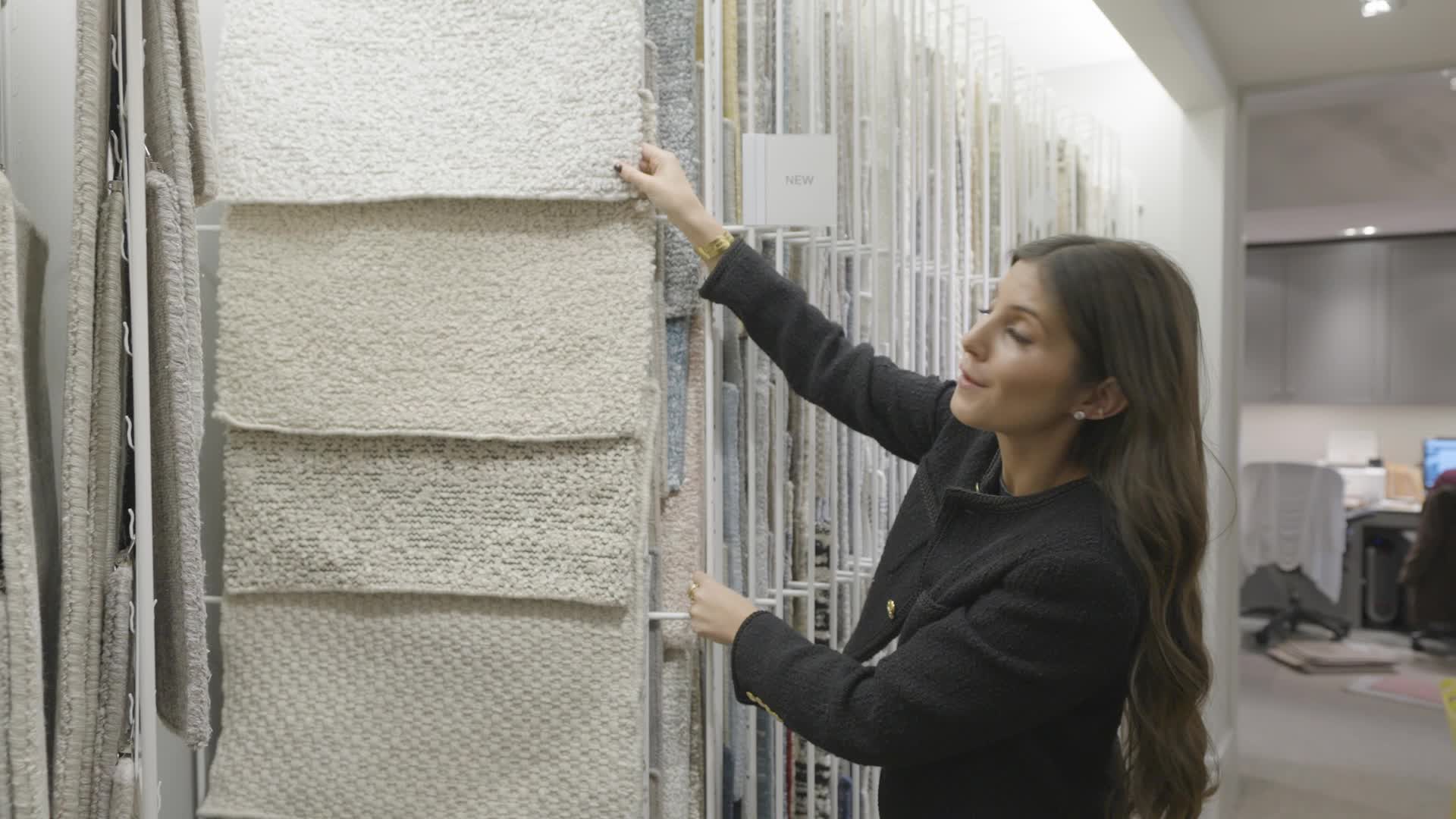
Watch Two Next Wave Designers Choose the Ideal Materials for Their Projects
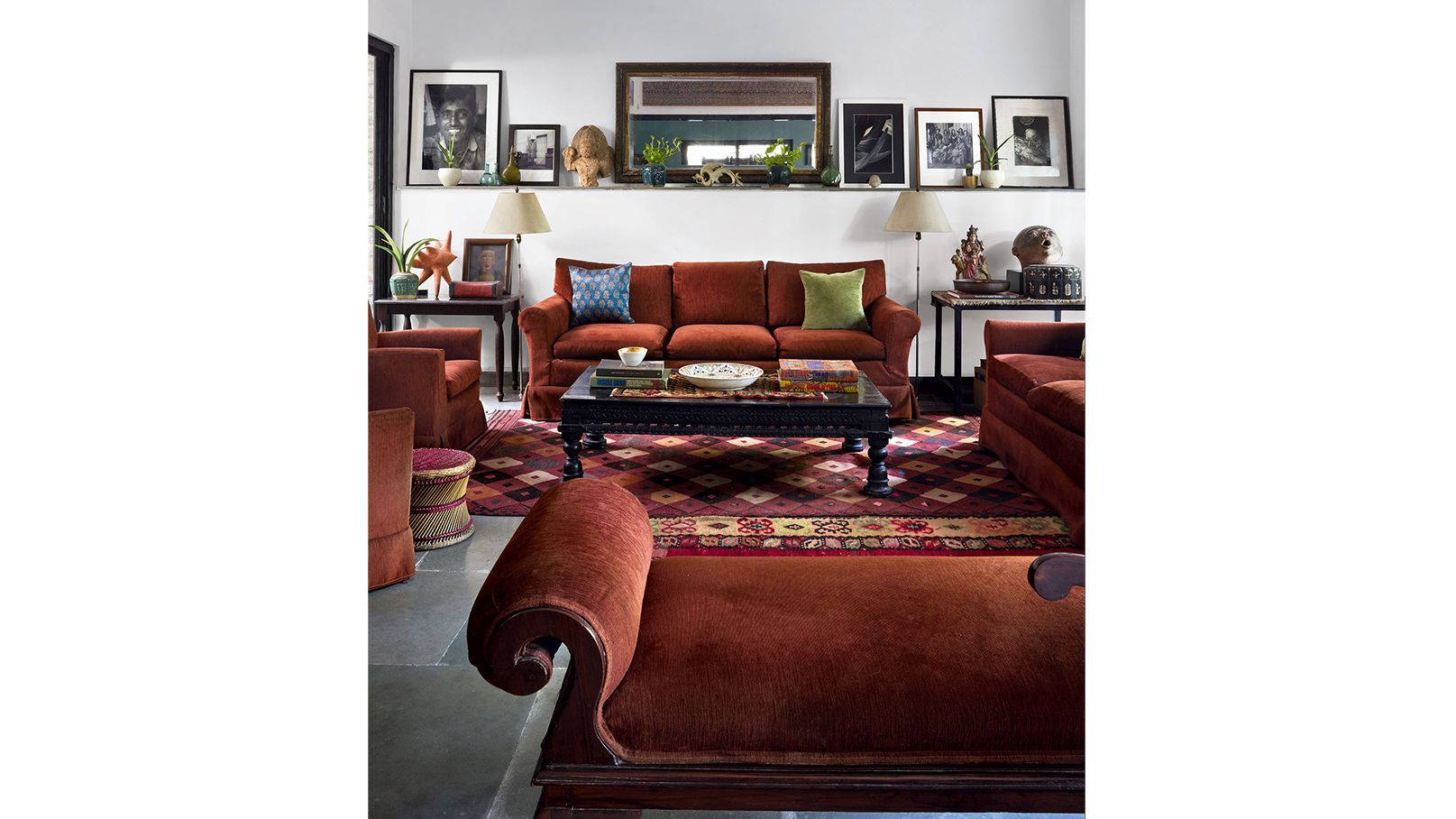
The 5 fabric trends ruling interiors now, according to the pros

Rattan Is Trending Right Now—But Interior Designers Say It's as 'Timeless as a White Button-Down Shirt'

Rattan Decor Is More Popular Than Ever—Experts Reveal How to Decorate with the Trending Material


6 inspiring sensory surface trends to expect in 2023
Leanne Ford and 6 Other Pros Predict the Next Big Decorating Trends

The Old-School Furniture Design Trend Making A Big Comeback In 2026

This Opulent Decor Choice Is Poised to Become the Biggest Design Trend of 2025
The Furnishing Fabrics of 2024
These are set to be the biggest fabric trends of 2025
6 Sustainable Material Trends That Prove It's No Longer Just a Buzzword, but an Exciting Design Opportunity
Designers Have Spoken: Here Are the Top Rug Trends of 2025

Designers Say This Fabric Will Dominate Living Rooms in 2024

Material drenching: A design trend to watch in 2025