Rattan Decor Is More Popular Than Ever—Experts Reveal How to Decorate with the Trending Material
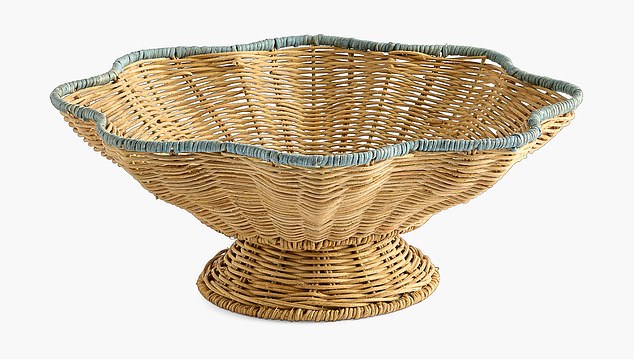
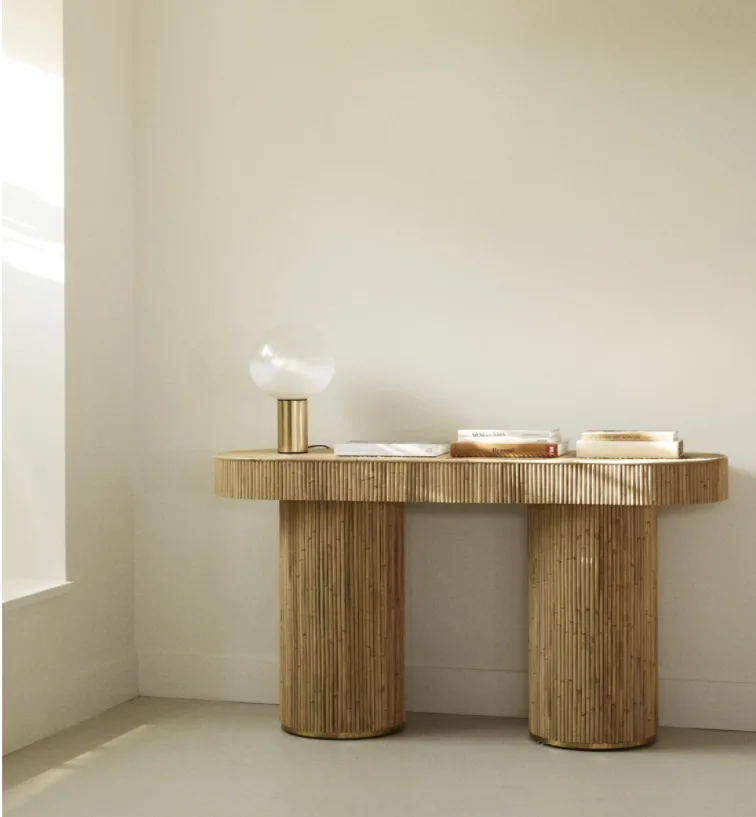
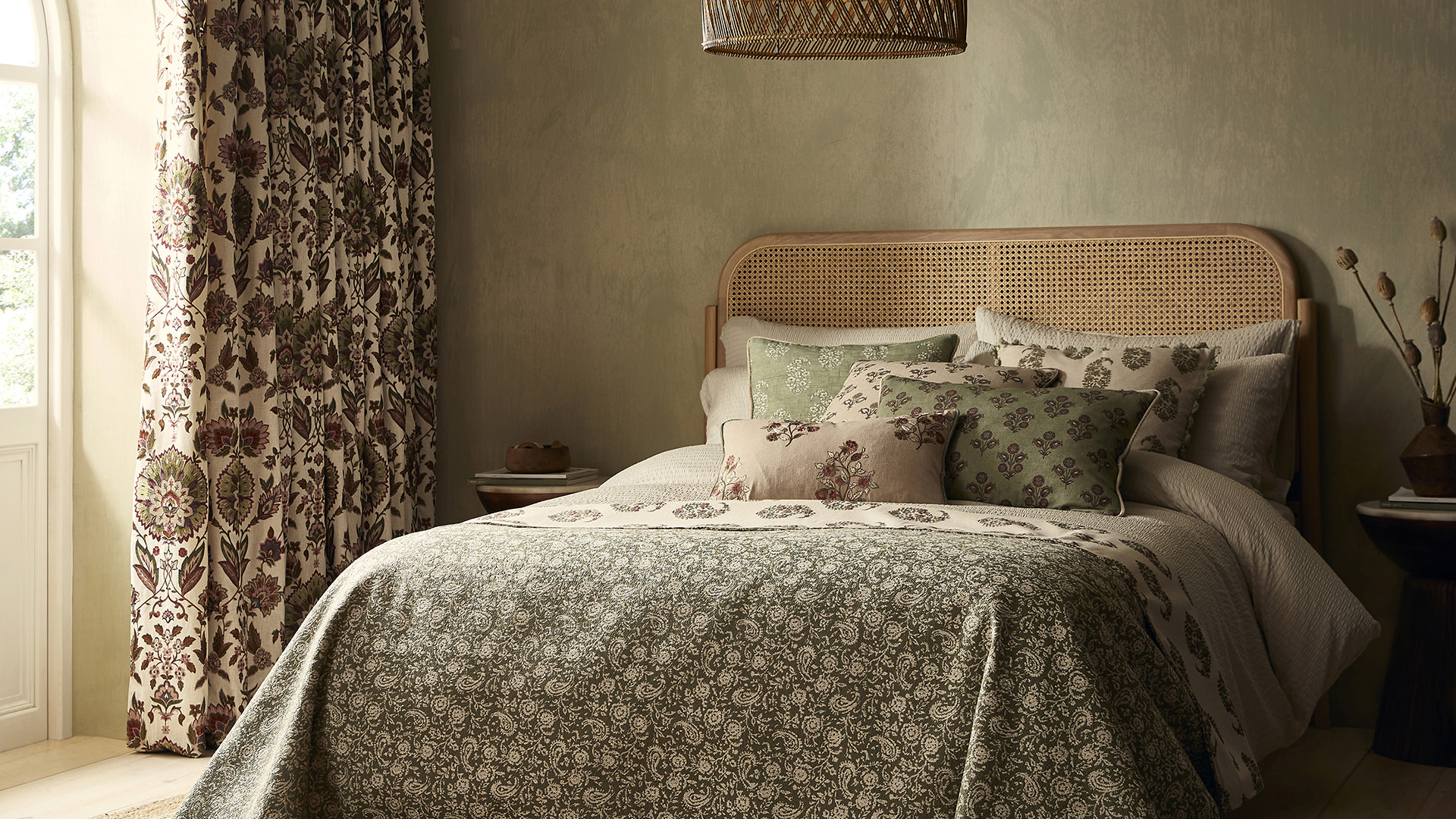
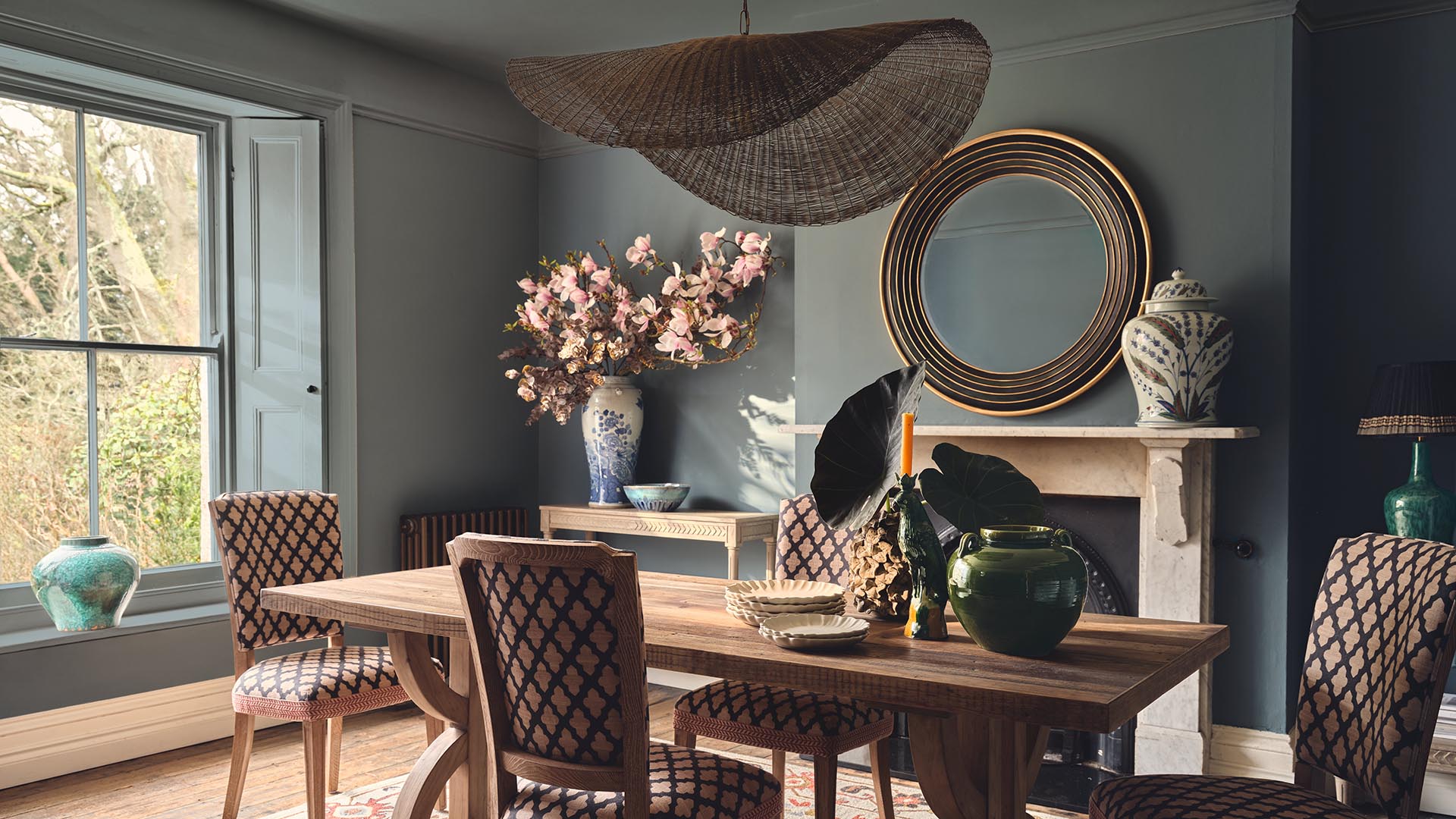
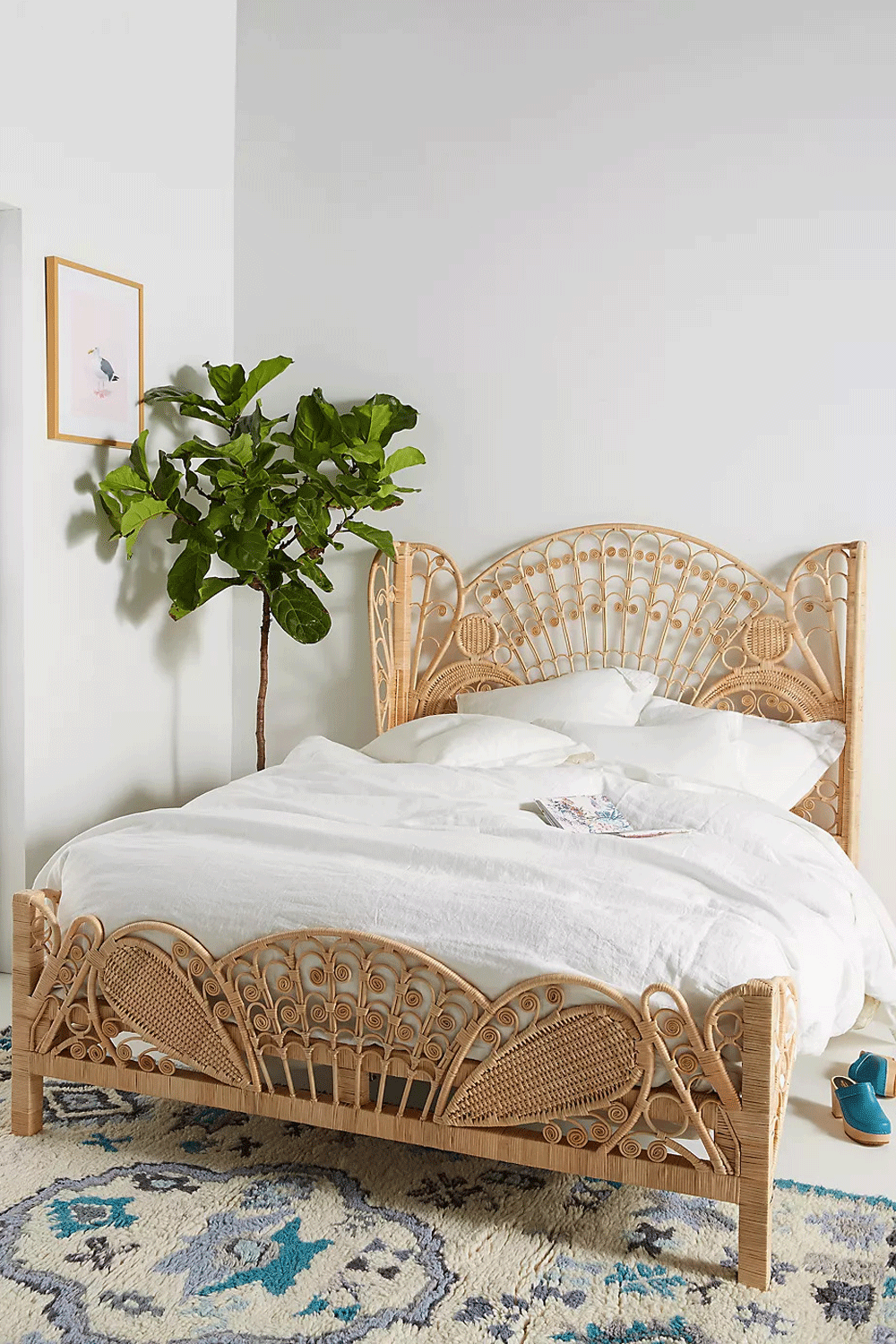
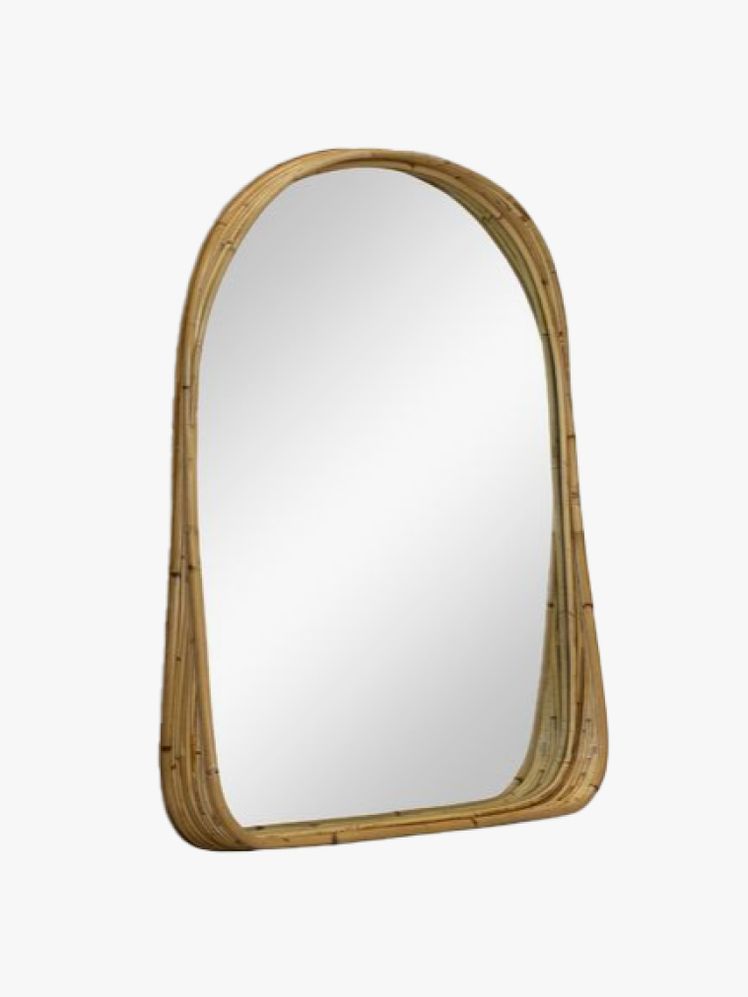
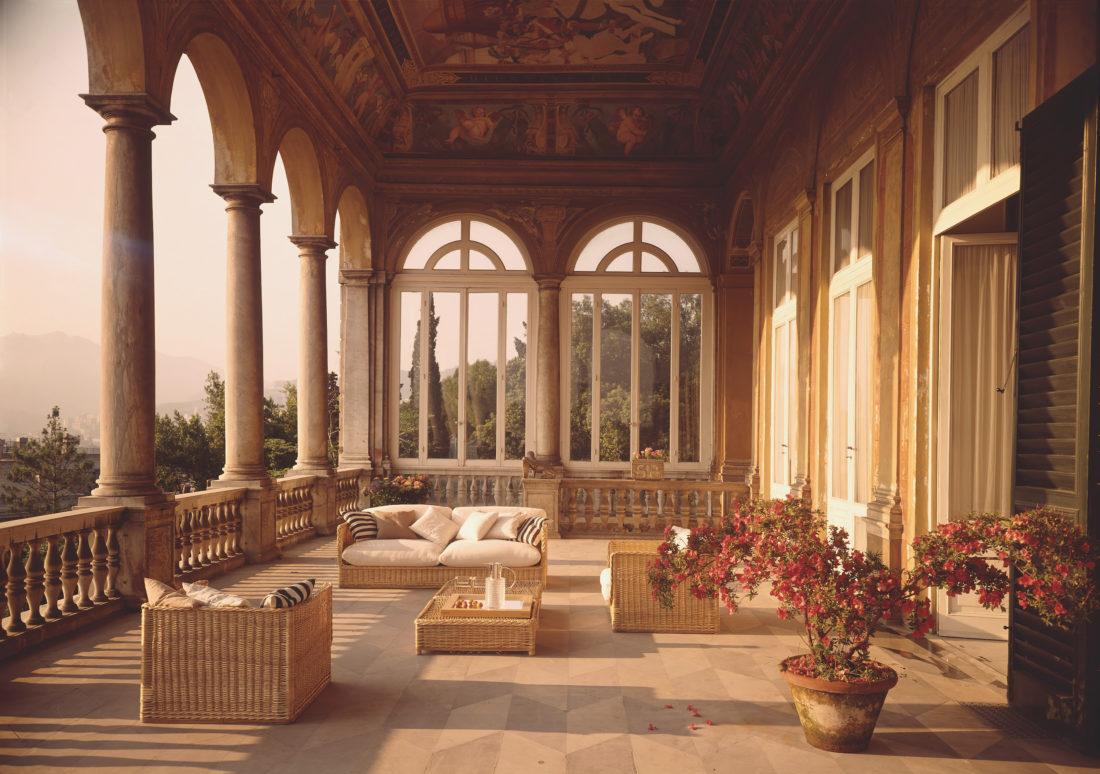
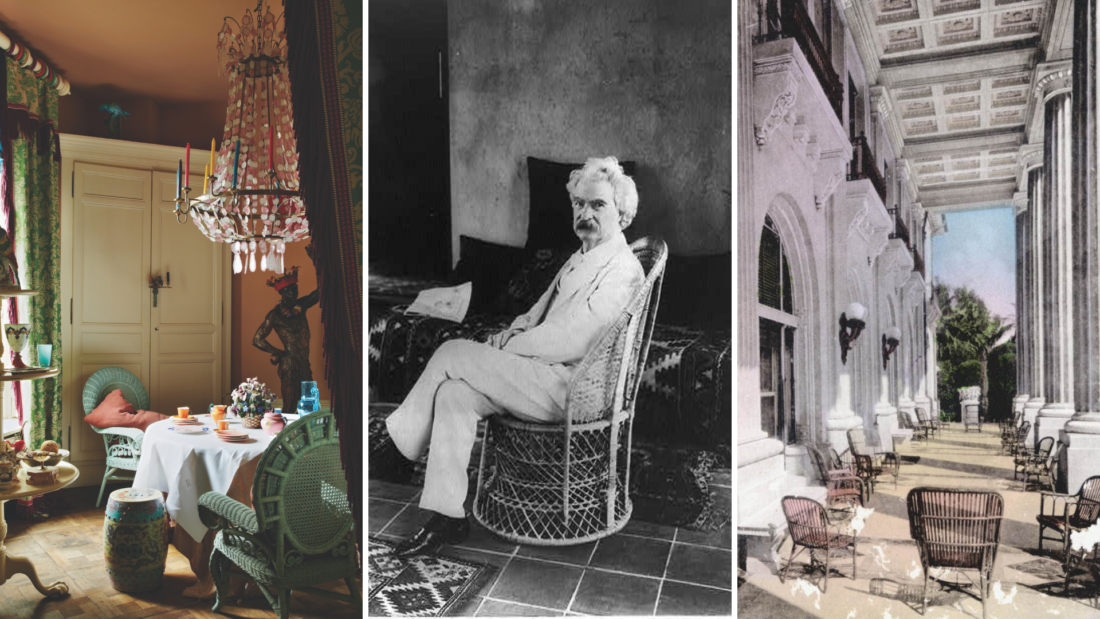
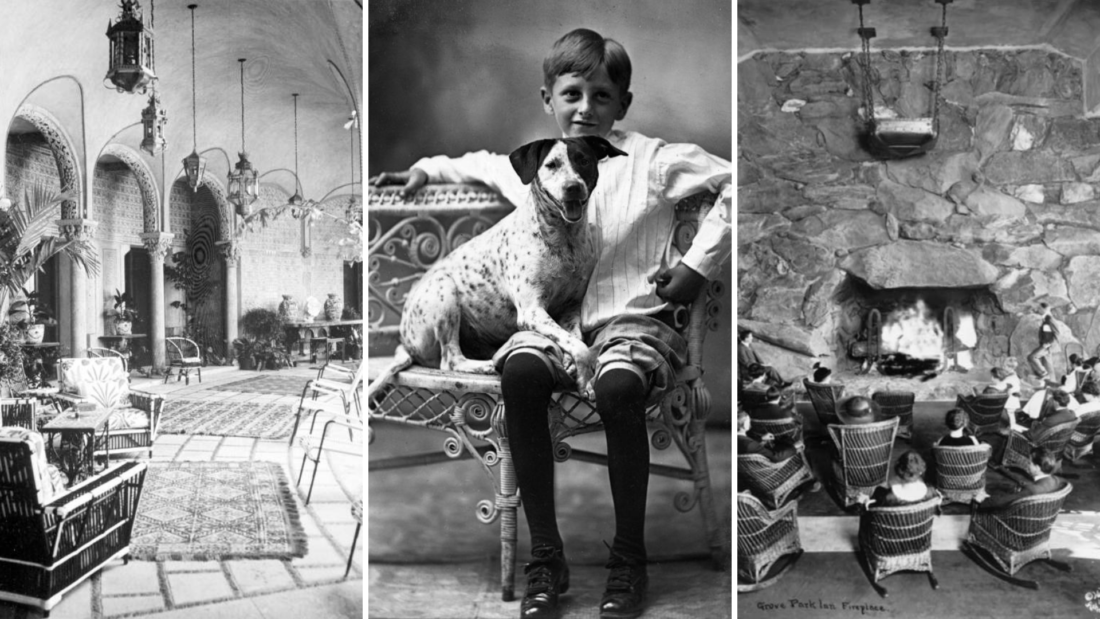
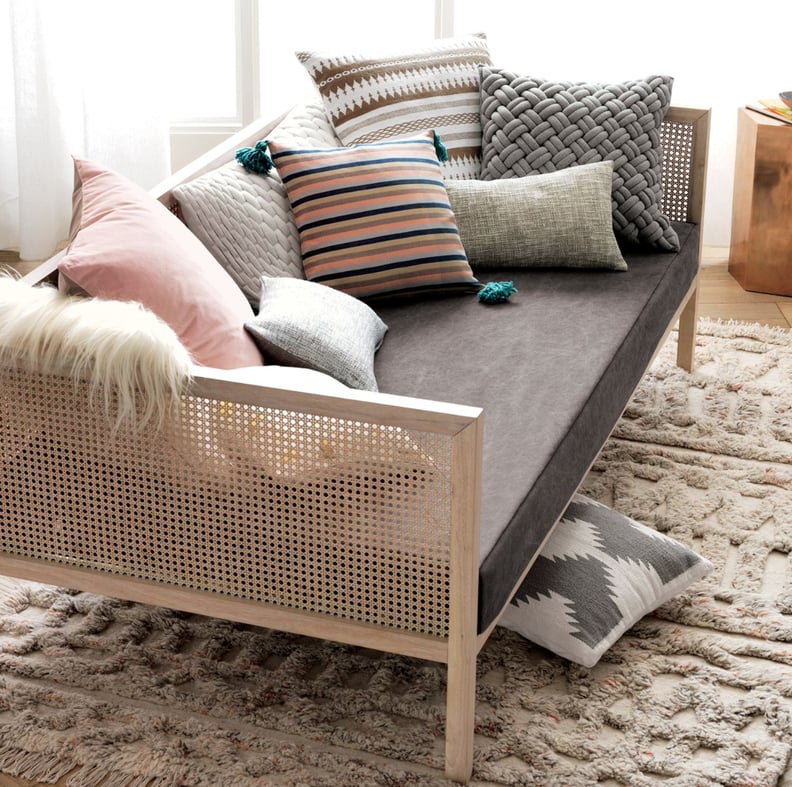
Rattan decor, a material with a rich history rooted in tropical regions, is experiencing a significant resurgence in interior design, moving beyond its traditional outdoor and vacation home associations. Initially a luxury item in the U.S., mass production by companies like Wakefield Rattan Company in the late 19th century made it widely accessible. By the 1950s, it reached peak popularity, endorsed by renowned designers such as Tony Duquette and Billy Baldwin. Despite a decline in mainstream favor during the 1970s when it became synonymous with bohemian counterculture, rattan has re-emerged as a must-have indoor decor element, as evidenced by its prominent display at industry events like Maison & Objet. Contemporary designers are integrating rattan into various indoor spaces, including living rooms, dining areas, and bedrooms, recognizing its ability to infuse a sense of relaxation and natural warmth into any room.
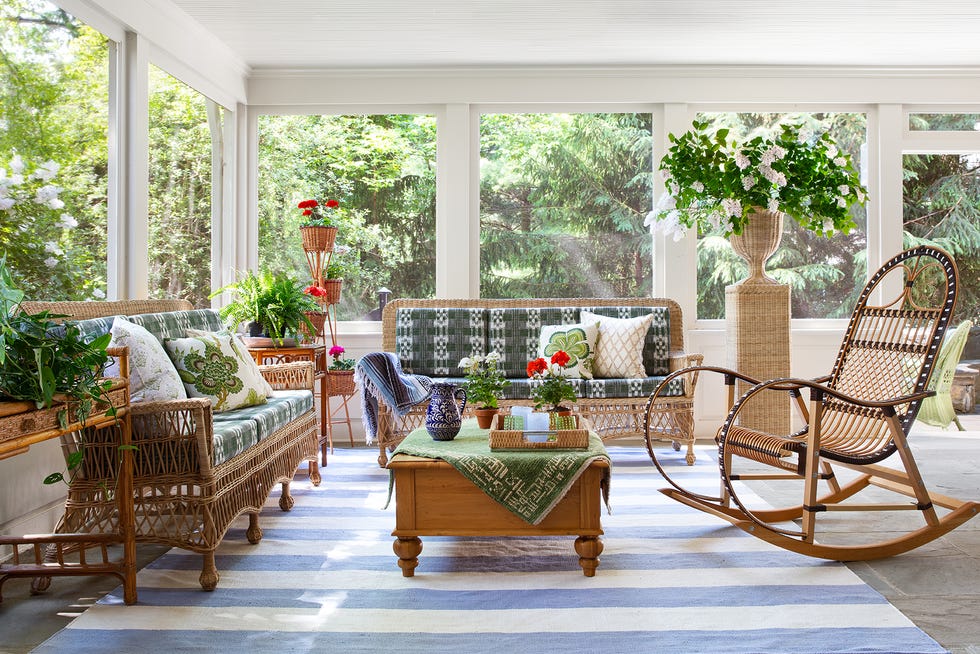
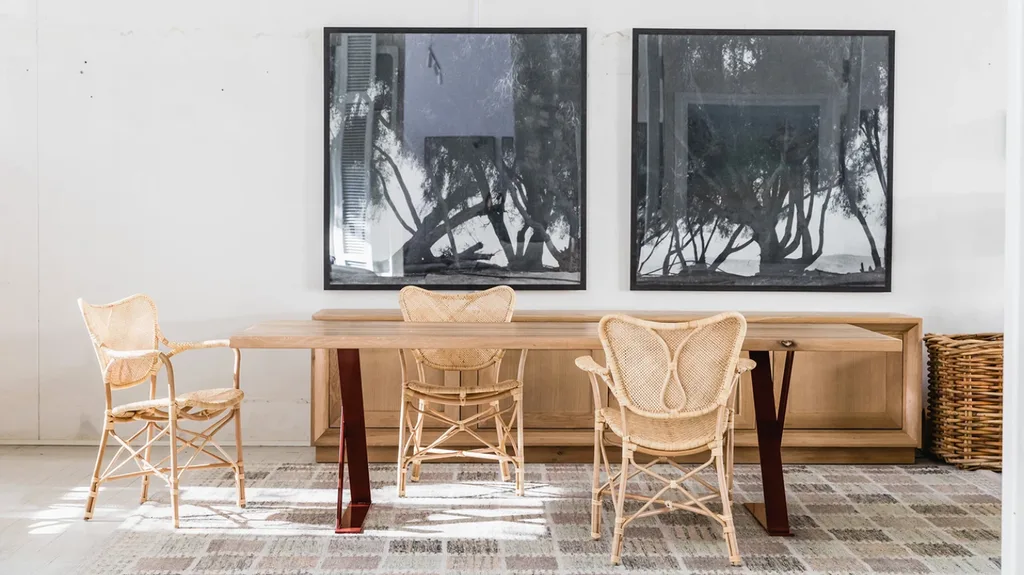
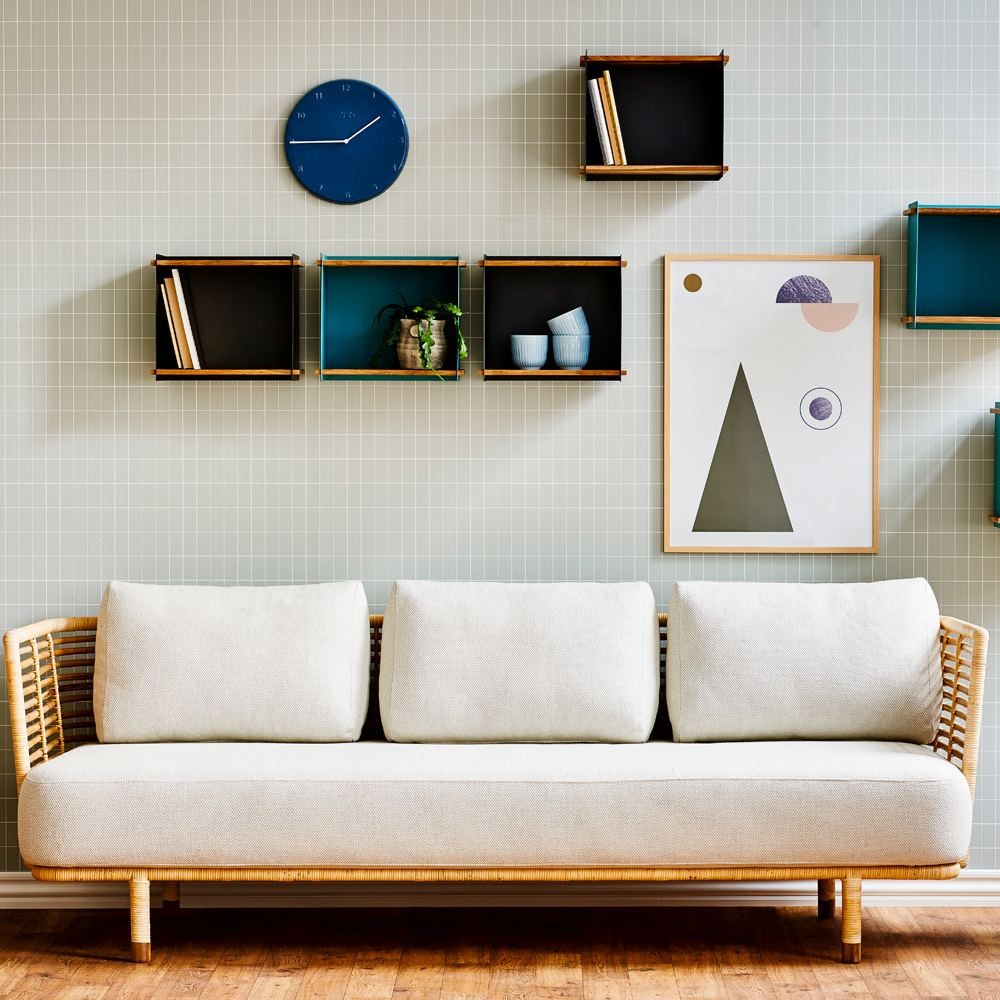
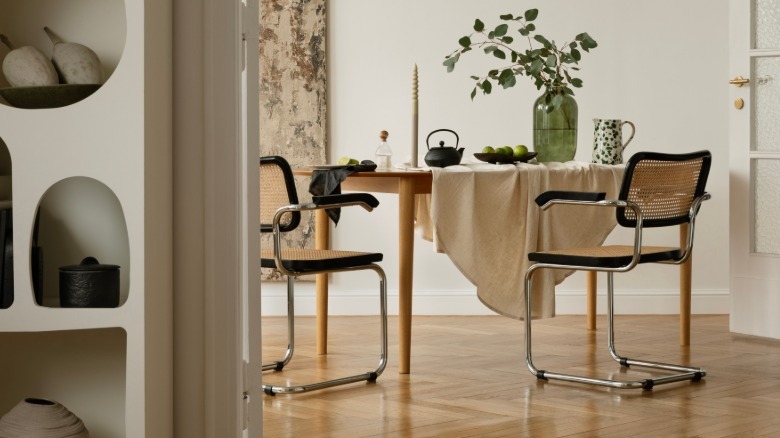
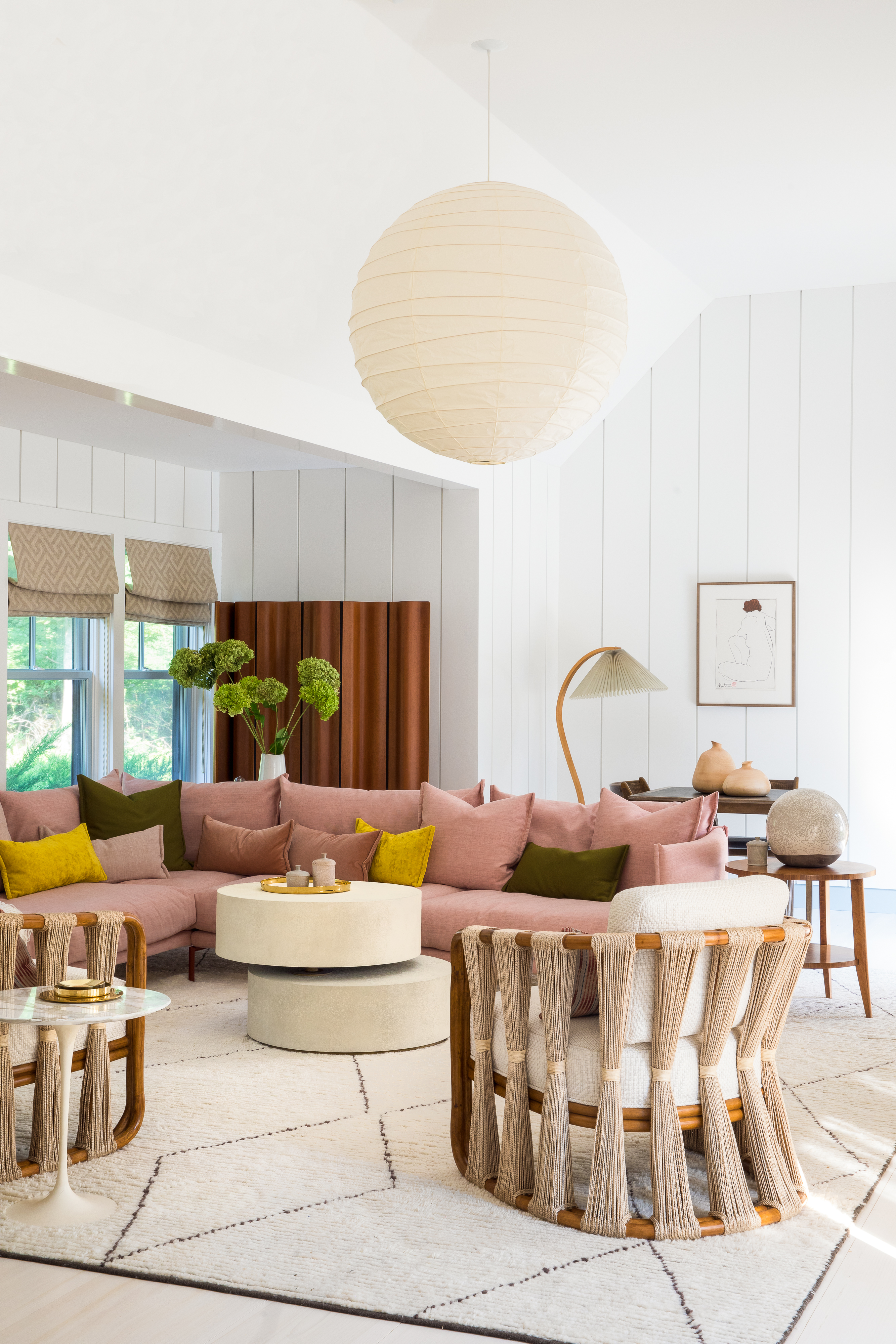
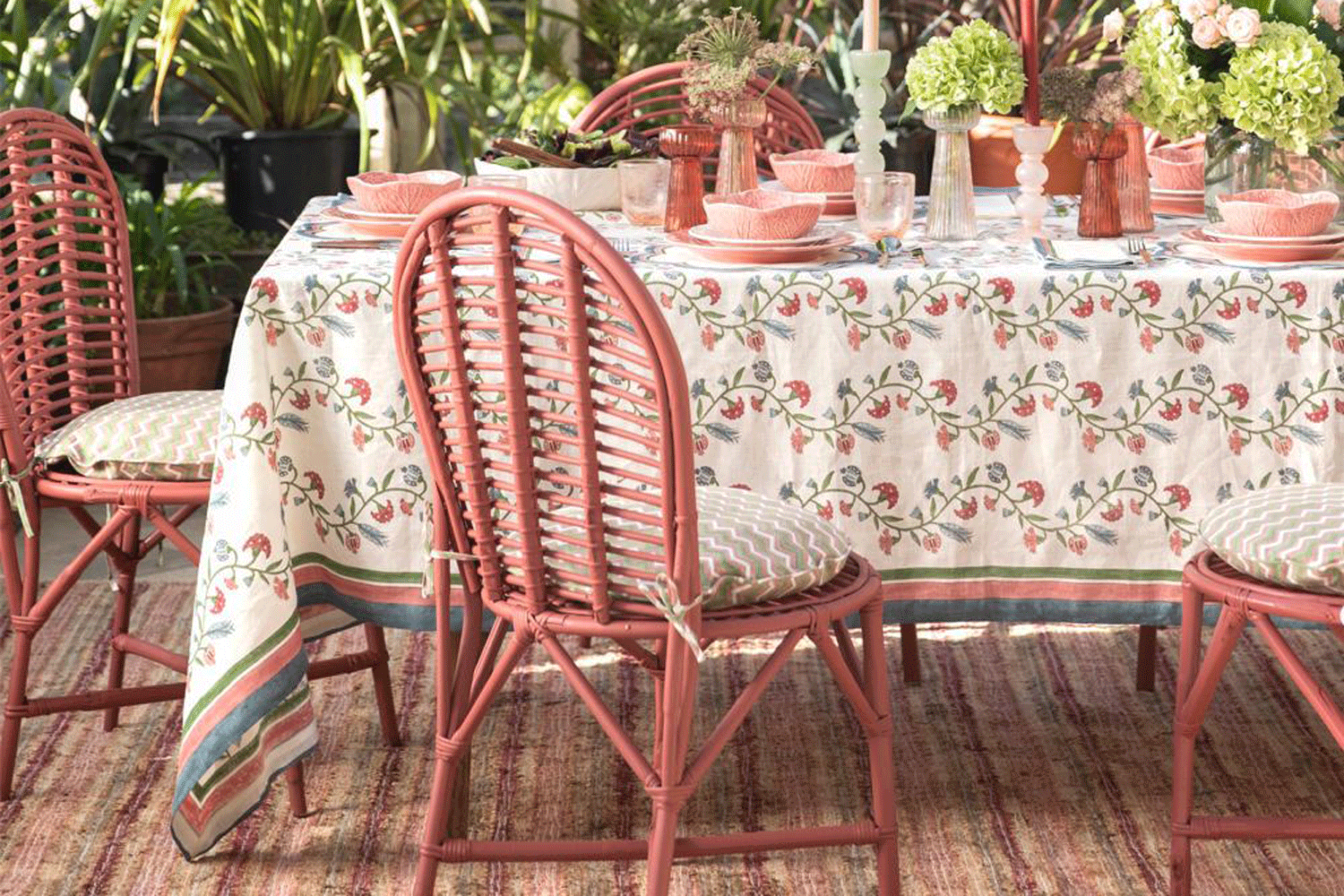
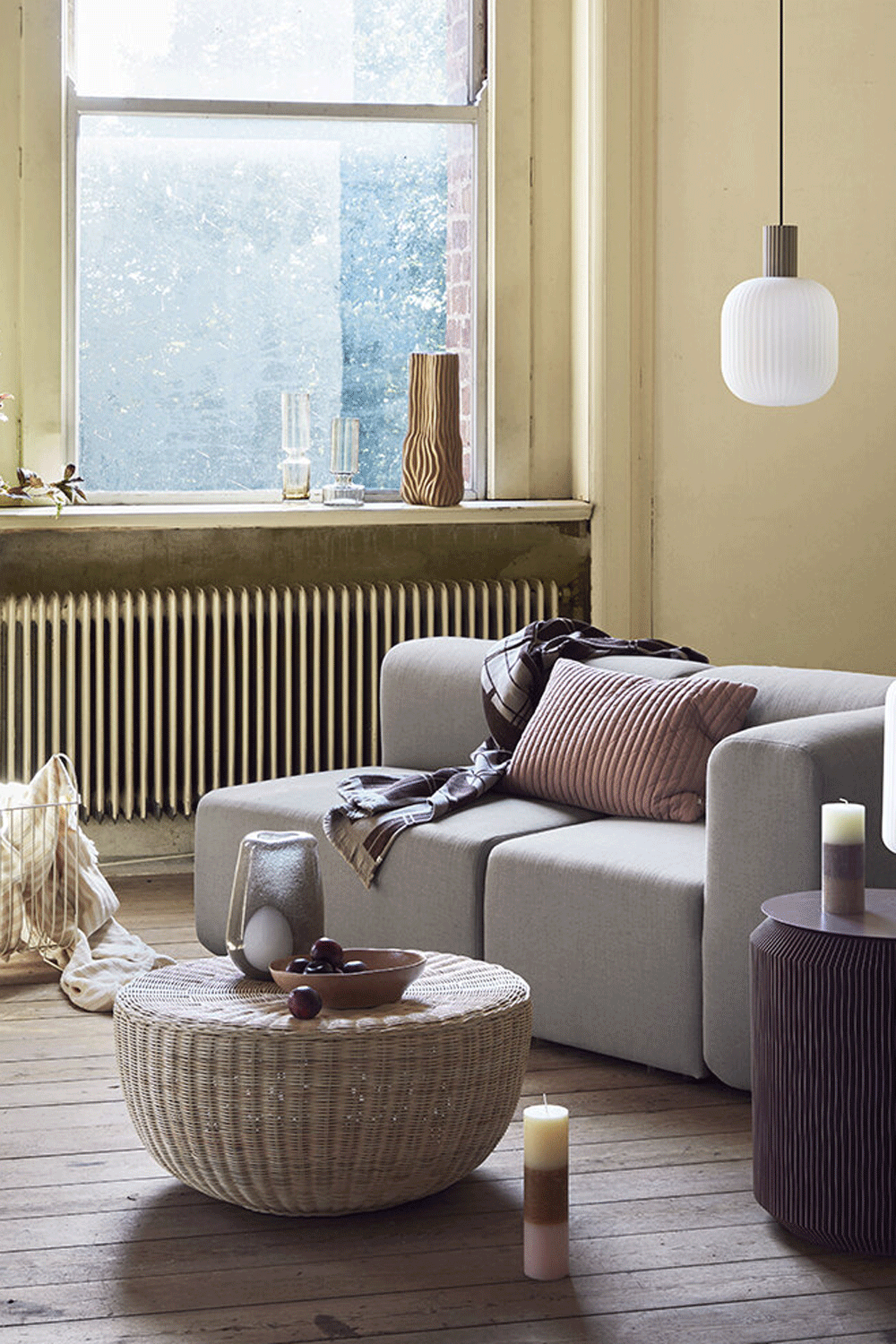
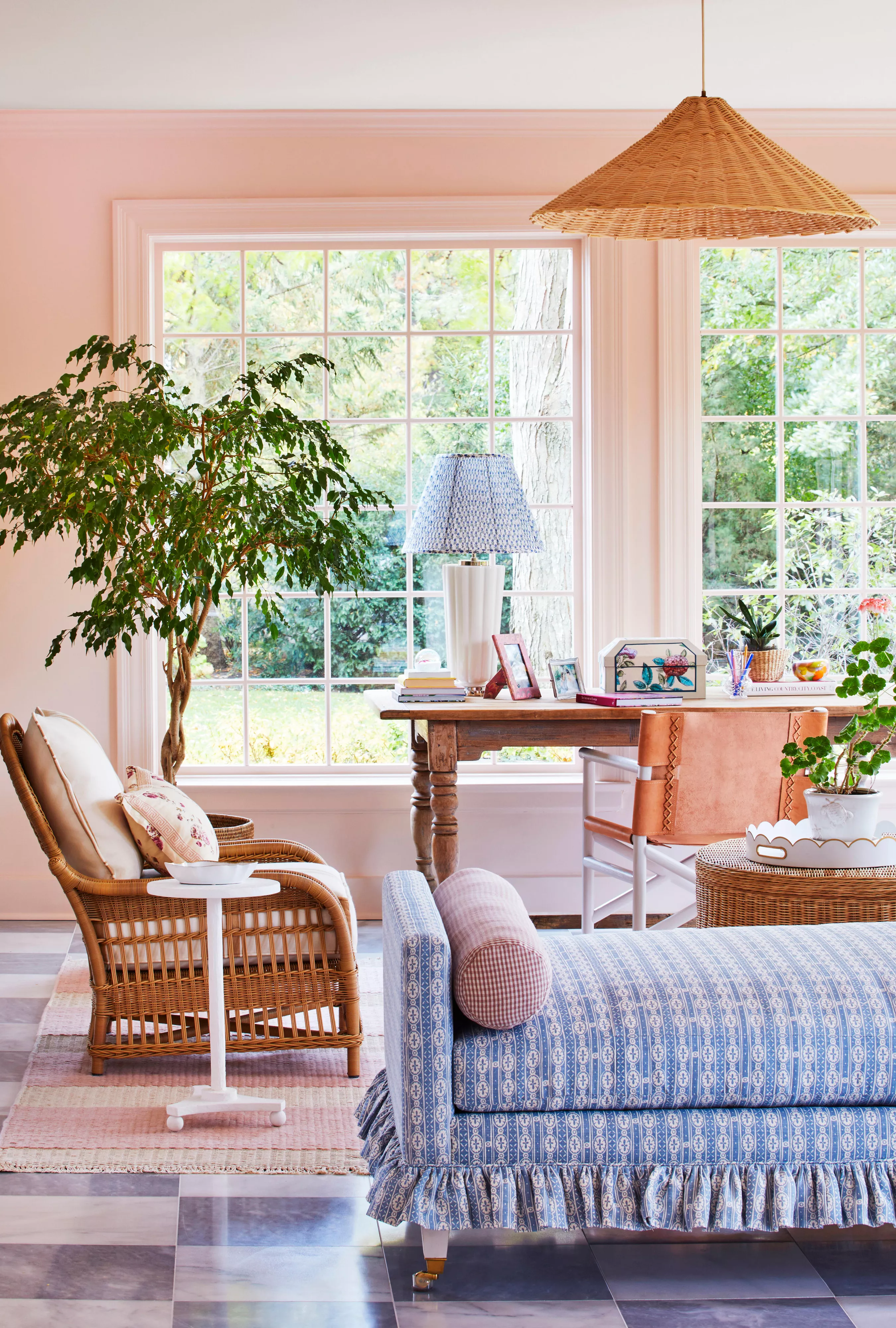
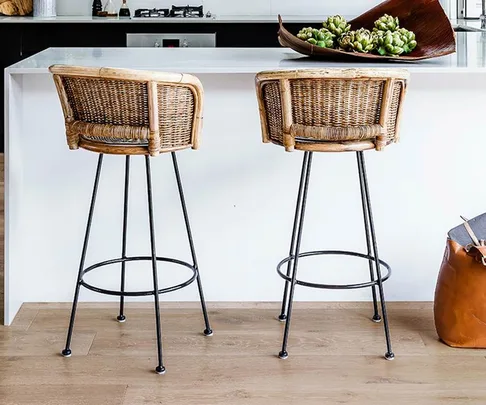
Integrating rattan into modern home decor involves a strategic approach that balances its organic texture with other furniture styles. One key recommendation is to blend rattan pieces with classic interior furnishings, such as fully upholstered sofas or sleek, modern dining tables. This creates a harmonious environment where rattan can provide a laid-back yet durable element, particularly suitable for high-traffic areas or homes with children, especially when paired with outdoor fabrics for enhanced resilience.
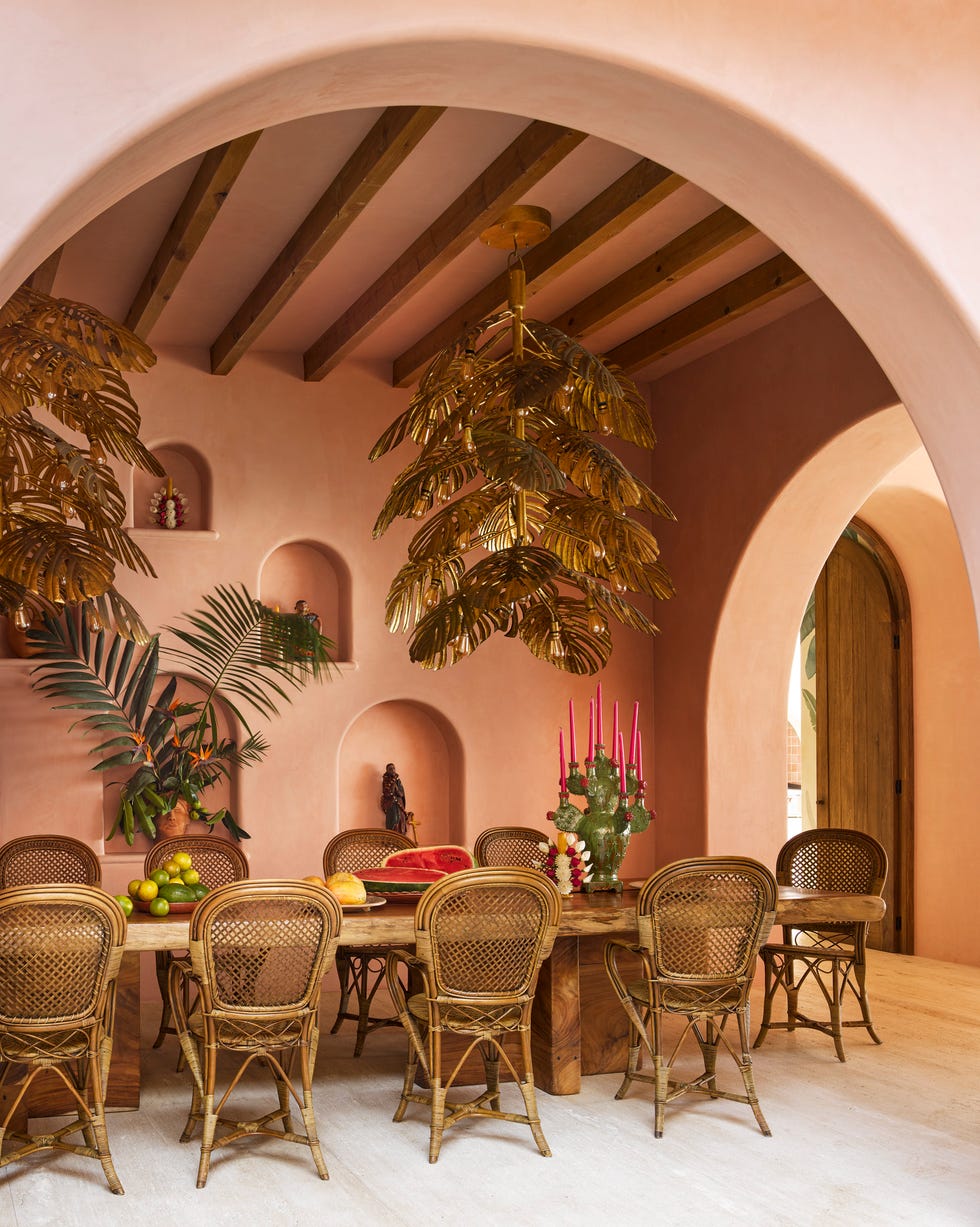
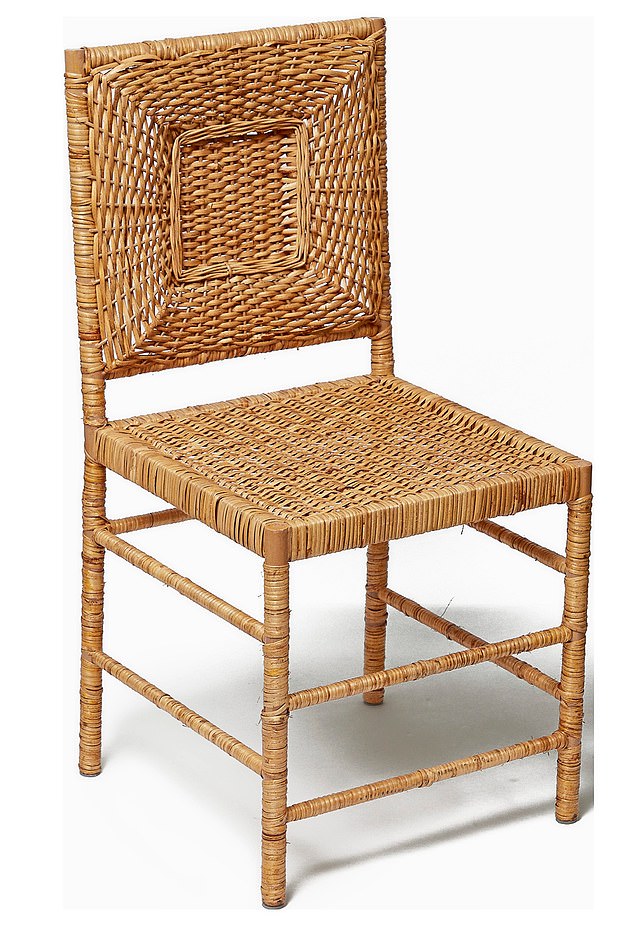
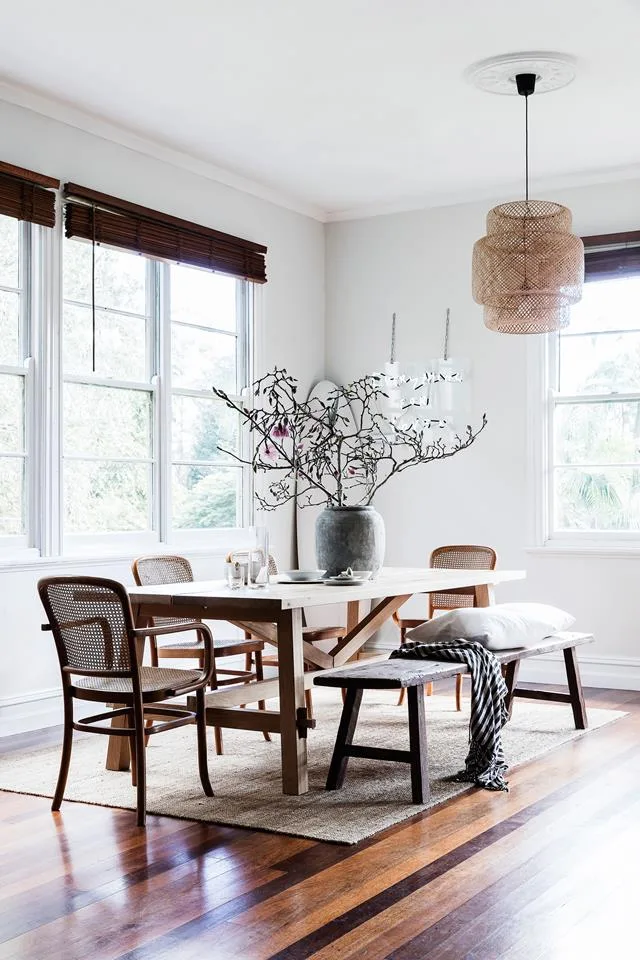
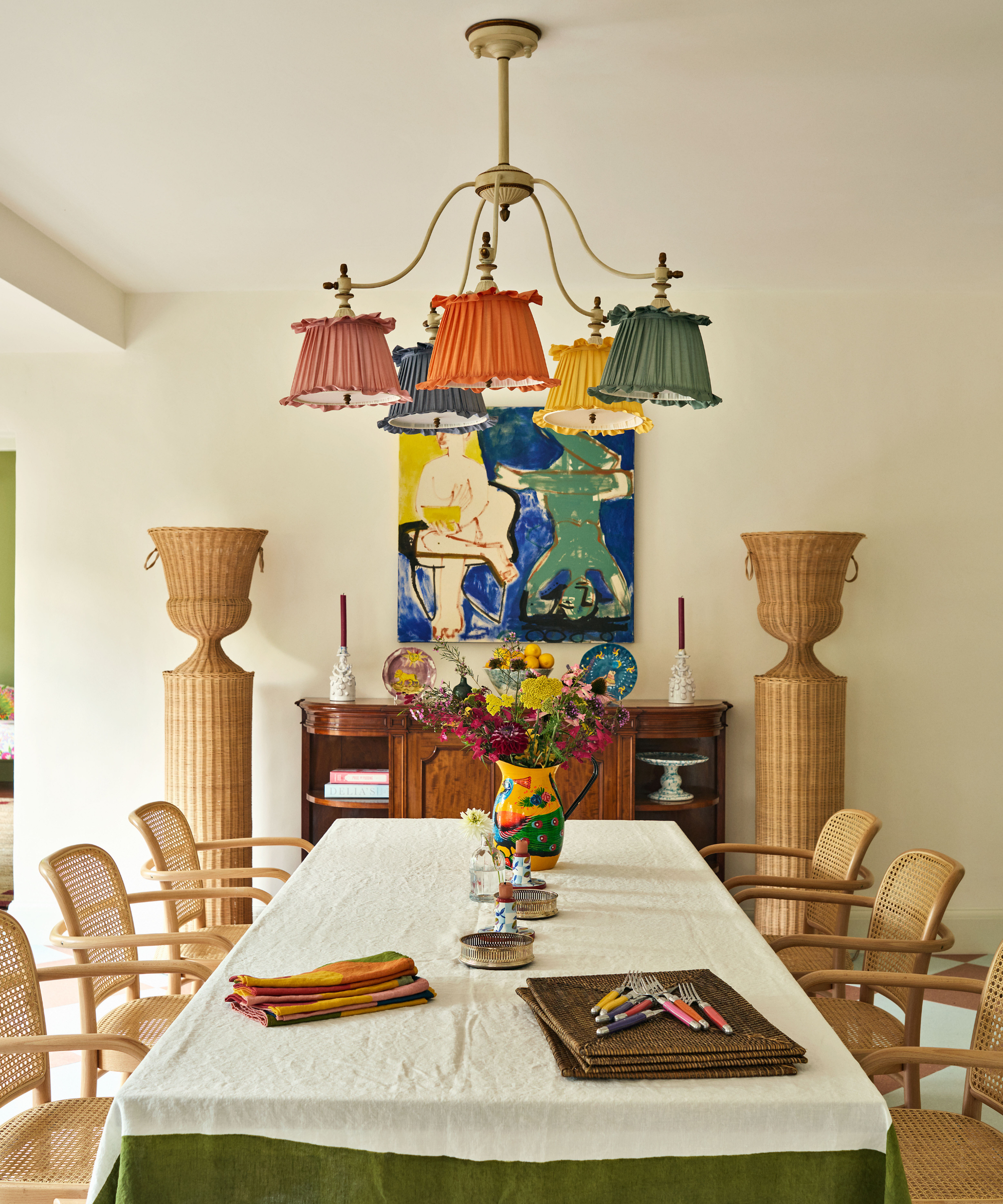
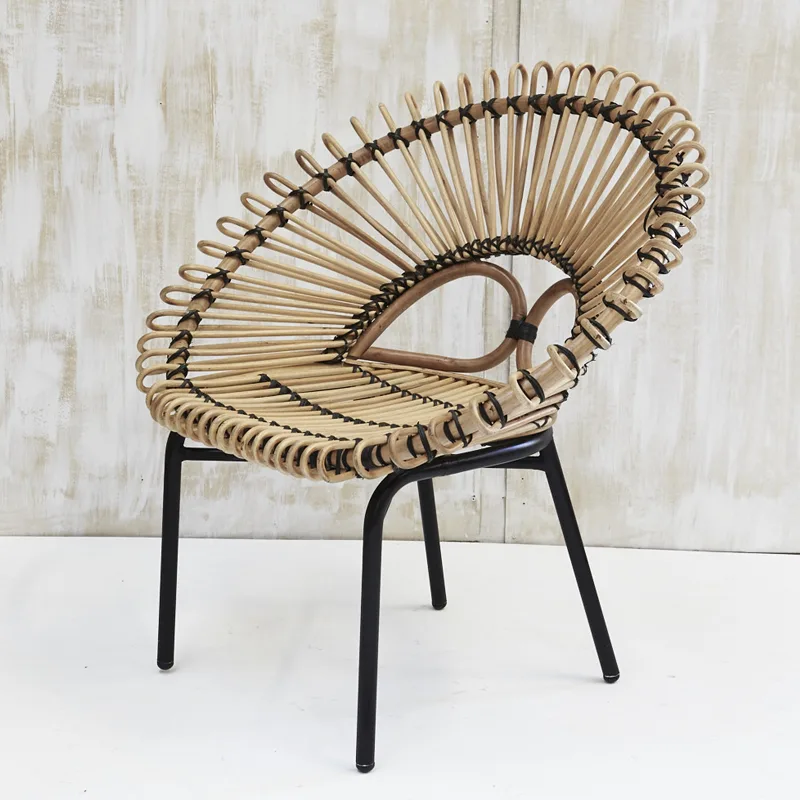
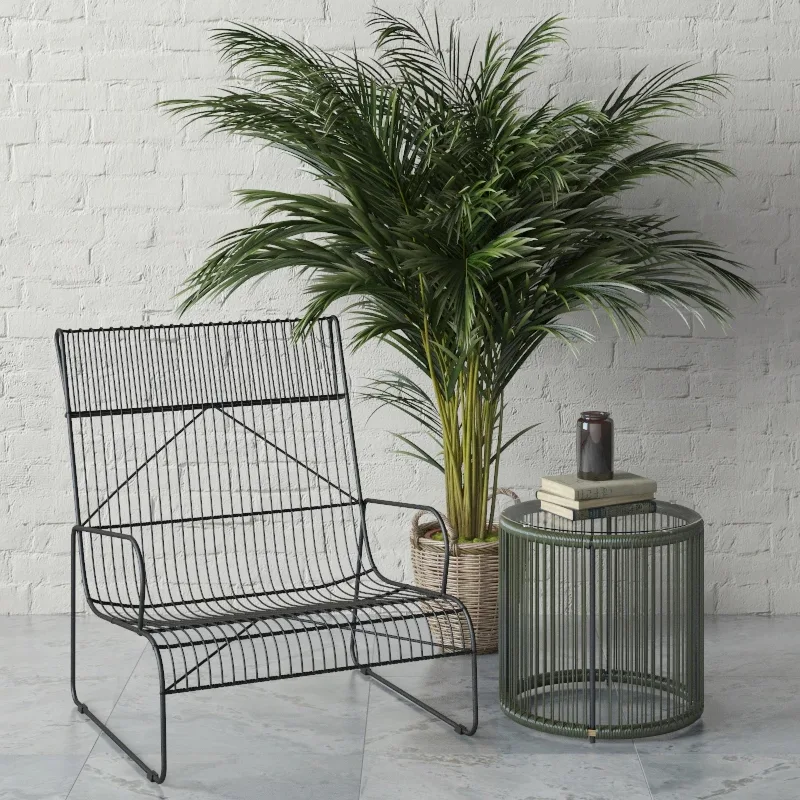
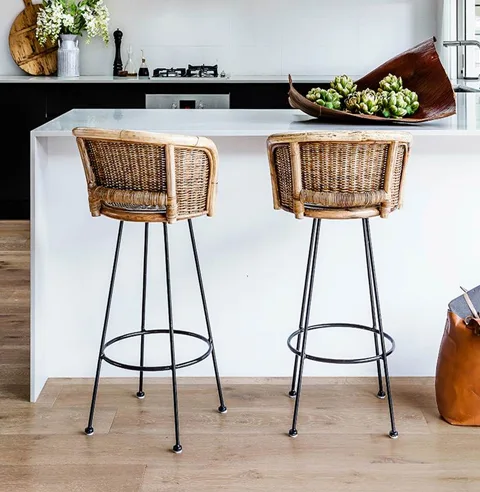
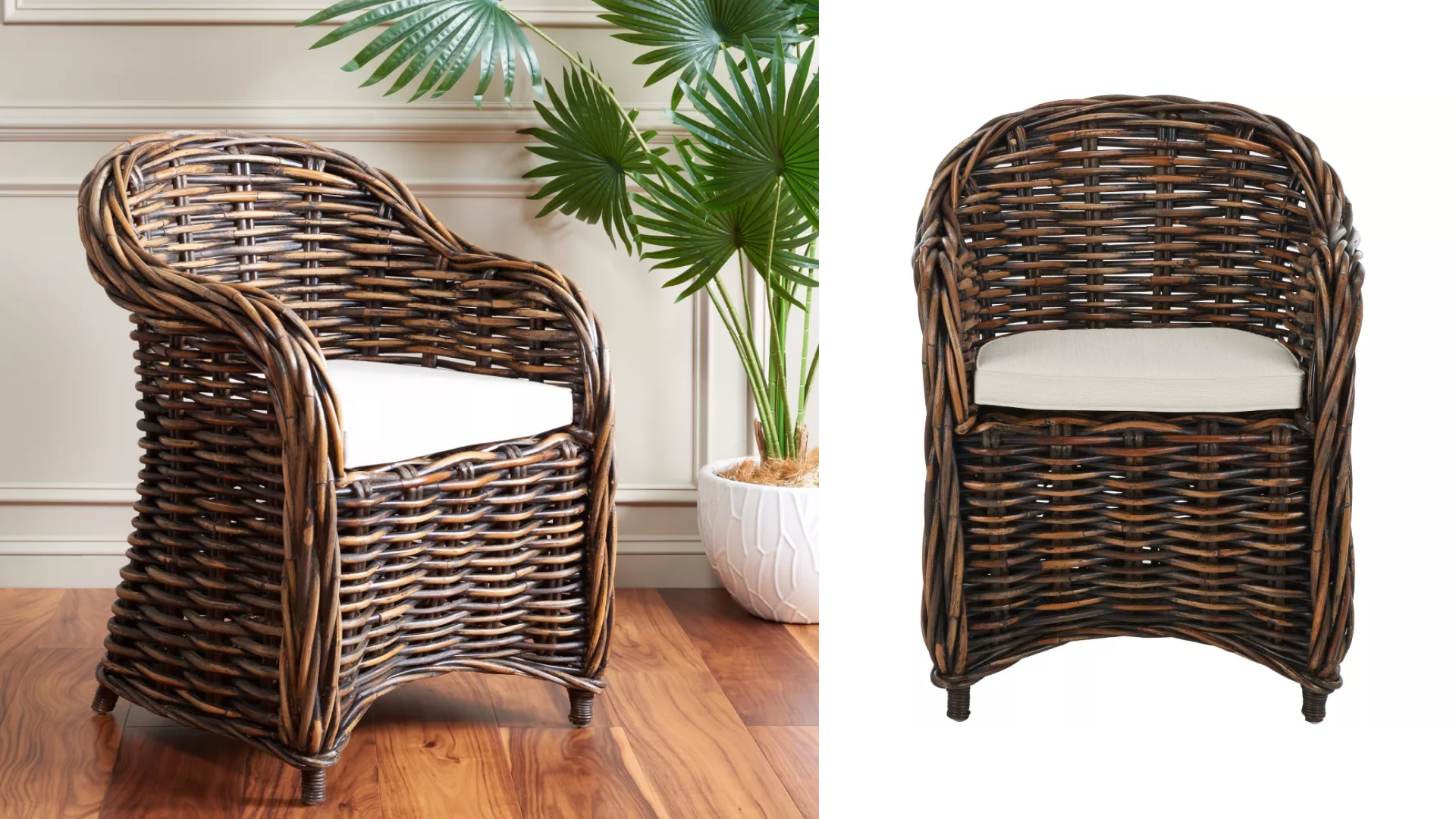
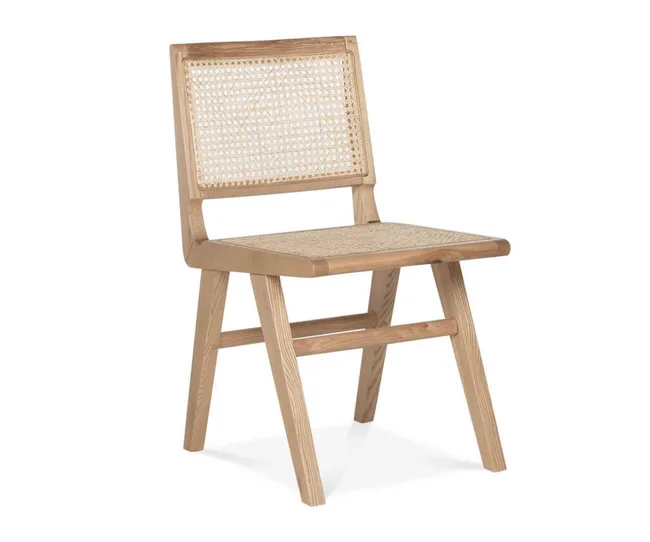
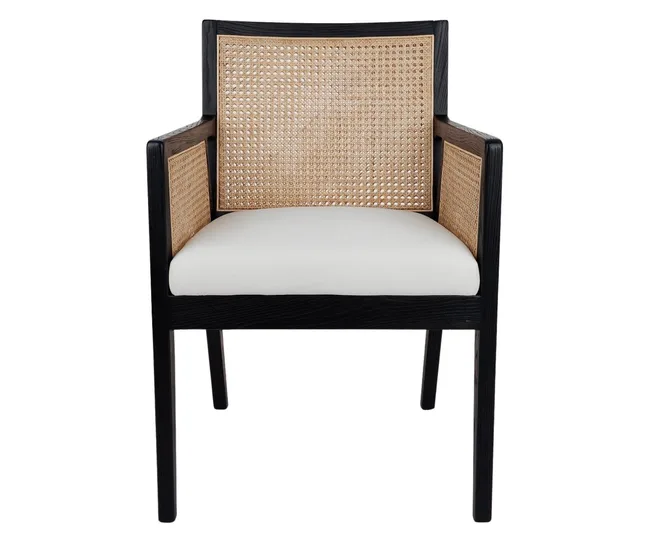
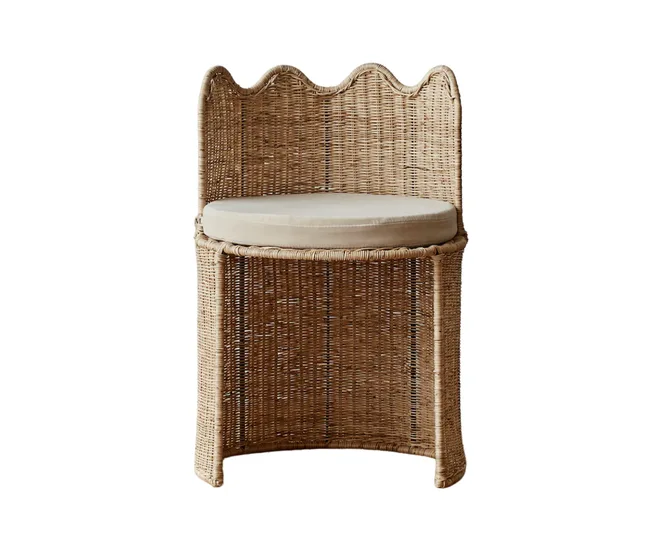
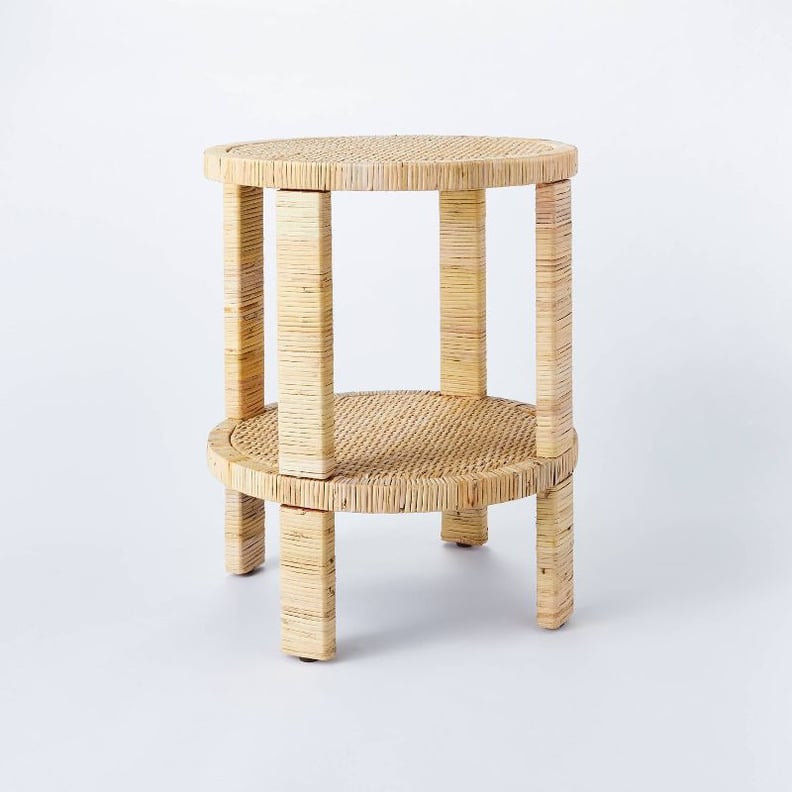
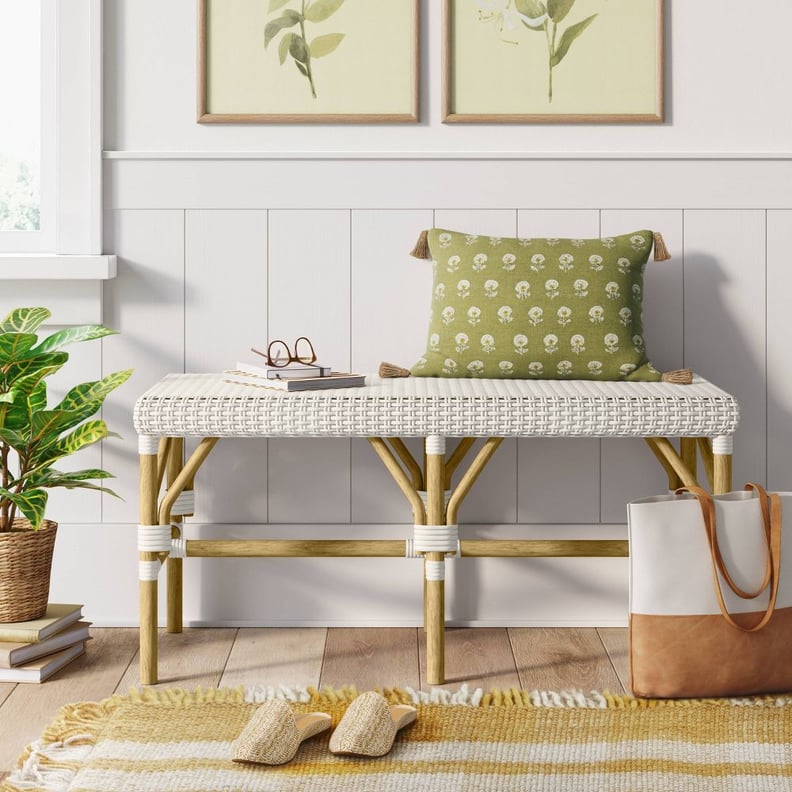
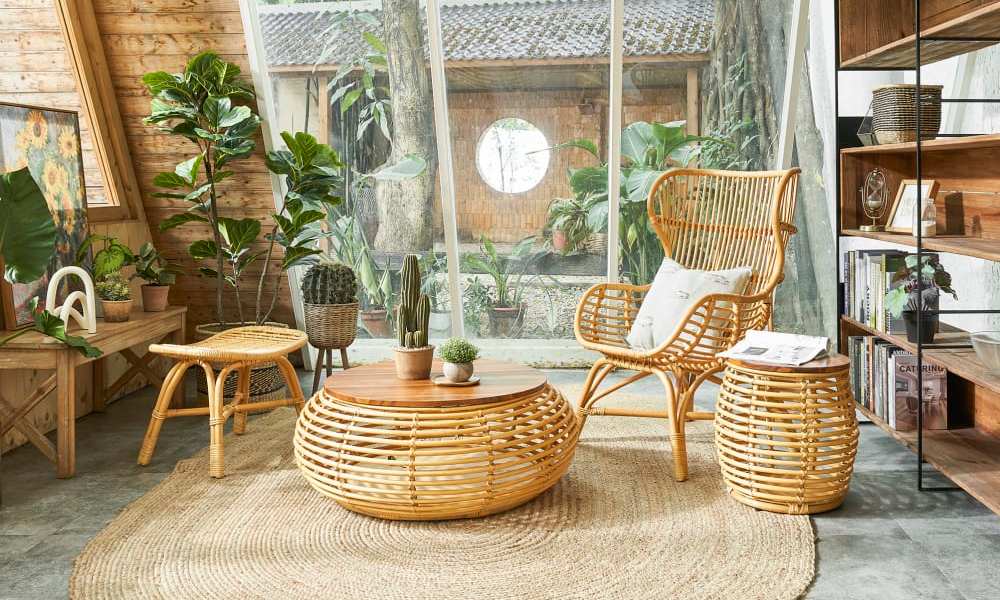
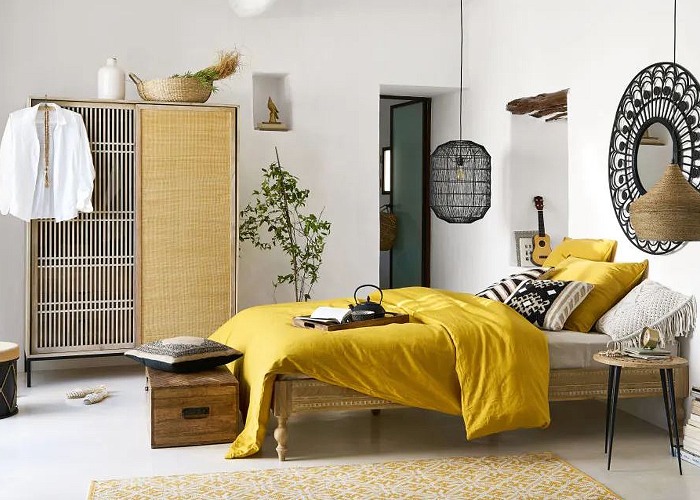
Another crucial aspect of decorating with rattan is to thoughtfully incorporate its unique texture. Rattan is crafted either from whole poles or thinner woven cane strips, forming distinctive wicker styles. Pairing rattan items with contrasting materials, like smooth bentwood chairs or contemporary metal pendant lights, helps prevent the space from feeling outdated or overly themed. The handcrafted nature of rattan contributes to a curated, layered aesthetic that feels authentic rather than overly polished.
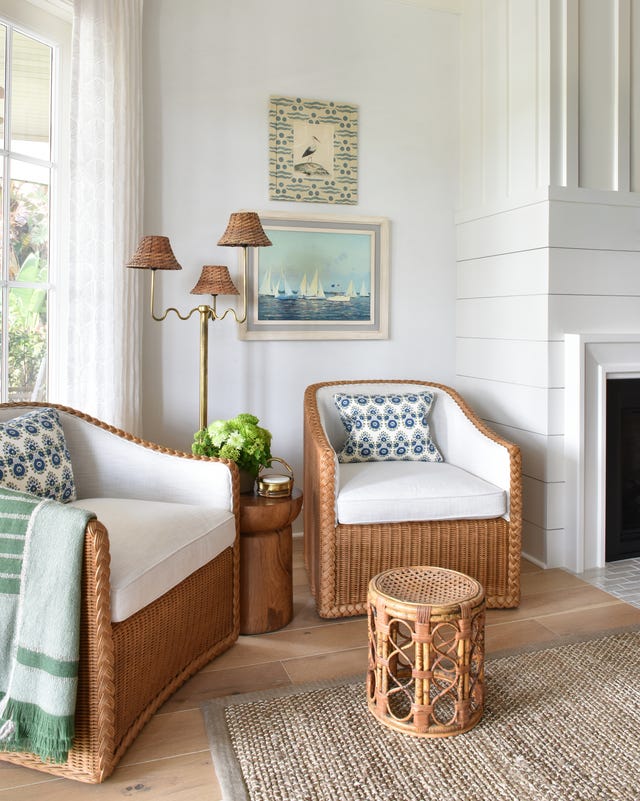
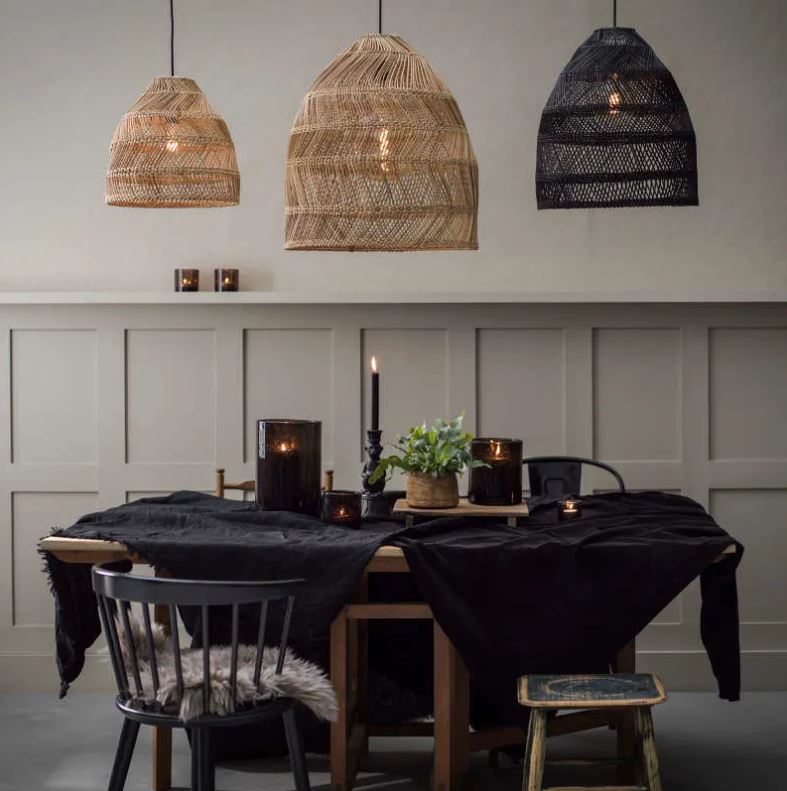
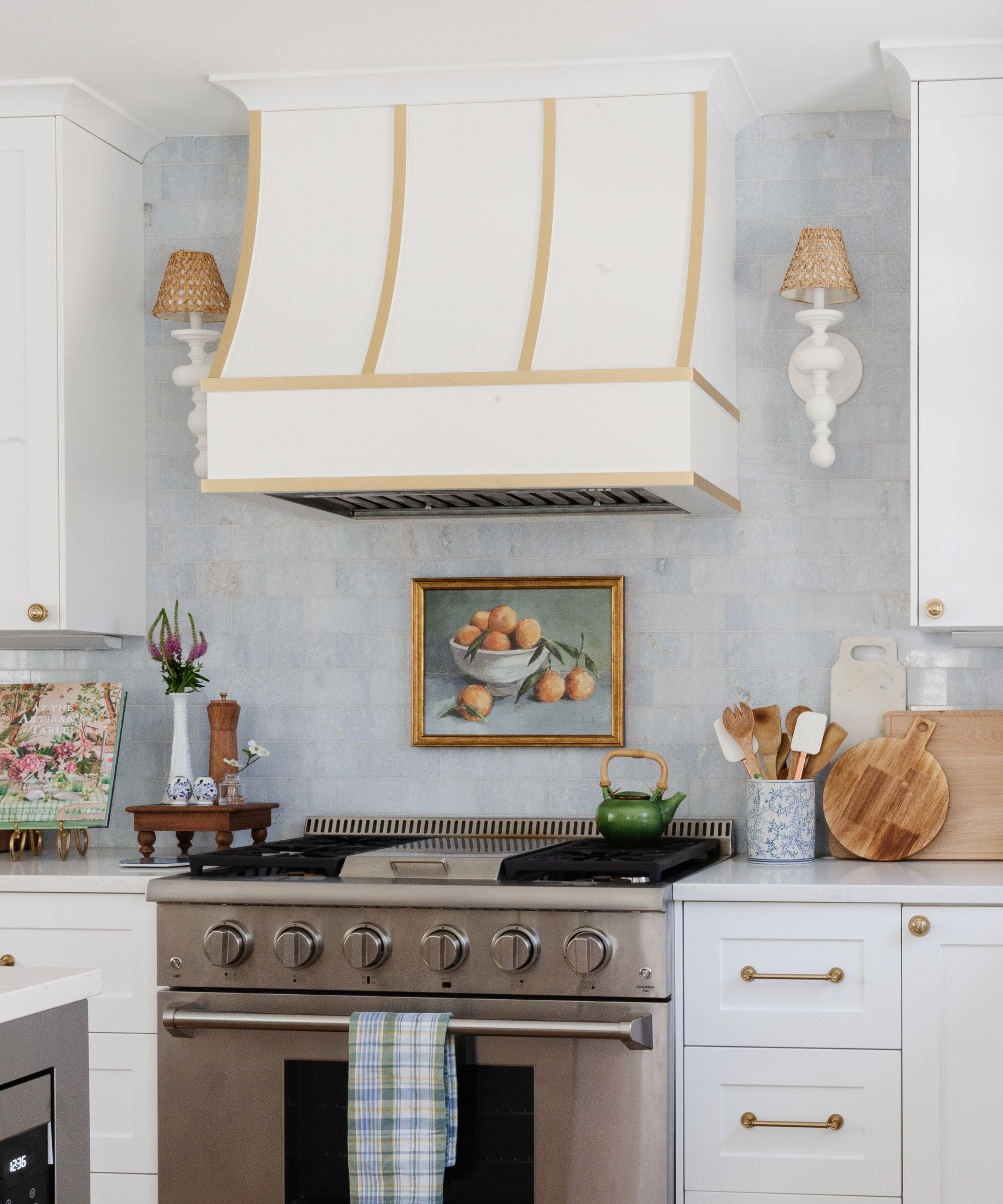
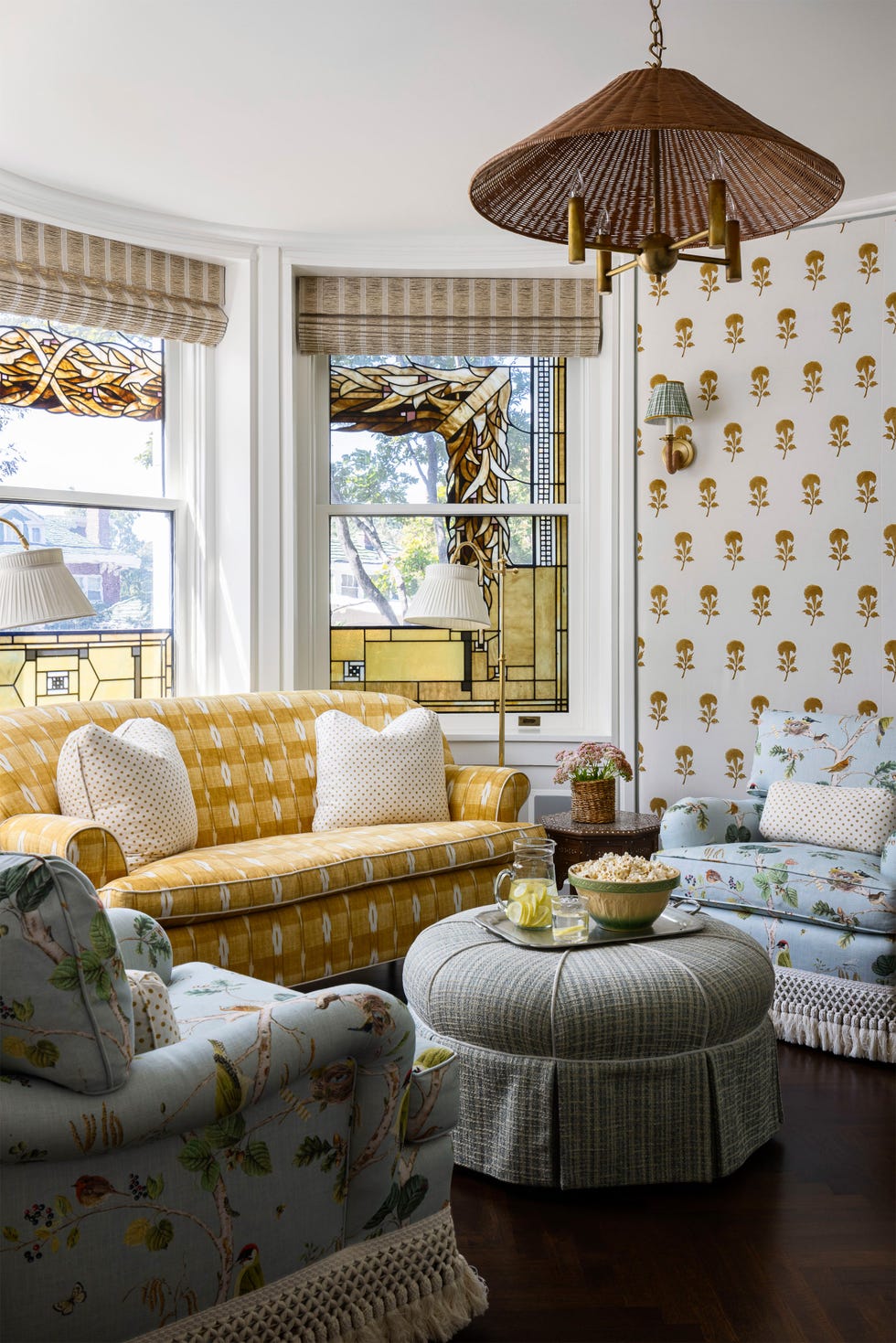
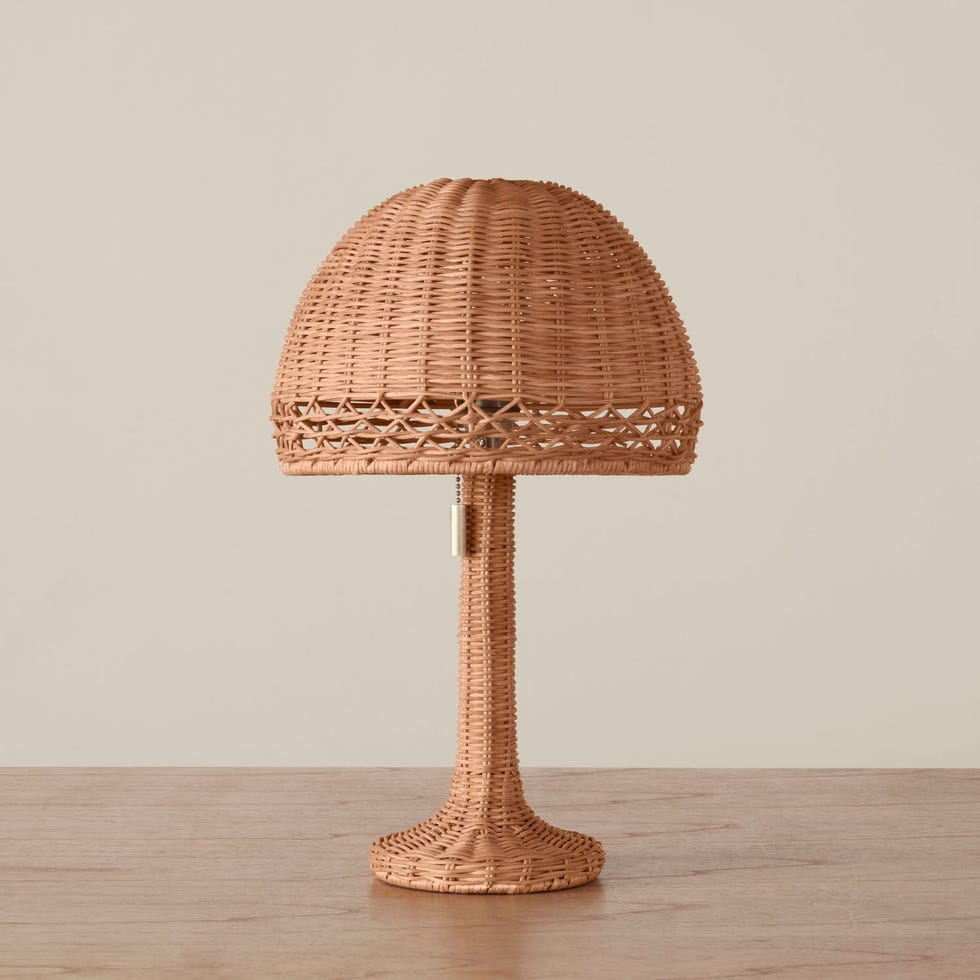
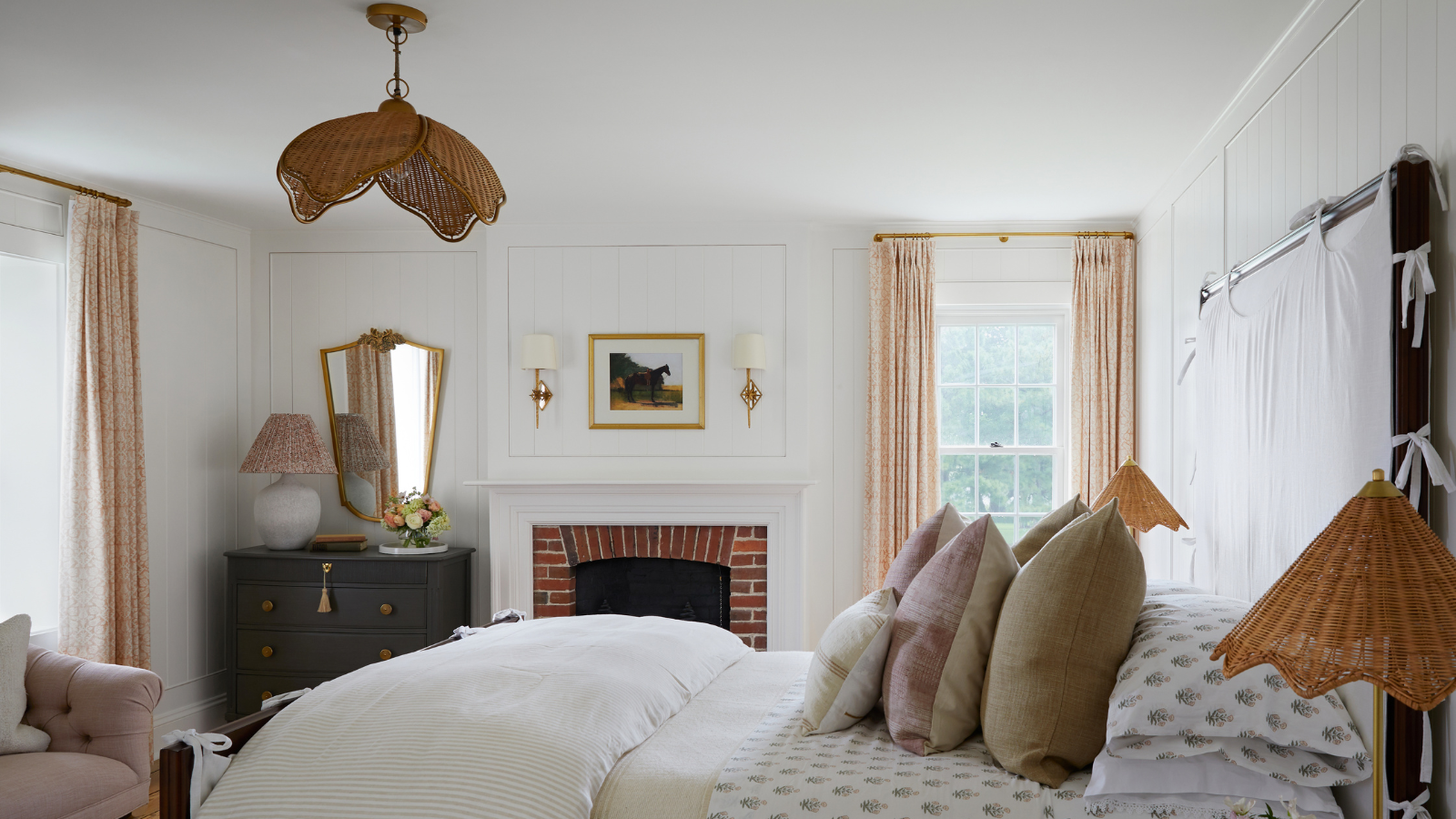
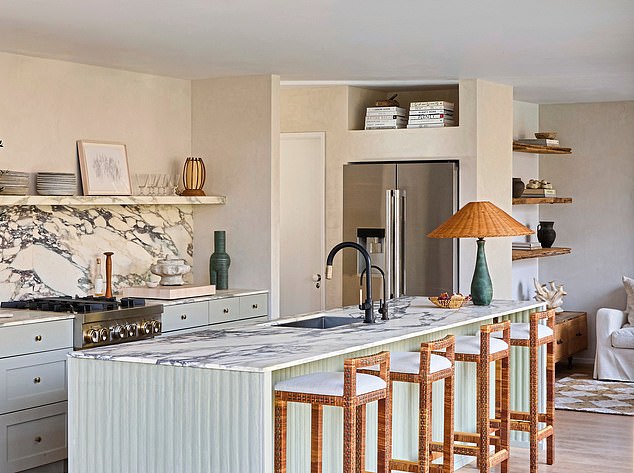
Even minimal use of rattan can significantly impact a room's atmosphere by reducing formality. Simple accents, such as swapping fabric lampshades for woven rattan ones, can introduce a refreshing lightness to primary living spaces. When opting for this approach, maintaining a natural rattan color is advised for a timeless and elevated look.
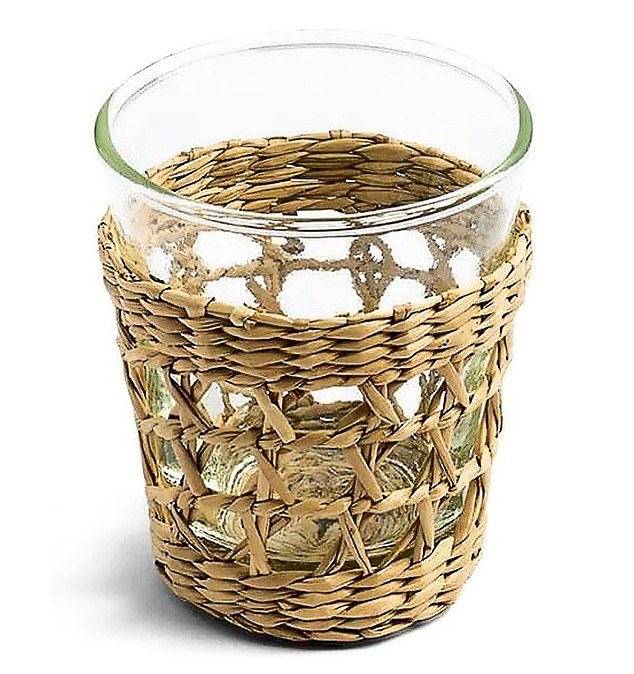
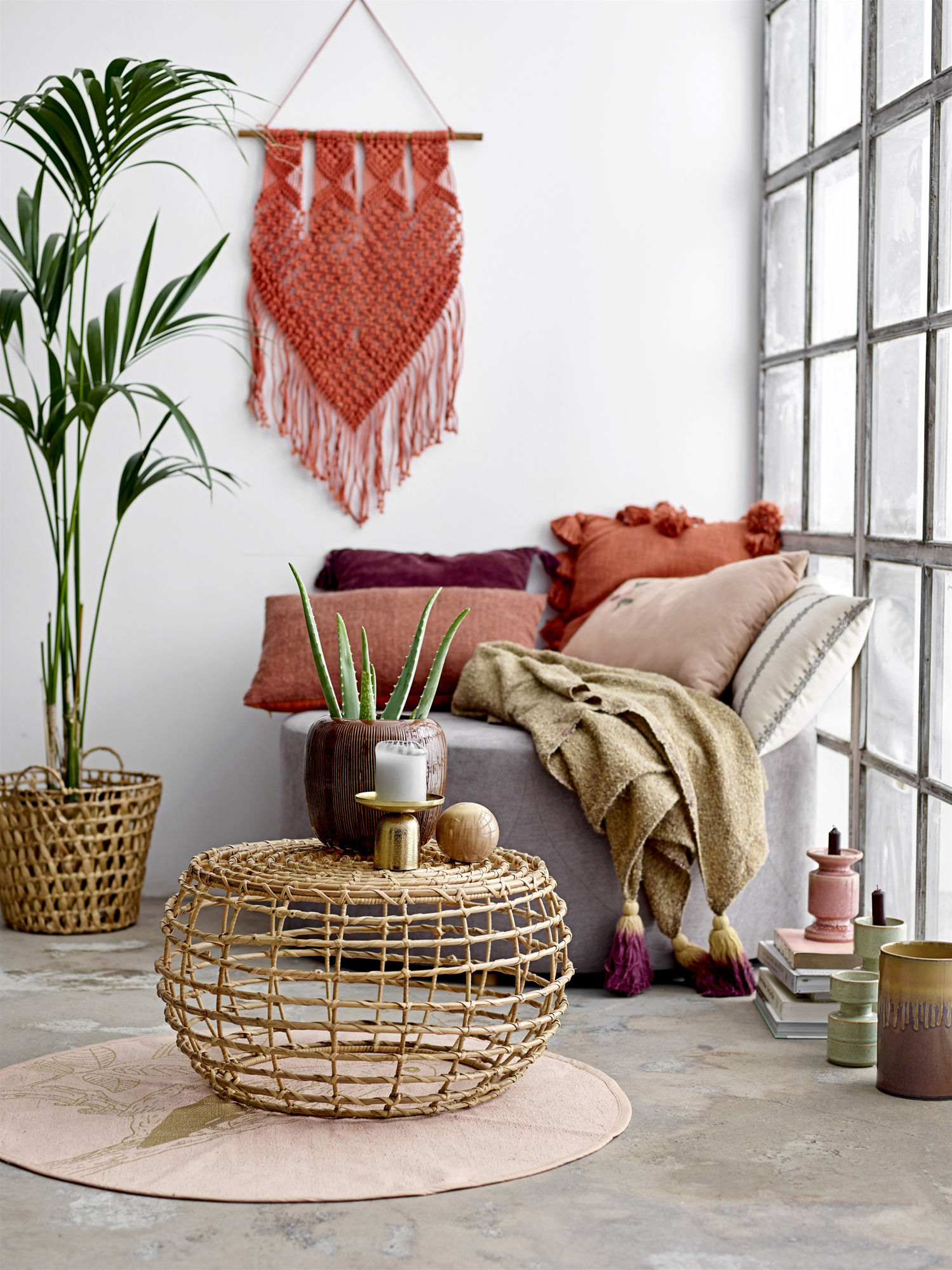
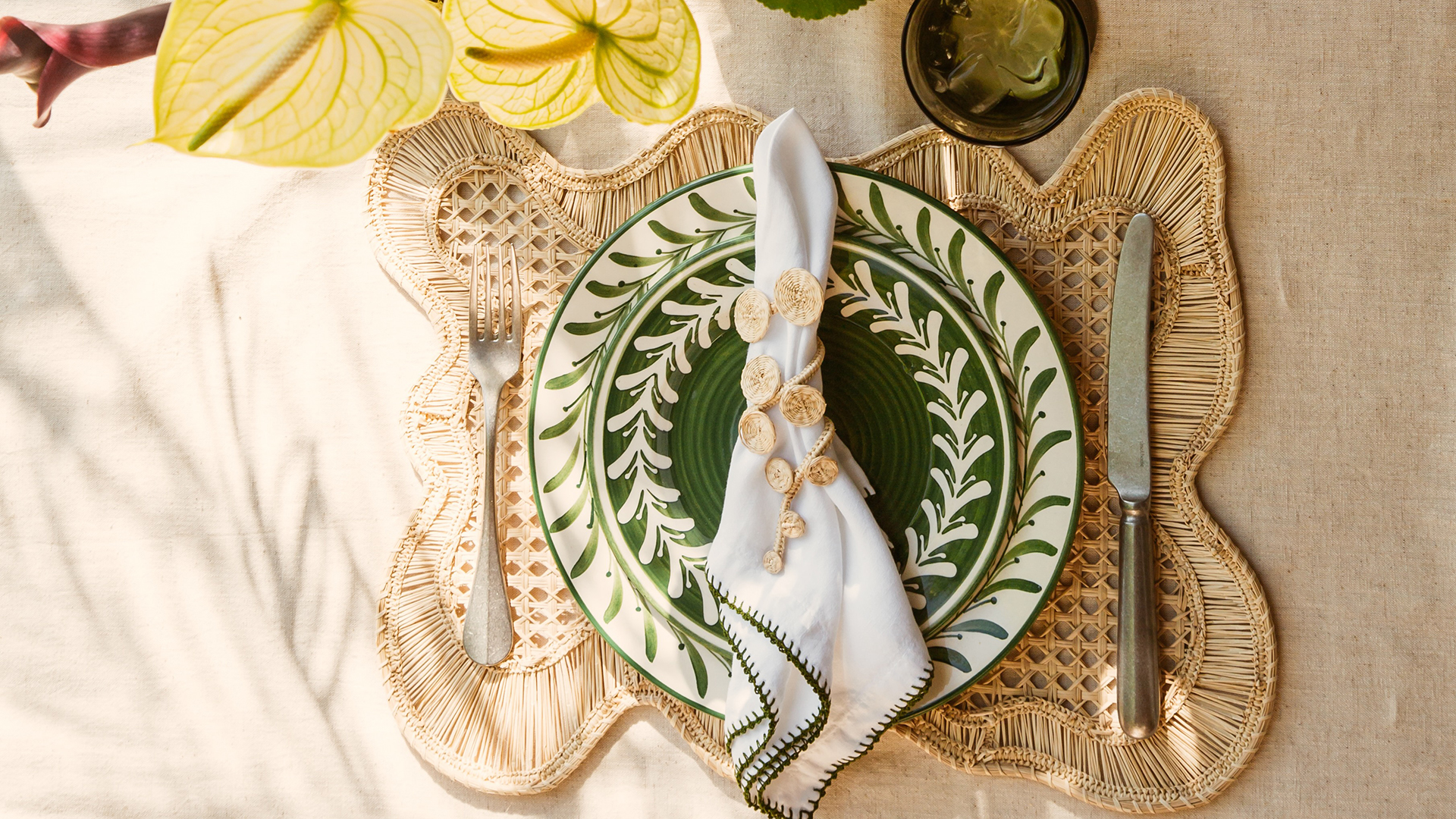
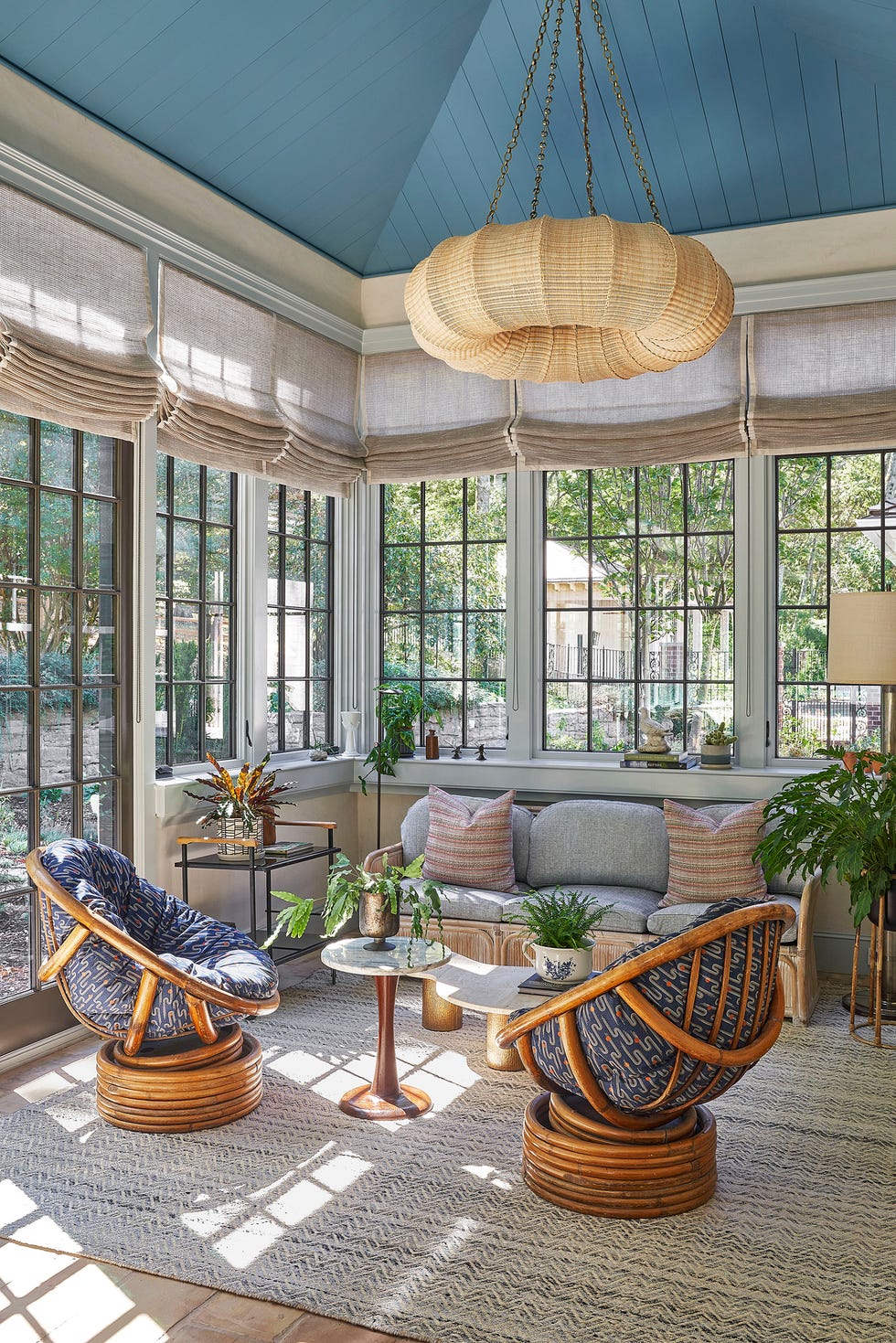
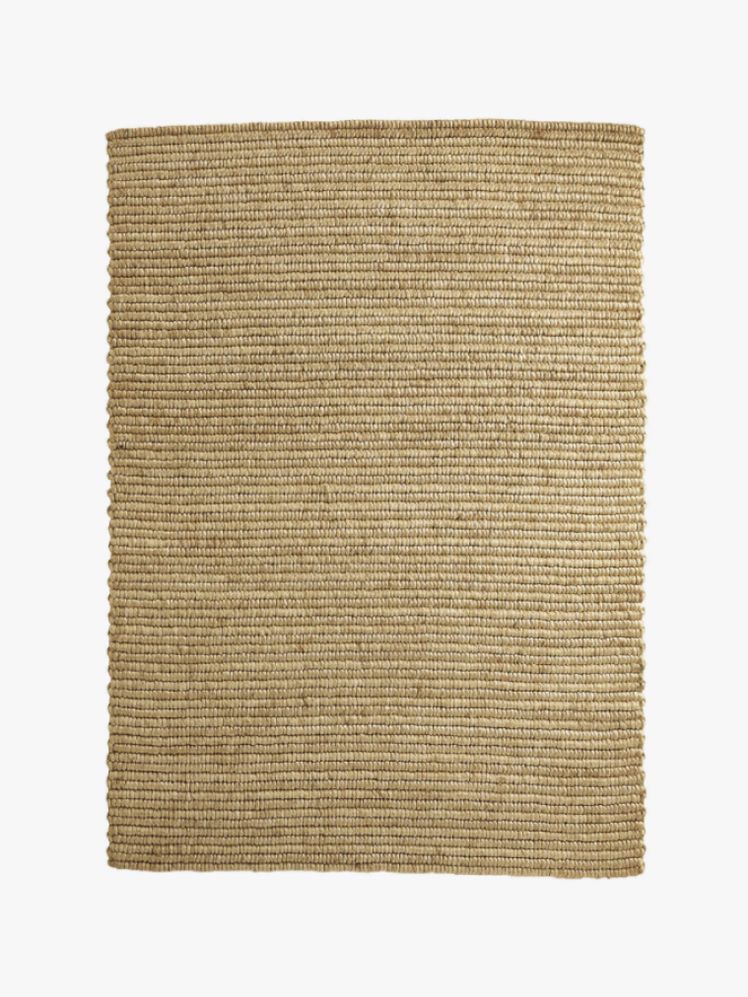
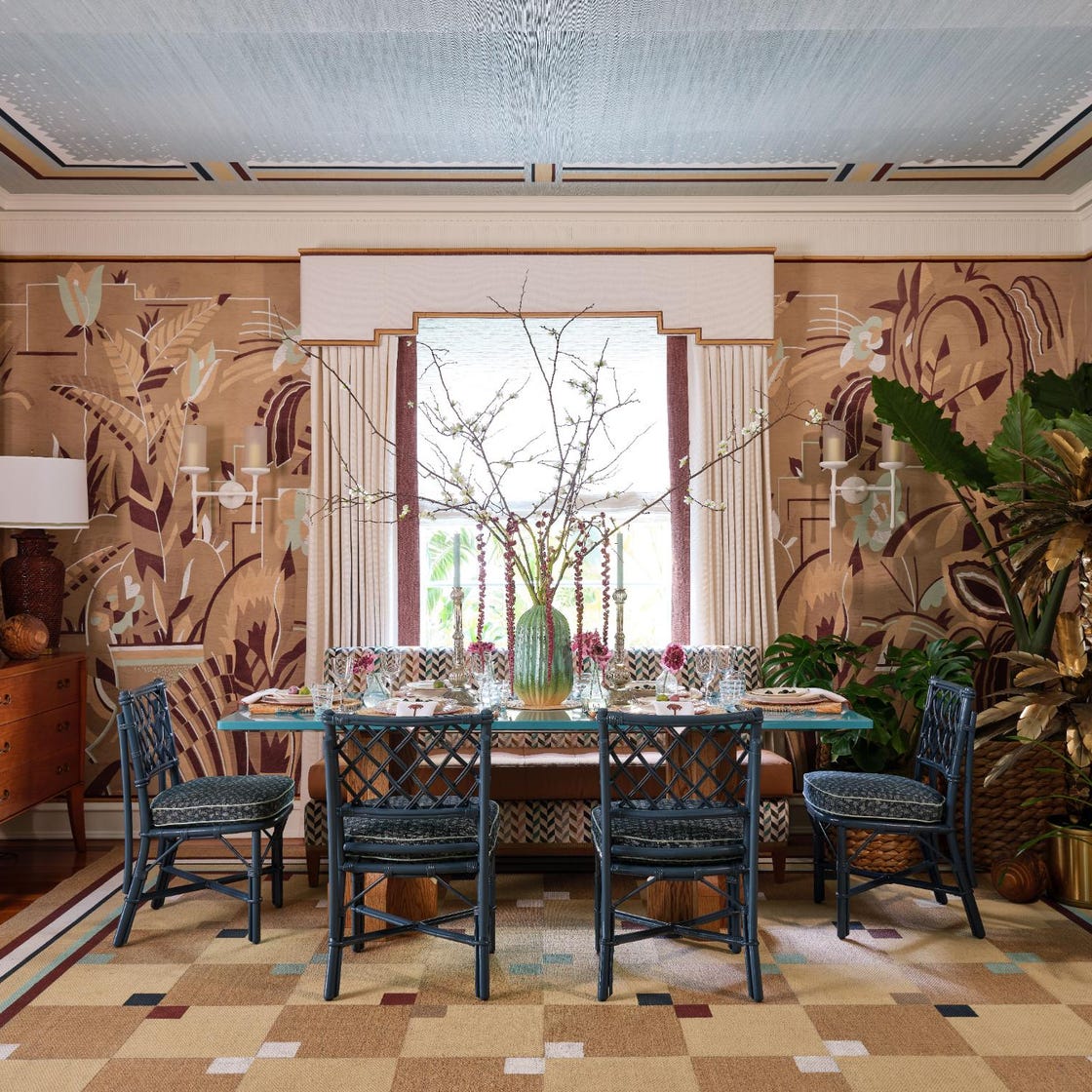
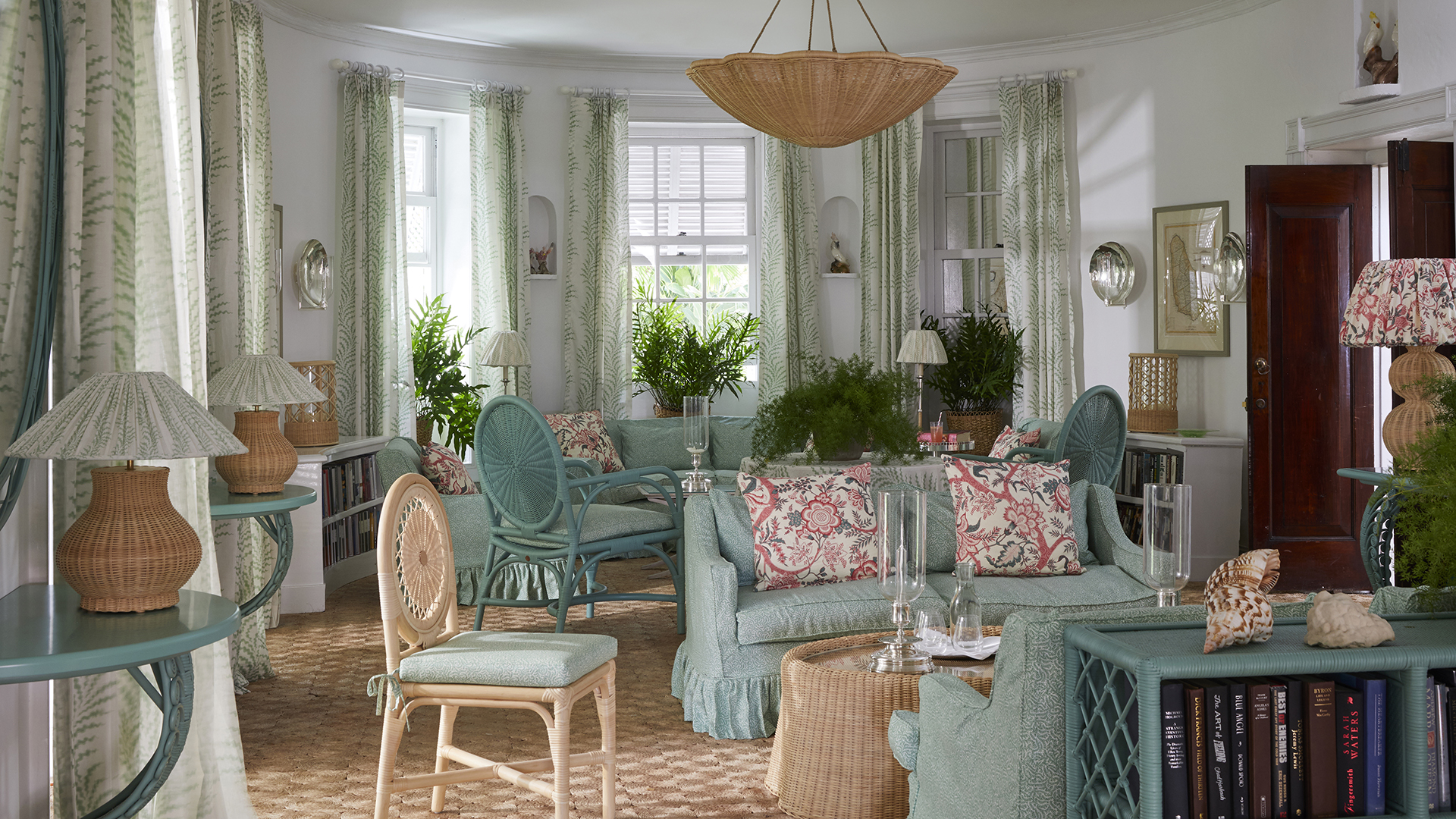
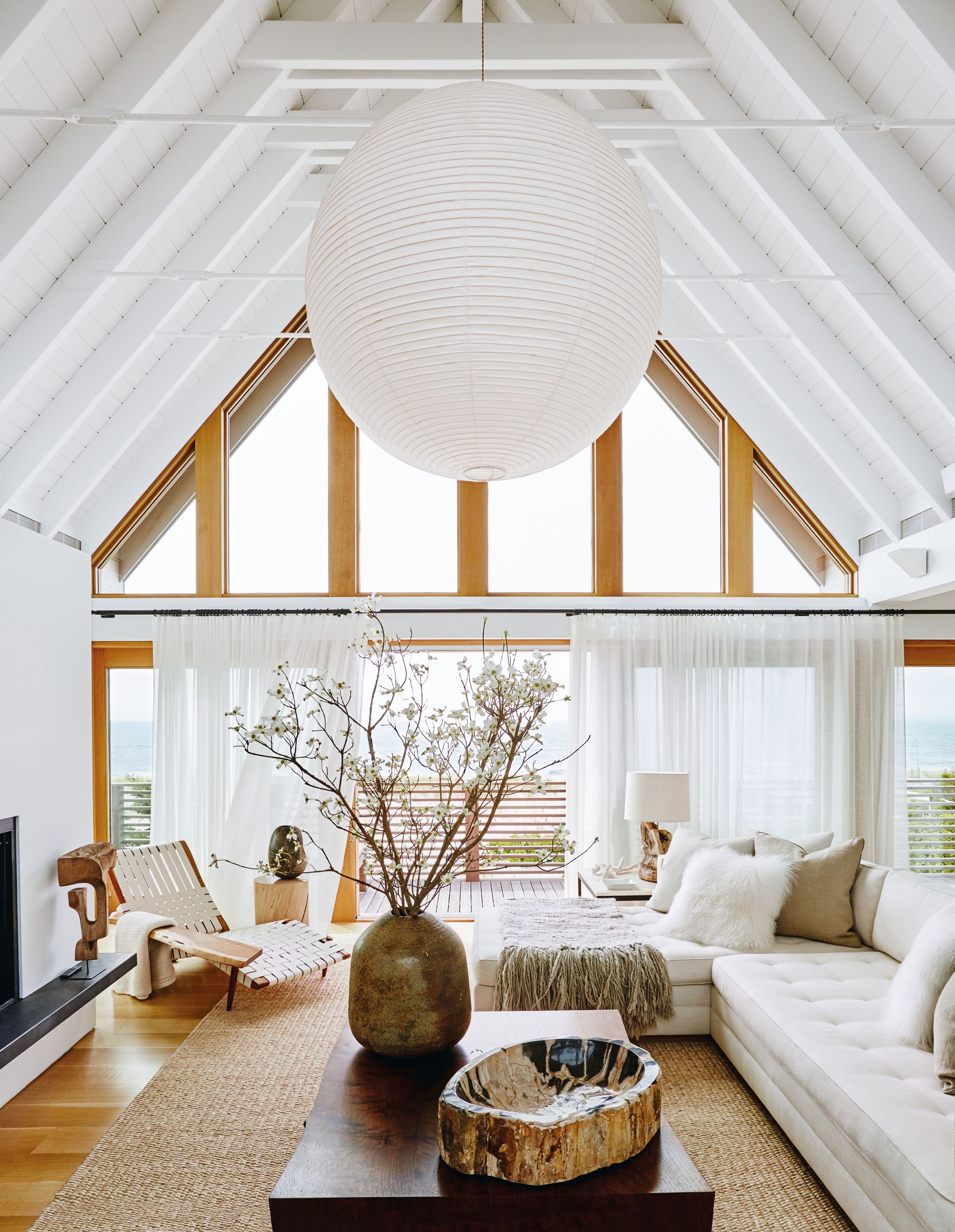
Finally, successful rattan decor often involves a layered approach that combines its natural texture with crisp, colorful elements. Interior designers suggest pairing rattan pieces with clean-lined furniture, vibrant fabrics, or whimsical lighting to achieve a dynamic and inviting aesthetic. An example of this is a resort-style living room that uses a palette of aqua blues and Kelly Greens, along with grasscloth wallcovering, where rattan is strategically placed in stools and card tables. Complementary natural materials like raffia, caning, and jute are also utilized to establish a neutral foundation that anchors the room's overall design. This thoughtful layering ensures that rattan enhances the tropical flair without overwhelming the space.
#RattanDecor #InteriorDesignTrends #HomeDecor #NaturalMaterials #DecoratingTips #ModernHome #TexturalDesign #RattanRevival #RattanDecor #InteriorDesignTrends #HomeDecor #NaturalMaterials #DecoratingTips #ModernHome #TexturalDesign #RattanRevival
0 comment in total
 No comments yet
You may also like
Rattan Is Trending Right Now—But Interior Designers Say It's as 'Timeless as a White Button-Down Shirt'

Rattan might be one of the most versatile materials to work with – and these 10 rattan decorating ideas prove it

Everything My Interior Designer Mom Is Buying for Her Home This Spring

How humble rattan furniture is experiencing a modern renaissance

22 rattan buys to upgrade your home, starting at just £8
Tasteful rattan interiors that are inspiring the revival of the timeless material

Rattan Is Here to Stay. Here’s How to Bring It into Your Home

The South’s Historic Love Affair with the Laid-Back Glamour of Rattan
Trend alert: How to introduce rattan at home

The Old-School Furniture Design Trend Making A Big Comeback In 2026

What Comes After Rattan? We Asked 4 Designers to Predict the Next Big Material

8 totally versatile rattan and cane chairs we’re adding to our homes
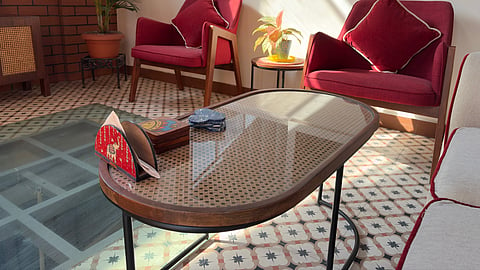
Woven Wonder: A look at the revival of rattan in interiors
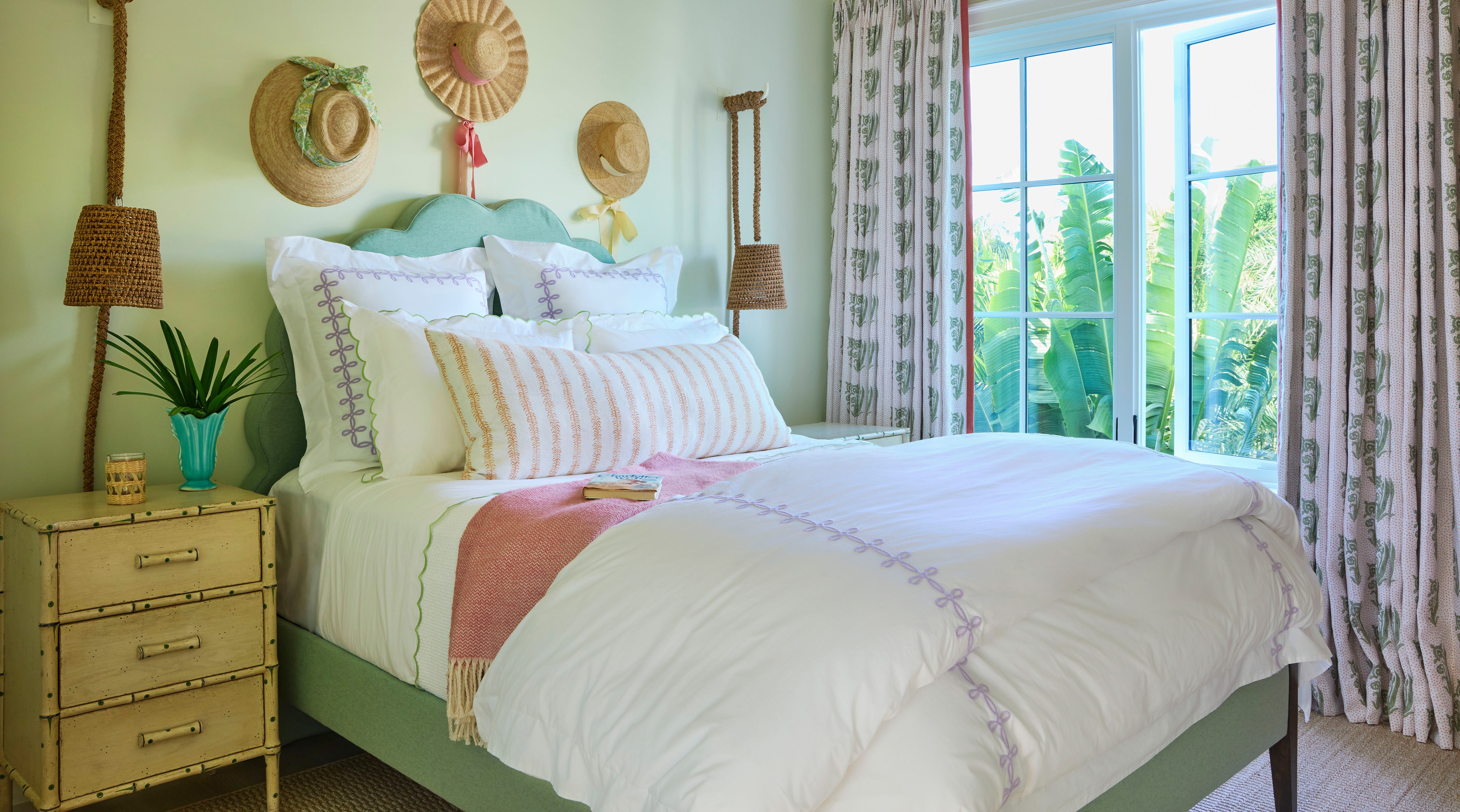
Why Rattan Lighting Deserves a Place in Your Home Year-Round

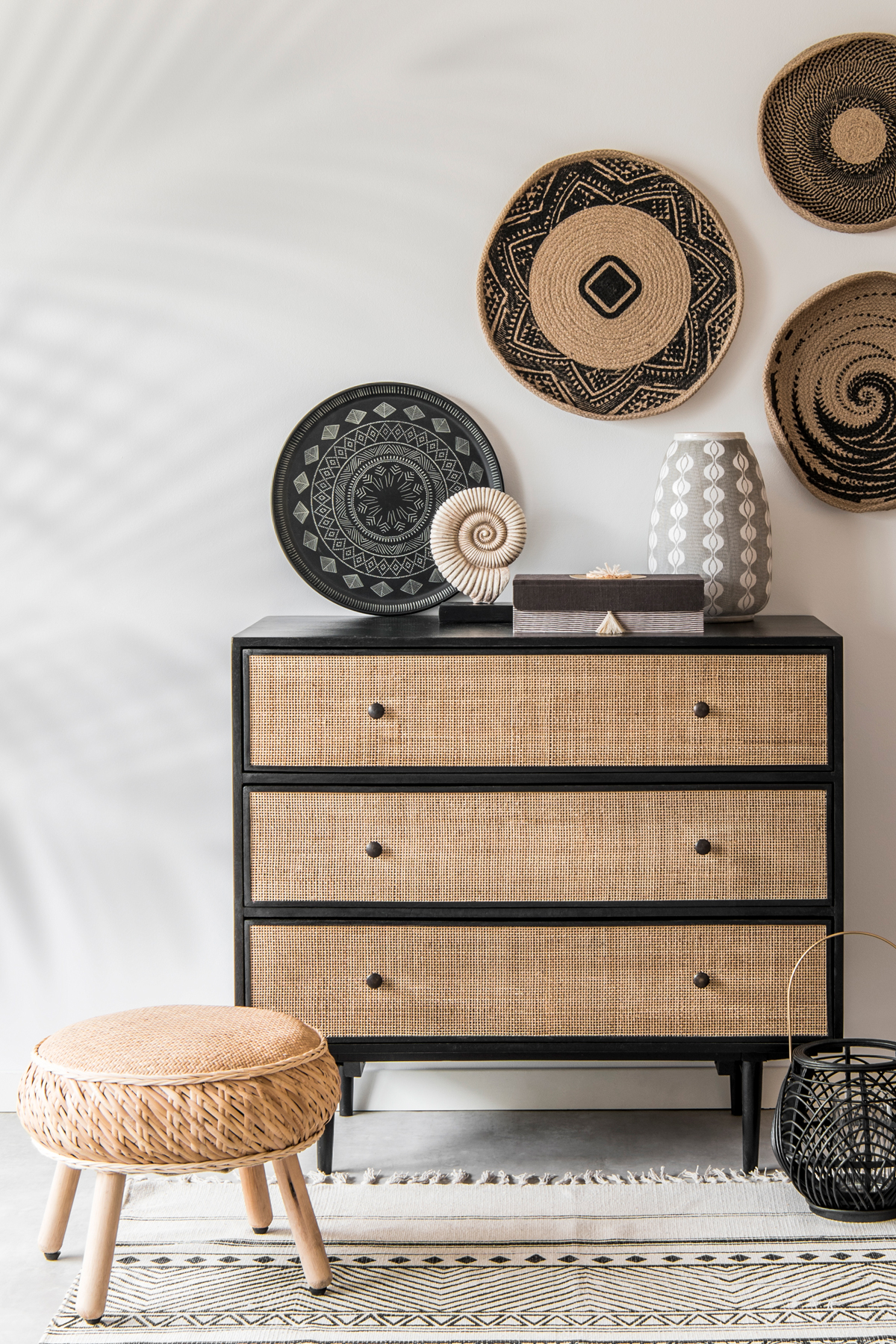
10 stylish rattan furniture and accessories for indoors and out

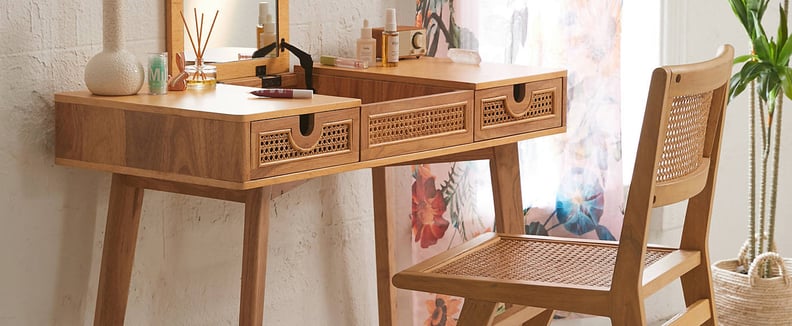
The Best Indoor Rattan Furniture For a Coastal Boho Aesthetic
Rattan furniture: the 1970s throwback that's the hottest trend this year
12 pieces of rattan furniture you won’t see everywhere
Embrace the Natural Look With Raffia, Rattan, and Cane Design Pieces
How rattan furniture from Thailand is making waves