1/11
6 Sustainable Material Trends That Prove It's No Longer Just a Buzzword, but an Exciting Design Opportunity
Sustainability has transitioned from a mere buzzword to a fundamental aspect of interior design, driven by advancements in material innovation that offer regenerative and circular solutions. The focus has shifted to the environmental impact of products and designs, making material composition a primary consideration. While longevity remains crucial for furniture and homes, the acceptance of biobased materials with shorter life cycles is also gaining traction. Experts note that consumers and specifiers are increasingly open to wholly biobased solutions, even if they last for a few years, recognizing their contribution to healthier living spaces. Concurrently, technical innovation is enhancing the performance of biobased materials to rival their synthetic counterparts. The conversation around sustainable materials now extends far beyond recycled glass vases or reclaimed wooden chairs, encompassing a material’s entire life cycle, its regenerative properties, and its role in promoting health and well-being within the home. Designers are skillfully integrating these values without compromising aesthetic appeal, making sustainable material trends visually desirable.
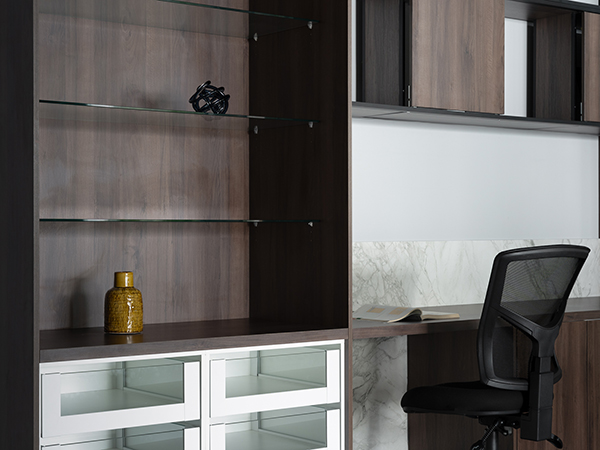
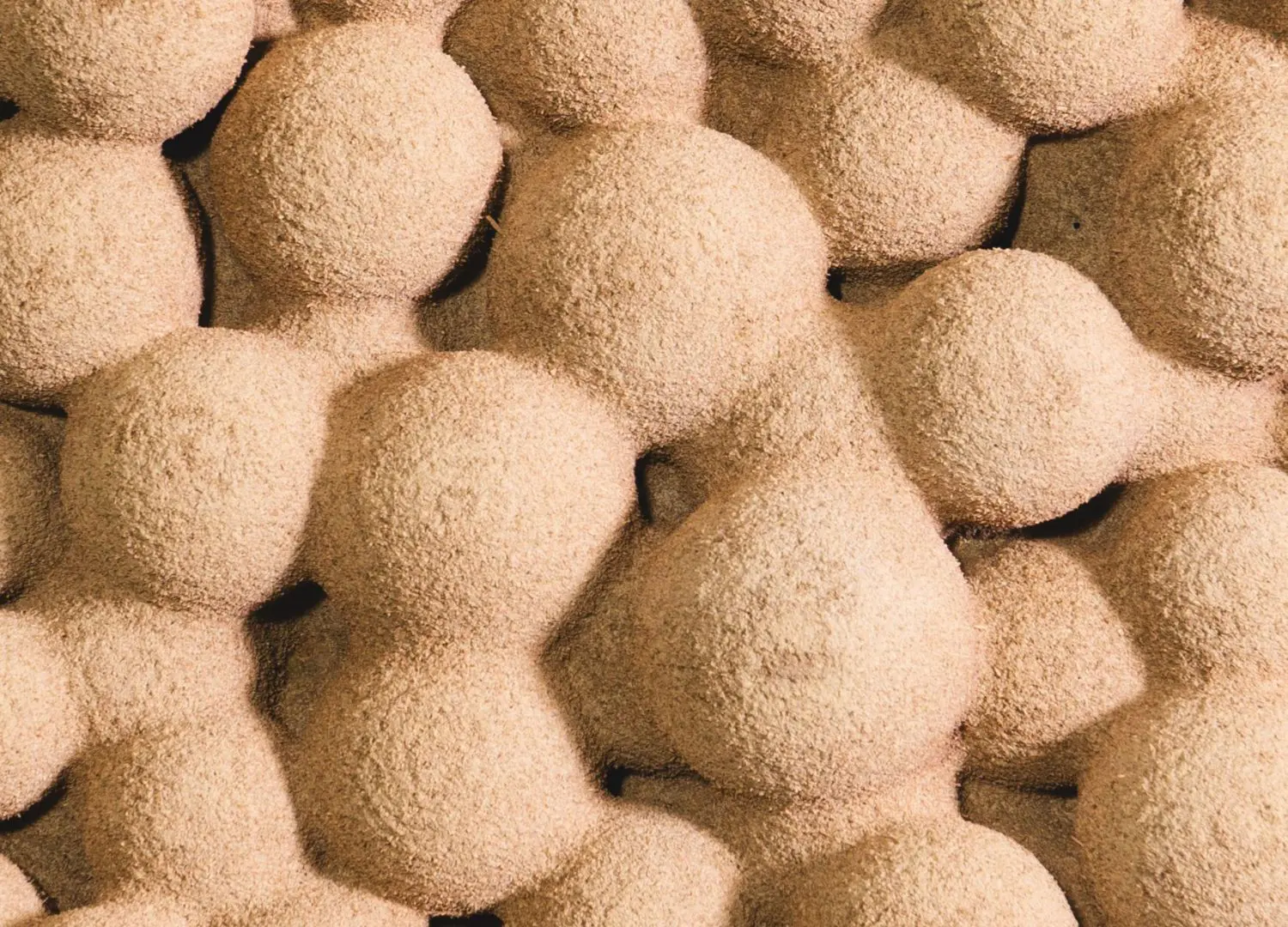
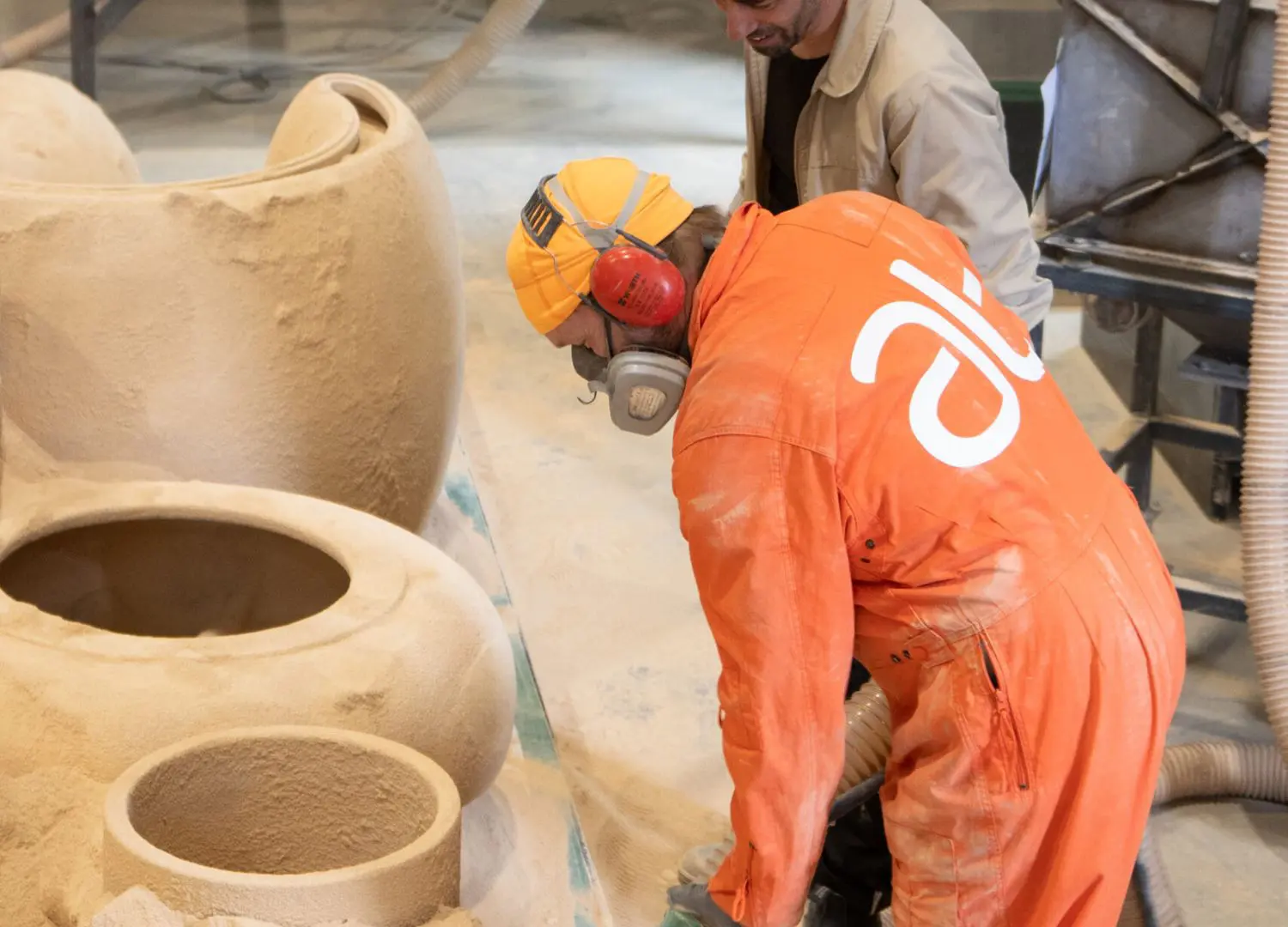
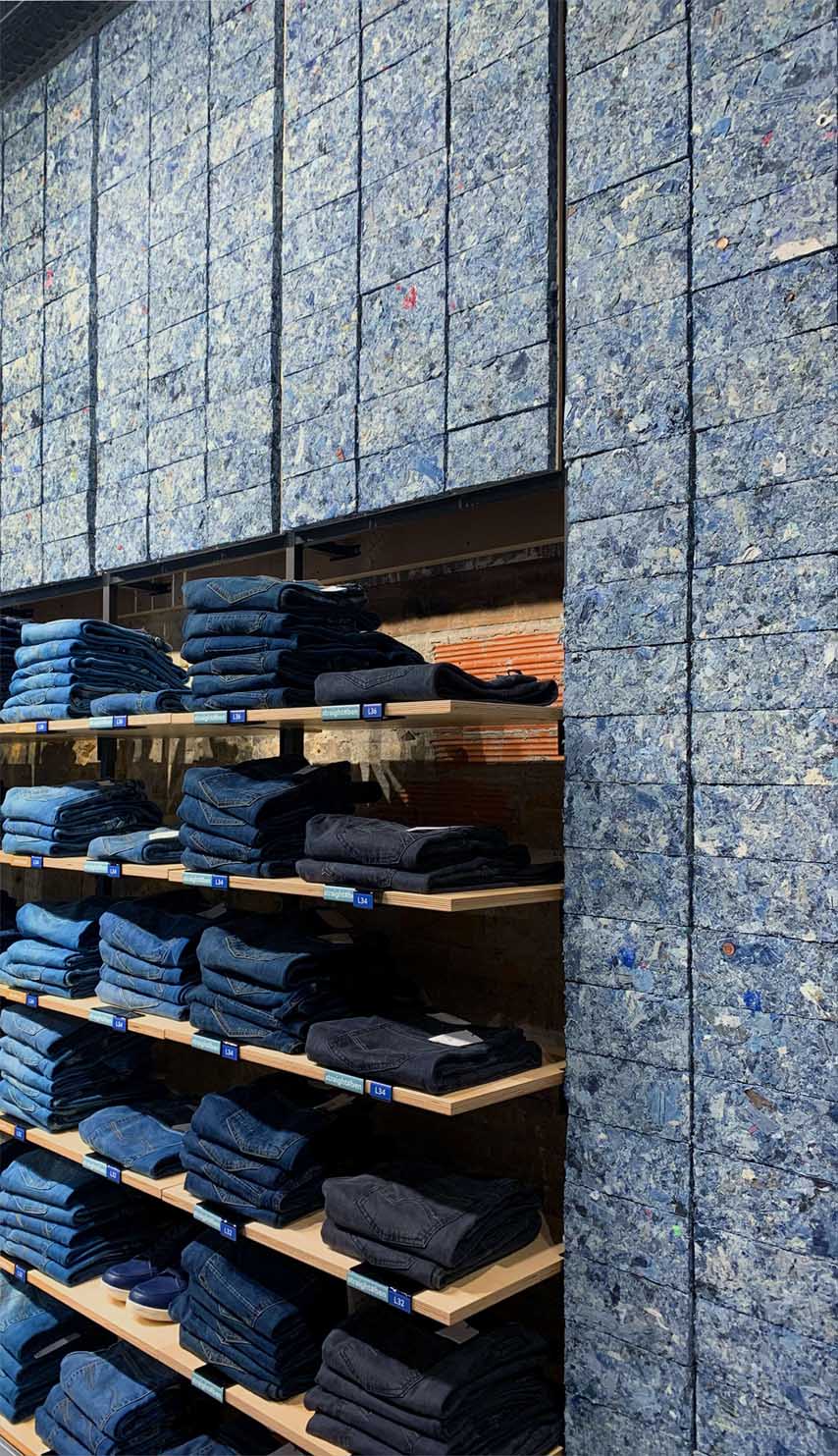
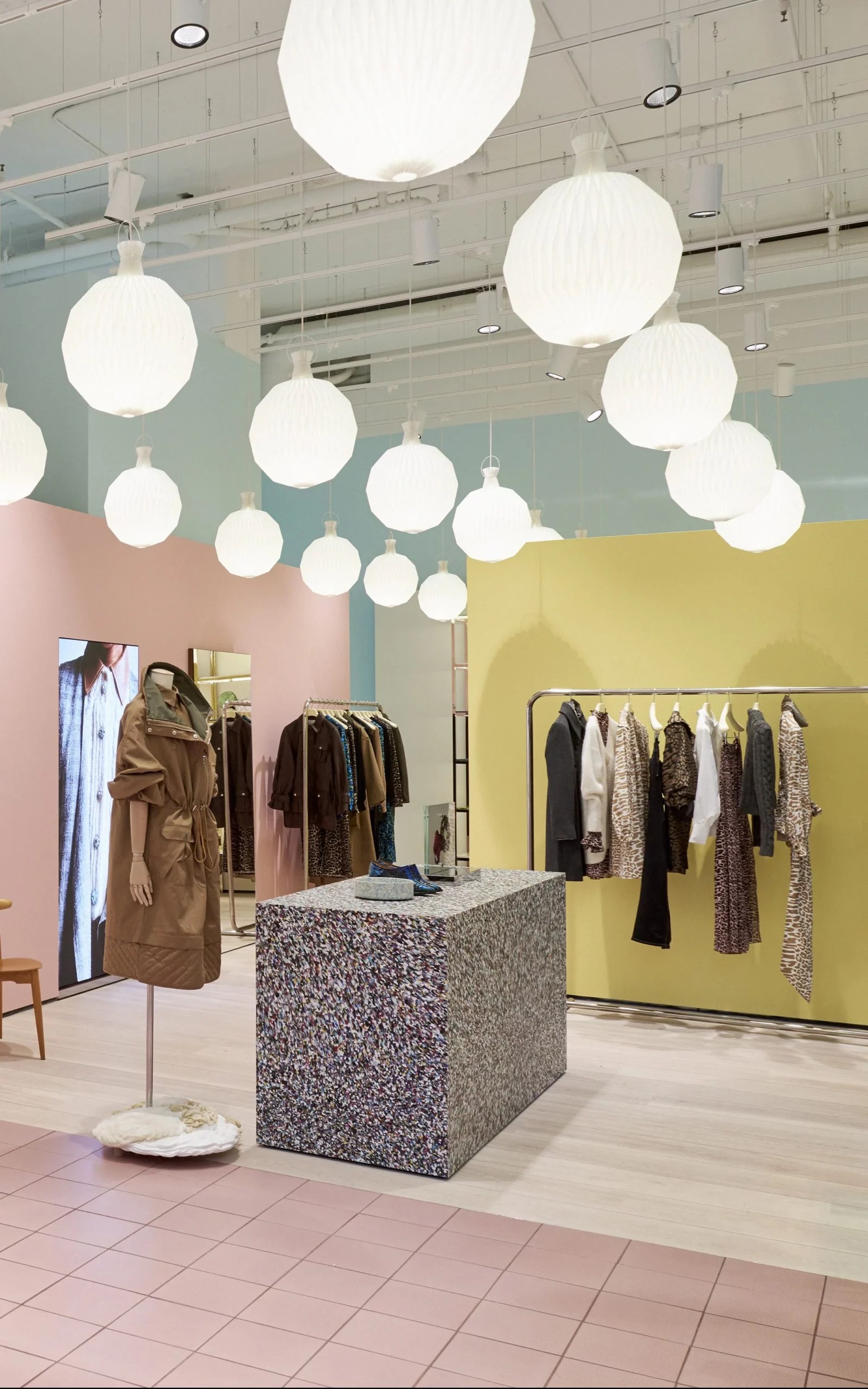
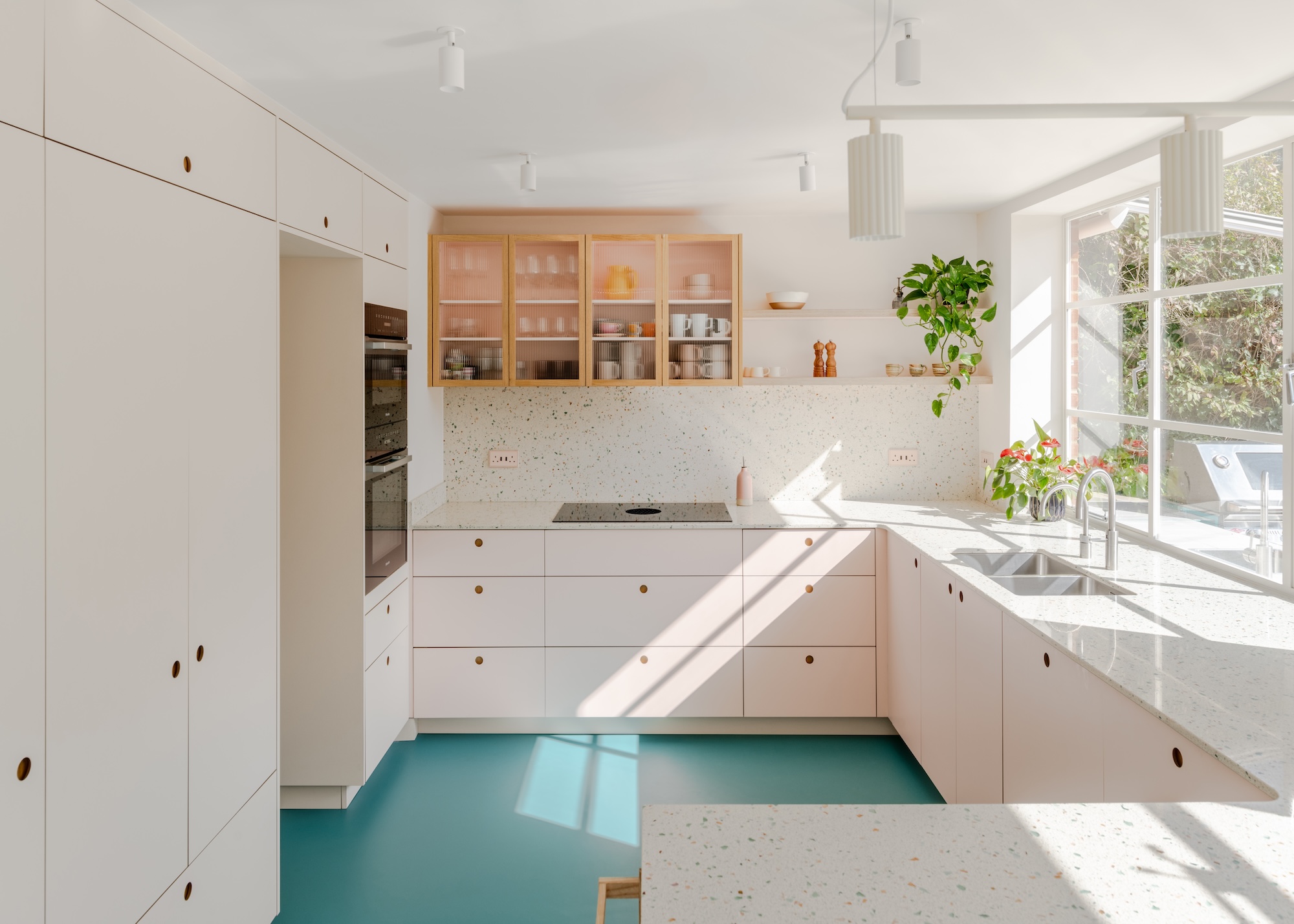
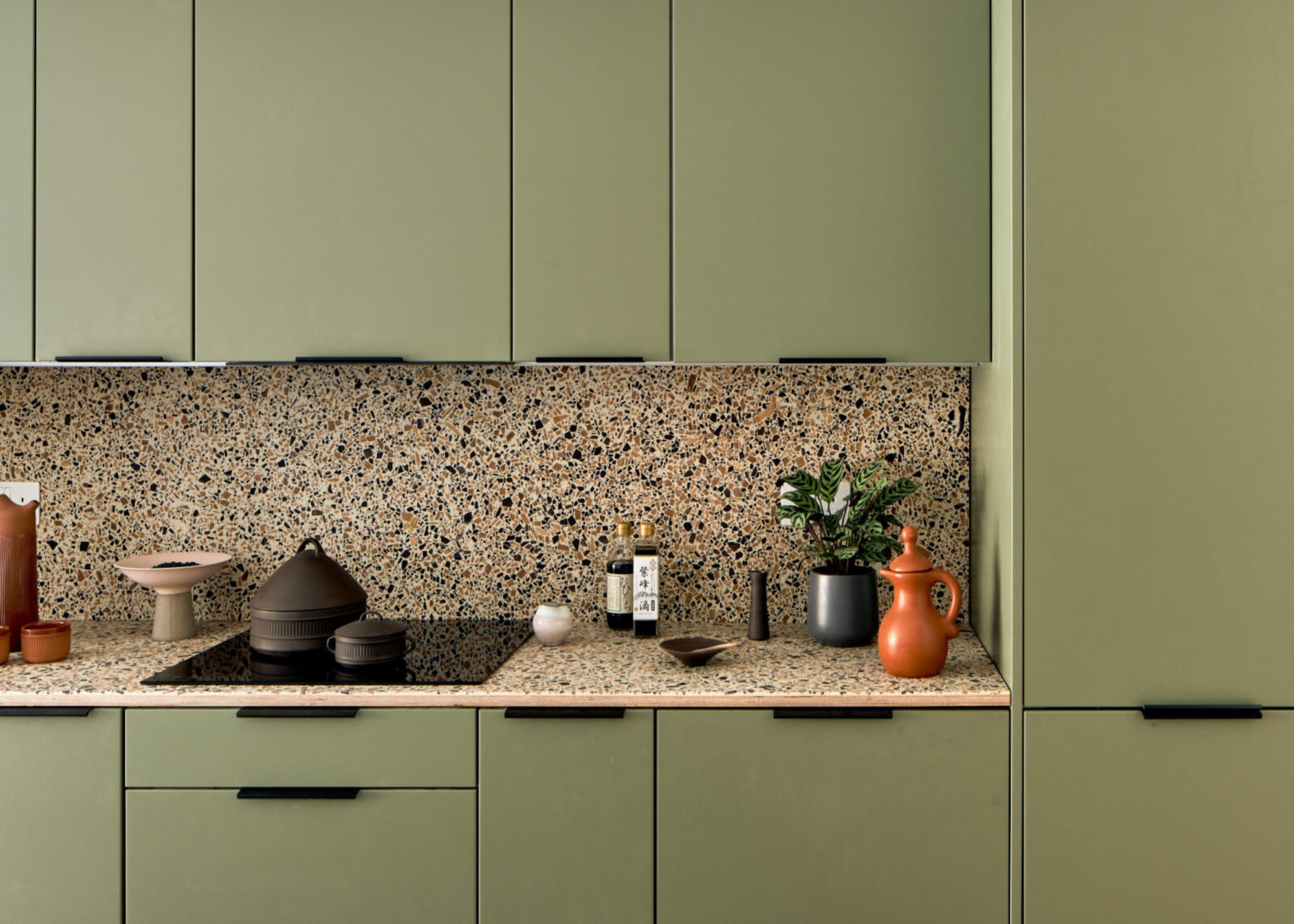
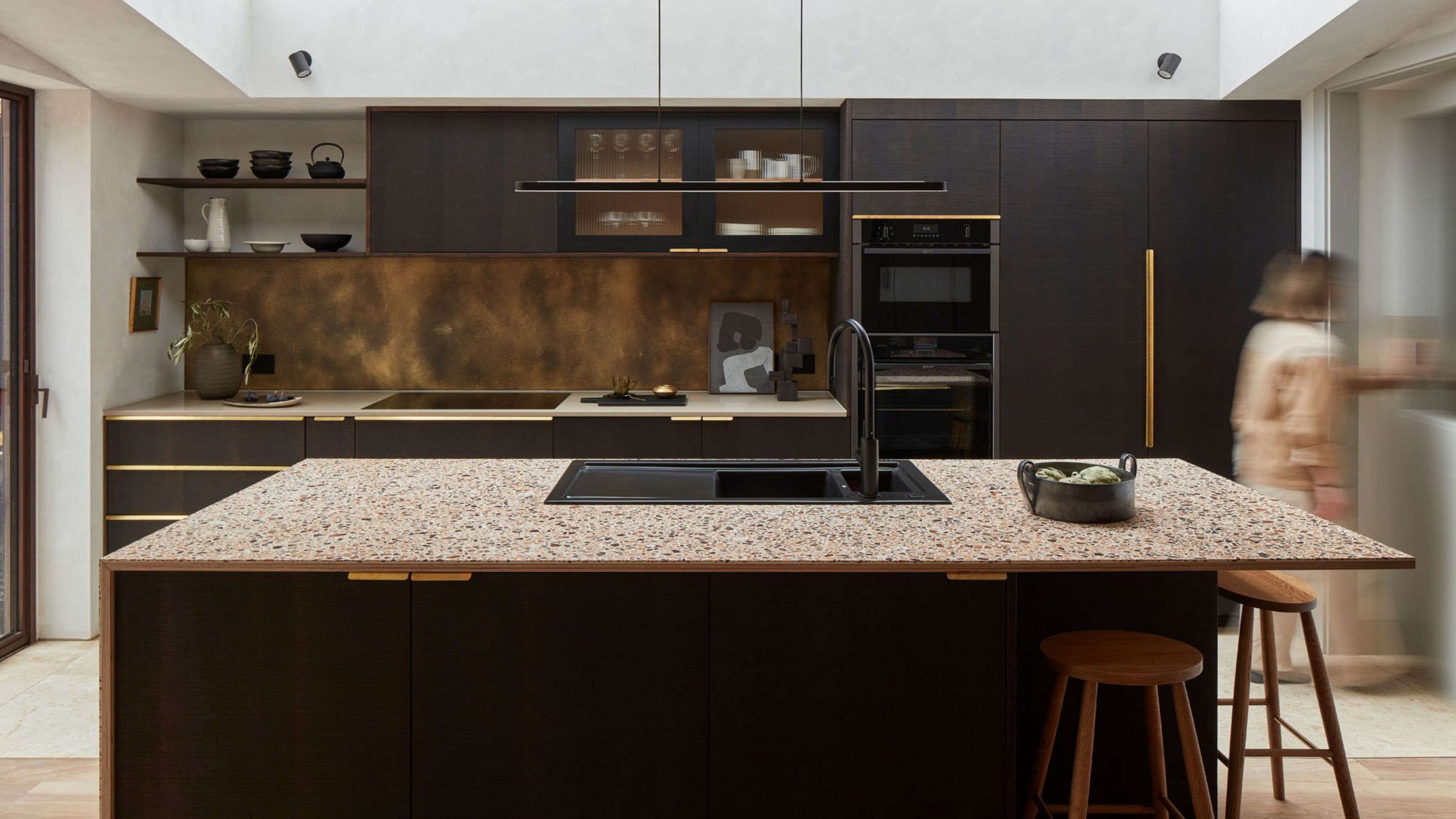
Six key sustainable material trends are emerging. First, recycled surface materials are evolving in appearance and composition. Foresso, for example, is a 'timber terrazzo' made from wood waste, offcuts, and a non-toxic binder, offering a low-carbon footprint and a projected lifespan of up to 50 years. This material provides the warmth of timber with the resilience of a harder surface, proving more cost-effective than recycled plastic surfaces that require more frequent updates. Another innovative surface material is Marwoolus®, a patented composite using recycled marble dust and wool fibers, which mimics marble's natural beauty while being lighter, water-repellent, and flexible. Its customizable nature allows for integration into diverse design contexts.
Second, algae is gaining prominence as a highly renewable natural resource. Its rapid growth and natural qualities make it suitable for various applications, including petroleum-based ink alternatives and innovative products like the LIGHT oil lamp by LAYER for Muuto. This sculptural lamp, designed with algae oil as a power source and salt-cast aluminum, provides off-grid illumination, connecting users to essential resources.
Third, cork, once a staple in 1970s homes, is experiencing a resurgence due to its regenerative qualities and reimagined aesthetic. Modern applications, such as the 'Casa Cork' installation by Rockwell Group, highlight its versatility. Post-industrial cork waste, from wine stopper production, is now being used for lighting collections, offering acoustic insulation, water resistance, hypoallergenic properties, and a unique, soft texture.
Fourth, mycelium is transforming into sophisticated biomaterials for furniture. Studio TOOJ's DUK Series, featuring furniture crafted from Reishi (a mycelium-derived material), demonstrates that luxury and sustainability can coexist. This application showcases mycelium's potential in high-end interiors, offering an organic and tactile appeal while elevating sustainable design principles.
Fifth, bacterial cellulose fiber is emerging as a sustainable alternative for textiles. Projects like 'Interwoven Cultures' by Mari Koppanen and Estelle Bourdet explore its use in woven textiles, noting its leather-like feel, adaptability, and purity. Its ease of cultivation and distinct visual appeal suggest significant commercial potential.
Finally, plant-based natural paints are addressing the complexities of sustainable paint options. Brands like Edward Bulmer emphasize transparency by listing all ingredients, countering greenwashing in the industry. These paints not only offer environmental benefits, such as improved indoor air quality, but also provide rich, natural pigmentation that interacts beautifully with light, enhancing the aesthetic of living spaces. Despite challenges in scalability and blending synthetic binders, incremental improvements are continually making sustainable materials more viable and easier to specify. The ongoing development in biomaterials indicates an exciting future for interior design, where sustainable material trends will play a pivotal role in shaping our homes.
#SustainableMaterials #InteriorDesignTrends #MaterialInnovation #Biomaterials #RecycledSurfaces #AlgaeDesign #CorkApplications #MyceliumFurniture #PlantBasedPaints #SustainableMaterials #InteriorDesignTrends #MaterialInnovation #Biomaterials #RecycledSurfaces #AlgaeDesign #CorkApplications #MyceliumFurniture #PlantBasedPaints
0 comment in total
 No comments yet
You may also like
The latest and greatest innovations in sustainable building materials
Sustainable retail design – 8 stores give us a glimpse of a green future

11 Chic Alternatives to Vinyl Wallcoverings

Finding Sustainable Alternatives to Traditional Building Materials
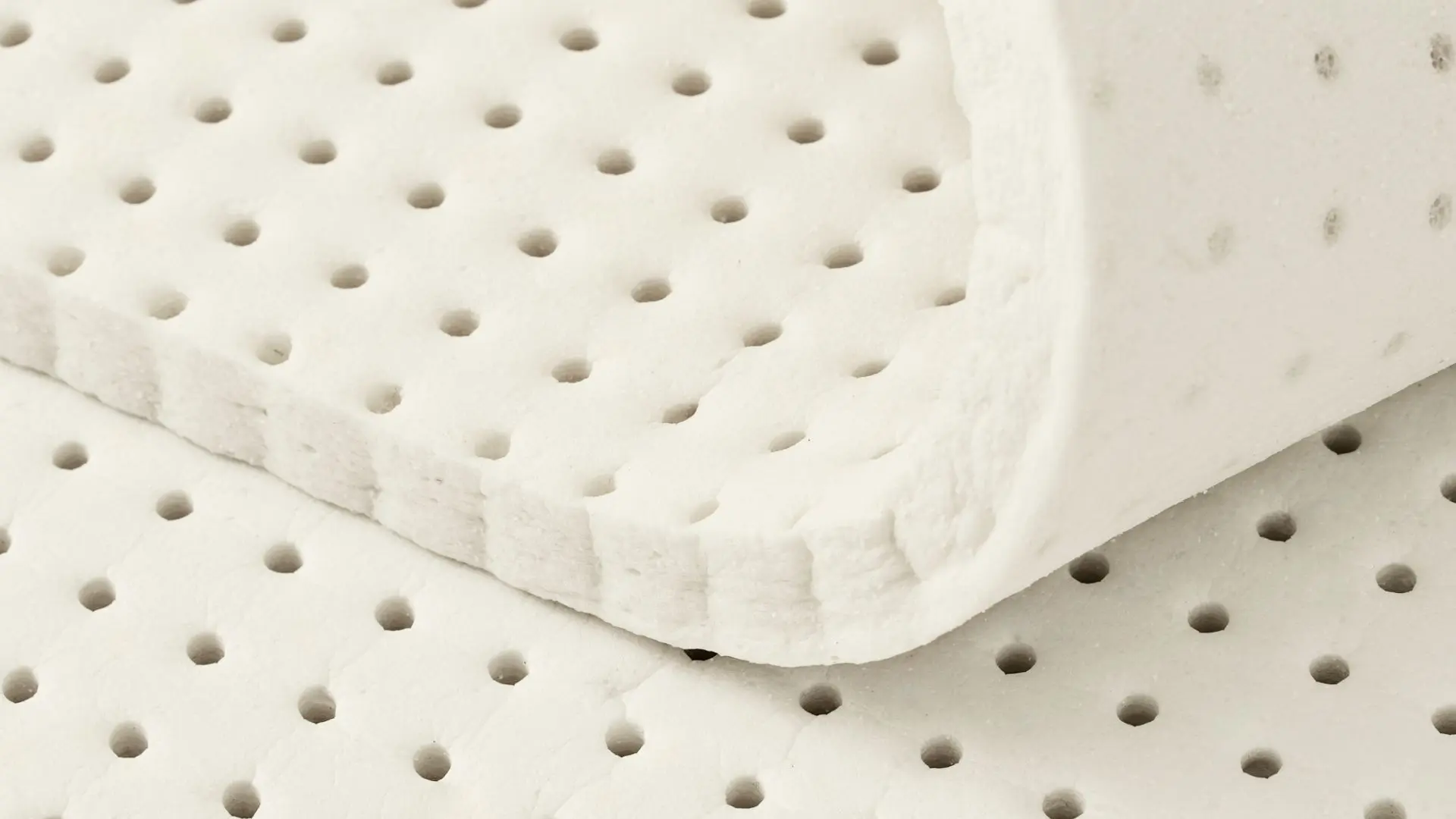
A next-generation material for sustainable padding applications
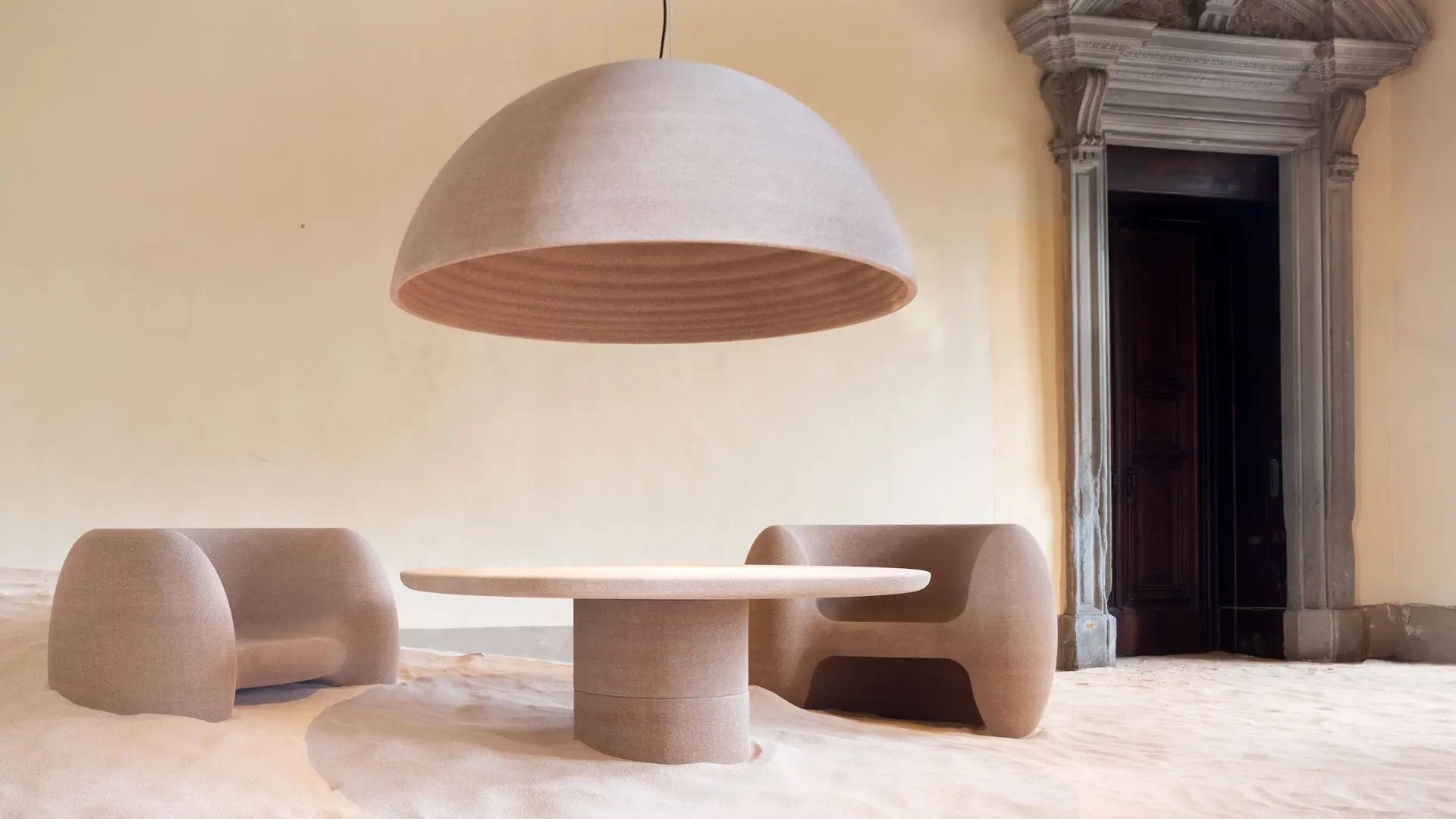
econitWood™ turns timber scraps into new material resources

Material Acts - Elsa Mäki - Stitching: Future Fabrication and Traditions of Reuse
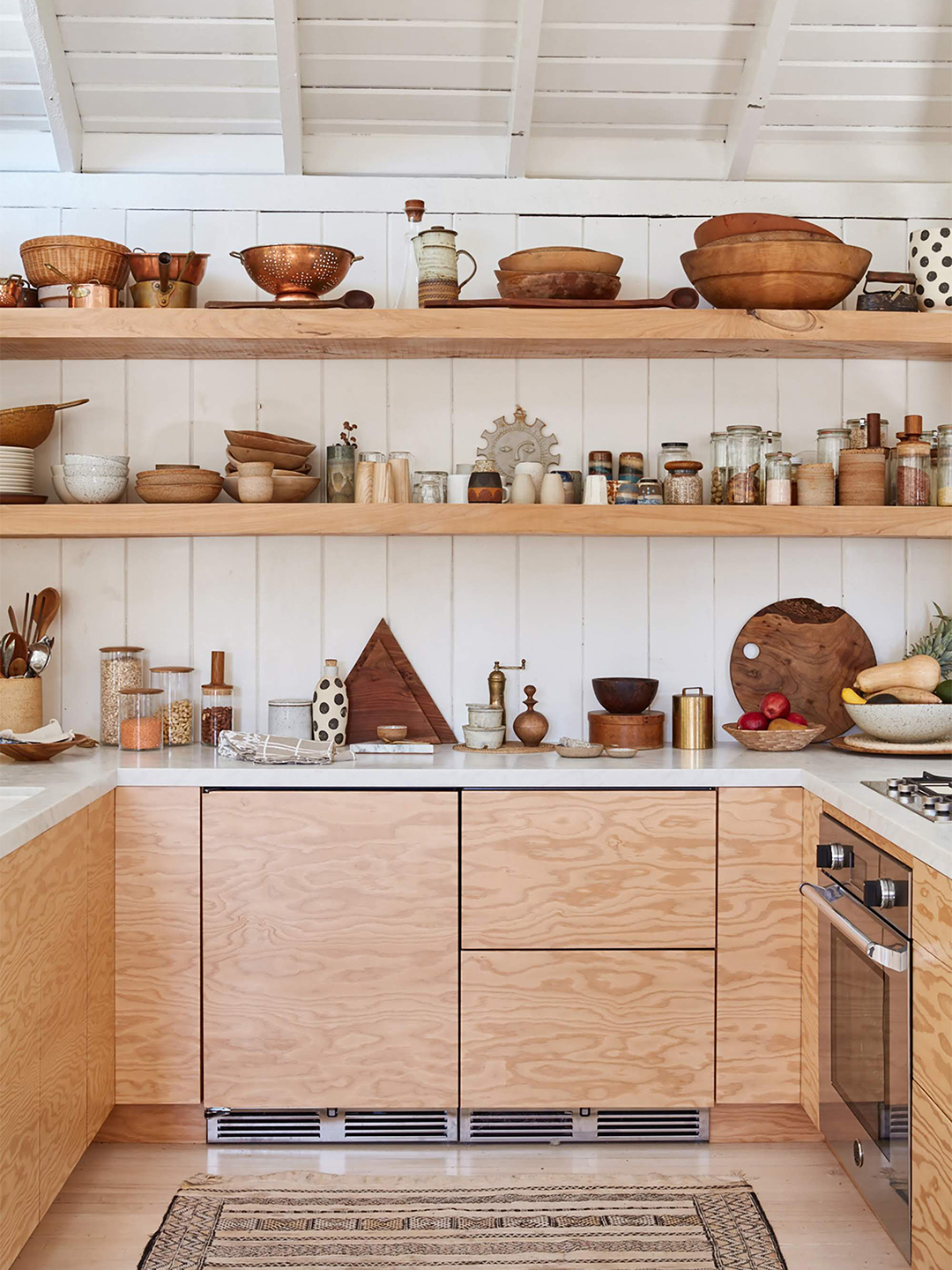
And the Next It Kitchen Cabinet Material Is…


Meet the designers using revolutionary eco materials

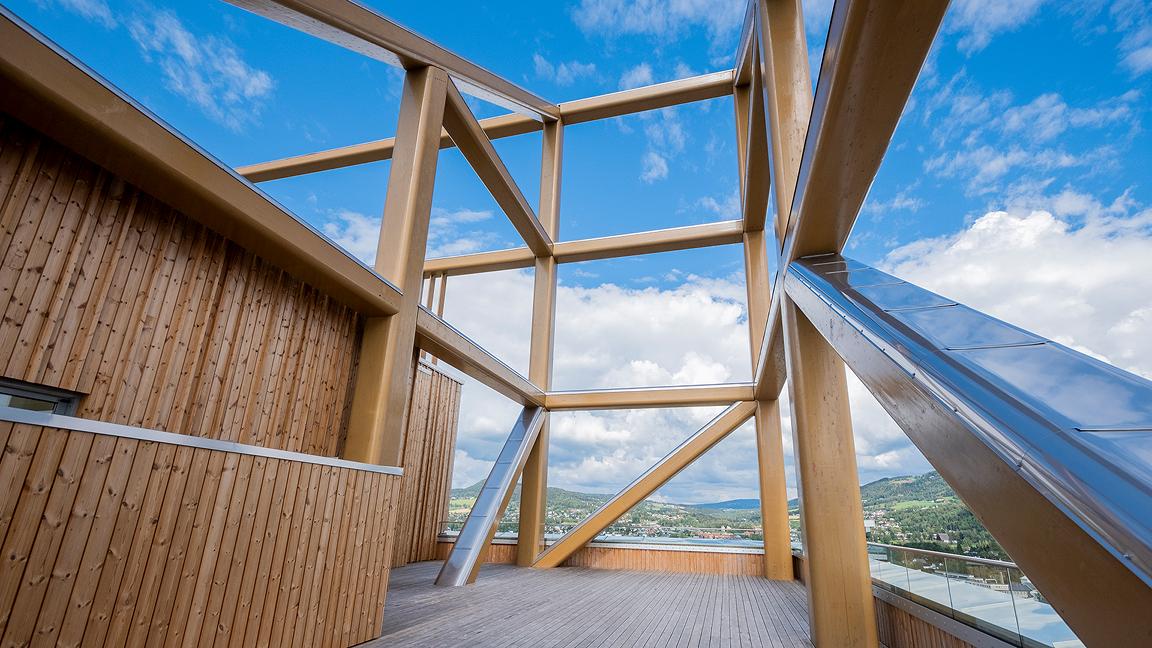
The future of sustainable building materials
17 Projects That Use “Ugly” Materials in Beautiful Ways

What Are the Most Eco-Friendly Kitchen Countertops? 6 Materials to Explore for Your Kitchen Plans
Eco-friendly materials: the future of residential and commercial construction

10 Innovative Materials Poised to Make Home Building More Sustainable

Sustainable Home Décor: Eco-Friendly Interior Design Trends to Watch


6 inspiring sensory surface trends to expect in 2023
Moss-Core, Squishy Shapes, and 6 Other Trends We’re Super Excited About Right Now

Material Innovation At Its Best: Explore Design Standouts

FabBRICK reinvents construction materials with recycled textile waste
Innovations Driving Sustainable Building and Architecture Forward