1/4
Lip transforms the humble coffee table with a simple split
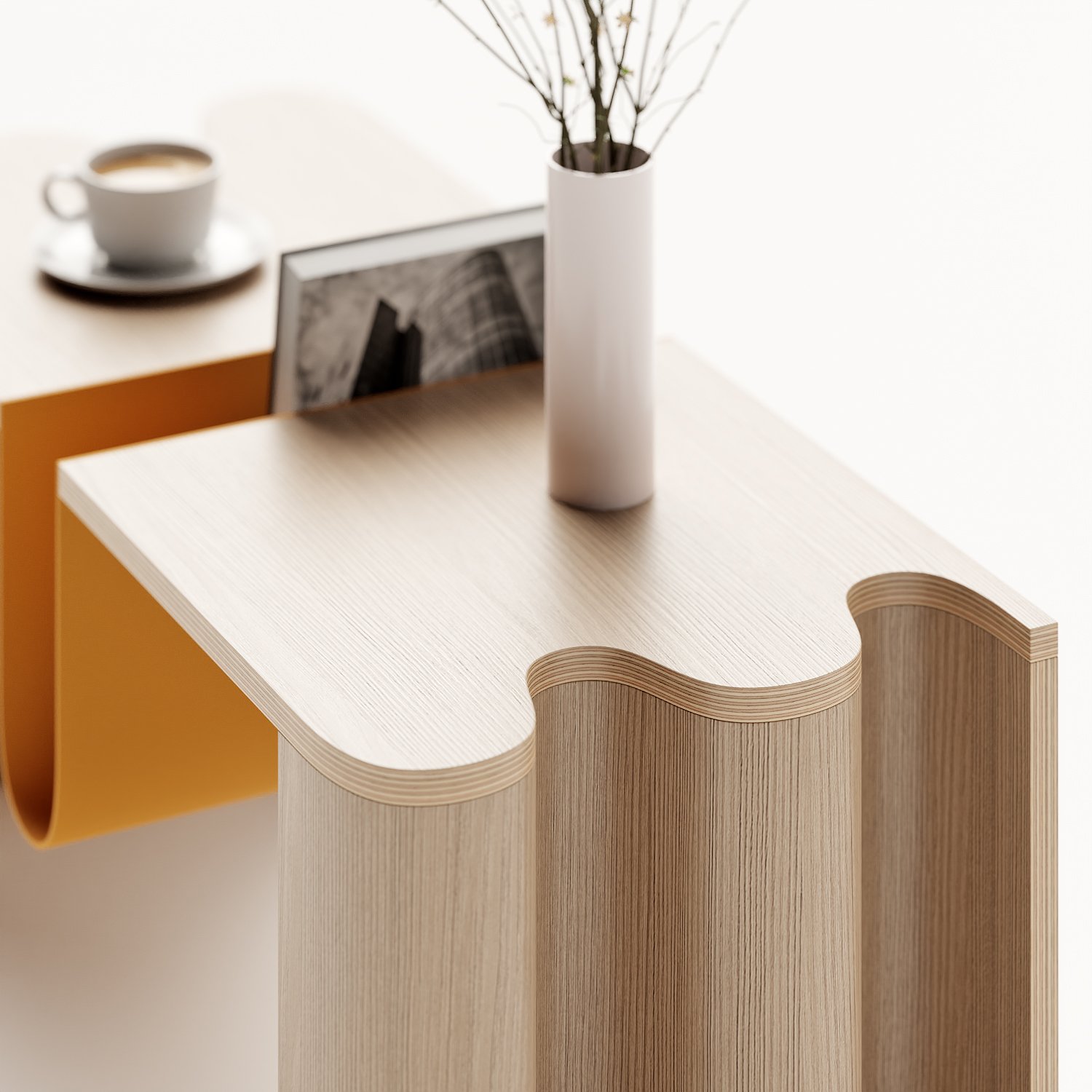
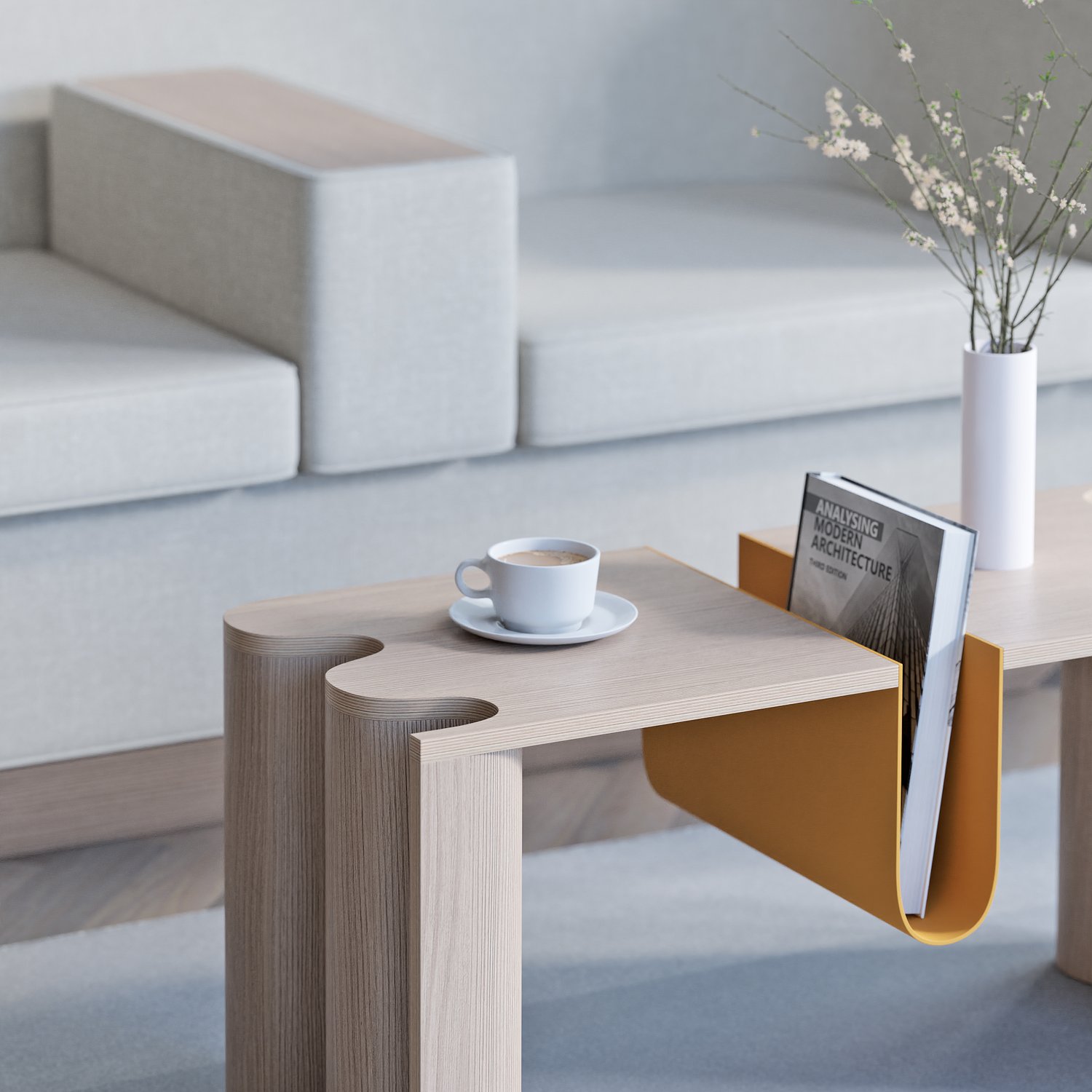
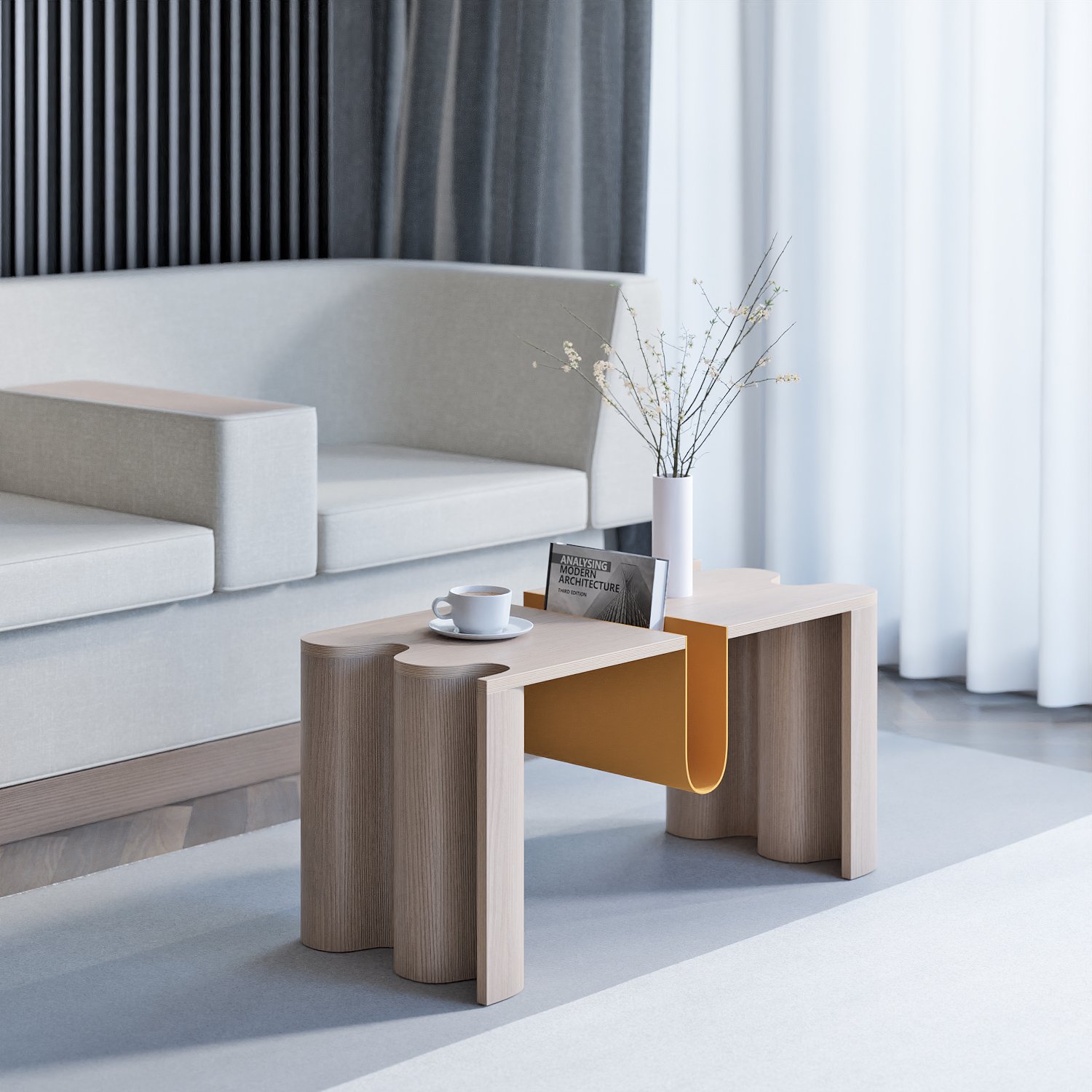
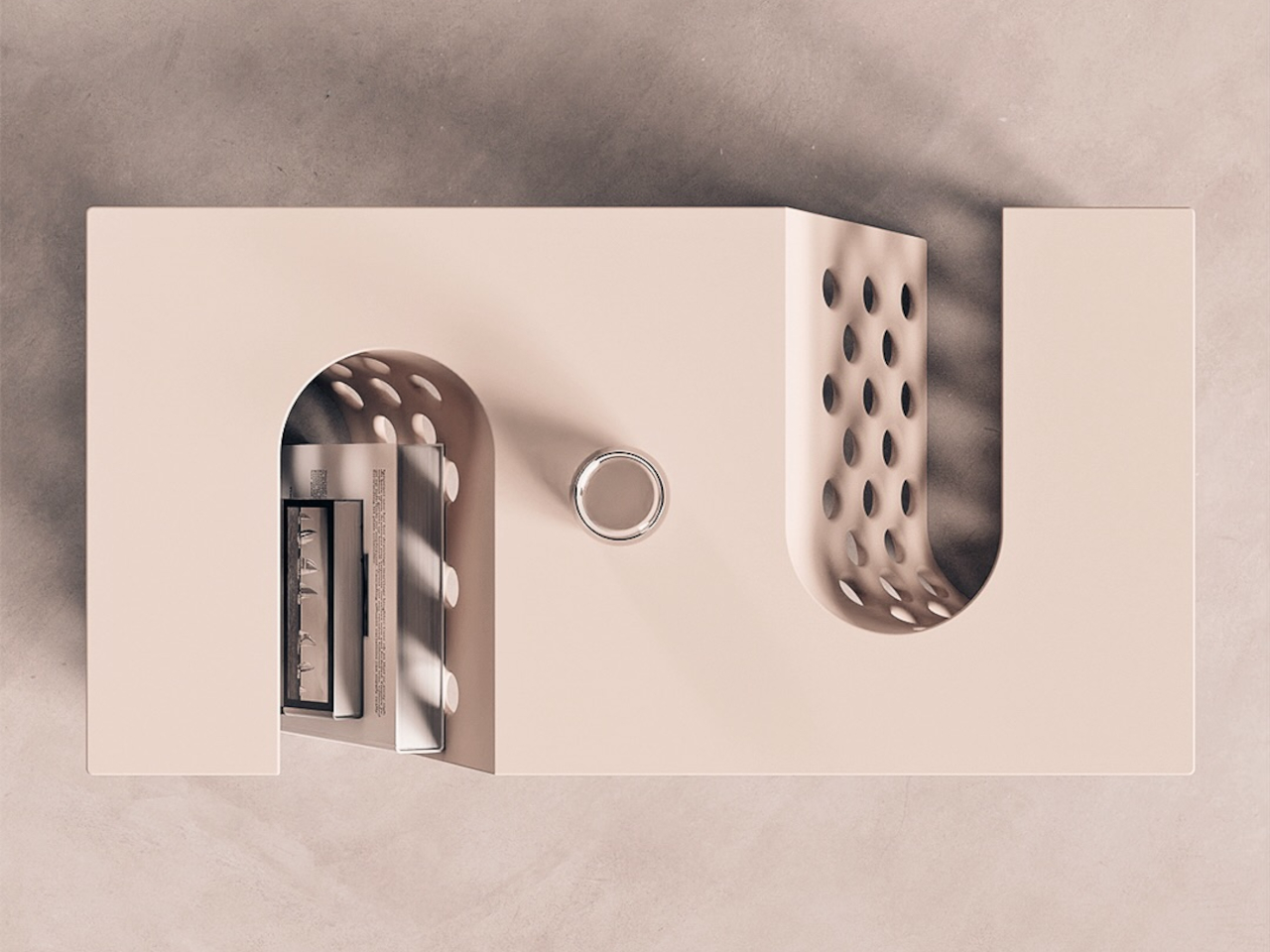
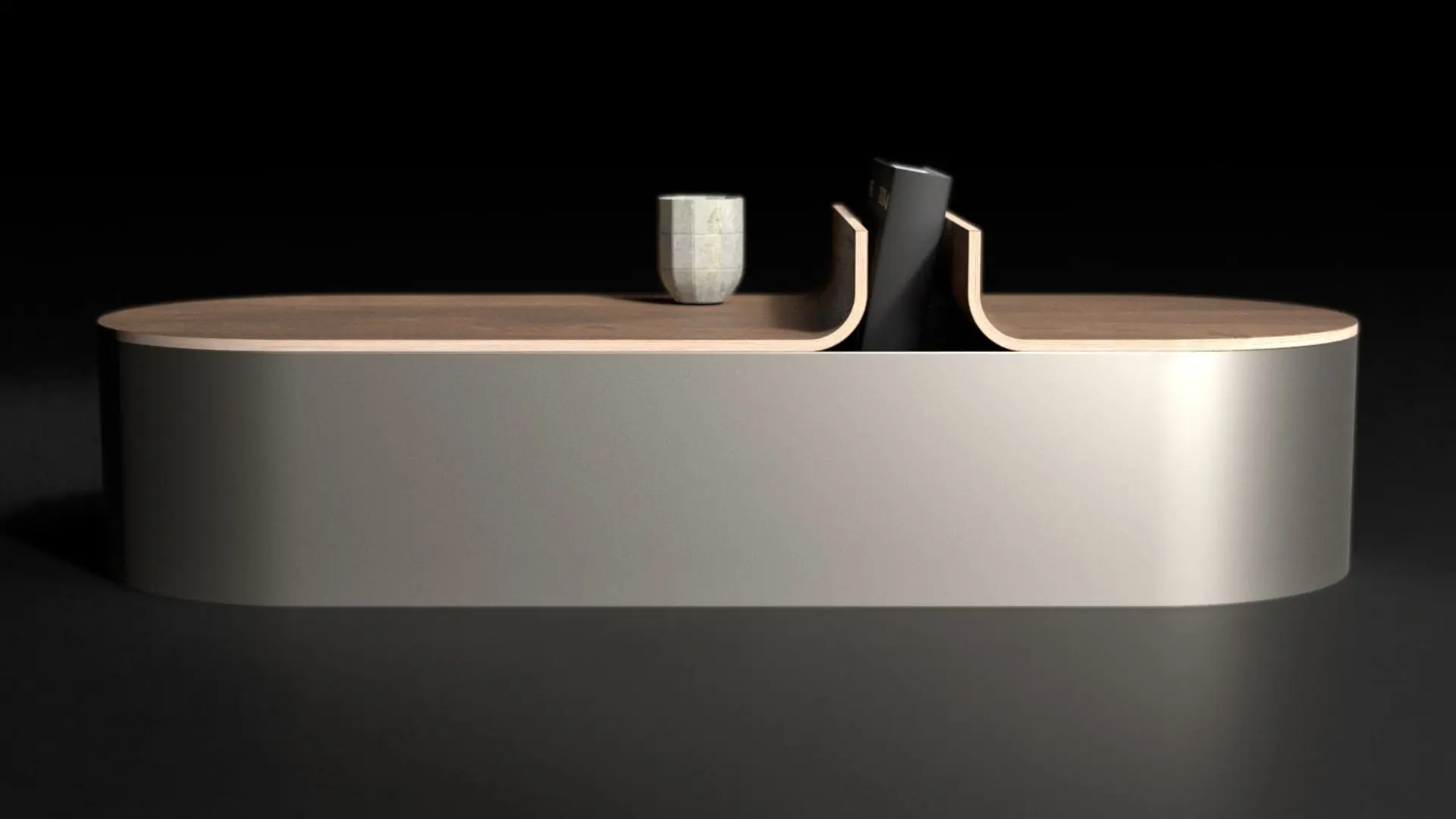
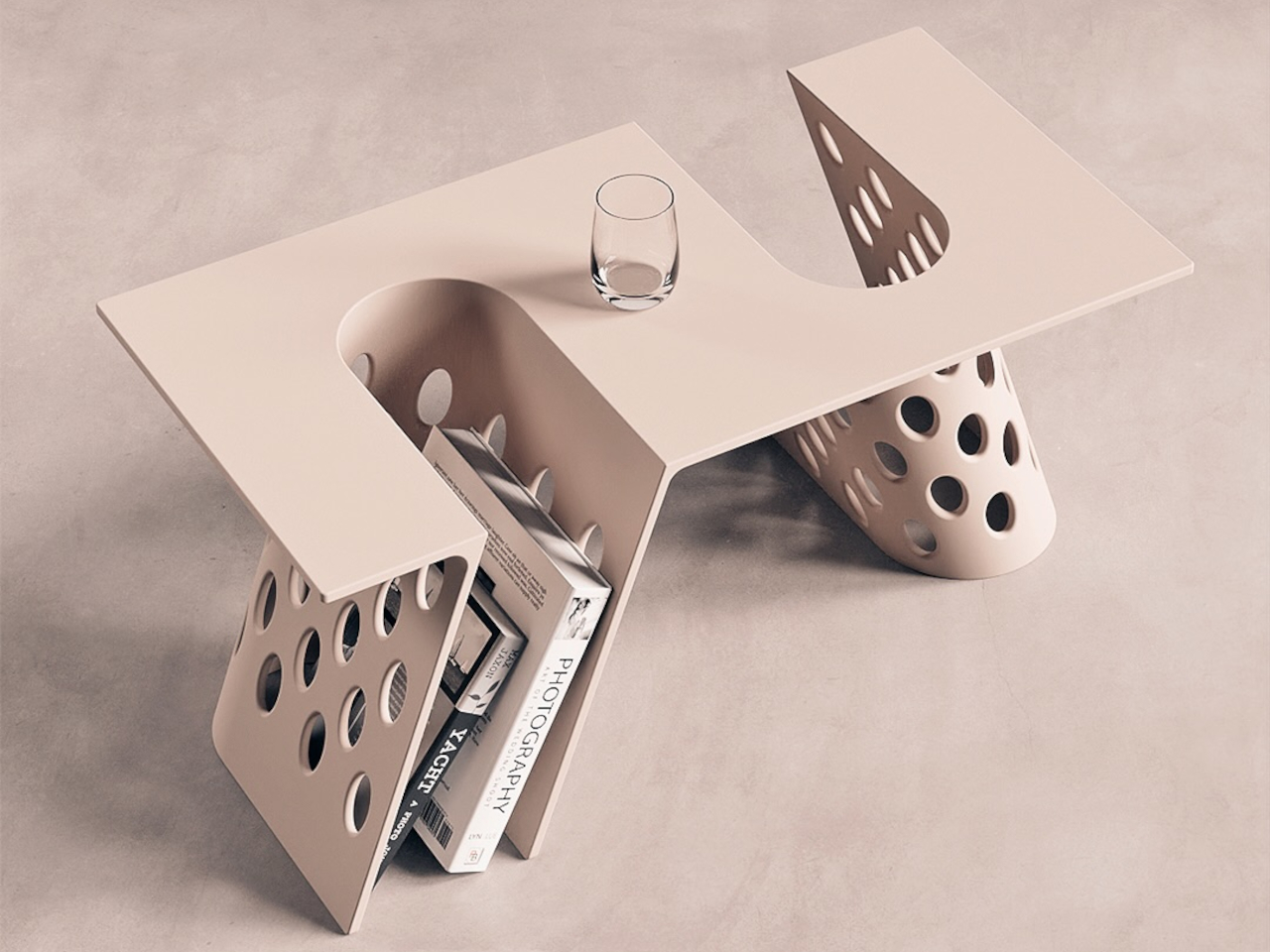
The article showcases 'Lip,' a conceptual coffee table designed by 3D designer Deniz Aktay, which reinterprets the traditional coffee table by integrating additional storage and a distinctive aesthetic. Aktay, known for his rendered designs, utilized Maxon's Cinema4D and Corona Renderer to bring this concept to life. The 'Lip' coffee table draws inspiration from a can, featuring a unique split in its tabletop. This central opening divides the table surface into two distinct parts, each with a lipped edge, creating practical space for neatly storing items such as books or magazines. This design element not only offers functional storage but also hints at a larger, hidden storage compartment within the table's base.
Aktay's design philosophy for 'Lip' is rooted in the idea of a container whose contents seemingly wish to emerge. He explains that the design aimed to provide a low tabletop with easily accessible book storage, allowing the stored items to be readily seen and retrieved. The construction of the 'Lip' coffee table is characterized by its simplicity and minimalism, despite the complex steam bending techniques that would be required for its physical production. The table is composed of two primary elements: a base and a tabletop, and utilizes two main materials: aluminum and plywood.
The metal aluminum base is designed to follow the contours of the wooden top, providing support for the two plywood sections and the items stored within the lipped edges. Aktay deliberately chose bent plywood for the tabletop, despite metal being an easier material to bend, to achieve a more natural surface feel. This choice underscores his commitment to balancing aesthetics with practical considerations. The article emphasizes how minimal interventions can yield significant results in design, highlighting that a simple cut and bend can transform a basic coffee table into a piece with enhanced storage options, varied surface hierarchies for display, and a strong creative flair.
Furthermore, the article discusses the impact of hyperreal rendering in modern design. This technology enables designers like Aktay to visualize and iterate on experimental concepts rapidly and effectively, opening new avenues for 3D design exploration. Aktay details his creative process, noting that while the initial design idea for 'Lip' emerged quickly, the subsequent task of refining the 3D shape to achieve the most visually pleasing outcome took time. Following this, selecting appropriate textures and lighting was crucial for creating a convincing rendering. He estimates that the entire process, from conceptualization to the initial visualization, took approximately three hours, underscoring the efficiency that advanced rendering tools bring to contemporary design workflows.
#FurnitureDesign #ConceptDesign #InteriorDesign #LifestyleDesign #VirtualReality #DenizAktay #CoffeeTable #3DRendering #ProductDesign #FurnitureDesign #ConceptDesign #InteriorDesign #LifestyleDesign #VirtualReality #DenizAktay #CoffeeTable #3DRendering #ProductDesign
0 comment in total
 No comments yet
You may also like
The Teâshí Coffee Table Is Given New Life by Artist Callen Schaub

This Living Room Gets a Sophisticated and Stylish Face Lift

Otelier’s Wooden Side Table Cleverly Turns Into Four Stools

Create the Dreamy Library Look You’ve Always Wanted with This One Simple Upgrade

23 Coffee Table Decor Ideas That Will Make a Massive Impact On Your Living Space

Reader project: From old coffee table to Hamptons-style ottoman

Removing a fireplace mantel helps turn an eyesore into the family room star


There's a new coffee table styling trend designers are loving for a less pretentious living room

The Cloth Coffee Table is inspired by the fabric’s billowing movements

How to Style a Coffee Table So It Never Looks Cluttered, According to Interior Designers

Holey coffee table concept has an unintended killer feature


5 things stylists always do when styling a coffee table
Focus on This Overlooked Decor Element To Instantly Transform a Room

Pinch bases Rodan coffee table on Shaker storage box
Okay, That's Clever — Pull This 'Transforming' Console Table Out From the Wall and It Moonlights as a Swanky Home Bar Set-Up
This Ingenious Table Seamlessly Transforms from Round to Oval, and Puts an End to the Dreaded Squeeze
An Inception movie-inspired coffee table that bends reality

Victoria Beckham’s interior designer loves this unusual coffee table styling trick

This Inception-inspired coffee table bends a city in your own home


You Won't Recognize This IKEA LACK Table After One Stunning Transformation