How to Style a Coffee Table So It Never Looks Cluttered, According to Interior Designers
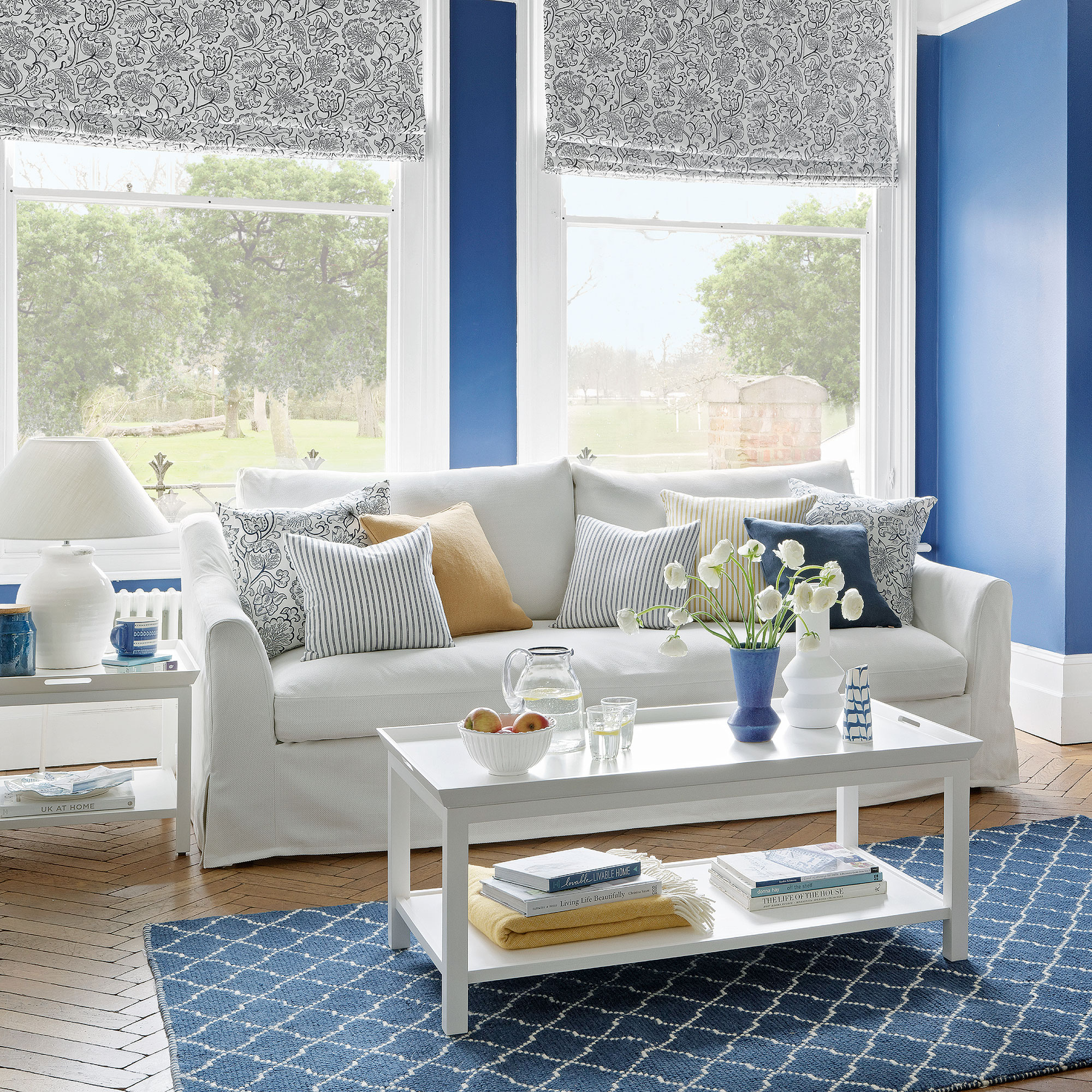
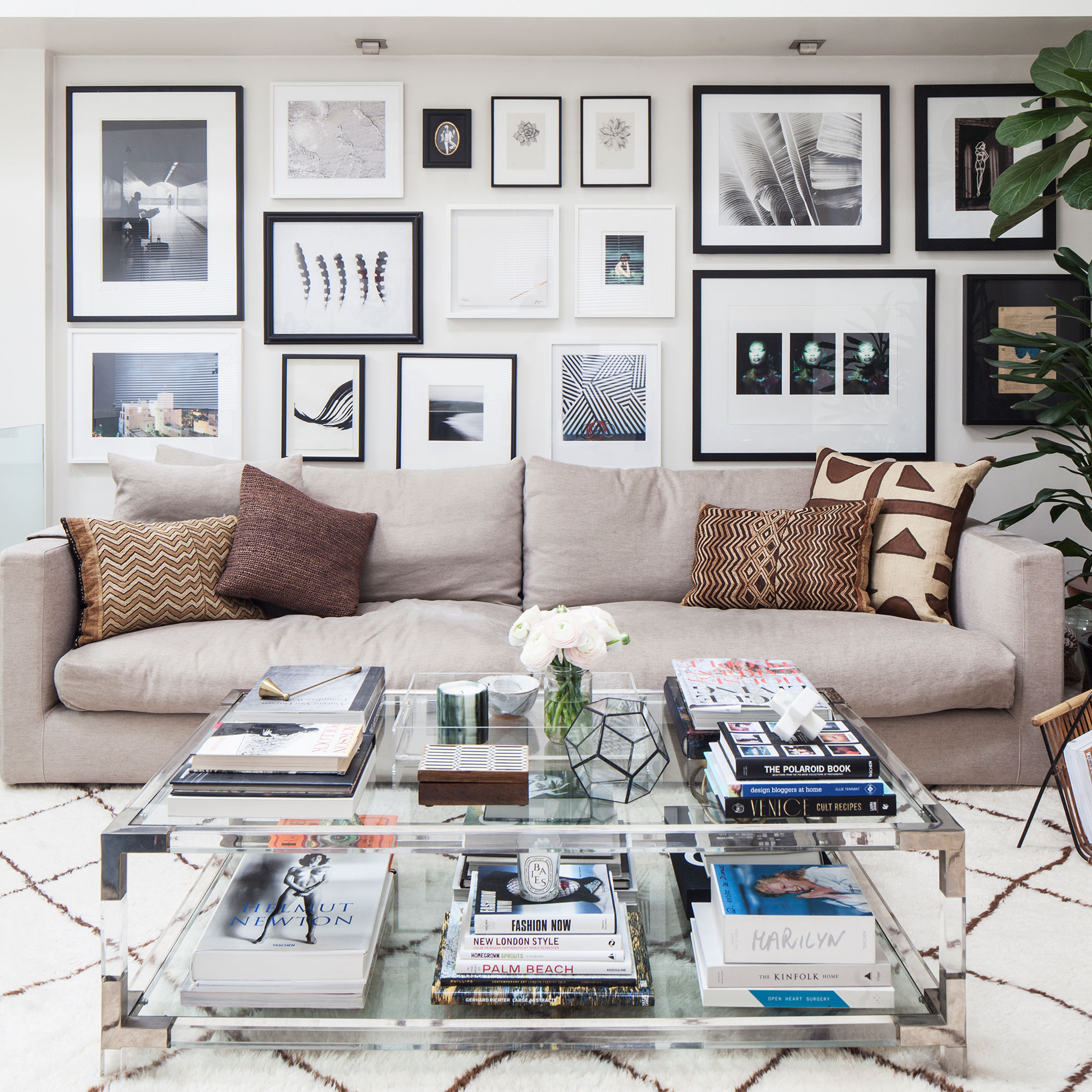
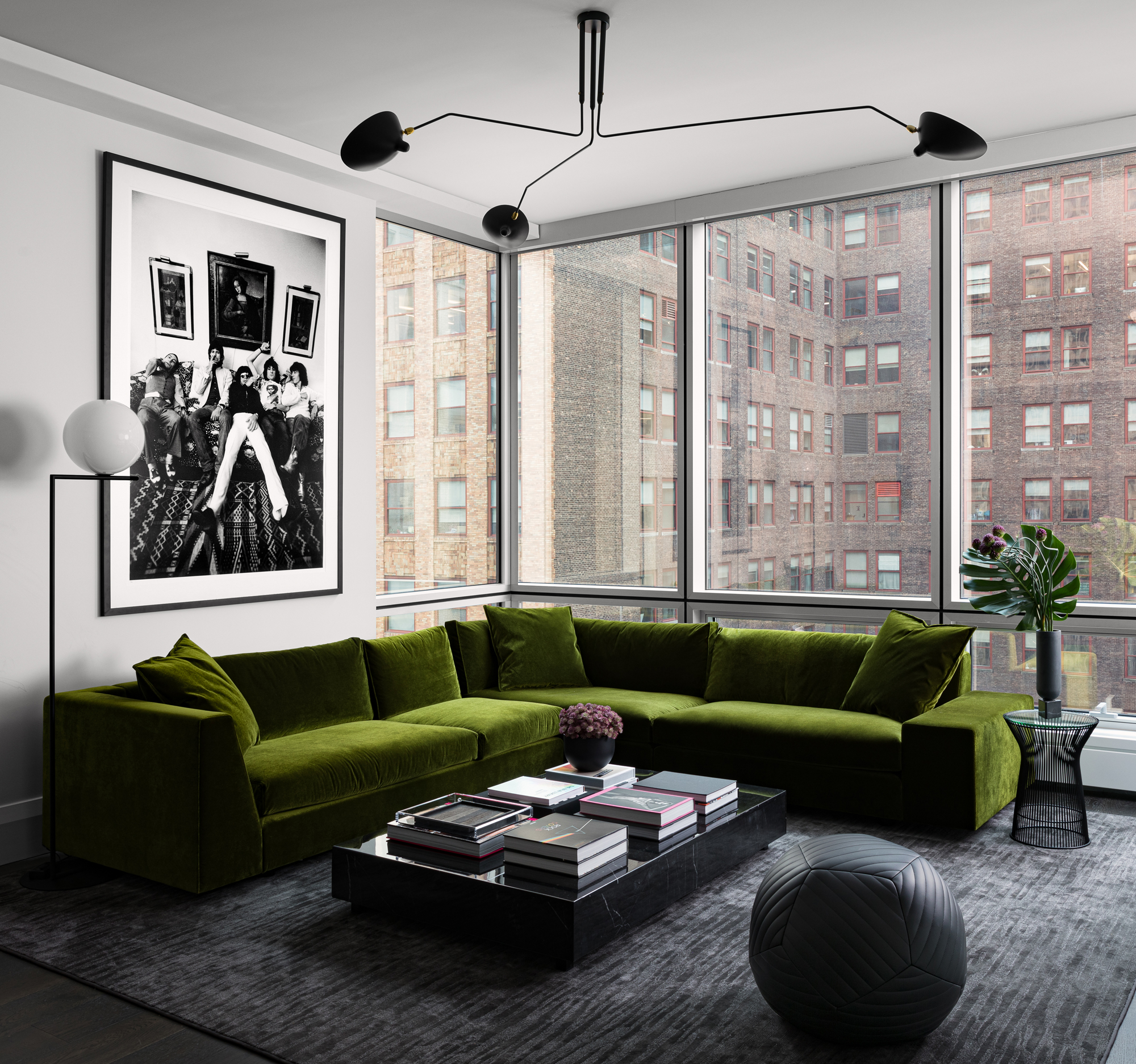
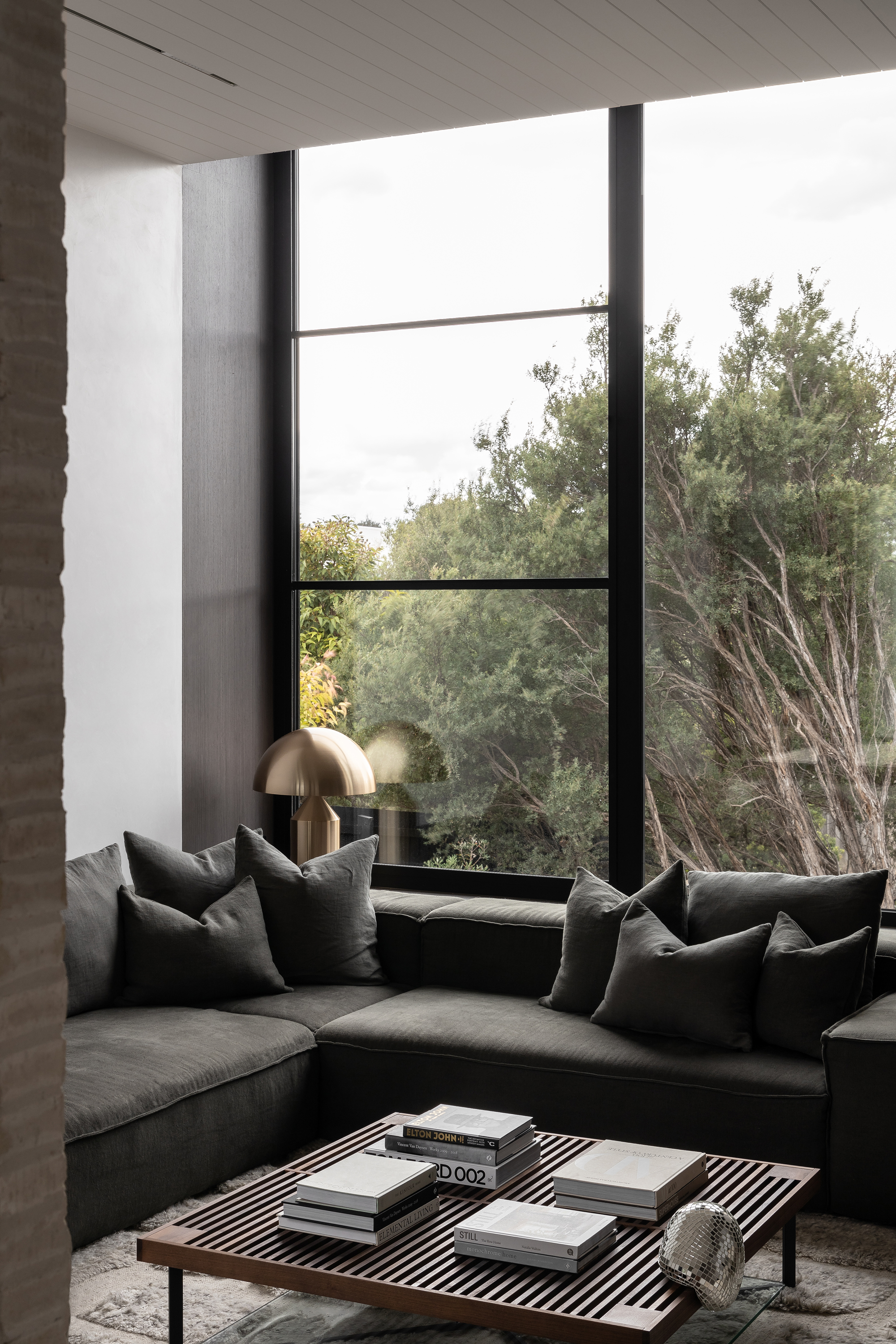

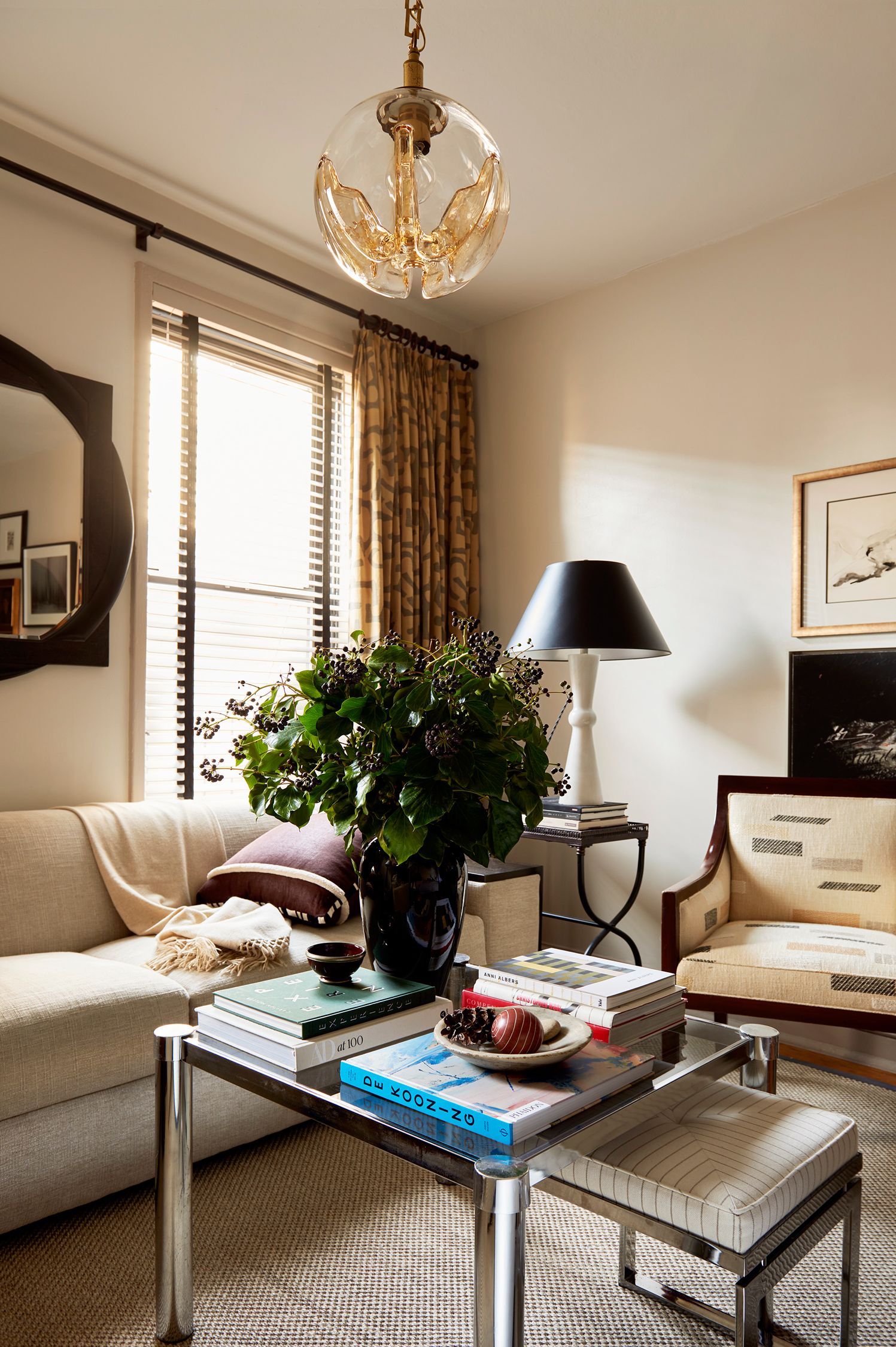
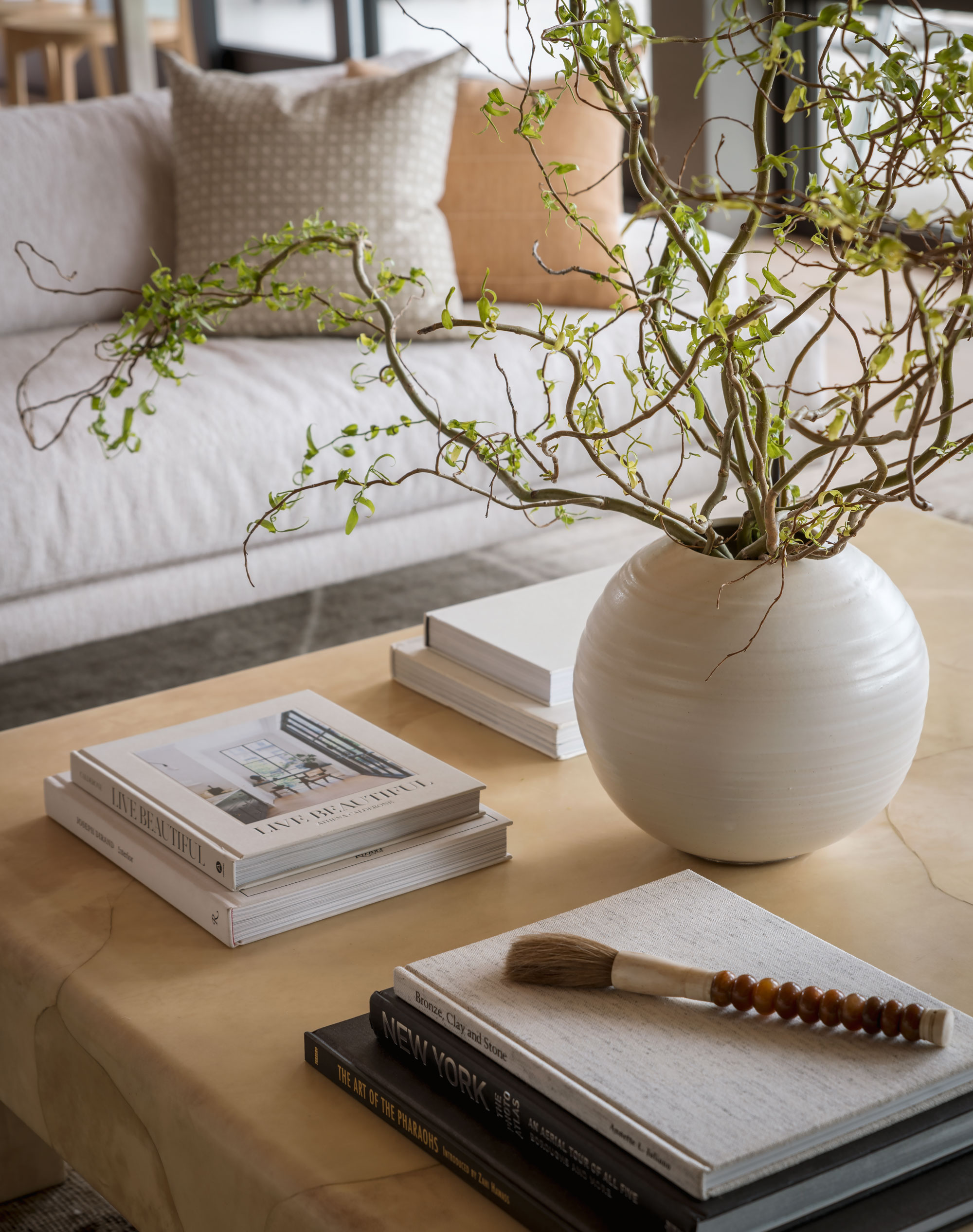
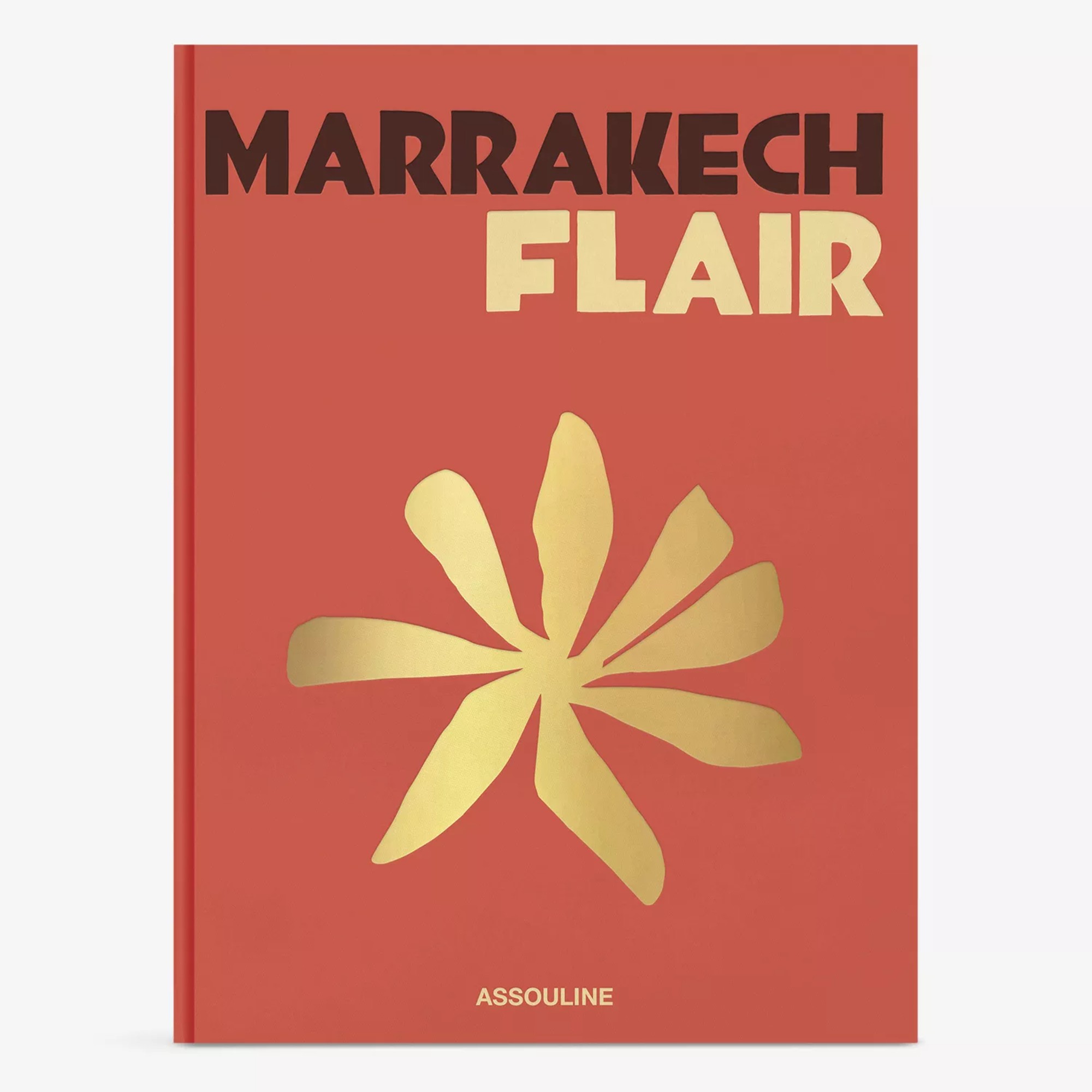
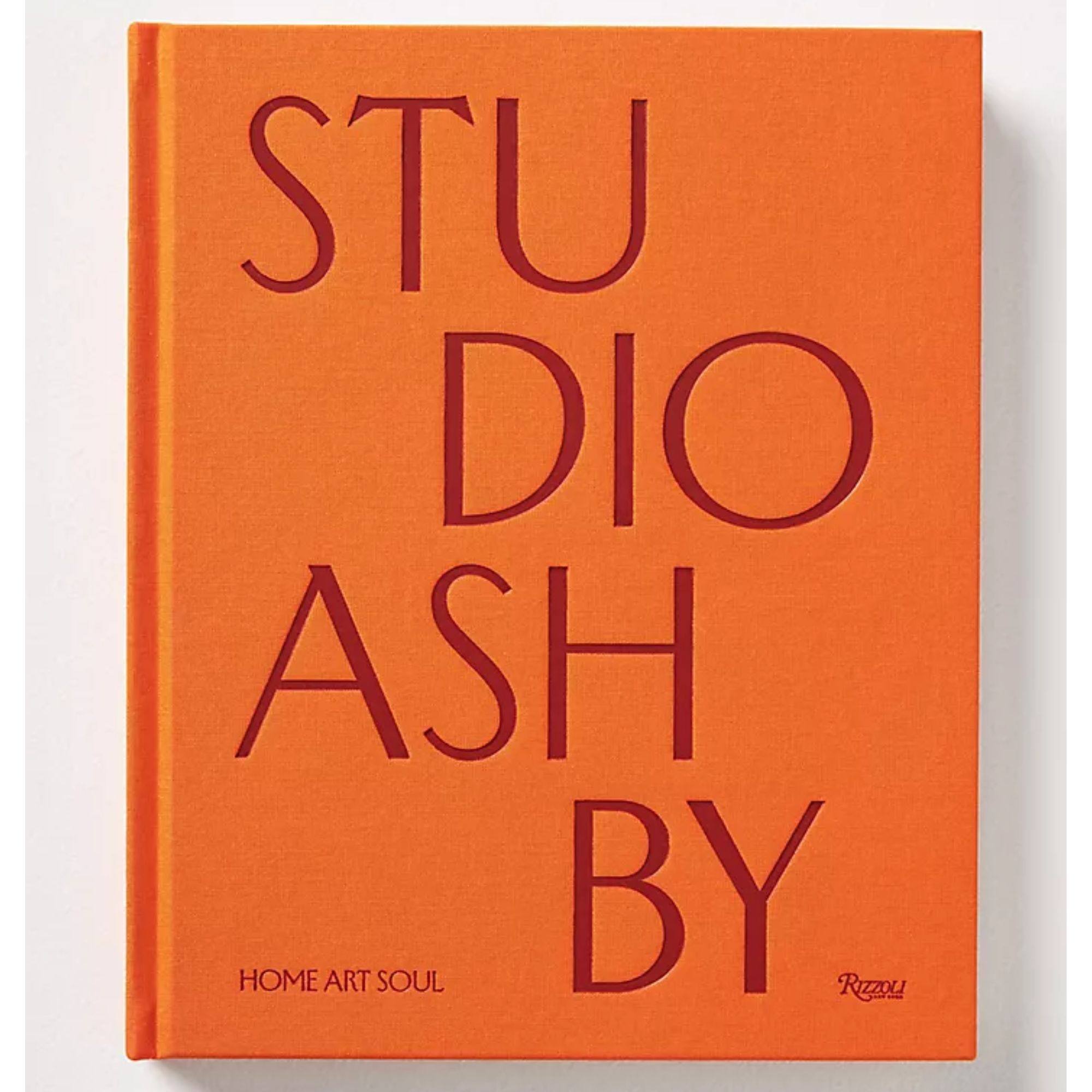
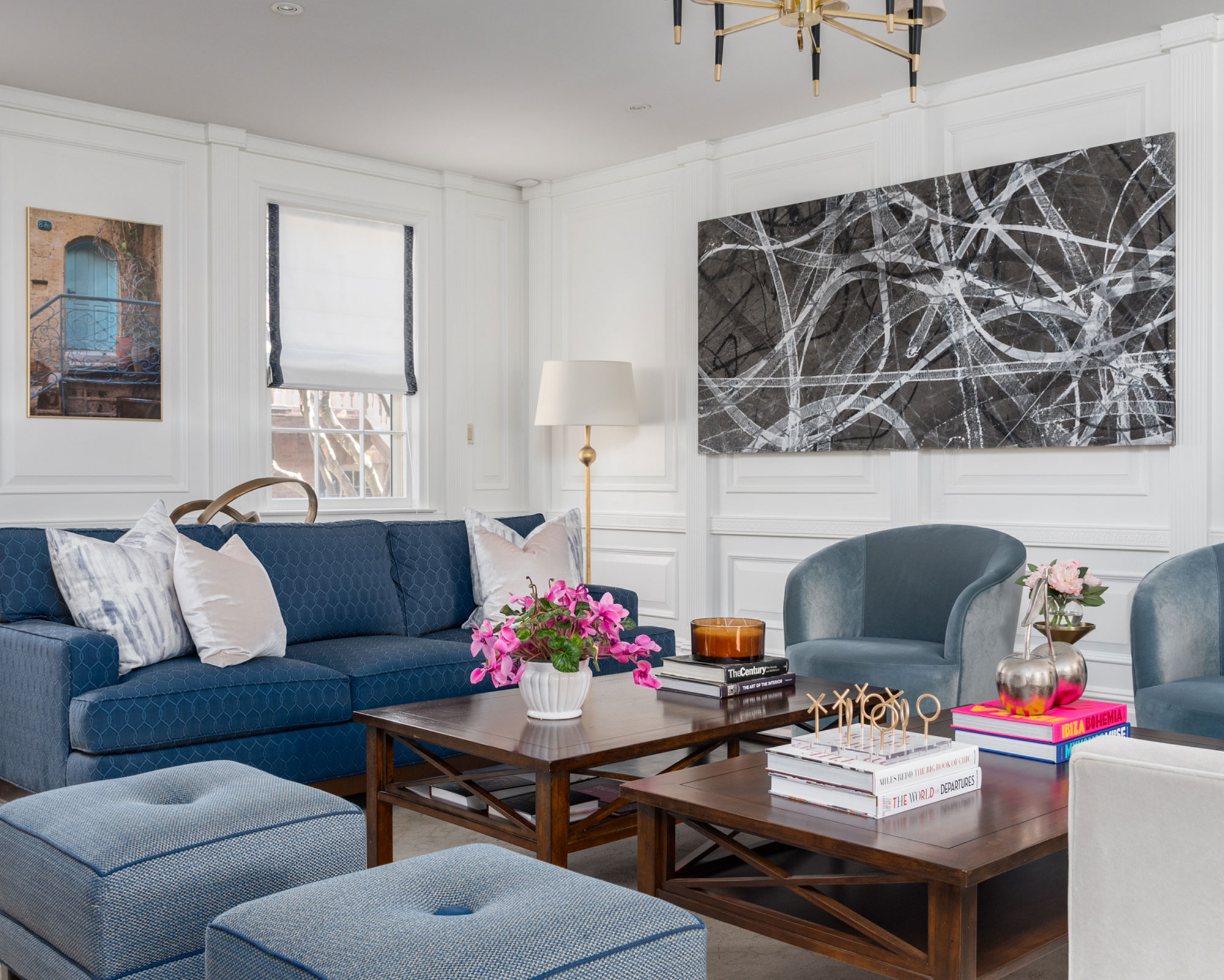
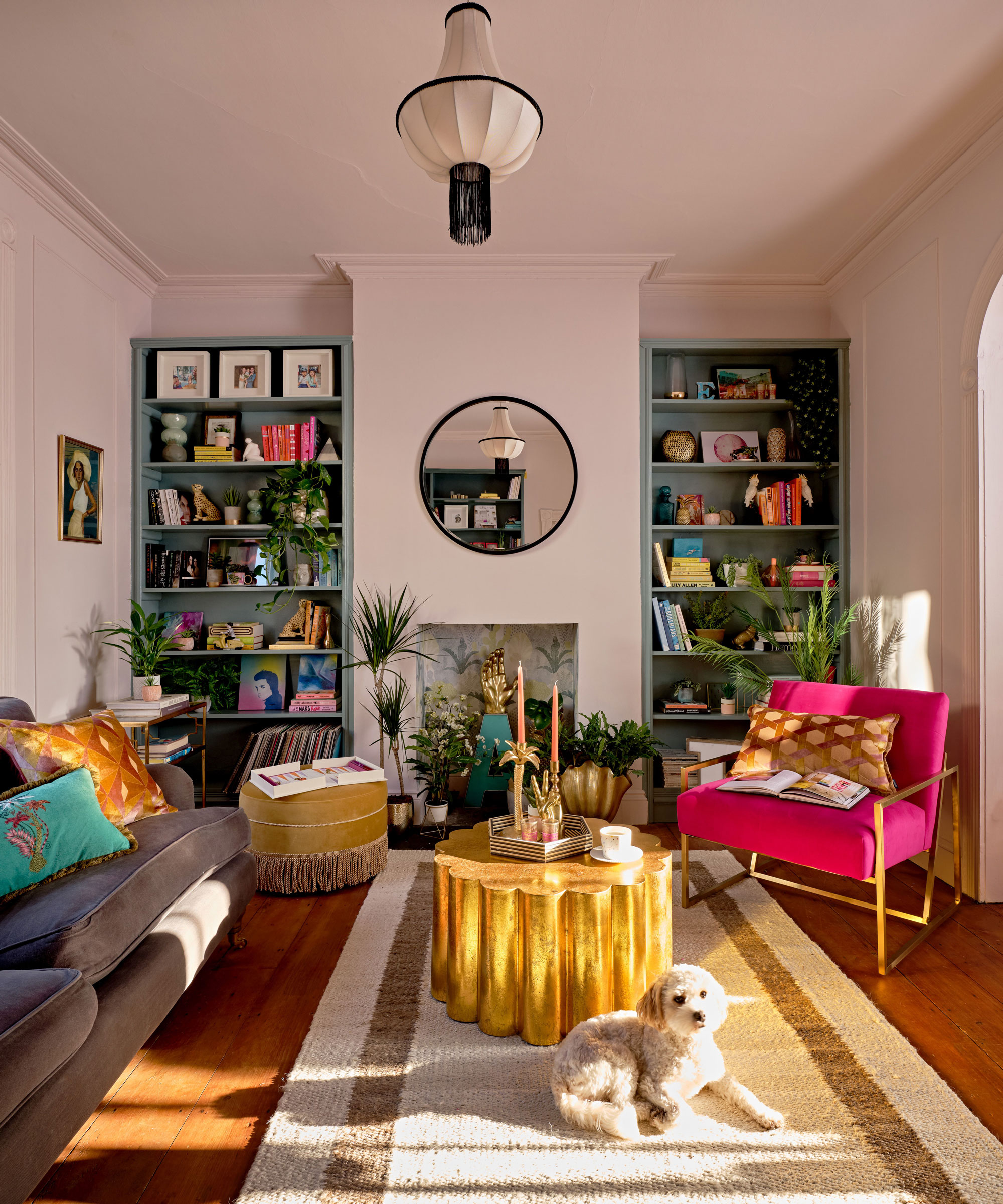
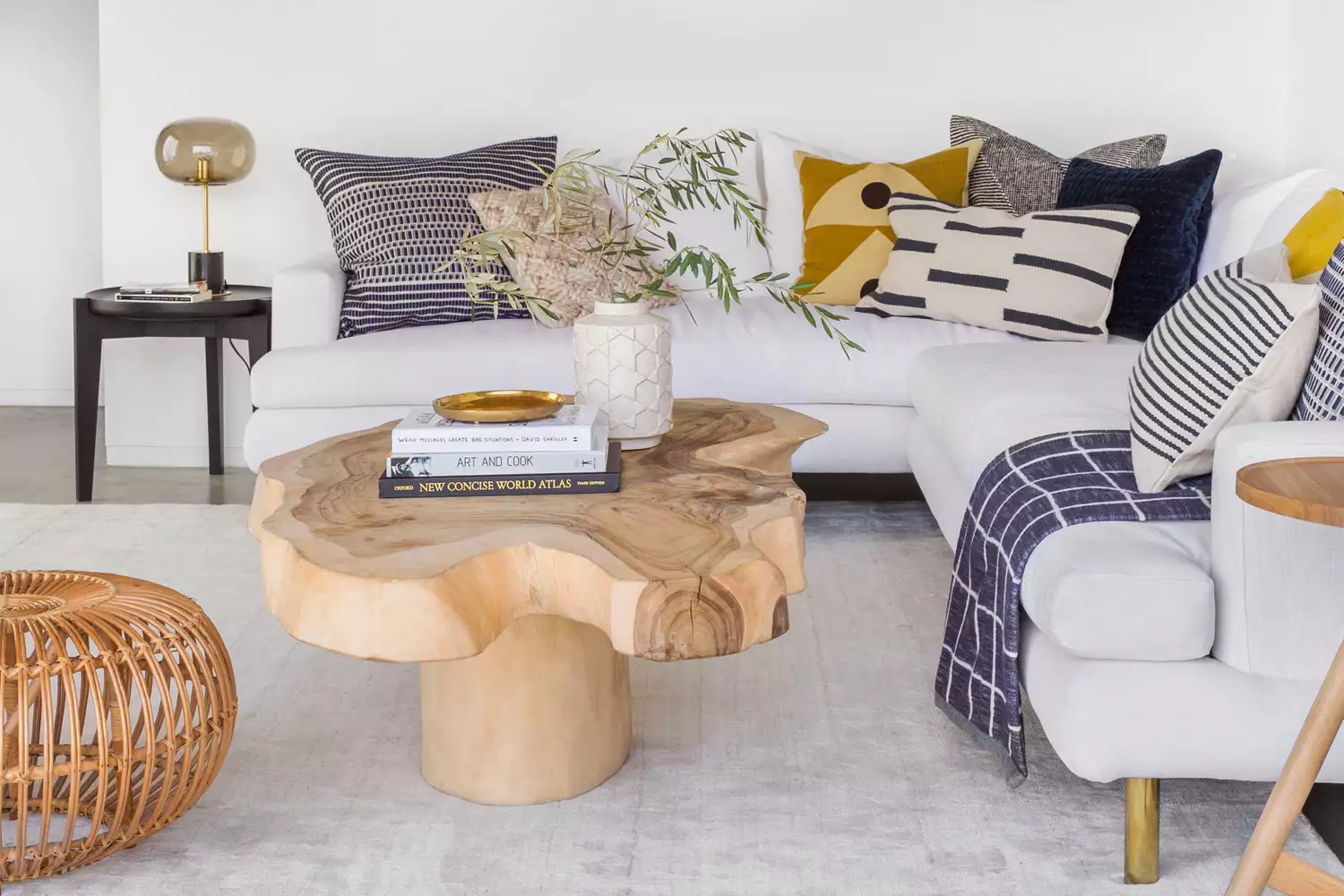
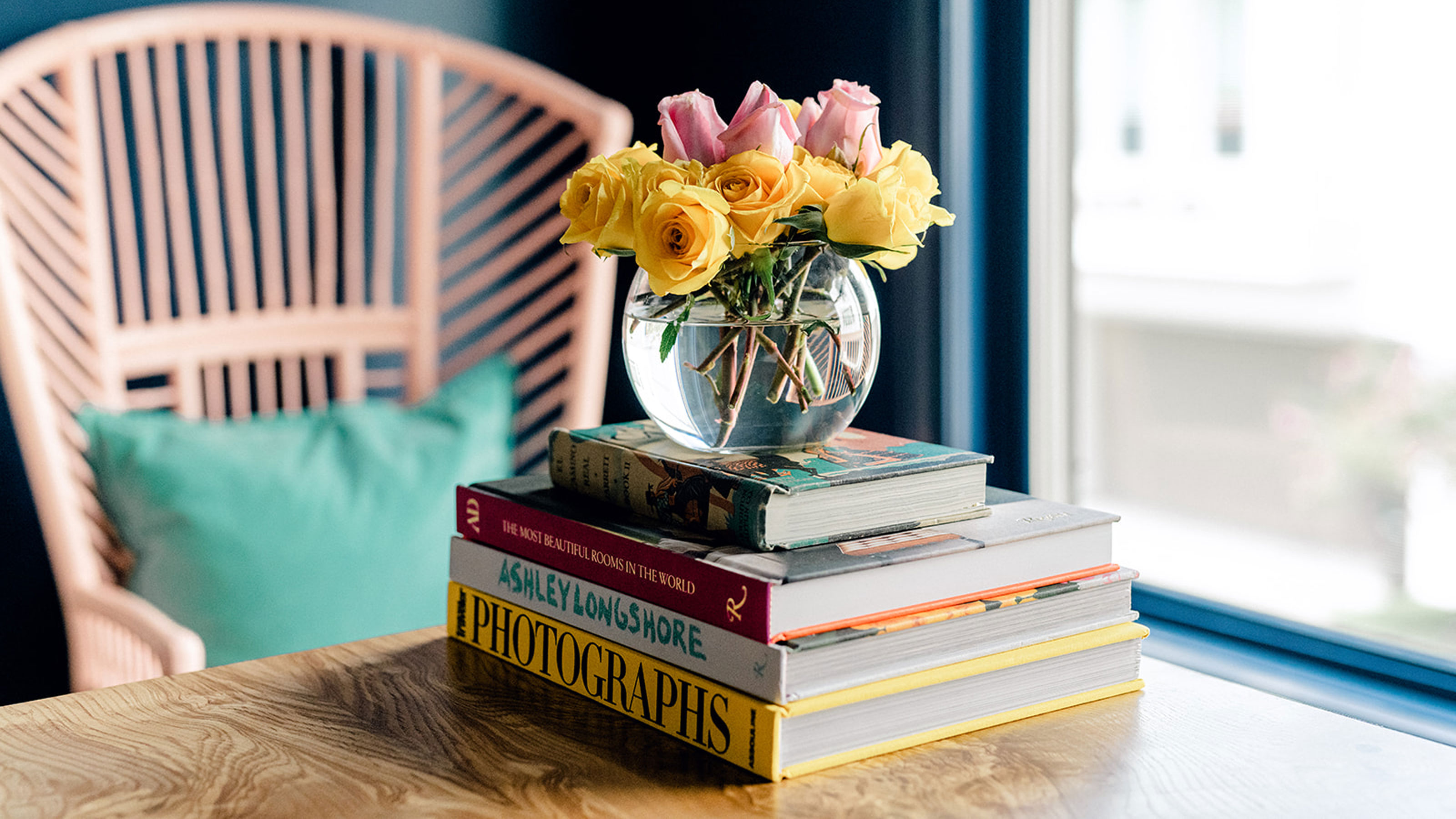
Styling a coffee table to be both aesthetically pleasing and functional can be a challenge, especially in living rooms where families spend considerable time. The goal is to achieve a balanced design that avoids clutter while still allowing space for practical items. Interior designers suggest beginning with a strong foundation, often a curated stack of books. Julia Stevens, an interior stylist, recommends arranging two to three books per stack in a "messy, Tetris-like formation," with some facing different directions for a haphazard look. She also advises using linen-wrapped books and removing sleeves for a better appearance.
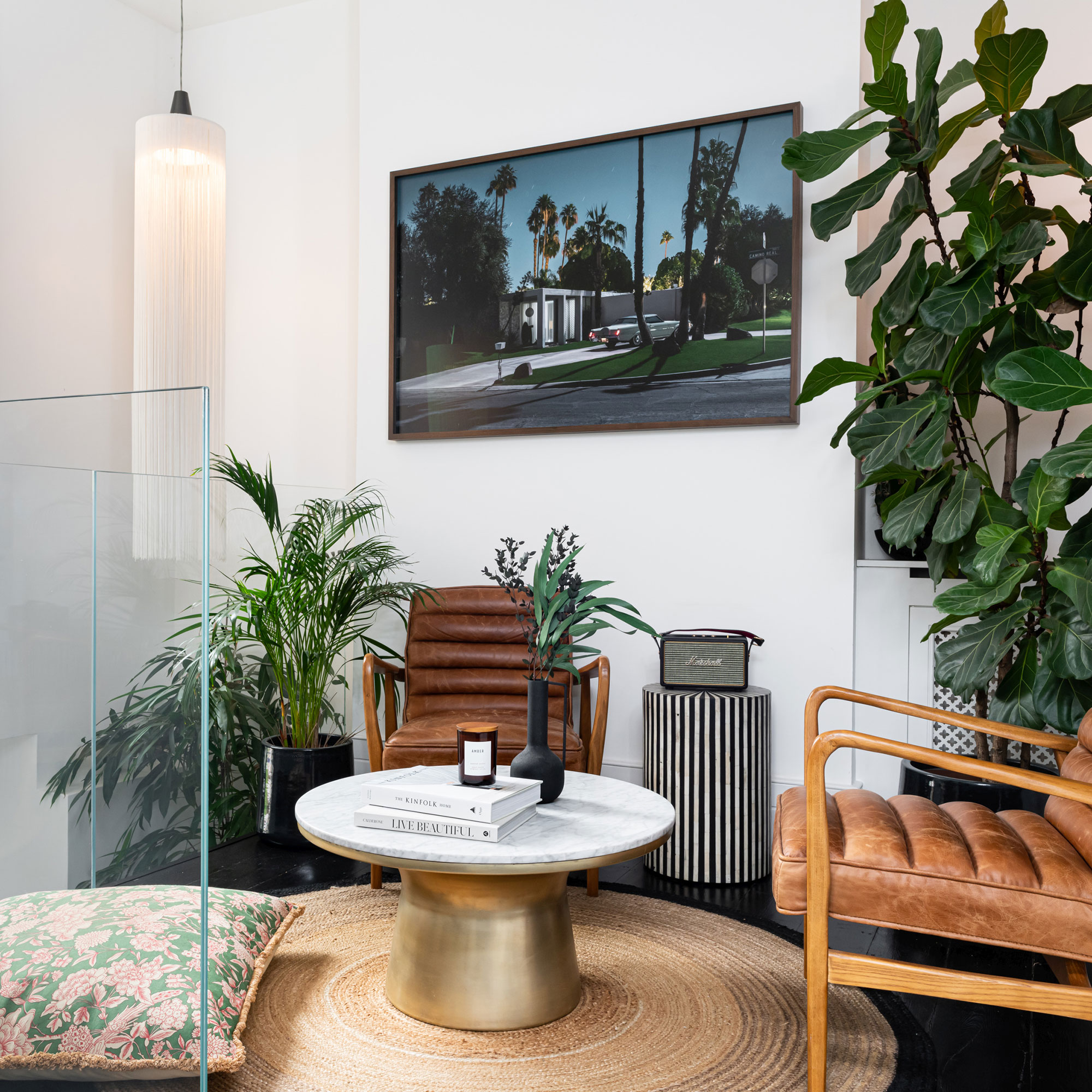
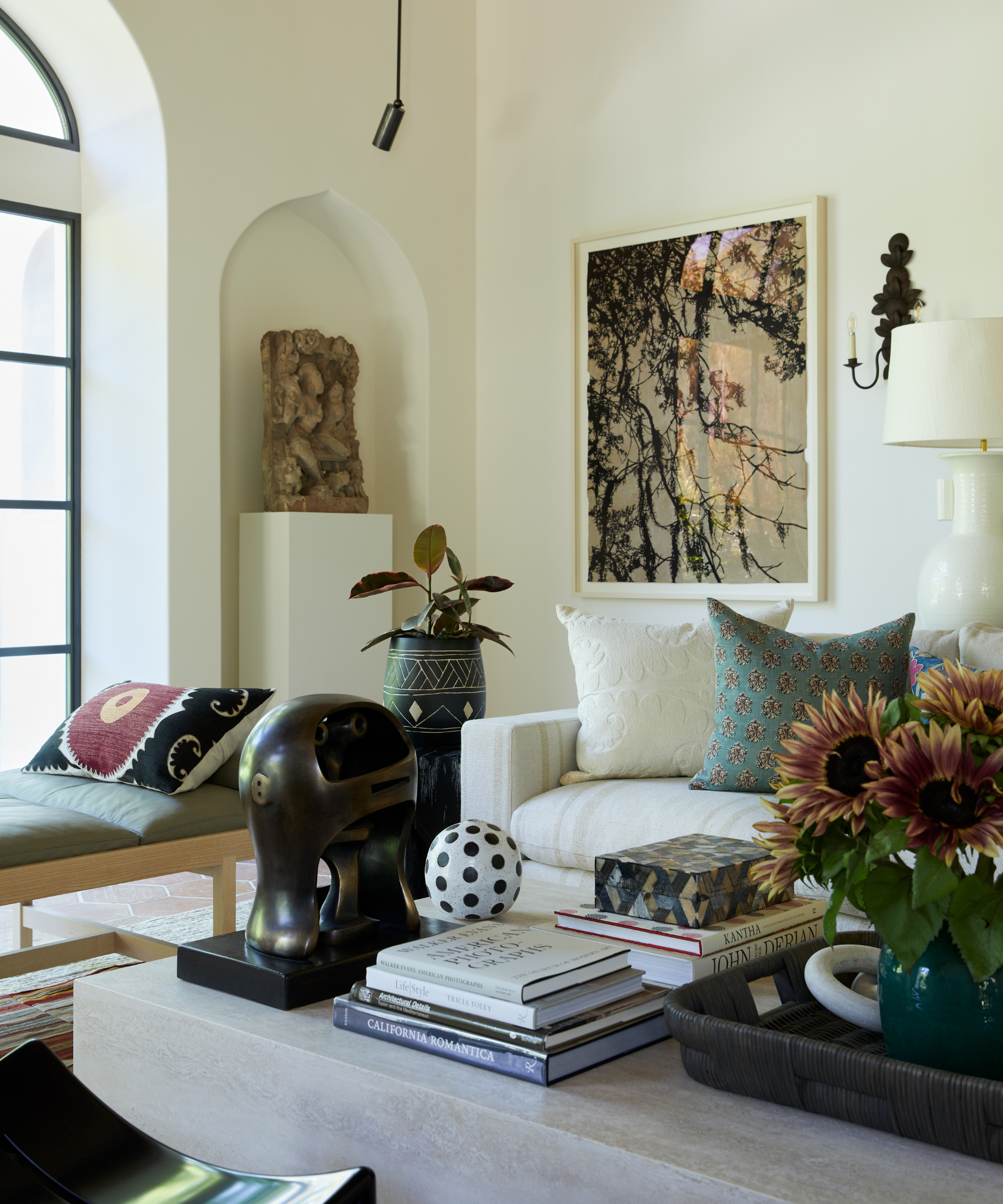
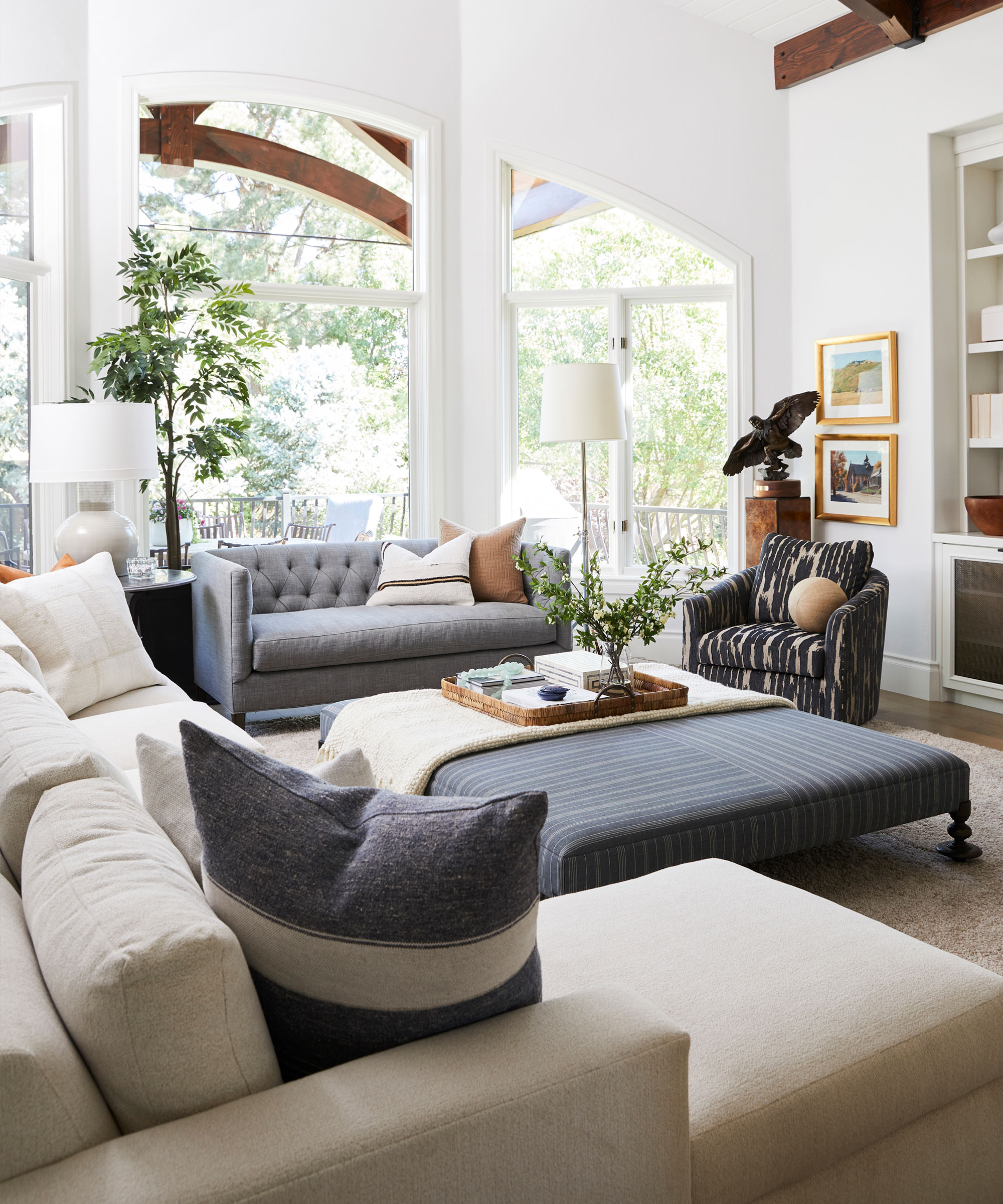
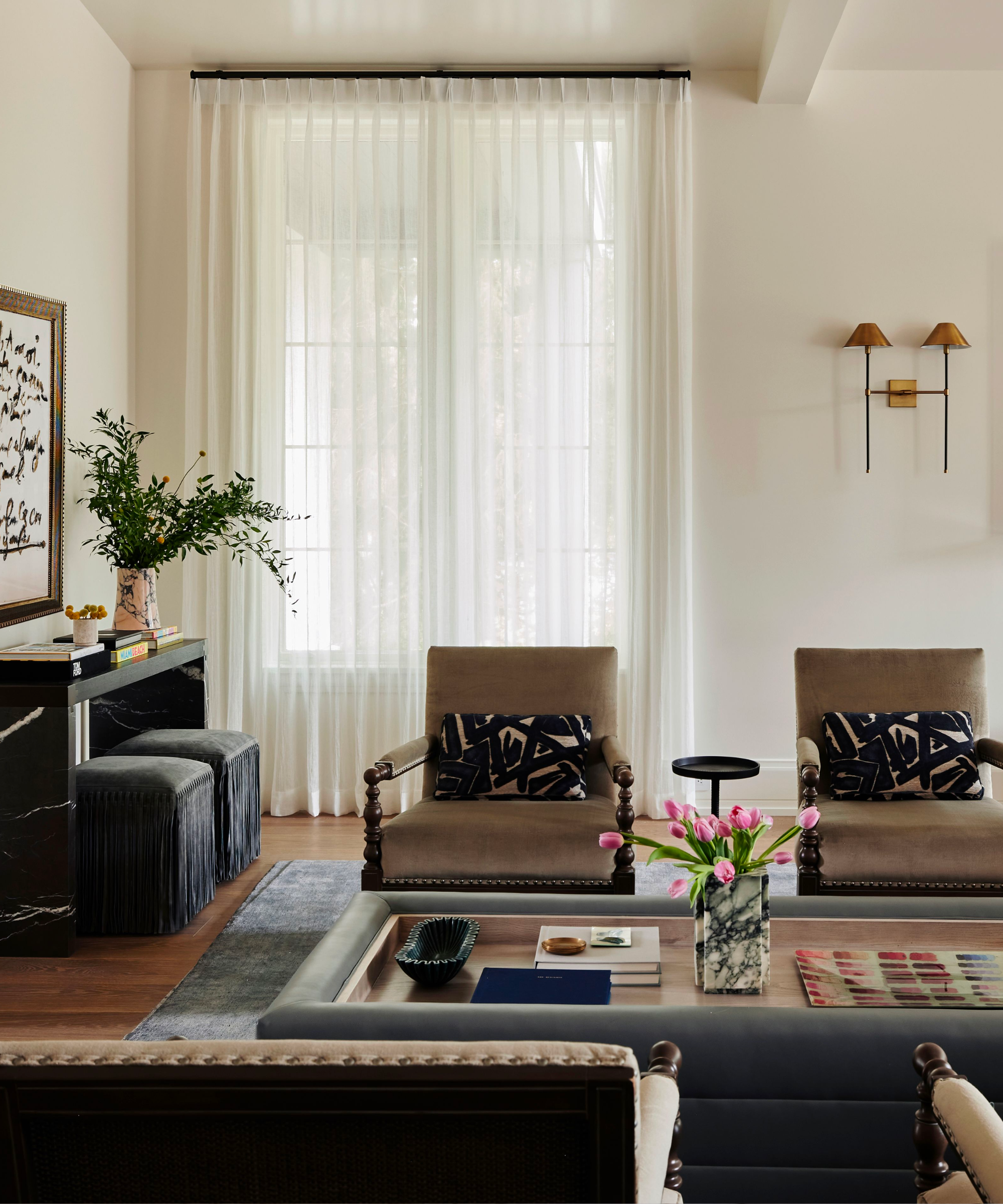
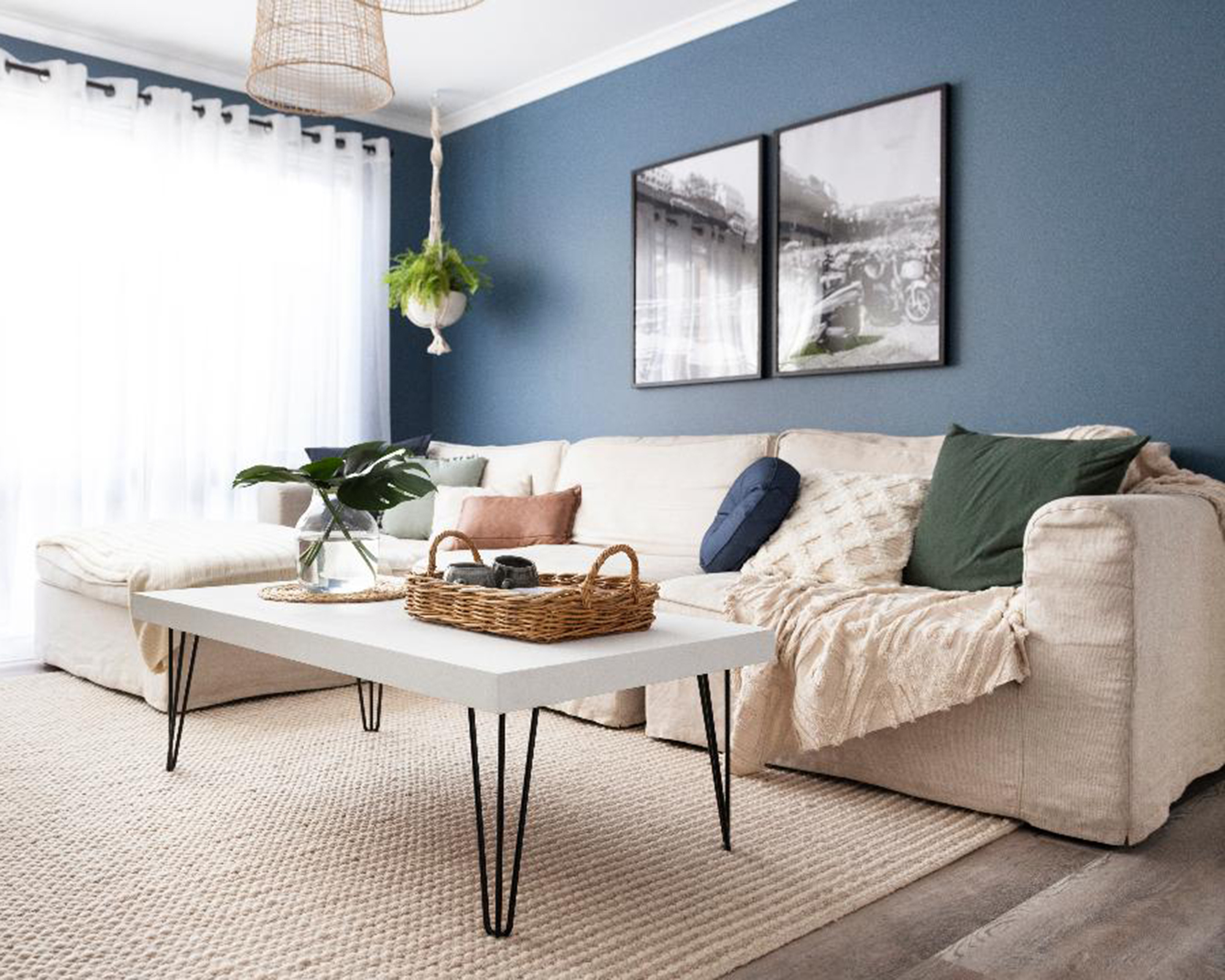
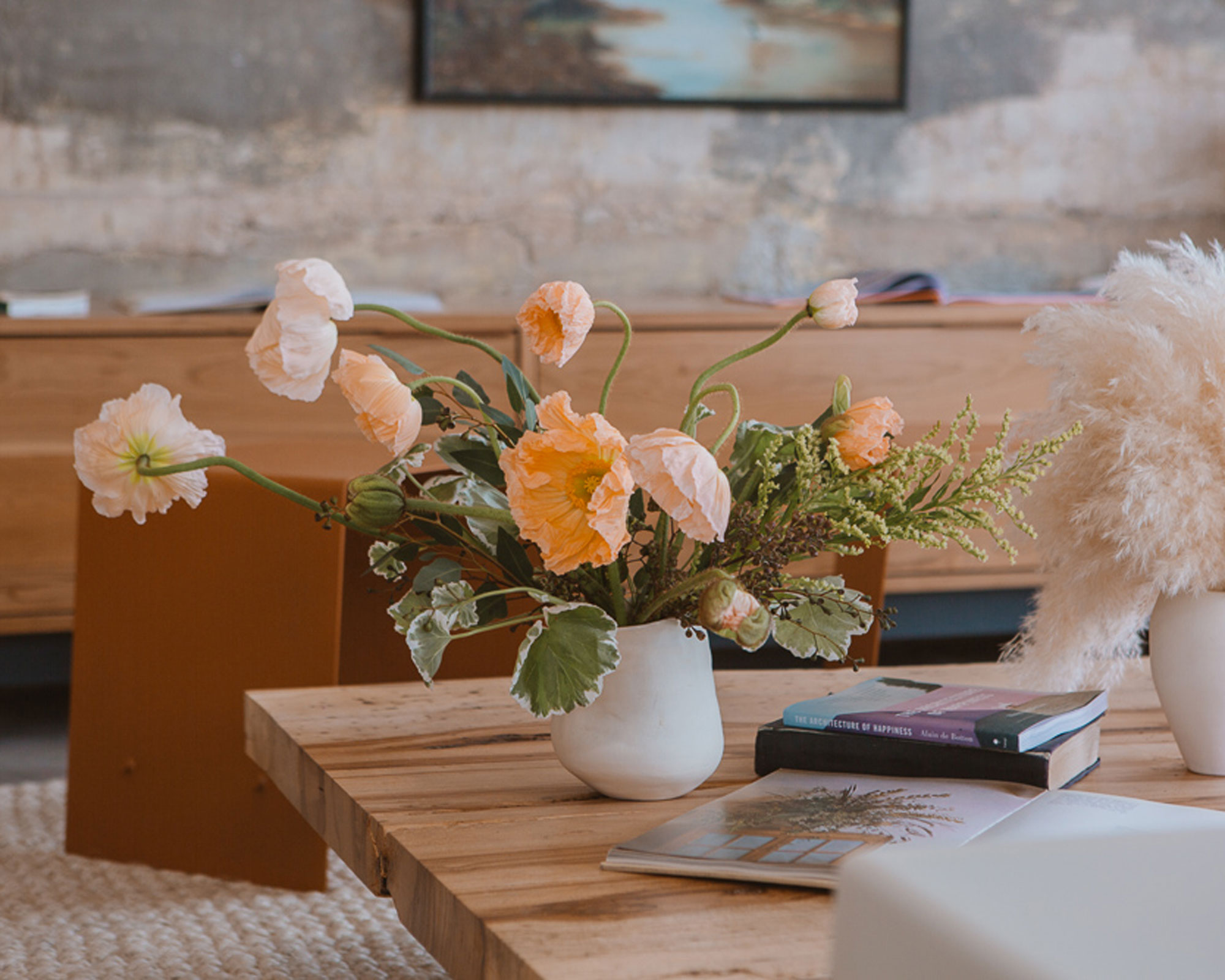
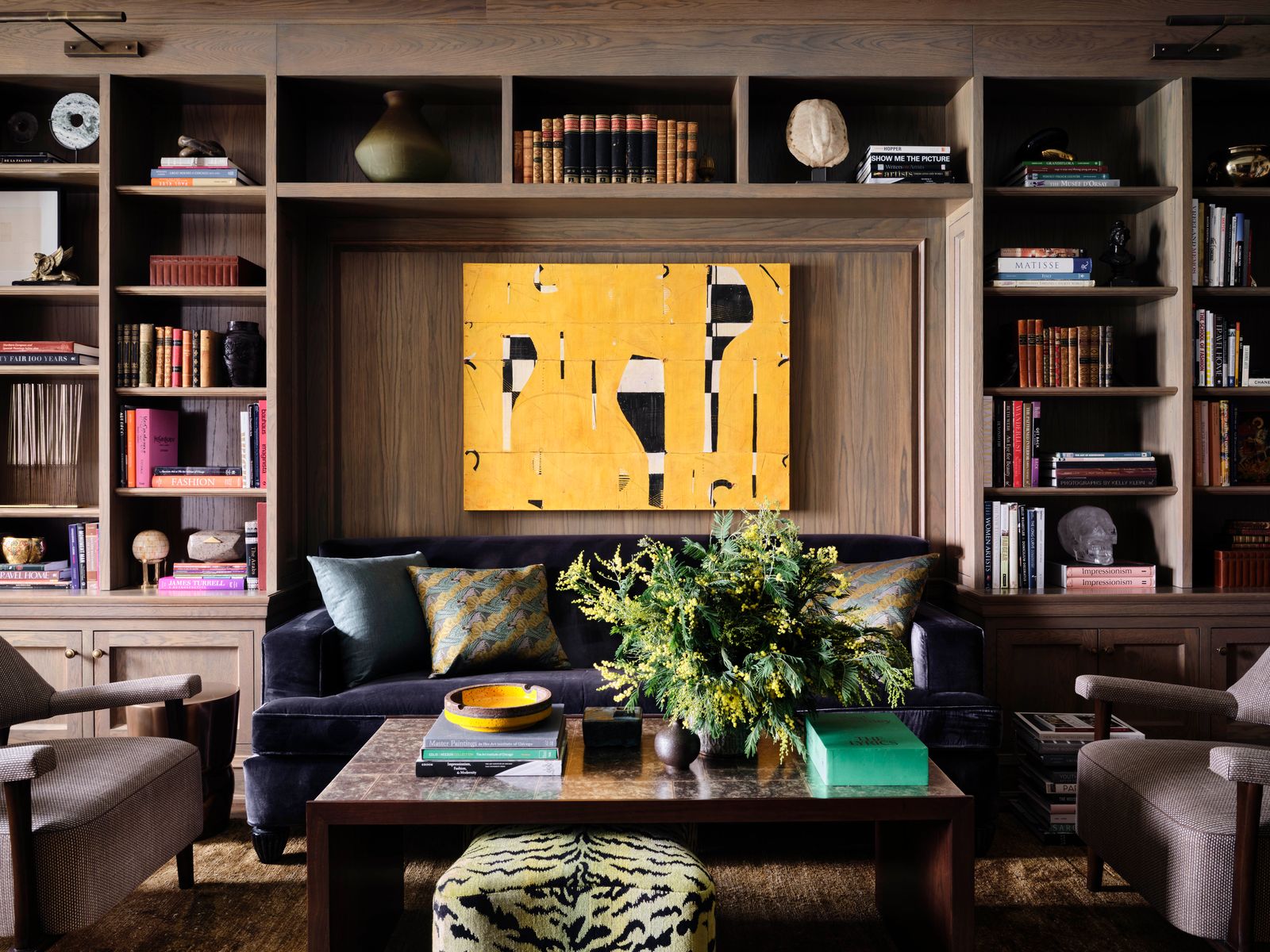
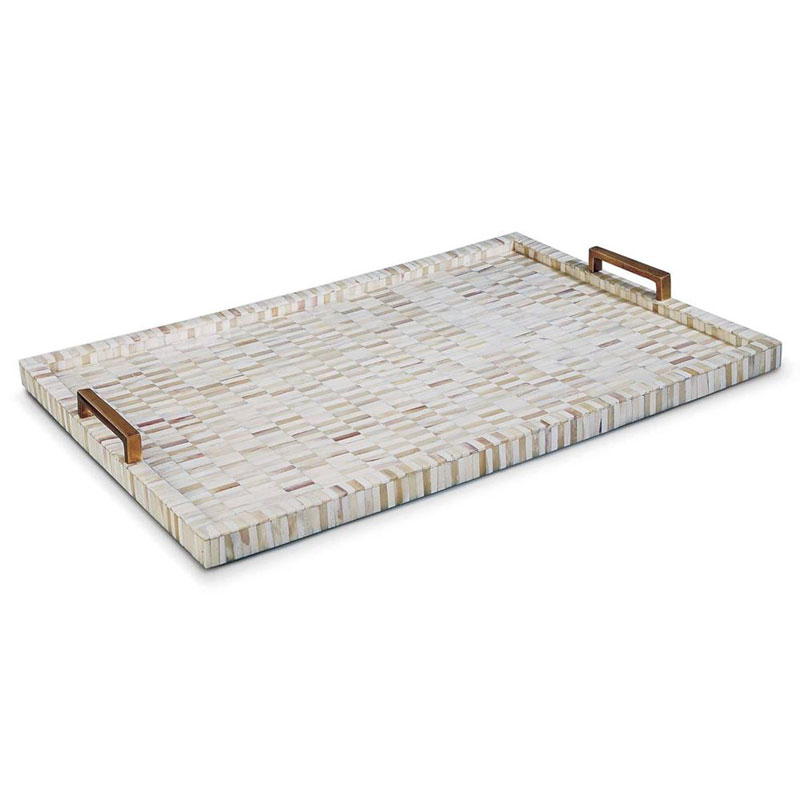
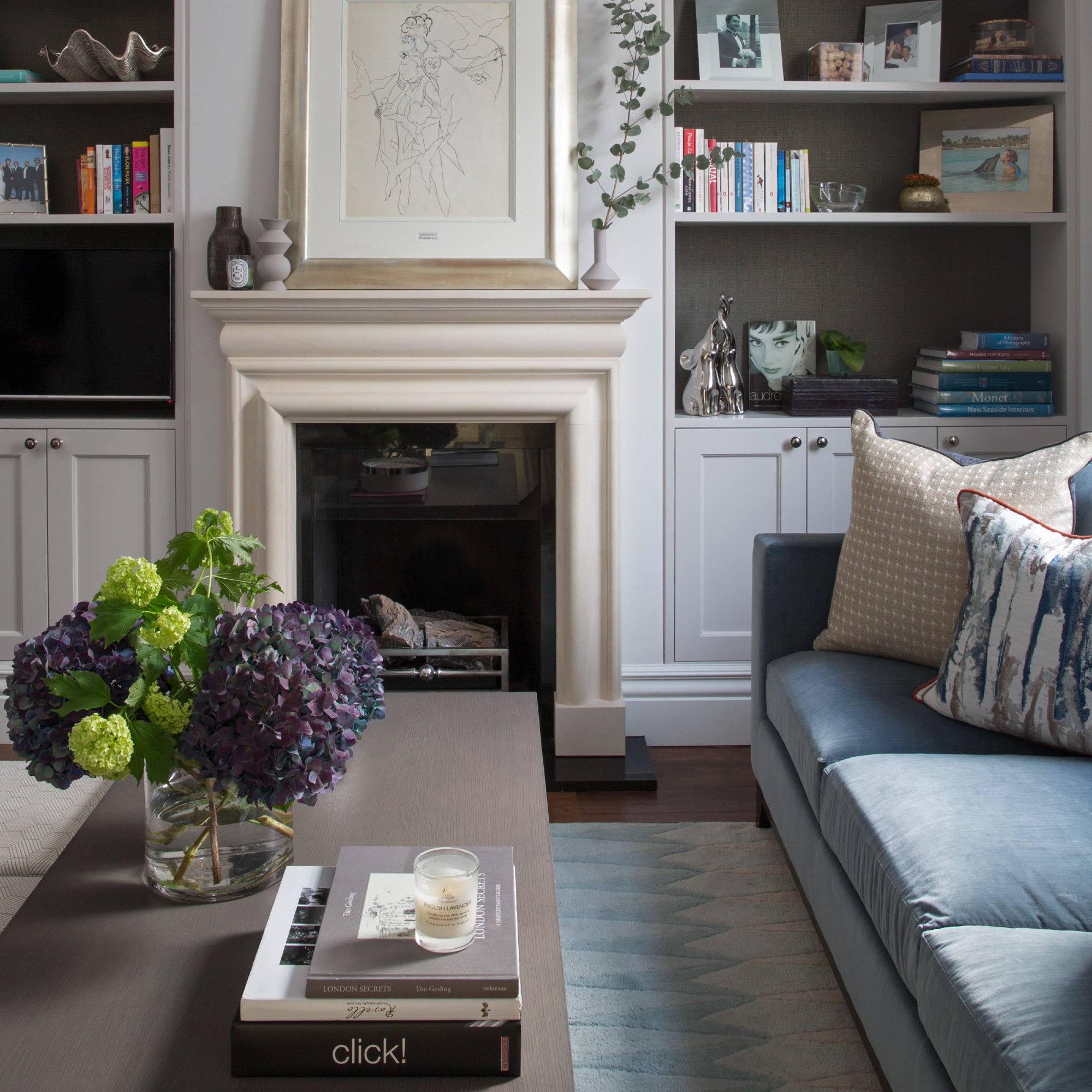
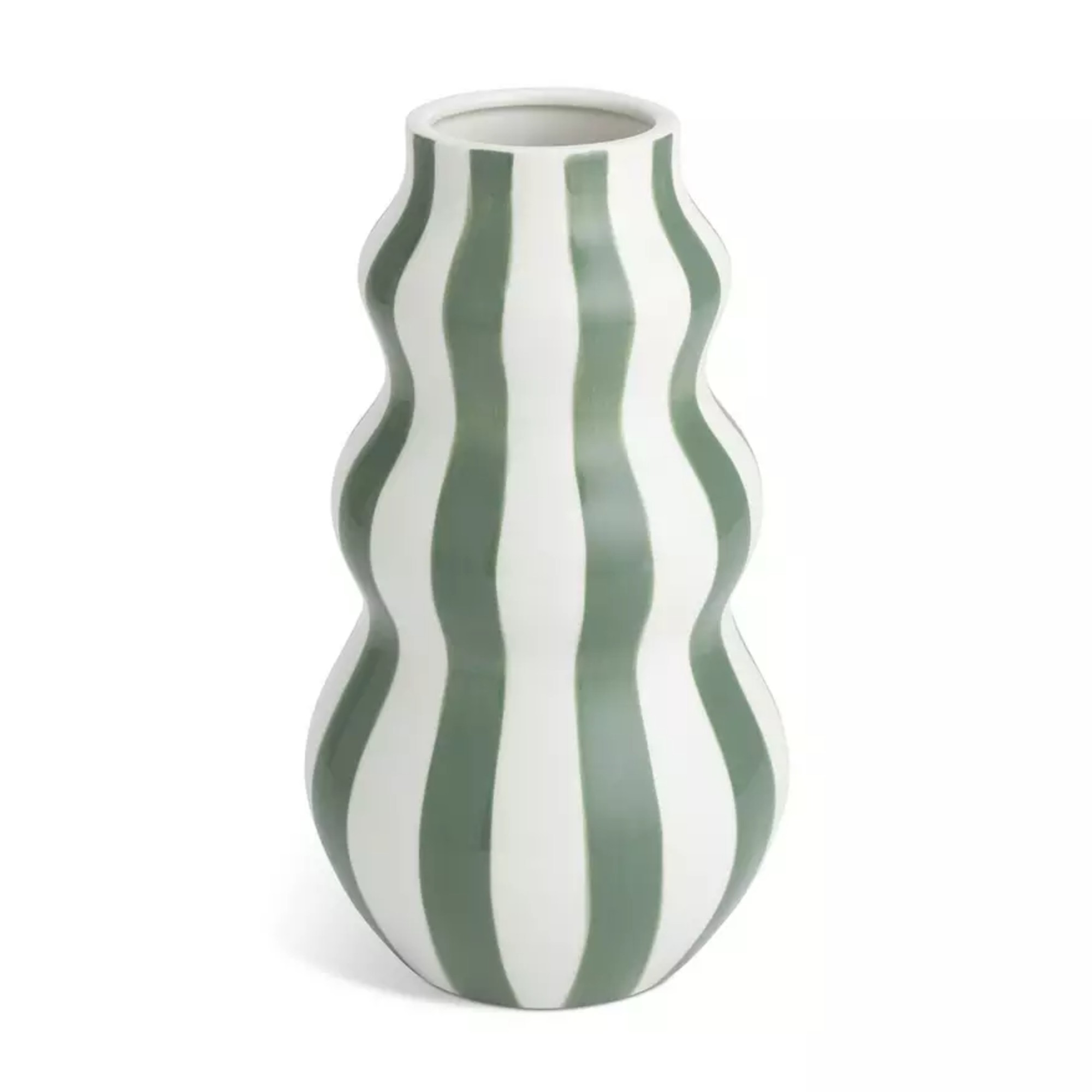
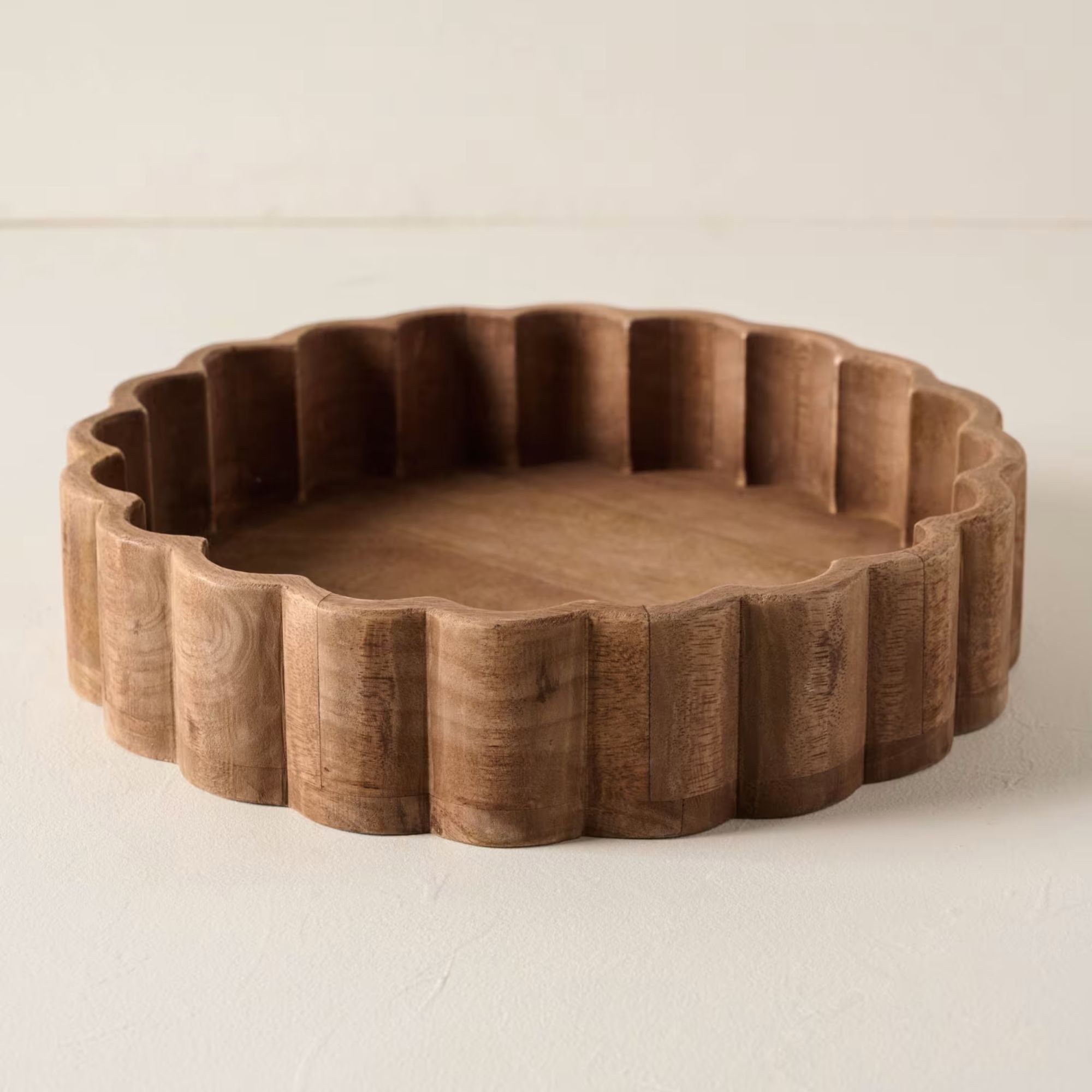
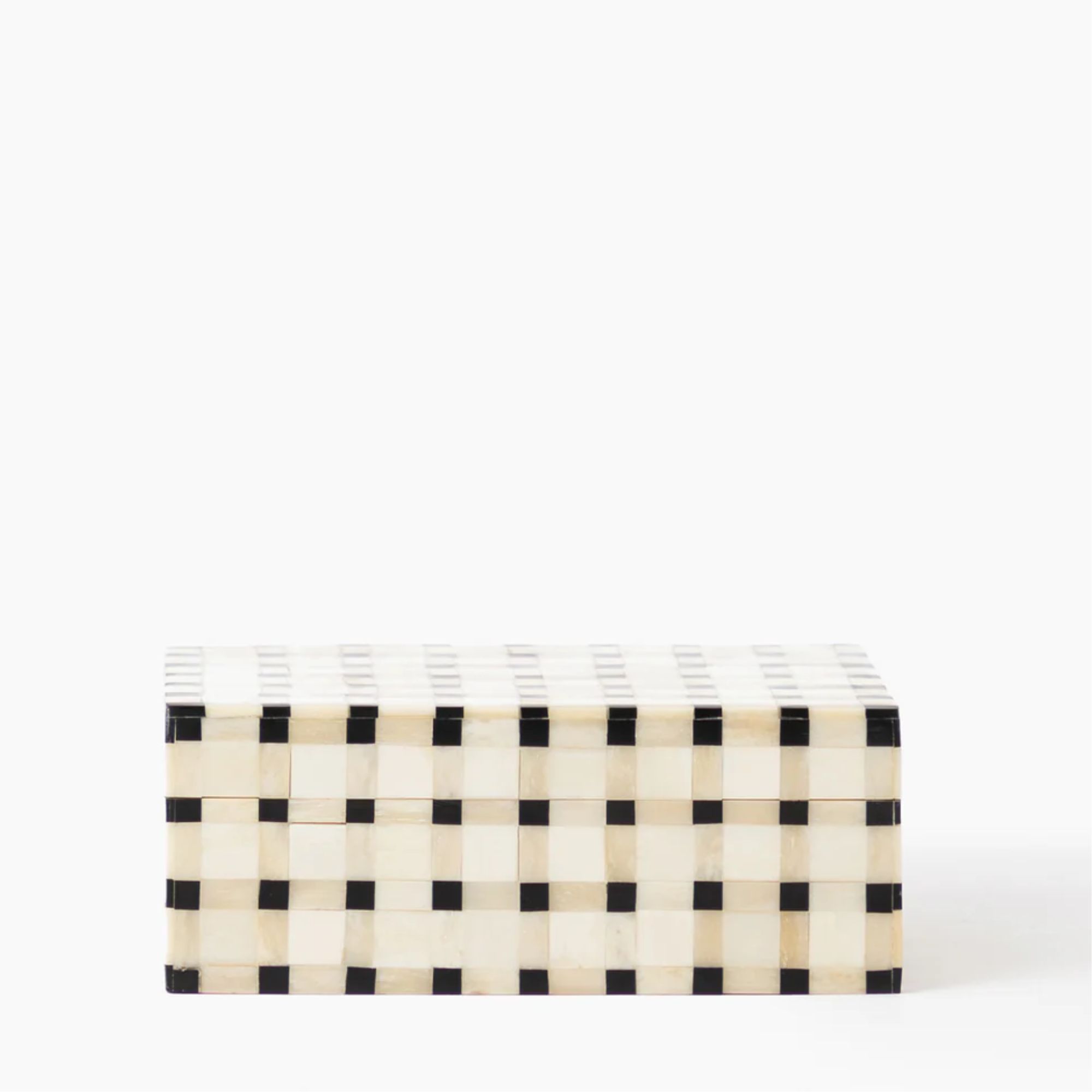
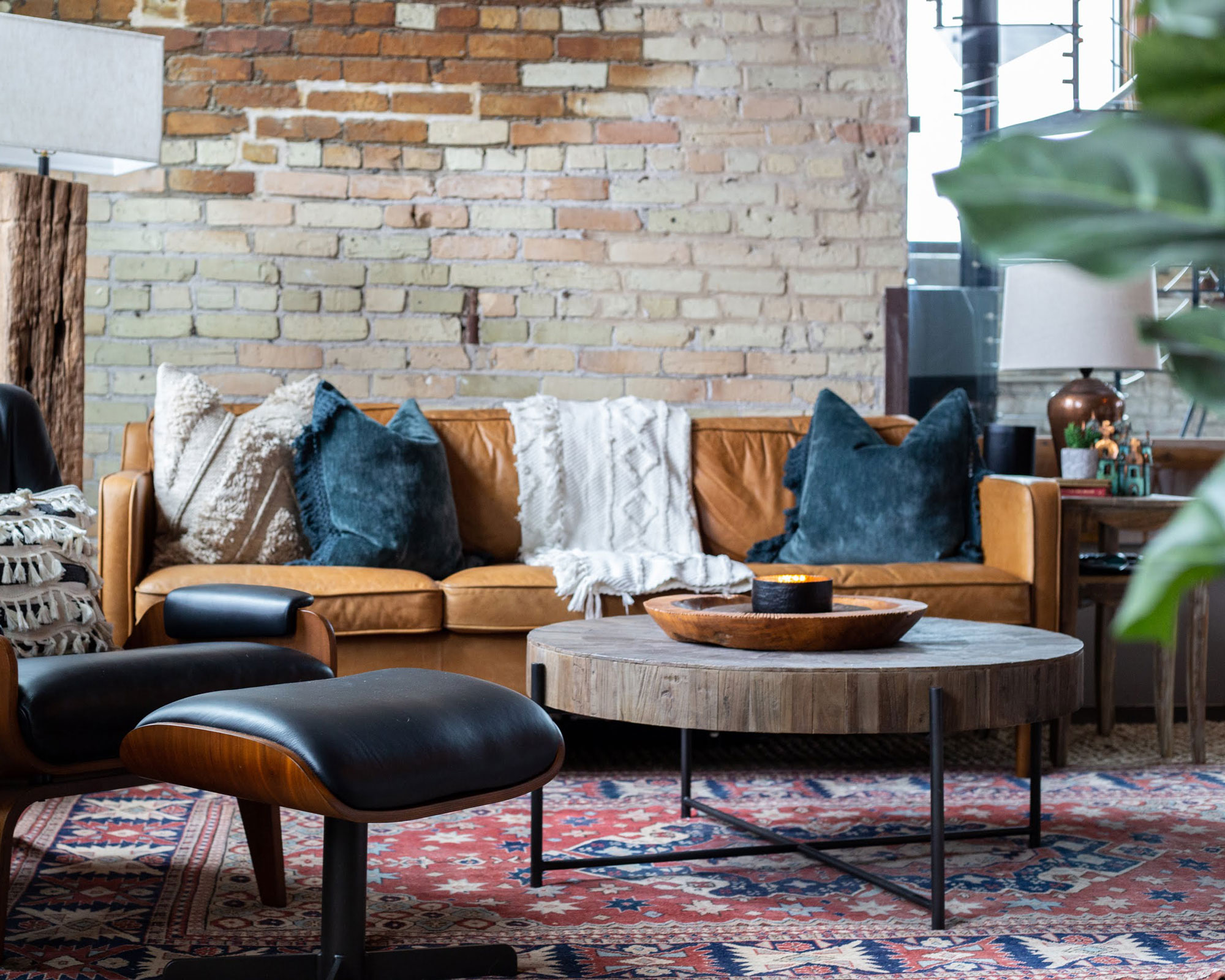
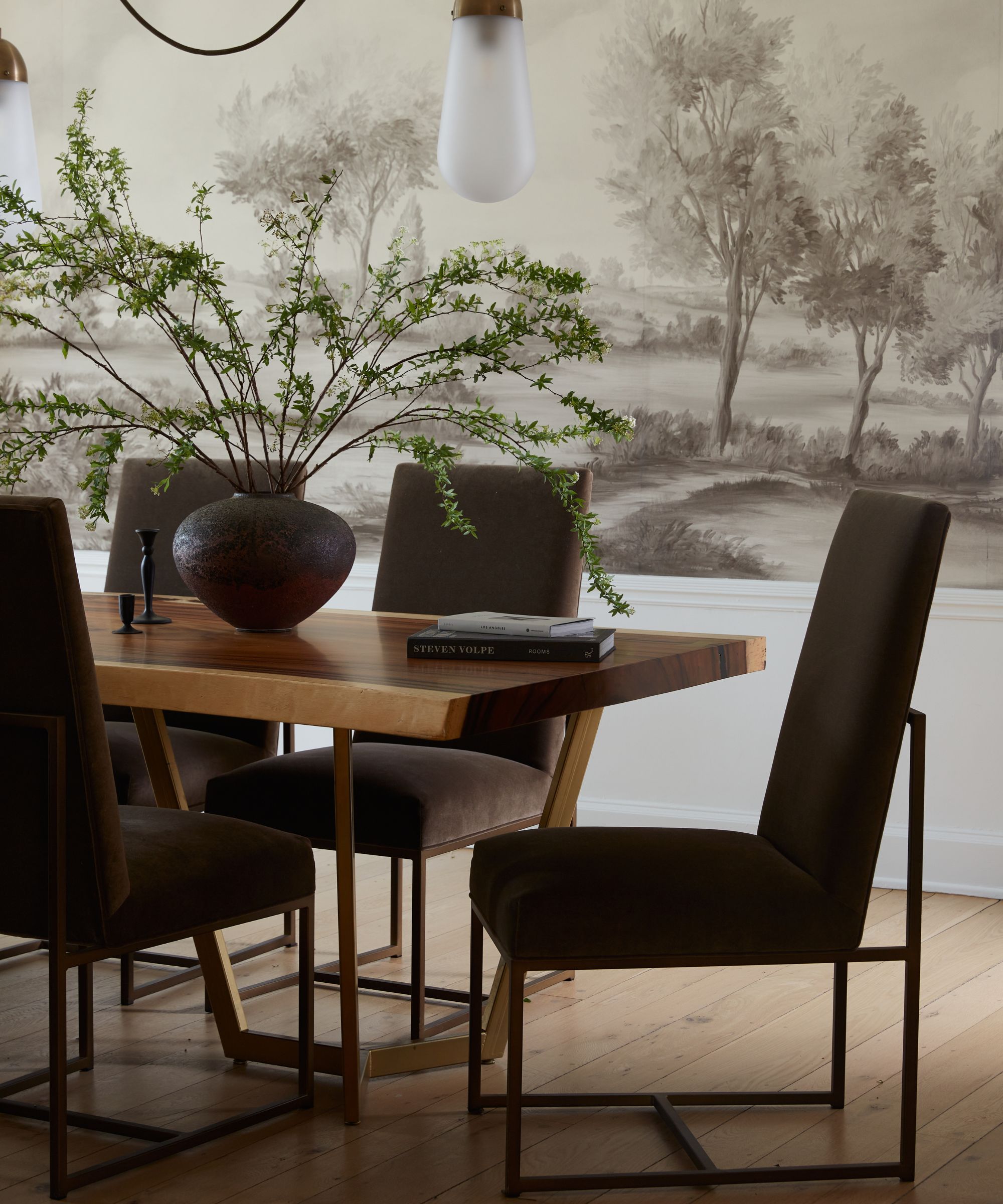
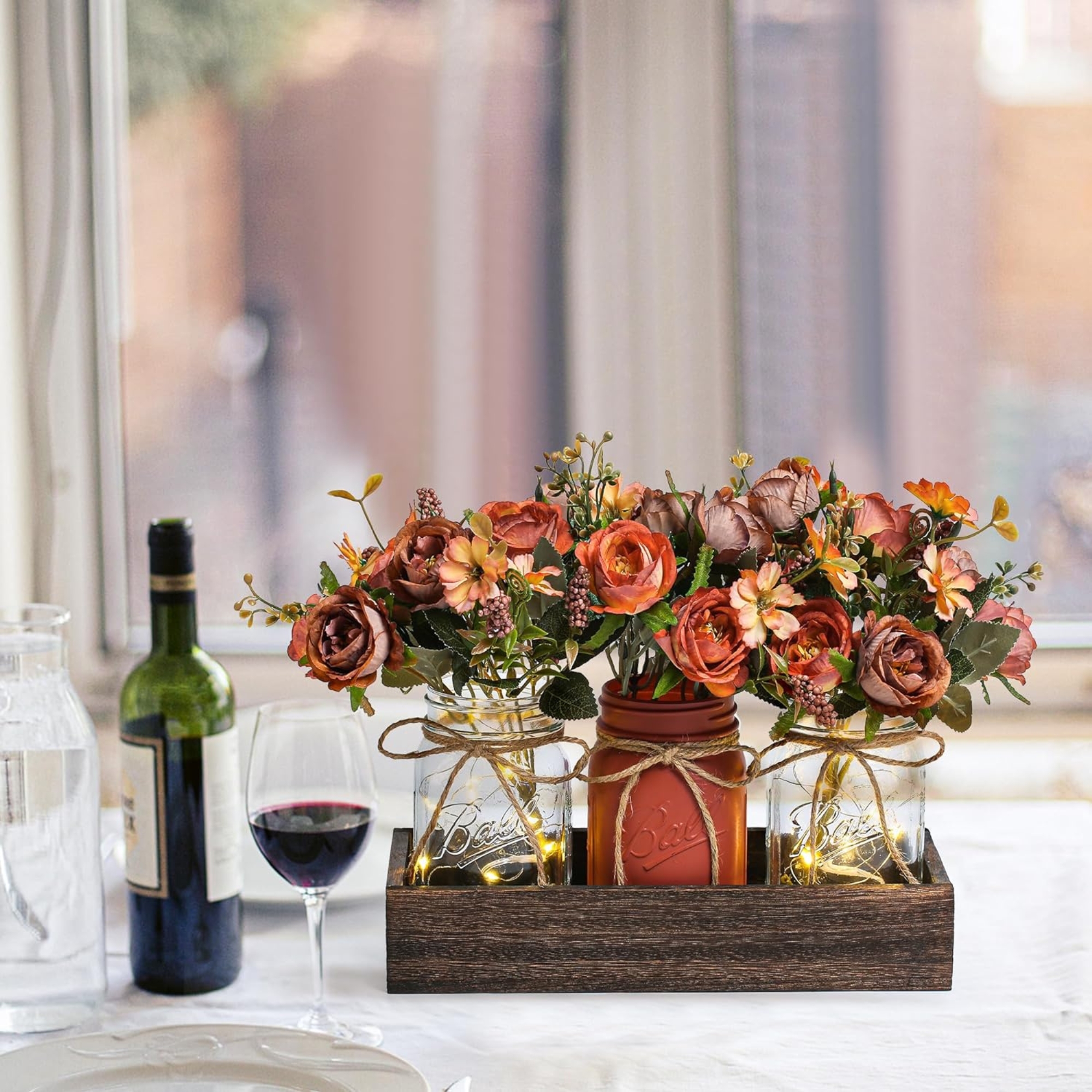
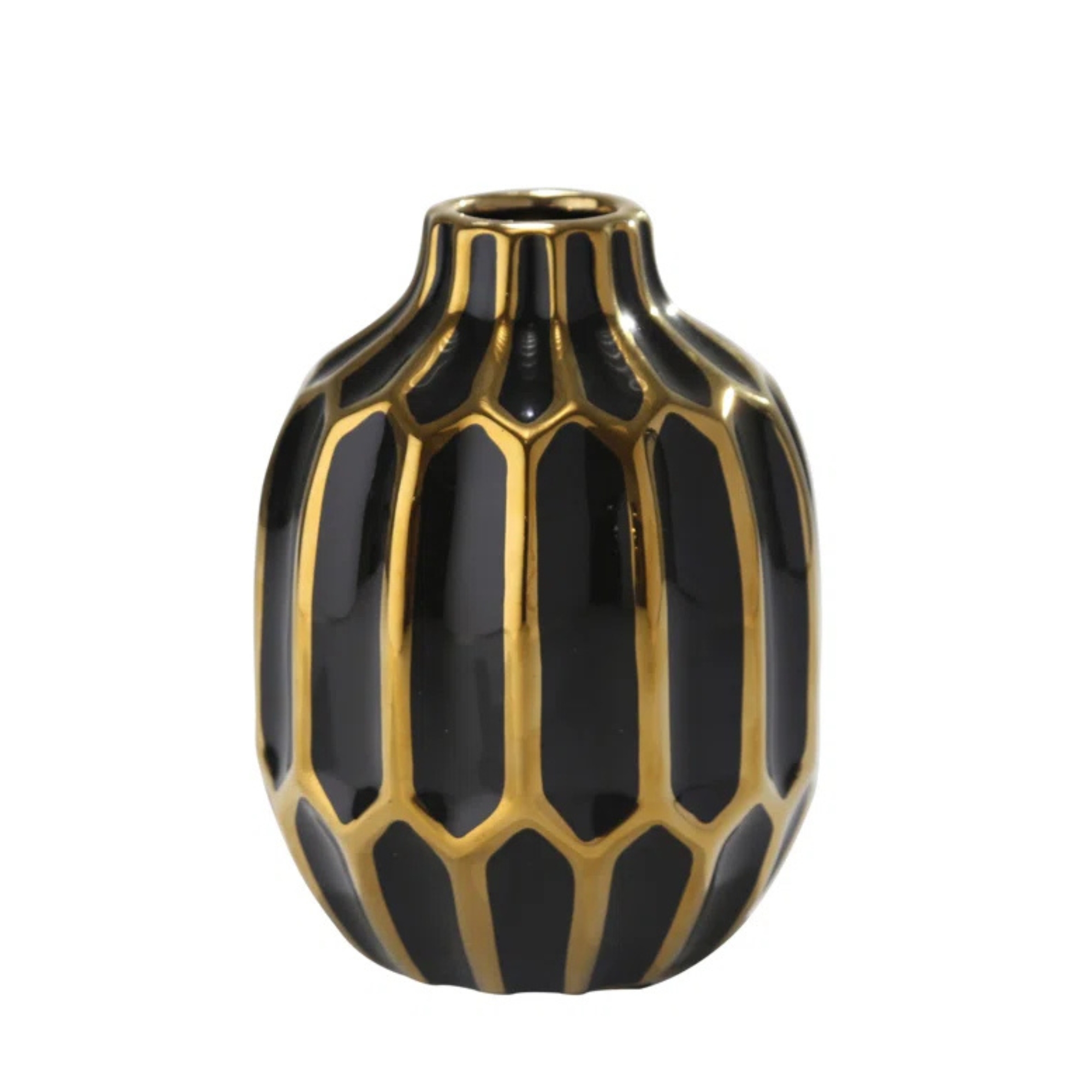
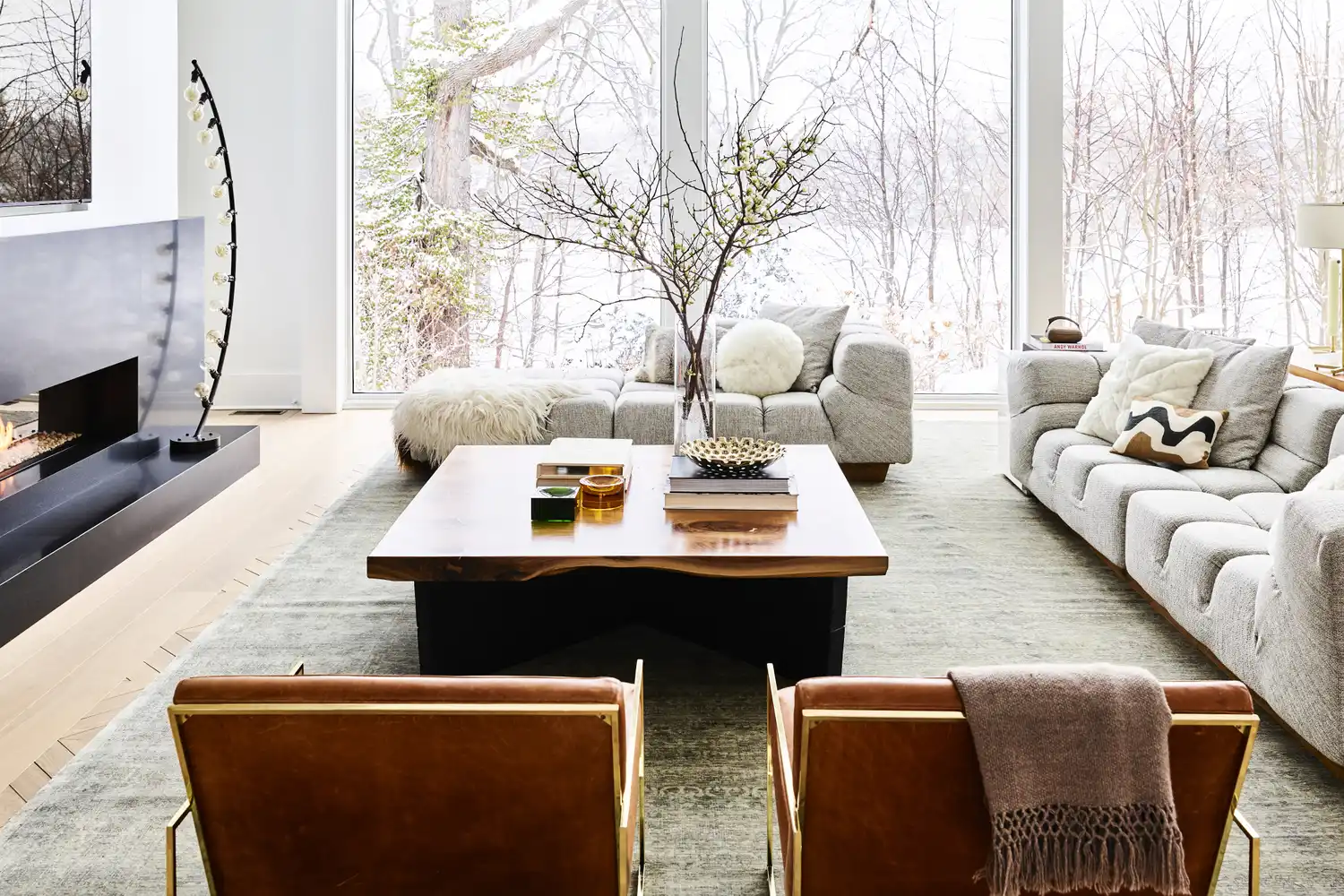
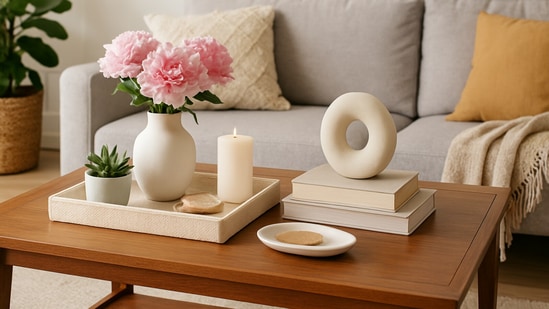
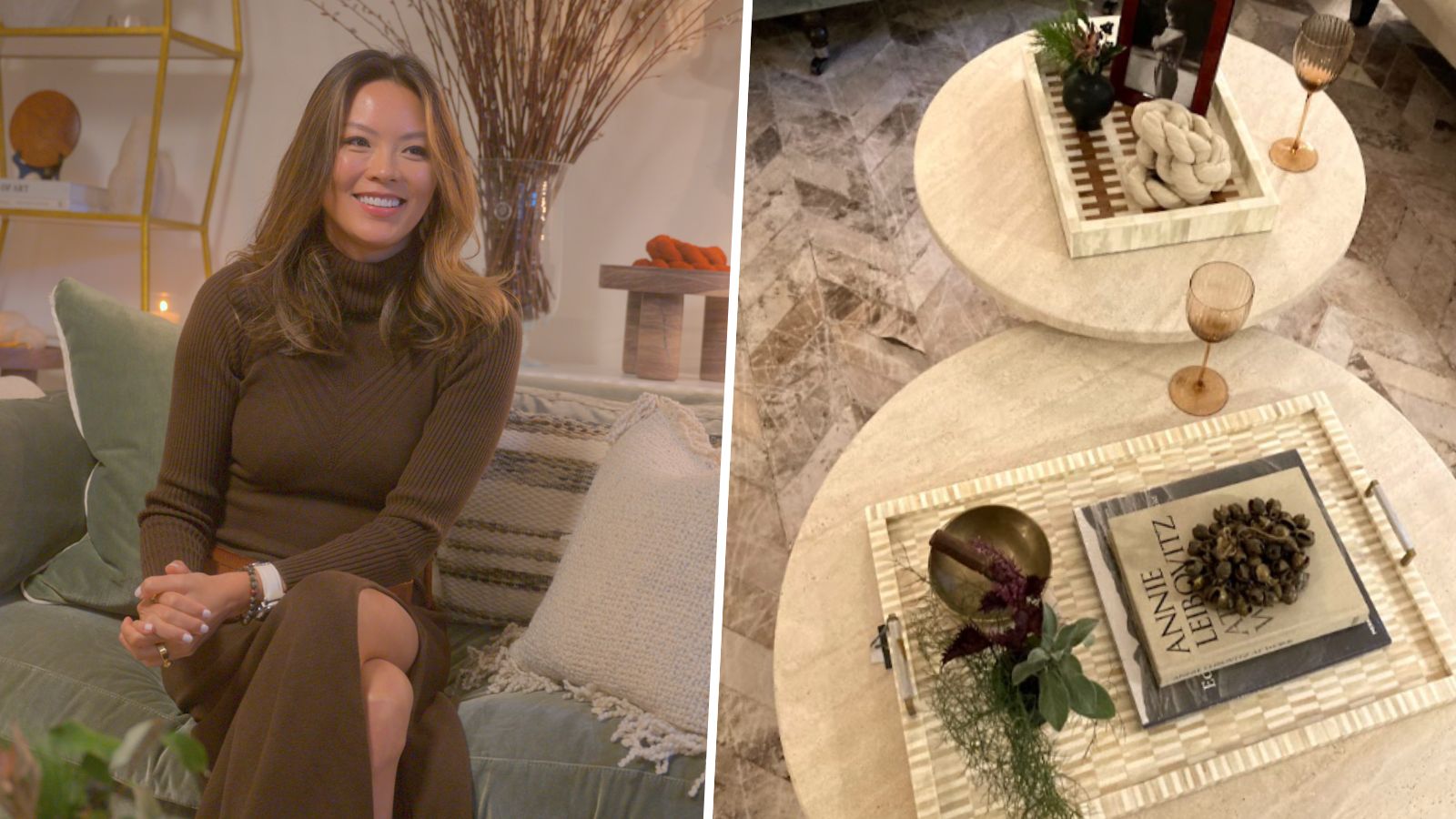
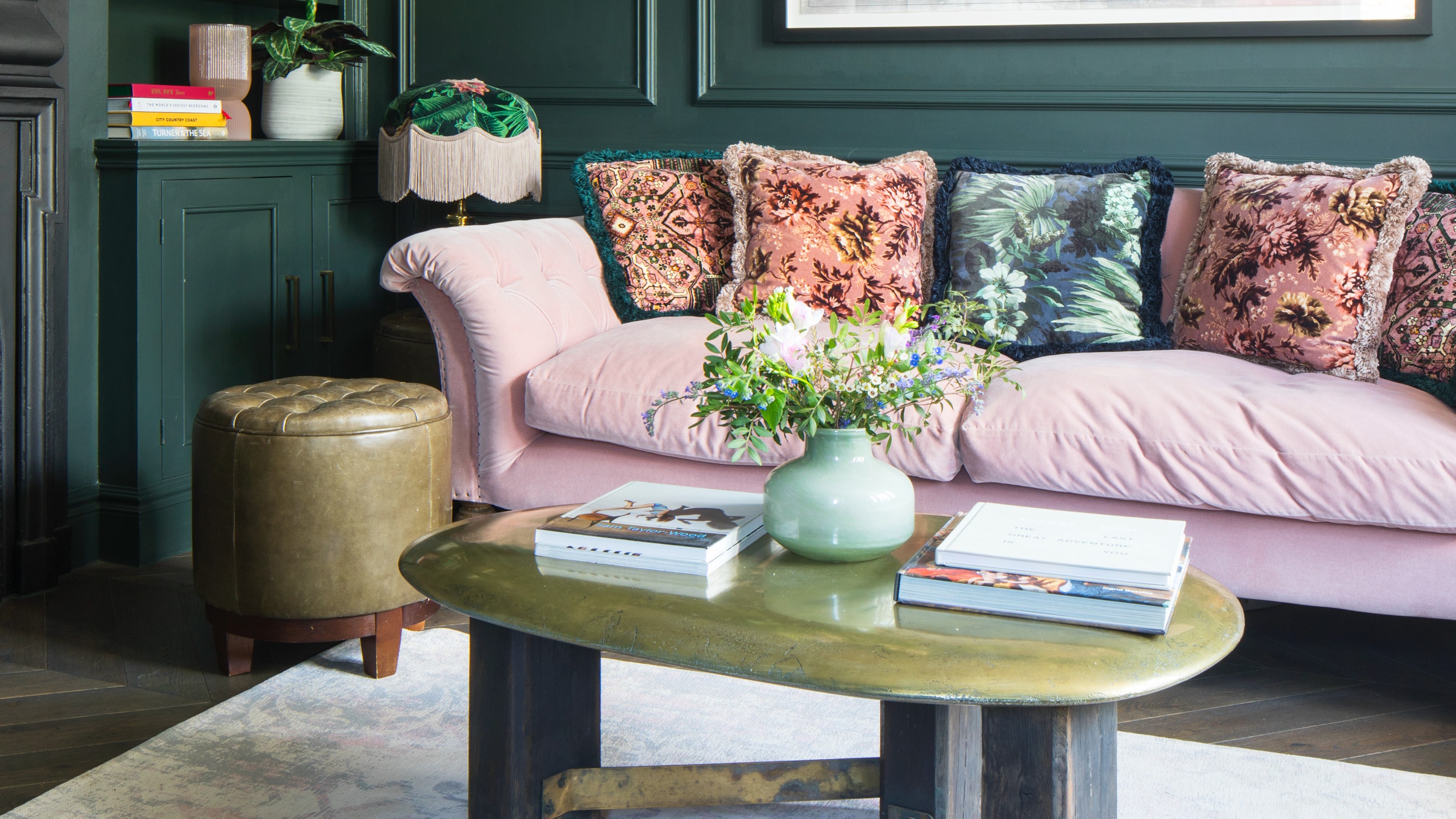
After establishing the base, other decorative elements can be layered in to fill empty spaces and add character. These can include low bowls, greenery, and candlesticks. Kerrie Kelly, creative director of Kerrie Kelly Design Lab, explains that books provide grounding and layering, while a vase with flowers or greenery introduces height and softness. A sculptural object adds artistry and personality, and a tray helps to organize smaller items like candles and coasters, making them feel intentional. Steve Cordony, an interior stylist, emphasizes incorporating "soulful items" that tell a personal story, such as a brass bowl from a trip or a handed-down vase, to infuse the space with individuality.
When arranging items, it's crucial to play with height and scale to prevent the coffee table from appearing one-dimensional. Kelly suggests using a "high-medium-low" or "triangle" approach, combining a taller item (like a vase), a medium element (such as stacked books), and a low piece (like a bowl or candle). This creates a balanced composition that guides the eye. Cordony also recommends creating groupings of items, aiming for three to four per table depending on its size. These groupings allow the eye to travel around the vignette, revealing individual stories while ensuring the items work cohesively.
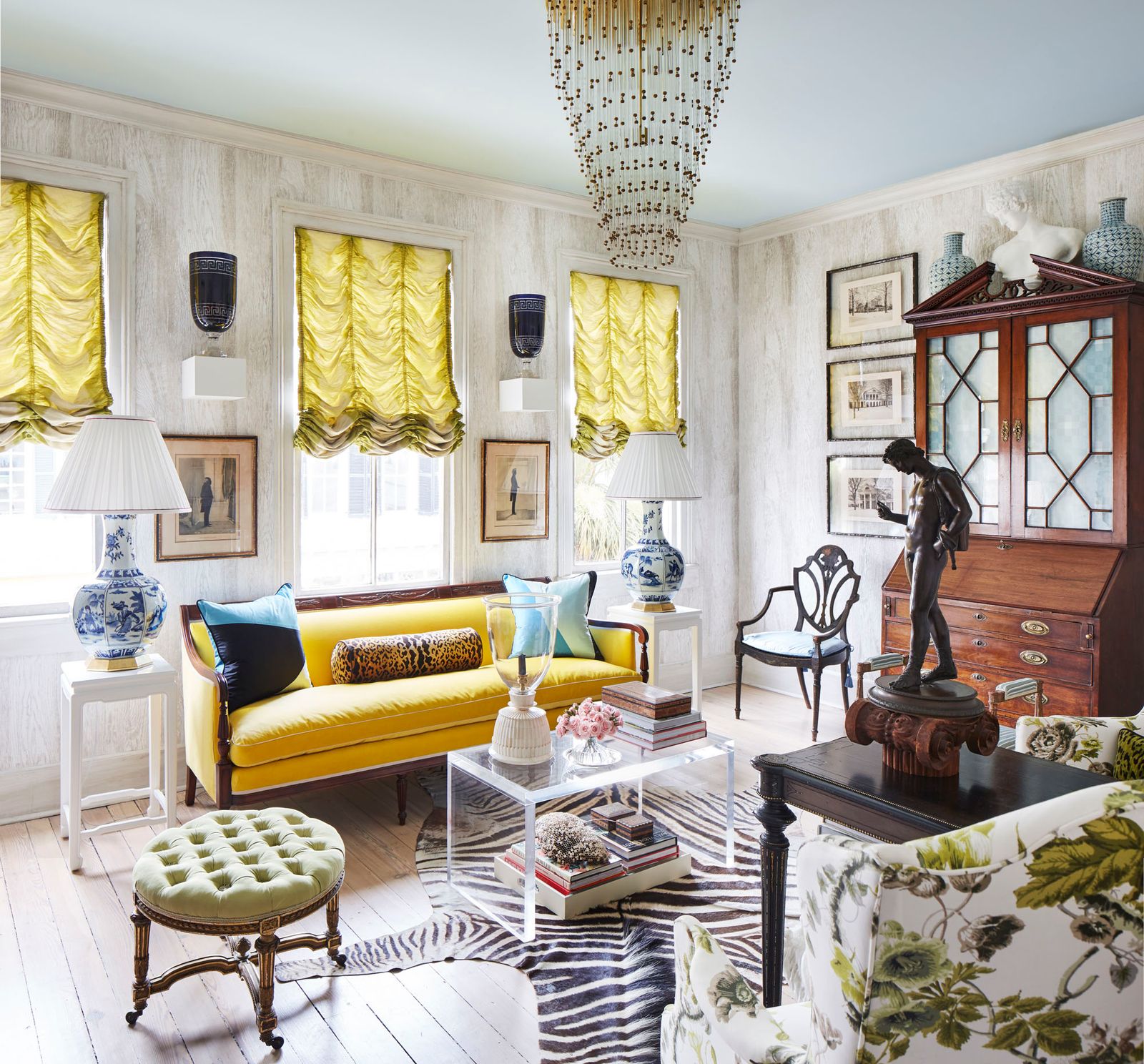
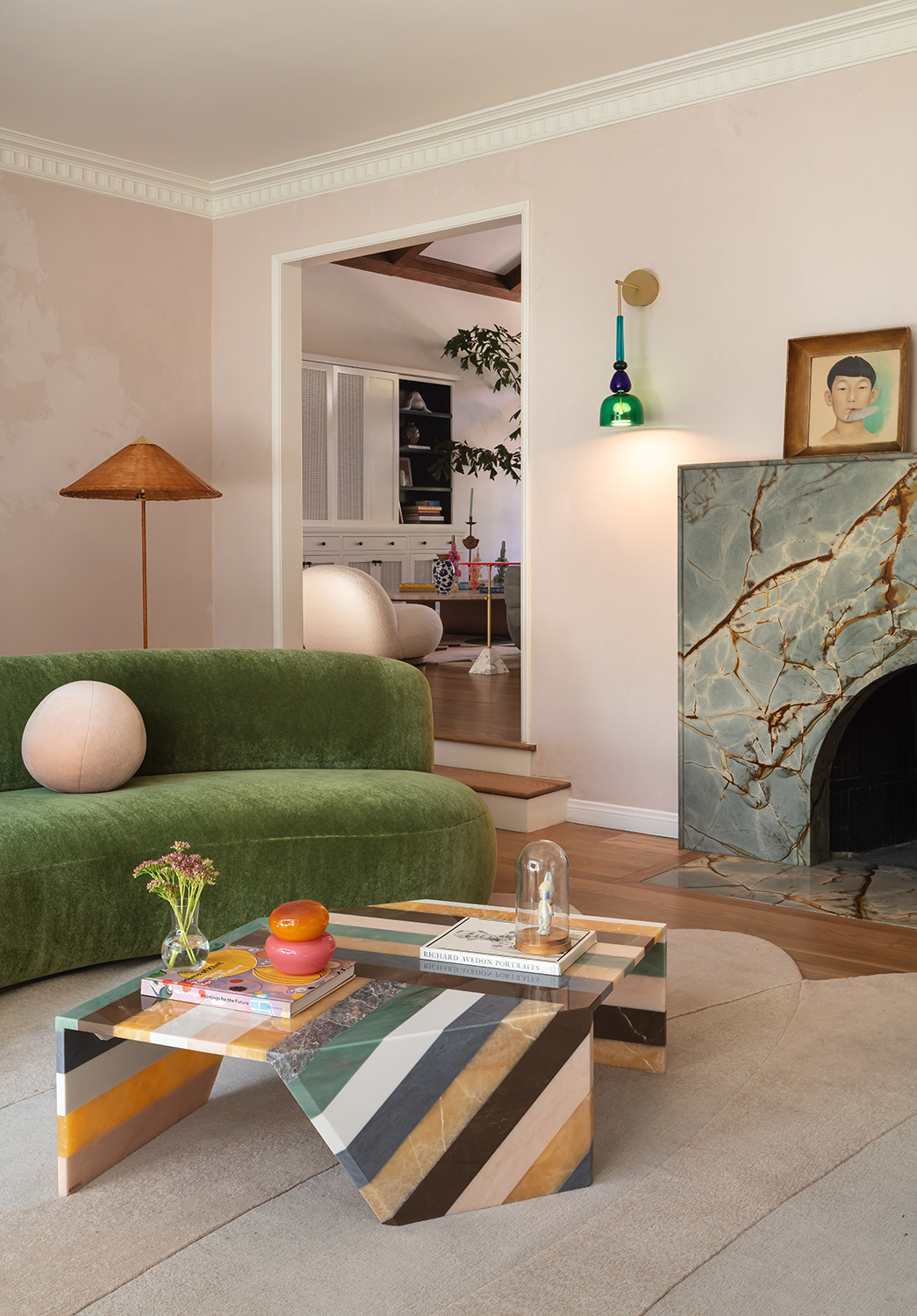
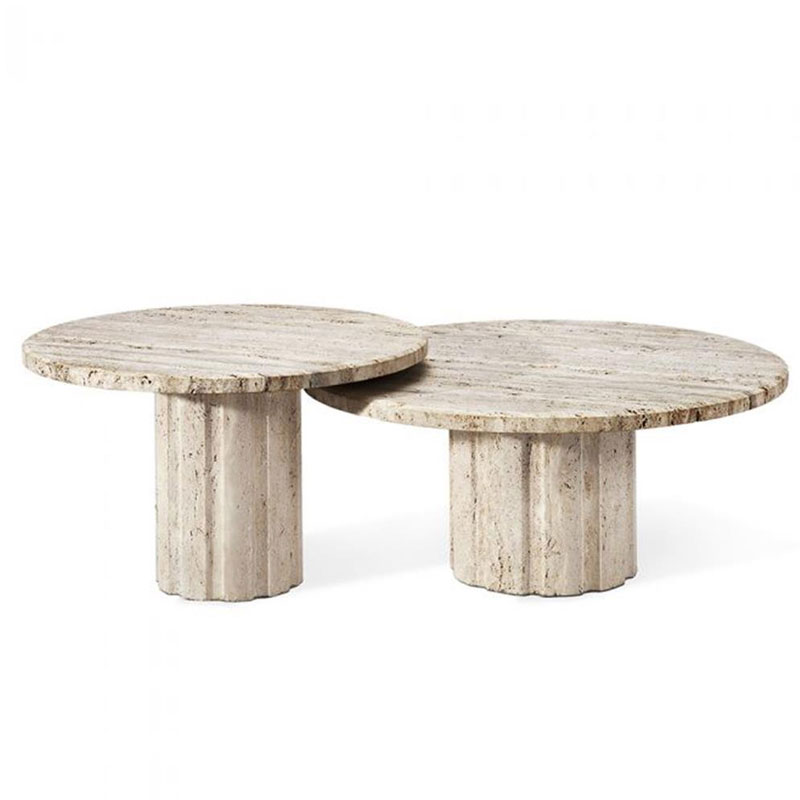
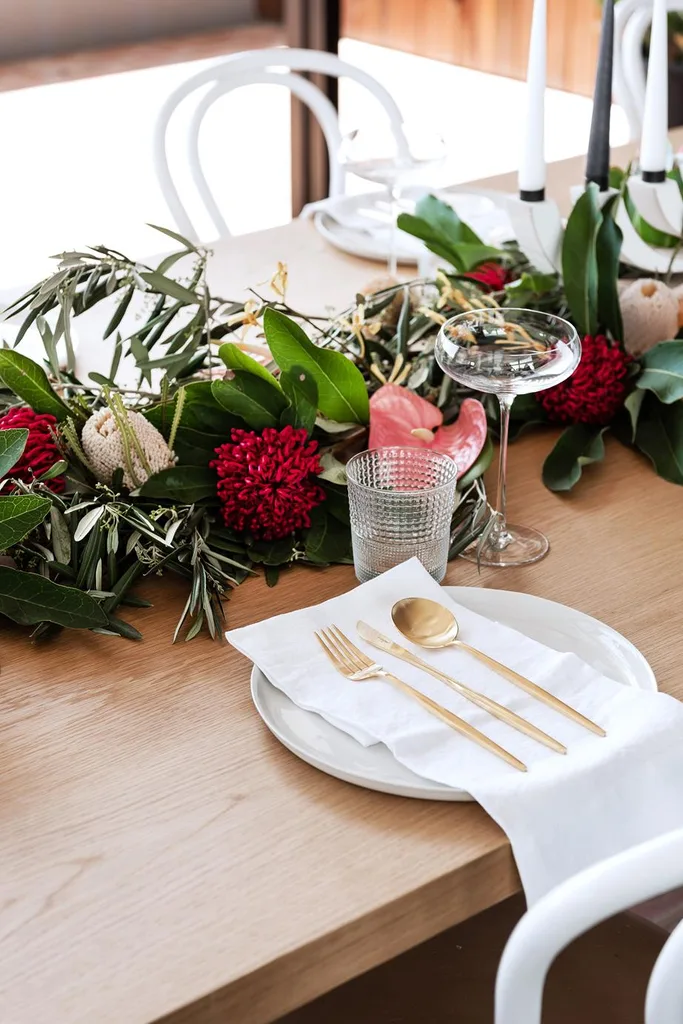
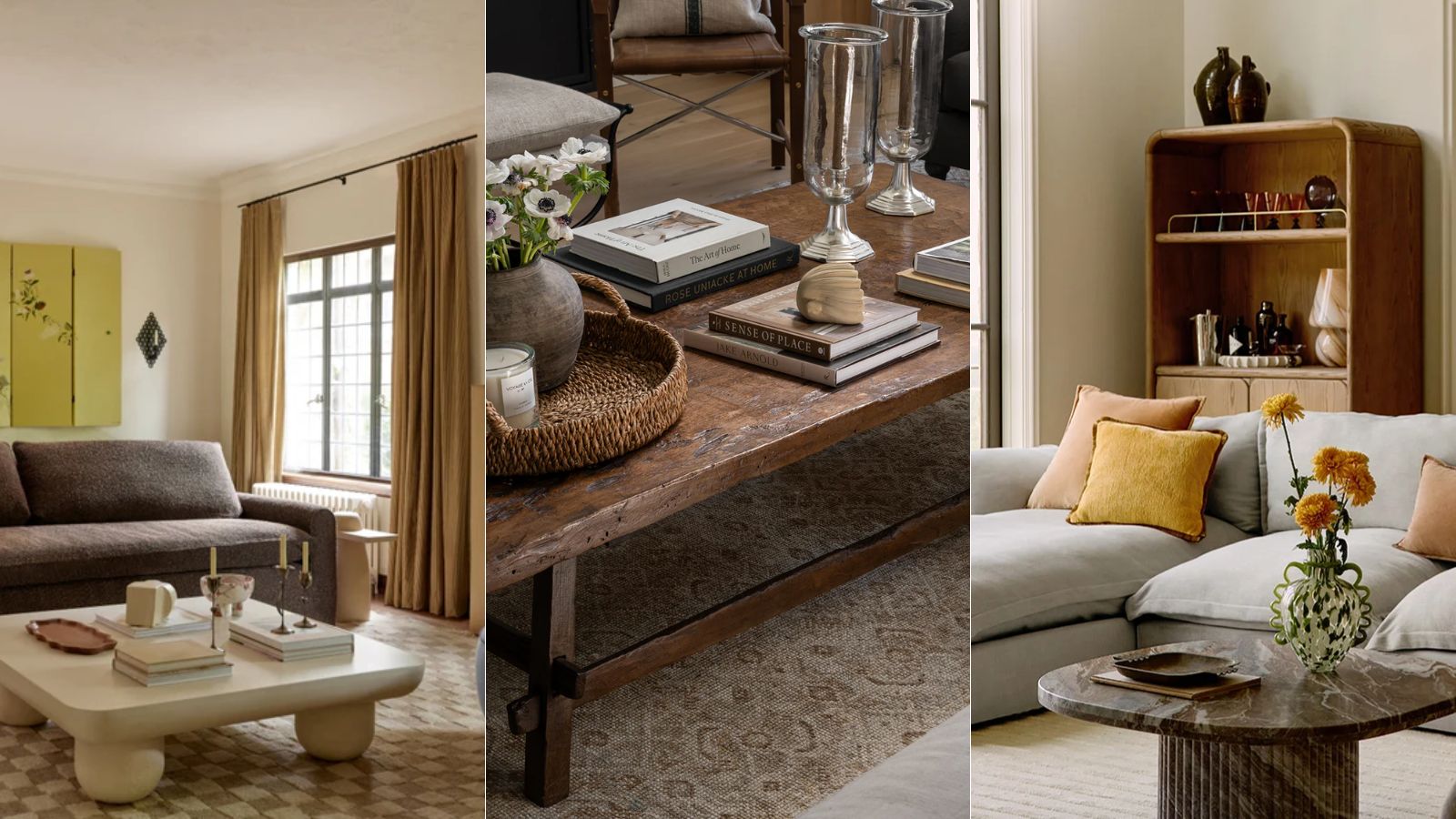
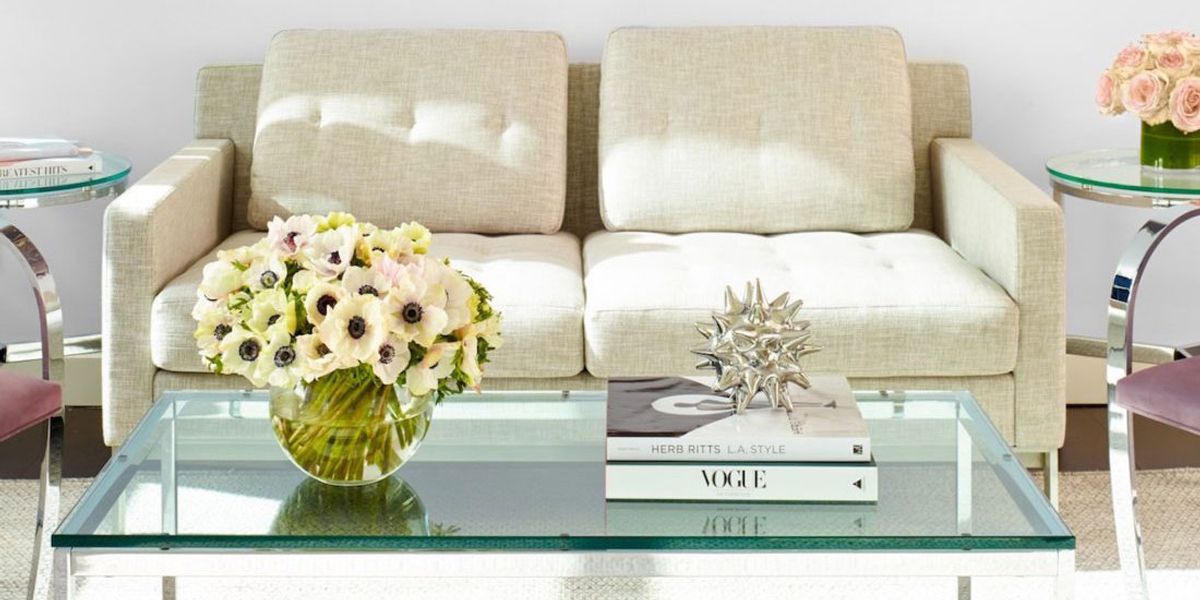
Mixing materials is another key aspect of effective coffee table styling, as it adds depth and visual interest. Stevens advises against using repeated materials, such as a wood bowl on a wood coffee table, favoring contrast instead. She suggests pairing materials like veiny marbles with porous travertines or combining them with slick metals to create a visually engaging display where beauty emerges from the interplay of contrasting elements. The overall space and its context should also influence styling choices. For instance, a tall branch arrangement might suit a room with high ceilings, but it could overwhelm a smaller apartment, as Stevens points out. Assess the room as a whole to determine what scale and type of decor are appropriate.
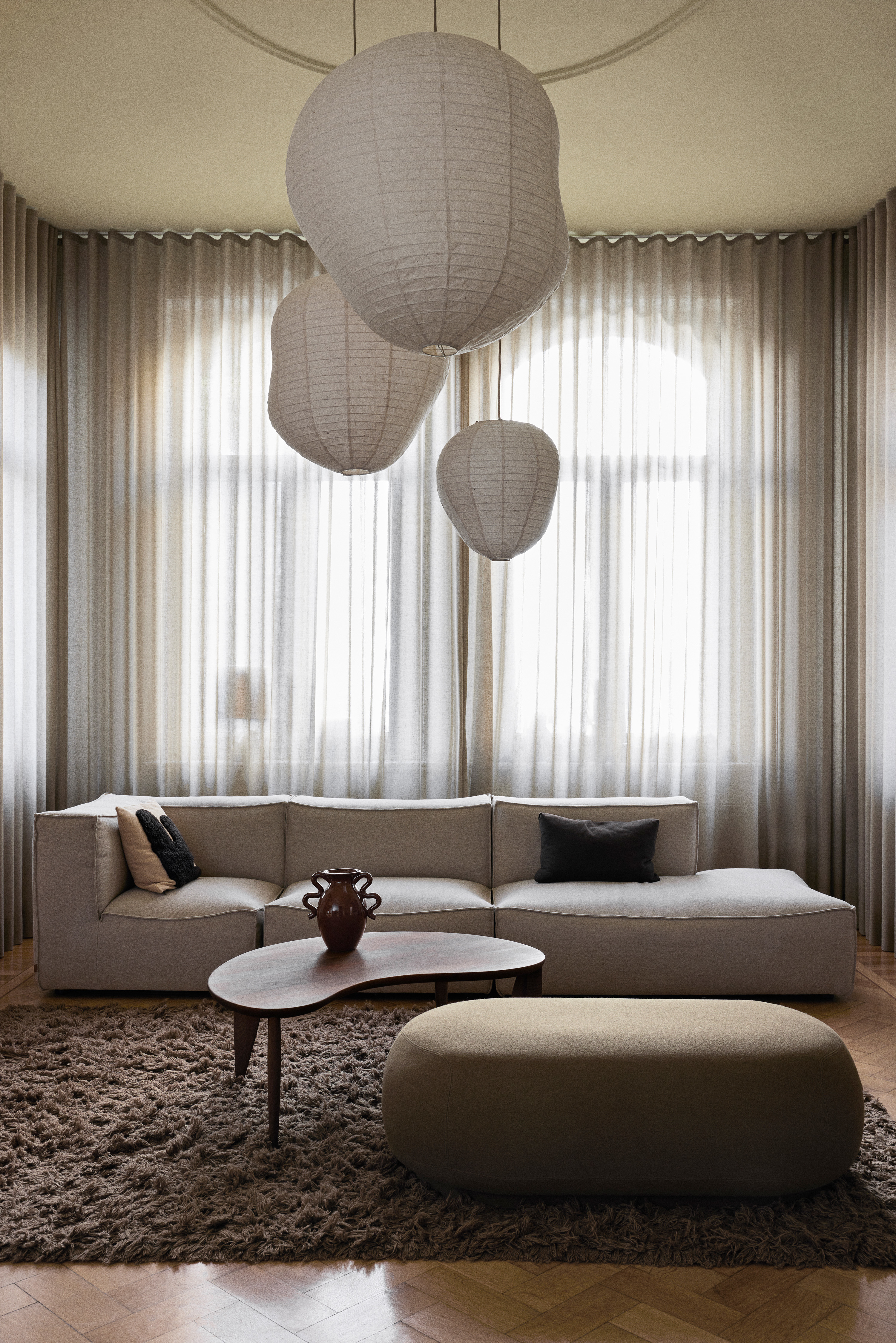
One common mistake to avoid is overcrowding the coffee table. Even an extra-large table can look cluttered if too many items are added. Stevens suggests using fewer, larger items or a substantial tray to consolidate objects on bigger tables. Finally, functionality is paramount. The amount of empty space needed depends on one's lifestyle; a table used for dining will require more clear space than one that is purely decorative. Objects placed on books should not prevent them from being opened, and practical items like remotes and keys can be discreetly stored in trays or lidded vessels to maintain an organized and stylish appearance.
#CoffeeTableStyling #InteriorDesign #HomeDecor #LivingRoomDesign #StylingTips #DecorativeElements #ClutterFree #Functionality #MaterialMixing #CoffeeTableStyling #InteriorDesign #HomeDecor #LivingRoomDesign #StylingTips #DecorativeElements #ClutterFree #Functionality #MaterialMixing
0 comment in total
 No comments yet
You may also like
5 things stylists always do when styling a coffee table
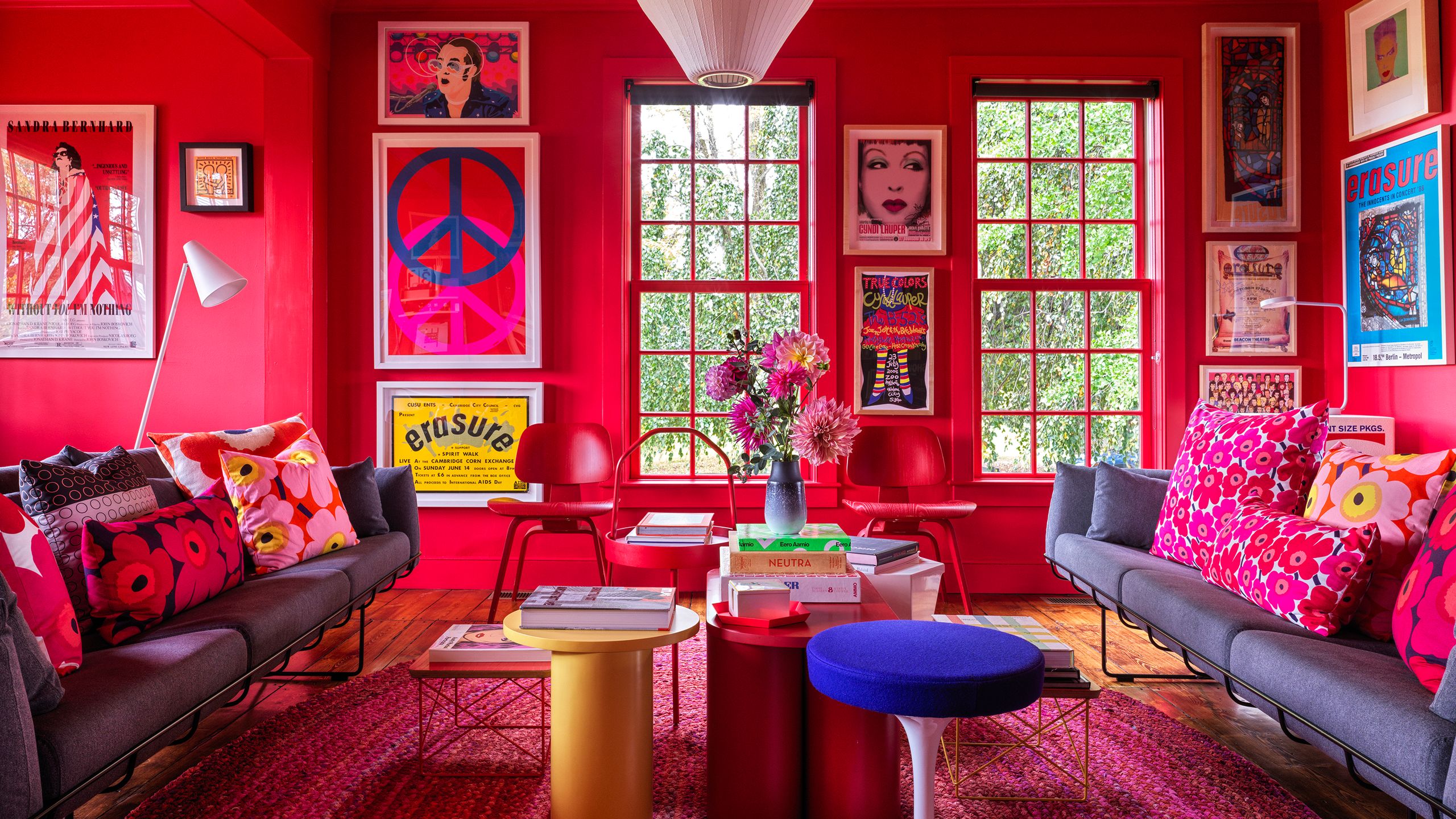
23 Coffee Table Decor Ideas That Will Make a Massive Impact On Your Living Space

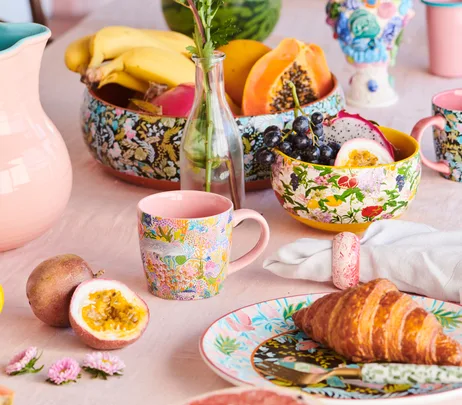
Expert tips for styling a beautiful tablescape

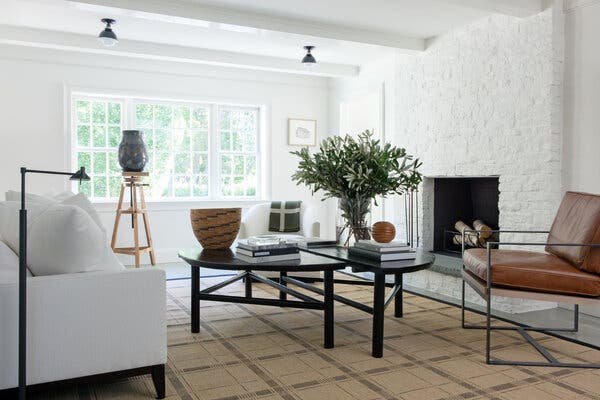
The Effortless Way to Style a Coffee Table (Published 2022)
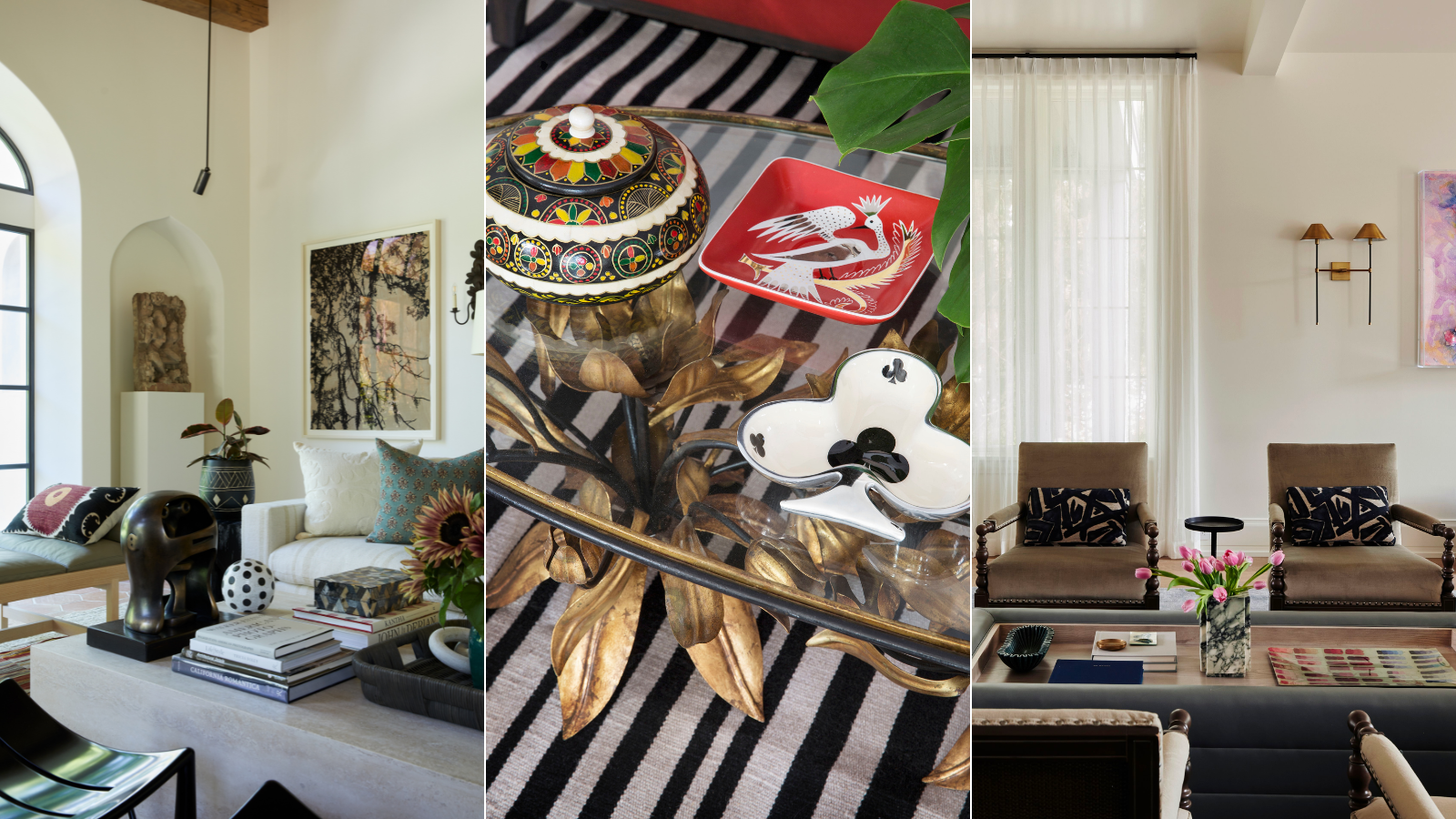
5 coffee table mistakes you should always avoid, according to interior designers

5 Common Coffee Table Mistakes You’re Probably Making, According to the Professionals

How to style your coffee table: Expert tips on balance, greenery, textures and decor ideas | Hindustan Times

5 things that always make a dining table look cluttered
There's a new coffee table styling trend designers are loving for a less pretentious living room
How Designers Style Coffee Tables to Feel Finished (Without Overdoing It)

I swear by these affordable accessories to quickly make my coffee table look more expensive – and right now you can replicate the look for even less
Skirted Tables Usually Make Me Cringe, but This Interior Designer Found a Way That Looks Cool (and Hides Clutter)

5 Common Coffee Table Mistakes That Make Your Living Room Feel Messier
Kathy Kuo's 3 essential coffee table styling rules – for a truly chic display
11 Must-Have Coffee Table Books Every Design Lover Needs

10 of the best coffee tables to suit every style
Coffee table decor ideas – 15 creative ways to bring style to your space

How to make a coffee table look expensive – 7 ways to elevate your coffee table just like interior stylists do
12 modern coffee table decor ideas to make a focal point in your living space
How to Style Your Coffee Table and Bookshelves Like a Professional