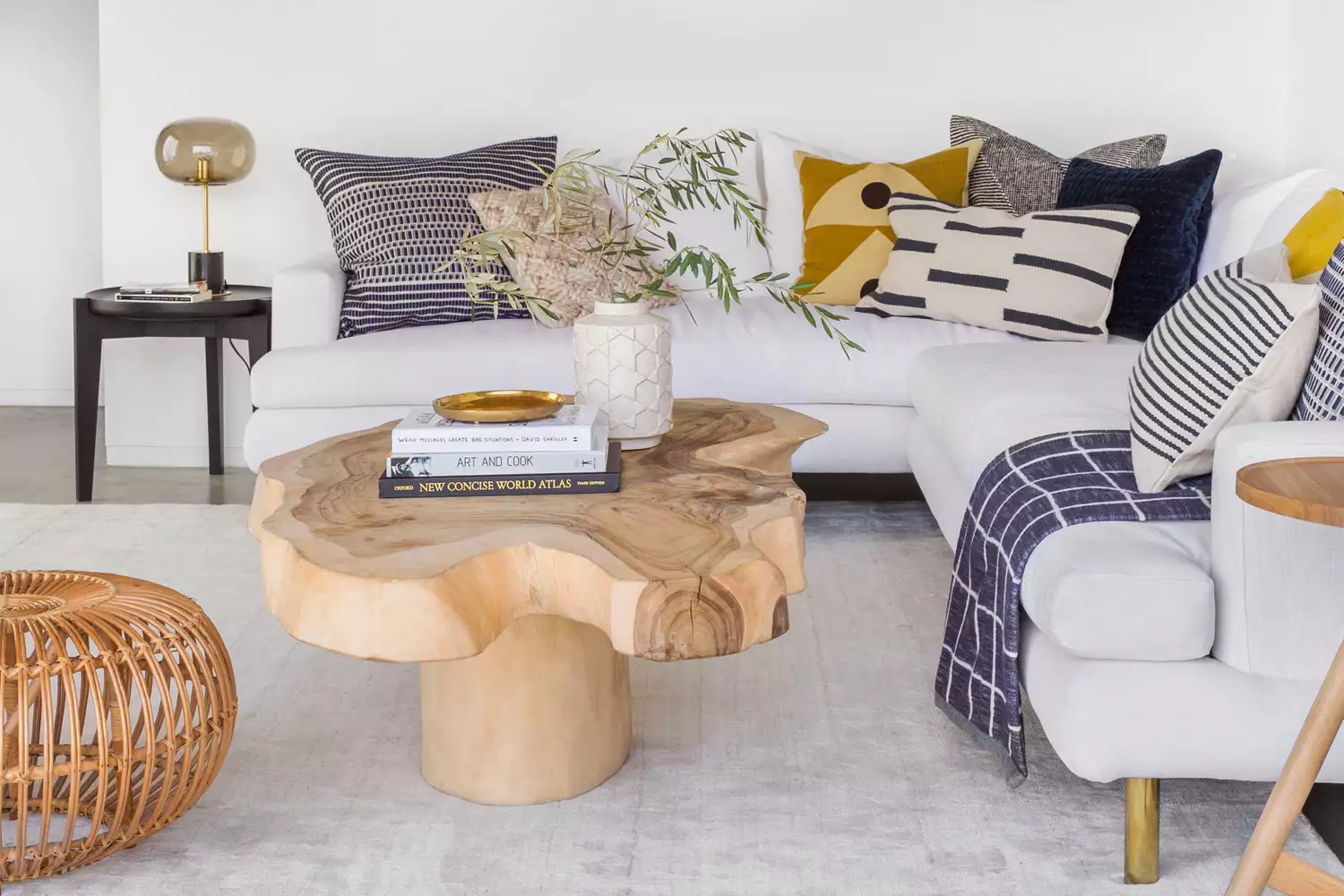
How Designers Style Coffee Tables to Feel Finished (Without Overdoing It)
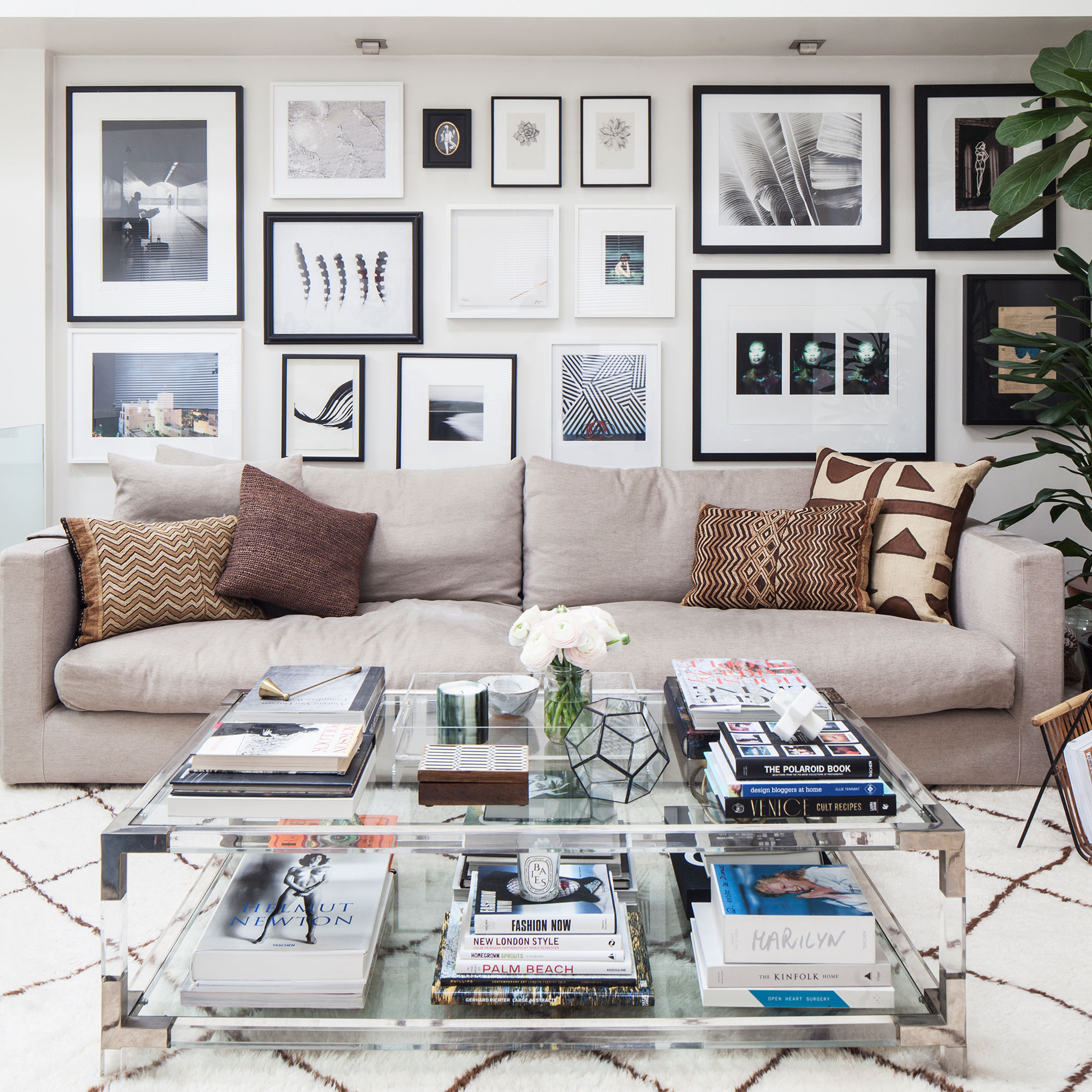
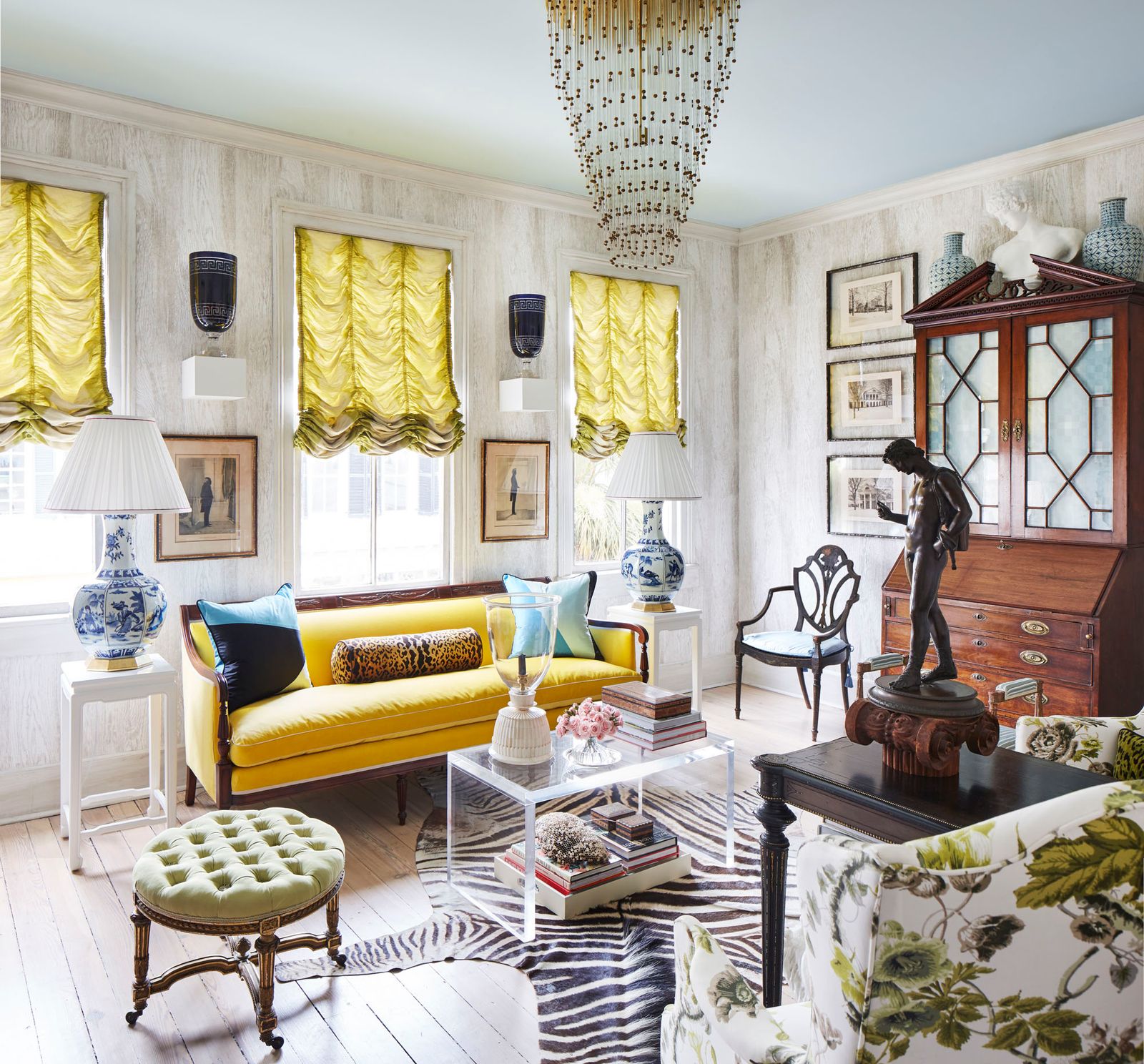
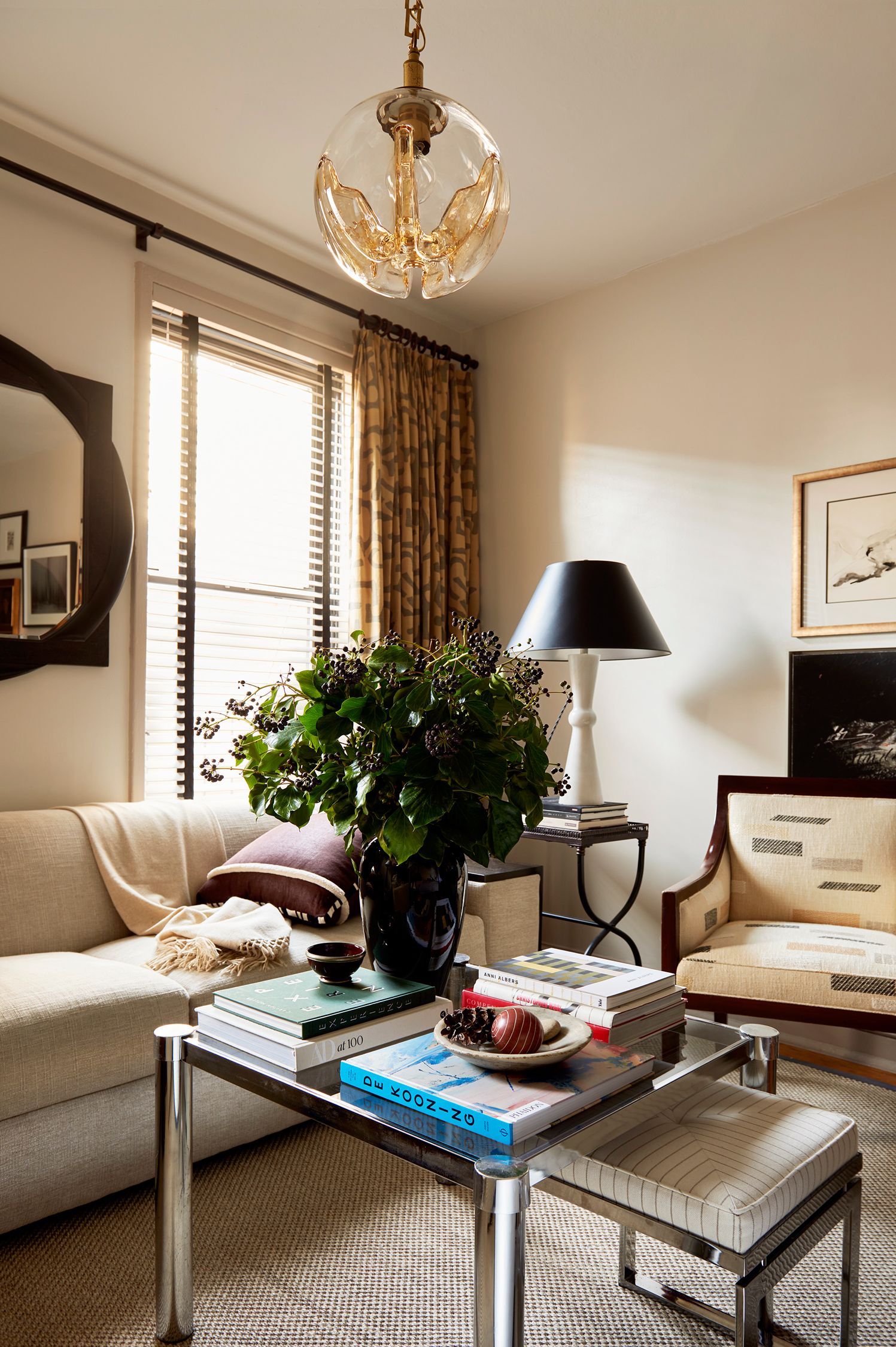
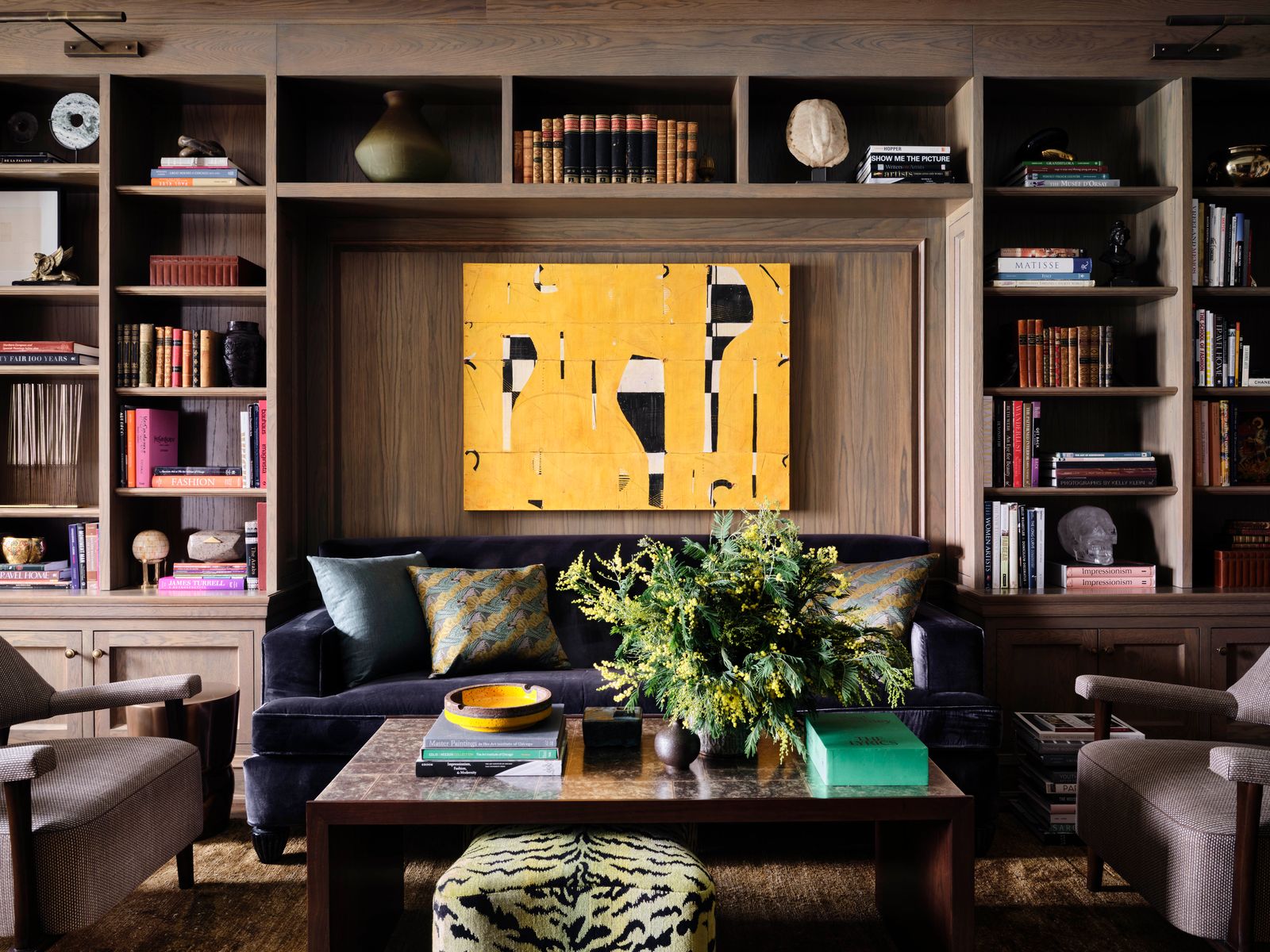
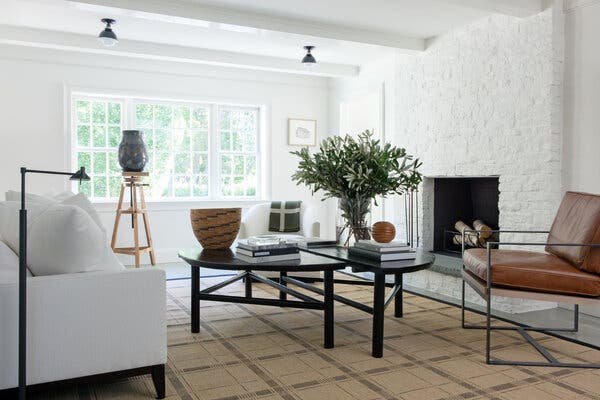
Styling a coffee table effectively can significantly enhance a living room's design by adding visual interest without introducing clutter. Interior designers emphasize creating an inviting display that balances beauty and functionality through careful selection and arrangement of items such as books, flowers, candles, and decorative objects. The process involves several key principles that contribute to a cohesive and aesthetically pleasing setup.
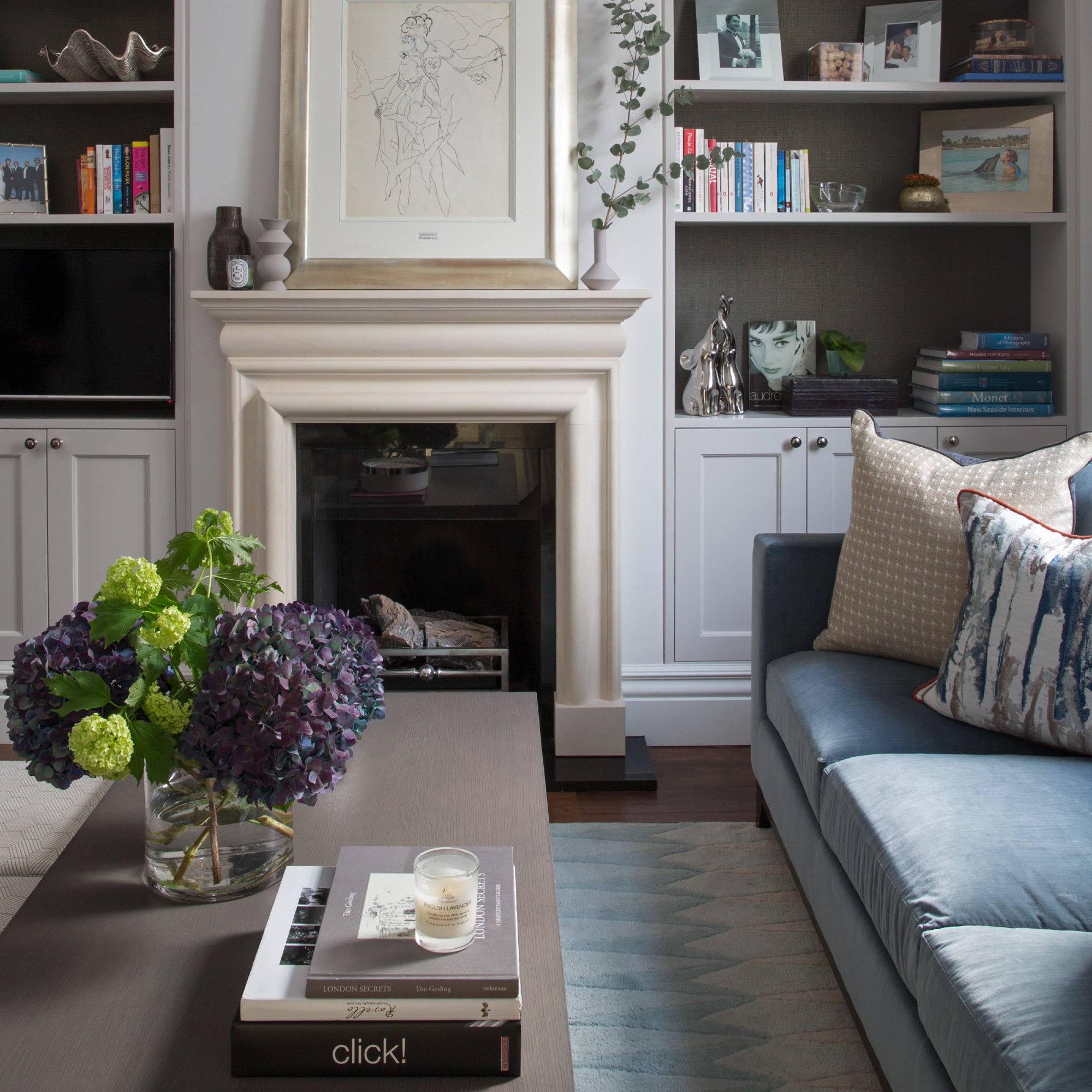

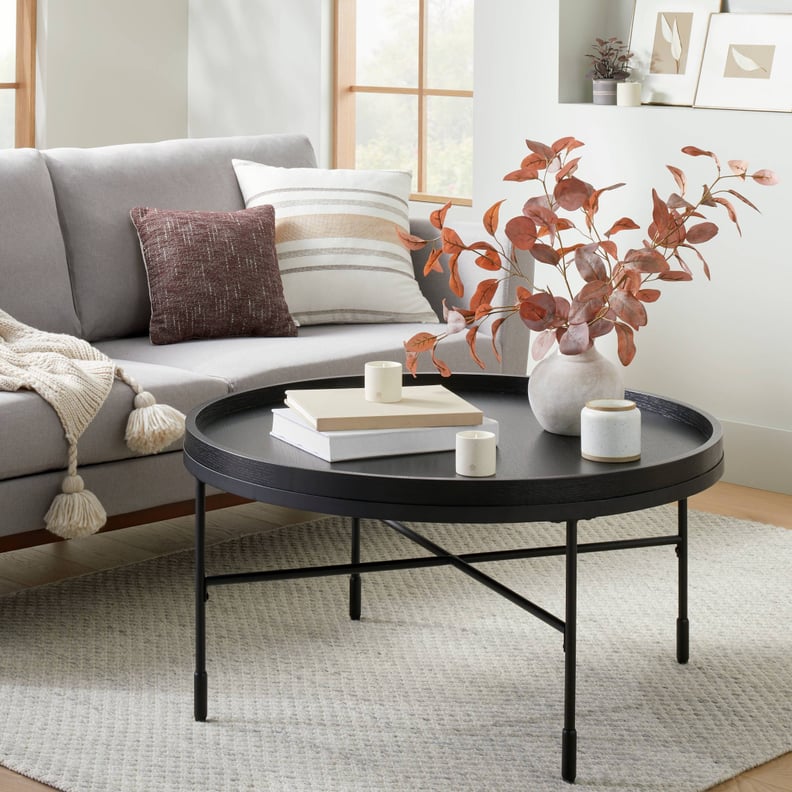
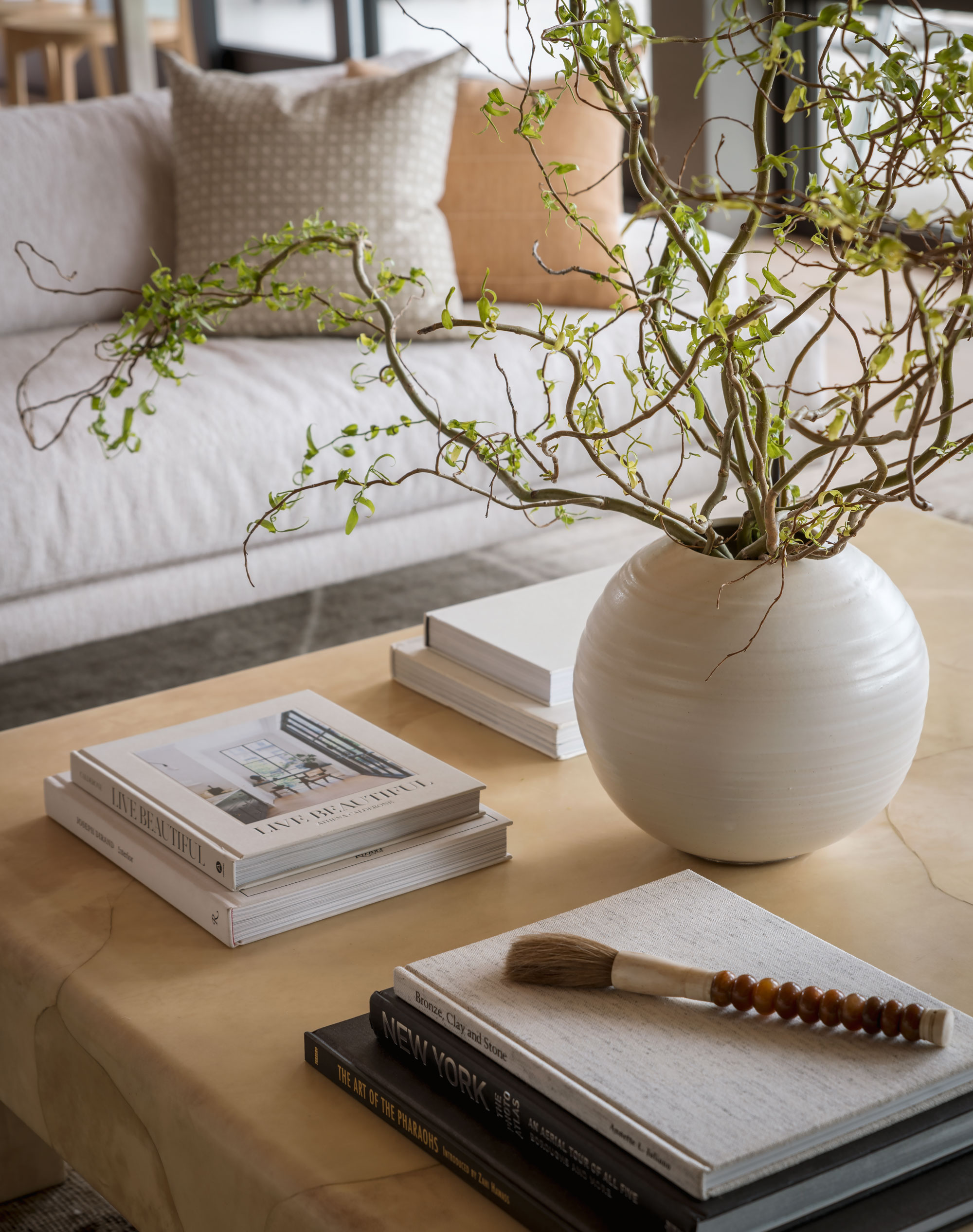
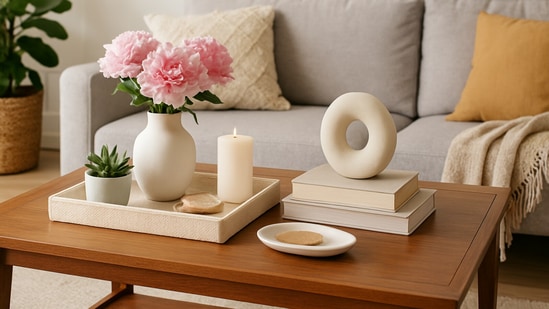
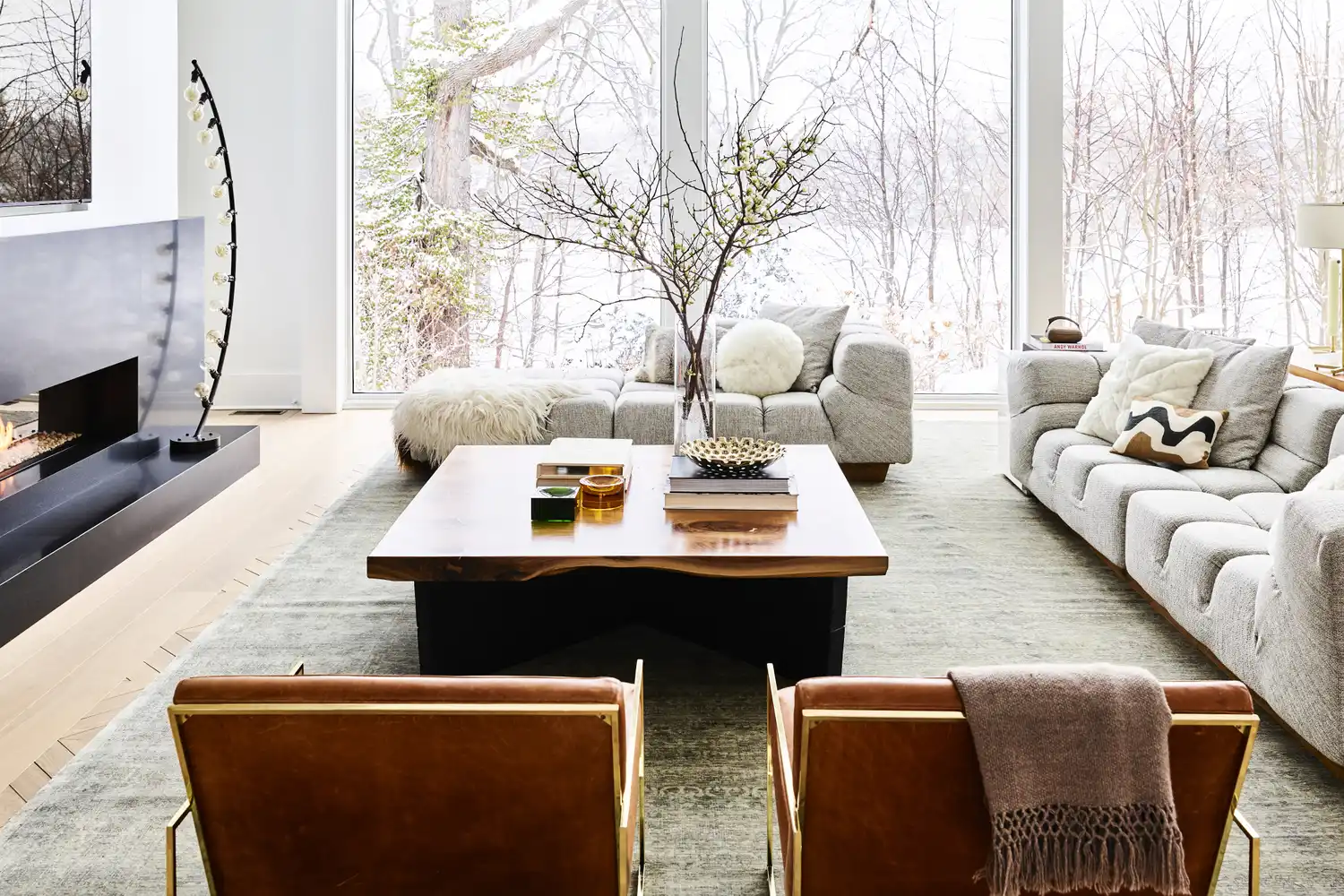
One fundamental approach is the "rule of thirds," where the coffee table is conceptually divided into three sections. Within these sections, designers suggest creating a visual triangle using two to three books alongside other decorative elements like a vase with flowers or a stylish tray. This method helps in achieving a balanced composition and guiding the eye across the display.
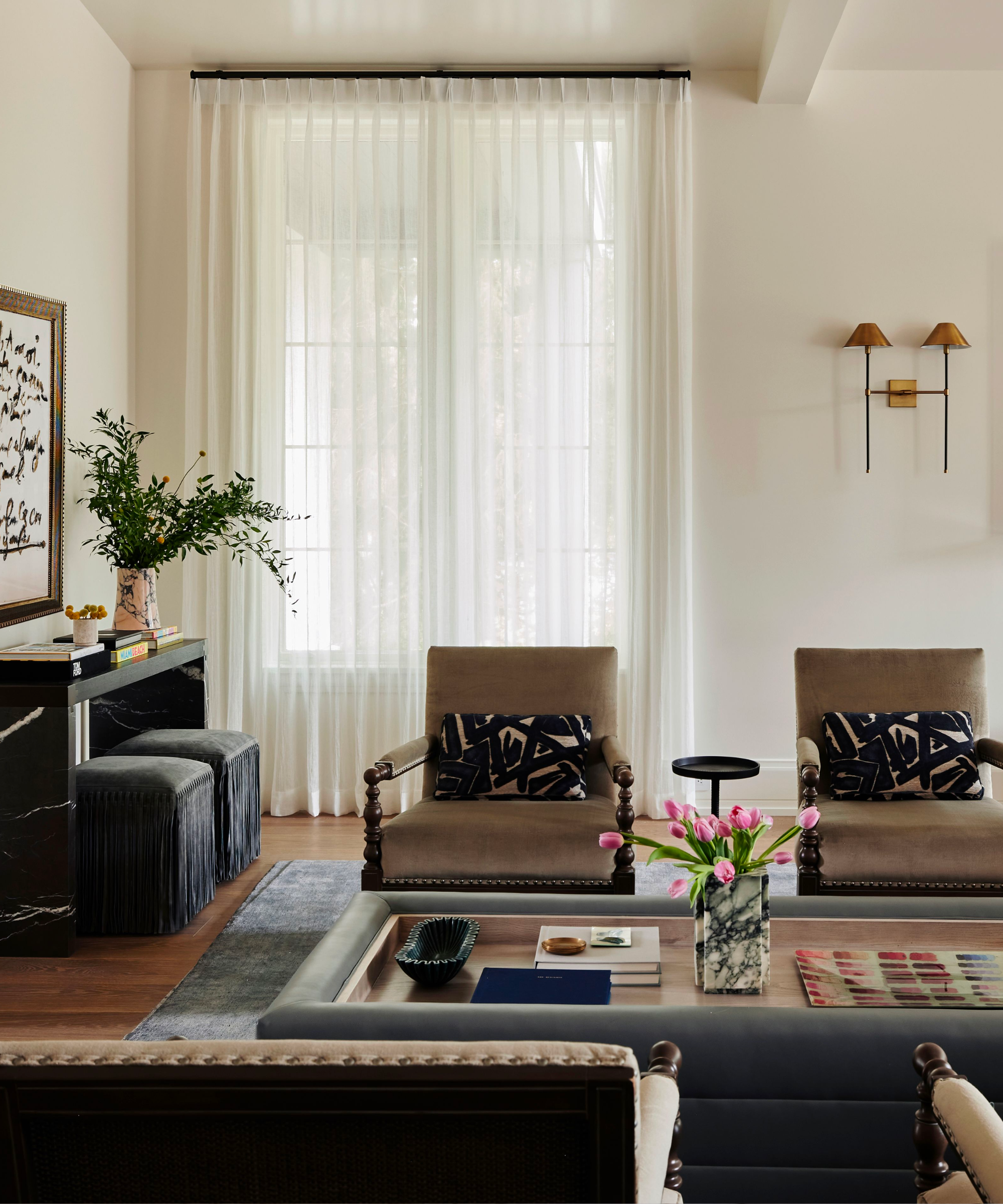
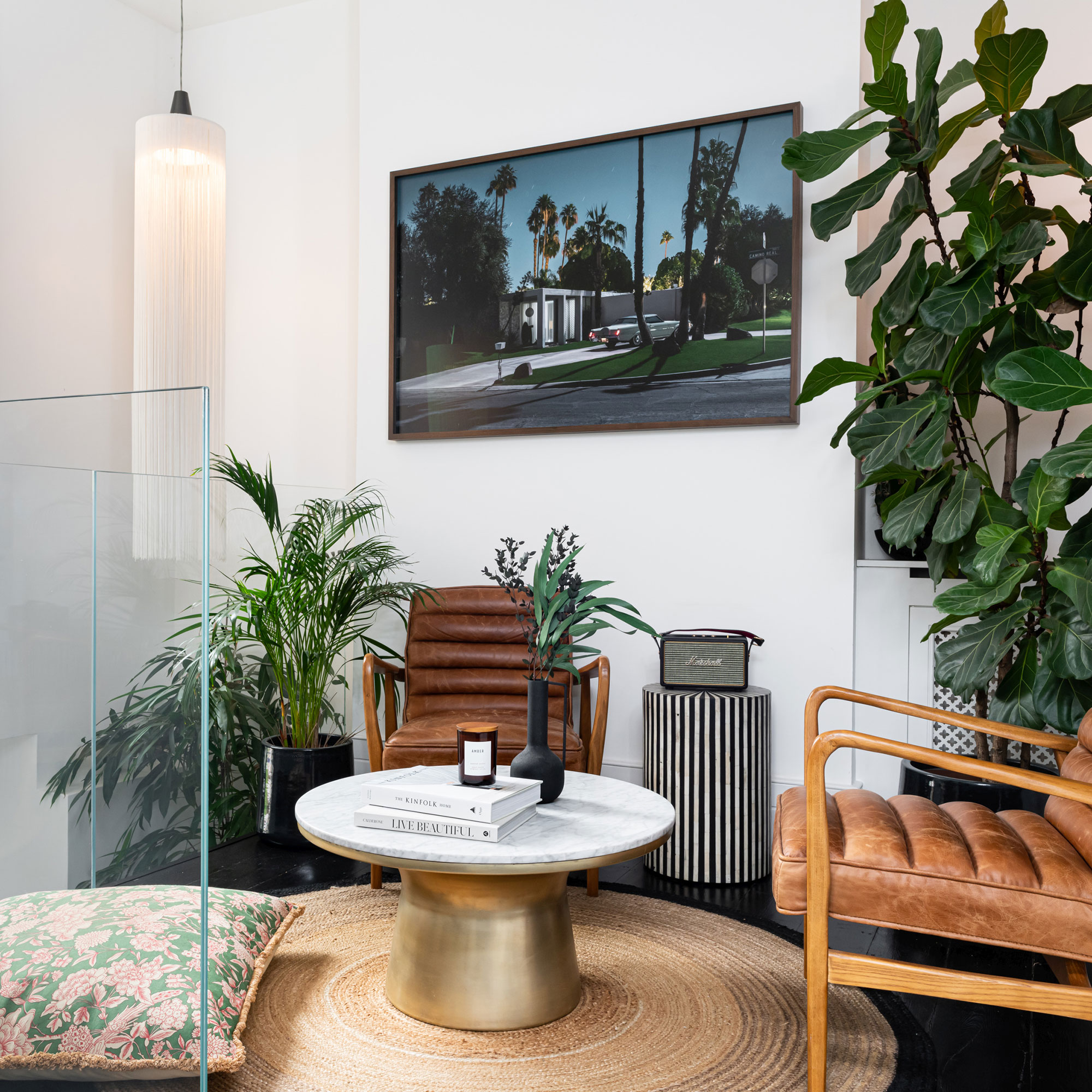
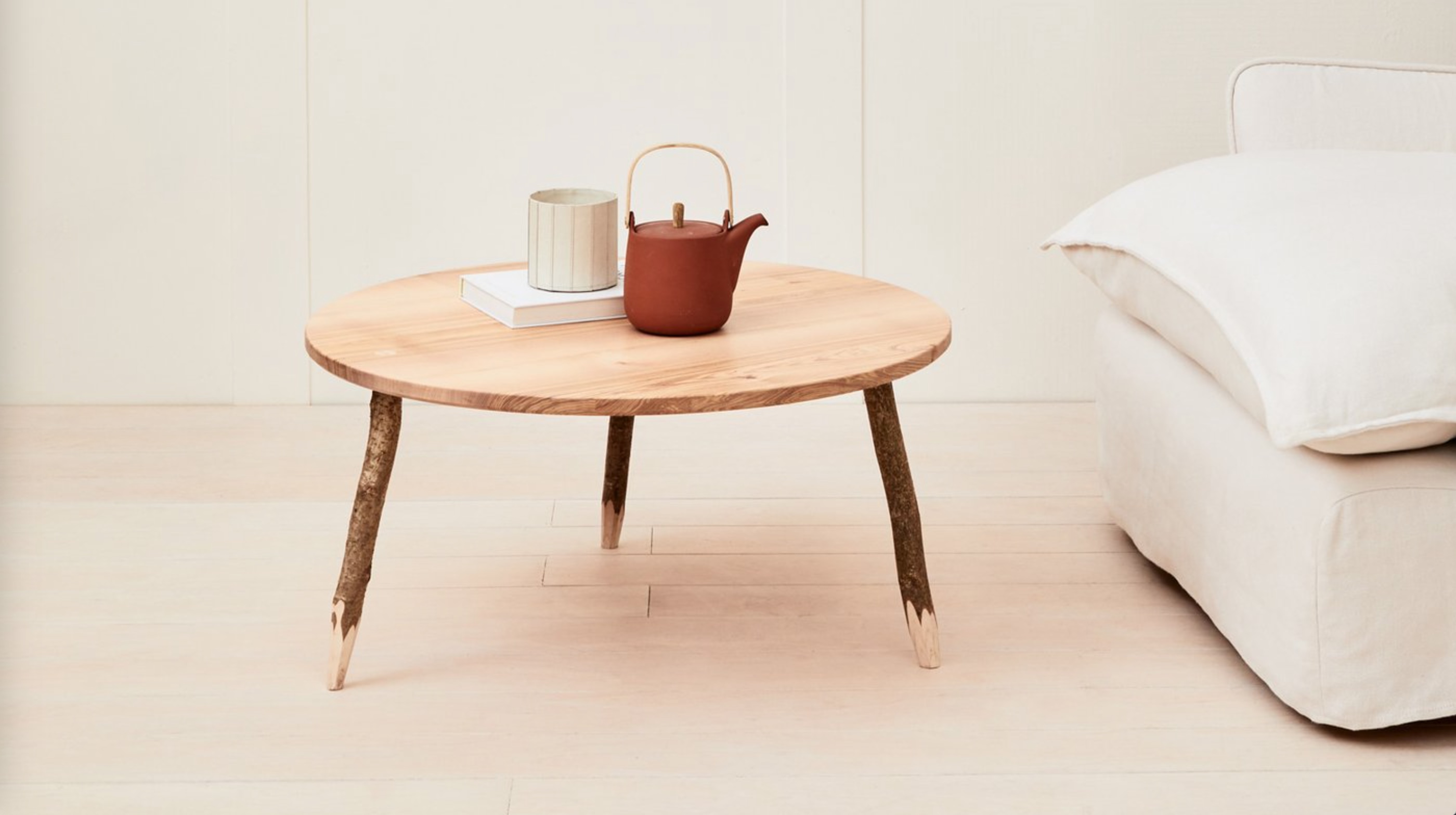
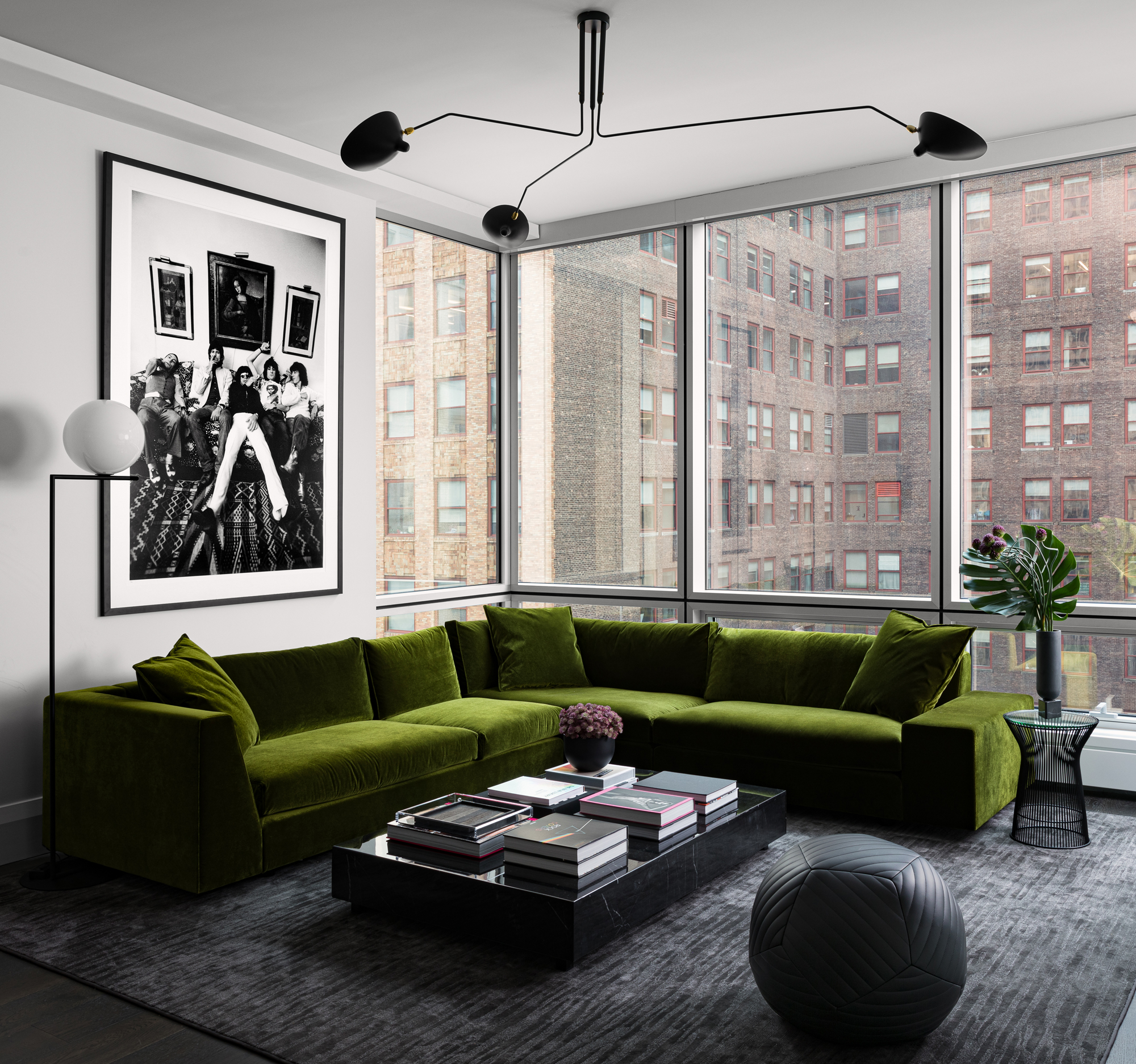
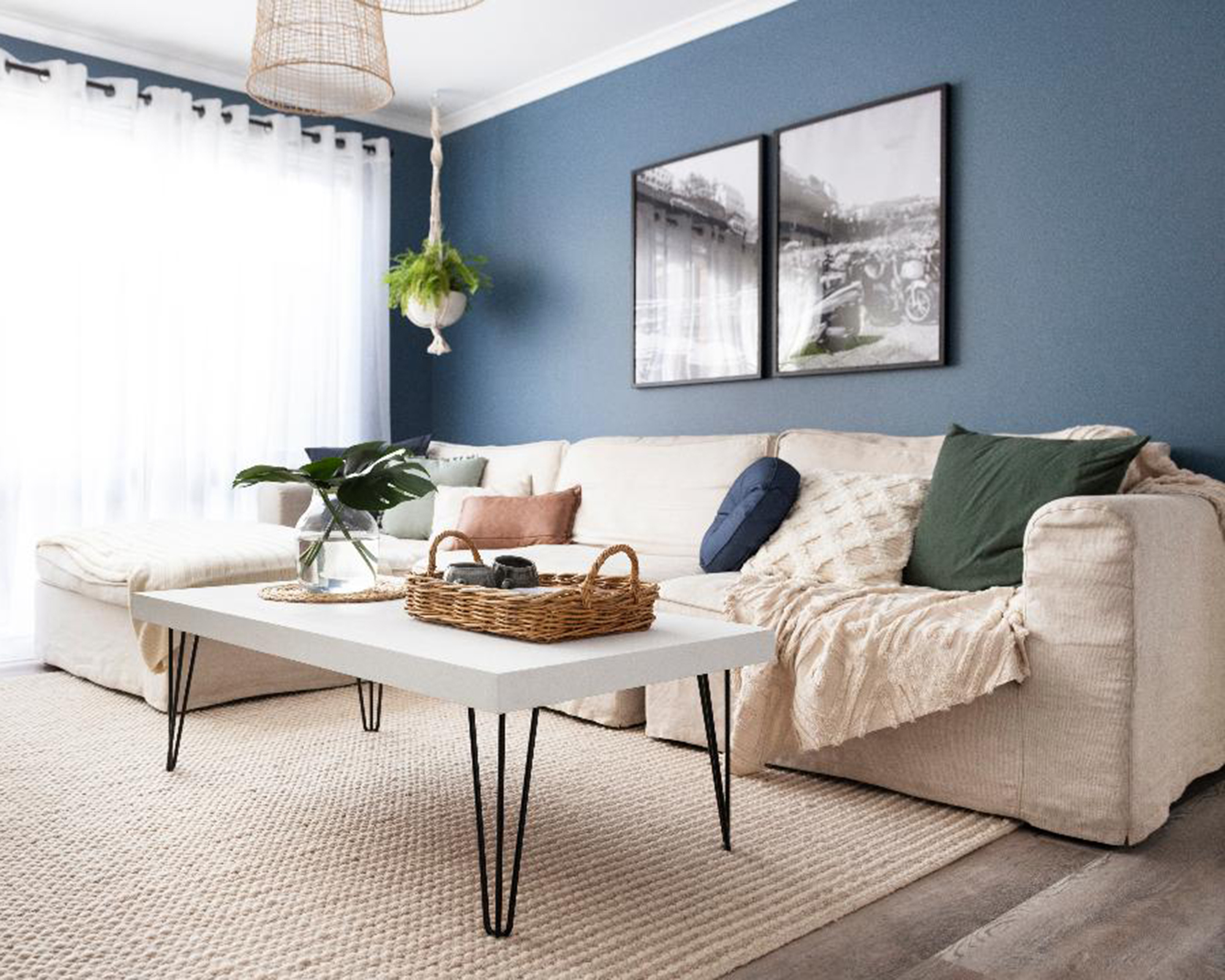
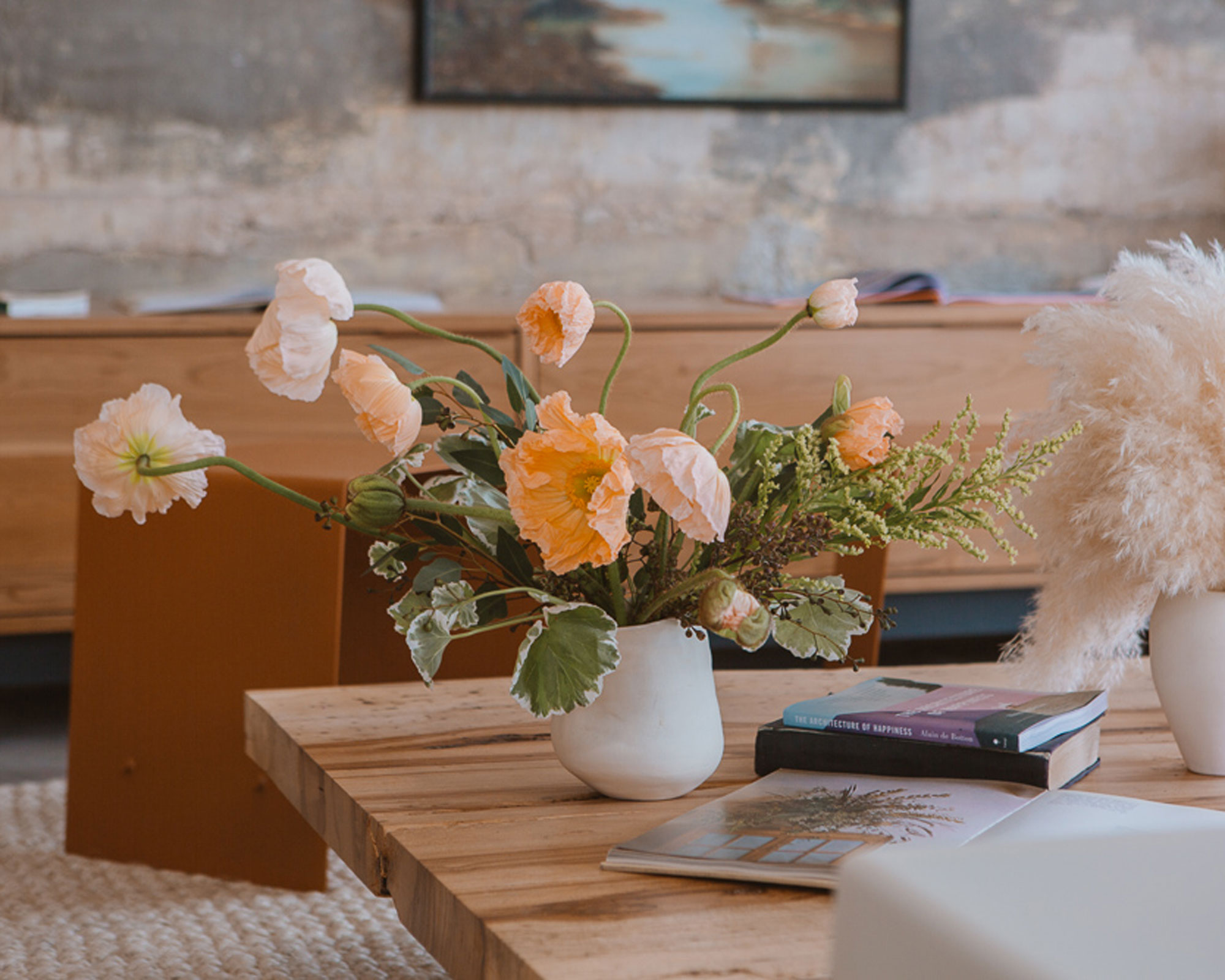
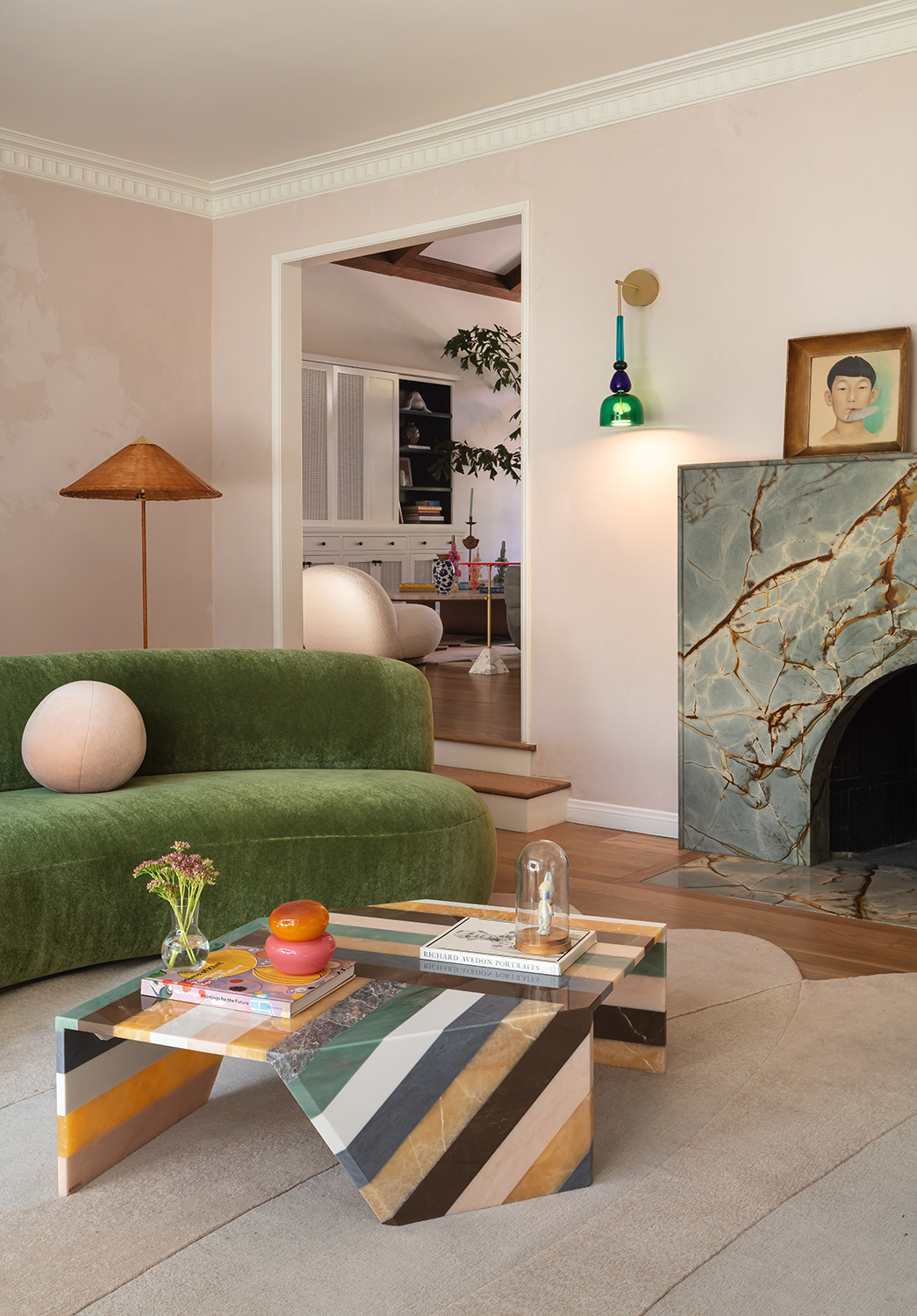
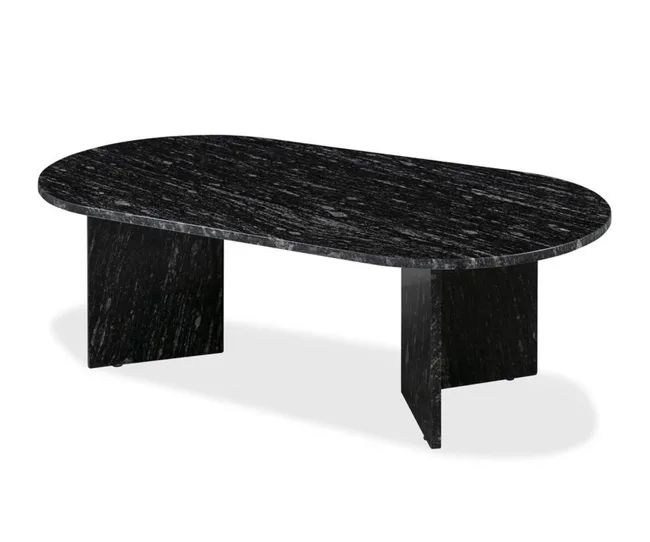
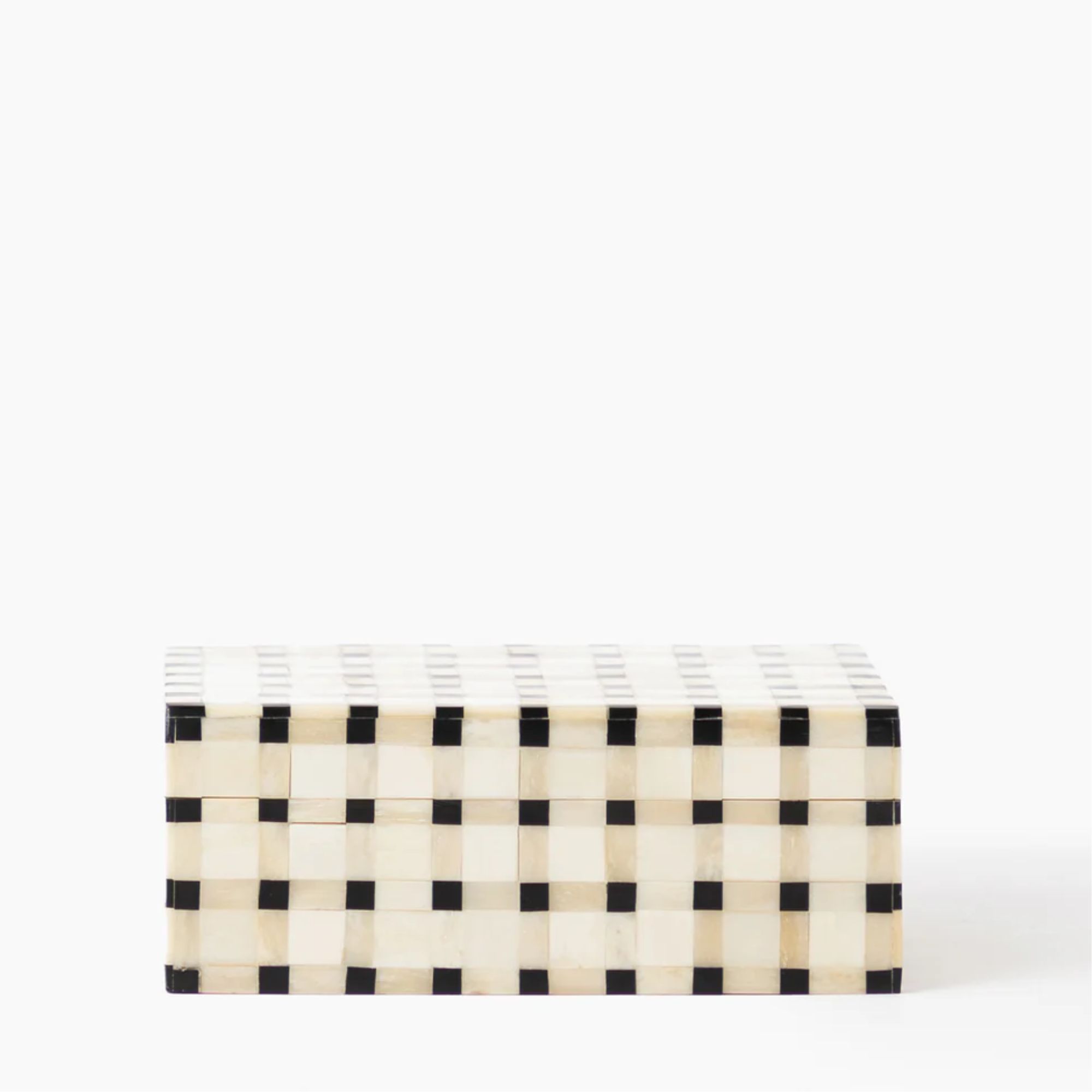
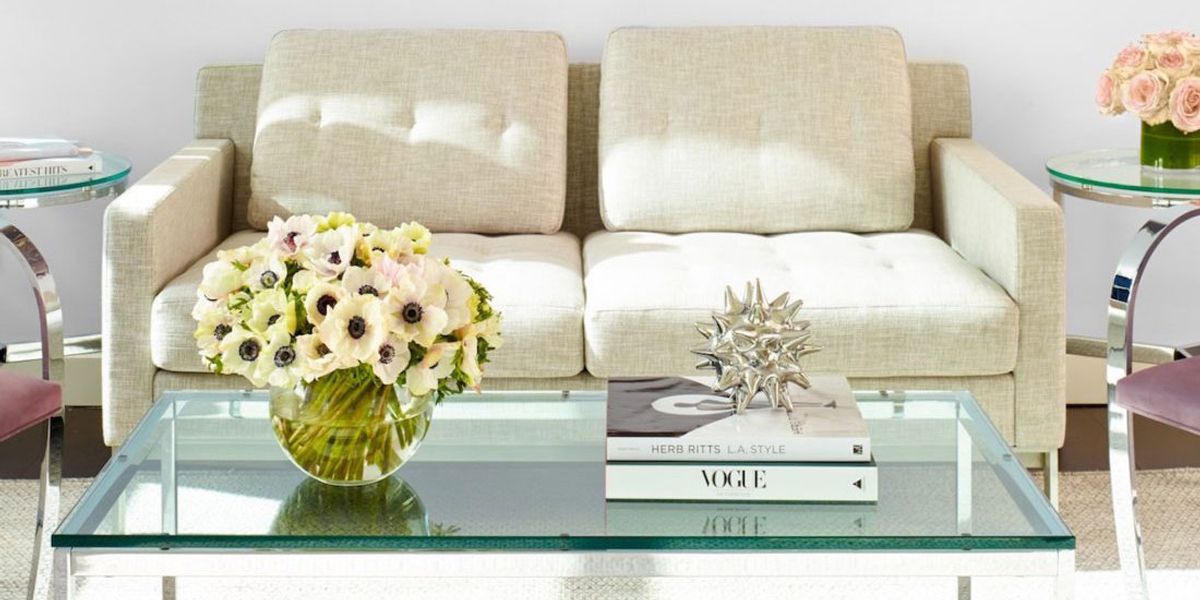
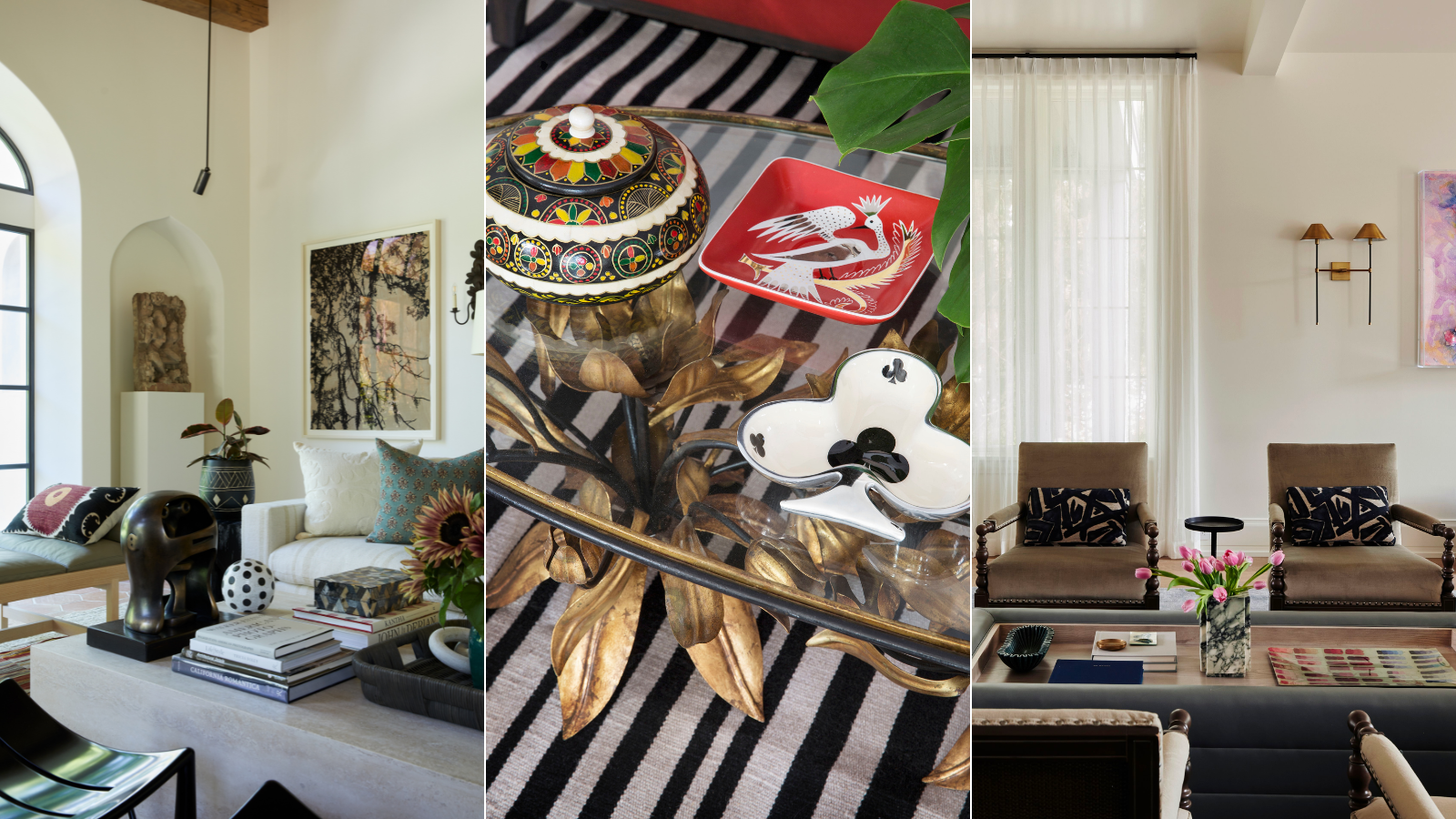
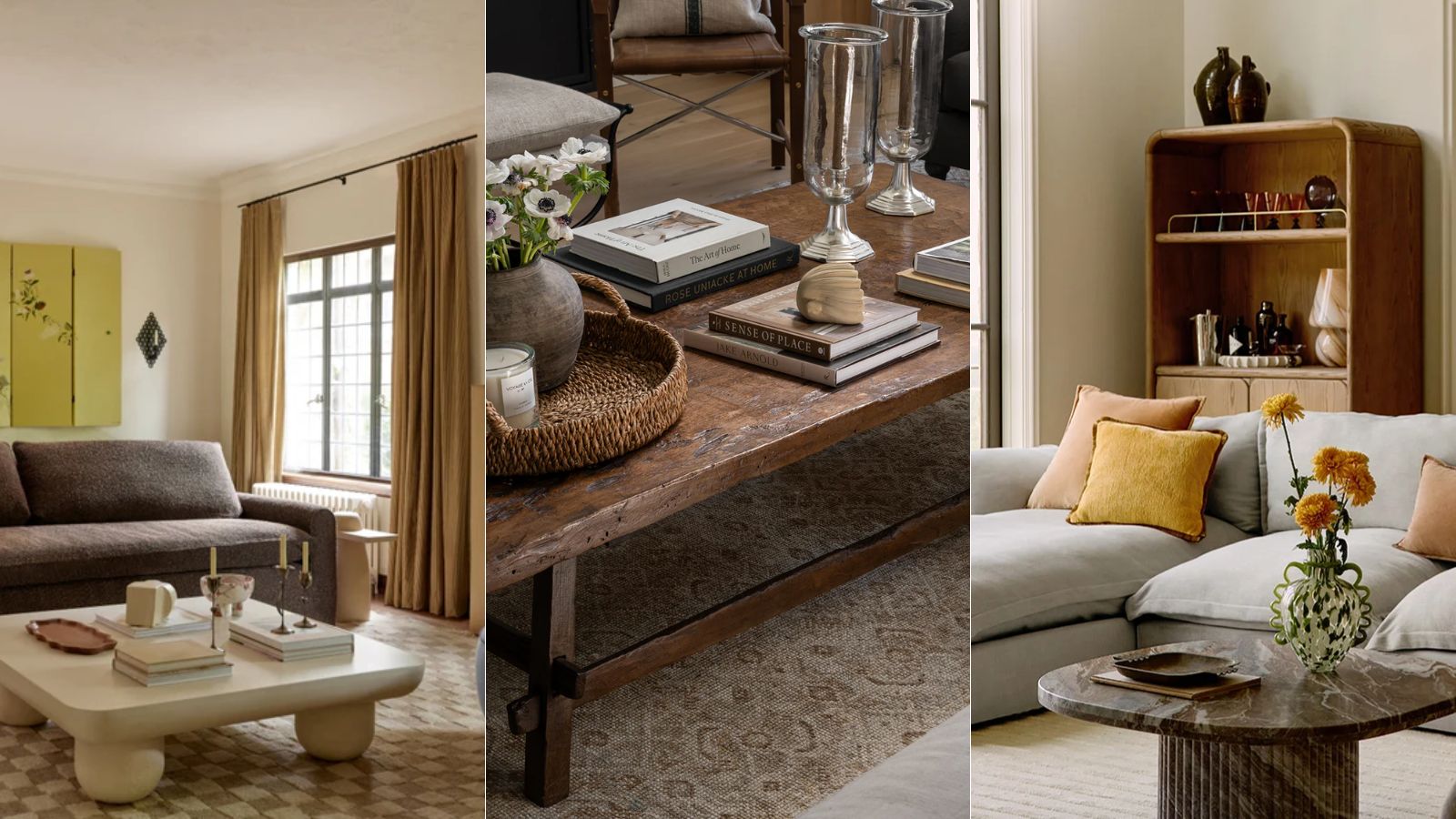
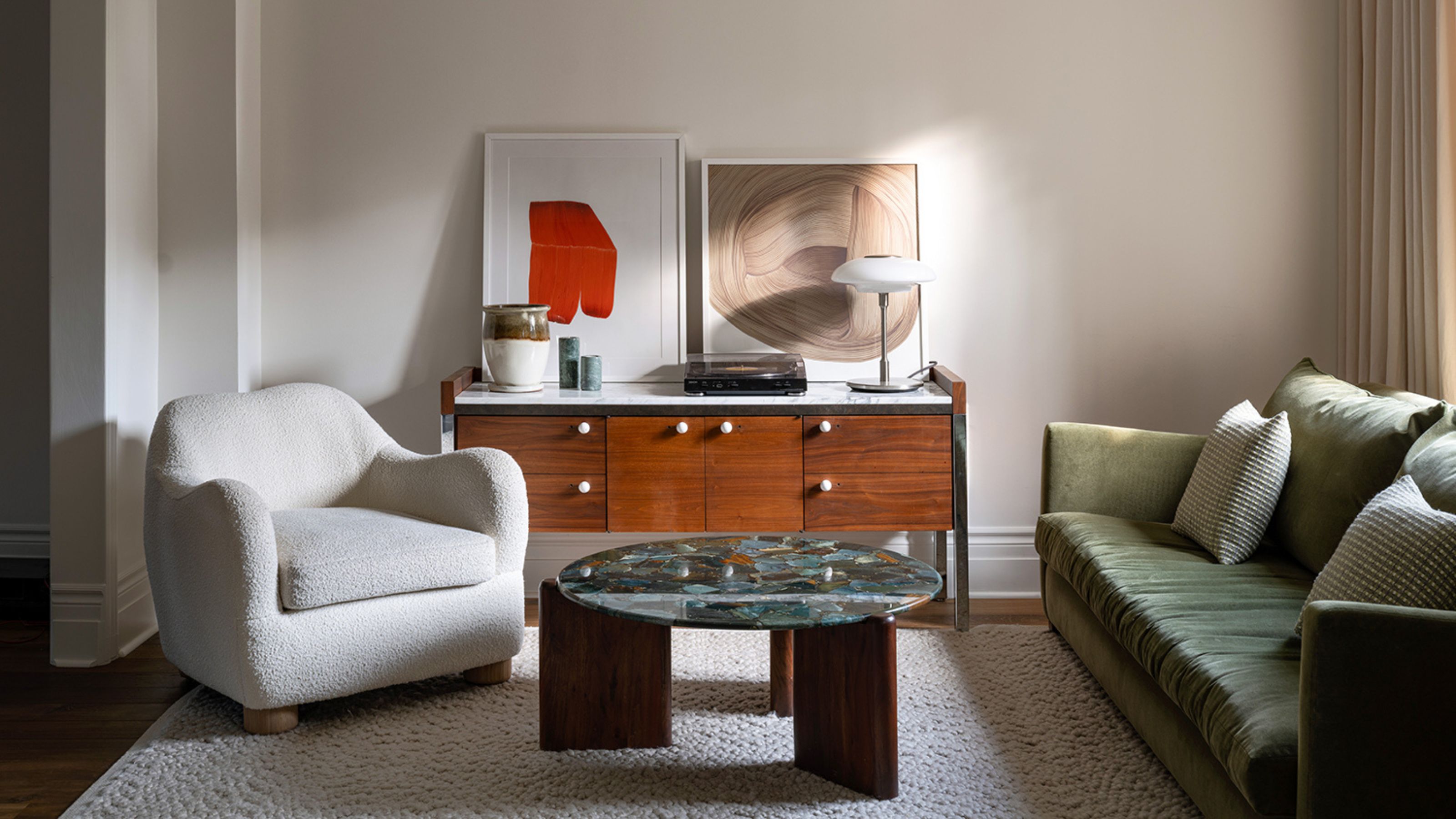
Material variation is another crucial aspect. Incorporating a mix of materials adds depth and interest. For instance, pairing greenery in a clay vase with decorative wood beads on a marble coffee table, or introducing metallic accents on a wooden table, can create dynamic contrasts. Fresh flowers are highly recommended for an instant boost of color and life, bringing a touch of nature and vibrancy to the space.
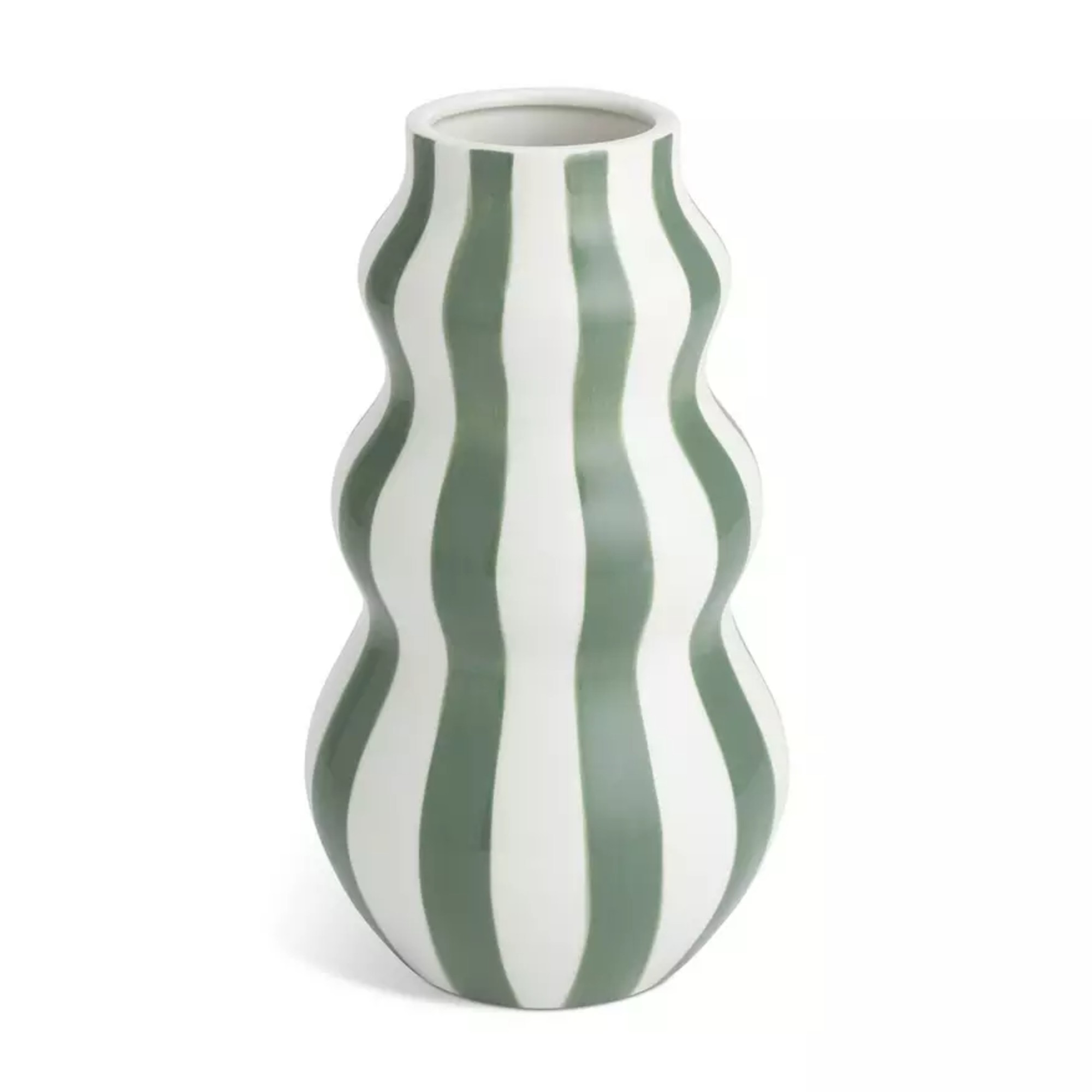
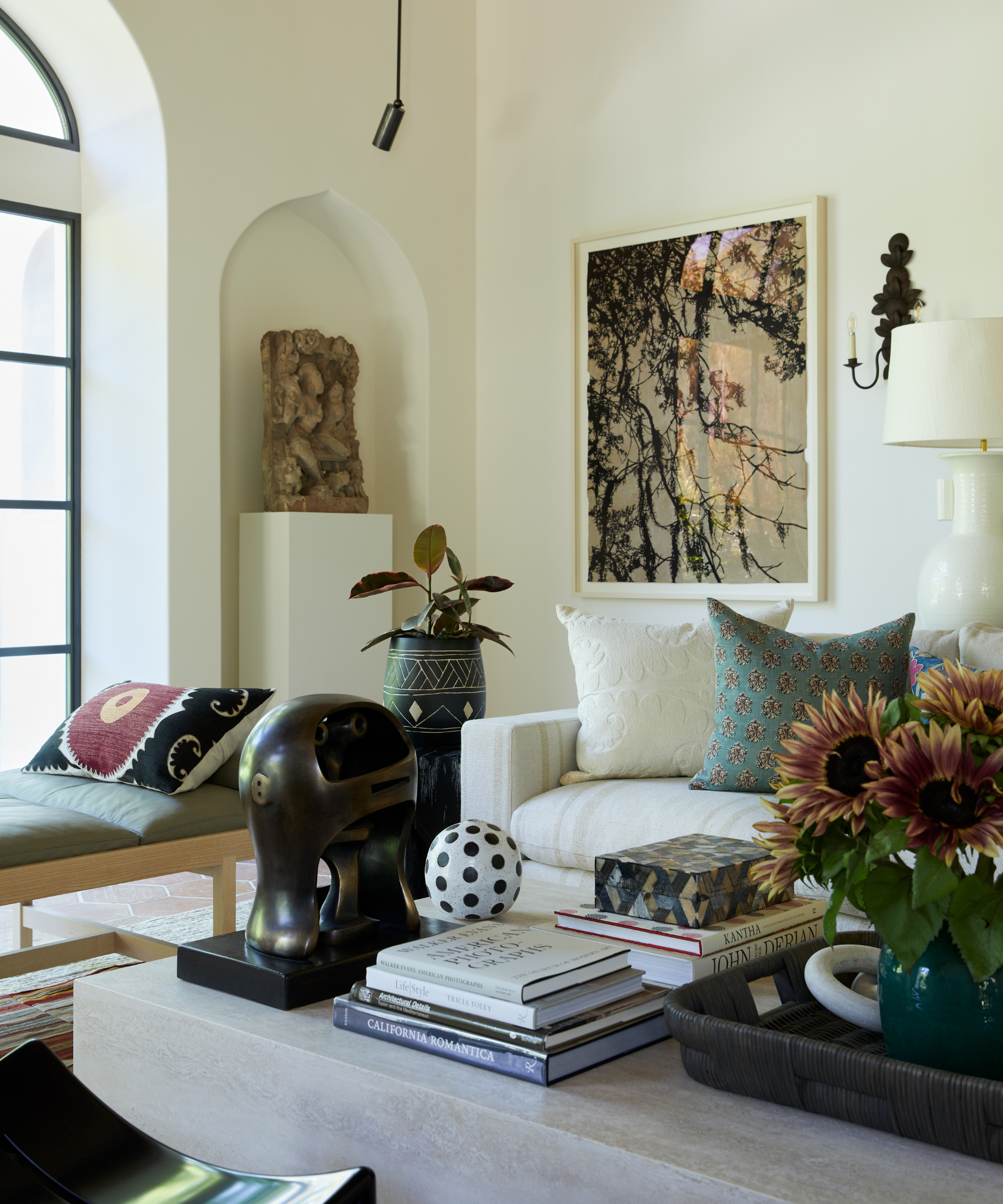
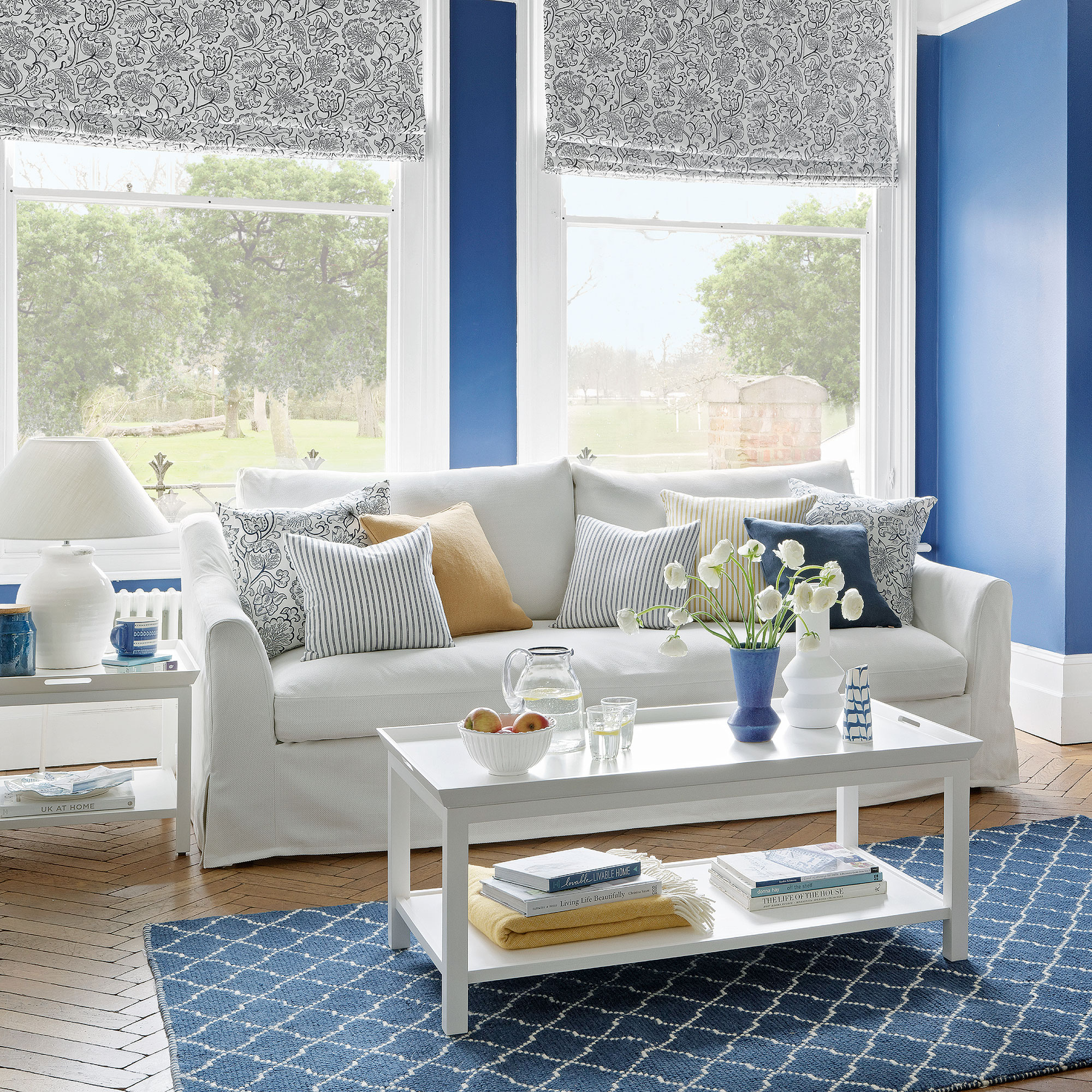
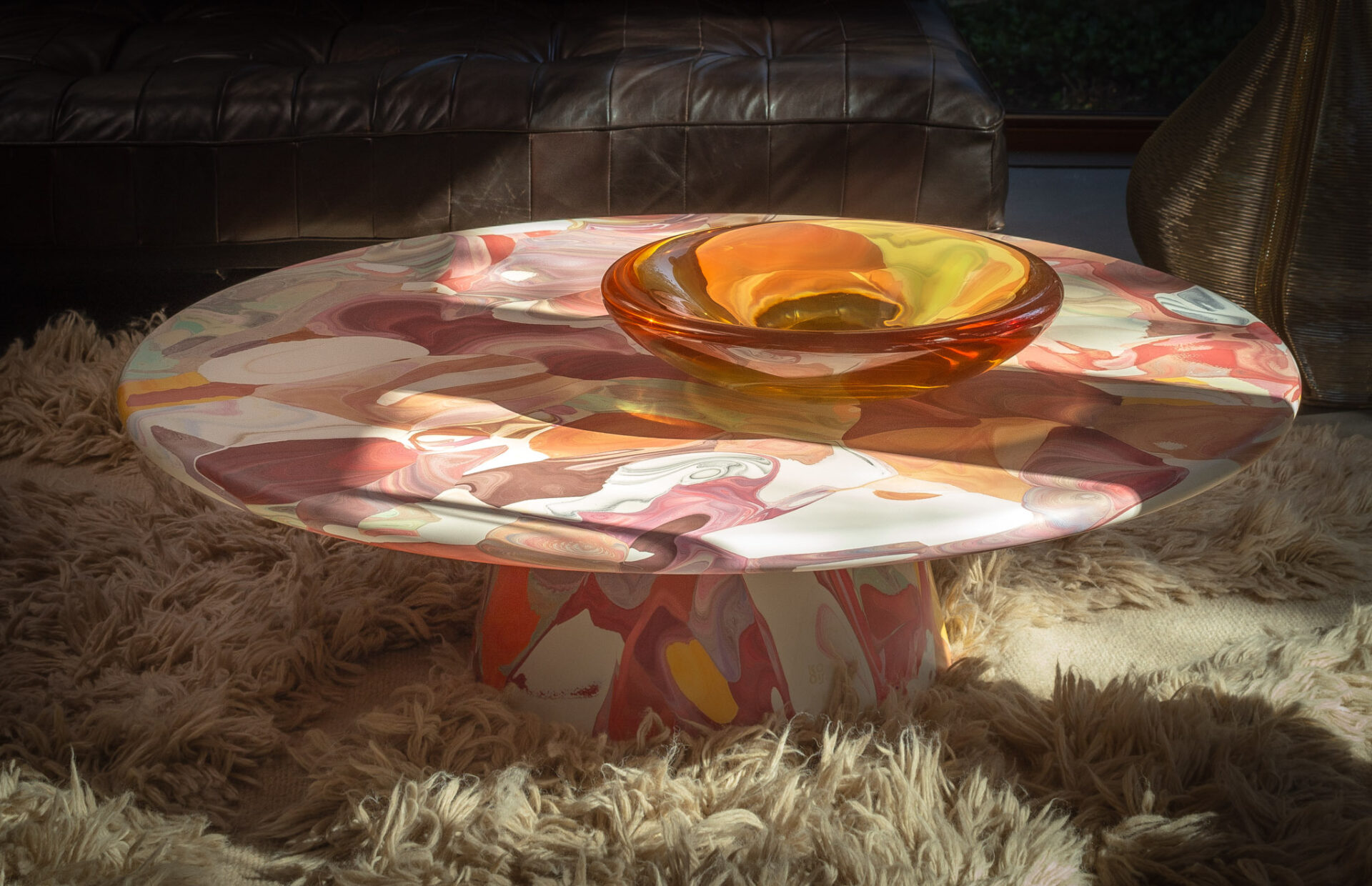
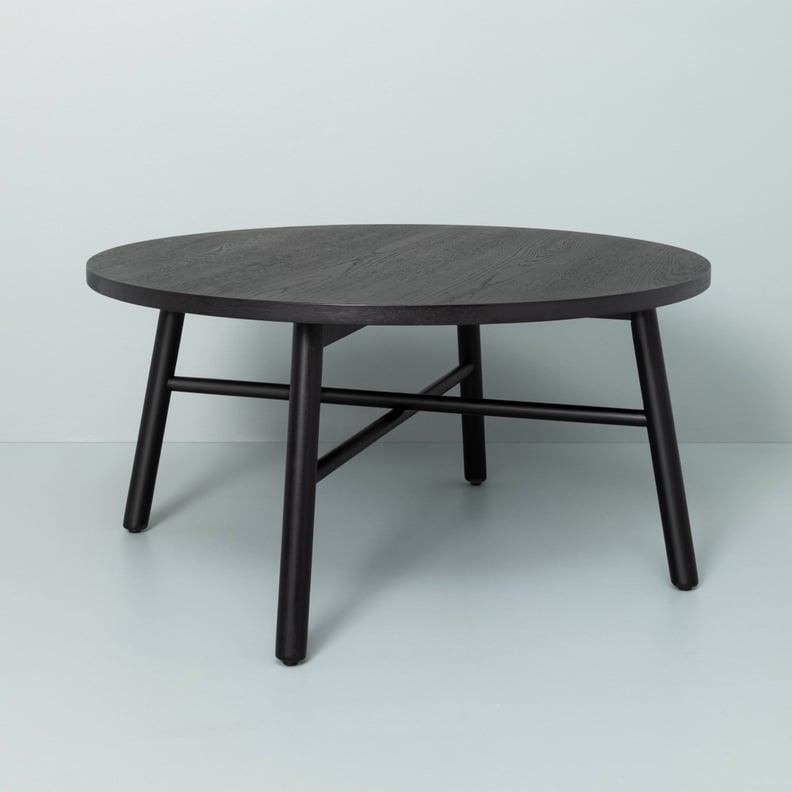
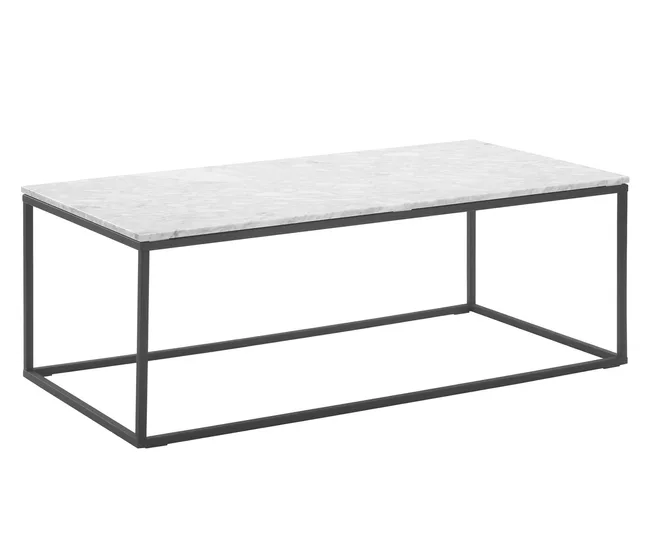
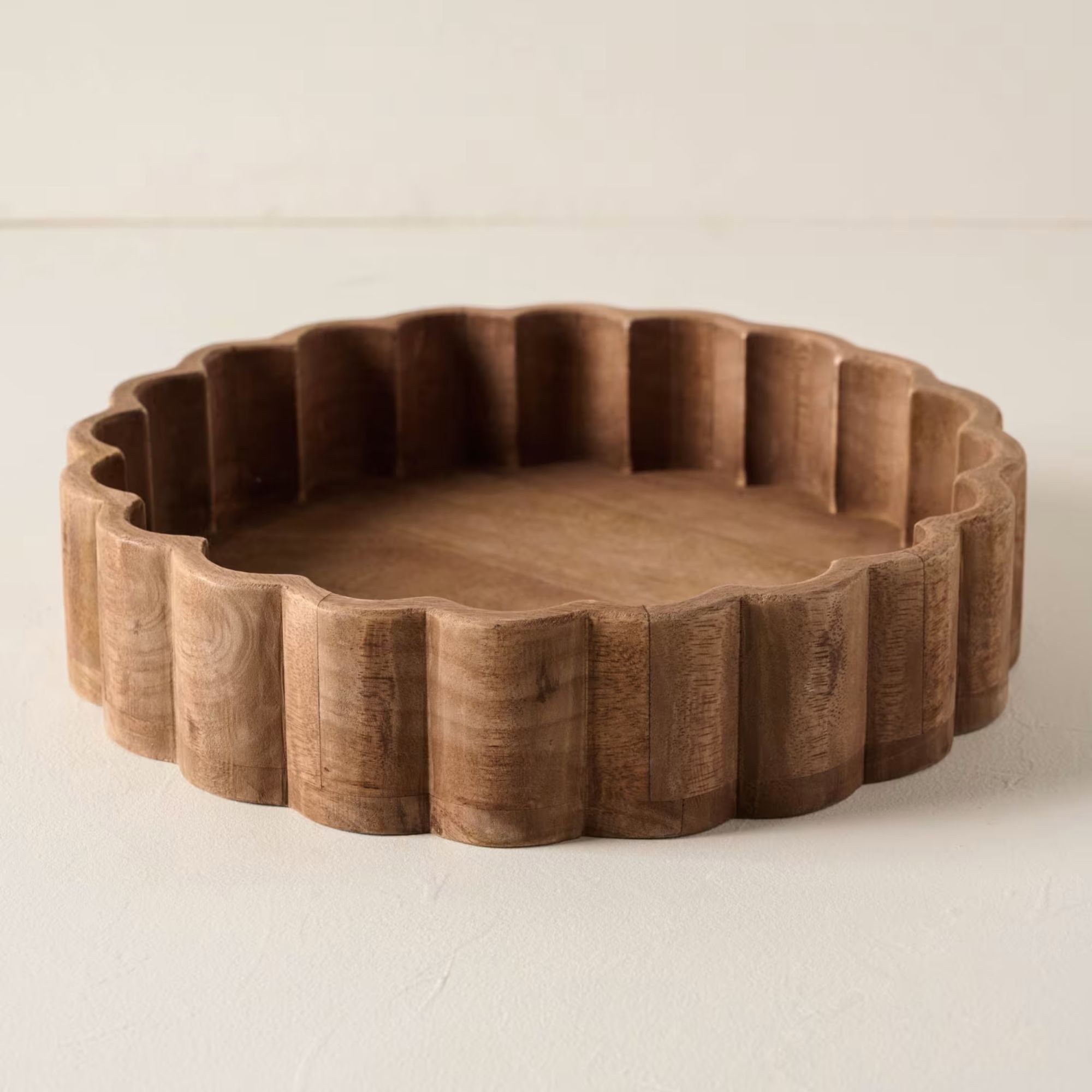
Experimenting with diverse shapes is also important. If working with a rectangular coffee table, introducing a round tray can break the monotony of straight lines. Similarly, on a round or square table, a variety of shapes can add texture and visual intrigue. Varying the heights of accessories is essential for creating dimension; combining two coffee table books with a taller vase, for example, prevents the display from appearing flat.
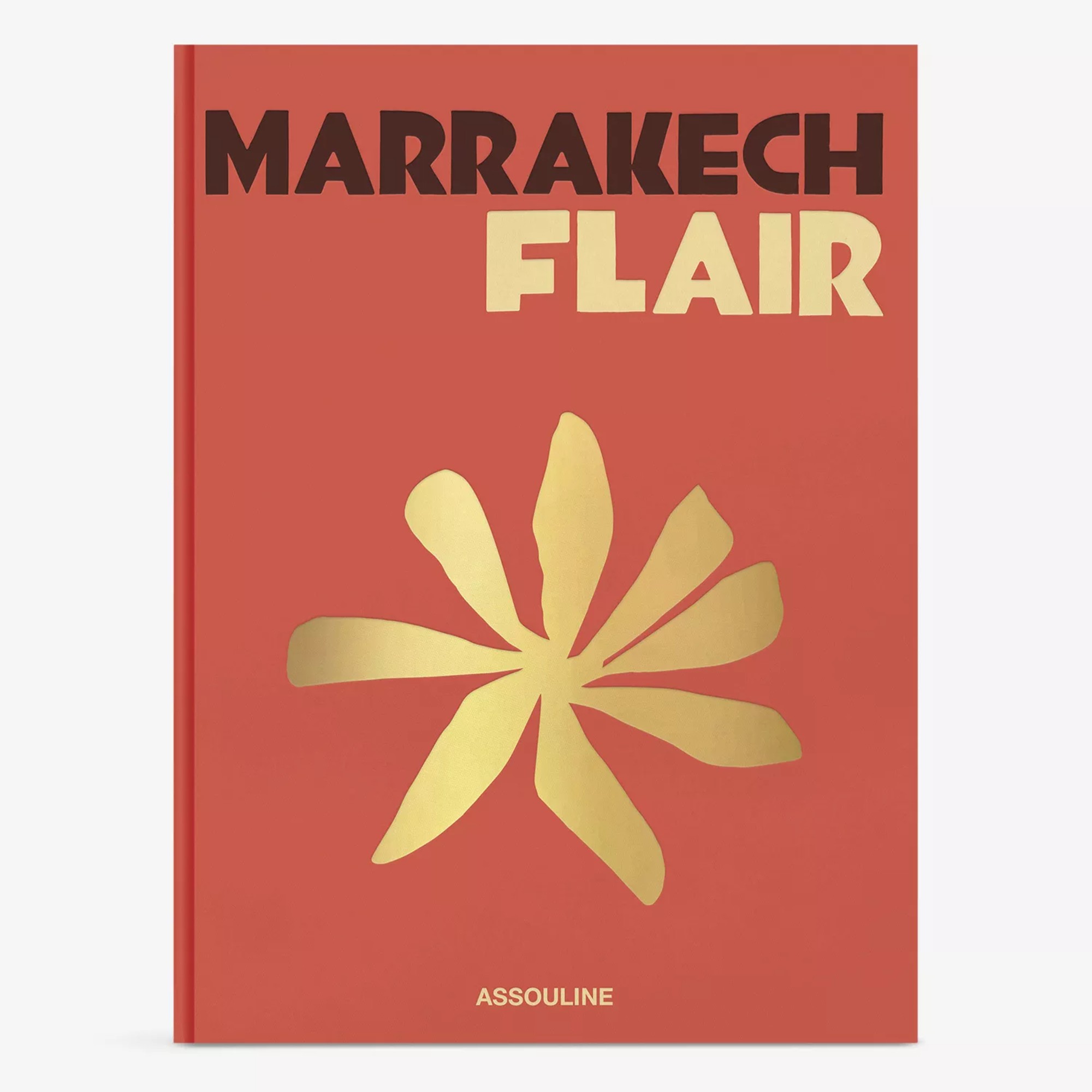
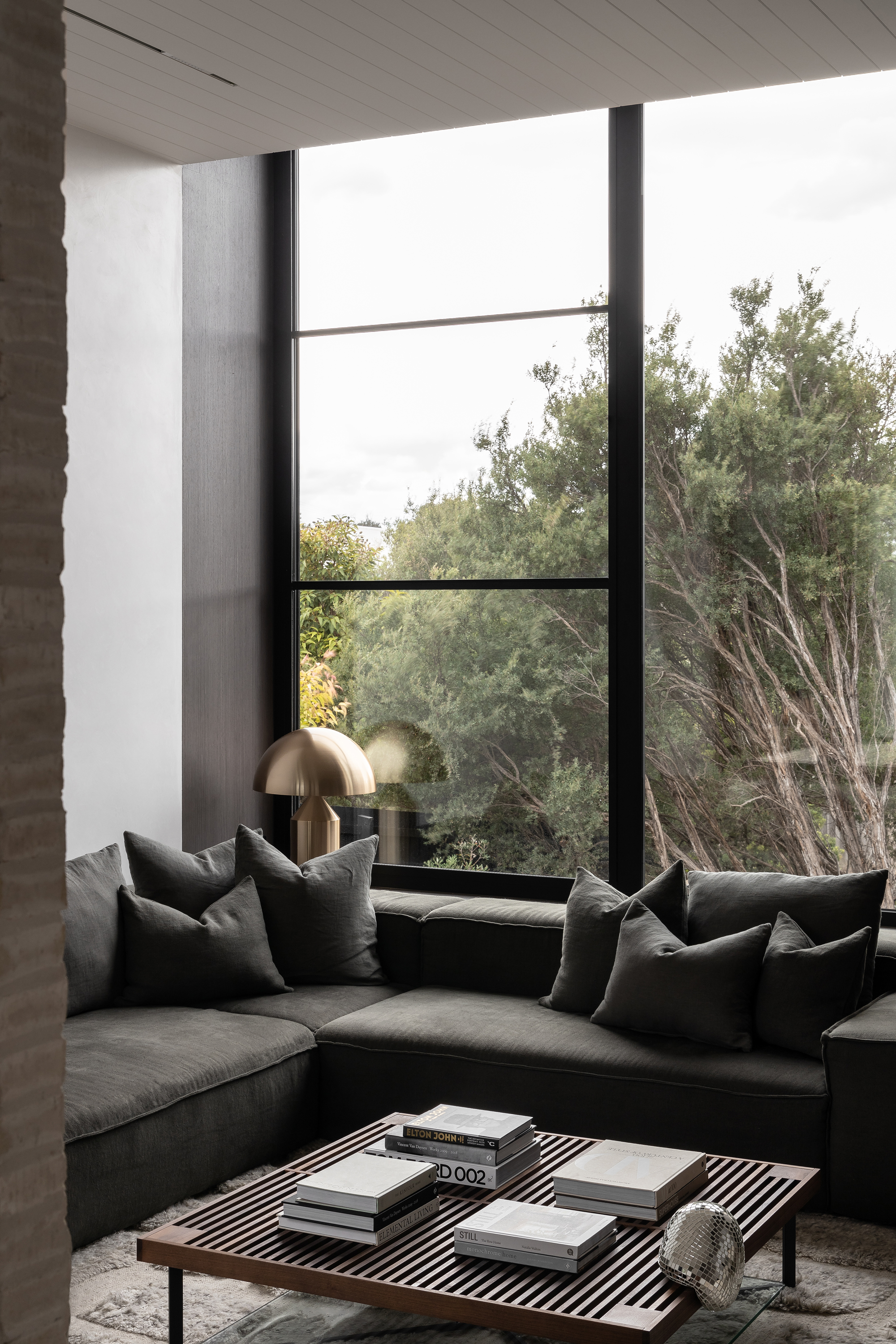
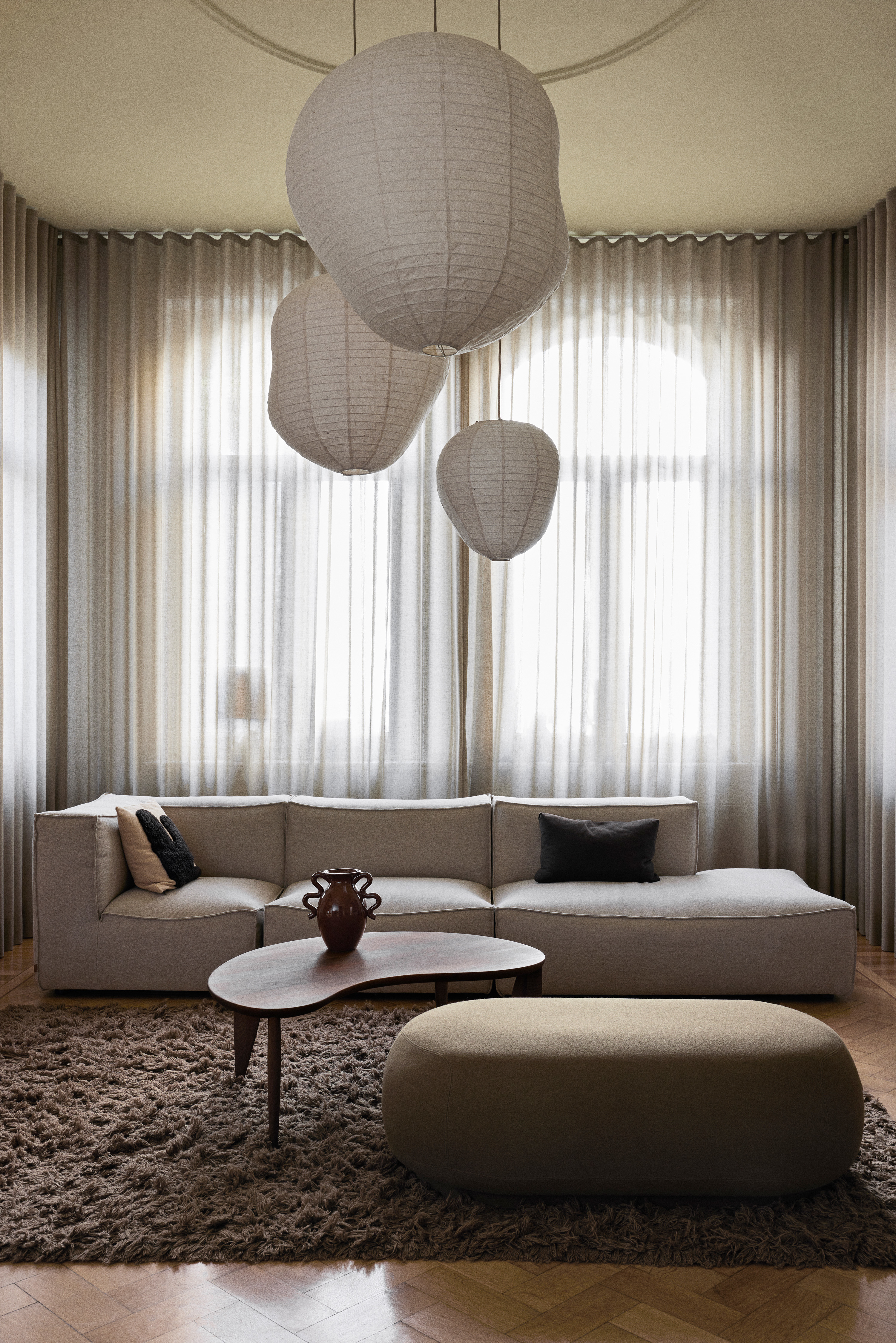
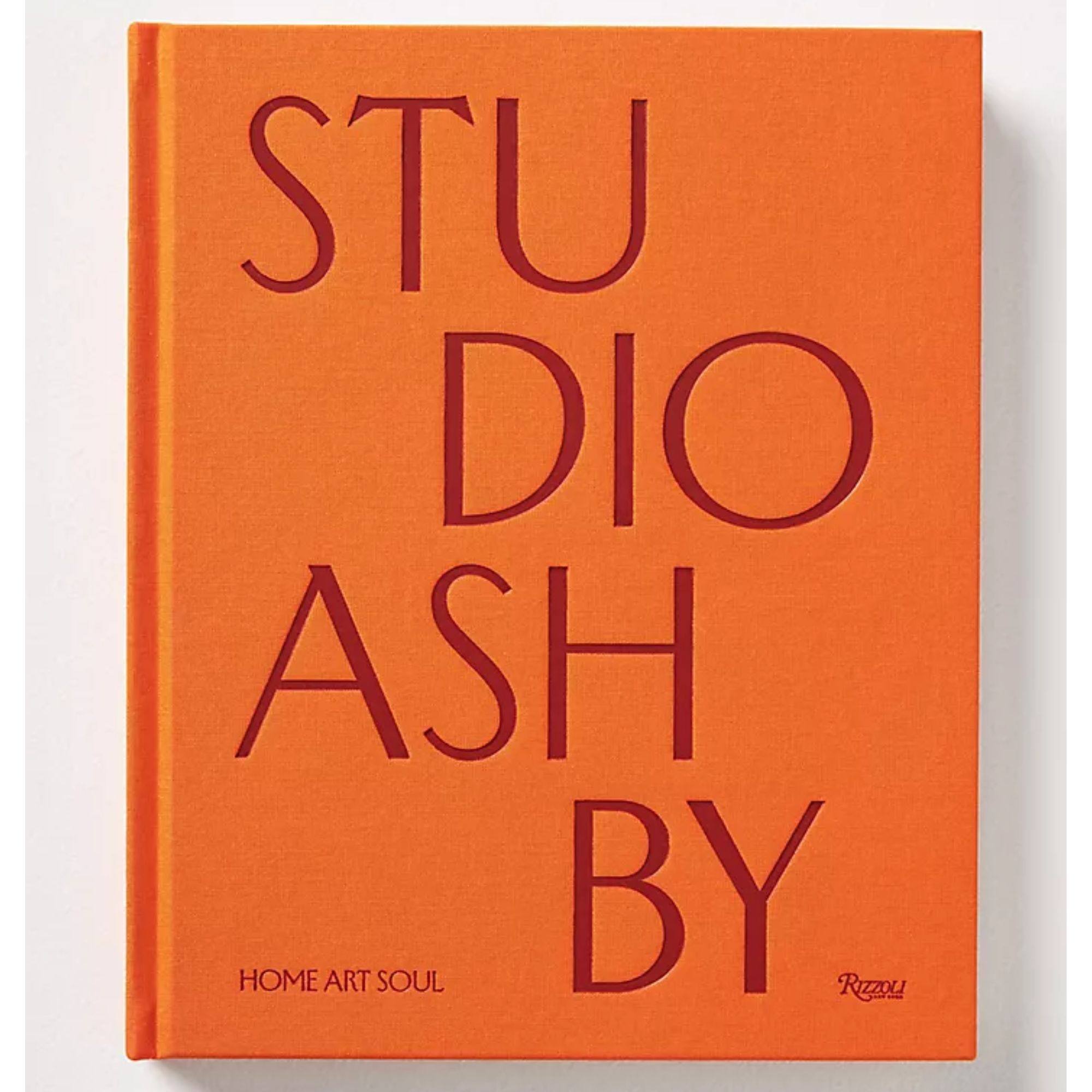
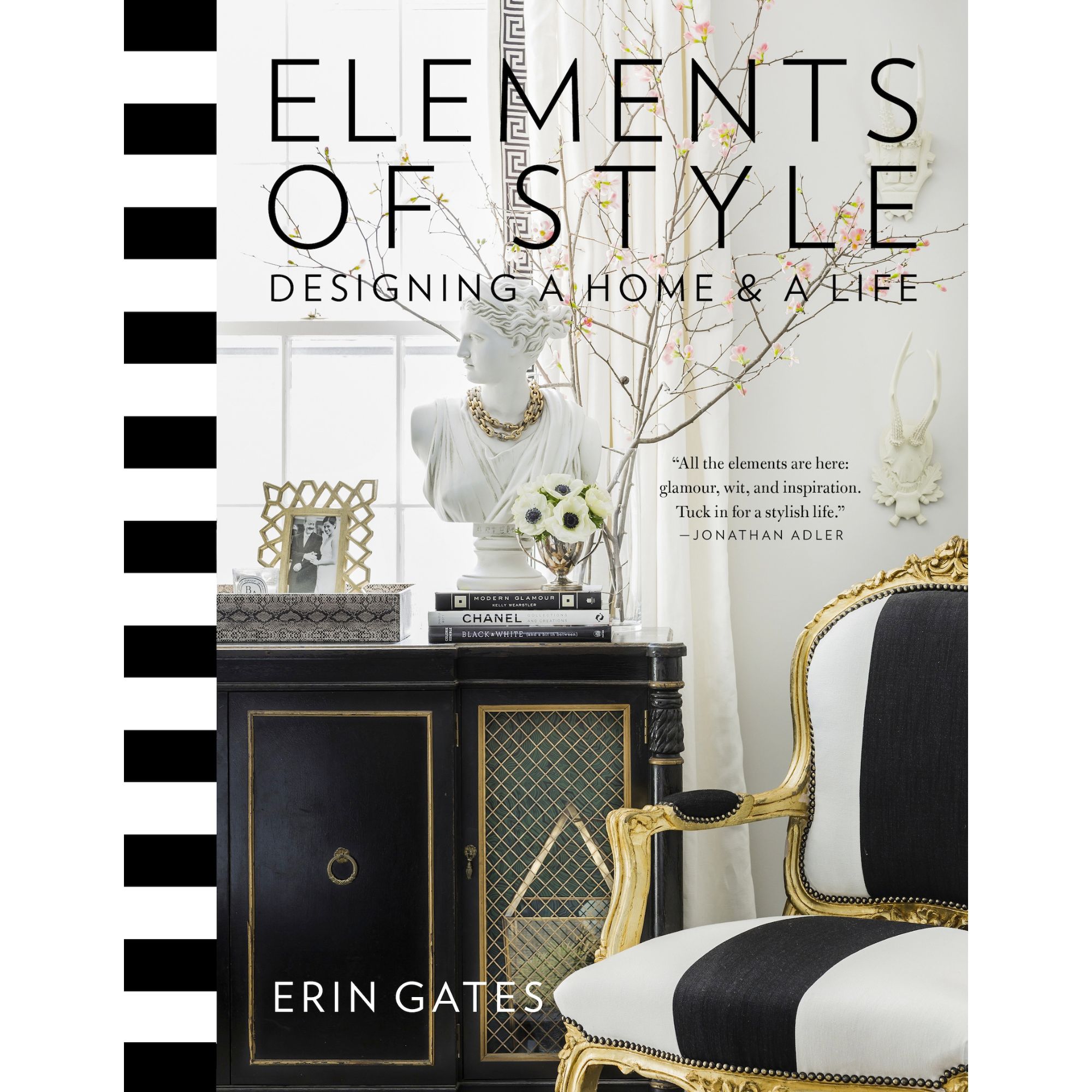
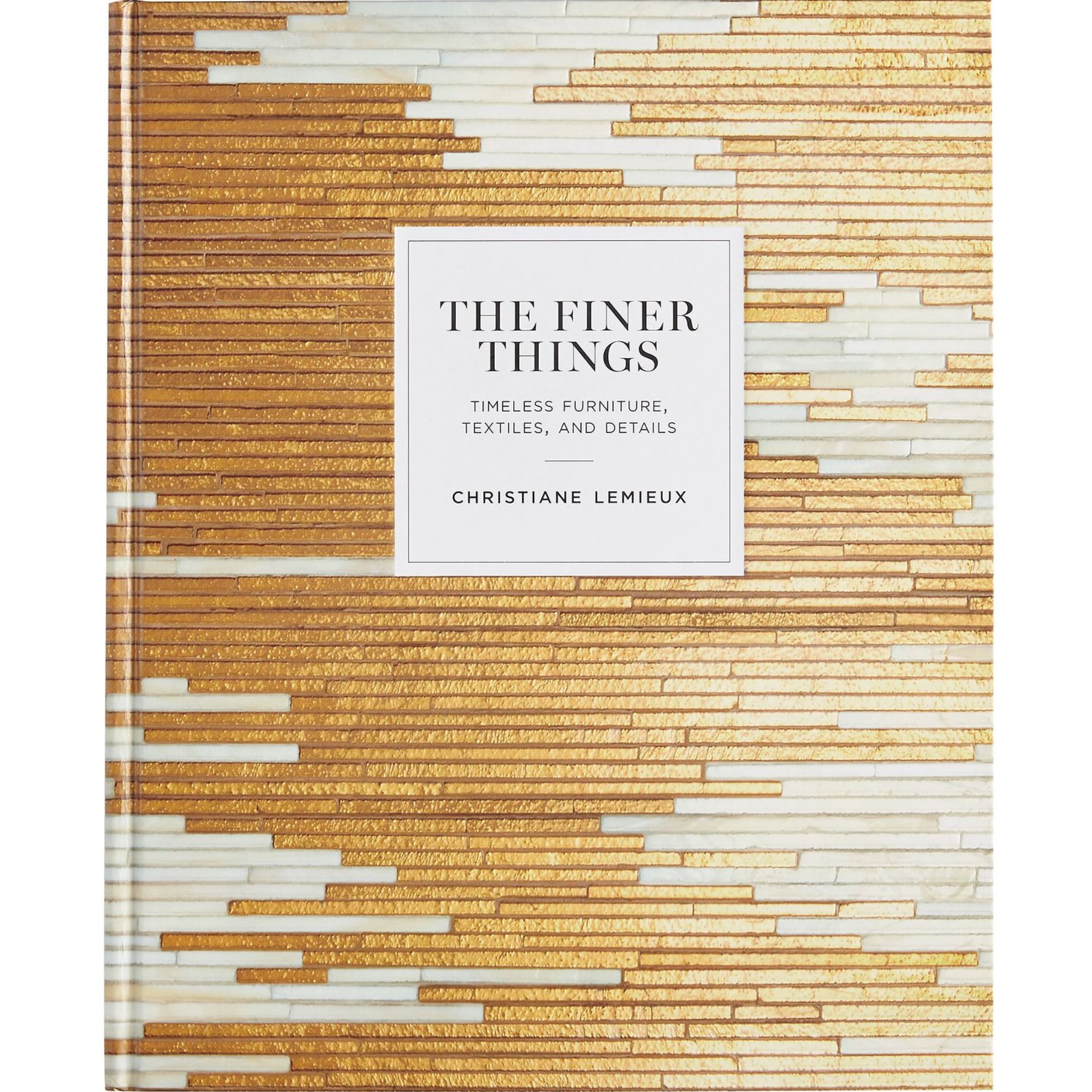
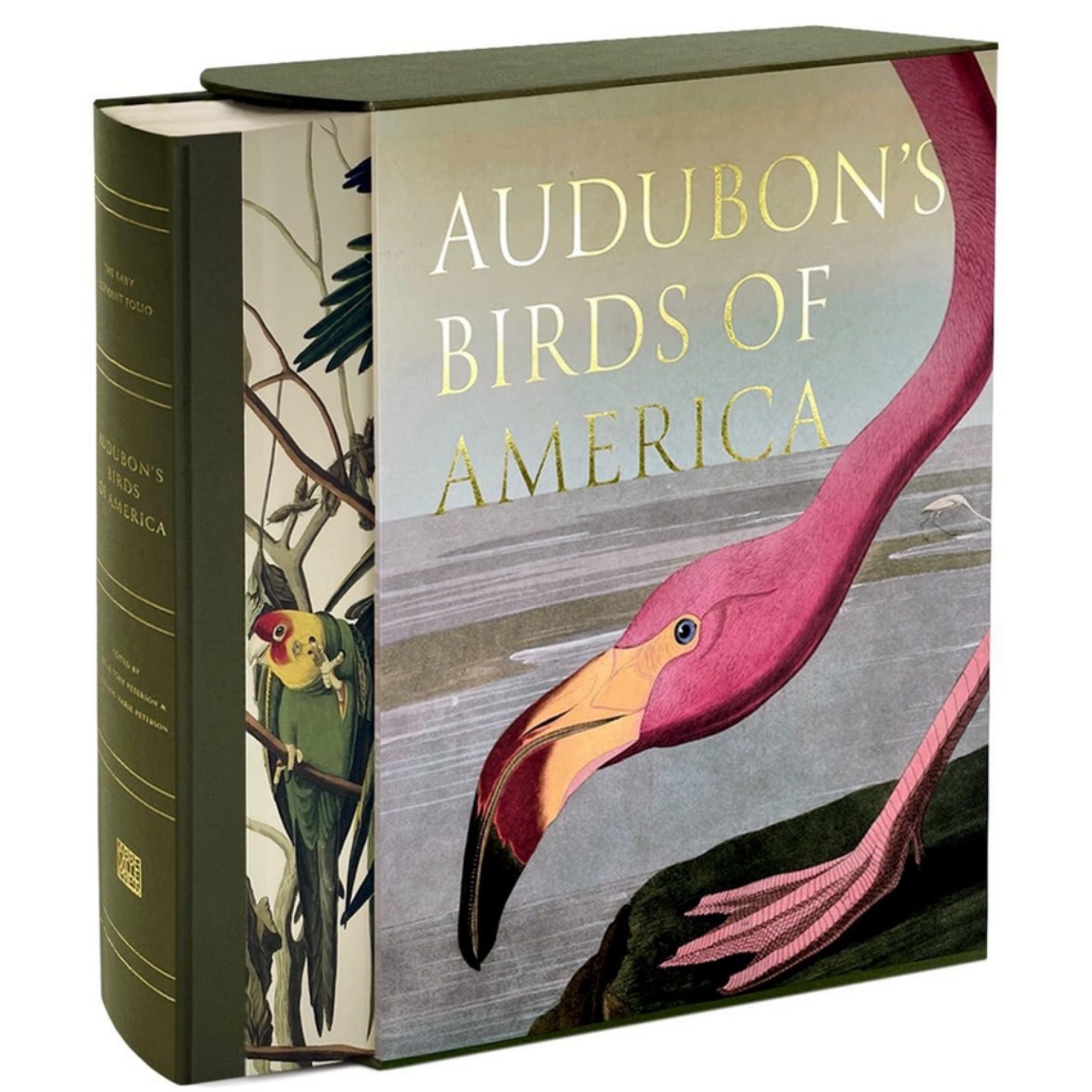
Layering textures further enriches the visual appeal, especially in neutral spaces where different textures can provide subtle yet significant contrast. Coffee table books are not merely functional but also decorative; selecting interesting titles can serve as conversation starters and reflect personal tastes. Incorporating natural elements like organic shapes, preserved greens, or sculptural driftwood can introduce warmth and a lively feel, suitable for any season.
Considering the color palette of the items is vital. Designers recommend selecting books and accessories that either complement each other or create an intentional, fun combination. For the number of items, adhering to odd numbers is often suggested. For a larger table or a maximalist aesthetic, five objects can provide a balanced and visually satisfying arrangement. Even in family-friendly environments, coffee tables can be both stylish and functional by including favorite books, small baskets for toys, or even a chessboard.
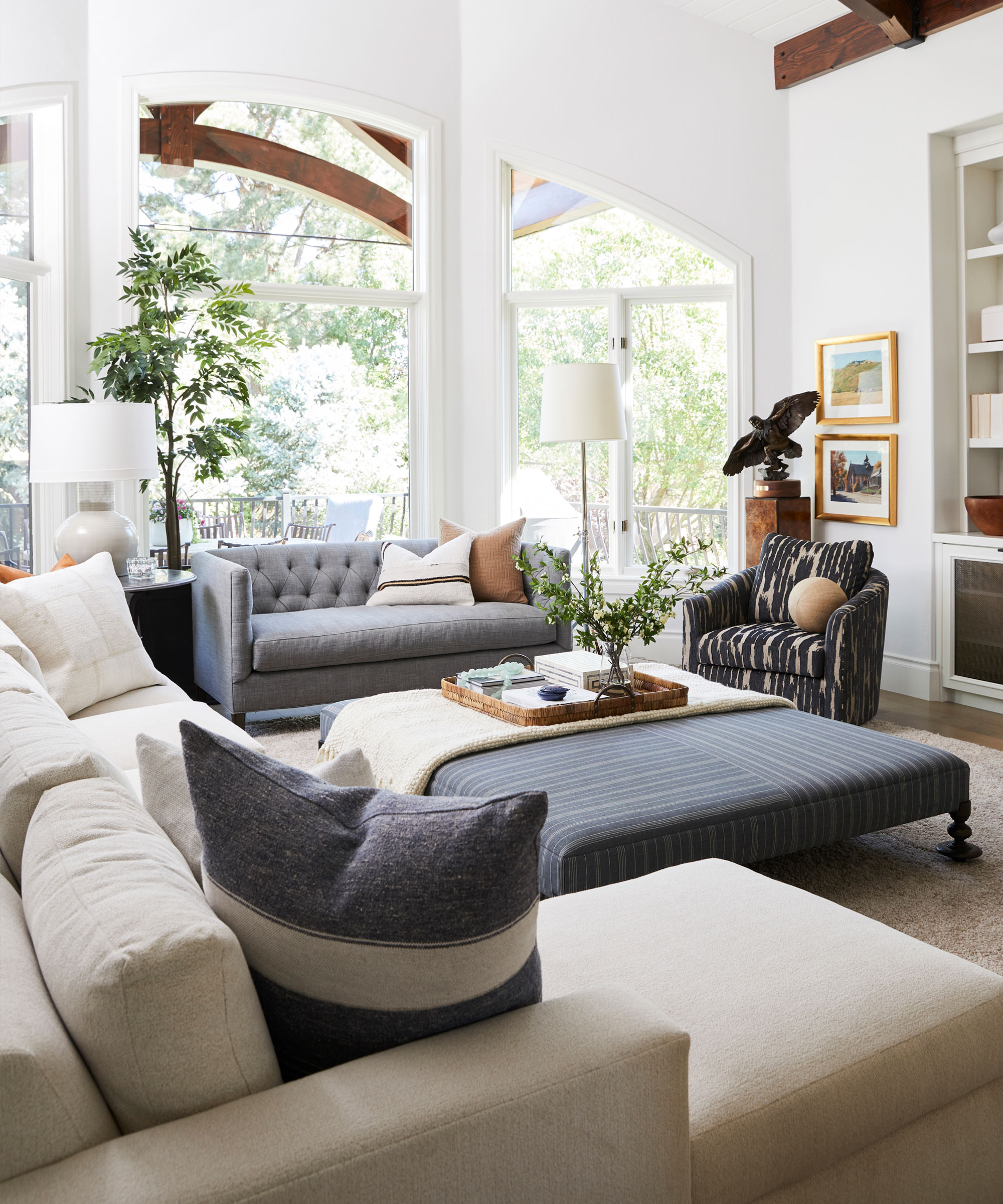
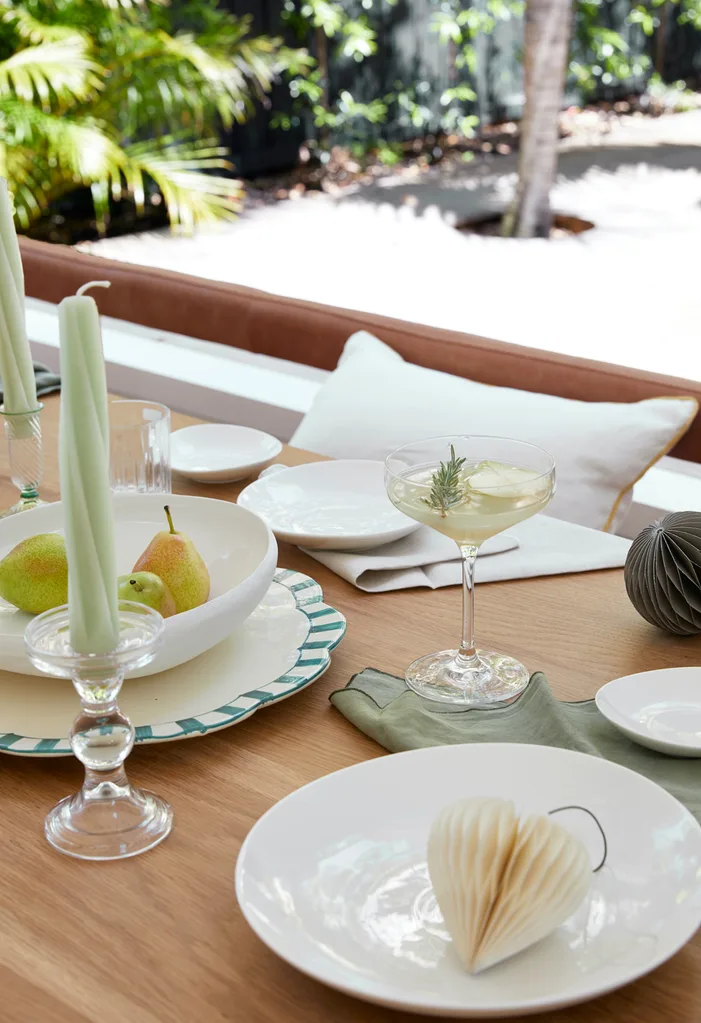
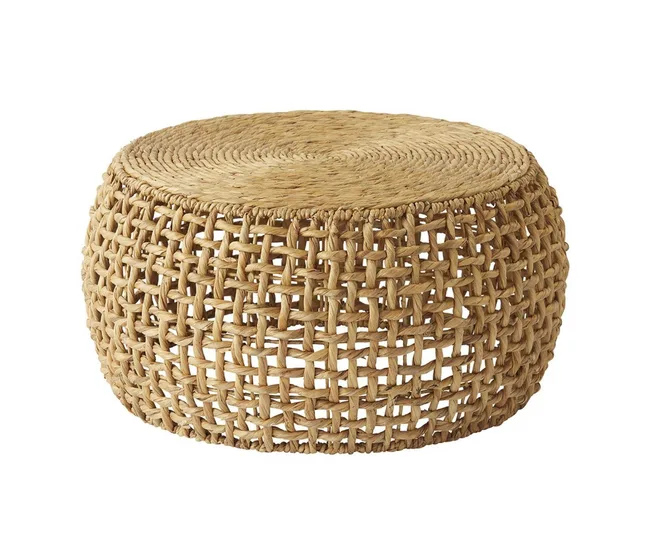
Negative space should be utilized, especially in minimalist living rooms, to avoid overcrowding. A few well-chosen items like a small vase of flowers and a vintage candleholder can maintain a light and airy feel, leaving room for drinks or other personal items. Book stacks can also serve as elevated platforms for displaying decor. For ottomans used as coffee tables, a round metallic or wooden tray can provide a stable surface for drinks and decor, effectively merging functionality with style. Leaving a board game out can encourage interaction, while candles add ambiance and a flattering glow, whether through taper candlesticks, scented candles, or flameless LED options. Finally, leaving a favorite coffee table book open, perhaps on a stylish stand, encourages guests to browse and engage with the collection.
#CoffeeTableStyling #HomeDecor #InteriorDesign #LivingRoomDesign #DesignTips #RuleOfThirds #DecorObjects #TextureLayering #ColorPalette #CoffeeTableStyling #HomeDecor #InteriorDesign #LivingRoomDesign #DesignTips #RuleOfThirds #DecorObjects #TextureLayering #ColorPalette
0 comment in total
 No comments yet
You may also like
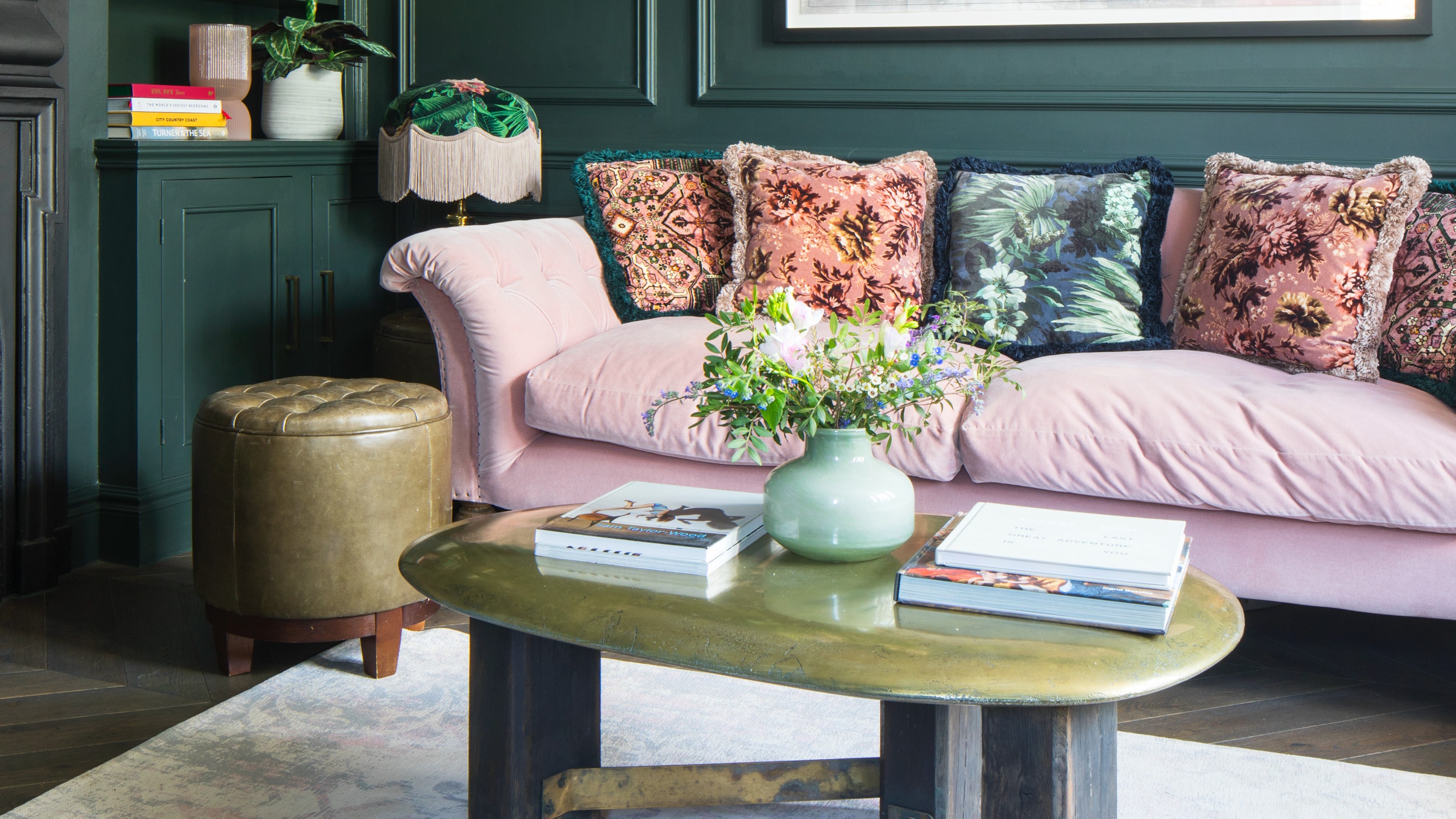
How to make a coffee table look expensive – 7 ways to elevate your coffee table just like interior stylists do
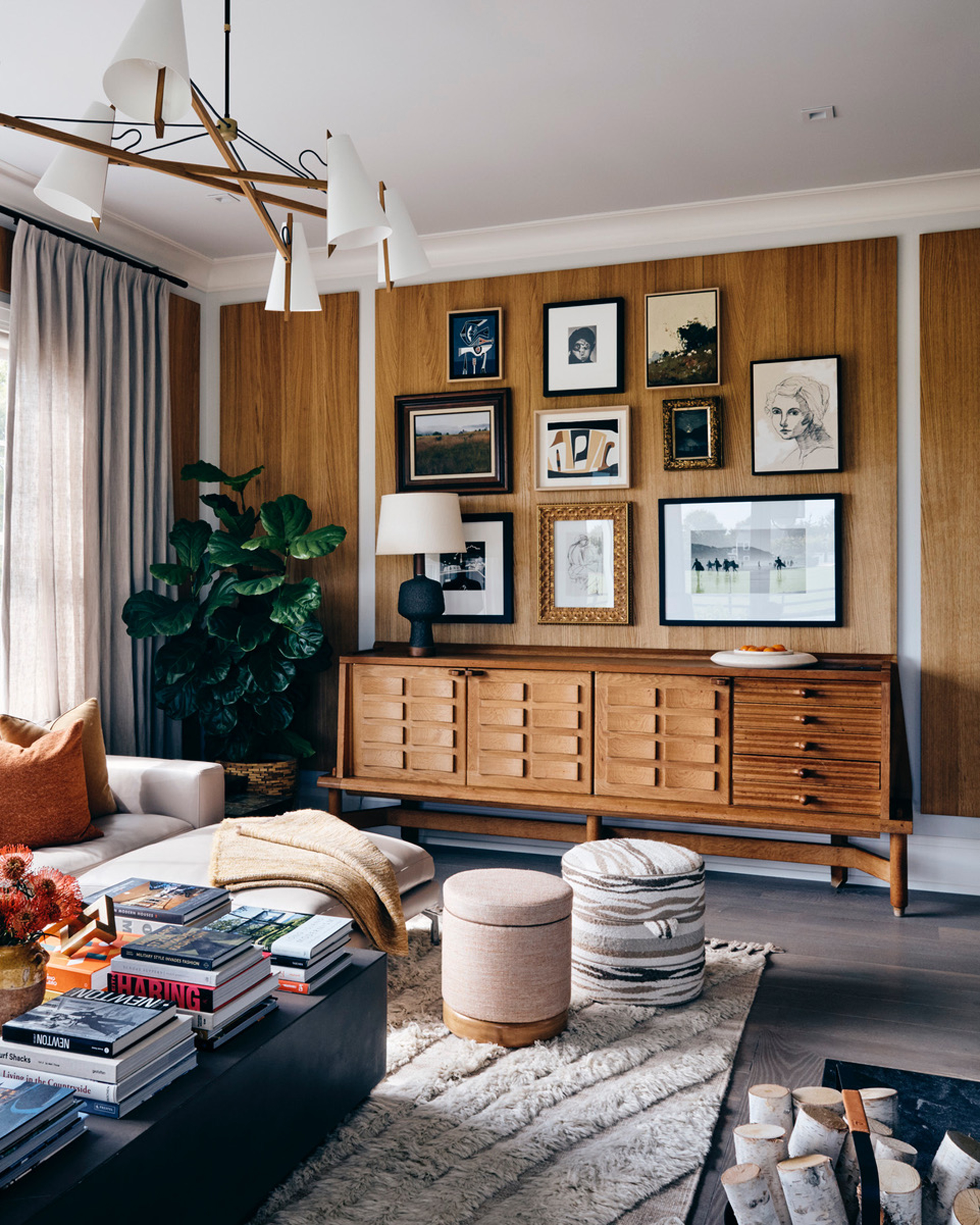
There's a new coffee table styling trend designers are loving for a less pretentious living room

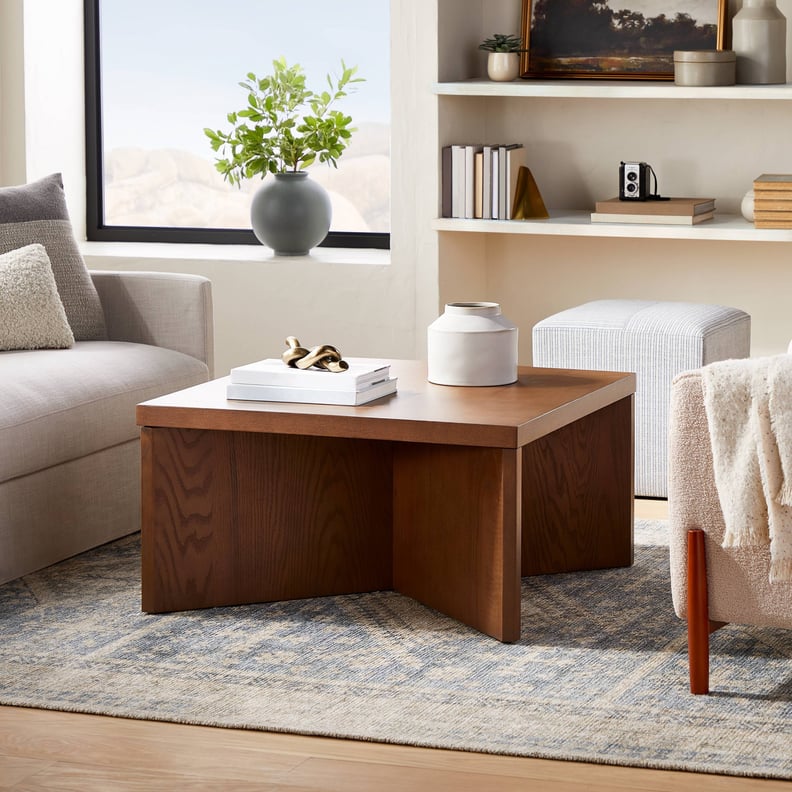
10 Target Coffee Tables For Every Aesthetic
How to Style Your Coffee Table and Bookshelves Like a Professional
5 coffee table mistakes you should always avoid, according to interior designers

Expert tips for styling a beautiful tablescape

How to style your coffee table: Expert tips on balance, greenery, textures and decor ideas | Hindustan Times

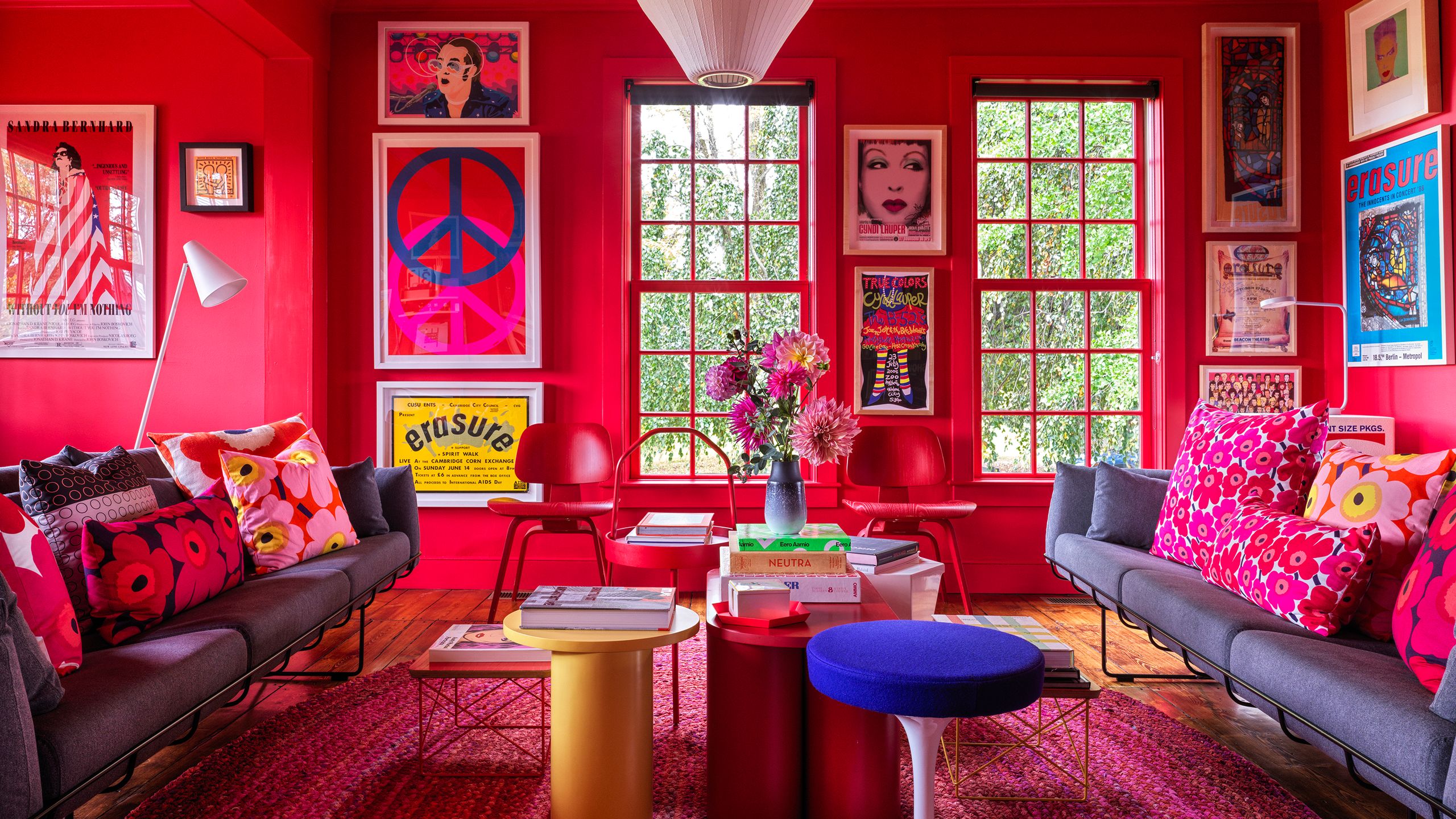
23 Coffee Table Decor Ideas That Will Make a Massive Impact On Your Living Space

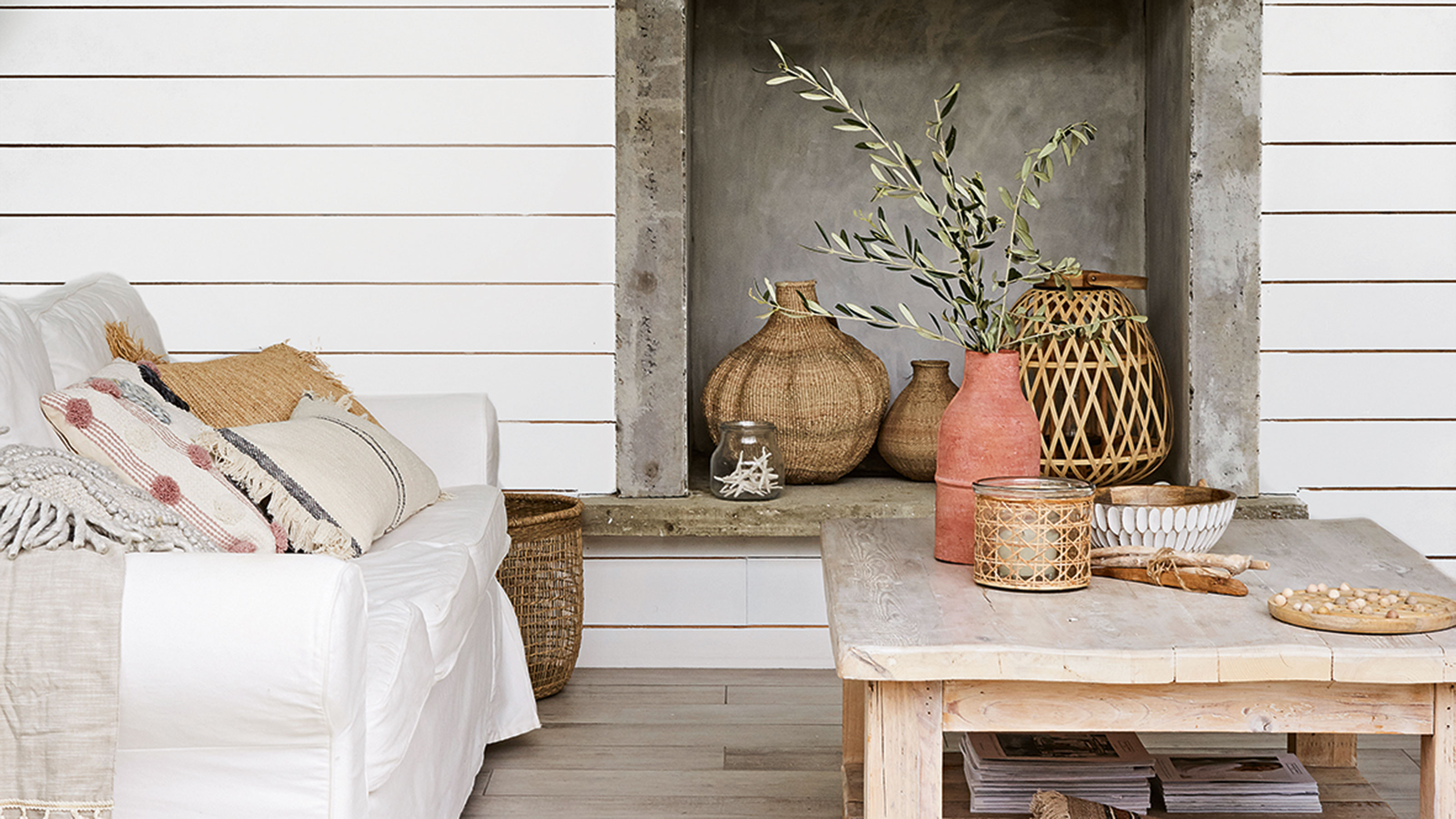
5 things stylists always do when styling a coffee table
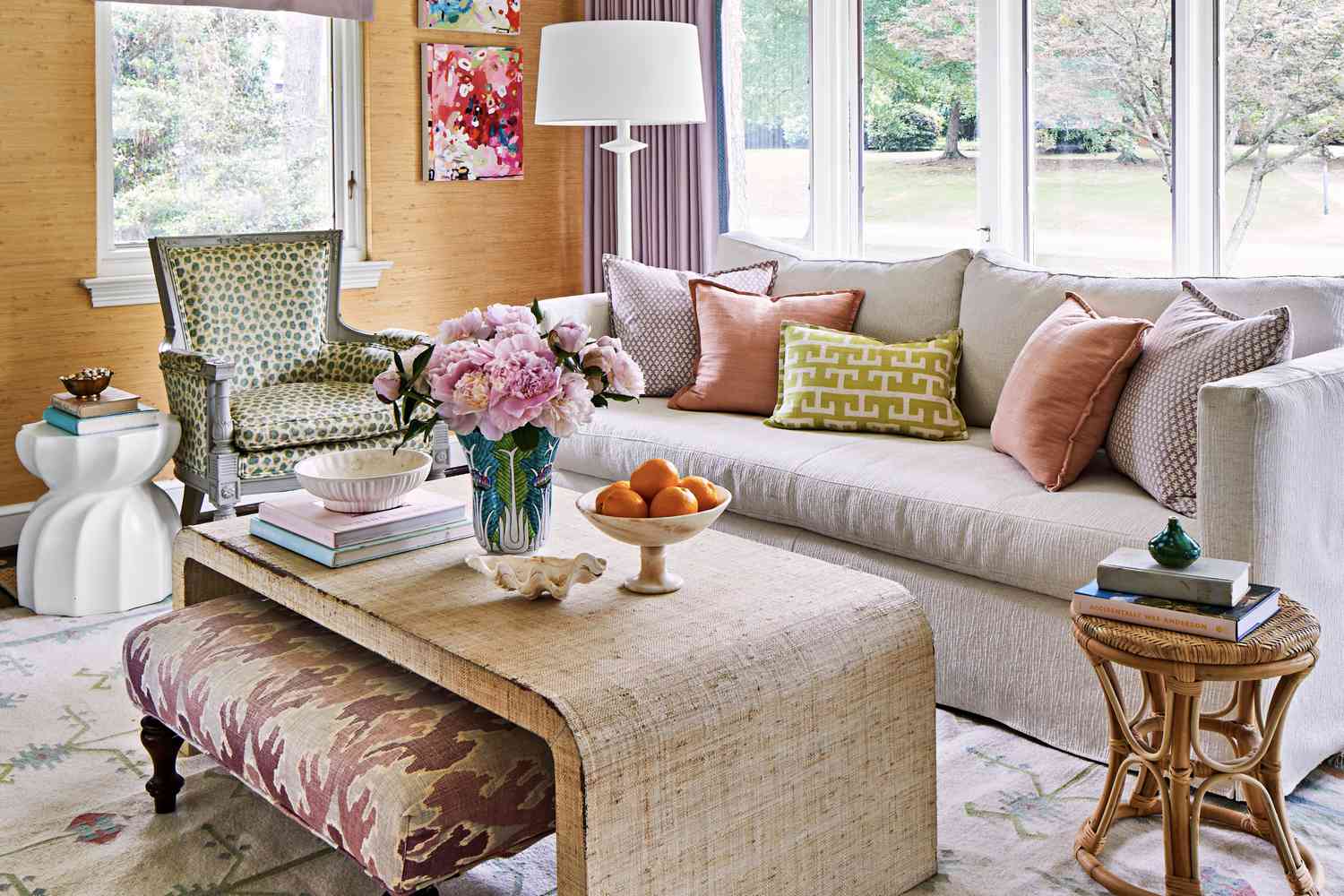
5 Common Coffee Table Mistakes That Make Your Living Room Feel Messier
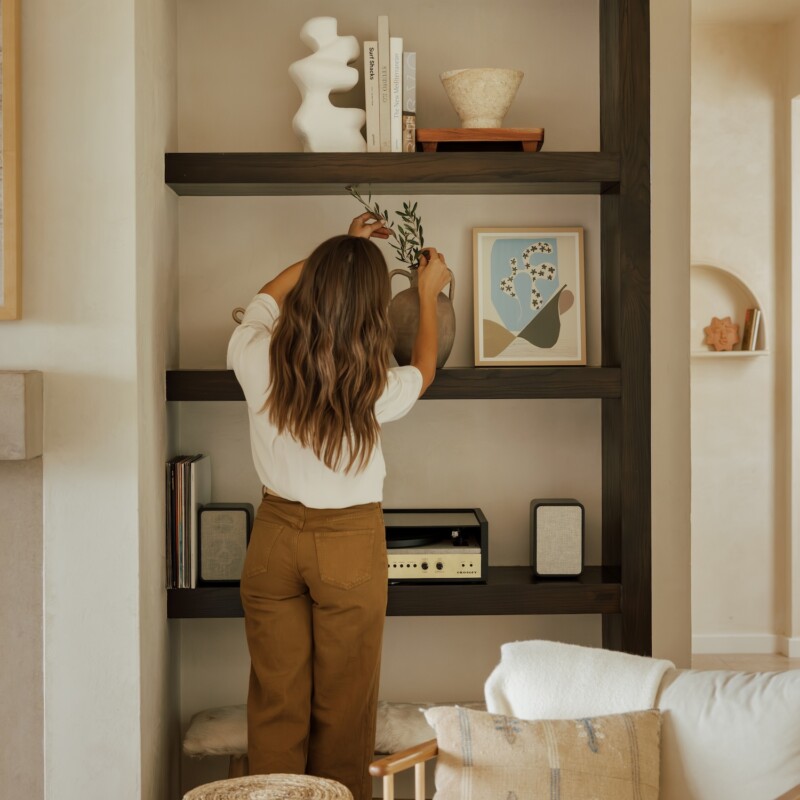
11 Must-Have Coffee Table Books Every Design Lover Needs

I swear by these affordable accessories to quickly make my coffee table look more expensive – and right now you can replicate the look for even less
How to Style a Coffee Table So It Never Looks Cluttered, According to Interior Designers

We Found the Secret to Making a Tablescape Look "Finished"

5 Common Coffee Table Mistakes You’re Probably Making, According to the Professionals
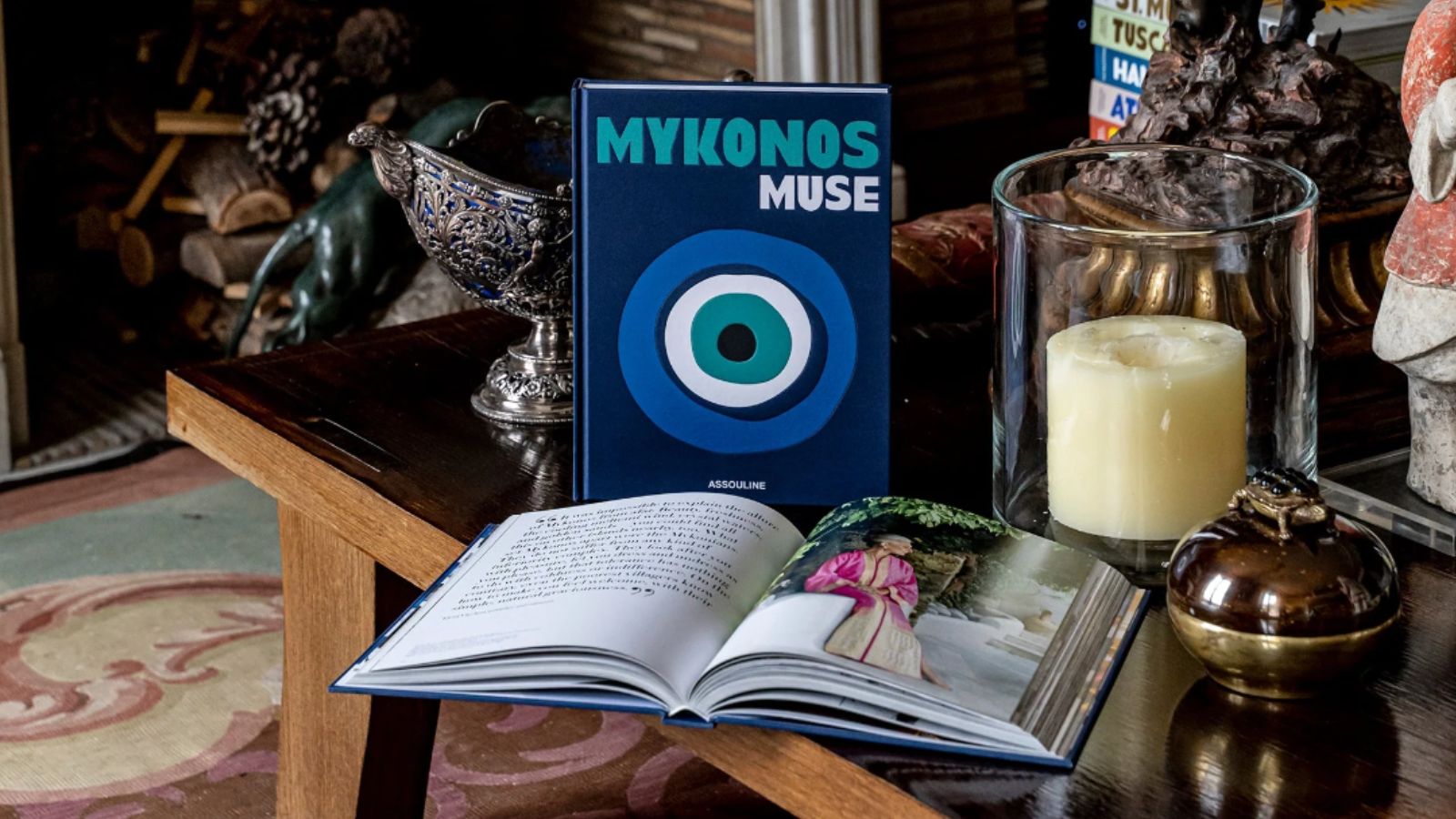
The best coffee table books – loved by real interior designers
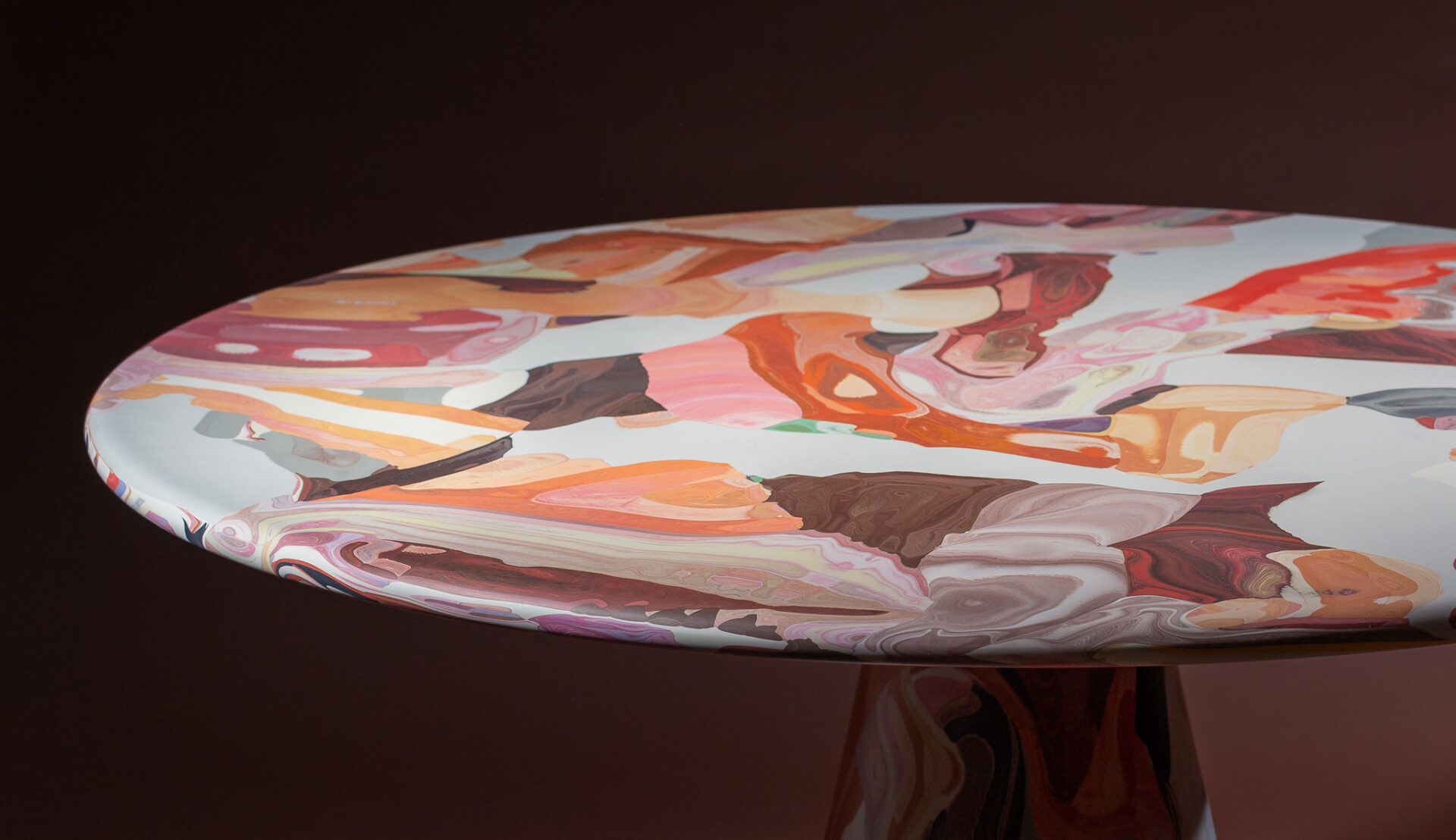
Gather round! The best coffee tables for design lovers, from the colourful to the sculptural

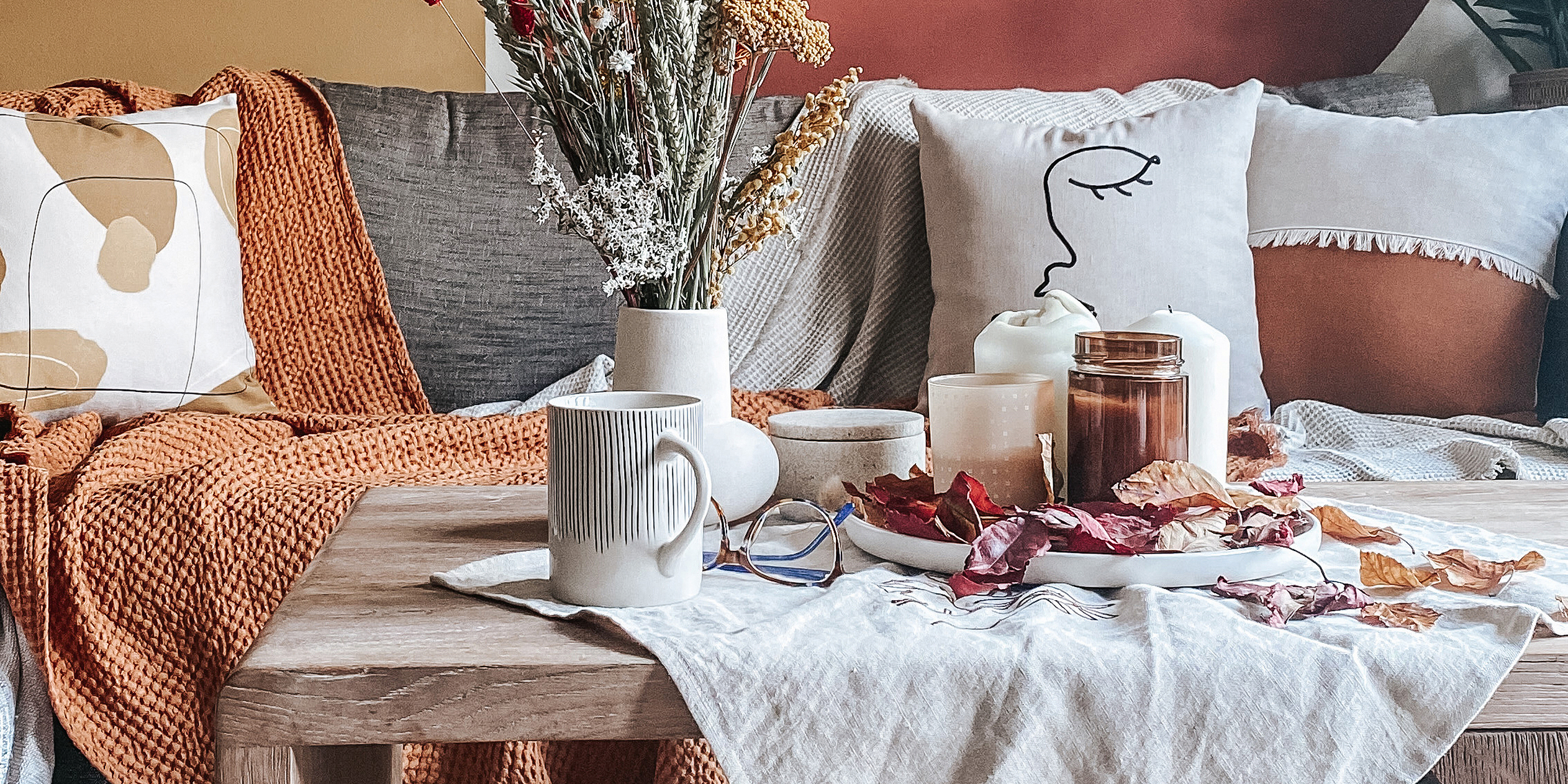
Coffee table decor ideas – 15 creative ways to bring style to your space

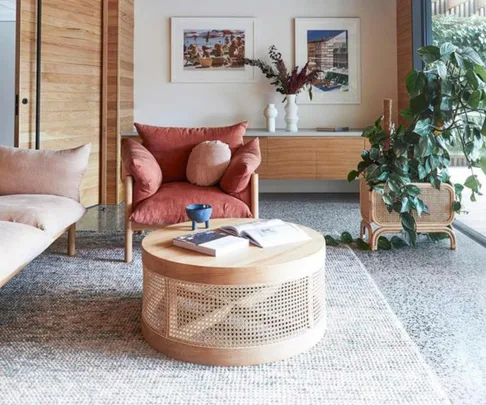
10 of the best coffee tables to suit every style
The Effortless Way to Style a Coffee Table (Published 2022)