1/5
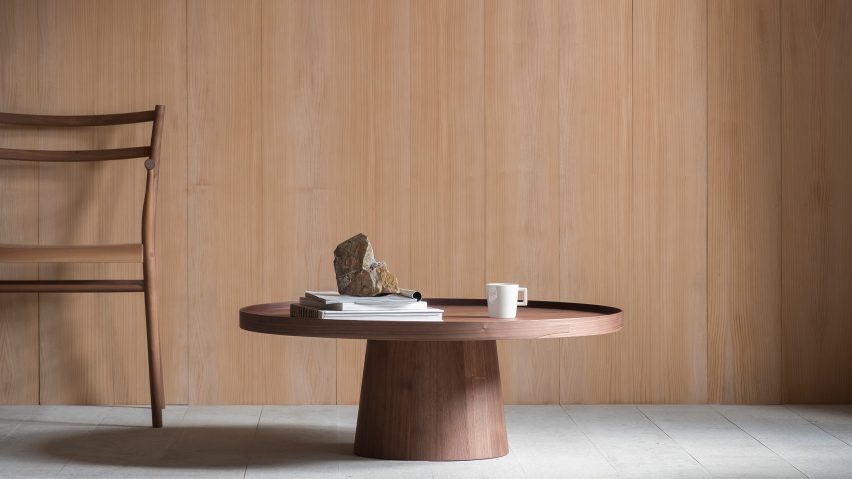
Pinch bases Rodan coffee table on Shaker storage box
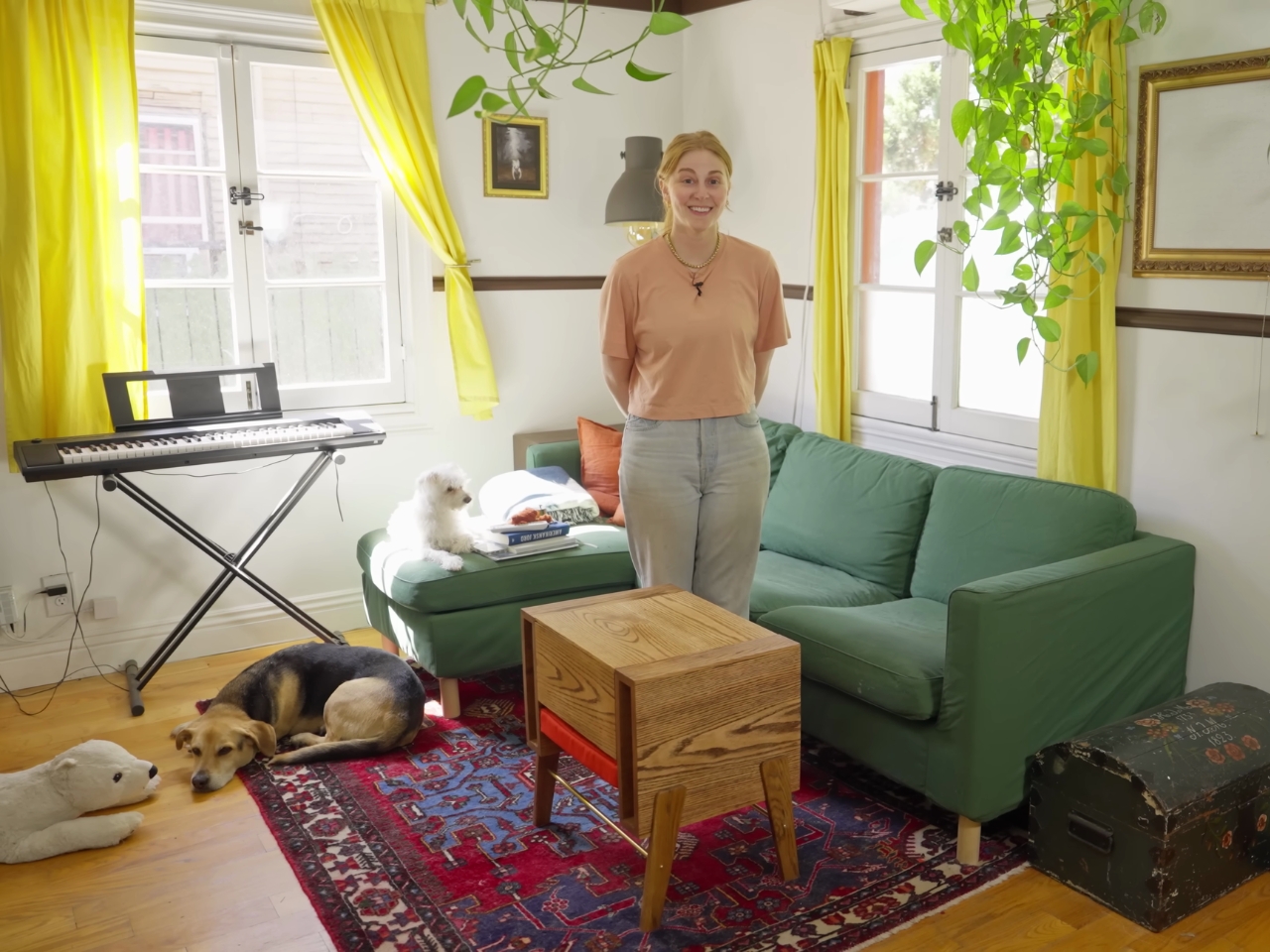
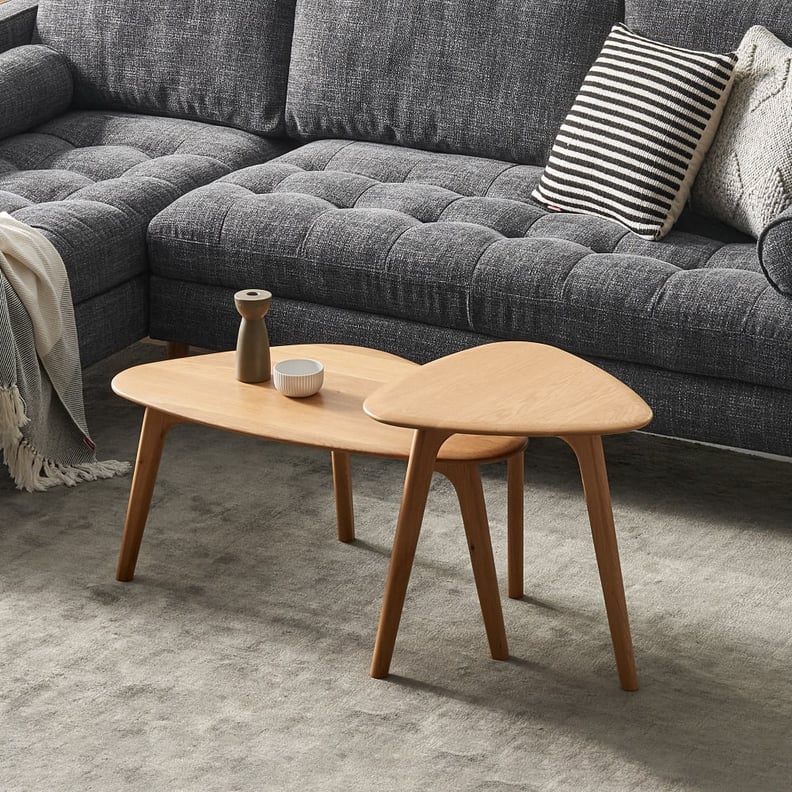
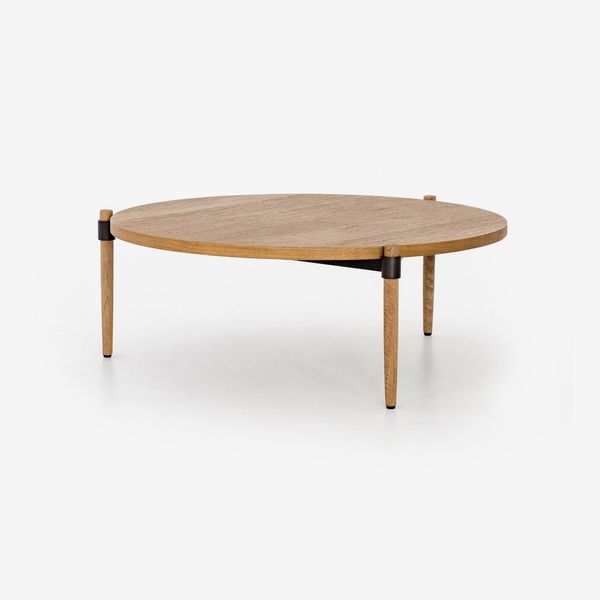
The Rodan coffee table, unveiled by London design studio Pinch at Maison&Objet; in Paris, draws its inspiration from the revered Shaker bentwood box. This design choice reflects a commitment to simplicity, careful detailing, and the timeless principles associated with Shaker craftsmanship. Historically, Shaker boxes served practical purposes, primarily for storing kitchen ingredients and other small household items. Their construction emphasized functionality, durability, and a clean aesthetic, characteristics that Pinch sought to reinterpret in a contemporary furniture piece.
The design of the Rodan coffee table is characterized by its use of a single material, shaped into a straightforward form, echoing the Shaker movement's emphasis on utility and unembellished design. Pinch's approach, described as their 'signature style,' prioritizes simplicity while meticulously attending to subtle design elements. This philosophy aligns with the Shakers' belief that every object should be fit for its intended purpose and free from superfluous decoration, reflecting their spiritual and communal values.
A key feature of the Rodan coffee table is its solid wood construction, encompassing both the base and the tabletop. The tabletop is distinguished by a lipped edge, expertly secured using the traditional swallowtail technique. This particular joinery method is significant because it was developed by the Shakers to allow wood to naturally expand and contract with changes in humidity, thereby enhancing the furniture's longevity and structural integrity. This detail underscores Pinch's dedication to both aesthetic fidelity and practical engineering, ensuring the table is not only beautiful but also robust.
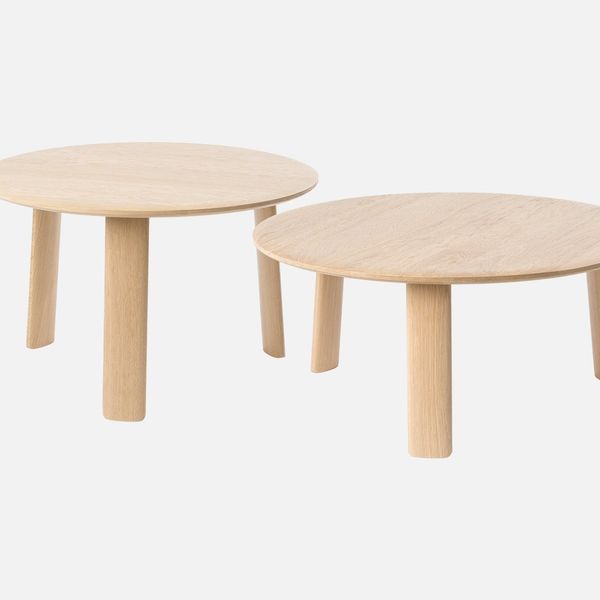
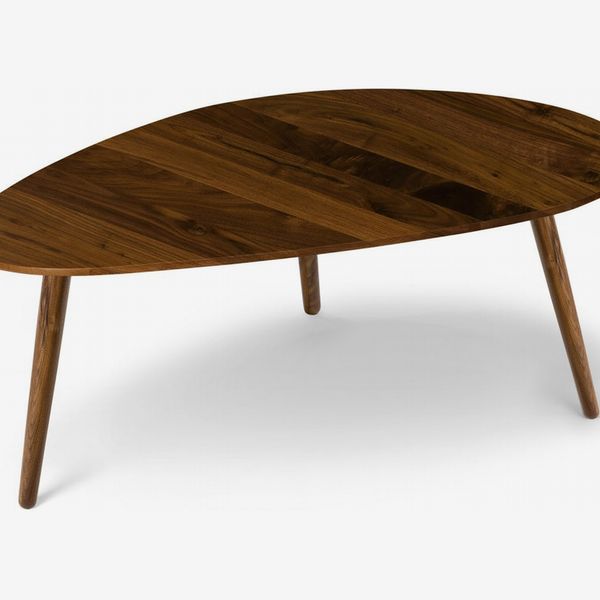
Available in three distinct finishes—black American walnut, white oiled oak, and black-stained ash—the Rodan coffee table offers variations to suit diverse interior palettes. These material choices further emphasize the table's connection to natural materials and a refined, understated elegance, hallmarks of Shaker design influence.
The Shaker religious sect, established in England in the 18th century, profoundly influenced furniture design through its minimalist aesthetic. Their furniture, including the iconic ladder-backed chair, became emblematic of their commitment to a simple lifestyle, where the act of making was seen as a form of devotion. The resurgence of Shaker-inspired design in contemporary furniture is notable, with designers globally drawing from its core tenets. For instance, a New York exhibition showcased 32 modern designs alongside original Shaker artifacts, highlighting the enduring relevance of their principles. Similarly, London designer Torsten Sherwood and Shanghai studio Neri&Hu; have also embraced the Shakers' 'common sense,' 'simple,' and 'honest' philosophies in their respective collections, reinforcing the timeless appeal of this design ethos.
The Rodan coffee table's debut at Maison&Objet; positions it among other innovative designs, including Tom Dixon's range of cleaning and hygiene products and Victor Castanera's balancing light sculpture. Its presence at such a prestigious event signifies the continued influence of historical design movements on contemporary creation and highlights Pinch's contribution to modern furniture design through a thoughtful reinterpretation of Shaker principles.
#FurnitureDesign #CoffeeTables #ShakerInfluence #MaisonObjet #PinchDesign #Woodworking #MinimalistDesign #ContemporaryFurniture #FurnitureDesign #CoffeeTables #ShakerInfluence #MaisonObjet #PinchDesign #Woodworking #MinimalistDesign #ContemporaryFurniture
0 comment in total
 No comments yet
You may also like
homeware Lock coffee table uses flexible bamboo layers
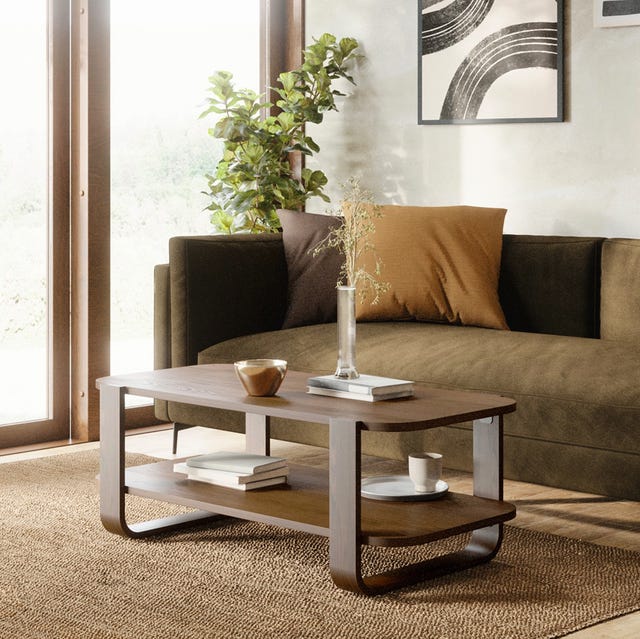
What Your Cramped Apartment Is Missing: A Storage Coffee Table
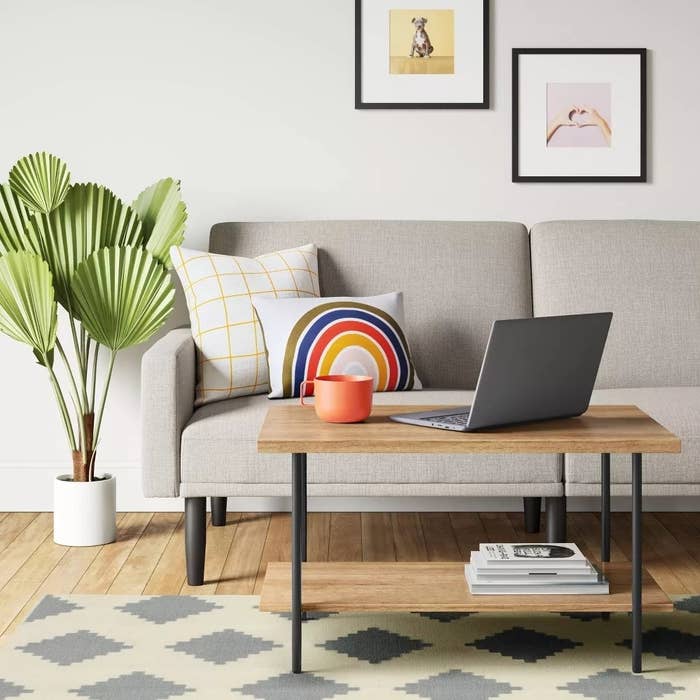
If You’re Looking For A New Coffee Table, Here Are 50 Options For Every Style And Budget
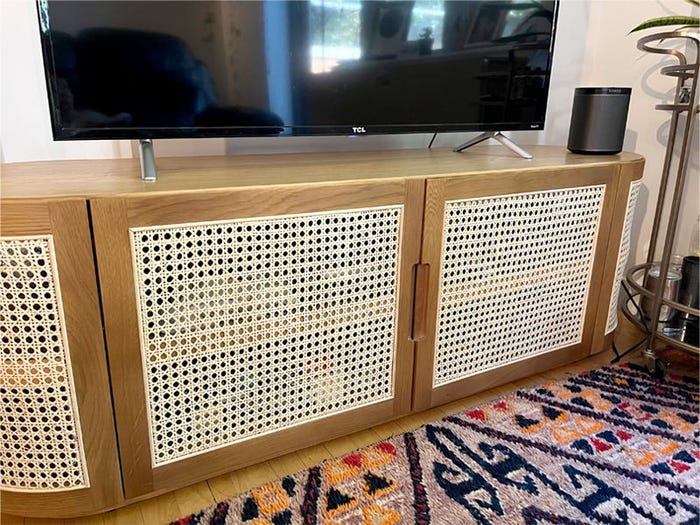
This boho-chic media stand instantly upgraded my living space and it cost less than you'd expect from designer brands
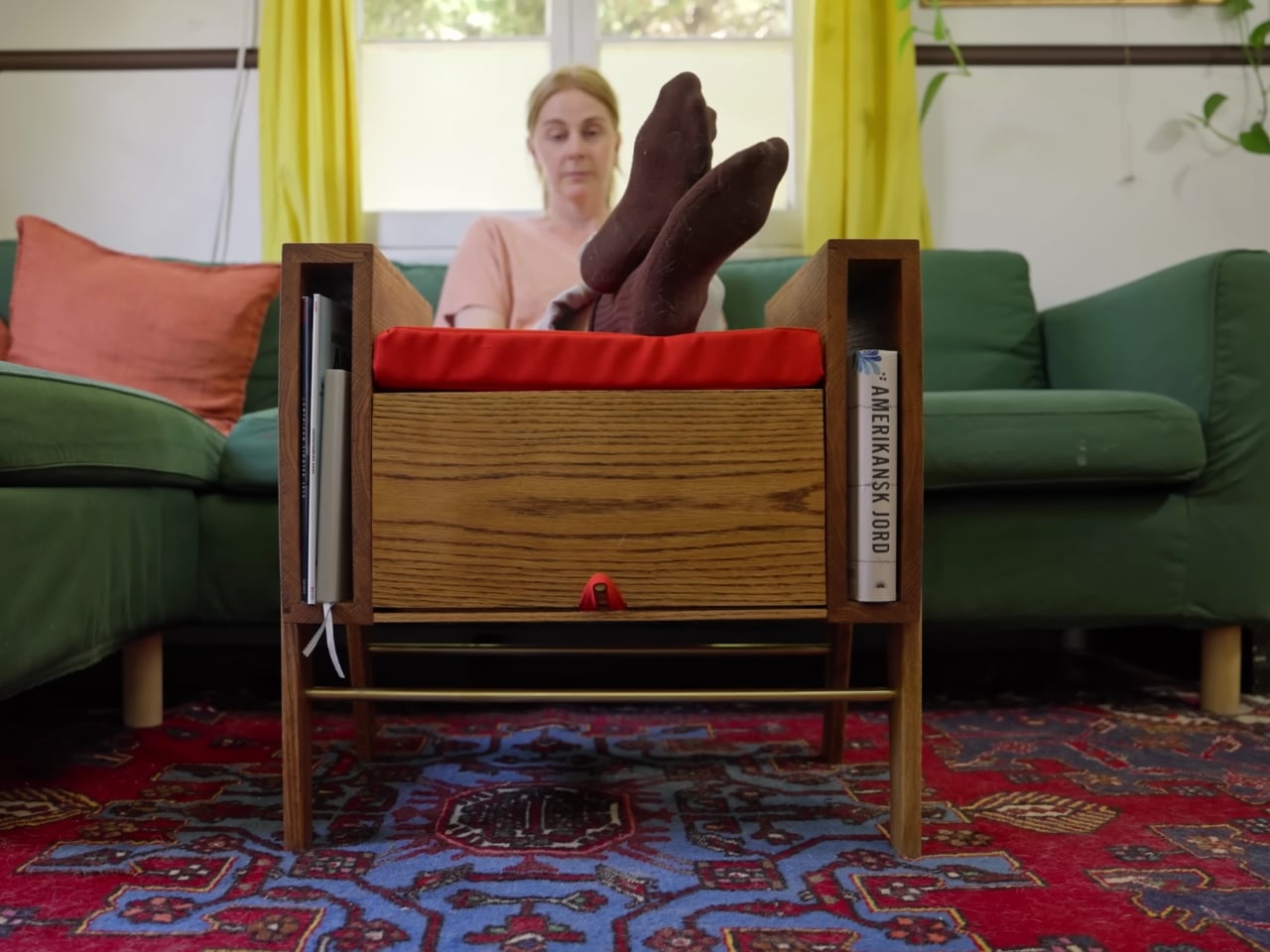
DIY spinning coffee table turns into storage and ottoman

An Unusual Furniture Design Niche: Behind-the-Sofa Consoles

Top 10 coffee tables designed to be the center of attention of your living room

12 Best Coffee Tables for Every Budget

17 Coffee Tables That Are Perfect For Every Home Aesthetic and Budget
This On-Sale Storage Coffee Table ‘Keeps the Clutter Down’—and Shoppers Love It So Much, It Won’t Stop Selling Out

Side table extends from base of Rise sofa by Note Design Studio
The best new buys for your coffee table — from books to vases
Sundays Makes Our New Favorite Coffee Table
The 23 Very Best Coffee Tables
These Lift-Top Coffee Tables Offer Secret Storage Space With Style

11 creative coffee table alternatives to sub into your living room space

If You’re Looking For A New Coffee Table, Here Are 52 Options For Every Style And Budget
9 expert-approved coffee station ideas – to make your morning brew even more enjoyable


Furniture Boards

slender stainless steel frame with wires supports jeonghyeon jin’s XX-02-1 coffee table