1/6
An Introduction To Wood Species, Part 2: Pine
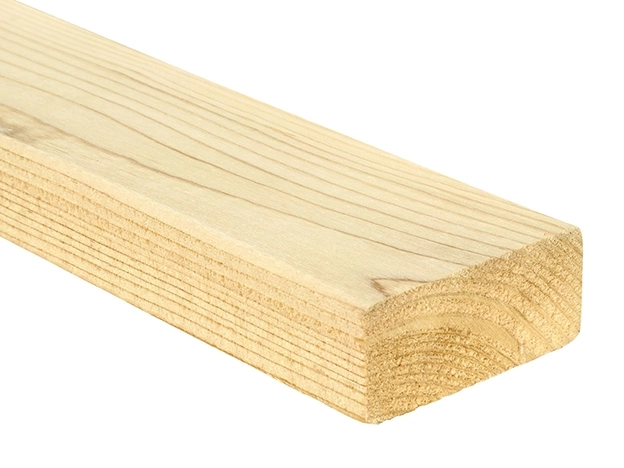
This article, part of a series on wood species, focuses on pine, a highly abundant and versatile wood in North America. Pine encompasses dozens of species, with colors ranging from pale yellow to light reddish-brown. While some varieties can reach a Janka hardness of over 900 lbf, most pine is considerably softer, often below 500 lbf. Despite its general softness, pine exhibits remarkable structural stability and resistance to seasonal movement, making it an excellent choice for large-scale structural applications such as house framing. Its affordability further enhances its appeal for such uses.
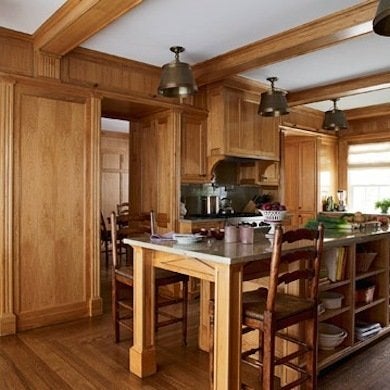
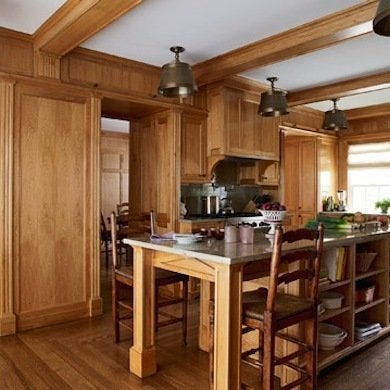
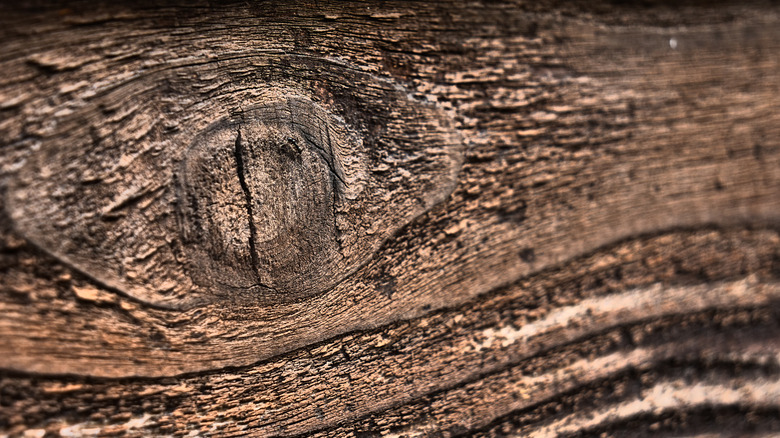
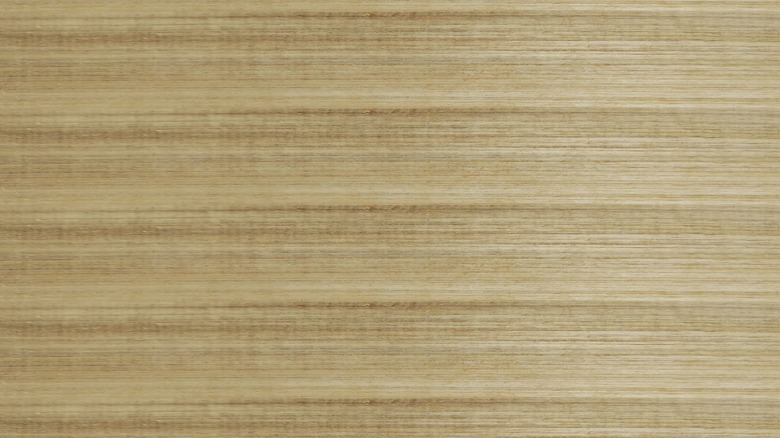
The grain structure and working properties of different pine species are largely consistent. Pine is characterized by its straight grain and ring-porous nature, which means its growth rings appear as distinct dark bands. While pine boards frequently contain knots, which can present challenges during cutting, the wood is otherwise relatively easy to work with. Despite its low density, pine is not highly porous, allowing it to readily accept glues, stains, and various finishes. Although many pine species are too soft for uses beyond structural supports, denser types are commonly employed in flooring, wall panels, and furniture. The contrasting grain and the presence of knots contribute to a distinctive, rustic aesthetic.
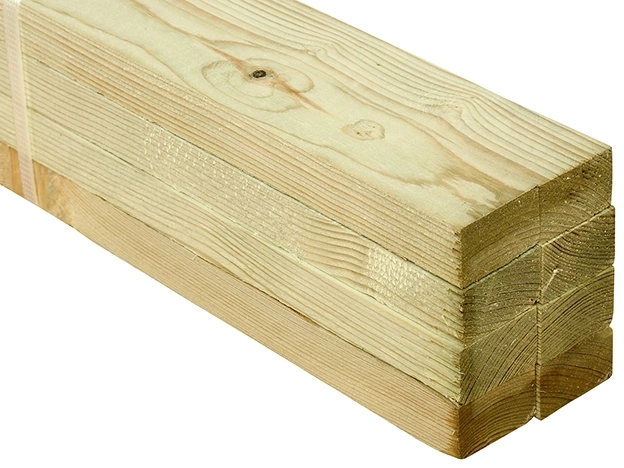
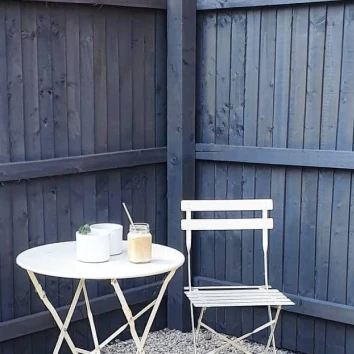
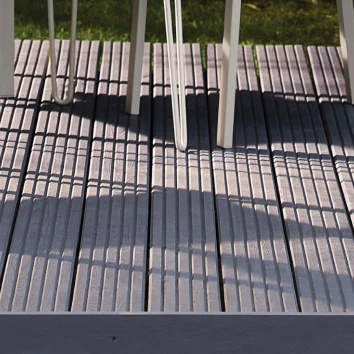
Untreated pine lumber is susceptible to decay and insect damage. To counteract this, it is often pressure-treated, a process that imbues the wood with weather resistance. However, this treatment can alter the wood's color and complicate staining and finishing. Pressure-treated pine is particularly well-suited for outdoor applications such as decking, outdoor furniture, and other exterior structures.
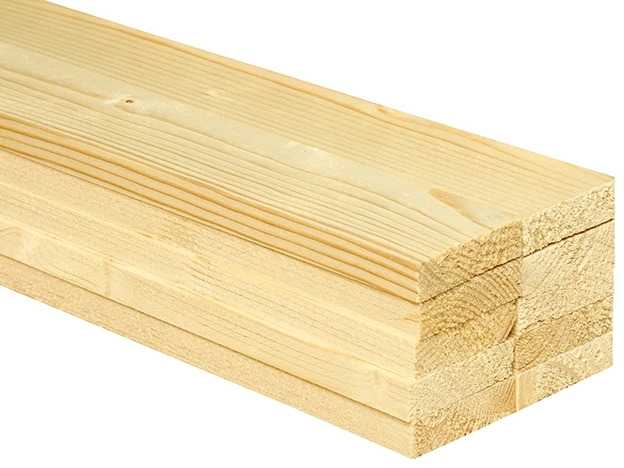
For indoor projects, untreated pine lumber is the preferred choice. When preparing untreated pine, it is recommended to use a planer to achieve clean surfaces, as sanding might result in unevenness due to the varying densities of the dark rings and lighter wood. A good coat of finish should then be applied. Pine, despite often being overlooked and not classified as a 'hardwood' due to its softness, can achieve remarkable beauty when properly treated. Its combination of low price and unique appearance makes it an ideal material for a wide array of large-scale projects.
#WoodSpecies #PineWood #MaterialProperties #Woodworking #BuildingMaterials #HomeImprovement #RusticDesign #Construction #WoodSpecies #PineWood #MaterialProperties #Woodworking #BuildingMaterials #HomeImprovement #RusticDesign #Construction
0 comment in total
 No comments yet
You may also like
An Introduction To Wood Species, Part 5: Walnut
15 Types Of Wood That Are Easy To Build With
12 designs made from wood that showcase the versatility of the material
The 10 Best Woods for Woodworking (According to a Pro)

Wood Treatments

The beauty of white pine

The 10 Best Woods for Woodworking (According to a Pro)
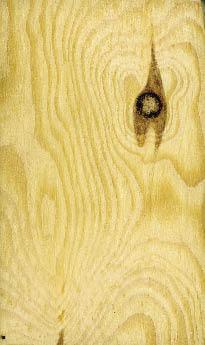
Jack pine's knotty appearance worth considering for furniture
Ten projects that seamlessly integrate wood into the design
Materials 101: The Versatility of Wood with Manomin Resawn Timbers


In Depth: Engineered wood products

Douglas-fir: Exceptionally strong and abundant species
Timber
Minecraft: All Wood Types, Ranked
Here's the Truth About Wood Veneers