Jack pine's knotty appearance worth considering for furniture
Jack pine (Pinus banksiana), also known as blackjack pine, scrub pine, and pin de Banks, is a coniferous tree species native to northeastern North America, with its range extending from Nova Scotia to the Rockies and south into the Lake States of the U.S. (Michigan, Minnesota, and Wisconsin). It is distinct for growing further north than any other pine species on the continent. The U.S. Forest Service indicates that the vast majority of jack pine in the U.S. is concentrated in the Lake States, while Canada's largest populations are found in Ontario.
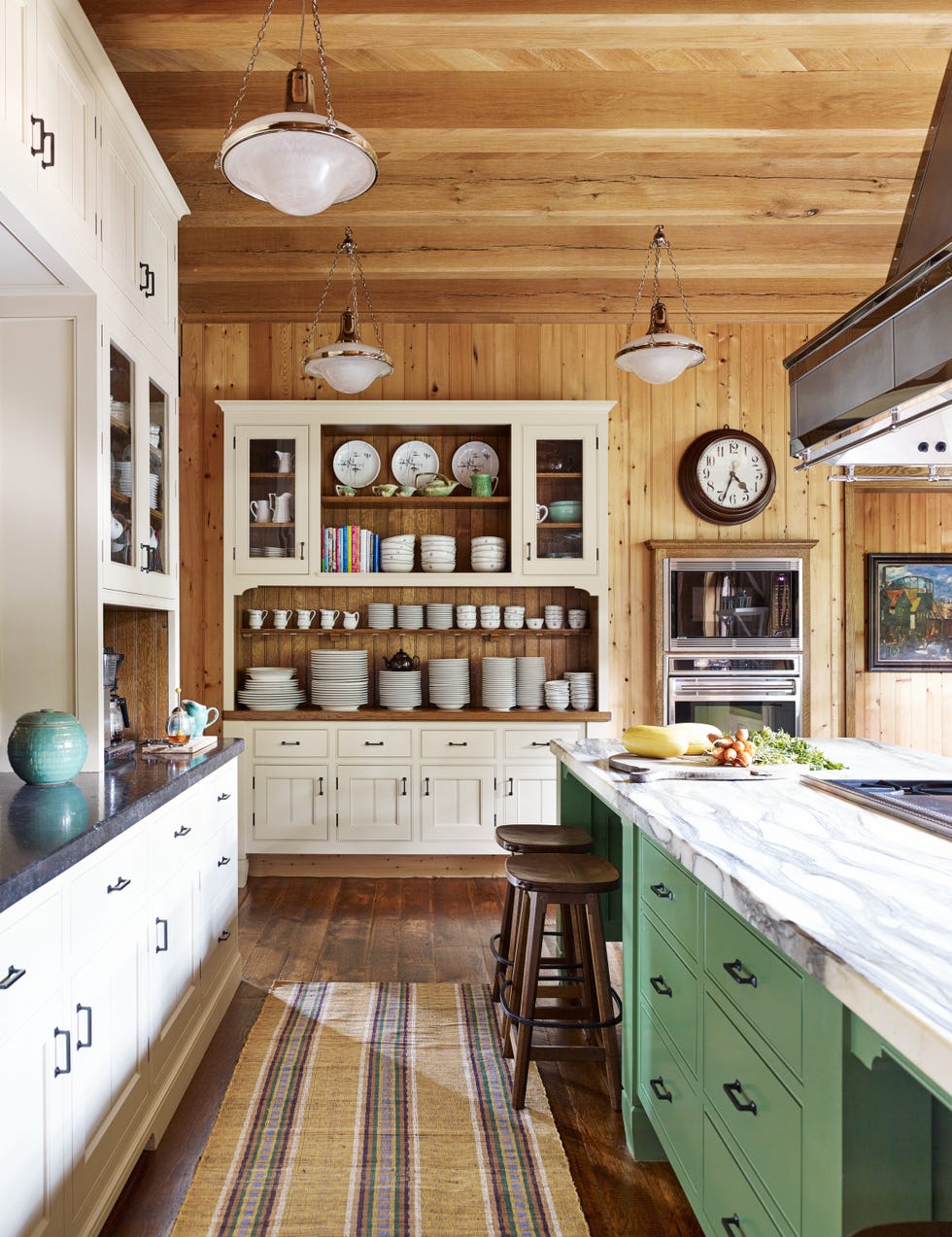
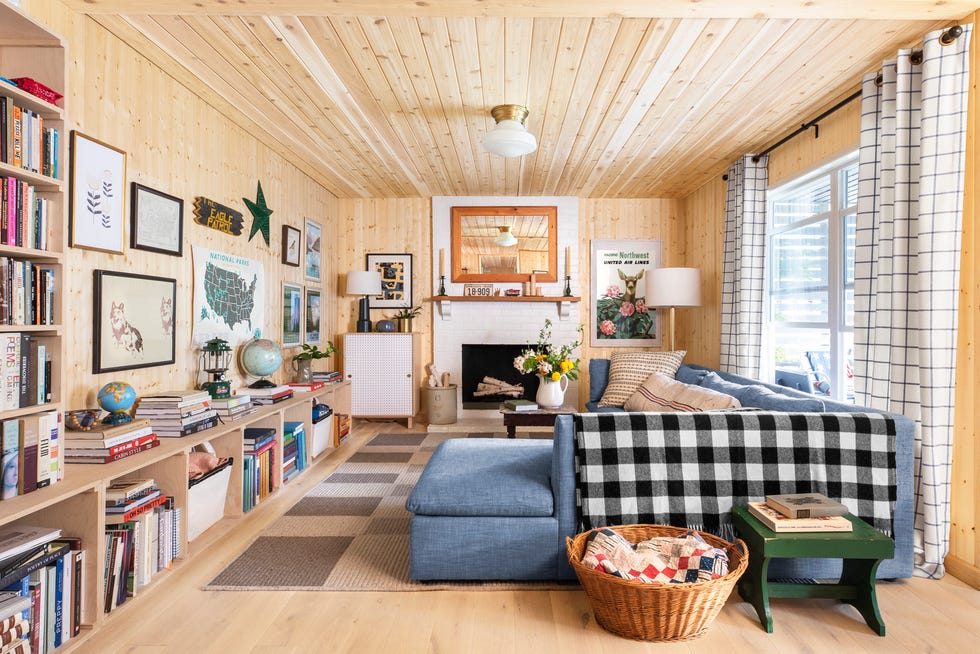
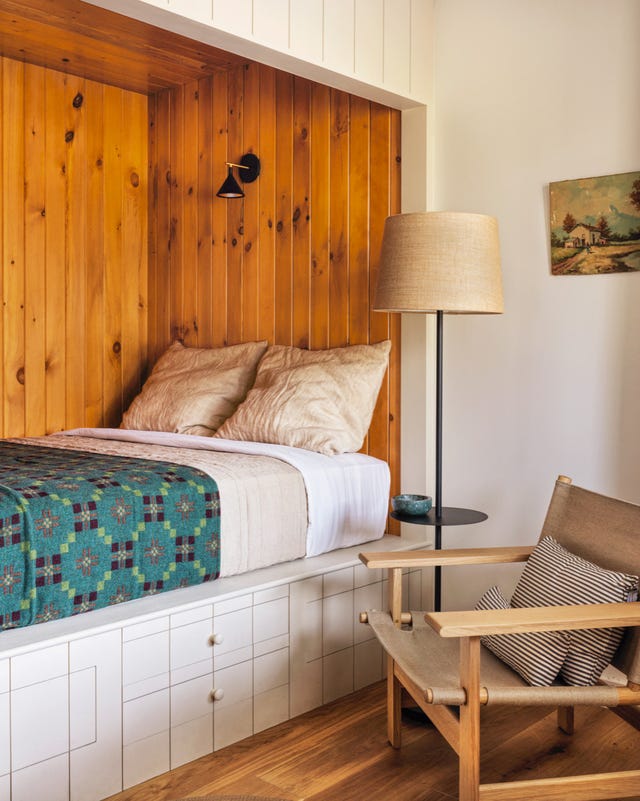
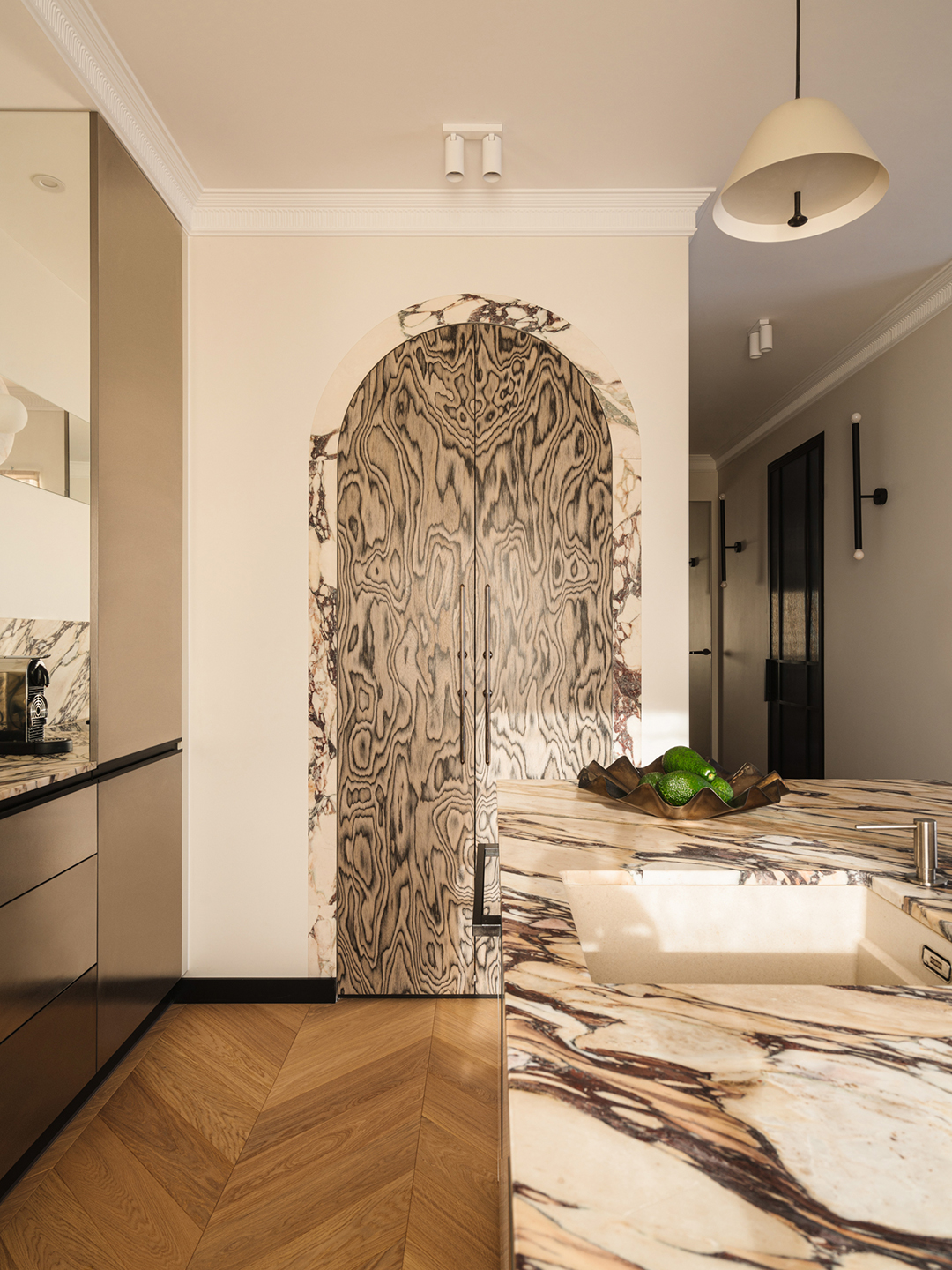
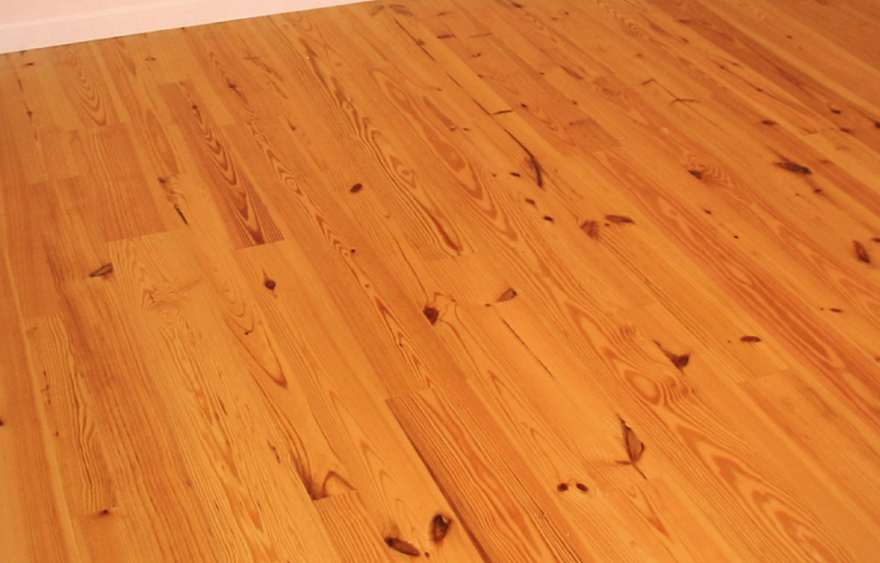
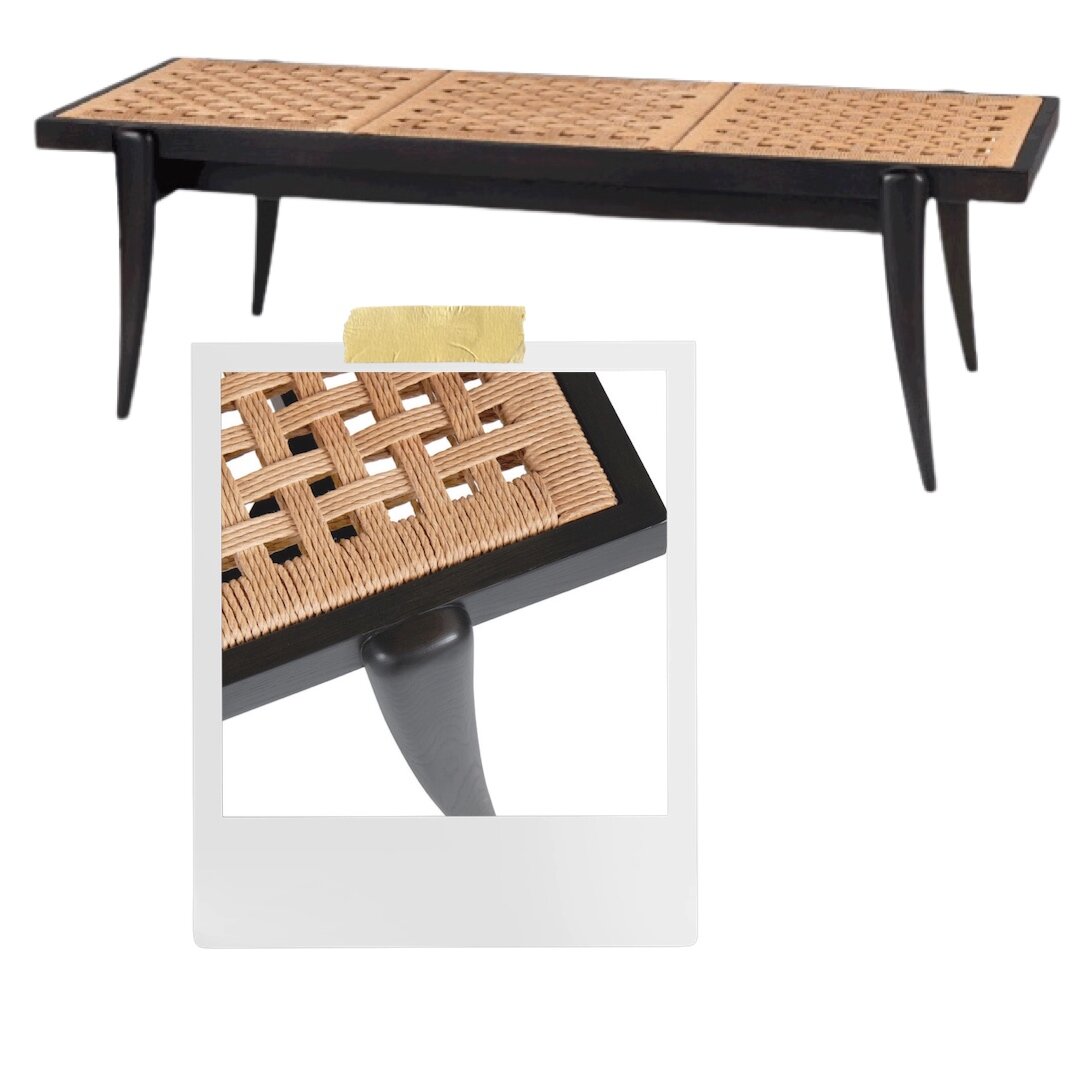
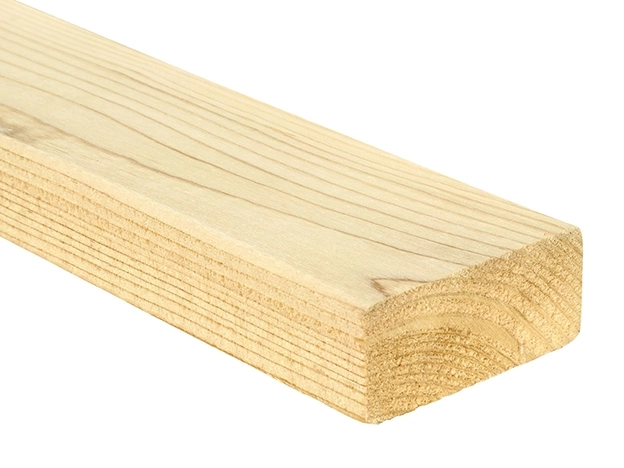
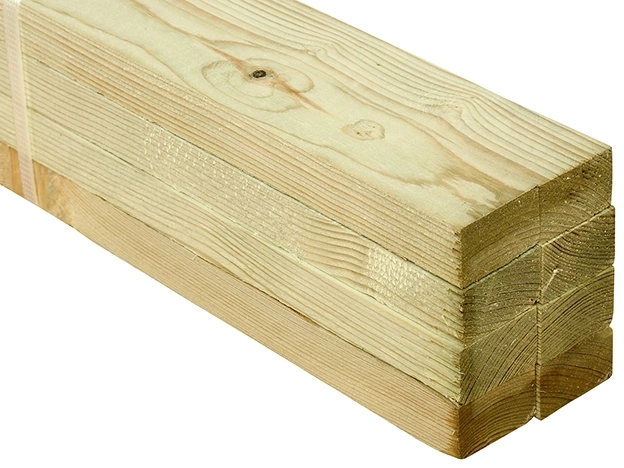
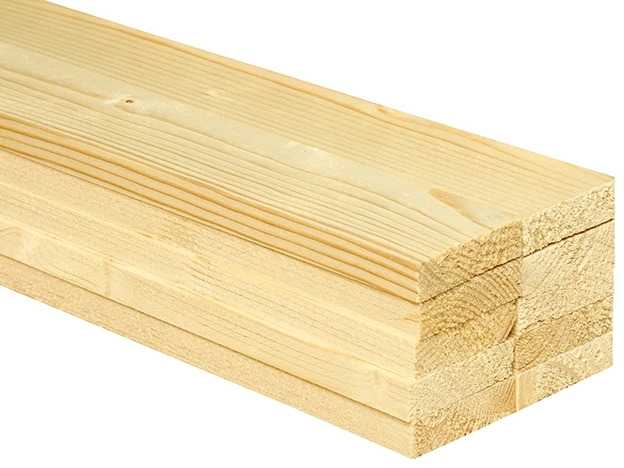
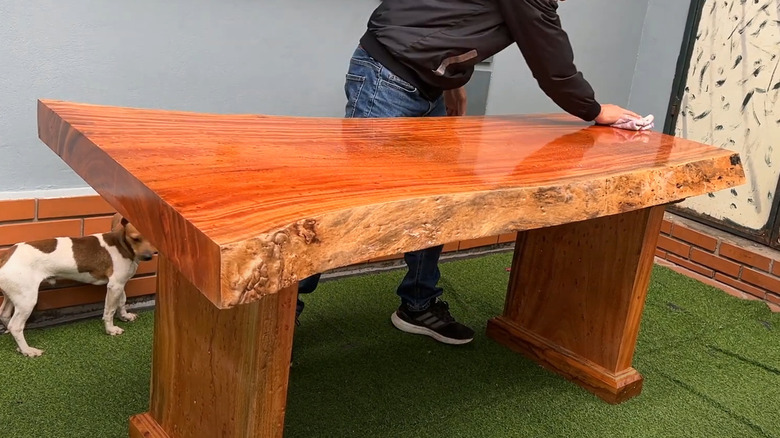
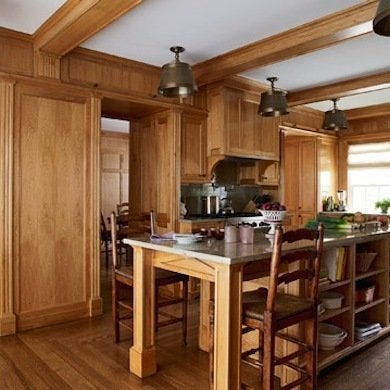
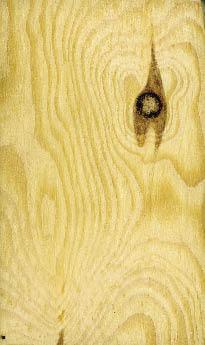
Characteristically, jack pine is a relatively small tree, typically reaching heights between 30 to 65 feet and rarely exceeding 16 inches in diameter. Its stem often exhibits a lack of straightness, and the tree is prone to frequent branching. These growth habits mean that jack pine logs generally do not yield a significant amount of clear, high-grade lumber. Instead, the lumber is commonly characterized by its knotty appearance. However, these knots are typically tight and present a dramatic red coloration, making the wood an appealing choice for rustic or knotty furniture and cabinetry, where its natural character can be highlighted.
Historically, jack pine has played an ecological role as a pioneer species. Its cones are serotinous, meaning they require heat, such as from wildfires, to release their seeds. This adaptation led to the rapid regeneration of jack pine forests after fires, resulting in pure, even-aged stands. The needle fall from mature jack pine stands creates an acidic soil environment, which is favorable for the growth of wild blueberries. The species is also notable for providing the exclusive nesting habitat for the endangered Kirkland’s warbler. In contemporary times, the decline in wildfires and a preference for planting red pine have contributed to a reduction in jack pine forest volume.
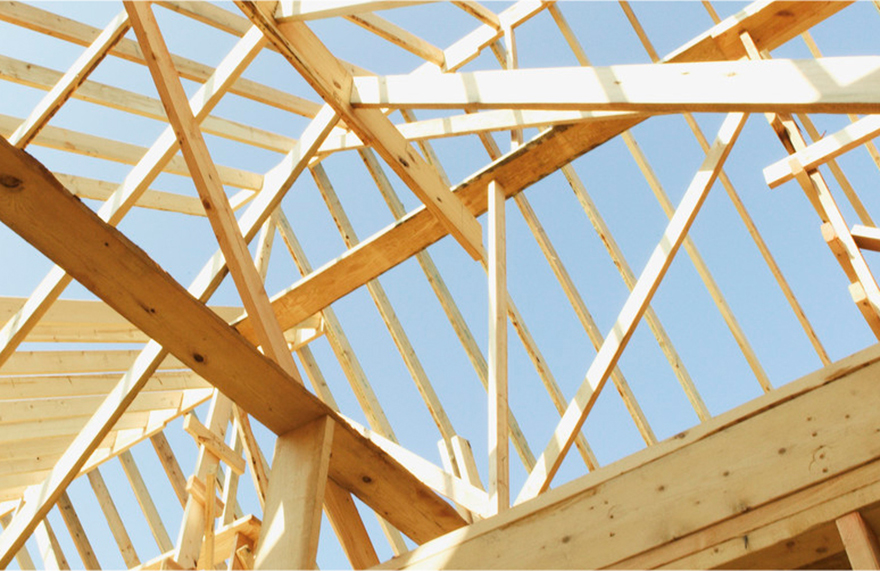
Native Americans utilized jack pine for constructing canoe frames. Modern applications of the wood include rustic paneling, cabinetry, and furniture stock, particularly when the wood is properly sawn and dried to capitalize on its unique aesthetic. It also finds use in local construction, shipping containers, pallets, and posts. In many lumber markets, jack pine is often categorized with other pine species with which it co-occurs, such as red pine.
Beyond its distinctive appearance, jack pine possesses several advantageous properties. It demonstrates good dimensional stability in response to changes in relative humidity. The wood is moderately light in weight and exhibits moderate strength. Although it has not been widely adopted for high-end applications, its inherent beauty and character, especially its knotty attributes, suggest its suitability for more specialized uses.
In terms of processing, jack pine has a sapwood that is nearly white and a heartwood that ranges from light brown to orange. Sapwood can constitute up to half or more of the tree's volume, making lumber with a mix of white sapwood and red knots common. The wood has a coarse texture and can be somewhat resinous if not dried correctly, though it possesses an agreeable aroma. Its density is approximately 38 pounds per cubic foot at 10 percent moisture content, which is heavier than eastern white pine but comparable to red pine.
Drying jack pine is generally straightforward and quick. However, measures must be taken to control warp, often caused by compression wood and crooked stems, through effective stacking practices and applying weights to lumber piles. To prevent resin exudation in finished products, drying temperatures should exceed 160°F for at least 24 hours to set the pitch. Gluing is relatively easy, though the knots themselves are harder to bond, and unset pitch can interfere with adhesion. Machining is moderately successful, requiring sharp tools. It is critical to avoid drying the wood below 9.5 percent moisture content, as excessively dry wood can lead to poor machining results, such as chipped grain and planer splits.
Jack pine exhibits greater stability compared to many other wood species, requiring a 5 percent change in moisture content for a 1 percent dimensional change in the width of flatsawn lumber, and an 8 percent change for quartersawn stock. Mechanically, it is stronger, stiffer, and harder than eastern white pine, with a modulus of rupture (MOR) of 9900 psi, a modulus of elasticity (MOE) of 1.35 million psi, and a hardness of 570 pounds. A consideration during use is its tendency to split when nailed near the ends of pieces; this can be mitigated by pre-drilling holes.
#JackPine #WoodProperties #FurnitureWood #KnottyWood #WoodDrying #WoodMachining #Forestry #WoodCraft #BuildingMaterials #JackPine #WoodProperties #FurnitureWood #KnottyWood #WoodDrying #WoodMachining #Forestry #WoodCraft #BuildingMaterials
0 comment in total
 No comments yet
You may also like
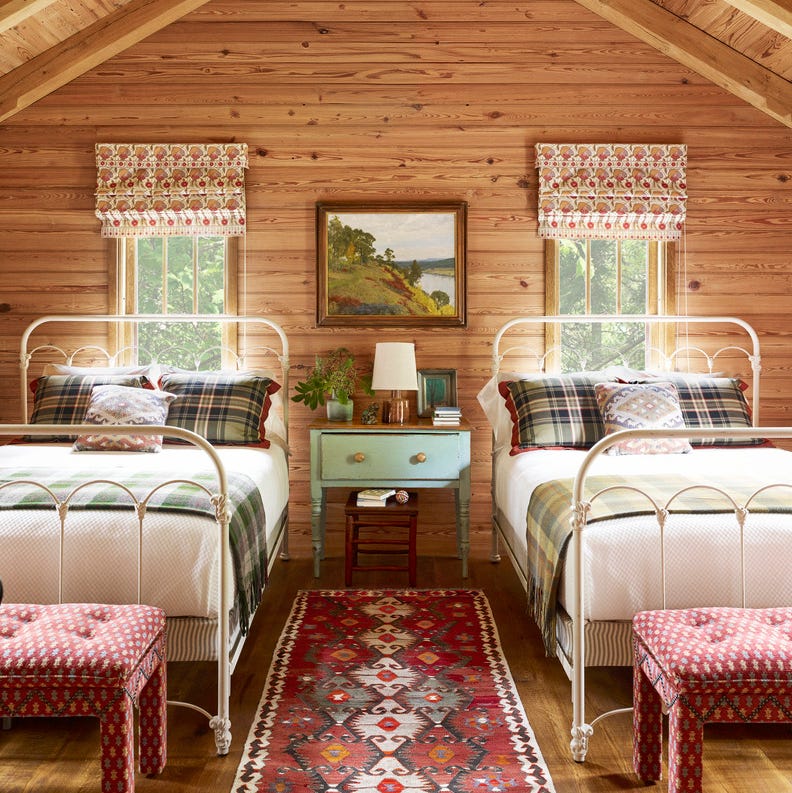
Trend Alert: Wood Walls Are BACK!
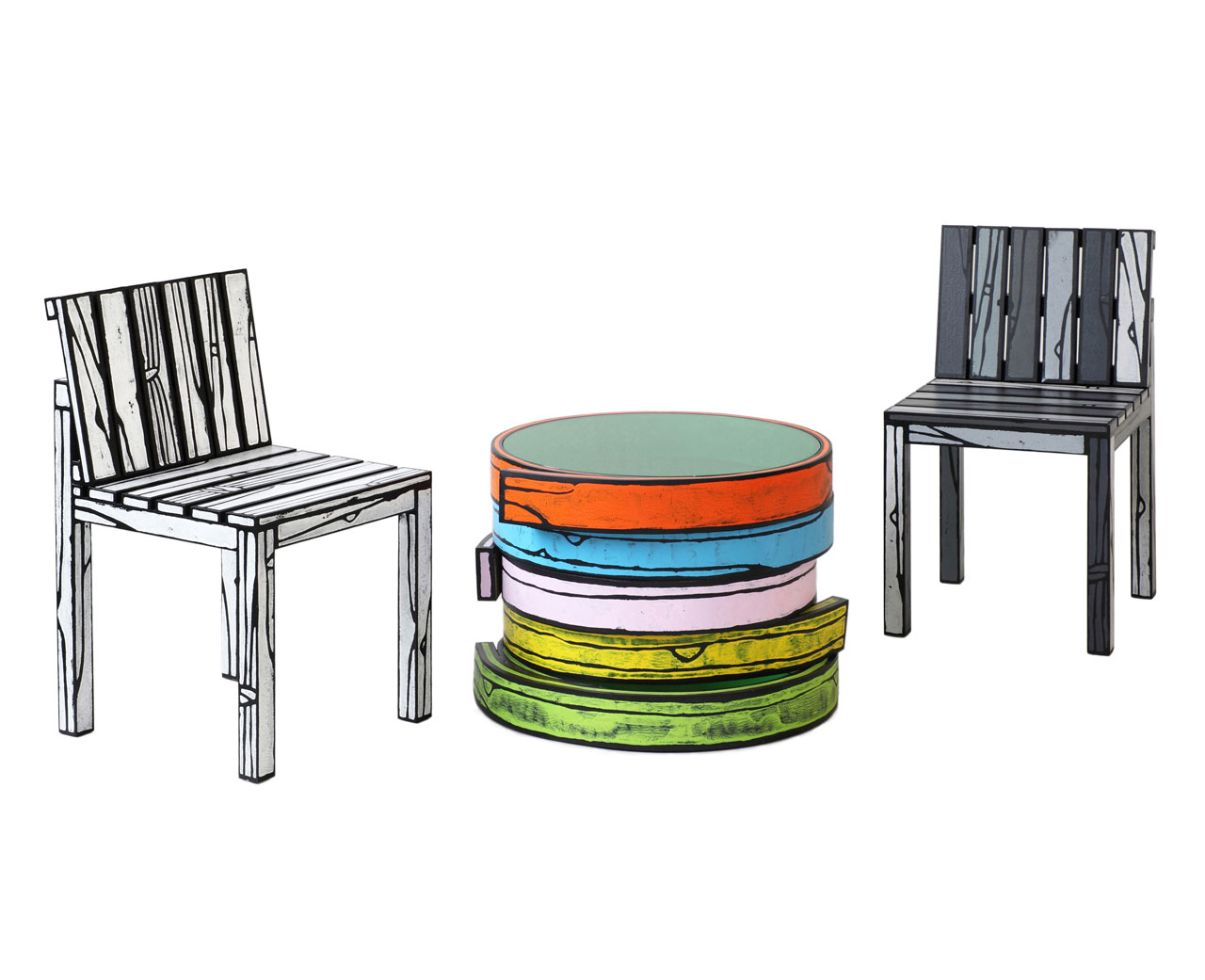
Colorful Wood Grain Furniture by Wrong Woods

12 Furniture Trends That Will Dominate 2025, According to Designers

organic contours and asymmetric forms carved from cherry and maple wood define buttonback chair
The Secret to Making Your Cane Furniture Last Forever
Flip the script on classic interiors – how the twisted wood trend brings a welcome whimsy into our homes

If You Love a Warm, Earthy Space, You Have to Try Wood Drenching

Eight wooden furnishings that go against the grain
Move Aside, Ply—Designers Are Loving This Wood for Its Captivating Pattern

wooden trusses inspire paulo kobylka's handmade 'gusset' seating collection
How to shop the wicker obsession
Wood and wicker make a comeback in Indian homes

Textured, character-rich wood offers relief from white
Wood Treatments

Timber
The 10 Best Woods for Woodworking (According to a Pro)
An Introduction To Wood Species, Part 2: Pine

Slideshow: Sugar CANE

The 8 Best Types Of Wood For A DIY Dining Table
Designers Swear These 6 Decor Trends Will Age Well—Without Feeling Dated