1/6
An Introduction To Wood Species, Part 5: Walnut
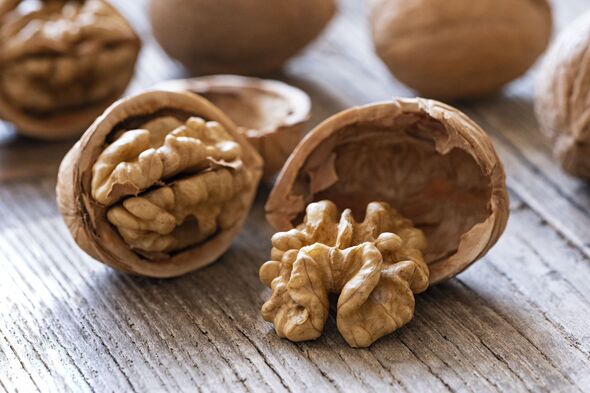
This entry, part of a series on North American wood species, focuses on Black Walnut, a highly valued domestic lumber. Black Walnut is abundant across the continent, though it yields less wood than species like oak and maple. Its desirable characteristics, including its rich color and ease of workability, contribute to its high value.
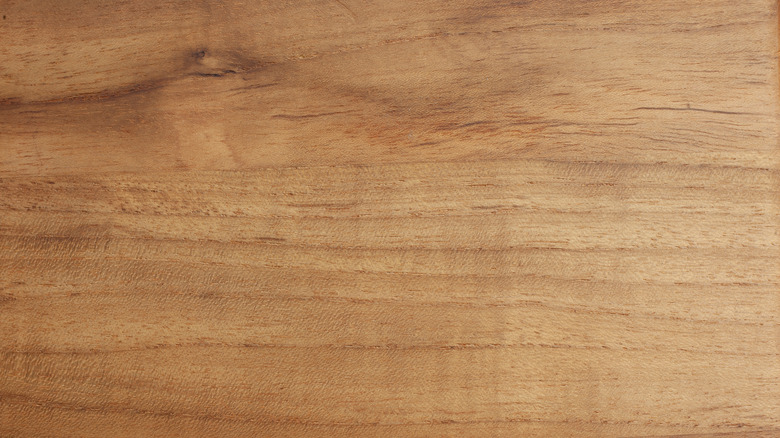
The heartwood of Black Walnut exhibits a color range from dark tan to deep chocolate brown, occasionally featuring streaks of purple and green. In contrast, the sapwood is a very pale yellow, which can be strategically incorporated into projects to create visual contrast. The wood is categorized as semi-ring porous, characterized by medium-sized pores distributed throughout and larger pores located at the edges of its growth rings. This structural feature contributes to its properties.
Black Walnut demonstrates a low rate of shrinkage during the drying process and exhibits minimal seasonal movement once processed, making it a stable material for various applications. With a Janka hardness rating of 1000 lbf, it is not exceptionally hard but possesses sufficient durability for many uses. Its straight grain makes it remarkably easy to work with across nearly all applications. The wood cuts and sands smoothly, accepts finishes well, bonds effectively with adhesives, and can be steam-bent to achieve stable and predictable shapes.
Common applications for Black Walnut include furniture, flooring, countertops, and smaller-scale projects. While it is more expensive than maple and oak, it remains a more affordable option compared to most imported lumbers. However, specific boards that feature exceptionally even grain or prominent figure can command significantly higher prices than standard grade walnut. Although the figured grain in walnut is generally not as dramatic as that found in maple, it can still impart a distinctive visual appeal to a finished piece.
Beyond standard lumber, walnut trees also provide large, lengthwise cross-sections known as 'live edge' slabs. These slabs are prized for their uninterrupted grain patterns and unique, natural outlines, making them ideal for crafting countertops, tables, shelves, and benches. The series will continue with an examination of cherry, known for its tendency to darken considerably over time.
#WalnutWood #WoodSpecies #NorthAmericanWood #MaterialProperties #Woodworking #BlackWalnut #FurnitureMaking #LiveEdgeSlabs #WalnutWood #WoodSpecies #NorthAmericanWood #MaterialProperties #Woodworking #BlackWalnut #FurnitureMaking #LiveEdgeSlabs
0 comment in total
 No comments yet
You may also like

The 10 Best Woods for Woodworking (According to a Pro)

15 Types Of Wood That Are Easy To Build With
The 10 Best Woods for Woodworking (According to a Pro)

Douglas-fir: Exceptionally strong and abundant species

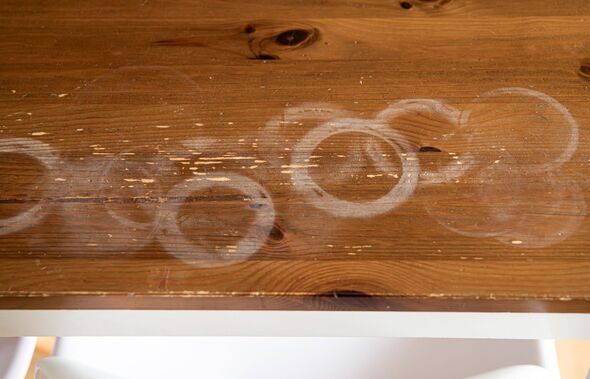
The random snack that removes stains from wooden tables
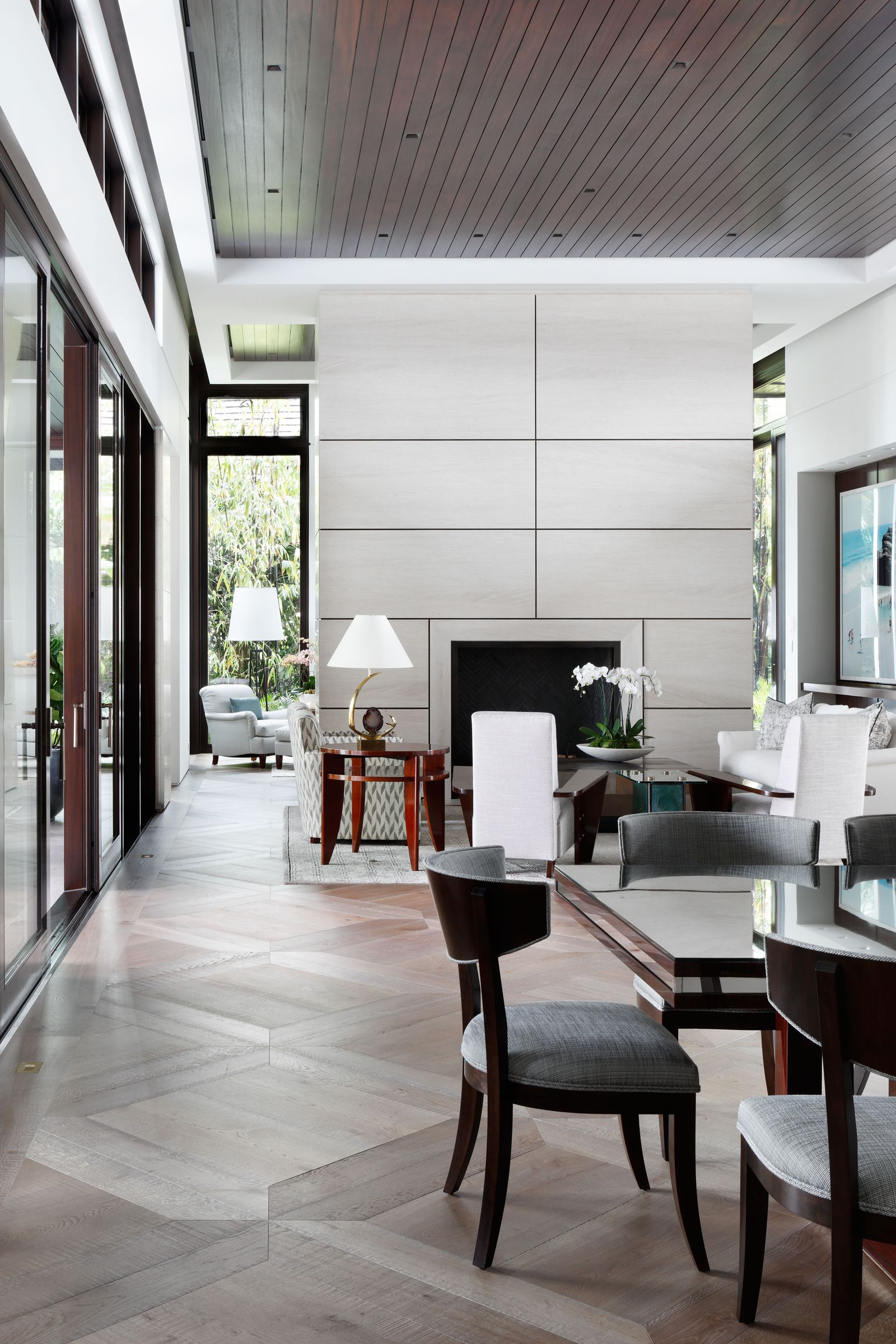
Here's the Truth About Wood Veneers

Wood Treatments
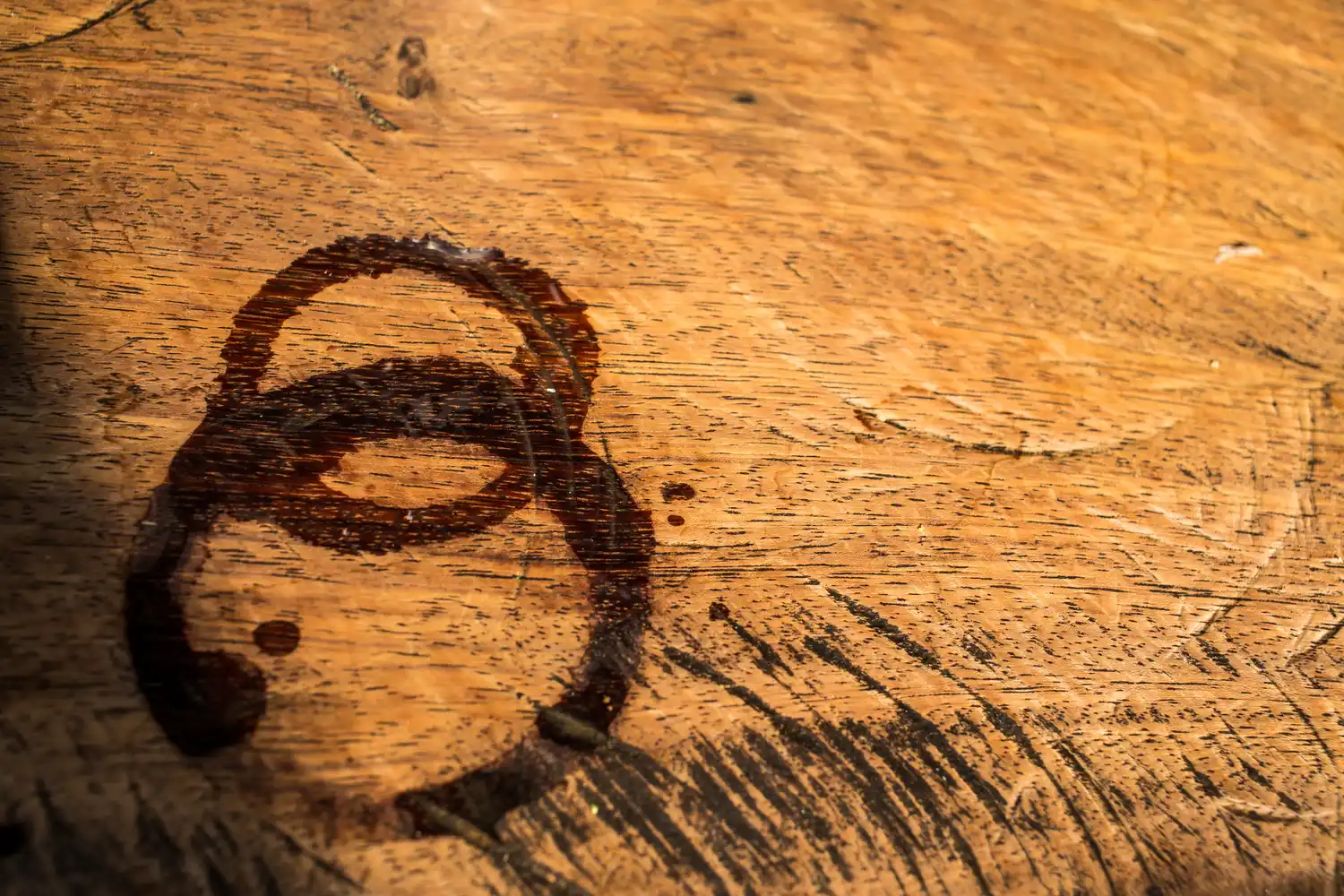
This Common Pantry Snack Works Like a Charm to Get Water Stains Off Wood