1/4
Does a kitchen really need a microwave? Why I got rid of this eyesore from my minimalist space and never looked back
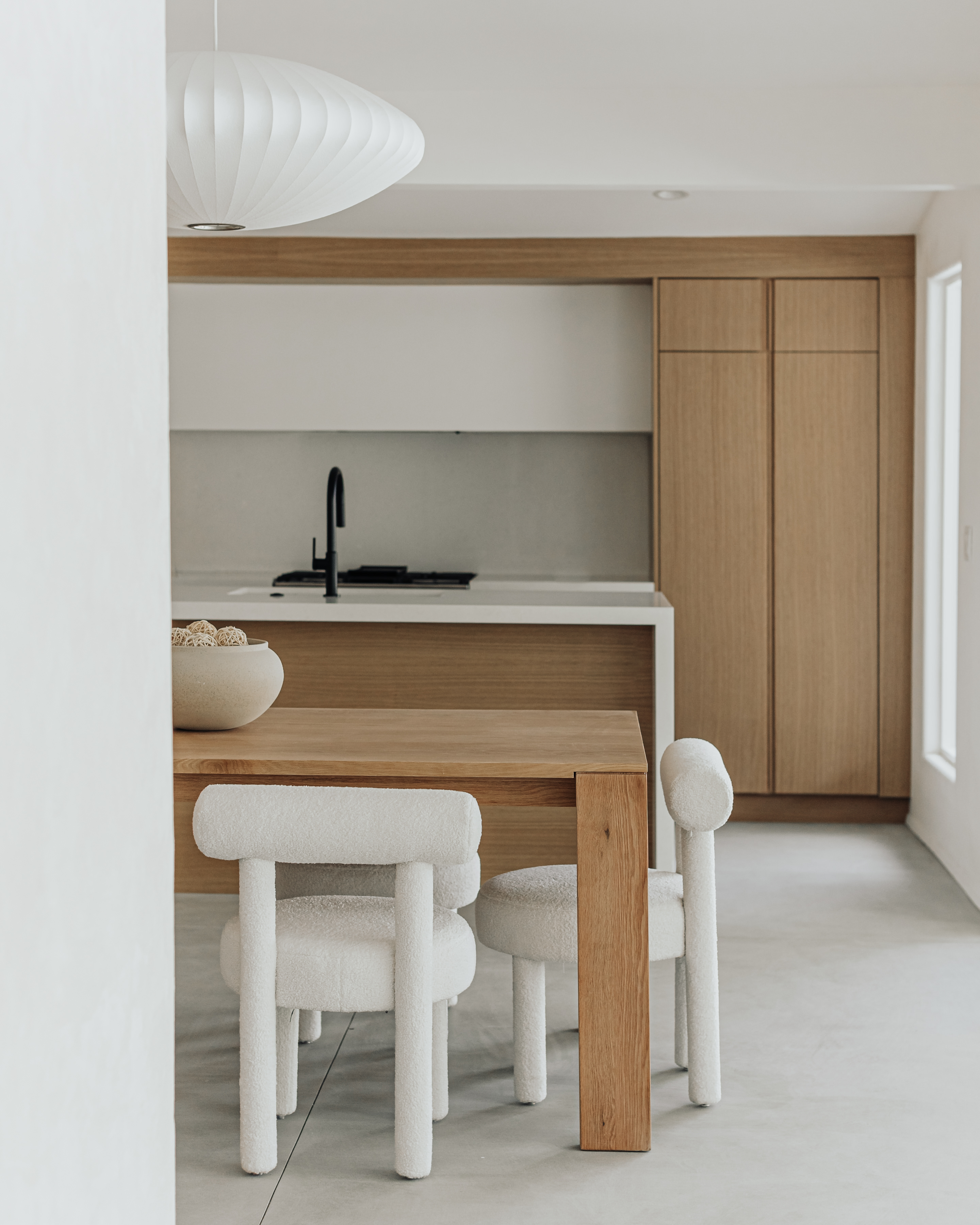
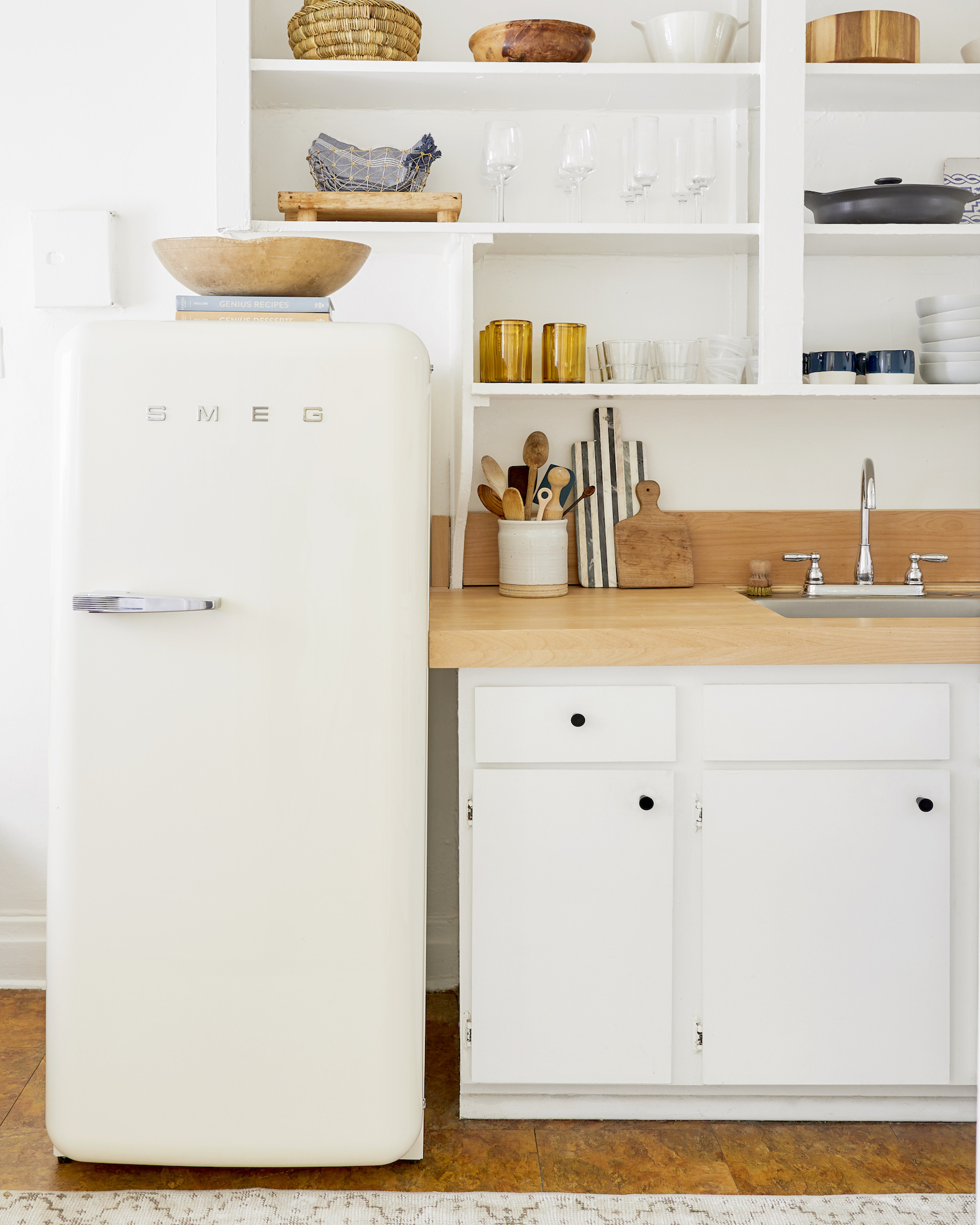
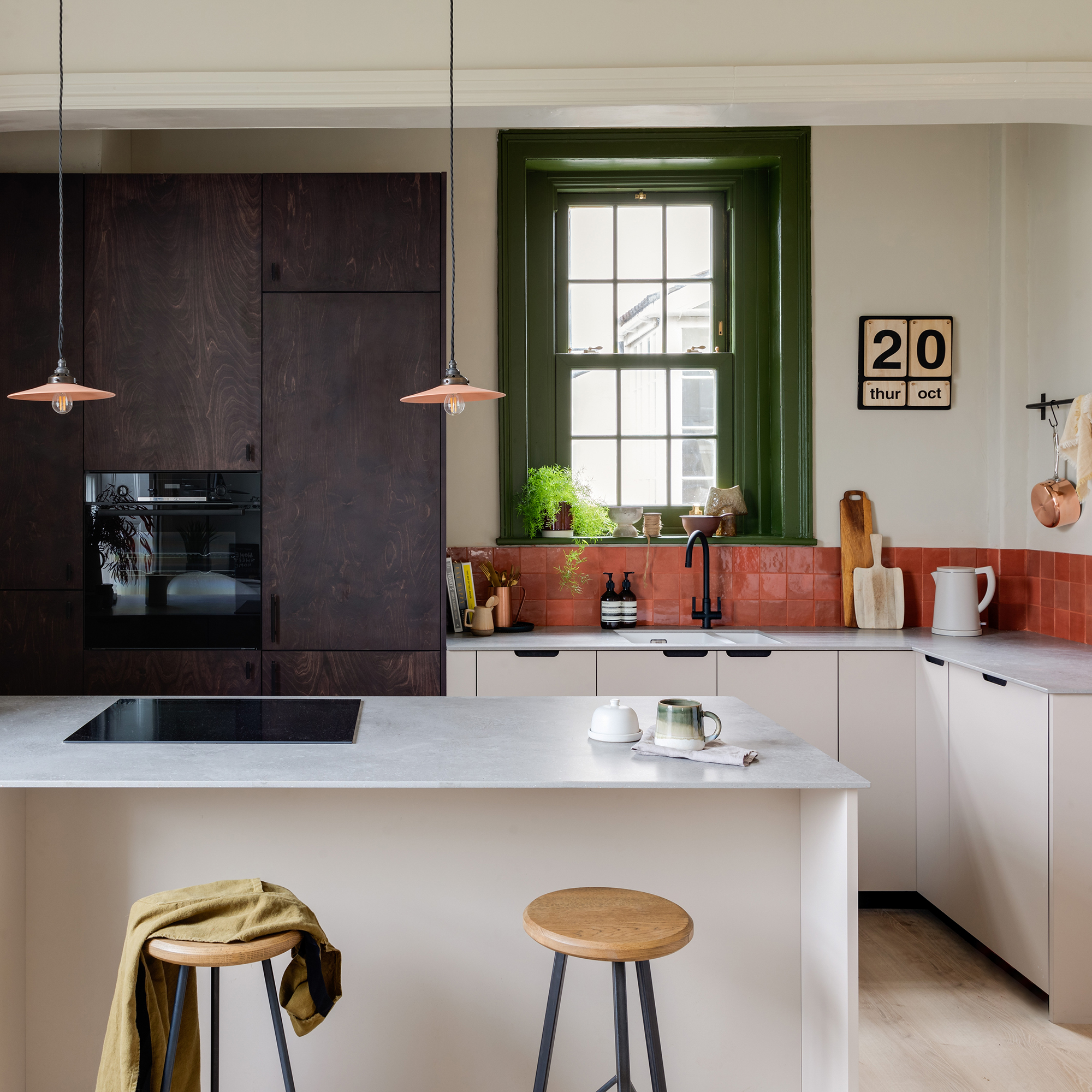
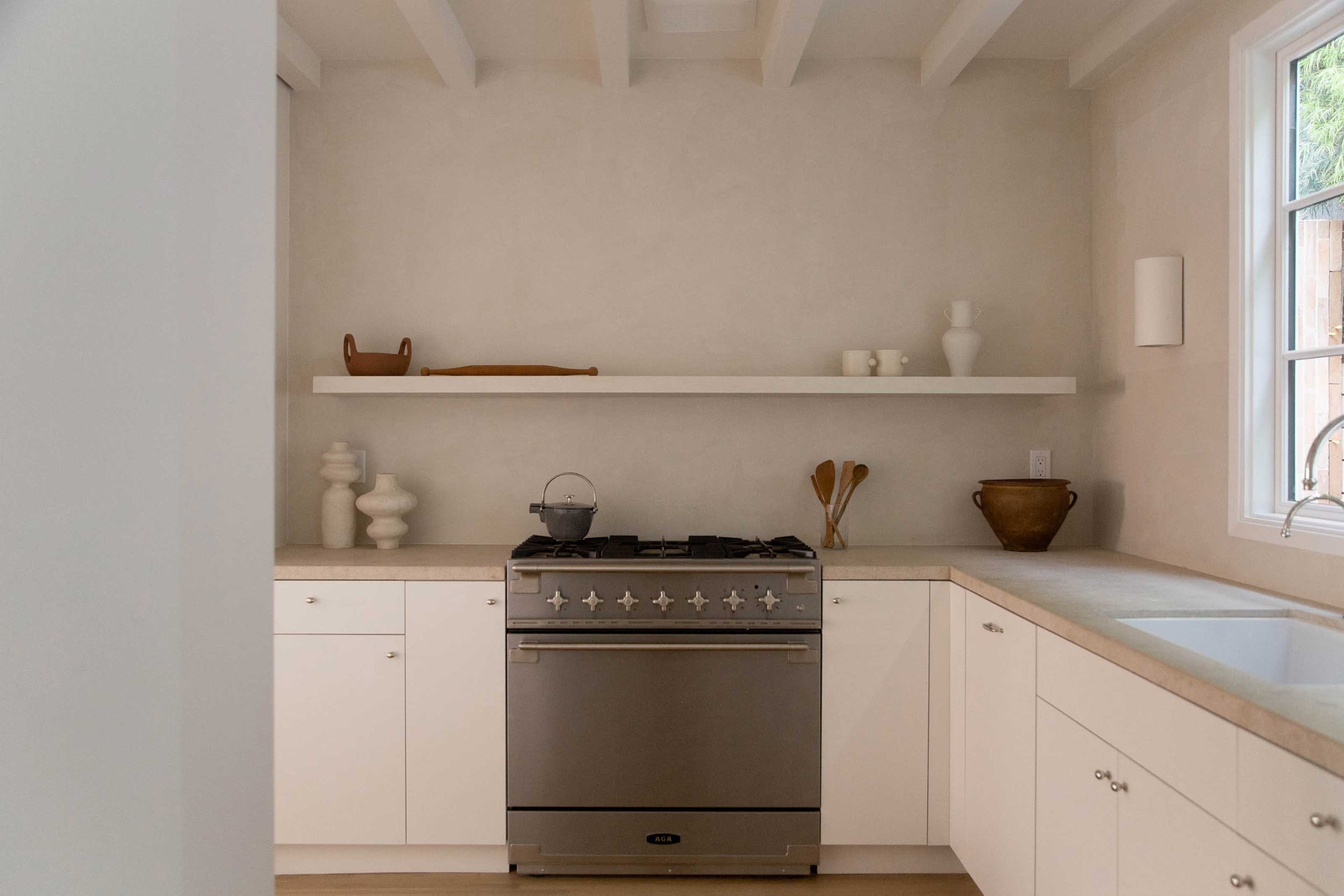
The role of the microwave in modern kitchens, particularly within minimalist design aesthetics, is examined through the perspective of a homeowner and three interior designers. The article initiates with the author's personal decision to remove their microwave, citing its visual impact as a "countertop atrocity" and expressing satisfaction with the resulting minimalist kitchen. This personal choice sparks a broader discussion on the necessity and integration of microwaves in home design.
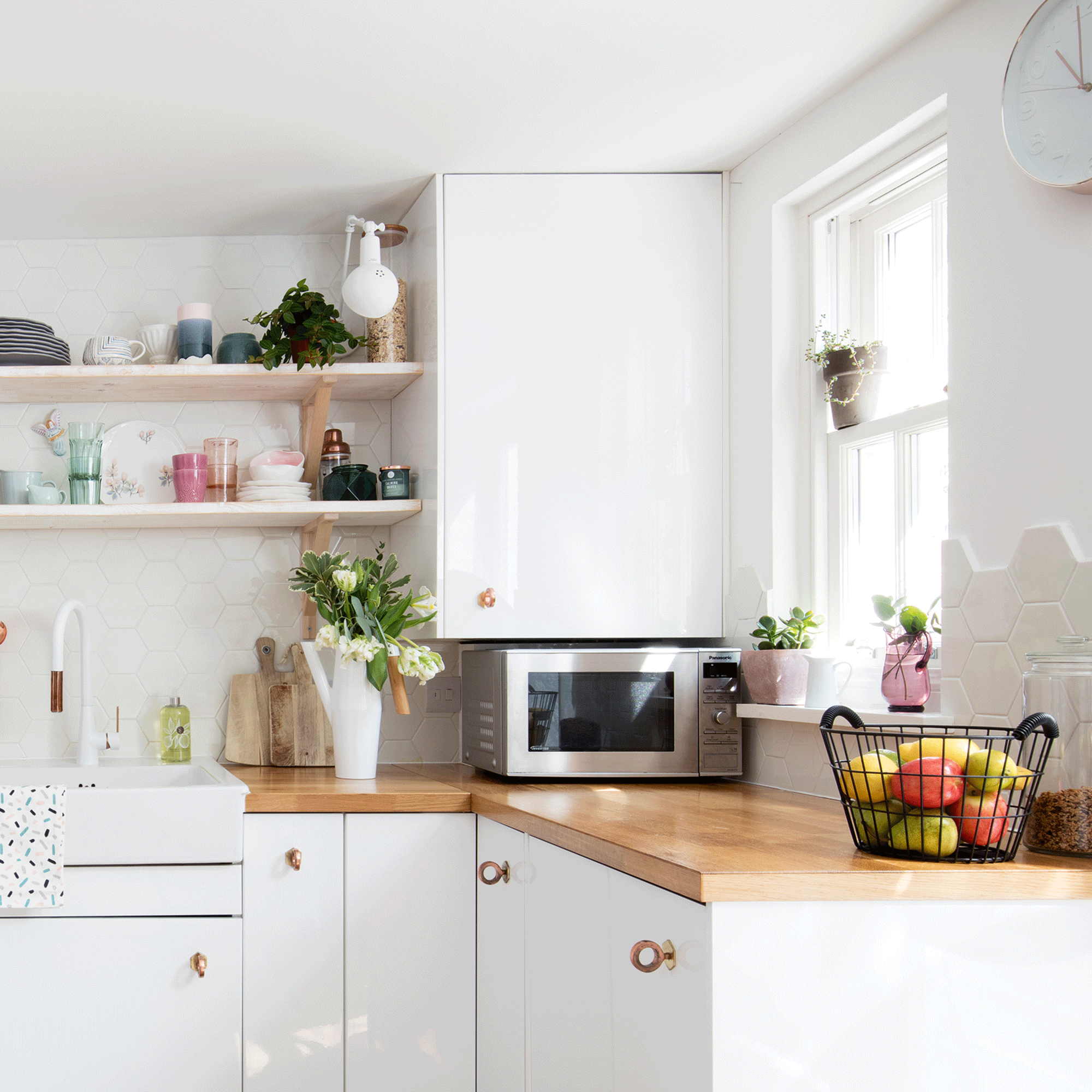
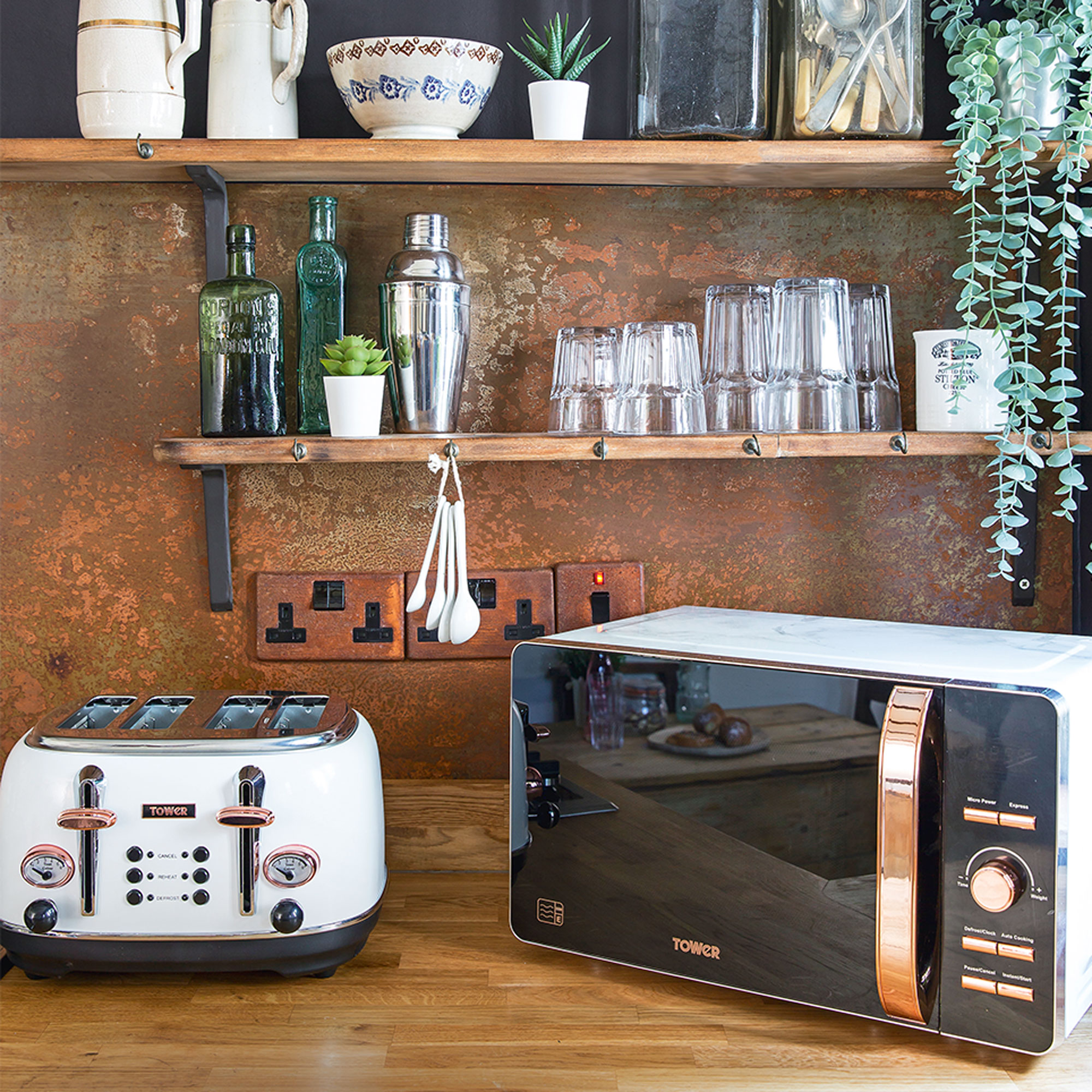
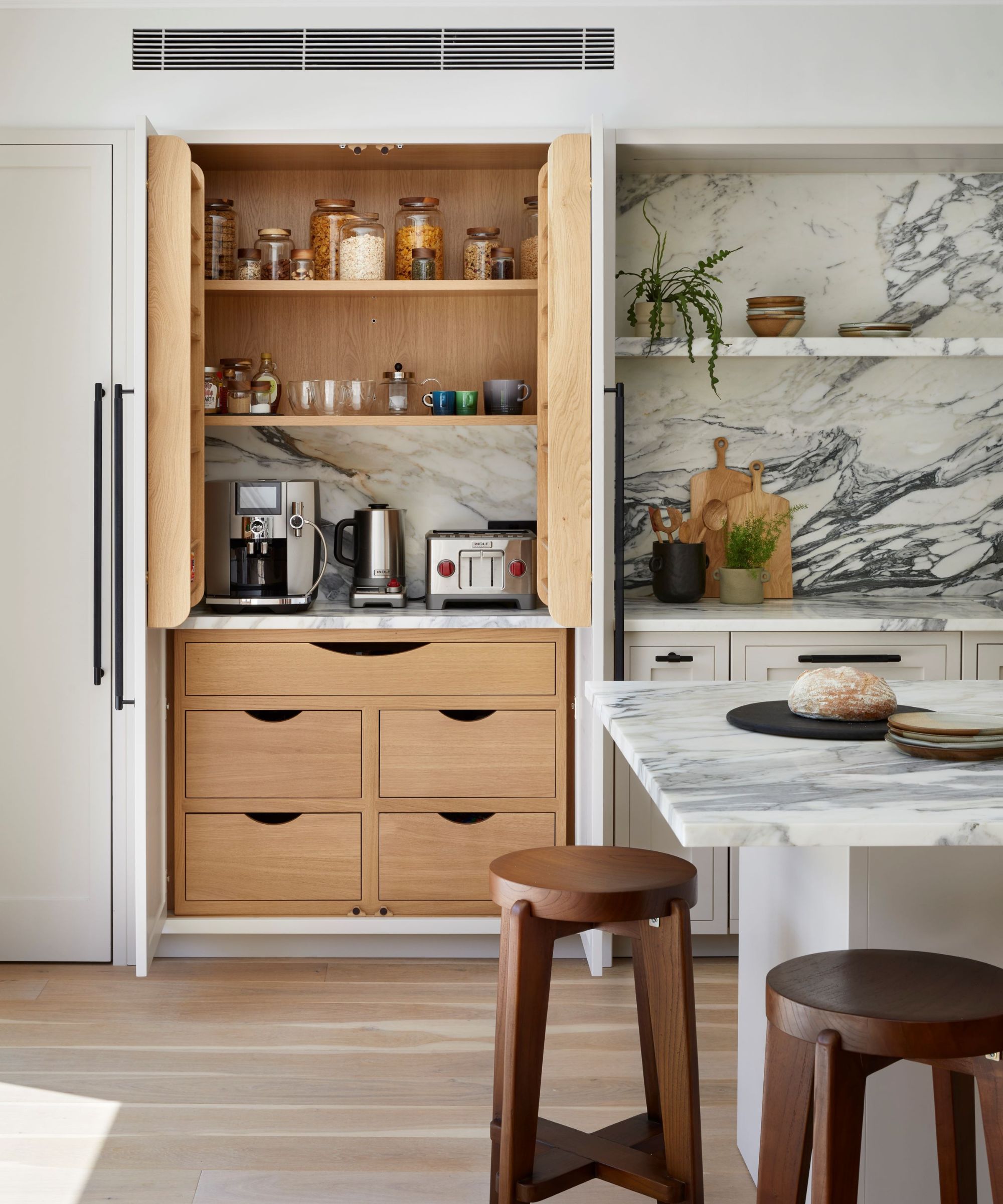
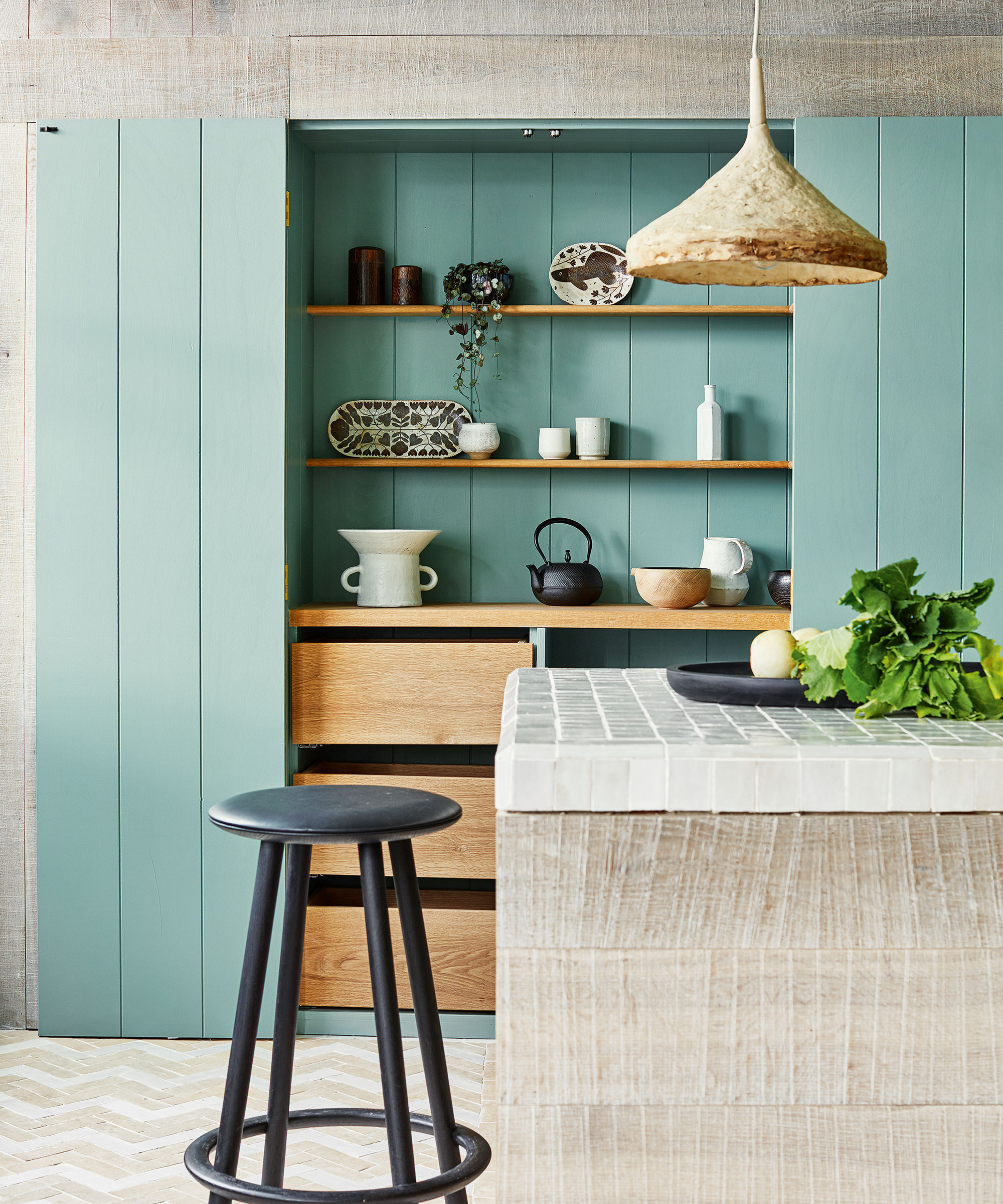
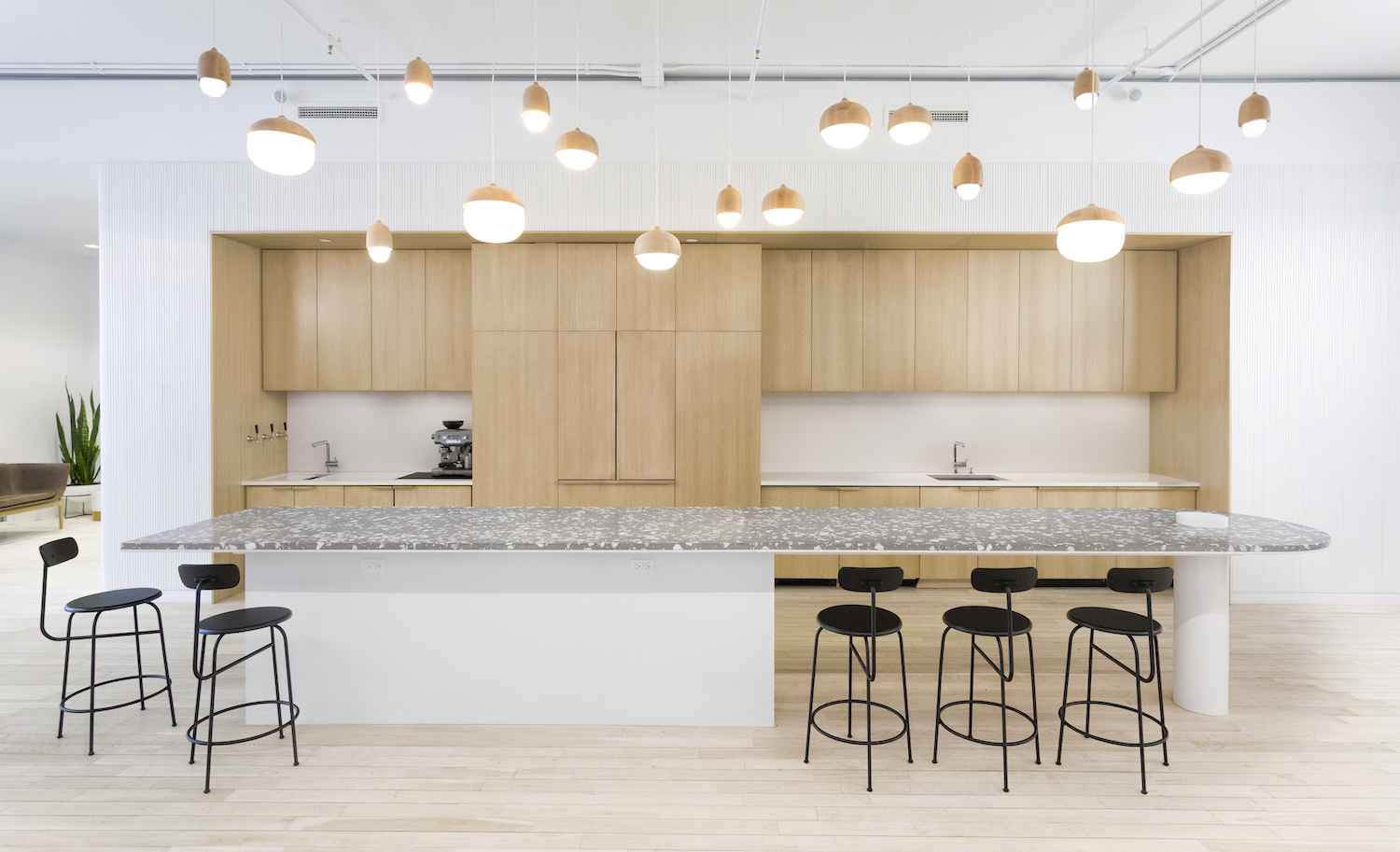
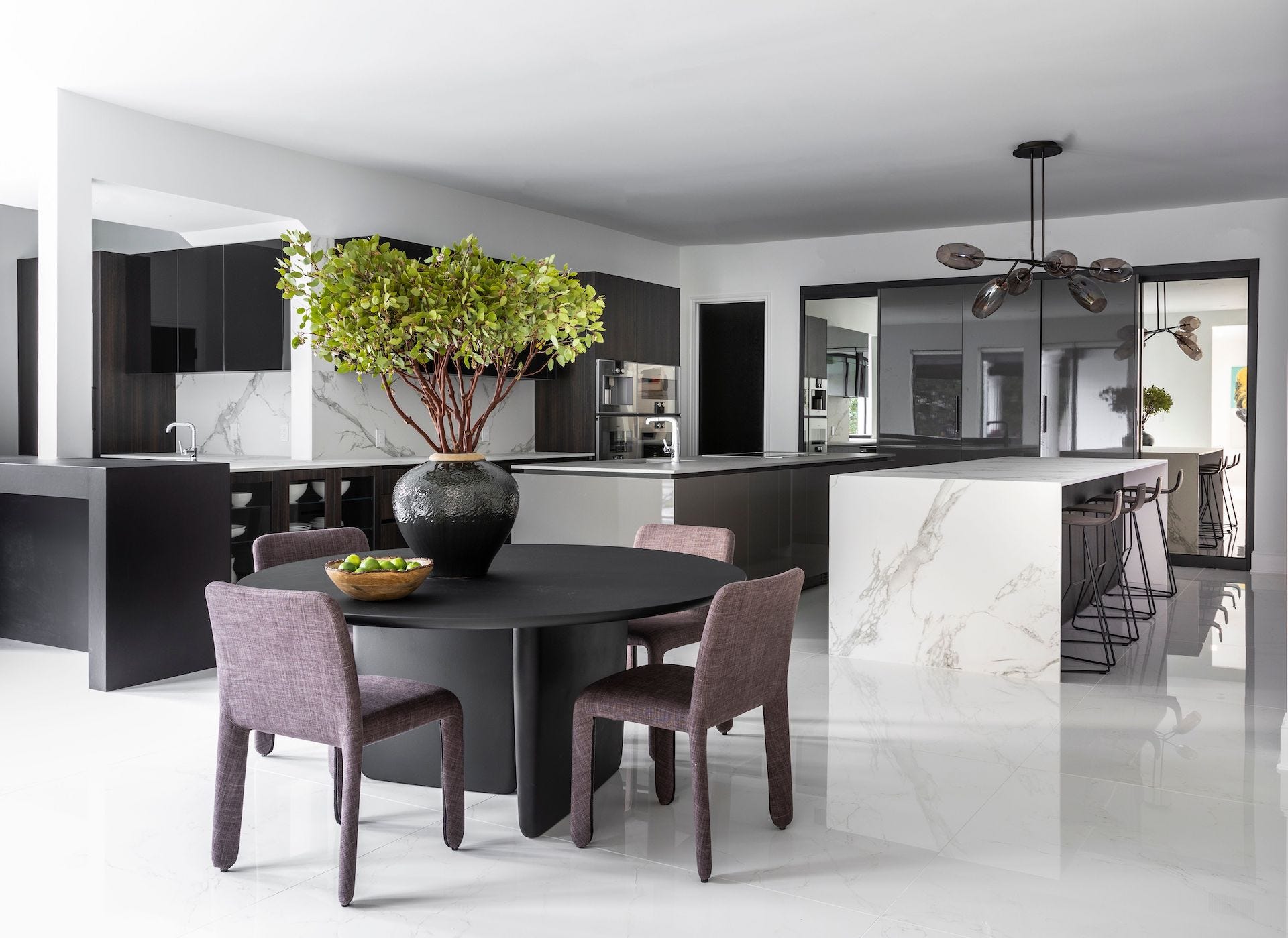
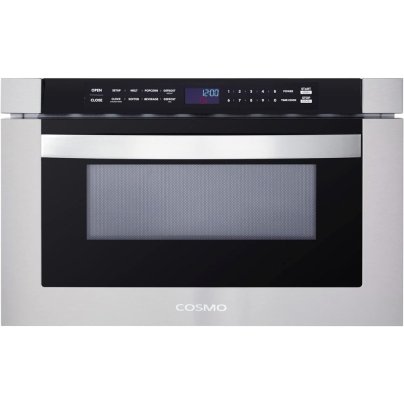
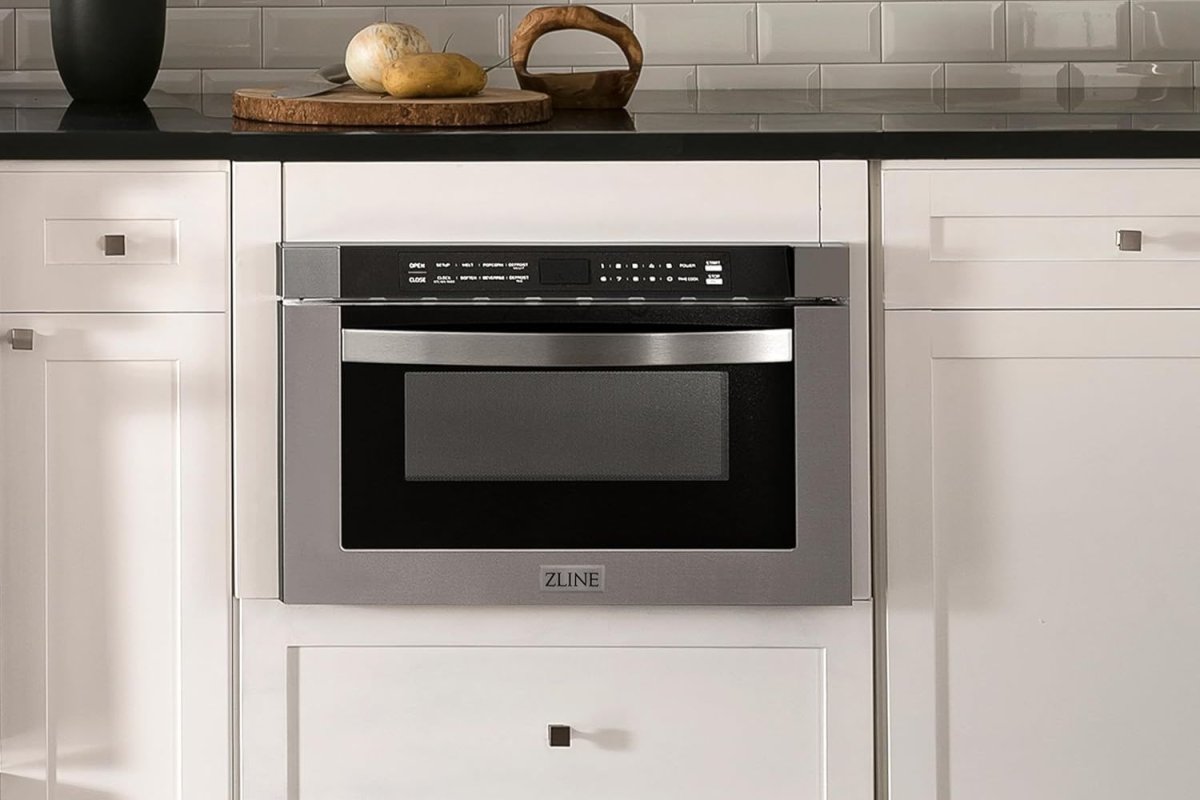
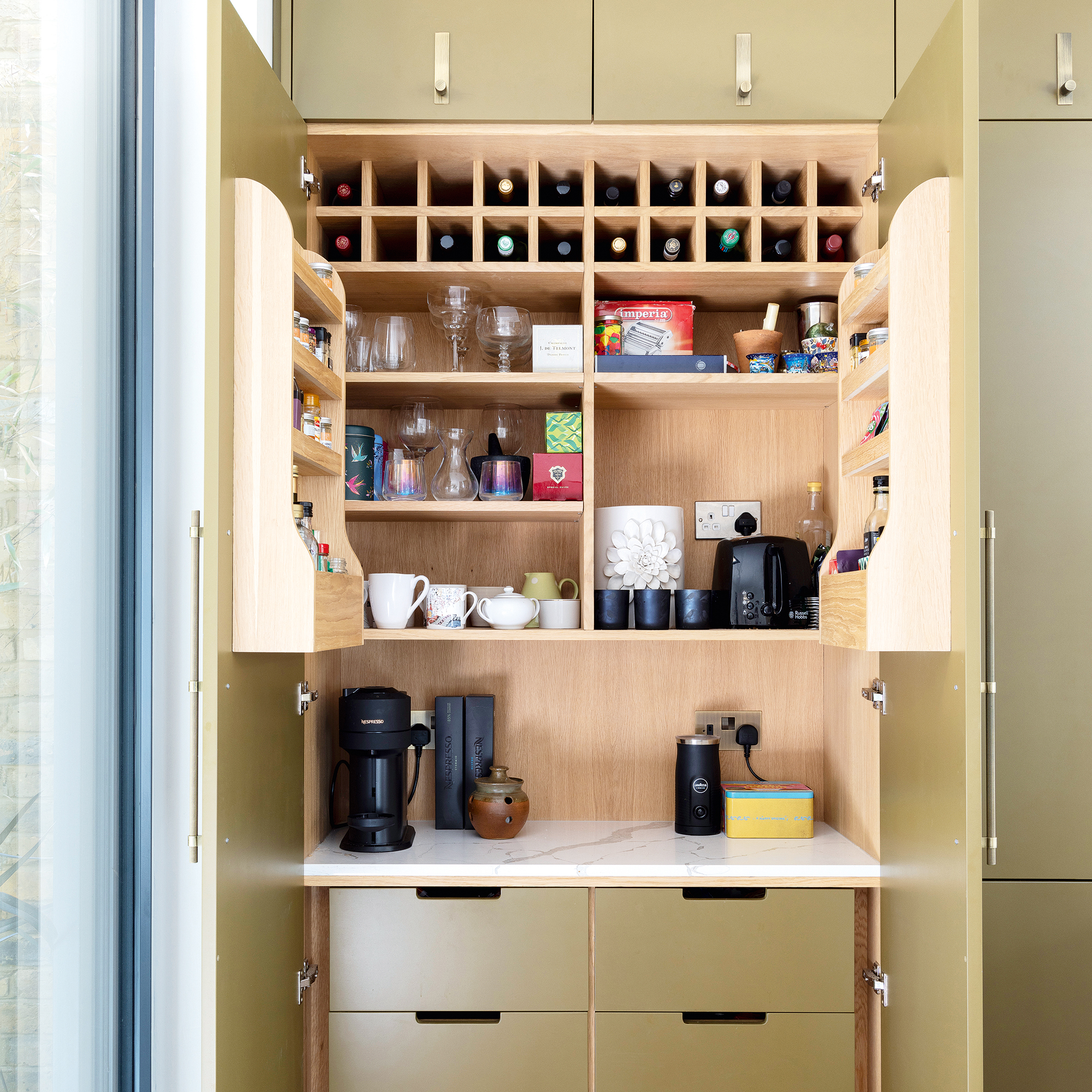
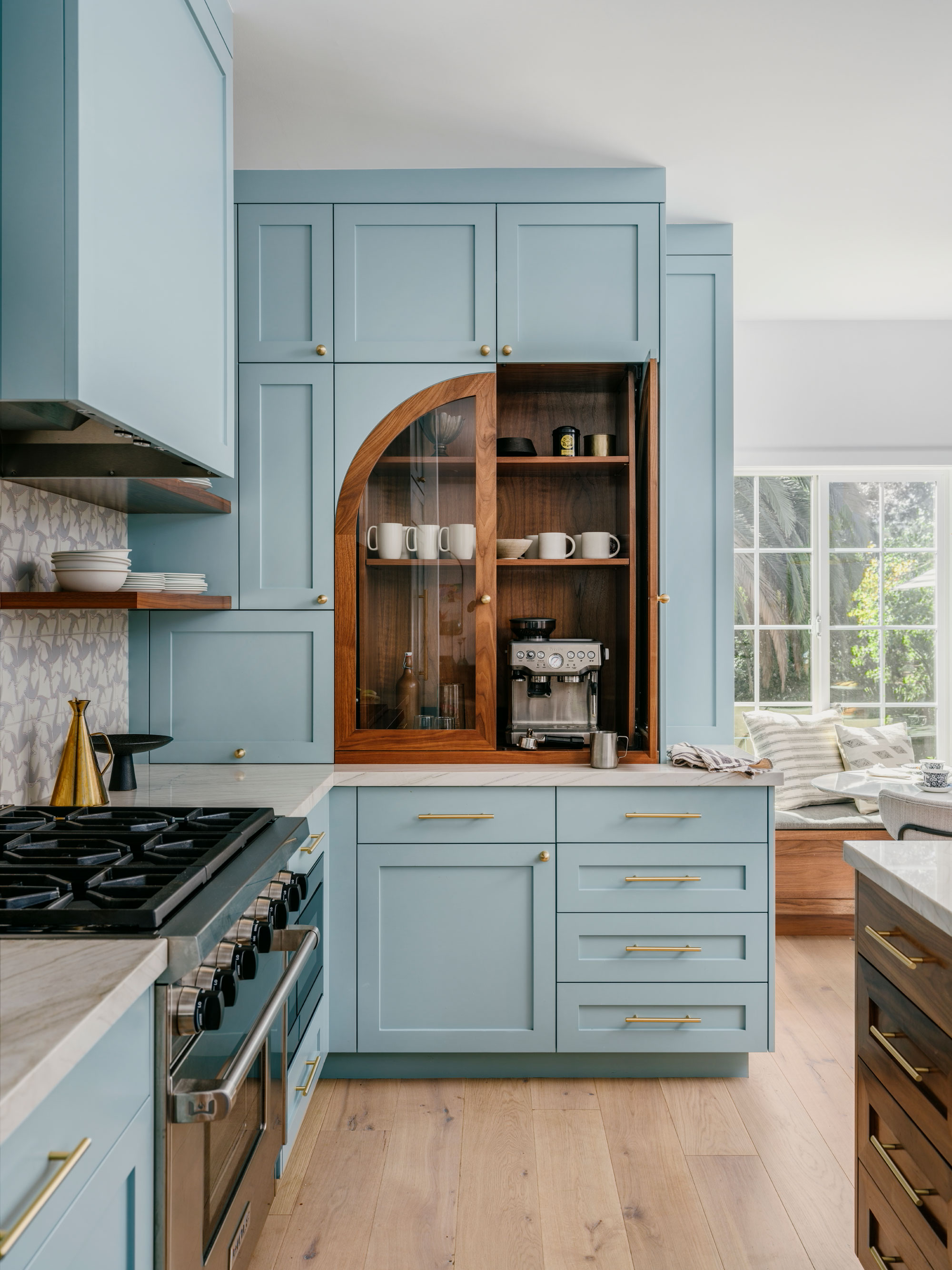
Interior designers Lauren Moore of Design Assembly, Ahmad AbouZanat of PROJECT AZ, and Lauren Woods of Lauren Woods Interiors unanimously agree that microwaves are often considered an eyesore in kitchen design. Lauren Moore emphasizes her preference for clean lines and uncluttered spaces, stating that she avoids visible microwaves, especially in main living areas. Her solution for clients who require a microwave is to conceal it, whether in custom drawers, cabinets, or within a butler's pantry, ensuring functionality without compromising aesthetics. She acknowledges the convenience a microwave offers, particularly for parents, but stresses that thoughtful integration is key to maintaining design integrity.
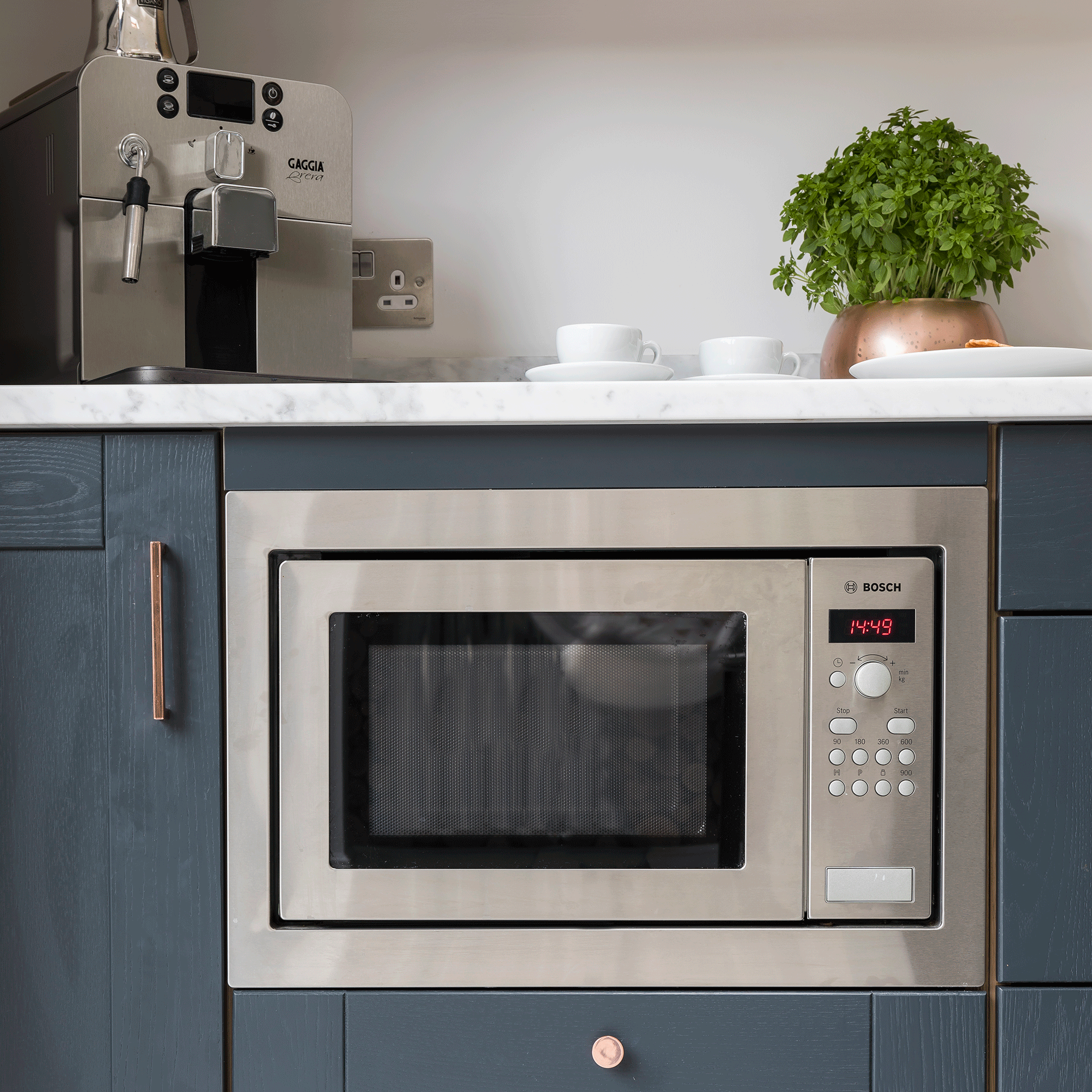
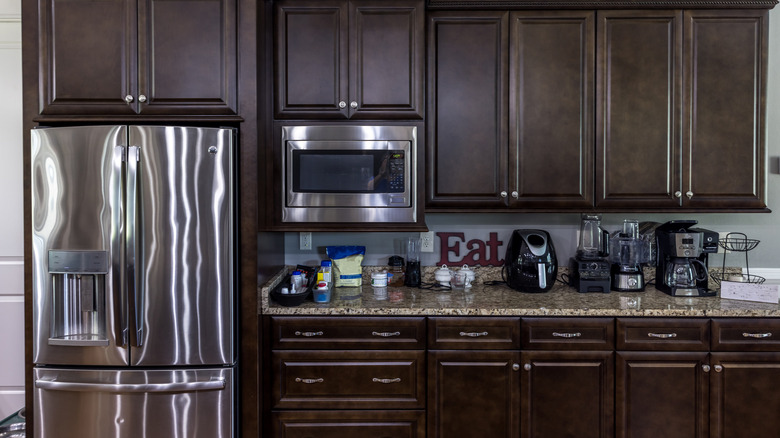
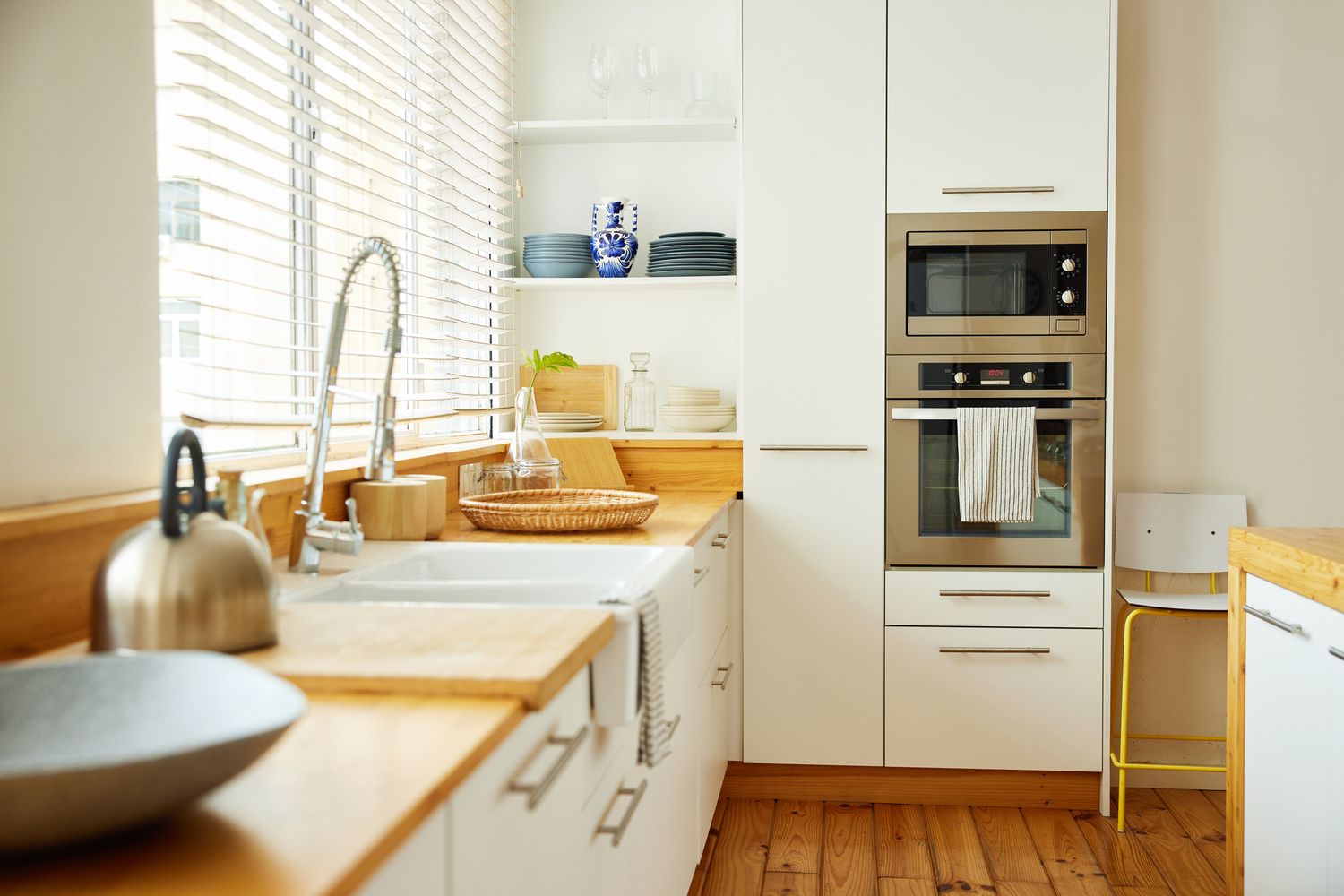
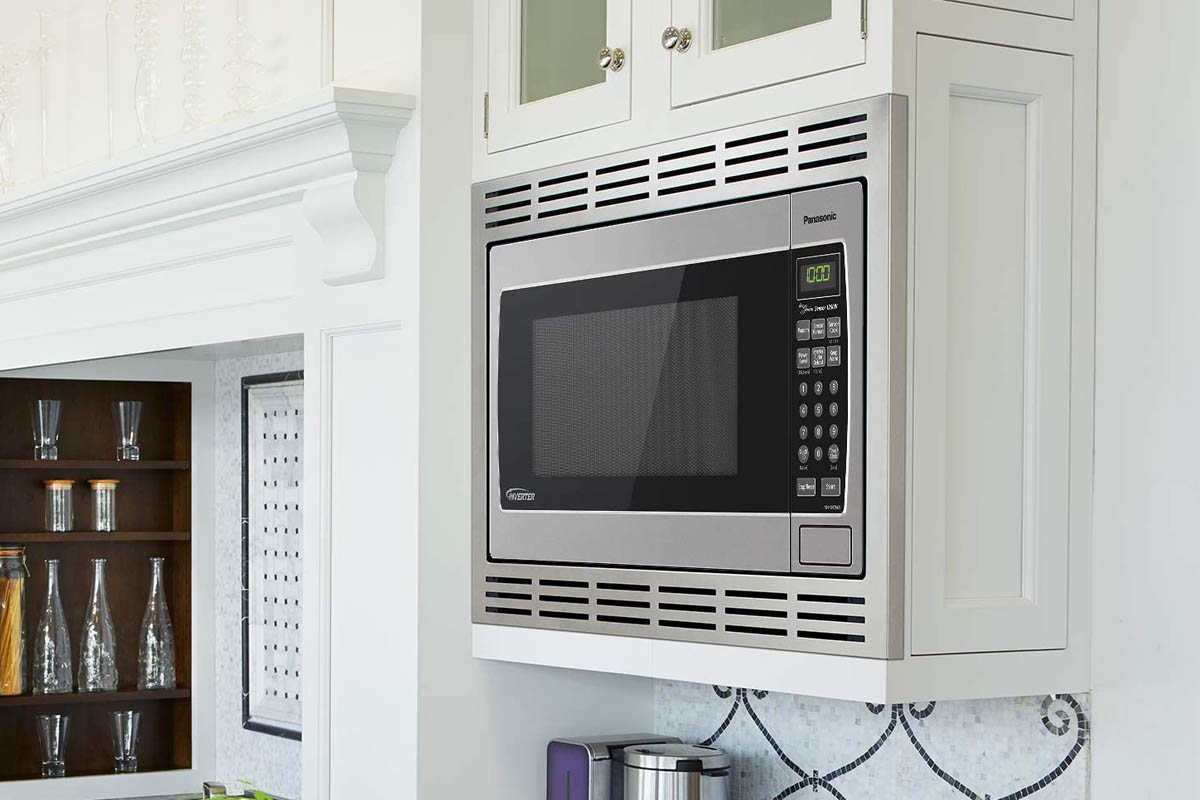
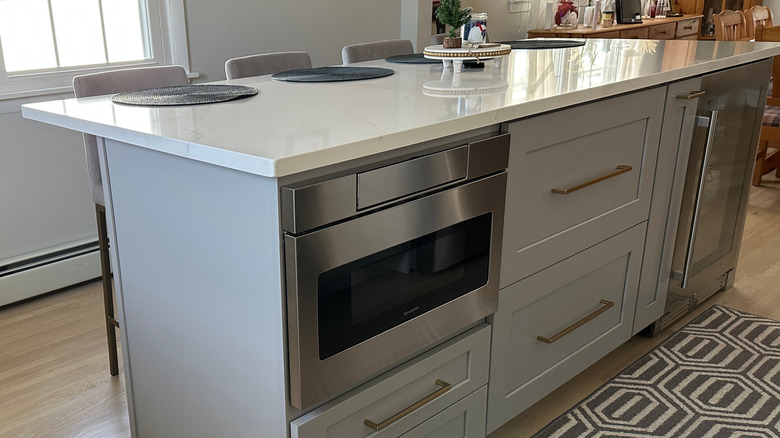
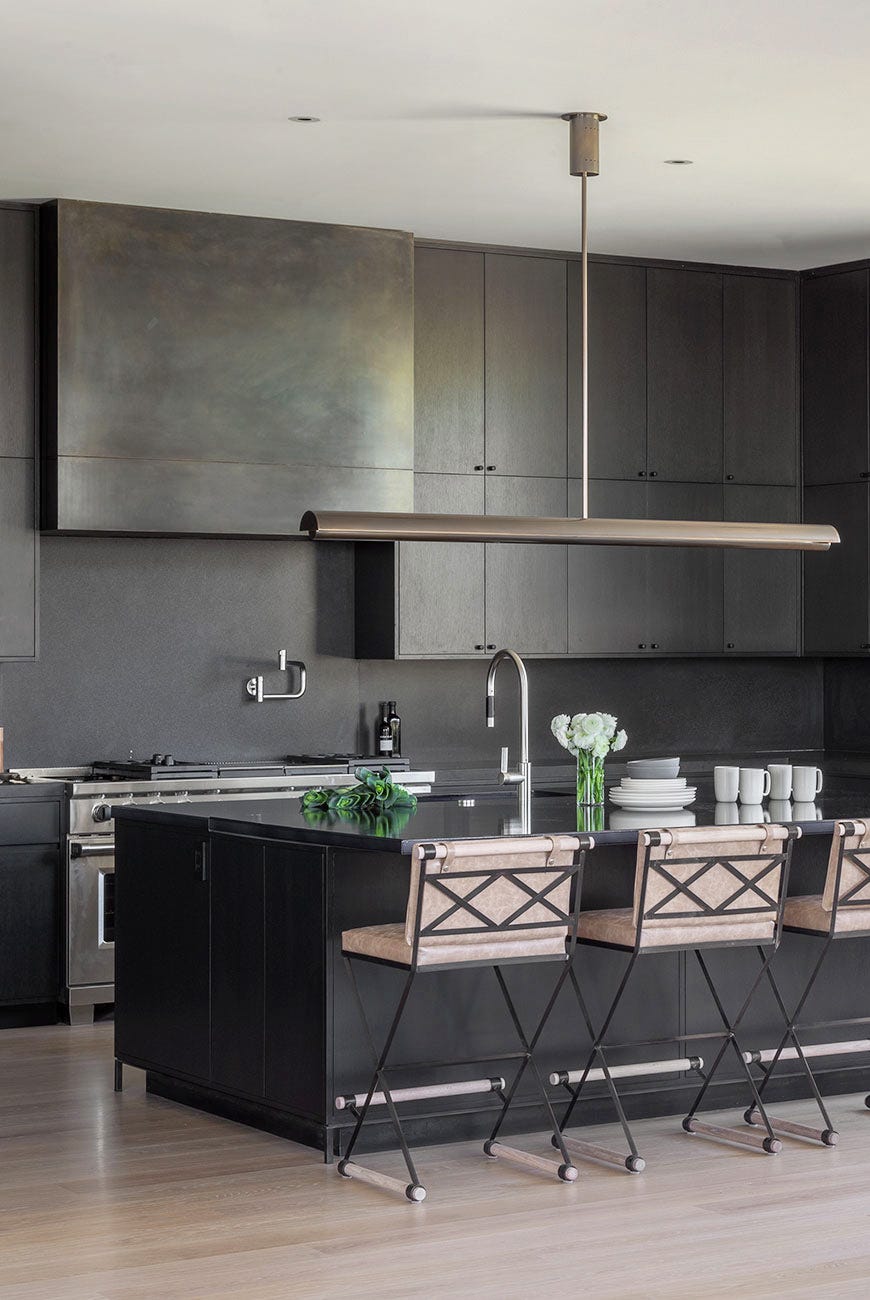
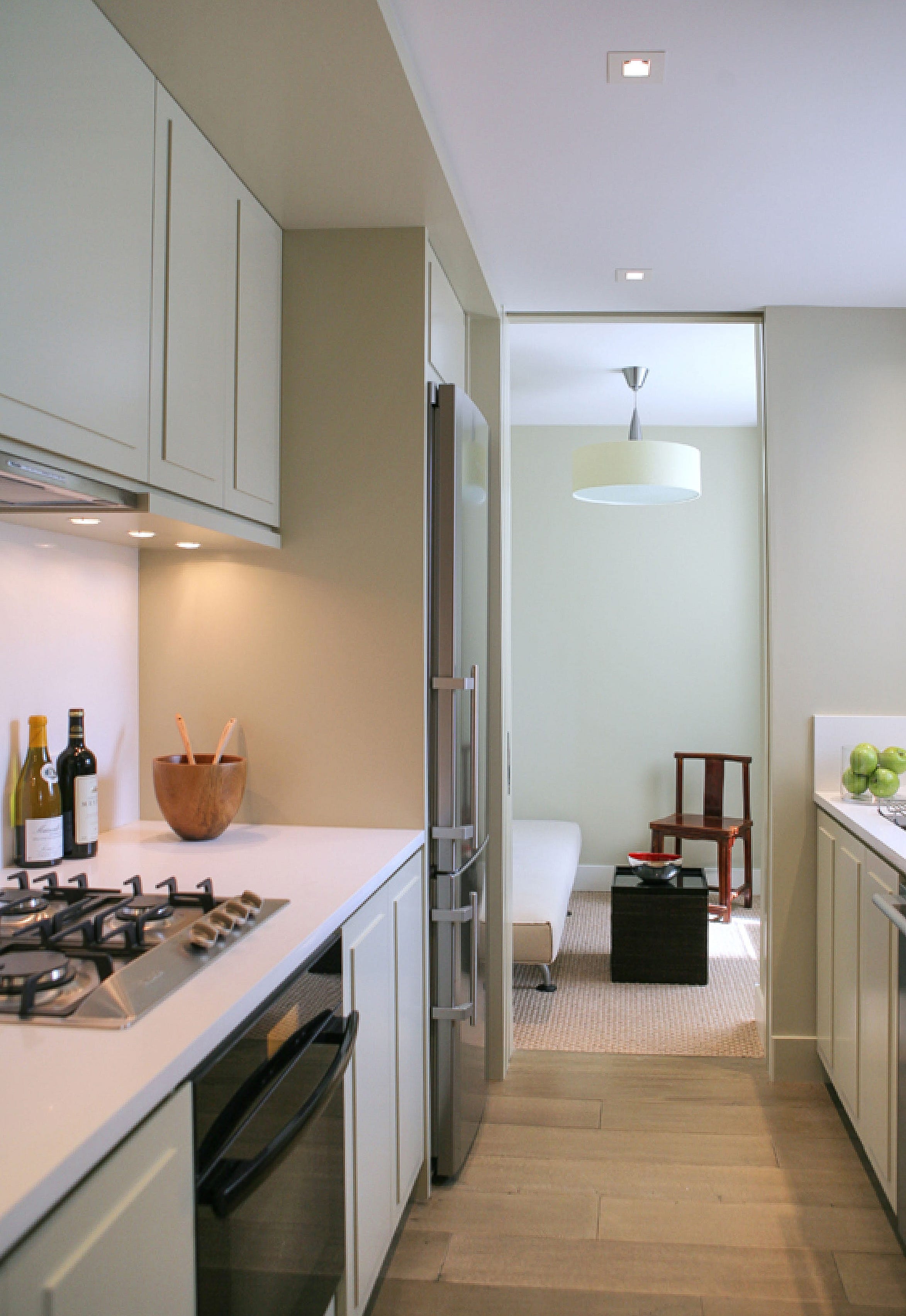
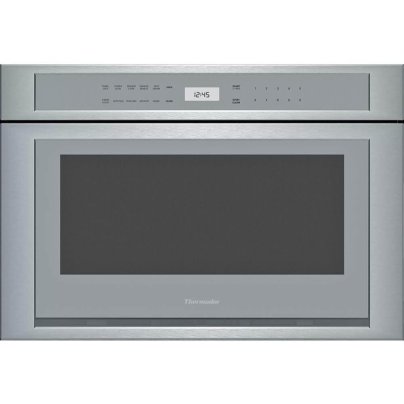
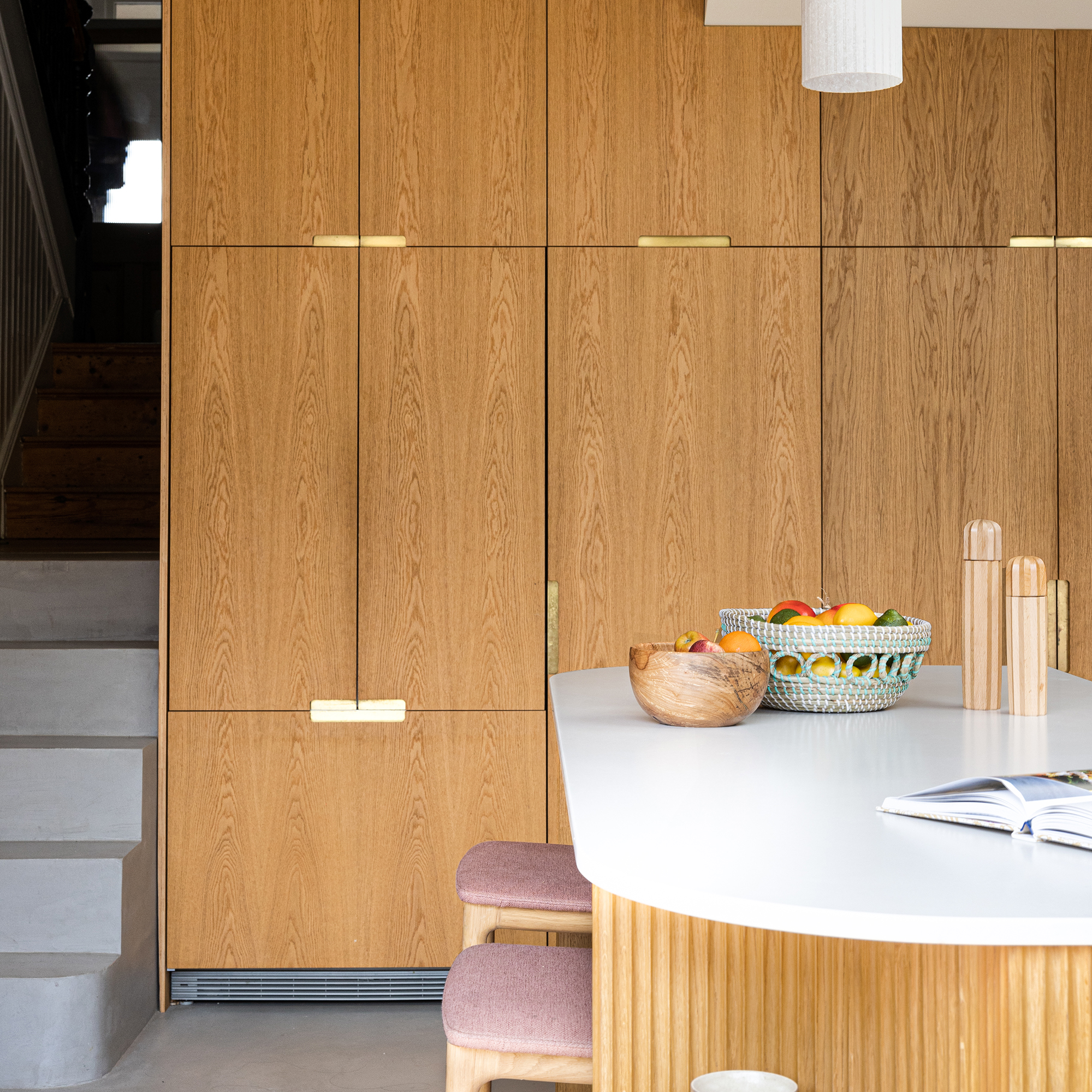
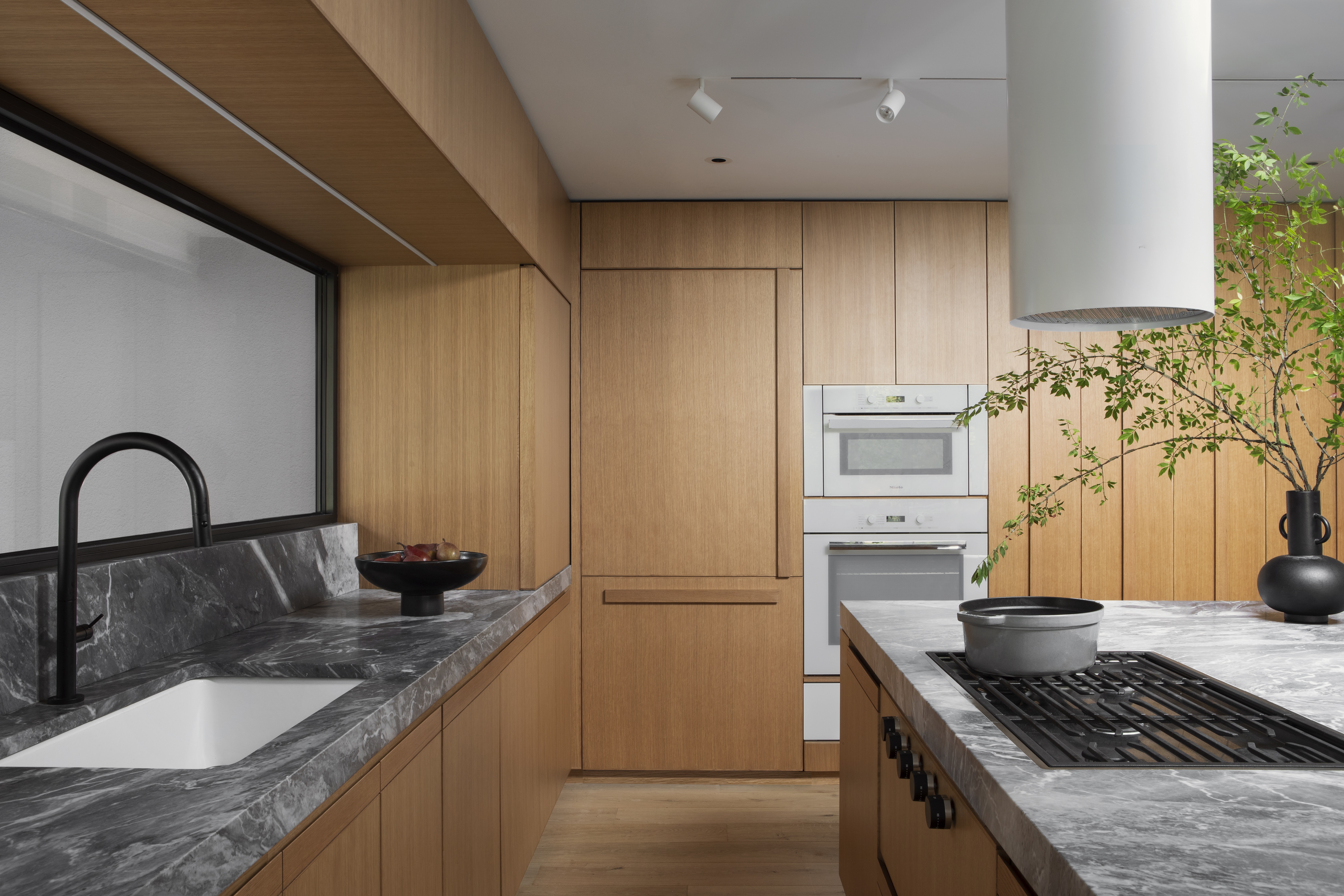
Ahmad AbouZanat, despite owning a microwave, rarely uses it and keeps it out of sight. He notes that while some brands like Cafe Appliances and Wolf have made strides in microwave design, they still don't meet his aesthetic standards for prominent display, especially in open-plan kitchens. AbouZanat's approach to client requests for microwaves involves strategic placement to hide them from view. He suggests integrating them into kitchen islands or lower cabinetry, either as freestanding units within cubbies or as built-in models. He illustrates this with an example from his Grand Street project, where a microwave was concealed behind seamless cabinetry with pocket doors, accessible only when needed and at a height customized to the client's preference.
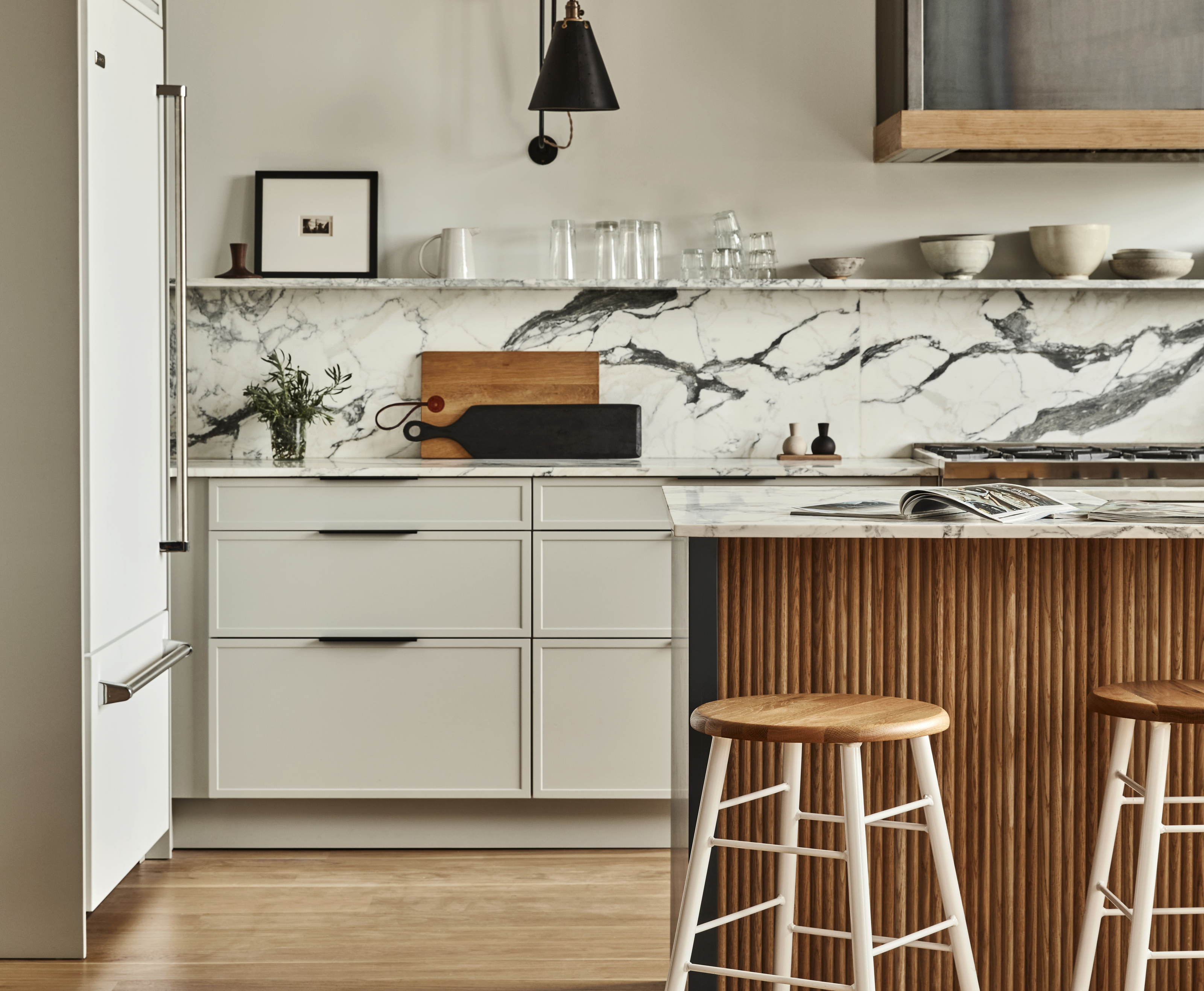
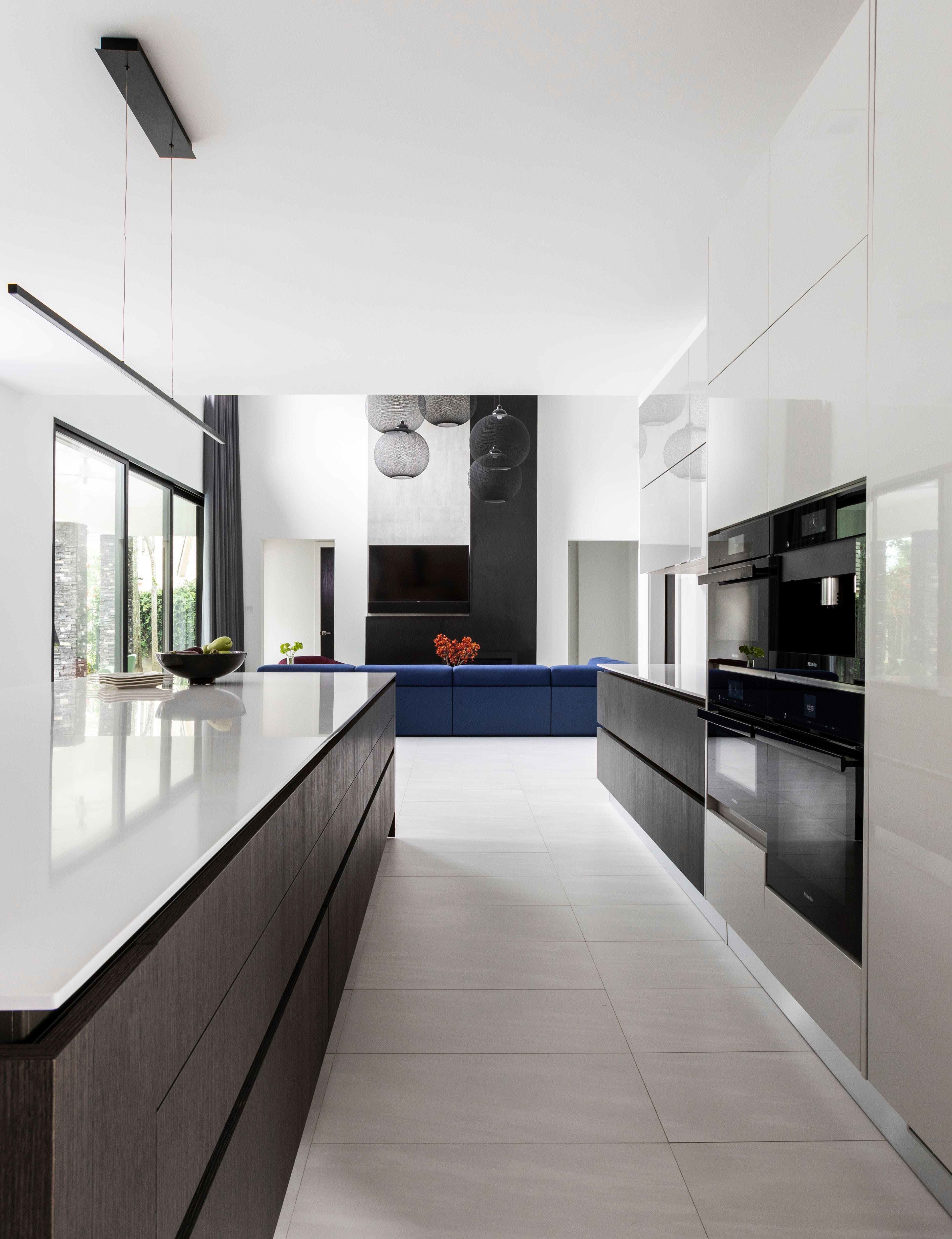
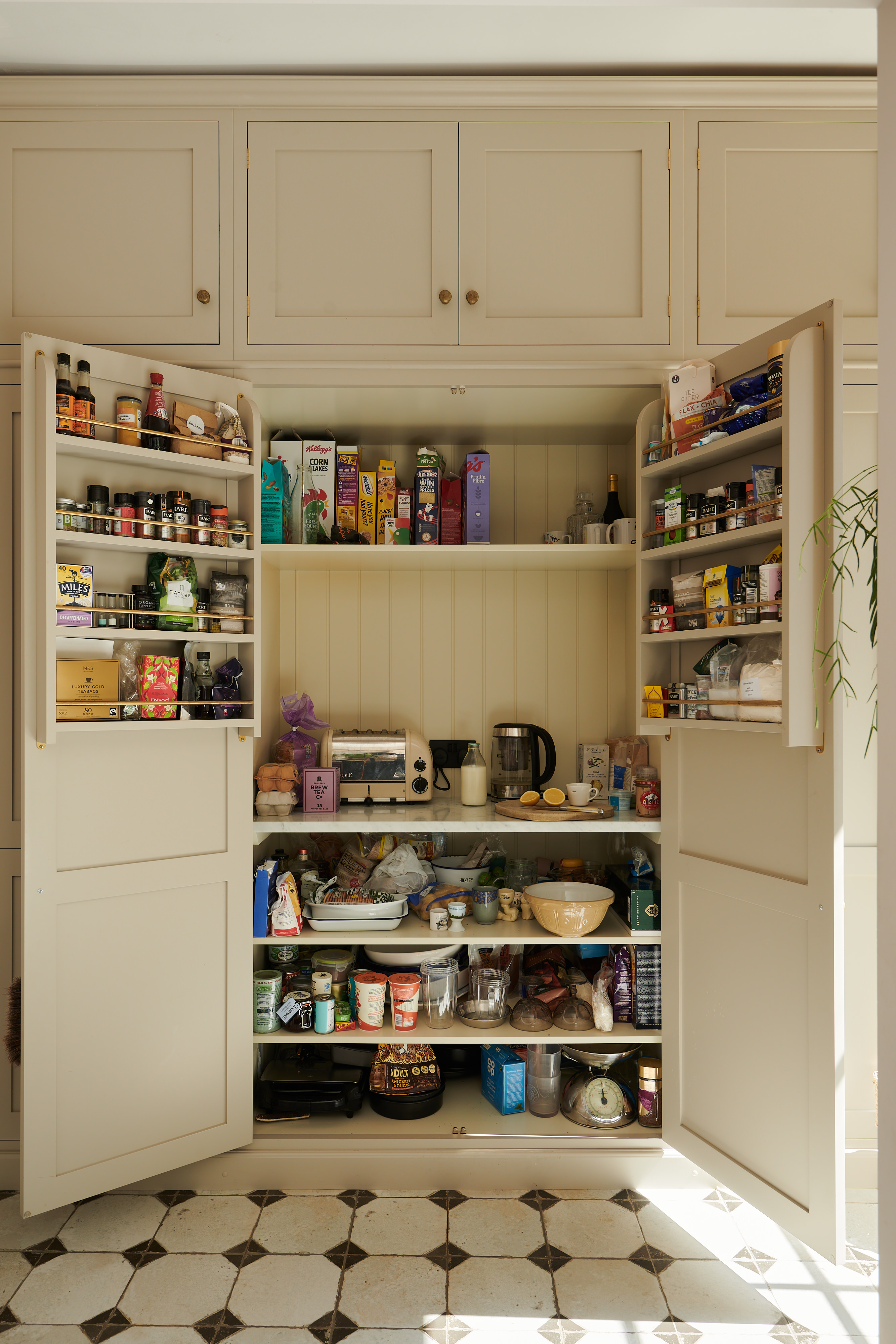
Lauren Woods echoes the sentiment that microwaves are not her favorite aesthetically but recognizes their importance for some clients. She advocates for integrated microwaves over countertop versions, if budget allows, to achieve a cleaner look. Woods also highlights the value of multi-functional appliances, such as speed ovens, which combine convection oven and microwave capabilities, maximizing efficiency in limited spaces. She suggests placing these appliances within kitchen islands on the working side, away from guests' view, or within a pantry.
The article also touches on alternative cooking methods for those considering going microwave-free. The author, for instance, invested in a pan with a steamer basket for reheating and cooking, while designer Lauren Moore suggests air fryers as a more easily concealable and versatile alternative. The overarching theme is that while microwaves offer convenience, their placement and integration in kitchen design require careful consideration to align with modern aesthetic preferences, particularly the desire for minimalist and uncluttered spaces. The designers' recommendations focus on concealment and multi-functionality to reconcile the practical need for a microwave with contemporary interior design principles.
#KitchenDesign #MinimalistKitchen #MicrowaveIntegration #InteriorDesign #KitchenAppliances #HomeDesign #CountertopSpace #ConcealedAppliances #SmartKitchens #KitchenDesign #MinimalistKitchen #MicrowaveIntegration #InteriorDesign #KitchenAppliances #HomeDesign #CountertopSpace #ConcealedAppliances #SmartKitchens
0 comment in total
 No comments yet
You may also like
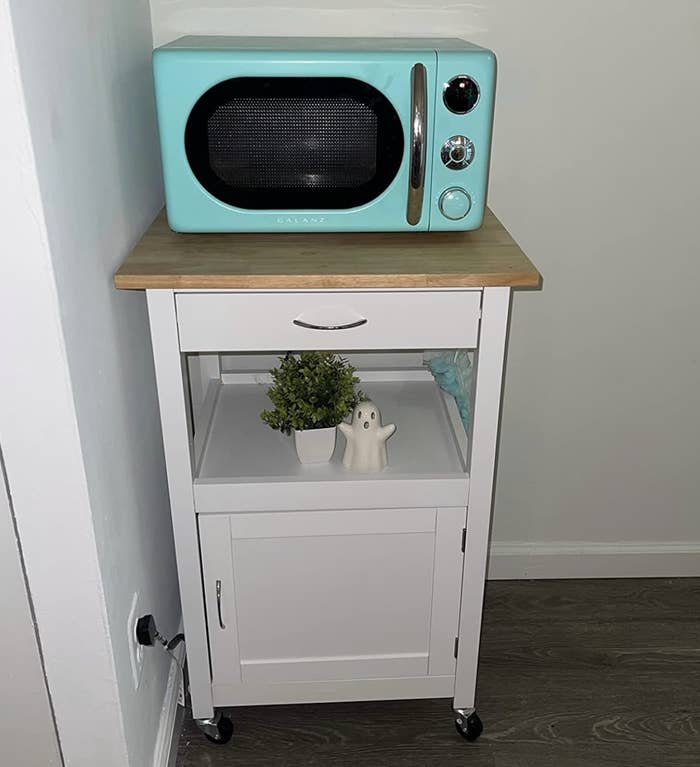
28 Microwave Carts For Opening Up More Space In Your Already Cluttered Kitchen
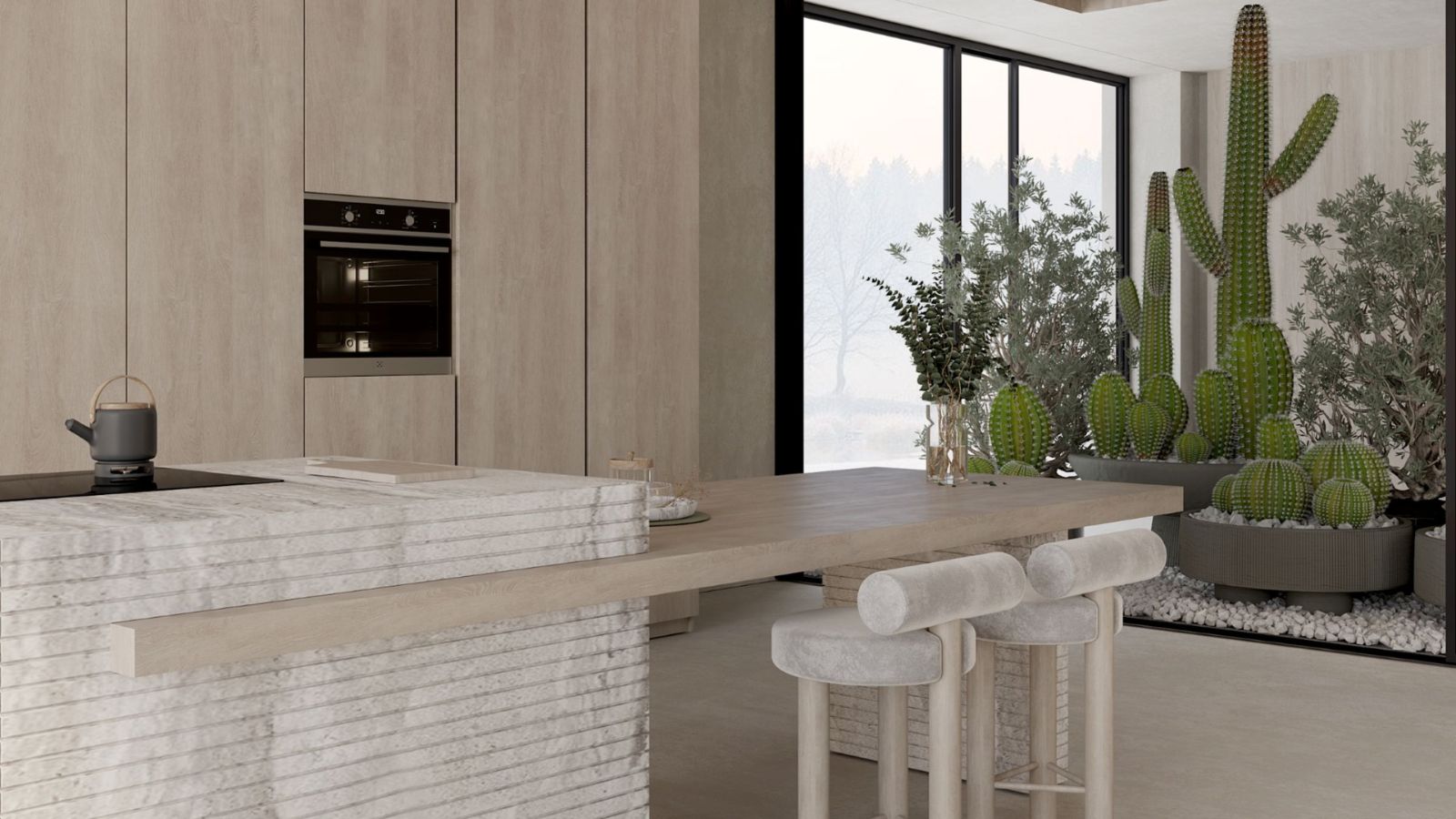
6 things minimalists never have in a kitchen – and what to use instead

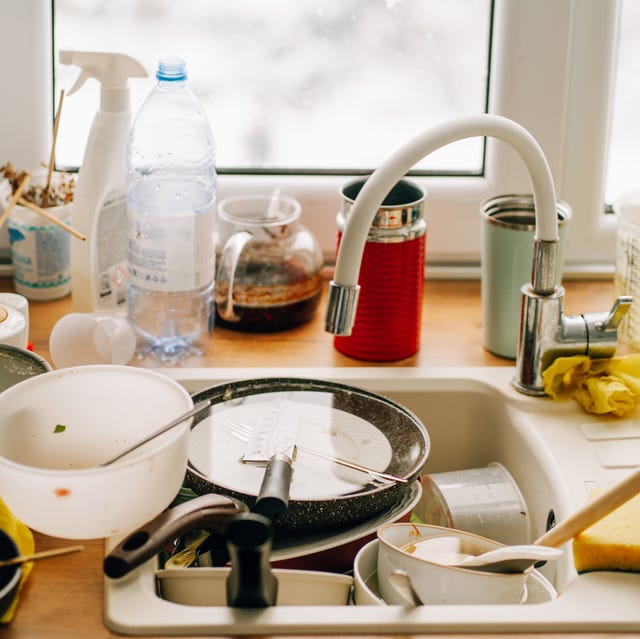
8 Things You Should NEVER Keep On Your Kitchen Counter
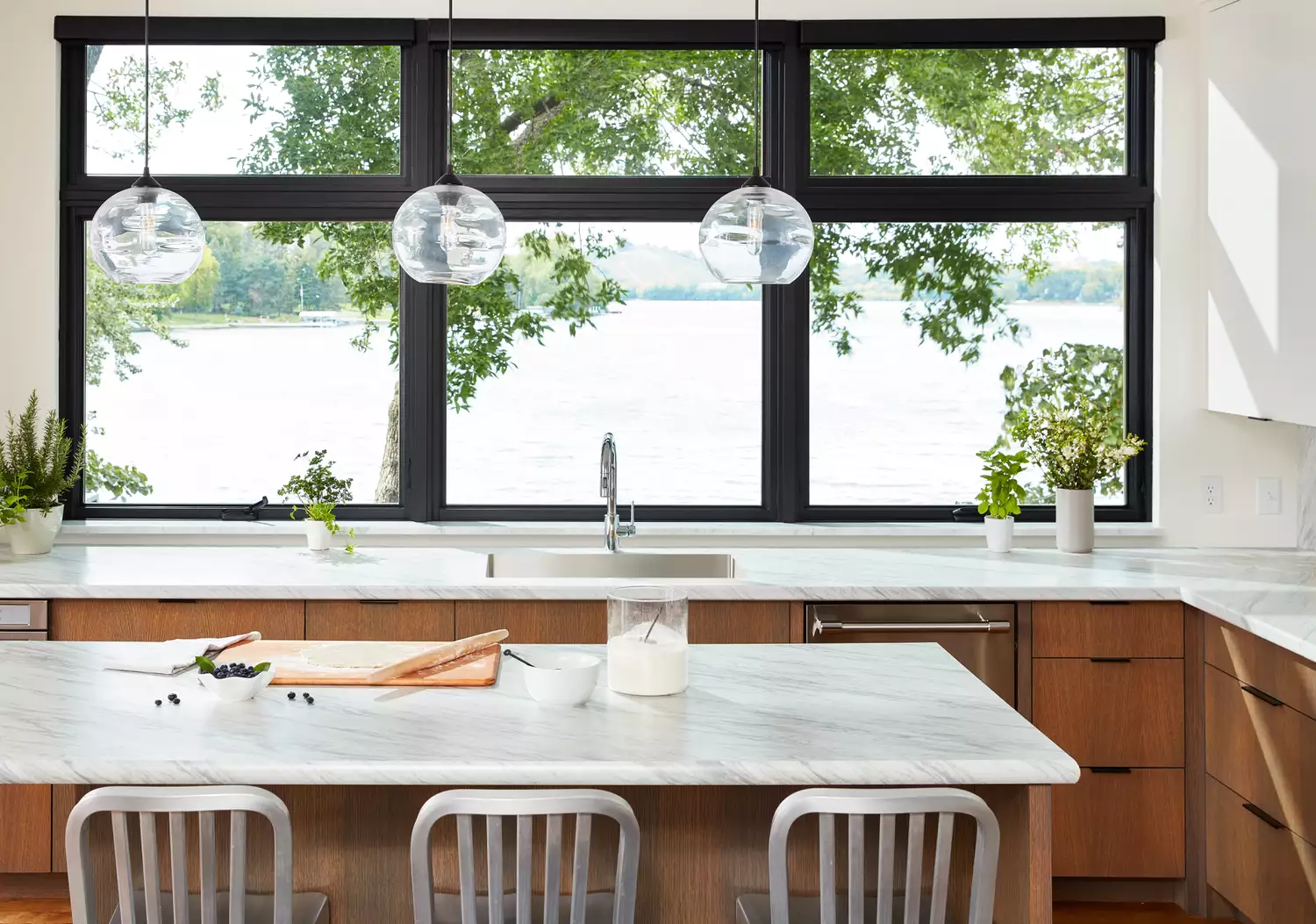
How to Create a Minimalist Kitchen—and Why You Should, According to Experts

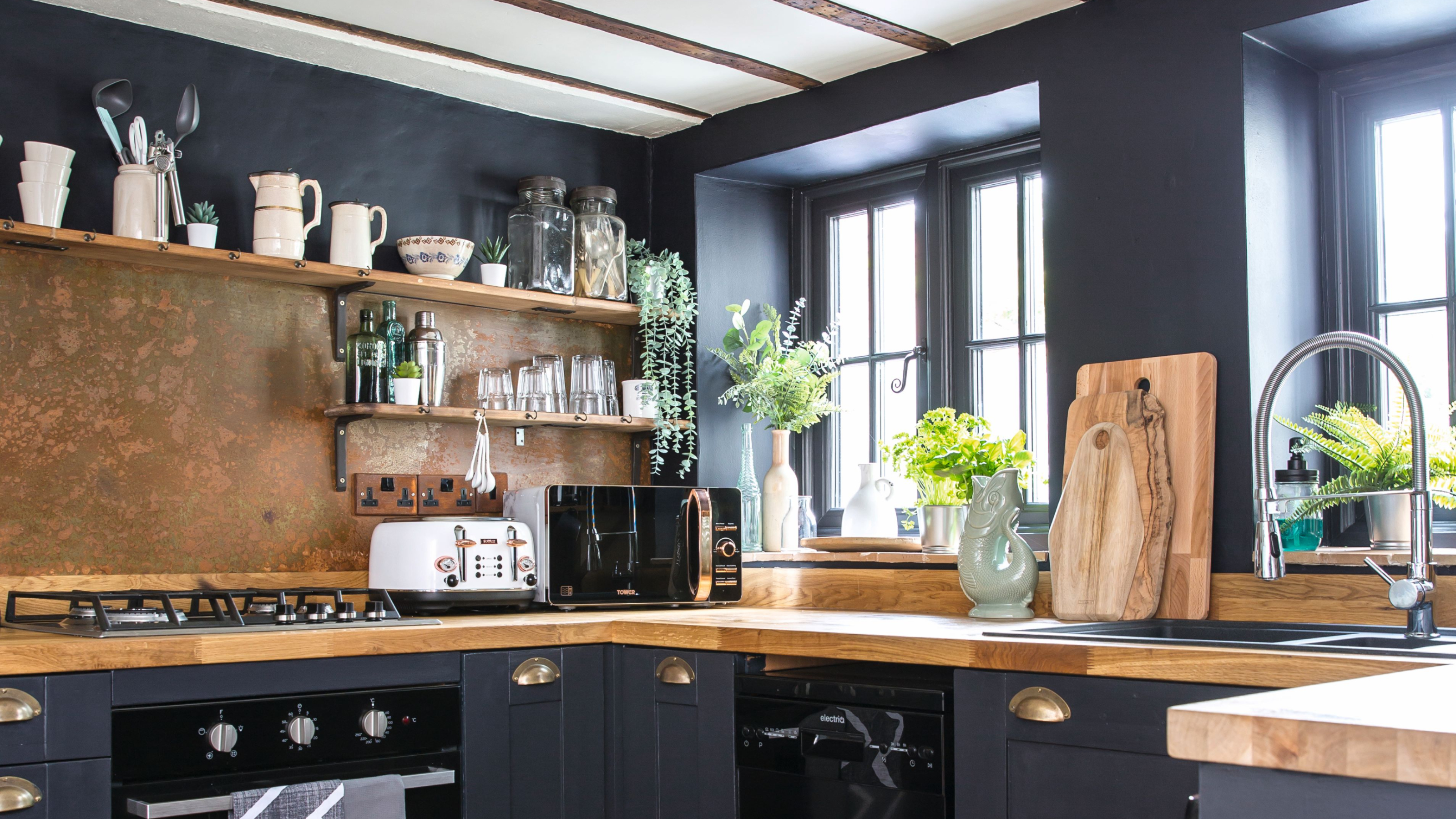
The 5 worst places to put a microwave in a kitchen, according to experts

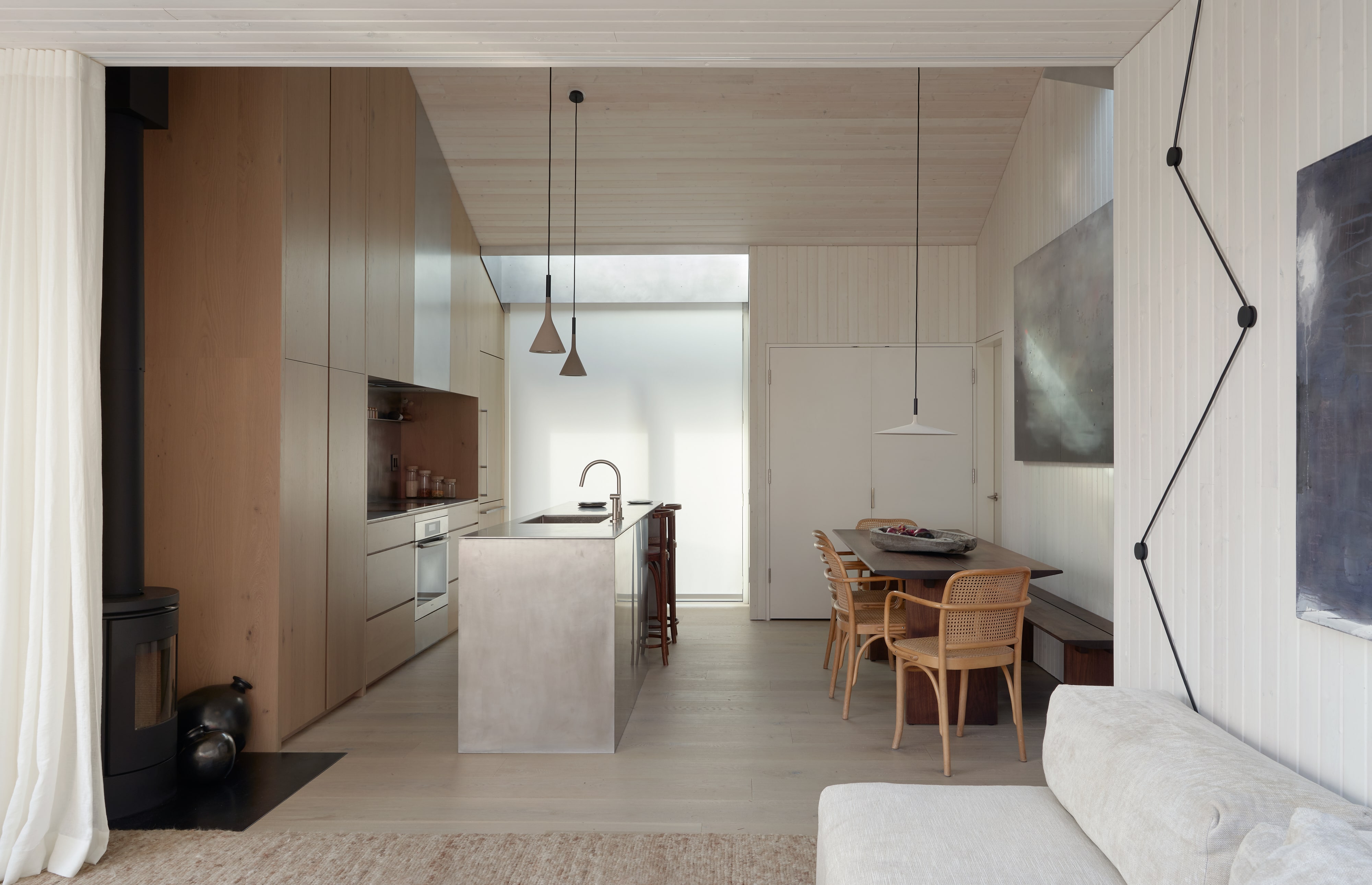
6 things to get rid of from your kitchen today so that you can embrace a more minimalist way of living
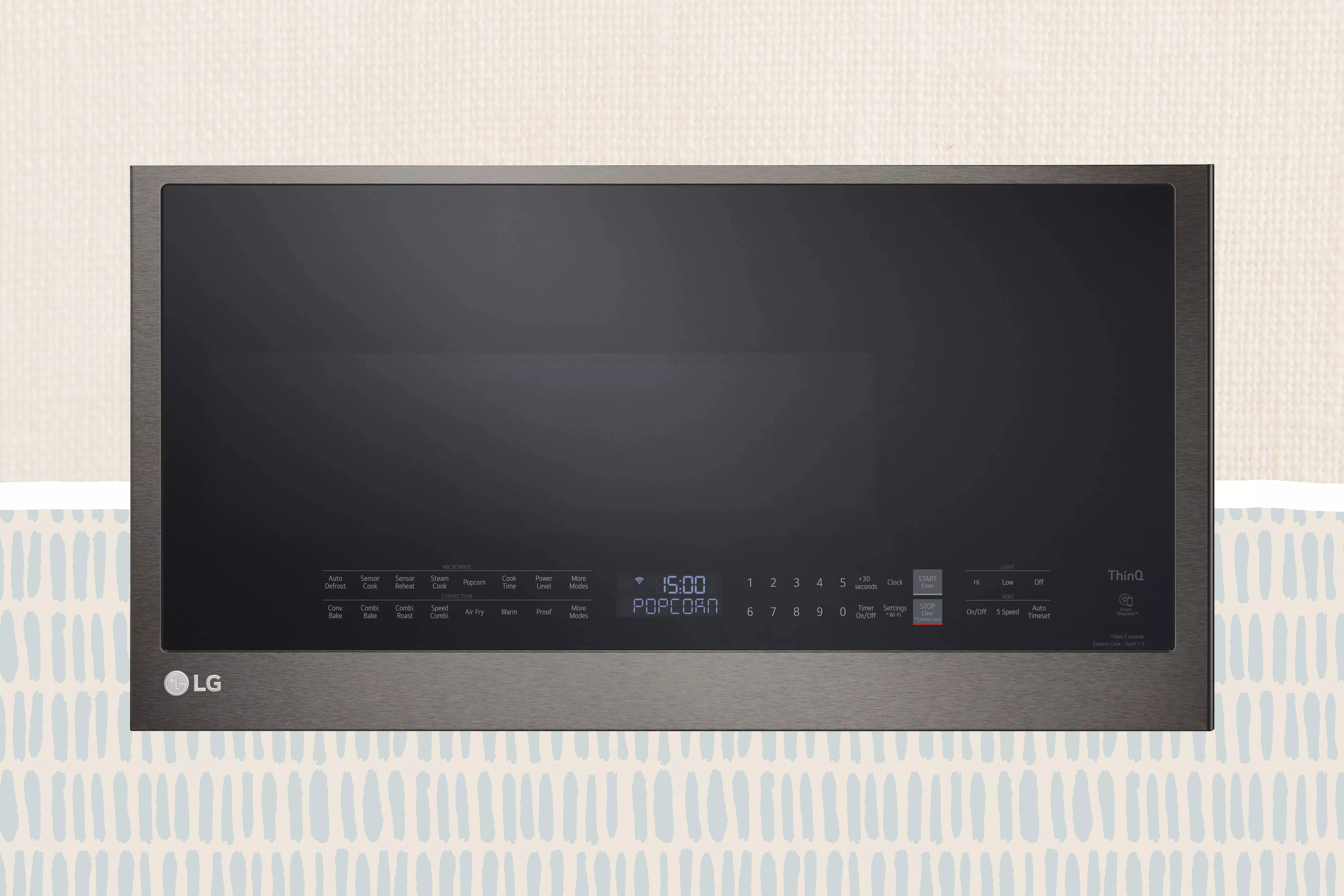
Save Counter Space with These Over-the-Range Microwaves
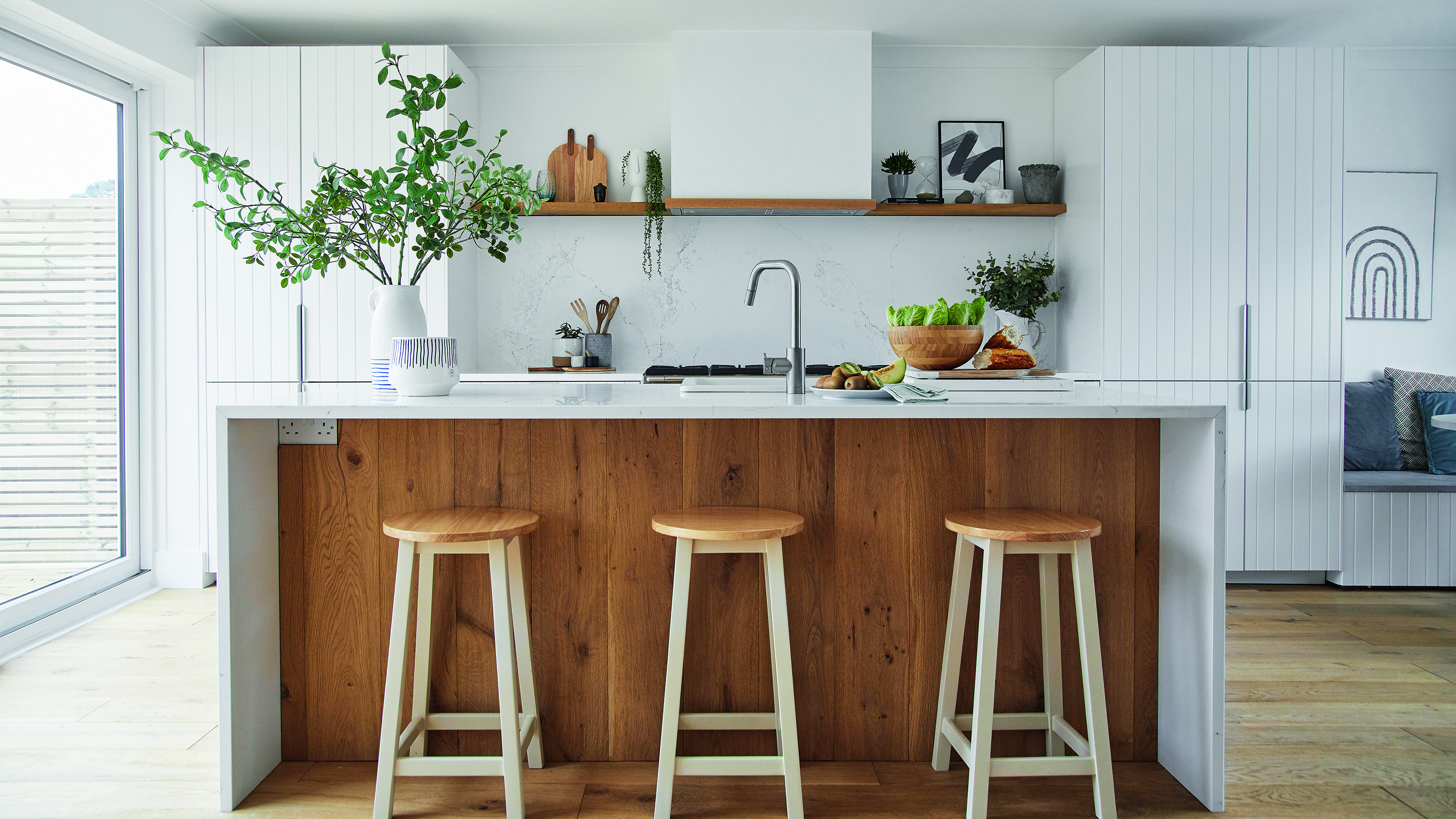
Invisible kitchen ideas - 7 ways to create a sleek and subtle cooking space
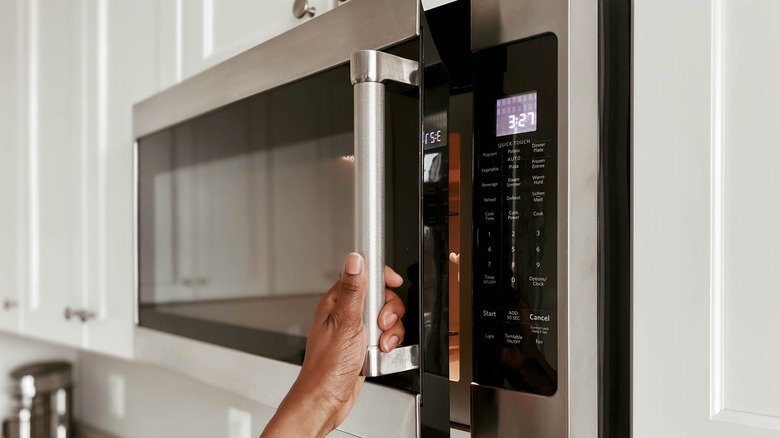
13 Tasteful Ways To Hide Your Microwave In Your Kitchen

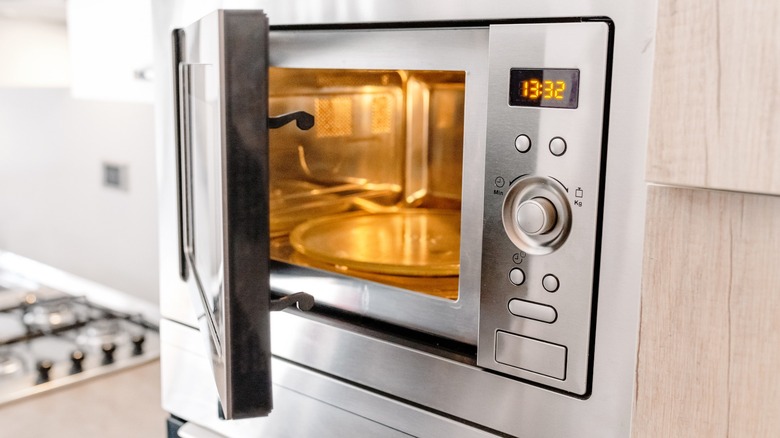
The Hidden Microwave Trend That Makes Kitchens Look Sleek And Feel High-End

Our Kitchen Has Never Been More Functional Thanks to This Simple Product

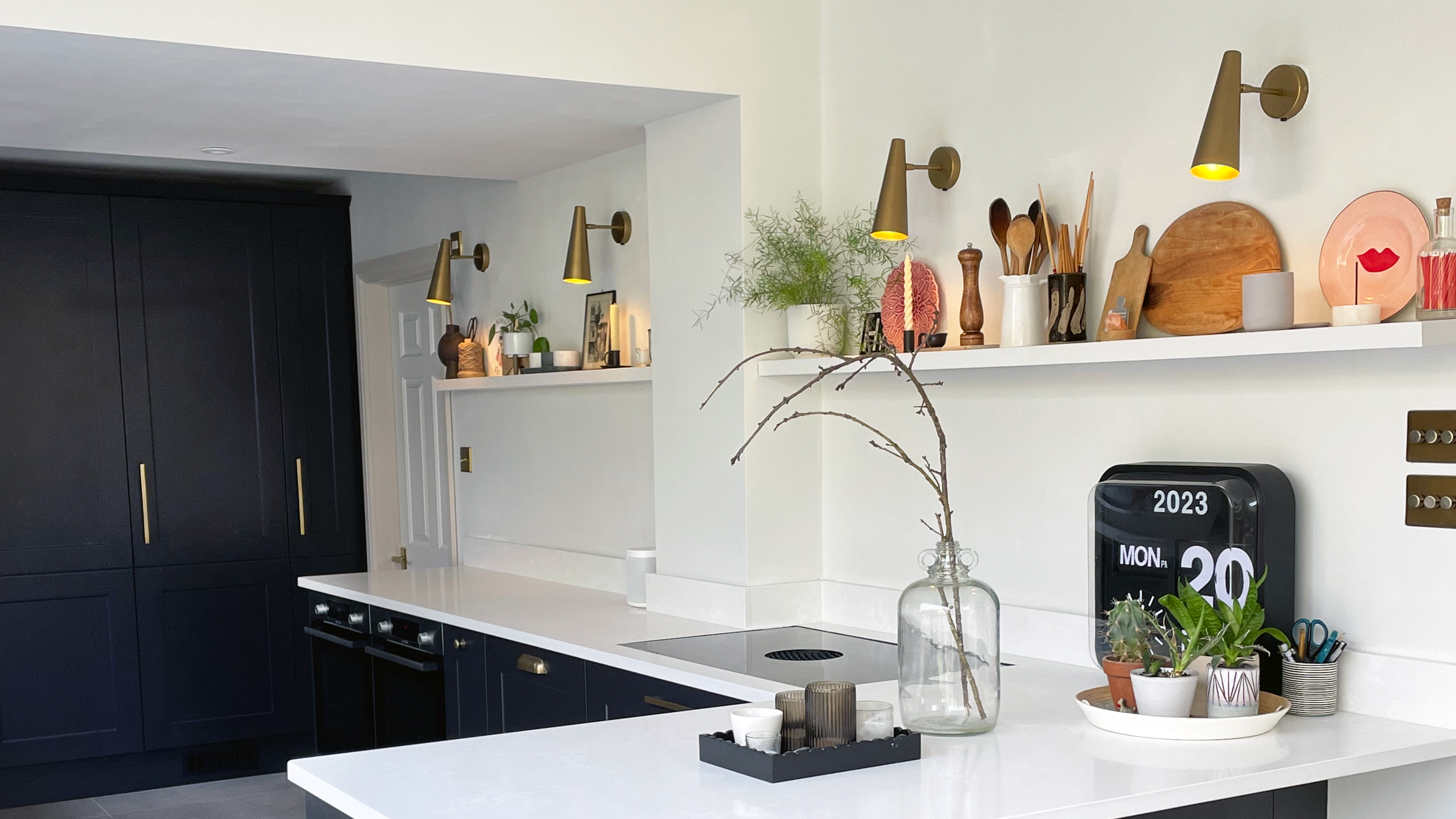
I'm an interiors editor - here's why I ditched wall cabinets in my new kitchen
Designers Have Spoken: This Kitchen Feature Is Always an Eyesore—But There's an Easy Fix

You Don’t Need a Sprawling Kitchen When You Have These Designer Tricks

These Minimalist Kitchens Are Super Sexy
5 Things You Shouldn't Keep on Your Countertops if You Want an Uncluttered, Minimalist Kitchen
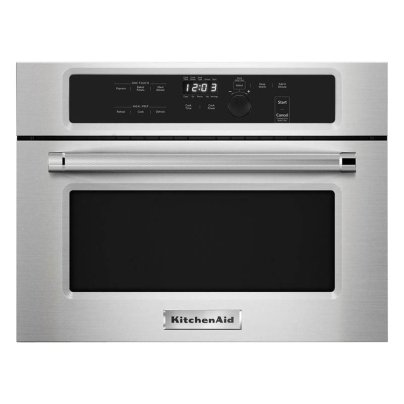
This Space-Solution Provides Extra Cooking Space to Any Kitchen
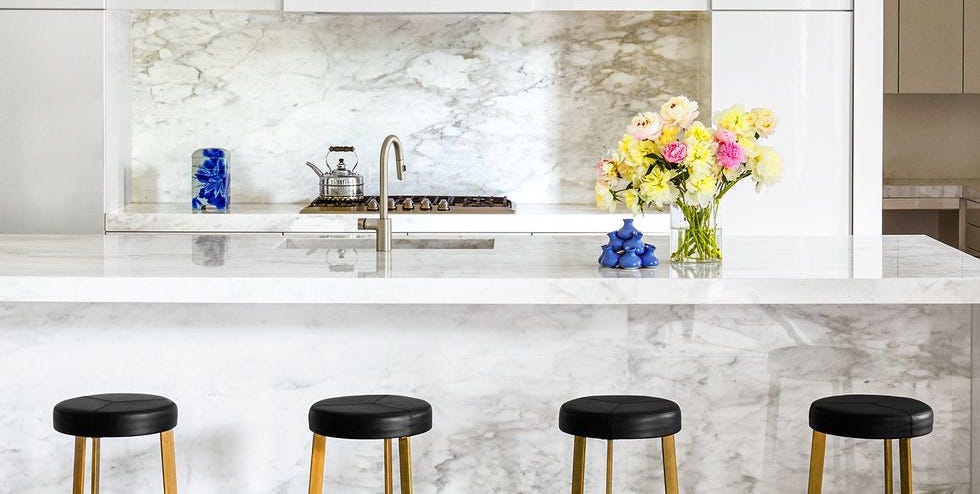
15 Minimalist Kitchens That Will Make You Want to Purge Everything

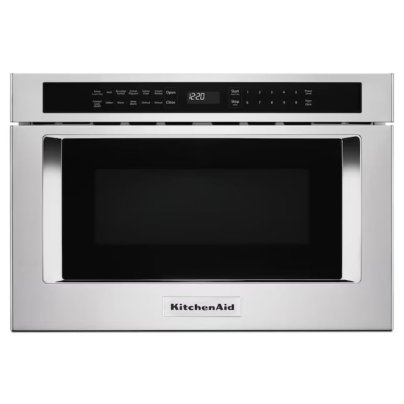
The Best Microwave Drawers That Heat Food and Blend in With Cabinets
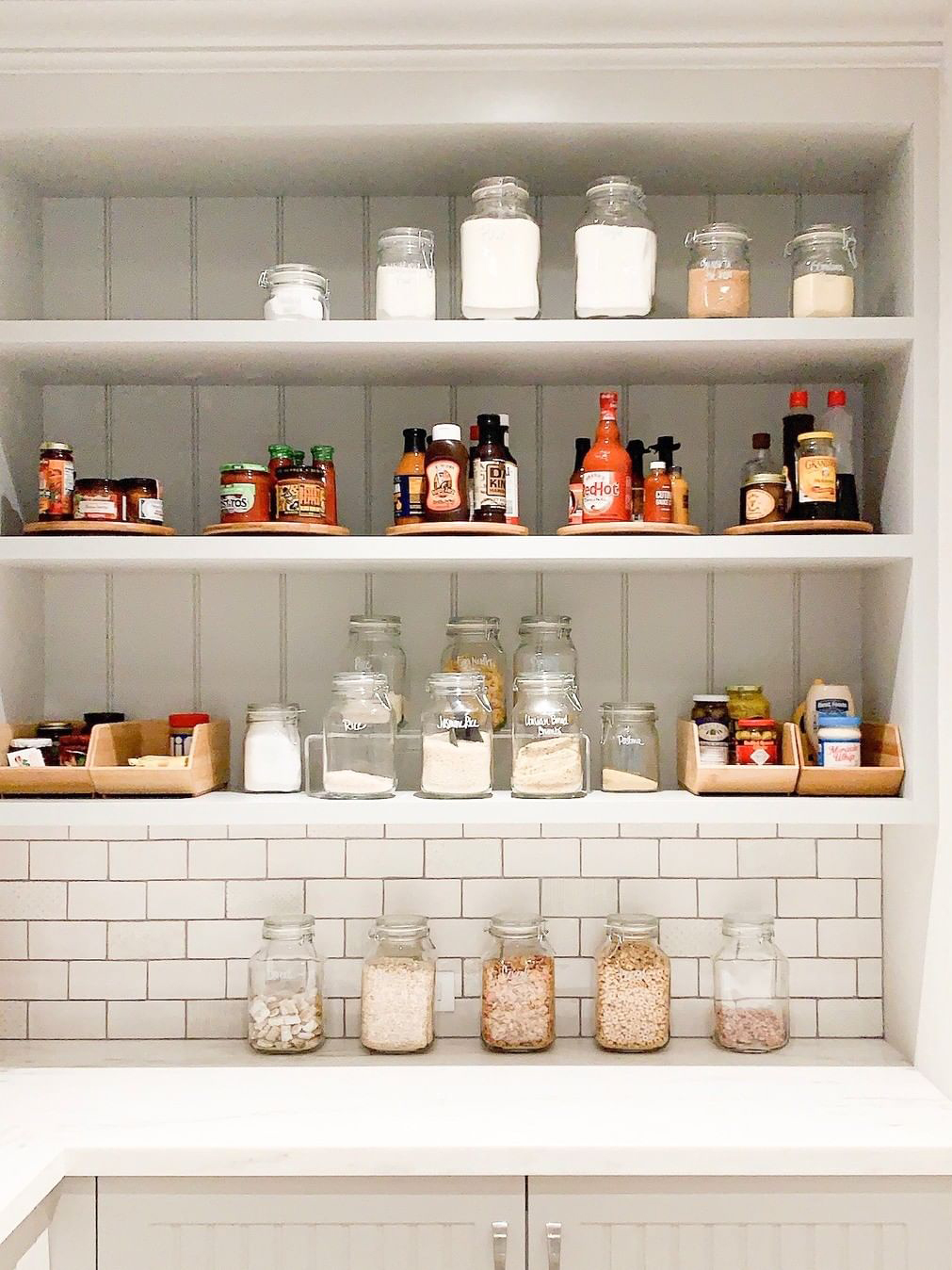
You Don’t Need Plastic Organizers to Tidy Up Your Kitchen