1/4
The 5 worst places to put a microwave in a kitchen, according to experts
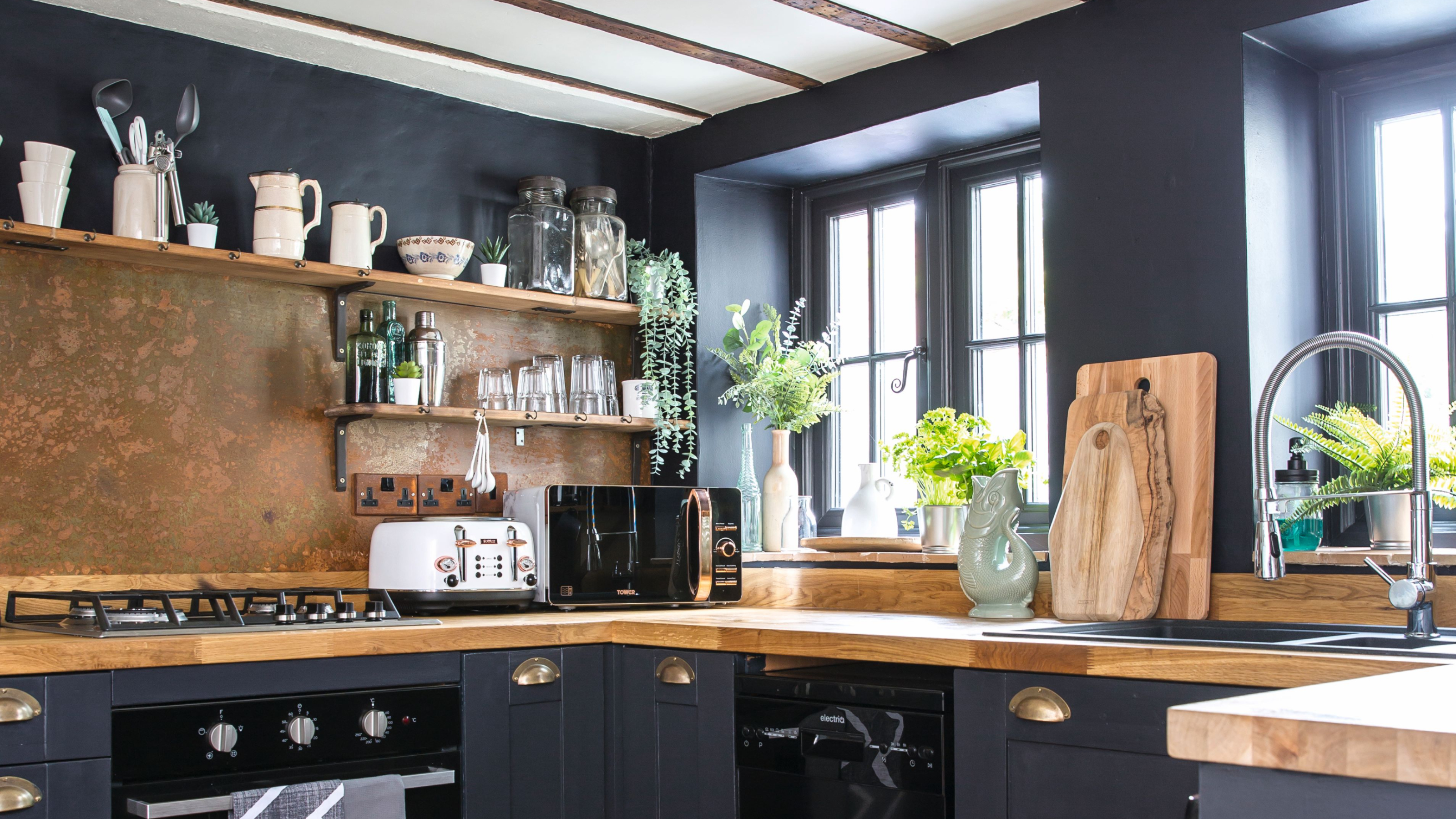
The placement of a microwave in a kitchen is a critical aspect that impacts both its efficiency and safety. While microwaves are a common and often indispensable appliance, their size can pose challenges, especially in smaller kitchens, leading many to place them in suboptimal locations. However, incorrect placement can lead to reduced appliance effectiveness and, more importantly, increased fire risks. This article, based on expert advice, identifies five common yet hazardous locations for microwaves.
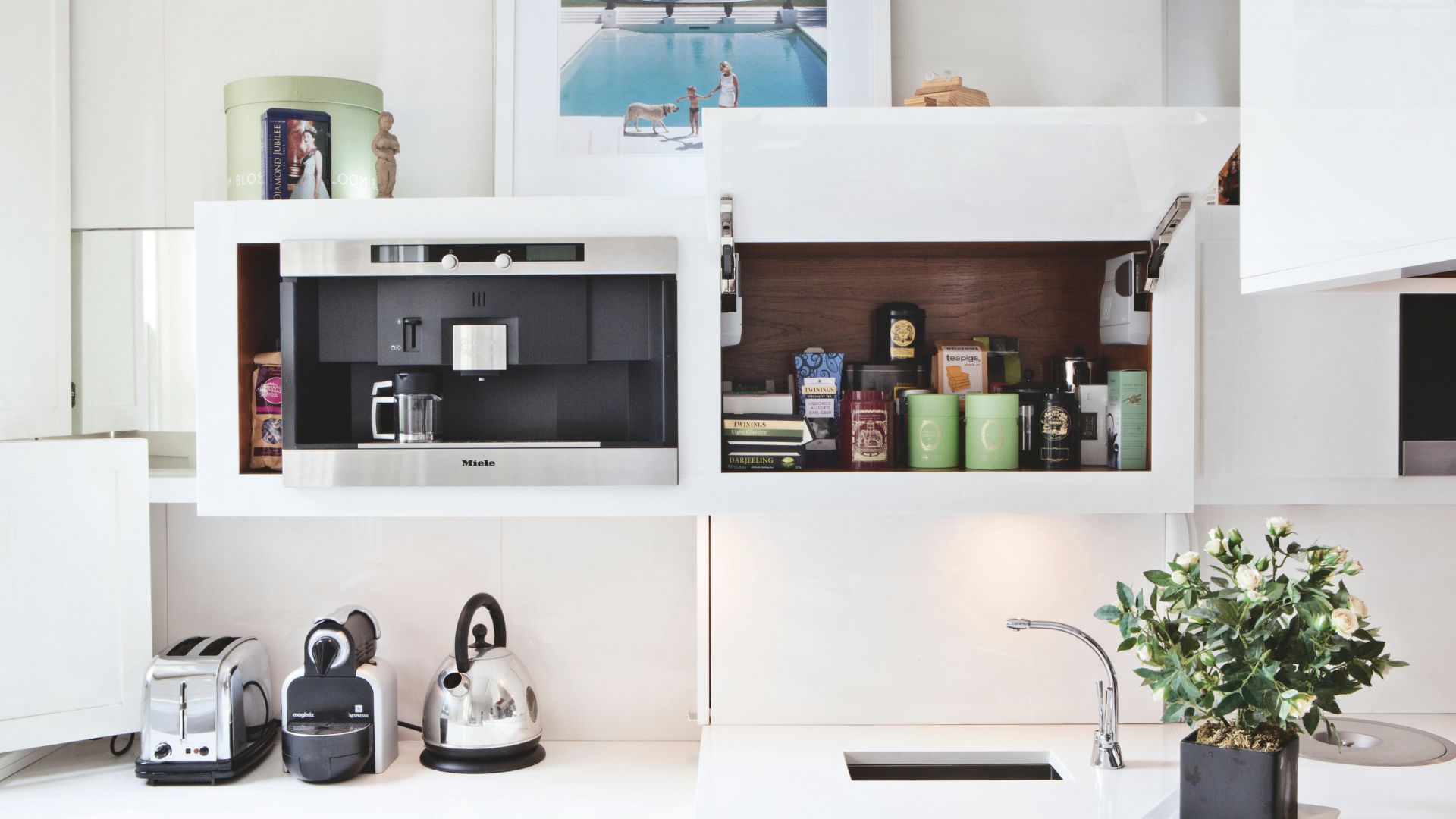
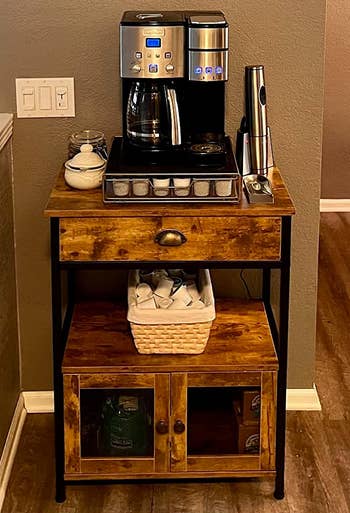
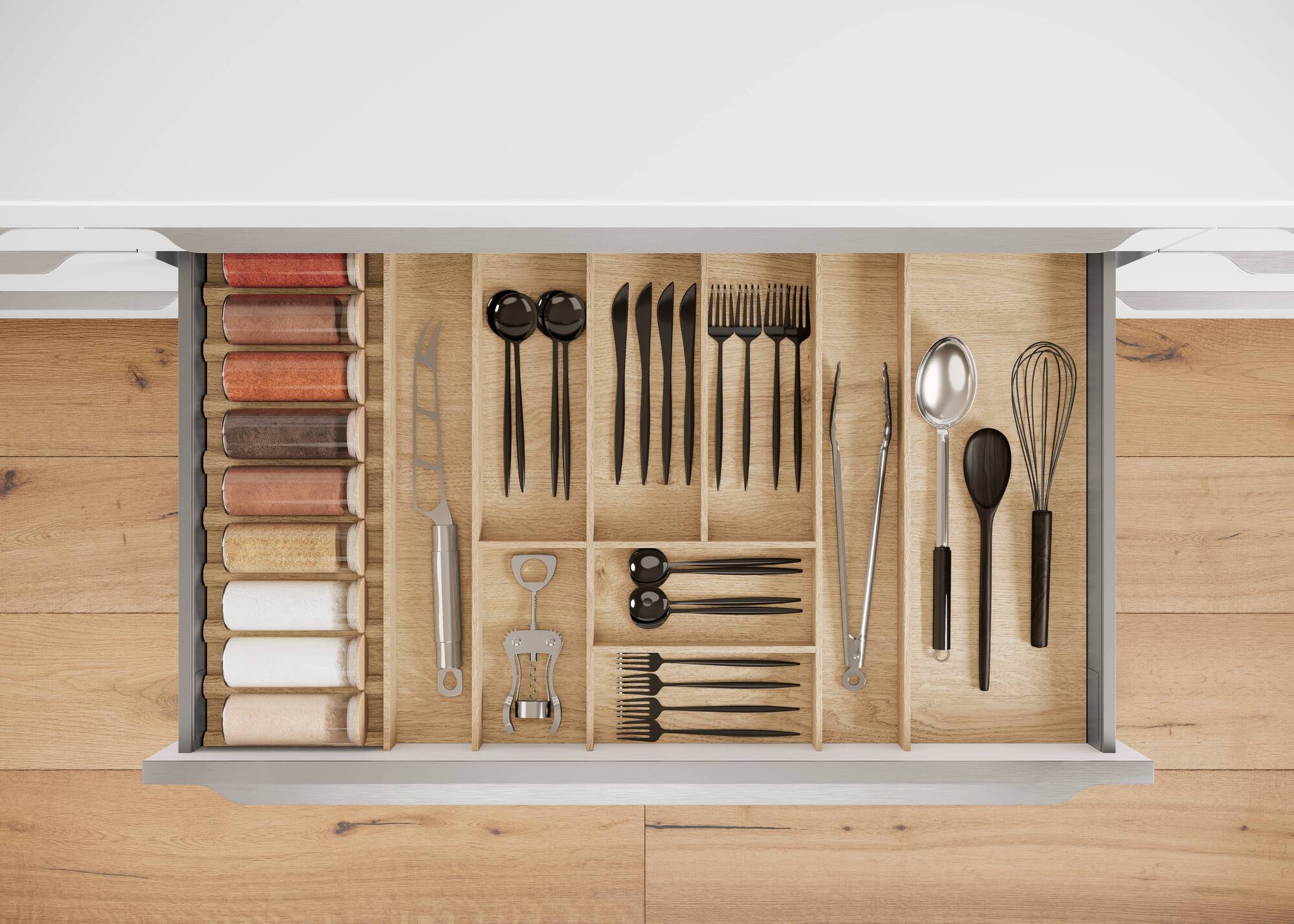
Firstly, placing a microwave inside a cupboard, despite the growing popularity of appliance garages, is ill-advised. Microwave instruction manuals typically specify clearance requirements for vents, which are essential for air circulation and steam release. Blocking these vents by enclosing the microwave in a small cupboard can cause overheating and potential breakdowns or even fires. Furthermore, kitchen expert Steve Horner highlights that steam emitted from the microwave can warp and dampen cabinet interiors, making cleaning more difficult. For those seeking to keep countertops clear, a built-in microwave is a safer and more practical alternative.
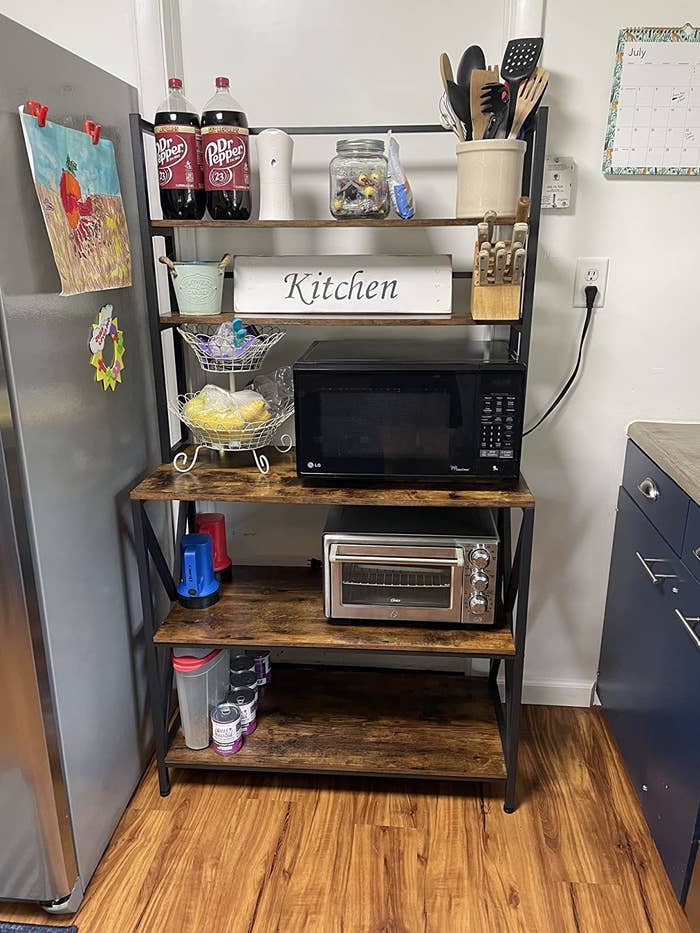
Secondly, positioning a microwave above eye level, such as on a high shelf, is a significant safety concern. Reaching for a hot dish from an elevated microwave increases the risk of spills and burns, particularly for children or elderly individuals. Placing it above a hob is especially dangerous due to the risk of injury and potential ventilation issues, as noted by property expert Tom Condon. Elevated placement also complicates the task of thorough cleaning, making it difficult to access all parts of the appliance.
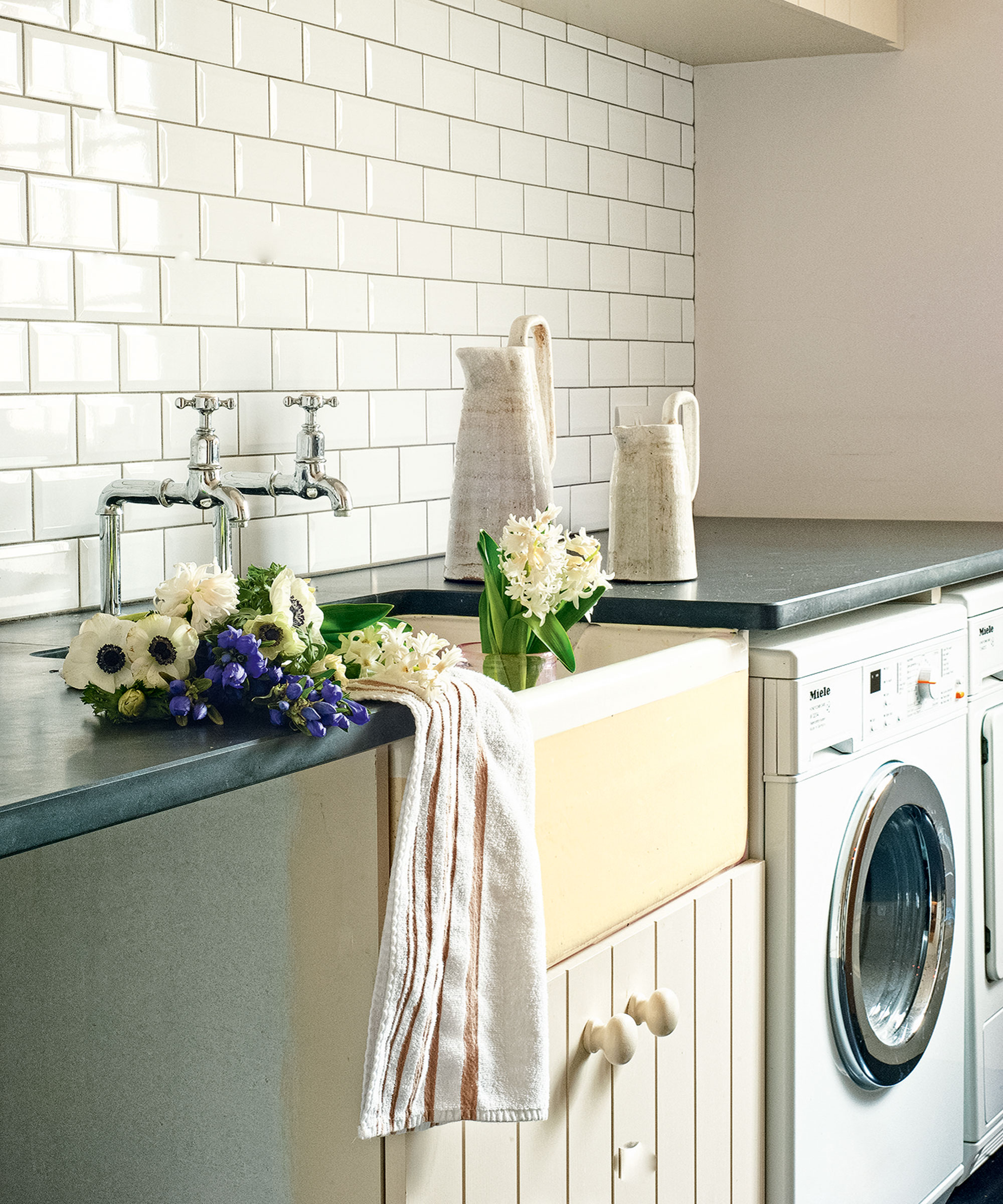
Thirdly, proximity to water sources like sinks or dishwashers should be avoided. The combination of electricity and water presents a clear electrical hazard. Duncan Singleton, Product Development Director at Salter, advises against placing microwaves near wet or damp areas to prevent splashes and excessive moisture, which can lead to electrical damage and potential fire risks. A recommended safety guideline is to maintain a distance of at least four feet between the microwave and any water source.
Fourthly, placing a microwave in front of a window is problematic for both practical and aesthetic reasons. While it might offer good ventilation, the heat generated by the microwave can damage windowpanes, potentially causing cracks, shattering, or compromising rubber seals, which can lead to drafts. Additionally, keeping windows clear is crucial for emergency escape routes.
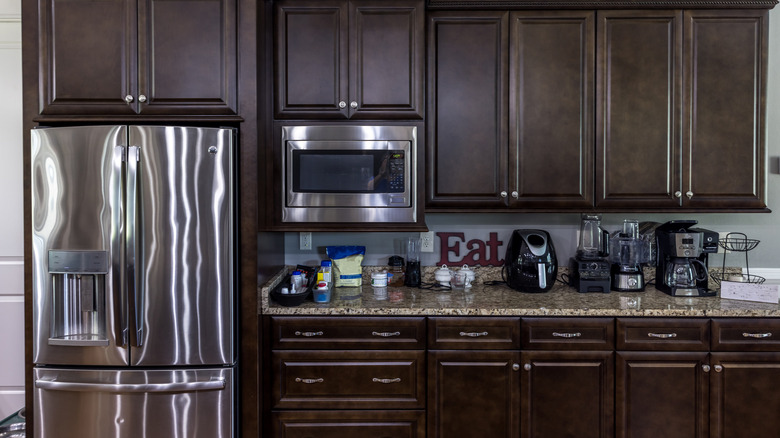
Finally, positioning a microwave directly next to a refrigerator is not recommended. Repeated opening and closing of the microwave door can potentially damage the fridge. More critically, placing a heat-generating appliance next to a cooling appliance can negatively affect the efficiency of both, leading to increased energy consumption and higher running costs. To optimize energy efficiency, it is advisable to keep these appliances separate.
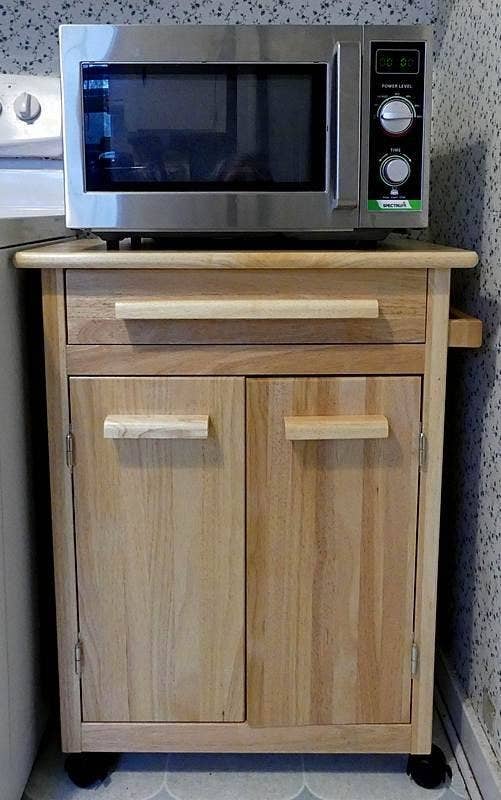
In summary, for safe and efficient microwave use, adequate space for air circulation is paramount. The ideal location is typically on a kitchen countertop, ensuring that vents are unobstructed and the appliance is not pressed against a wall or tucked into a corner. Avoiding these five worst placements can mitigate risks and enhance the microwave's performance and longevity.
#KitchenAppliances #MicrowavePlacement #KitchenSafety #HomeDecor #KitchenDesign #ApplianceCare #HomeMaintenance #EnergyEfficiency #KitchenAppliances #MicrowavePlacement #KitchenSafety #HomeDecor #KitchenDesign #ApplianceCare #HomeMaintenance #EnergyEfficiency
0 comment in total
 No comments yet
You may also like
6 places you should never put your air fryer in your kitchen, according to appliance experts
5 Times It'd Be a Mistake to Put a Hob on Your Kitchen Island — And How to Get It Right

8 shockingly common kitchen design mistakes according to a pro

Where to put a dishwasher in a small kitchen – 5 places picked by professionals
13 Tasteful Ways To Hide Your Microwave In Your Kitchen

5 Outdated Types of Kitchen Storage Experts Are Urging You to Avoid
Designers Have Spoken: This Kitchen Feature Is Always an Eyesore—But There's an Easy Fix

Experts reveal the kitchen worktop mistakes to avoid - ignore at your peril
Where should you place a coffee machine in your kitchen? Experts share advice to avoid potential hazards

5 Kitchen Design Choices That Actually Make Cooking Harder, According to Designers
The 5 kitchen storage mistakes interior designers always avoid

5 Storage Mistakes You're Making With Your Kitchen Drawers That Are Sabotaging Your Space's Potential
Wi-Fi Technicians Reveal the 5 Worst Spots to Place Your Router

5 things to never put on your kitchen island, according to interior designers

5 places to never put a wardrobe in a bedroom, according to feng shui and interior designers
This washing machine placement mistake could be damaging your appliance – here's where to put it instead
5 kitchen countertop mistakes designers warn to avoid
8 shockingly common kitchen design mistakes according to a pro

28 Microwave Carts For Opening Up More Space In Your Already Cluttered Kitchen
5 Outdated Kitchen Rules You Should Definitely Ignore, According to Designers