1/8
Ten Innovations in North America’s Green Roof and Wall Industry
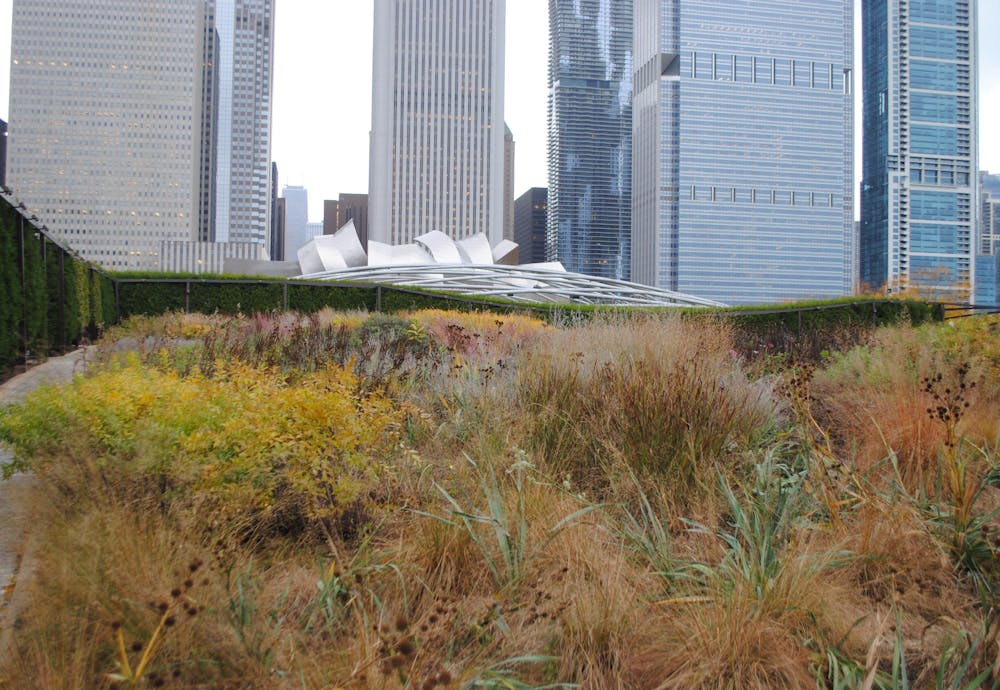
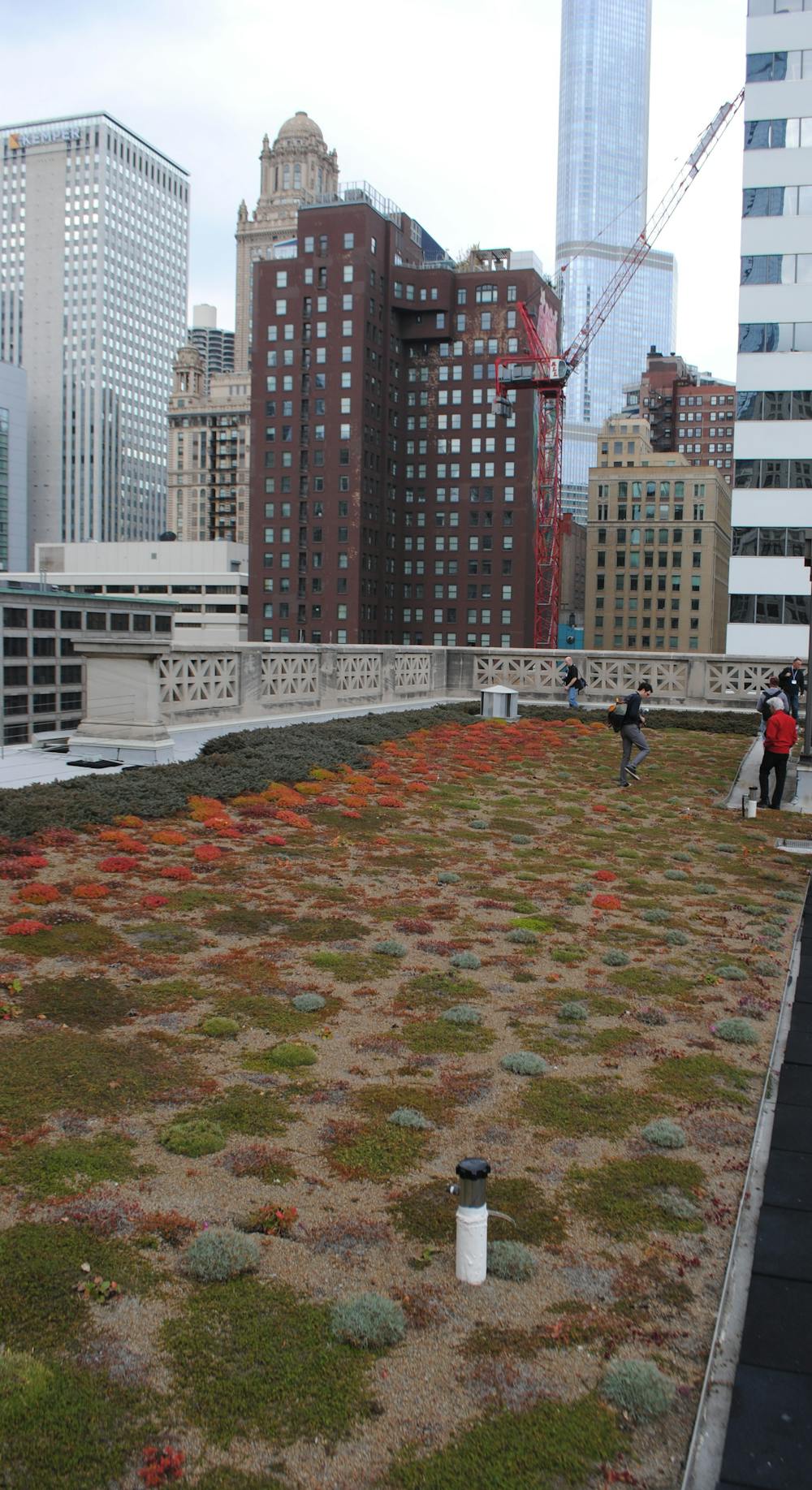
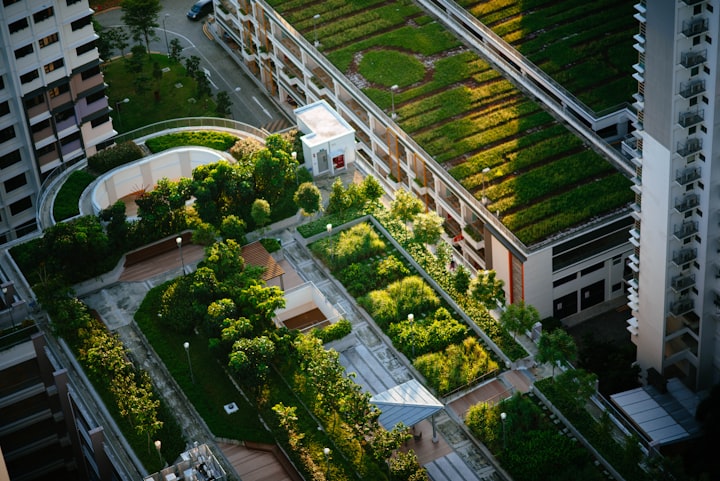
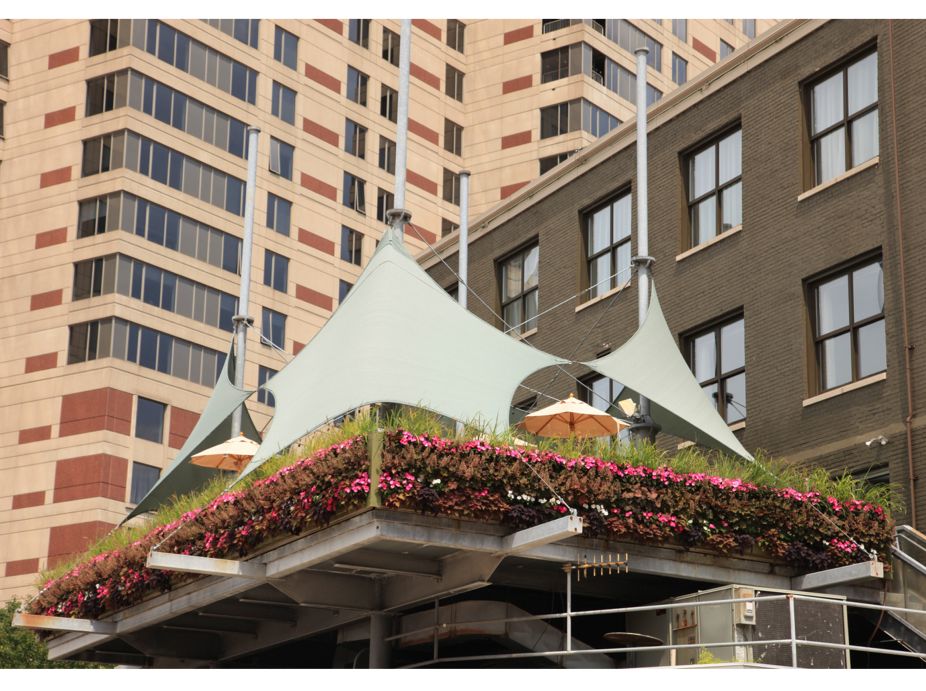
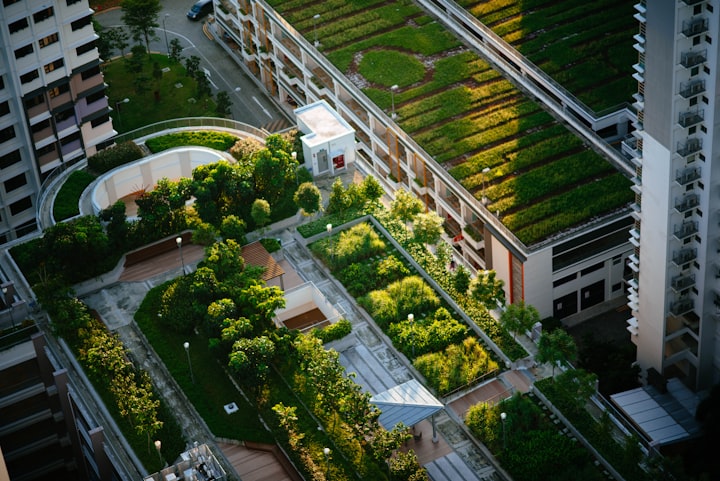
The article highlights the top ten innovations in North America's living architecture industry, emphasizing their role in advancing green roofs and walls. Innovation is critical for the industry's continued vibrancy, relevance, and effectiveness, building on the foundational experiences of early German green roof designs. The featured innovations, some already established and others in nascent stages, promise to significantly increase the implementation of green infrastructure.
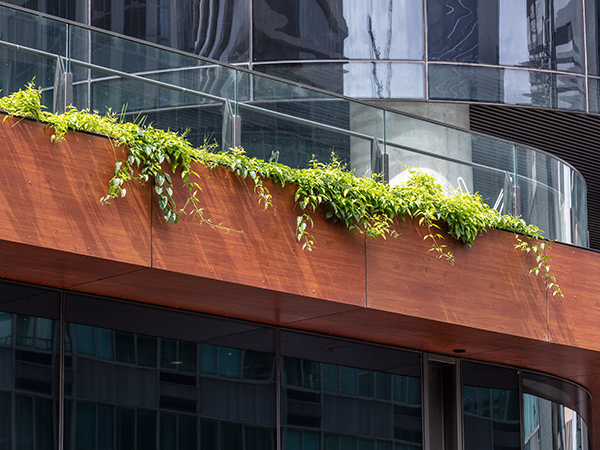
One key innovation is Modular Green Roof Systems, a North American development characterized by ease of installation, pre-vegetation, and diverse performance features. These systems often include integrated drainage, wind uplift resistance mechanisms, and options for water collection and drip irrigation. They utilize recycled materials and can be designed for biodegradability over time.
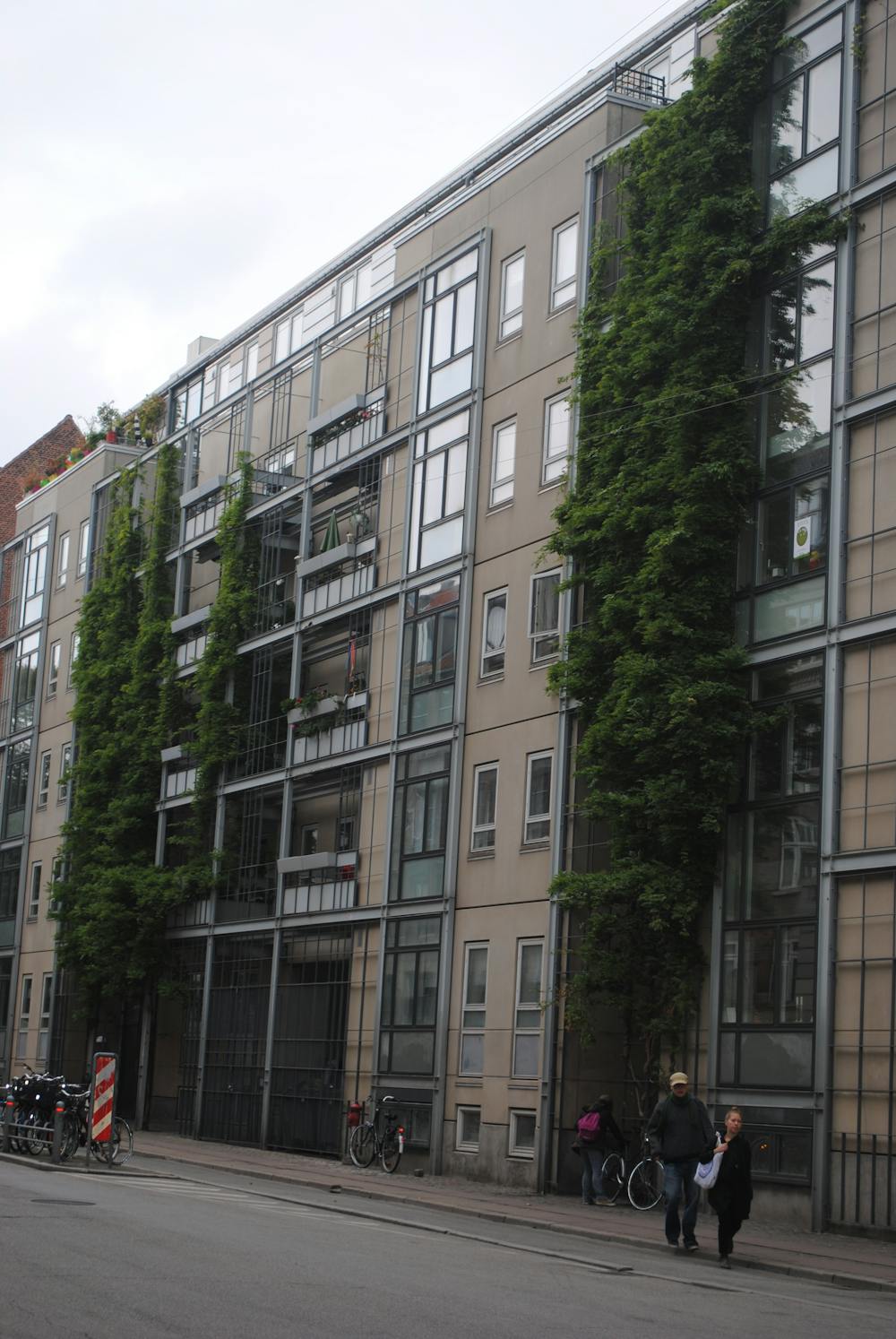
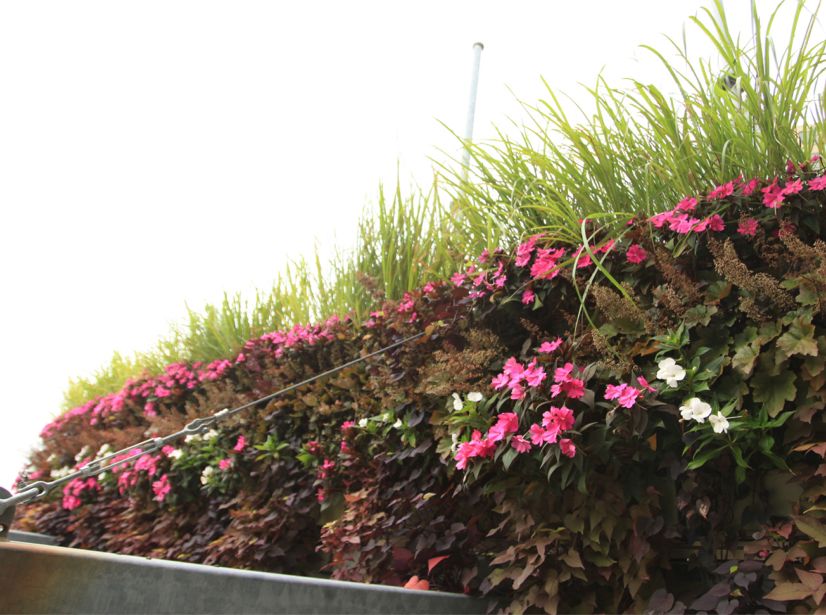
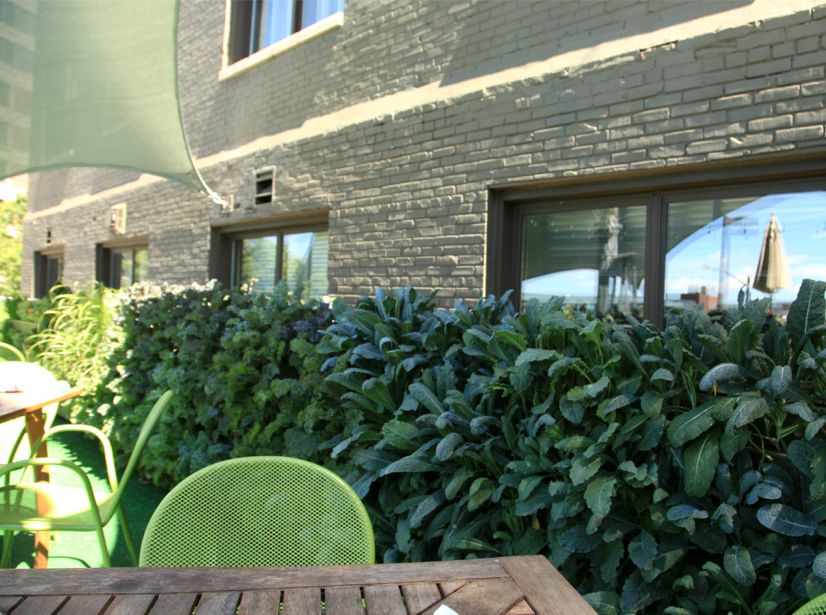
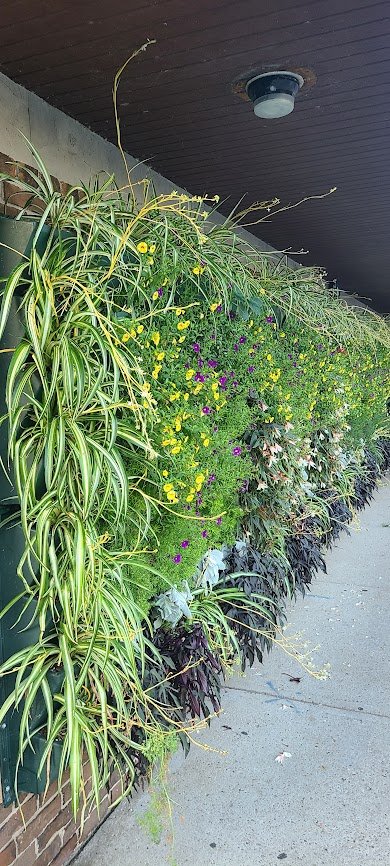
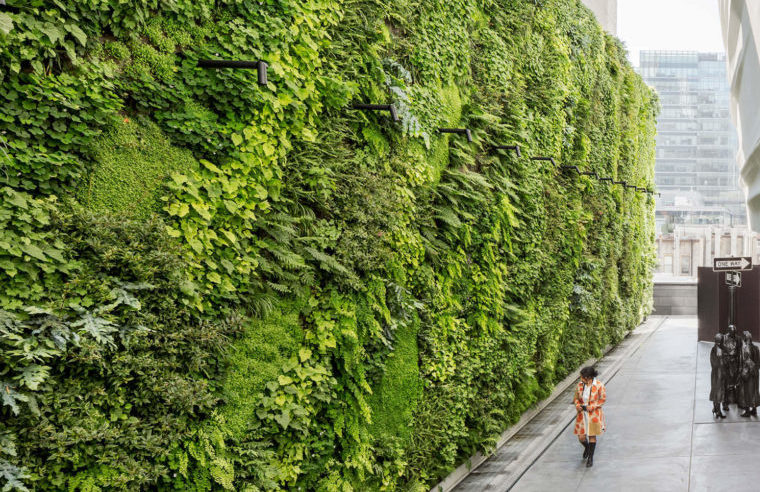
Green Wall Systems have also seen substantial innovation since their early felt-based, hydroponic designs. Modern systems have embraced modularity, allowing for plants to be grown in various containers with growing media, simplifying maintenance and plant replacement. There are now movable indoor living walls that recycle water and nutrients while purifying air, and non-living, moss-based interior options for reduced maintenance. Advancements are also being made in exterior green wall sustainability in northern climates through sensor-activated irrigation.
Blue-Green Roof Systems represent an innovation in stormwater management, addressing the need for clear retention and detention benefits. These systems incorporate features like horizontal aquifers, water-holding structures above waterproofing, or grid systems that allow water to sit beneath green roof layers. The Purple Roof Concept, utilizing a honeycomb structure and friction-generating fibers, significantly delays water flow. Additionally, mineral wool products enhance water capture beneath green roof assemblies, expanding options beyond plant and growing media capacity.
Understanding Plant Performance has progressed through over two decades of research, providing insights into suitable plant species for various conditions and irrigation needs, particularly in arid climates. There's a growing focus on biodiversity, utilizing native species for habitat creation, though further research is needed in this area. Knowledge on plant survival is continuously being disseminated through academic and industry channels.
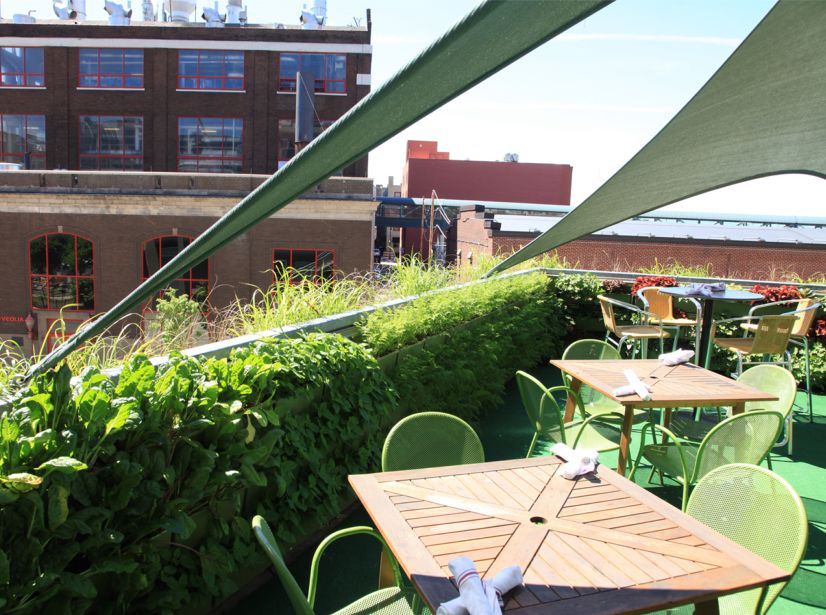
Food Producing Roofs, once rare, are now numerous, with established design principles and successful business models often combining food production with event and tourism revenue. Advances in growing media, crop rotation, and logistics have supported this growth, with specialized products now available. The demand for rooftop and vertical farms is expected to grow due to concerns about food security.
Solar-Green Roofs integrate green roofs with solar photovoltaic (PV) panels, offering synergistic benefits such as ballast for PV panels without roof penetrations, improved PV efficiency due to cooler ambient air, and extended waterproofing lifespan. PV panels can also create shade for plant growth and direct rainwater. Research into rooftop agrivoltaics explores combining food production with solar shading to optimize water use and crop health.
The Living Architecture Performance Tool (LAPT) is a 110-point rating system developed to evaluate the performance benefits of green roofs and walls across eight categories, including water and biodiversity. It functions as a third-party review mechanism, offering certification levels and providing designers with a framework to maximize project benefits.
Innovations in Waterproofing and Quality Assurance include new products like PUMA systems, adaptable for cooler temperatures, and advancements in Electronic Leak Detection systems for improved integrity testing.
Social Equity considerations highlight the potential for green infrastructure to improve quality of life in underserved communities by providing green space, improving air quality, and reducing urban heat island effects. However, policies are necessary to prevent gentrification and ensure community benefits are sustained.
Finally, advances in Policies, Programs, and Economics demonstrate the growing recognition of green infrastructure as a key strategy for stormwater management and climate change mitigation. Terms like 'green infrastructure' are now widely understood in policy circles, and efforts are underway to monetize ecosystem benefits and incorporate human health. Specific green roof requirements are being implemented in major cities, leading to significant acreage of green roofs. The industry aims for substantial growth, with models suggesting a 9-11% annual increase in green roof installations globally by 2050 to achieve climate goals.
#GreenRoofs #GreenWalls #LivingArchitecture #StormwaterManagement #RooftopFarming #SolarGreenRoofs #UrbanInnovation #SustainableBuildings #ClimateResilience #GreenRoofs #GreenWalls #LivingArchitecture #StormwaterManagement #RooftopFarming #SolarGreenRoofs #UrbanInnovation #SustainableBuildings #ClimateResilience
0 comment in total
 No comments yet
You may also like
The latest and greatest innovations in sustainable building materials
A New Take on Insulating a Roof

Remodeling Market Size, 2025-2034 Trends Report

Emerging Trends in Green Building and Sustainable Design
7 Best Roofing Materials For Durability & Longevity (2025 Review)

Replacing a roof – everything you need to know
Turf wars: 13 reasons why you would install a green wall and 3 reasons why you might not

2020 Industry Trends | Part 3

Green roofs and walls – a growth area in urban design


Construction Adhesive Tapes Market: Strengthening Modern Building Performance and Installation Efficiency

Product Picks: July 2022
10 Innovative Materials Poised to Make Home Building More Sustainable
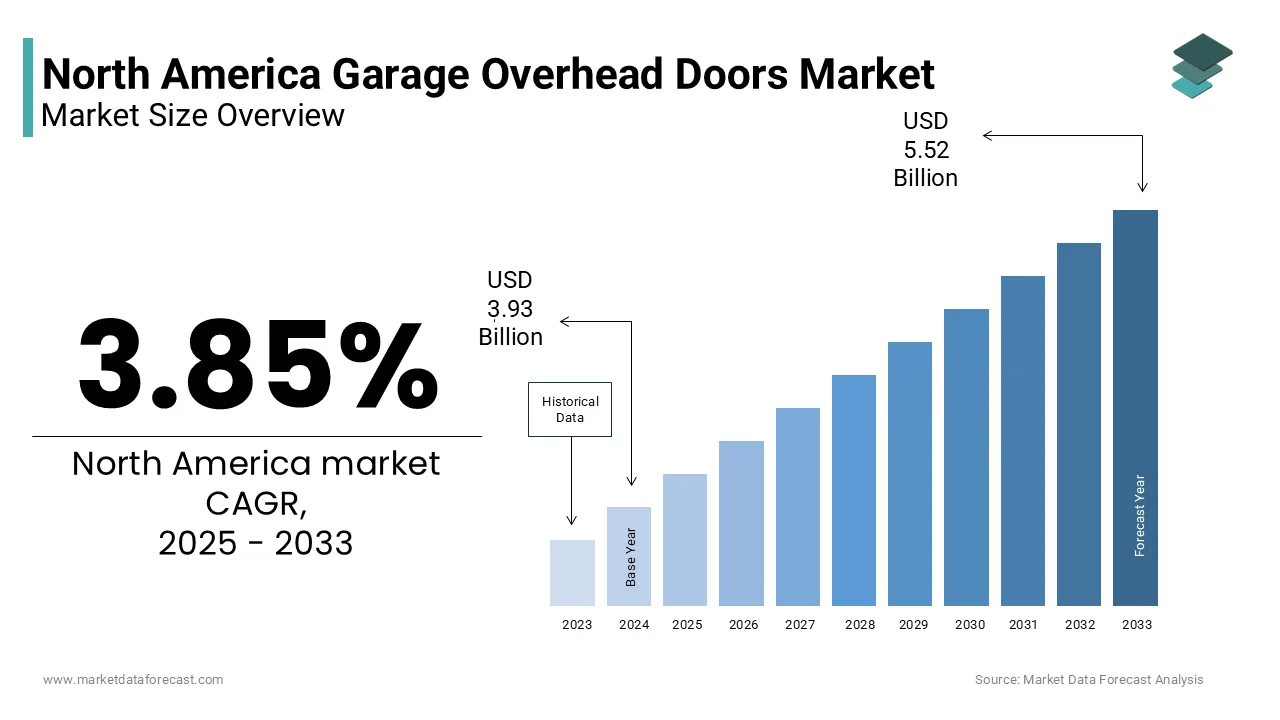
North America Garage Overhead Doors Market Size, Share, 2033
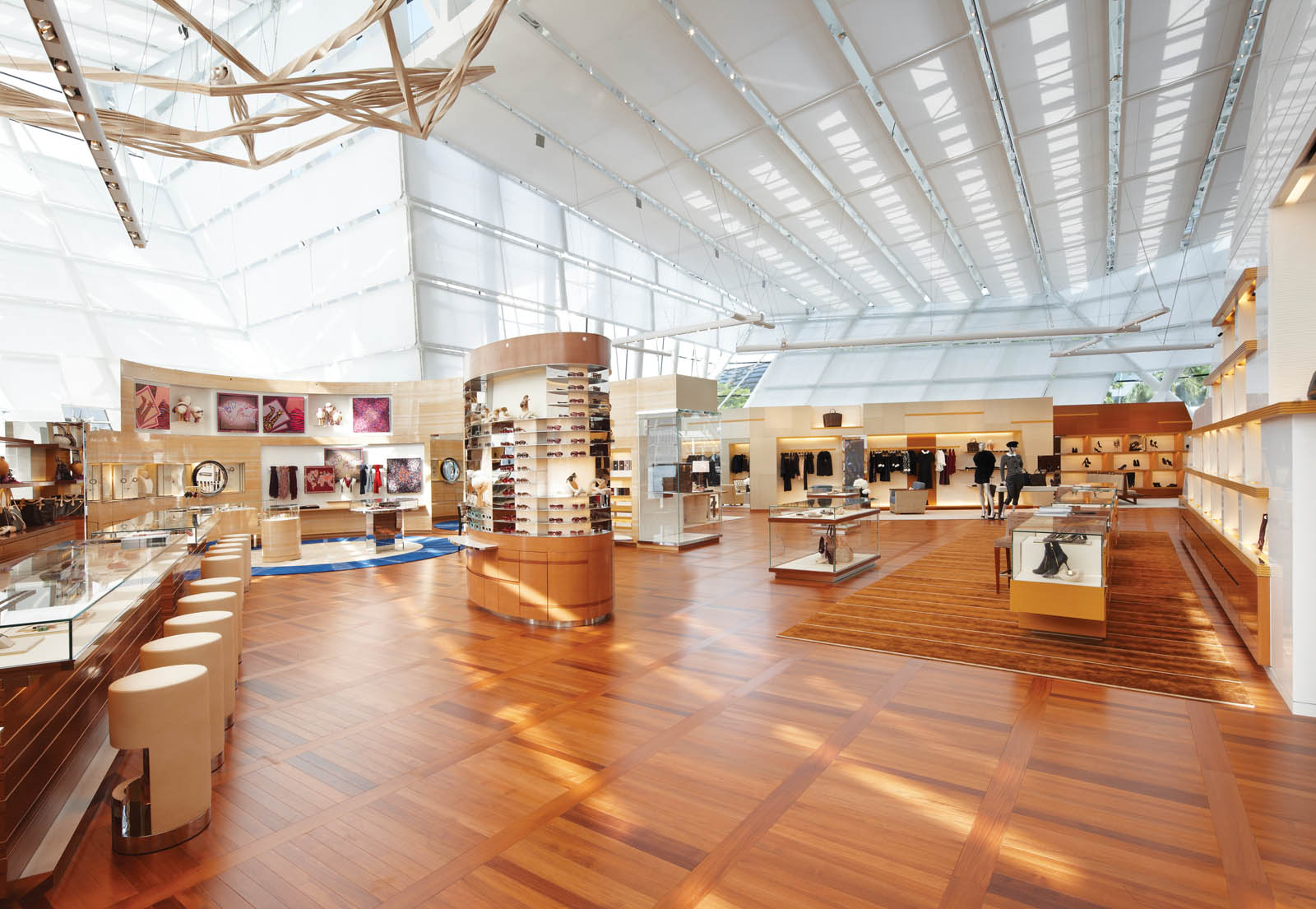
Building facades and vertical shade

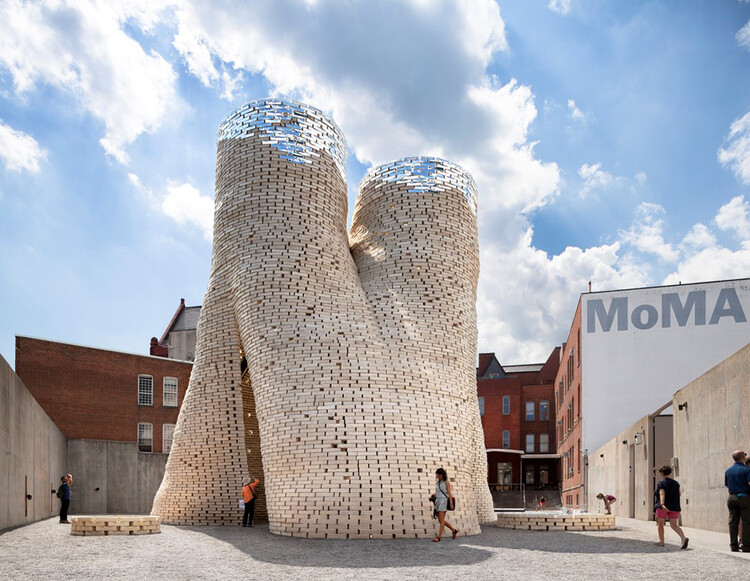
10 Start-ups Creating Innovative and Sustainable Building Materials, from Mycelium Bricks to Water Purifying Tiles

The B.O.B. Sky Patio
Outdoor living continues to drive sales for LBM dealers
Curtain Wall Market | Global Market Analysis Report - 2035
The Best New Wall, Floor, and Window Products of 2025
Emerging Trends in Green Building and Sustainable Design