1/33
The Comeback of Curved Design: Materials That Can Bend and Curl
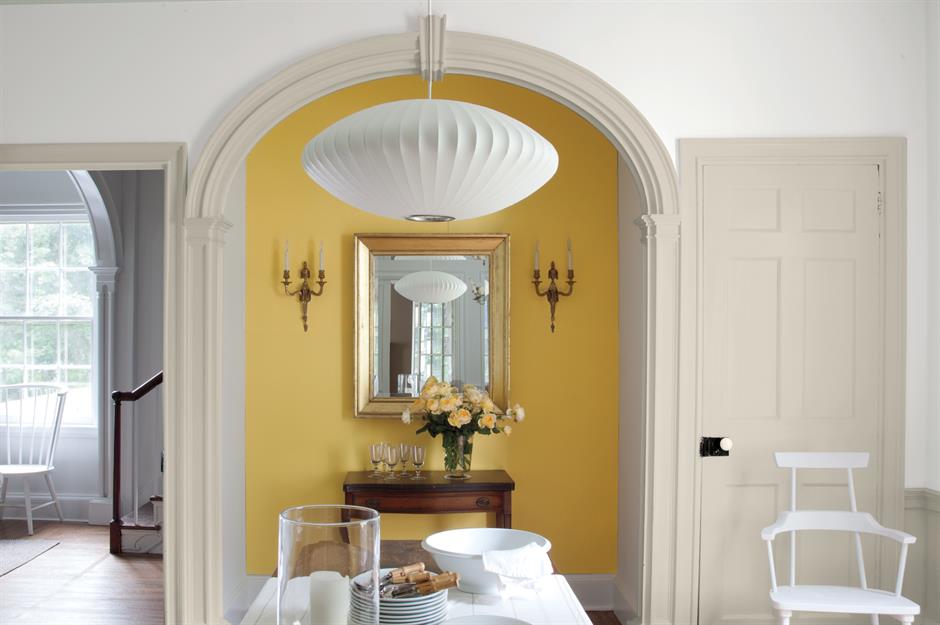
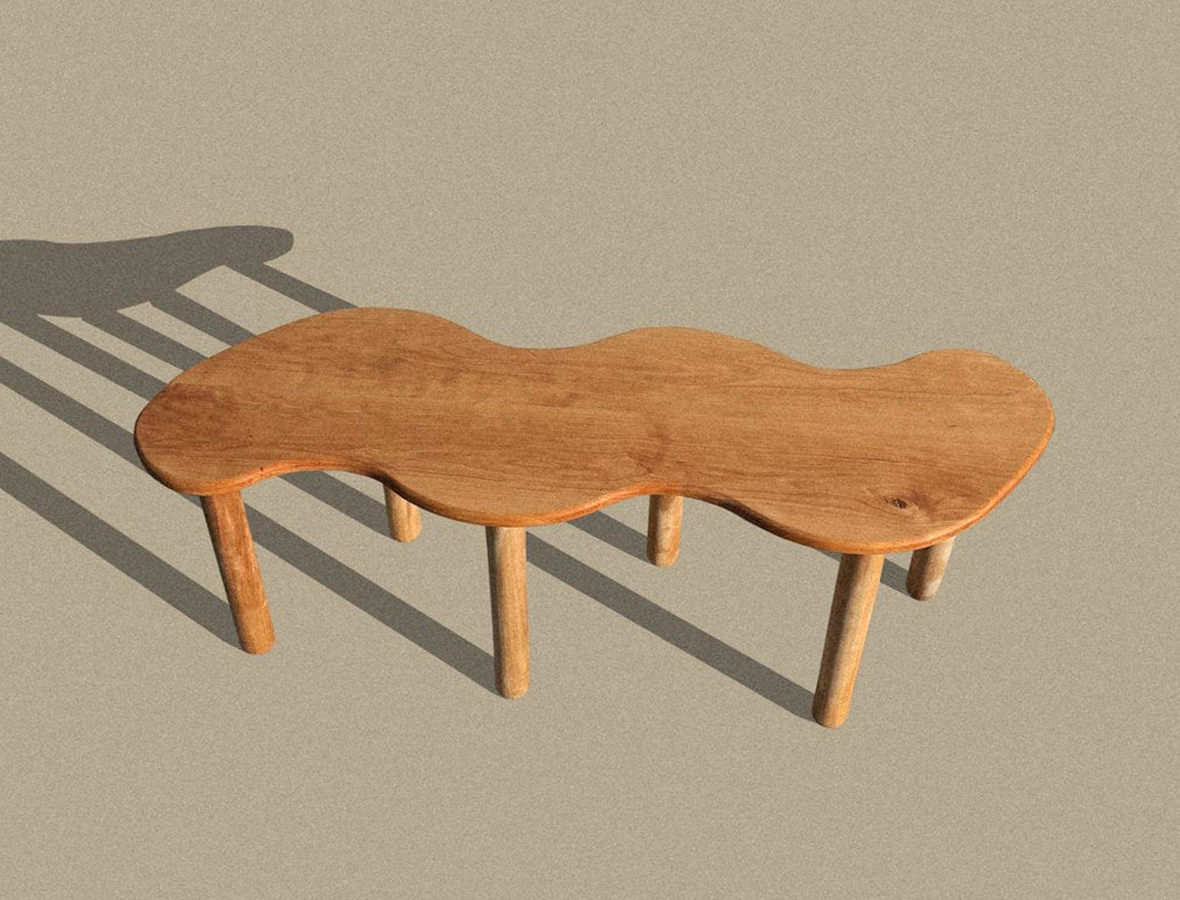
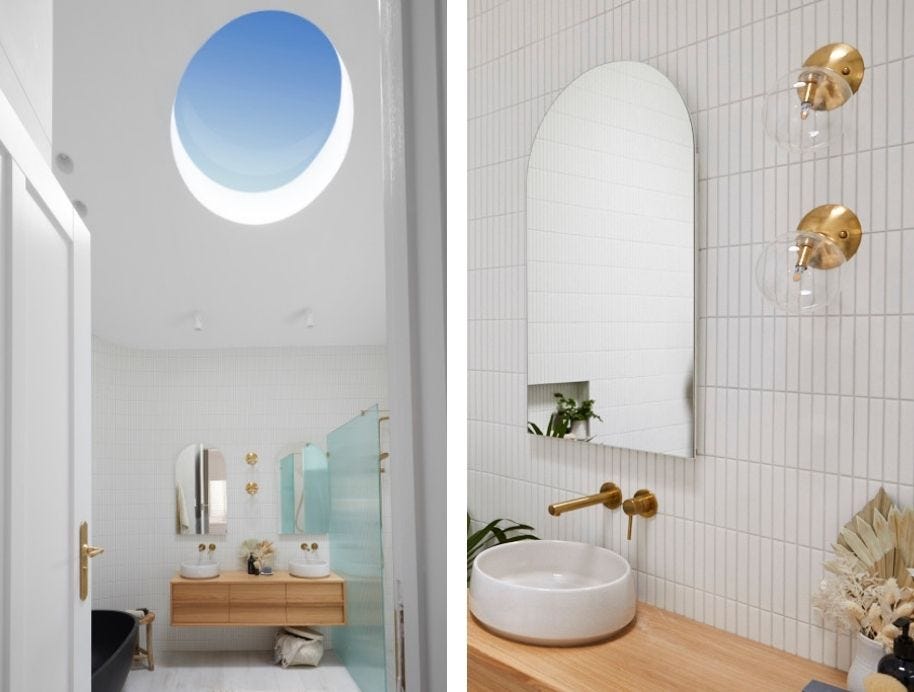
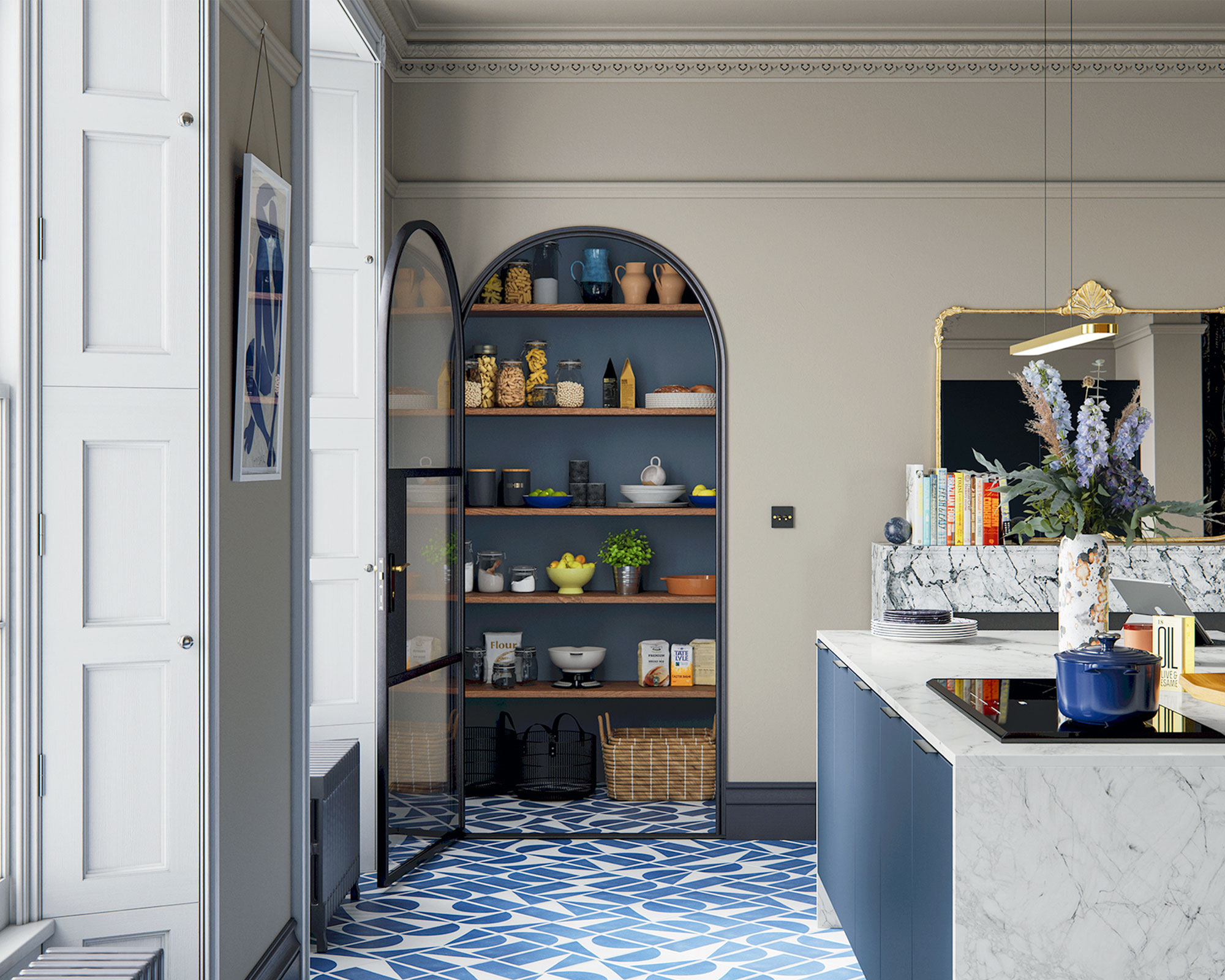
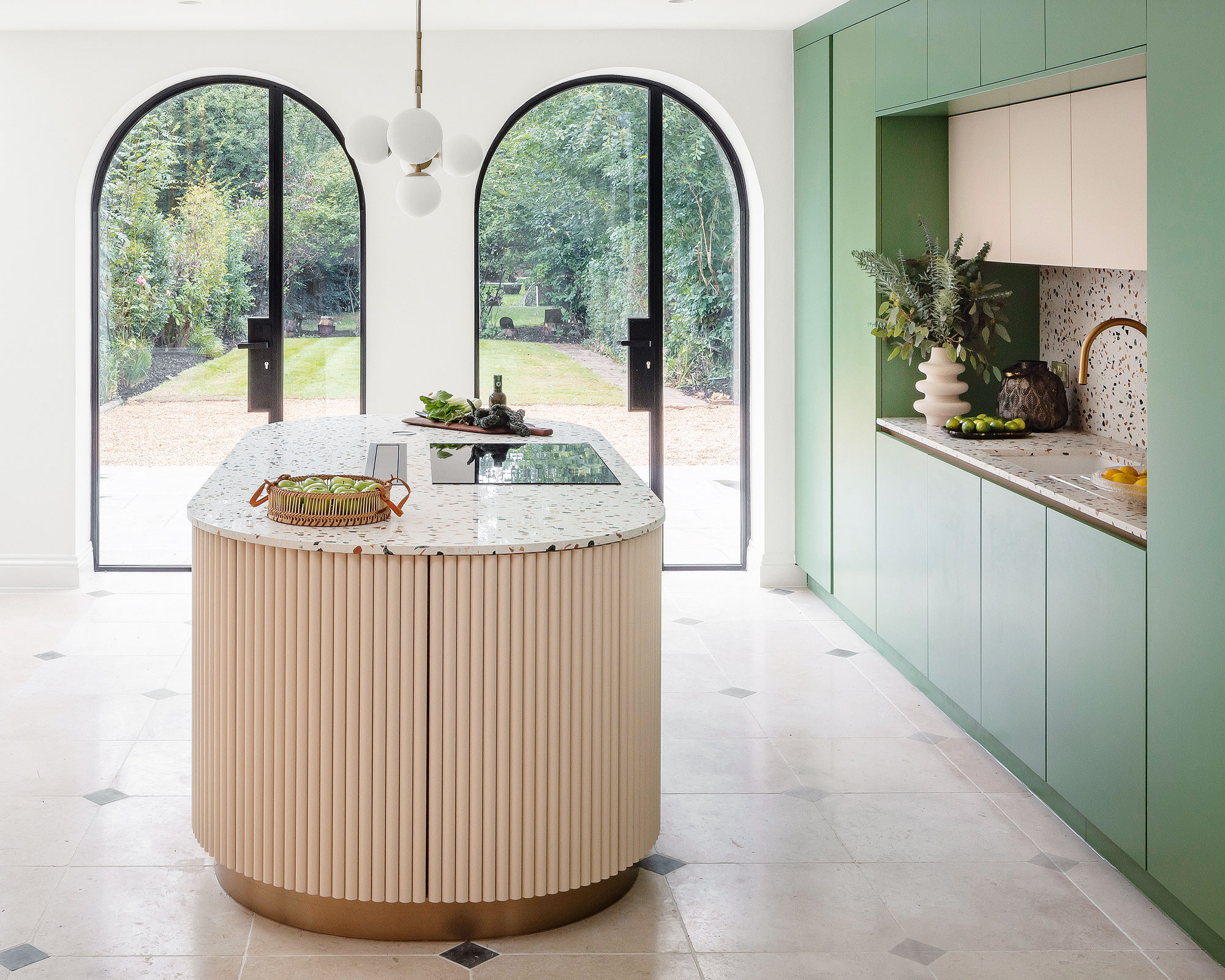
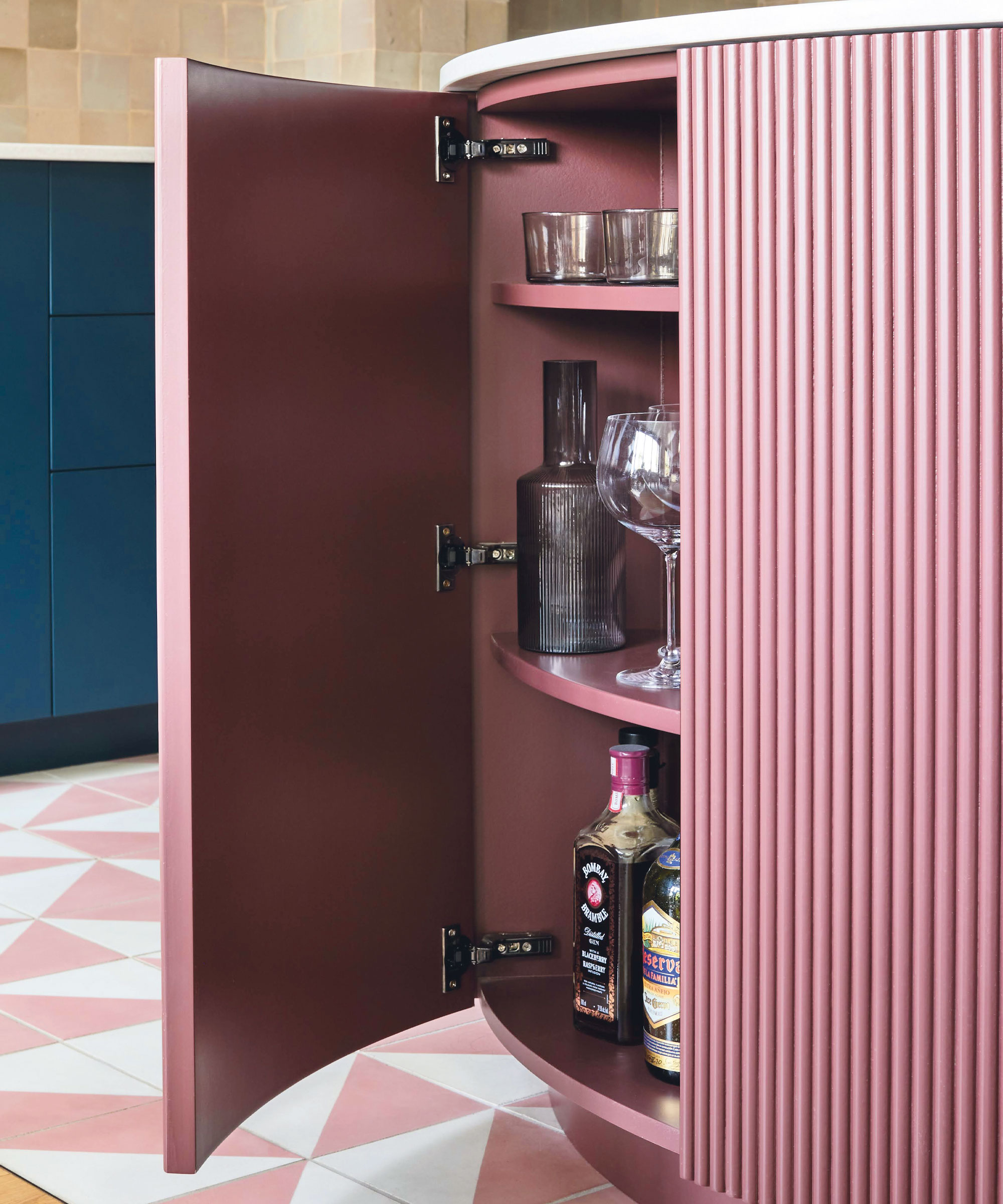
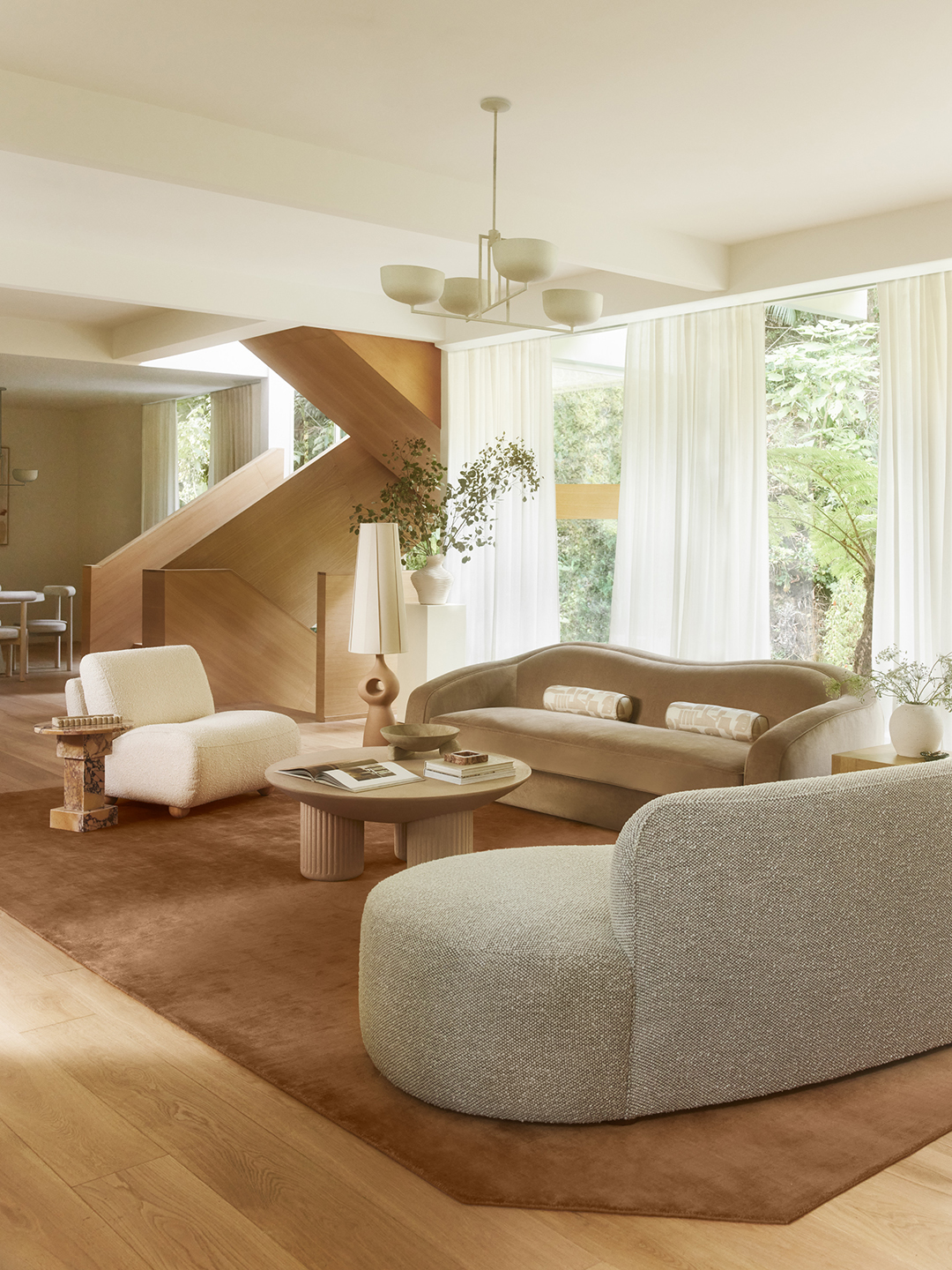
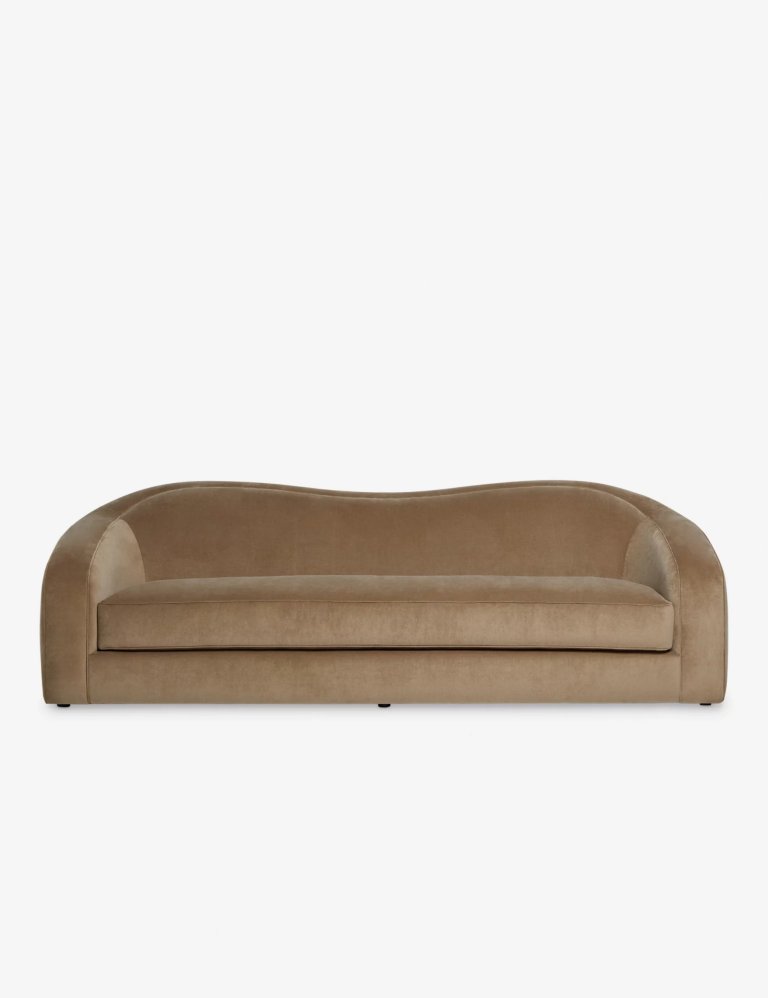
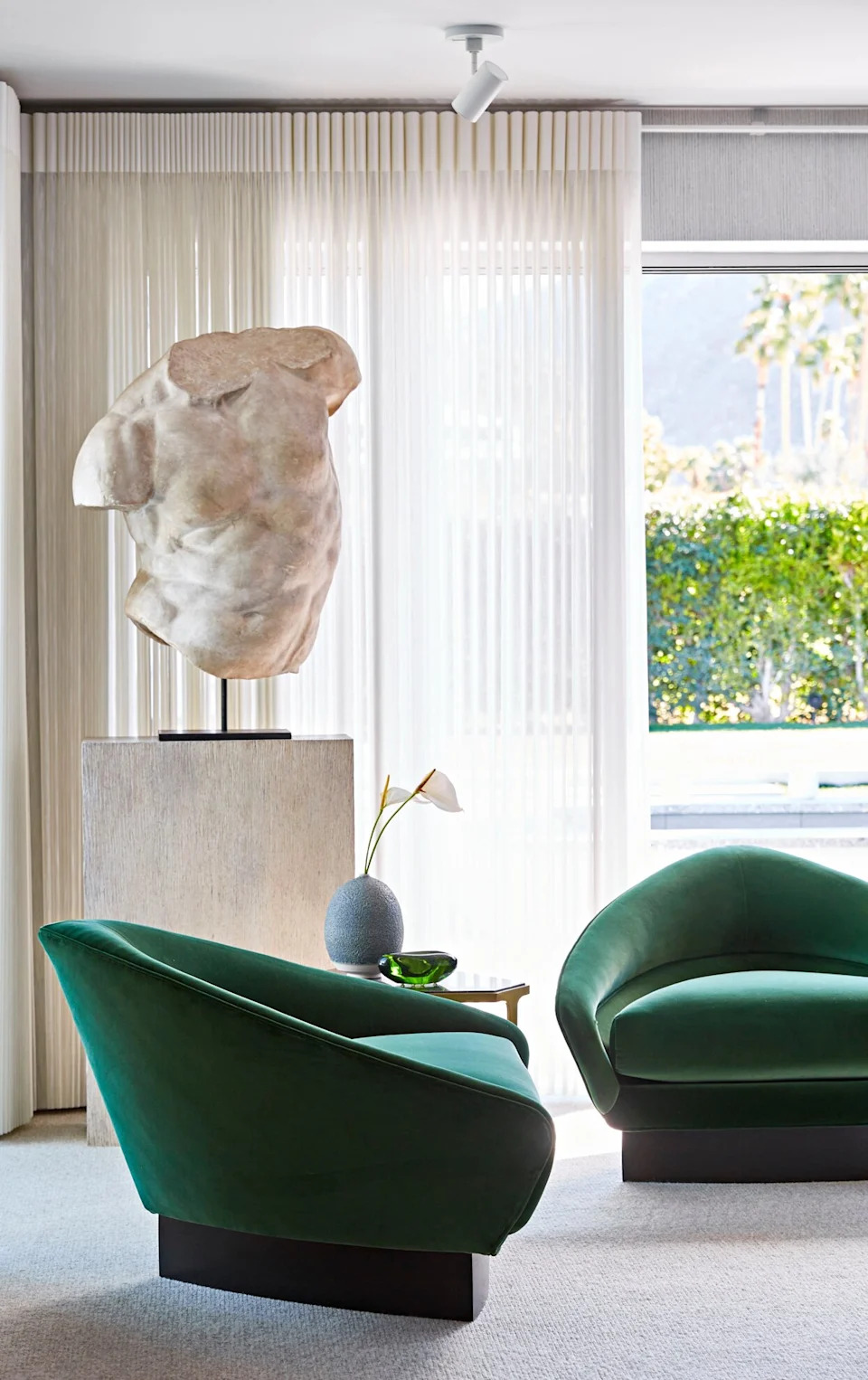
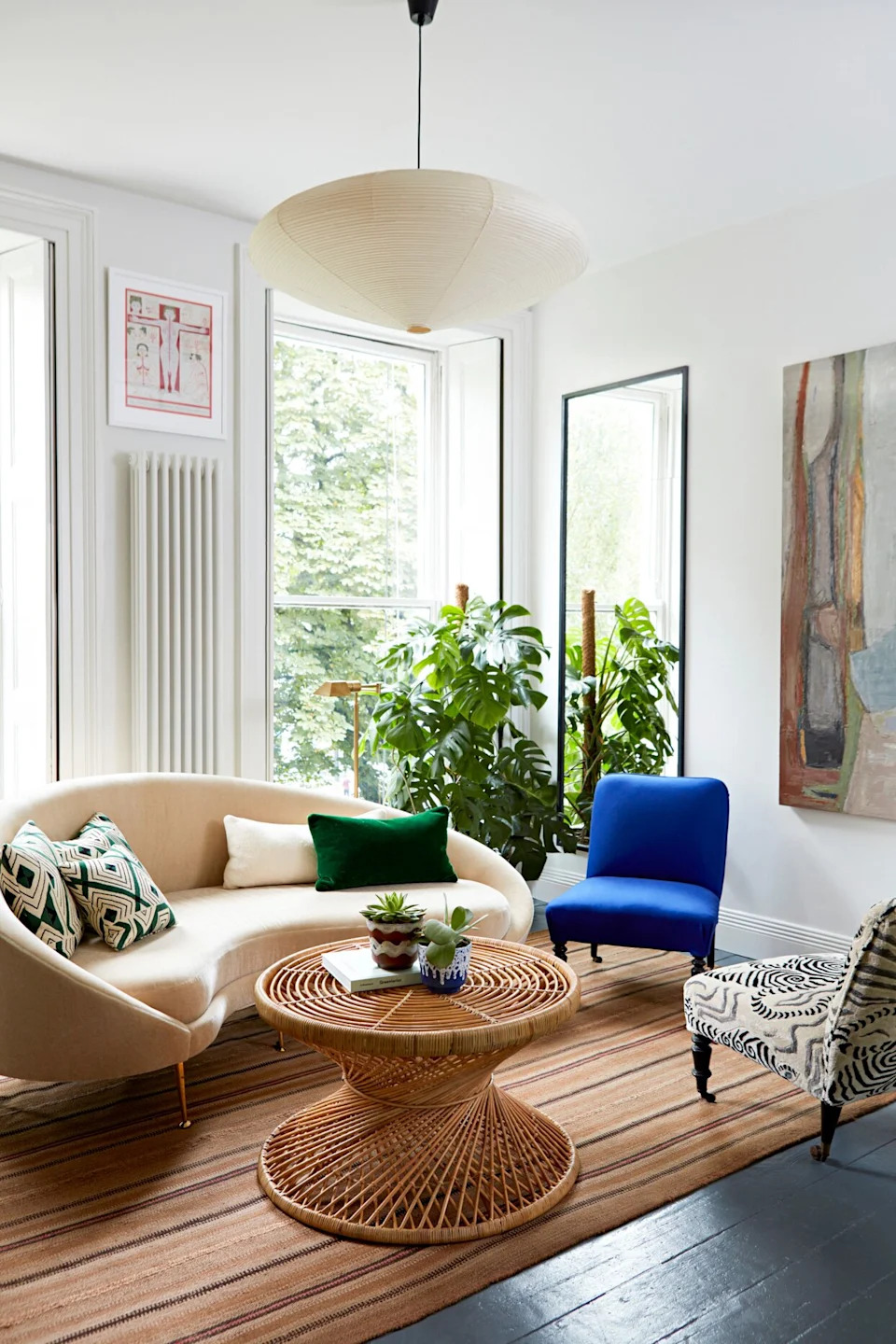
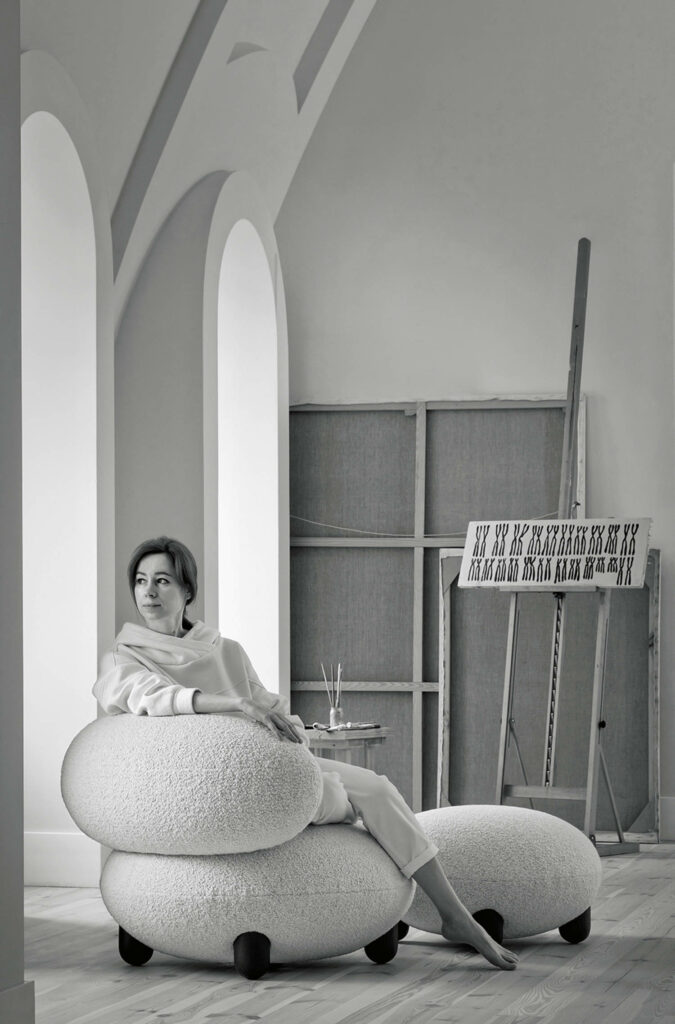
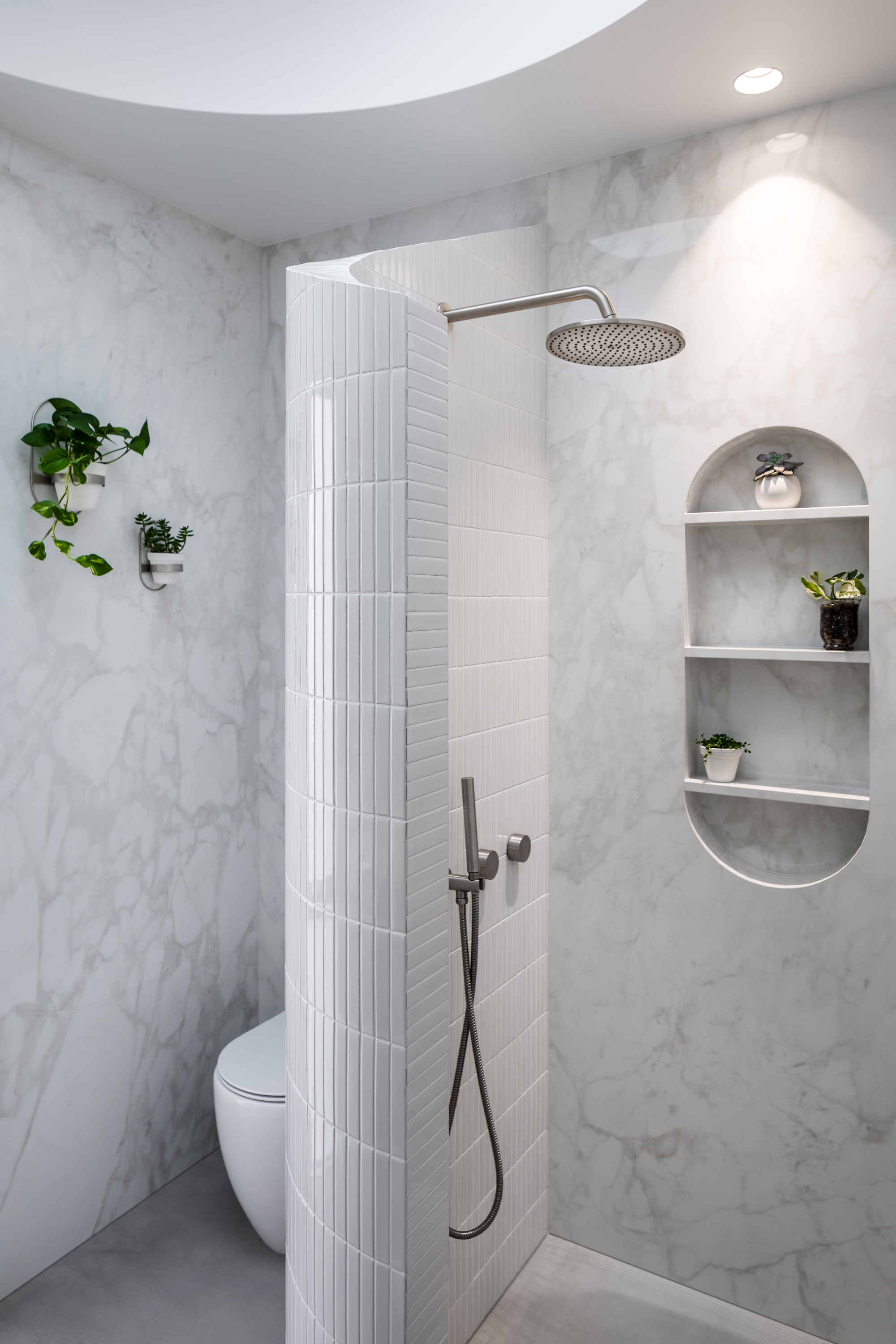
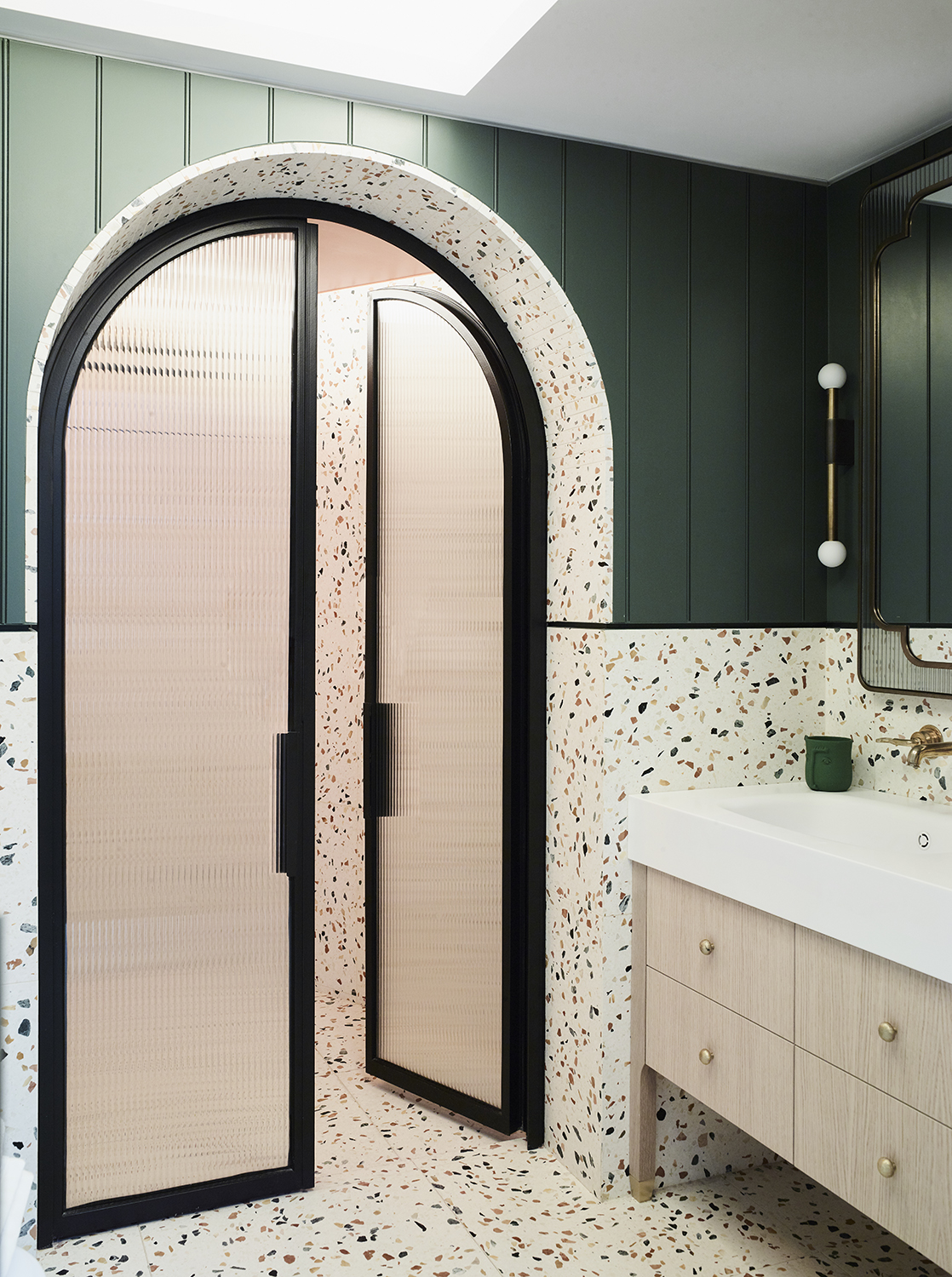
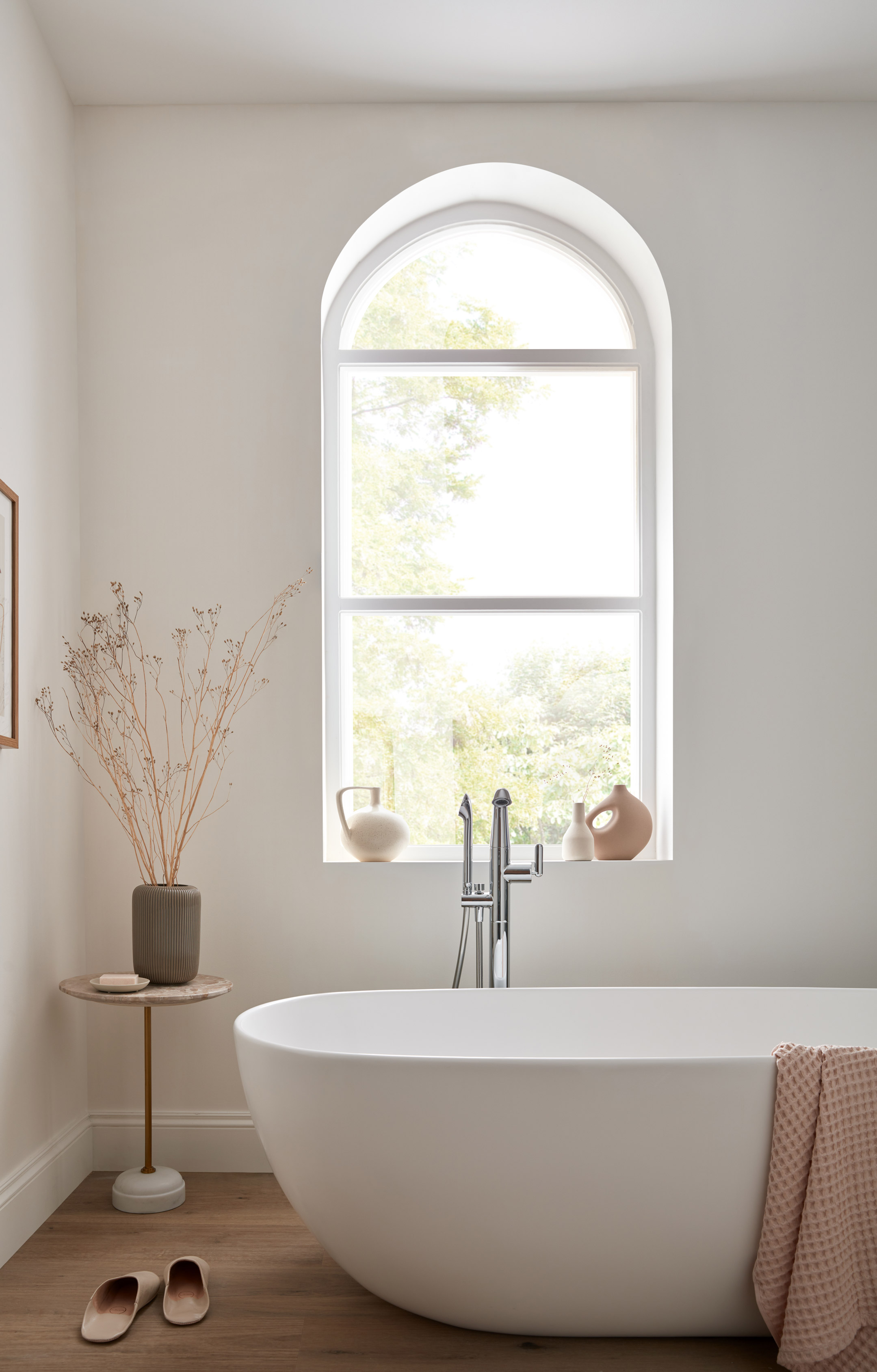
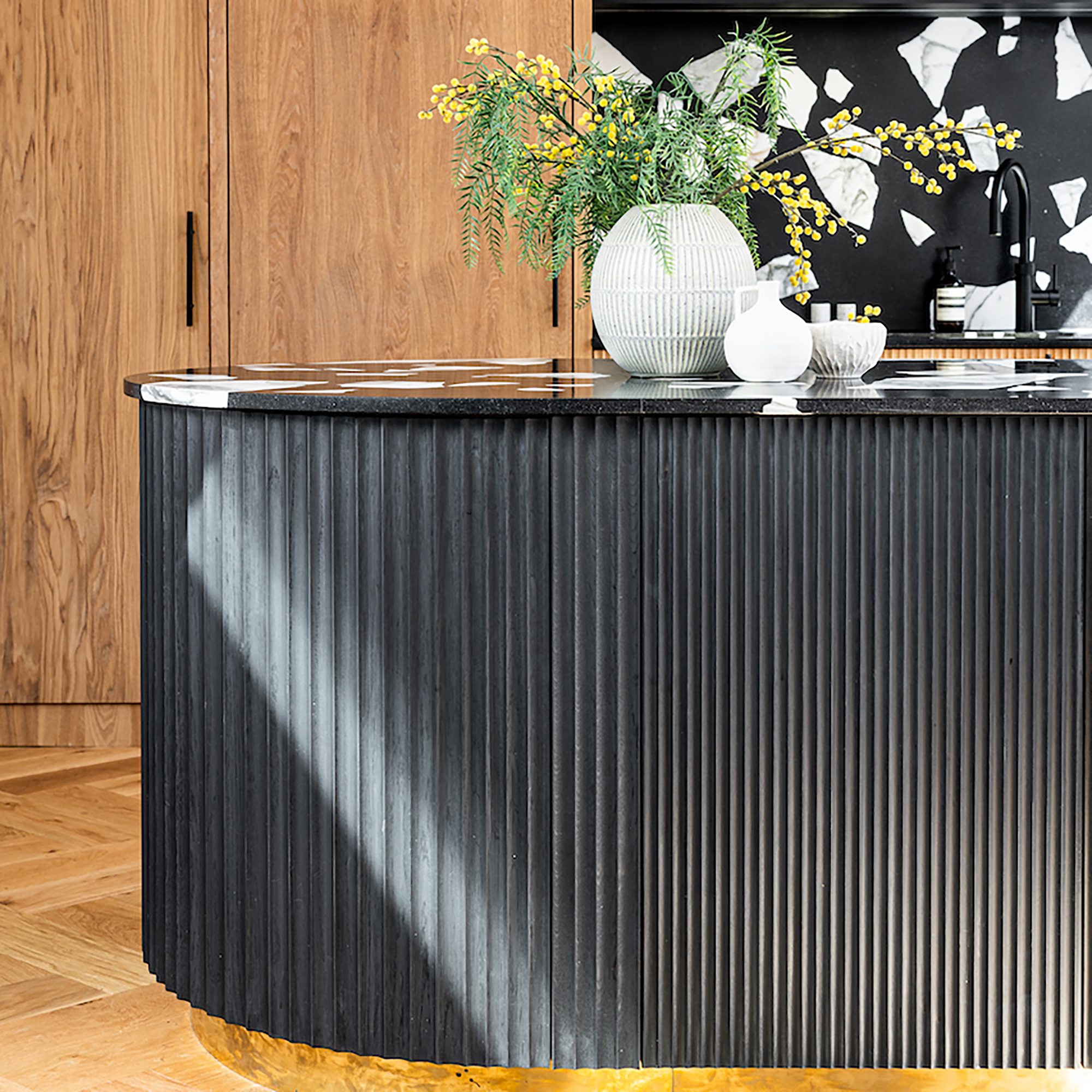
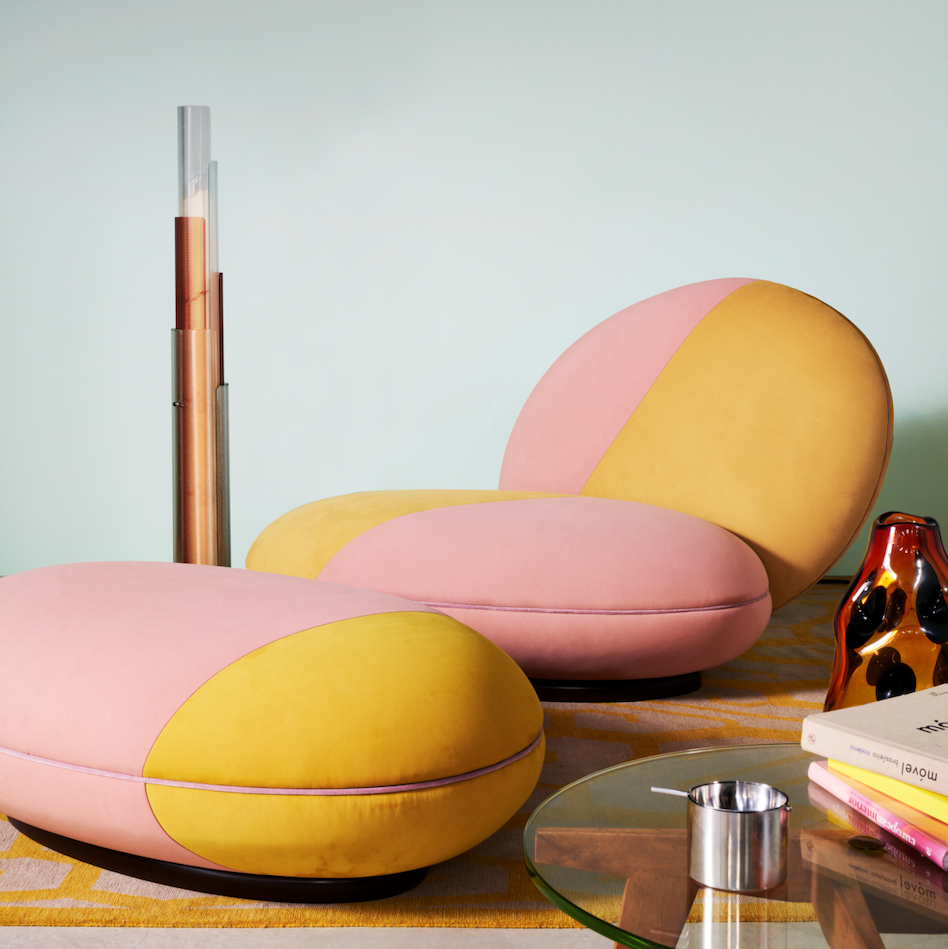
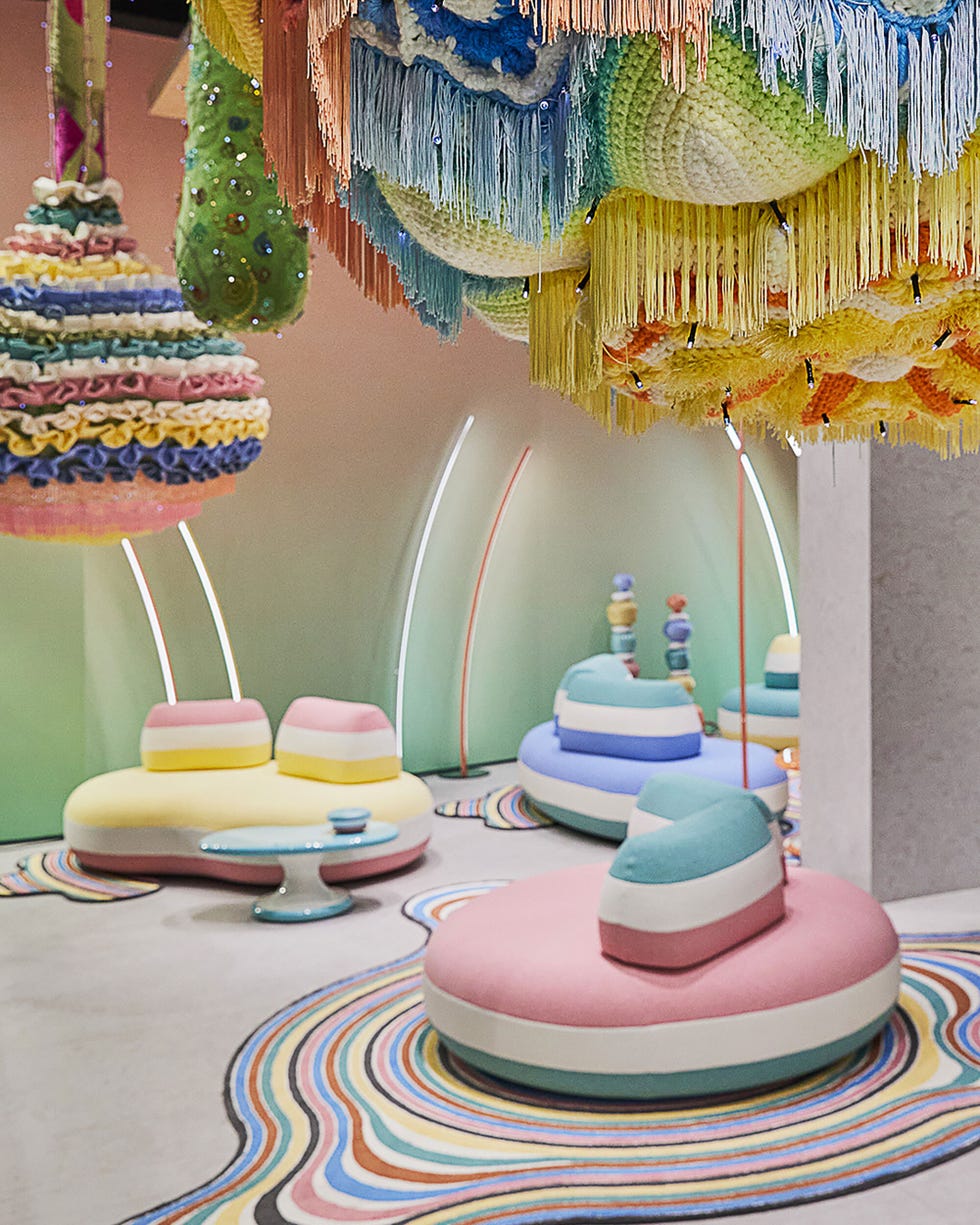
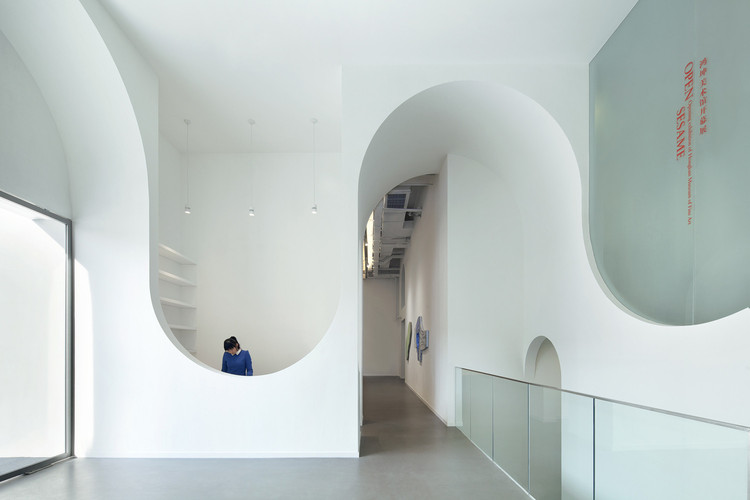
The field of architecture has traditionally favored rectilinear forms, with most buildings and rooms featuring flat, rectangular surfaces and straight lines. However, a recent shift in design preferences indicates a resurgence of curved and free-flowing forms. This trend is not merely aesthetic; research in neuroscience suggests that curvilinear spaces are perceived as more beautiful and contribute to enhanced mood and well-being, influencing designers and architects to integrate these shapes into modern projects.
Curved surfaces offer a versatile range of functionalities beyond their visual appeal. They can introduce dynamic movement into a space, creatively define zones, serve as integrated furniture, and even function as load-bearing structural elements. The adoption of advanced technologies like 3D construction printing and Building Information Modeling (BIM) has significantly simplified the visualization and construction of complex curved geometries. Despite these technological advancements, a deep understanding of materials remains essential for achieving successful and high-quality curved designs.
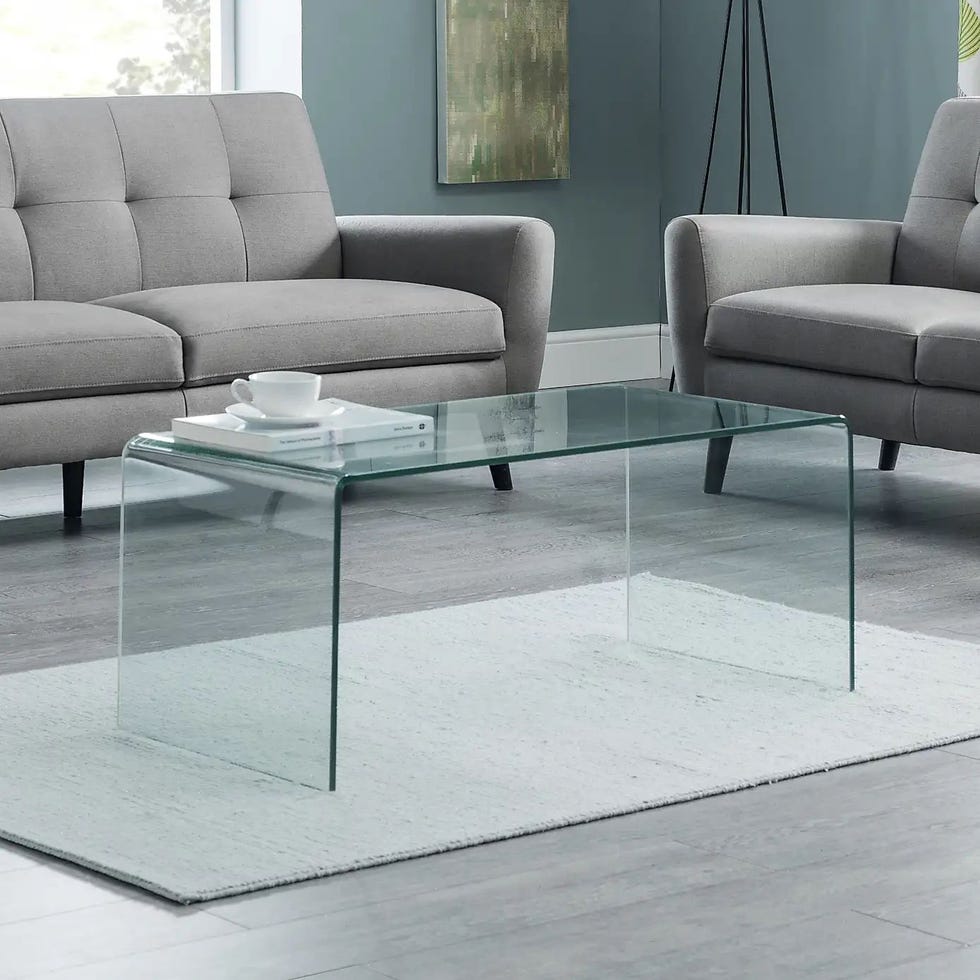
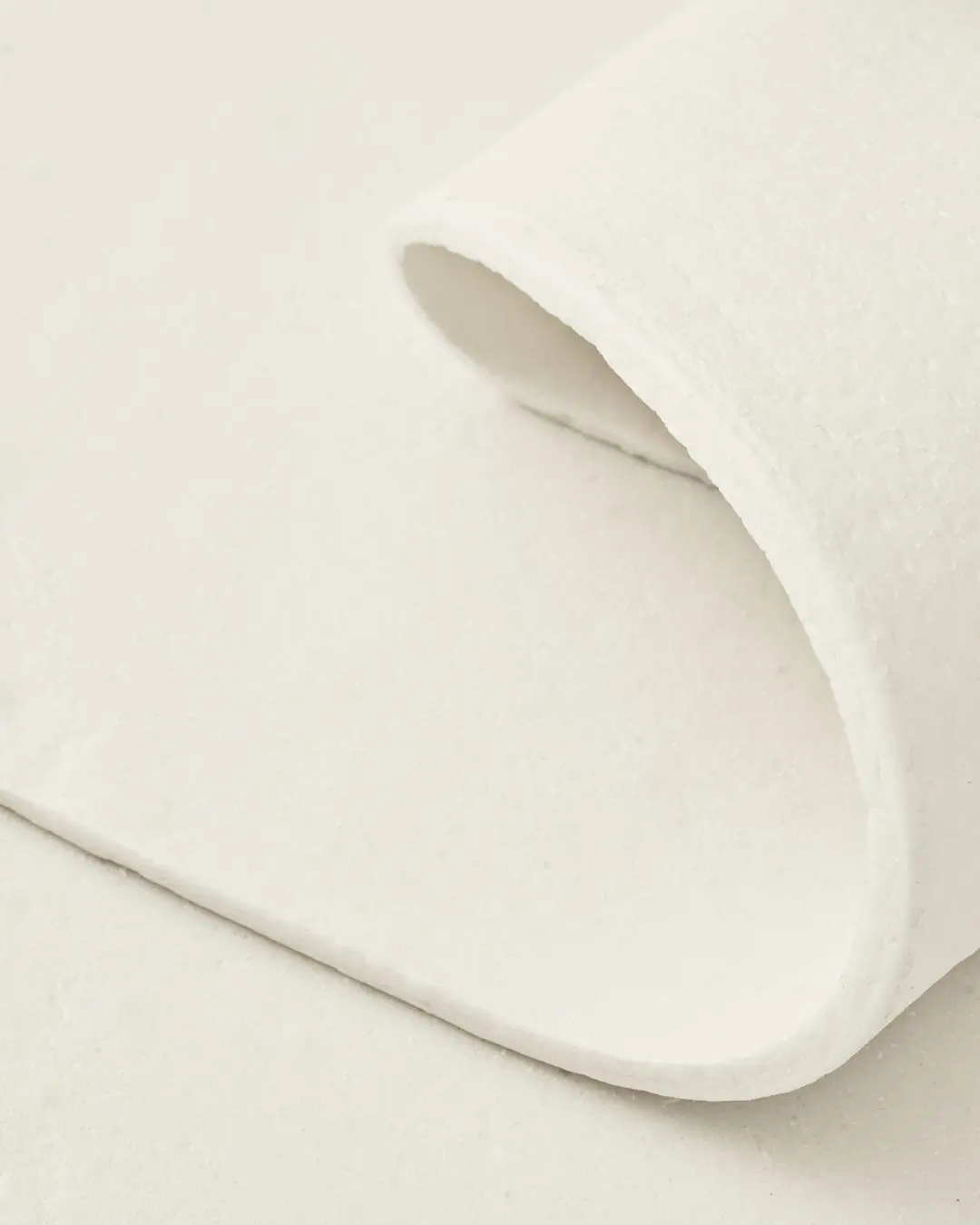
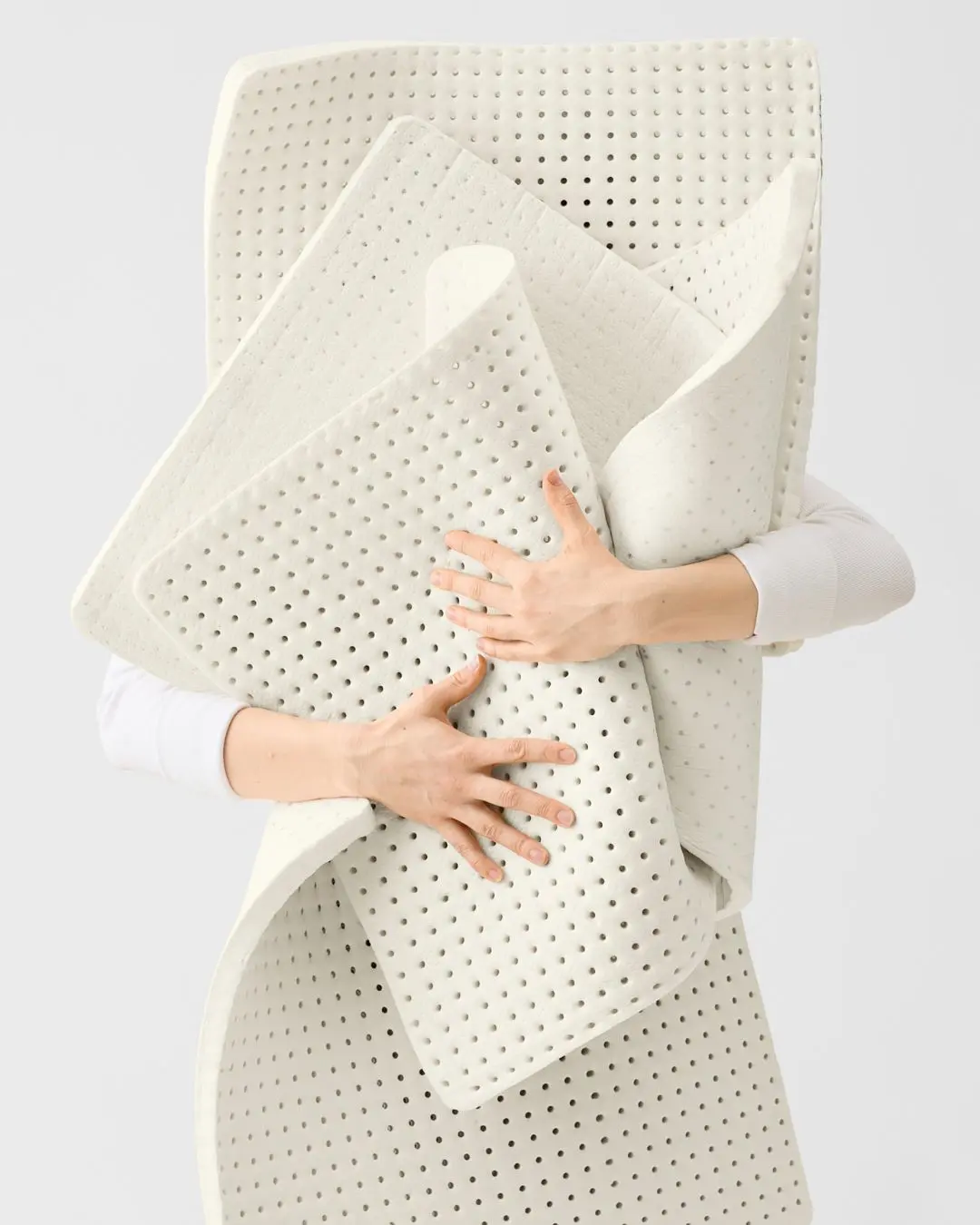
This article explores various materials suitable for creating curved architectural elements, categorizing them based on their pliability and application. Flexible plywood, for instance, is ideal for surfaces like walls, ceilings, and furniture due to its ease of shaping and aesthetic versatility. Aluminum and other metals, known for their strength and ductility, can be precisely bent and formed to create intricate structural and decorative curves. Glass, when appropriately treated, can also be curved, offering unique possibilities for transparency and light manipulation in facades and interior partitions.
Specialized materials and techniques, such as stretched fabrics and membranes, provide lightweight and adaptable options for creating large-scale curved installations and temporary structures. Concrete, traditionally associated with rigid forms, can be molded into various curved shapes using advanced formwork systems, allowing for robust and expressive architectural statements. Furthermore, the article delves into the potential of more unconventional materials and innovative manufacturing processes that enable architects to push the boundaries of curved design.
The increasing demand for organic and biophilic designs, which draw inspiration from natural forms, further fuels the interest in curved architecture. These designs aim to create environments that resonate with human psychology, promoting comfort and a sense of connection to nature. As architectural practice continues to evolve, the integration of curved forms, supported by both traditional and innovative materials, is set to become a more prominent feature in contemporary building and interior design.
#CurvedDesign #ArchitecturalMaterials #FlexiblePlywood #CurvedGlass #MetalBending #OrganicArchitecture #3DPrinting #BuildingInformationModeling #InteriorDesign #CurvedDesign #ArchitecturalMaterials #FlexiblePlywood #CurvedGlass #MetalBending #OrganicArchitecture #3DPrinting #BuildingInformationModeling #InteriorDesign
0 comment in total
 No comments yet
You may also like
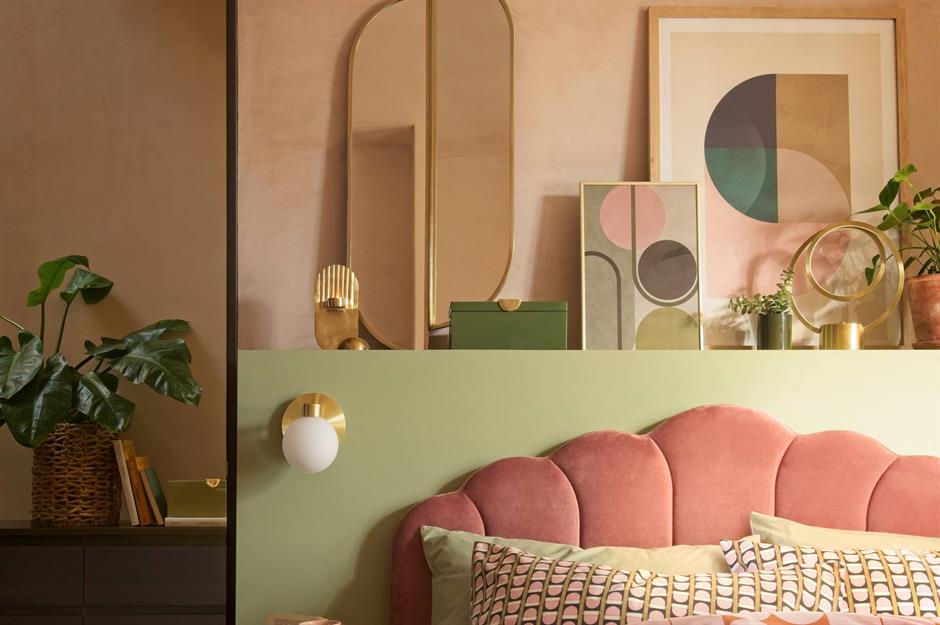
Curvy, wavy and arch decorating ideas for every room | loveproperty.com
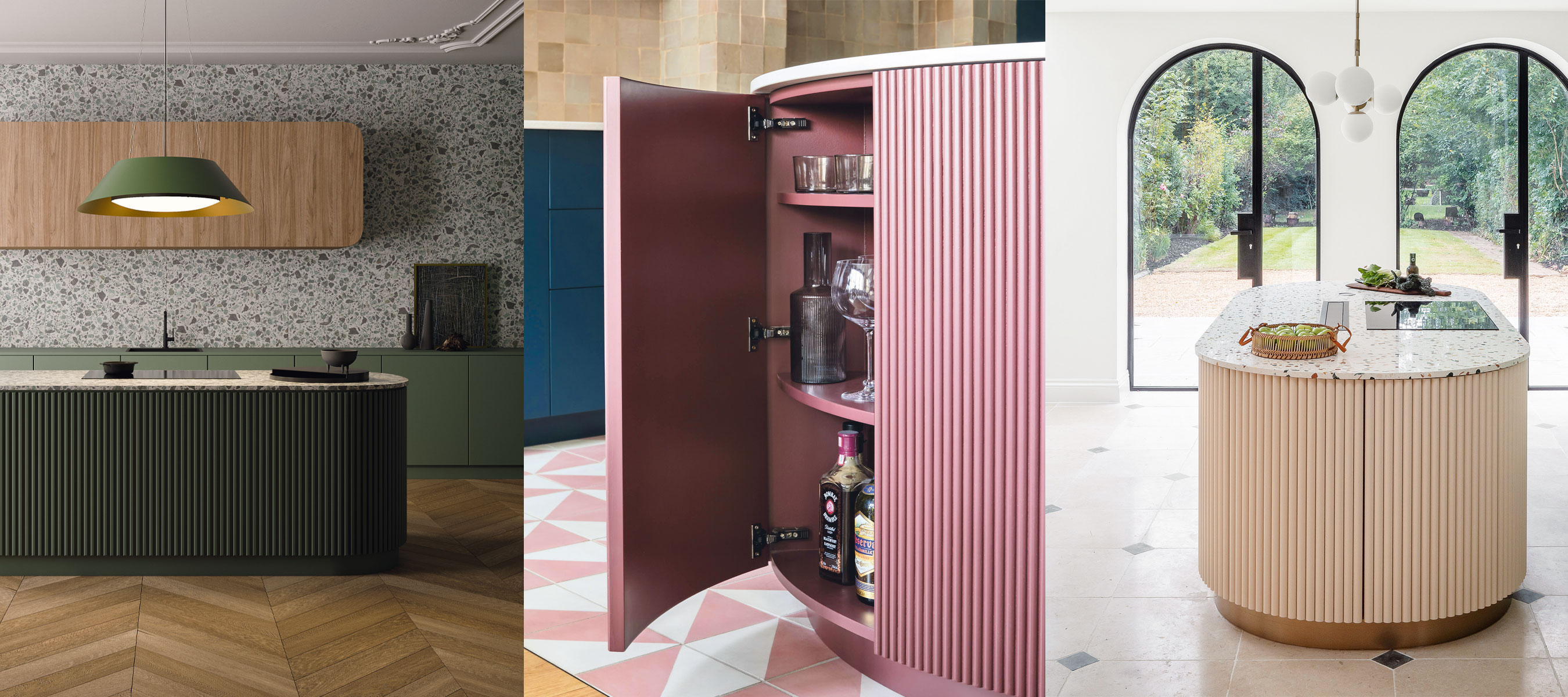
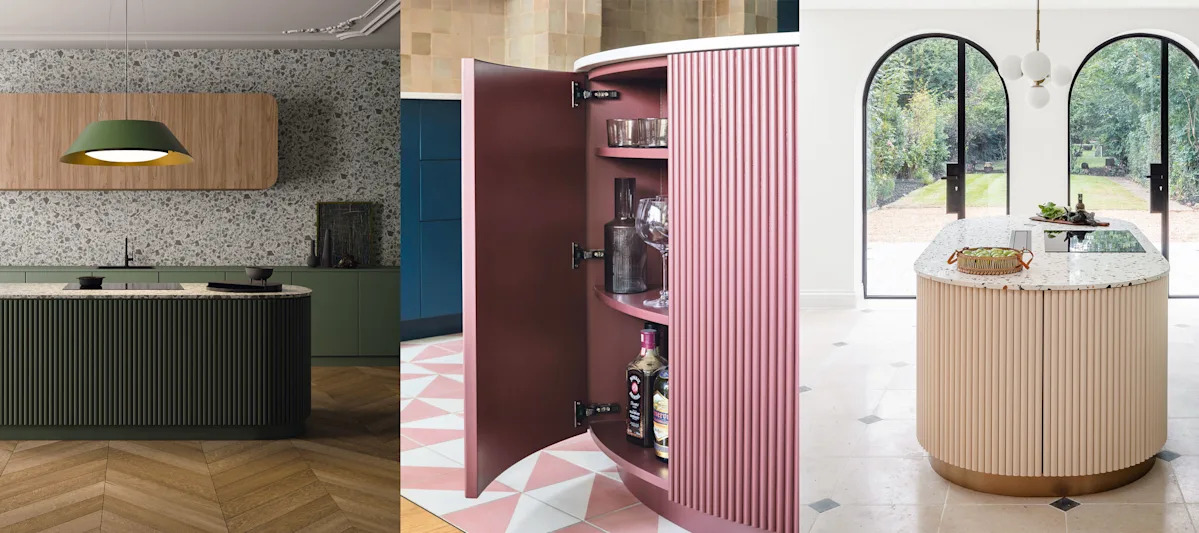
We're calling 2023's biggest trend: curves in the kitchen – designers show how to include them in yours

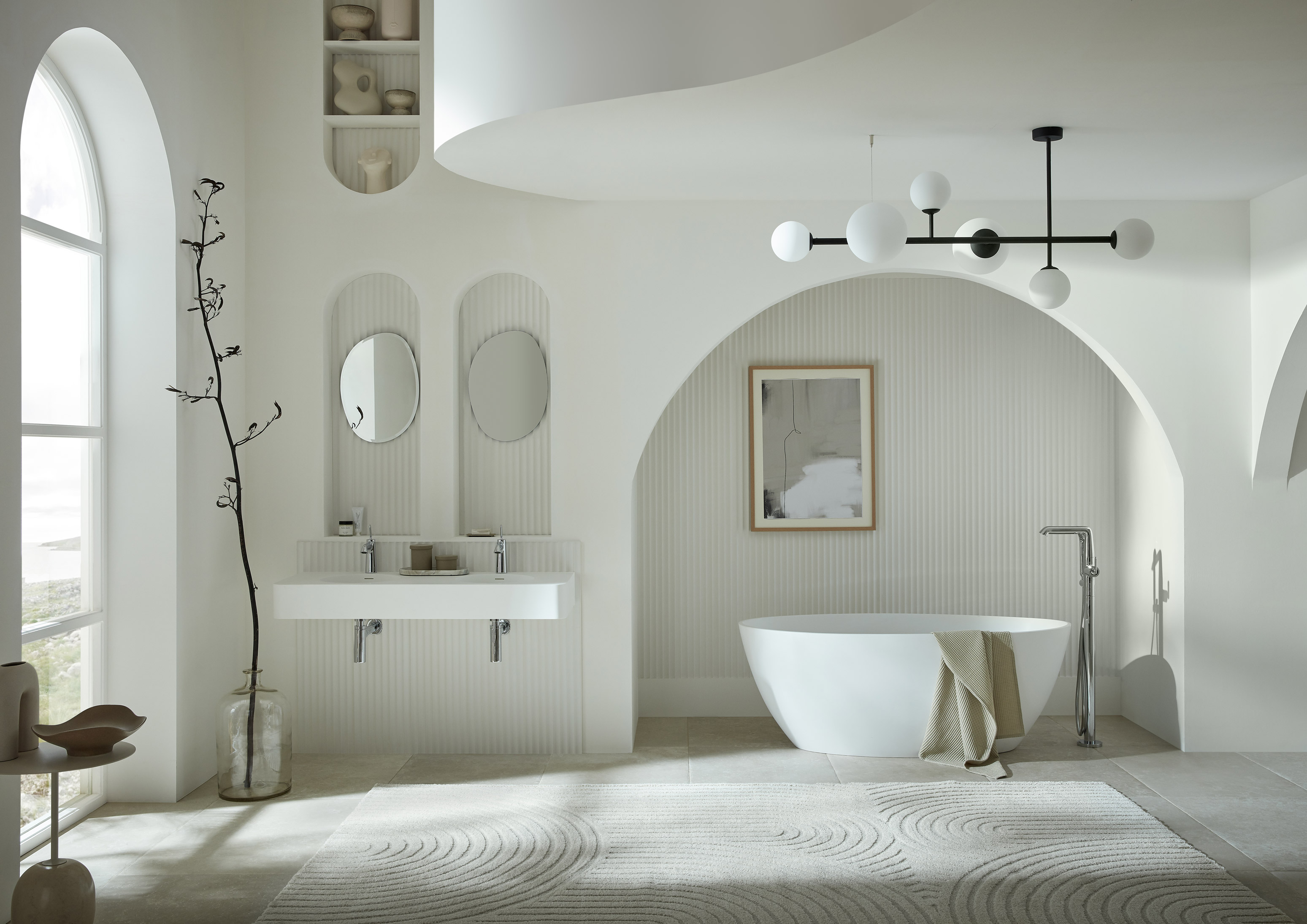
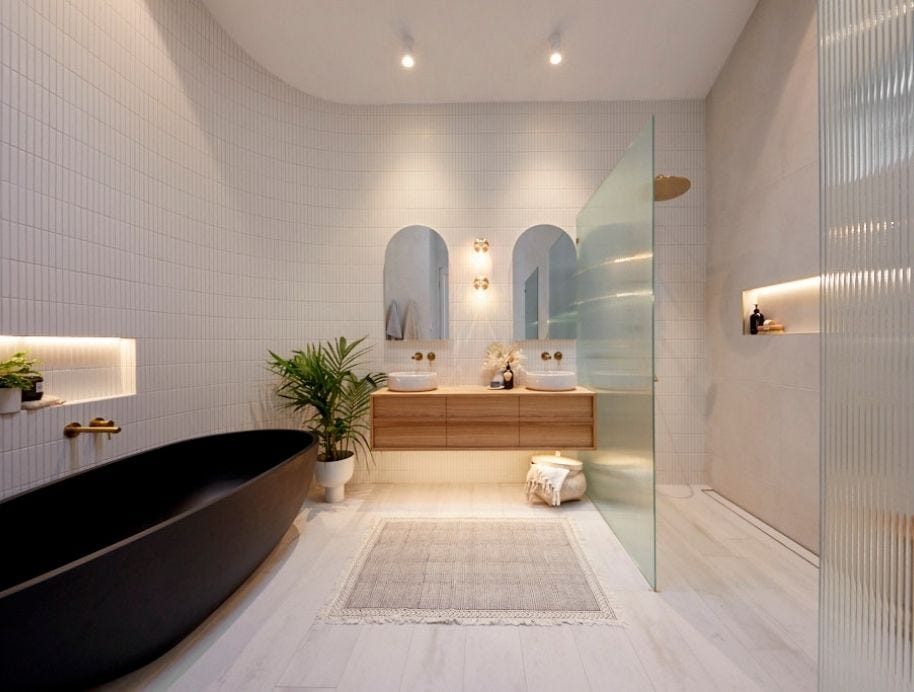
Designers say curves are the key to a relaxing bathroom – here's how they're embracing the trend

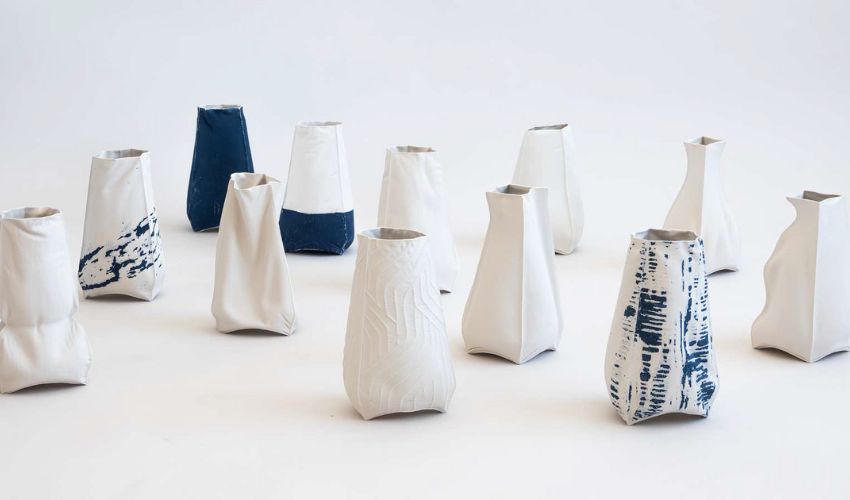
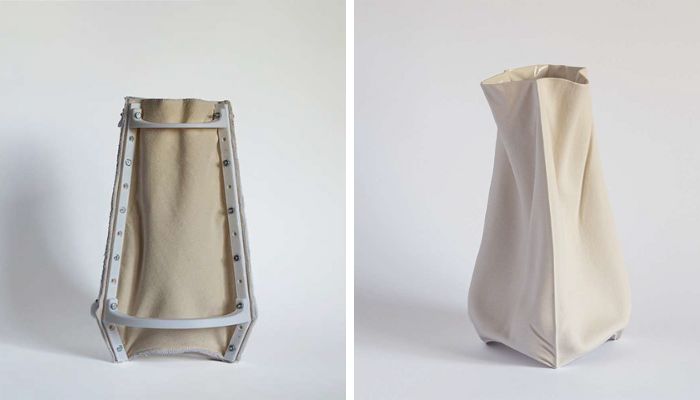
3D Printing and Fabrics: The Unique Design Process Behind the Forma Fabrica Vase Collection
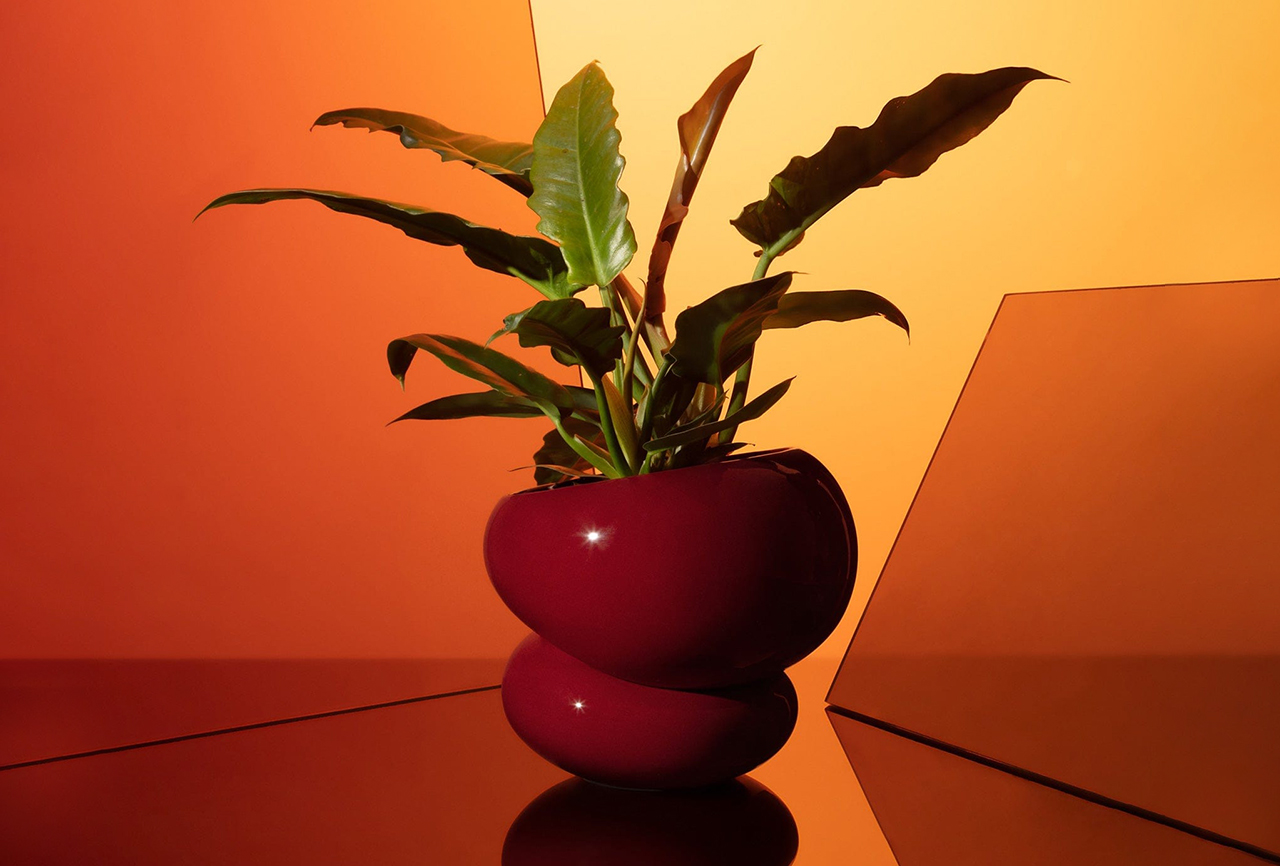
Calling All Curves – 12 Curvy Home Decor Objects to Style at Home
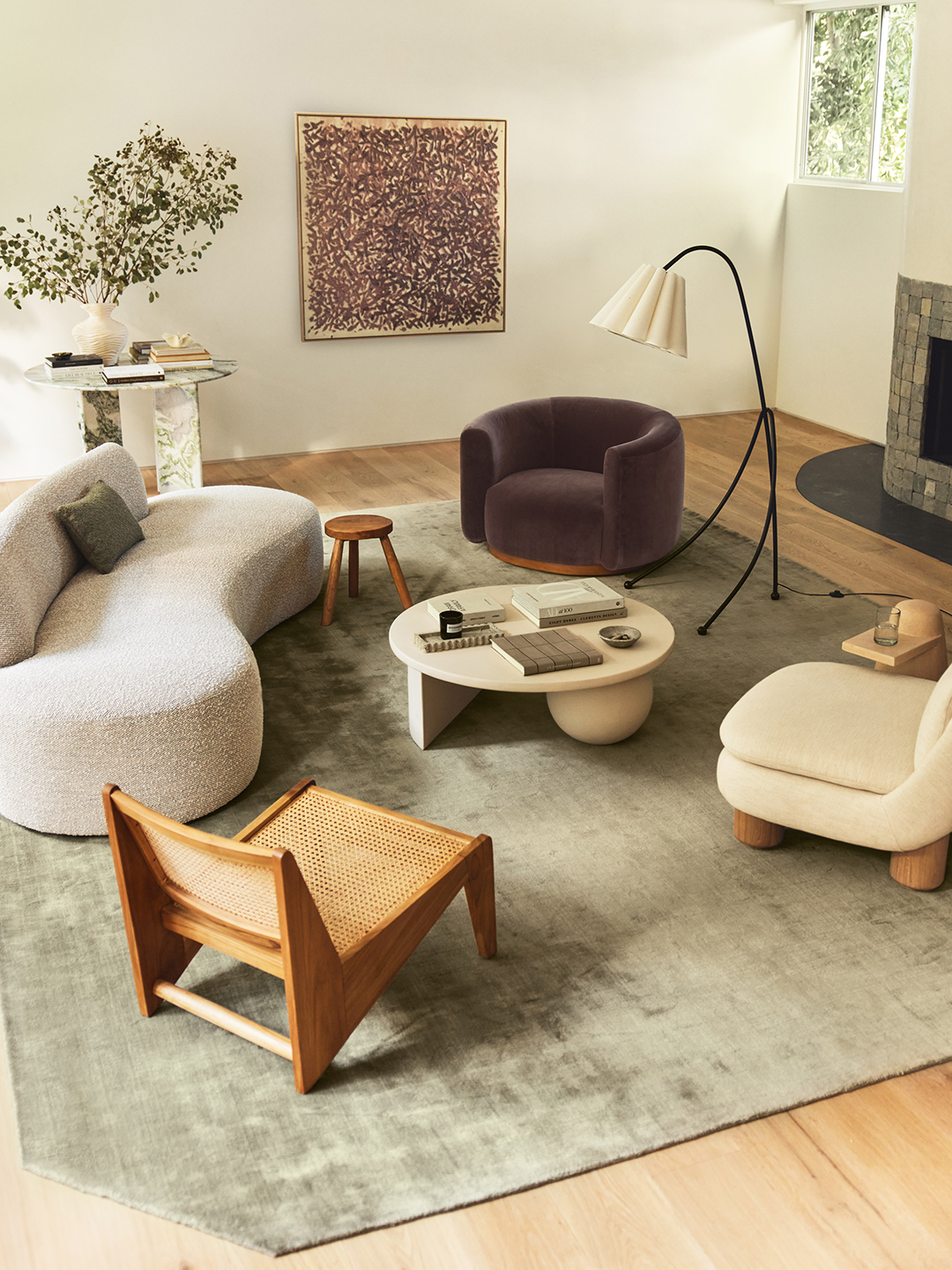
This Sofa Style Has Never Been So Popular—Here’s Lulu and Georgia’s Fresh Take


Gyprock releases new flexible plasterboard for curved ceilings
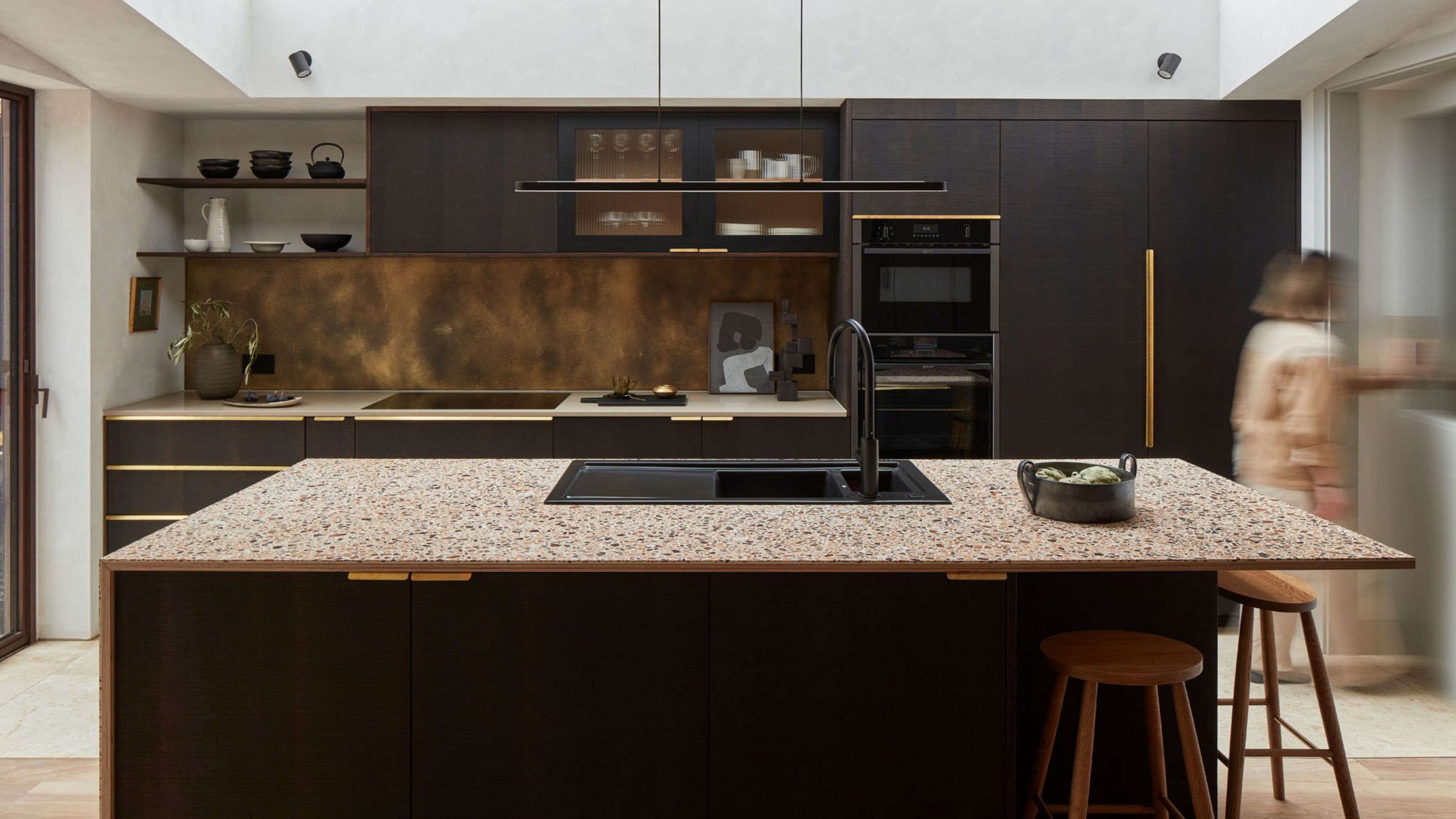
6 Sustainable Material Trends That Prove It's No Longer Just a Buzzword, but an Exciting Design Opportunity
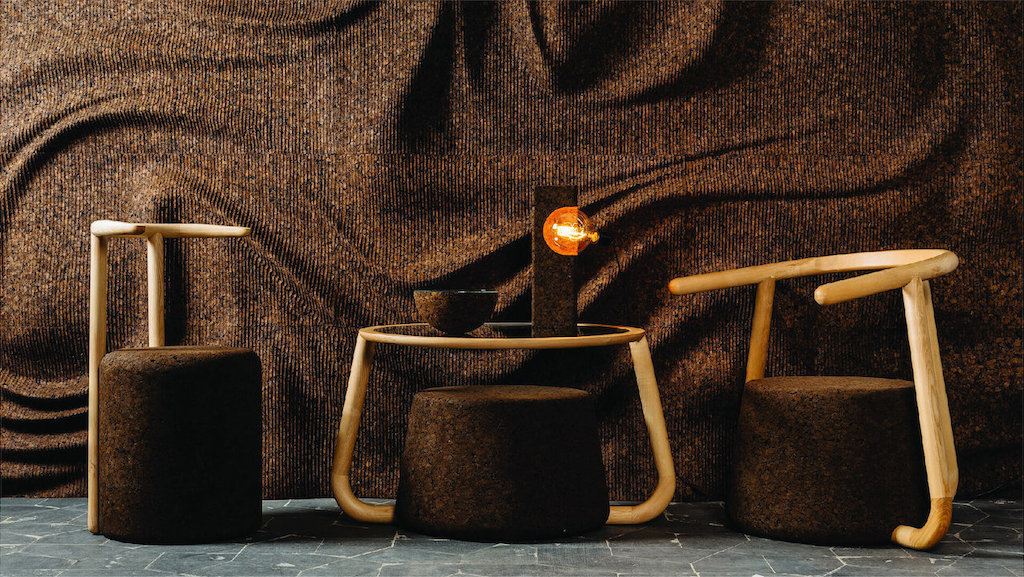
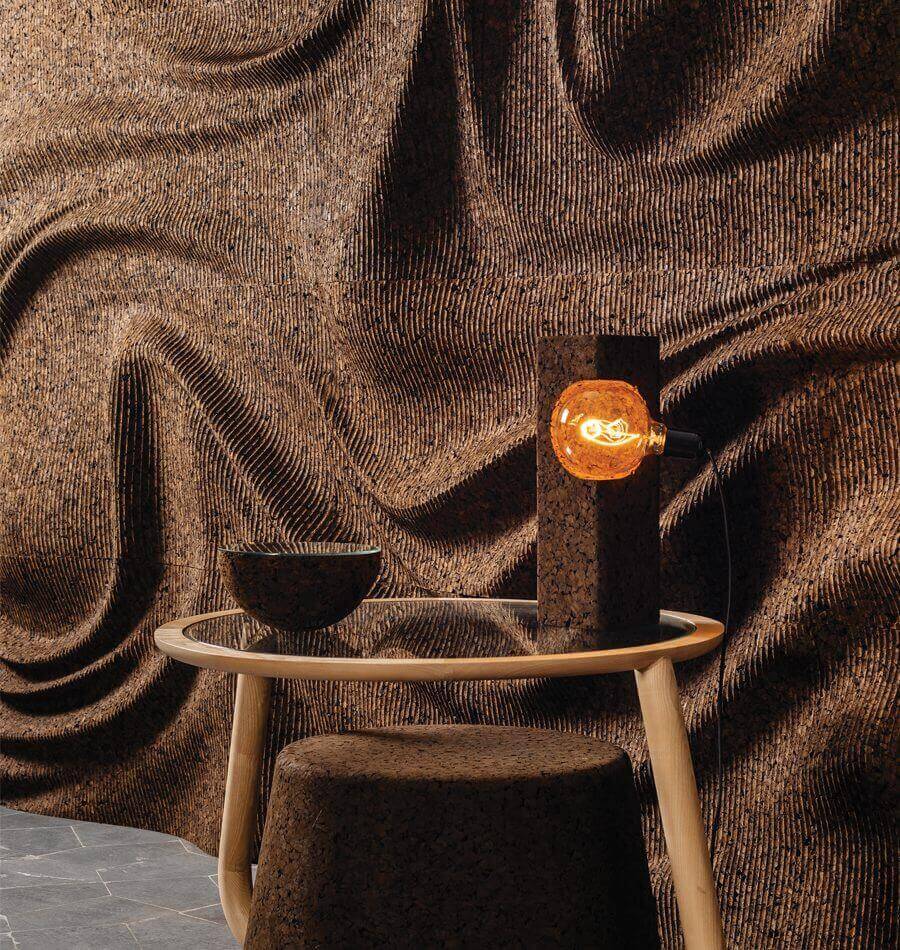
A new vision for cork, that is attractive and utilizes contemporary digital designs

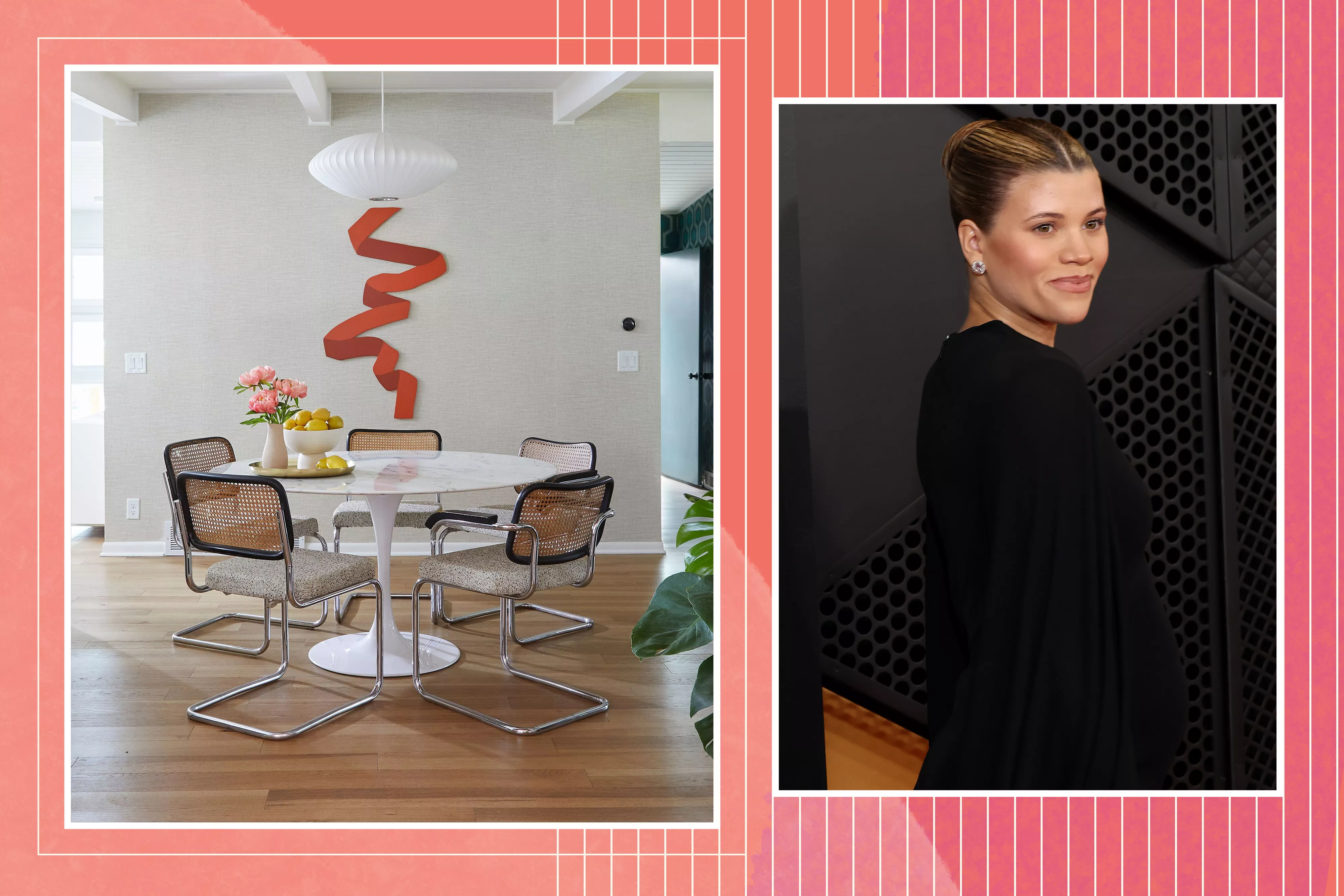
Sofia Richie Grainge's On-Trend, Curved Dining Room Look Is Actually Attainable

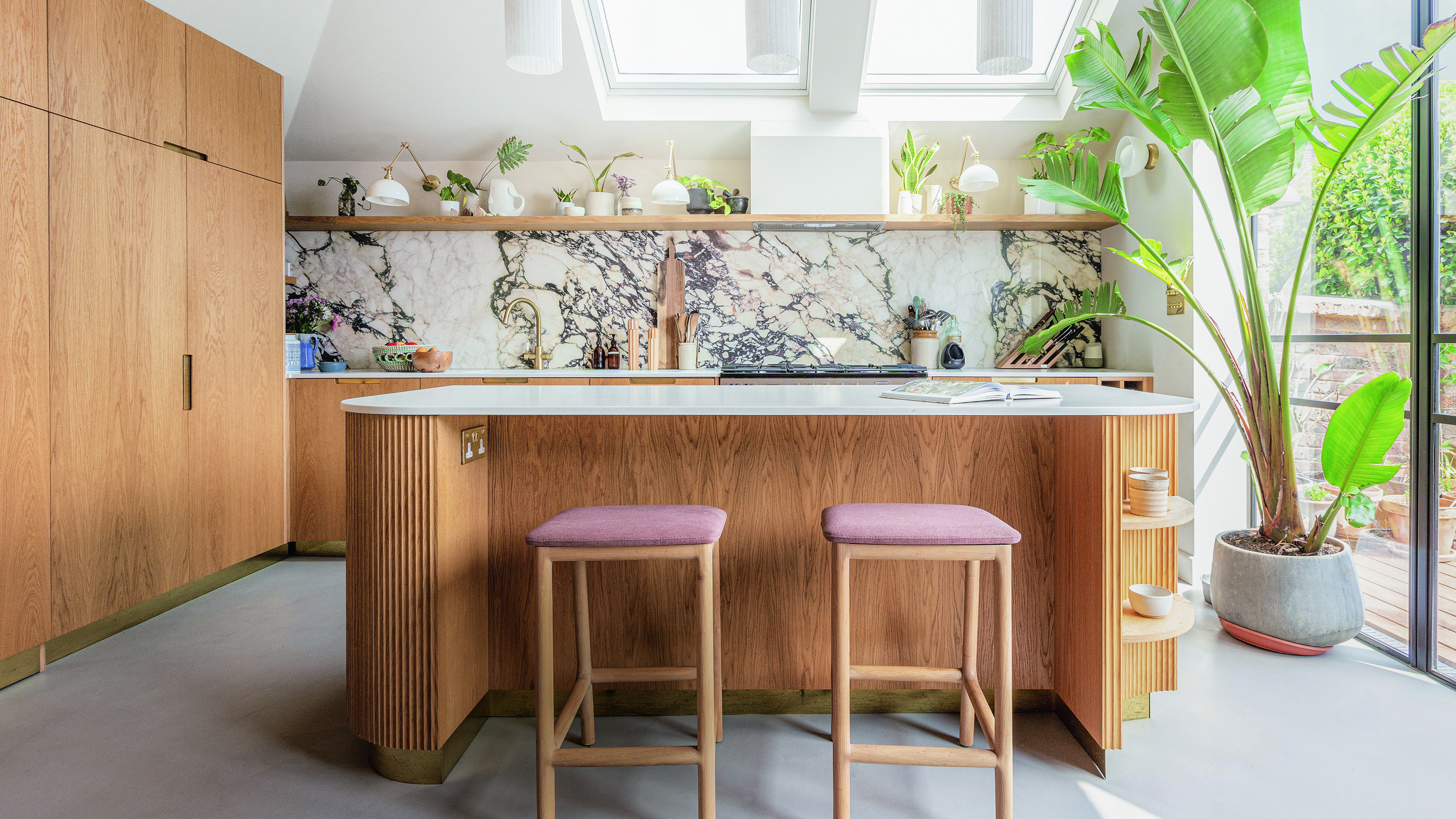
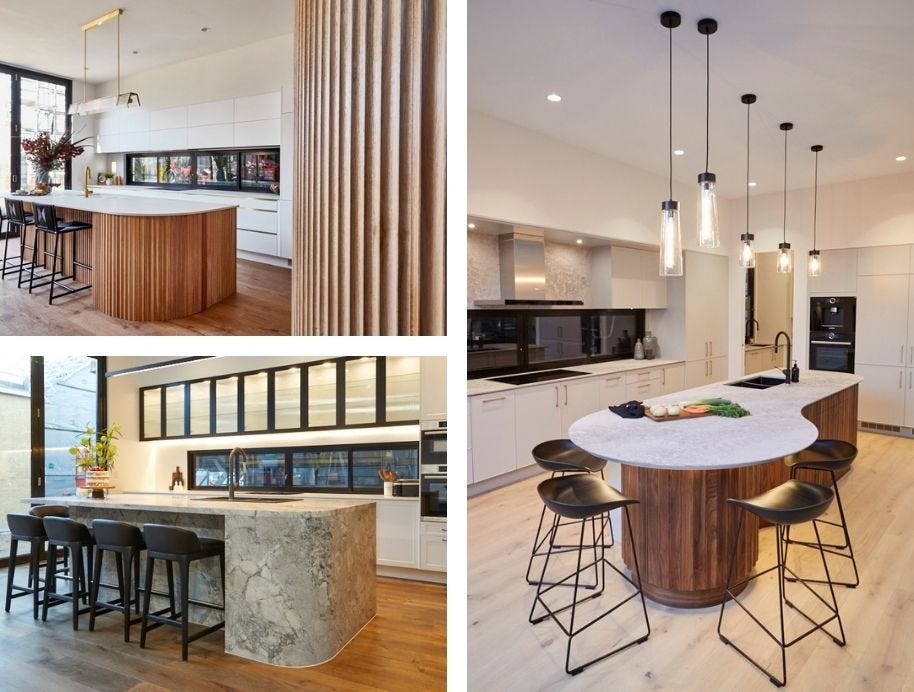
Are curved kitchen islands the big trend for 2025? Here are 6 ways to include soft shapes in your space
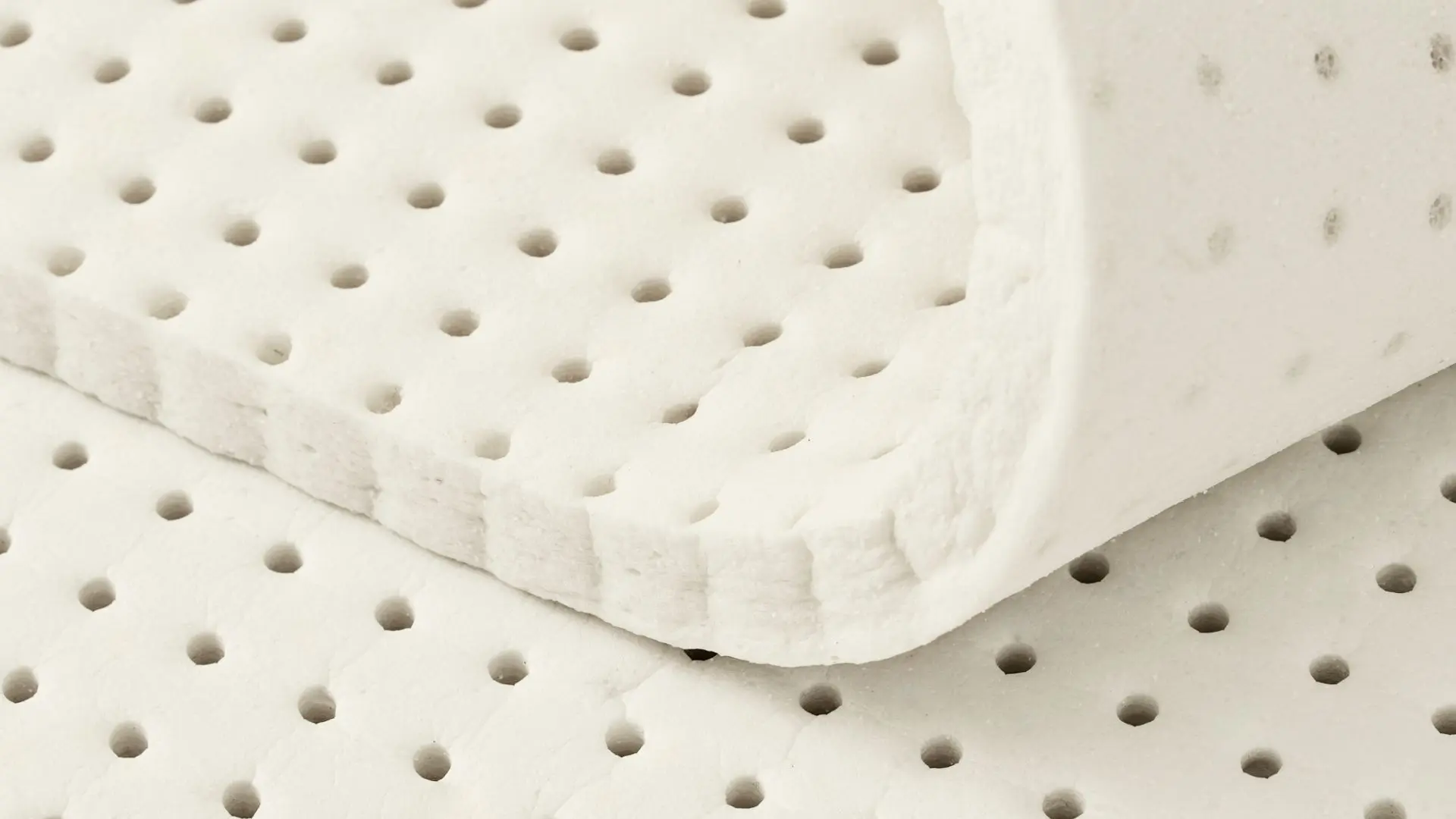
A next-generation material for sustainable padding applications
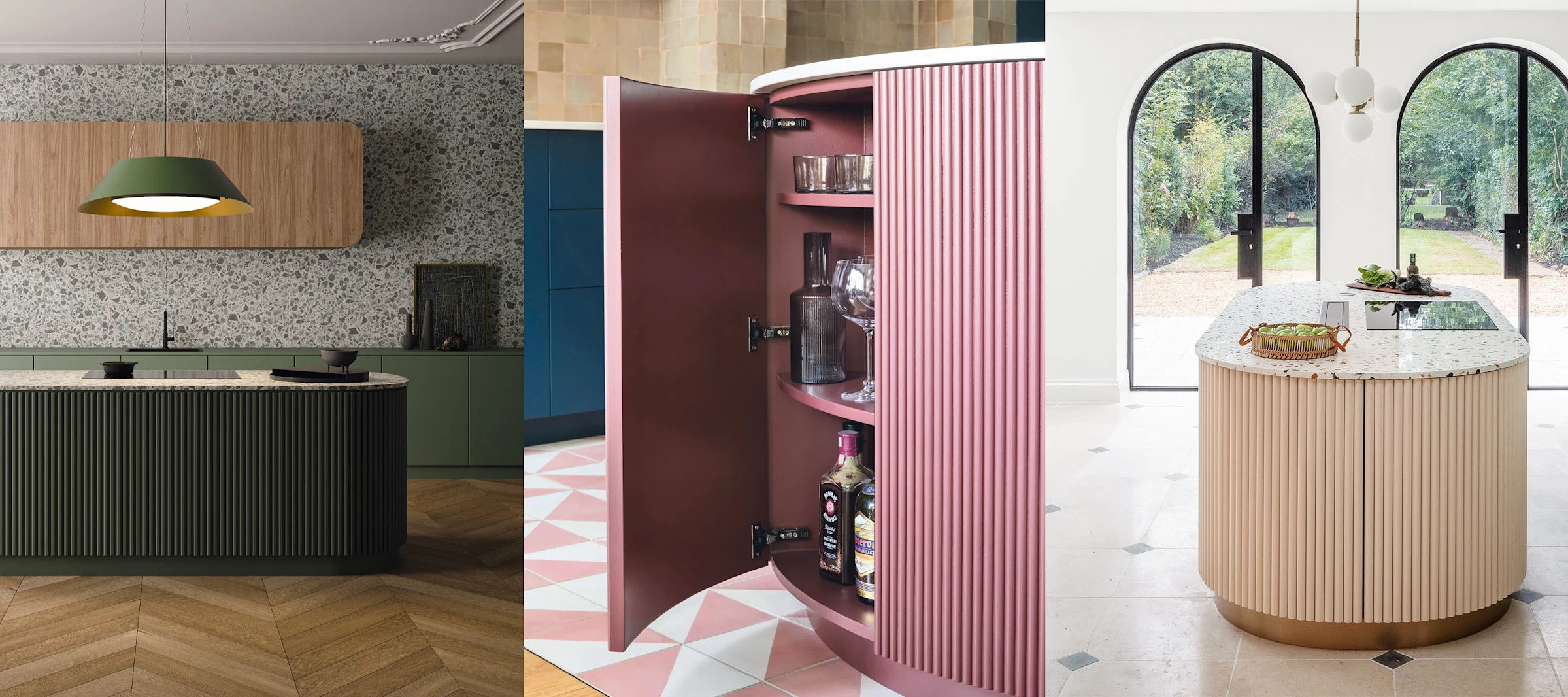
We're calling 2023's biggest trend: curves in the kitchen – designers show how to include them in yours

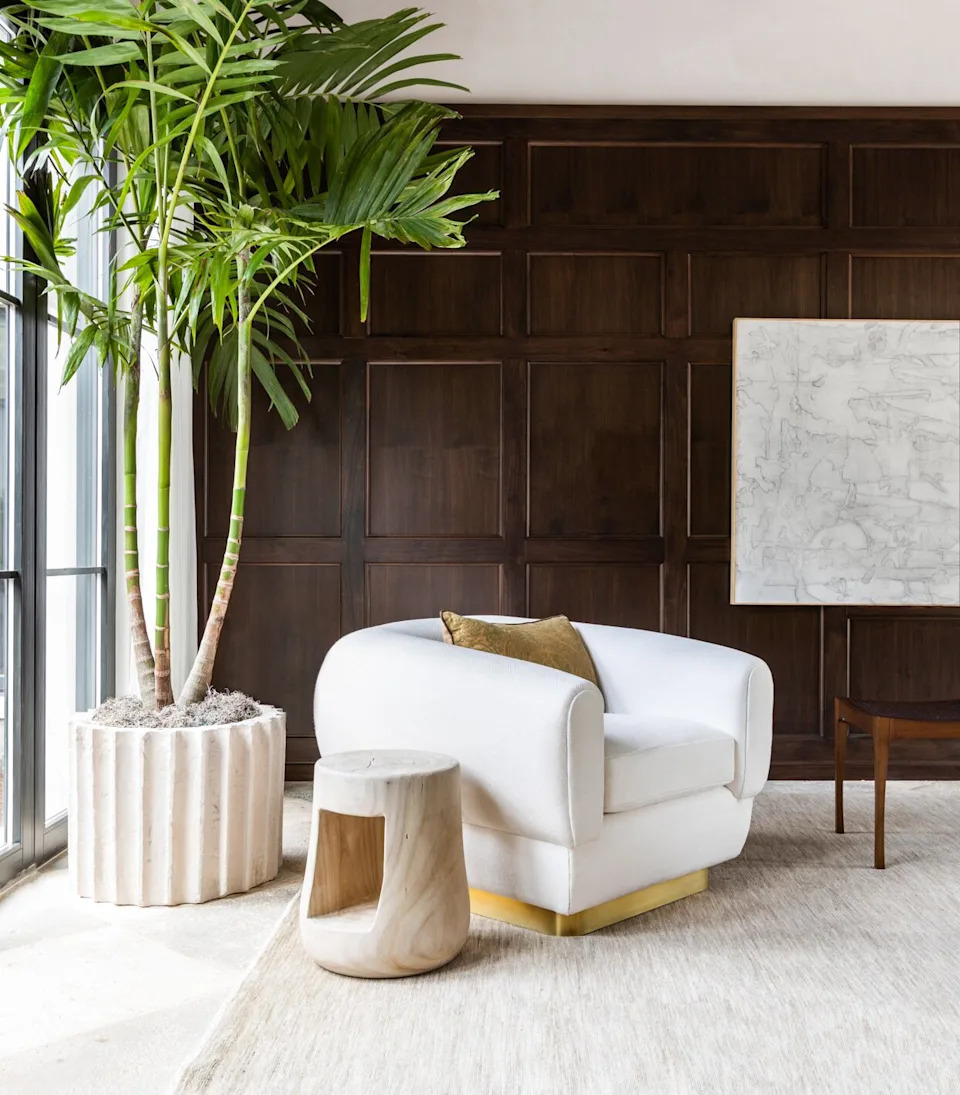
4 Ways to Try the Curved Furniture Trend That's Everywhere Right Now
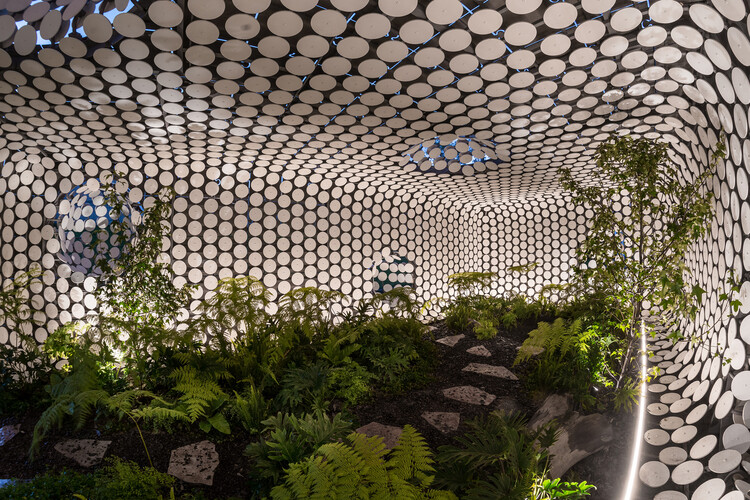
The Circular Potential of Fiber Cement Cladding

Moss-Core, Squishy Shapes, and 6 Other Trends We’re Super Excited About Right Now
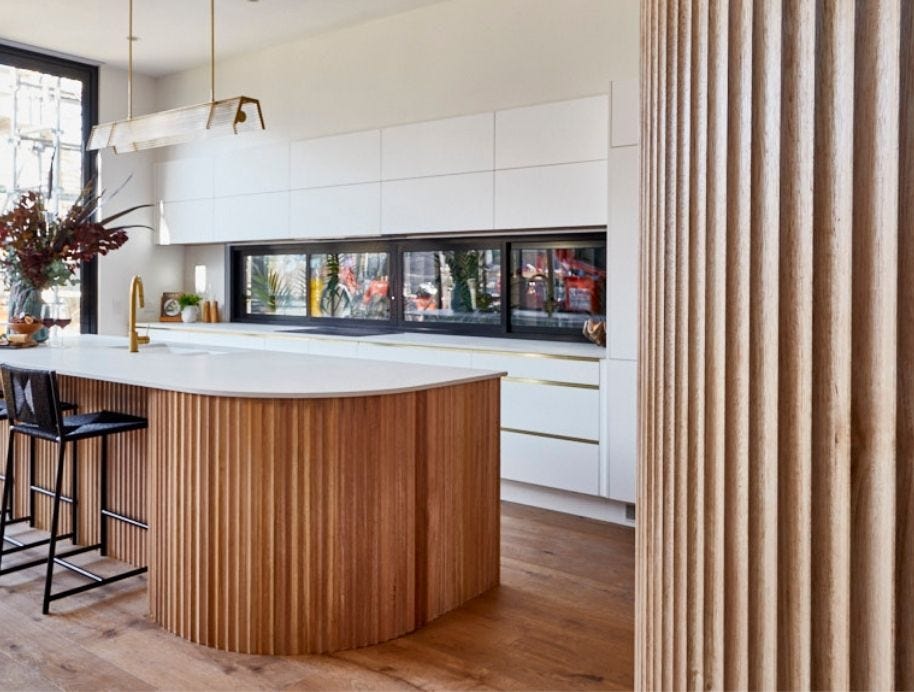
Time to get curvalicious!

Material Innovation At Its Best: Explore Design Standouts

7 curved coffee tables to bring a laidback feel to your living room

The Soul in the New Machines (Published 2008)