1/14
The Circular Potential of Fiber Cement Cladding
The increasing demand for sustainable urban environments necessitates a paradigm shift in conventional architectural design and material selection, embracing circular economy principles. This approach moves beyond the linear 'take-make-dispose' model, focusing on the reuse, recycling, and transformation of existing materials. Circular design, a core component of this shift, guides architects and designers toward creating products and structures that can be reintegrated into the material lifecycle, minimizing waste and resource depletion.
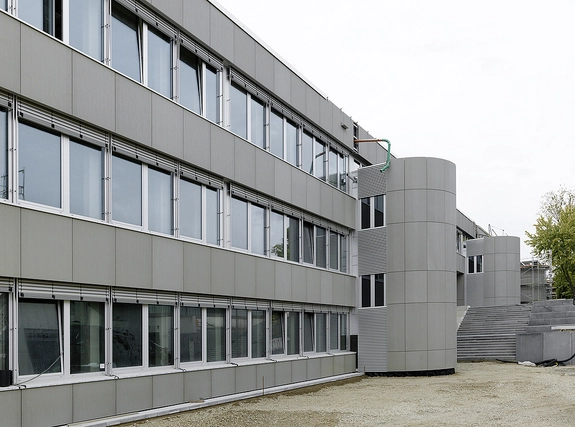
Fiber cement cladding, composed of basic earth elements, mineral materials, water, air, and fire, offers a compelling solution within this circular framework. Its inherent durability, strength, and composition make it an ideal candidate for sustainable construction. Manufacturers like Equitone design these panels as modular systems, facilitating ease of installation, removal, adaptation, replacement, and eventual dismantling for recycling. With a life expectancy of 50 years, fiber cement cladding panels are well-suited for circular buildings, contributing to reduced waste and the integration of reused components.
Architects can leverage the Equitone Specifier Design Guide to explore the extensive range of design possibilities offered by fiber cement panels. These panels provide significant aesthetic flexibility, allowing for diverse arrangements in terms of size, orientation, and pattern. Special applications such as perforations, extreme cuttings, milled surfaces, and curved walls further enhance creative freedom. The integration of ventilated facade systems with a backing wall promotes air circulation, contributing to building performance. Crucially, these panels are engineered for disassembly, enabling their reuse and recycling at the end of a building's lifecycle, thereby closing the material loop.
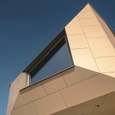
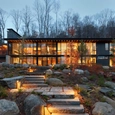
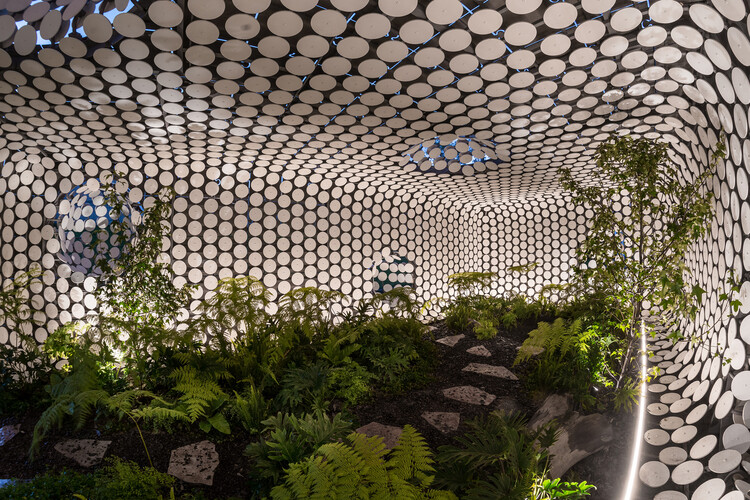
Real-world architectural projects demonstrate the practical application of fiber cement cladding in circular design strategies. The Vista North Pearl Condominiums in Portland, a multi-family residence, utilizes Linea and Tectiva panels to create a textured facade that harmonizes with the neighborhood's industrial heritage while incorporating sustainable elements like green terraces. Similarly, the renovation of Villa Maillard in Tourcoing showcases how Tectiva cladding panels can provide a new, reusable skin for an existing 1930s single-family home. The Childhood Center in Marmoutier exemplifies the material's use in public architecture, employing dark gray Linea panels to form a geometric facade that interacts with light and shadow. The Egaligilo Pavilion, an ephemeral structure, further highlights the circular potential, with CNC-cut fiber cement panels designed for easy assembly and disassembly, promoting awareness for recycling temporary architectural installations.
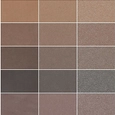
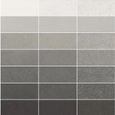
Beyond their sustainable attributes, fiber cement facade panels offer extensive design versatility in terms of surfaces, textures, and colors. Options such as Linea (3D shaped textures), Lunara (irregular texture), Tectiva (sanded surface highlighting natural fibers), Pictura (smooth matte surfaces), and Natura (matte surface with randomly distributed fibers) provide architects with a wide palette for aesthetic expression. These large-format panels can be customized to specific project dimensions and exhibit high resistance to fire, chemicals, biological agents, and extreme temperatures, ensuring minimal maintenance requirements and prolonged performance. This combination of aesthetic flexibility and robust performance, coupled with its circular potential, positions fiber cement cladding as a significant material for contemporary sustainable architecture.
#CircularDesign #FiberCementCladding #SustainableArchitecture #BuildingMaterials #FacadeDesign #ModularDesign #ArchitecturalInnovation #MaterialReuse #GreenBuilding #CircularDesign #FiberCementCladding #SustainableArchitecture #BuildingMaterials #FacadeDesign #ModularDesign #ArchitecturalInnovation #MaterialReuse #GreenBuilding
0 comment in total
 No comments yet
You may also like
Fiber Cement Panel - Swisspearl Interior from Swisspearl
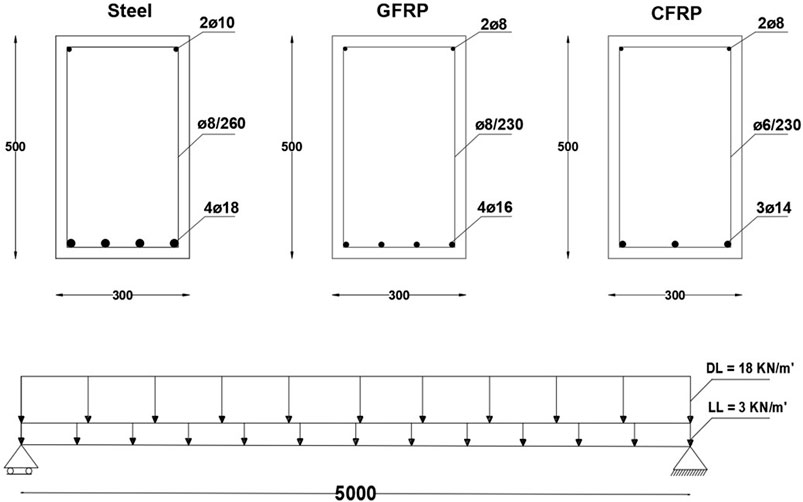
A comparative life cycle assessment of fiber-reinforced polymers as a sustainable reinforcement option in concrete beams
Go bold on exterior design with new Hardie Oblique Cladding
Fiber Cement Colorline - Avera from Swisspearl
Cladding
Engineered Siding: Everything You Need to Know


Cement
Hardie™ Fine Texture Cladding delivers rendered wall look at heritage home refurbishment
Fiber-Cement Siding: An Attractive Alternative to Wood

Facade Panel – Twine from Rieder Smart Elements GmbH & Co KG
Tensile strain-hardening cementitious composites and its practical exploration without reinforcement: A review
Curves enabled by Cemintel Territory panels turn heads at Geelong townhouses