1/8
7 curved coffee tables to bring a laidback feel to your living room
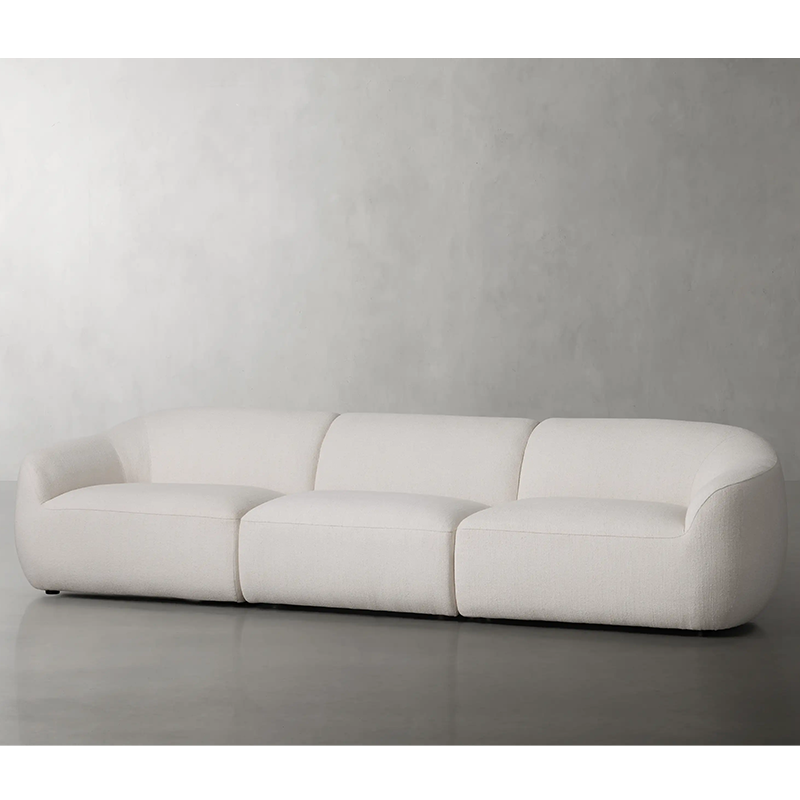
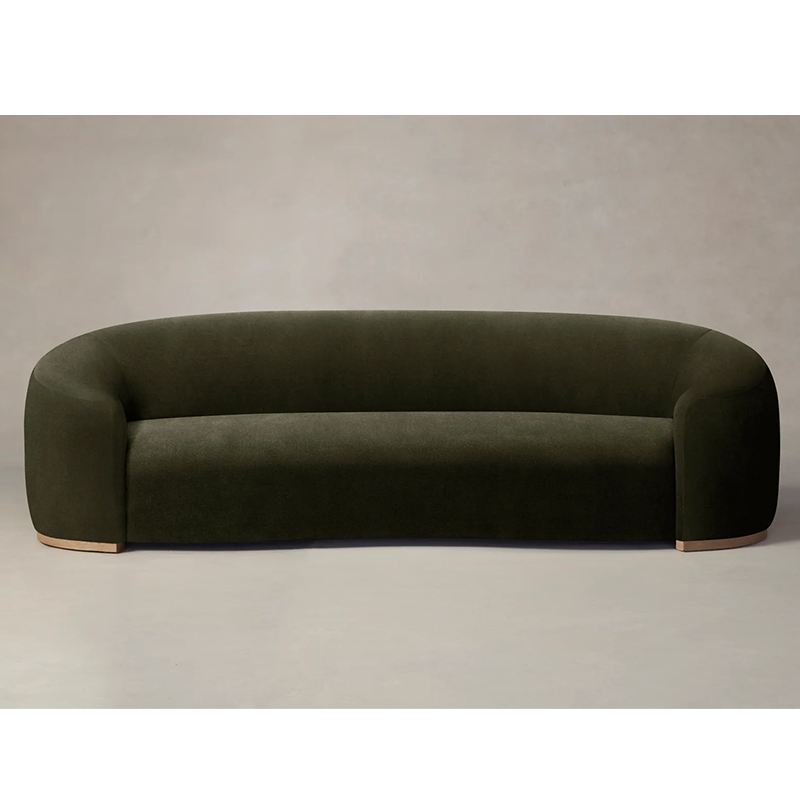
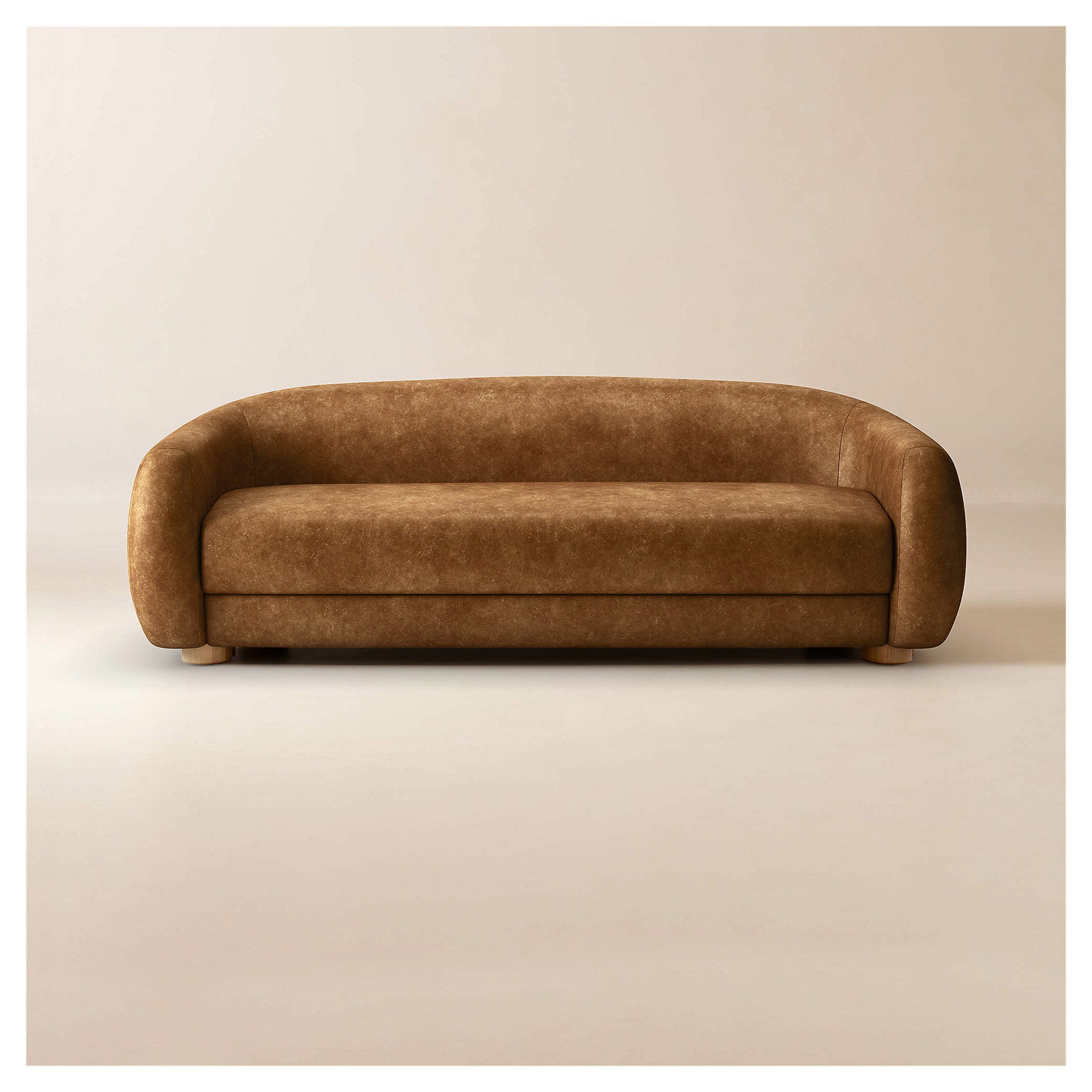
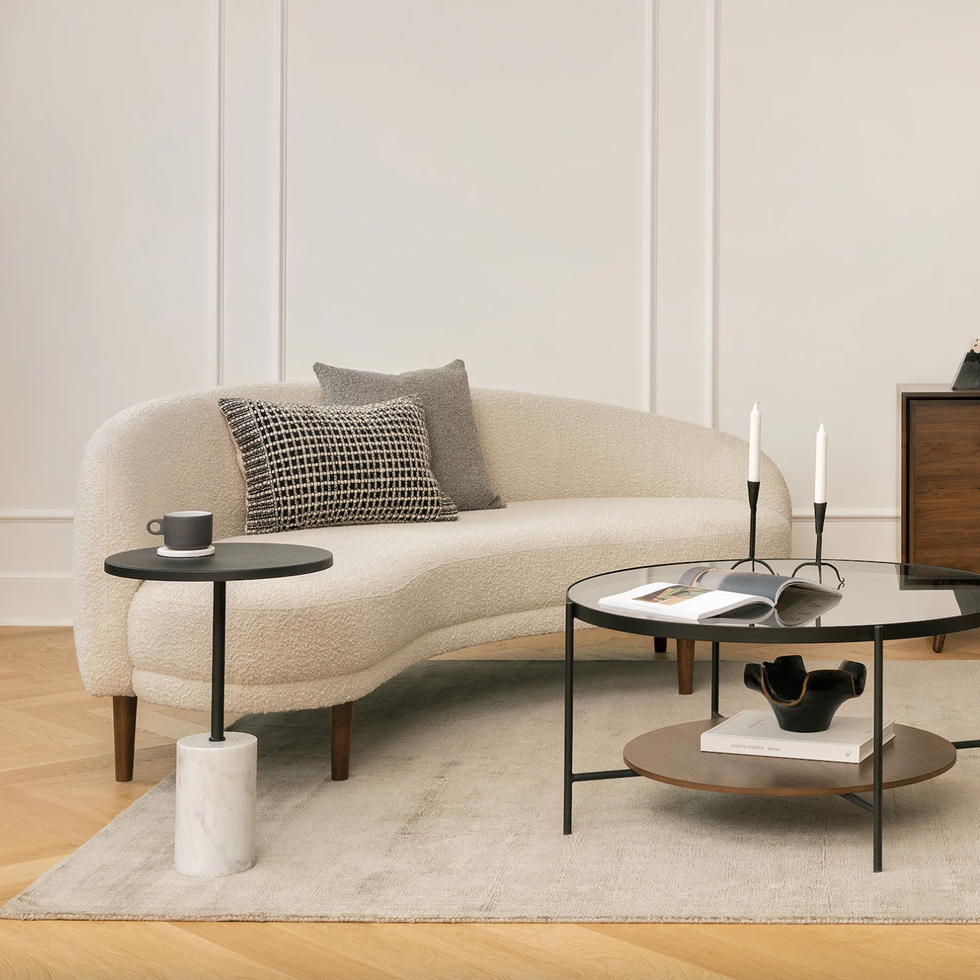
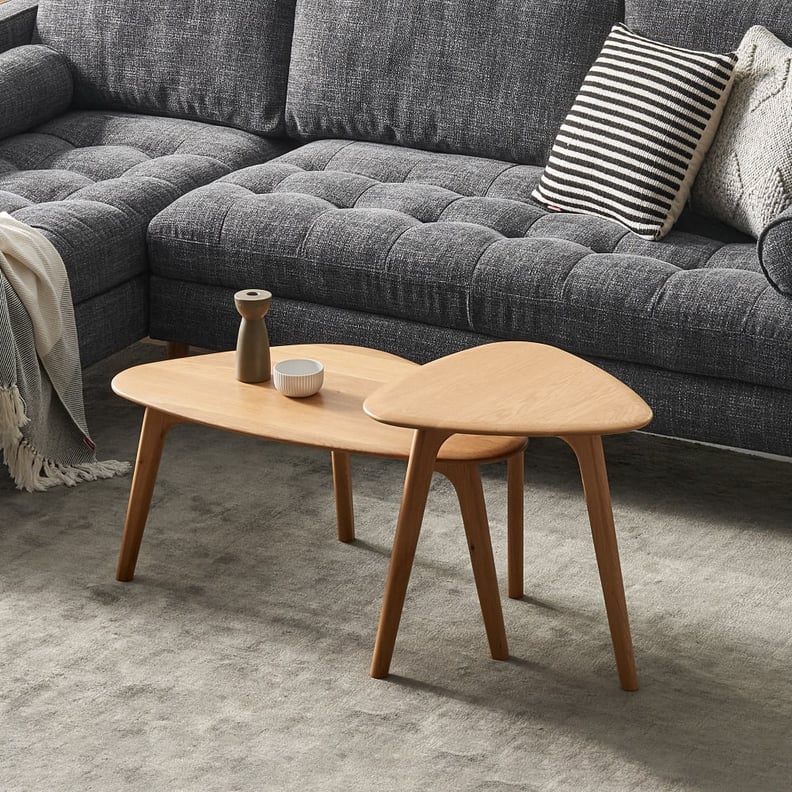
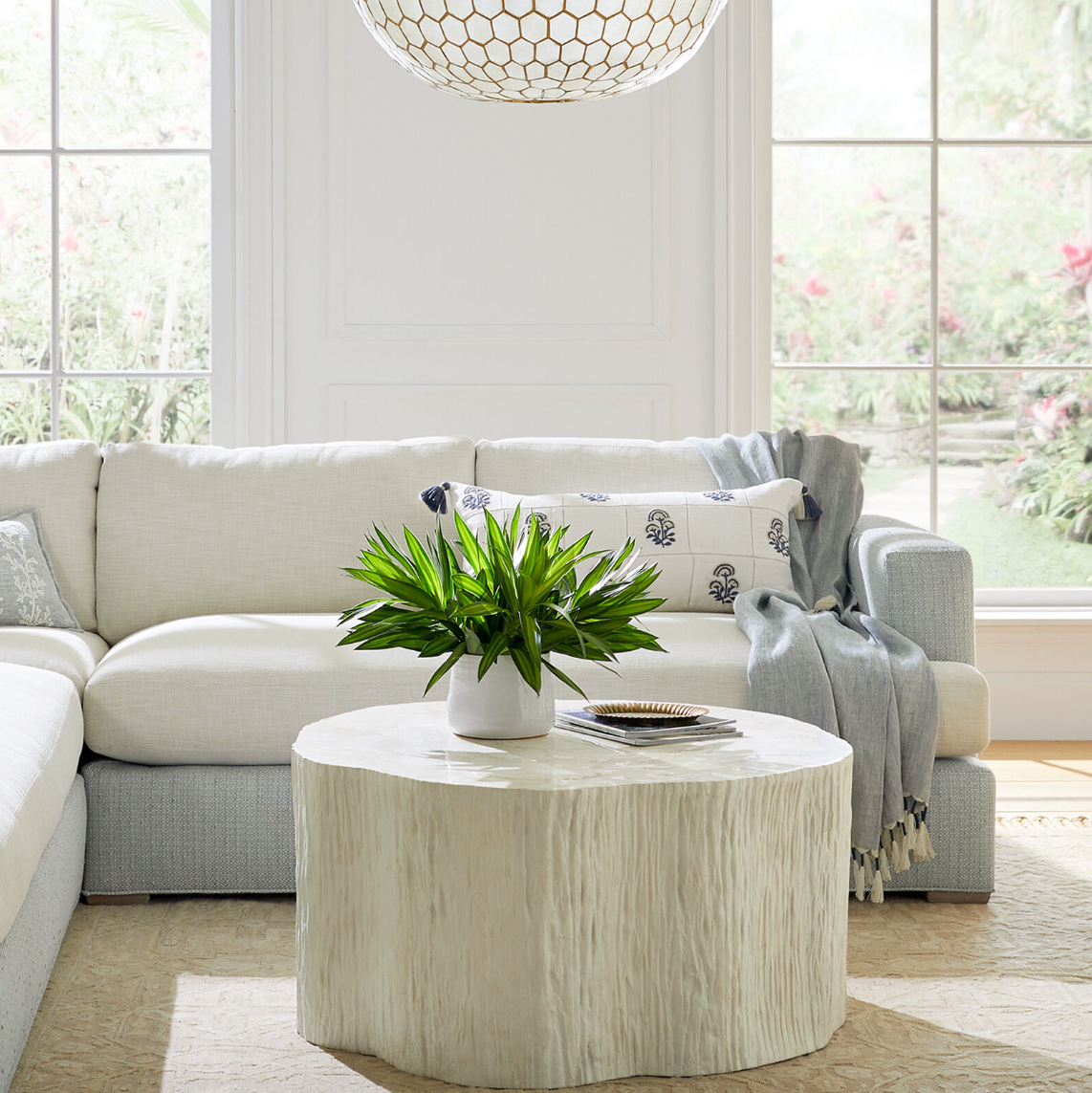
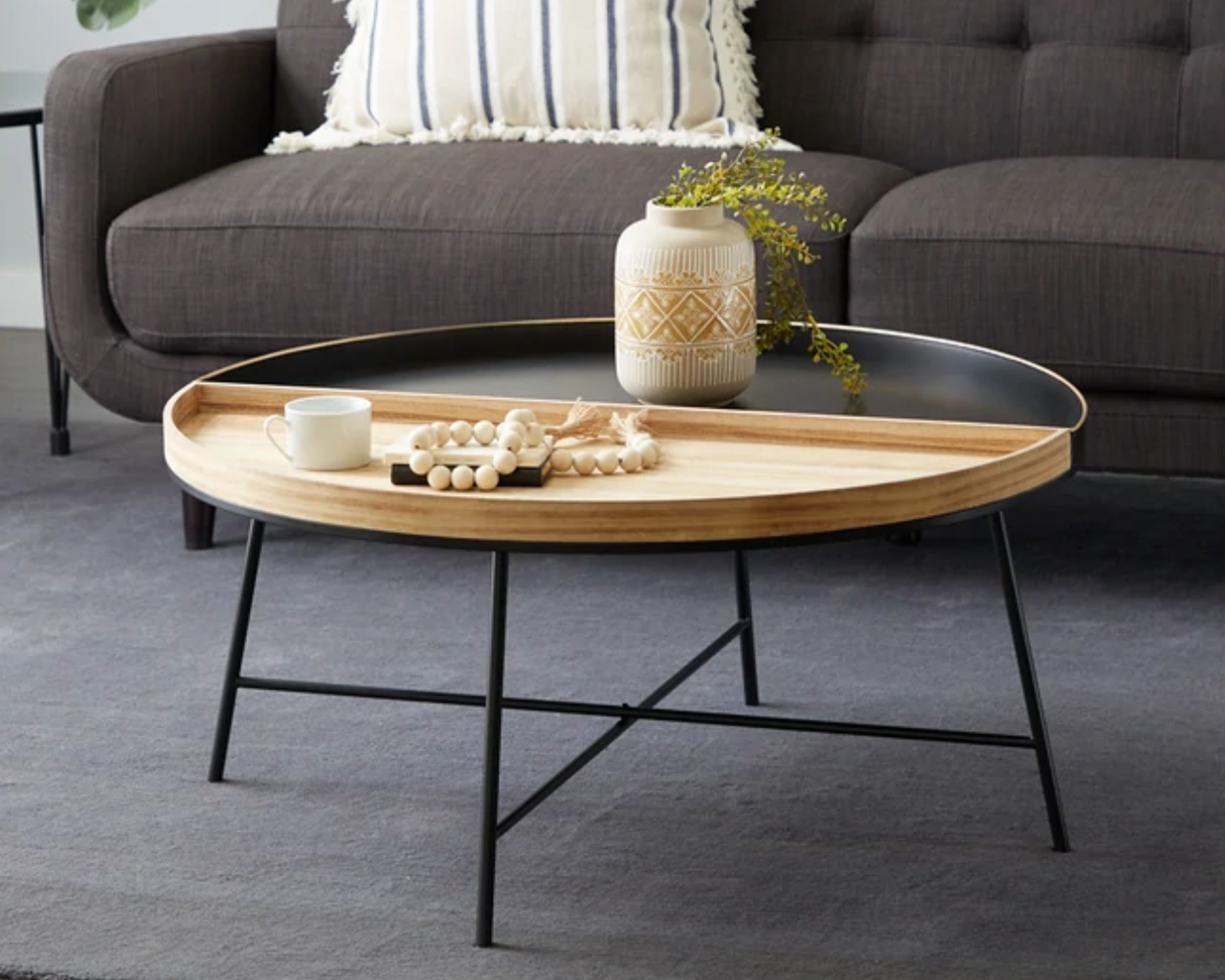
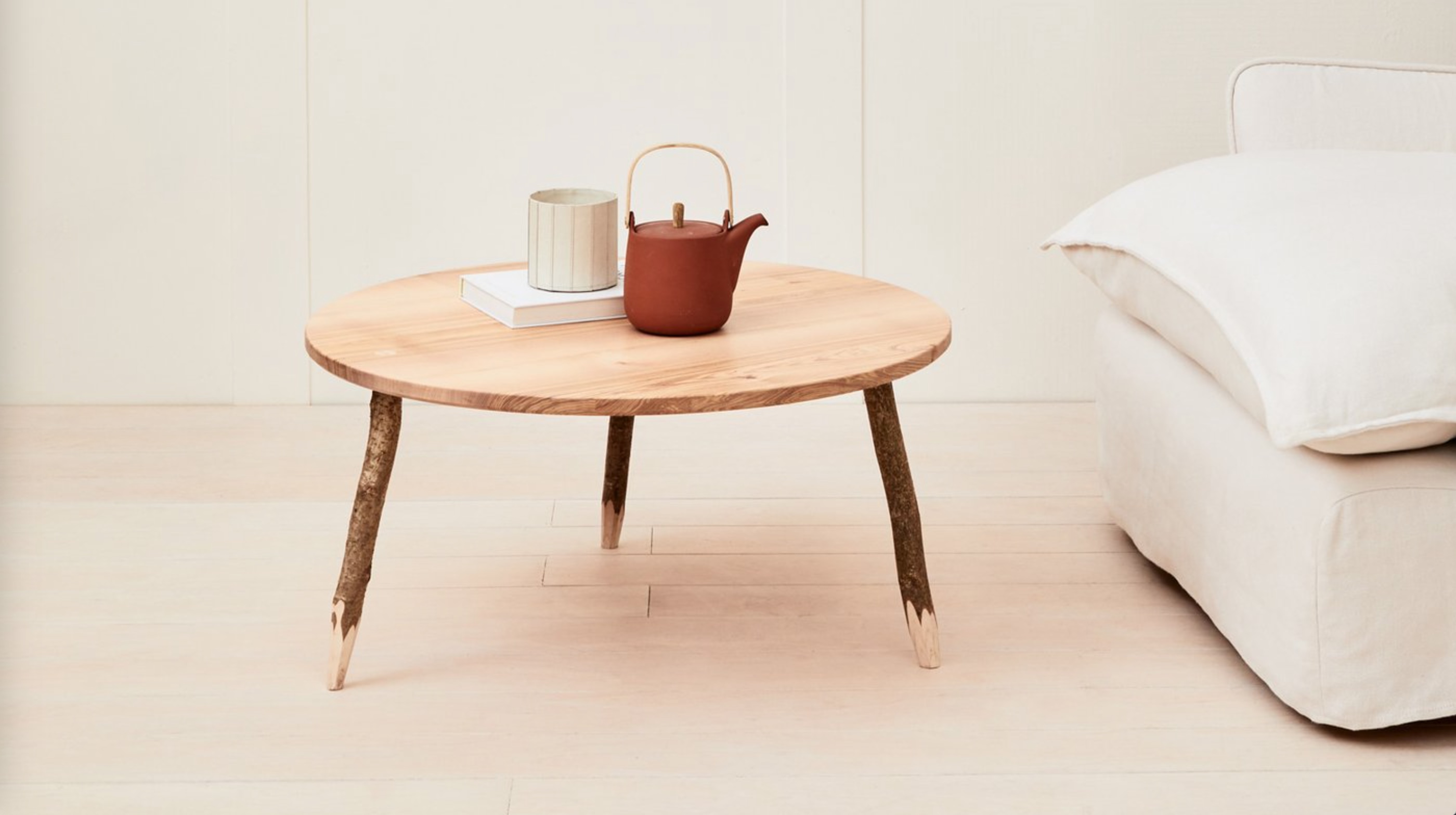
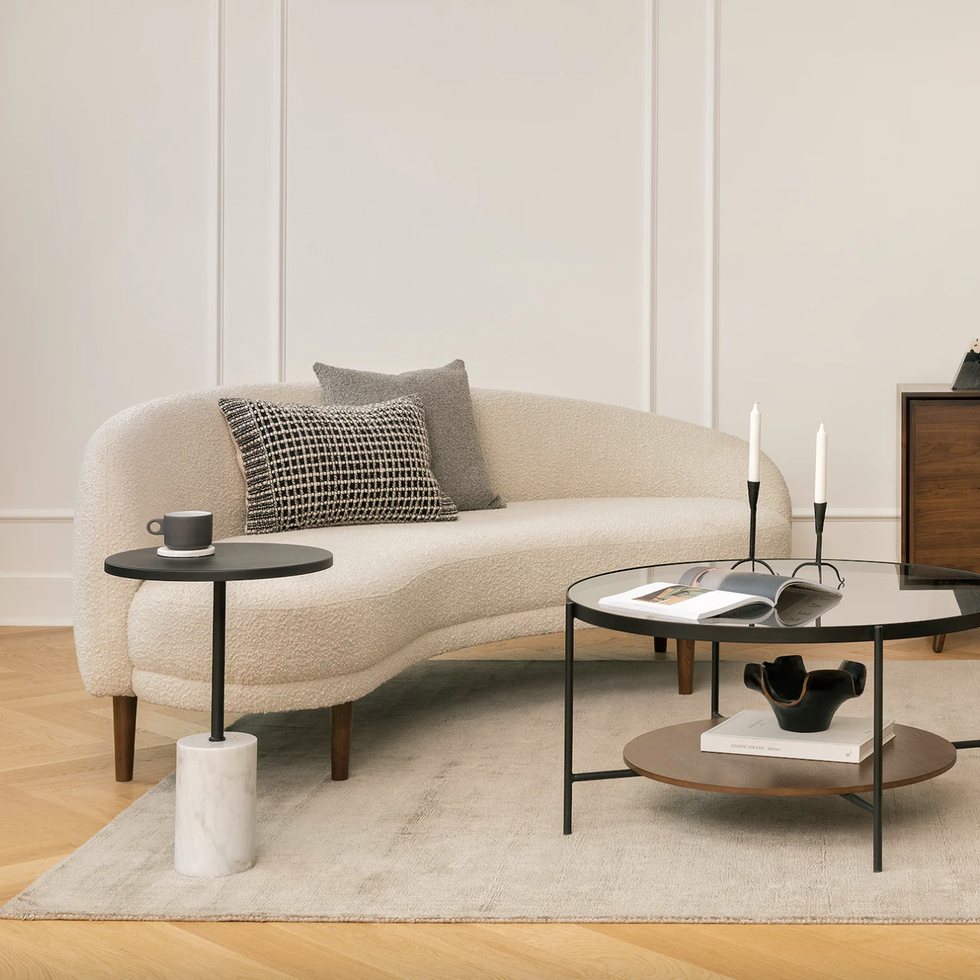
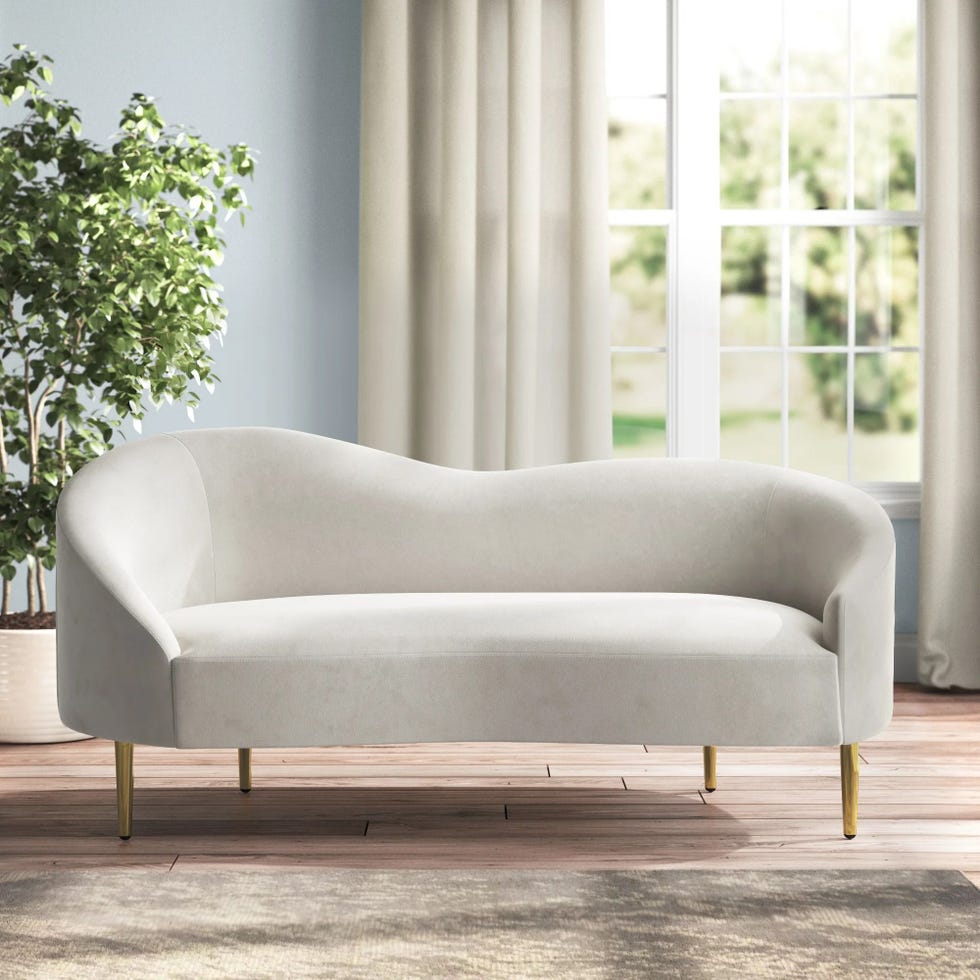
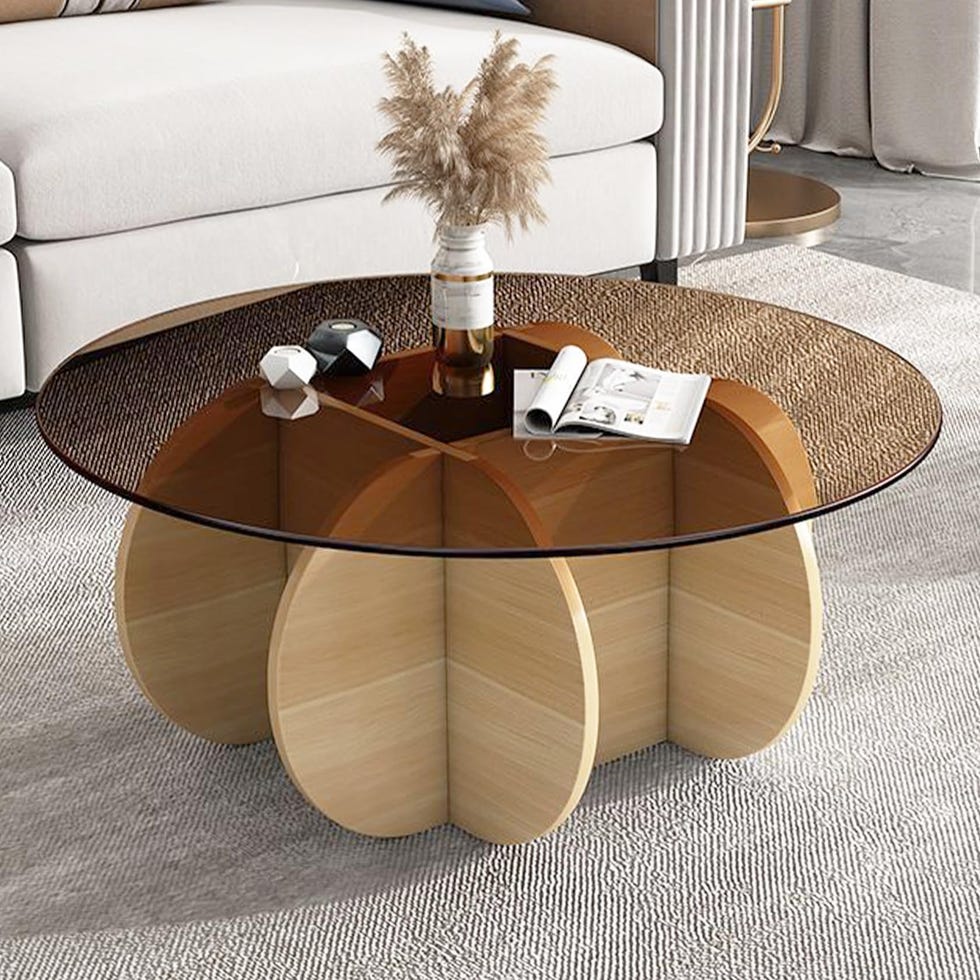
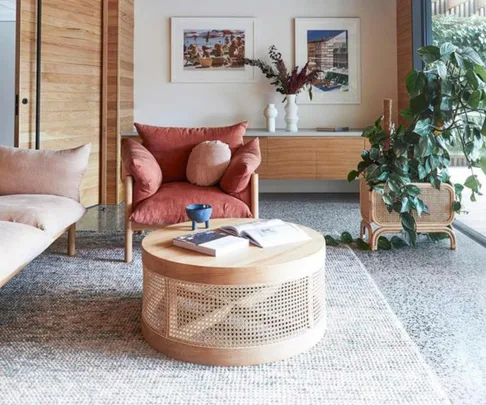
The demand for furniture featuring soft edges, fluid shapes, and cocooning forms is experiencing a notable increase, with the coffee table emerging as a central piece in this evolving design trend. This shift moves away from rigid lines and singular geometric forms, embracing more tactile and organic designs that introduce dimension and depth to interiors. These curved elements are perceived to instill a sense of calm within a room, metaphorically “taking the edge off” the space. The trend extends beyond coffee tables, influencing the design of various home furnishings, including sofas and side tables, indicating a broader movement towards softer aesthetics in home decor.
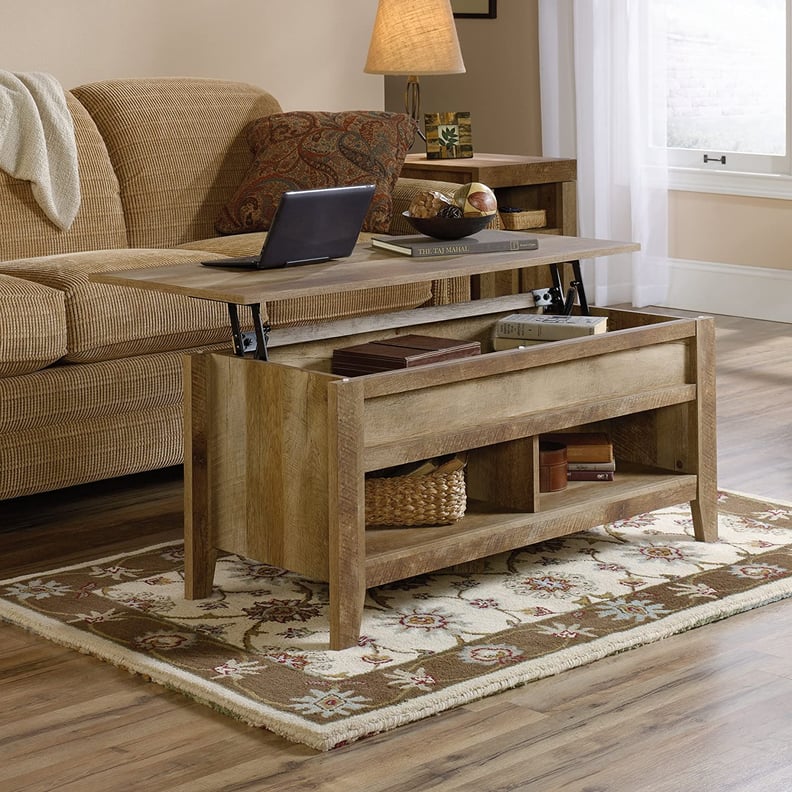
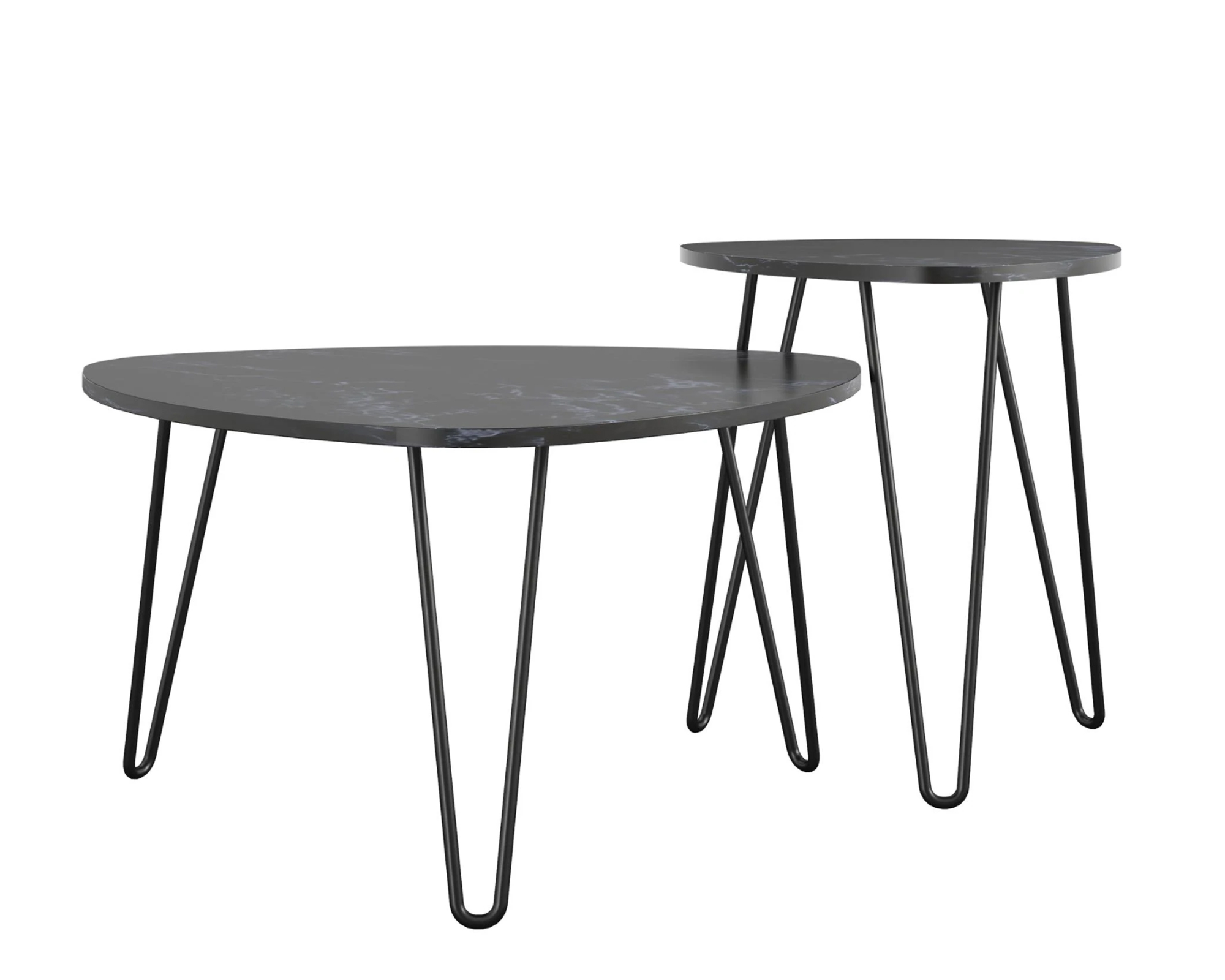
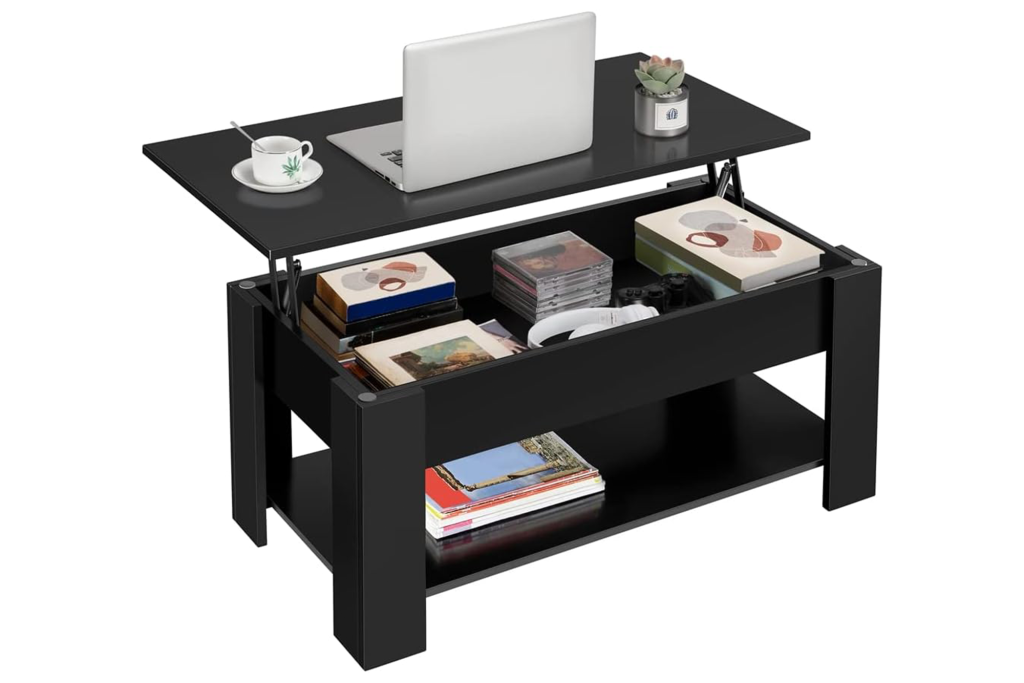
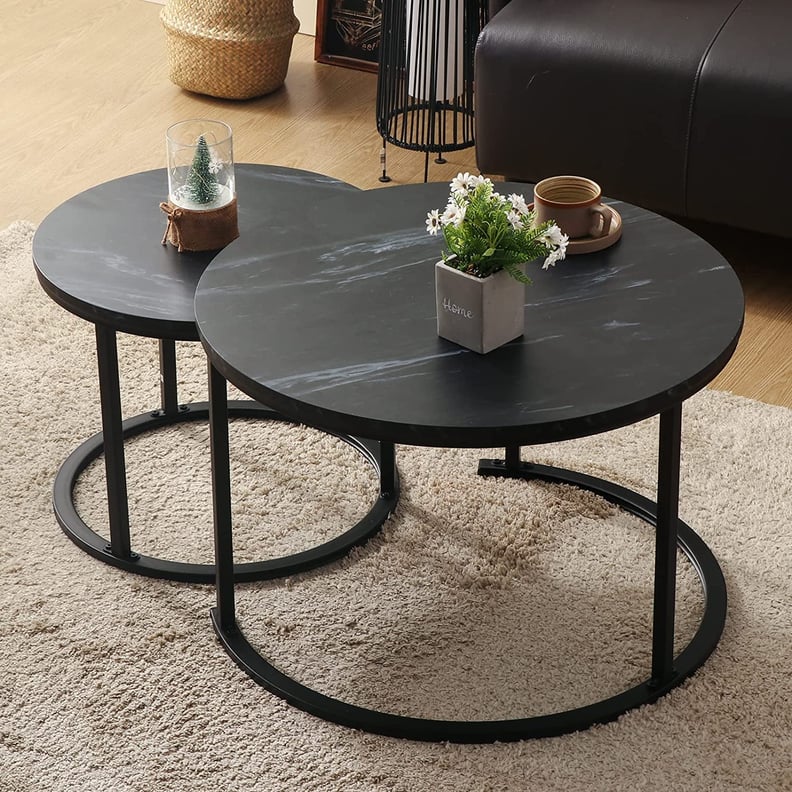
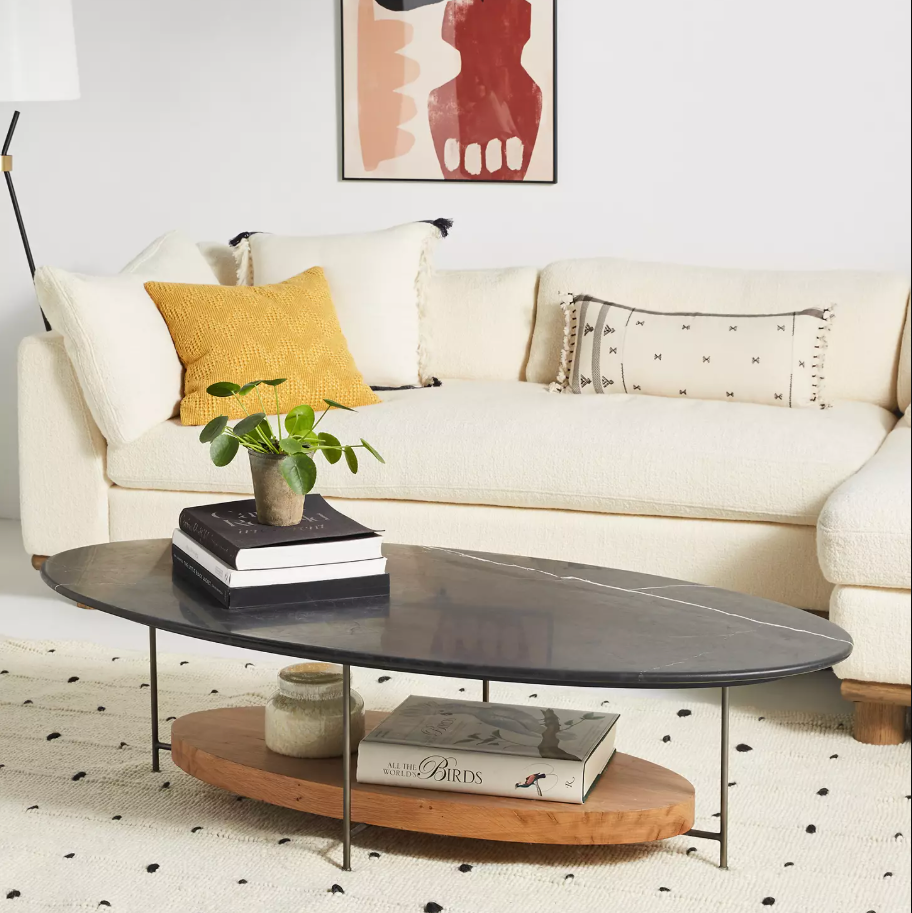
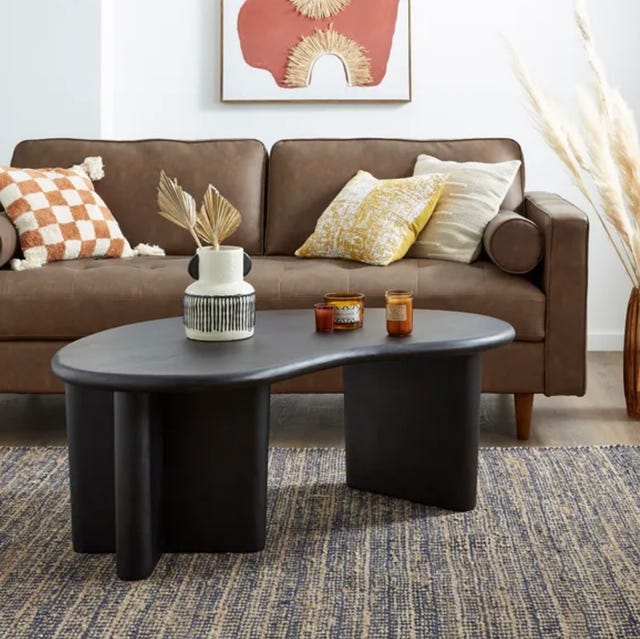
Design experts, such as Lauren Zeng from Homary, note that while curves and fluid forms have been observed at design shows for several years, their integration into residential interiors, particularly living spaces, is gaining significant momentum. Curved coffee tables encompass a wide variety of styles, often referred to by terms like abstract, pond, kidney, wiggle, or organically-shaped. Beyond their aesthetic appeal, many curved coffee tables offer practical functionalities, such as integrated drawers, lift-up lids, or shelves, providing discrete storage solutions. Nesting designs further enhance flexibility, allowing for additional surface area when needed, which can be neatly stowed away to optimize space.
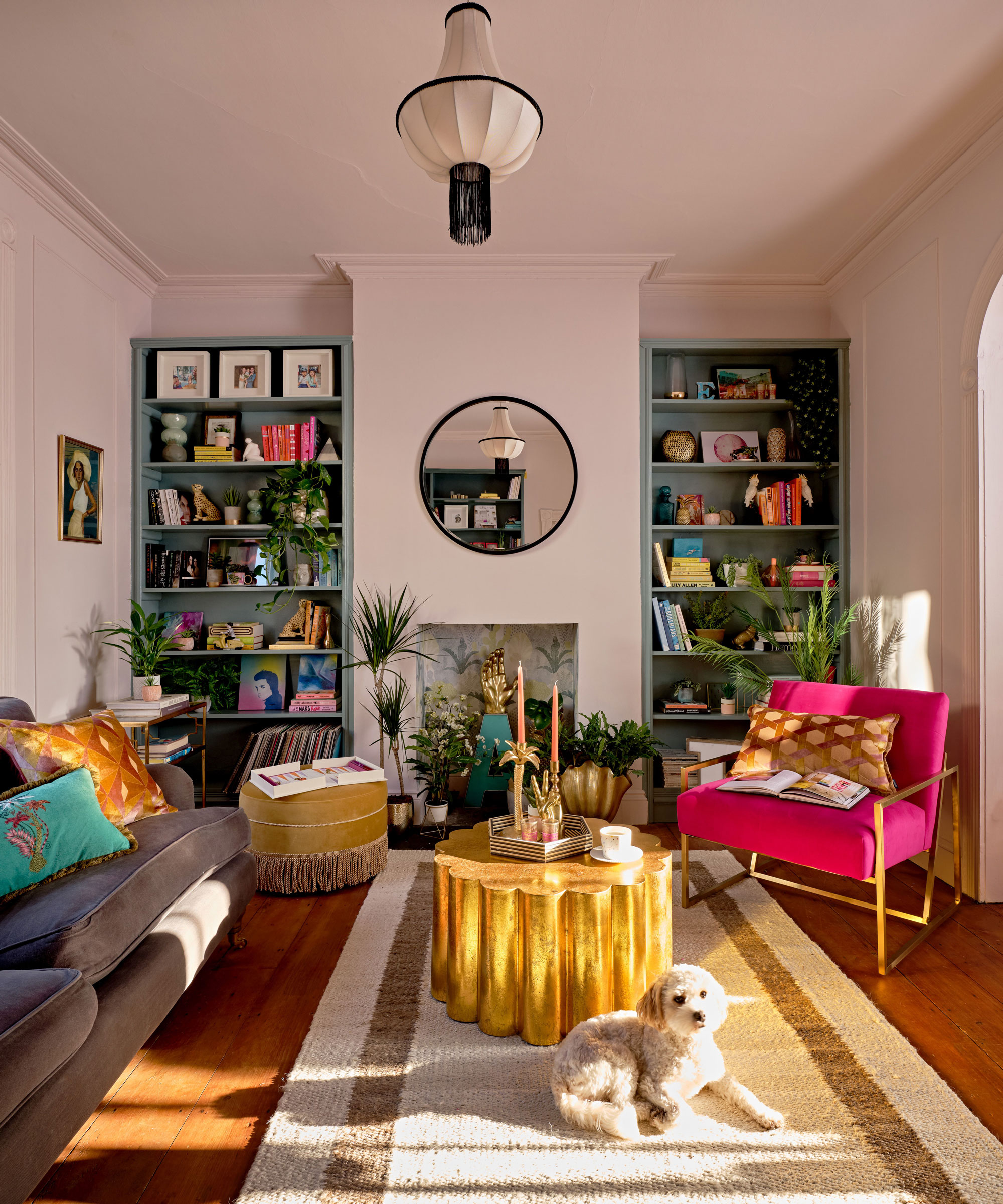
One of the key advantages of curved coffee tables is their impact on spatial dynamics. They are observed to occupy less visual space than their straight-edged counterparts, contributing to a perception of openness and making rooms appear larger. This flexibility in design challenges the traditional limitations associated with linear furniture, offering more adaptable solutions for various room configurations and sizes. The choice of materials and colors plays a crucial role in how these tables integrate into a room's overall design. Coffee tables can either complement an existing decor scheme or serve as a focal point.
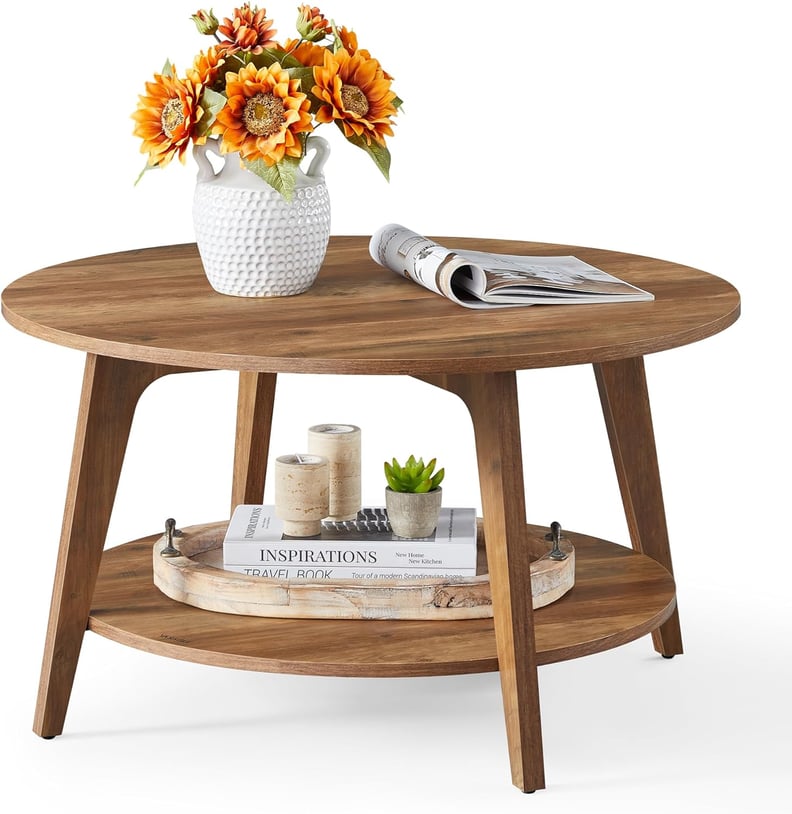
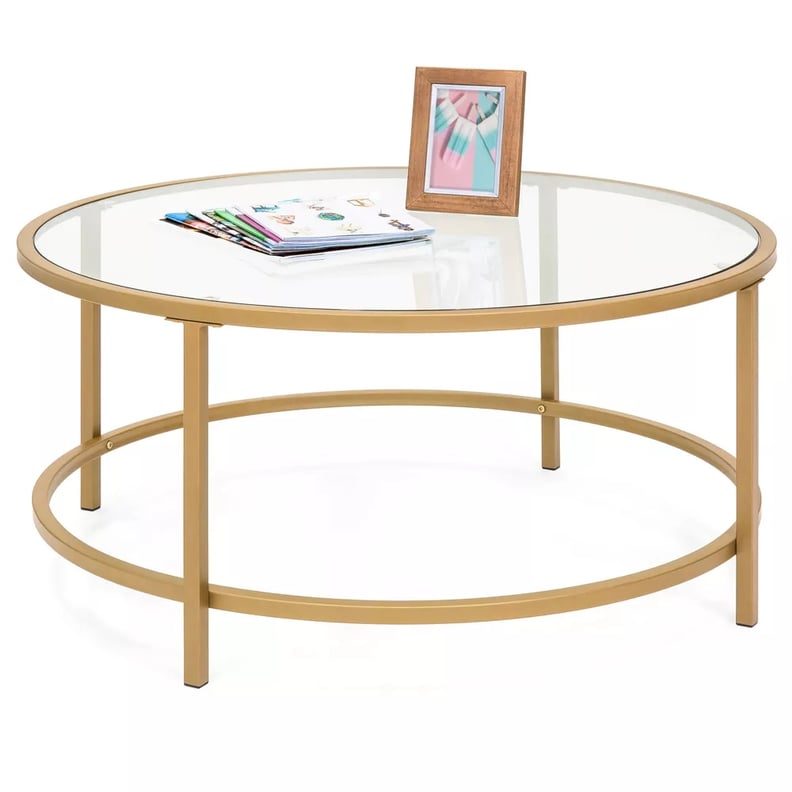
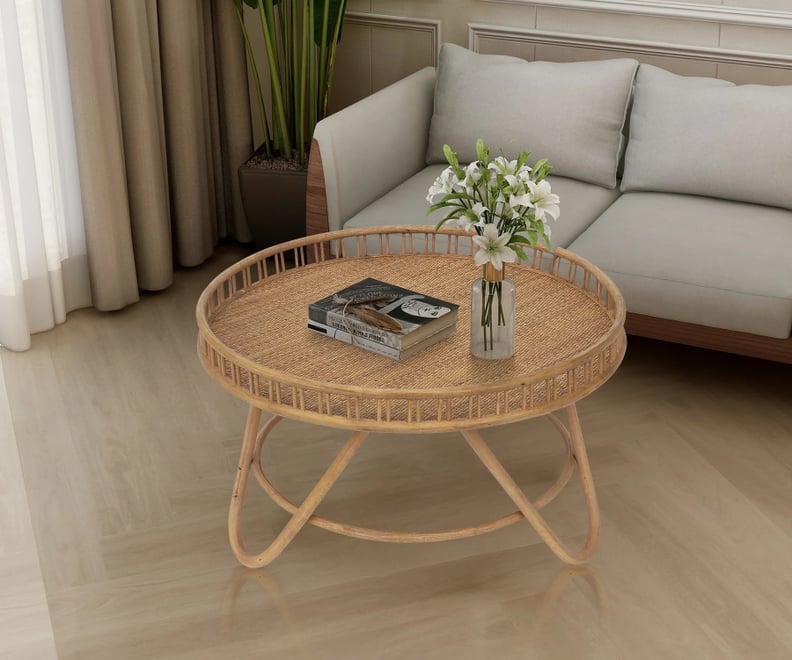
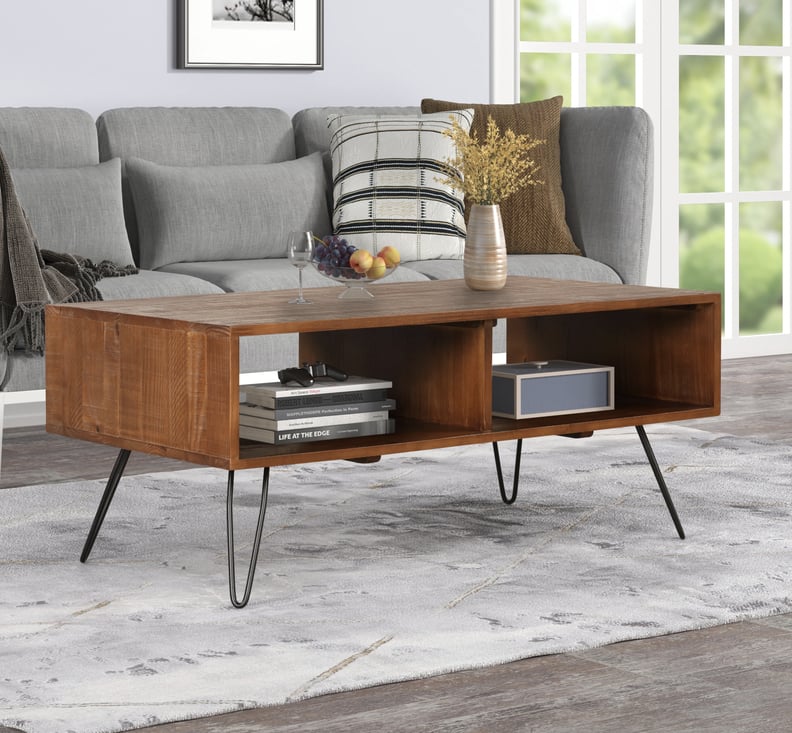
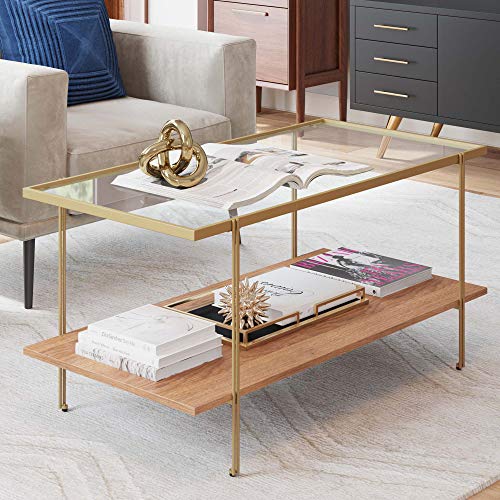
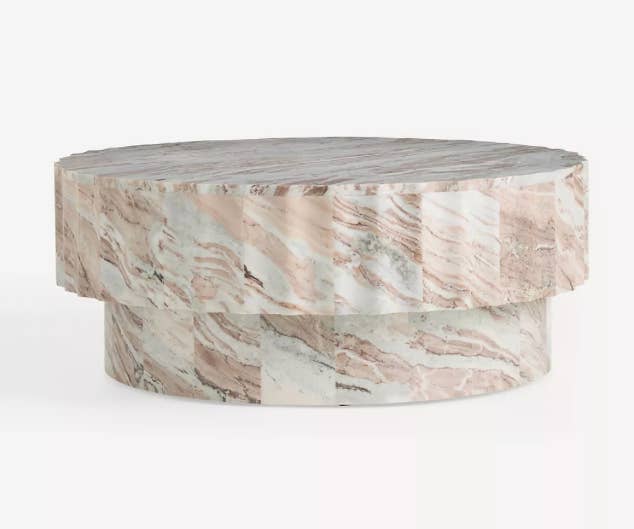
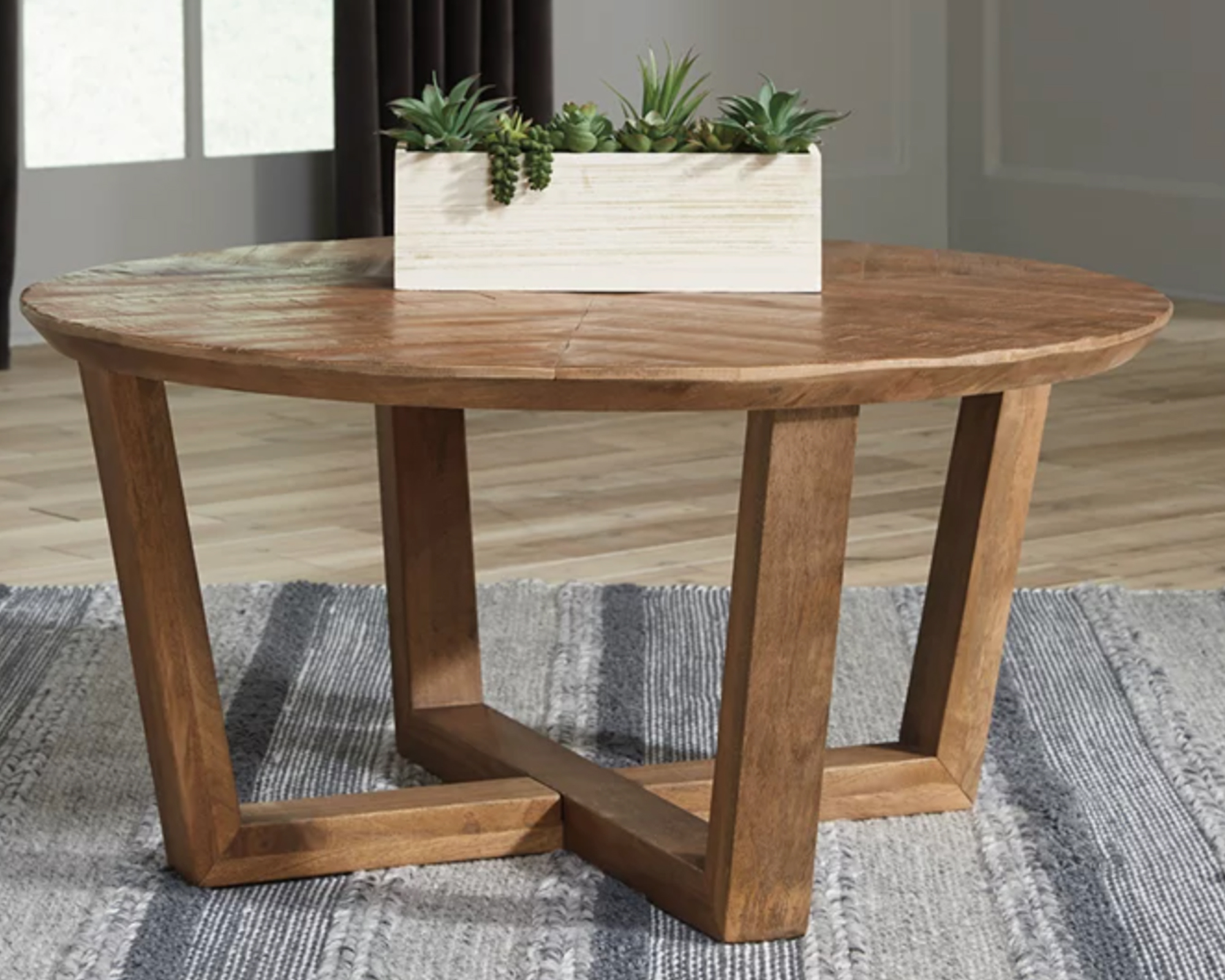
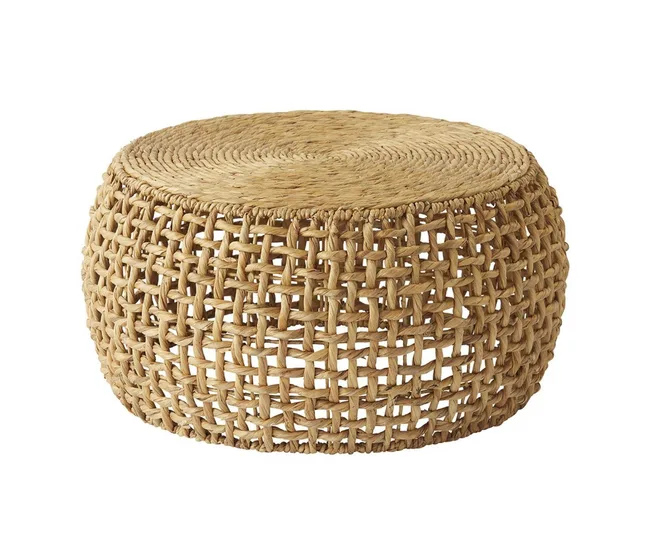
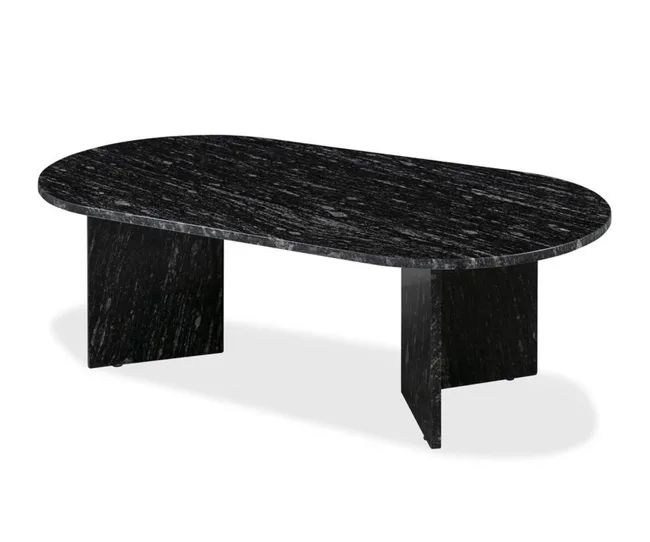
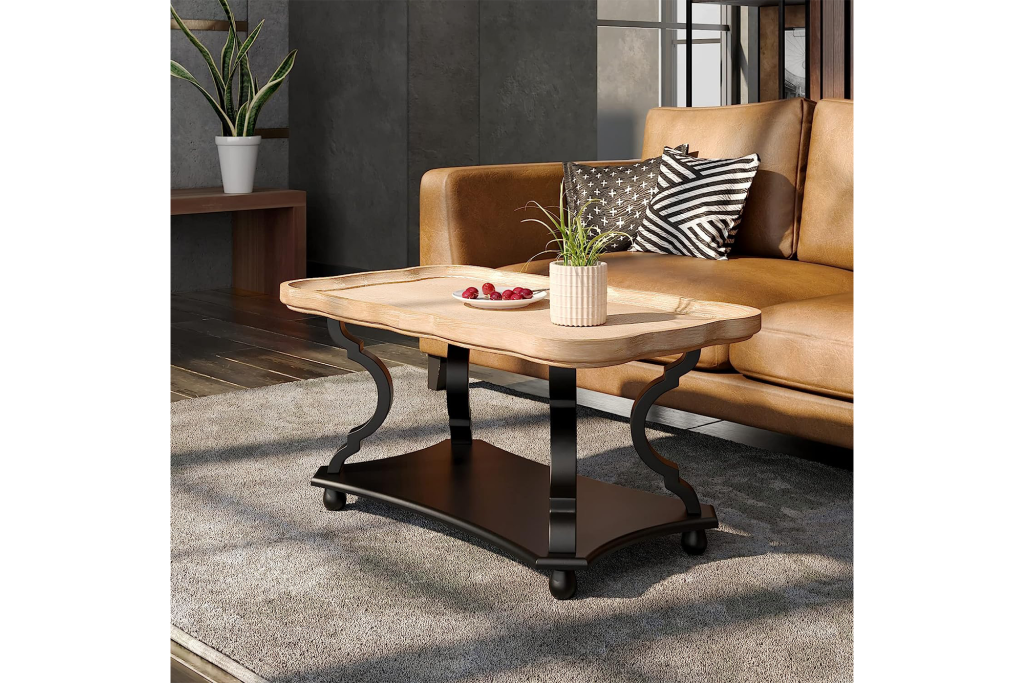
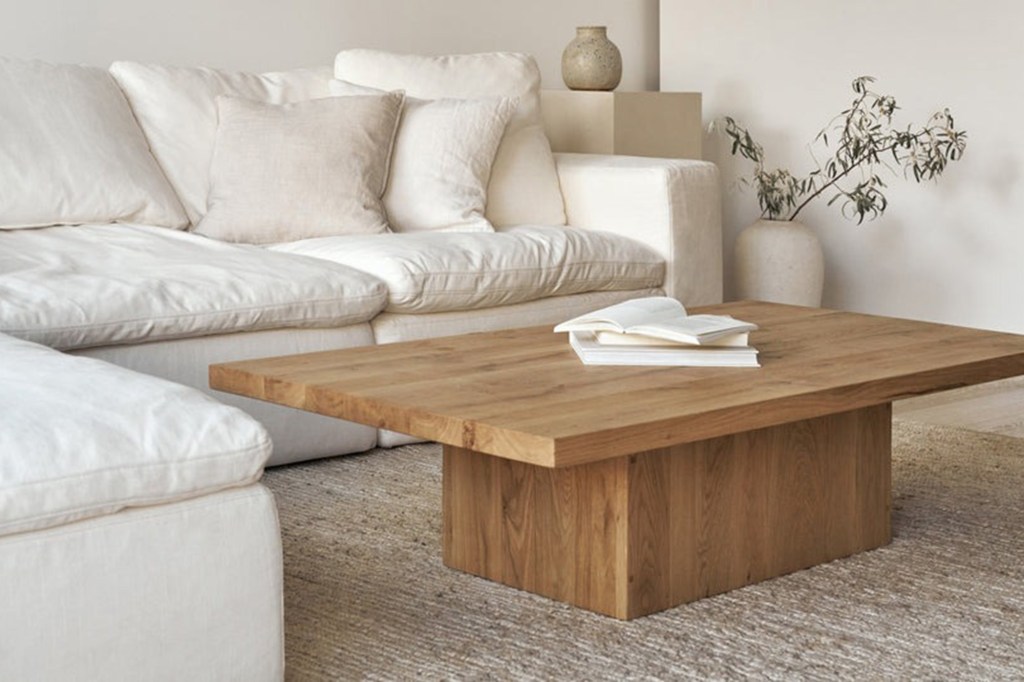
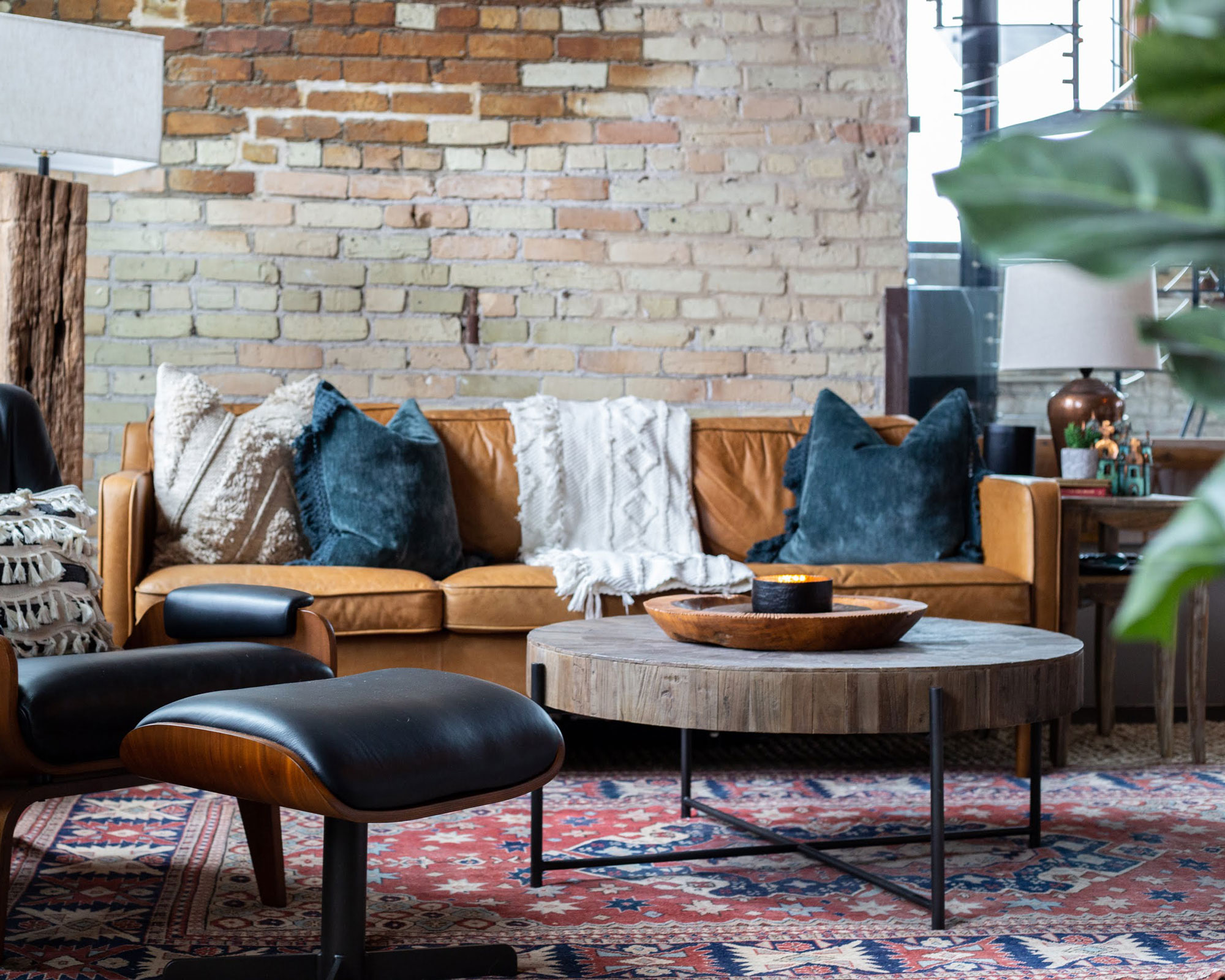
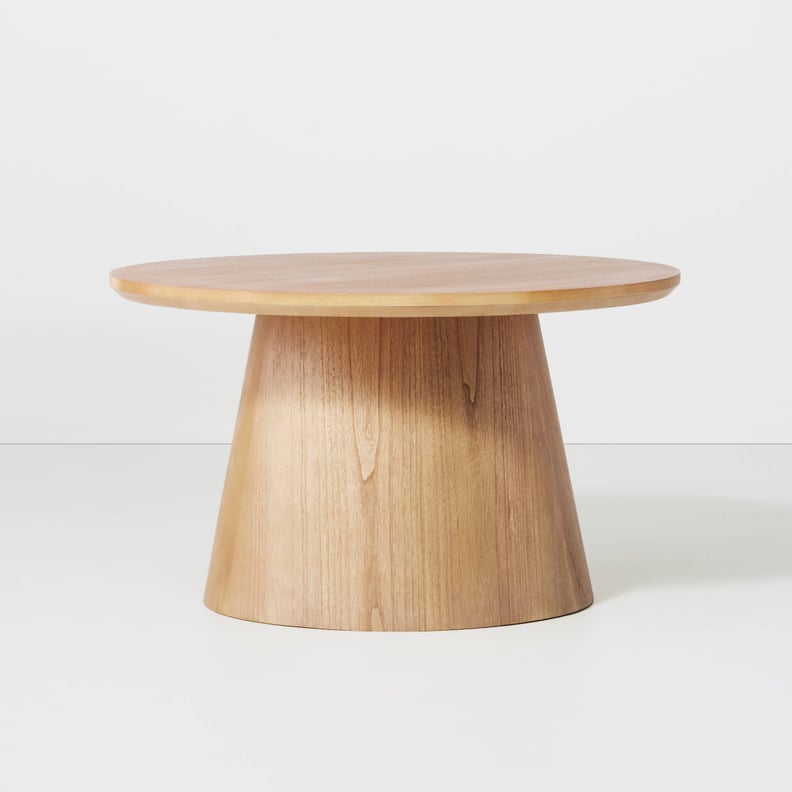
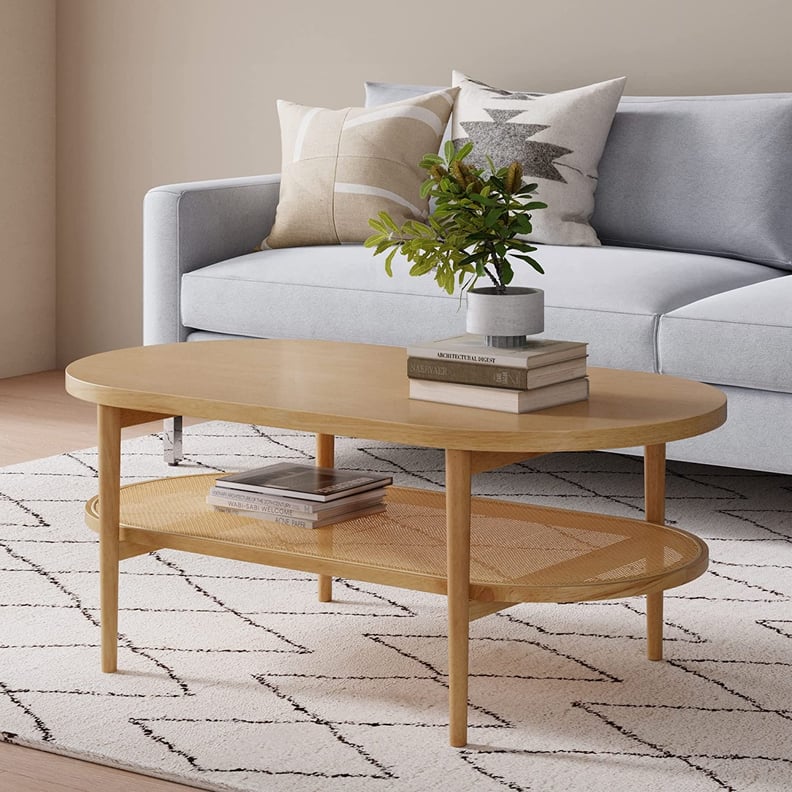
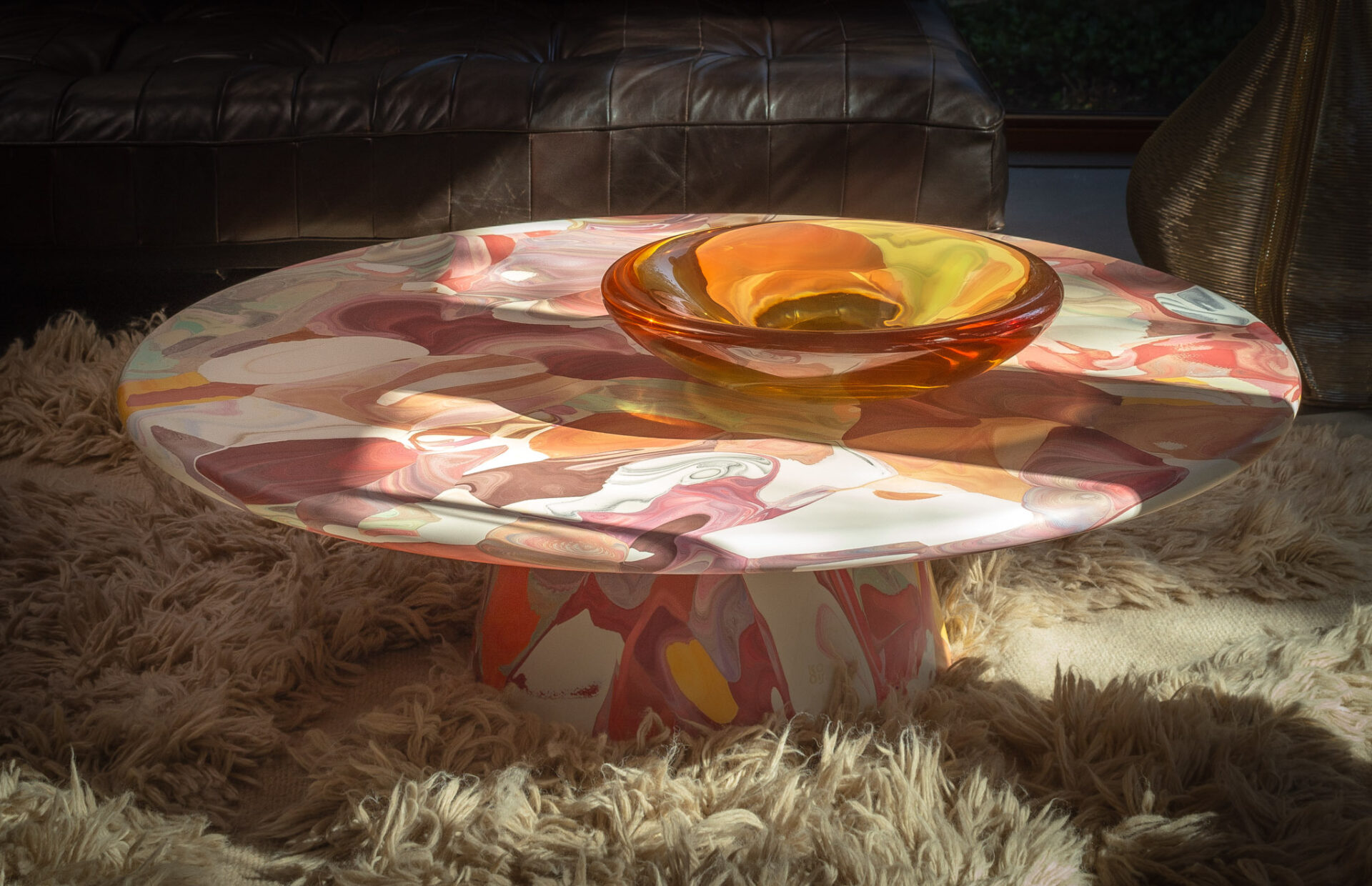
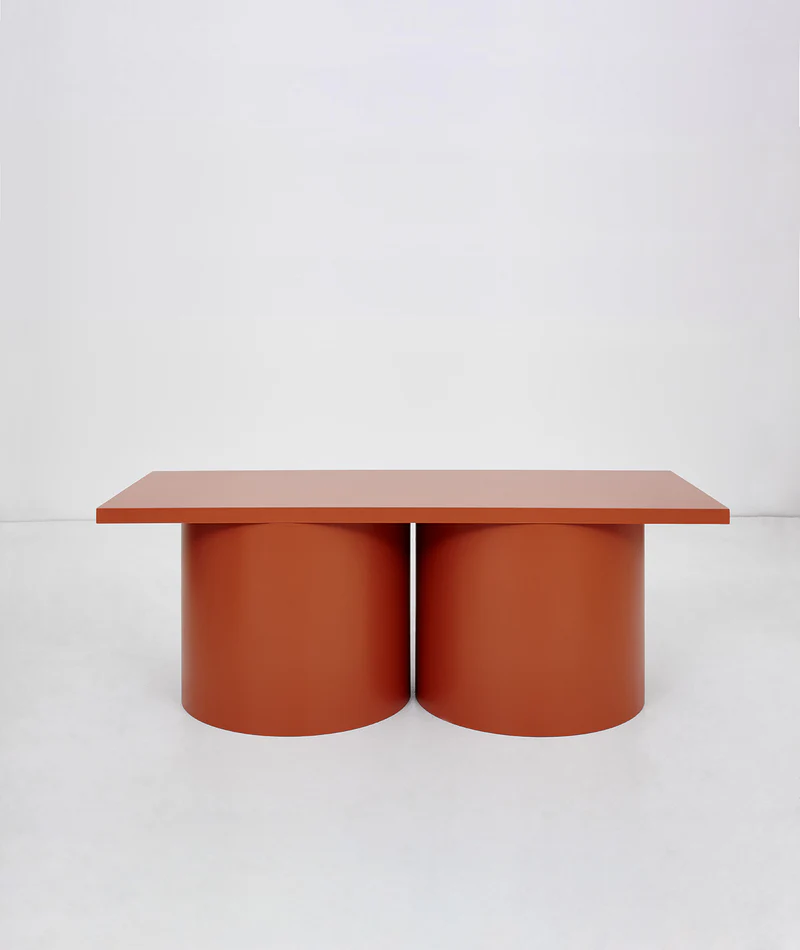
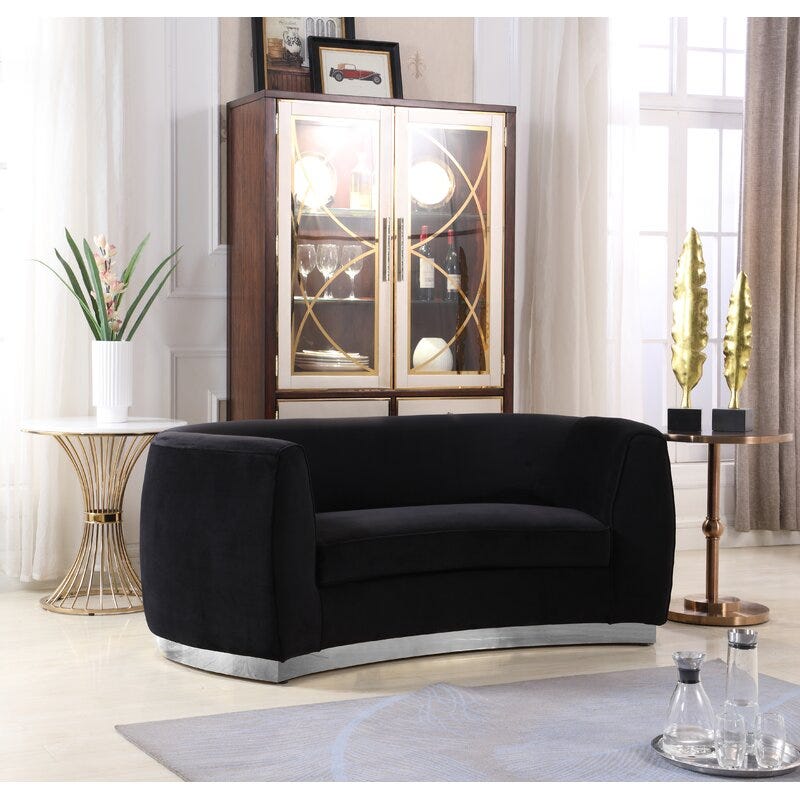
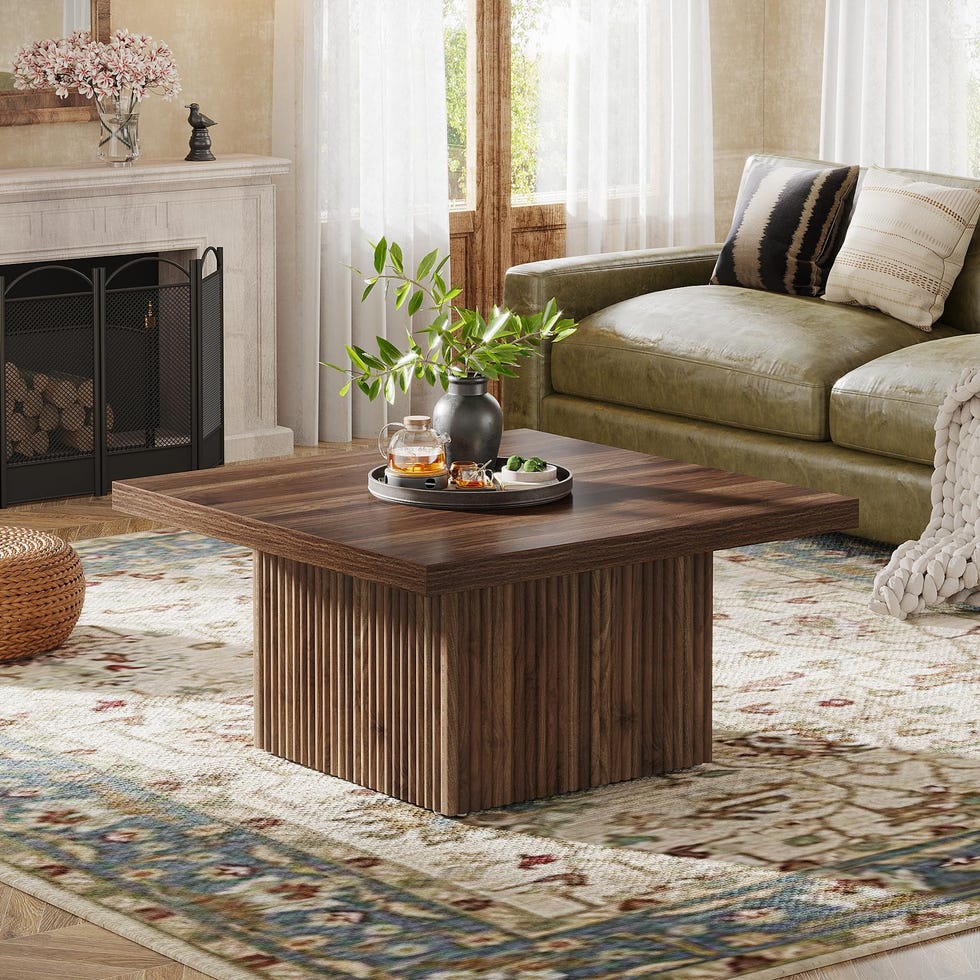
Wood, particularly mango wood, is a popular material choice for curved coffee tables due to its durability and versatile aesthetic, easily adapting to different interior styles. Stone tables, such as the Botello table, are highlighted for their ability to create a striking visual impact and provide contrast against softer elements like muted carpets or wooden floors. In terms of color, clean whites and soft beiges are frequently paired with curved designs, as they align with the gentle, light, and airy feel that curves evoke. However, combining curves with vibrant pops of color is also suggested as an effective strategy for introducing contrast and adding depth to a living space. The article concludes by showcasing a selection of editor-picked curved coffee tables, ranging from black kidney-shaped options to solid oak retro styles, glass designs, walnut wood pieces, acacia wood models, mango wood tables, and cloud-shaped abstract designs, demonstrating the diversity within this trending furniture category.
#CurvedCoffeeTables #HomeDecorTrends #InteriorDesign #LivingRoomFurniture #FluidShapes #SoftAesthetics #SpaceOptimization #FurnitureMaterials #DesignInspiration #CurvedCoffeeTables #HomeDecorTrends #InteriorDesign #LivingRoomFurniture #FluidShapes #SoftAesthetics #SpaceOptimization #FurnitureMaterials #DesignInspiration
0 comment in total
 No comments yet
You may also like
13 Curved Couches That'll Liven Up Your Living Room
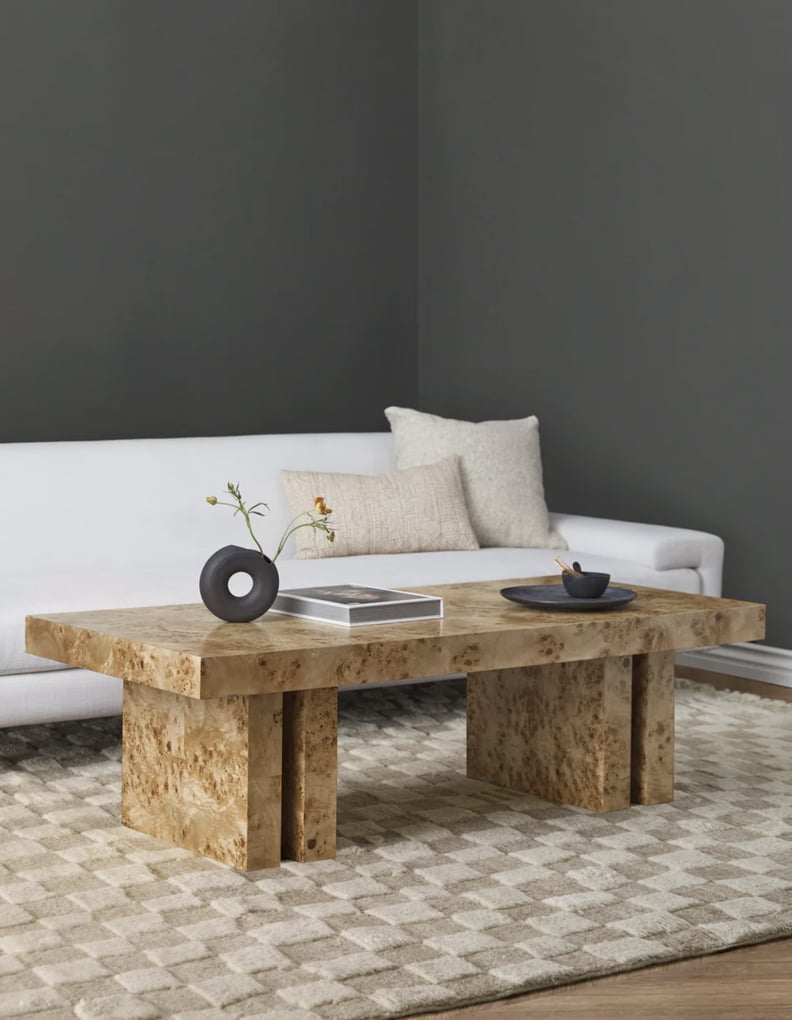
17 Coffee Tables That Are Perfect For Every Home Aesthetic and Budget
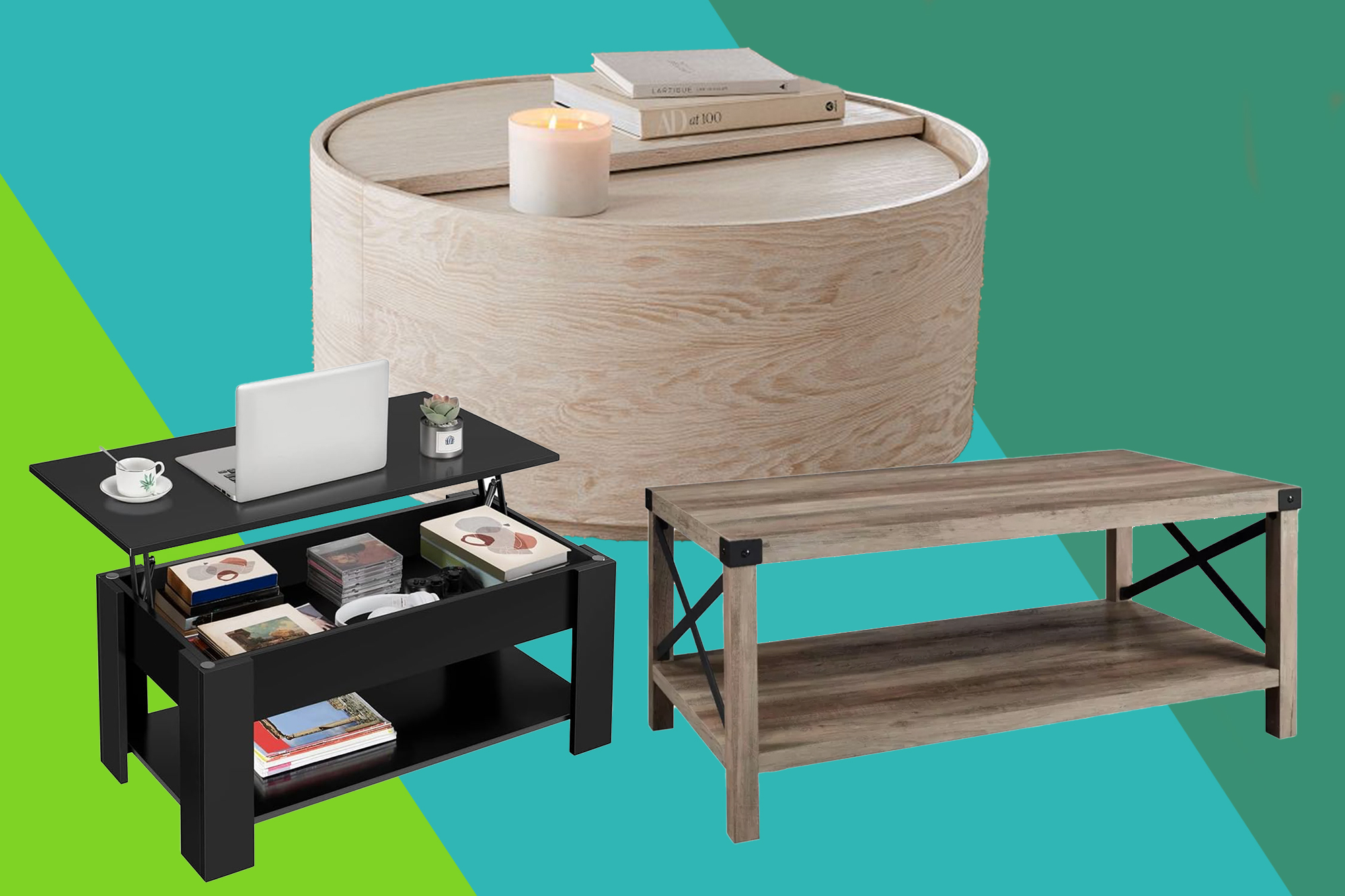
The 16 best coffee tables for every budget and style in 2023
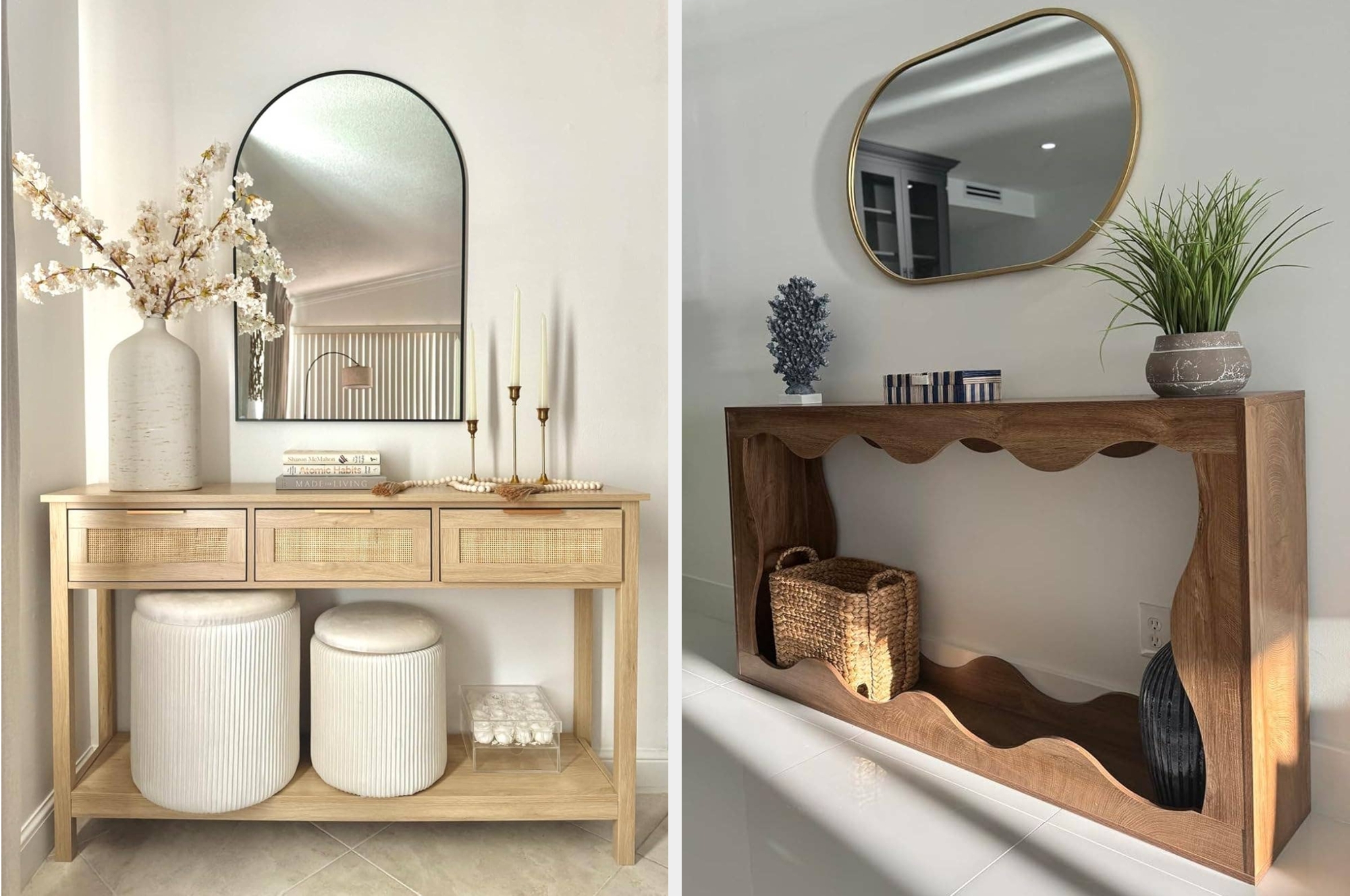
27 Sofa Tables To Make The Most Of Your Living Room’s Space
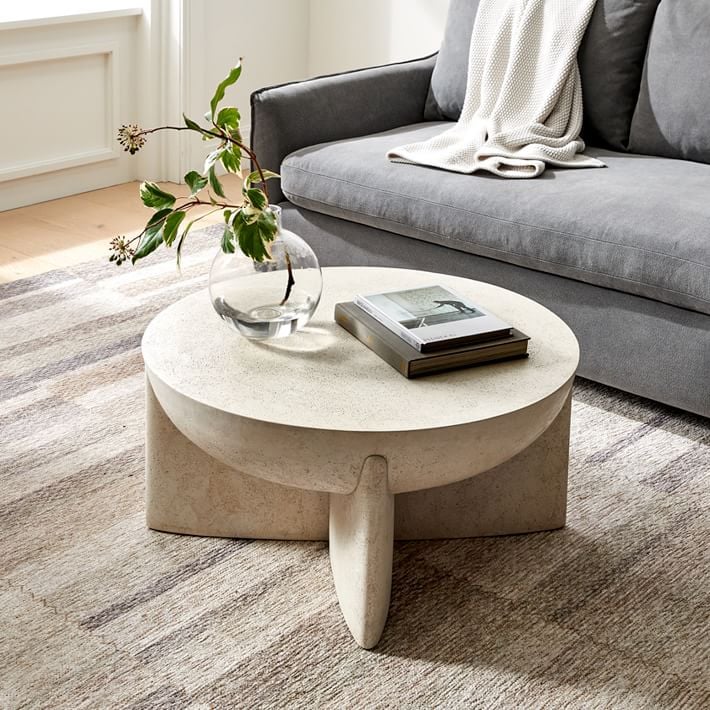
13 Stylish Round Coffee Tables That Will Complete Your Home
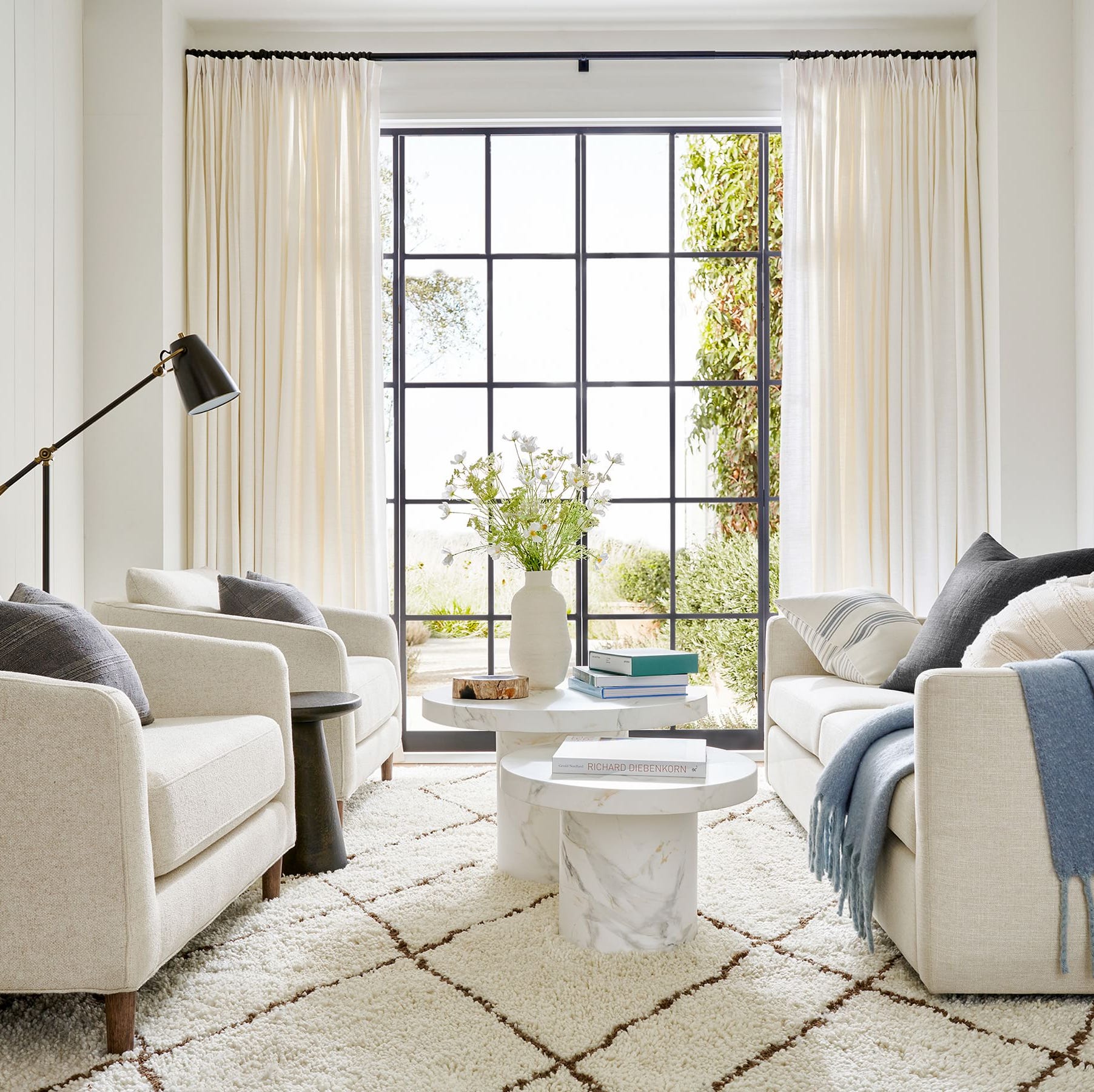
24 Very Excellent Coffee Tables
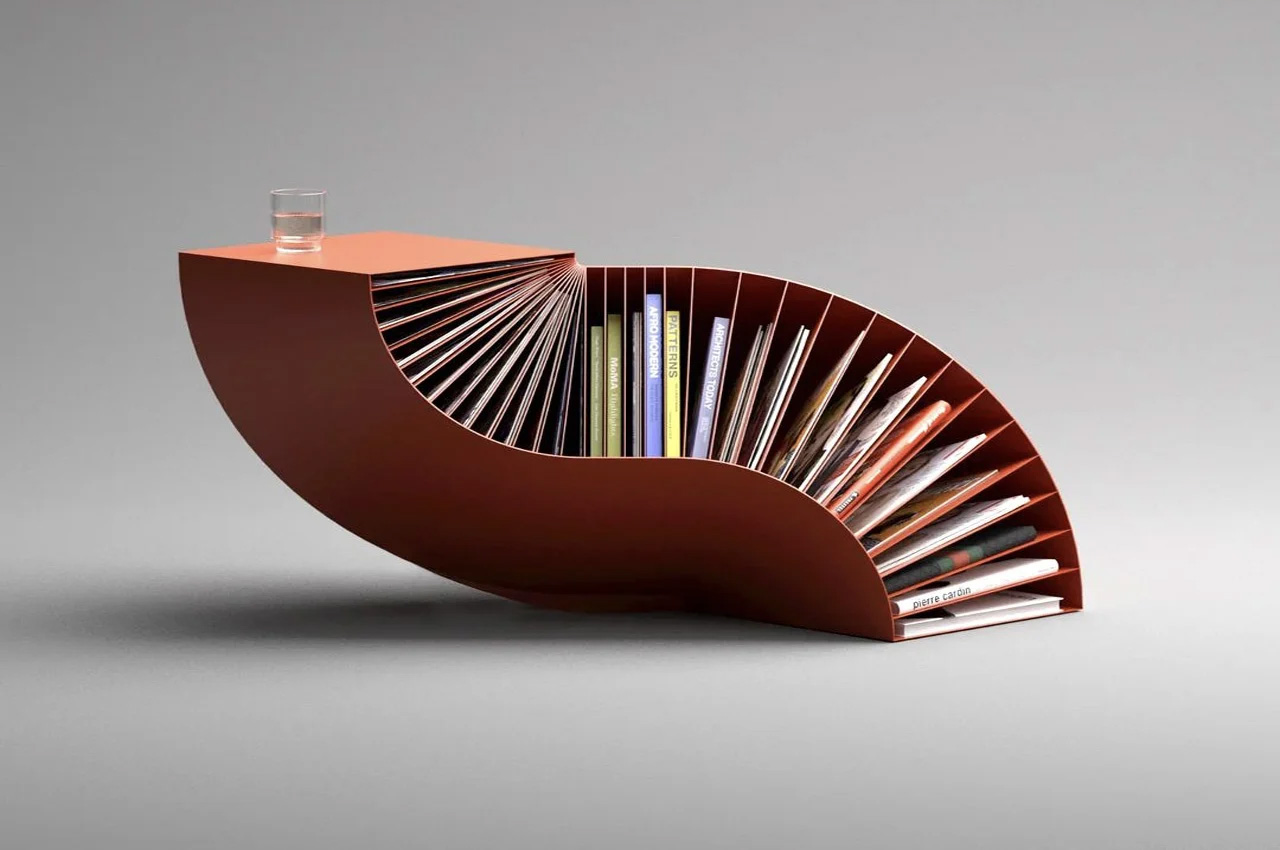
Top 10 coffee tables designed to be the center of attention of your living room

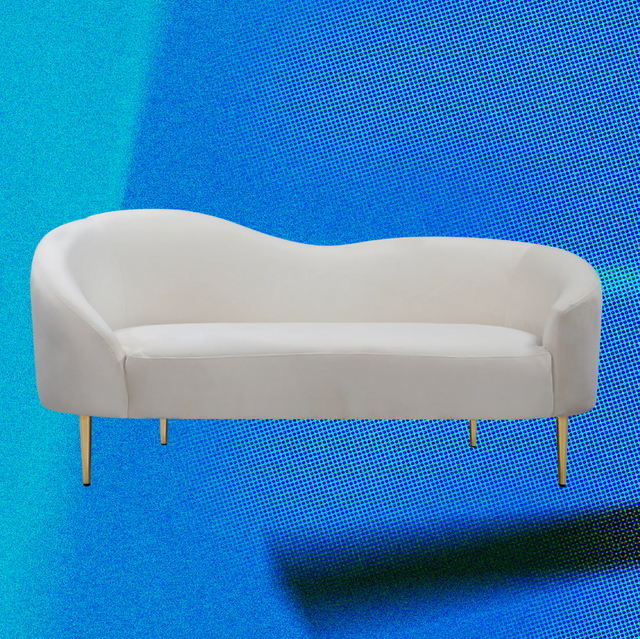
Our Home Editors Weigh In on the Best Curved Sofas (And Why They’re Trending)

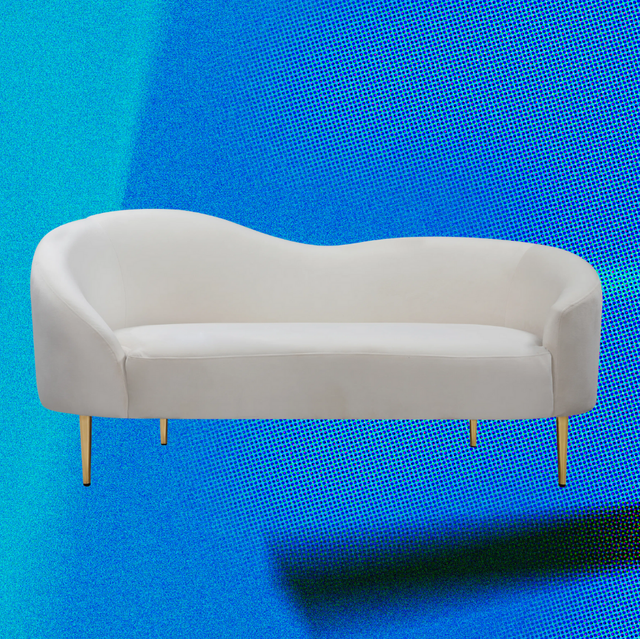
14 Best Curved Sofas for a Chic Living Room Design
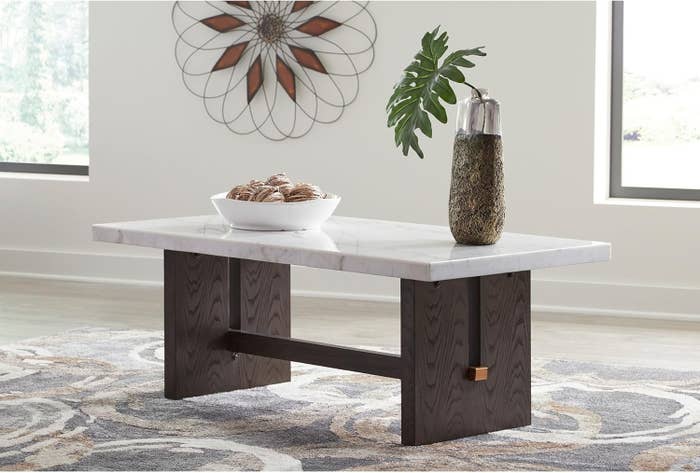
27 Marble Coffee Tables To Add Elegance To Your Living Room
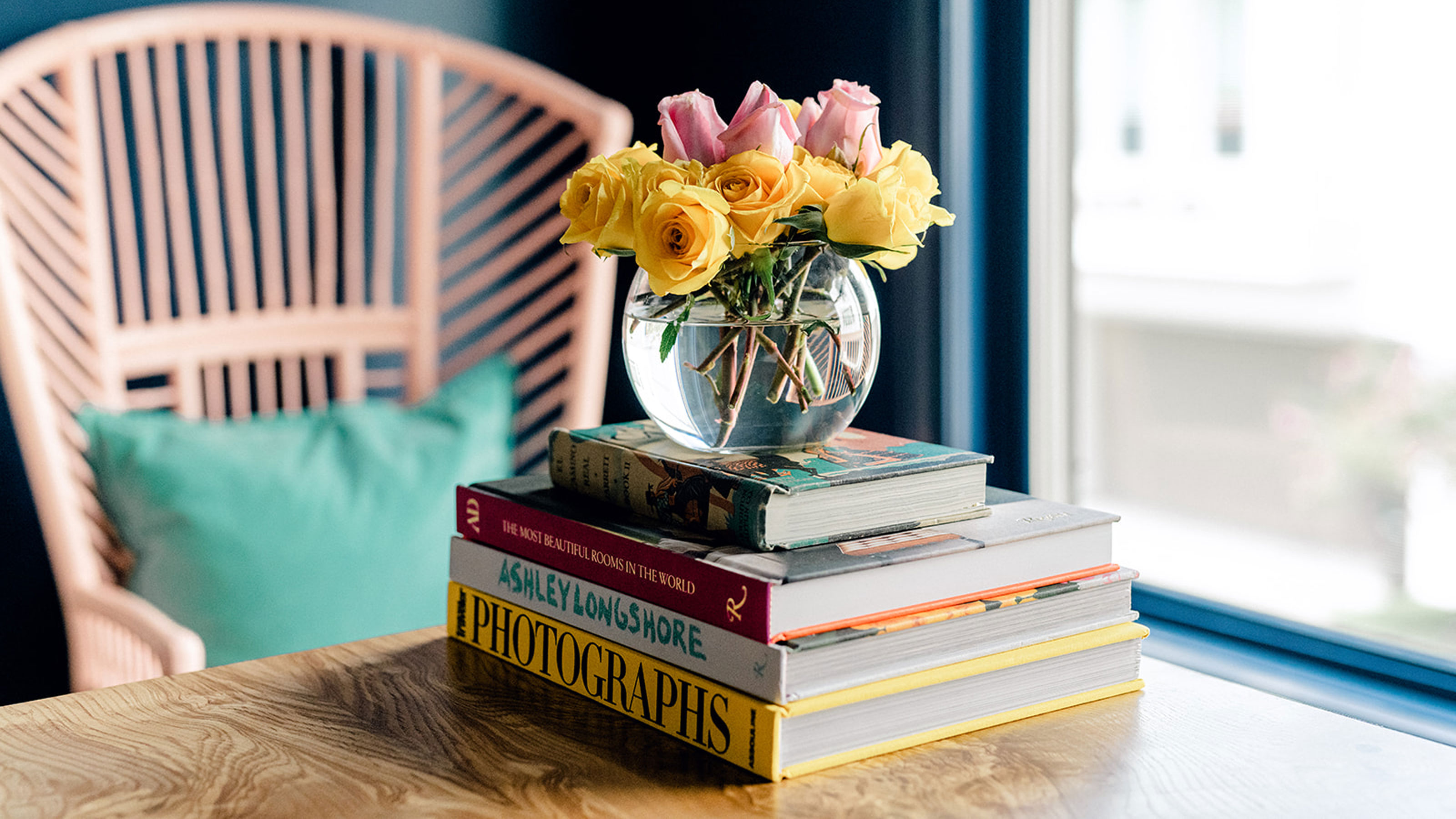
12 modern coffee table decor ideas to make a focal point in your living space

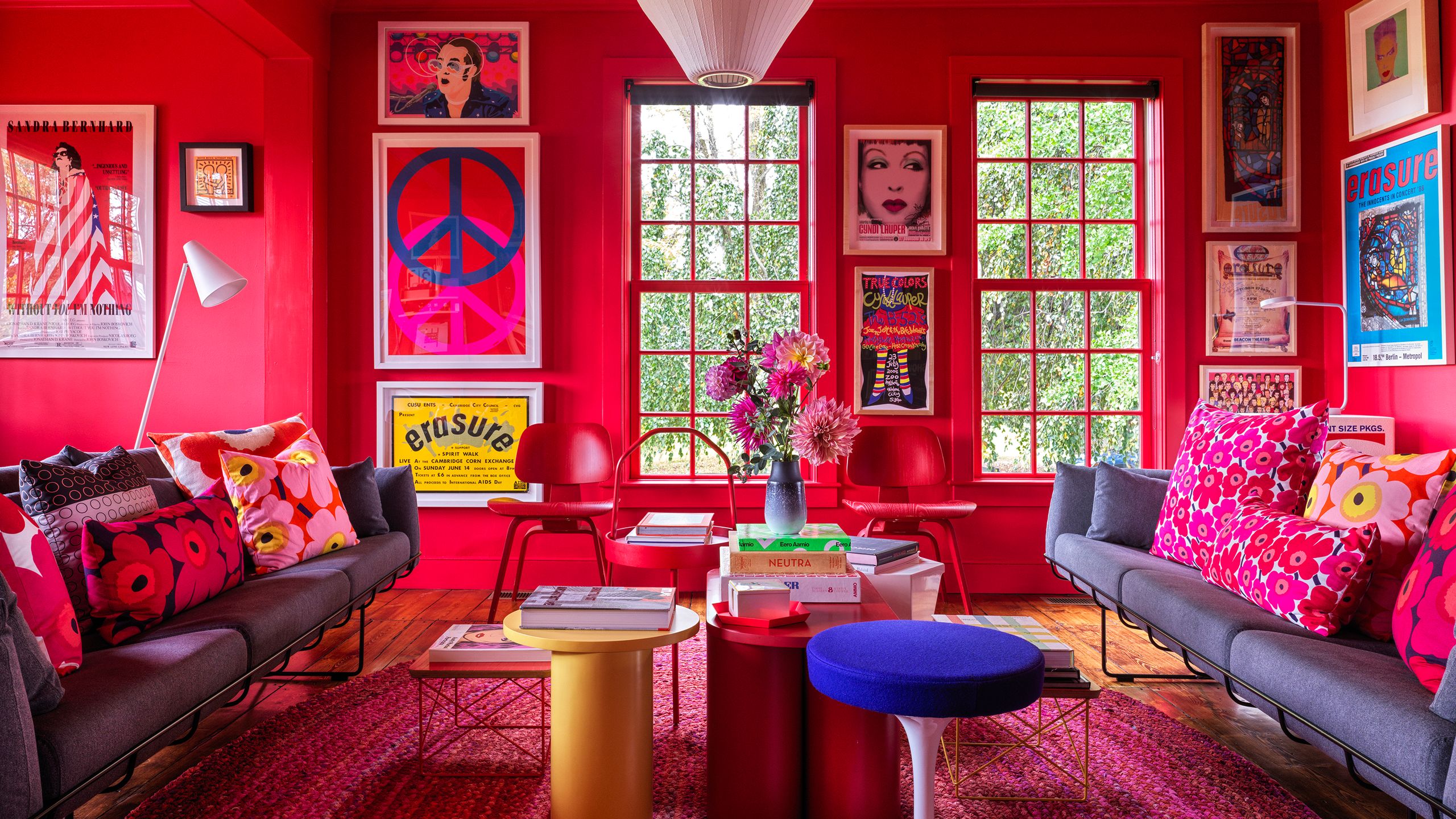
23 Coffee Table Decor Ideas That Will Make a Massive Impact On Your Living Space

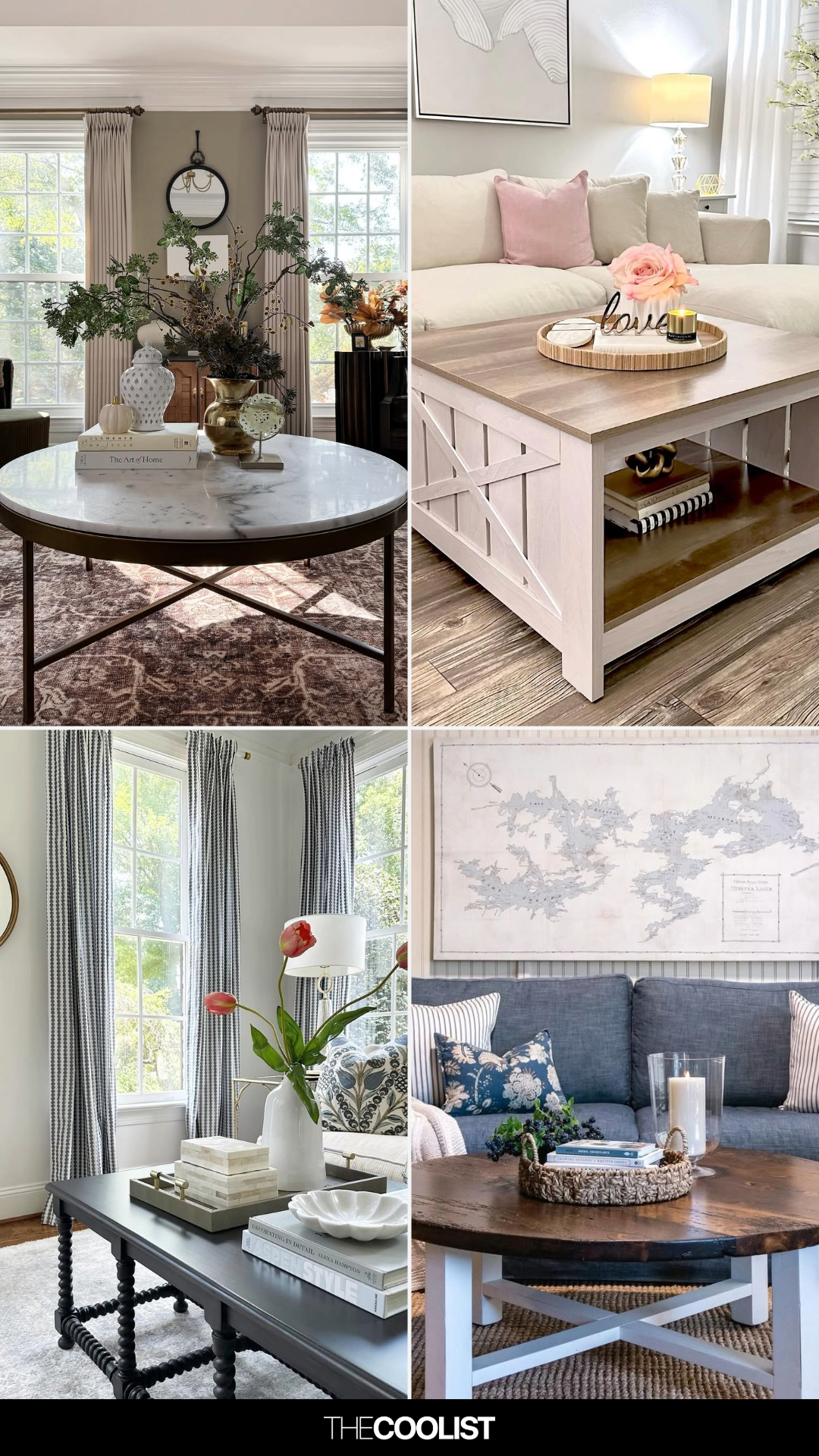
22 Coffee Table Decor Ideas That Add Style and Function to Your Living Room

15 round coffee tables to enhance your living space
11 Chic Coffee Tables Perfect For Small-Space Living
25 Unique Small Coffee Tables That’ll Elevate Your Fun-Sized Space
11 creative coffee table alternatives to sub into your living room space
10 of the best coffee tables to suit every style

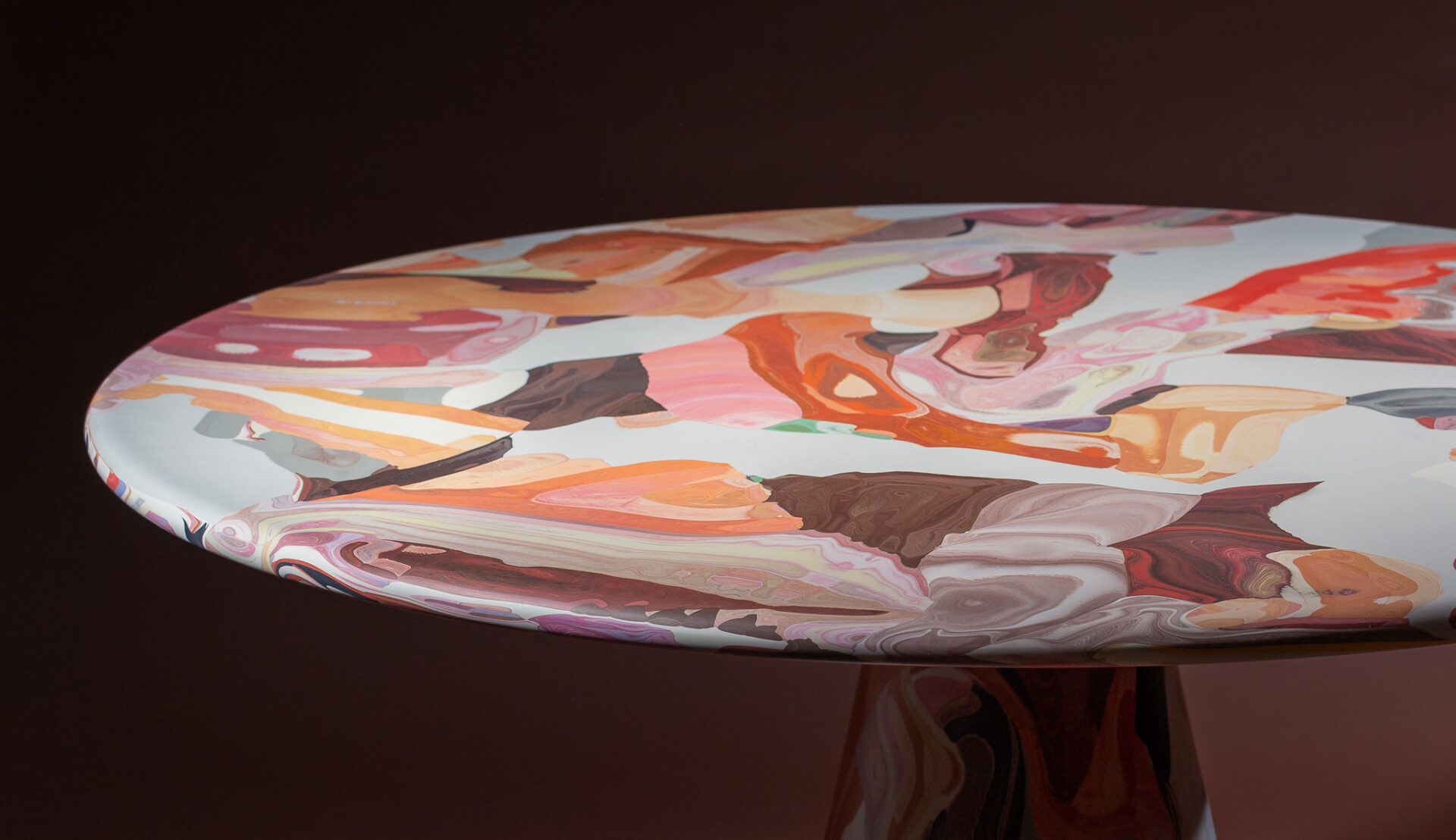
Gather round! The best coffee tables for design lovers, from the colourful to the sculptural

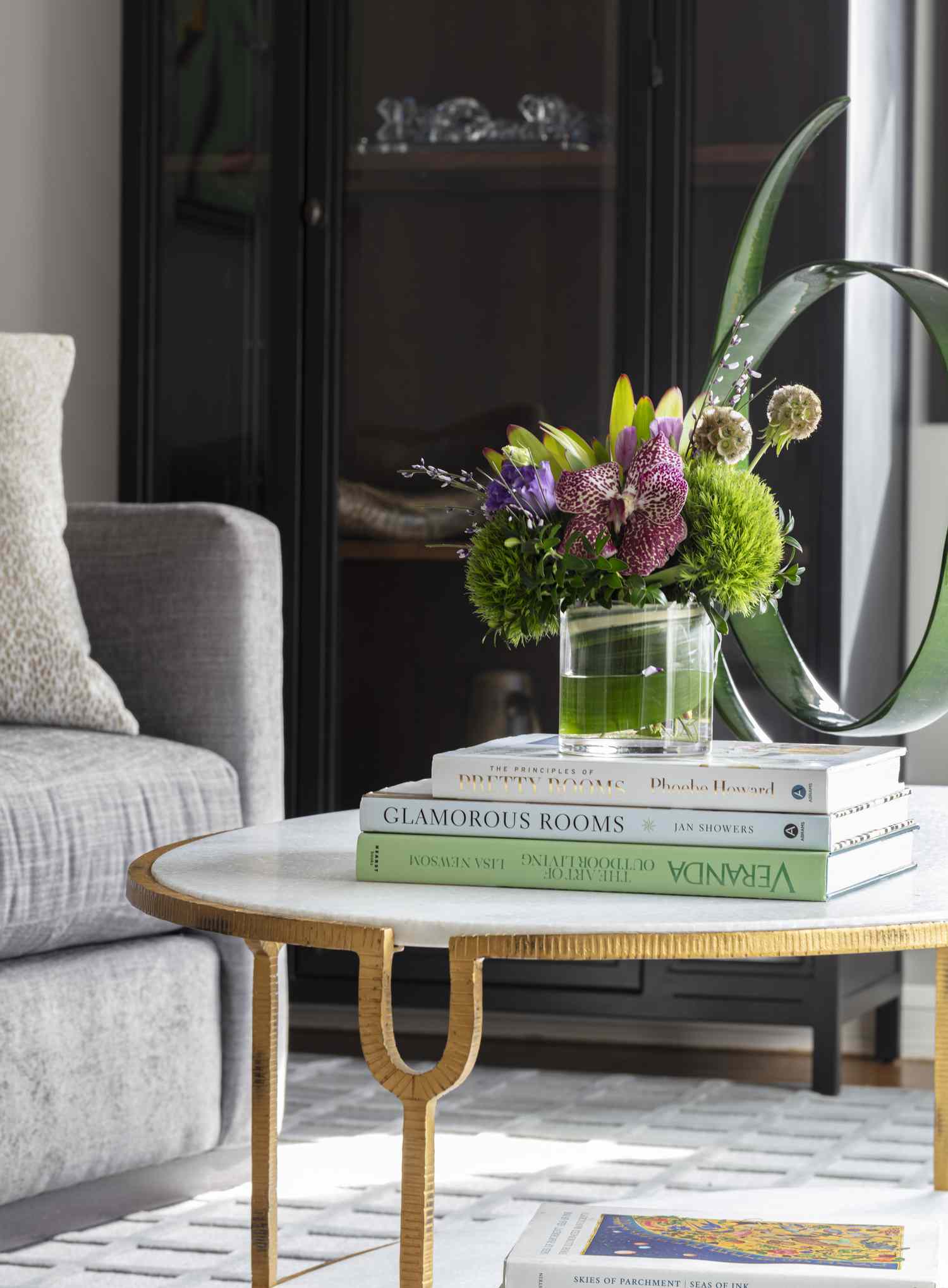
18 Coffee Table Decor Ideas That’ll Work for Every Style