1/4
Should kitchen islands have a sink? Experts agree on this definitive answer
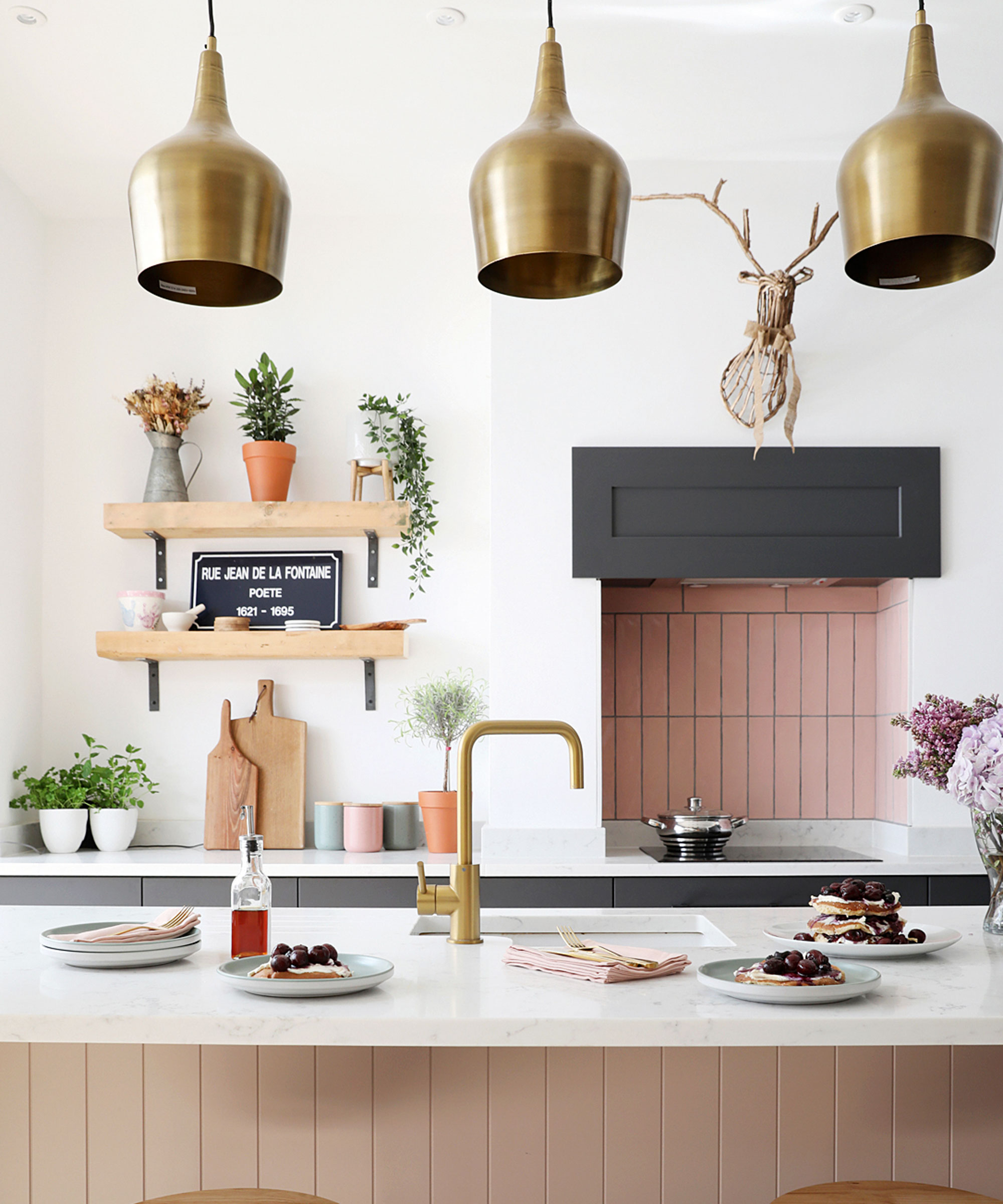
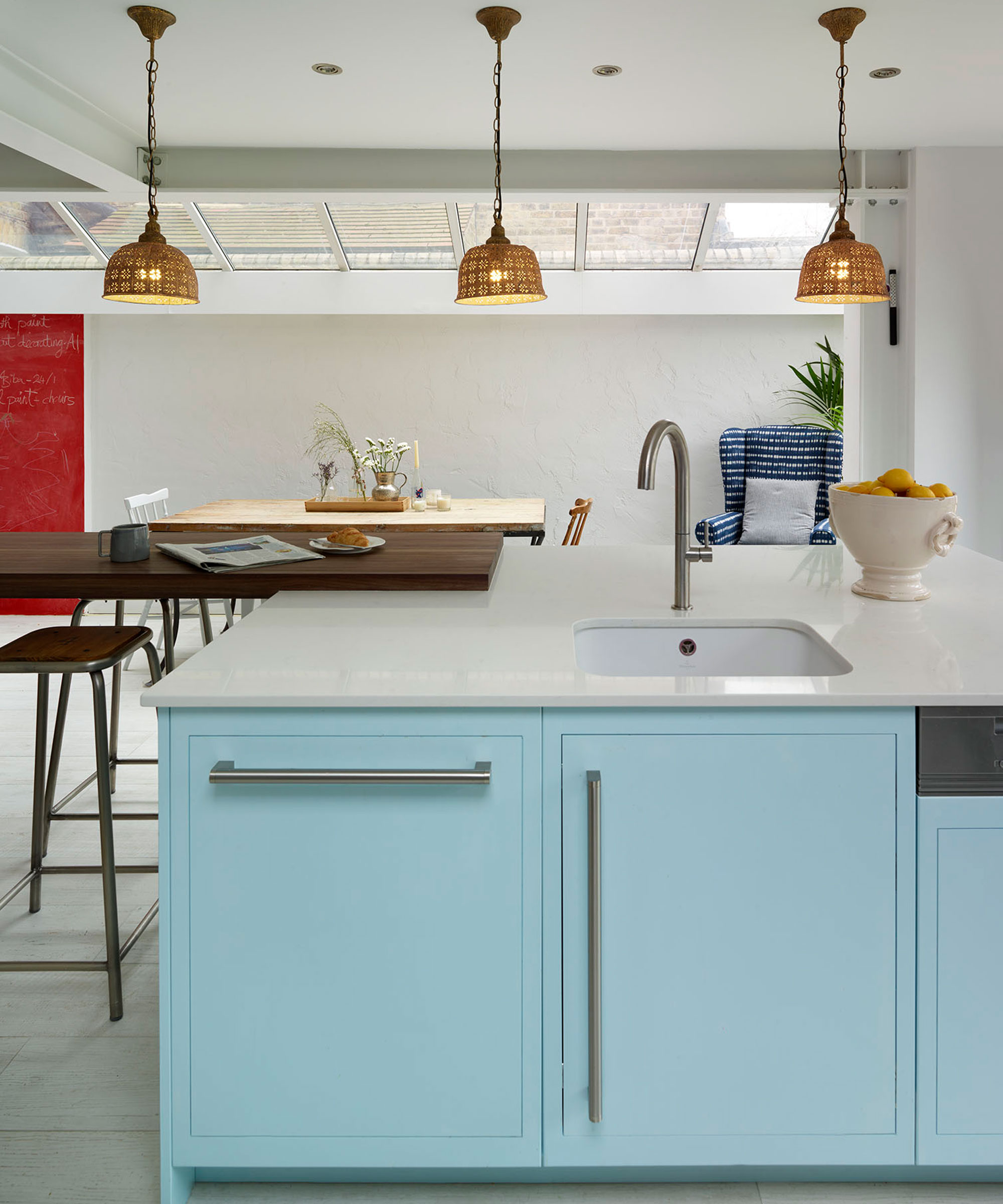
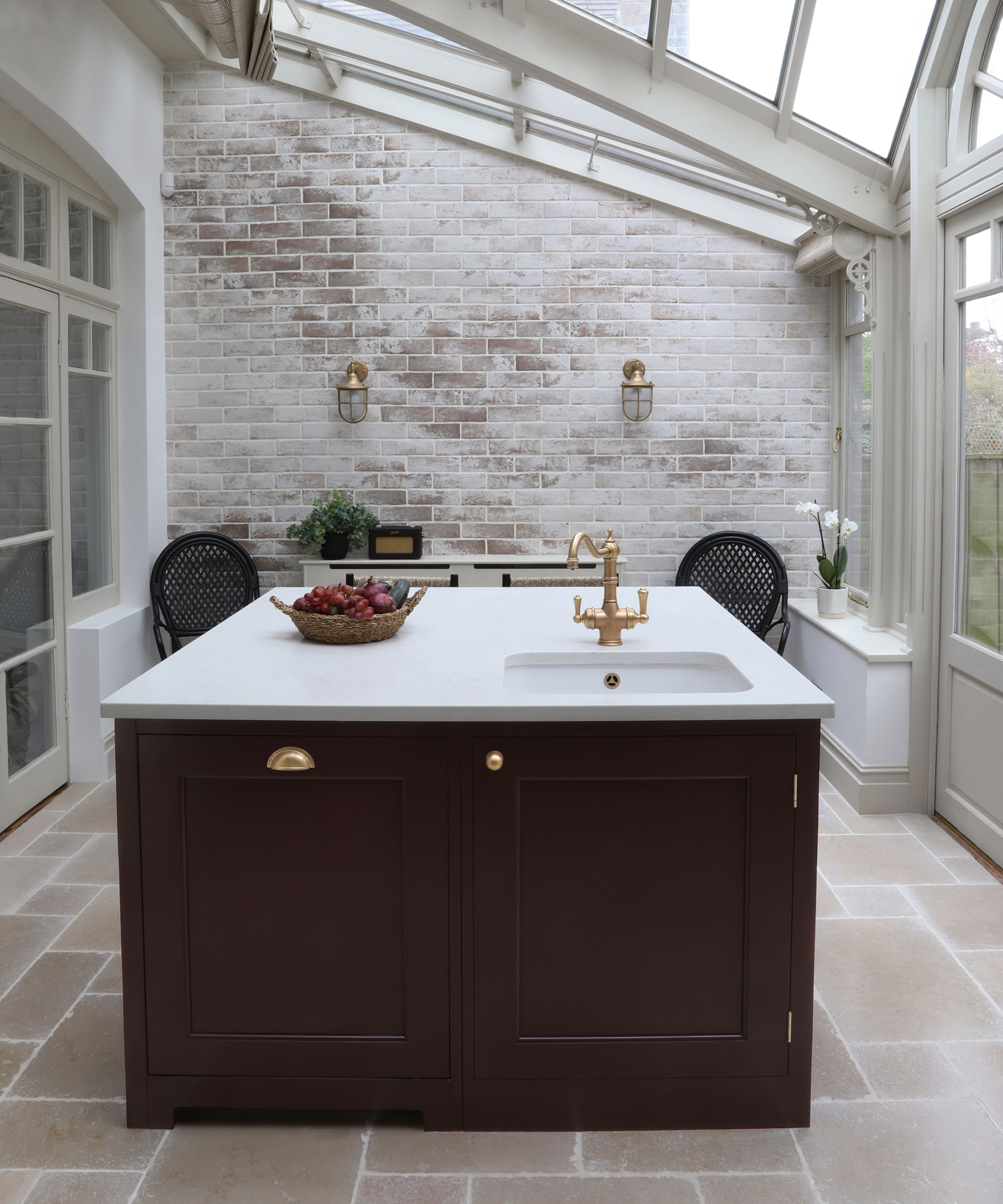
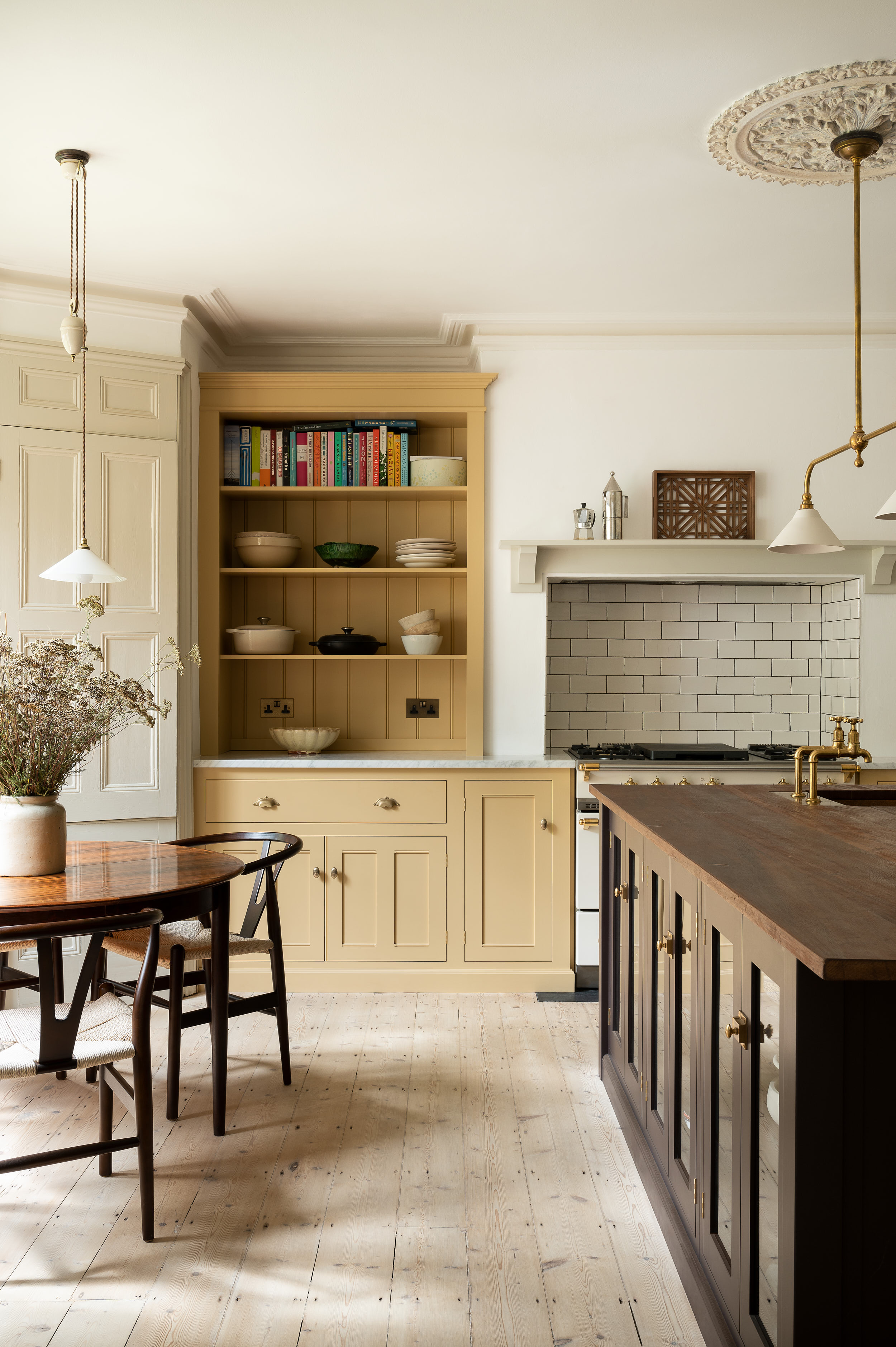
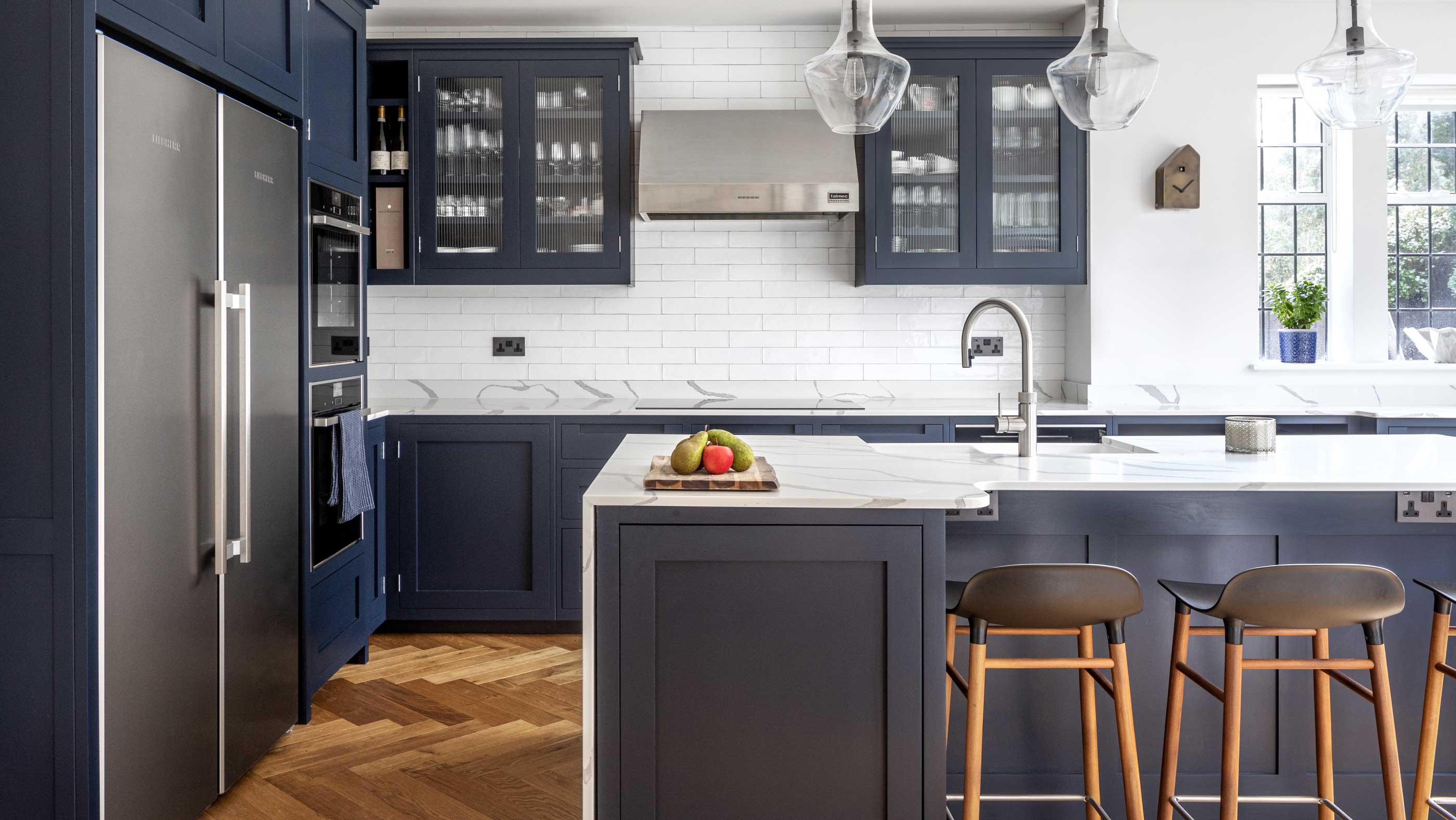
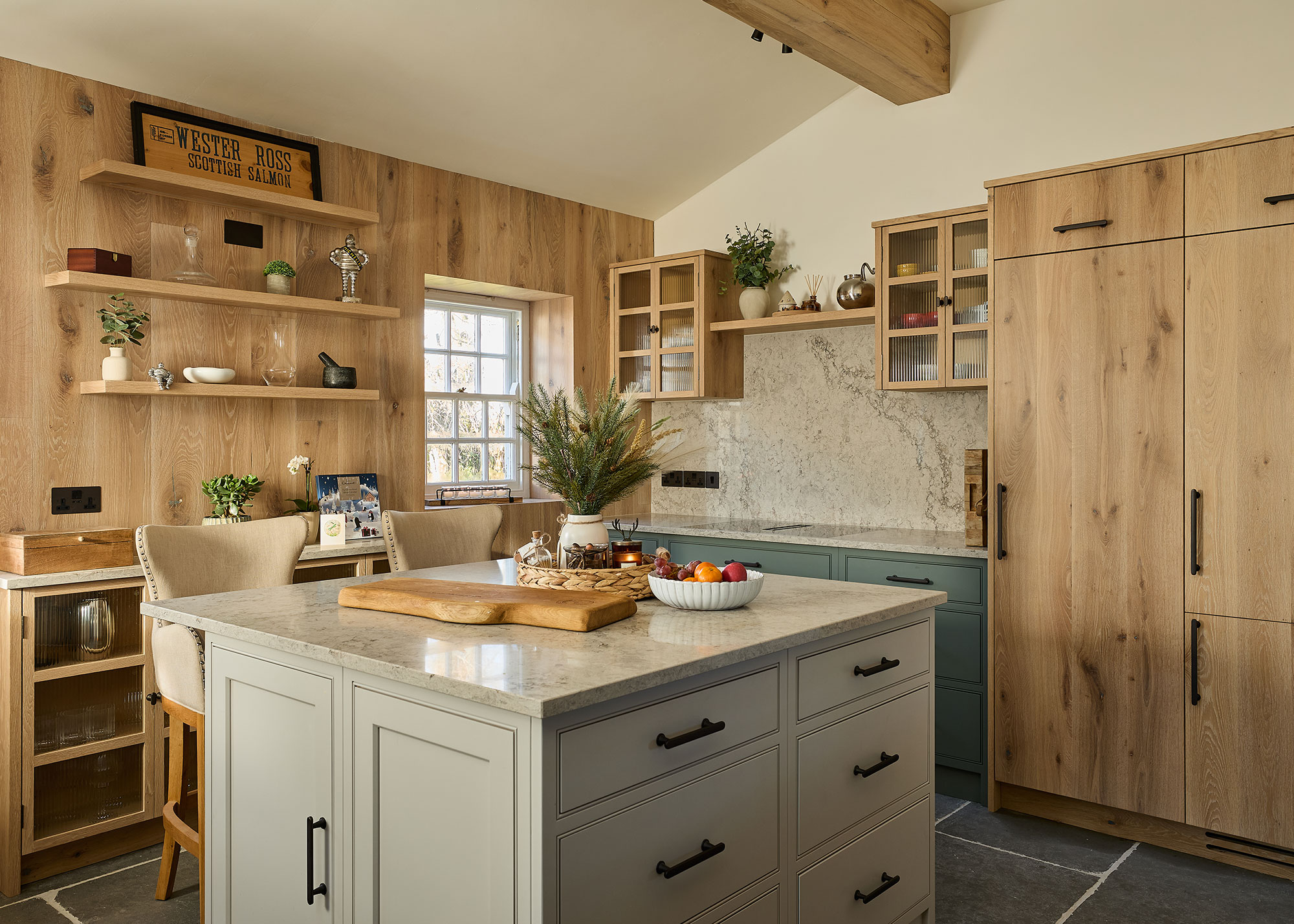
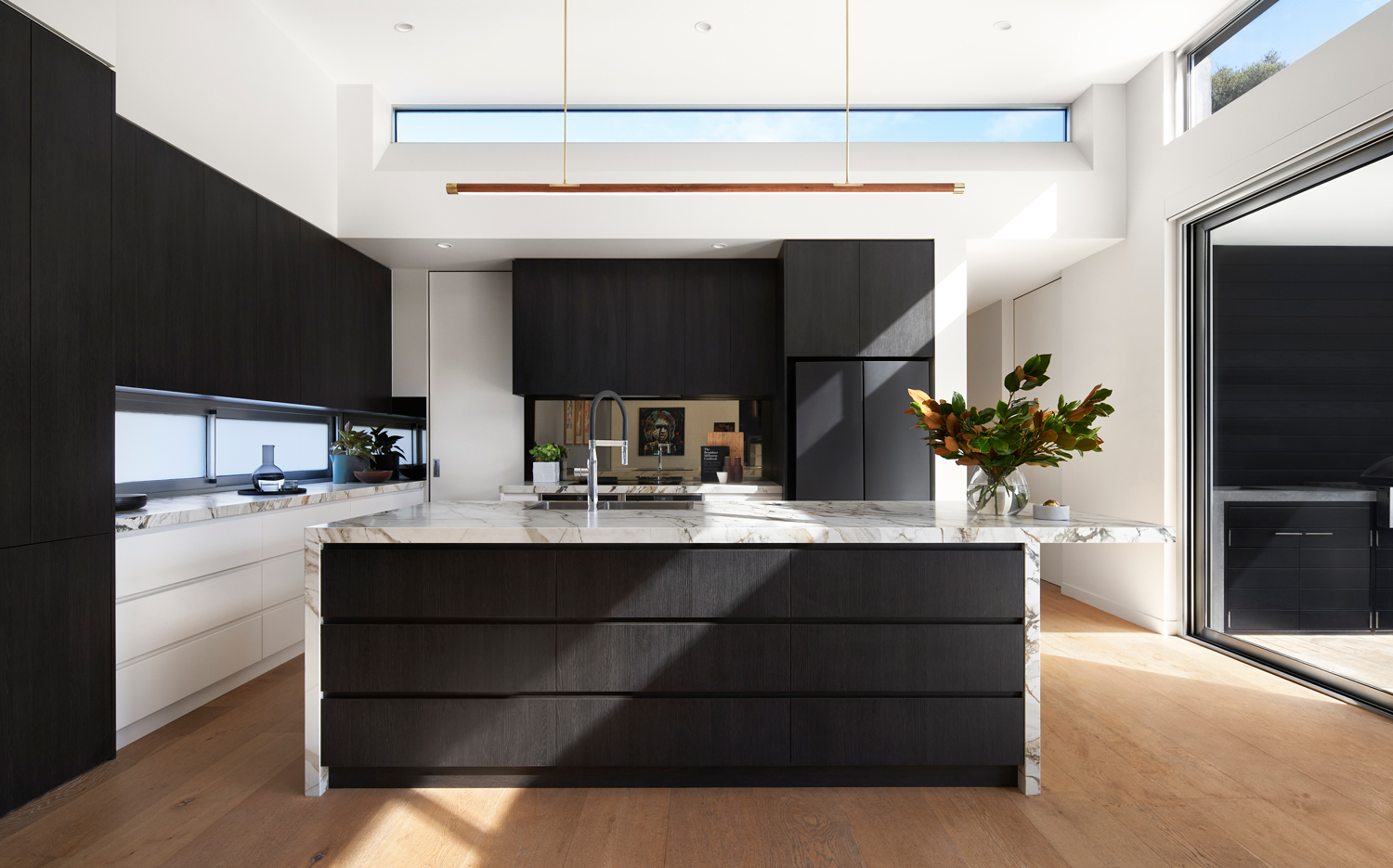
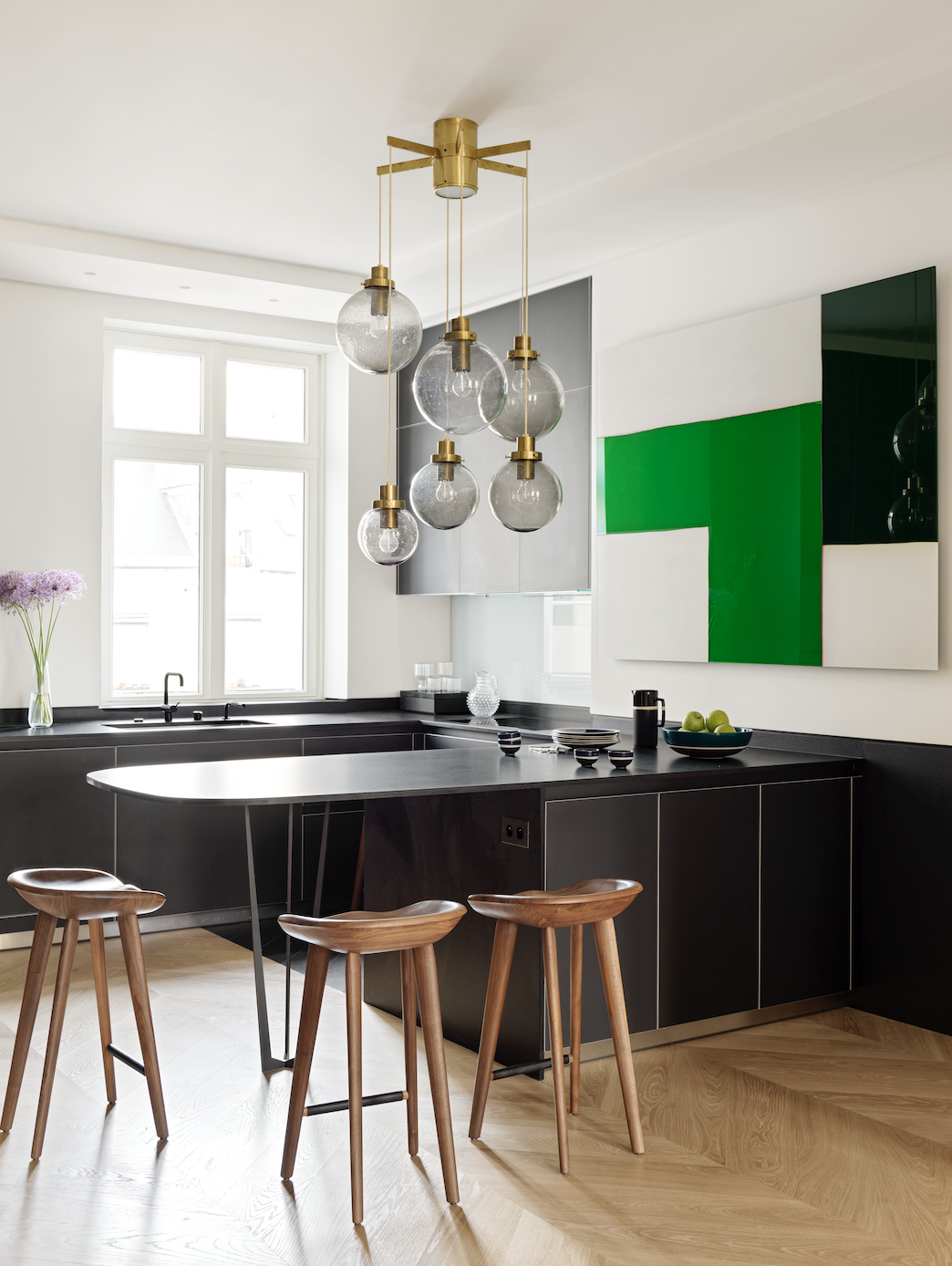
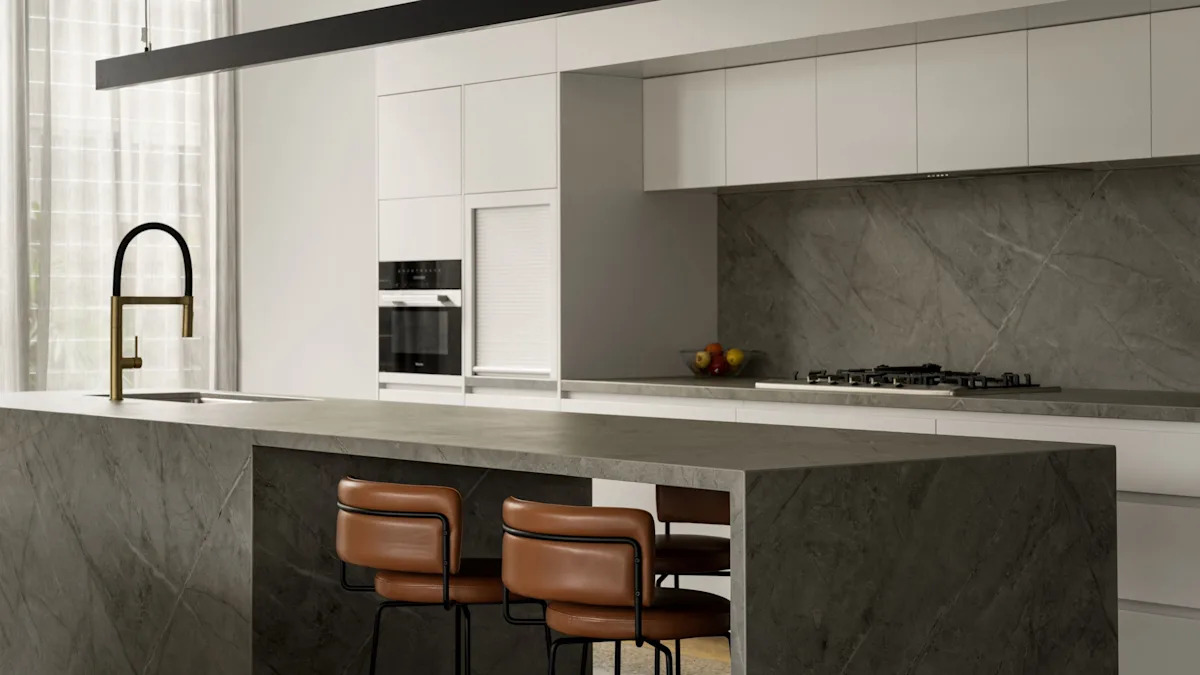
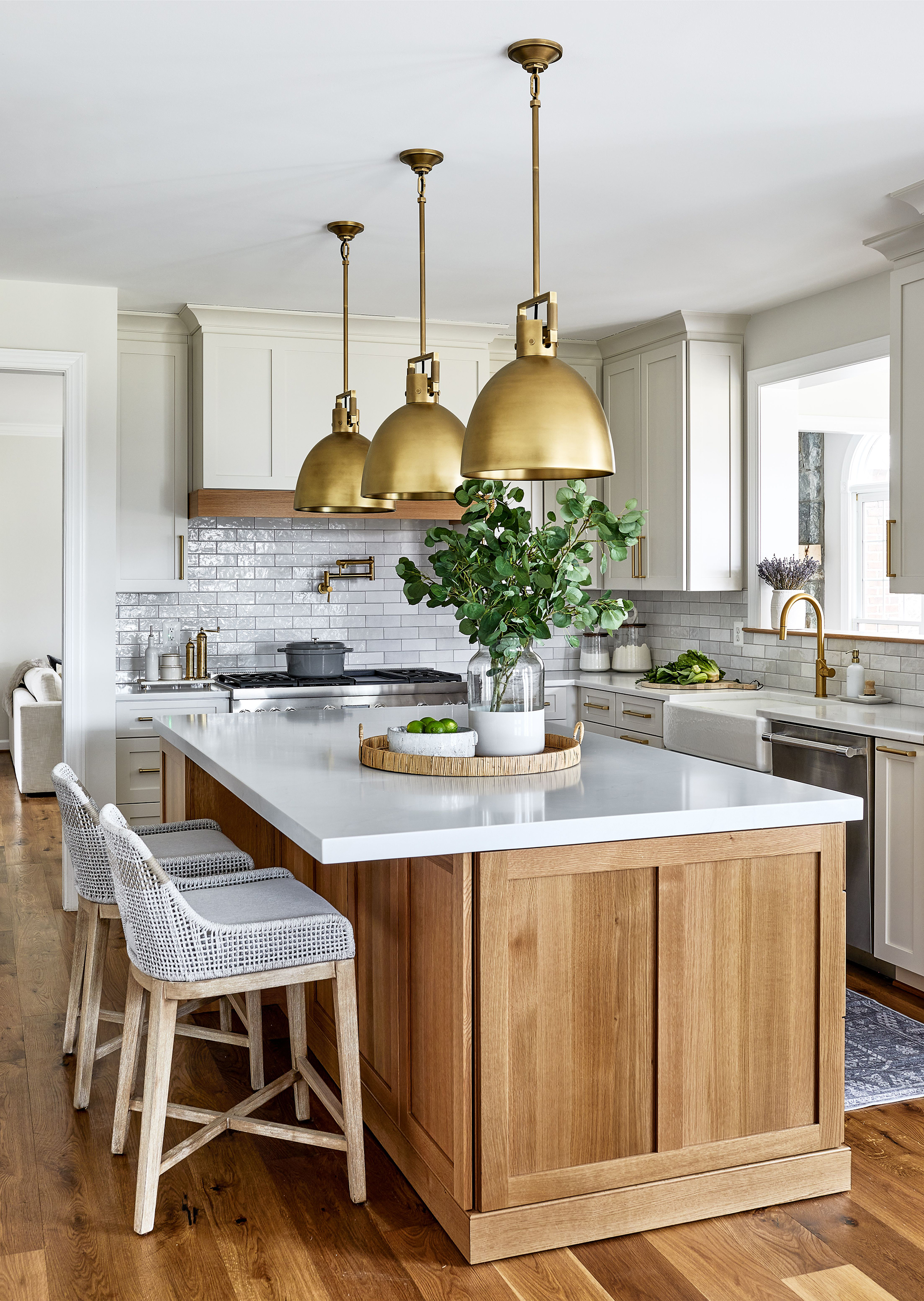
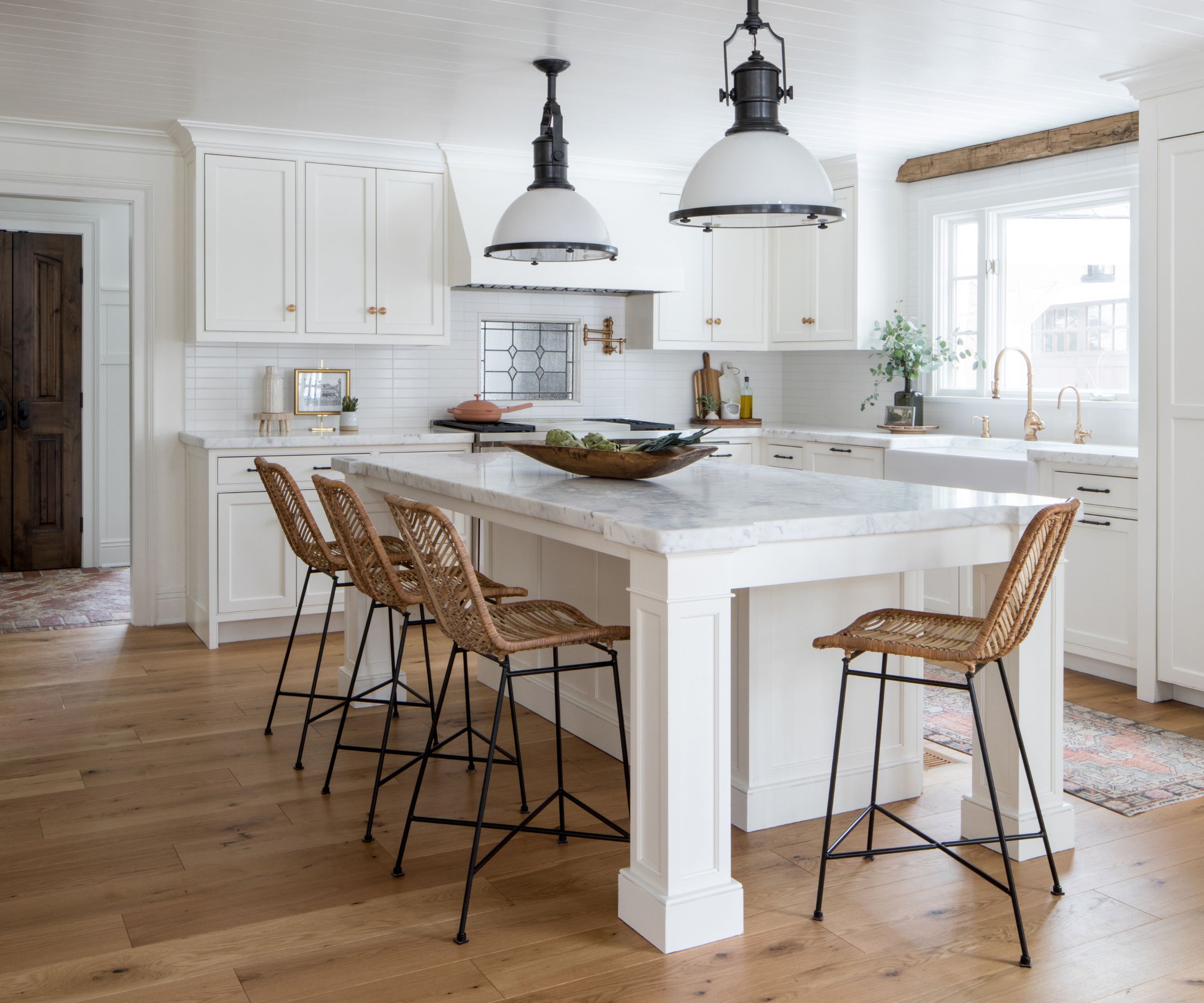
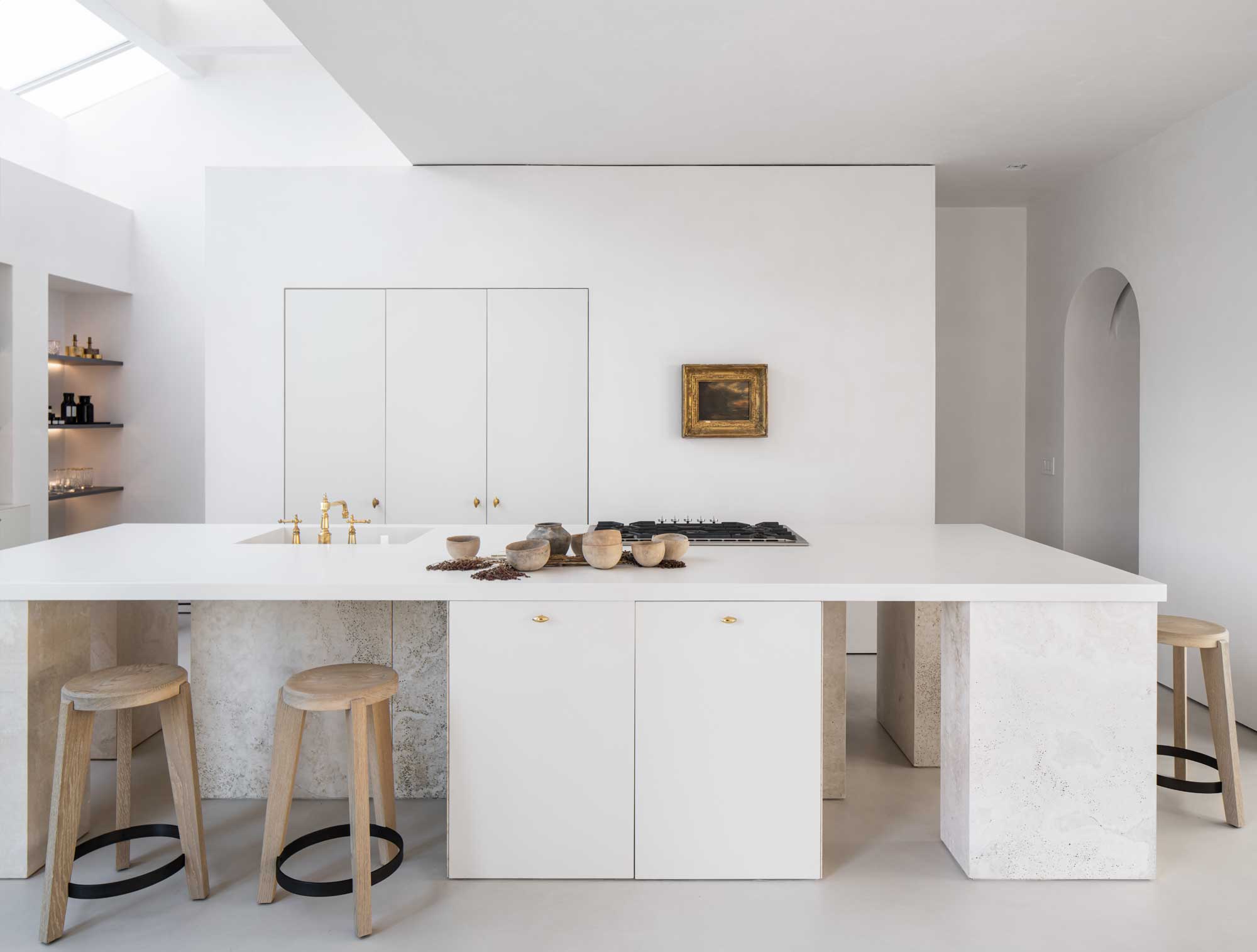
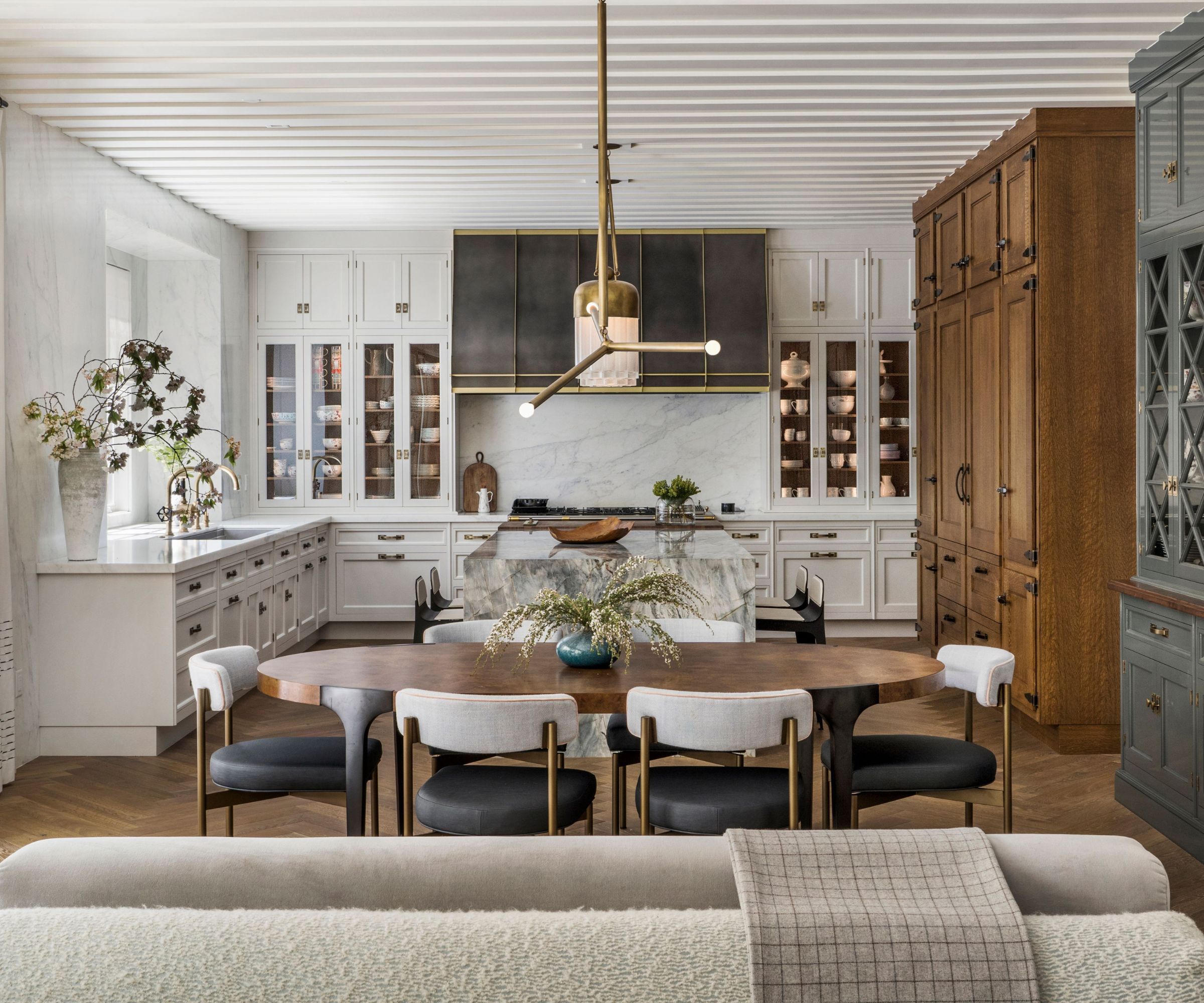
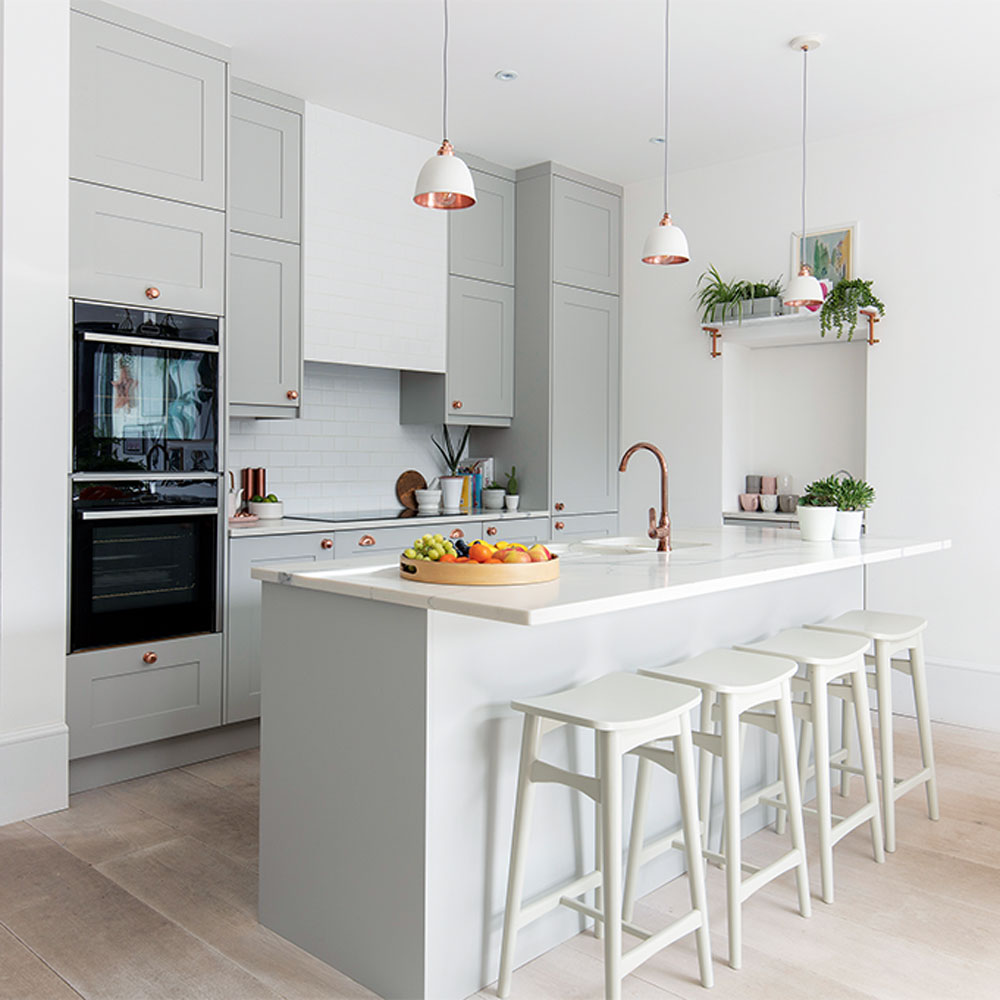
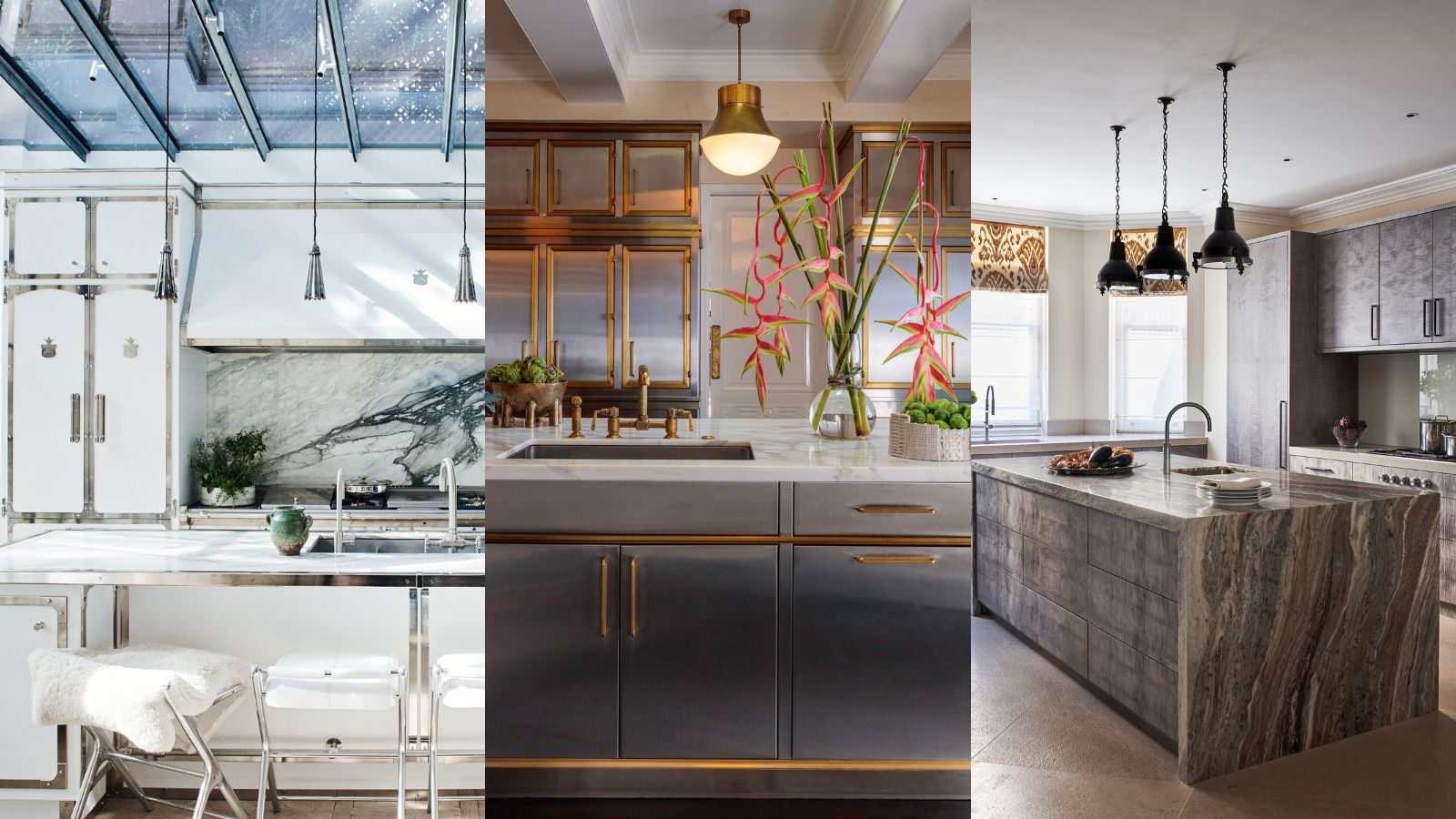
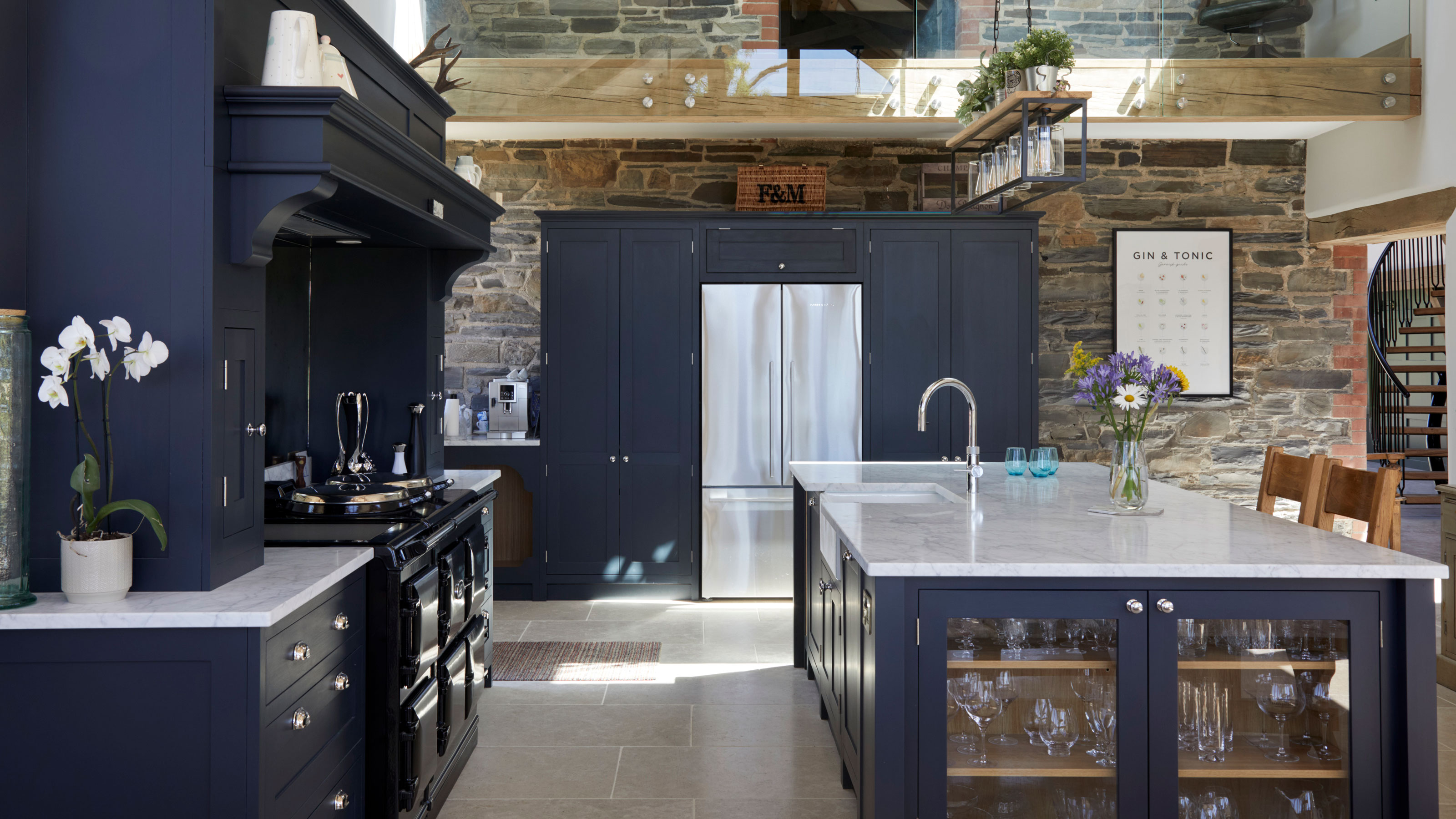
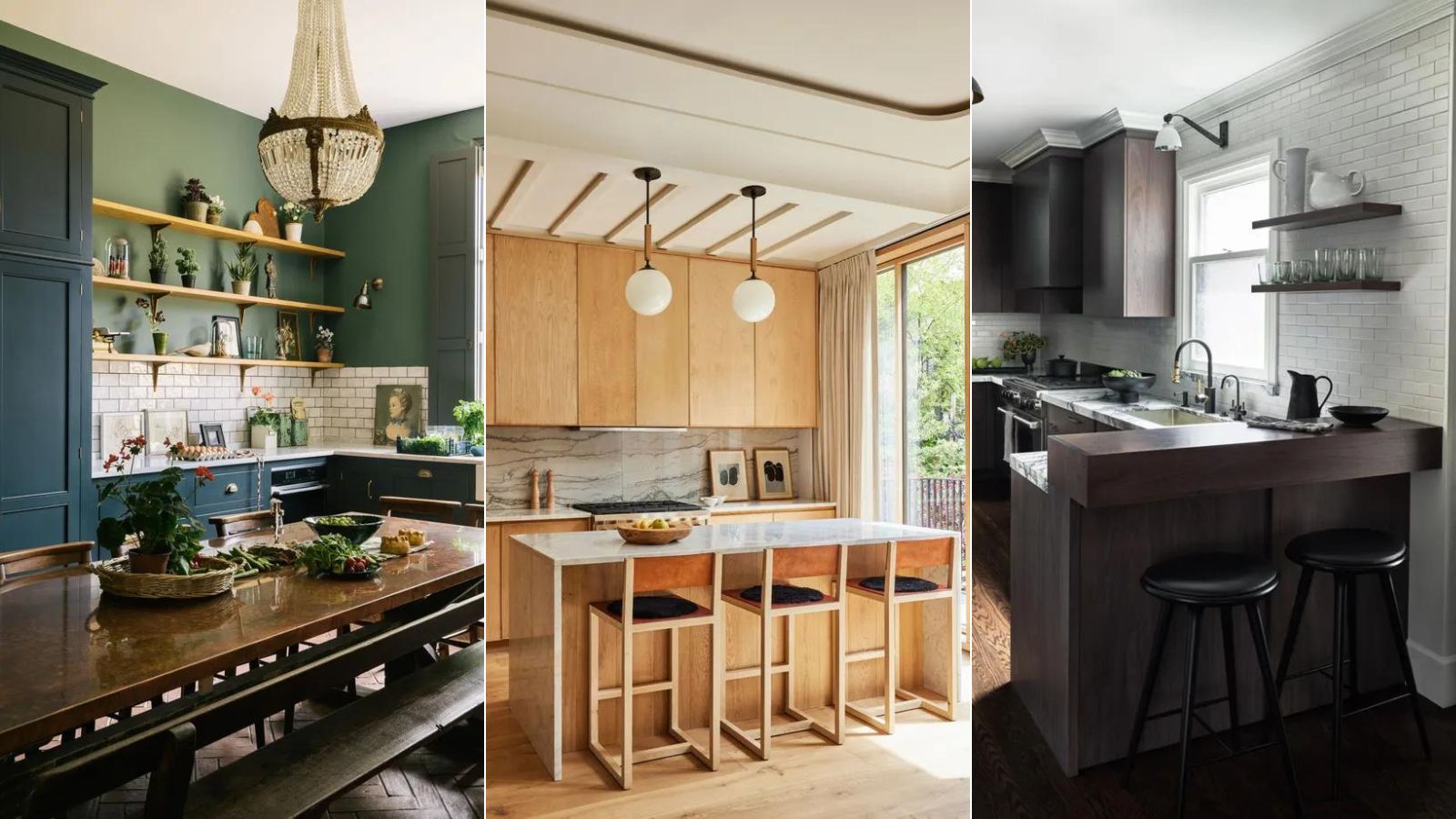
Incorporating a kitchen island with a sink has become a prominent feature in contemporary kitchen design, offering both aesthetic appeal and practical functionality. While modern kitchens often include dishwashers for primary cleaning, the sink remains a crucial element in any culinary space. The decision to integrate a sink into a kitchen island involves careful consideration of individual needs, kitchen layout, and overall design aesthetics. Kitchen design experts emphasize that an island sink, if thoughtfully selected, can become the most frequently used component of the kitchen, significantly enhancing workflow and convenience.
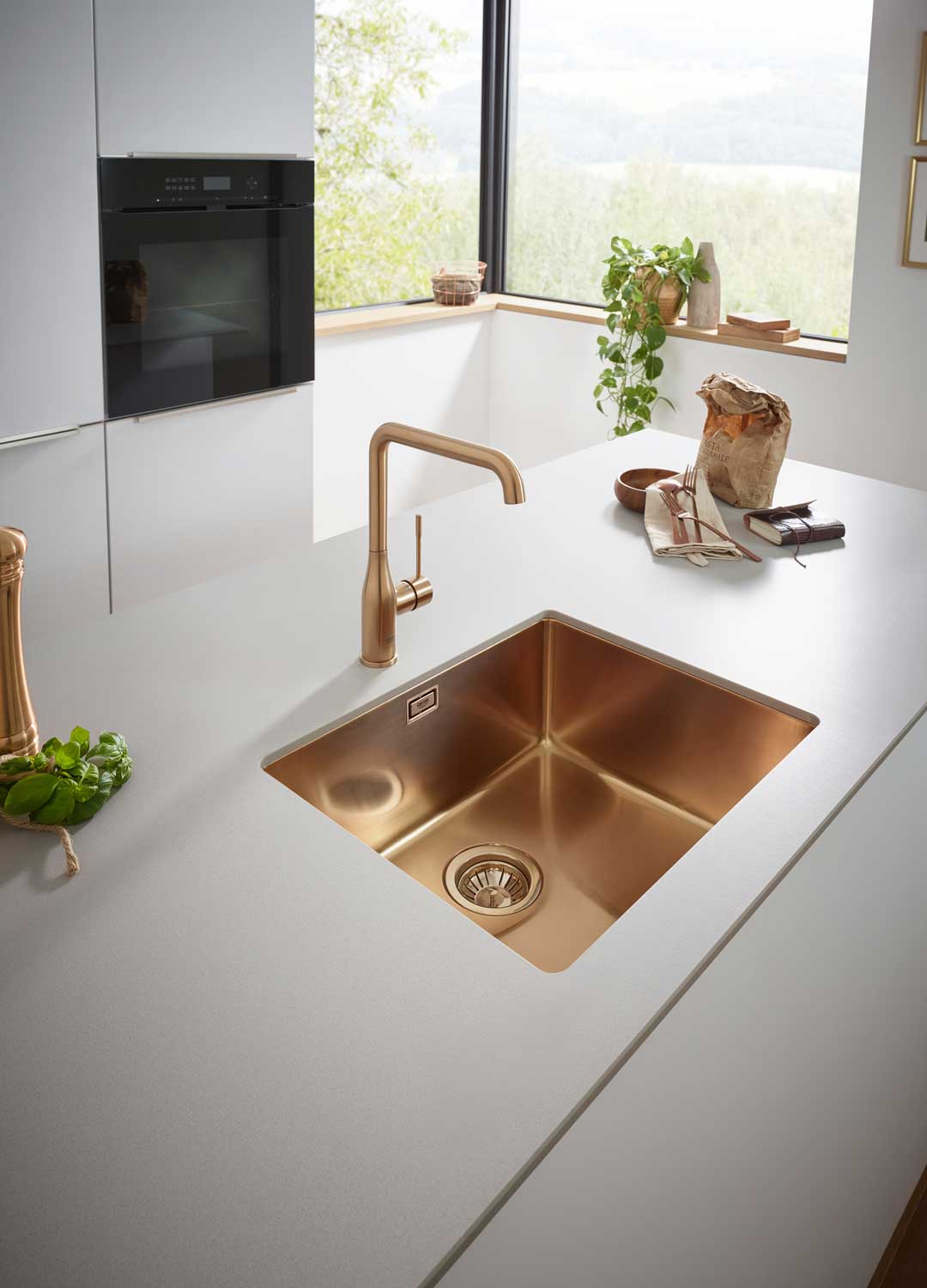
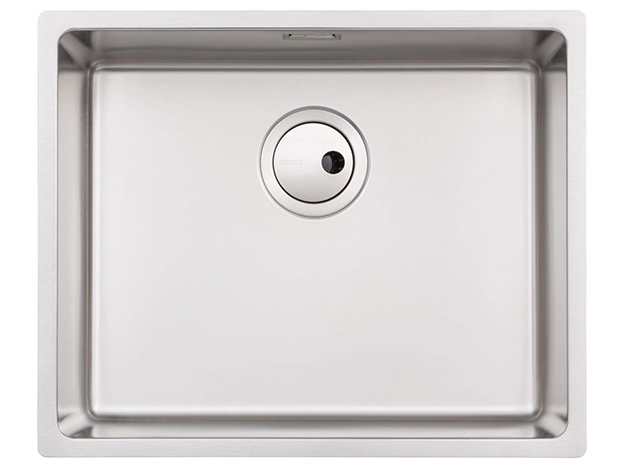
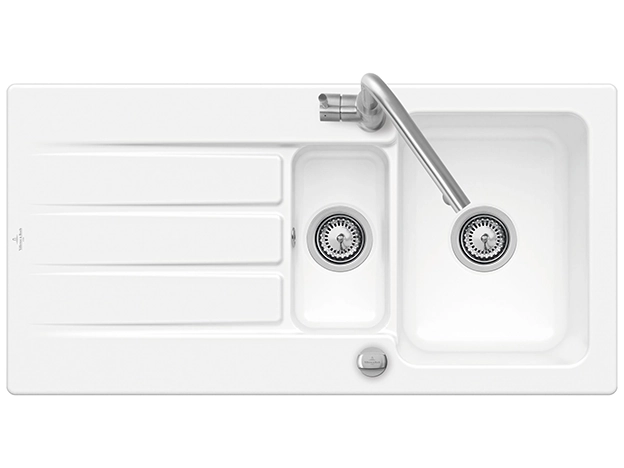
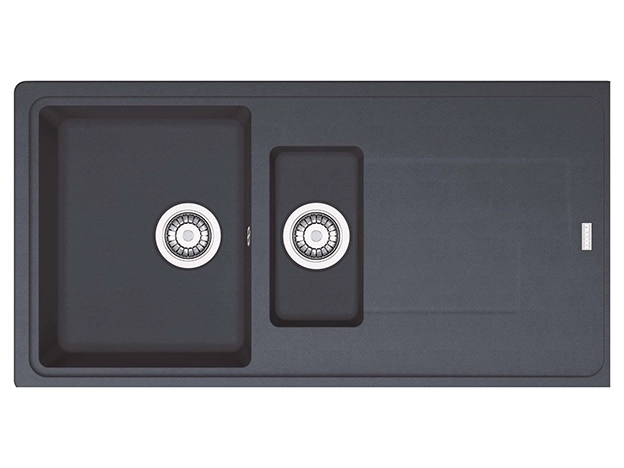
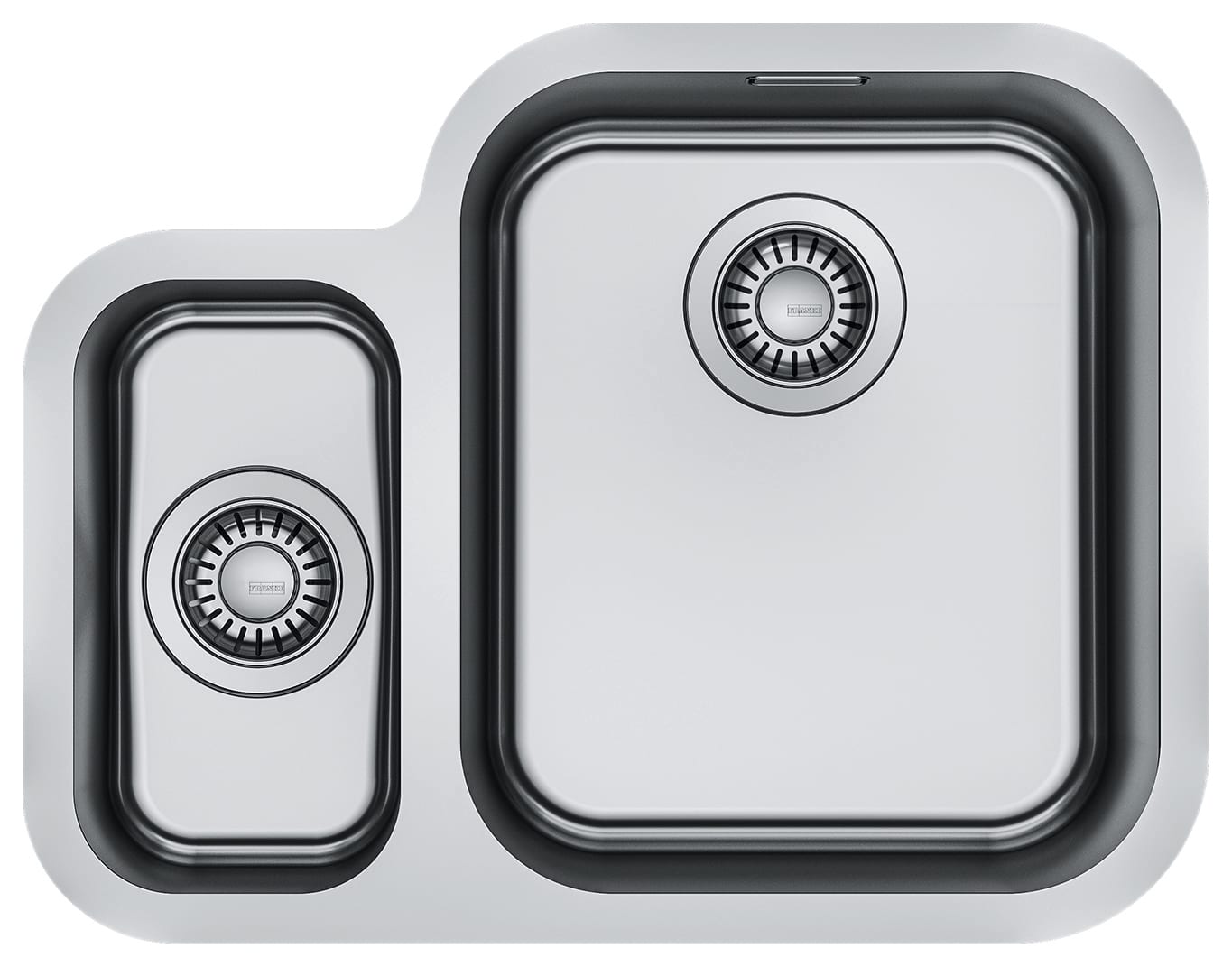
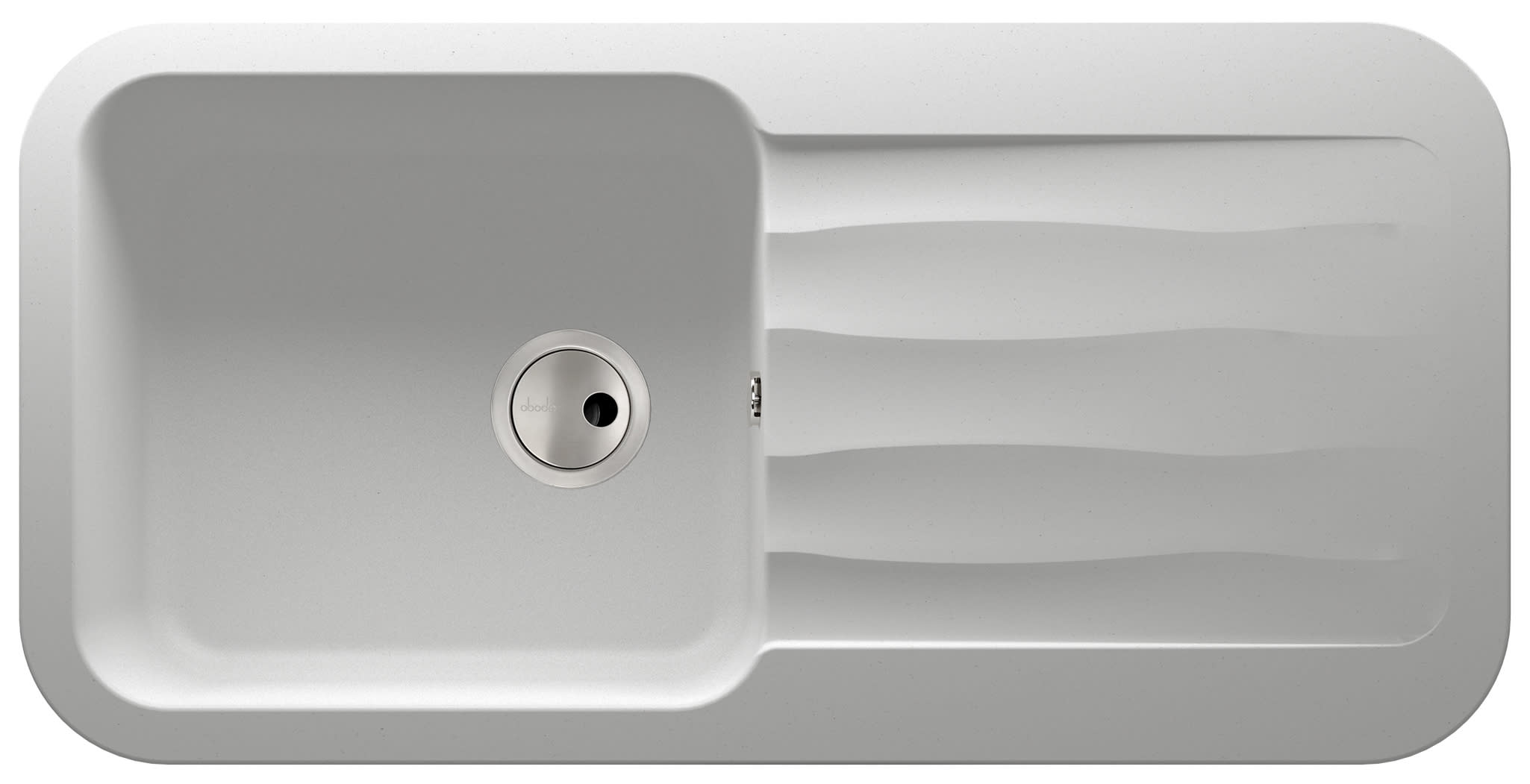
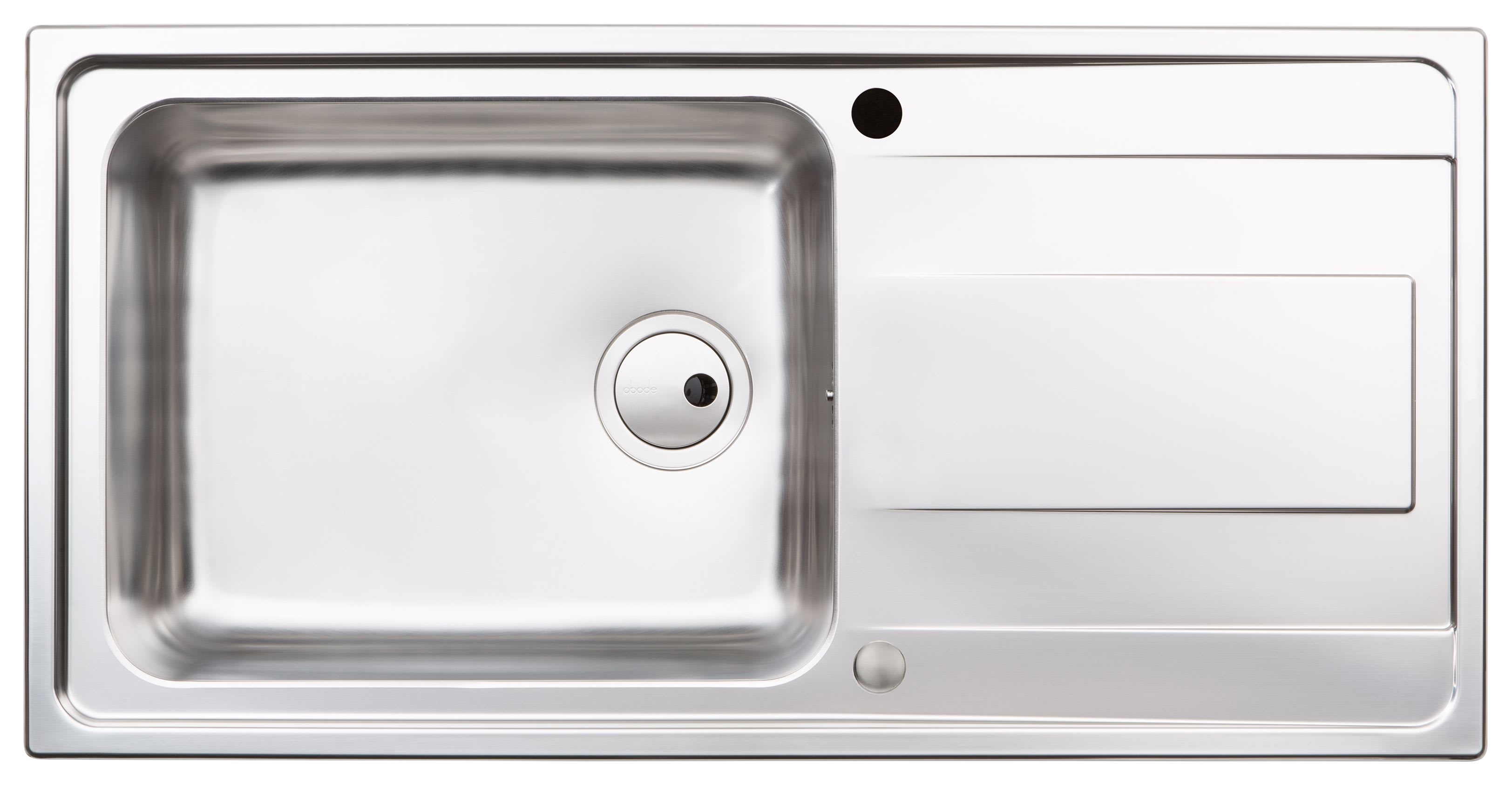
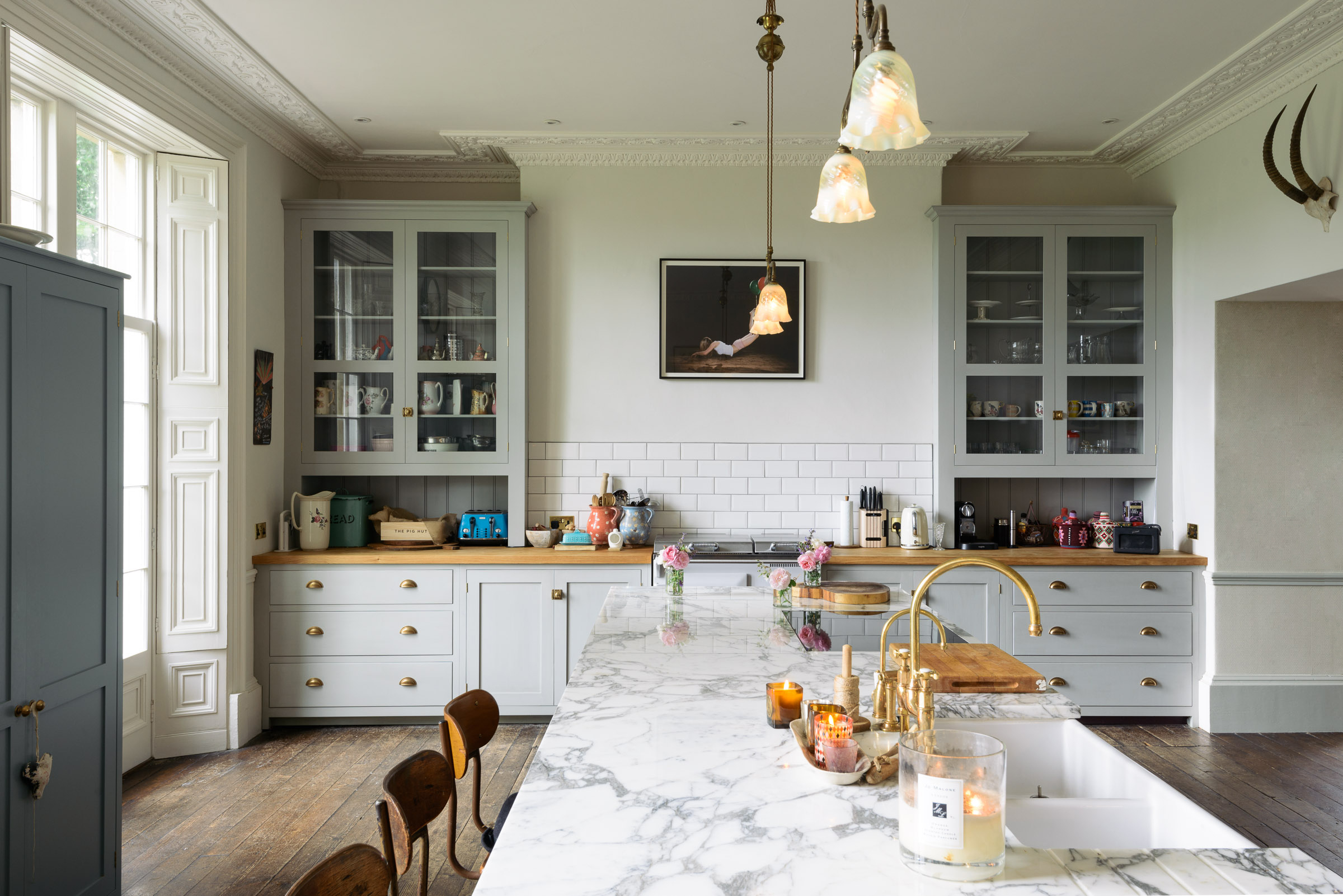
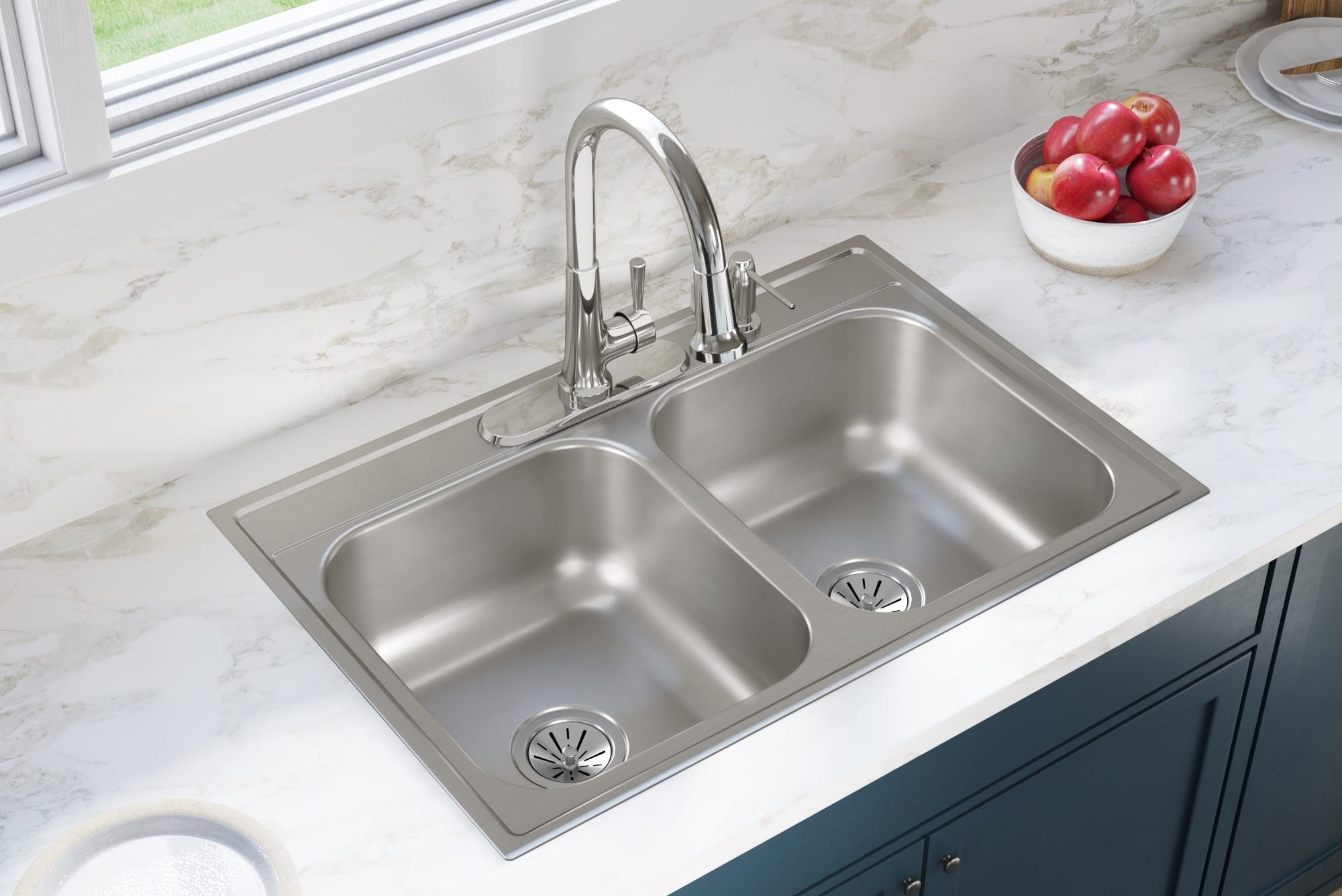
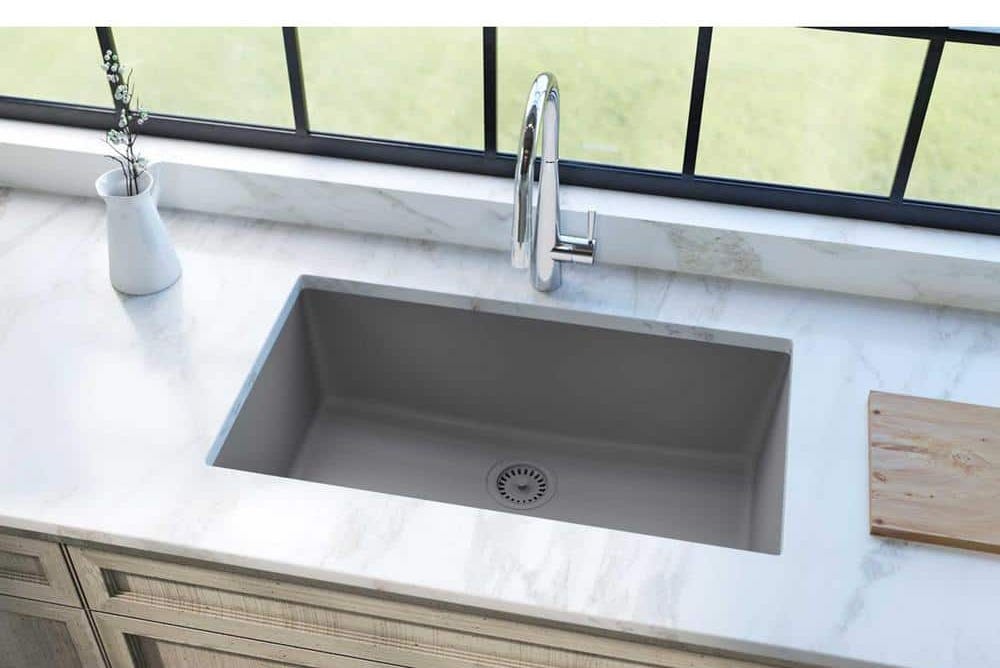
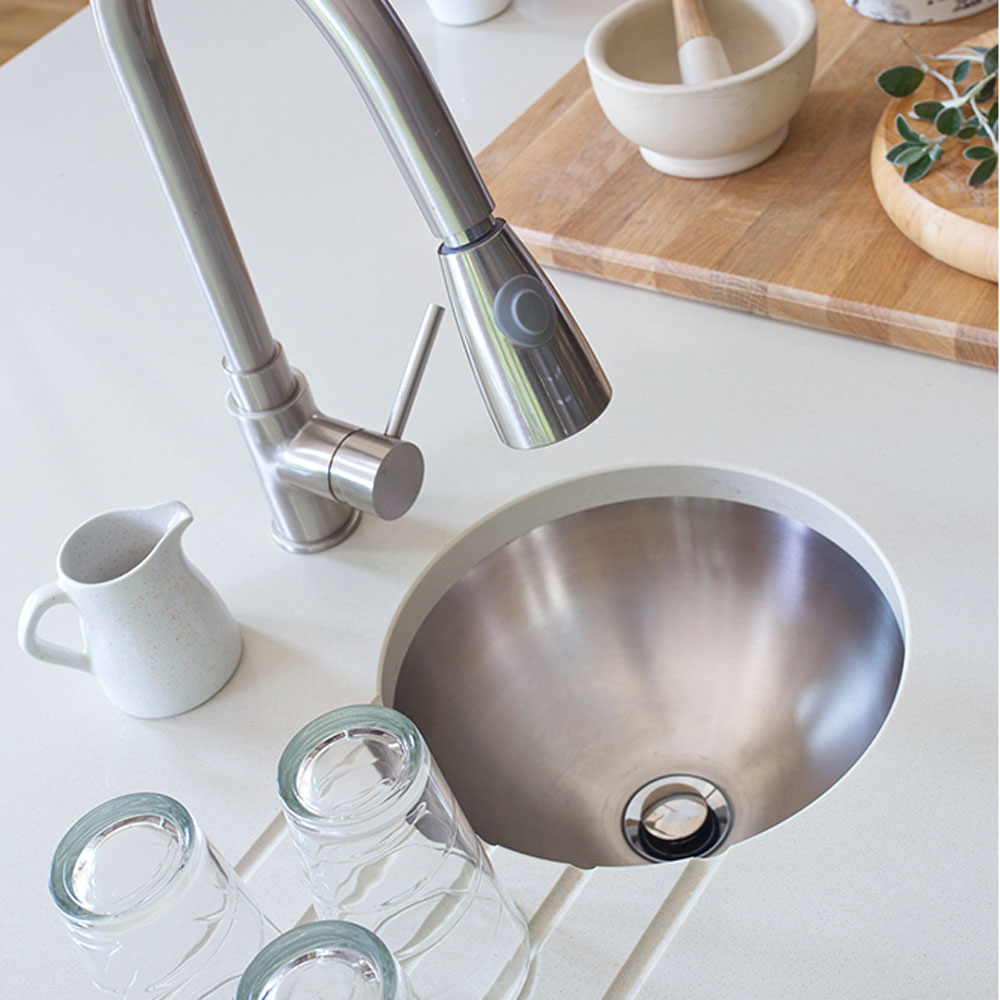
When contemplating an island sink, it is essential to assess current sink usage patterns. For individuals who cook infrequently or primarily rely on dishwashers, a single-bowl sink on the island might suffice. Conversely, busy family kitchens or those catering to avid cooks could benefit from a more versatile setup, potentially featuring an additional bowl, waste disposal unit, and a hot water tap. Beyond functionality, practical aspects such as materials, maintenance requirements, and installation considerations are pivotal. Experts recommend durable materials like man-made composite stone (quartz or sintered stone) or stainless steel for island sinks, due to their resistance to scratches, stains, and ease of cleaning, which allows for hot pans to be placed directly on them.
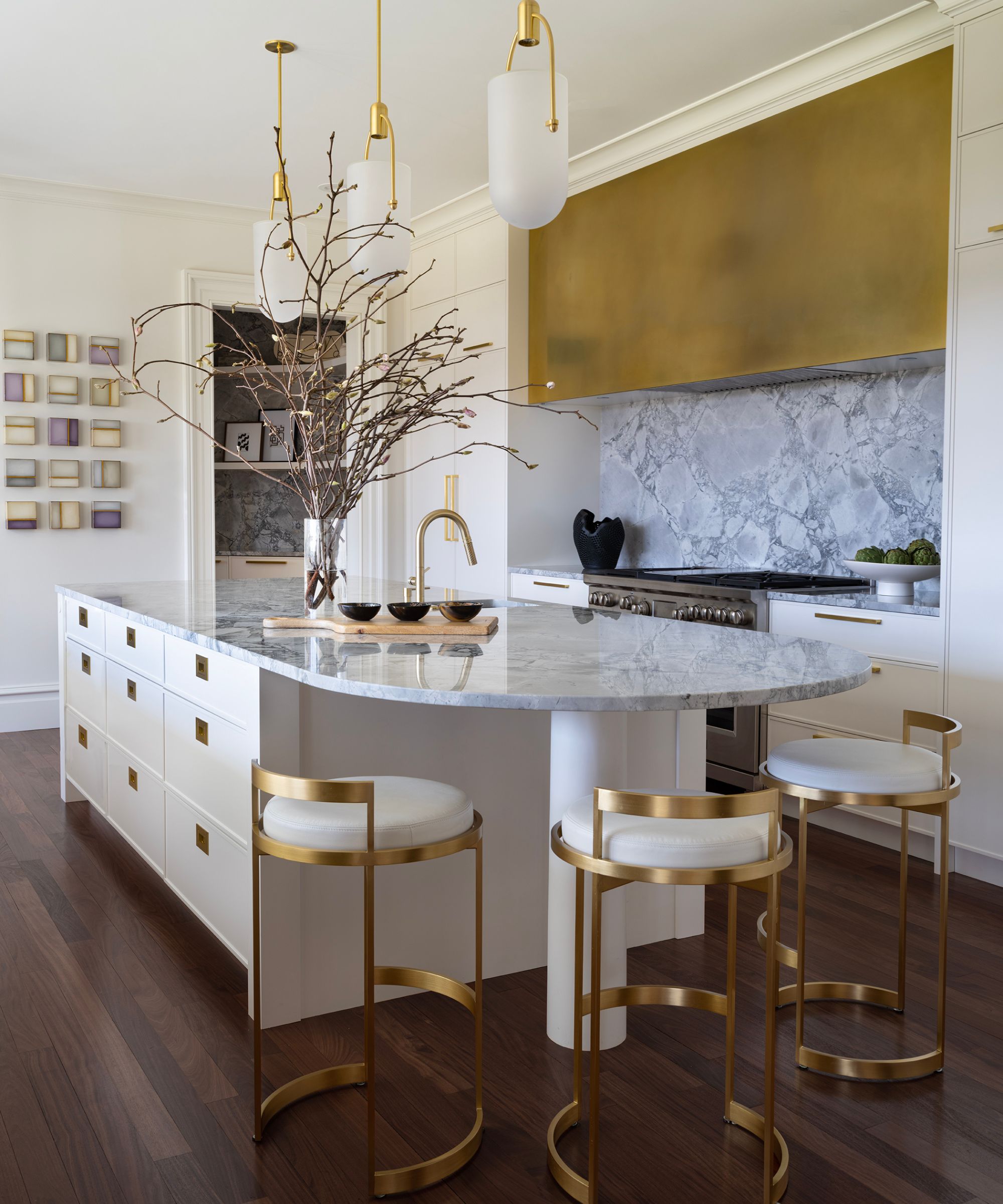
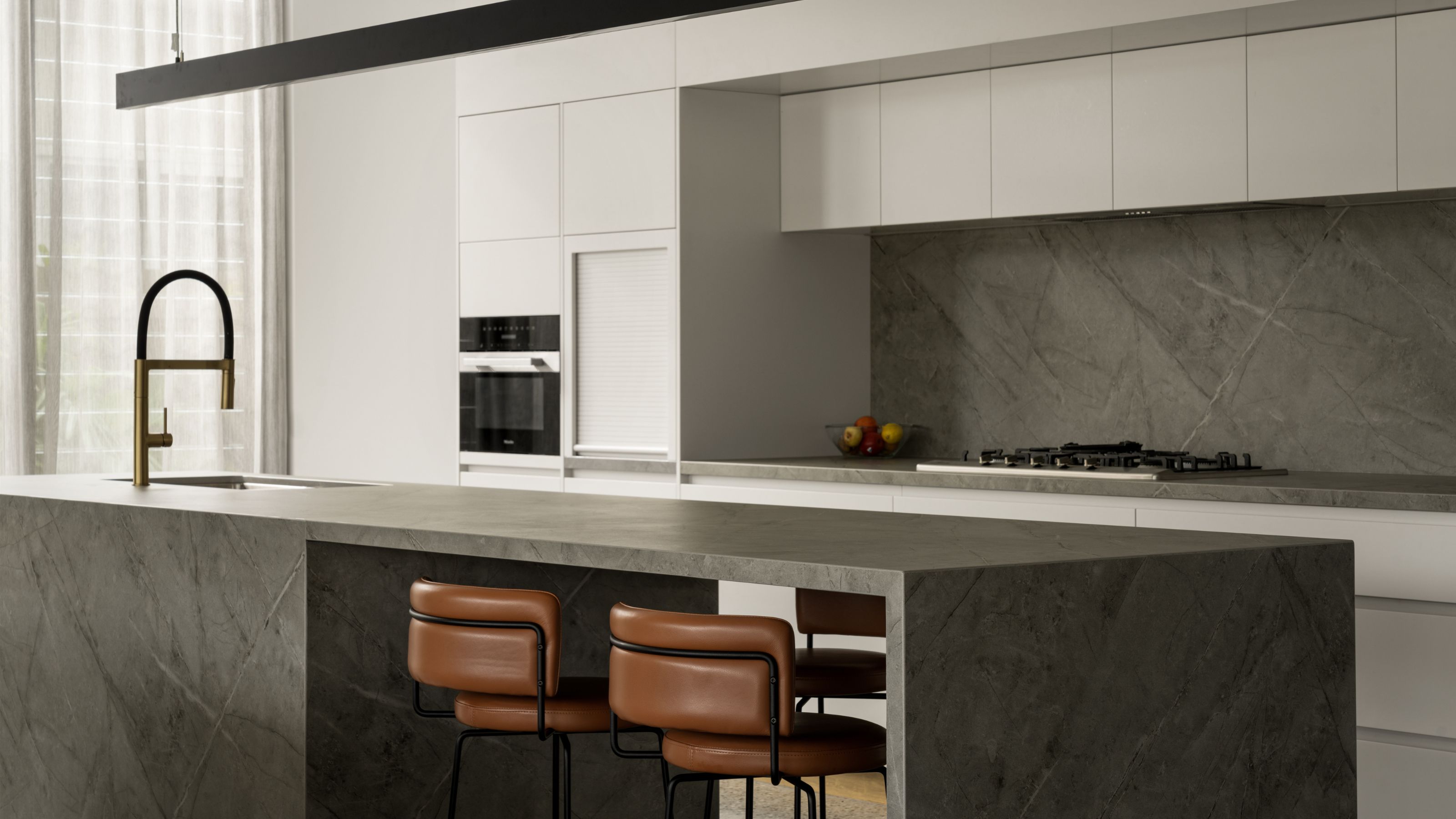
The strategic placement of a sink on a kitchen island is often driven by its proximity to the stove and food preparation areas, optimizing the "working triangle" concept for efficient cooking. While this concept is traditionally associated with kitchen layout, its underlying principle of convenient access to key elements remains relevant. Modern kitchens are increasingly designed as social hubs, where family and guests gather. A central island or peninsula, especially with an integrated sink, transforms into an informal dining area and a focal point for interaction, allowing the cook to engage with others during meal preparation. Islands also effectively divide open-plan spaces into distinct zones.
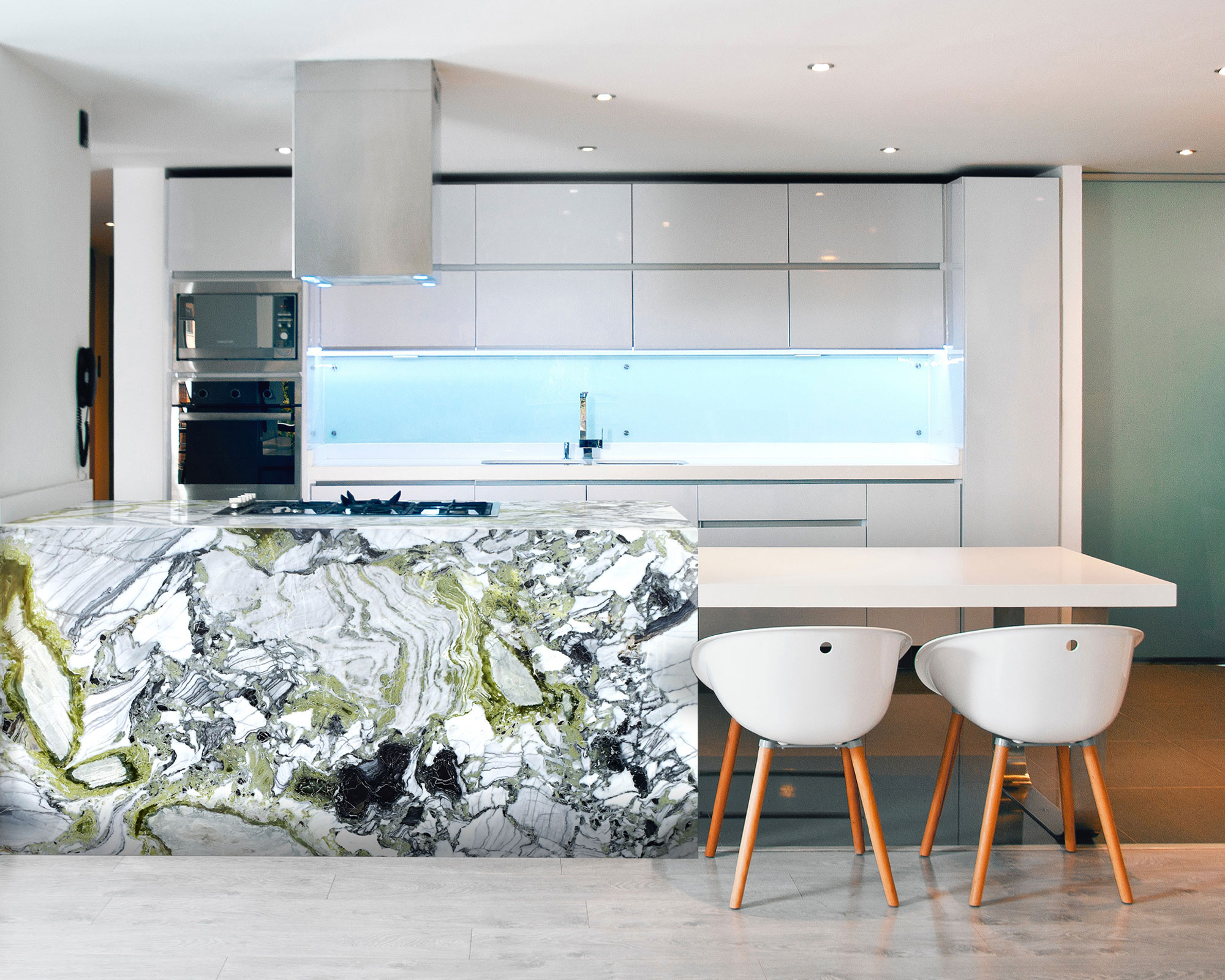
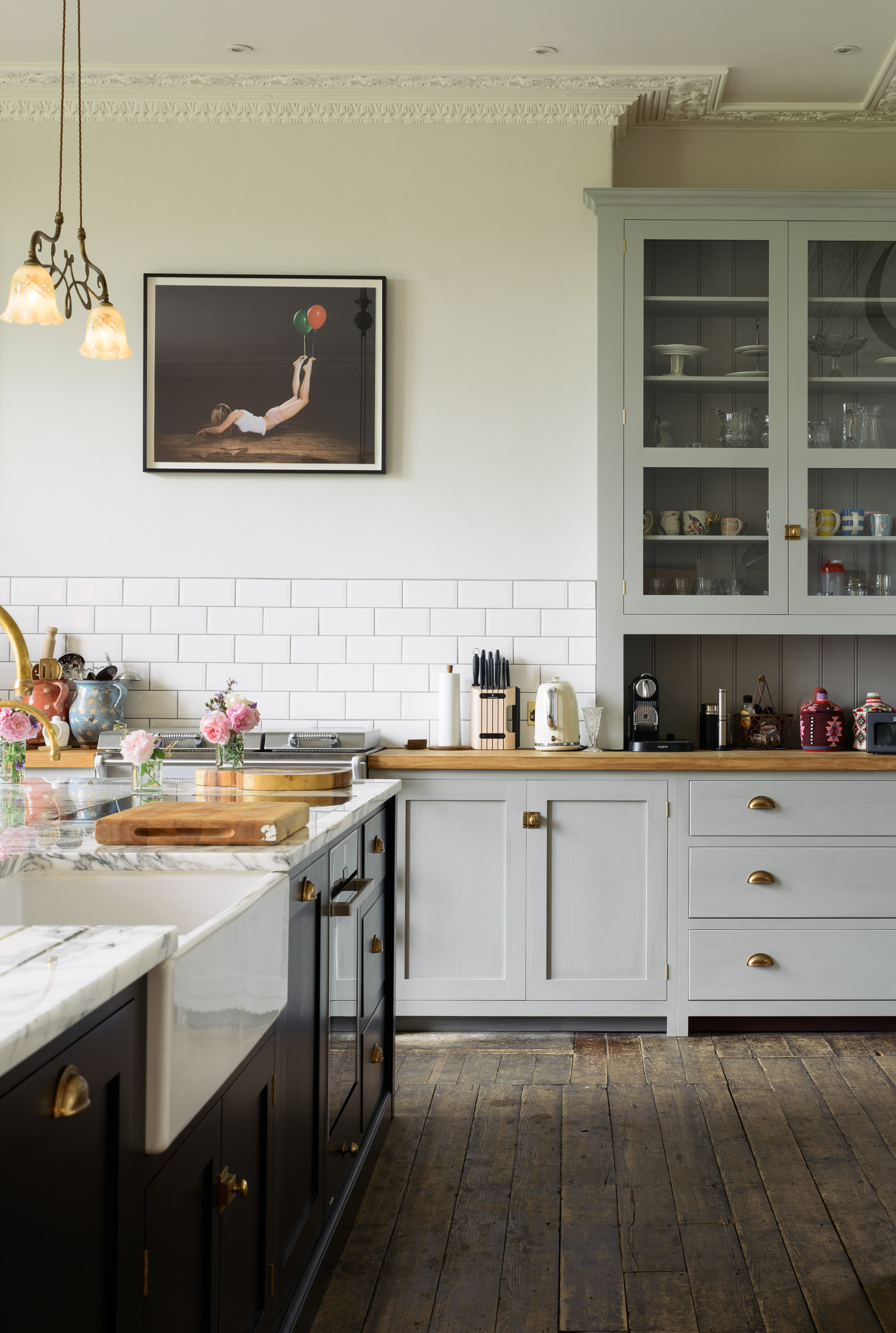
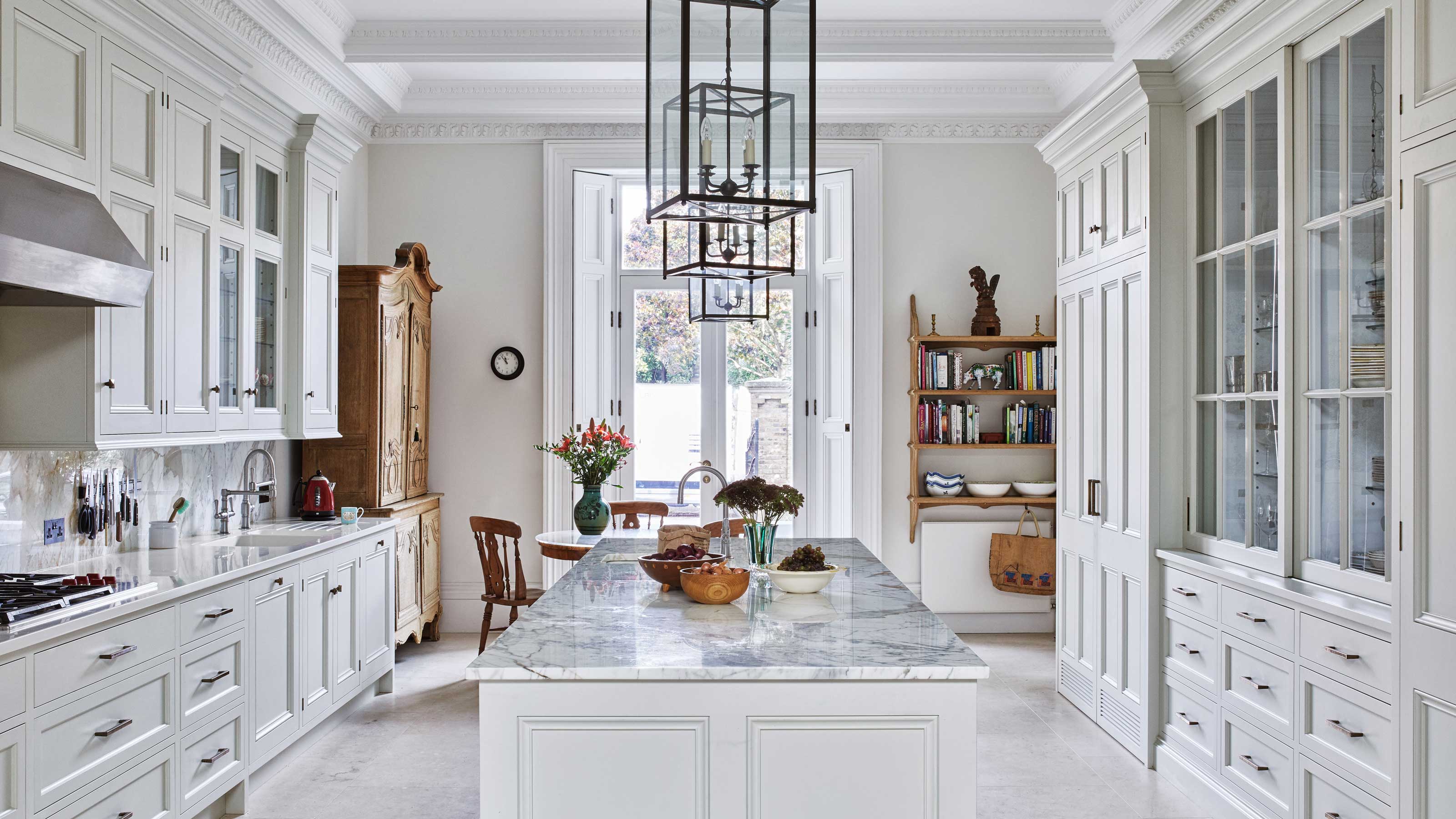
The decision between placing a sink or a stove on a kitchen island depends on available space and specific preferences. Ideally, a large kitchen island can accommodate both, creating a comprehensive "nerve center" for culinary activities. Integrating appliances like a hob or a sink into an island necessitates early planning with electricians, plumbers, and kitchen suppliers to ensure appropriate utility connections. For island sinks, designers suggest incorporating a higher plinth to discreetly conceal washing-up mess from the dining side, maintaining a tidy appearance.
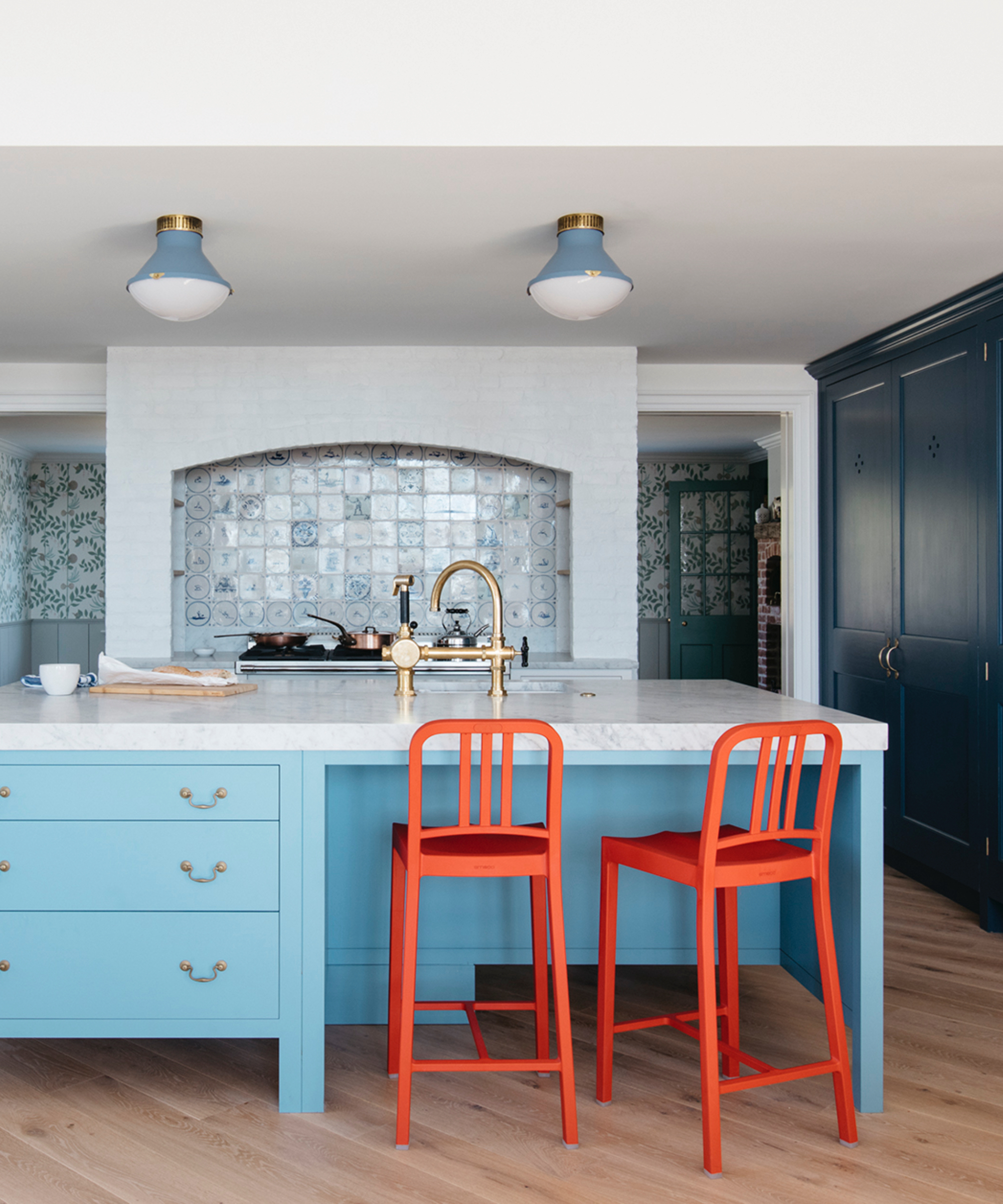
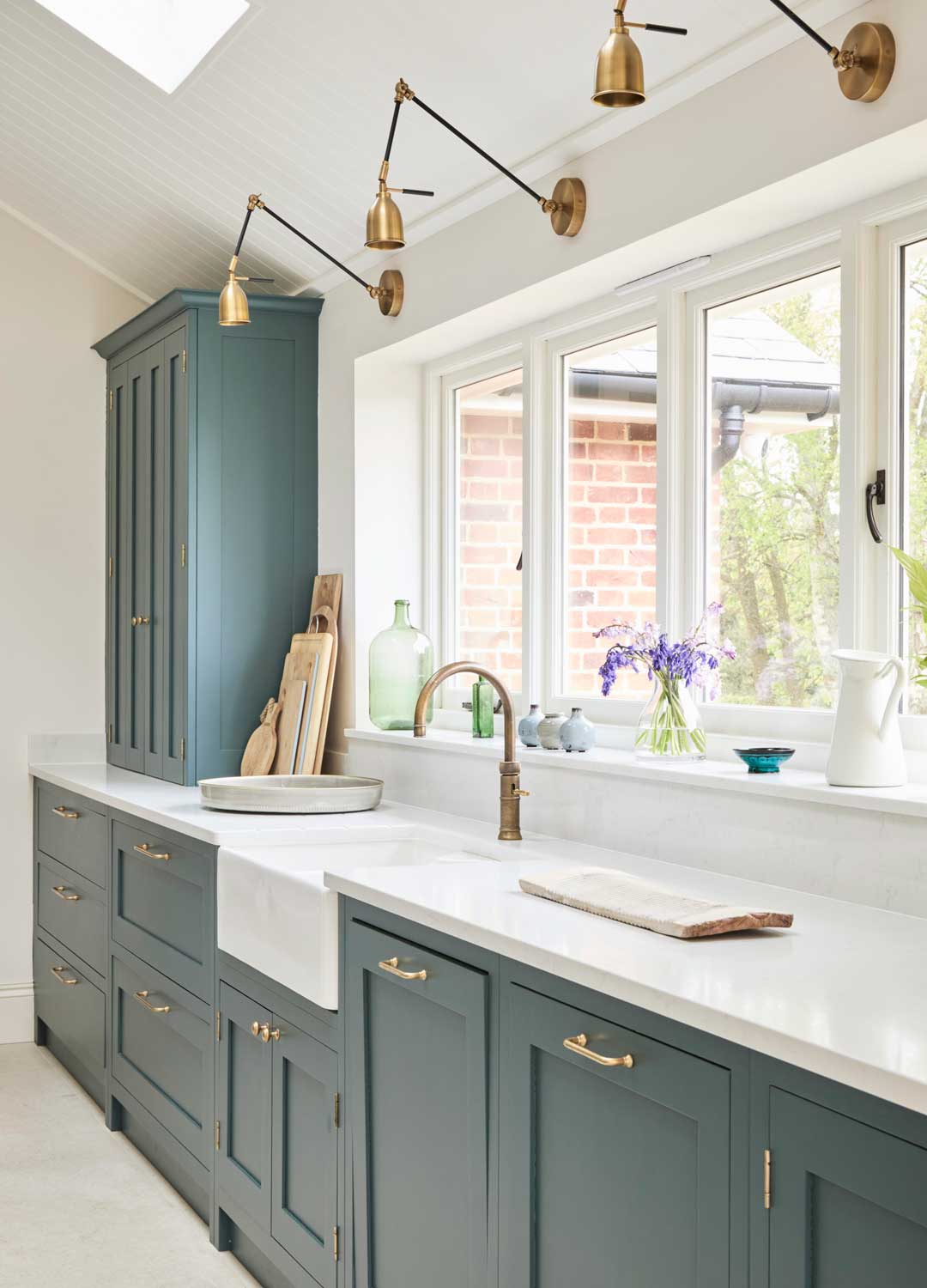
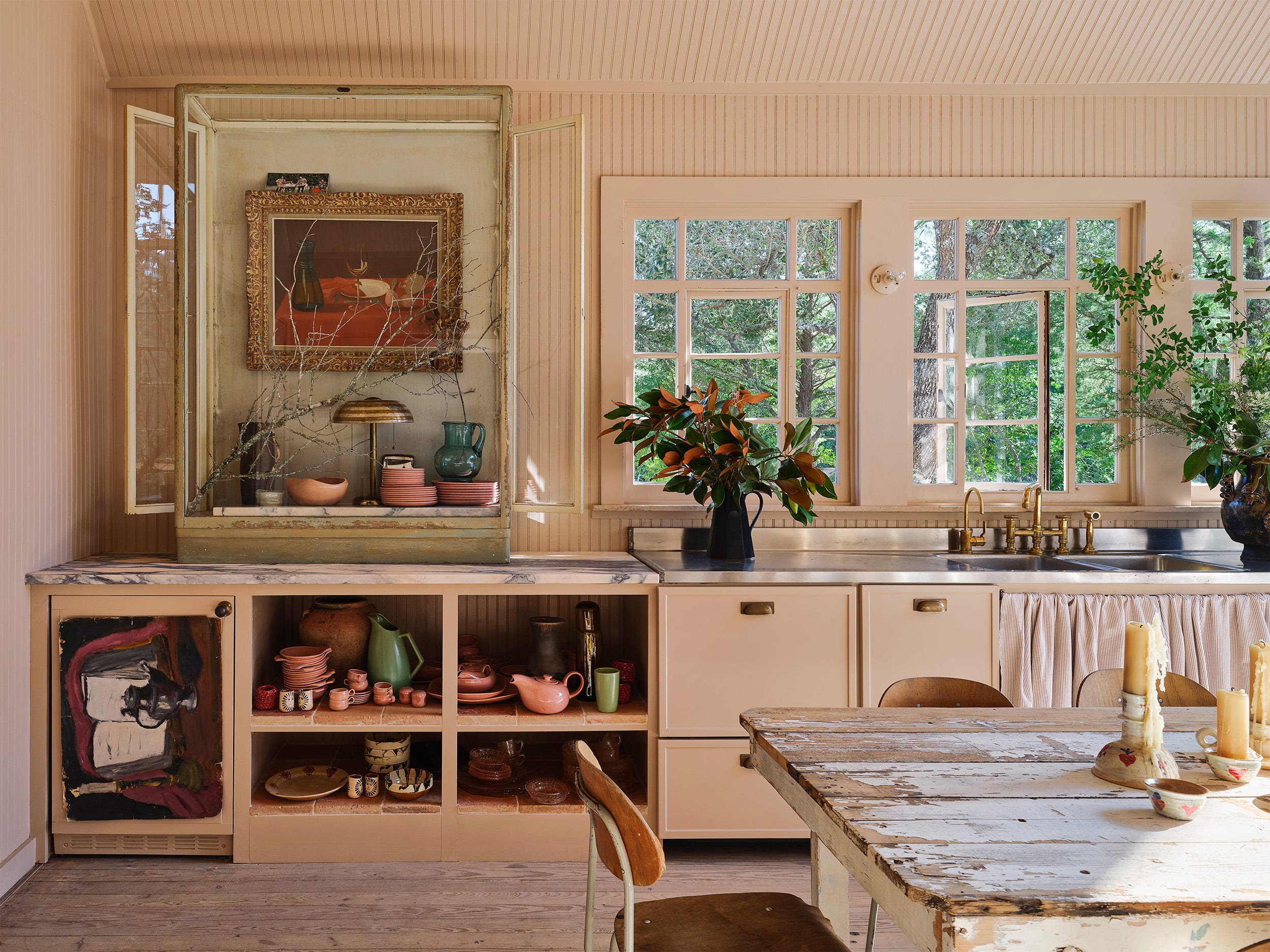
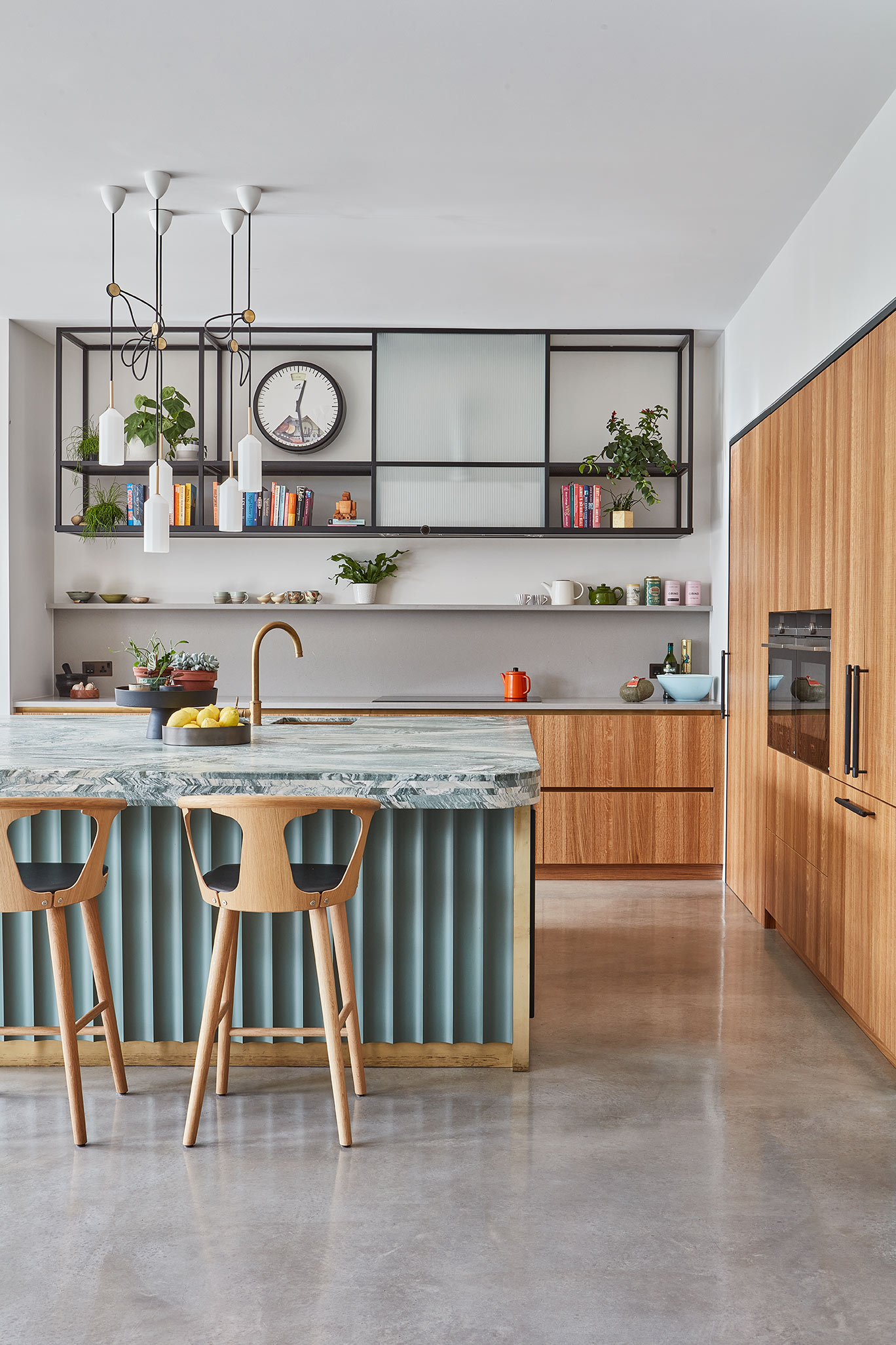
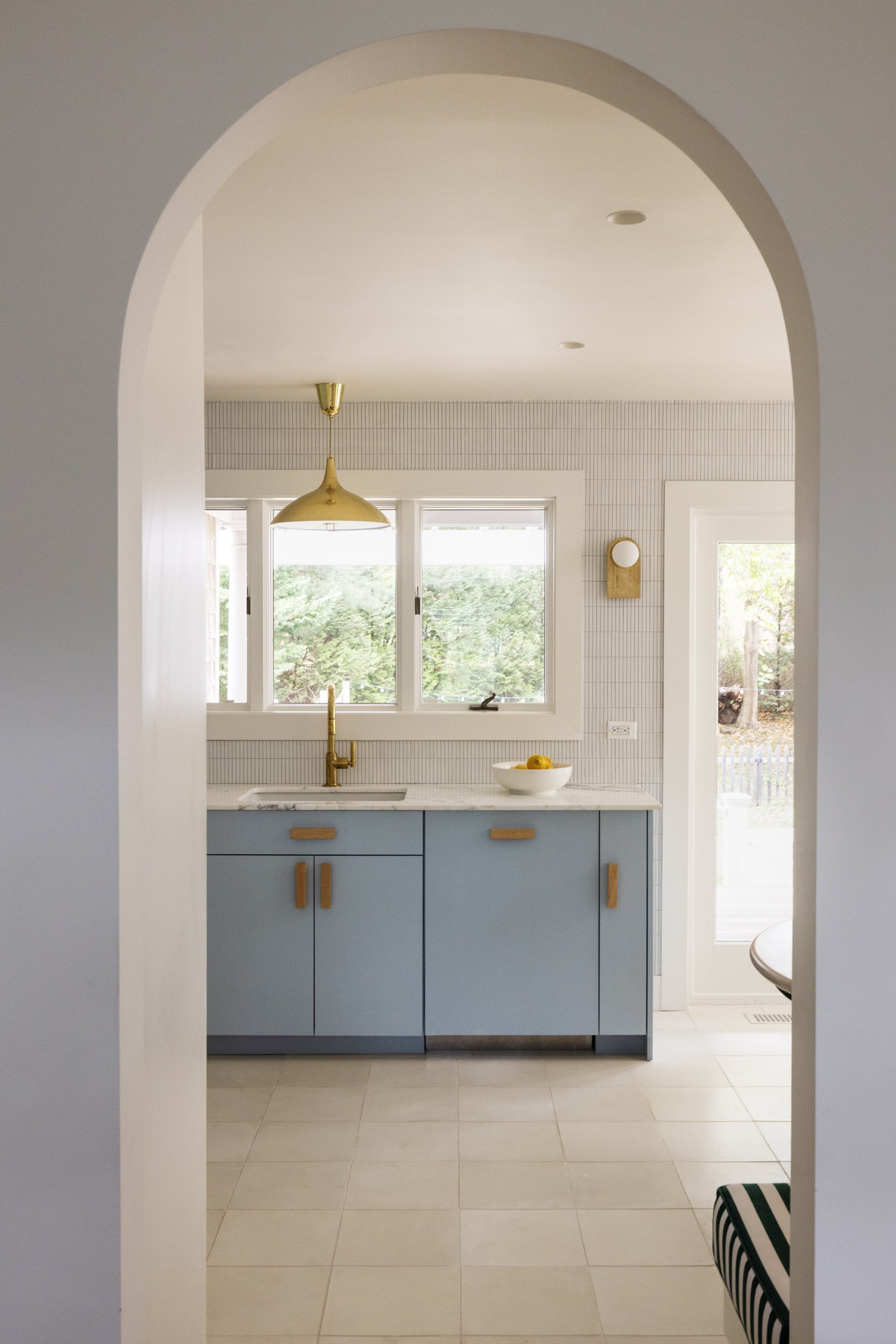
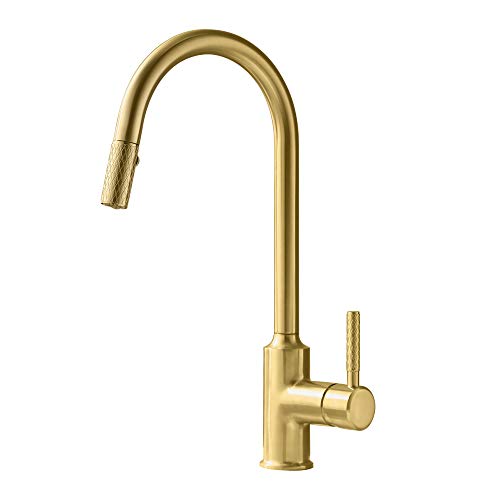
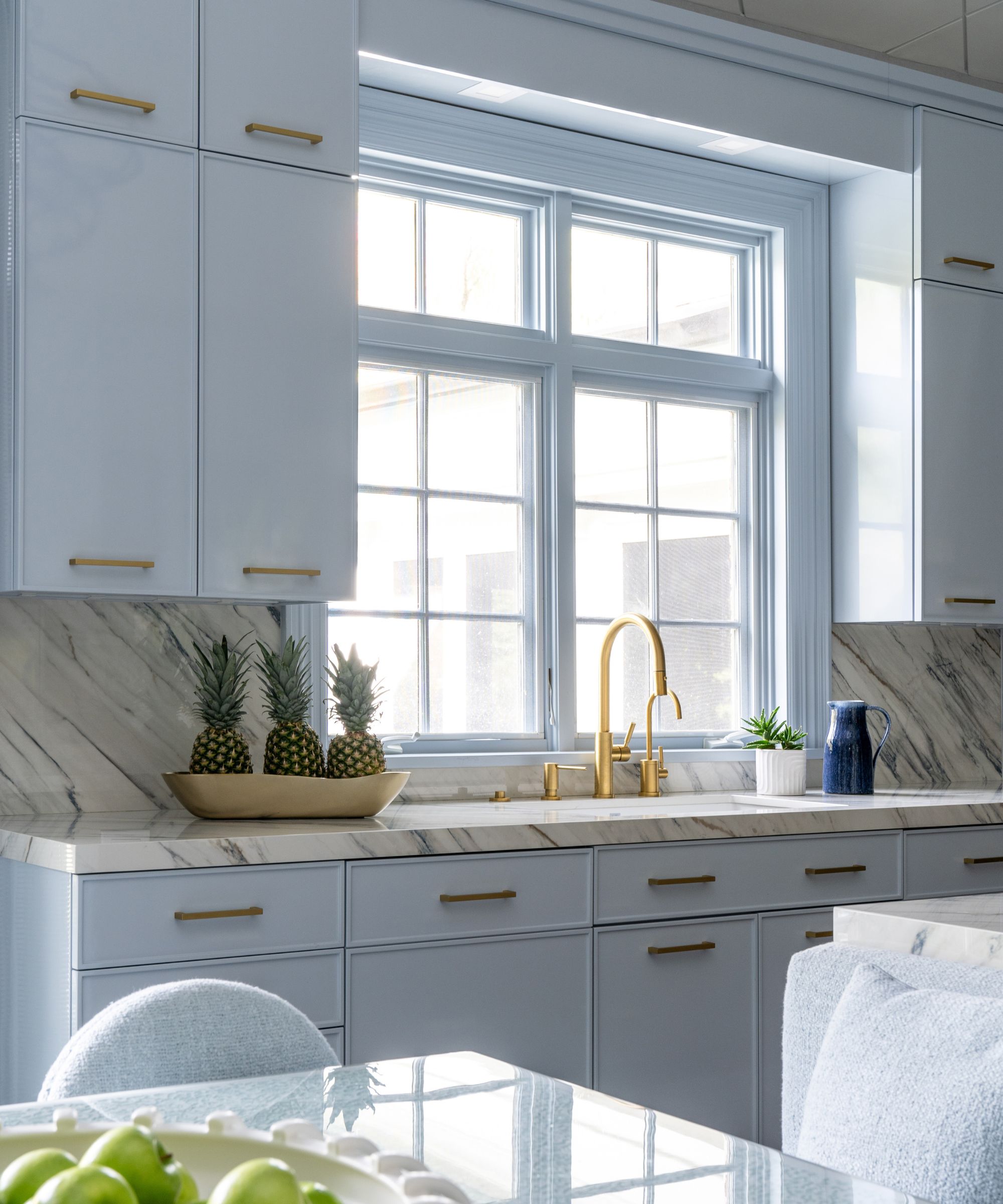
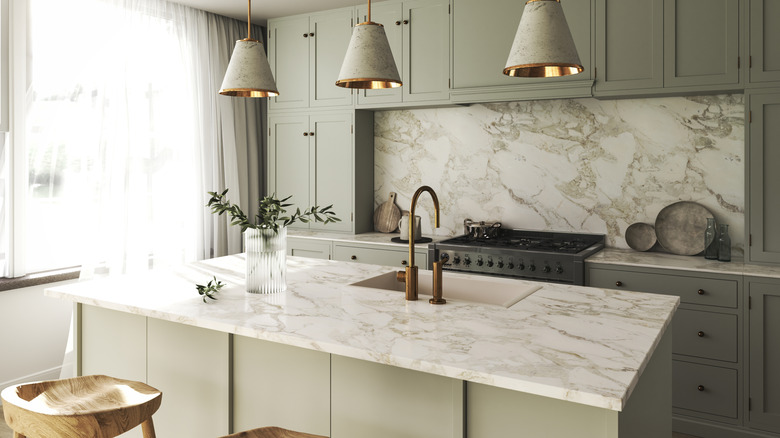
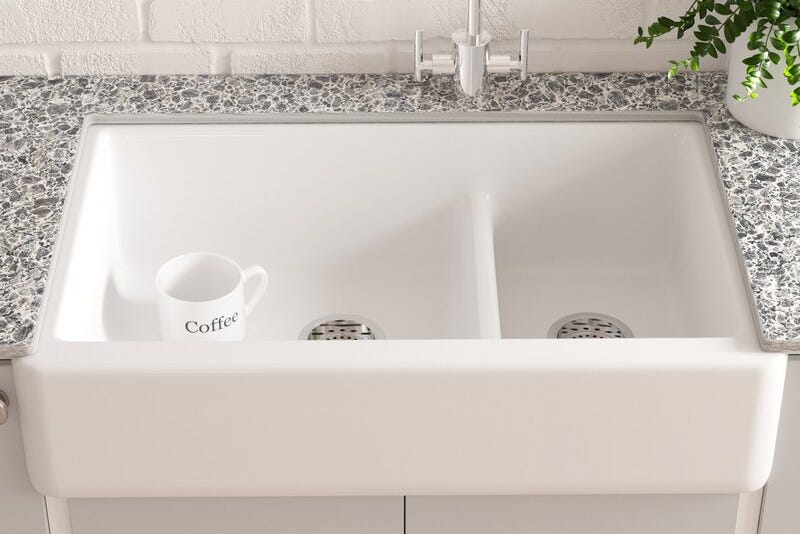
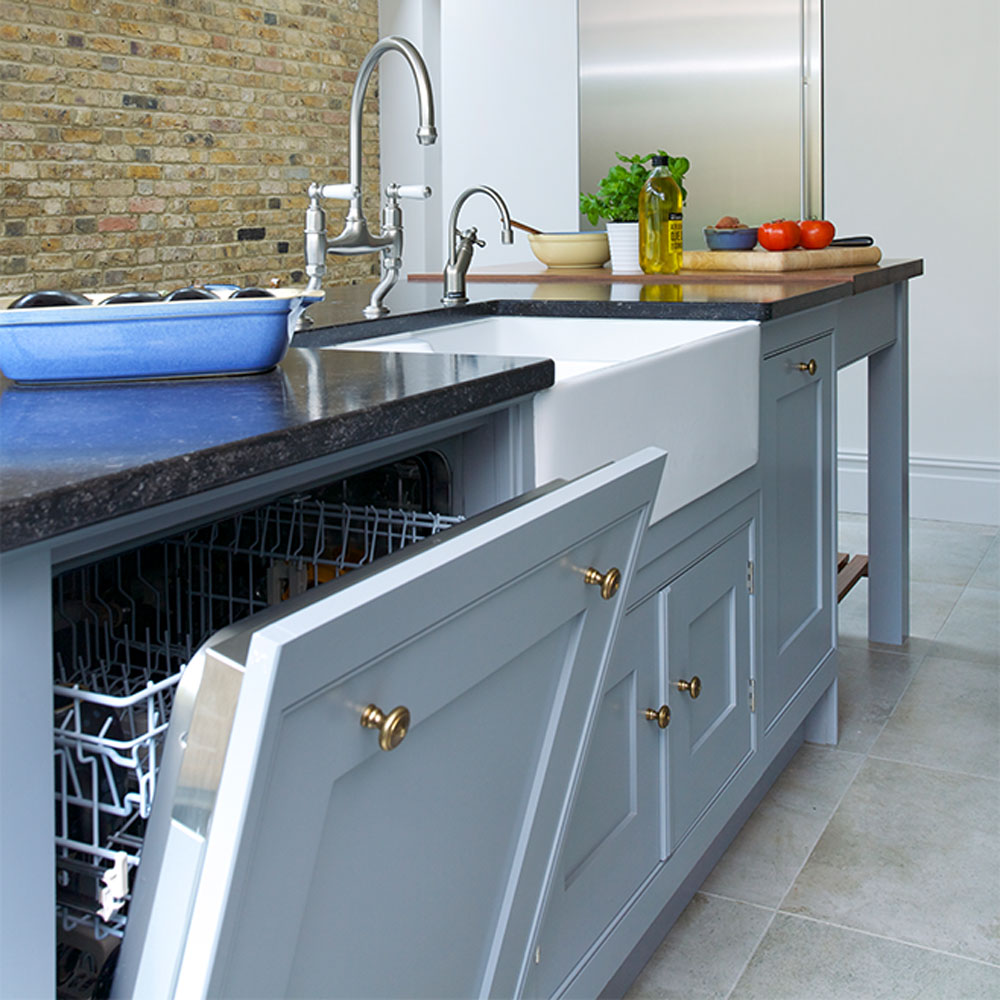
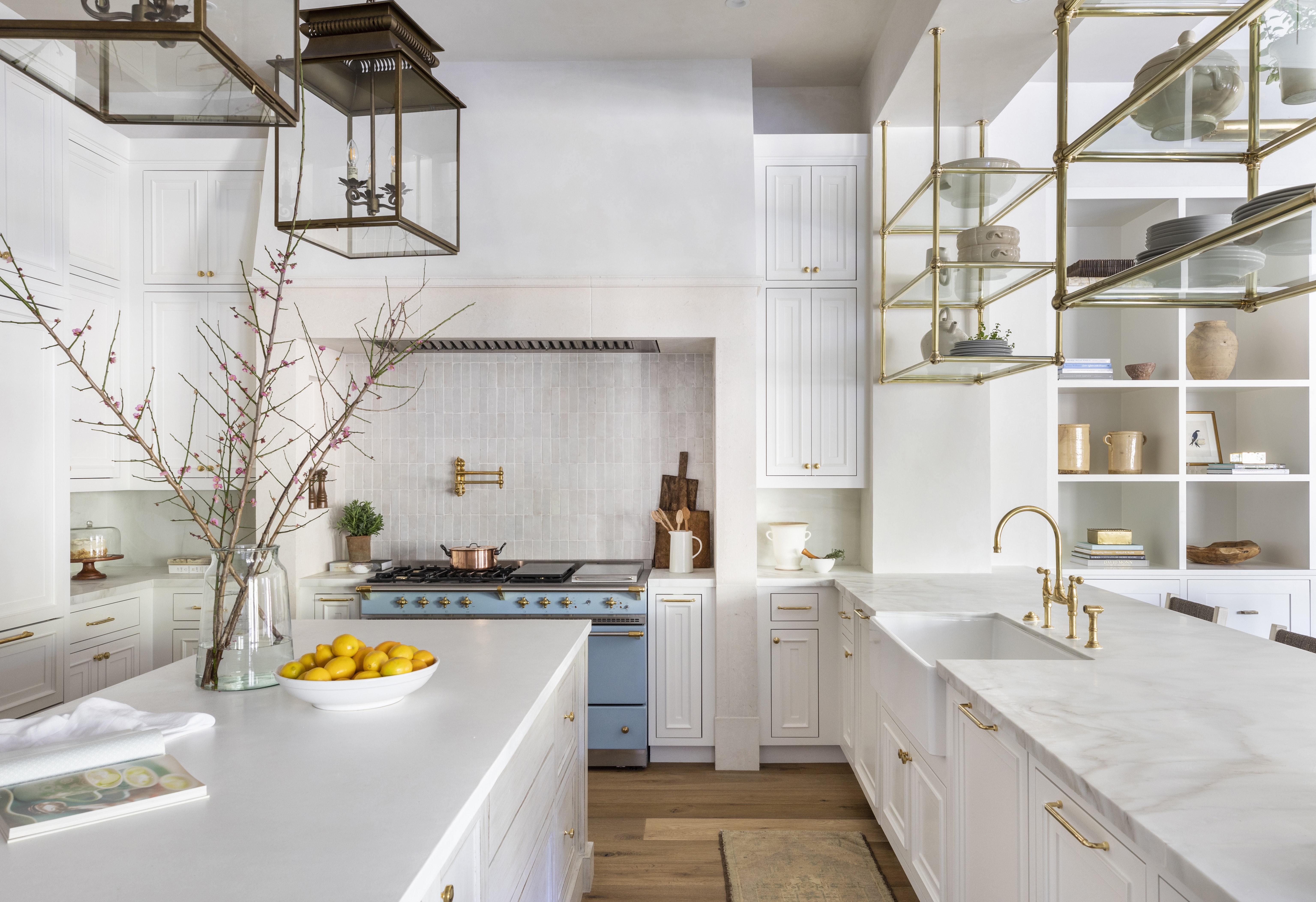
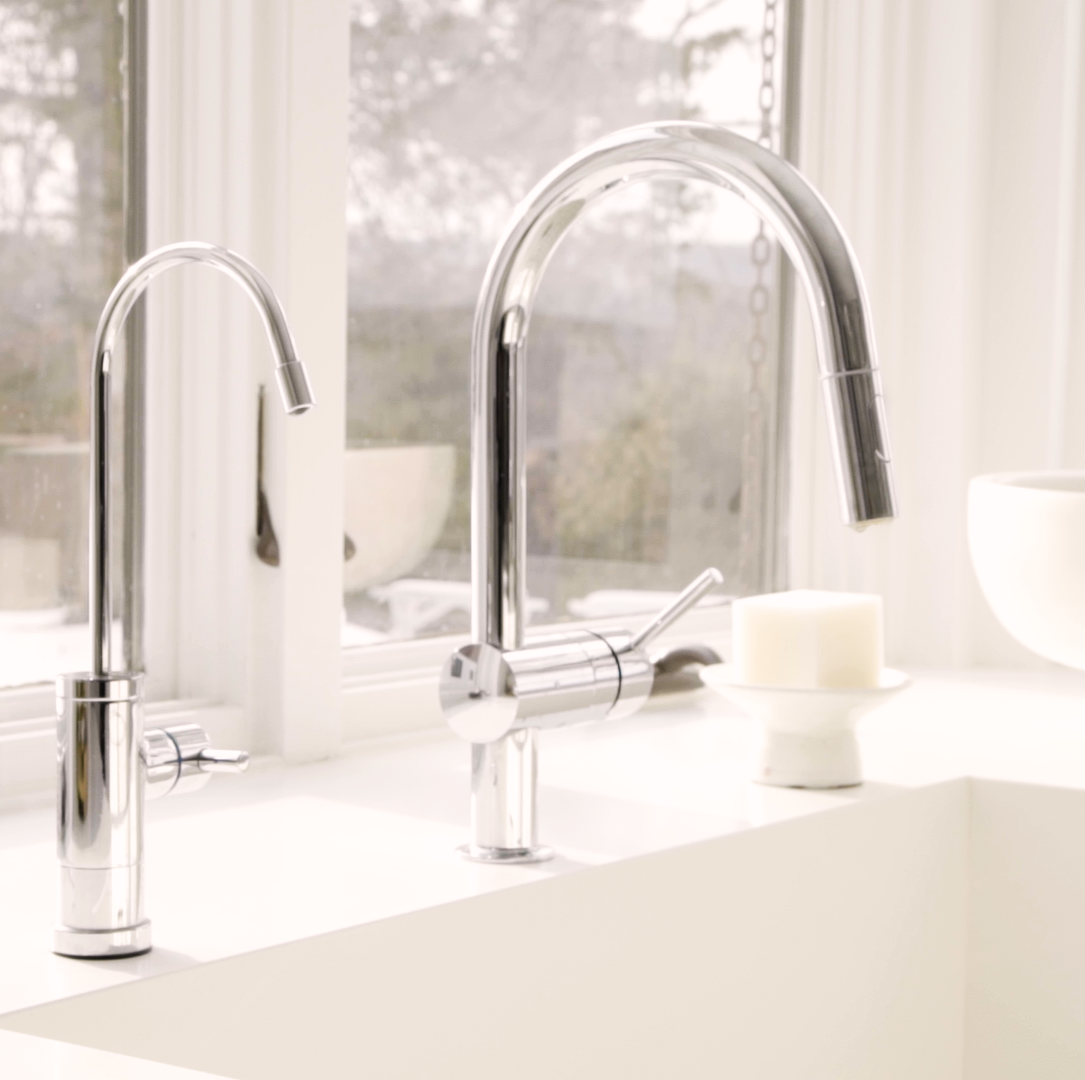
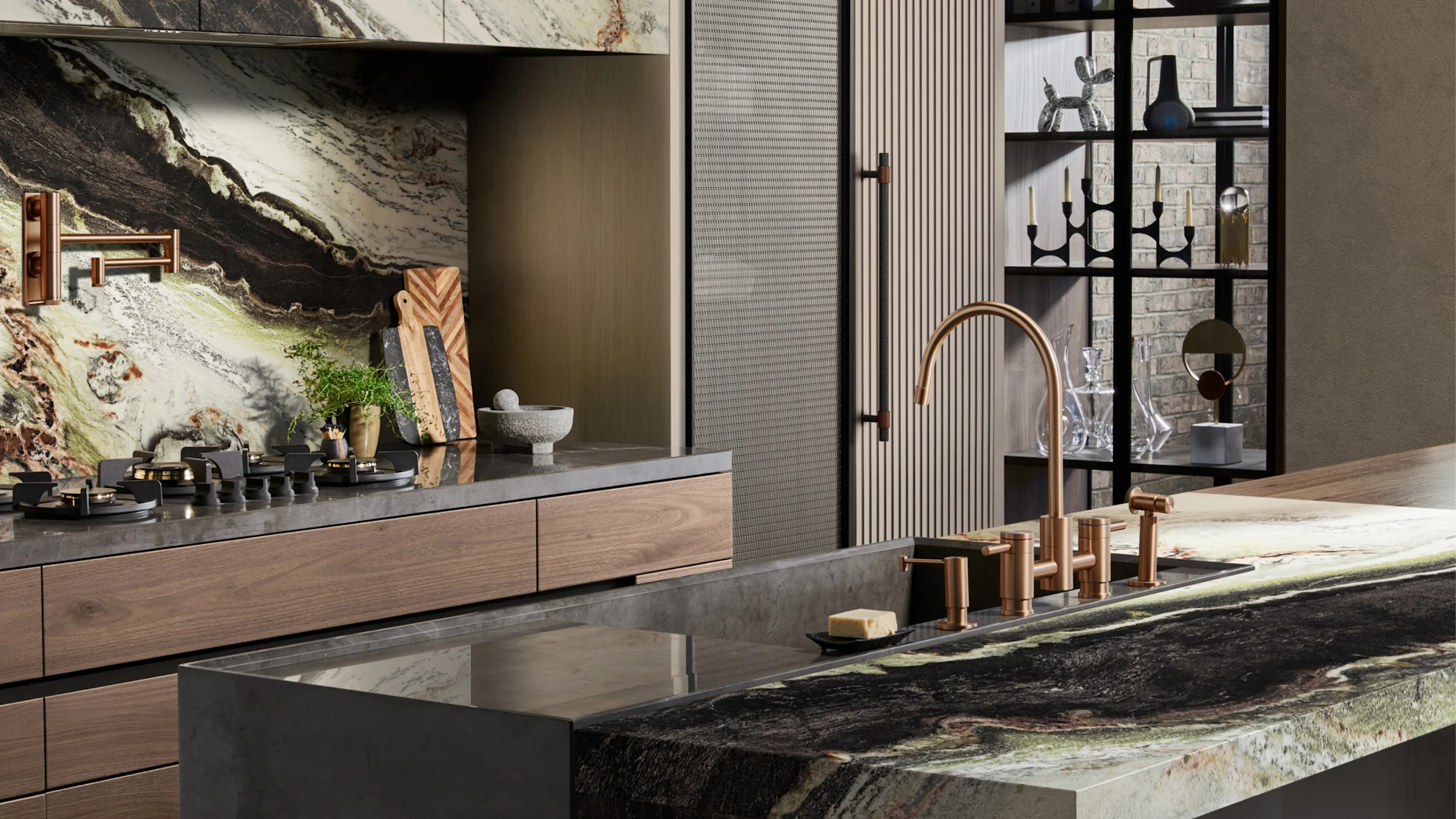
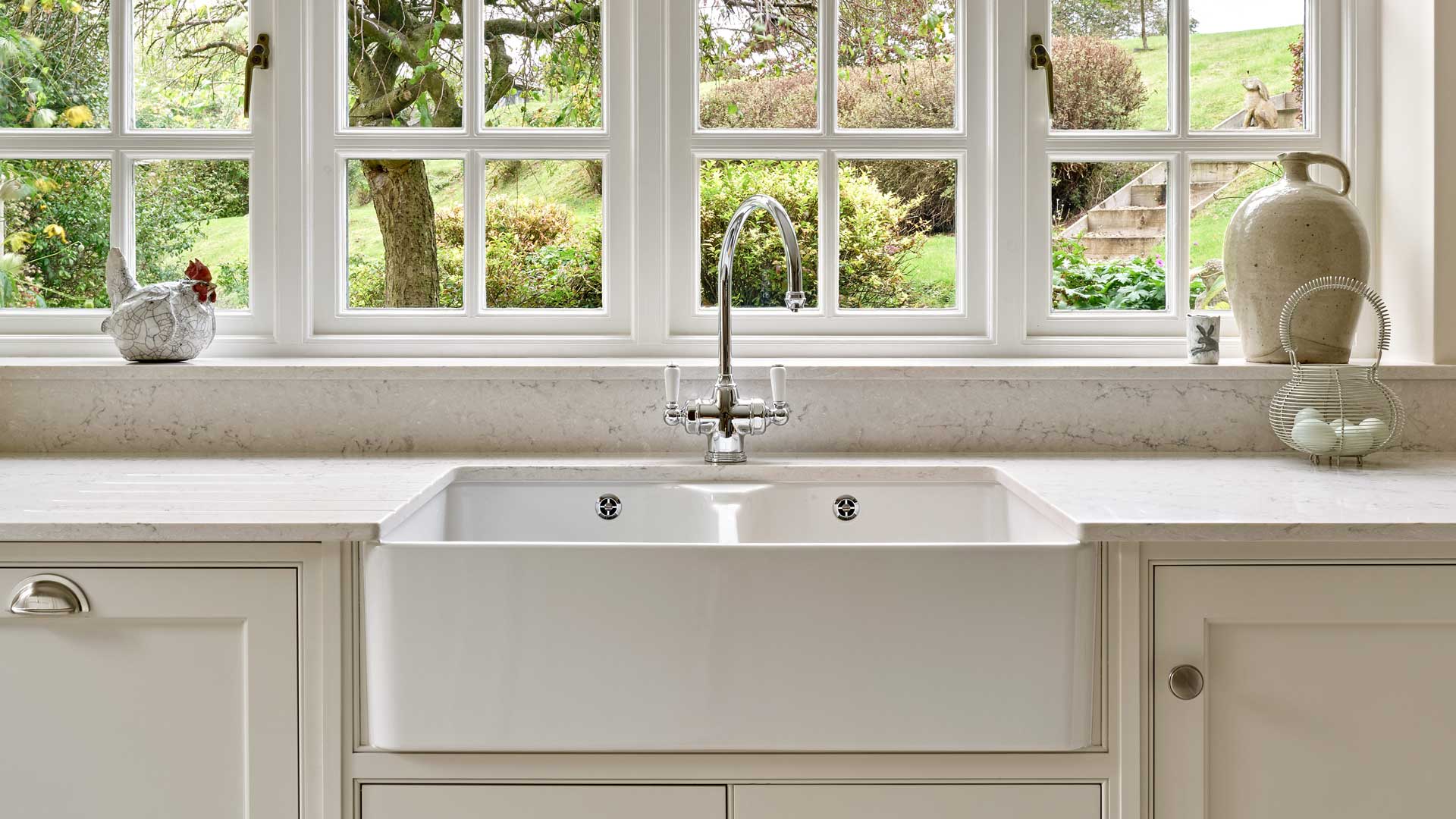
Various design options exist for kitchen island sinks. Building a deep and wide sink directly into the island design is crucial to accommodate larger pots and pans, preventing costly mistakes. Traditional choices, such as a Belfast or butler sink, can add classic charm, particularly in period homes, with options for rustic copper sinks for a more distinctive statement. The choice of taps also contributes to the overall aesthetic, ranging from practical swan-neck designs and ornate bridge taps to simple retro bib or pillar taps, or even striking contemporary fixtures in warm metallic finishes. Ultimately, for those designing a chef's kitchen, integrating both a stove and a sink on the island offers the ultimate culinary experience, emphasizing flexibility and comprehensive appliance integration.
#KitchenDesign #KitchenIsland #SinkPlacement #HomeInterior #KitchenRemodel #Functionality #DesignTrends #MaterialSelection #KitchenDesign #KitchenIsland #SinkPlacement #HomeInterior #KitchenRemodel #Functionality #DesignTrends #MaterialSelection
0 comment in total
 No comments yet
You may also like
Should you invest in a kitchen island with a sink? We asked the experts

Kitchen Sinks


All Kitchen Sinks
Does Your Kitchen Island Need To Match The Rest Of Your Countertops Or Not?


One Sink or Two? Design Experts Weigh In on the Bathroom Debate


Every Bathroom Should Have A Turntable Sink

Should You Choose a Kitchen Island or a Breakfast Bar? Experts Weigh-in on the Debate

Are kitchen islands going out of style? Experts weigh in on whether it's time to ditch this beloved feature
Do you need a kitchen island? Designers weigh in on are they an essential or are islands becoming outdated
Designers Agree: Double Sinks Are the Essential Bathroom Feature Everyone Needs

Should a kitchen island be the same height as the counters?
These Top-Rated Sinks Will Instantly Upgrade Your Kitchen
Should You Have a Sink on a Kitchen Island? Designers Love (and Hate) This Layout, so Here's How to Decide
Should a Kitchen Island Be Centered? "There Is No One-Size-Fits All" Solution, Say the Experts

Is a Window Over the Sink Really the Best Layout? We Get the Verdict From Kitchen Designers

Kitchen island sink ideas to create a multi-functional workspace
Where should a sink be in a kitchen? Designers share advice on placement for maximum efficiency

Should You Choose a Kitchen Island or a Breakfast Bar? Experts Weigh-in on the Debate
Should the hob go in the kitchen island? Experts decide on the most sociable and space-saving design
Why You Shouldn't Have An Island In A Small Kitchen