1/2
Should You Choose a Kitchen Island or a Breakfast Bar? Experts Weigh-in on the Debate
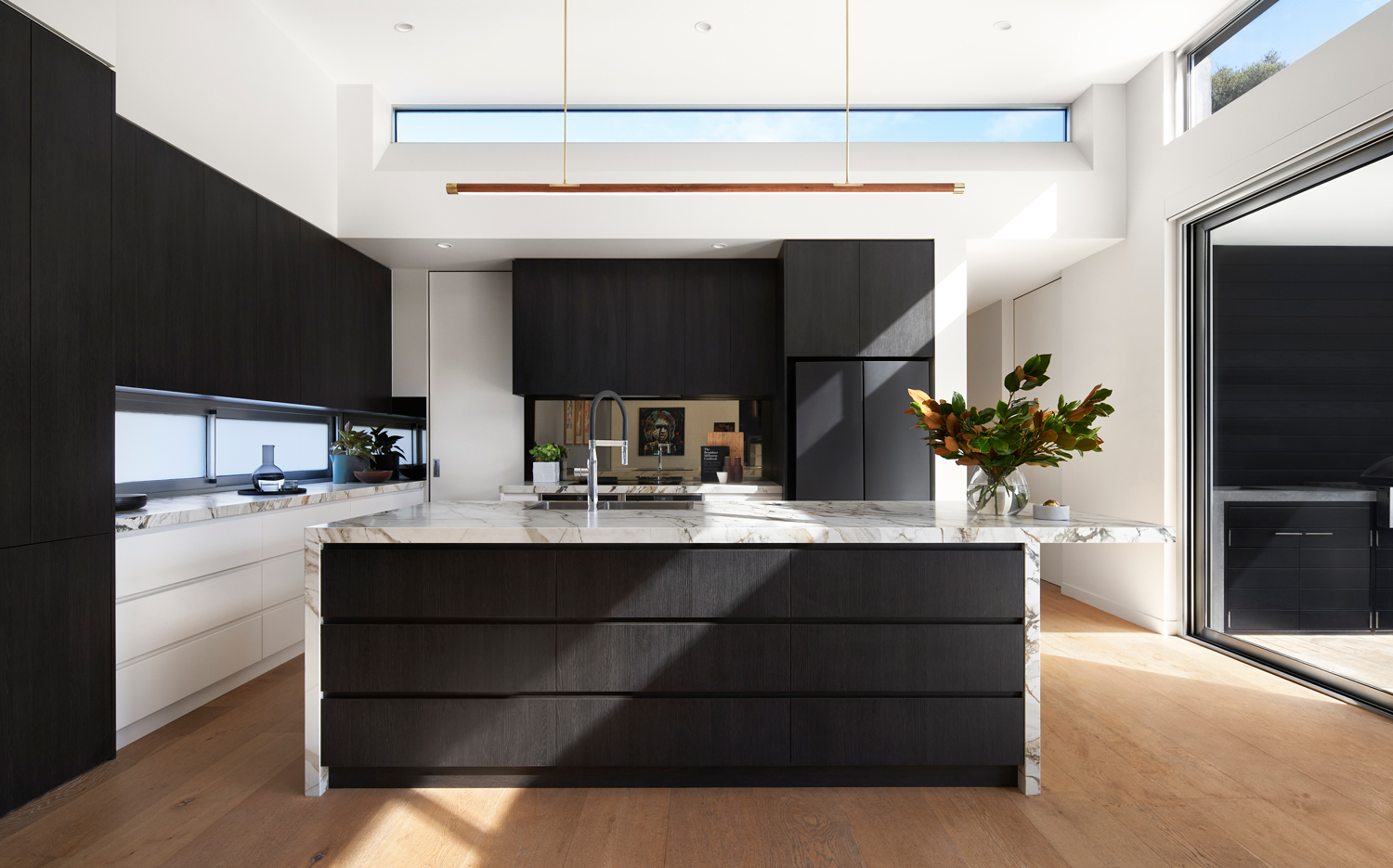
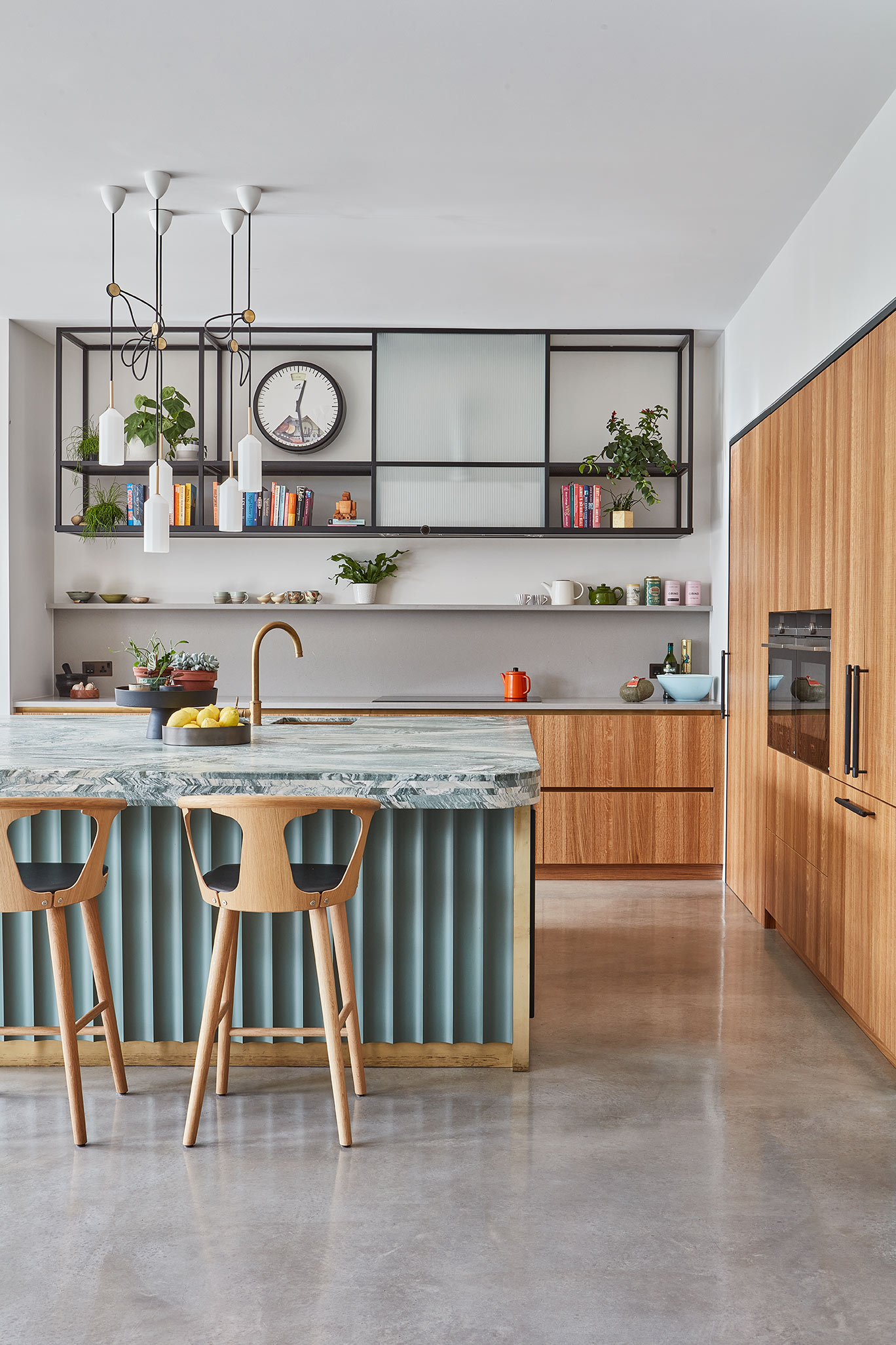
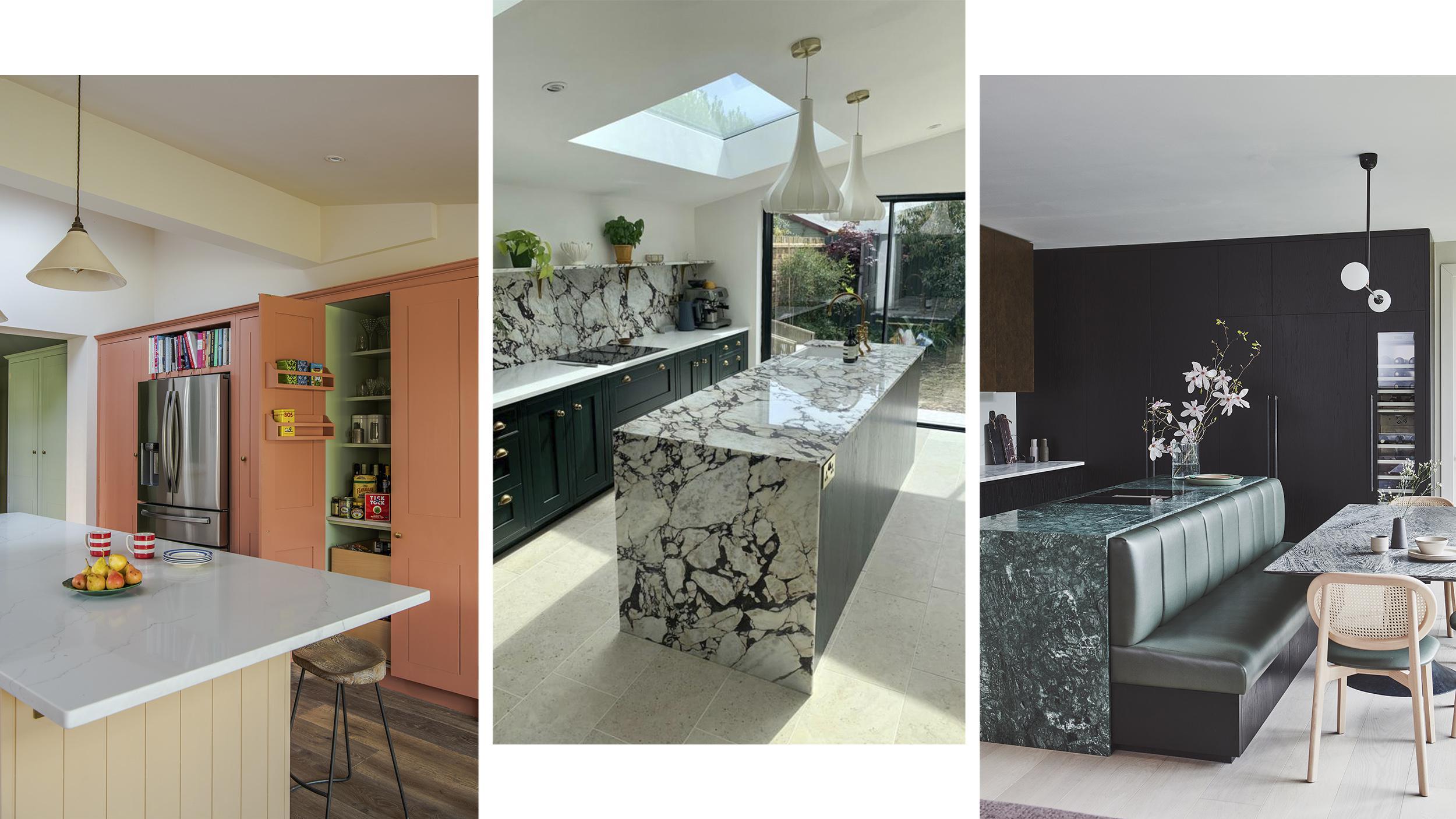
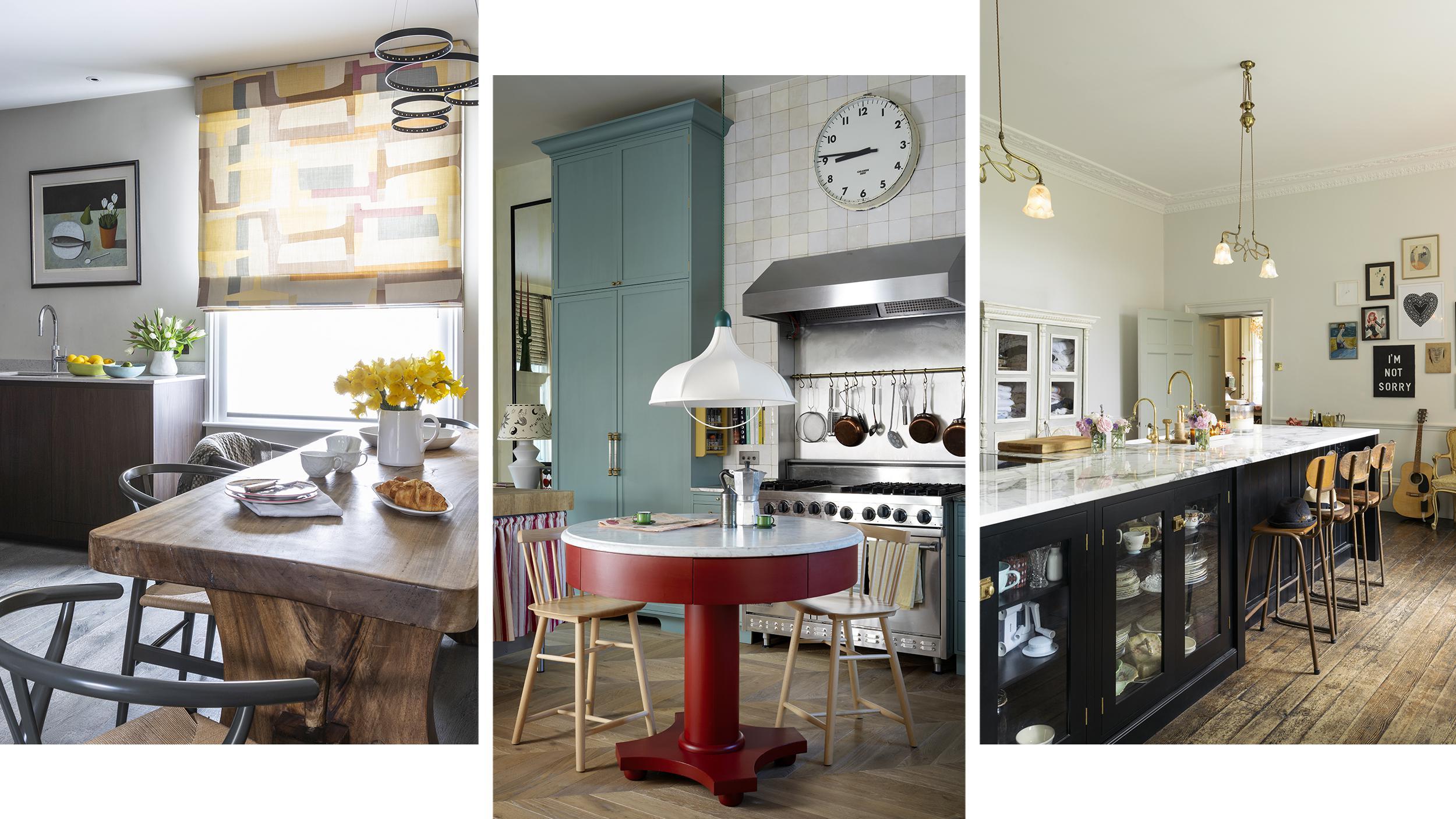
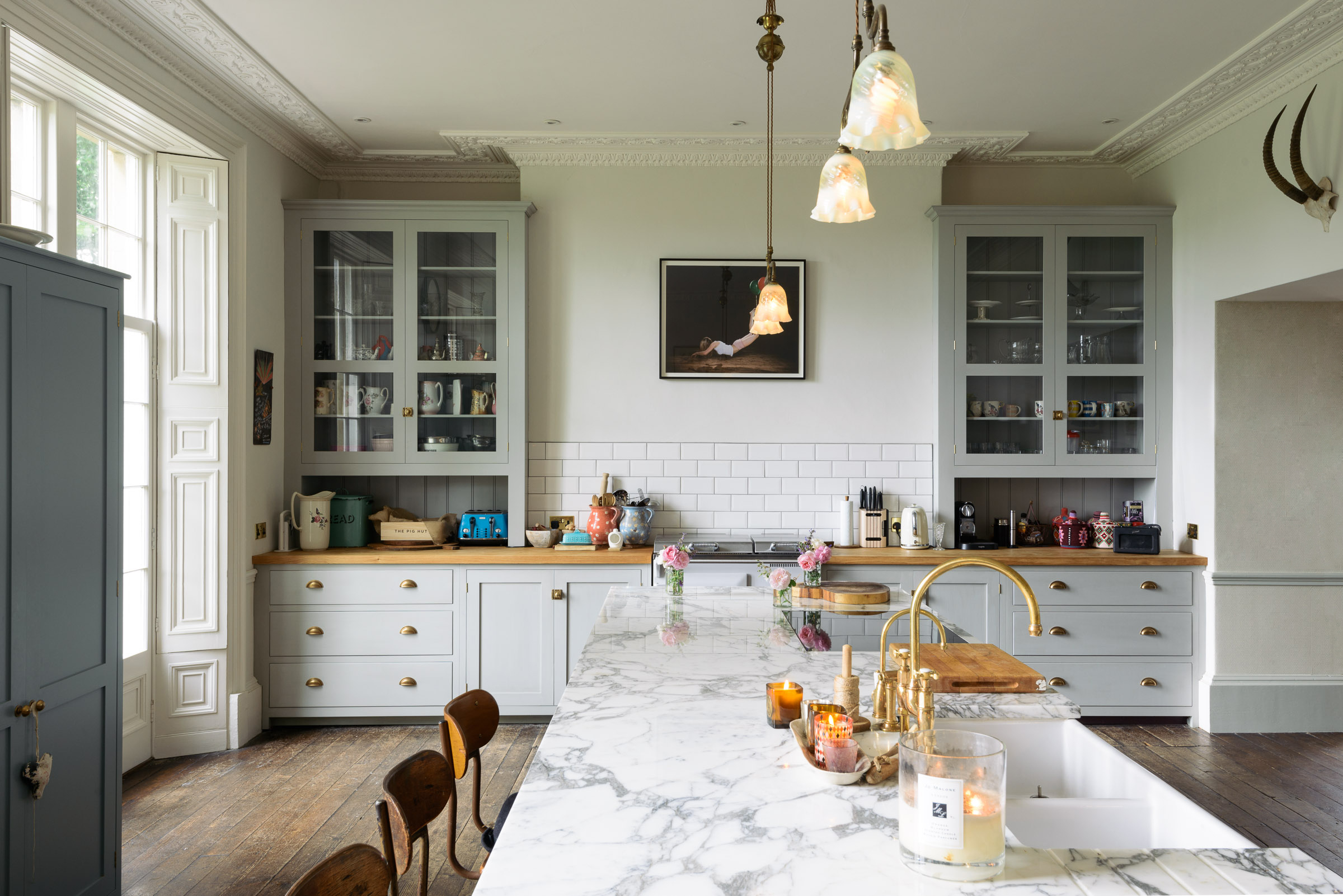
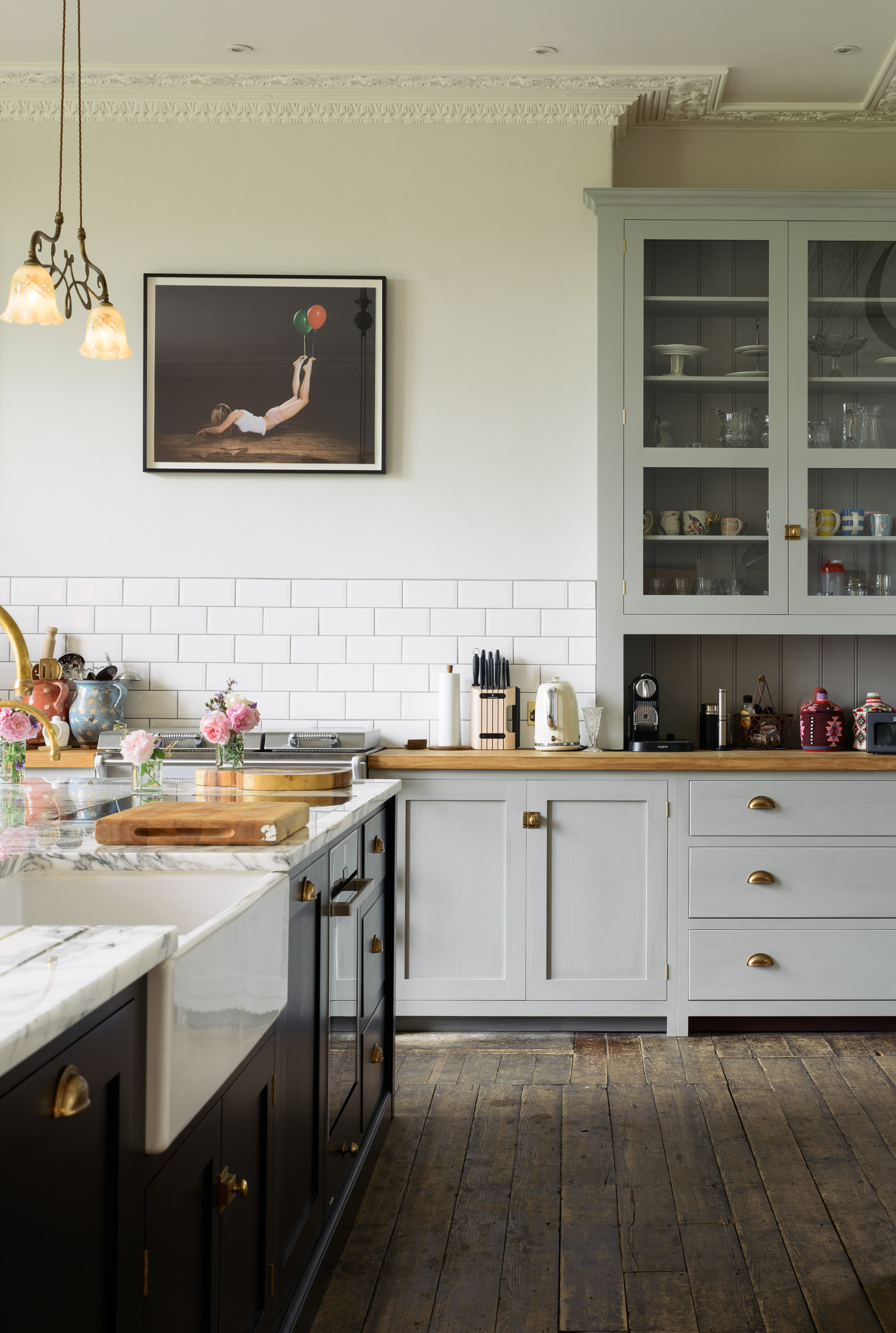
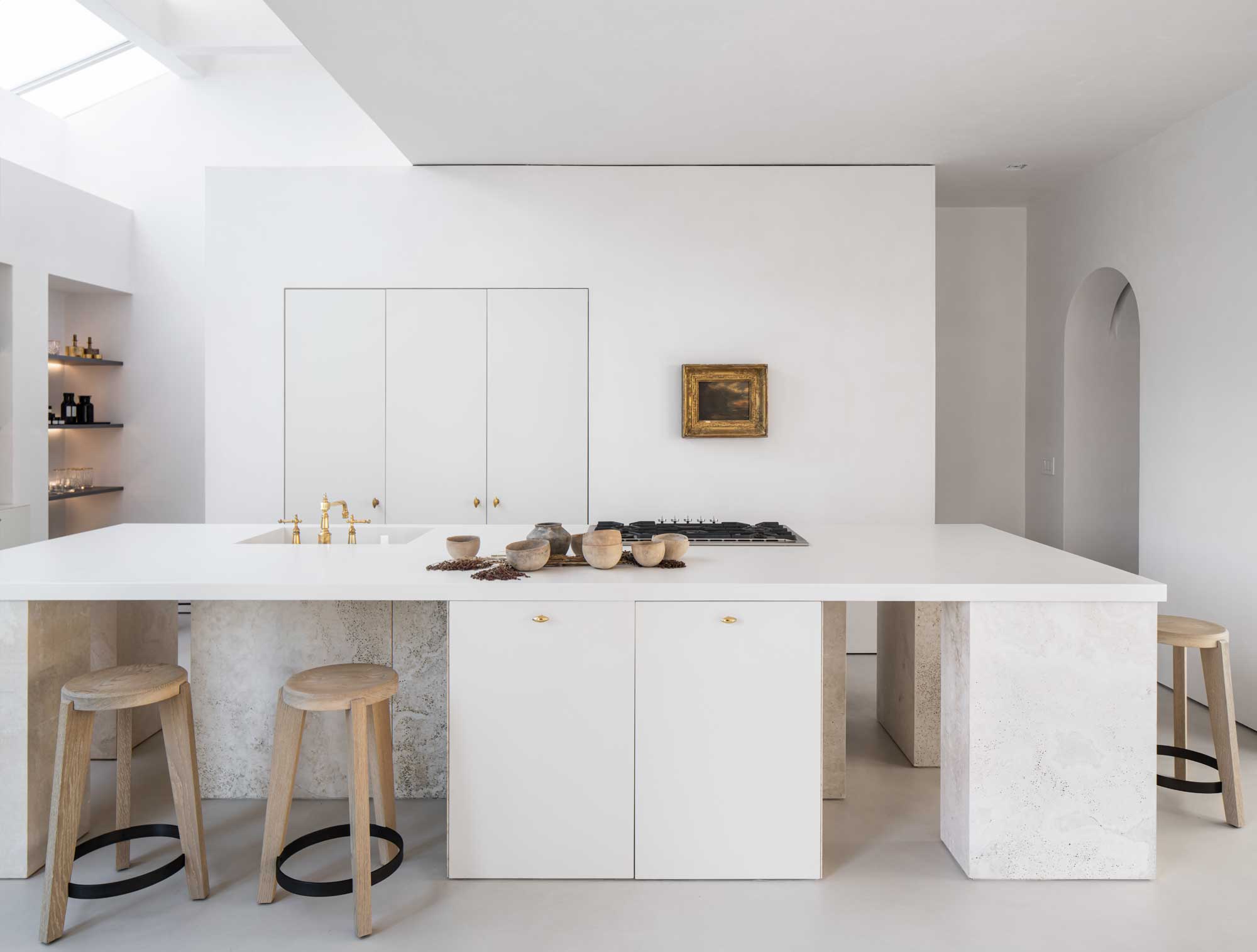
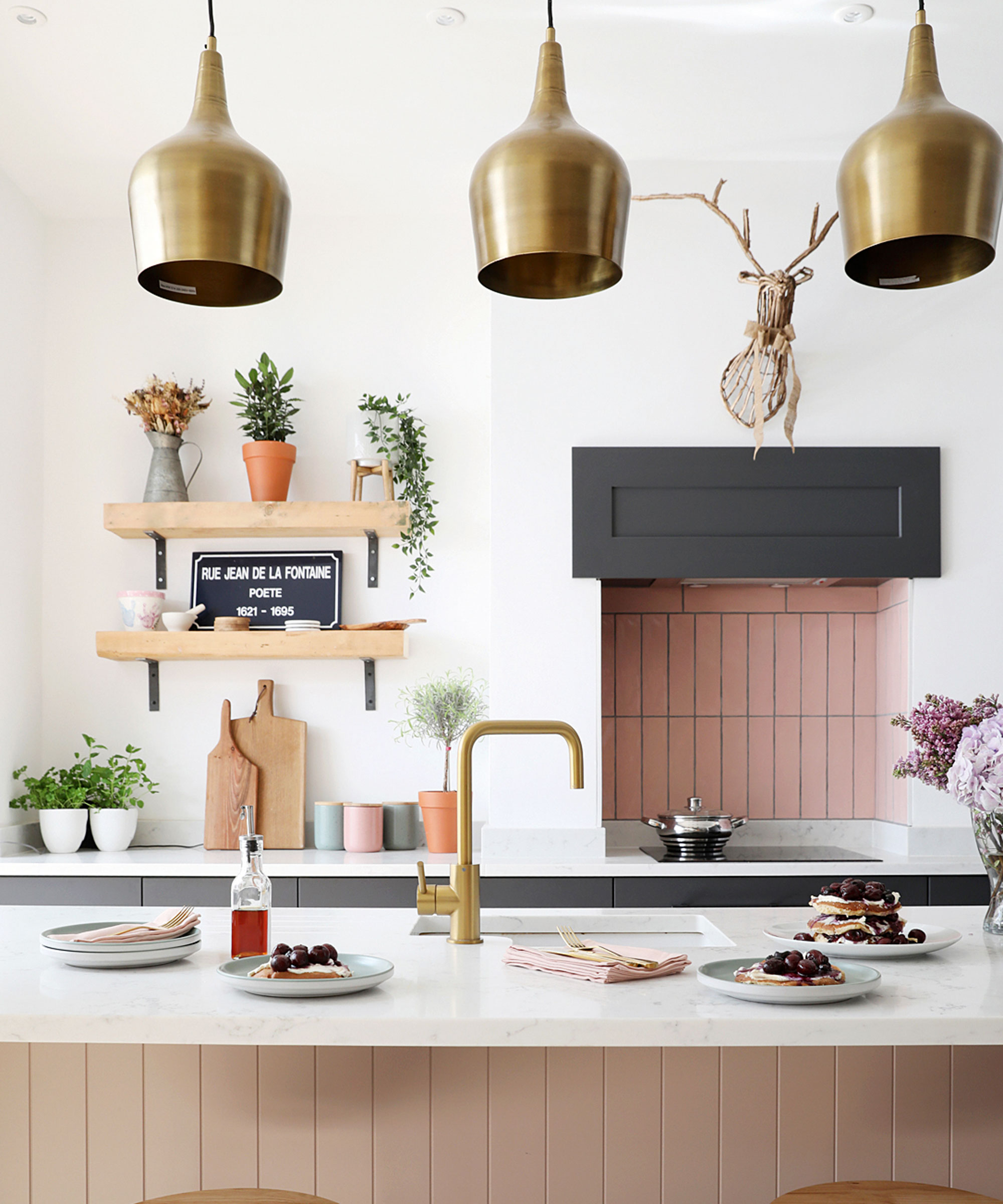
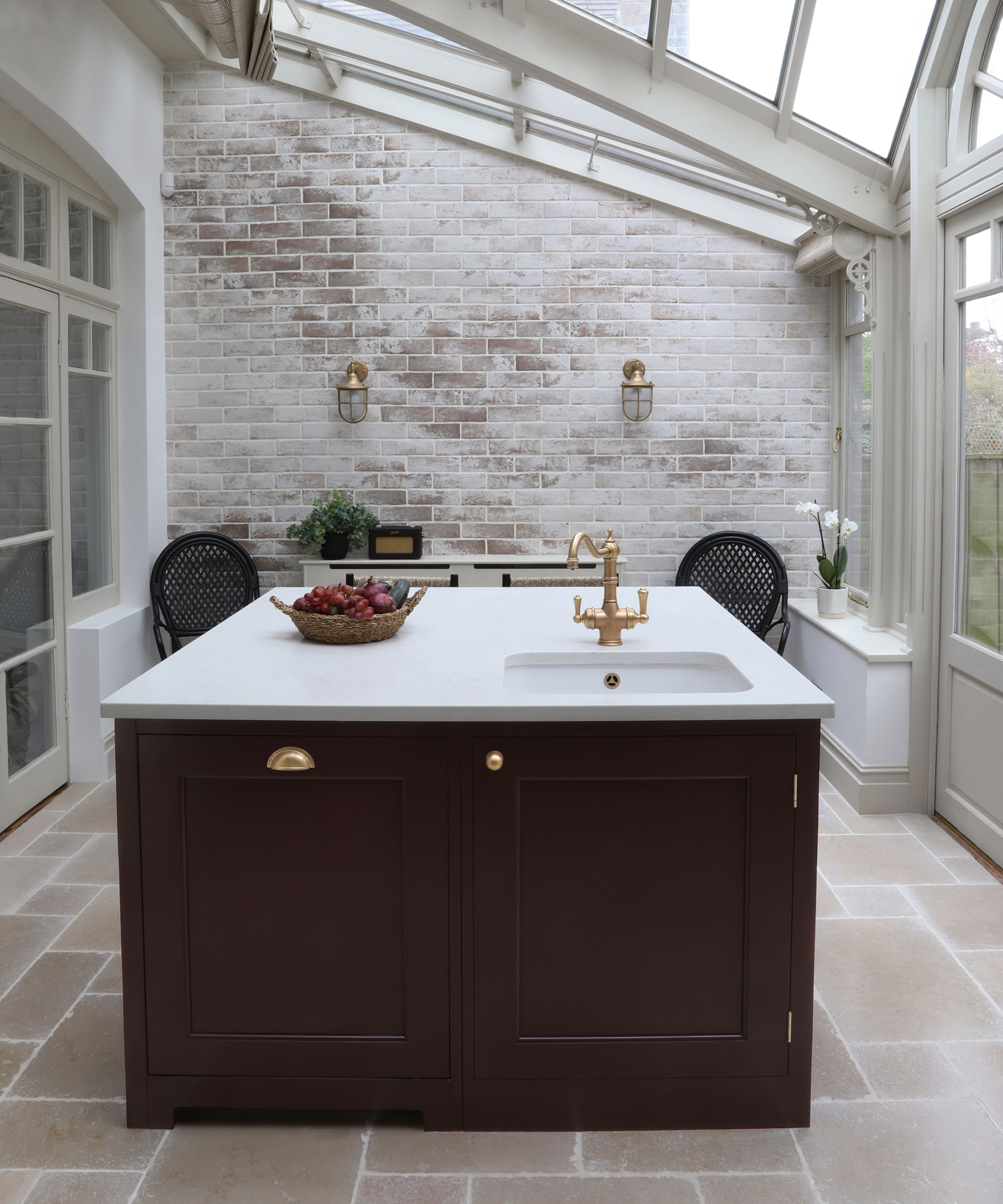
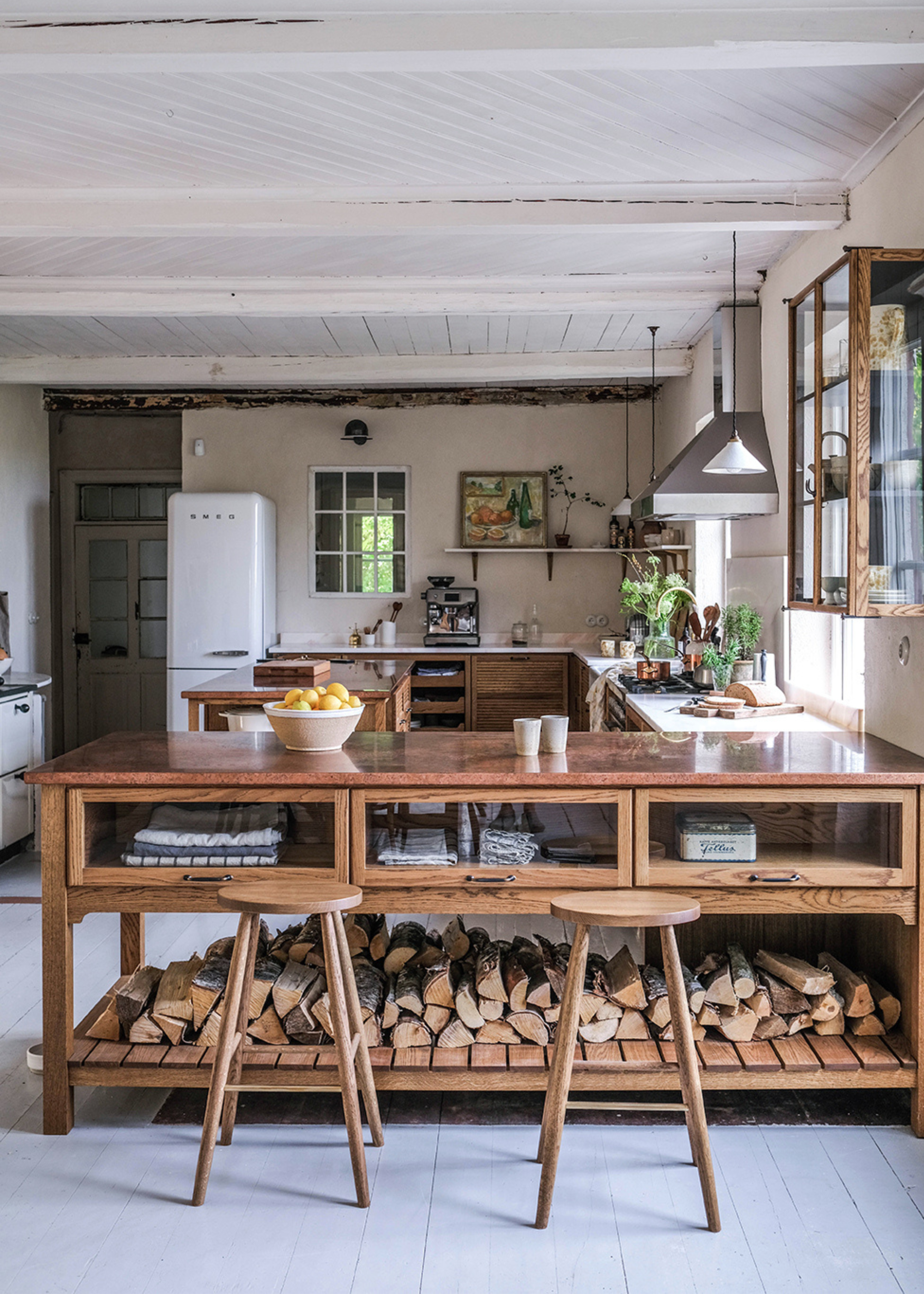
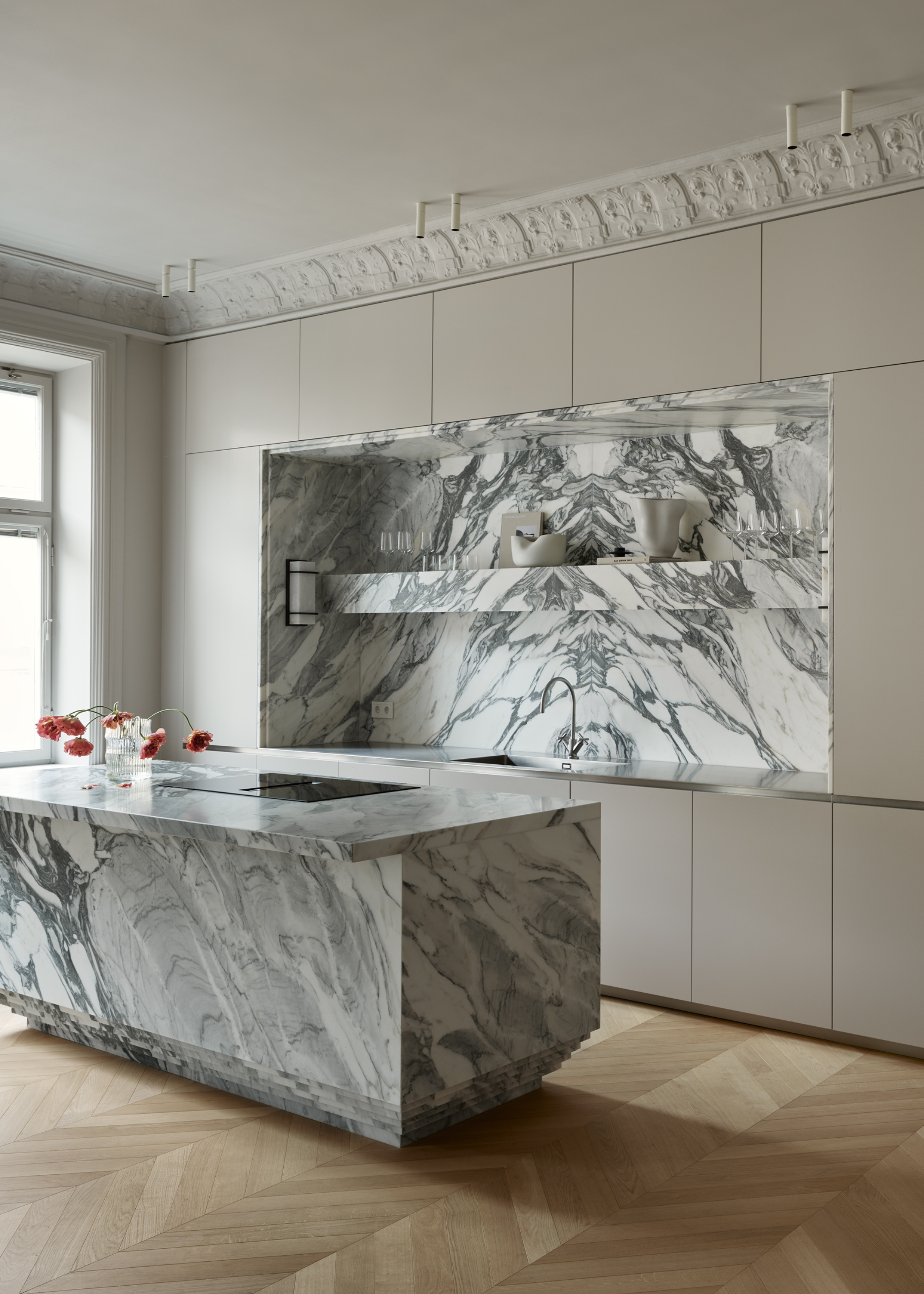
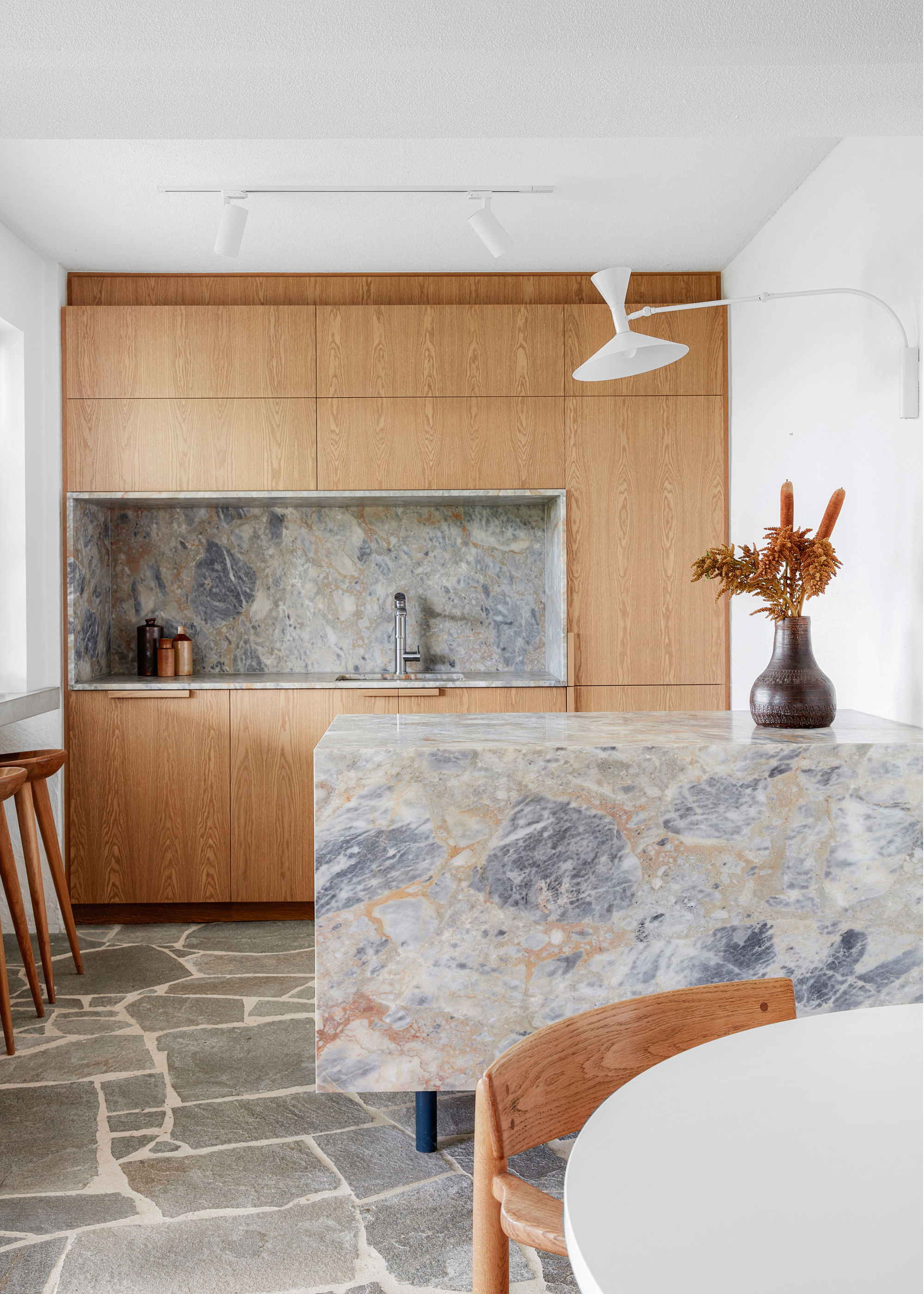
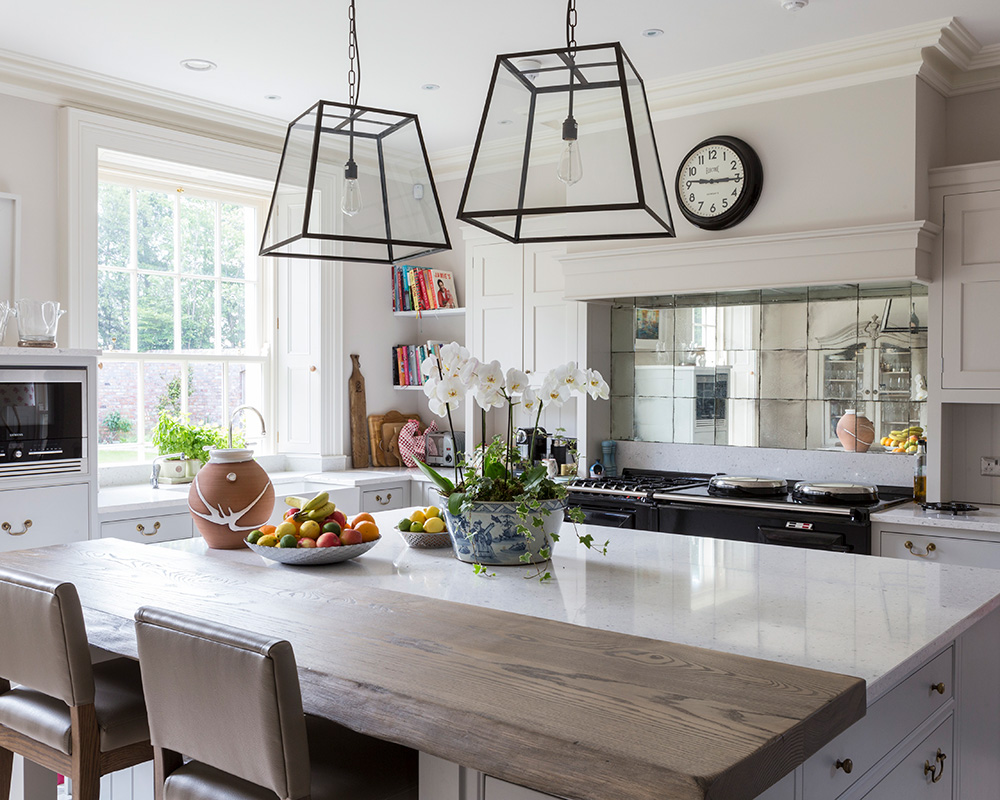
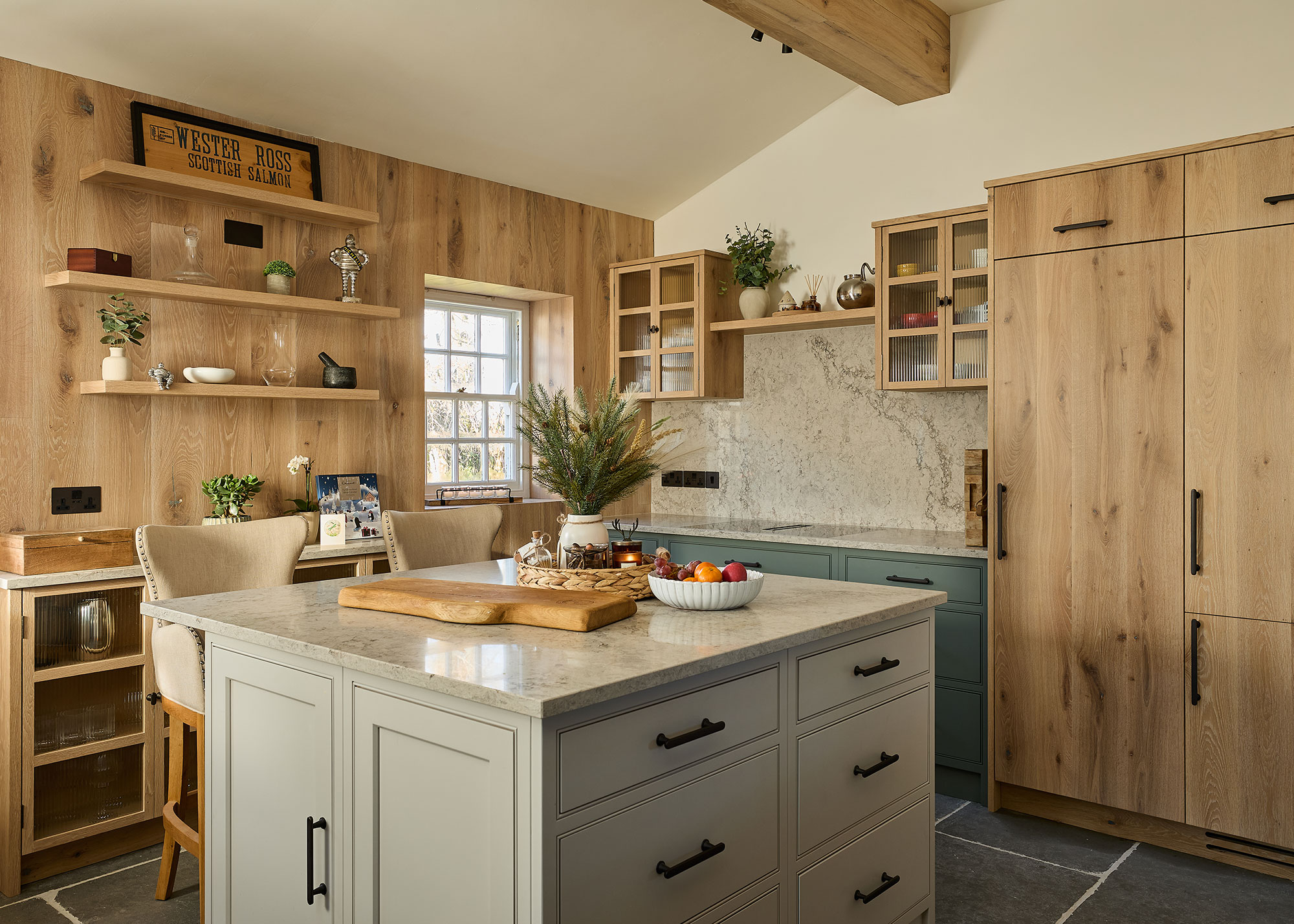
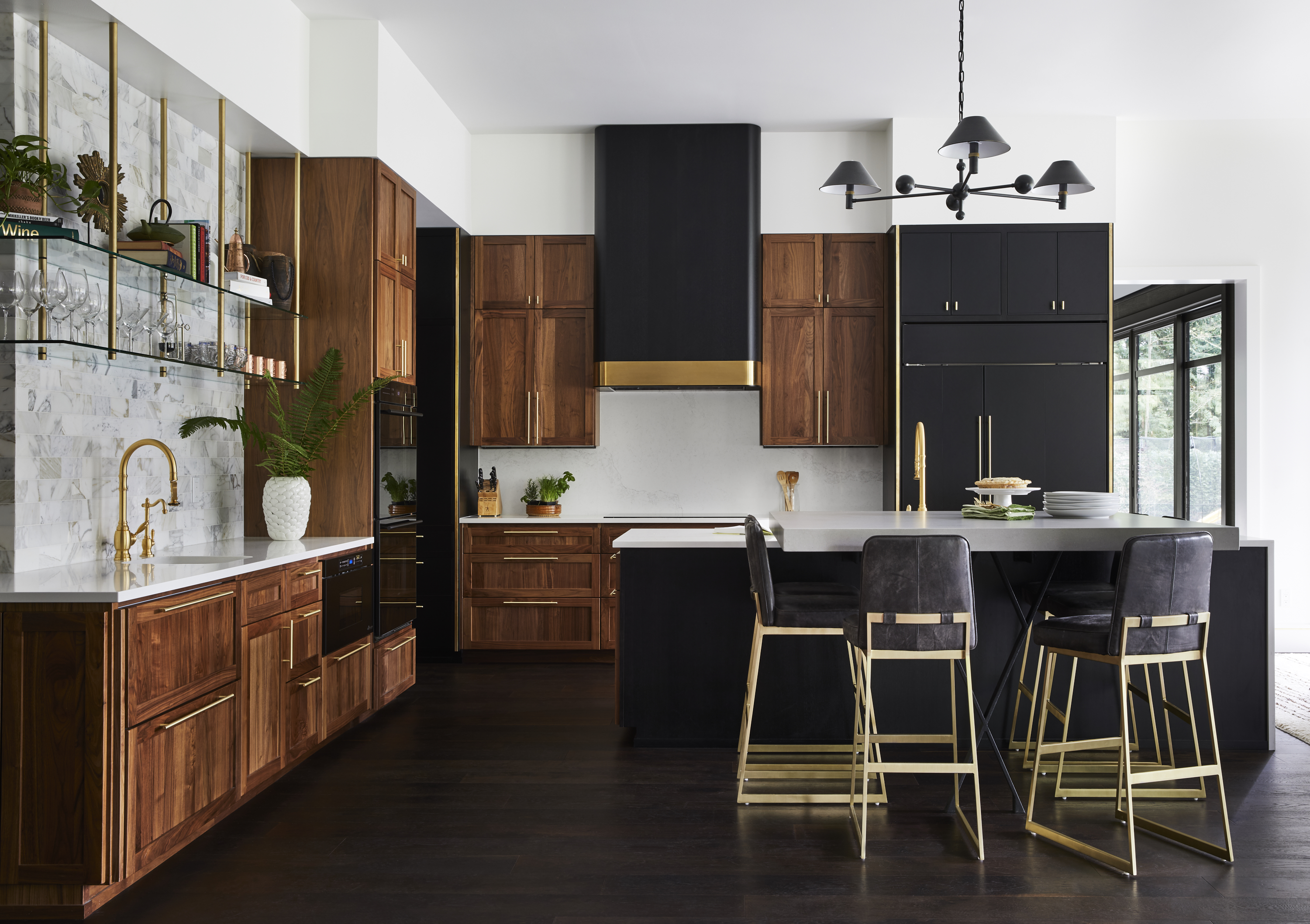
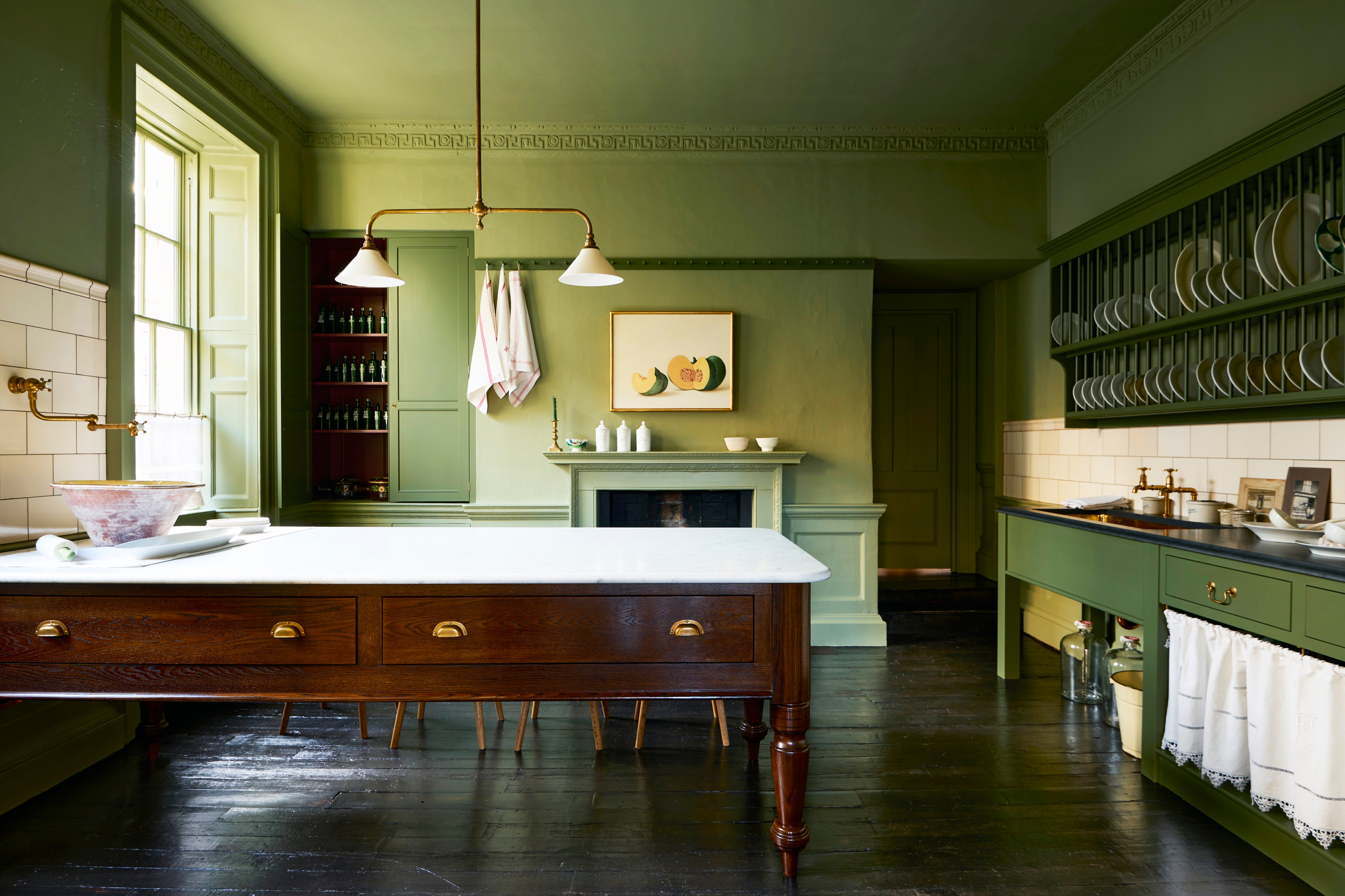
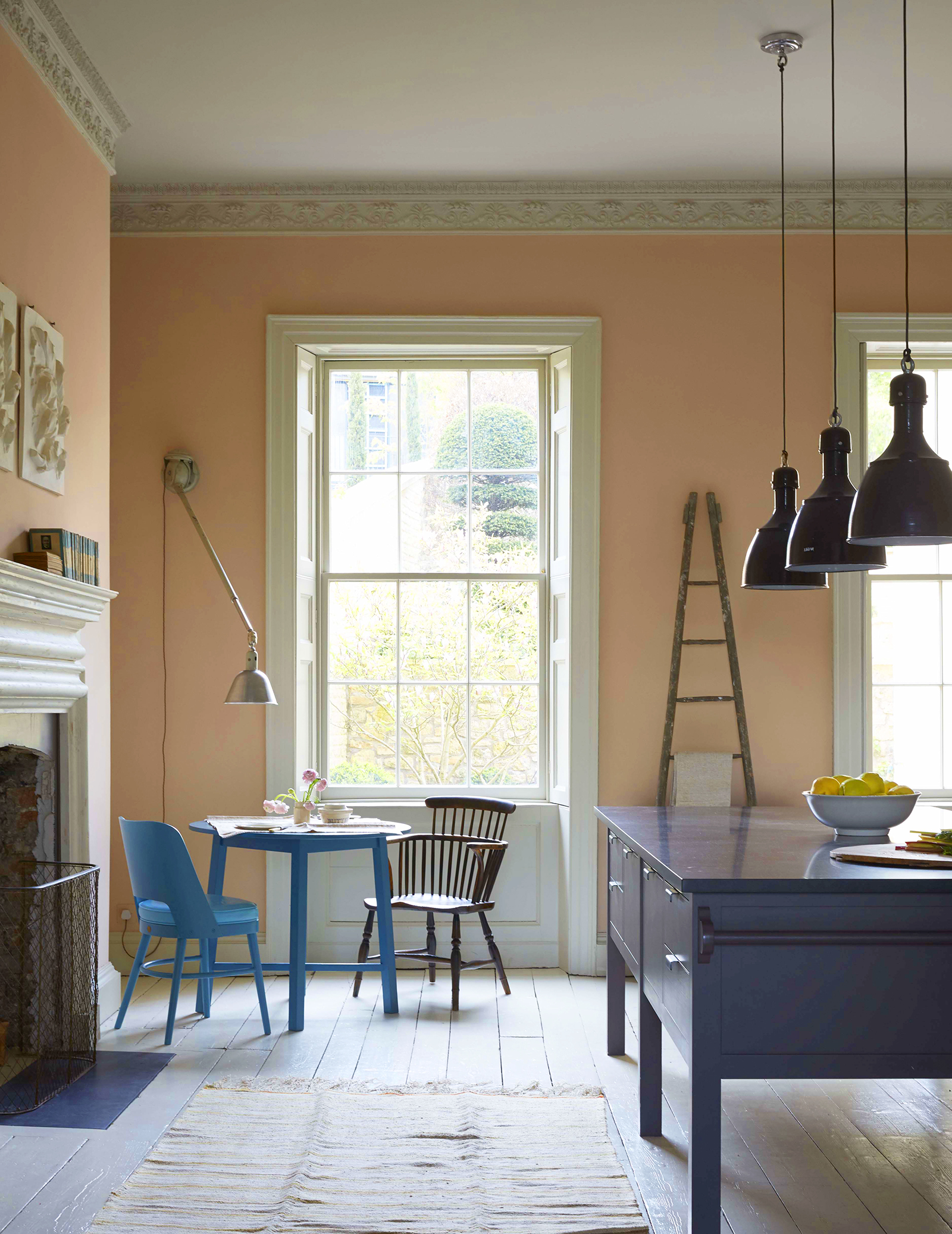
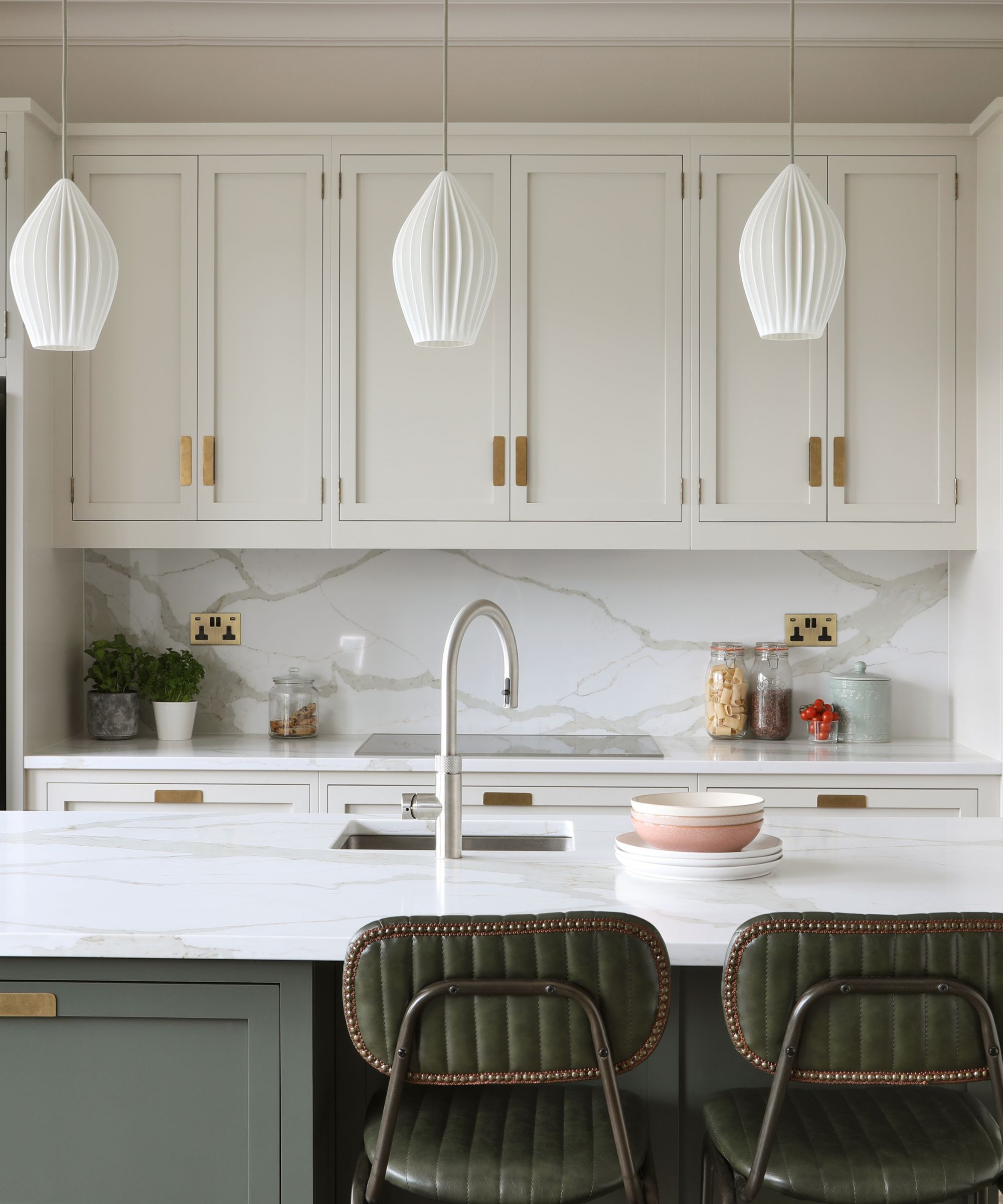
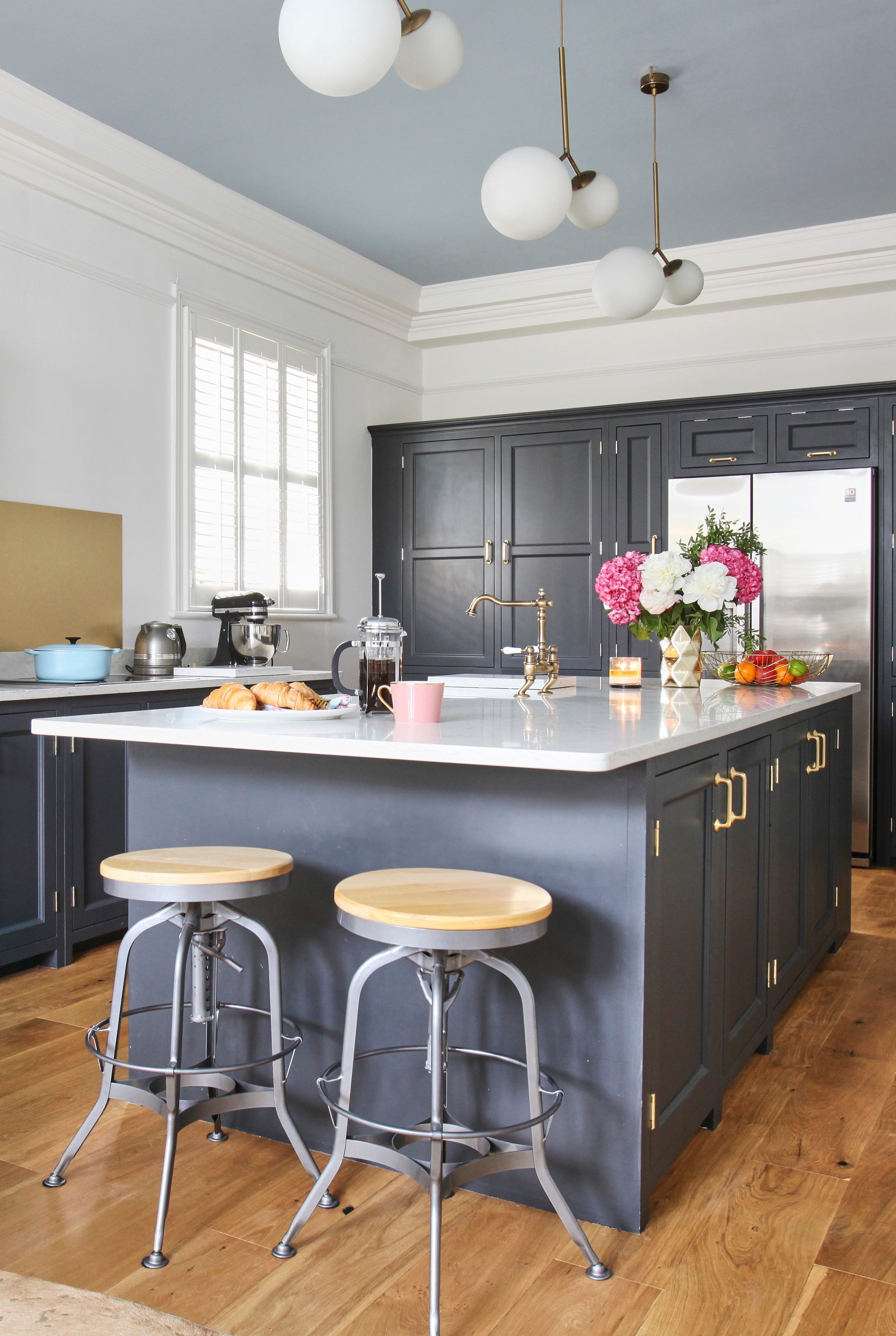
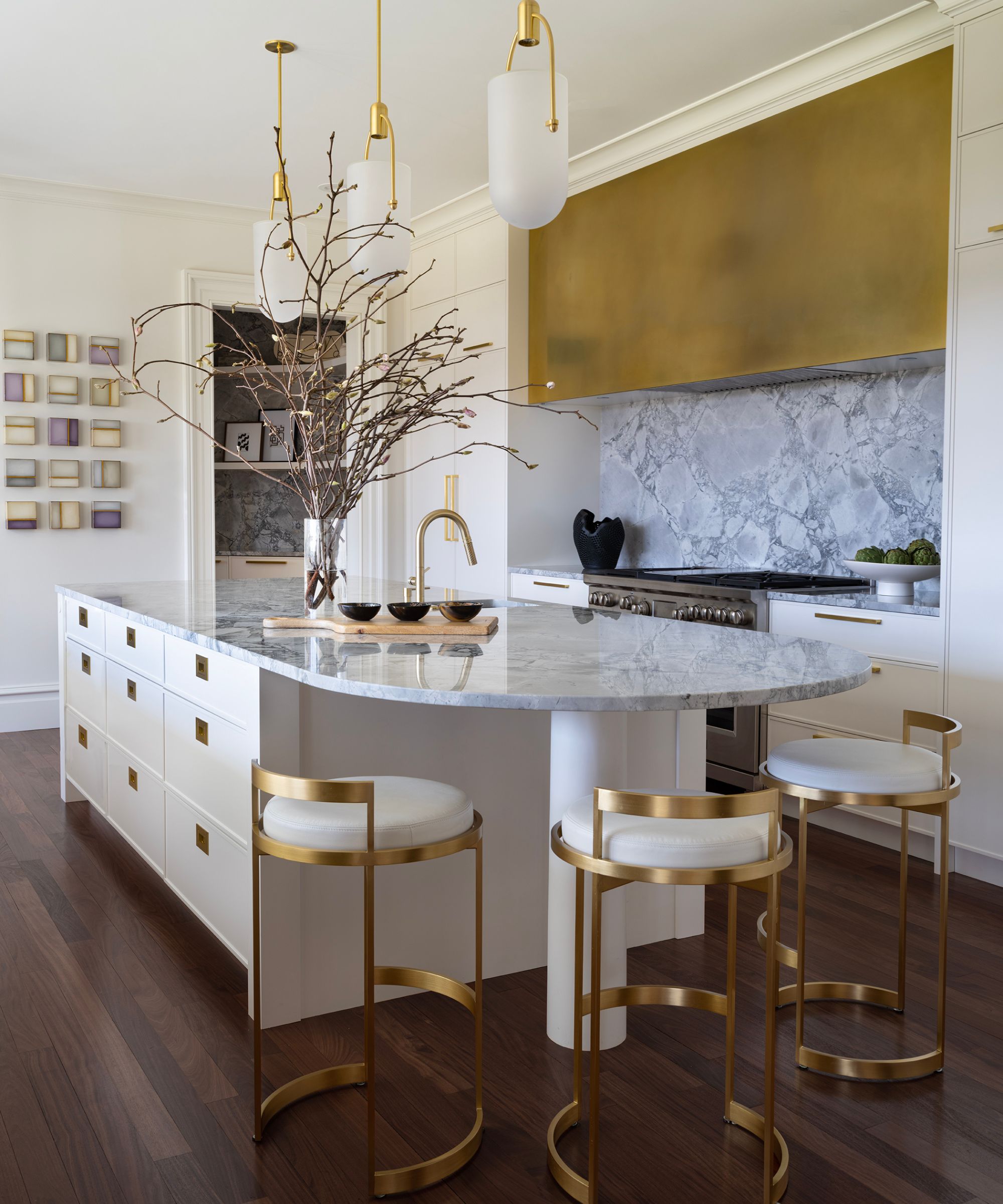
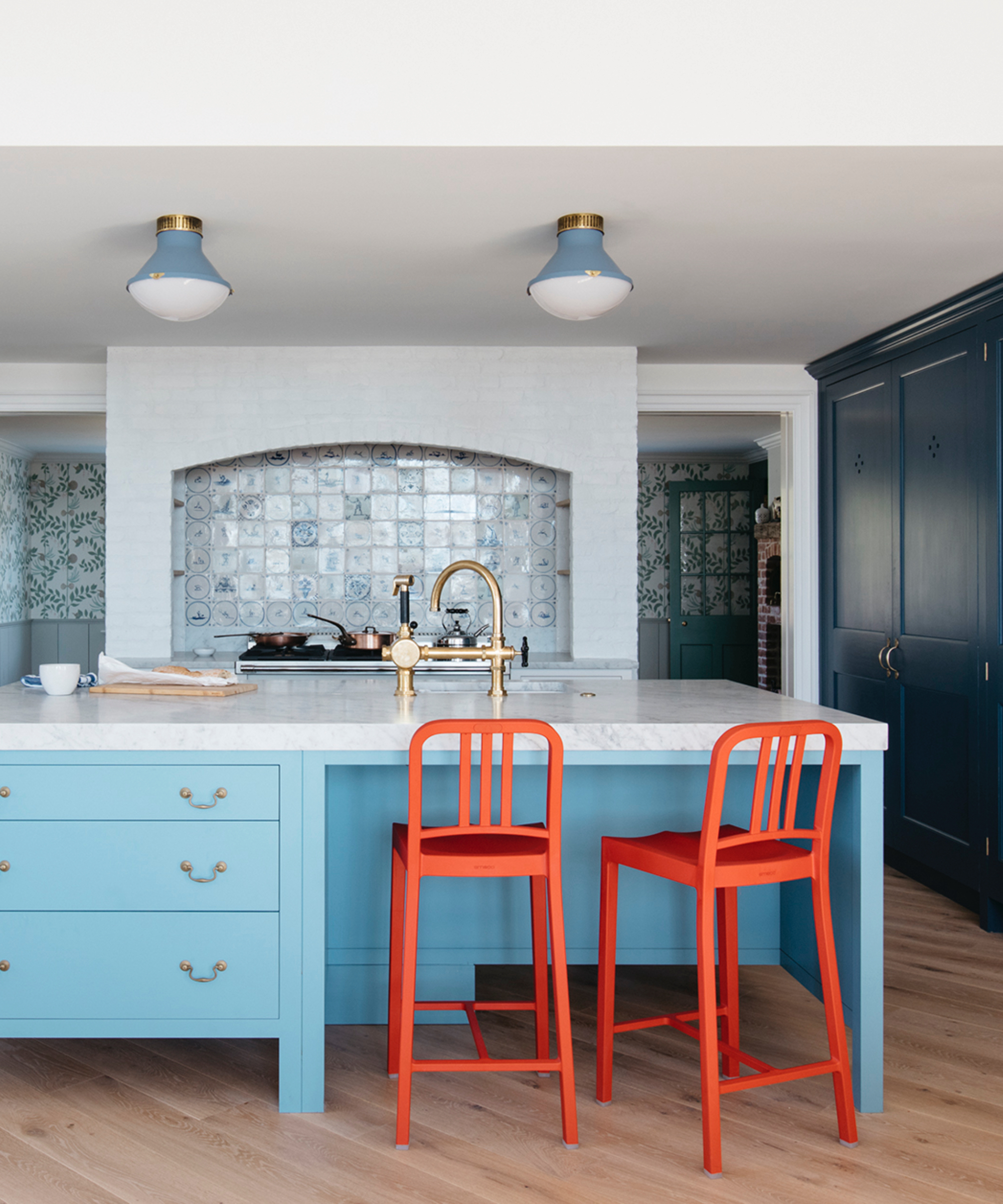
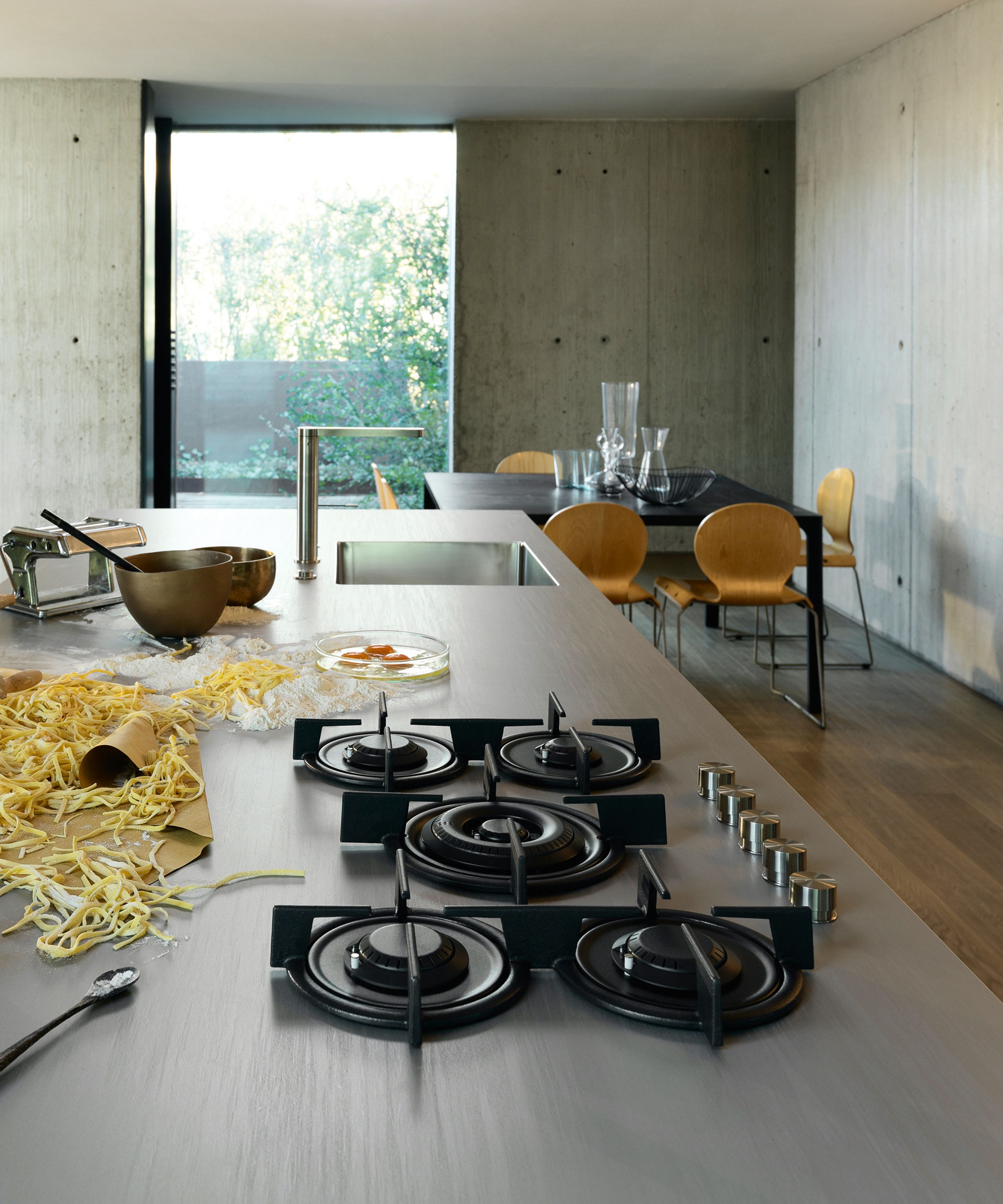
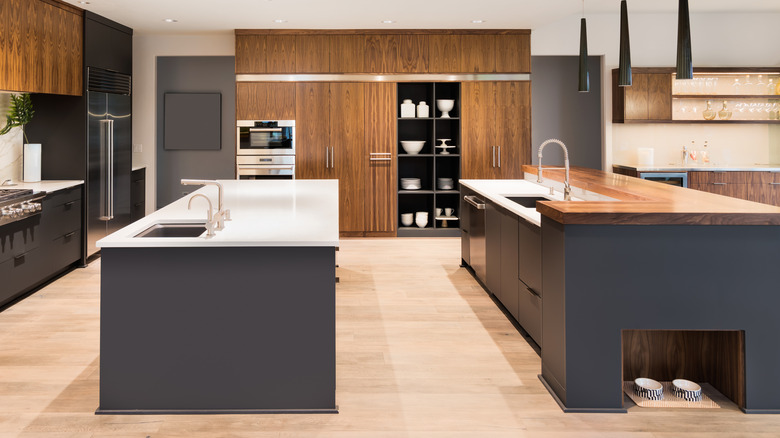
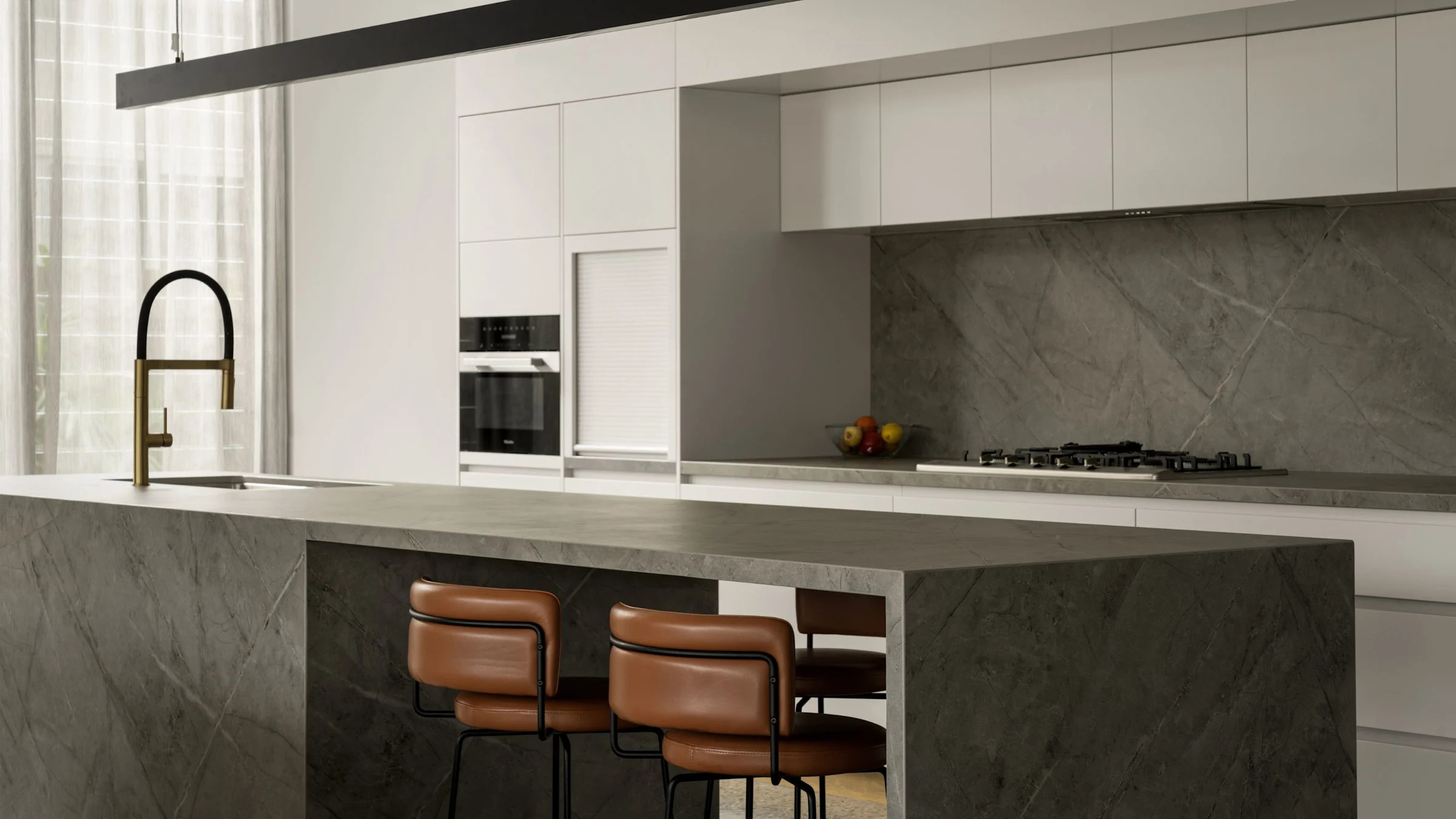
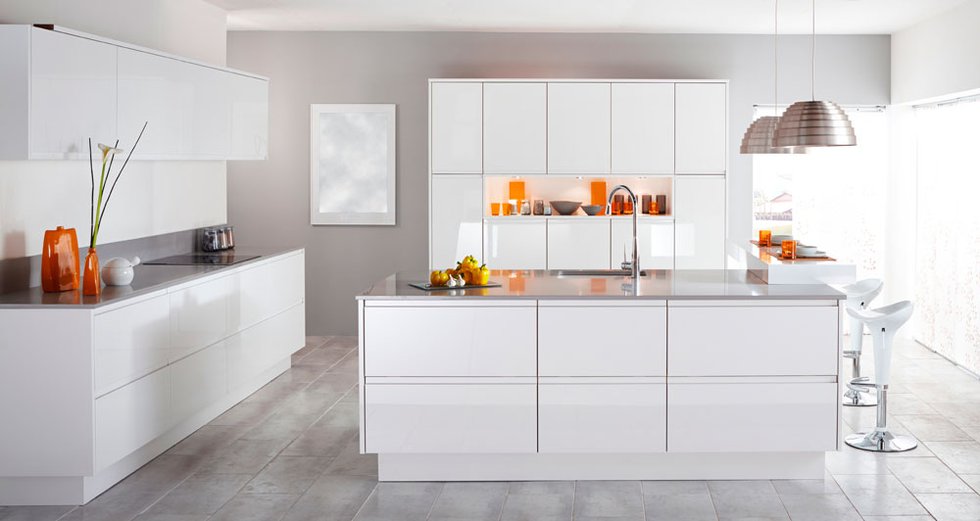

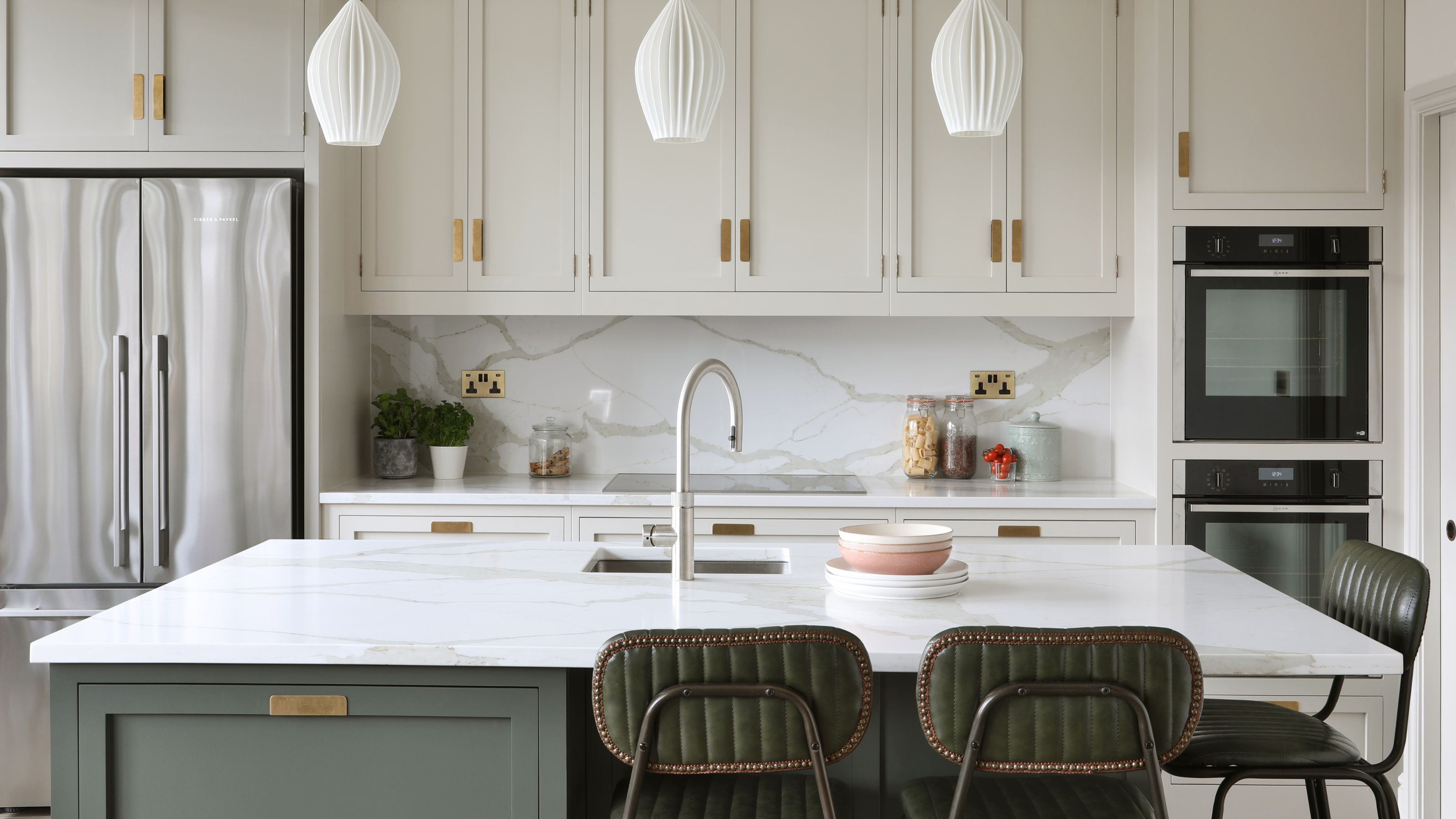
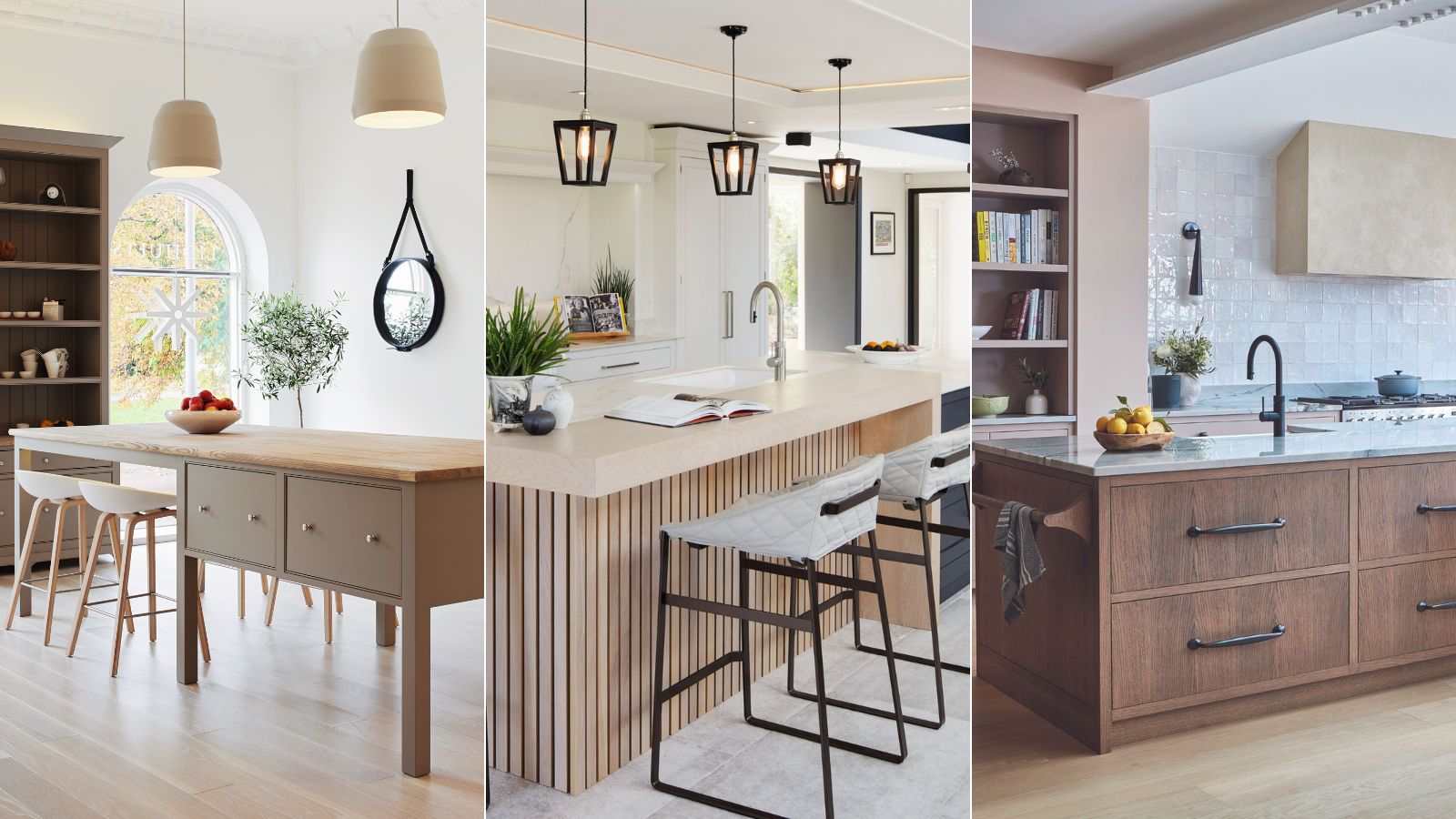
The choice between a kitchen island and a breakfast bar is a common dilemma in kitchen design, with both options offering distinct advantages and disadvantages that cater to different needs and kitchen layouts. A kitchen island typically stands as a central, freestanding unit in the kitchen, offering ample counter space for food preparation, additional storage, and often housing sinks, cooktops, or dishwashers. Its primary function revolves around practicality and efficiency in culinary tasks, serving as a versatile workspace and a focal point for the kitchen's overall design. Islands usually require a larger kitchen footprint to allow for adequate circulation space around them, ideally about 36 to 42 inches on all sides, making them suitable for spacious homes.
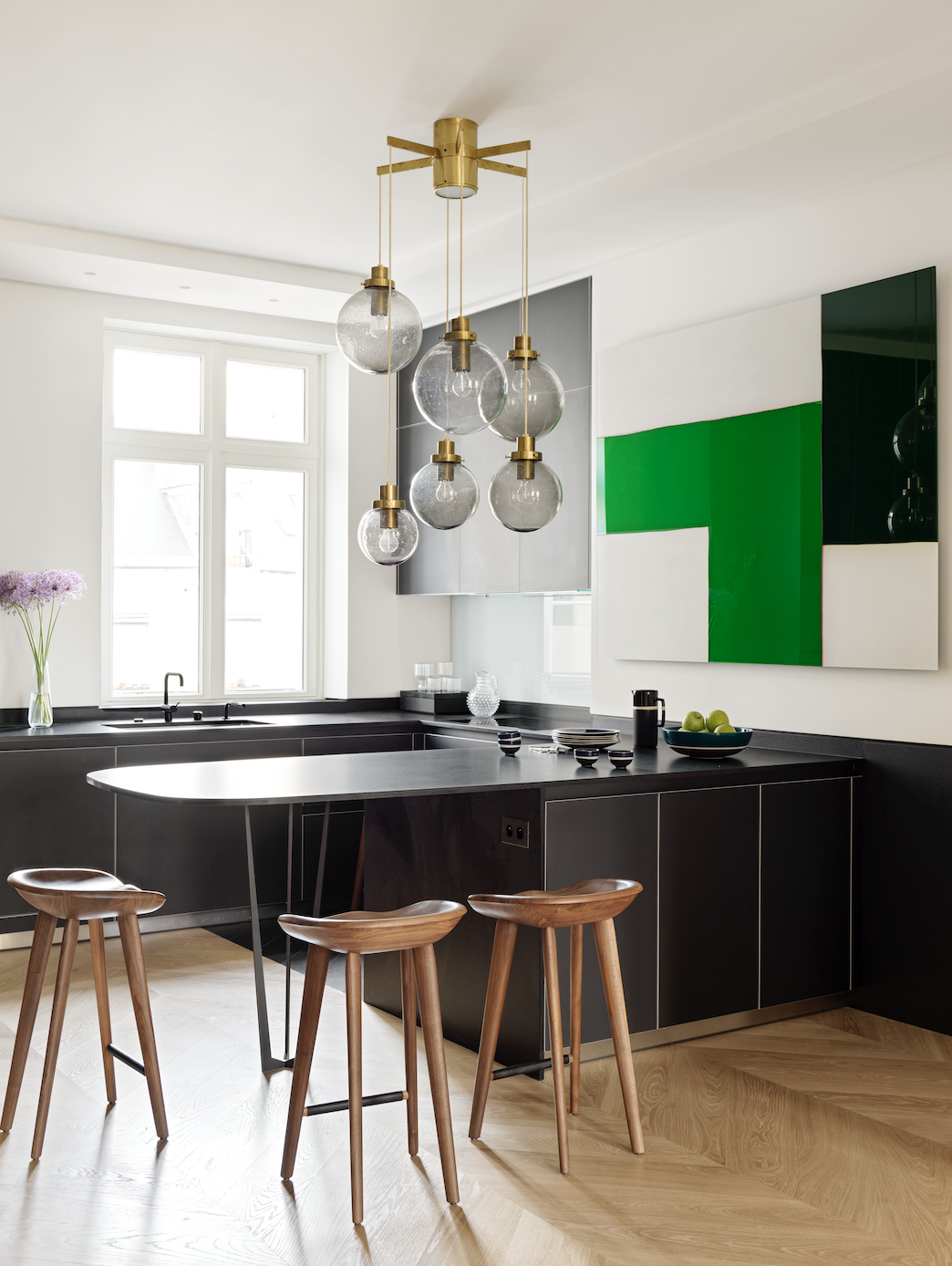
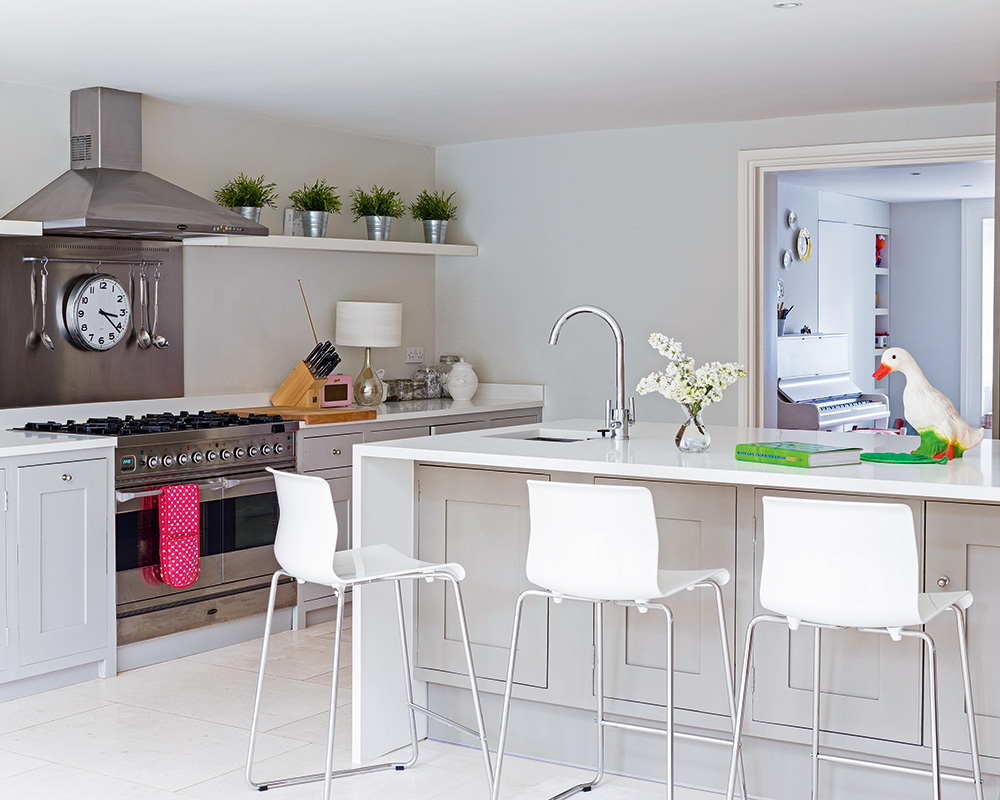
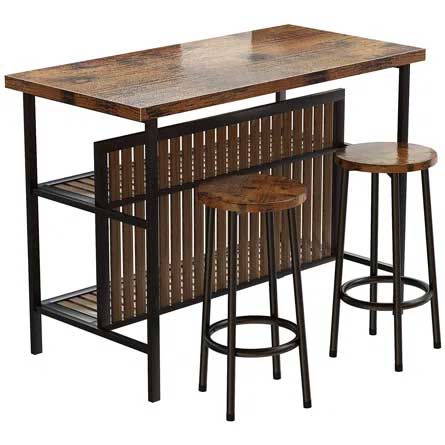
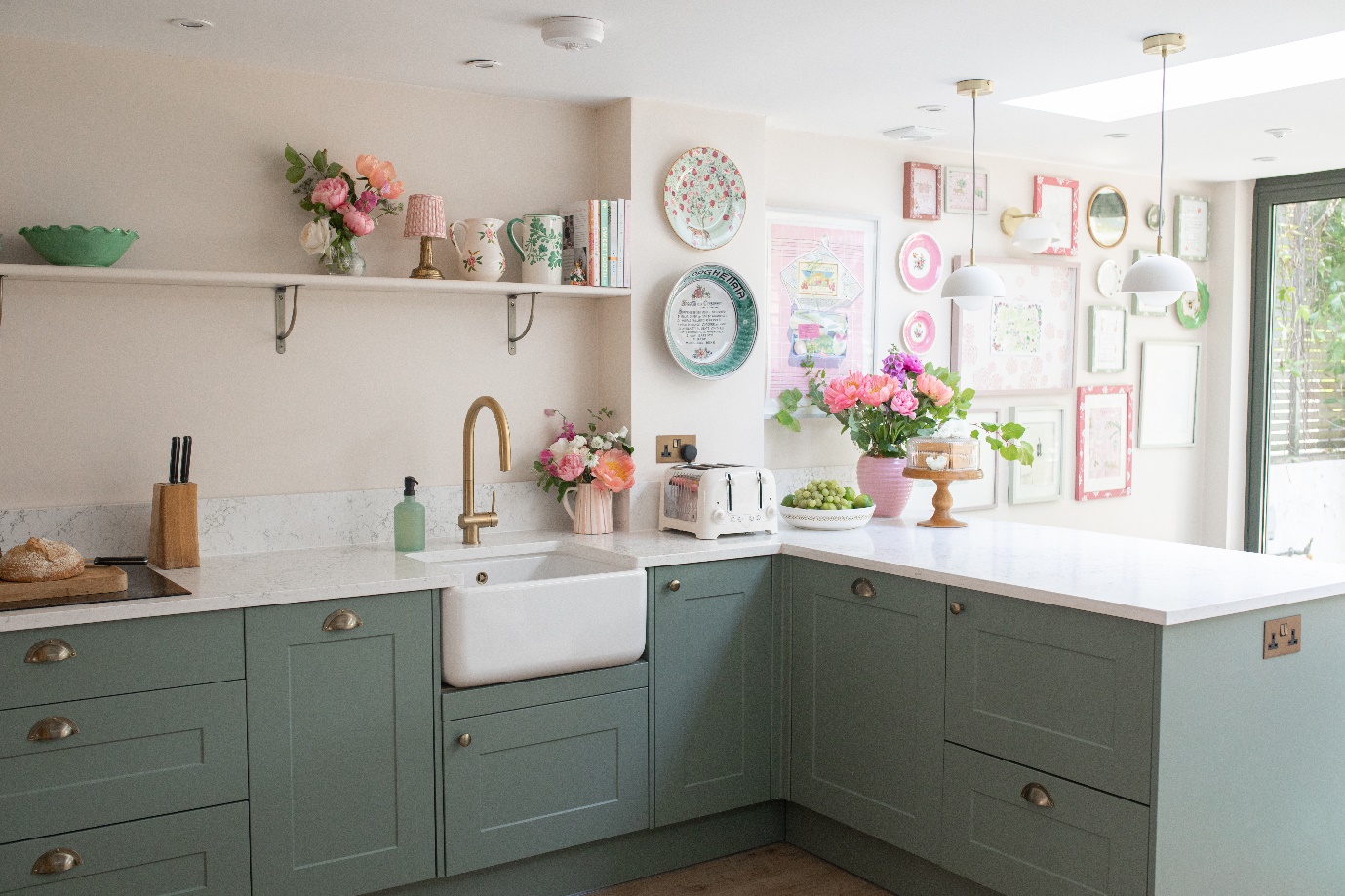
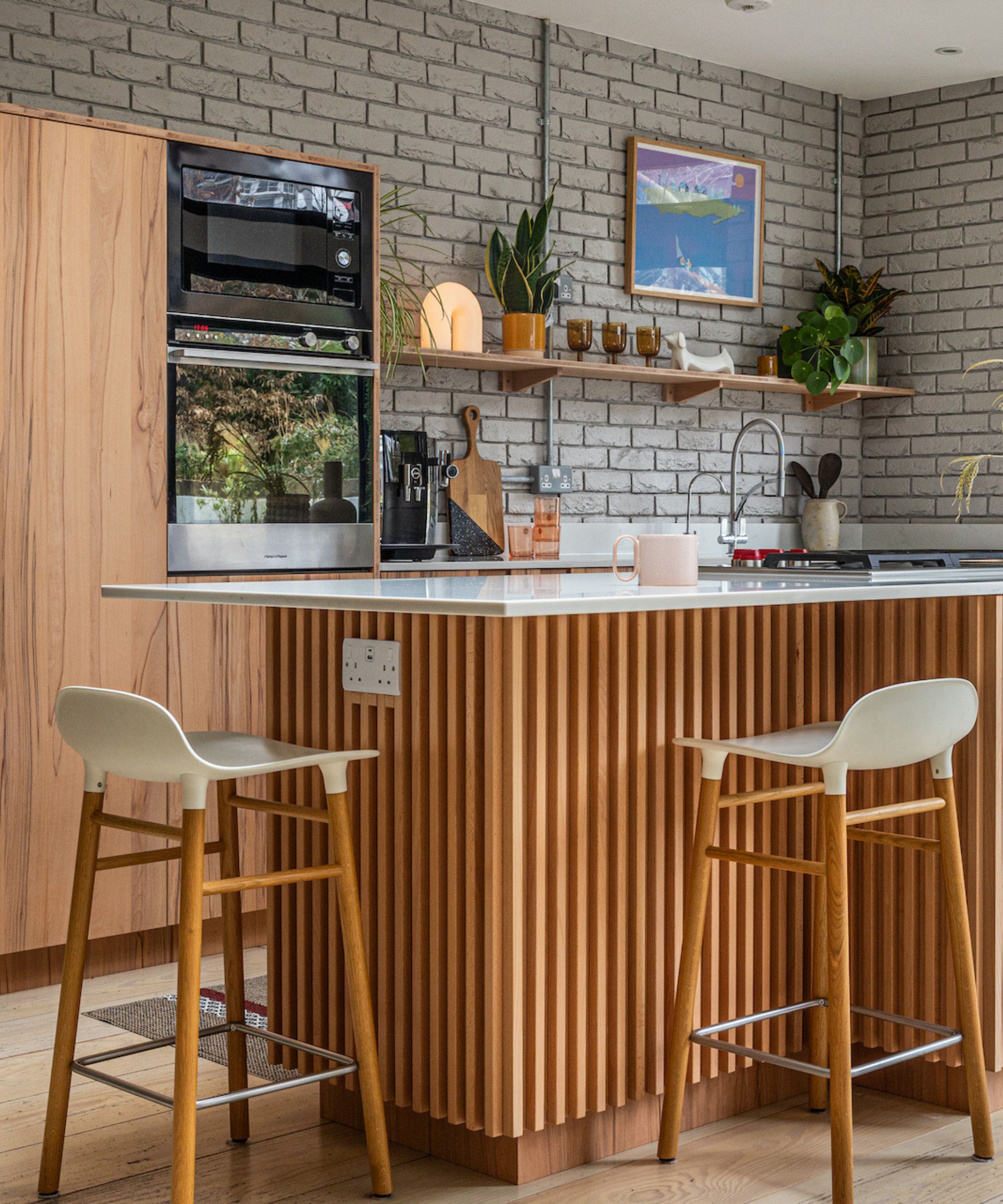
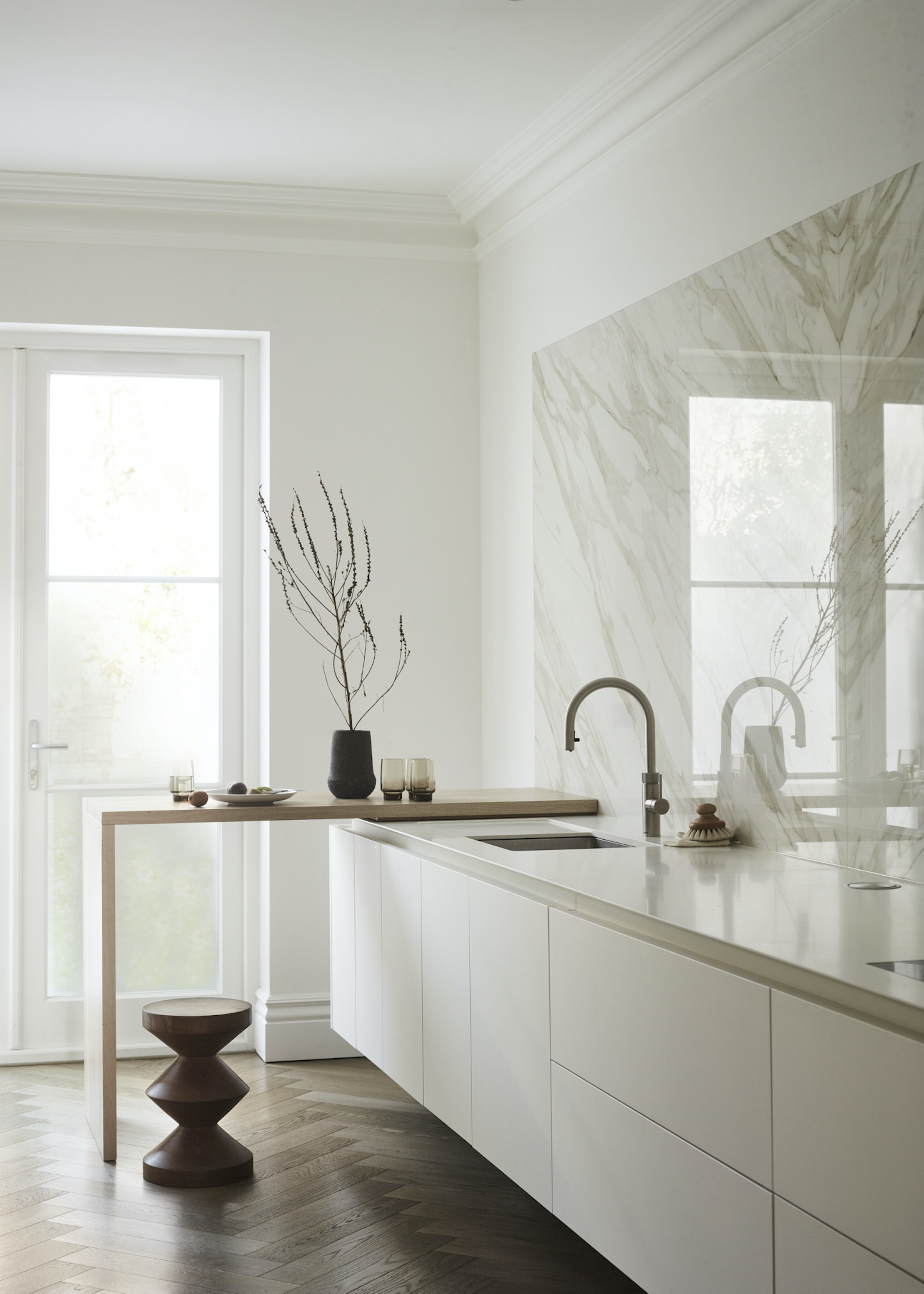
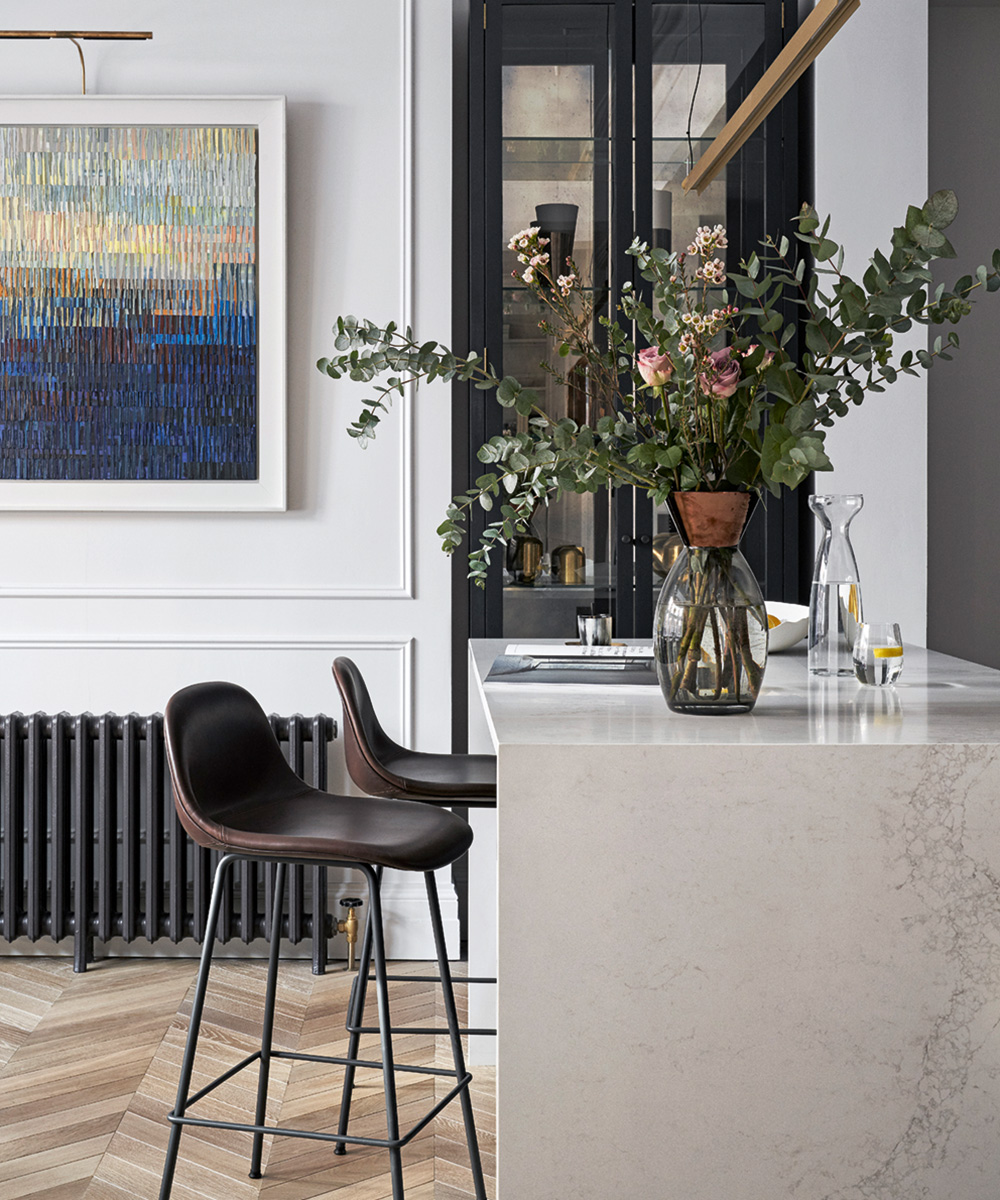
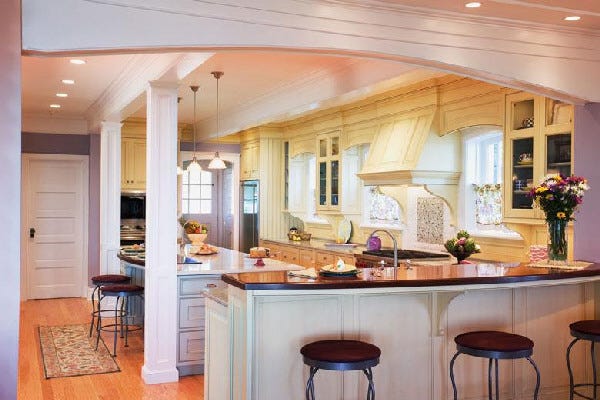
In contrast, a breakfast bar is generally a narrower, elevated extension of an existing countertop or wall, designed primarily for casual dining and quick meals. They are characterized by their more compact size and often feature seating on one side, allowing for a less formal eating area than a traditional dining table. Breakfast bars are an excellent solution for smaller kitchens or those seeking to optimize space, providing a functional area for eating, working, or socializing without the need for extensive floor space. Their design often integrates seamlessly with existing cabinetry, making them a more space-efficient option.
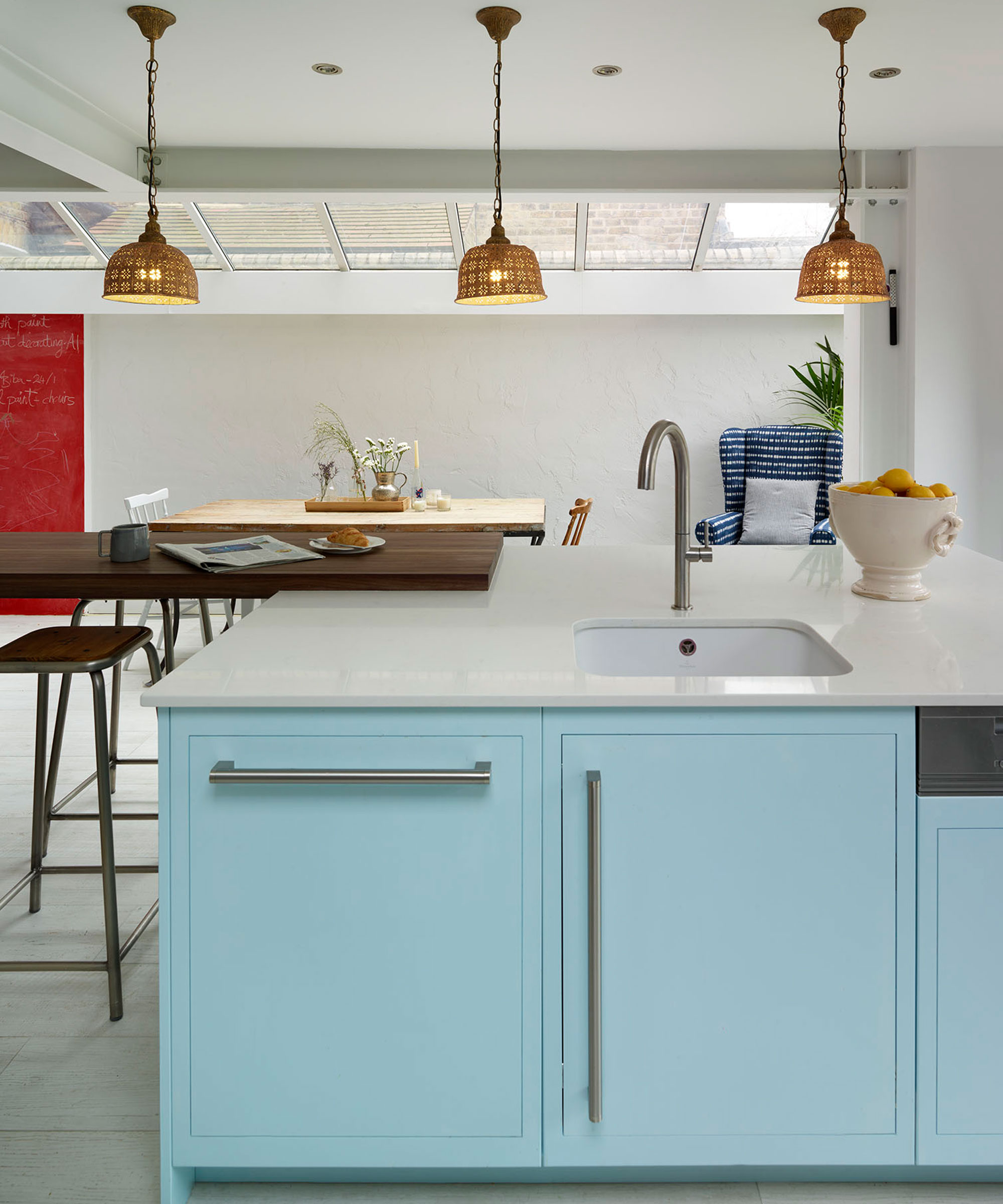
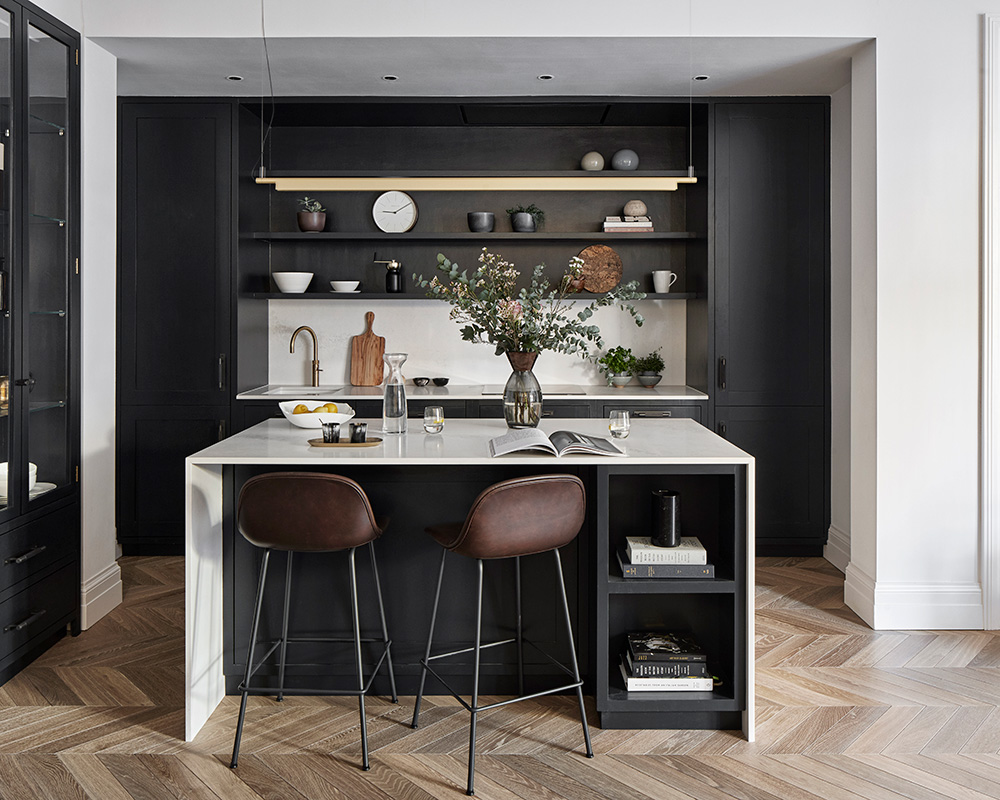
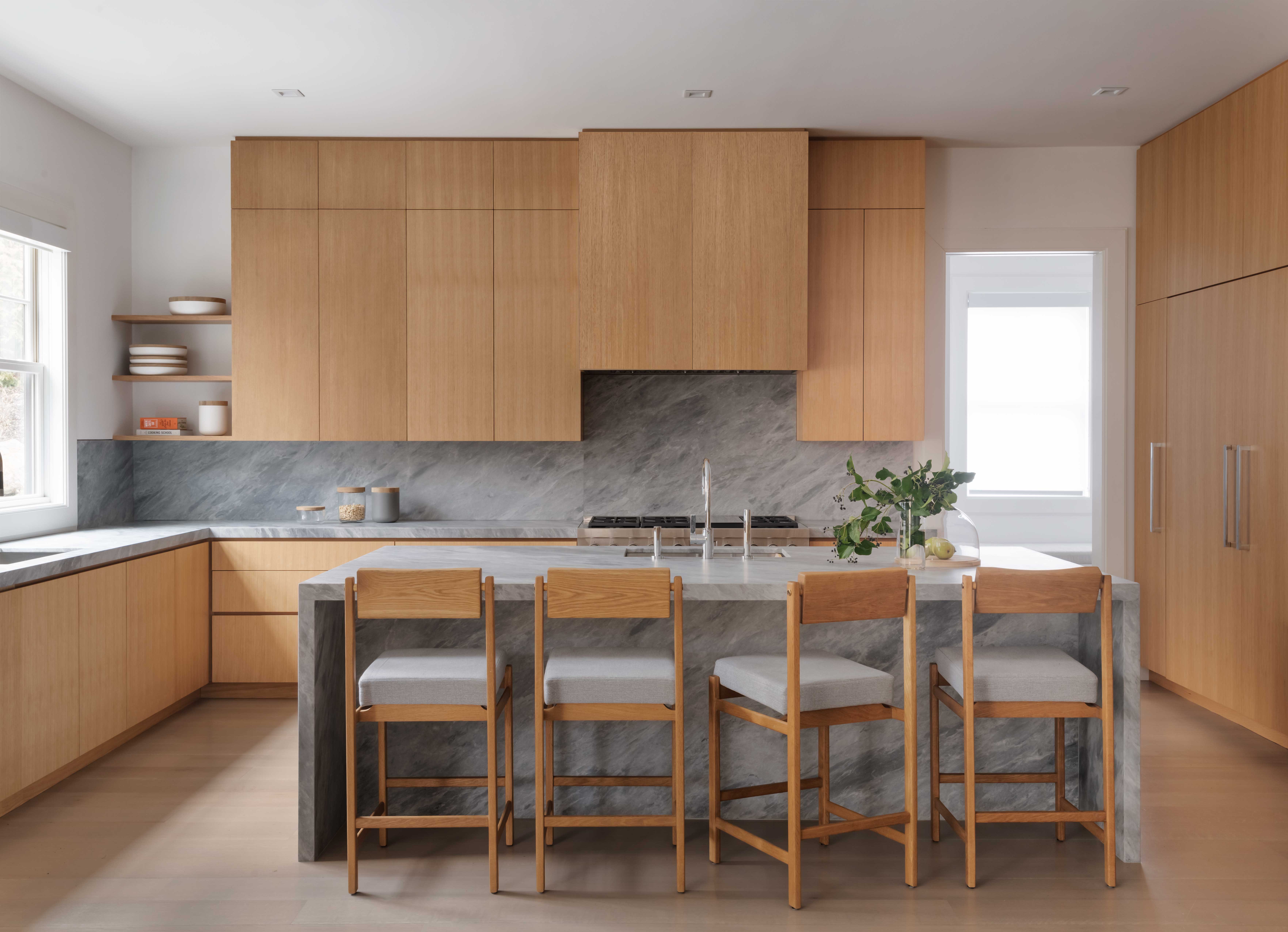
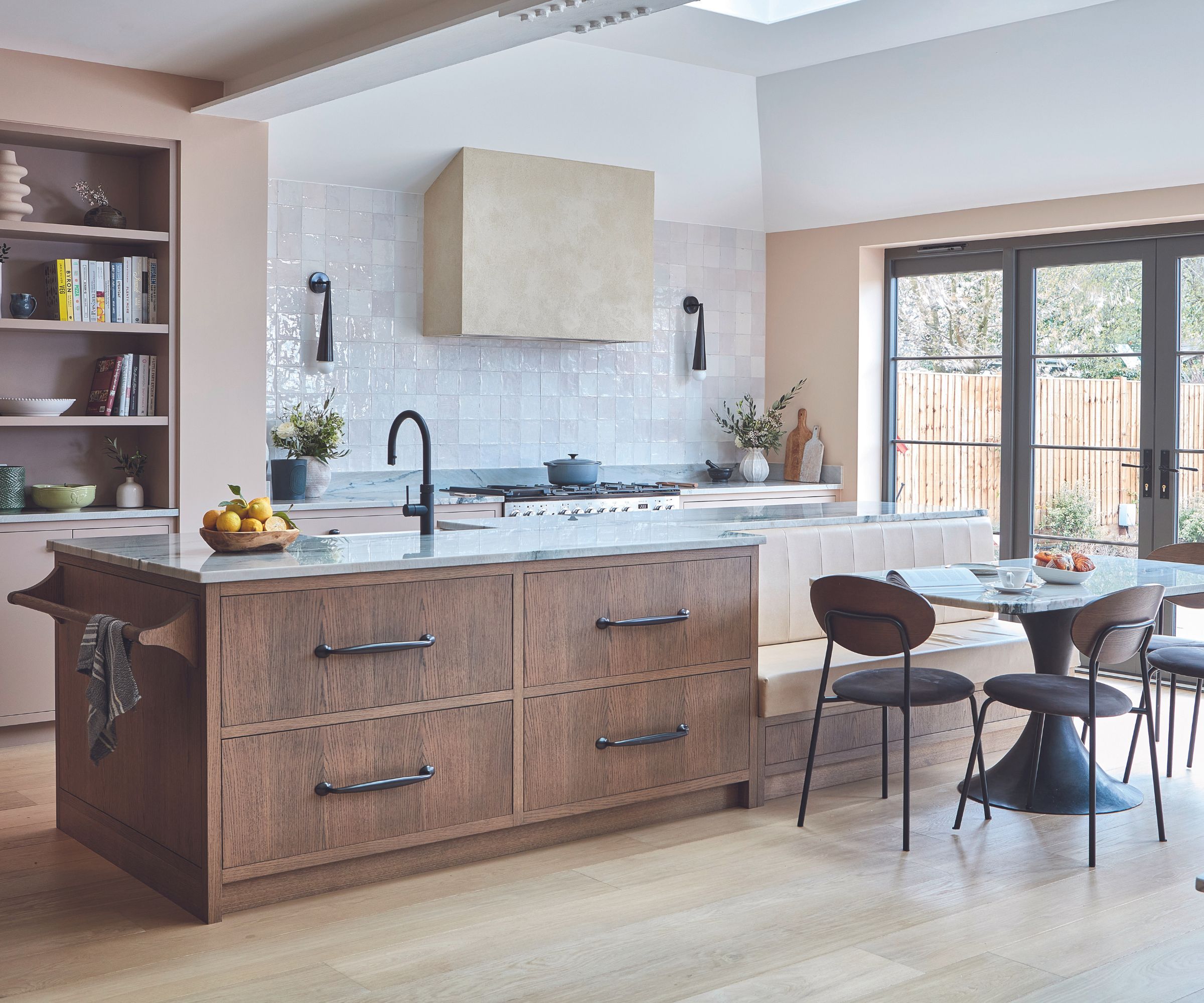
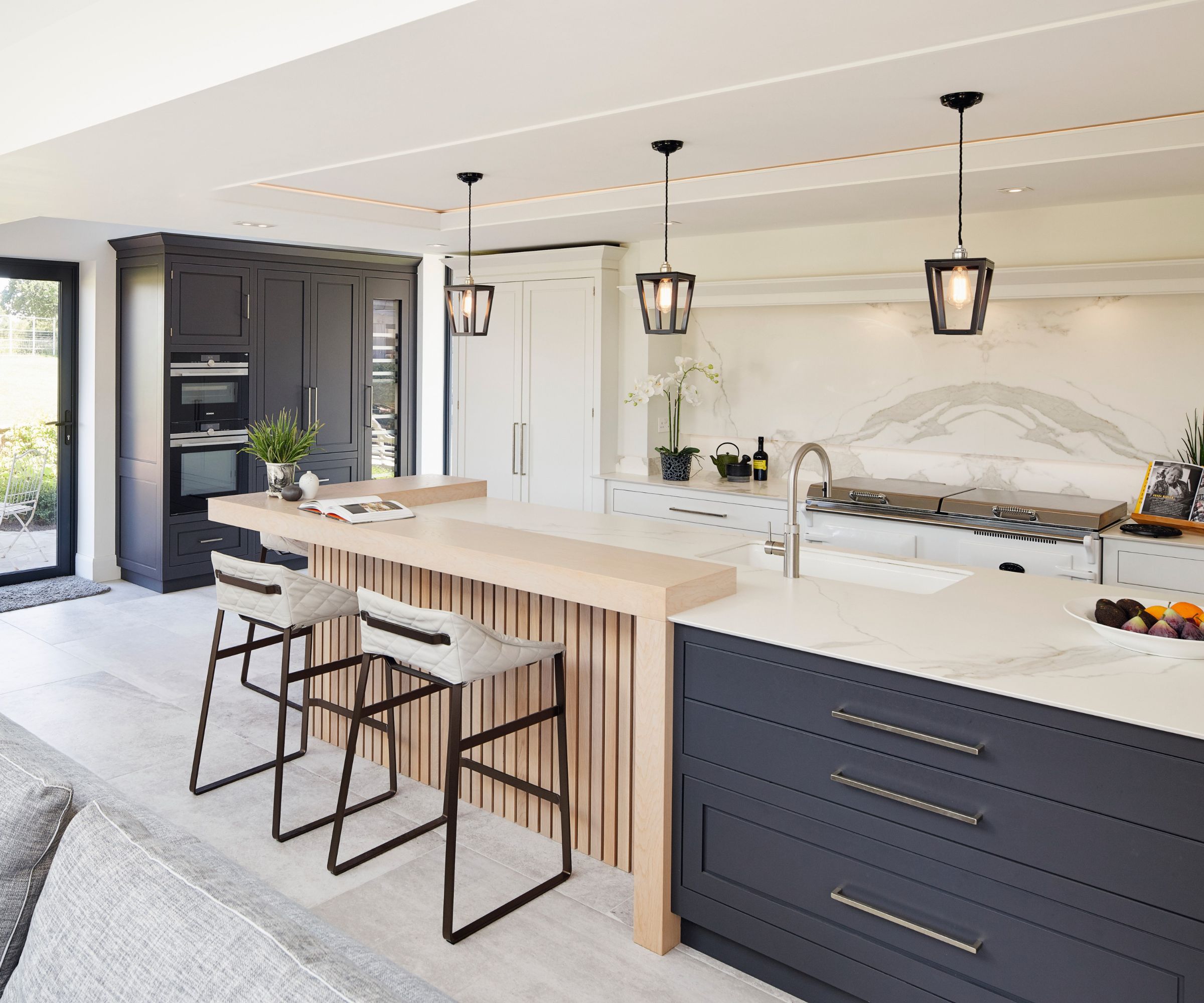
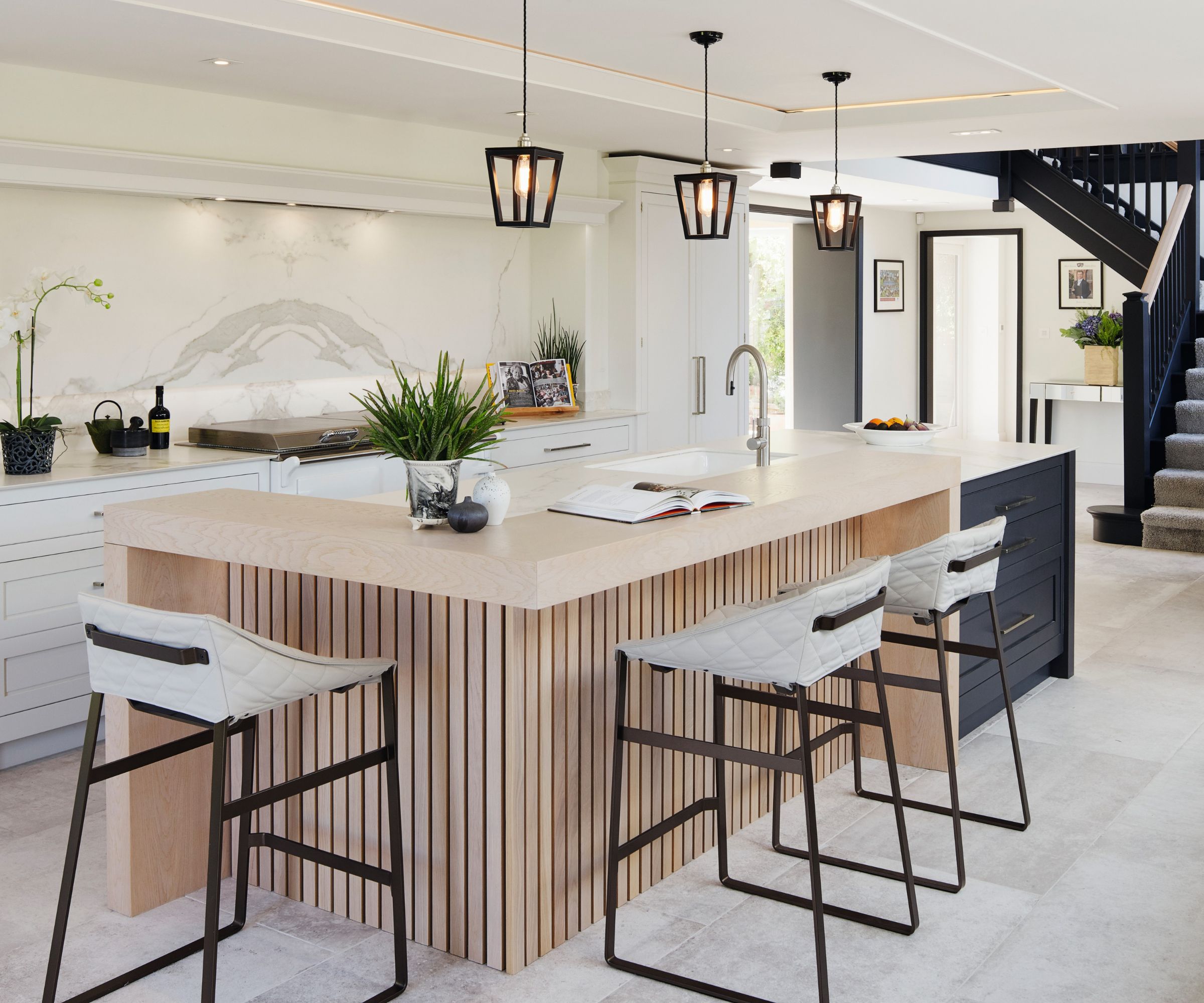
Key differences extend beyond size and primary function. Kitchen islands, due to their larger surface area, are superior for extensive meal preparation, baking, and can accommodate multiple users simultaneously for cooking activities. They also offer significant storage potential through integrated drawers, cabinets, and shelving, which can be invaluable in maintaining an organized kitchen. Some islands can even be designed with multi-level surfaces to incorporate a dedicated eating area, blending the functionalities of both an island and a breakfast bar.
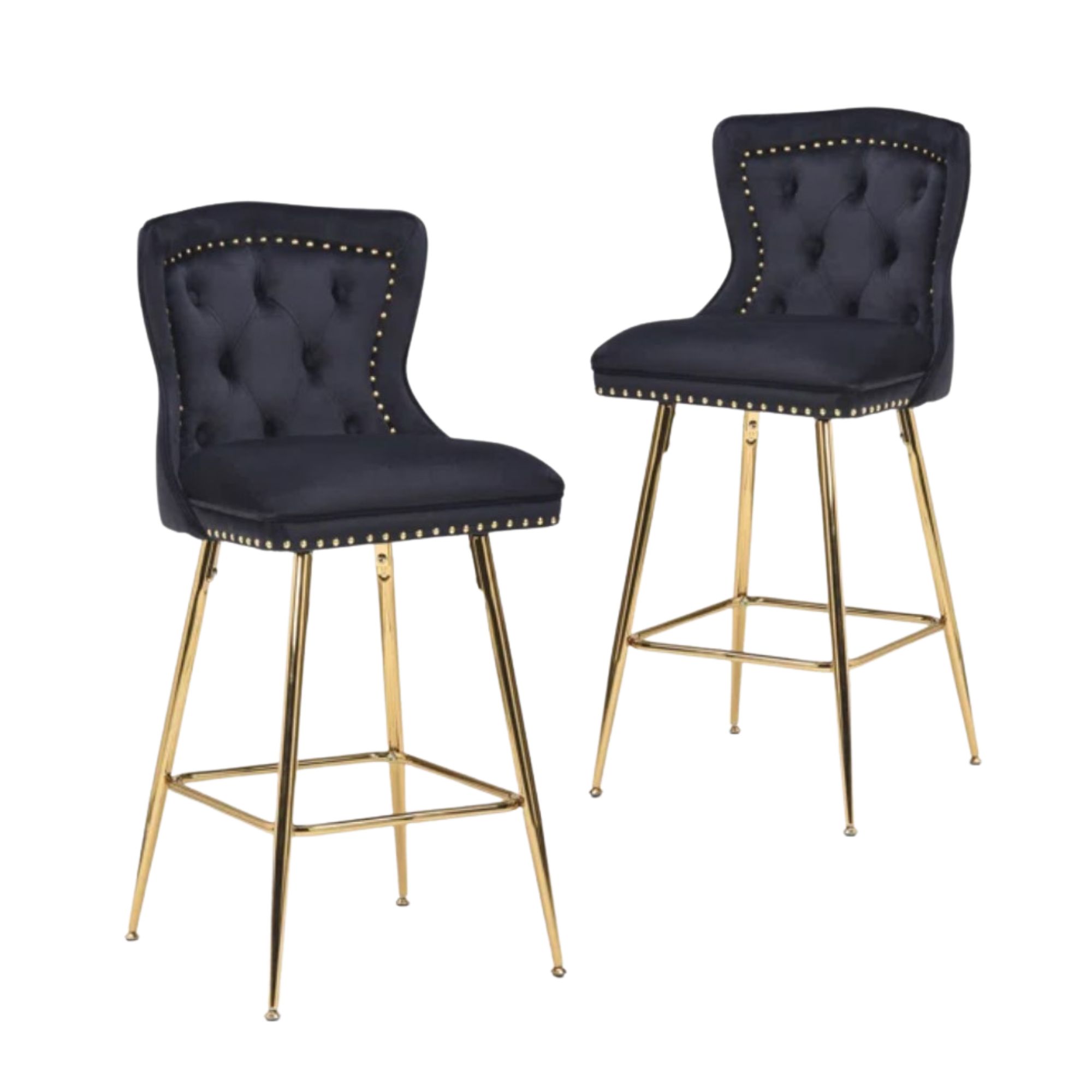
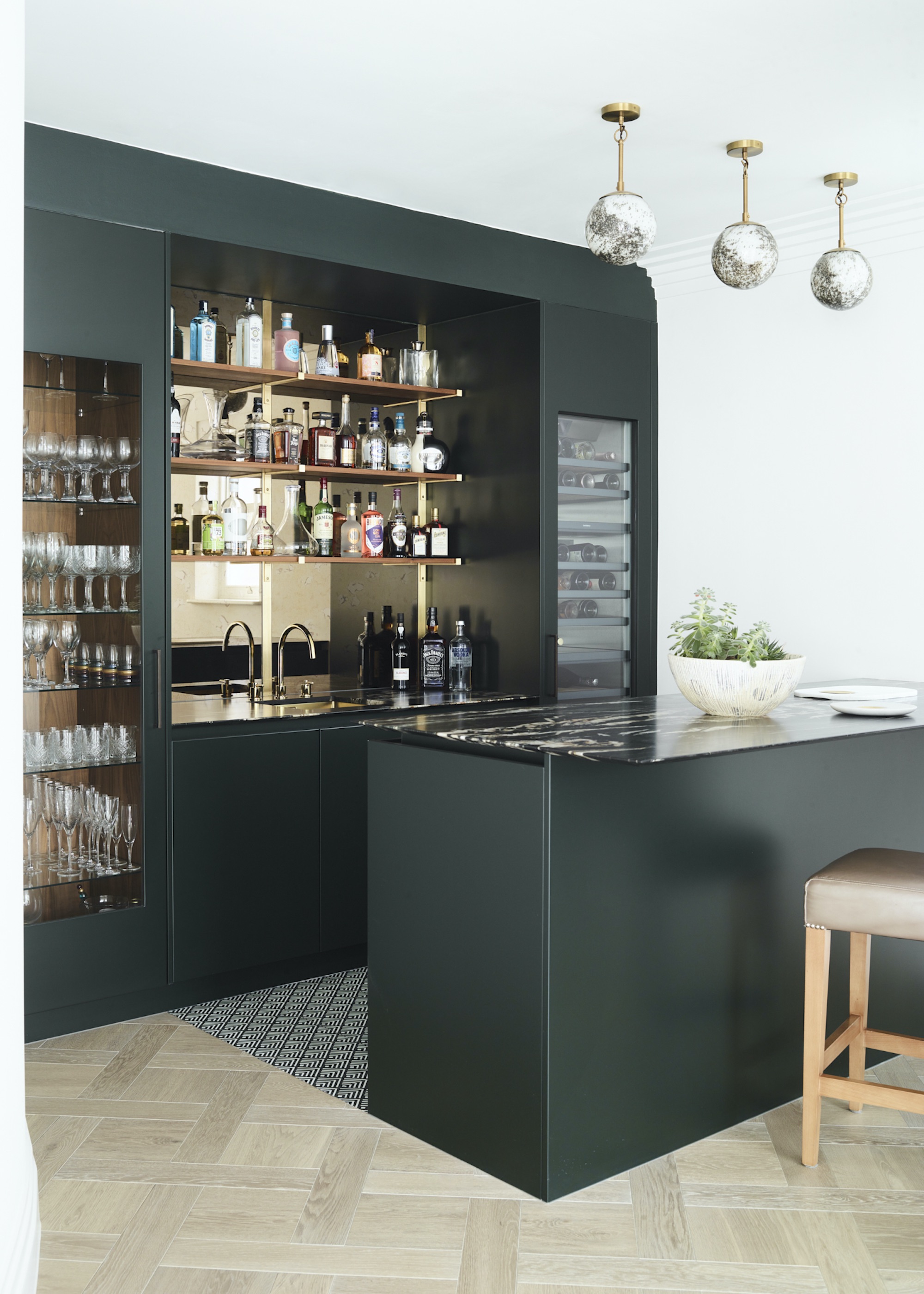
Breakfast bars, while less capable in terms of prep space and storage, excel in fostering social interaction and serving as a casual gathering spot. They are ideal for quick breakfasts, coffee breaks, or as a place for guests to sit and chat with the cook without impeding workflow. The elevated height of most breakfast bars often requires specific bar stools, which can add to the aesthetic but might not be as comfortable for prolonged seating as standard dining chairs. Ultimately, the decision depends on the homeowner's lifestyle, kitchen size, and priorities regarding workspace, storage, and dining habits.
#KitchenIslandIdeas #KitchenIsland #BreakfastBar #CountertopSpace #HomeDesign #KitchenDesign #InteriorDesign #KitchenIslandIdeas #KitchenIsland #BreakfastBar #CountertopSpace #HomeDesign #KitchenDesign #InteriorDesign
0 comment in total
 No comments yet
You may also like
Should You Choose a Kitchen Island or a Breakfast Bar? Experts Weigh-in on the Debate

Kitchen Island vs Peninsula — Which Is Better and Which Are Designers Choosing in 2025?
Say goodbye to the kitchen island, and hello to the prep table

The Multifaceted Role Of The Kitchen Island

Should you get a kitchen island, a breakfast bar or a table?
Breakfast bar ideas – 11 stylish ways to create space in your kitchen for snacking

Homeowners Are Divided Over This Controversial Kitchen Countertop Trend—Here’s What to Know Before You Commit

Should kitchen islands have a sink? Experts agree on this definitive answer
Should the hob go in the kitchen island? Experts decide on the most sociable and space-saving design
Waking up to kitchen breakfast bars

Kitchen island breakfast bar ideas — 7 ways to create a stylish dining zone, according to design experts

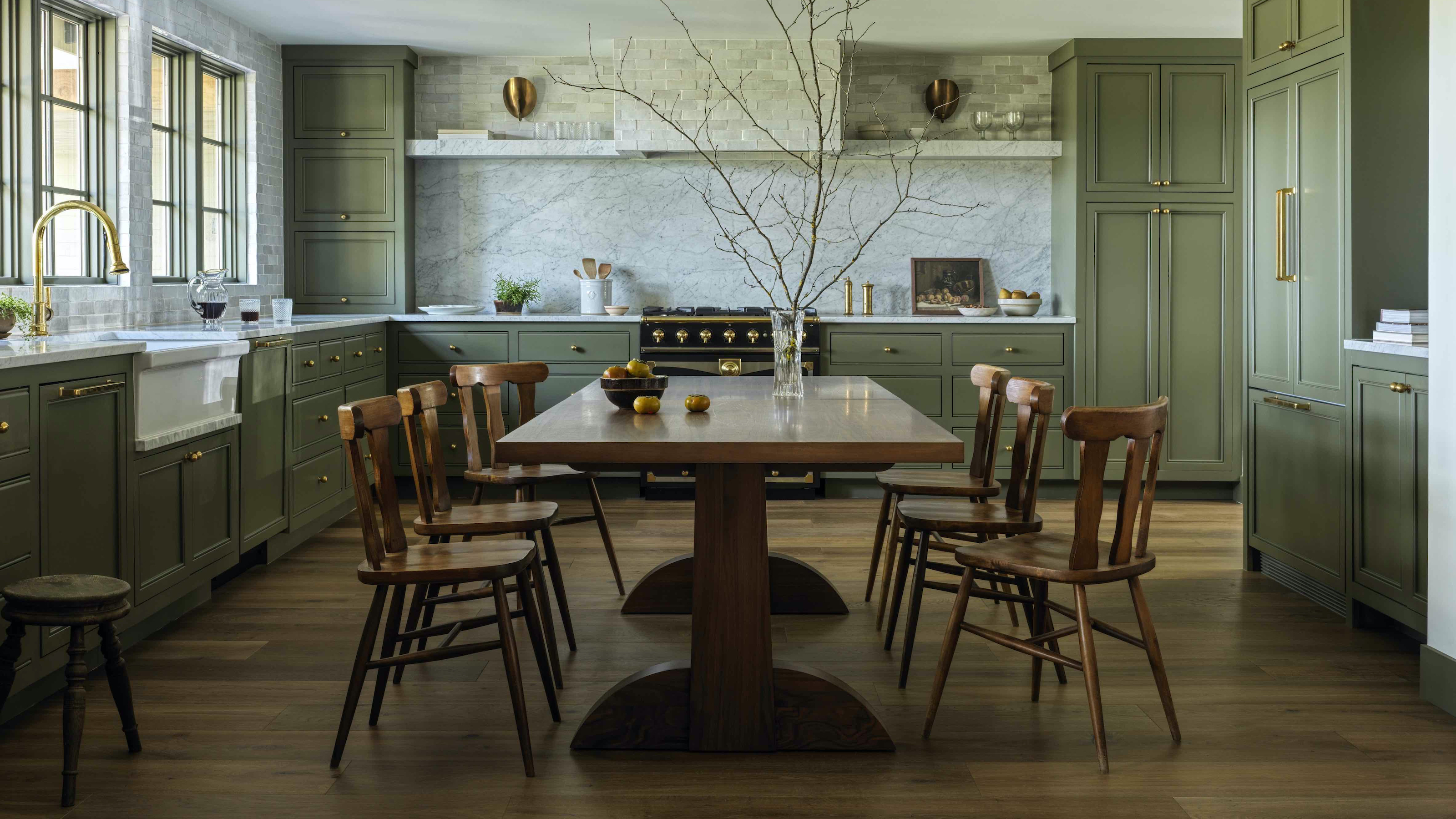
What's Replacing the Kitchen Island? Meet the Stylish Alternatives Stealing the Spotlight in 2025
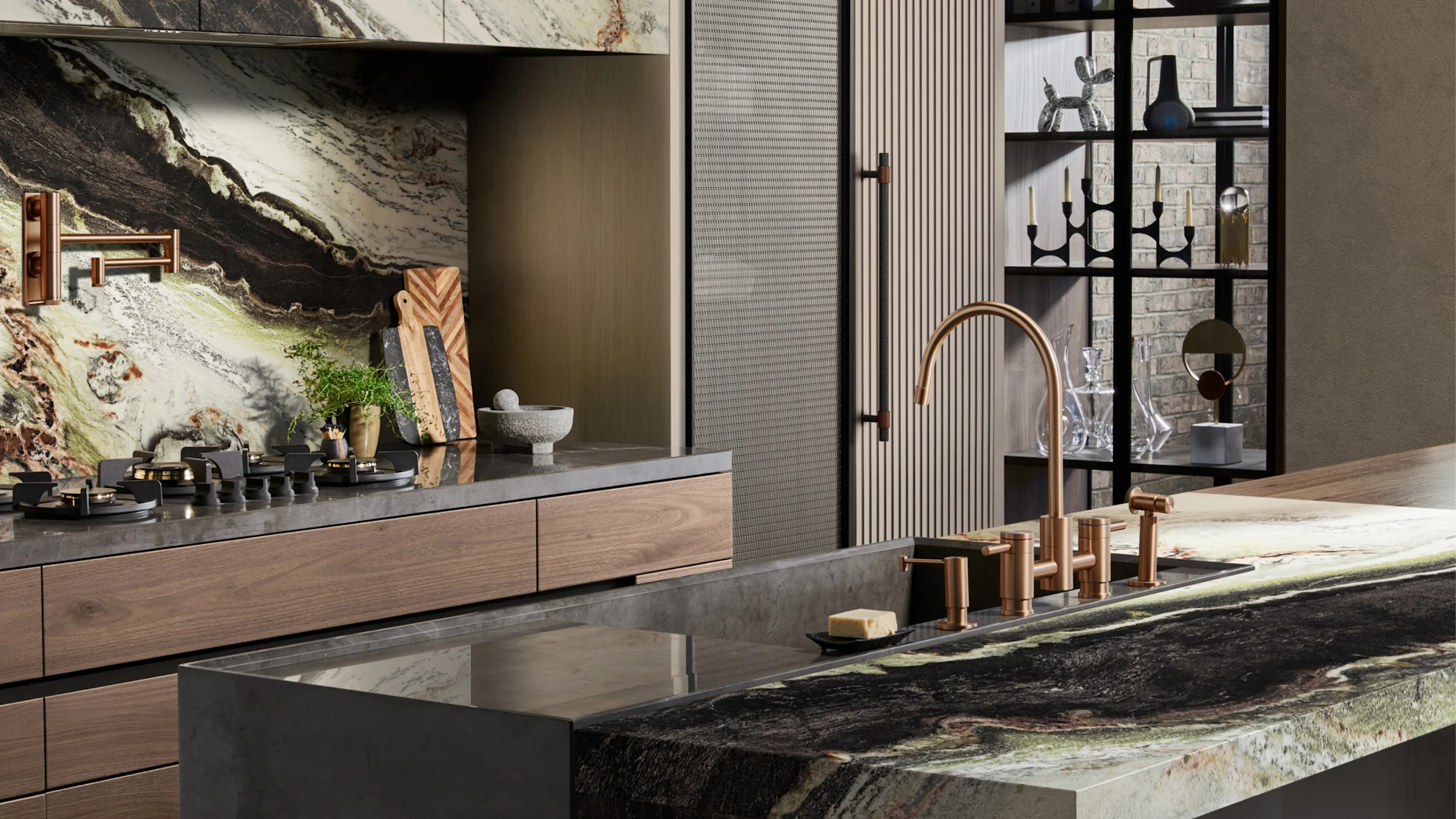
Should You Have a Sink on a Kitchen Island? Designers Love (and Hate) This Layout, so Here's How to Decide
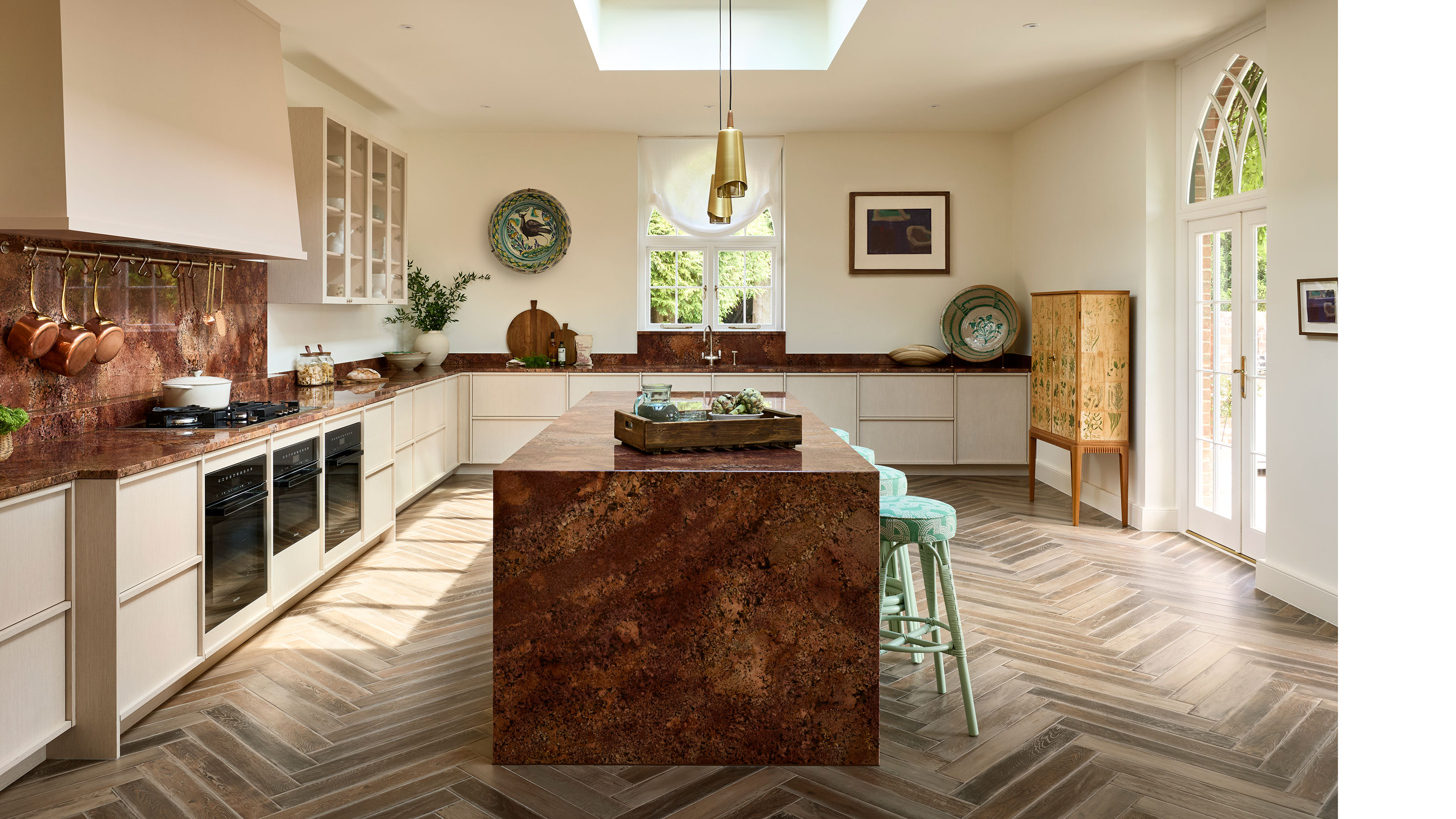
Should a Kitchen Island Be Centered? "There Is No One-Size-Fits All" Solution, Say the Experts
37 stunning kitchen island ideas to transform any space into a dream kitchen

How to design a kitchen island with seating – 6 expert steps to the perfect, social space

Should you invest in a kitchen island with a sink? We asked the experts

Kitchen island vs no kitchen island – two reasons designers choose this layout, and two reasons they don't
Do you need a kitchen island? Designers weigh in on are they an essential or are islands becoming outdated
HGTV's Rock The Block Gets Behind A Kitchen Trend Taking Over 2024