1/15
The 14 Best Self-Watering Planters for Even the Most Forgetful Plant Parents
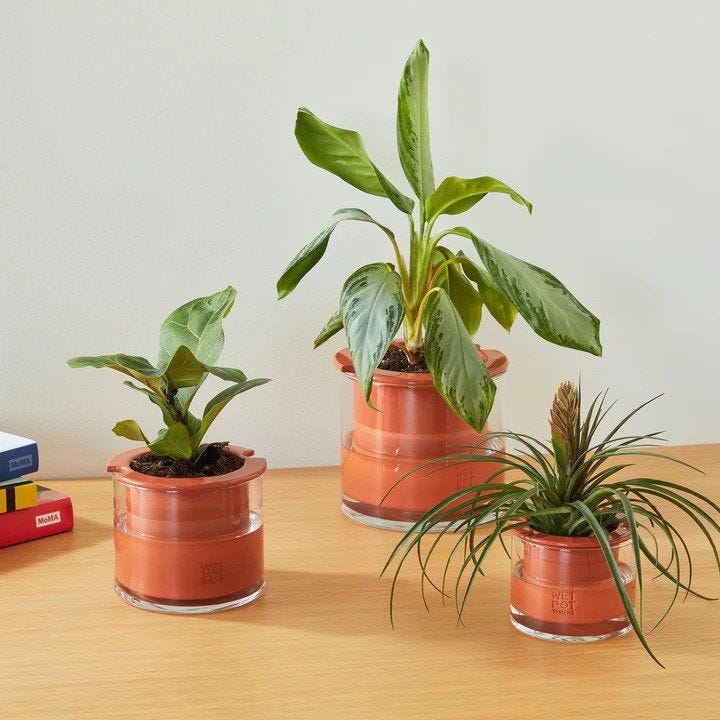
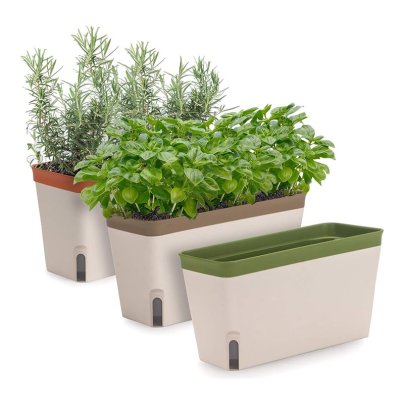
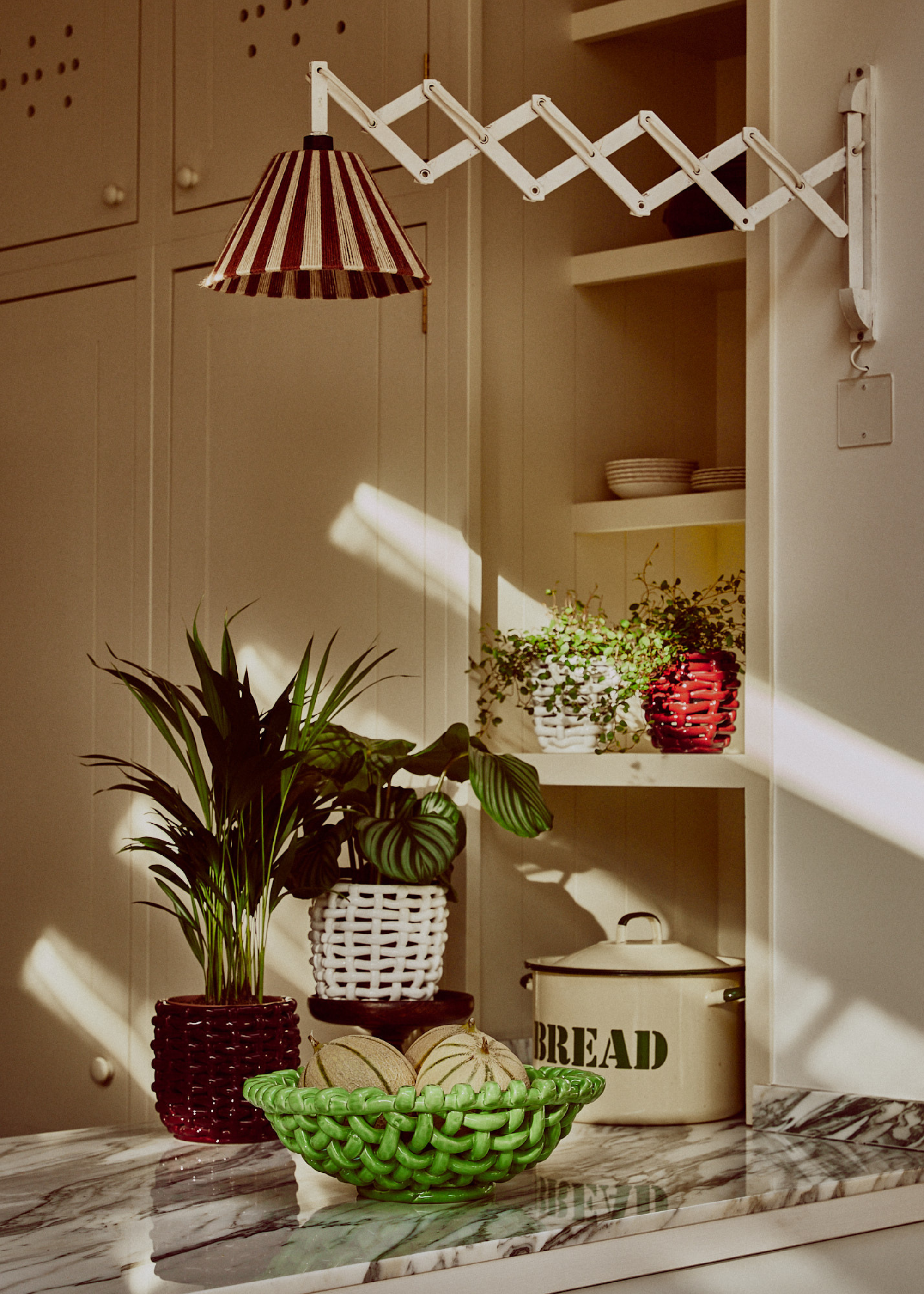
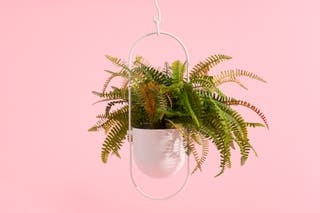
Maintaining indoor plants can be a challenge, especially for those who struggle to remember their watering schedules or frequently travel. This article explores the benefits of self-watering planters as an effective solution to simplify plant care and ensure plant survival, transforming any home into a haven for thriving plants and flowers. It addresses the common issues faced by plant enthusiasts, such as root rot from overwatering or wilting from underwatering, and highlights how self-watering systems can alleviate these concerns.
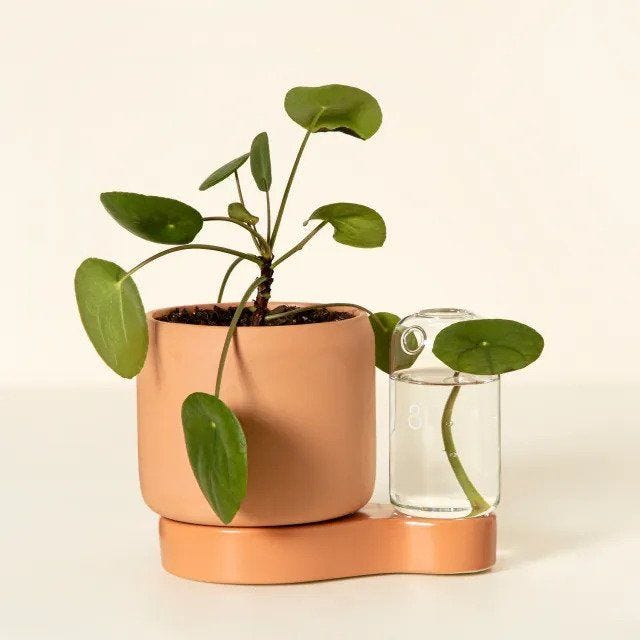
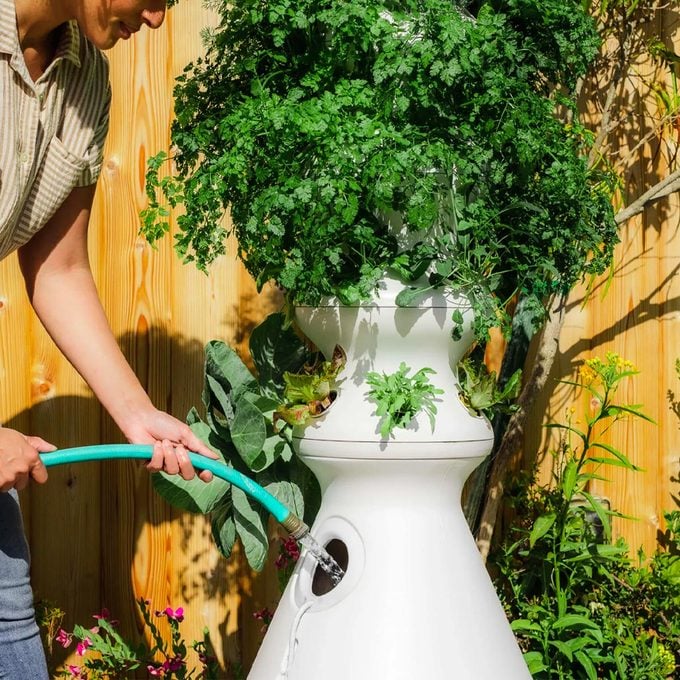
The core mechanism of self-watering planters involves subirrigation, where water is supplied from below the plant. This method allows the soil to maintain a consistent moisture level at the base of the pot. For plants with higher water demands, their roots can extend through an internal insert to directly access water and nutrients from a reservoir. This process eliminates the guesswork associated with manual watering, enabling plants to absorb water at their own pace and preventing both over- and under-watering.
Beyond convenience, self-watering planters offer several other advantages. They reduce the frequency of watering, with most systems requiring refills only every few weeks compared to the weekly needs of standard pots. The size of the planter directly impacts the reservoir capacity, meaning larger planters can sustain plants for even longer periods without intervention. Furthermore, self-watering planters contribute to better soil health. By keeping the top layer of soil dry, they deter common pests like fungus gnats, which are attracted to moist surface conditions.
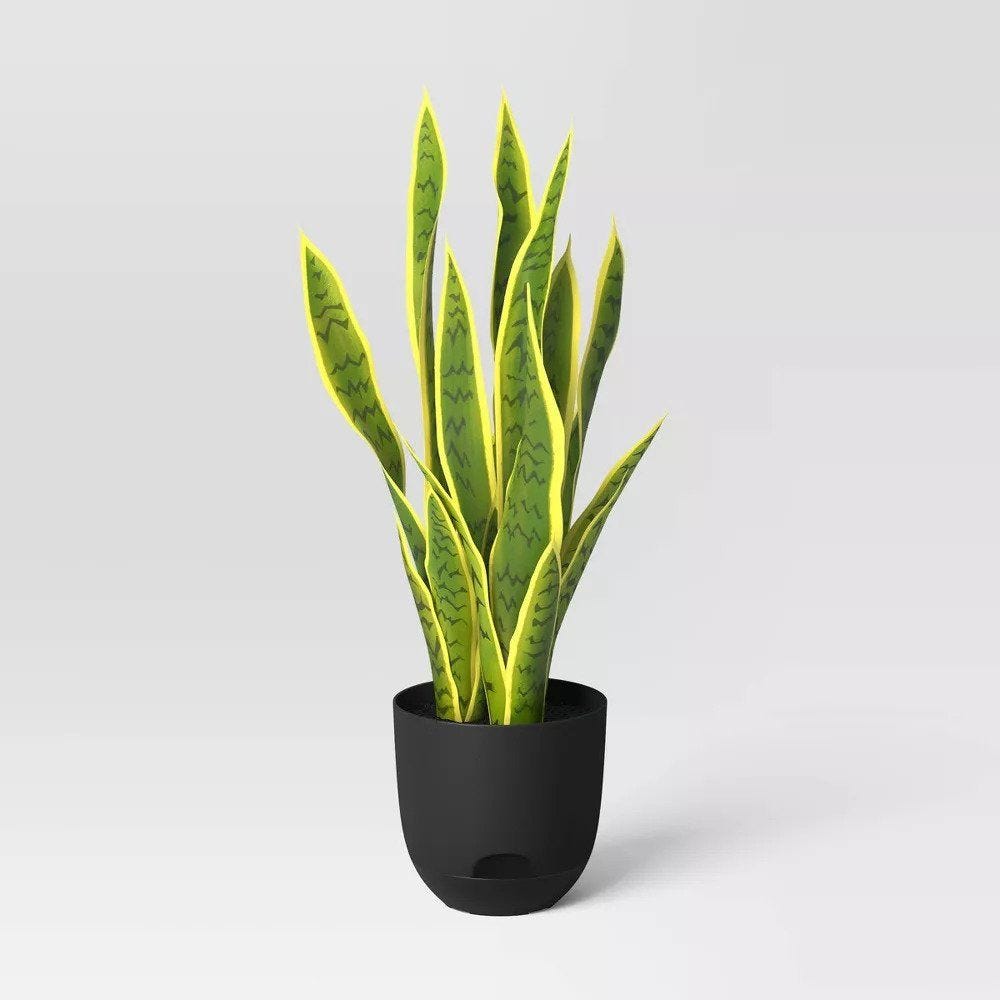
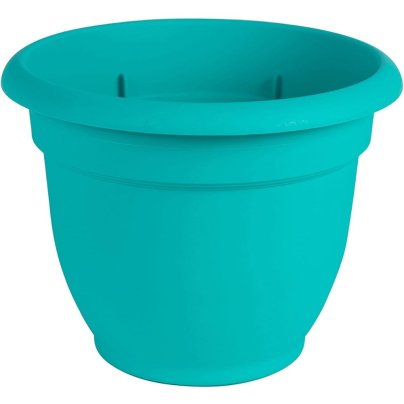
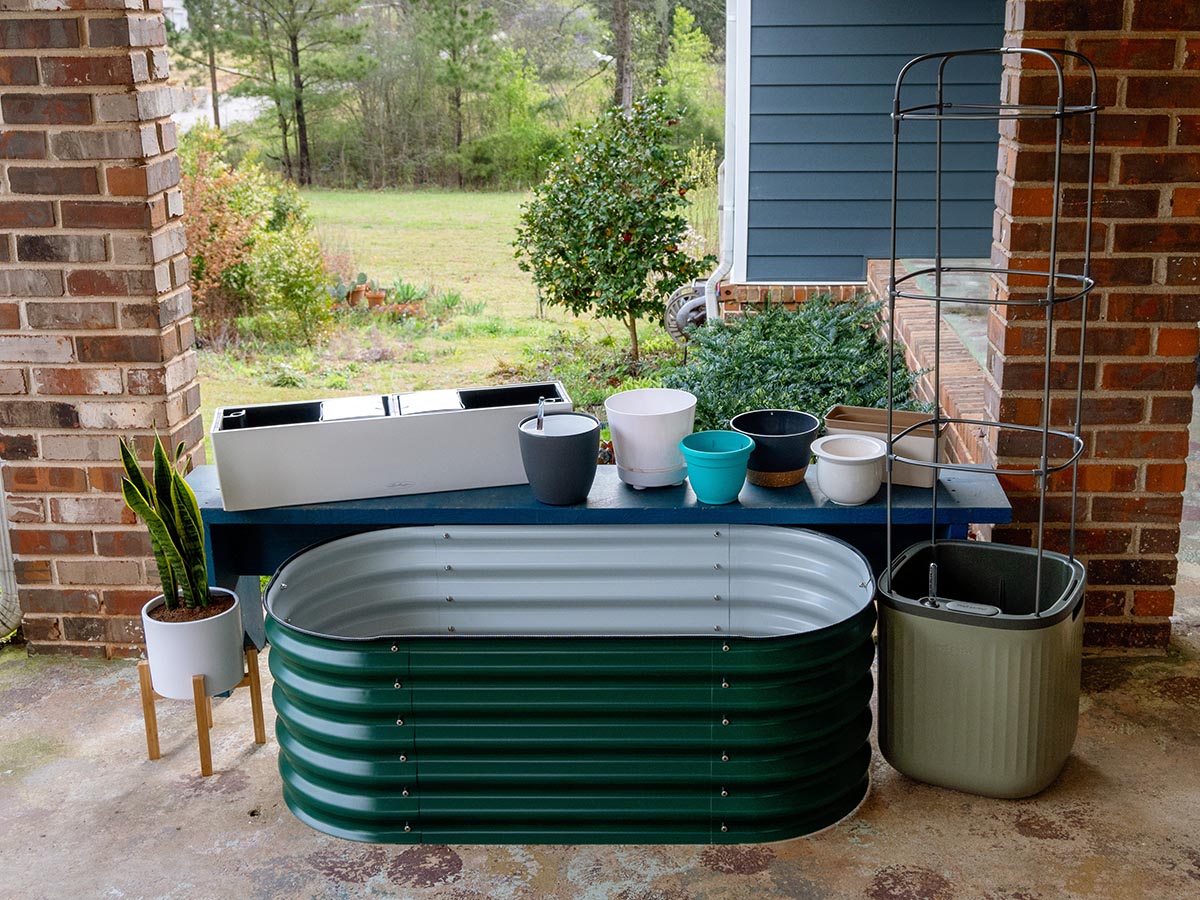
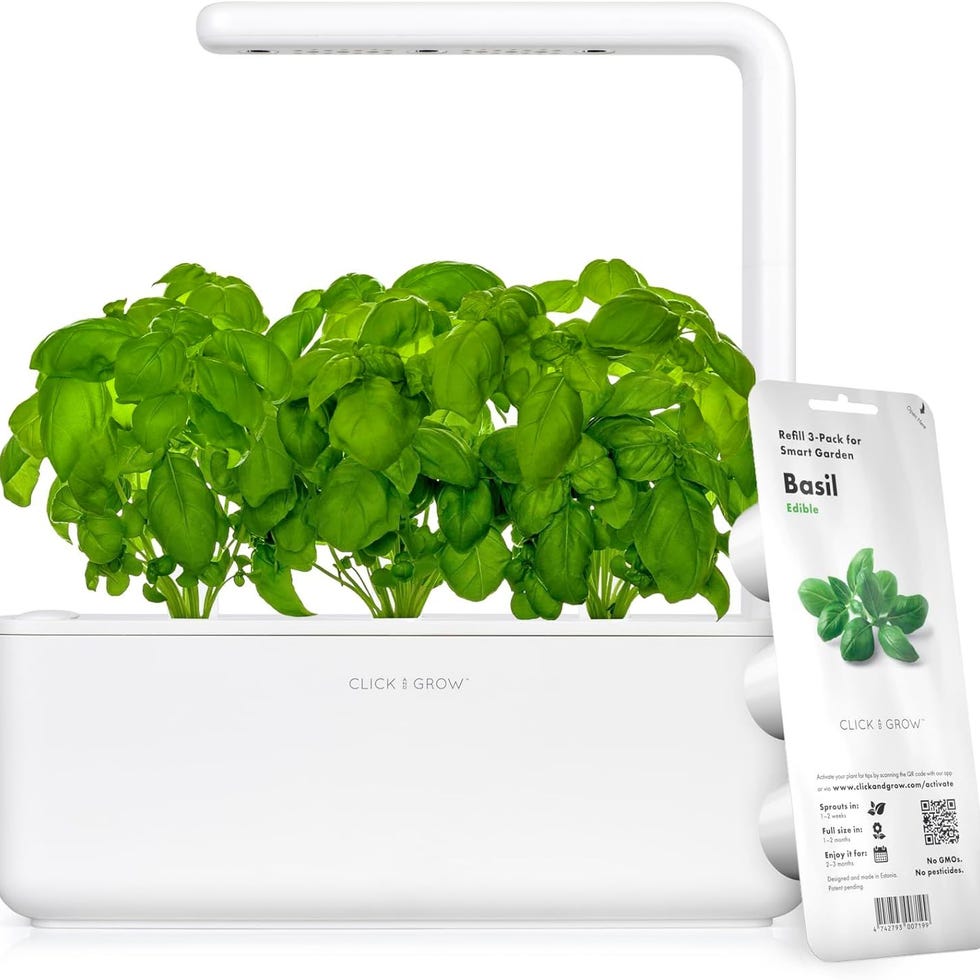
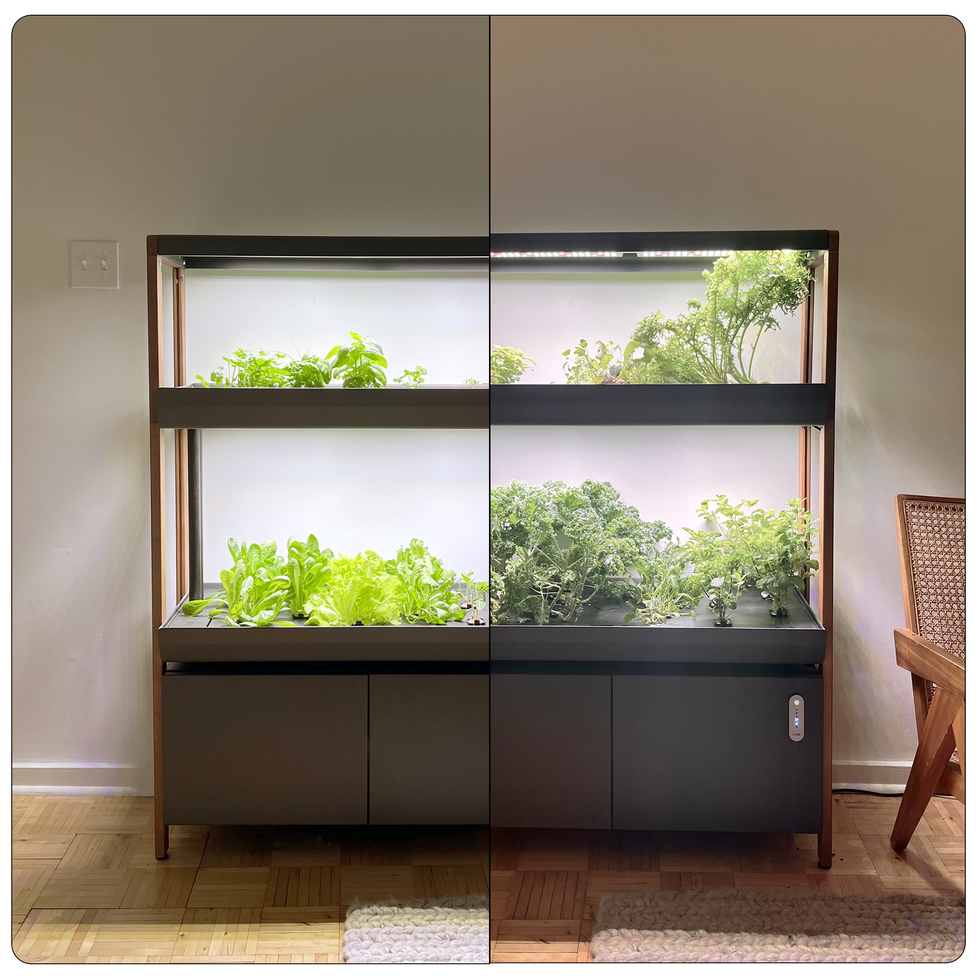
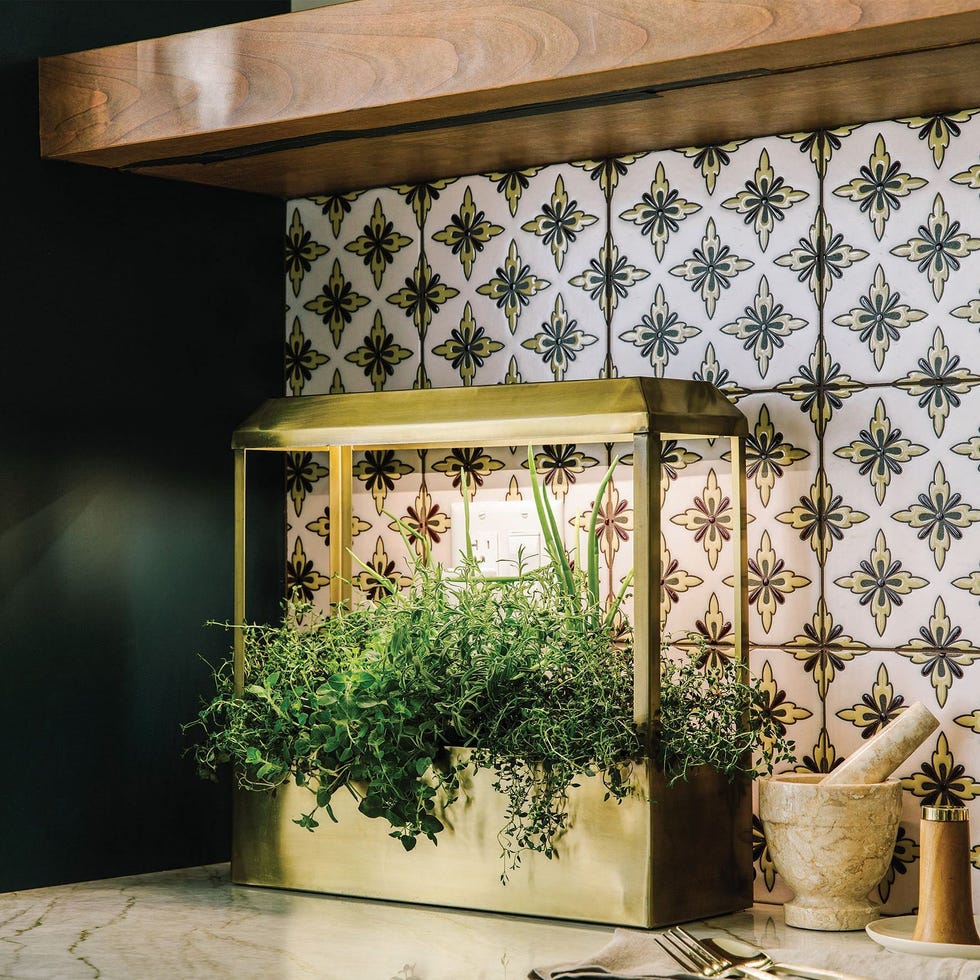
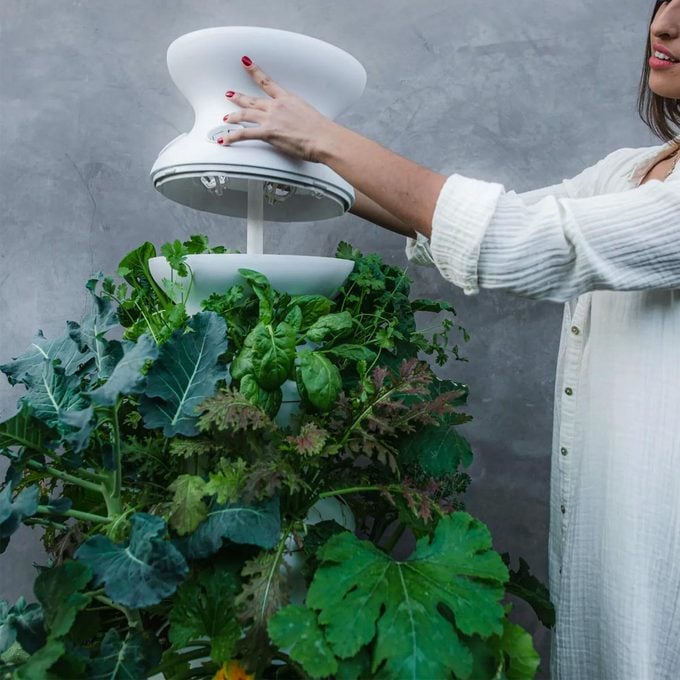
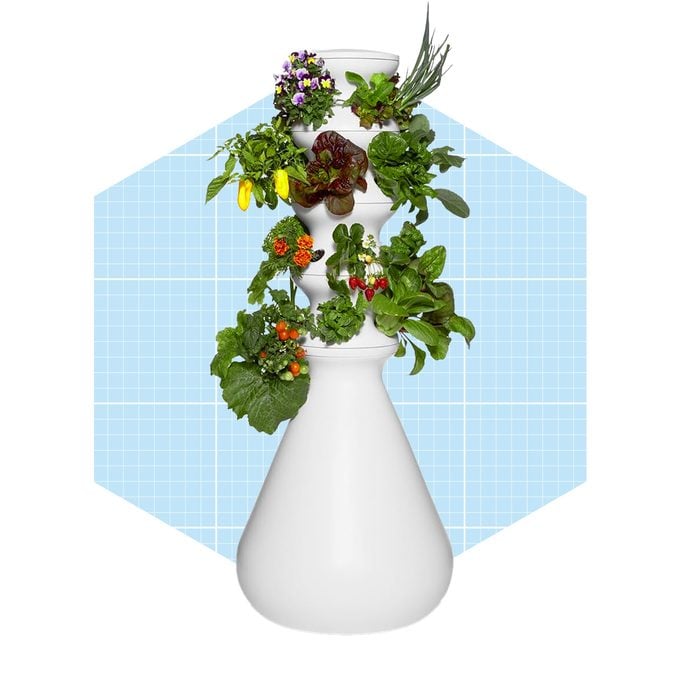
Plant influencer Hilton Carter, a proponent of these systems, suggests testing self-watering planters thoroughly before relying on them for extended periods, especially when traveling. He notes that these planters may not be suitable for all plant types, particularly those that prefer their soil to dry out completely between waterings. Carter also emphasizes that while self-watering planters automate hydration, plant parents should still regularly inspect their plants for other potential issues such as pests or yellowing leaves. The article curates a selection of 14 self-watering planters, ranging from vertical gardens with AI monitoring to budget-friendly options, highlighting their design, materials, and suitability for various home and garden settings, ensuring there's a solution for every preference and need.
#SelfWateringPlanters #PlantCare #HomeGardening #IndoorPlants #PlantParenting #HomeDecor #GardeningSolutions #PlantAccessories #SmartGardening #SelfWateringPlanters #PlantCare #HomeGardening #IndoorPlants #PlantParenting #HomeDecor #GardeningSolutions #PlantAccessories #SmartGardening
0 comment in total
 No comments yet
You may also like
Attn: These Self-Watering Planters Will Turn You Into a Responsible Plant Mom
Drought tolerant plants - Sarah Raven's top tips for sunny spots
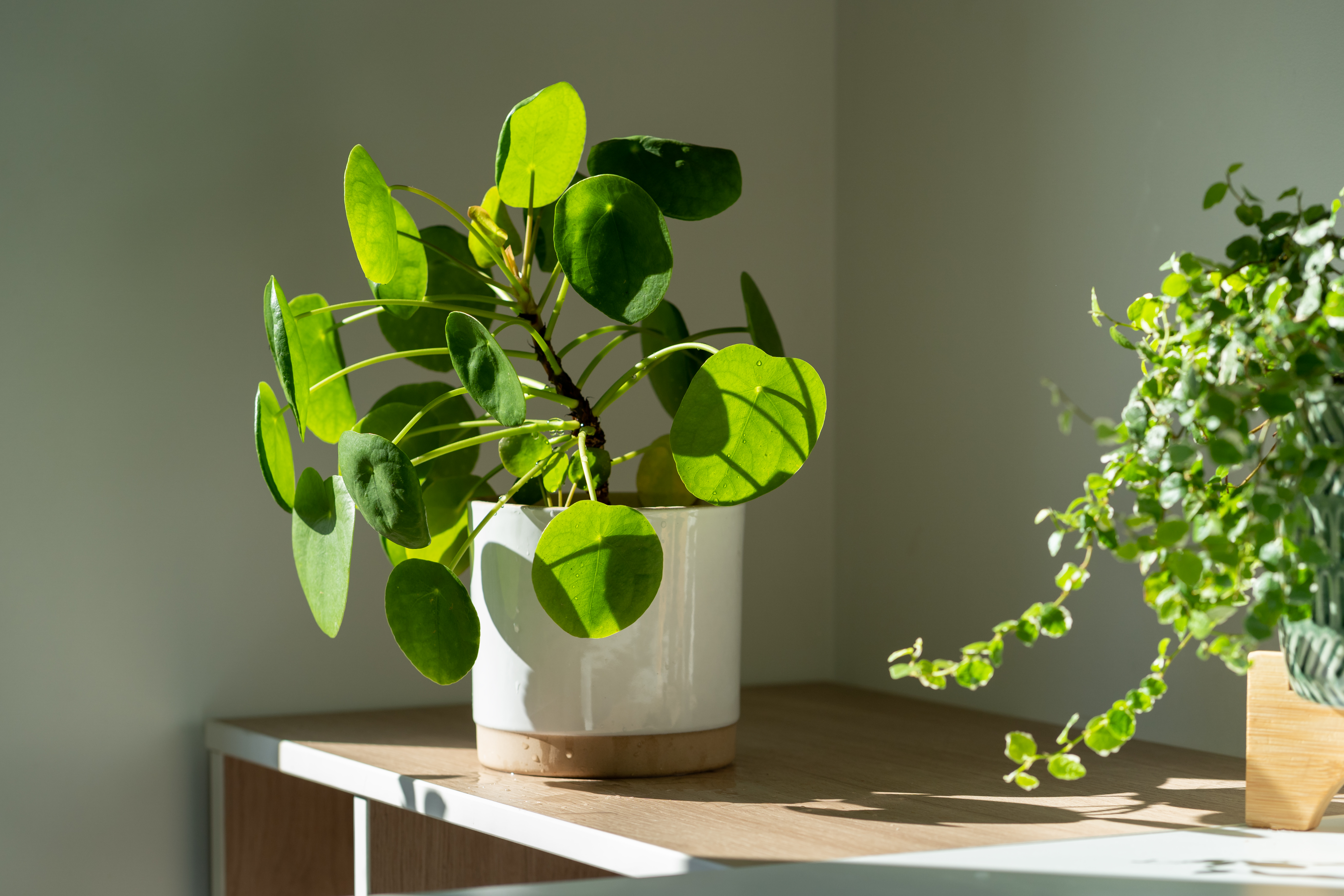
'Too hot or cold and you risk damaging the plant' – this is the ideal watering temperature for healthy houseplants

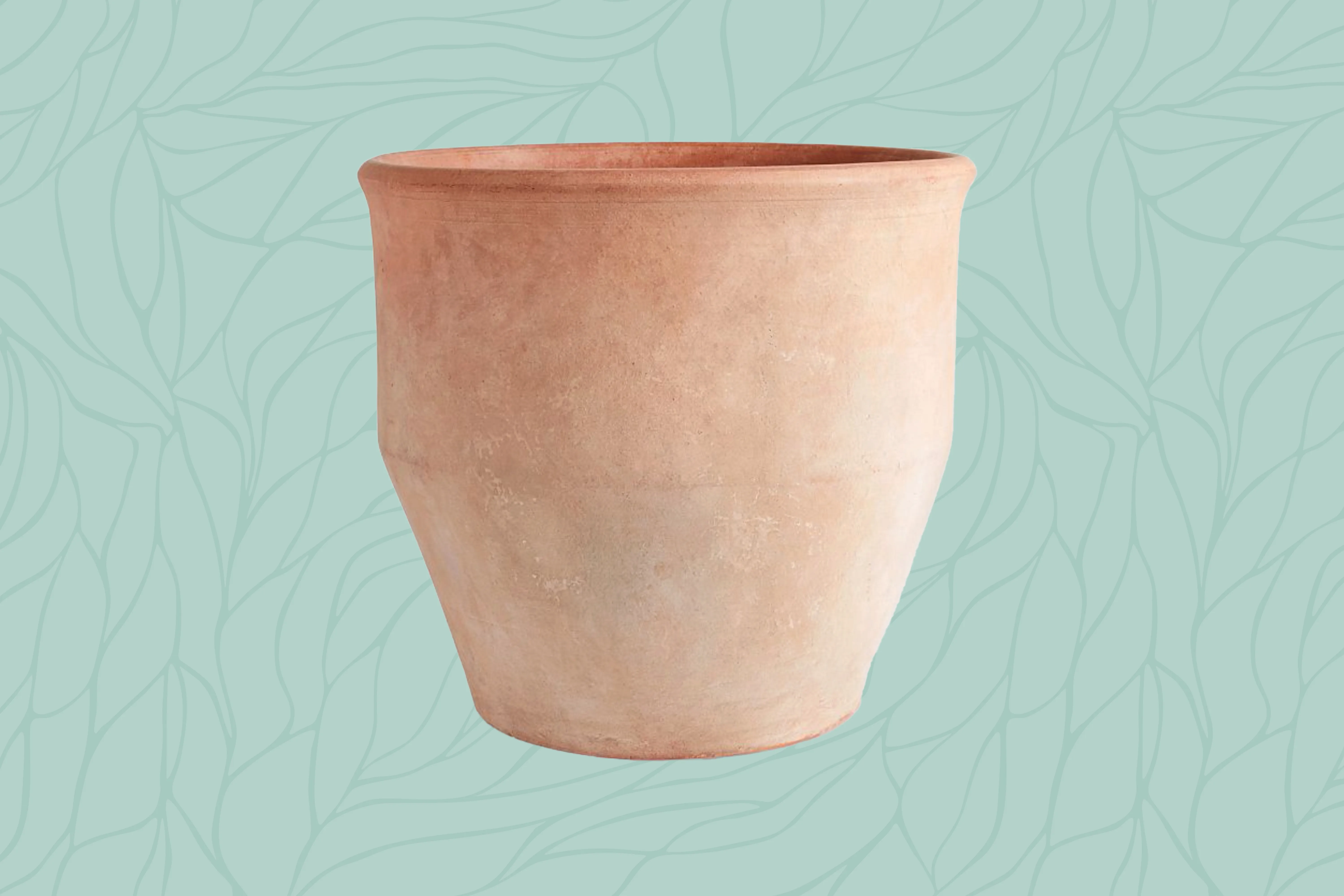
Grow Herbs, Vegetables, Flowers, and More with Our Favorite Outdoor Planters

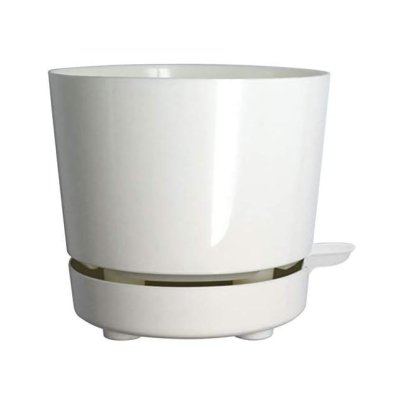
The Best Self-Watering Planters for Low-Maintenance Gardens, Tested

5 Genius Tricks for Slow Watering Your Houseplants, so You Can Go on Holiday Without Worrying About Your Indoor Garden
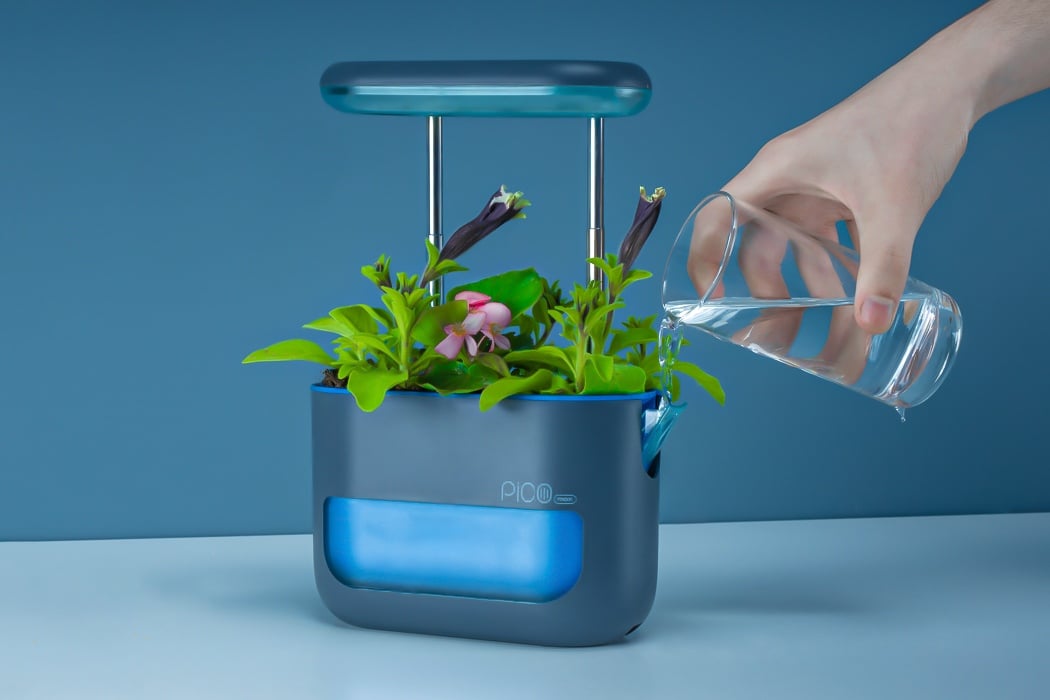
Kickstarter's tiny self-watering herb planter is back with a bigger, better design

5 Aquatic Plants to Brighten Up Your Water Feature

A Self-Watering Pot, Gorgeous Watering Can, and More Great Gifts for Plant Lovers


4 Fuss-Free Container Planting Ideas

Best cascading plants: 5 joyful plants for pots and retaining walls

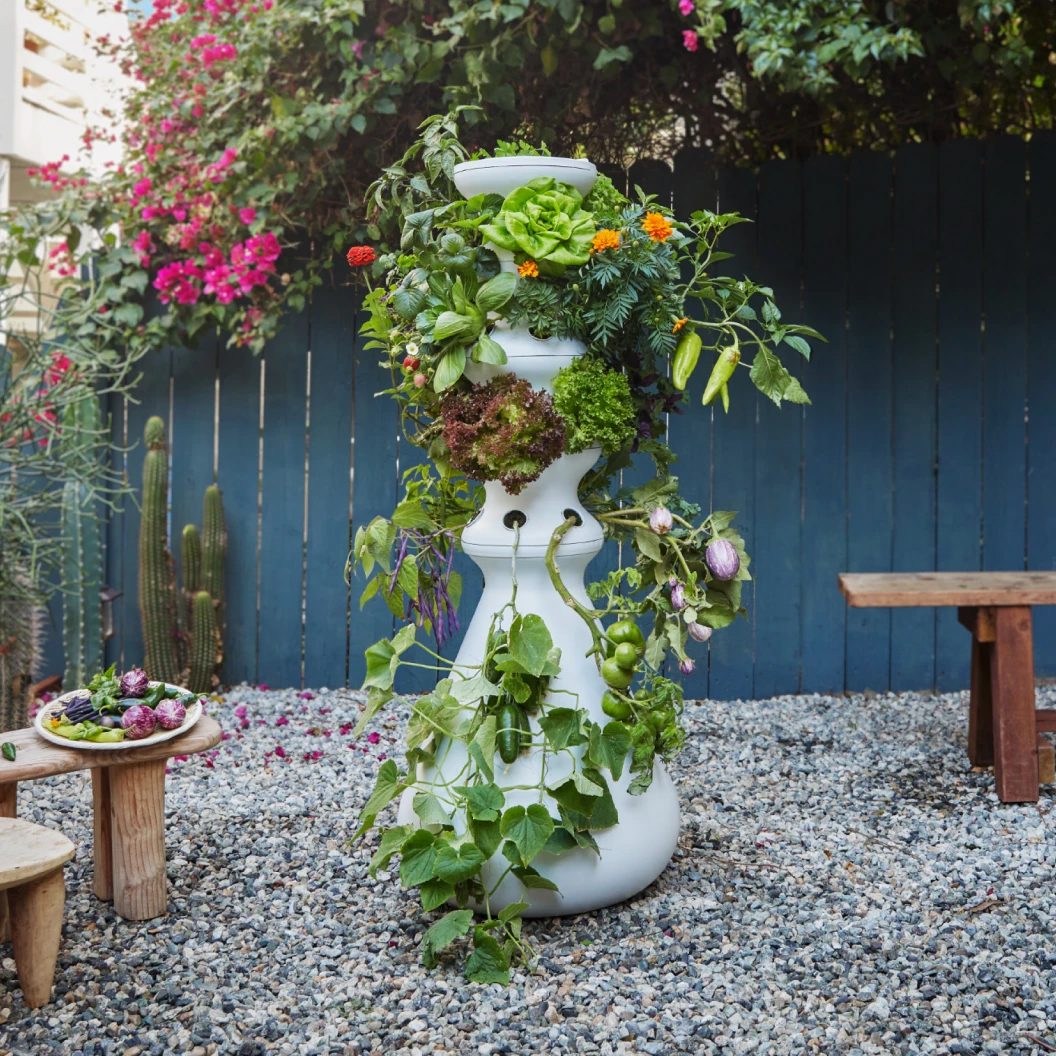
Lettuce Grow Farmstand Review: Is this Hydroponic Plant Stand Worth the Investment?

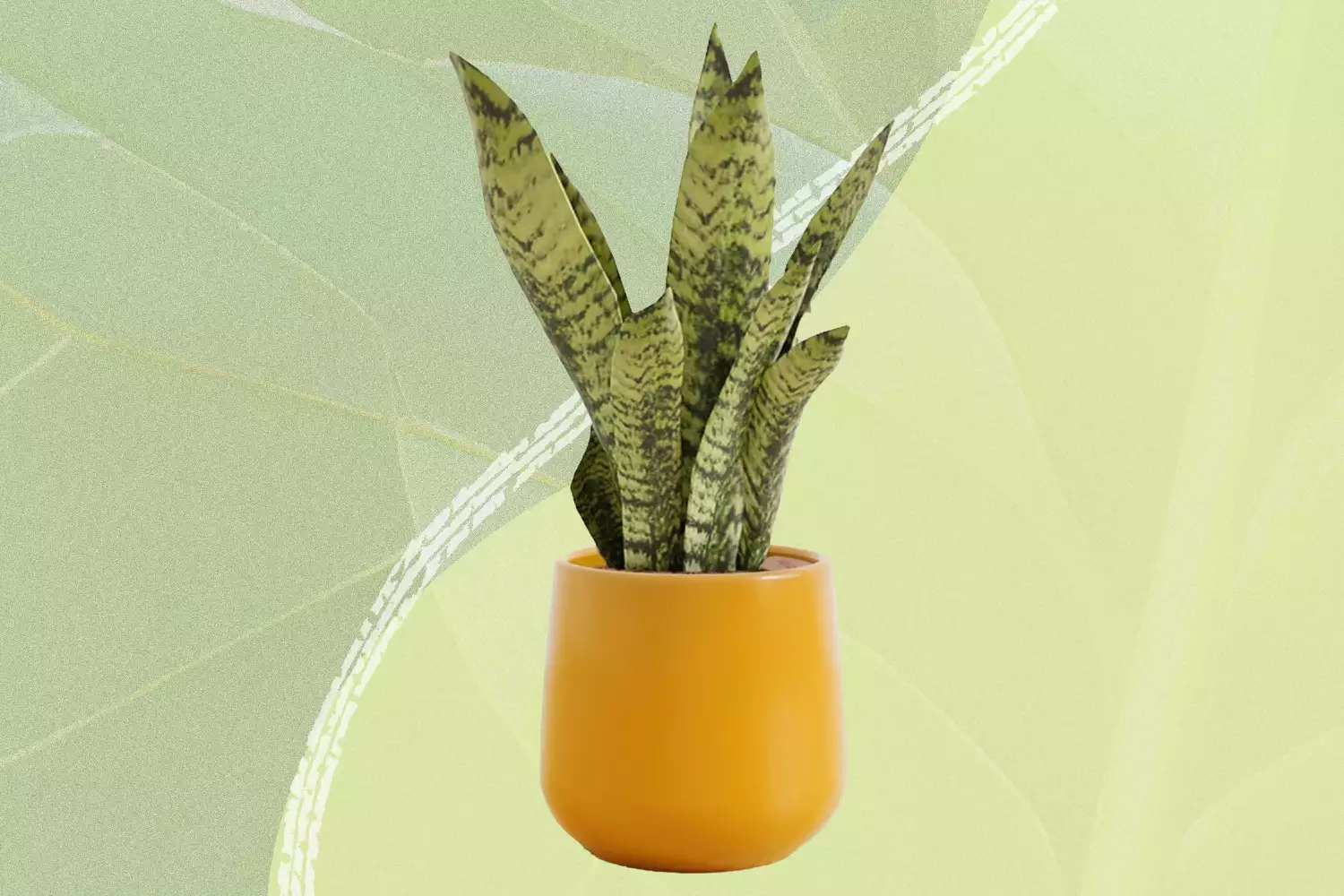
This Miracle Self-Watering Planter Kept My Plant Alive for Over 3 Years Now (Plus 5 More I Love)

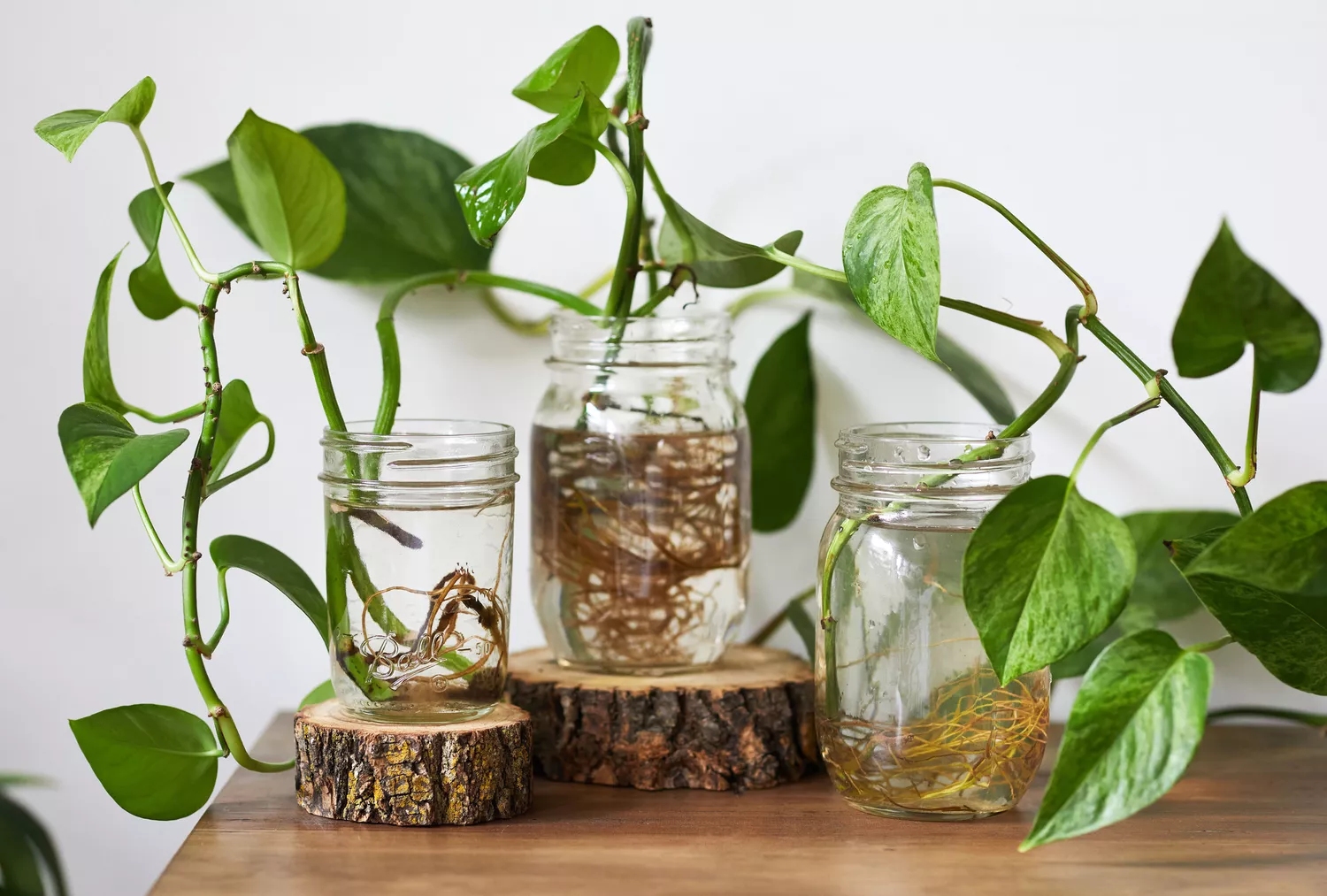
These 33 Houseplants Are Easy to Grow in Water
The Prettiest Pots for All Your Plants
8 books every indoor plant lover should own

What You Need to Know About Watering Houseplants — The Rules for a Healthy Indoor Garden
11 best low-maintenance indoor plants

These Indoor Herb Gardens Will Help You Save Space and Time in the Kitchen

14 Houseplants That Can Grow in Water—No Soil Needed