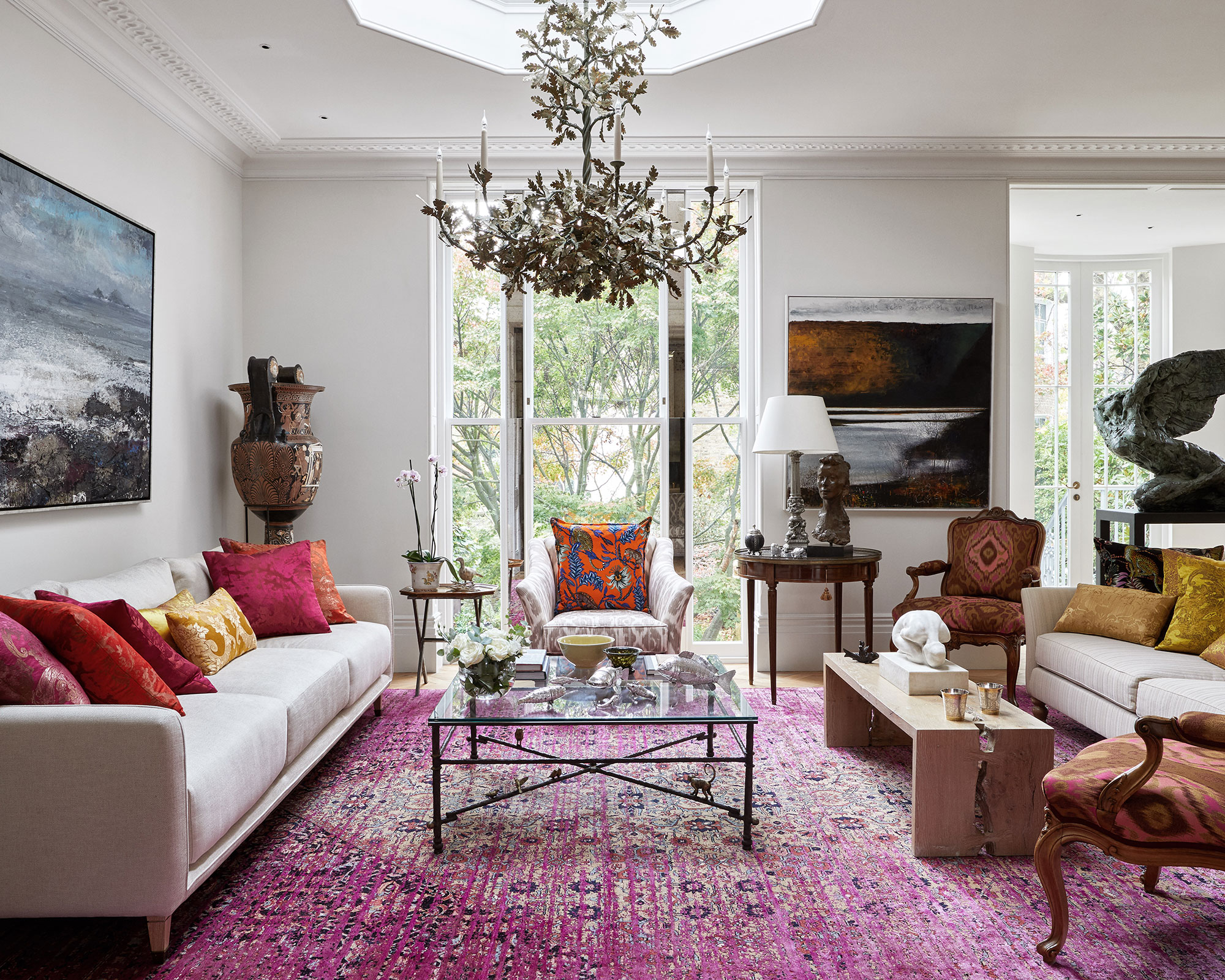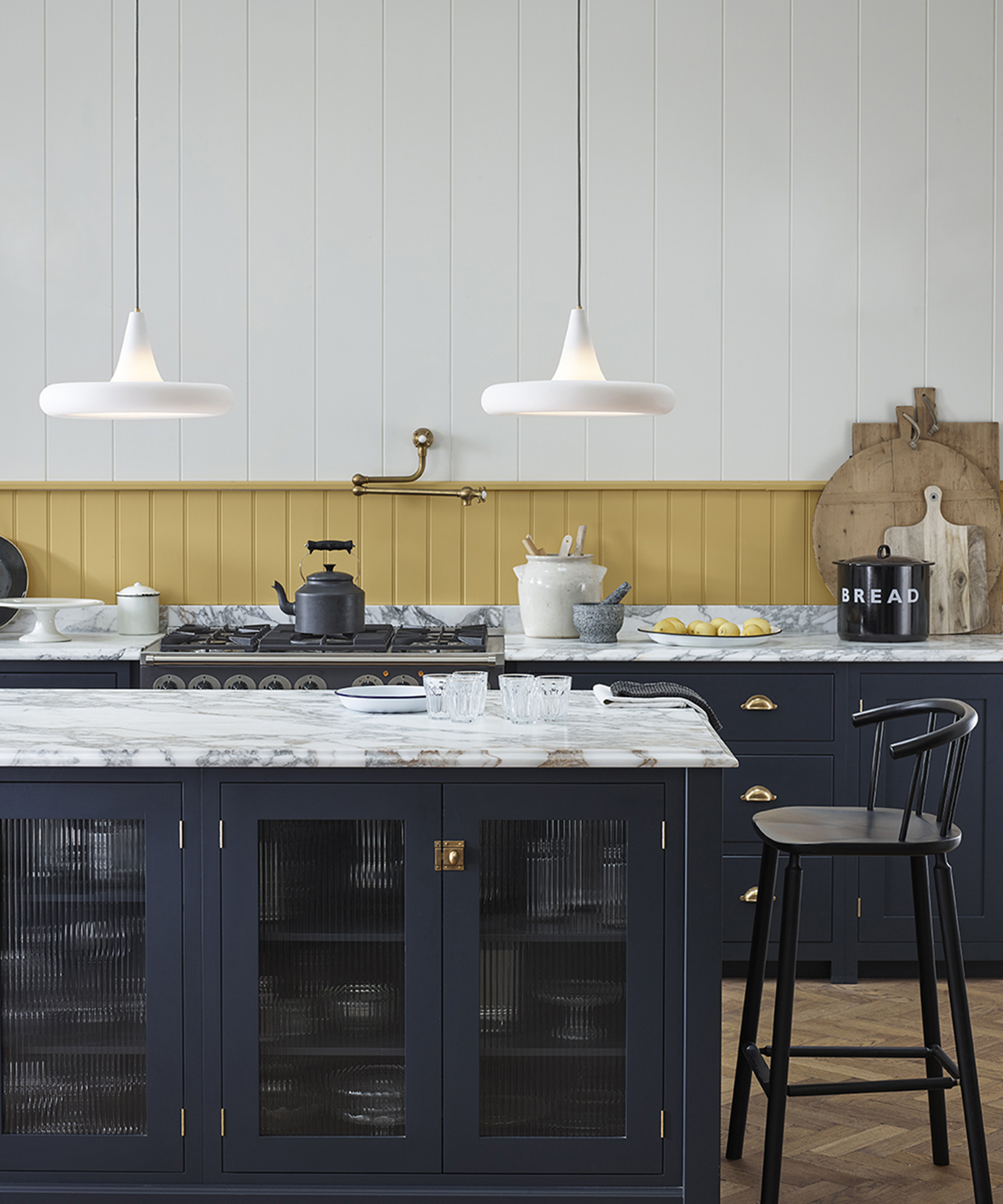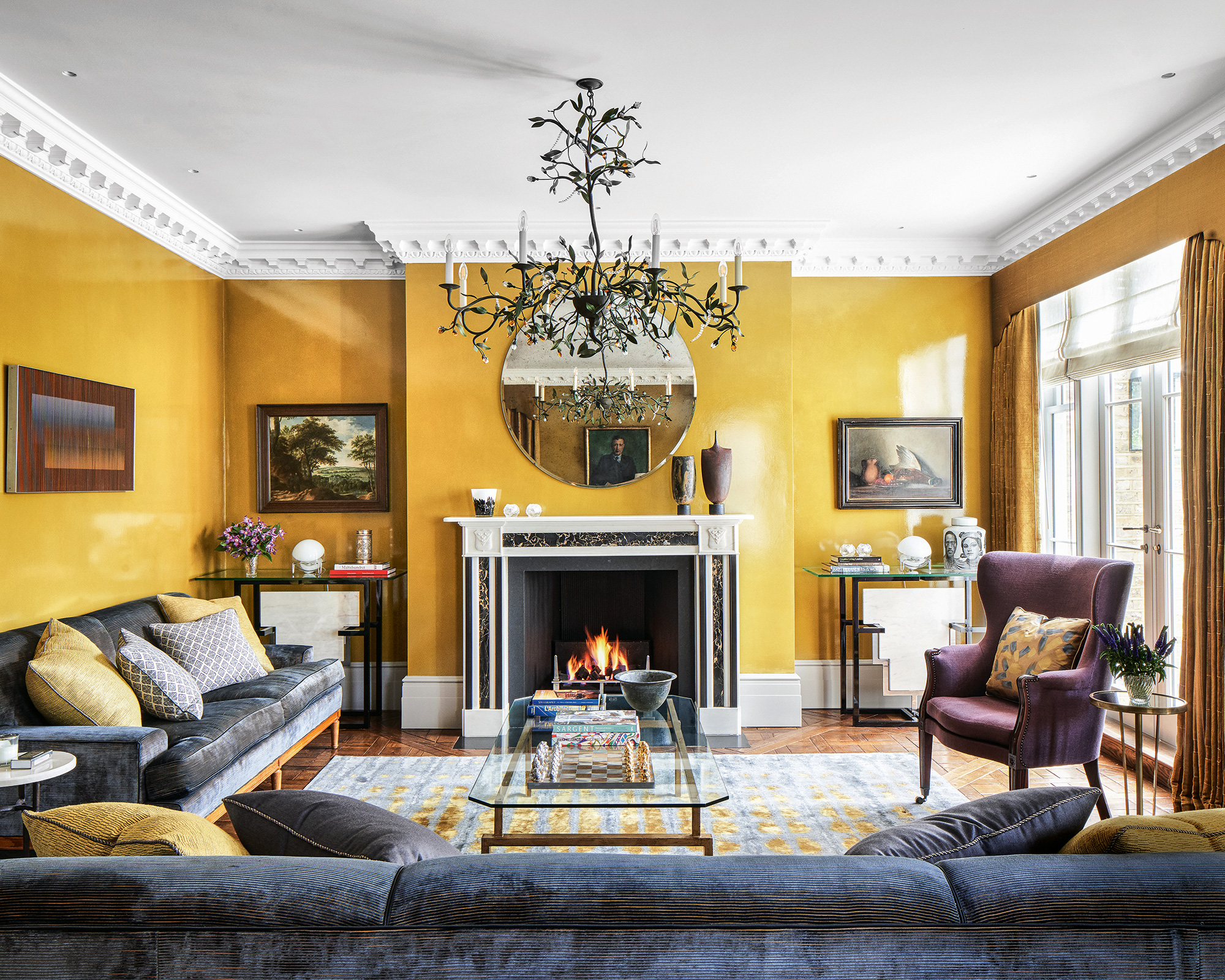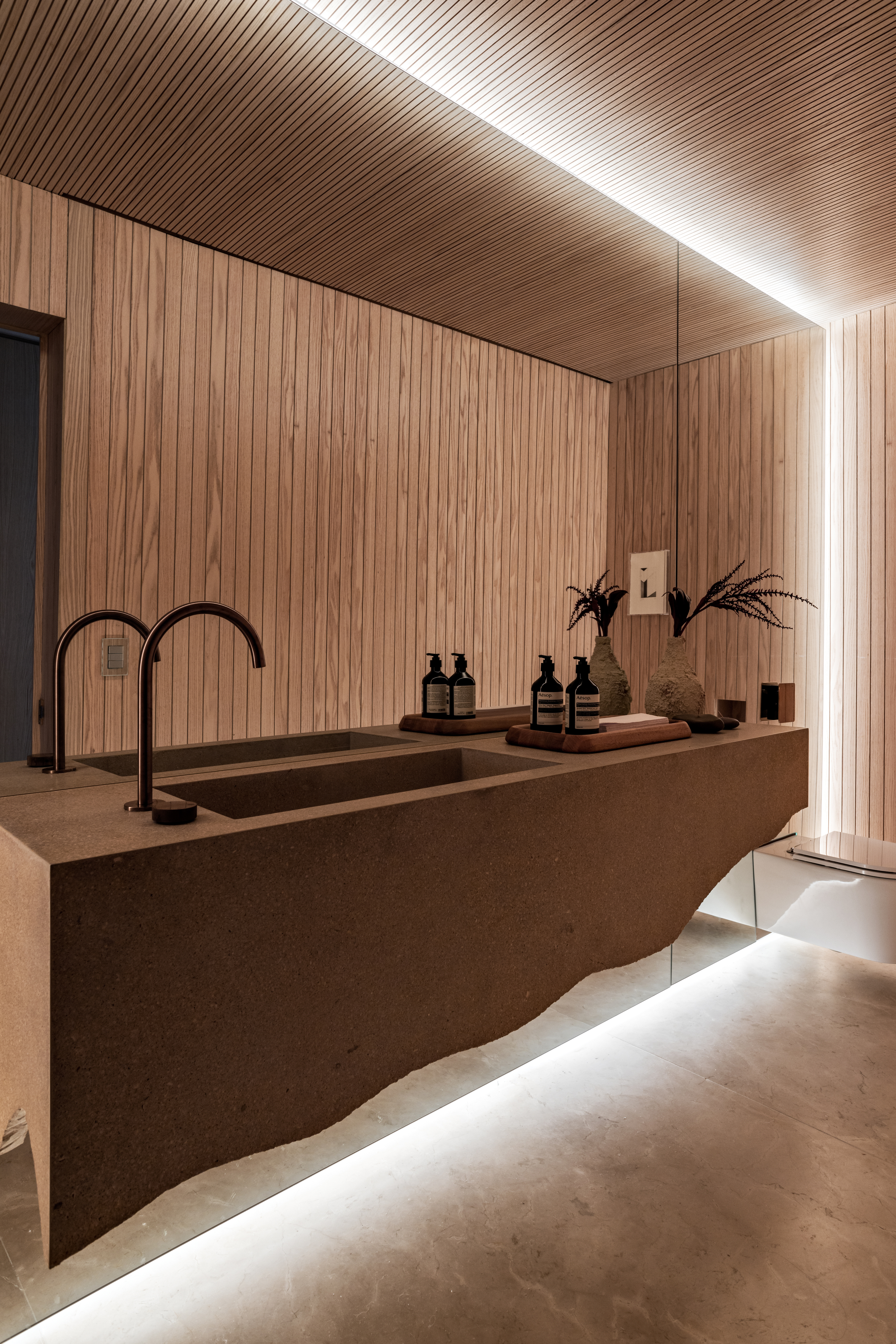
1/4
How do you layout recessed lighting? Top designers answer your questions
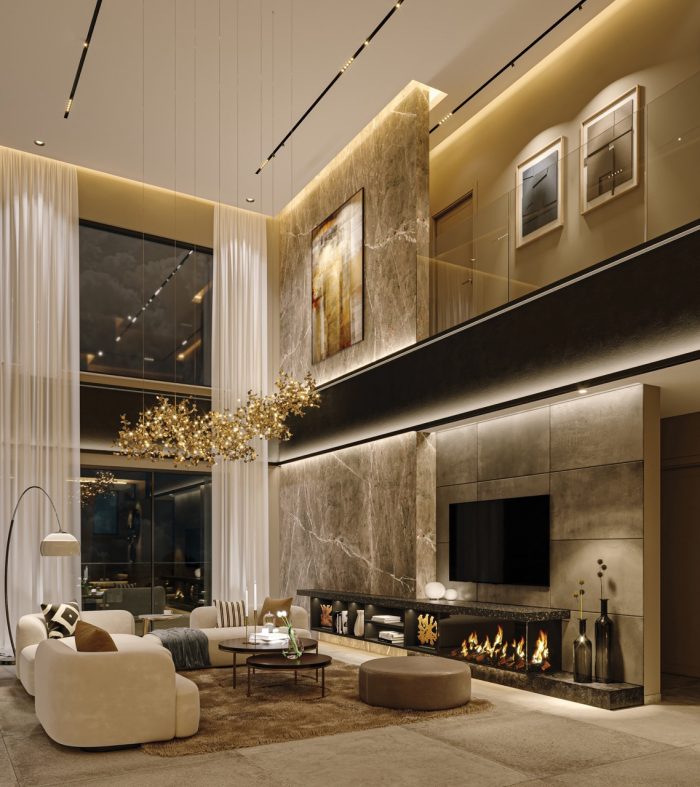
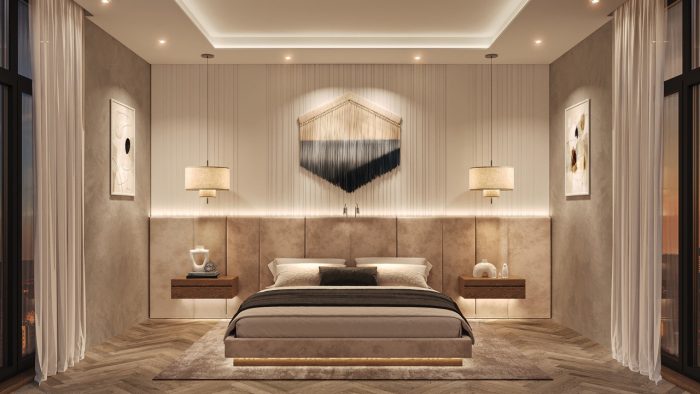
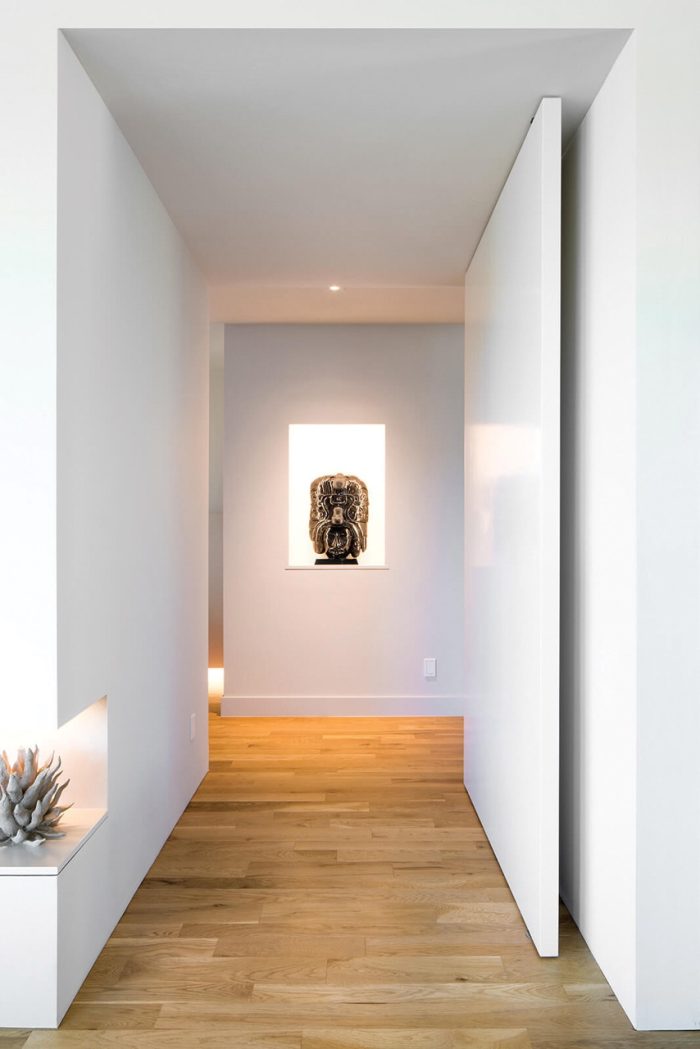
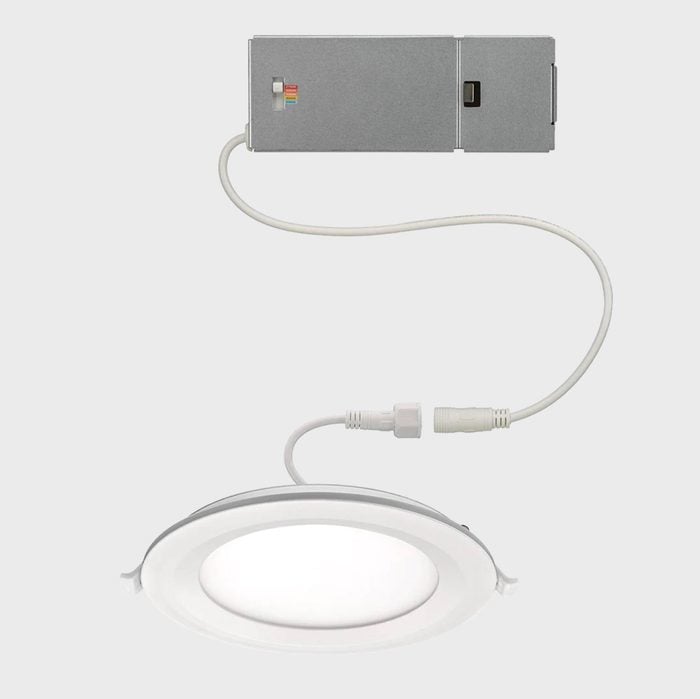
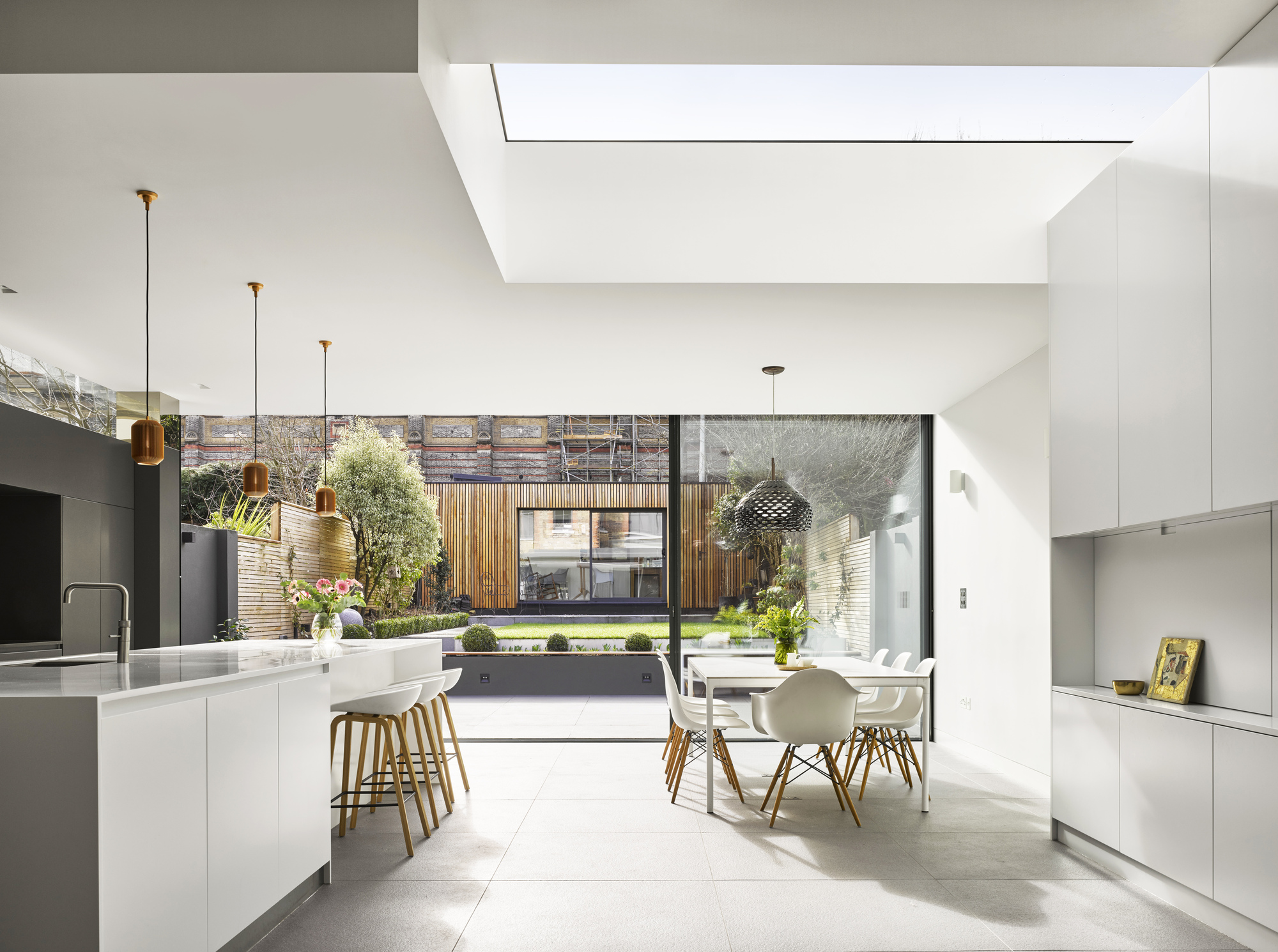
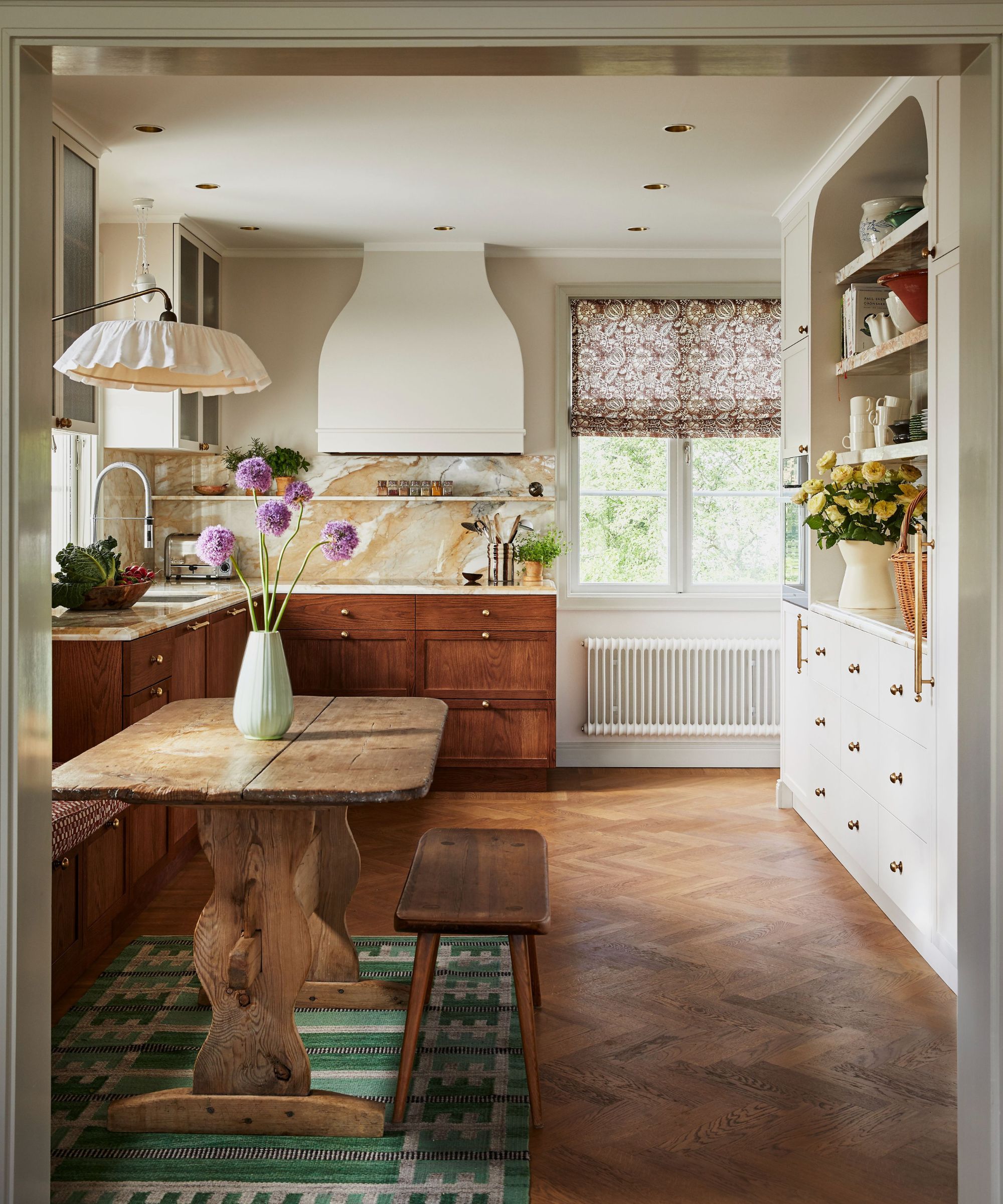
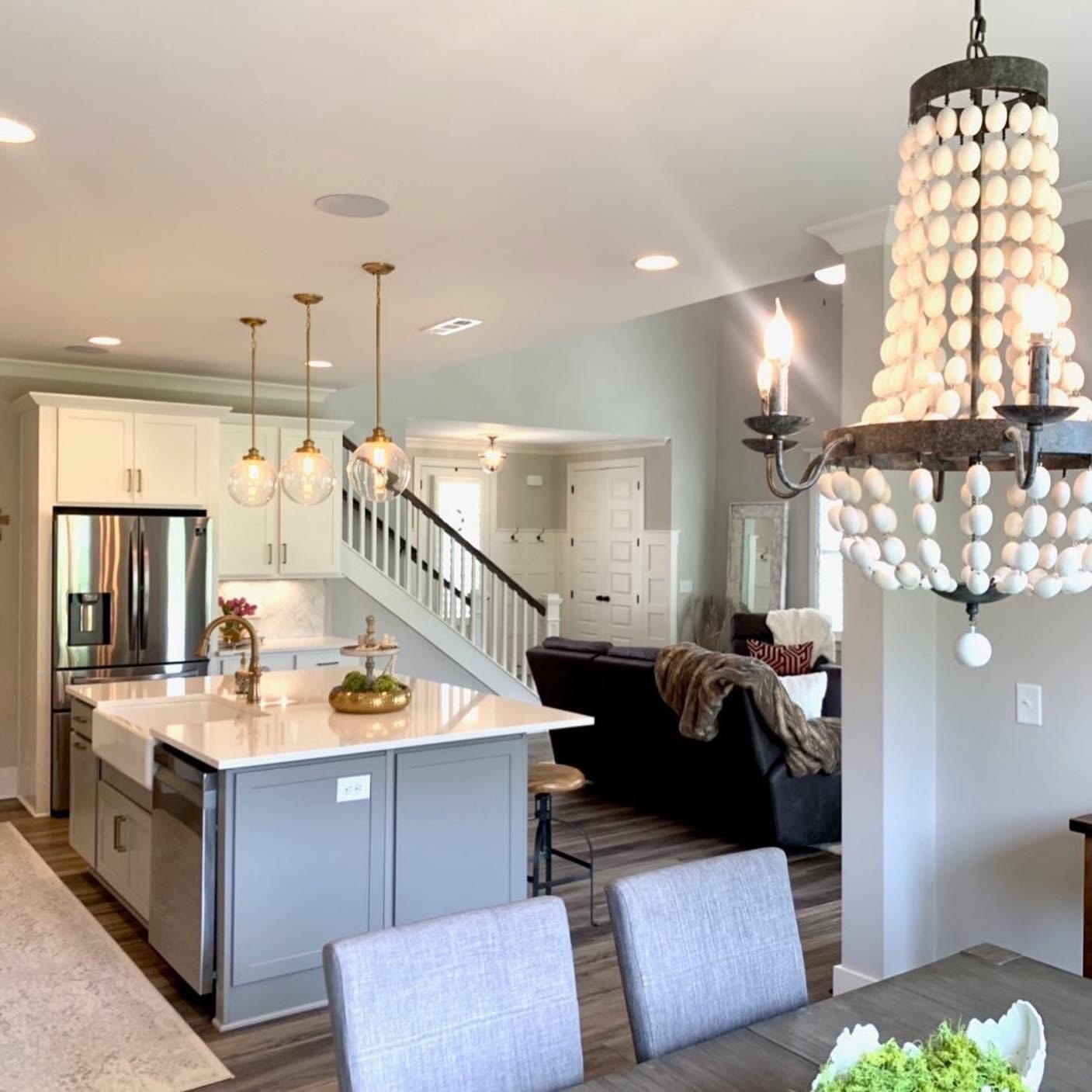
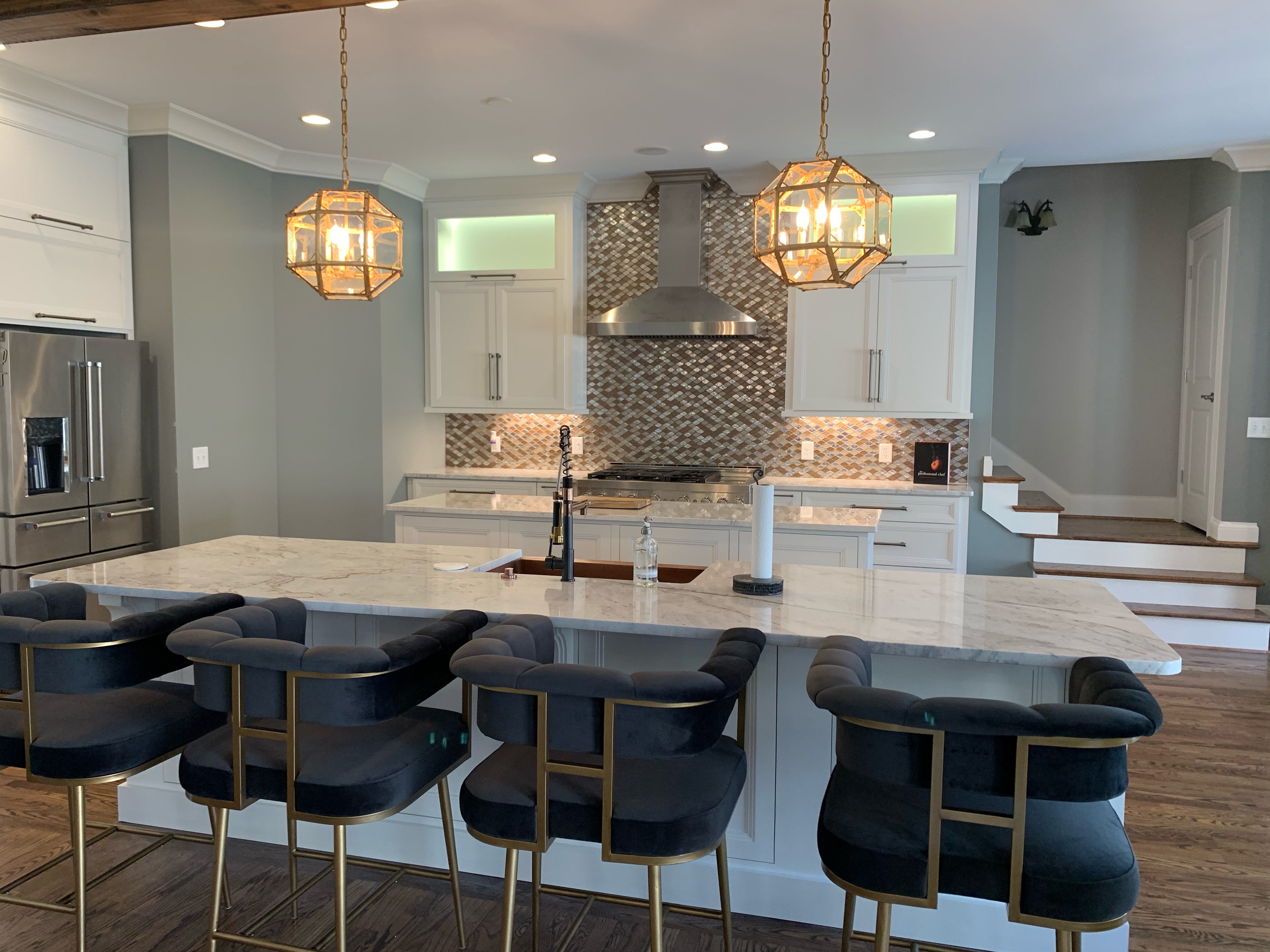
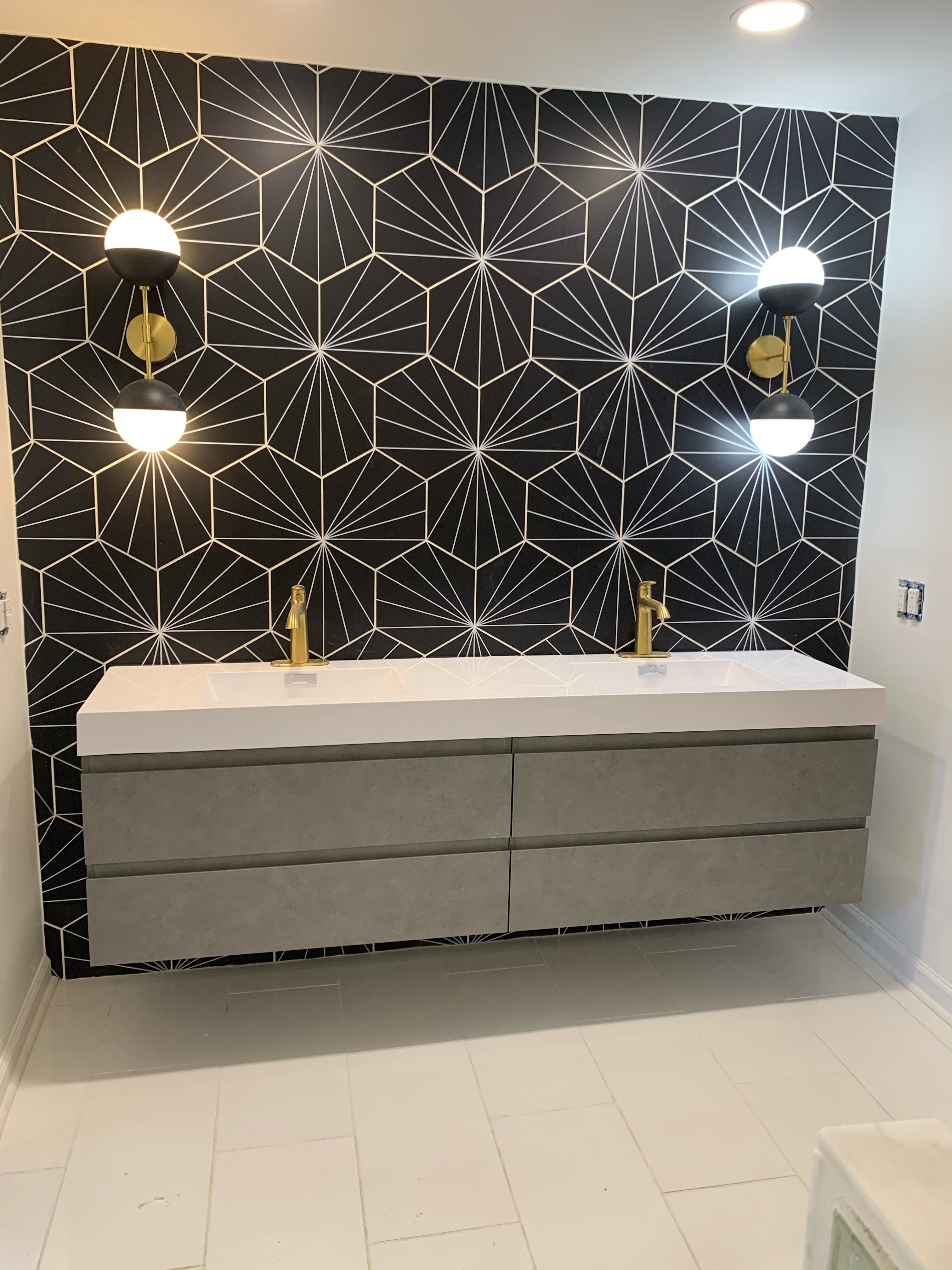
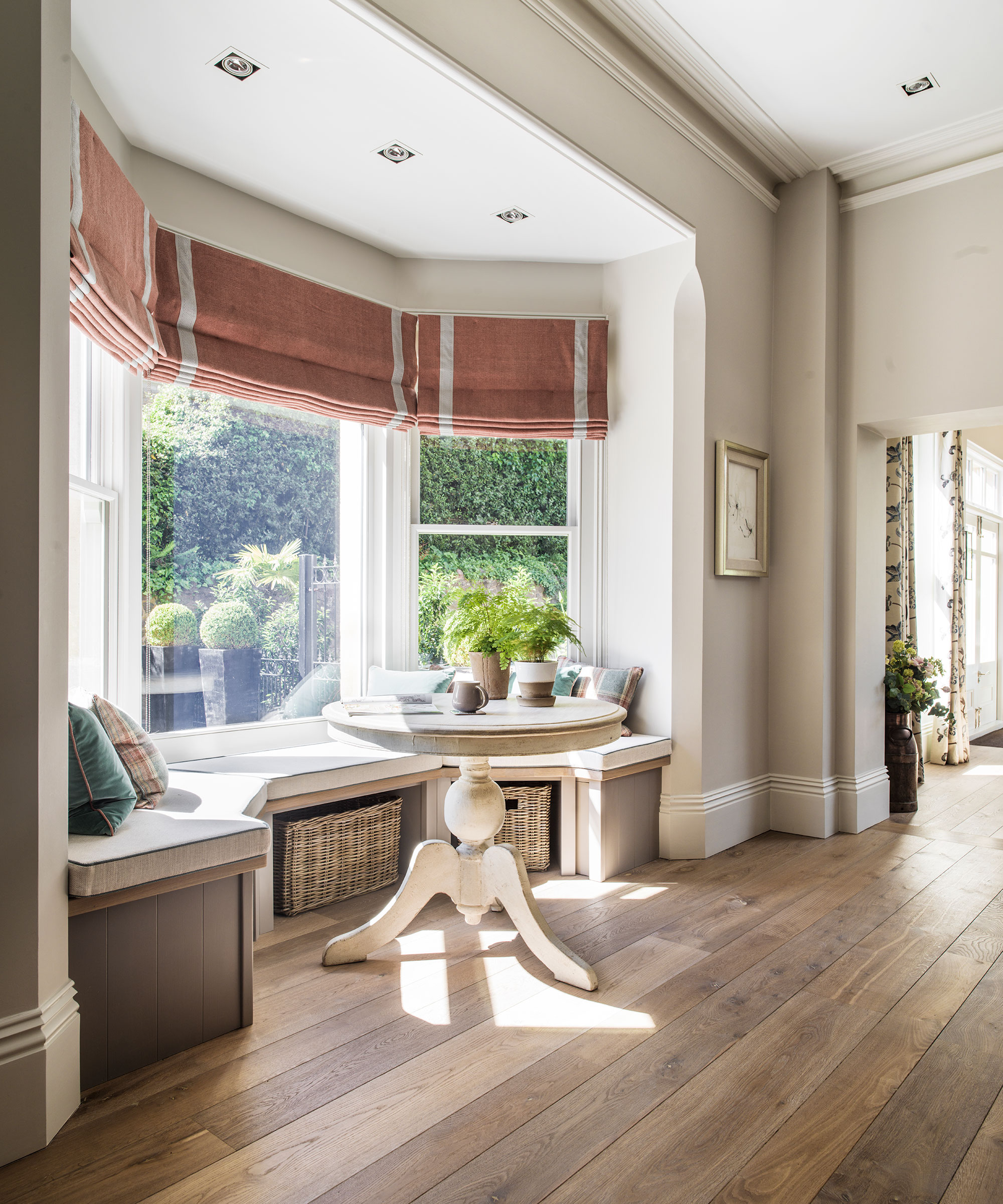
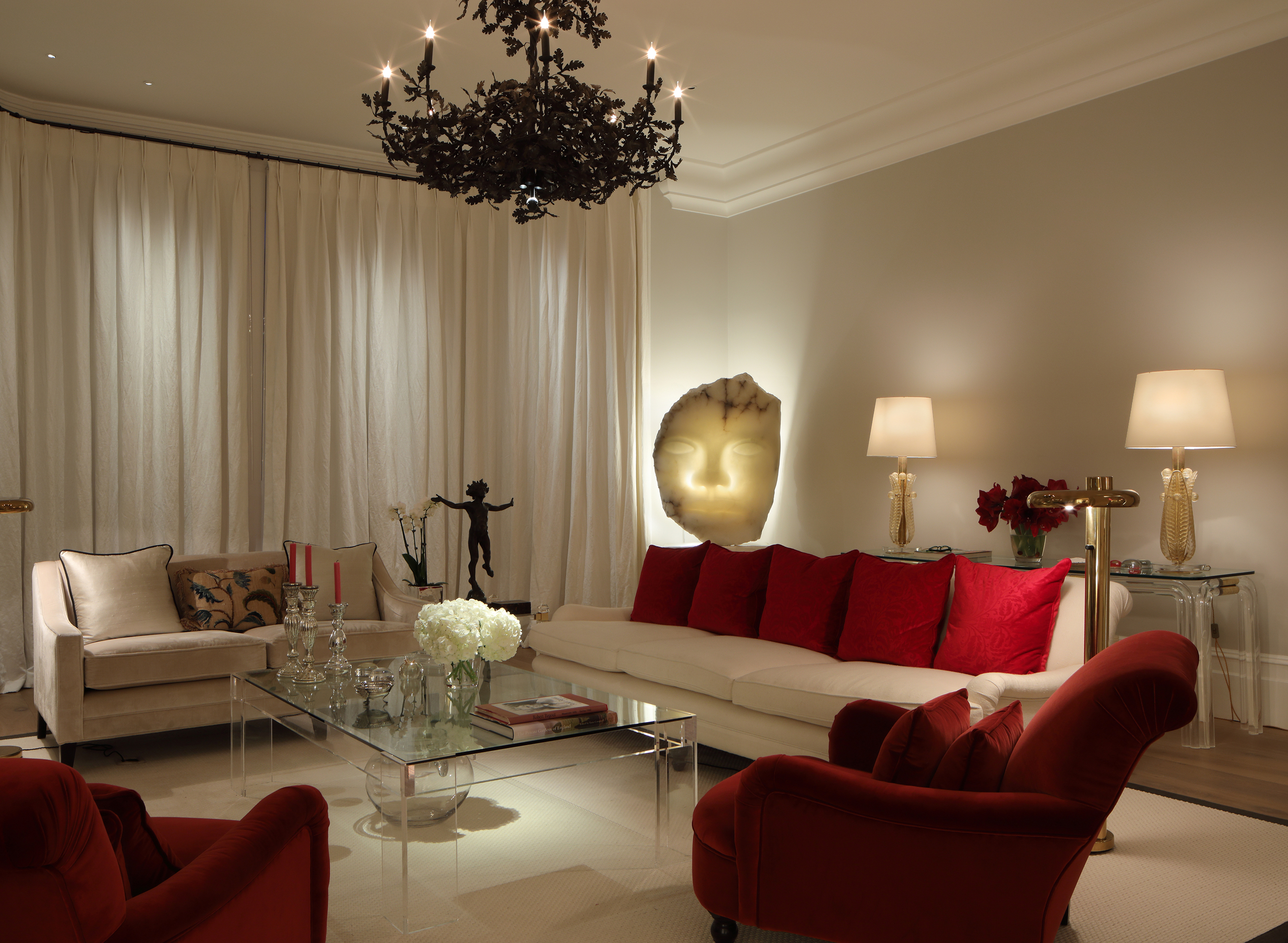
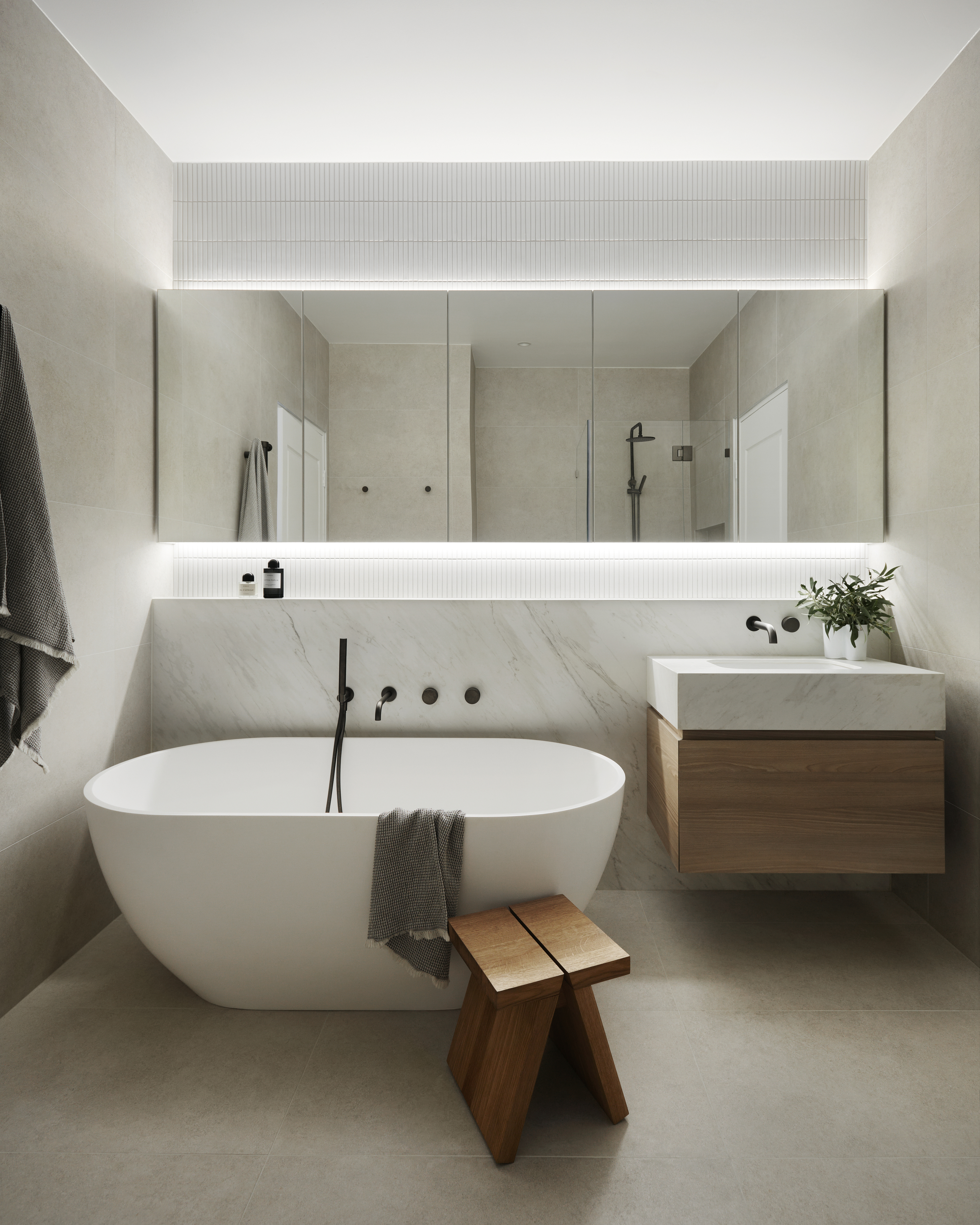
Recessed lighting is presented as a versatile and functional lighting solution suitable for a wide range of home styles, from modern new builds to period properties. This type of lighting, also known as downlighting, is installed into hollow openings in ceilings, providing a clean, uncluttered aesthetic that can enhance the perception of space and increase overall illumination.
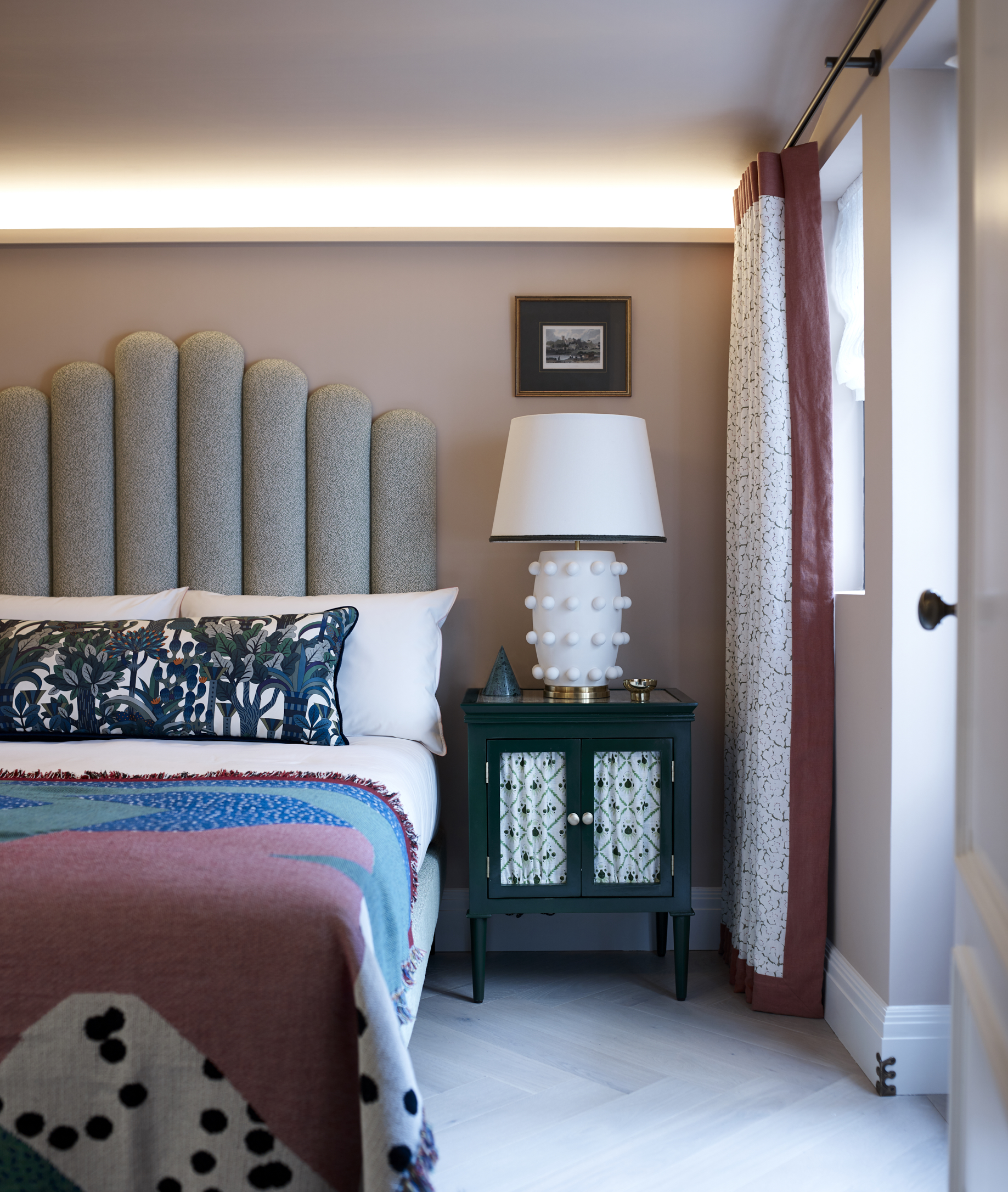
Expert Jade Diamond-Haggert of The Stylesmiths notes that recessed lighting is an excellent choice for rooms with limited space, as it's non-intrusive and contributes to a layered lighting design without detracting from the room's aesthetic. Lauren Sullivan of Well x Design advises caution against overusing recessed lighting, suggesting a balanced approach that incorporates multiple light sources such as chandeliers, table lamps, floor lamps, and wall sconces to avoid a sterile, 'airport landing strip' effect.
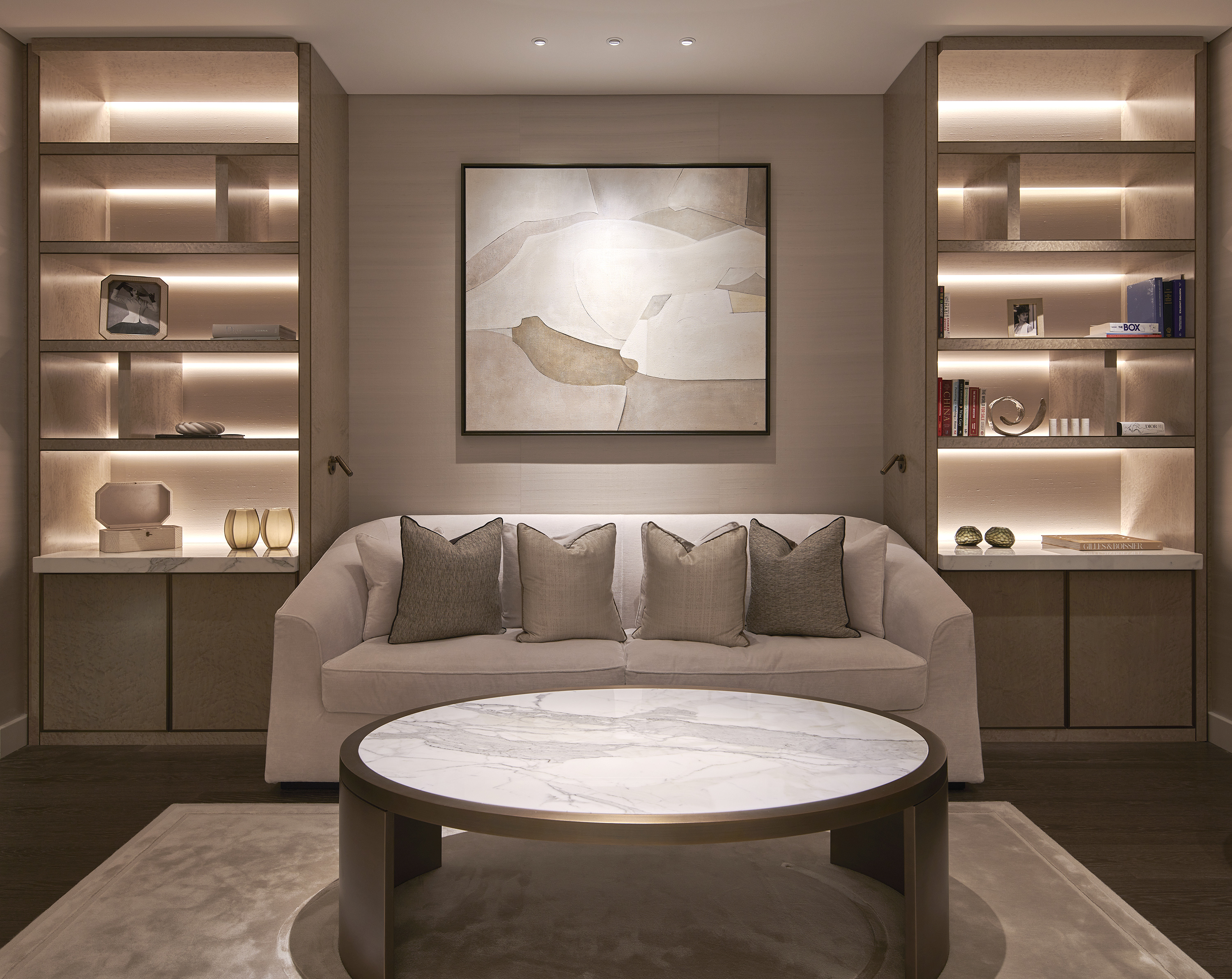
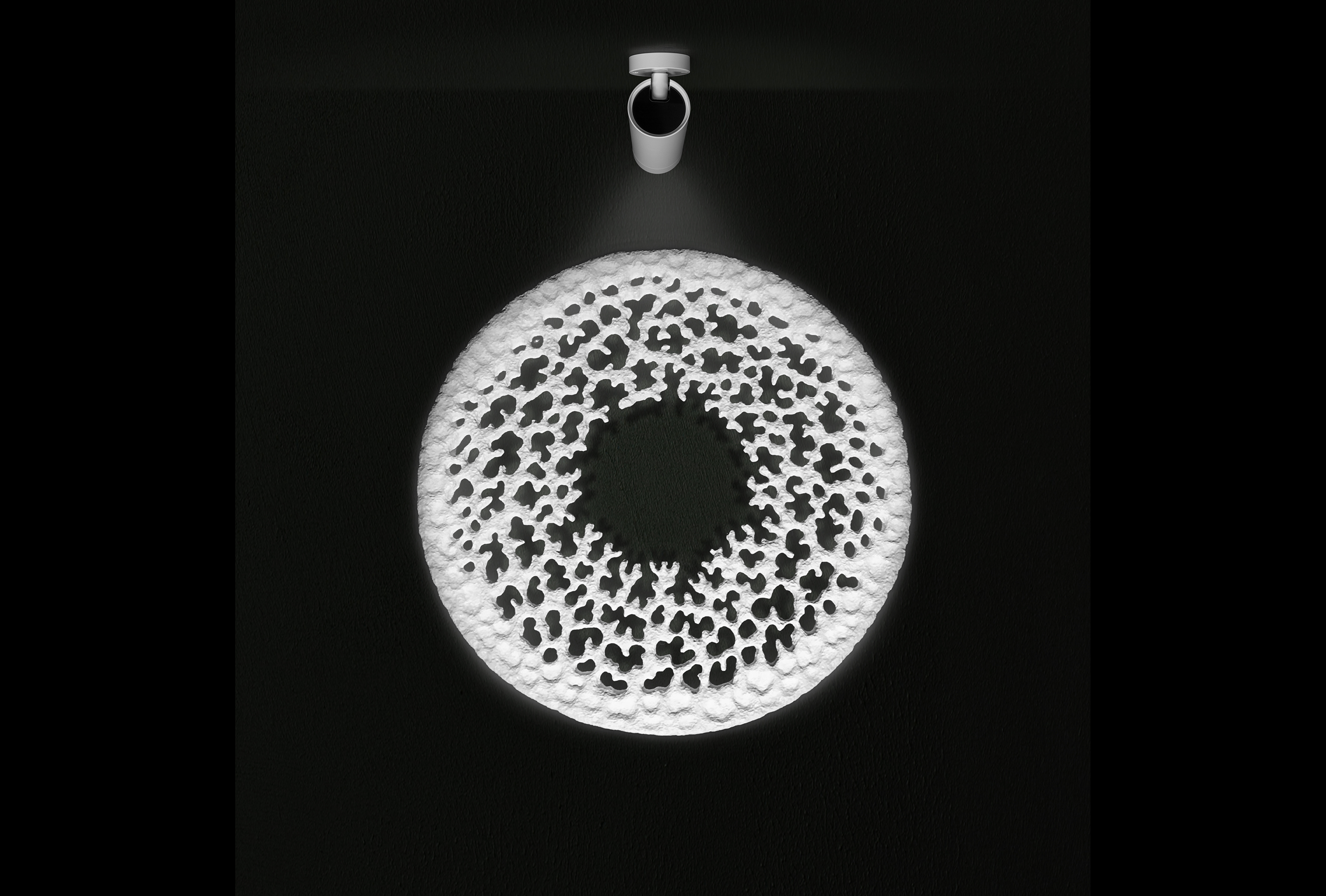
Oonagh Turner, an experienced homes and interiors writer and editor, gathered insights from architects and designers to compile rules of thumb, as well as do's and don'ts for recessed lighting. The article defines recessed lighting as a fixture that directs light downwards, either as a broad floodlight or a narrow spotlight, making it effective for task lighting and creating an evenly bright environment. Alex Terry of Terry and Terry Architecture emphasizes that when properly laid out and adjusted, recessed lighting can create a well-balanced light distribution throughout a space, and can even be used to wash walls for soft reflective lighting or to illuminate artwork.
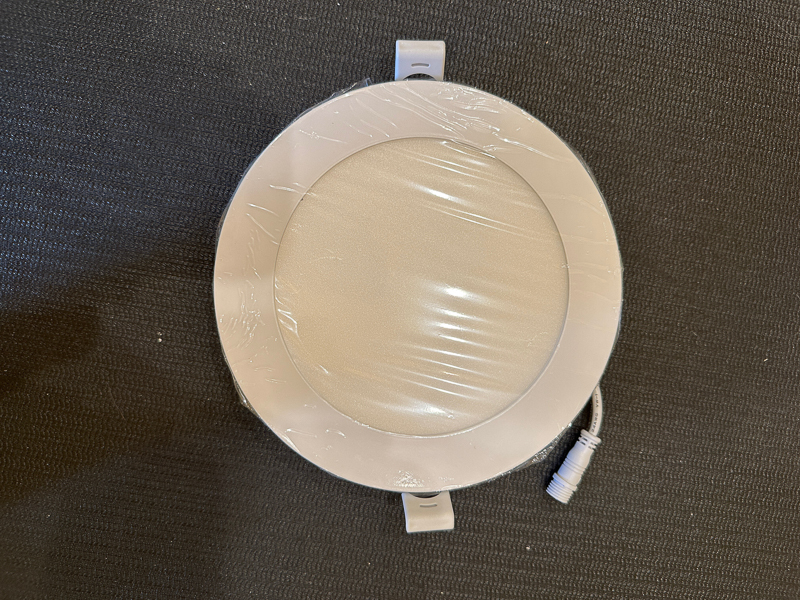
Joe Human of Designs BY Human highlights the aesthetic improvements in recessed lighting, noting the availability of thinner profiles that require less ceiling drop, making it ideal for overall room illumination and achieving a more even light distribution when spaced correctly.
The standard sizes for recessed lighting are typically 6 inches in diameter, with 4 and 5-inch options also readily available. The choice of size should align with the room's scale; for instance, a 6-inch fixture is suitable for large, open-plan kitchens, while a 4-inch light is more appropriate for smaller spaces like bathrooms or dressing rooms.
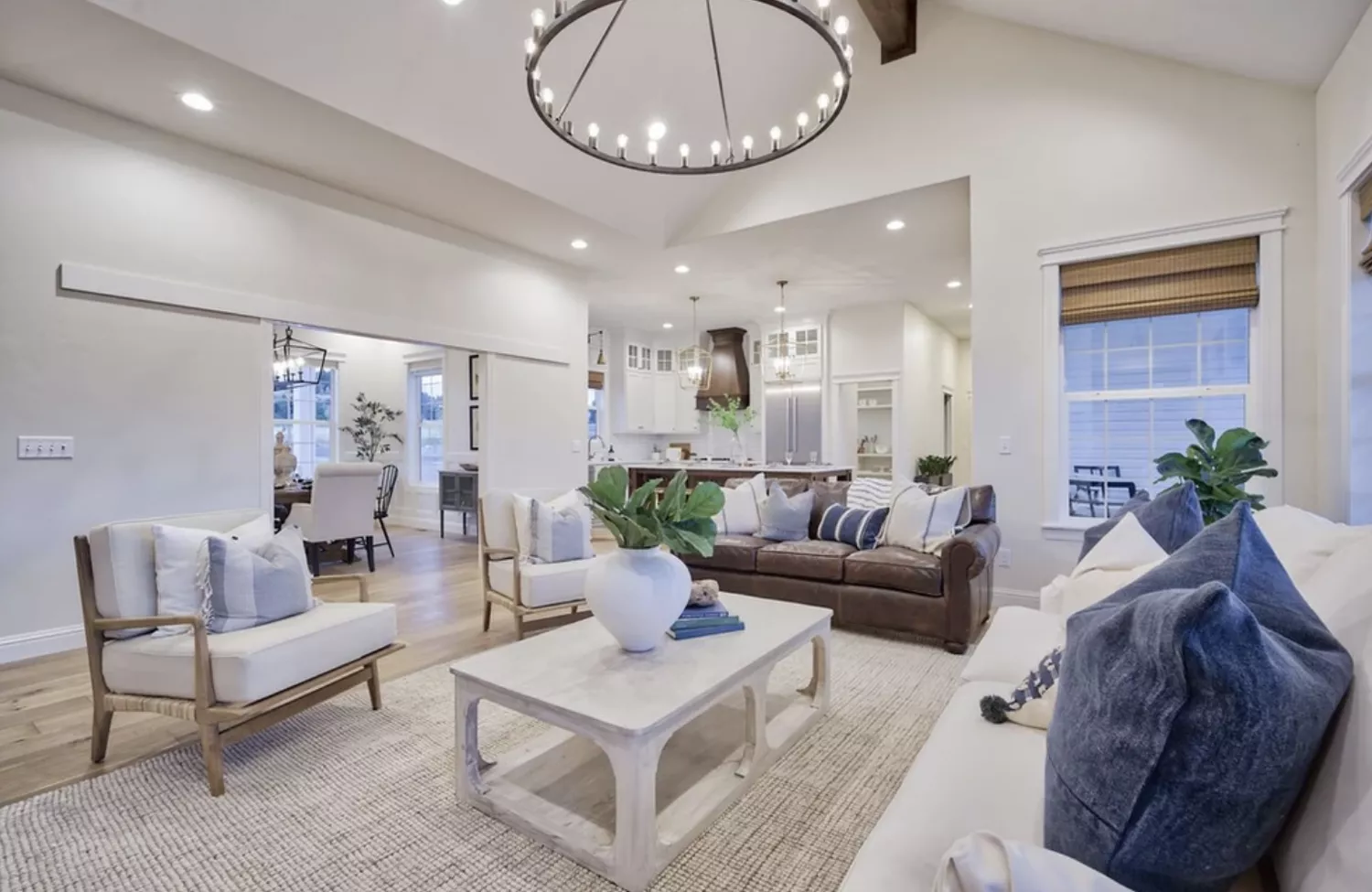
When planning the layout, the primary consideration is the room's function and how the space is used. Designers advise identifying areas that require the most light, whether for task-oriented activities like kitchen prep, accentuating a coffee table, or establishing foundational lighting in an open-plan area. Libby Rawers of Sharp + Grey Interiors suggests spacing lights evenly so that their beams overlap, while also advising against rigid rows to maintain a natural, patterned look.
Strategic placement is crucial to avoid shadows and glare. For example, recessed lights should be placed 12-18 inches from cabinets to prevent dark spots. A general rule for spacing is to divide the ceiling height by two; thus, for an 8-foot ceiling, lights should be approximately 4 feet apart. Similarly, a 4-inch fixture should be placed about 4 feet apart, and a 6-inch fixture about 6 feet apart. Recessed lighting is not limited to ceilings; it can also be used for under-cabinet lighting in kitchens to provide focused task illumination.
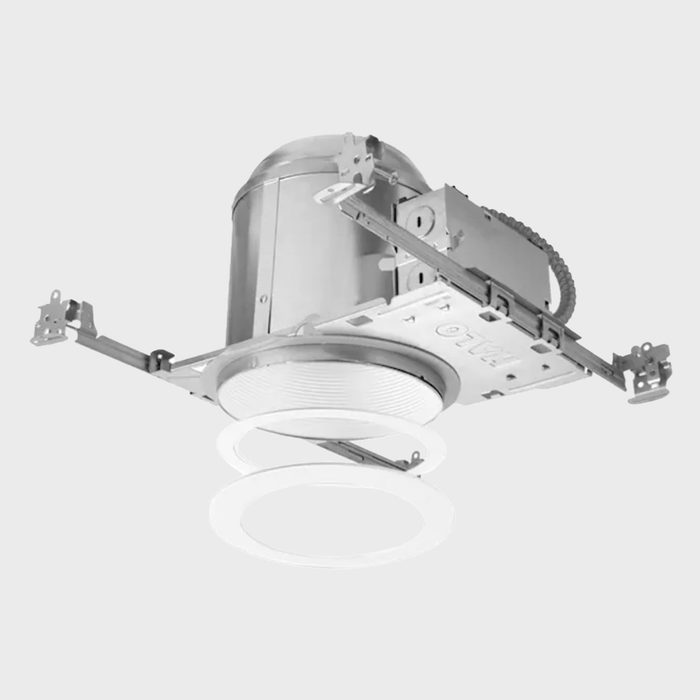
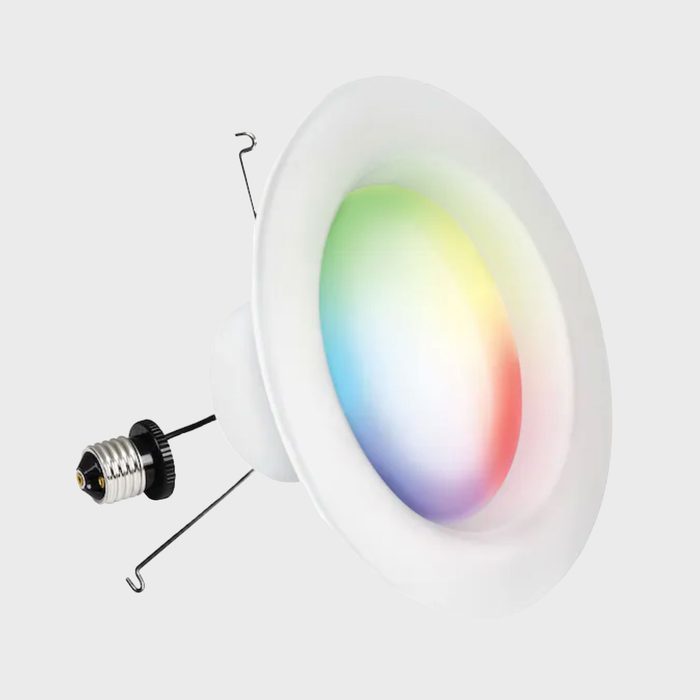
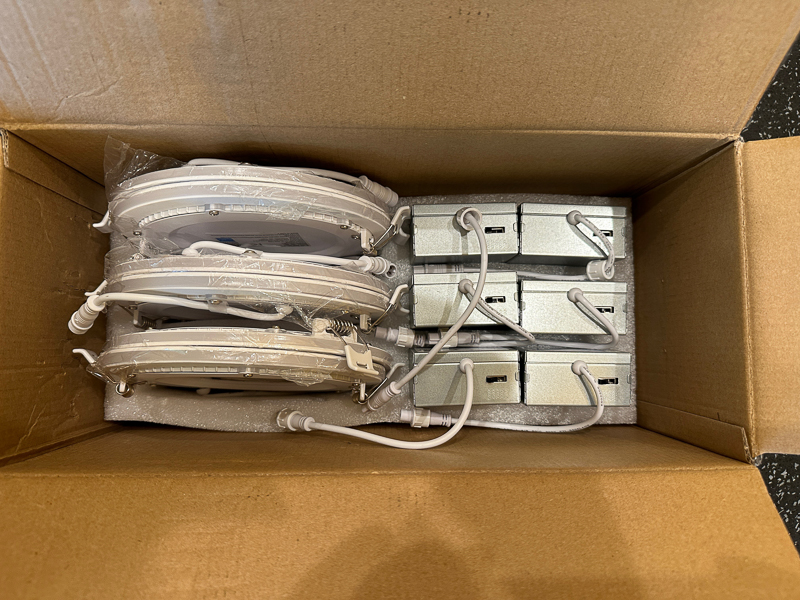
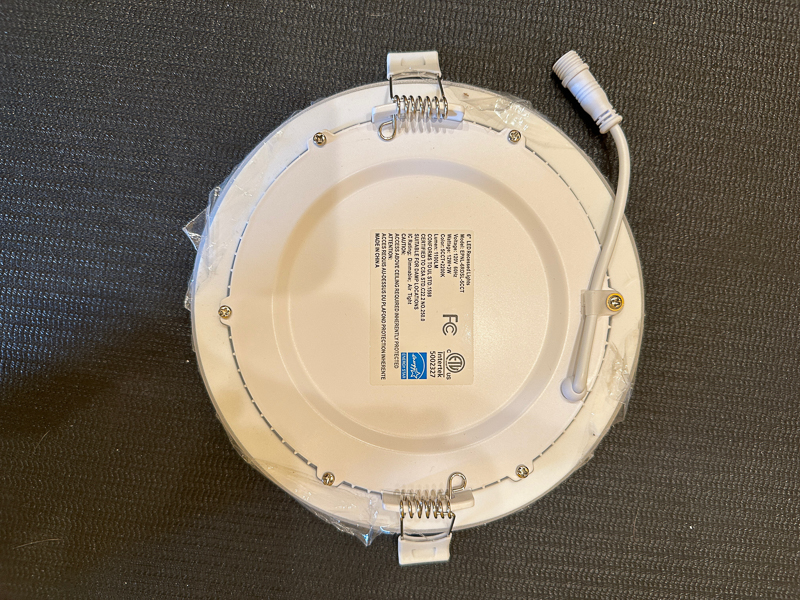
Installation of recessed lighting is generally straightforward, involving an IC metal housing box installed during rough electrical work, with the trim kit added during finishing. The article also touches upon bulb types, including incandescent, fluorescent, halogen, and LED options, with LED bulbs being highlighted for their energy efficiency. Various bulb shapes such as R, BR, PAR, and MR bulbs offer different reflective and light distribution properties.
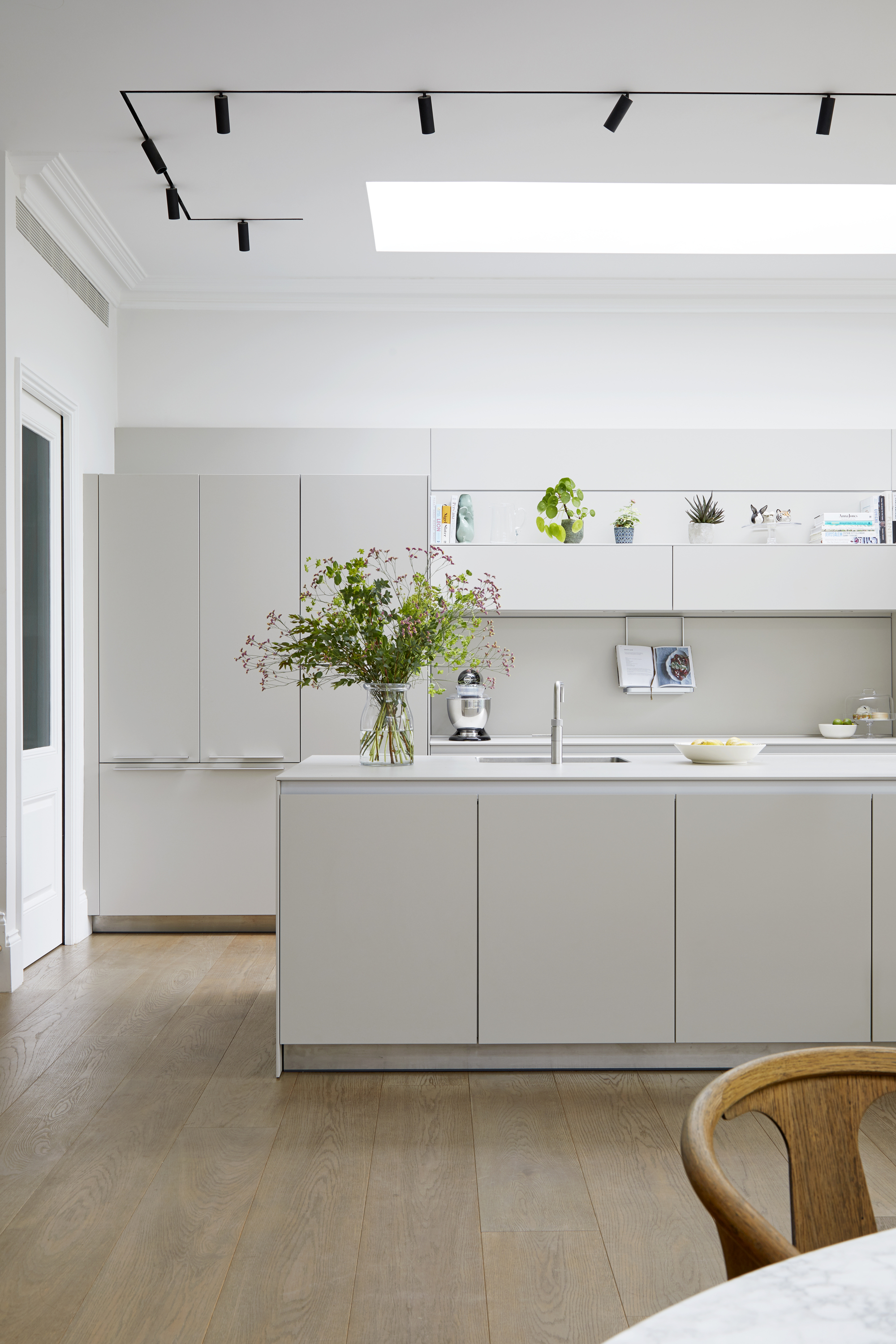
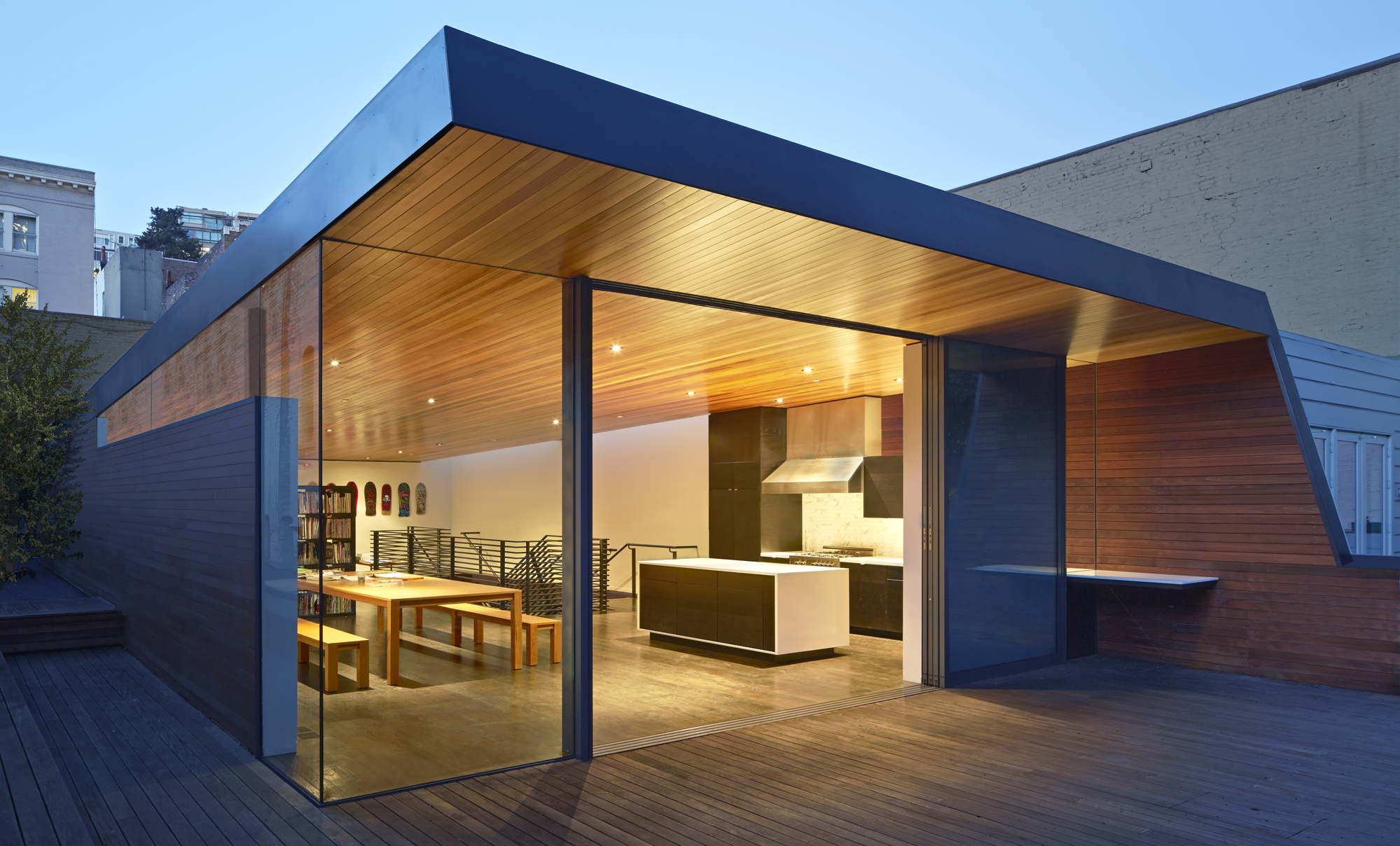
Flush-mounted recessed lighting, which sits directly on the ceiling surface, is noted for its seamless appearance, particularly useful in projects where maximizing perceived ceiling height and minimizing visual clutter are priorities. The Stylesmiths, for example, used flush-mounted lights in a project to functionalize a tight floorplan without overcrowding it.
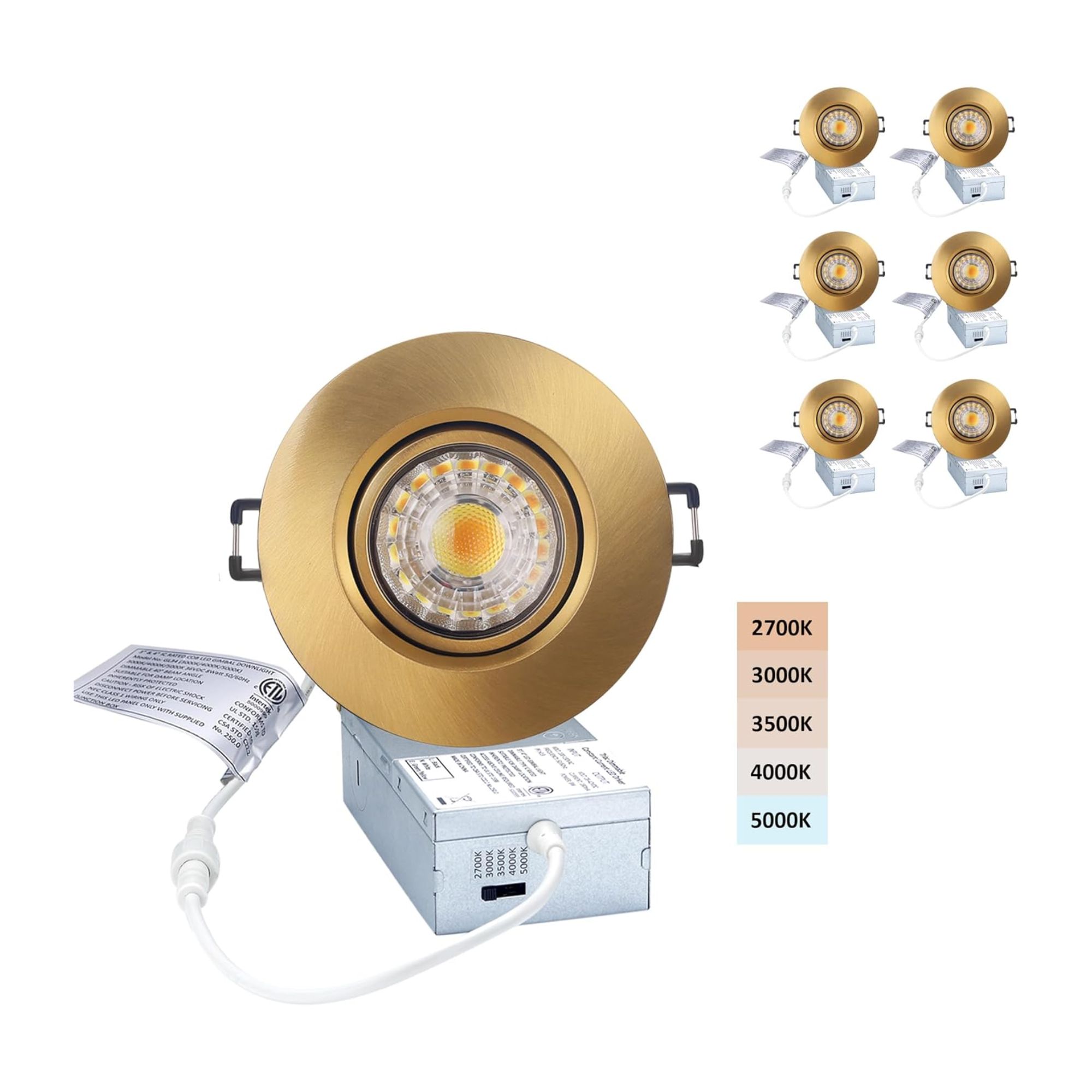
Color temperature is another important aspect, influencing the ambiance of a room. Warmer temperatures (2700K-3000K) are often preferred for living rooms, while cooler, whiter lights (around 4000K) are better suited for functional spaces like kitchens and offices where focus is required. Sabina Dontcheff of Kokema Design recommends warmer LED recessed lights and the use of dimmers for adjustable light volume.
Finally, the article provides guidance on when to avoid recessed lighting. It suggests reconsidering if the only layout option involves placing lights too closely in rows, which can create an overwhelming effect. Recessed lighting is also not recommended for concrete ceilings or those with ornate heritage details like crown roses and cornicing, as it might clash with the existing architectural elements. Understanding a home's specific wiring and structural characteristics is important before committing to installation.
#RecessedLighting #HomeLighting #InteriorDesign #LightingLayout #HomeRenovation #DesignTips #BulbTypes #ColorTemperature #CeilingLighting #RecessedLighting #HomeLighting #InteriorDesign #LightingLayout #HomeRenovation #DesignTips #BulbTypes #ColorTemperature #CeilingLighting
0 comment in total
 No comments yet
You may also like
A Recessed Downlighting Guide for Every Budget

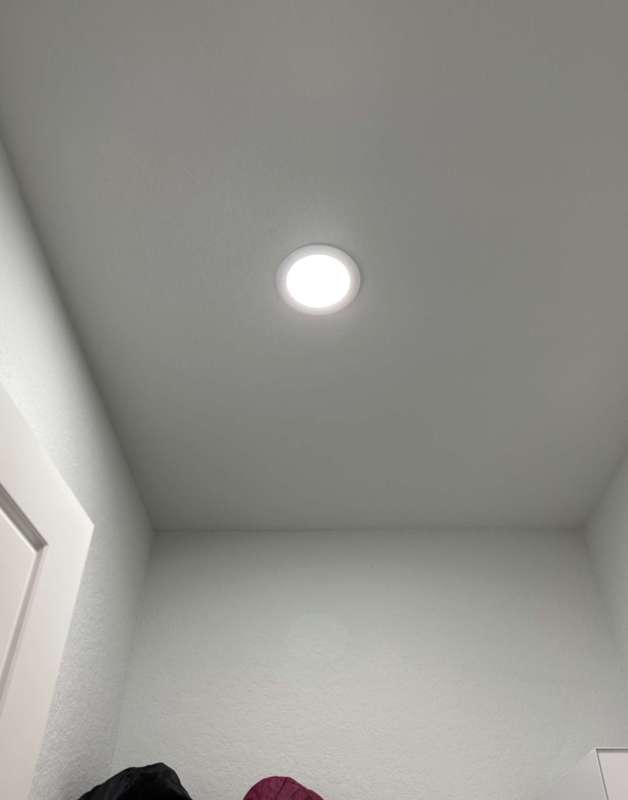
Rollin Light Canless LED Recessed Lighting review – Yes, you can install these yourself!

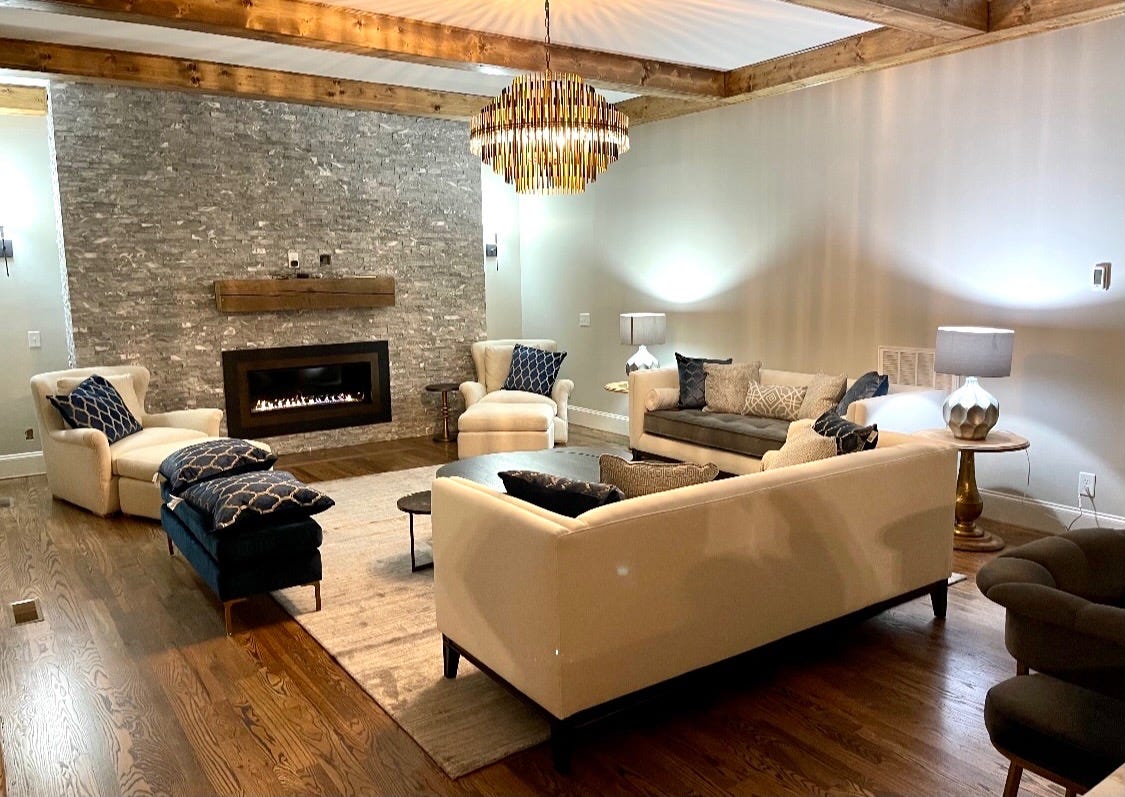
Proper lighting can add drama and coziness to any space

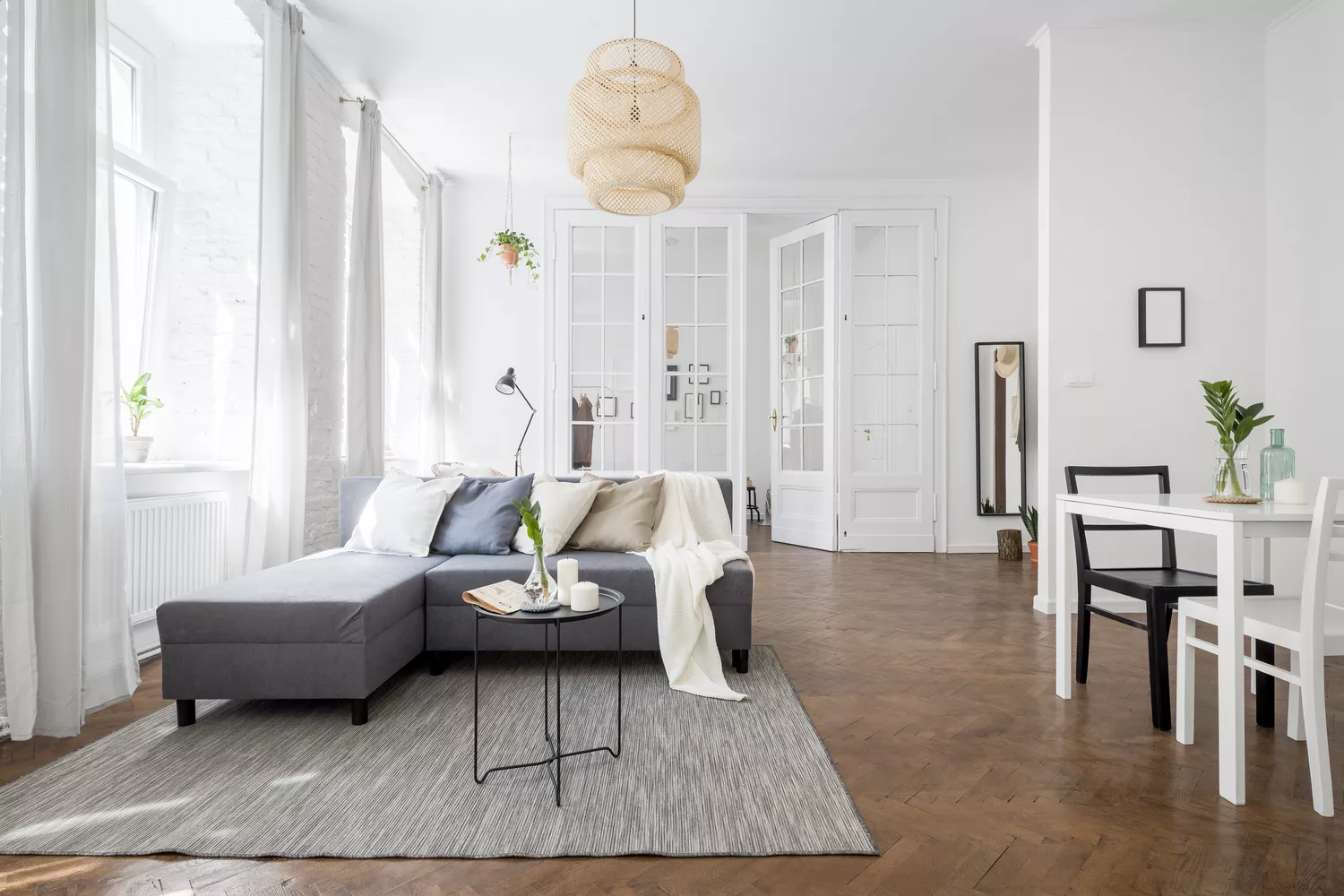
6 Outdated Lighting Trends to Skip in 2024, According to Designers
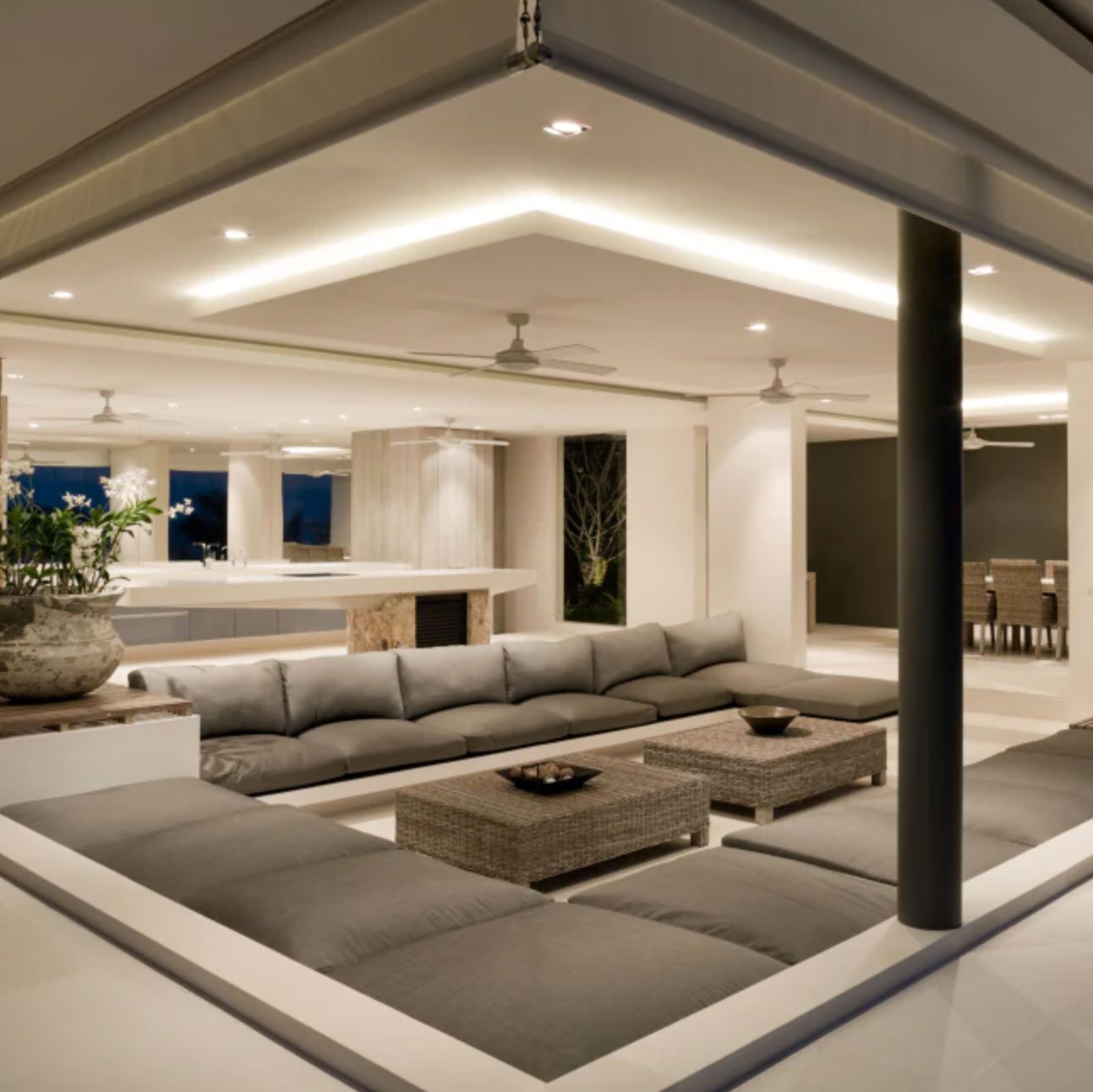
10 Best Recessed Lights to Buy for Your Home in 2025

Design experts offer lighting tips for upgrades that shine

5 Easy, Designer-Approved Lighting Hacks to Brighten Up Your Home

These Reading Lamps Tuck Away When You're Not Using Them |
Lighting a dark room – 10 top tips from experts


Why Do Homes These Days Have So Much Recessed Lighting?

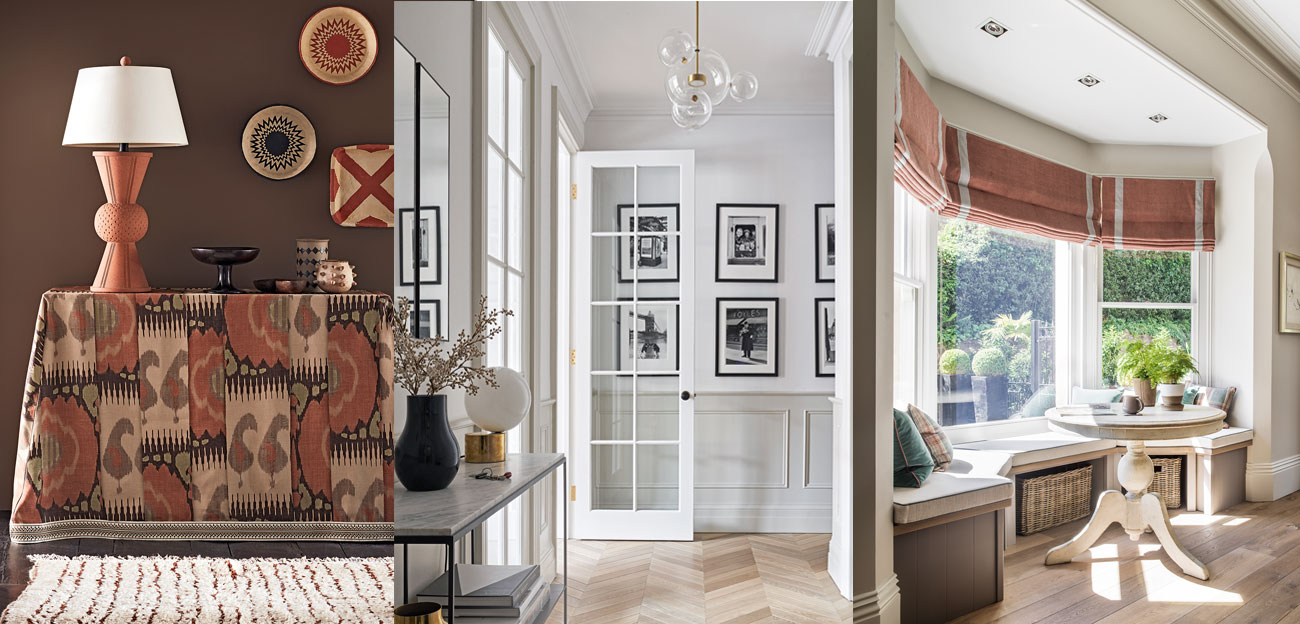
Entryway lighting ideas – 10 expert ways to get the light right in an entrance
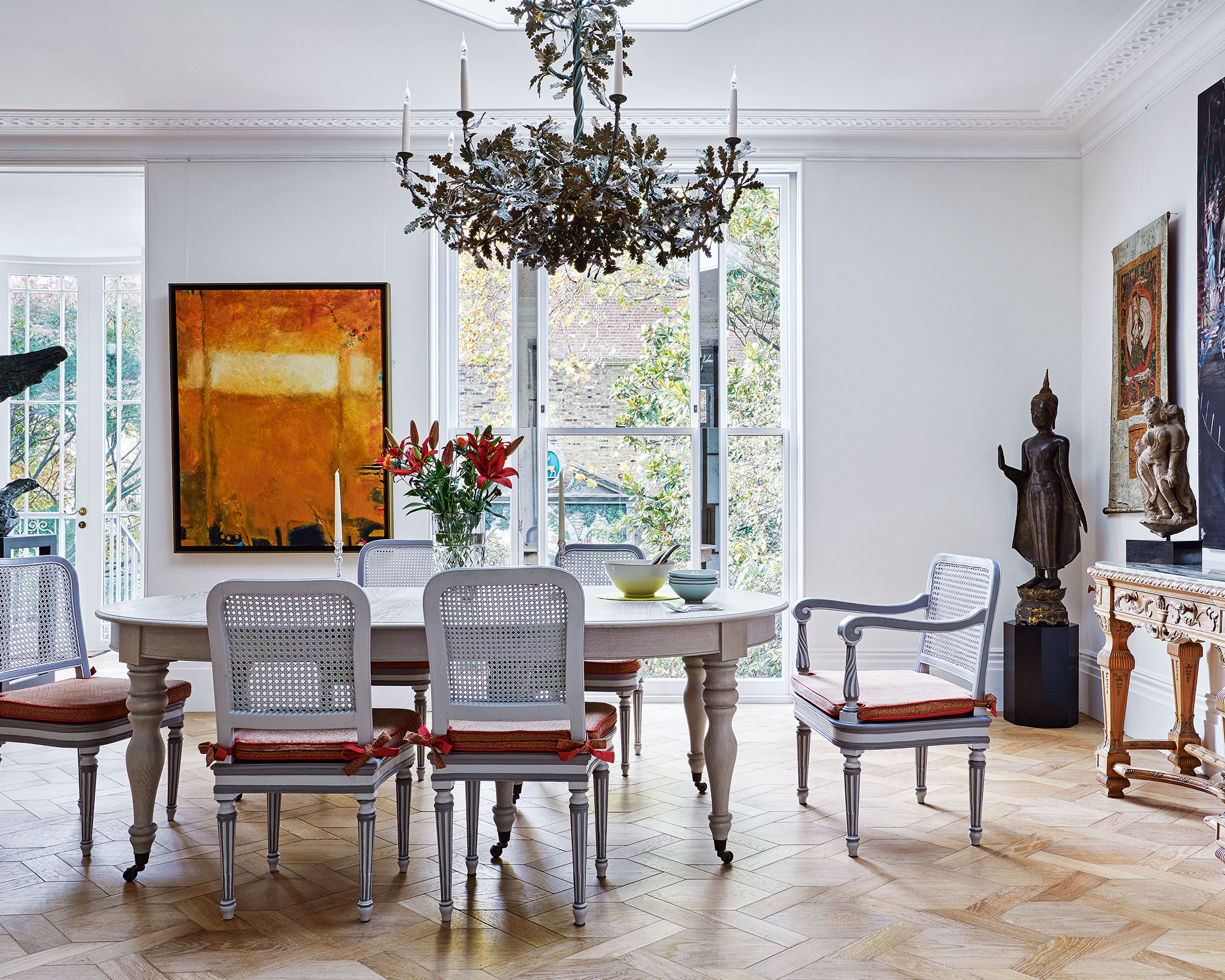
Light sizing – 5 essential expert tips for choosing the right size ceiling light
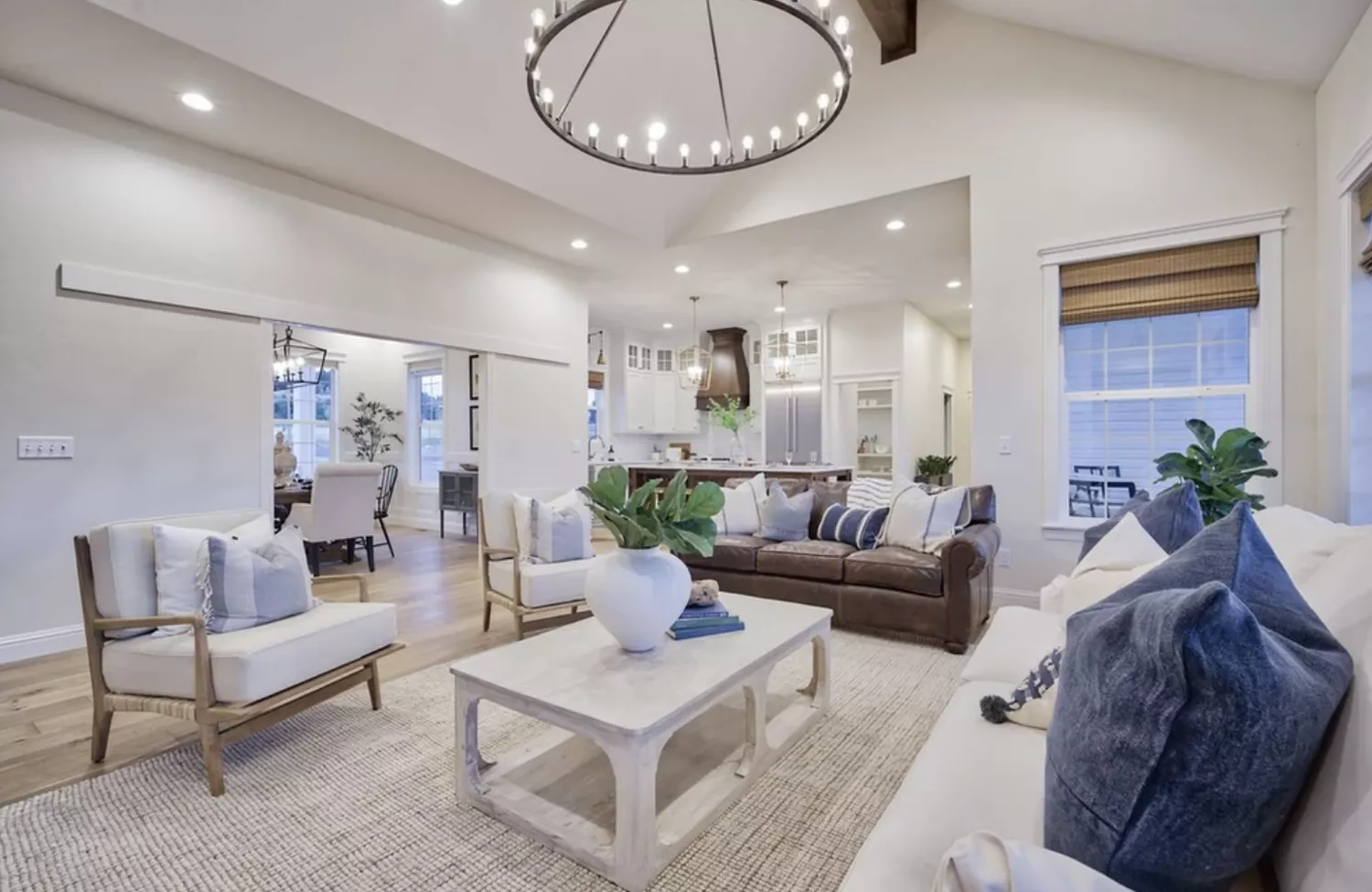
Read This Before Installing Recessed Lighting In Your Living Room
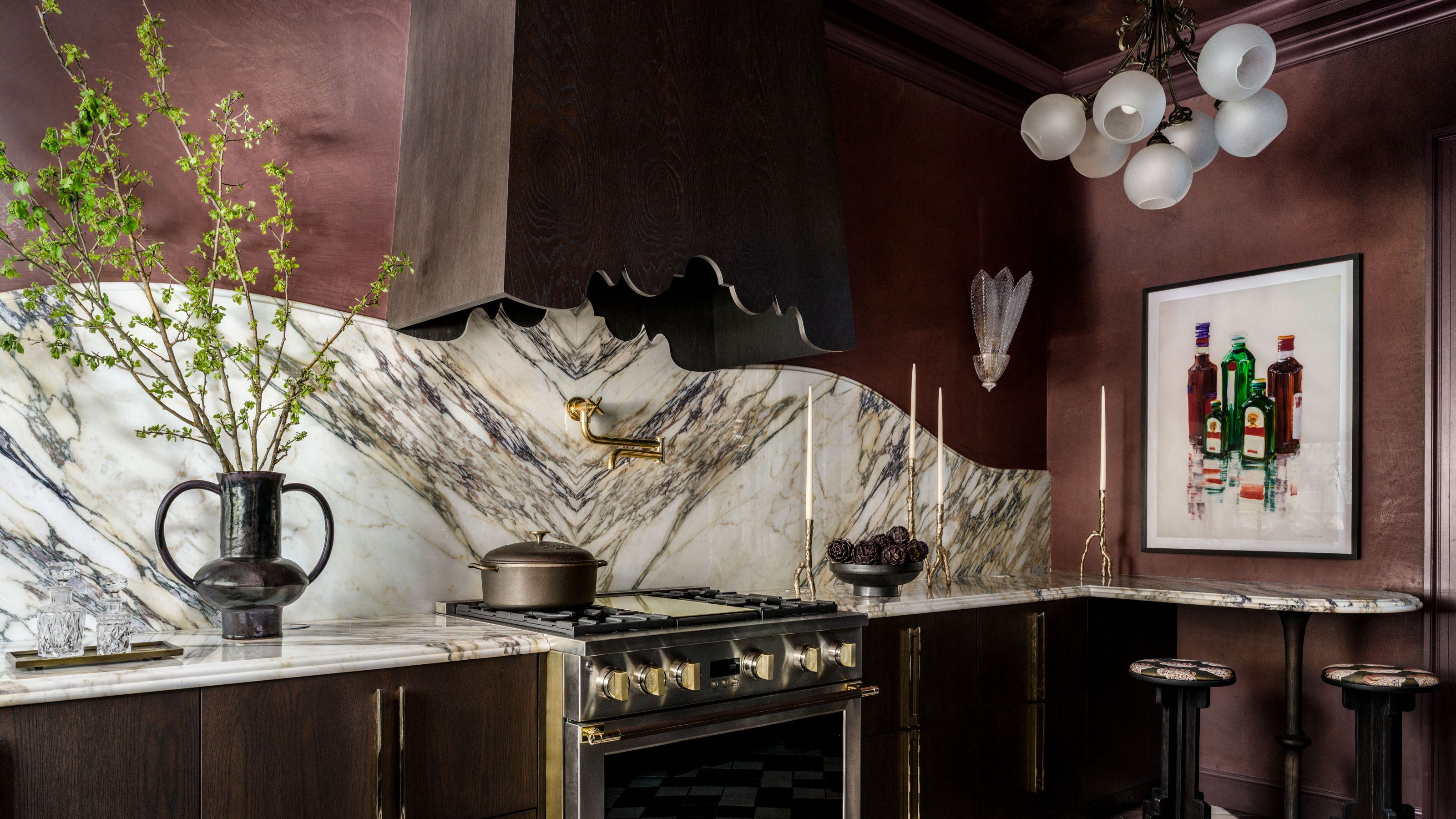
5 Kitchen Lighting Design Rules Interior Designers Warn You Should Never Ignore for a Well-Lit Space
You Hung the Art — Now Light It Like a Curator Would (Here's How)
LED lighting is probably the best way to illuminate a bathroom – and these 10 spaces prove it
How do you coordinate lighting in an open floor plan? 5 rules design experts live by
Why I regret using recessed lights in my kitchen remodel
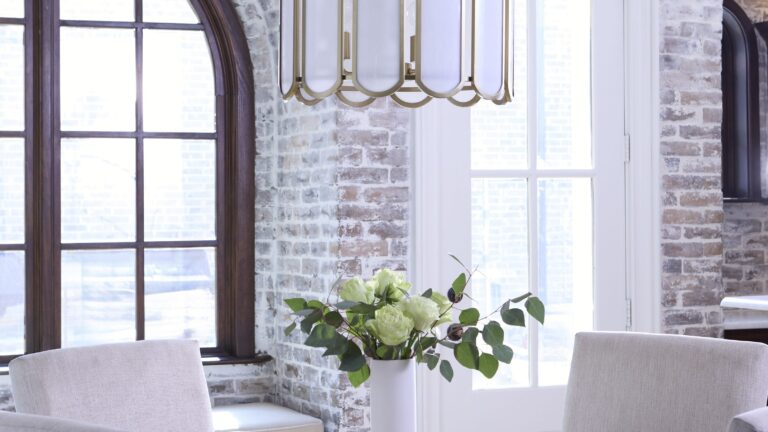
New lighting? Designers offer tips for upgrades that shine.

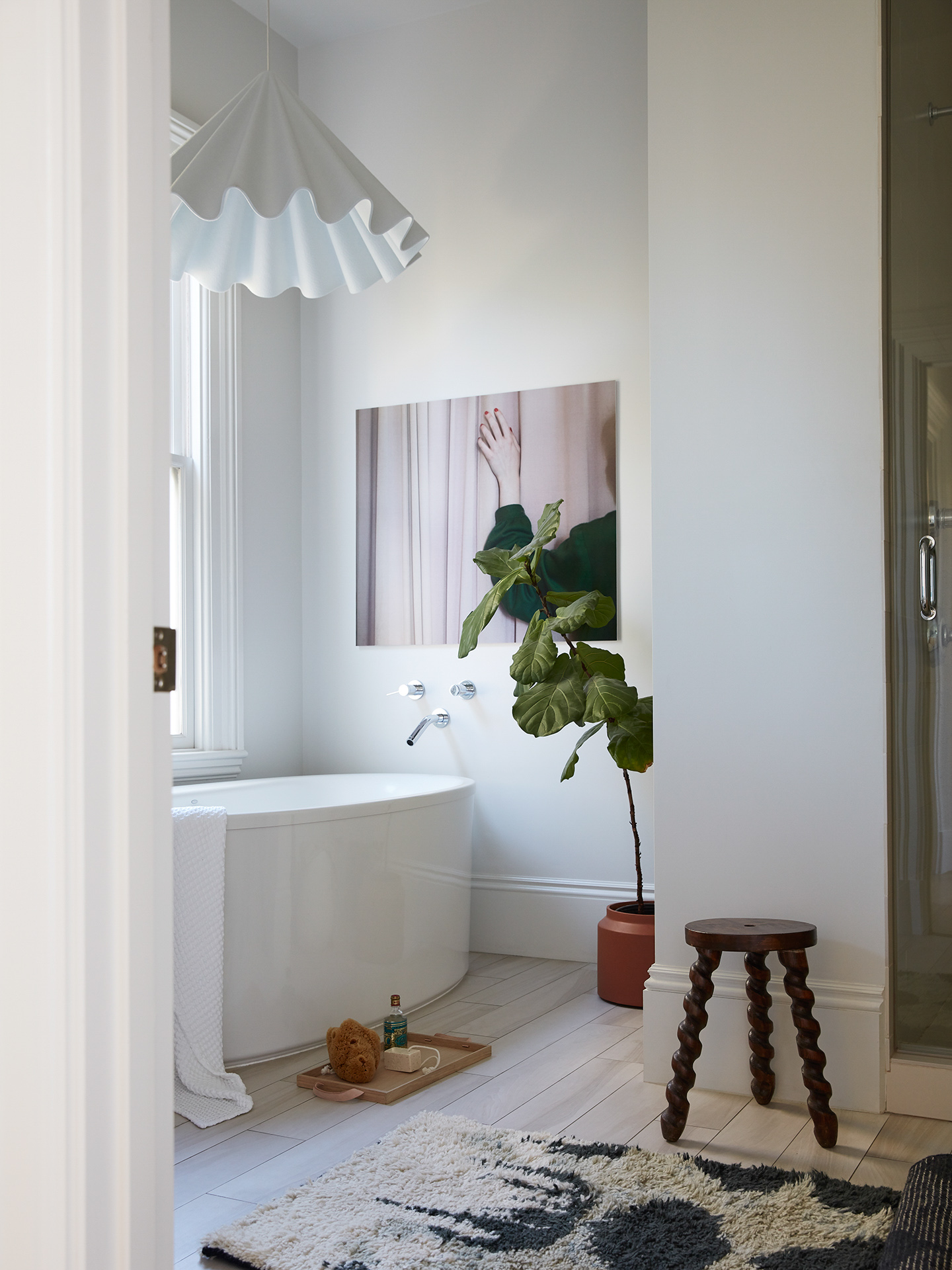
The One Lighting Feature Designers Hate But Home Buyers Love