How descendants of Taj Mahal artisans are keeping marble inlay work alive
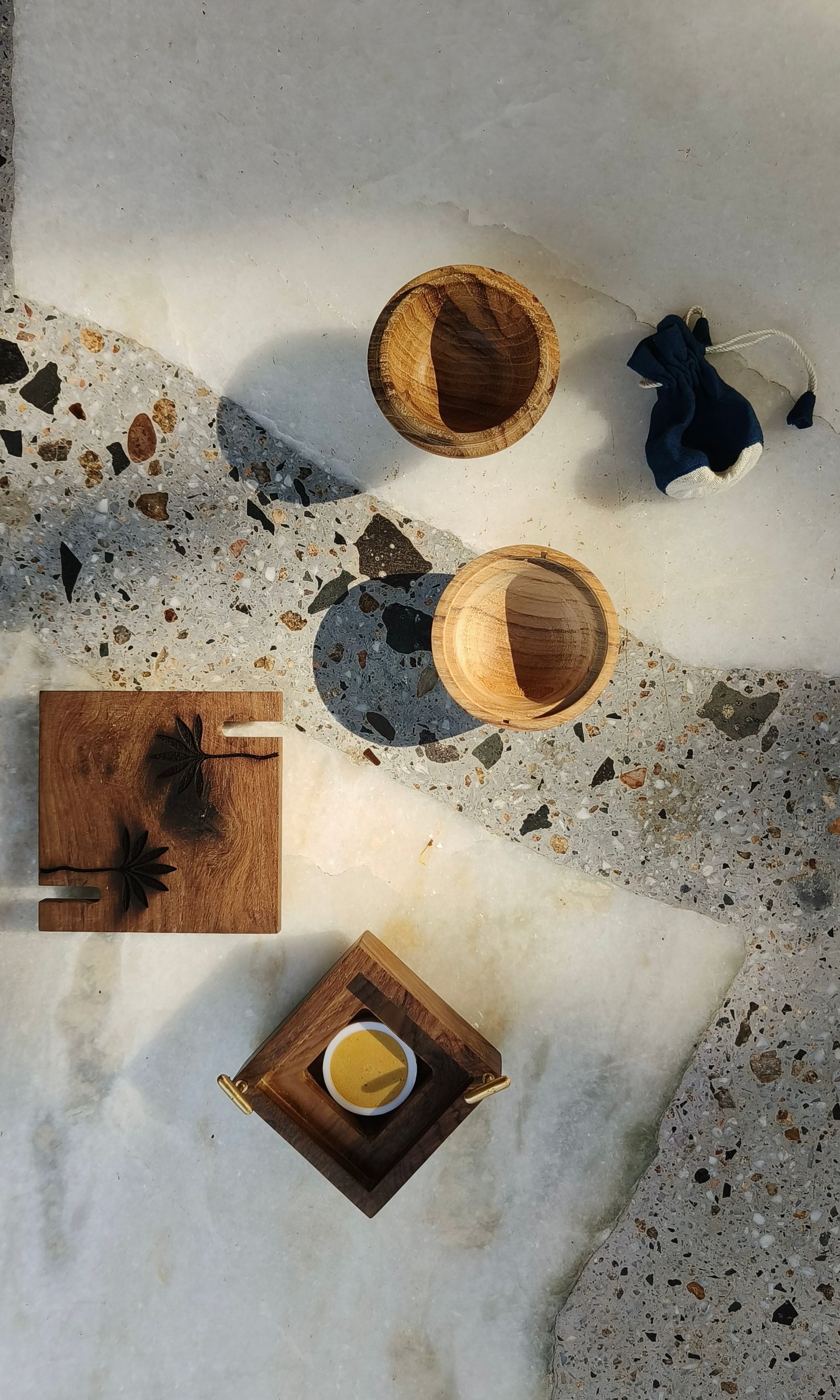
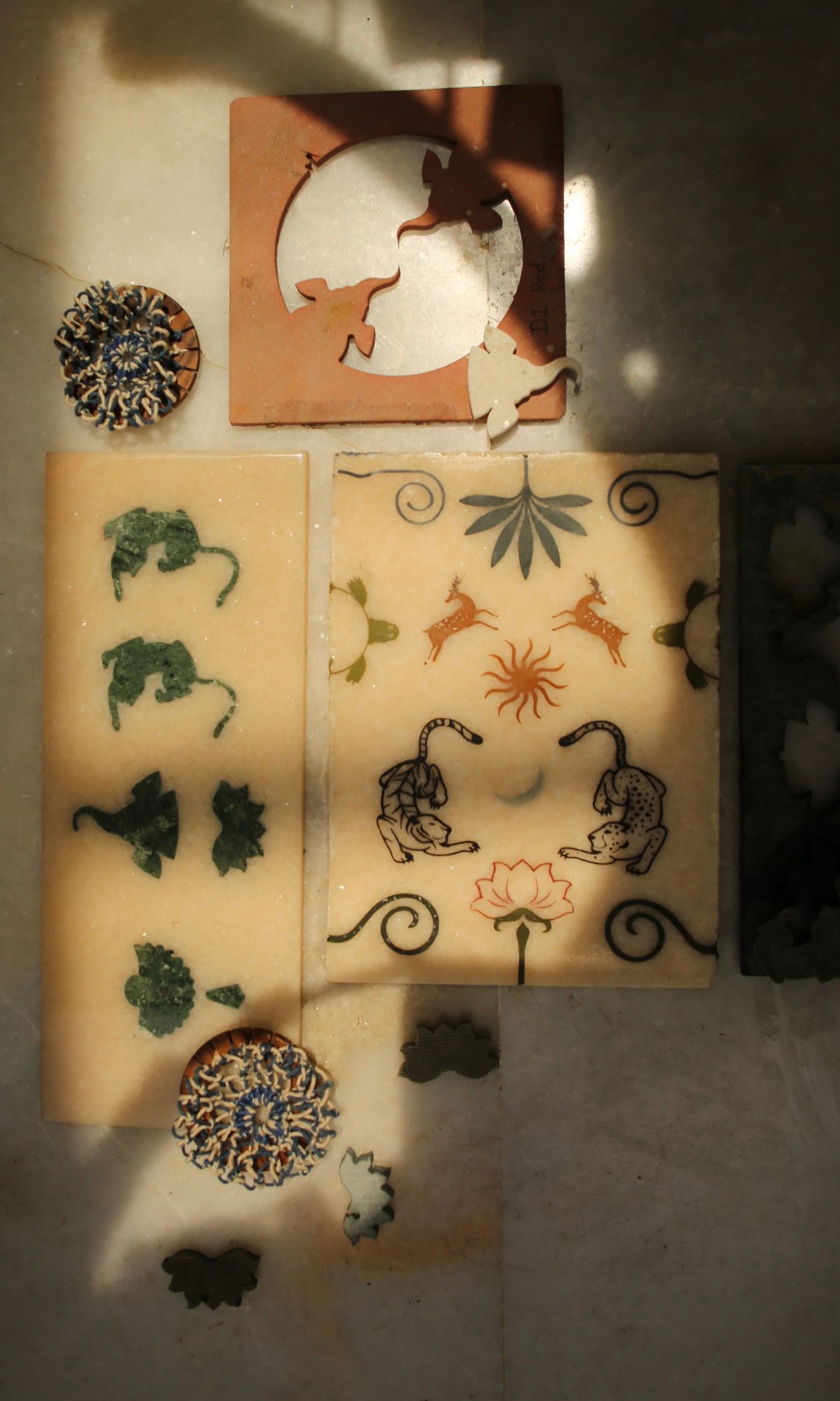
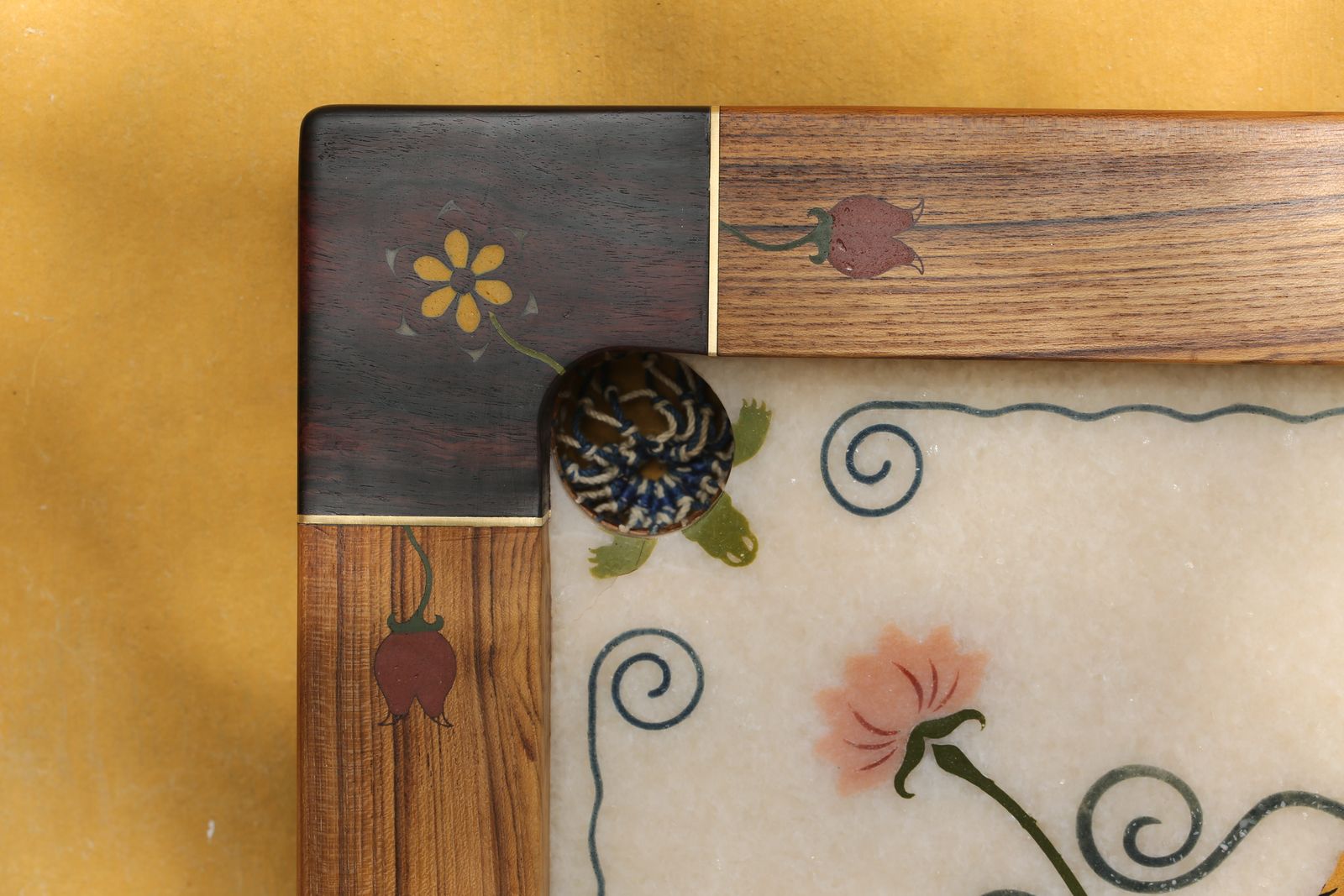
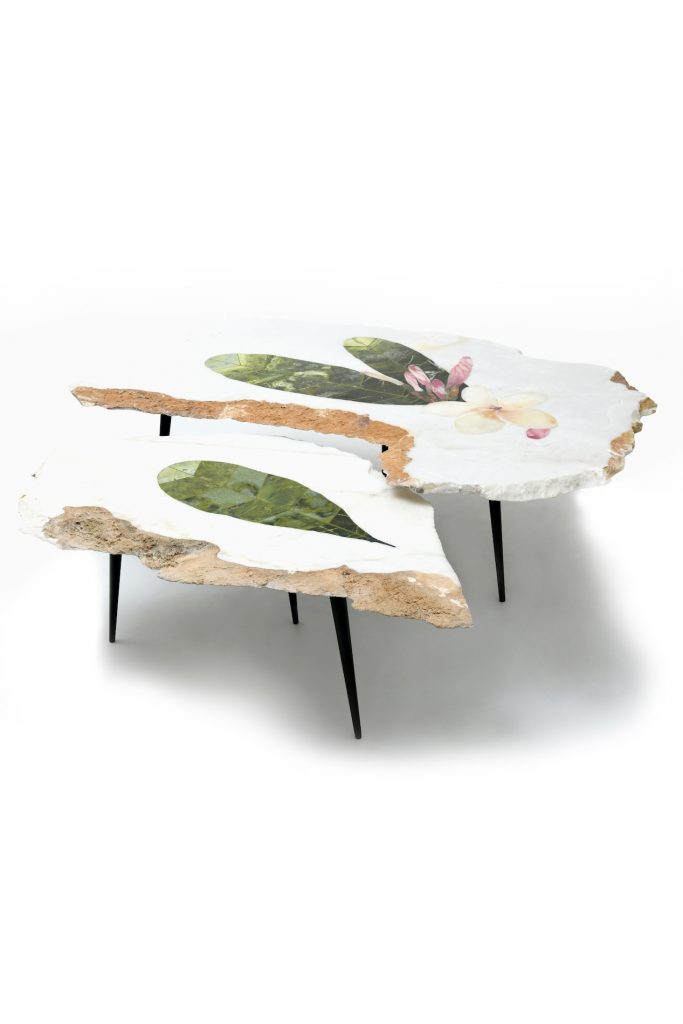
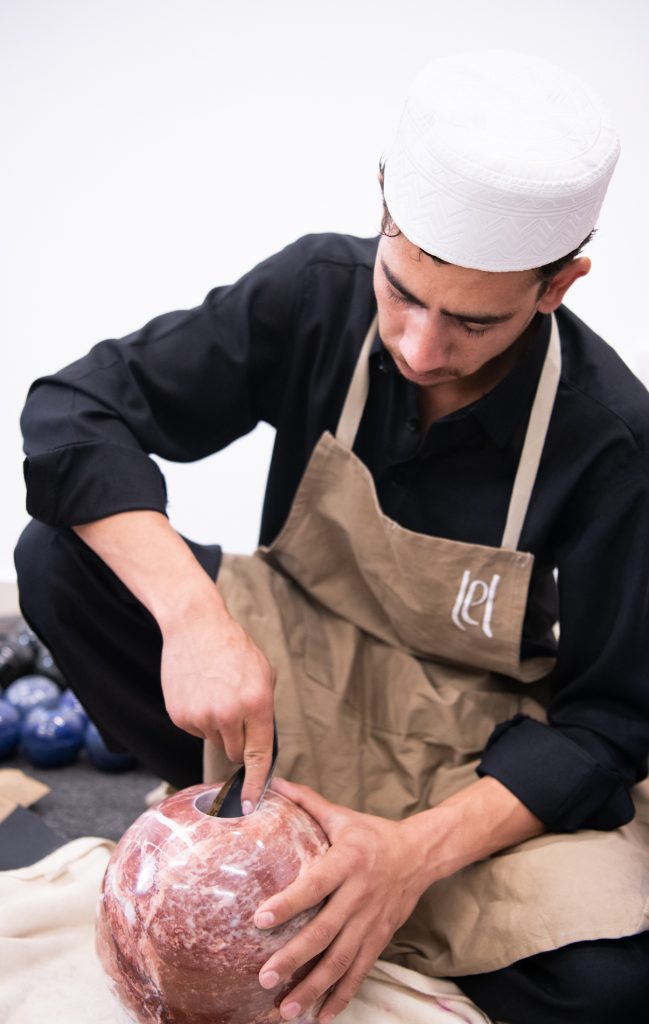
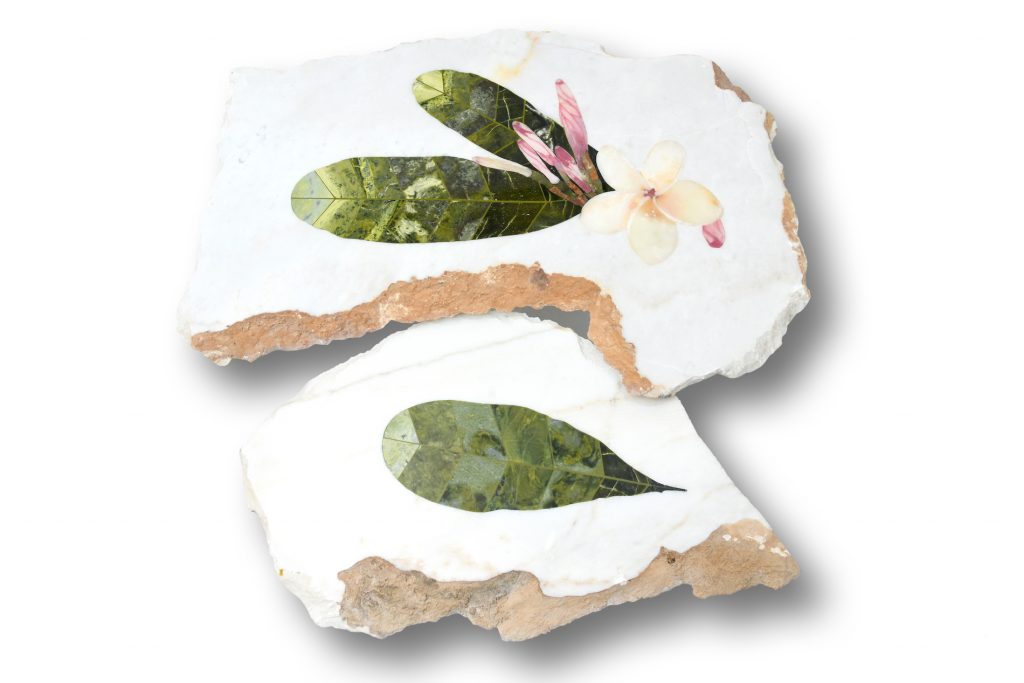
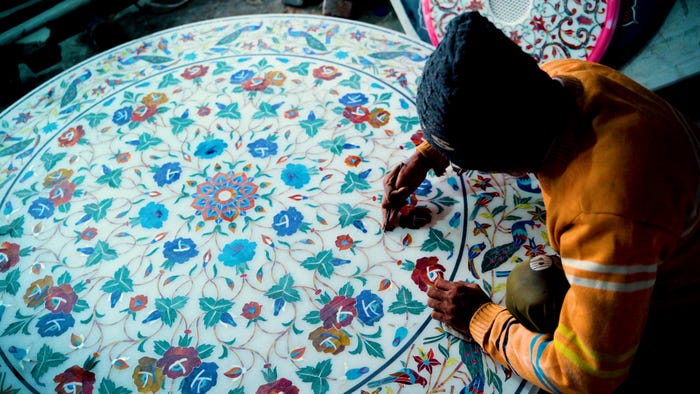
Parchin kari, also known as pietra dura, is an intricate art form involving the carving of marble slabs and the precise insertion of precious and semi-precious stones to create elaborate floral and geometric patterns. This highly skilled craft is exemplified by the iconic Taj Mahal in India, a masterpiece of marble inlay from the 17th century. The techniques and knowledge of parchin kari have been passed down through generations, with the descendants of the original Taj Mahal artisans continuing to practice this art form today.
A A community of these skilled craftsmen is concentrated in Agra, India, located just 300 feet from the Taj Mahal. These artisans uphold a centuries-old tradition, producing exquisite pieces that echo the grandeur of their ancestors' work. However, the number of individuals capable of executing the most complex and detailed parchin kari artworks has seen a significant decline. Over the past two decades, the artisan community has shrunk from approximately 10,000 to about 3,000, raising concerns about the future preservation of this specialized craft.
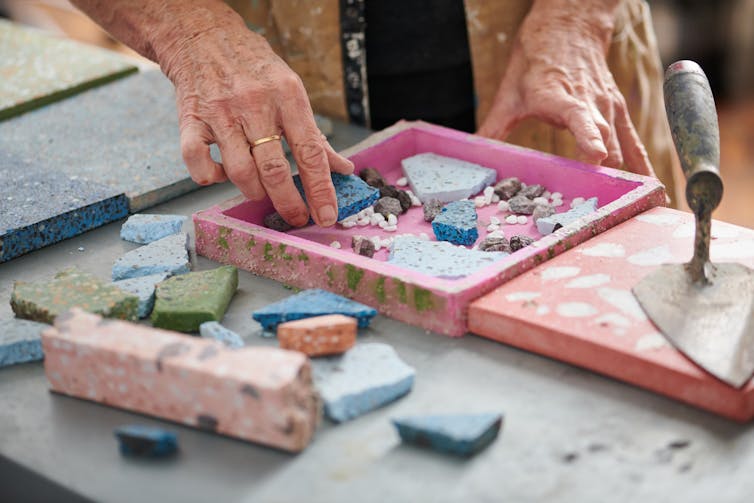
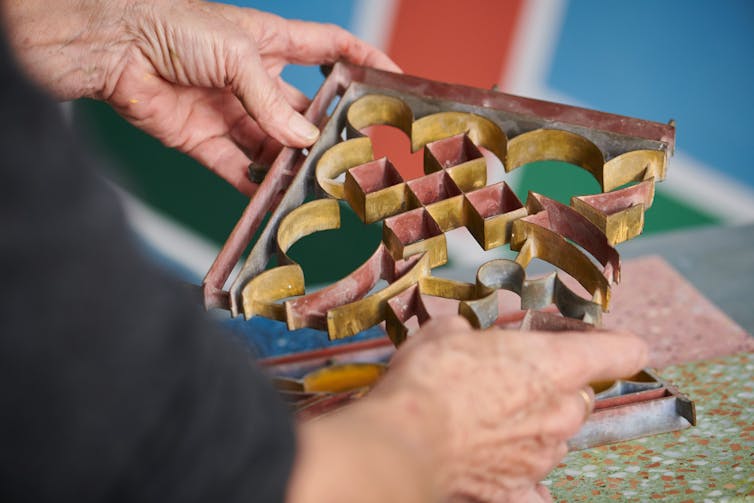
The process of creating marble inlay involves several meticulous steps. First, the marble slab is prepared, and the desired design is carefully drawn onto its surface. Next, small sections of the marble are precisely carved out according to the pattern. Following this, individual pieces of precious and semi-precious stones, such as lapis lazuli, malachite, coral, and mother-of-pearl, are cut and shaped to fit perfectly into the carved depressions. These stone pieces are then meticulously inlaid into the marble, often secured with a natural adhesive. The final step involves polishing the entire surface to achieve a seamless and lustrous finish, highlighting the intricate details and natural beauty of the stones.
The decline in the number of skilled artisans poses a challenge to the continuation of parchin kari. This art form demands immense patience, precision, and years of dedicated practice to master. Economic pressures, the availability of cheaper, mass-produced alternatives, and a lack of interest among younger generations in pursuing such a labor-intensive craft contribute to the dwindling numbers. Efforts to preserve this heritage often involve promoting the craft, supporting artisan communities, and educating the public about the historical and artistic significance of parchin kari.
The enduring legacy of parchin kari is evident in architectural wonders like the Taj Mahal, which continues to inspire awe with its detailed stone inlay work. The craft not only represents a unique artistic tradition but also a valuable cultural heritage that connects contemporary artisans to their historical roots. Ensuring the survival of parchin kari involves recognizing the value of these traditional skills and fostering an environment where they can continue to thrive for future generations.
#MarbleInlay #ParchinKari #PietraDura #TajMahal #ArtisanalCrafts #IndianHeritage #StoneWork #TraditionalArt #MarbleInlay #ParchinKari #PietraDura #TajMahal #ArtisanalCrafts #IndianHeritage #StoneWork #TraditionalArt
0 comment in total
 No comments yet
You may also like
Modern Tiles Keep Morocco’s Artisanal Culture Alive

The enduring art of Palestinian tiles
Best Marble Companies in India | Top 10 Manufacturers

ceramiche refin's craft collection highlights skill of cement artisans
The Enduring Artistry of Vintage Tiles

All fired up - 5 Jun 2025 - Period Living Magazine

Masters of Their Craft | Plaster Master


Lél: When Heritage Meets the Contemporary

Shed's Kirwani carrom board with marble inlay adds whimsy to craftsmanship

Stone Craft in India


These Volunteers Are Saving Altadena, One Antique Tile at a Time

Why are luxury hotels, shops and restaurants obsessing over hand-made tiles

The Egyptian Craftsman Who Keeps the Tradition of Hand Mixed Cement Tiles Alive For Future Generations

Layer upon layer: uncovering the terrazzo treasures of the west and celebrating legacy floors


5 studios bringing Indian craft into modern homes

Preserving Historical Homes Through Painting

L'esperance Tile Works: Sure-fired beauty
Booming Tile Shop Handcrafts Every Ceramic Tile as an Individual Work of Art

Decorative Tiles Are Back, Bigger and Better Than Ever
Marble Floors: Elegant, but Challenging to Install and Maintain