1/14
The enduring art of Palestinian tiles
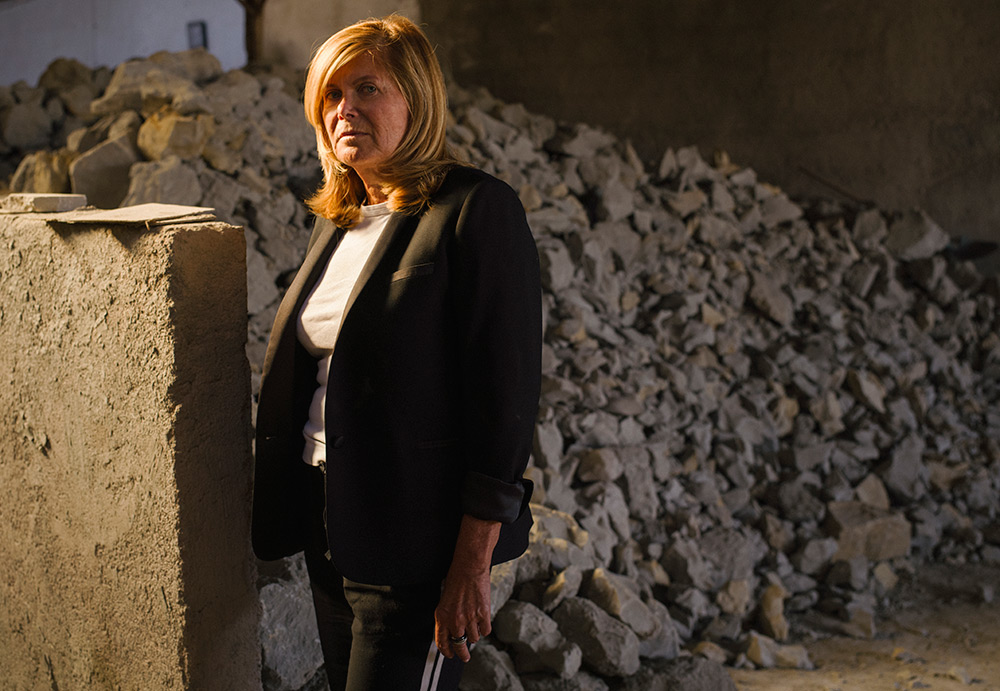
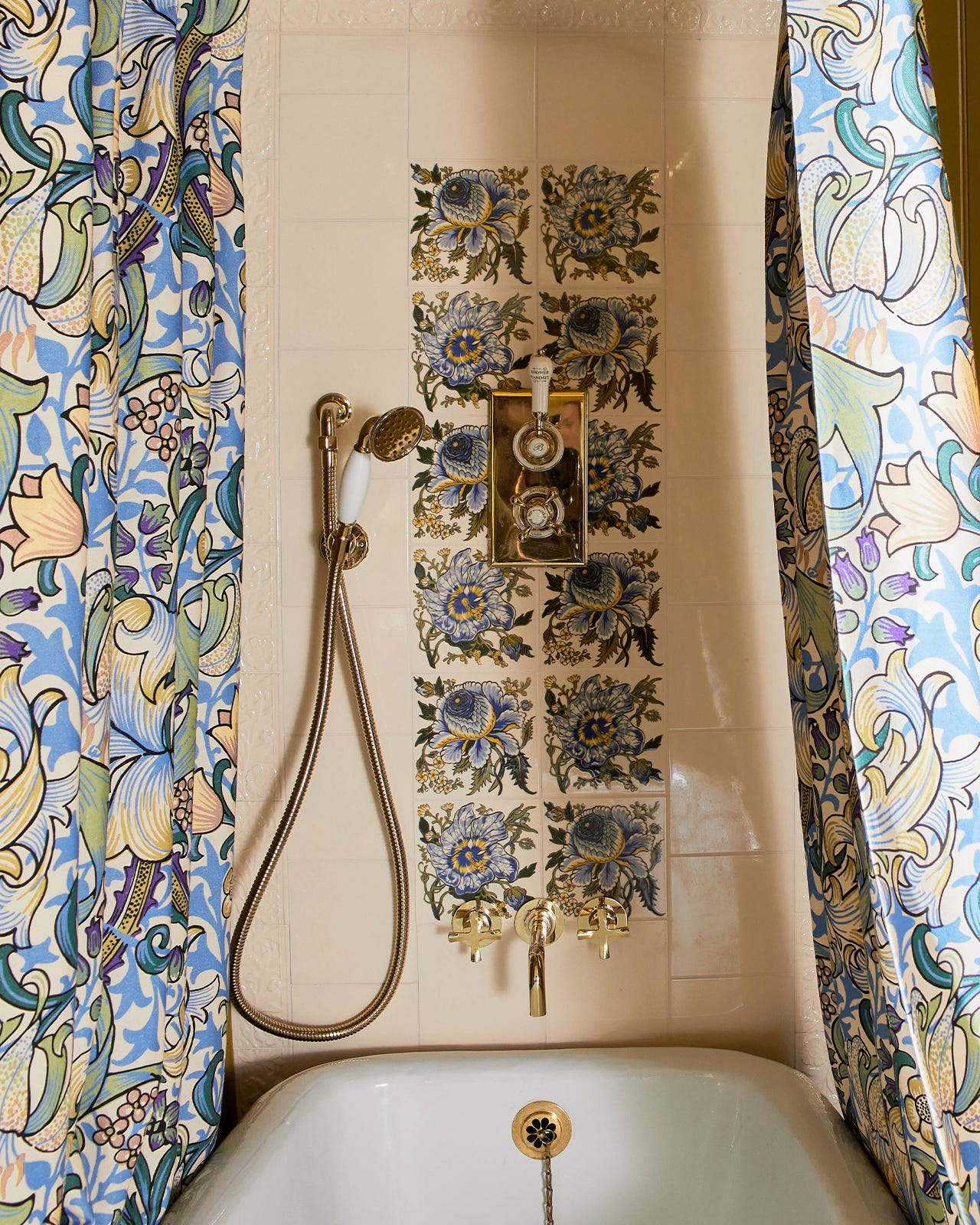
Aslan Tiles, situated in downtown Nablus, stands as the solitary remaining producer of traditional Palestinian tiles in the West Bank. The Aslan family has meticulously refined this craft across four generations since the 1930s. Despite receiving attractive proposals to relocate their operations to Israel, the family has steadfastly maintained their heritage in Nablus. Palestinian flagstone tiles enjoyed peak popularity in the 1930s, adorning the floors and walls of numerous urban residences throughout Palestine with intricate floral and geometric patterns. However, the advent of inexpensive, mass-produced tiles in the 1980s and 1990s led to a decline in demand for local tiles, resulting in the closure of many local tile producers across the West Bank.
Nevertheless, over the past decade, Anan Aslan has observed a resurgence of interest in their bespoke, handcrafted products. The company, employing a staff of seven, operates from a modest three-building premises where they produce these unique tiles. Anan Aslan notes that there is a growing appreciation for their product, which people now view as a significant tradition and heritage, a tangible link to their past and roots. What was once considered a necessity valued for its durability is now seen as a luxury, with customers seeking to engage with this art form.
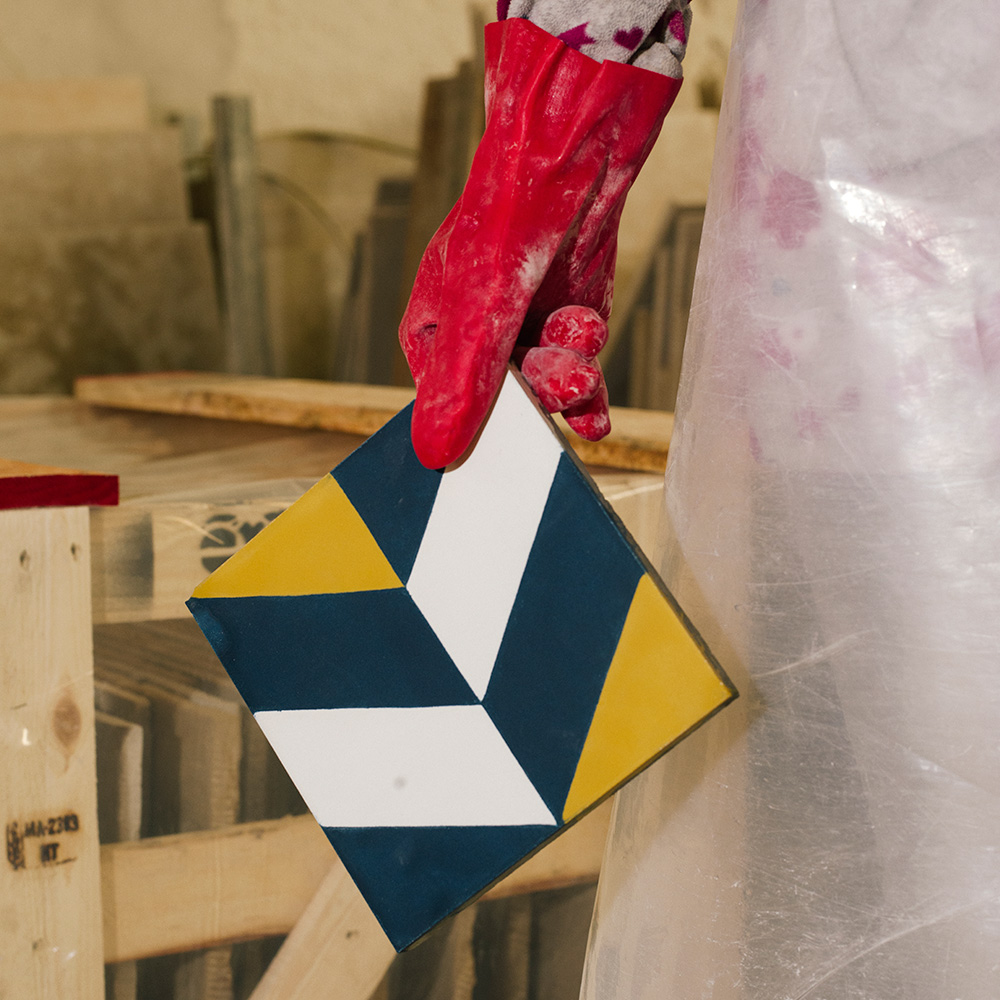
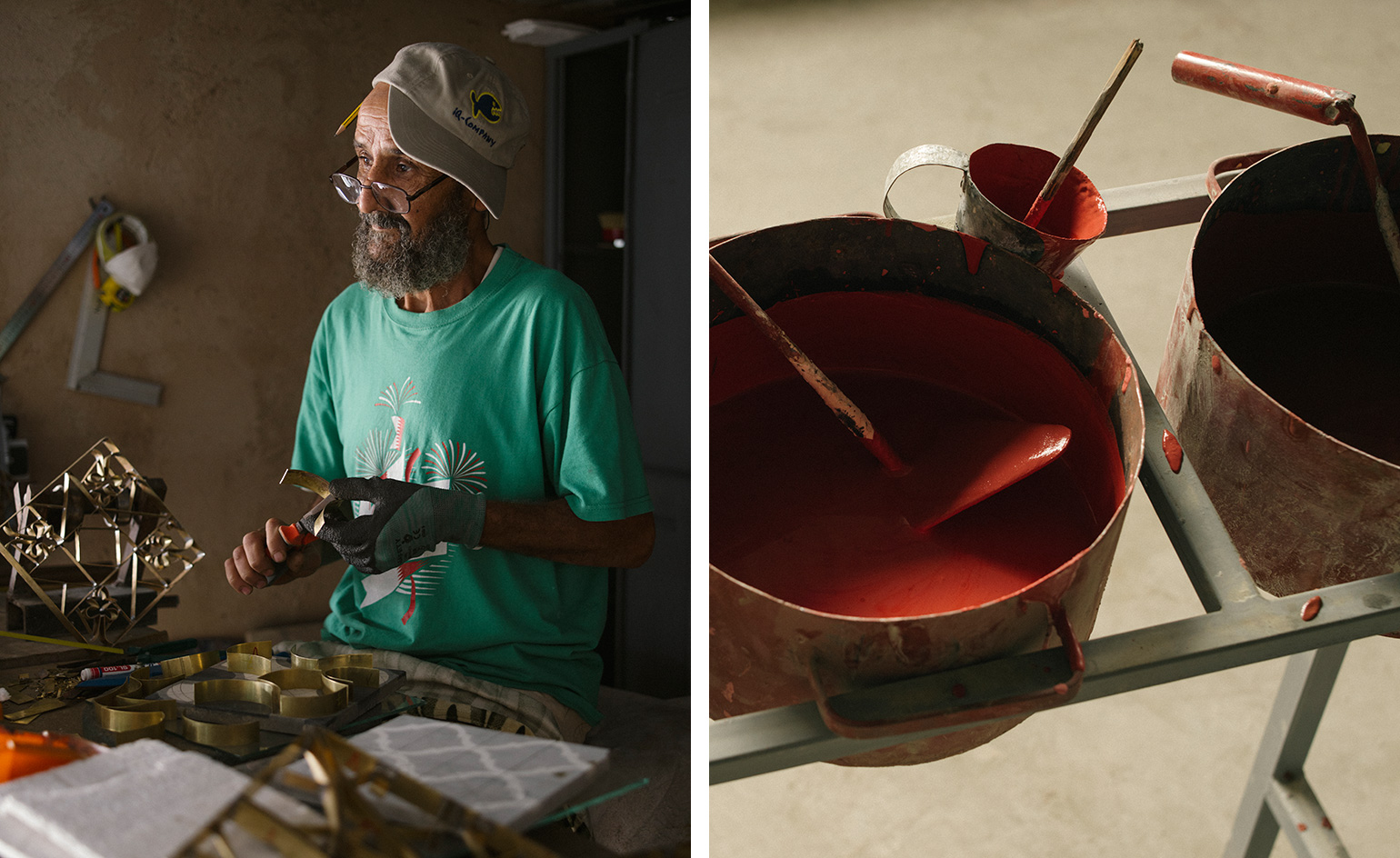
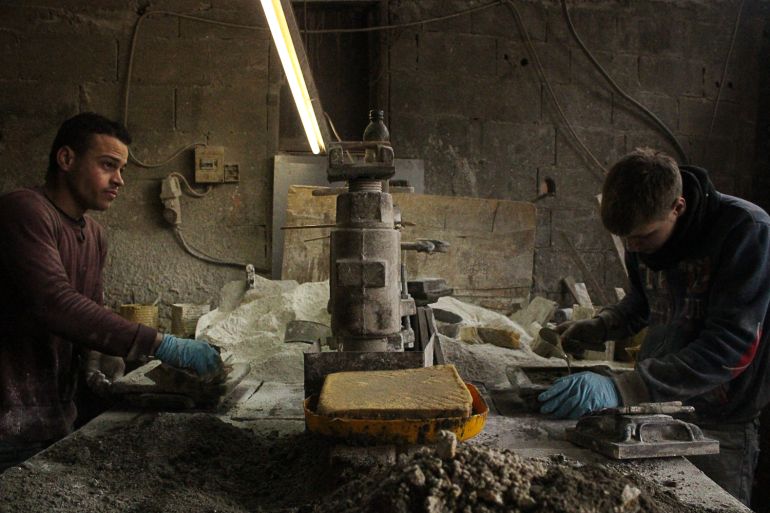
Inside the Aslan workshop, nearly every surface is adorned with the company’s handiwork, creating a vibrant kaleidoscope of colors on walls and floors. The tile-making process is meticulous and labor-intensive. Luay and Omar, the youngest tile-makers, share a stencil and a tile press, each producing between 120 and 150 tiles daily. The process begins with cleaning the copper base of a mold with oil. Pigment is then carefully poured into segments of a stencil. Once the stencil is filled, it is delicately lifted, leaving a precise, watery impression of the design. Thaer then sifts a fine-ground cement over the design, followed by a denser, chunkier cement that forms the tile’s base. The workshop itself is covered in a fine layer of cement dust, and the tools are caked with years of pigment, a stark contrast to the delicate finished products arranged face-to-face behind the workstations.
The workshop's office features a vast wall adorned with stencils, some dating back to the 1930s, offering approximately 750 designs that can be mixed and matched. Anan Aslan, representing the fourth generation, recently took over the management of the company from his father, Jalal, though over 100 family members retain shares in the business. Abu Walid, the oldest staff member, has been crafting tiles for the family since 1947, demonstrating exceptional precision in inspecting each finished tile. German-imported colored pigments line the workshop tables. Interestingly, the premises also house a functional chicken coop within one of the workshop buildings, its inhabitants navigating among the piles of tiles.
Aslan Tiles exports 70 percent of its products to Israel, serving both Jewish and Arab Israeli clients. Anan collaborates with an Israeli contact who imports the tiles, often in plain, unmarked boxes, which are then forwarded to sellers who apply their own labels. A box destined for Israel is shown stamped with a Hebrew logo. Additionally, orange and black tiles are bundled in the yard, awaiting shipment. While the company receives inquiries from Jordan and the Gulf region, prohibitive export costs often deter potential customers in these areas.
#PalestinianTiles #HandmadeCrafts #TraditionalArt #Nablus #FamilyBusiness #CulturalHeritage #WestBank #TileMakingProcess #PalestinianTiles #HandmadeCrafts #TraditionalArt #Nablus #FamilyBusiness #CulturalHeritage #WestBank #TileMakingProcess
0 comment in total
 No comments yet
You may also like
The Enduring Artistry of Vintage Tiles

Homestyle: Terrific tiles
On the tiles: a force in American interiors celebrates its 20th birthday in style
Is Zellige Tile a Passing Trend? Here's What Interior Designers Say


Ceramic Tile Provides A Durable Artistic Canvas For Architectural And Interior Designers

Tile Style

Wall tile trends – from daring colour choices to creative combinations for walls
Modern Tiles Keep Morocco’s Artisanal Culture Alive


Tiles take inspiration from fashion
Decorative Tiles Are Back, Bigger and Better Than Ever
New ways with tiles: 15 creative ideas for using tiles at home

The Egyptian Craftsman Who Keeps the Tradition of Hand Mixed Cement Tiles Alive For Future Generations

This New Collection Puts a Graphic Spin on Tile
Showstopping Tile

Origami art: Pitsou Kedem adds folded iron feature wall in Tel Aviv loft
All fired up - 5 Jun 2025 - Period Living Magazine

7 timeless tile designs to try in any room

Tiles Gone Wild: Fresh Looks for an Ancient Material

Orvi Surfaces blends wood, metal, and stone in an impeccable new collection of tiles