Is Zellige Tile a Passing Trend? Here's What Interior Designers Say
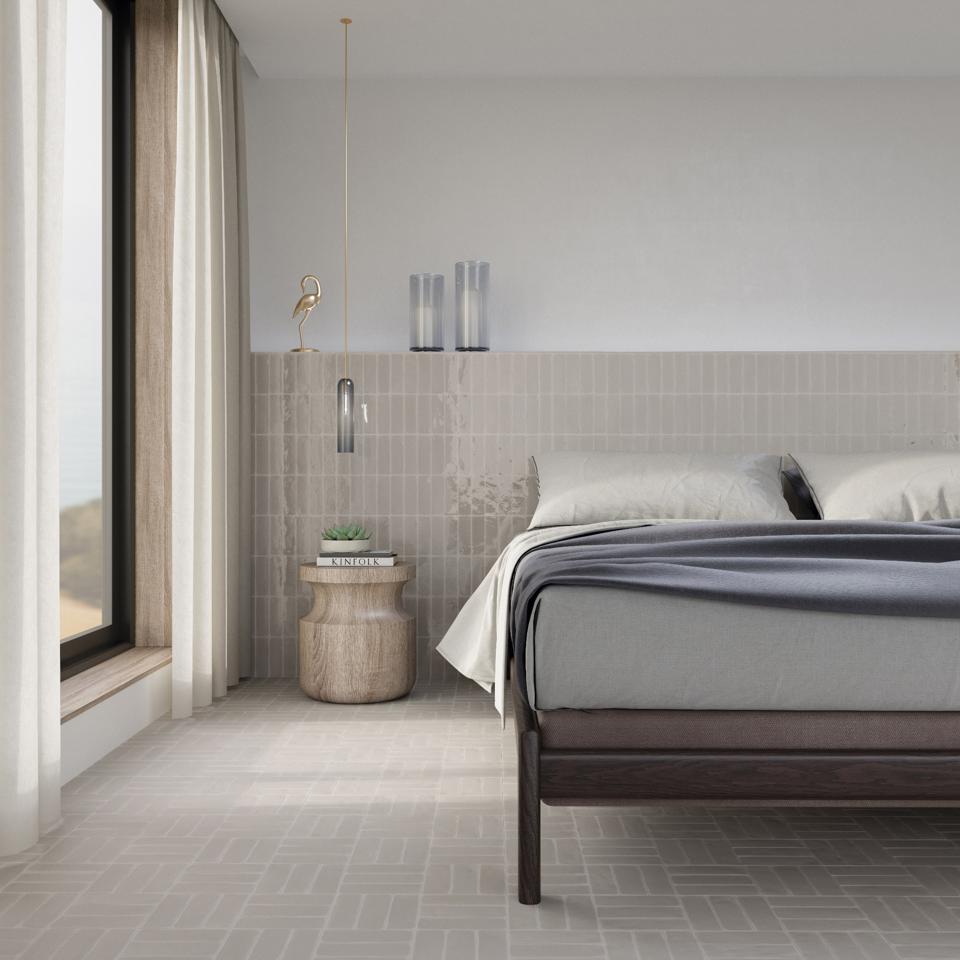
Zellige tile, a traditional Moroccan clay material, has garnered significant popularity in recent years due to its unique texture and tonal variations, often seen in high-end hotels and designer social media. This article explores whether zellige tile is a fleeting trend or a timeless design element, consulting interior design experts for their perspectives on its longevity and best applications.
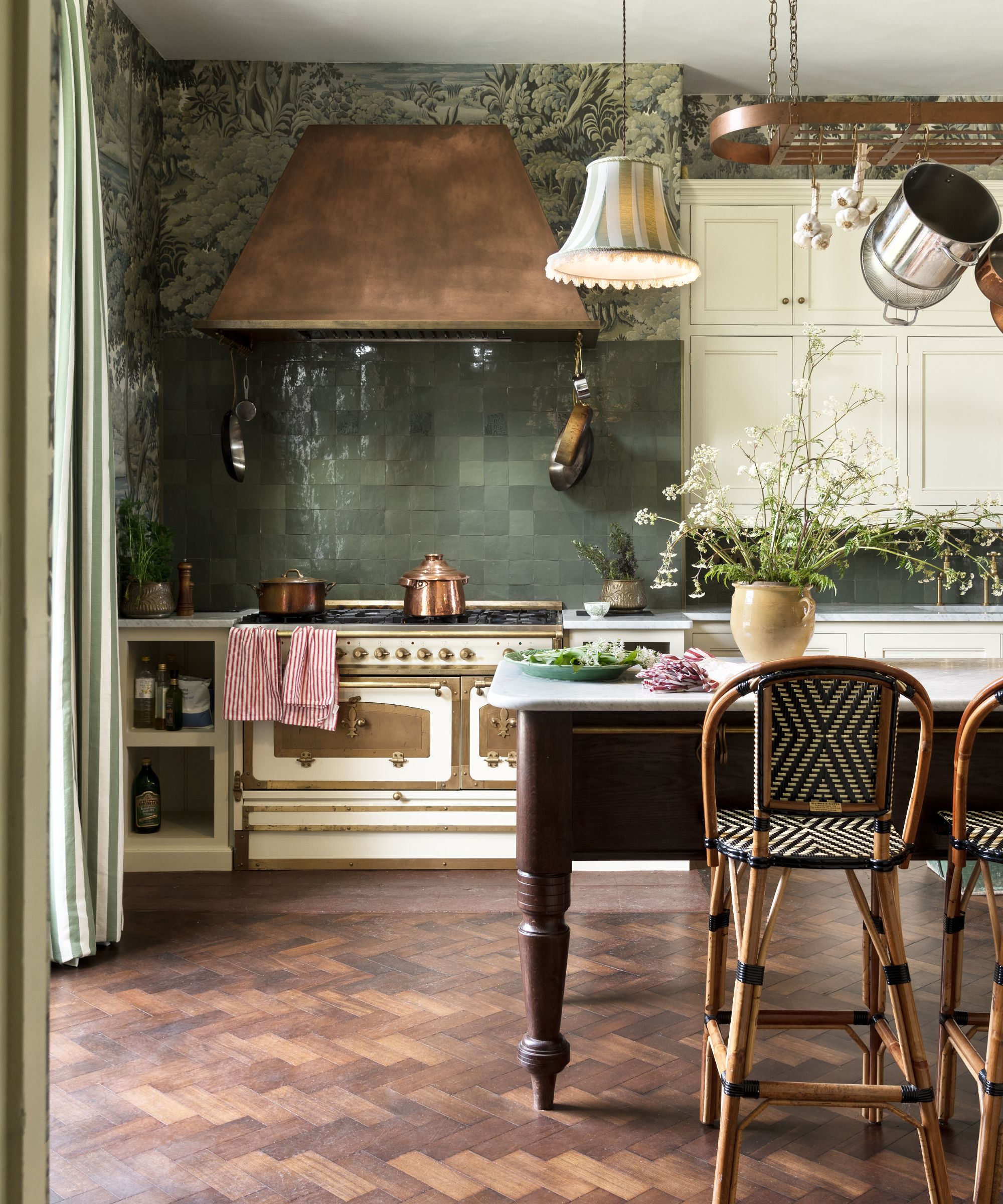
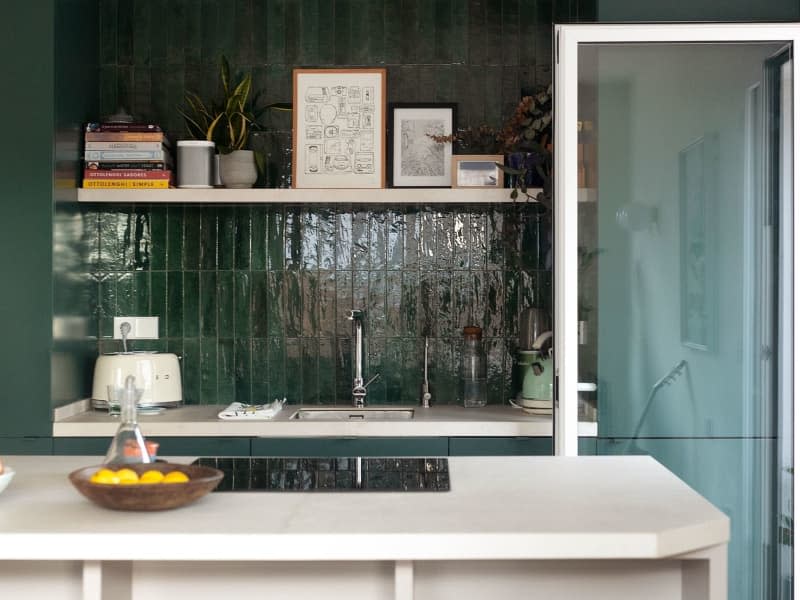
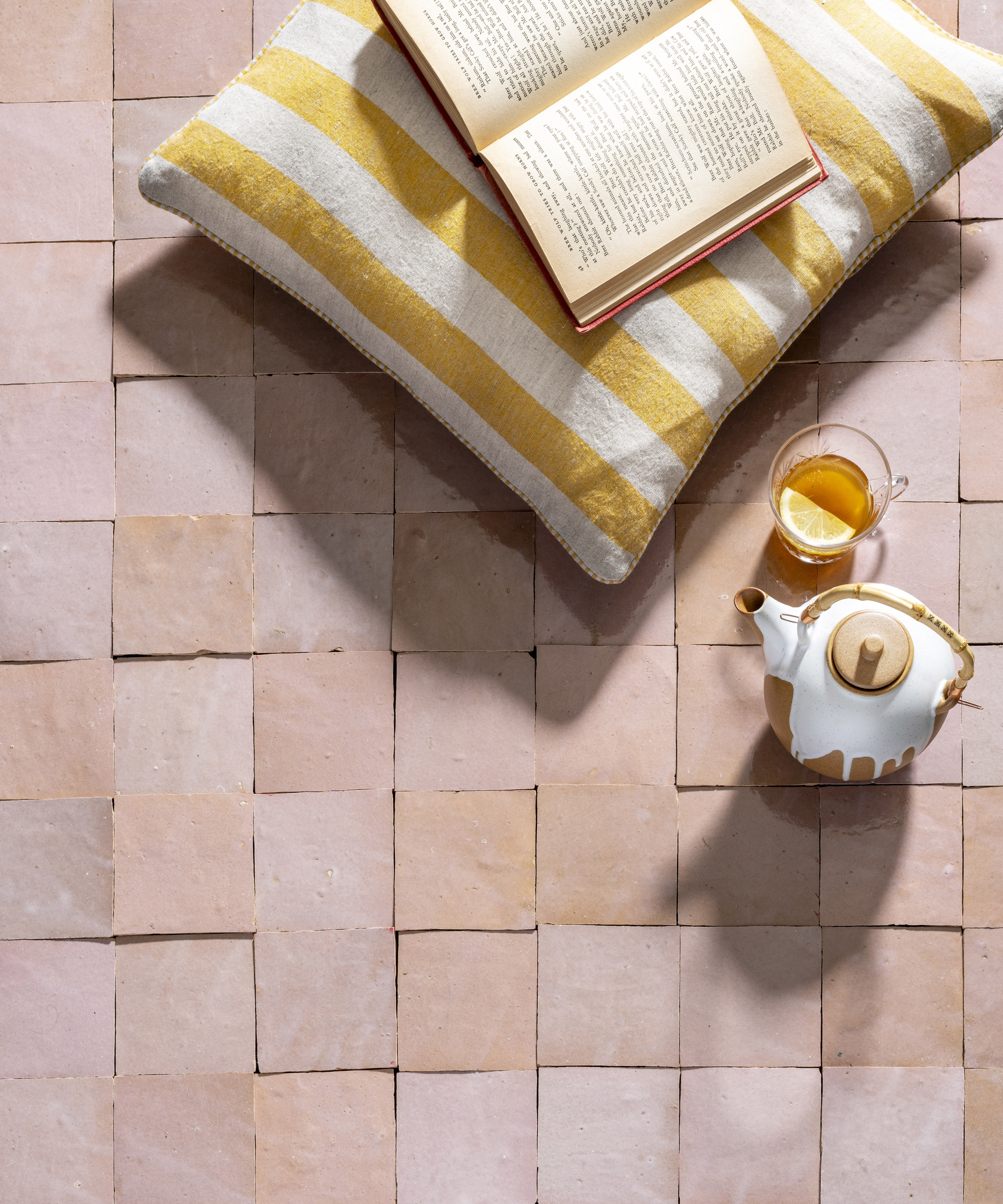
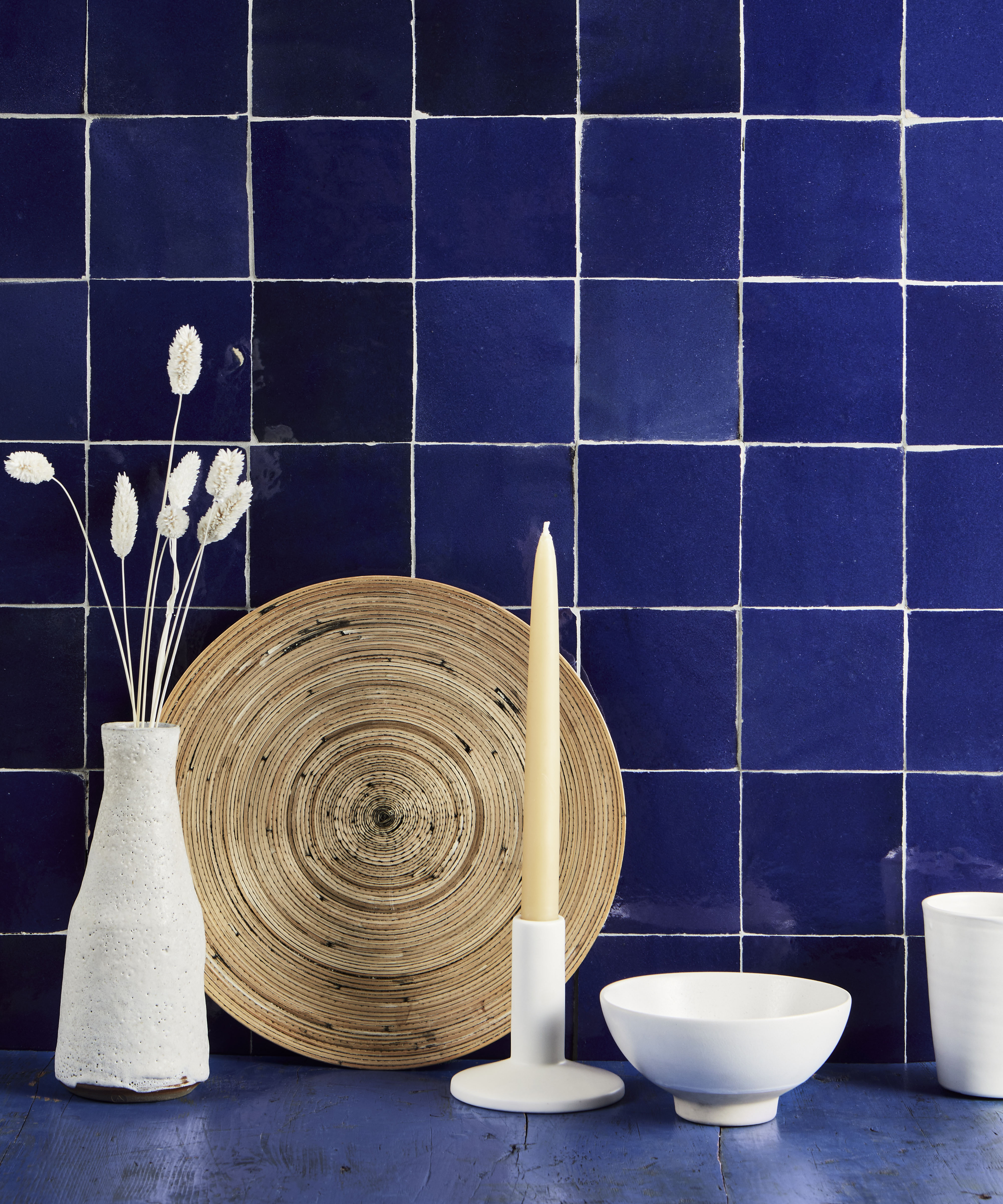
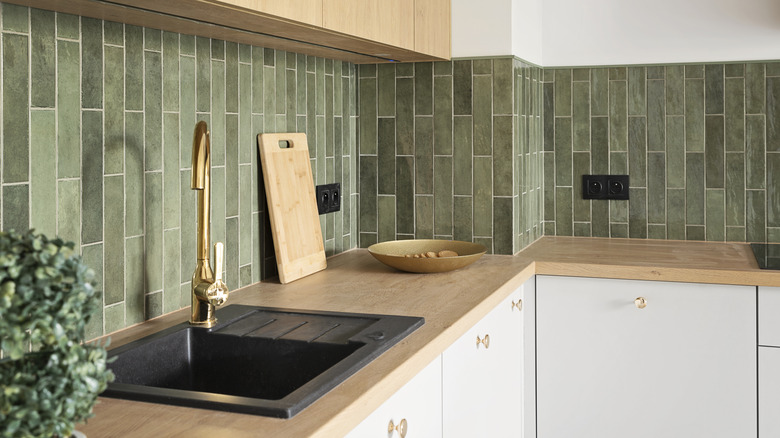
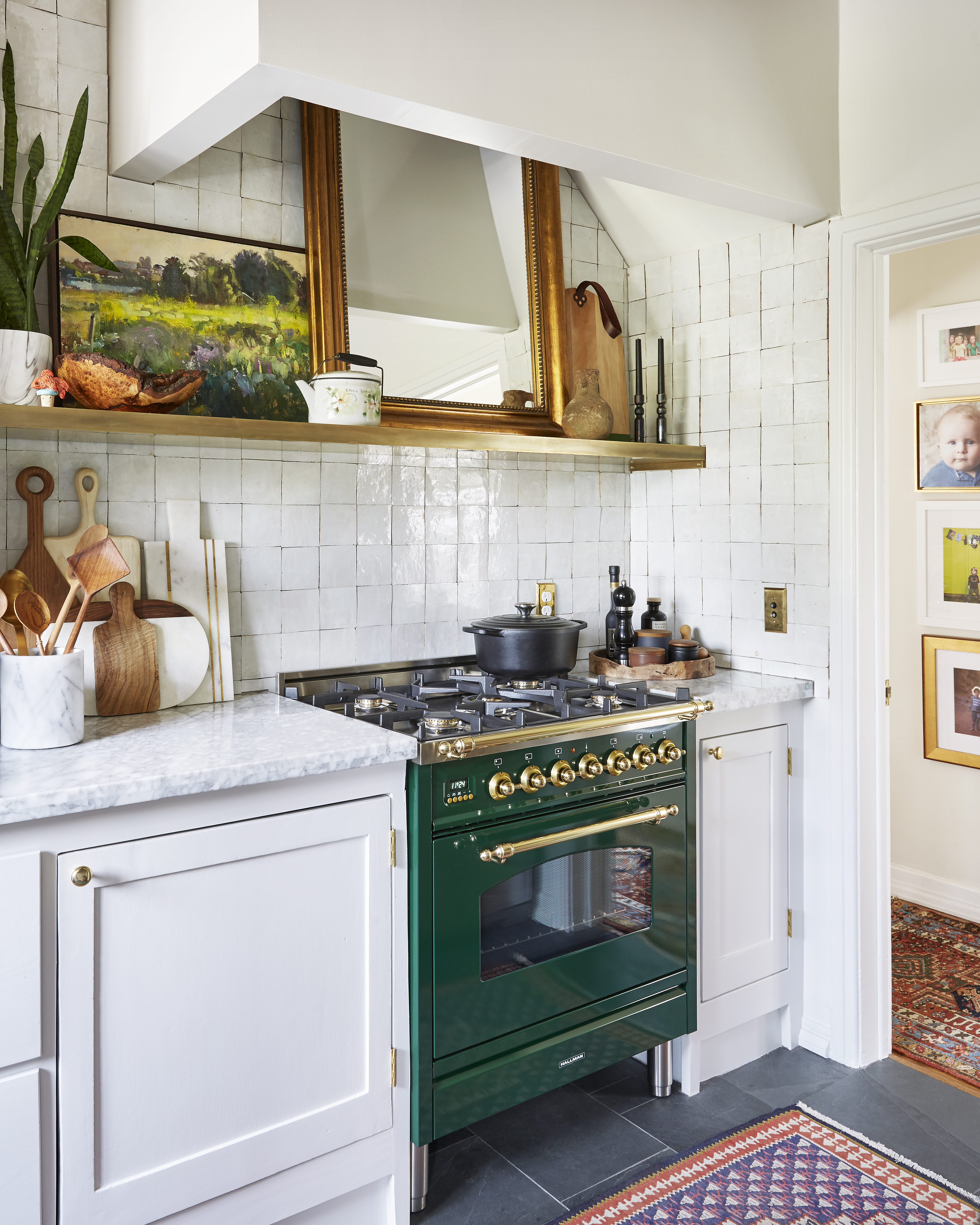
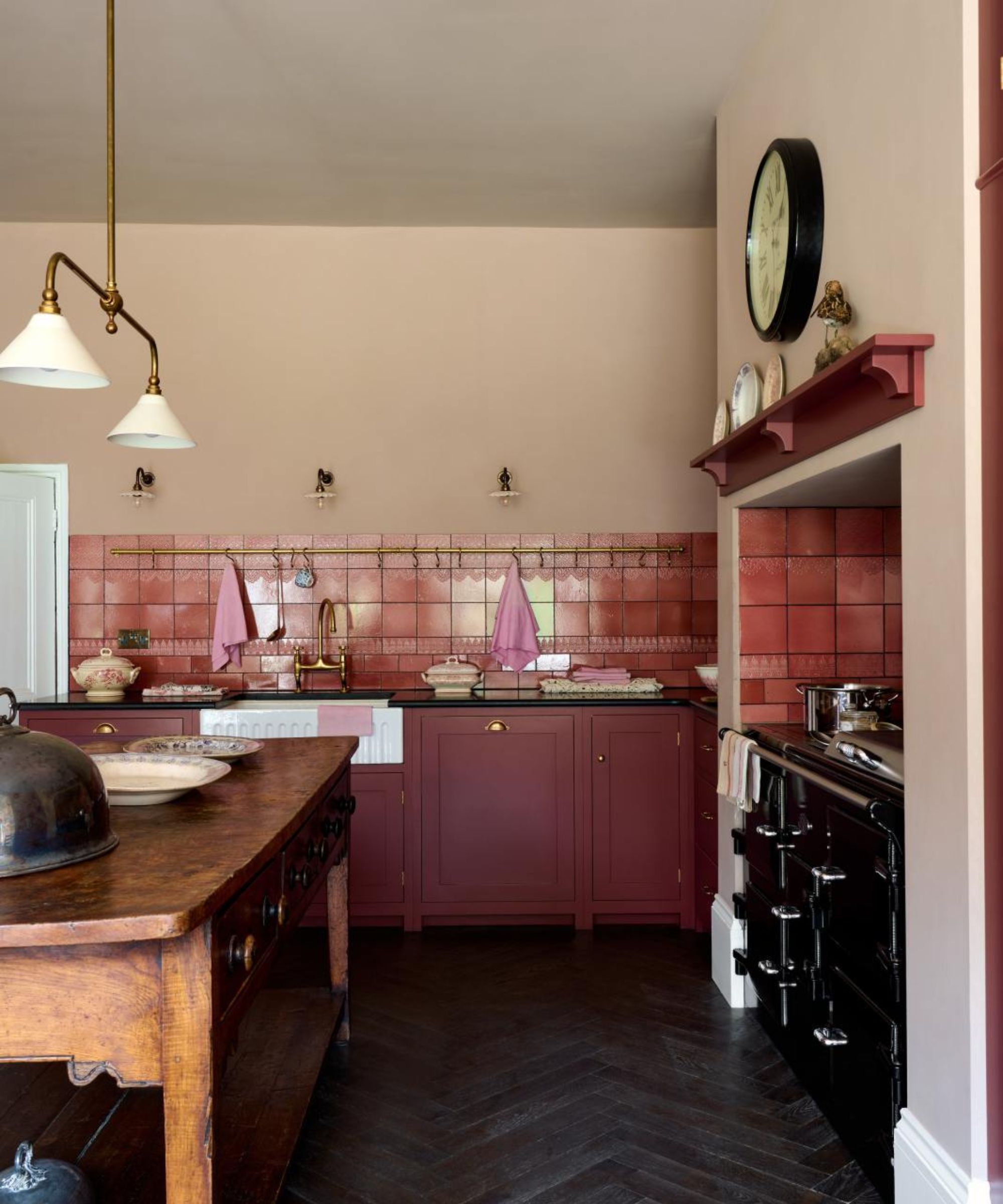
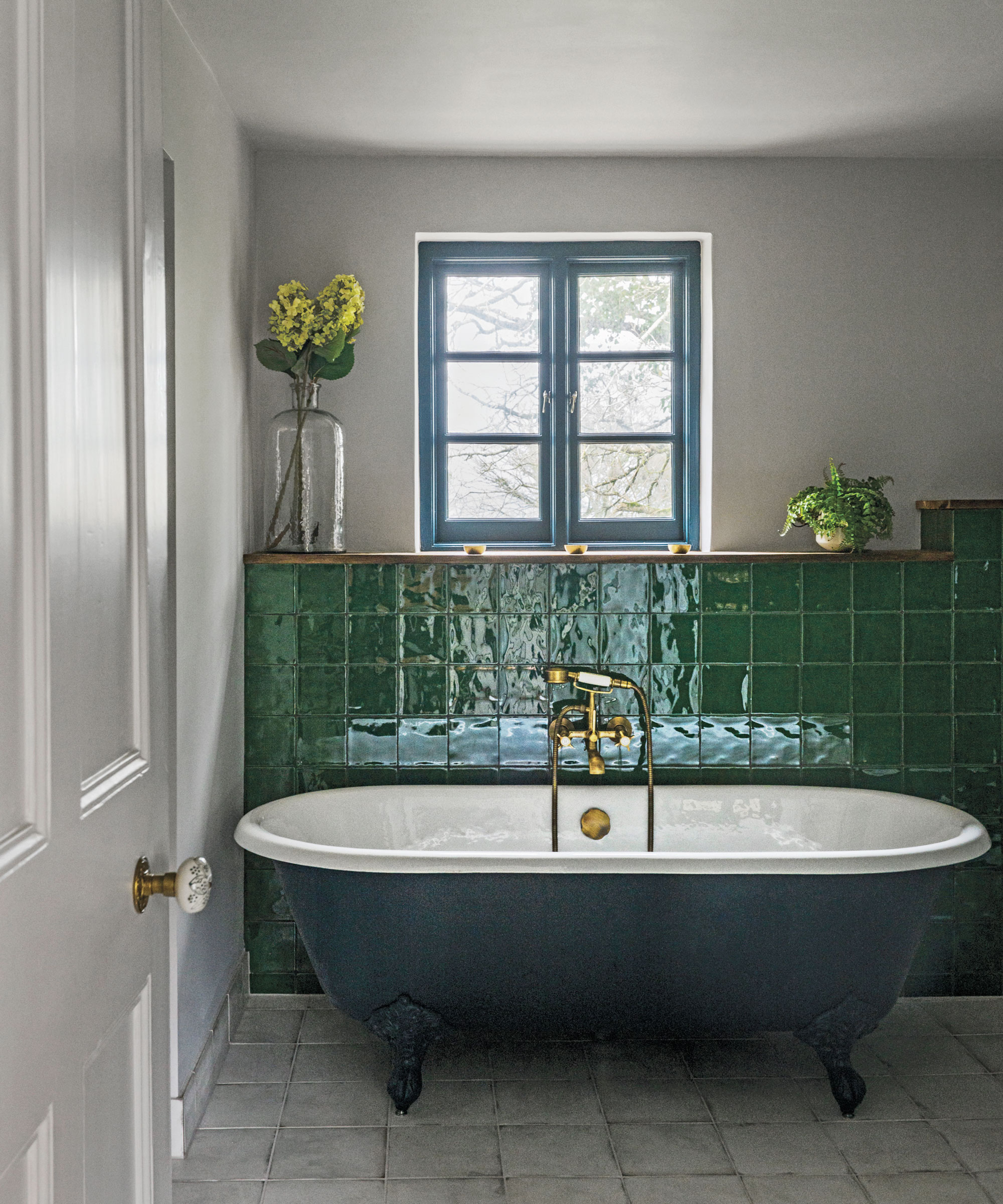
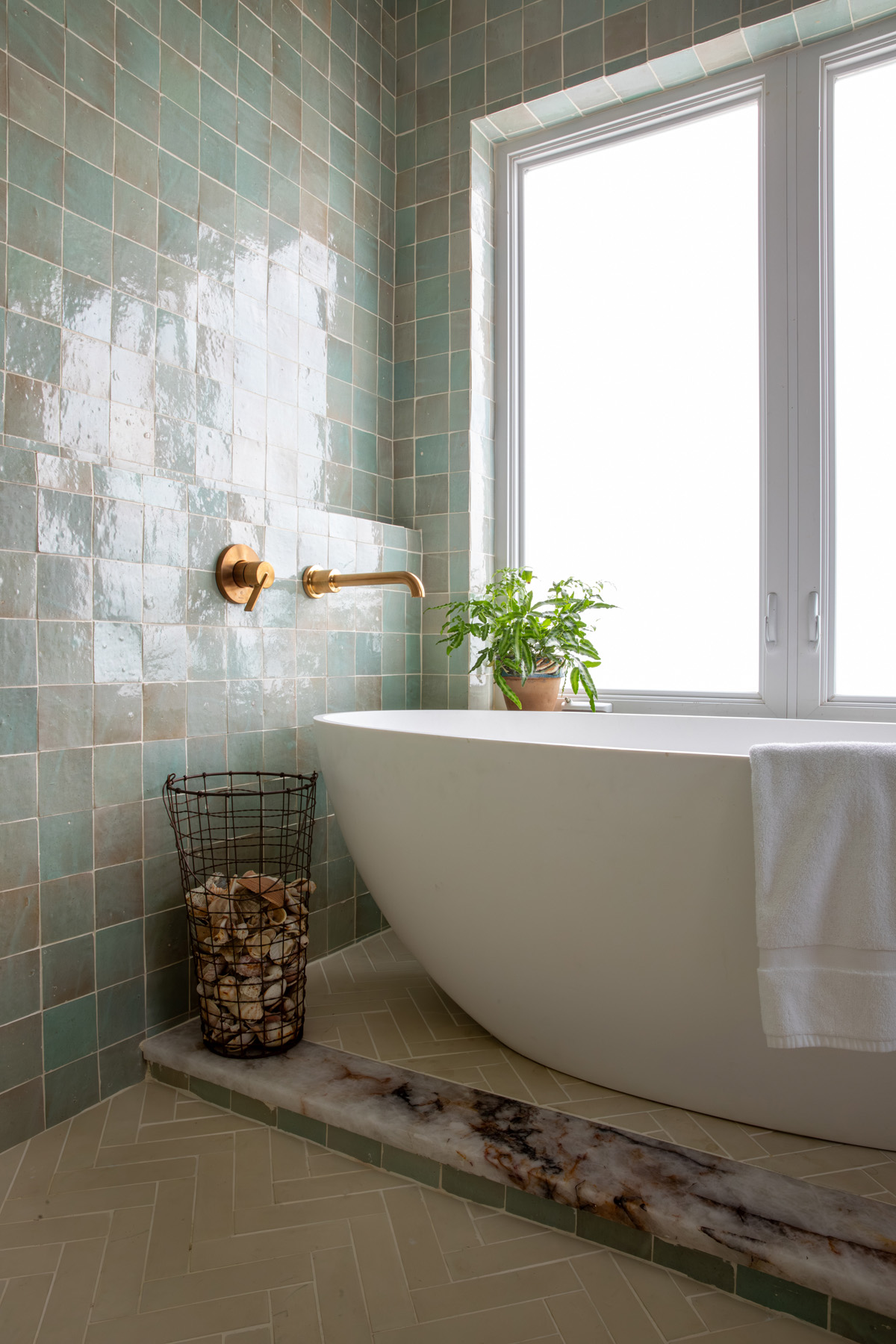
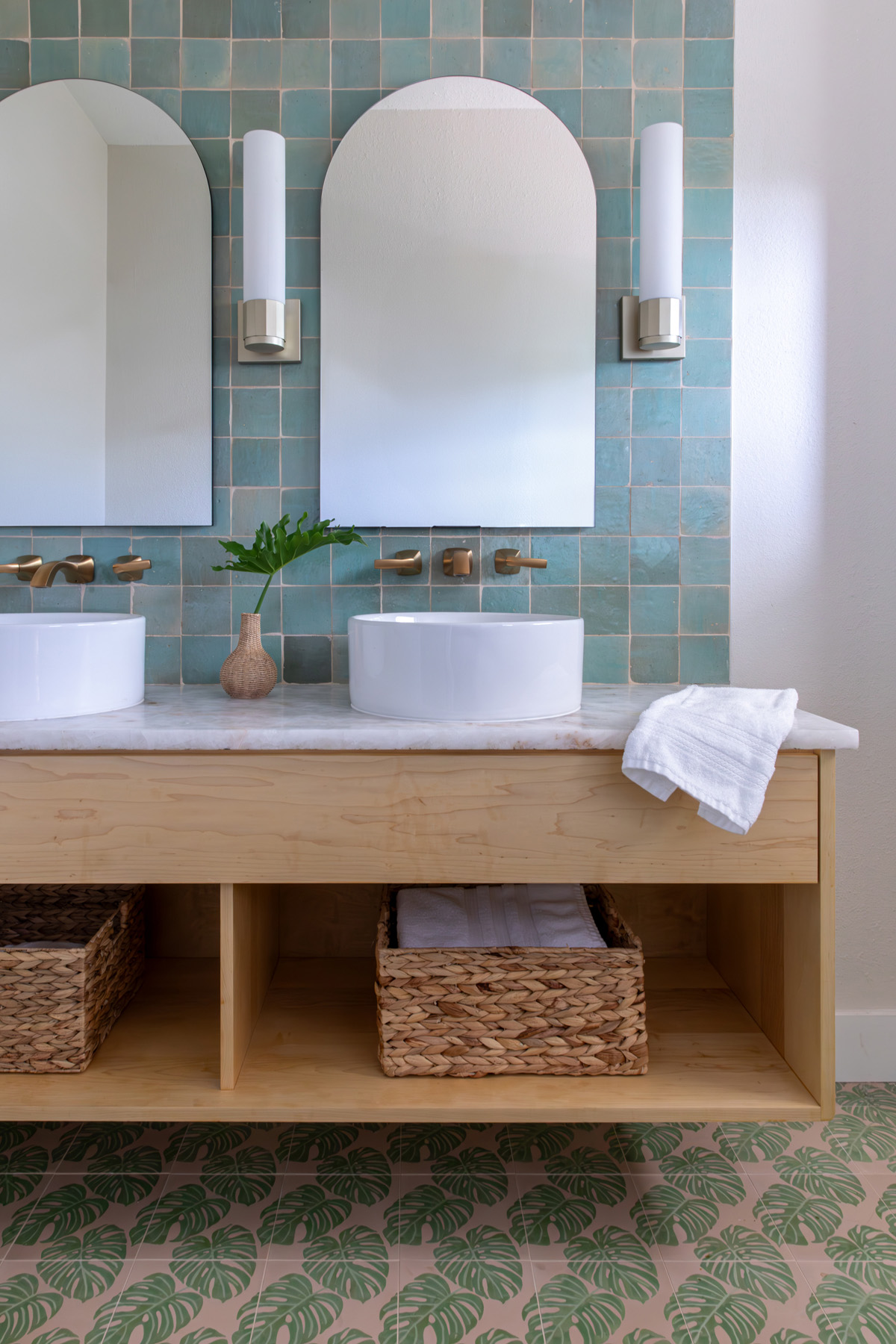
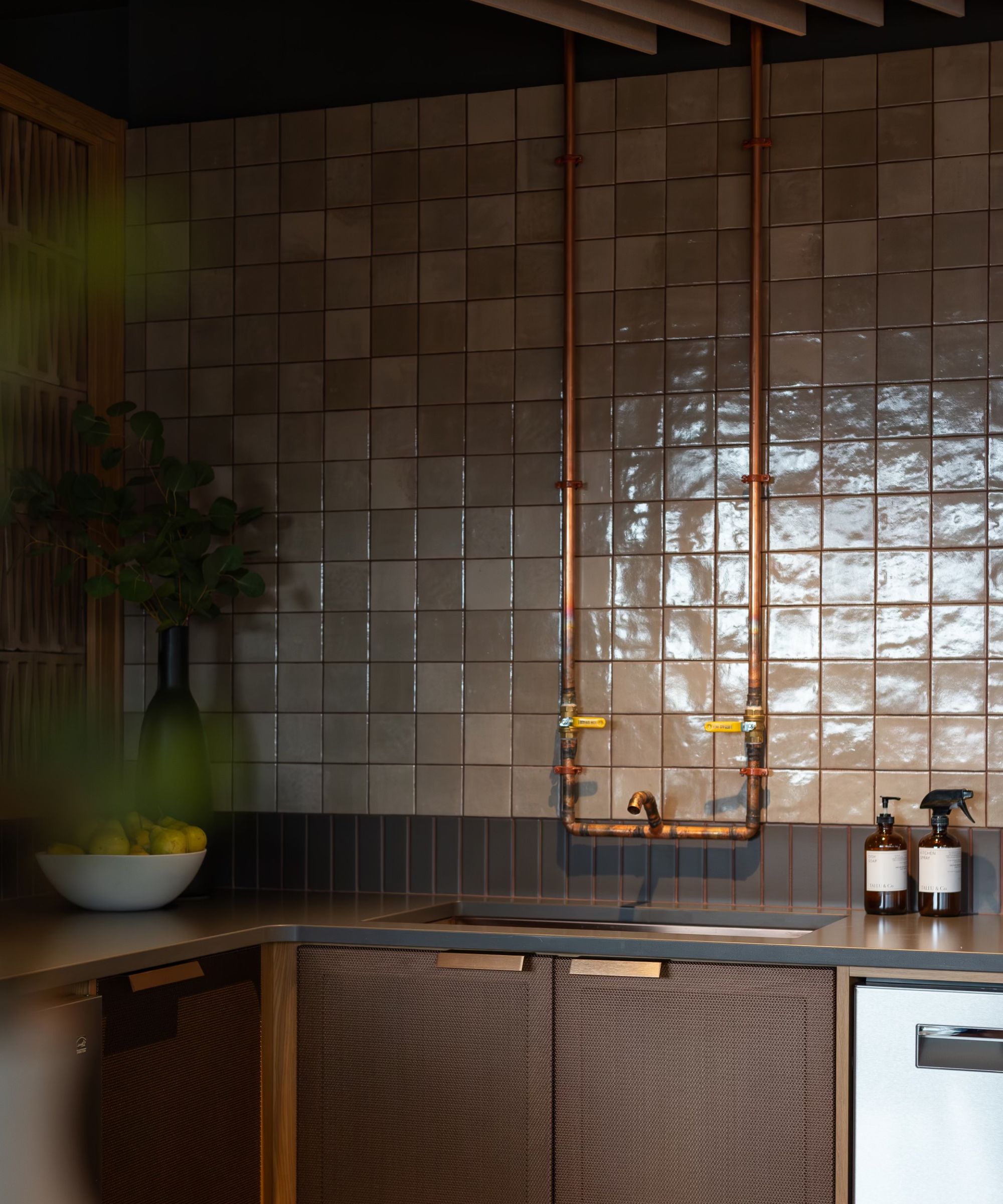
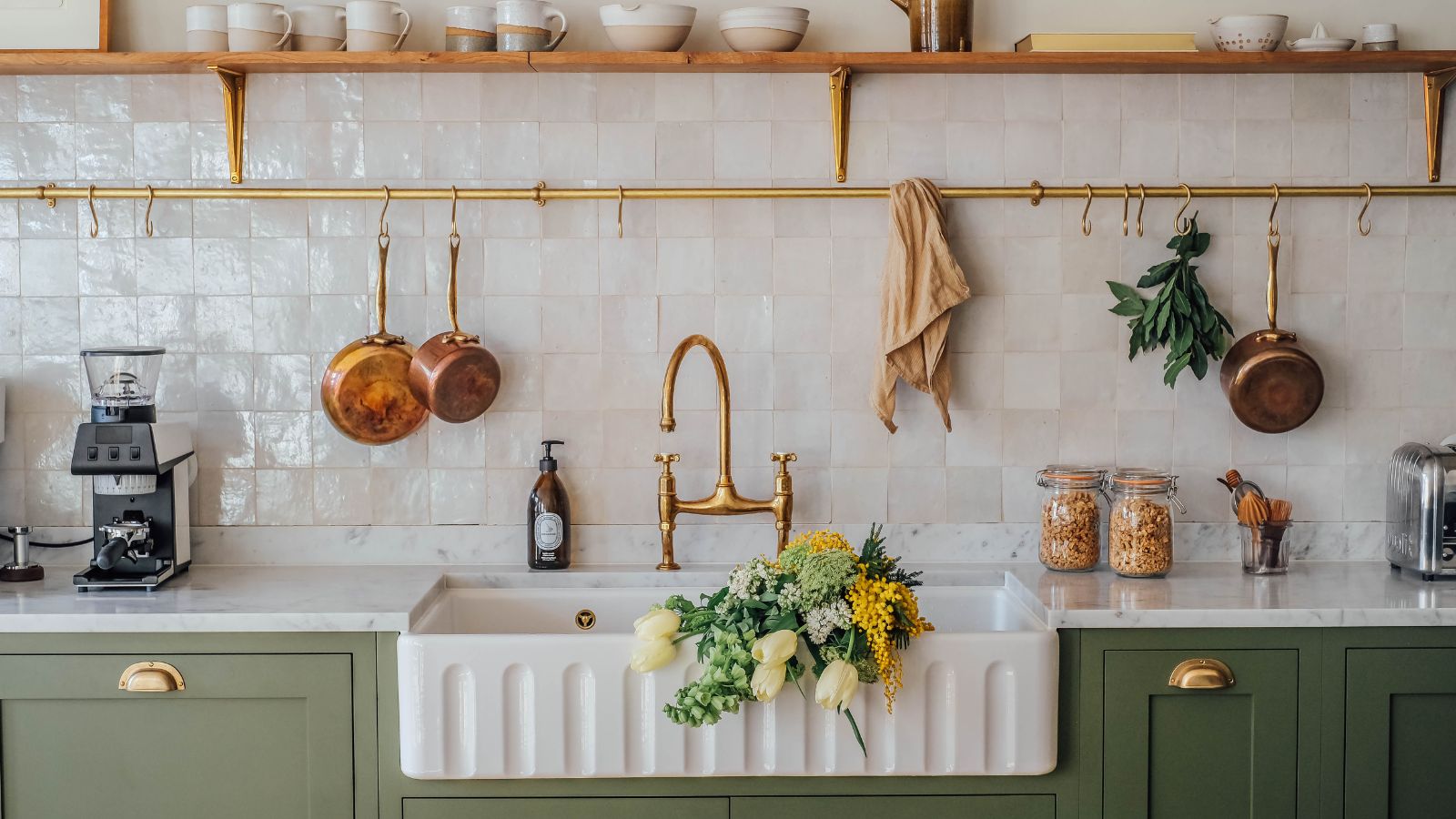
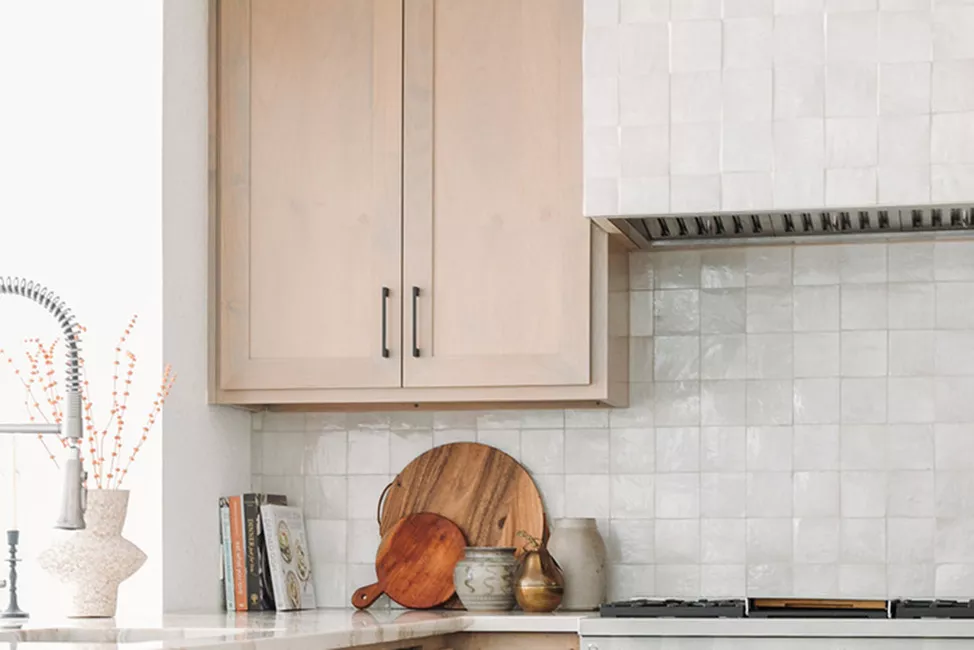
Traditional zellige tile originates from Morocco and is meticulously handcrafted from local clay. Deborah Osburn, artist and founder of Clé Tile, describes it as the 'jewel of the tile world,' emphasizing its inherent imperfections. Each tile is unique, exhibiting variations in thickness, irregular edges, pits, dings, and hairline crazing. These characteristics are not flaws but rather intrinsic to its beauty. The firing and glazing processes, carried out by artisans one tile at a time, contribute to these distinct features. Factors like the fuel used and the tile's position in the kiln influence its final appearance, resulting in subtle variations in glaze and texture that add visual depth and warmth, qualities rarely found in other hard materials. While many imitations exist, Osburn notes that none truly replicate the authentic magic of original zellige, asserting that machine production cannot capture its true essence. She clarifies that zellige is not suitable for those seeking uniform color and consistent sizing.
Interior designers generally concur that zellige tile is not merely a passing trend but a design element with enduring appeal. Barbi Walters, owner and principal designer of Lynden Lane, highlights its centuries-old usage and increasing popularity as people gravitate towards natural, handcrafted materials. She suggests that its texture and depth infuse spaces with a 'soul' that is distinct from the often artificial feel of modern advancements. Osburn points out that while the Western world has recently embraced zellige, its presence in the design zeitgeist has been continuous for centuries, indicating a timeless quality. The craftsmanship inherent in zellige tile is a key factor in its lasting appeal. Eddie Maestri, principal and creative director of Maestri Studio, emphasizes that the irregularities of zellige tell a story, making it feel timeless and grounding, avoiding an 'over-designed' or 'overly perfect' aesthetic.
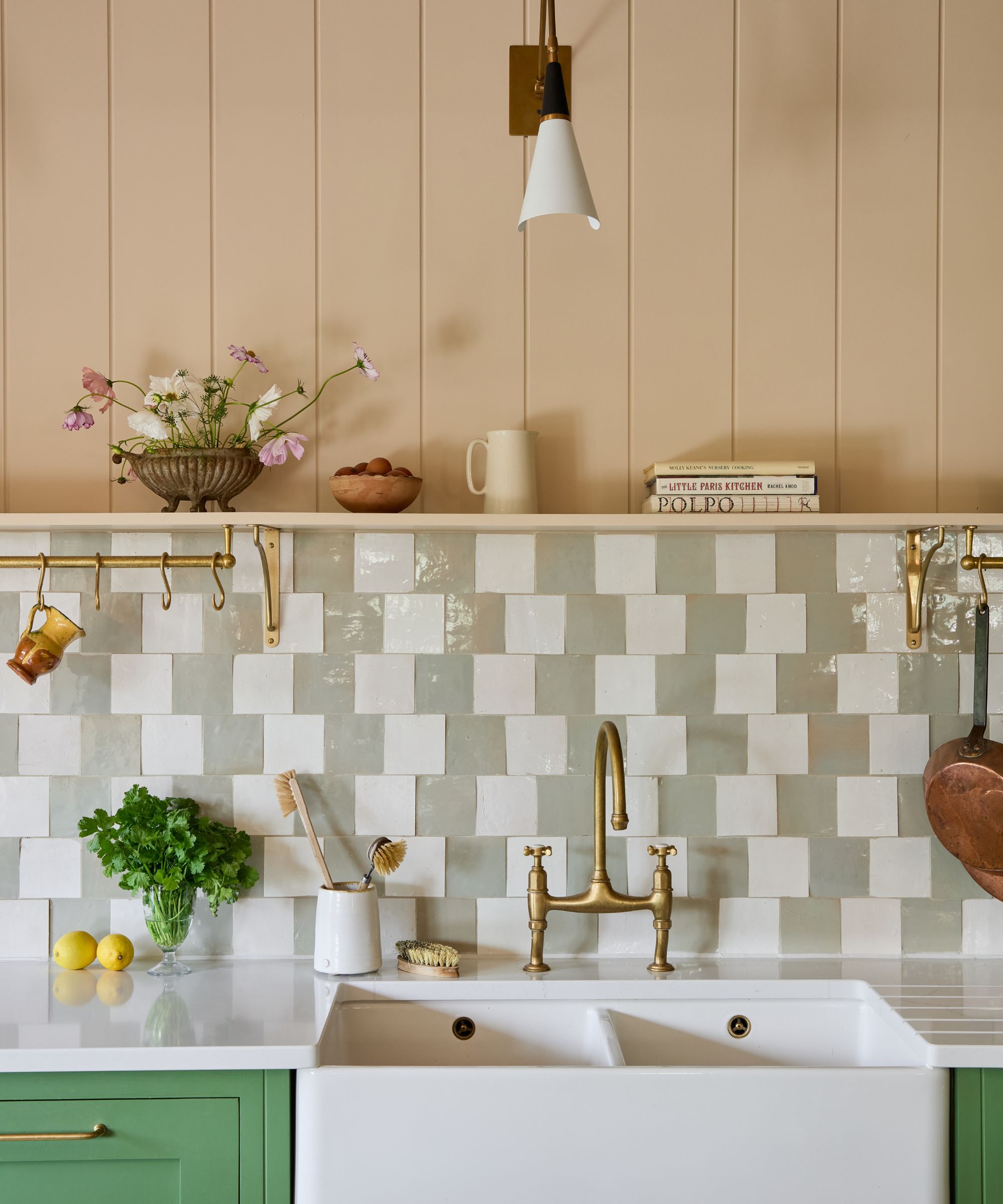
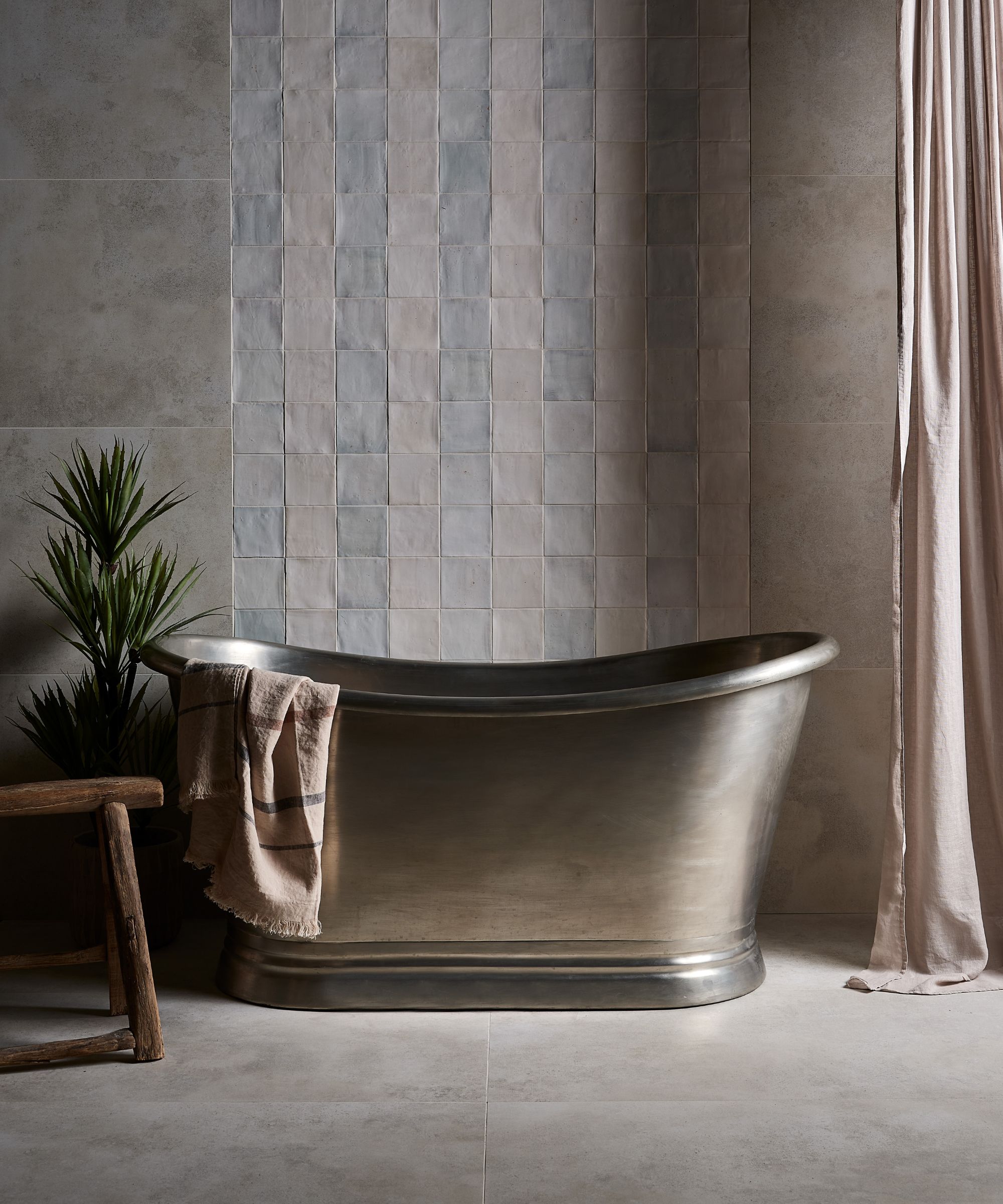
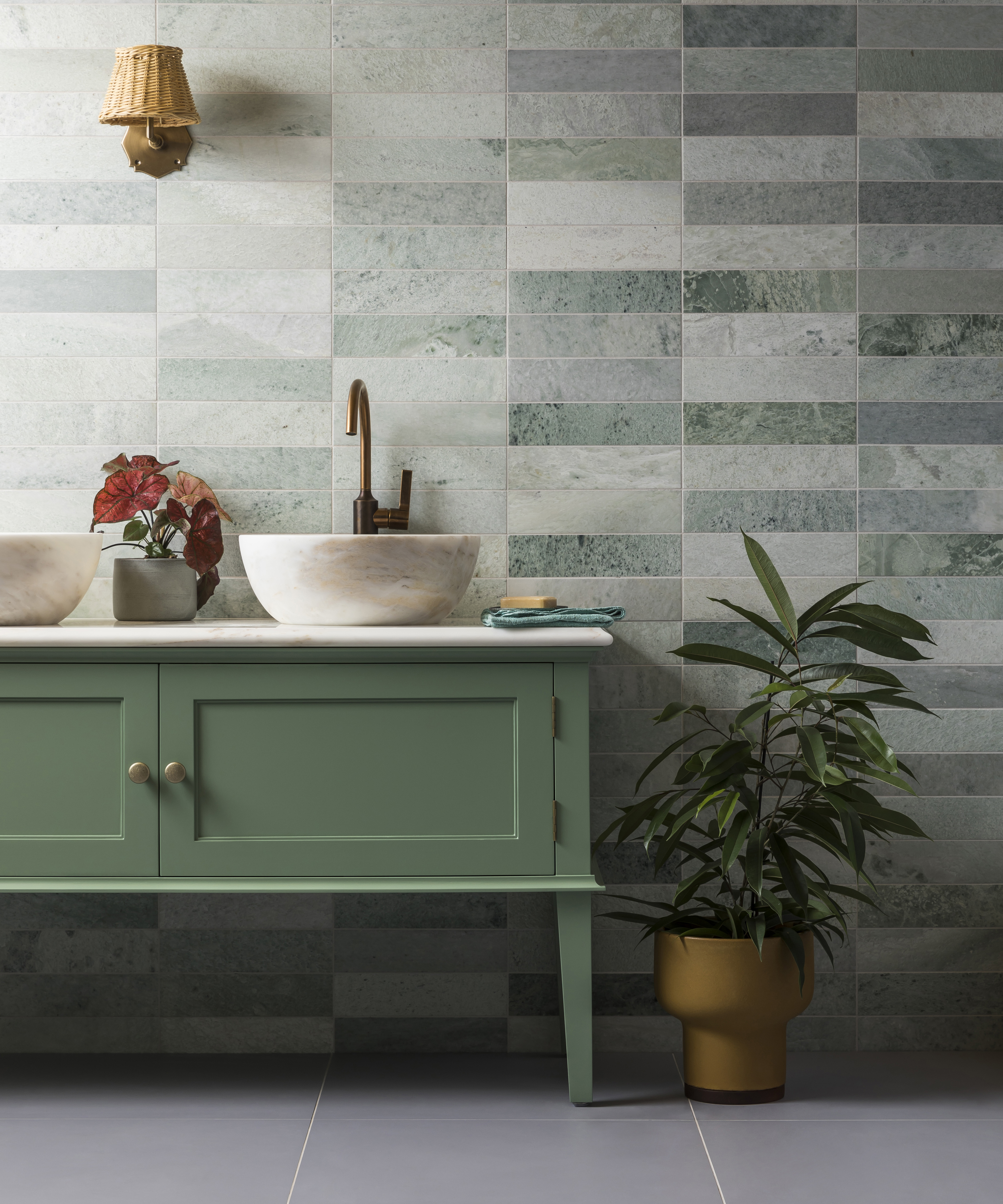
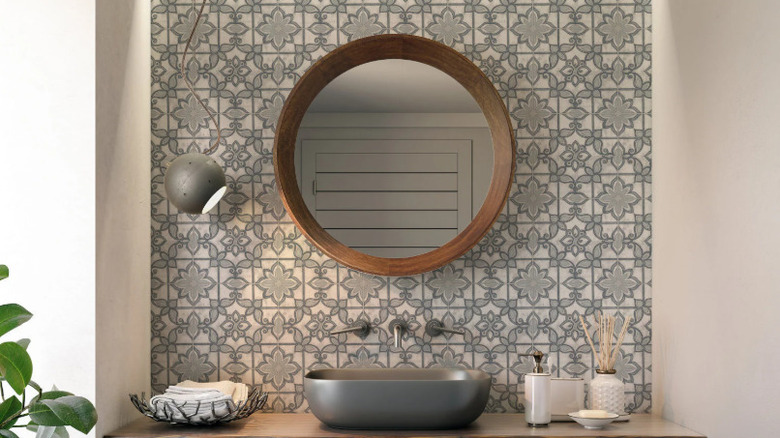
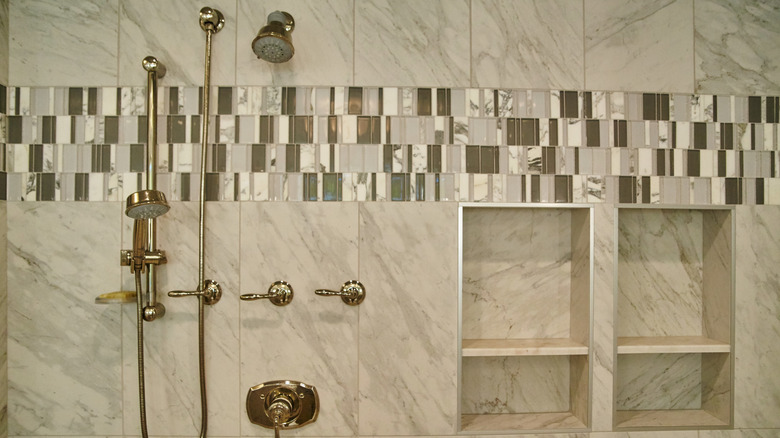
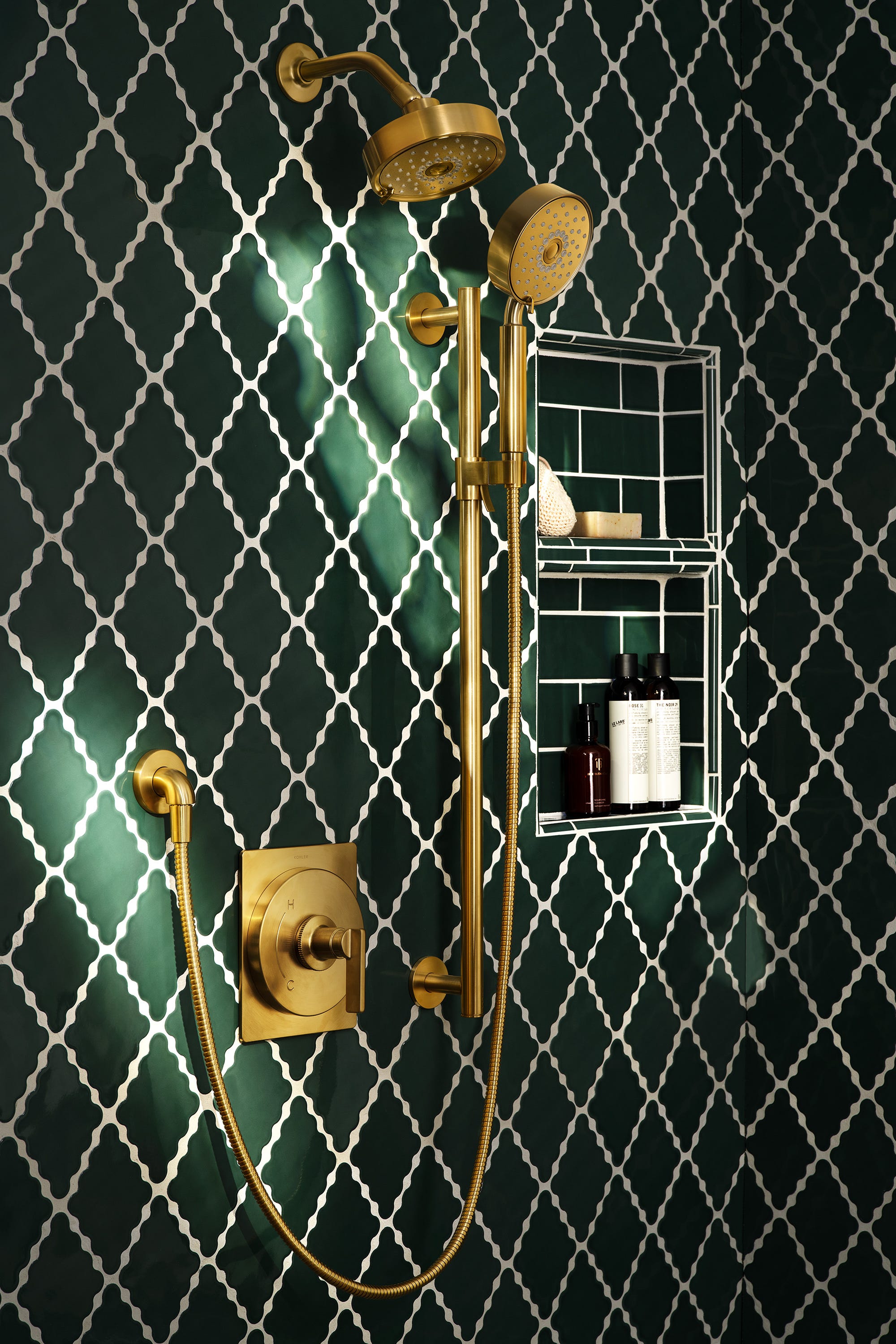
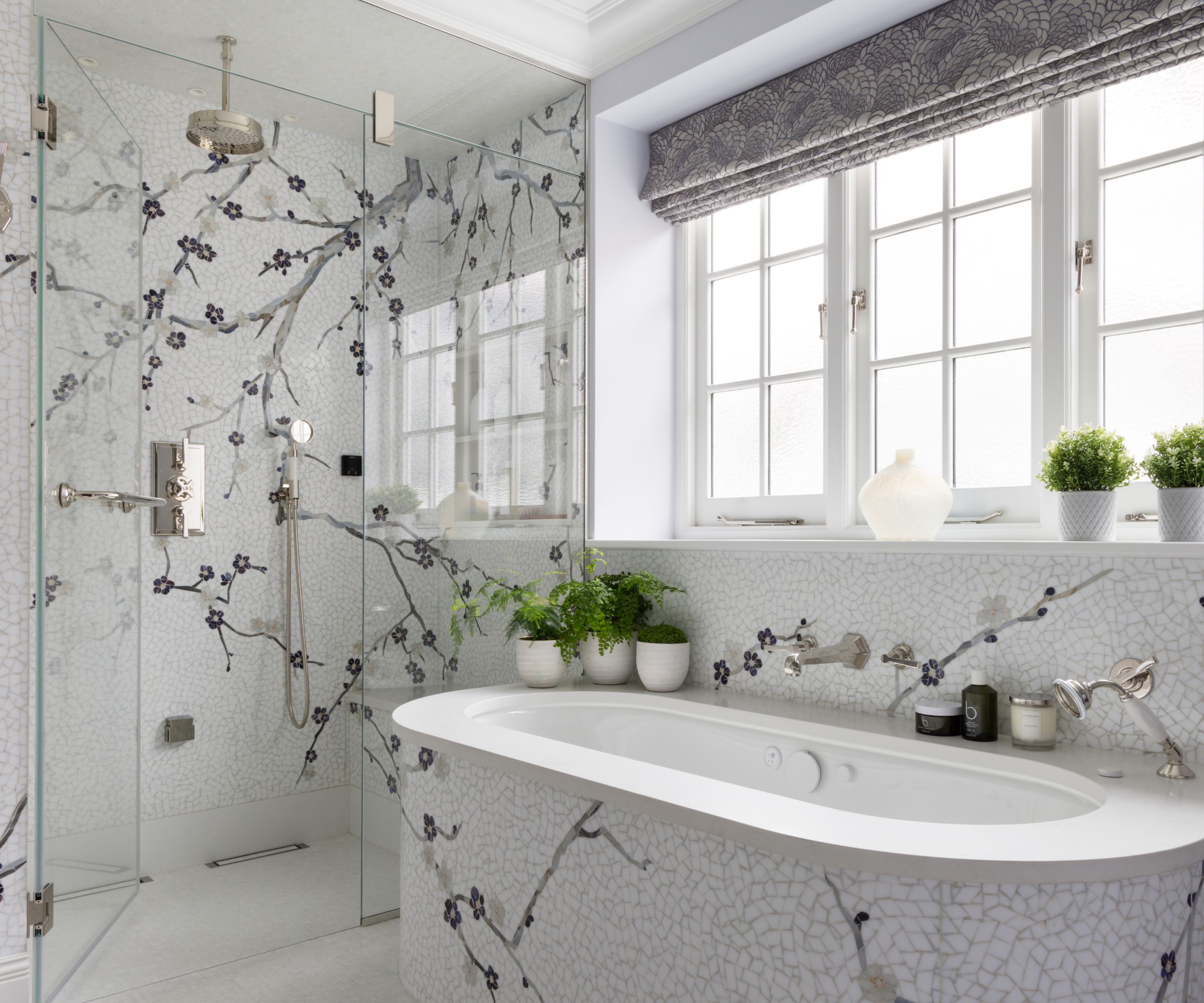
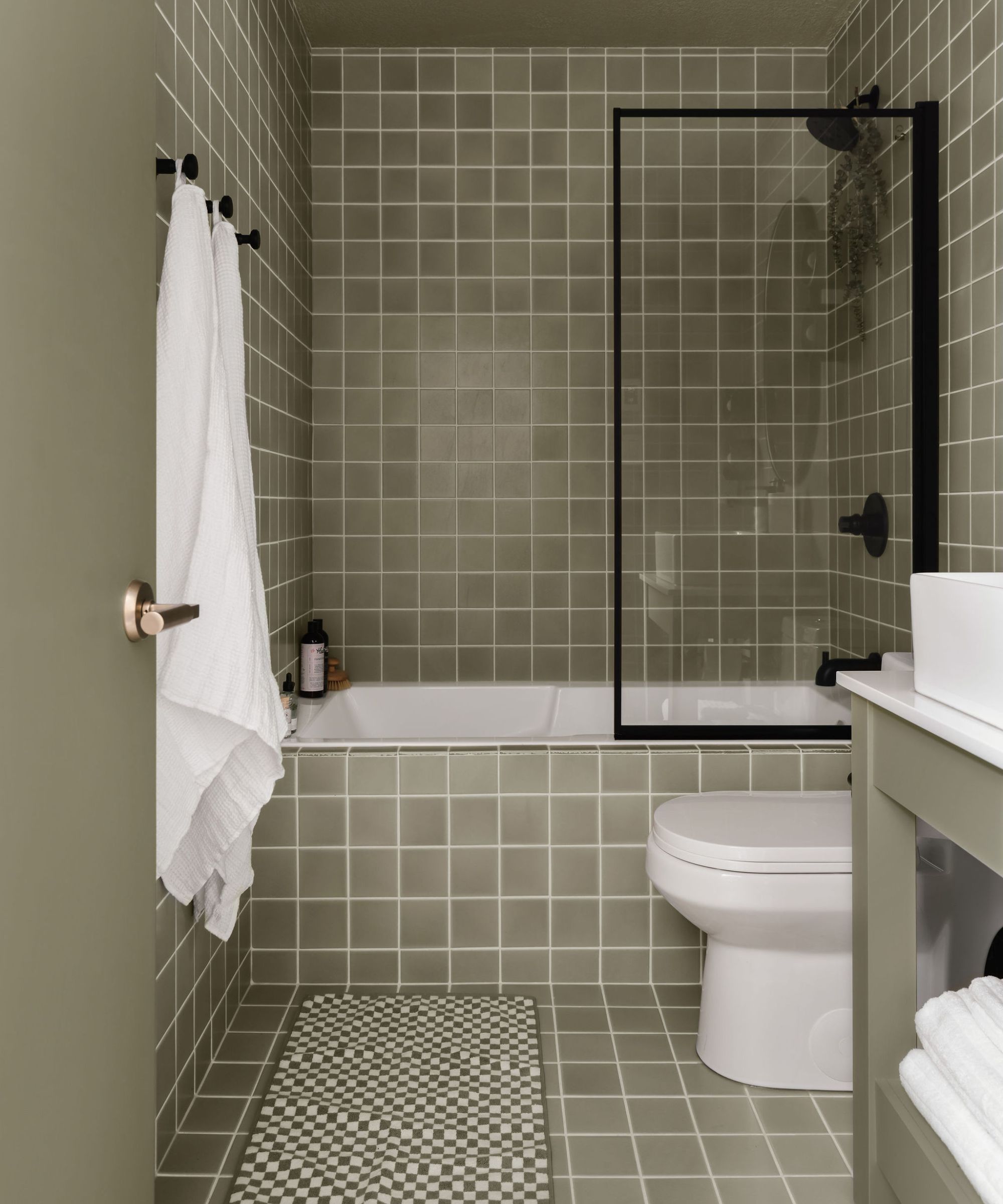
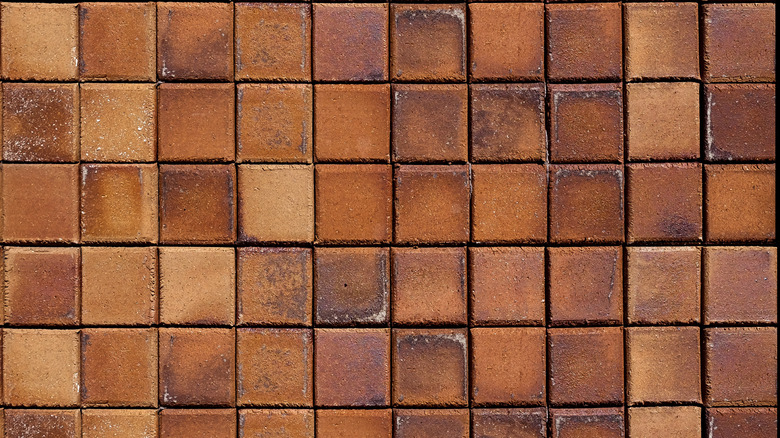
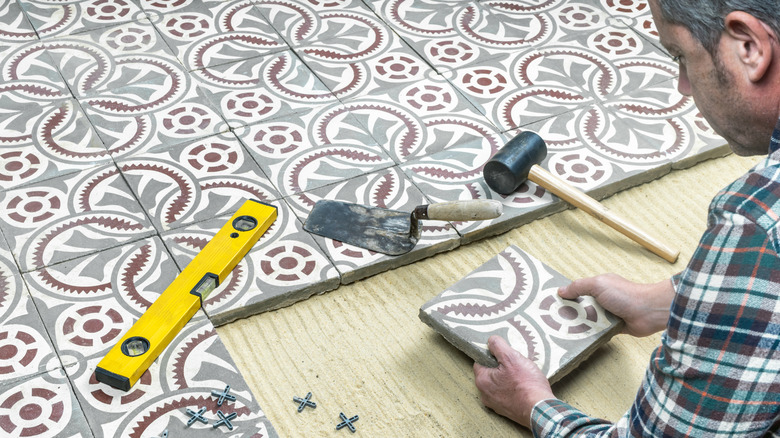
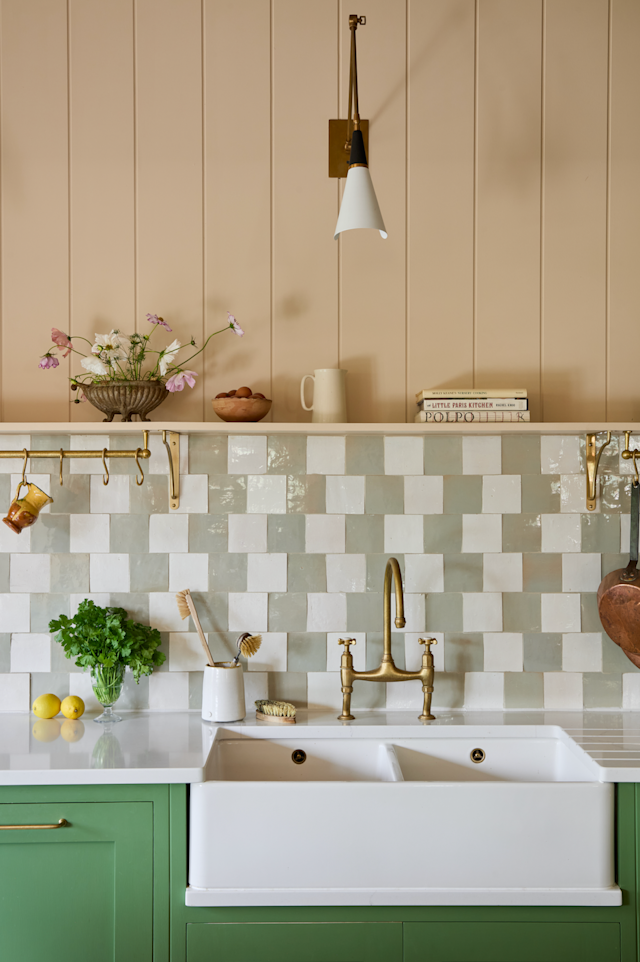
To ensure zellige tile remains timeless and chic, designers offer various decorating strategies. Maestri advocates for wider grout lines to further accentuate the tile's handmade nature, a small adjustment that significantly impacts its visual presence. He also suggests using a tonal palette or pairing zellige with natural stone featuring prominent veining. This combination of organic movement and refined texture creates a balanced, thoughtful, and effortless look. Osburn recommends utilizing natural, unglazed zellige, often overshadowed by its glossy counterparts, for its understated, organic elegance. She also notes the timelessness of terracotta, which develops a beautiful patina over time. Nicole Hollis, another interior designer, suggests incorporating a mix of colors to add character, drawing inspiration from traditional Moroccan designs that feature complex geometric patterns, stars, polygons, and vibrant hues like cobalt, blue, green, yellow, and black. Checkerboard, two-tone, and monochromatic designs can also achieve a curated look. Osburn likens zellige to an artist's paint, allowing for personal design creation, emphasizing that the goal is a curated, non-cookie-cutter result, encouraging bold applications like tiling a ceiling.
#ZelligeTile #InteriorDesign #HomeDecor #TileTrends #MoroccanCraftsmanship #HandcraftedMaterials #TimelessDesign #DesignLongevity #ZelligeTile #InteriorDesign #HomeDecor #TileTrends #MoroccanCraftsmanship #HandcraftedMaterials #TimelessDesign #DesignLongevity
0 comment in total
 No comments yet
You may also like
Here's why going groutless is the trendiest way to do tile in 2025

What Comes After Subway Tile? We Asked 5 Designers

Showstopping Tile


Tiles take inspiration from fashion
3 Kitchen Tile Trends On Their Way Out This Year (and What to Do Instead), According to Interior Designers

Outdated Tile Trends That Are Going Away In 2025
What Is Zellige Tile? 5 Reasons Designers Want You to Use It for Your Next Remodel

9 tile trends for 2025 that add character, interest, and style to your home
The Zellige Tile trend is an interior designer favorite – here's how to style it in your home
4 Reasons Zellige Tiles Are Taking Over Interiors Right Now (and How to Use Them in Your Space!)
Sick of Subway Tile? Here Are 10 Super-Gorgeous Alternatives
10 Tile Trends You'll Be Seeing More Of In 2026

How To Use Zellige Tile For Timeless Style, According To Designers
5 outdated tile trends that are letting your kitchens and bathrooms down
2023 Tile Trends Feature Wellness, Sustainability And Resilience

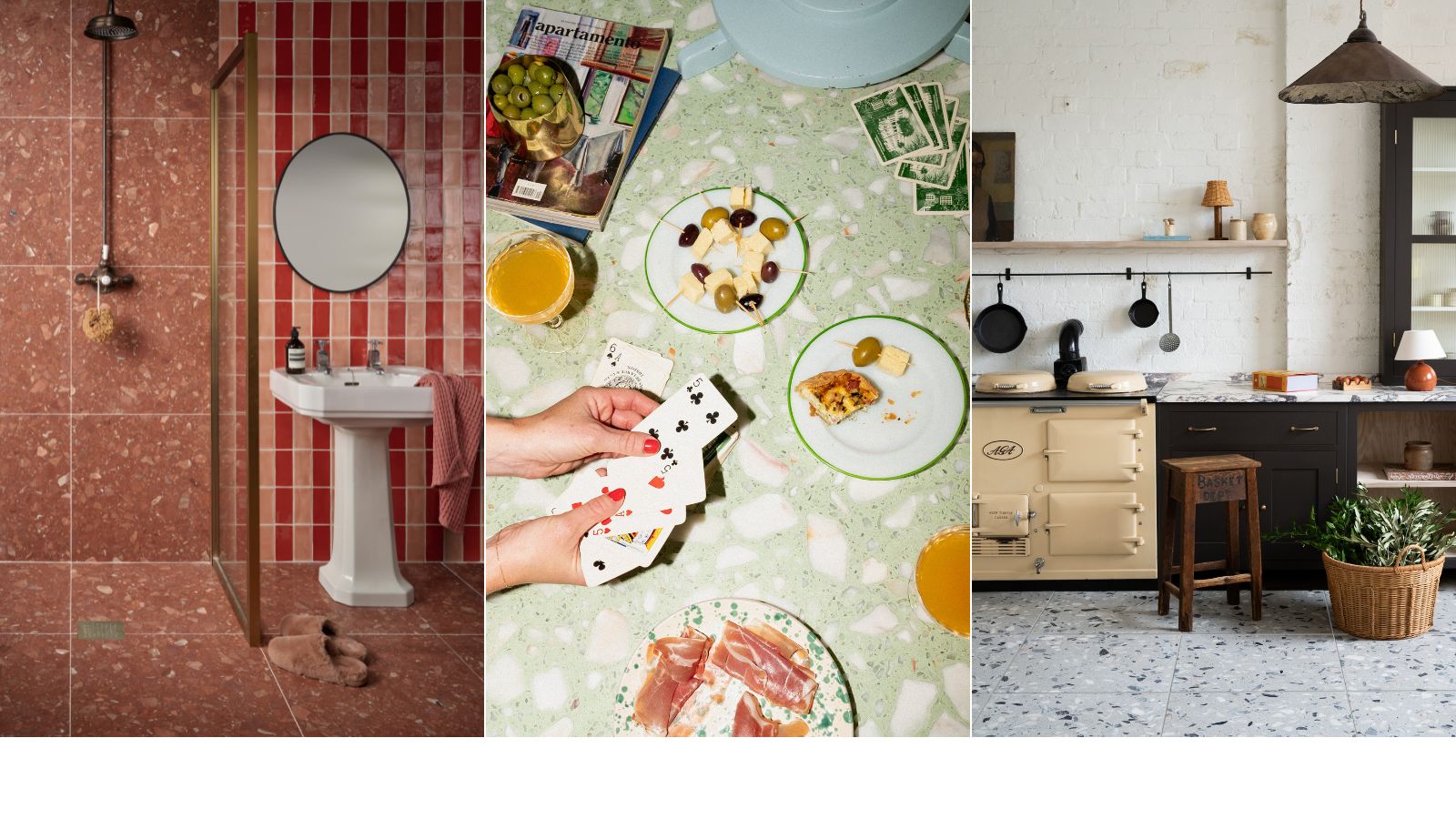
Interior designers say this dated tile trend is making a reappearance in 2024 – is terrazzo back on trend again?
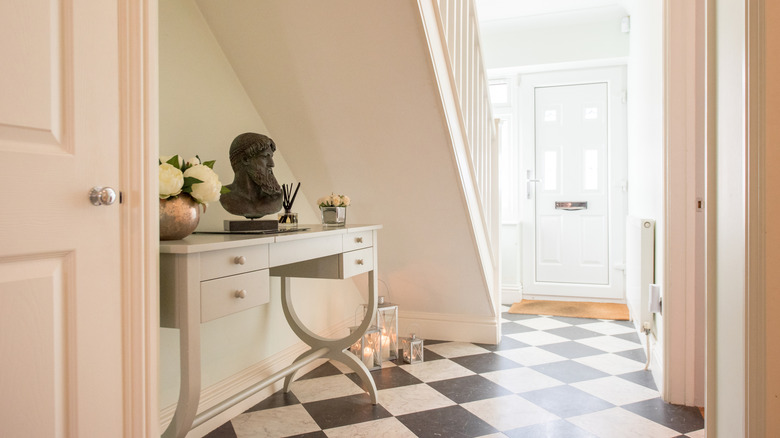
Tile Trends That Will Be Dominating In 2025
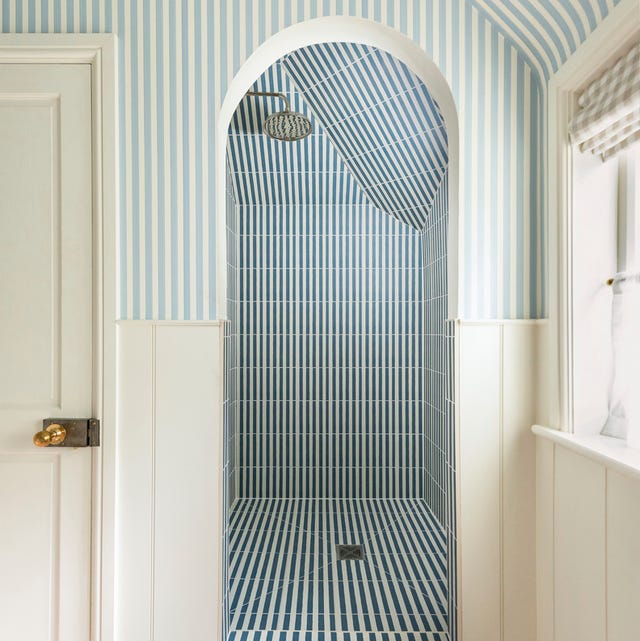
Tile Is BACK—and More Creative and Fun Than Ever, According to Experts

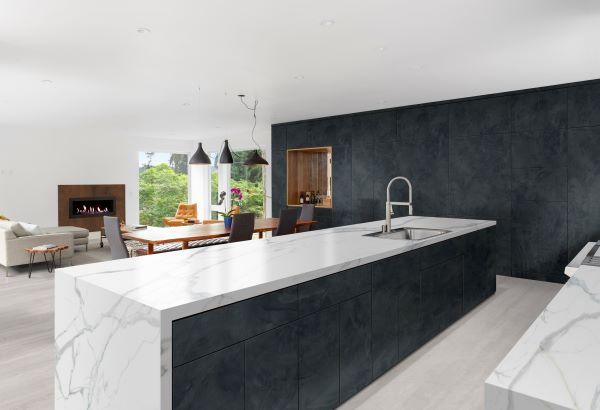
7 Top Tile Trends And Styles For 2021
Zellige Tiles Aren’t Going Anywhere—Designers Share 10 Gorgeous Ways to Use Them for 2026