
1/4
The Dark Side of Historic Preservation
Historic preservation, while aiming to safeguard culturally significant structures, often presents considerable challenges and drawbacks that impact property owners, businesses, and urban development. The emotional connection to historic buildings, exemplified by sites like Independence Hall or Mount Vernon, often drives preservation efforts. The author, raised by historic preservationists, experienced firsthand the dedication to maintaining old structures, understanding the inherent value and appeal of architectural history. However, this dedication, when codified into law, can lead to unintended negative consequences.
The initial impulse for preservation in the U.S. can be traced back to the 1860s with the demolition of the John Hancock house, and subsequent resurgences of interest occurred in the 1920s and post-World War II, spurred by events like the destruction of New York's original Penn Station and Louis Sullivan's Chicago Stock Exchange. These movements led to the establishment of historic preservation ordinances, which, while well-intentioned, often impose significant financial burdens and legal restrictions on private property owners. A landmark U.S. Supreme Court case in 1978, *Penn Central Transportation Co. v. New York City*, established the "Penn Central test," a legal framework that allows governments to impose regulations limiting property use without providing "just compensation." This subjective test places the burden of maintaining historic properties on individual owners, even if the preservation primarily benefits the public.
Today, there are approximately 2,300 historic preservation ordinances in the U.S. These regulations are frequently criticized for being used not just to protect genuinely priceless buildings but as a tool to halt new development and even to control land use. Examples include delaying apartment projects for years over the historical significance of a laundromat, or imposing significant legal costs on property owners due to third-party historical designation requests. Bureaucrats sometimes designate structures as historic even when they lack true historical value, using these designations as a manipulative tactic to control property. Furthermore, businesses have been known to exploit these laws to stifle competition, as seen in the case of Islamorada, Florida, where an ordinance banning chain drug stores was disguised as an effort to preserve the town's "historic atmosphere."
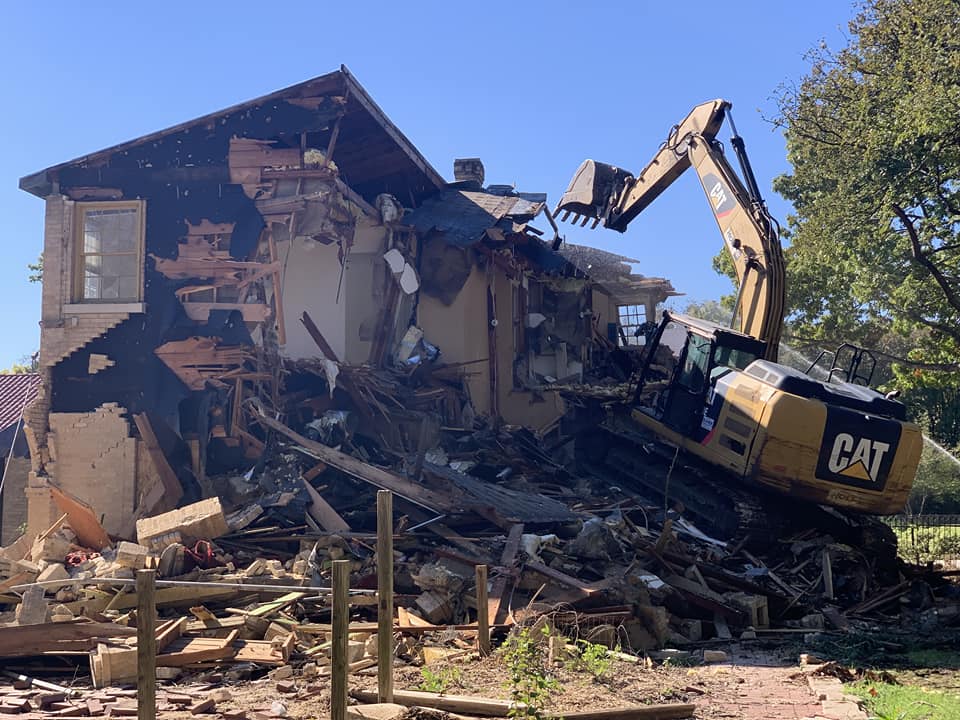
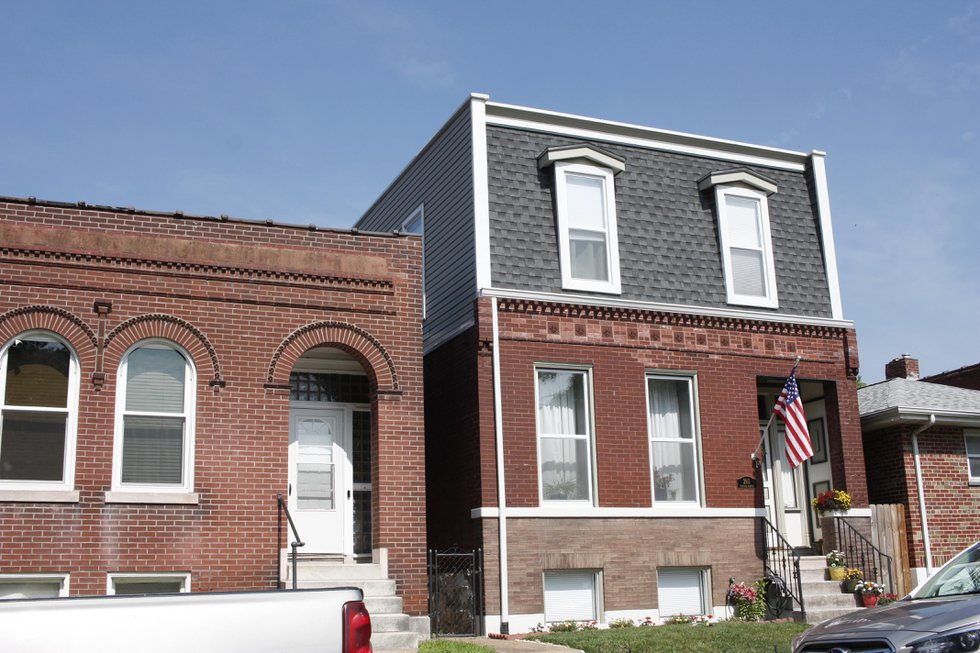
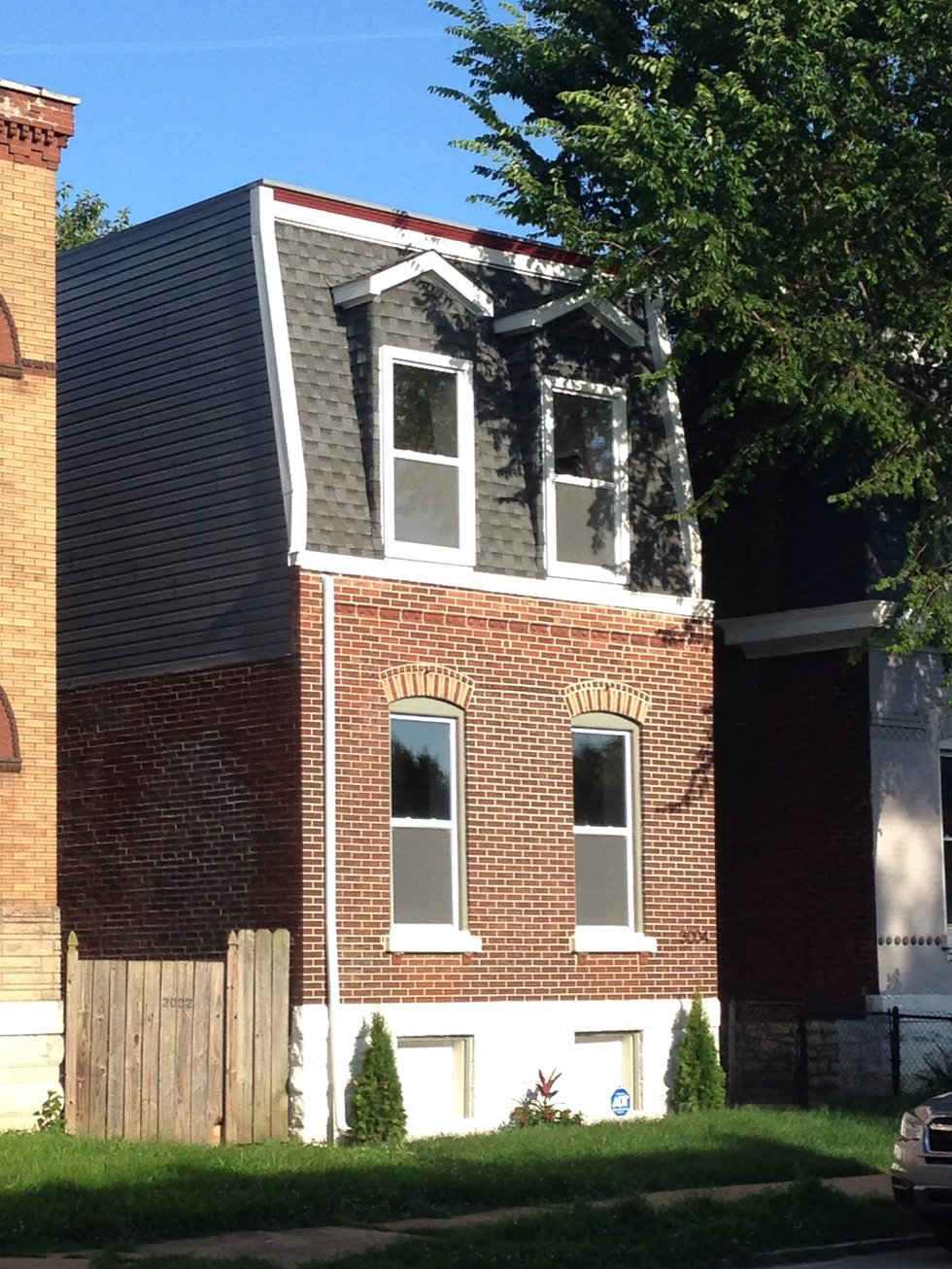
The stringent and often vague rules within designated historic neighborhoods can make it nearly impossible for property owners to renovate or even repair their homes. Guidelines dictate everything from window types to paint colors, requiring multiple layers of bureaucratic review, leading to costly delays and fees. This bureaucratic entanglement can even deter owners from maintaining their properties, leading to a phenomenon known as "demolition by neglect," where buildings are allowed to fall into disrepair until they collapse, freeing owners from the regulations. In extreme cases, property owners have resorted to demolishing potentially historic buildings quickly to avoid landmark designation and its associated restrictions.
Alternative approaches to historic preservation focus on incentives and fair compensation rather than strict regulations. Arizona's Proposition 207, for instance, requires the government to compensate owners when regulations reduce property value, leading to more equitable land-use planning. Similarly, the successful preservation of Tom's Diner in Denver through tax credits and grants demonstrates how financial incentives can encourage owners to preserve historic properties while allowing for modernization. The article argues for clear, objective rules in historic districts to prevent arbitrary enforcement and ensure due process for property owners, advocating for legislation like the Permit Freedom Act. Ultimately, effective historic preservation requires a balanced approach that considers property rights, economic incentives, and clear legal frameworks, preventing it from becoming a barrier to innovation and beneficial development.
#HistoricPreservation #PropertyRights #UrbanDevelopment #LandUseRegulation #GovernmentOverreach #ArchitecturalHistory #LegalChallenges #EconomicImpact #NIMBYism #HistoricPreservation #PropertyRights #UrbanDevelopment #LandUseRegulation #GovernmentOverreach #ArchitecturalHistory #LegalChallenges #EconomicImpact #NIMBYism
0 comment in total
 No comments yet
You may also like
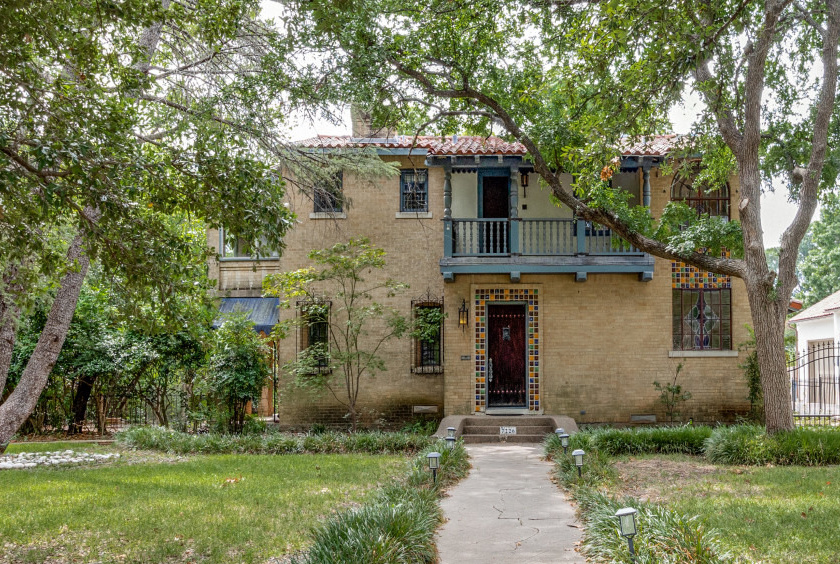
Dallas Preservation Experts on How to Keep Your Historic Home and Why It Matters


Meet Cody Clark
Tip: Leave the Finish Alone

Renovating a Home? Here's How to Modernize Without Losing Character


How to Keep Your Old Home From Becoming a Money Pit

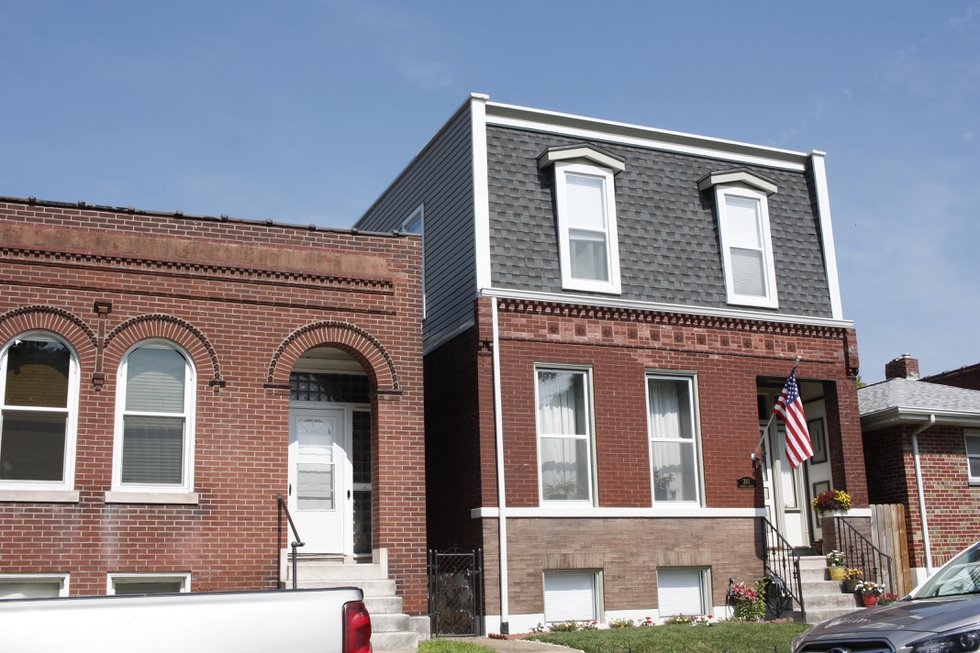
4 buildings and places in St. Louis in danger of disappearing forever


Restoring the Past, Building the Future

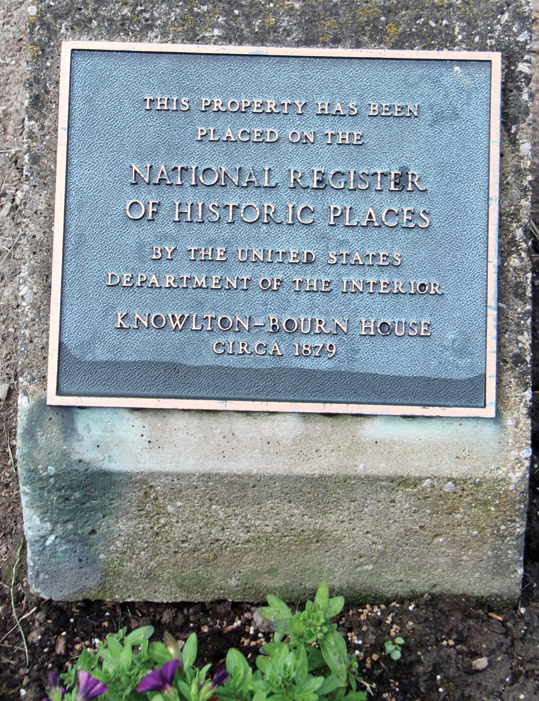
Painting to preserve history


When restoring historic homes, what’s old is new again


At Home with Marni Jameson: How to update older homes without messing them up

7 tips for restoring heritage homes to their former glory

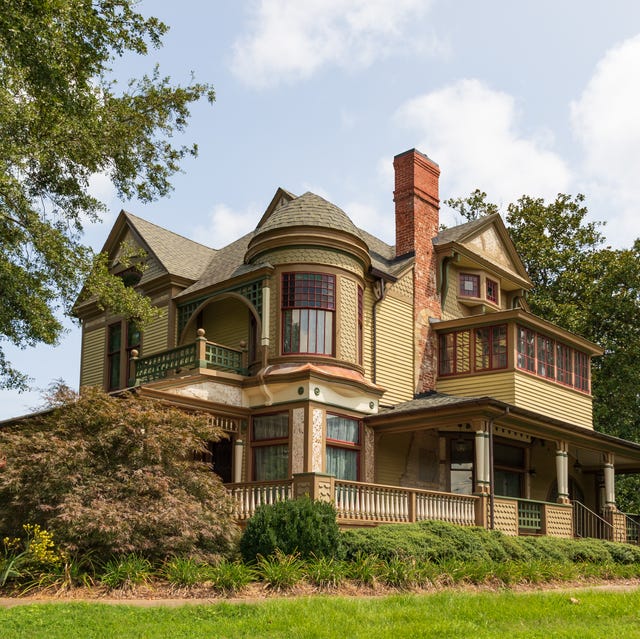
The SECRET Risks of Investing in a Historic Home, According to Experts

Meet the Historic Preservation Officer

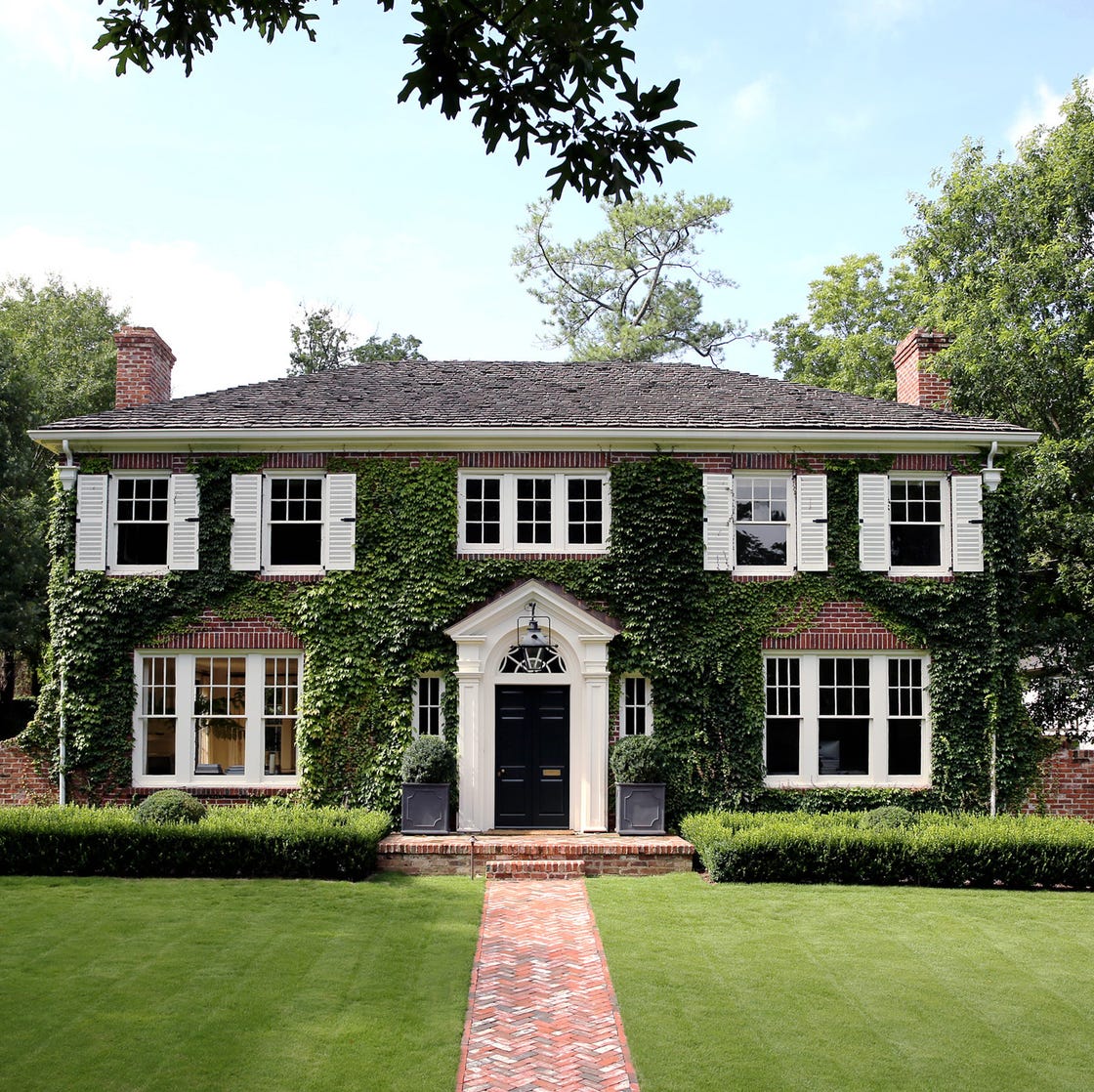
7 Things You Should Always Preserve or Try to Save in an Old Home, According to Designers


Here's What Nobody Tells You About Buying and Renovating a Historic Home

Preserving Historical Homes Through Painting

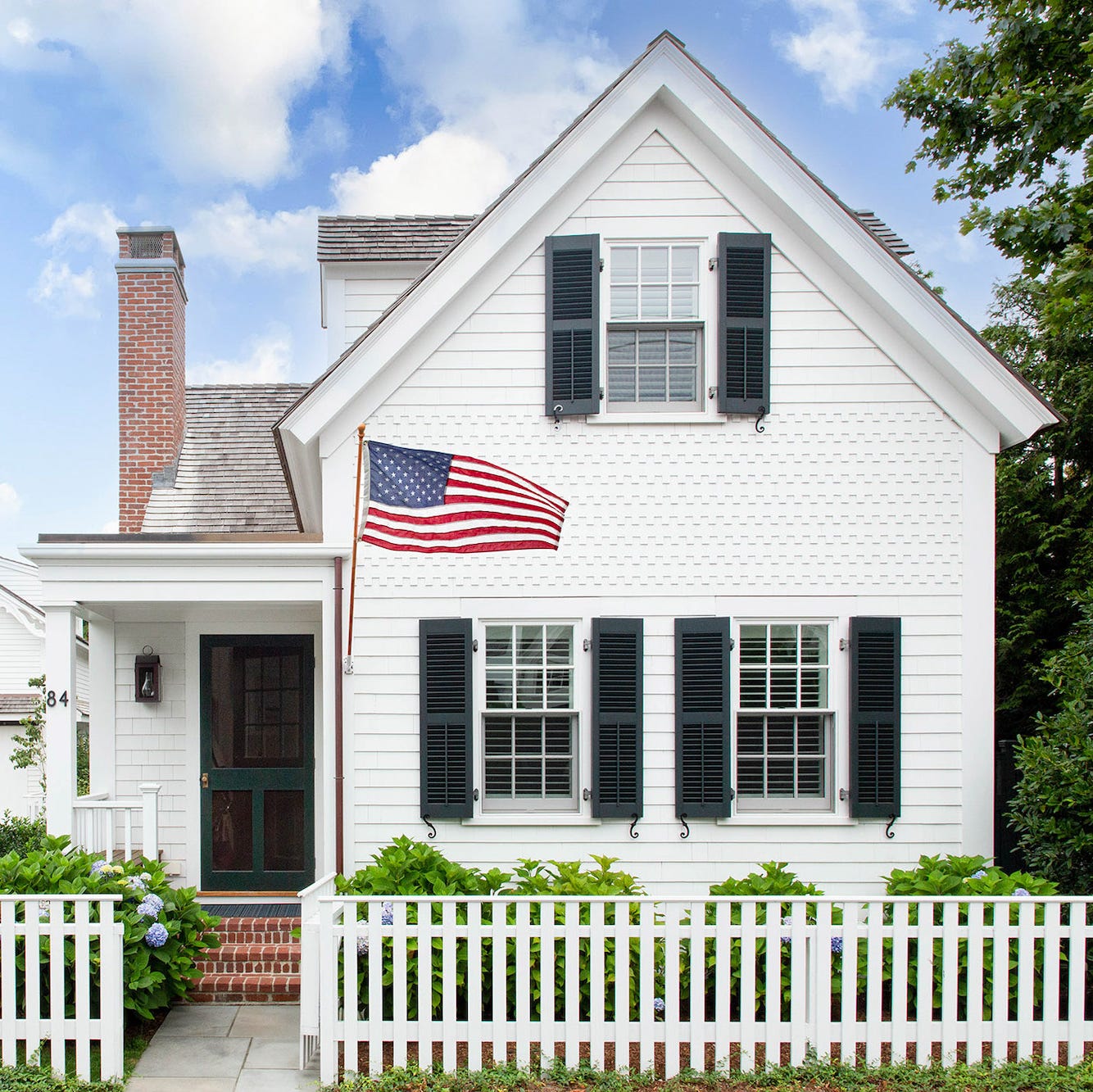
7 Architectural Details You Should NEVER Get Rid of in a Historic Home
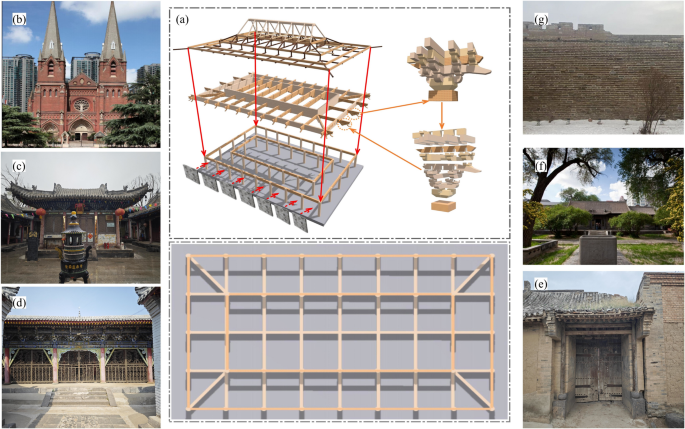
Damage and restoration technology of historic buildings of brick and wood structures: a review
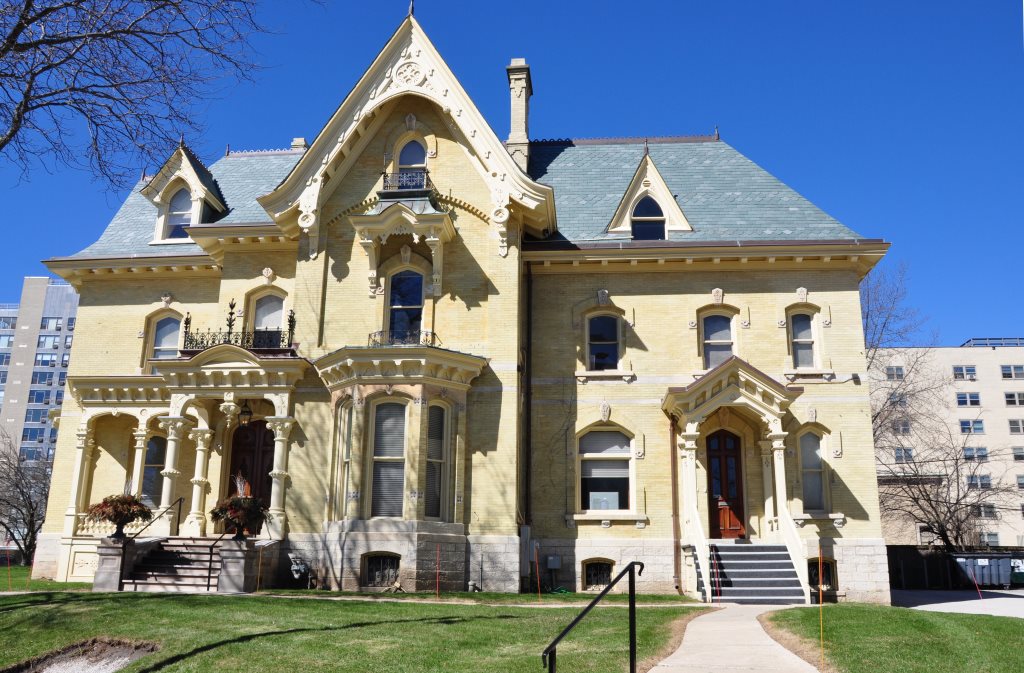
House Confidential: Judge Jason Downer’s Home Restored
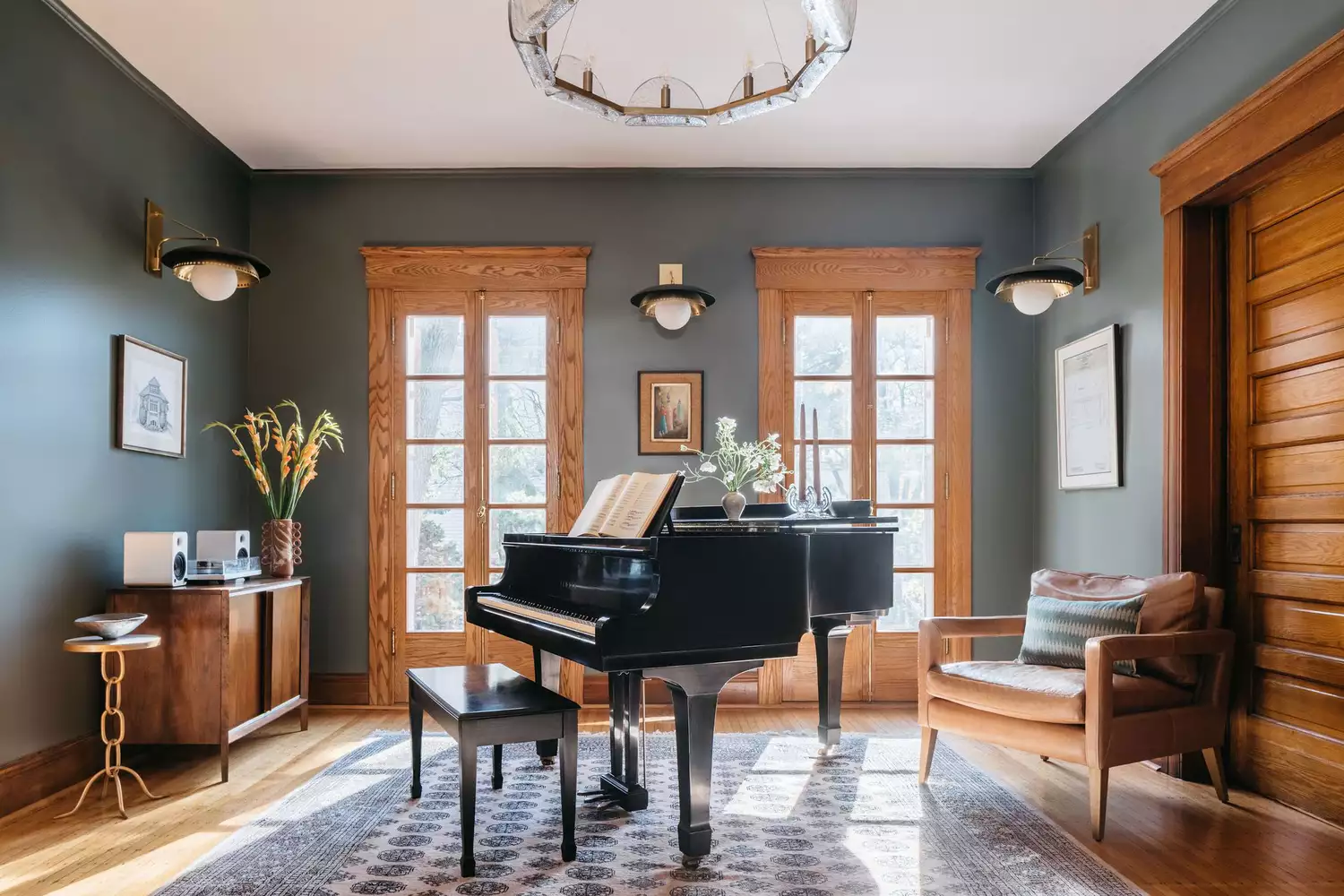
How to Renovate a Historic Home—and Keep Its Character—According to Designers