1/5
Tip: Leave the Finish Alone
Maintaining the original finish on antique furniture is crucial for preserving its value, as advised by Karen Keane, CEO of Skinner Inc. Many antique pieces have been inadvertently damaged by owners attempting to "improve" their appearance through repainting, touching up, lacquering, oiling, or sanding. Keane emphasizes that the finish significantly impacts an antique's worth.
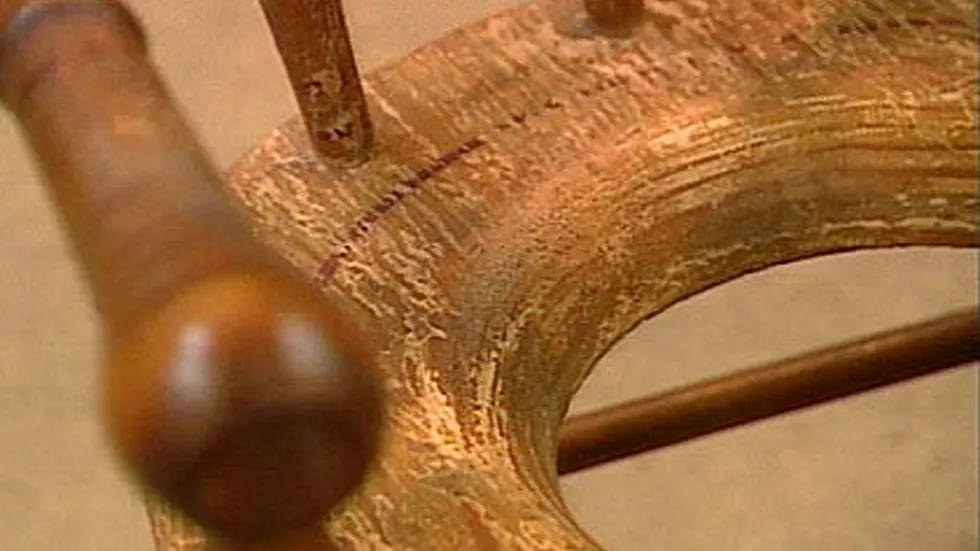
For painted antique furniture, collectors prioritize items that retain their original appearance. Eighteenth-century pine country furniture, for instance, was often painted in vibrant colors like blue or barn red. Over time, these paints oxidize and fade, developing a desirable mellow, "dry" look. This natural aging process, known as craquelure, where paint begins to crack, is acceptable and even preferred by collectors as it indicates originality. However, owners should be wary of uniform craquelure, which can signify forgery. Applying modern lacquered finishes to originally painted pieces is generally disliked by collectors.
Stained antique furniture also requires careful preservation. Historically, American furniture made from domestic woods like maple or cherry was stained to mimic mahogany. A common mistake is oiling stained wood, which Keane strongly advises against. Oil penetrates the wood grain, oxidizes, and can cause the wood to blacken, as observed in her own kitchen floor treated with Murphy Oil Soap. Instead, solid waxes—such as paste wax, butcher's wax, or French polish—are recommended. These waxes, typically containing beeswax, create a protective surface and can be easily removed, a quality valued by conservators. Liquid waxes should be avoided due to their potential inclusion of damaging oils.
For antique pieces that have already been stripped, varnished, or oiled, owners have the option to leave them as they are or have them professionally restored to their original state. However, restoration of a damaged piece typically does not increase its market value. The trade market frequently encounters compromised pieces. Keane notes that owning a piece not in its original condition can alleviate concerns about further damage. She cites her own Victorian drop-leaf dining table, which was stripped of its original finish, as an example. She purchased it at a lower price and feels less stressed about potential wear and tear, occasionally waxing it but not overly worrying about spills or damage.
#AntiqueFurniture #FurnitureRestoration #PreservationTips #HomeDecoration #AntiqueAppraisal #WoodFinishing #InteriorDesign #Collectibles #VintageHome #AntiqueFurniture #FurnitureRestoration #PreservationTips #HomeDecoration #AntiqueAppraisal #WoodFinishing #InteriorDesign #Collectibles #VintageHome
 No comments yet