1/9
Designers are swapping tonal color schemes for high-contrast hues – here's how to do this daring color trend stylishly
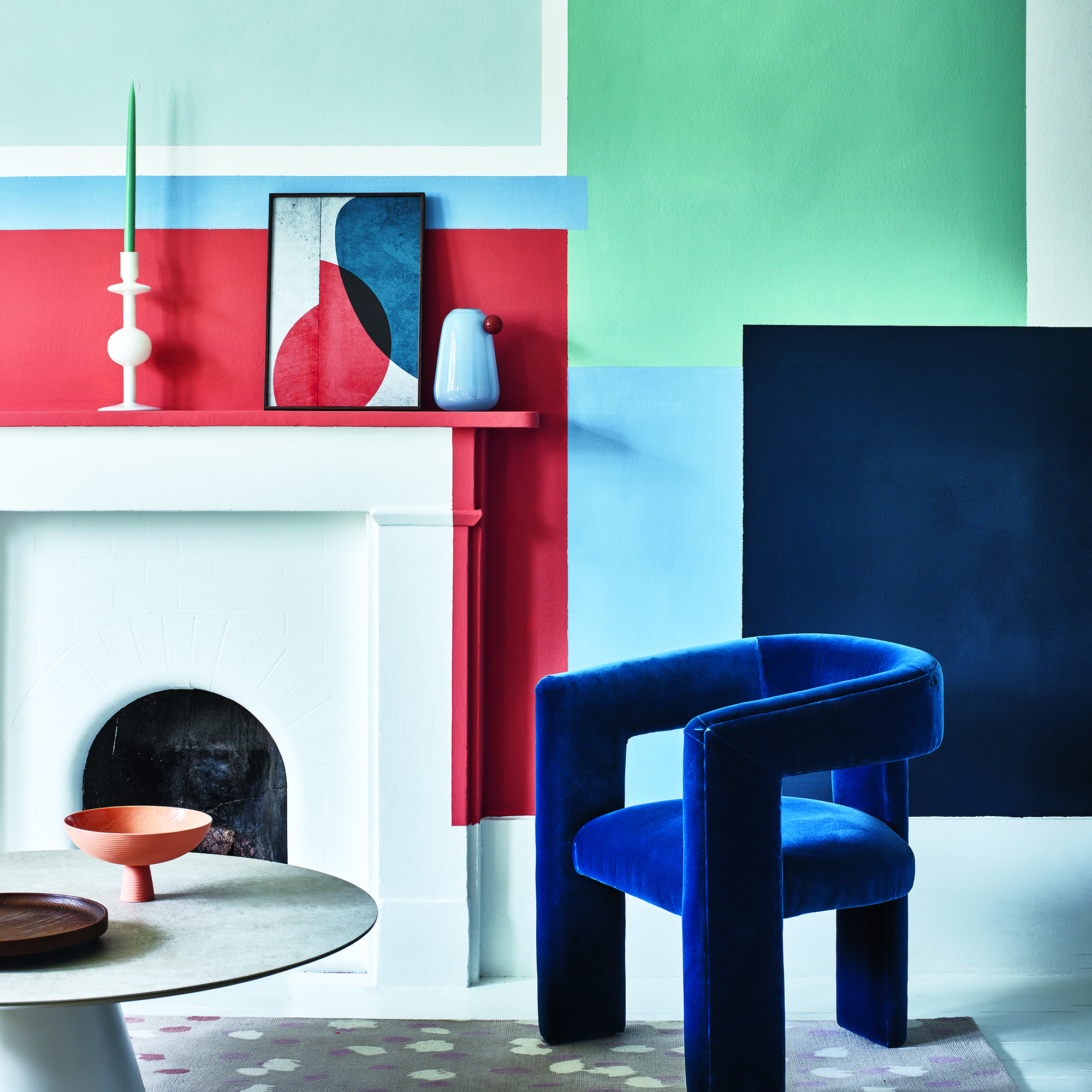
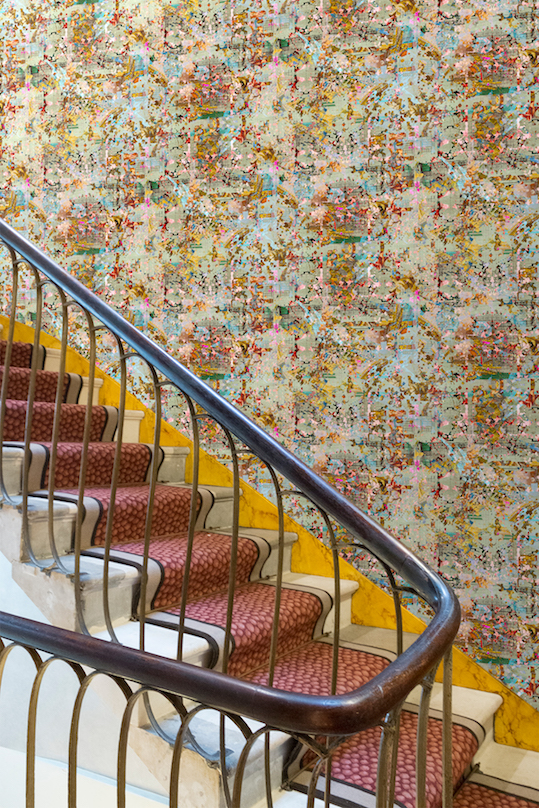
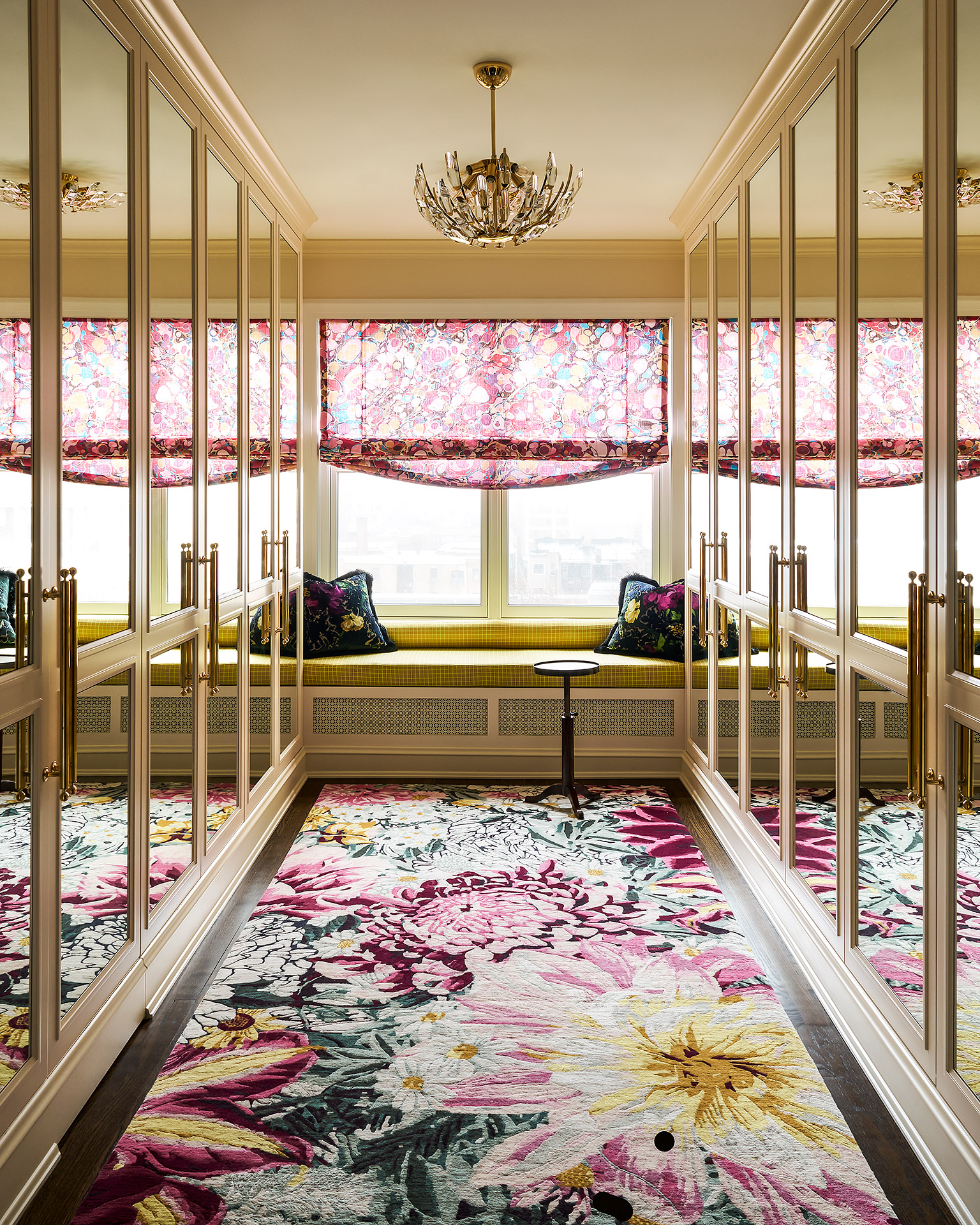
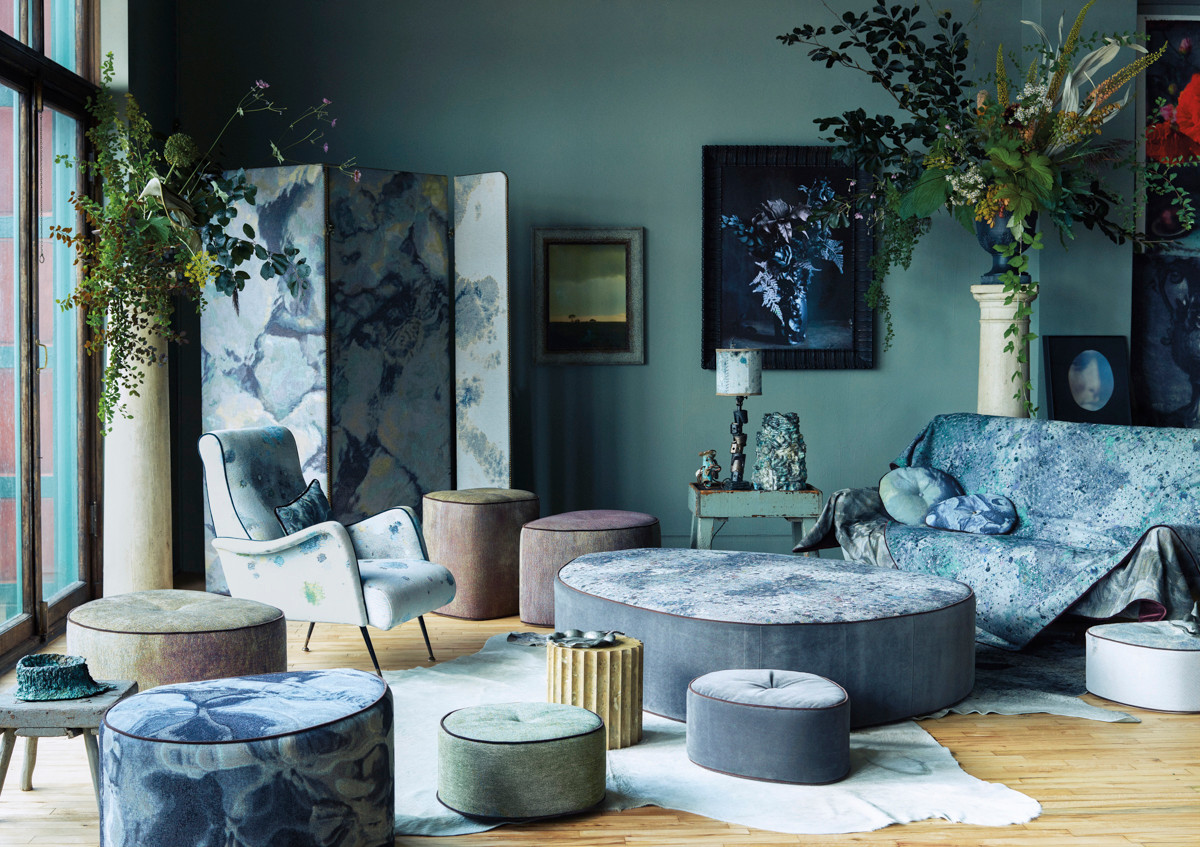
Designers are increasingly moving away from traditional tonal color schemes towards high-contrast hues to add depth, interest, and a statement to interior spaces. While tonal schemes offer a soothing aesthetic, contrasting colors introduce an element of surprise and impact. This trend encourages a bolder approach to color, ranging from vibrant clashes to subtle variations within neutral palettes.
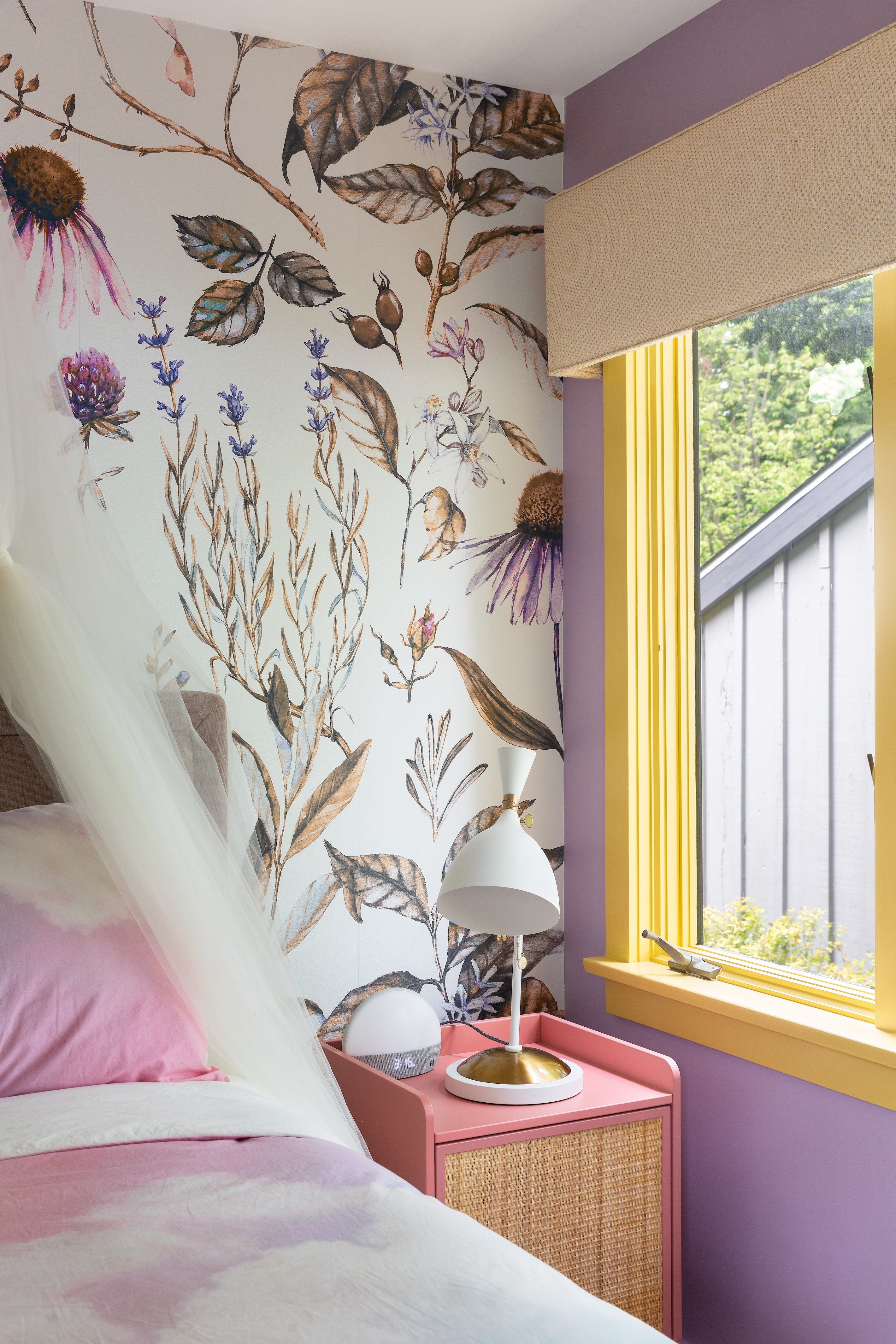
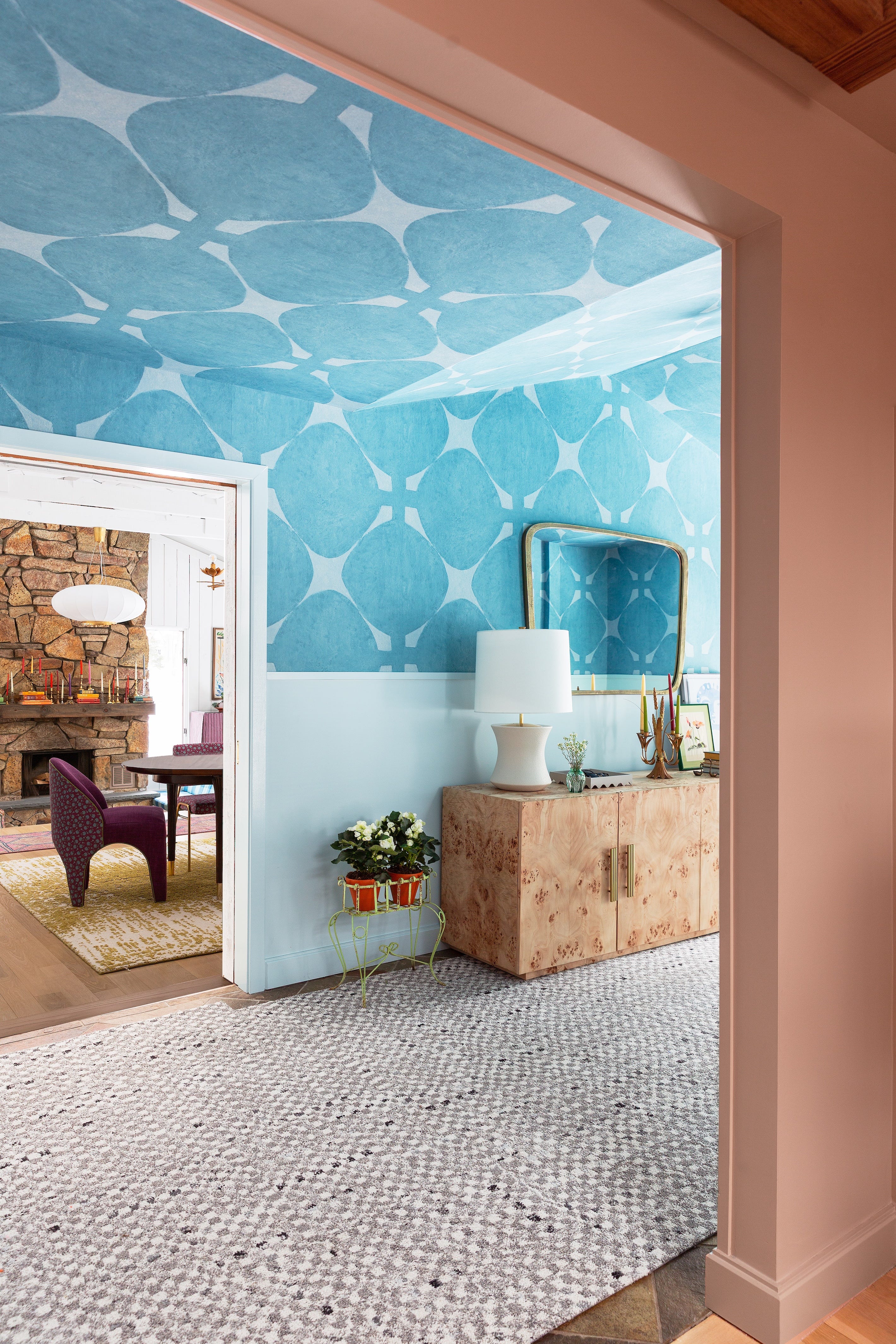
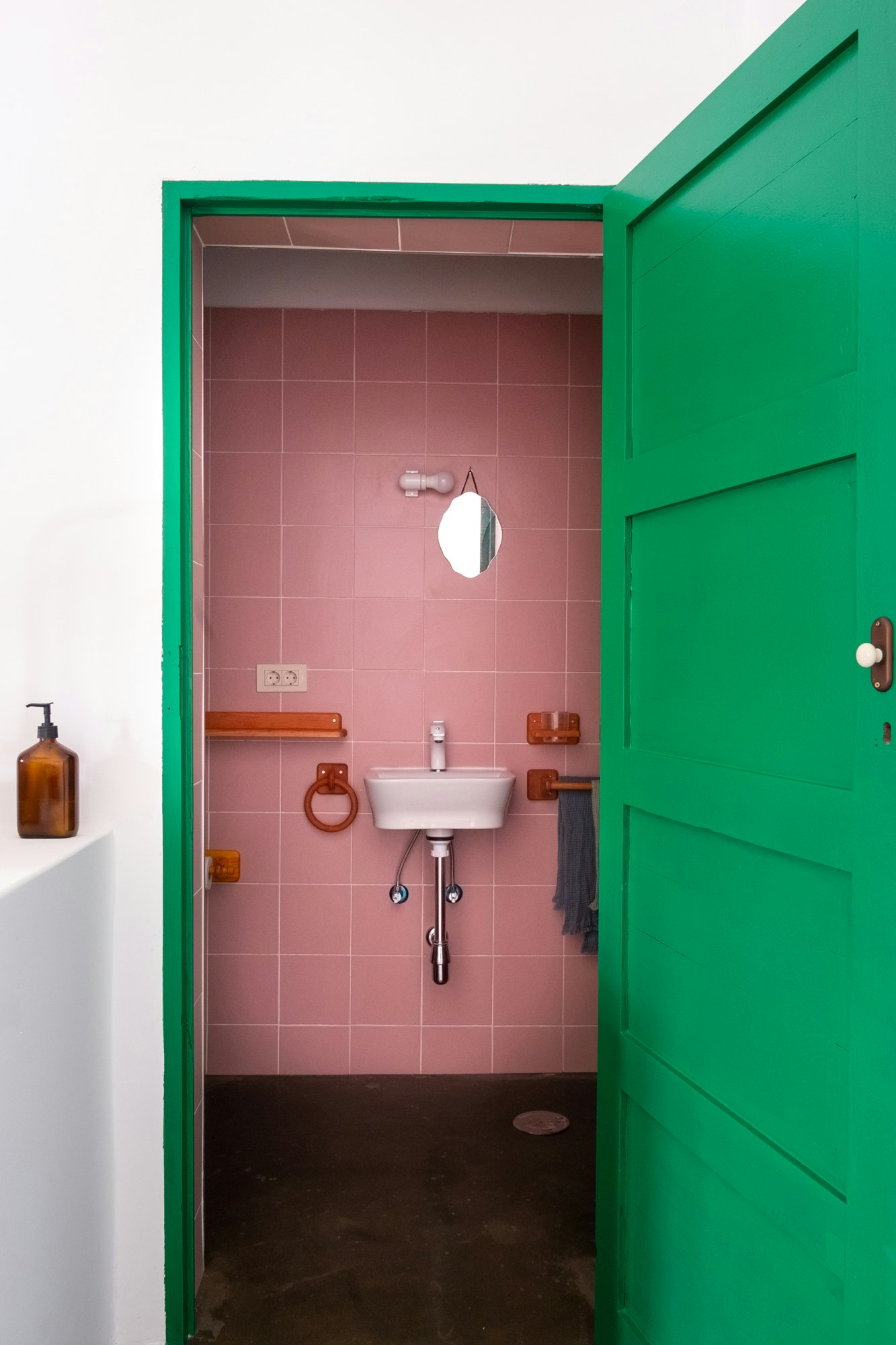
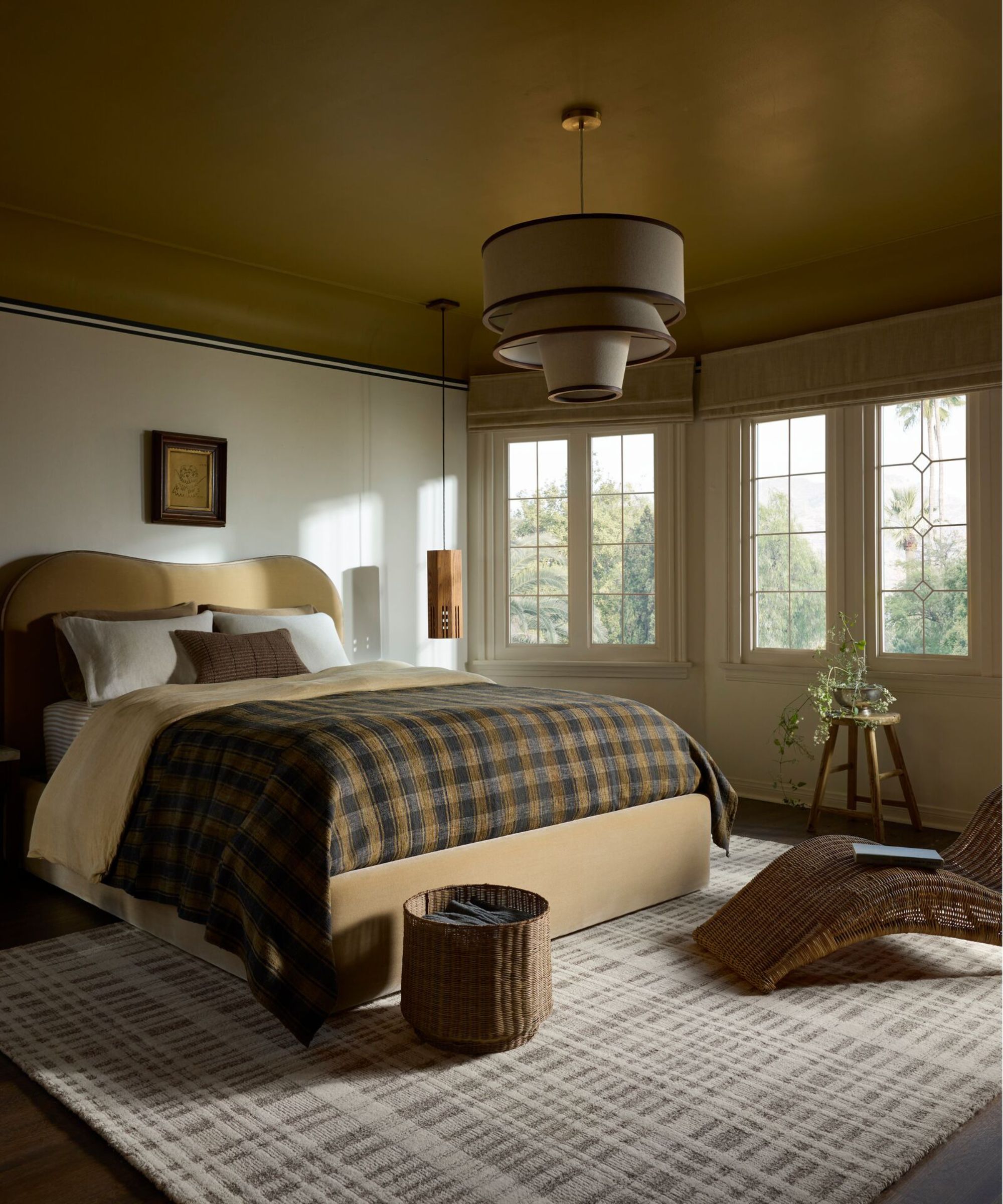
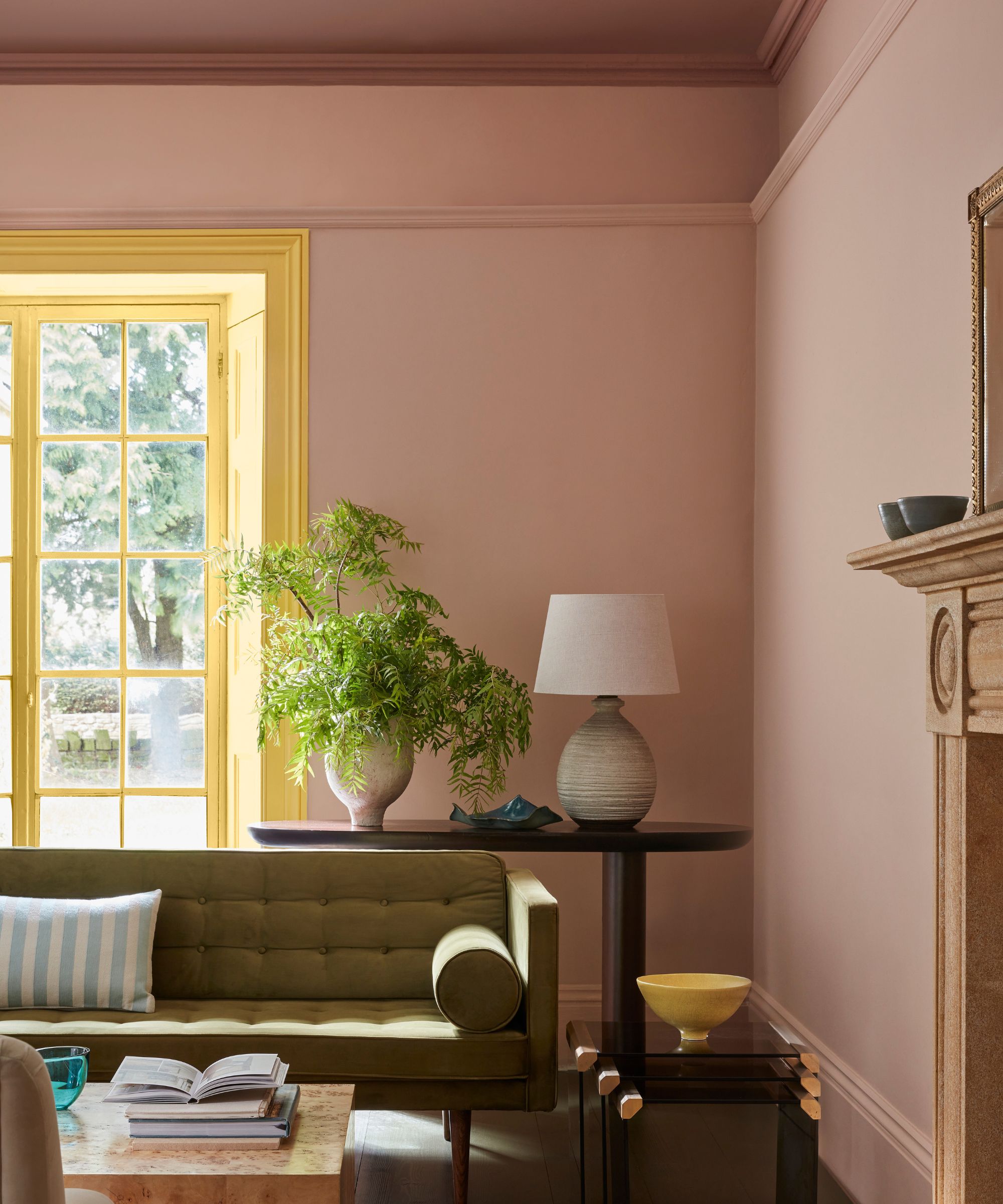
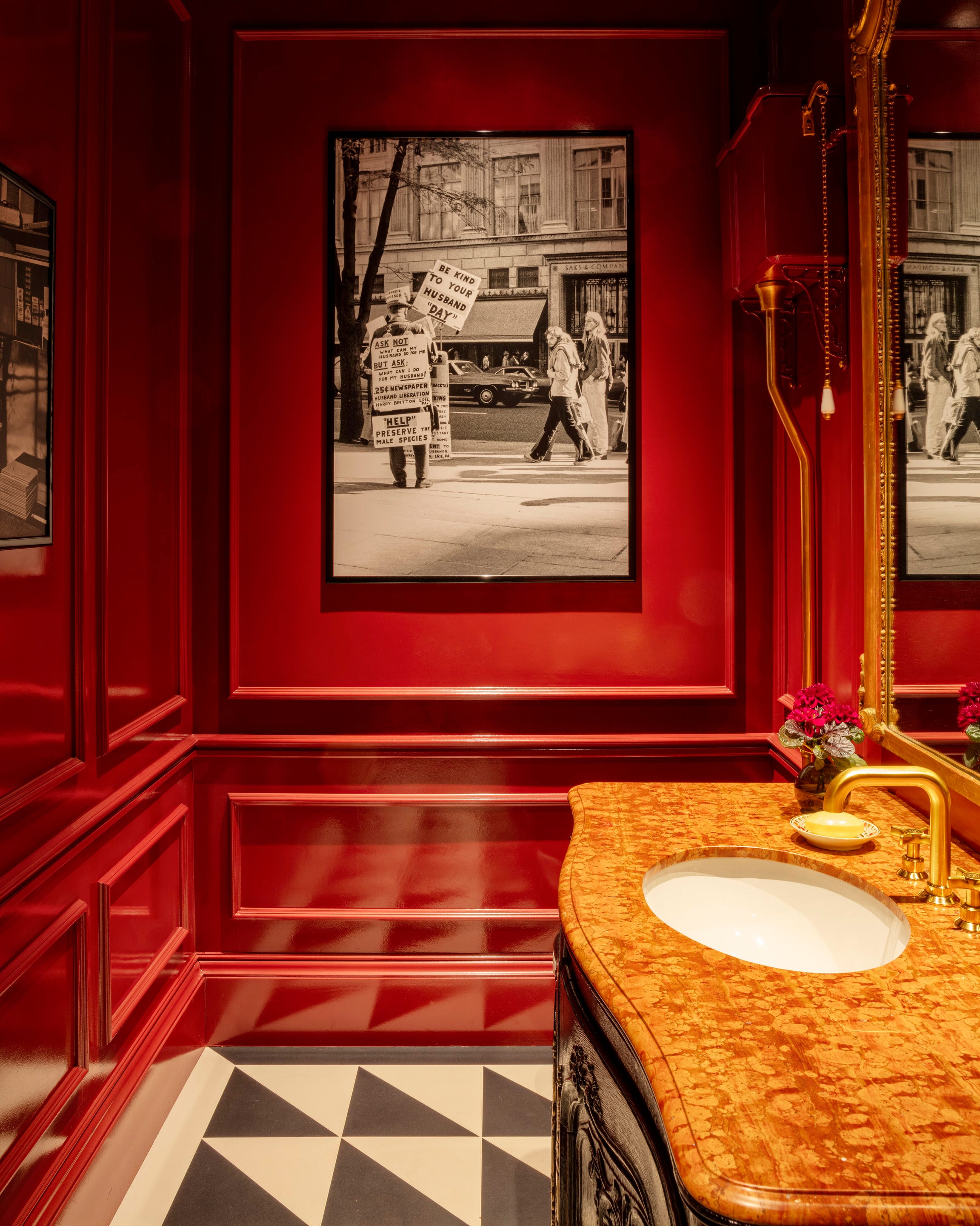
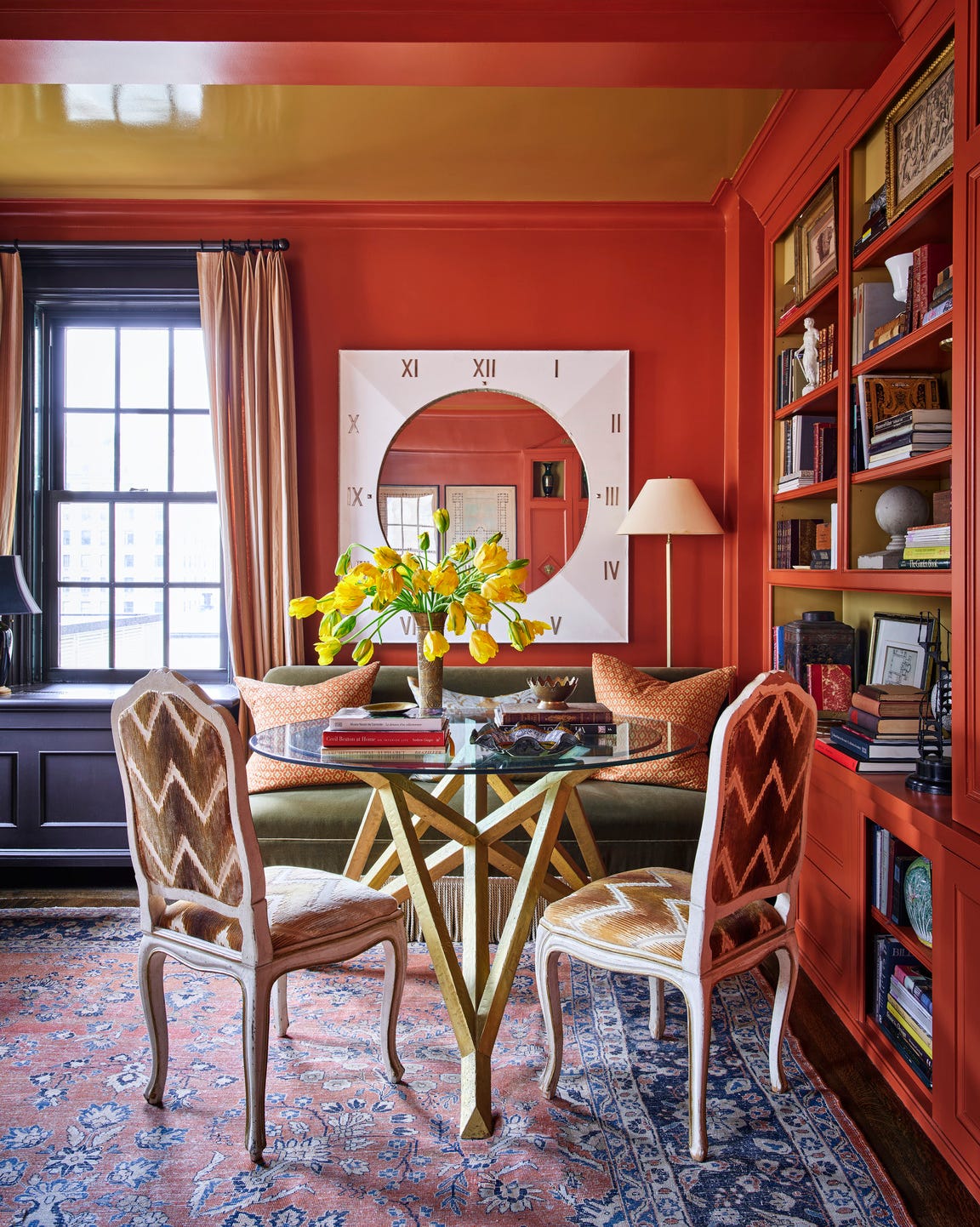
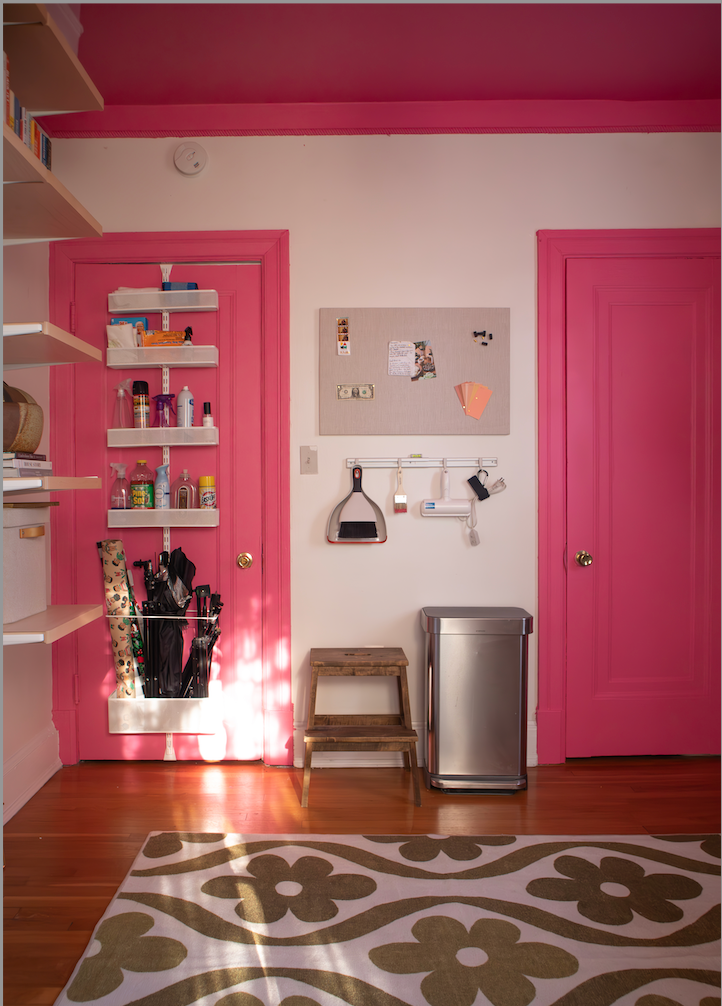
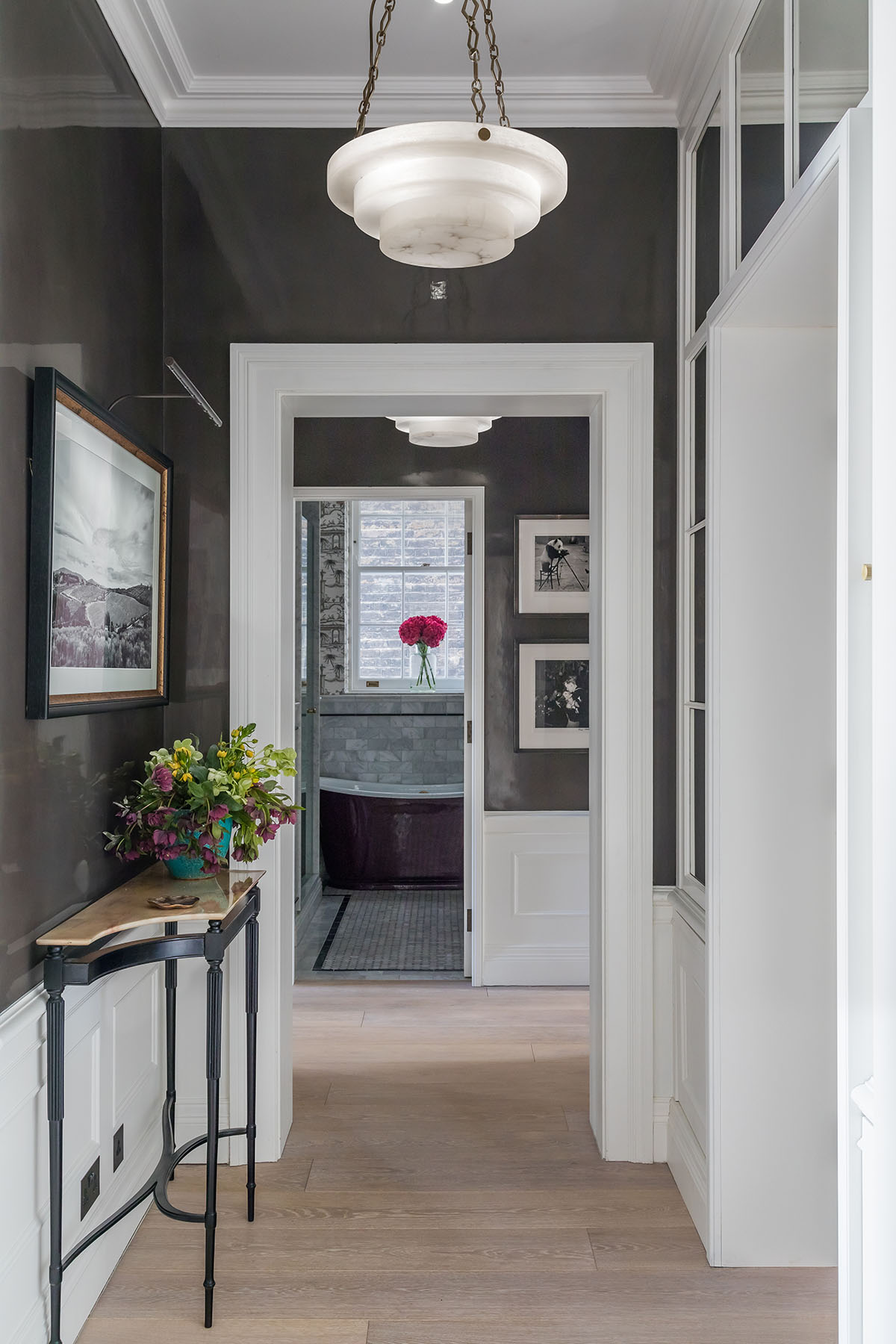
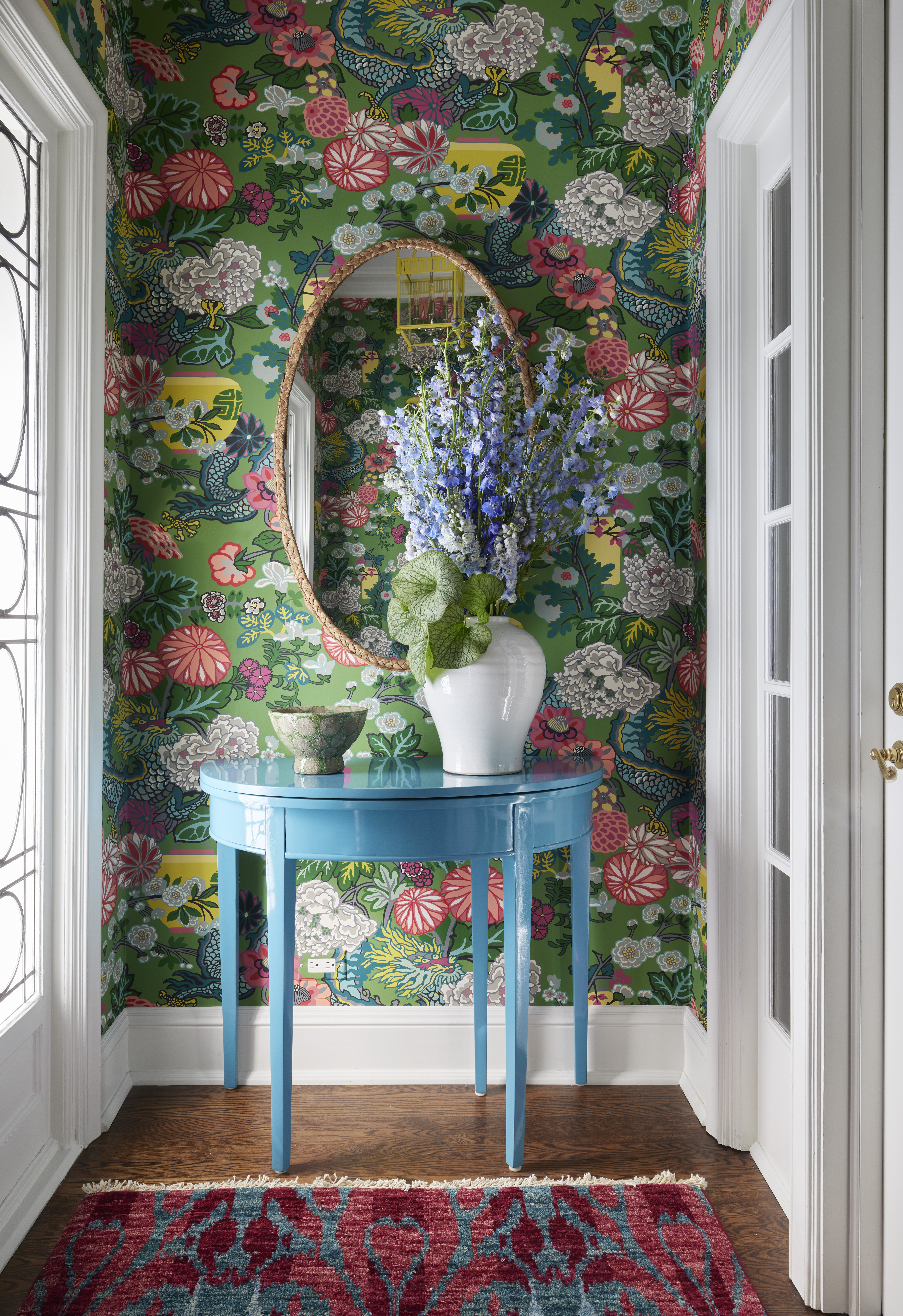
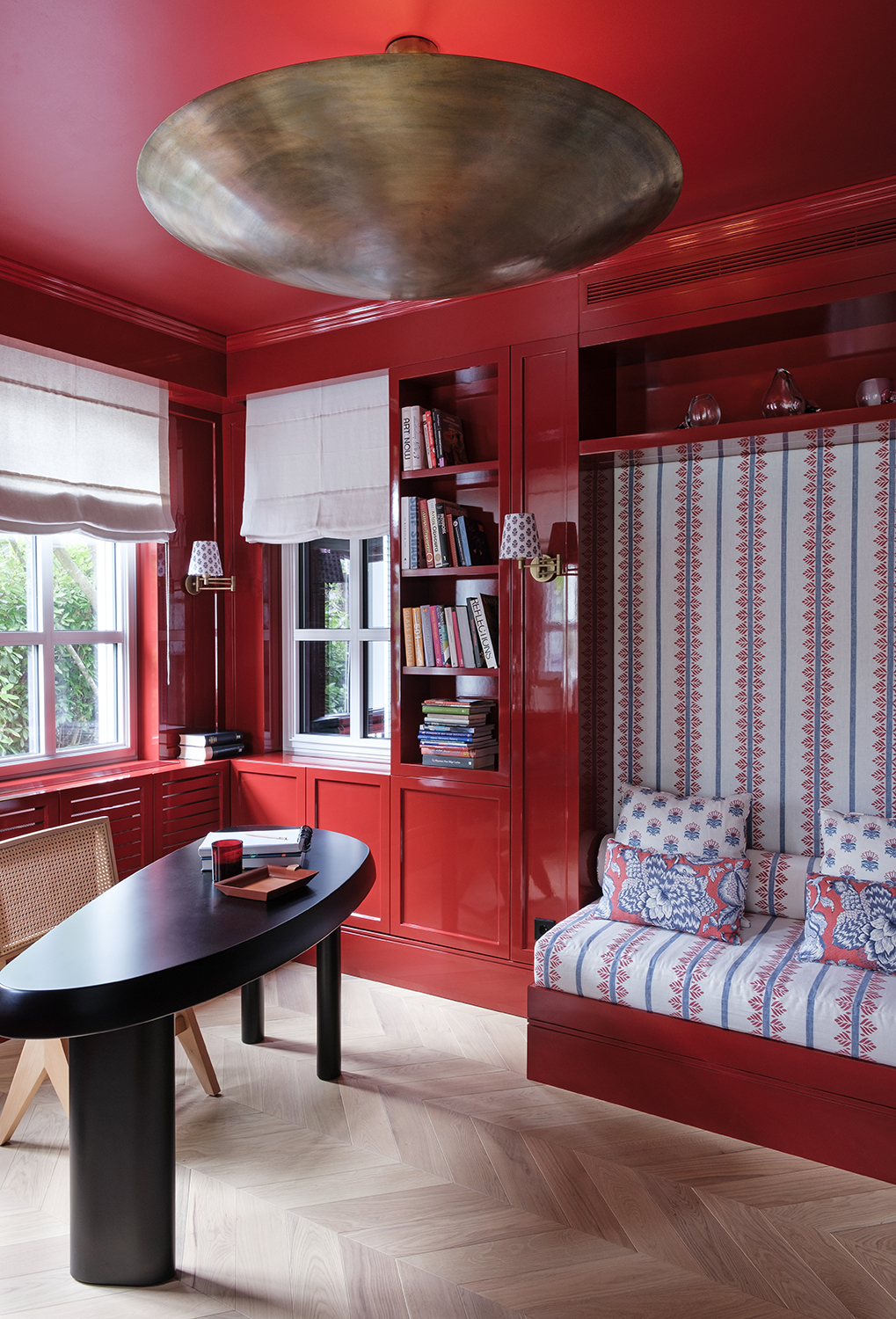
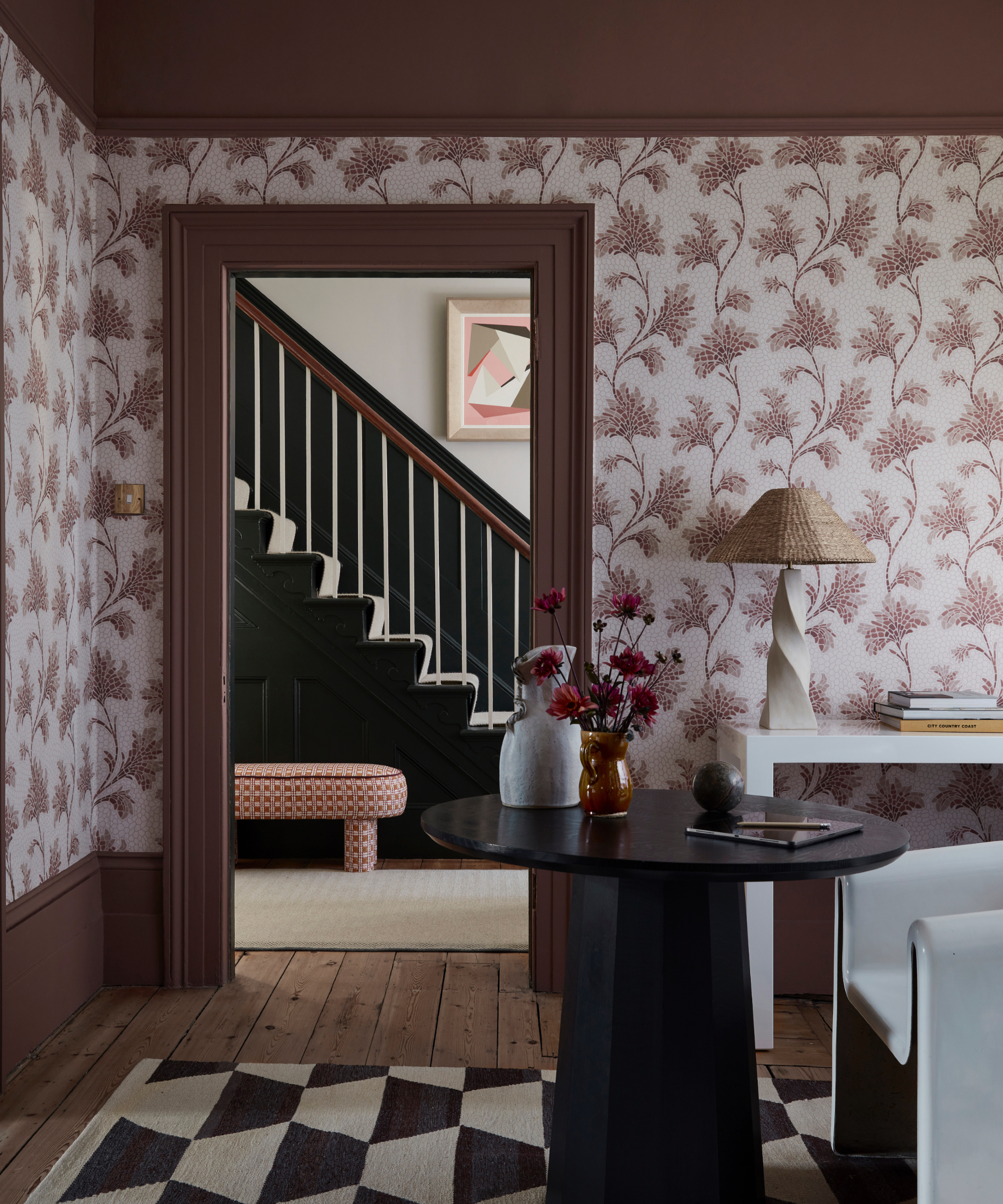
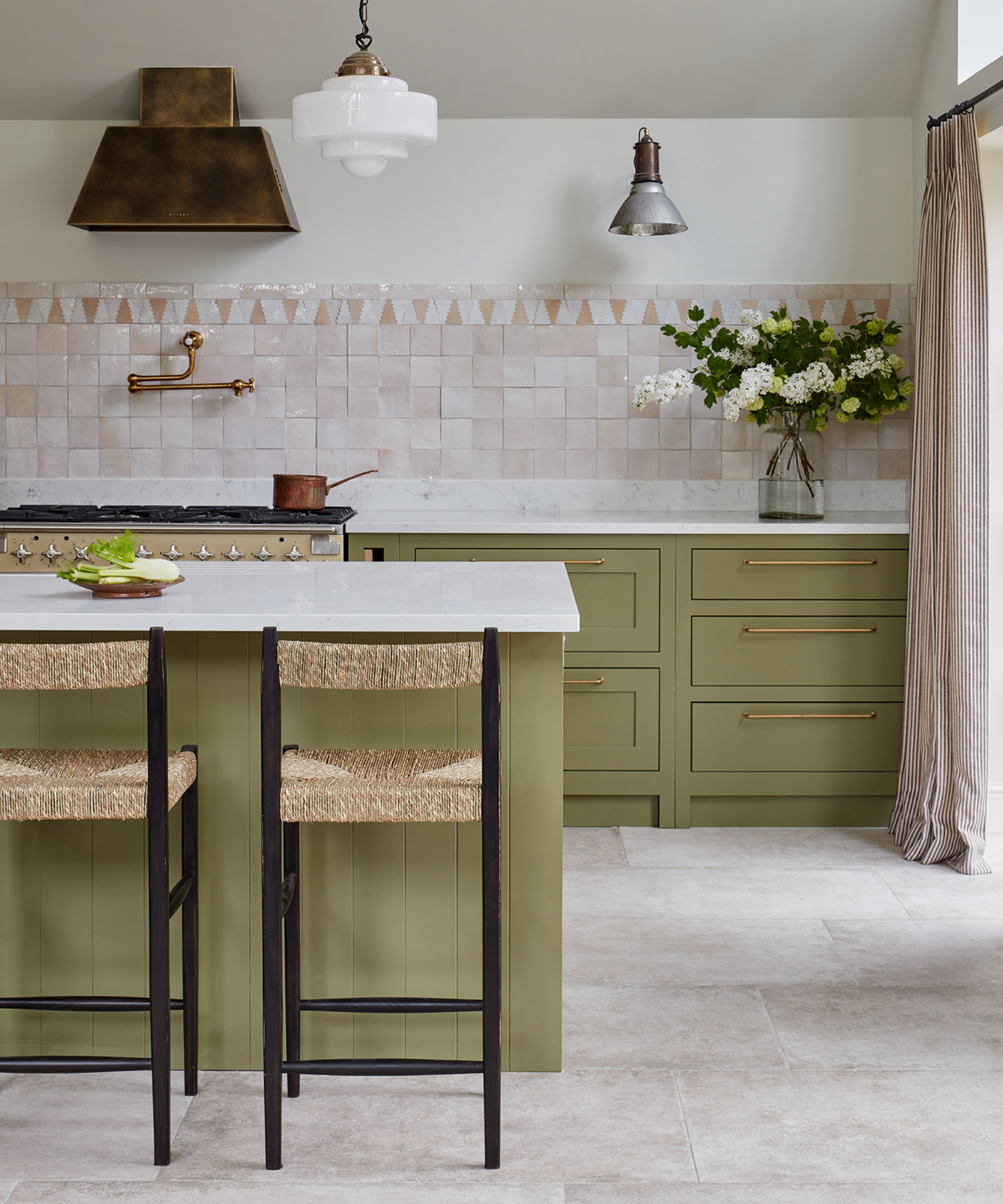
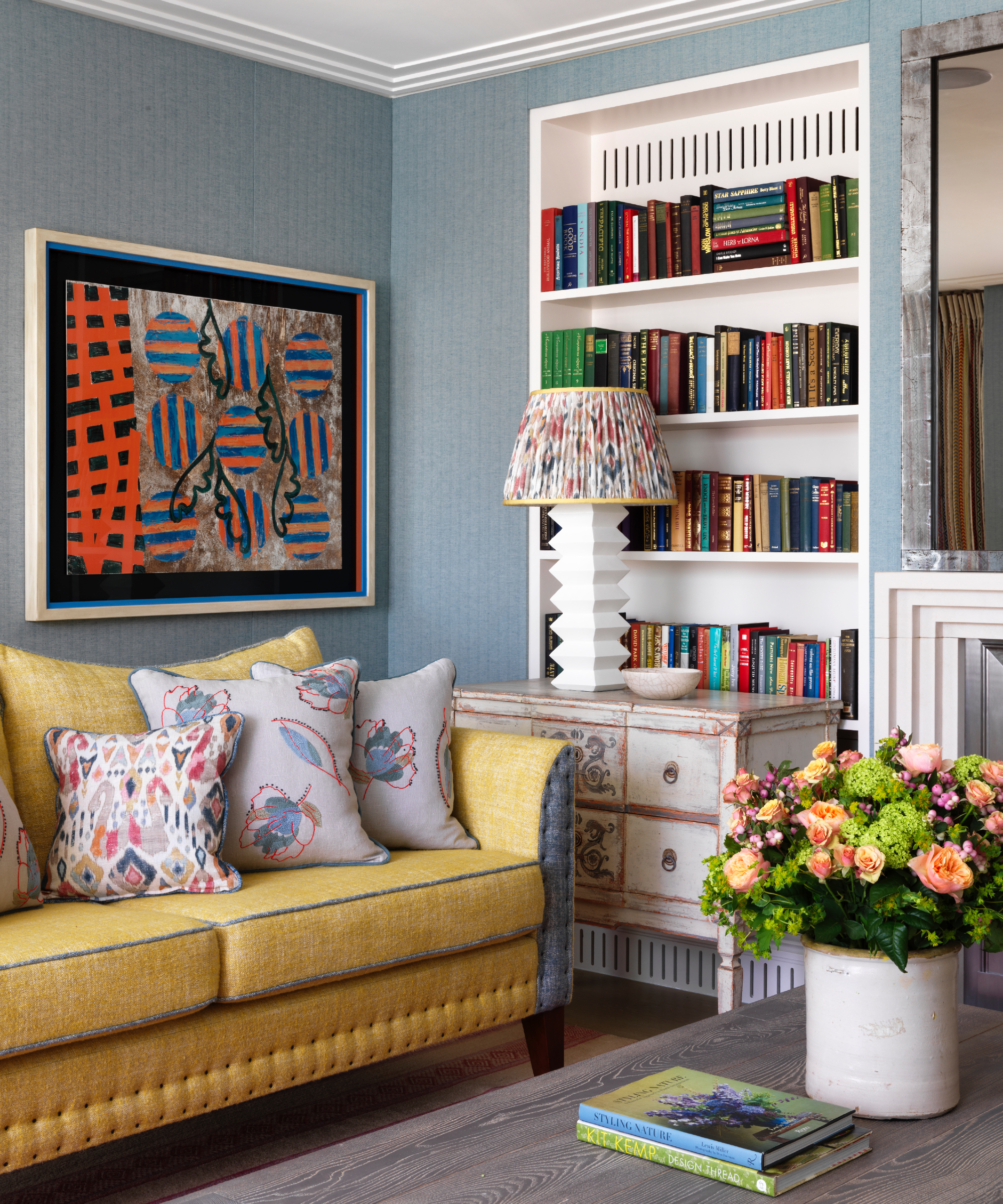
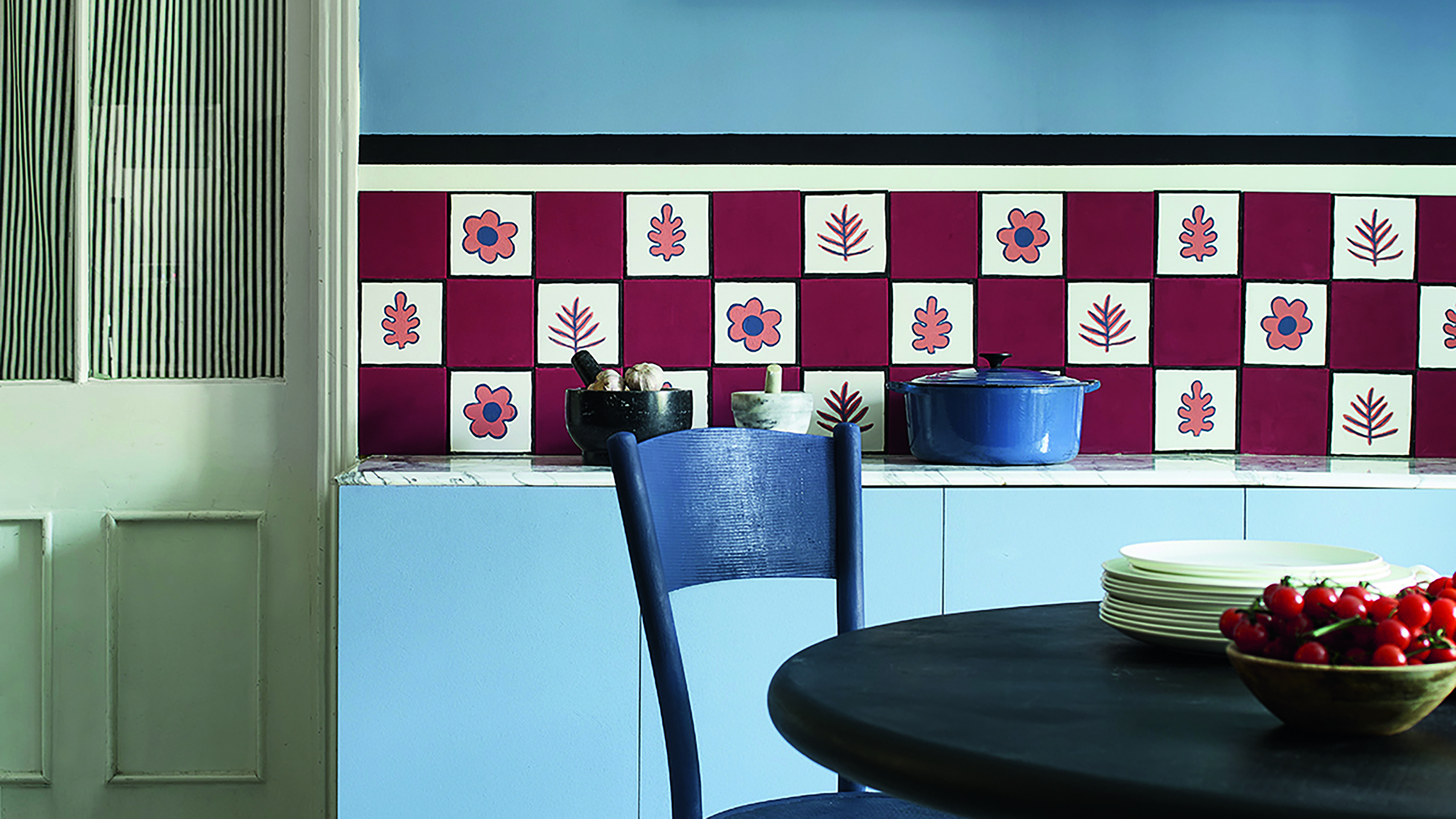
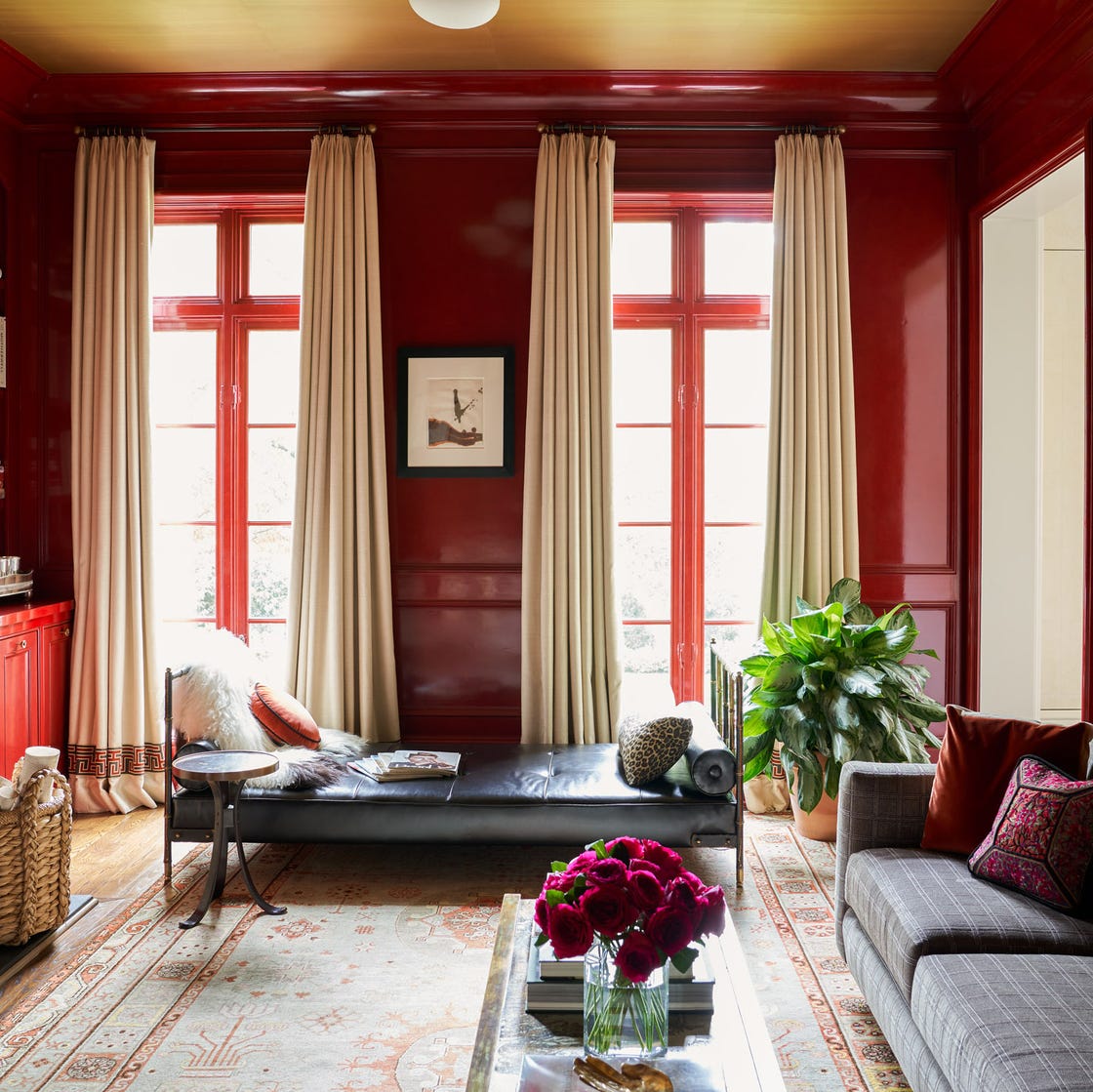
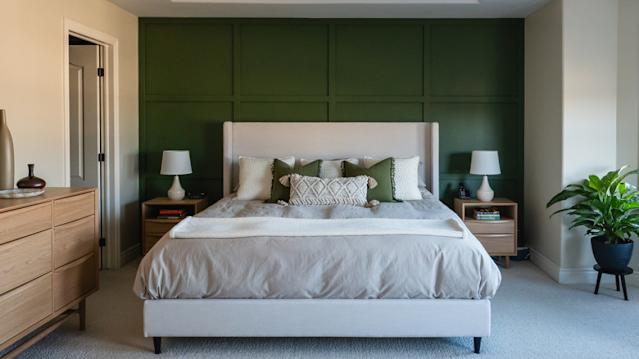
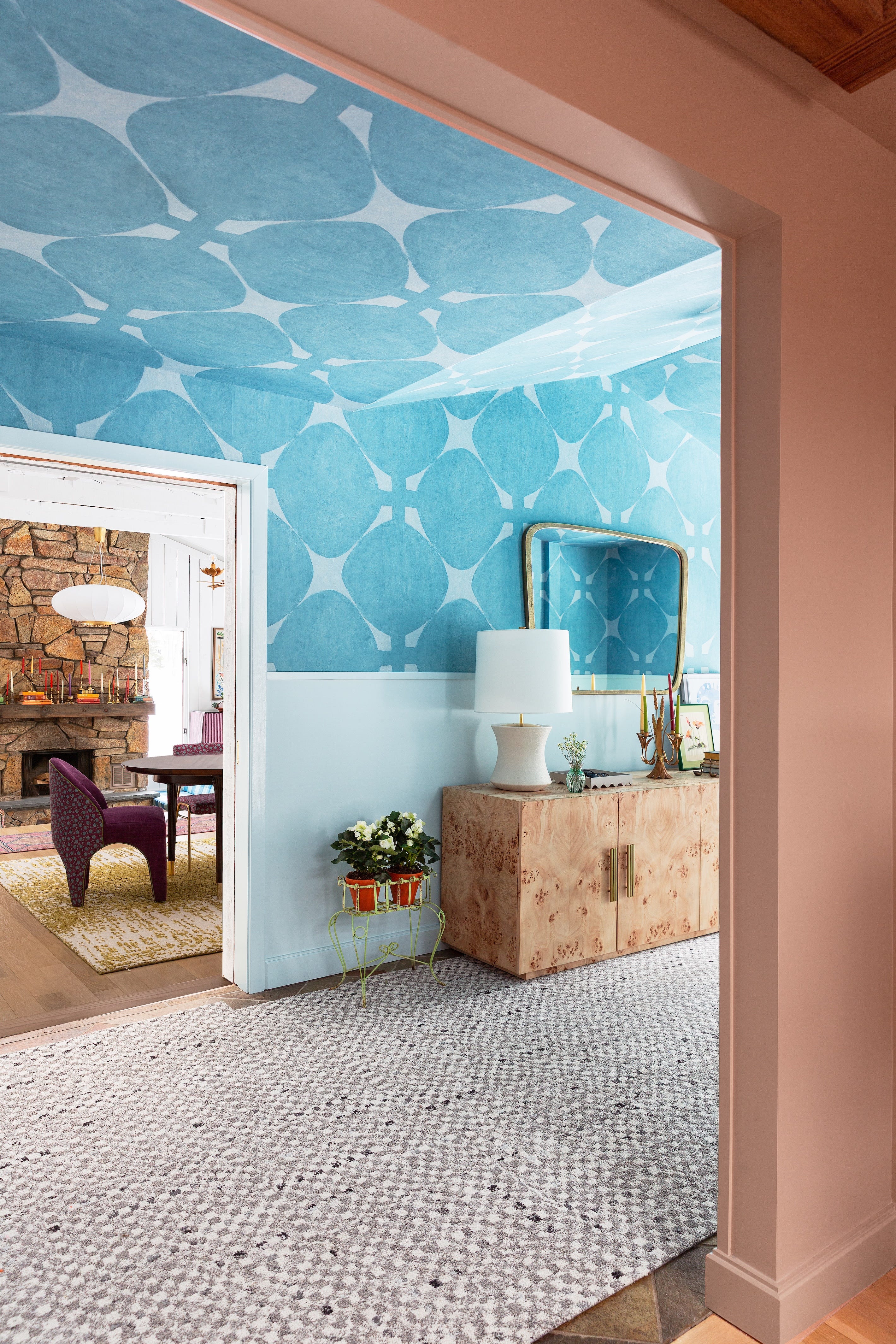
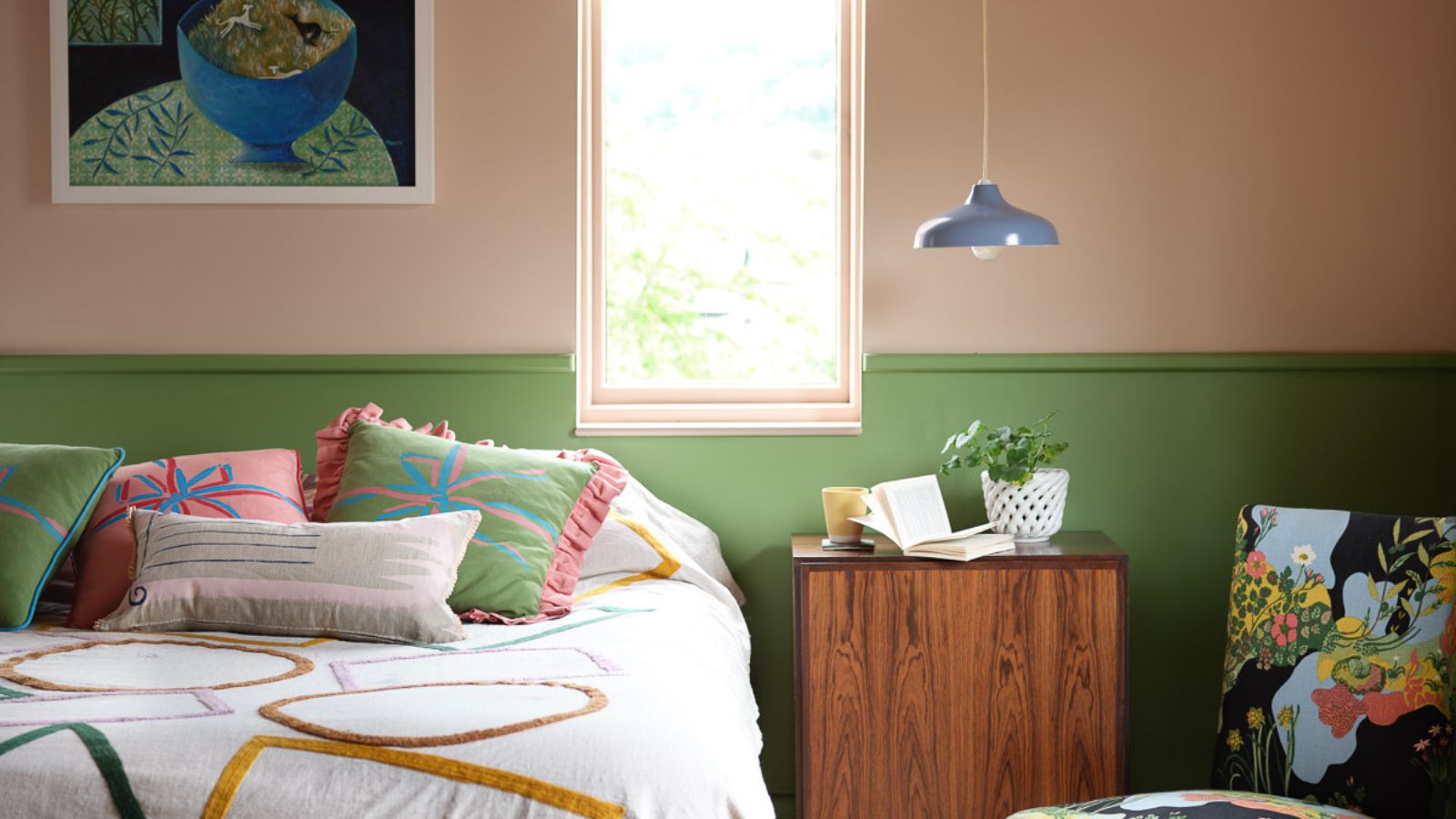
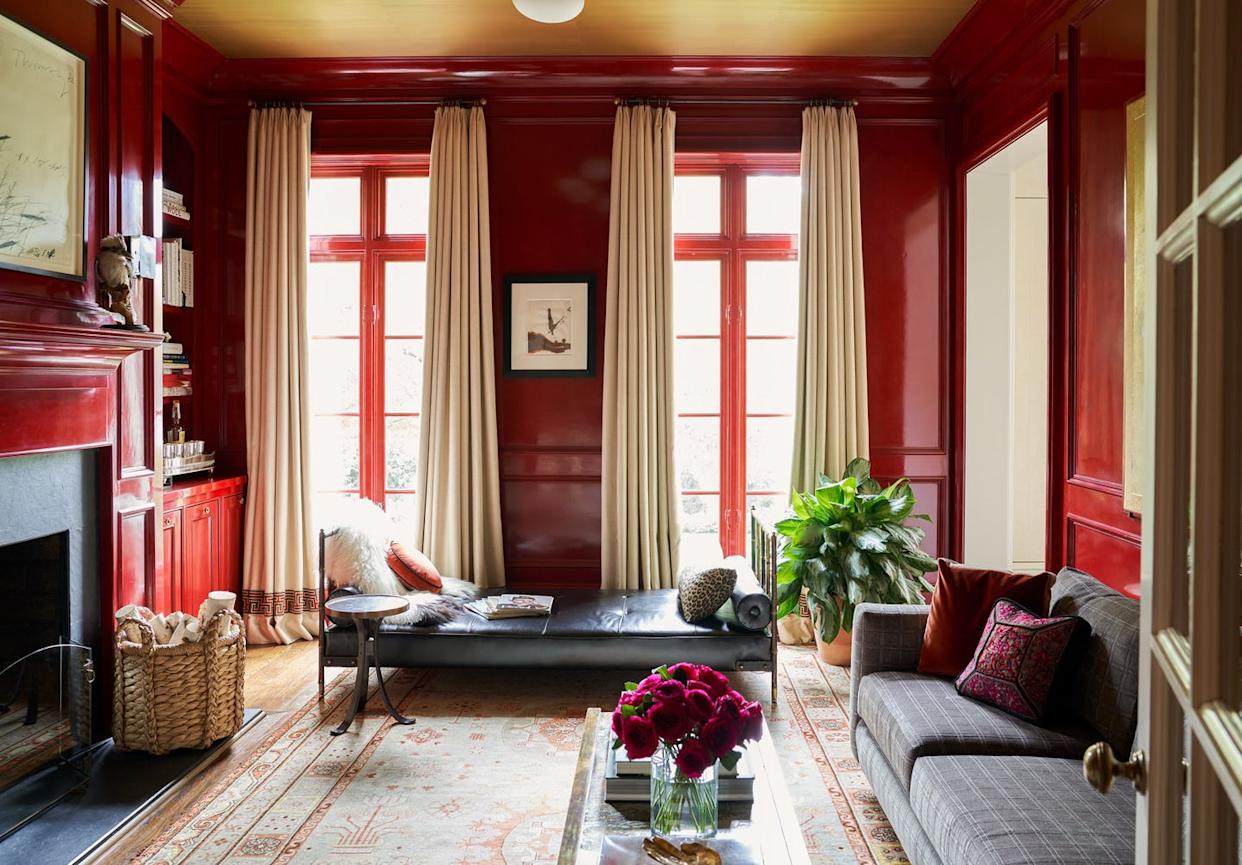
Contrasting color schemes are defined by using colors that provide a distinct point of difference, yet combine harmoniously to create balance. This approach can cleverly influence the look and feel of a room. For instance, incorporating a contrasting color accent on baseboards, cornicing, or paneling can create a focal point. Alternatively, using one or two walls in a contrasting color can effectively zone a multifunctional, open-plan space. A classic example of a strong contrast is red and green, as these are complementary colors positioned opposite each other on the color wheel. Such combinations infuse a scheme with character, creating an engaging and inviting atmosphere particularly suitable for high-traffic areas like kitchens, utilities, and boot rooms.
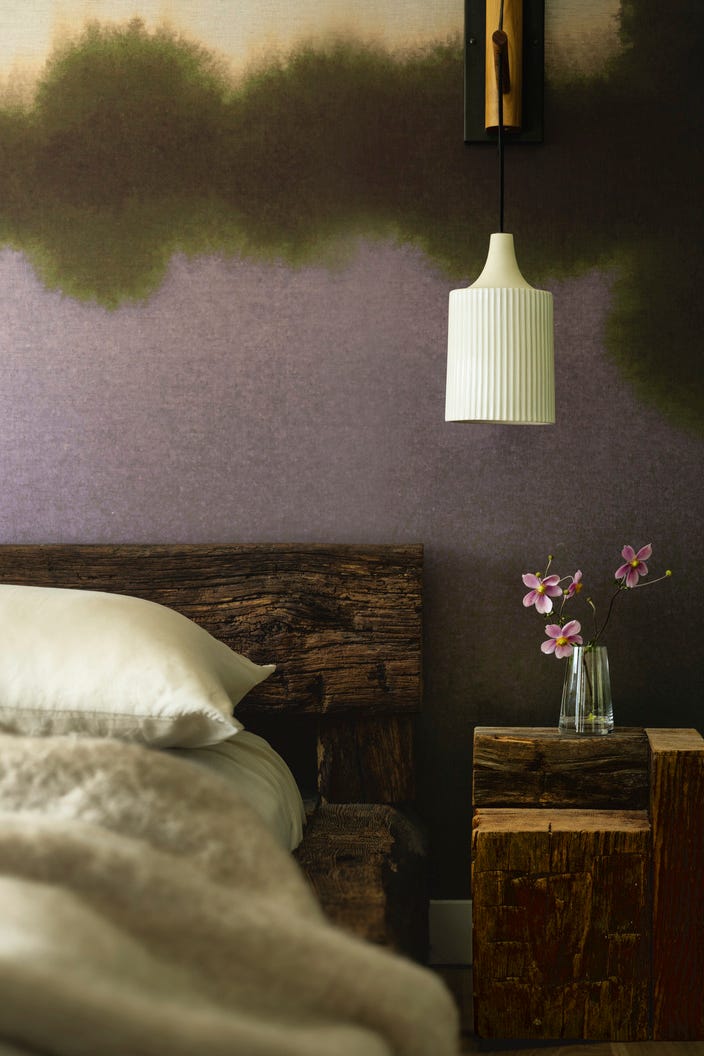
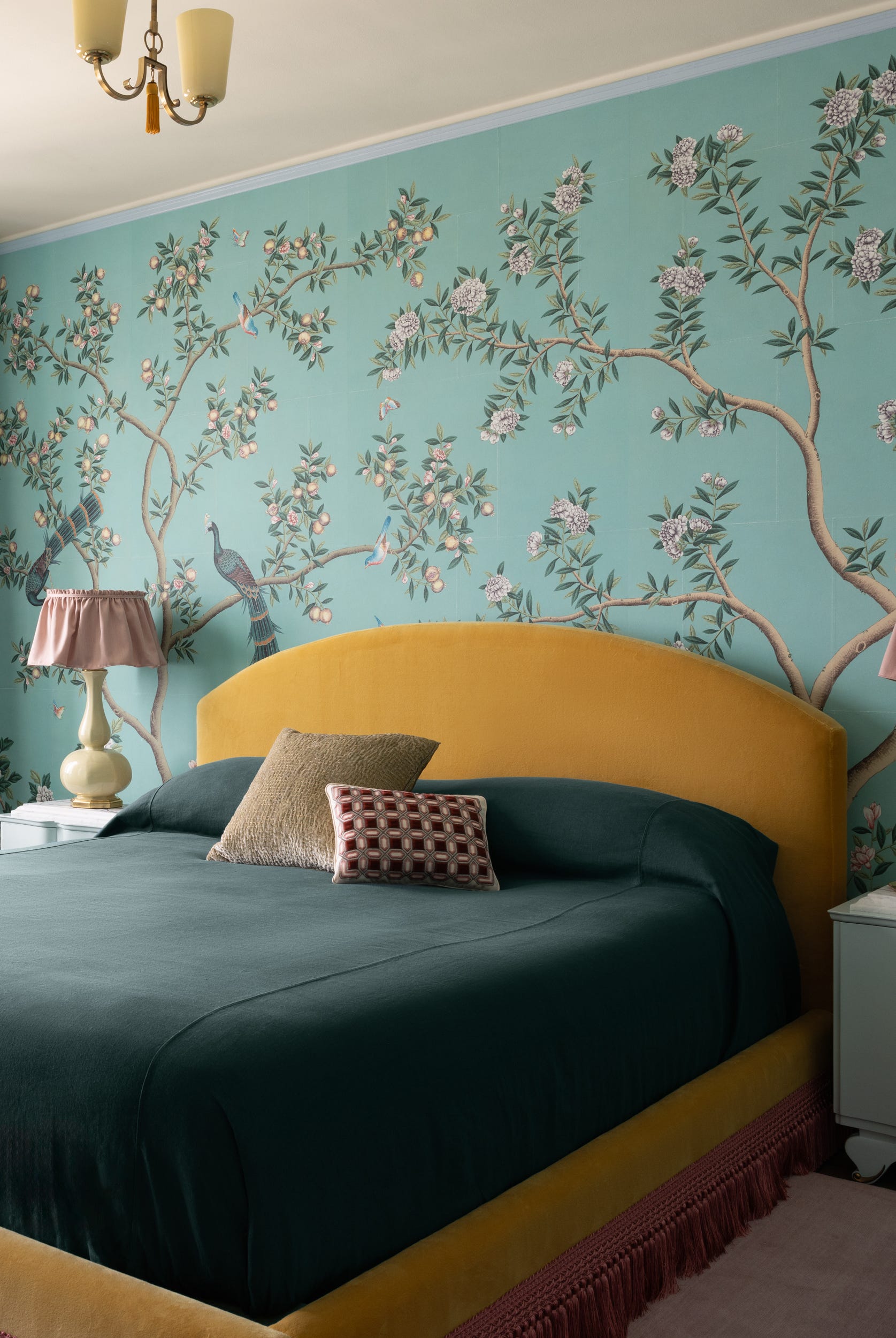
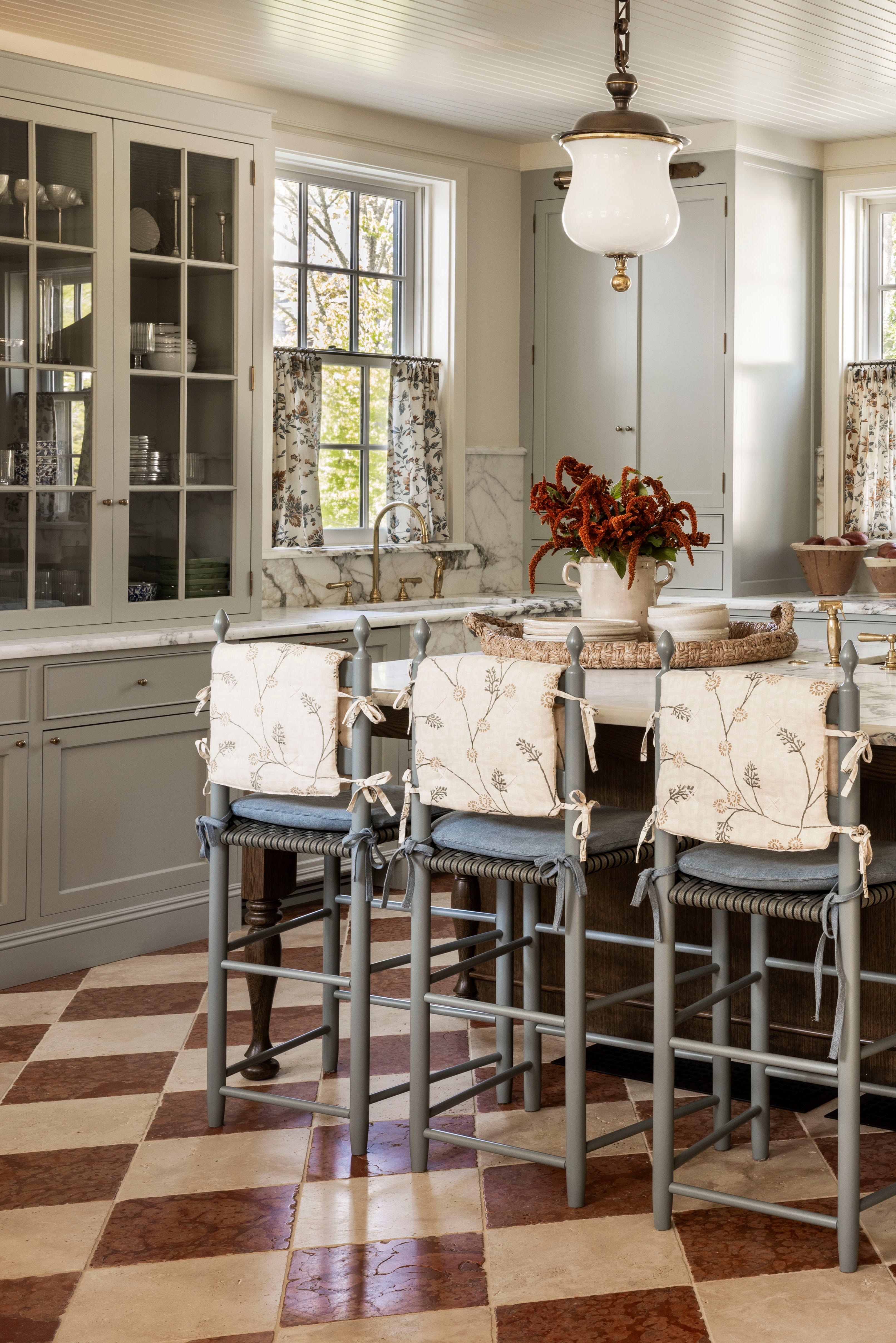
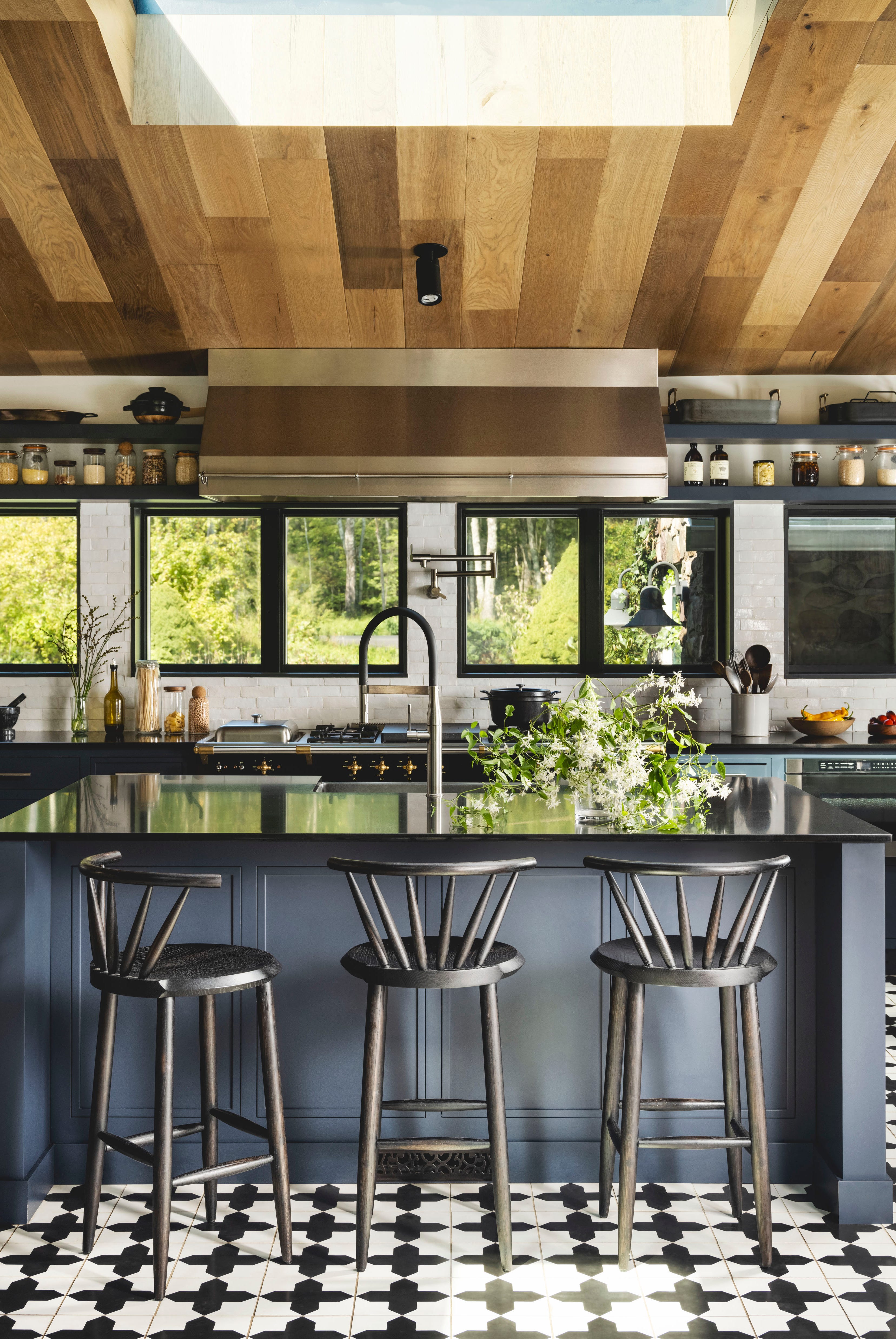
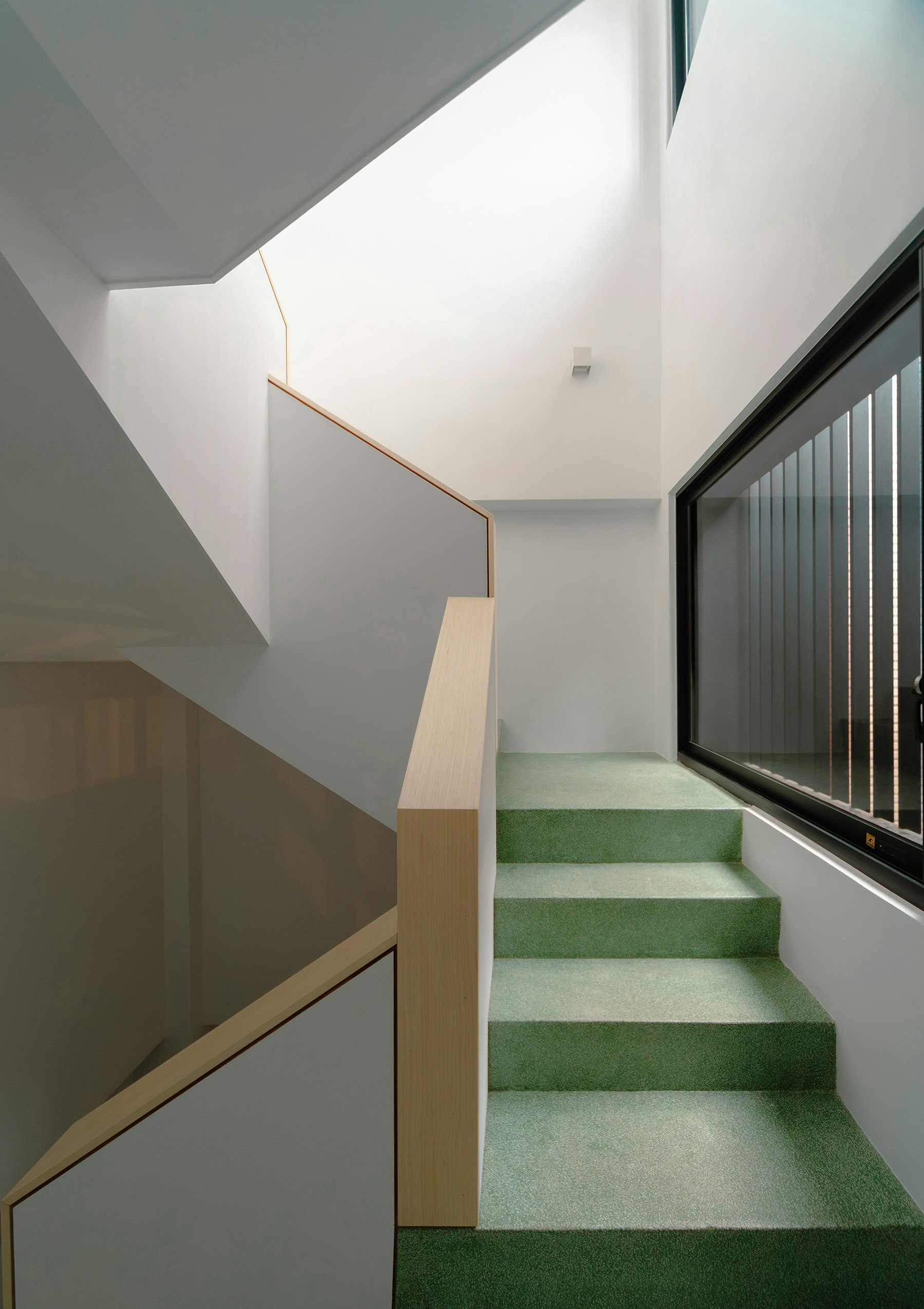
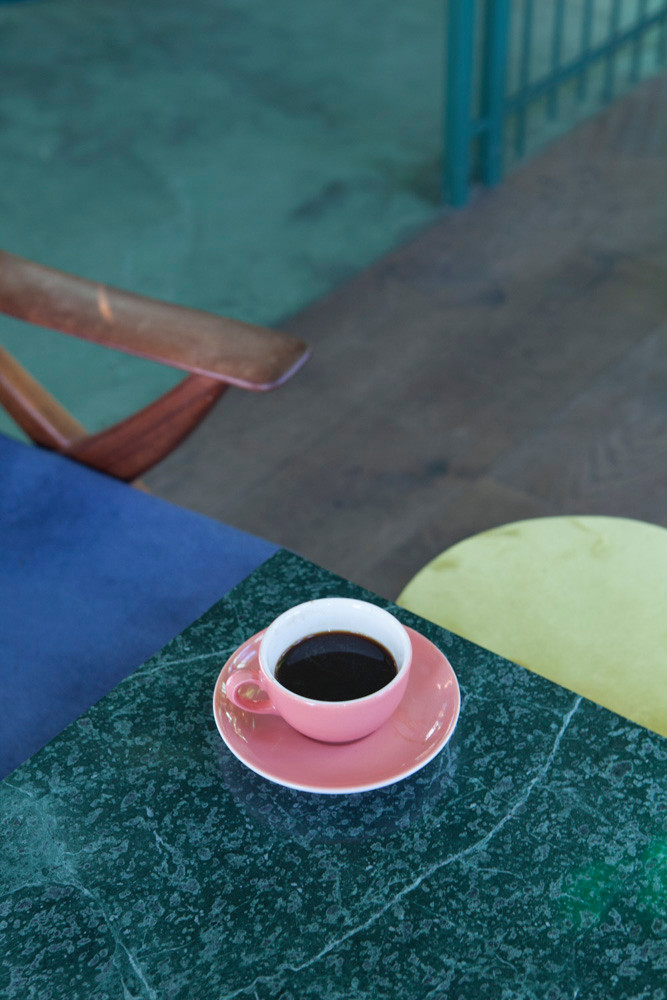
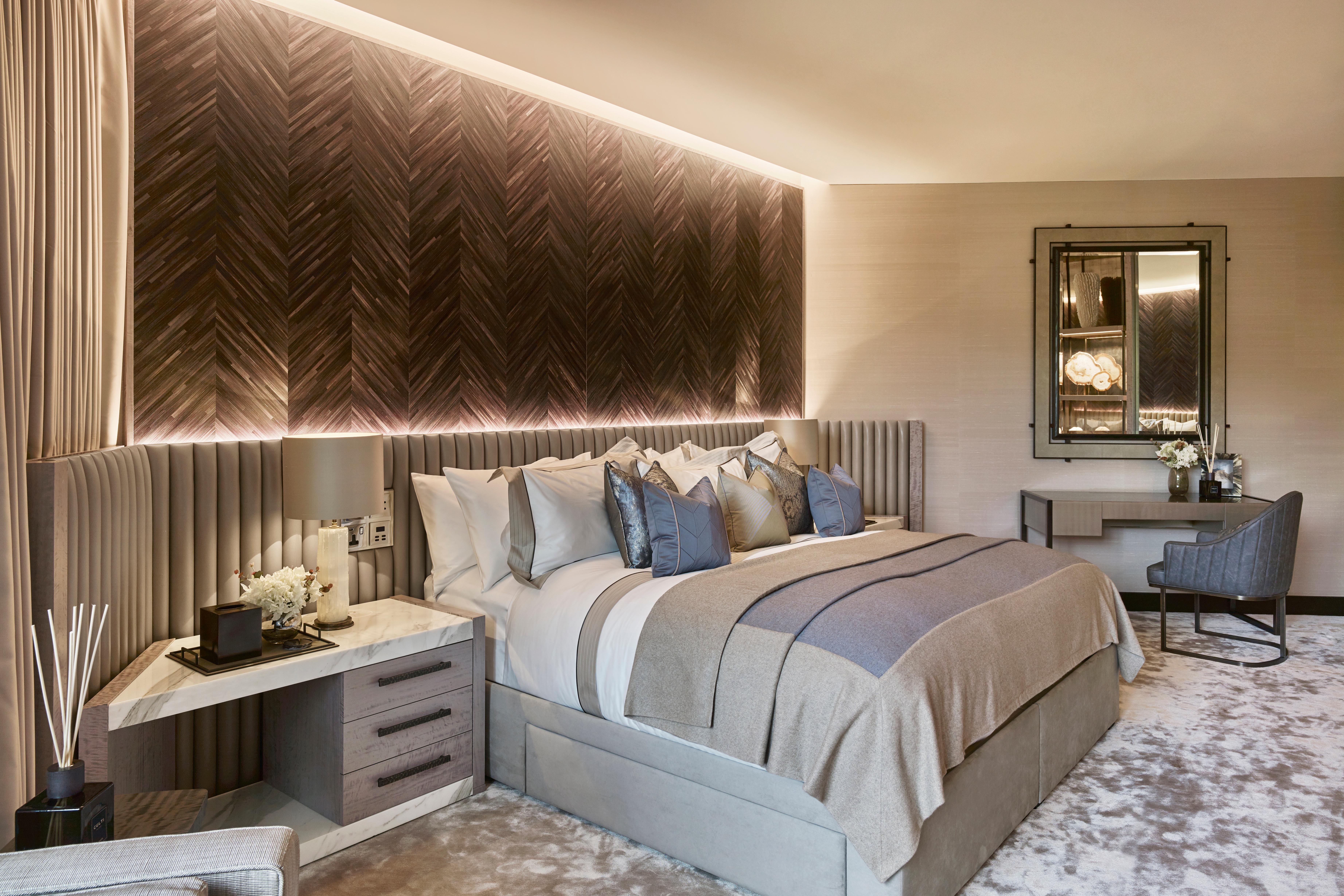
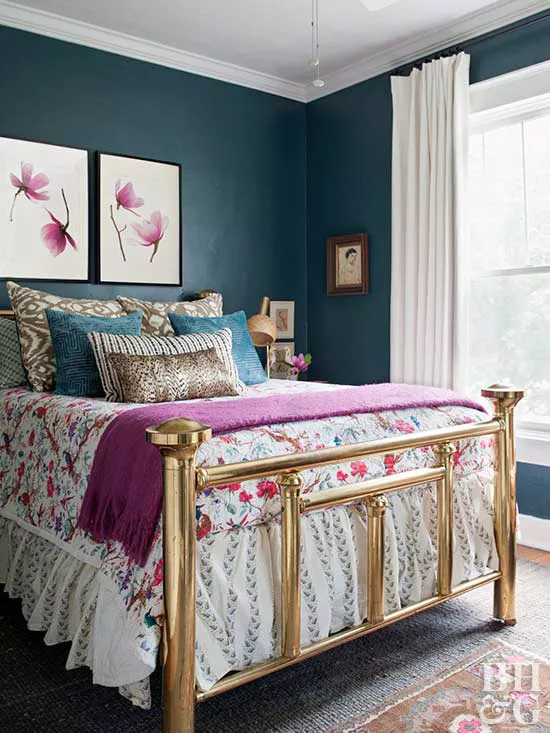
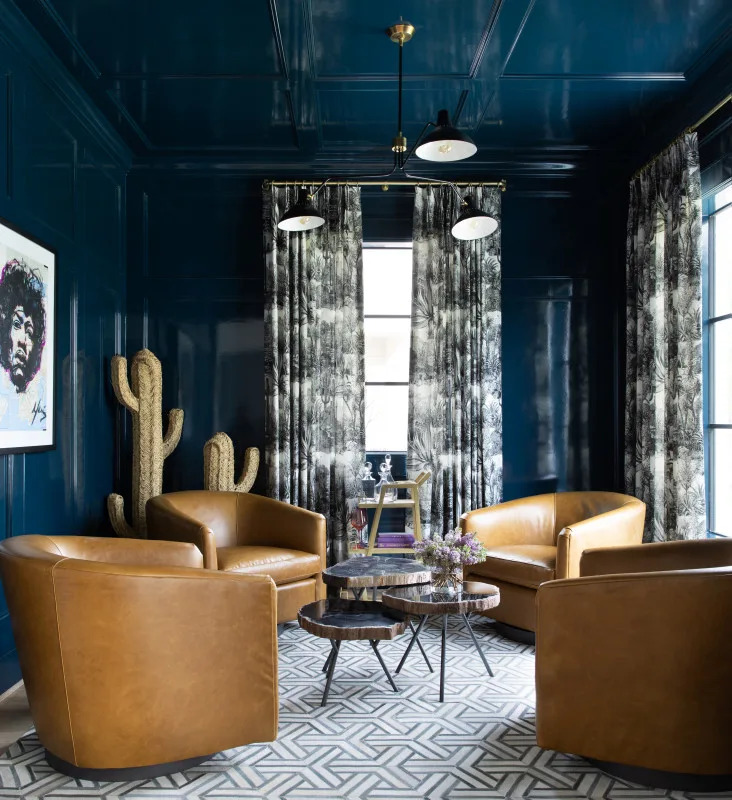
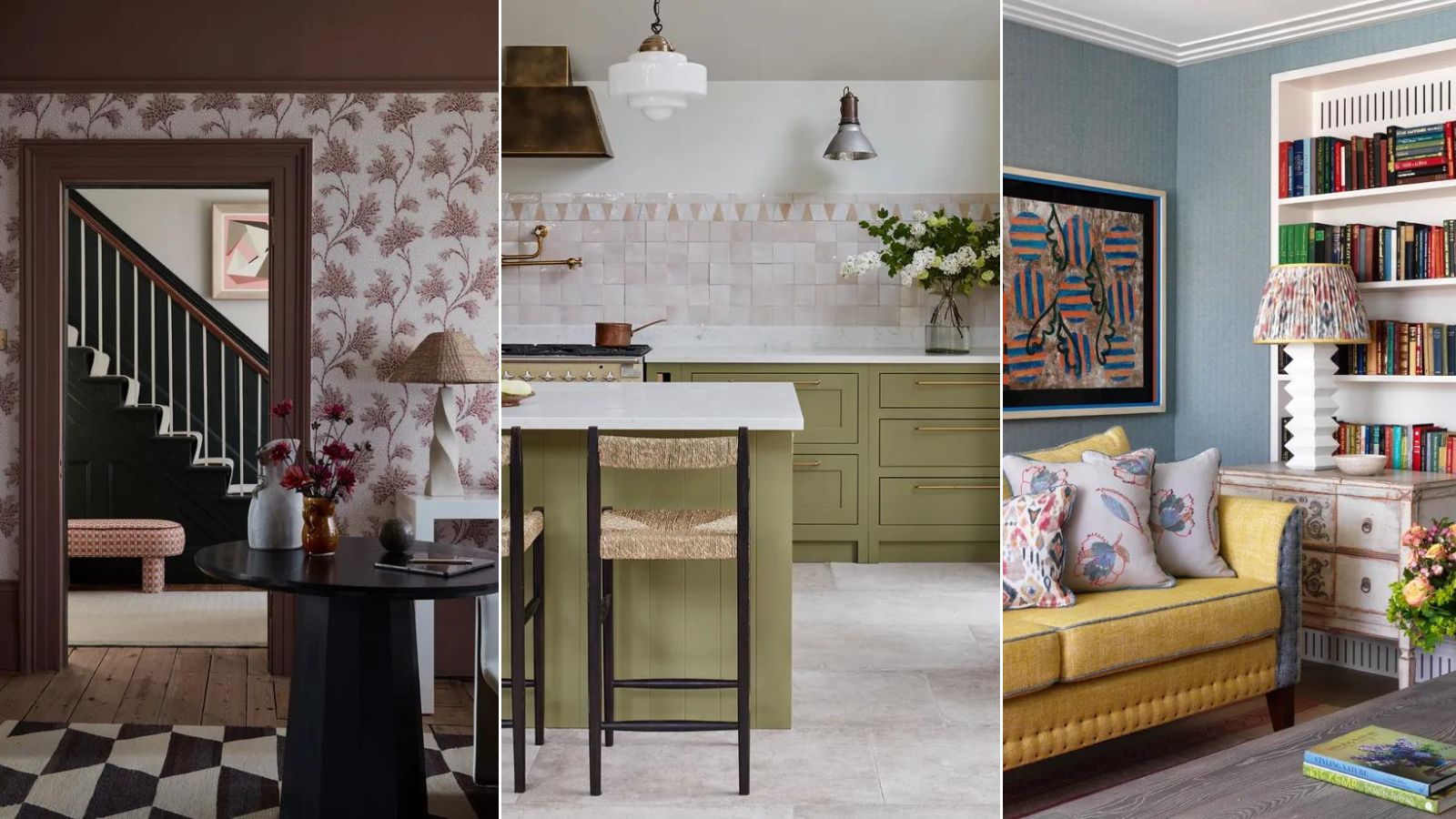
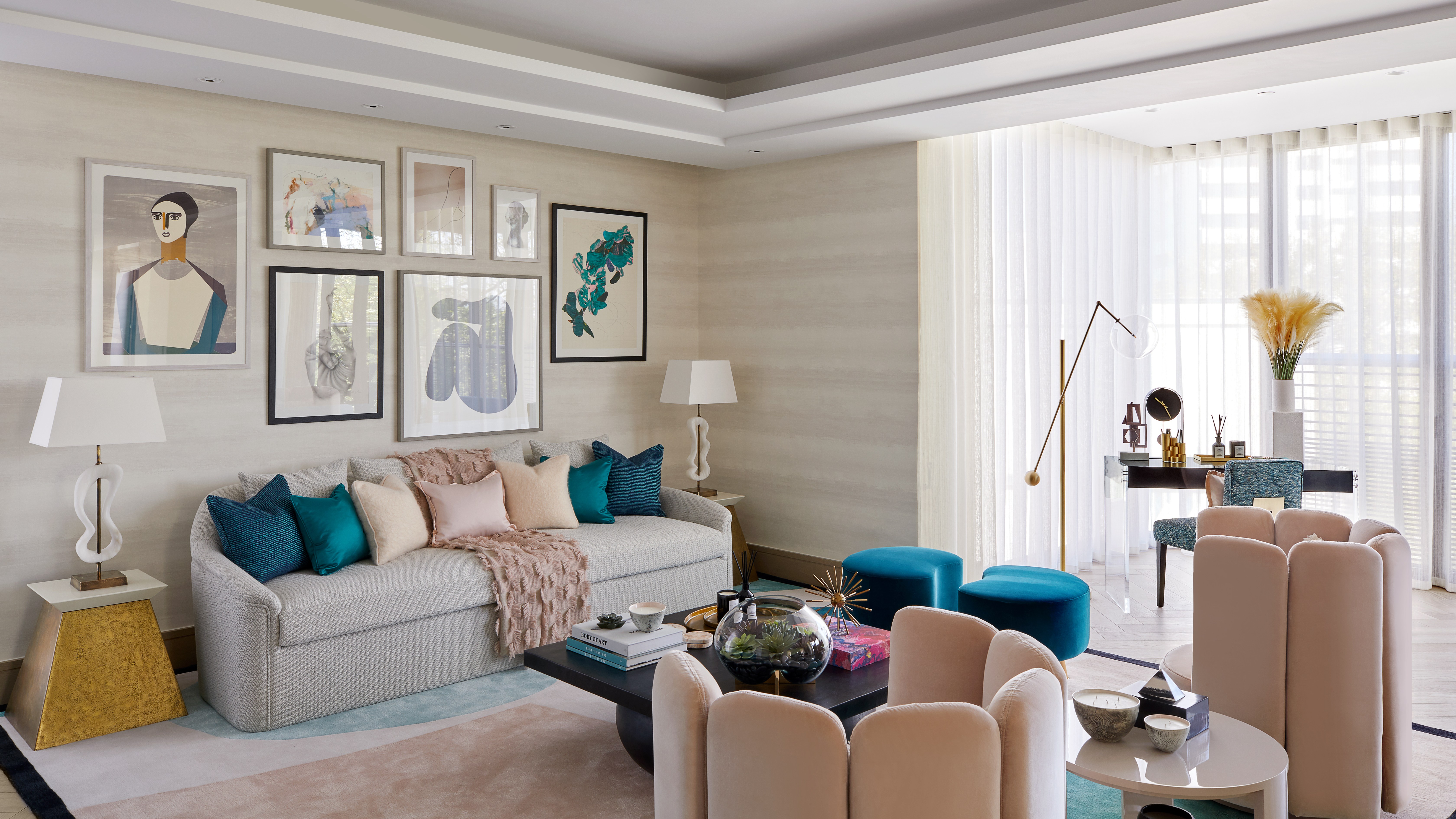
When implementing contrasting colors, the objective is not necessarily for colors to 'fight' each other but to create visual interest. Jewel tones like aubergine, navy blue, or forest green can be contrasted with warm neutrals such as ecru, peach, or sand to achieve a sophisticated yet subtle high-contrast look. This combination allows for versatility across various design styles. For kitchens, a popular method involves pairing light and dark shades. Darker colors are often applied to lower cabinetry, while lighter shades are used for upper cupboards and walls, creating seamless continuity. A central island can serve as an accent, painted in a contrasting color and potentially finished with a different sheen, like full gloss, for a glamorous touch.
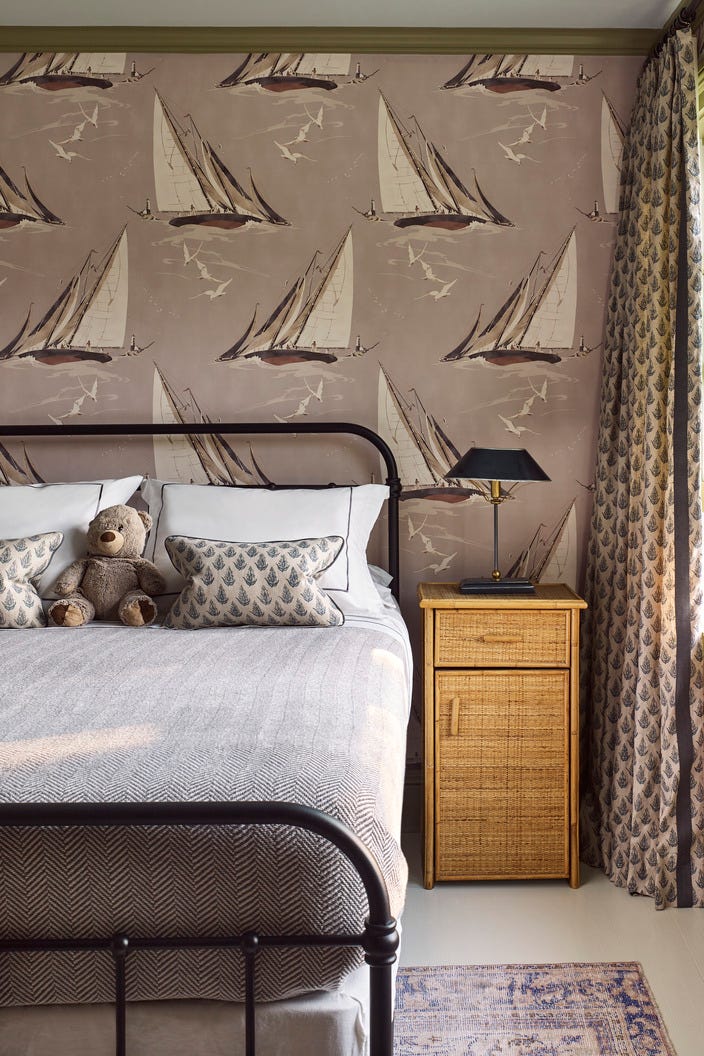
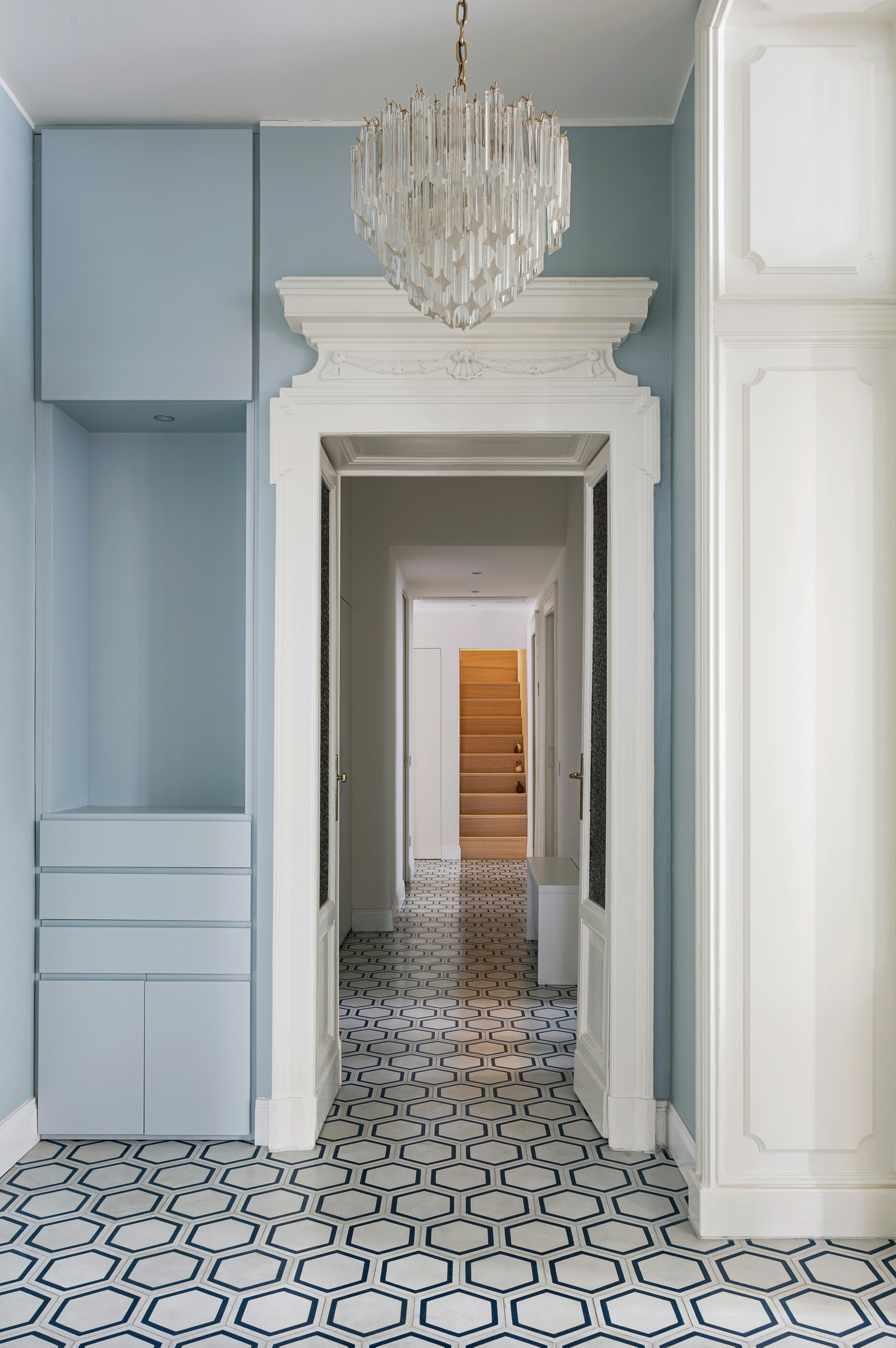
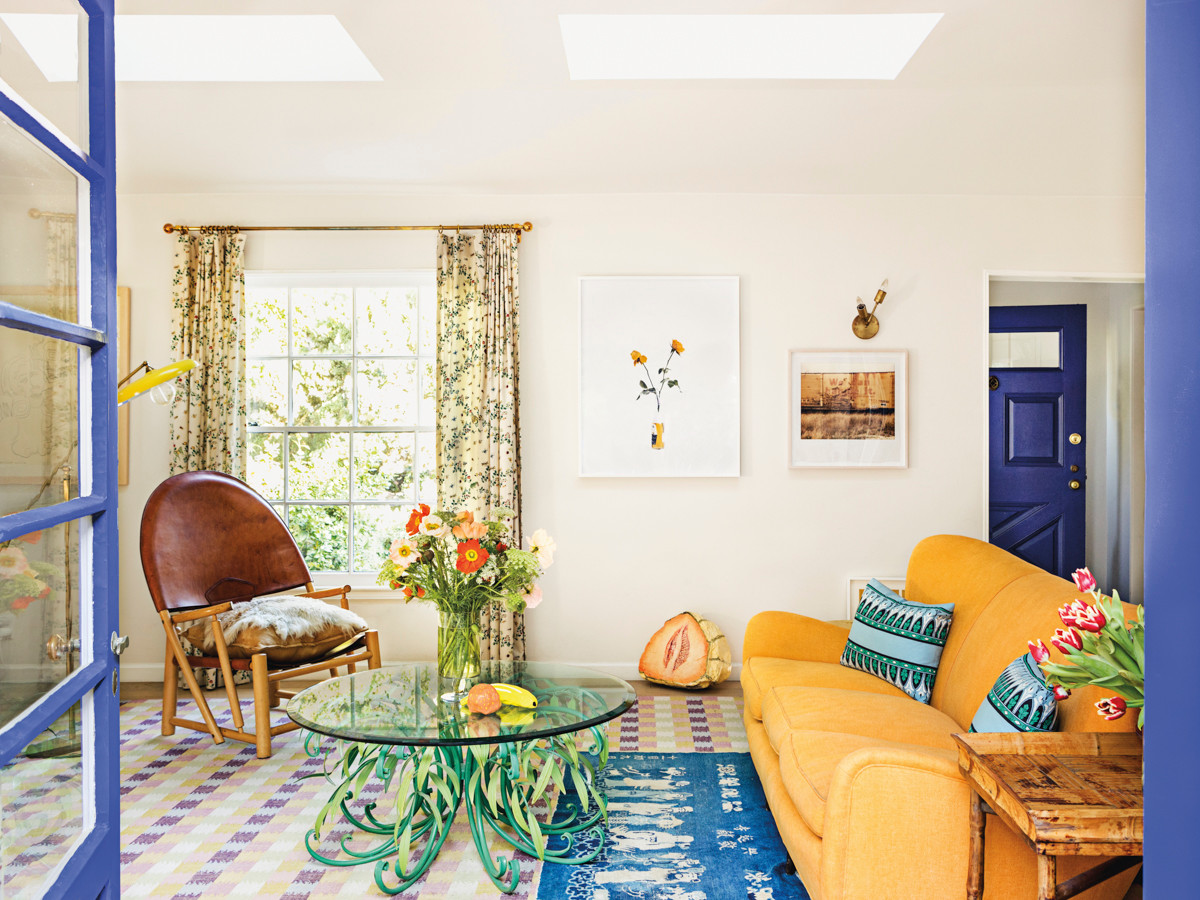
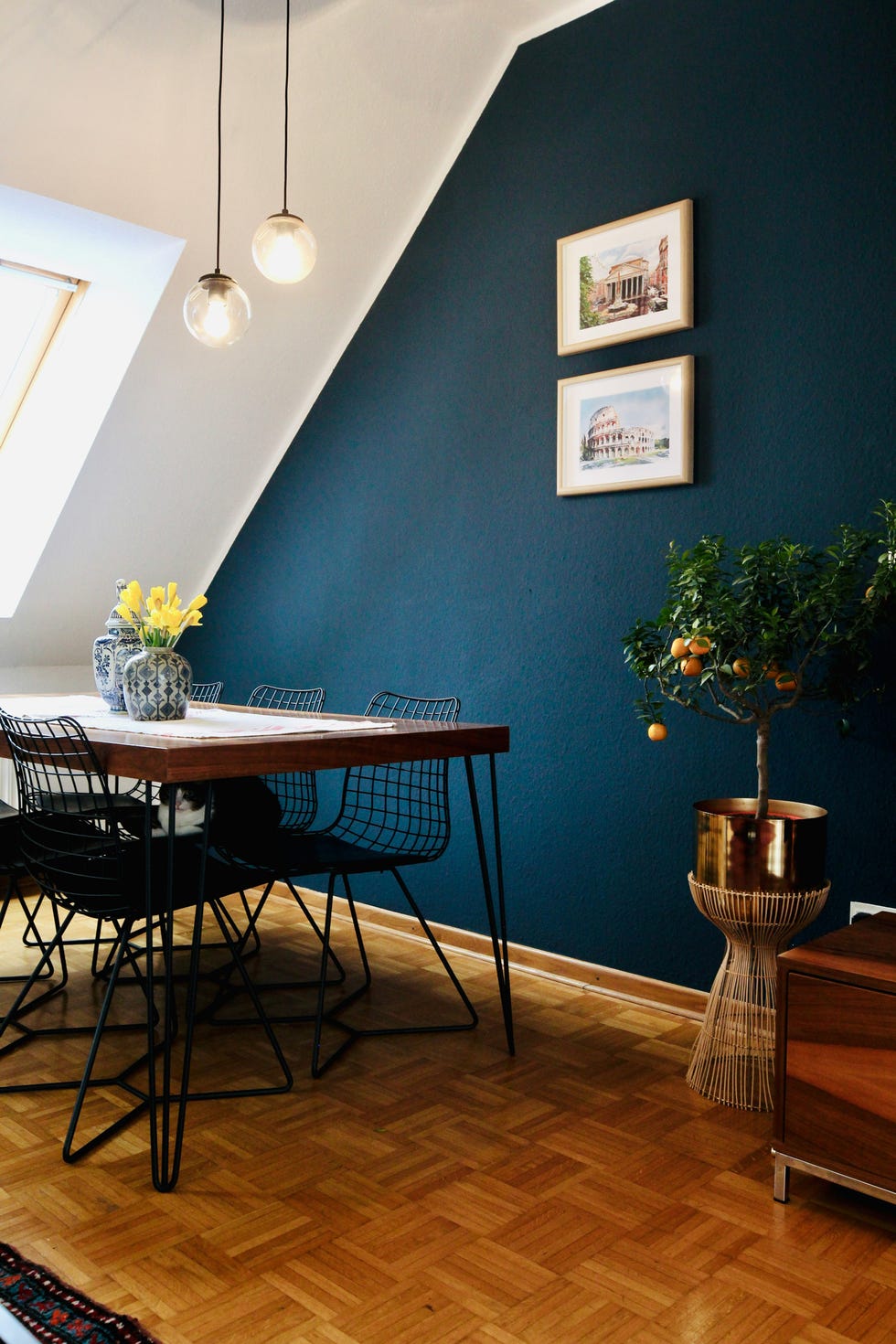
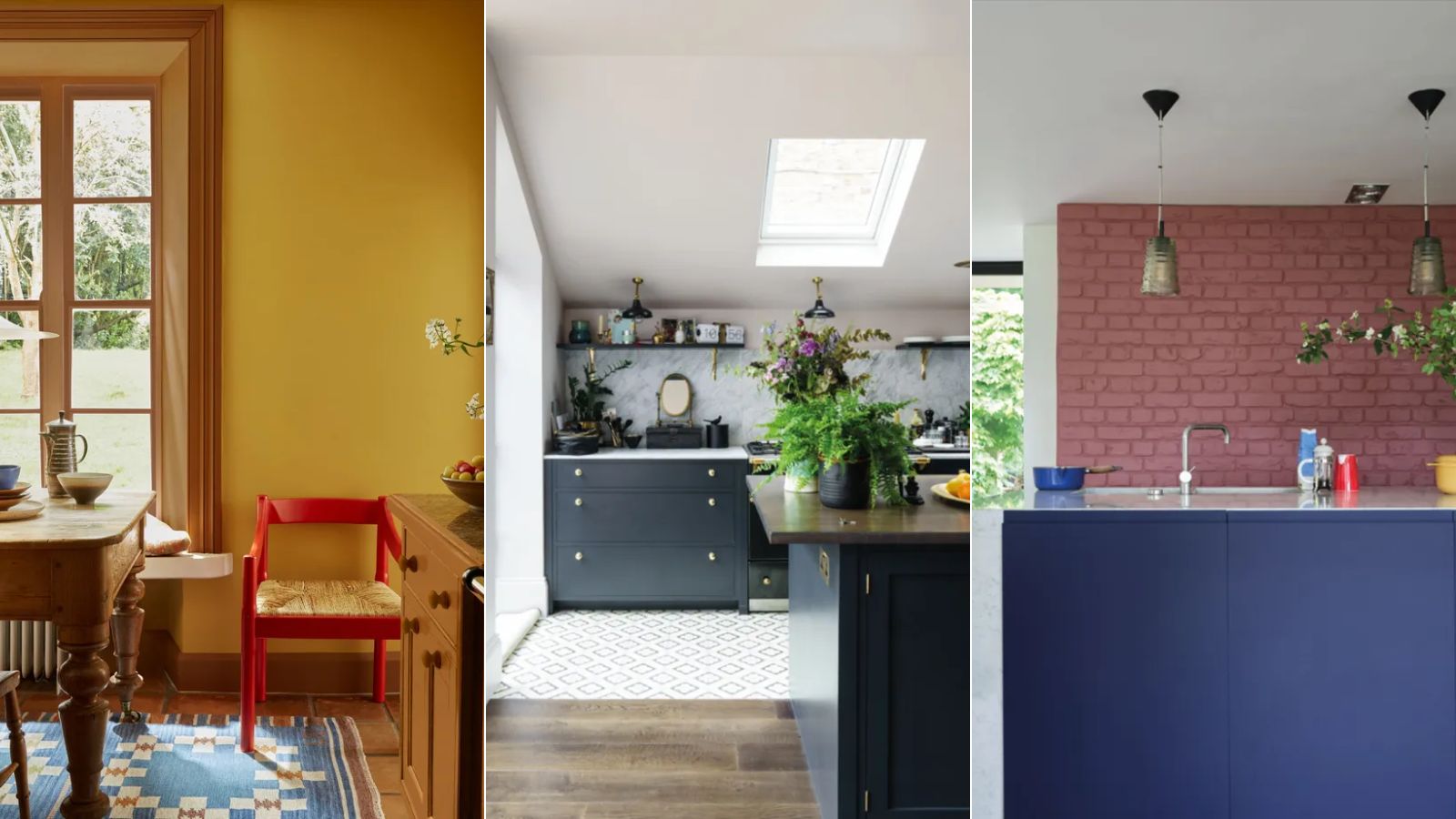
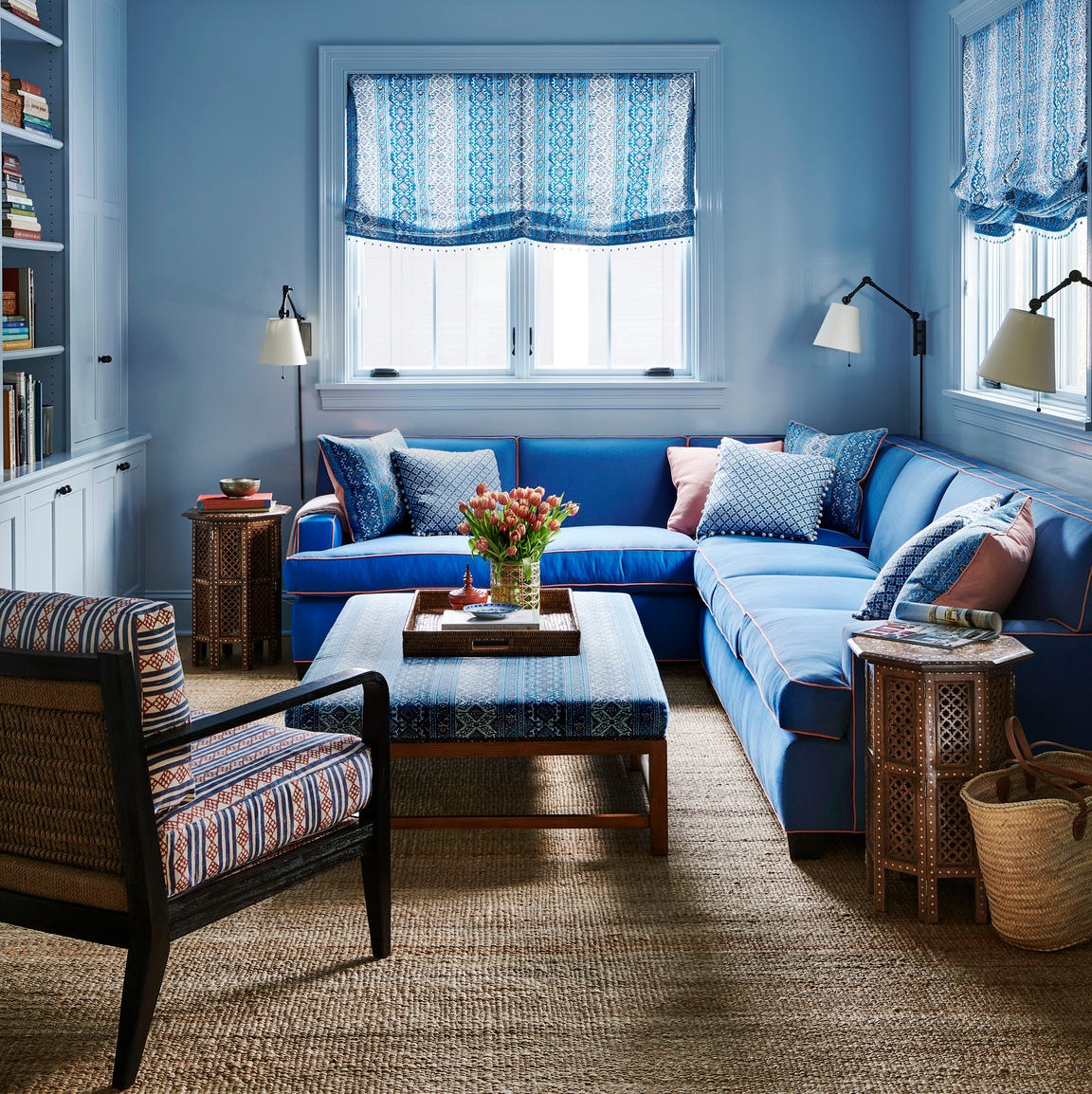
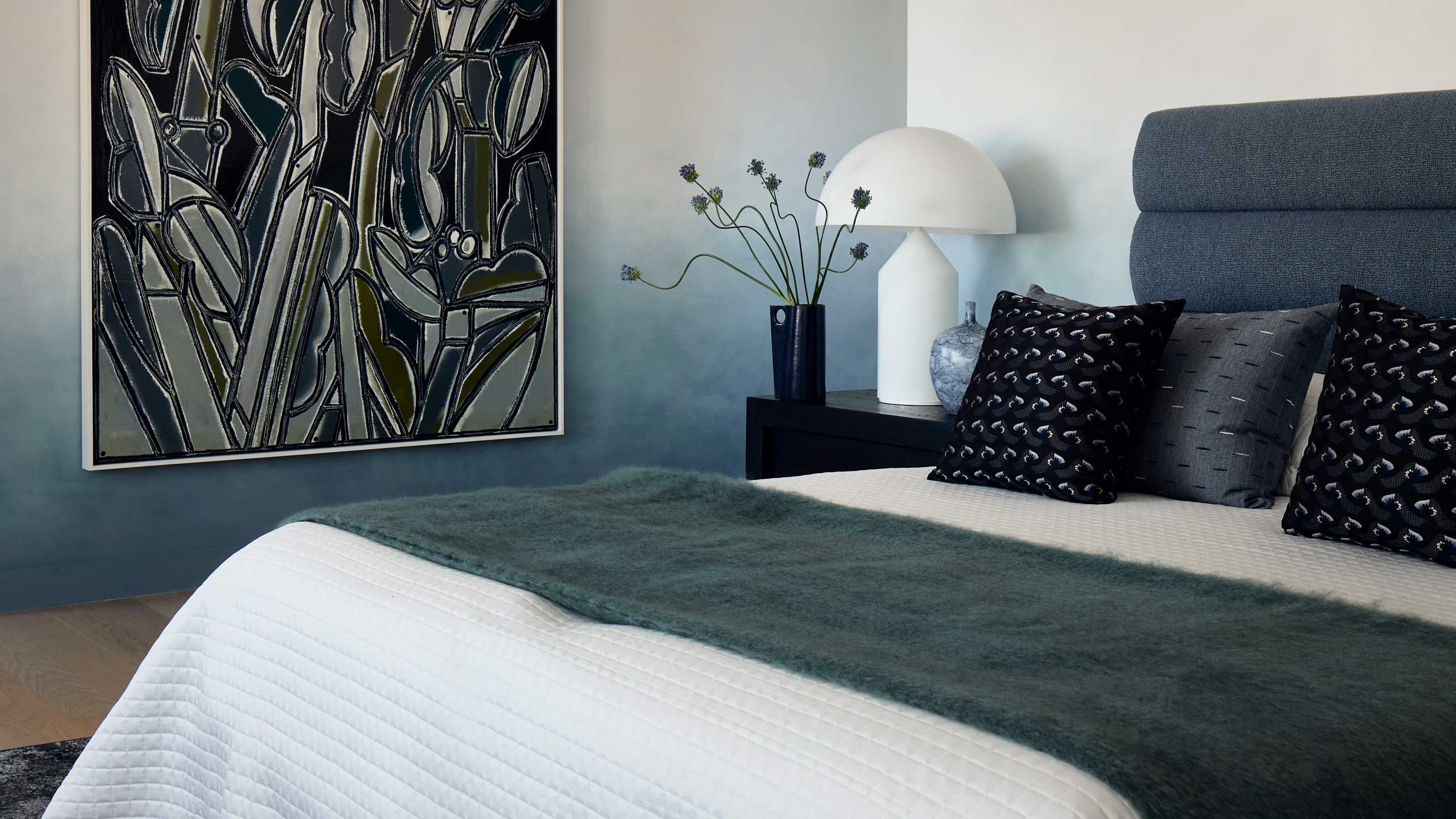
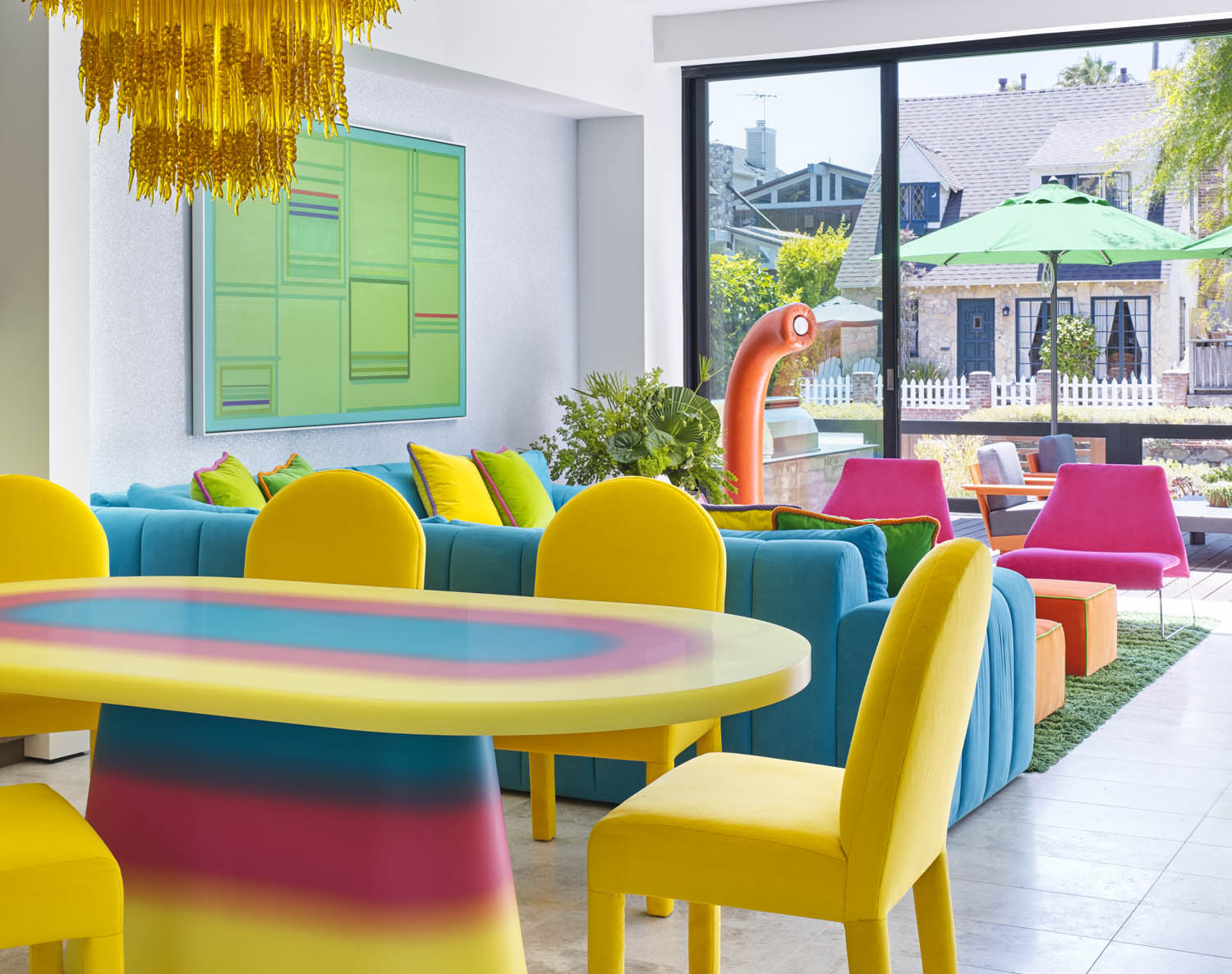
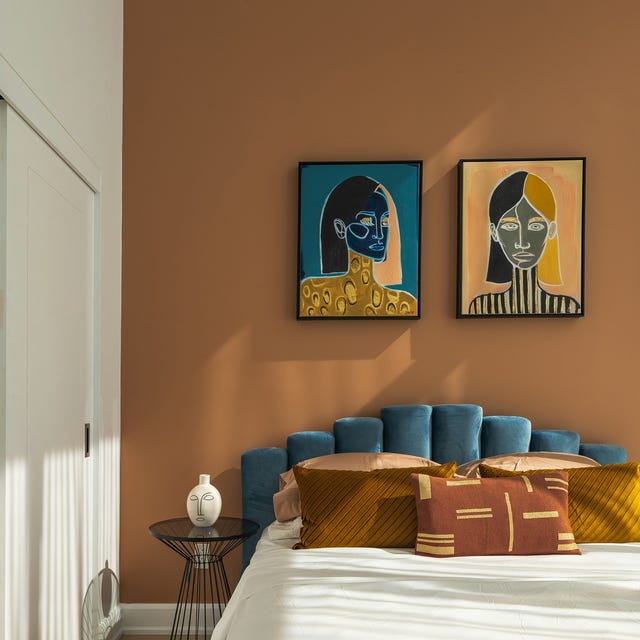
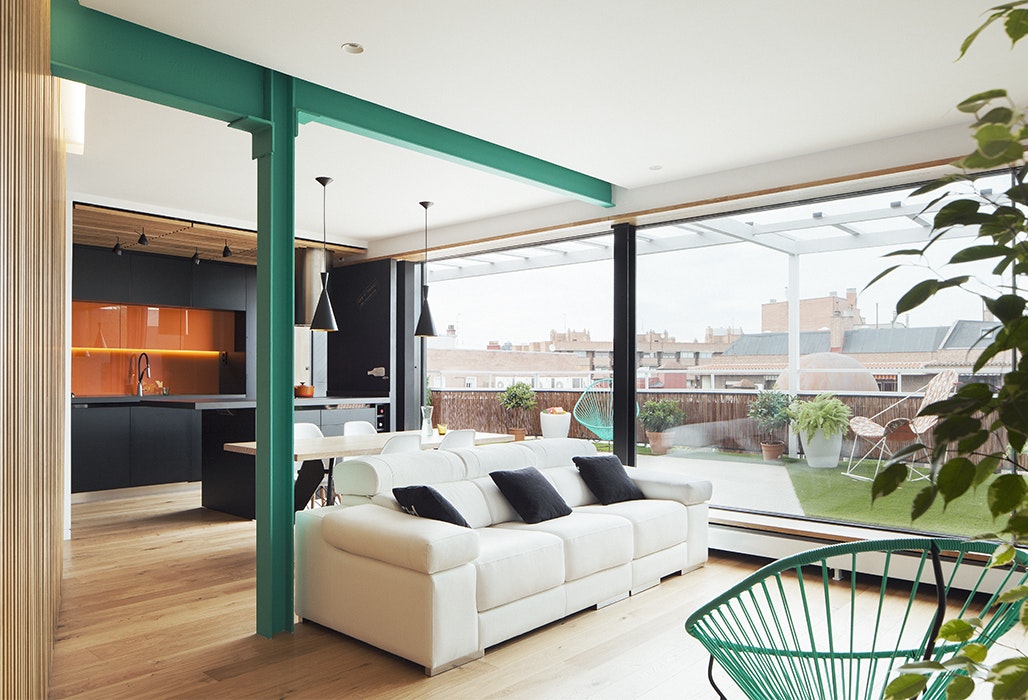
The color wheel is a fundamental tool for identifying complementary or 'clashing' colors. Common contrasting pairs include red and green, blue and orange, and yellow and purple. Designers suggest playing with tonal variations within these pairs to achieve different balances. For example, a vibrant orange can be balanced with warm blues, with varied tones dispersed throughout an open-plan area to ensure a cohesive flow. For a softer contrast, combinations like blue and white provide a classic and soothing effect, especially suited for coastal-inspired homes, offering both restfulness and energy through light and dark interplay.
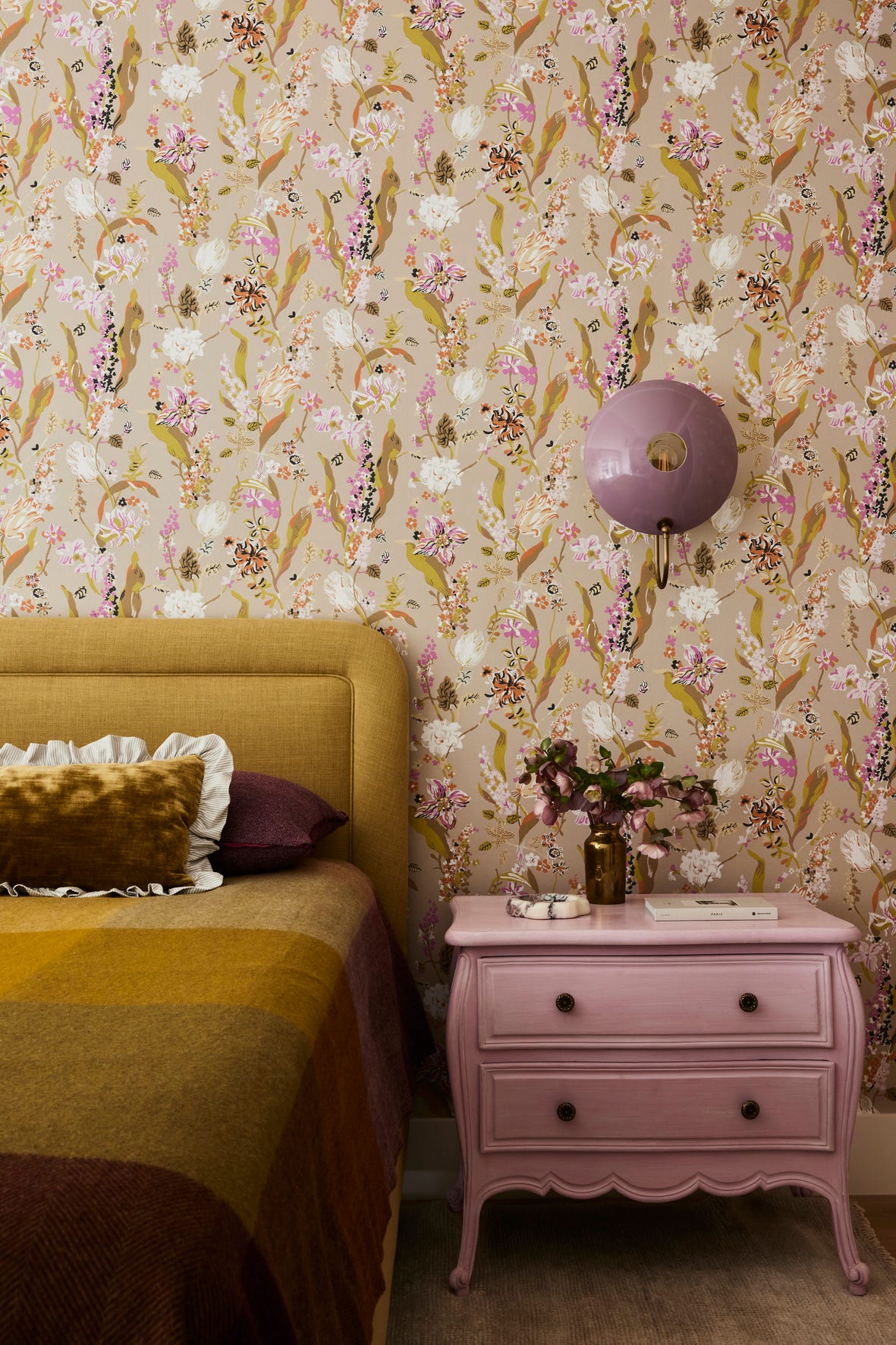
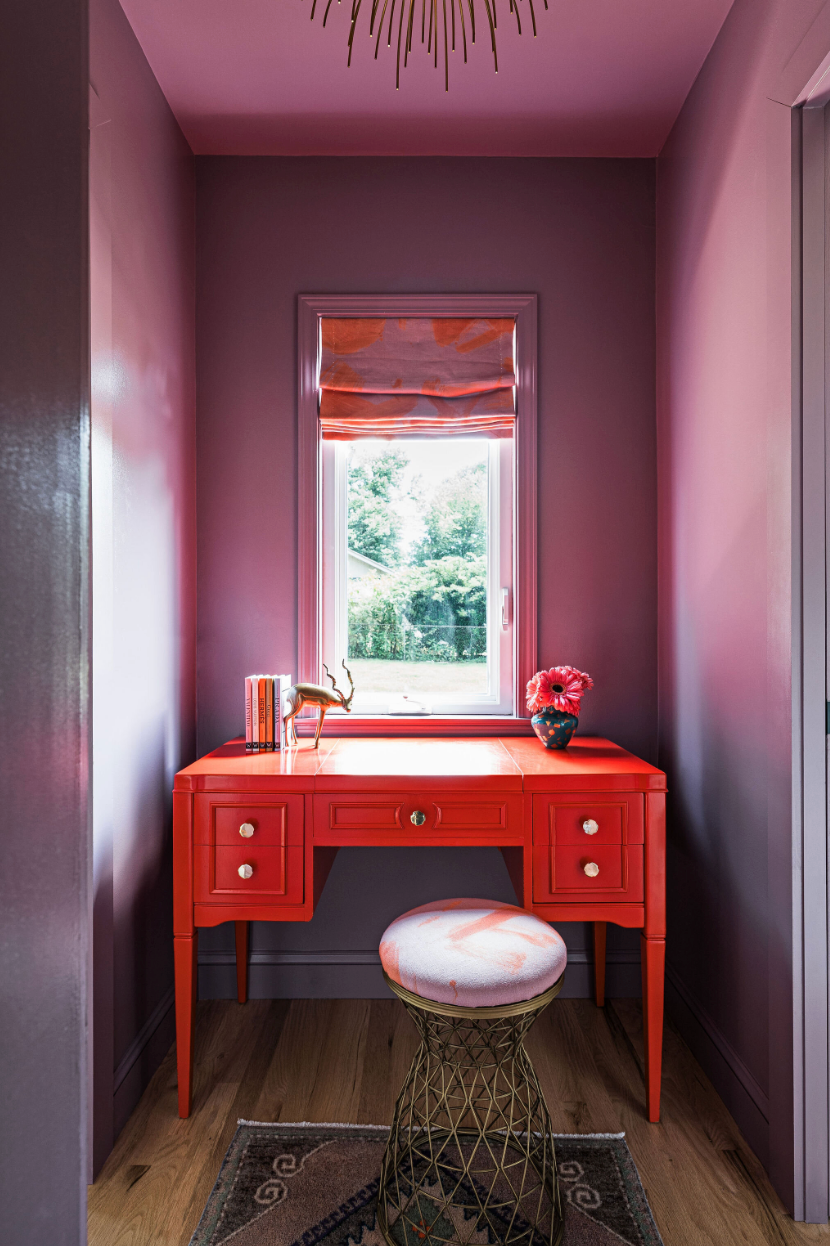
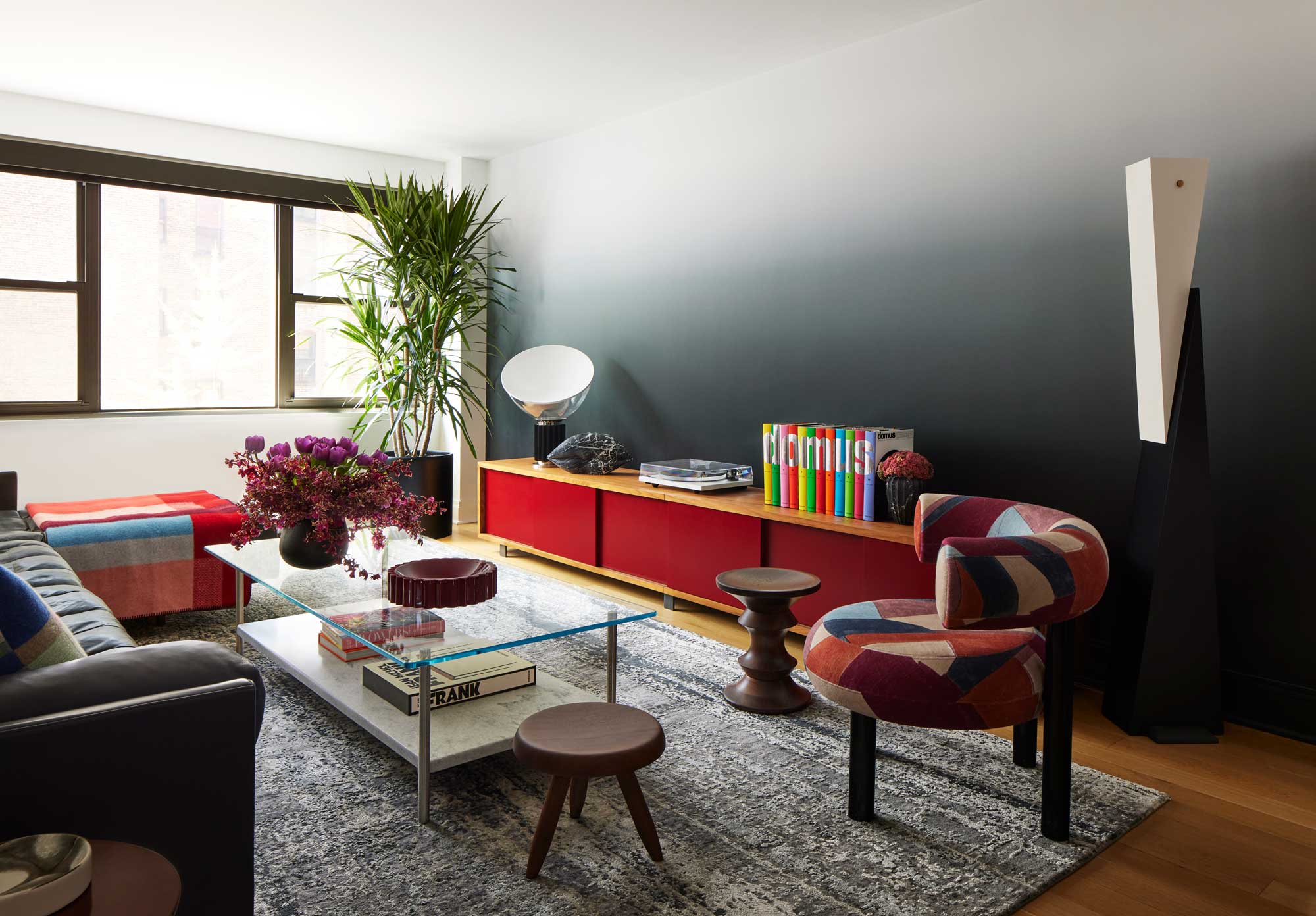
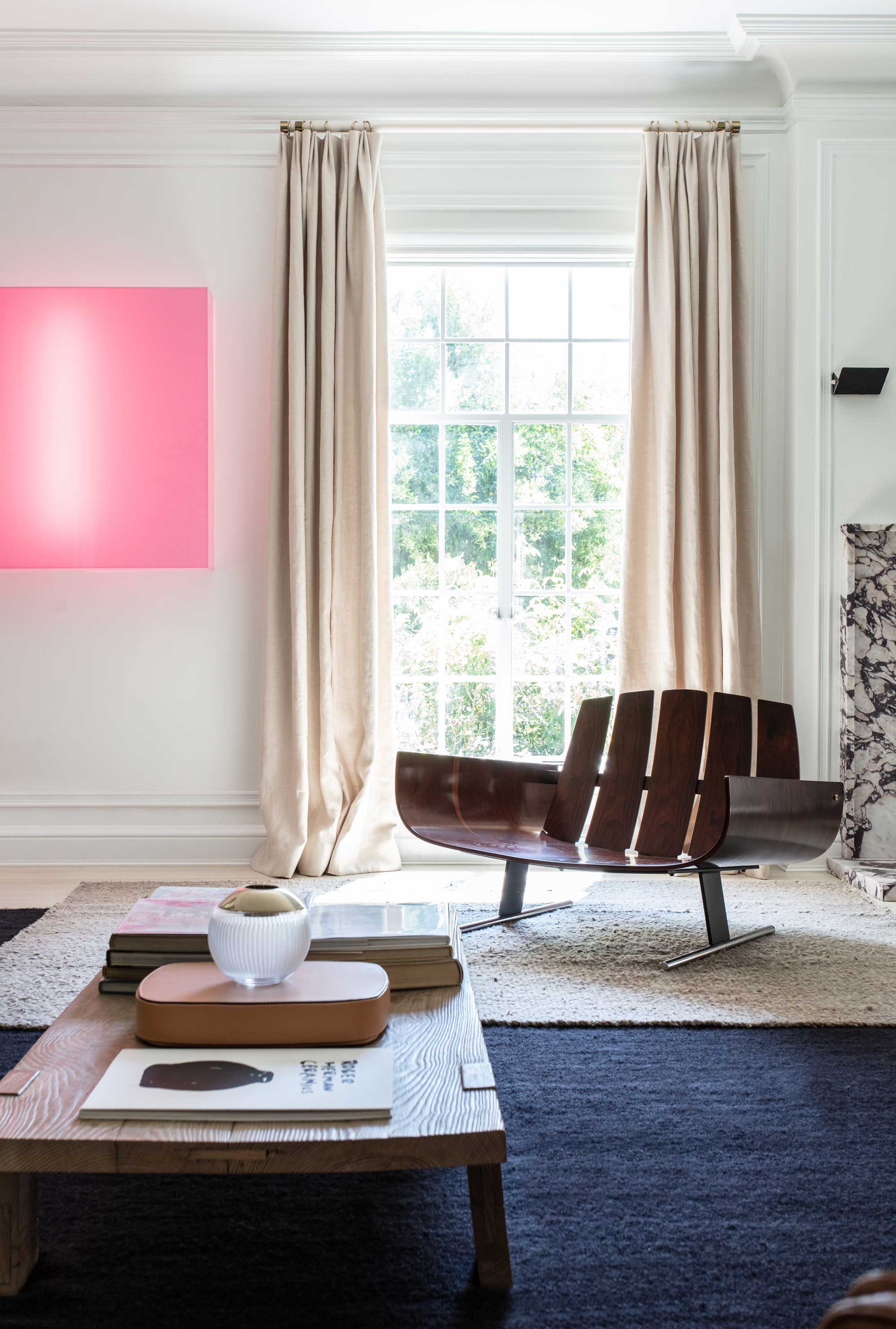
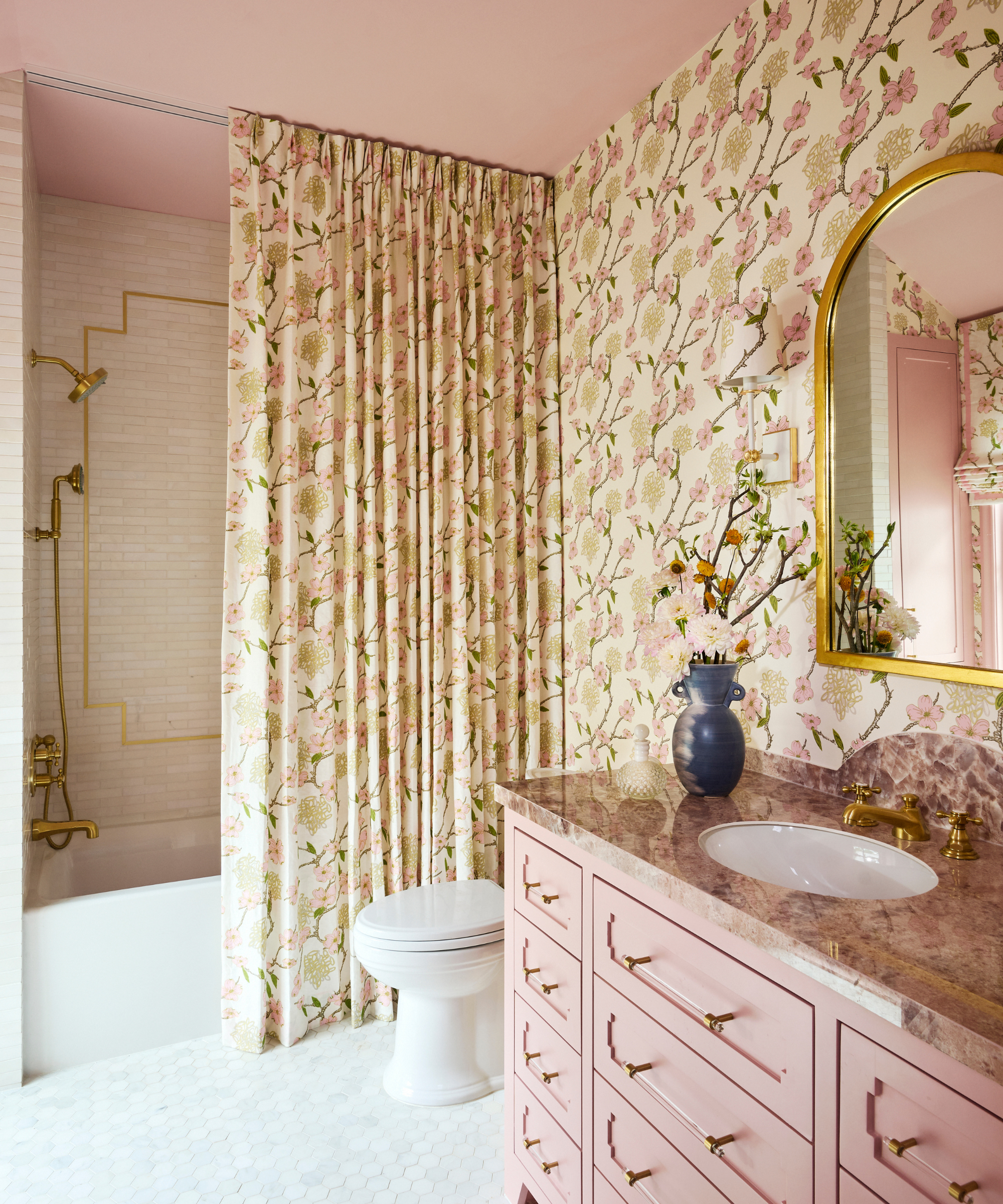
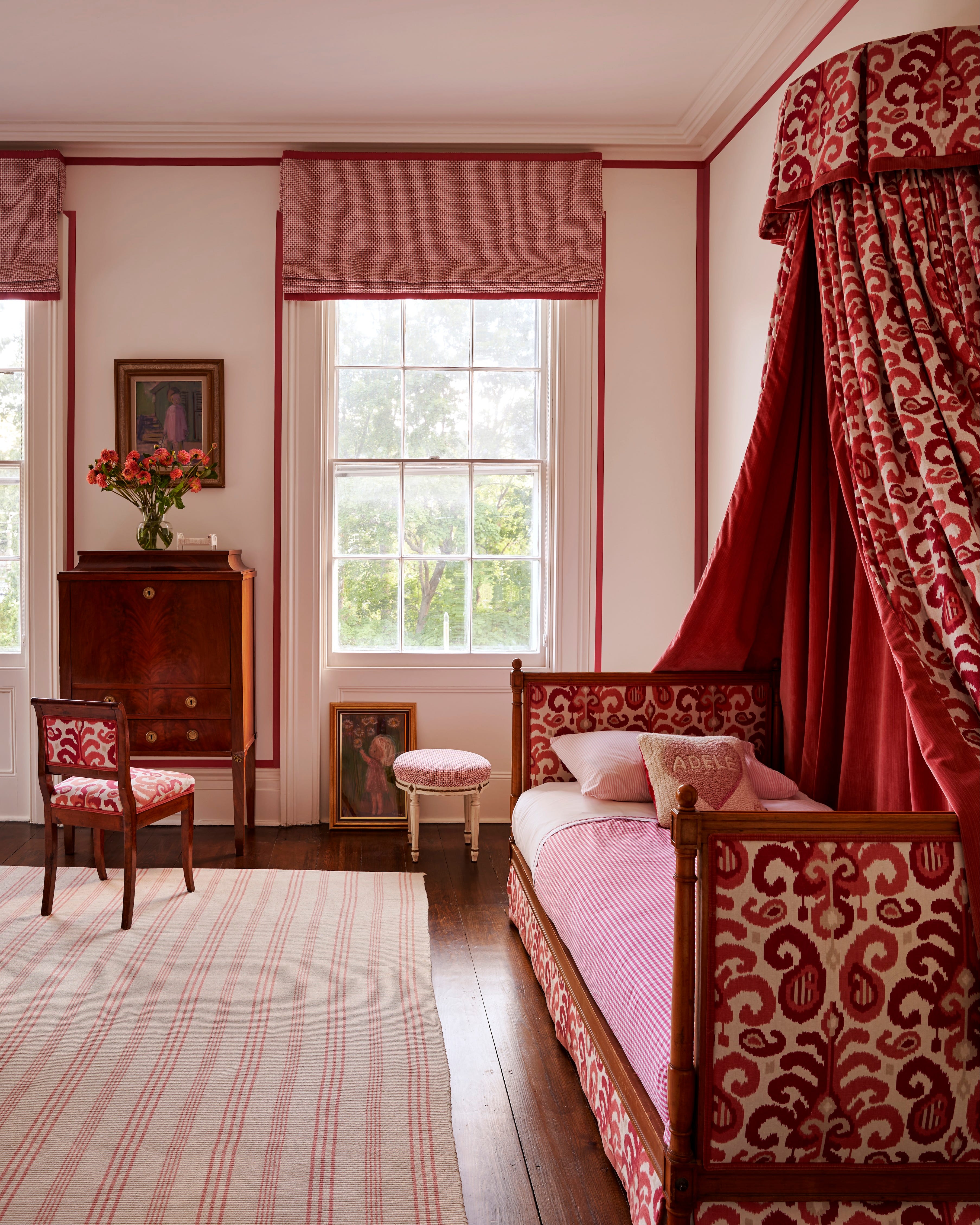
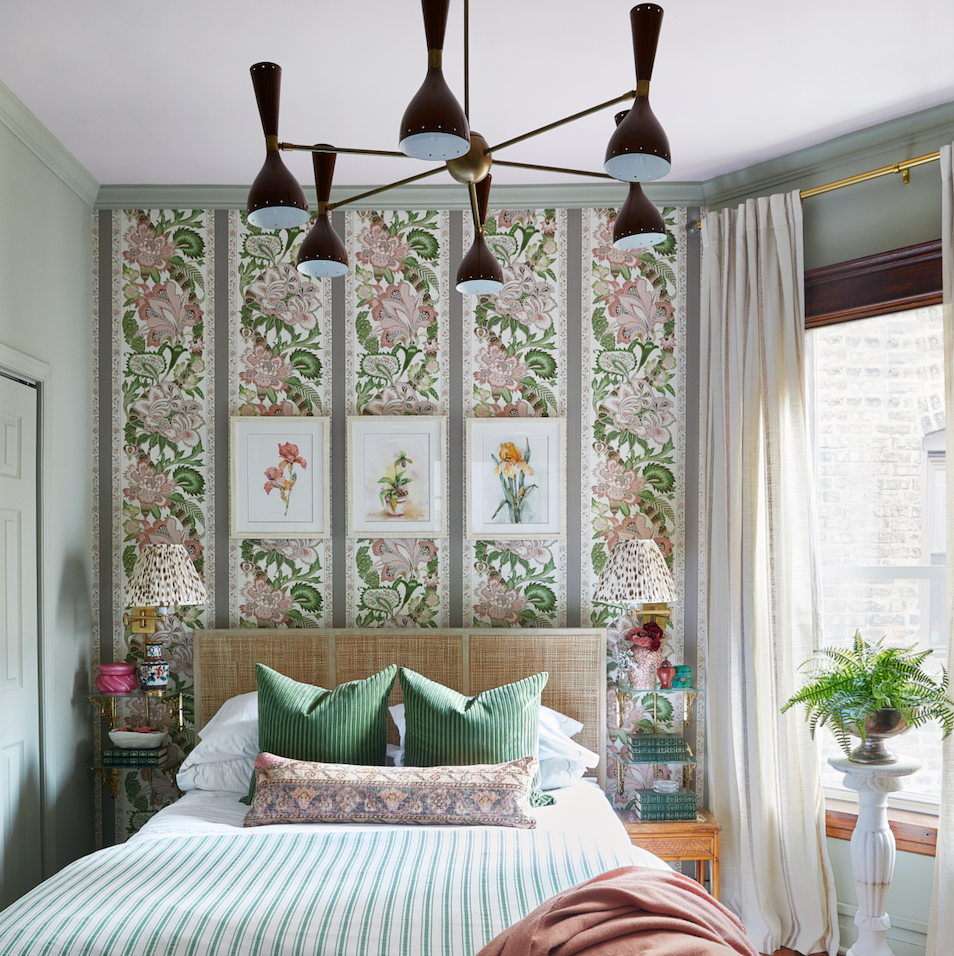
Monochrome schemes can be invigorated by adding a vibrant hue as a focal point. Bold elements, such as fuchsia chairs against soft gray walls and dark floors, can introduce energy and a 'wow' factor without overwhelming the space. Another uplifting contrasting scheme is pink and green, reminiscent of flowers and greenery in nature. While traditional light pink and natural green offer gentleness, contemporary twists can be achieved with unexpected shades. For those hesitant to commit to strong contrasts, incorporating a powerful accent color against a neutral base provides an effective way to introduce contrast without overpowering the room. This method allows for a sense of flow throughout a home by maintaining a neutral base and introducing diverse coordinating accent colors in individual spaces, adding design interest and personality.
Ultimately, adding contrast to room color ideas is an effective way to introduce depth, whether through subtle layering of tones or bold, dramatic clashes. This design strategy allows for customization to achieve either maximalist drama or a balanced, sophisticated aesthetic in neutral environments.
#InteriorDesign #ColorSchemes #ContrastingColors #HomeDecor #ColorTrends #AccentColors #DesignTips #KitchenDesign #BedroomDesign #InteriorDesign #ColorSchemes #ContrastingColors #HomeDecor #ColorTrends #AccentColors #DesignTips #KitchenDesign #BedroomDesign
0 comment in total
 No comments yet
You may also like
Designers LOVE Pairing These Unexpected Colors With This Sophisticated Hue

Primary colours are having a moment - but the secret to styling them is through 'unexpected' touches
Why This Hue Is Suddenly Dominating Every Designer's Wishlist—Plus, How to Style It

Forget Single Painted Accent Walls: This Stunning Trend Is Taking Over

Designers LOVE Pairing These Unexpected Colors With This One Timeless Hue
This surprising color trend is having a comeback

Take a Leap into Bold Color with These Decorating Ideas

5 Vibrant Color Palettes Designers Are Using to Add Energy and Excitement to Decor
Designers Say These Unusual Paint Color Combos Will Transform Your Home

Color Drenching Is the Bold Paint Trend Taking Over—Here’s How to Nail It
These 5 Paint Color Trends Will Be Everywhere in 2024, According to Interior Designers
What you didn’t know about colour

Choose contrasting color schemes for a more powerful effect
The Color Combo You’re About to See Everywhere

Deeper, moody colours and precious jewel tones are in style this year
10 beautiful transitional color schemes for every room in the house
Dress Up Your Space With Contrasting Colors

Move over color drenching, ‘color capping’ is the chic new tonal technique you’ll be seeing everywhere this fall
Forget painting your walls grey, it’s time to sparkle
Why This Hue Is Suddenly Dominating Every Designer's Wishlist—Plus, How to Style It