5 Things That Always Make Your Home Feel Cramped, According to Designers
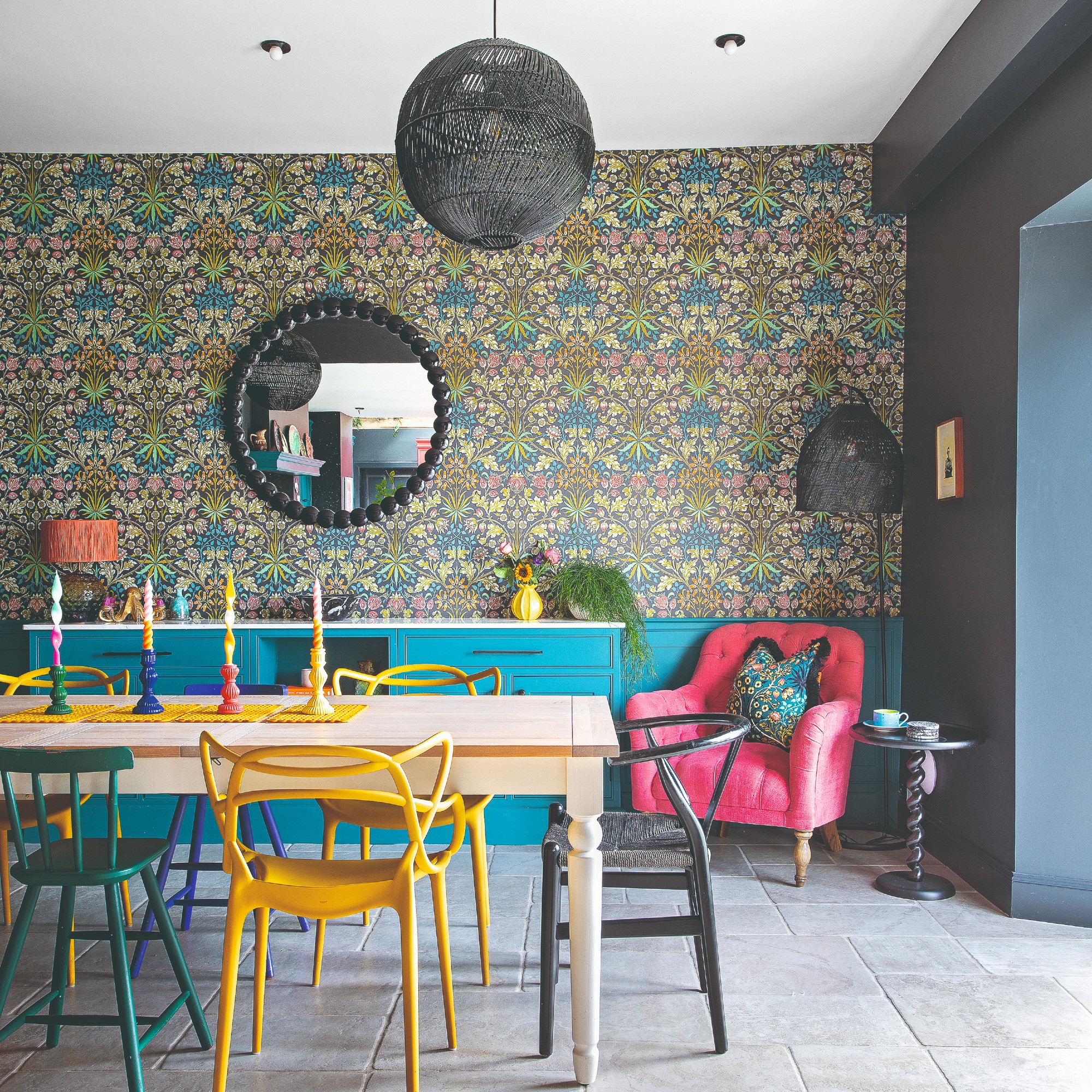
The perception of spaciousness in a home can be significantly influenced by various design choices, some of which inadvertently lead to a cramped feeling. Interior designers Shiva Samiei, Samuel Davis, and Elissa Hall highlight common elements that contribute to this sensation, offering insights into how to create a more open and serene living environment. Understanding these factors is crucial for homeowners looking to optimize their space without undertaking major renovations.
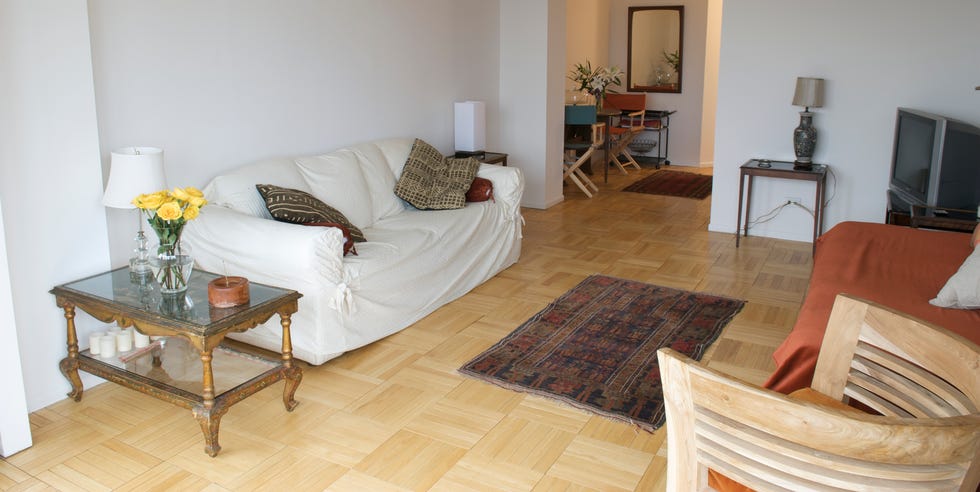
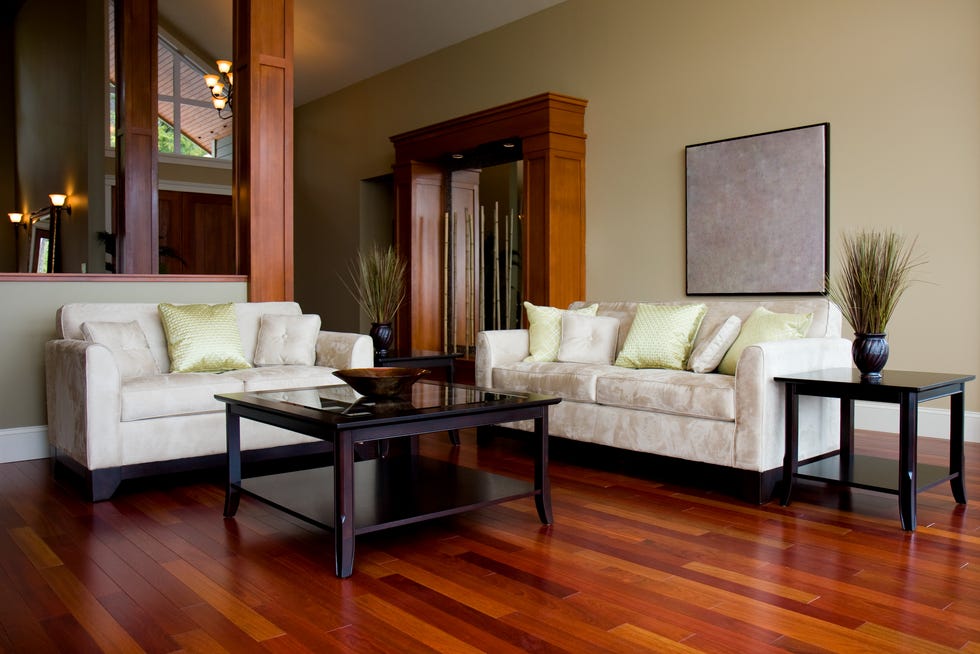
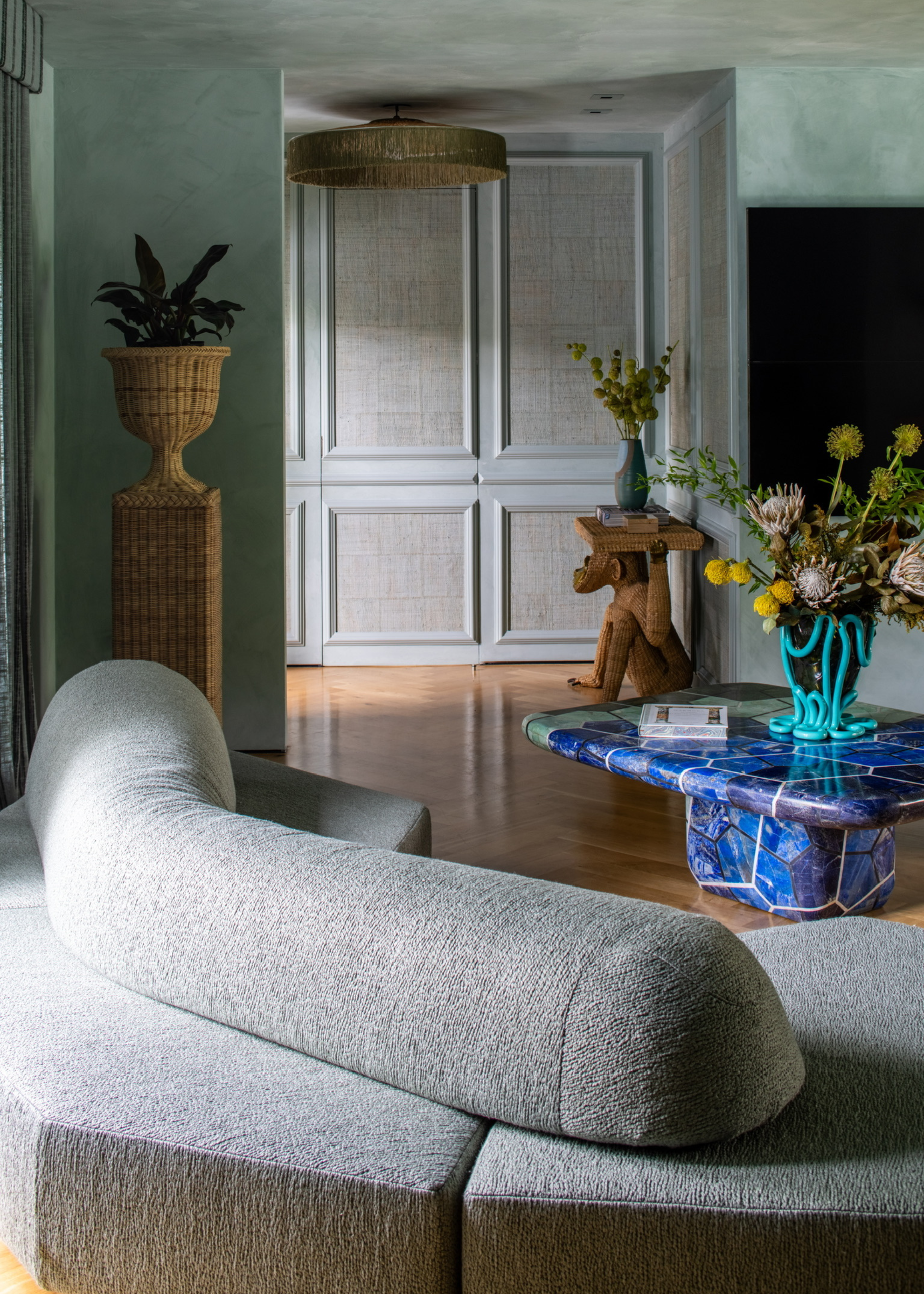
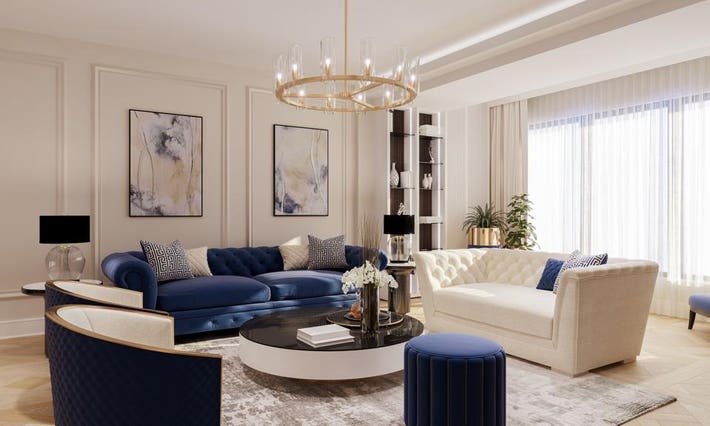
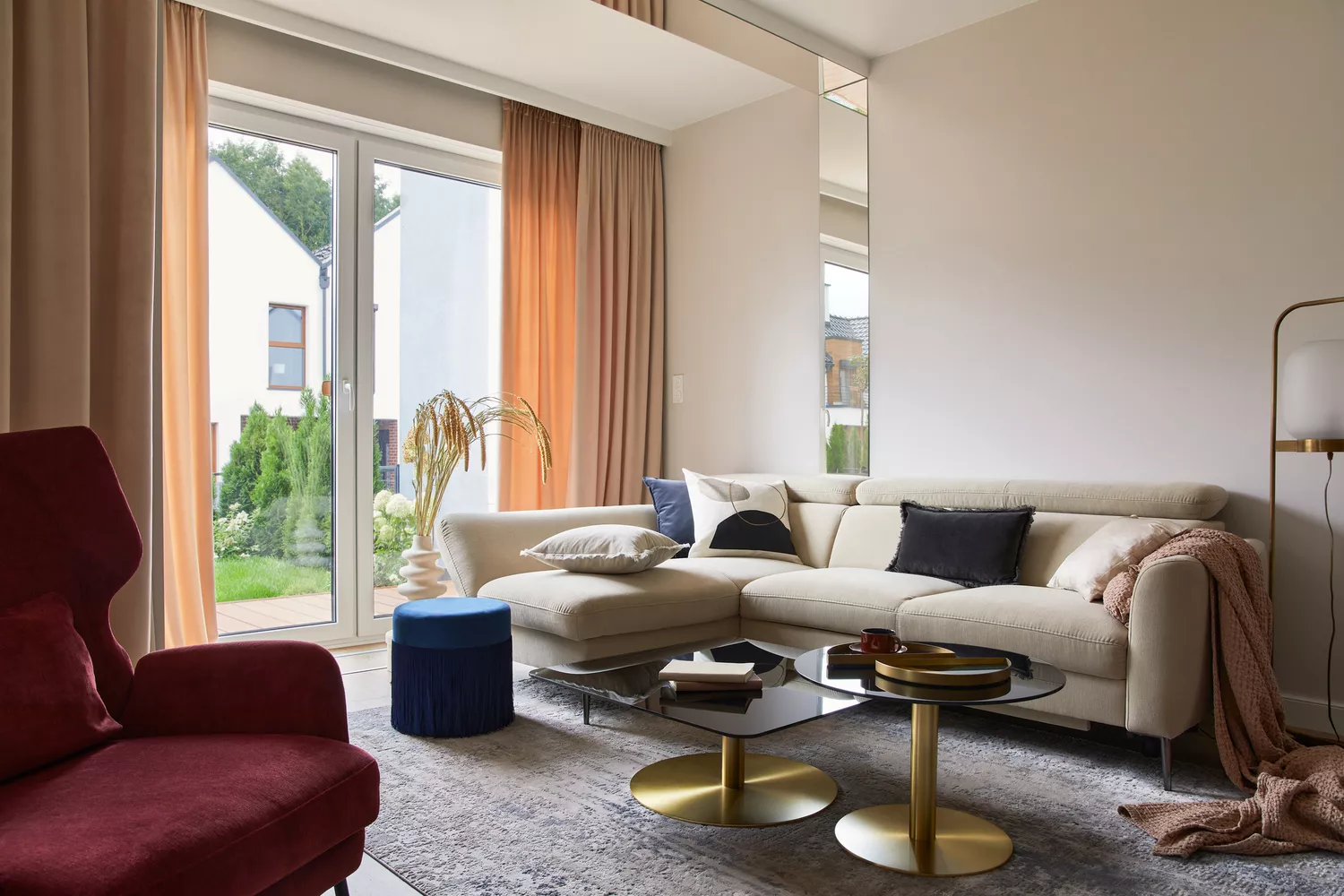
One primary culprit for a cramped home is oversized furniture. Even in generously sized rooms, furniture pieces that are too large for their designated area can drastically reduce walking space and make a room feel uncomfortable. For instance, a three-seater sofa ideally requires at least 30 inches of clearance around it. However, many homes feature sofas that leave only 12-15 inches, leading to a tight and restrictive feel. The allure of large, plush items can sometimes overshadow practical considerations of scale and proportion within a room. Therefore, assessing the actual dimensions of furniture relative to the room size is essential for maintaining an open flow.
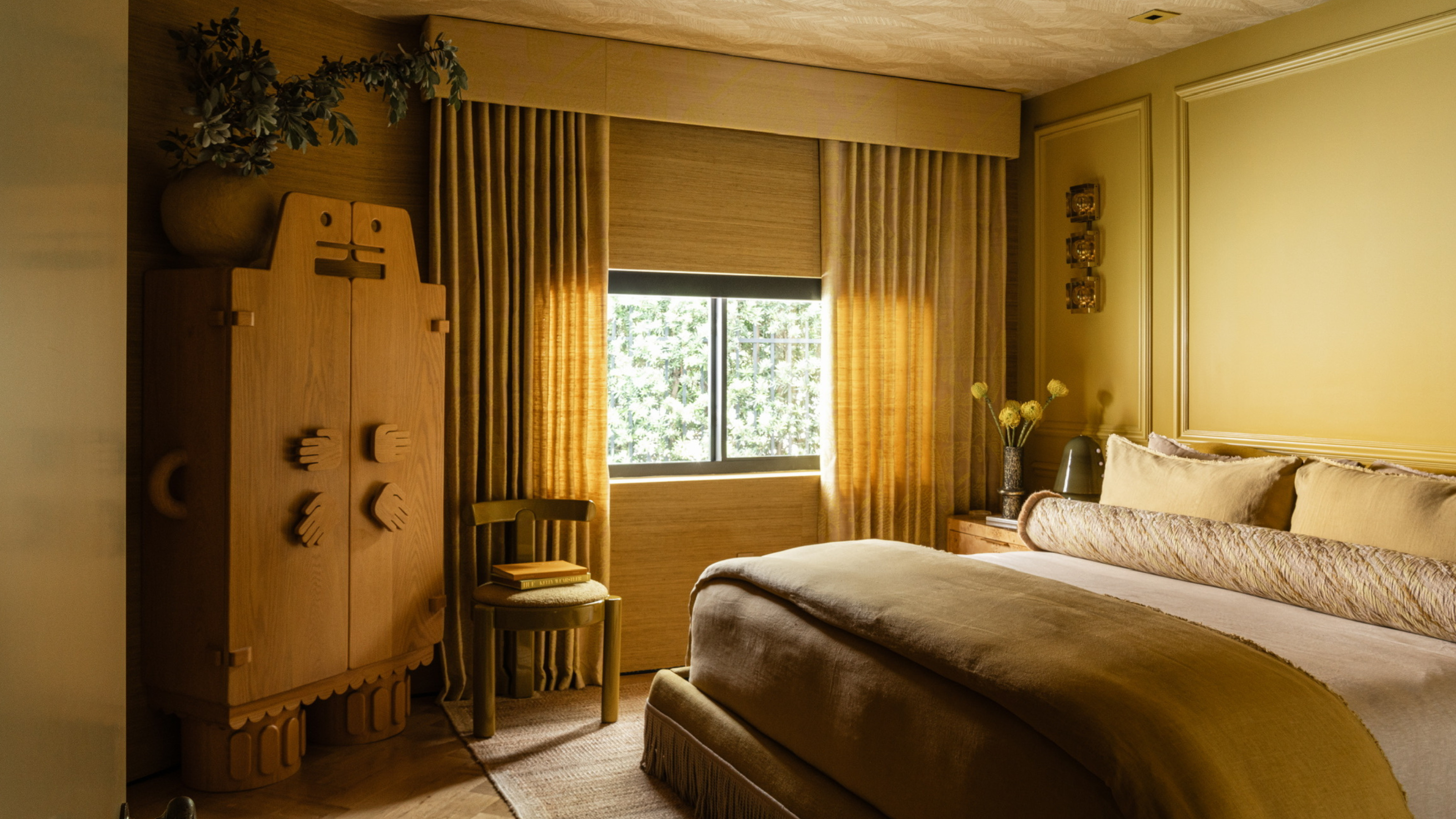
Another element that can diminish the sense of space is the use of dark window treatments. While blackout curtains or deeply colored drapes might be chosen for aesthetic or functional reasons, such as light control, they can visually shrink a room. Dark fabrics tend to absorb light and create a heavier, more enclosed atmosphere. Replacing these with lighter, more discreet options like roller shades mounted inside the window frame can allow more natural light to enter and make the room appear larger and airier. This simple change can dramatically alter the perception of depth and openness.
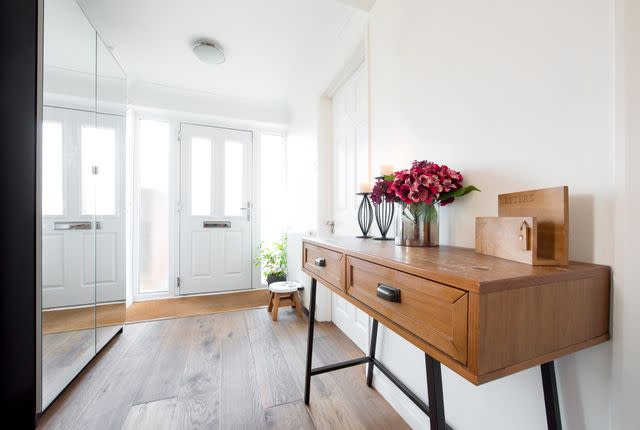
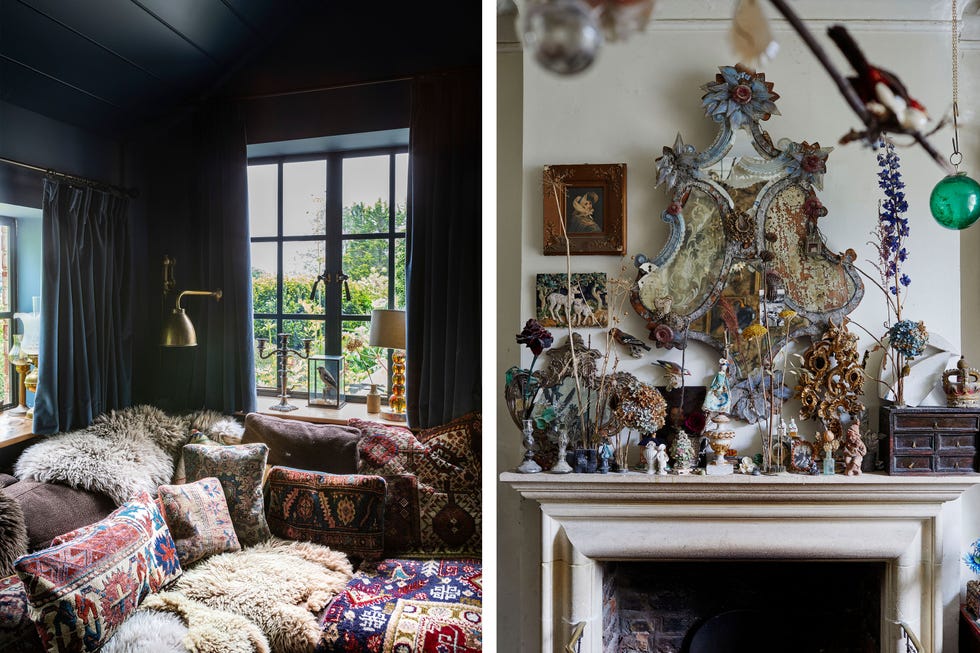
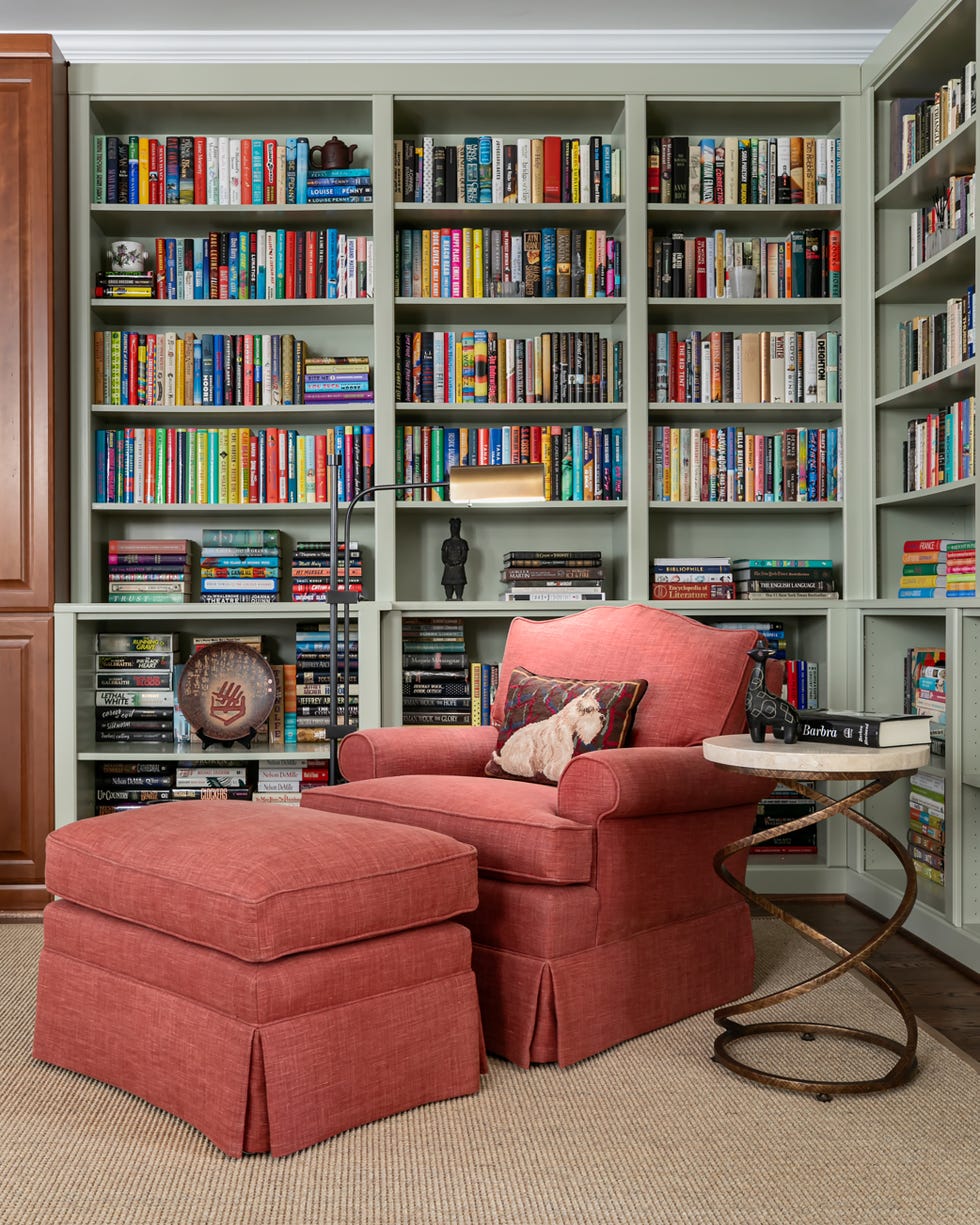
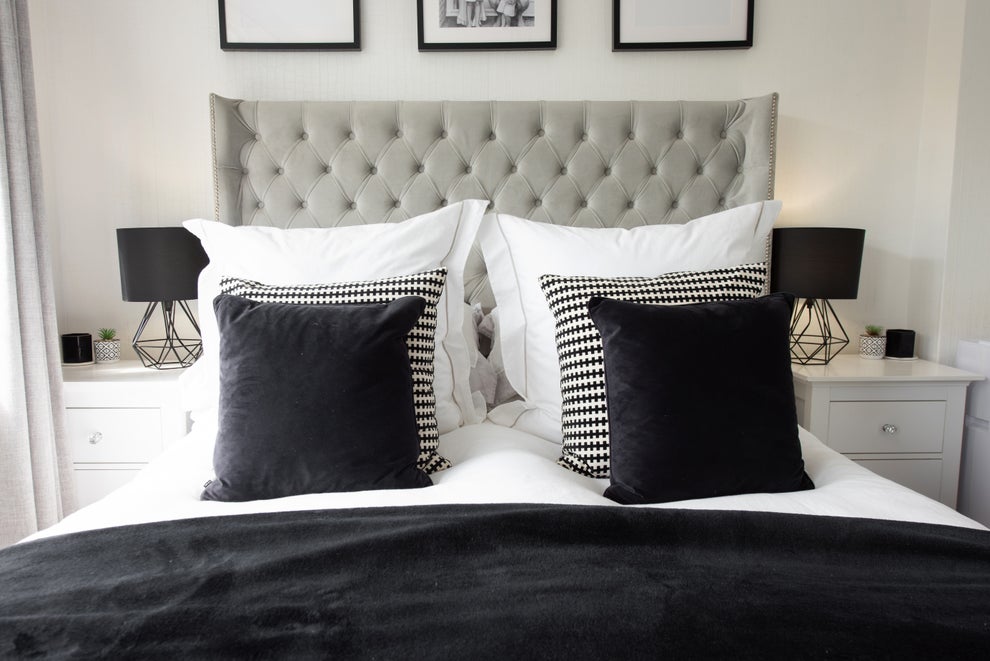
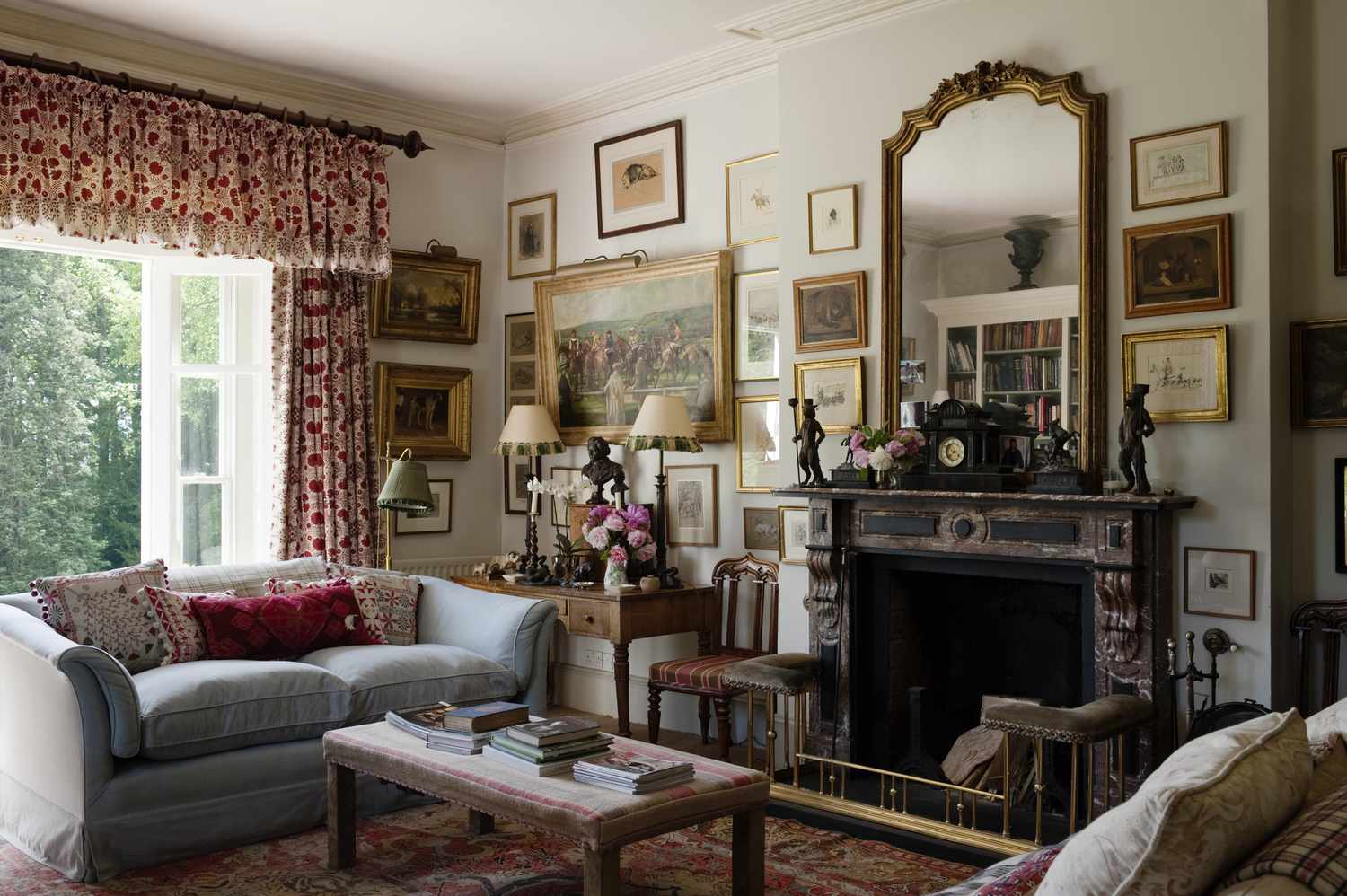
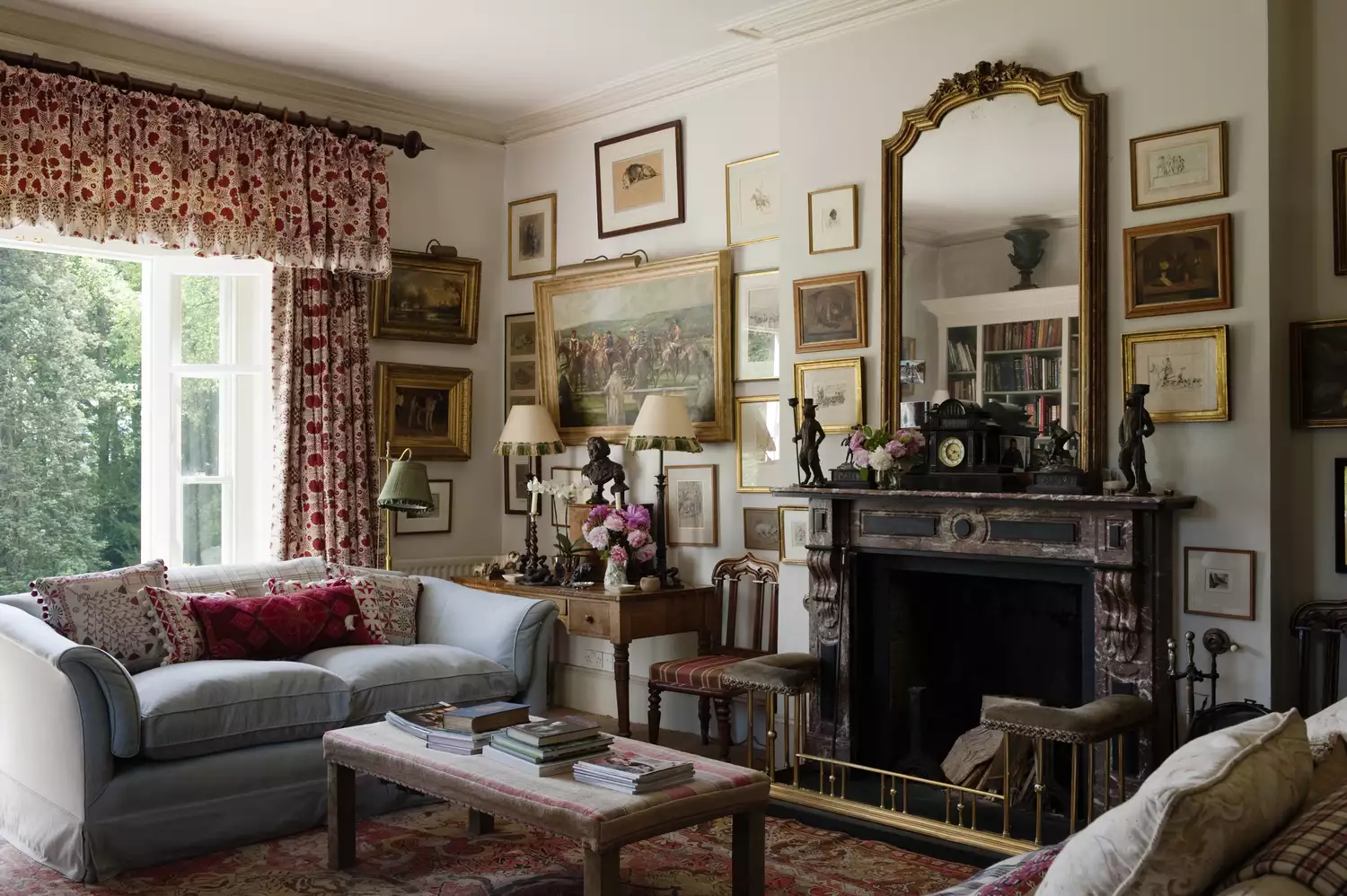
Clutter, particularly in the form of too many trinkets and decorative items, is also a significant contributor to a cramped feeling. Samiei emphasizes that an excessive number of objects on surfaces like office desks, bookshelves, or nightstands can make a space look overwhelmingly crowded. A helpful guideline is to limit visible items to three to five per horizontal surface. The act of editing down personal belongings, such as reducing multiple picture frames to a select few strategic pieces, can significantly lessen the visual weight of a room, promoting a calmer and more organized aesthetic.
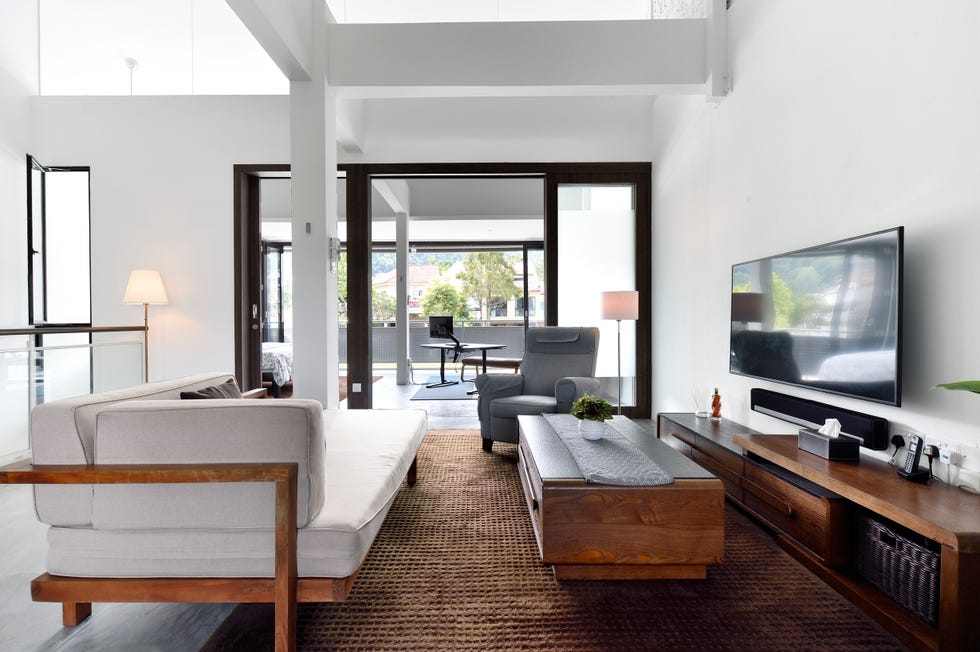
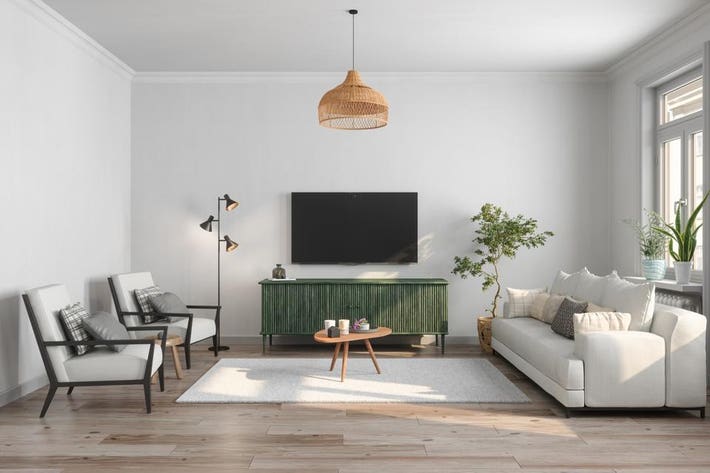
Counterintuitively, low-profile furniture can also make a space feel more constricted. While it might seem that shorter pieces would open up a room, interior designer Samuel Davis points out that they can create the impression of a lowered ceiling, thereby undermining spatial efficiency. Taller, vertically oriented furniture pieces, conversely, can give the illusion of increased height, making a room appear more spacious. Evaluating whether low-slung sofas, loveseats, or bookshelves are suitable for a particular room's dimensions and considering taller alternatives can be beneficial.
Finally, the use of too many small-scale items, such as multiple small rugs or numerous individual wall hangings, can create a disjointed and busy visual environment, according to interior designer Elissa Hall. Instead of scattering many small elements, focusing on one central, larger piece, such as a substantial area rug or a few prominent pieces of artwork, can foster a sense of cohesion and continuity. This approach helps to unify the space, making it feel cleaner, more intentional, and ultimately, more spacious. By addressing these five common design pitfalls, homeowners can transform their living spaces into areas that feel expansive and inviting.
#HomeDesign #InteriorDecorating #SpaceOptimization #FurniturePlacement #Decluttering #WindowTreatments #DesignTips #VisualSpace #HomeImprovement #HomeDesign #InteriorDecorating #SpaceOptimization #FurniturePlacement #Decluttering #WindowTreatments #DesignTips #VisualSpace #HomeImprovement
0 comment in total
 No comments yet
You may also like
Here's What to Do With Those Awkward Spaces in Your House, According to Designers

From the Wrong Rug Size to Too-Short Curtains, Interior Designers Share Their Biggest Pet Peeves

5 interior design regrets experts are always called in to fix

5 Things That Always Make Your Bedroom Look Cluttered, According to Pro Organizers

6 Things That Make Your Entryway Look TACKY, According to Designers
A case for clutter: Design tips for creating a busy and eclectic home
5 Tacky Home Decor Items That Instantly Make a Home Look Bad, According to Designers
“It Instantly Becomes Tacky": 22 Home Design Trends That Are Mega-Popular For Reasons Many People Will Never Understand

6 Things That Always Make Your Hallway Feel Narrow, According to Designers

6 Things That Are Making Your Closet Feel Cramped, According to Designers
5 Design Choices That Make Your House Look Super Dated, According to Designers

“It Instantly Becomes Tacky": 22 Home Design Trends That Are Mega-Popular For Reasons Many People Will Never Understand

7 Things That Always Make Your Living Room Feel Cramped, According to Designers
5 TikTok home decor trends that interior design experts can't stand – are you guilty of any?
5 Things Interior Designers Wish You Would Do
10 Interior Design Mistakes Experts Avoid In Their Own Homes

10 Mistakes Designers IMMEDIATELY Notice When They Walk Into Your Home
"Frankly, It's Tacky": People Are Revealing Common Interior Design Trends They Can't Stand
I Asked Interior Designers: 'How Do You Ensure a Room Isn't Boring?' These Are Their 5 Top Tips

5 Stuffy Living Room Decor Choices You Need to Stop Making, According to Designers