1/7
5 tips for mixing timber floors with timber furniture
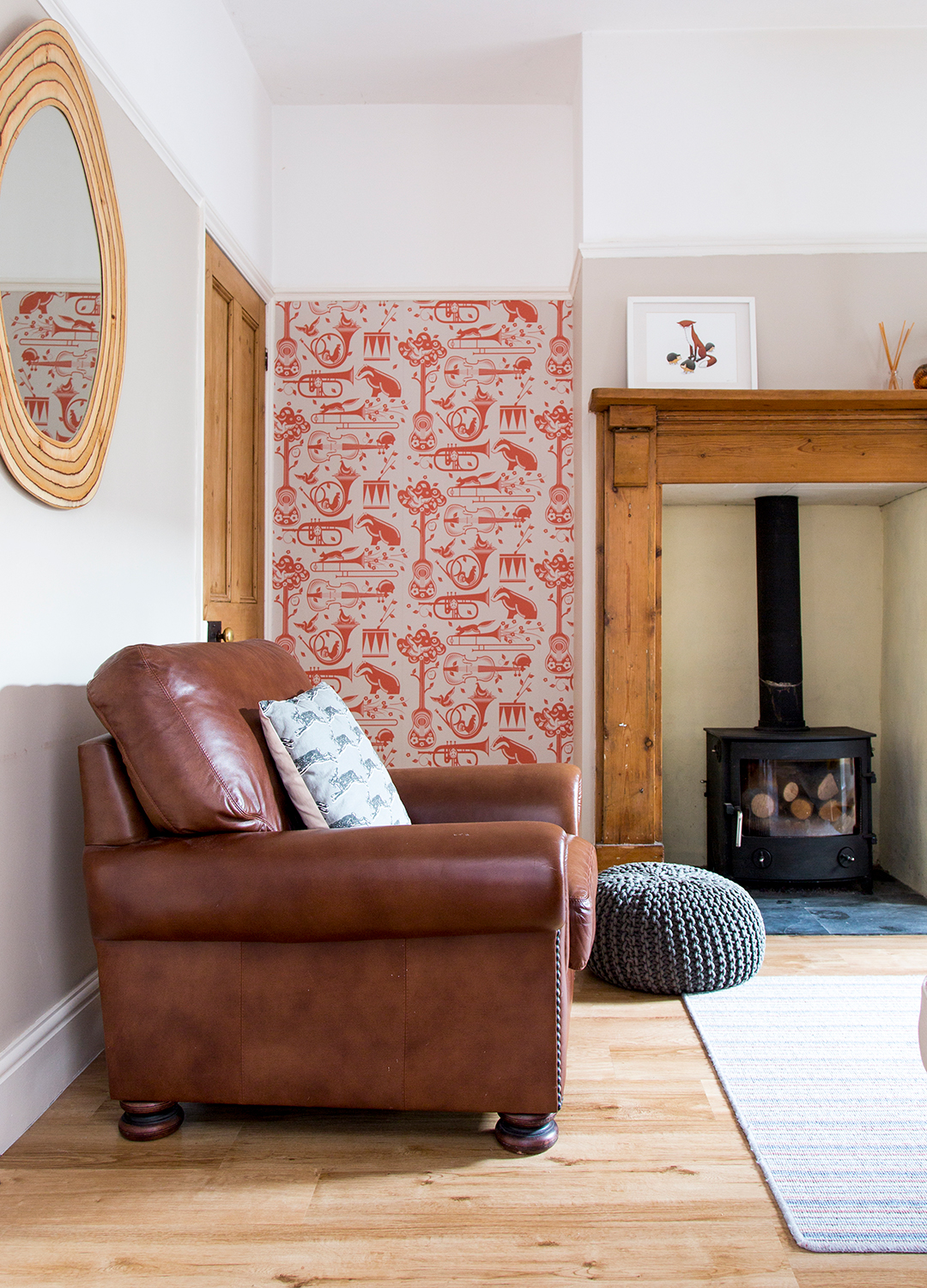
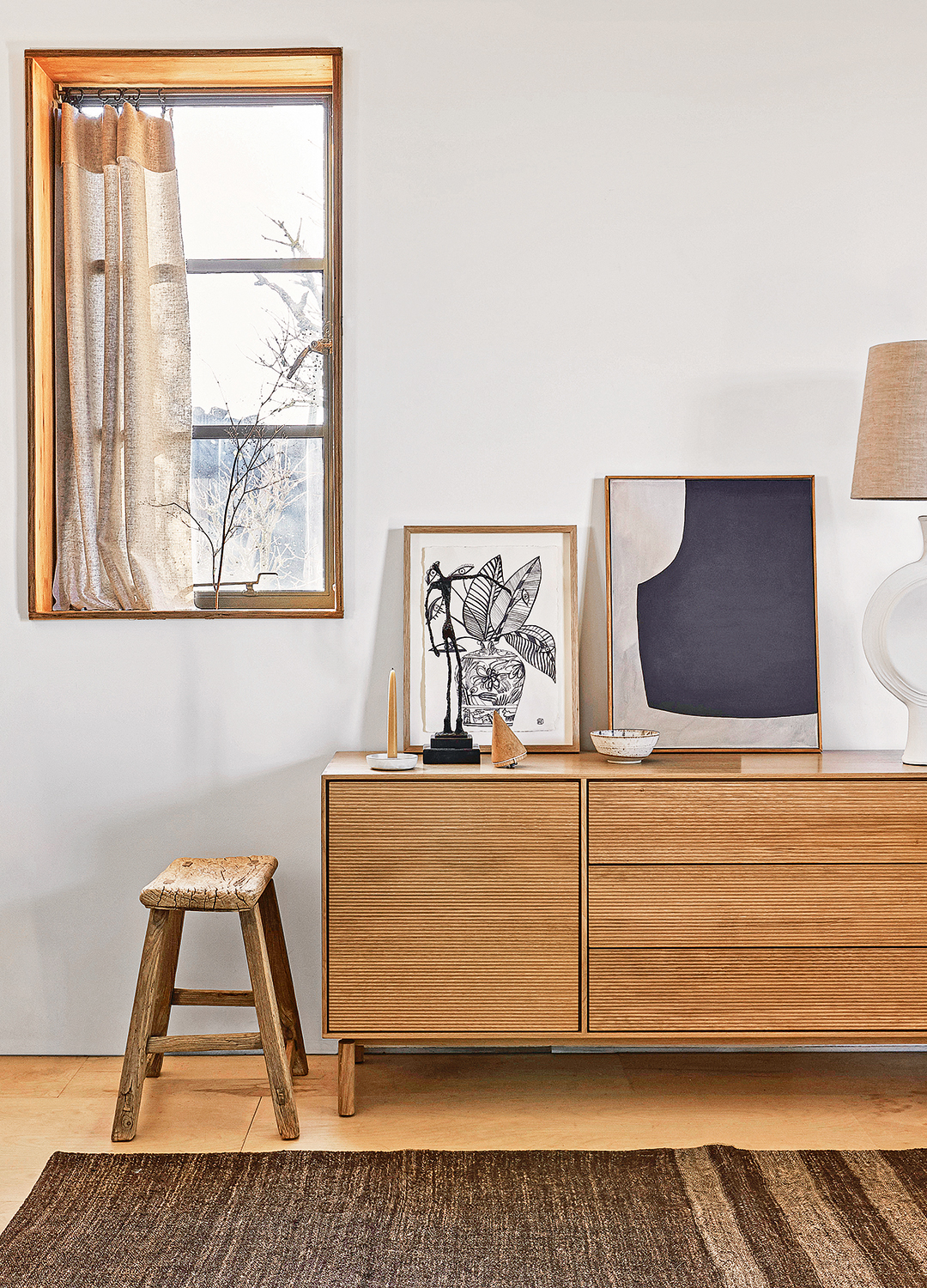
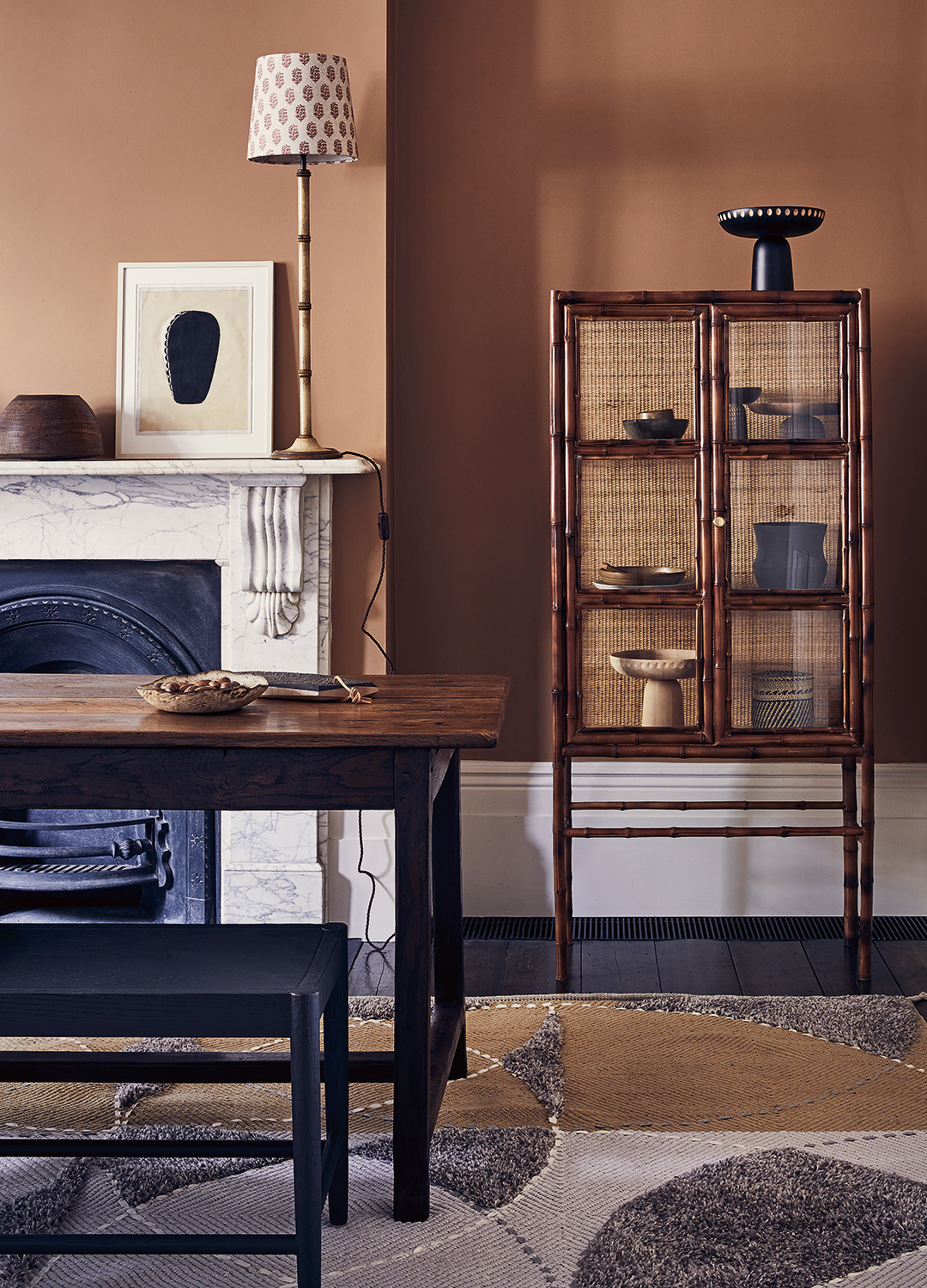
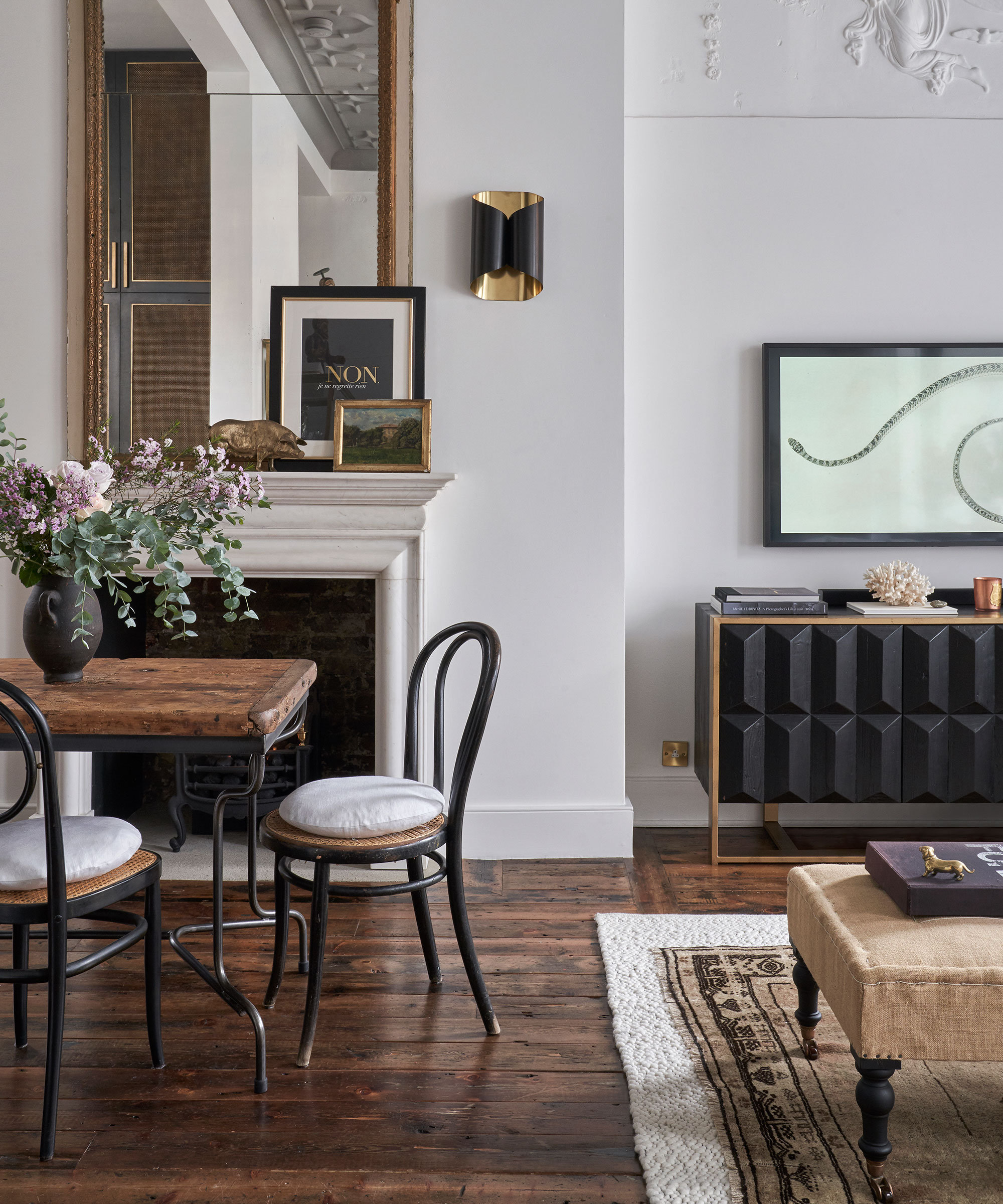
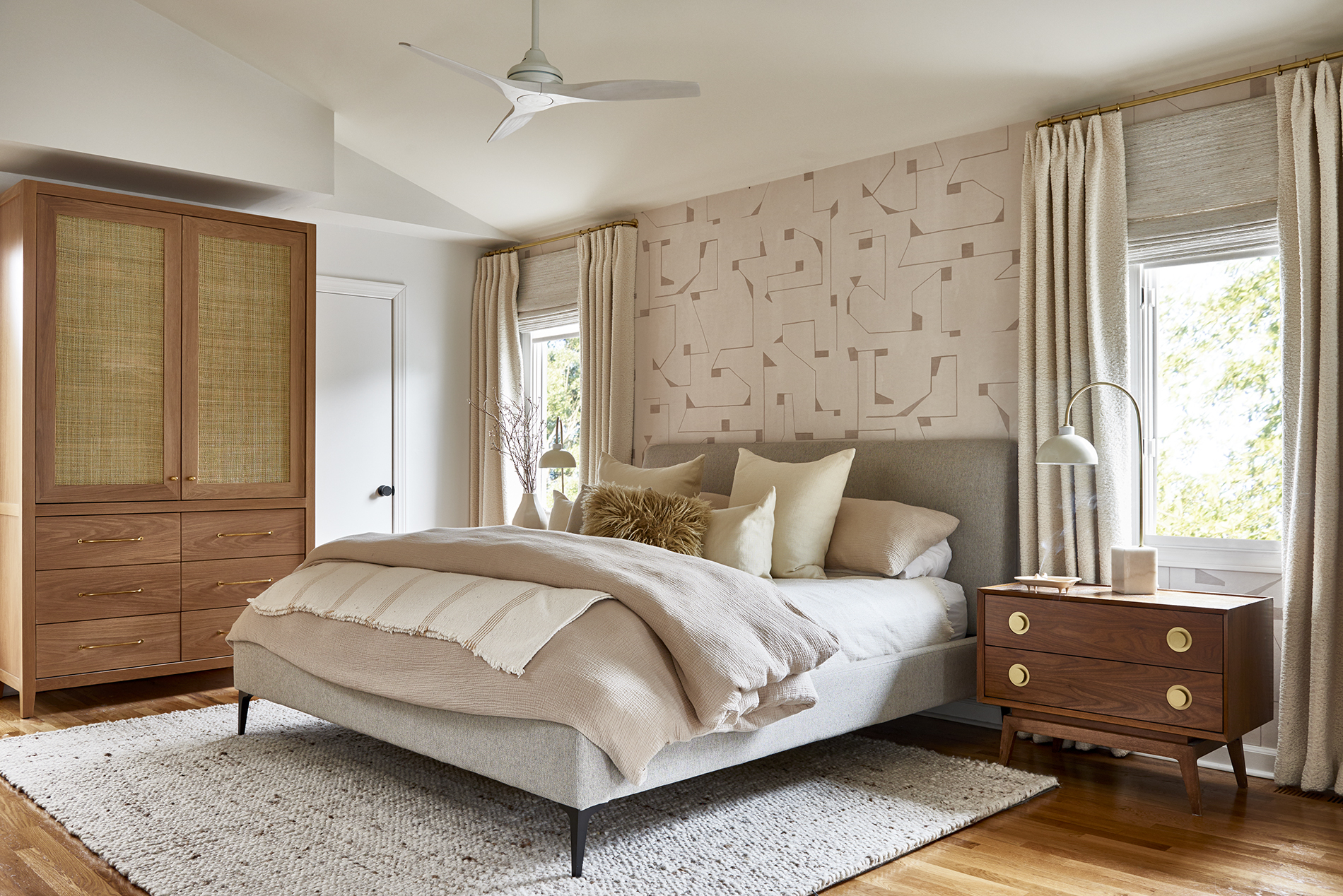
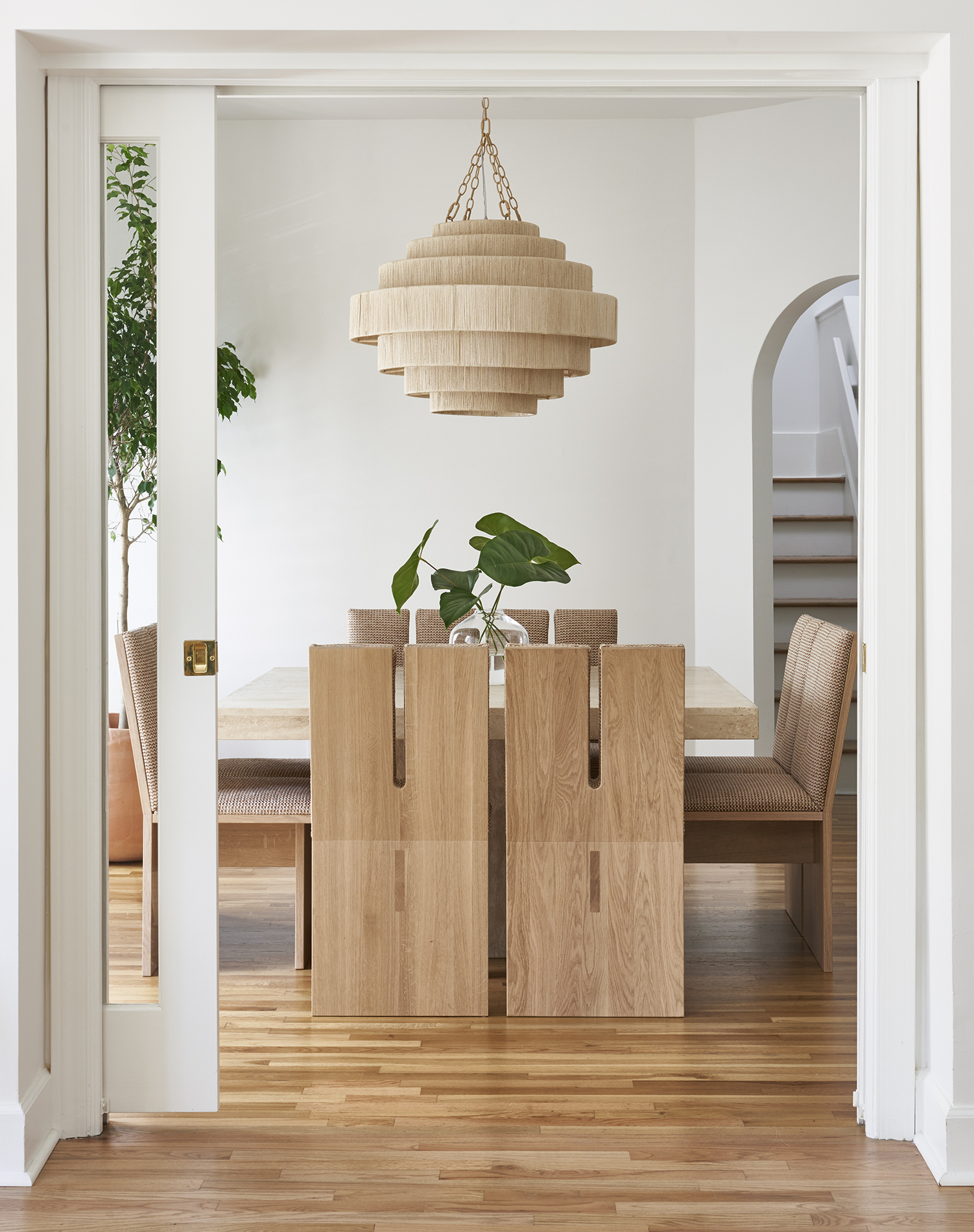
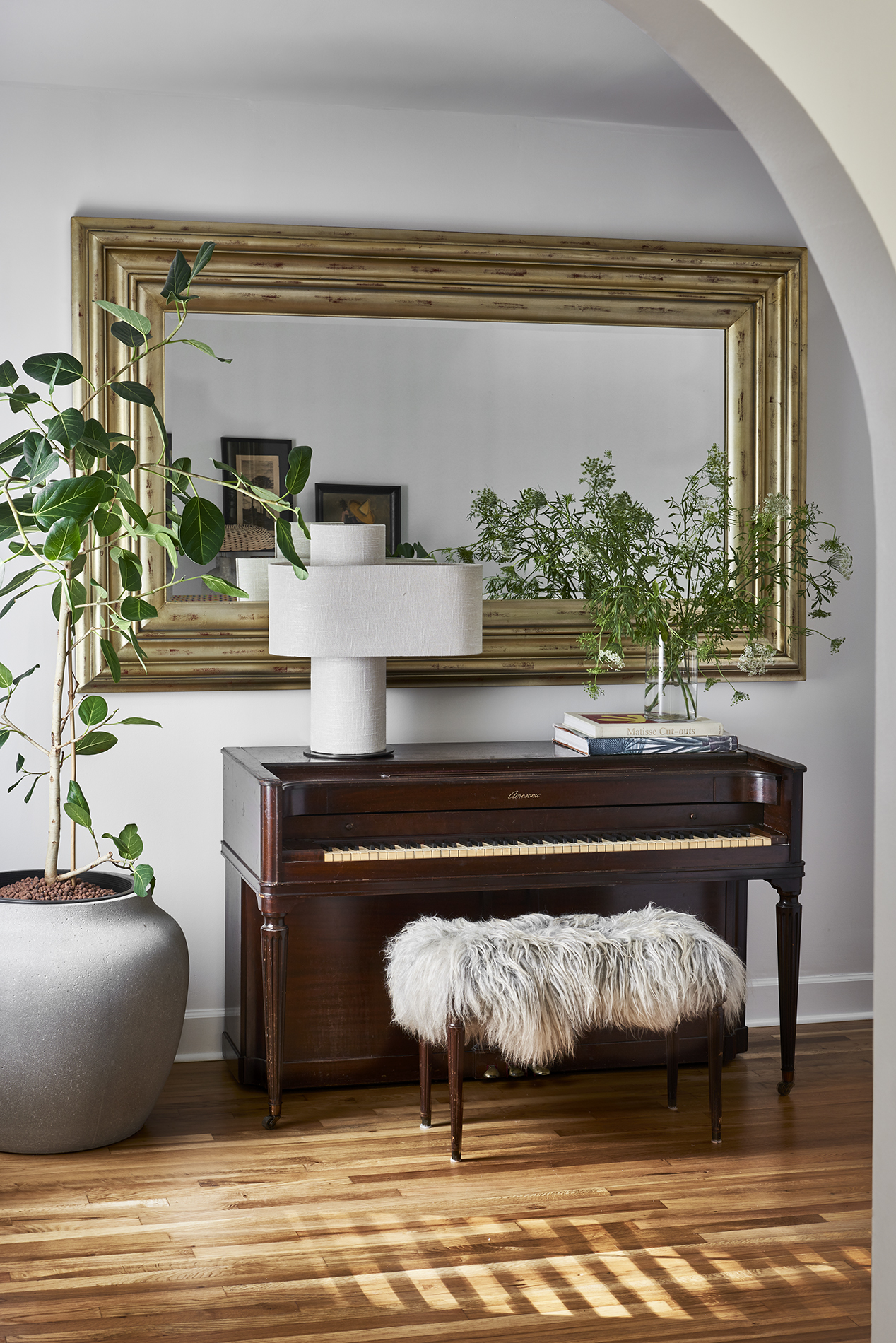
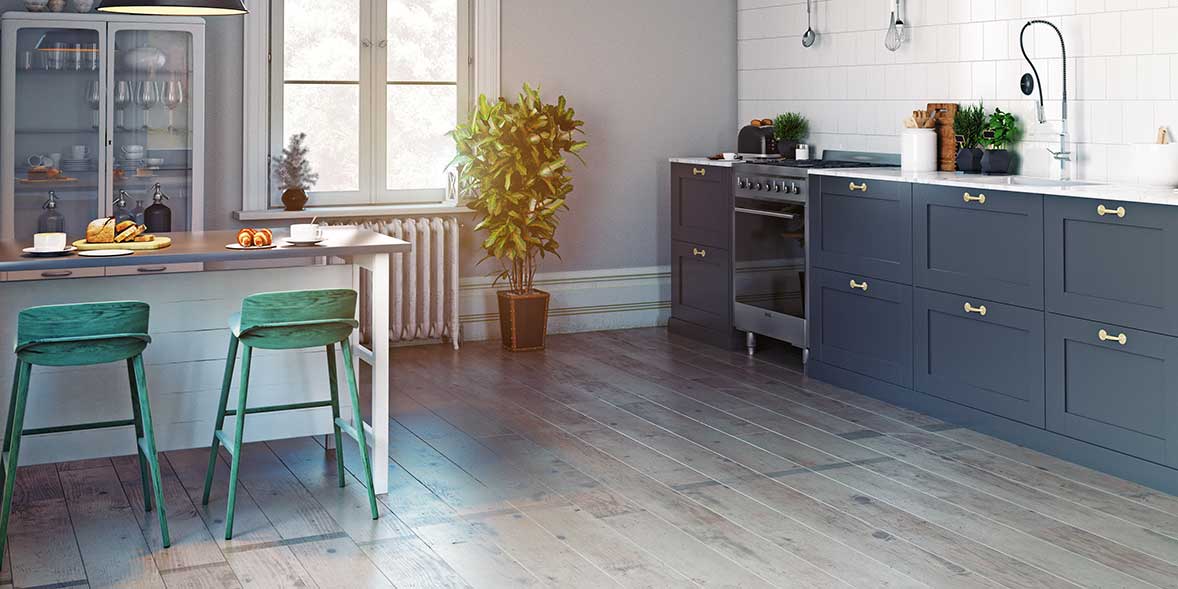
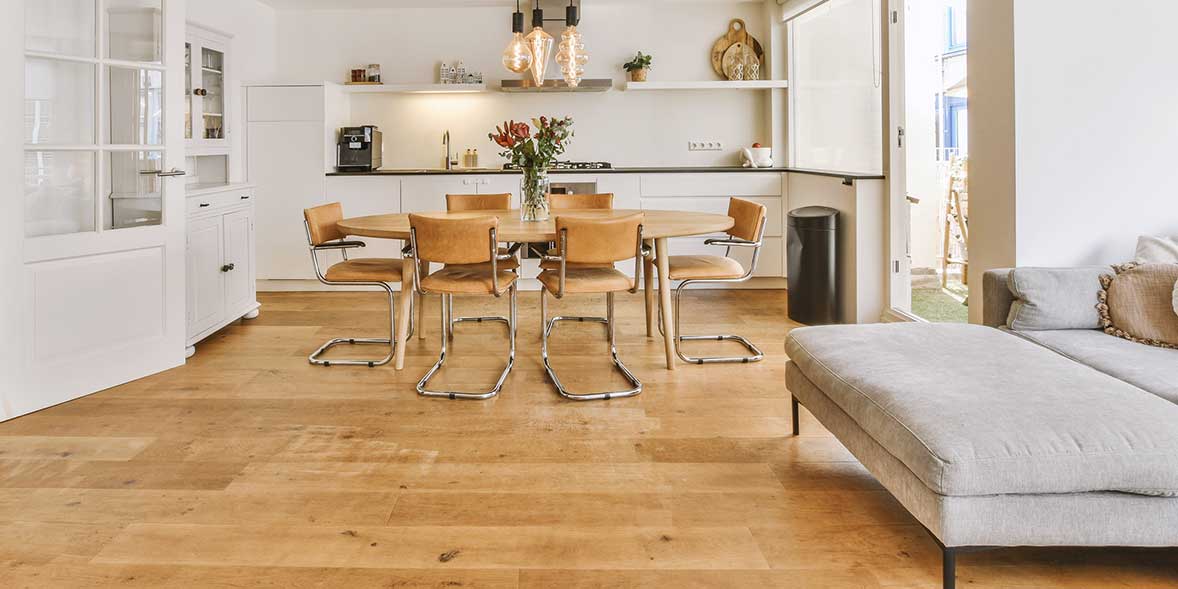
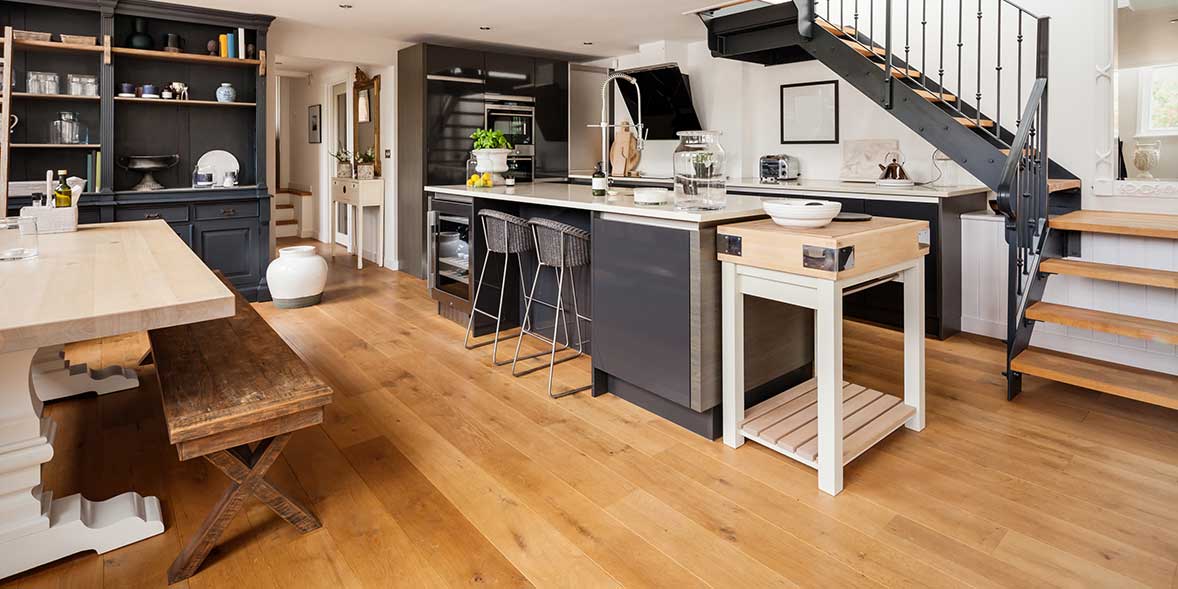
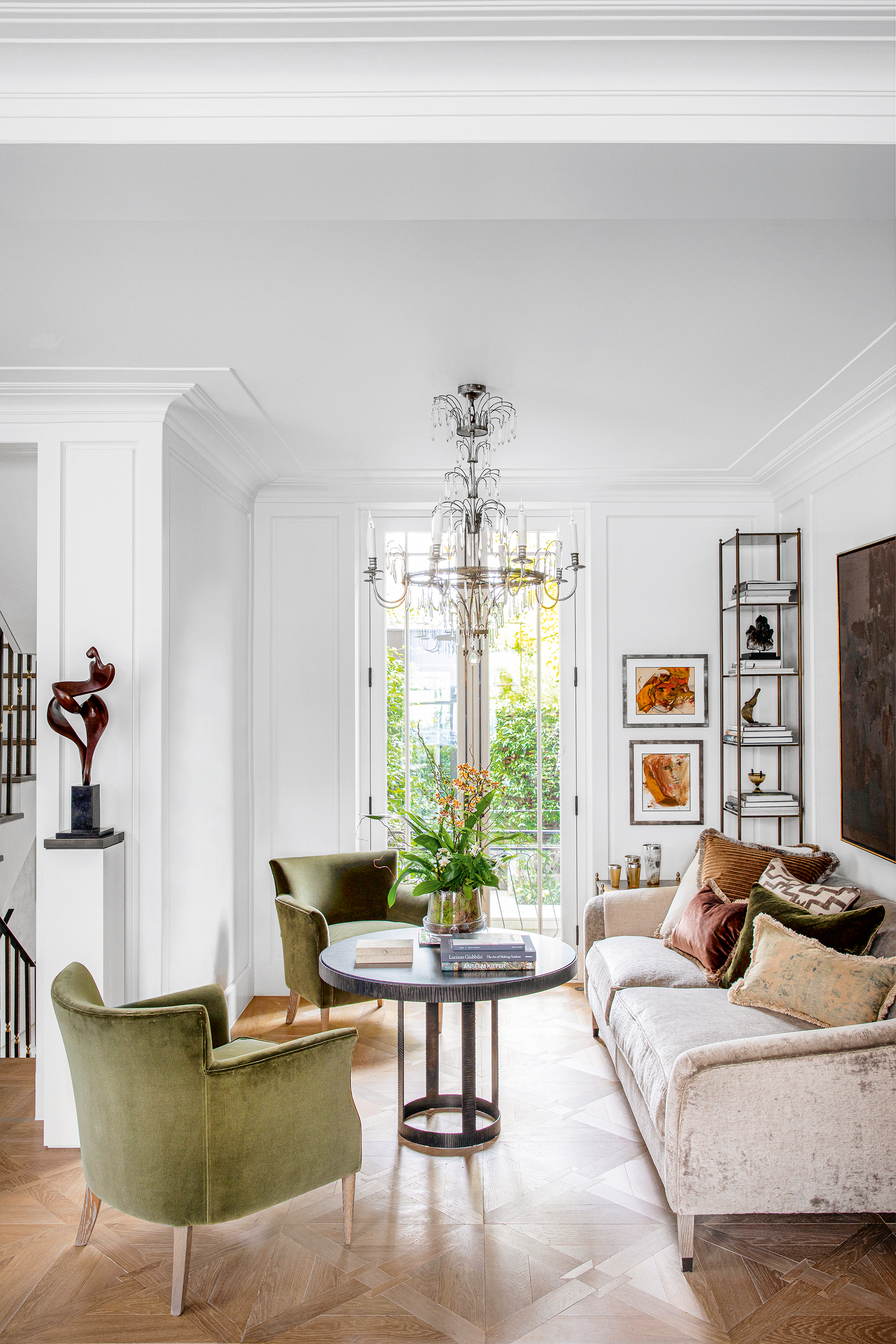
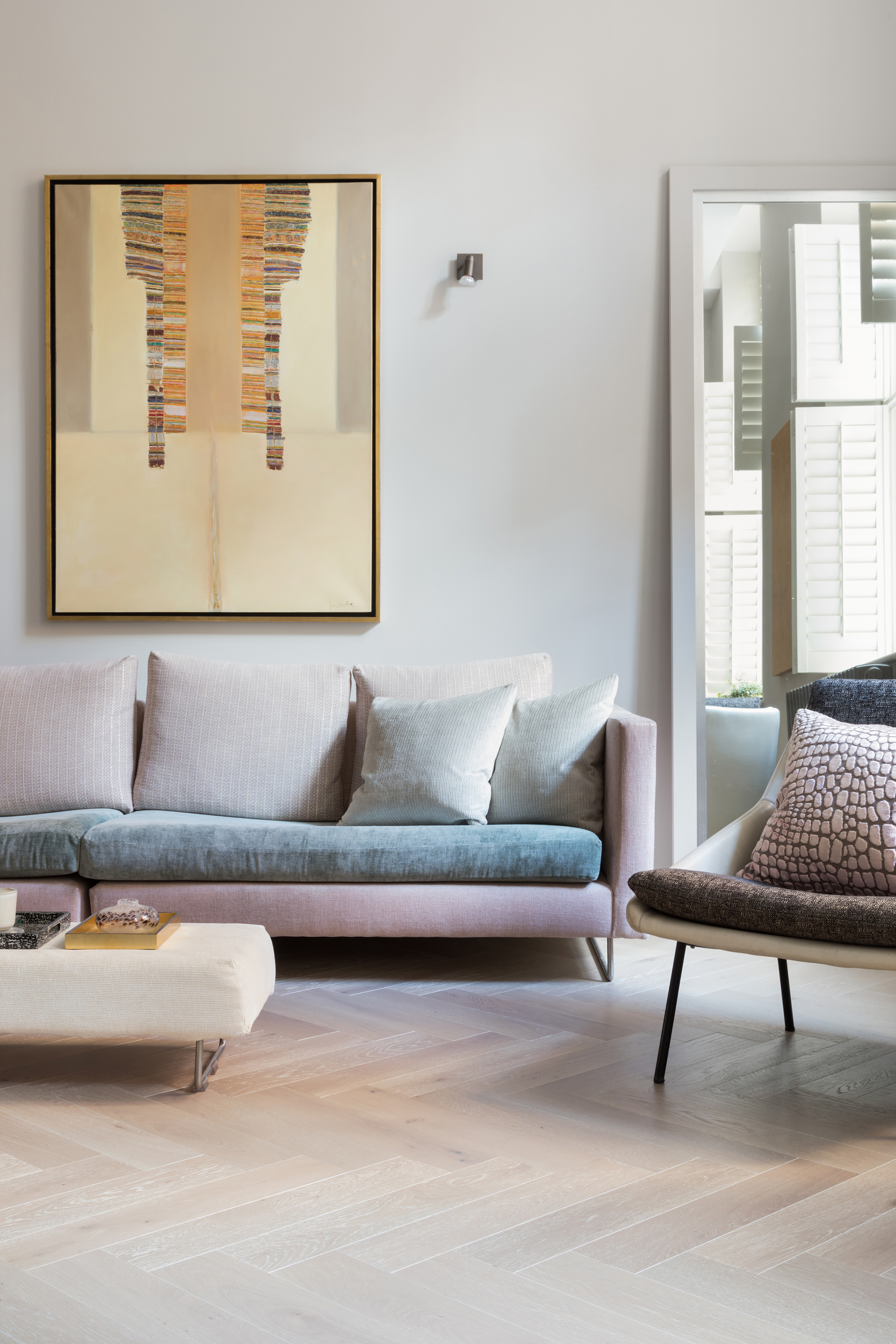
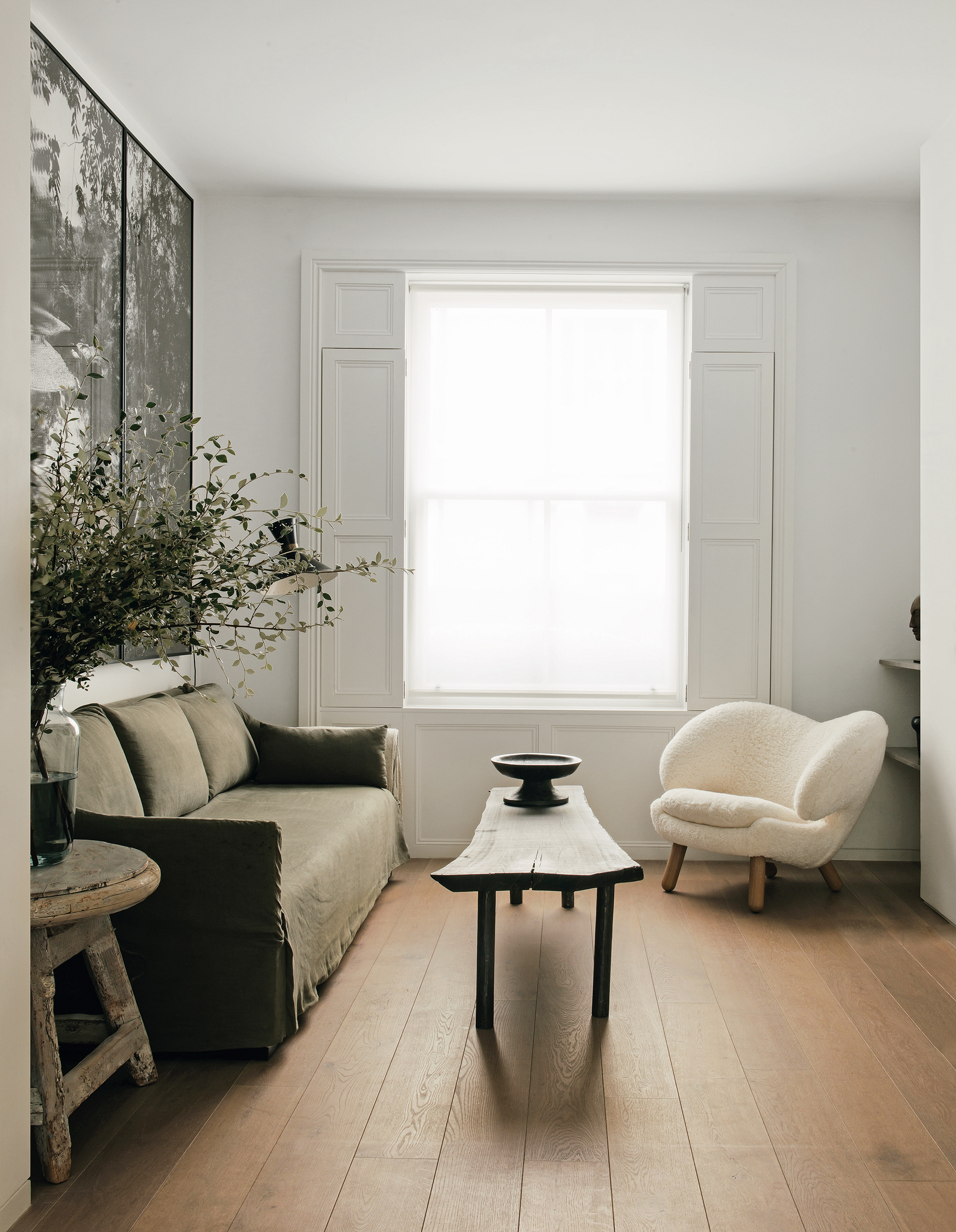
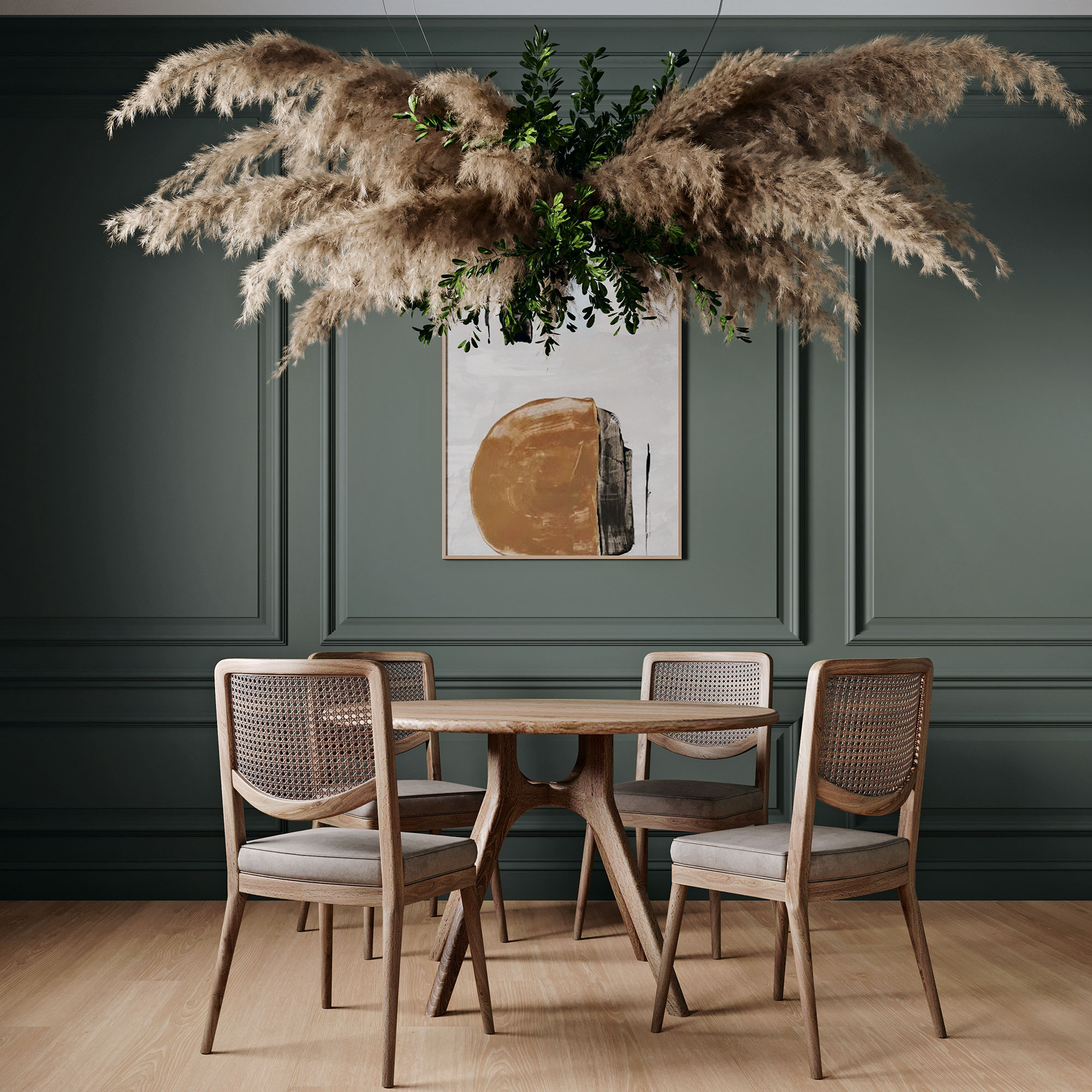
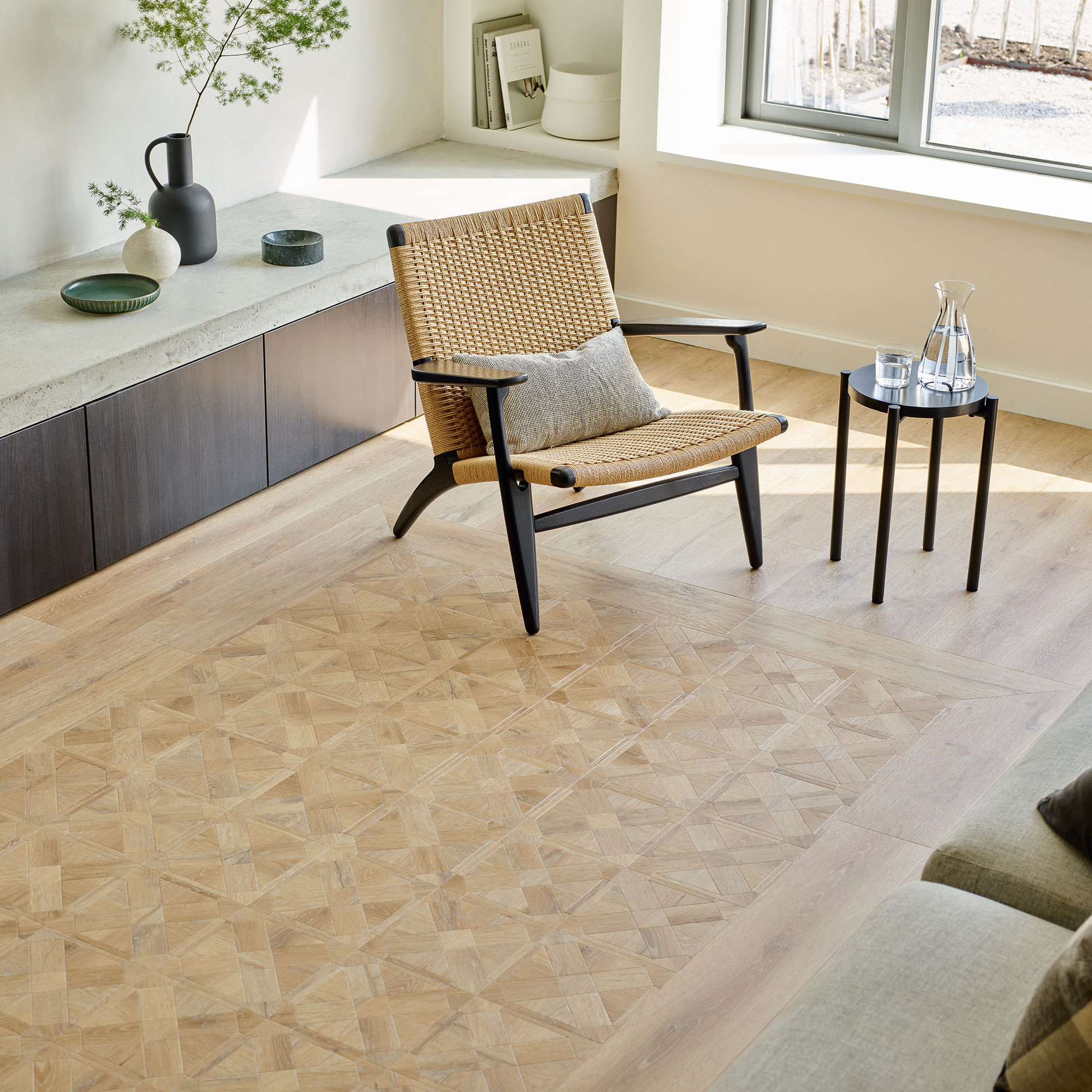
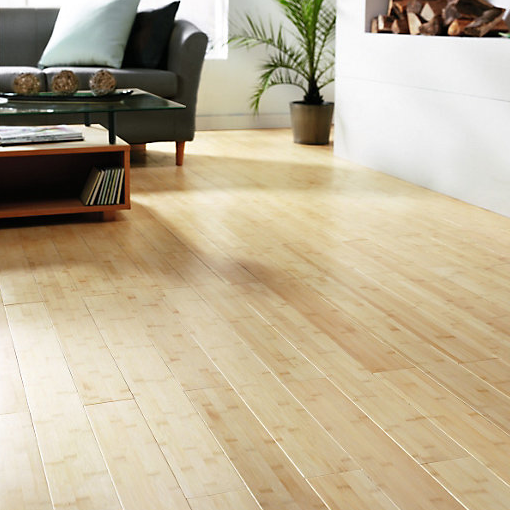
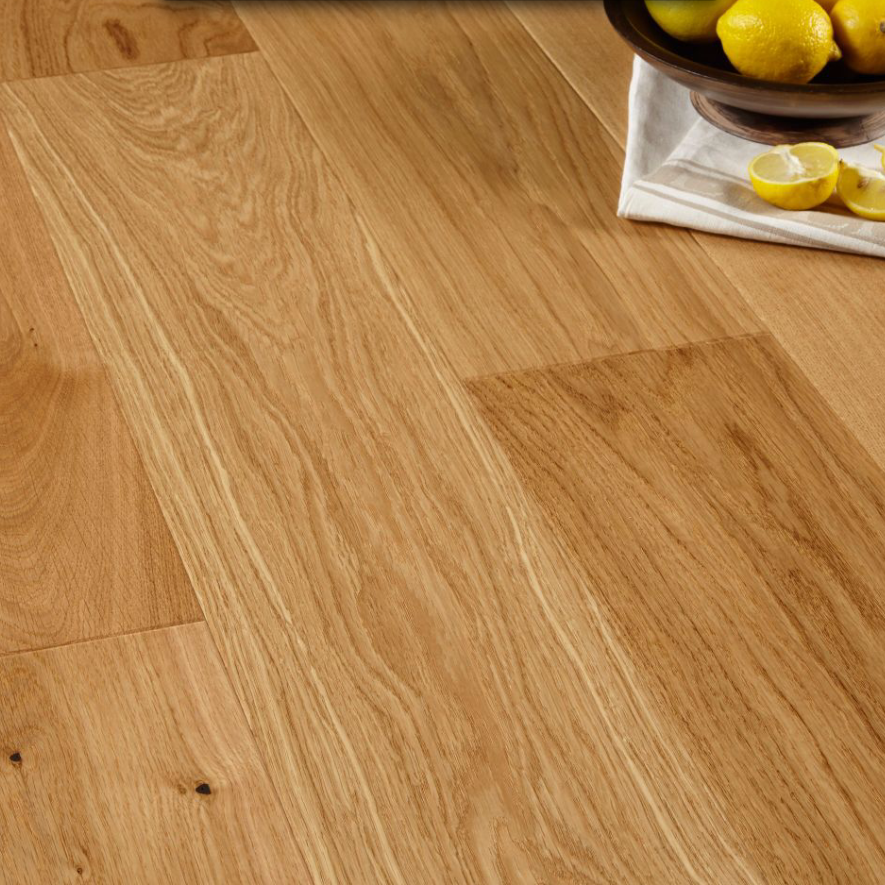
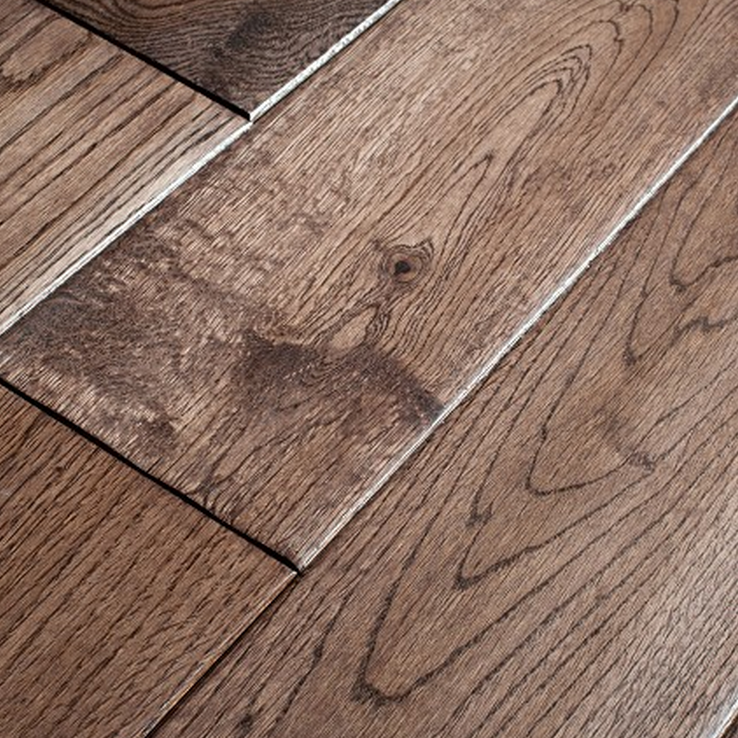
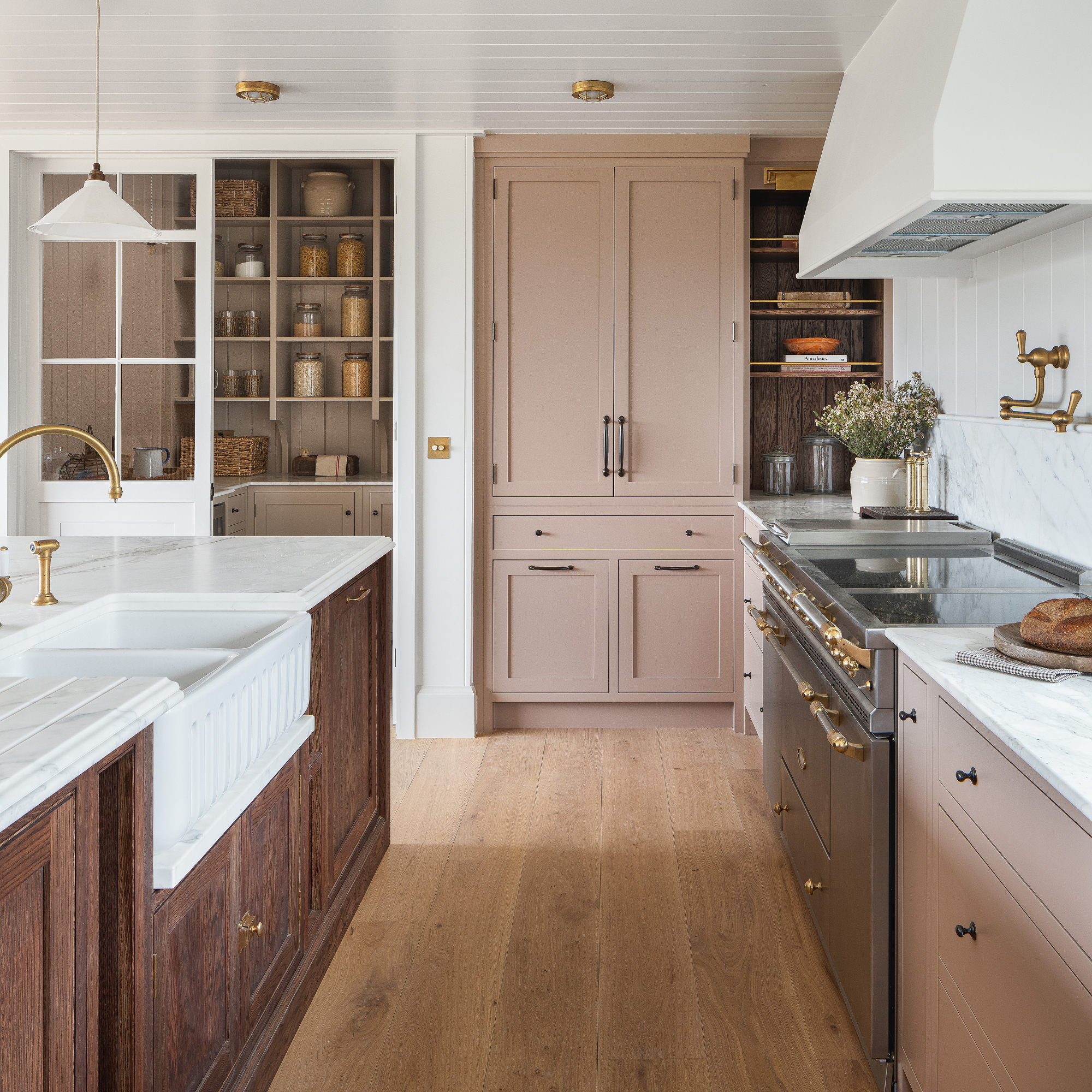
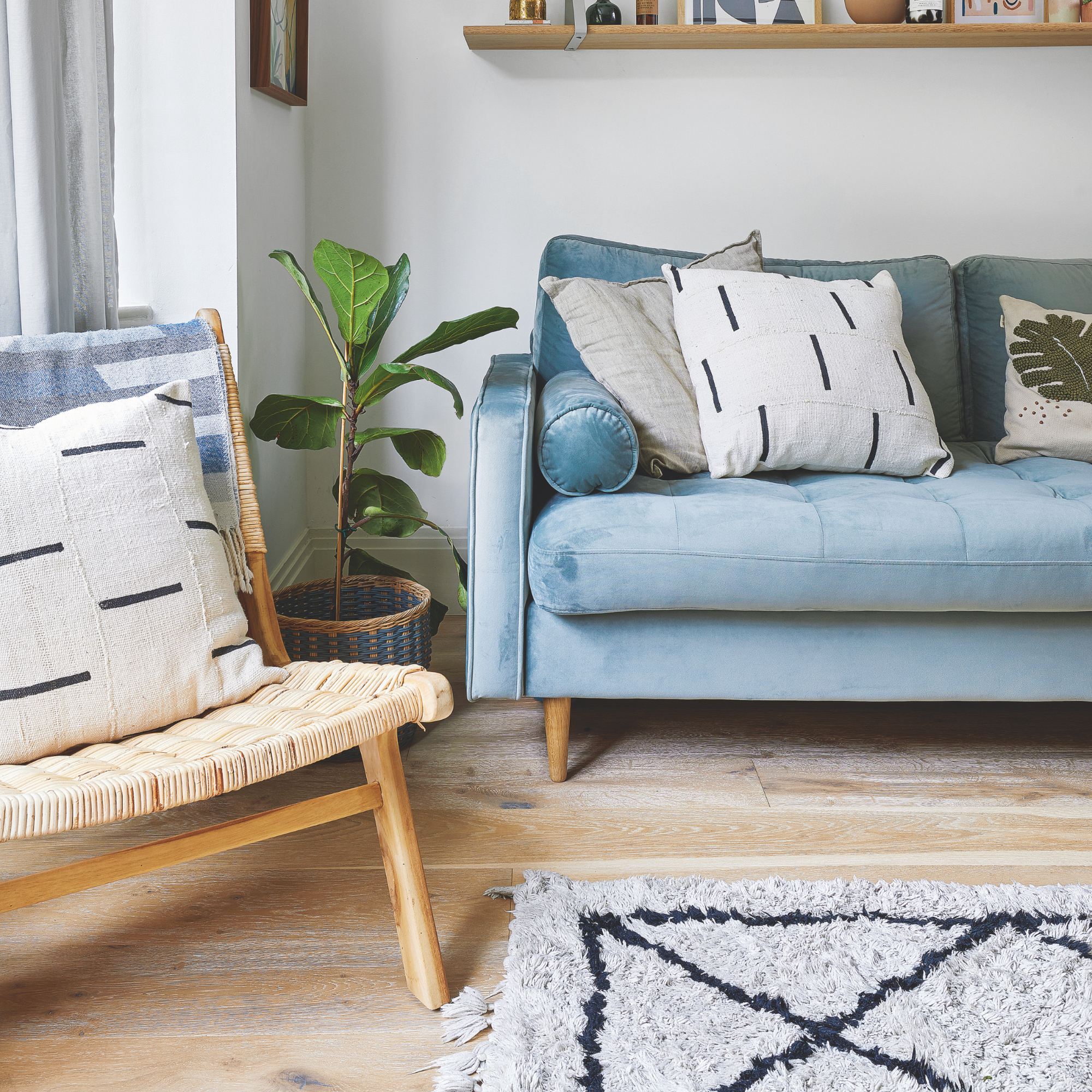
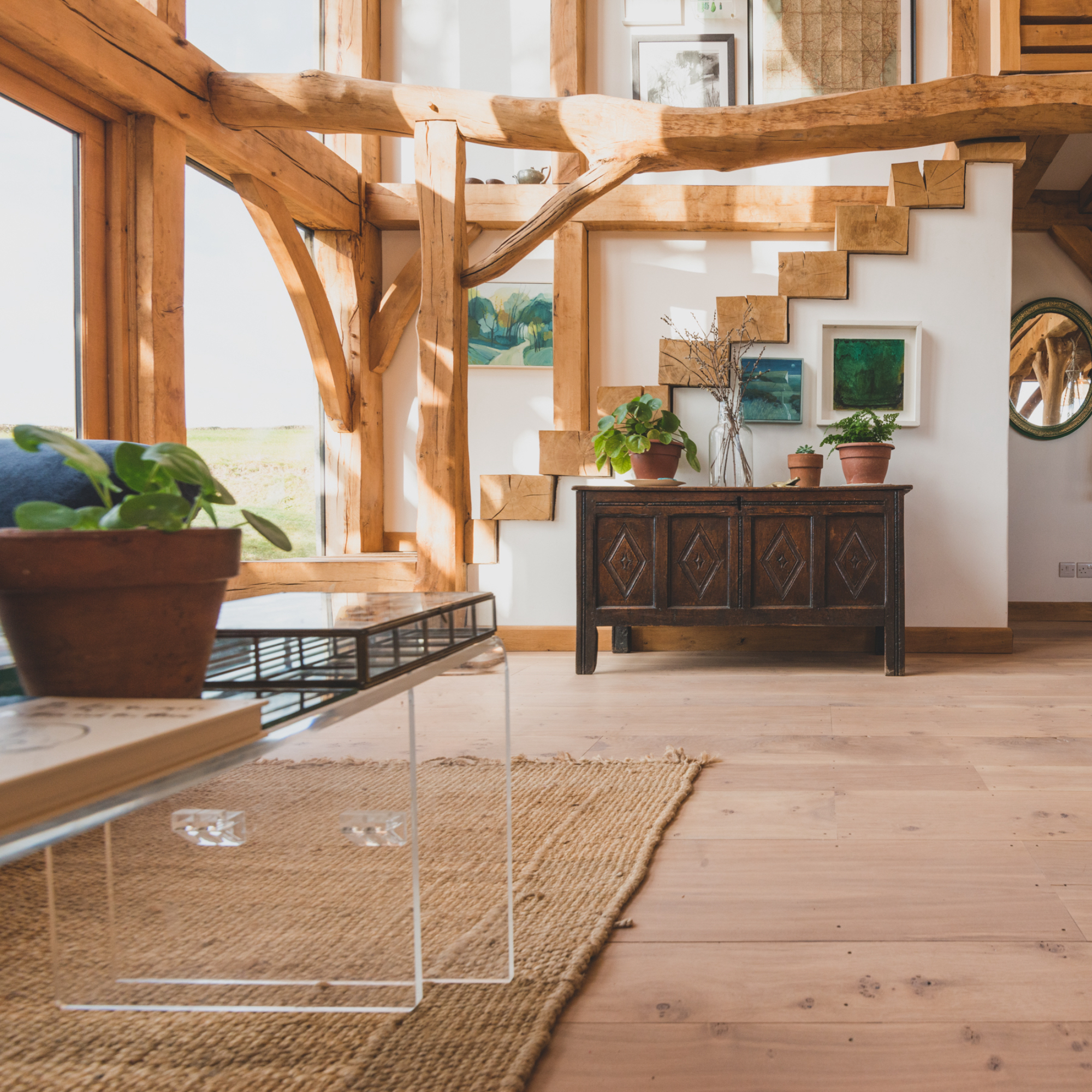
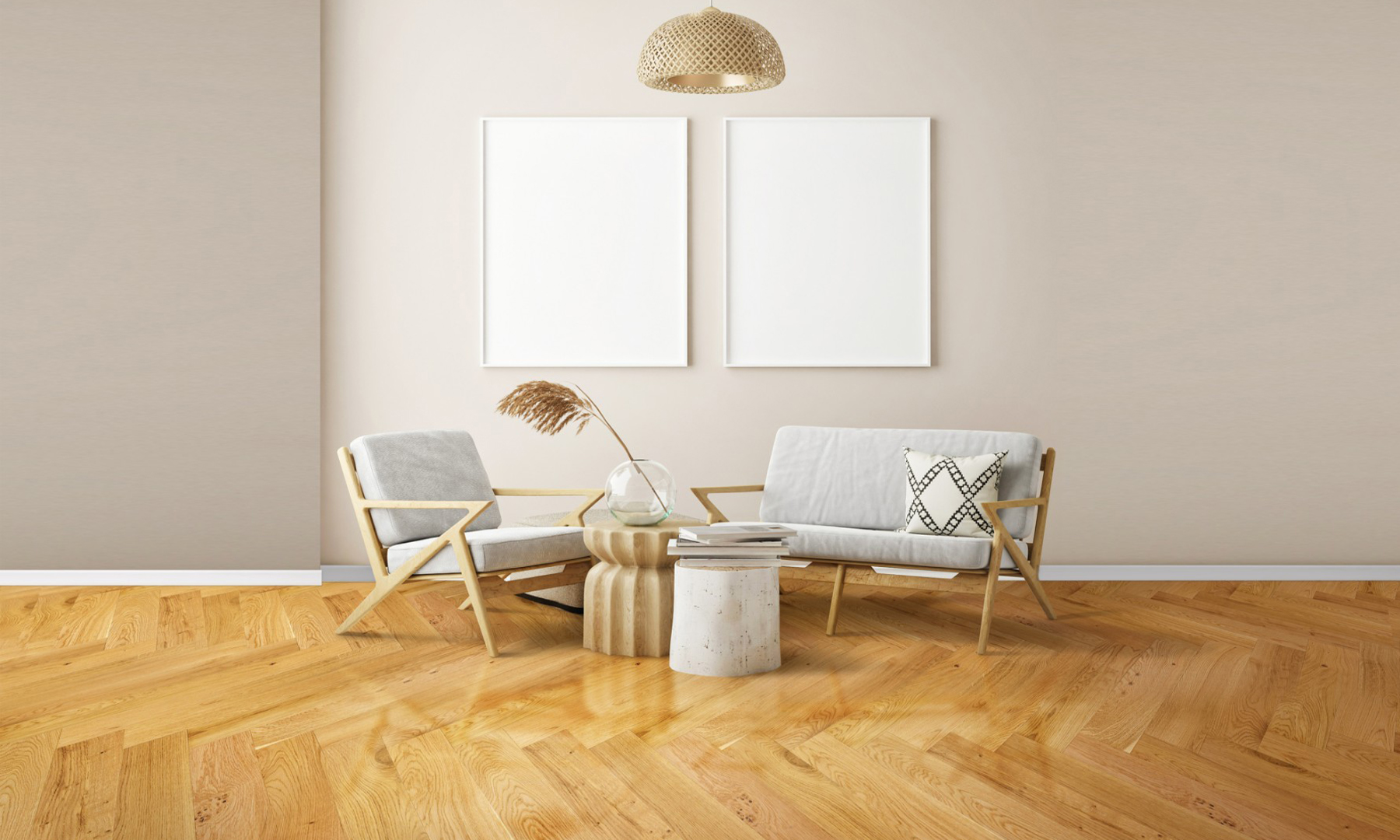
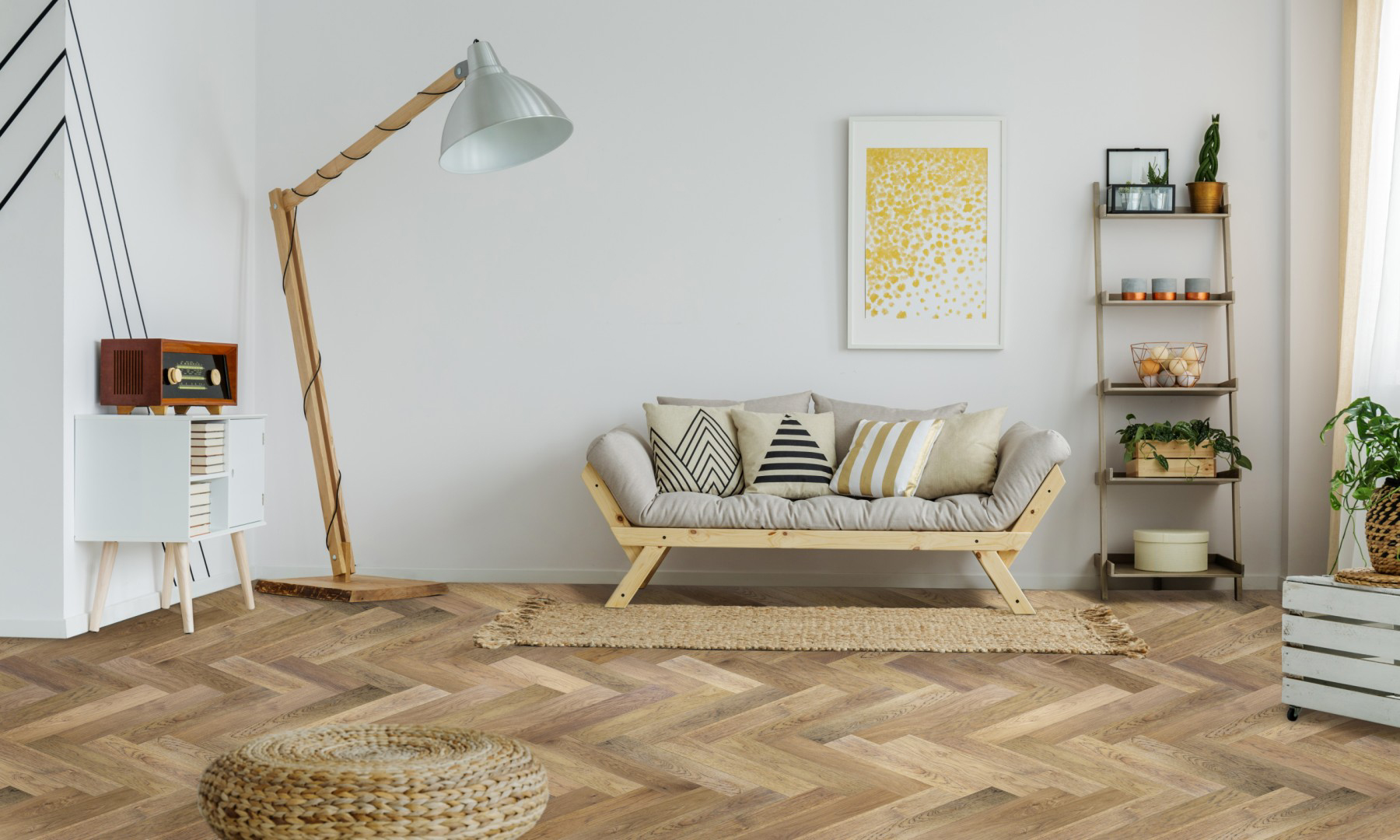
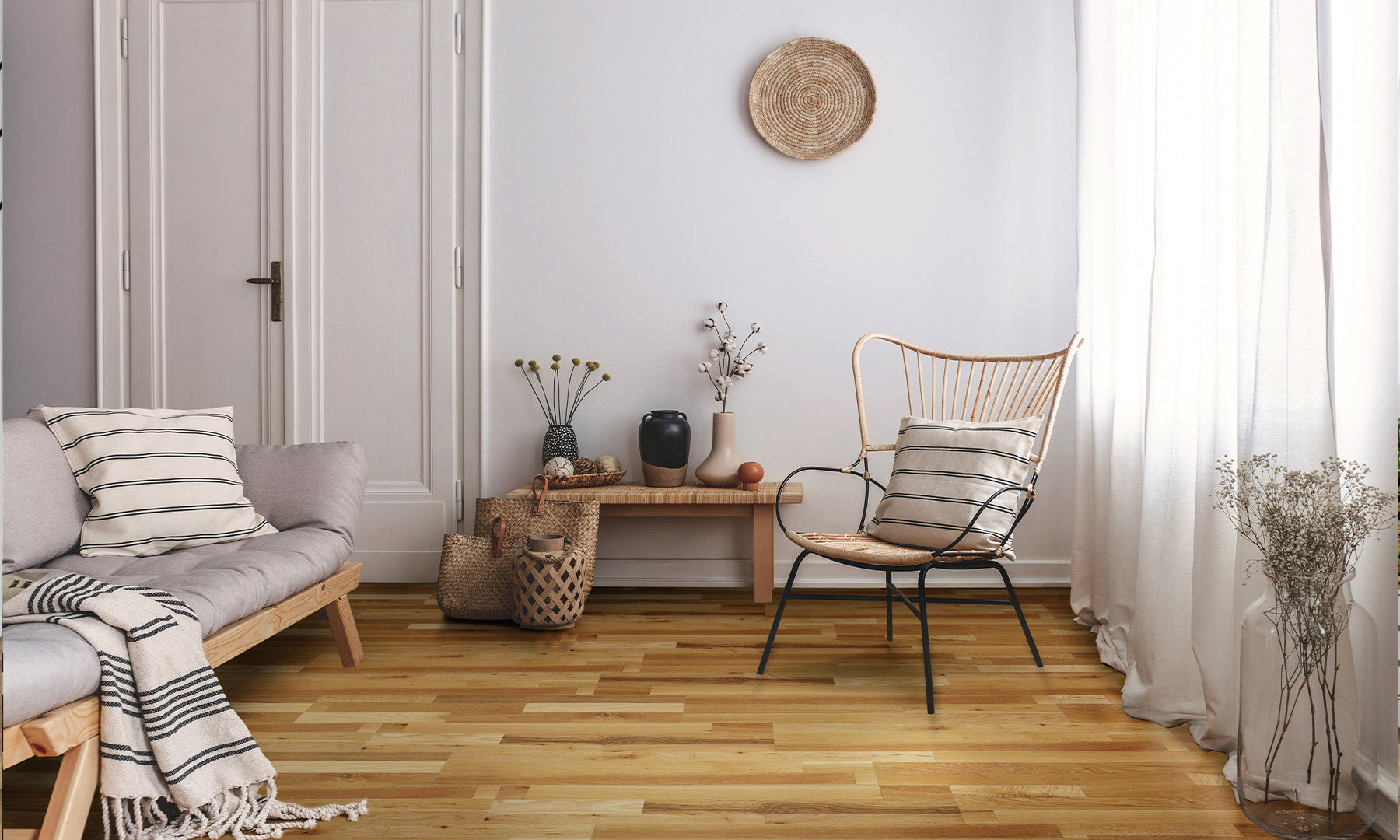
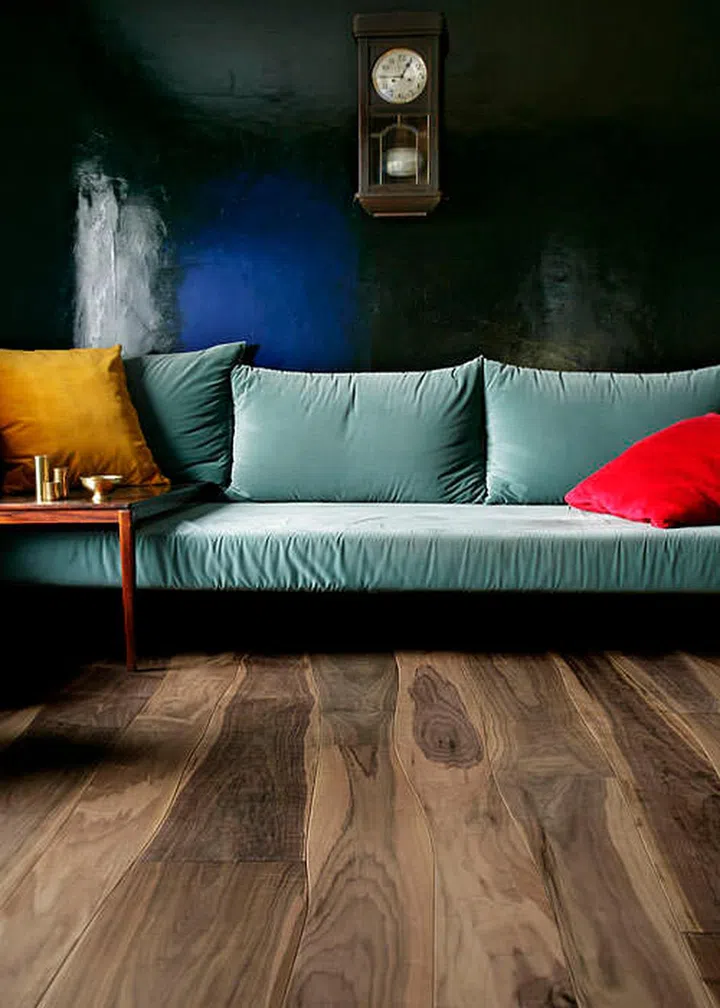
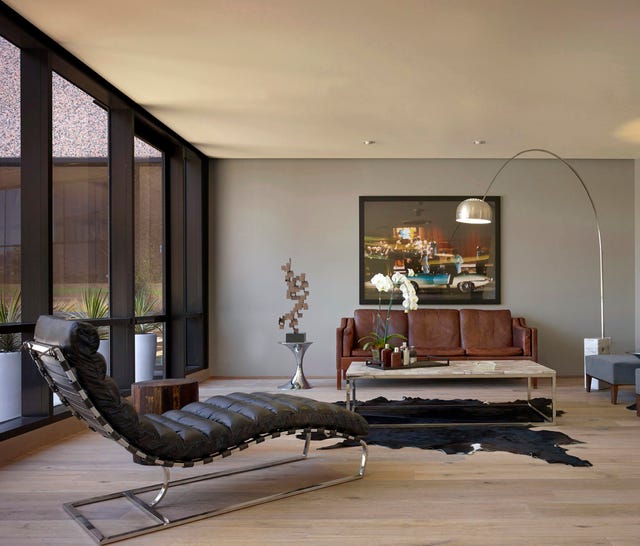
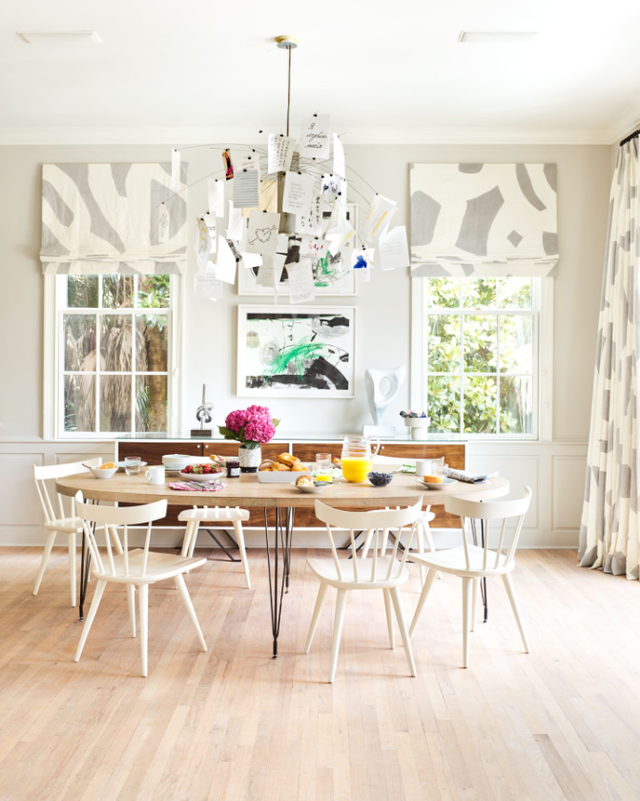
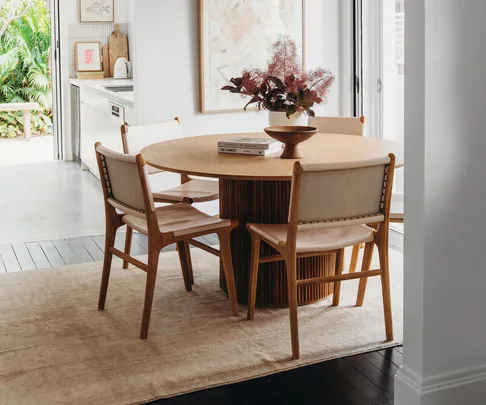
The article offers five essential tips for effectively blending timber floors with timber furniture in home decor, a common challenge for homeowners. It emphasizes that while matching furniture styles are outdated, certain principles still apply to achieve a harmonious look. The first tip focuses on understanding timber undertones. Each piece of natural timber has unique tones and hues influenced by its type, age, finish, and cut. To create a complementary aesthetic, one should identify the dominant wood tone in a space, whether it's flooring, cabinetry, or a large furniture piece, and determine if it has warm (red, orange, yellow), cool (blue, white, grey), or neutral undertones. Sticking within this spectrum, even with contrasting pieces, ensures visual coherence.
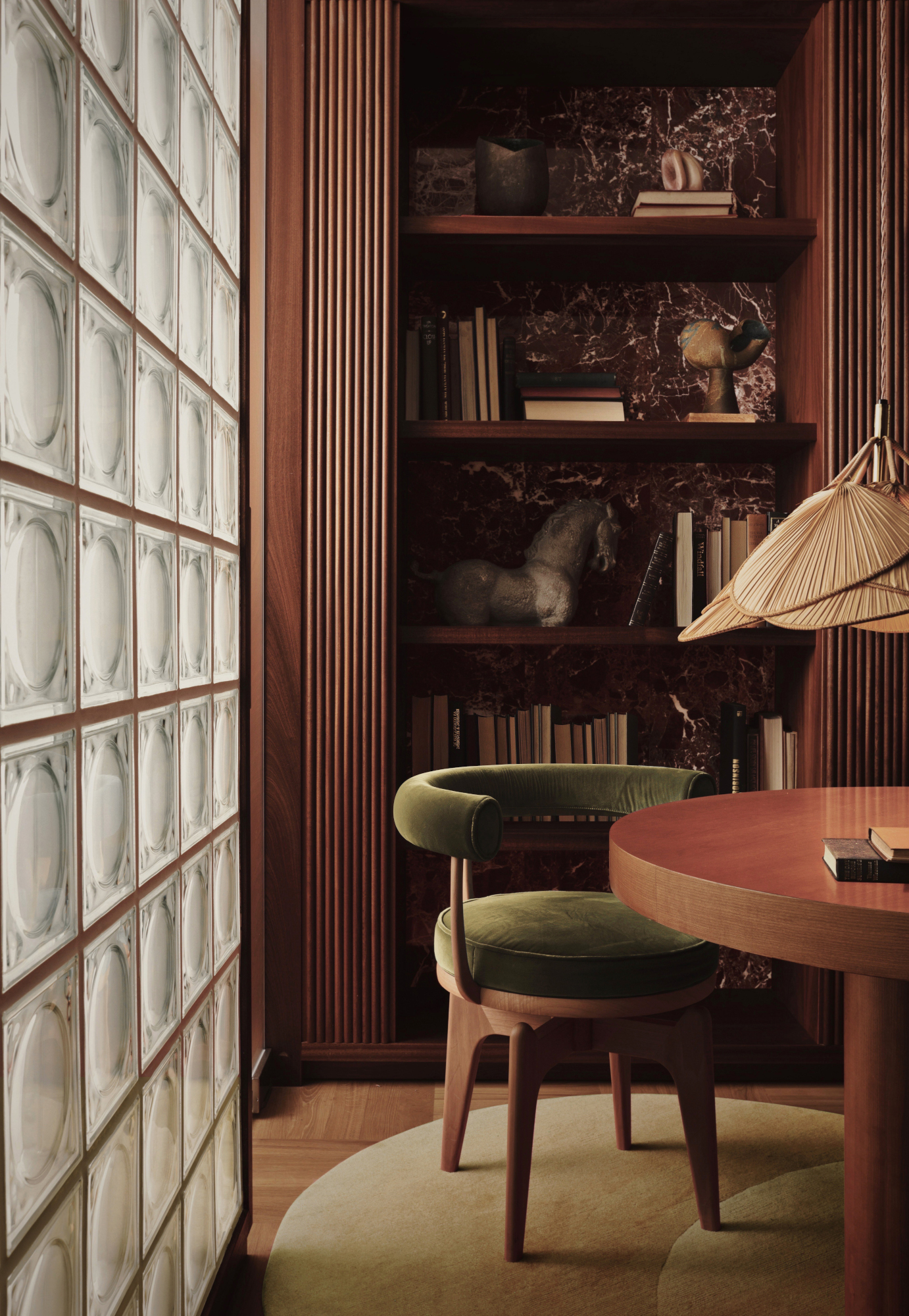
The second tip addresses the importance of color and finish. Beyond tone, the finish of the timber significantly impacts its appearance. Mixing different finishes, such as high-gloss varnishes with raw timbers, can add depth. However, it is generally recommended to maintain a consistent finish type—matte, glossy, or raw sheen—across timber elements if tones are varied, to ensure cohesion. Additionally, incorporating solid color furniture pieces where the natural timber grain is still visible, perhaps in monochrome options like black or white, can help break up an all-timber setting without losing the material's inherent texture.
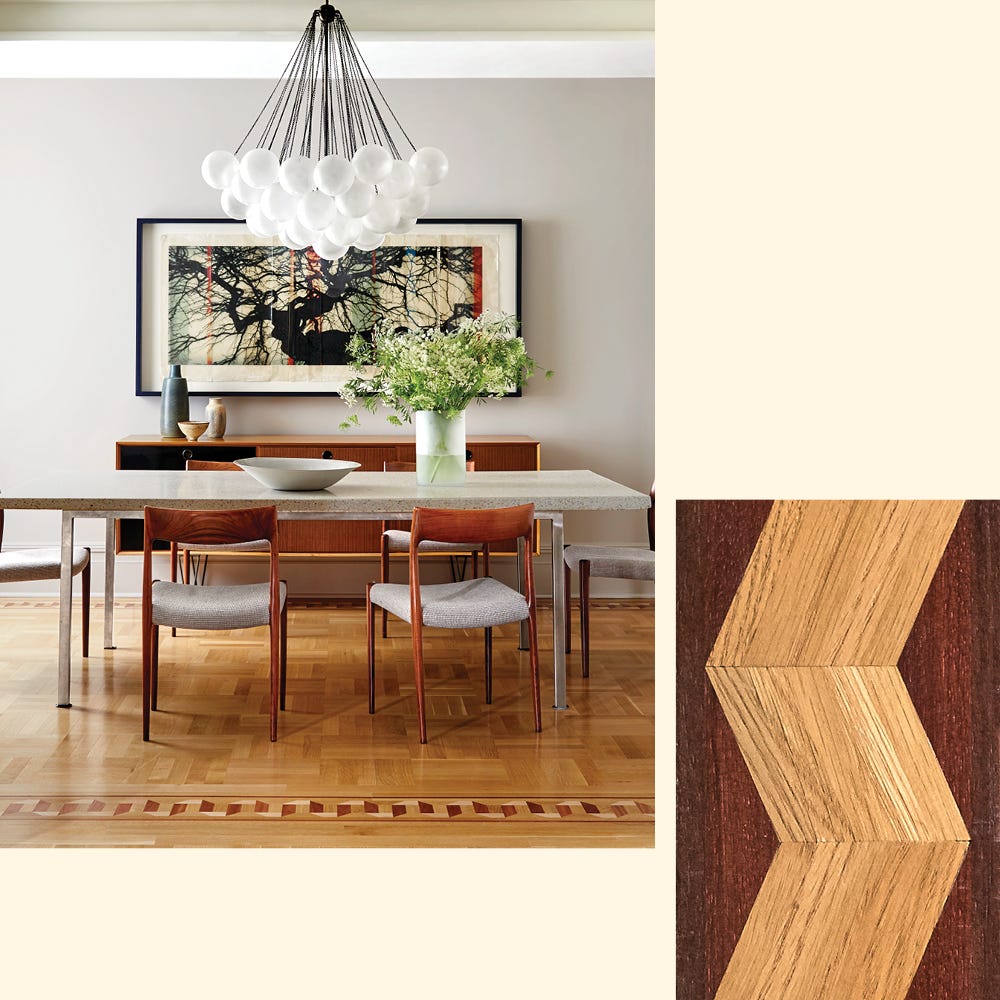
The third tip highlights grain direction. Timber flooring and furniture pieces exhibit specific grain directions based on their construction and placement. Aligning grain directions can create an elongated effect, while contrasting them, such as placing a dining table perpendicular to floorboards, can define different zones within a space. For decorative items, varying grain directions can draw focus and accentuate intricate details, with patterns like chevron offering additional visual interest.
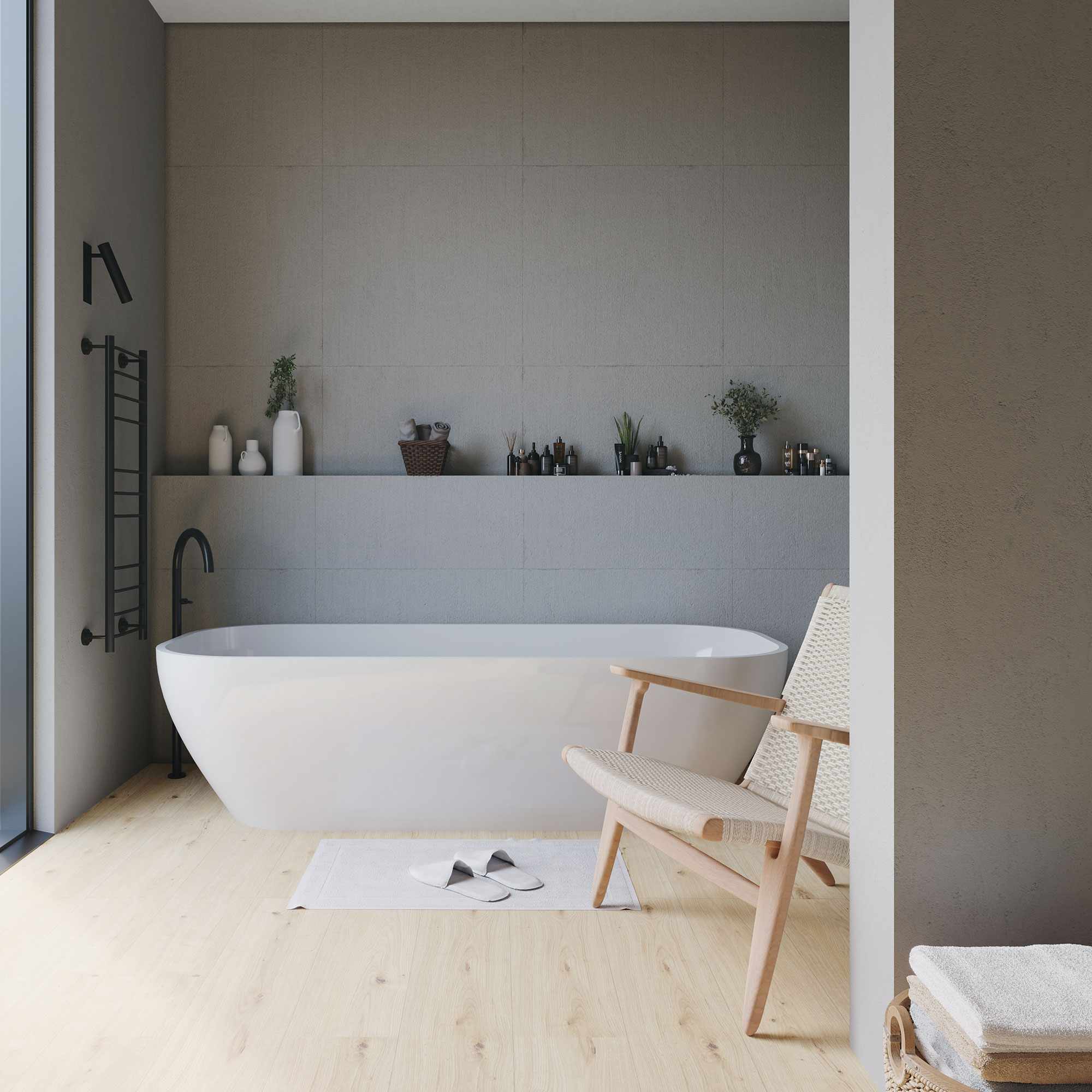
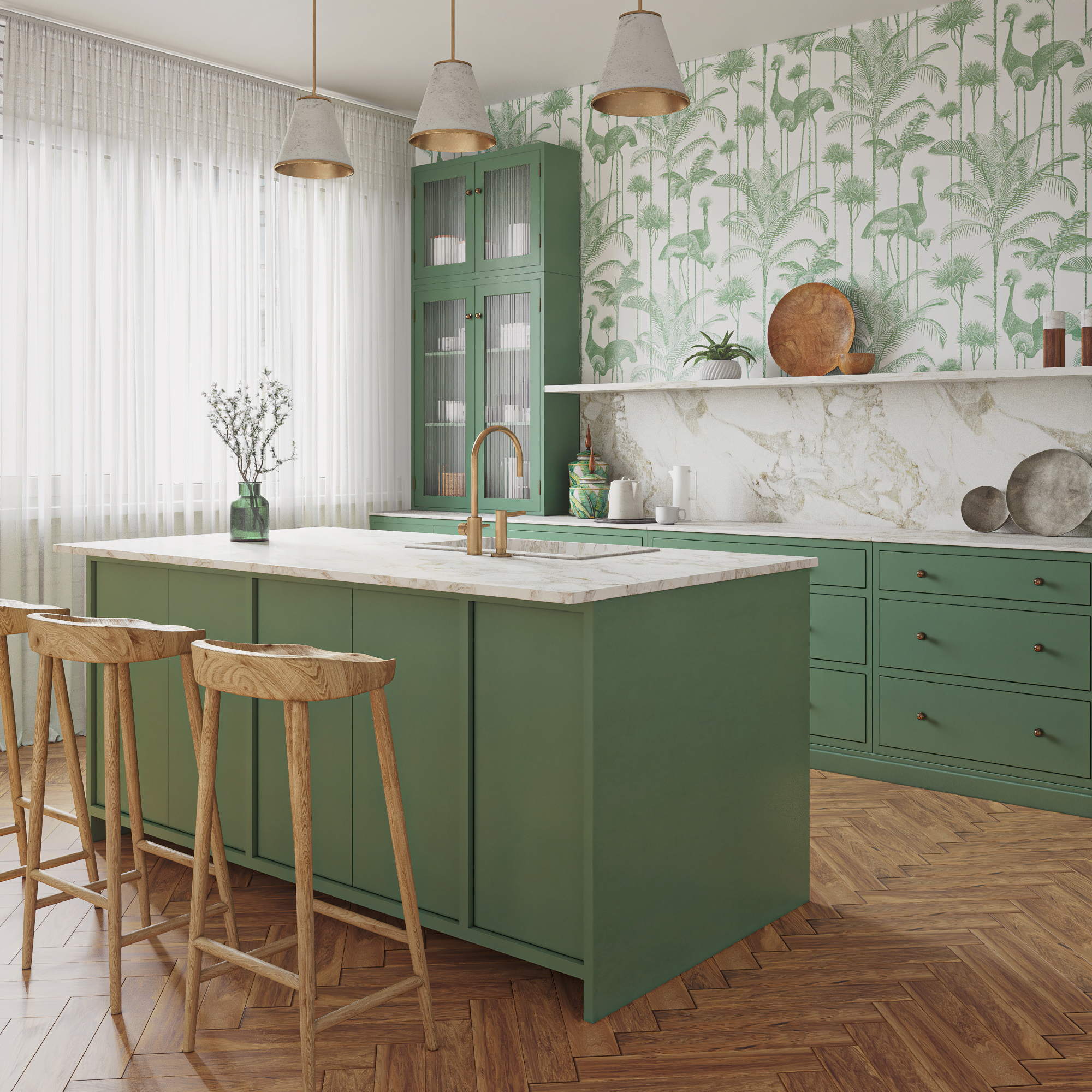
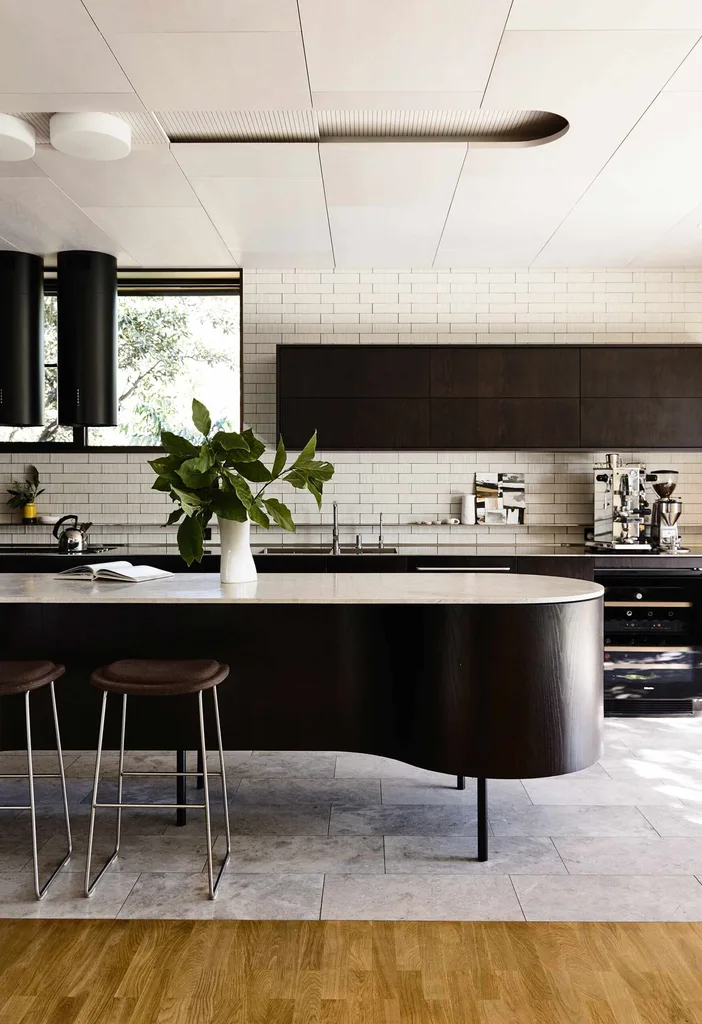
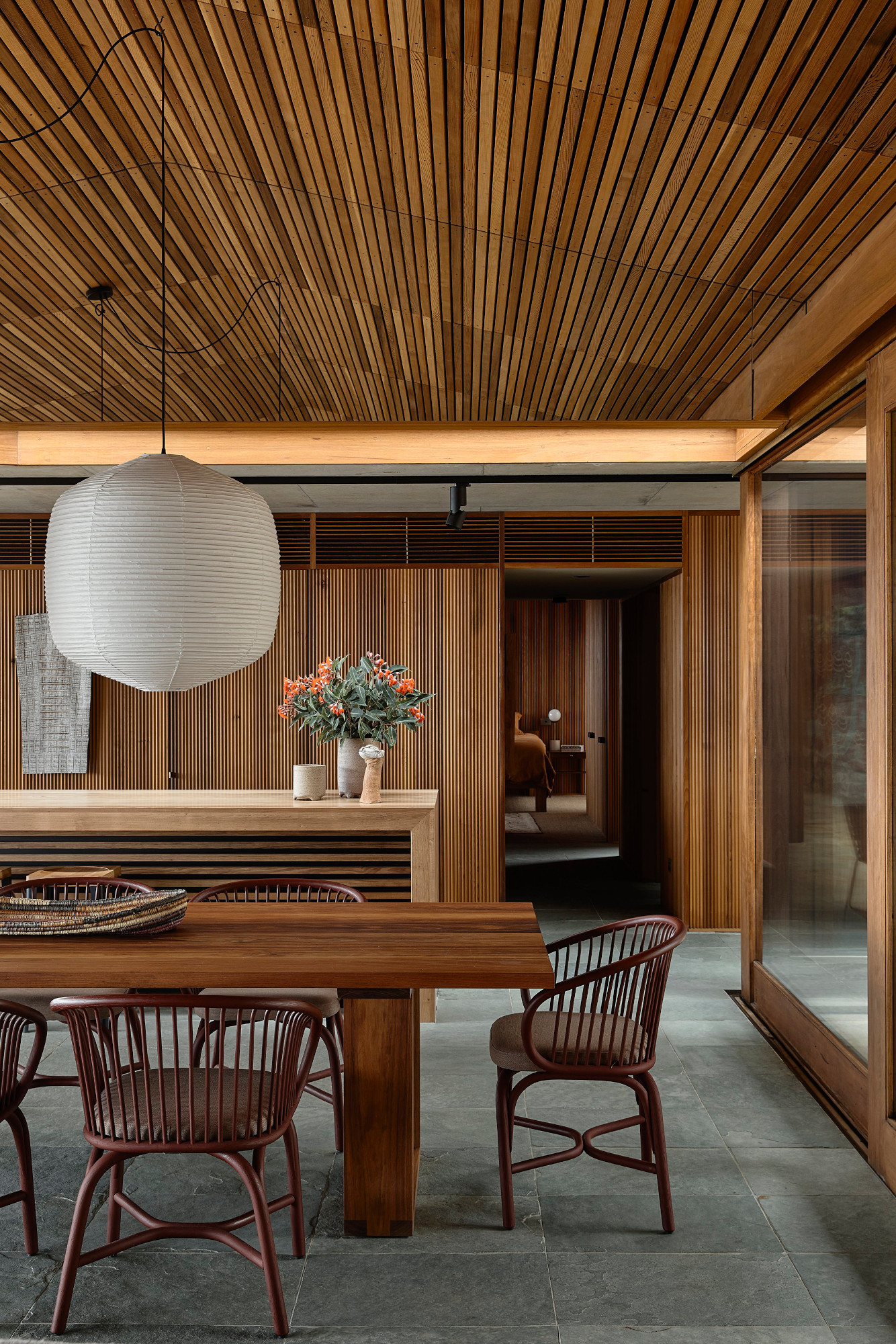
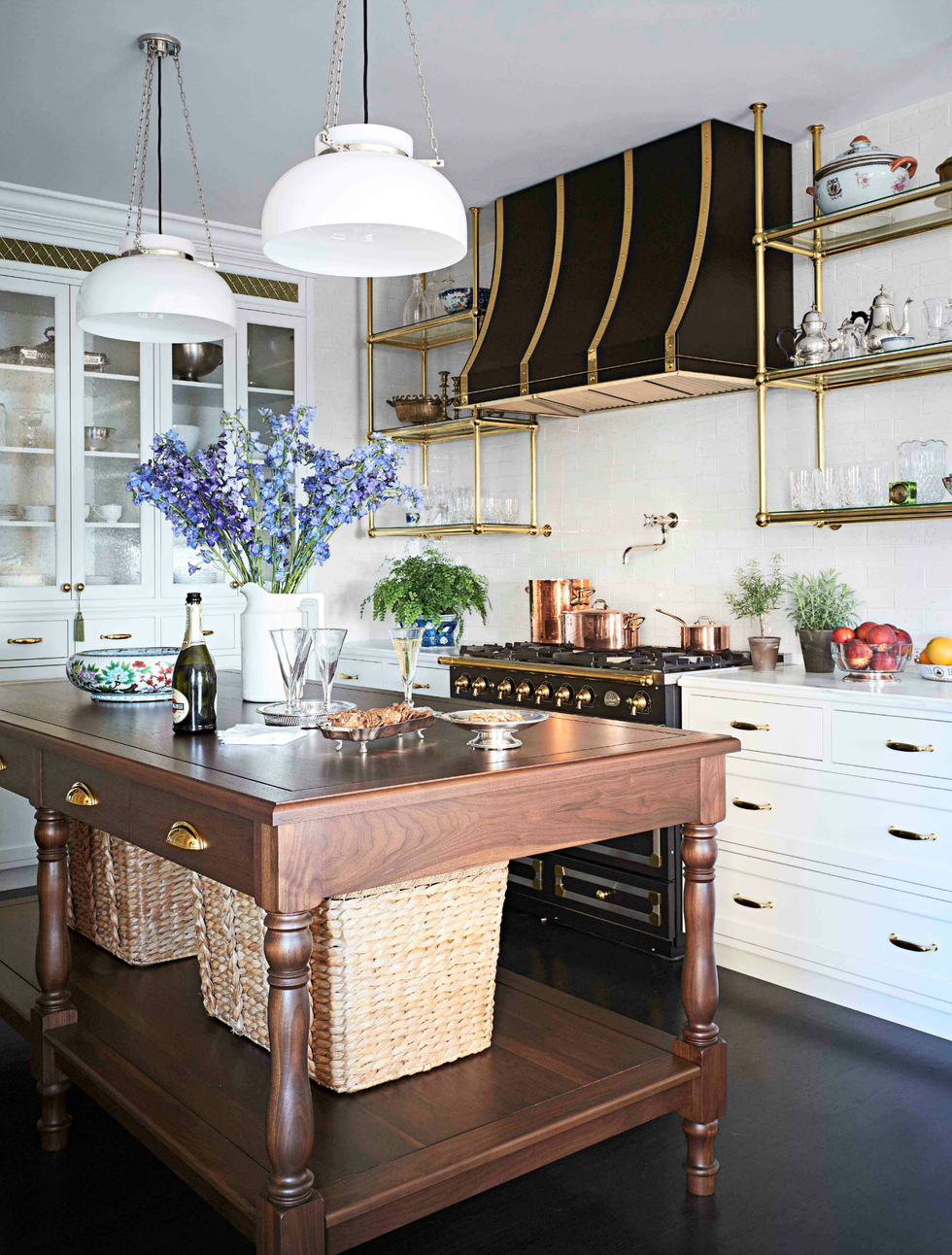
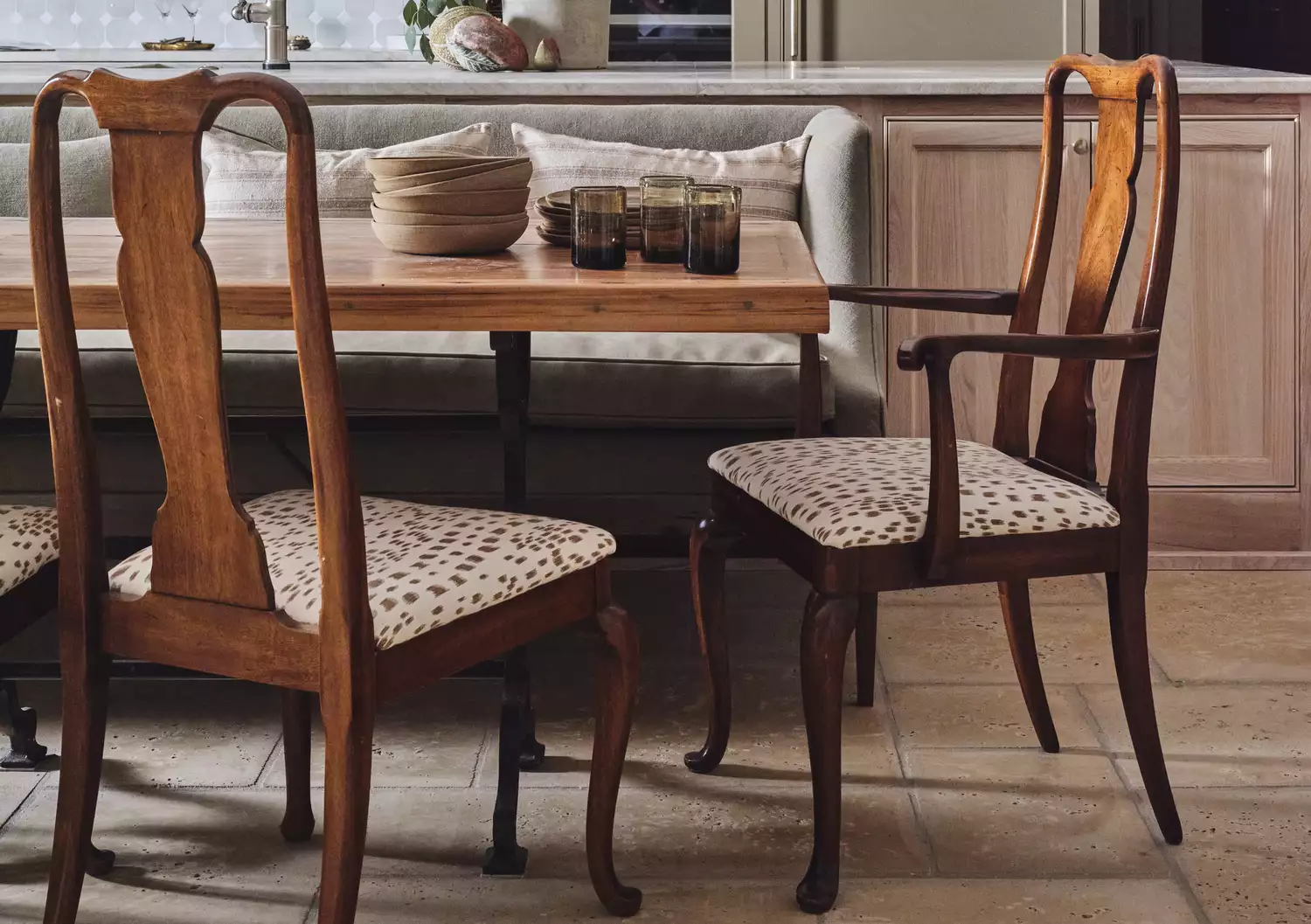
The fourth tip discusses the significance of form and shape. Timber's versatility allows for a wide range of shapes and forms. To introduce visual contrast, one can pair a rectangular dining table with chairs featuring gentle curves, or an angular bathroom vanity with a circular timber-framed mirror. This approach helps soften spaces and prevents a monotonous look.
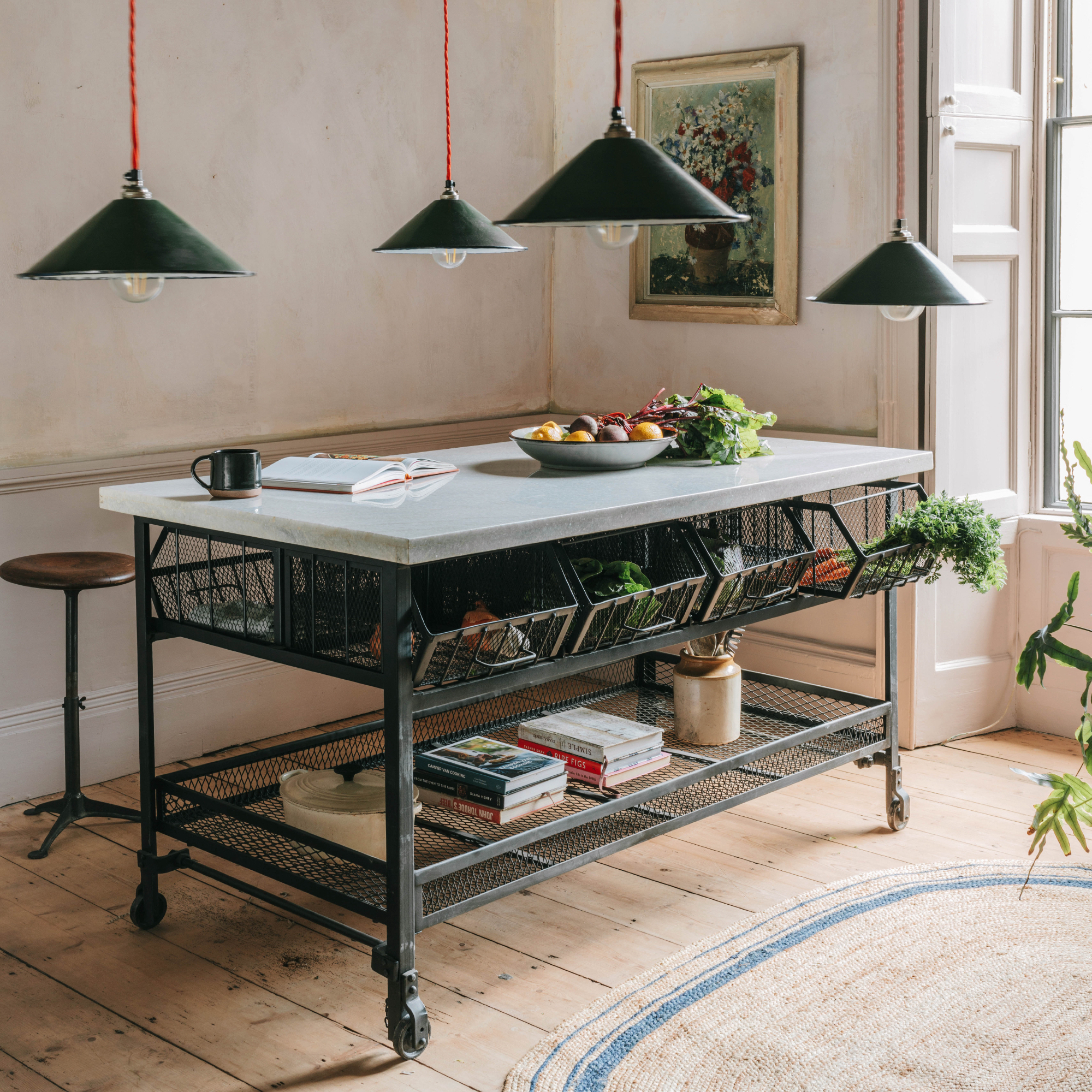
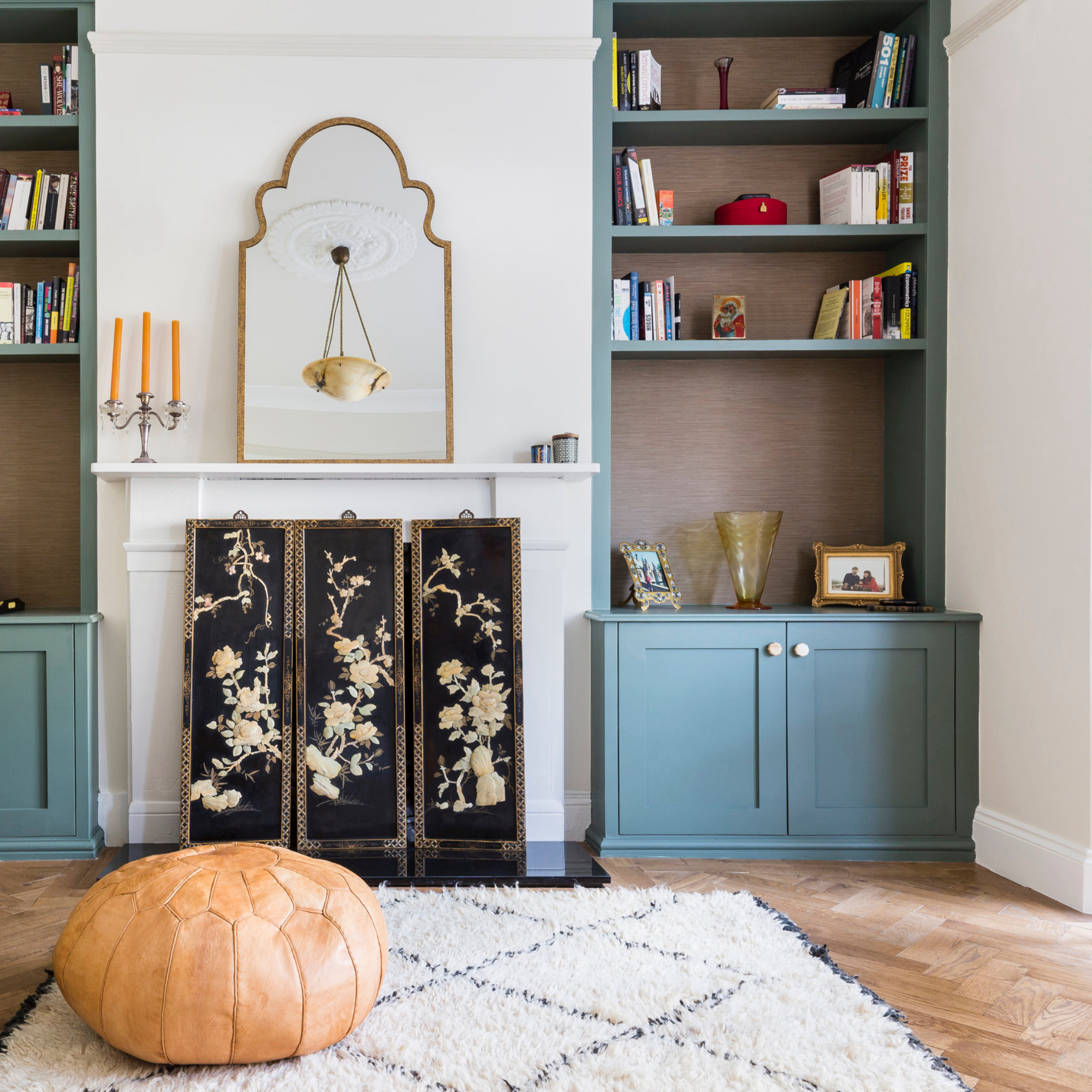
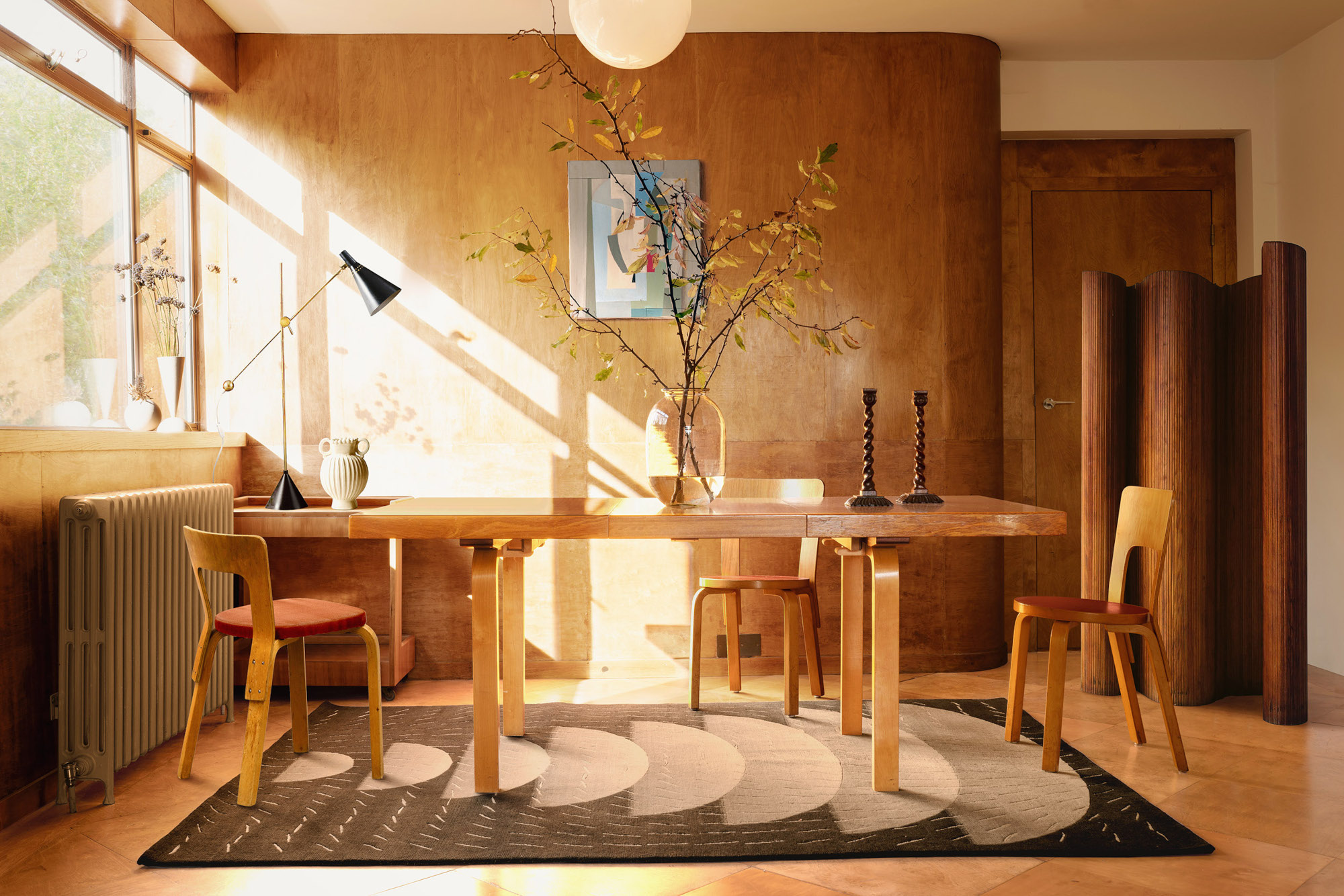
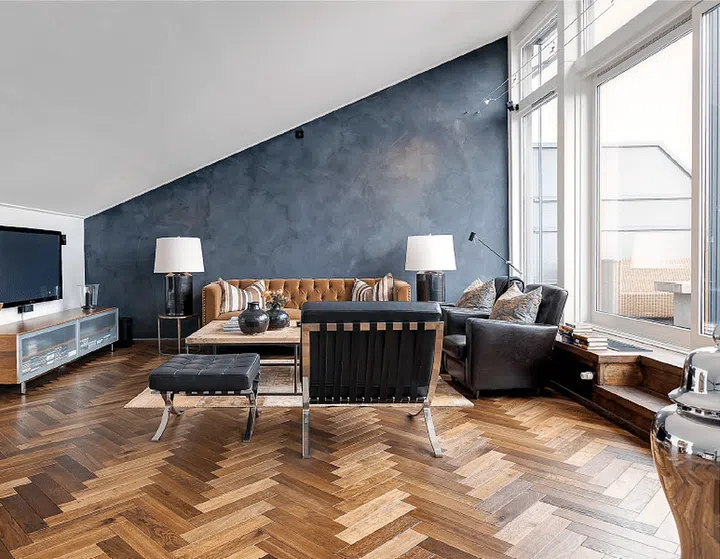
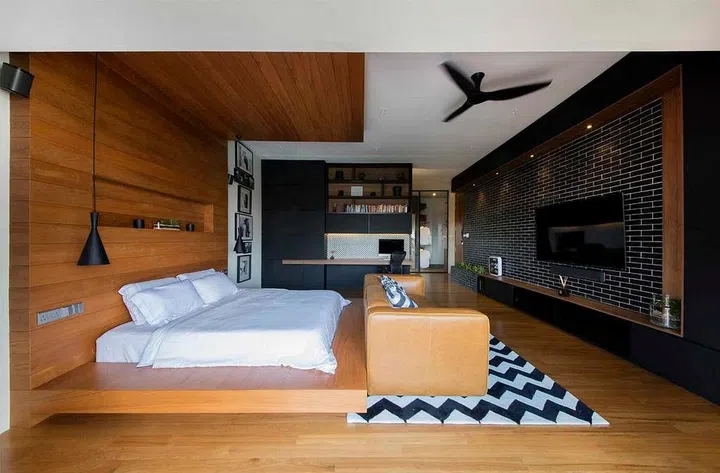
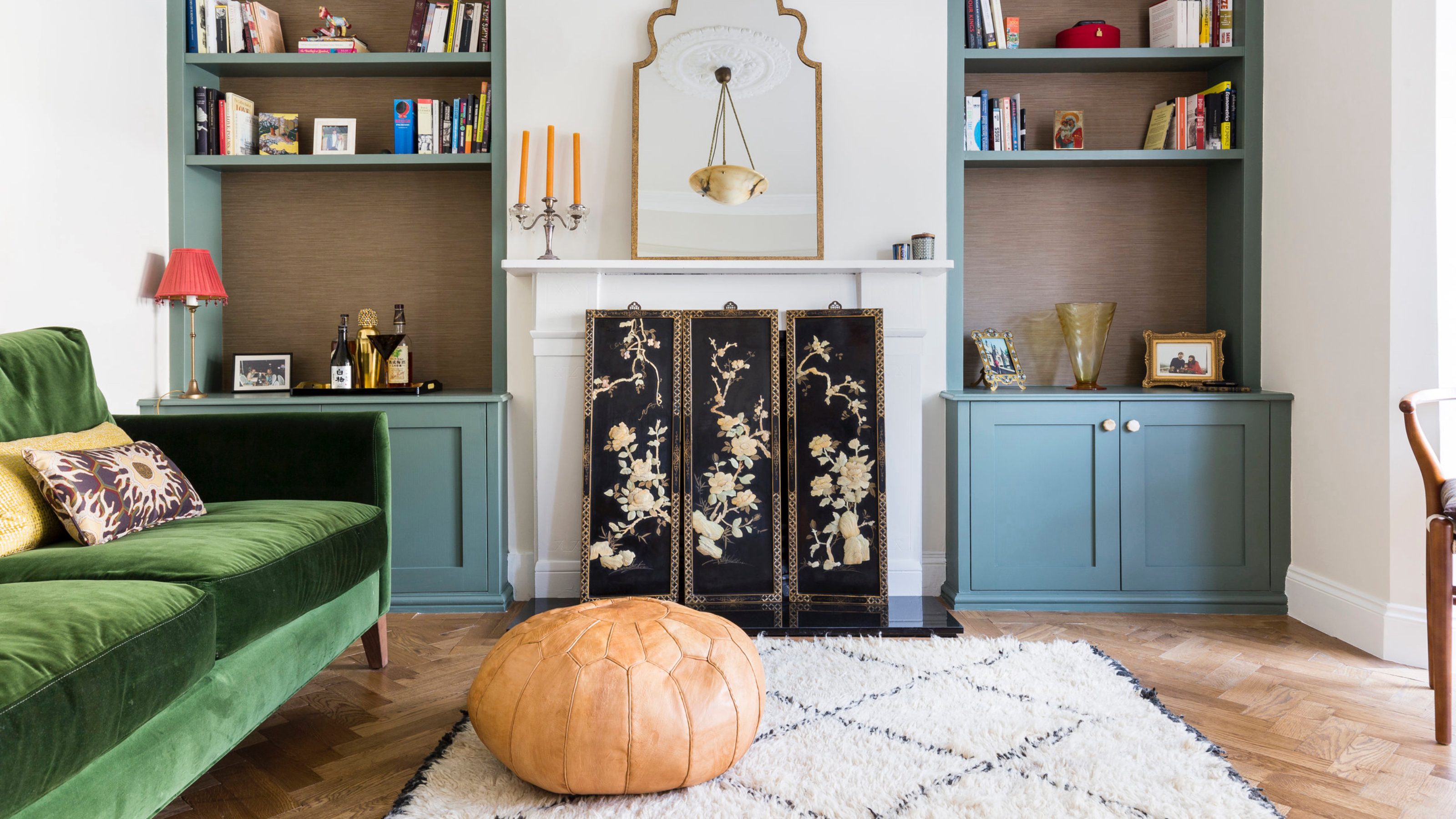
Finally, the fifth tip suggests introducing contrasting textures to break up the timber-heavy styling. This involves incorporating materials like high-gloss kitchen cabinetry or soft textiles in the living room. If timber furniture and flooring share similar tones, adding a patterned or solid-colored rug in a contrasting tone can effectively disrupt the visual dominance of wood and add another layer of texture and interest to the room, preventing the space from feeling overwhelmed by timber.
#TimberDecor #HomeDecorating #InteriorDesignTips #TimberFlooring #TimberFurniture #DecoratingWithWood #InteriorStyling #DesignPrinciples #TimberDecor #HomeDecorating #InteriorDesignTips #TimberFlooring #TimberFurniture #DecoratingWithWood #InteriorStyling #DesignPrinciples
0 comment in total
 No comments yet
You may also like
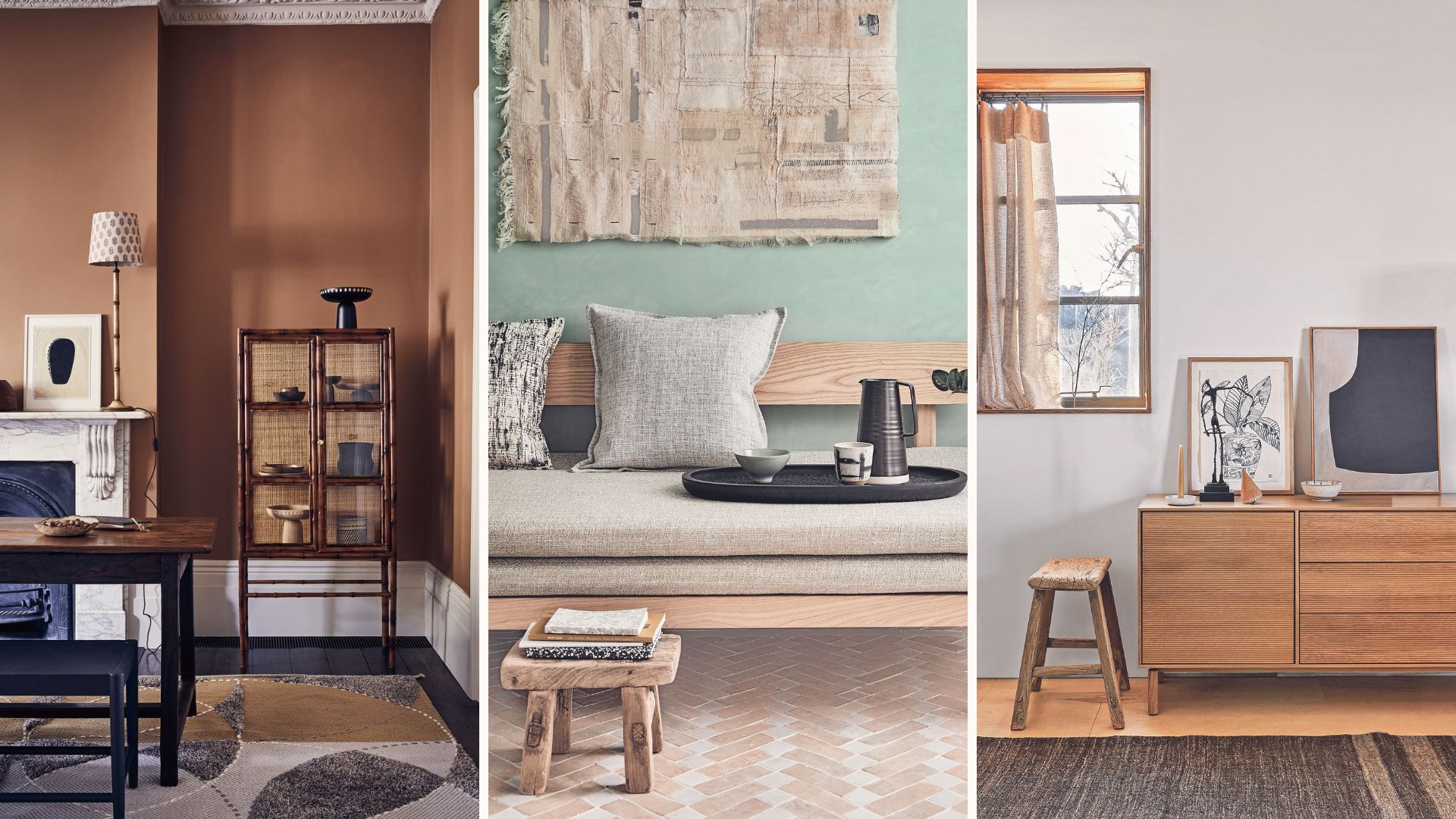
5 rules of thumb for mixing wood tones around your home, shared by interior designers

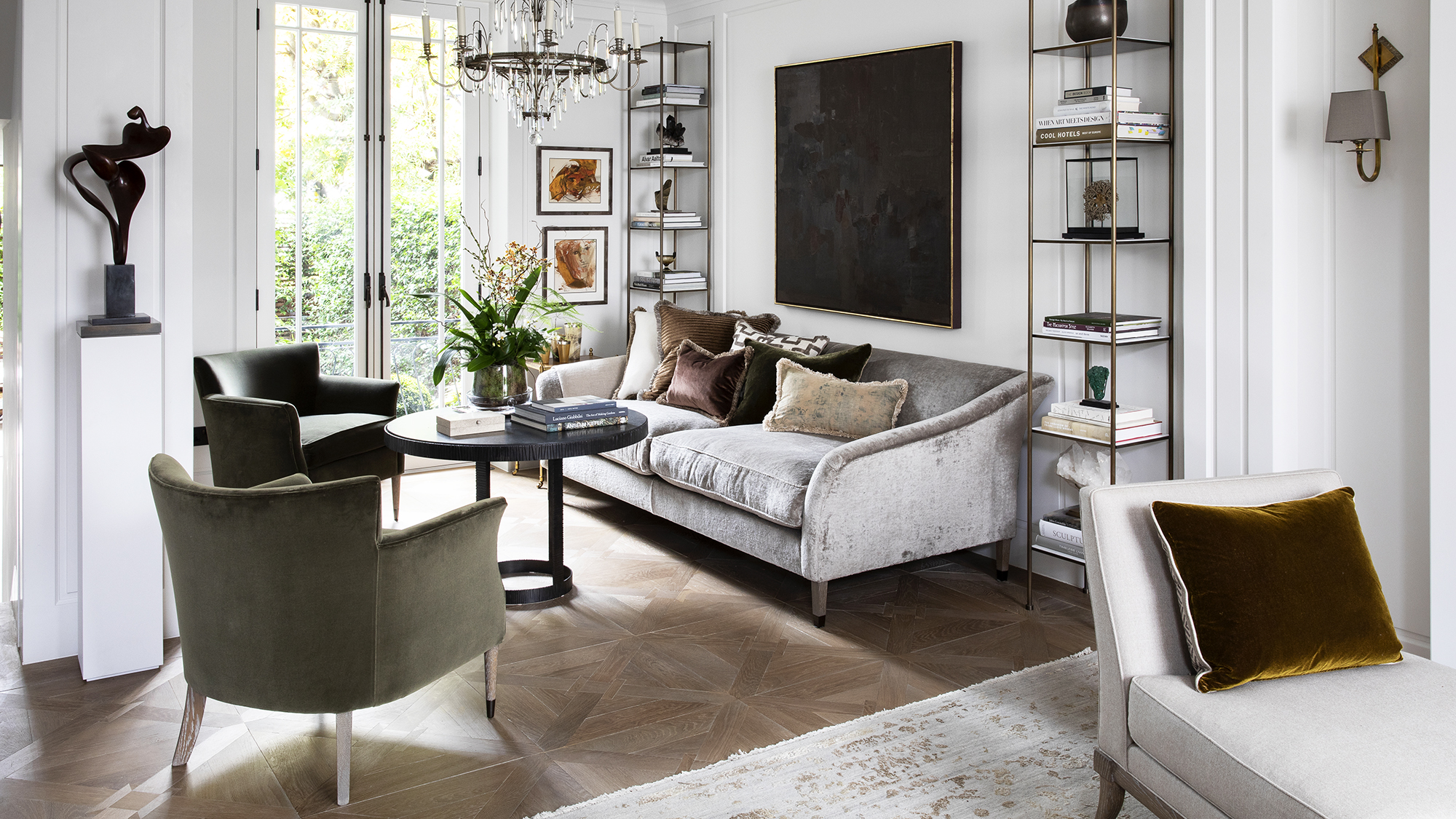
Wood floor ideas for a living room – 10 practical and stylish looks for flooring

10 living room wood floor ideas that will add elegance and style to this key space
5 Flooring Choices Designers Always Use in Their Own Homes (and You Should Too)

5 flooring mistakes to avoid – according to architects and interior designers
How to plan the perfect wood flooring - what you need to know about wood versus wood-style
Try These 10 Stylish Ideas to Bring Out the Natural Beauty of Wood Floors

Here's Everything You Need to Know About Wood Flooring
How to mix different wooden tones like an interior designer – 'It makes spaces feel more collected'

What you need to know when choosing timber flooring
15 of the best flooring materials for the home and why they work
Q&A on wood flooring: How much it costs and more
Can You Mix and Match Wood Furniture? What Designers Actually Think of the Trend

Wood Flooring – Our Pick of the Best
6 Wooden Floor Styles to Add Warmth to Your Living Room In 2023
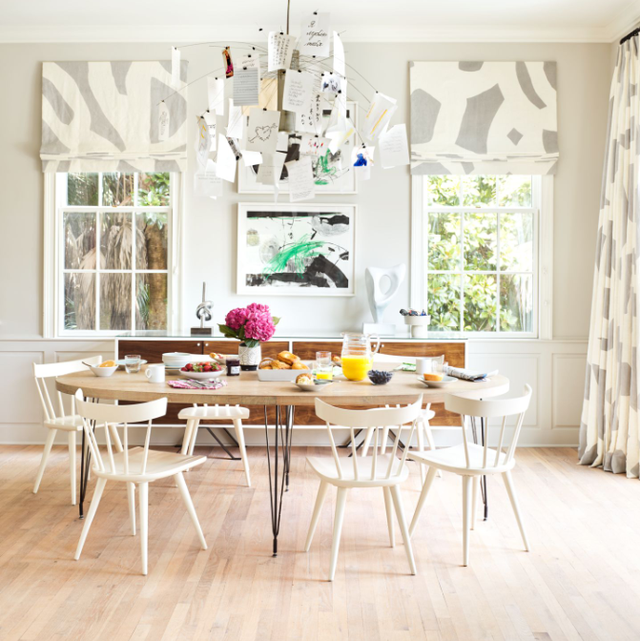
What You Should Know Before Painting Hardwood Floors

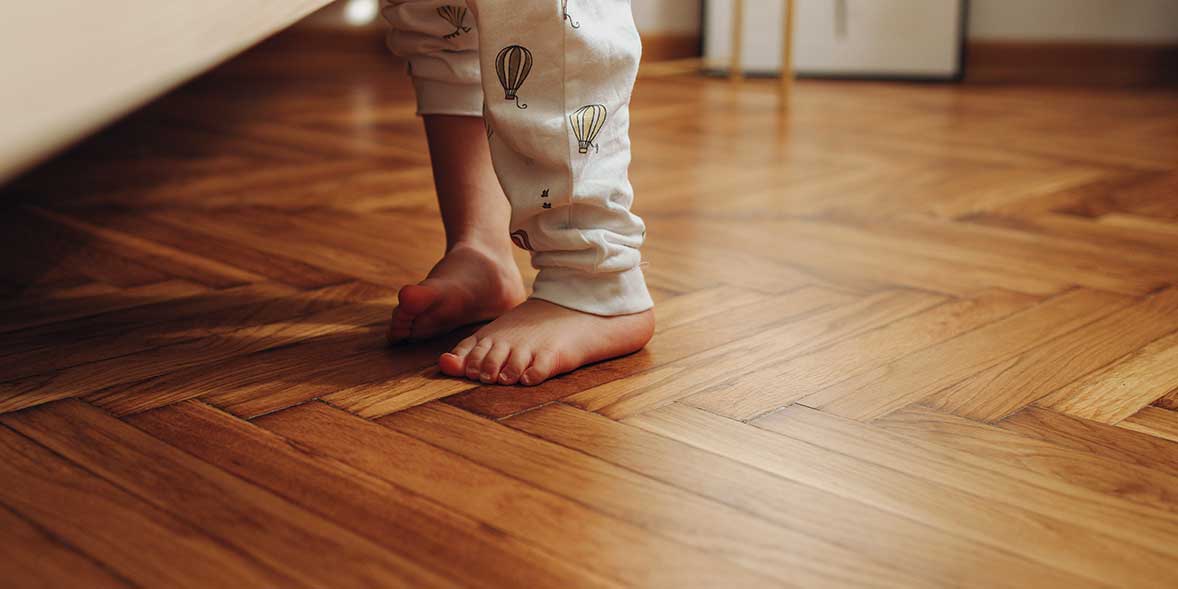
Types of wood flooring
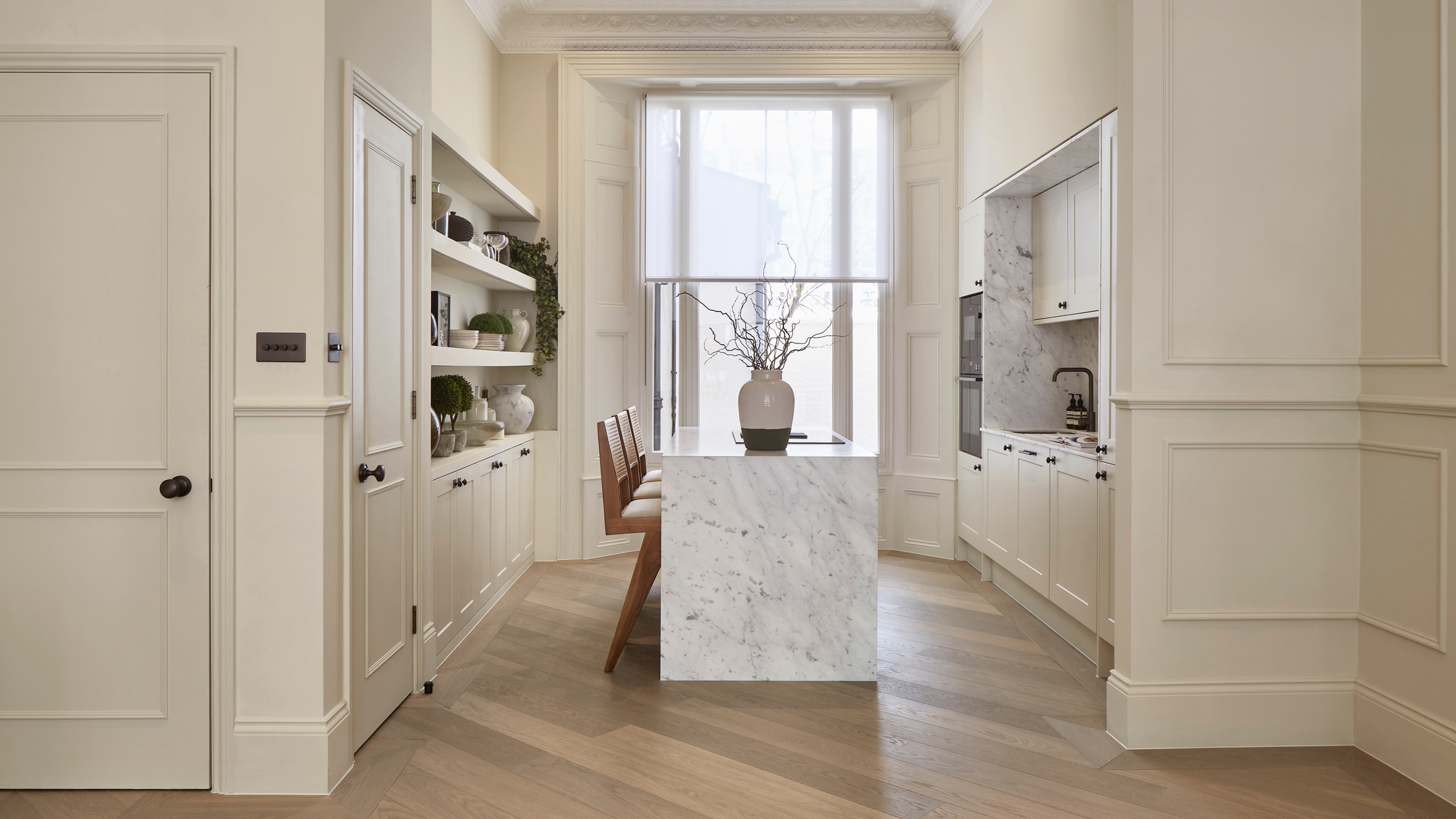
10 wooden kitchen floor ideas to inspire you to embrace this classic and demure flooring option
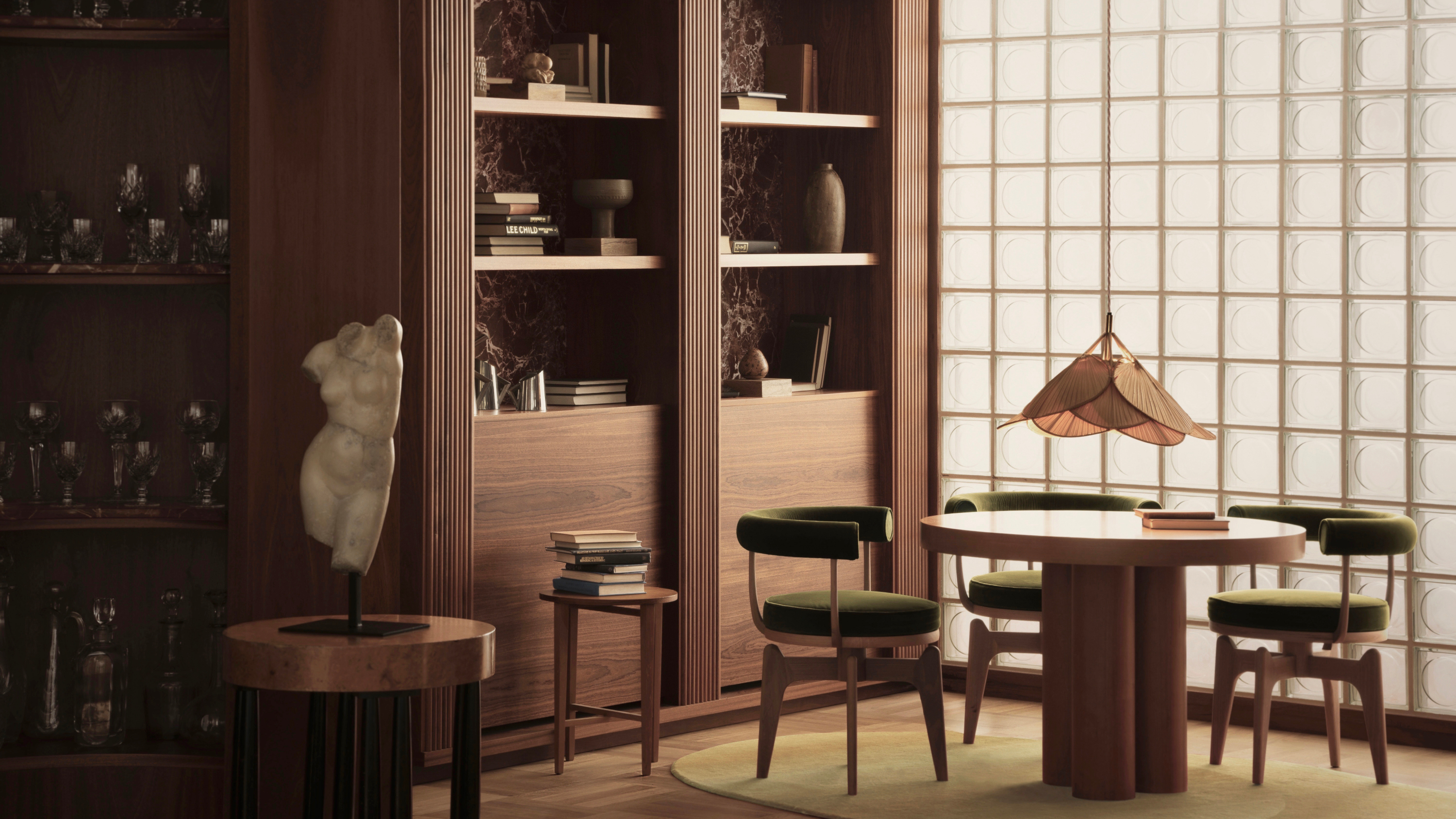
Designers Have a New Clever Shortcut To Make Rooms Look More Rich — 5 Spaces That Nail the Look

5 design trends for wood floors