1/5
How to mix different wooden tones like an interior designer – 'It makes spaces feel more collected'
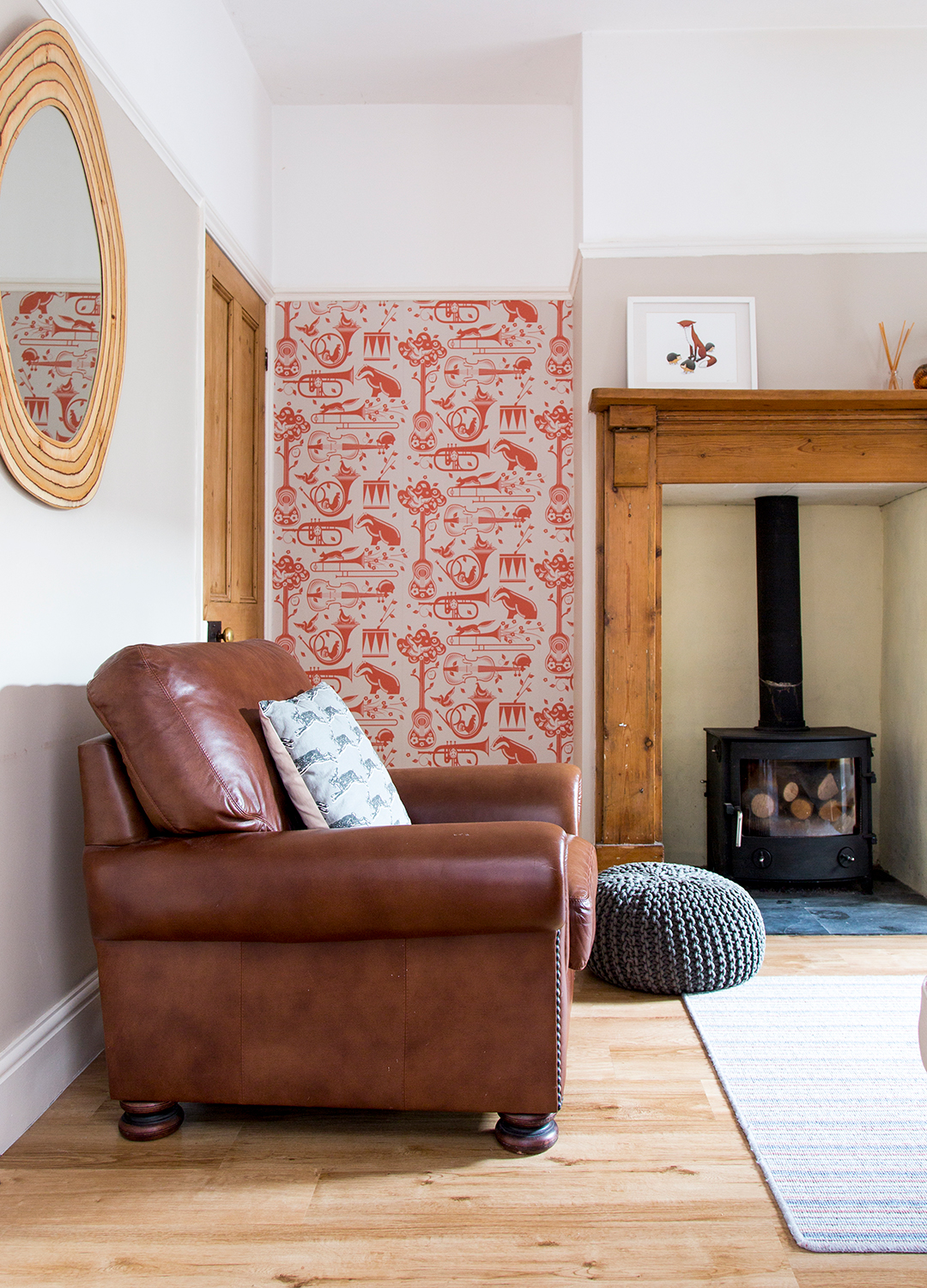
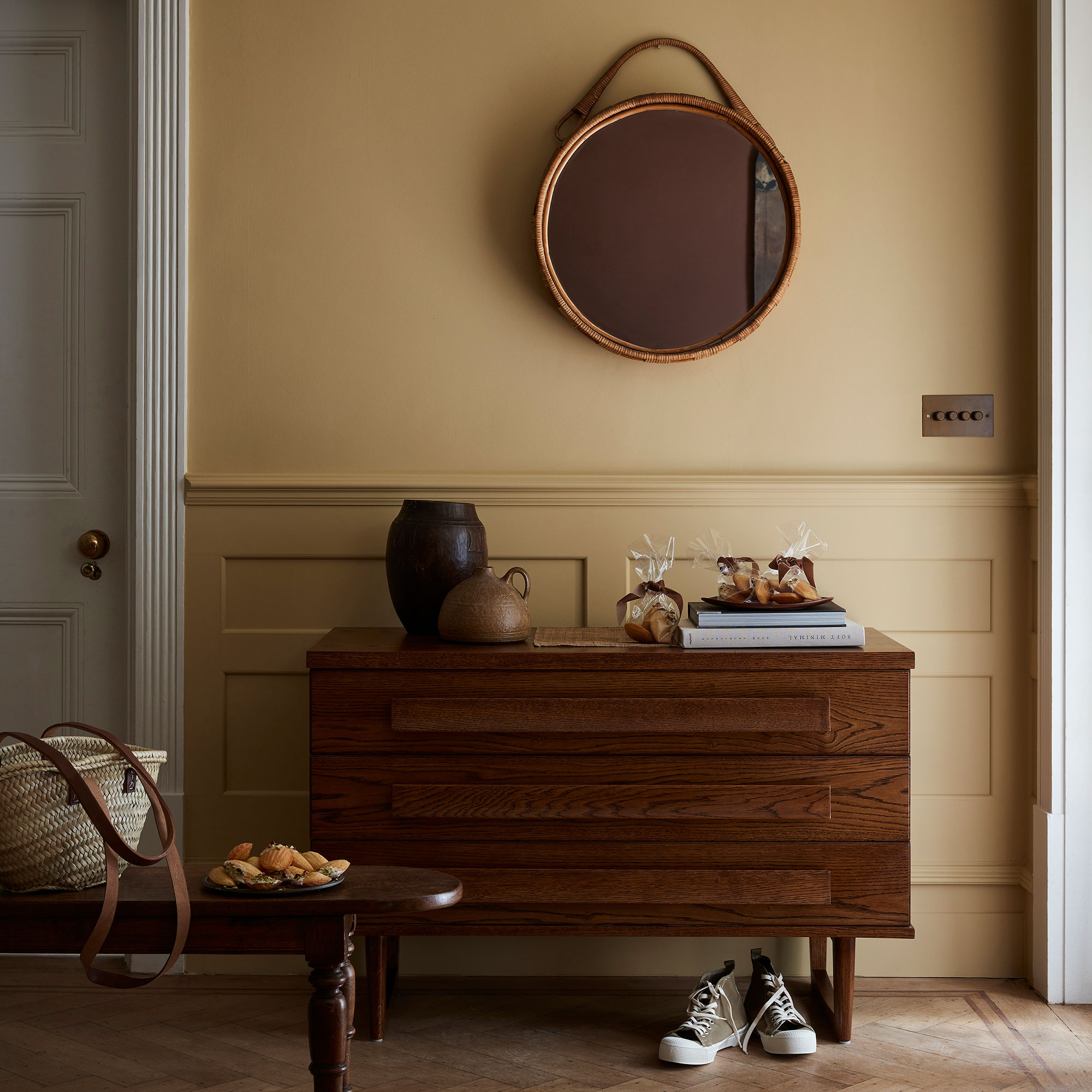
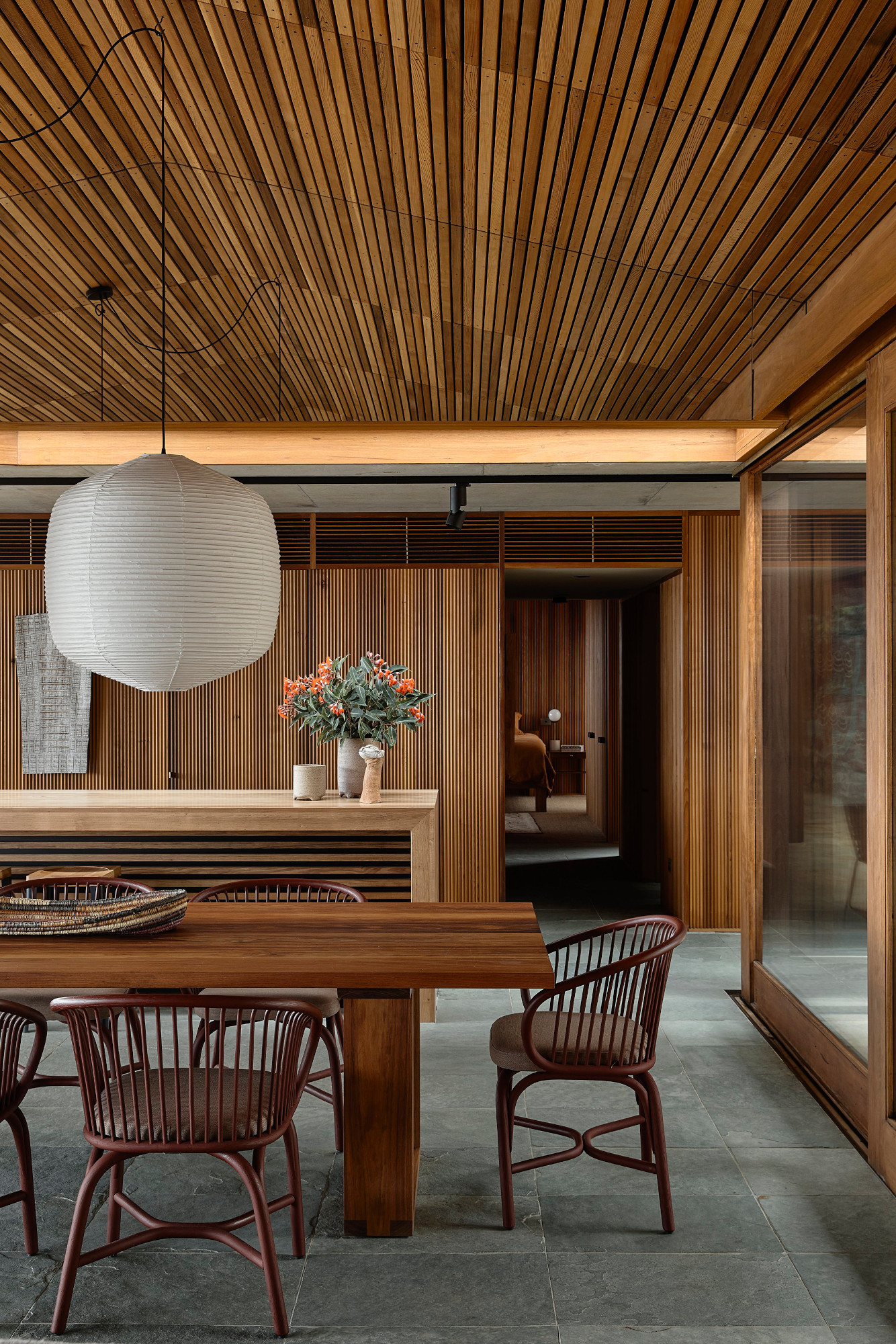
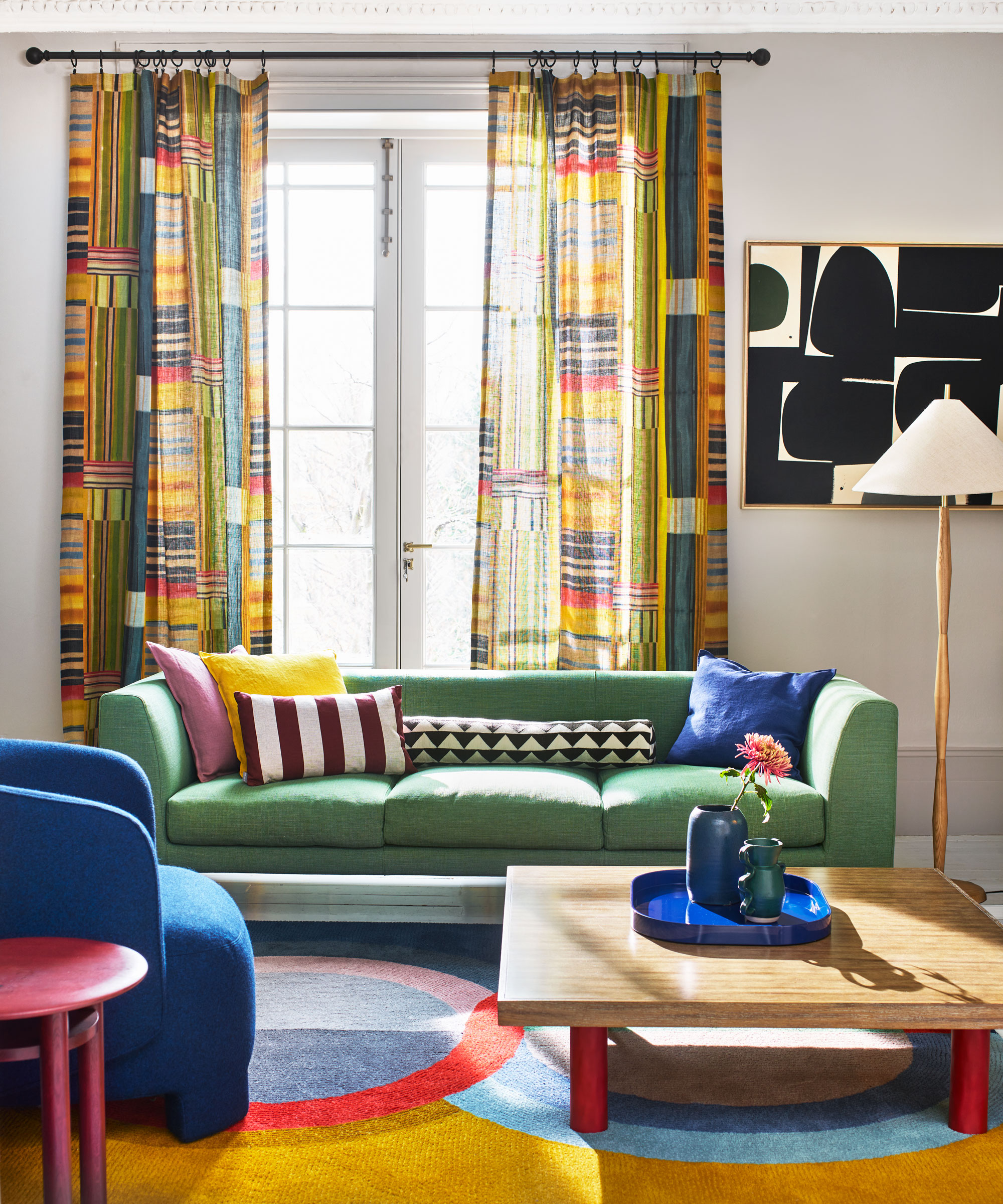
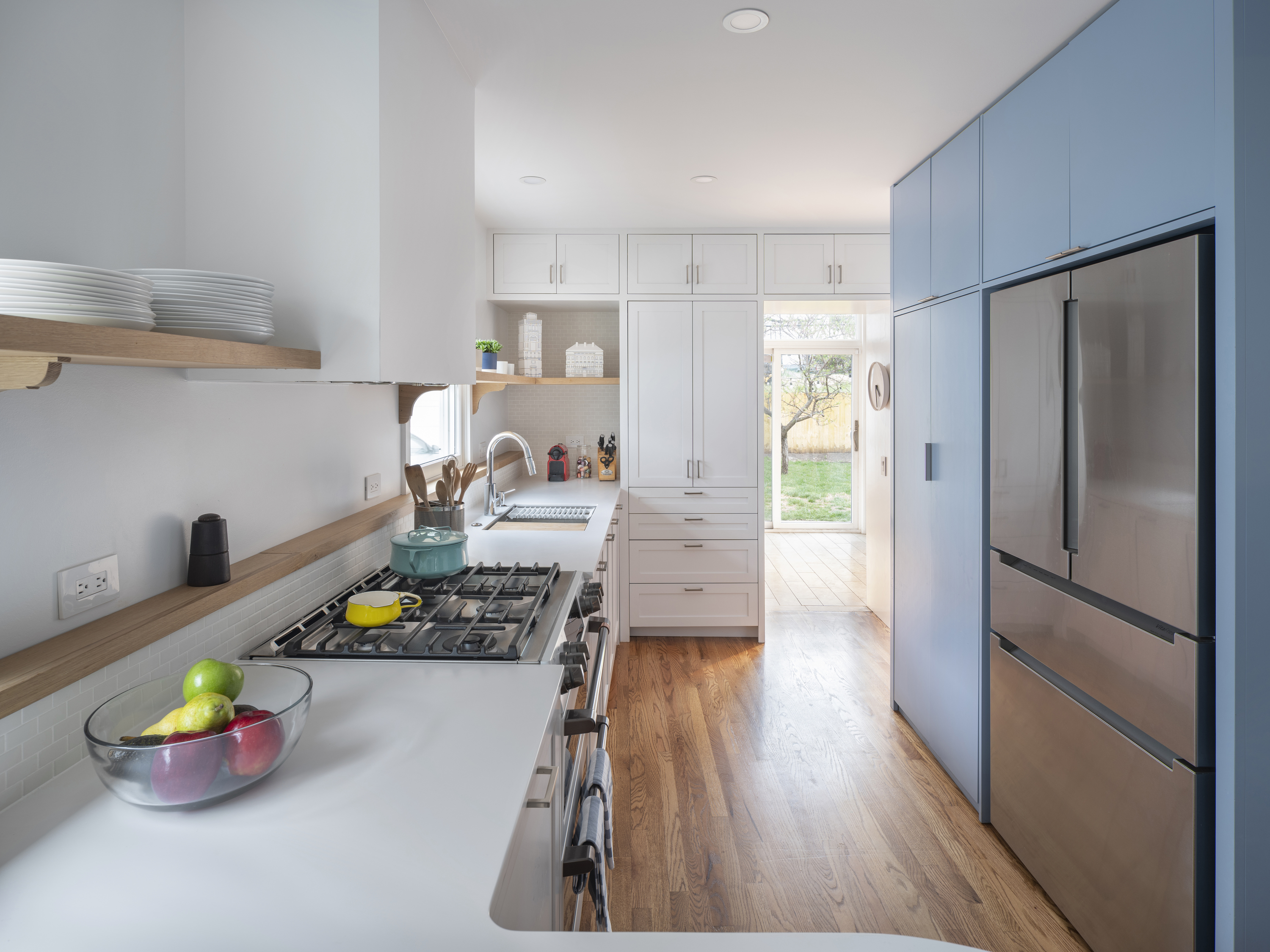
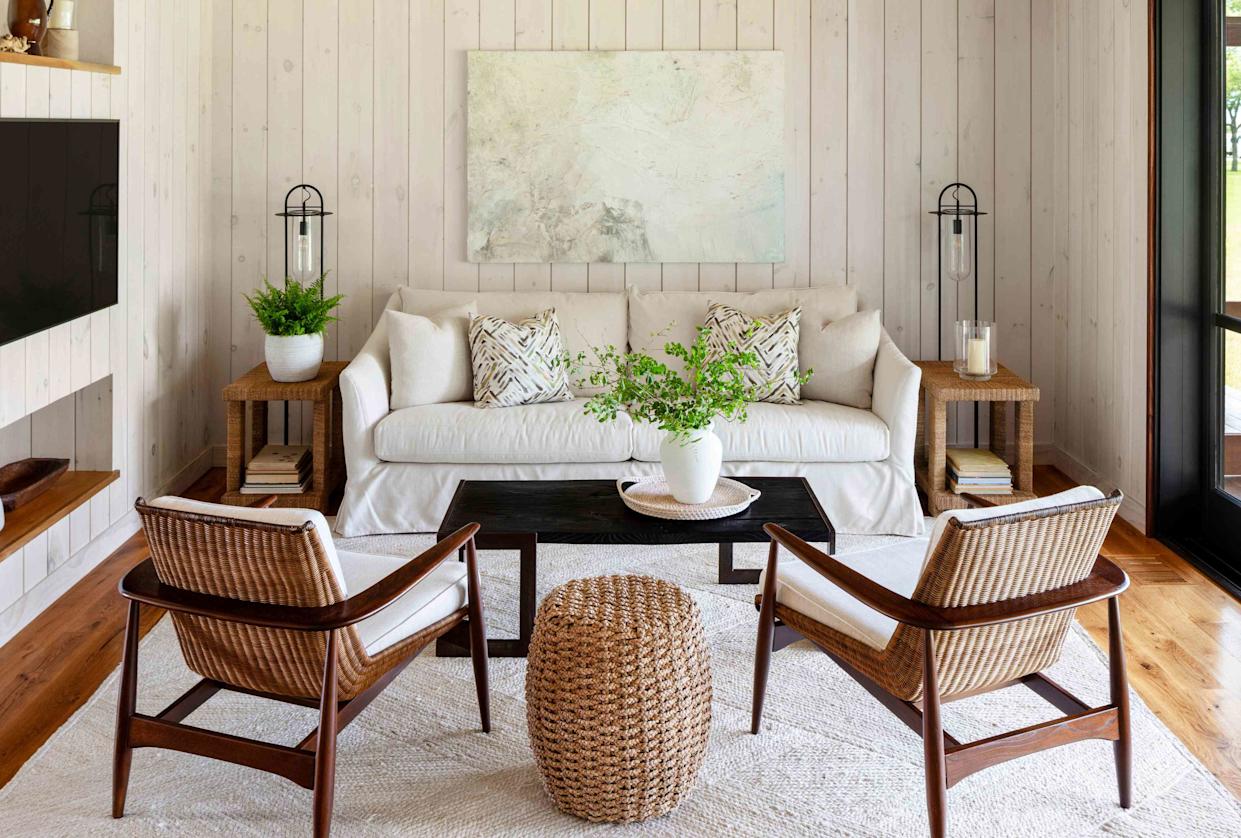
The perception that mixing wood tones in interior design is a challenging endeavor, often going against conventional practices, is a common sentiment among those new to design. Traditional approaches often suggest adhering to a single wood tone throughout a space, such as blonde oak in Scandi-style living rooms or walnut in more classic settings. However, interior designer Gabriela Eisenhart, founder of Silo Studios, advocates for a different approach: strategically mixing wood tones to create a more curated and elevated aesthetic. She emphasizes that this method introduces warmth and additional dimension that cannot be achieved through other decorating means.
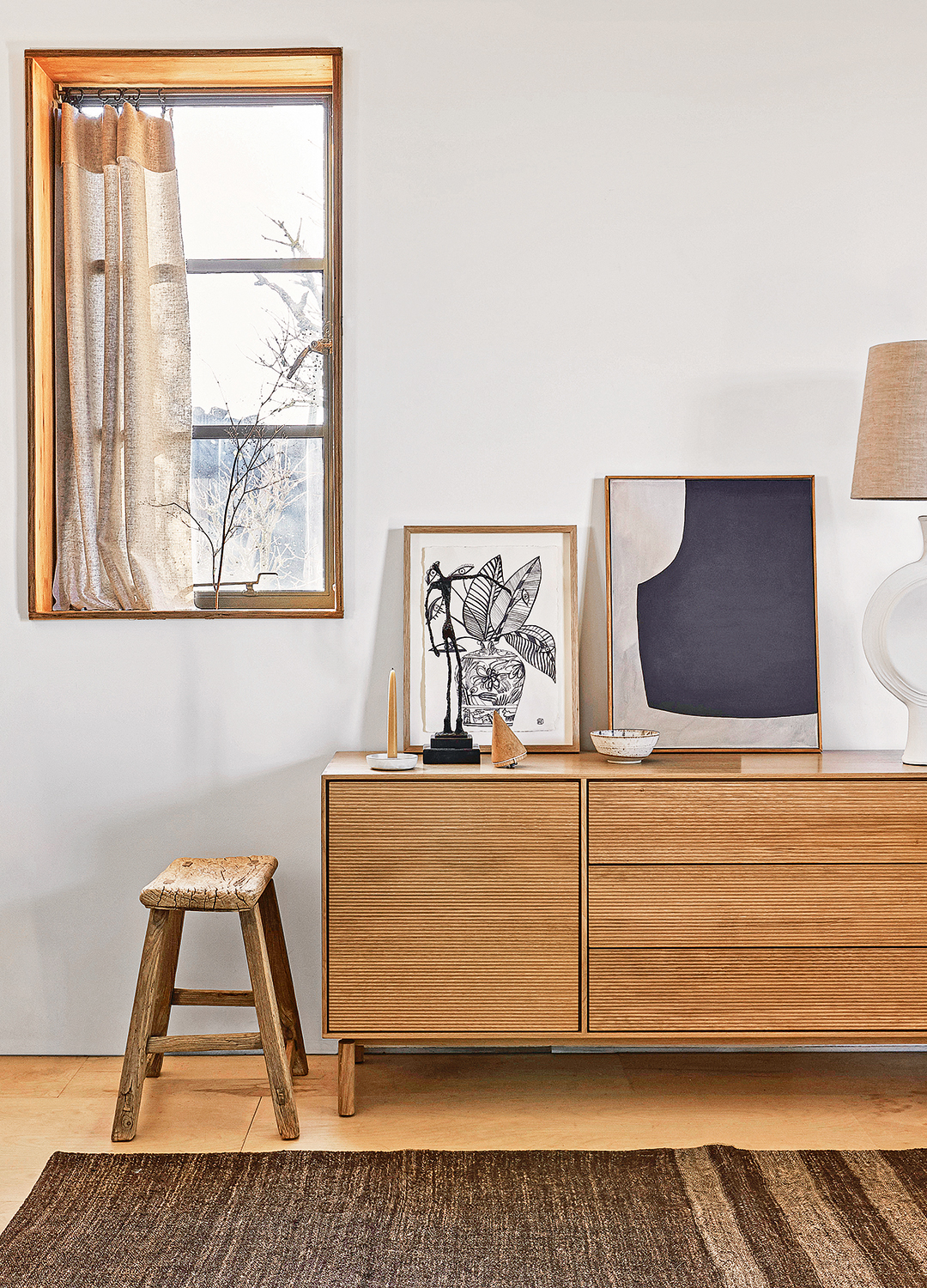
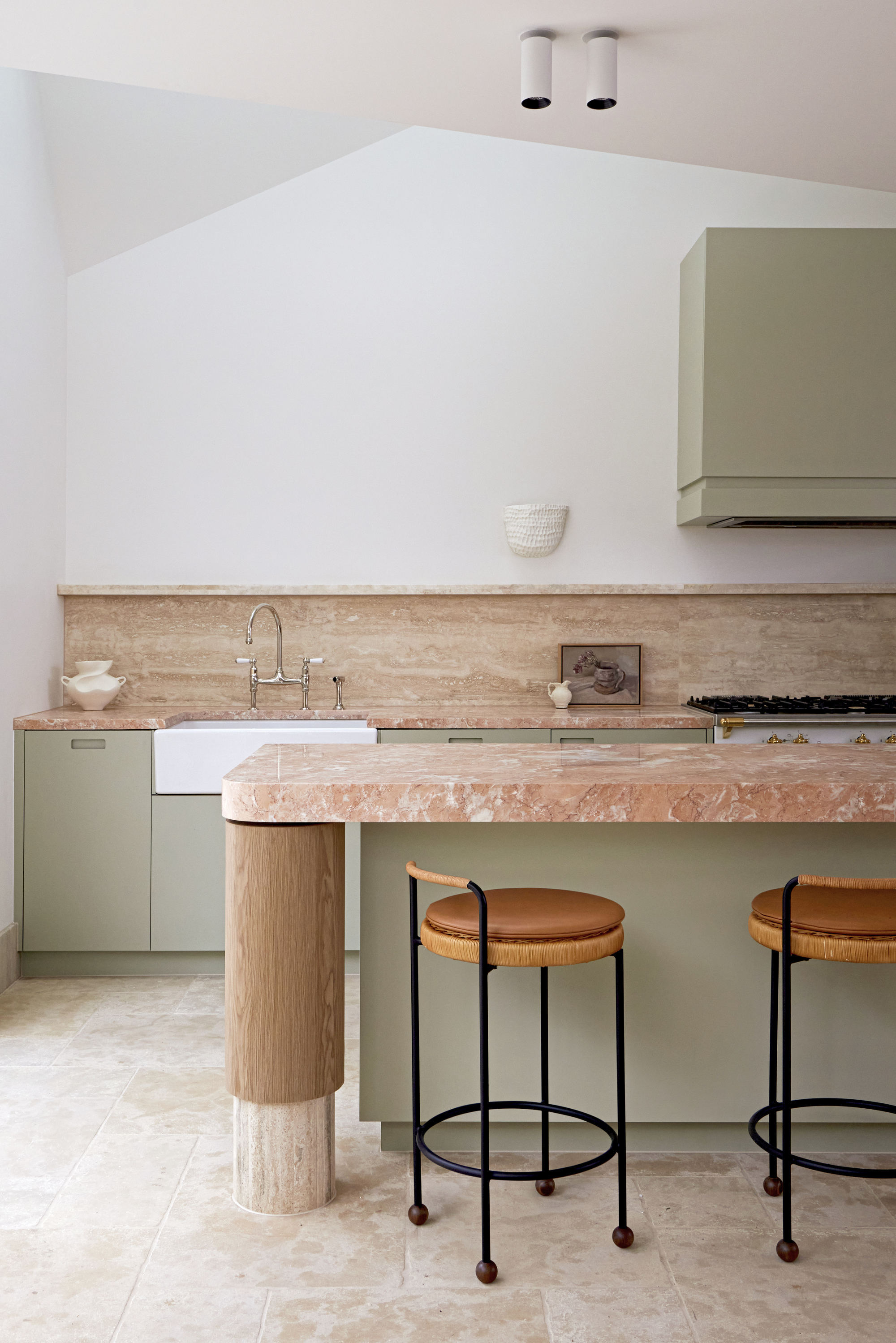
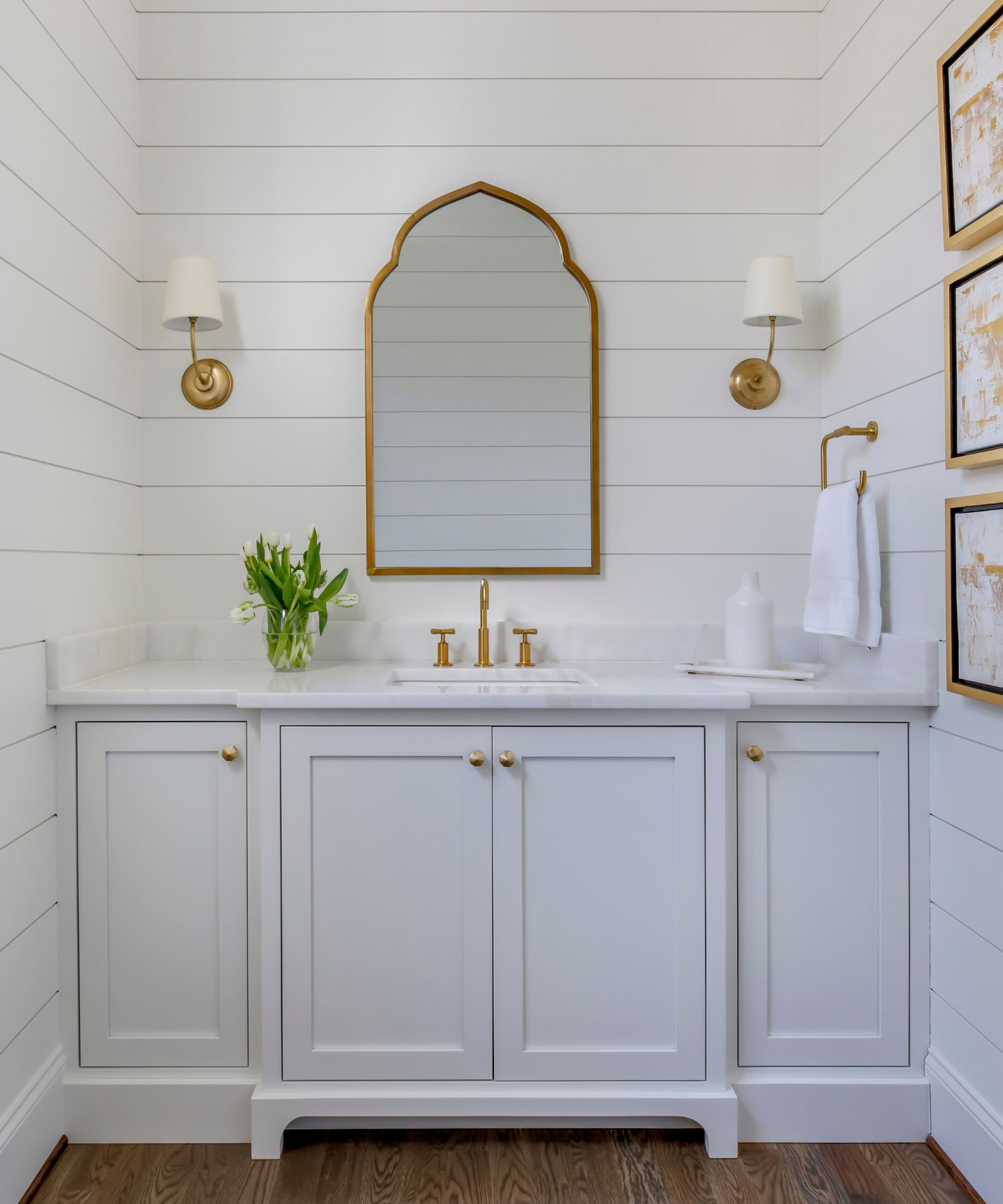
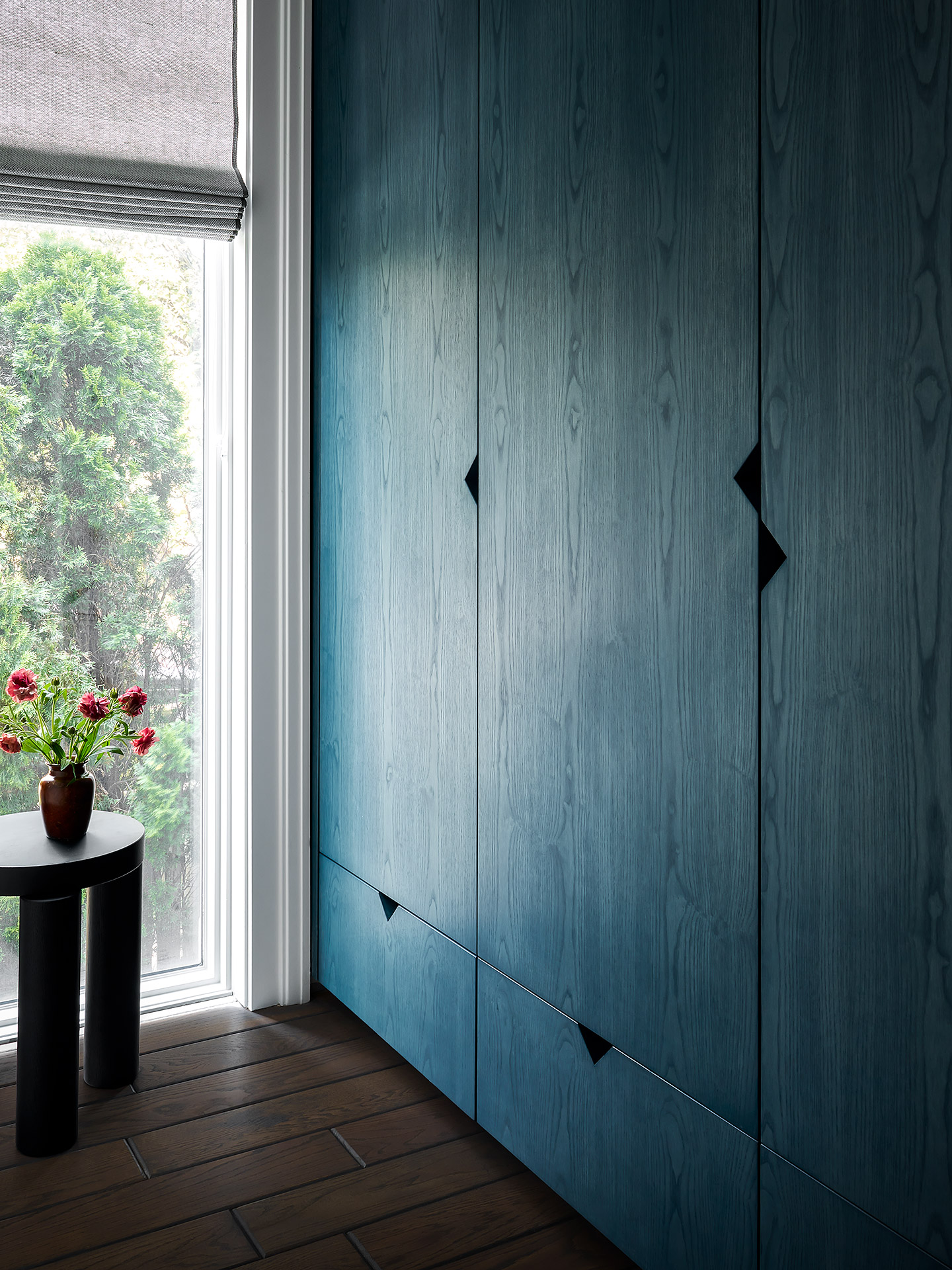
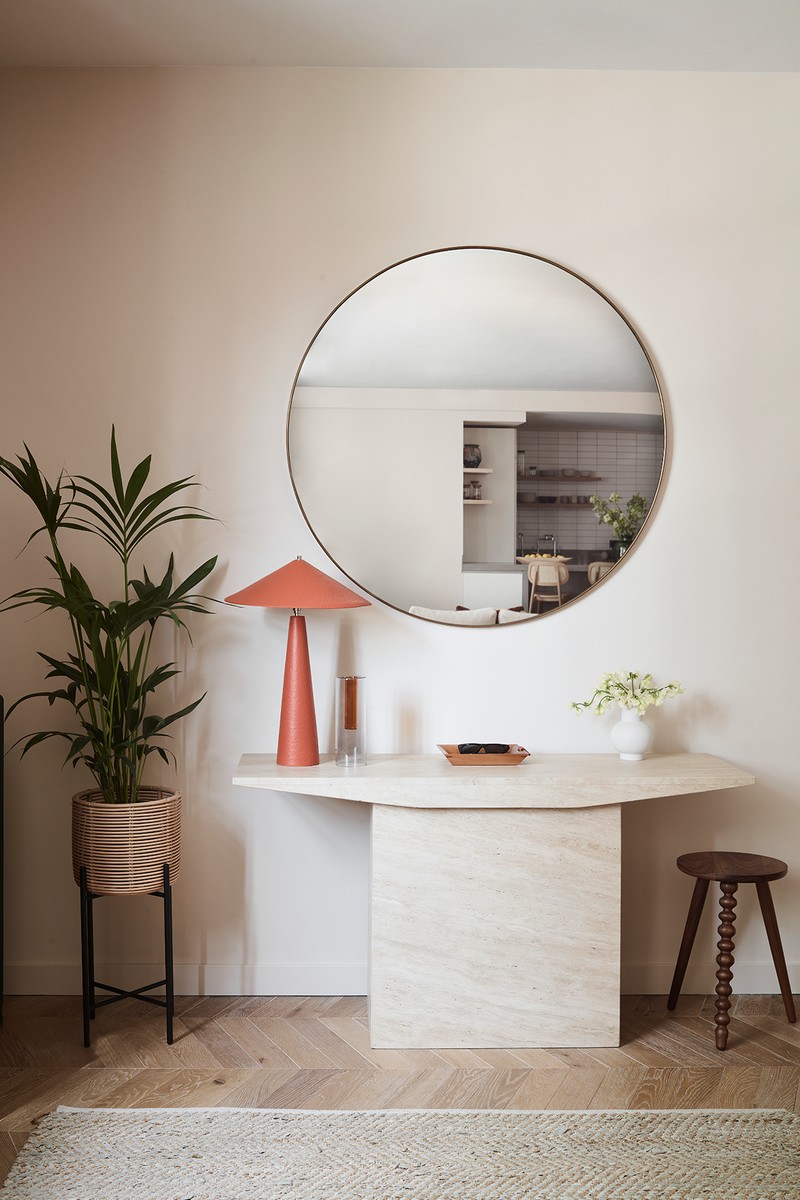
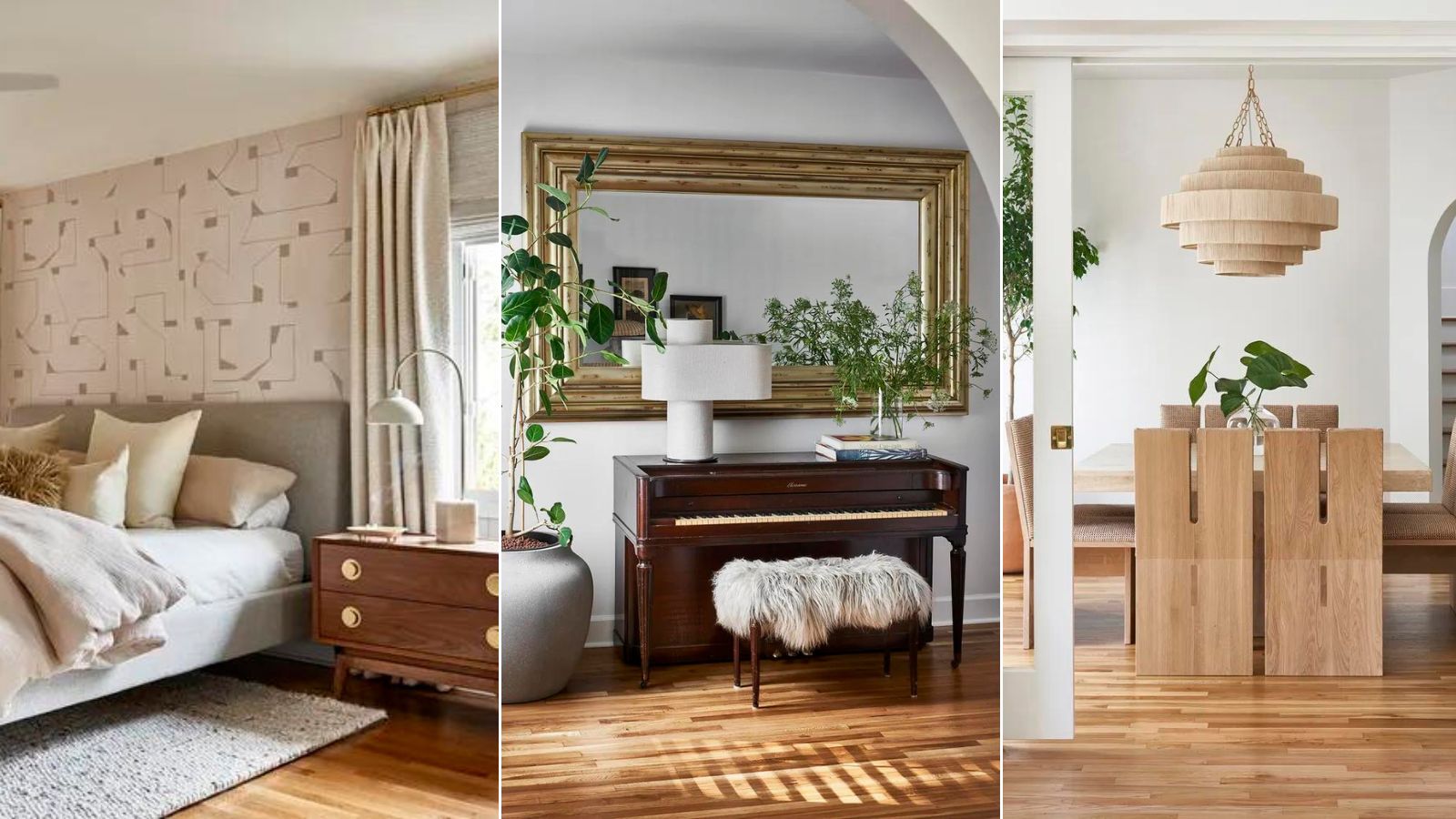
Eisenhart argues that wood inherently adds a natural texture and warmth crucial for anchoring designs, especially in clean-lined or minimal spaces. She contends that mixing wood tones is essential for making a home feel intentionally designed rather than simply assembled. This technique helps spaces appear more 'collected,' reflecting a thoughtful and artistic eye rather than strict adherence to design rules. For instance, in a recent bathroom renovation, Eisenhart used white oak for a large vanity. To add depth and character to the otherwise beautiful and calming space, she incorporated a vintage walnut stool, which was weathered and water-stained, instantly making the room feel more cohesive and curated. The key lies in creating a dialogue between different wood elements, where each piece complements the others.
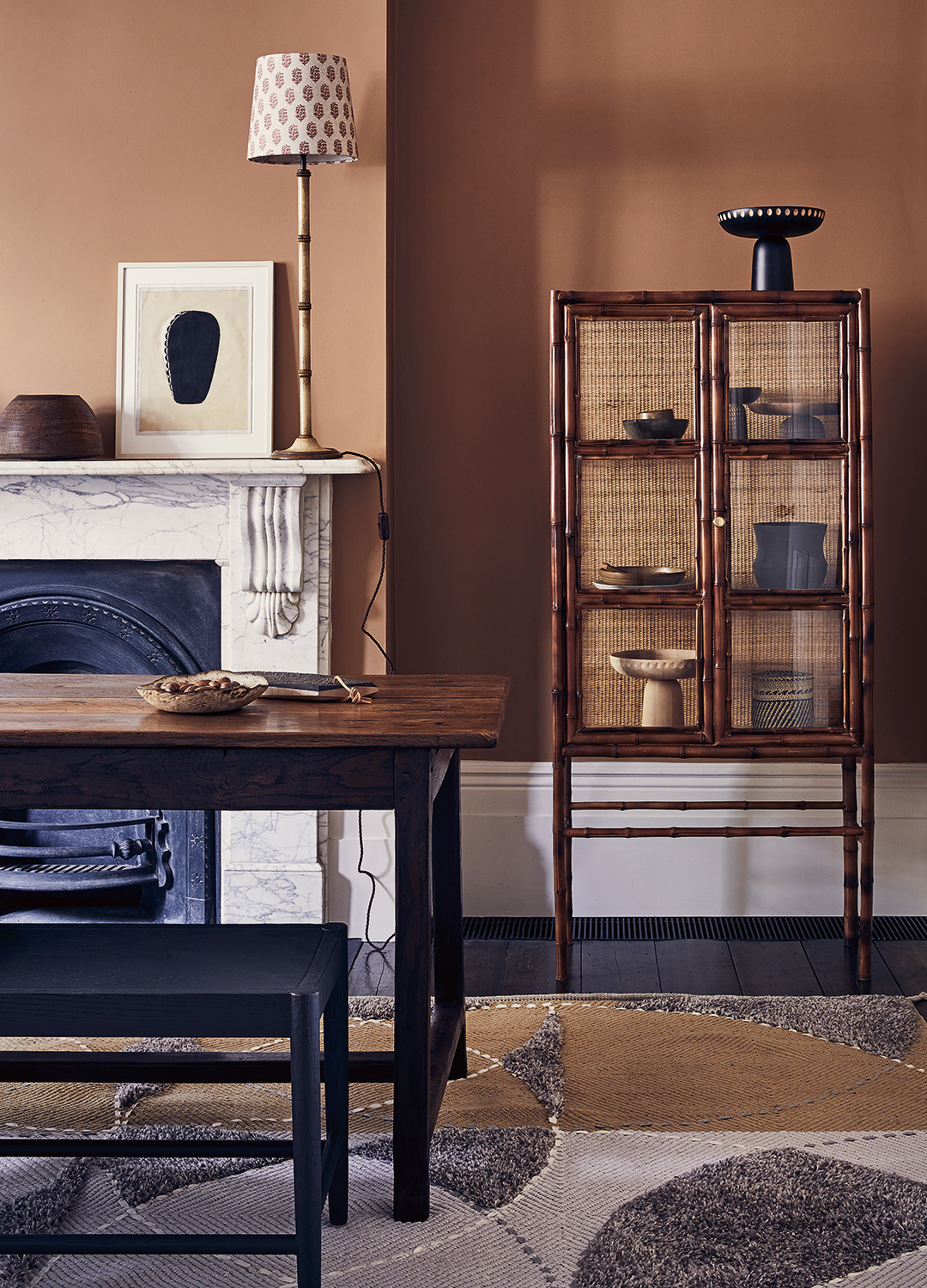
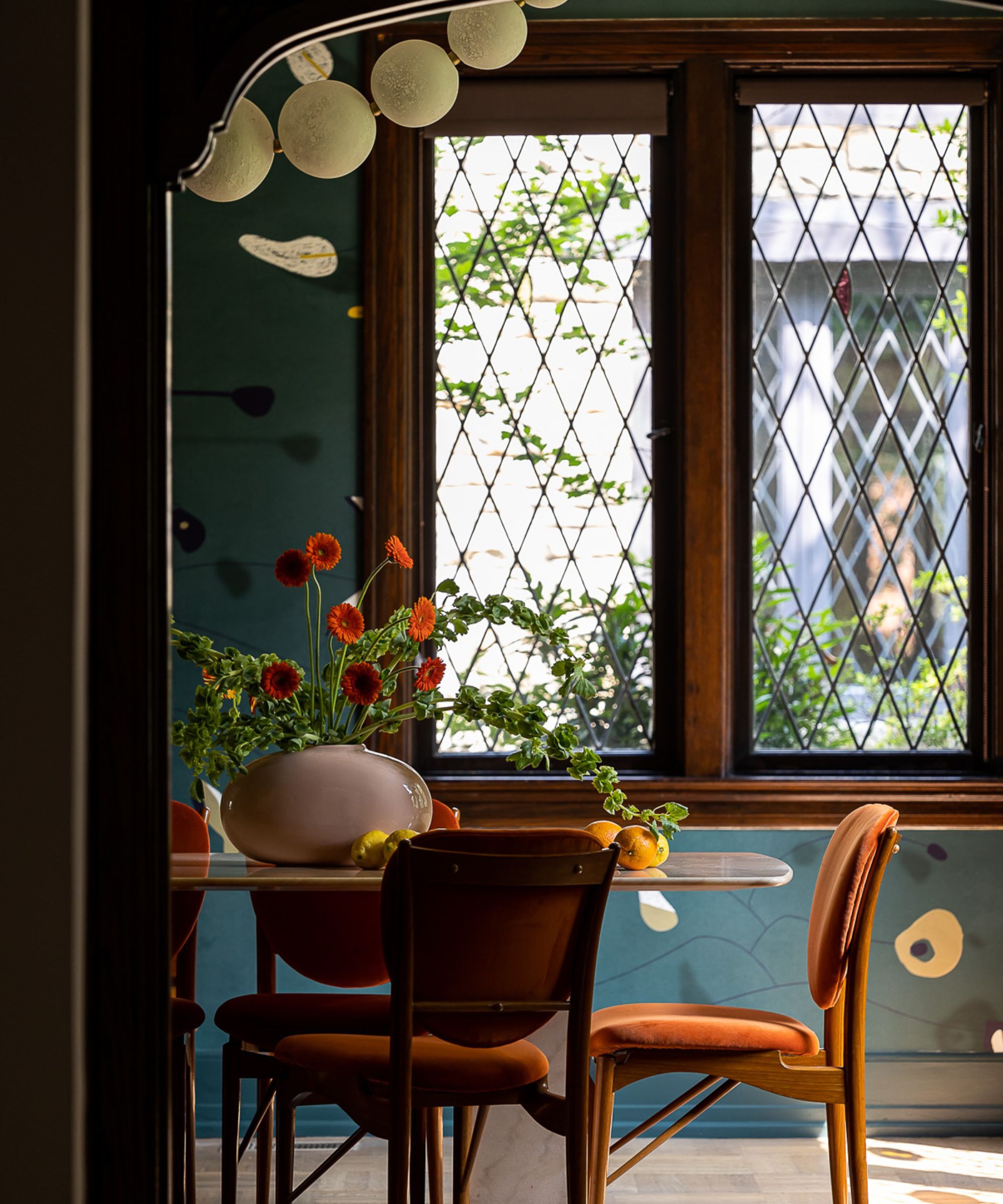
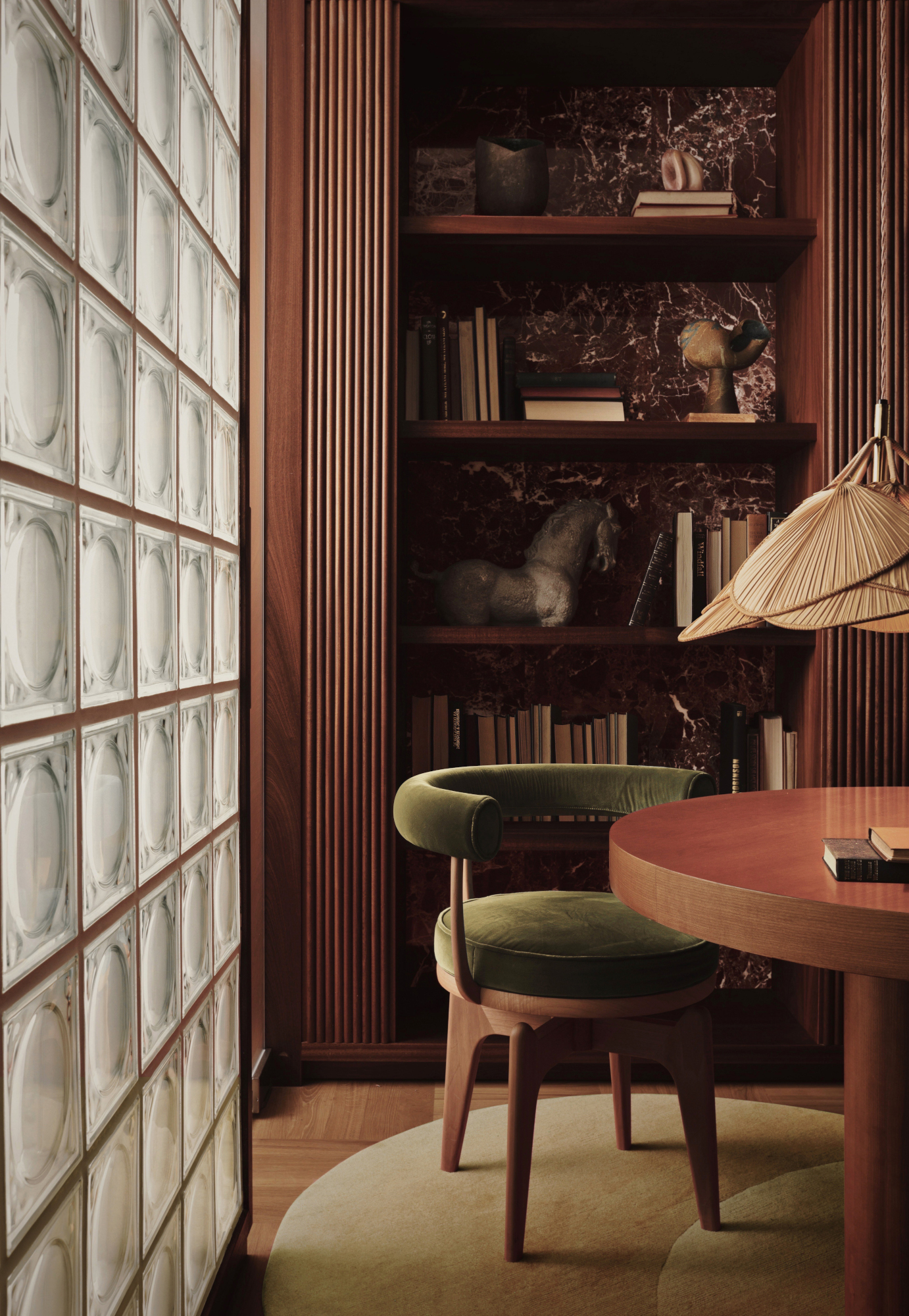
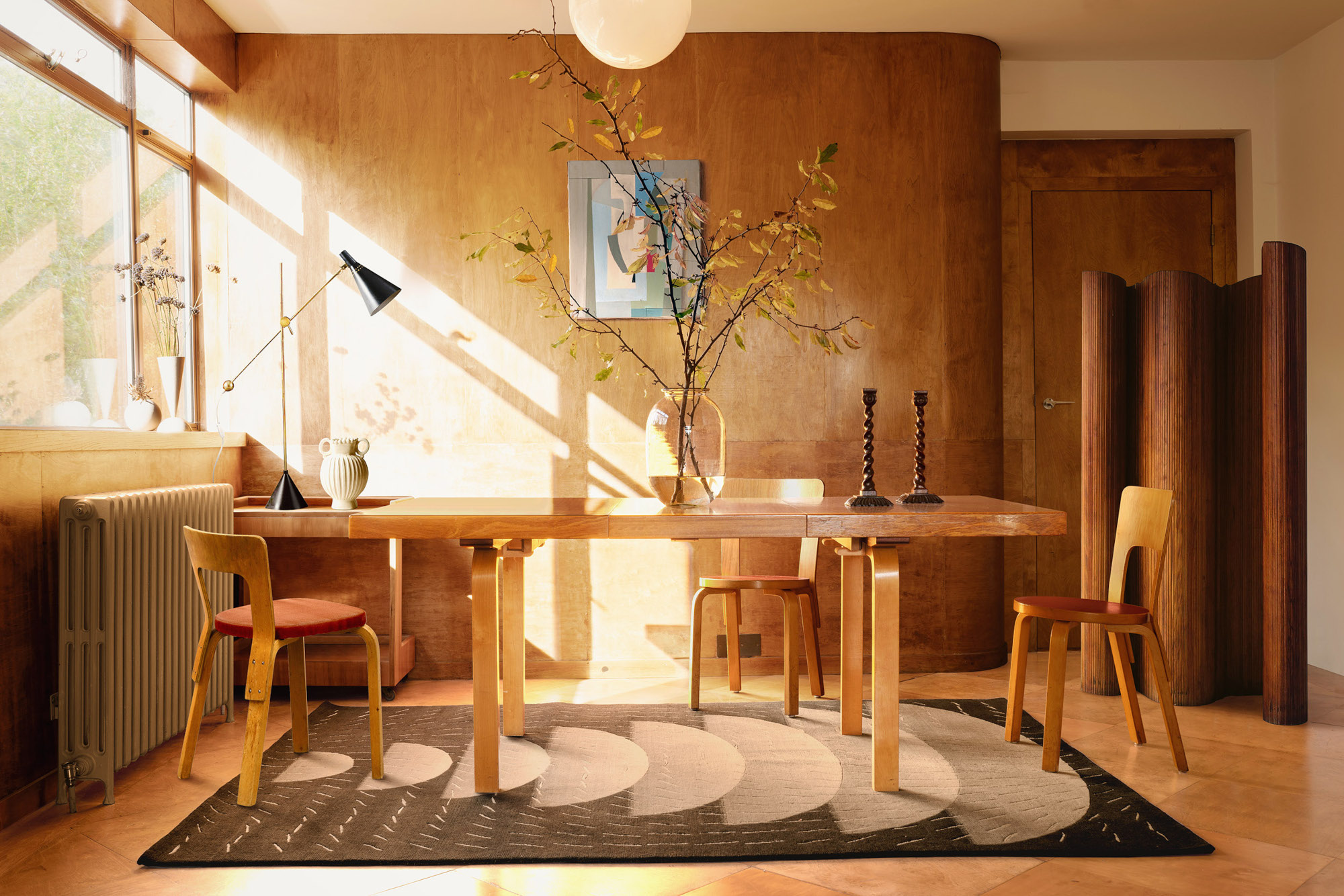
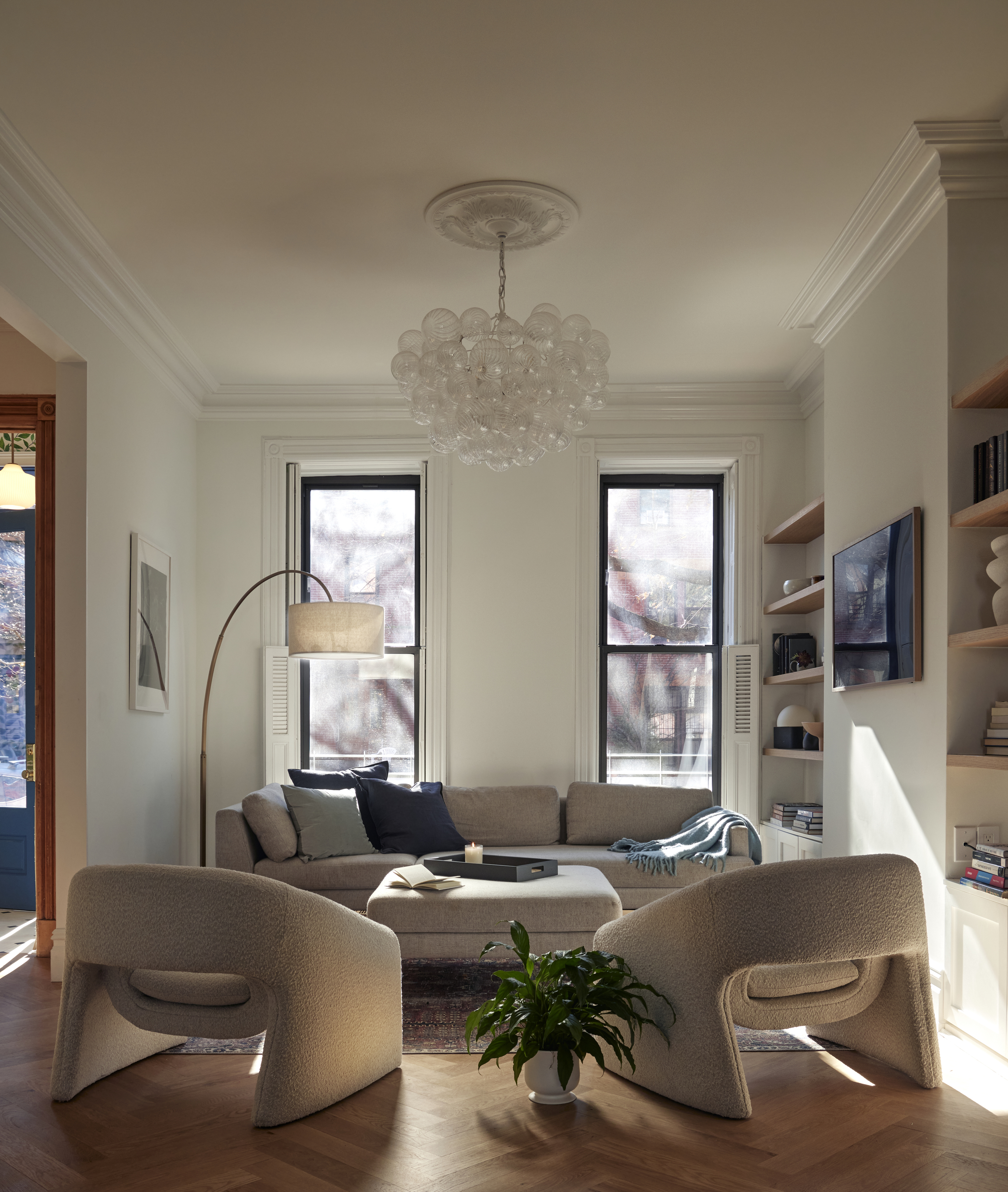
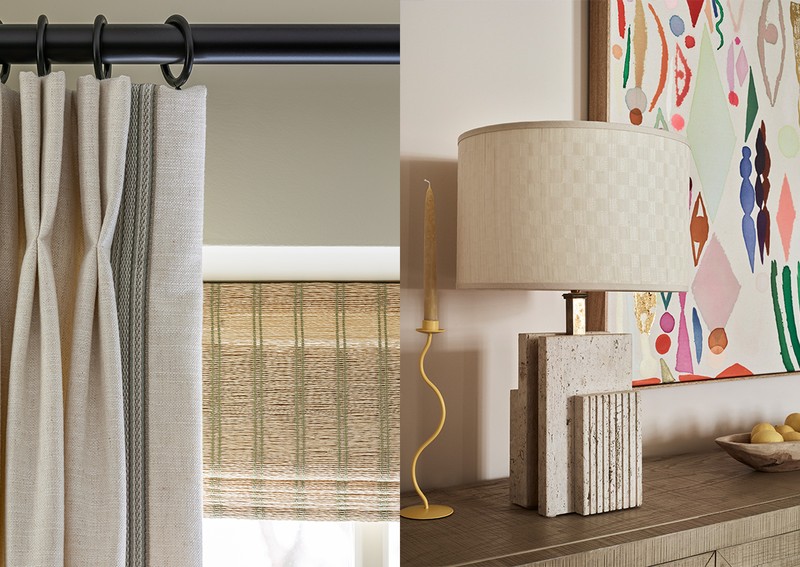
Mixing wood tones can be complex due to the need to manage tonal differences. Eisenhart explains that while contrasting woods like white oak and walnut work well together because of their distinct characteristics, woods that are too similar, such as white oak and weathered oak, might fall flat. The goal is to achieve a varied yet harmonious look. In one of her dining room designs, she utilized woods with similar tones but introduced diverse textures, which brought significant character to an otherwise monochromatic scheme.
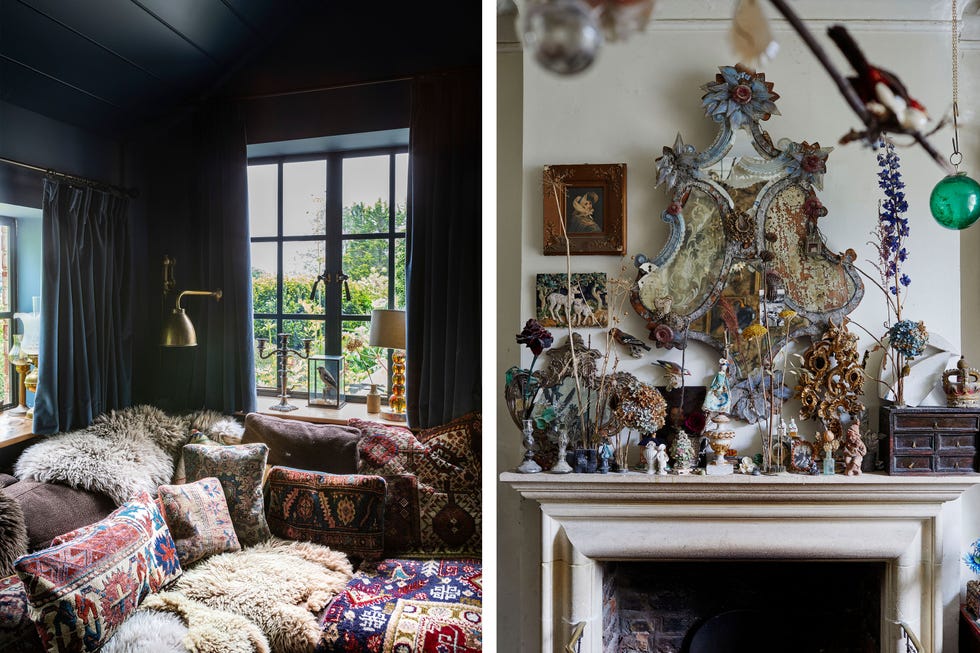
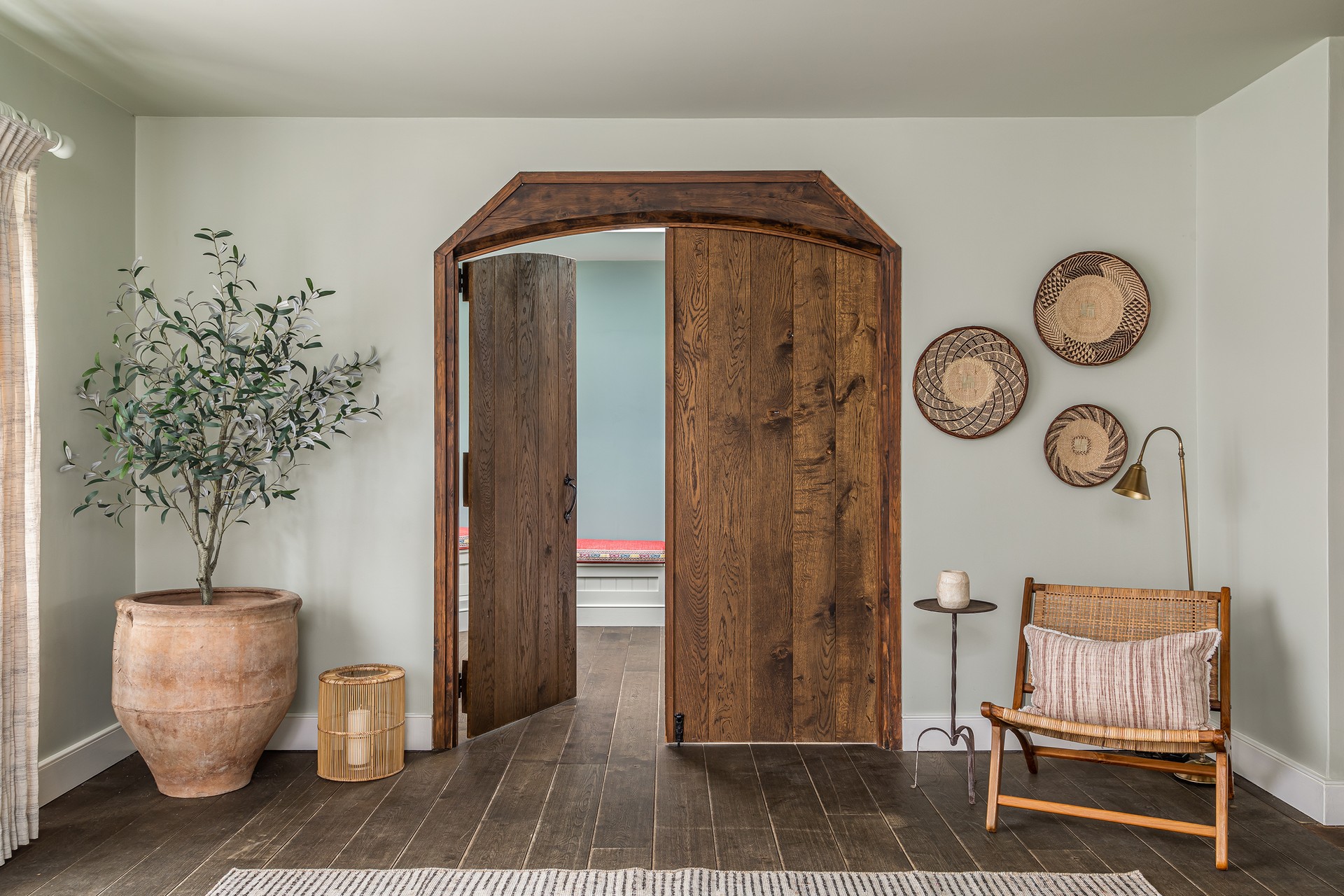
When it comes to specific combinations, Eisenhart often relies on instinct but finds that white oak and walnut are particularly effective partners. A crucial aspect of her method is ensuring that no single wood tone stands in isolation; every wood piece should have a 'companion' within the room. For example, in her own home, to integrate a rich walnut piano with oak floors, she added a piano stool in a matching walnut tone to bridge the two elements seamlessly. This prevents any single wood from appearing out of place. Her advice extends to incorporating vintage wood, which often has redder undertones. She suggests pairing vintage pieces with other items in similar or identical wood tones to create a cohesive look. In her bathroom example, framing wall art in walnut wood served to unify the vintage stool with the overall design.
However, Eisenhart draws a clear line at mixing warm and cool-toned woods. She strongly advises against combining warm woods, such as reddish walnuts, cherries, and sunny yellow oaks, with cool, ashy, or gray-tinged woods like ash and maple. She believes these distinct palettes should generally be kept separate to maintain harmony. For spaces with popular oak floors, she recommends incorporating walnut, ensuring it constitutes about 20% of the furniture to create a balanced look. Alternatively, for a minimalist aesthetic with oak floors, varying the texture of the oak—such as combining raw oak with varnished or glossily finished pieces—can introduce subtle yet impactful dimension. Ultimately, mixing woods requires thoughtful consideration and experimentation, but following these guidelines can lead to profoundly rich and elegant interior spaces.
#InteriorDesign #WoodTones #HomeDecor #GabrielaEisenhart #SiloStudios #DesignTips #CuratedSpaces #VintageDecor #OrganicModern #InteriorDesign #WoodTones #HomeDecor #GabrielaEisenhart #SiloStudios #DesignTips #CuratedSpaces #VintageDecor #OrganicModern
0 comment in total
 No comments yet
You may also like
5 rules of thumb for mixing wood tones around your home, shared by interior designers

How to Combine Colors and Textures in Interior Decor

Designers Have a New Clever Shortcut To Make Rooms Look More Rich — 5 Spaces That Nail the Look

Why Your Room Feels 'Off'—6 Designer Rules for Perfecting Furniture Scale and Proportion
How to combine colour, pattern and texture without making a complete mess of things
How to Successfully Mix Bold Colors in Your Home Like an Interior Designer
Choose contrasting color schemes for a more powerful effect
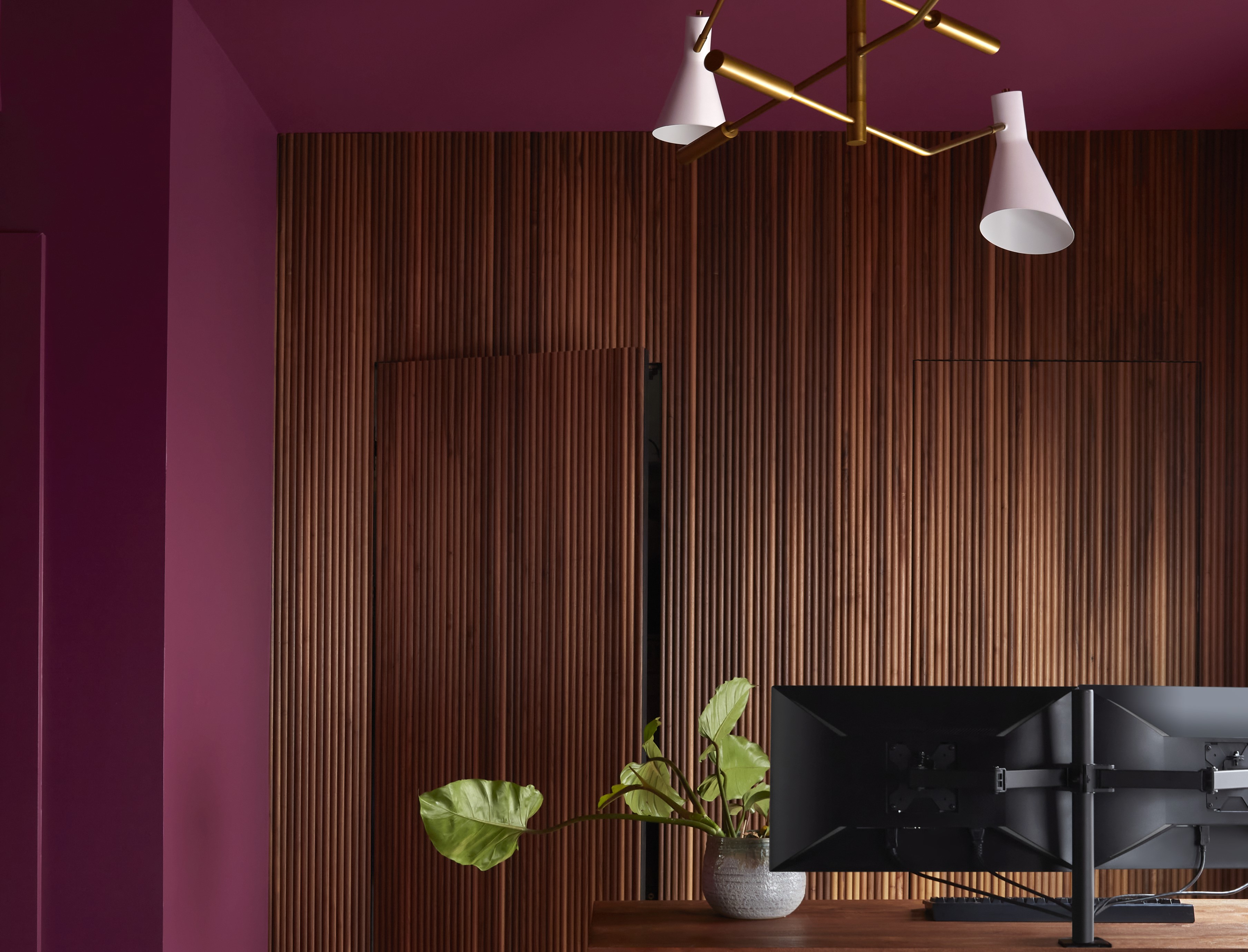
Paint Colors That Go With Natural Wood — 10 Picks That Bring Out the Beauty of This Organic Material
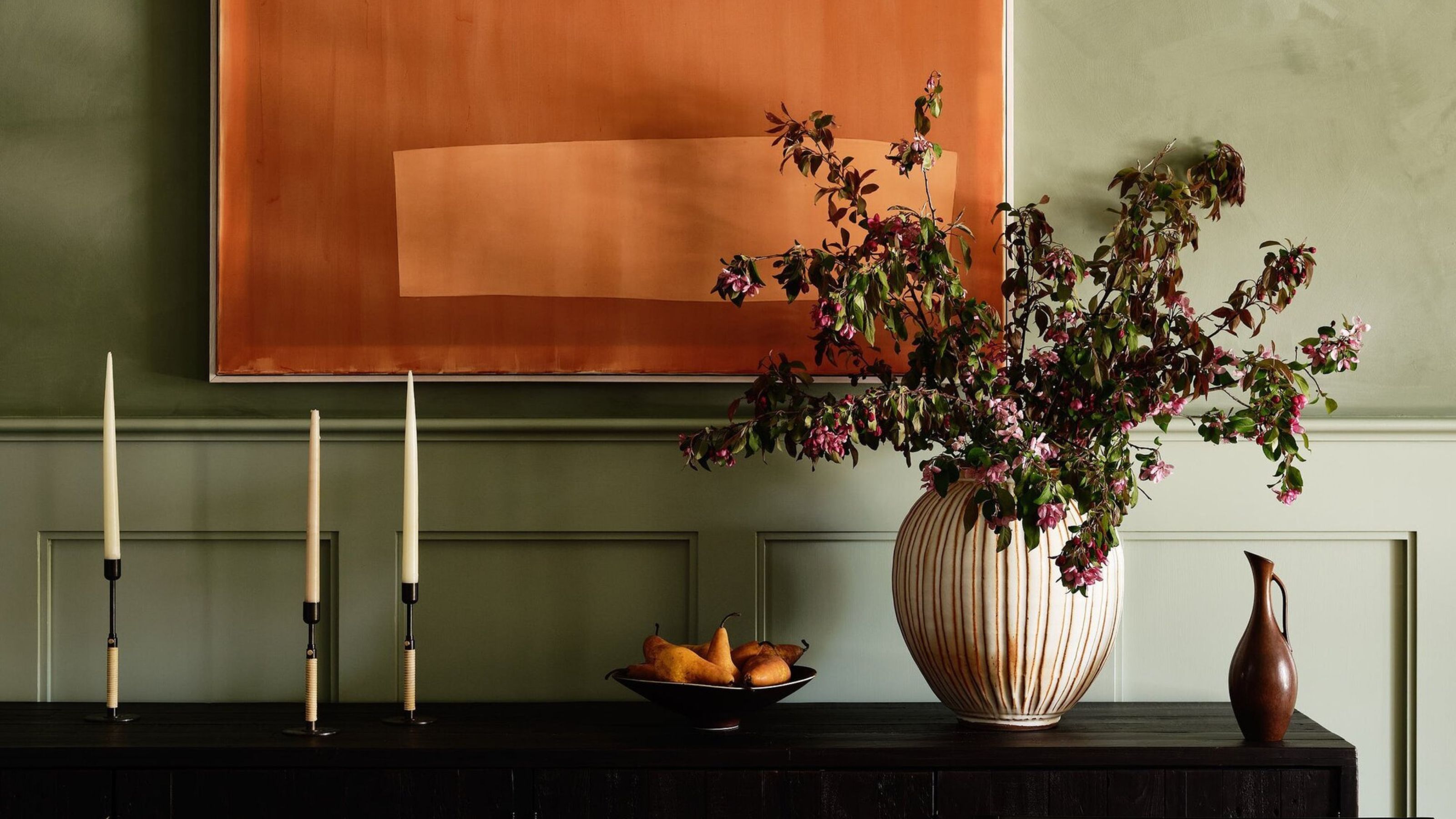
How to Make Orange and Green Work Together — It Can Be "Dynamic and Joyful", but Only If You Get It Right
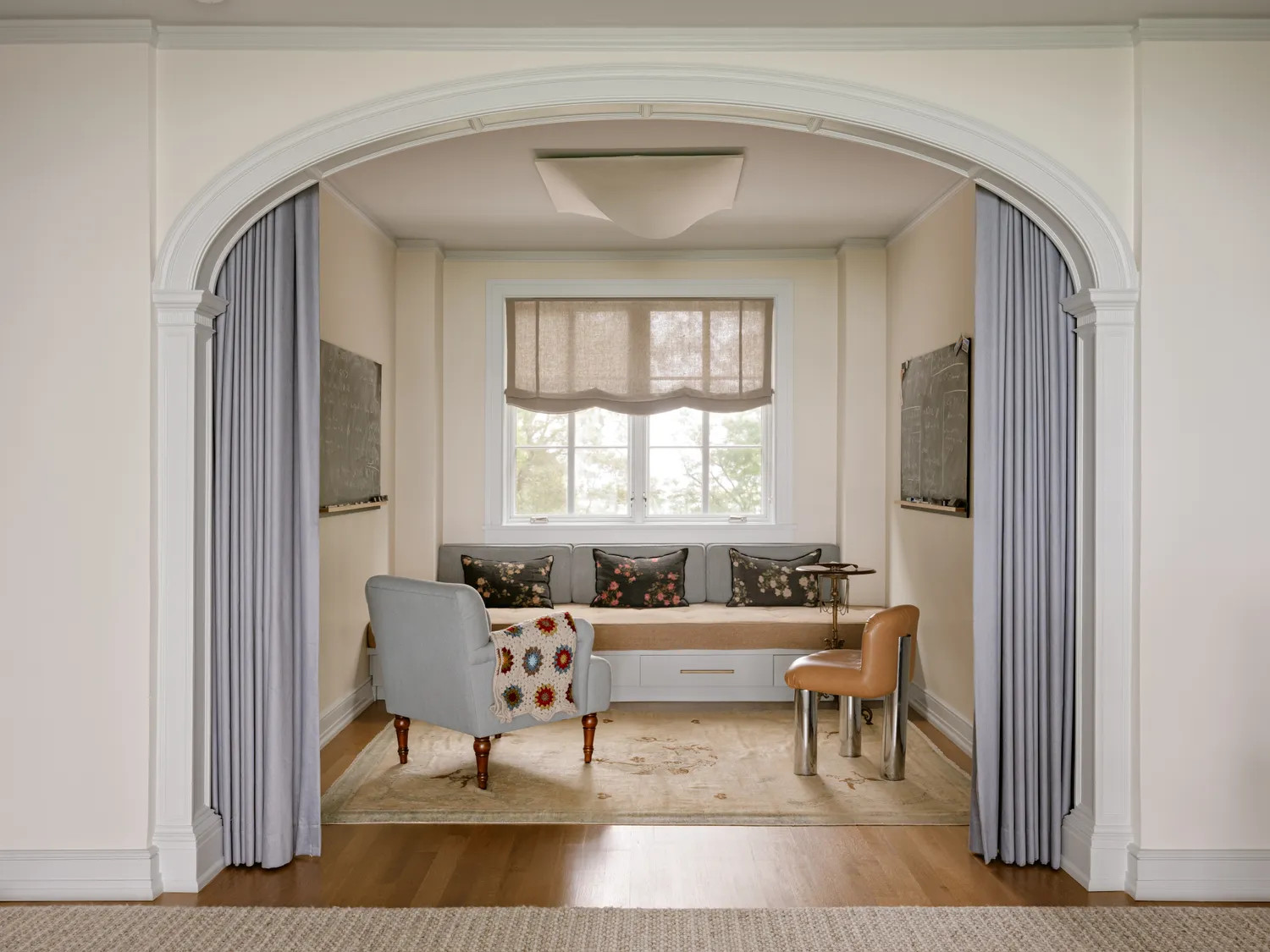
How To Mix Antique And Modern Furniture Without Making It Look Mismatched
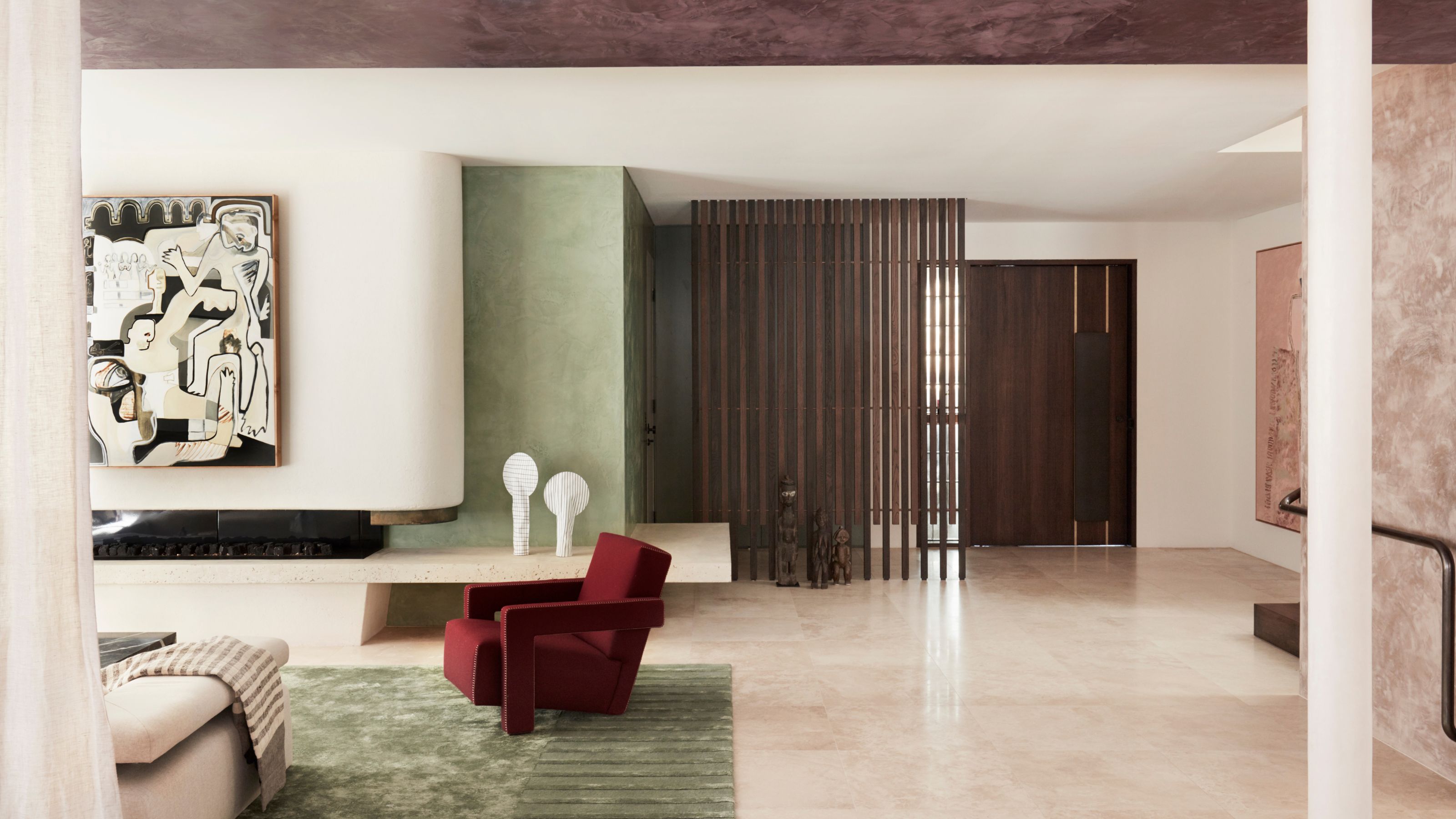
'The World of Color is Rife With Danger' — 5 Color Combinations That Don't Go Together and What to Use Instead
15 ways to add color to your home, according to interior designers
Can You Mix and Match Wood Furniture? What Designers Actually Think of the Trend

Should woodwork be lighter or darker than walls? The rules colour experts use to choose the perfect colour
Colorful room ideas – 15 vibrant spaces with daring decor
How To Add More Character & Interest To Your Home
Here's How to Pull Off an Eclectic Decorating Style

What color should you paint woodwork? Expert ways to factor this small yet impactful detail into color schemes
A case for clutter: Design tips for creating a busy and eclectic home
The No. 1 Paint Color to Avoid Pairing with Wood, According to a Designer