1/7
5 ways to nail the tri-color kitchen method, say designers
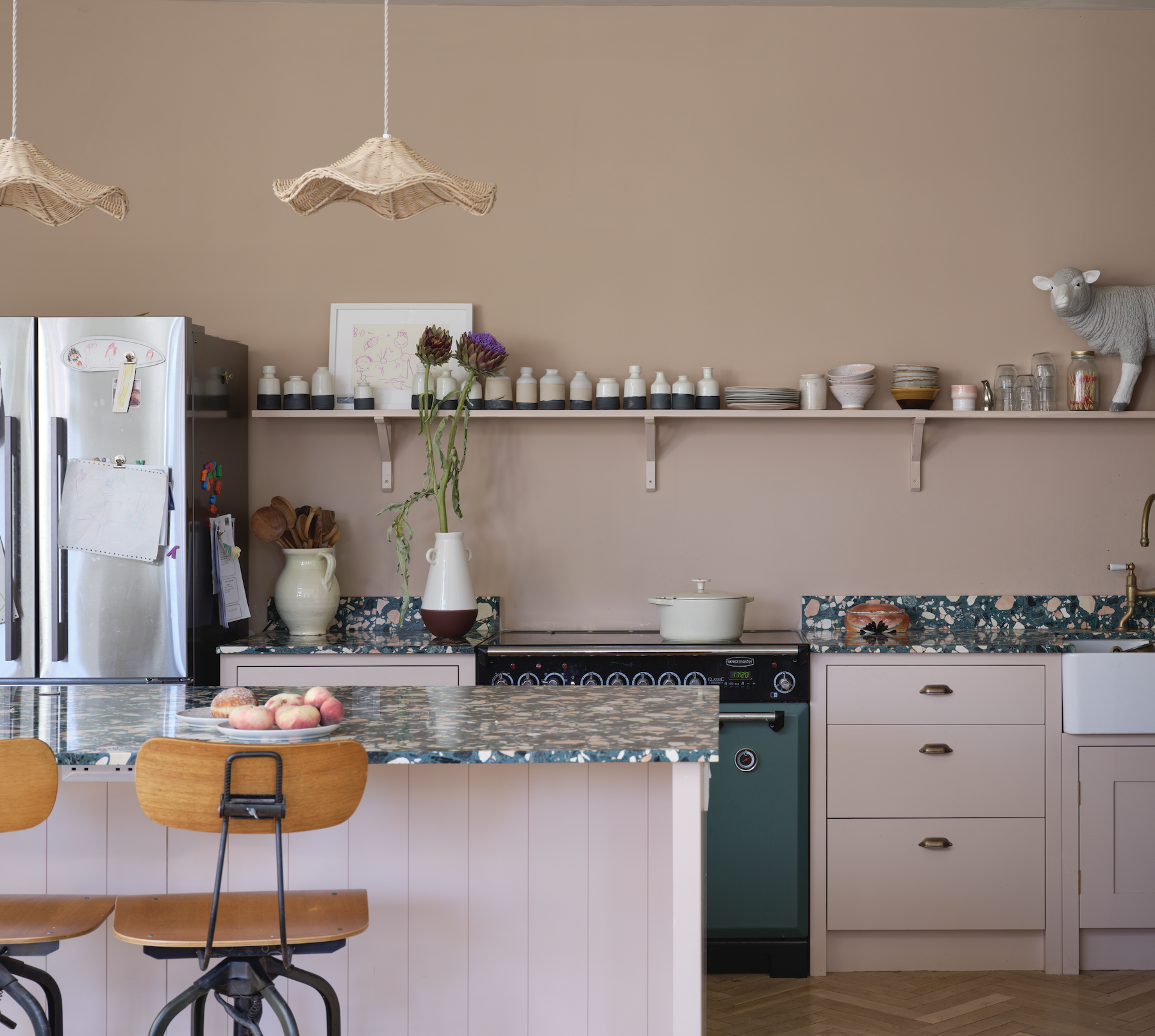
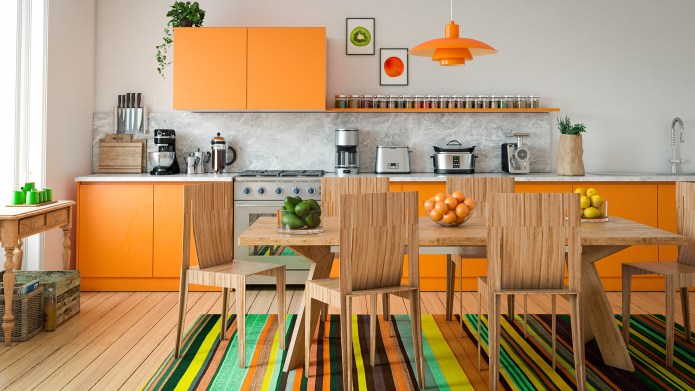
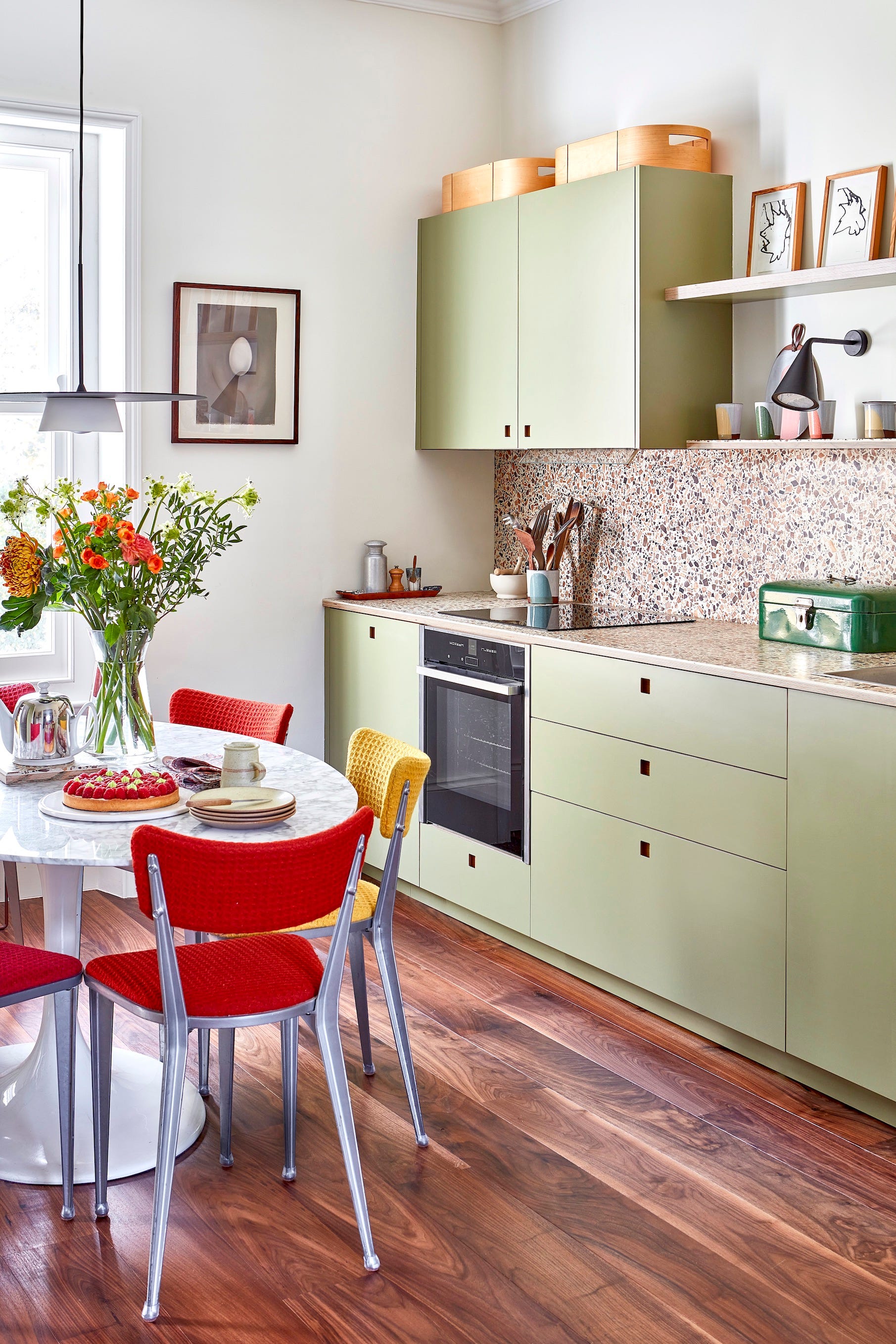
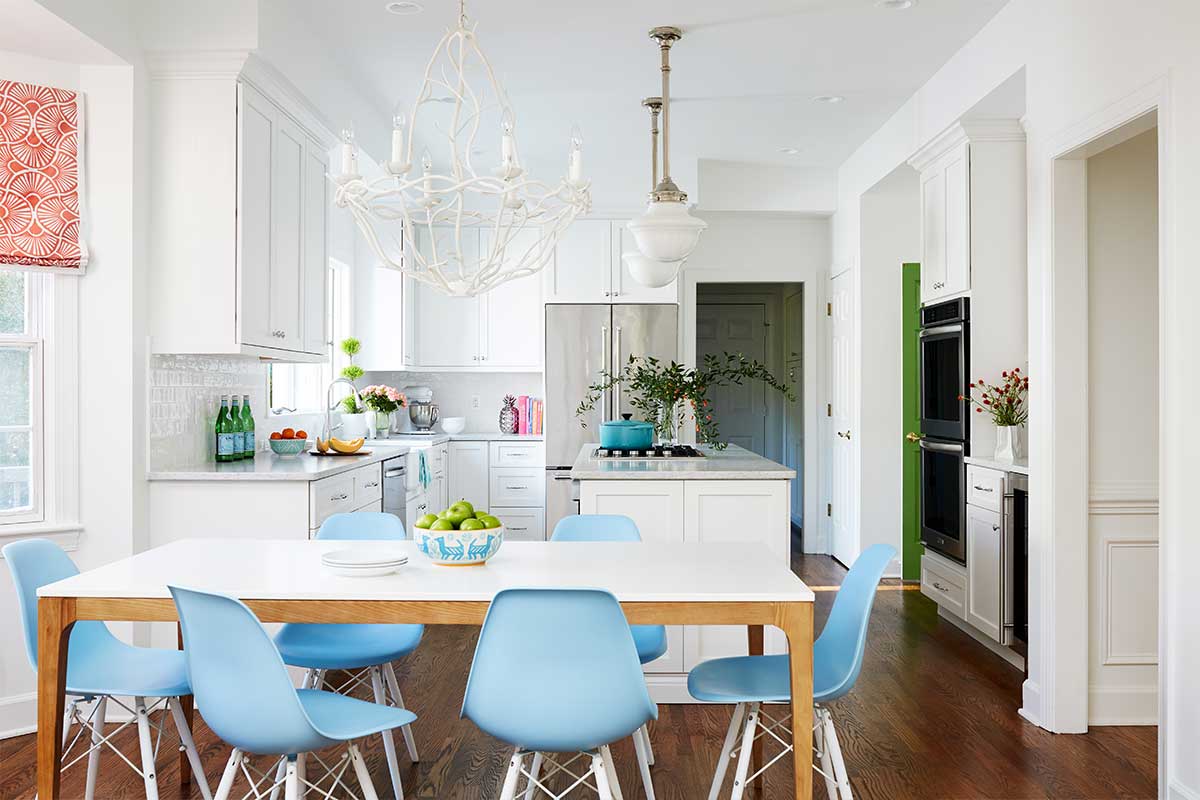
The article discusses the emerging trend of tri-color kitchens, which involves incorporating three distinct colors into a kitchen design to enhance visual interest, depth, and personality. This approach is presented as an evolution from two-tone kitchens, offering a more dynamic aesthetic regardless of whether bold or muted hues are chosen. Industry experts emphasize that this trend is not limited to vibrant designs but can also be effectively applied using pared-back or earthy tones for a more neutral yet engaging space. The primary goal of a tri-color kitchen is to create a unique and personalized environment that reflects individual style and preferences, moving away from monochrome or overly simplistic designs.
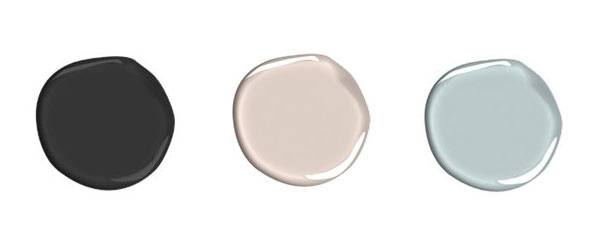
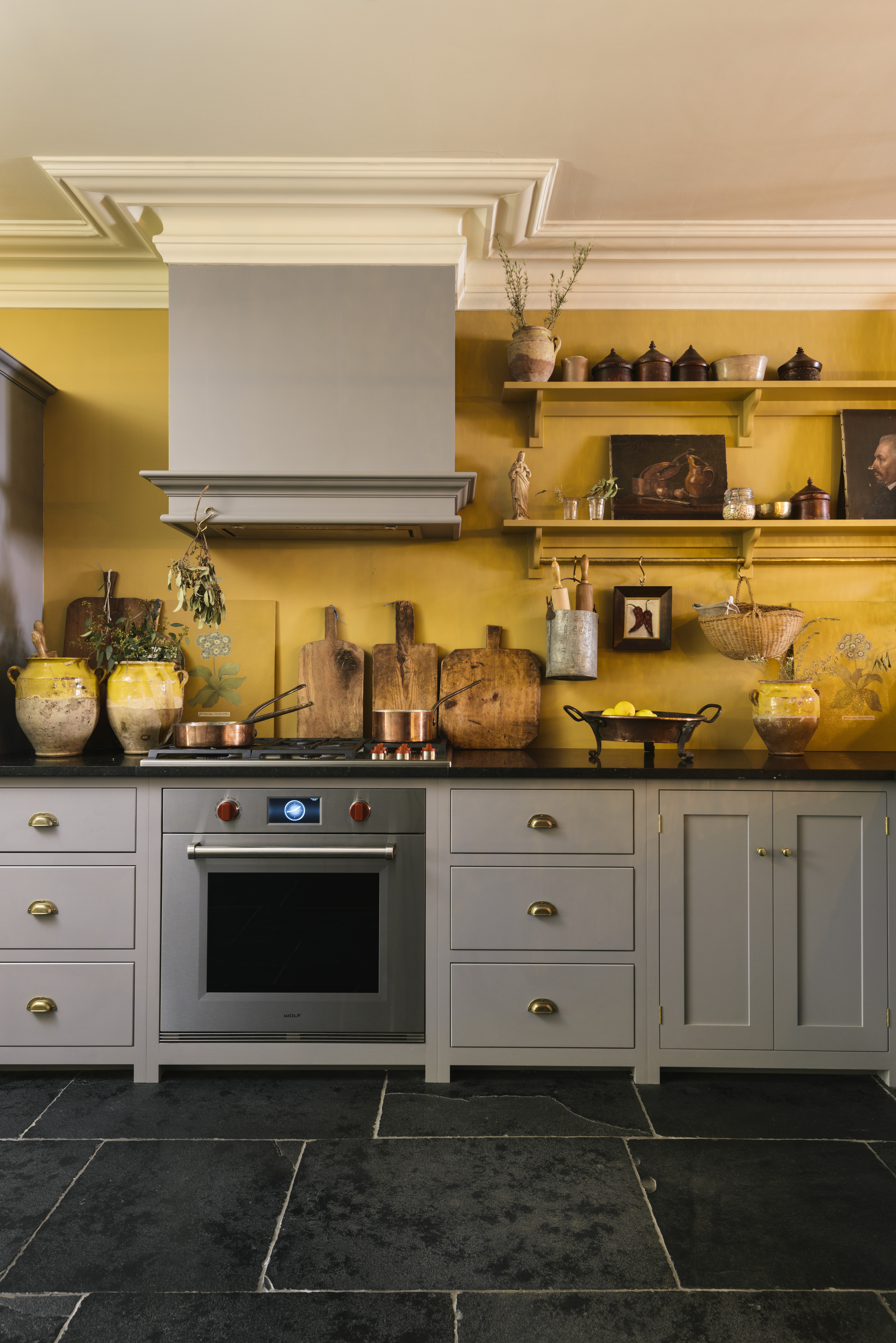
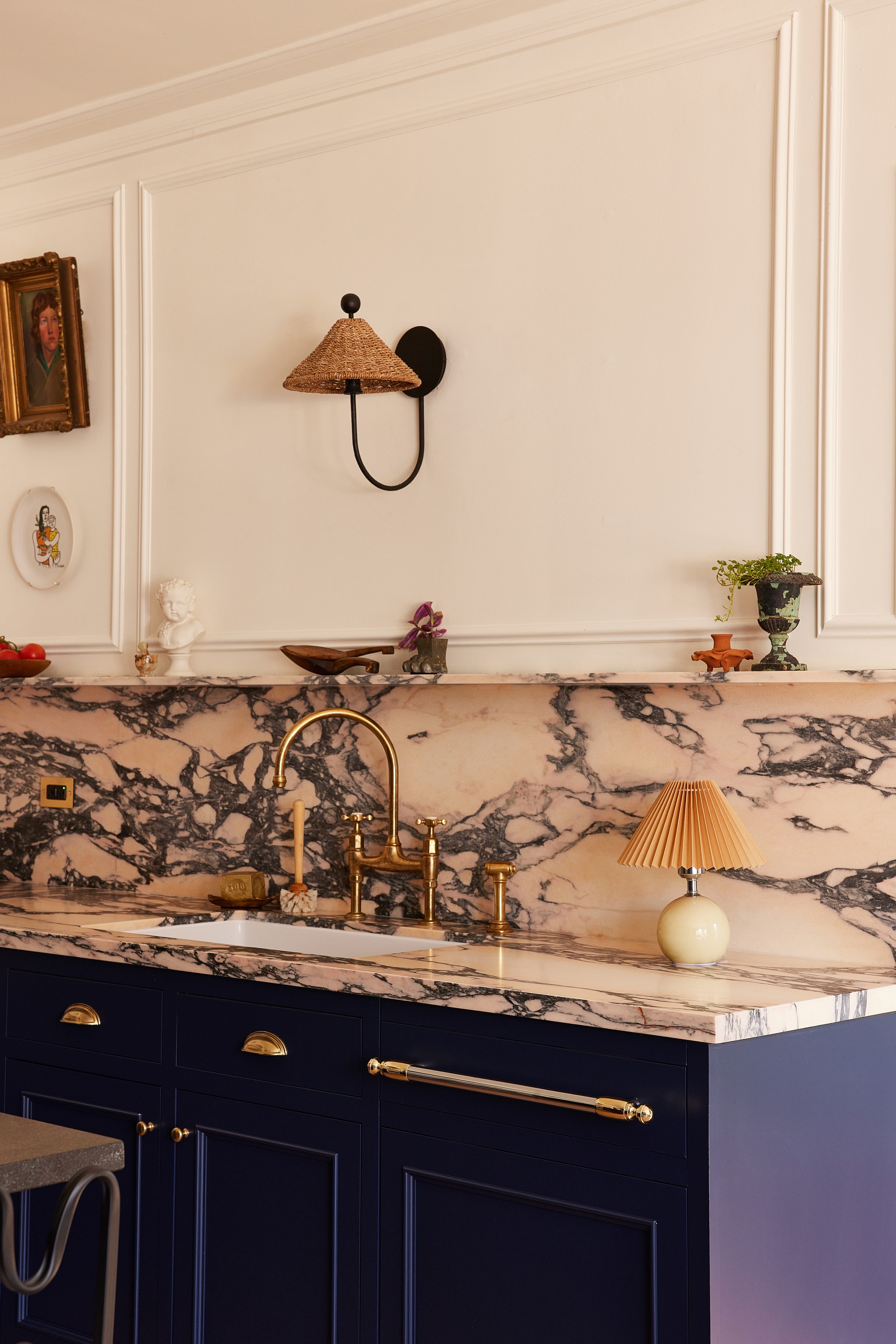
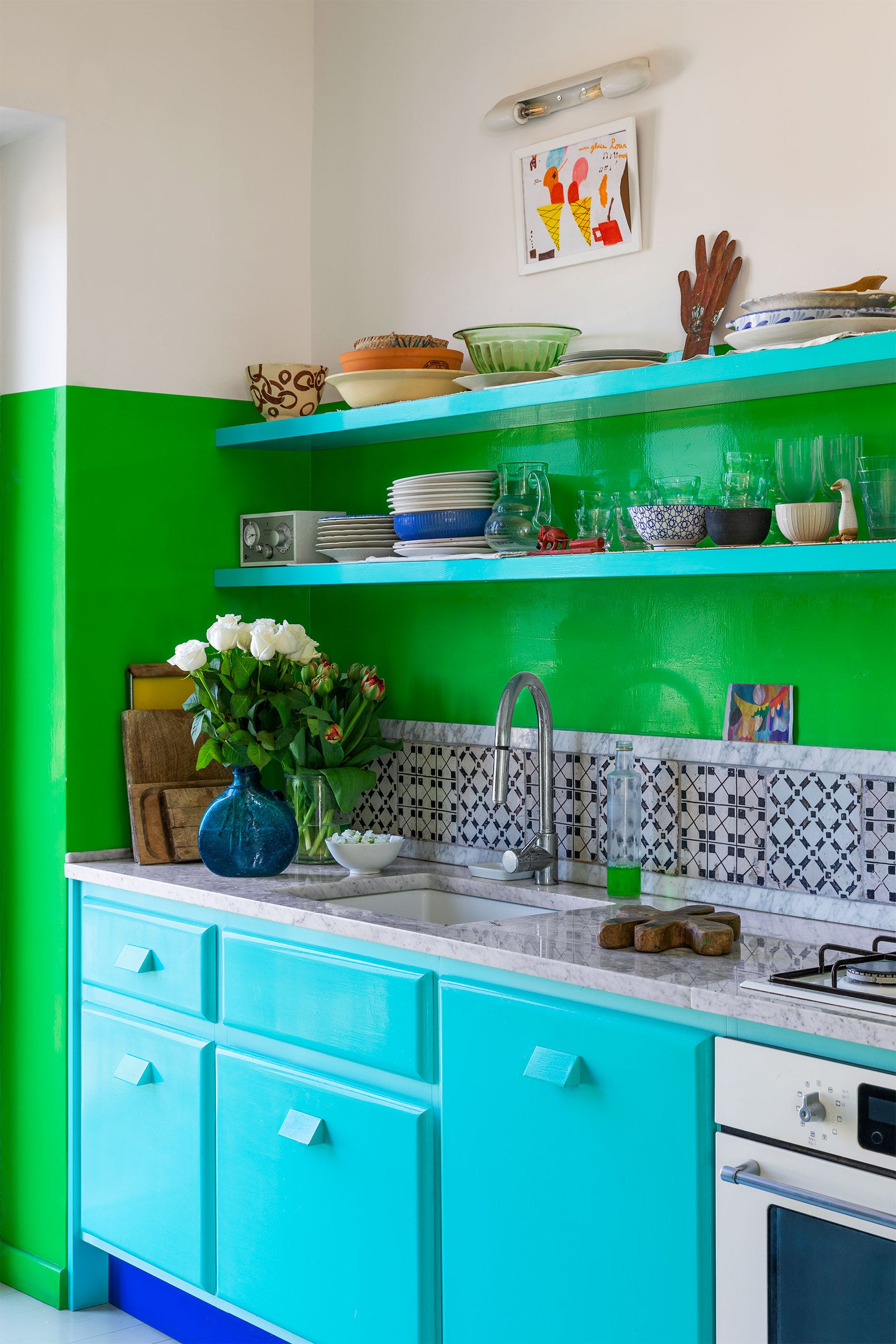
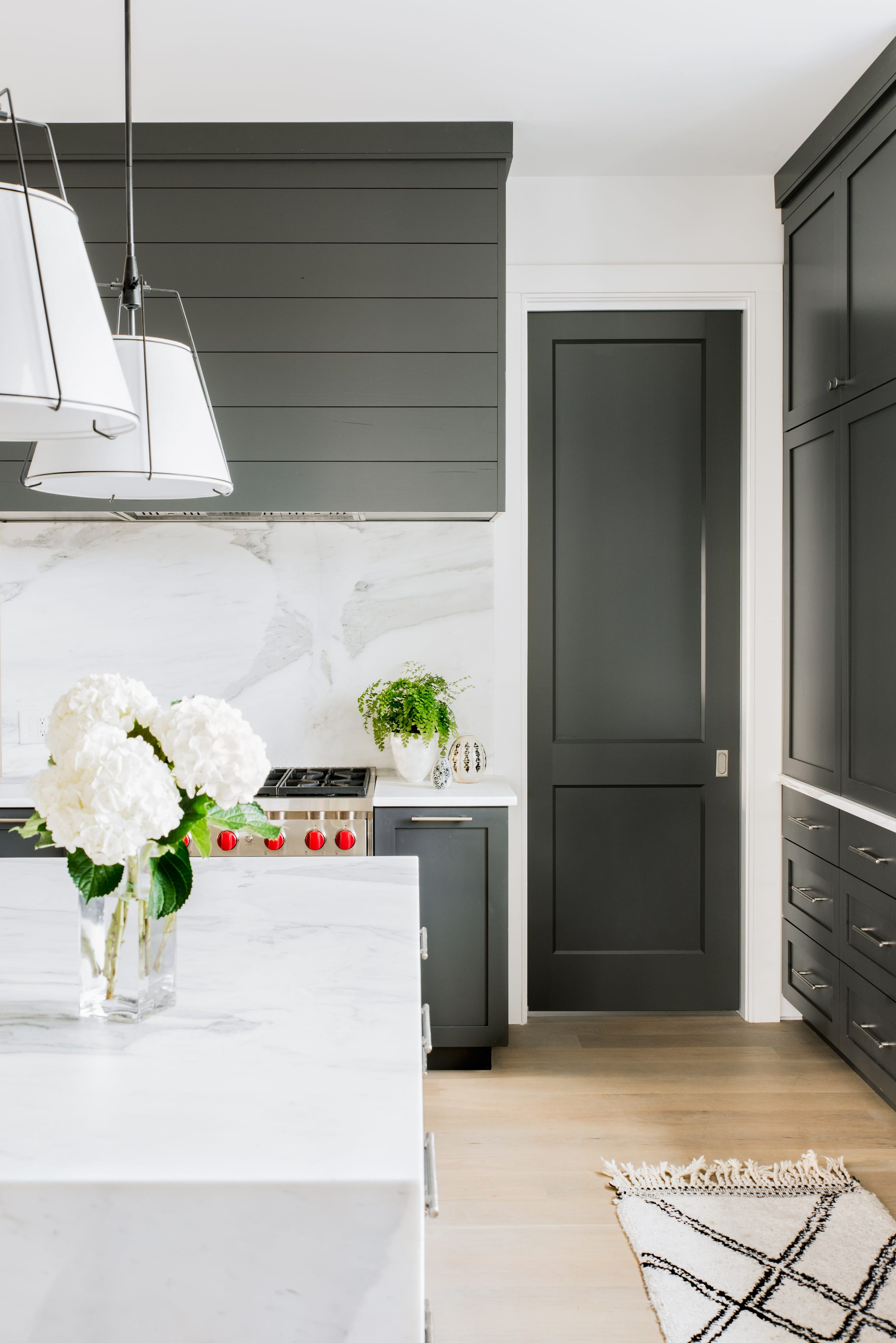
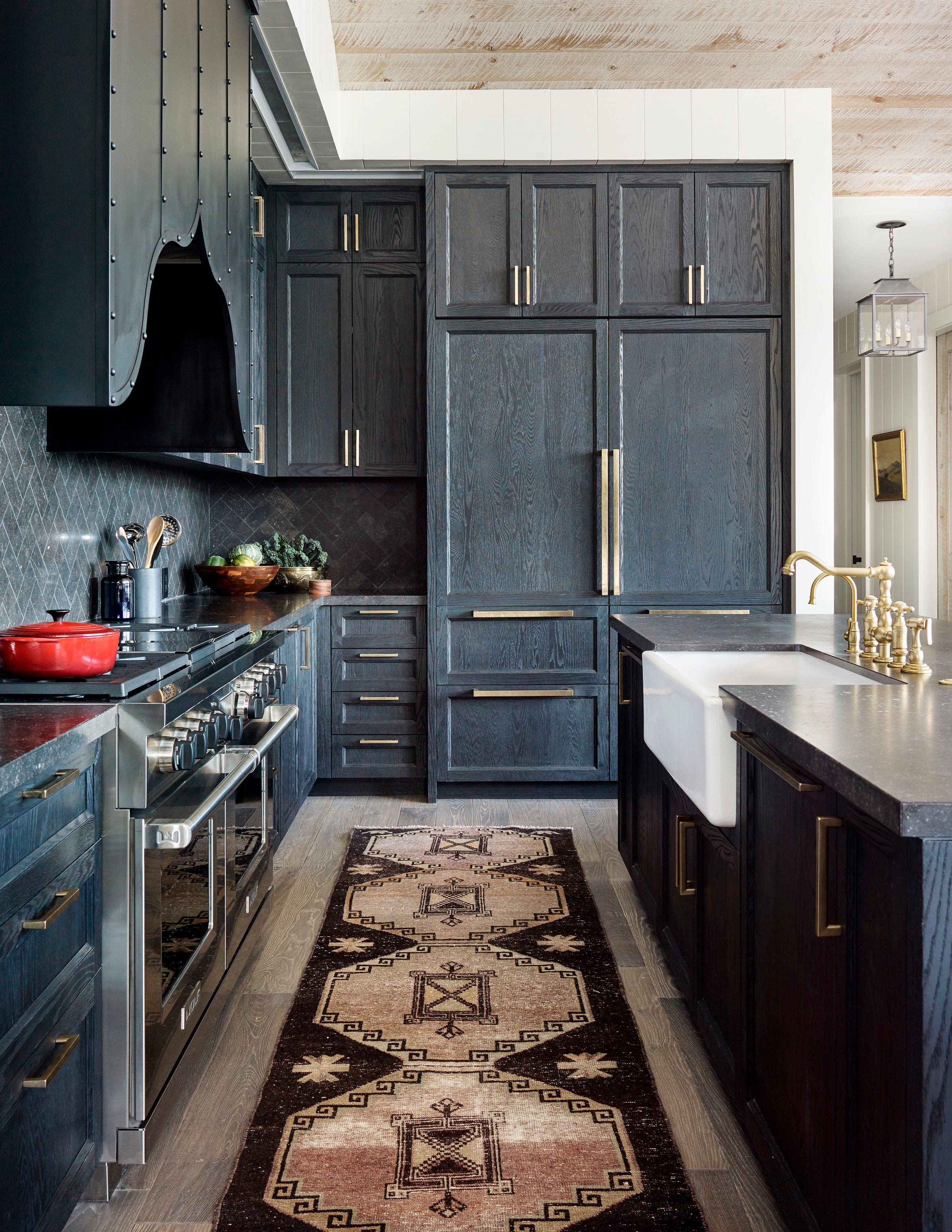
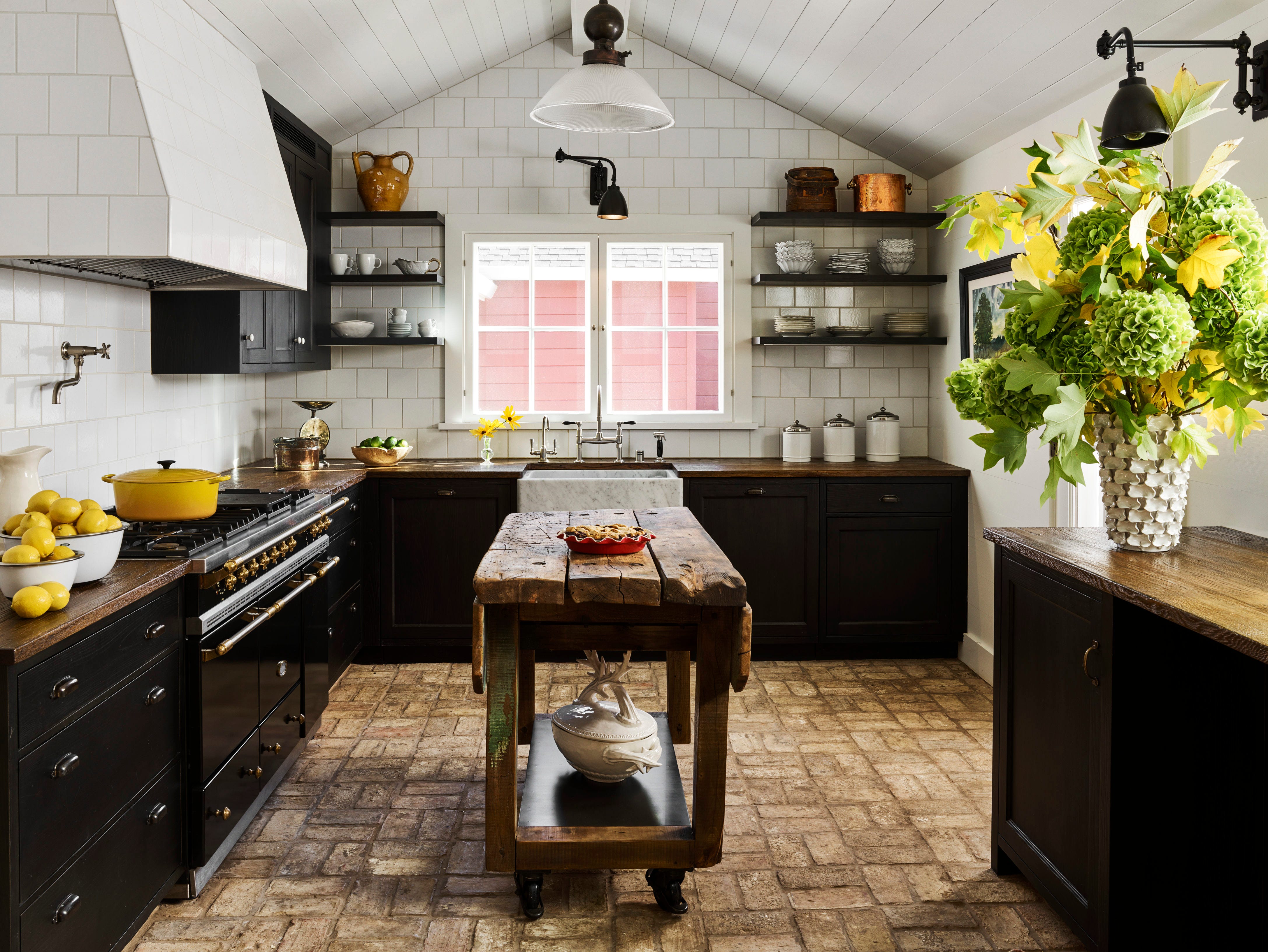
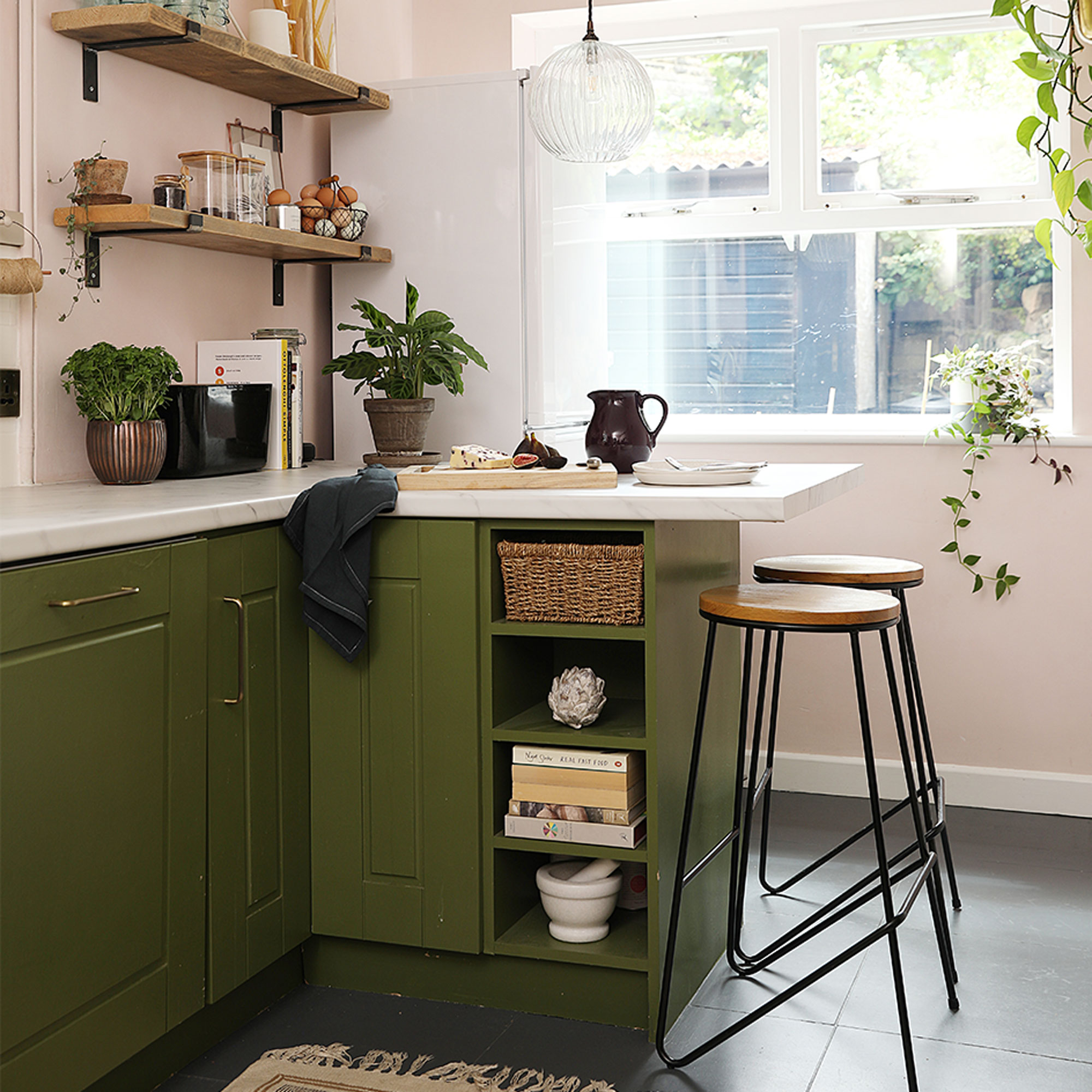
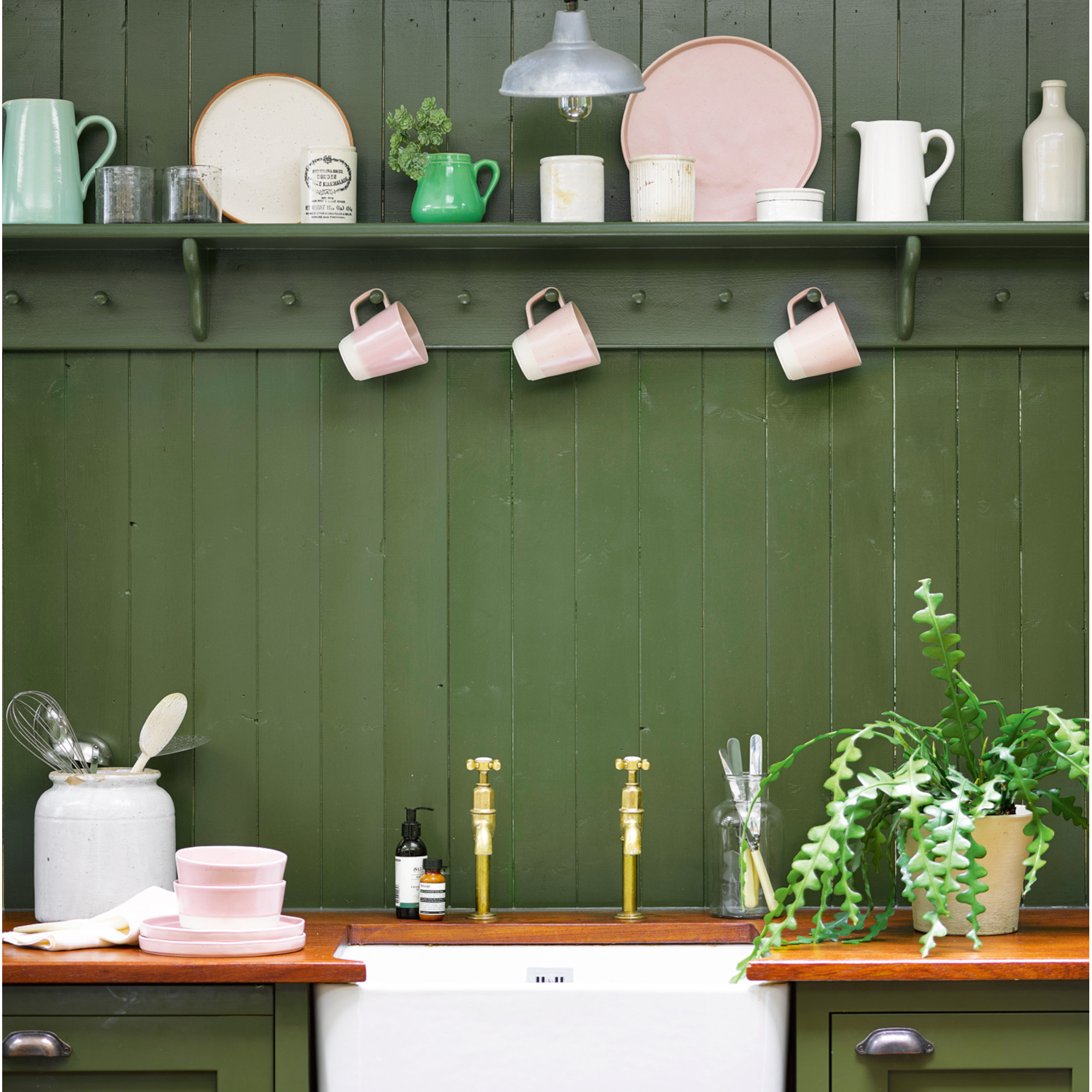
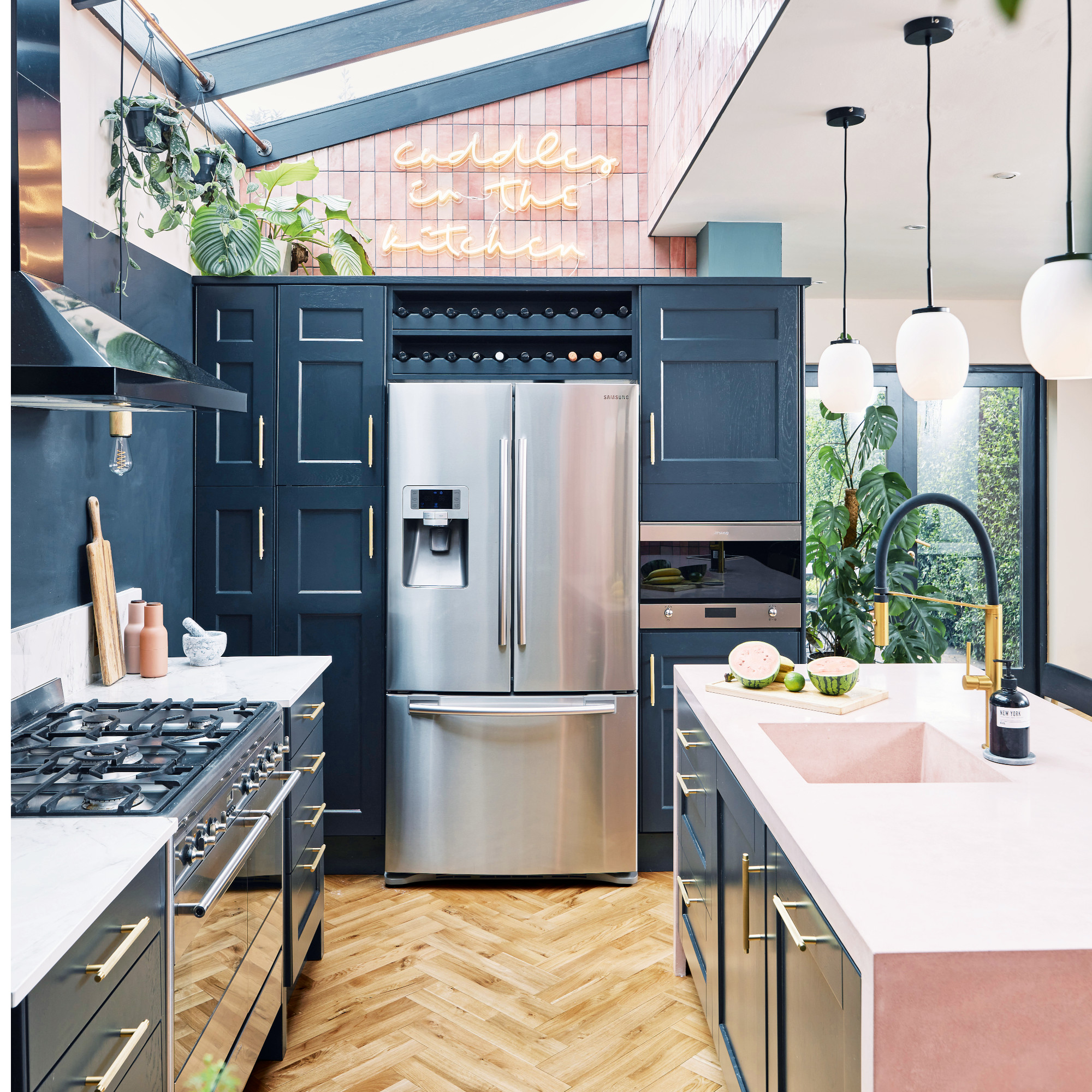
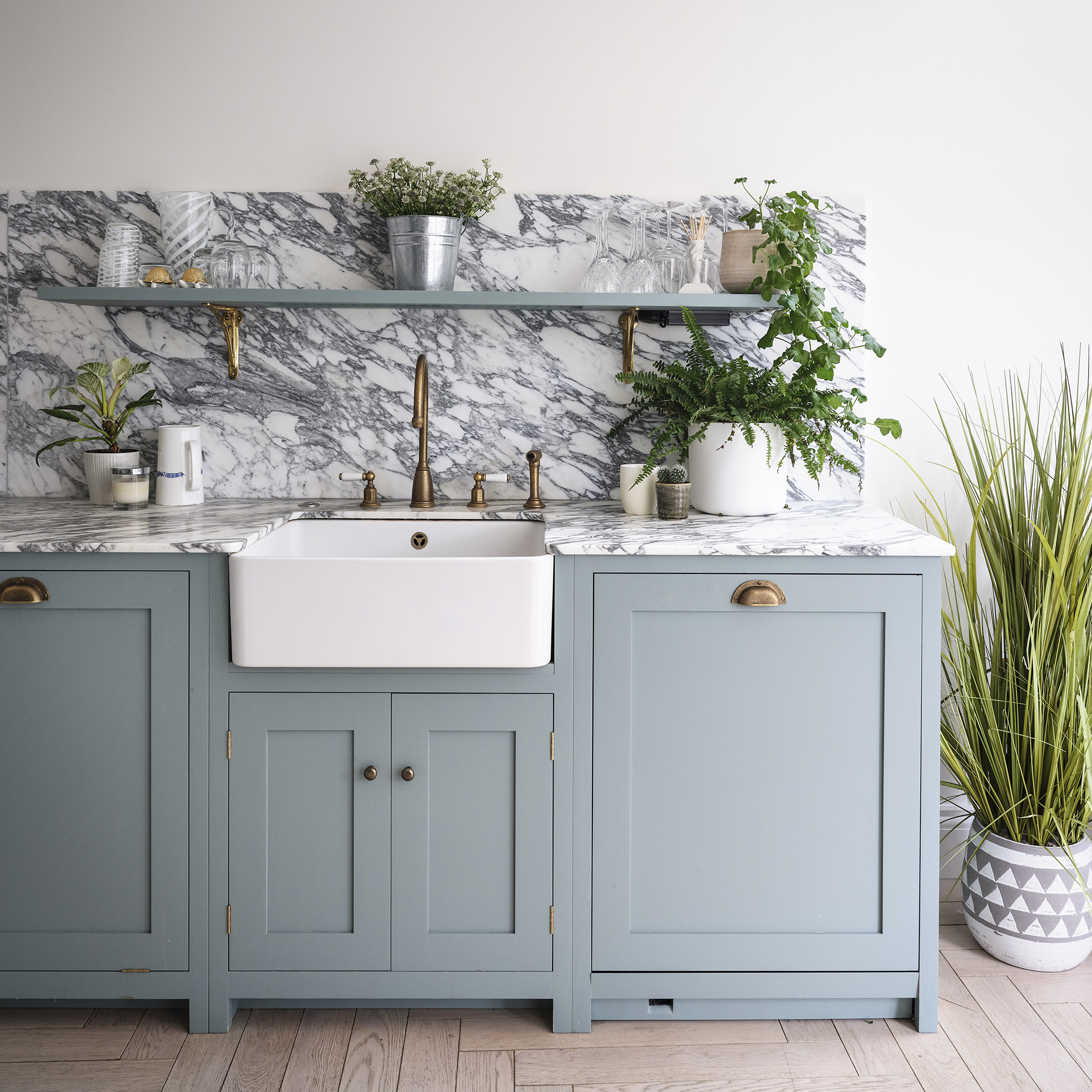
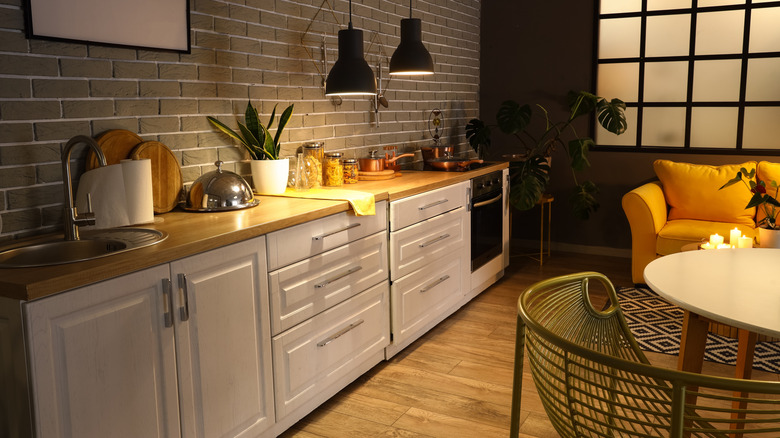
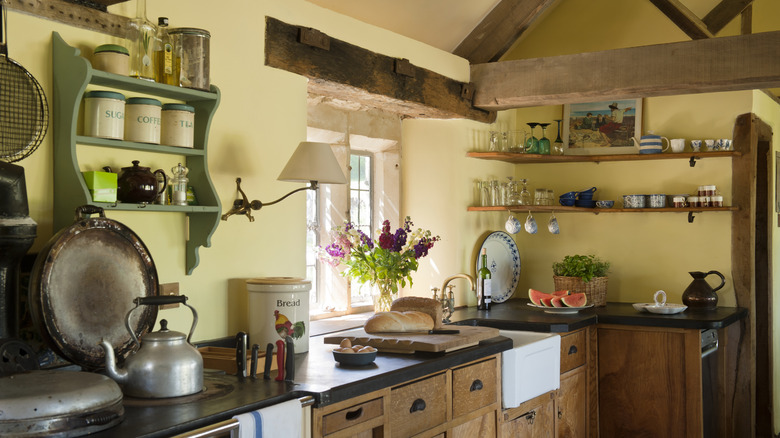

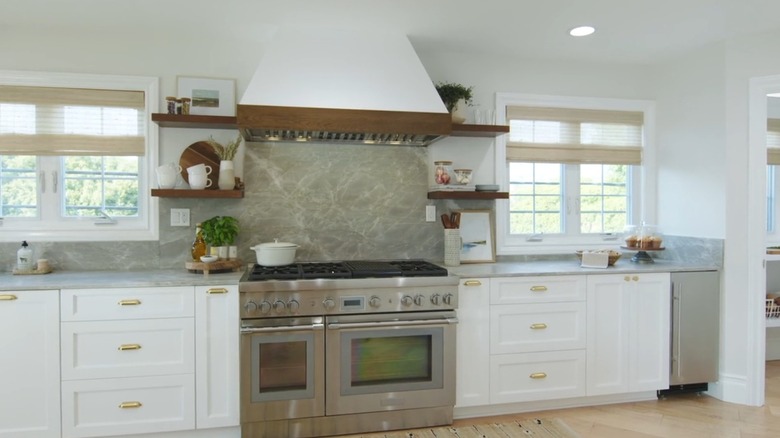
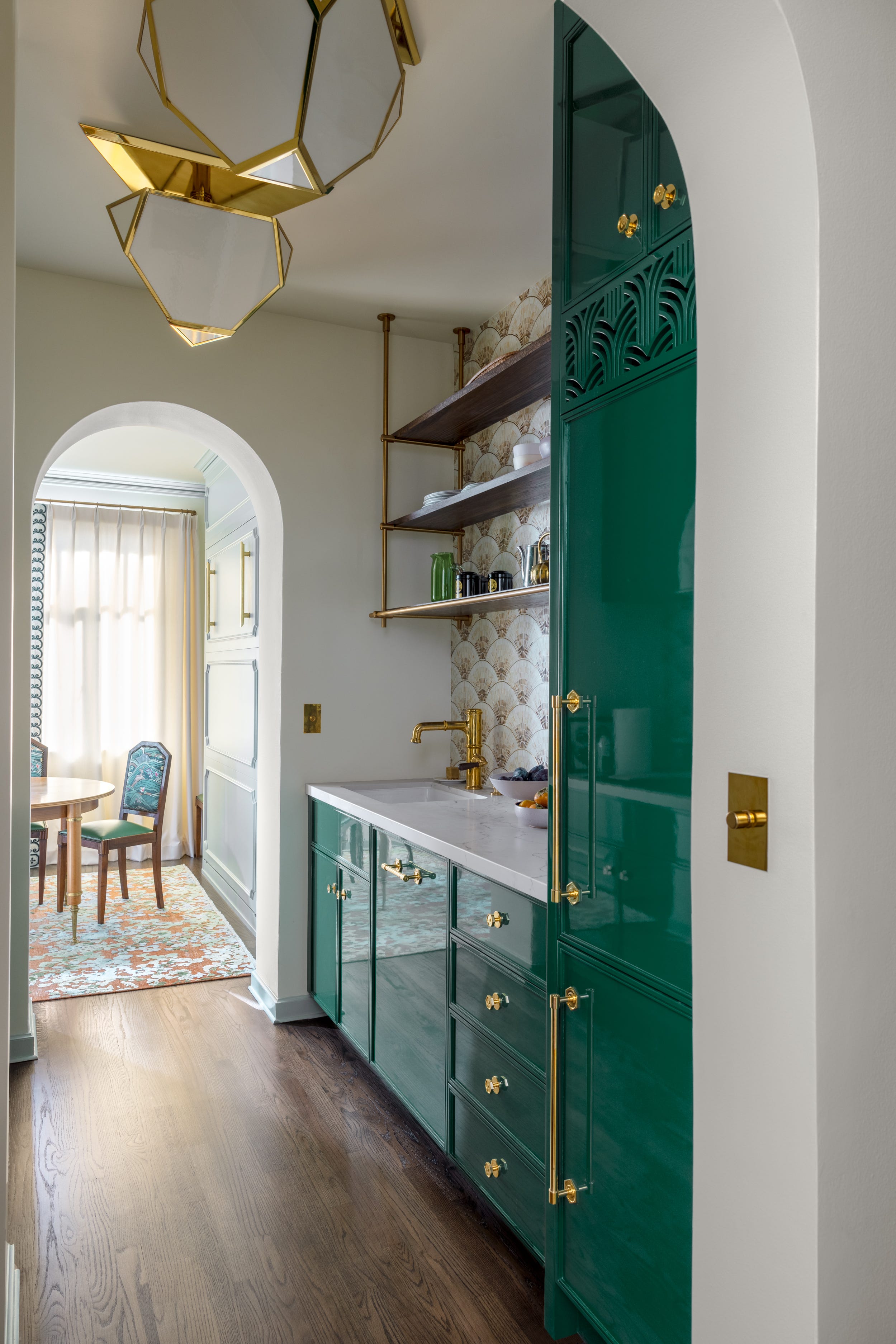
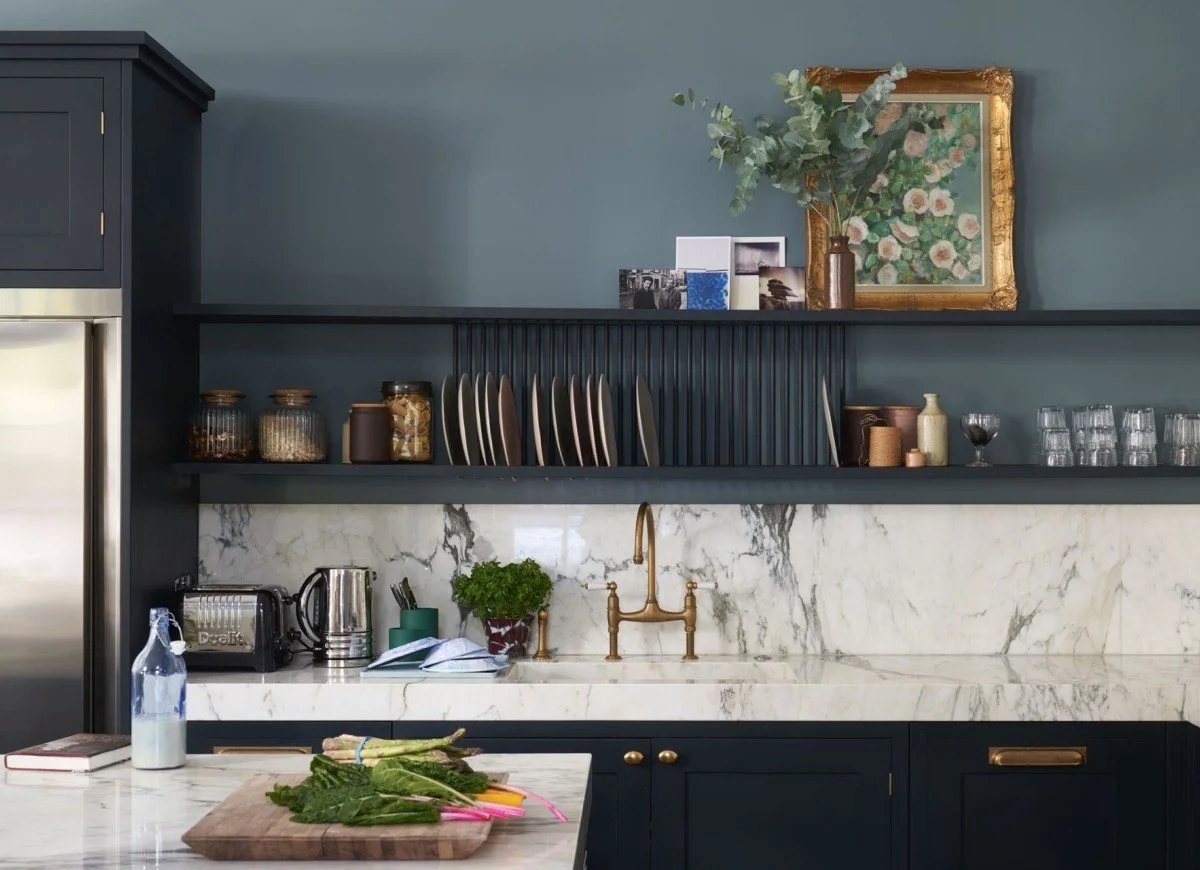
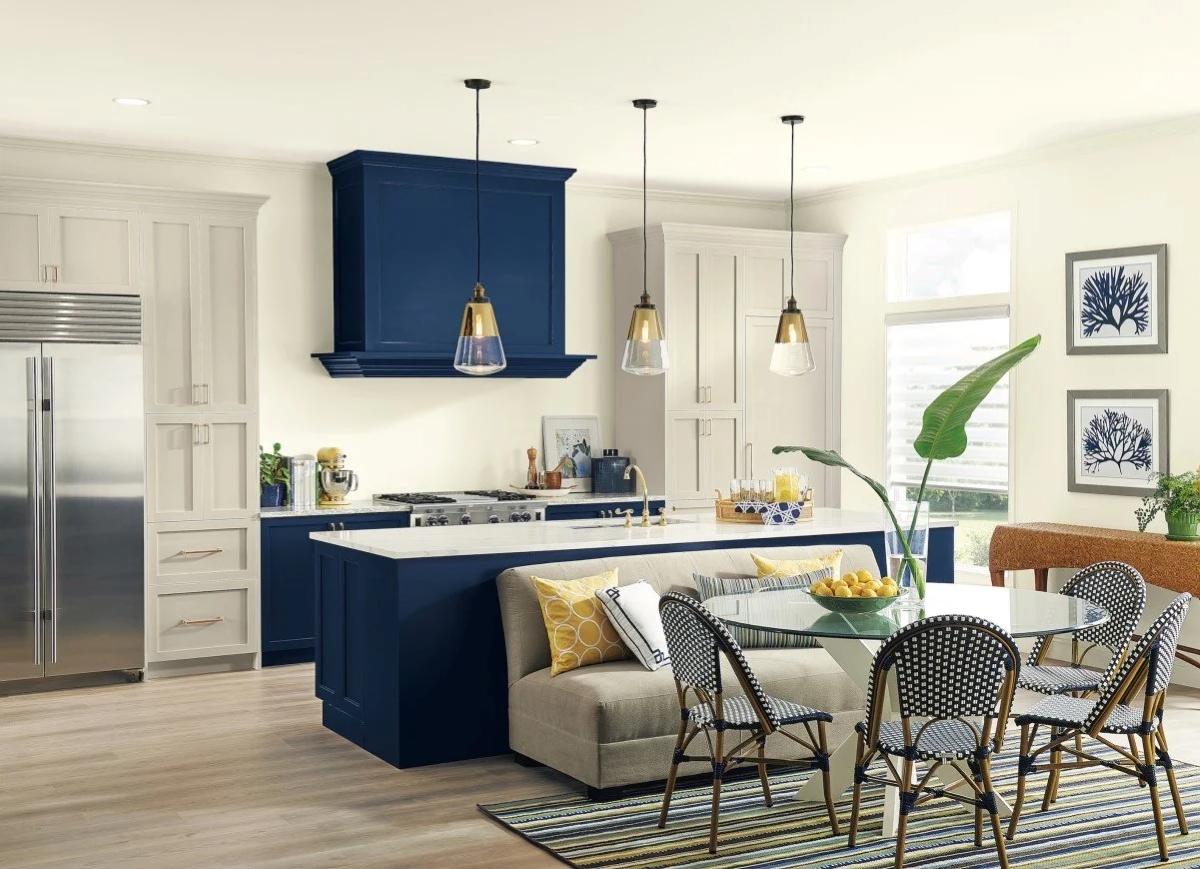
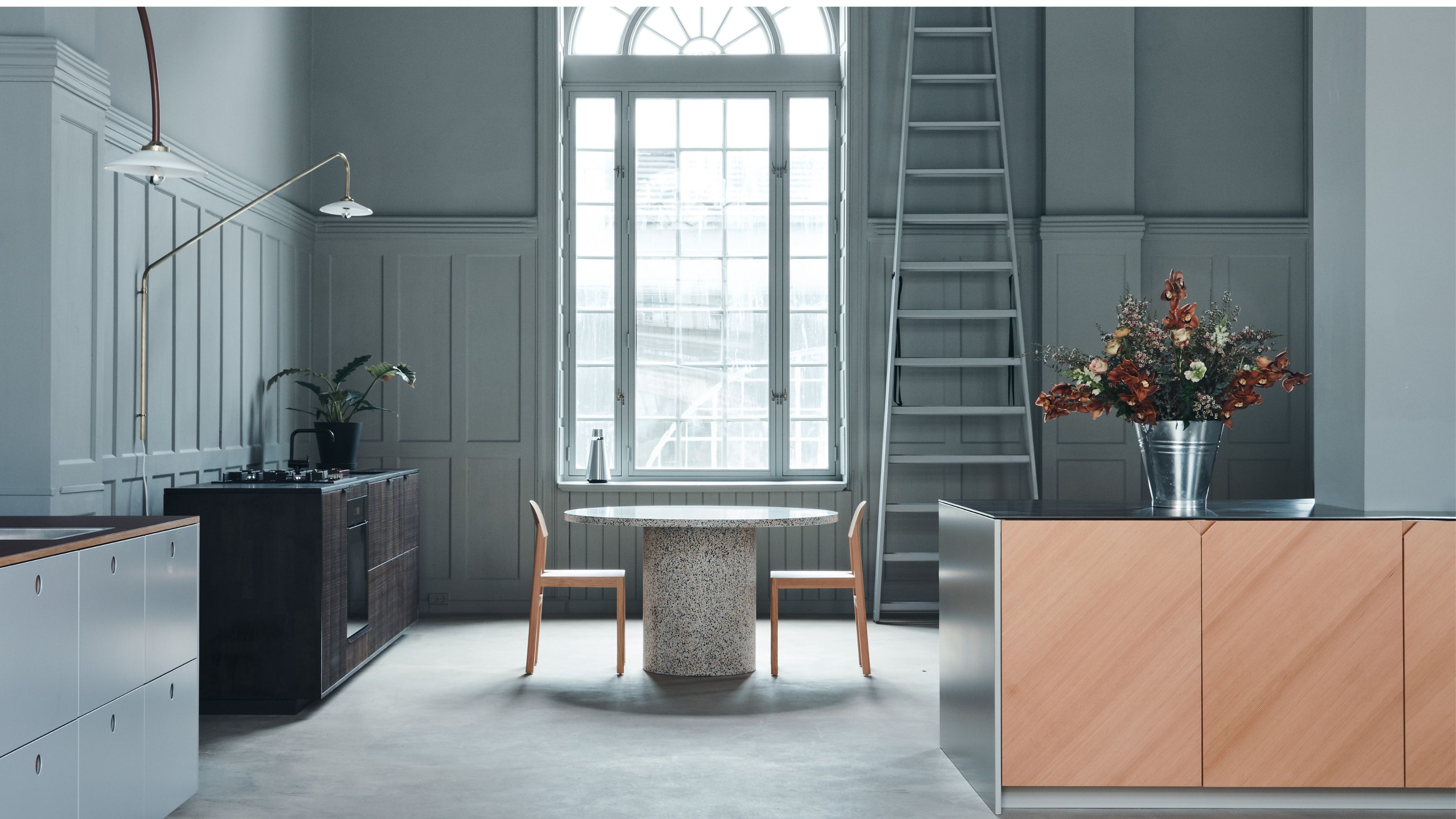
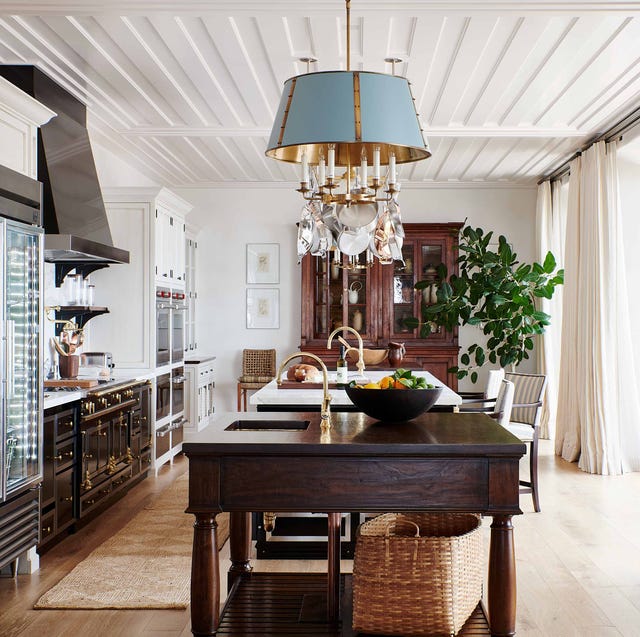
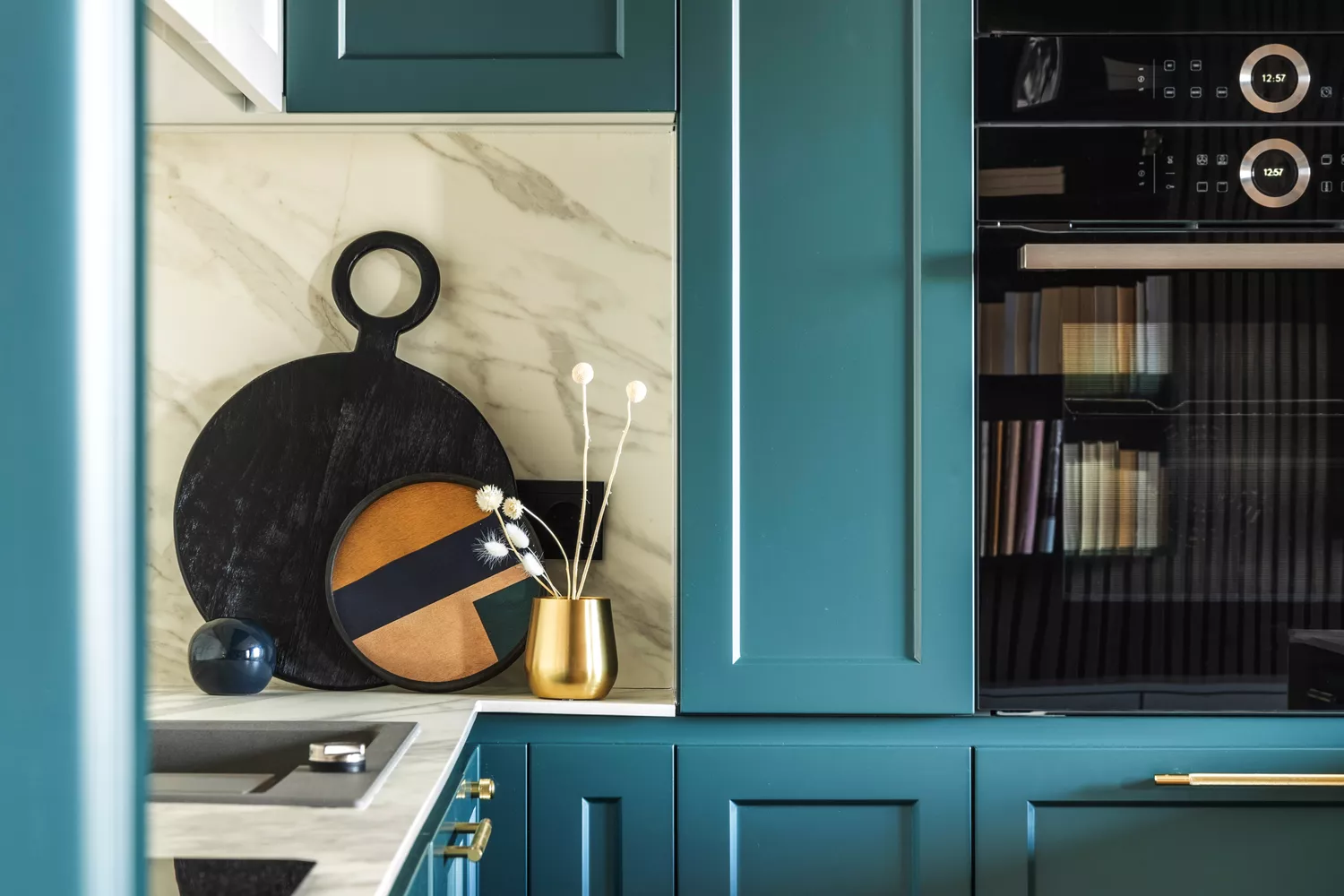
Several practical ideas are provided for implementing a tri-color kitchen, focusing on strategic color placement across various kitchen elements. One suggestion involves pairing dark cabinetry with light walls and natural wooden accents. For instance, using a deep color like Mysterious AF-565 for cabinets can ground the space, while a lighter shade such as Steam AF-15 on walls provides a bright backdrop, especially for open shelving. The addition of natural wood elements, like a weathered wood ceiling, introduces organic texture and warmth, preventing the space from appearing stark. Another approach encourages decorating with unexpected color combinations, transforming the kitchen into a playful and energetic hub. This can involve combining dark green cabinets with off-white walls and introducing a subtle yet impactful third color through elements like blue open shelving.
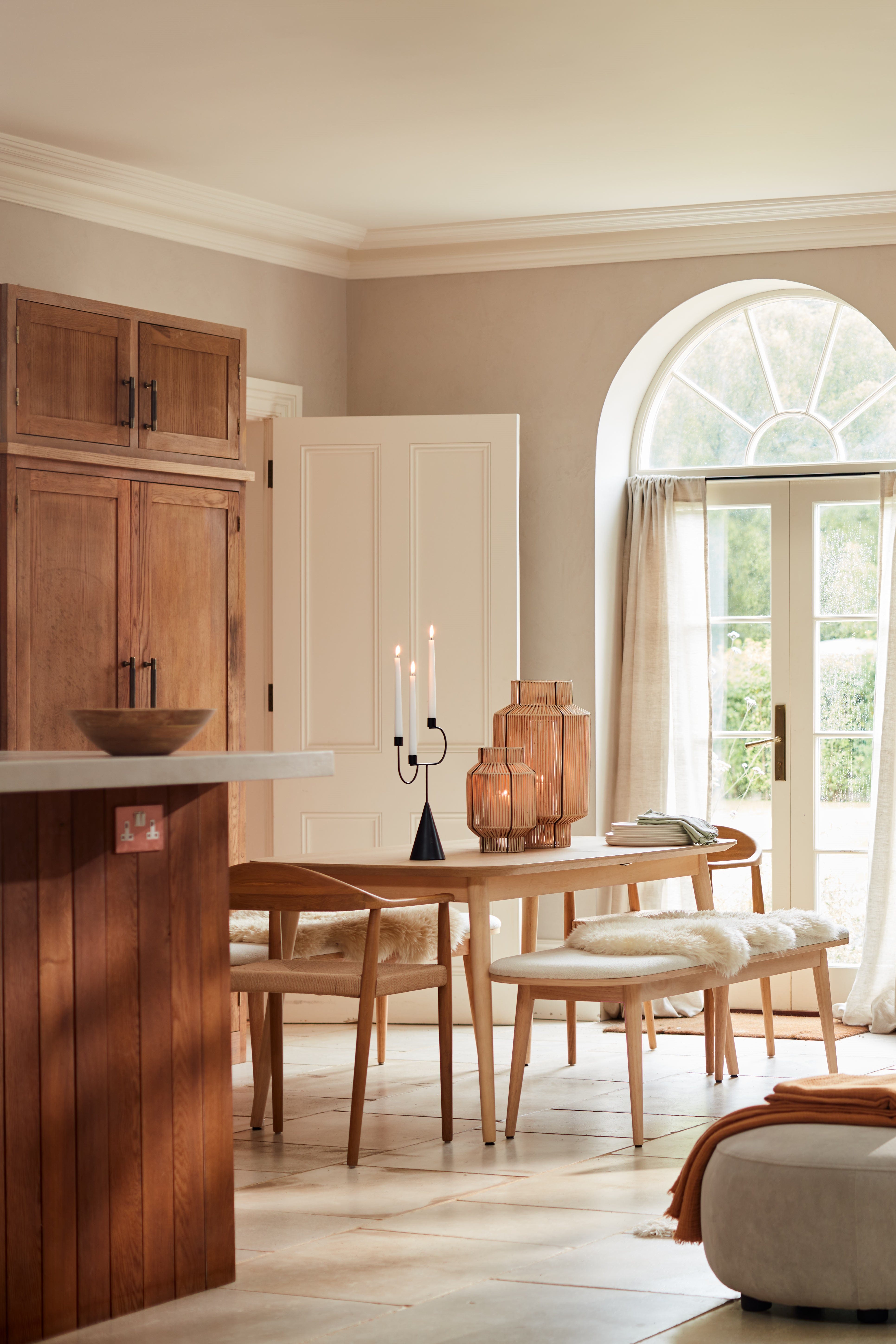
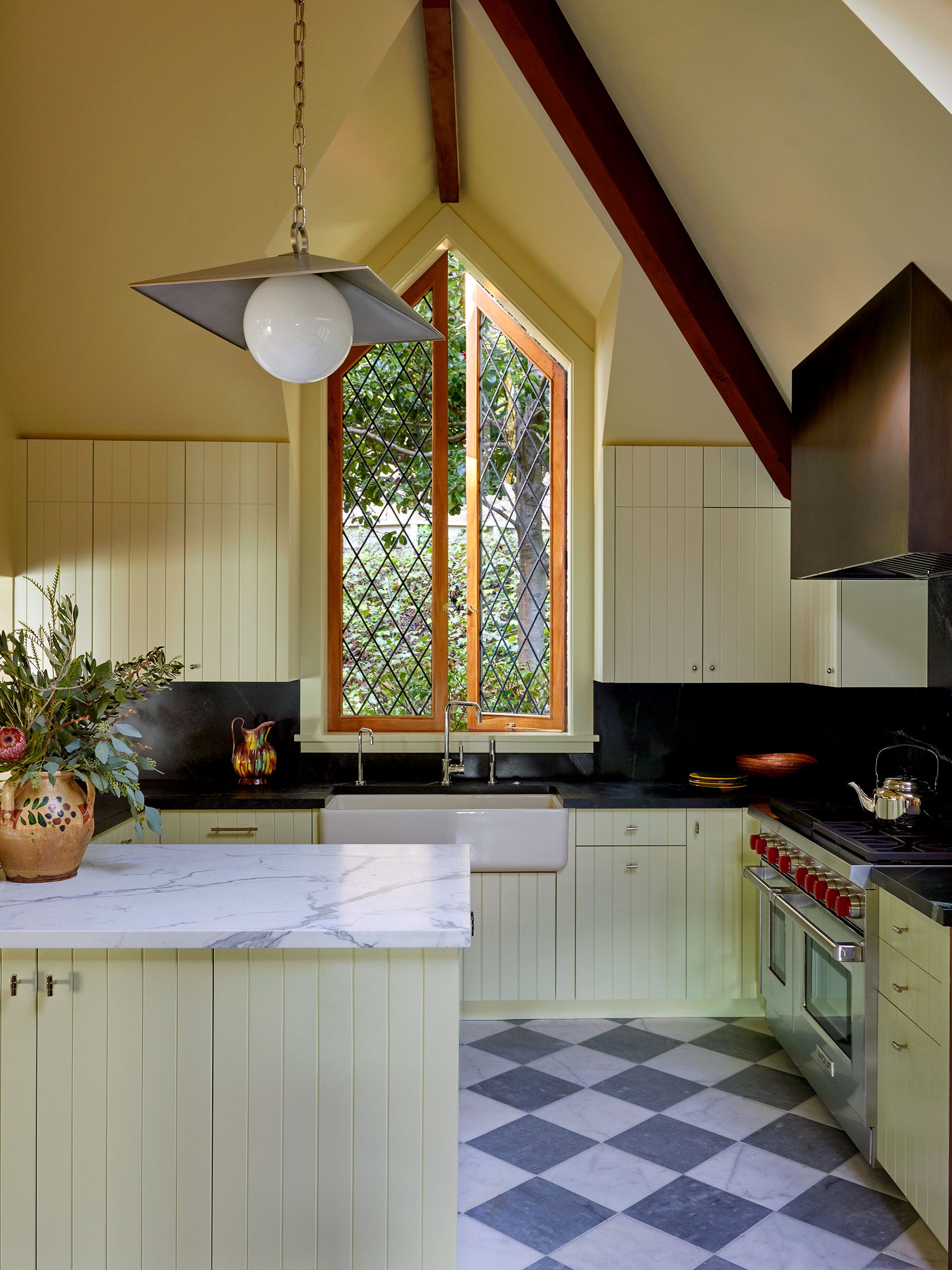
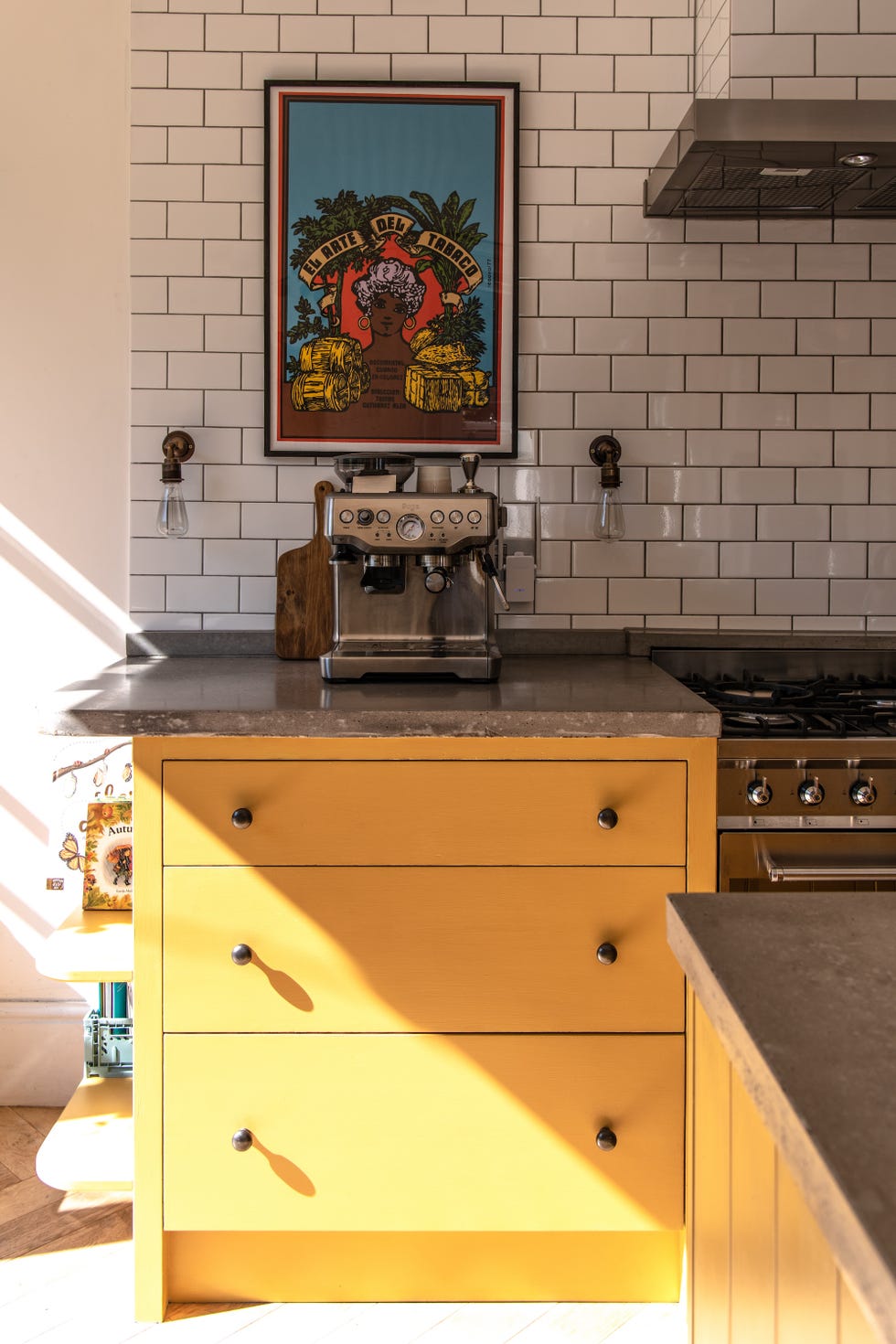
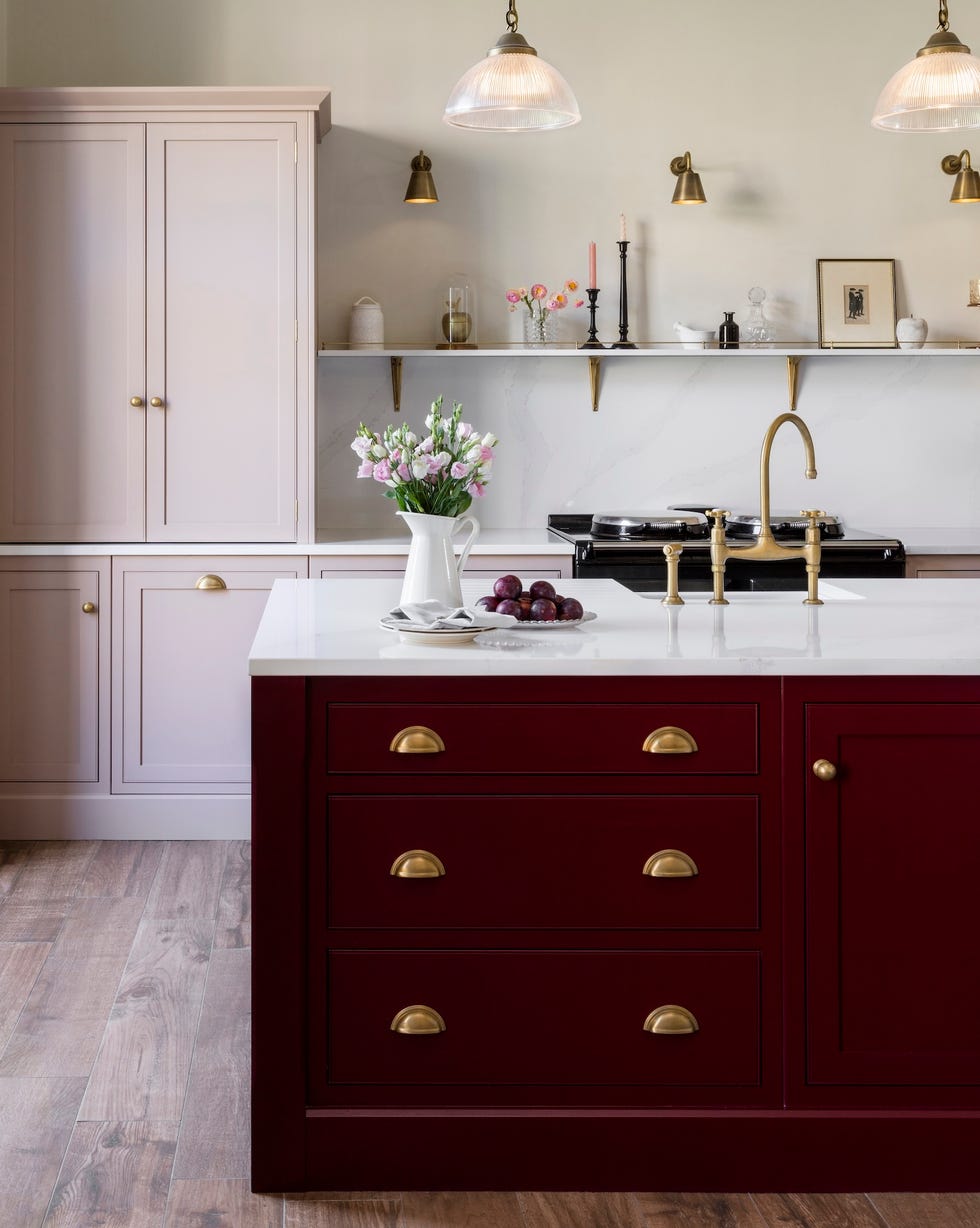
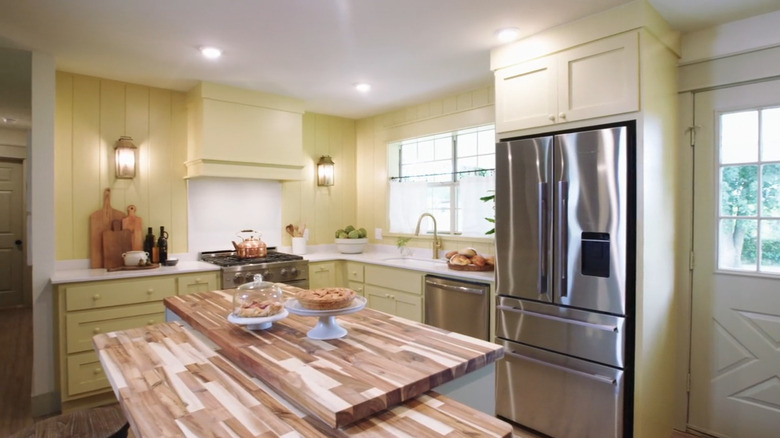
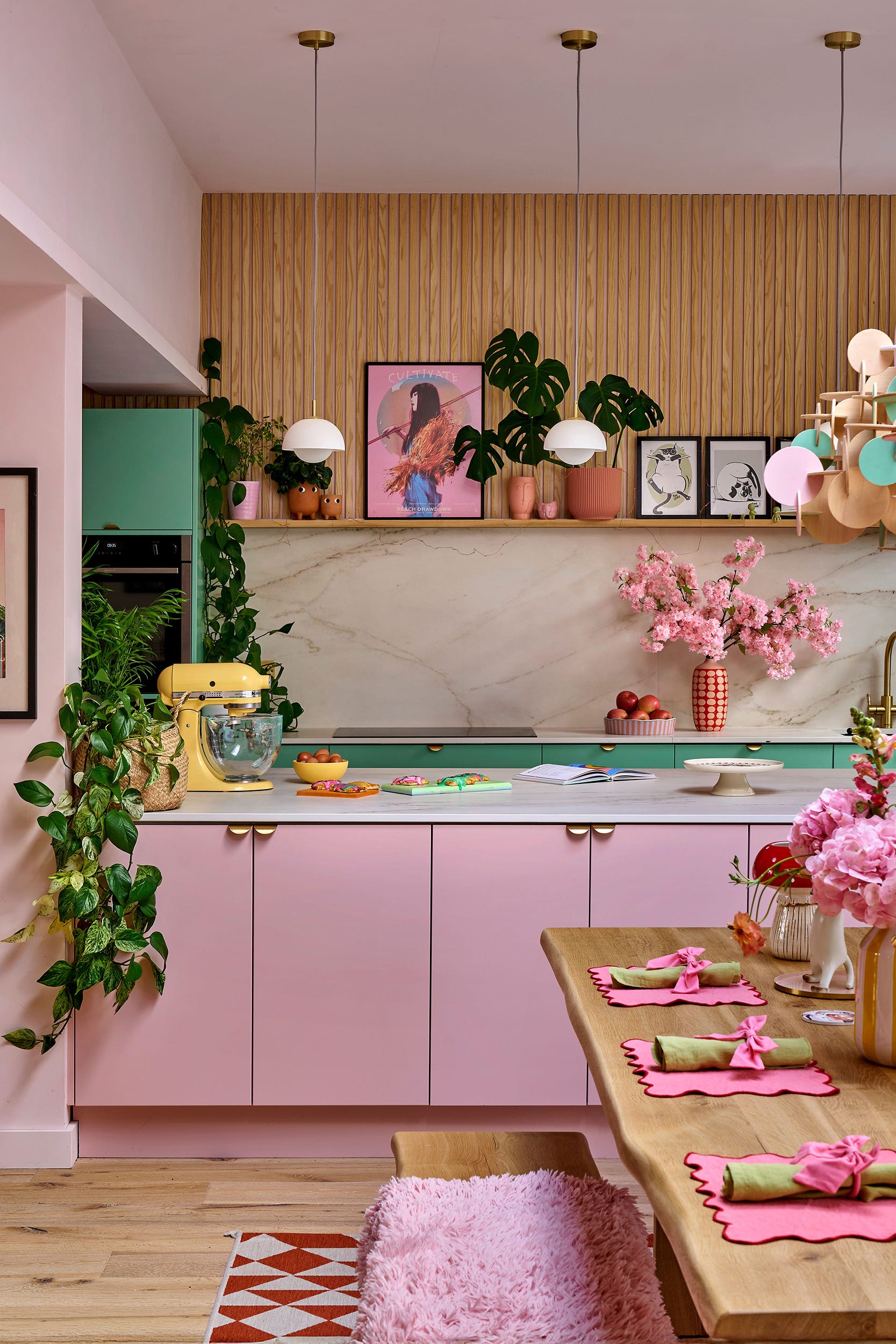
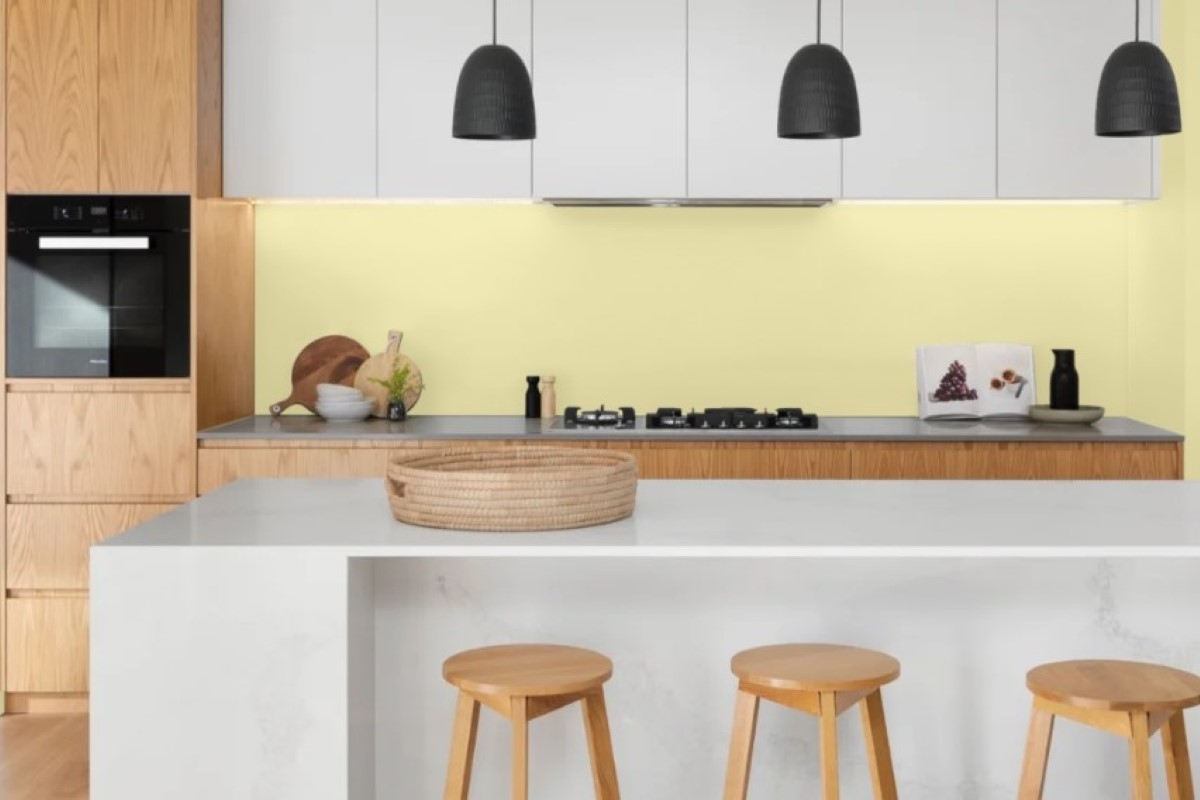
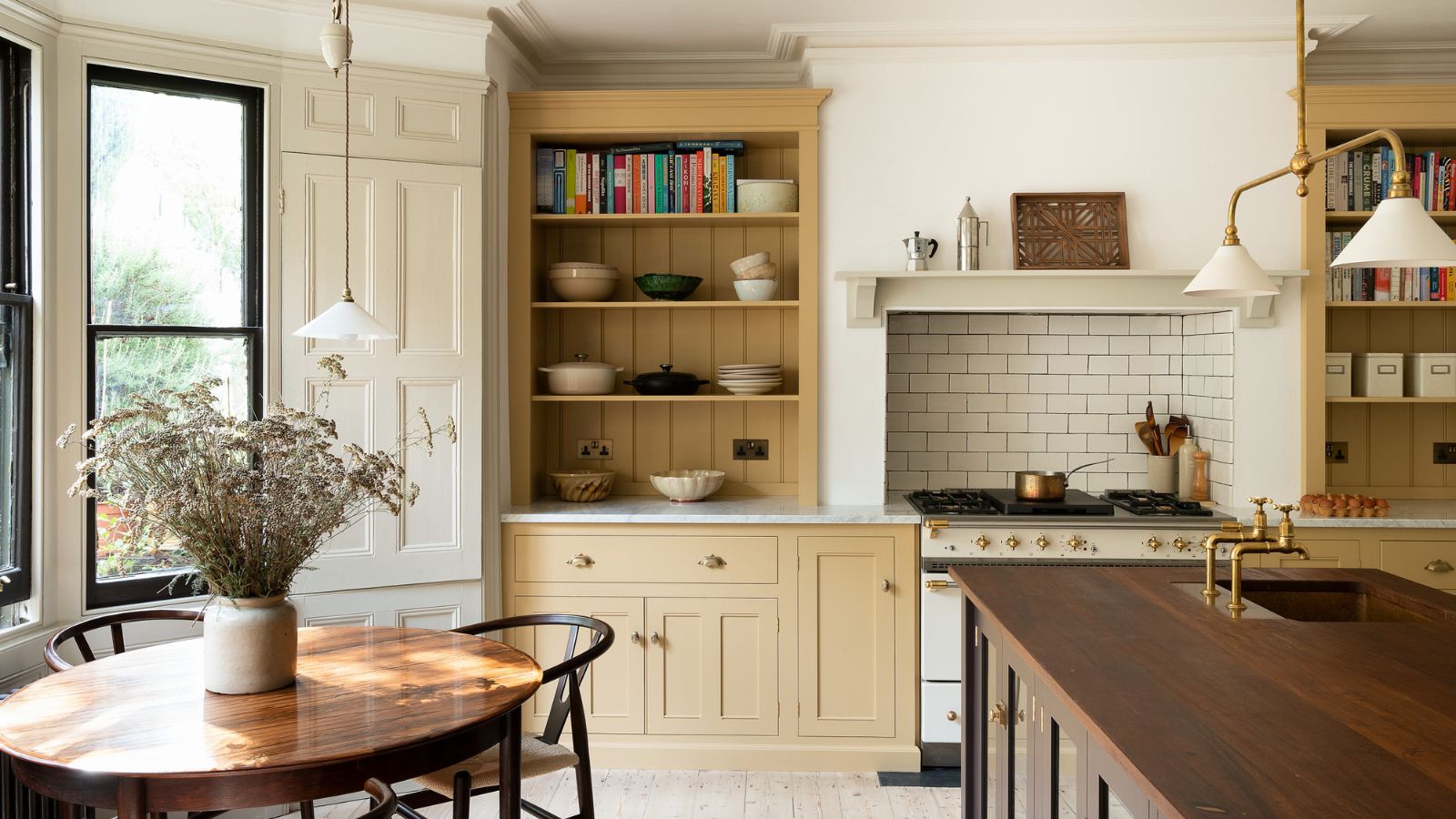
A third strategy involves using a statement furniture piece to introduce the third color, particularly effective for kitchens that already feature a two-tone cabinet scheme or for those hesitant to commit to a permanent bold color. A vibrant dresser or a striking chimney breast can serve as a focal point, adding a pop of color against a more neutral background. This method allows for defining different zones within the kitchen, creating a cohesive yet curated feel. The article also suggests incorporating a trending color into an otherwise neutral kitchen, as exemplified by a kitchen with white walls, a wooden island, and butter yellow cabinets. This demonstrates how a well-chosen color story across walls, cabinets, and an island can create visual appeal without overwhelming the space. Using wood as one of the colors, especially in richer tones, offers versatility and a natural pairing for various accent colors.
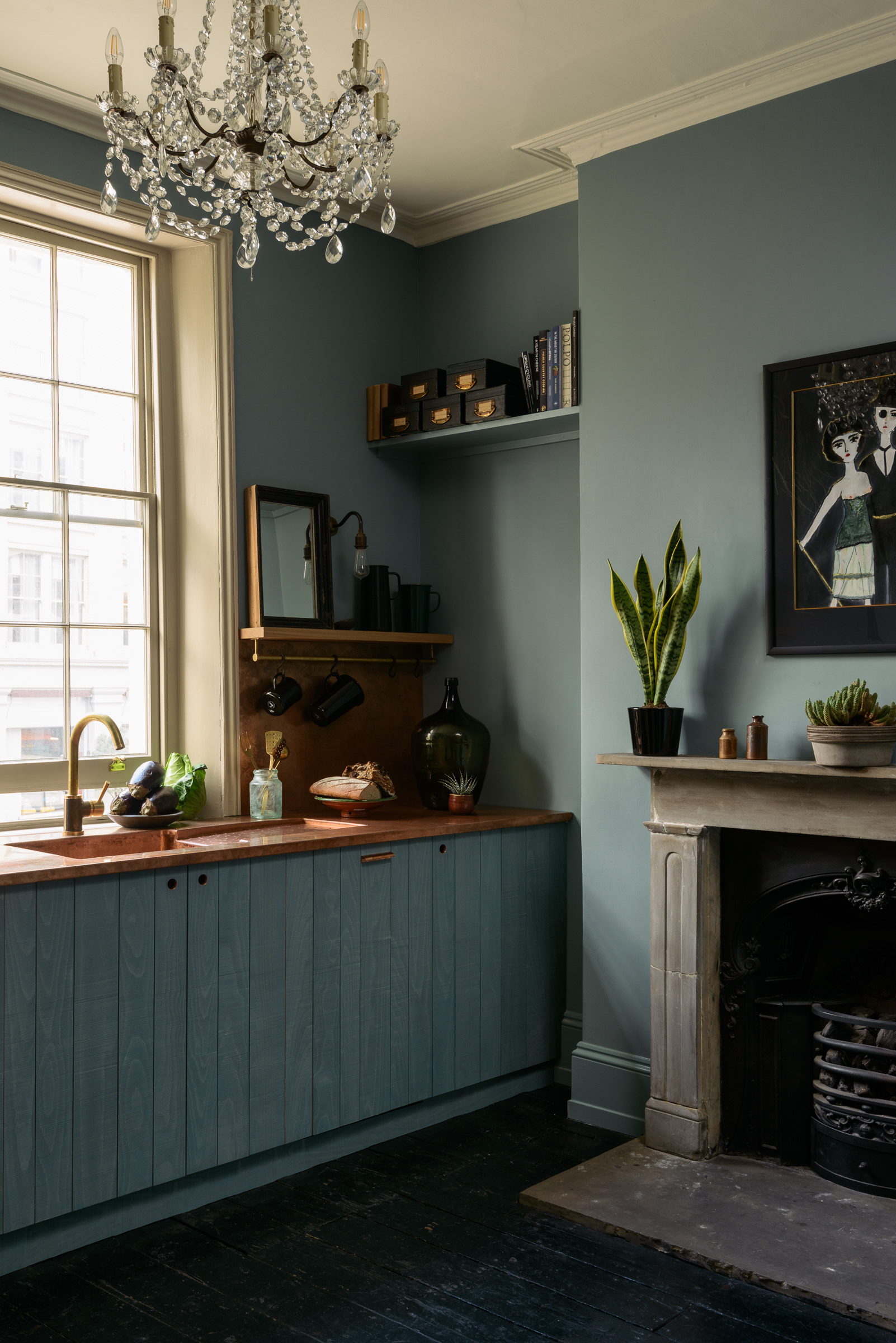
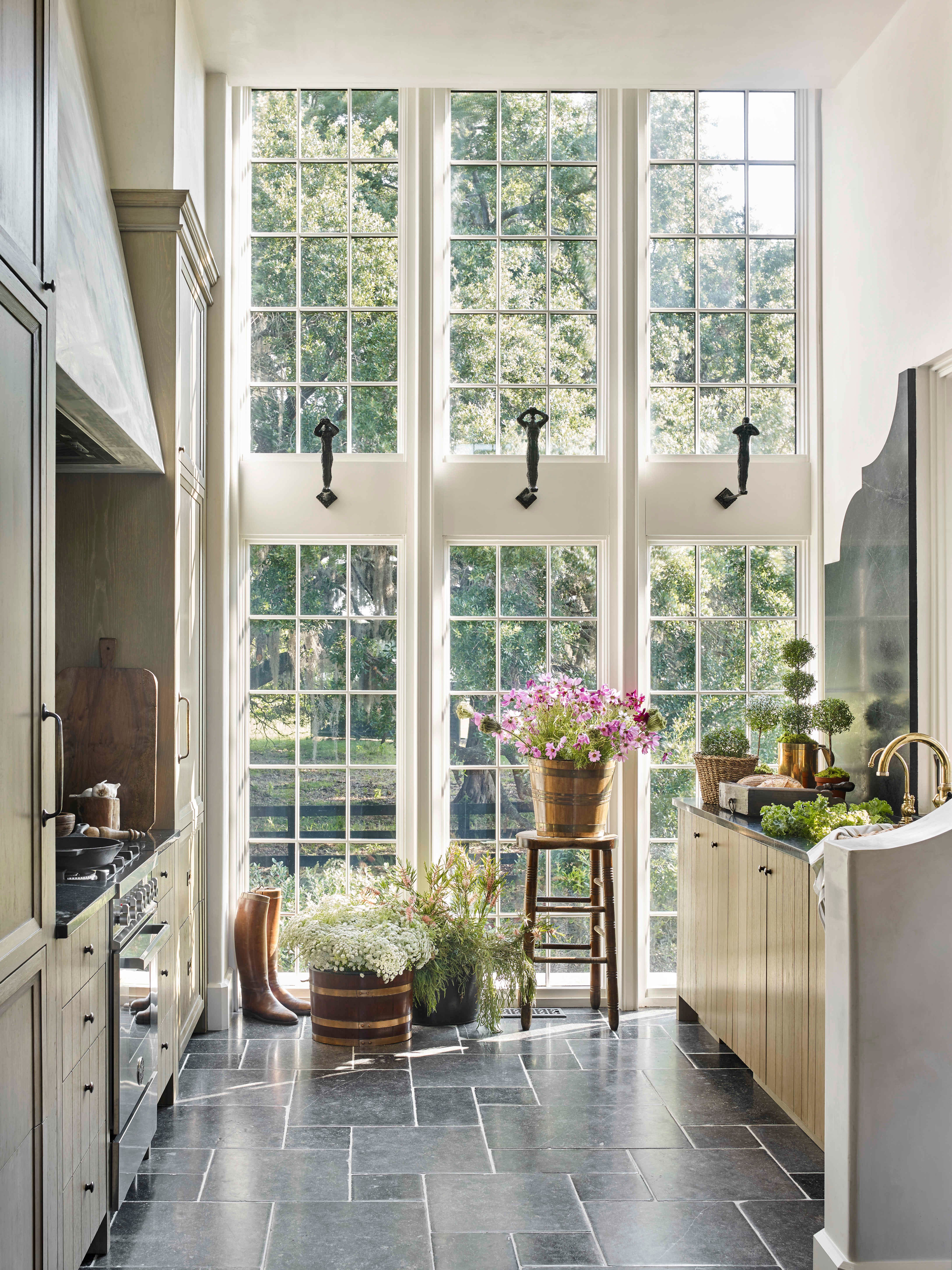
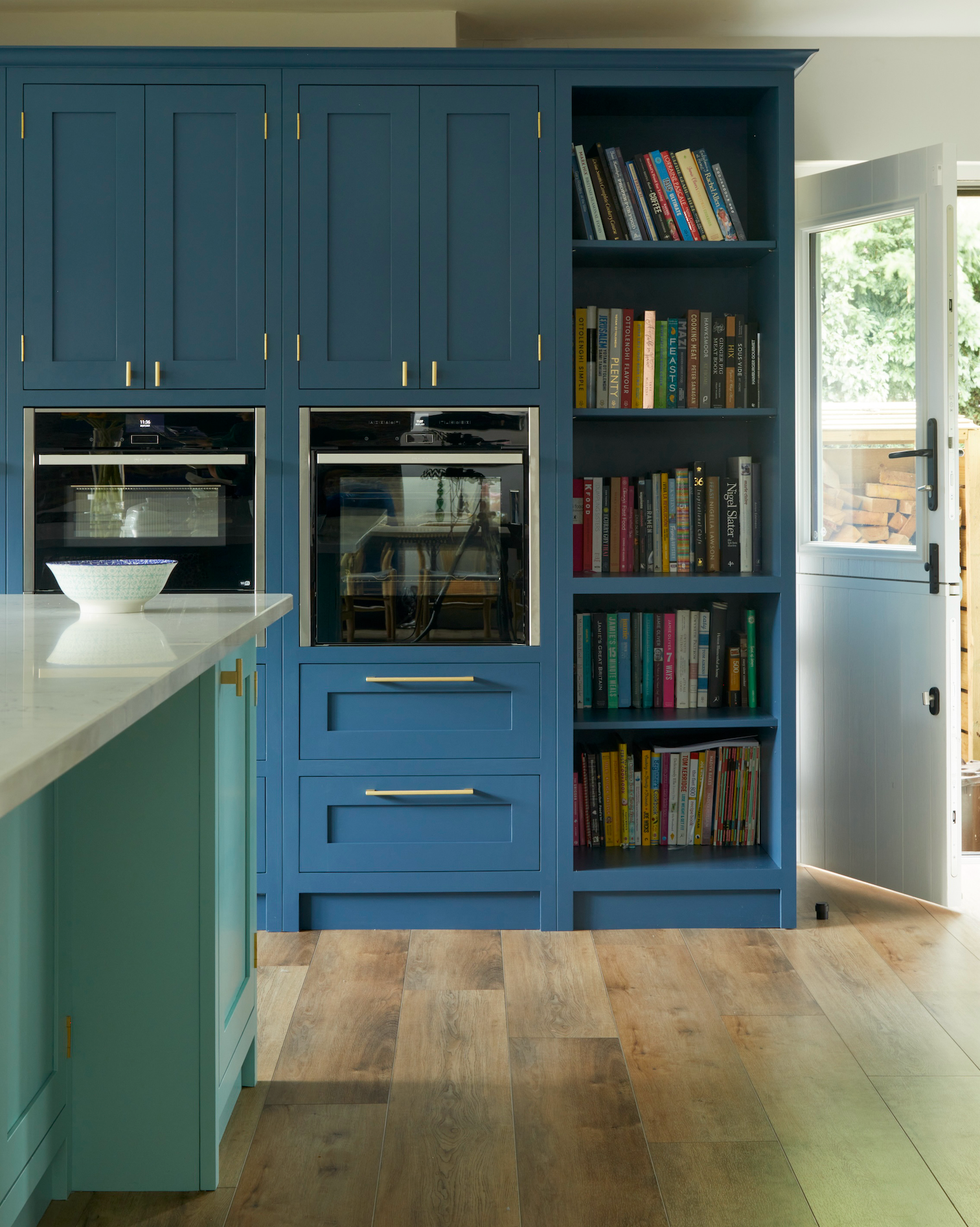
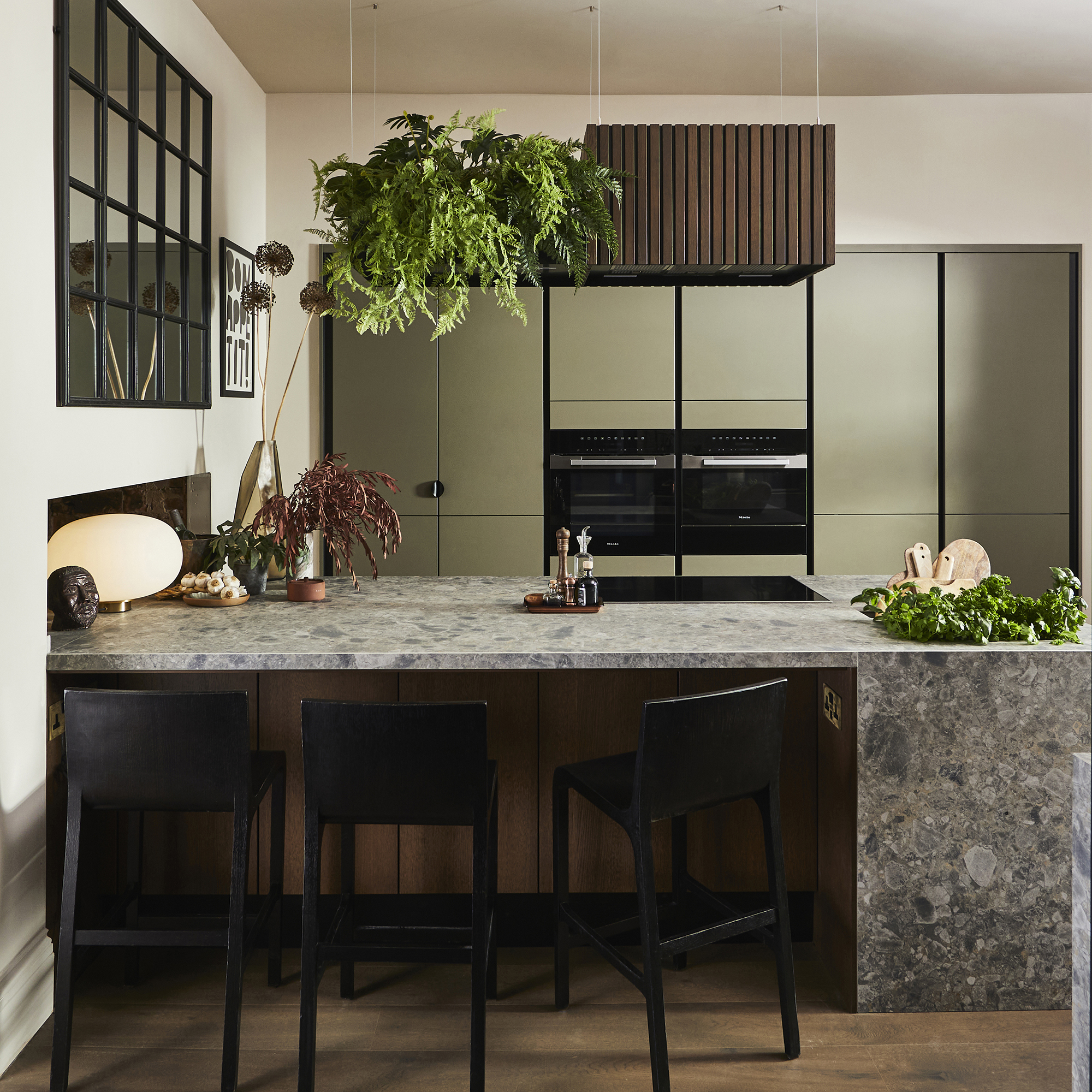
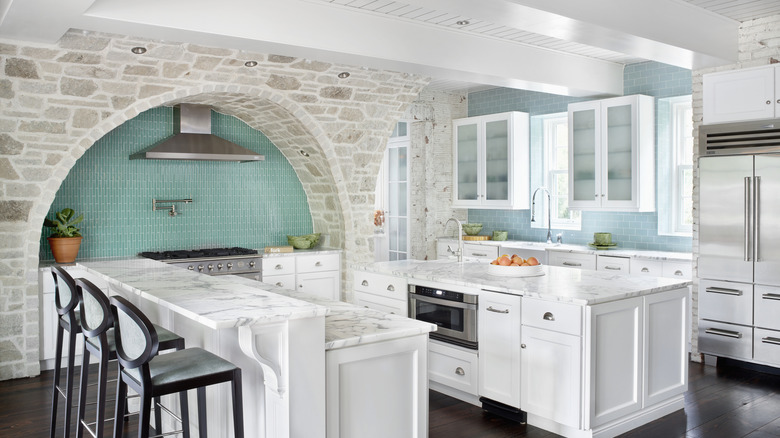
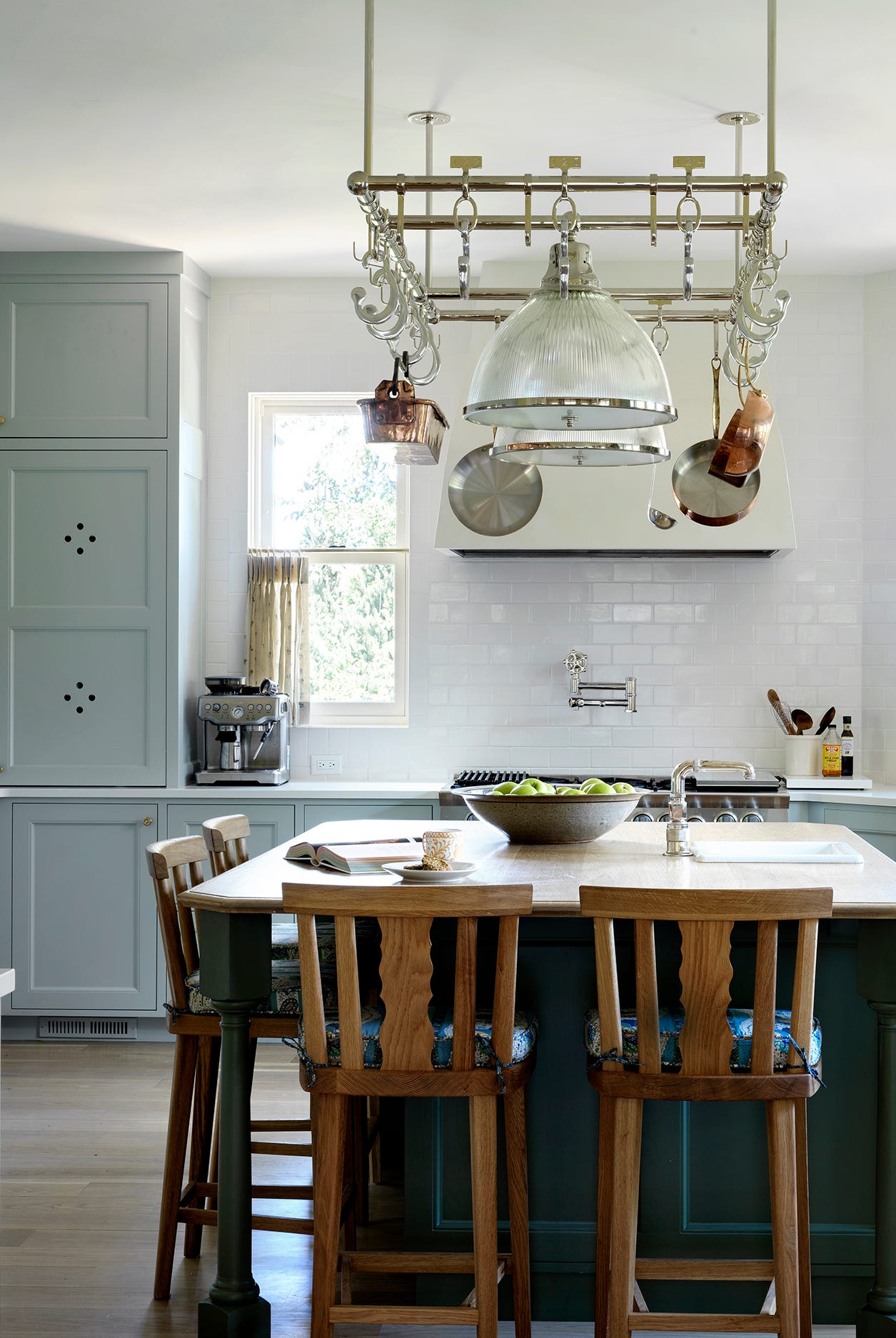
Finally, the most adventurous method involves integrating all three colors directly into the cabinetry. This technique provides instant visual appeal and helps break up solid runs of cabinets. An example includes taupe base cabinets, blue lower cabinets, and light-toned wooden upper cabinets, creating a balanced scheme that is both timeless and unique. The wooden upper cabinets add an organic touch, while the taupe full-length cabinets recede, making the kitchen feel larger and brighter. This approach effectively balances bolder hues with neutral tones. Ultimately, tri-color kitchens offer an accessible way to infuse style, personality, and interest into interior design, encouraging experimentation with various color combinations to achieve a unique aesthetic.
#TriColorKitchen #KitchenDesign #InteriorDesignTrends #ColorTheory #KitchenCabinetry #HomeDecor #KitchenInspiration #TriColorKitchen #KitchenDesign #InteriorDesignTrends #ColorTheory #KitchenCabinetry #HomeDecor #KitchenInspiration
0 comment in total
 No comments yet
You may also like
Kitchen Color Selection Tips from 5 Designers
20 Kitchen Paint Colors to Try in 2024

26 Most Popular Kitchen Paint Colors Throughout the Decades

8 Ways to Bring Color Into Your All-White Kitchen Without Renovating
5 Reasons You Shouldn't Paint Your Kitchen Walls White — And the Alternatives You Need to Try

50 Best Kitchen Ideas for a Beautiful Space That Looks as Good as It Cooks
Experts Rank the 10 Worst Paint Colors for Your Kitchen
Timeless Paint Colors HGTV Stars Love Using In Kitchens
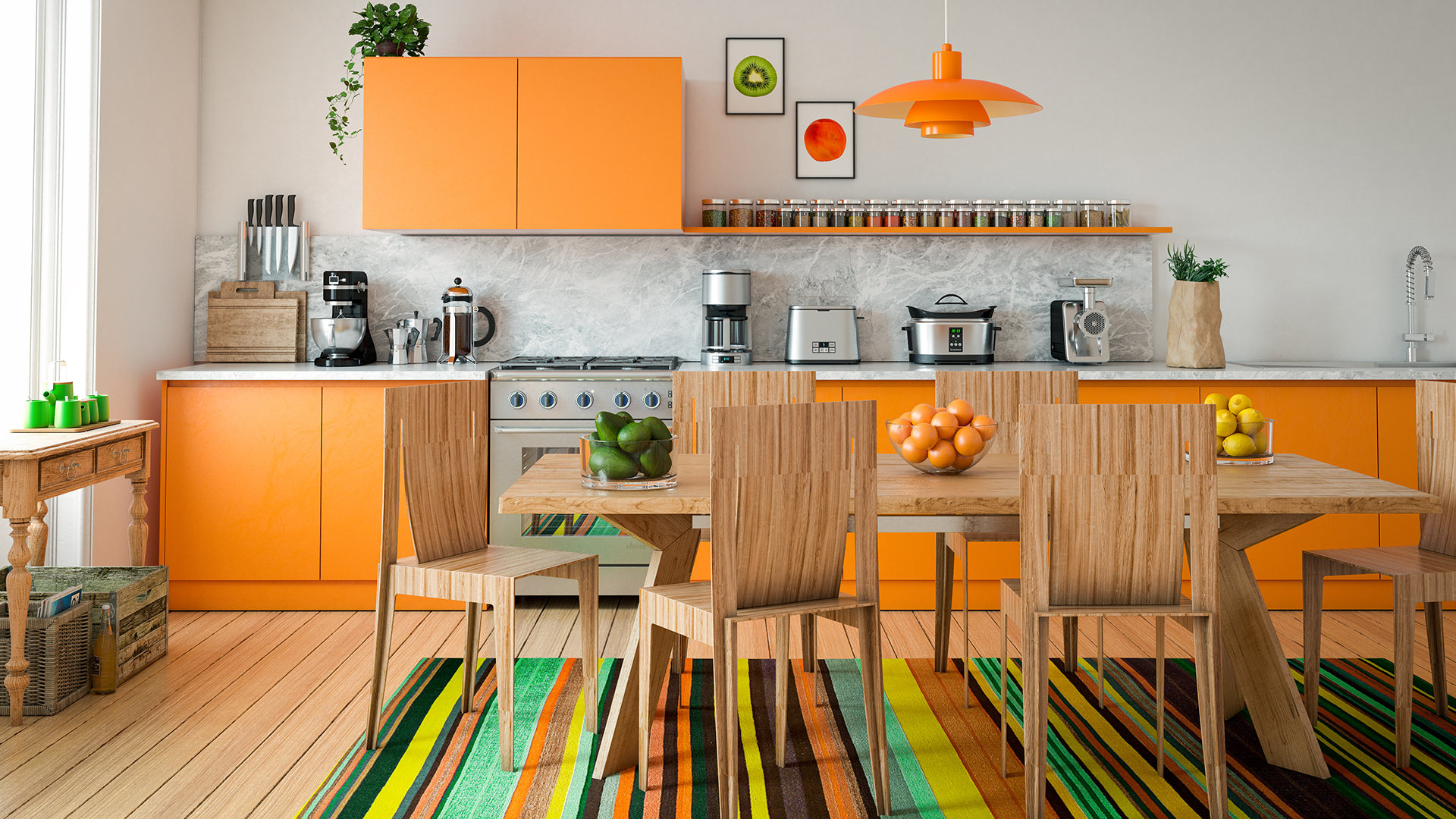
10 Colorful Kitchens That Buck The All-White Trend

Color makes a splash like never before in kitchens, baths
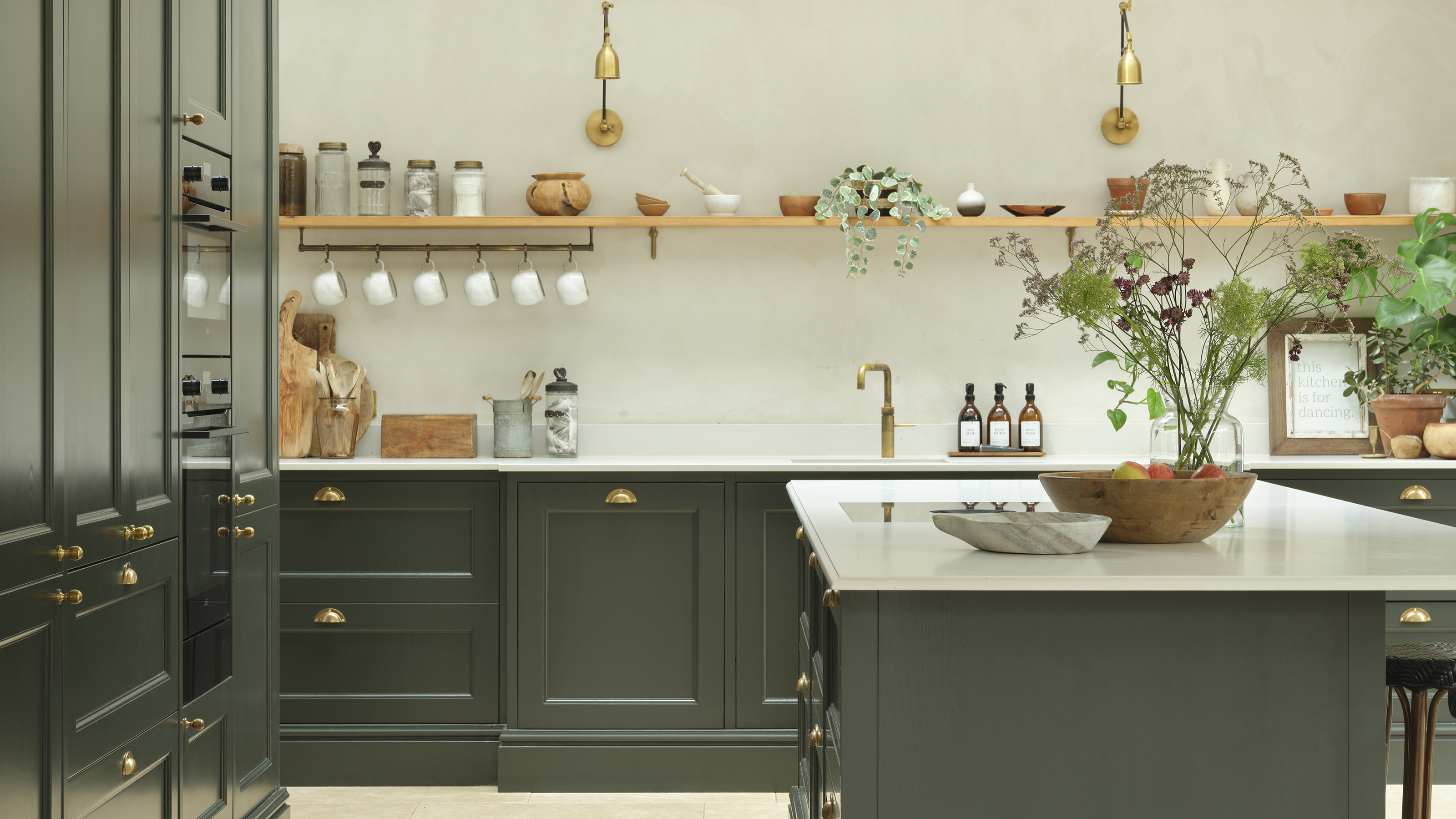
These 3 kitchen colours are officially out of style in 2025 - here are the shades replacing them
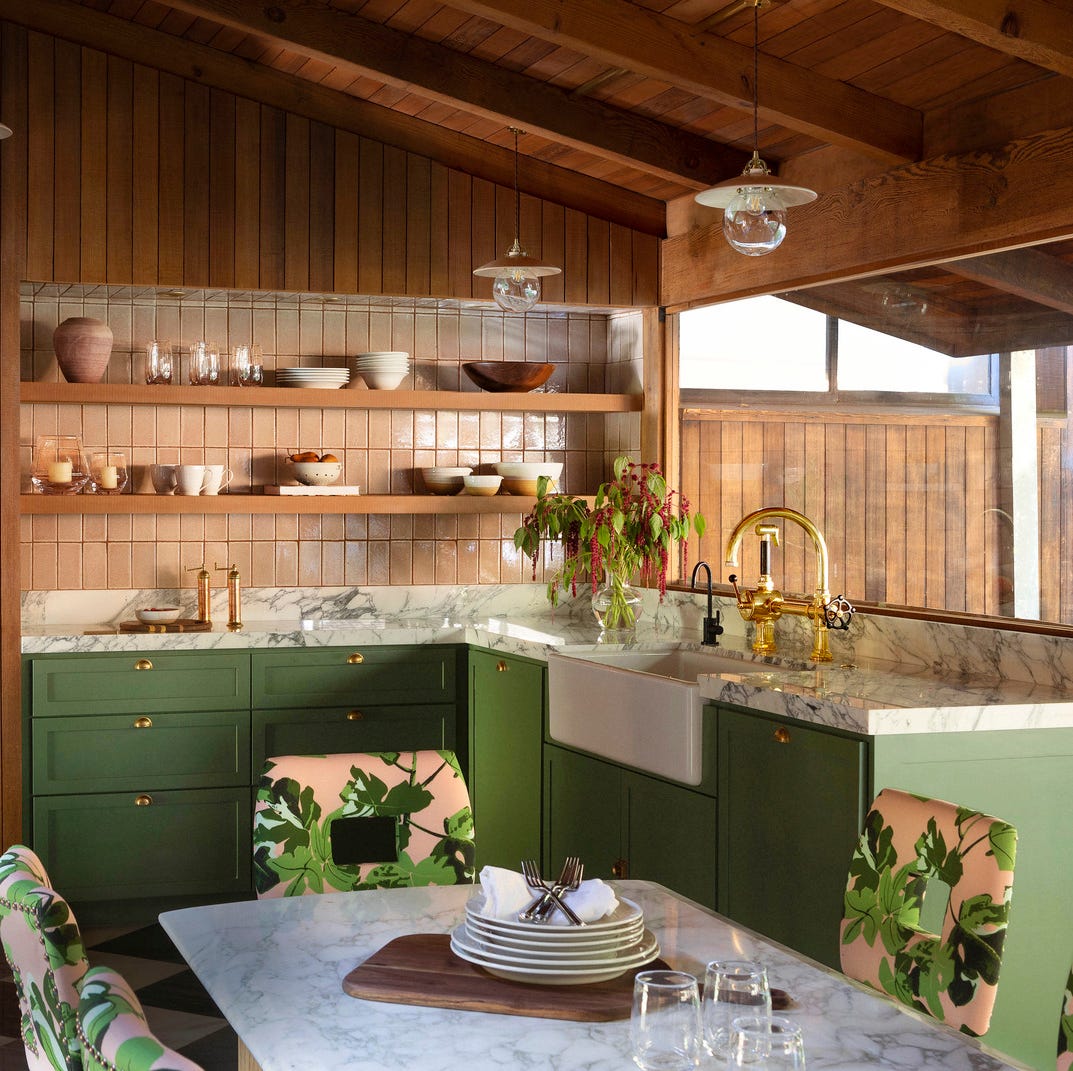
The Kitchen Colors Designers Call “Forever Favorites”

10 Genius Tips Designers Always Use to Add Pops of Color to a Dull Kitchen

These kitchen paint colours will be everywhere in 2025 – and there's even one for neutral lovers
13 Unique Kitchen Color Combinations To Try Out In 2025
29 Best Paint Colors for a Kitchen You’ll Never Want to Leave
No-fail kitchen colour ideas: 20 pairings that just work
The best colours to paint a kitchen according to paint pros - pick the perfect shade for large, small, dark and light spaces
The 6 Paint Colors for Your Kitchen That Will Never Go out of Style
How to Layer Patterns and Colors in Kitchen Designs