1/9
10 bathrooms with built-in bathtubs that prove they're a minimalist alternative to freestanding styles
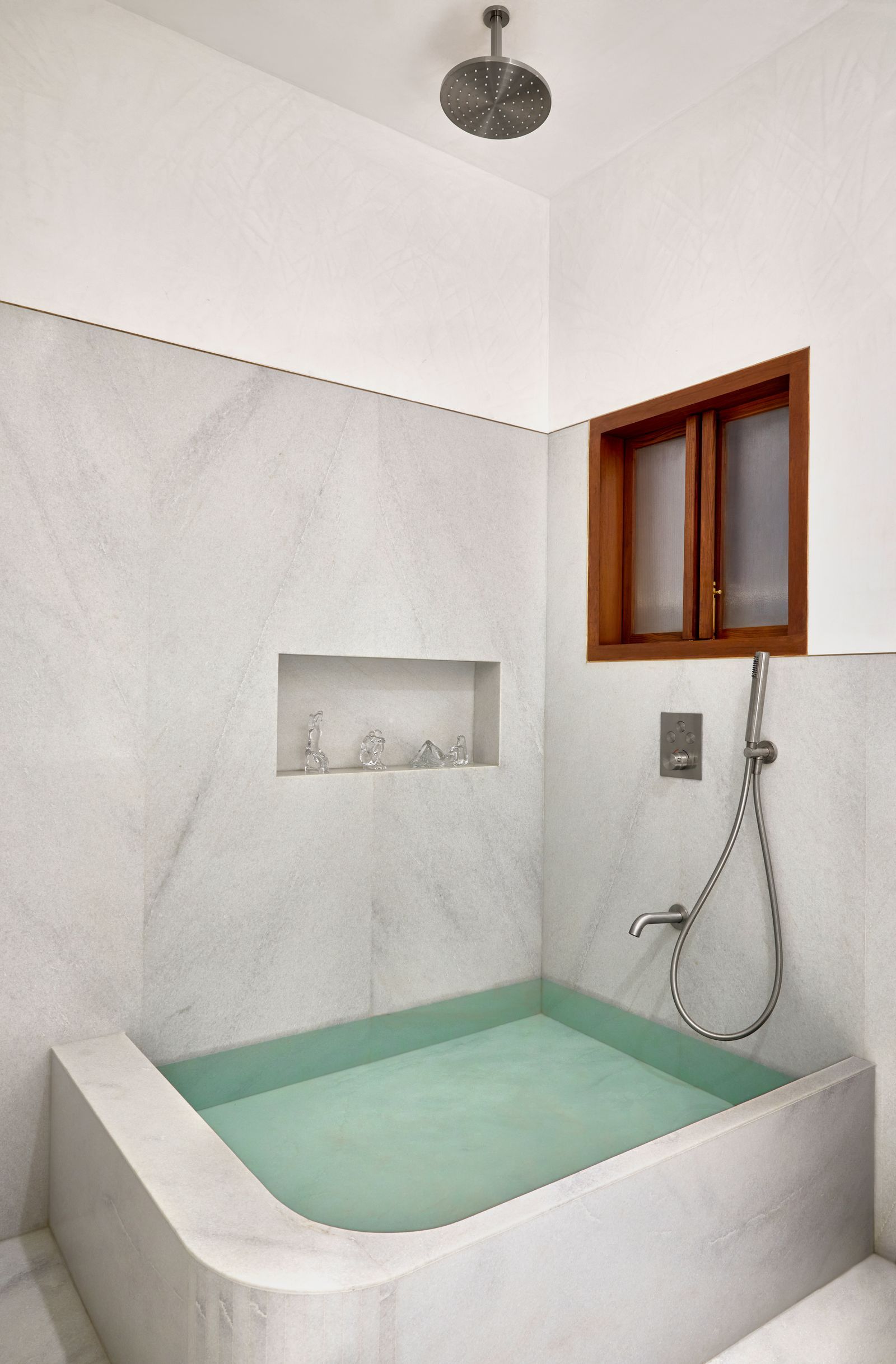
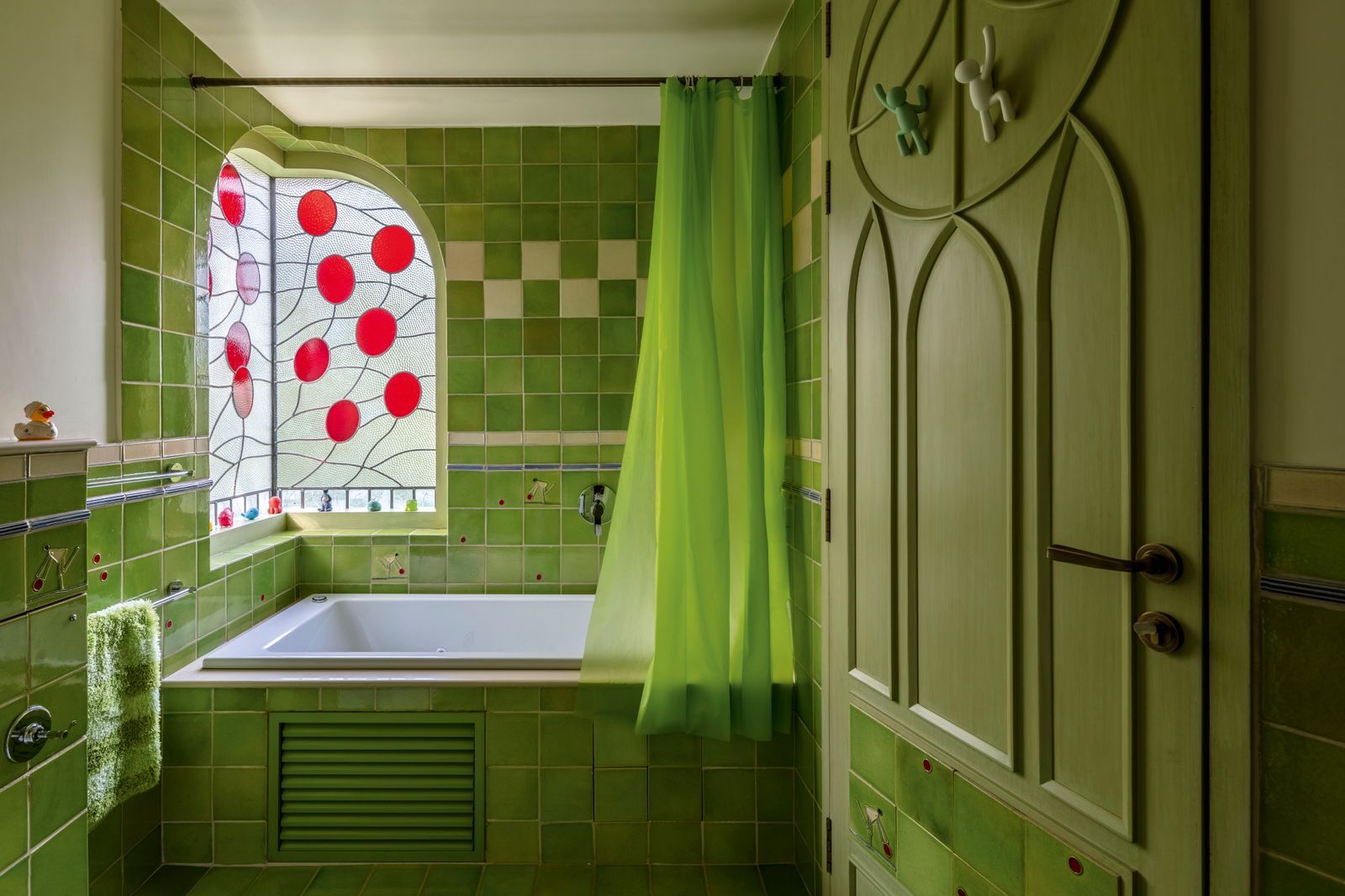
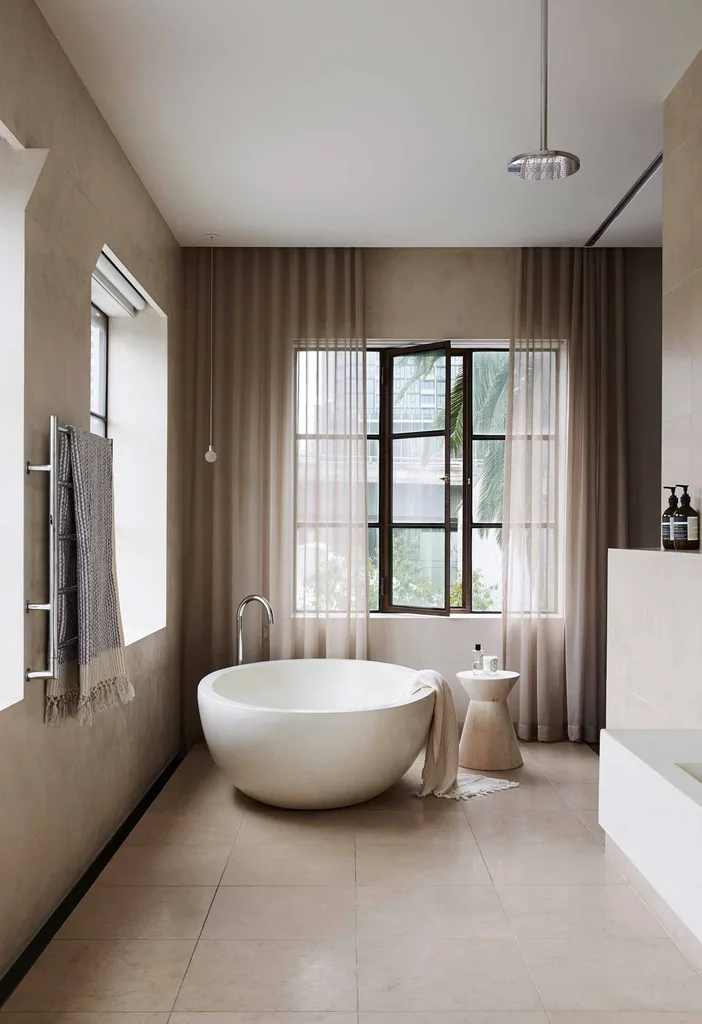
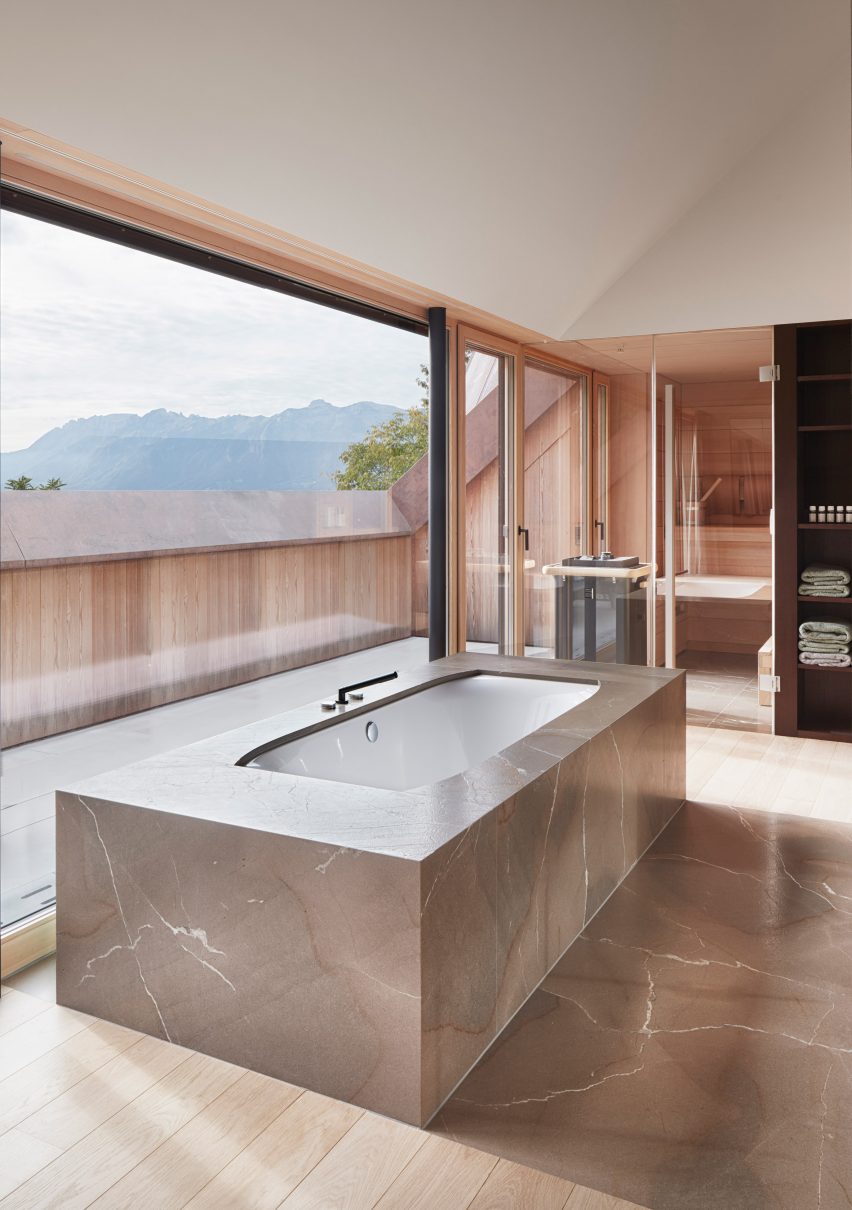
Built-in bathtubs, once sidelined for the allure of freestanding models, are experiencing a significant resurgence in modern interior design. This shift is driven by their inherent practicality, space-saving advantages, and ability to integrate seamlessly into a minimalist aesthetic. While freestanding tubs offered a spa-like luxury, designers and architects are now opting for built-in versions due to their functional benefits and visual appeal. Built-in tubs provide convenient ledge space for toiletries, effectively contain splashes, and simplify bathing children, making them a more practical choice for many households. Beyond utility, many argue that built-in tubs offer a superior aesthetic, transforming the bathtub into an integral part of the bathroom's architecture rather than a separate fixture.
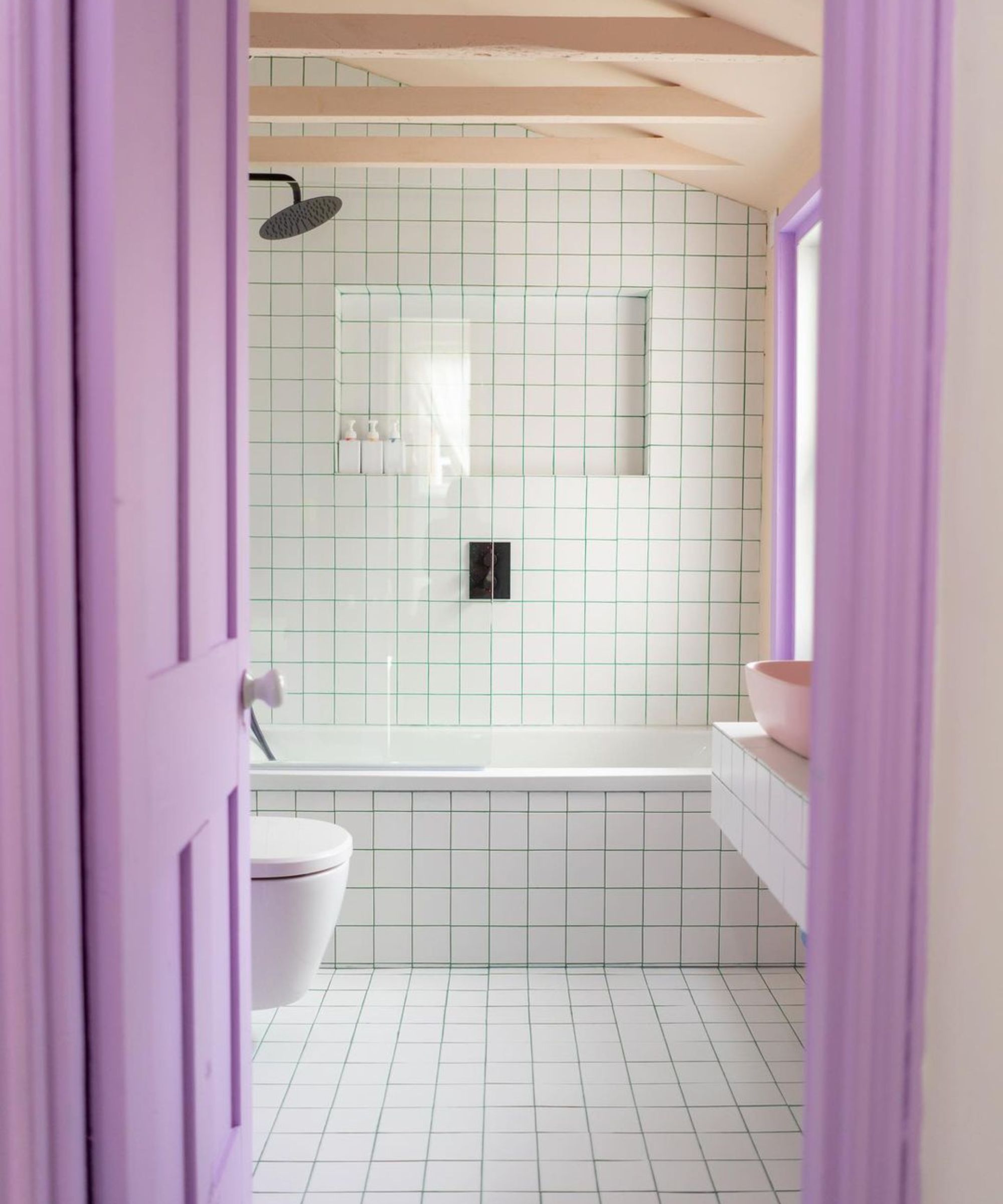
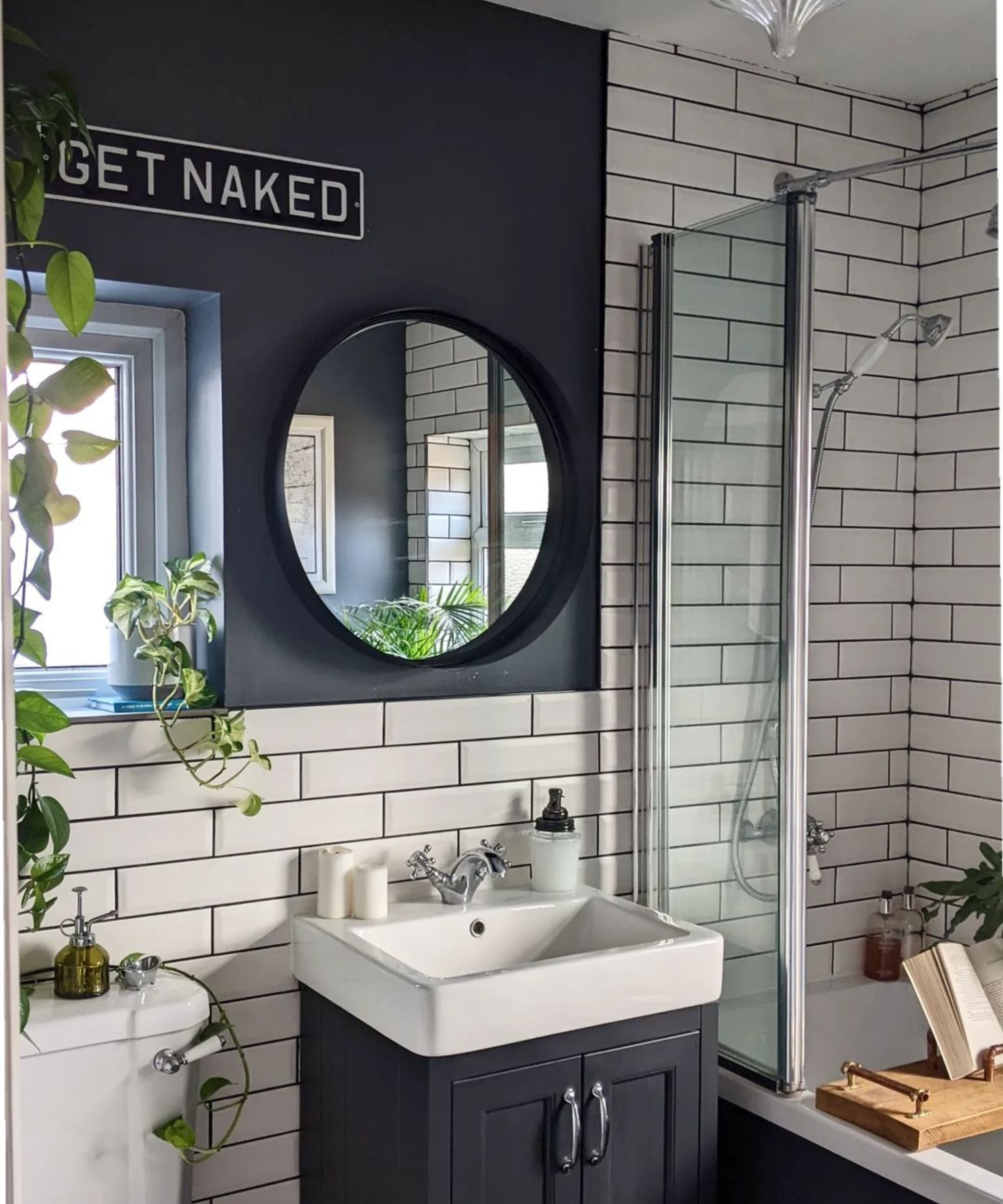
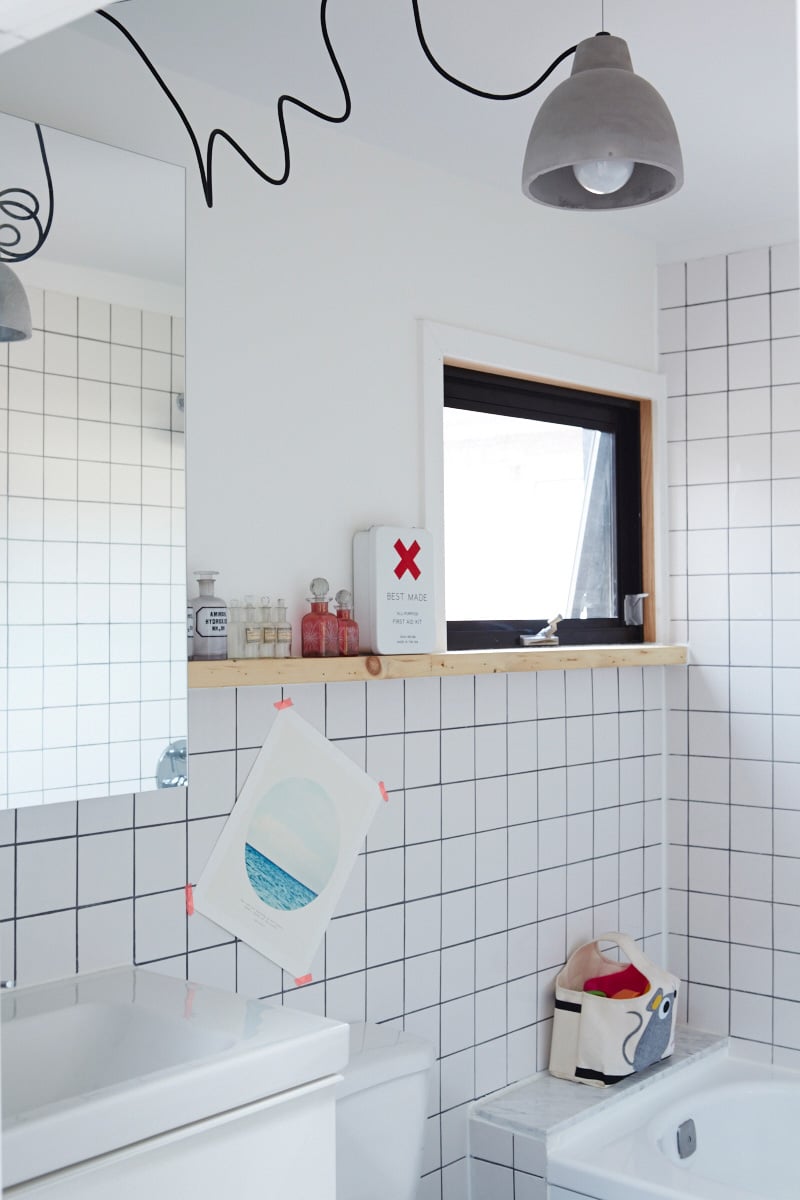
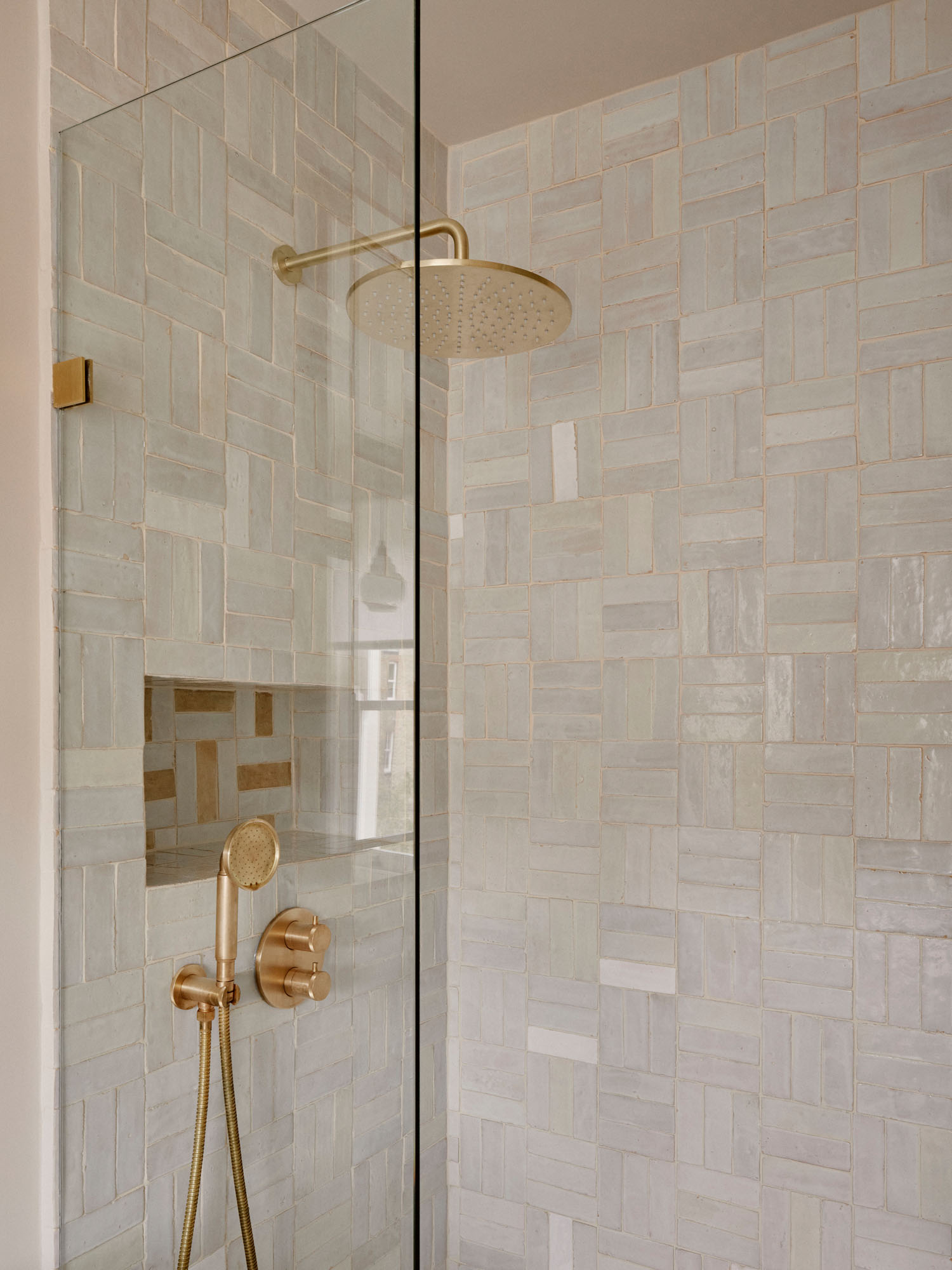
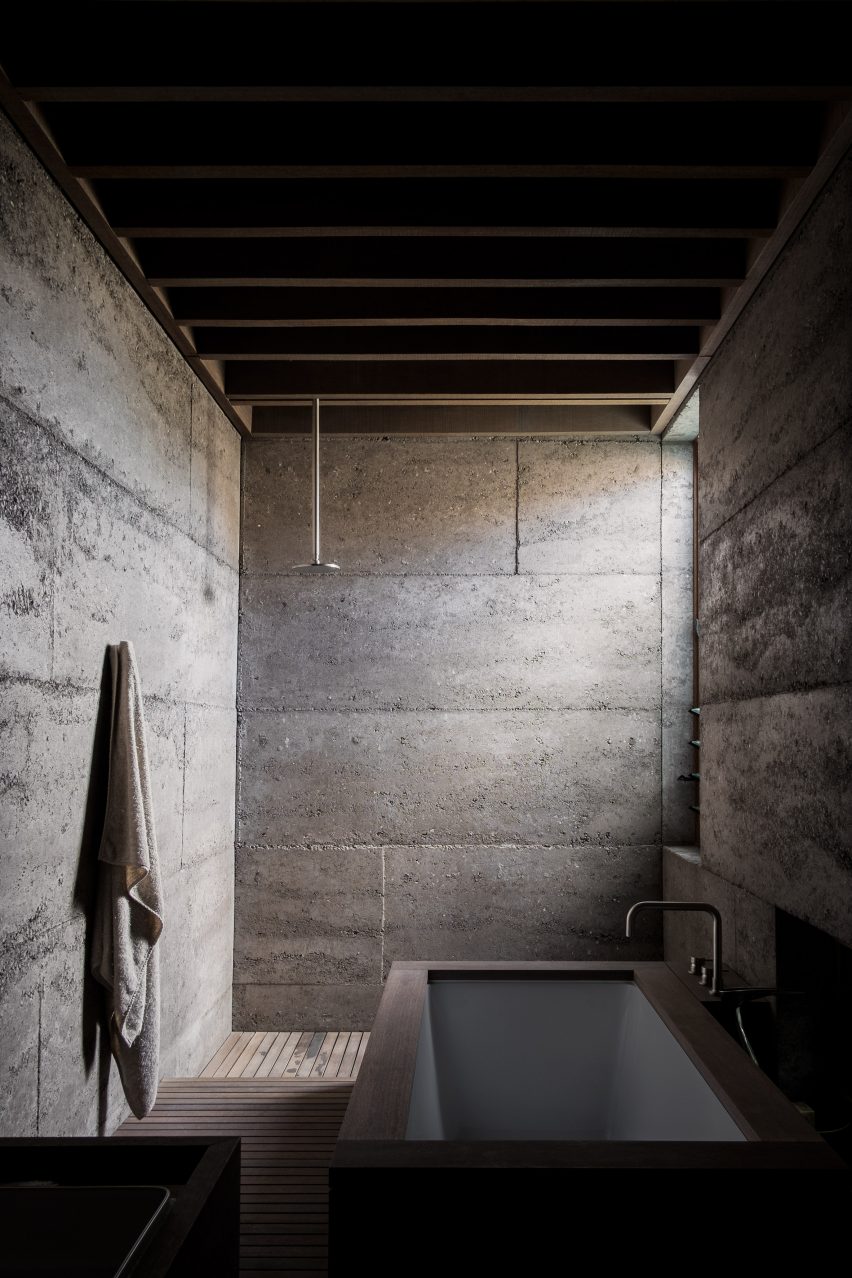
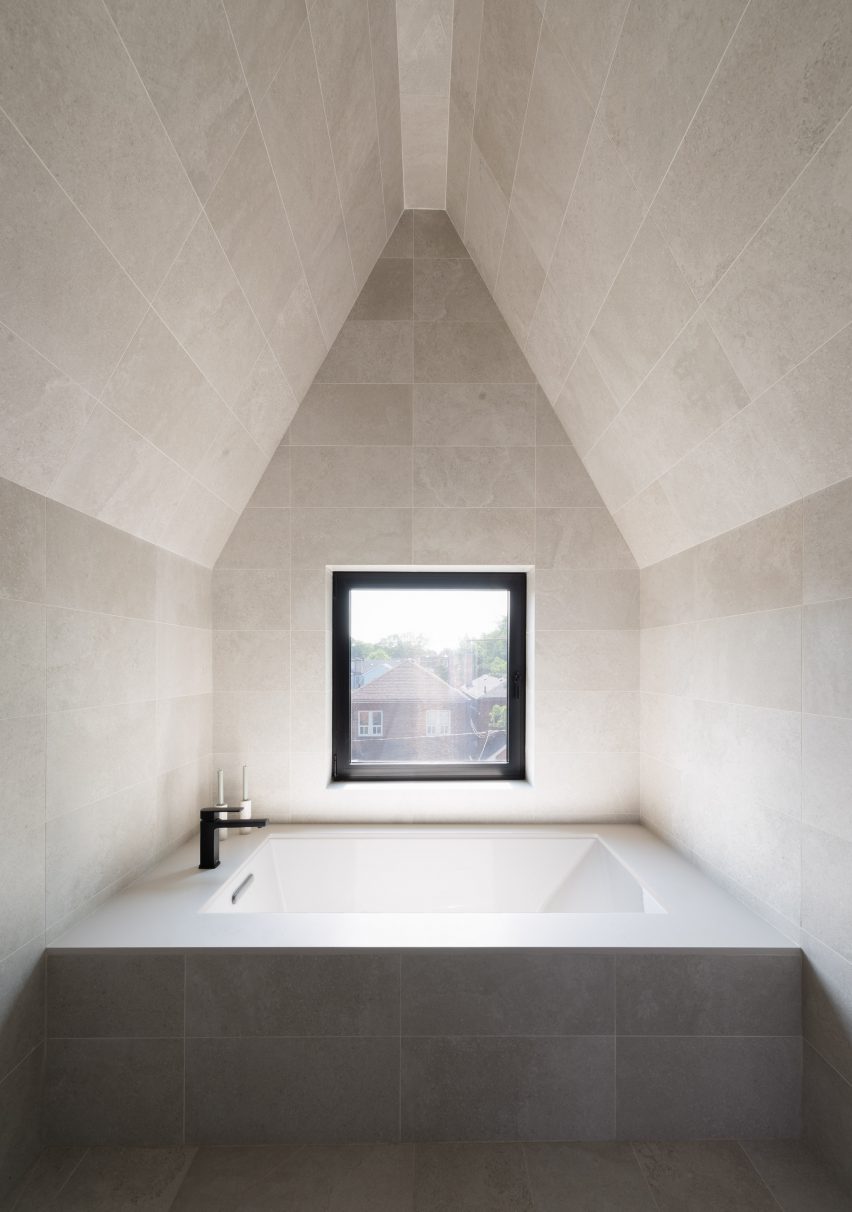
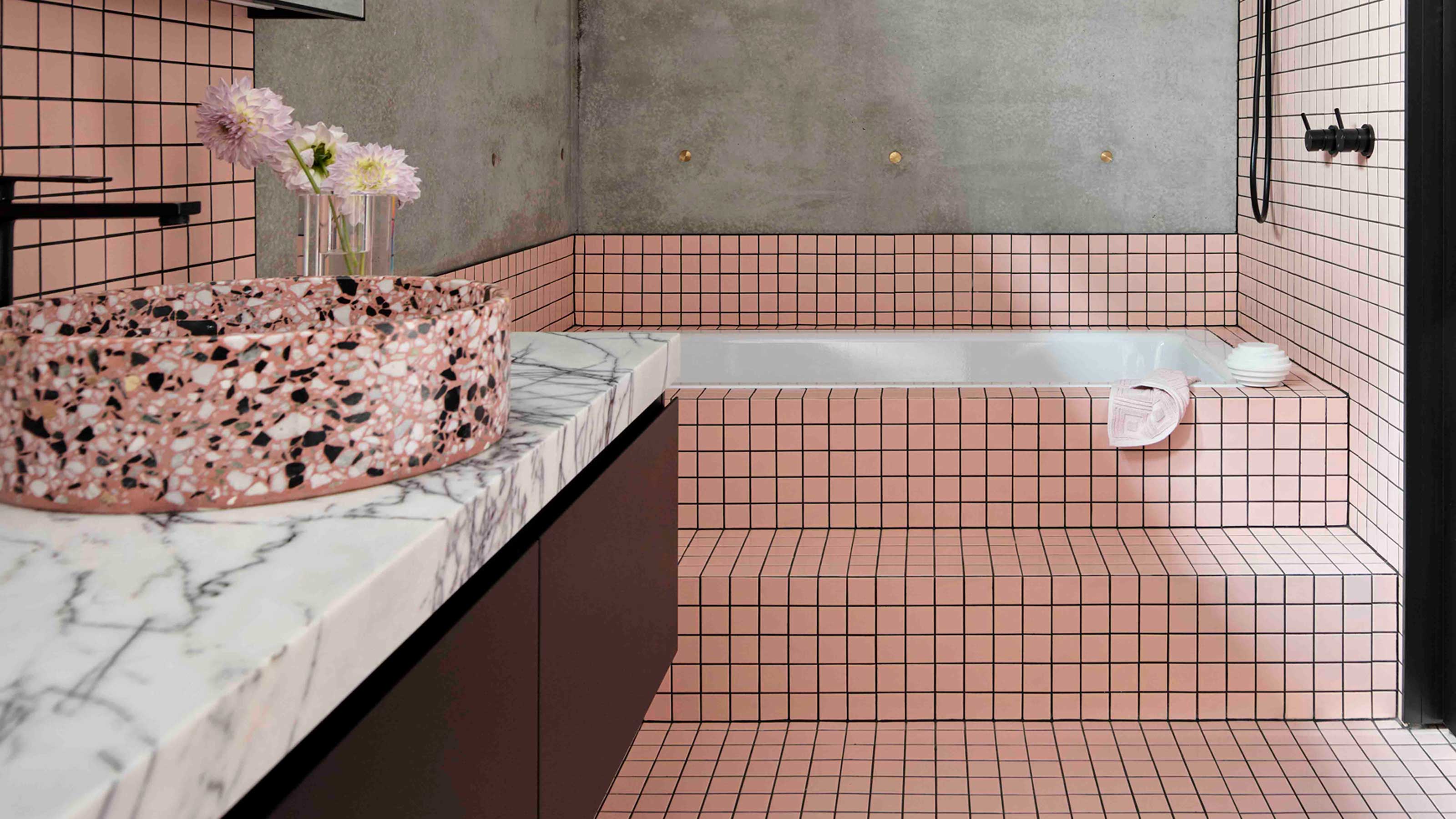
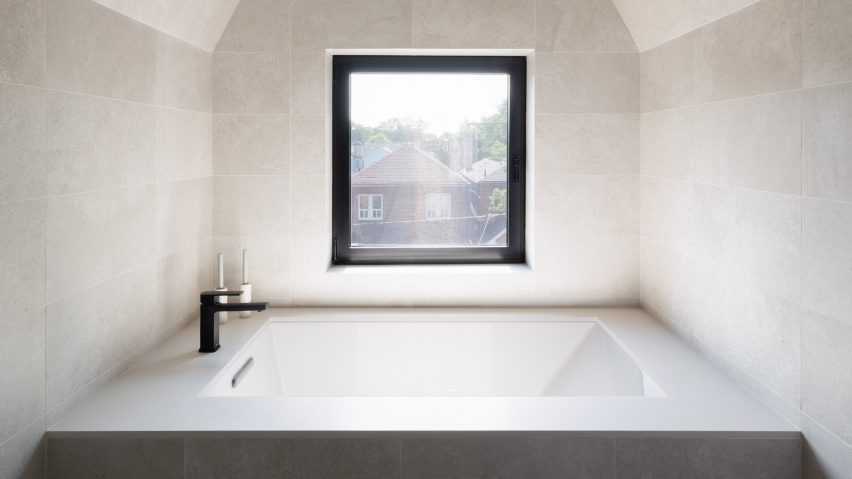
Several design examples highlight the versatility and elegance of built-in bathtubs. One notable approach involves an all-tiled design, where the bathtub becomes an extension of the bathroom's surfaces, fostering a monochromatic and serene atmosphere. This method minimizes visual clutter and allows the tilework to become a focal point, often incorporating generous edges for practical storage. For smaller bathrooms, built-in tubs are particularly advantageous as they reduce visual noise, making the space feel larger and more open. Designers can integrate these tubs into concrete-wrapped wet rooms, optimizing functionality and creating a luxurious feel even in confined areas.
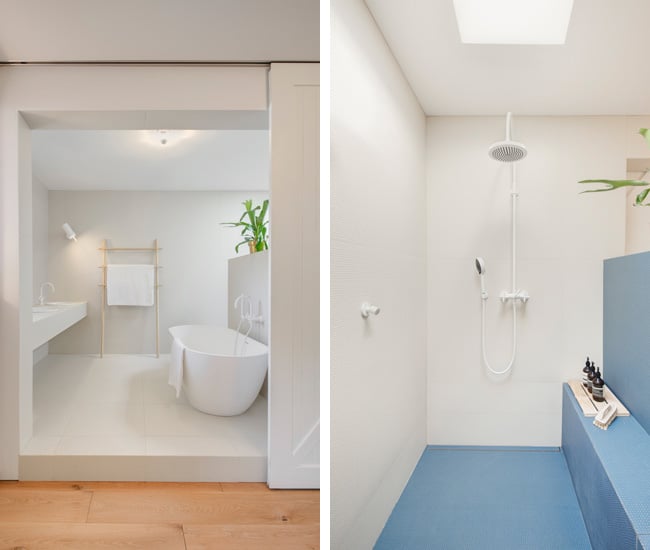
Another innovative design splits the tub and shower layout, allowing for both functionalities in compact bathrooms without creating an overtly wet room environment. This often involves deeply set, rectangular tubs that are tiled into walls, giving the impression of being molded from the architecture itself. The strategic use of skylights above these tubs enhances the sense of spaciousness and offers an outdoor bathing experience, blurring the lines between indoor and outdoor living. Curved corner bathtubs demonstrate how challenging layouts can be transformed into unique, artisanal features, inspired by global bathing traditions and executed with refined materials like waxed concrete.
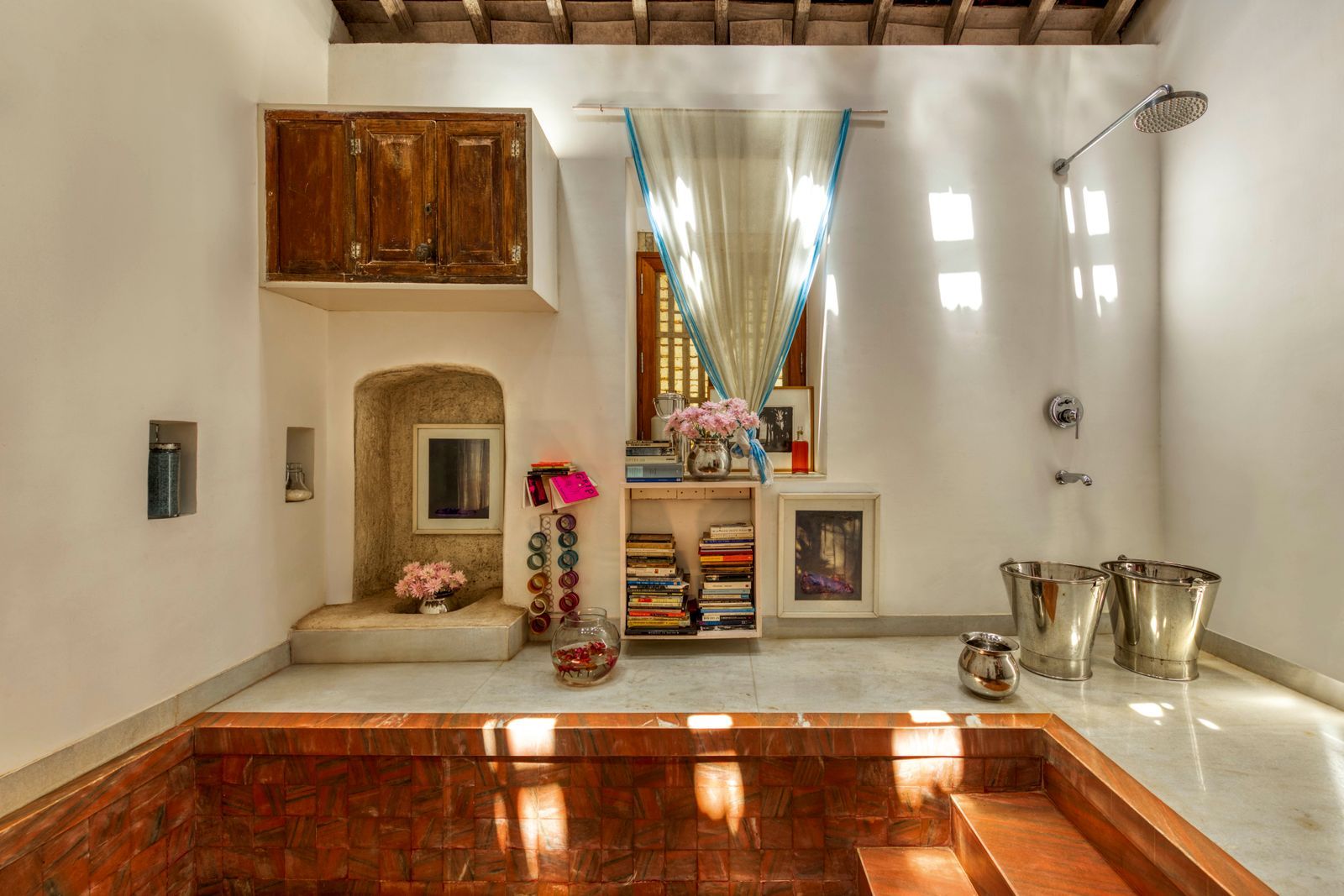
Built-in bathtubs can also be designed with enhanced presence and functionality, such as those featuring tiered steps. These steps not only add a striking visual element but also improve accessibility for adults and make tasks like bathing children or pets considerably easier. Material choices further elevate the built-in tub's appeal; Tadelakt lime render creates earthy, textured surfaces that evoke relaxed luxury, moving away from clinical aesthetics. High-end materials like pink-and-black marble can transform a built-in tub into a central, luxurious focal point, challenging the perception that only freestanding tubs offer opulence.
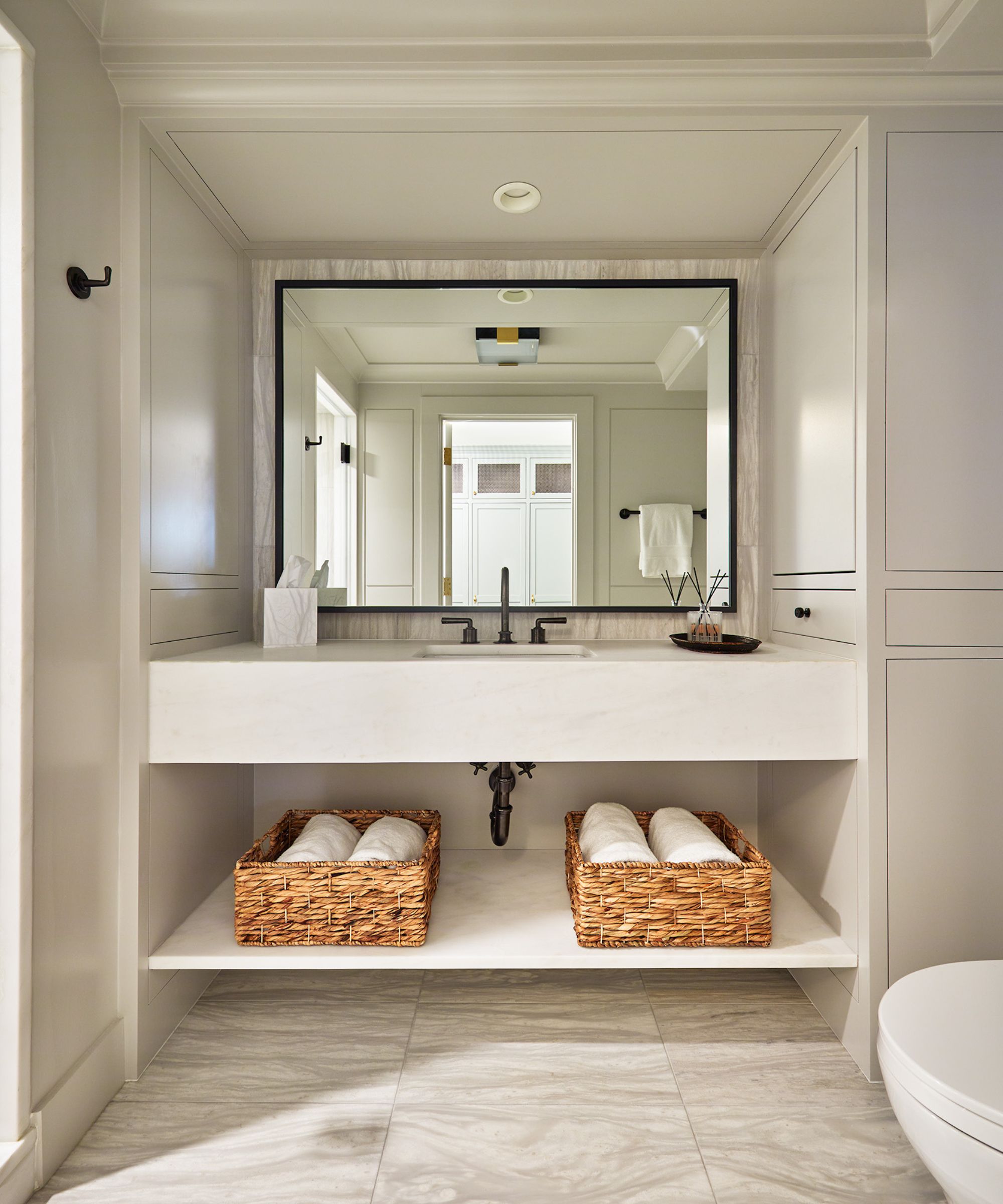
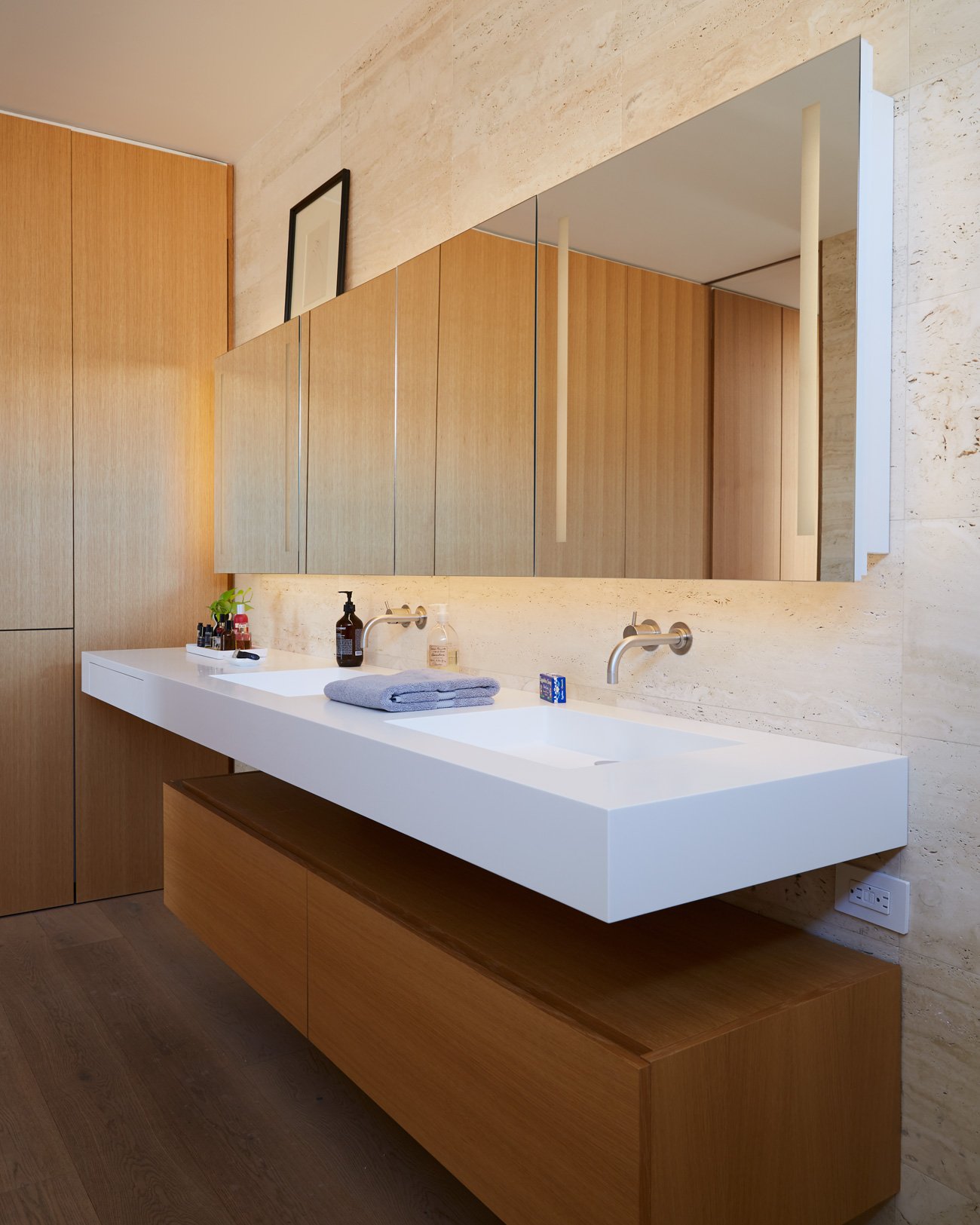
Sunken soaking tubs, inspired by Japanese bathing traditions, exemplify how built-in designs can turn a mundane fixture into a spectacular, defining feature of a home. These tubs often connect directly to outdoor spaces via bifolding doors, providing views of nature and fostering a shared family experience. For a streamlined industrial look, designers integrate drop-in bathtubs into unified material volumes that also house vanities, simplifying the bathroom's aesthetic. Finally, stacking the vanity on top of a built-in bath creates a single, elegant volume, resolving awkward corner spaces and enhancing the luxurious, pared-back feel of a minimalist bathroom through the consistent use of materials like travertine stone.
#BuiltInBathtubs #BathroomDesign #MinimalistBathroom #InteriorTrends #ModernBathroom #SpaceSavingDesign #LuxuryBathrooms #TiledBathtub #HomeRenovation #BuiltInBathtubs #BathroomDesign #MinimalistBathroom #InteriorTrends #ModernBathroom #SpaceSavingDesign #LuxuryBathrooms #TiledBathtub #HomeRenovation
0 comment in total
 No comments yet
You may also like
10 Modern Farmhouse Bathrooms Where a Freestanding Tub or an XL Sink Is Really All You Need

Here's Proof You Can Have A Bathtub In A Small Bathroom

Compact Retreat: 15 Small Baths For Undersized Bathrooms
The Bath Bubble
7 built-in bathtub designs to inspire your dream bathroom renovation

Too shallow to take the plunge? Five freestanding baths to freshen up your bathroom
These 6 Freestanding Tubs Will Turn Any Bathroom Into a Spa

6 Designers on the Best Freestanding Tub Brands for Sudsy Soaks
10 small statement tubs that make a big impact in a bathroom scheme
Take Your Bathroom From Basic to Inviting With Our Favorite Bathtubs

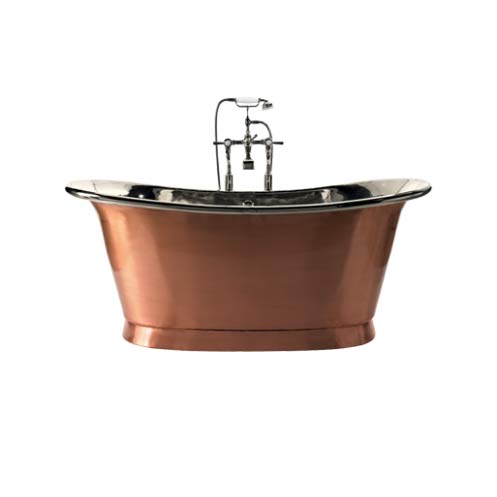
Freestanding Baths – Our Pick of the Best
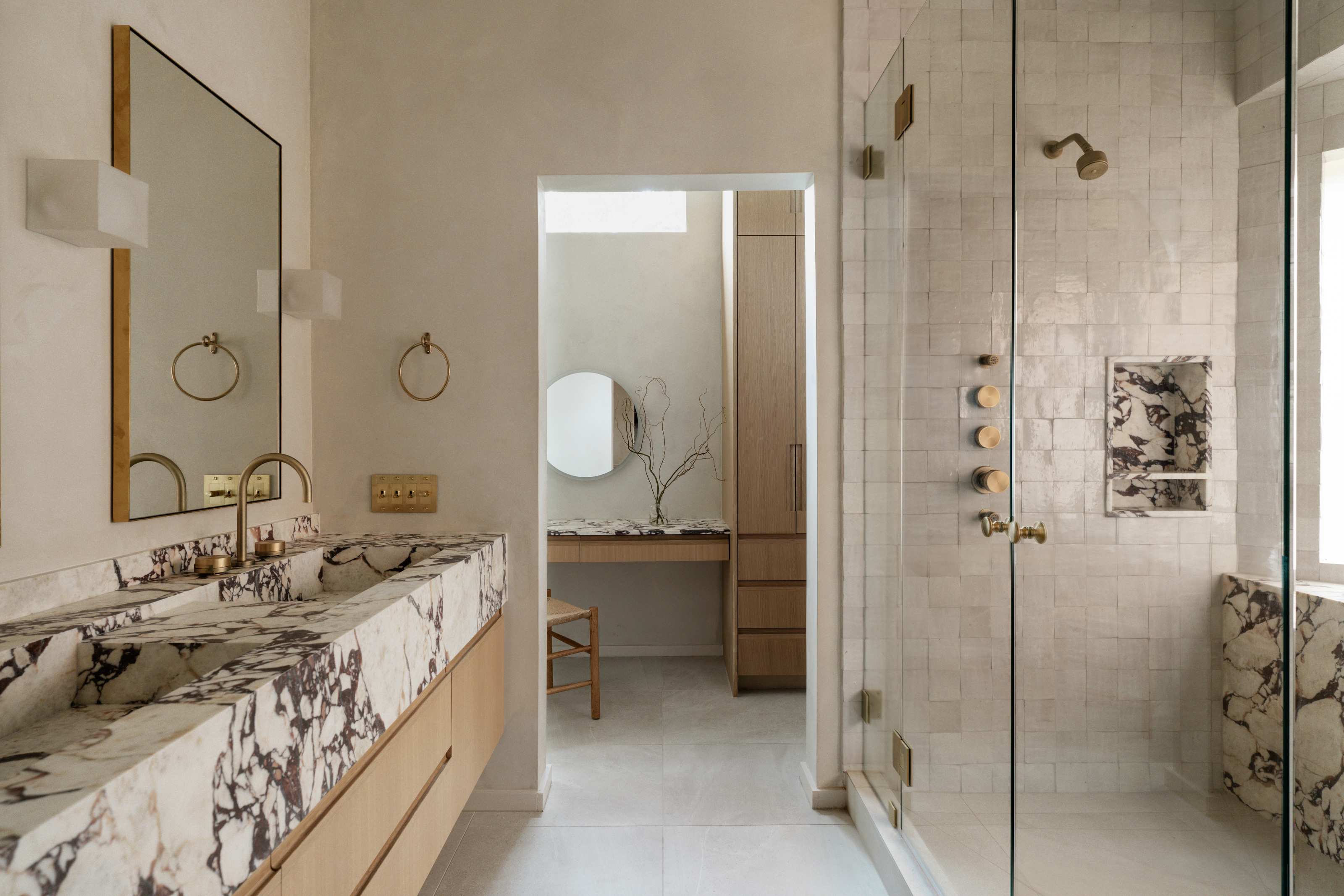
10 ideas interior designers use to create calming bathrooms that feel like at-home spas
Freestanding bathtub ideas and inspiration for your bathroom renovation

14 of the best freestanding baths and how to choose the right one

10 Bathroom Design Ideas from Inspiring Homes

Twelve contemporary bathrooms with a spa-like feel
9 minimalist bathroom ideas that bring personality and interest to pared-back schemes
8 minimalist small bathroom ideas to keep things simple

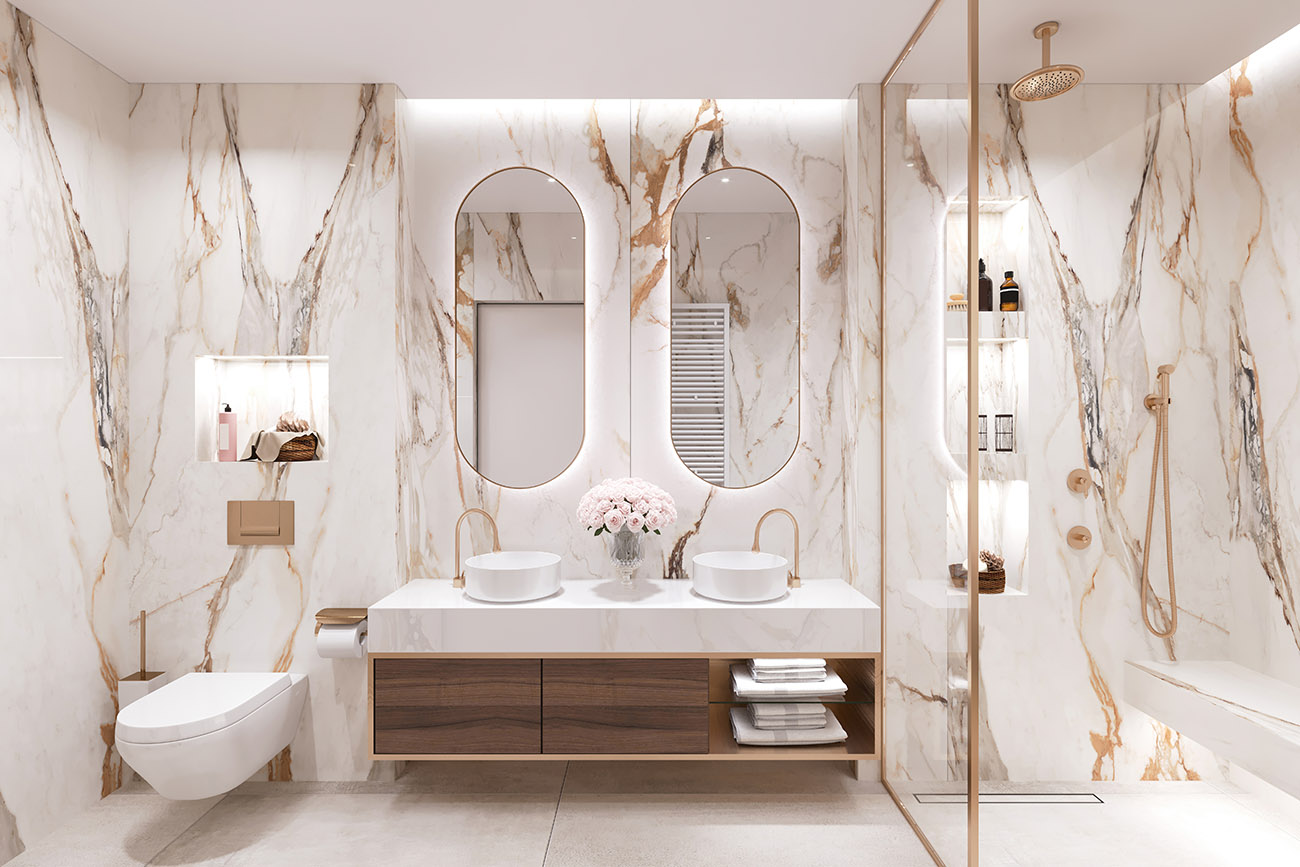
3 Hot Bathroom Trends: Spa-like With Some Organic Feels
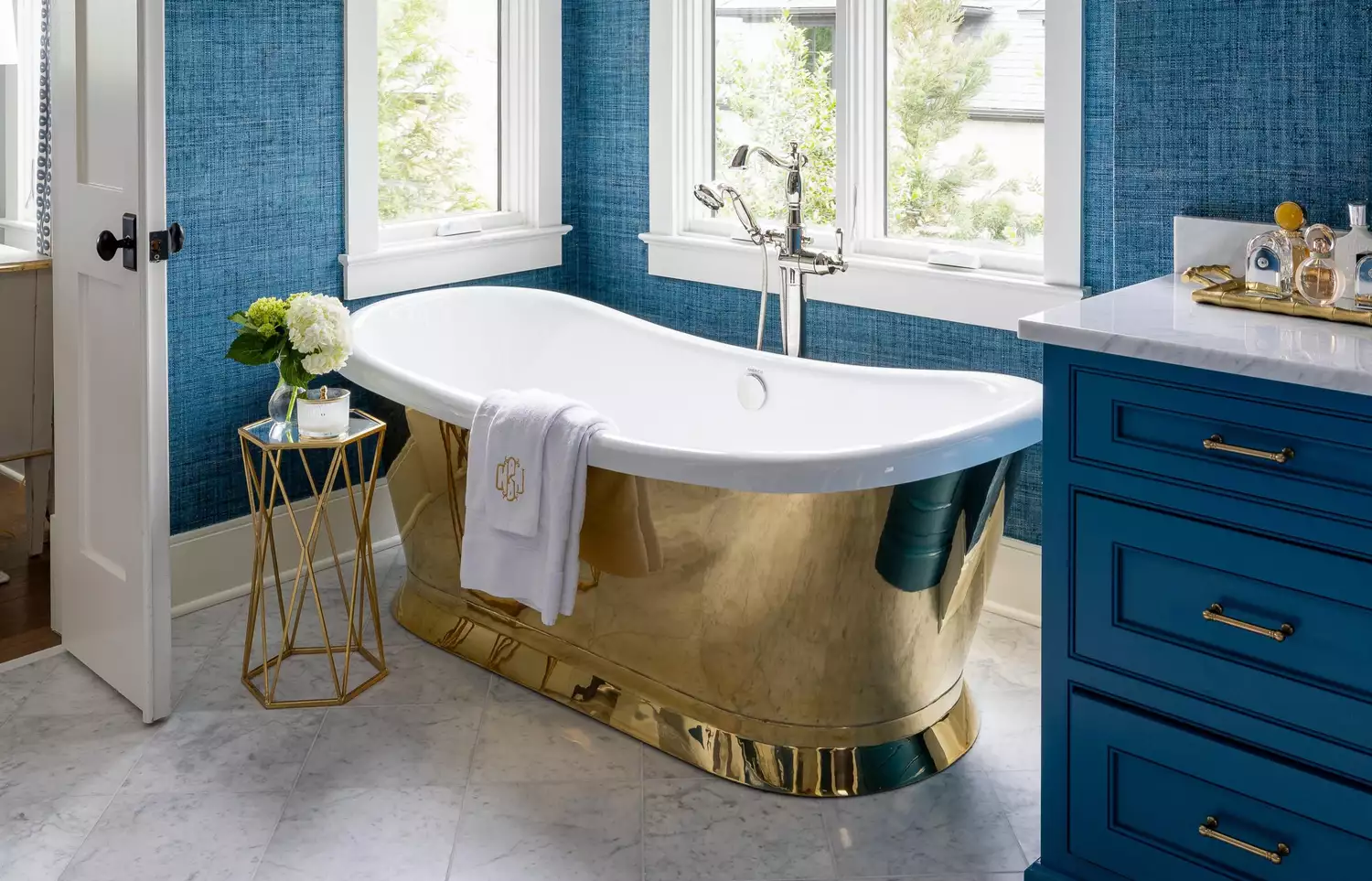
17 Bathtub Ideas That Will Transform Your Bathroom Into a Spa-Like Escape