The Bath Bubble
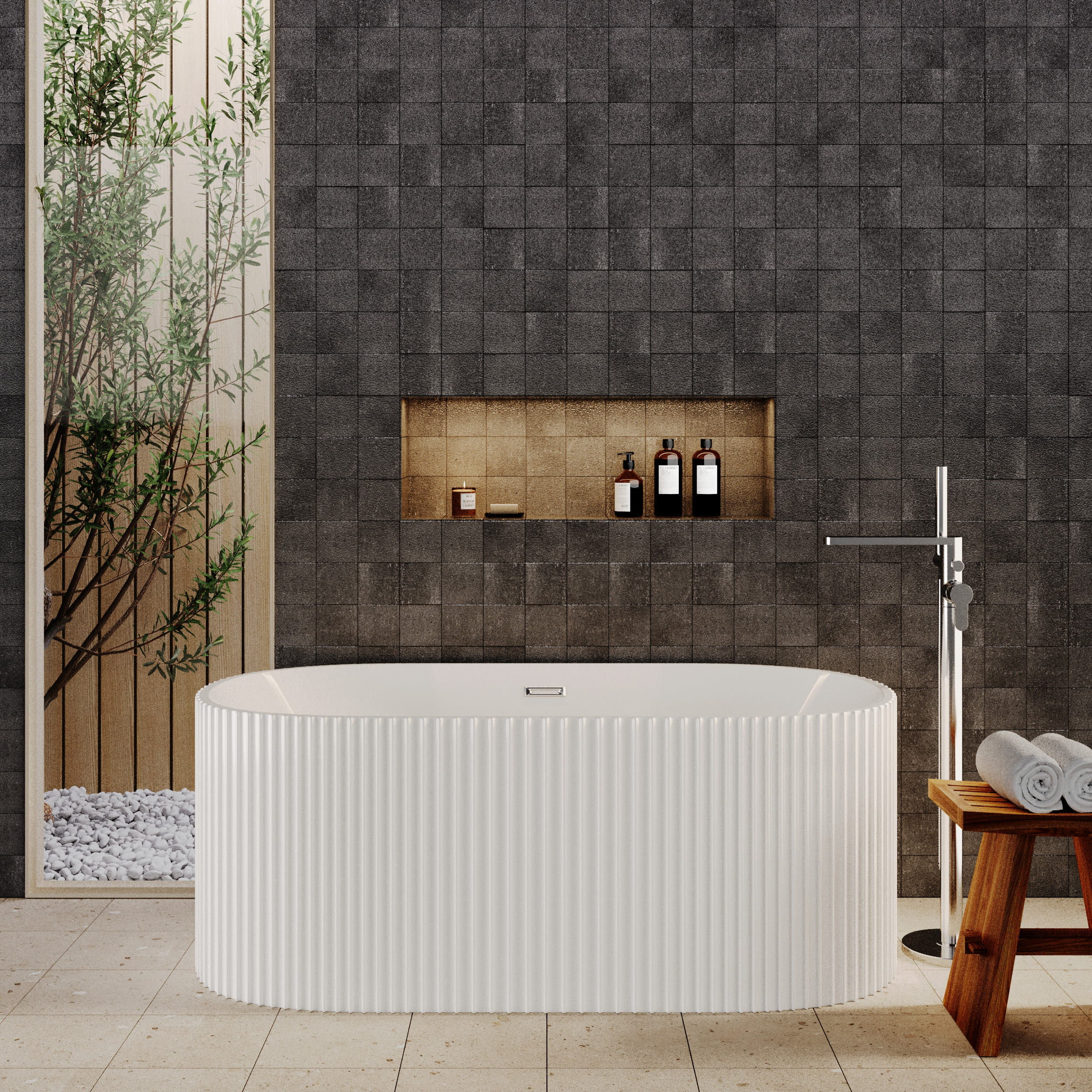
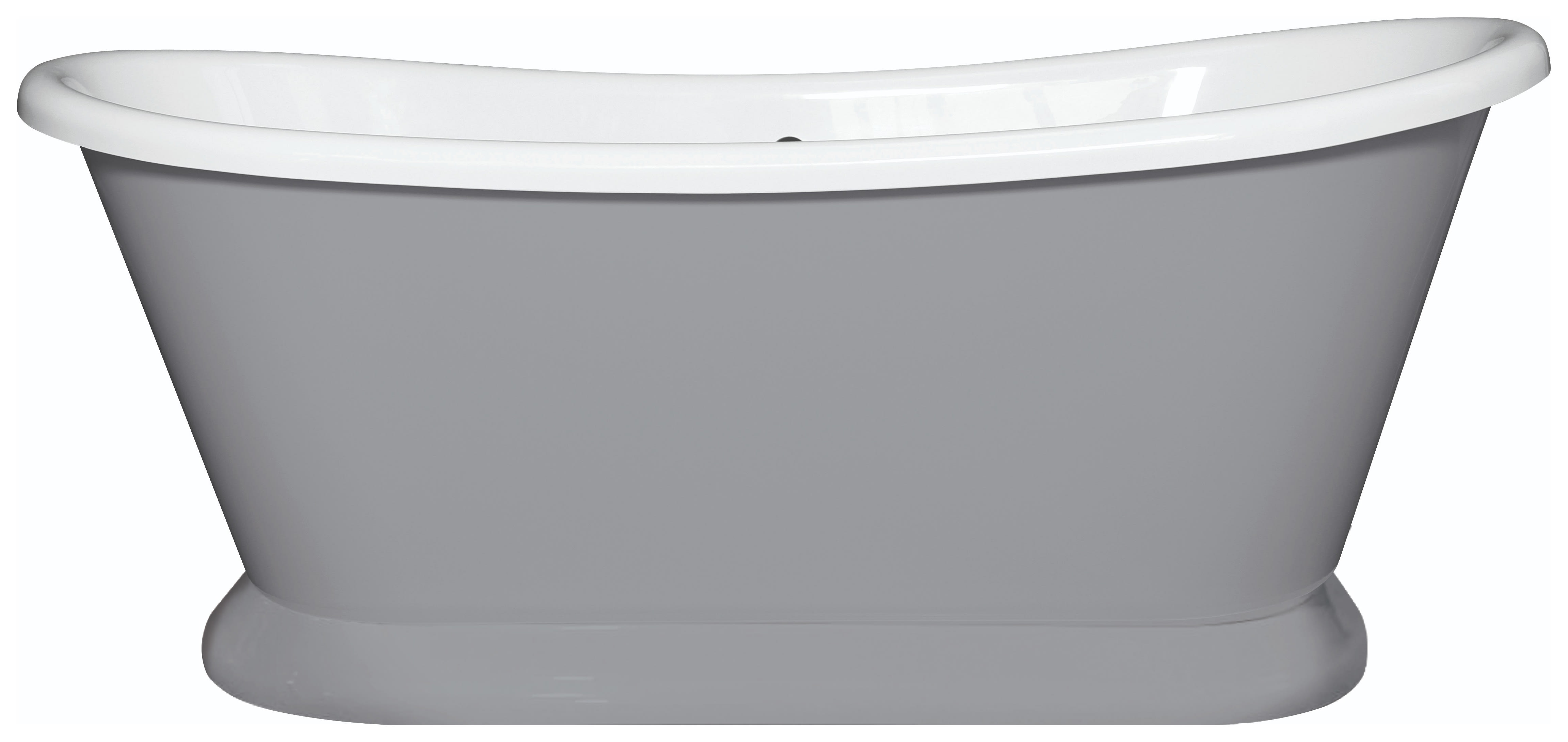
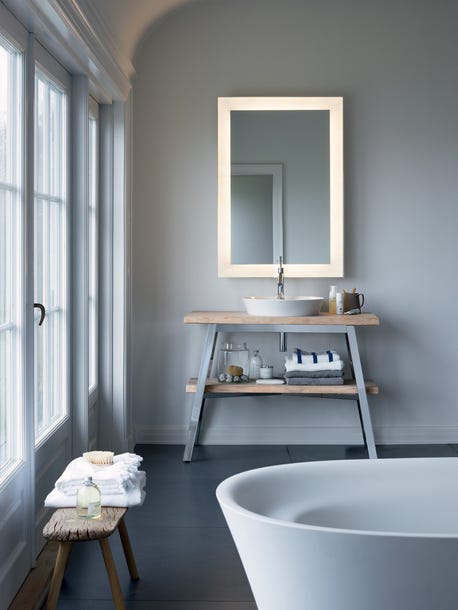
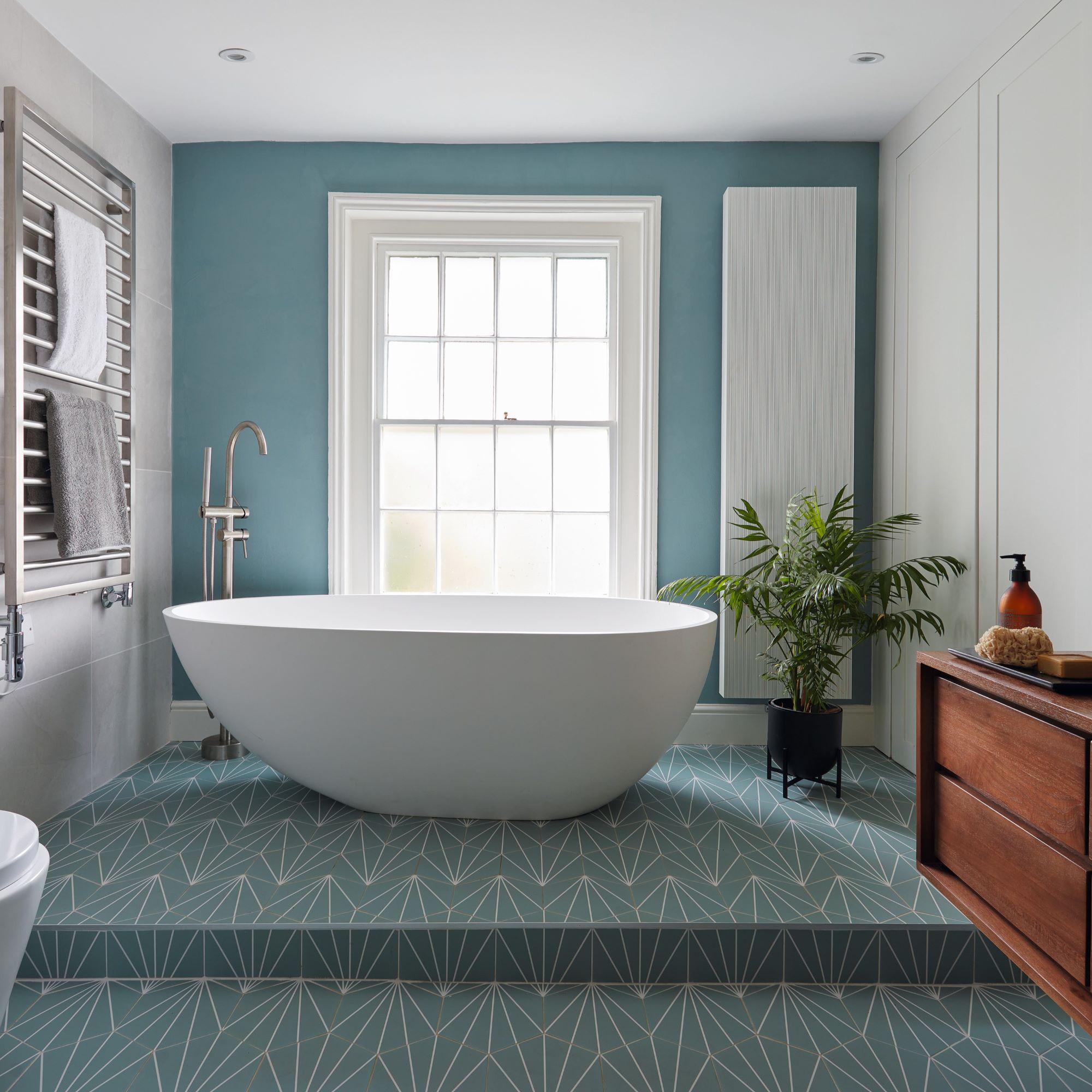
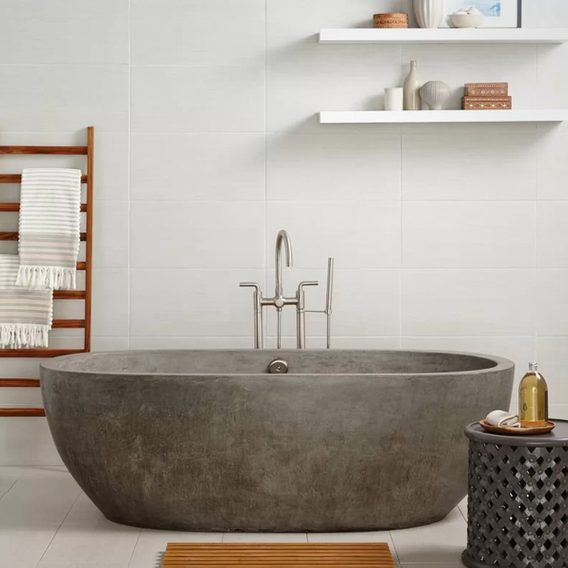
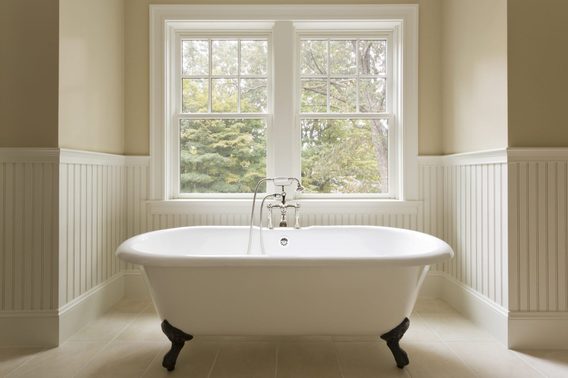
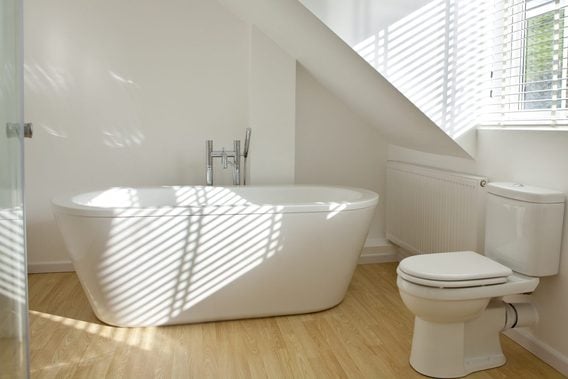
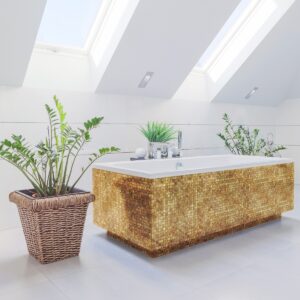
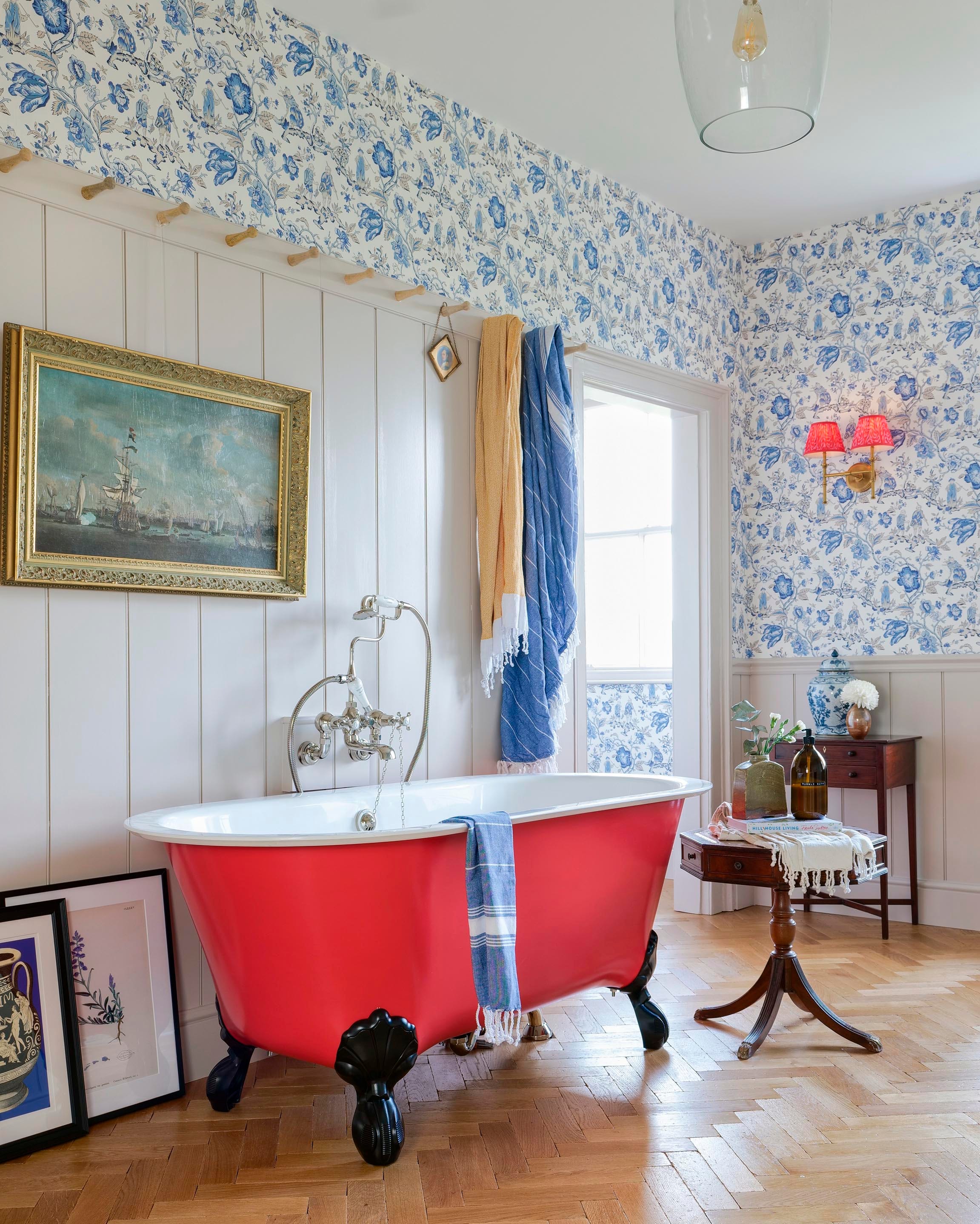
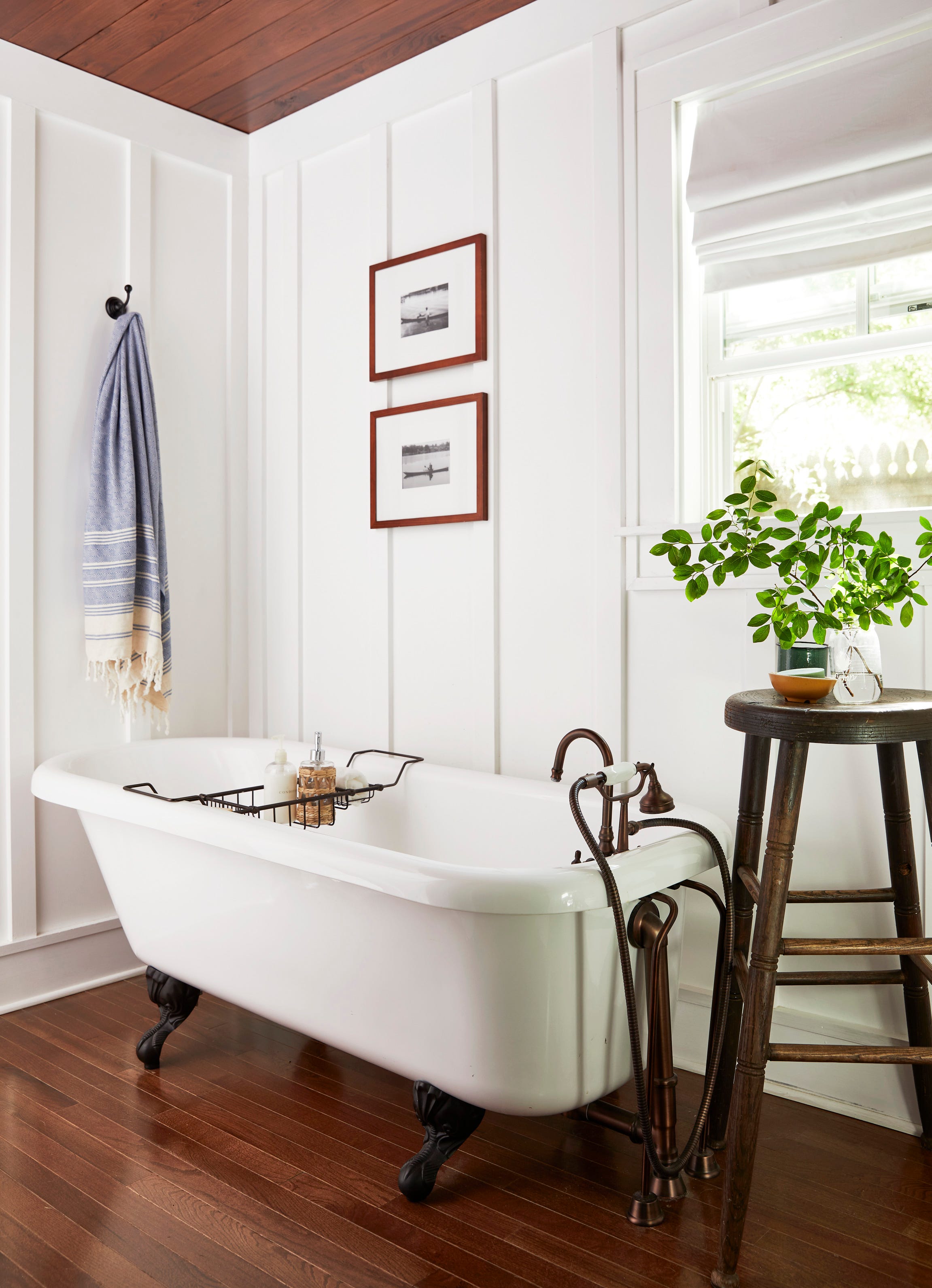
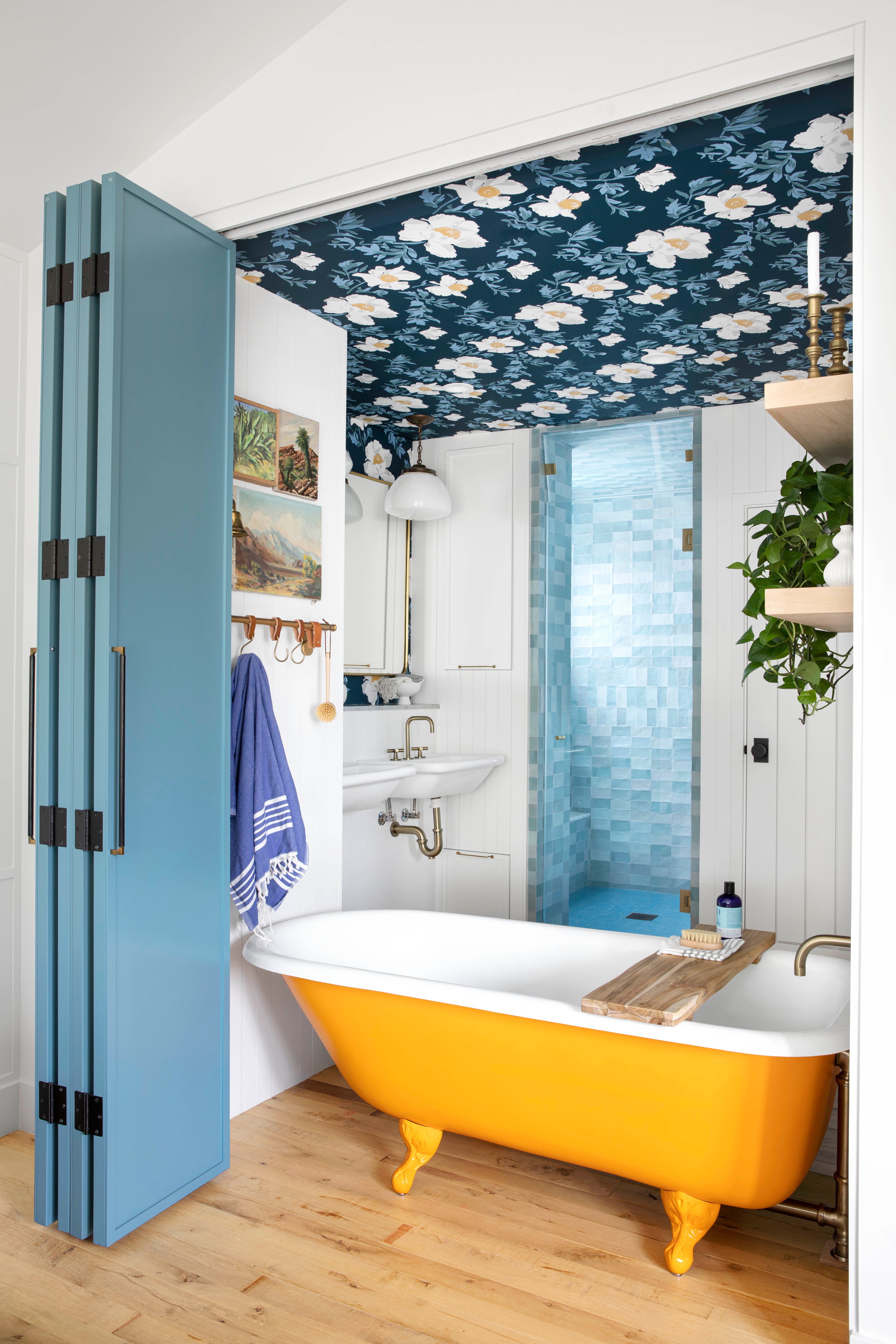
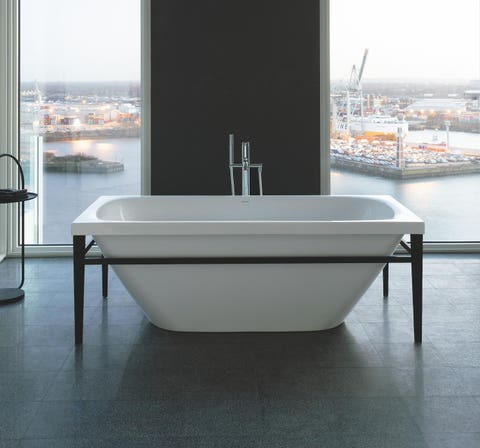
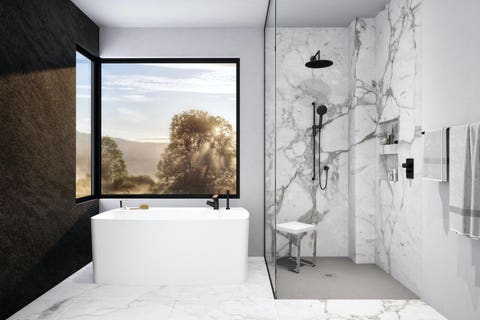
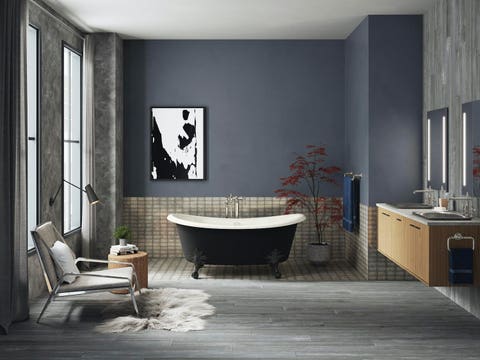
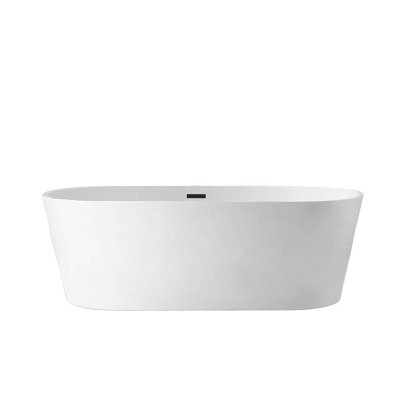
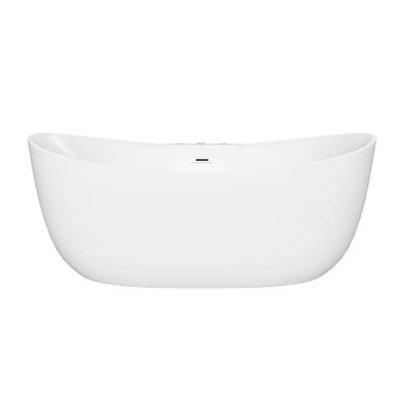
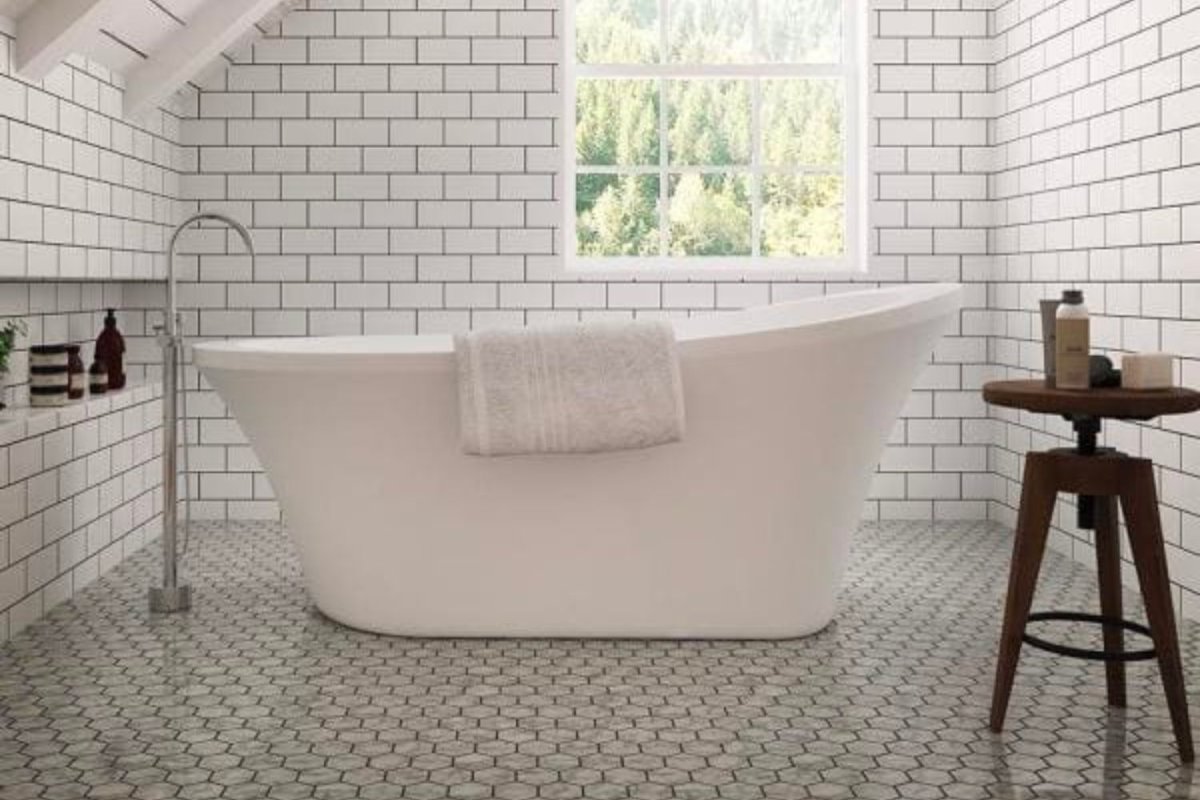
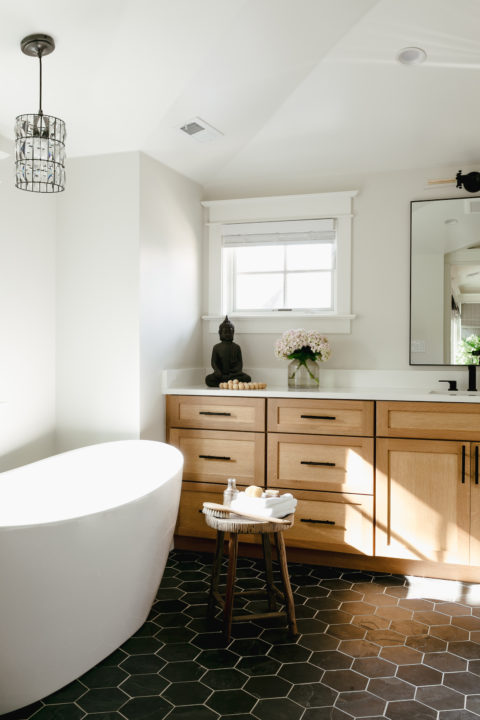
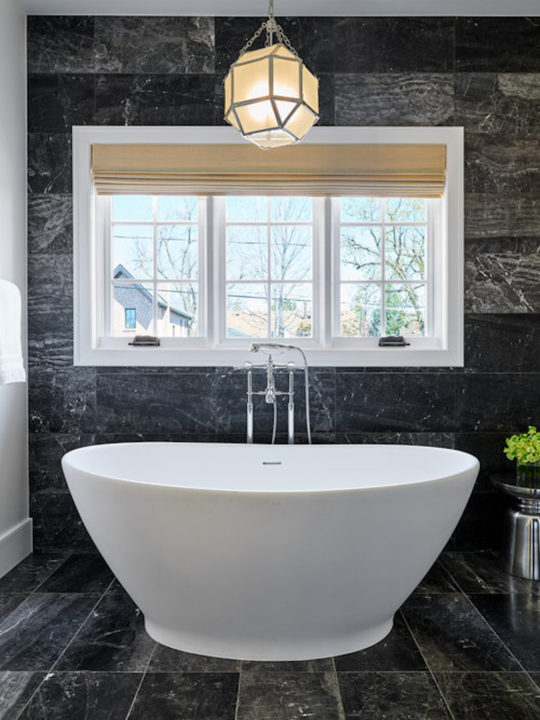
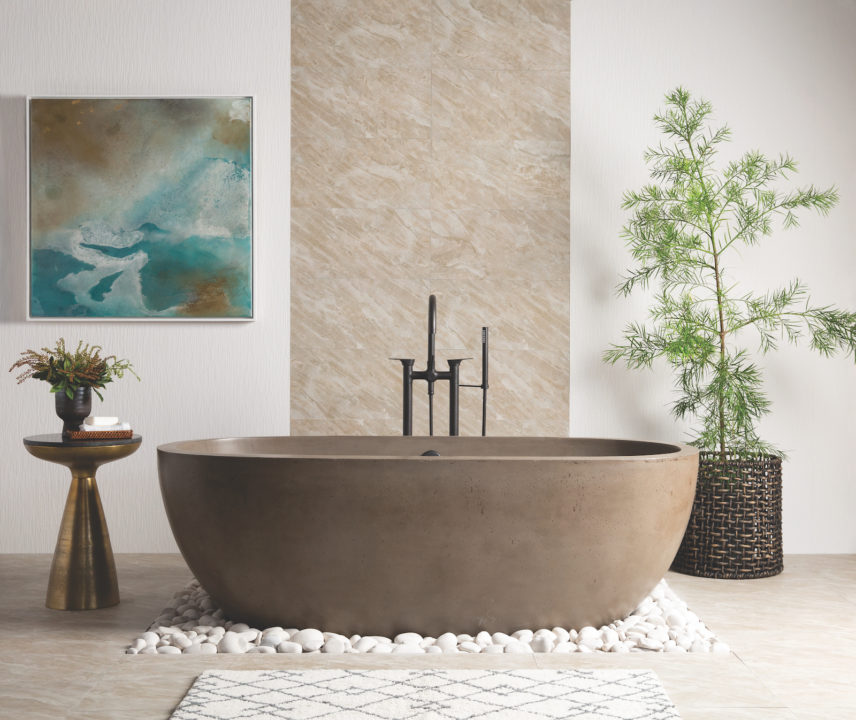
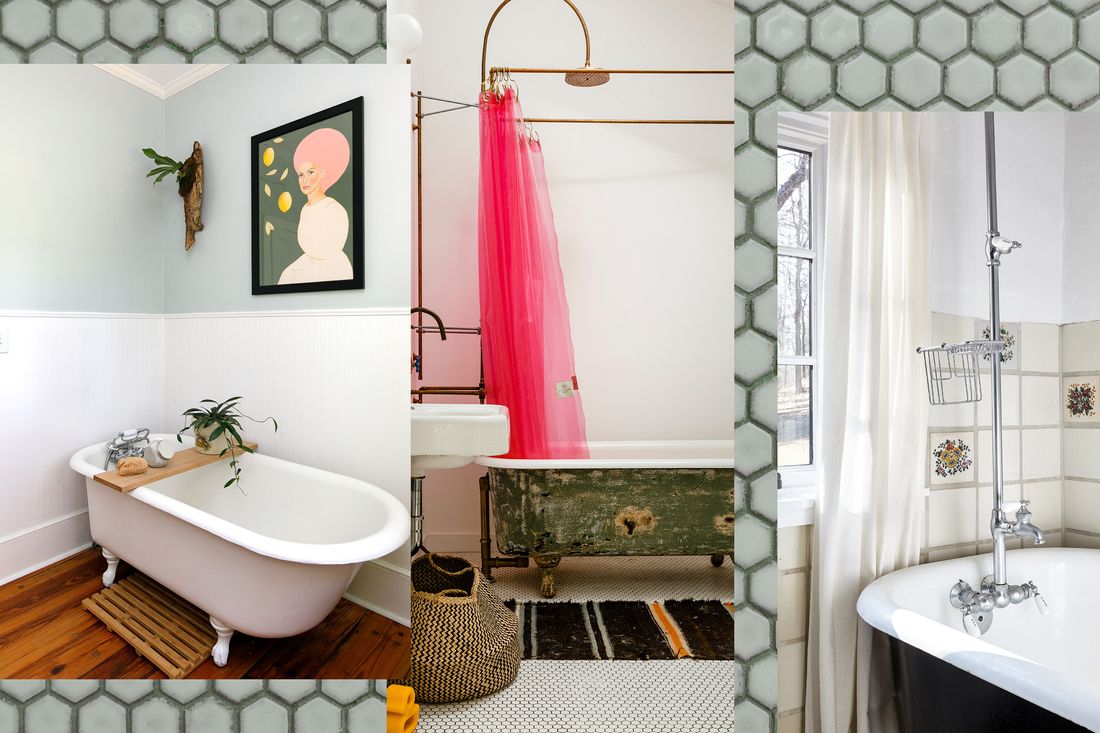
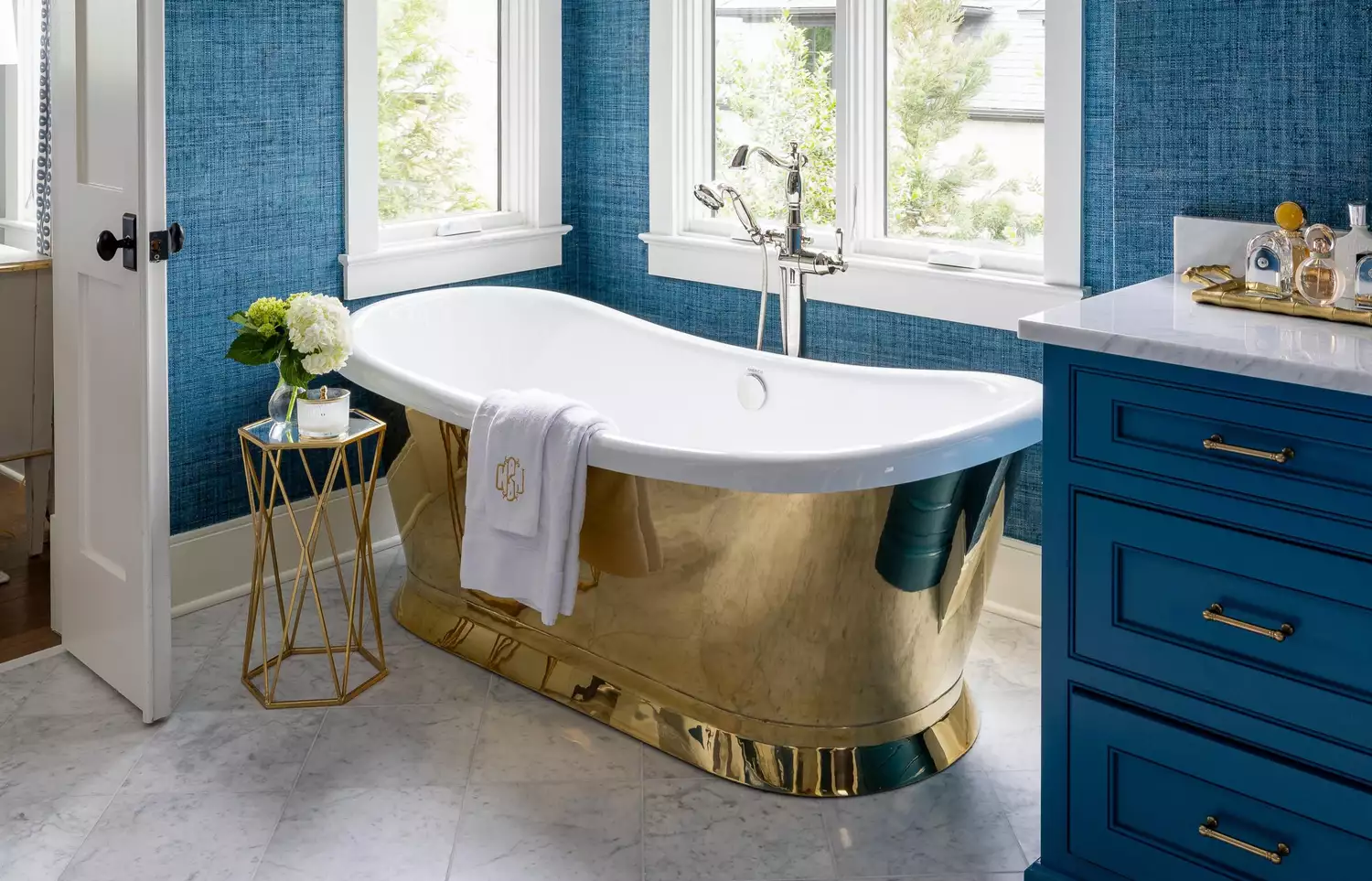
The article explores the resurgence of the freestanding bathtub, contrasting its current popularity with a trend in 2017 where homeowners favored walk-in showers for their perceived modernity and space-saving qualities. In 2017, surveys indicated that a significant majority of homeowners replaced tubs with larger showers to create more spacious and recreational bathroom experiences. However, a few years later, the freestanding tub has made a significant comeback, becoming a desired feature across various home styles, from modern to farmhouse and minimalist designs. Its presence is frequently highlighted in design publications and sought after in luxury accommodations and by design firms.
The history of bathtubs is traced, noting that while ancient civilizations like Mohenjo-daro and the Romans had advanced bathing structures, private tubs were initially limited to the wealthy. Following the fall of the Roman Empire and during periods like the Black Death, bathing fell out of favor in Europe due as lingering in water was thought to spread disease. The resurgence of tubs in the 19th century was driven by innovations in hydraulic engineering, a growing understanding of hygiene, and improved urban infrastructure for plumbing and sewage management. Early American tubs were portable basins, primarily used by the affluent due to the labor involved in filling and emptying them. Initially, cold plunge baths were prescribed for health, with physicians and advisors promoting quick, invigorating dips rather than prolonged soaks.
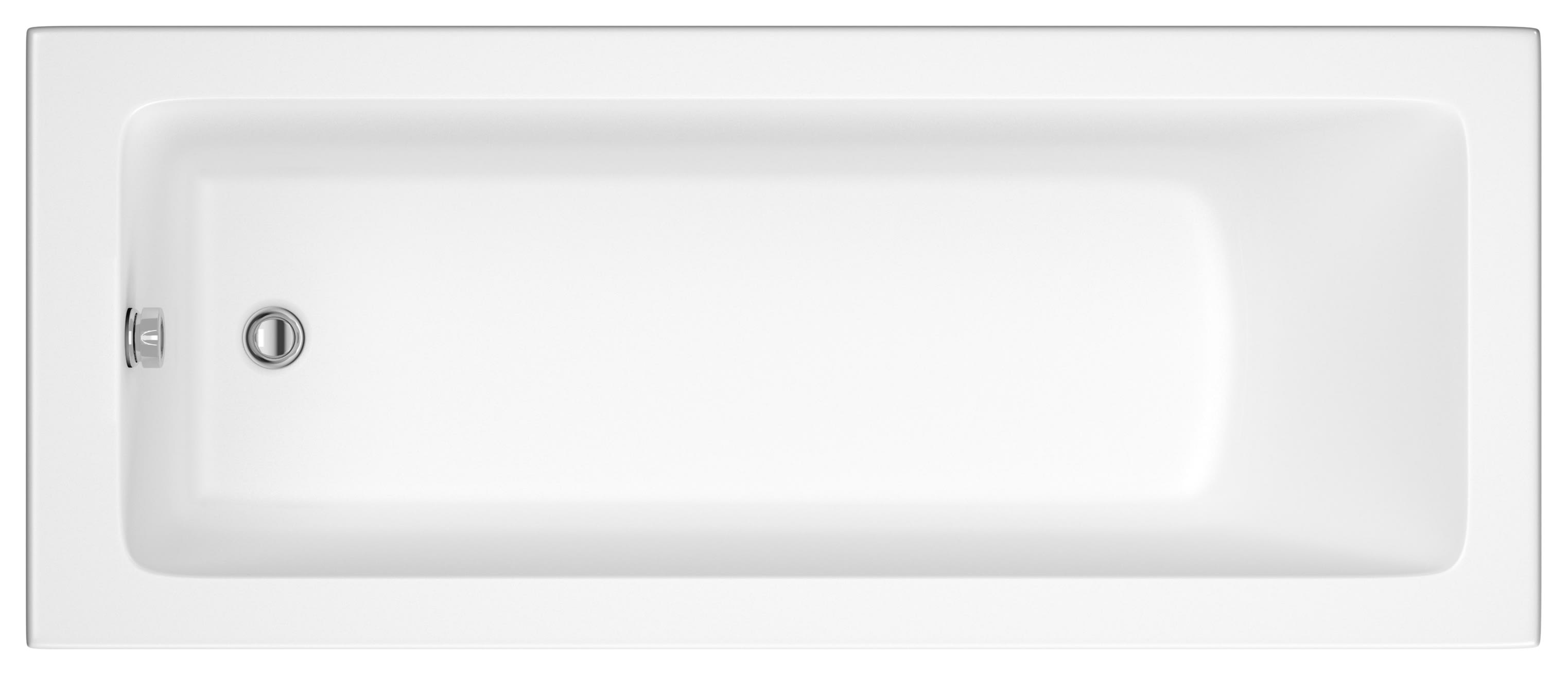
Attitudes towards bathing transformed dramatically with the widespread adoption of indoor plumbing in the late 19th century. Tubs became permanent fixtures, leading to a boom in manufacturing. Companies like Kohler introduced innovations such as the cast-iron hog-scalder-cum-bathtub and later, the built-in tub. This period saw a shift from cold plunges to warm, relaxing soaks, with baths becoming a ritual for winding down and regeneration, possibly as an escape from the chaos of industrialization.
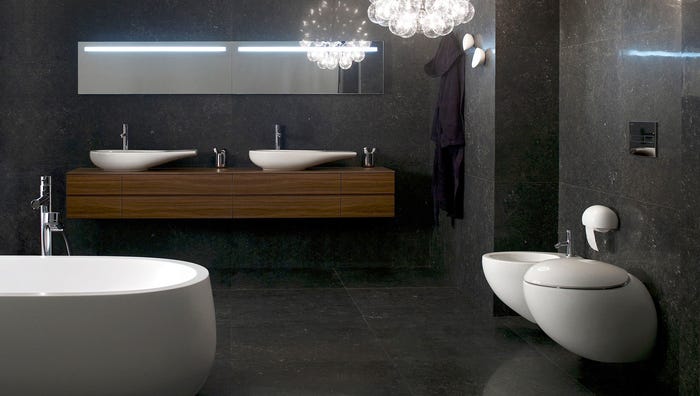
In contemporary home design, there's a noticeable trend where homeowners are reallocating significant portions of their renovation budgets towards bathrooms rather than communal living spaces. This shift is driven by a desire for private, personal retreats within the home. The freestanding tub, in particular, is linked to the growing self-care movement, with many wellness products designed for bath use. Designers observe that clients seek these tubs for destressing and creating a personal sanctuary, emphasizing the soothing stillness of water over the gurgling of less popular Jacuzzis.
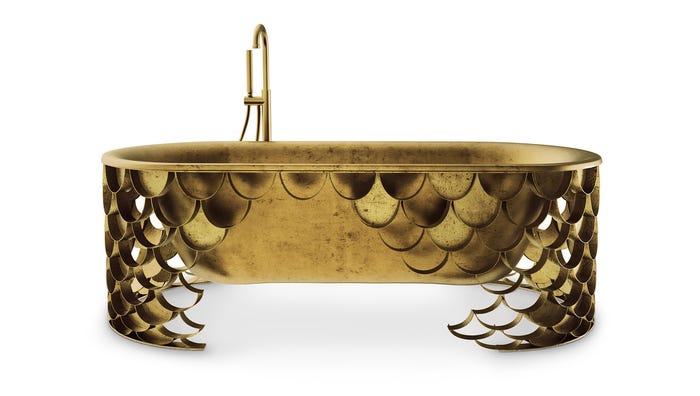
The appeal of the freestanding tub extends beyond its functional purpose; it serves as a symbol of luxury and status, akin to owning a high-end car. These tubs require substantial space and financial investment, ranging from a few thousand to tens of thousands of dollars, making them a visible indicator of affluence. While some clients install them for aesthetic reasons without frequent use, for those who do bathe, the ritual can also reflect a need for emotional warmth and an escape from loneliness. The article concludes by noting that regardless of the tub's price point, the act of bathing in modern times mirrors the historical desire for escape and self-care in a complex, fragmented world.
#FreestandingTubs #BathroomDesign #HomeRenovation #SelfCare #LuxuryHome #DesignTrends #PlumbingHistory #WellnessMovement #FreestandingTubs #BathroomDesign #HomeRenovation #SelfCare #LuxuryHome #DesignTrends #PlumbingHistory #WellnessMovement
0 comment in total
 No comments yet
You may also like

Freestanding Baths

Reimagining the Spa Bath

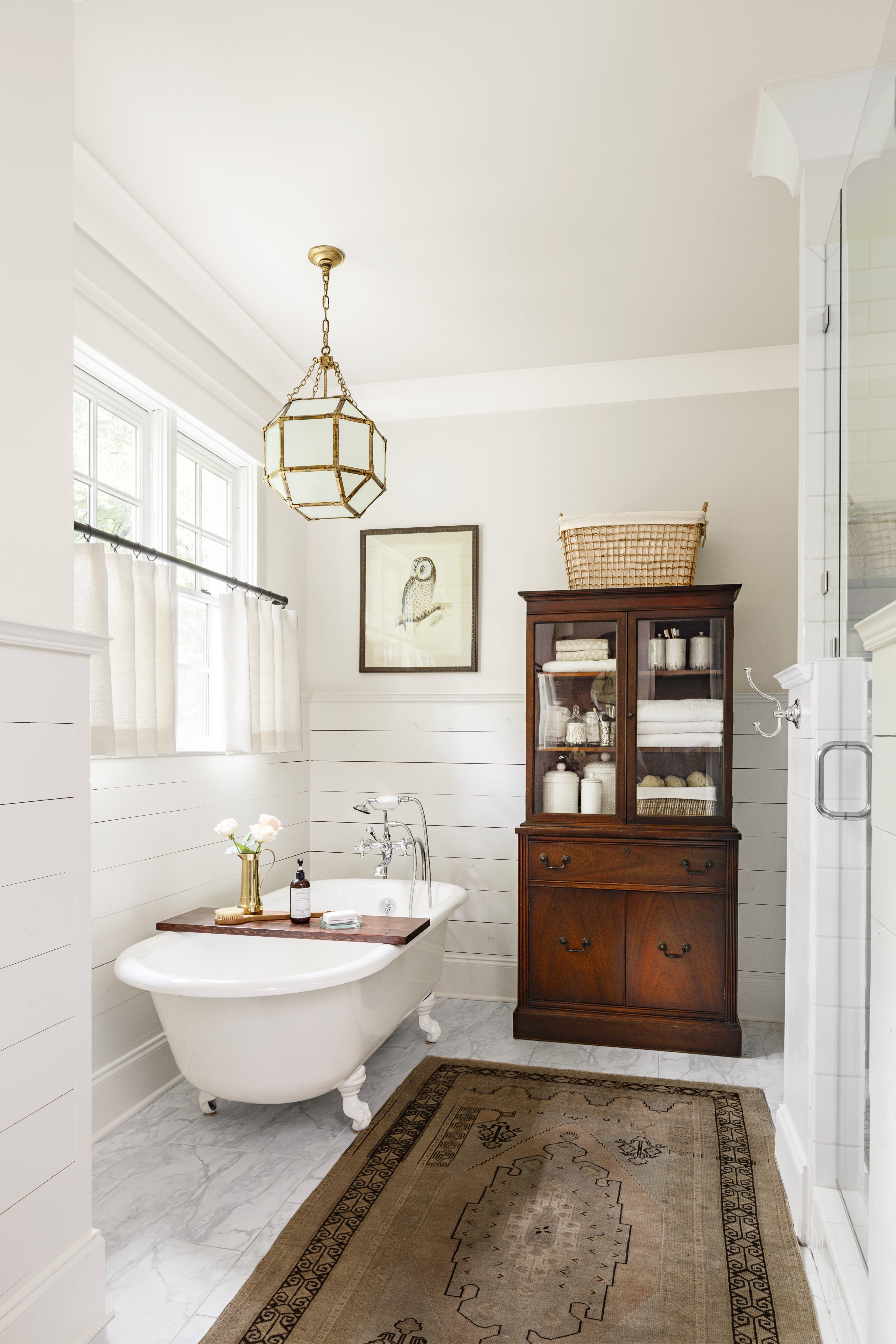
Transform Your Blah Bathroom with a Claw-foot Tub
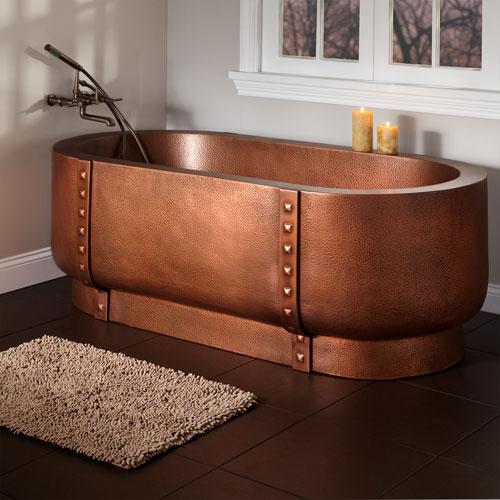
Beautiful bathtubs to relax in

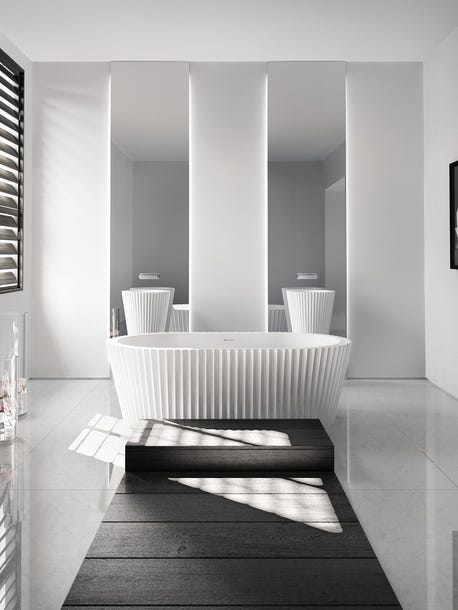
Gallery: Splish splash, clean design takes a bath
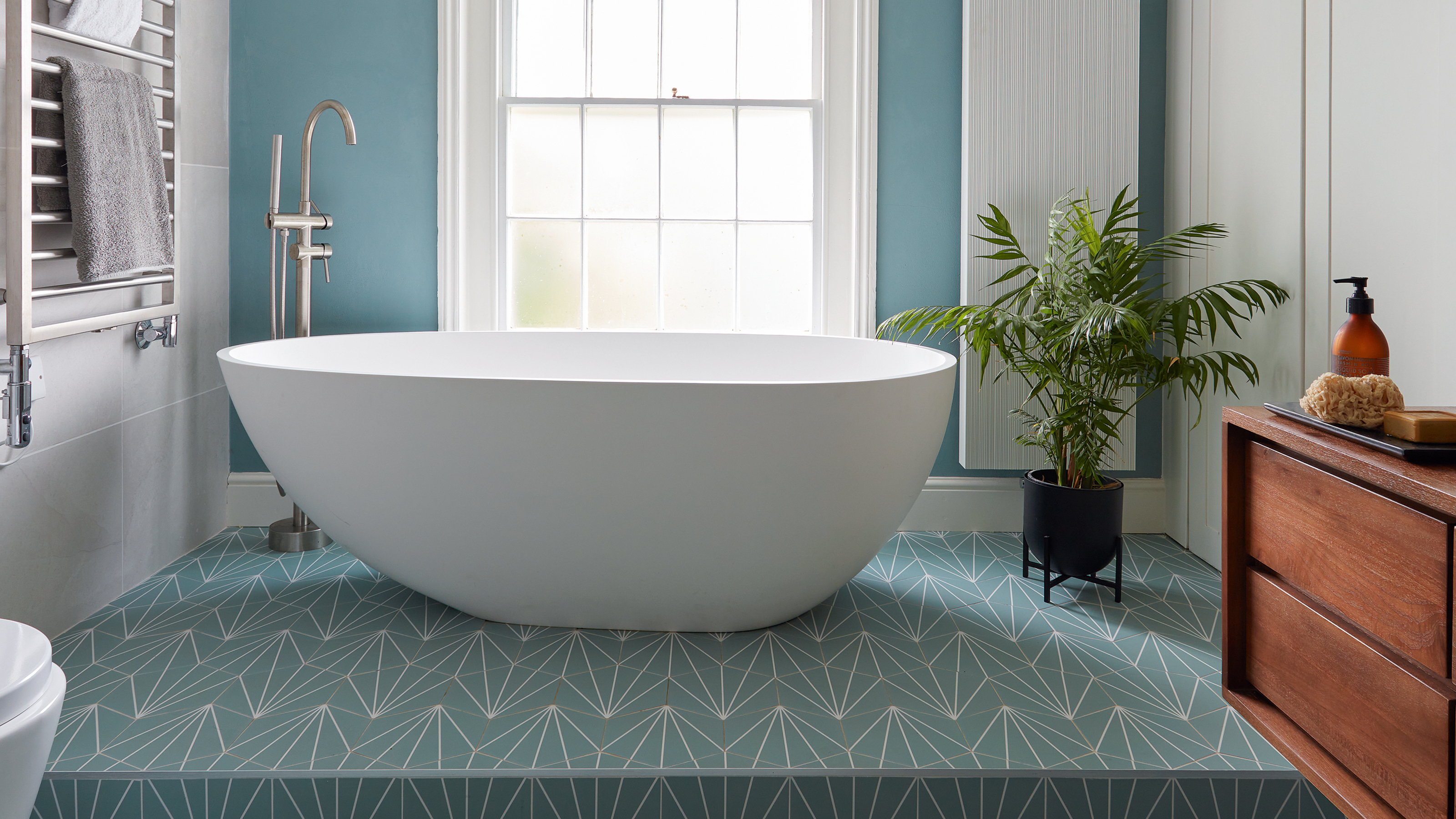
A genius layout solution makes a freestanding bath the star of this luxe bathroom makeover
manual air pump inflates glowing bubble lighting series
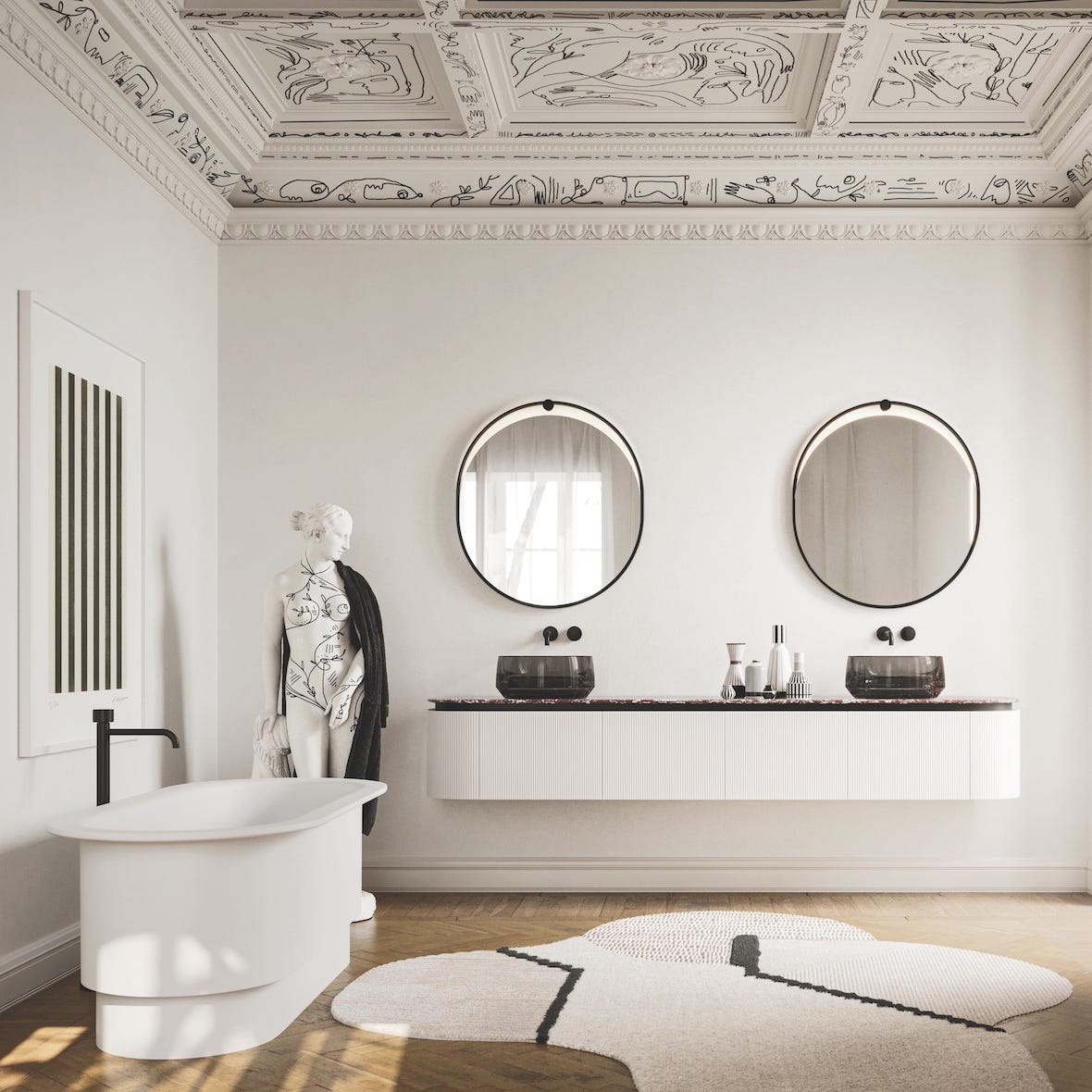
Fluid forms, fine materials and a tailored design reshape the bathroom

Baths & Accessories

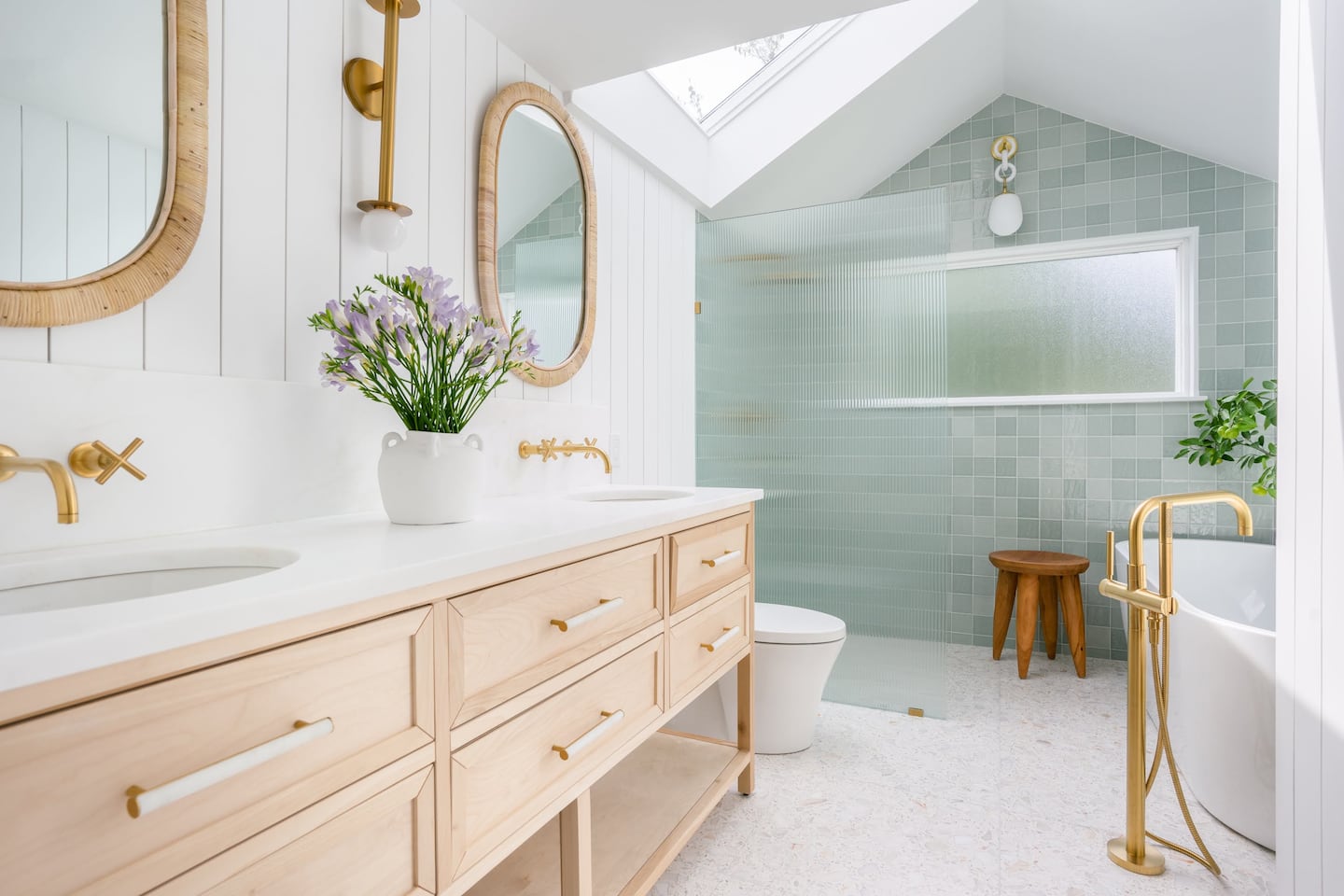
Sea green tiles, ribbed glass, and rattan turn a beige bath into a tranquil escape

The Growing Popularity Of The Elegant And Comfortable Free Standing Bathtub

bruit du frigo installs bathtub sculpture in chamarande paris
In a Spa-Worthy Bathroom, Frosted Glass Steals the Show
Bathtub Styles, Fixes and Cleaning

Soak Off a Stressful Day in One of The Best Freestanding Tubs of 2025

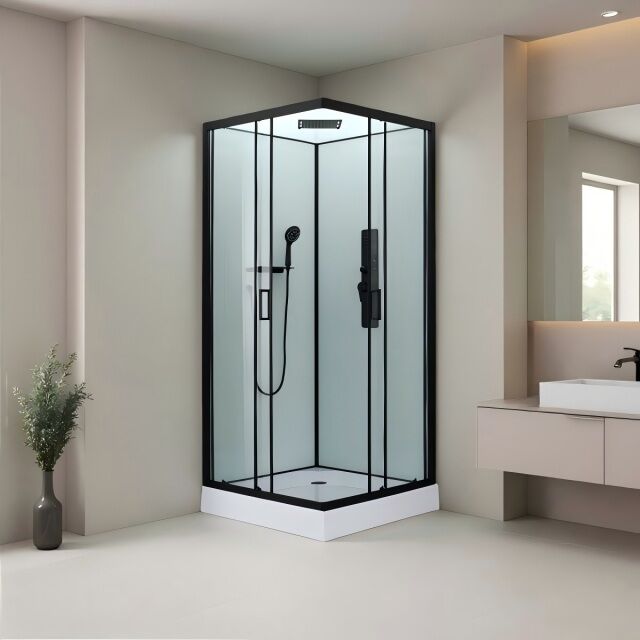
Square Shower Cubicle With Hydronmassage Jets
A Closer Look at the Iconic Bubble Lamp

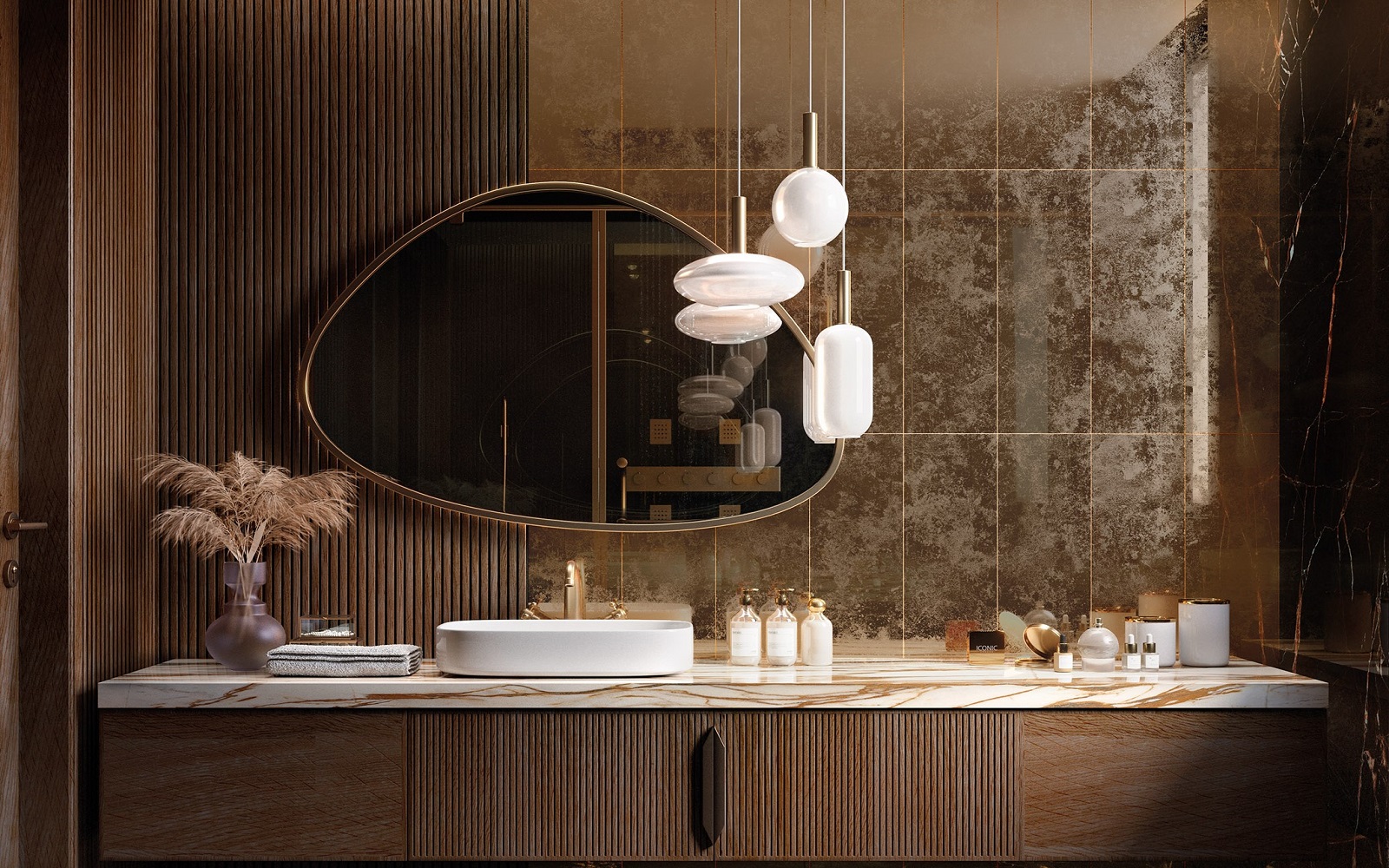
Trend watch: Hyperion Tiles celebrates gold in the bathroom
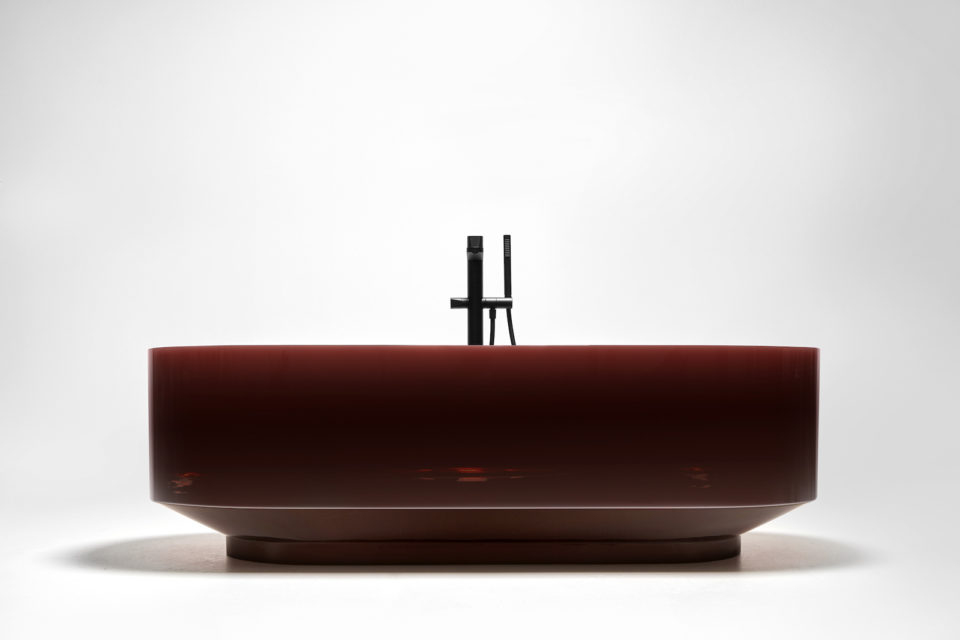
Level Up Your Soaking Sanctuary With These Gorgeous Bathtubs

17 Bathtub Ideas That Will Transform Your Bathroom Into a Spa-Like Escape