1/6
The Growing Popularity Of The Elegant And Comfortable Free Standing Bathtub
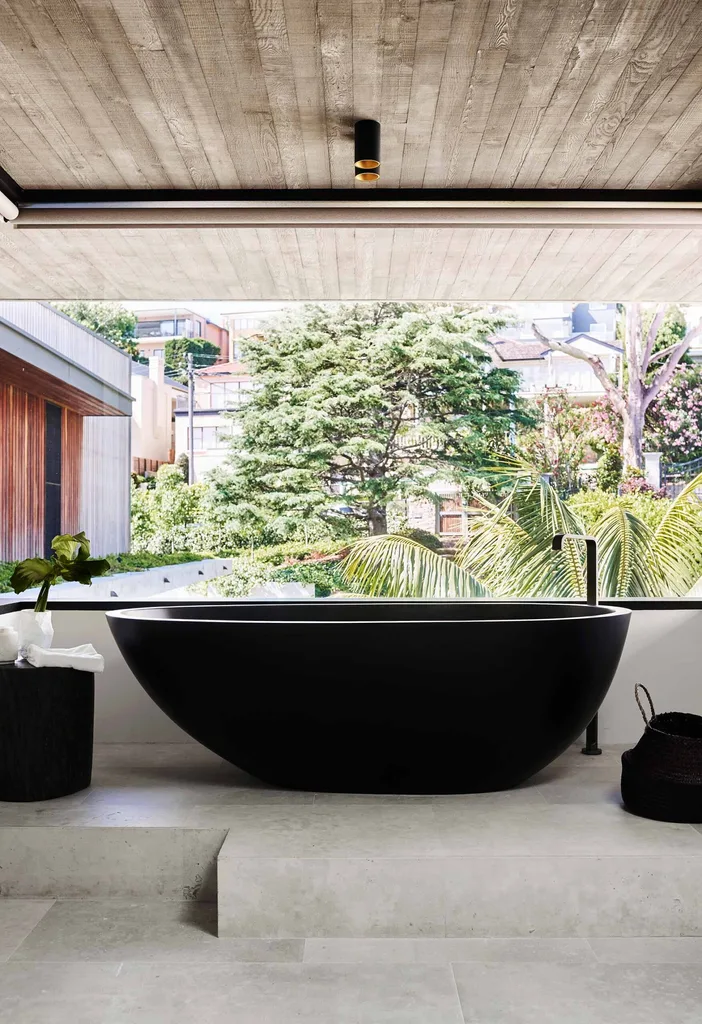
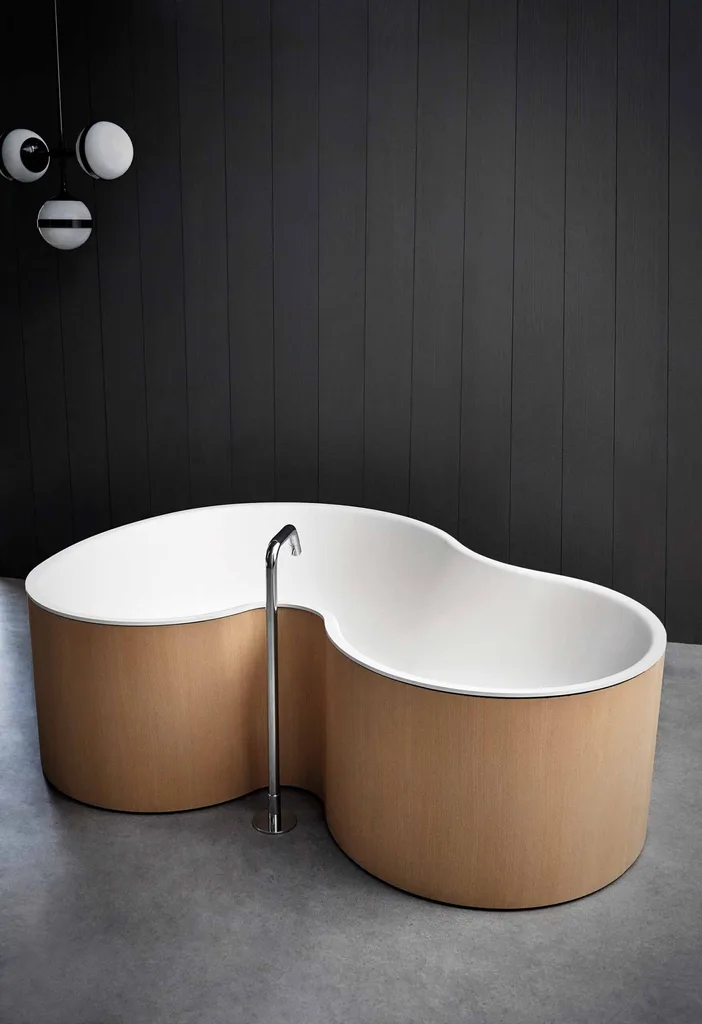
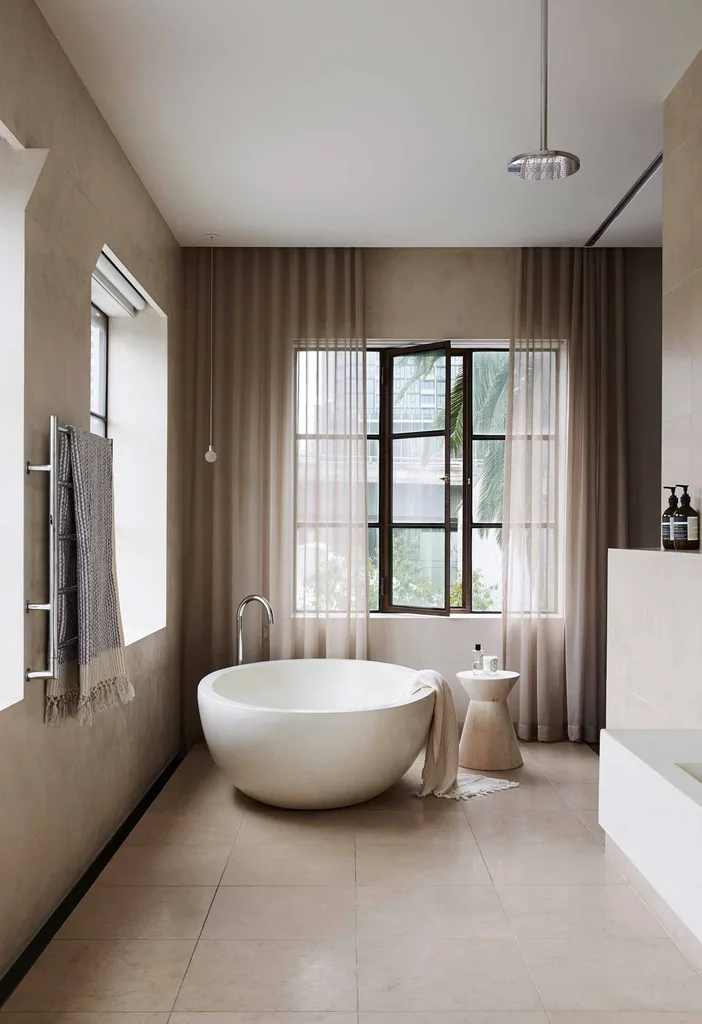
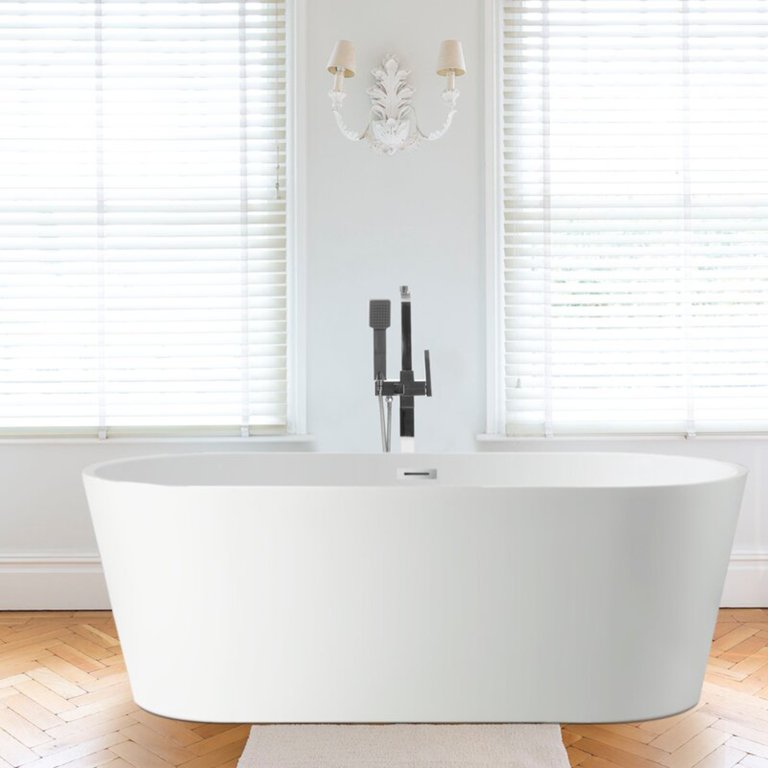
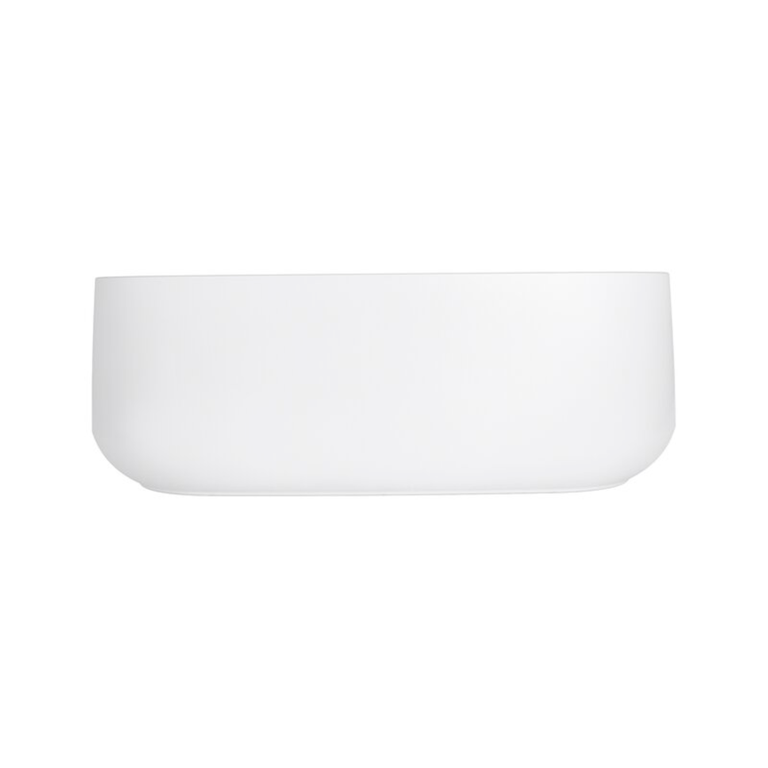
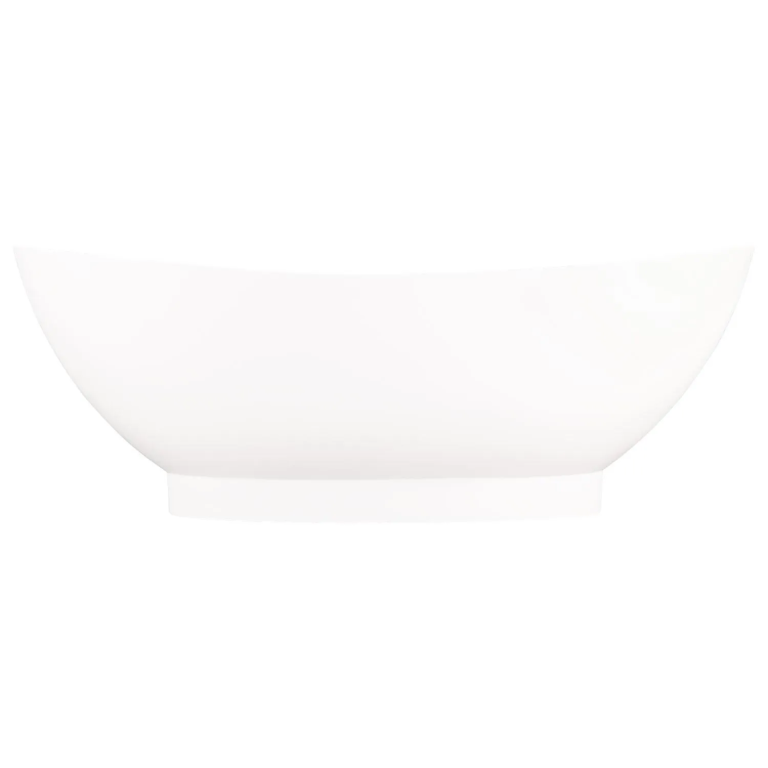
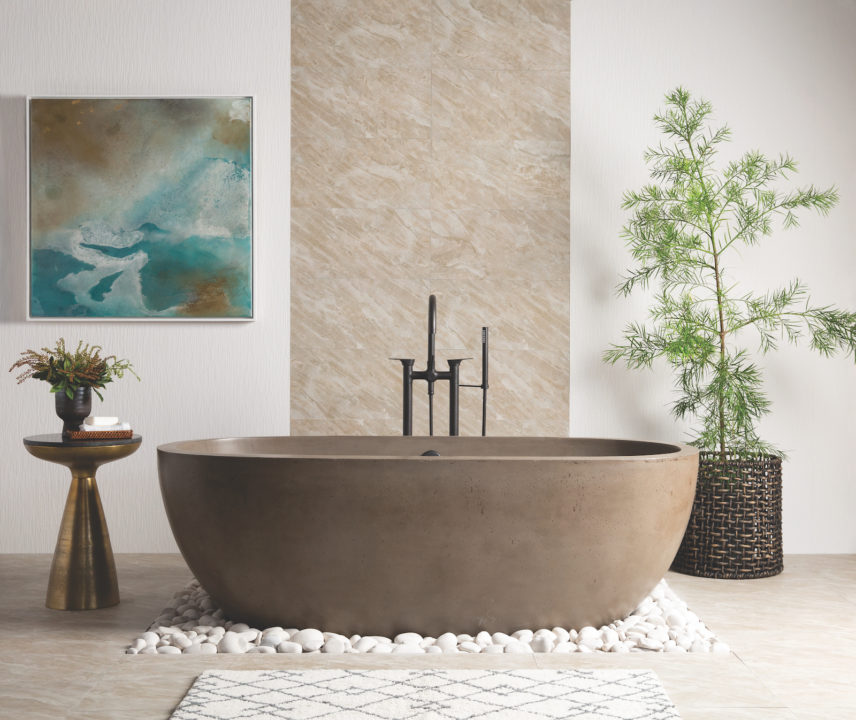
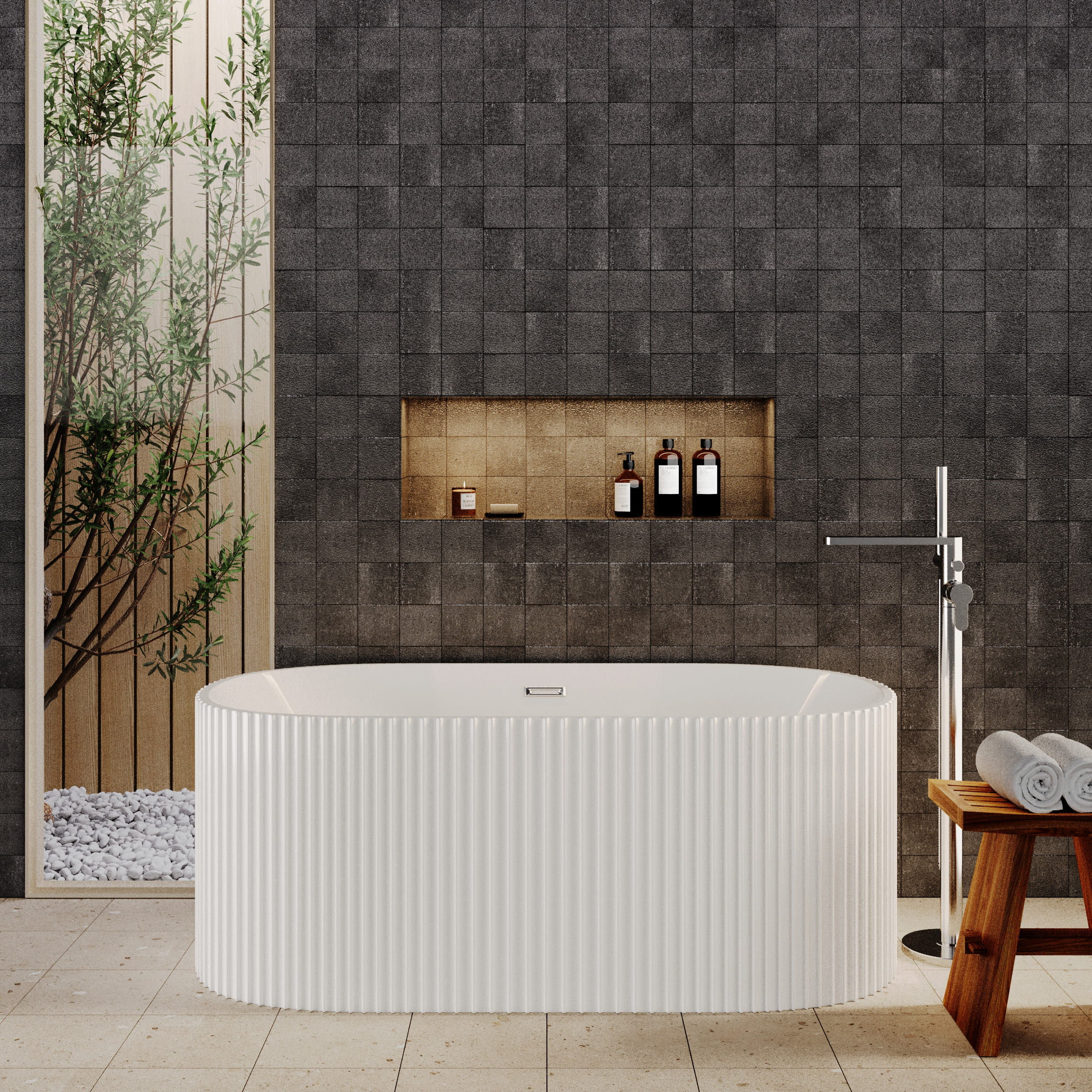
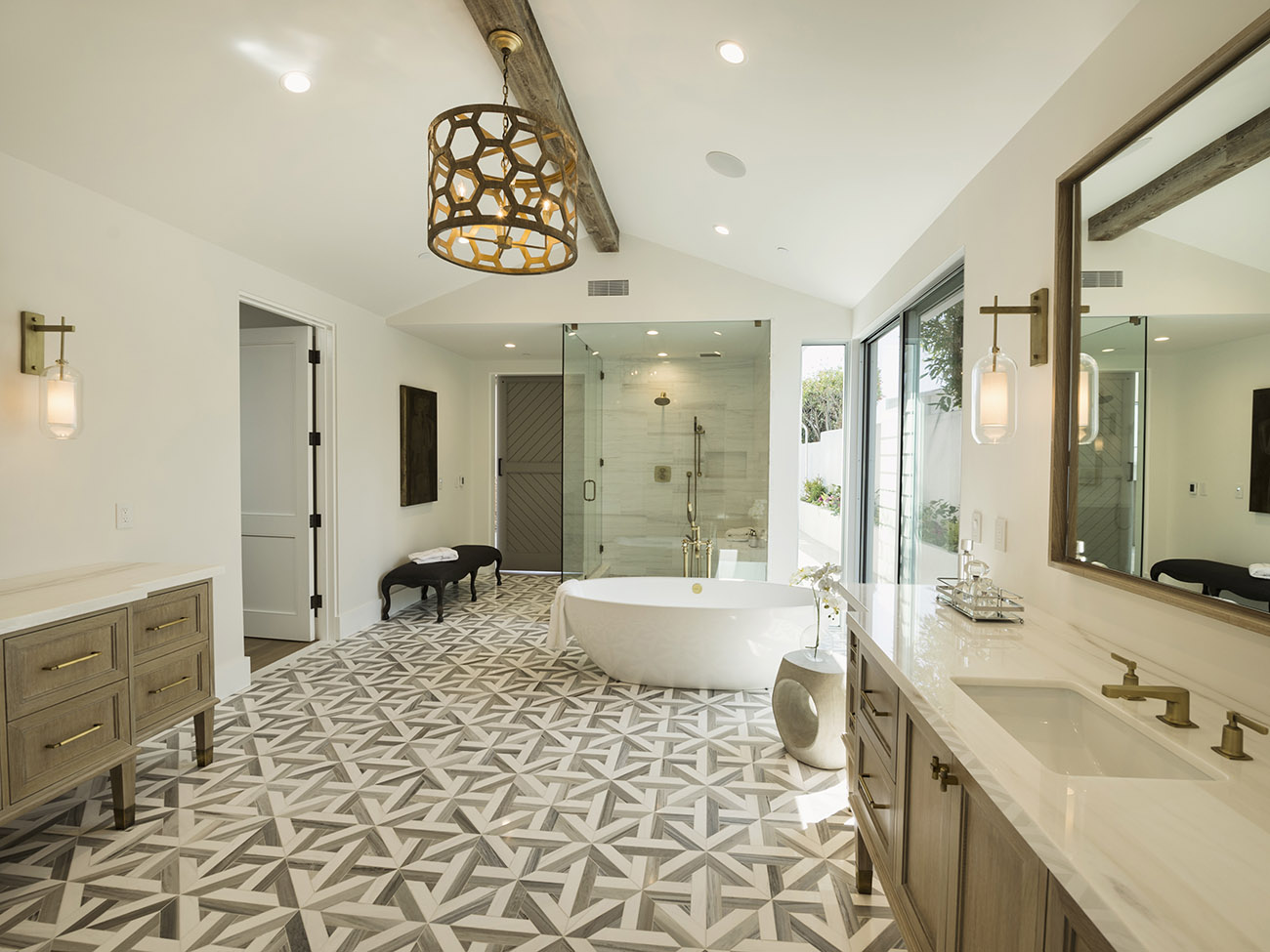
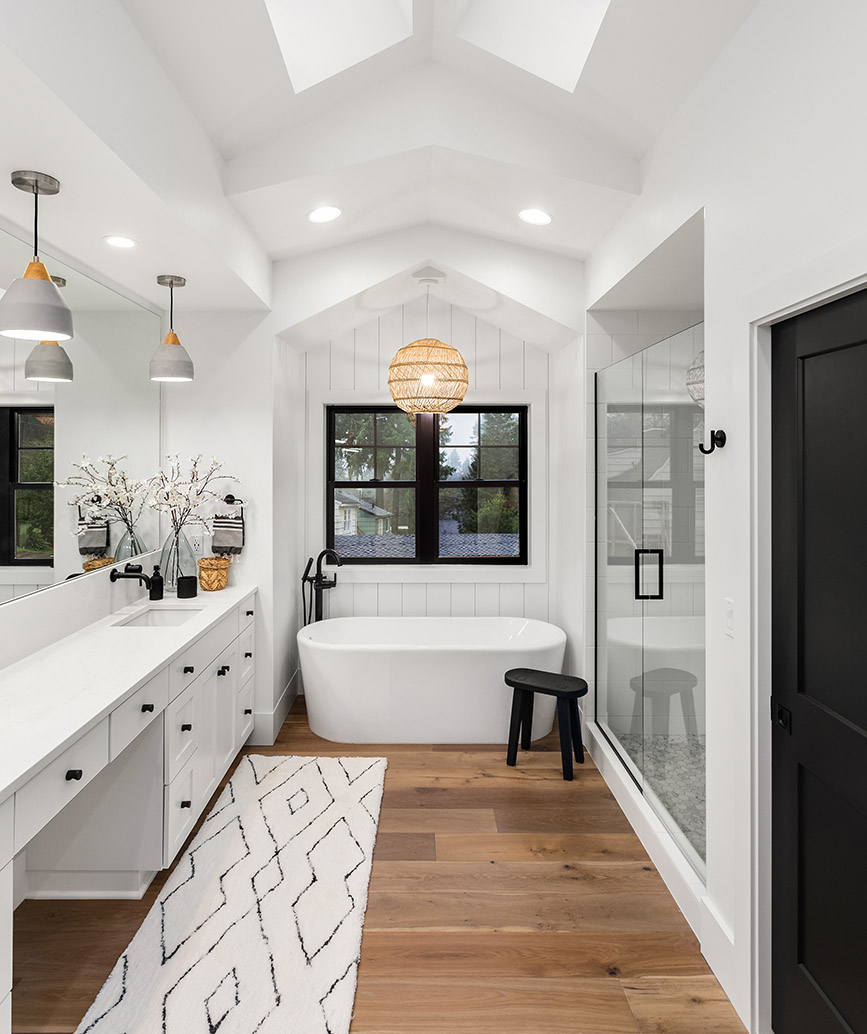
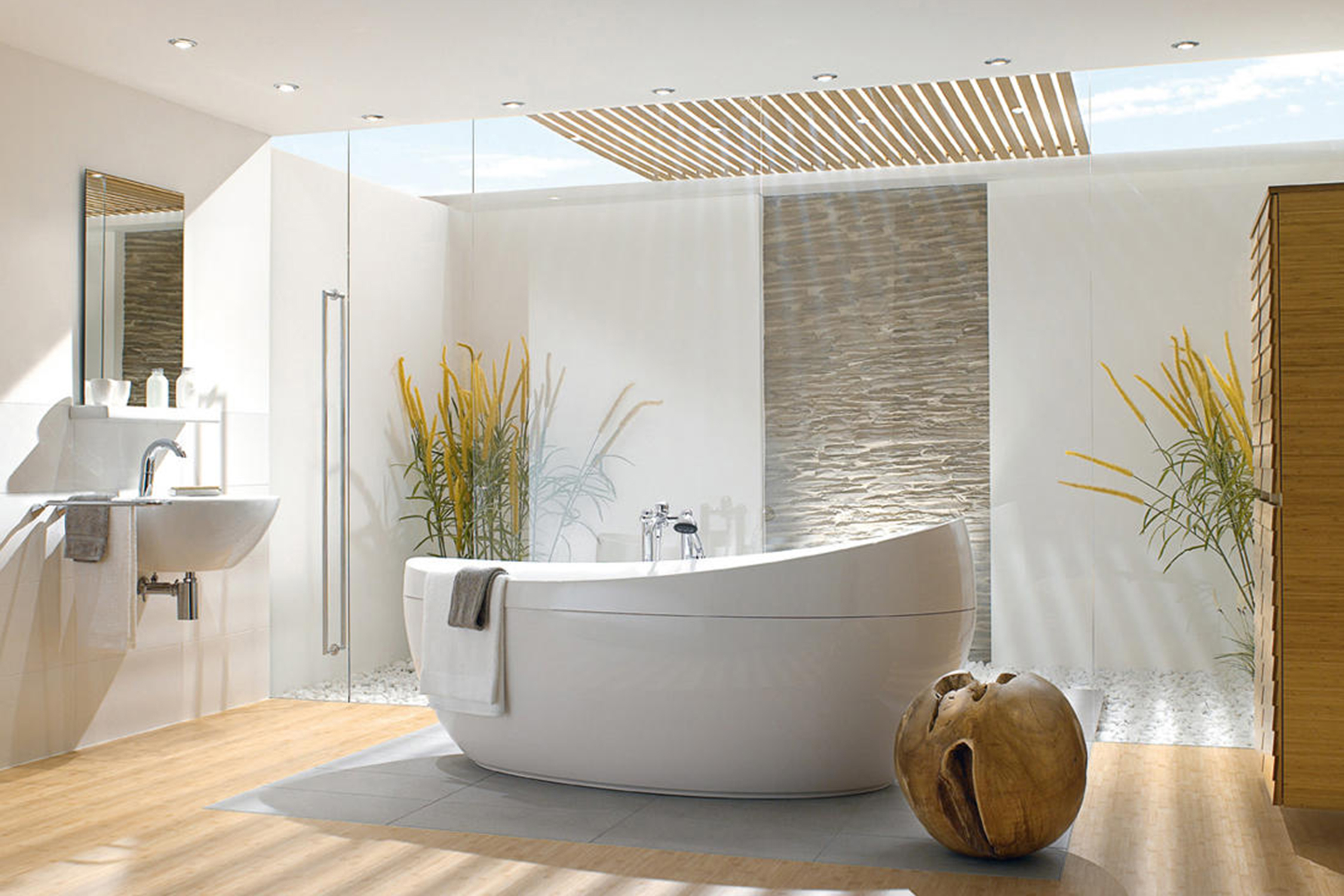
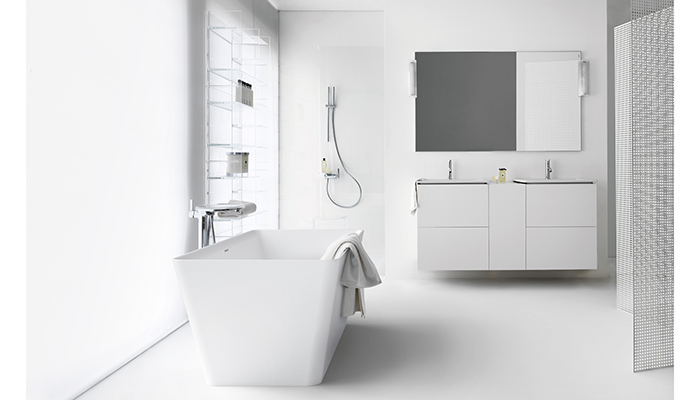
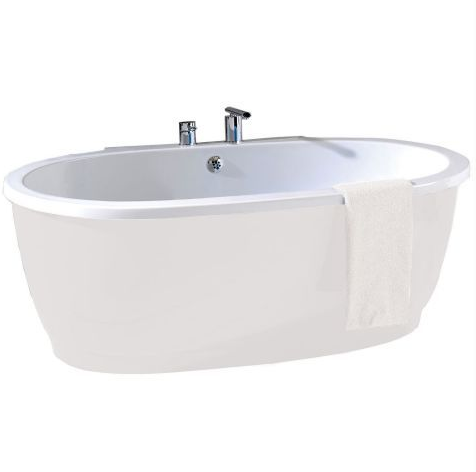
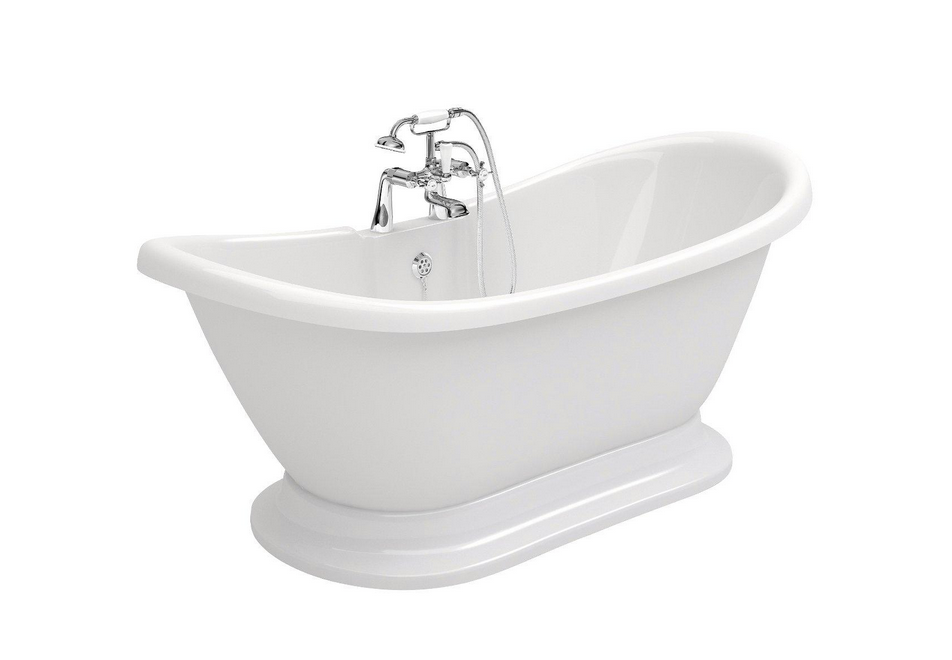
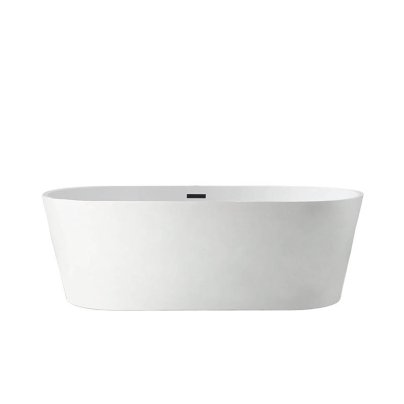
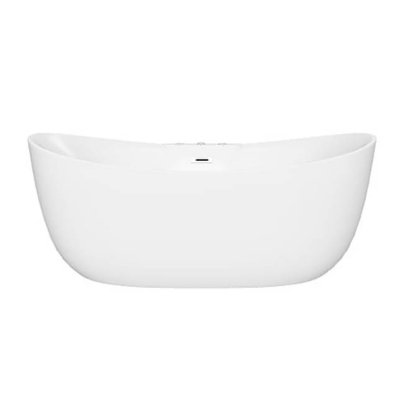
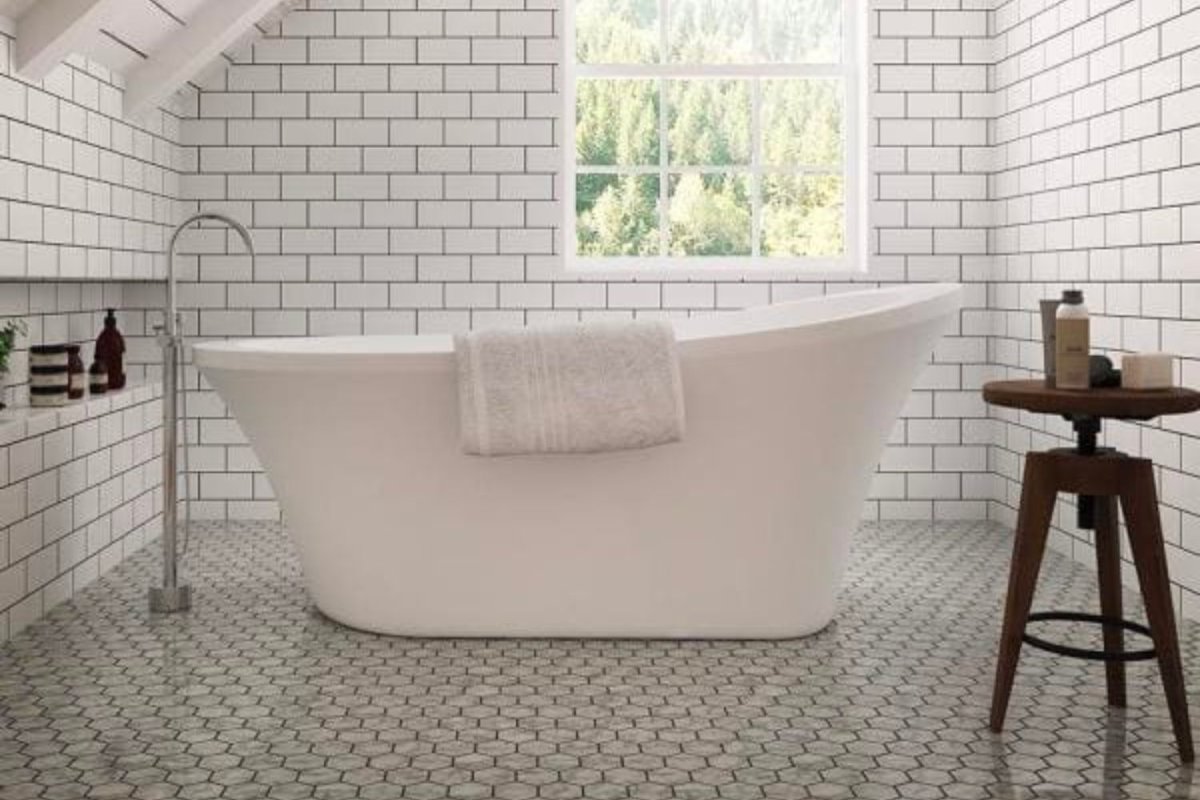
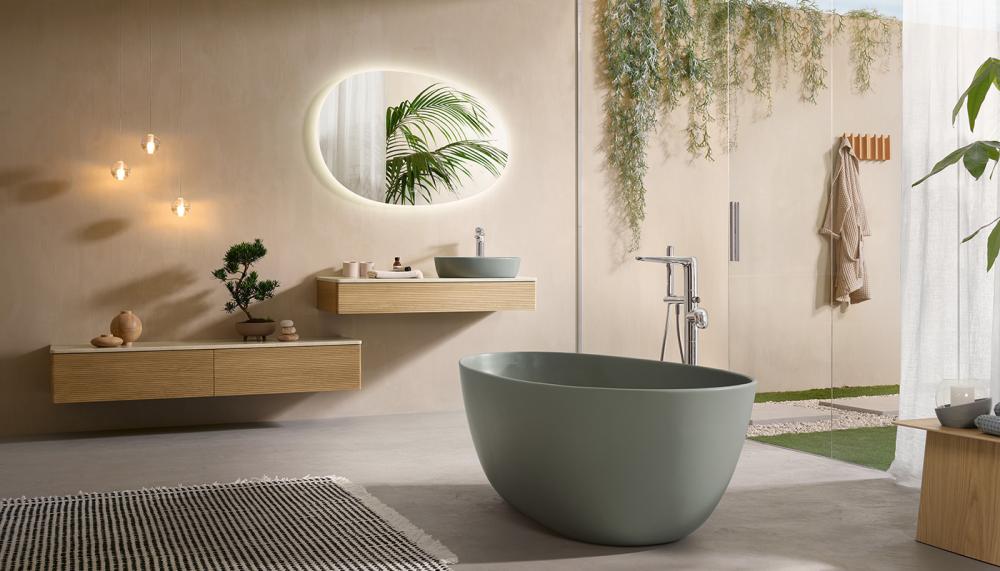
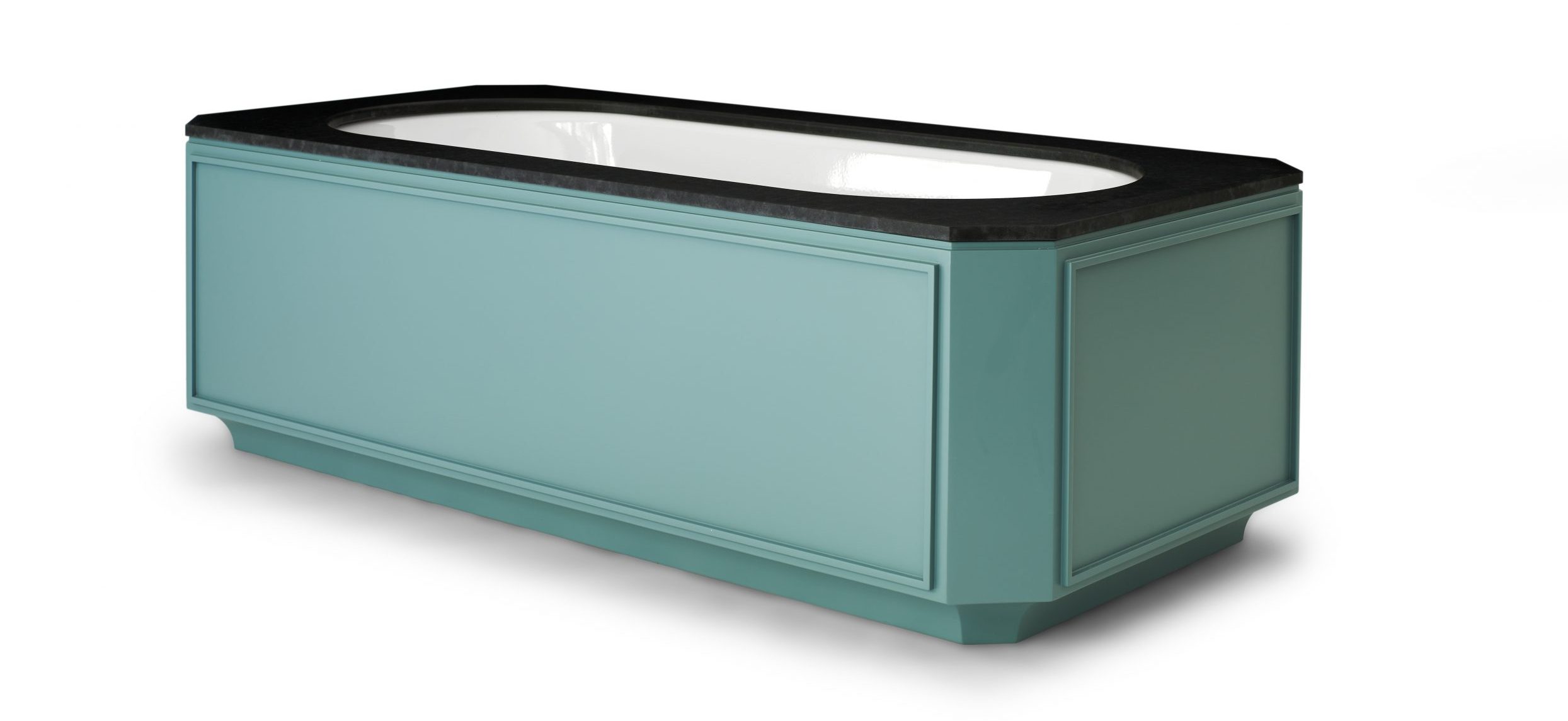
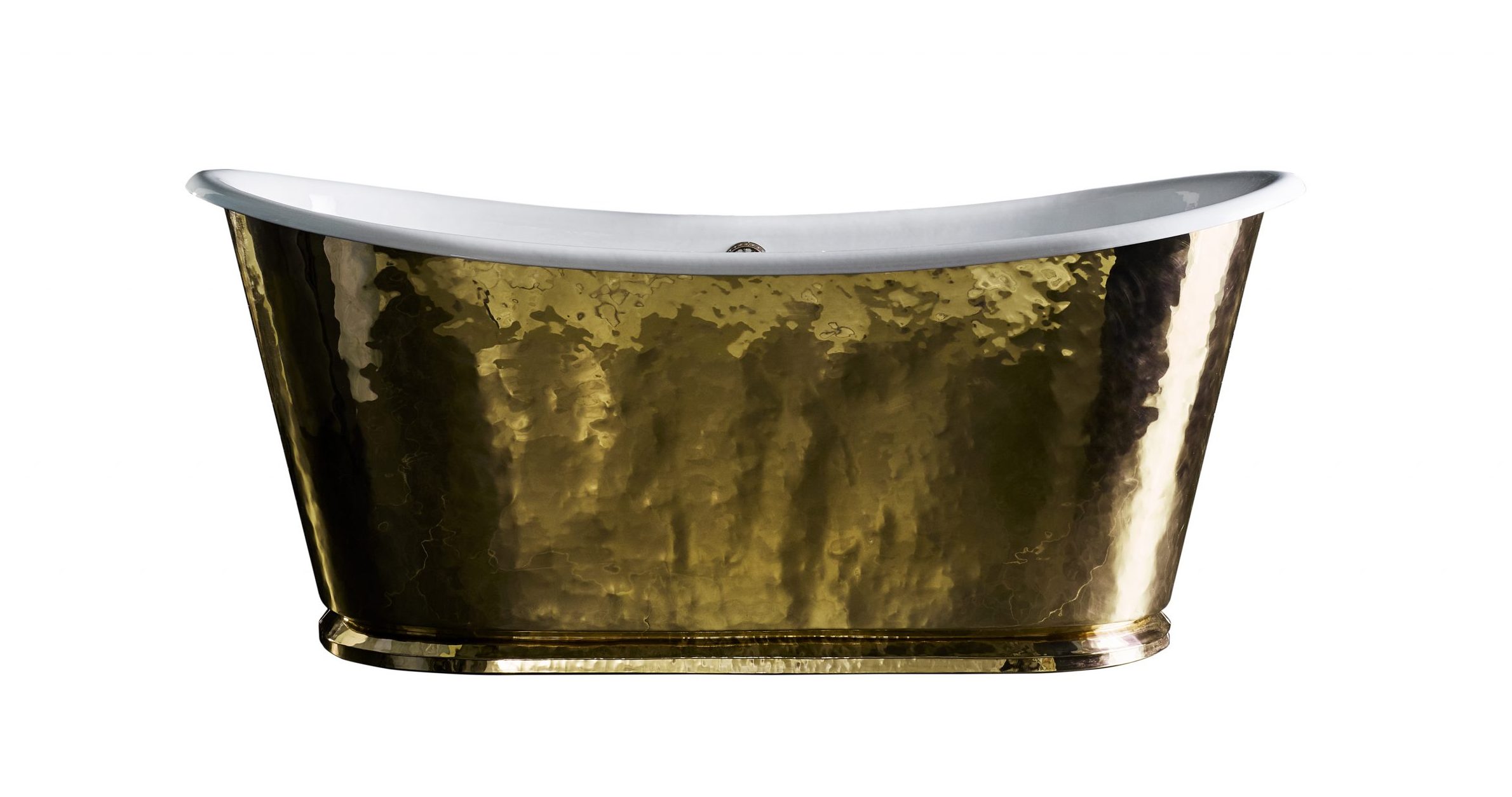
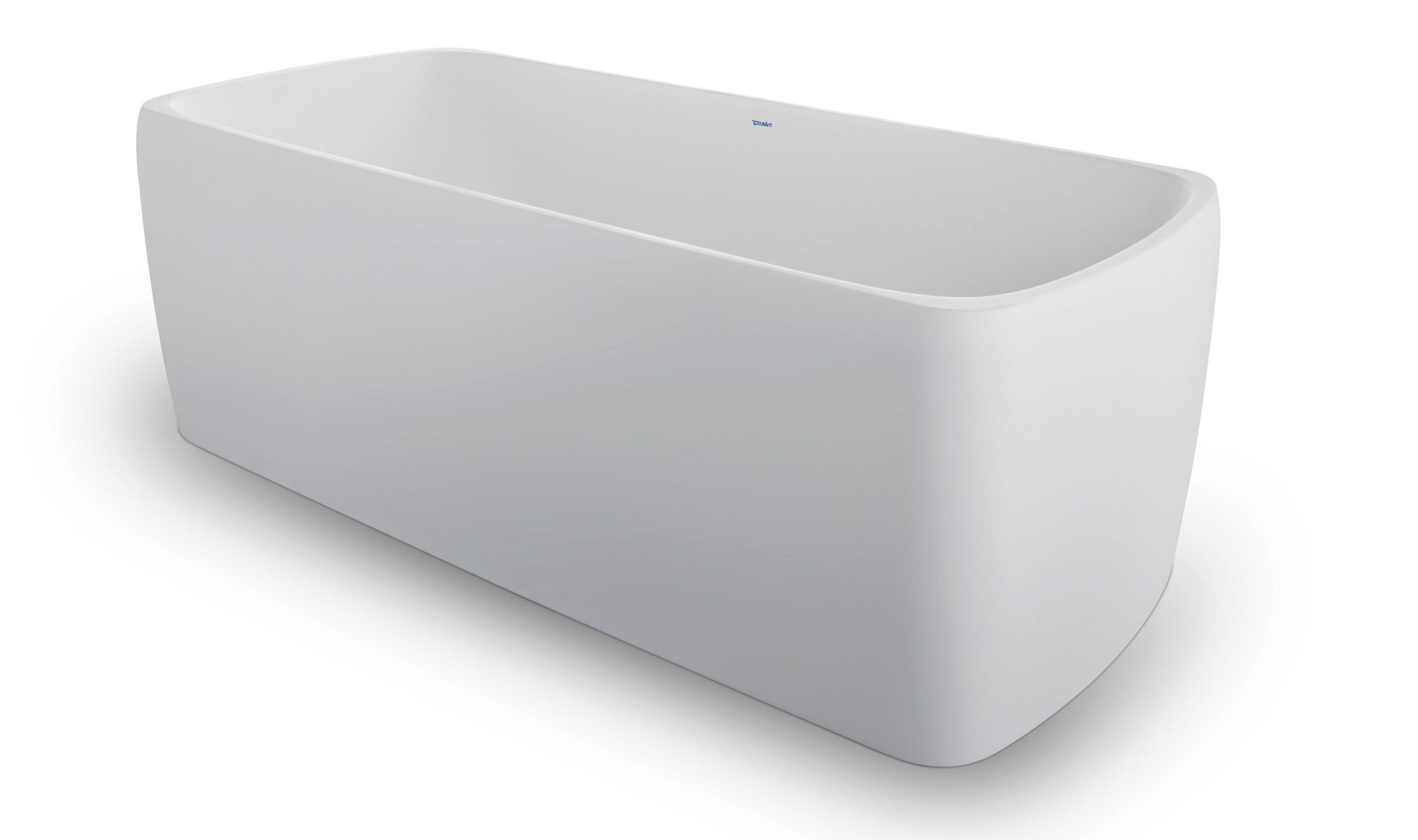
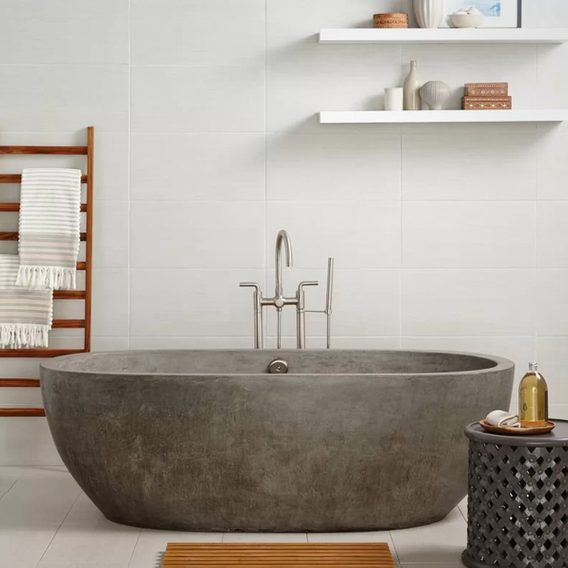
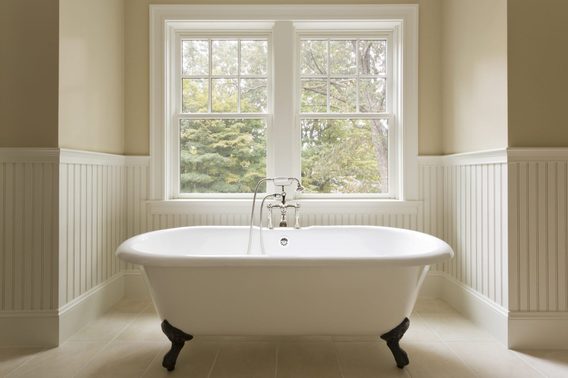
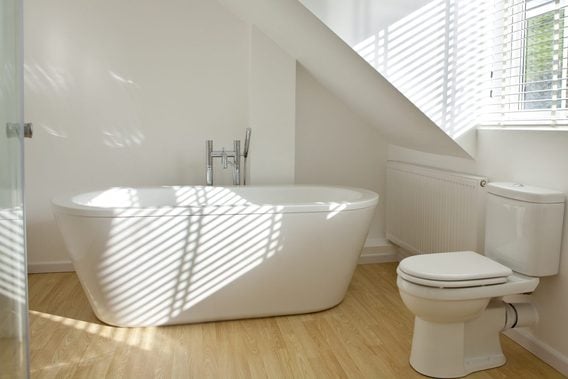
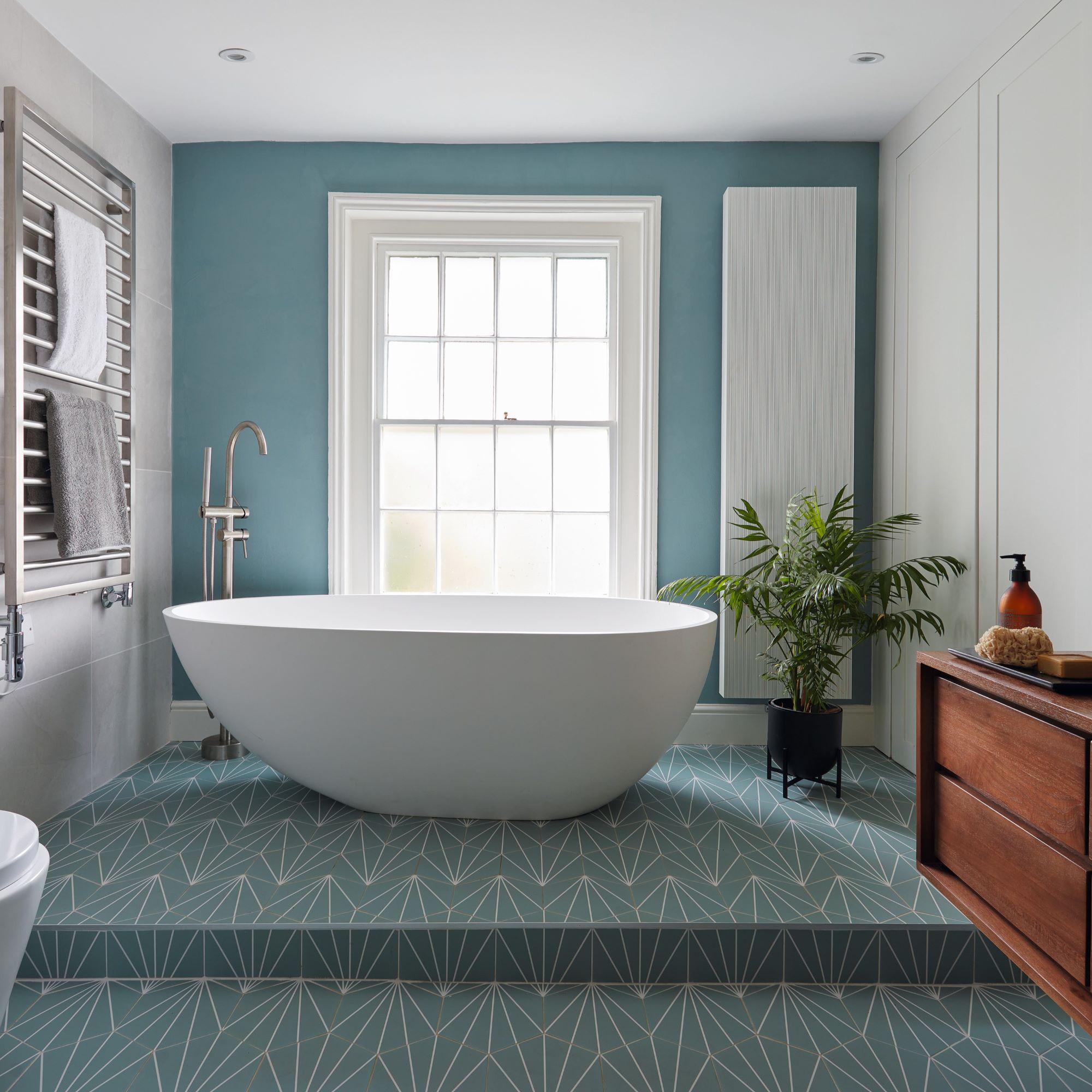
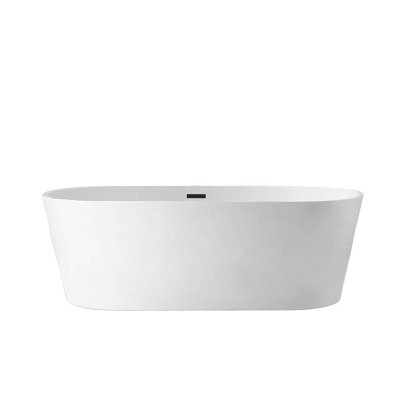
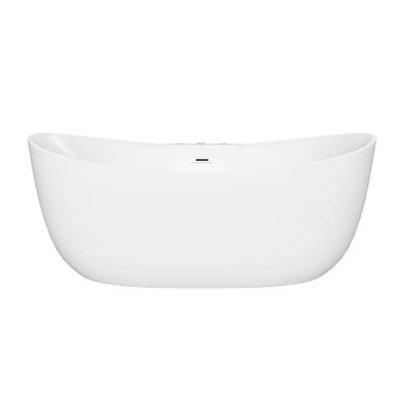
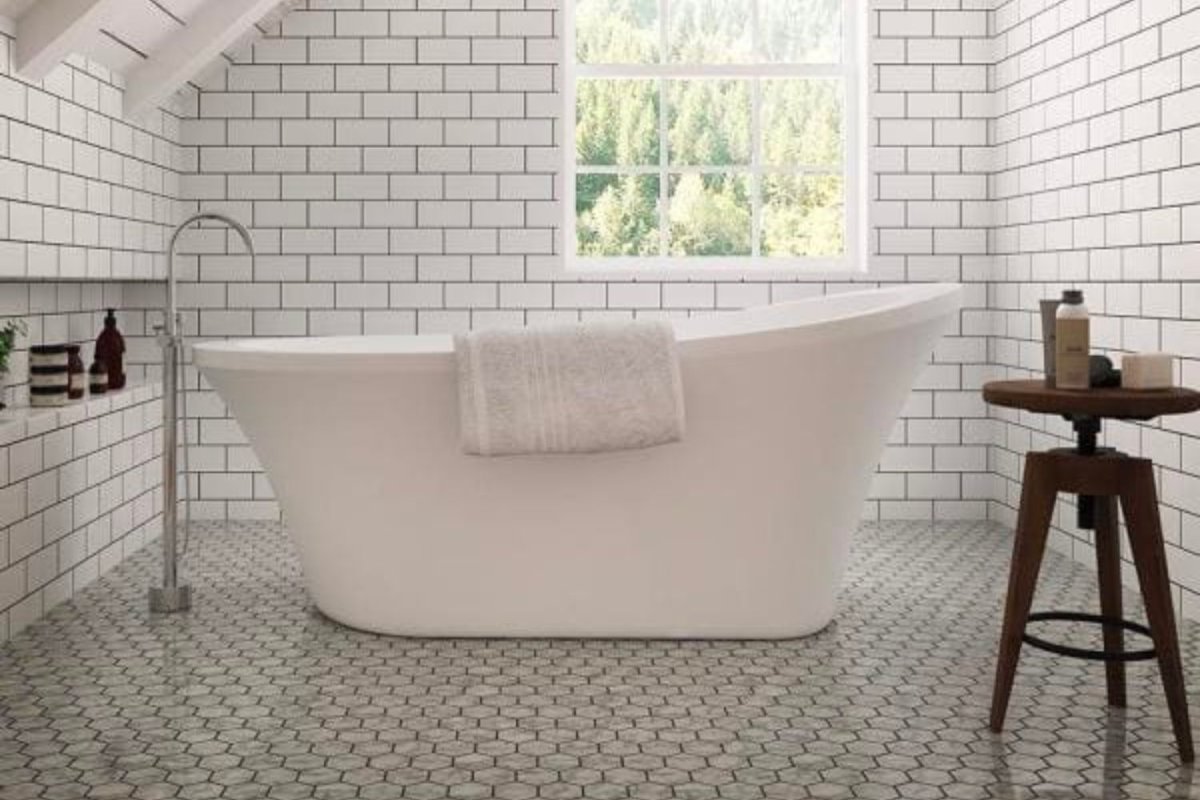
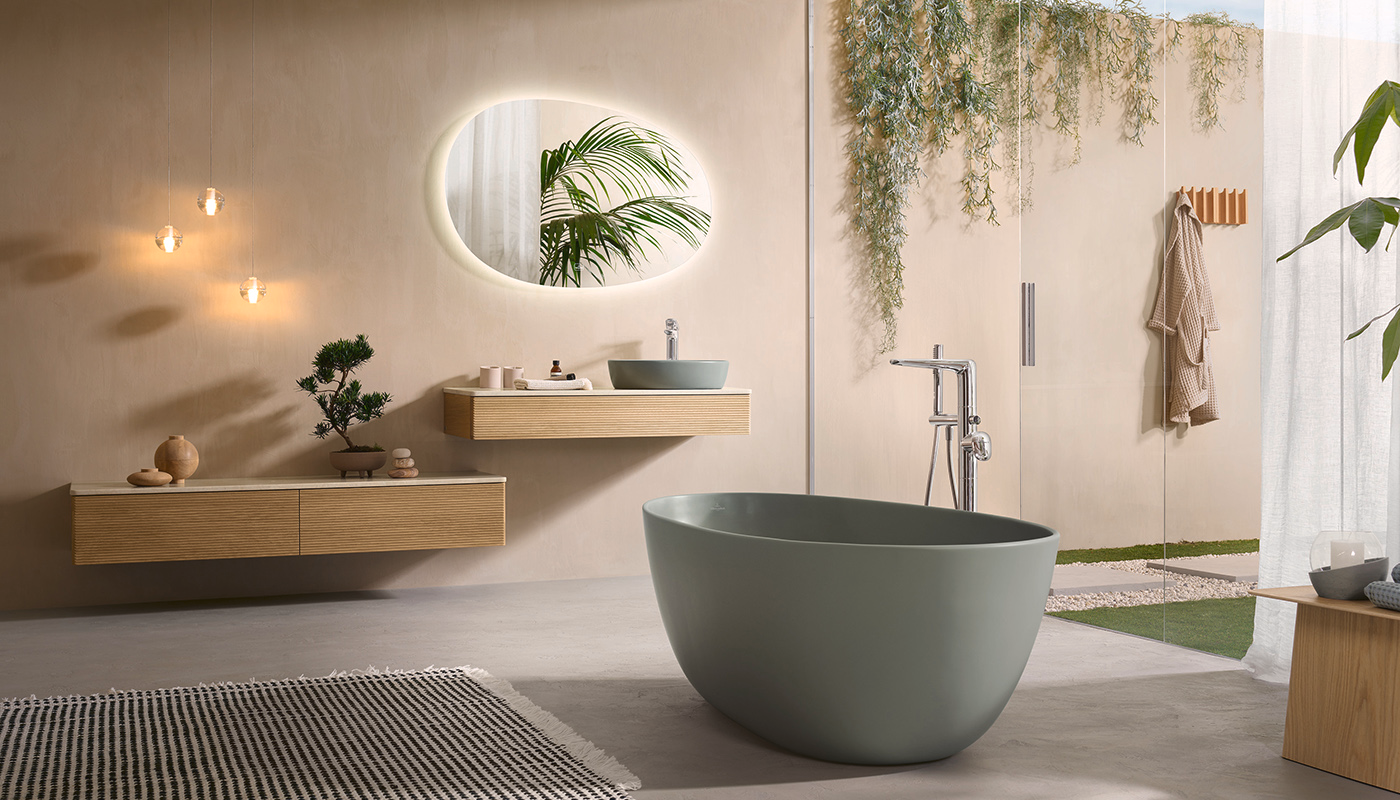
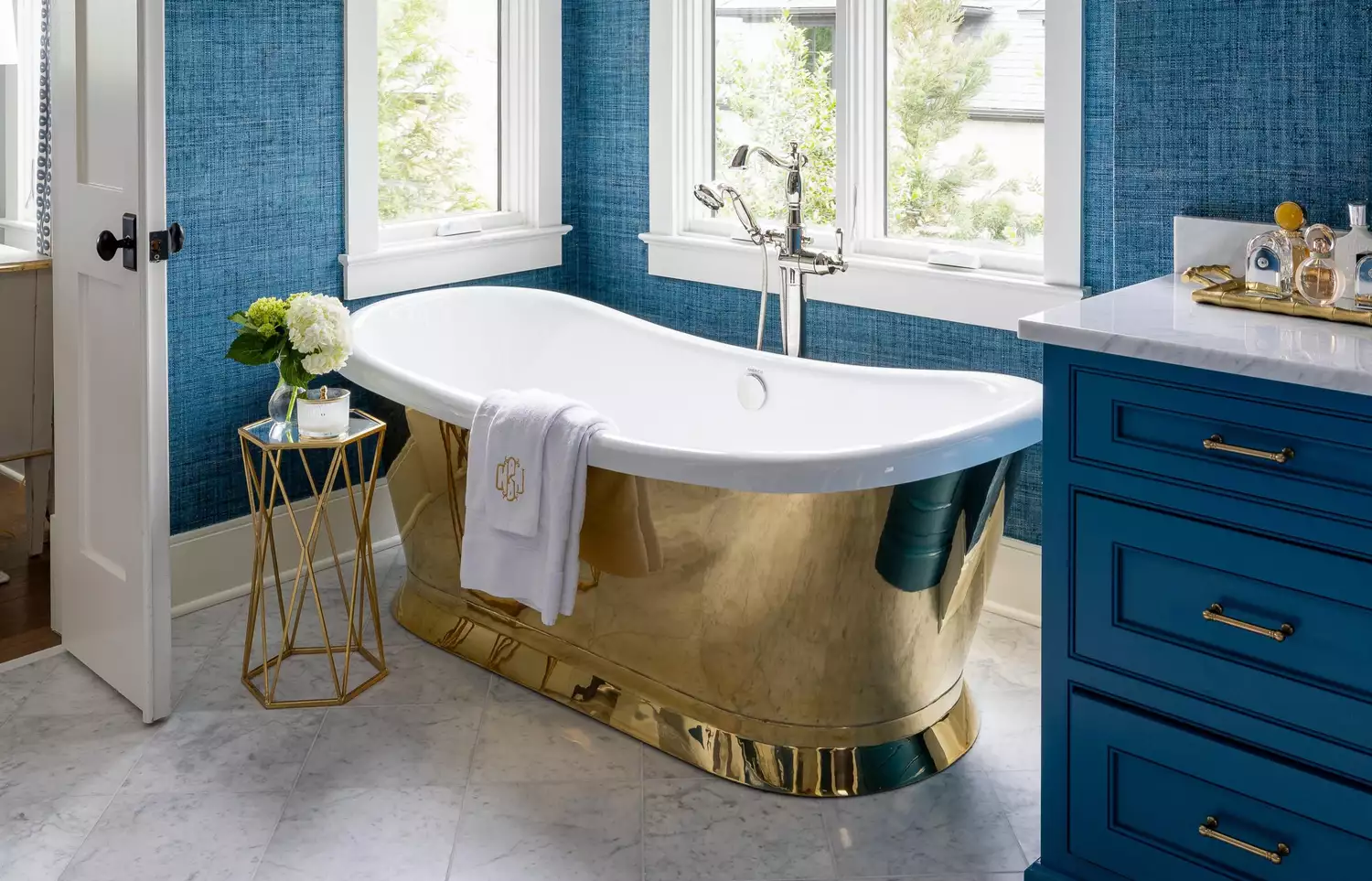
Bathtubs have a rich history, evolving significantly over 6,000 years from public baths to the built-in models common in the early 20th century. While freestanding tubs have always existed, their popularity has surged recently due to more elegant designs, particularly claw-foot and other freestanding styles, becoming highly sought after. This increased demand is fueled by substantial advancements in available designs, materials, colors, sizes, and features. Modern freestanding tubs offer various options including integrated headrests and backrests, lighting, diverse colors and finishes (matte or glossy), and water circulation systems. Deeper models are now available to prevent overflow and ensure a complete body submersion, even for taller individuals. For bathrooms with space constraints, wall-adjacent freestanding tubs provide a practical solution.
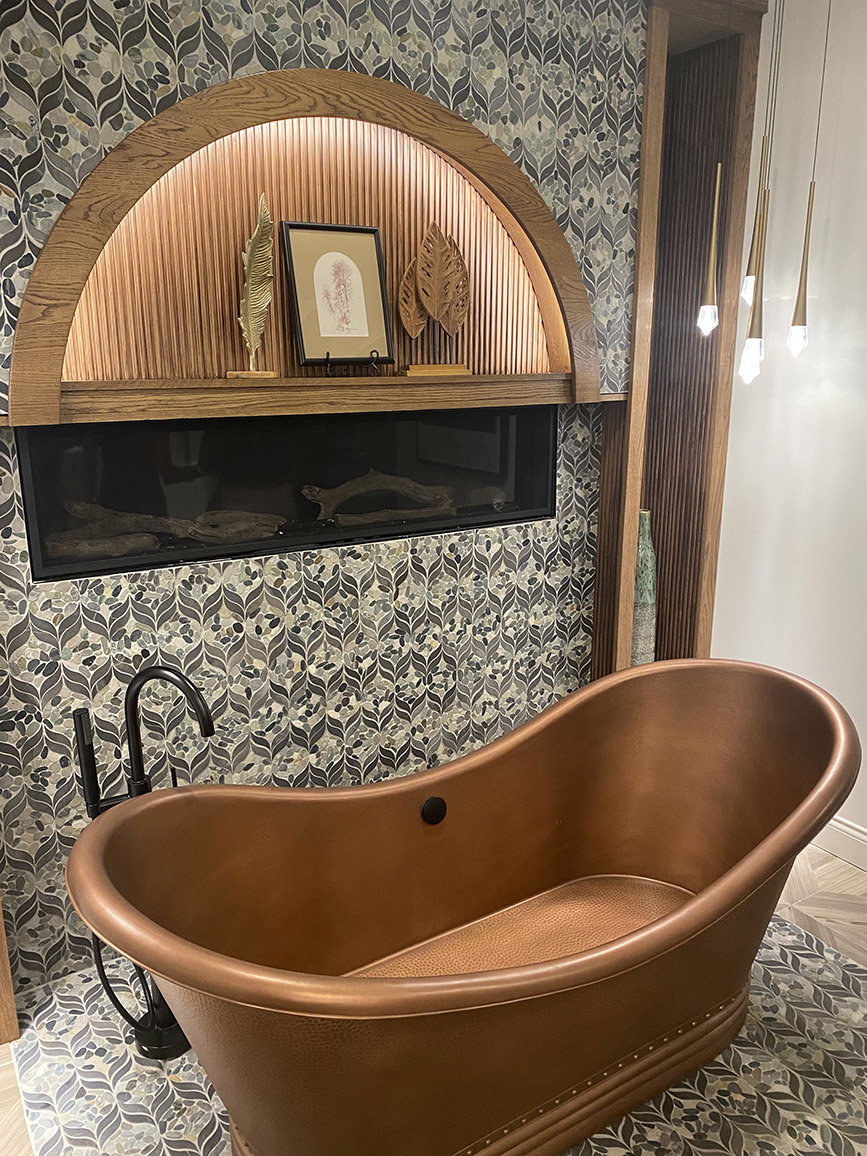
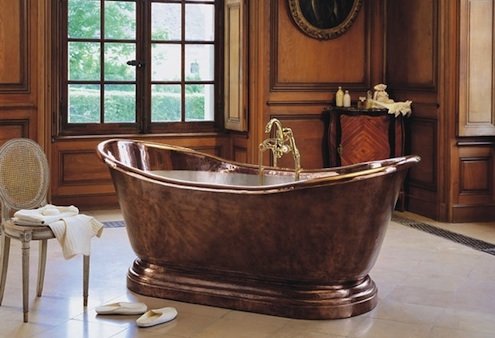
Historically, cast iron dominated the bathtub market, followed by the rise of lighter acrylic alternatives. Today, new, more efficient materials such as composites, wood, enamel, fiberglass, natural stone, and copper are increasingly being used. According to Goran Stankovic of Aquatica Bath, homeowners and designers are actively moving away from large, space-consuming built-in bathtubs. Contemporary freestanding bathtubs are gaining prominence as a central design element in modern bathrooms. Stankovic notes that compact freestanding models were particularly popular in 2019, allowing customers to optimize space by replacing bulky old bathtubs with smaller, deeper options. Aquatica Bath enhances the bathing experience with features like air-jetting, water jetting, chromotherapy, body sprays, and heating systems that maintain warm water temperatures.
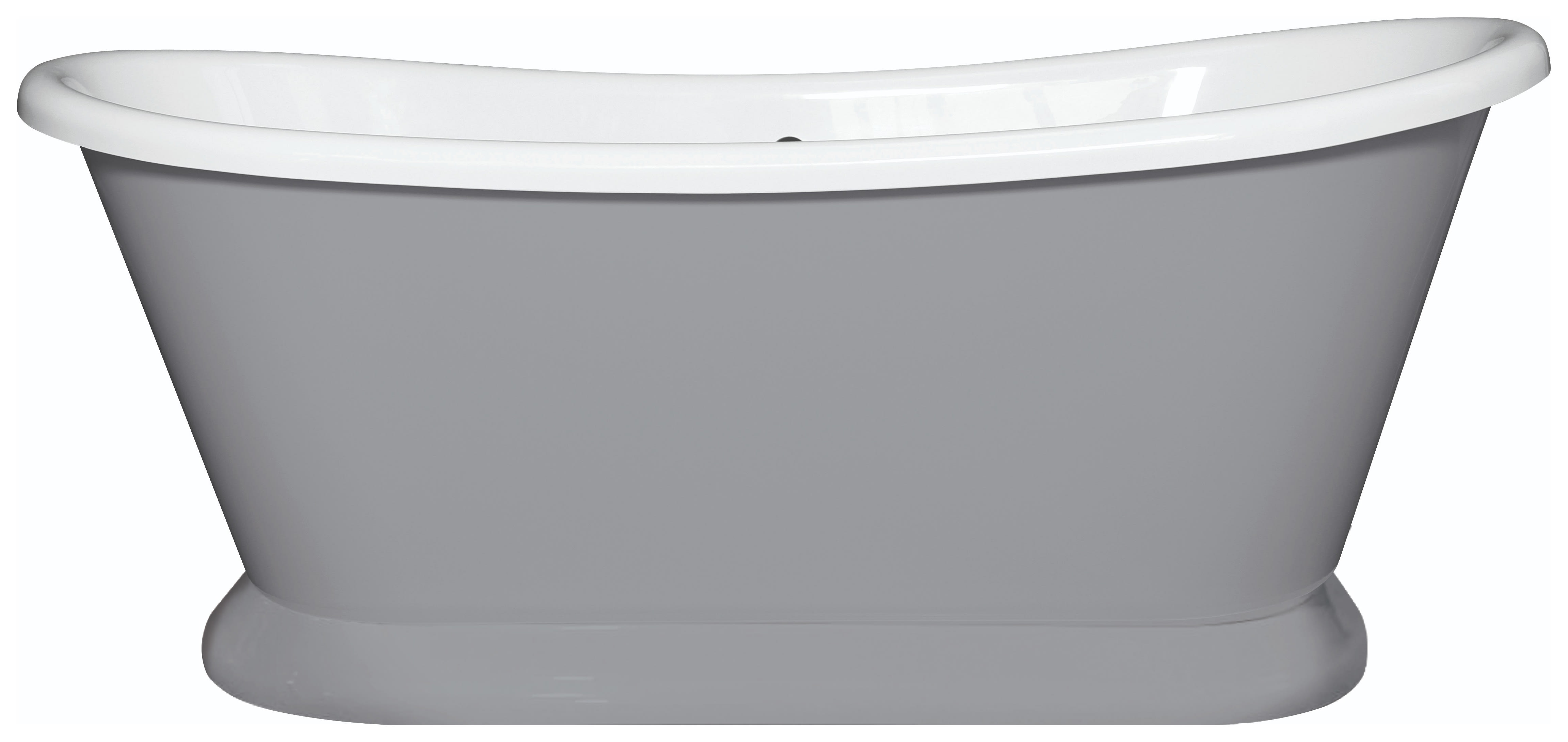
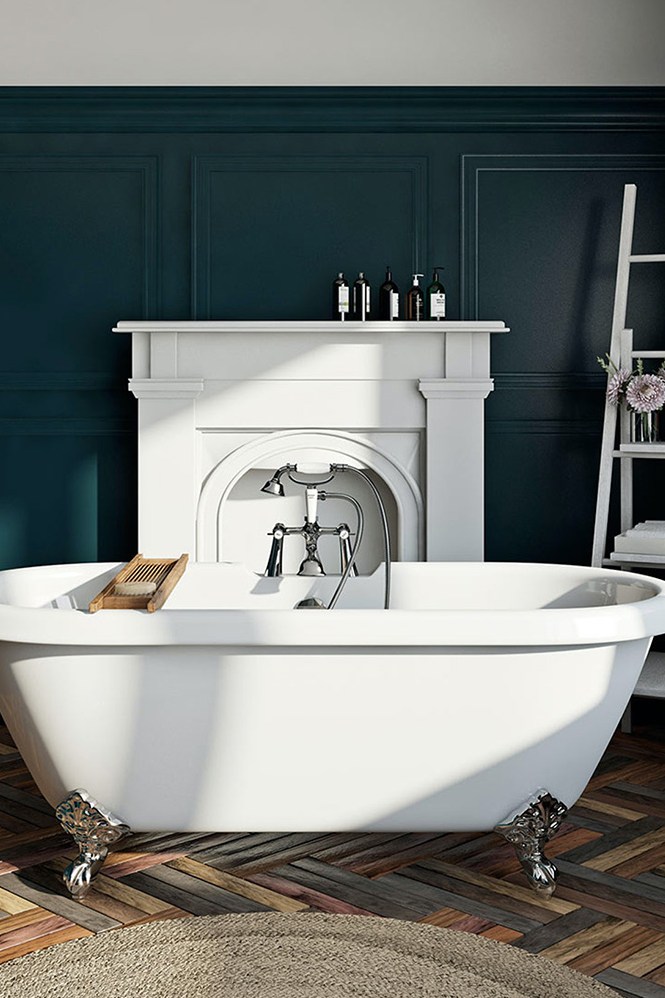
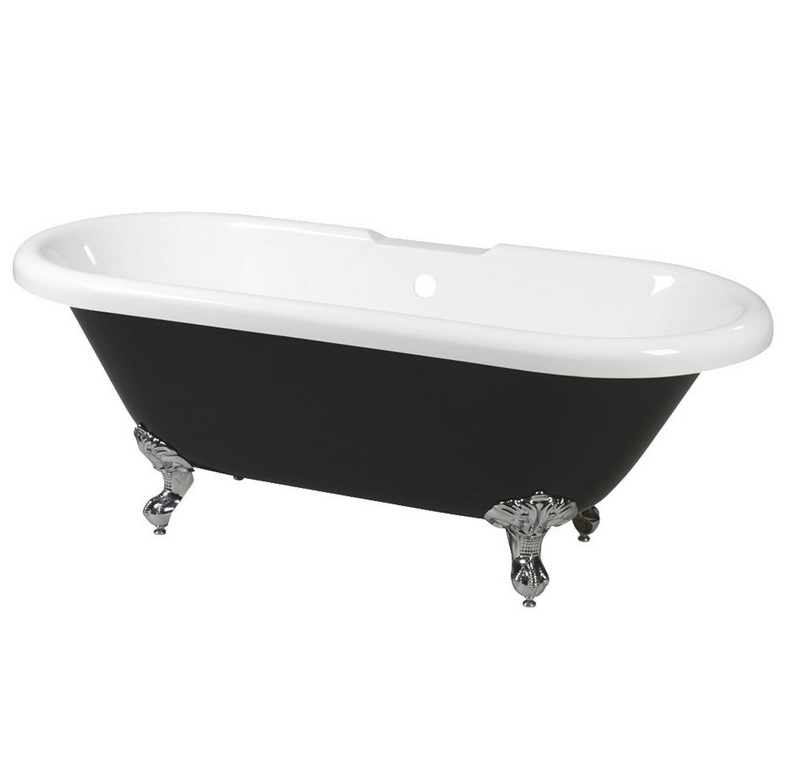
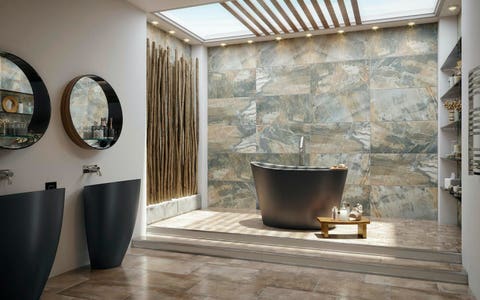
Japanese soaking tubs are another trend, appreciated for their relaxing, comfortable, and attractive qualities. They offer a full body soak while requiring a minimal footprint in the bathroom and are available in various materials, including traditional wood. Although traditional claw-foot tubs remain popular in classic bathroom settings, their appeal is gradually diminishing as more homeowners opt for contemporary designs.
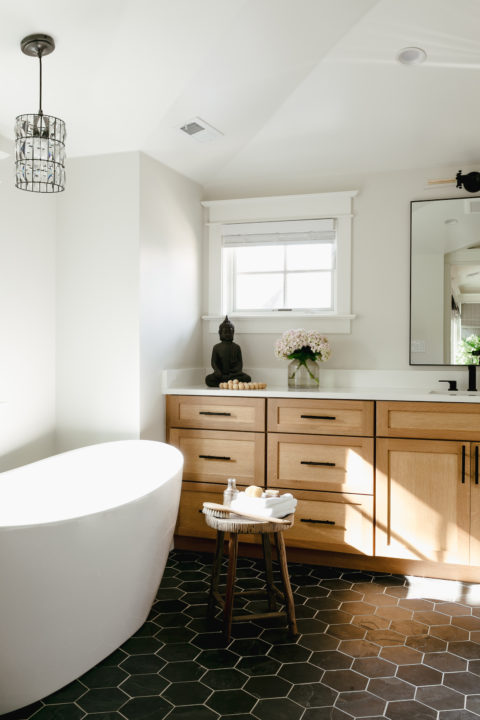
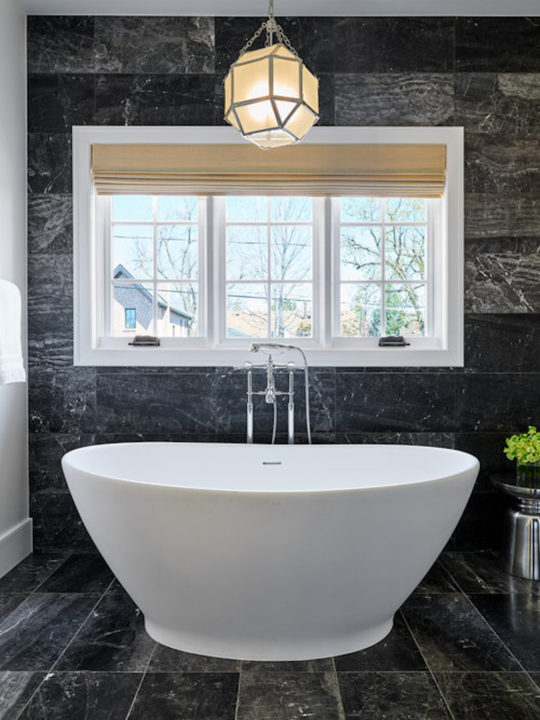
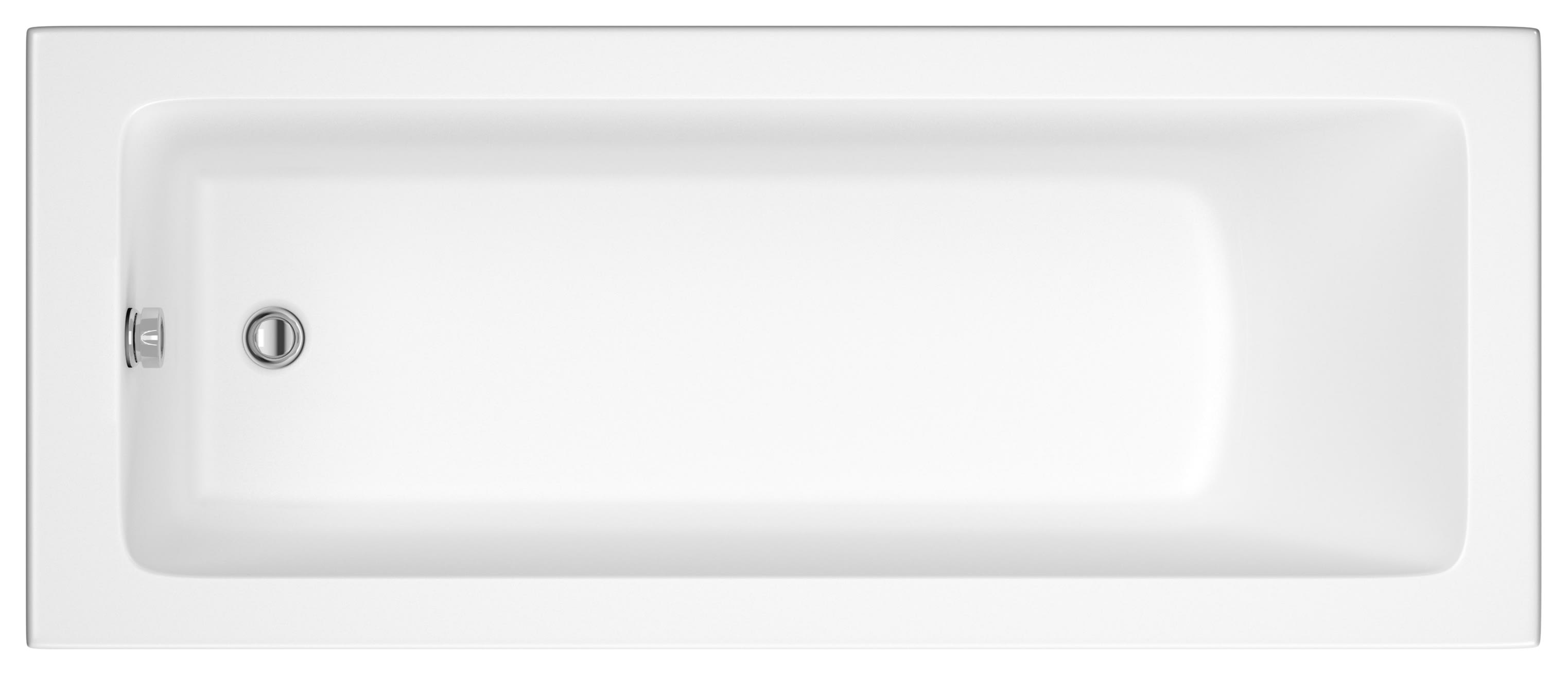
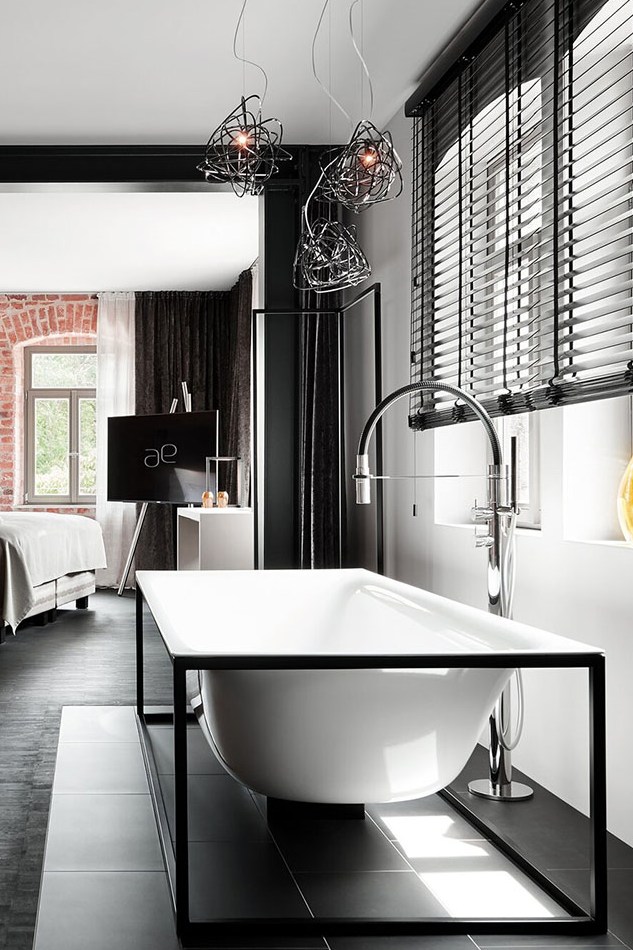
Freestanding bathtubs offer several key advantages. Their installation costs are often reduced compared to built-in units, and they provide flexibility in placement, even allowing for a central room location. Unlike built-in models that necessitate costly platforms or alcoves, freestanding tubs eliminate this requirement. Certain designs, such as claw-foot tubs and those with supporting frames, also simplify cleaning the area around and beneath the tub. Beyond their aesthetic appeal and wide range of styles, many freestanding bathtubs are designed for exceptional comfort. The primary drawback is that some models can be expensive, yet they consistently deliver a luxurious, spa-like experience.
#FreestandingBathtub #BathroomDesign #HomeInteriors #ModernBathroom #BathtubMaterials #LuxuryBath #JapaneseSoakingTubs #HomeRenovation #FreestandingBathtub #BathroomDesign #HomeInteriors #ModernBathroom #BathtubMaterials #LuxuryBath #JapaneseSoakingTubs #HomeRenovation
0 comment in total
 No comments yet
You may also like
14 of the best freestanding baths and how to choose the right one

3 Hot Bathroom Trends: Spa-like With Some Organic Feels
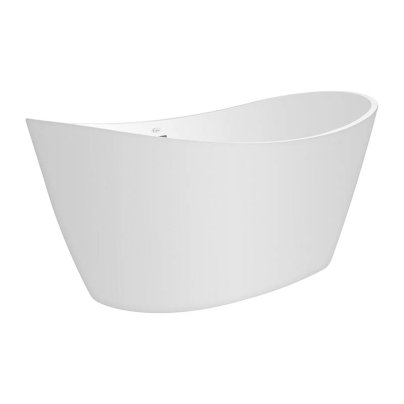
Soak Off a Stressful Day in One of The Best Freestanding Tubs

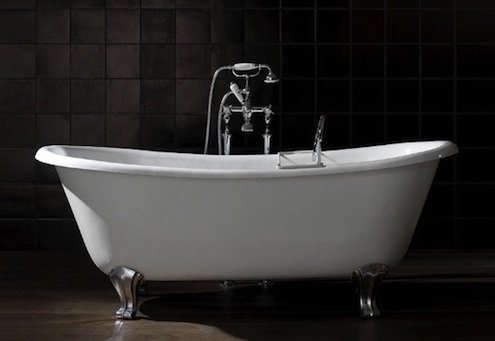
The Pros and Cons of Free-Standing Bathtubs
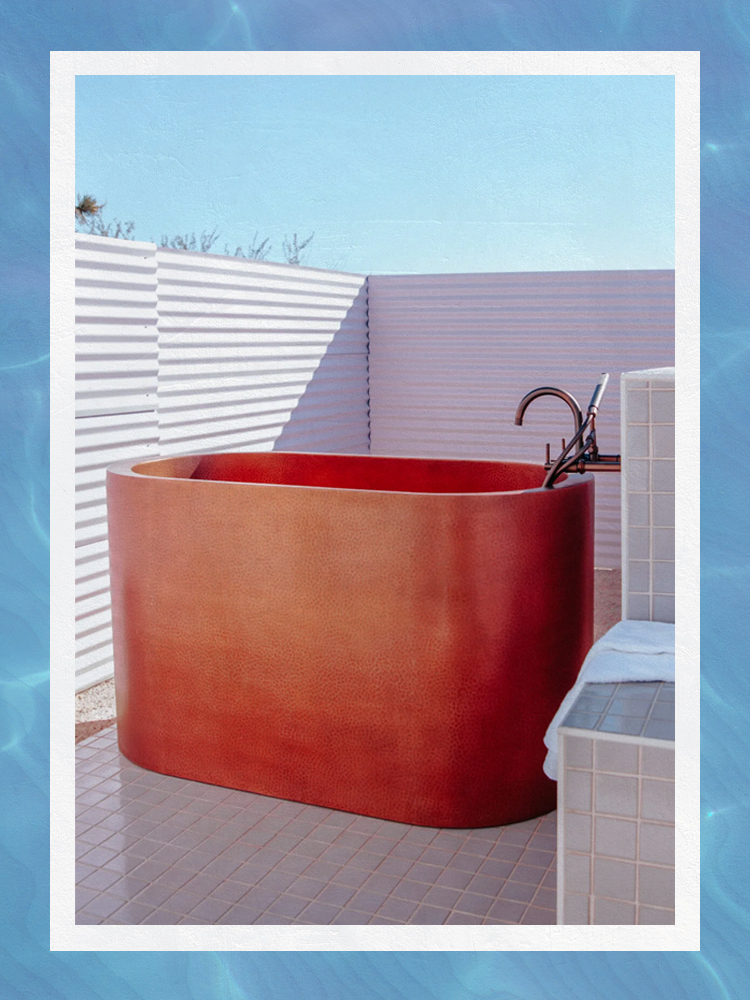
6 Designers on the Best Freestanding Tub Brands for Sudsy Soaks
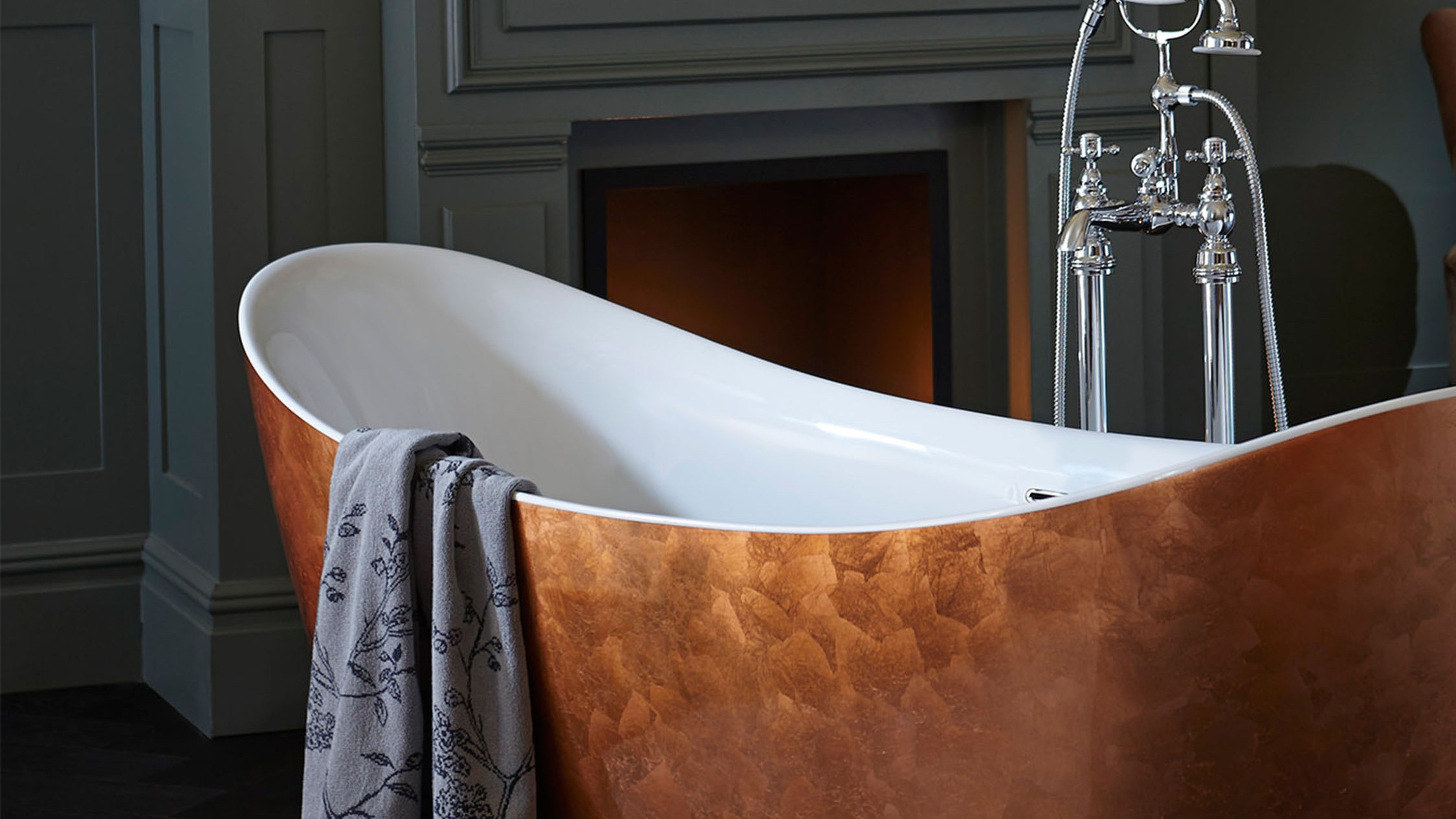
Too shallow to take the plunge? Five freestanding baths to freshen up your bathroom
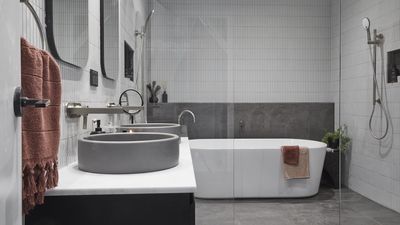
Freestanding bathtub ideas and inspiration for your bathroom renovation

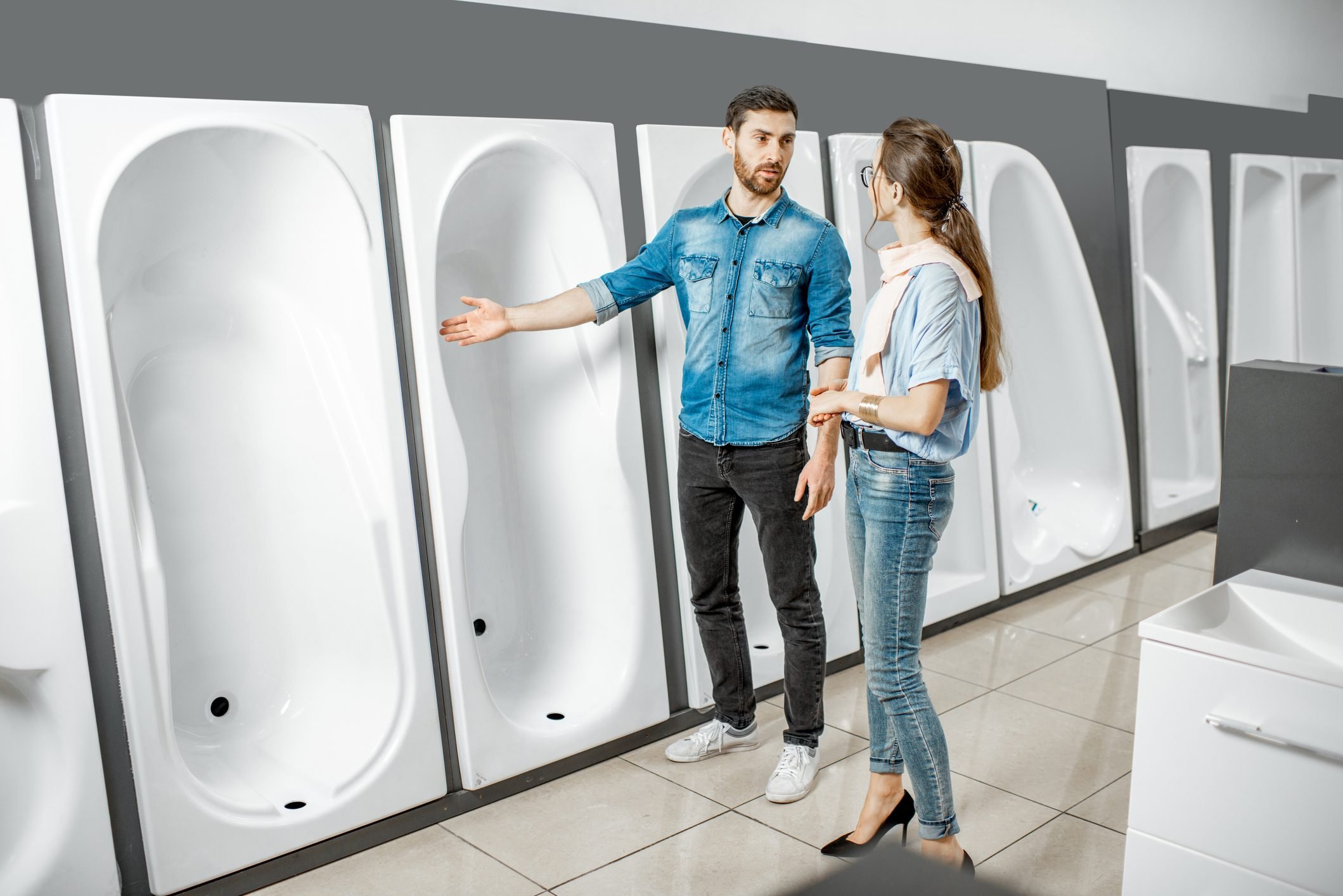
Bathtub Styles, Fixes and Cleaning

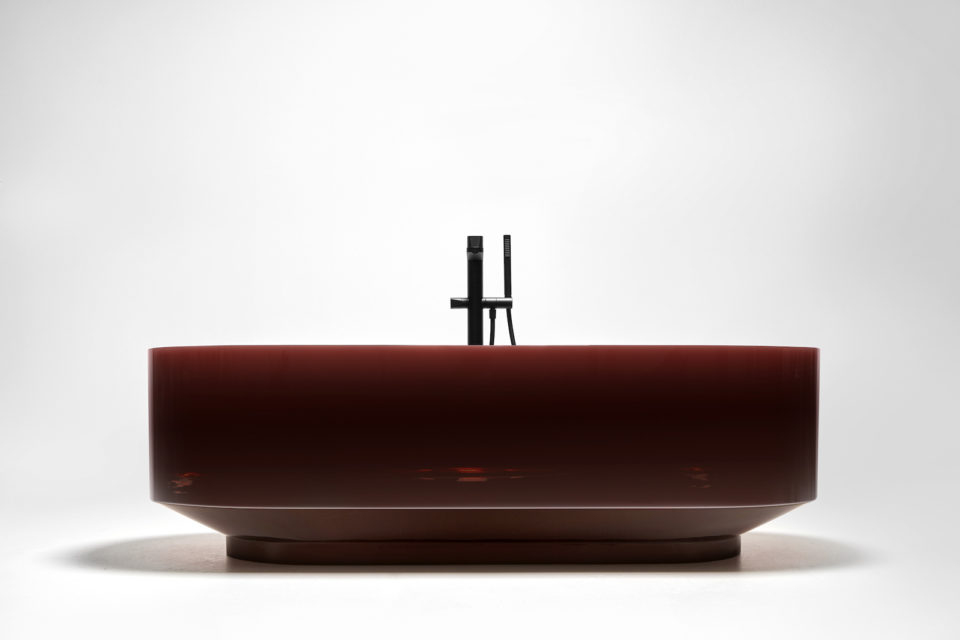
Level Up Your Soaking Sanctuary With These Gorgeous Bathtubs

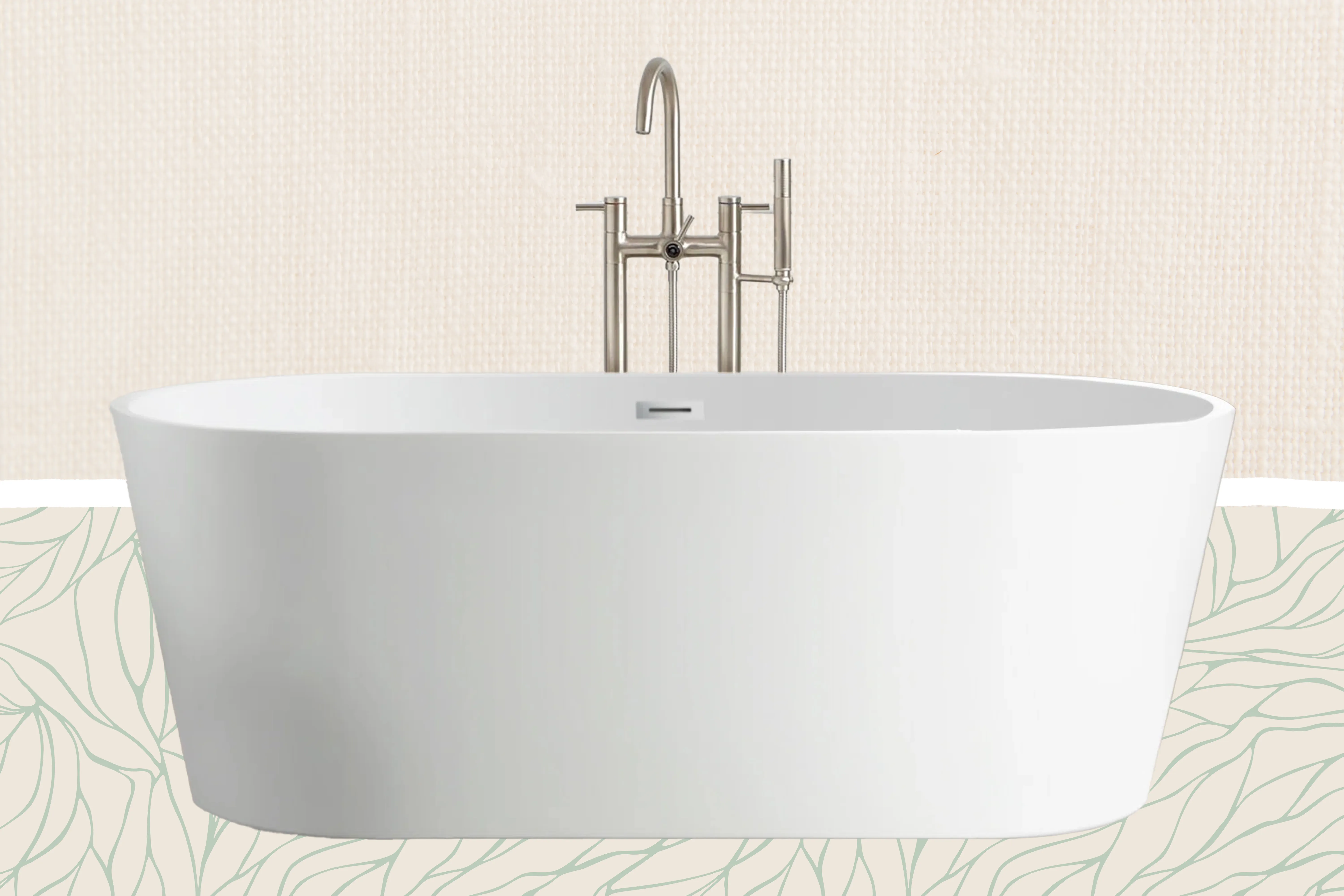
These 6 Freestanding Tubs Will Turn Any Bathroom Into a Spa

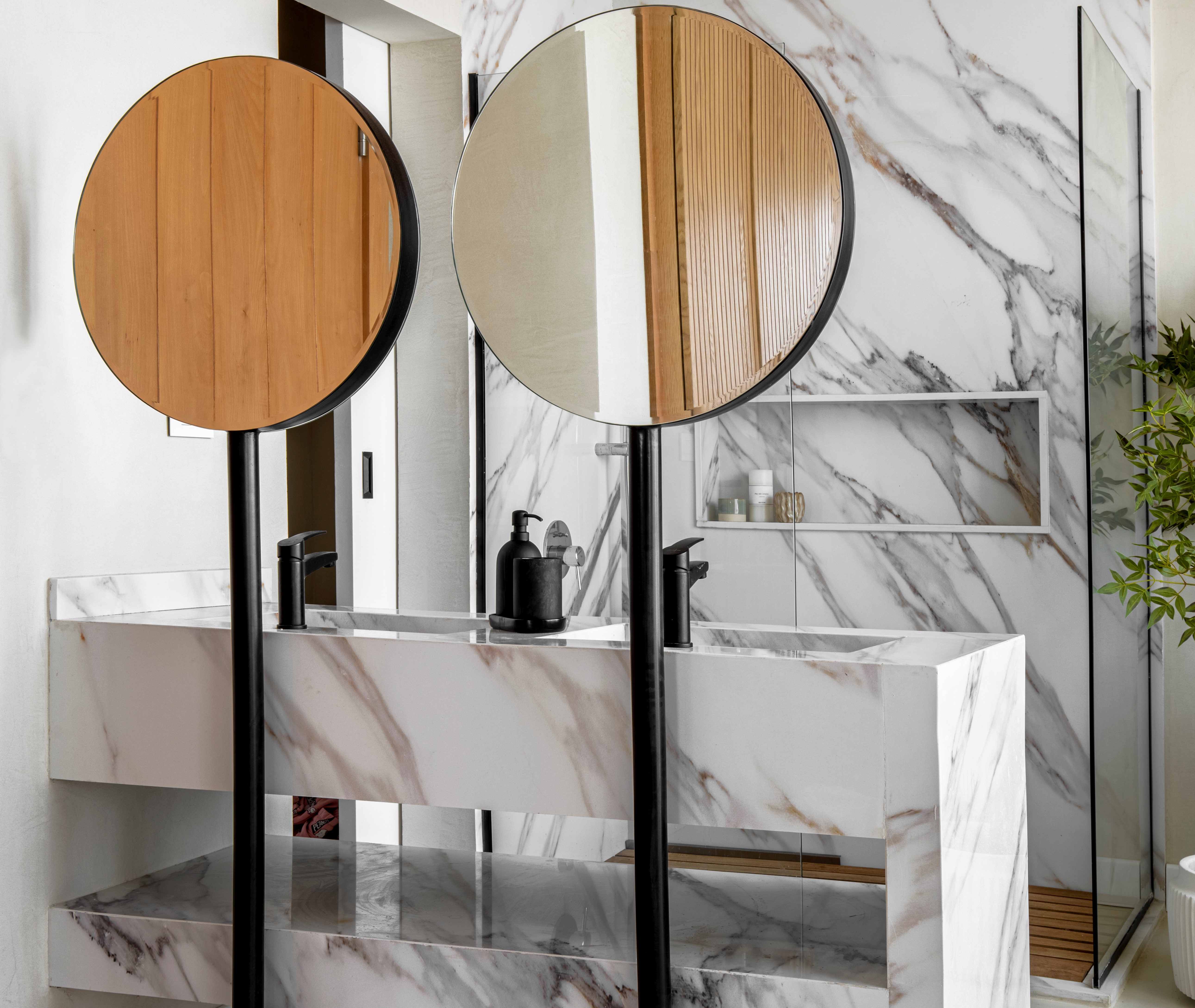
Freestanding basins are the big trend that can help you get creative with your bathroom's layout

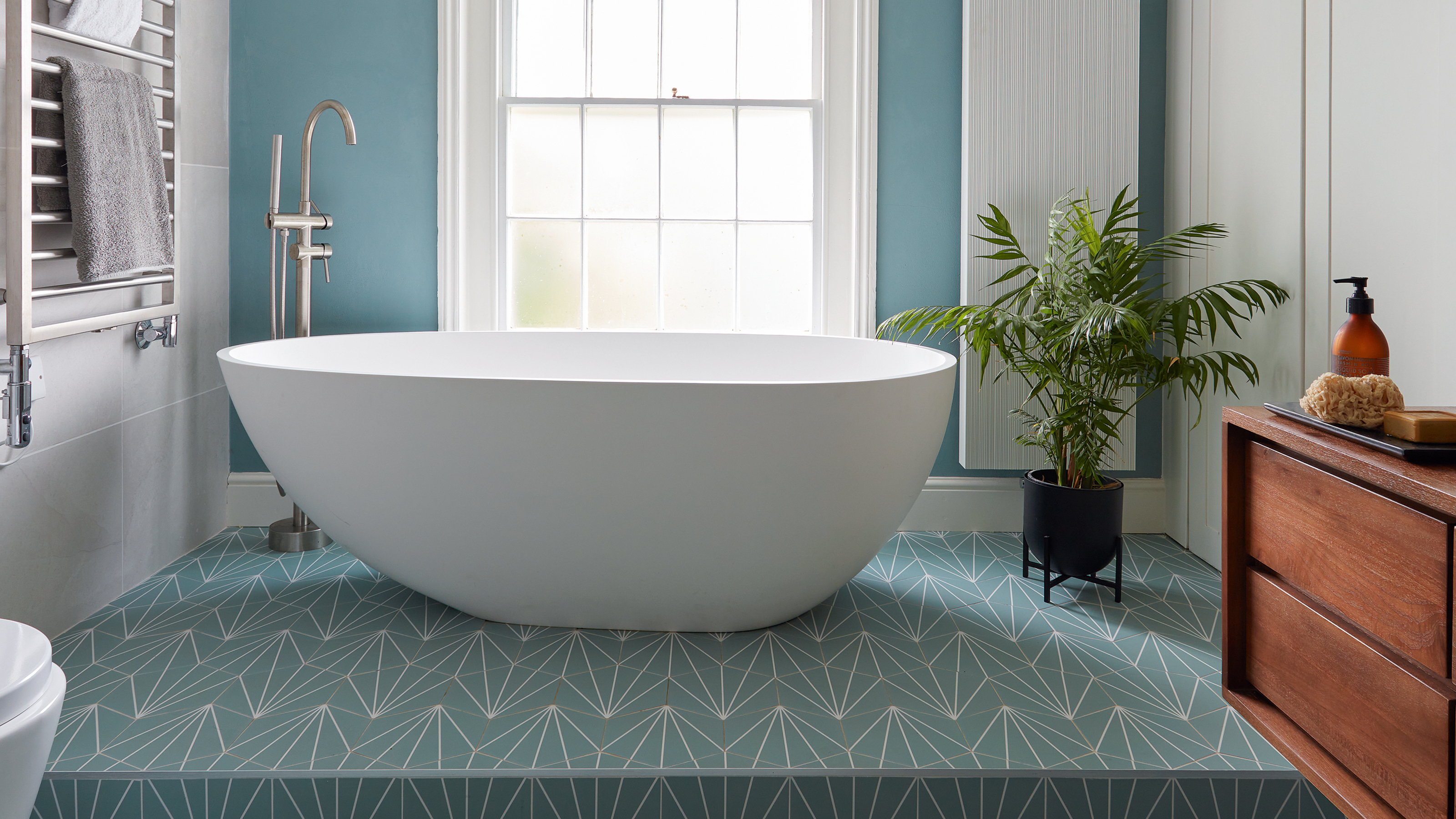
A genius layout solution makes a freestanding bath the star of this luxe bathroom makeover
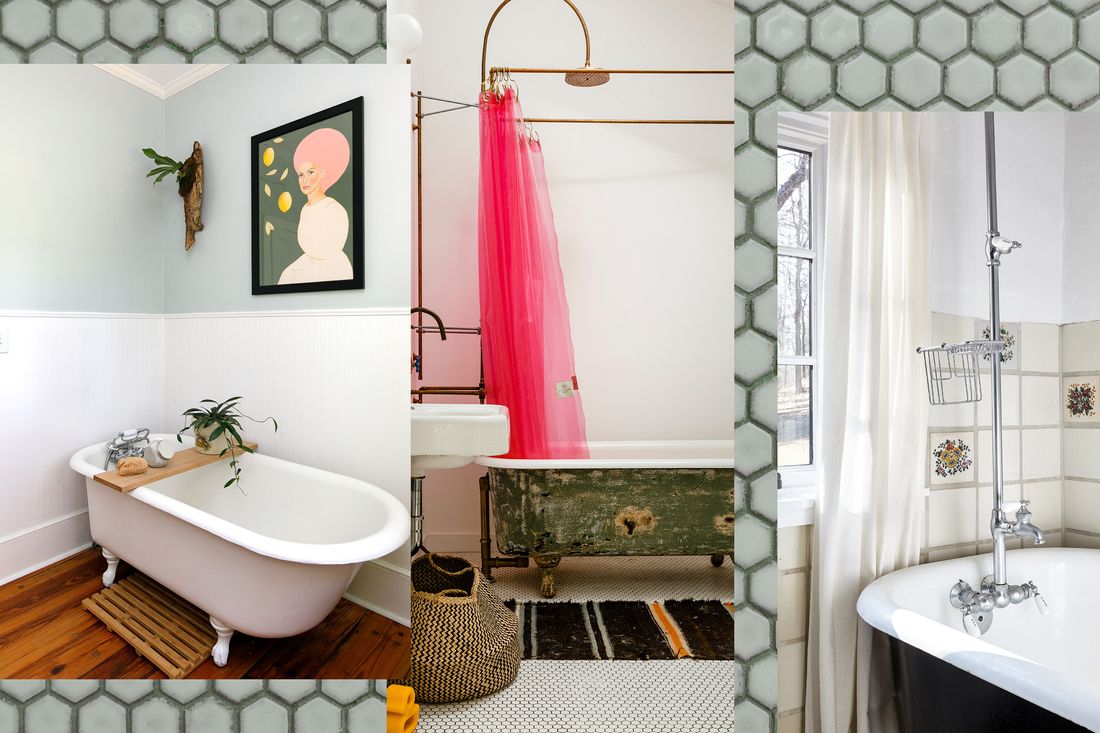
The Bath Bubble
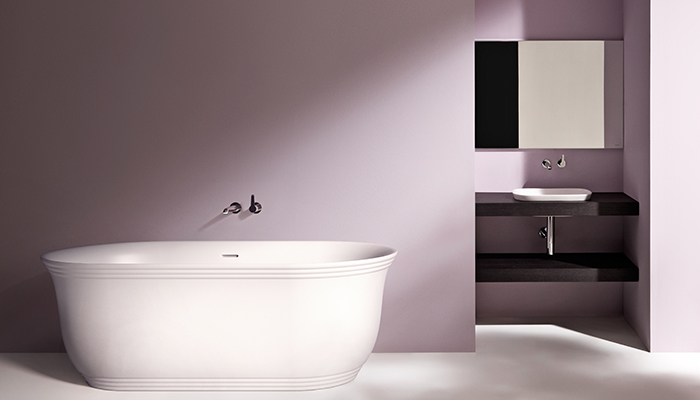
Laufen's new freestanding bath range offers a solution for every space
How the focus on relaxation is making wellness key to bathroom design
Soak Off a Stressful Day in One of The Best Freestanding Tubs of 2025


Freestanding Baths

Freestanding Baths – Our Pick of the Best
Best free-standing baths from £4,000 to £14,000 — for people who really want to splash out
17 Bathtub Ideas That Will Transform Your Bathroom Into a Spa-Like Escape