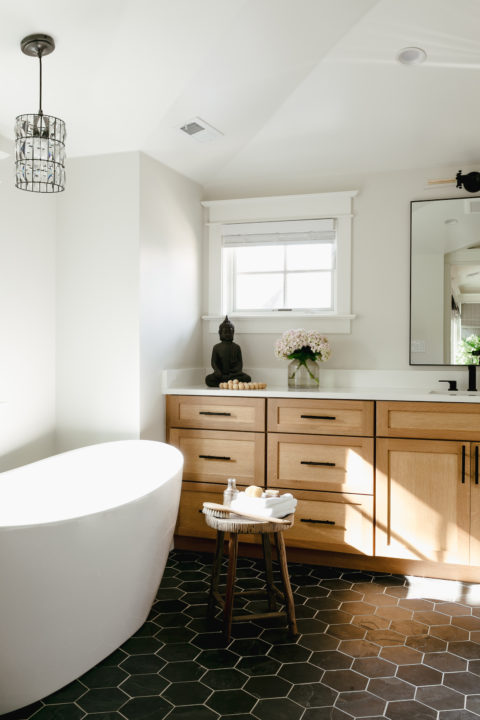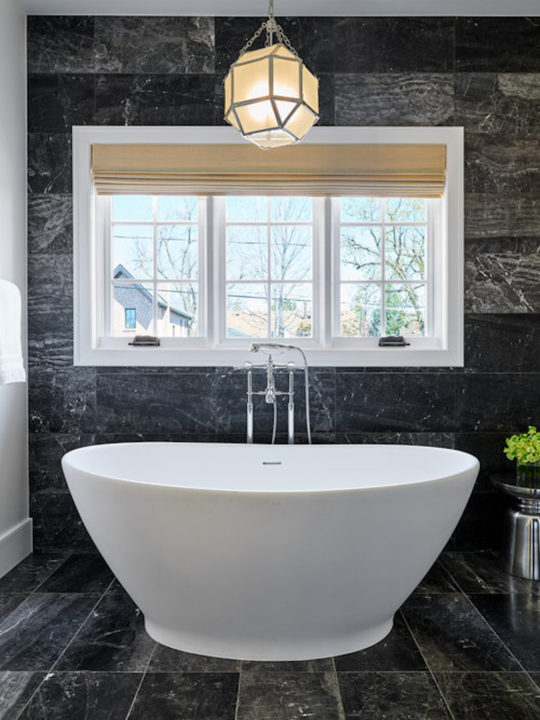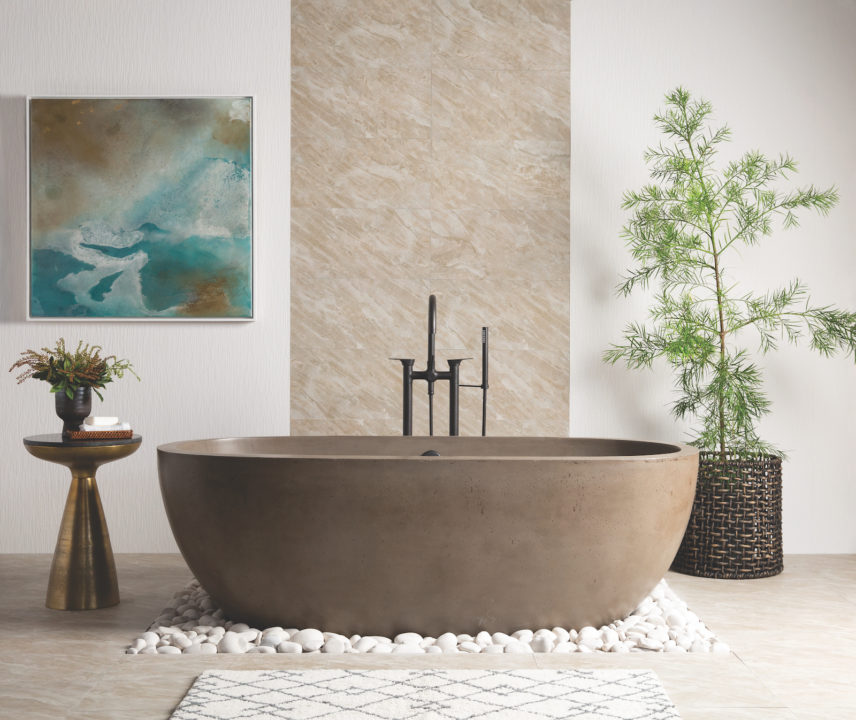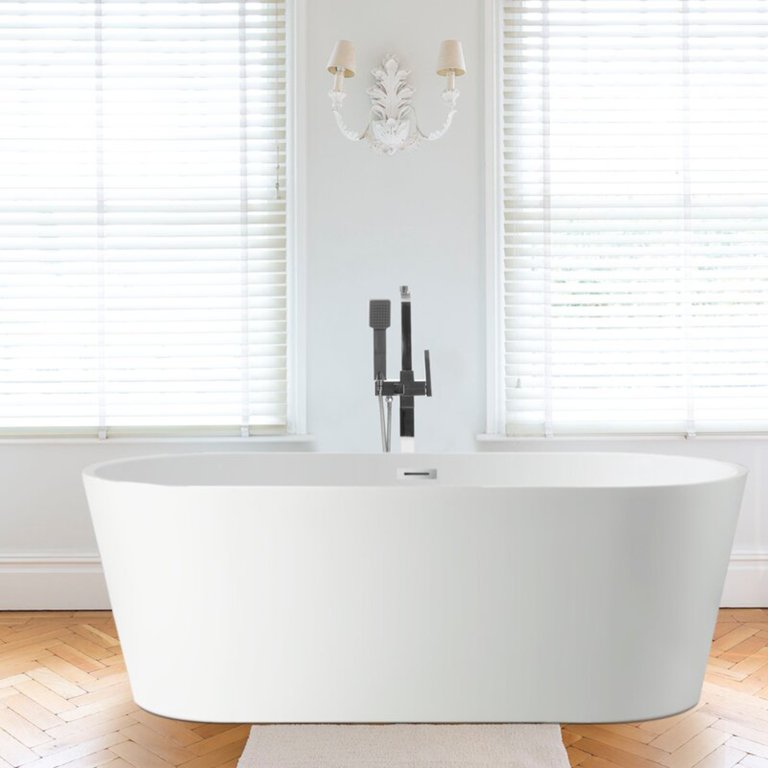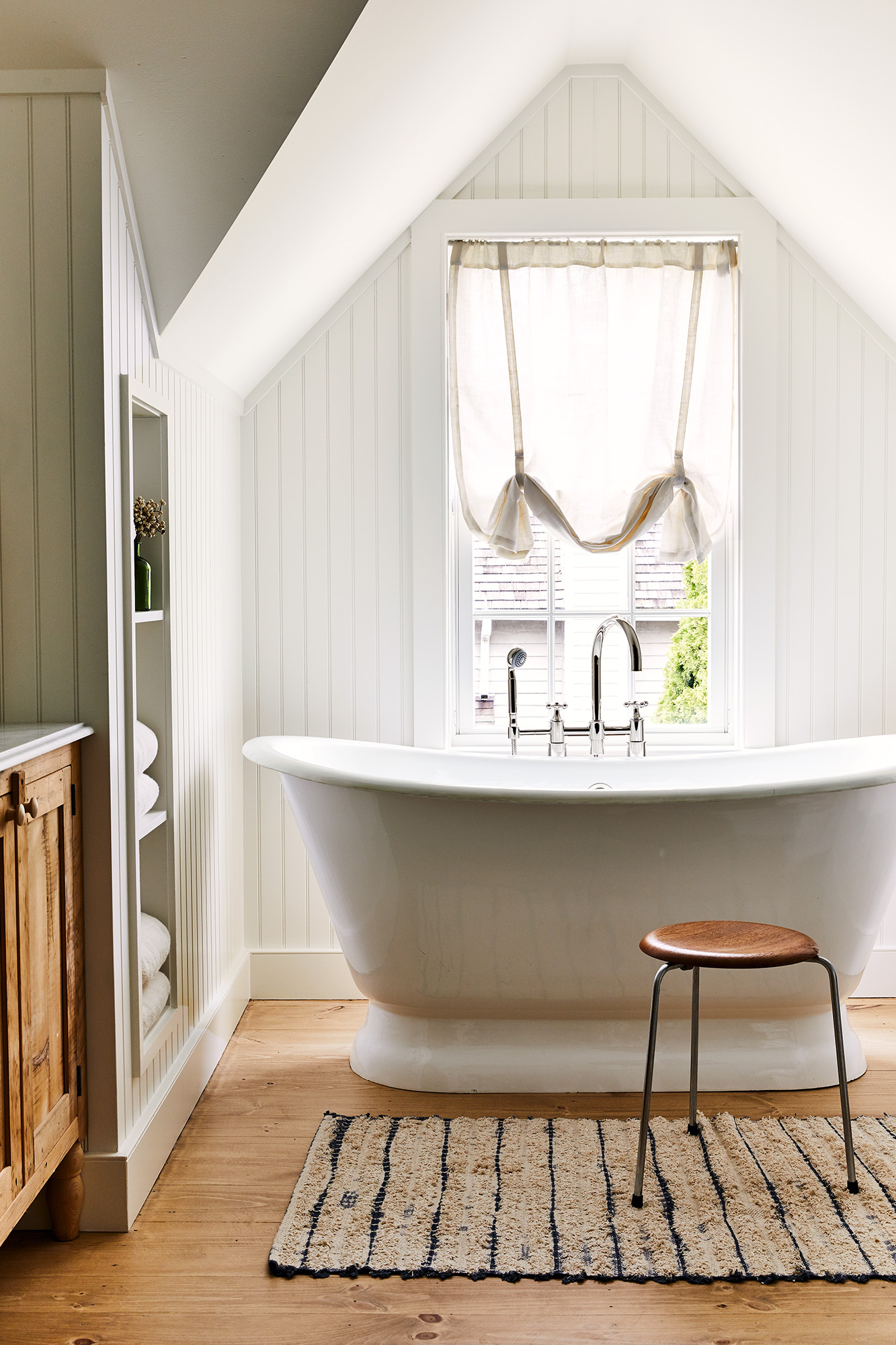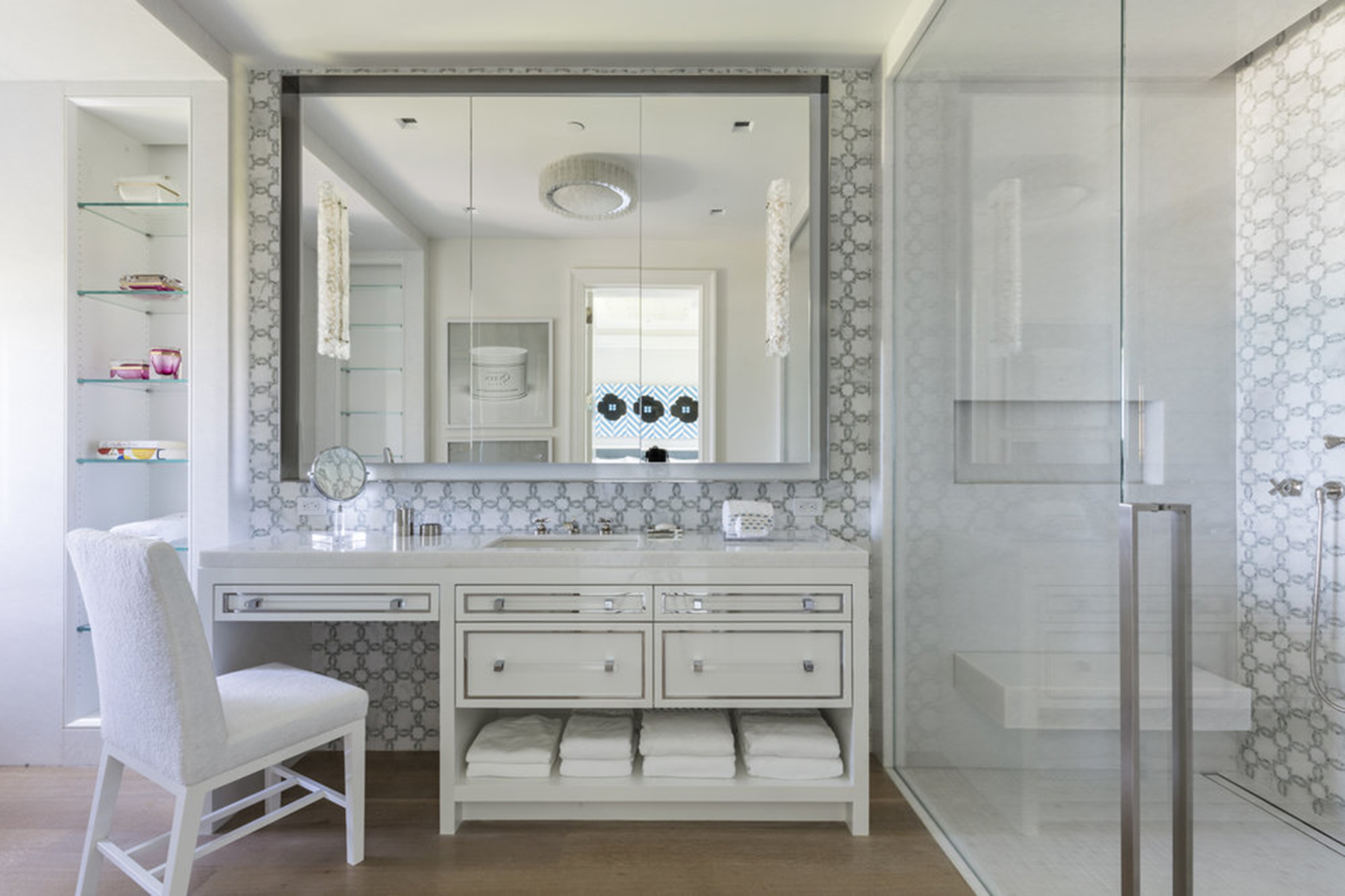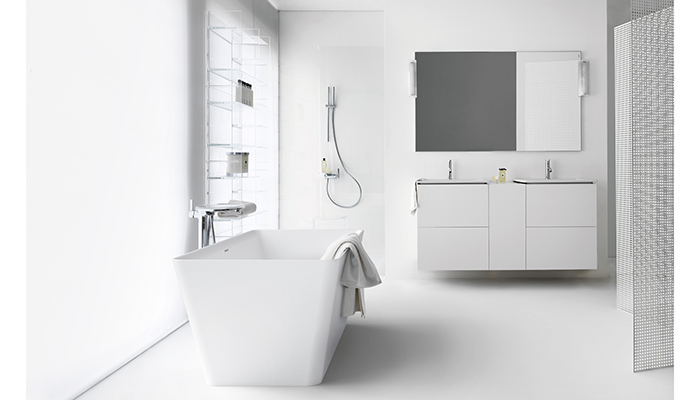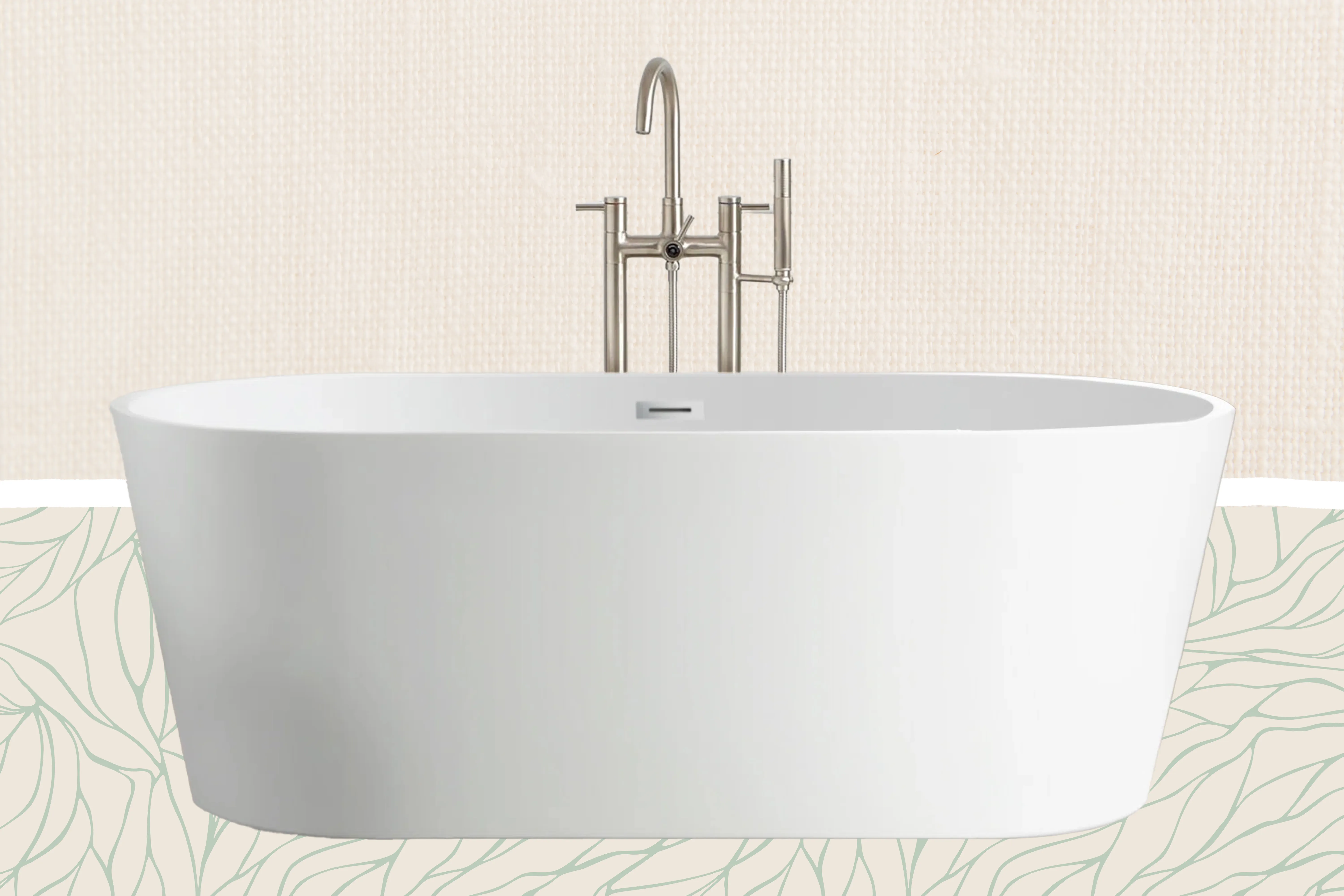
These 6 Freestanding Tubs Will Turn Any Bathroom Into a Spa
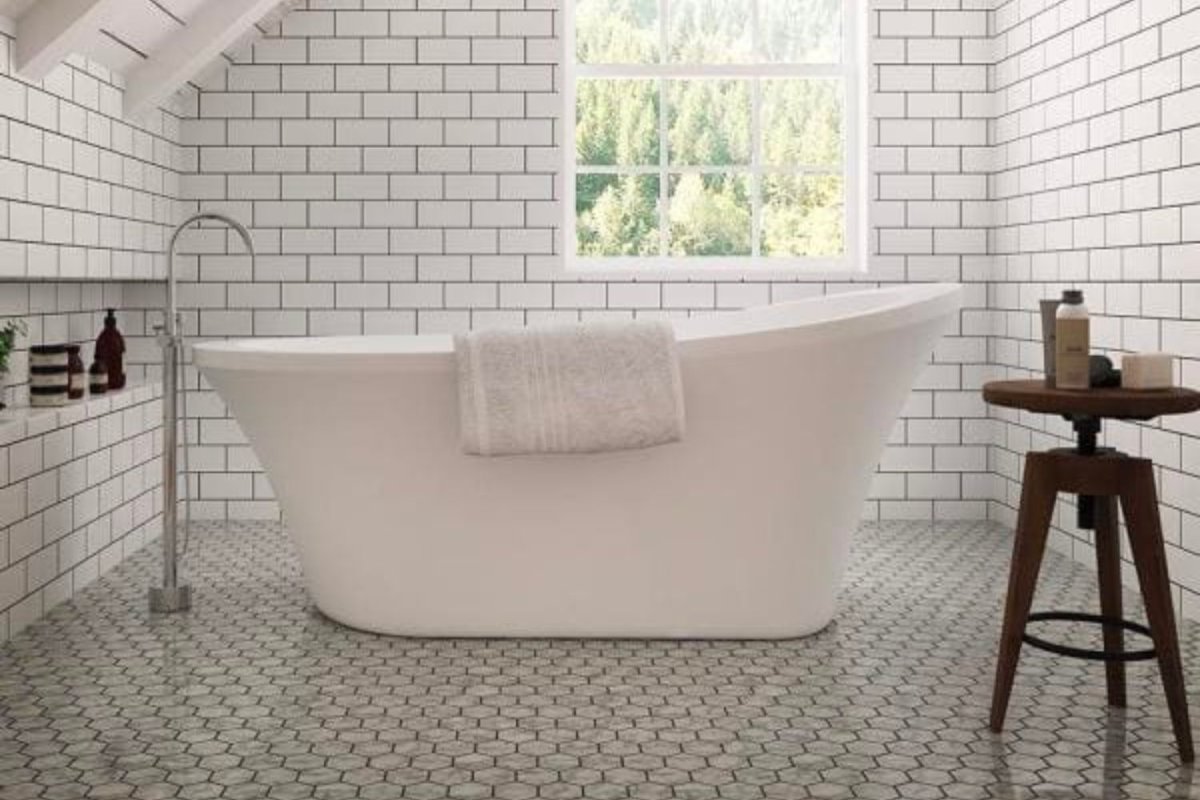
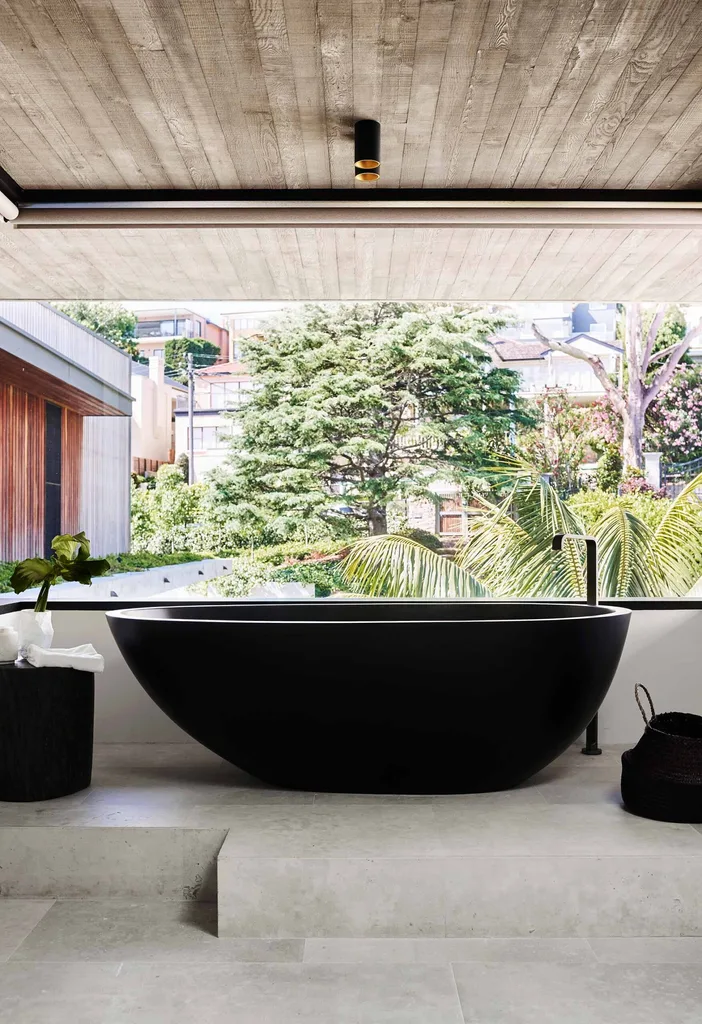
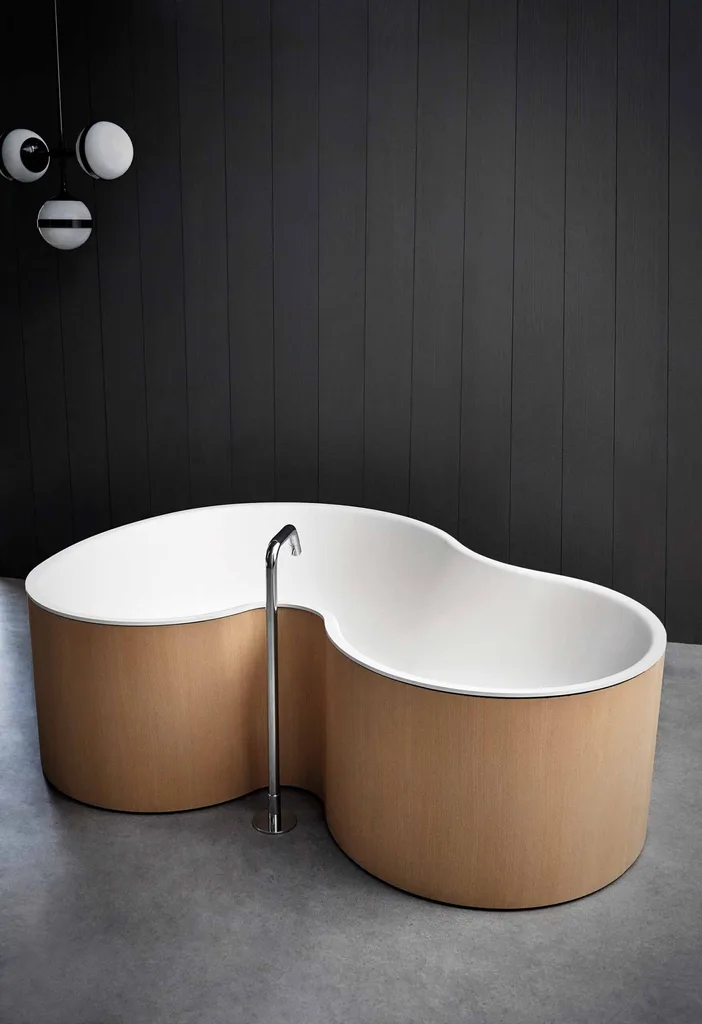
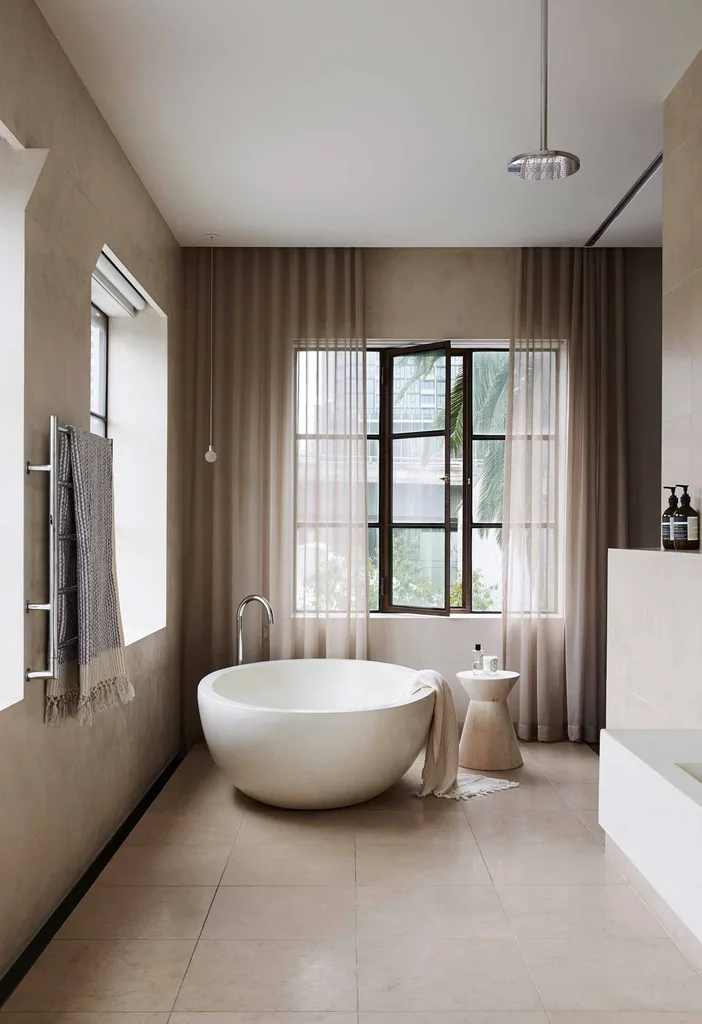
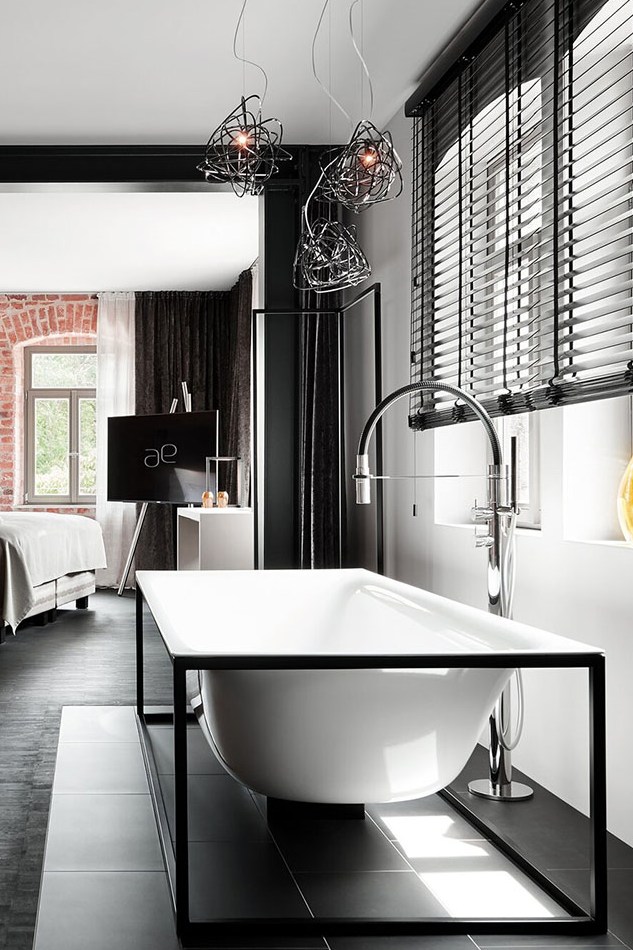
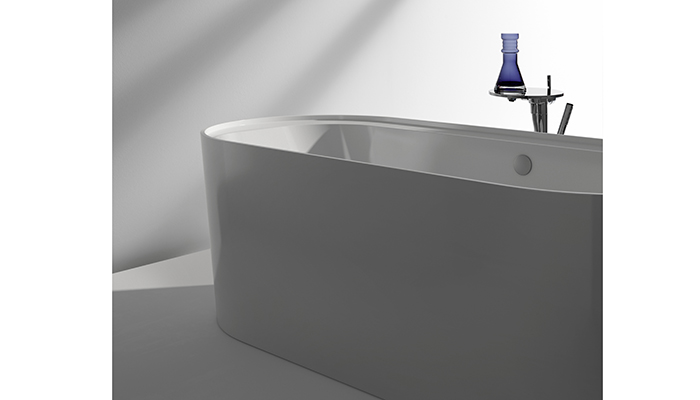
This article explores the growing trend of incorporating freestanding bathtubs into modern bathrooms, emphasizing their ability to transform a functional space into a luxurious, spa-like sanctuary. It highlights the critical considerations and expert advice necessary for consumers contemplating such an upgrade. Before purchasing, it is crucial to consult with a licensed plumber to assess the existing plumbing infrastructure and overall bathroom layout, ensuring the installation is feasible and understanding the associated requirements. Another significant factor is the substantial weight of freestanding tubs, especially when filled with water and occupied. This necessitates a structural evaluation by a professional, particularly for installations on upper floors, to determine if additional blocking or framing is required to support the considerable load, which can easily exceed 1,000 pounds.
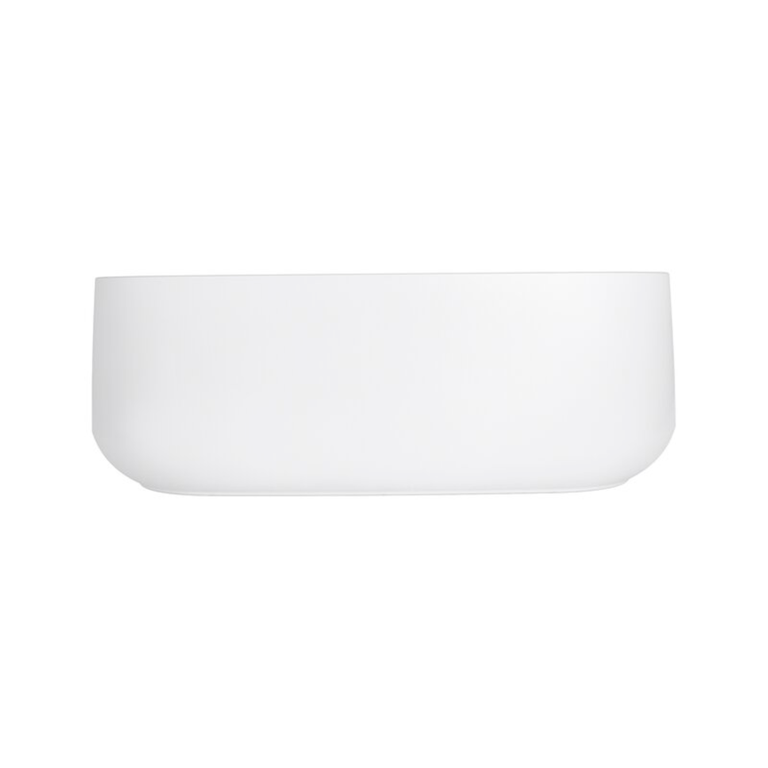
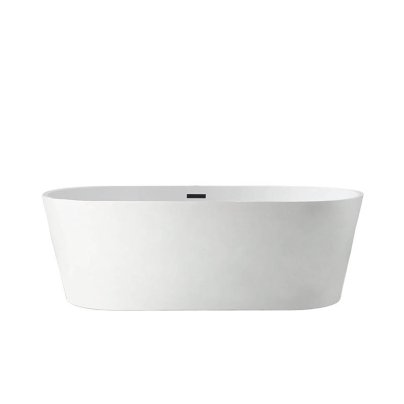
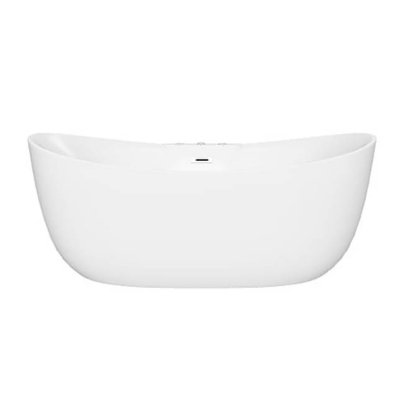
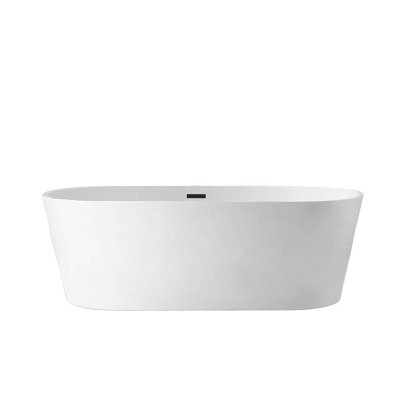
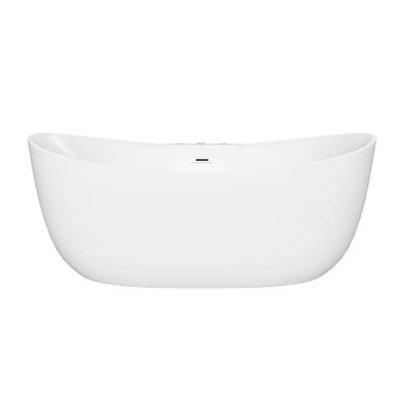
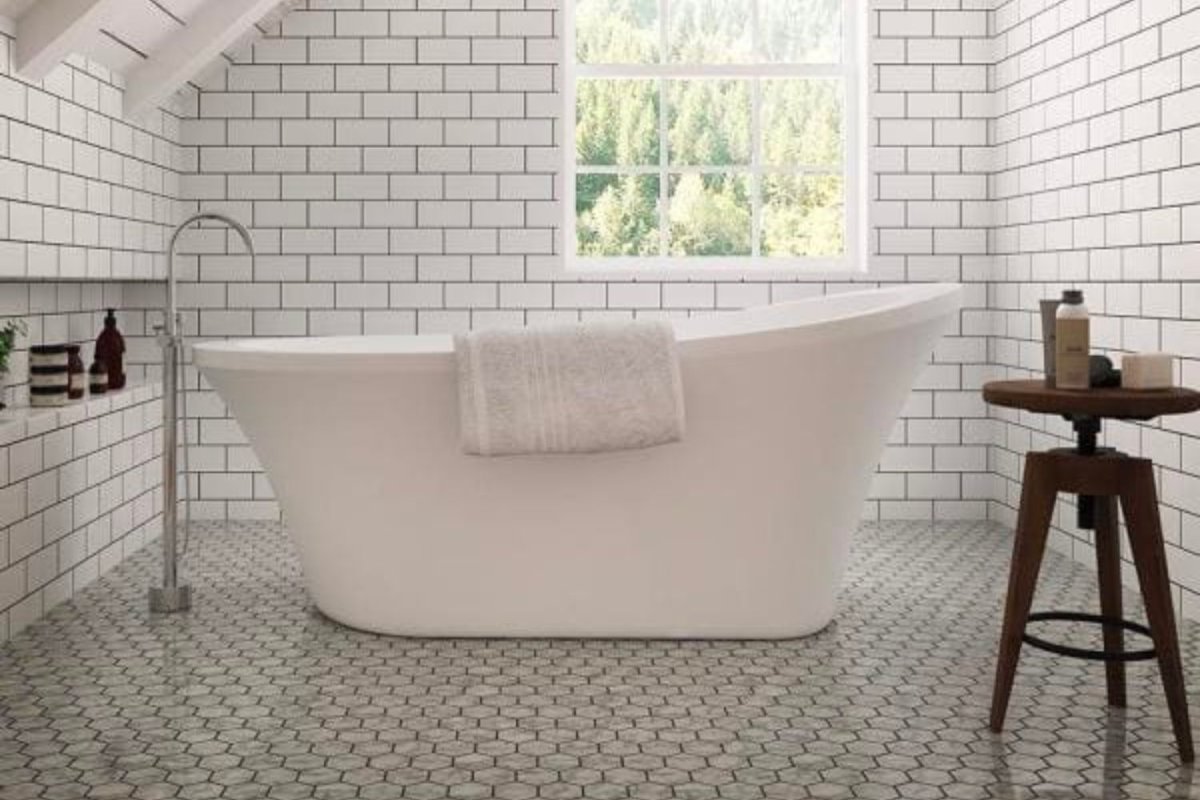
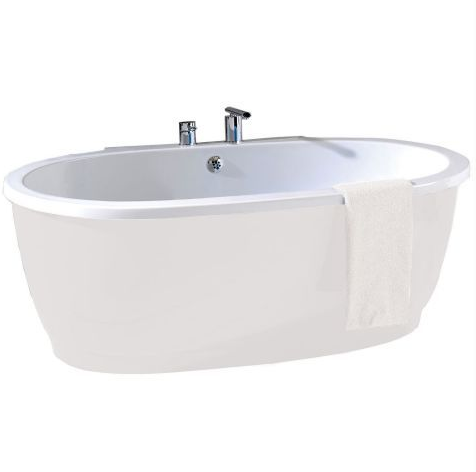
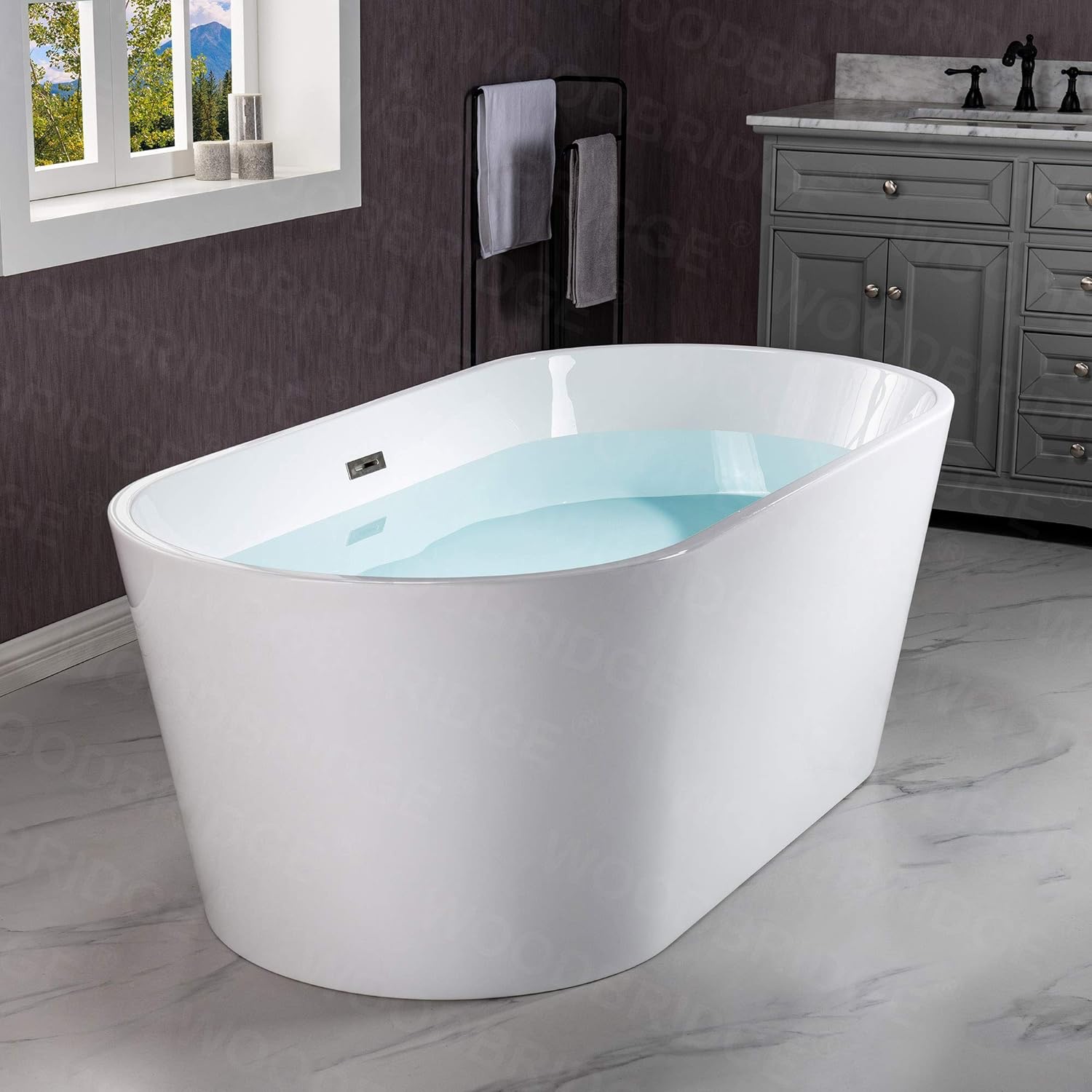
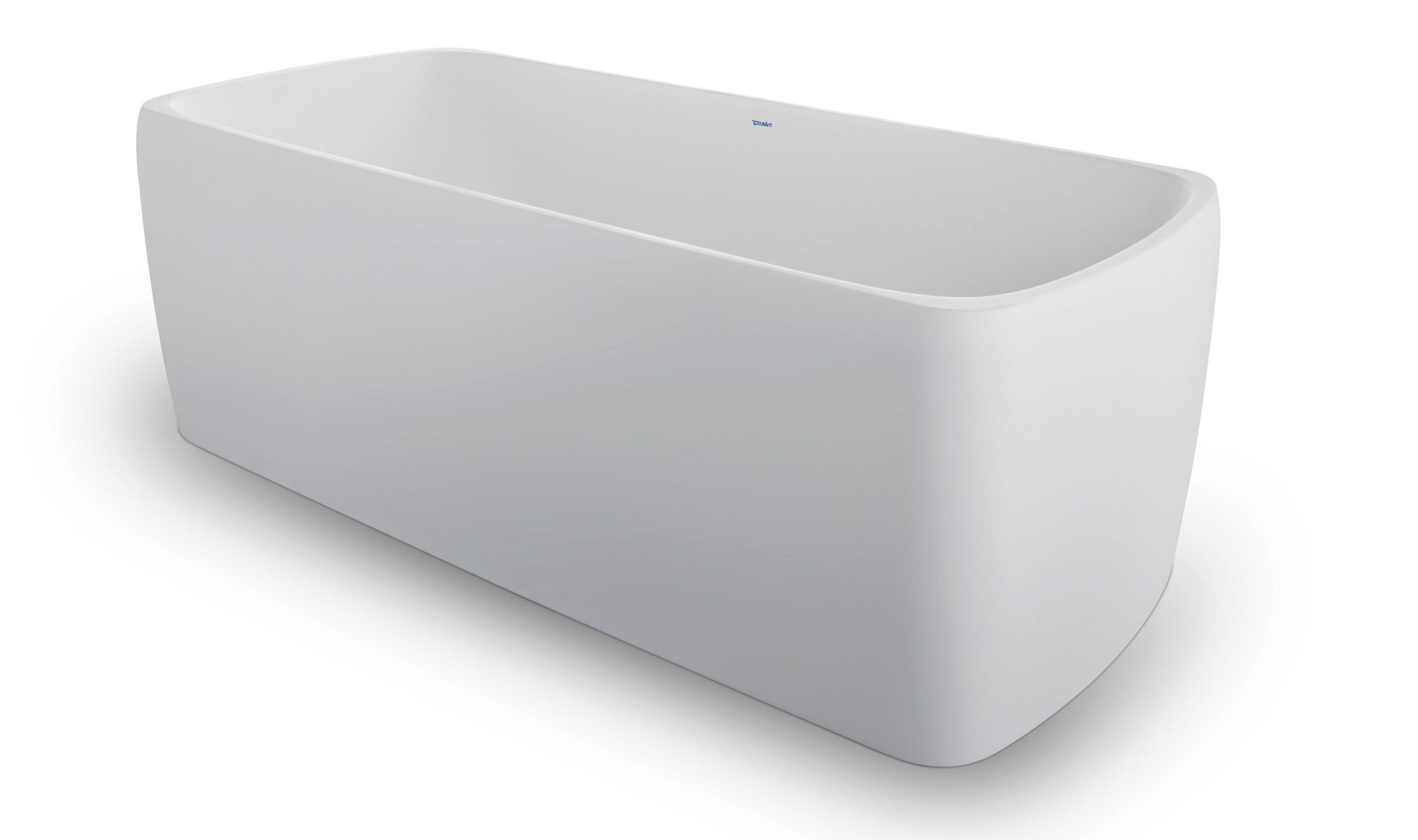
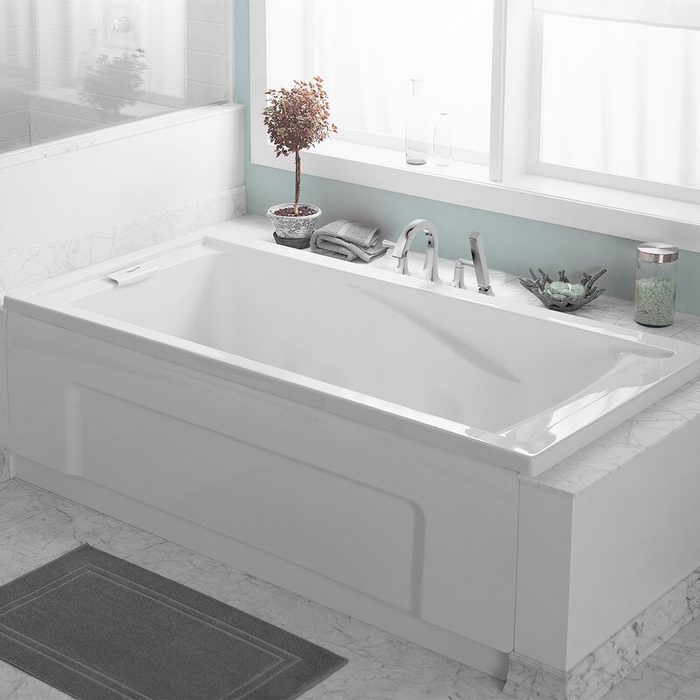
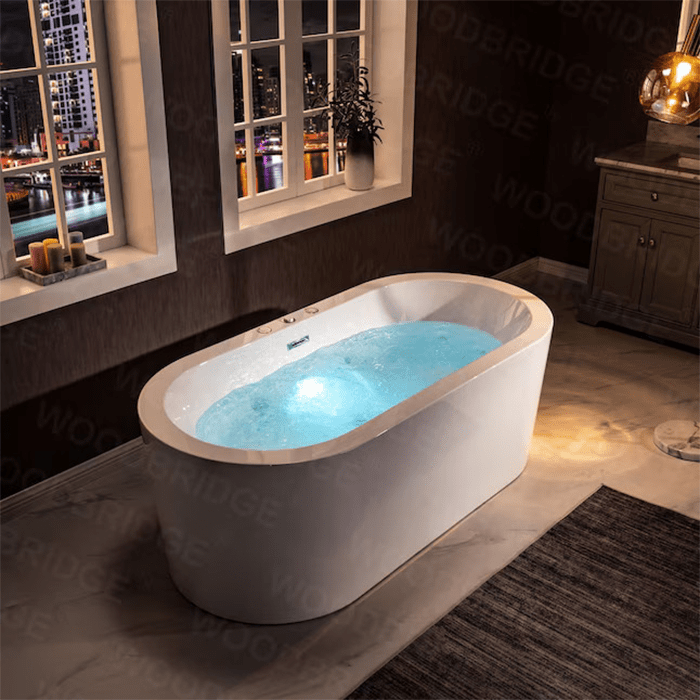
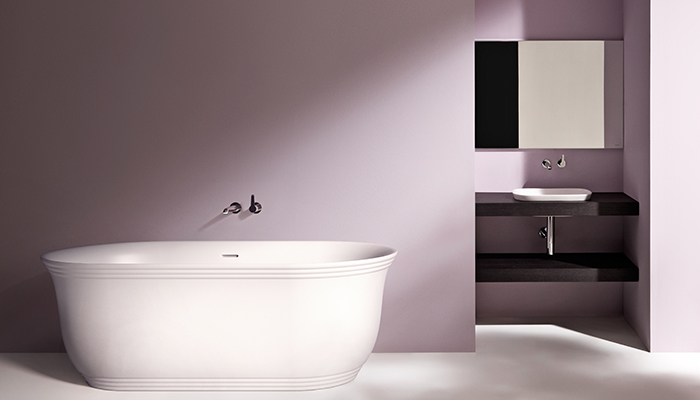
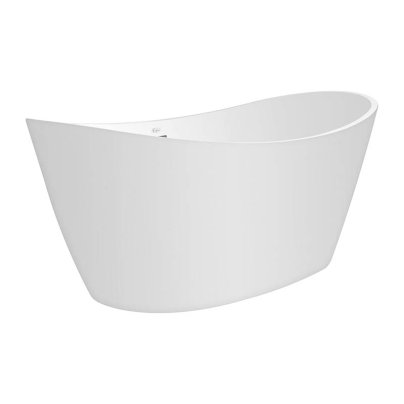
The article meticulously reviews various freestanding bathtub models, categorizing them by material, size, and specific features to guide consumers through their selection process. The "Best Overall" pick is the Iris Freestanding Soaking Acrylic Bathtub, lauded for its versatility, durable acrylic material, generous size, and affordability. Its contemporary design and customizable hardware finishes make it suitable for both small and large bathrooms, though its size is noted to be more comfortable for individuals of short to average height. For compact spaces, the Woodbridge Cove 48'' x 26'' Freestanding Soaking Acrylic Bathtub is recommended as the "Best Small" option, offering a deep soak despite its modest footprint and excellent heat retention due to insulated walls. The article also acknowledges its minimalist design and range of available sizes.
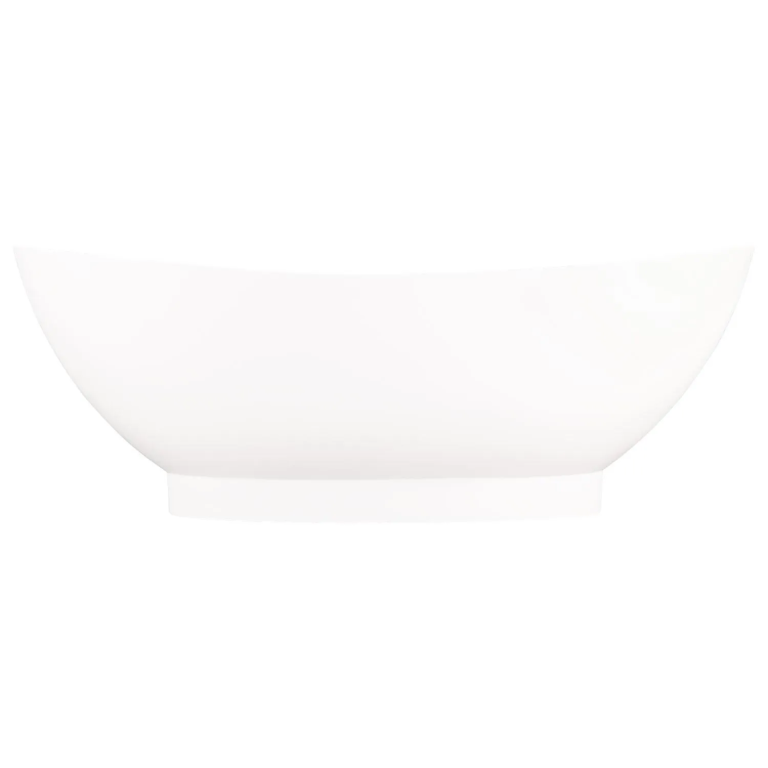
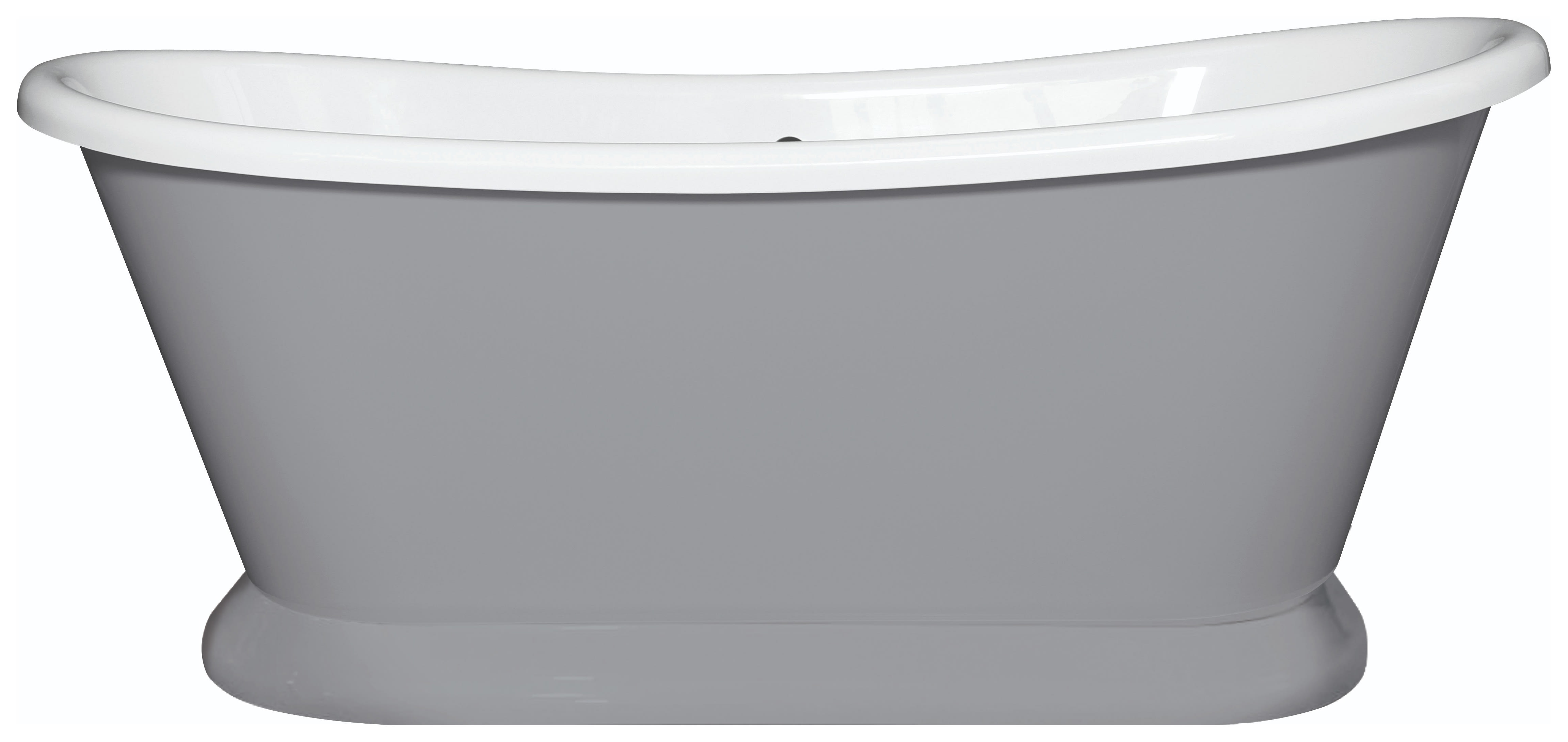
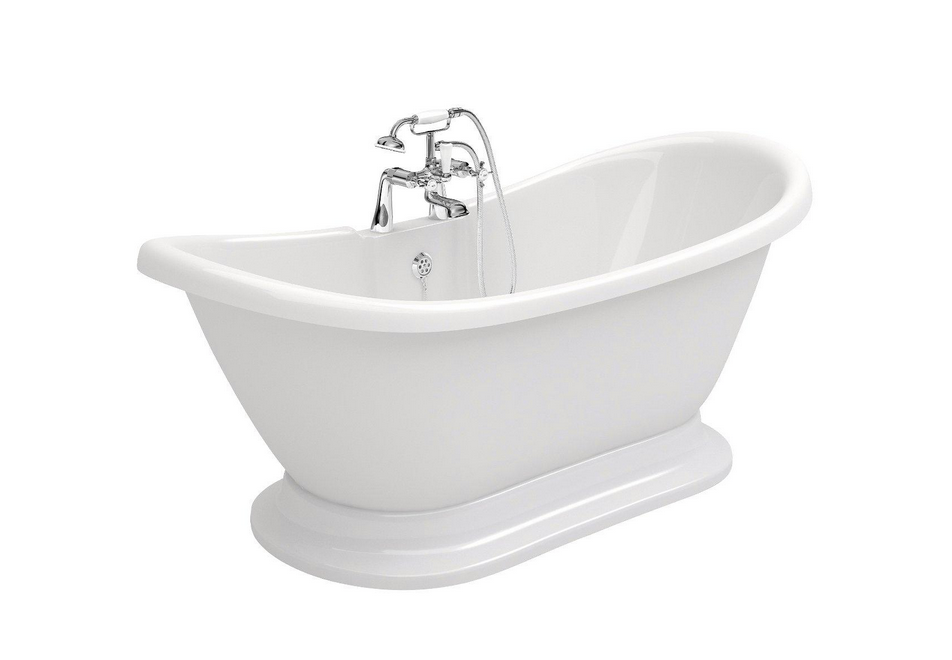
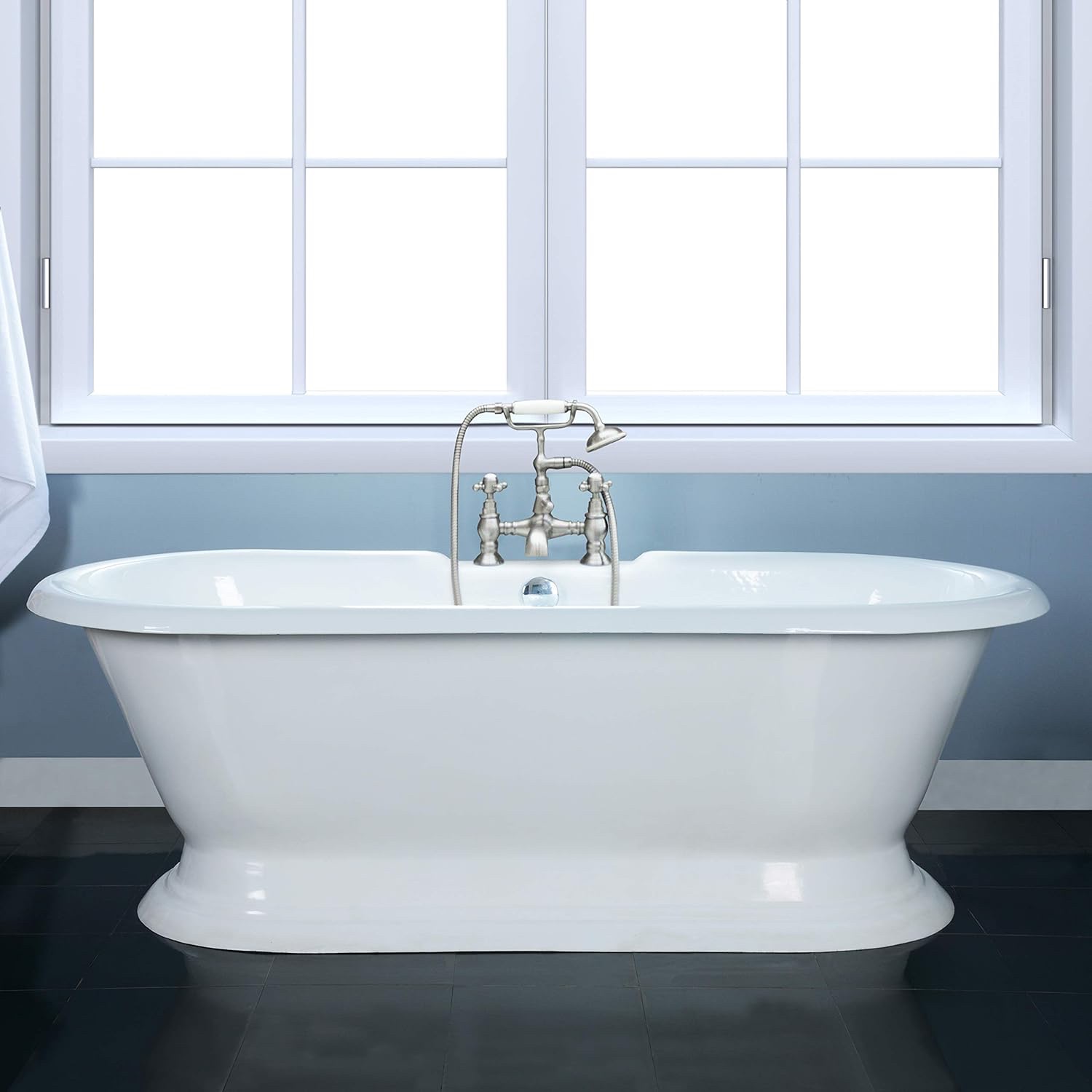
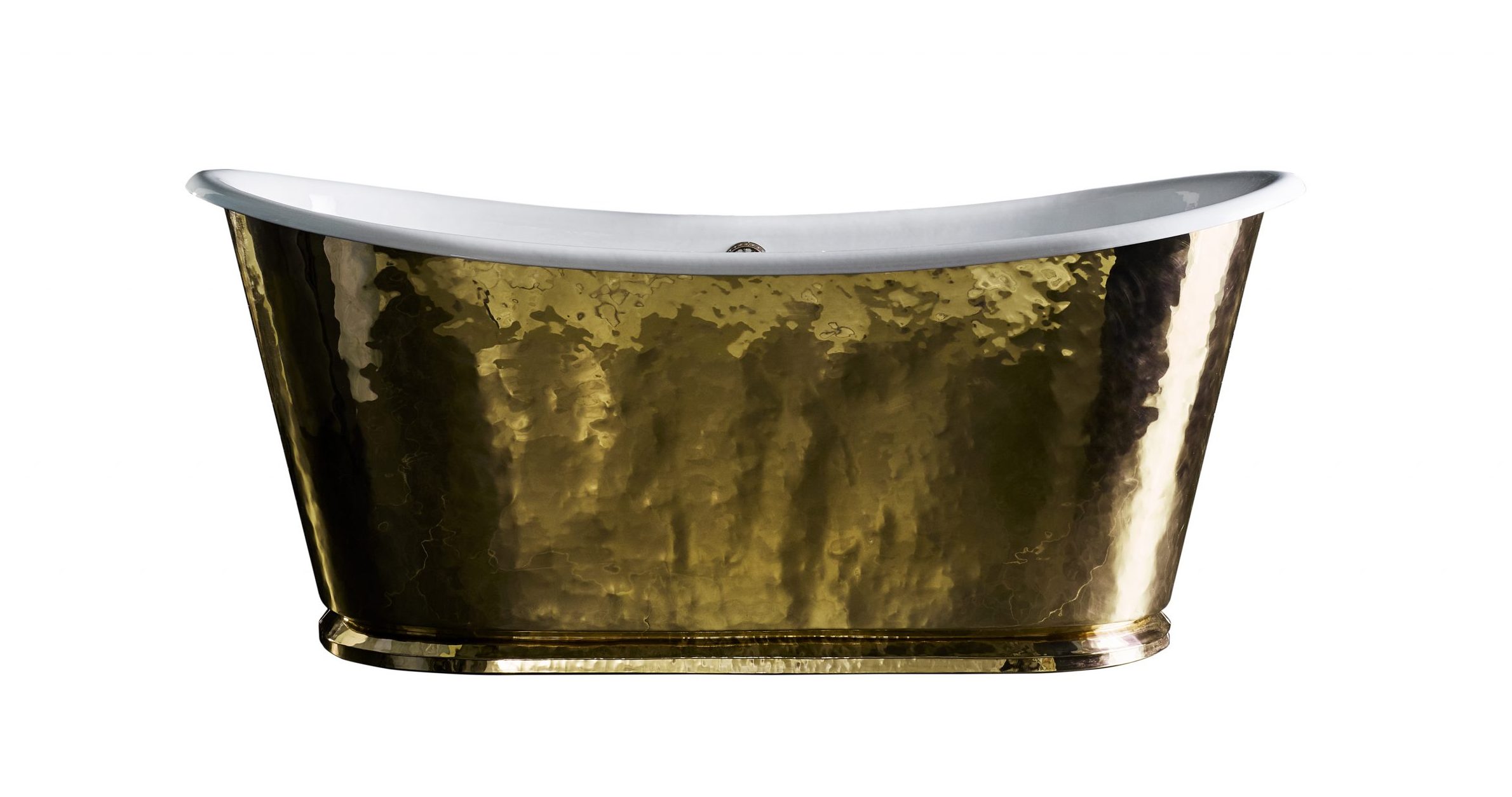
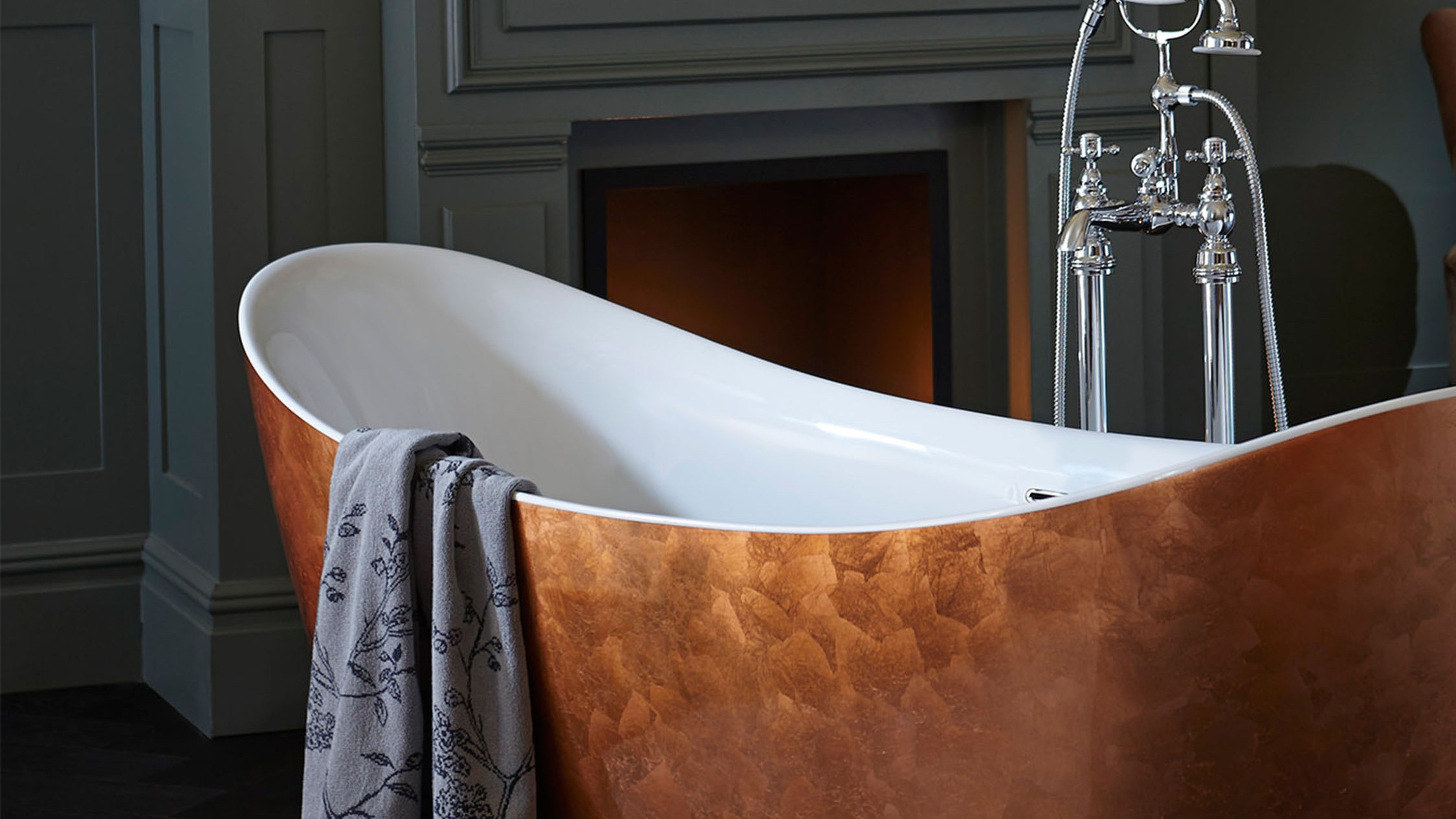
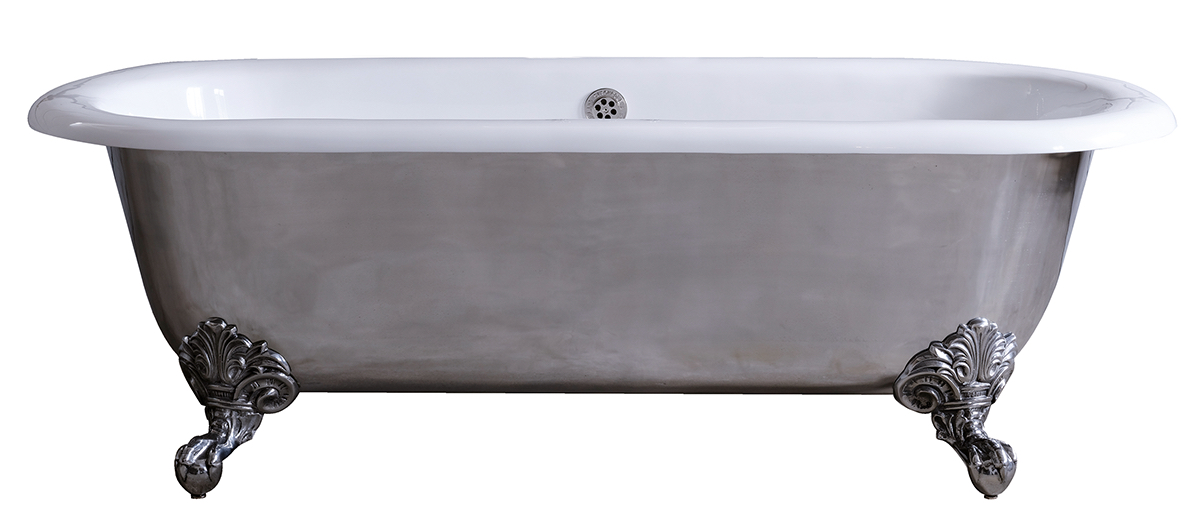
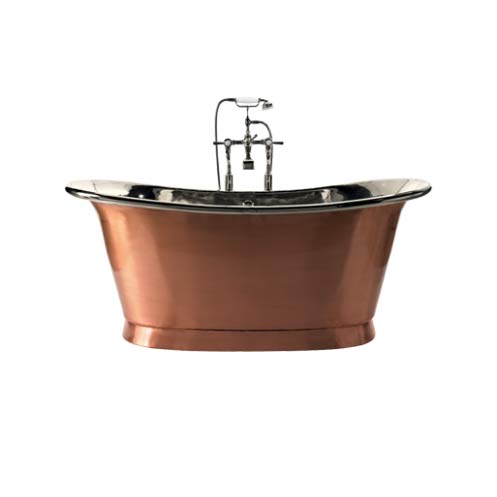
For those seeking a more opulent aesthetic, the Signature Hardware Paxton Copper Slipper Pedestal Tub is featured as the "Best Copper" option. This hand-finished, hammered copper tub is celebrated for its unique beauty, natural heat-conducting properties, and the distinctive patina it develops over time, which adds a storied charm. However, its higher cost and specific cleaning requirements are noted. In the "Best Cast Iron" category, the Chevington Laurent Freestanding Soaking Cast Iron Bathtub is praised for its classic roll-top silhouette, enduring quality, and porcelain enamel interior, offering excellent heat retention and ease of cleaning, though its significant weight requires professional installation and potential floor reinforcement. For larger bathrooms or taller individuals, the Randolph Morris Oxford Cast Iron Freestanding Soaking Tub is presented as the "Best Large" option. This oversized cast iron tub, over 6 feet long, provides ample legroom and can be customized with various exterior colors, but its immense weight demands careful structural consideration.
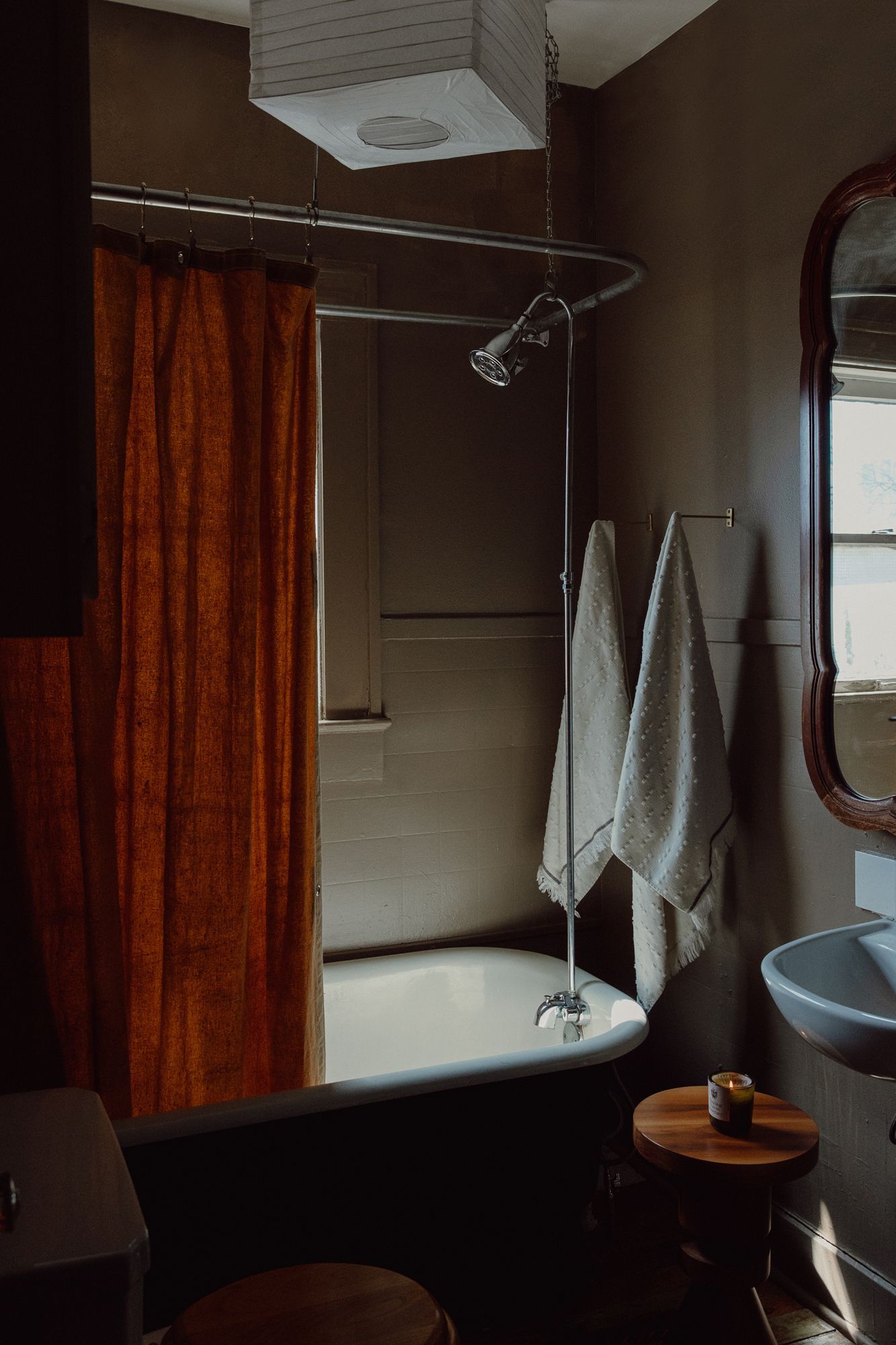
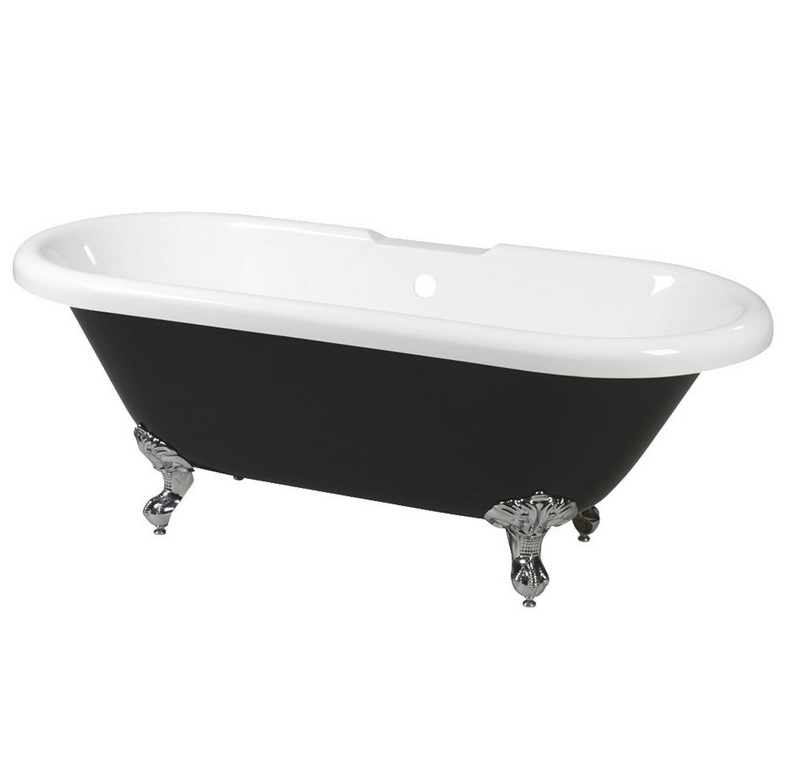
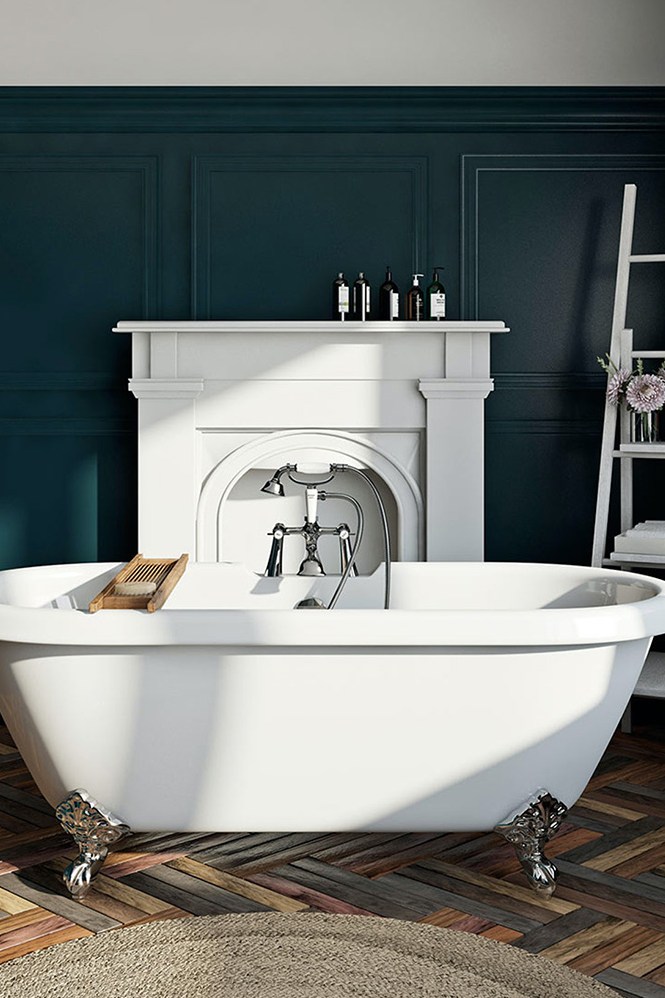
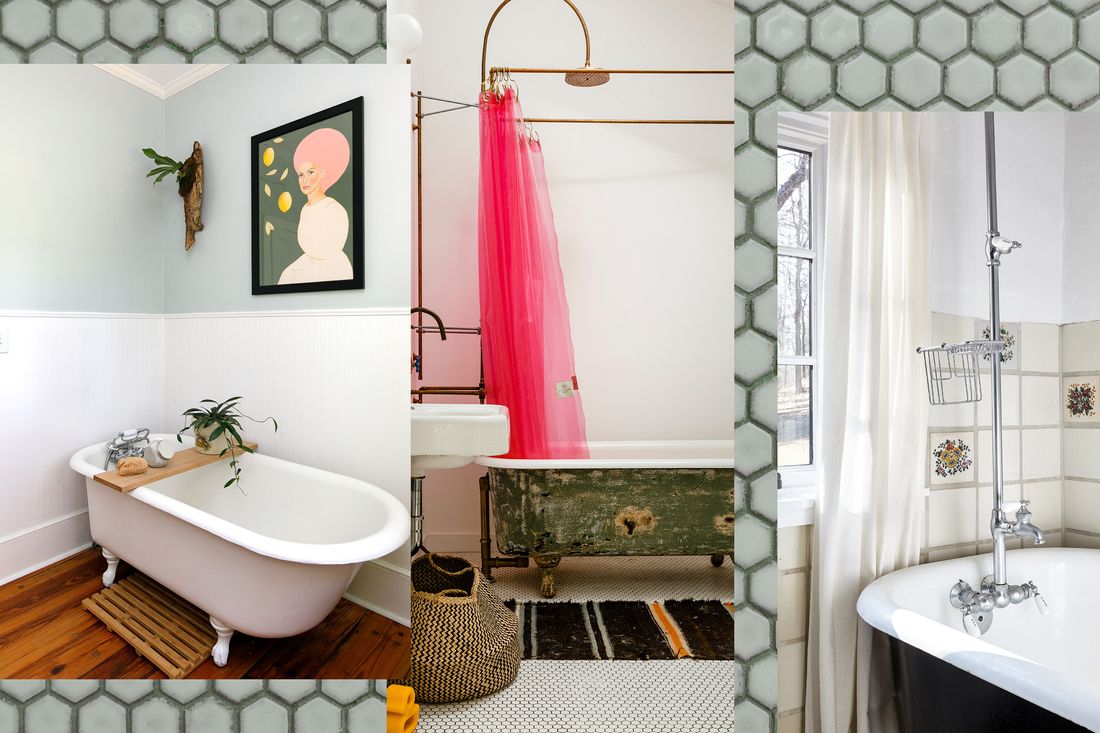
The Signature Hardware Audrey Acrylic Clawfoot Tub is highlighted as the "Best Clawfoot" choice, offering the timeless elegance of a traditional clawfoot tub but with the lightweight and spacious advantages of acrylic construction. It is easier to transport and install than its cast-iron counterparts and comes with an overflow drain and integrated tap deck, though its clawfoot finish options are limited. The article further delves into essential purchasing considerations such as size, emphasizing that the tub's scale must complement the bathroom dimensions to avoid overwhelming or undersizing the space. It provides specific length guidelines for small, medium, and oversized tubs and outlines standard widths and depths.
Material is another crucial factor, with acrylic offering durability, scratch resistance, and easy maintenance; cast iron providing superior heat retention but posing significant weight challenges; and copper delivering aesthetic appeal and heat conductivity but requiring particular care due to patina development. Water capacity is also discussed, highlighting that while most tubs accommodate 35-90 gallons, the added weight of the water significantly increases the overall load on the floor. Finally, the article addresses installation complexities, noting that while placing the tub over the drain is straightforward, maneuvering heavy tubs and accommodating electrical requirements for jets or blowers necessitates professional assistance. It also advises on faucet compatibility, recommending wall-mounted, freestanding, or deck-mounted options based on the tub's design and emphasizing appropriate height for optimal functionality and aesthetics.
#FreestandingTubs #BathroomDesign #HomeImprovement #BathtubMaterials #LuxuryBathrooms #InteriorDesign #PlumbingConsiderations #HomeRenovation #BathroomFixtures #FreestandingTubs #BathroomDesign #HomeImprovement #BathtubMaterials #LuxuryBathrooms #InteriorDesign #PlumbingConsiderations #HomeRenovation #BathroomFixtures
0 comment in total
 No comments yet
You may also like
Level Up Your Soaking Sanctuary With These Gorgeous Bathtubs

6 small showers that deliver a spa-like feeling

The Best Soaking Tubs to Transform a Bathroom Into a Spa


These 10 Steam Showers Will Instantly Turn Your Bathroom Into a Spa
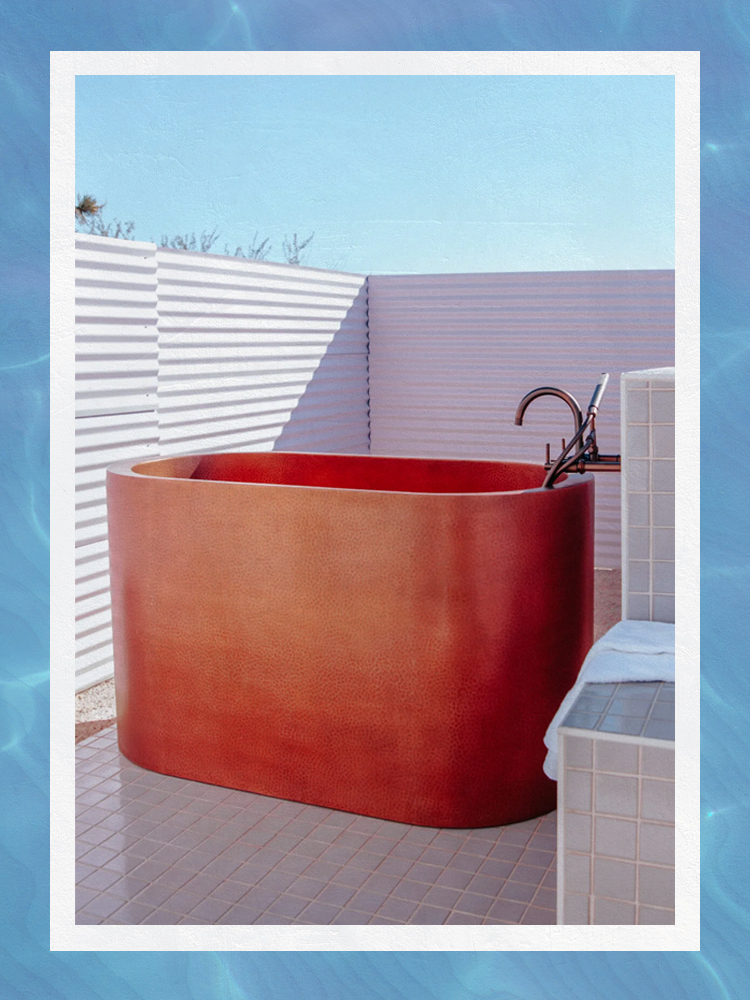
6 Designers on the Best Freestanding Tub Brands for Sudsy Soaks
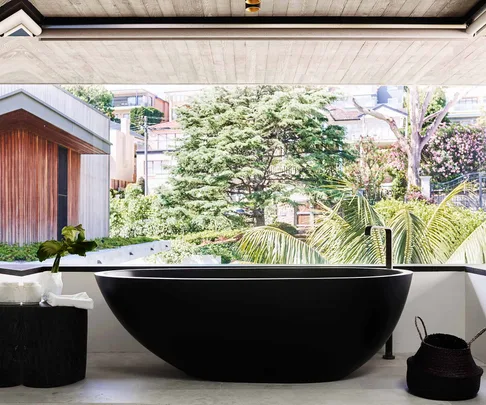
14 of the best freestanding baths and how to choose the right one

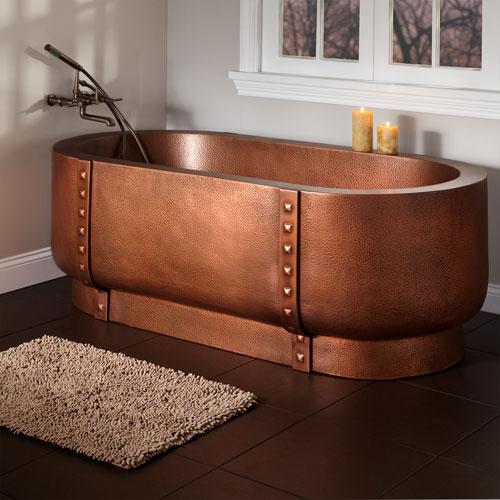
Beautiful bathtubs to relax in

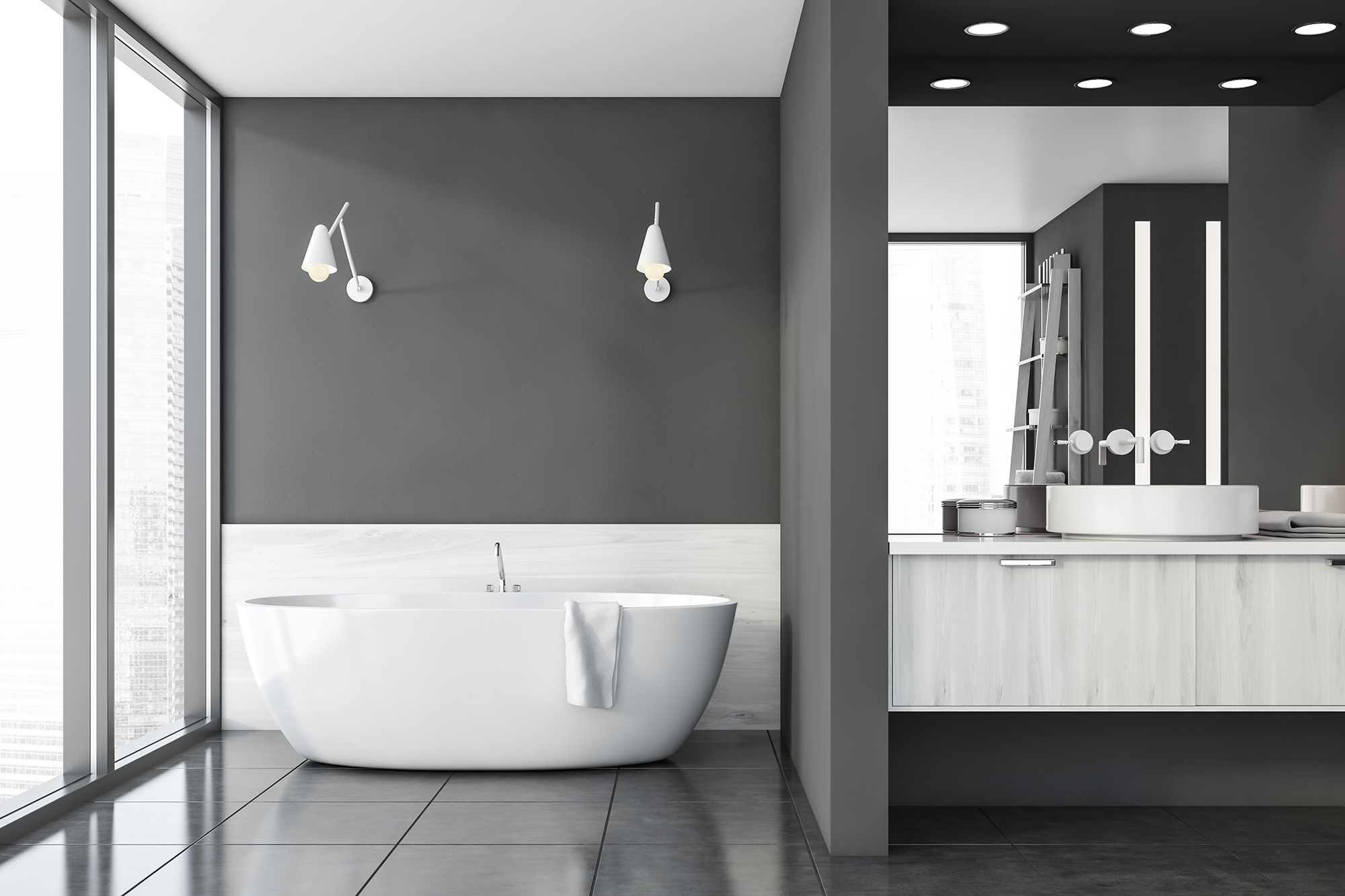
Haute tubs: How to transform your bathroom into a spa sanctuary

Freestanding Baths

The Bath Bubble
Too shallow to take the plunge? Five freestanding baths to freshen up your bathroom
Laufen's new freestanding bath range offers a solution for every space
17 Bathtub Ideas That Will Transform Your Bathroom Into a Spa-Like Escape

Soak Off a Stressful Day in One of The Best Freestanding Tubs of 2025

Best free-standing baths from £4,000 to £14,000 — for people who really want to splash out
Twelve contemporary bathrooms with a spa-like feel
Soak Off a Stressful Day in One of The Best Freestanding Tubs
Freestanding Baths – Our Pick of the Best
Best Spa and Jacuzzi Tubs For Your Bathroom

Freestanding bathtub ideas and inspiration for your bathroom renovation