1/10
Why this Arkansas designer never uses the same fabric twice
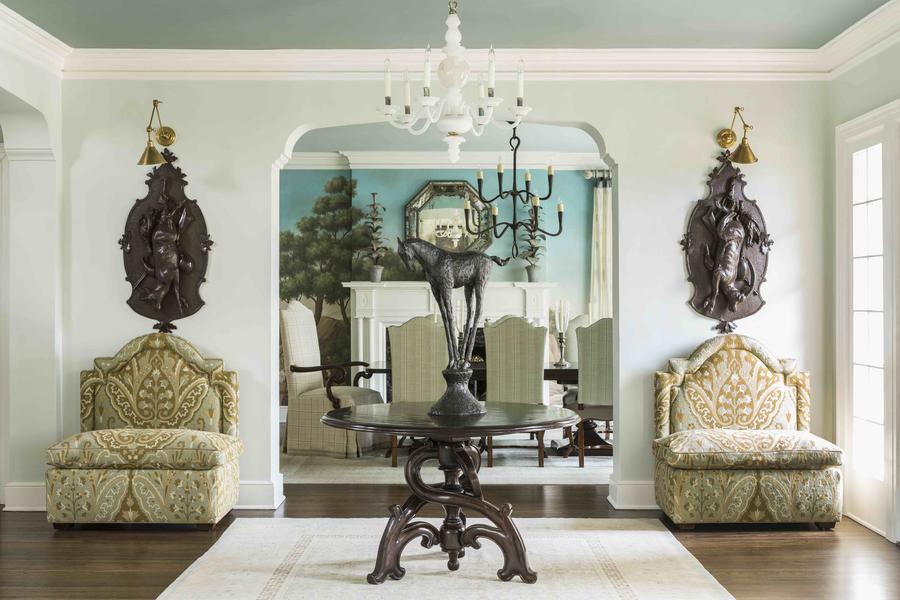
Chris Goddard, founder of his Fayetteville, Arkansas–based design firm, initiated his career during college in the 1980s, driven by a passion for visual merchandising that evolved into interior design. Despite studying business, he found himself doing small design jobs for free, learning painting and wallpapering to understand the process thoroughly. His accidental foray into design became serious when a wealthy client gave him a blank check to redo her house, prompting him to learn about resources, pricing, and the design industry without formal training. He frequented design centers in Tulsa and Dallas, impressing showrooms with his assertiveness and ultimately opening his own 18,000-square-foot store, Beauregard, in 1992, which housed a design studio, workrooms, and a florist.
Goddard's early projects were notable, with his first-ever design job published in Architectural Digest when he was just 21. This unexpected recognition led to numerous projects for the same family, including corporate headquarters, boats, and planes. His firm now handles 20 to 60 projects annually, comprising 40% commercial and 60% residential work. He emphasizes the importance of continuous learning, detailing how he educated both himself and his clients on the value of quality materials and bespoke design elements in a region initially lacking high-end design exposure. He also works with institutions like Crystal Bridges Museum of American Art, designing installations that merge art with livable spaces.
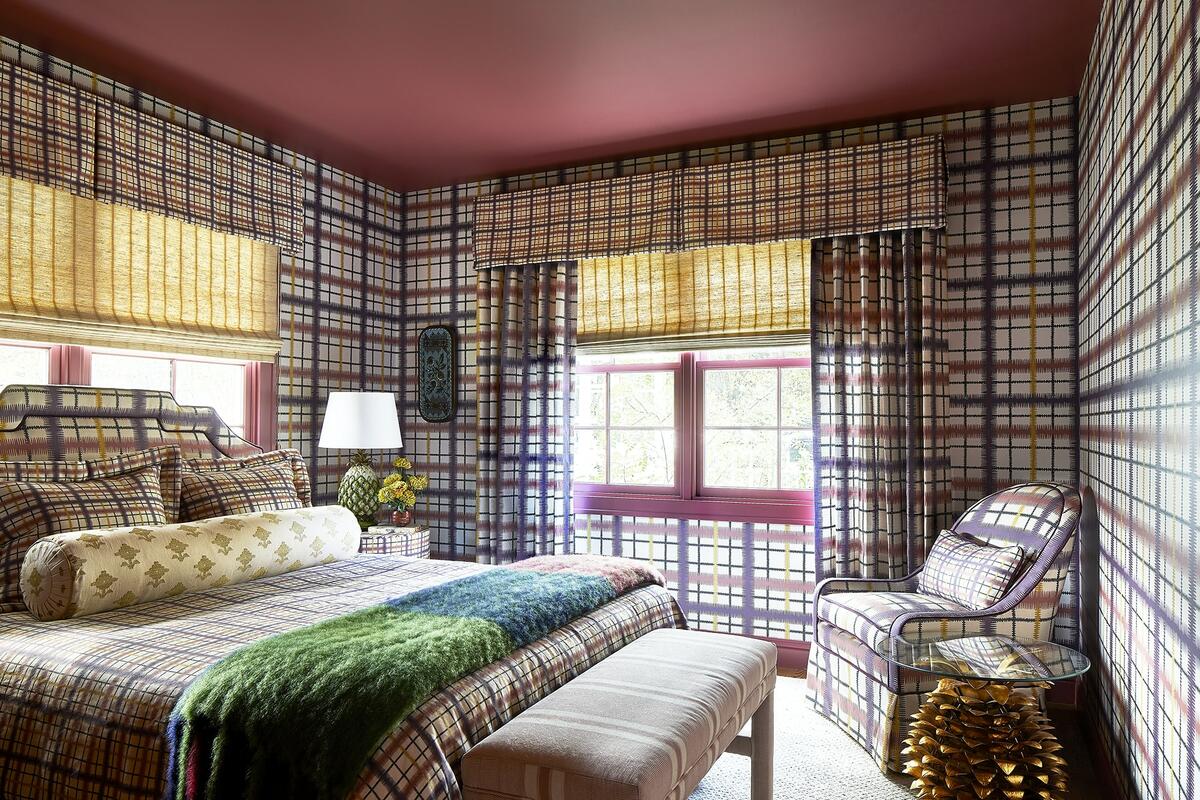
His career, however, has not been without significant challenges, including a memorable incident where a client's yacht sank due to incorrect screw lengths used during window treatment installation. This experience, though initially terrifying, taught him the critical importance of meticulous measurement and attention to detail. Goddard maintains a philosophy against having a singular “look” as a designer, instead striving to create spaces that perfectly reflect the client's personality, as if a designer was never involved. This commitment extends to never reusing the same fabric or furniture piece twice, meticulously archiving samples from each project to ensure uniqueness.
The evolution of the design industry, particularly the rise of the internet and knockoff markets, led Goddard to close his retail store after 15 years, shifting his focus entirely to his design firm. He continues to value the in-person experience of shopping and encourages clients to find unique treasures during travels, rather than relying solely on online purchases. Despite his traditional approach to sourcing, his team incorporates modern tools like 3D renderings to meet contemporary client expectations. He acknowledges the difficulty of social media visibility given the NDAs he signs for high-profile clients, often only sharing tight shots of details.
Recognitions in his career include ASID and Interior Design Society awards in 2019, and being named among the top 100 firms globally by the Andrew Martin Interior Design Review. Goddard navigates the challenges of client expectations, pricing transparency, and working abroad, where he has faced issues with customs. He attributes his global growth to word-of-mouth referrals rather than advertising, highlighting the personal nature of service-based businesses. His current endeavors include developing his own fabric, furniture, and bedding lines, marking a new phase in his extensive design career, which he hopes will allow him to expand beyond constant travel and hands-on project management.
He also discusses the cyclical nature of design trends, noting a return to '70s and '80s aesthetics with a modern twist, and the importance of allowing creative individuals downtime to recharge. When hiring, he seeks talent that complements his strengths, emphasizing the need for adaptability and technological proficiency in an evolving industry. Goddard values his ability to now decline projects that don't excite him, recognizing that passion is crucial for successful outcomes. His firm's resilience during economic downturns is partly attributed to its recession-proof location and a strategic balance between residential and commercial projects.
#InteriorDesign #ChrisGoddard #DesignCareer #LuxuryDesign #BespokeDesign #ClientRelationships #DesignBusiness #ArkansasDesign #InteriorDesign #ChrisGoddard #DesignCareer #LuxuryDesign #BespokeDesign #ClientRelationships #DesignBusiness #ArkansasDesign
0 comment in total
 No comments yet
You may also like
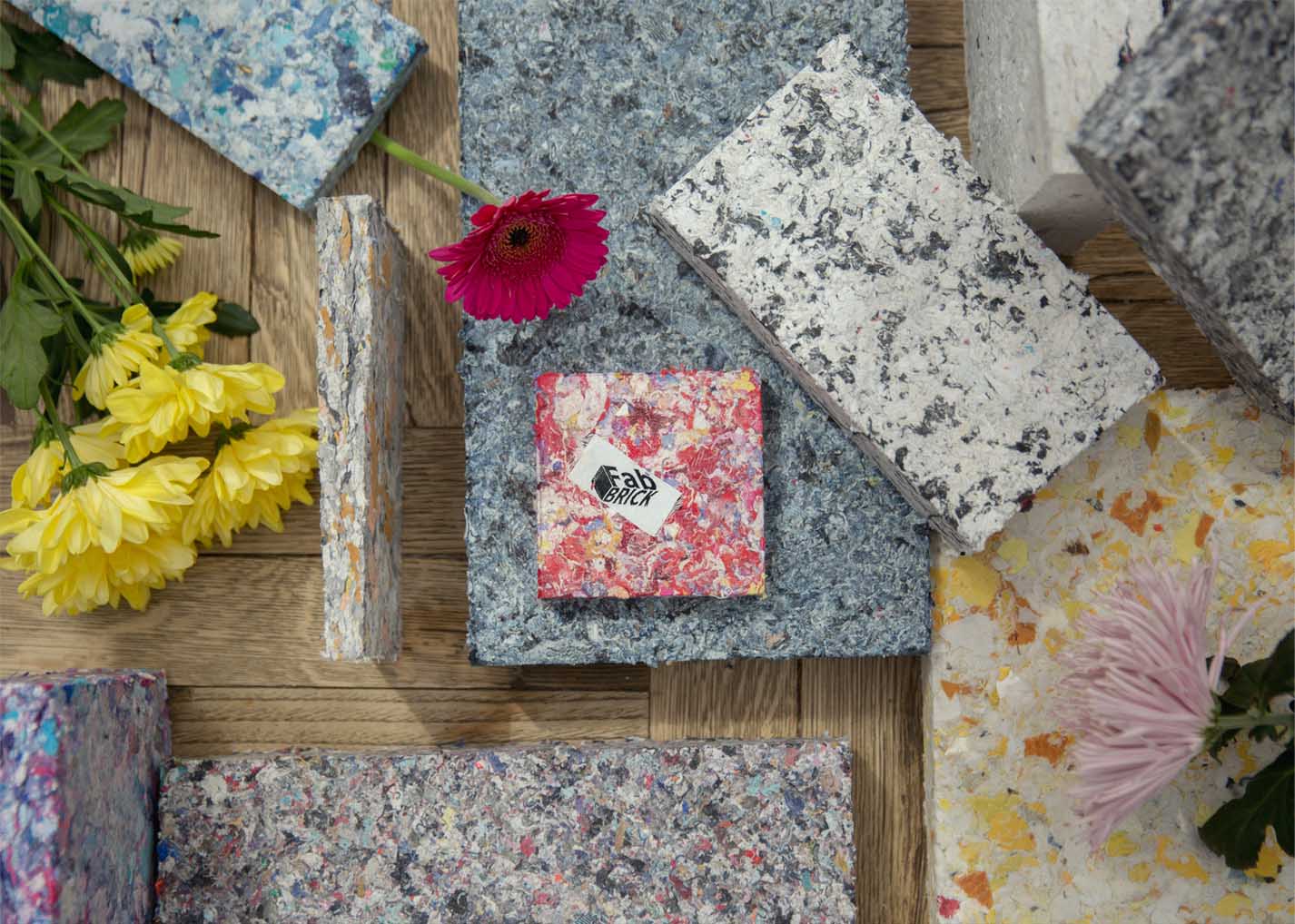
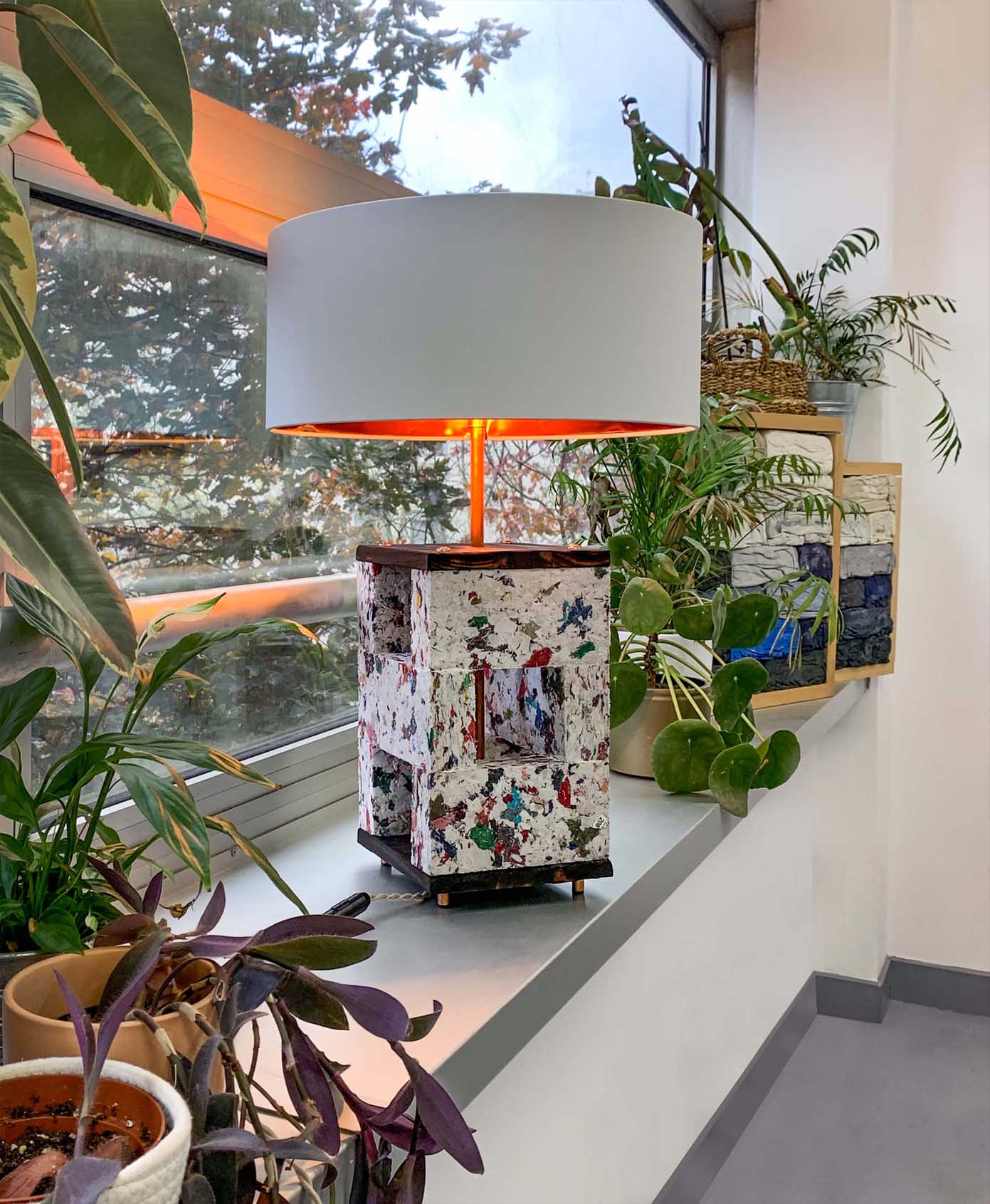
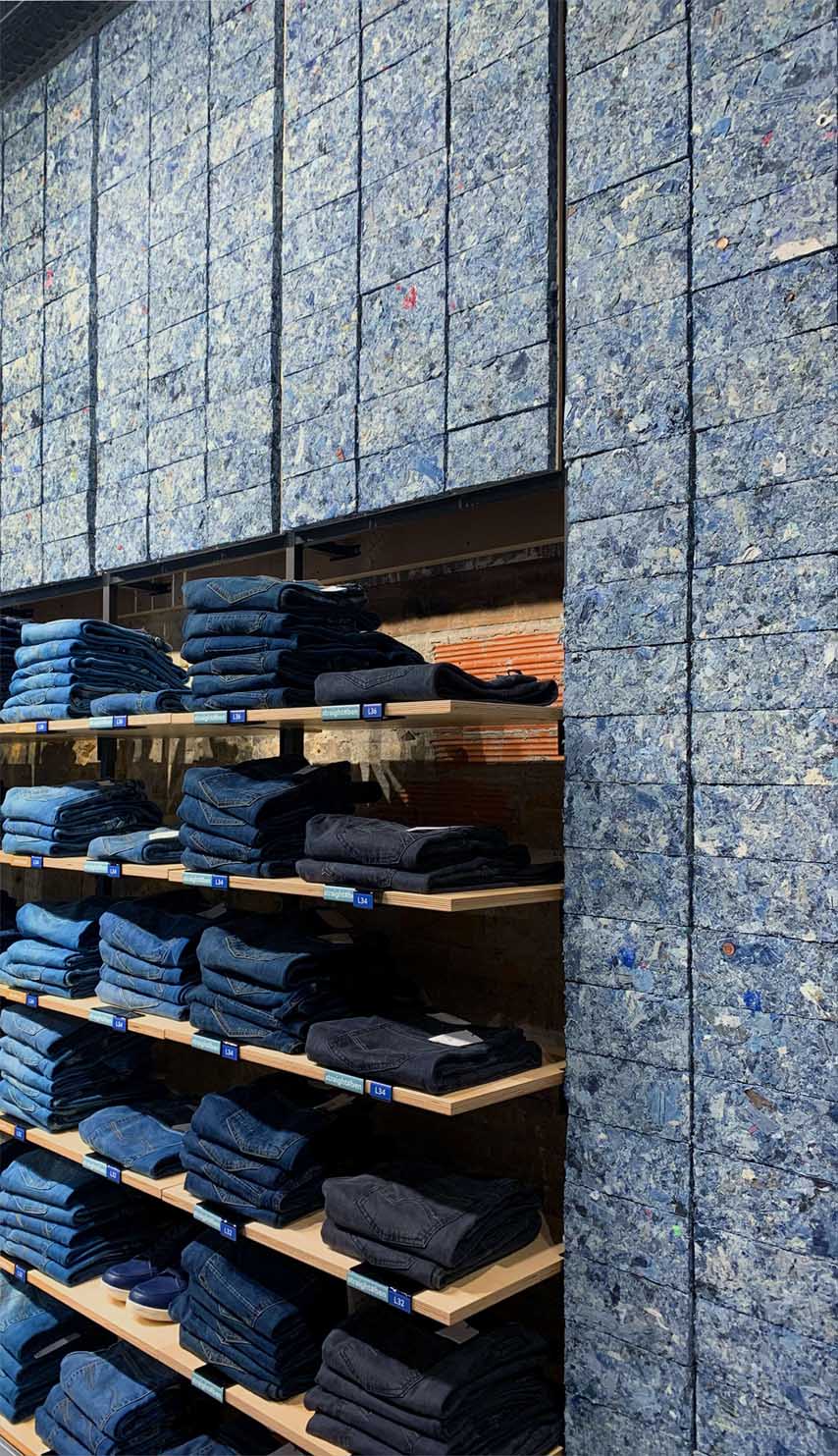
FabBRICK reinvents construction materials with recycled textile waste

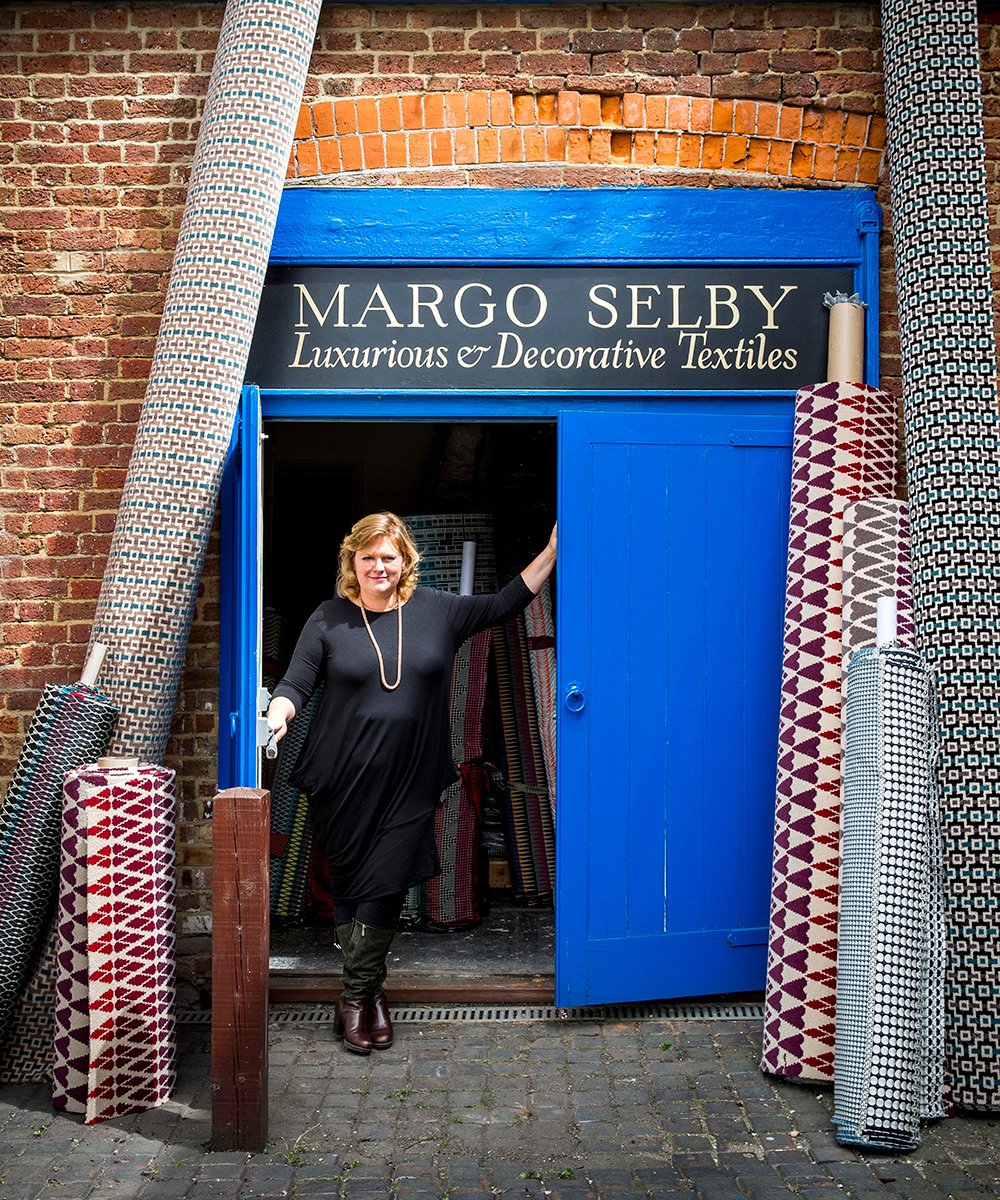
Textile designer: Margo Selby

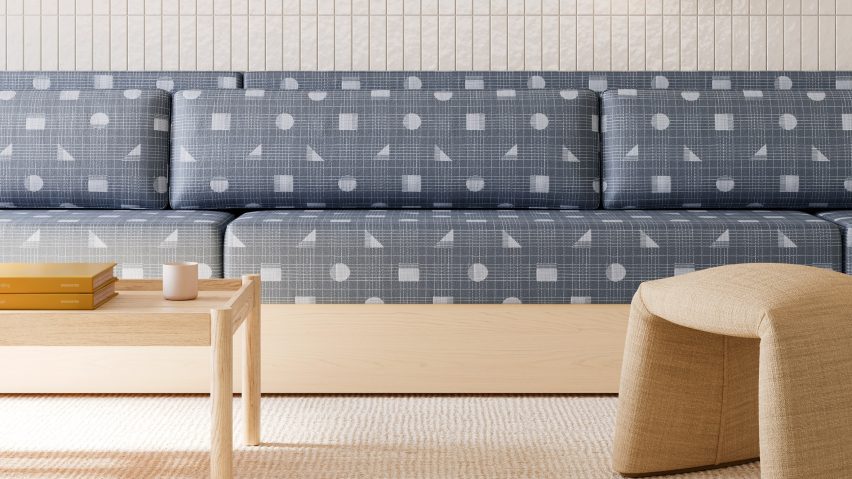
Join and Mending fabric by Nanimarquina and Designtex
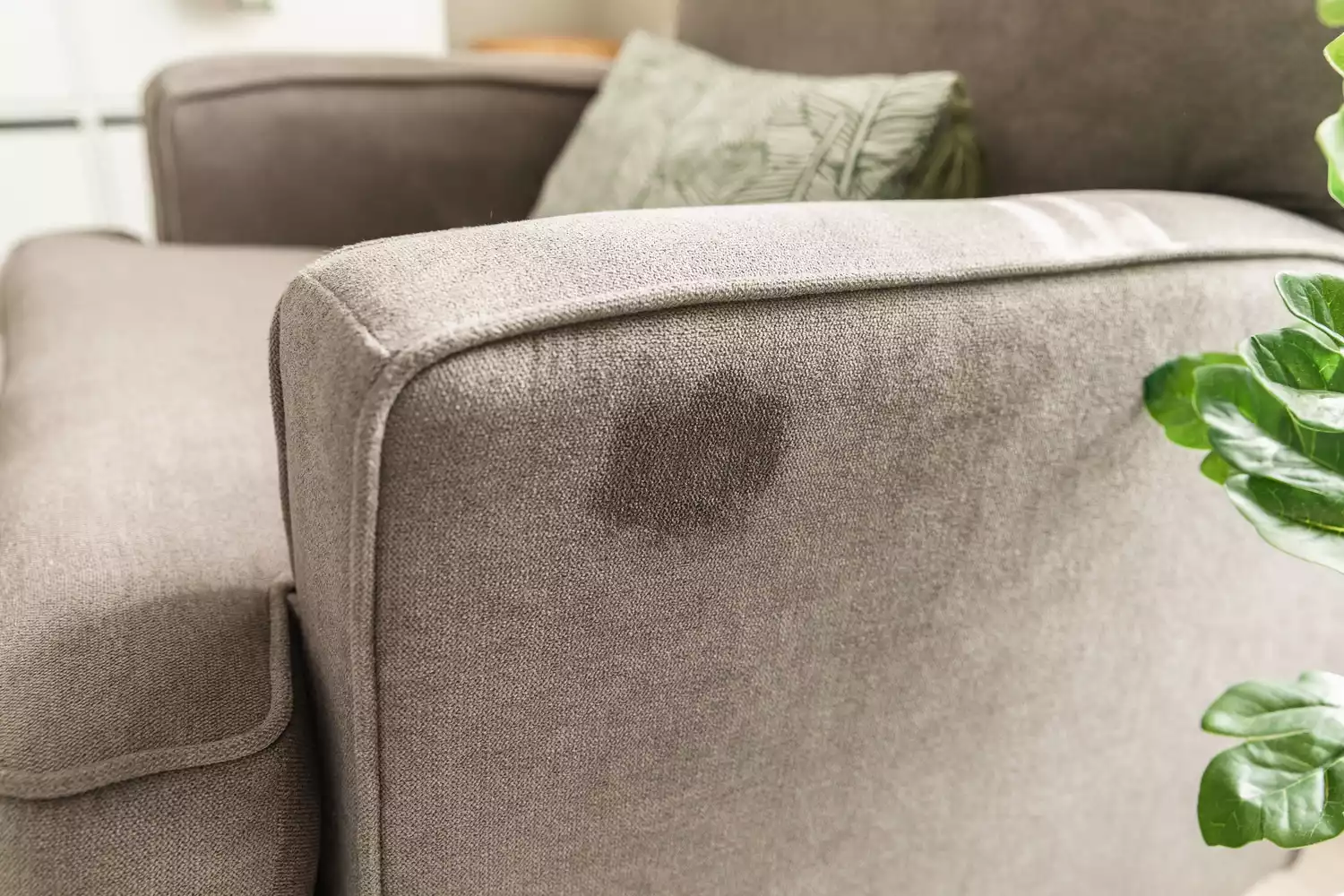
Designers Agree: These 6 Common Furniture Fabrics Look Great But Never Last

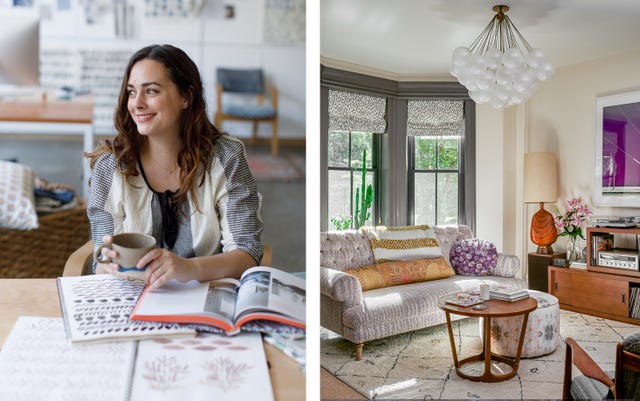
This Popular Fabric Designer Reveals the Right Way to Decorate with Color
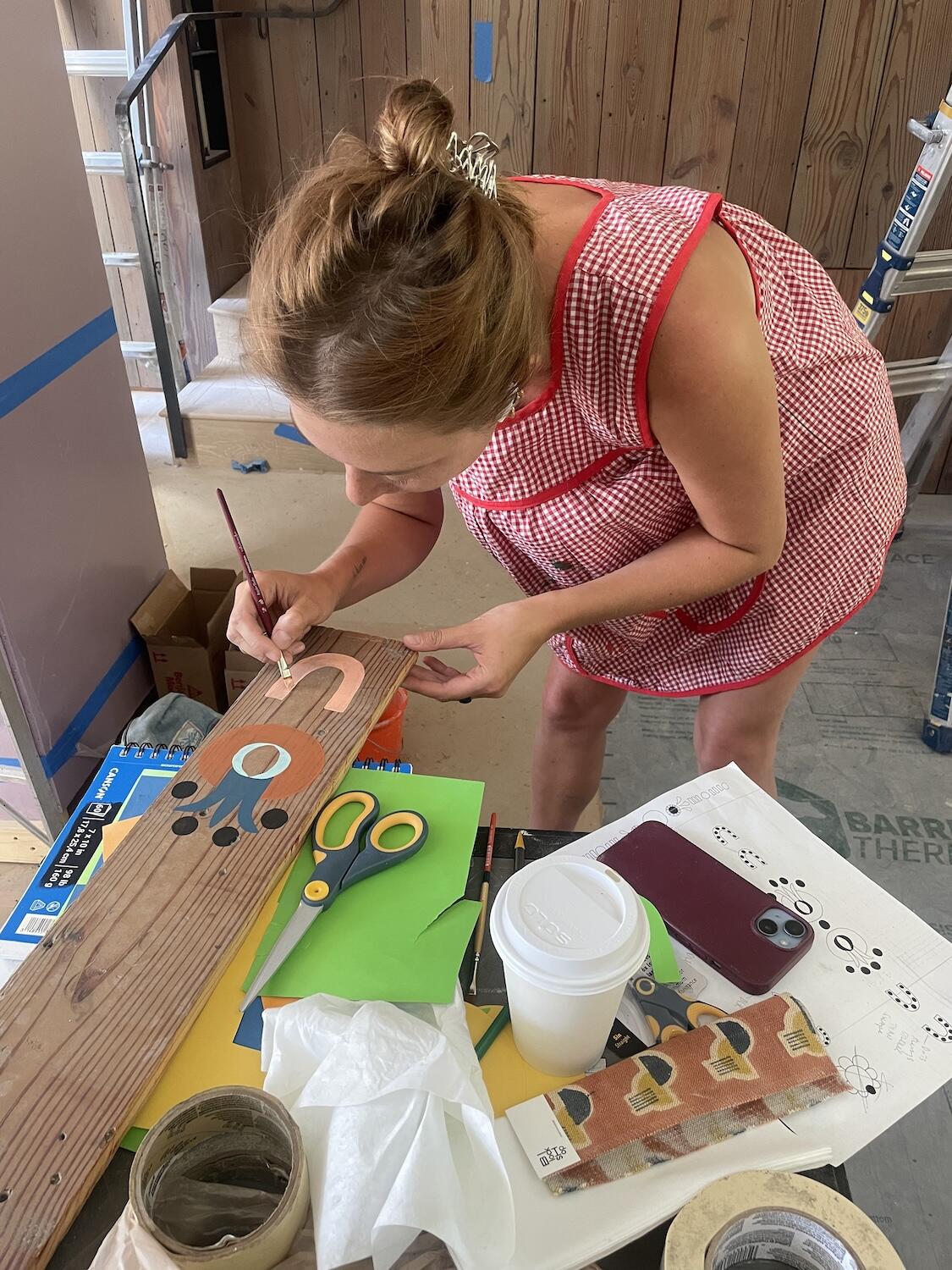
This textile designer crafts characterful patterns out of construction paper

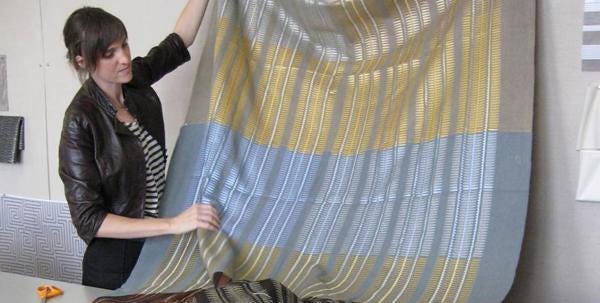
Cape grad designs for high-end NYC firm
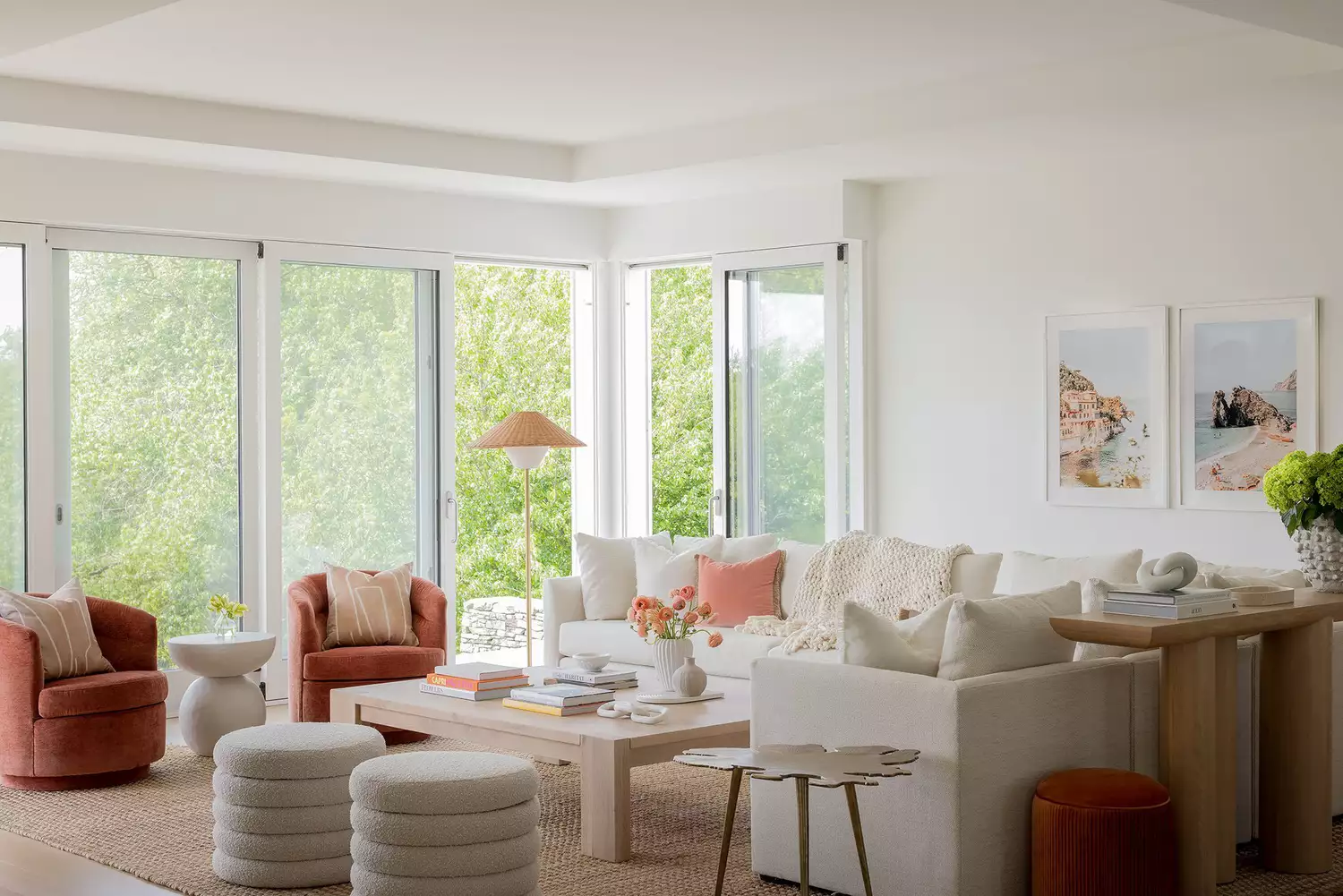
Skip the Window Treatments, This Designer Says — Here's Why
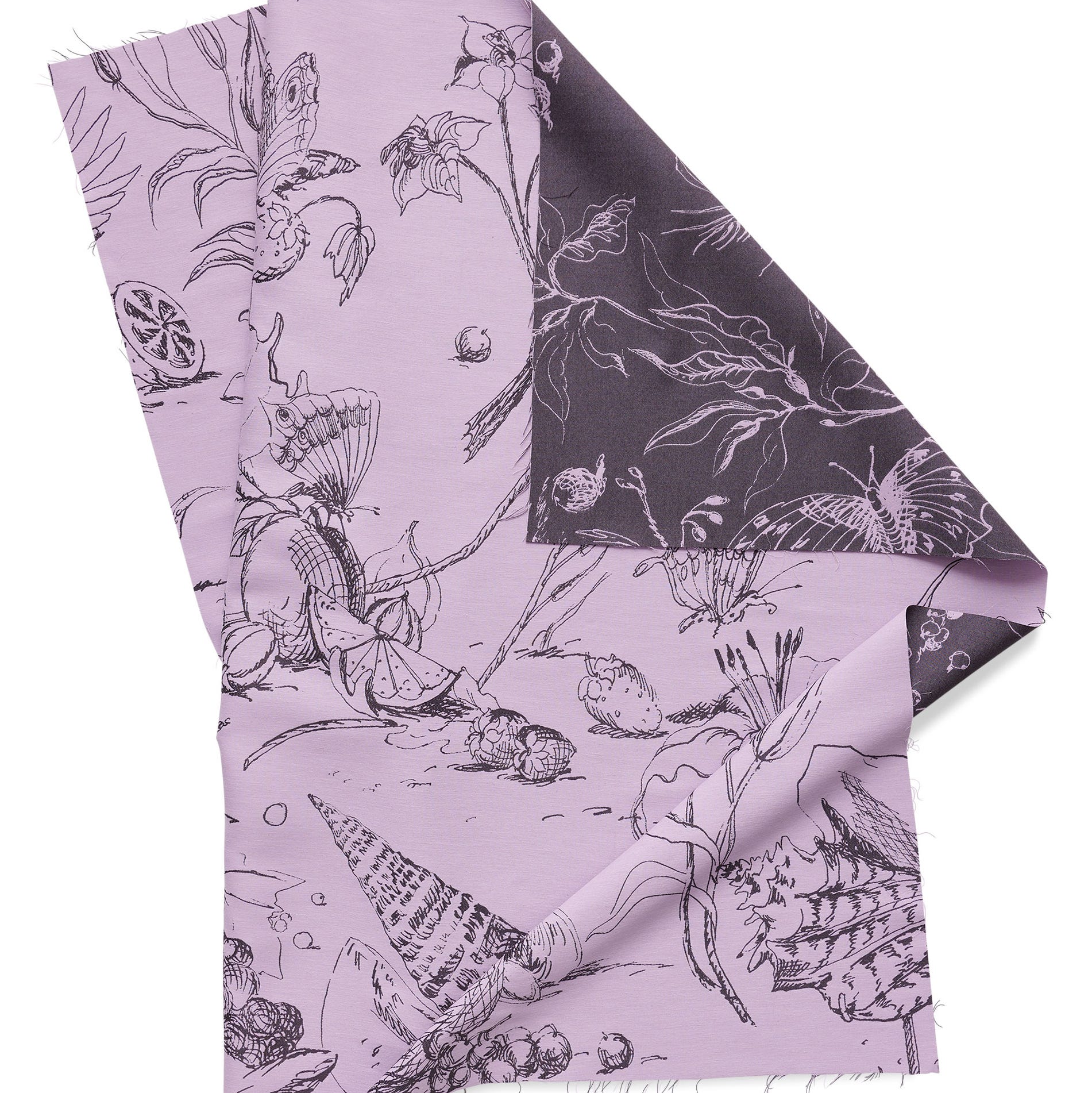
This Textile Brand Is Blurring the Lines Between Runways and Interiors
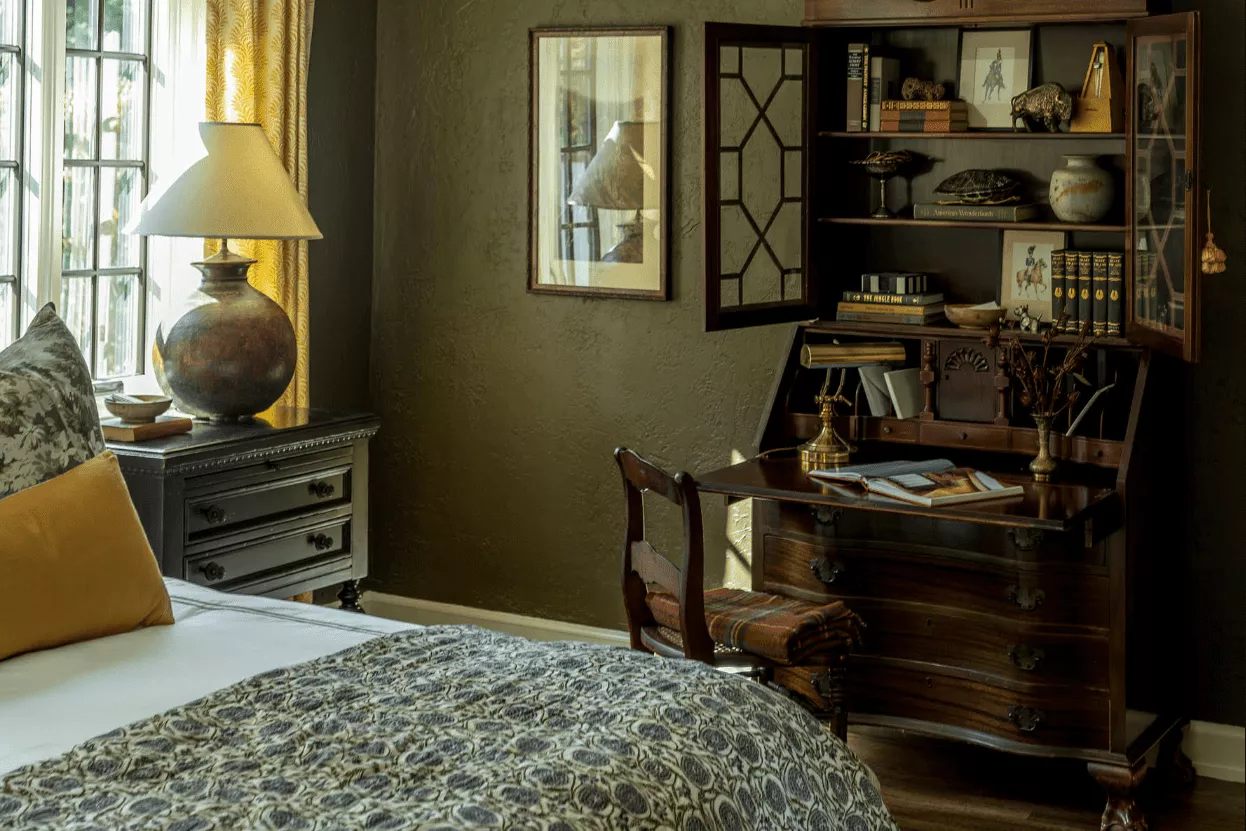
9 Things Designers Would Never Buy New
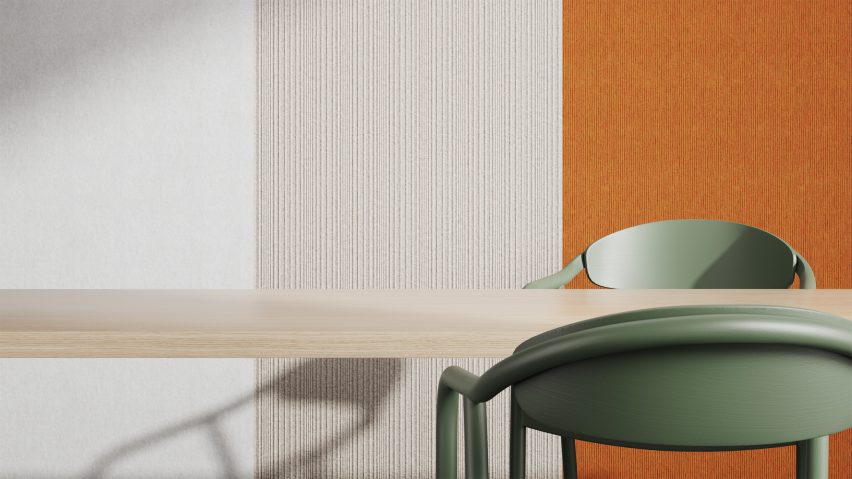
Wannabe textile by Designtex
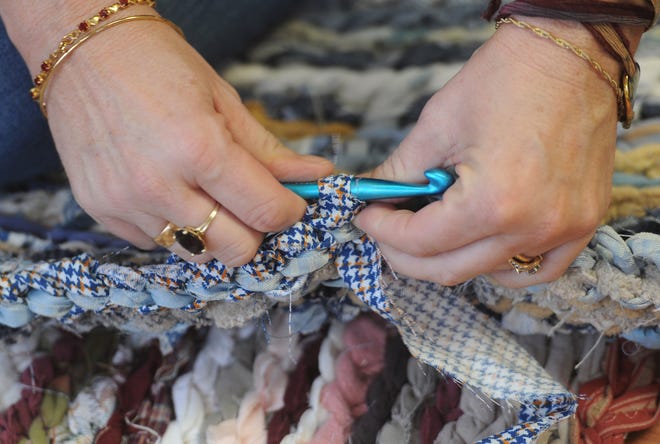
Artisan goes from rags to rugs

Redefining textiles

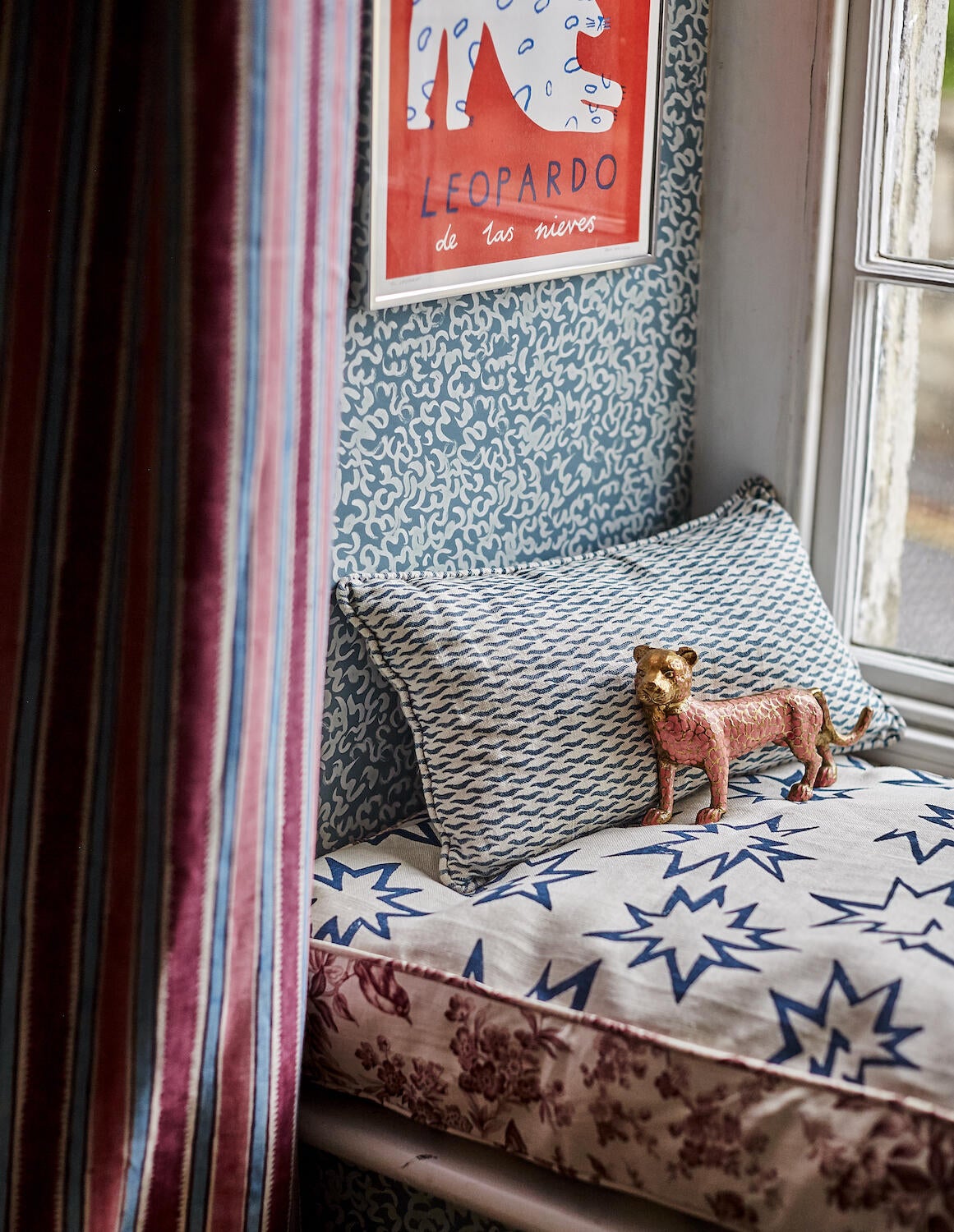
This English designer uses old-world techniques to craft modern textiles
Designer Creates Furniture Using Only Forces of Tension, No Nails Needed

Wonder fabric by Designtex

Brittany Ellis