1/5
Textile Designer Esha Ahmed Joins Joy Moyler for a Conversation on Global Weaving Arts
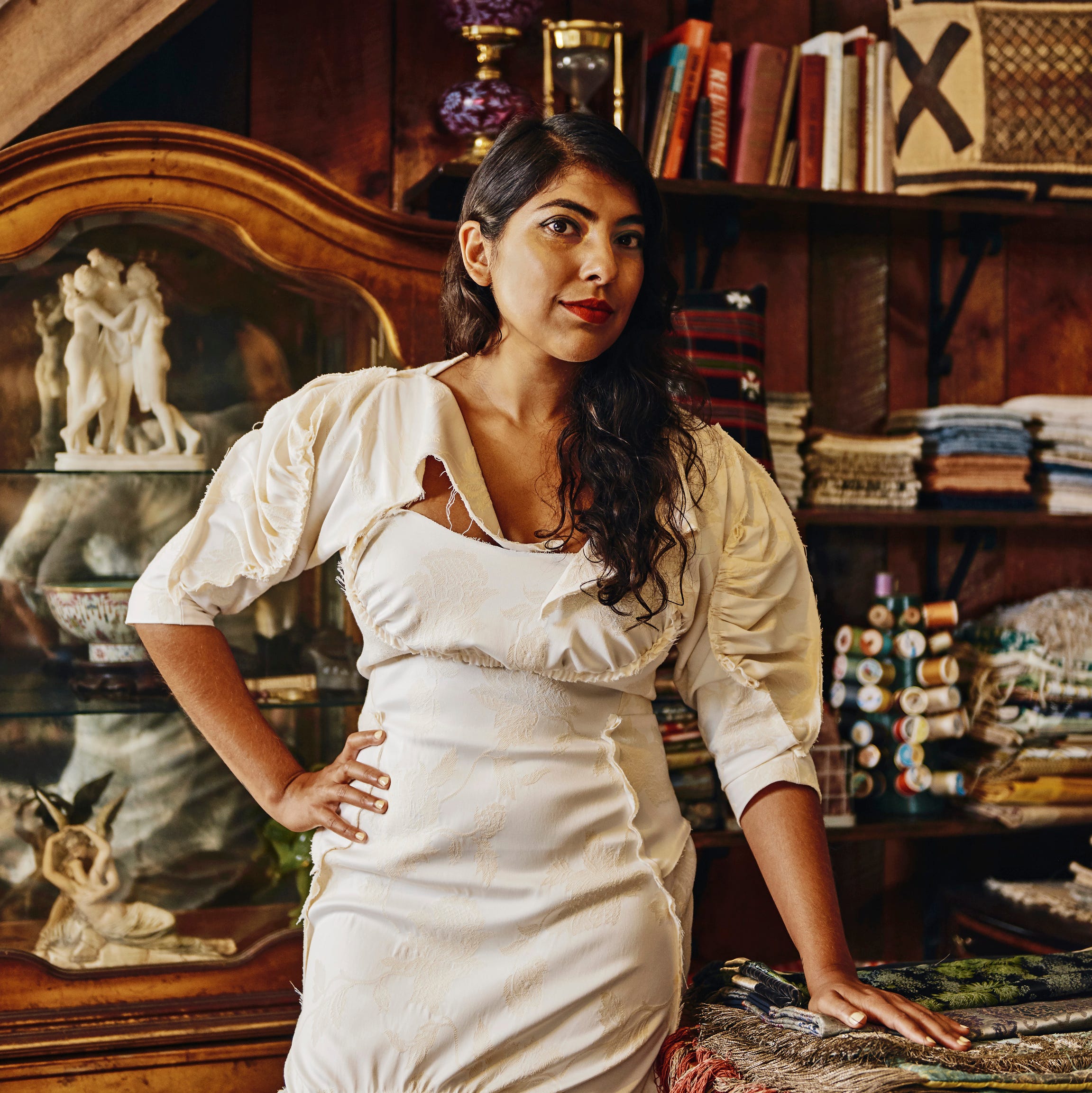
The article presents an interview between Joy Moyler and Esha Ahmed, focusing on Ahmed’s journey into textile design and the philosophy behind her brand, Makrosha. Esha Ahmed, born in Bangladesh and raised in New York, recounts her early introduction to textiles through her mother’s extensive sari collection in Jackson Heights. These early experiences, including playfully repurposing saris into costumes, sparked her interest in fabrics and fashion.
Ahmed's formal education at the Fashion Institute of Technology, where she studied fashion design and later costume preservation and textiles for her master’s, further solidified her passion. Her initial career involved managing designer Peter Marino's extensive textile collection, an experience that broadened her understanding of textiles within interior design, covering commercial, residential, and hospitality projects. This role provided insight into both the creation and application of textiles, exposing her to numerous vendors and artisans.
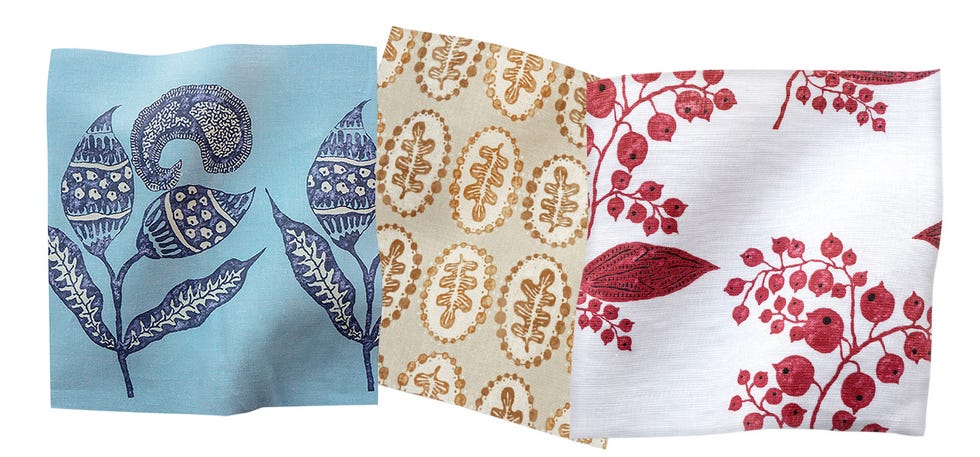
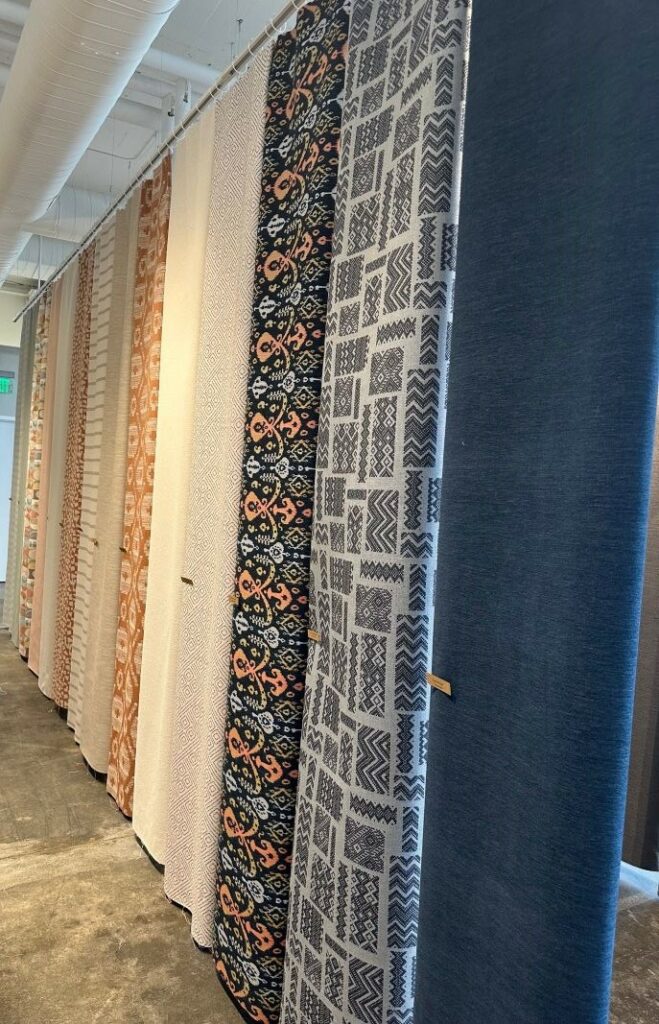
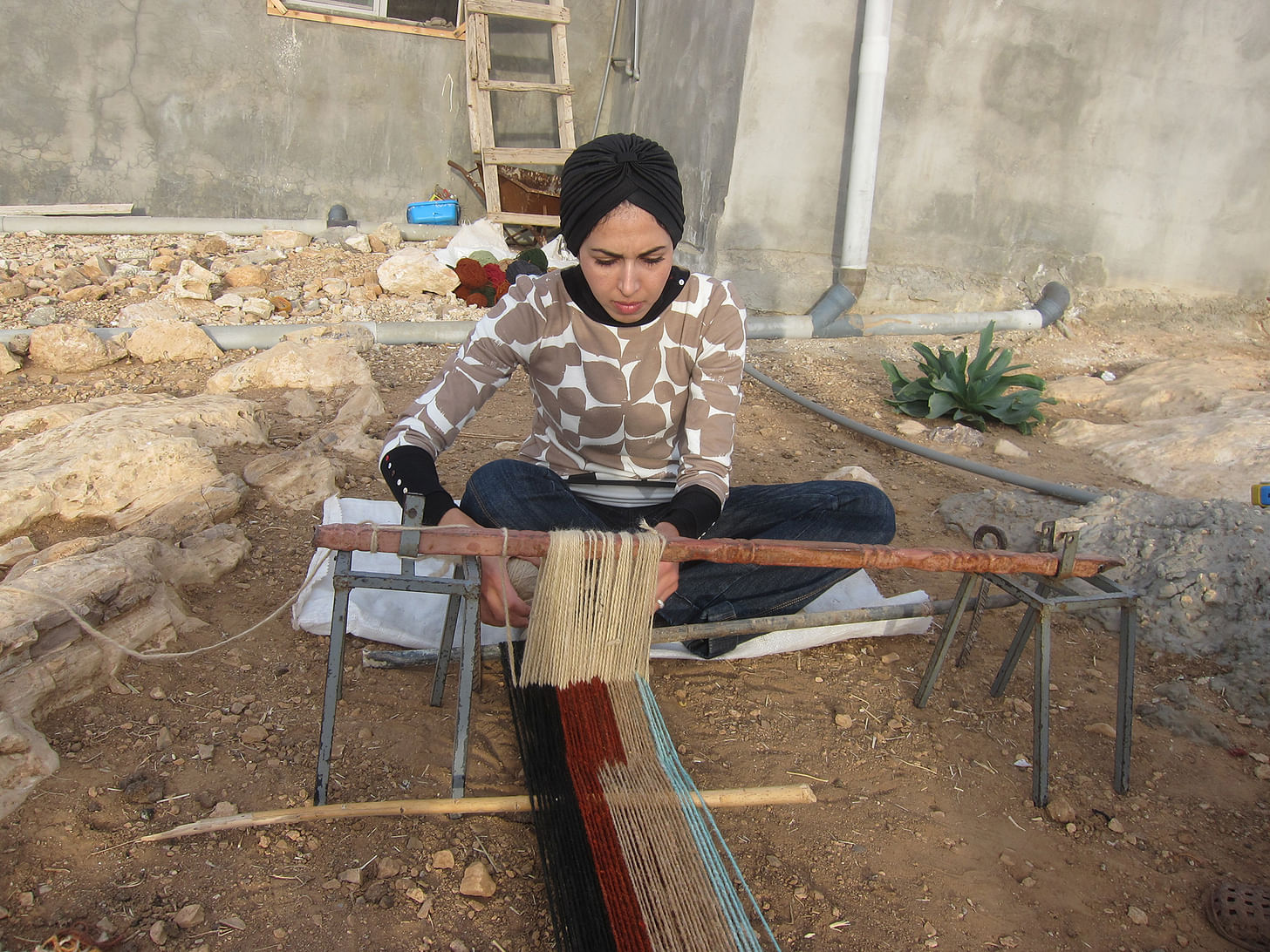
Following her tenure with Marino, Ahmed launched Makrosha, a business specializing in fabric, rugs, and throw pillows. A core mission for Makrosha is to preserve and support vanishing traditional weaving arts globally, ensuring the survival of high-quality, handcrafted textiles. Ahmed collaborates with weavers worldwide, each contributing unique methods and aesthetics to her designs. She also partners with designers for custom textiles and represents Aïssa Dione Tissus, a Senegalese master weaver known for handwoven fabrics.
Ahmed draws inspiration from historical fashion design, particularly medieval styles, and shares an affinity for late 18th-century Europe and medieval Spain, periods known for their ornate, colorful, and detailed designs that resulted from cultural fusions. She acknowledges the historical influence of the fashion industry on luxury home textiles, observing how trends from designers like Dries Van Noten often translate into the home market. However, Ahmed expresses concerns about the modern culture of disposability and emphasizes the importance of sustainability and longevity in design. She advocates for investing in high-quality items, such as hand-knotted rugs that can take months to create, intending for them to last generations rather than being treated as disposable goods.
Her design process involves starting with inspirations from her antique collection, developing renderings with mills, and collaborating closely with individual makers across different cultures, such as those in Laos, Nepal, and England, to ensure the essence of craftsmanship is maintained. Ahmed stresses that true quality and craftsmanship come from this collaborative, hands-on approach. The conversation highlights the critical need to protect traditional weaving practices from extinction due to increasing mechanization, underscoring Makrosha's role in keeping these artisanal skills alive.
#TextileDesign #GlobalWeaving #EshaAhmed #Makrosha #InteriorDesign #SustainableDesign #ArtisanalCraftsmanship #FashionHistory #HomeDecor #TextileDesign #GlobalWeaving #EshaAhmed #Makrosha #InteriorDesign #SustainableDesign #ArtisanalCraftsmanship #FashionHistory #HomeDecor
0 comment in total
 No comments yet
You may also like
Let’s Talk Pattern Design With Shadé Akanbi
How a Social Media Follow Grew Into an IRL Fabric Collaboration Between Two Design Legends
Artist Qualeasha Wood delves into the world of glitches


Eclectic Rug-Designer Aelfie Oudghiri Knows That Any Good Business Needs To Start With Intuition

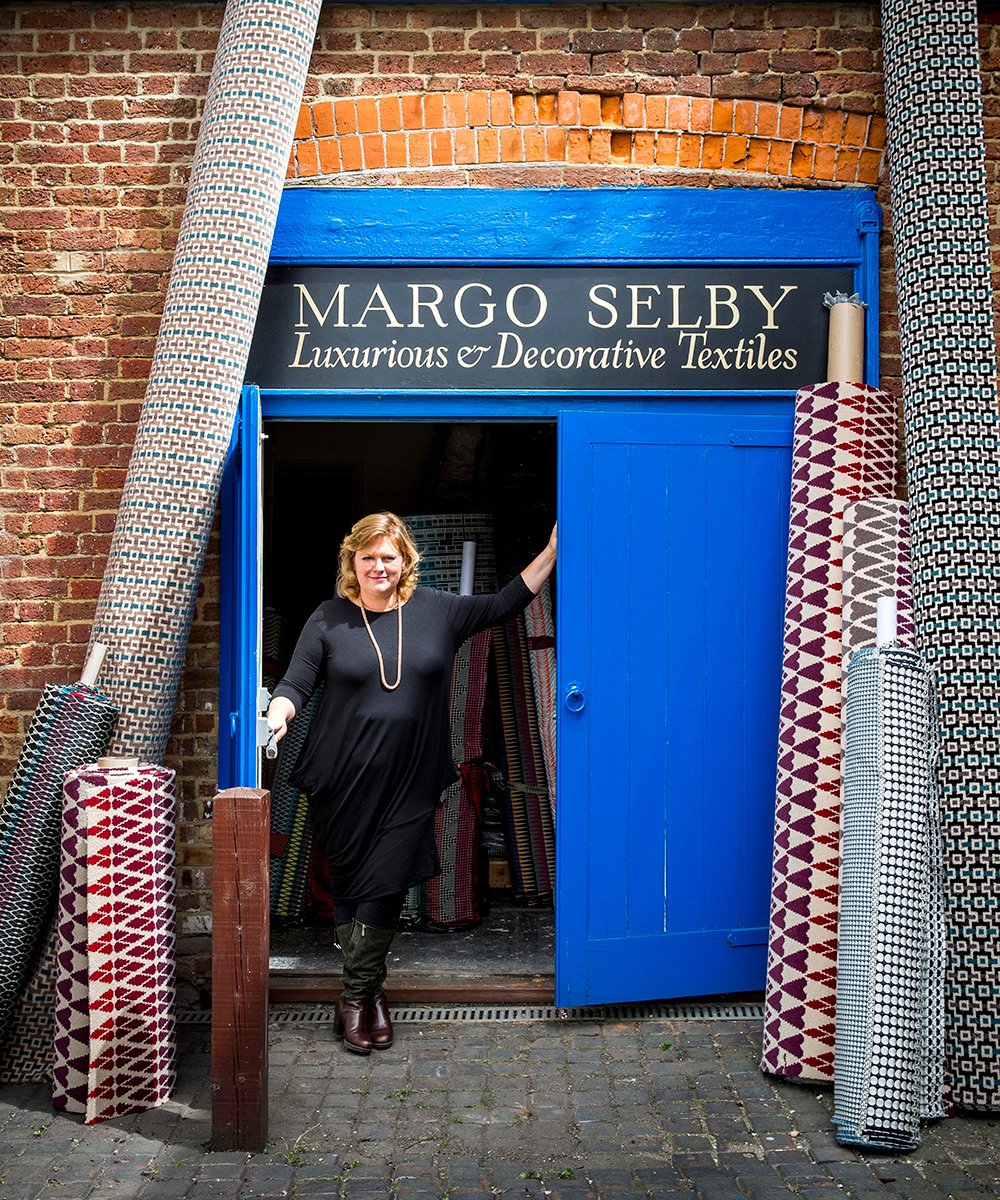
Textile designer: Margo Selby

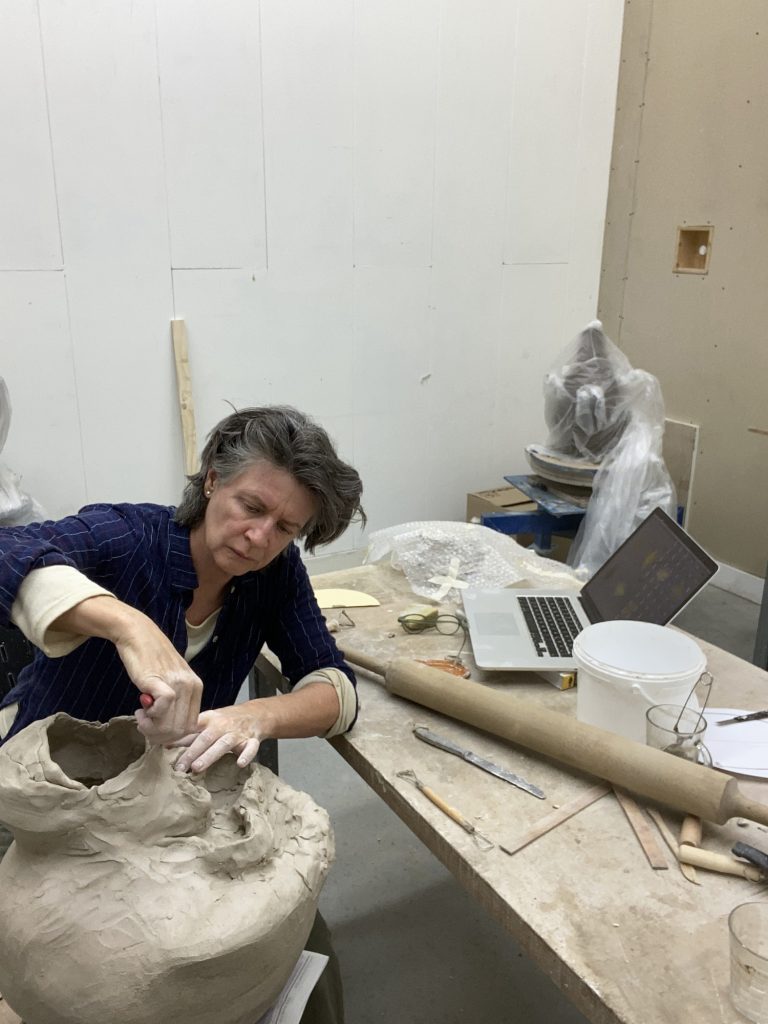
Hella Jongerius: Weaving Architecture


A moving meditation: Finding serenity in tea ceremony across space and time
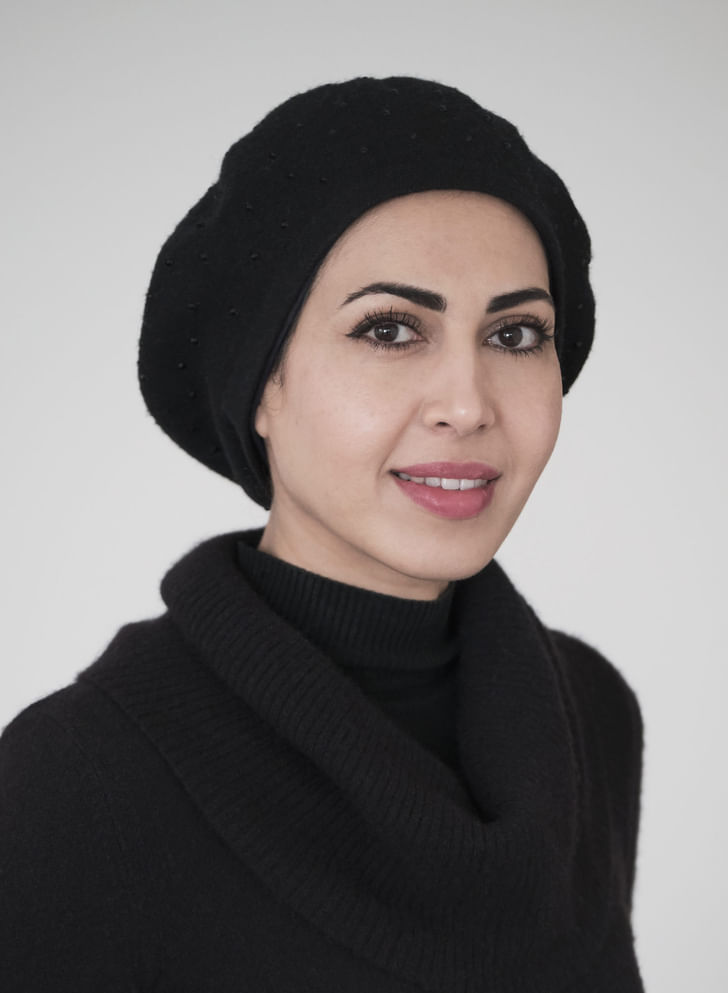
Working Out of the Box: Ishraq Zraikat Discusses Her Transition From Architecture to Textile Design and Material Development


Site-Specific Textiles by Rachel B. Hayes Radiate Within Vast Landscapes and Sunlit Interiors


RISD profs' tool allows anyone to create custom woven fabrics online

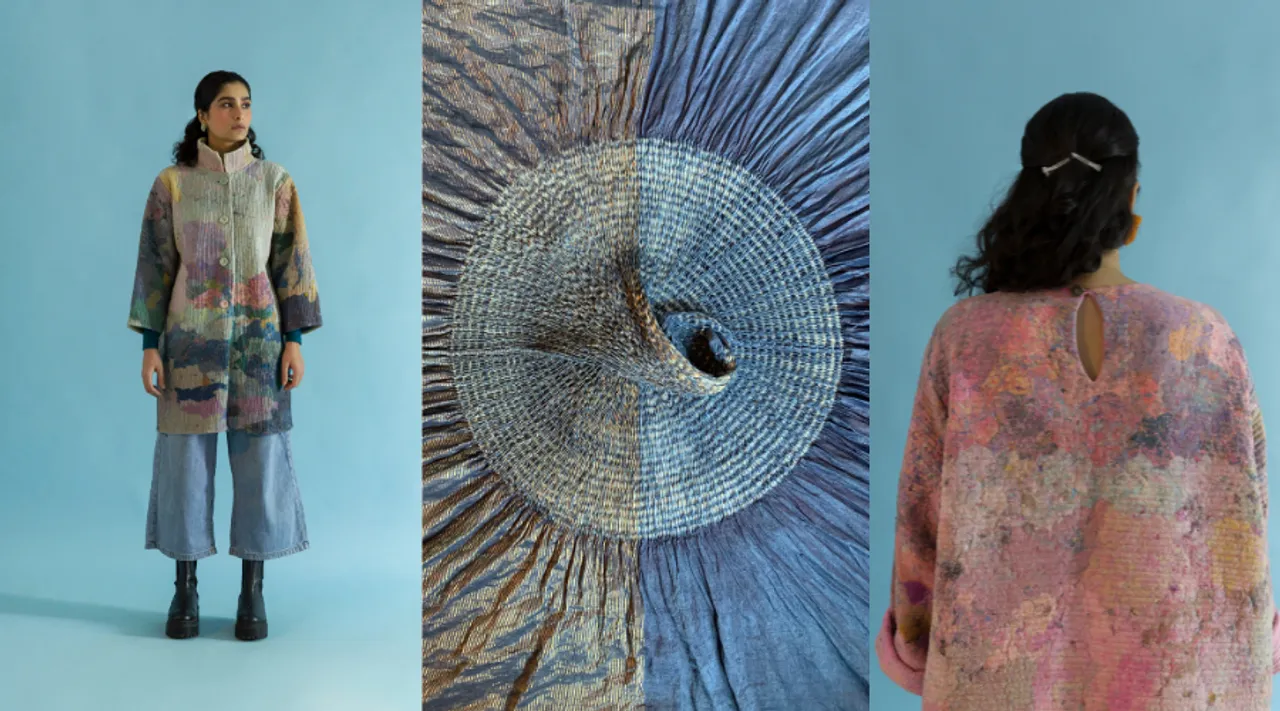
The Dye Is Cast


Meet the rising stars of African design championing heritage and craft

The Makers | McGee & Co. X Filling Spaces
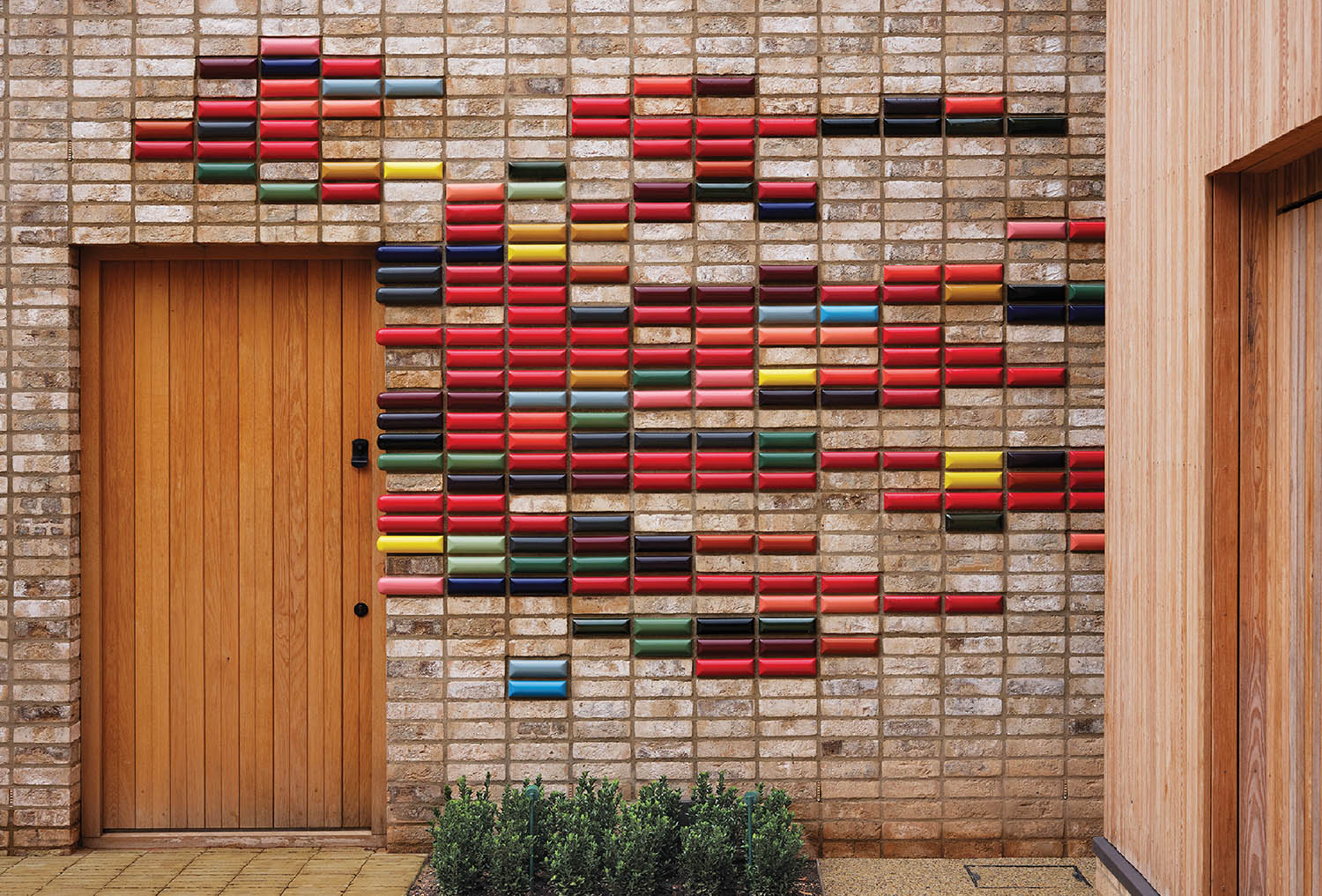
Creative Voices: In Conversation With Artist Sophie Smallhorn


EyeSwoon’s Athena Calderone Talks Design & Fashion

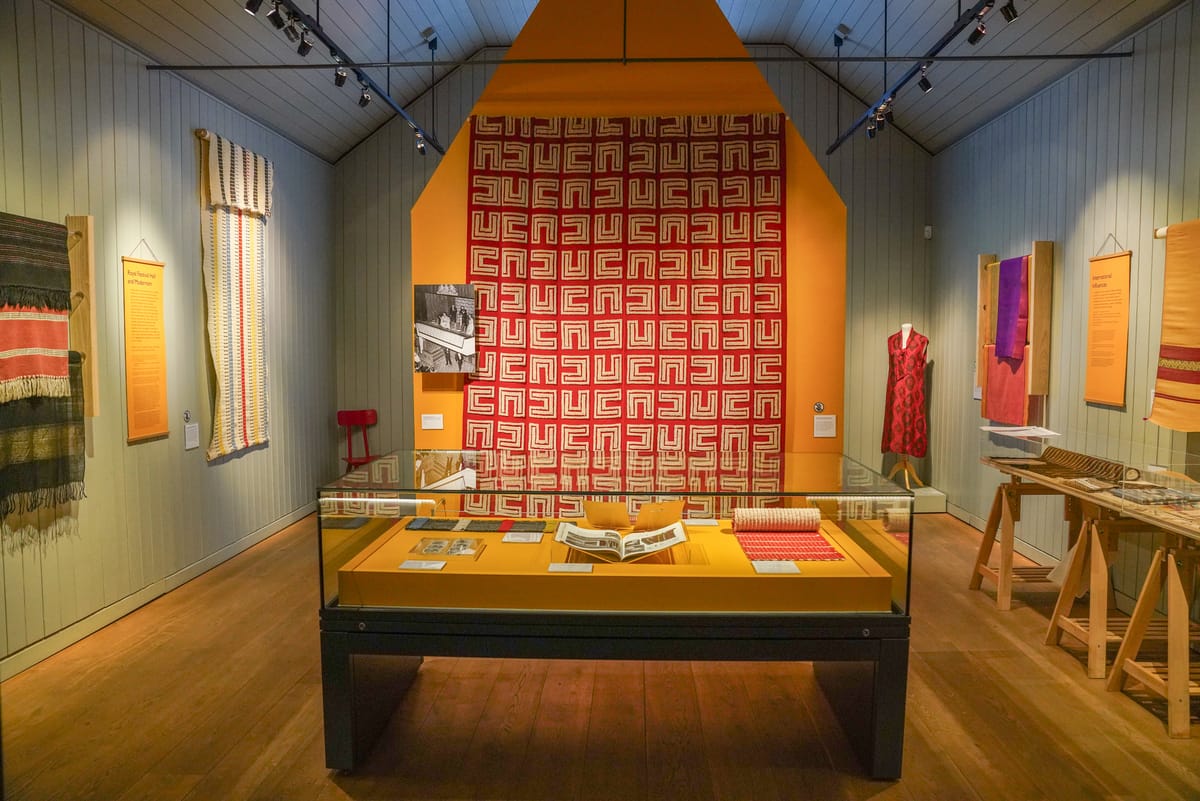
The Forgotten History of Bourne and Allen’s Mid-Century Textiles


Knowing the Ropes Explores the Textile Through a New Lens

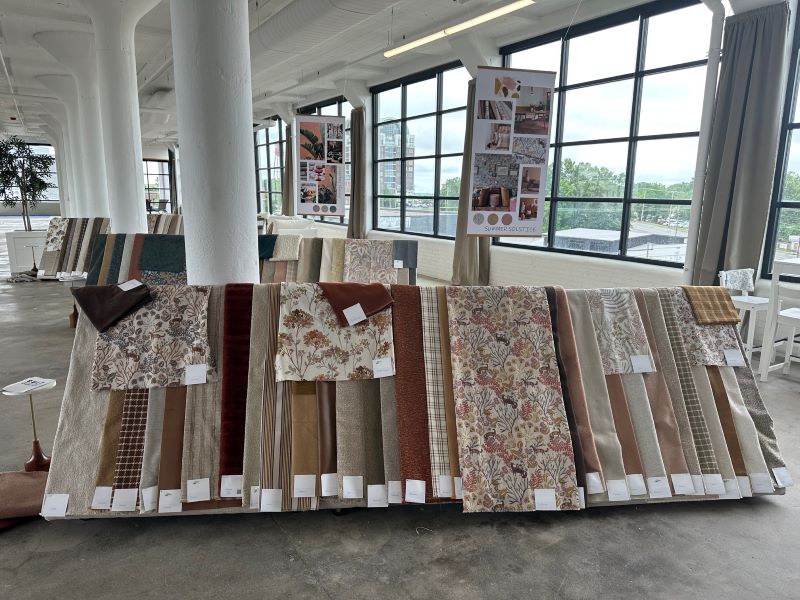
Seen at Interwoven May 2024

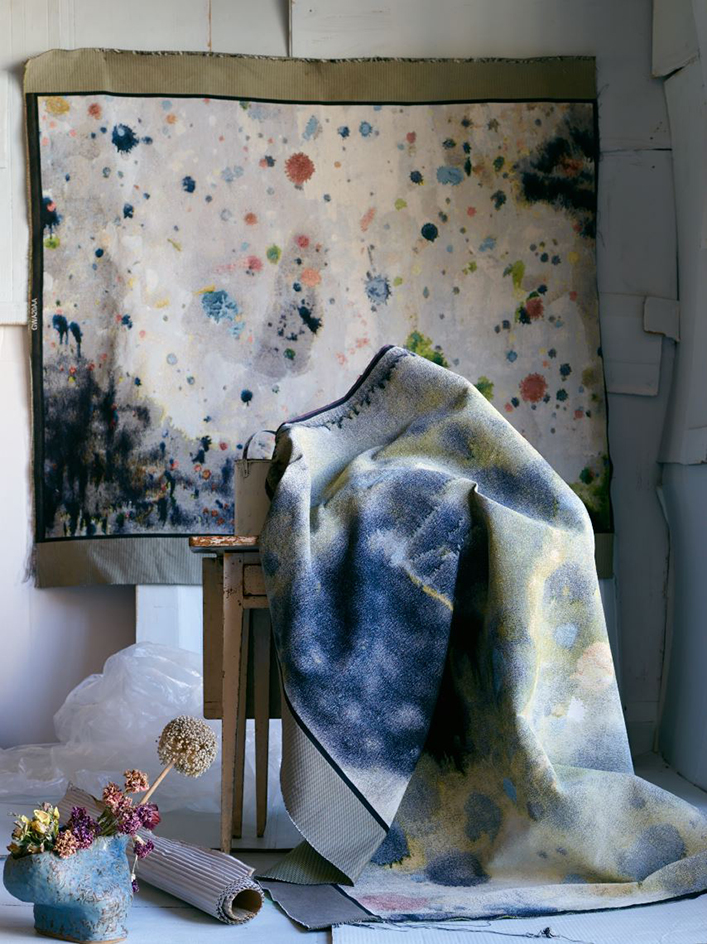
Accidental art: Martyn Thompson turns his used rags into painterly textiles
How Oman’s Fabric Printing Industry Is Revolutionizing Fashion and Design