A moving meditation: Finding serenity in tea ceremony across space and time
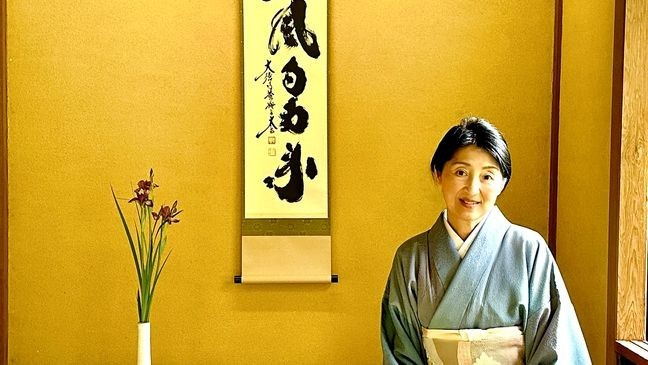
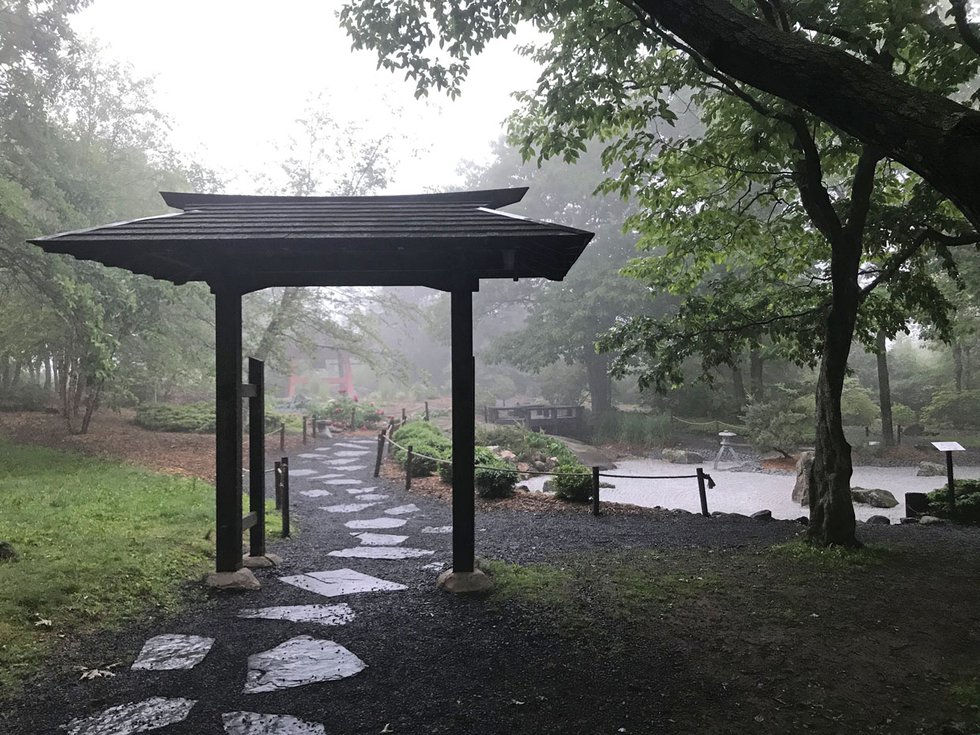
The author, Michele Laudig, recounts her personal journey into the world of Japanese tea ceremony, highlighting its transformative power and its ability to connect her with diverse communities across different locations. Her initiation began while volunteering at a Japanese garden in Phoenix, Arizona, where the structured movements and serene environment of the tea ceremony offered a sense of grounding. This initial exposure to *chanoyu* instilled in her a desire to delve deeper into its intricacies and philosophy.
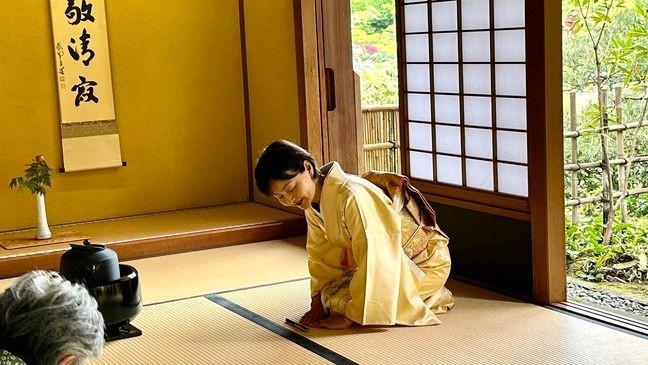
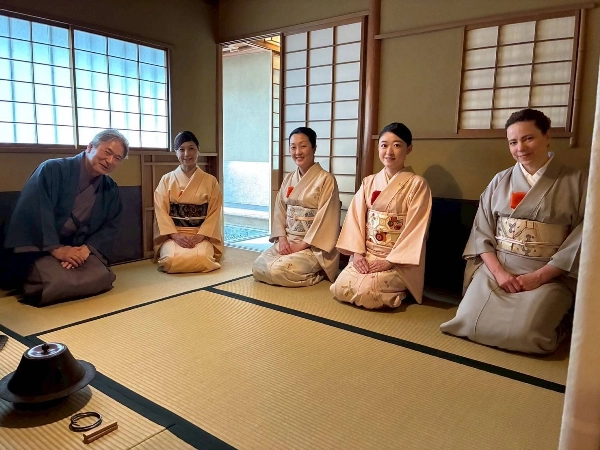
Laudig's dedication to mastering the tea ceremony led her to various teachers and schools, first in New York City and later in Tokyo. She describes the rigorous training involved, emphasizing the meticulous attention to detail in every movement, from the precise folding of the *fukusa* (silk cloth) to the careful handling of the *chasen* (bamboo whisk). The article illustrates how these seemingly simple actions are imbued with centuries of tradition and philosophical meaning, transforming them into a form of moving meditation. The author highlights that the repetitive and disciplined nature of the movements, coupled with the focus on the present moment, became a source of calm and mindfulness, particularly in the fast-paced environments of urban life.
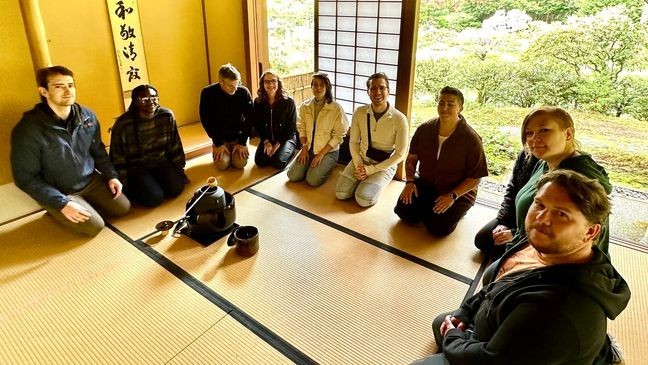
The narrative further explores how the tea ceremony transcends cultural and geographical boundaries. Laudig found that despite practicing in different cities and with different groups, the core principles and rituals remained consistent, creating a 'common language of movement and ritual.' This consistency allowed her to seamlessly integrate into new communities, fostering connections with fellow practitioners who shared a reverence for the art form. The tea ceremony, therefore, became a vehicle for cultural exchange and personal growth, enabling her to forge meaningful relationships and deepen her understanding of Japanese culture.
Key themes explored include the concept of *ichigo ichie* (one time, one meeting), which emphasizes the unique and unrepeatable nature of each tea gathering, encouraging full presence and appreciation. The author also touches upon the aesthetic principles of *wabi-sabi*, finding beauty in imperfection and transience, which are central to the tea ceremony's philosophy. These philosophical underpinnings provide a framework for approaching life with greater intentionality and mindfulness.
The article also touches upon the challenges and rewards of learning a traditional art form as an outsider. Laudig describes the initial intimidation and the persistent effort required to overcome linguistic and cultural barriers. However, these challenges ultimately deepened her appreciation for the art and the resilience developed through disciplined practice. The tea ceremony served as a constant companion and a source of stability throughout her transitions, offering a familiar routine and a sense of belonging wherever she went. The serene and focused environment of the tea room became a sanctuary, providing a respite from external pressures and promoting inner peace.
Ultimately, Laudig presents the tea ceremony as more than just a ritualistic preparation of tea; it is a profound practice that cultivates mindfulness, discipline, and community. Her personal account serves as a testament to the enduring appeal and universal relevance of traditional arts in an increasingly modern world. The experience, she concludes, transformed her relationship with Japan from a superficial interest to a deeply embedded personal connection, shaped by shared rituals and mutual respect within the tea community.
#TeaCeremony #JapaneseCulture #Mindfulness #CulturalExchange #MovingMeditation #CommunityBuilding #IchigoIchie #WabiSabi #TraditionalArts #TeaCeremony #JapaneseCulture #Mindfulness #CulturalExchange #MovingMeditation #CommunityBuilding #IchigoIchie #WabiSabi #TraditionalArts
0 comment in total
 No comments yet
You may also like

One Amazon Reviewer Called These $15 Affirmation Cards "Life Changing"


Meditation Space at Home: 4 Ideal Spots to Block Out the World


What is a meditation room and do you really need one?
How to Create a Home Meditation Space
These Meditation Rooms Will Encourage You to Find Inner Serenity

How to Design a Meditation Room for Moments of Zen

Design A Meditation Space To Zen Out At Home

10 Feng Shui Rules To Live By For A Calm, Restorative Space

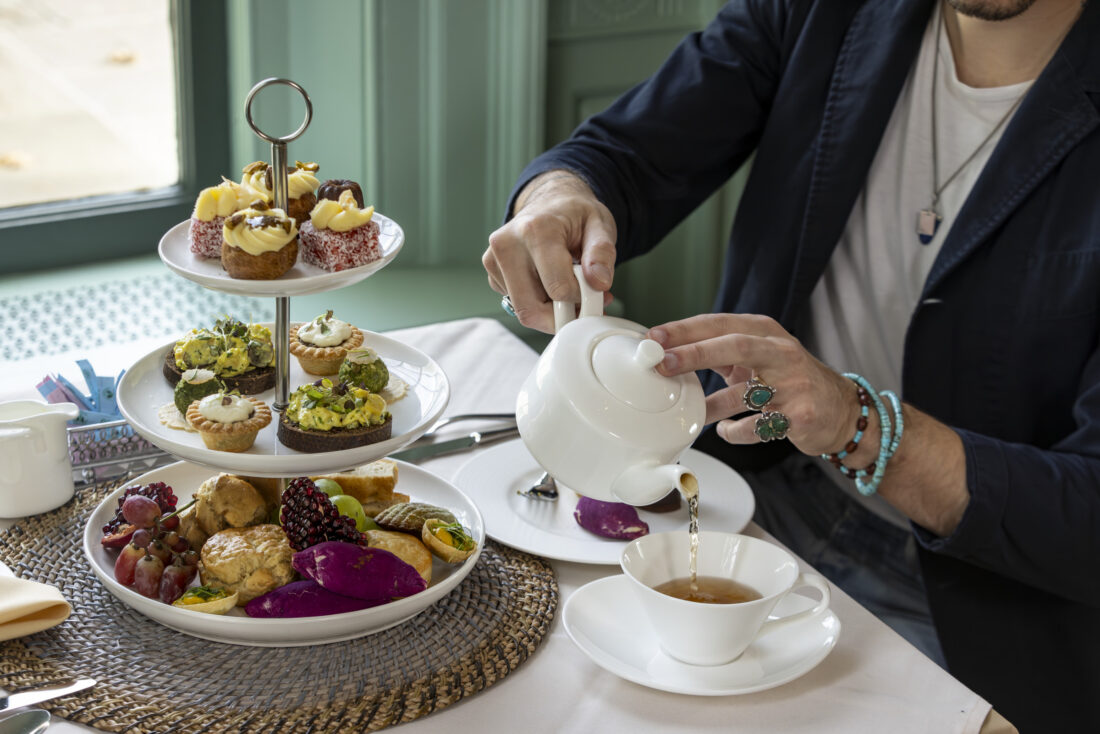
Give Us the Tea! Where to Have a Sip in the South
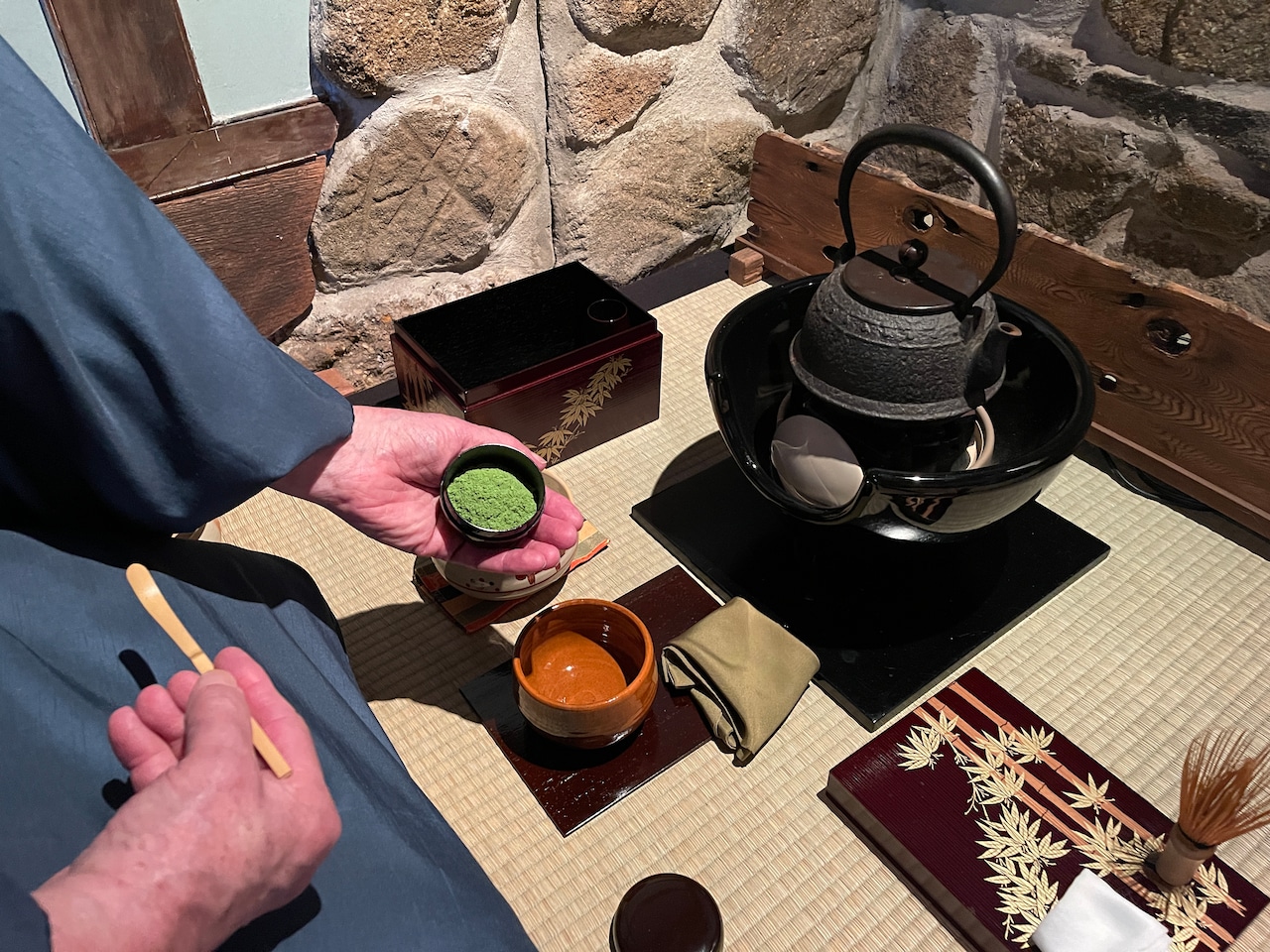
Inside a Japanese tea ceremony, N.J.’s most tranquil hideaway
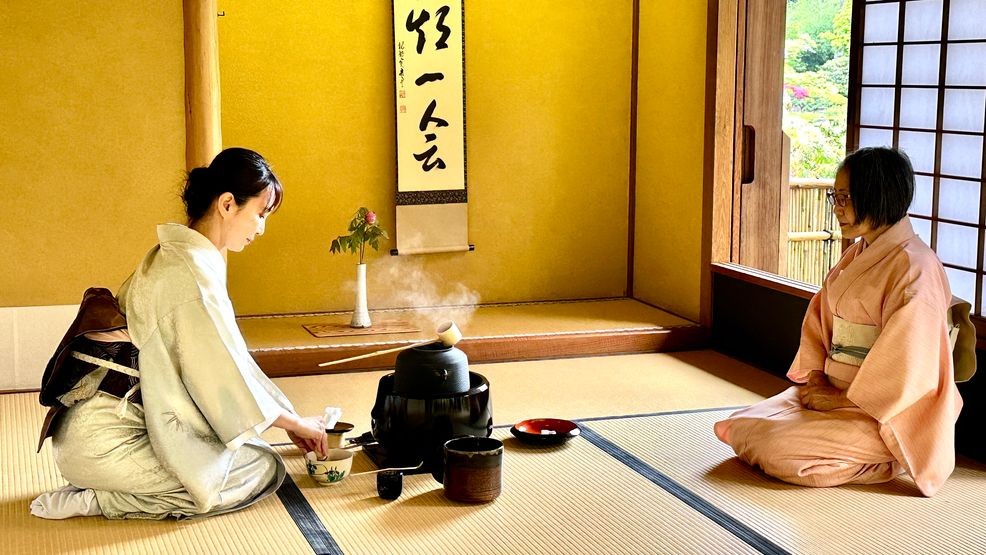
Experience an authentic tea ceremony at Seattle Japanese Garden
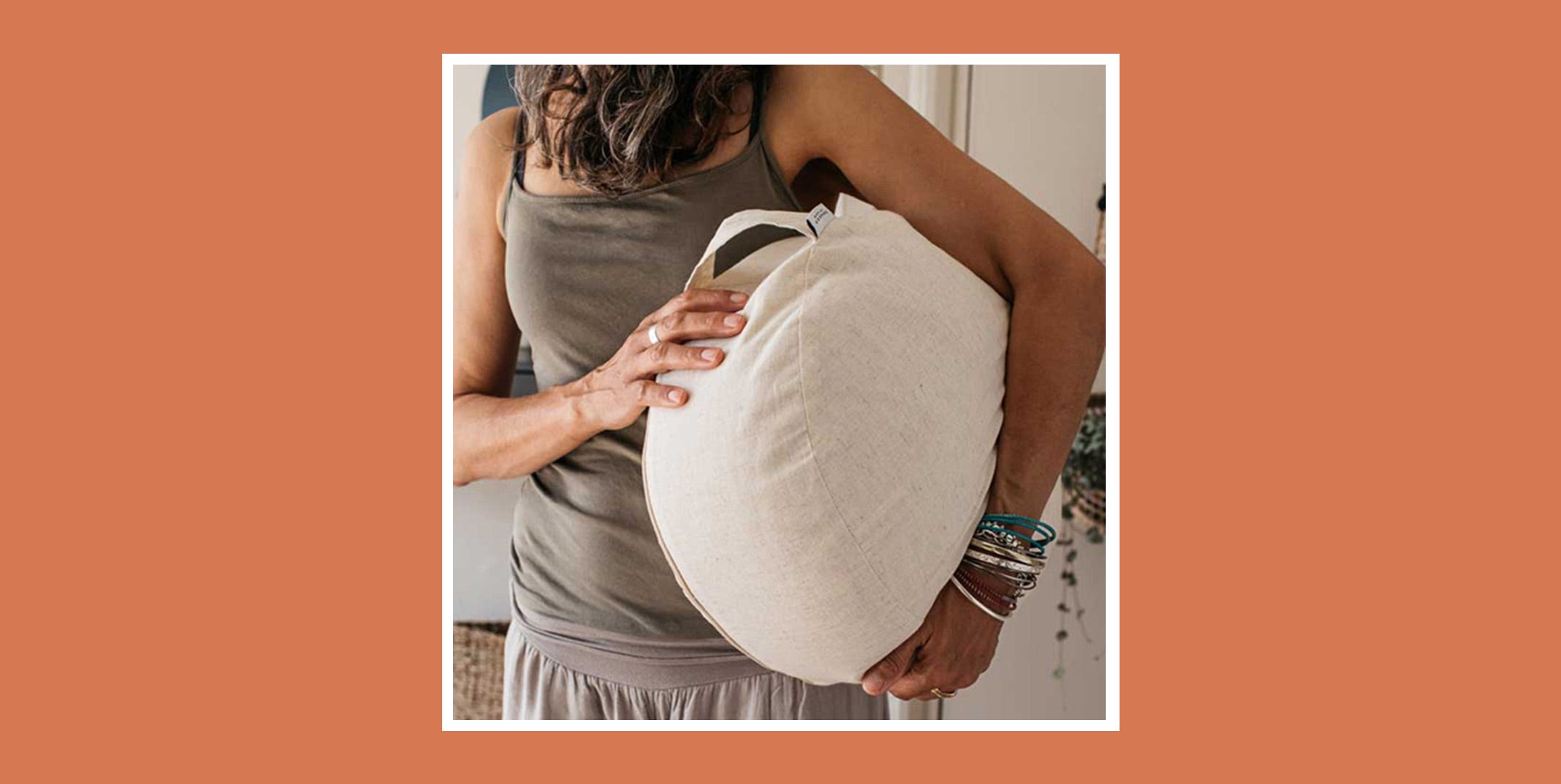
11 of the best meditation cushions for finding your zen
Take your worries away: How Zen garden can become your daily dose of mindfulness | Hindustan Times

yuki kawae explores meditative patterns in zen garden series
Say Ohm: Meditation Room Ideas for Instant Destressing
Moments of Zen - A Garden Grown, Sister to Sister

How To Create A Meditation Space That's Also Tech-Friendly
12 best Japanese tea rooms and green tea cafés in Tokyo

Why 2024 is the year of the zen do
Why You Need a Meditation Corner in Your Home—and How to Create One