In Praise of Stairs
The article discusses the importance of stairs, not just from an architectural perspective but also for health and well-being. It highlights the concept of stairs as a "magic pill" for extending life, a notion explored by Peter Walker in his book "The Miracle Pill." Walker, a political columnist and cyclist, emphasizes how everyday physical activity, including stair climbing, has diminished, especially in North America, where walking has largely been replaced by car travel. This decline in activity is contrasted with its significant health benefits, particularly for aging individuals.
The author, Lloyd Alter, a design editor and sustainable design educator, points out that Treehugger has long advocated for well-designed stairs, once featuring a "Stair of the Week" series. The underlying principle is that good stairs encourage people to use them over elevators, promoting physical activity and enabling more efficient building designs. The article references Dr. David Alter, who suggests that exercise, even in moderate forms like climbing stairs, acts as medicine for health and survival.
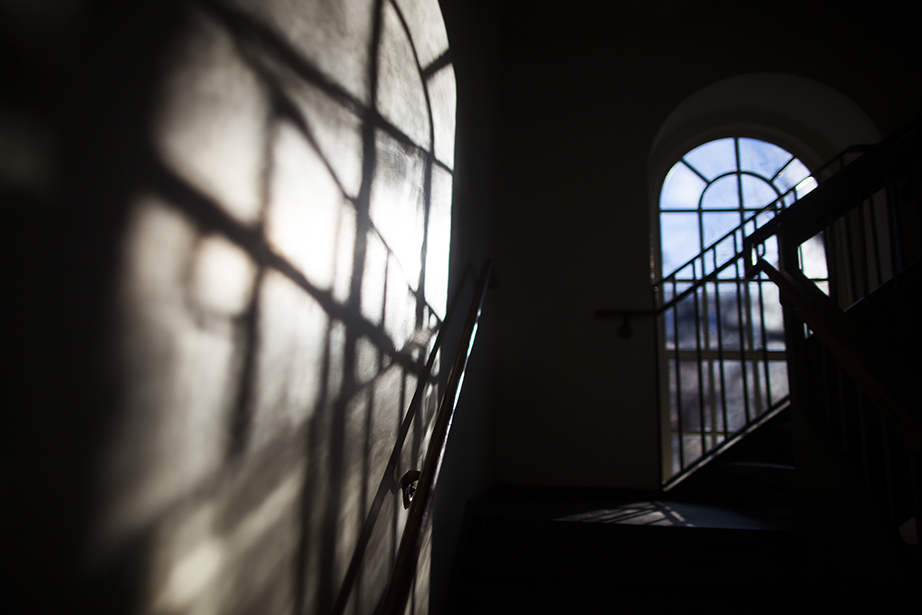
A central theme is the current architectural bias against human movement, evident in the common design of stairwells. Many modern office buildings and hotels prominently feature elevators while relegating stairs to out-of-the-way, uninviting, and often windowless spaces, frequently serving primarily as fire exits. This design discourages their use, despite the known health advantages. Walker's book critiques this trend, noting that people often have to search for fire doors to access stairwells, which can be inconvenient and even lead to accidental alarm triggers or entrapment.
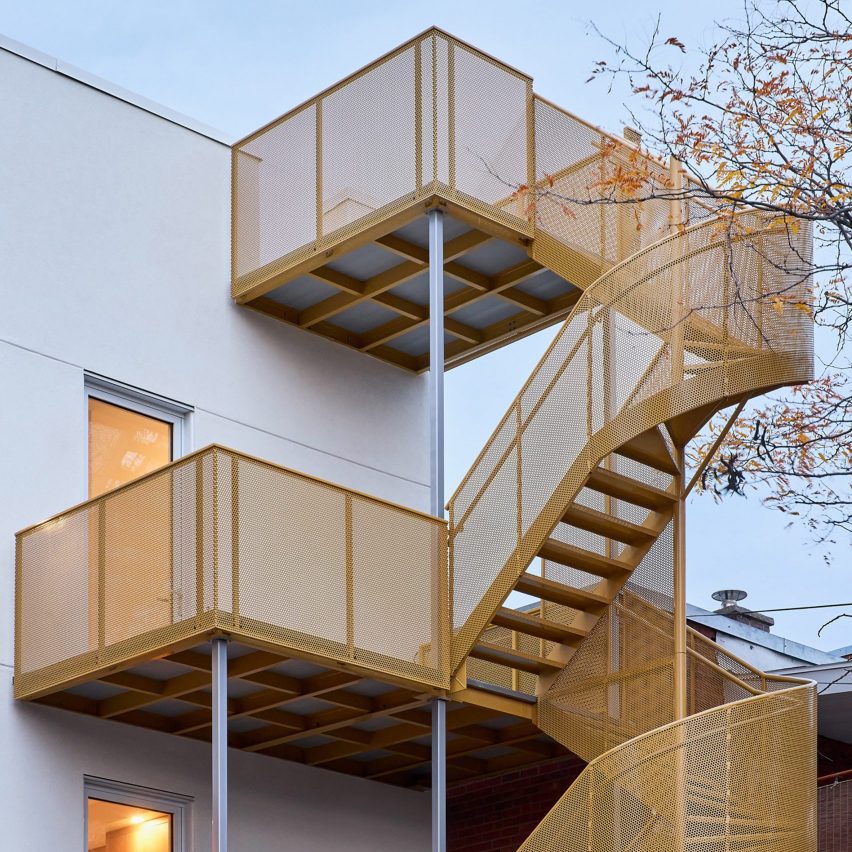
The article also touches upon how building codes influence stair design. In North America, fire safety regulations often result in apartment buildings having corridors leading to two fire exits, making grand, central staircases costly and perceived as superfluous. In contrast, European countries like Austria and Germany allow for open, central stair designs in buildings up to eight stories, where apartments can open directly onto landings. These designs often incorporate large smoke hatches and fire-separated exterior balconies, creating more aesthetically pleasing and user-friendly stairs that are frequently utilized. The author acknowledges past hesitations about critiquing North American fire safety protocols after events like the Grenfell fire but argues that the European approach demonstrates a successful balance between safety and design that encourages physical activity.
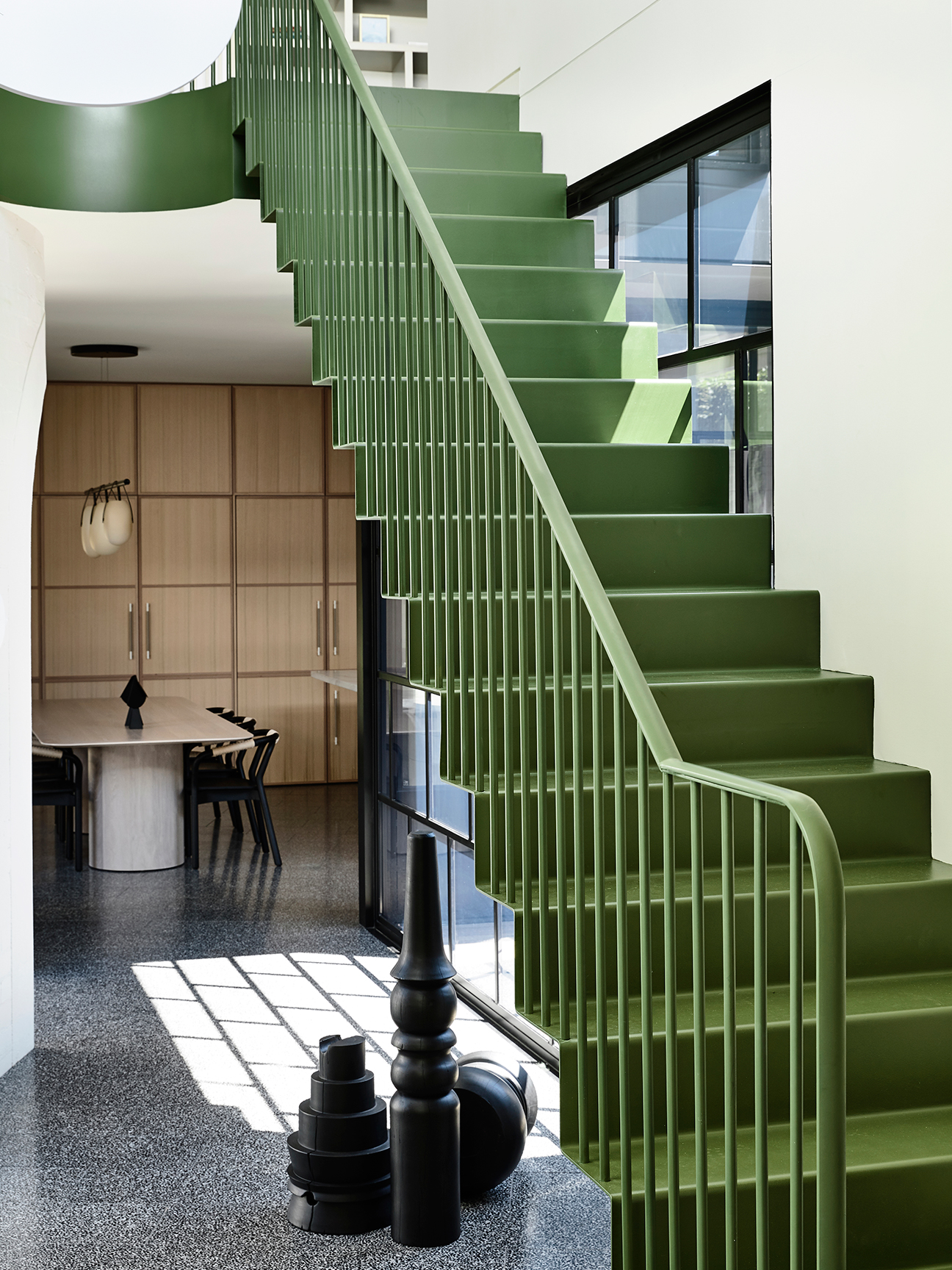
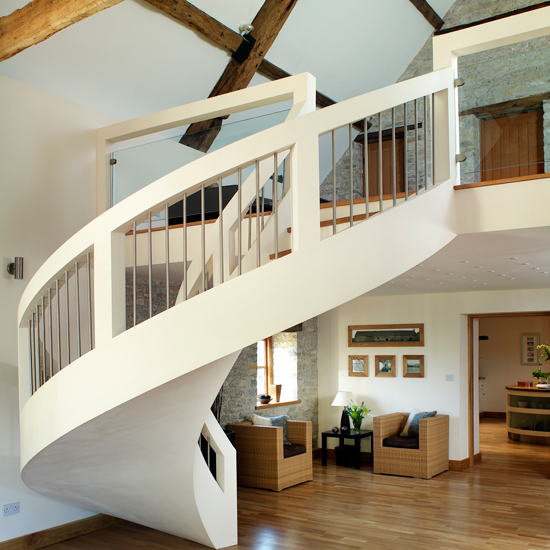
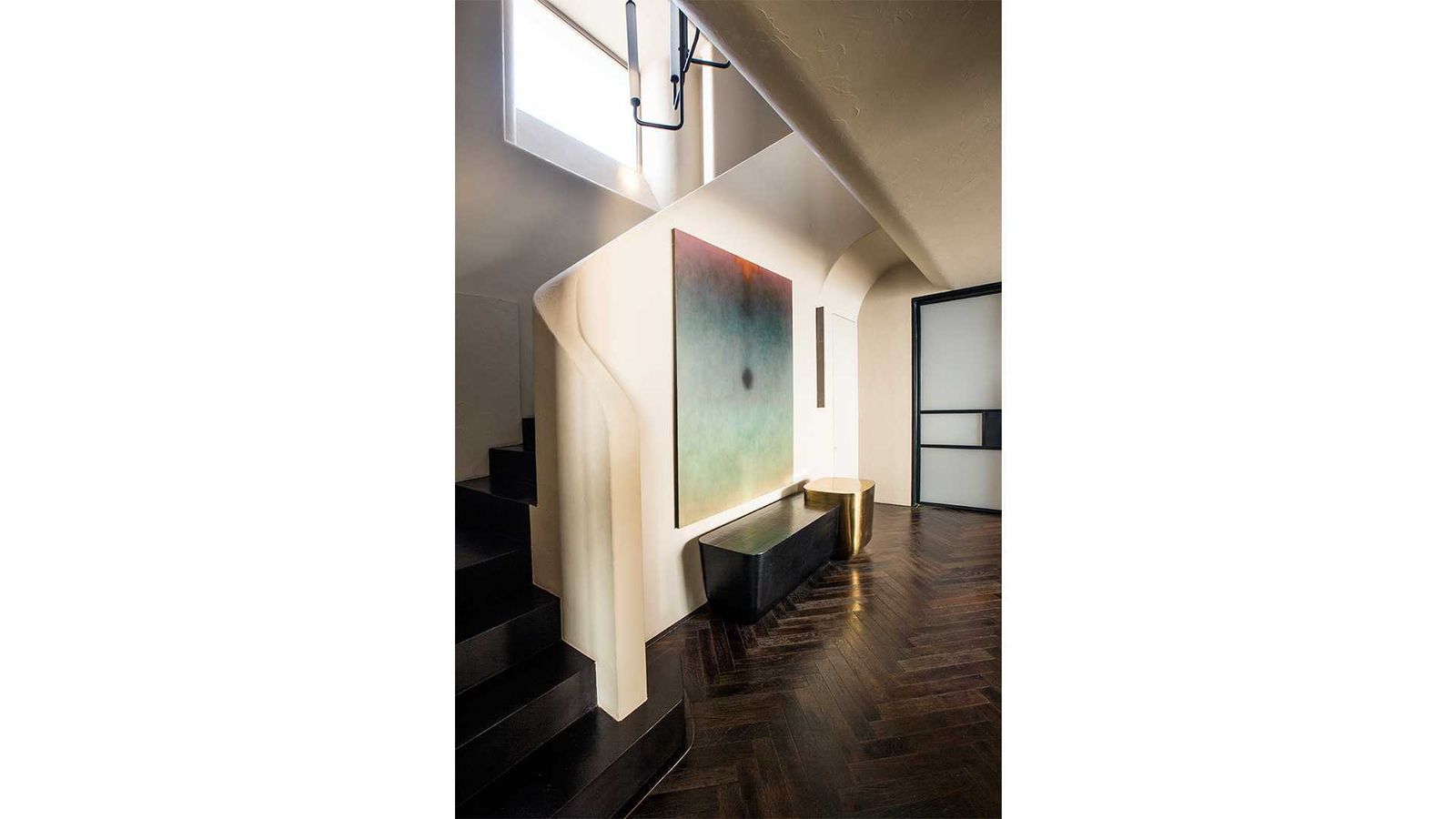
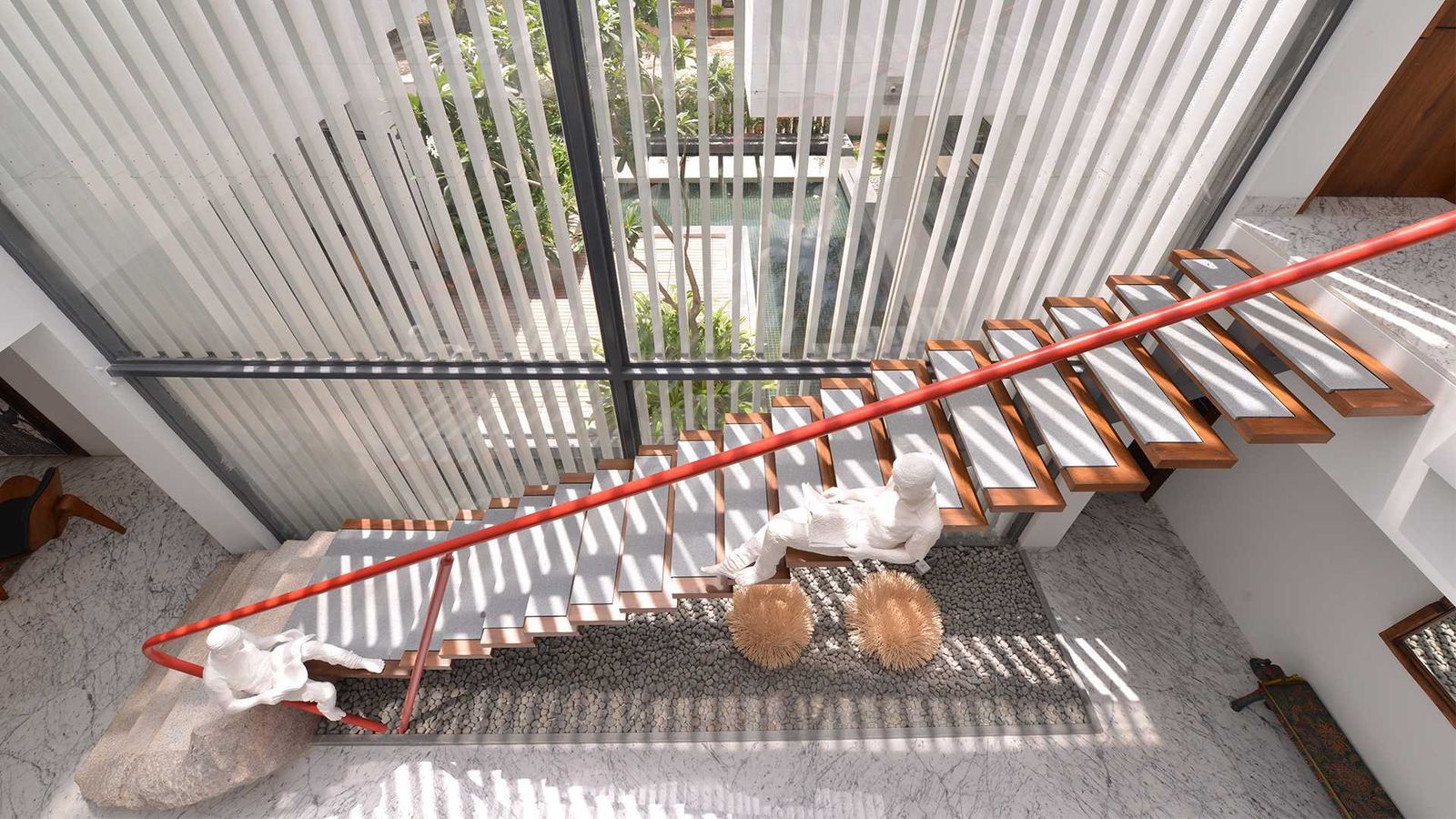

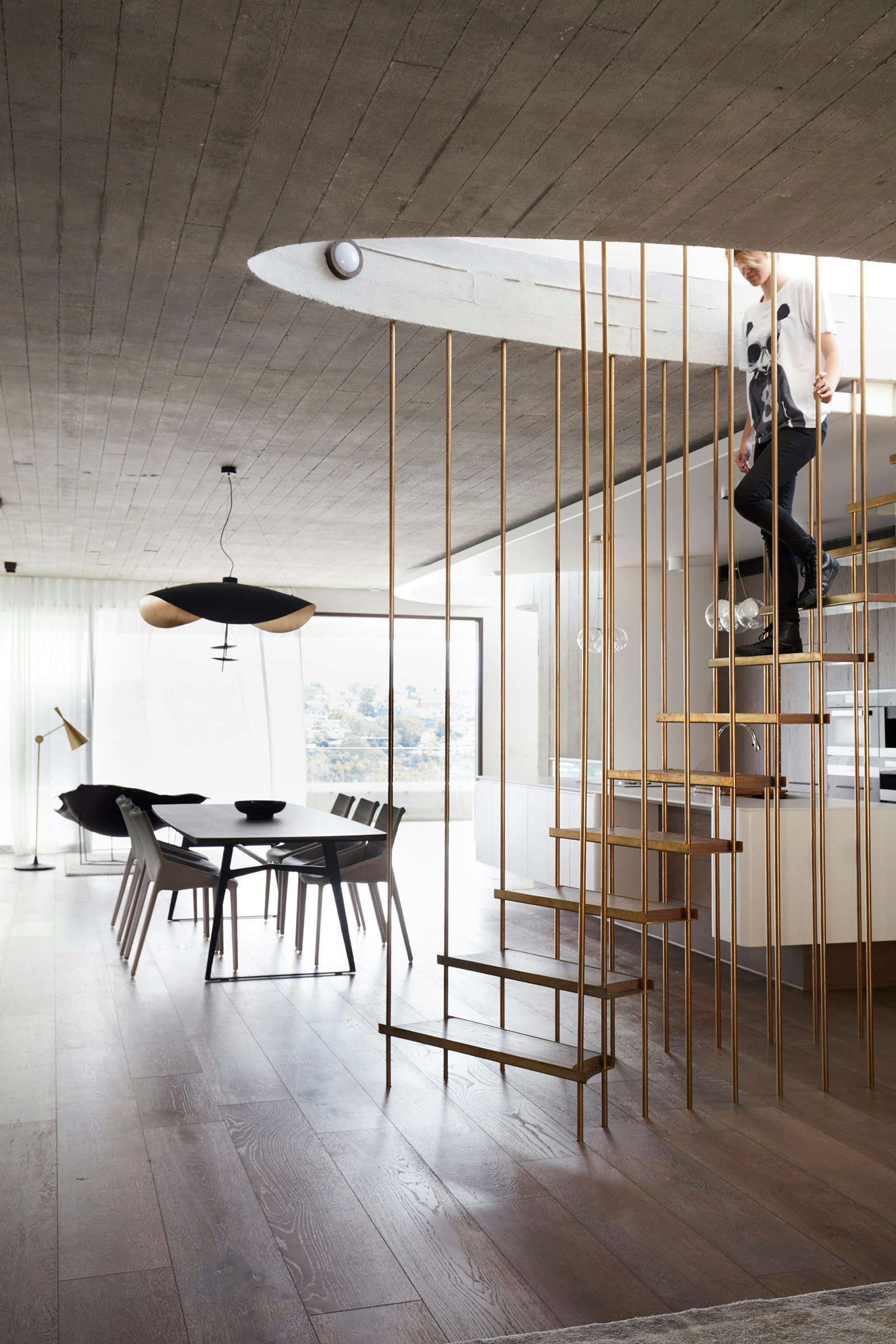
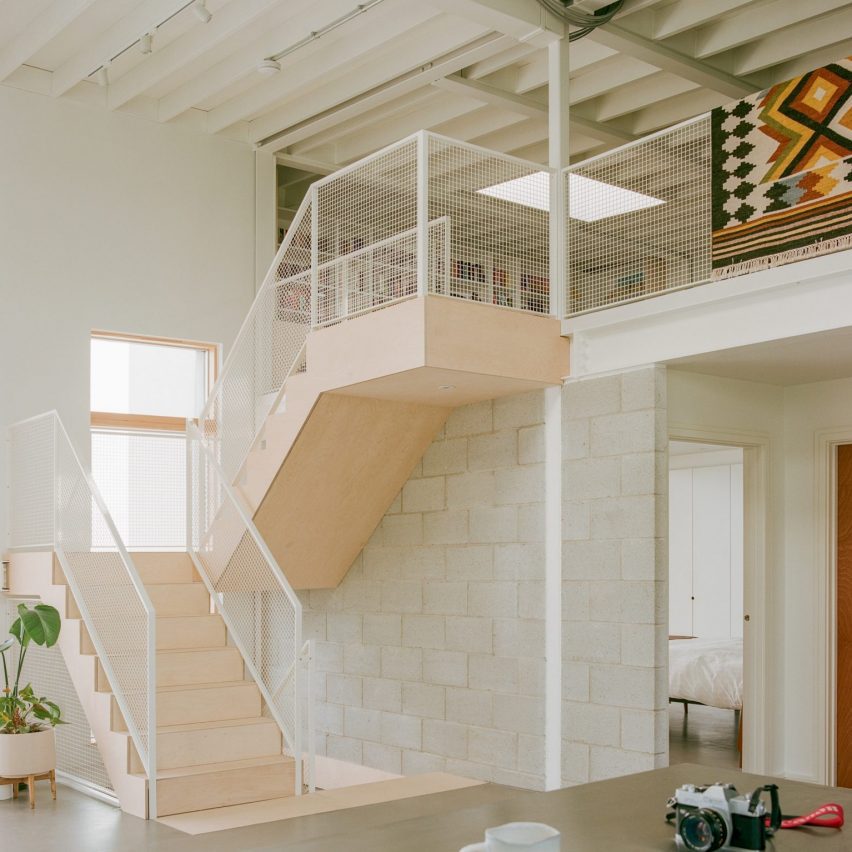
Studies, such as those derived from the Harvard Alumni Health Study, reinforce the health benefits of habitual stair climbing. The article cites findings that individuals ascending 35 or more flights a week had a significantly lower mortality risk compared to those climbing 10 or fewer. The author also shares examples of well-designed stairs, such as those in the BDO building in Copenhagen, which invite use, and the calorie-marked stairs in the Terry Thomas Building in Seattle, which actively encourage staff to opt out of elevators. Frank Gehry's stair at the Art Gallery of Ontario is presented as another example of a beautiful design that draws people upward. The overarching message from Peter Walker's work is a call for architects to design built environments that promote human movement and to eliminate the "conspiracy of the hidden staircase."
#Stairs #Architecture #SustainableDesign #PhysicalActivity #HealthBenefits #UrbanPlanning #GreenDesign #BuildingCodes #Wellness #Stairs #Architecture #SustainableDesign #PhysicalActivity #HealthBenefits #UrbanPlanning #GreenDesign #BuildingCodes #Wellness
0 comment in total
 No comments yet
You may also like
Let the Staircase Set the Stage for Style

Floors, Stairs, Lifts and Wayfinding
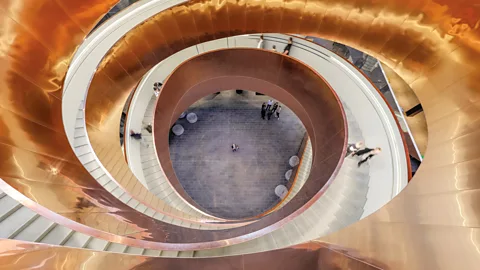
The best contemporary staircases

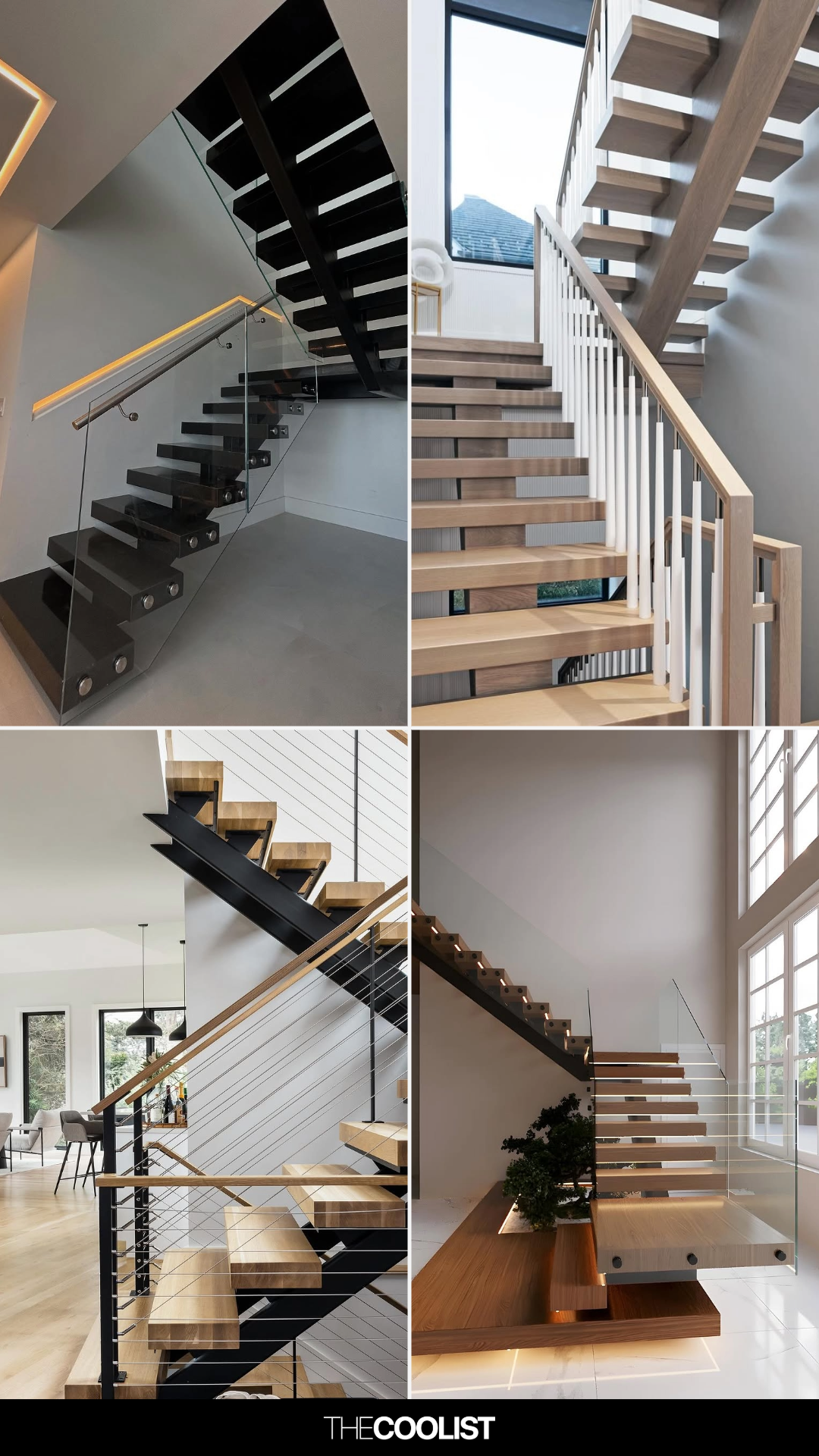
22 Floating Staircase Designs That Blend Form and Function Beautifully
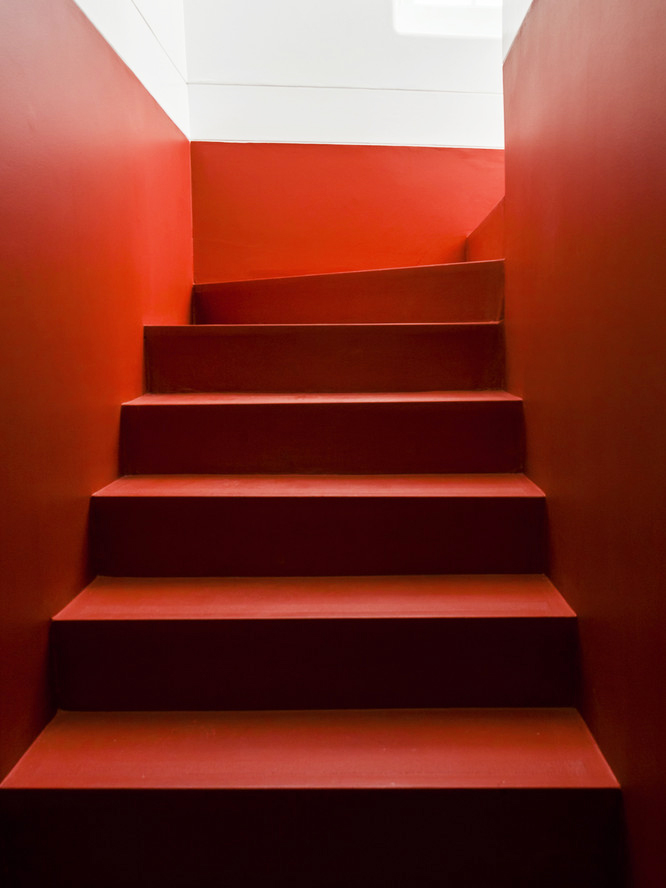
These Bold Staircases Make the Extra Workout Worth It
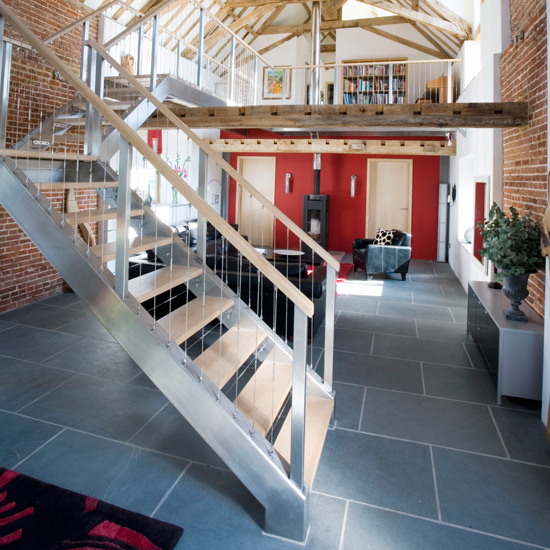
7 wow factor staircases
This Outdated Stair Trend Is Fading Fast—and Designers Say It's Time to Move On

An Oft-Overlooked Staircase Project Is Gaining Traction With Remodelers

Staircase Parts


Stair Base Rails

Sculptural staircases that elevate home design


Customize Your Staircase With These 13 Bold Ideas For A New Look In 2025
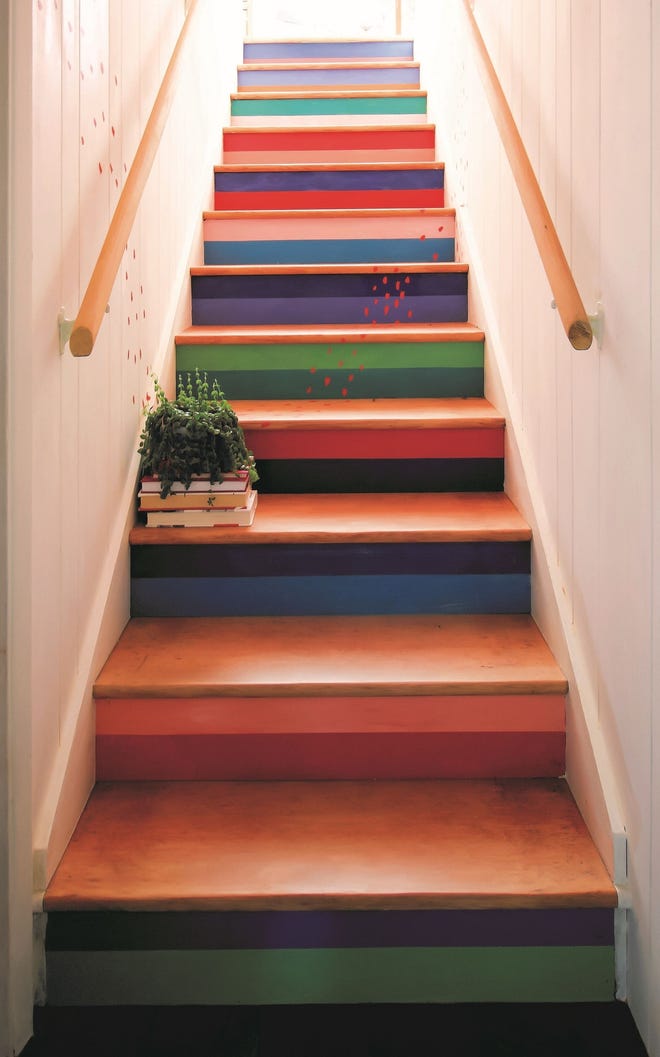
Stairs well done
A Modern Stairway That Brings Homes to the Next Level

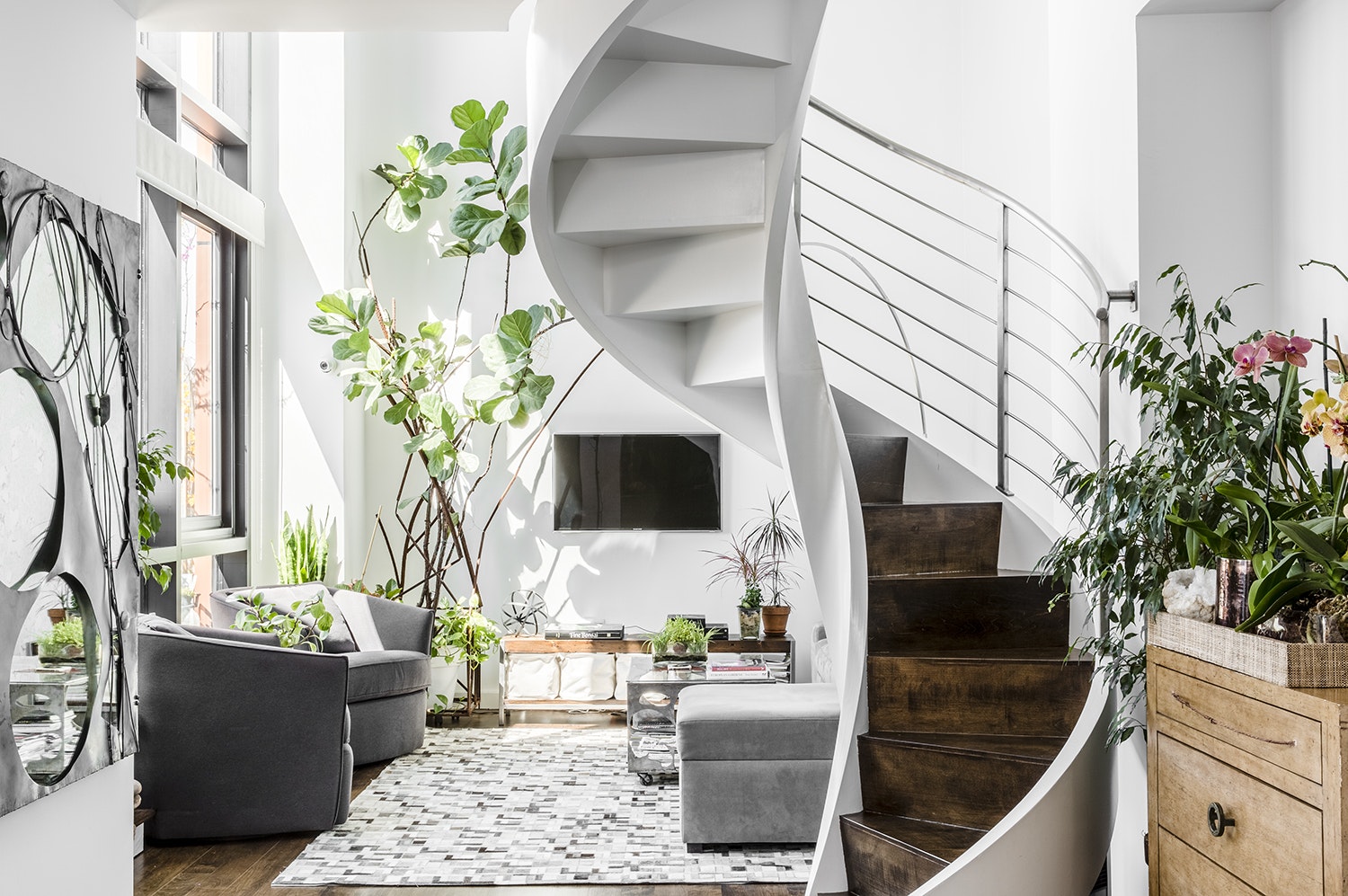
35 Swoon-Worthy Staircases That Are a Step Above the Rest
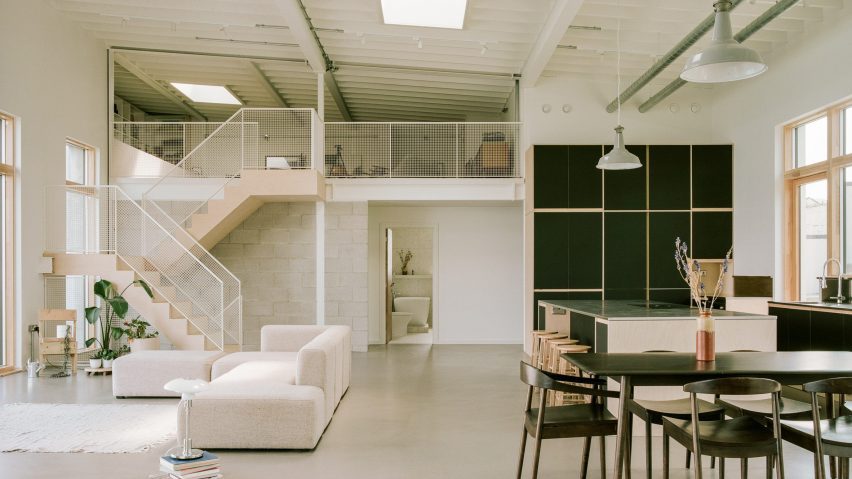
Eight talking-point staircases from Dezeen's pinterest
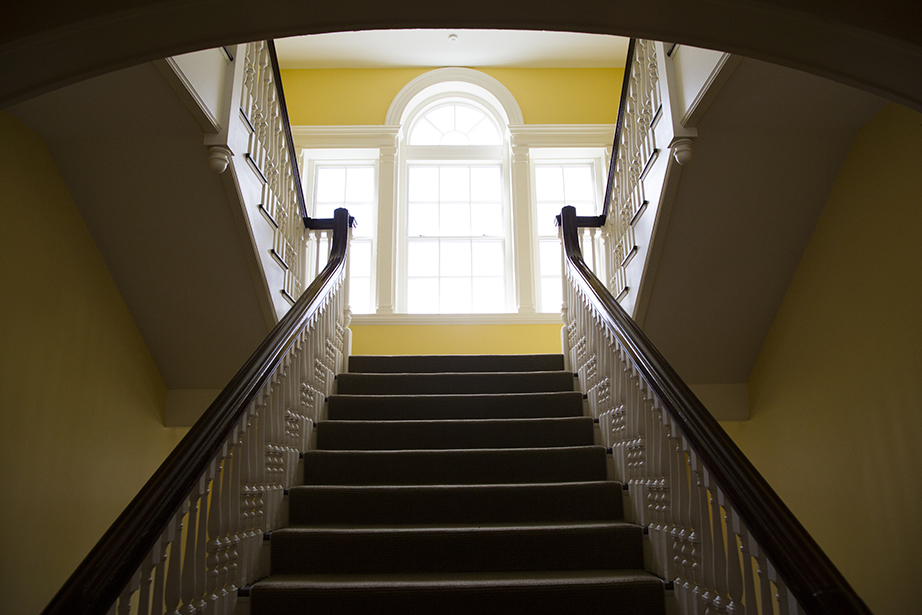
Taking the stairs


Special feature: stairs you can sit on
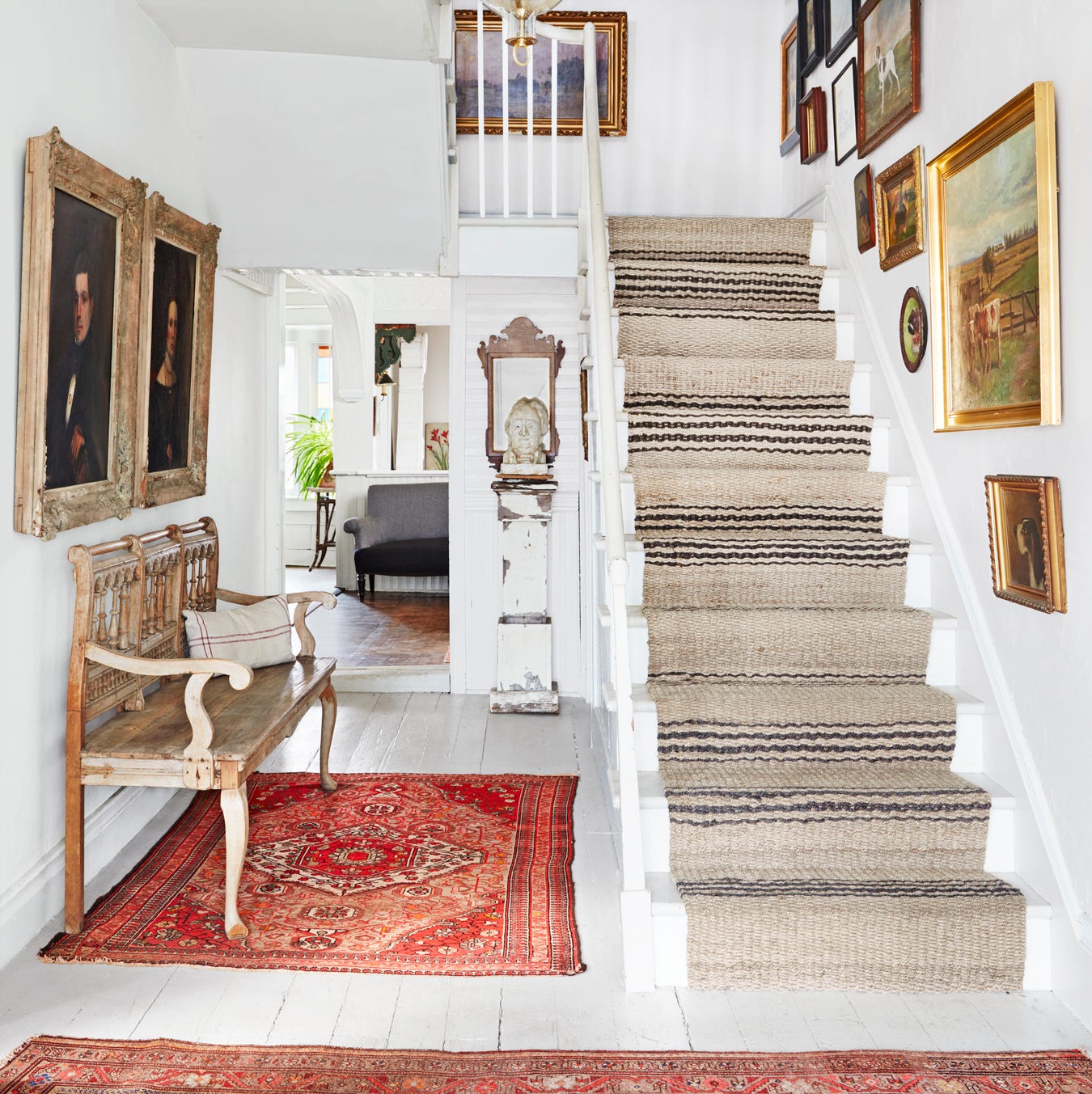
Step Up Your Staircase With These Decorating Ideas
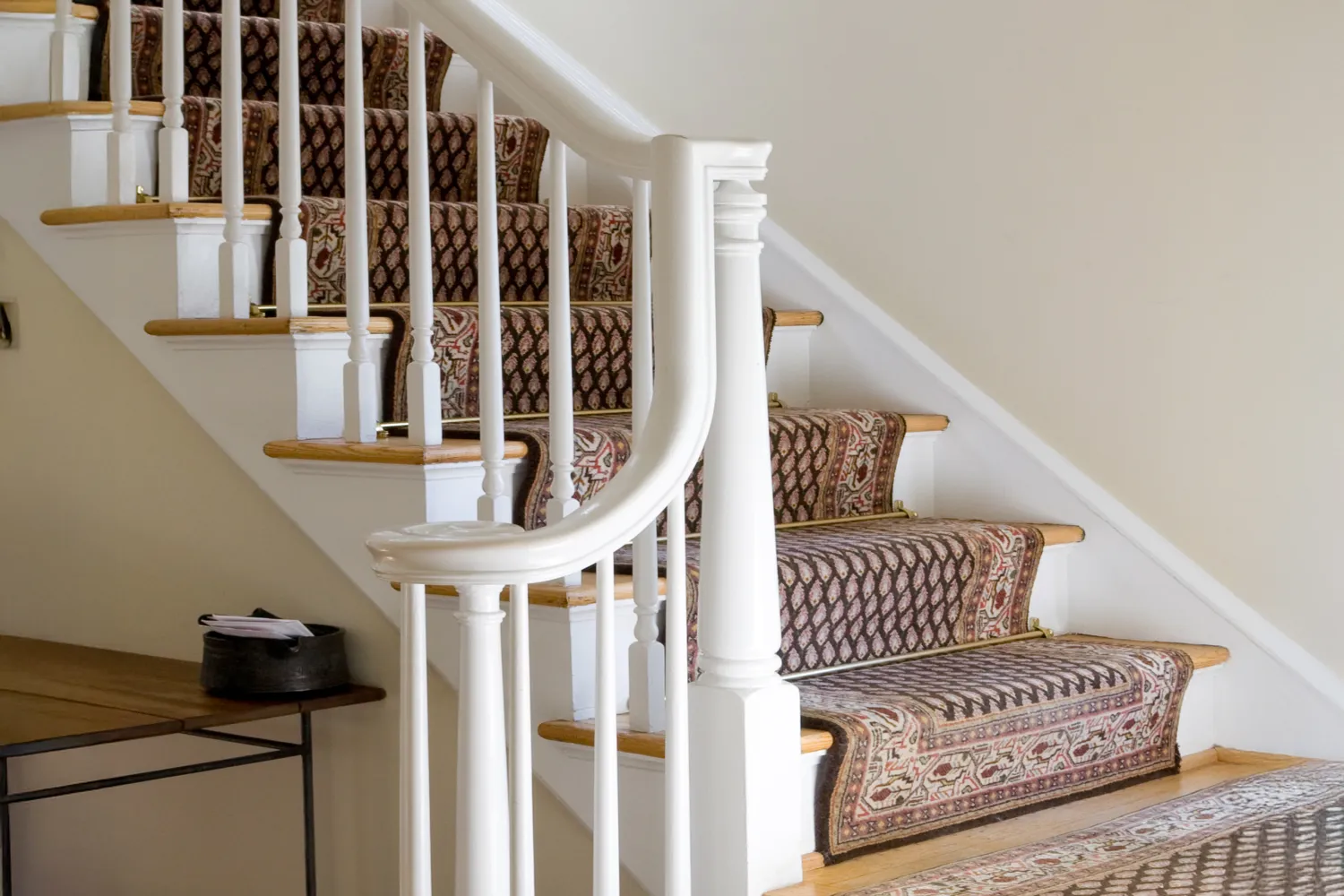
These 5 Stair Trends Are Fading Fast—and Designers Say It's Time to Move On