1/18
Taking the stairs
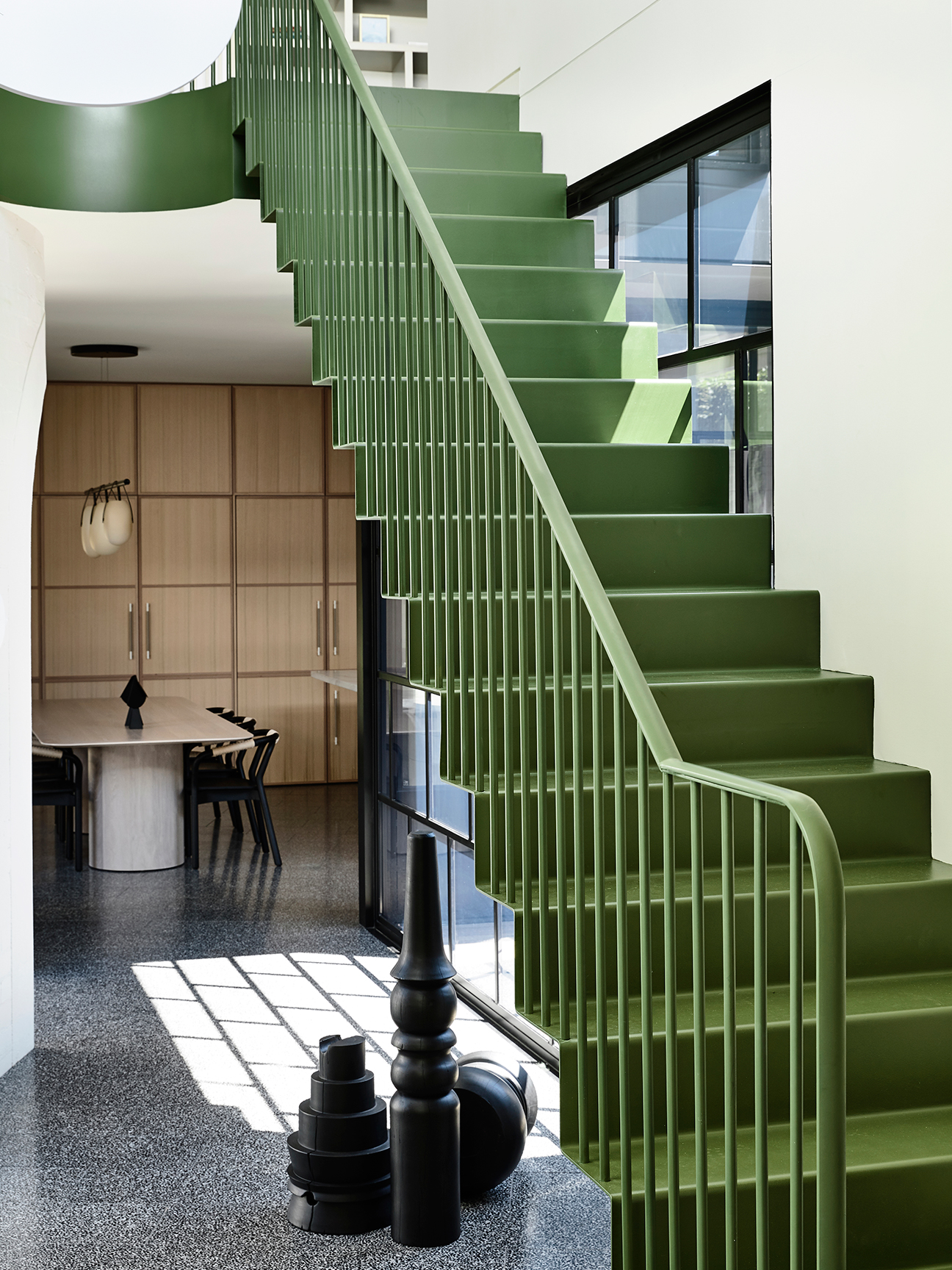
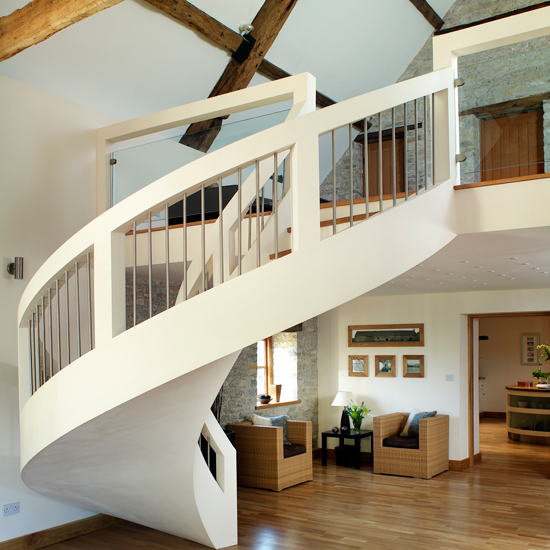
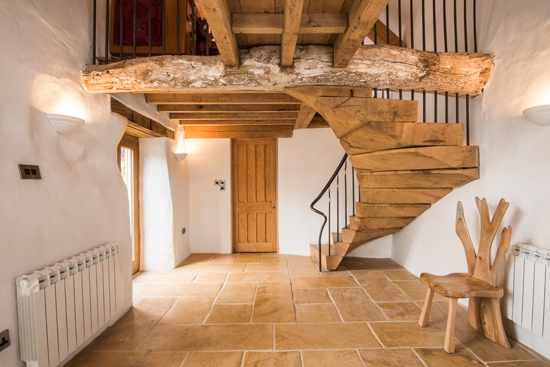
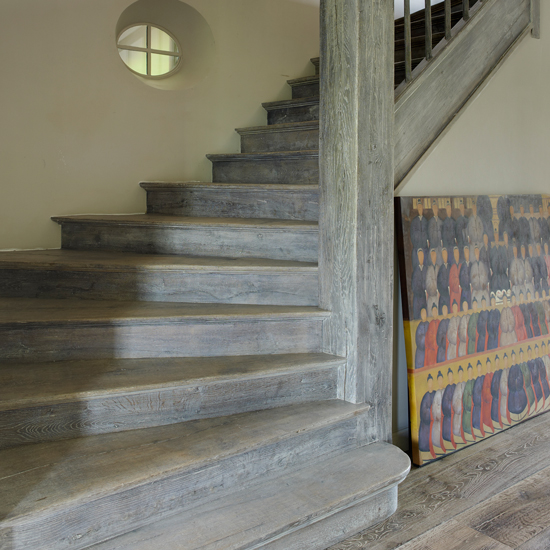
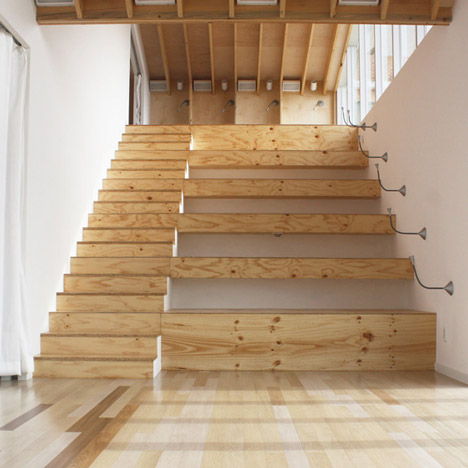
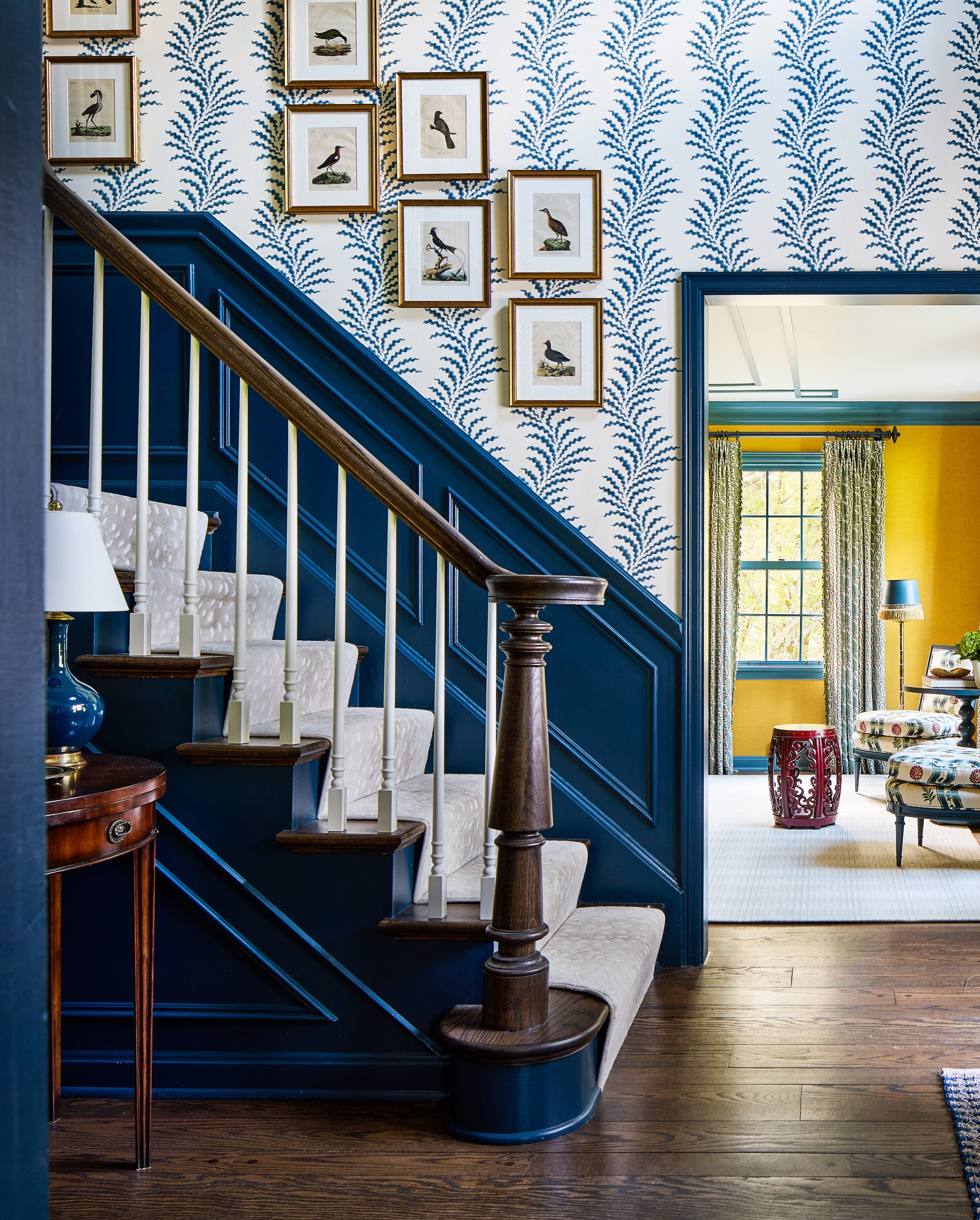
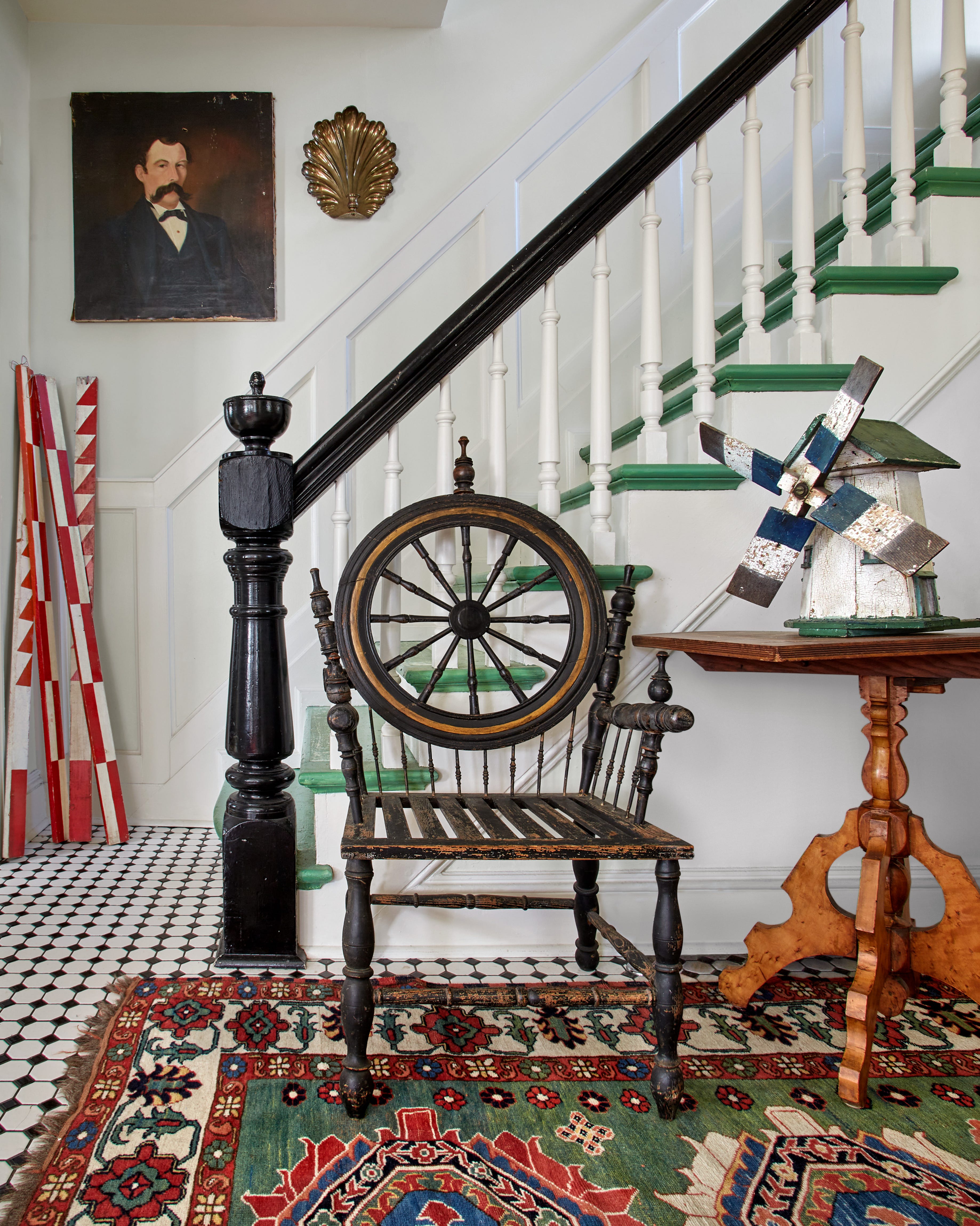
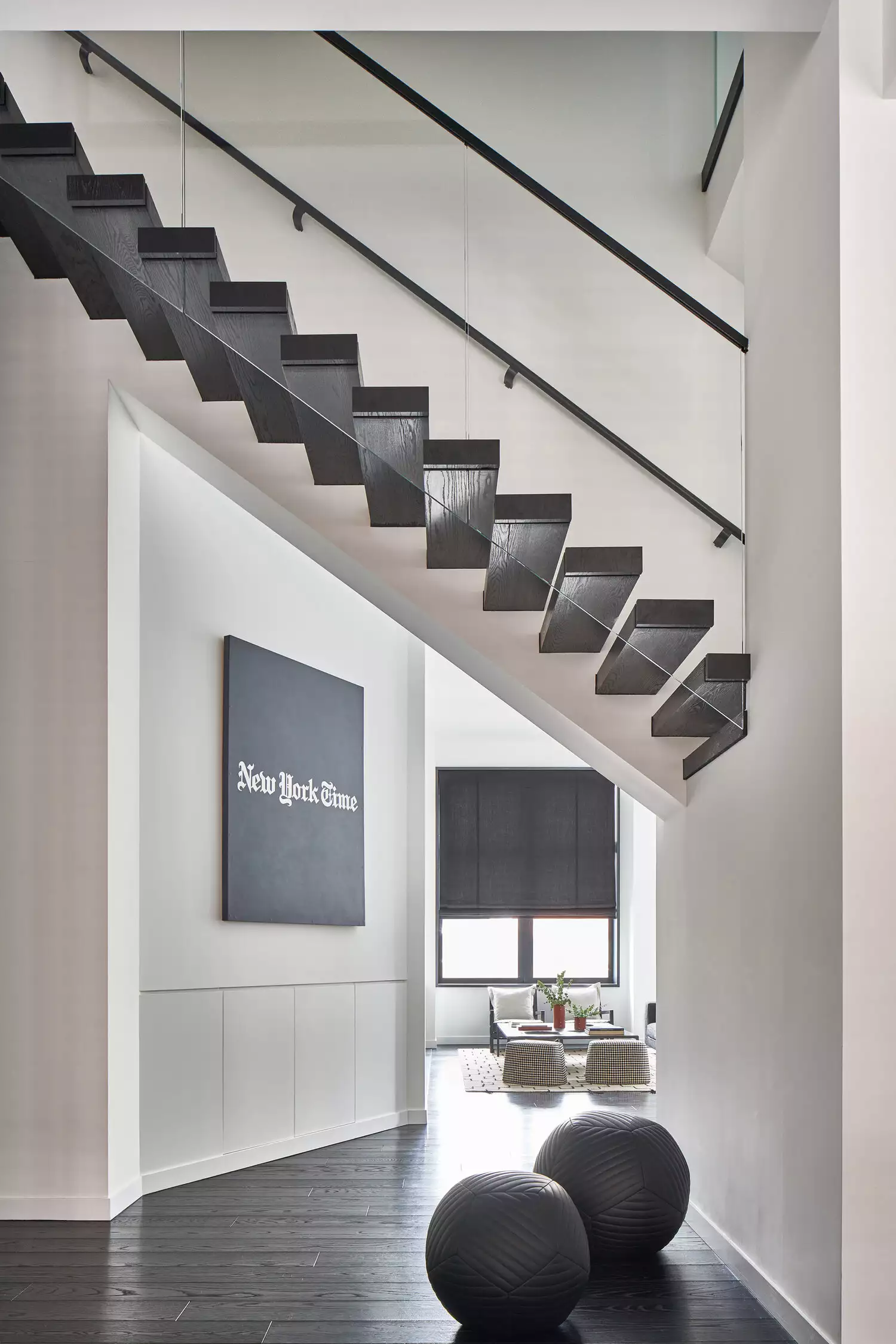
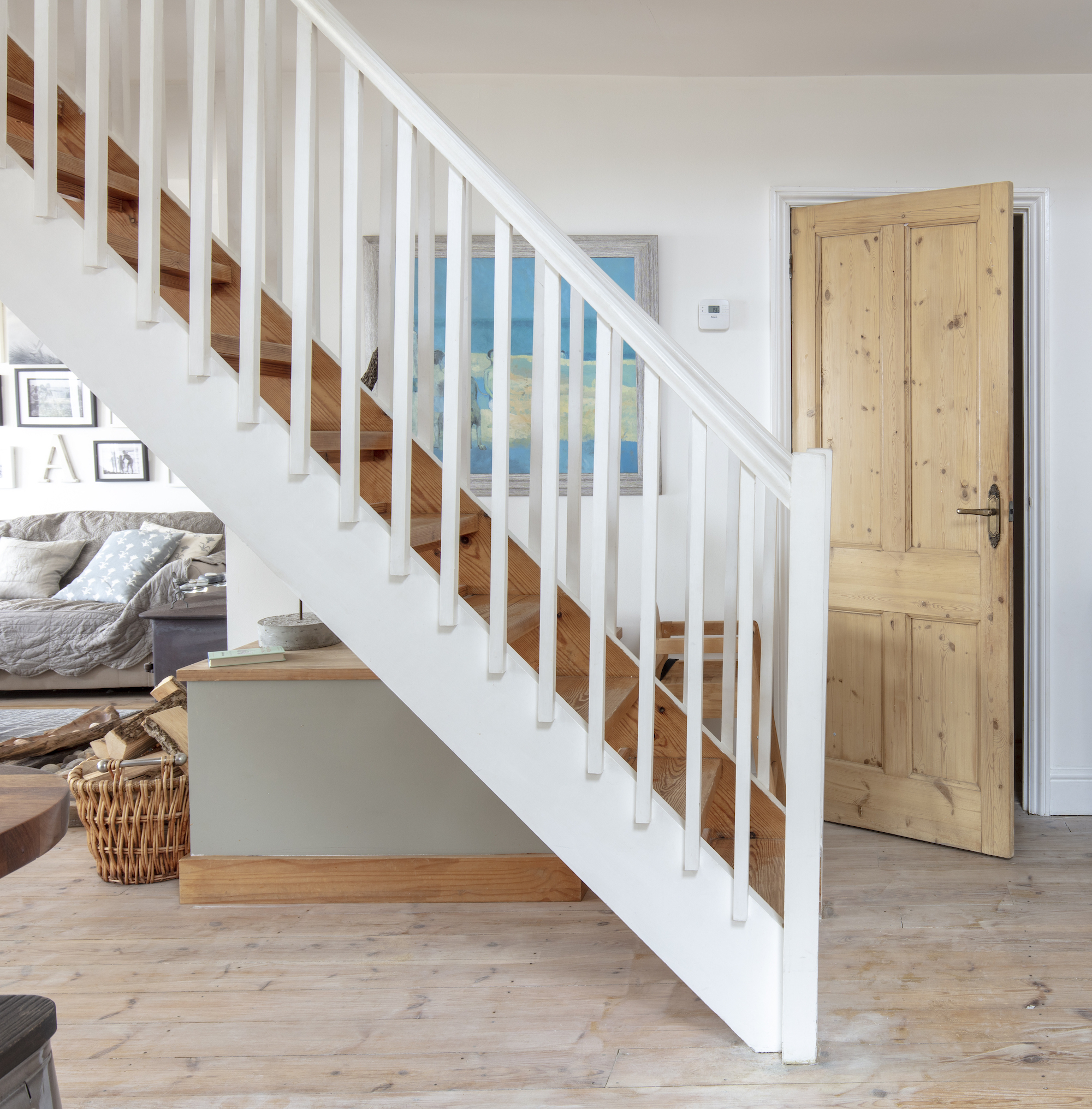
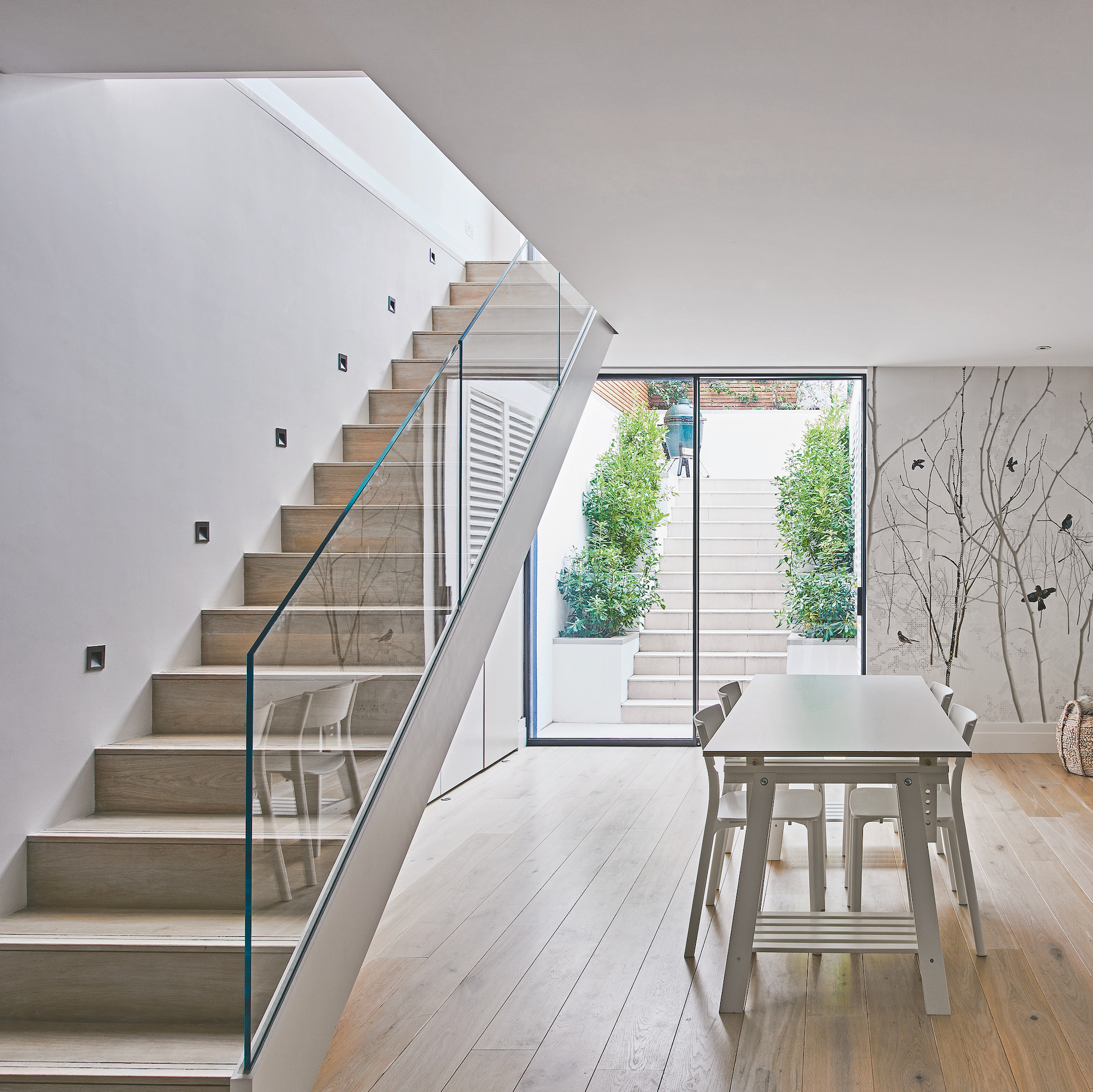
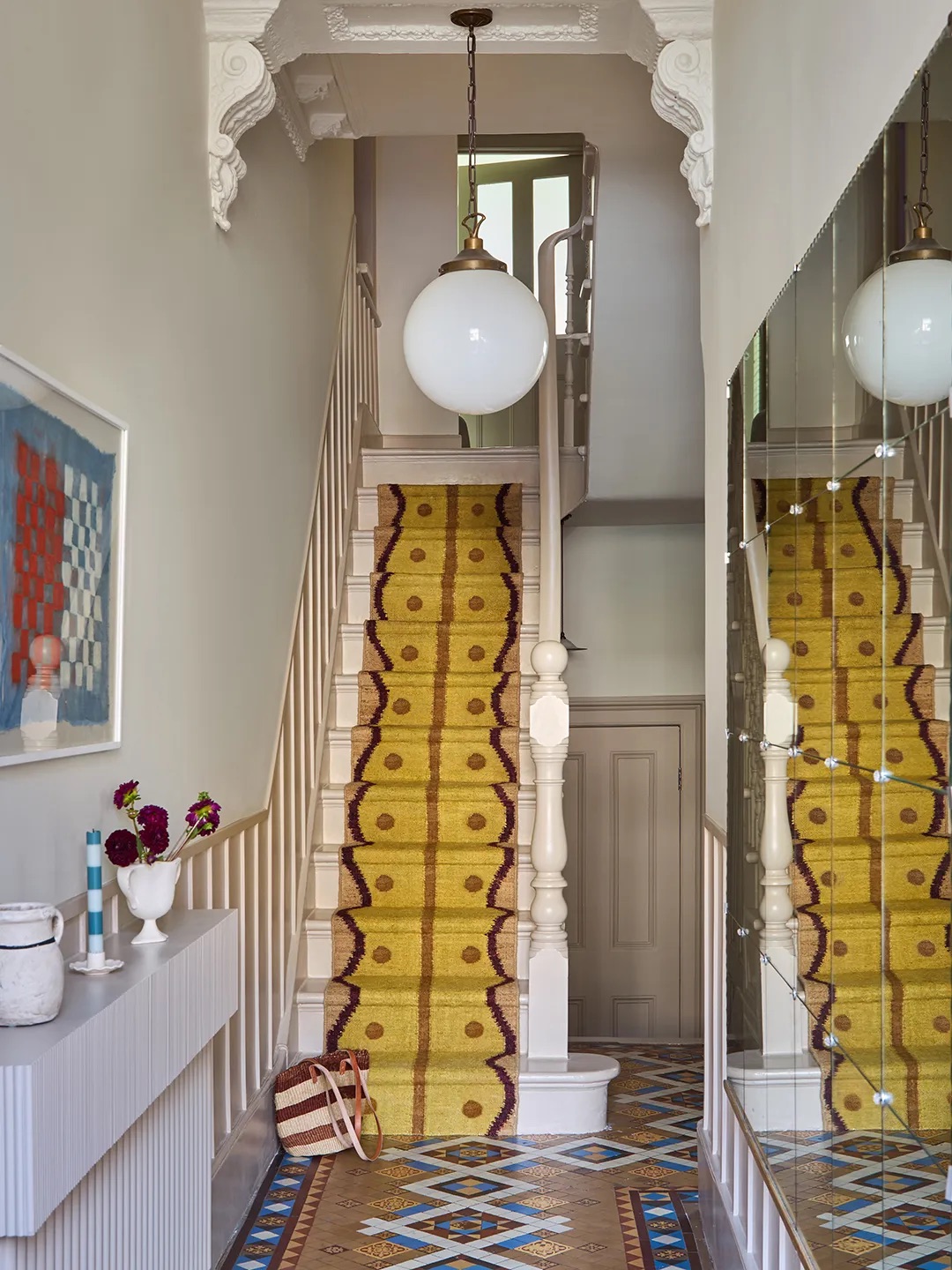
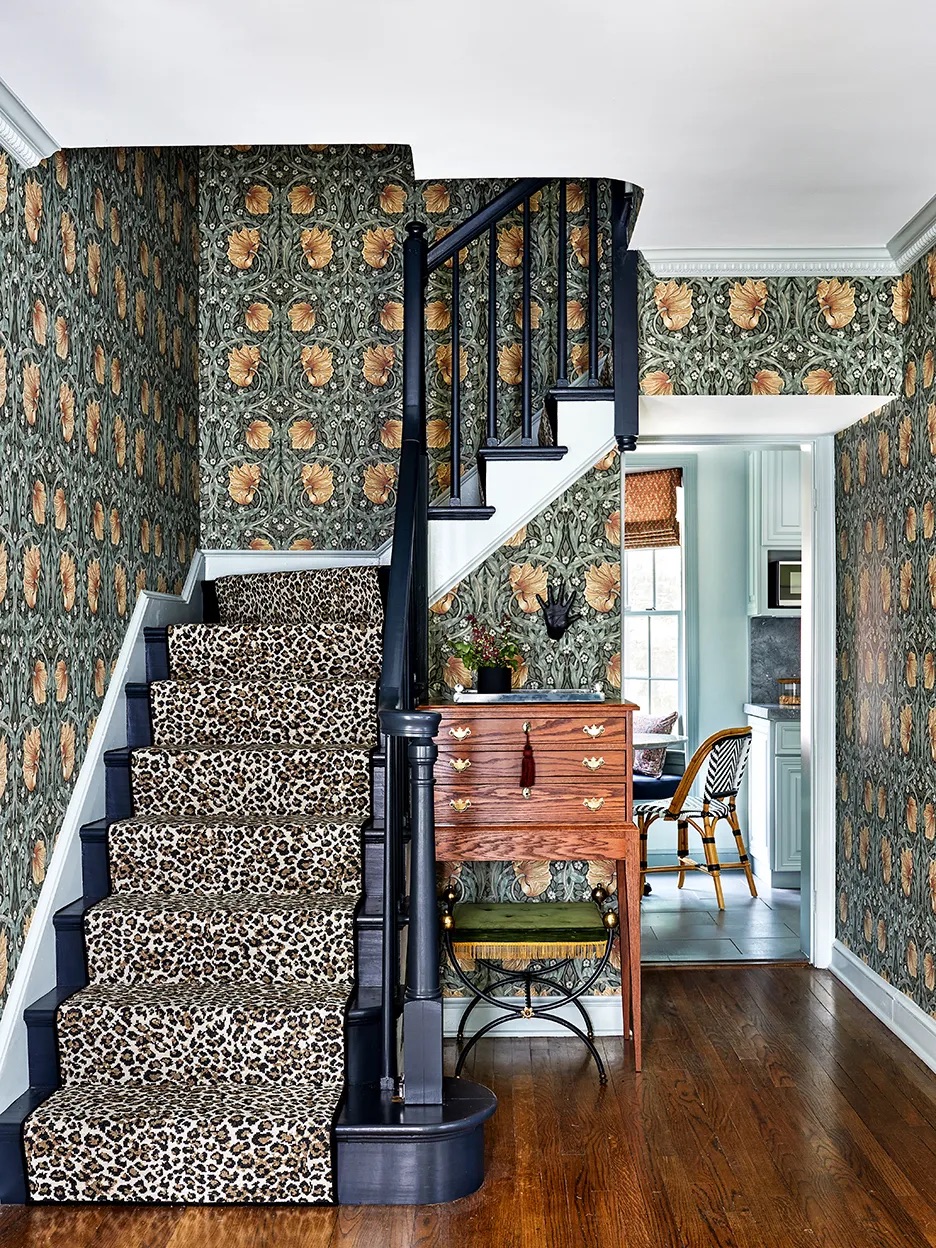
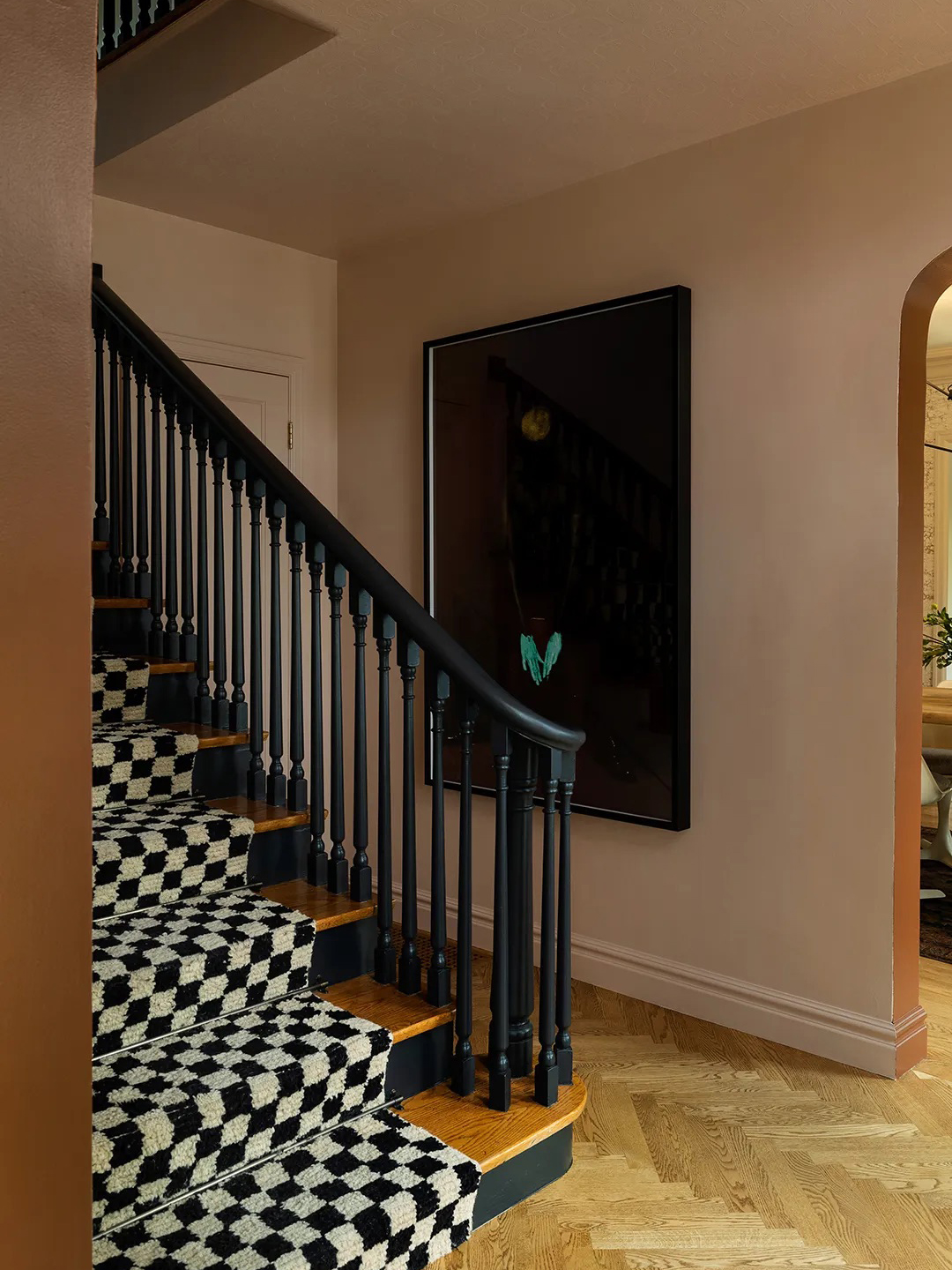
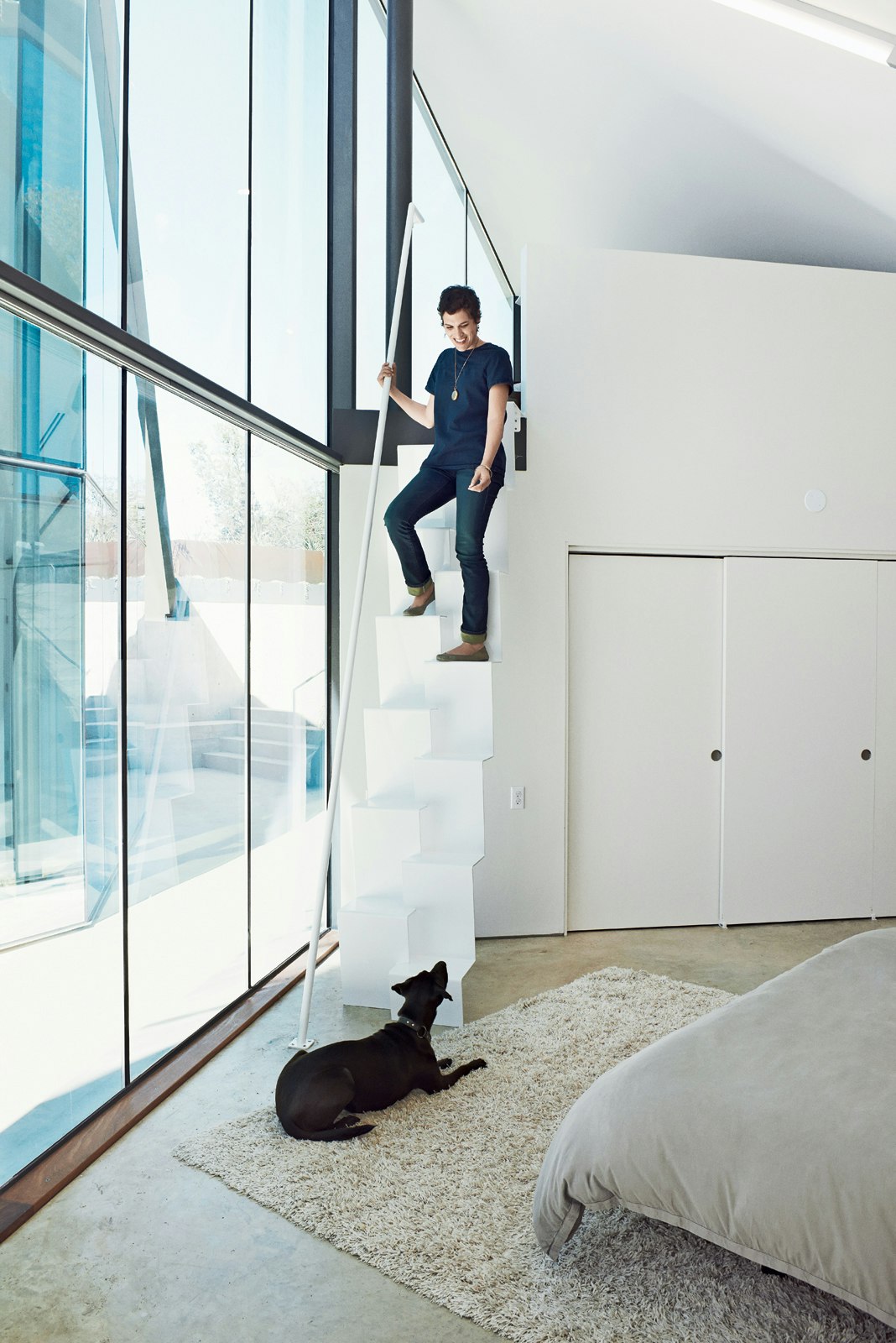
Stairways are an integral part of architecture, binding spaces together and serving as a primary means of vertical spatial communication. While other areas of a building allow for varied movement, stairs are uniquely prescriptive, guiding human motion in a defined direction. Their forms can be described in numerous ways, including single run, switchbacks, L-shaped, curved, spiral, and triangular. The speed of a stair is determined by its riser-tread ratio, which is the proportion between the height of the riser and the depth of the tread.
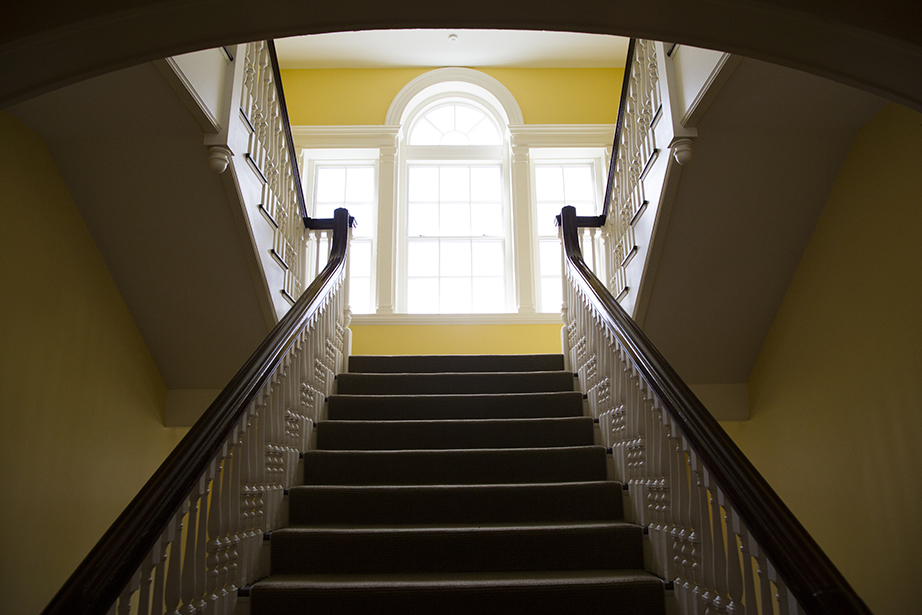
Preston Scott Cohen, Gerald M. McCue Professor in Architecture at the Harvard Graduate School of Design, highlights the double-helix stair as one of the most remarkable types. The Bramante Staircase in the Vatican, designed by Giuseppe Momo in 1932, is a famous example. This type of stair features two mutually exclusive paths that appear unifying, creating a simultaneously frustrating and thrilling experience. Although Harvard University does not have double-helix stairwells, its campus features numerous examples of stairs in various forms and materials such as marble, metal, wood, and cement, ranging from modest to grandiose, and bathed in different lighting conditions. These stairways visually redirect and reorient motion and perspective.
An notable example at Harvard is the spiral stair in the CGIS Knafel Building, designed by architect Harry Cobb. Cohen praises Cobb's careful consideration of dimensions, particularly in addressing the challenge of spiral stairs where the step width varies from the perimeter to the center. Cobb's design achieves a correct balance between these two points.
In contemporary architecture, with the increasing emphasis on accessibility and the widespread use of ramps, escalators, and elevators, the architectural sustainability of the stair is a pertinent question. Cohen expresses concern that the time for grand, dominant stairs might be passing, especially since such prominent features may not be accessible to everyone. He finds the prospect of a world without stairs troubling, viewing them as a powerful and eloquent way to represent directional, sequential, and spatial ideas. For Cohen, the beauty of a stair lies in its ability to rise quickly, making it not merely an object but an active element that shapes experience.
#Architecture #Stairwells #HarvardUniversity #ArchitecturalDesign #PrestonScottCohen #Accessibility #BuildingDesign #SpatialCommunication #DesignTheory #Architecture #Stairwells #HarvardUniversity #ArchitecturalDesign #PrestonScottCohen #Accessibility #BuildingDesign #SpatialCommunication #DesignTheory
0 comment in total
 No comments yet
You may also like

Floors, Stairs, Lifts and Wayfinding
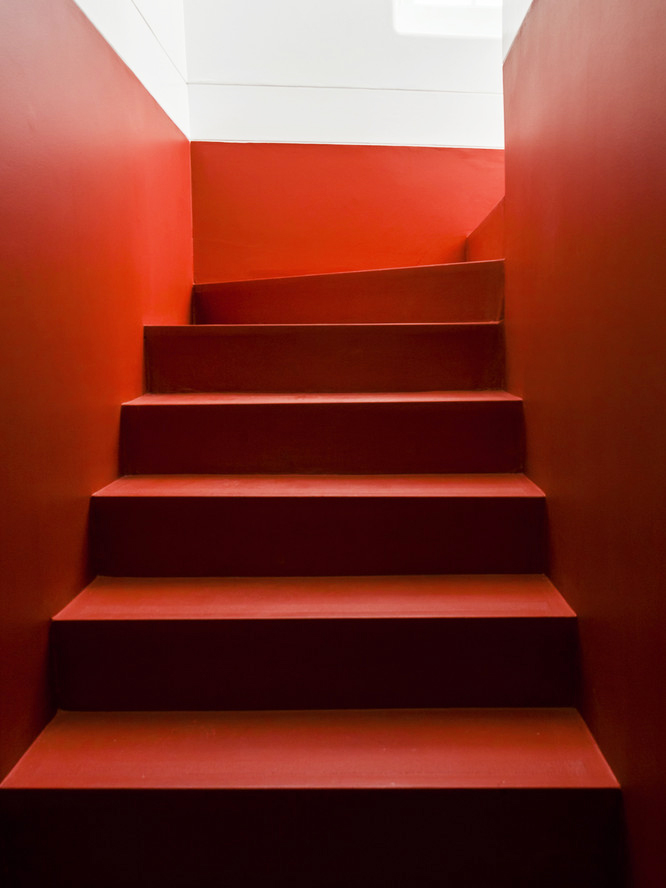
These Bold Staircases Make the Extra Workout Worth It

Customize Your Staircase With These 13 Bold Ideas For A New Look In 2025

The Black-Painted Staircase Trend Adds Drama to Any Space — 20 Ideas to Get the Look

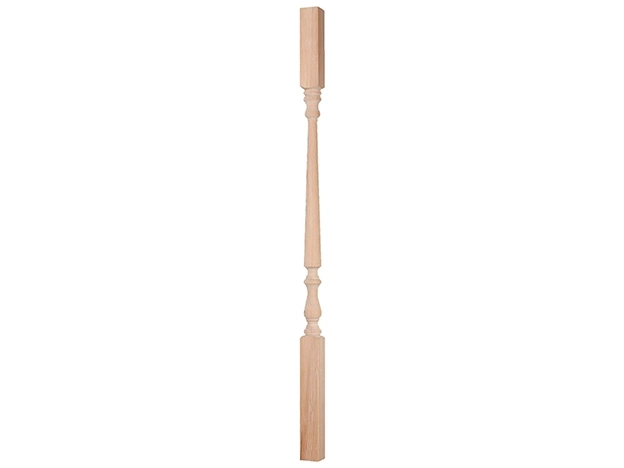
Staircase Parts

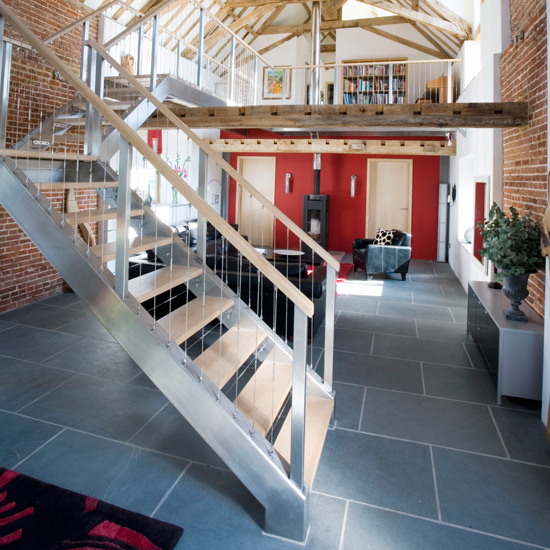
7 wow factor staircases

Stair Base Rails

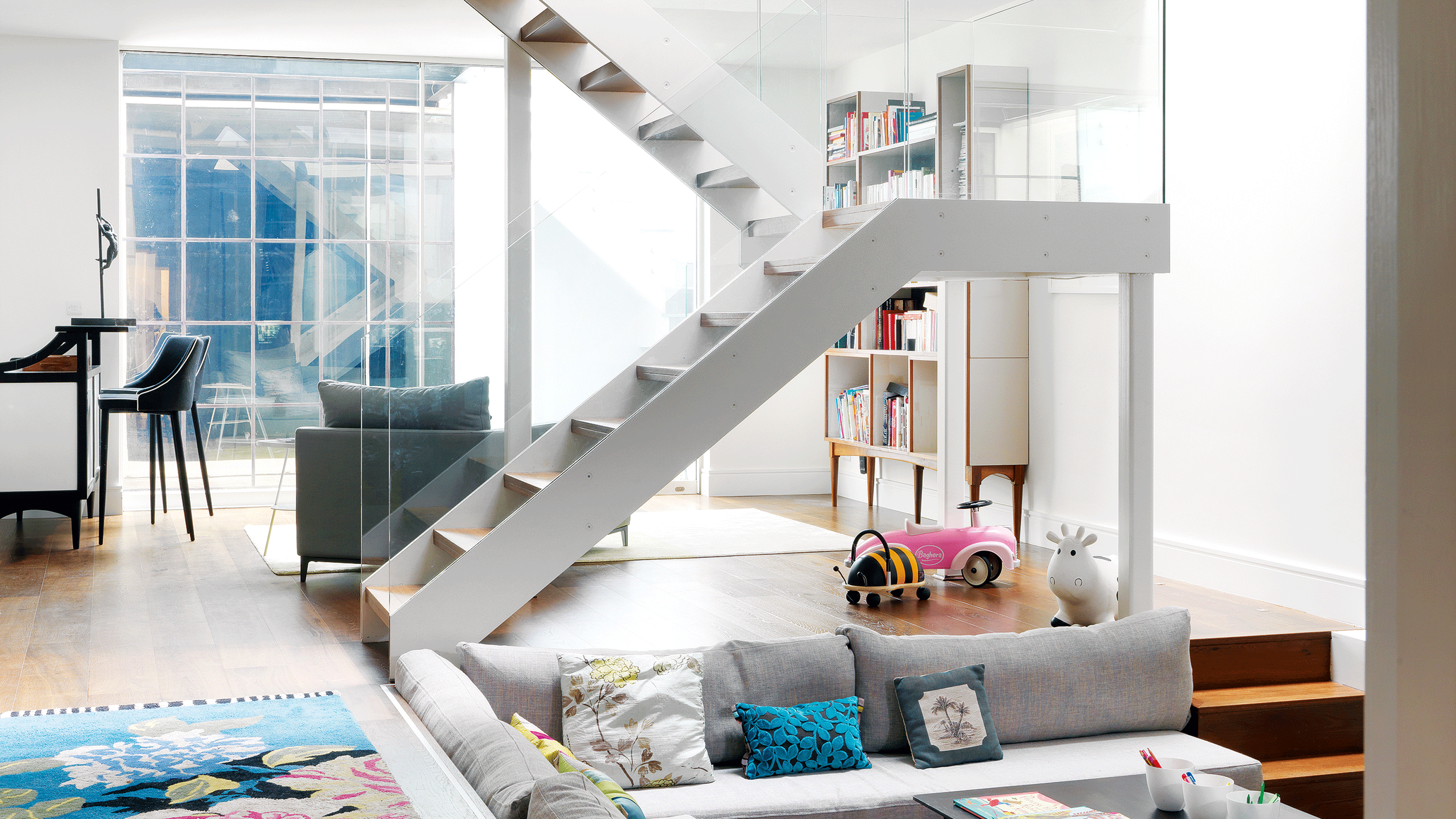
Open stair ideas - 10 ways to take your staircase to the next level
A Modern Stairway That Brings Homes to the Next Level

In Praise of Stairs

Walk on by: flooring focus
An Oft-Overlooked Staircase Project Is Gaining Traction With Remodelers

Stairs well done

Special feature: stairs you can sit on
Step Up Your Staircase With These Decorating Ideas

35 Swoon-Worthy Staircases That Are a Step Above the Rest
Let the Staircase Set the Stage for Style
An Oft-Overlooked Staircase Project Is Gaining Traction With Remodelers

Taking the floor
Ask Veronica: Why decorate with a stair runner?