1/9
What should I avoid in a small bathroom? 8 mistakes that are ruining your space – and how to fix them
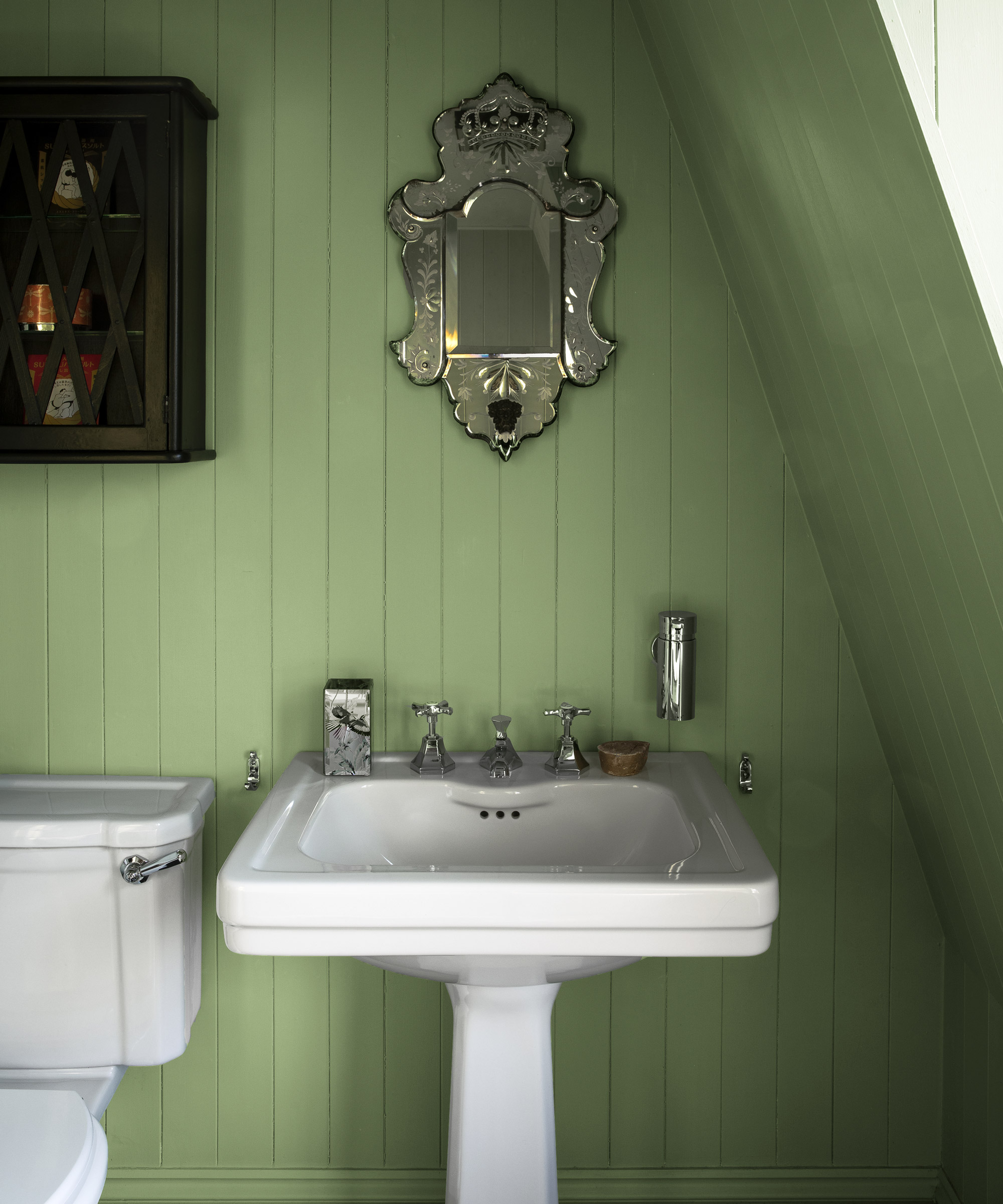
This article discusses common mistakes made when decorating or remodeling small bathrooms and provides expert advice on how to avoid them, focusing on design strategies to create the illusion of a larger, more functional, and luxurious space. It emphasizes that while some design errors can be easily overlooked, those in small bathrooms can be highly impractical, costly, and disruptive to rectify, highlighting the importance of meticulous planning in such compact areas.
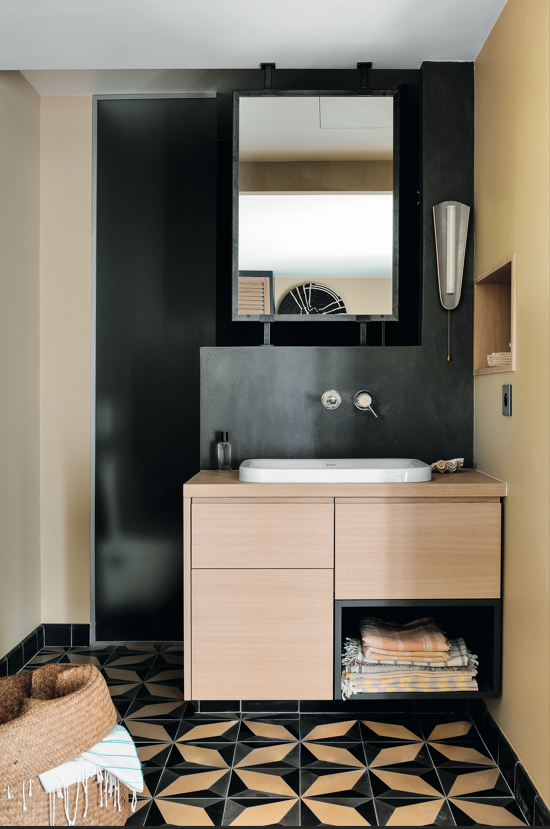
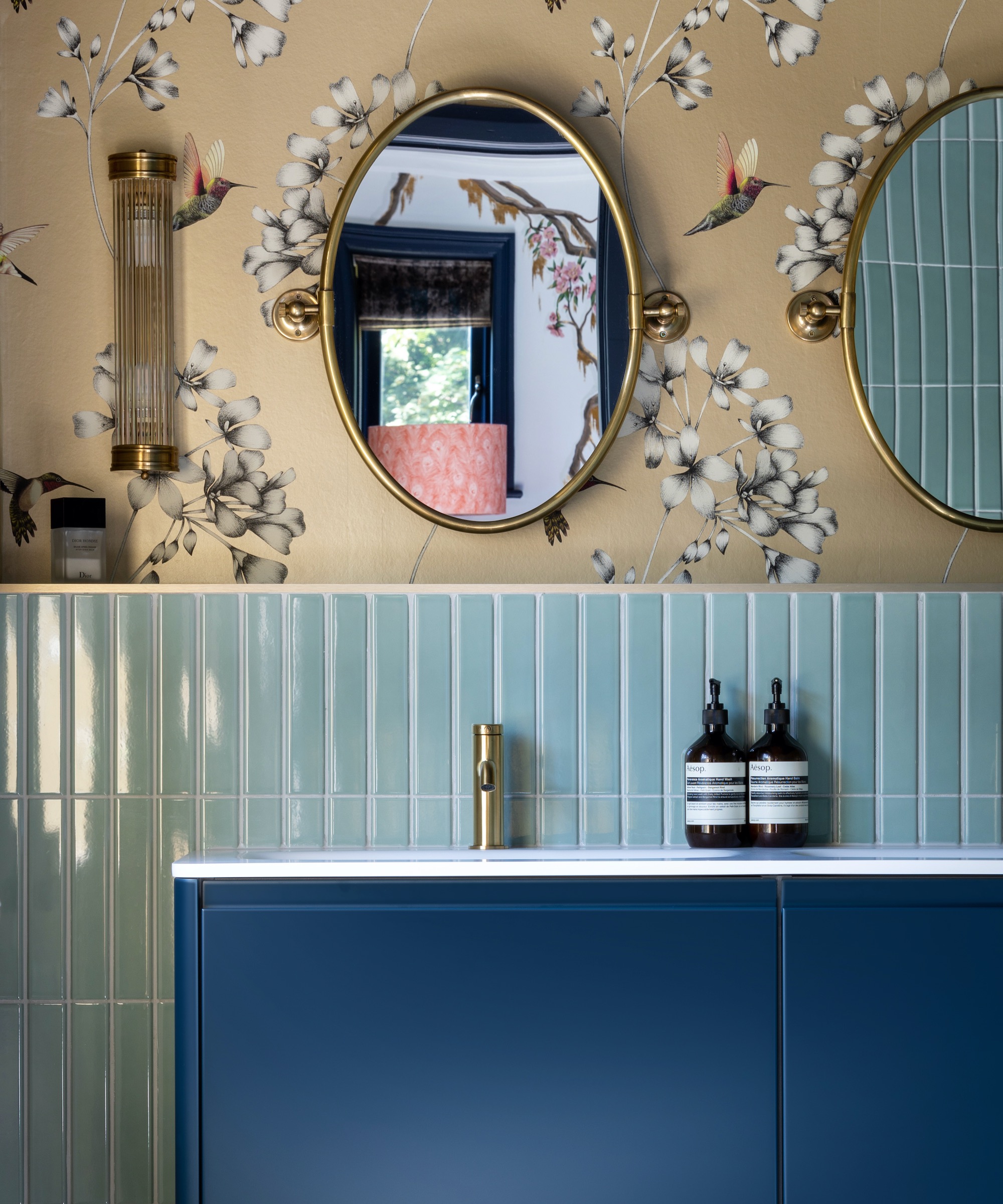
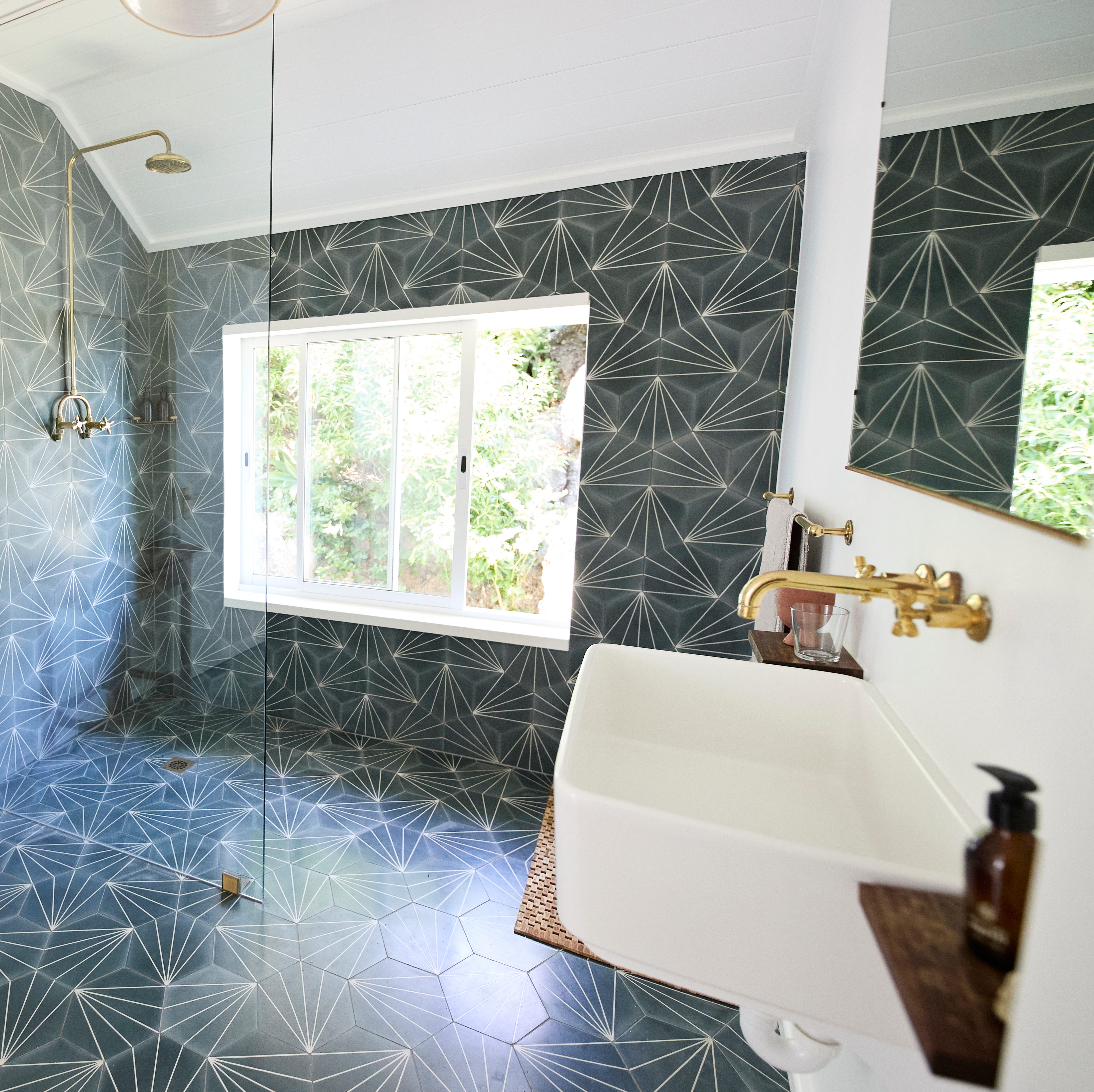
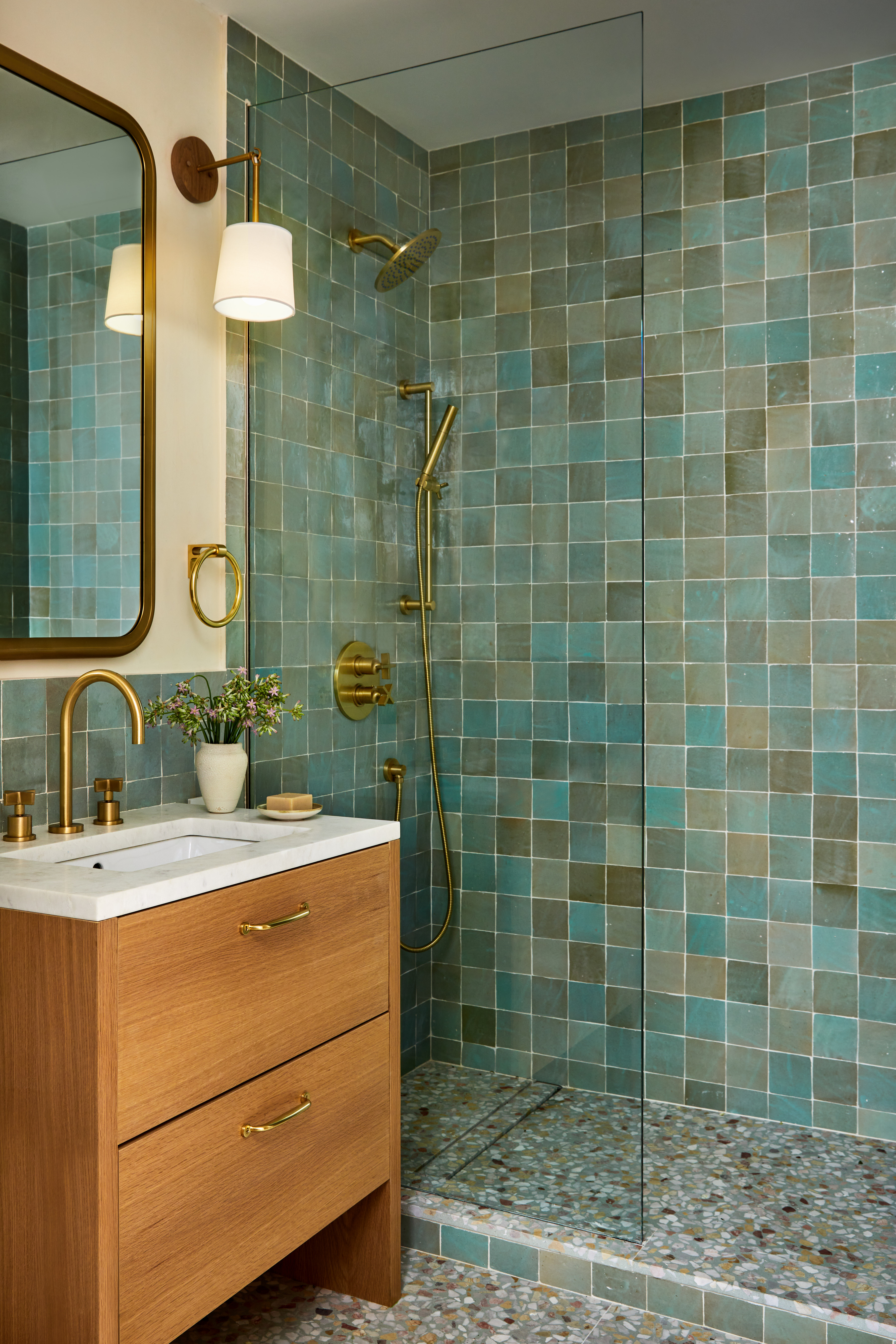
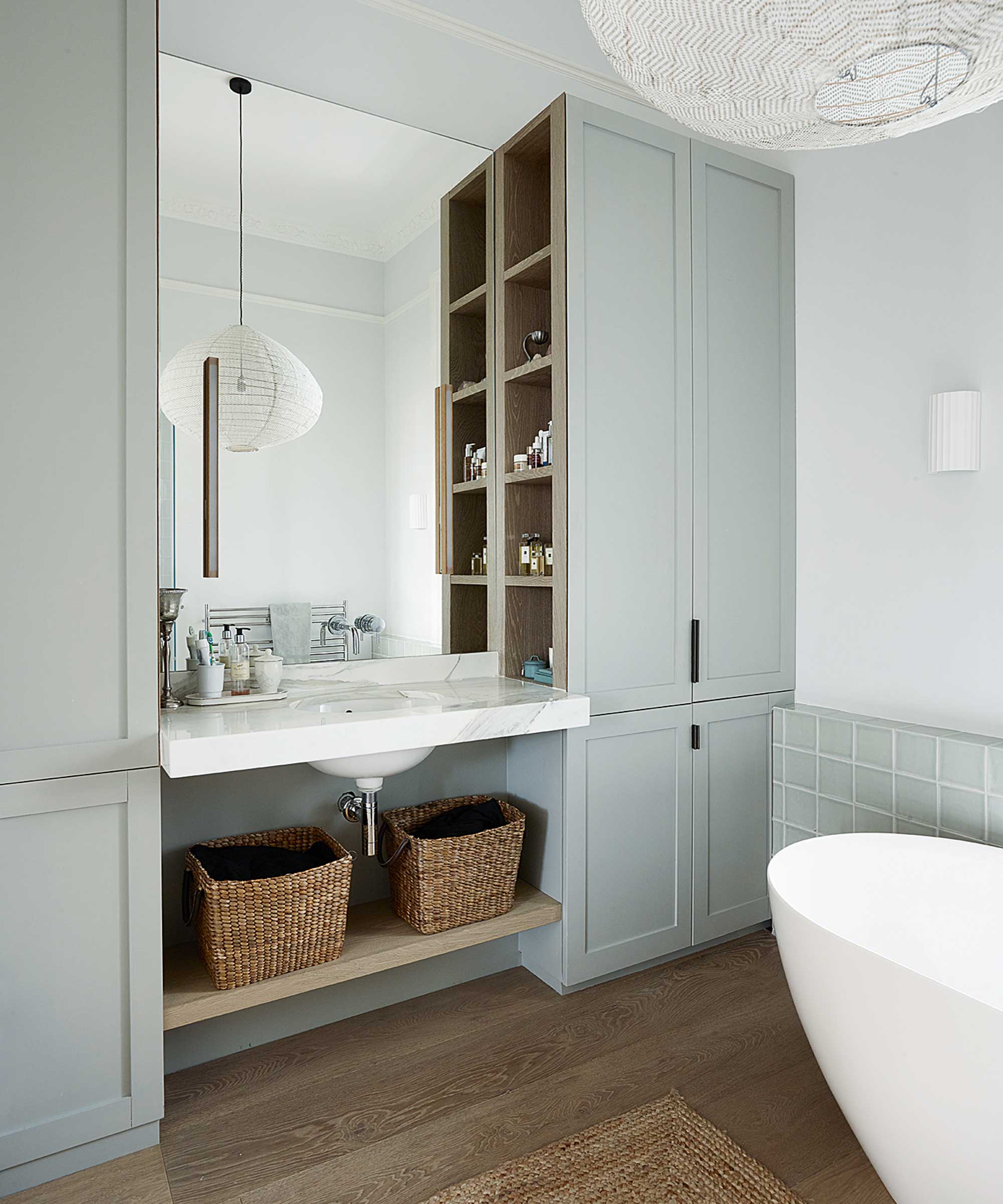
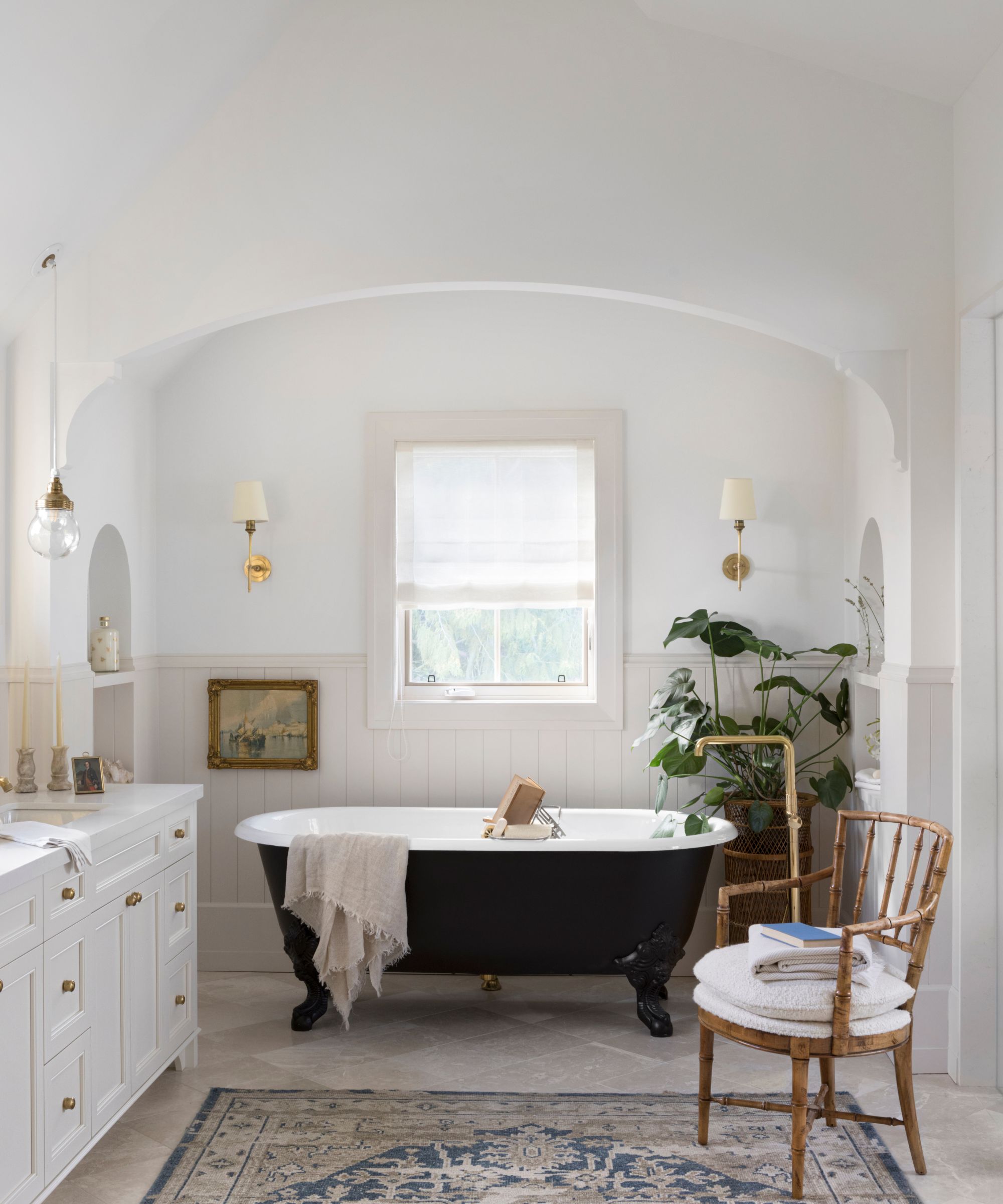
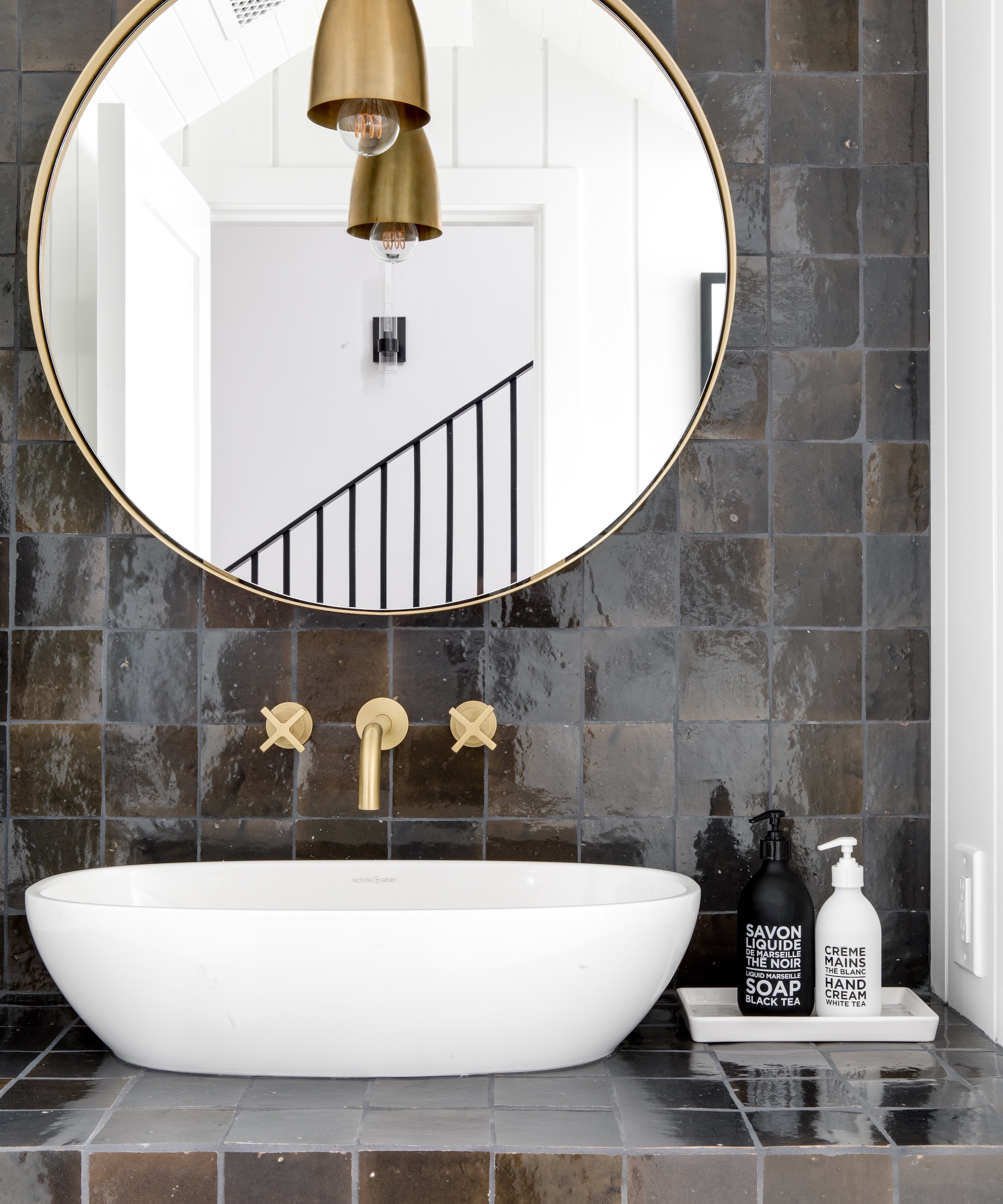
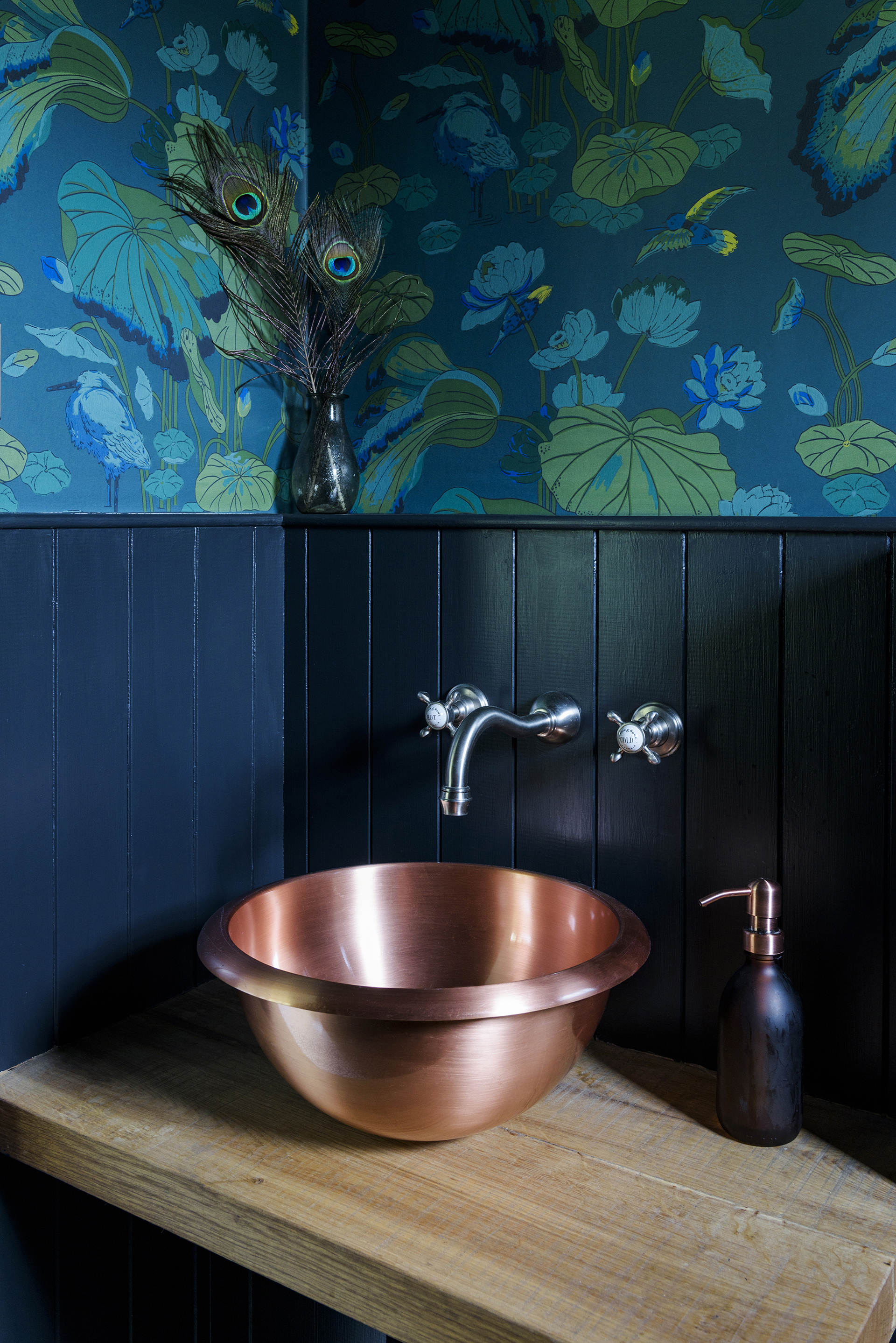
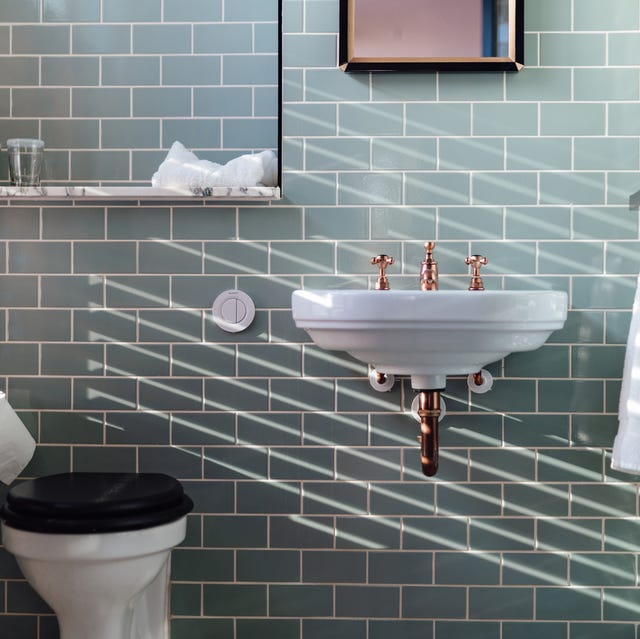
The first mistake identified is not carefully considering tile finishes. The article recommends using glazed tiles, as their reflective quality allows light to bounce around, making the room appear brighter and more spacious. It cites an example where jewel-toned tiles and geometric floor tiles maximize light and enhance brightness in a small shower room. The second point is neglecting to maximize vertical space. If a bathroom has high ceilings, the advice is to draw the eye upwards, for instance, by using wallcoverings that gradually disperse as they go down the paper, creating a sense of height and expanded space. This approach helps to celebrate the room's height rather than emphasizing its limited floor area.
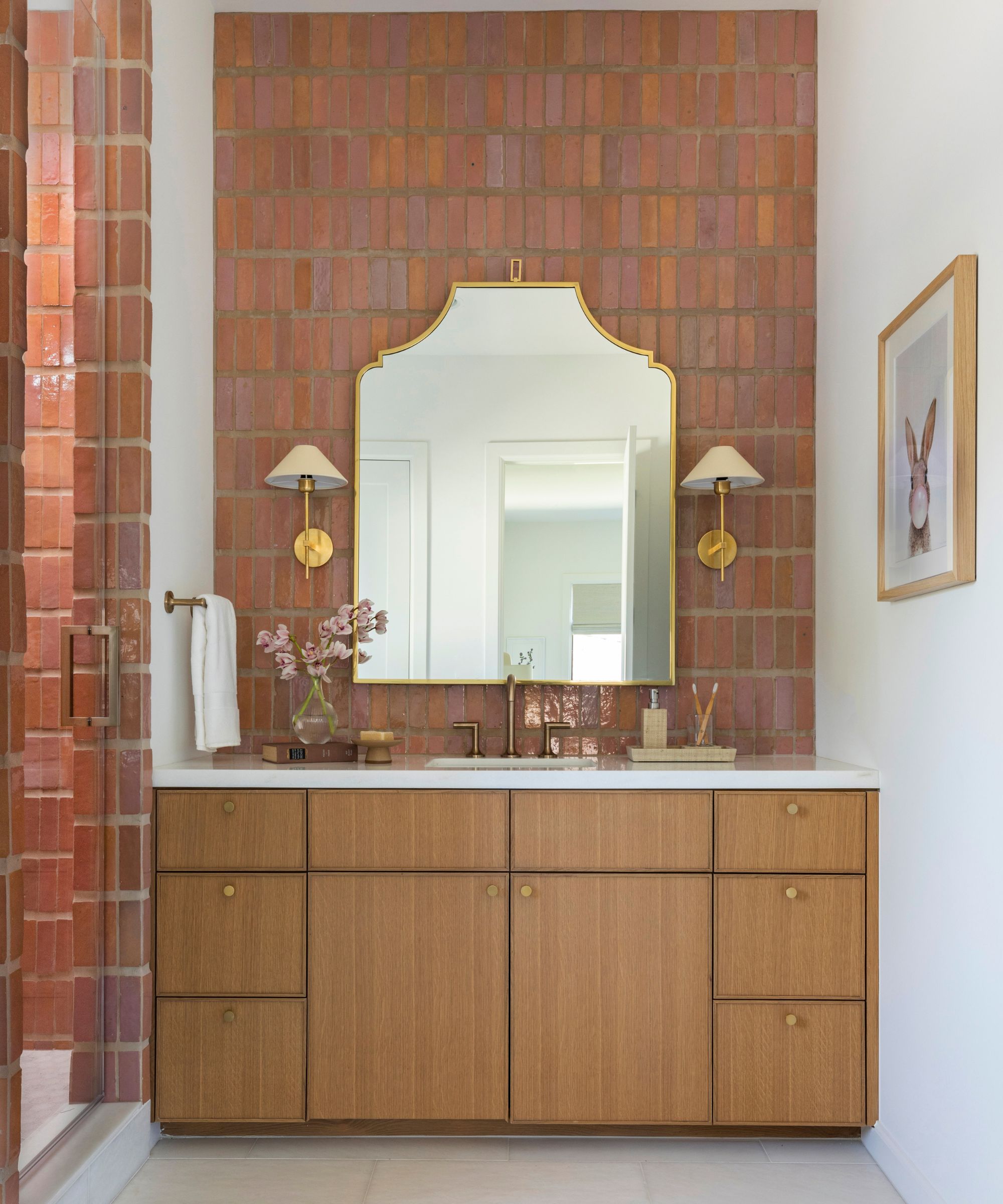
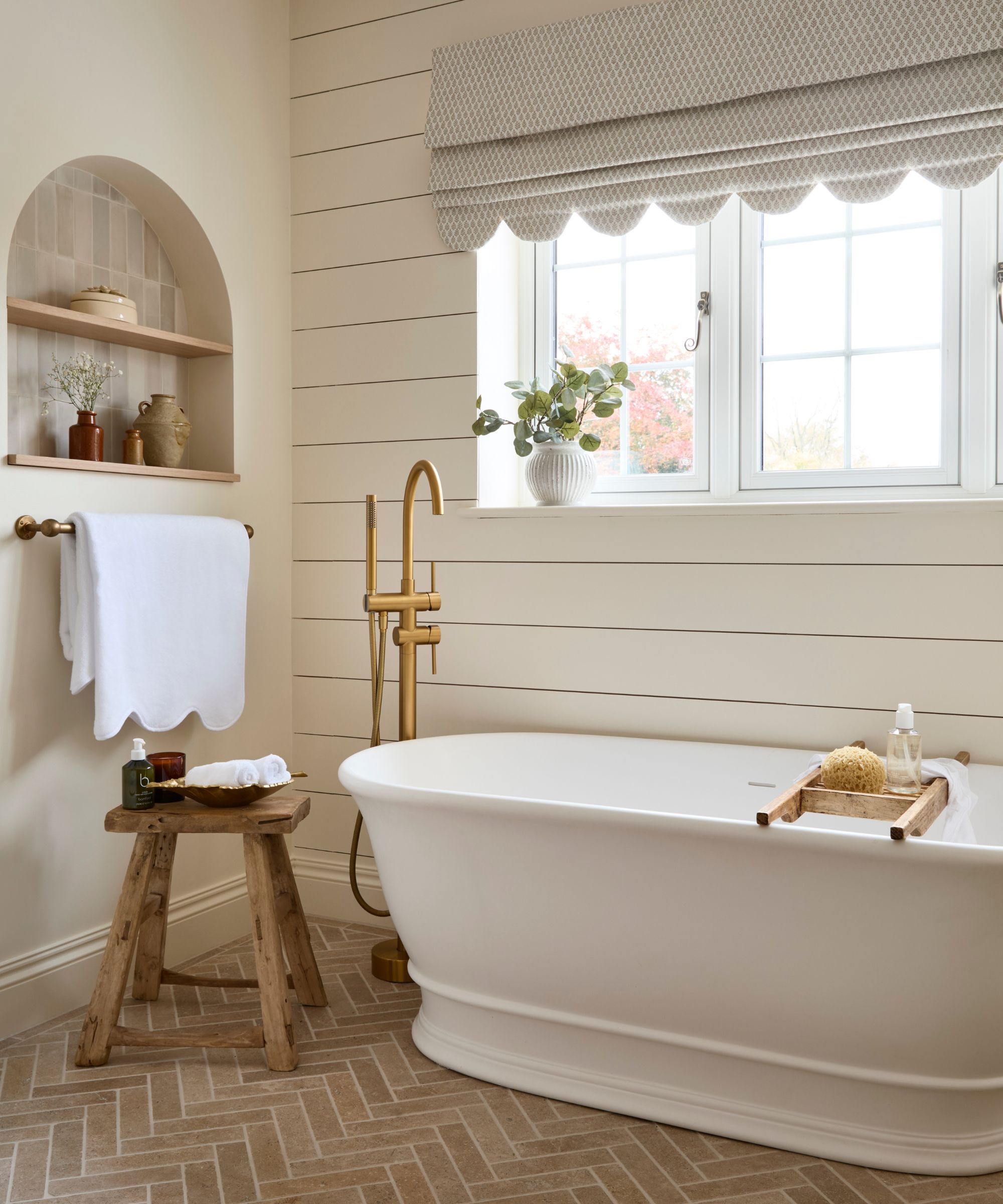
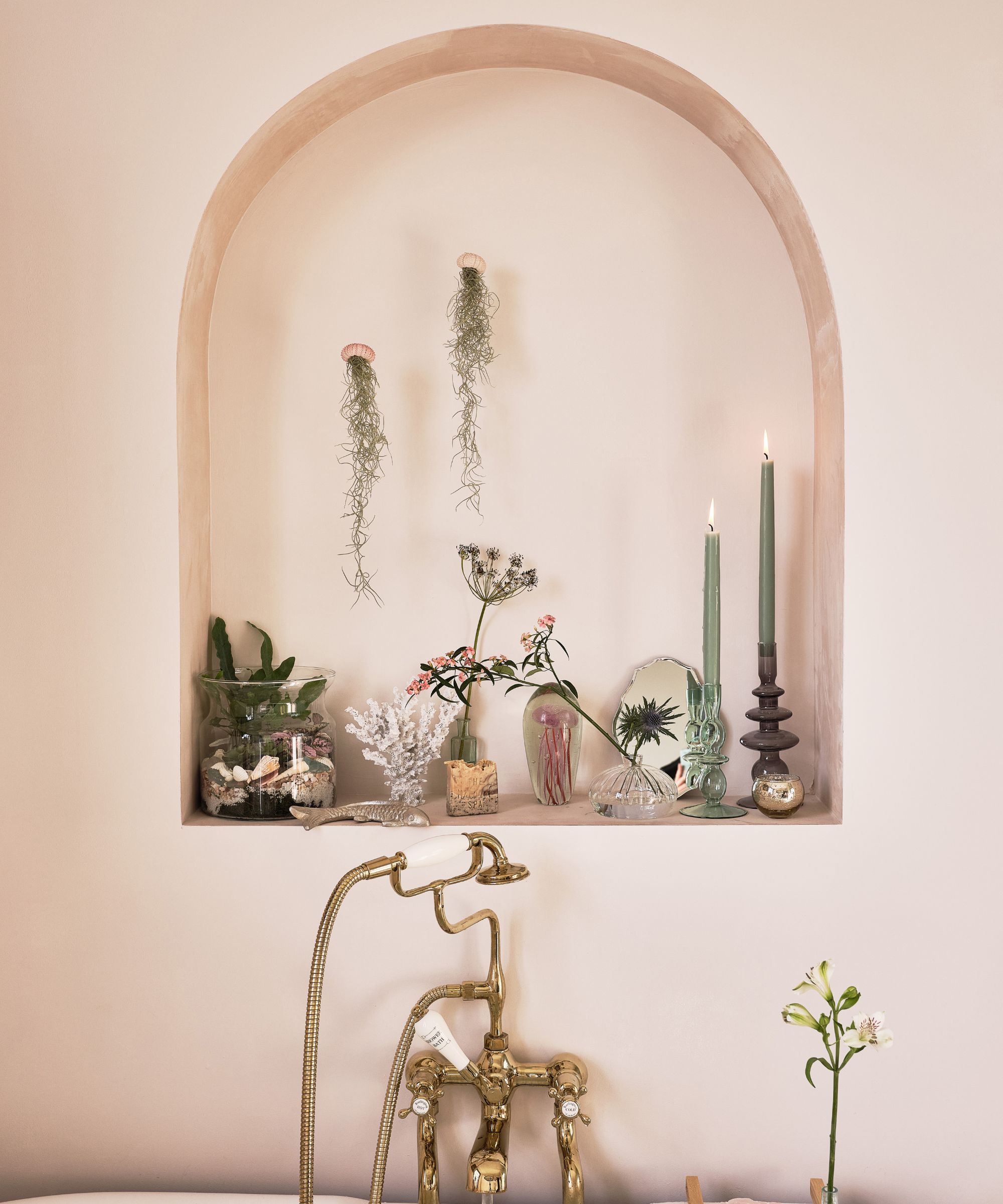
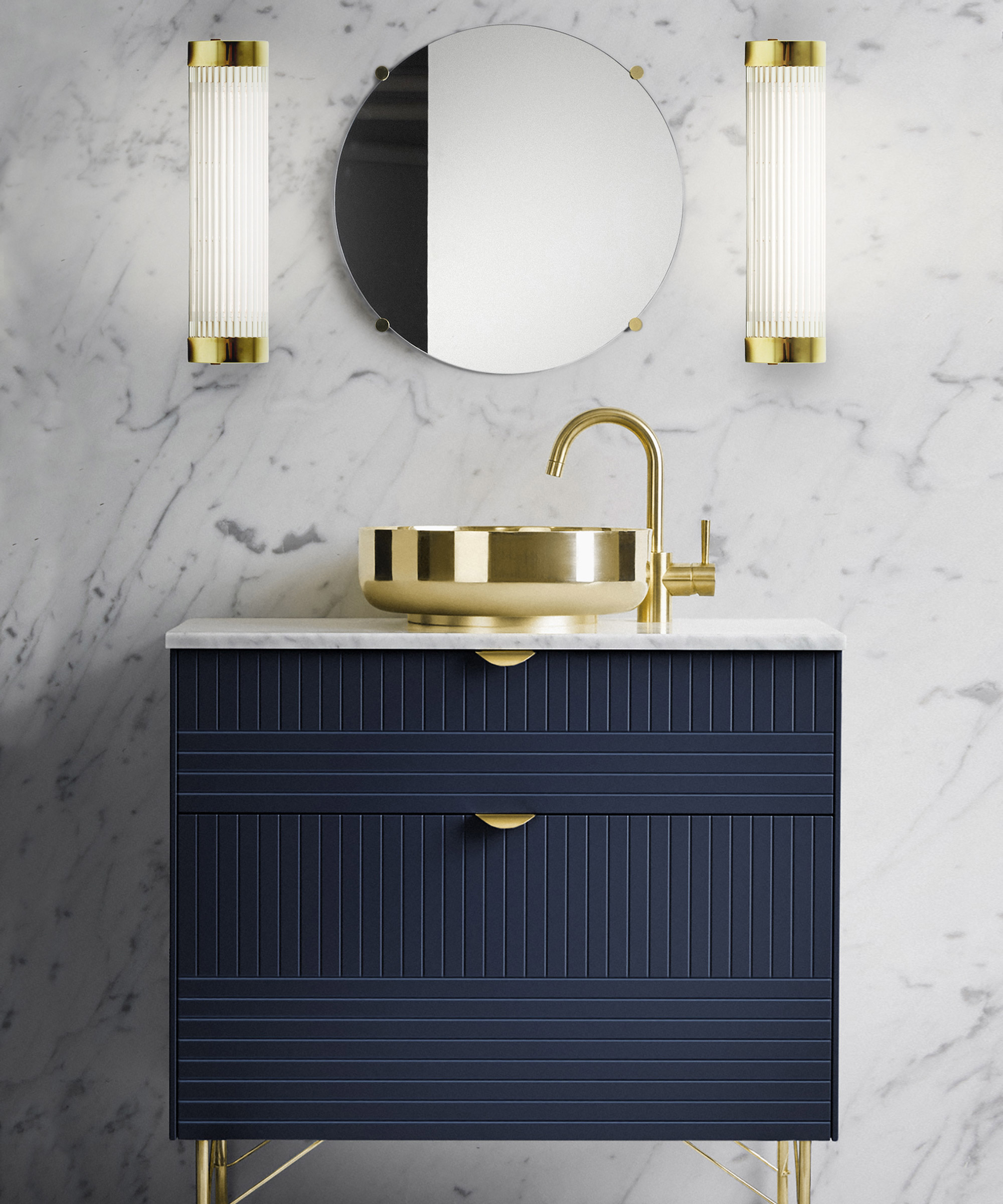
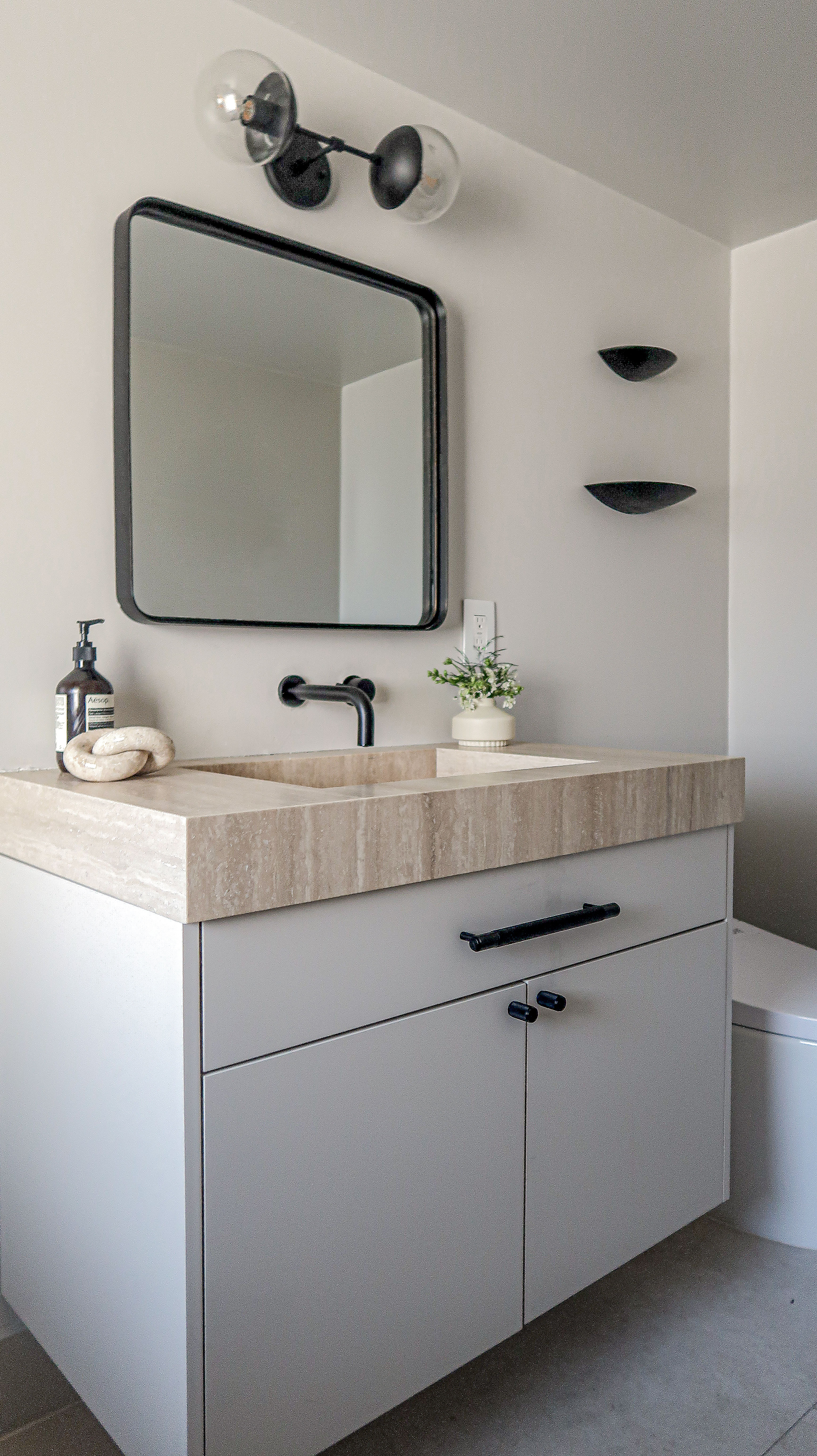
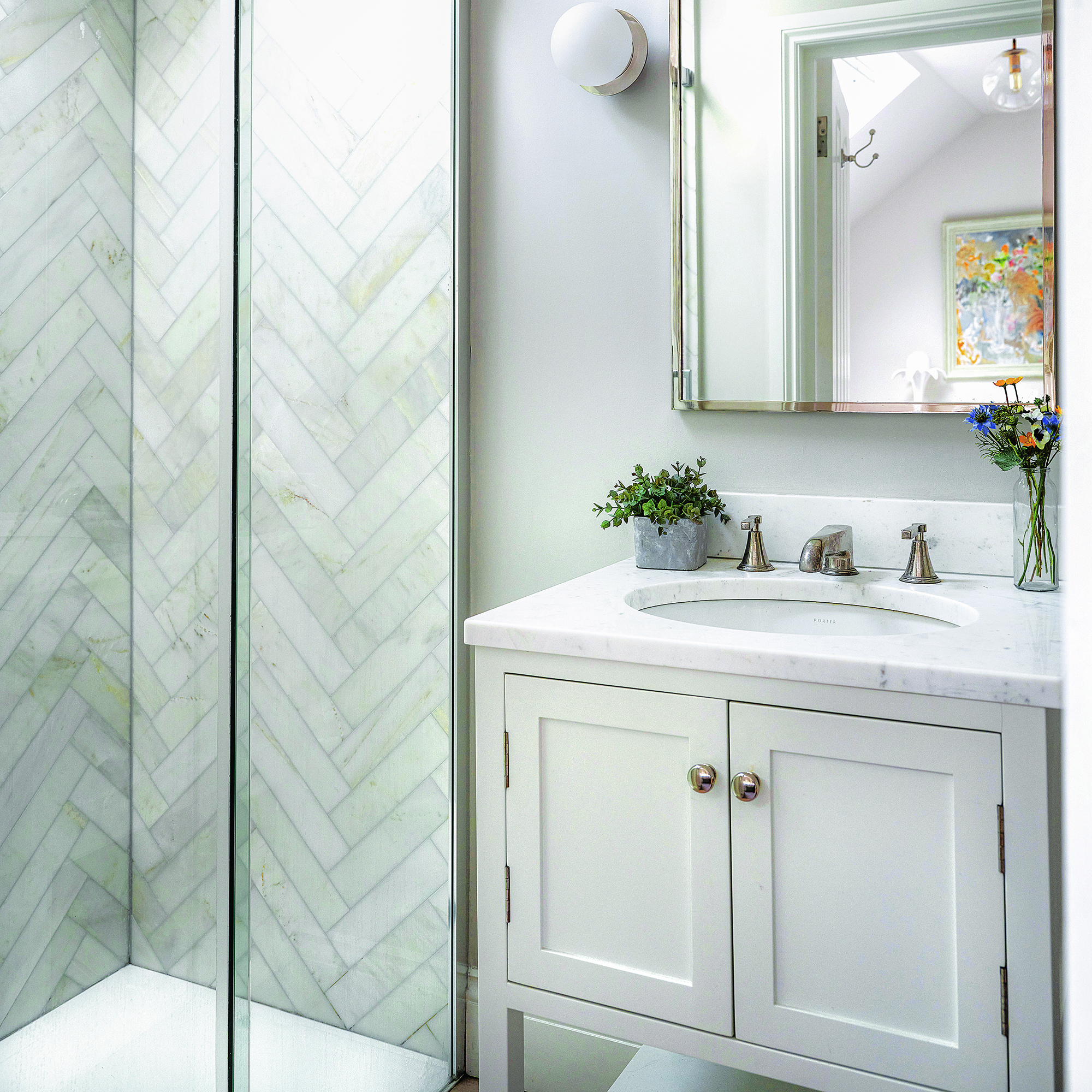
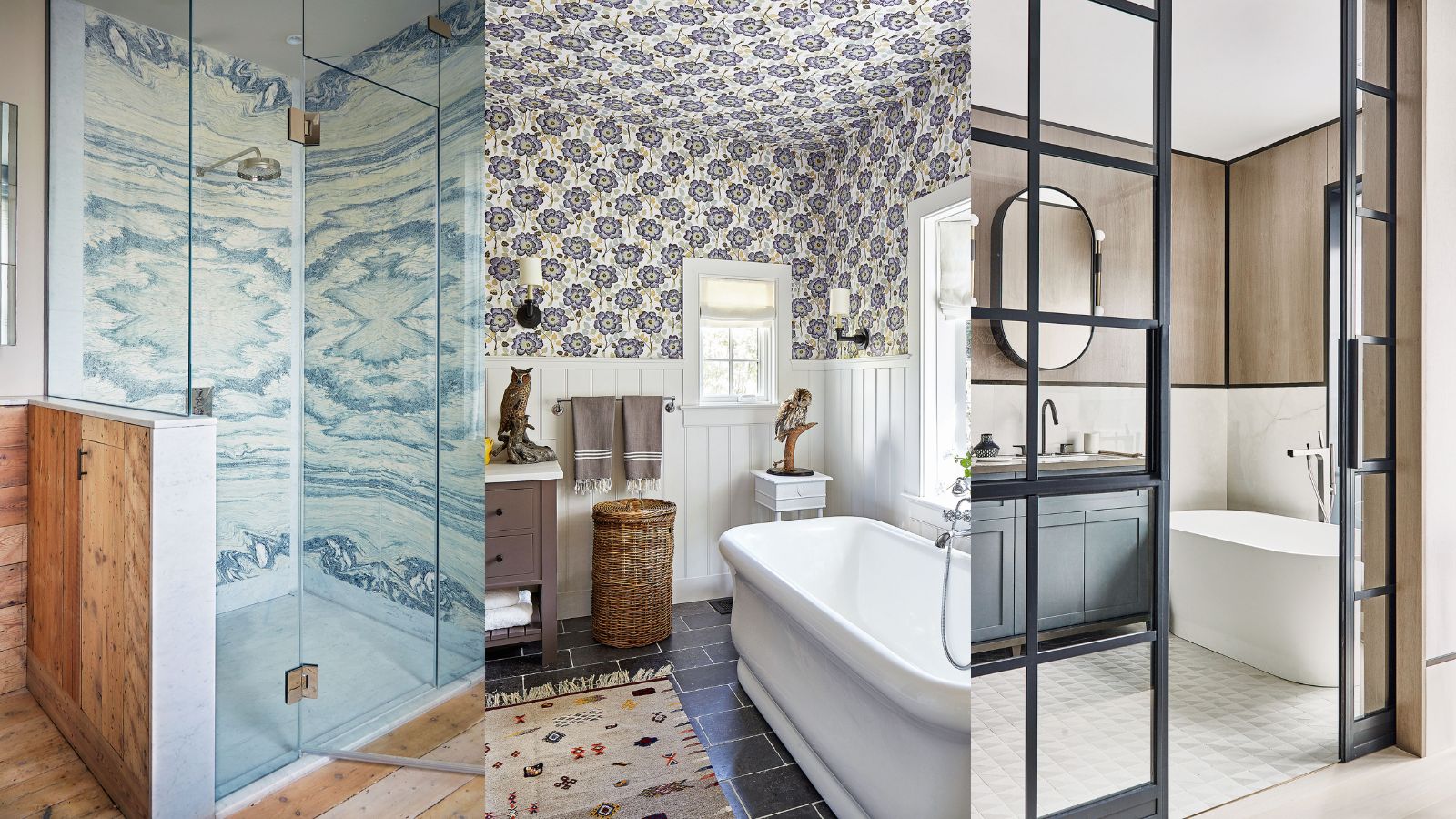
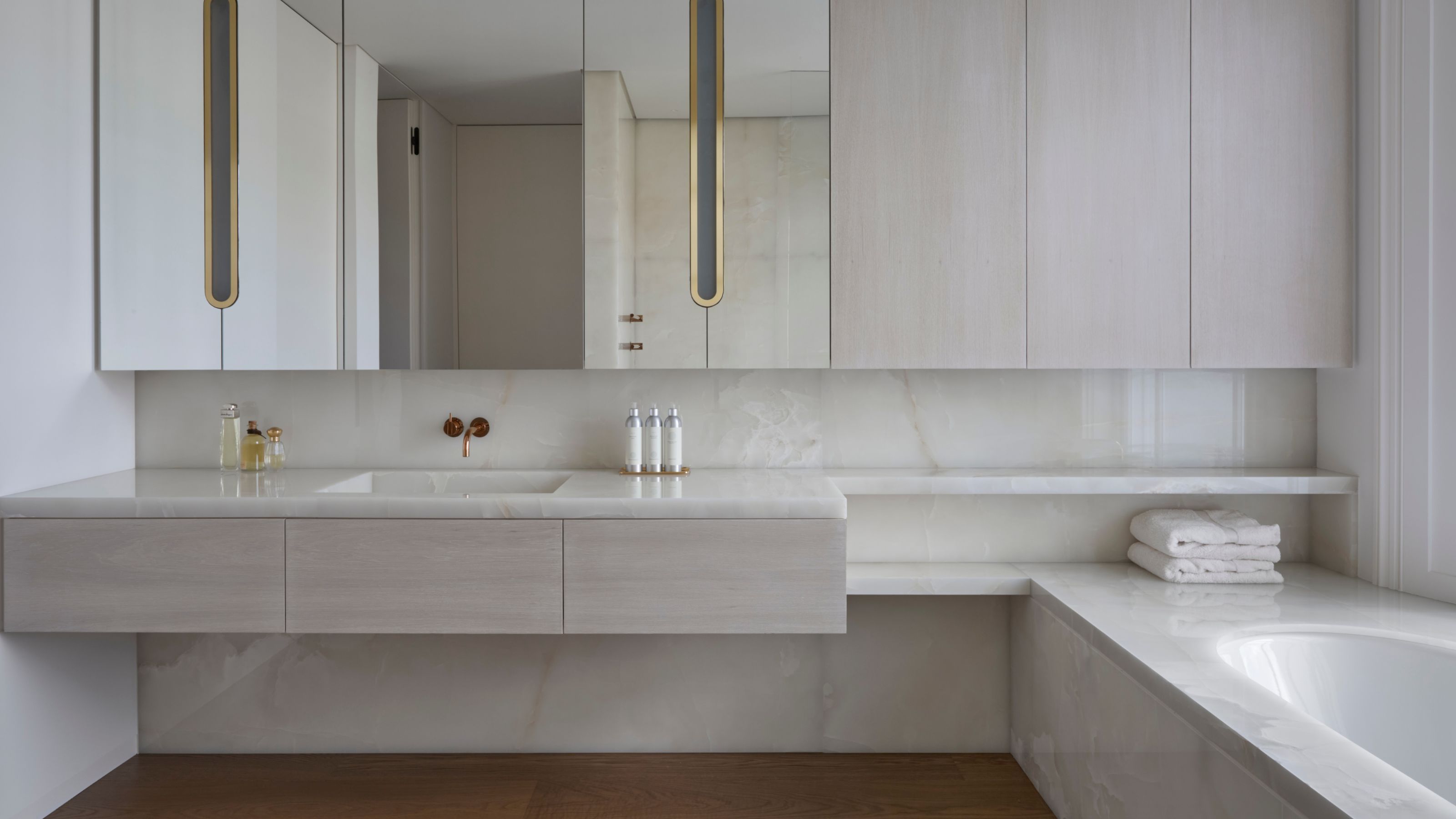
Third, the article cautions against forgoing definition and textural elements. It notes that while smooth, ultra-practical surfaces have been traditional in bathrooms, incorporating tactile finishes and thoughtful structural elements, such as a floating shelf clad in the same tiles as the walls, can add visual interest and definition without overwhelming a small space. The fourth mistake is skimping on statement materials. The article suggests that well-chosen luxury materials for floors, walls, or backsplashes, like book-matched marble, can provide a luxurious look and significantly enhance the perception of space by drawing the eye upwards when used from floor to ceiling without visible junction lines.
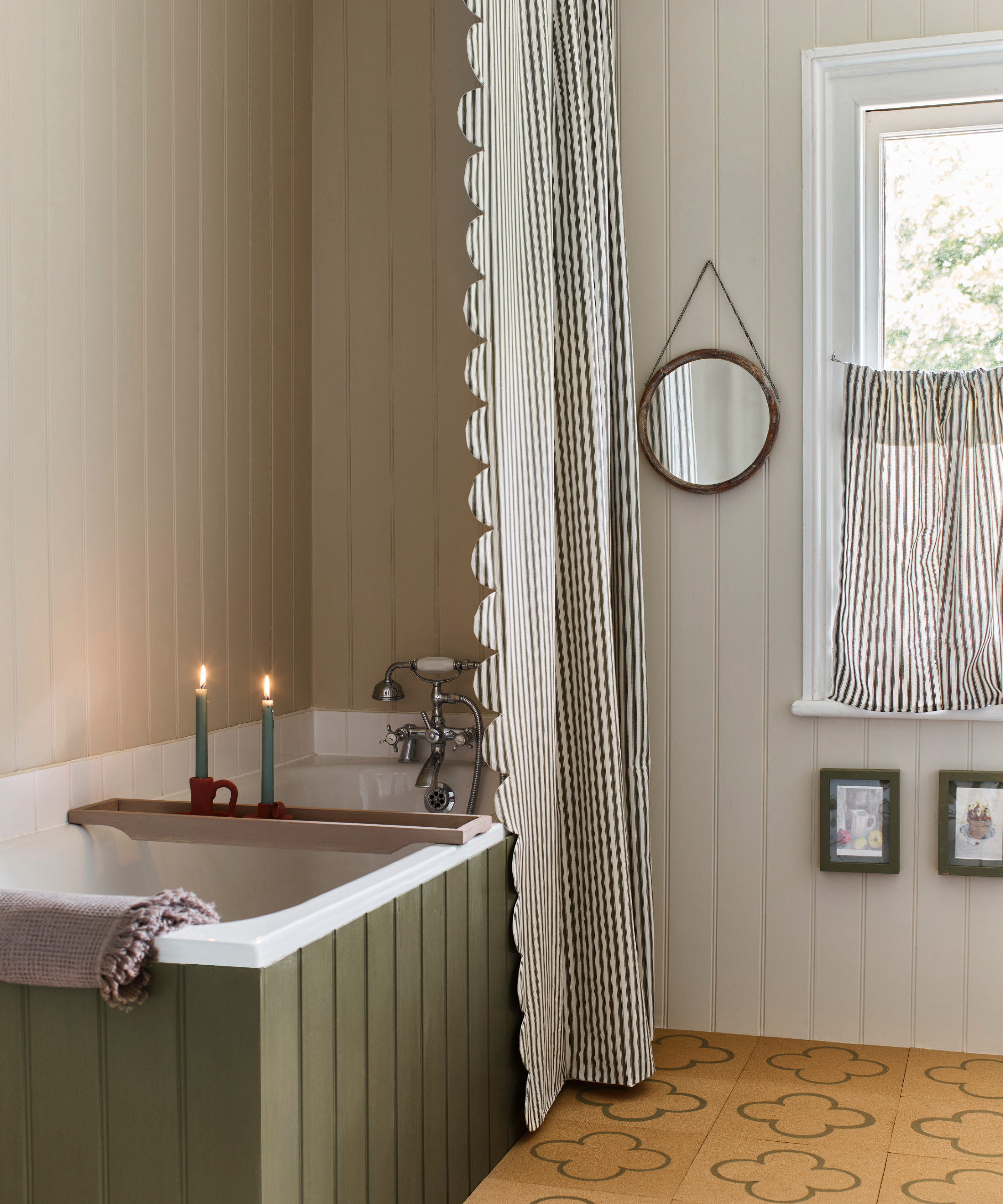
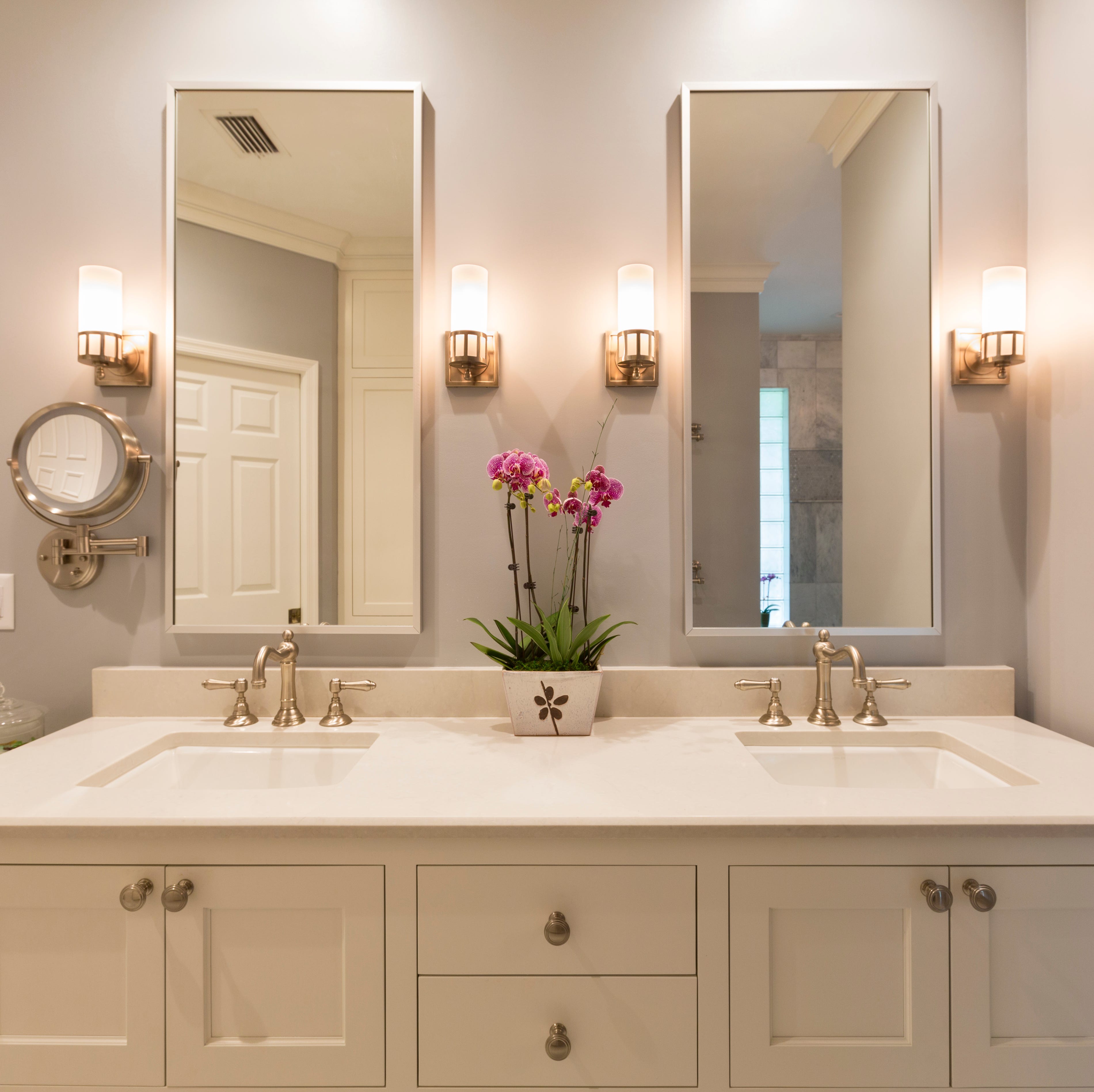
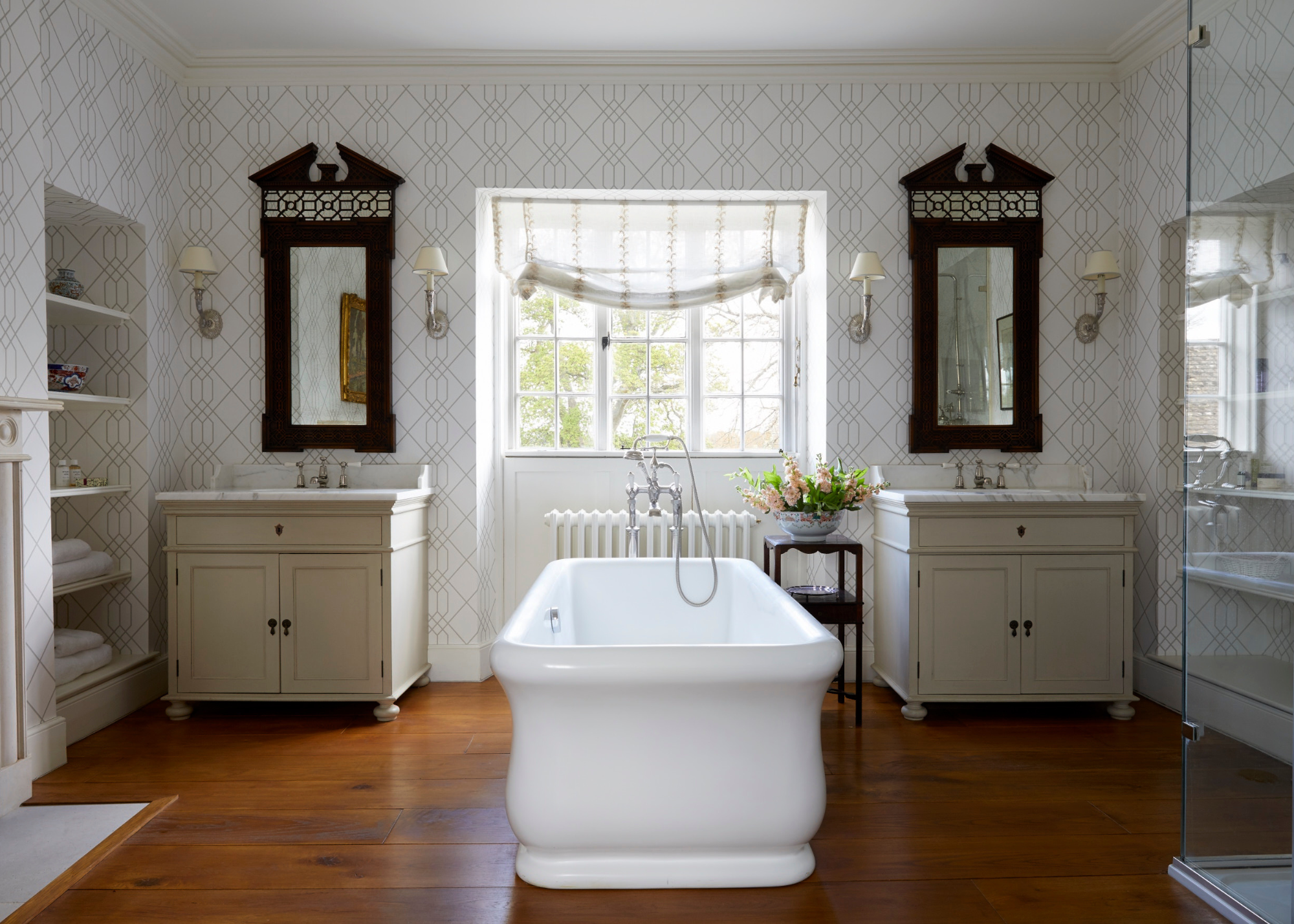
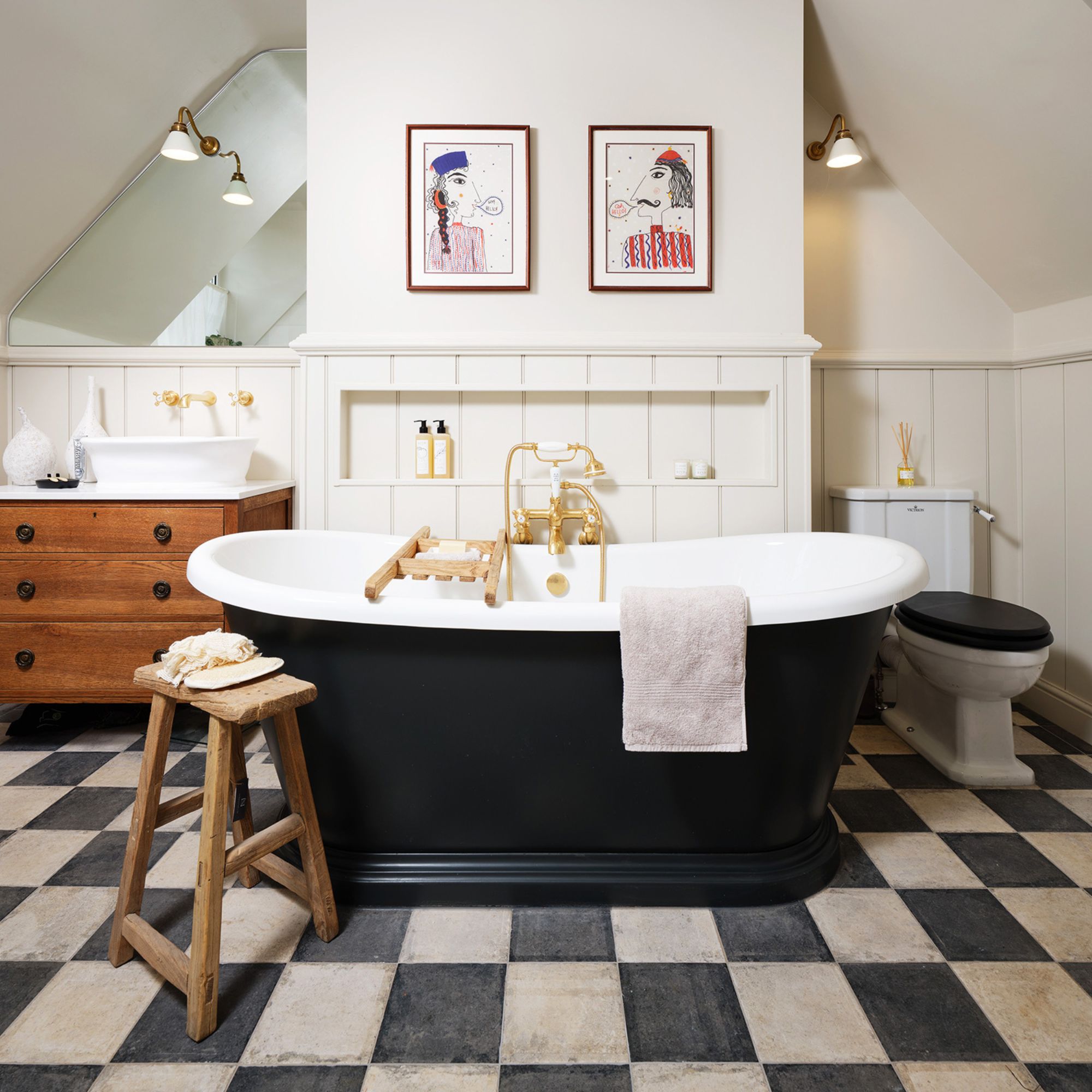
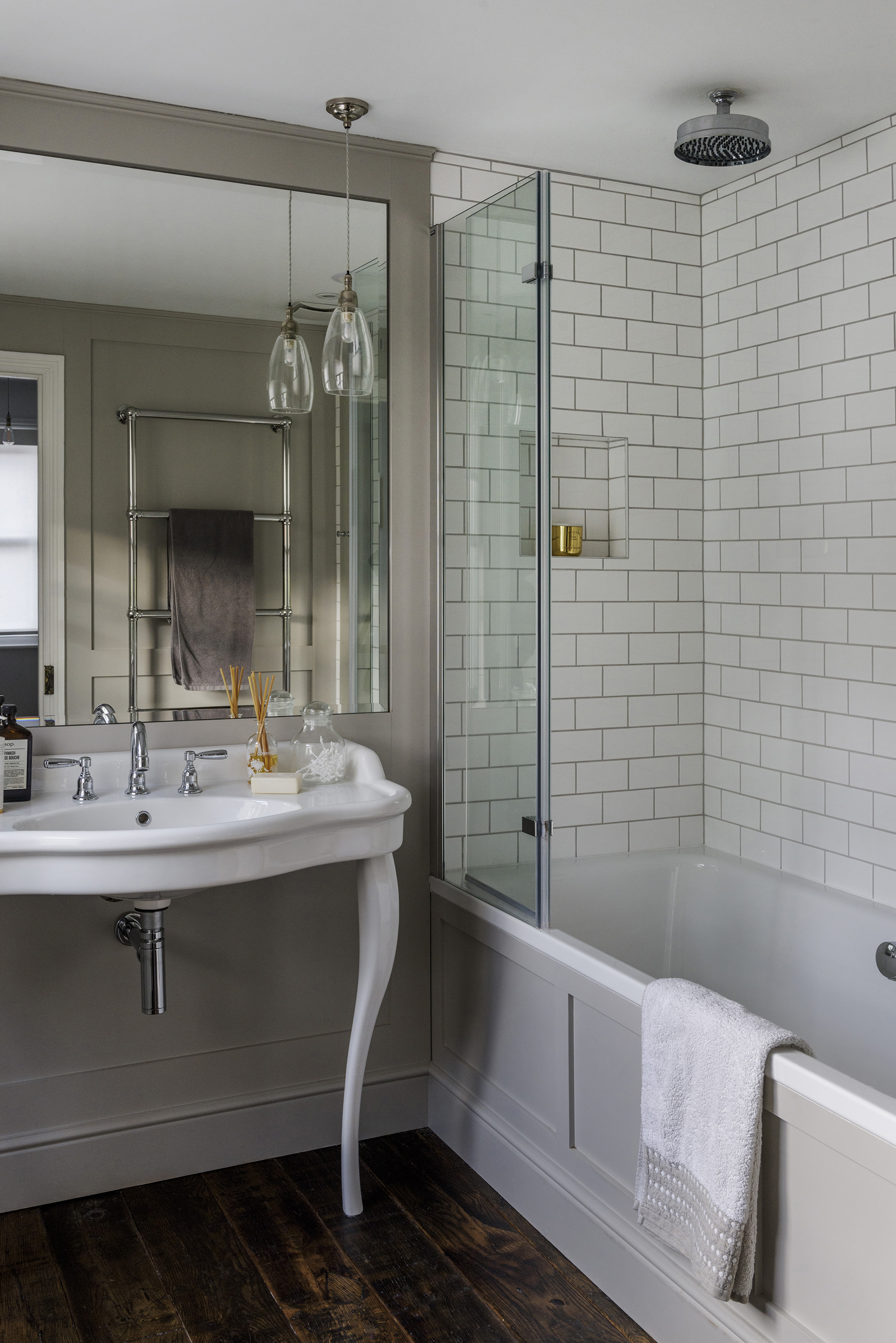
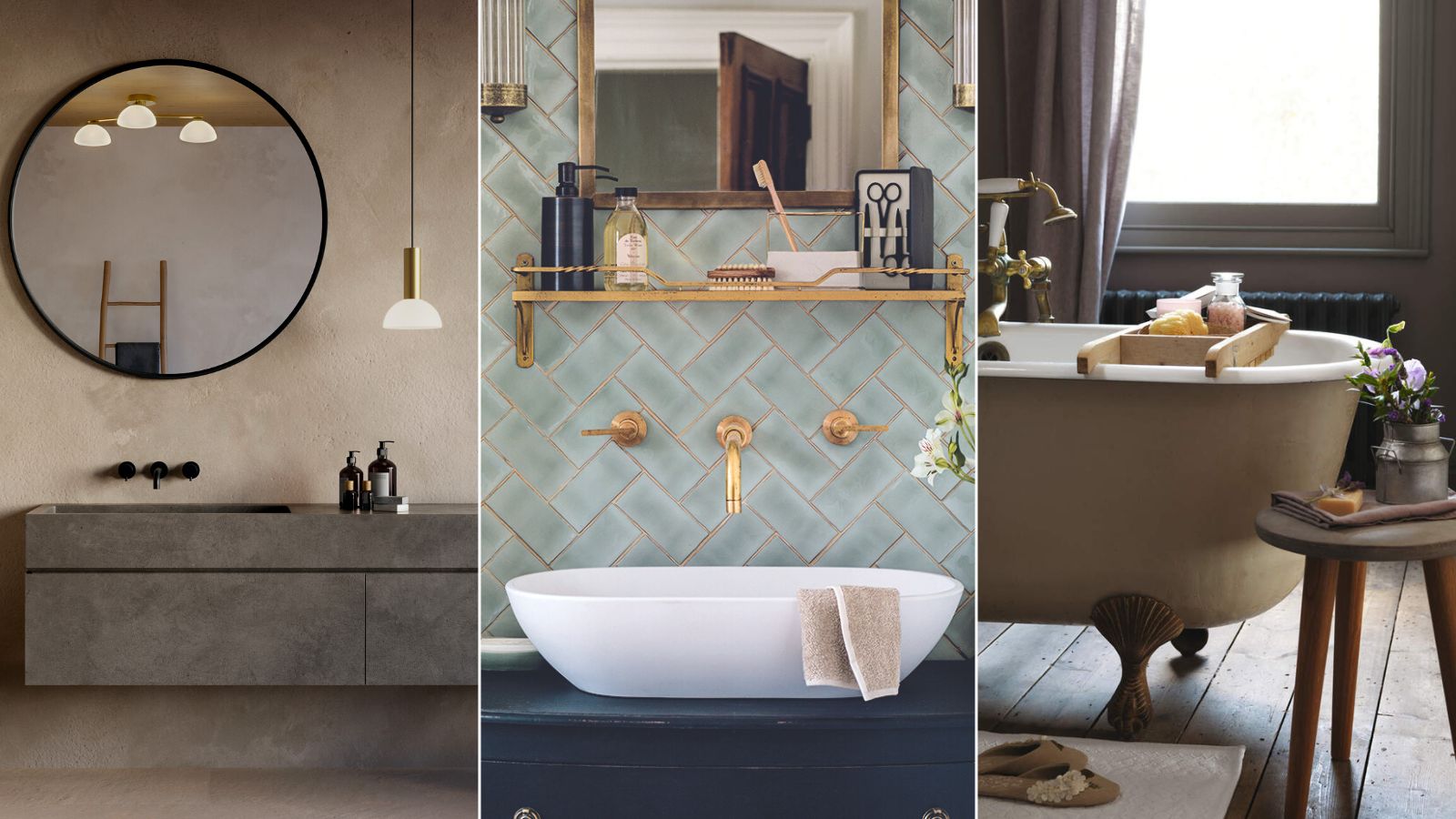
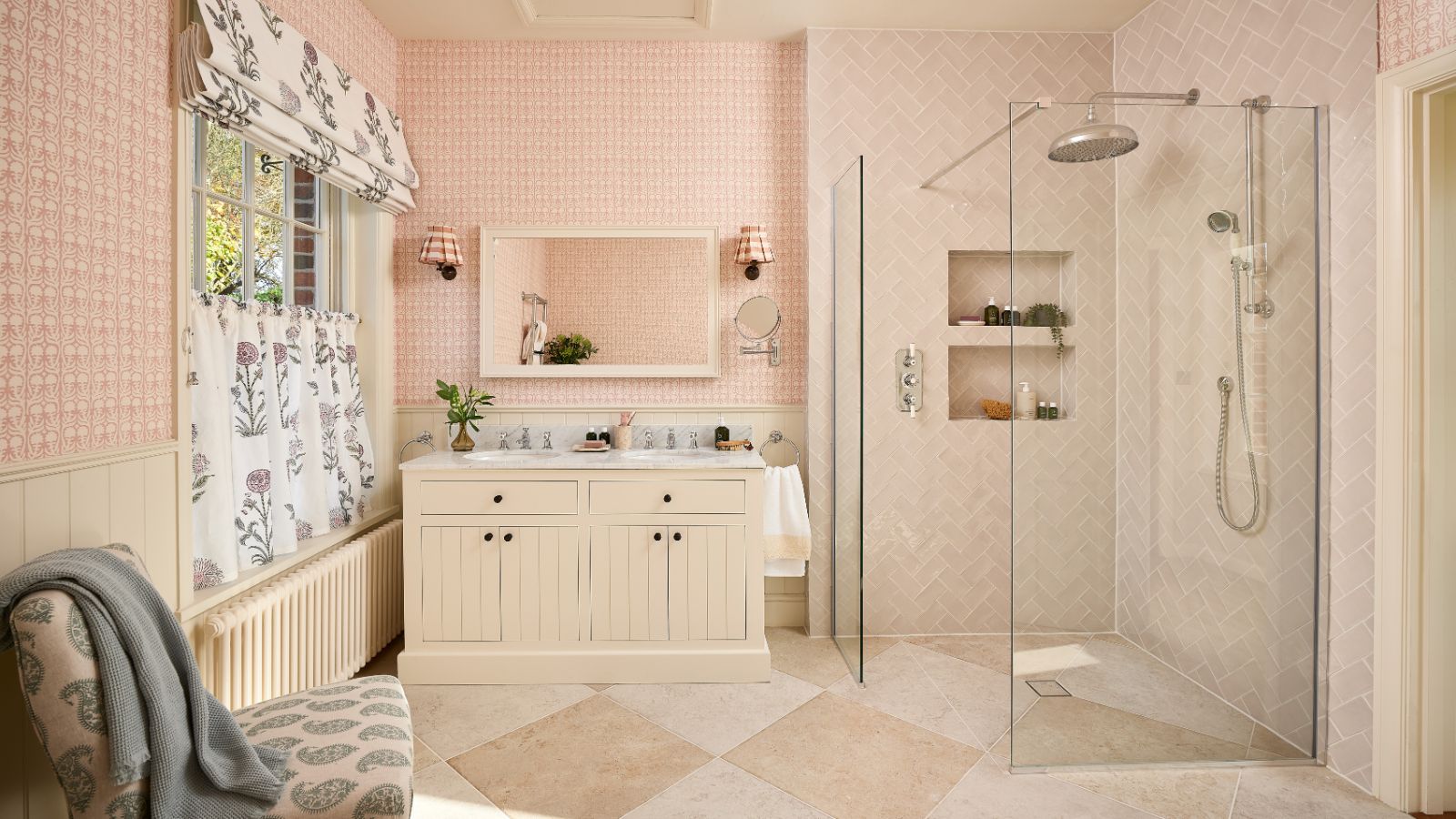
Another common error is believing that patterns are unsuitable for small bathrooms. The article argues that small bathrooms offer a great opportunity for decorative expression, and introducing playful, bold patterns can create visual impact and camouflage the room's smaller footprint. Using the same pattern consistently across different surfaces, like the floor and part of the walls, can make the space appear more open by blurring distinctions. The sixth mistake is not maximizing space with strategically placed mirrors. A full-width mirror, especially when positioned opposite another mirror, can create an illusion of endless space, effectively doubling the perceived size of the room and reflecting light.
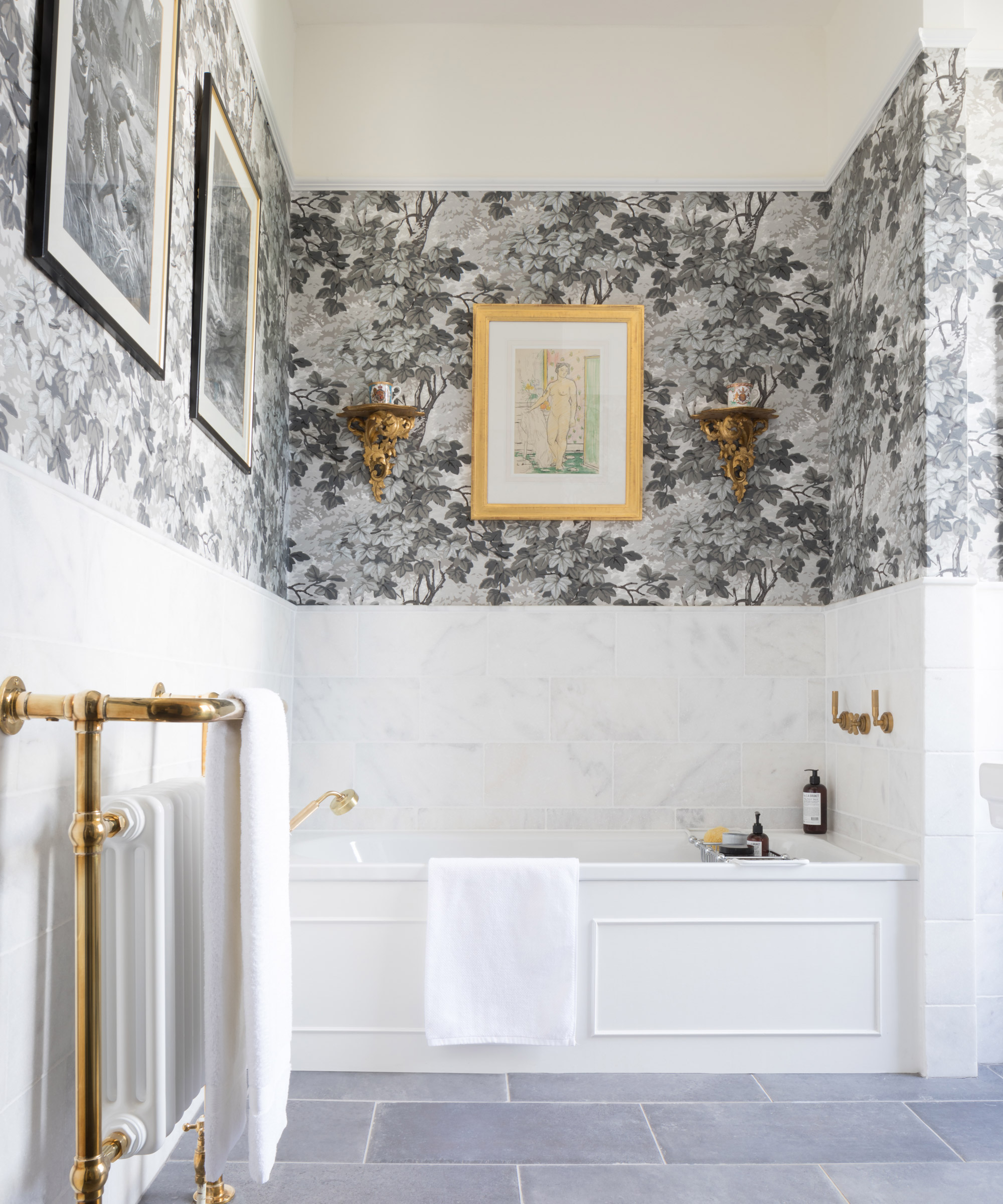
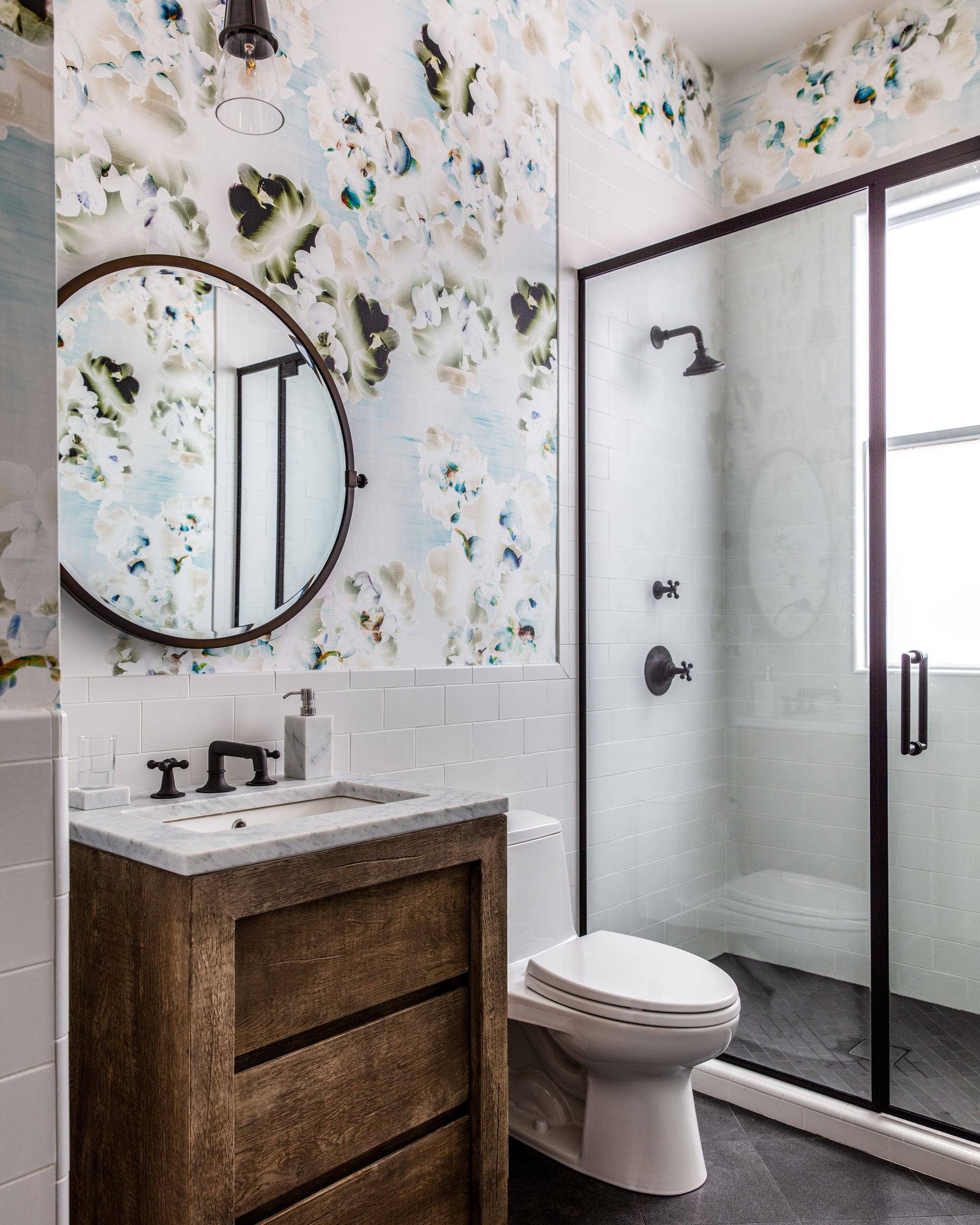
Seventh, the article highlights the oversight of ignoring the ceiling as a design element. Utilizing wallpaper on the ceiling, particularly designs with light backgrounds, can extend the walls visually and add a cohesive, impactful aesthetic to a small bathroom without making it feel enclosed. The final mistake discussed is sticking to a single color or material type. The article advises that in tight spaces, combining different materials and colors can distract the eye and create a more dynamic and engaging environment. Mixing large marble slabs with bleached walnut veneer, for instance, can make a space feel expansive and add a changing pace with small-scale patterns underfoot, avoiding a monotonous look and feel.
#SmallBathroomDesign #InteriorDesign #BathroomRemodel #TileSelection #SpaceMaximization #MirrorPlacement #CeilingDesign #MaterialMixing #SmallBathroomDesign #InteriorDesign #BathroomRemodel #TileSelection #SpaceMaximization #MirrorPlacement #CeilingDesign #MaterialMixing
0 comment in total
 No comments yet
You may also like
Small bathroom design mistakes that are red-flag worthy, according to the pros

7 small bathroom layout mistakes — designers say to swerve these to "maximize potential"
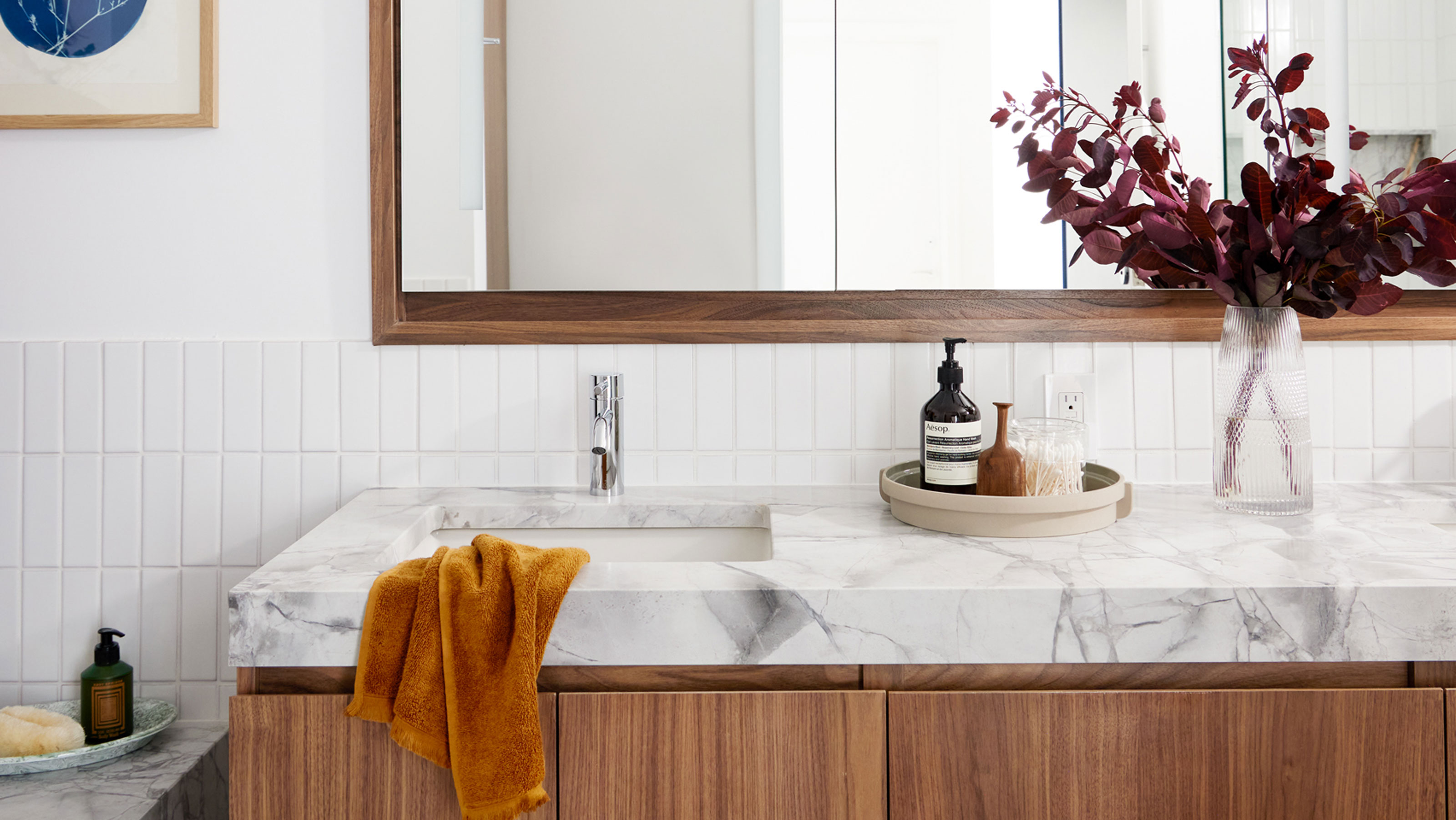
5 "Impractical" Choices to Avoid in a Bathroom — These Make Your Spaces More Difficult to Use

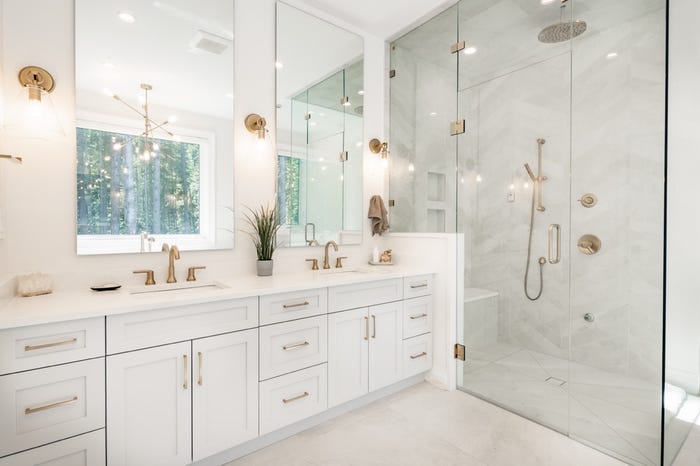
Interior designers share the 9 biggest mistakes people make when decorating and designing a bathroom
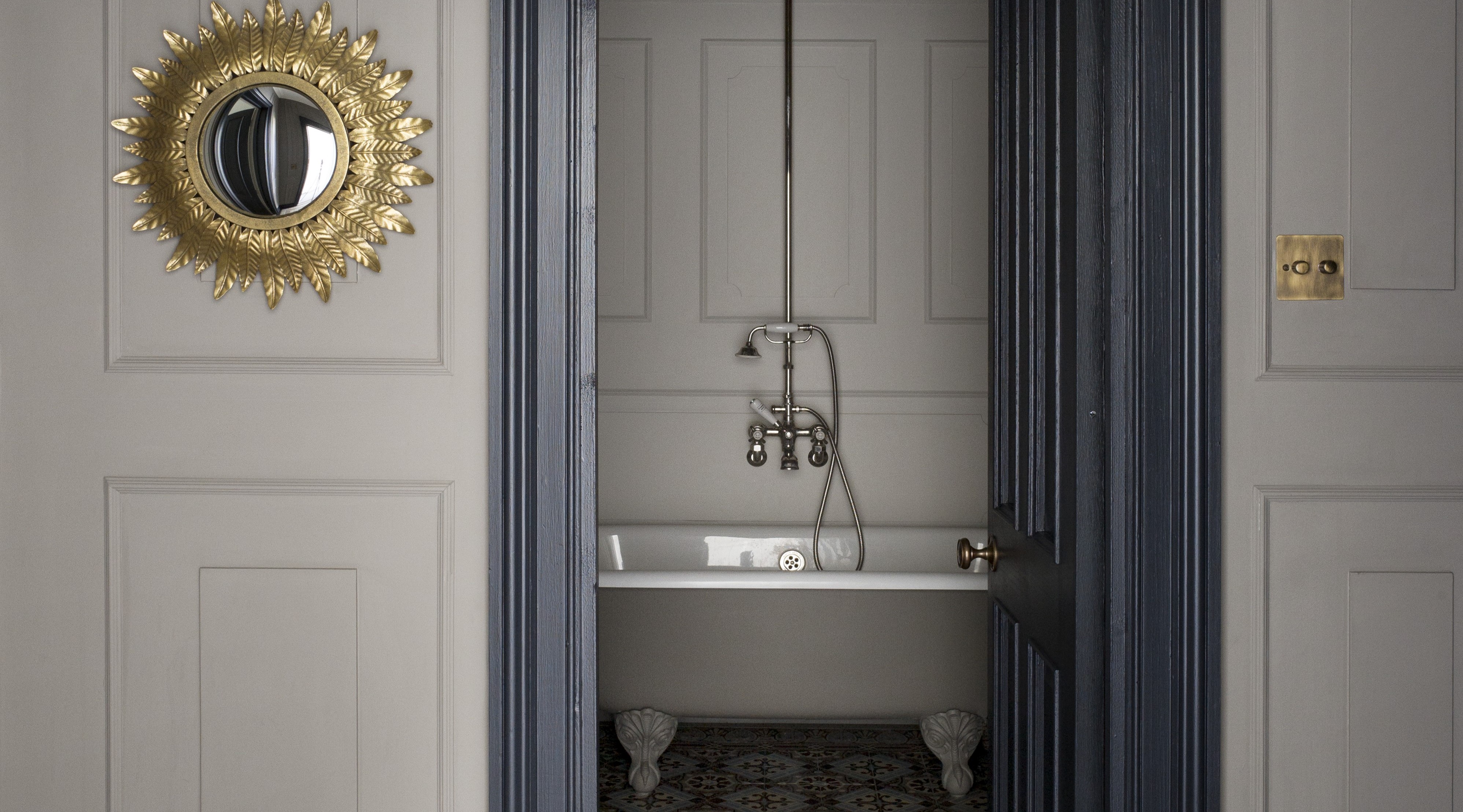
Small Bathroom Design Mistakes — 6 Errors You Probably Didn't Even Know You Were Making
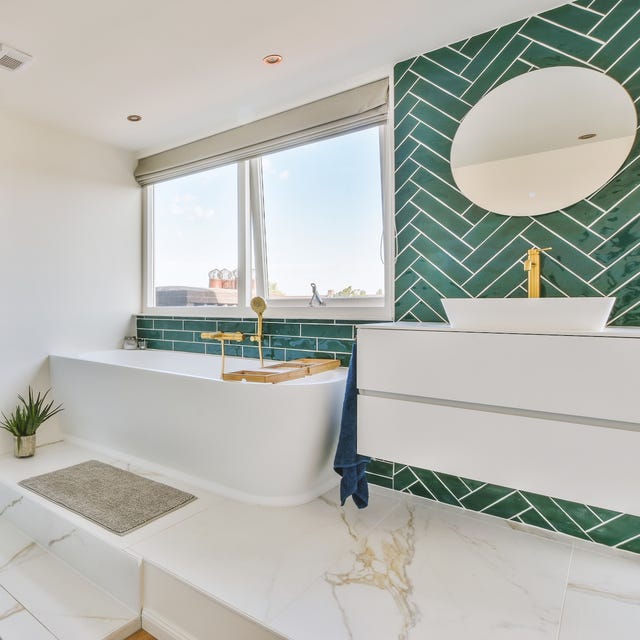
18 WORST Bathroom Design Mistakes You're Probably Making

6 Sneaky Things Making Your Small Bathroom Feel Messier Than It Is
Outdated small bathroom trends to ditch and what to try instead
Bathroom storage mistakes – 8 that waste space, cause clutter and ruin possessions
5 Mistakes Designers Say Are Making Your Bathroom Look Smaller
Bathroom organizing mistakes – experts explain where you're going wrong and how to fix it

5 Family bathroom layout mistakes to swerve for a functional space
5 Mistakes That Are Making Your Bathroom Look Smaller, According to Designers

Bathroom remodel mistakes – and how to avoid them
8 Bathroom Reno Mistakes That INSTANTLY Cheapen the Look of Your Home, According to Experts

13 bathroom design mistakes to avoid at all costs, according to experts
8 things that will always make your bathroom look small, according to designers

7 Mistakes to Avoid When Remodeling Your Bathroom
9 Bathroom Storage Mistakes You're Probably Making
12 bathroom remodeling mistakes to avoid when planning your design