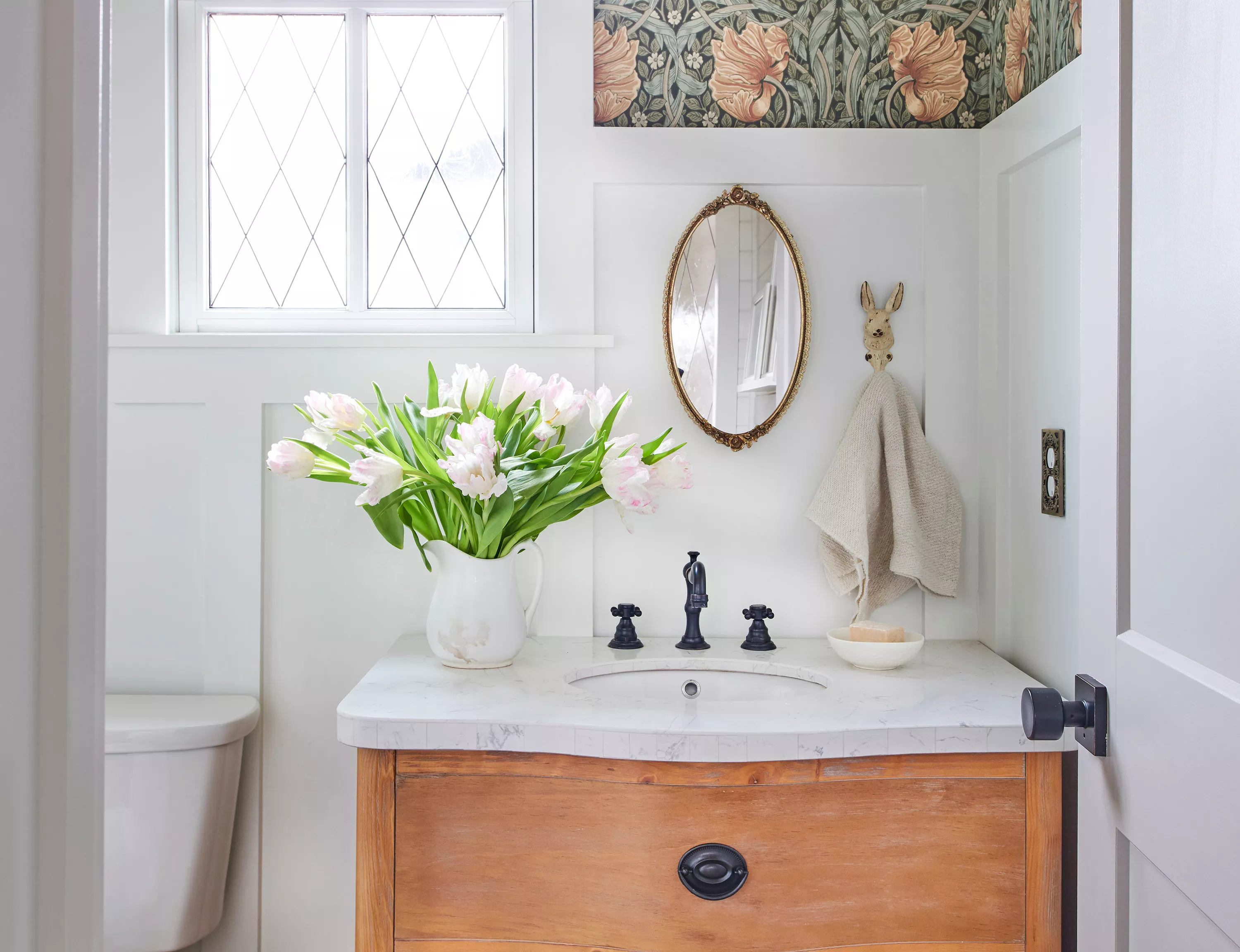
5 Mistakes Designers Say Are Making Your Bathroom Look Smaller
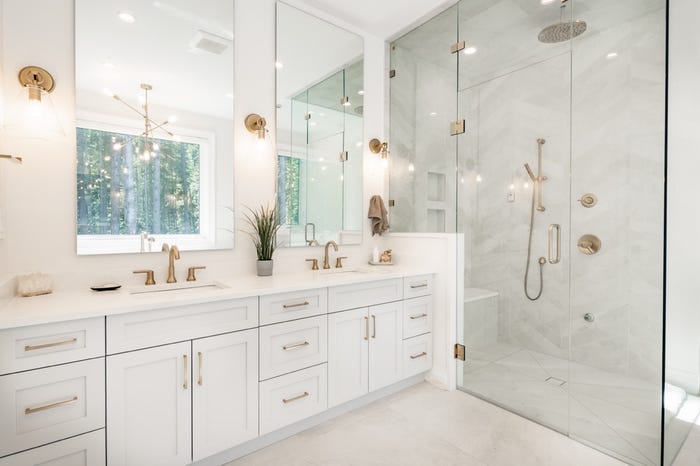
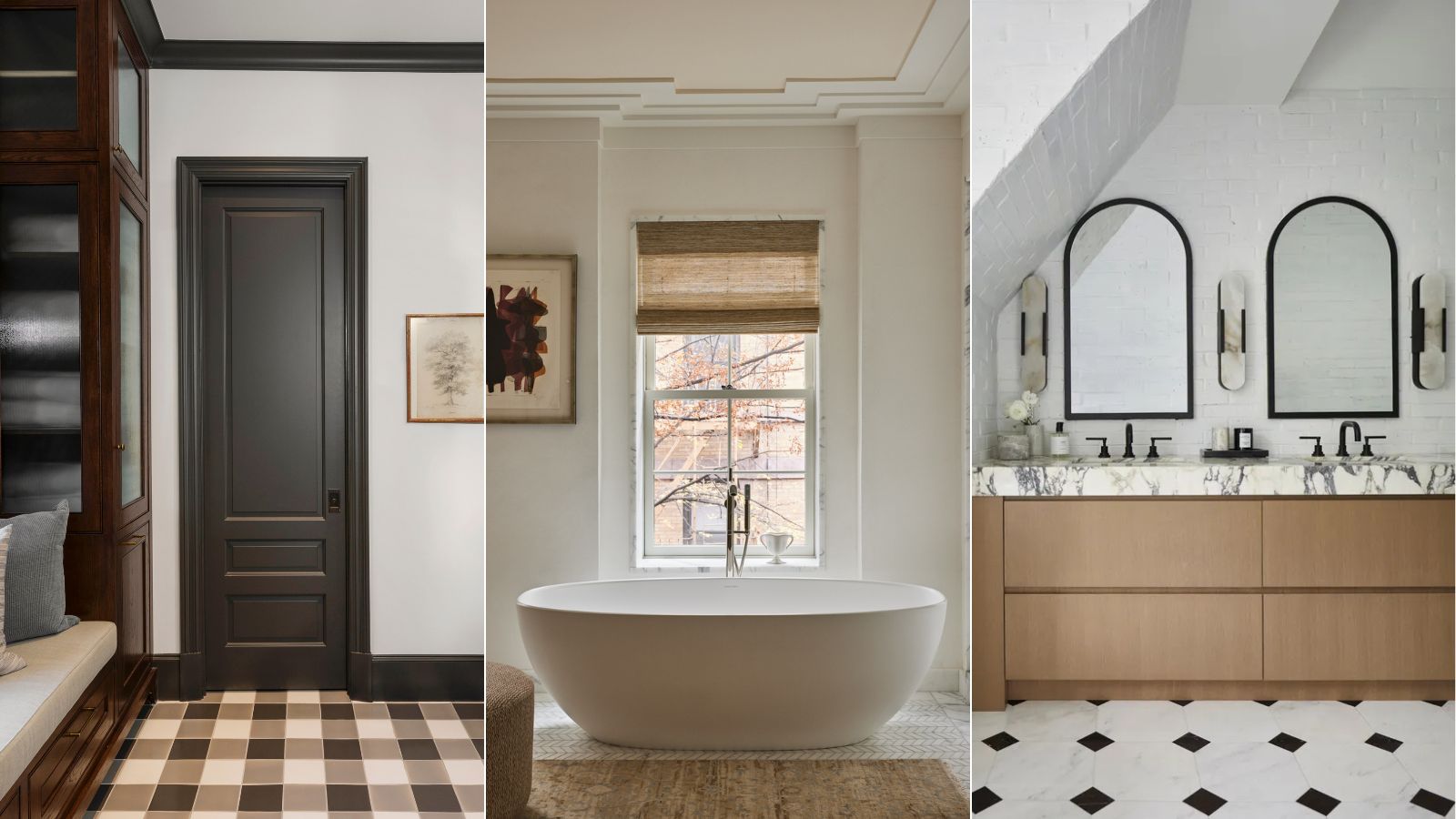
The size of a bathroom is not solely determined by its square footage, as various design elements can significantly influence how spacious or cramped a bathroom appears. Even in a generously sized primary bathroom or a compact powder room, certain design choices can visually shrink the space. Professional designers identify several common mistakes that contribute to a bathroom feeling smaller than it is, encompassing lighting, color schemes, patterns, clutter, and fixture selection.
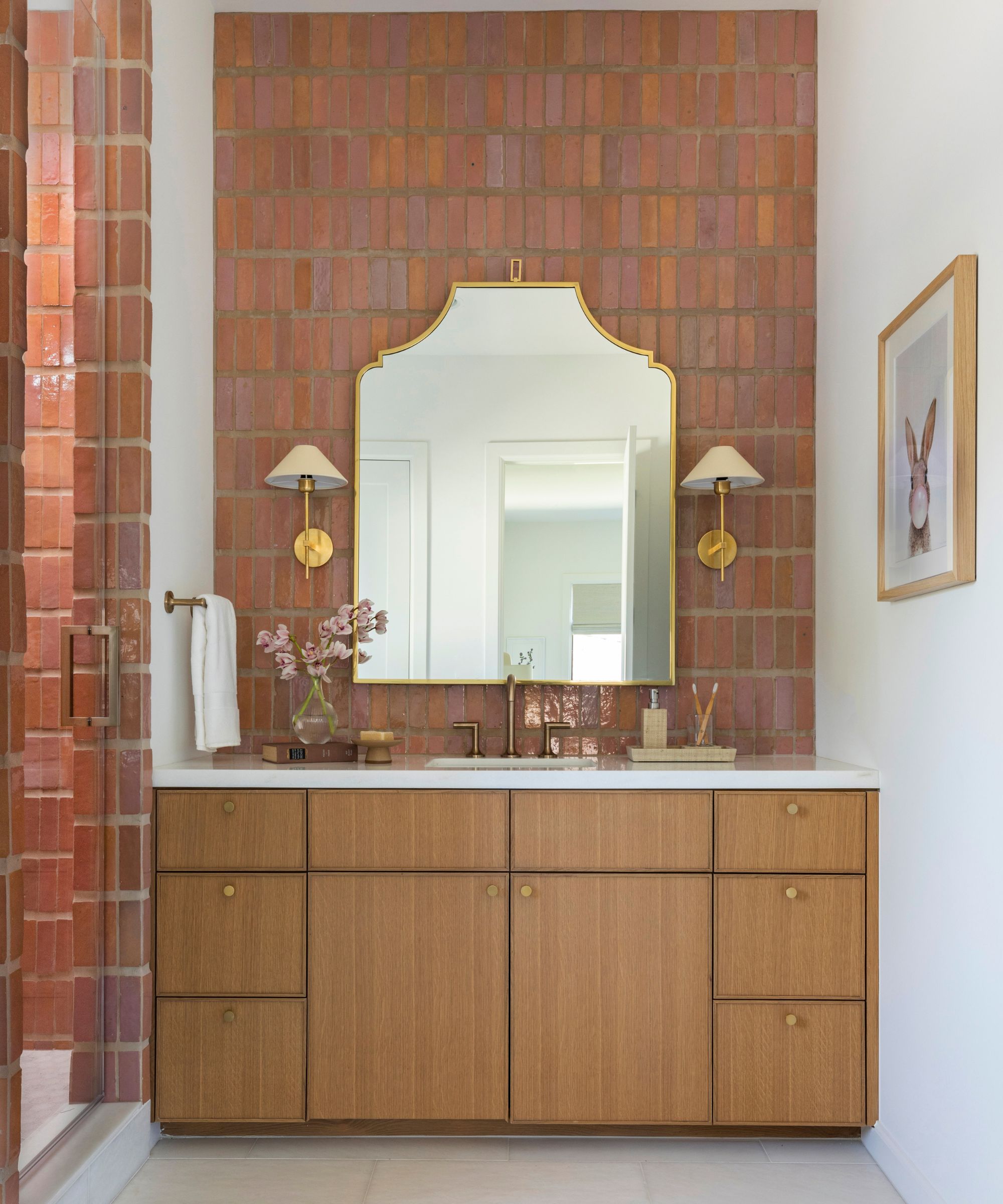
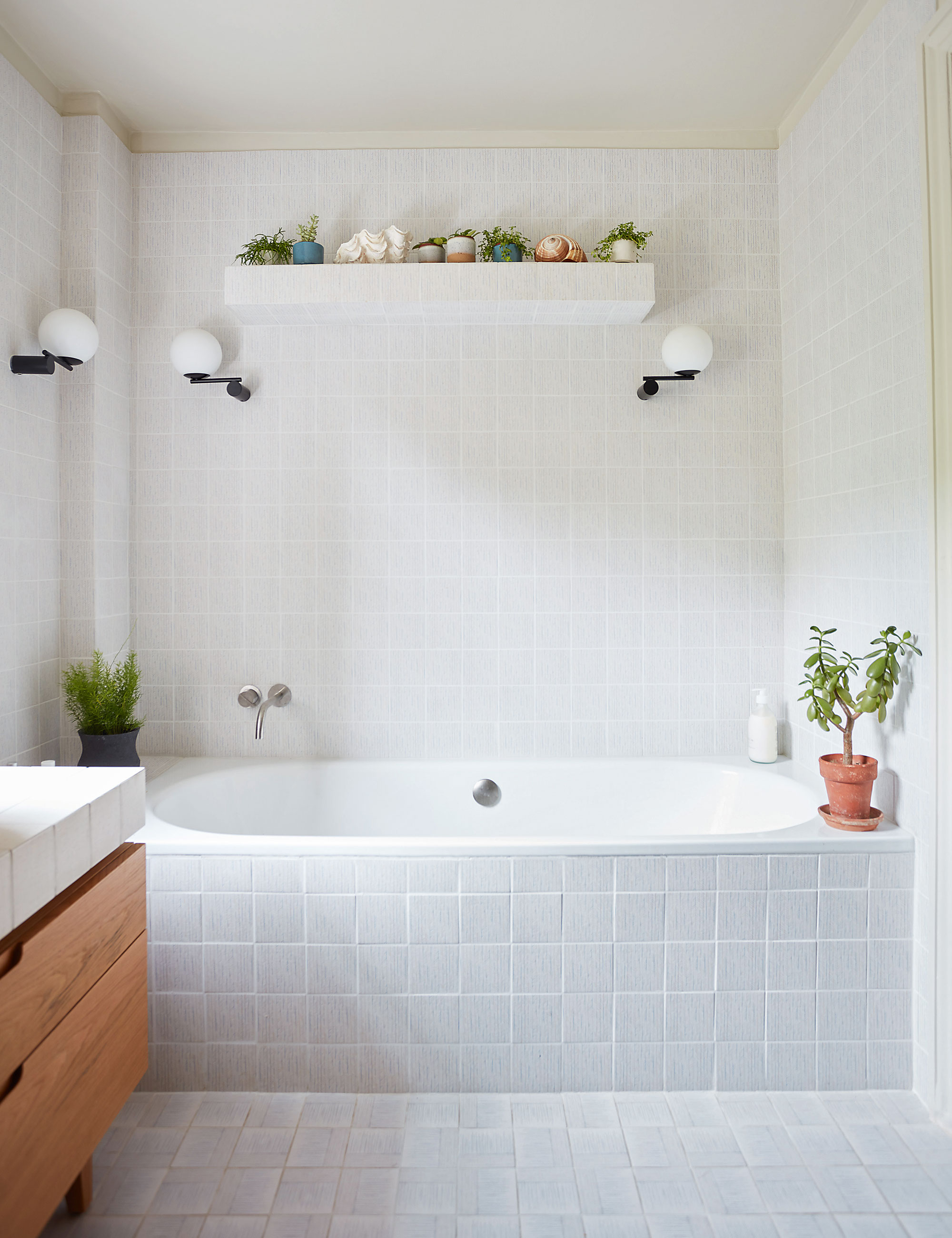
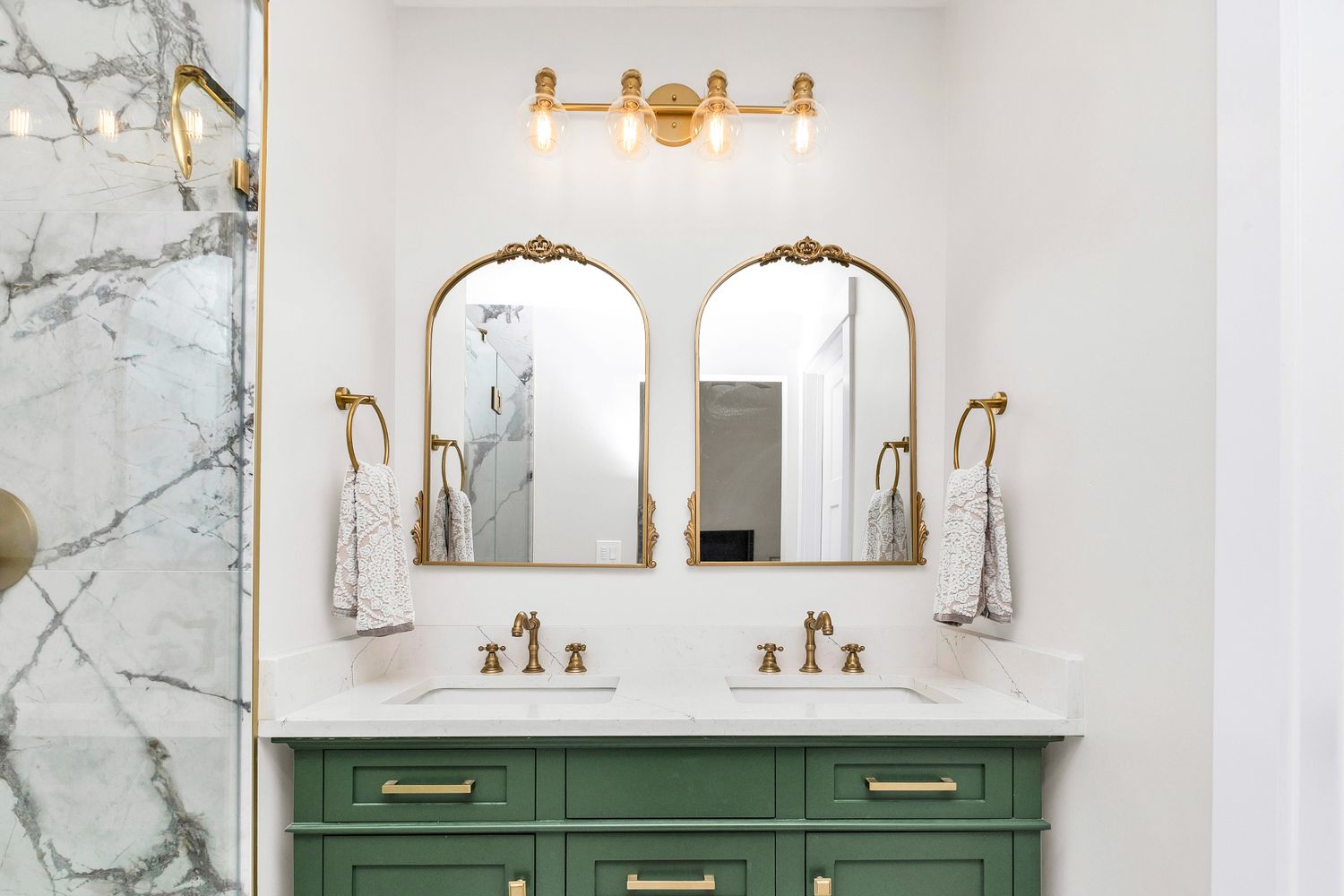
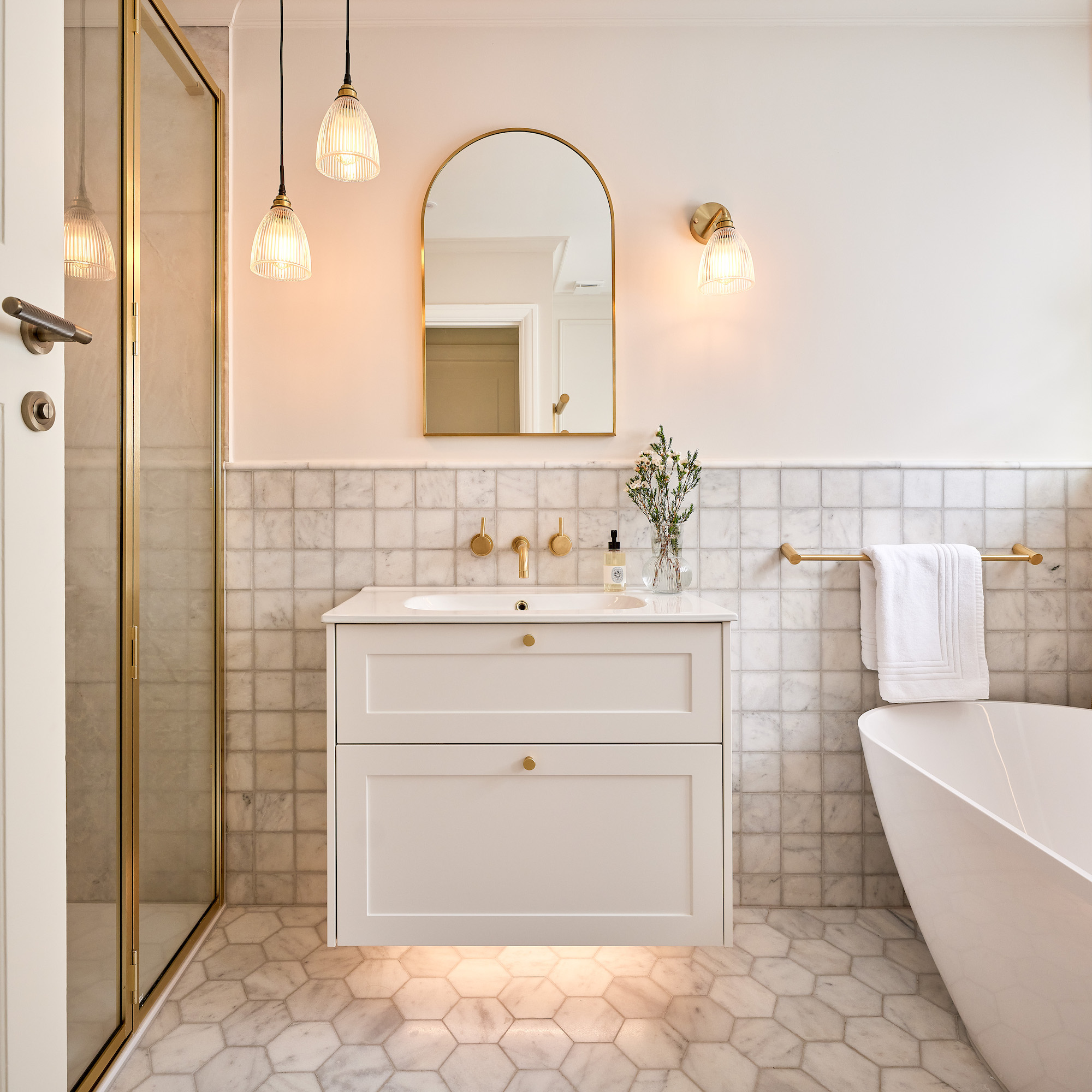
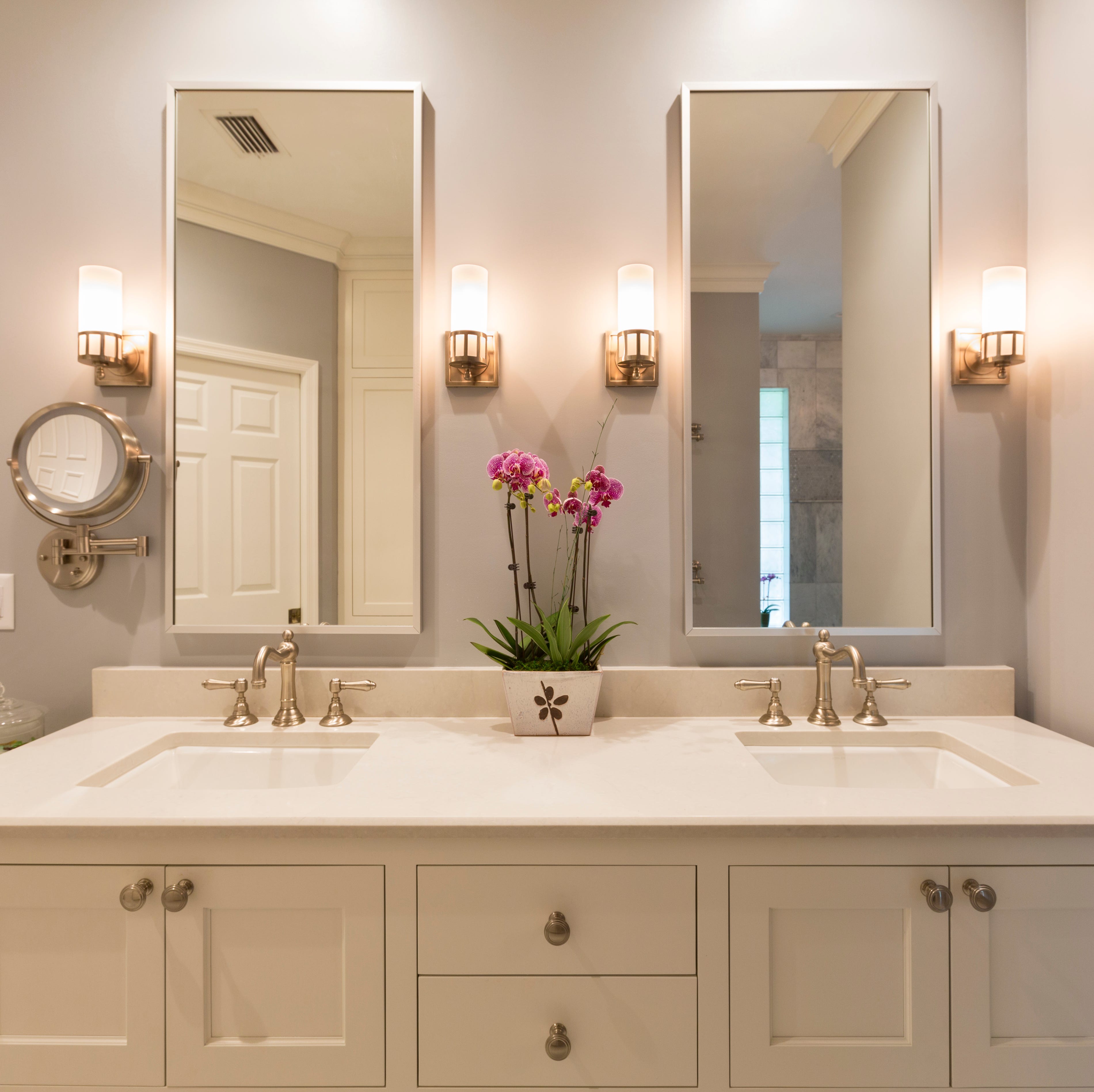
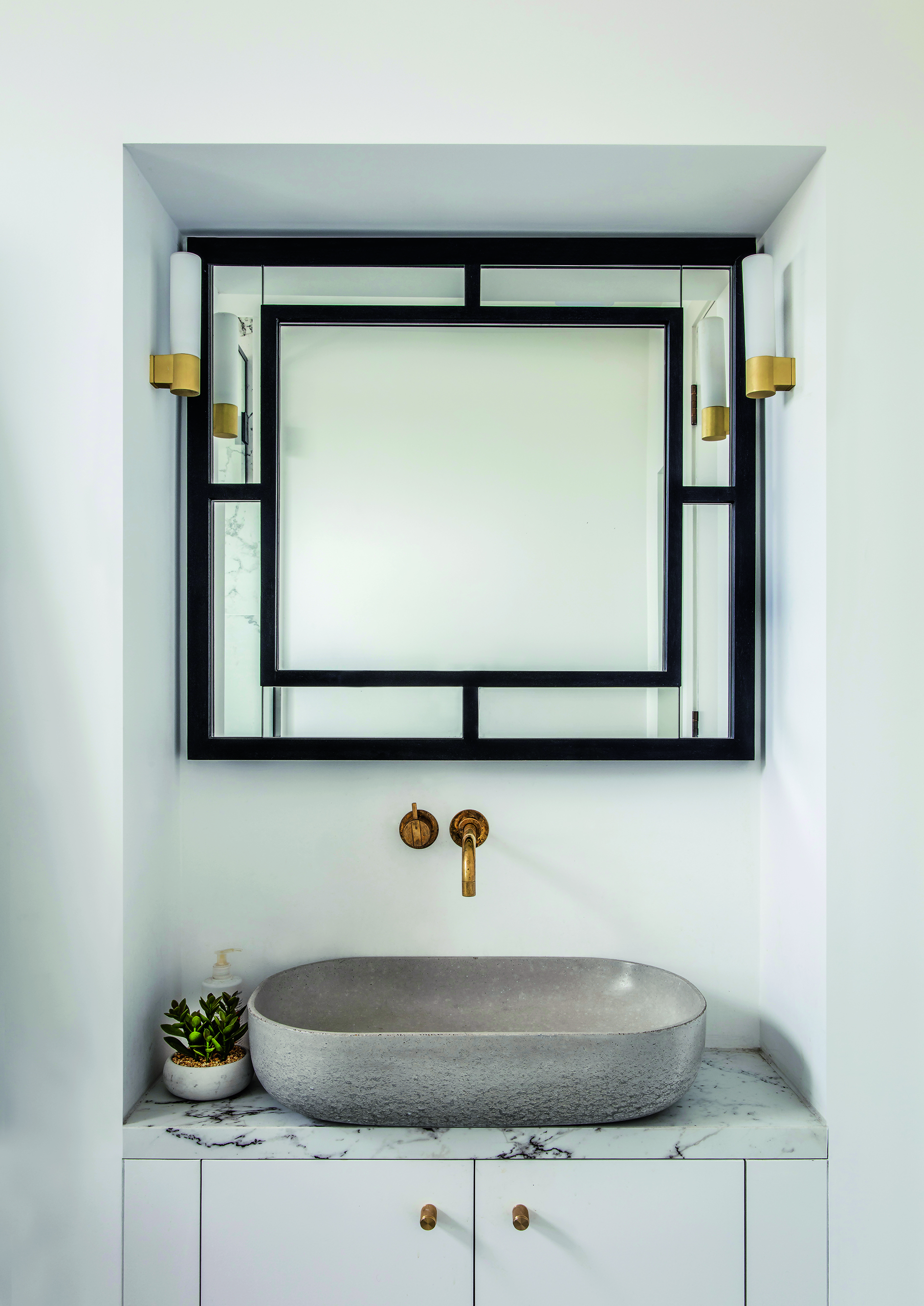
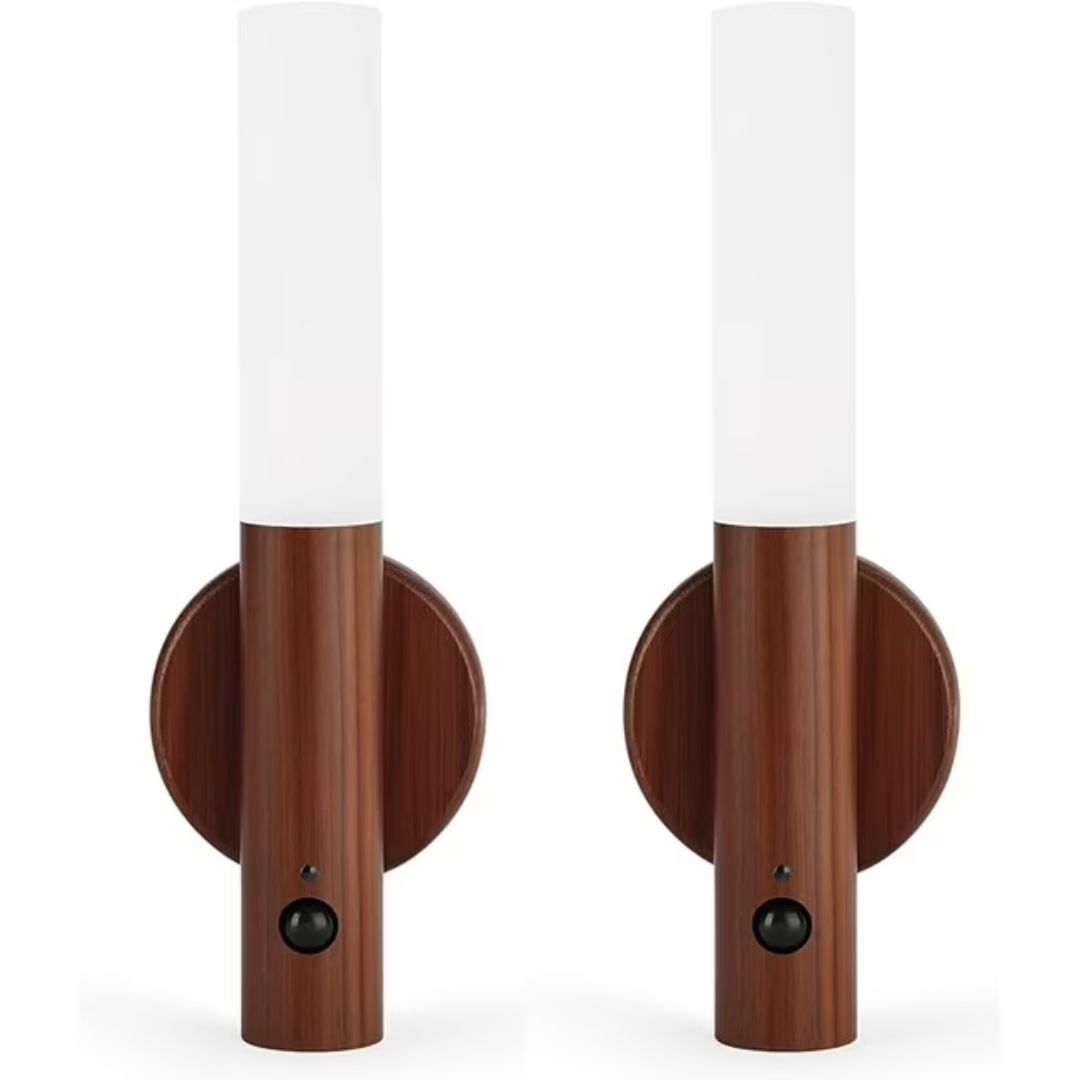
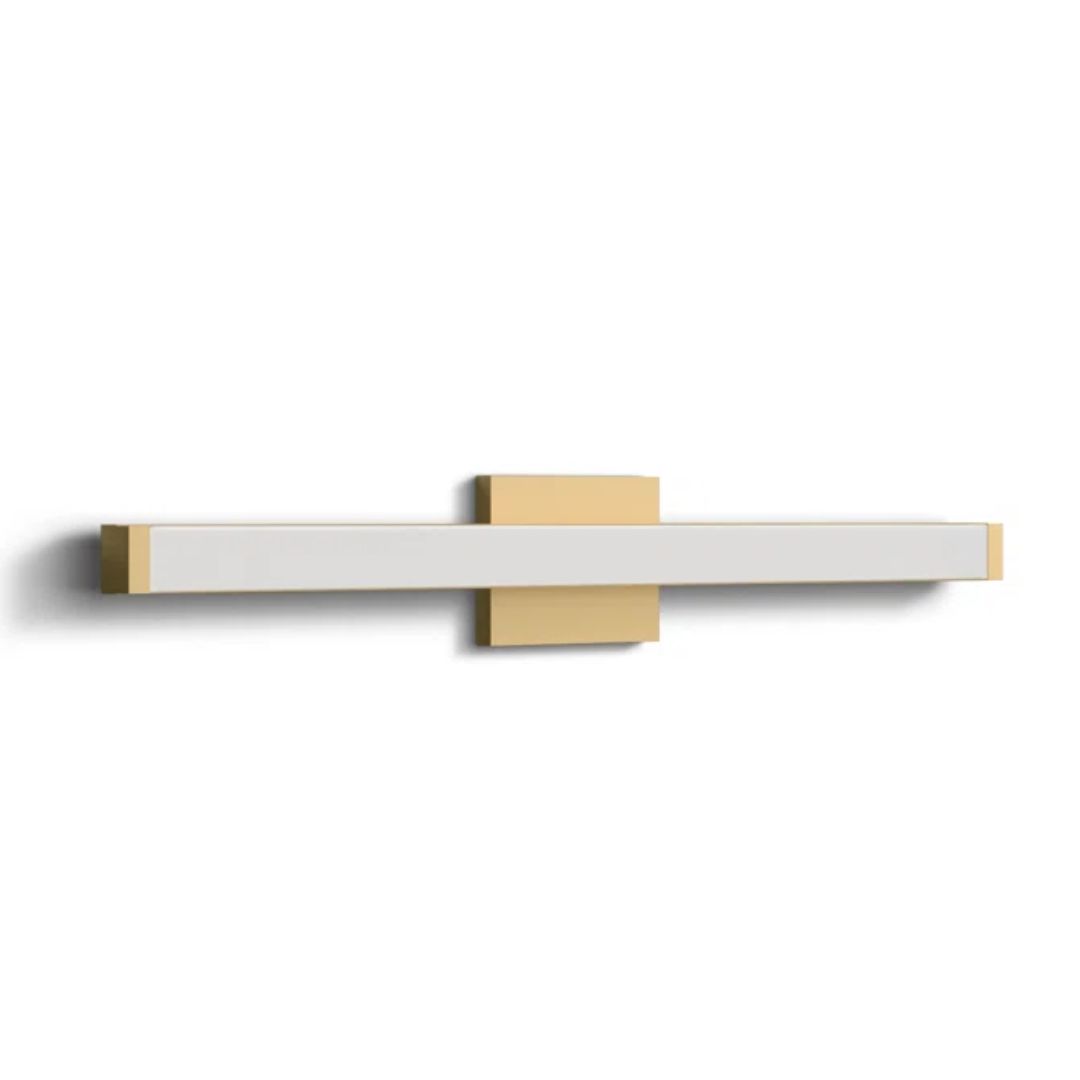
Poor lighting is a primary culprit, as dim illumination or an absence of natural light creates shadows that visually contract the space and diminish its inviting quality. The selection of appropriate lighting fixtures, including wall sconces and ceiling fixtures, is crucial, not only for their aesthetic appeal but also for ensuring adequate brightness. Furthermore, the strategic placement of these fixtures is essential, as improperly positioned lights can disrupt visual flow and contribute to a cramped sensation.
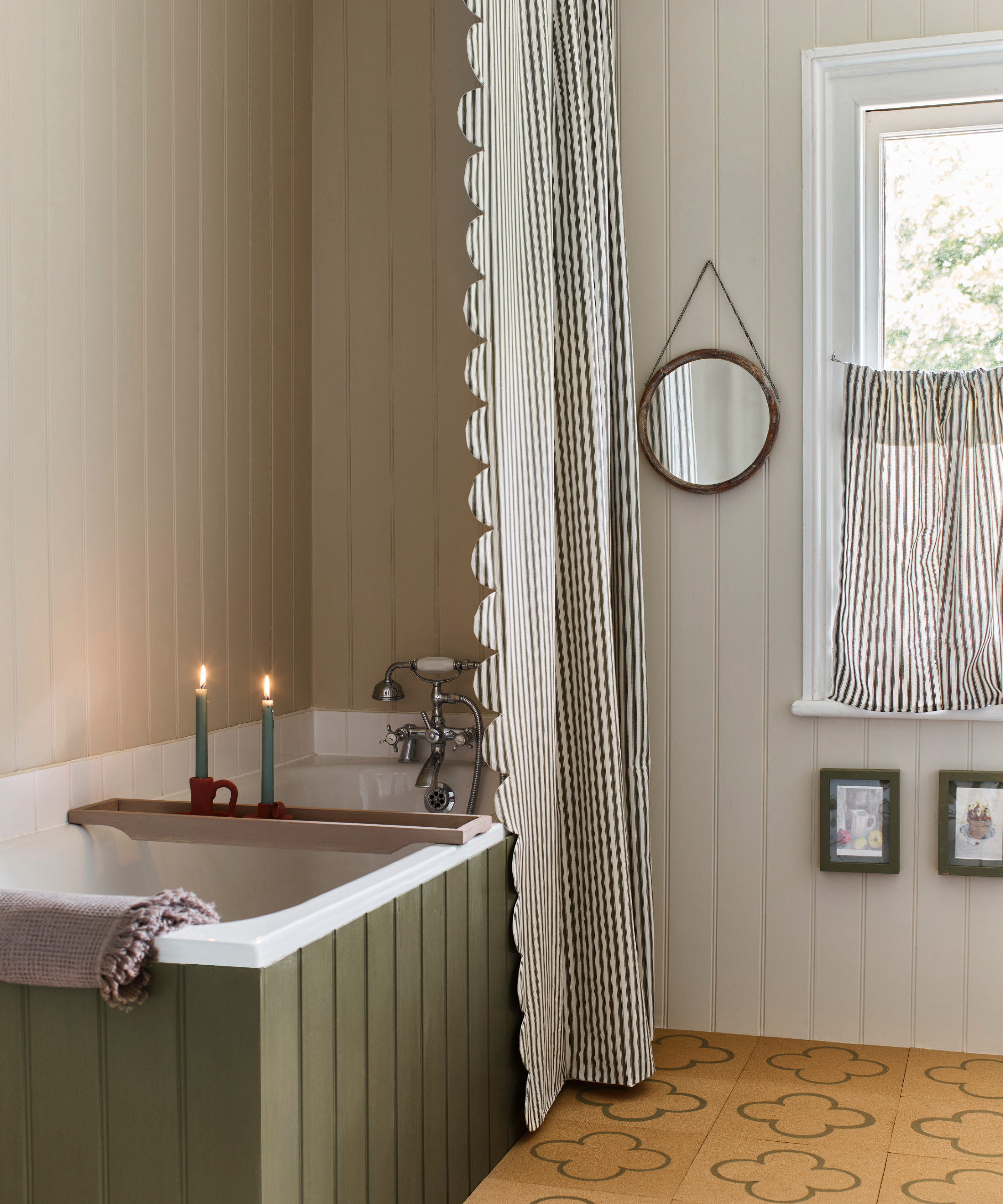
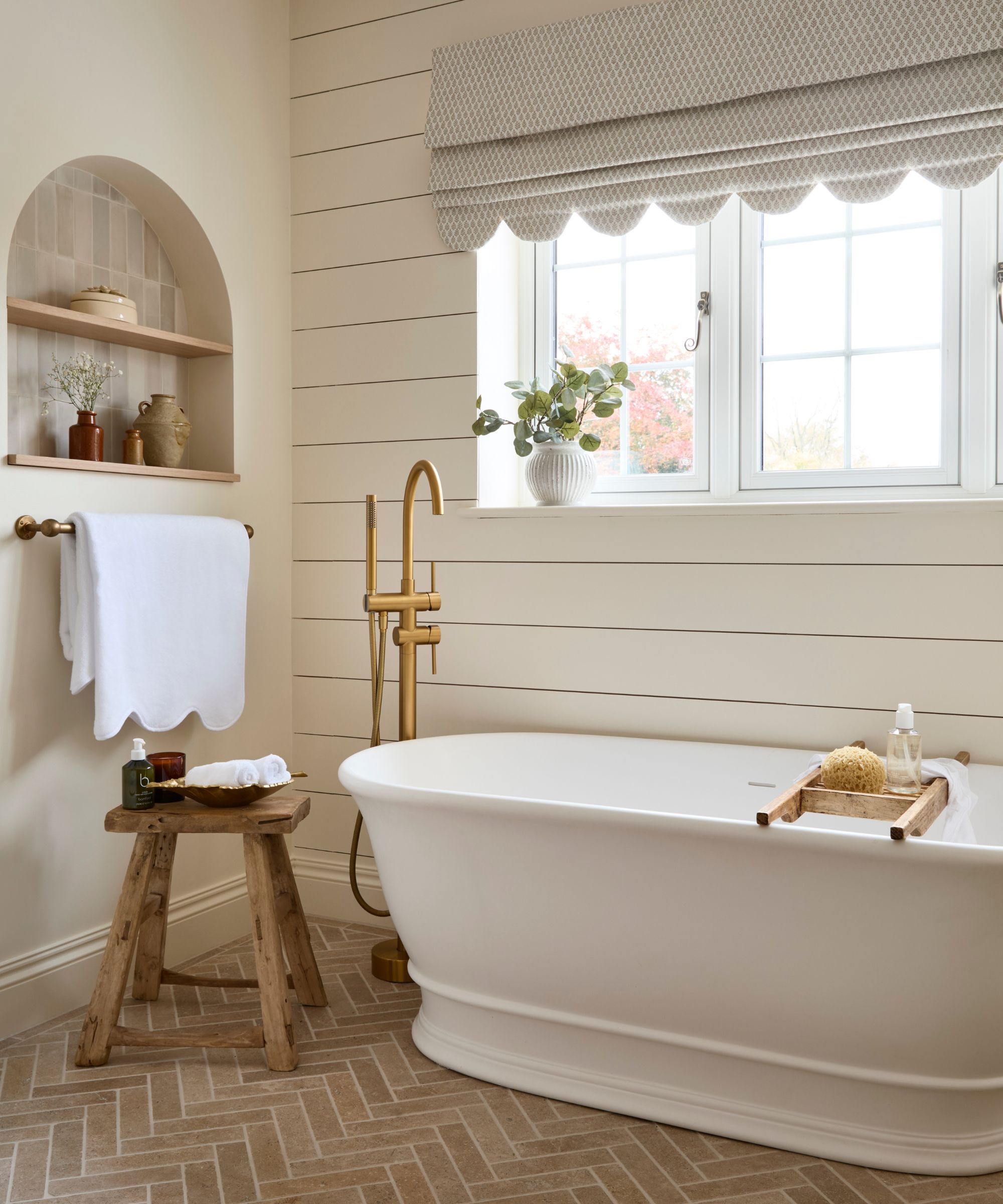
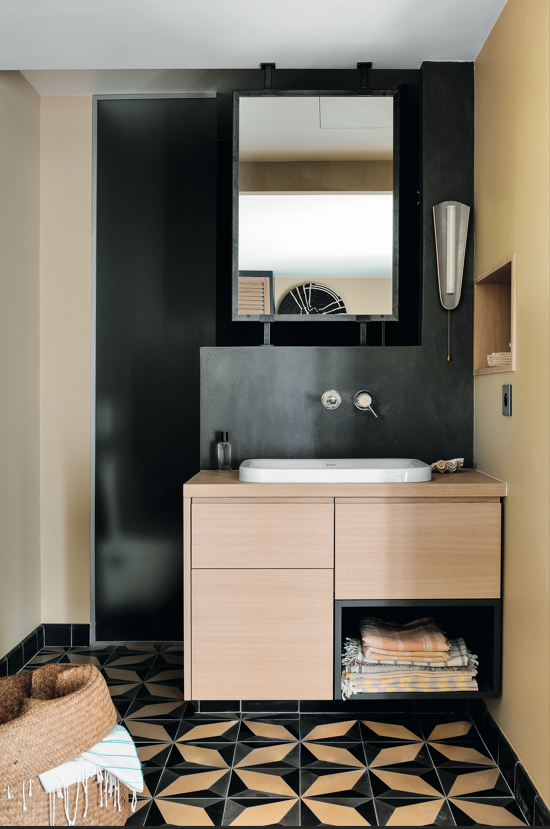
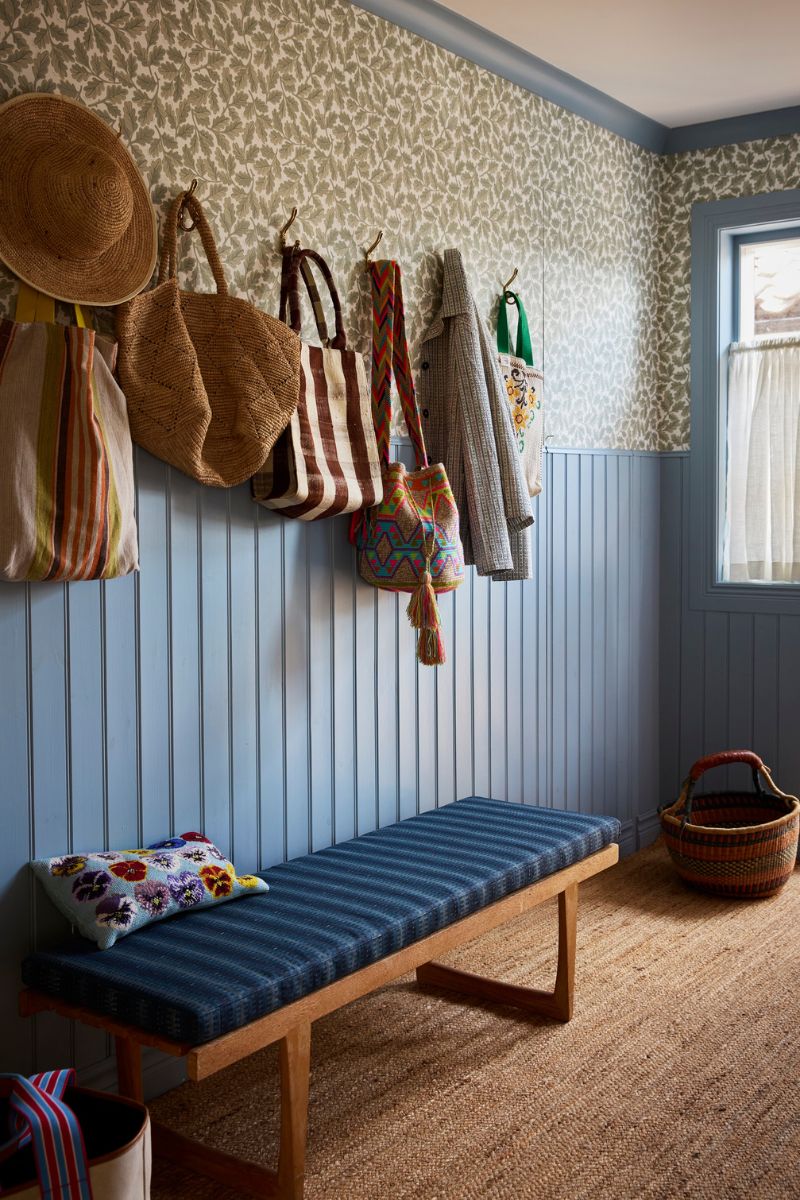
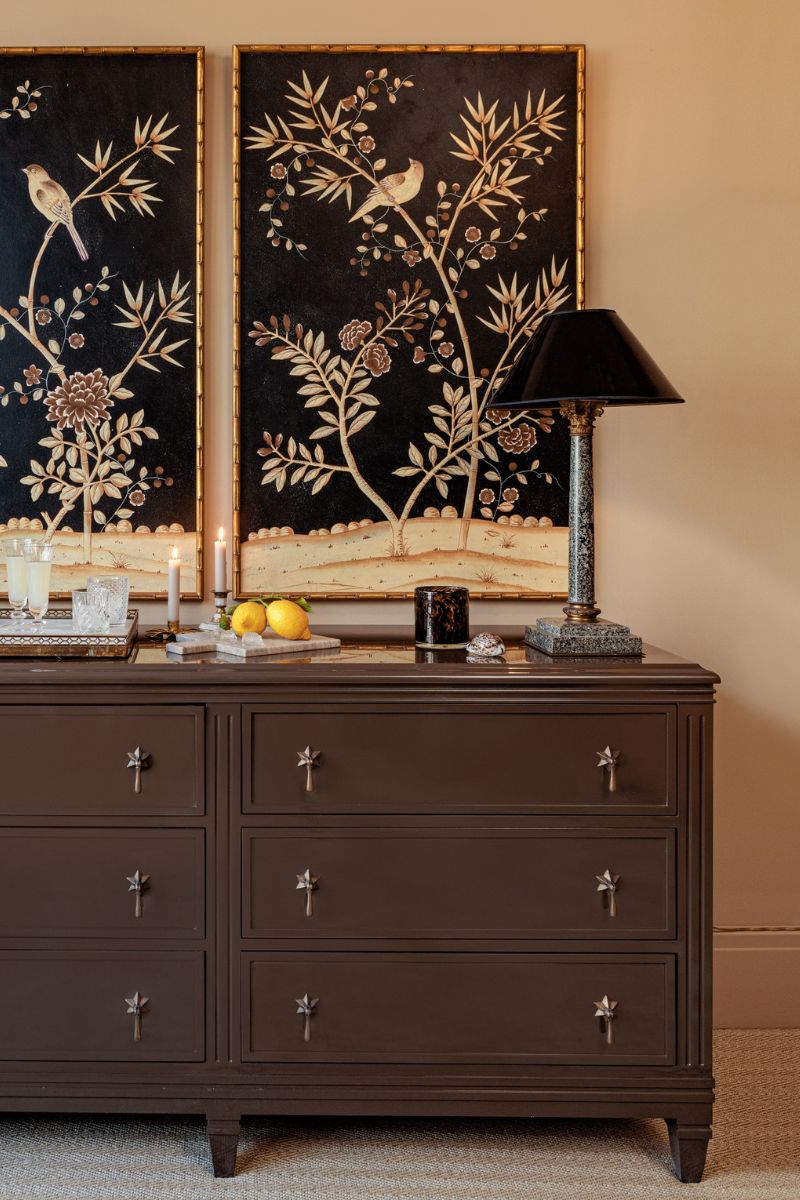
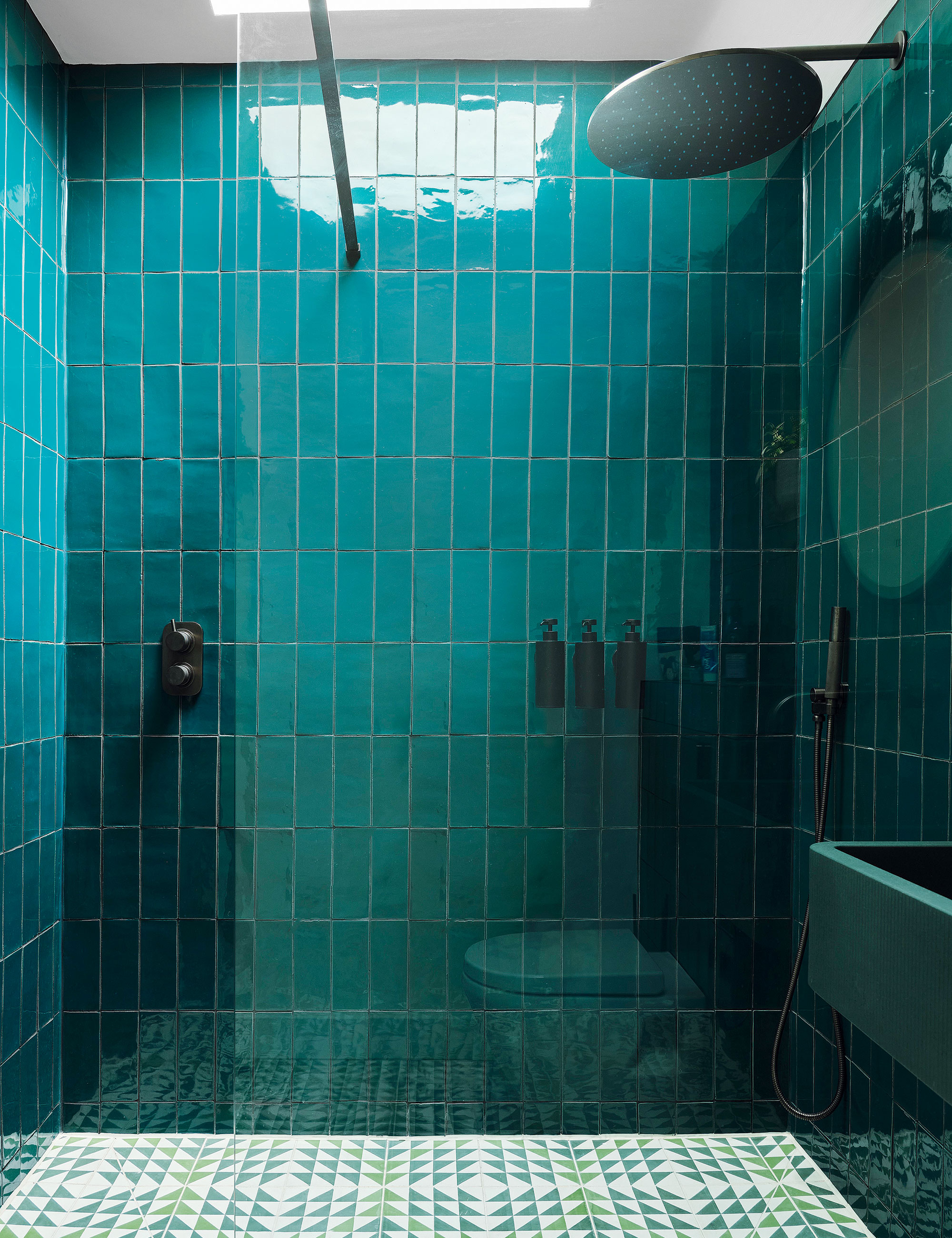
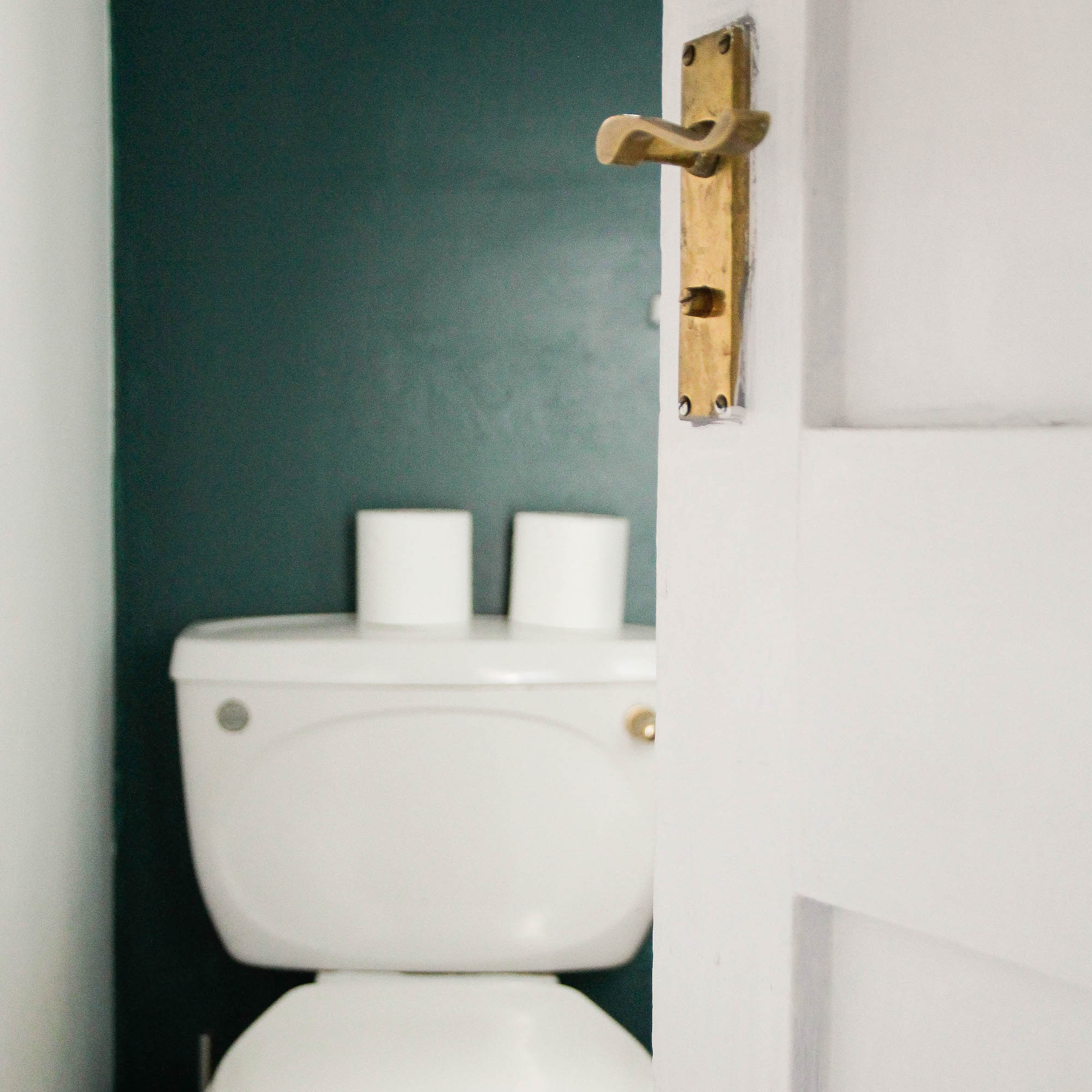
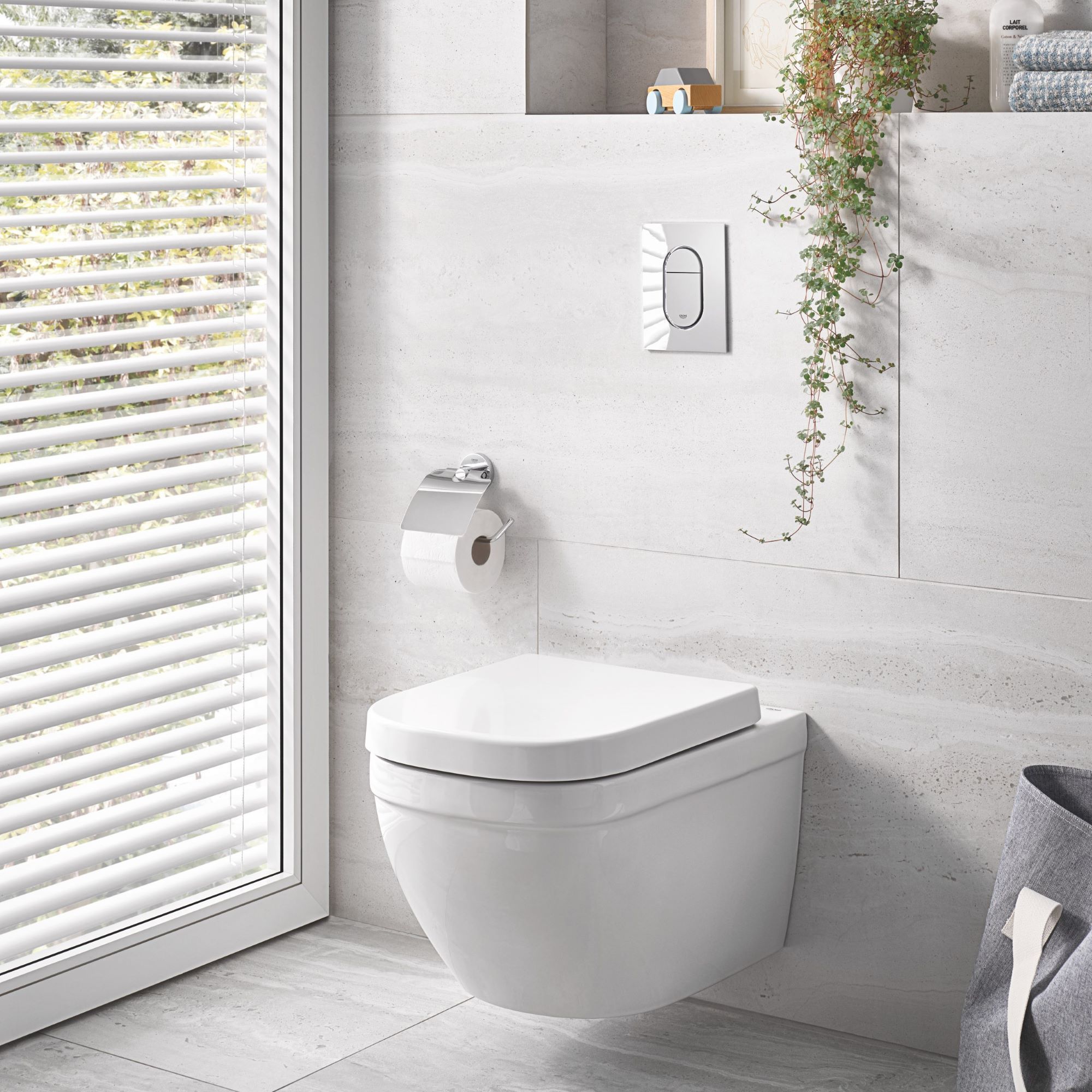
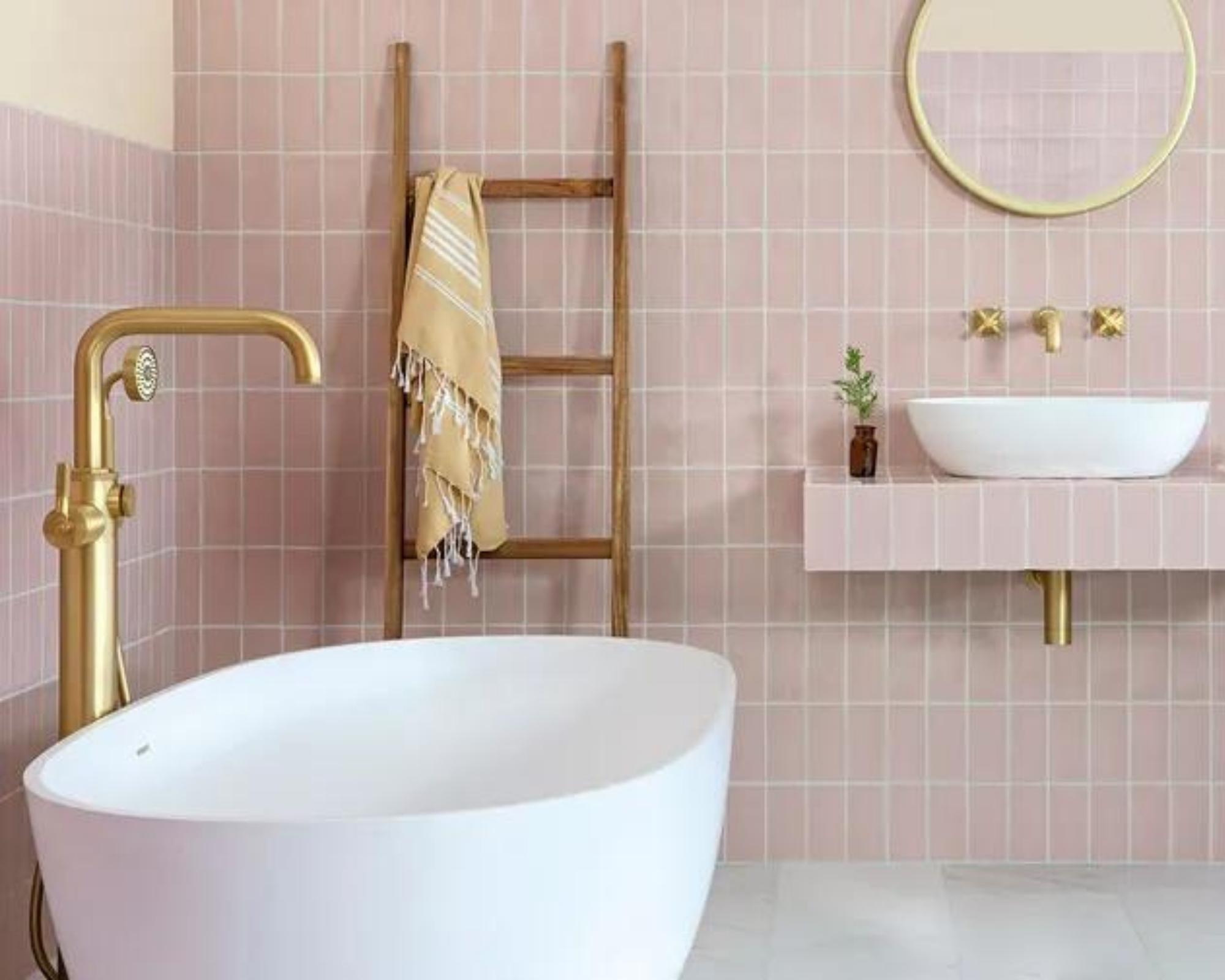
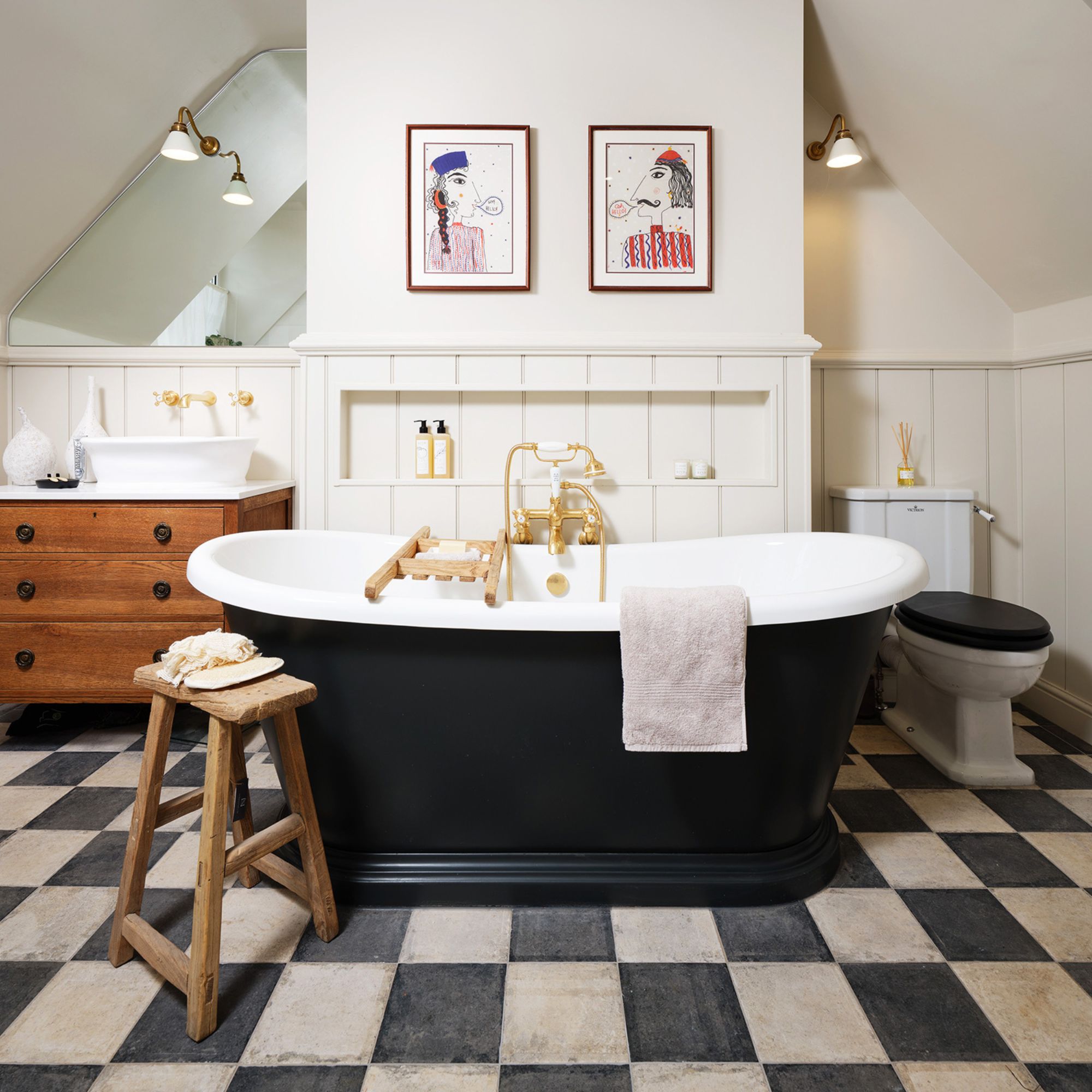
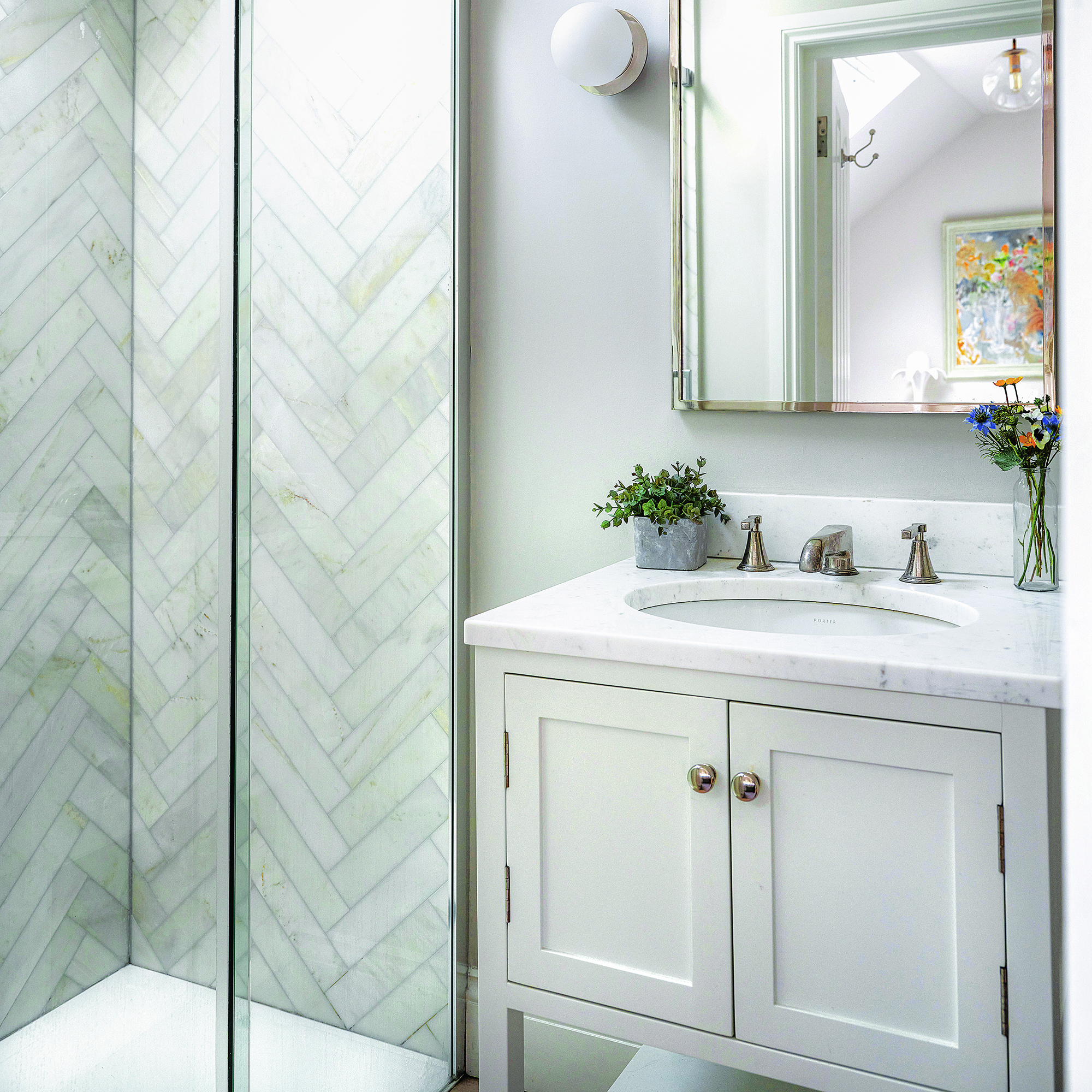
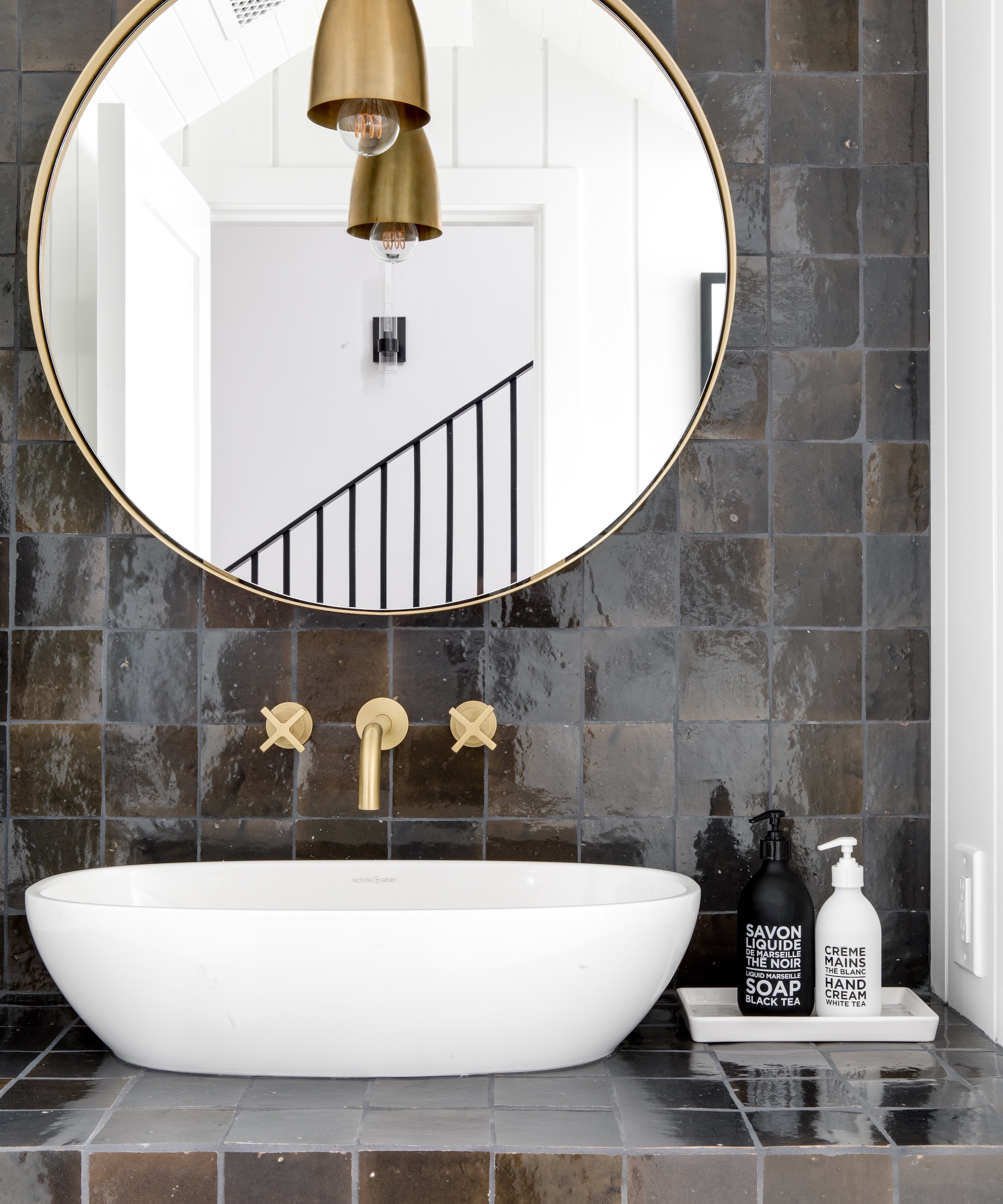
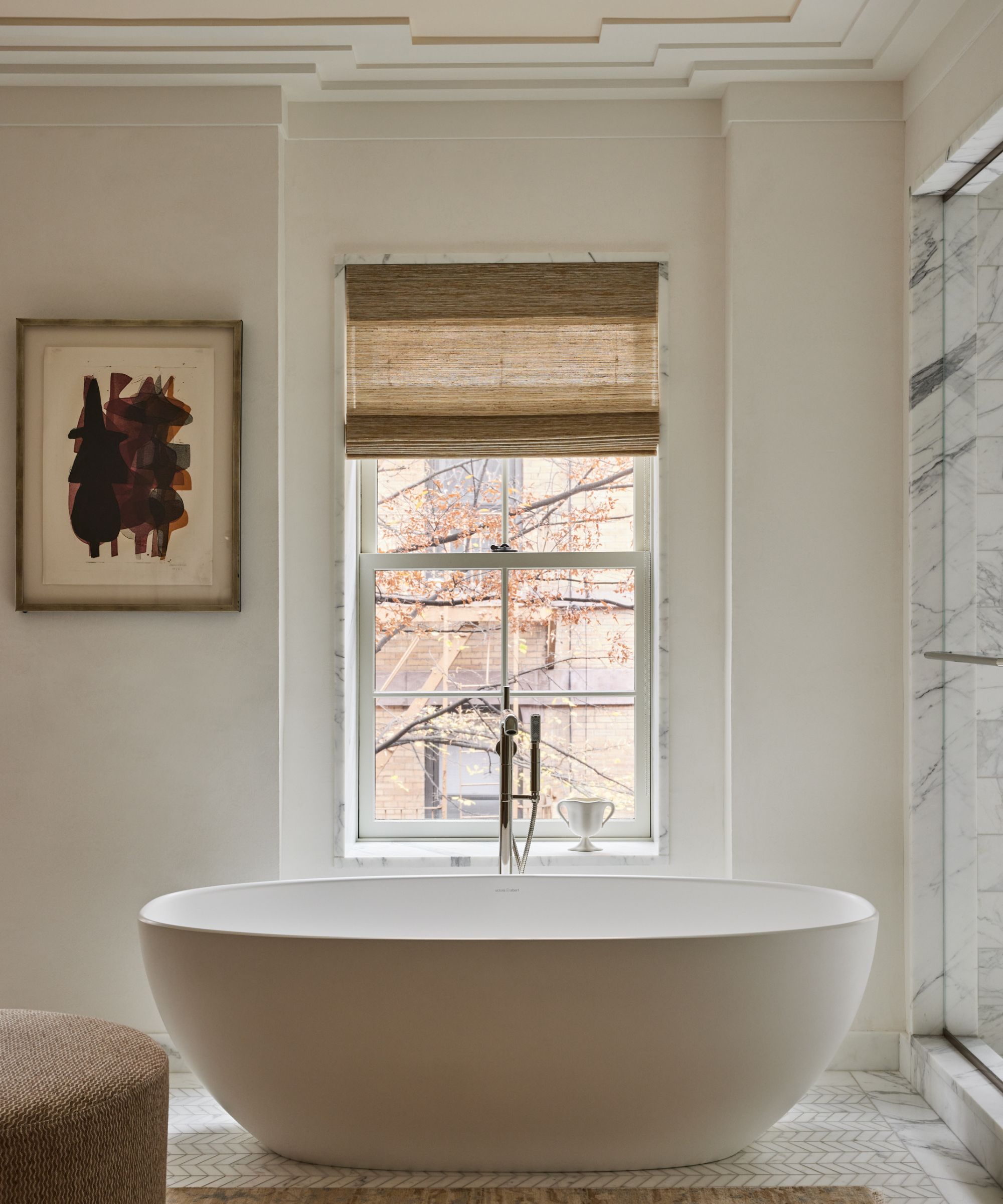
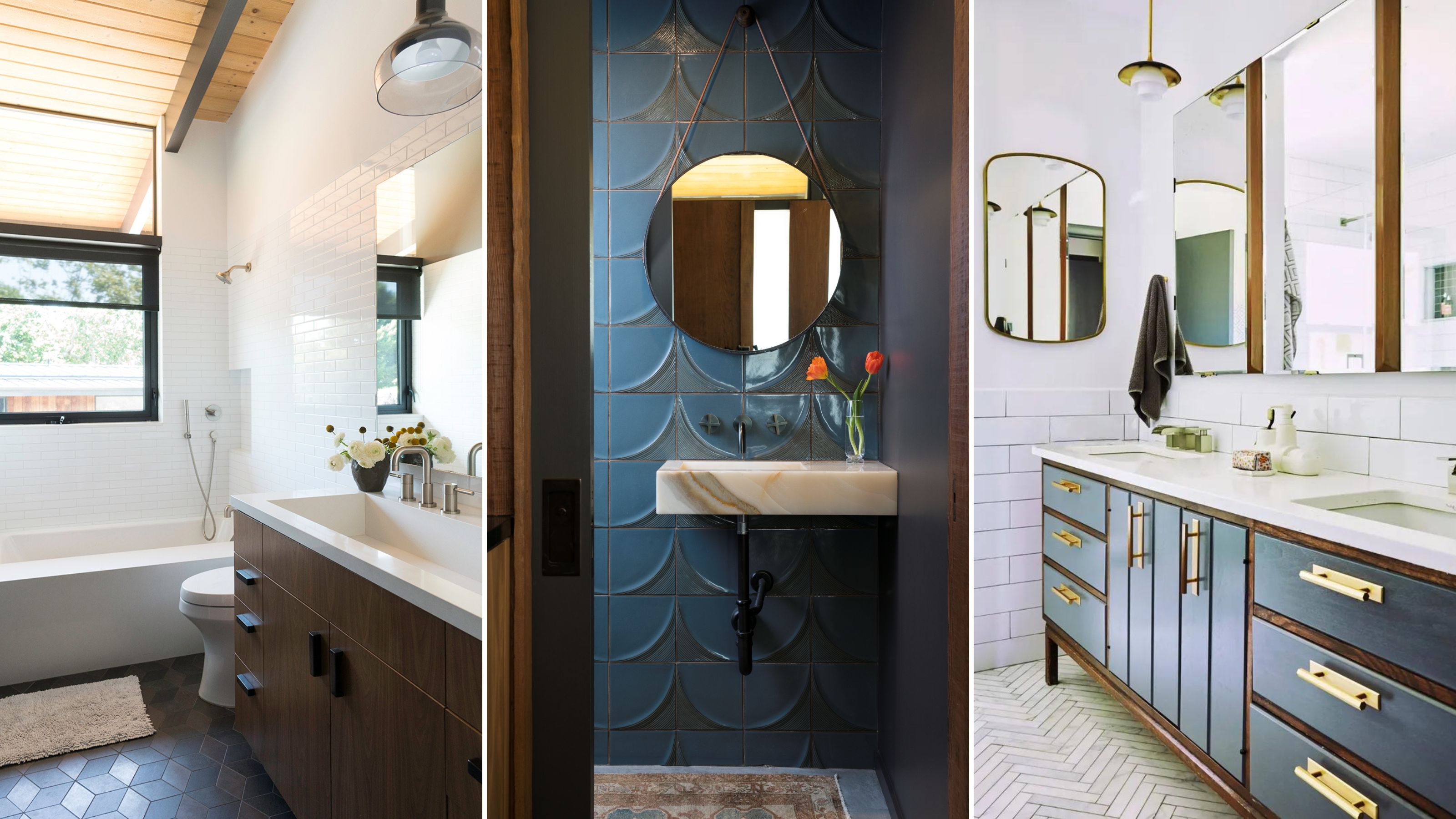
Dark or heavily saturated paint colors also play a significant role in making a bathroom feel smaller. These hues absorb light, leading to an enclosed and intimate atmosphere, which is counterproductive when aiming for an expansive feel, especially in bathrooms with limited natural light. While dark tones can be stylish in certain design trends, they are generally avoided when the goal is to enlarge the perceived space. Opting for lighter, neutral tones is recommended to foster a sense of openness and brightness. This principle applies to various wall coverings, whether painted surfaces, tiles, or decorative paneling like beadboard.
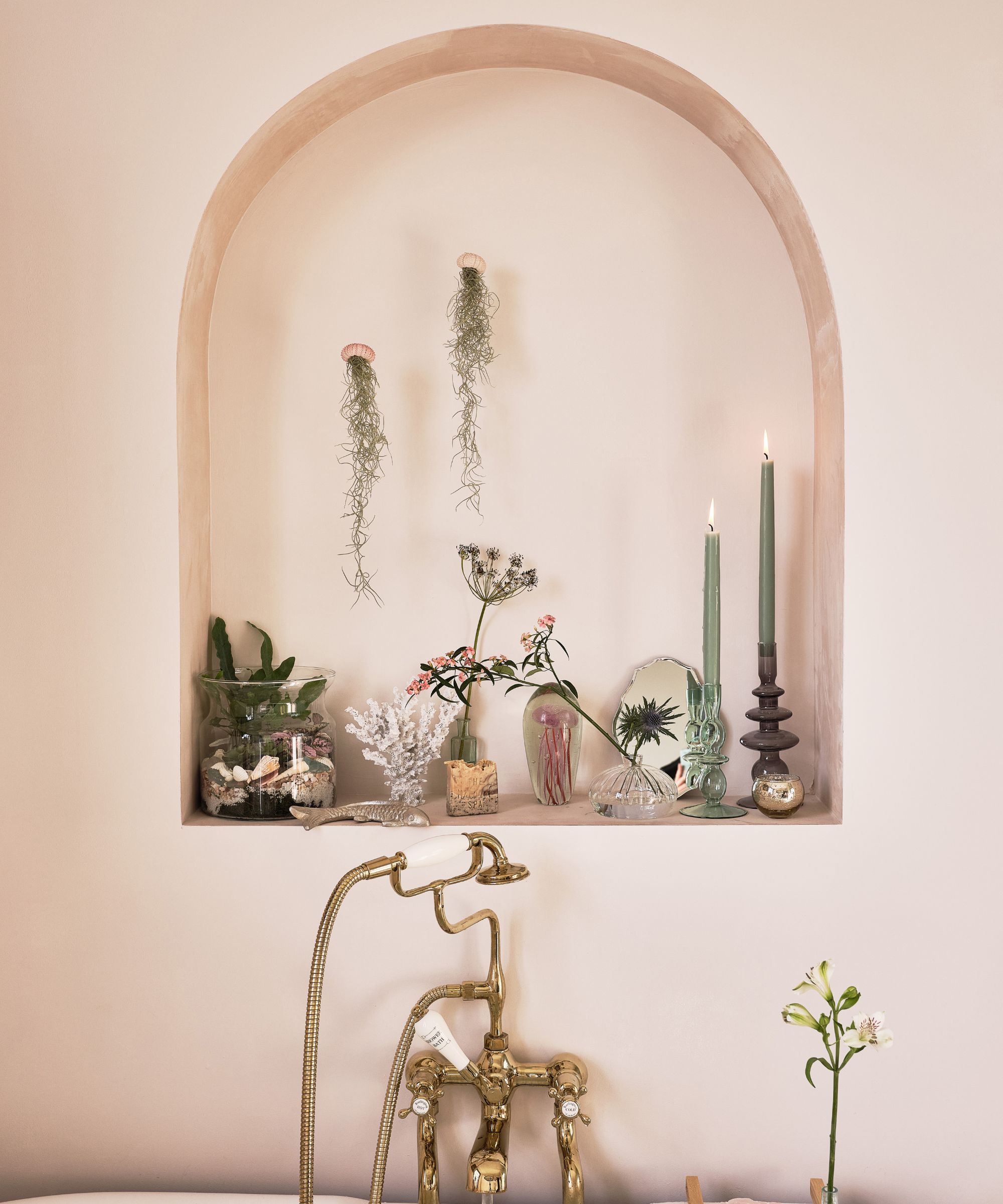
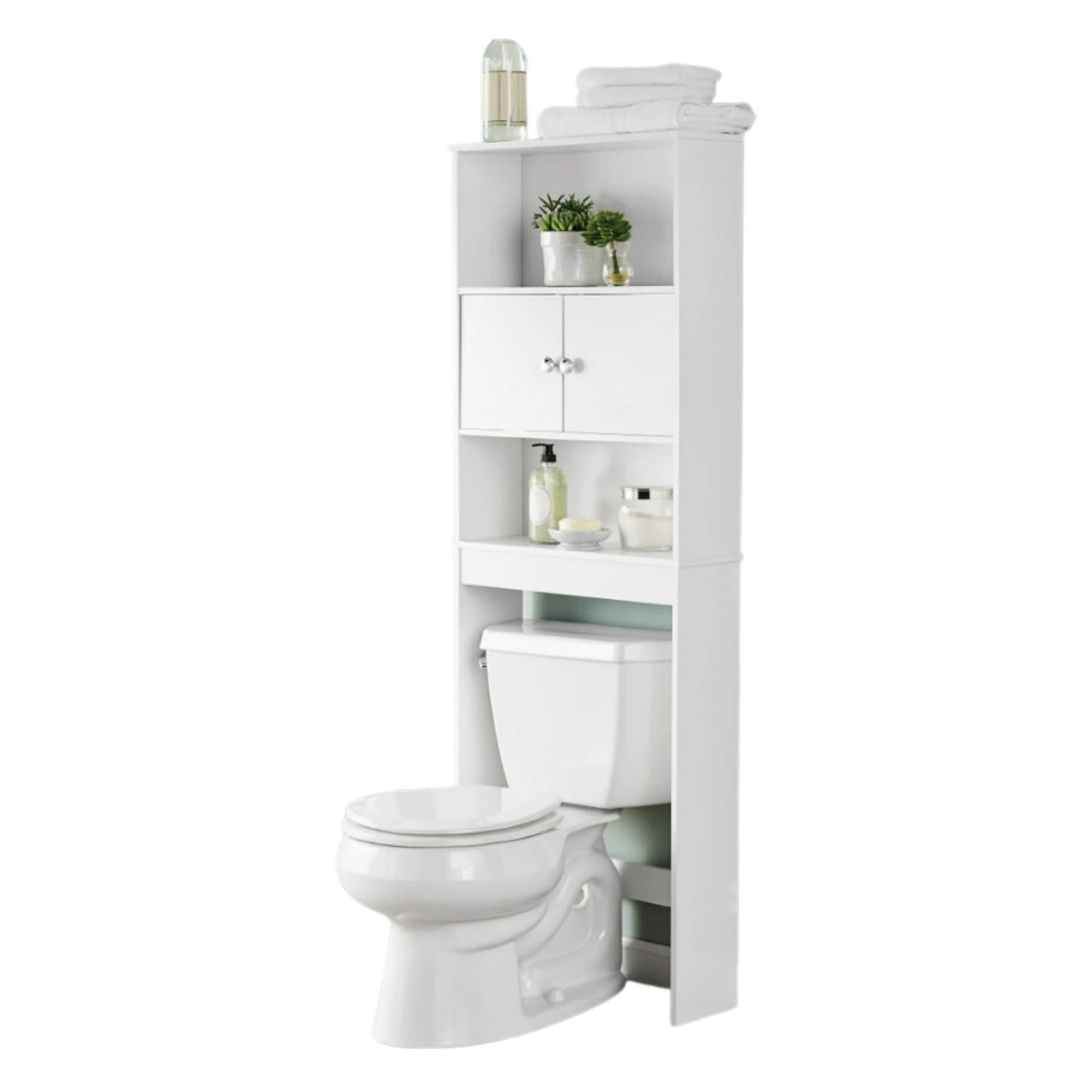
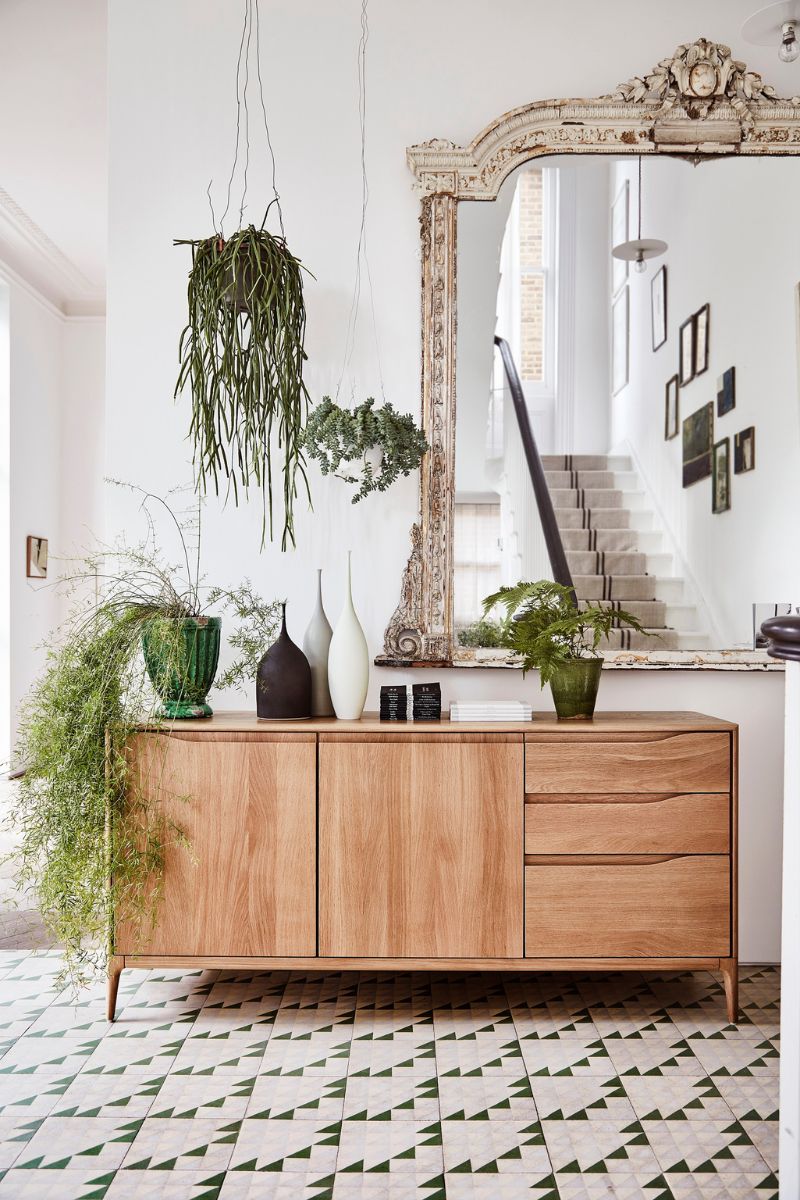
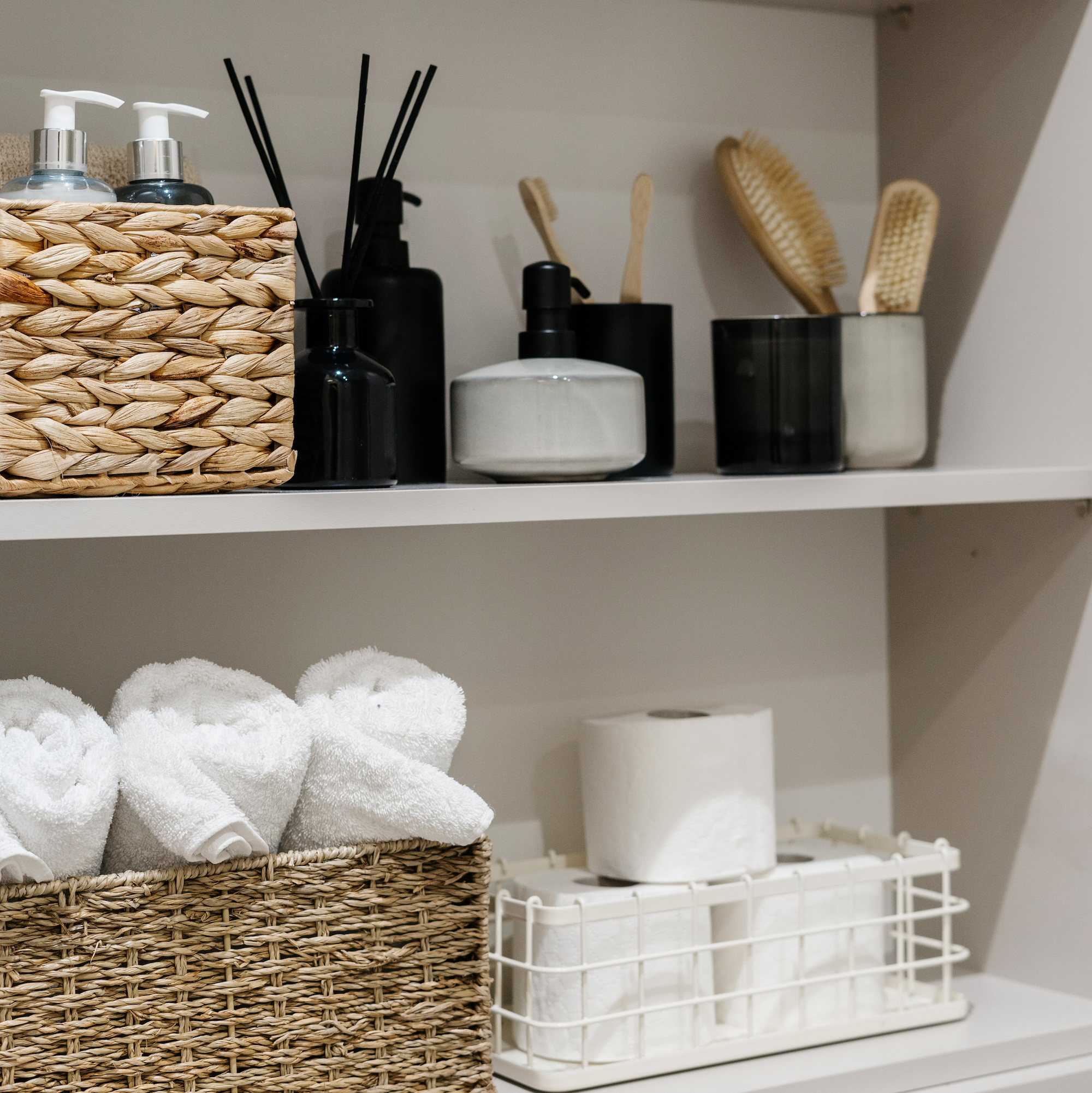
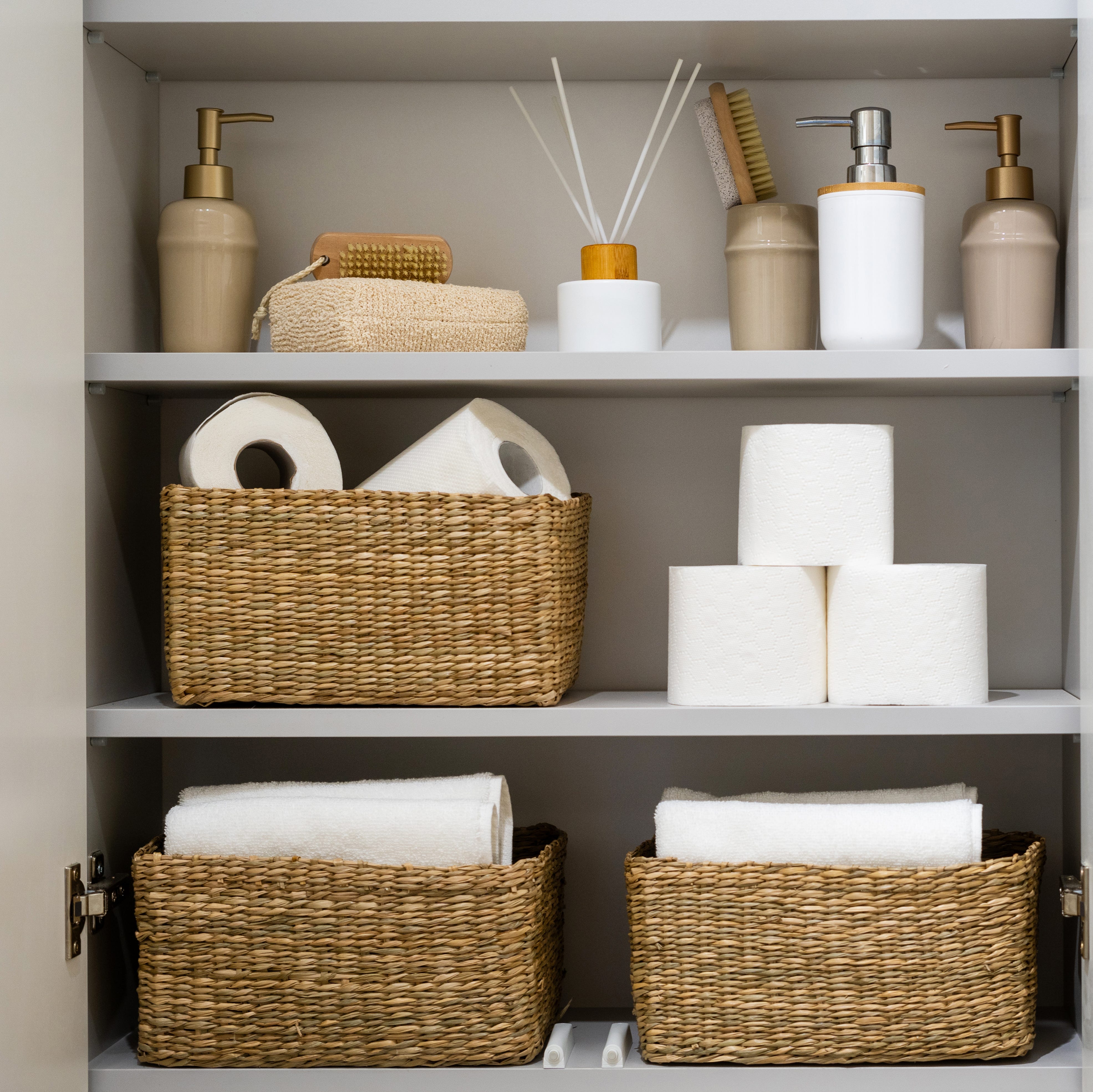
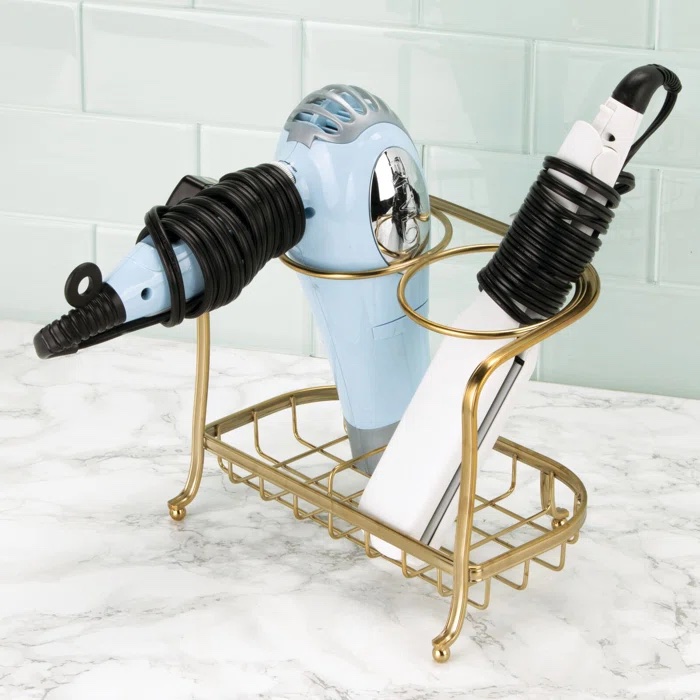
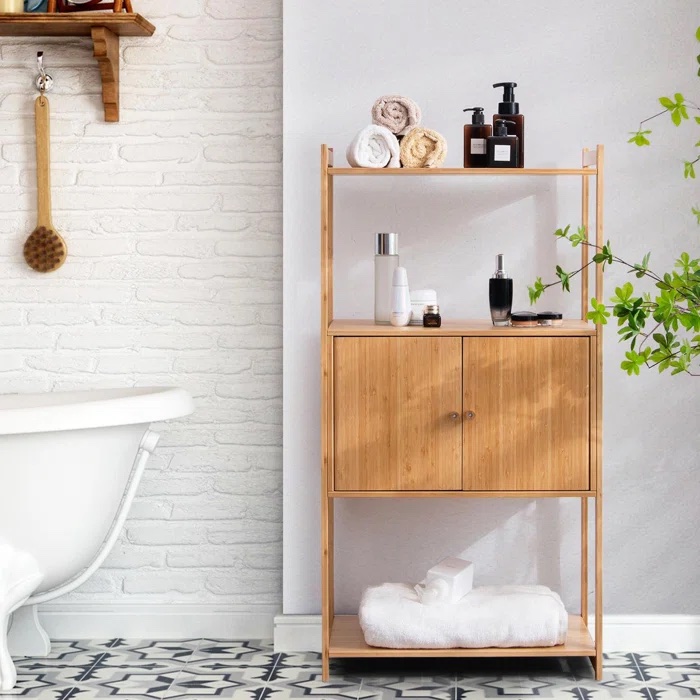
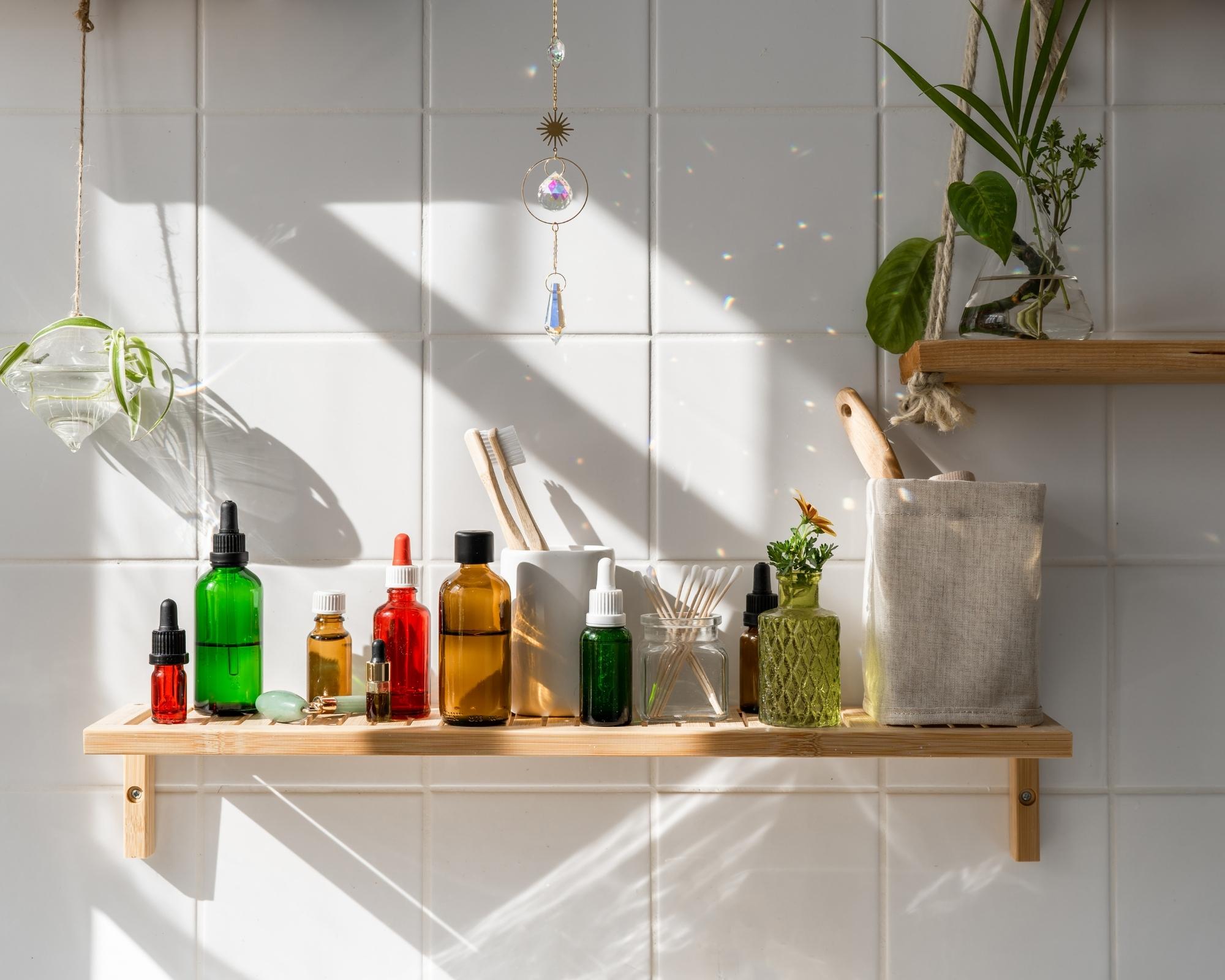
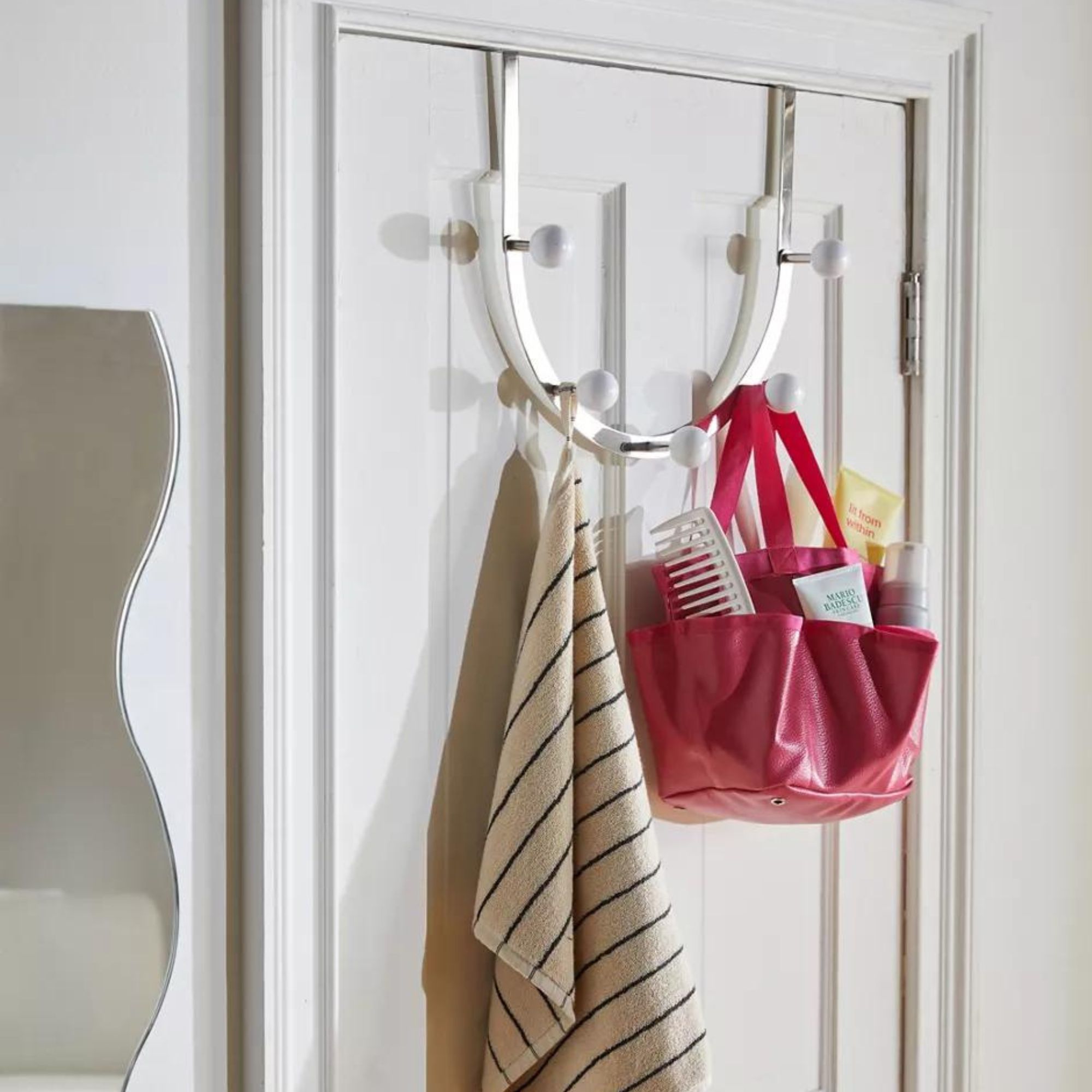
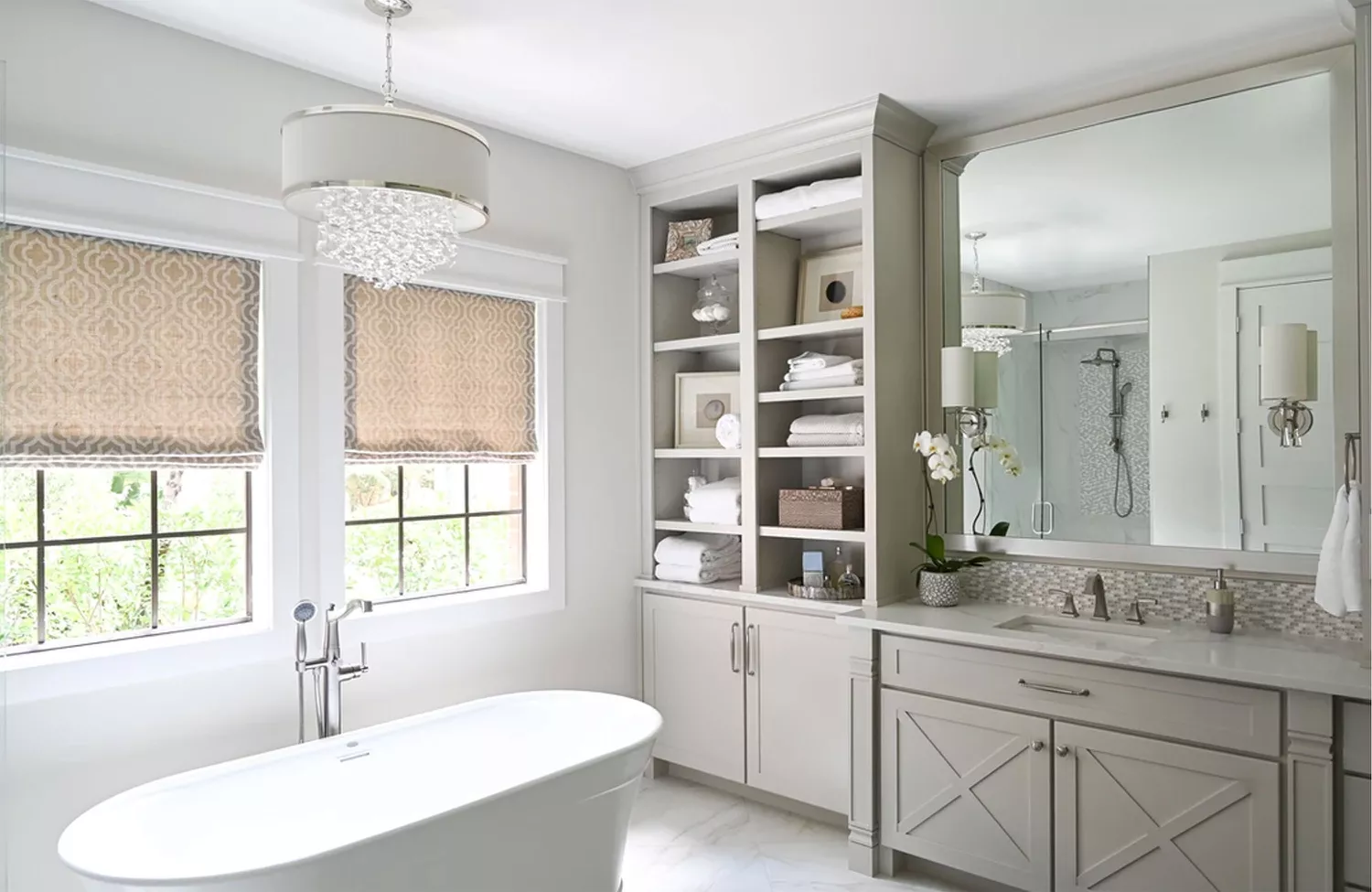
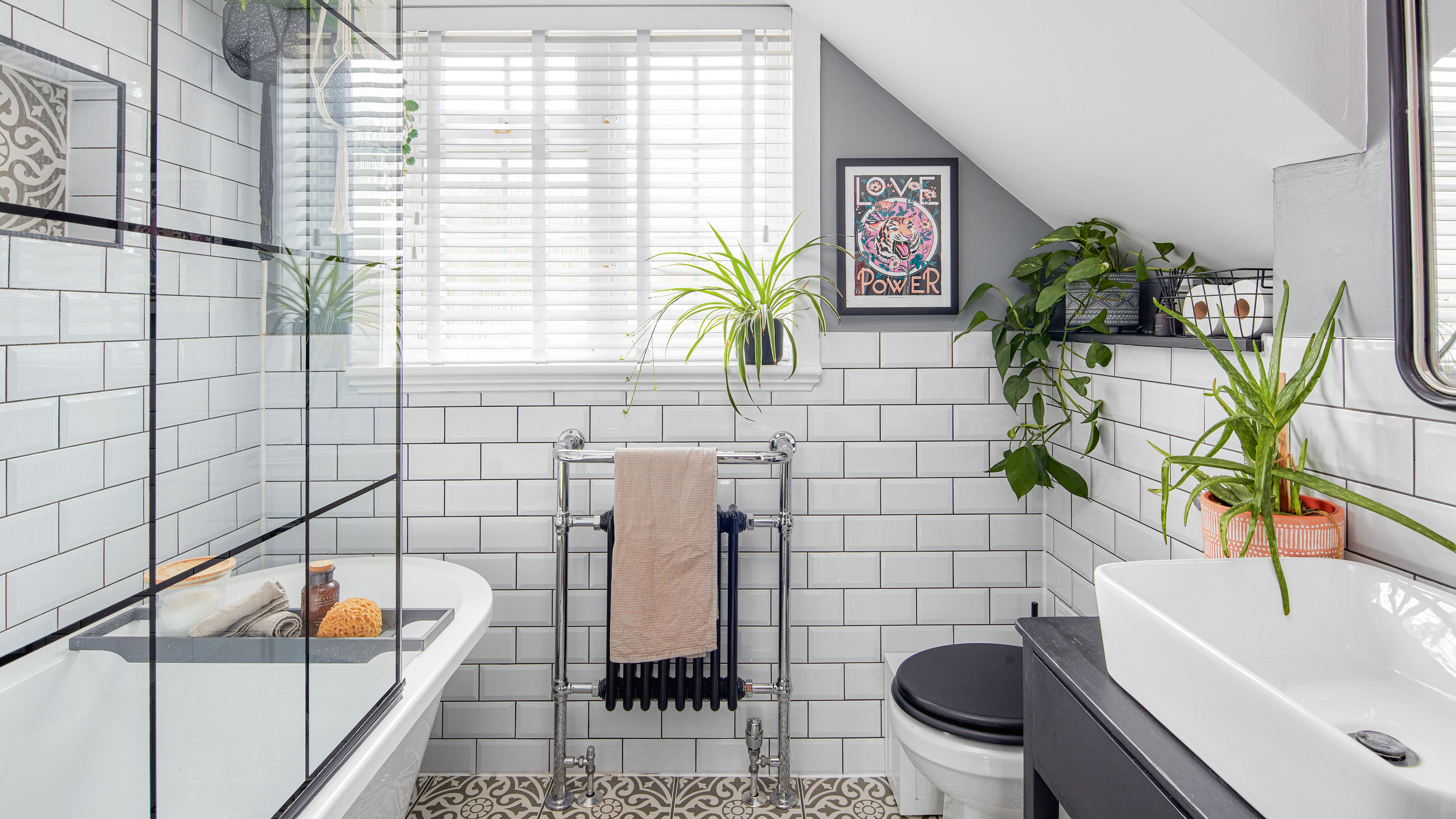
Beyond fixed design elements, clutter on countertops can dramatically impact the perceived size of a bathroom. An accumulation of toiletries, towels, and cleaning supplies on visible surfaces creates visual chaos, detracting from the overall design and making the room feel disorganized and smaller. Incorporating sufficient hidden storage solutions is crucial to maintaining clean and uncluttered countertops, thereby preserving a sense of order and spaciousness.
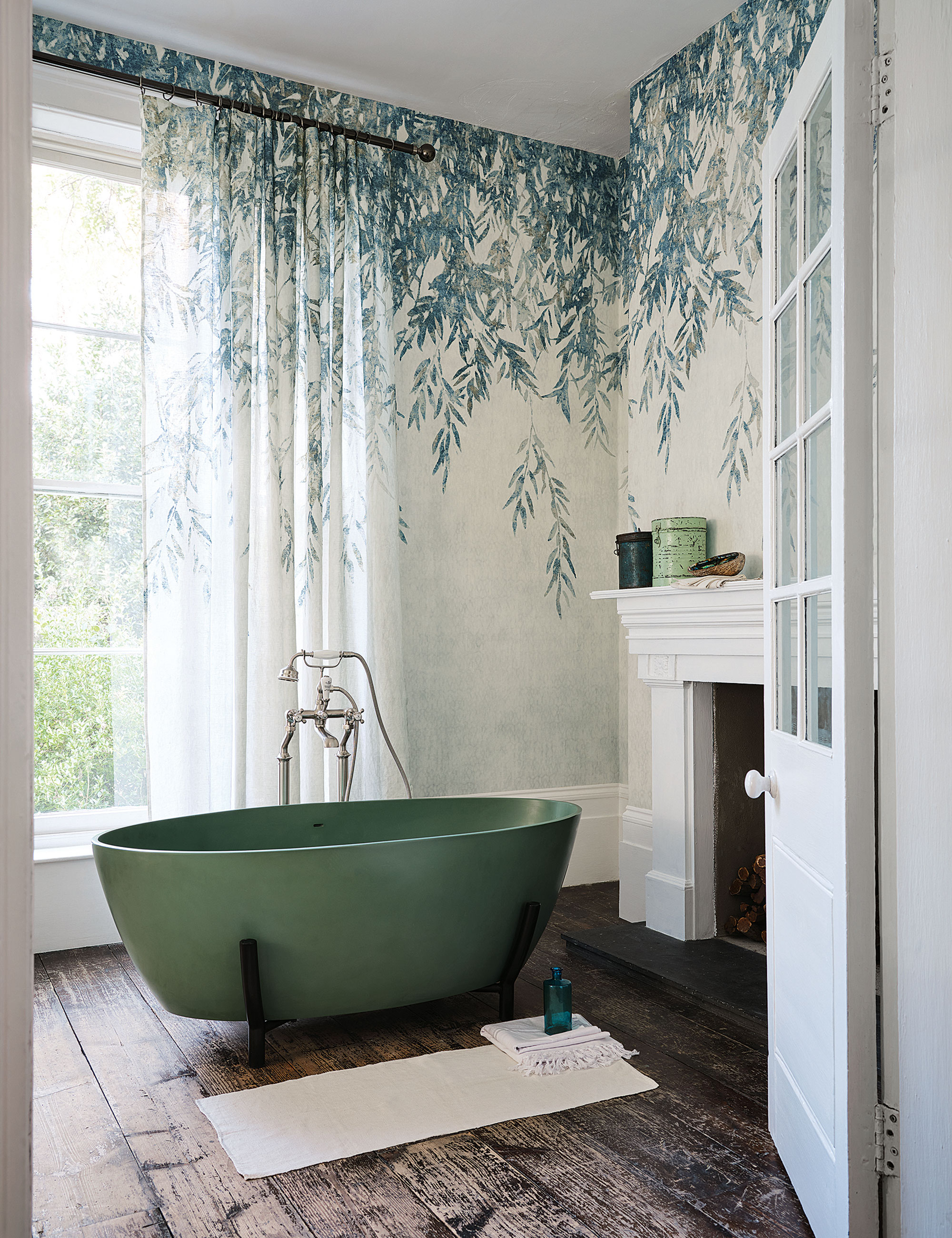
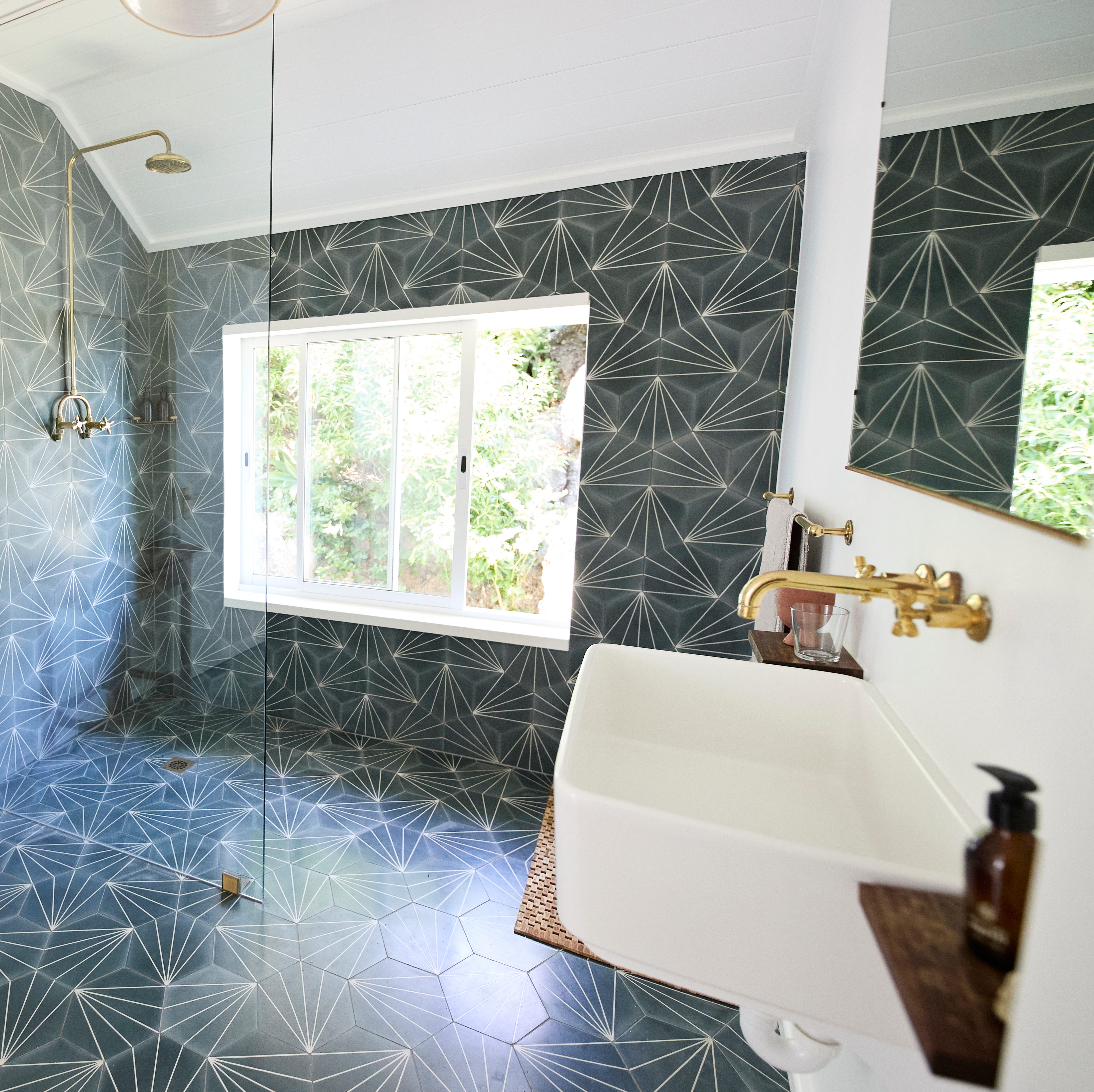
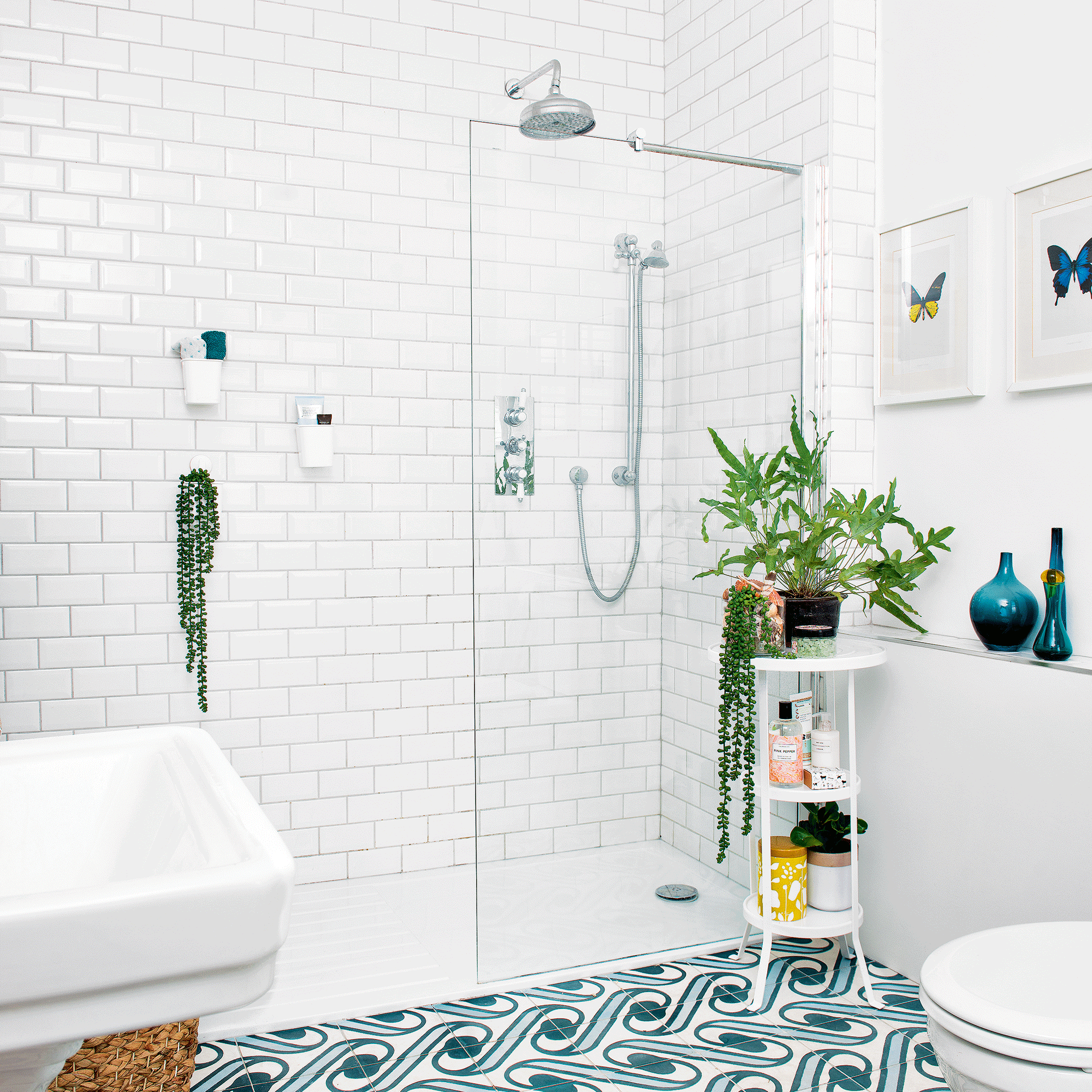
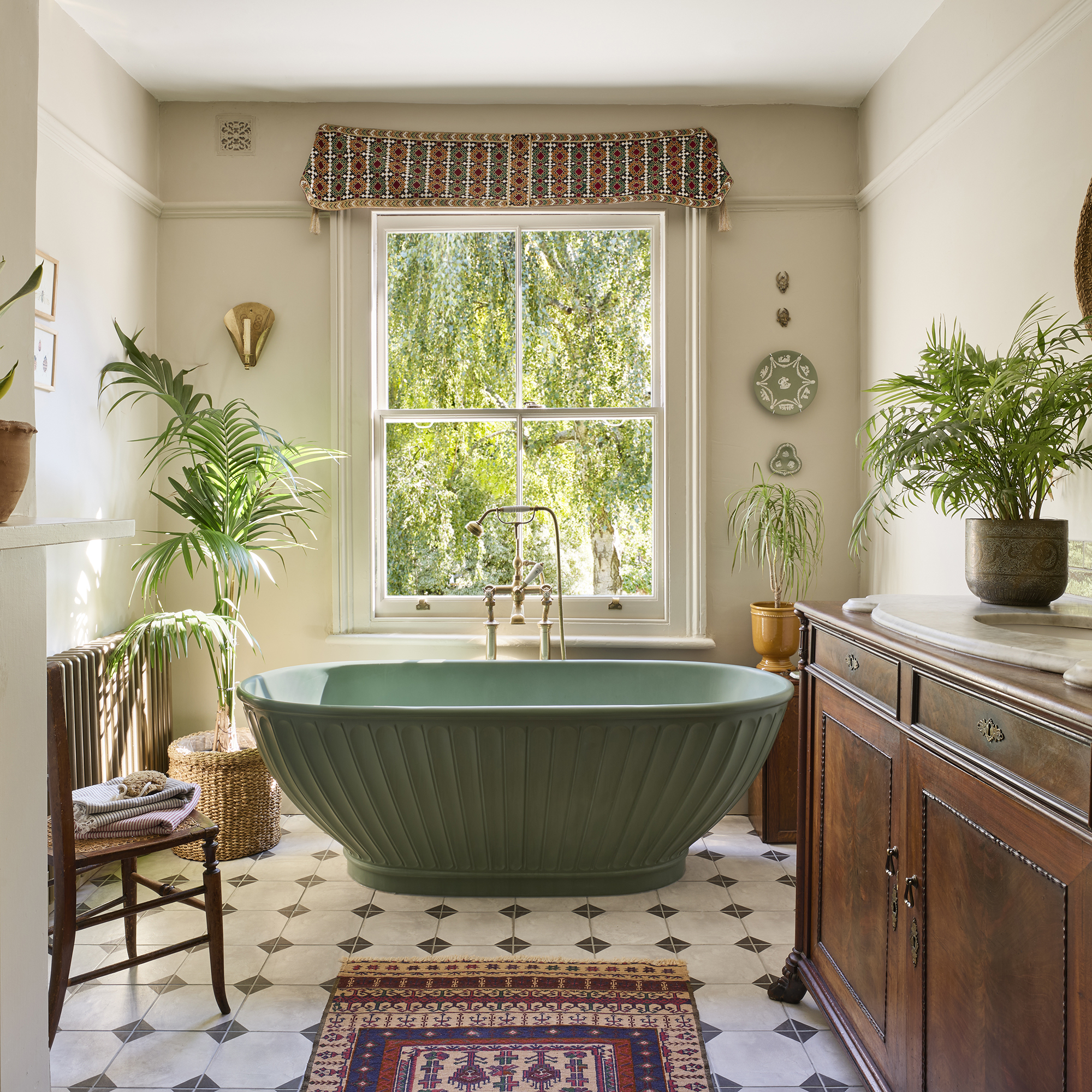
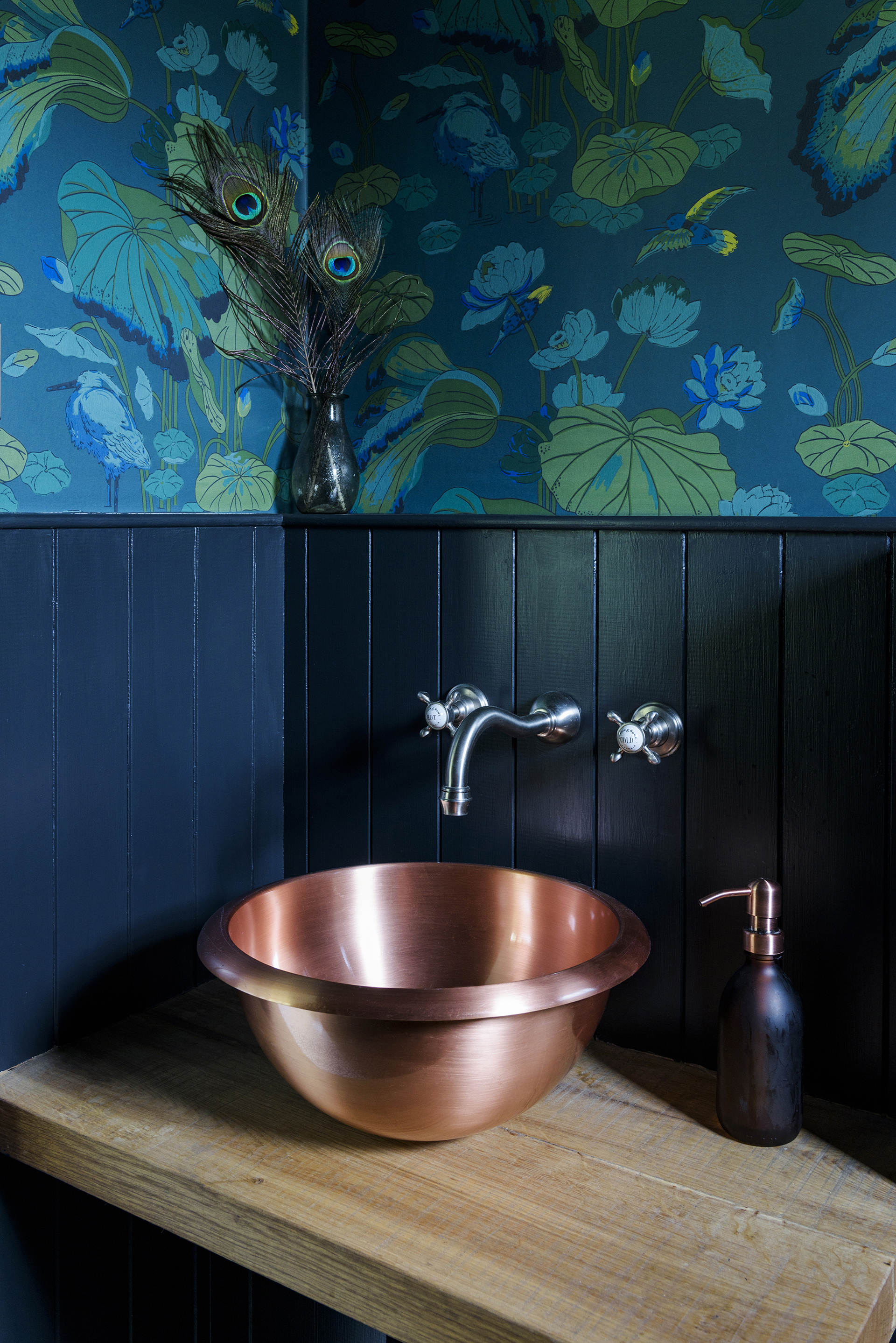
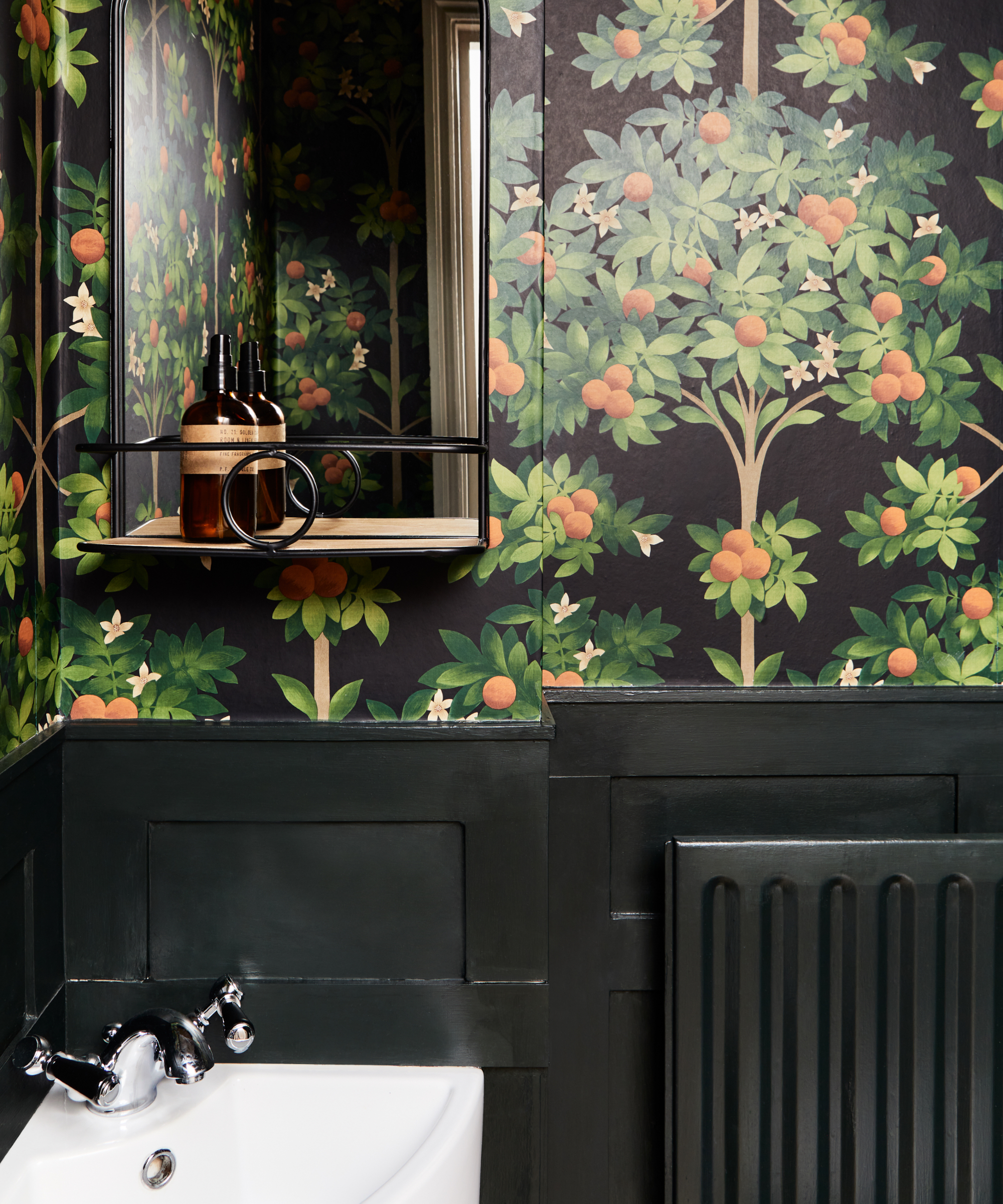
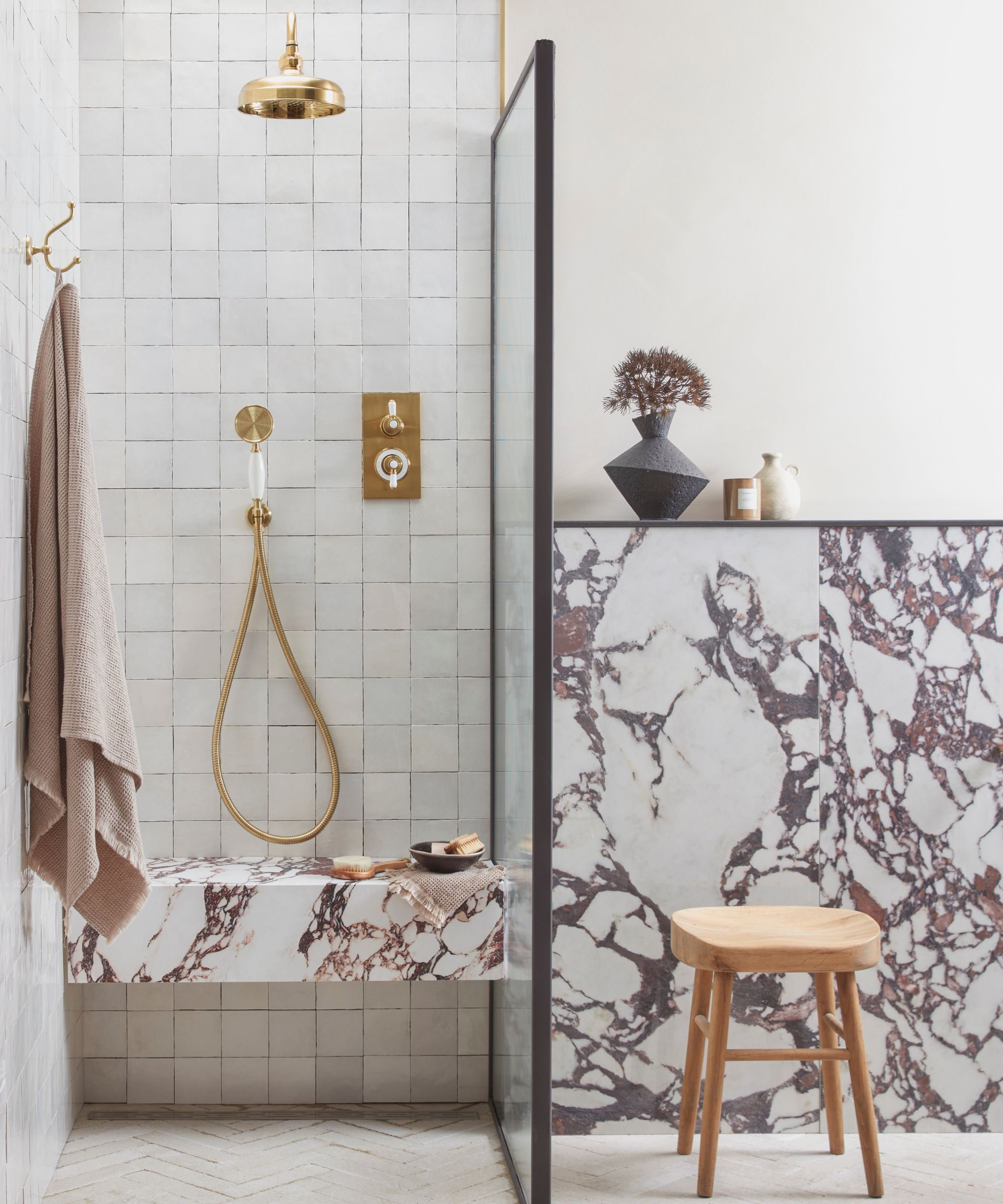
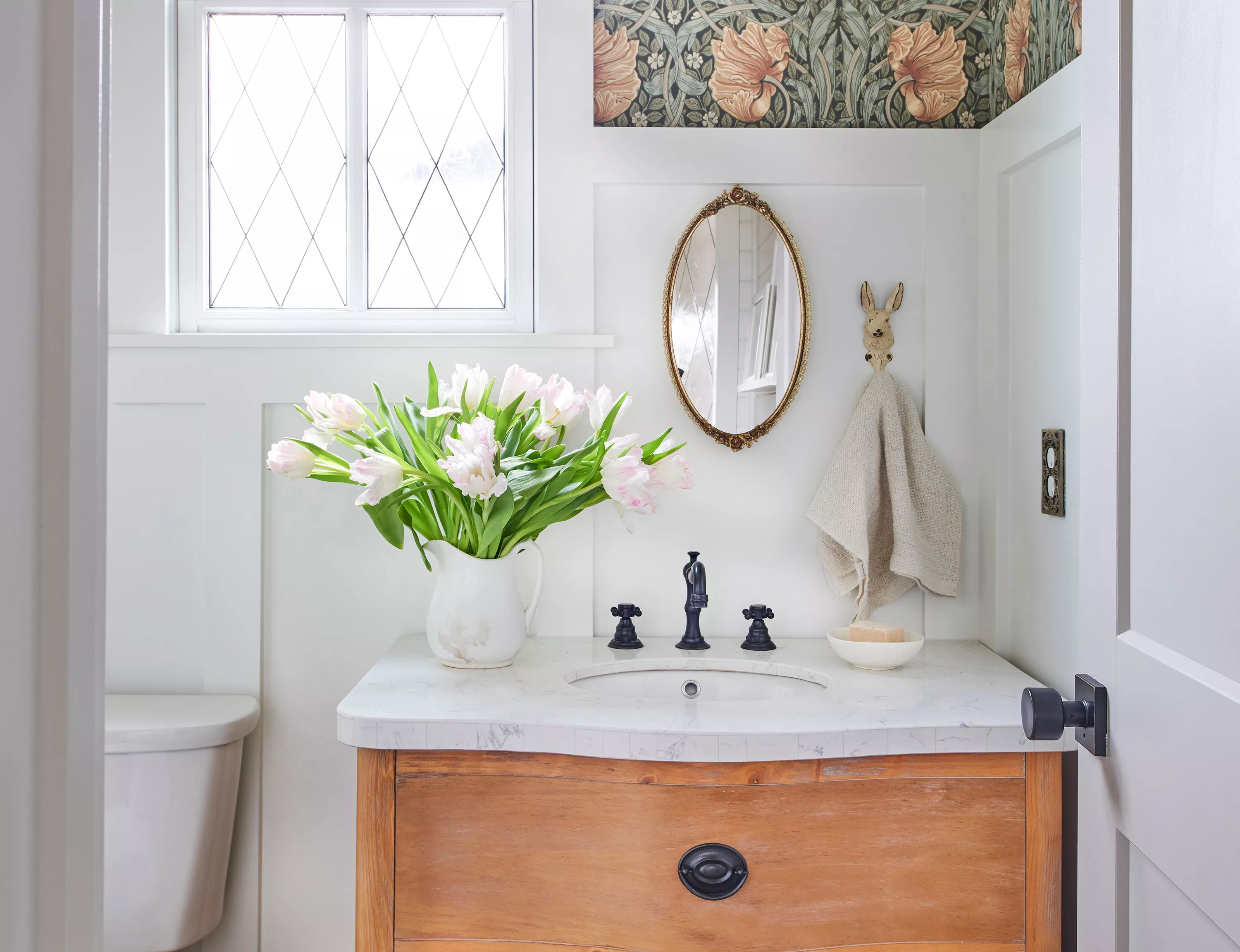
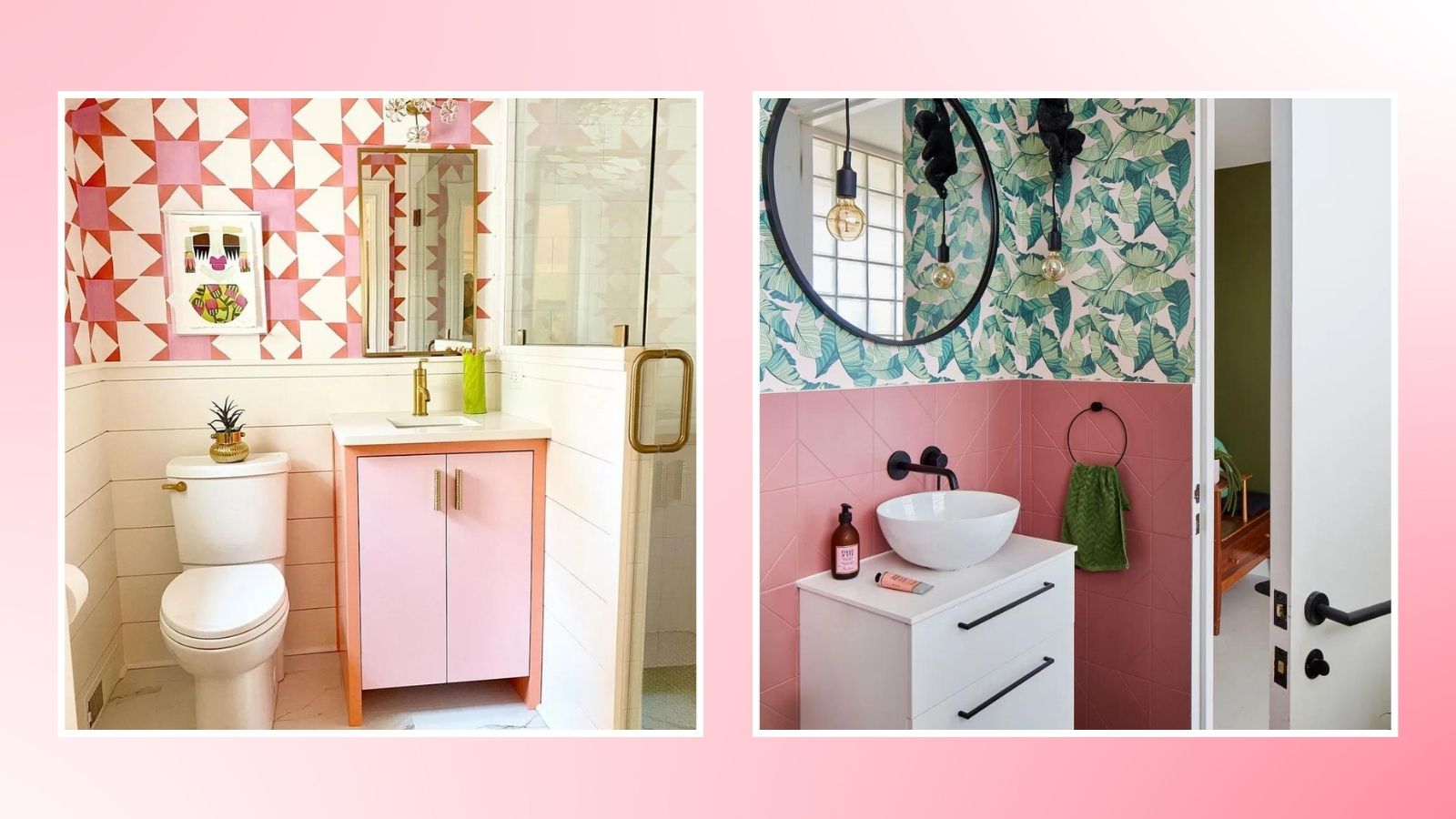
Similar to dark colors, bold or intricate patterns can make a bathroom appear smaller by introducing visual clutter and a sense of confinement. While patterns, whether through tiles, wall paneling, or wallpaper, can add visual interest, excessive or overly busy designs can overwhelm the eye, making it difficult to appreciate the room's layout and contributing to a cramped feeling.
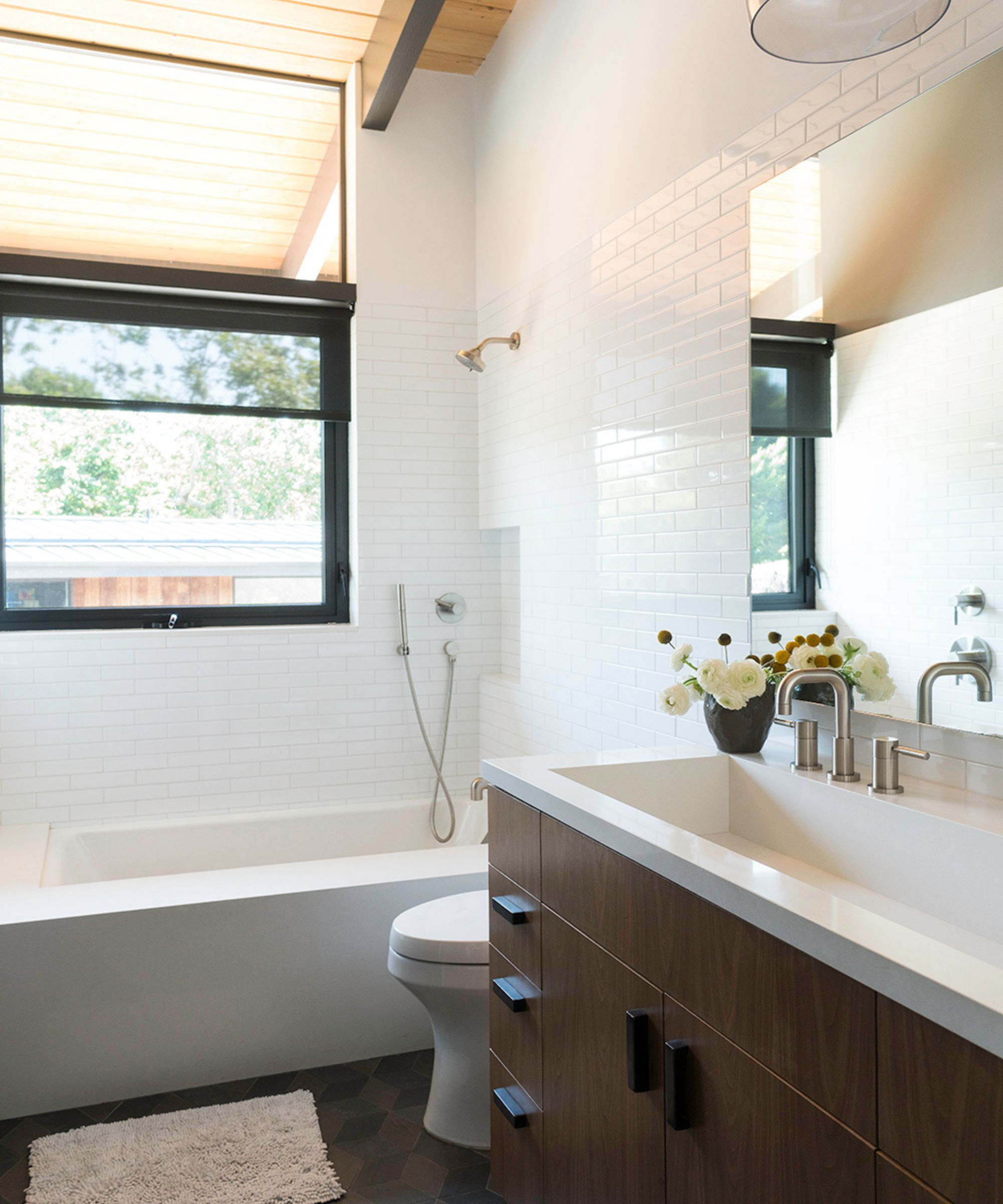
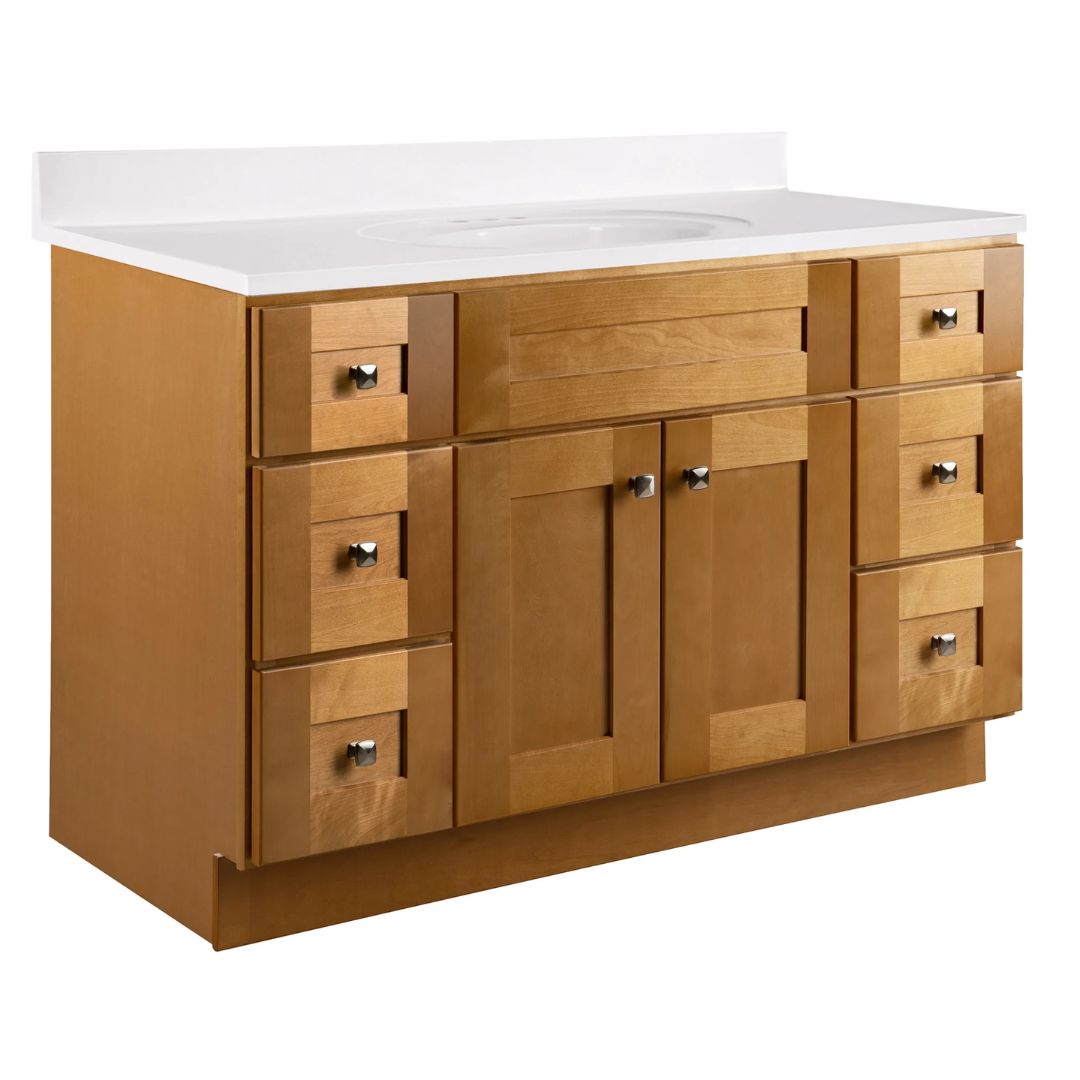
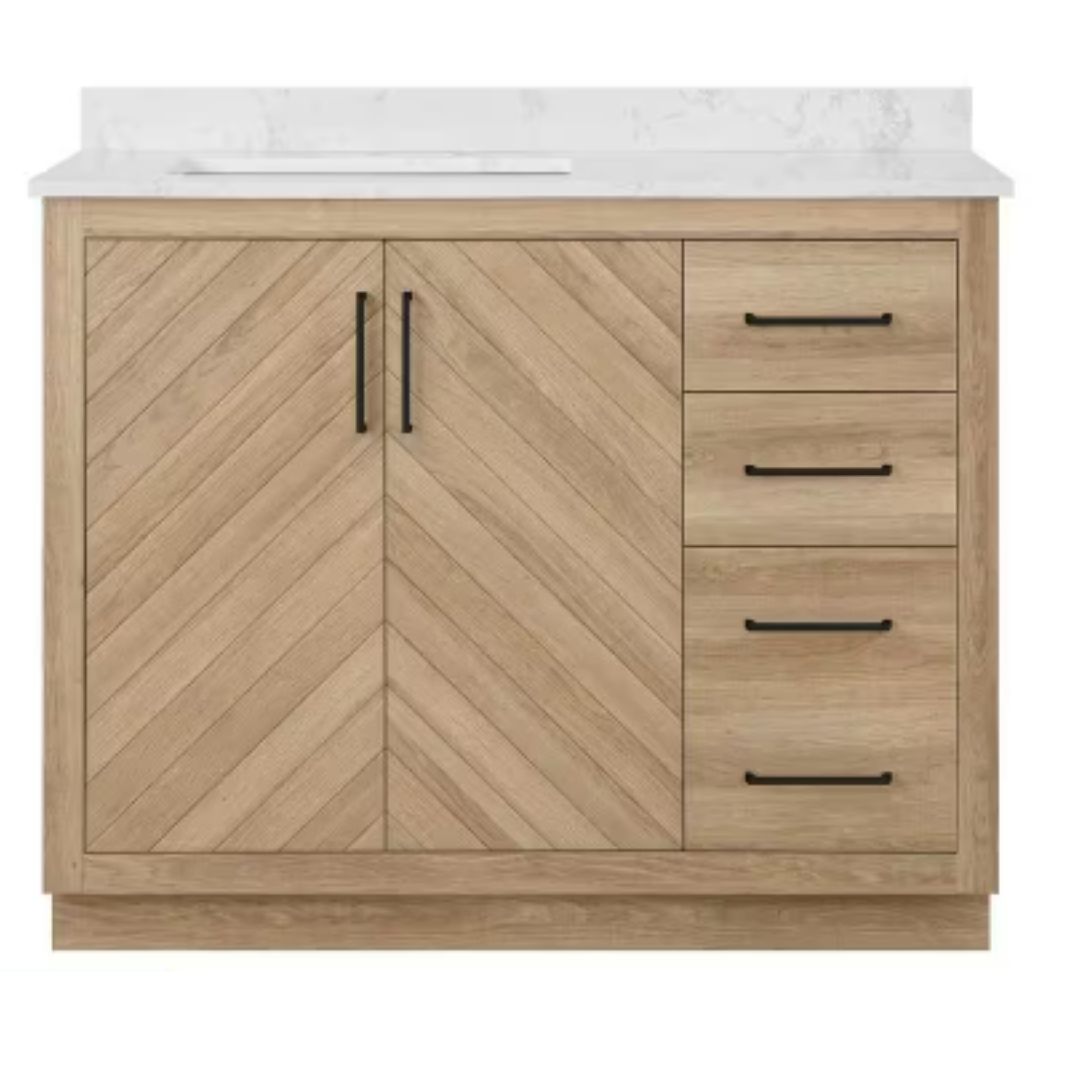
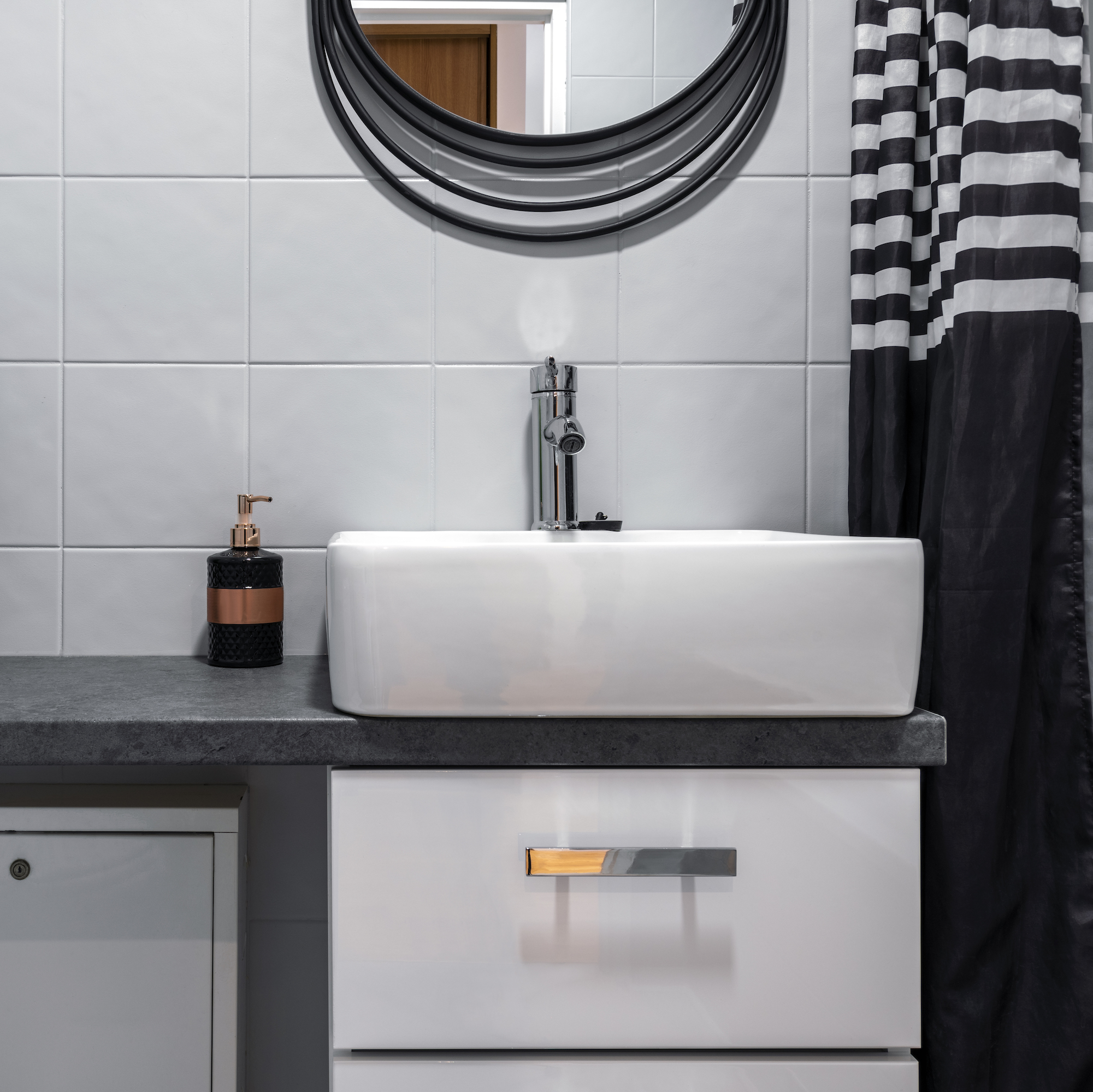
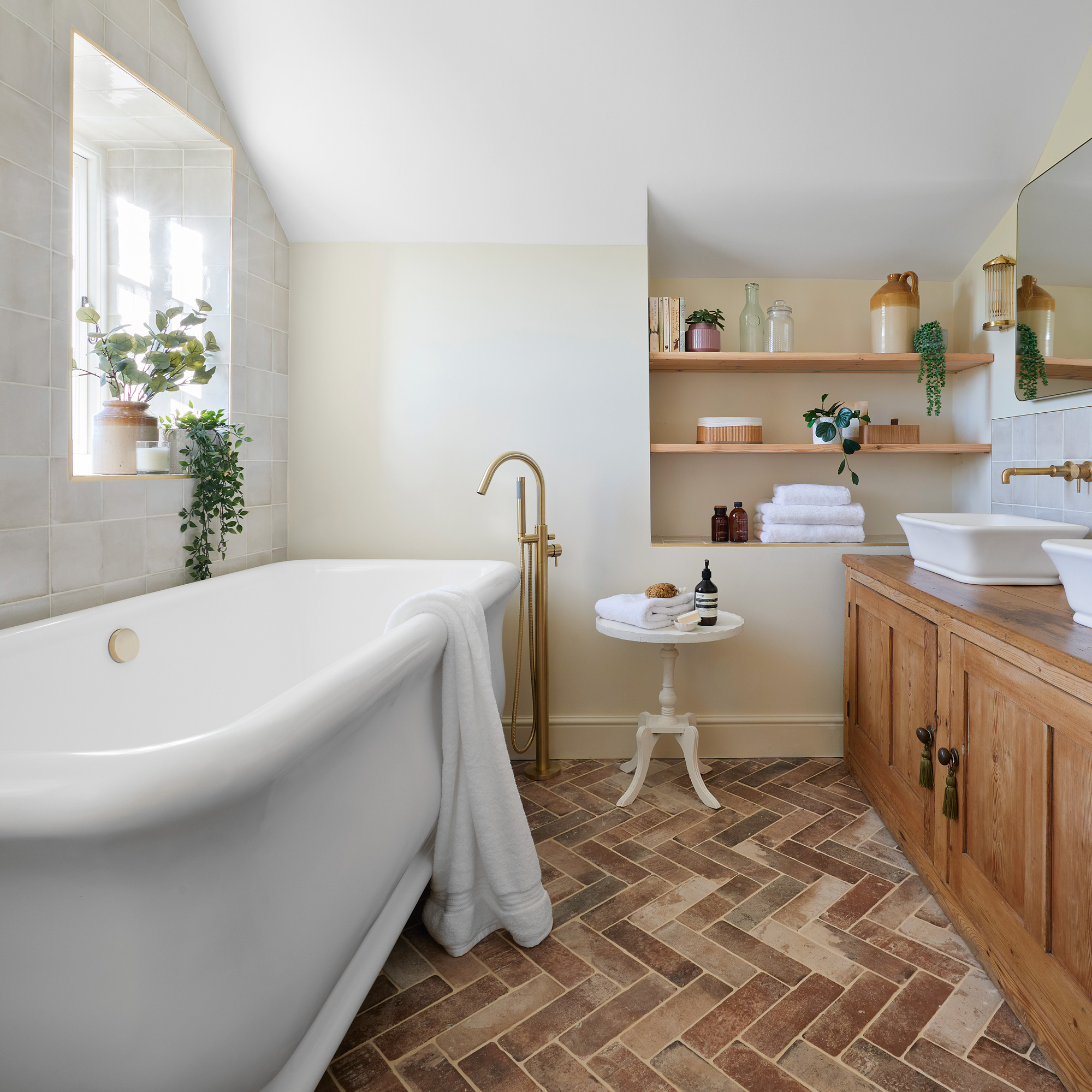
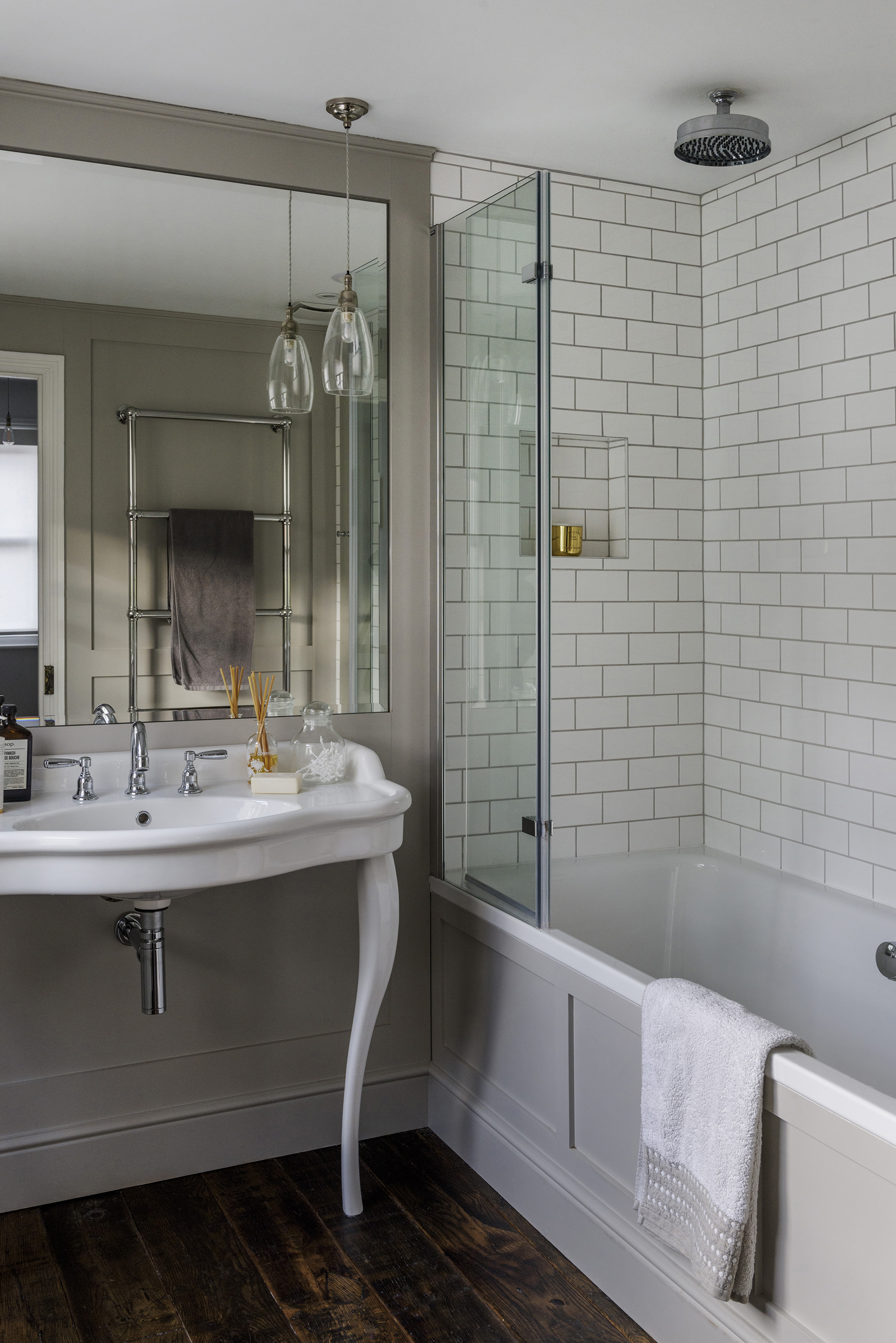
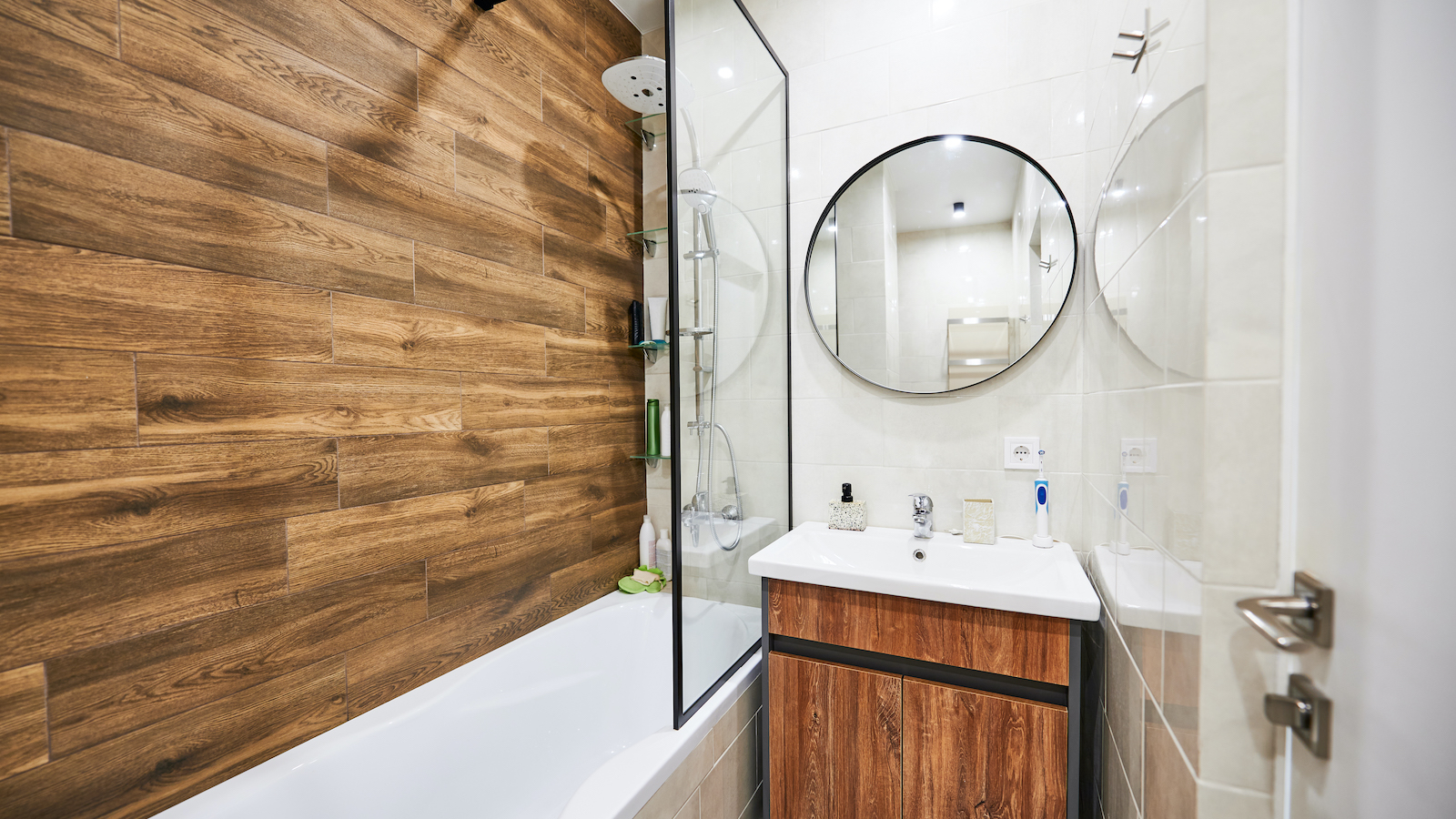
Finally, the size and placement of the bathroom vanity are critical for both practical functionality and visual spaciousness. An oversized or excessively deep vanity, while offering ample storage, can visually dominate a small bathroom, making the area feel tight and restrictive. Designers advise against bulky vanities that occupy a disproportionate amount of floor space or project too far from the wall. By avoiding these common design pitfalls, individuals can create a bathroom that feels more expansive and welcoming, regardless of its actual dimensions.
#BathroomDesign #SmallSpaces #InteriorDesign #Lighting #ColorSchemes #Decluttering #VanitySelection #HomeImprovement #DesignTips #BathroomDesign #SmallSpaces #InteriorDesign #Lighting #ColorSchemes #Decluttering #VanitySelection #HomeImprovement #DesignTips
0 comment in total
 No comments yet
You may also like
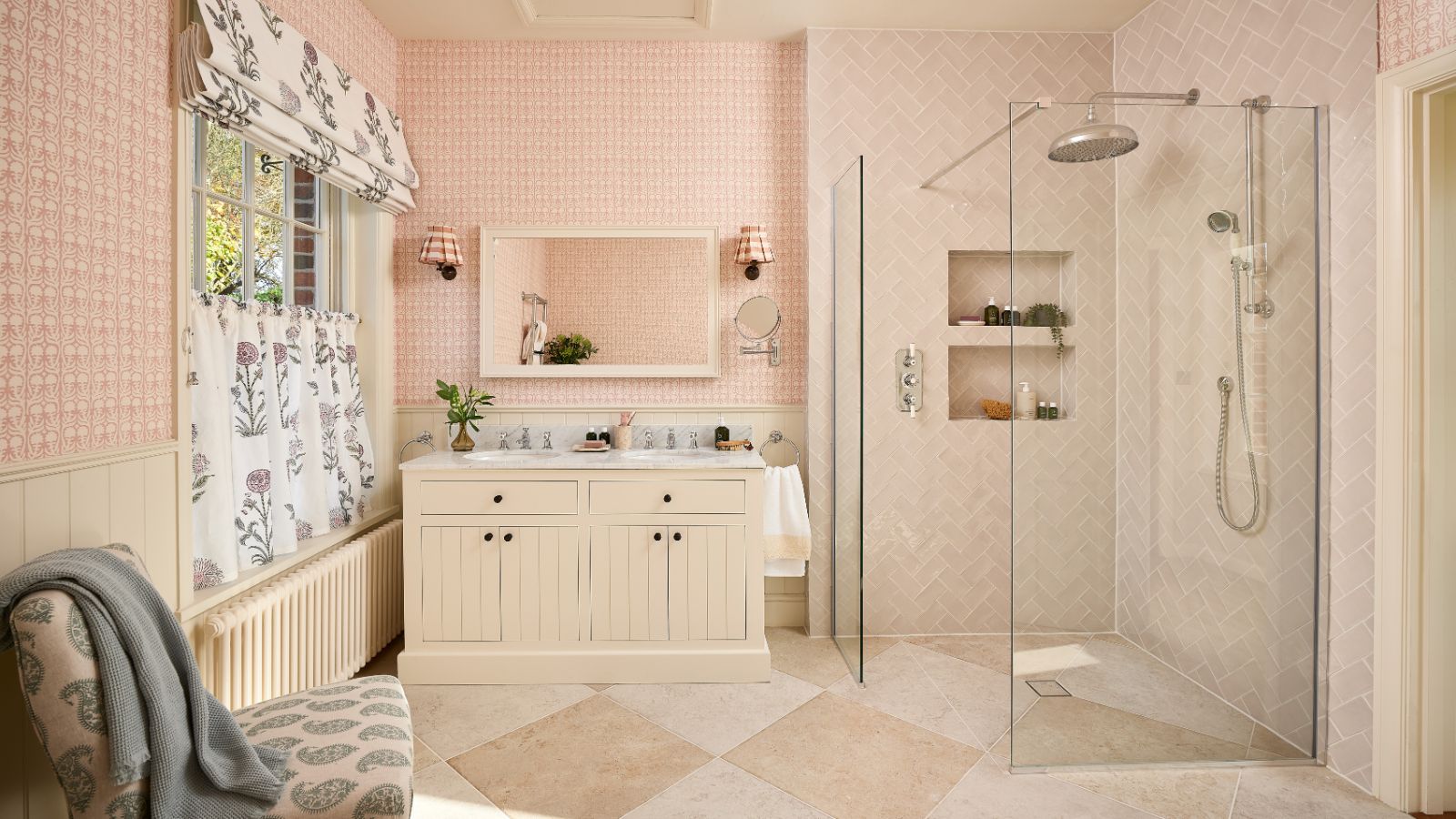
8 things that will always make your bathroom look small, according to designers
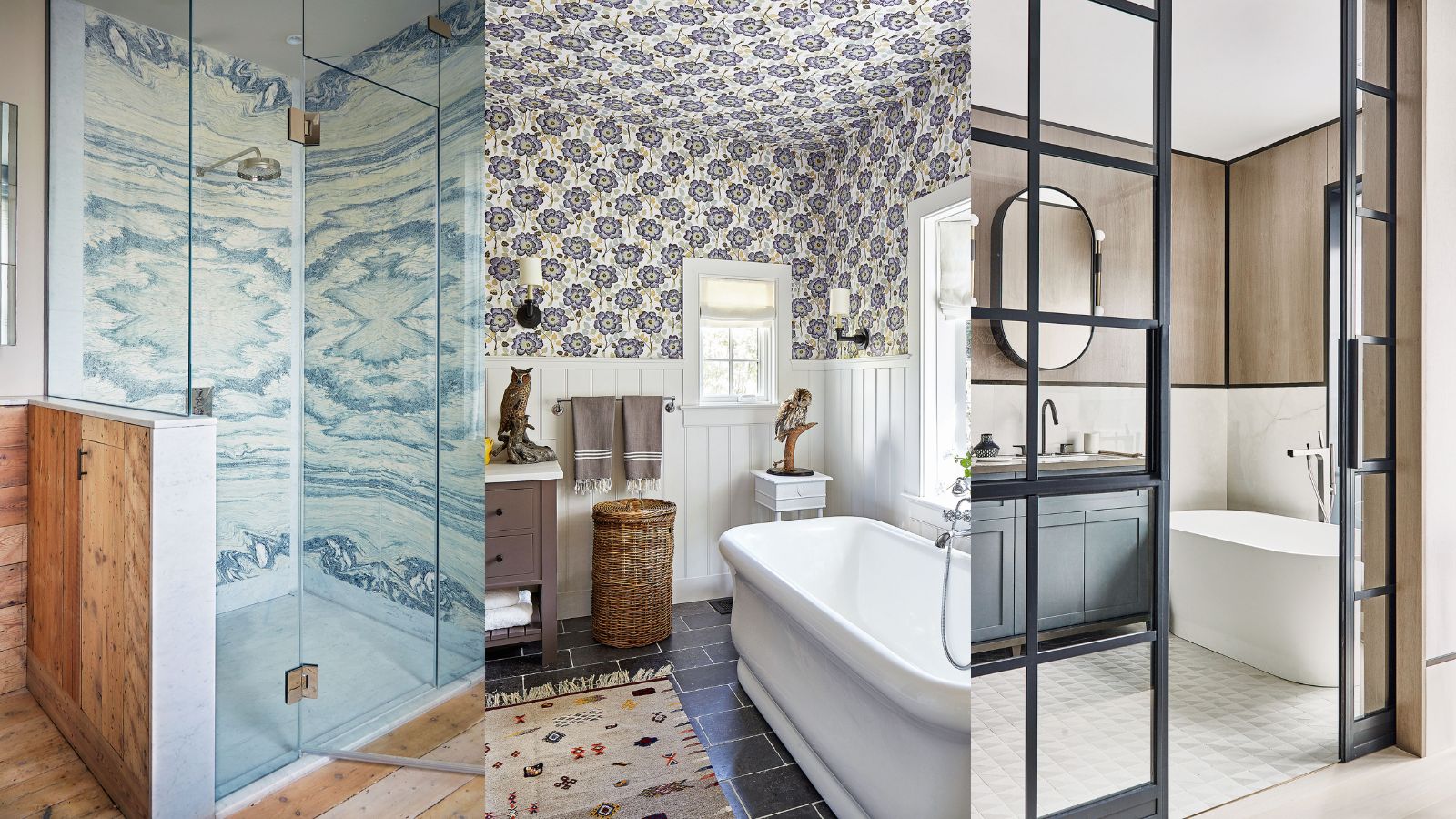
What should I avoid in a small bathroom? 8 mistakes that are ruining your space – and how to fix them
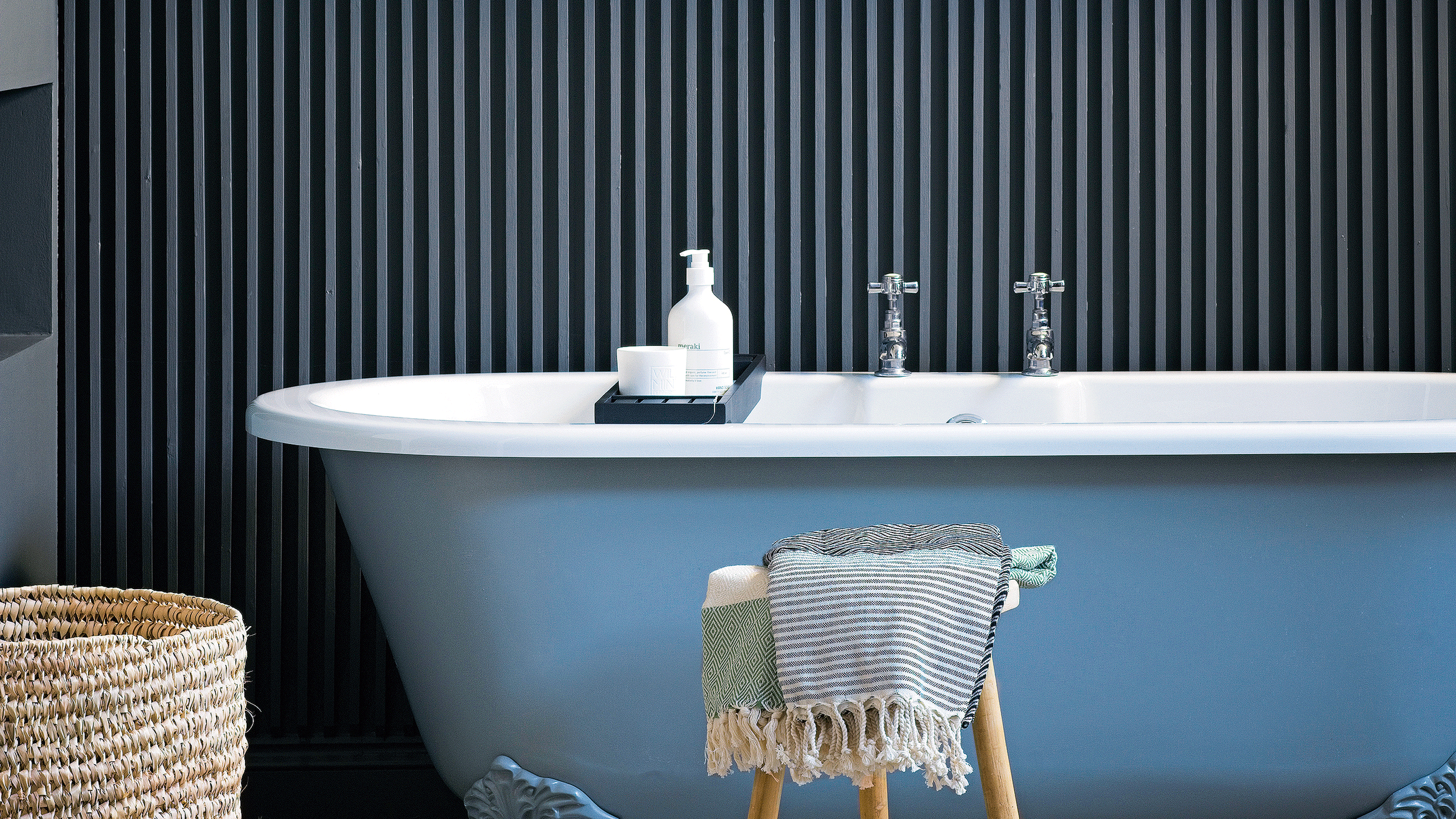
7 design mistakes that are making your bathroom harder to clean
Interior designers share the 9 biggest mistakes people make when decorating and designing a bathroom
7 small bathroom layout mistakes — designers say to swerve these to "maximize potential"

Small bathroom design mistakes that are red-flag worthy, according to the pros
5 Things Designers Immediately Notice About a Bad Bathroom Layout

13 bathroom design mistakes to avoid at all costs, according to experts

Small Bathroom Design Mistakes — 6 Errors You Probably Didn't Even Know You Were Making

5 Bathroom Lighting Mistakes That Instantly Dim the Space, According to Designers
8 items interior designers never have in small bathrooms

5 things in your bathroom that aren’t worth spending money on, according to interior designers
5 Mistakes That Are Making Your Bathroom Look Smaller, According to Designers

These 5 things are making your small bathroom look cheap, according to experts - but the fixes are simple
Designer tips for making more space in a small bathroom — and you'll see a huge difference
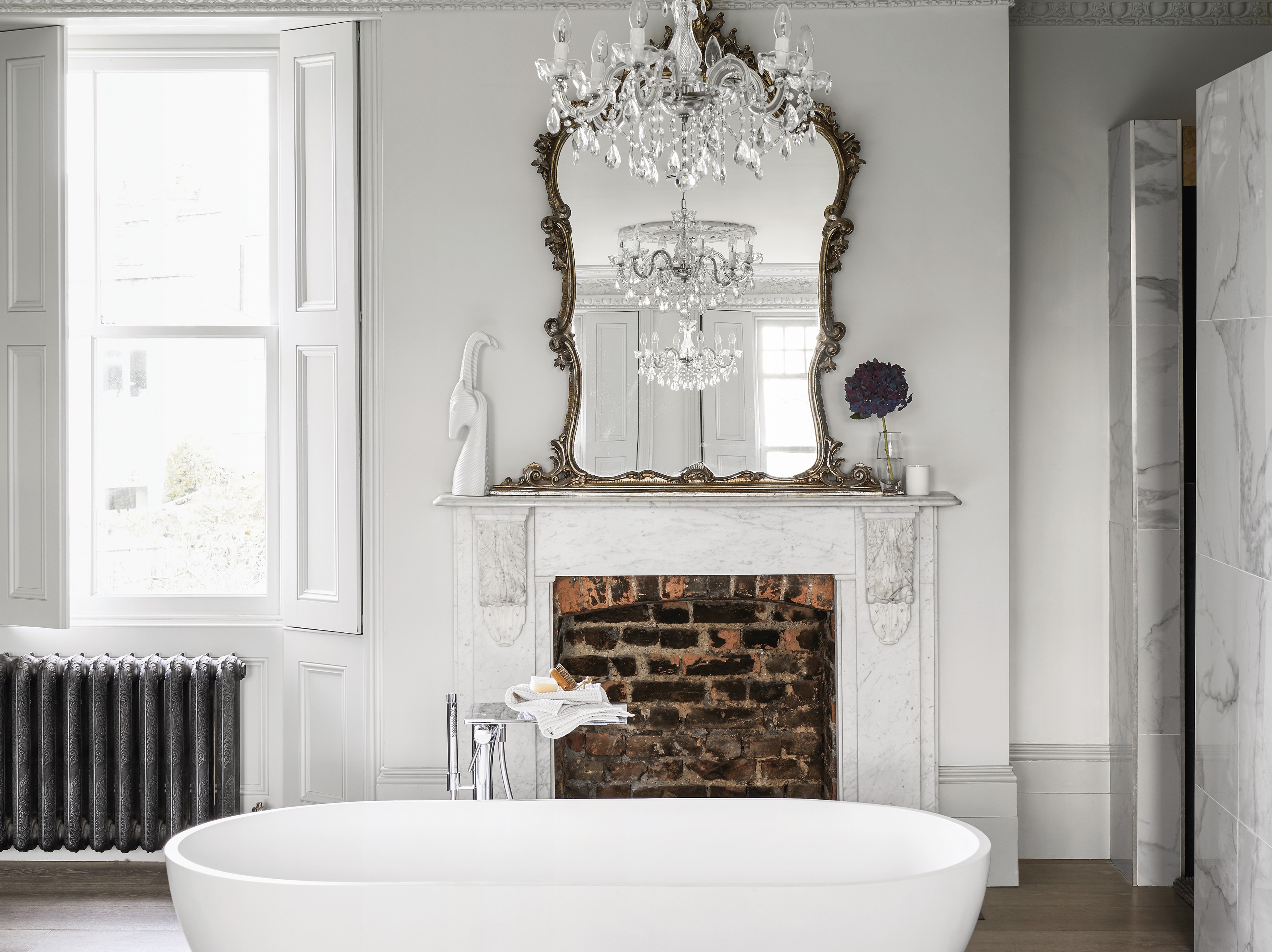
5 Bathroom Lighting Mistakes to Avoid — Designers Advise How to Dodge The Most Common Problems
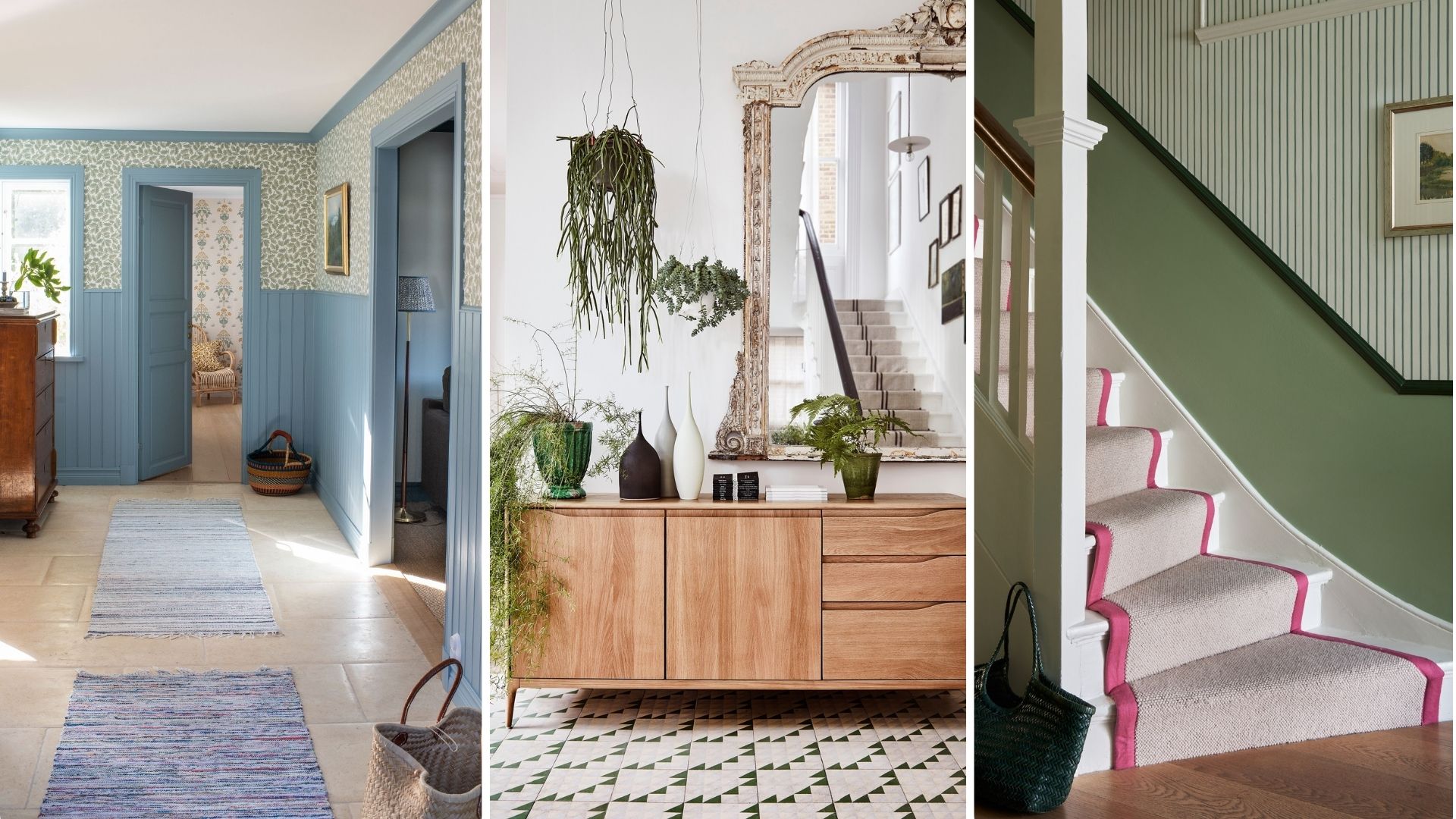
5 mistakes making your hallway look smaller and how to fix them, according to designers

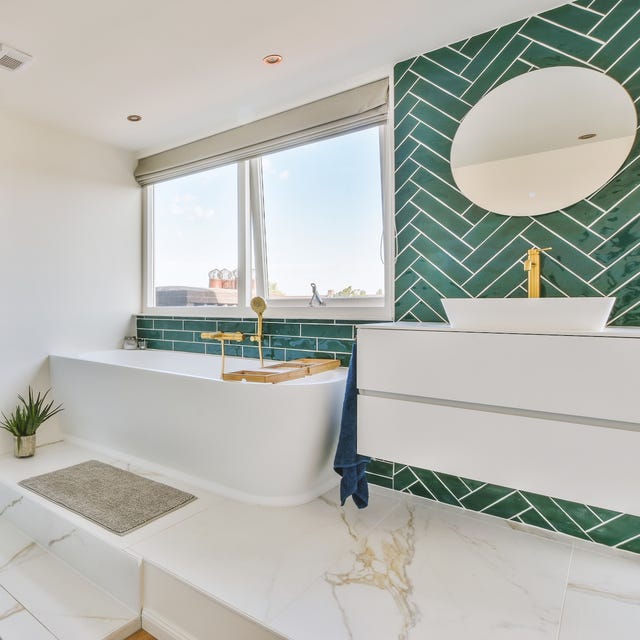
18 WORST Bathroom Design Mistakes You're Probably Making

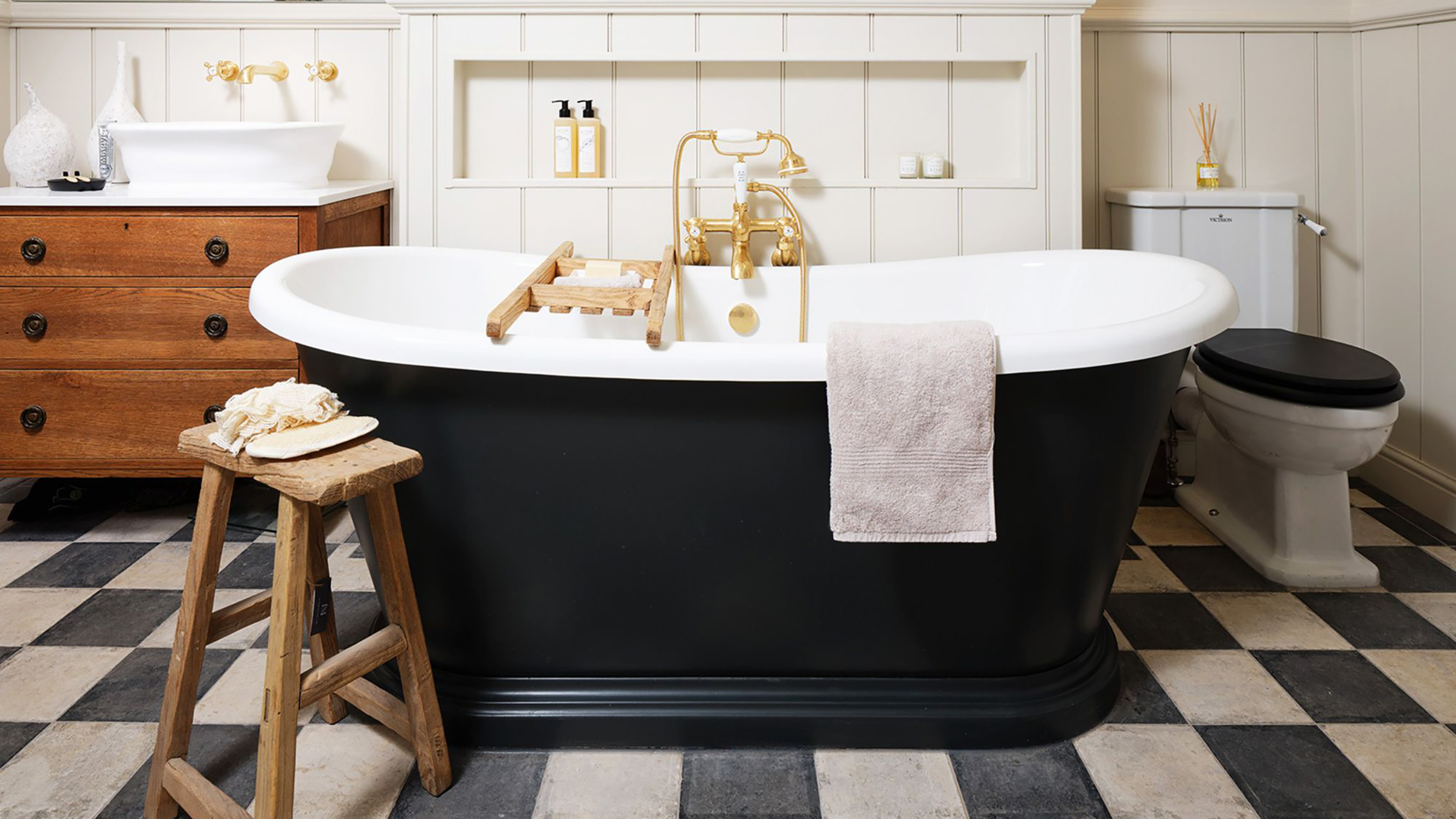
5 Family bathroom layout mistakes to swerve for a functional space
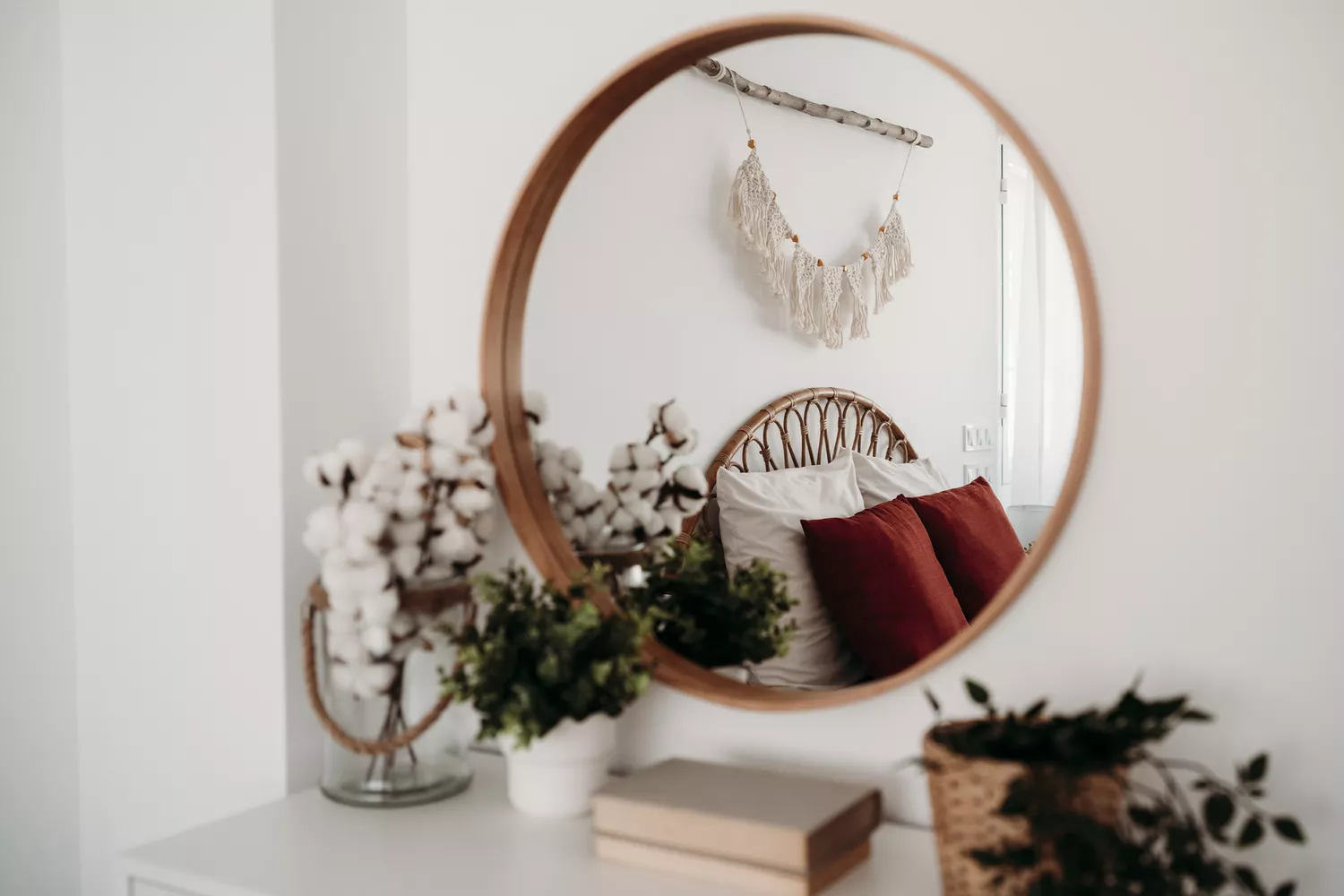
4 Mirror Mistakes That Make Rooms Look Smaller (And How to Fix Them), According to Designers