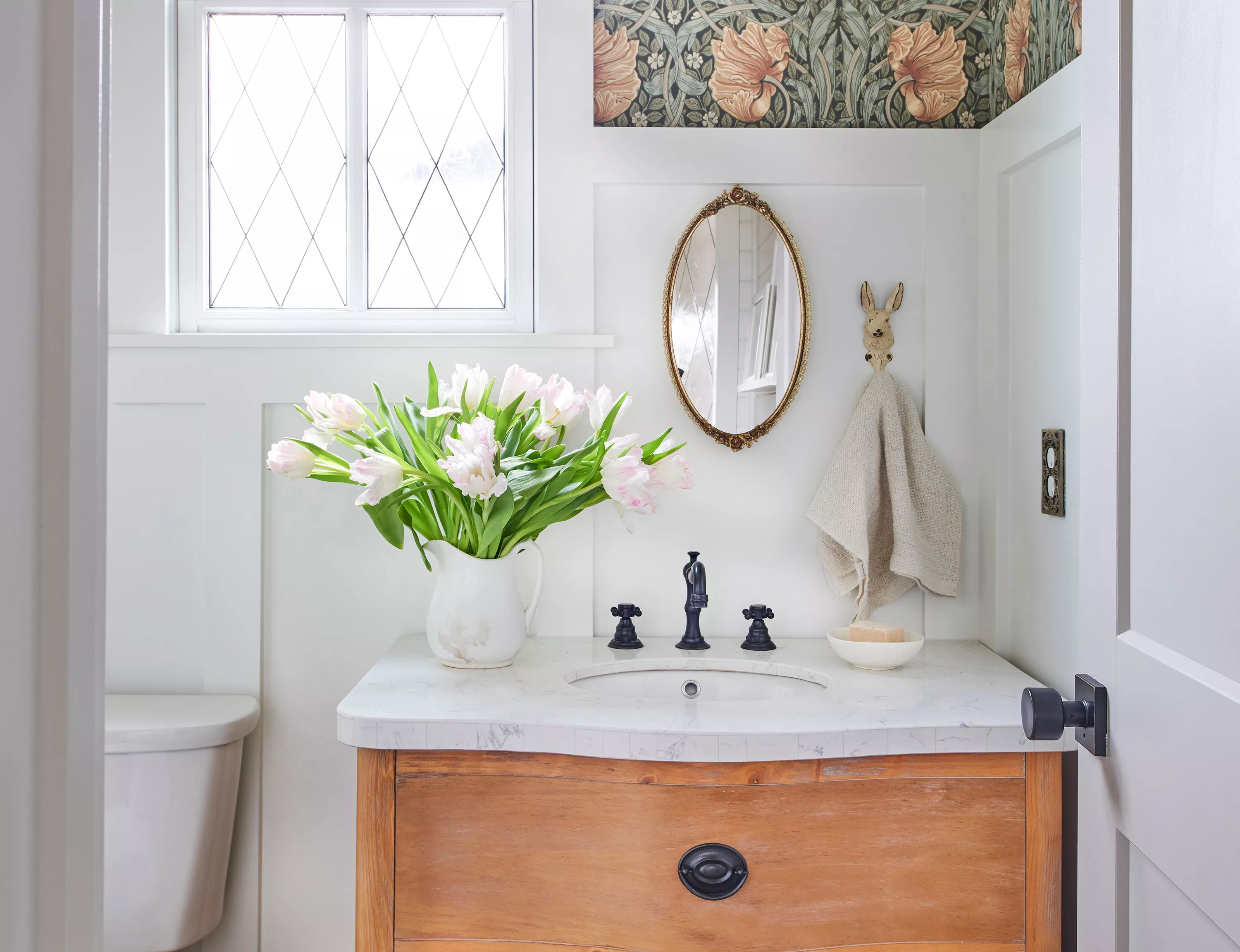
5 Mistakes That Are Making Your Bathroom Look Smaller, According to Designers
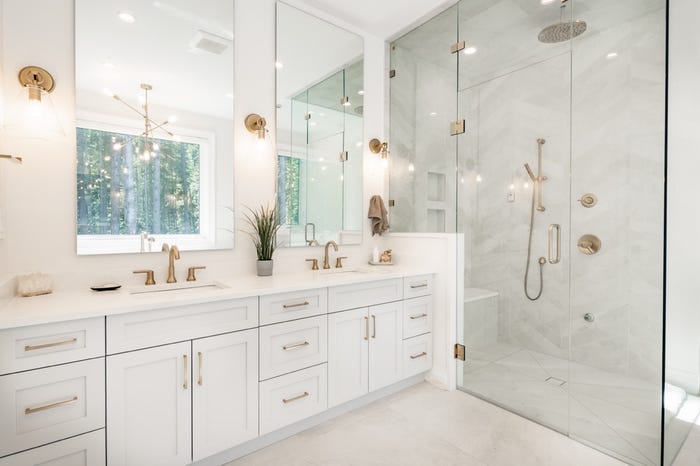
The perception of spaciousness in a bathroom is not solely determined by its square footage; rather, various design elements significantly influence how large or small a bathroom feels. Design experts highlight several common mistakes that can inadvertently shrink the perceived size of a bathroom, regardless of its actual dimensions. These errors often involve visual clutter, poor light management, and inappropriate choices in color and scale.
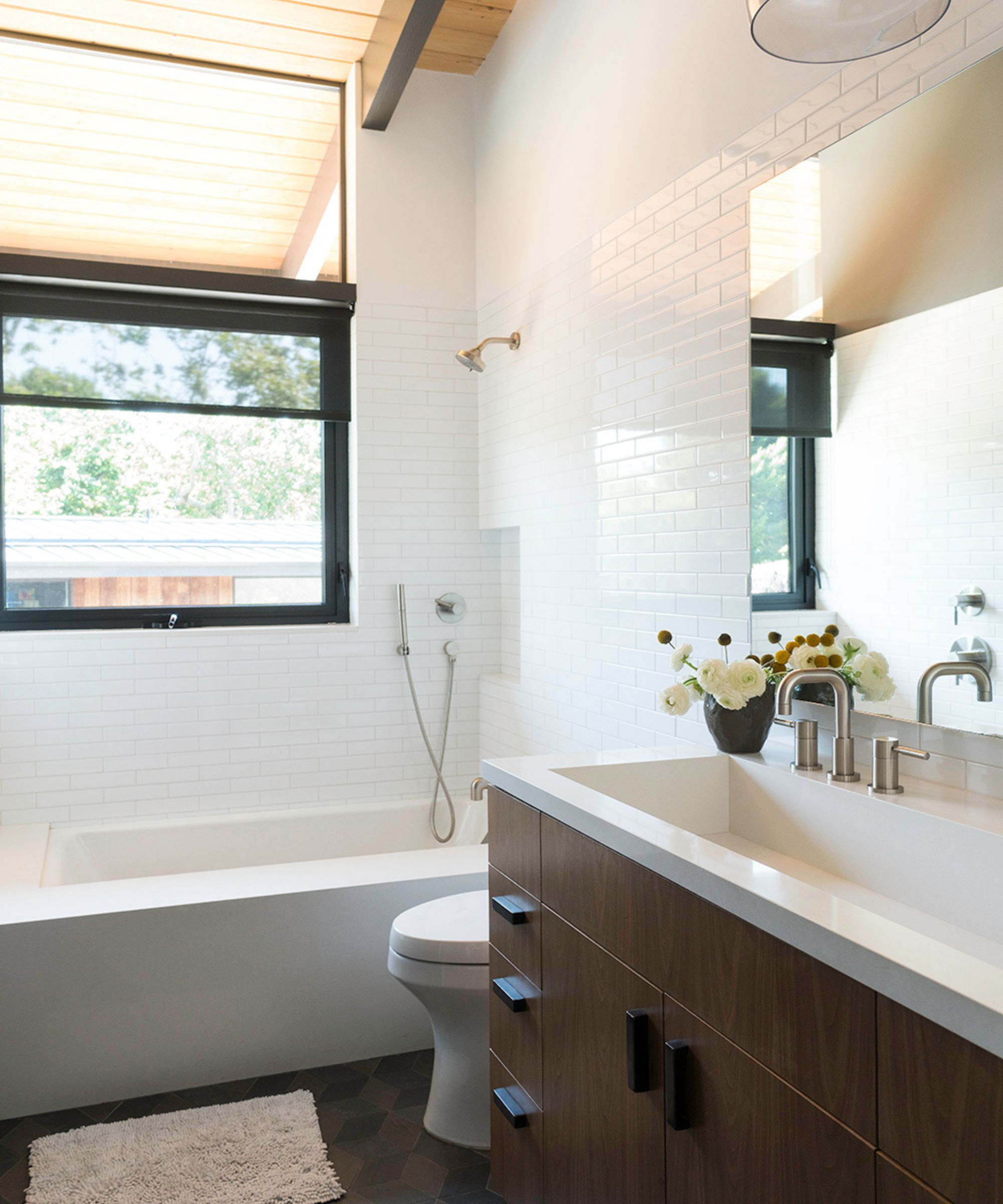
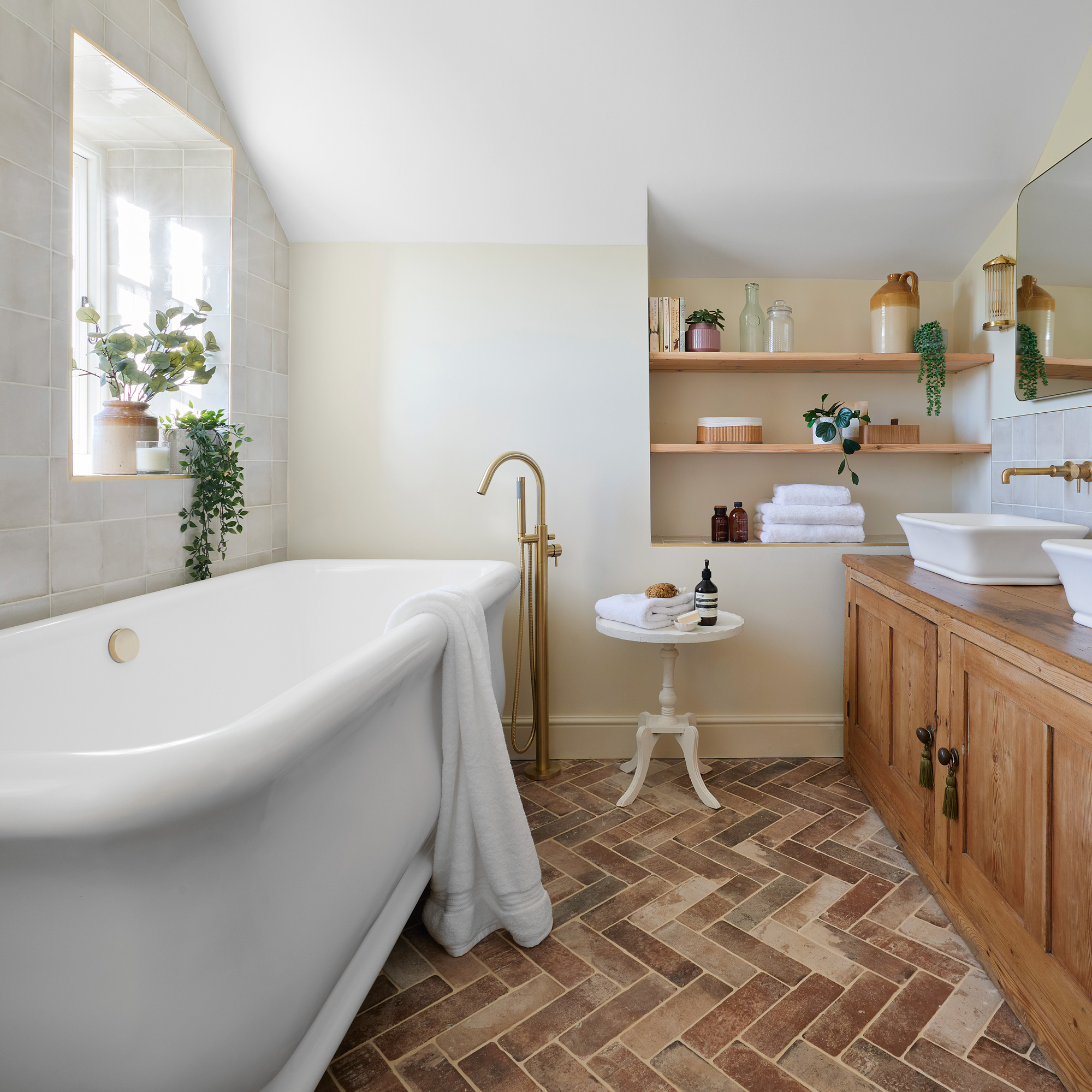
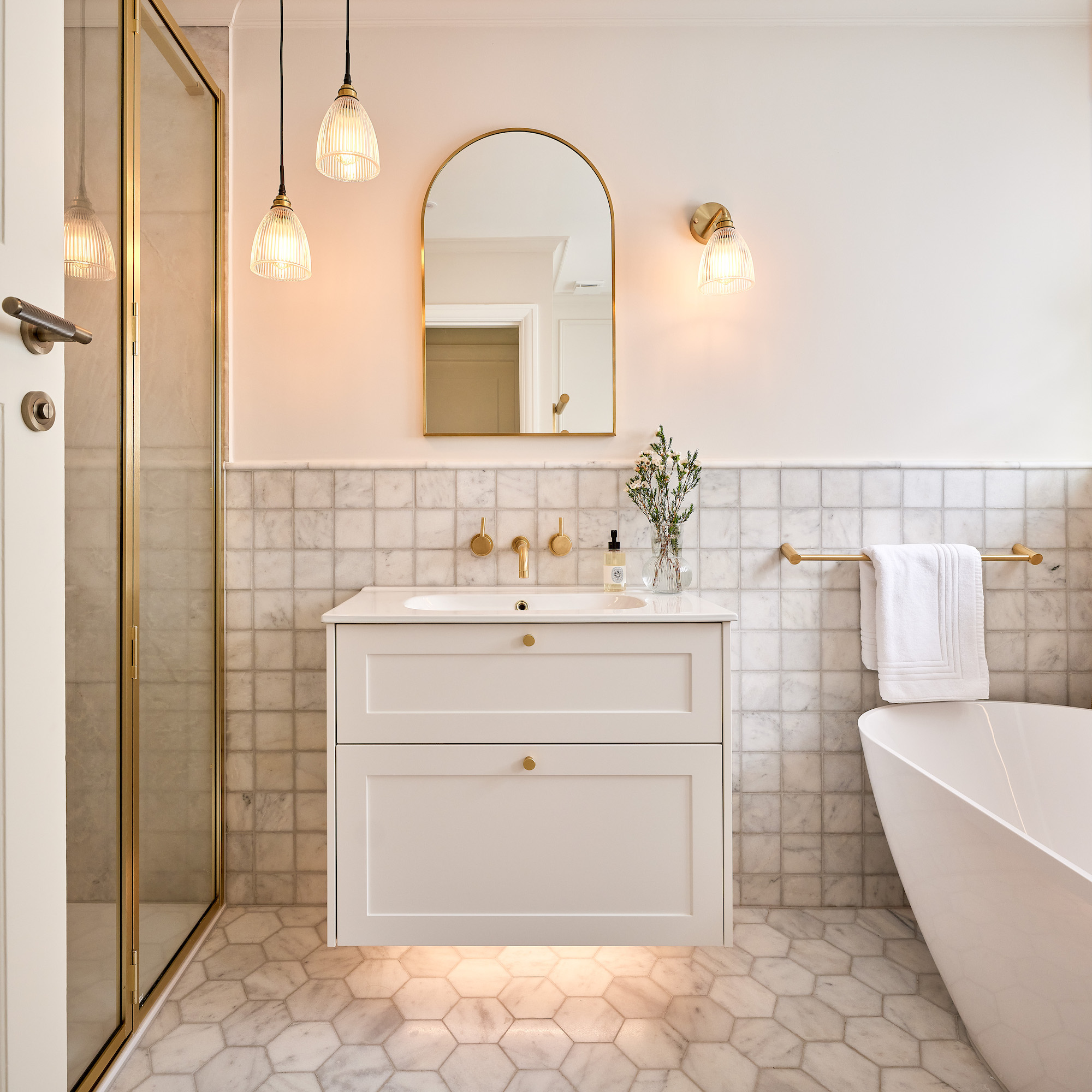
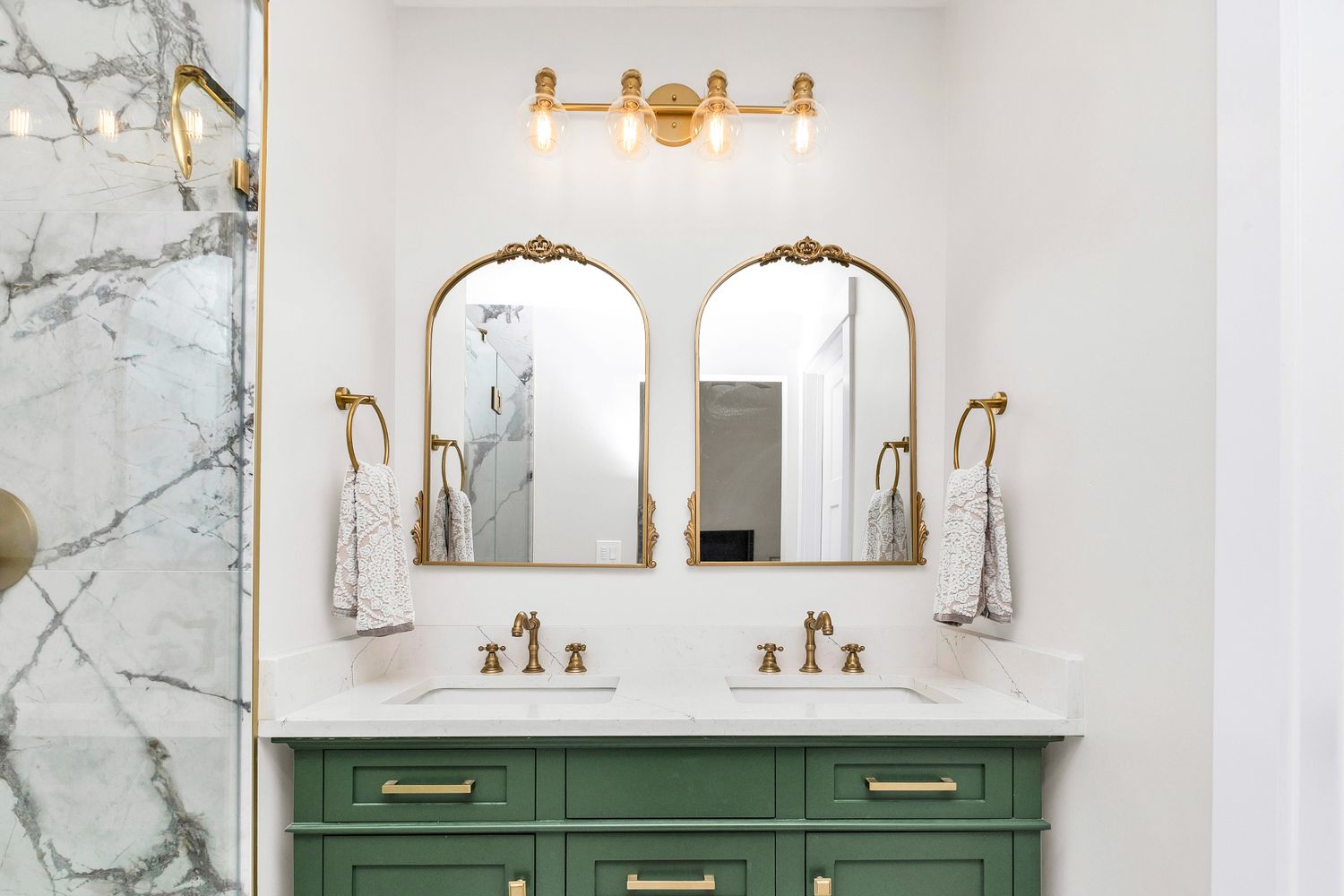
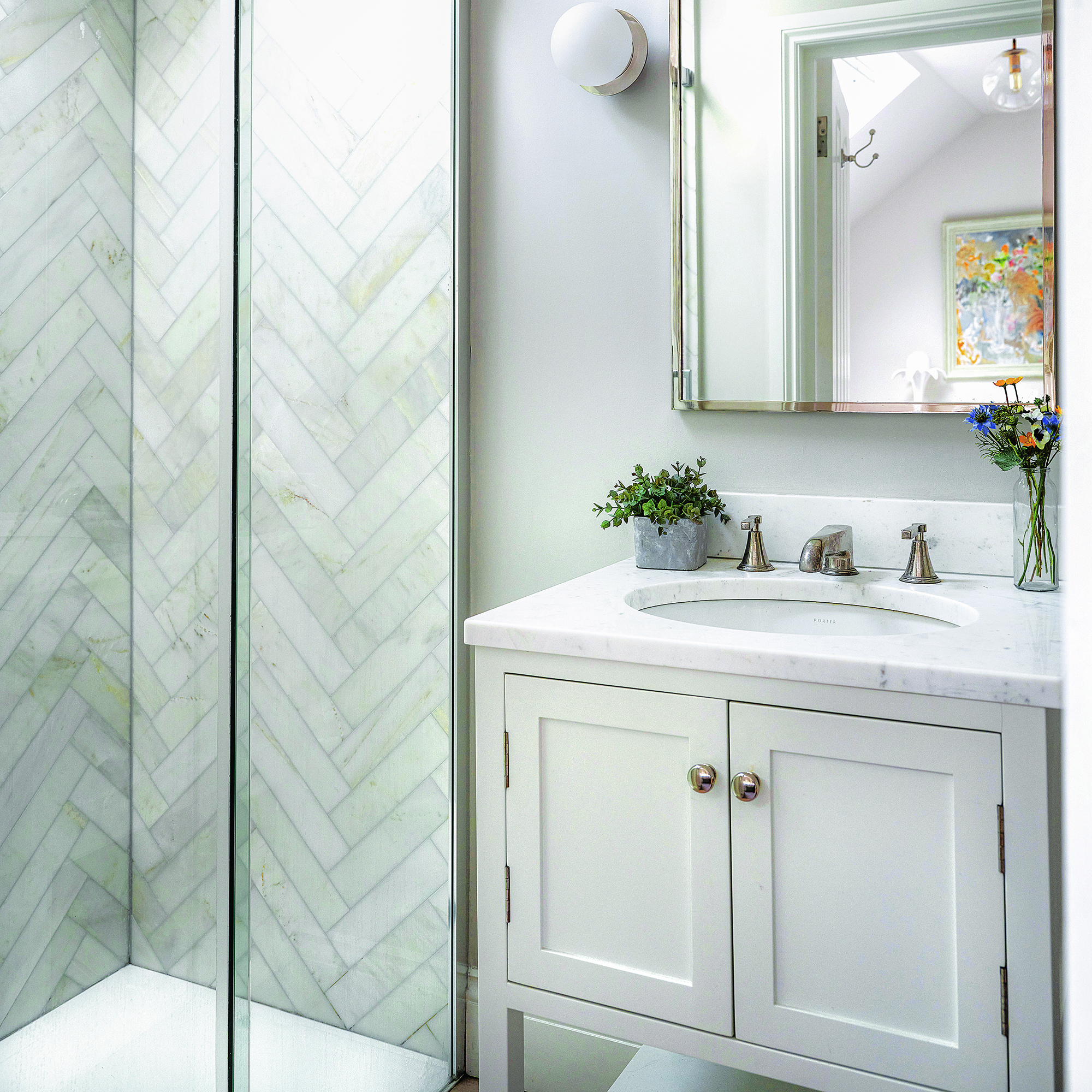
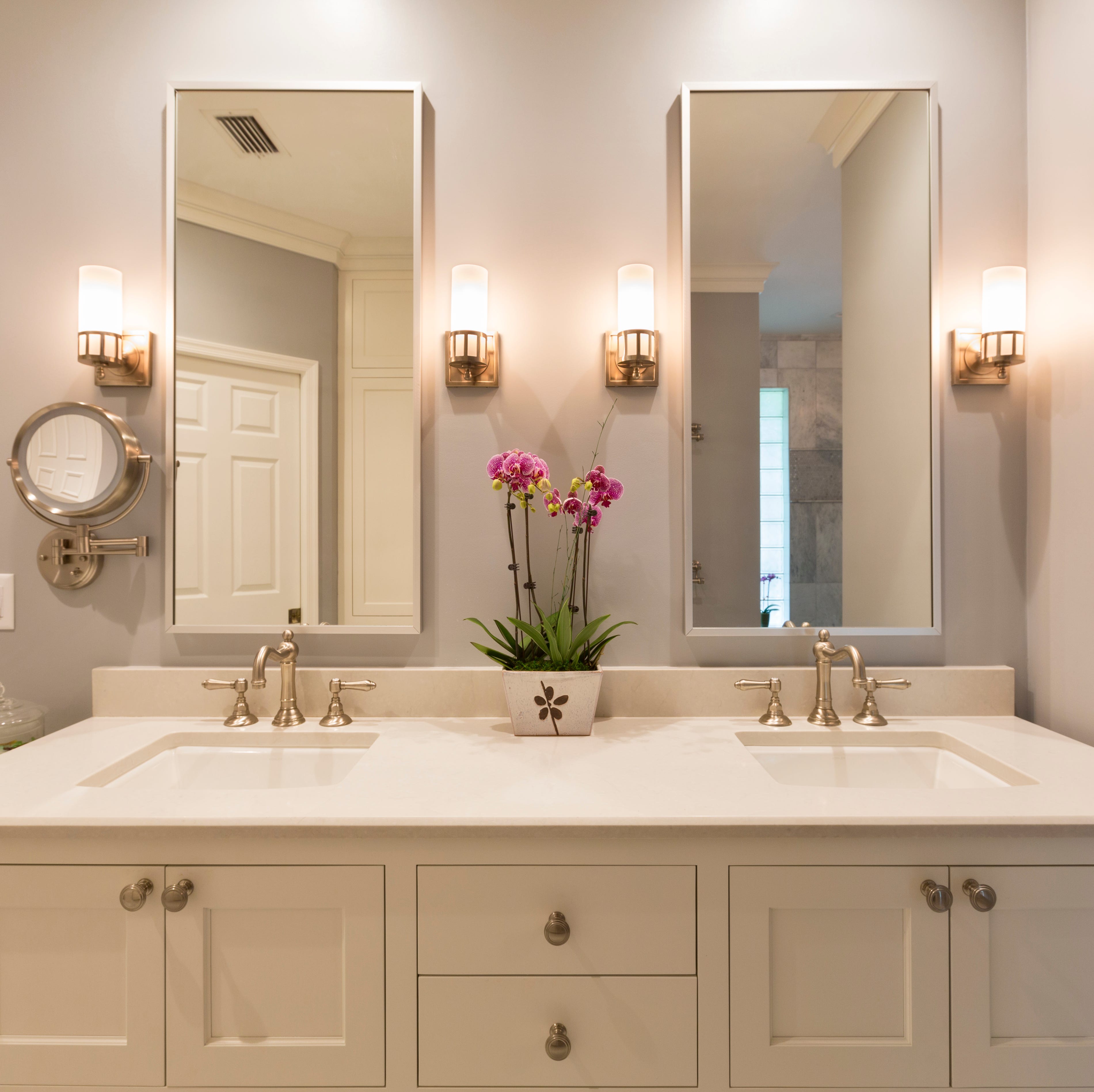
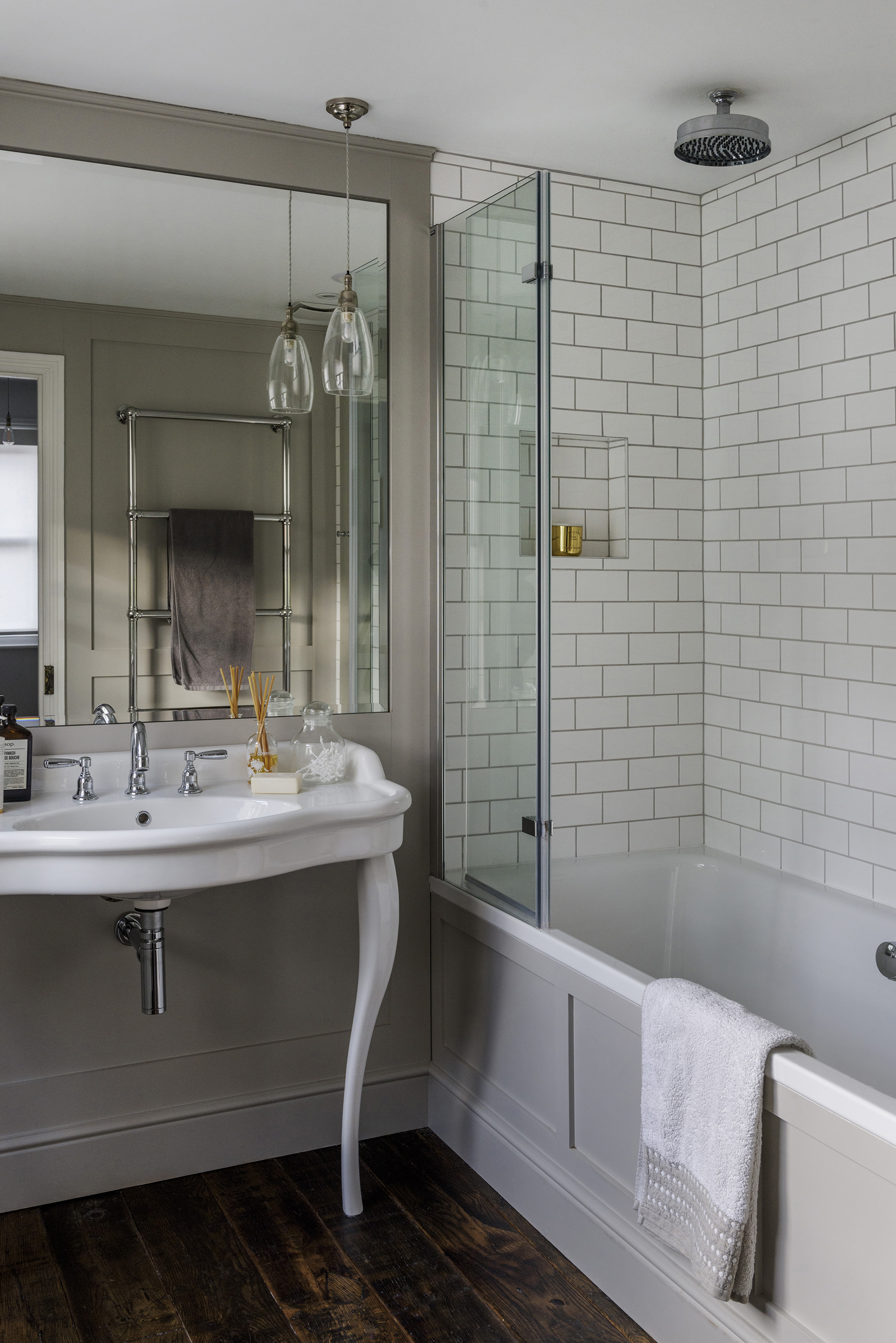
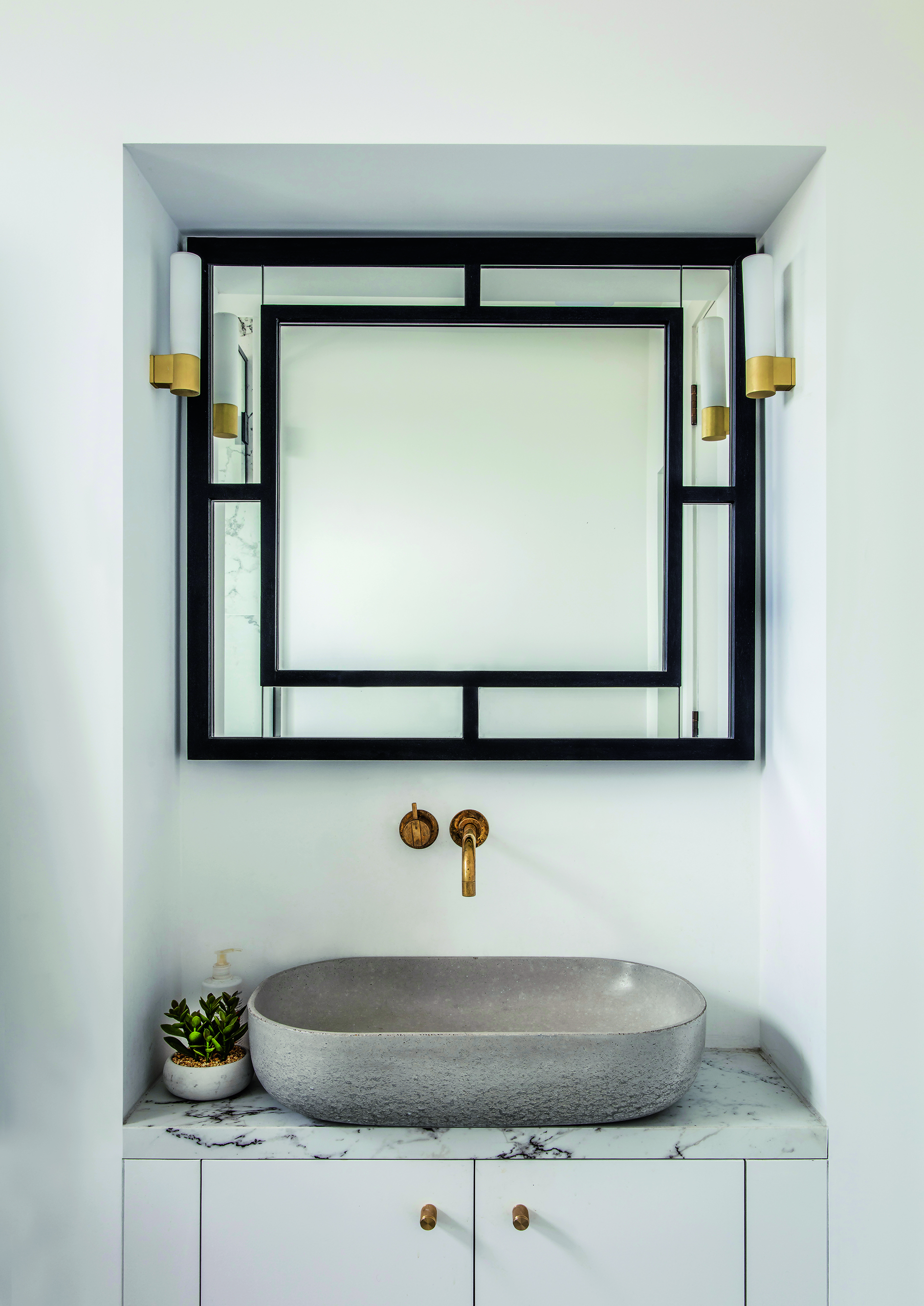
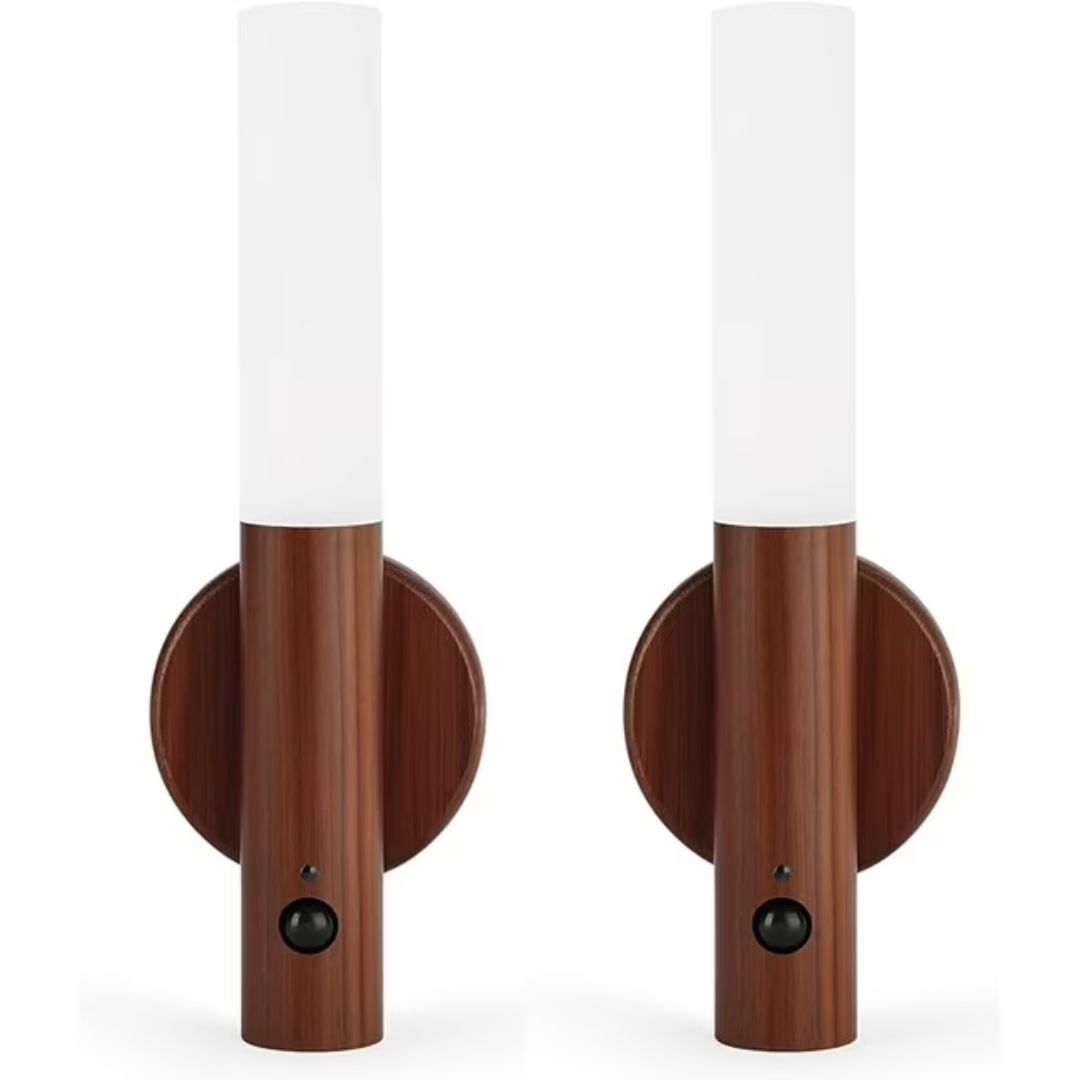
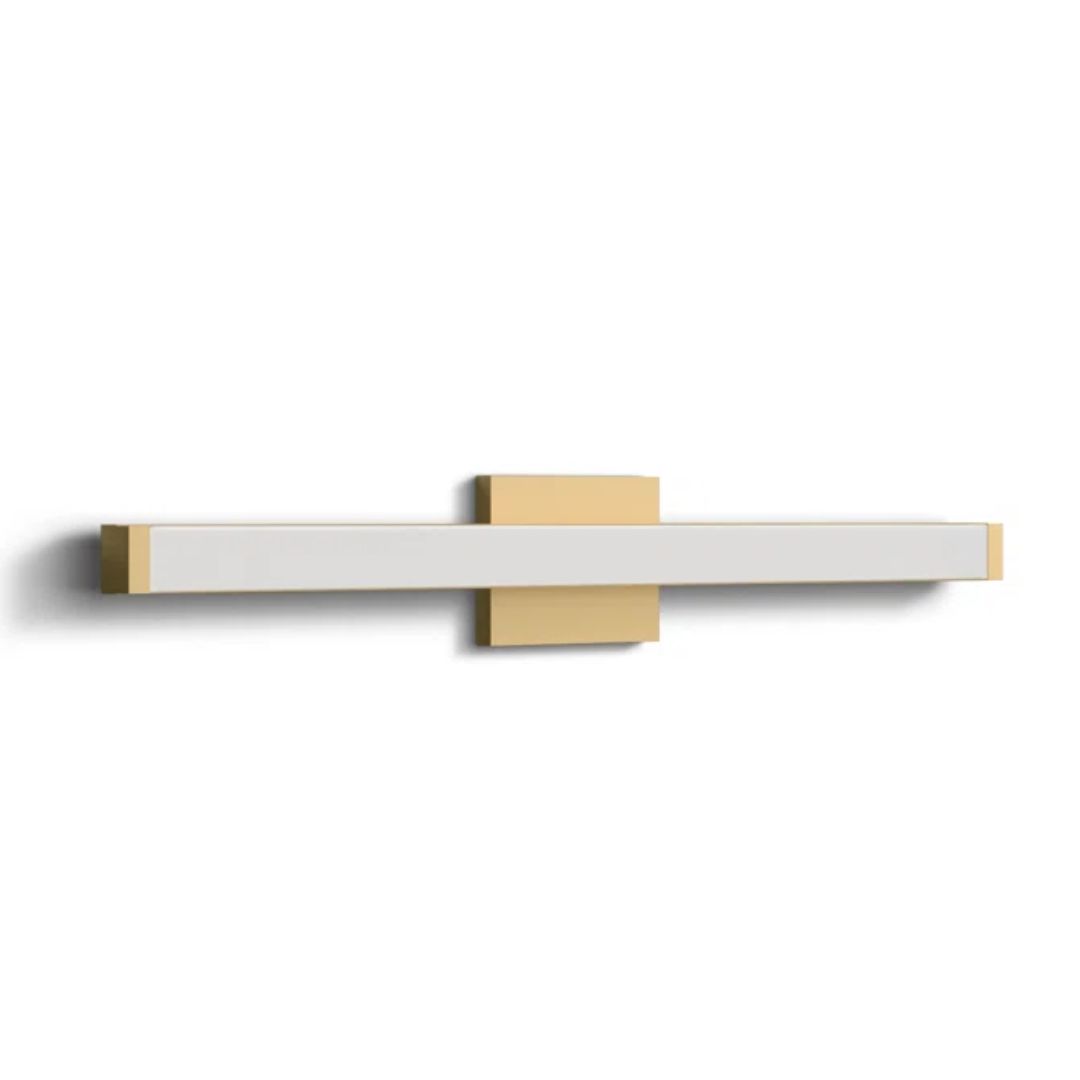
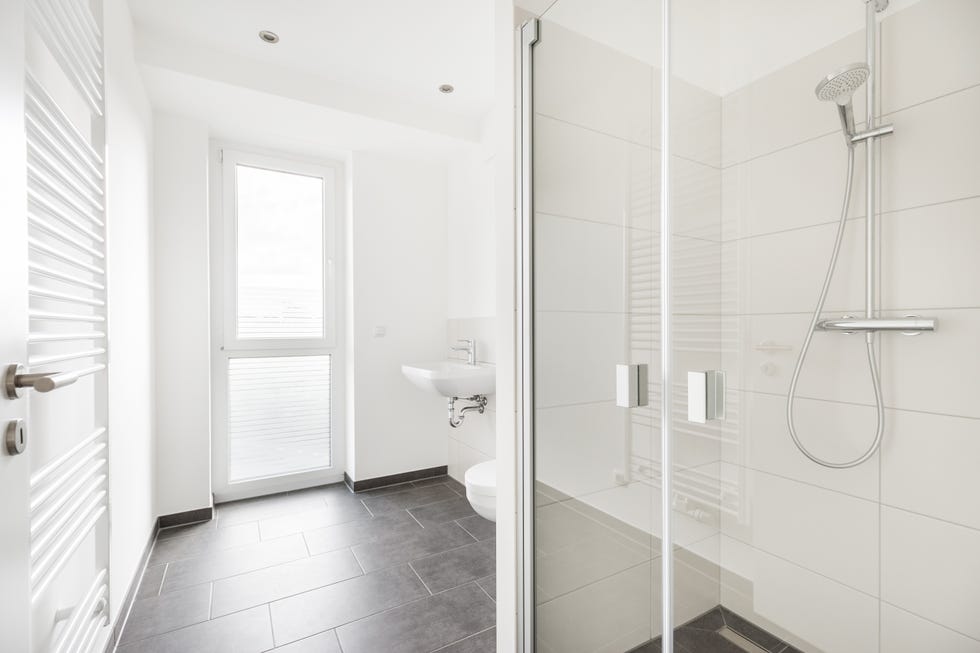
One critical factor is lighting. Insufficient or poorly placed lighting can create shadows that make a space feel cramped and unwelcoming. Natural light is ideal, but when unavailable, a well-planned artificial lighting scheme is essential. This includes selecting fixtures that provide ample illumination and positioning them to ensure even light distribution, avoiding any disruption to the visual flow of the room. A lack of proper lighting can drastically reduce the apparent size of a bathroom, making it feel less open and inviting.
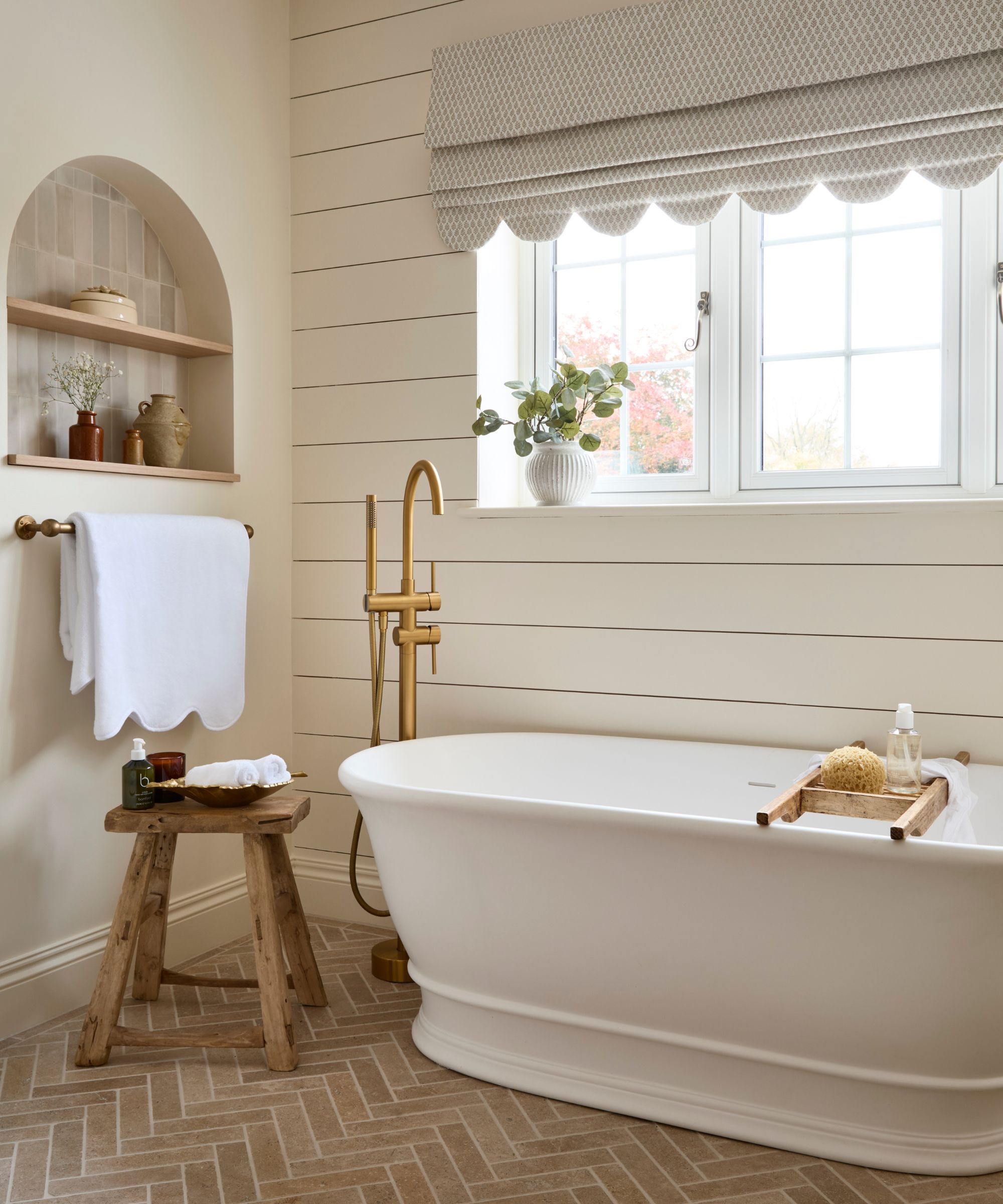
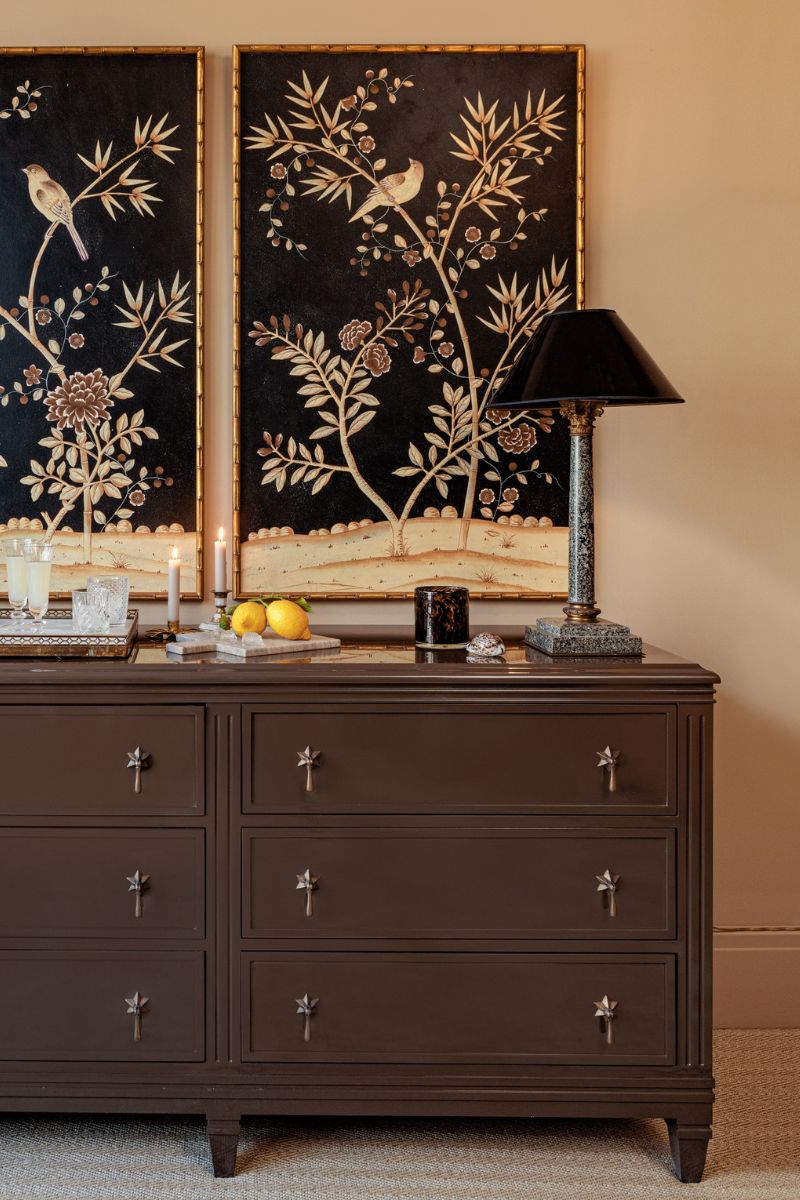
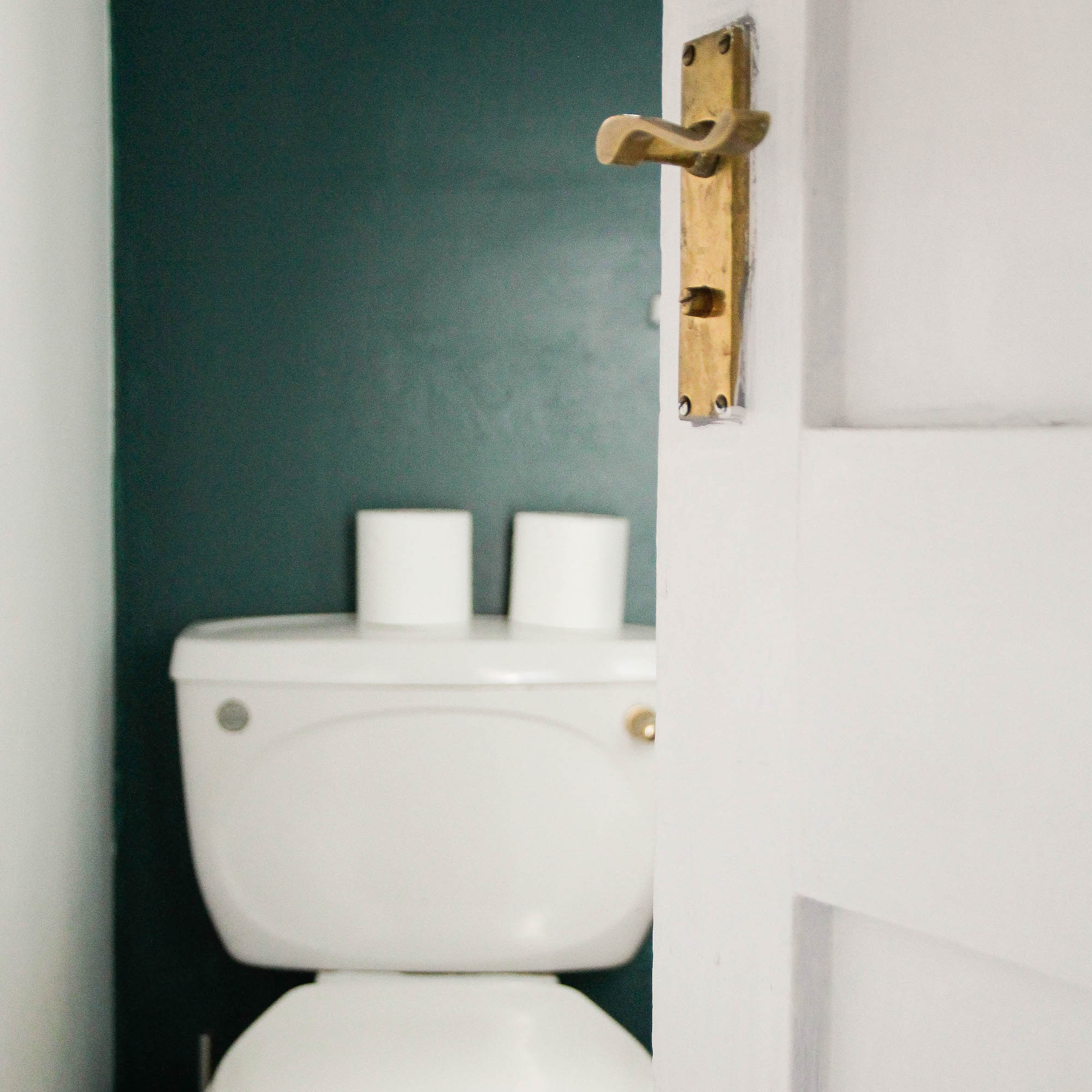
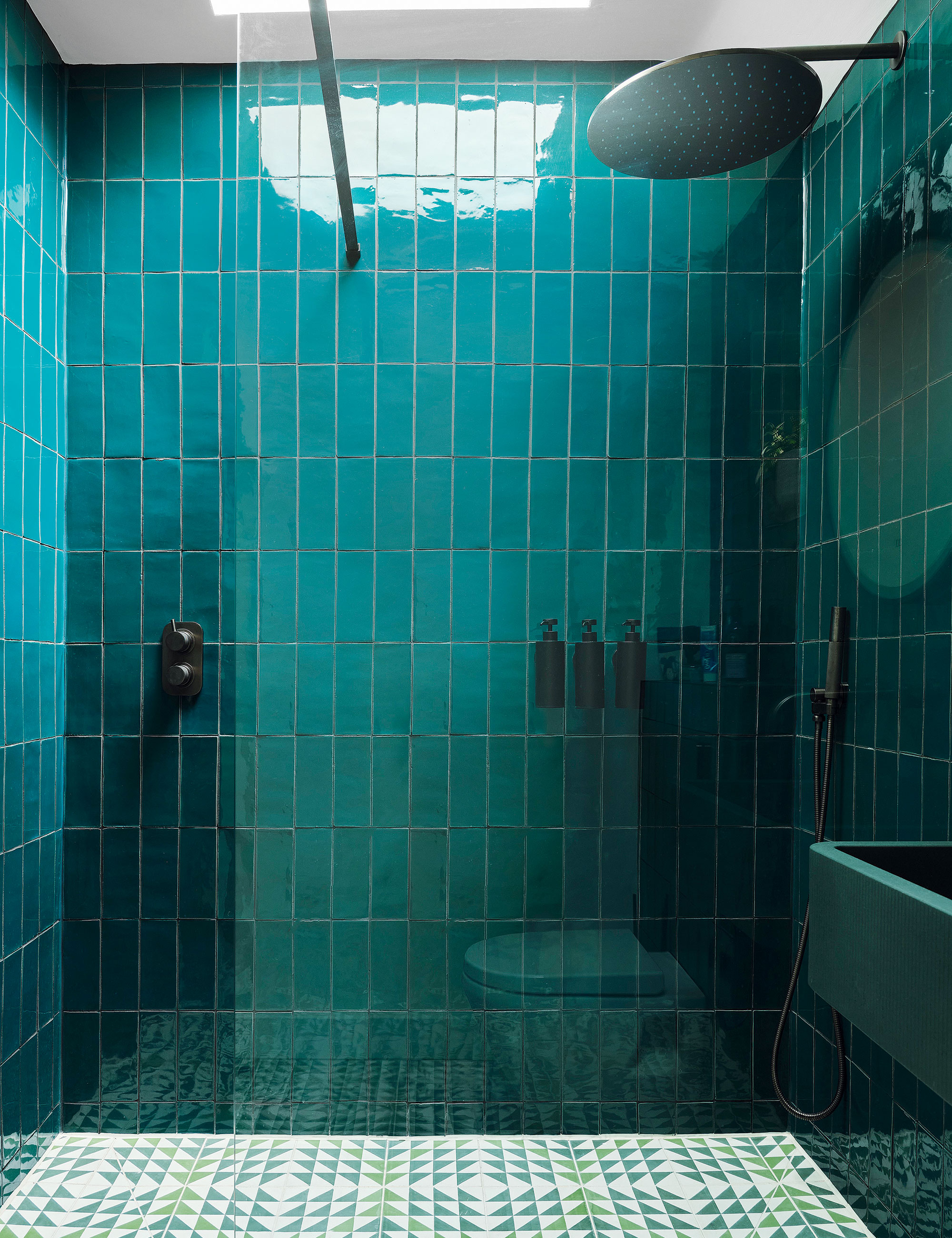
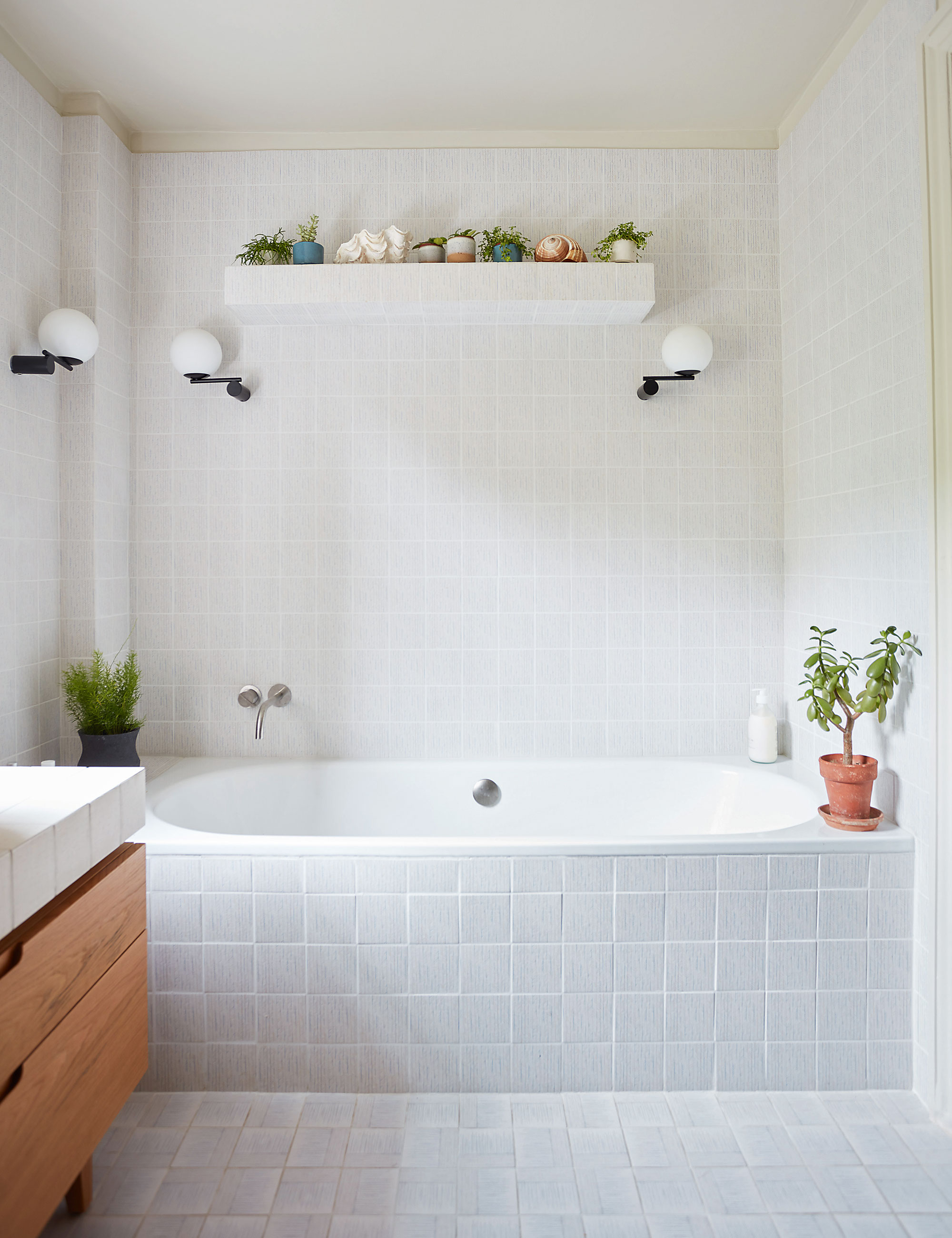
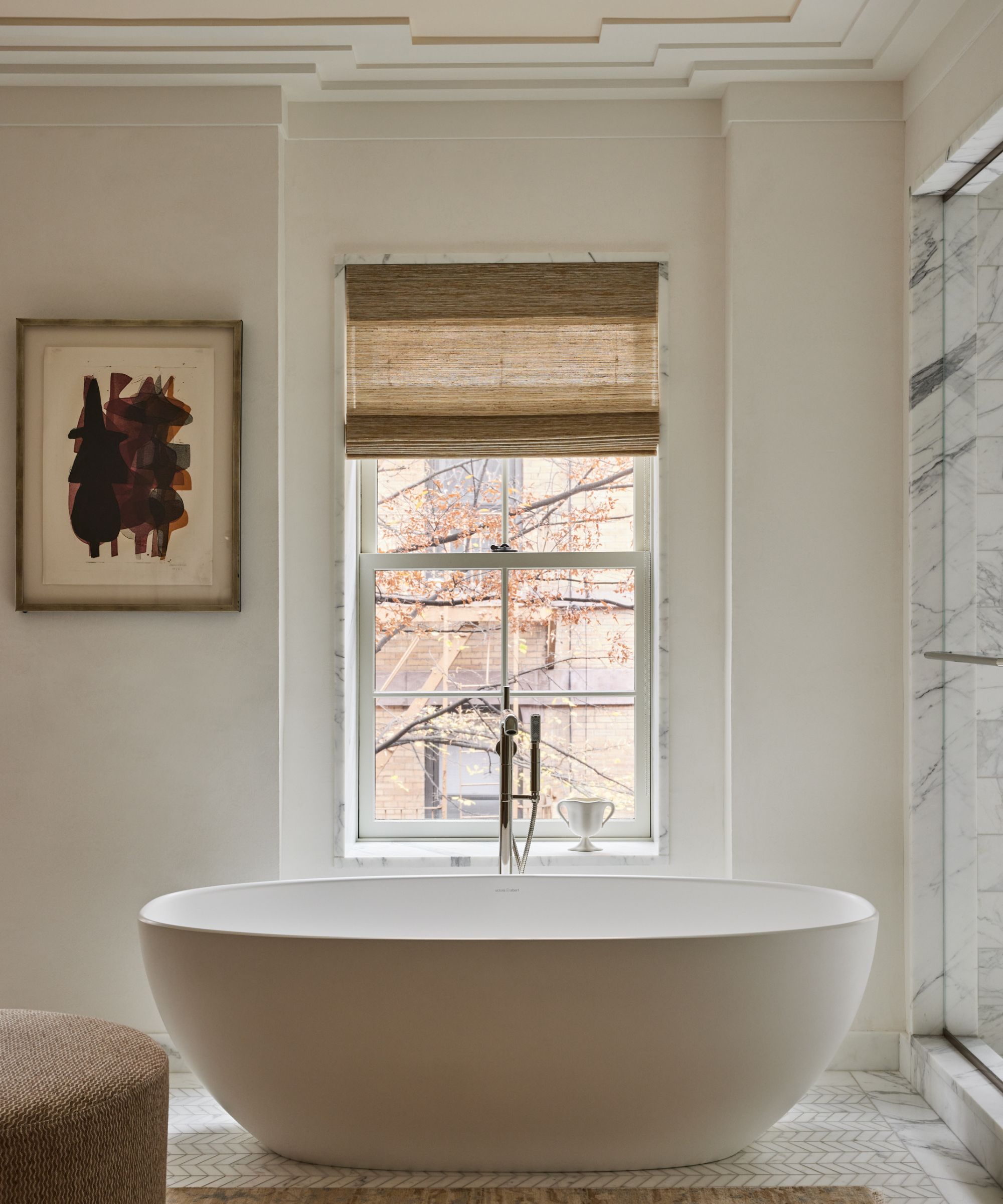
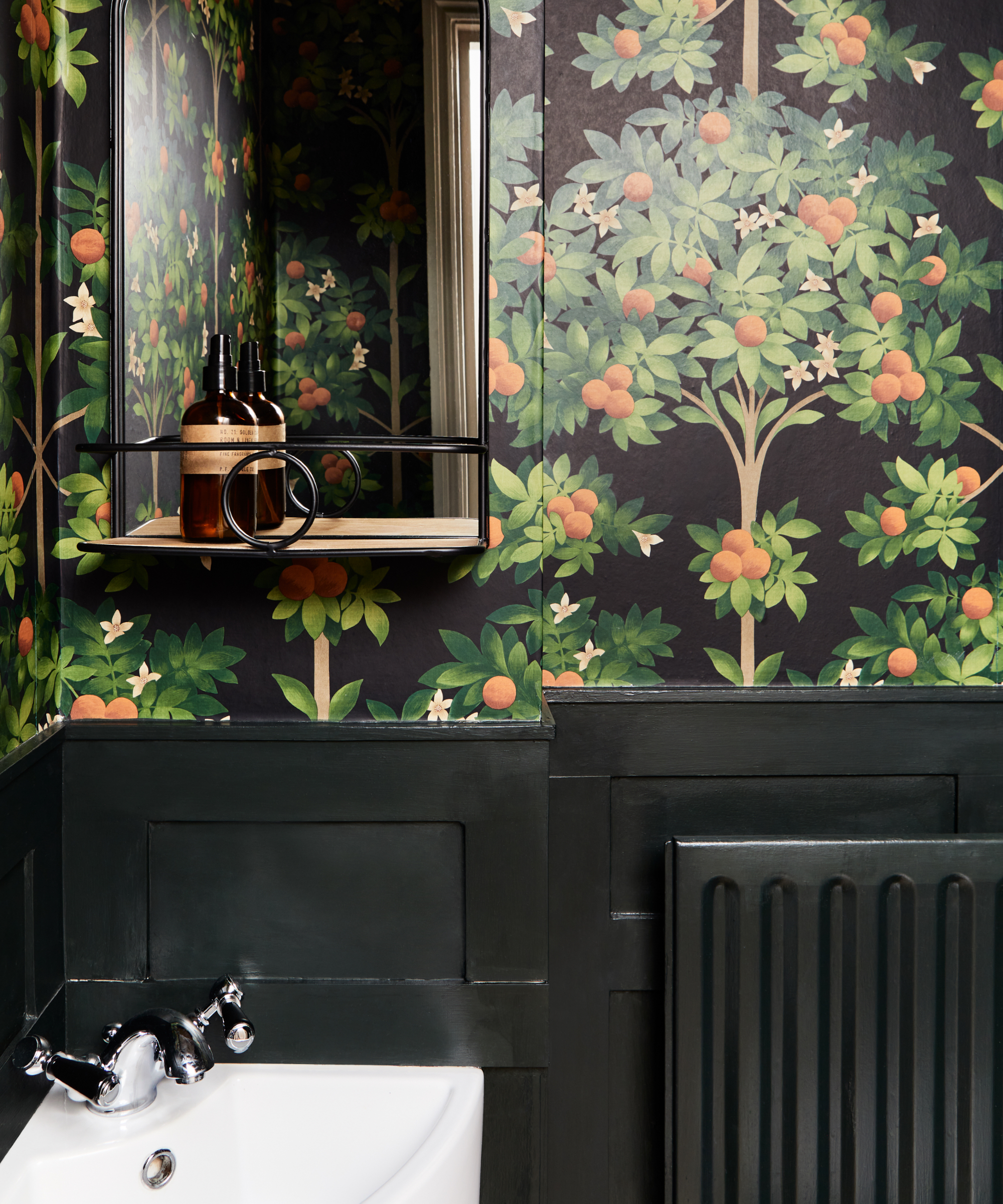
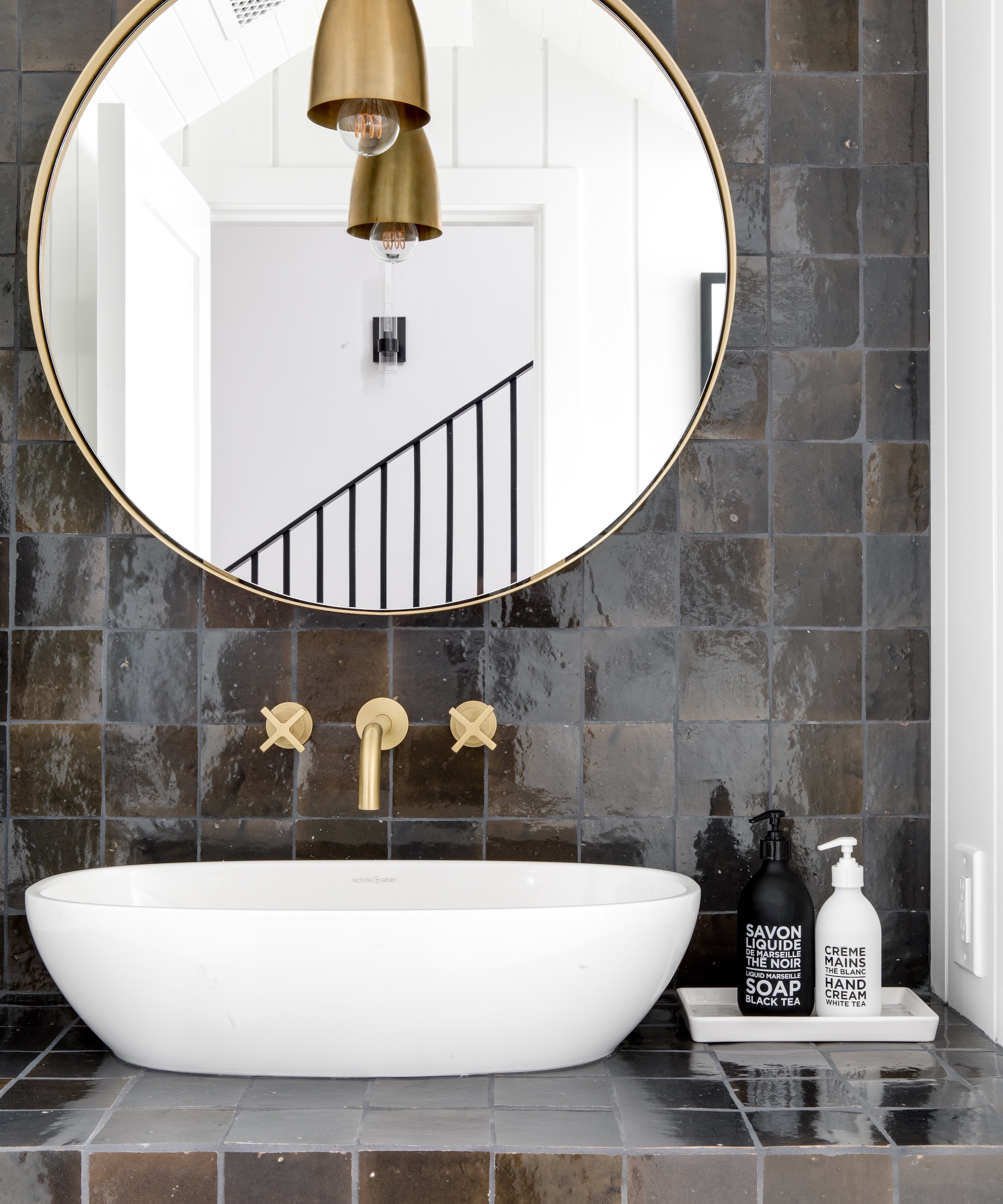
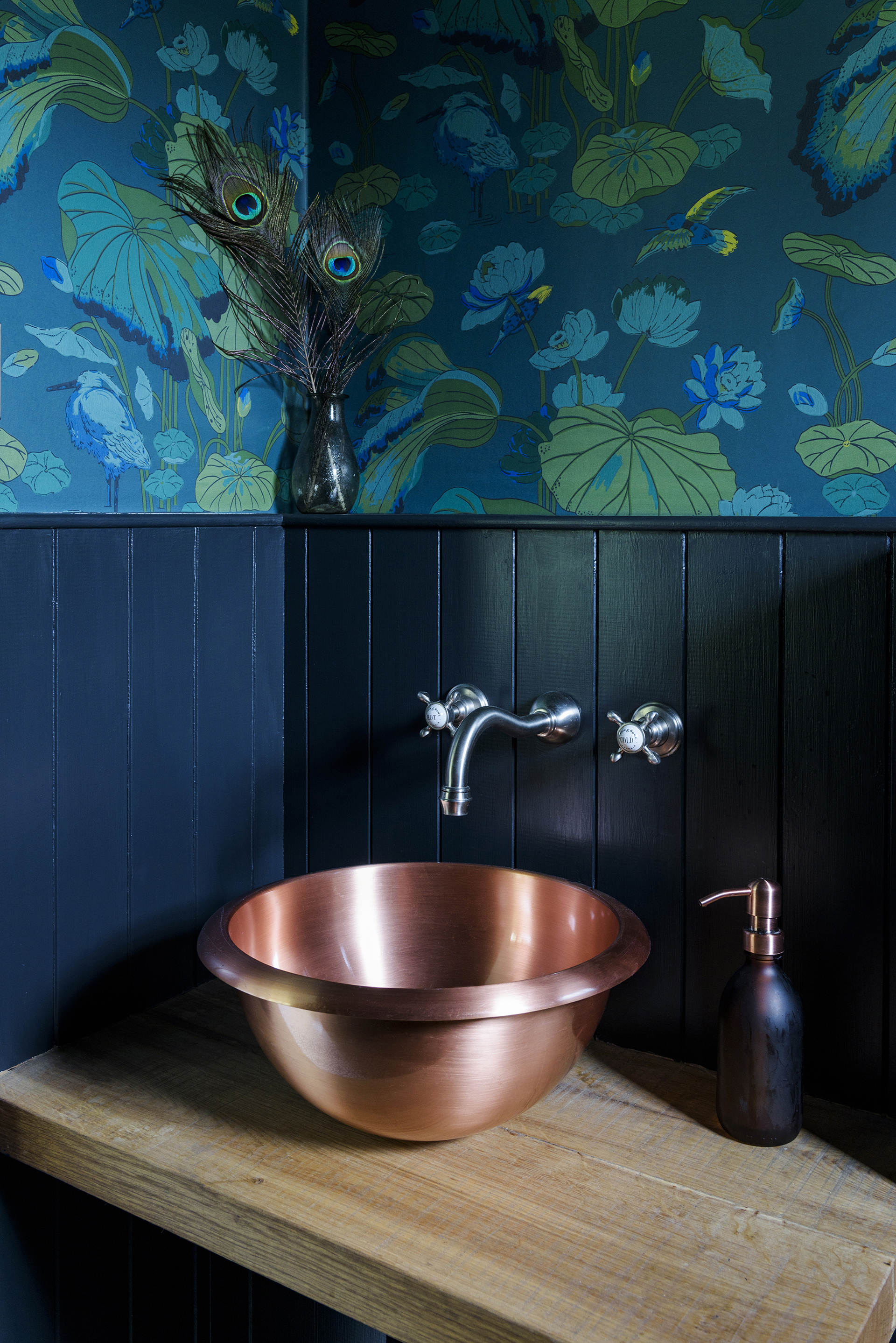
The choice of wall color also plays a significant role. Dark or highly saturated paint colors tend to absorb light, giving the impression of a smaller, more enclosed space. This effect is particularly pronounced in bathrooms with limited natural light. While dark tones can be stylish, they are generally not recommended for those aiming to create an expansive feel. Instead, lighter, neutral tones are advised to reflect light and foster a sense of openness. This principle applies whether the walls are painted, tiled, or feature decorative paneling.
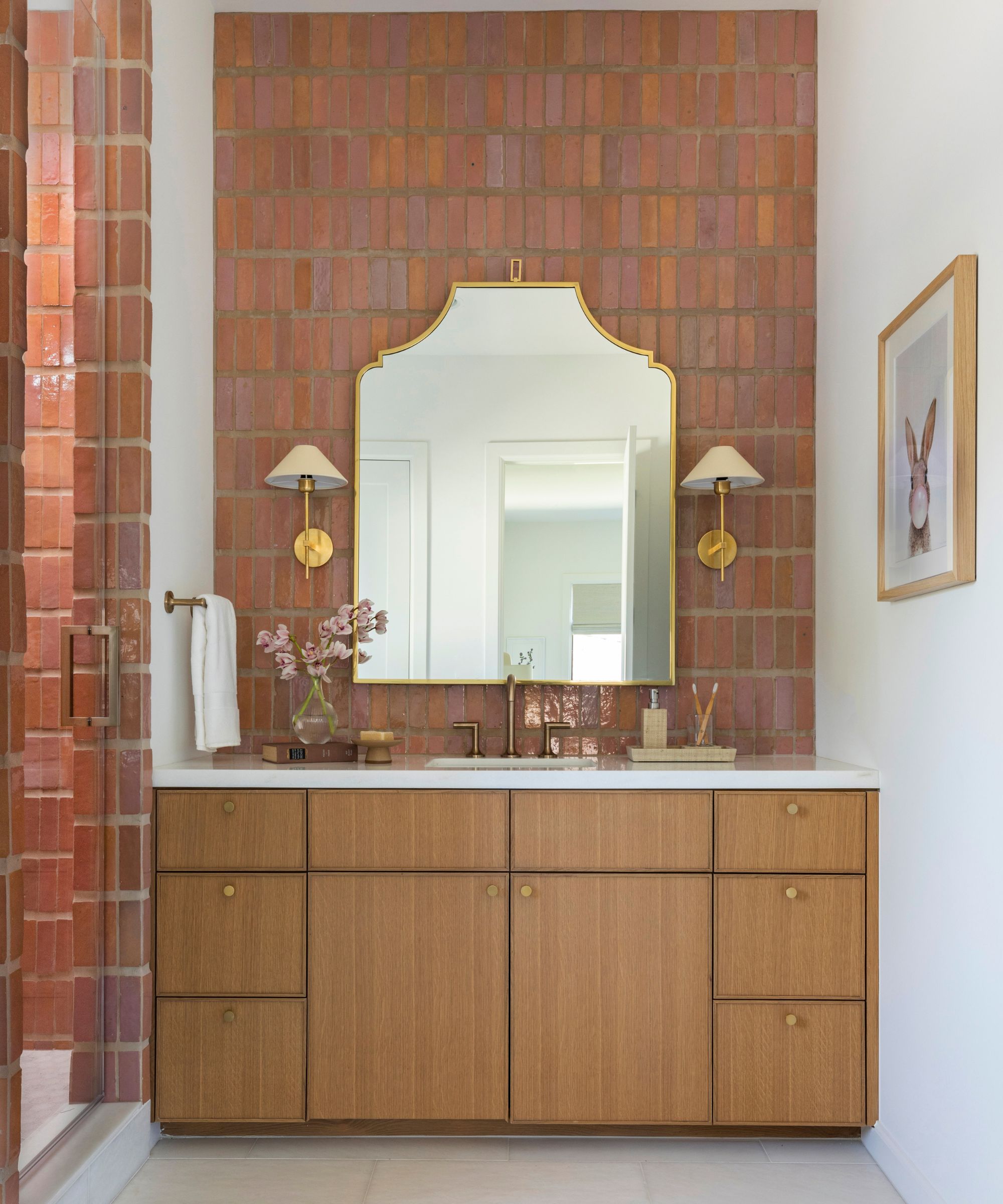
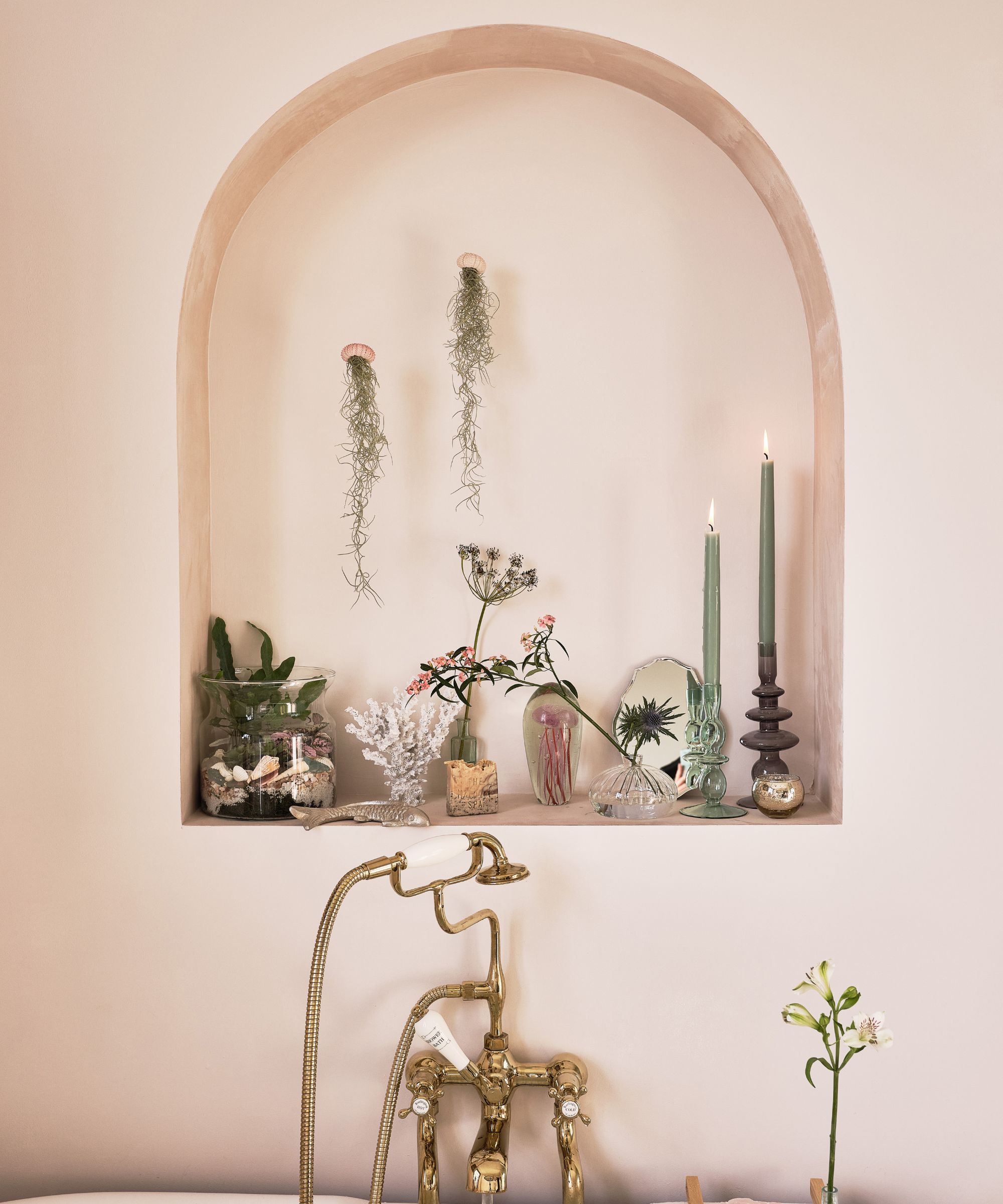
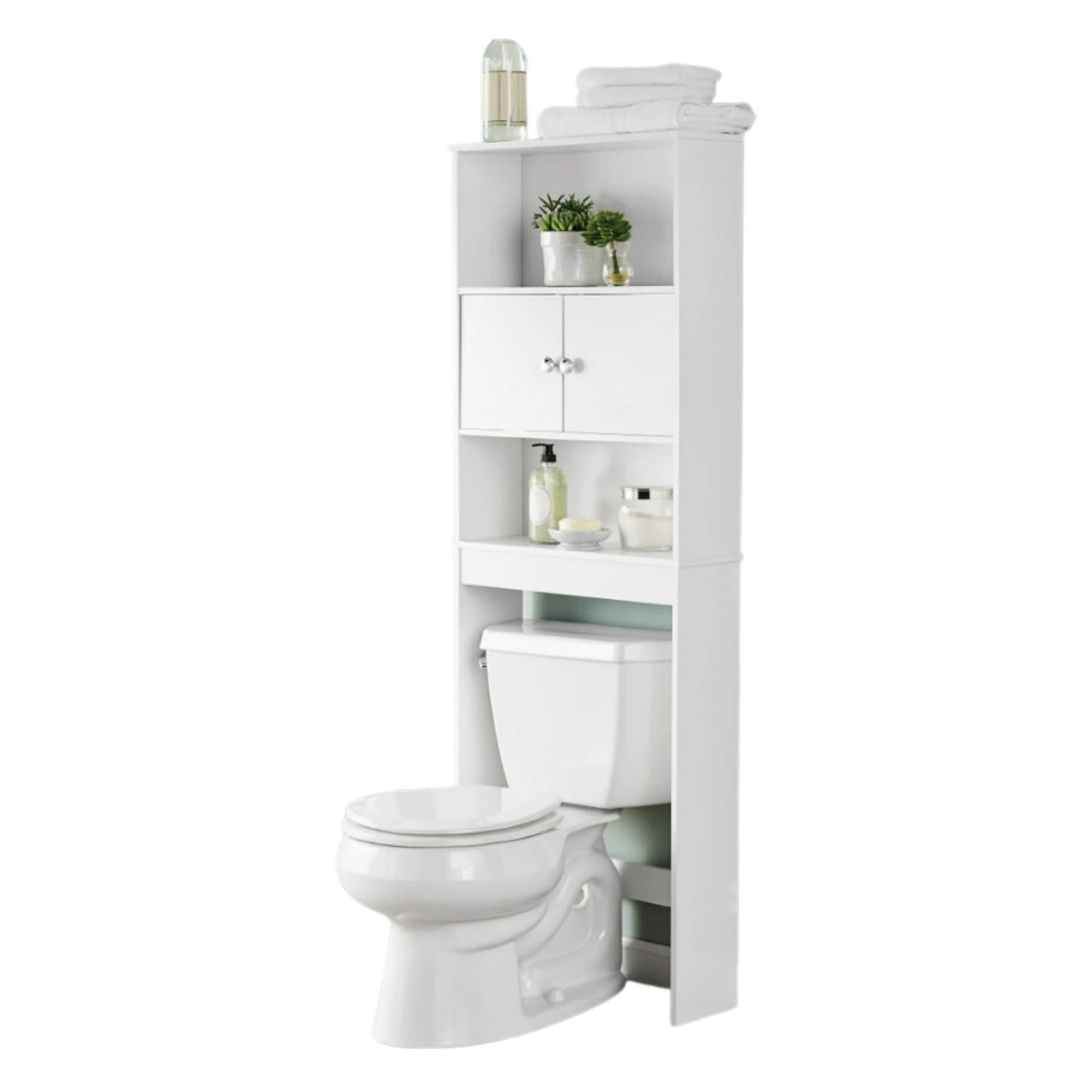
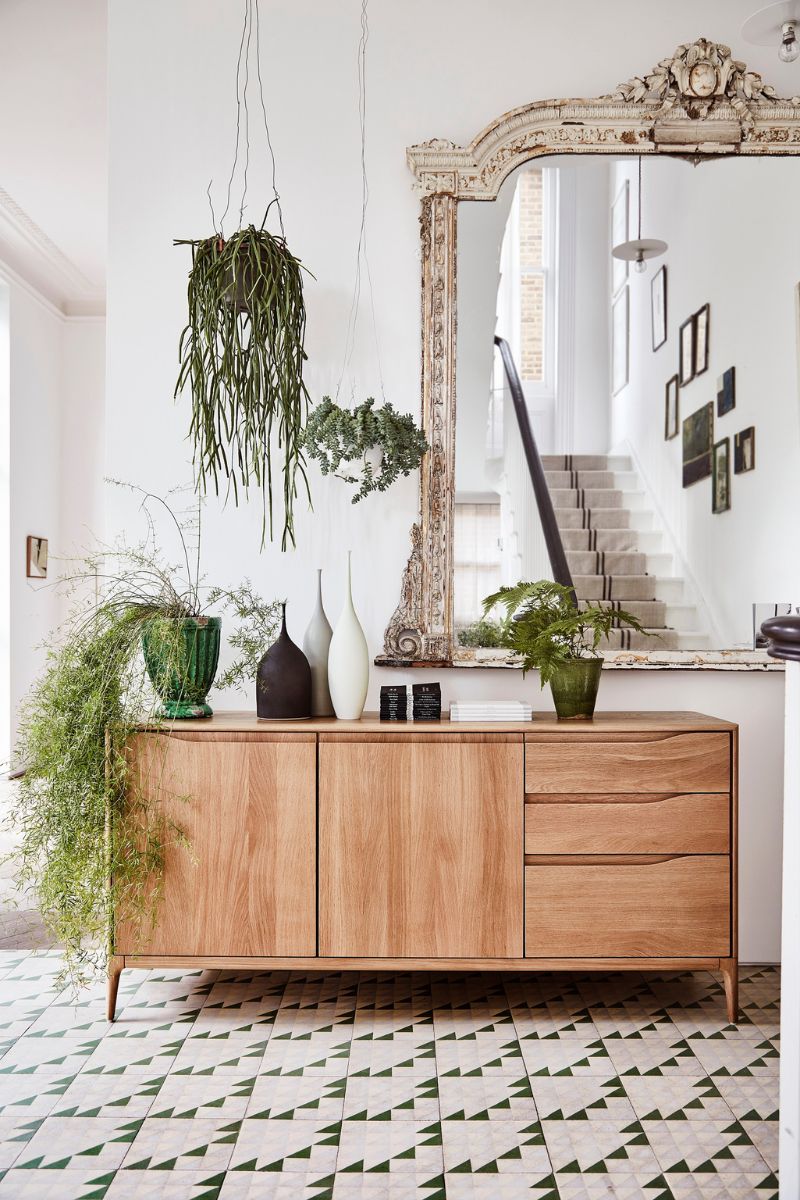
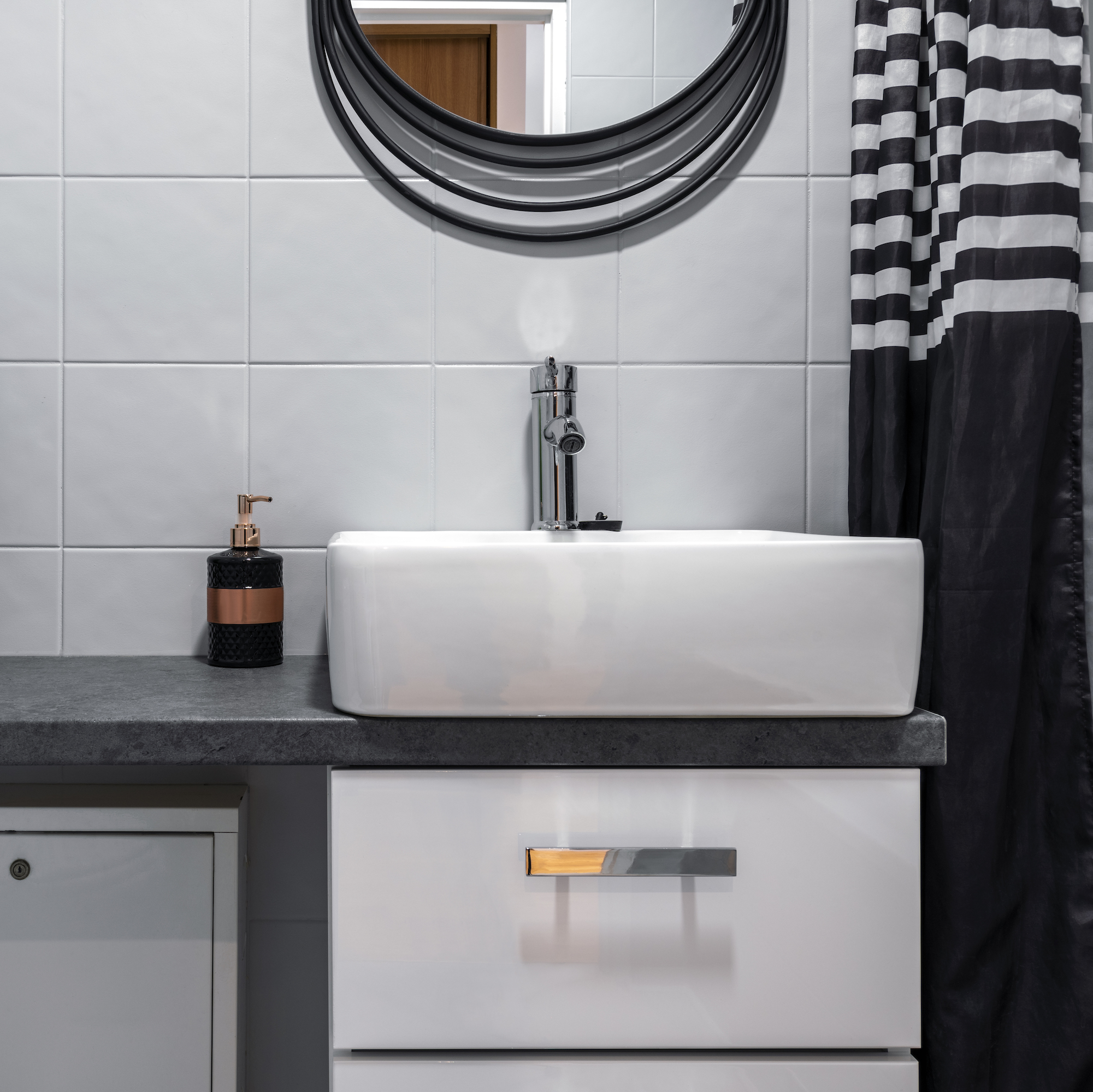
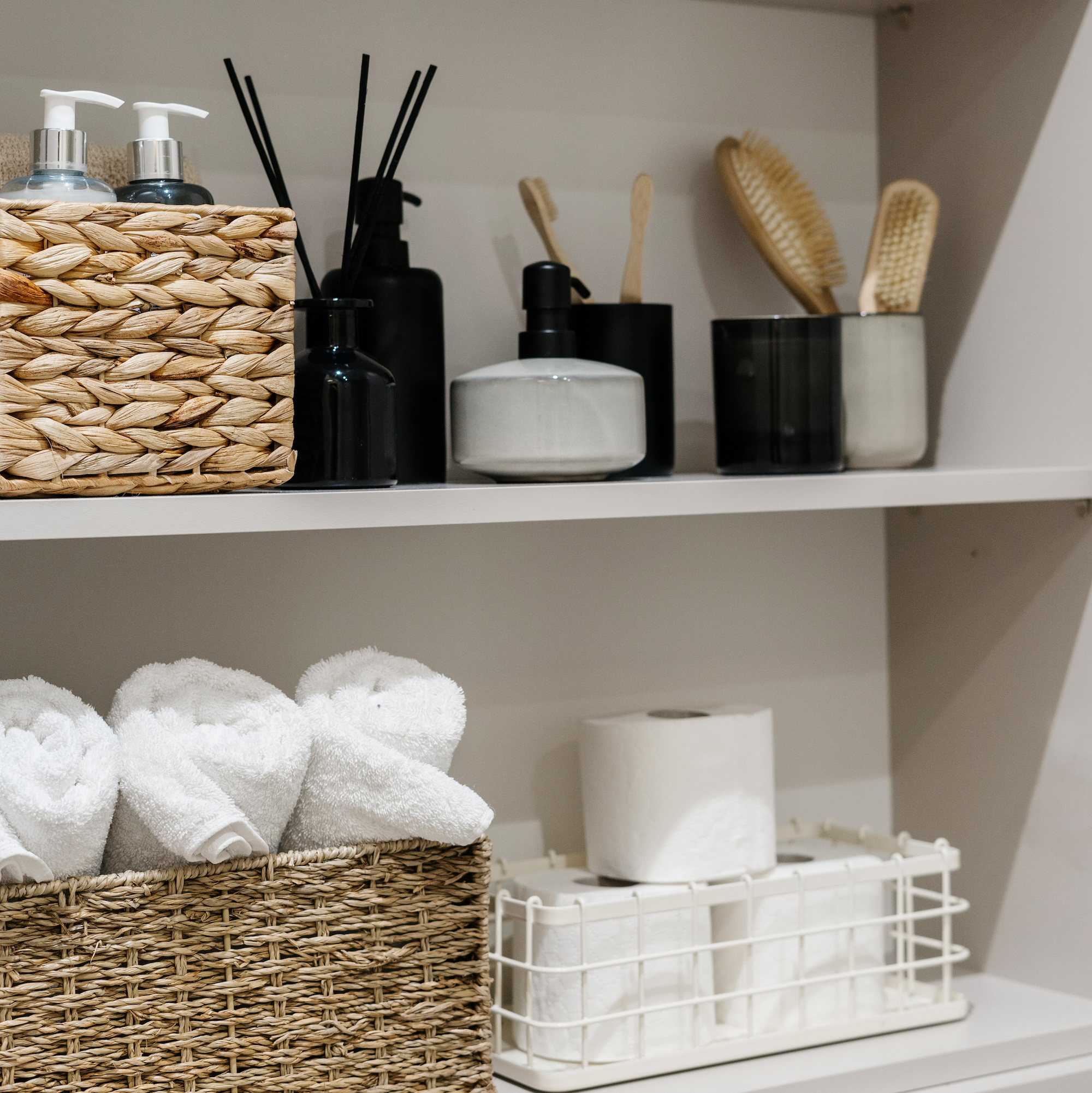
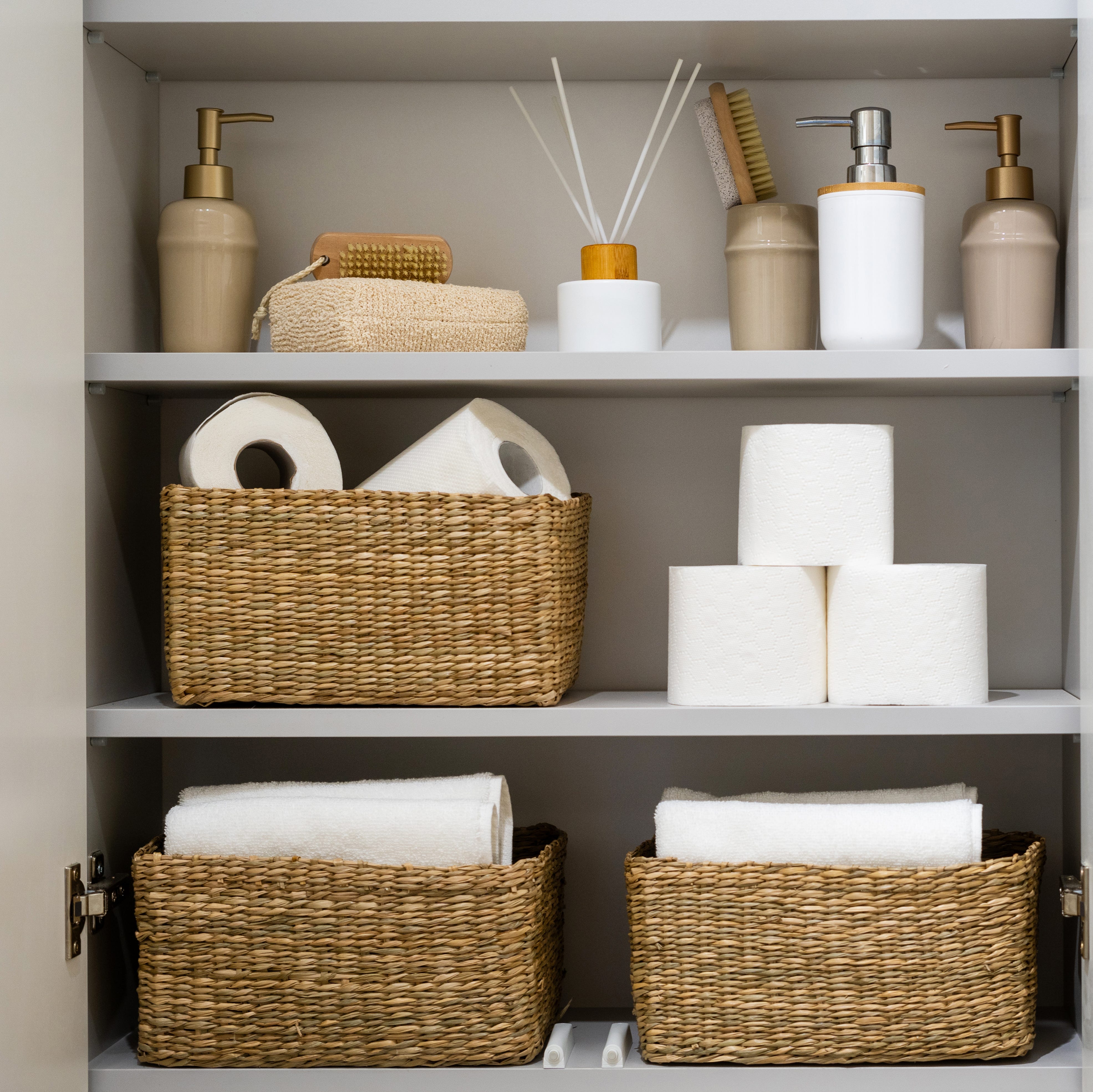
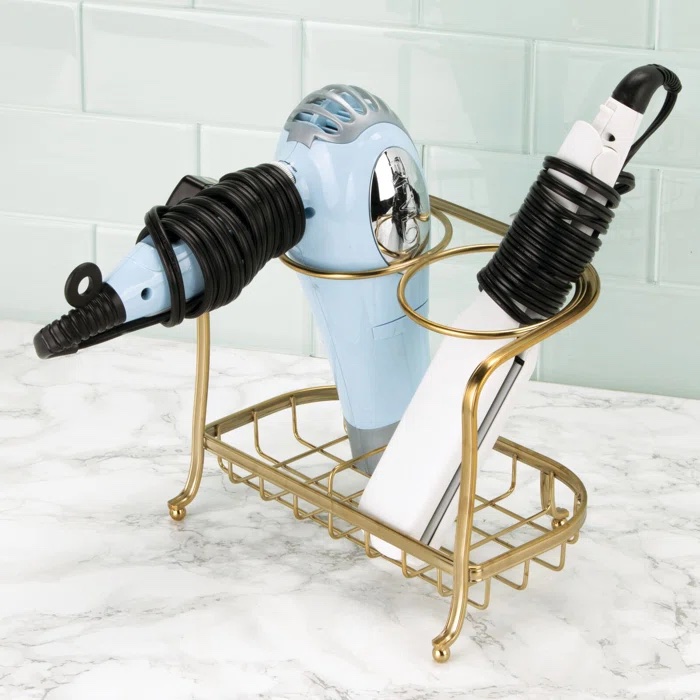
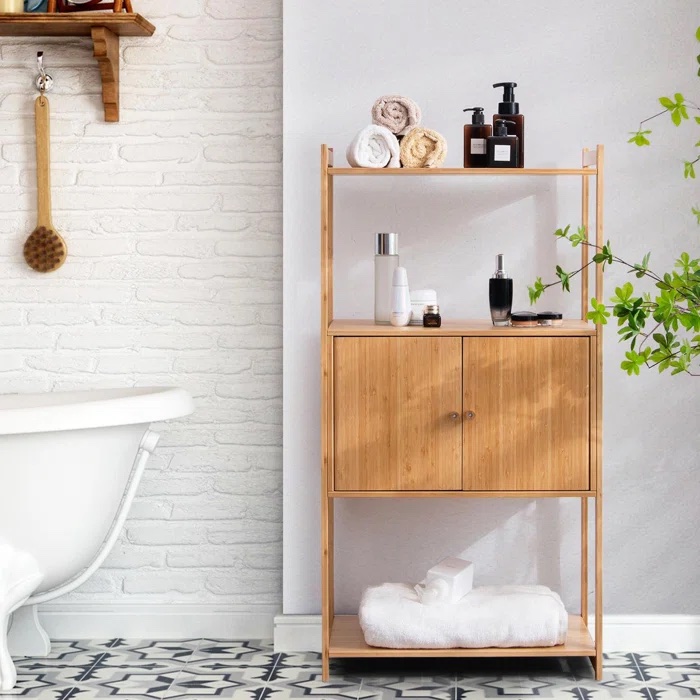
Clutter on countertops is another major contributor to a cramped bathroom appearance. Even with ample storage, items left exposed on surfaces can overwhelm the room and diminish usable space. This visual disarray distracts from the bathroom's design and creates an impression of disorganization and confinement. To combat this, designers stress the importance of incorporating sufficient hidden storage solutions, ensuring that beauty products, towels, and cleaning supplies are neatly tucked away, thus maintaining a clean and streamlined look.
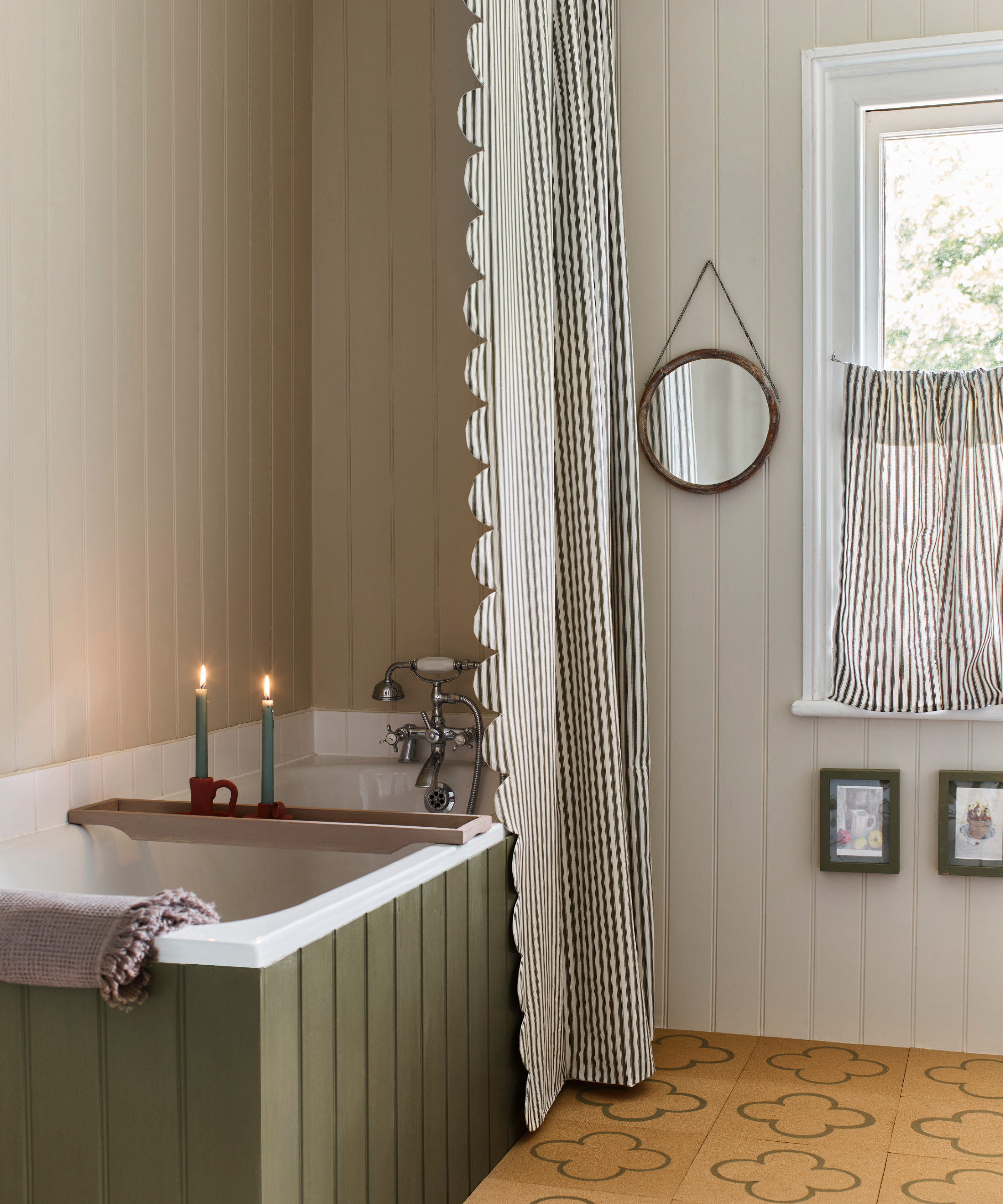
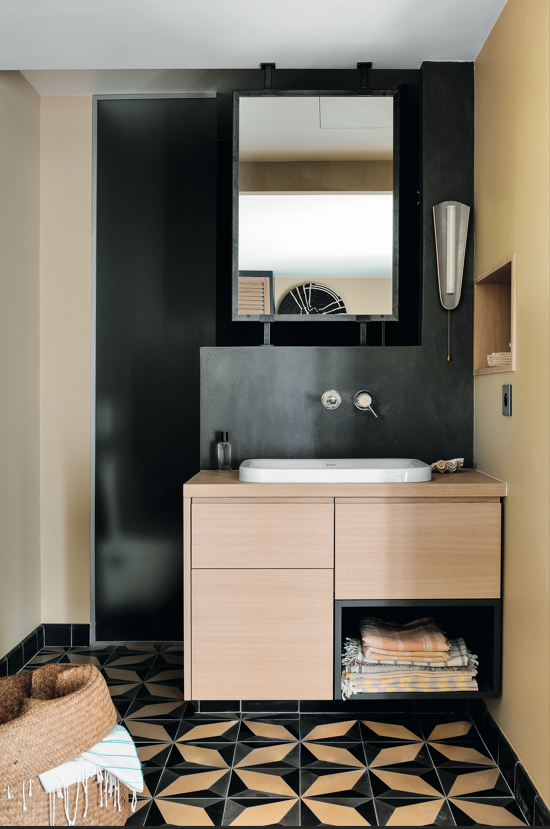
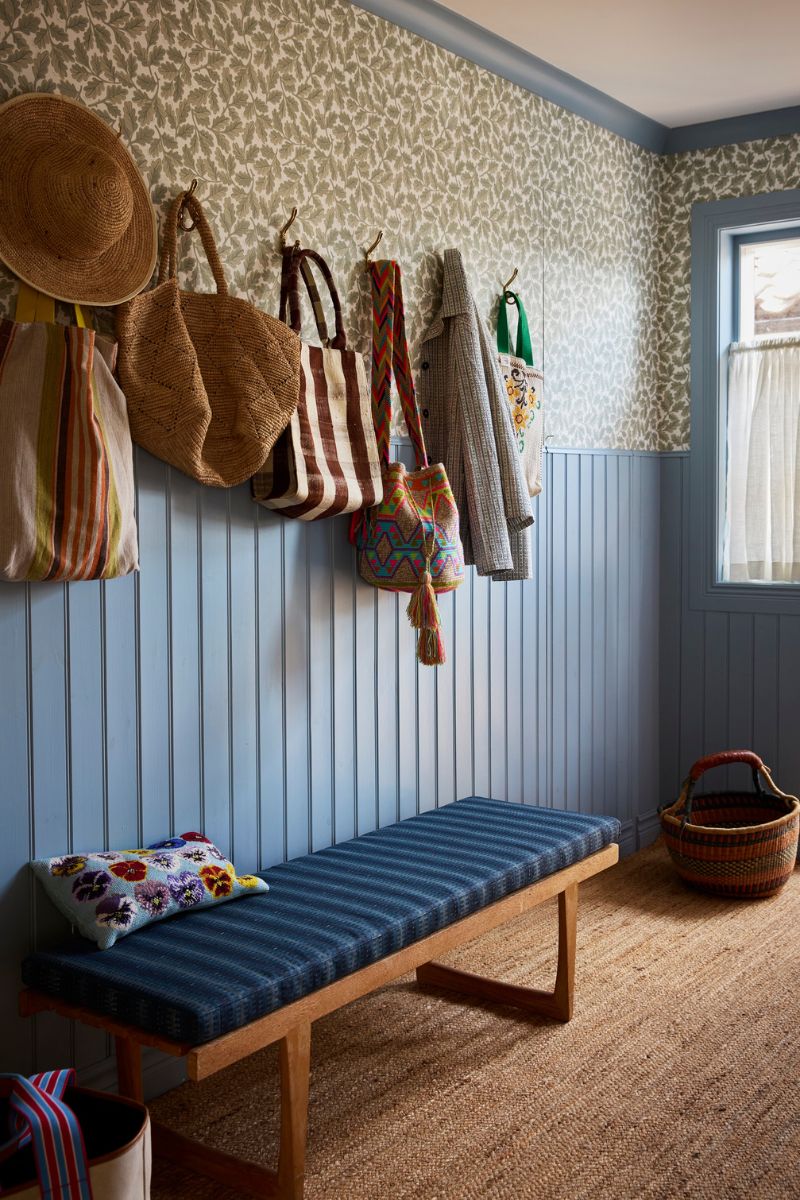
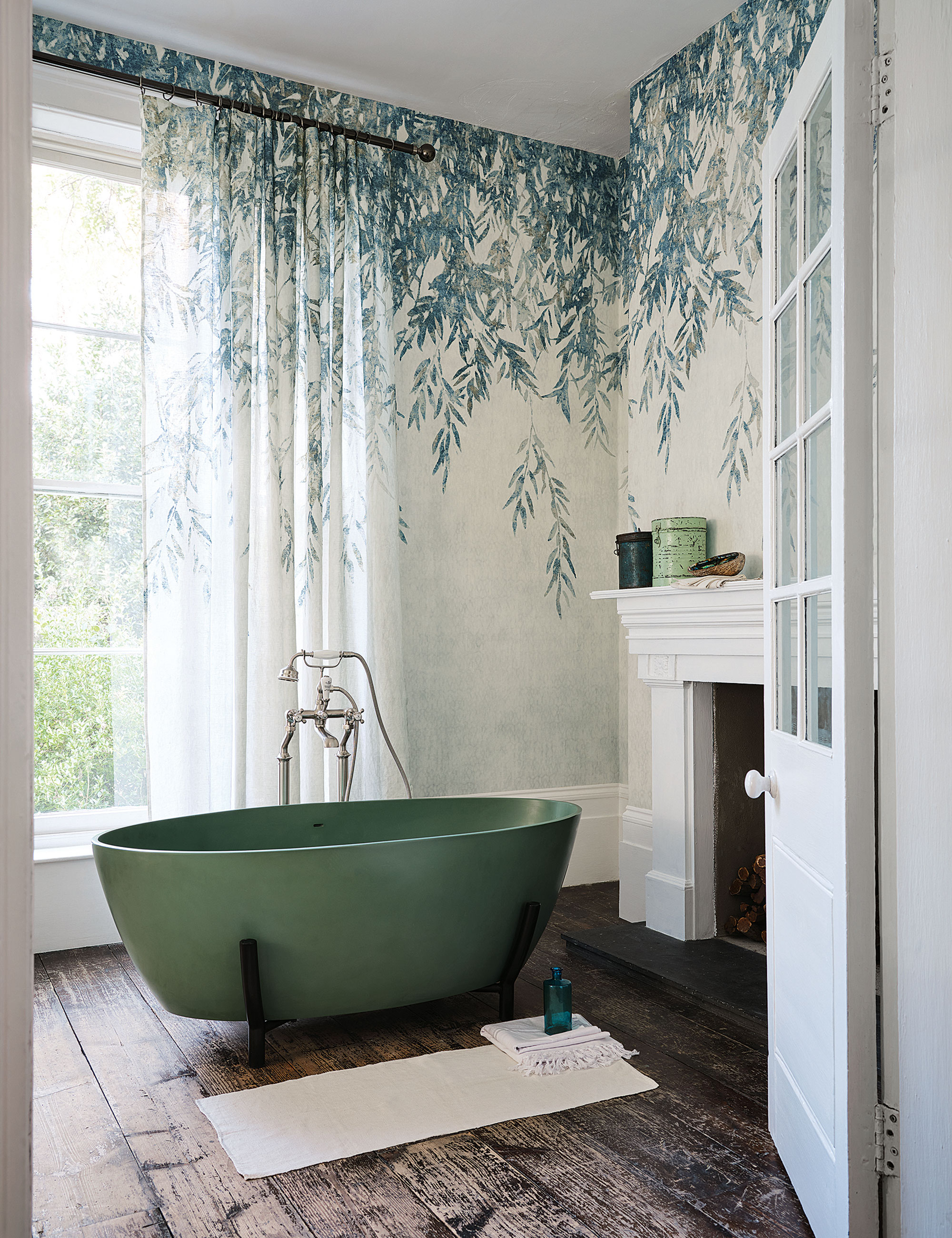
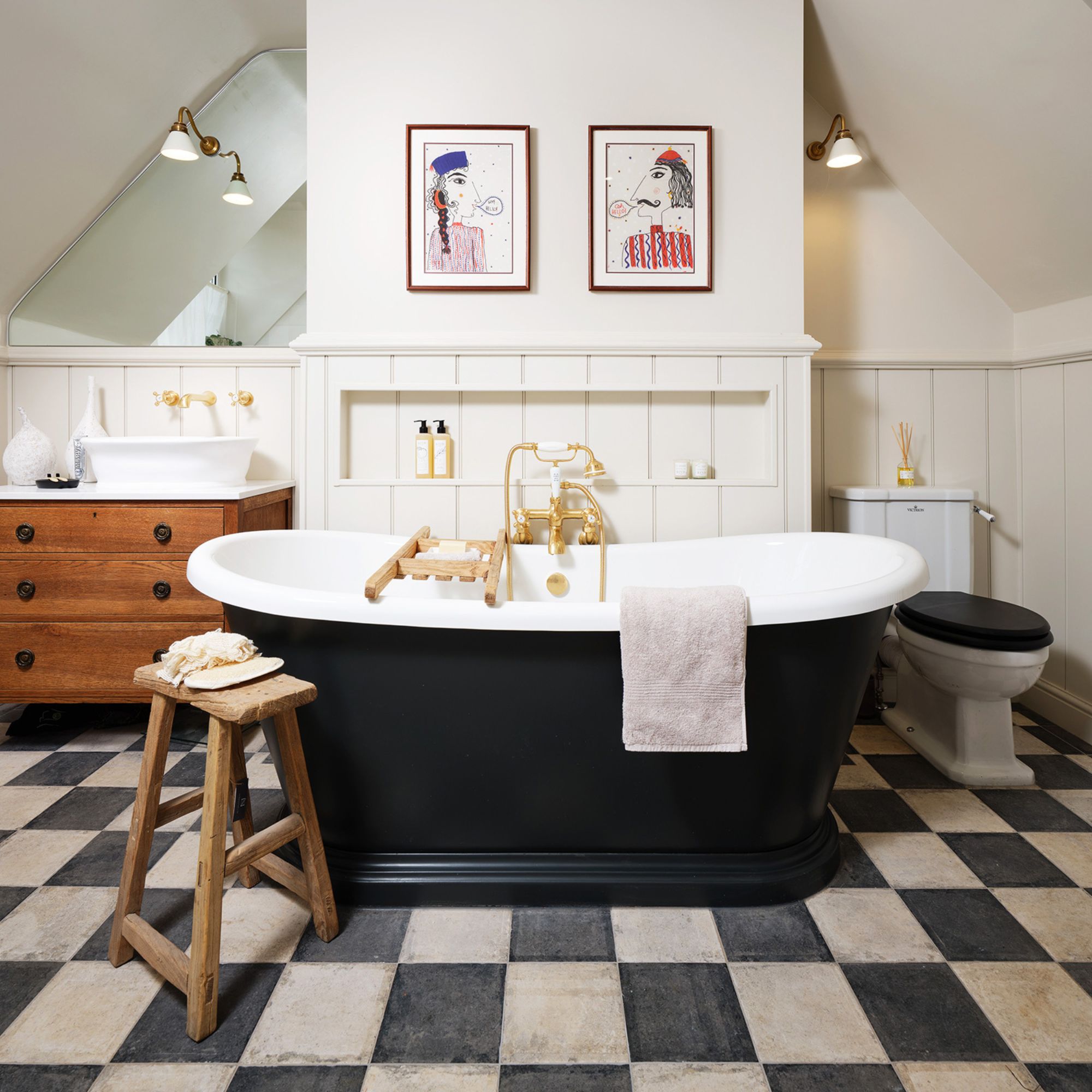
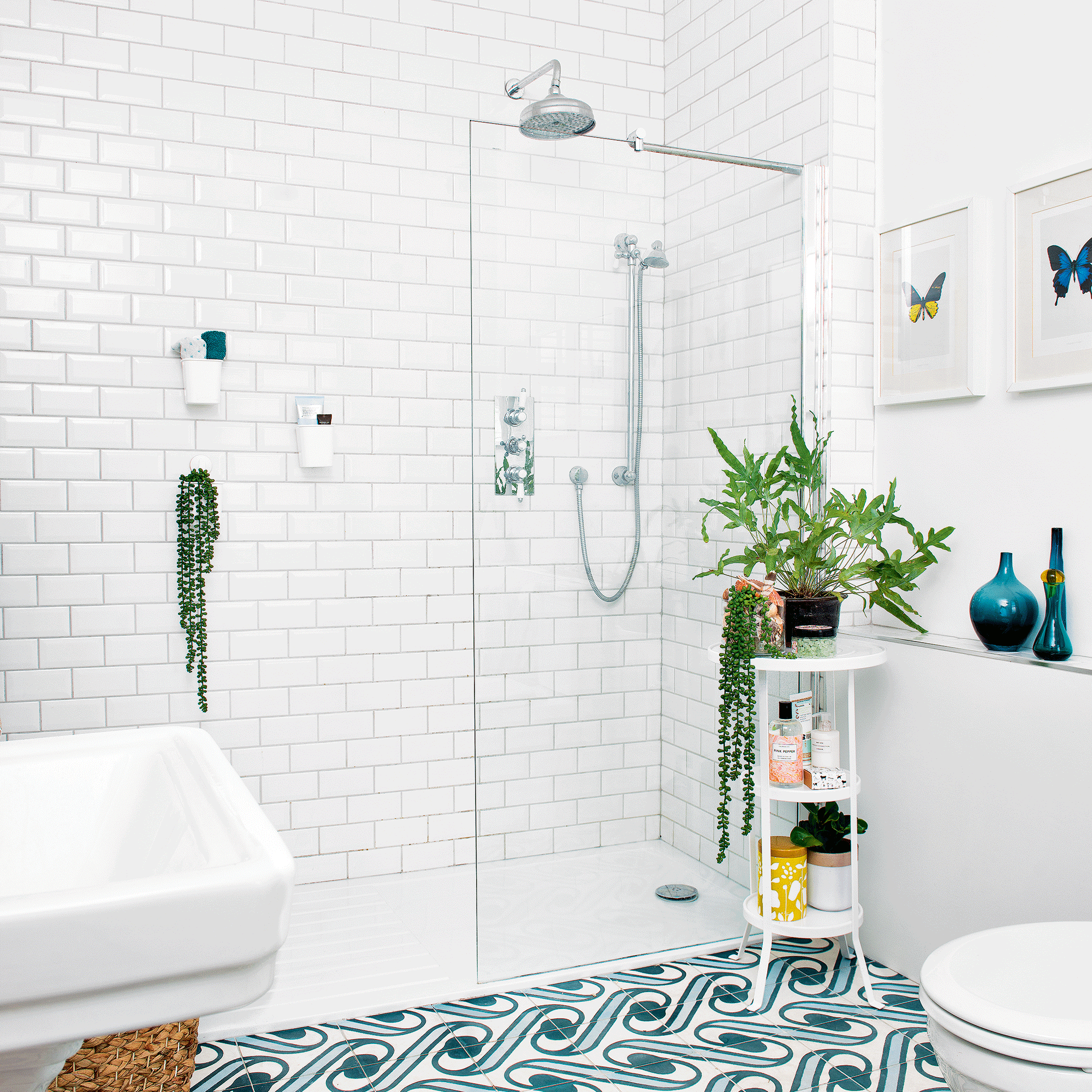
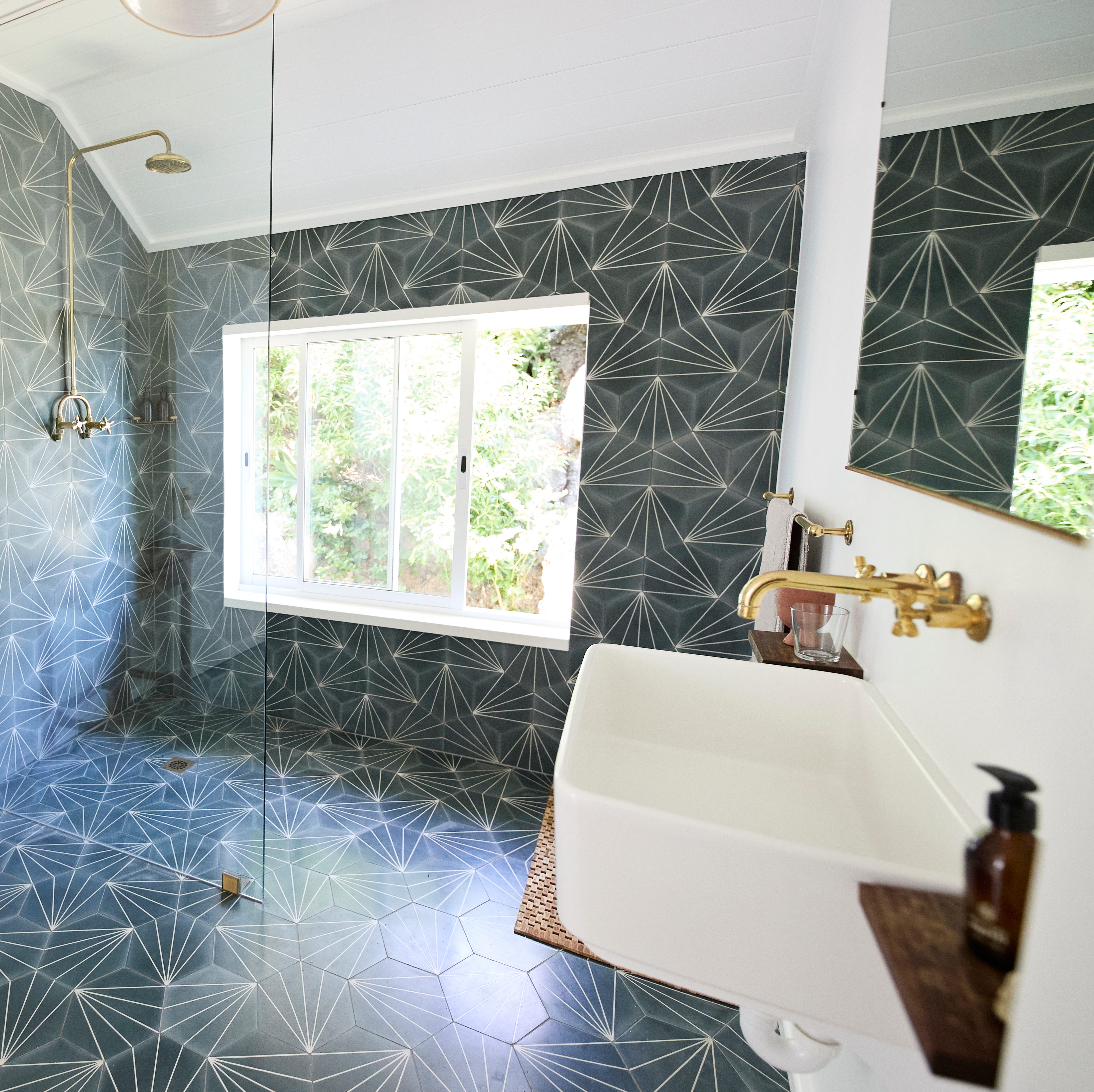
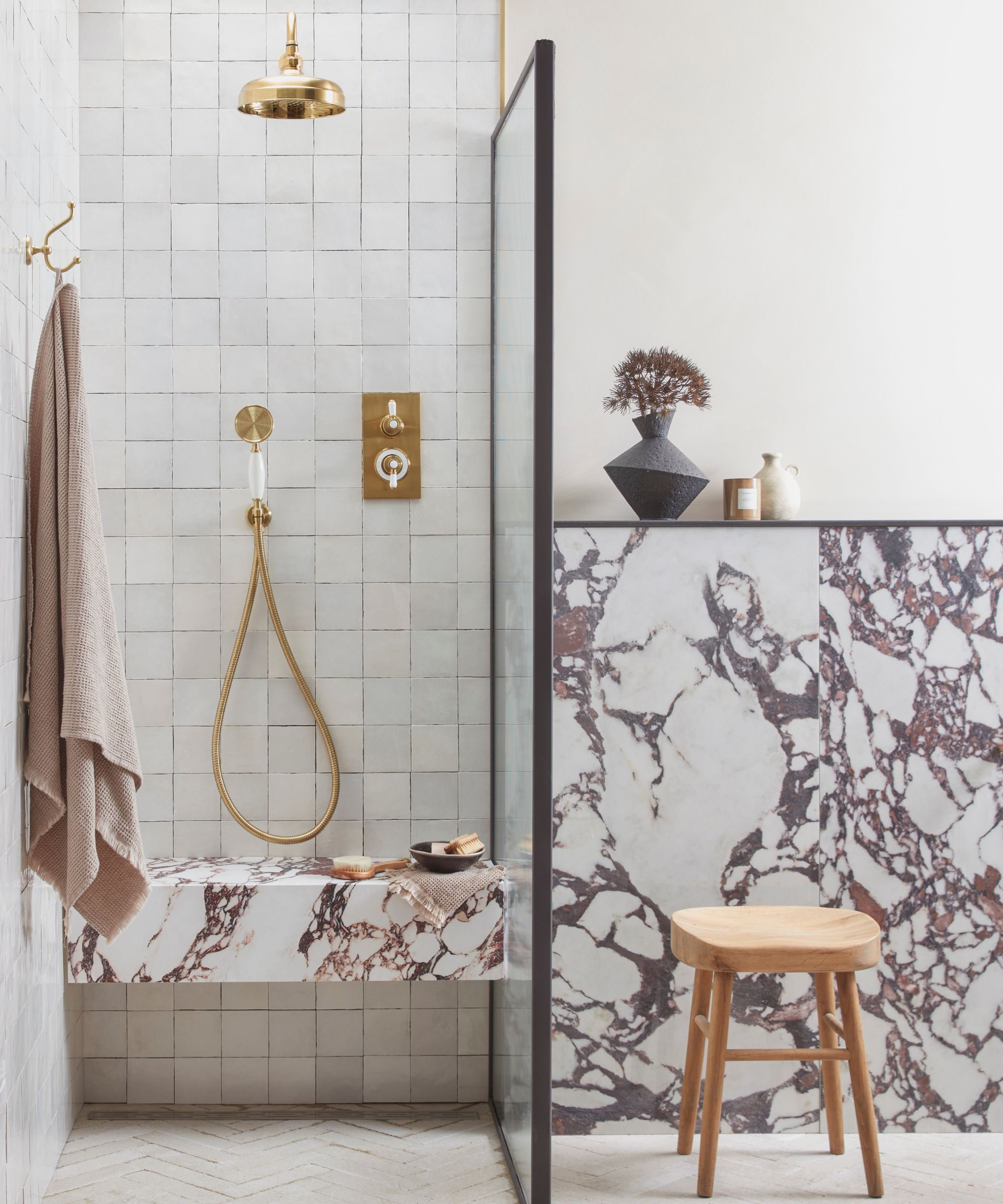
Similarly, bold or intricate patterns can introduce visual clutter, reinforcing a sense of confinement. Whether through tiles, wallpaper, or other decorative elements, excessive patterns can overwhelm the eye and make it difficult to appreciate the room's layout. While patterns can add visual interest, their overuse or an overly busy design can make the space feel chaotic and smaller. A more subtle approach to patterns, or their strategic and minimal use, is recommended for maintaining an open aesthetic.
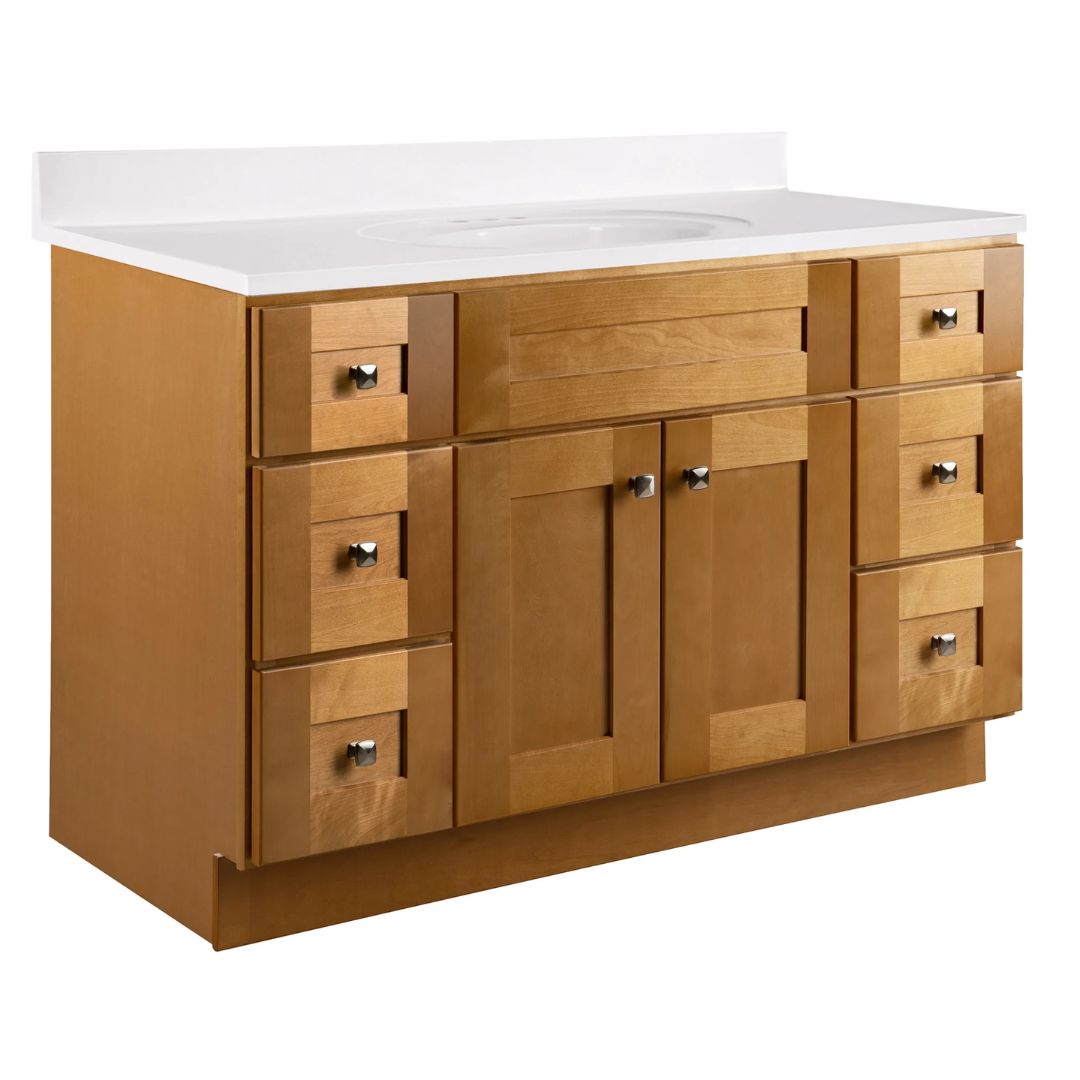
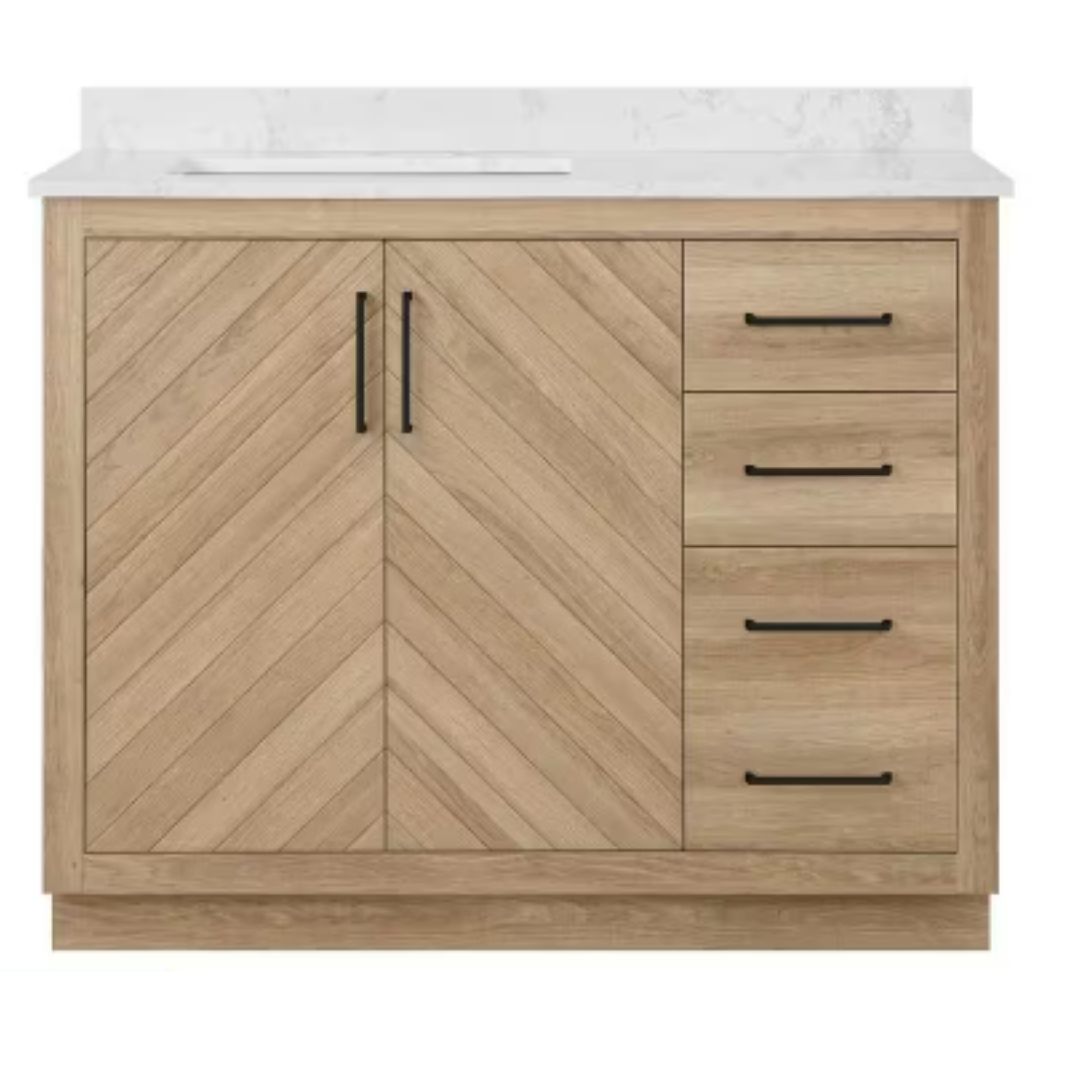
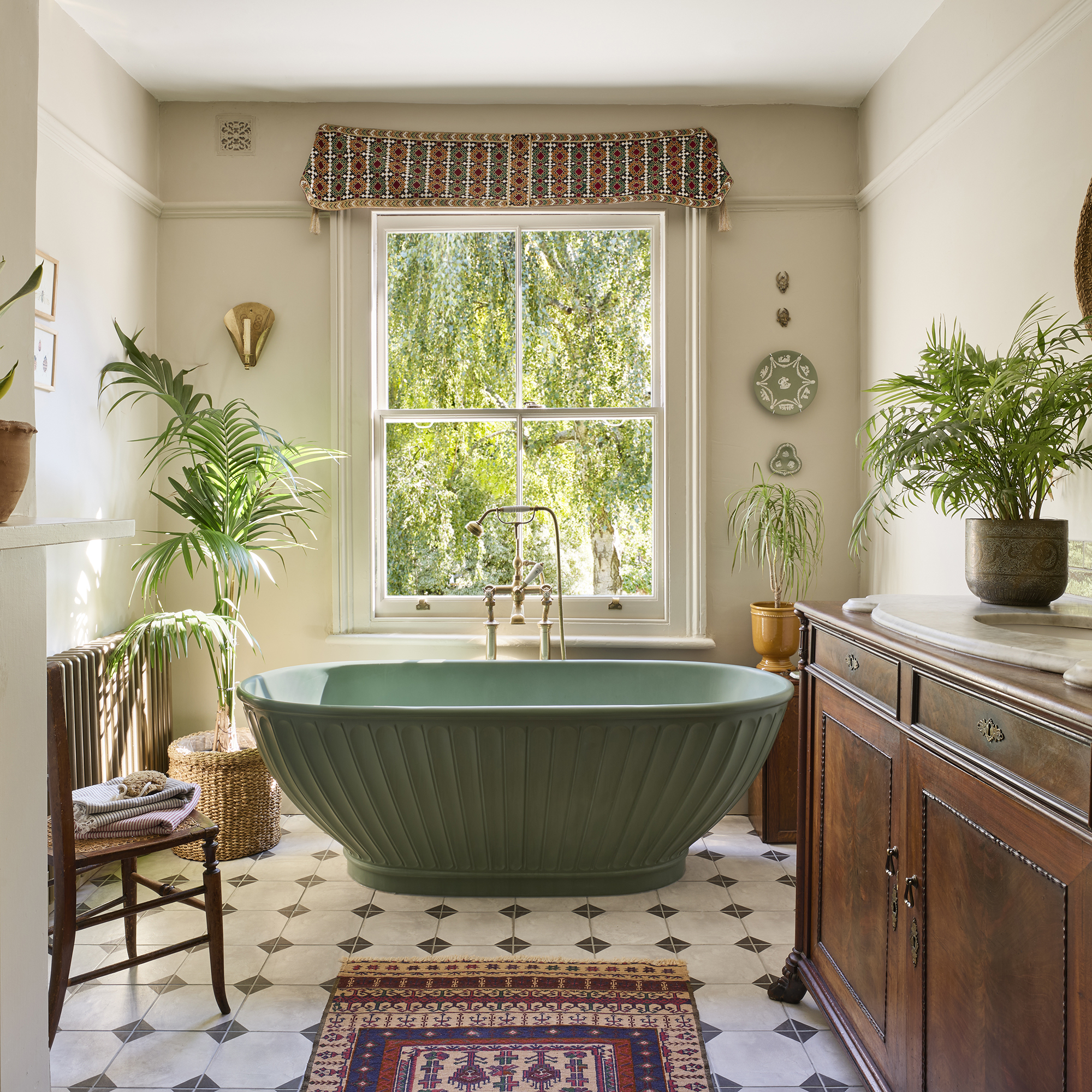
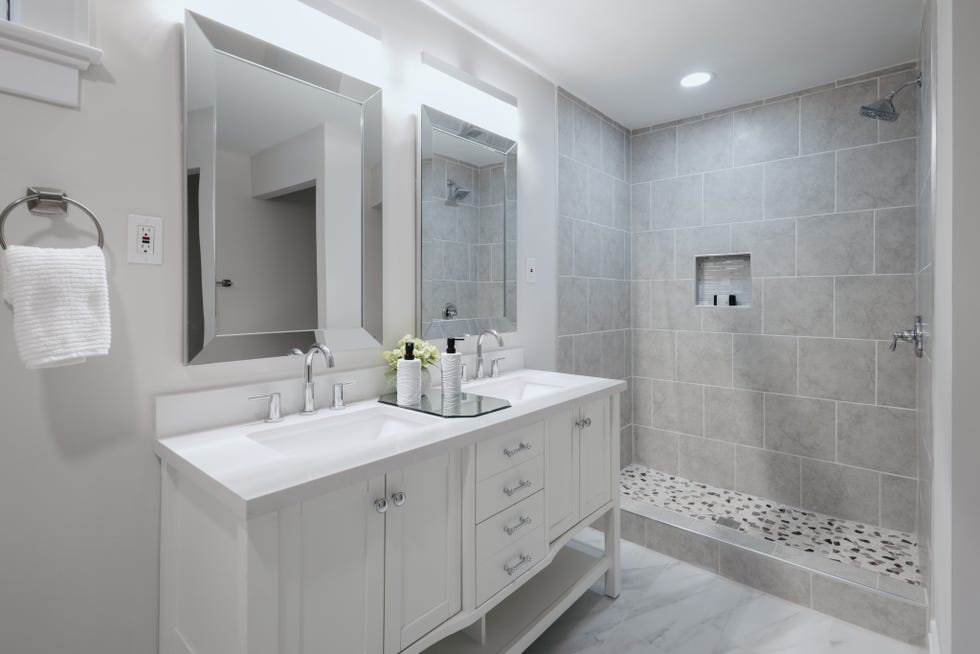
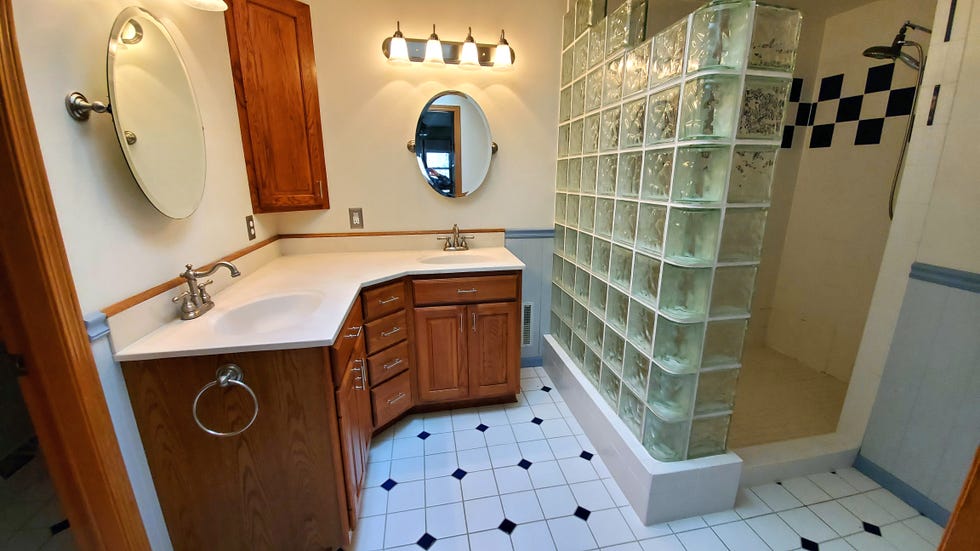
Finally, the size and placement of the bathroom vanity are crucial. An oversized vanity, despite offering extensive storage, can visually dominate a small bathroom, making it feel tight and restrictive. Vanities that are too large or too deep consume valuable floor space and protrude excessively from the wall, hindering movement and diminishing the sense of space. Designers advise selecting vanities that are appropriately scaled for the room, balancing storage needs with the desire for an airy and functional environment. Avoiding these common design pitfalls can help make any bathroom appear larger and more comfortable.
#BathroomDesign #SmallSpaces #InteriorDecorating #HomeImprovement #LightingDesign #ColorSchemes #StorageSolutions #SpaceOptimization #BathroomDesign #SmallSpaces #InteriorDecorating #HomeImprovement #LightingDesign #ColorSchemes #StorageSolutions #SpaceOptimization
0 comment in total
 No comments yet
You may also like
8 things that will always make your bathroom look small, according to designers
Small bathroom design mistakes that are red-flag worthy, according to the pros

7 design mistakes that are making your bathroom harder to clean
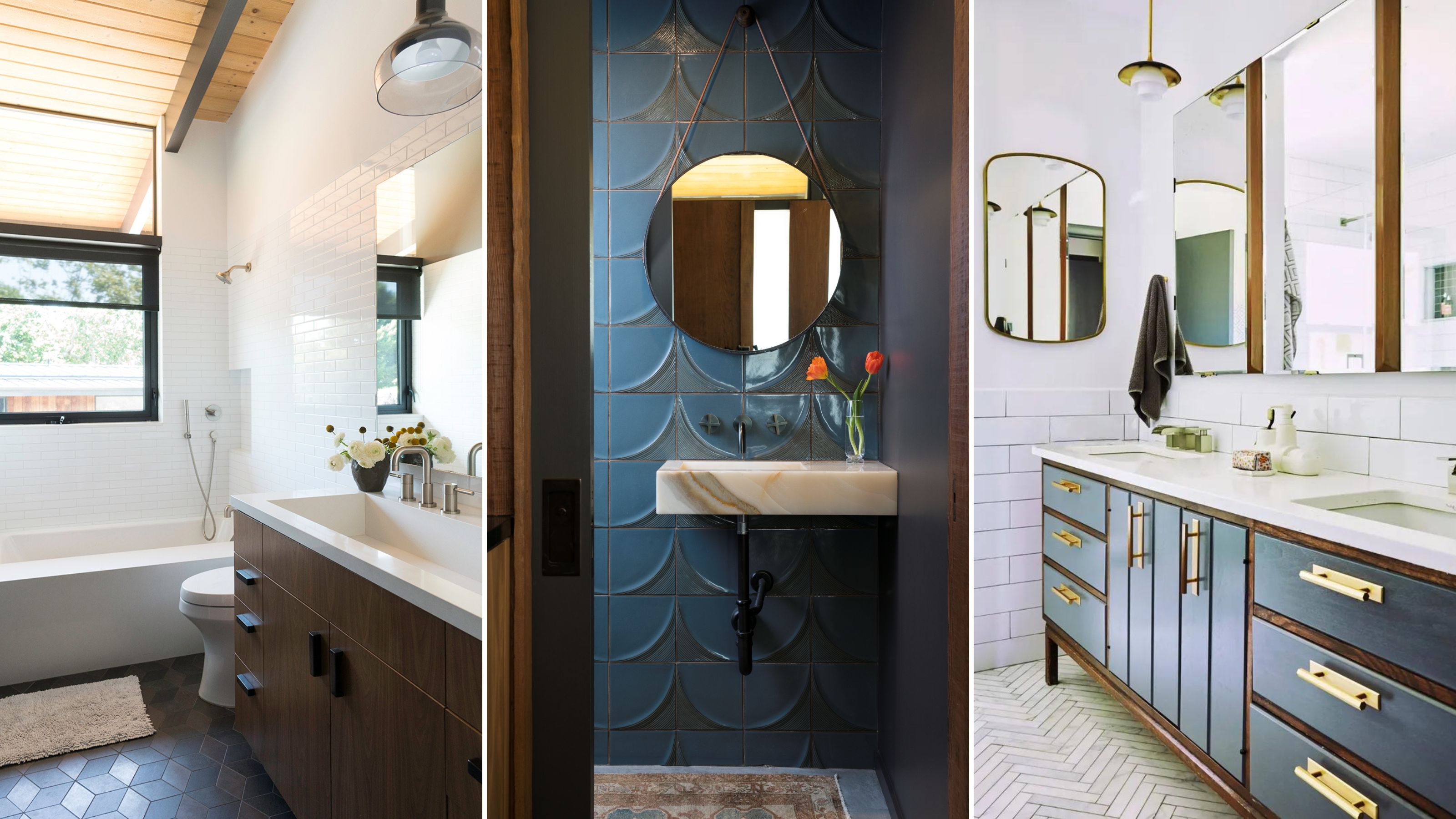
Interior designers share the 9 biggest mistakes people make when decorating and designing a bathroom
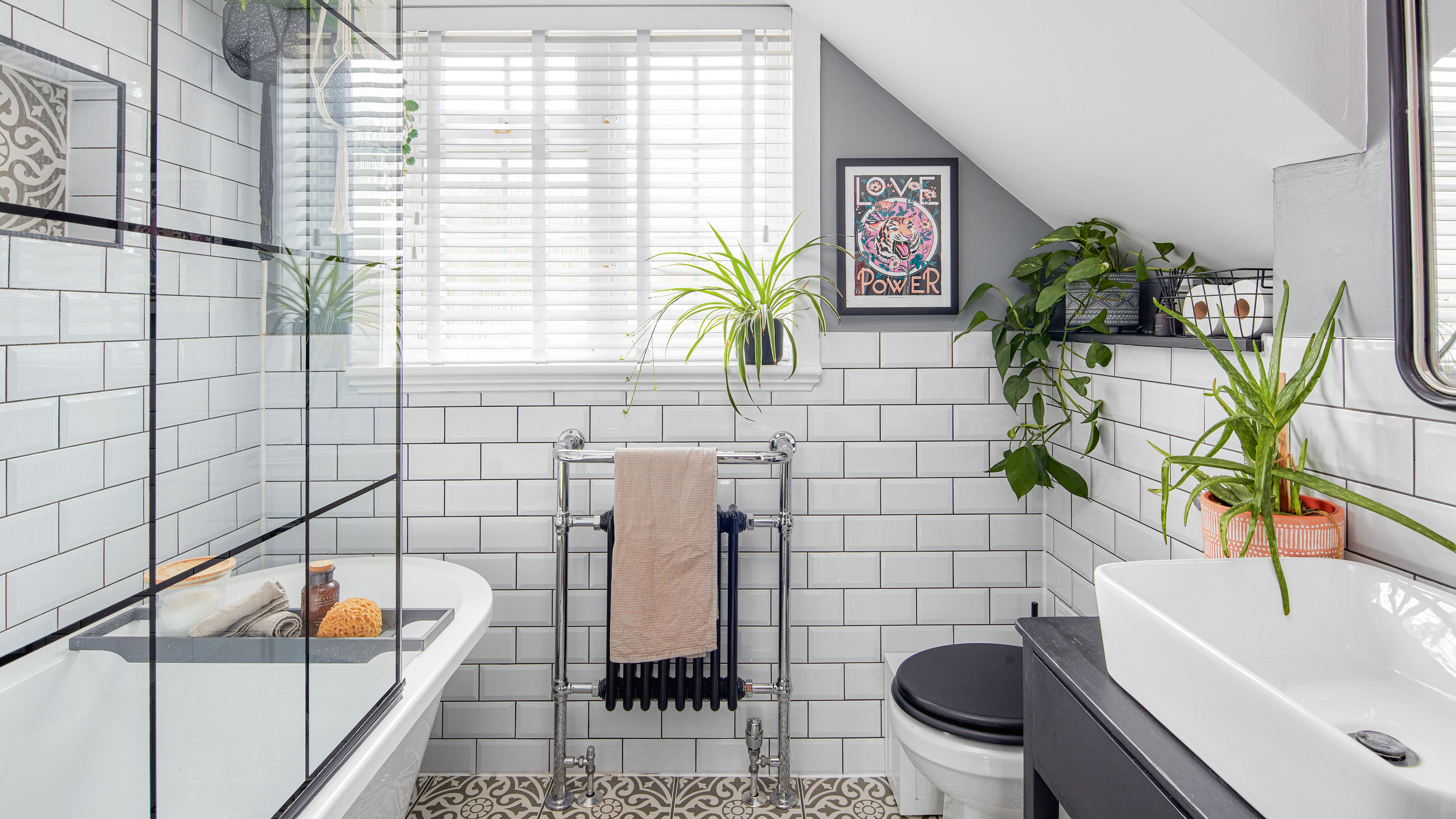
7 small bathroom layout mistakes — designers say to swerve these to "maximize potential"
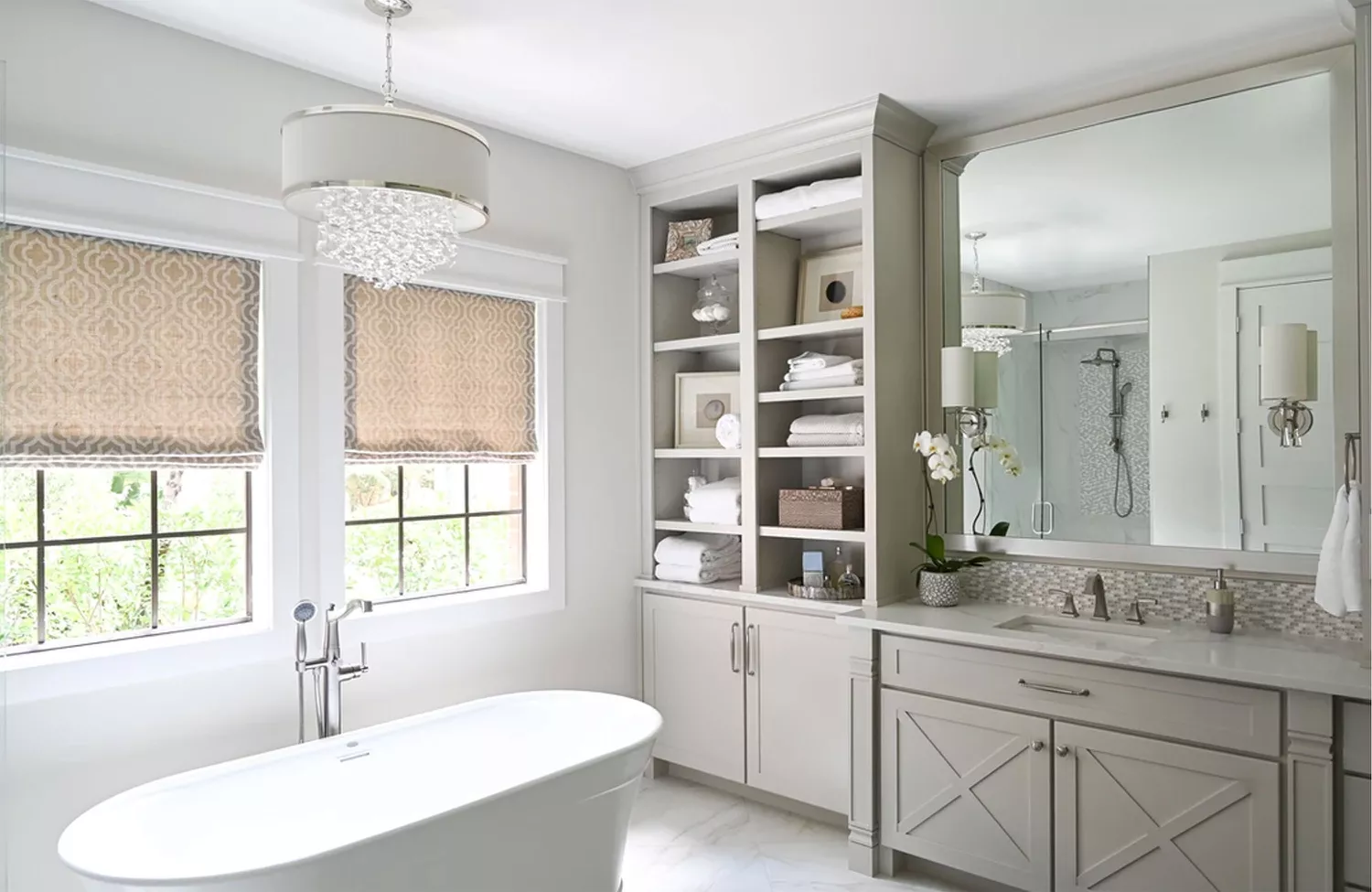
These 5 things are making your small bathroom look cheap, according to experts - but the fixes are simple
5 Things Designers Immediately Notice About a Bad Bathroom Layout

5 Bathroom Lighting Mistakes to Avoid — Designers Advise How to Dodge The Most Common Problems

Small Bathroom Design Mistakes — 6 Errors You Probably Didn't Even Know You Were Making
5 Bathroom Lighting Mistakes That Instantly Dim the Space, According to Designers
18 WORST Bathroom Design Mistakes You're Probably Making

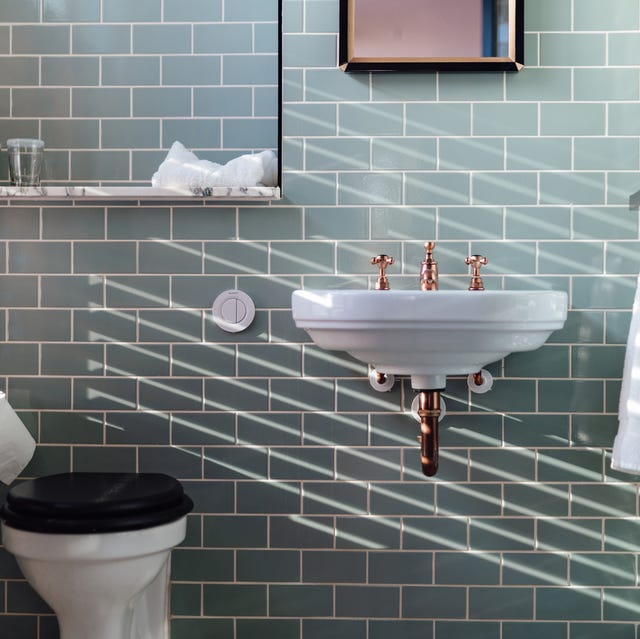
8 Bathroom Reno Mistakes That INSTANTLY Cheapen the Look of Your Home, According to Experts

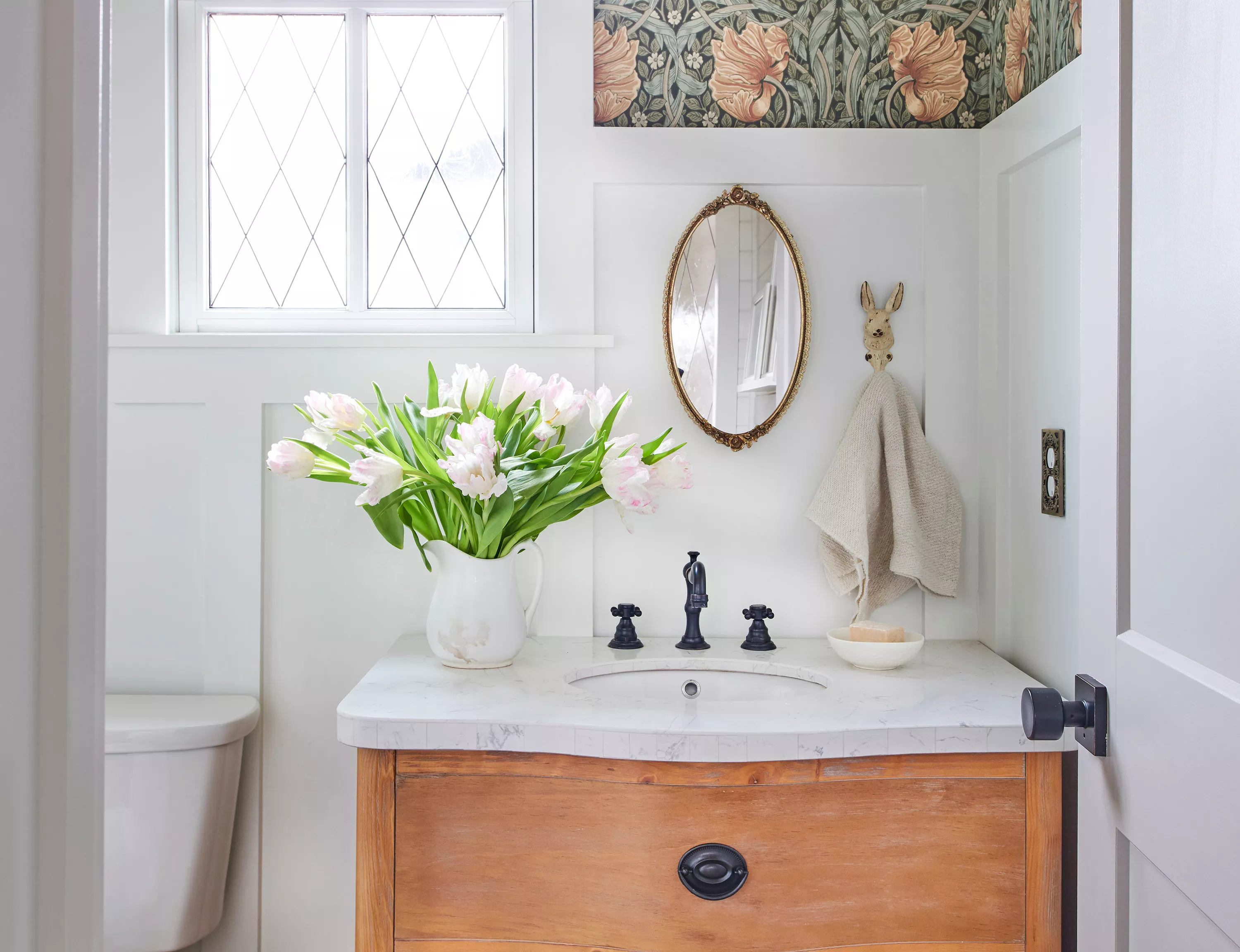
5 Mistakes Designers Say Are Making Your Bathroom Look Smaller
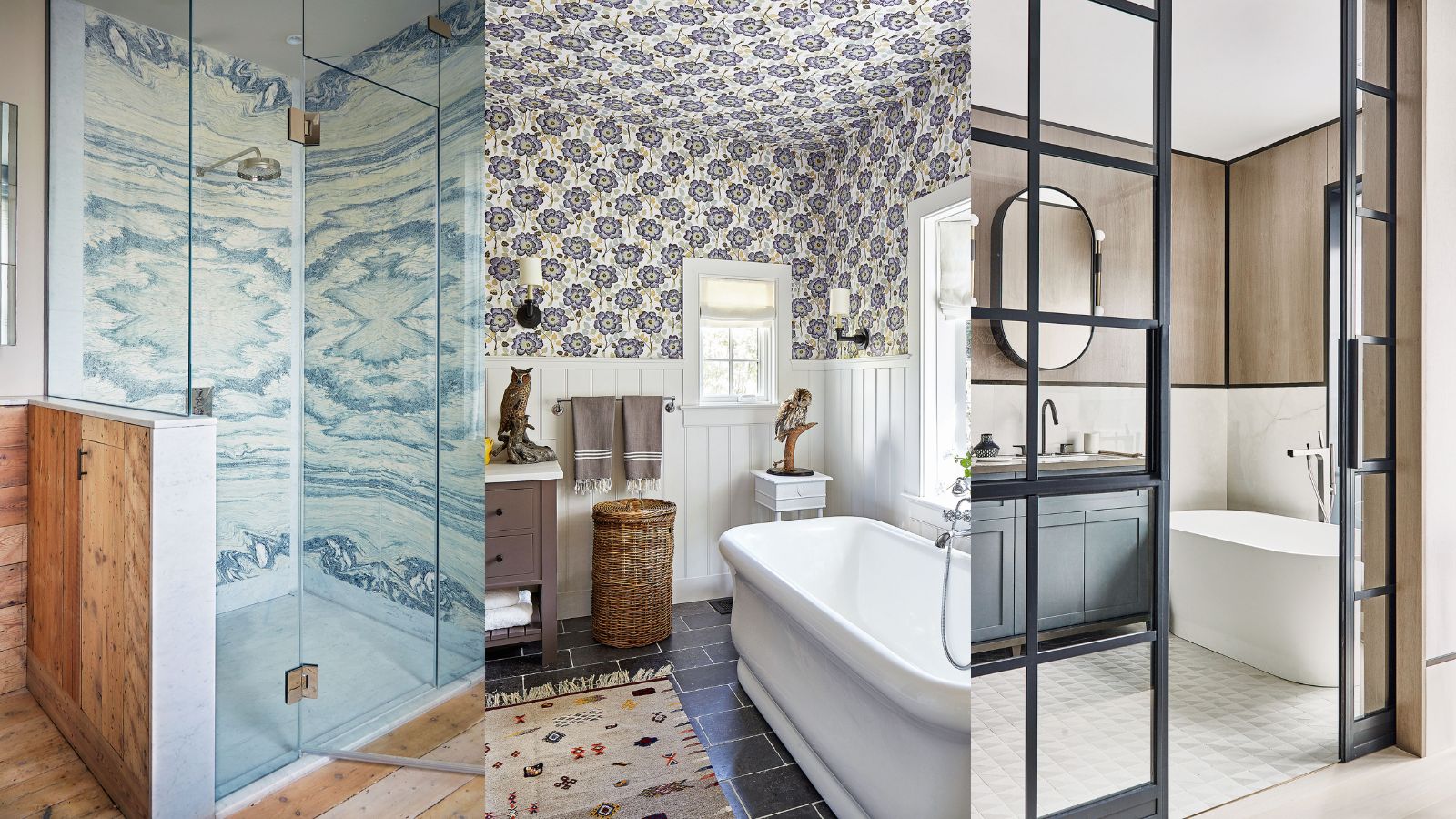
What should I avoid in a small bathroom? 8 mistakes that are ruining your space – and how to fix them
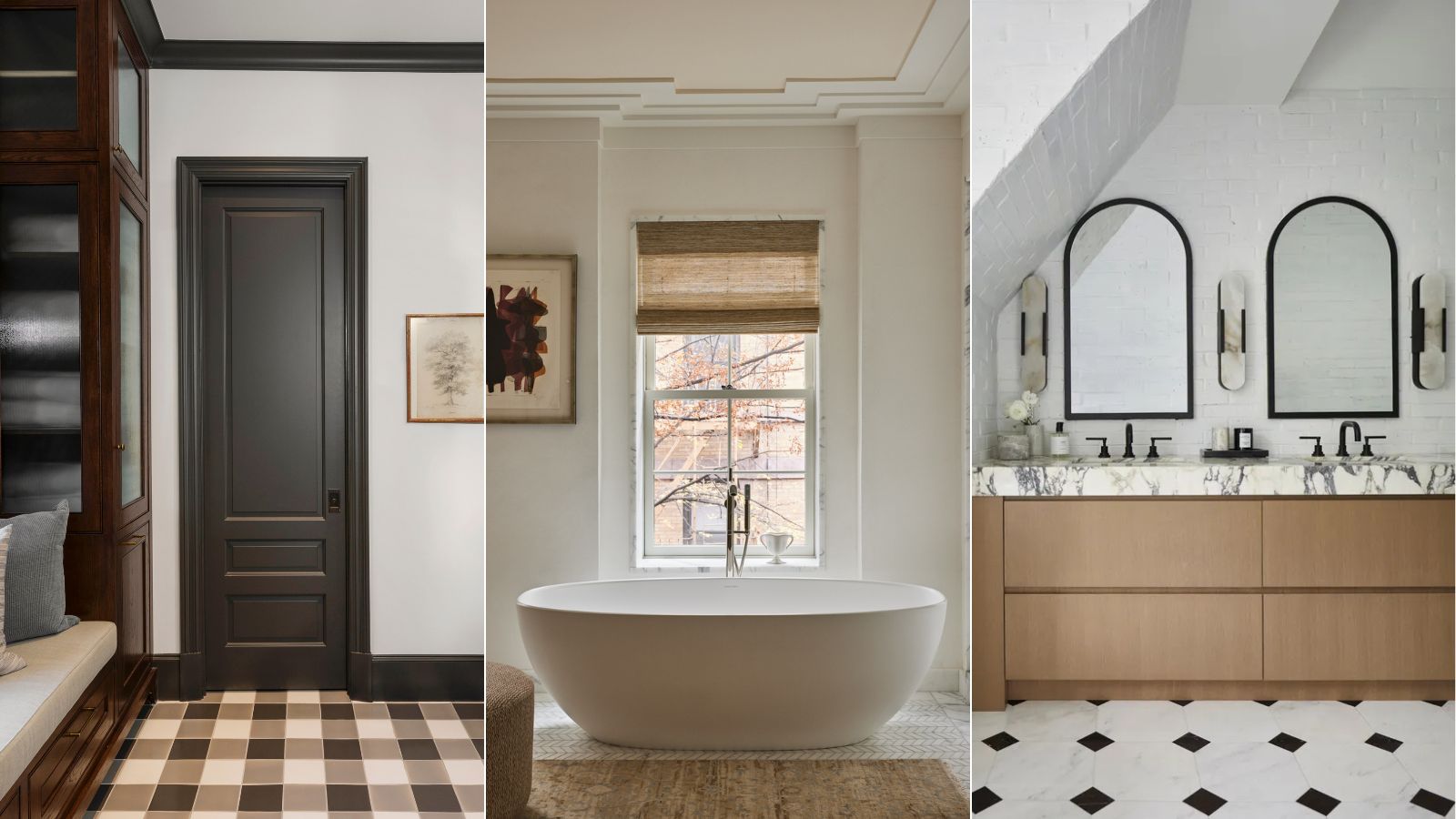
5 things in your bathroom that aren’t worth spending money on, according to interior designers

8 items interior designers never have in small bathrooms

5 mistakes making your hallway look smaller and how to fix them, according to designers

5 Family bathroom layout mistakes to swerve for a functional space
13 bathroom design mistakes to avoid at all costs, according to experts
4 Mirror Mistakes That Make Rooms Look Smaller (And How to Fix Them), According to Designers