1/16
How the Ancient Concept of “Shakkei” Can Enhance the Beauty of Your Home
The article explores the ancient East Asian design principle of *shakkei*, or "borrowed scenery," and its application in contemporary home and garden design. *Shakkei* involves seamlessly integrating distant landscapes into a garden or architectural setting, creating a deep connection between the built environment and nature. Originating in Japanese gardens as early as the Heian period and formalized in Chinese design during the 17th century, *shakkei* gained popularity among modernist architects in the 1960s. The technique goes beyond mere window framing, requiring a careful analysis of the surrounding landscape to create a harmonious composition that incorporates the borrowed elements with depth, scale, and texture.
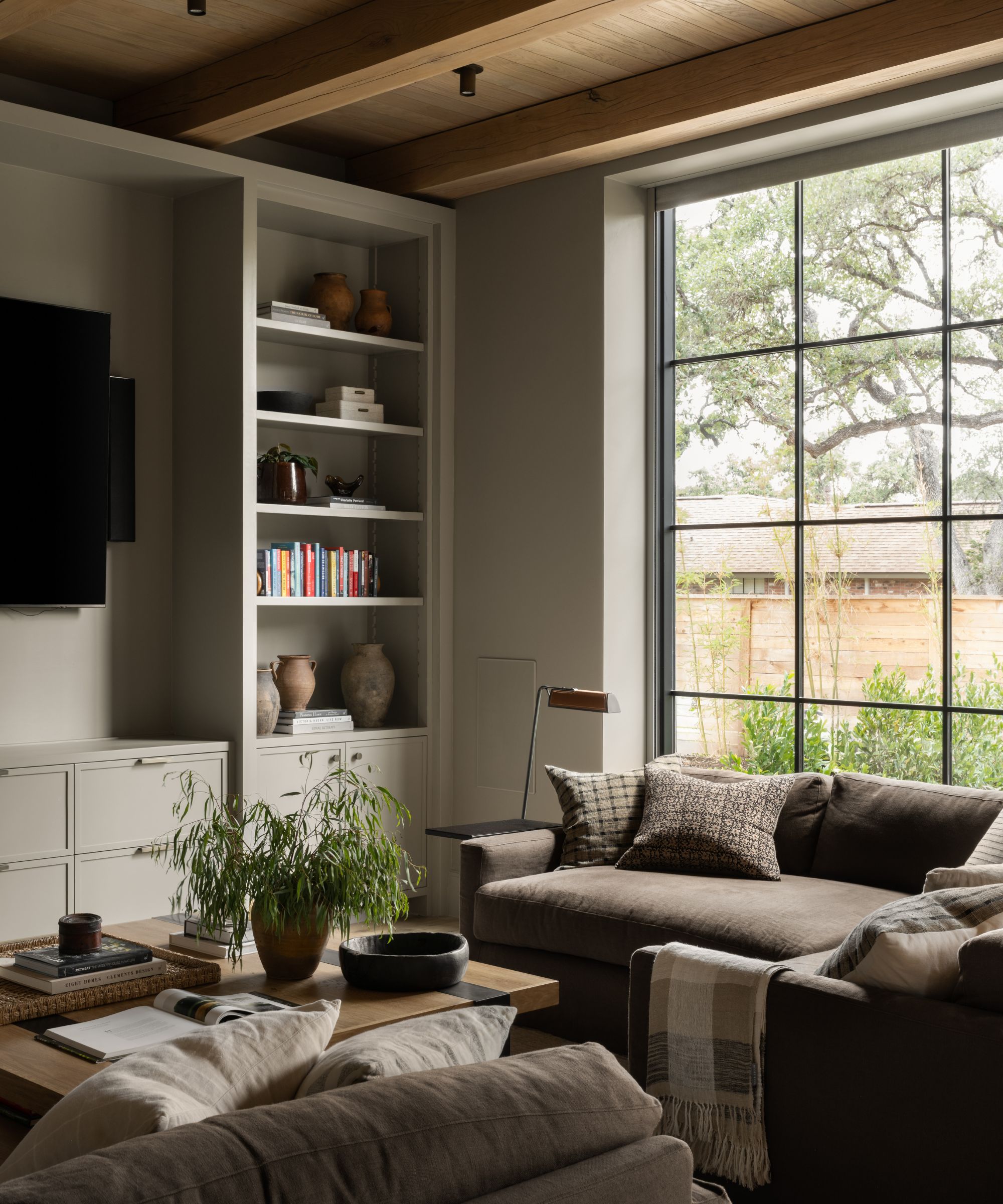
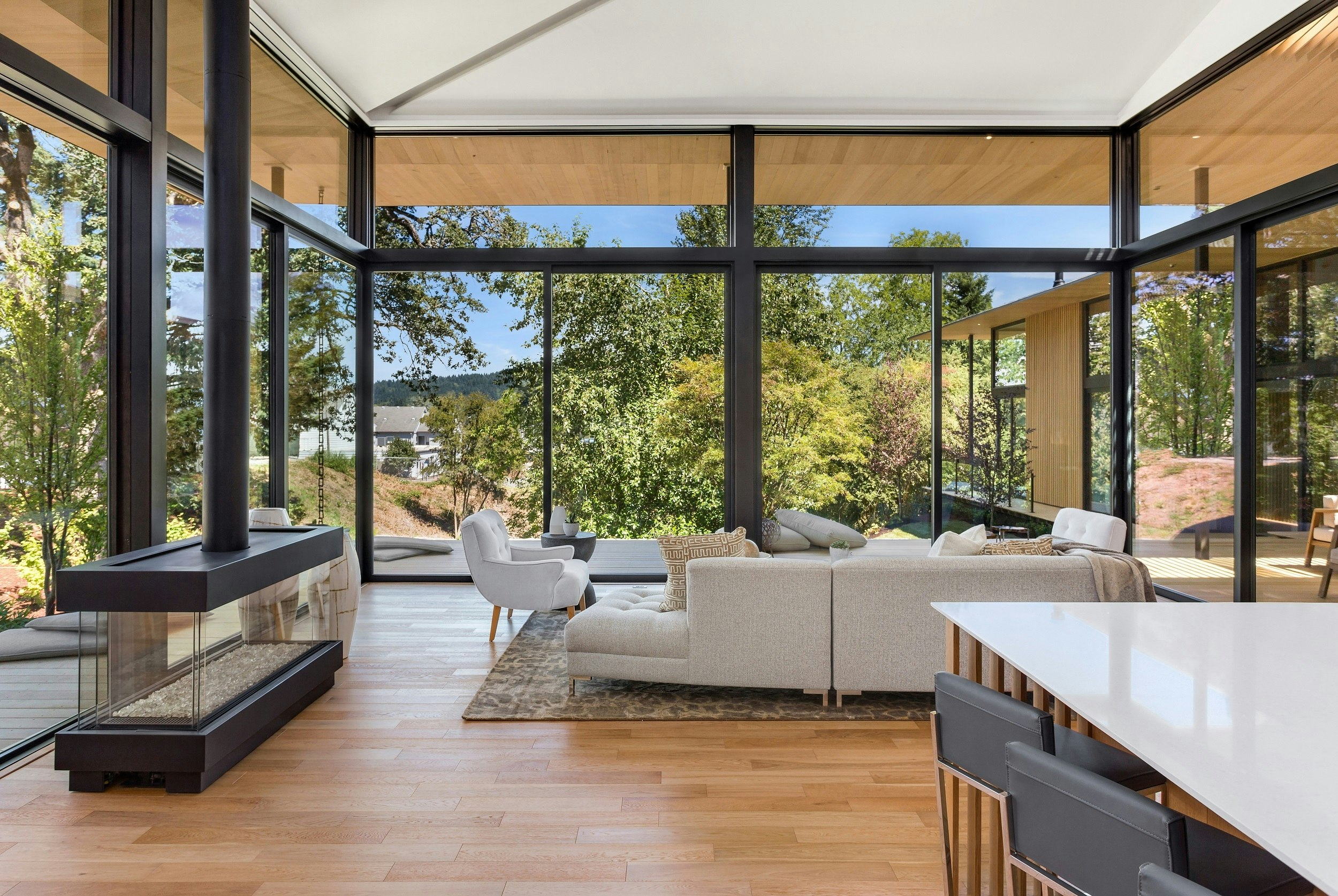
Various examples illustrate the concept's practical application. The Tairyu-Sanso garden in Kyoto, designed by Ogawa Jihei VII, incorporates Mount Higashiyama into its composition, effectively masking the surrounding modern city. Kengo Kuma and Associates' Suteki House in Oregon utilizes *shakkei* to frame exterior views, making distant oak trees feel like an integral part of the home's visual space. The architects explain that this technique visually expands the limits of the property. Genkō-an, a Zen Buddhist temple in Kyoto, features distinct windows that frame the borrowed landscape with the precision of a painted composition. Similarly, the Keishin-en Garden at Jikkō-in temple in Kyoto strategically integrates views of the mountains across the valley.
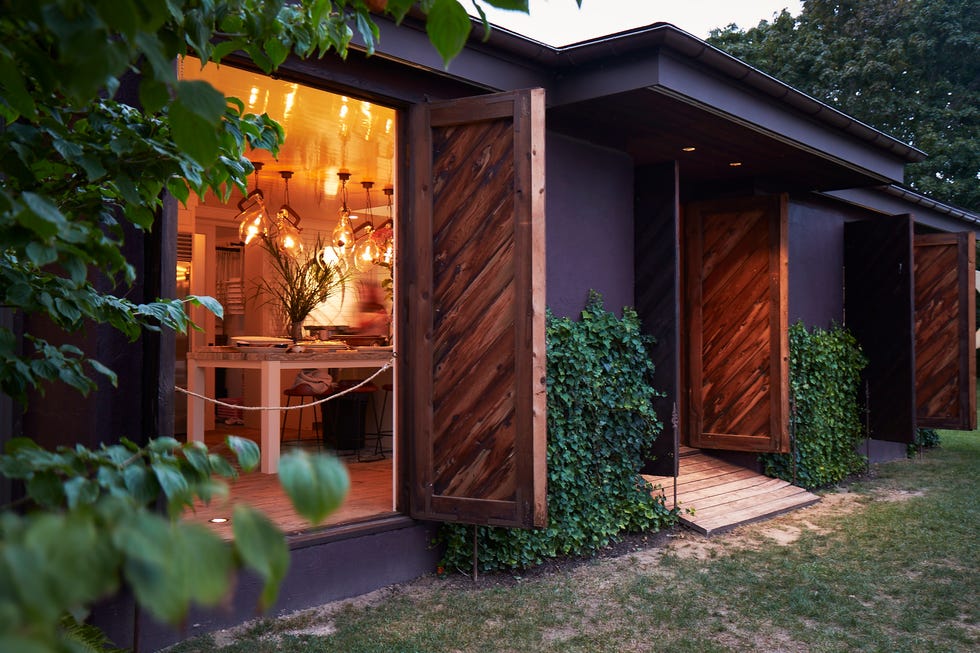
The Adachi Museum Garden in Yasugi, Japan, consistently ranked as the country’s most beautiful garden, is also designed using *shakkei* principles, with rugged stones echoing distant craggy mountains. Architect Clinton Cole of CplusC Architectural Workshop highlights that while Western gardens often prioritize symmetry, East Asian gardens, through *shakkei*, celebrate natural landscapes by framing specific elements to connect exterior views with interior spaces. CplusC Architectural Workshop's Totoro House in Sydney exemplifies this, using various window and door openings to frame different aspects of the backyard, creating a natural transition between inside and out. The principal bedroom’s circular window, inspired by *shakkei*, provides privacy while maintaining a connection to the rear courtyard.
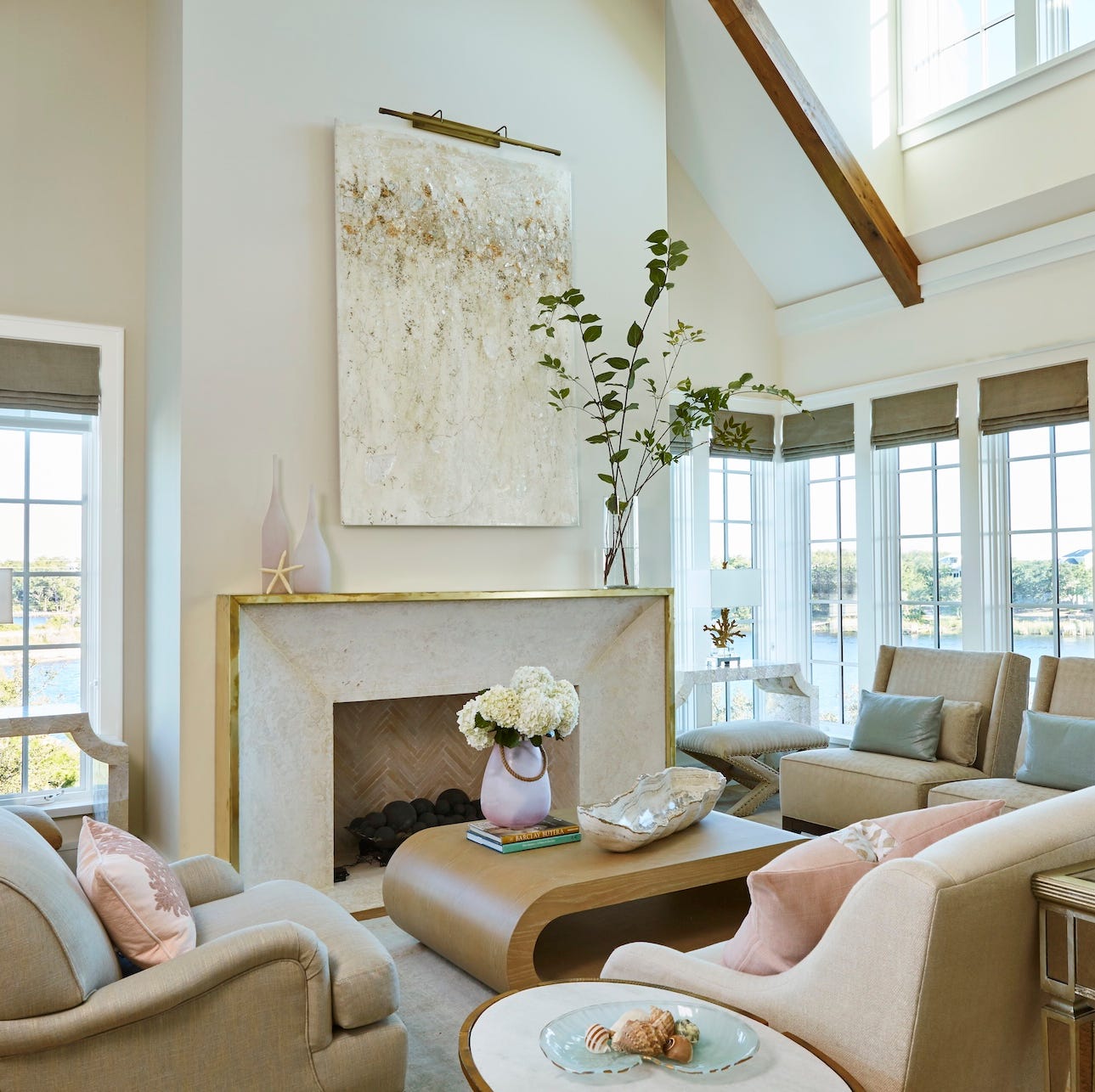
American architect Allison Ewing applied *shakkei* principles in her Lantern at Linkhorn Bay residence in Virginia Beach, using cantilevered rooflines and floor-to-ceiling windows to emphasize the site's beauty. The home's design elements, including hovering roof planes, reinforce the natural horizon, shoreline, and distant landscapes, creating an associative link between the foreground and background. Australian architect Lucy Clemenger similarly used *shakkei* in her Melbourne home to expand the sense of interior space by blurring boundaries with a neighboring park through glazed open-plan living areas and strategically framed views. The article concludes by acknowledging the contemporary challenge of *shakkei* in an increasingly developed world, where maintaining distant views is difficult, underscoring the enduring relevance and importance of this design philosophy for fostering a connection with nature.
#Shakkei #JapaneseGardenDesign #BorrowedScenery #EastAsianDesign #ArchitecturalIntegration #LandscapeDesign #HomeDesign #NatureConnection #ModernArchitecture #Shakkei #JapaneseGardenDesign #BorrowedScenery #EastAsianDesign #ArchitecturalIntegration #LandscapeDesign #HomeDesign #NatureConnection #ModernArchitecture
0 comment in total
 No comments yet
You may also like
This is the easiest and most affordable design upgrade I've made this year – I can no longer gatekeep Anthropologie's chic switch plates
Shea McGee has shared her 4 simple tips for creating her iconic look in a small space
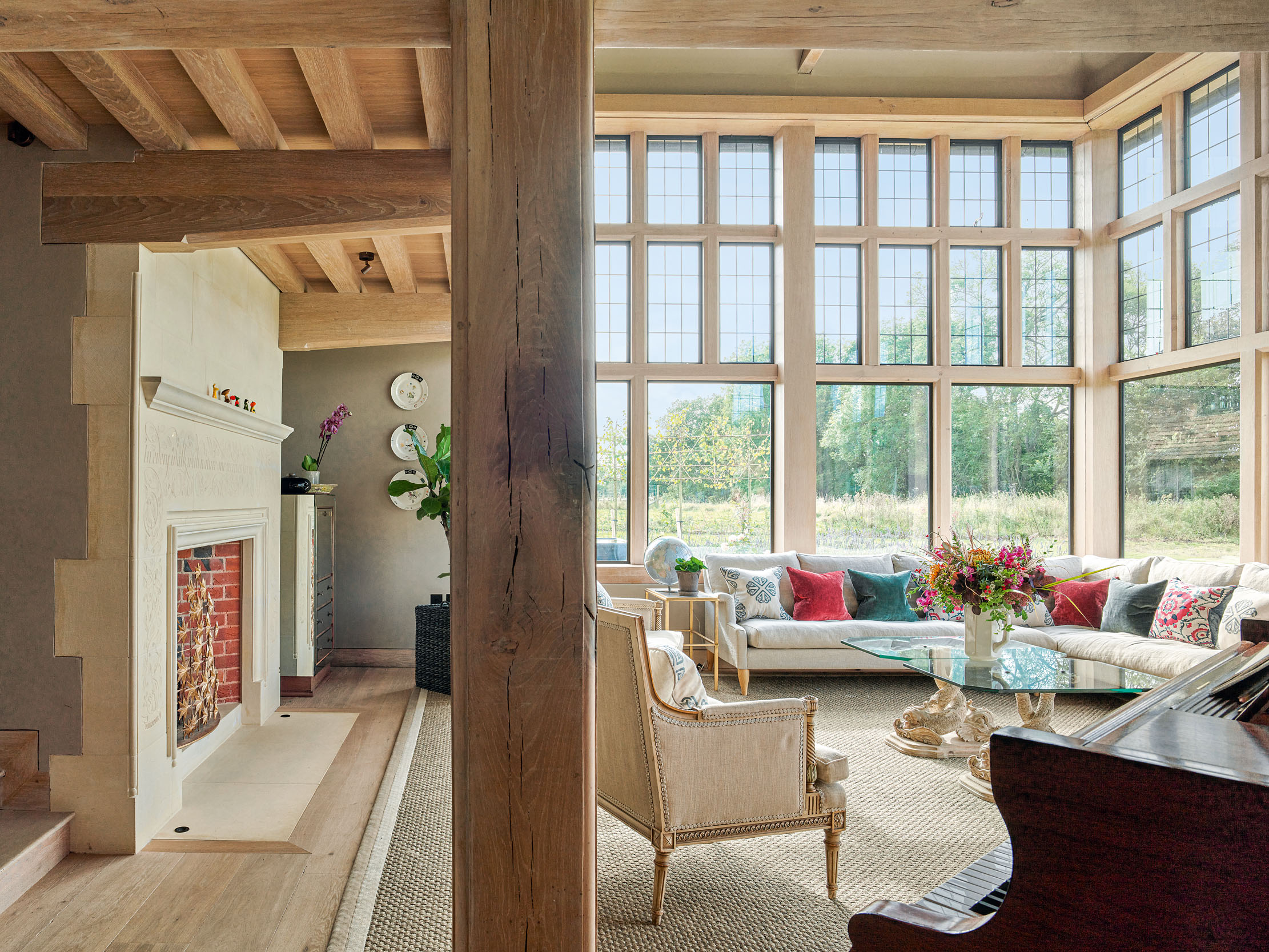
10 things I wish I'd known about doing up old houses before I started, by Country Life's interiors guru Giles Kime
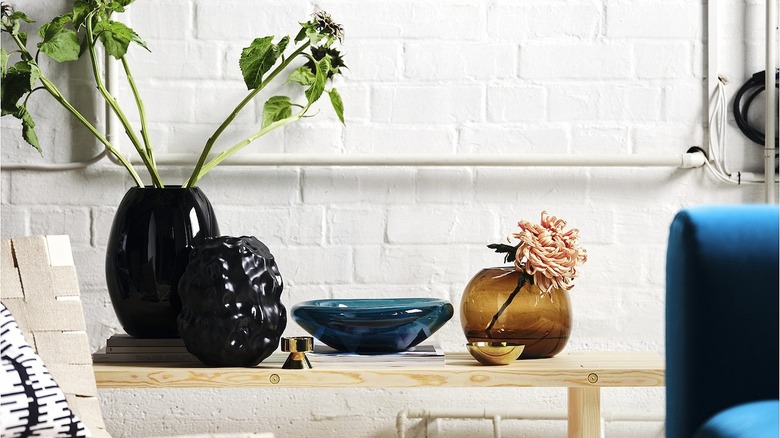
The Designer-Approved IKEA Piece That Adds Chic, Timeless Decor To Any Room

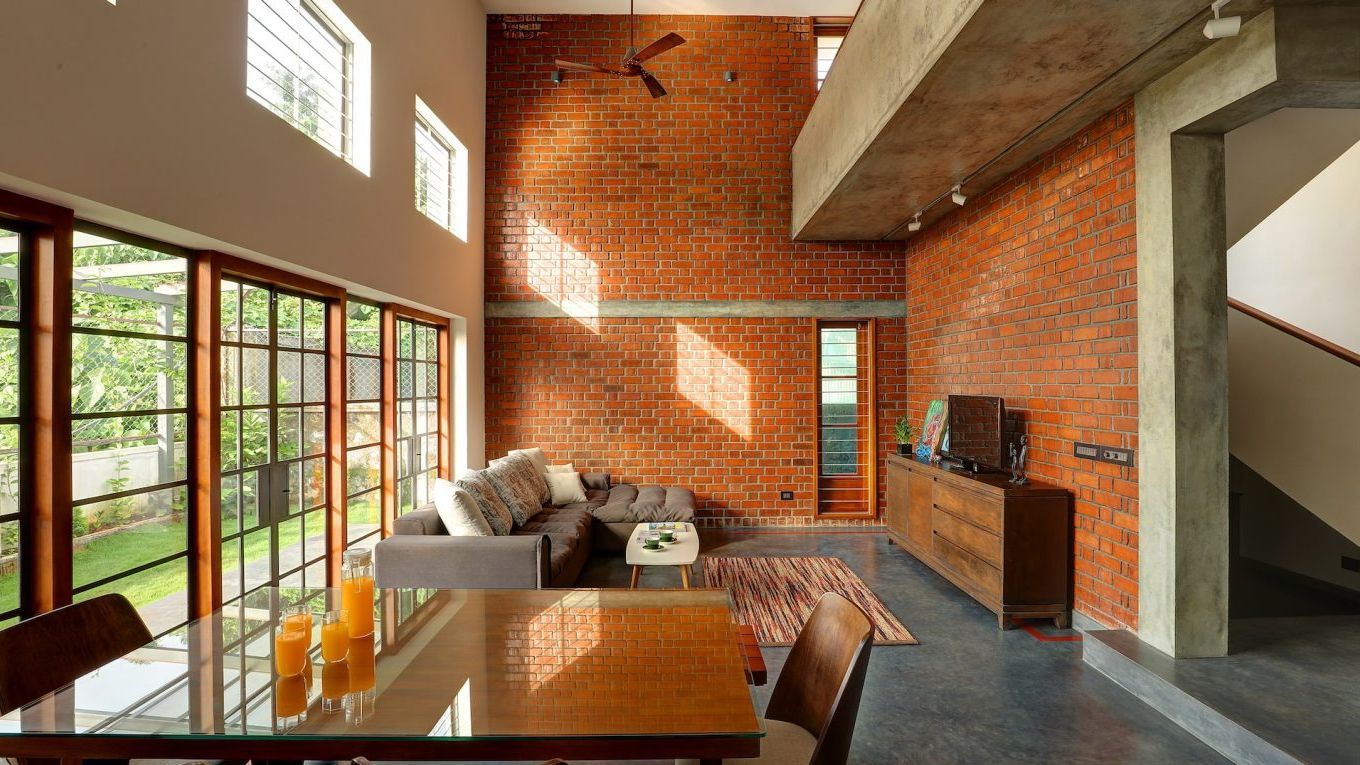
This Kochi home’s design evokes a feeling of absolute zen

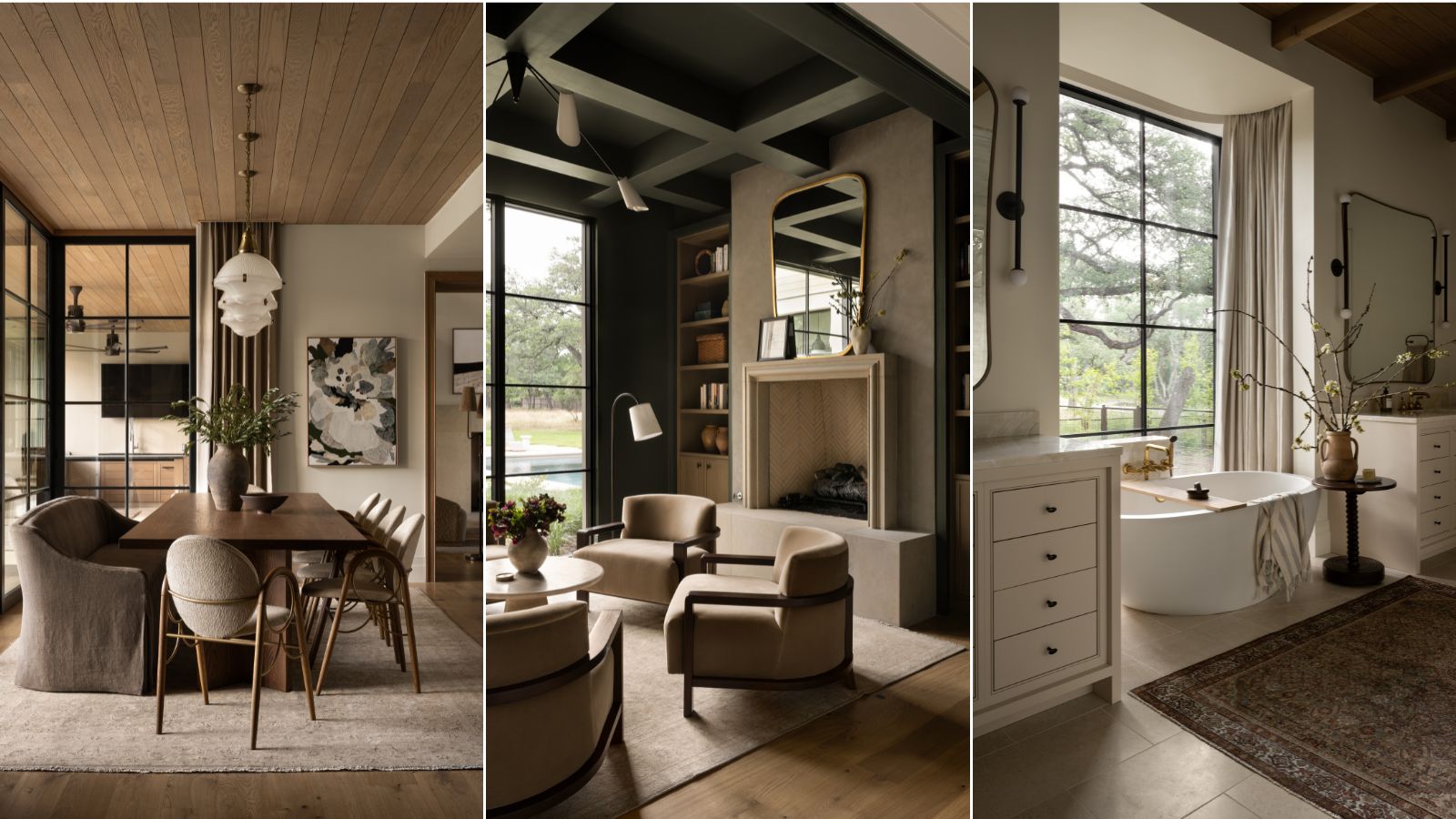
Shea McGee unveils her newest project – a luxurious modern rustic home inspired by the beautiful natural surroundings

The Latest Home Decor Trend Will Bring Old World Charm To Your Space
This ONE Tiny Detail Makes the Biggest Impact in Any Room, According to Designers

This nostalgic Kochi home features centuries-old art, soulful curios, and reclaimed wood
How to Update an Older Home While Honoring Its History

Interior Designer Says Adding This to Your Home Will "Bring a Sense of Calm"

12 Designer-Approved Tricks to Fill a New Home With Vintage Character

This Decor Trend Adds Instant Sophistication to Your Home — How to Get the Look

30 Best Luxury Home Decor Items That Are as Unique as You Are
7 Architectural Details You Should NEVER Get Rid of in a Historic Home

6 design tips to upgrade an older home without clashing styles | Hindustan Times

6 Antique Design Features Designers Wish Would Make a Comeback

Studio McGee's Spring collection with Target has just launched
“It Instantly Becomes Tacky": 22 Home Design Trends That Are Mega-Popular For Reasons Many People Will Never Understand

How to Renovate a Historic Home—and Keep Its Character—According to Designers